
Classic Wheels

Gallery 1
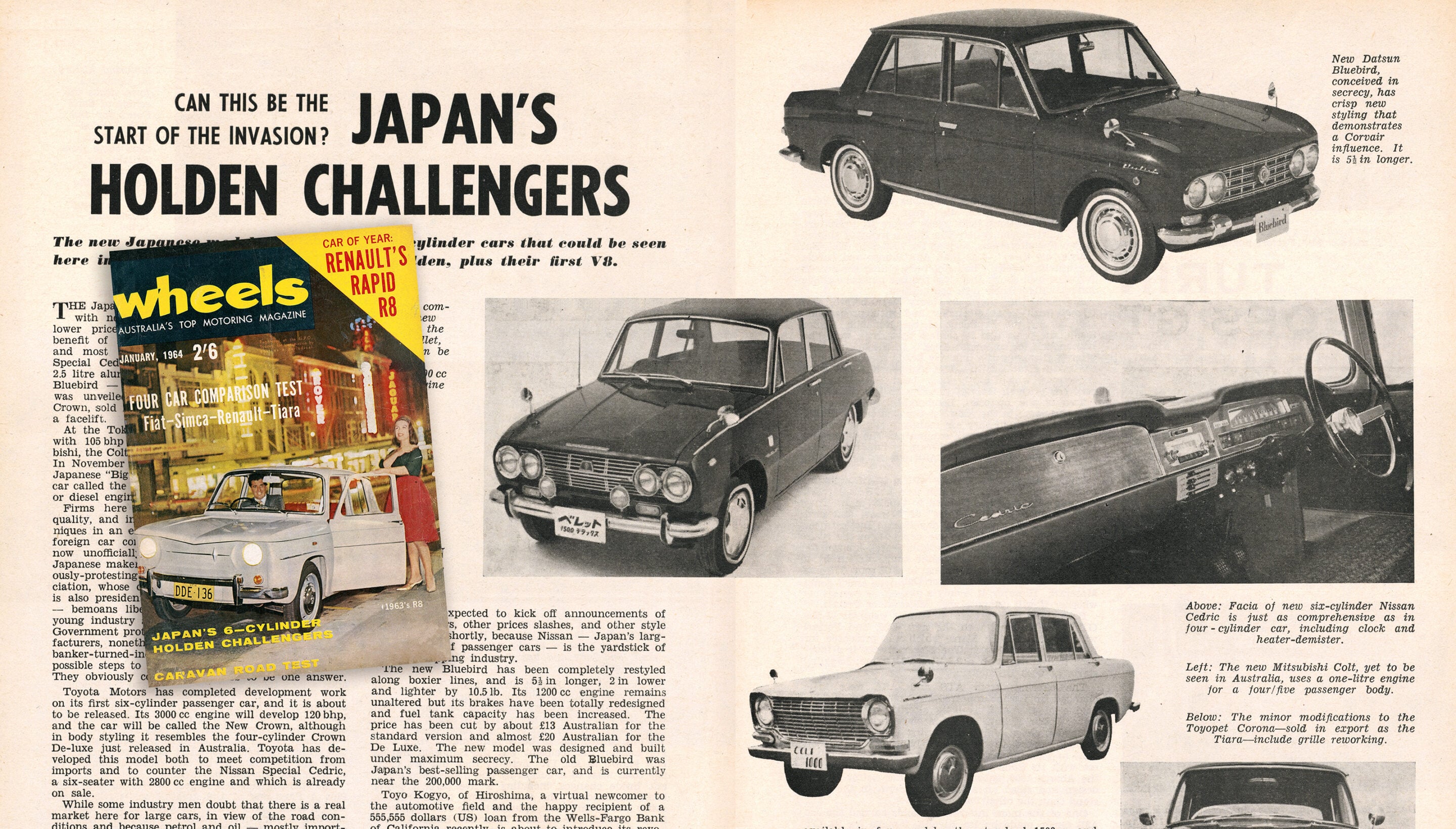
Think an influx of new cars into Australia from unknown challenger brands is a new thing? Think again. In January 1964, Wheels reported on the impending cavalcade of new cars from the then still nascent Japanese car industry. Those brands, household names today, were then still relatively unknown, even if we don’t recognise some of them today. Toyopet became Toyota, Datsun morphed into Nissan and Hiroshima’s Toyo Kogyo would go on to become better known as Mazda.
1
Our January 1964 headline suggesting Japan was ready to challenge Holden, Australia’s undisputed number one, might have seemed fanciful at the time. But it took just 27 years for the now Japanese giant to claim top spot on the new car sales charts. Holden meanwhile, shut up shop completely in 2021.
Now Toyota it’s Toyota’s turn to feel the heat, its undisputed number one spot, a position its held since 2003, under threat from an upstart challenger brand – China’s BYD.
First published in the September 2004 issue of Wheels magazine, Australia’s best car mag since 1953. Subscribe here and gain access to 12 issues for $109 plus online access to every Wheels issue since 1953.
The Japanese domestic car market is being flooded with new models, featuring higher quality and lower prices, as manufacturers start to show the benefit of mass-production techniques.
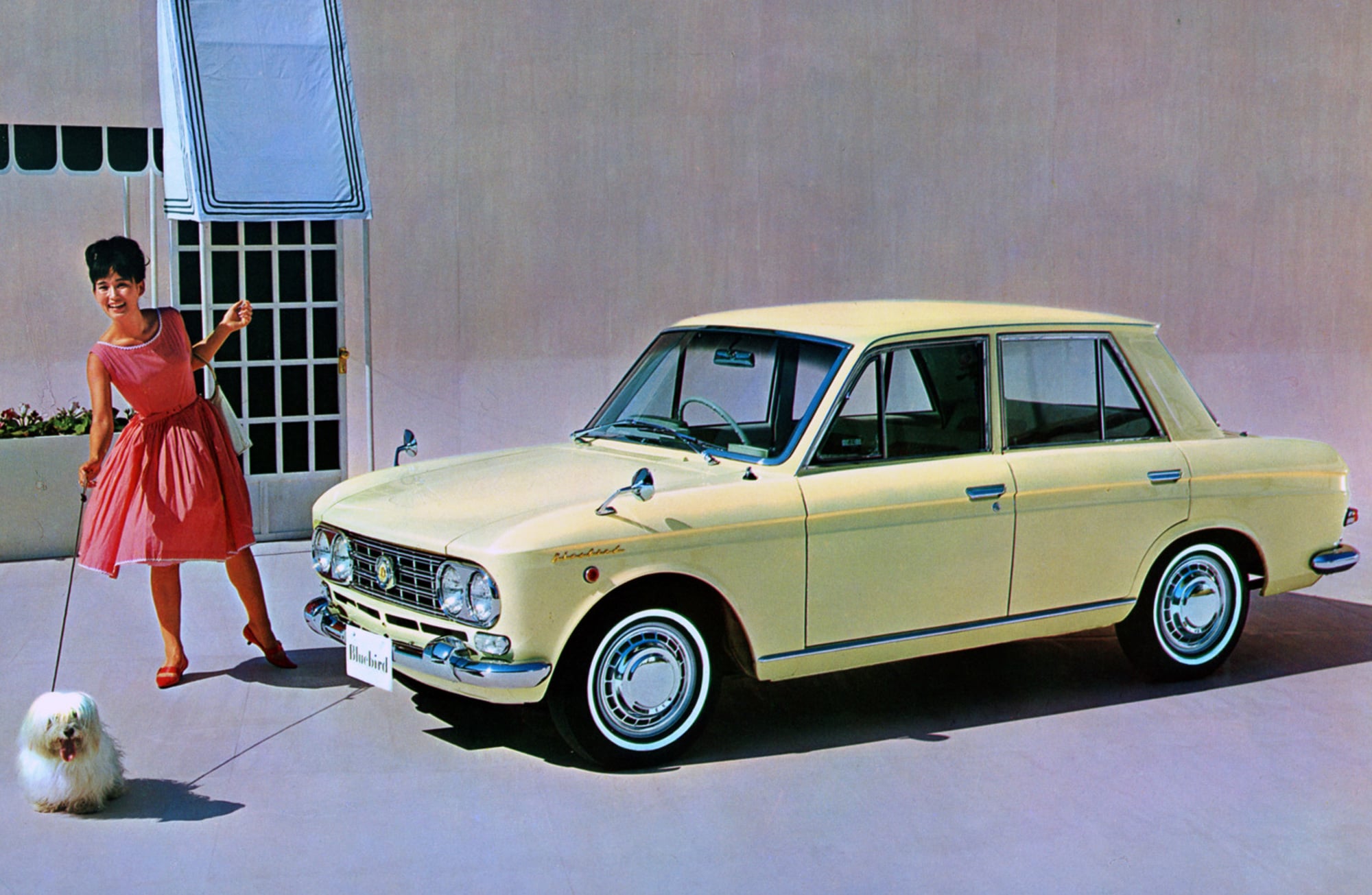
The newest and most on and most interesting are the six-cylinder Nissan Special Cedric and the Toyopet New Crown with 2.5 litre aluminium V8 engine. A new, boxier Datsun Bluebird (below) – designed and built in great secrecy – was unveiled late in September, and the Toyopet Crown, sold for export as the Toyota Tiara, has had a facelift.
1
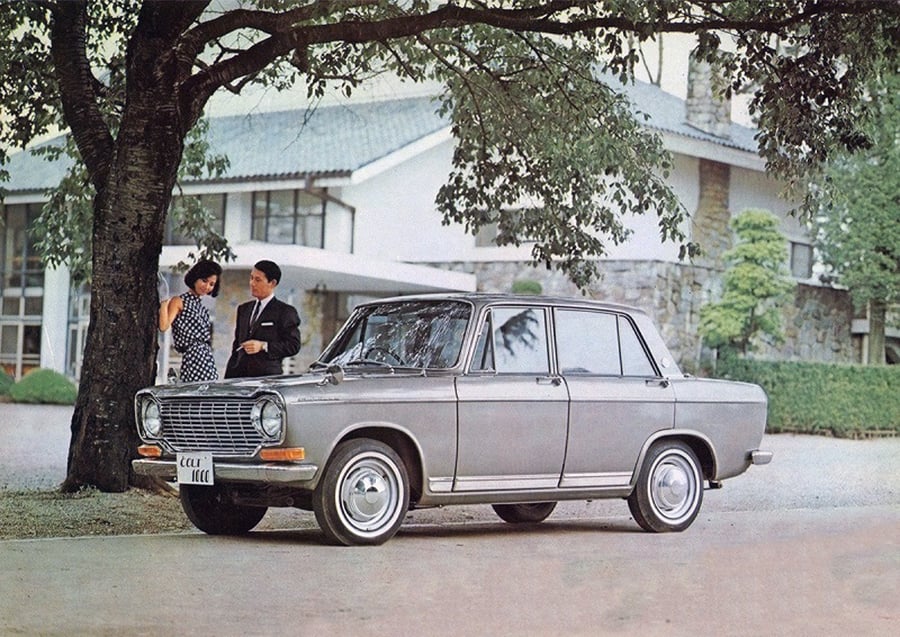
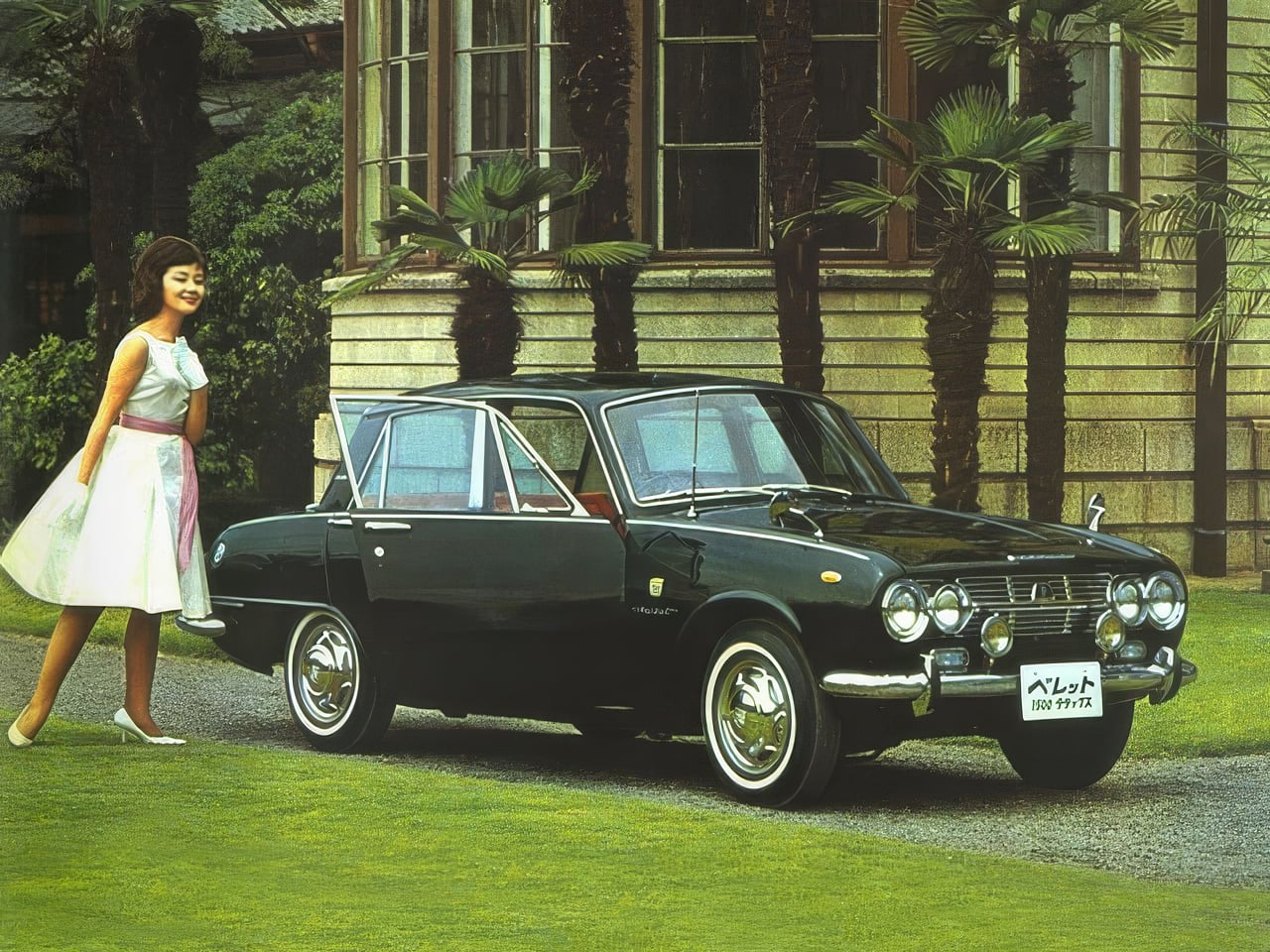
At the Tokyo Show, Prince announced the Gloria with 105bhp six-cylinder engine, and Shin Mitsubishi, the Colt Debonair with 2-litre six cylinder motor. In November the Isuzu Motor Co Ltd – third of the Japanese ‘Big Three’ – released a new compact family car called the Isuzu Bellet, available either with petrol or diesel engines.
Firms here are striving to cut prices, improve quality, and install the latest mass-production techniques in an effort to withstand the severe expected foreign car competition under import liberalisation, now unofficially set for the end of March, 1965.
2
Japanese makers are banded together in the vociferously-protesting Japan Automotive Industrial Association, whose chairman, Katsuji Kawamata – who is also president of the Nissan Motor Company Ltd – bemoans liberalisation as “too premature for a young industry still requiring the umbrella of home Government protection for its very salvation.”
Manufacturers, nonetheless, though in full sympathy with banker-turned-industrialist Kawamata, are taking all possible steps to meet the impact of foreign vehicles. They obviously consider new cars to be one answer.
2
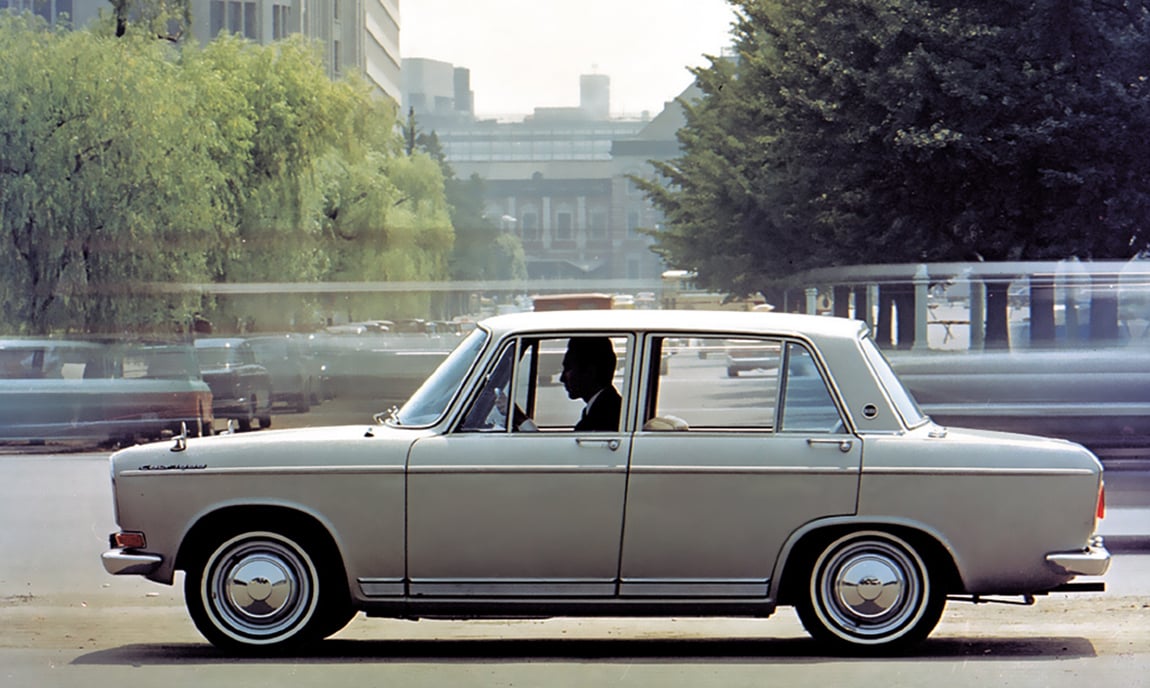
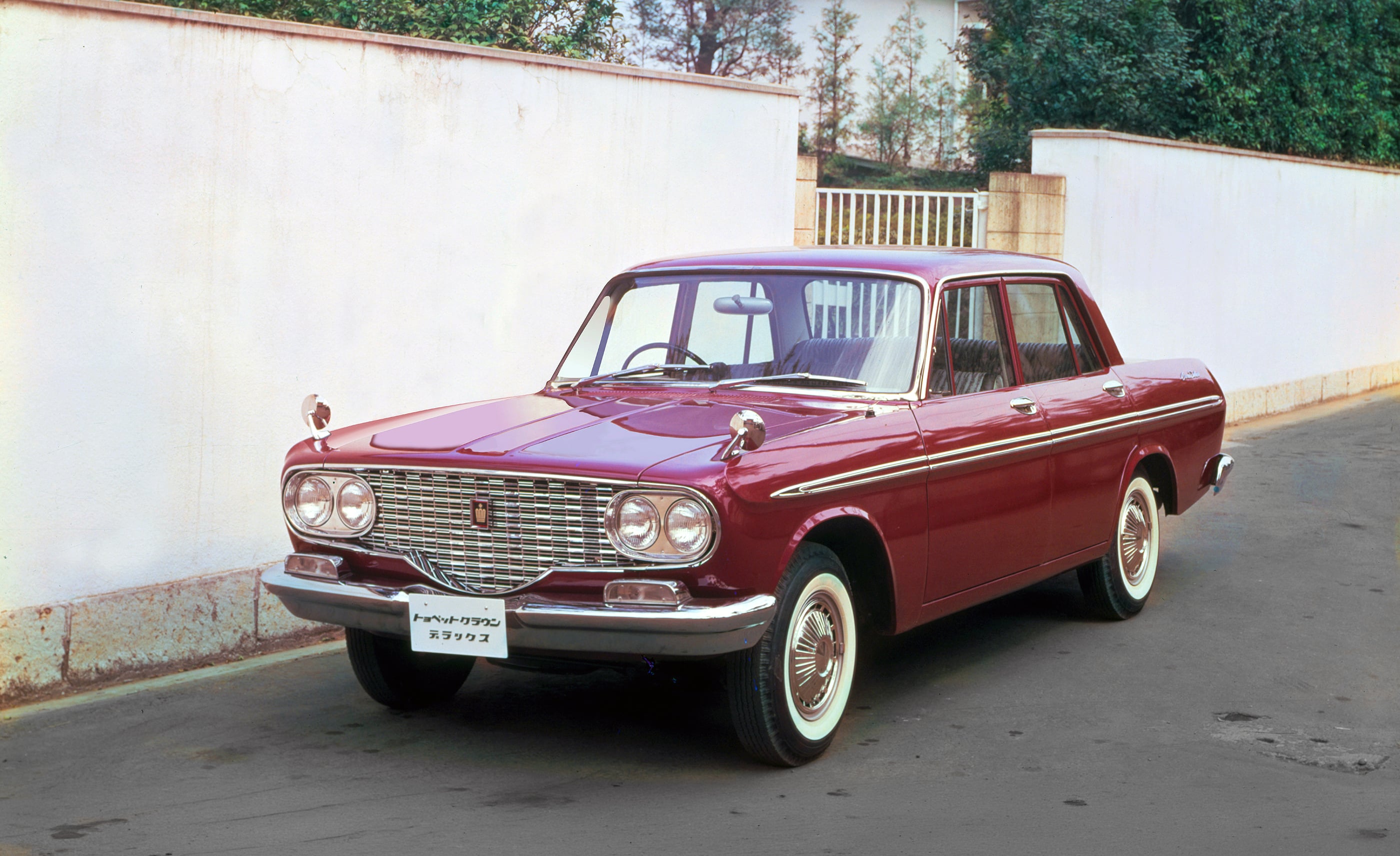
Toyota Motors has completed development work on its first six-cylinder passenger car, and it is about to be released. Its 3000cc engine will develop 120bhp, and the car will be called the New Crown, although in body styling it resembles the four-cylinder Crown Deluxe (above) just released in Australia. Toyota has developed this model both to meet competition from imports and to counter the Nissan Special Cedric, a six-seater with 2800cc engine and which is already on sale.
While some industry men doubt that there is a real market here for large cars, in view of the road conditions and because petrol and oil – mostly imported – run very high and will go higher because of taxes that are to be levied to build up Japan’s sorrowfully inadequate highway system, others think that this building of super highways will usher in an epoch of higher speeds and full-sized vehicles.
1
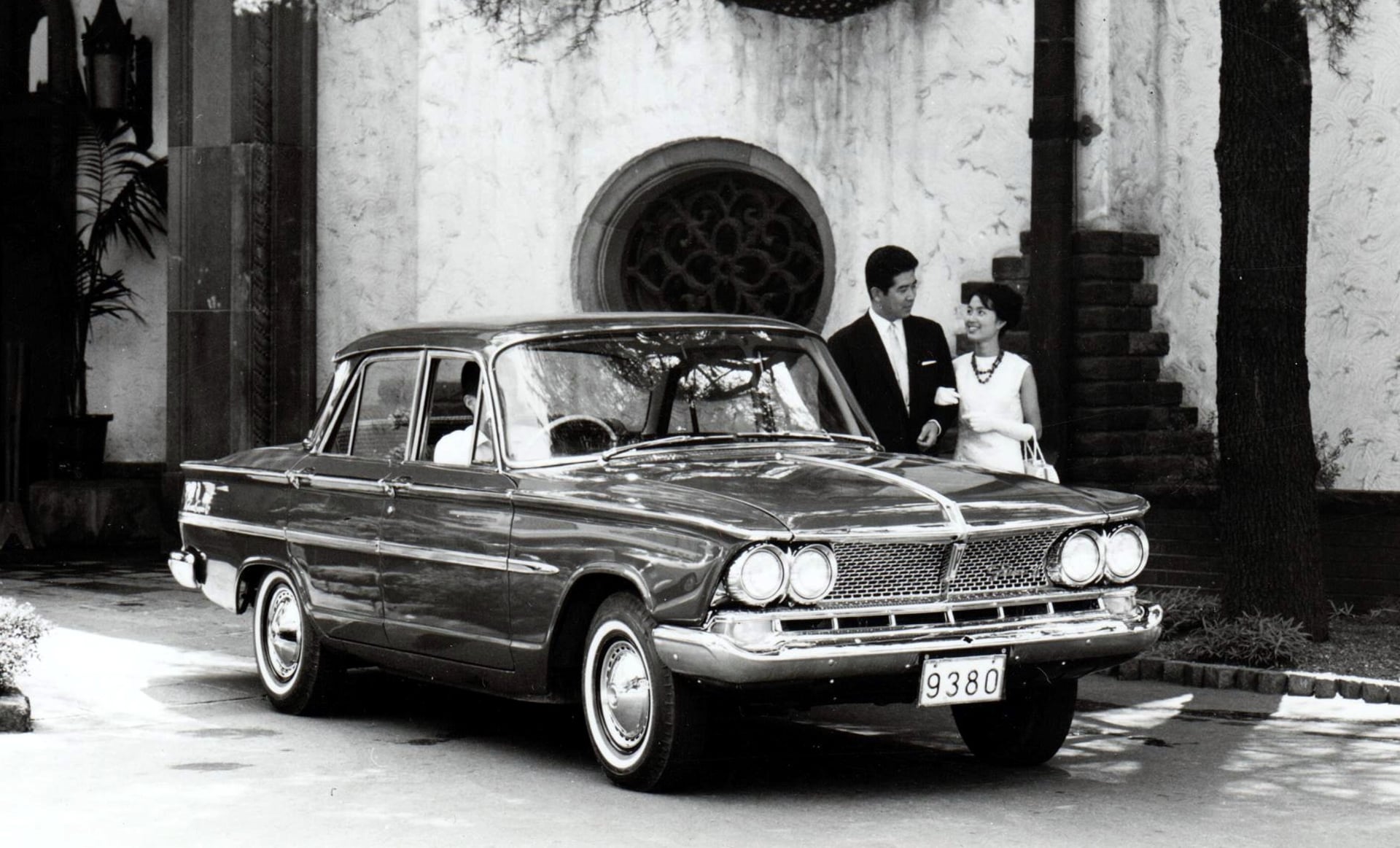
Toyota is offering a vacuum clutch or fully automatic transmission for its new models. Prince has already unveiled its new models of the Prince Skyline and the Prince Gloria Special (above), each priced more than £55 Australian below last year’s prices. The Prince Skyline is 136 ft long, 4 ft 8 in wide, and 4 ft 6 in high. Its maximum speed is about 88mph.
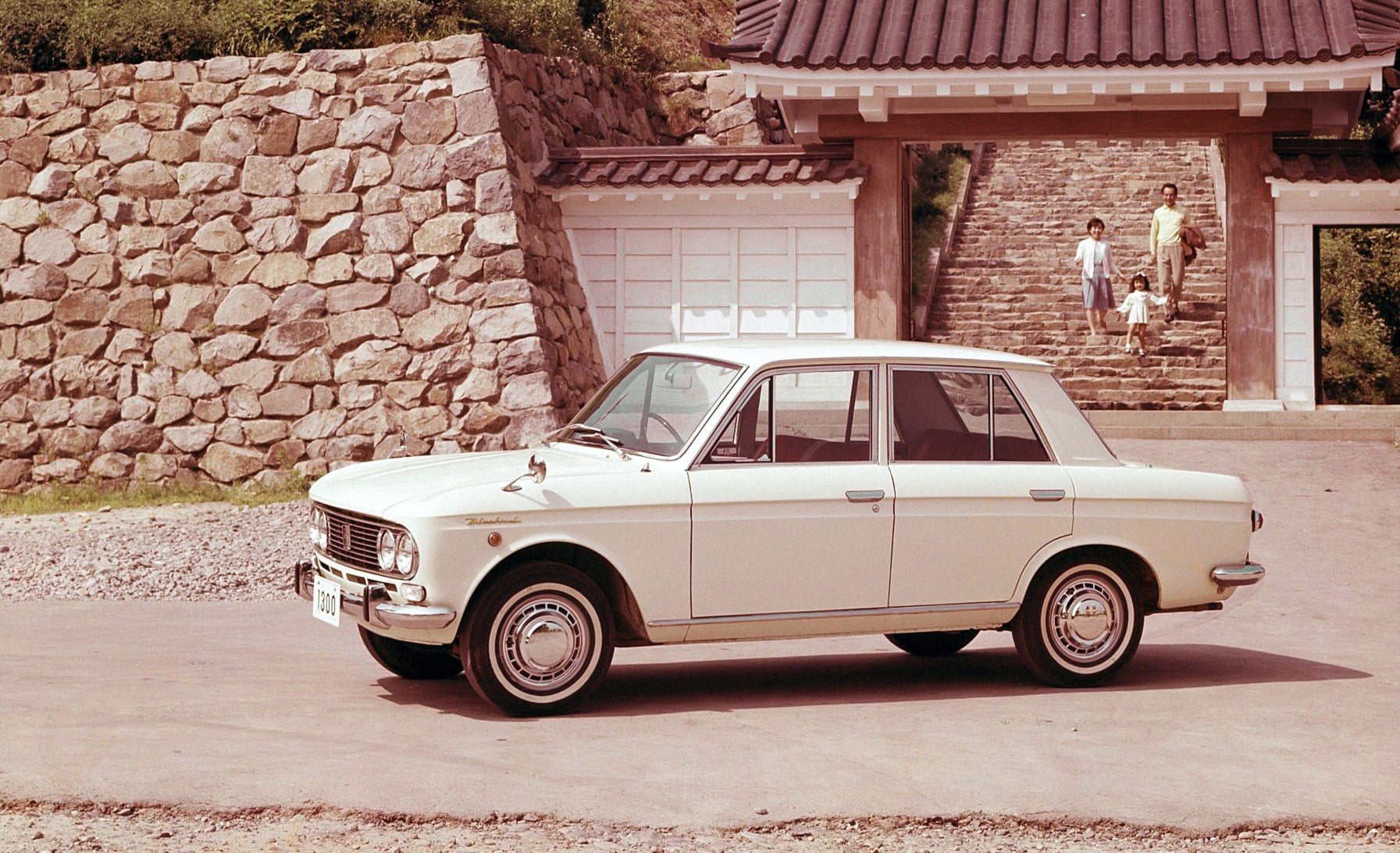
The Nissan Motor Company has brought out its new Datsun Bluebird (below), also with a lower price tag. This car is expected to kick off announcements of other new cars, other prices slashes, and other style changes very shortly, because Nissan – Japan’s largest producer of passenger cars – is the yardstick of the fast-stepping industry.
1
The new Bluebird has been completely restyled along boxier lines, and is 5½ in longer, 2 in lower and lighter by 10.5 lb. Its 1200cc engine remains unaltered but its brakes have been totally redesigned and fuel tank capacity has been increased. The price has been cut by about £13 Australian for the standard version and almost £20 Australian for the De Luxe. The new model was designed and built under maximum secrecy. The old Bluebird was Japan’s best-selling passenger car, and is currently near the 200,000 mark.
Toyo Kogyo, of Hiroshima, a virtual newcomer to the automotive field and the happy recipient of a 555,555 dollars (US) loan from the Wells-Fargo Bank of California recently, is about to introduce its revolutionary rotary engine. And Honda Motors, the world’s leading manufacturers of prize-winning 50, 125 and 250cc motor cycles, a firm that last year entered the automotive field with two brand-new sports cars, the 360cc and 500cc, will unveil another – details of which are not yet available.
1
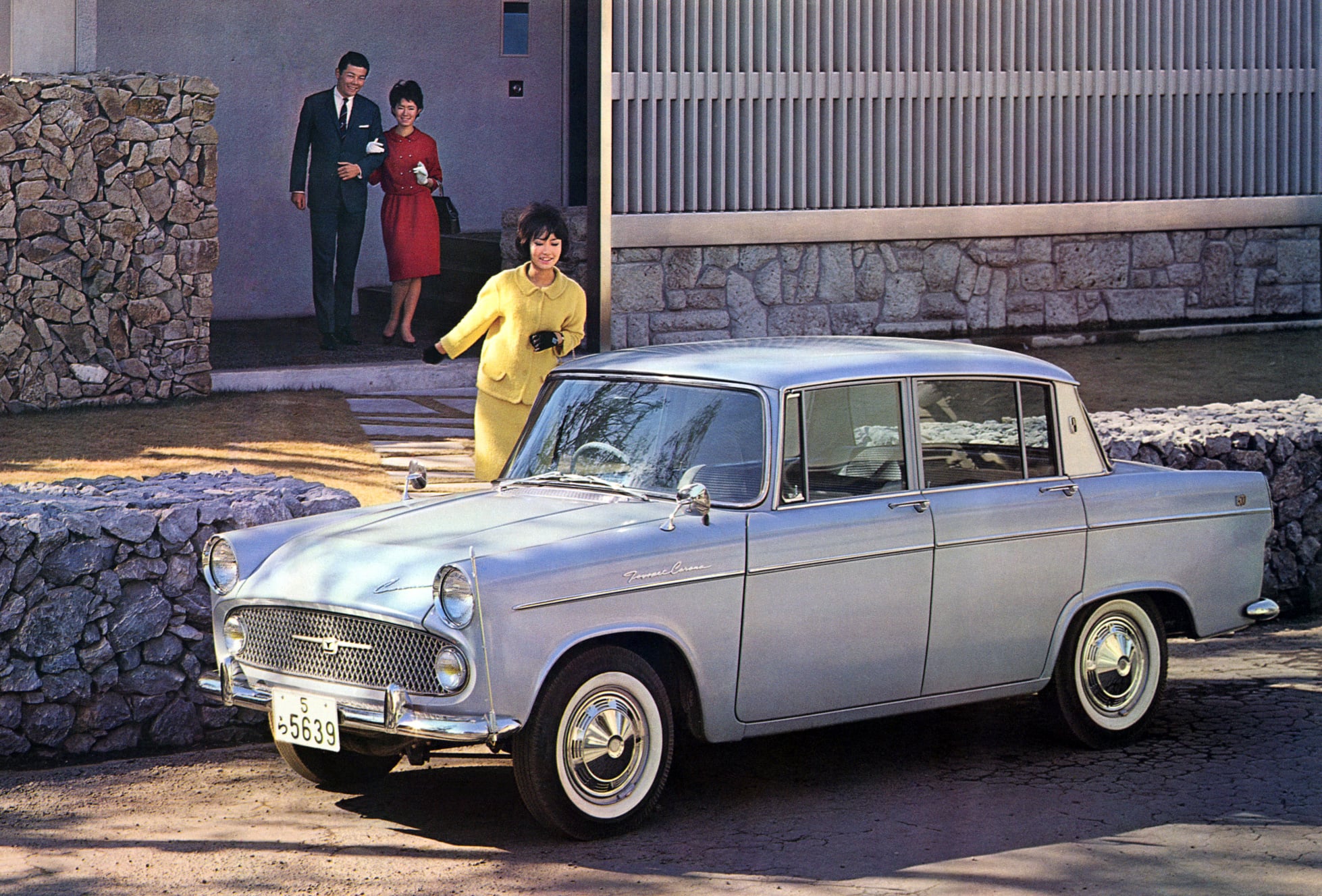
Toyota Motors, meanwhile, will make only minor modifications to its Corona (above) – sold in export as the Tiara – which is the firm’s rival to the Datsun Bluebird, but the price will be lower and more competitive than before and it will be available with vacuum clutch.
Also, the Isuzu Motor Co Ltd launched in November a new family car called the Isuzu Bellet (below). It is available in four models; the standard 1500cc and deluxe 1500cc versions, plus an 1800cc diesel and 1800 diesel deluxe. The most important feature of the car is that it can be equipped with either a 1500cc petrol engine or a diesel engine of 1800cc. Maximum speed for the 1500cc sedan is over 80mph, and the engine output is 63bhp at 5000 rpm. Transmission is four-speed all-synchromesh.
2
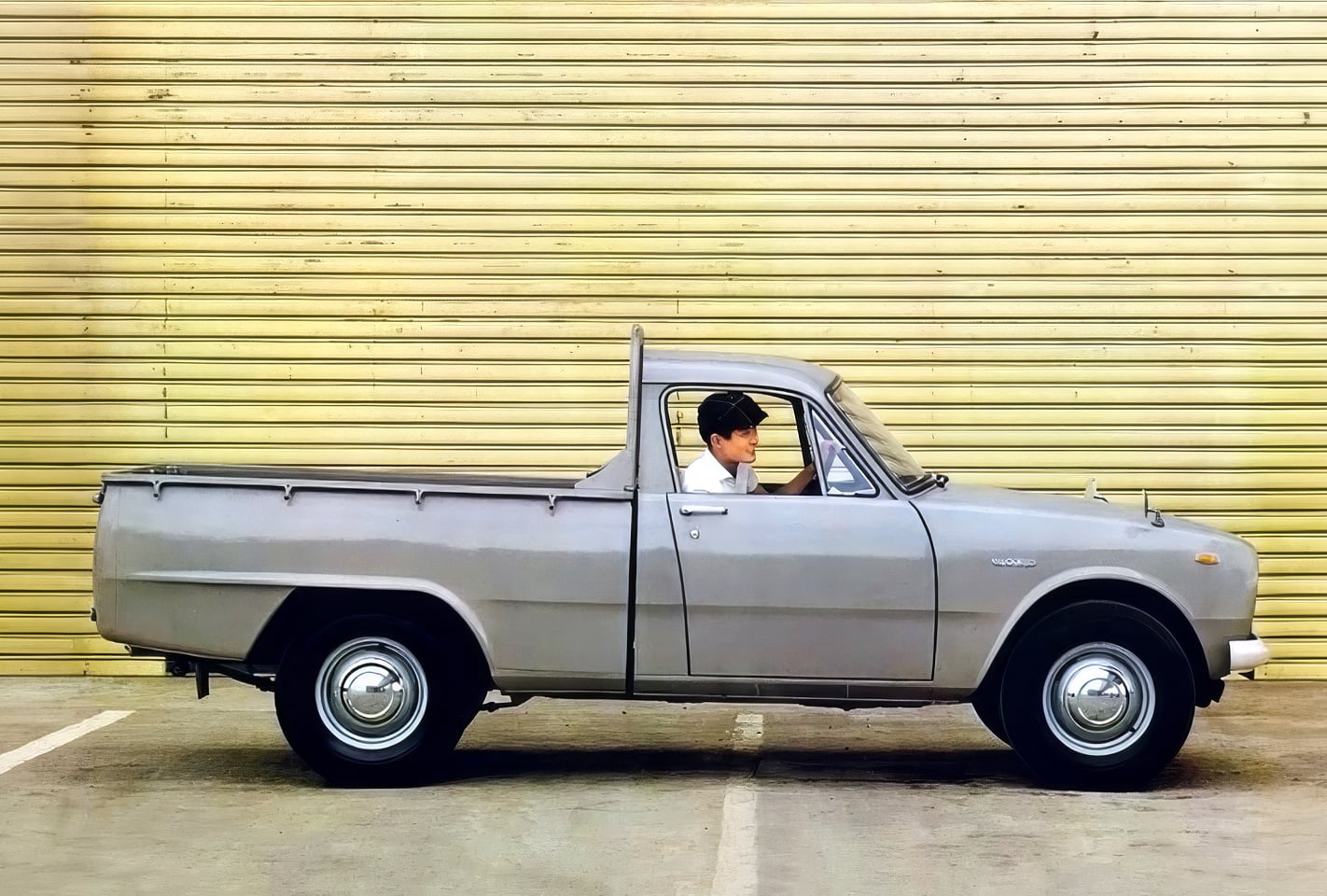
Isuzu, in addition, has announced at the same time a new small truck, the Wasp (below), which has a loading capacity of one ton. This truck is available in two models, the KR-10 (petrol) and the KRD-10 (diesel). The former is equipped with a 1300cc, 58bhp gasoline engine, while the latter uses the 1800cc 50bhp diesel.
1
Follow WhichCar/Wheels on Google
Click the button below to make WhichCar by Wheels a preferred source for your news.

We recommend
-
 Features
Toyota 1963-2017: Oh what a feeling!
For 54 years, Toyota quietly got on with the job of building the cars that Australia – and the Middle East – needed, if not always wanted
-
 Features
How Australia shaped the legendary Toyota LandCruiser
Arguably the most Australian vehicle from the Japanese manufacturing giant remains the LandCruiser
-
 Classic Wheels
From the Wheels Archive: The 10 most underrated cars in Australia
They came, we saw… and little conquering occurred. But did this lot deserve to fade into obscurity?
