
| Overall rating |
|---|
Things we like
- A great all-rounder with practicality, efficiency and lots of equipment
- A good size – small on the outside but big on the inside
- Comfortable and refined to drive
Not so much
- Interior quality could be better
- Top-spec models aren’t cheap
- Not cheap to service
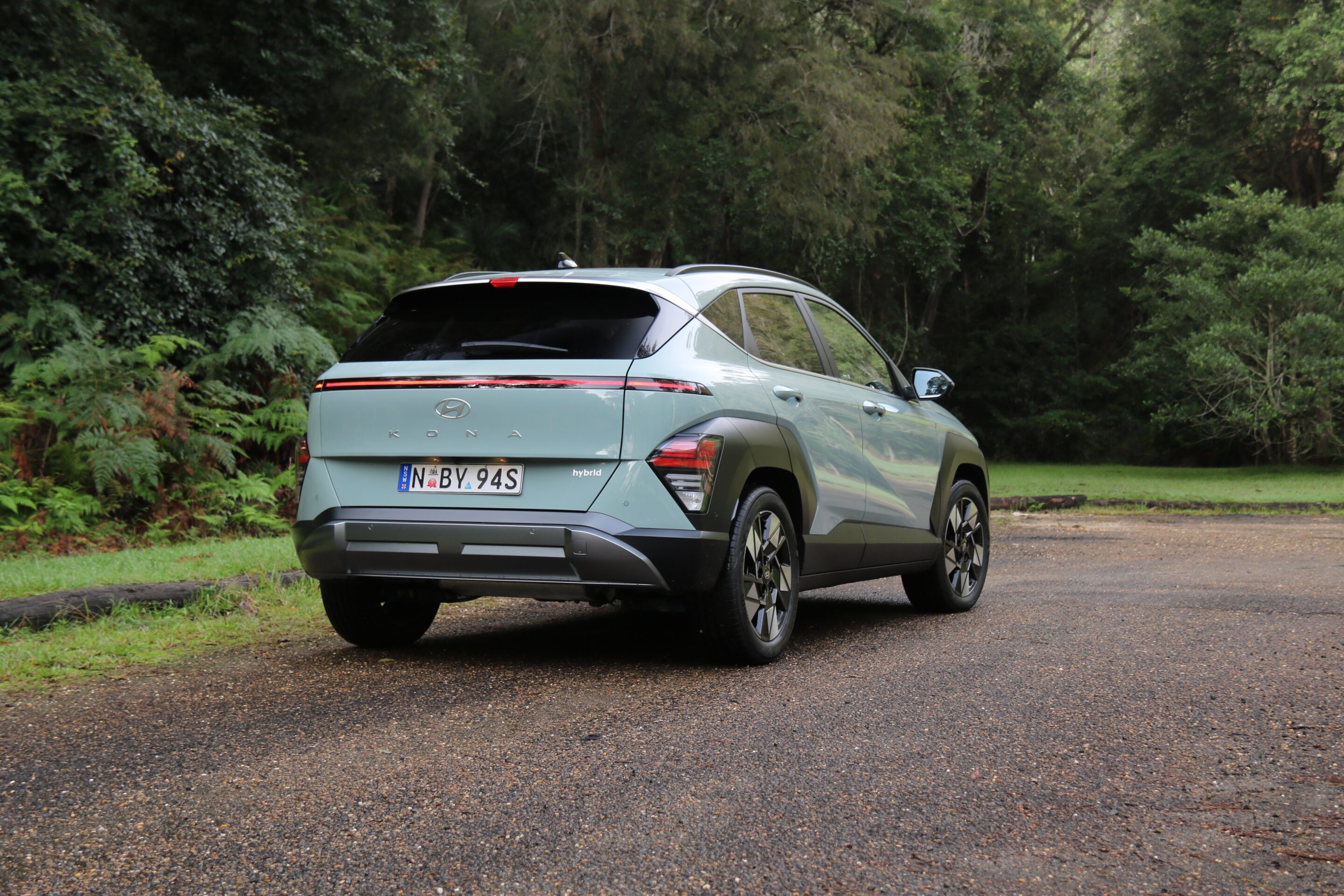
Hybrids are all the rage at the moment, with many car makers introducing new ones within the past year or so. Hyundai has come to the party, adding multiple hybrid models across its range including the Santa Fe large SUV, Tucson mid-size SUV and i30 Sedan small car. How about a small SUV? That’ll be the Hyundai Kona Hybrid then.
Price and equipment
The 2025 Hyundai Kona range offers a lot of choice to buyers, with petrol, turbo-petrol and hybrid drivetrains available, as well as standard, luxurious Premium and sporty N Line models available.
We tested the Kona Hybrid Premium, which is priced from $43,500 plus on-road costs.
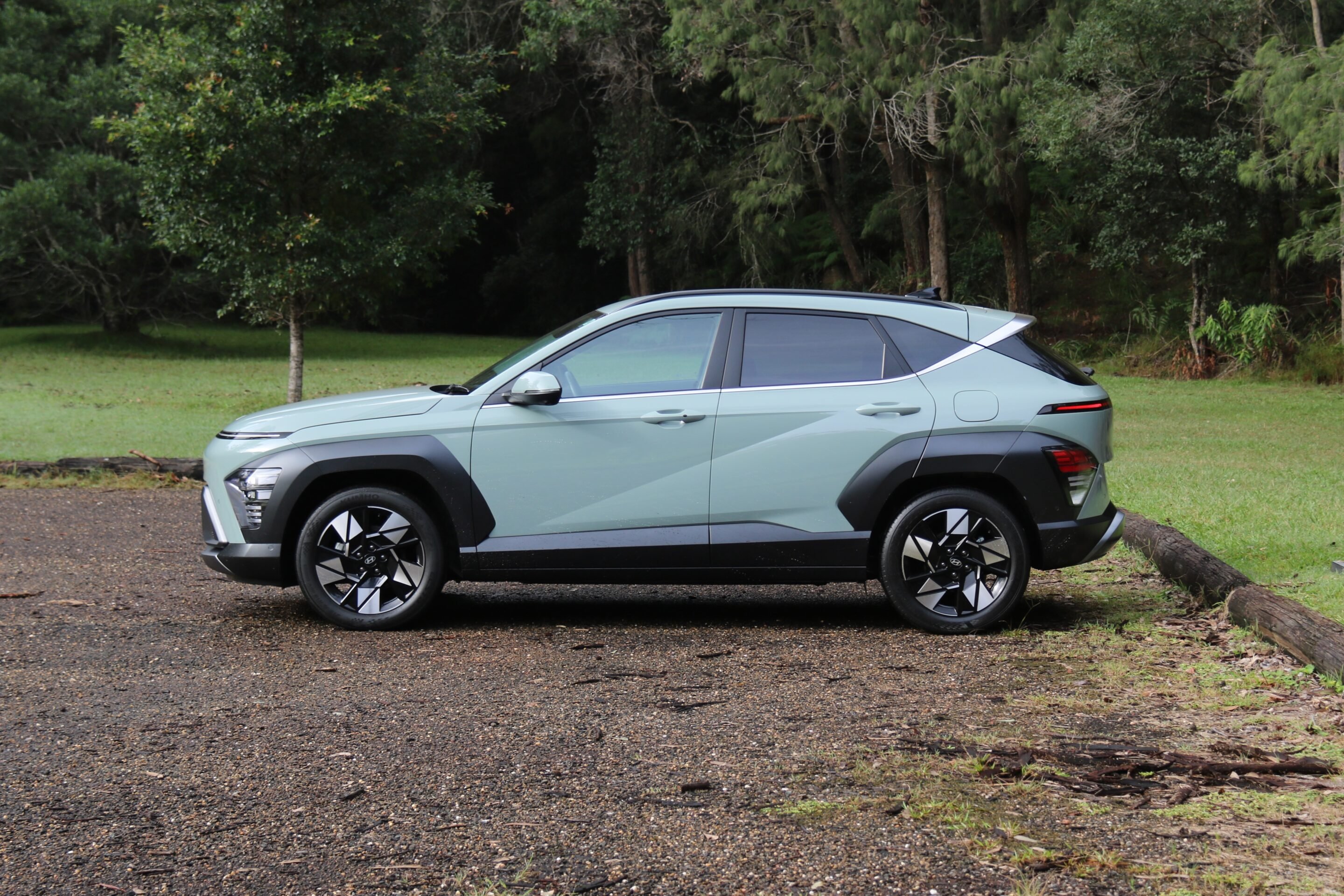
Kona Premium Hybrid standard equipment
- 18-inch alloy wheels
- Dusk-sensing automatic all-LED exterior lighting
- Rain-sensing automatic wipers
- Roof rails
- Keyless entry with push button start
- Remote start and remote smart parking functionality
- Rear privacy glass
- Hands-free electric tailgate
- Heated and electric-folding mirrors that drop automatically in reverse
- Dual-zone climate control with rear vents
- Leather upholstery
- Heated leather steering wheel with paddle shifters
- 10-way electric driver/8-way front passenger seats with ‘relaxation’ mode and driver’s memory functionality
- Heated and ventilated front seats
- Heated outboard rear seats
- 12.3-inch digital driver’s display
- 12.3-inch touchscreen with live services
- Satellite navigation with live traffic
- Wired and wireless Apple CarPlay and Android Auto
- AM/FM/DAB+ digital radio
- Eight-speaker Bose sound system
- Wireless phone charger
- 4x USB-C charging ports
- Auto-dimming rear mirror
- Customisable LED ambient cabin lighting
Kona Premium Hybrid standard safety equipment
- Seven airbags (2x front, 2x side and 2x curtain with 1x front centre unit)
- Auto emergency braking (AEB) with pedestrian, cyclist and intersection assistance
- Low-speed automatic rear braking
- Lane keep assist with lane departure warning
- Lane trace assist
- Adaptive cruise control with stop and go functionality
- Safe exit assist
- Blind-spot monitoring with rear cross-traffic alert (both with braking)
- Blind-spot camera
- Auto high beam
- Traffic sign recognition with warnings for speeding
- Driver attention monitoring
- 360-degree camera
- Front and rear parking sensors
- Burglar alarm
- Tyre pressure monitoring
The Kona range earned a four-star ANCAP rating in 2023 with scores of 80 per cent for adult protection, 84 per cent for child protection, 64 per cent for vulnerable road user protection and 62 per cent for safety assist.
Kona Hybrid Premium options
- N Line Package (rear spoiler, body kit, 18-inch wheels and sports seats): $3,000
- Panoramic sunroof: $1,500
- Alternate leather trim colour (light grey or green depending on exterior colour): $295
Interior, practicality and boot space
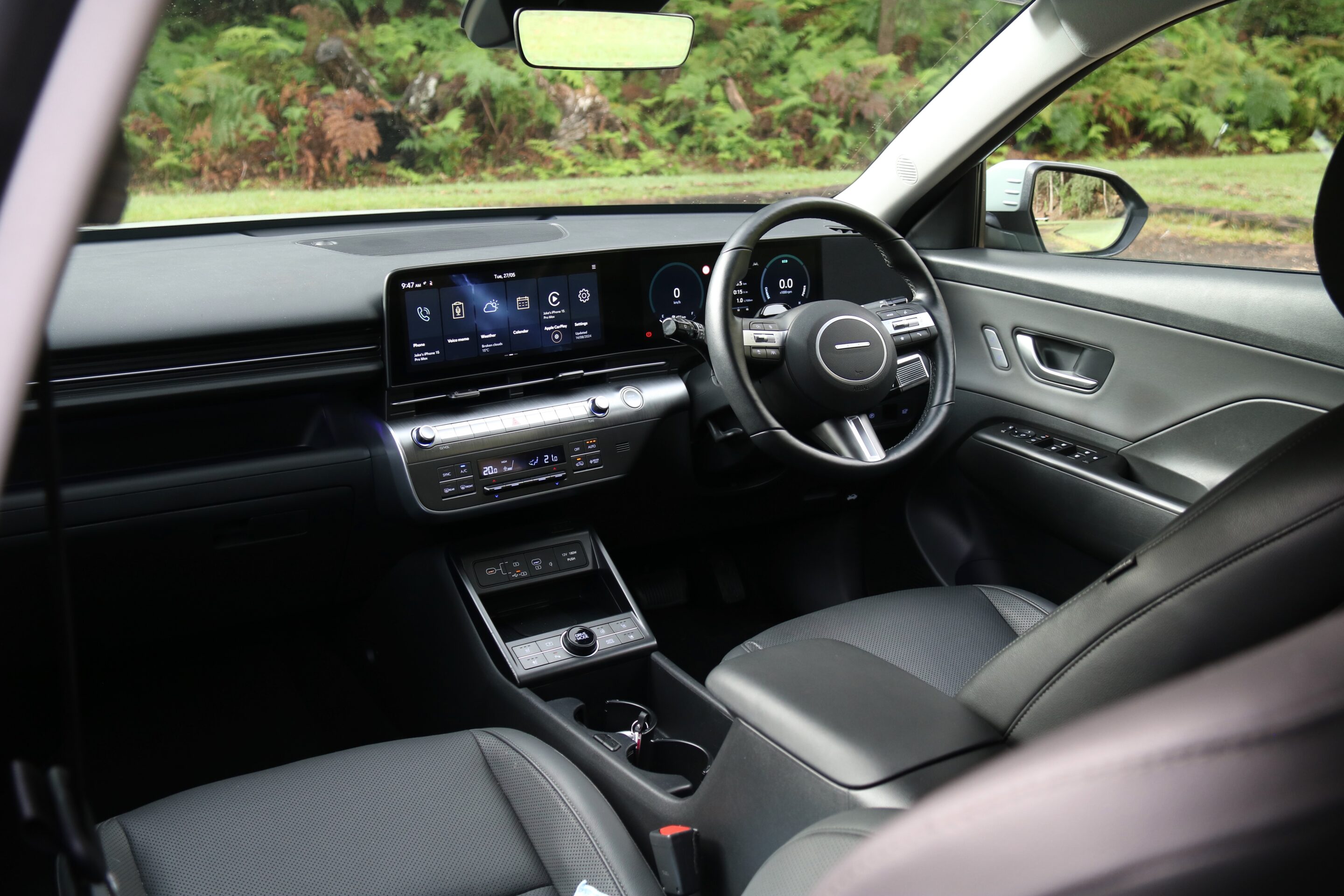
As with the regular Kona, the interior of the Hyundai Kona Hybrid Premium is quite practical thanks to its growth spurt versus the old model. It’s also more comfortable, features increased practicality and has better tech integration throughout the cabin. One area we still think needs improvement, however, is the quality of the materials used, which are still plasticky and the only bit of soft touch is on the door cards.
Centre of the Kona’s cabin is a 12.3-inch touchscreen with Hyundai’s new ‘ccNc’ infotainment software. It’s a fairly impressive system that improves on the already-solid system that’s used in the previous Kona. The Premium adds inbuilt satellite navigation to the base model and, thanks to a recent over-the-air software update, also now features wireless Apple CarPlay and Android Auto smartphone mirroring. The eight-speaker Bose sound system is also punchy.
Storage inside the new Kona is also a big improvement on the last model. We love the open centre console storage, big cup holders and the very effective wireless phone charger. Further back is a centre armrest with storage underneath it, while there are also reasonable door bins, a nicely-sized glovebox, an open tray above the glovebox and an open area where the wireless charger is – itself is excellent thanks to the raised island that accounts for large smartphone cameras. Also pleasingly, in a win for ease of use, the AC controls are separate from the touchscreen and are very simple to use.
The back seat is also a good improvement over the previous Kona, and is now one of the roomiest in the segment. Two six-footers will be more than comfortable thanks to good knee -and headroom, while the seatbacks recline for greater comfort, and there are also two USB-C ports, as well as air vents, heated outboard seats, a centre armrest with cup holders, two map pockets and reasonable door storage also feature. There are two ISOFIX points and three top-tether points for child seats.
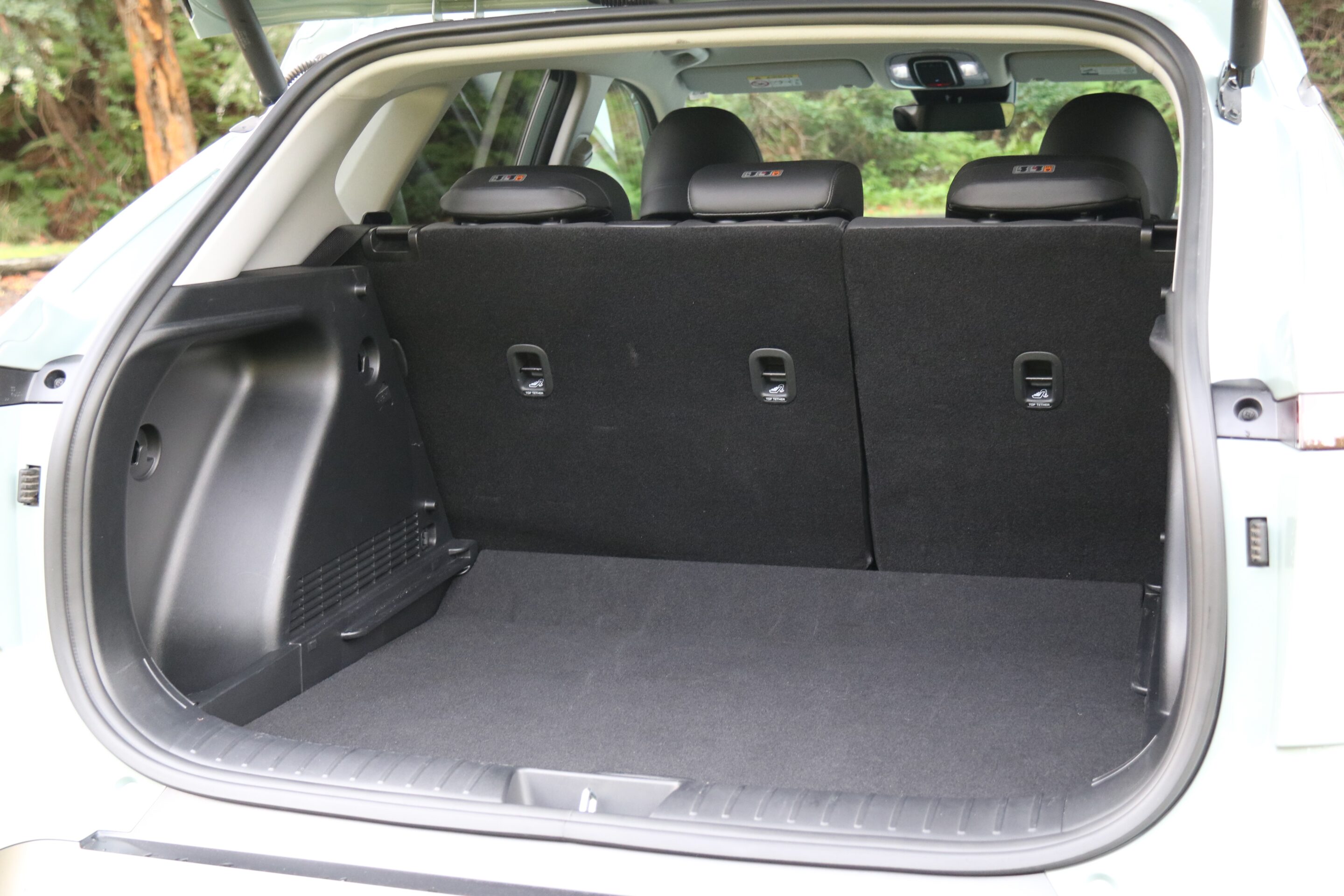
The boot of the Kona Hybrid Premium measures 407-litres with the seats up and 1,241L with them folded – exactly the same as the petrol Kona models, which are a healthy increase on the previous-generation model. There are also handy features like hooks, a boot net, an adjustable floor height and under floor storage. Plus, a space-saver spare wheel lies underneath the boot floor.
Performance and fuel economy
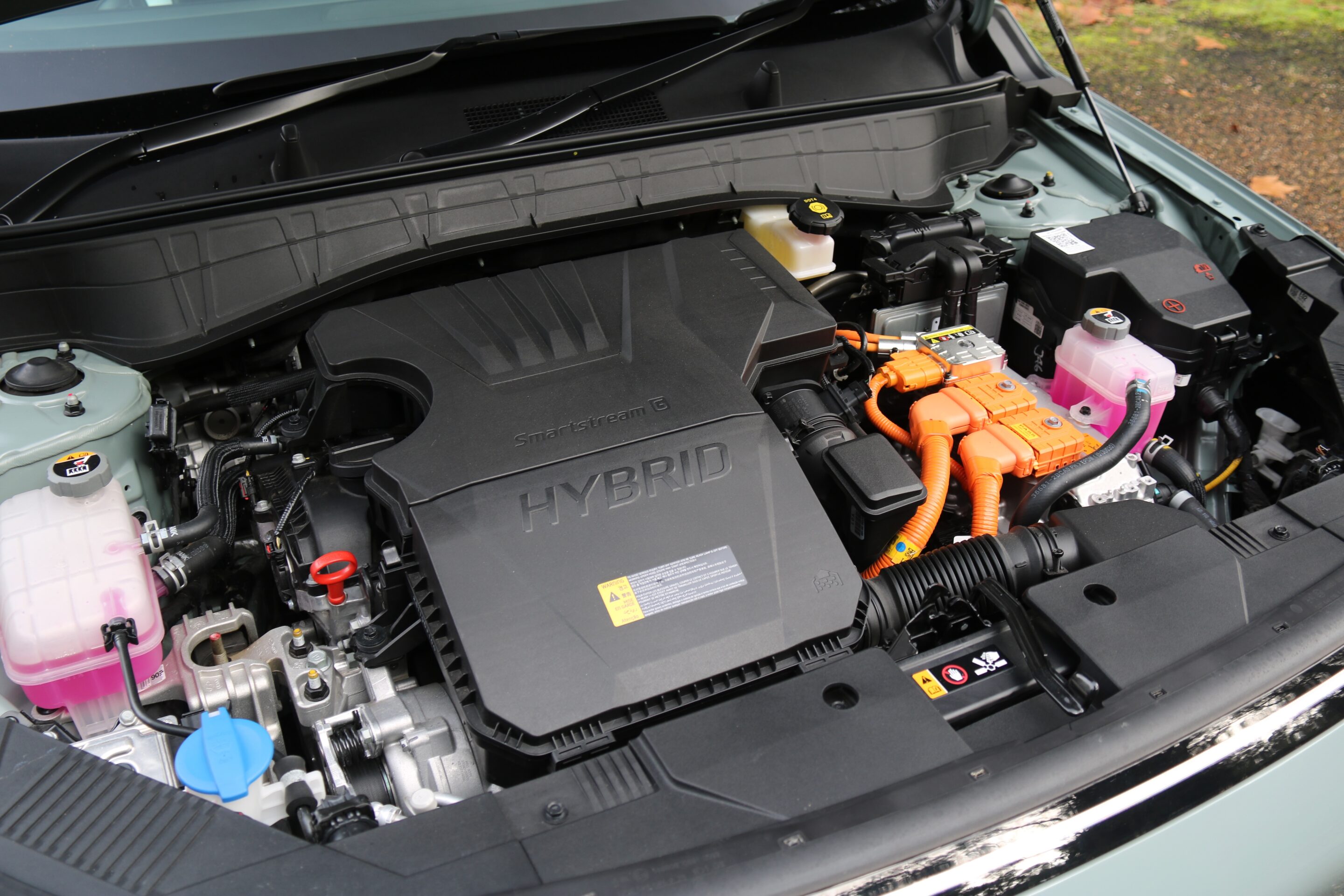
The powertrain that’s used in the Hyundai Kona Hybrid mates a 77kW/144Nm 1.6-litre naturally aspirated four-cylinder engine to a 32kW/170Nm electric motor driving the front wheels that draws power from a 1.32kWh battery. In total, the system makes 104kW of power and 265Nm of torque. It’s mated to a six-speed dual-clutch automatic transmission and sends power to the front wheels only.
The claimed combined fuel consumption for the Kona Hybrid Premium is just 3.9L/100km with CO2 emissions of 89g/km, healthy improvements of 2.7L/100km and 61g/km respectively over the 2.0-litre petrol Kona. In our combined testing, we achieved a positive 4.4L/100km result. The Kona can run on 91RON regular unleaded, while its 38-litre fuel tank is 9L less than the petrol Kona.
On the road
Hyundai’s hybrid systems are some of the best on the market thanks to their refinement and efficiency. The transition from petrol to electric power is sometimes not as smooth as Toyota’s hybrid systems, but that’s also because the dual-clutch transmission’s responses can be somewhat mixed at low speeds. But we think that enthusiasts will like the Kona’s hybrid system more than a Toyota because it feels more natural than the Toyota’s e-CVT gearbox.
Aside from low speeds when the electric motor does a lot of the propulsion heavy lifting and the regenerative braking and engine switching off when braking, the Kona Hybrid feels largely like a regular Kona to drive. The six-speed dual-clutch transmission can be a bit abrupt at lower speeds with an occasional pause moment, but it’s otherwise fine. It’s also more refined than a Toyota hybrid system thanks to the gearbox, which doesn’t send revs flaring when acceleration is called for.
Like the petrol Kona, the Kona Hybrid Premium offers a mature driving experience for the small SUV class, though there are definite differences between it and the petrol model thanks to the hybrid’s 70kg extra weight (1,525kg versus 1,455kg tare). Because of that, the Kona Hybrid’s ride quality isn’t quite as comfortable as the petrol model, despite the hybrid’s independent rear suspension set up (versus the petrol model’s less sophisticated torsion beam).
Like the petrol Kona, road noise levels in the hybrid are a bit louder than some competitors, but its visibility is expansive, and the safety systems are mostly well tuned. The much-publicised annoying active speed limit warnings are now quieter and less annoying than before, though they still annoy because they aren’t accurate. Otherwise, the lane keeping assistance is well tuned and the adaptive cruise control is very easy to set up.
Service and warranty
As with other new Hyundai products, the 2024 Hyundai Kona Hybrid Premium is covered by a five- year/unlimited-kilometre warranty with an eight-year/160,000km warranty for the battery and lifetime roadside assistance if serviced through a Hyundai dealer.
The first five services or up to 75,000km cost an expensive $2639 ($528 per visit) and the Kona has 15,000km/annual service intervals.
Verdict: Should I buy a Hyundai Kona Hybrid Premium?
There’s no doubt that the Hyundai Kona Hybrid Premium is a welcome addition to the small SUV market. New hybrid models are welcome for urban dwellers, where most small SUVs seem to be sold, because their around town efficiency can be so much better than regular petrol models. In addition to that, the new Kona’s newfound practicality, long list of standard equipment and fashionable styling make it worthy of consideration.
For negatives, it’s surprisingly expensive to service, it’s not cheap to buy in top-spec Hybrid Premium, the extra weight of the hybrid is noticeable on the road and the interior quality feels closer to $30,000. Those issues aside, we still think the new Kona is a wonderful product and the hybrid drivetrain only widens its already wide appeal further.
Kona Hybrid Premium competitors
Specs
| Model | Hyundai Kona Hybrid Premium |
|---|---|
| Price | $43,500 plus on-road costs |
| Engine | 1580cc 4-cylinder hybrid |
| Battery | 1.32kWh lithium-ion polymer |
| Engine outputs | 77kW/144Nm |
| Electric motor outputs | 32kW/170Nm |
| Combined outputs | 104kW/265Nm |
| 0-100km/h | 10 seconds (est.) |
| Transmission | 6-speed dual-clutch, front-wheel drive |
| Fuel consumption (claimed, as tested) | 3.9L/100km, 4.4L/100km |
| CO2 emissions | 89g/km |
| Fuel type/tank size | 91RON regular unleaded, 38-litres |
| Dimensions (length/width/height/wheelbase) | 4350/1825/1585/2660mm |
| Kerb weight | 1525kg |
| Boot size | 407 litres (seats up)/1241 litres (seats folded) |
| On sale: | Now |
Hyundai has pulled the wraps off the IONIQ 6 N at the 2025 Goodwood Festival of Speed in West Sussex, England, unveiling its most advanced high-performance EV to date.
Building on the critically acclaimed IONIQ 5 N – winner of the 2024-25 Wheels Car of the Year – the new IONIQ 6 N is said to embody Hyundai N’s three-pillar performance ethos – “Corner Rascal, Racetrack Capability, and Everyday Sportscar” – with an array of technical enhancements derived from the brand’s motorsport and “rolling lab” development programs.
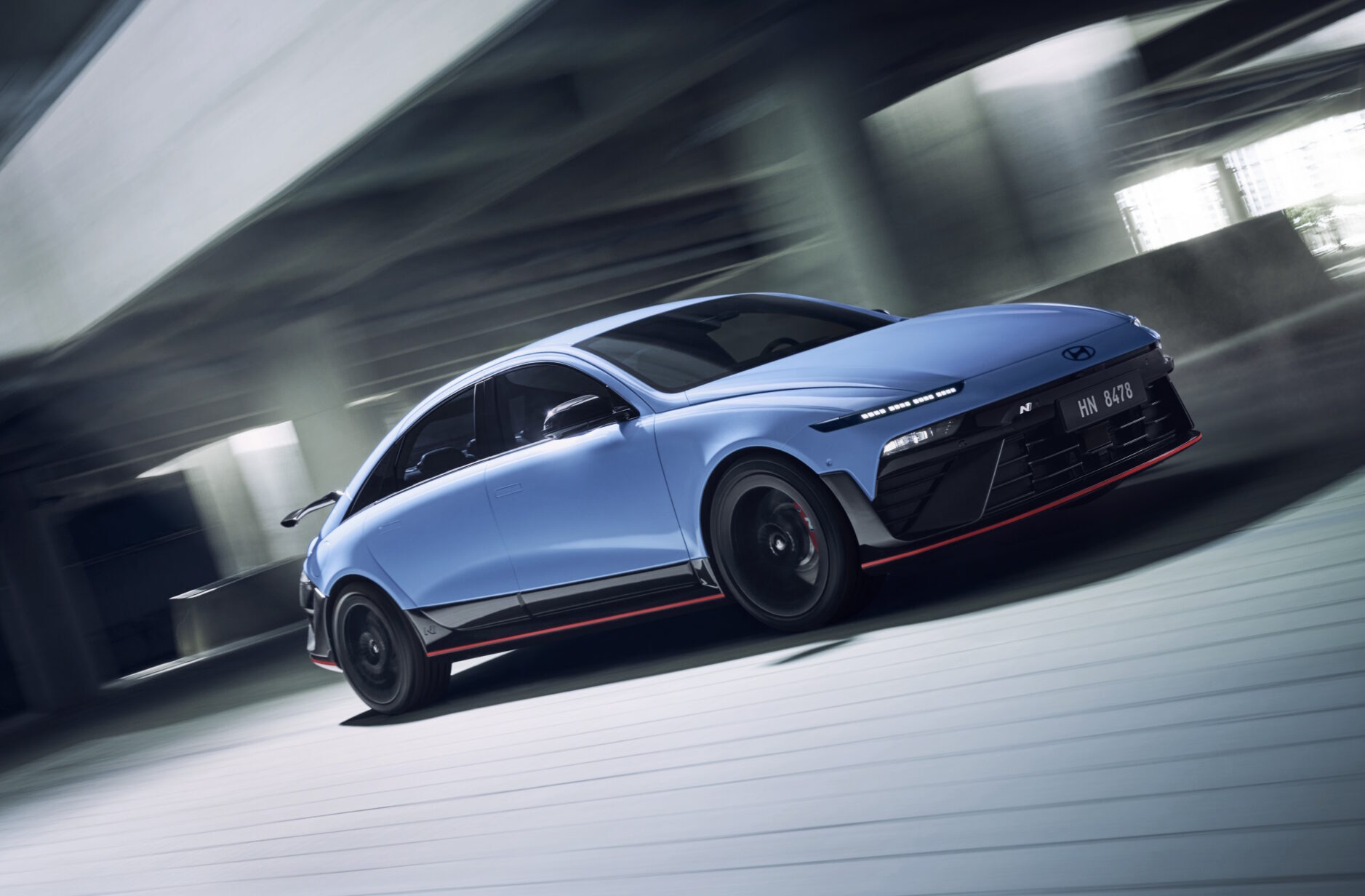
With up to 478kW of power and 770Nm of torque (when N Grin Boost is engaged), the IONIQ 6 N rockets from 0 to 100km/h in just 3.2 seconds and tops out at 257km/h. A revamped “N Battery” system, with improved thermal management and reduced conditioning time, ensures sustained performance for drag, sprint or endurance scenarios.
Beneath its aerodynamic shell lies a reengineered suspension system and lowered roll centre, providing sharper high-speed stability and improved grip. The new stroke-sensing ECS dampers allow tailored ride quality adjustments for varying conditions, balancing daily drivability with motorsport precision.
The IONIQ 6 N also introduces Hyundai’s advanced vehicle control software suite, including:
- N e-Shift: Simulates close-ratio gear changes with paddle shifters for a more visceral connection.
- N Active Sound+: Offers selectable drive sounds, including ‘Ignition’, ‘Evolution’, and ‘Lightspeed’.
- N Ambient Shift Light: A unique in-cabin light system providing visual cues for gear changes.
- N Track Manager: Enables real-time telemetry, ghost car comparisons and custom track layouts.
- N Drift Optimizer: Assists with controlled drift settings for performance driving.
Festival visitors will see the IONIQ 6 N in action during the ‘N Moment’ showcase where Hyundai’s high-performance models, including the new drift-spec IONIQ 6 N, will take on the Goodwood Hillclimb.
Also on display are the IONIQ 5 N, RN24, and rally-spec WRC cars, reflecting Hyundai’s deep motorsport lineage. The Hyundai N booth features interactive exhibits, a special viewing grandstand, and exclusive event merchandise, drawing enthusiasts deeper into the brand’s performance journey.
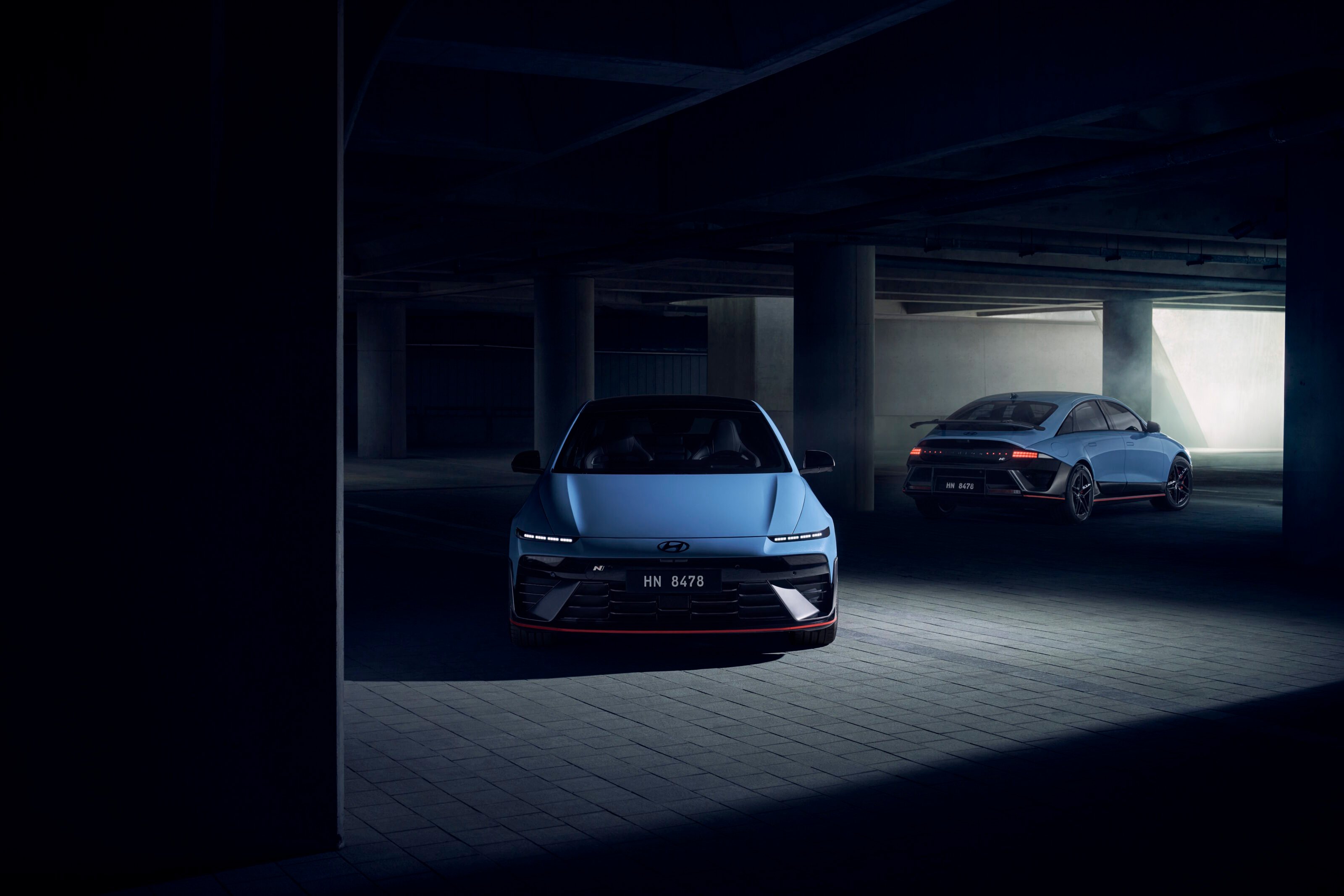
Finished in a striking new Performance Blue Pearl and available with bespoke N performance parts, the IONIQ 6 N is the next stage in Hyundai’s electrification program – offering an engaging EV experience just like the COTY winner.
Specs
Motor output
Front: 166 kW / 226 PS
Rear: 282 kW / 383 PS
Total output: 448 kW / 609 PS
Battery
Energy: 84.0 kWh
Charging time: With 350 kW, 10% to 80% in about 18 minutes (under optimal conditions)
Dimensions
Length: 4935 mm
Width 1940mm
Height: 1495mm
Wheelbase: 2965mm
0 – 100 kph
3.2 seconds (with N Launch Control)
Top speed
Up to 257 kph
The Rimac Nevera R electric hypercar has set yet another new performance record, this time completing the 0-400-0 km/h run in just 25.79 seconds. That’s not only faster than the previous title holder Koenigsegg Jesko Absolut by over two seconds, but over four seconds faster than the standard Nevera as well.
Building on the record-breaking legacy of the regular Nevera, which set 23 performance records in 2023, the Nevera R has now surpassed every single one of those records, including the famous 0-400-0 km/h title.
On the record-braking run, the Nevera R was set up in high-speed mode and independently verified by data company Dewesoft ahead of the first customer deliveries later this year.
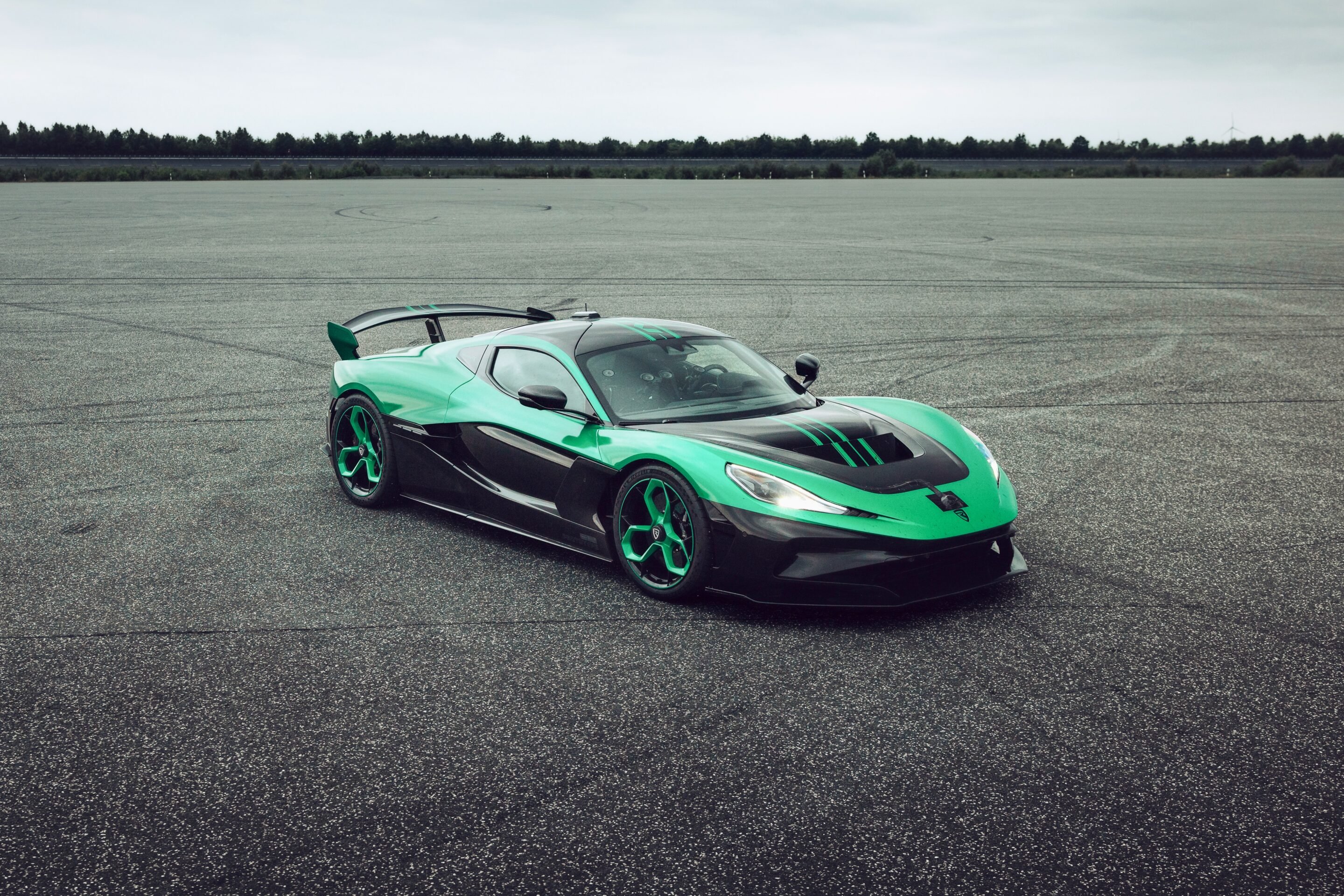
The Rimac Nevera R uses a quad-motor all-wheel drive system making 1571kW of power (or 2107 horsepower in the old money) and 2340Nm of torque. It features a 108kWh battery for a range of around 400km, and can charge at up to 500kW.
In addition to the added performance, the Rimac Nevera R’s enhancements compared to the regular Nevera include a new aerodynamic package with a fixed rear wing and enlarged diffuser for more downforce and aerodynamic improvements, new Michelin Cup 2 tyres to reduce raise grip and reduce understeer and a recalibrated all-wheel torque vectoring system.
According to Rimac, the torque vectoring system calculates and adjusts power delivery to each wheel 100 times per second, optimising traction and performance in real-time.
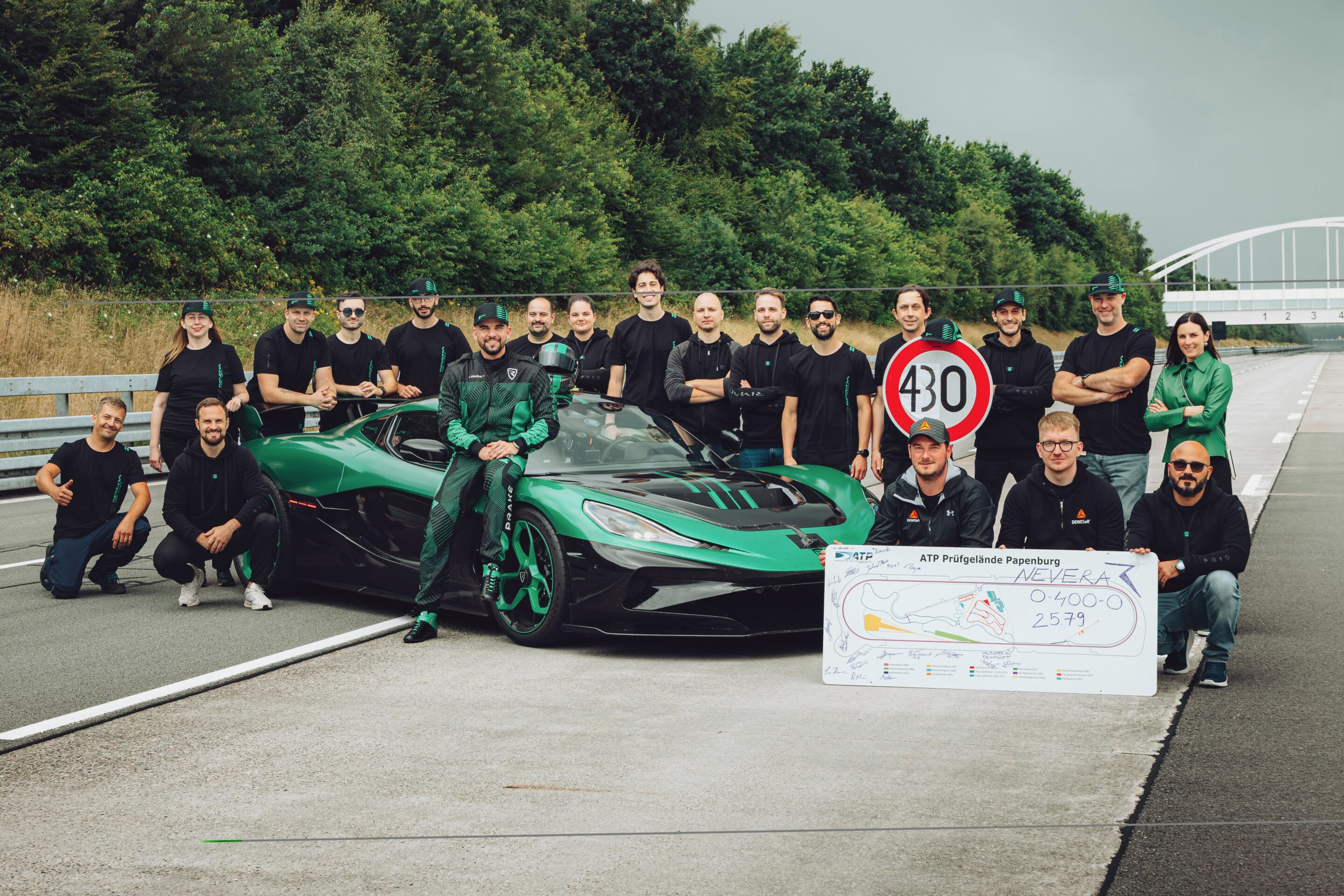
The Nevera R achieved a new 0-100 km/h time of just 1.72 seconds, compared to 1.81 seconds of the regular Nevera. At higher speeds, the improvements become even more pronounced, reaching 200 km/h in 3.95 seconds versus 4.42 seconds in Nevera, and to 300 km/h (186 mph) in just 7.89 seconds compared to the Nevera’s 9.22 seconds, while it covers the quarter mile sprint in just 7.90 seconds or 0.35s quicker.
Mate Rimac, Founder of the Rimac Group, said: “When we first introduced Nevera it almost seemed like the pinnacle of hypercar performance had been reached. In a single generation, we had created a performance jump that previously would have taken decades. But now, through relentless innovation, Nevera R goes even faster…”
Rimac is the CEO and majority shareholder of Bugatti Rimac, a joint venture between Rimac Group and Porsche.
Just 40 examples of the Rimac Nevera R are to be made and with no official sales outlet in Australia, it’s likely that none will ever reach our shores.
Following its recent teaser, the third-generation Mazda CX-5 mid-size SUV has been revealed, to launch in Australia in 2026.
Longer and wider than the previous CX-5, the new model looks more modern, while the new cabin design appears to be even higher quality than before. Surprisingly, however, there’s no hybrid drivetrain at launch, though the company has confirmed one for a future introduction.
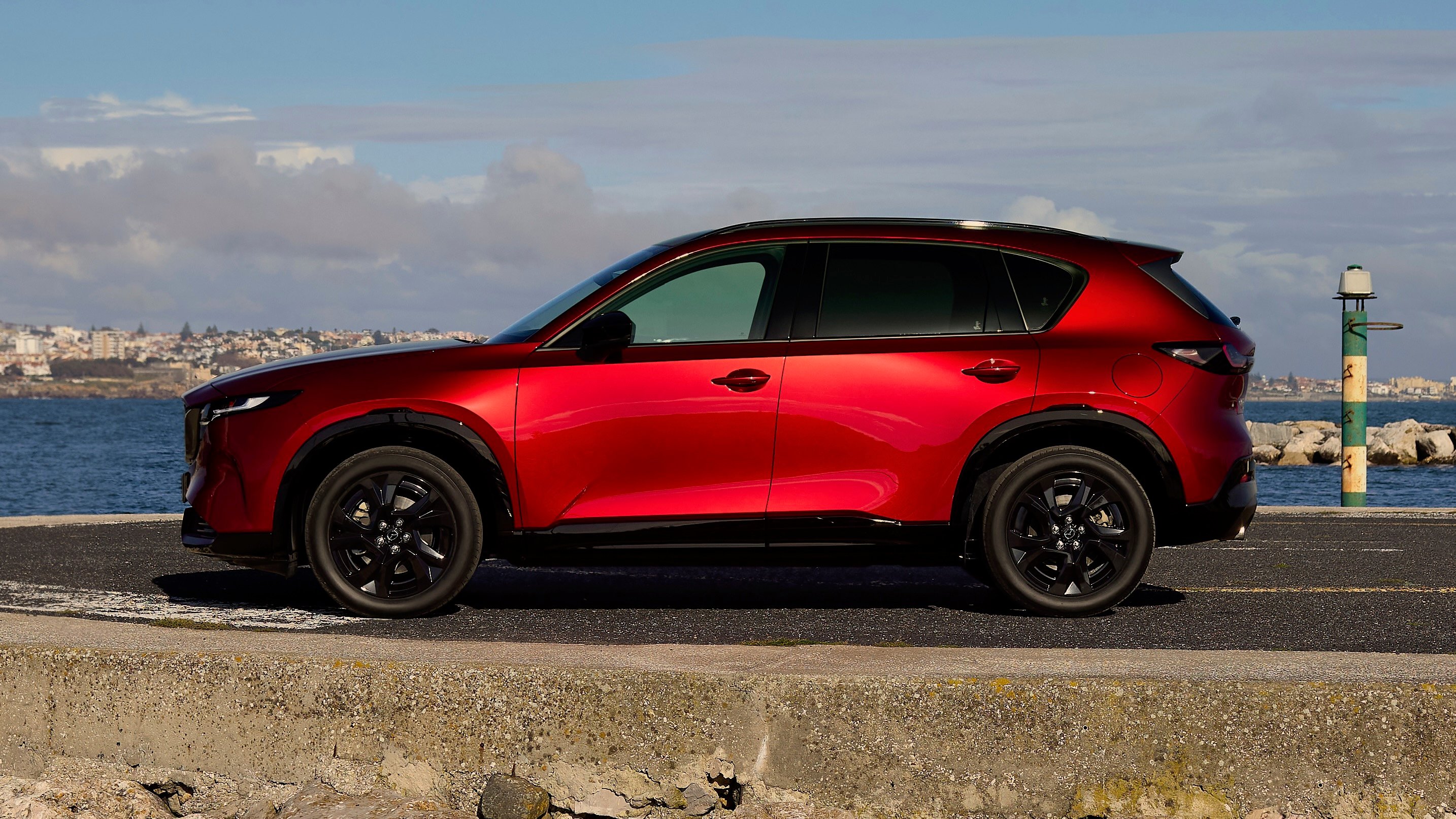
On the outside, the new Mazda CX-5 was developed around the company’s “Wearable Gear” concept, and uses the latest evolution of its ‘Kodo’ design that various Mazda products have been styled under.
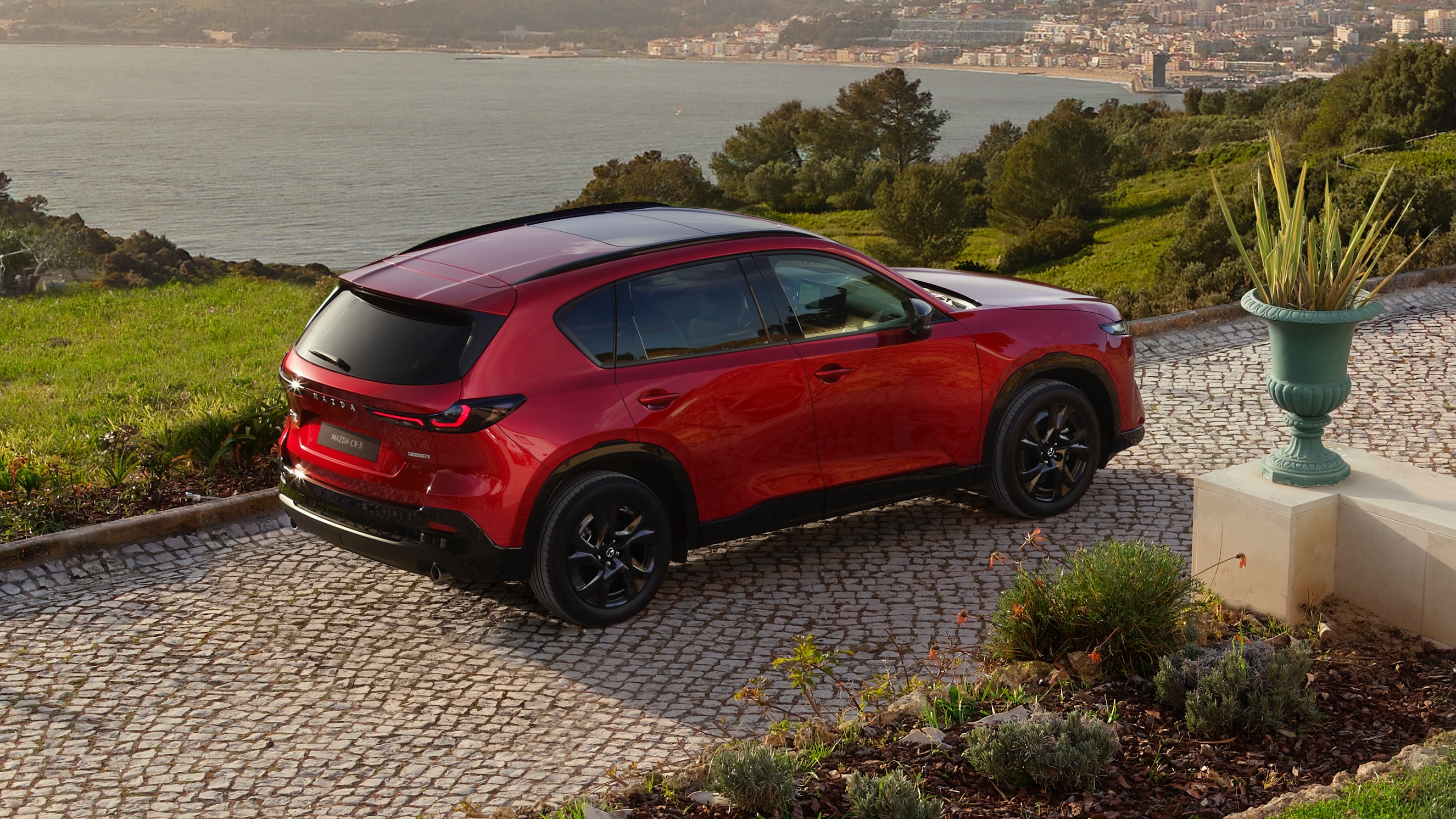
The front end is more chiselled and has a wider-set look, while the rear now features more angular lighting to tie it in better with larger Mazda products such as the CX-90. “Mazda” lettering has replaced the traditional Mazda badge at the rear as well.
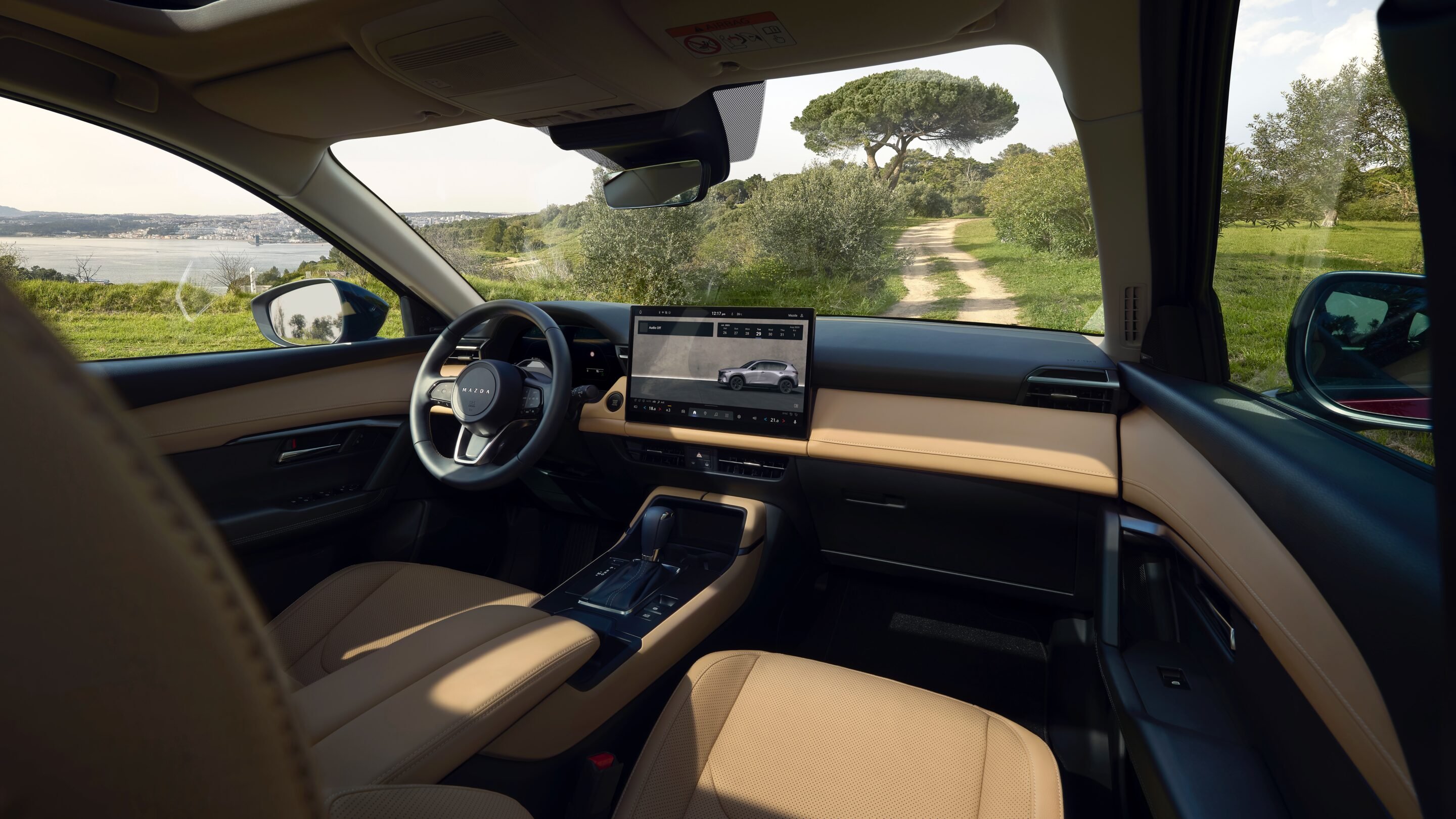
According to Mazda, the interior of the new CX-5 is more luxurious and practical than the current model. A 15.6-inch touchscreen sits in the centre of the cabin, which is the largest one ever fitted to a Mazda product. It runs new software, which appears to be powered by Android Automotive software as both Google Maps and Google Play Store integration can be seen. The Mazda Connect system and its controller wheel no longer feature.
Measuring 4690mm long, 1860mm wide, 1695mm tall and with a 2815mm long wheelbase, the new Mazda CX-5 is 115mm longer than the current model with all of that extra length going to the wheelbase. It’s 15mm wider than before as well, and while the company is yet to reveal the bootspace figures, the actual boot floor is almost 50mm longer than the current model – which should give a meaningful boost in practicality.
Thanks to the increase in wheelbase length, Mazda says that rear passengers can now stretch their legs out comfortably and the newly-available panoramic sunroof also reportedly enhances the rear seat’s space. A carry-on suitcase can now fit in the rear footwell behind the front seats too.
Under the bonnet of the Australian-spec 2026 Mazda CX-5 will be an updated version of the current model’s 2.5-litre four-cylinder petrol ‘SkyActiv-G’ engine making 132kW of power and 242Nm of torque paired with a six-speed automatic transmission and all-wheel drive as standard.
Overseas models will likely offer more powerplant options, with a mild-hybrid petrol engine featured in the European-spec model. Mazda’s new ‘SkyActiv-Z’ petrol engine will also debut in the CX-5 sometime in the future, as well as a new in-house hybrid drivetrain.
The 2026 Mazda CX-5 is due to go on sale in Australia sometime in 2026, with local pricing and specifications due to be confirmed before then.
Toyota is facing a class action in the Federal Court, as thousands of Australian Corolla owners allege the iconic small car is plagued by a defect that causes paint to peel when exposed to sunlight.
As reported by AAP, the lawsuit was filed on Wednesday and seeks compensation on behalf of customers who purchased or leased white Toyota Corollas – specifically those manufactured between July 12, 2010, and September 30, 2014 – and finished in factory colour code 040.
Lawyers from William Roberts, the firm representing the plaintiffs, argue the issue stems from a defect in the paintwork that breaches Australian Consumer Law. The suit alleges Toyota failed to disclose critical information about a flaw that makes affected vehicles more susceptible to paint delamination over time.
“Throughout the periods during which the affected vehicles were manufactured, Toyota did not disclose to the public that affected vehicles contained the paint peeling defect or … had the propensity to experience the … defect,” the firm stated.
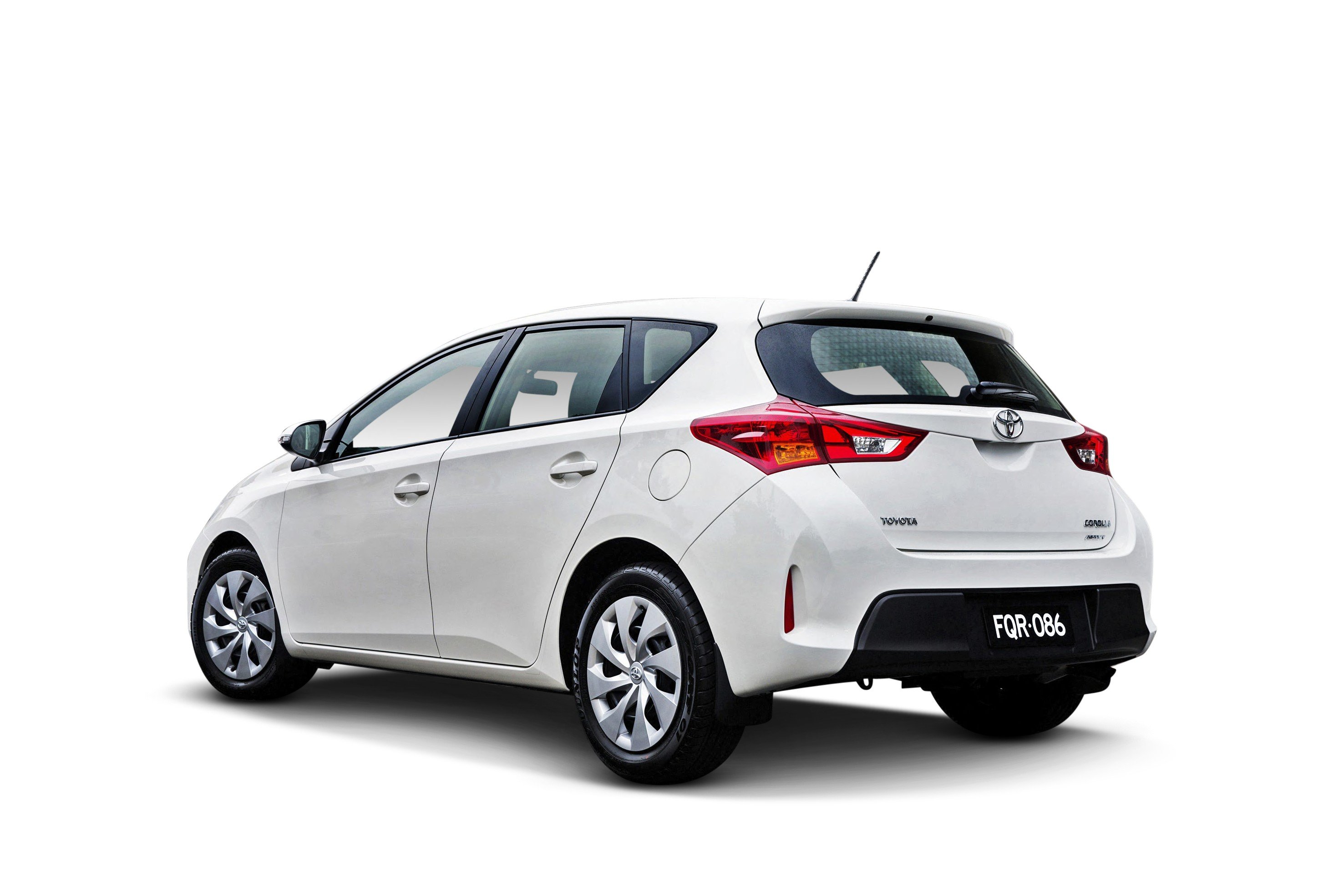
The claim rests on the consumer protection provisions of Australian Consumer Law, which require all vehicles sold from 2011 onwards to be of “acceptable quality.” If proven, Toyota could be held liable for losses incurred by thousands of owners impacted by the issue.
Toyota Australia has previously acknowledged the issue in a 2022 statement, explaining the defect could be linked to long-term UV exposure degrading the adhesion between the primer and base layers of paint. “Over time, [this exposure] degrades the adhesion between the factory-applied paint primer coat layer and the base metal electrodeposition layer, causing paint to peel from the metal body panel,” the company said.
While the company has not yet commented on the class action, a spokesperson confirmed that Toyota is aware of the filing and will respond in due course.
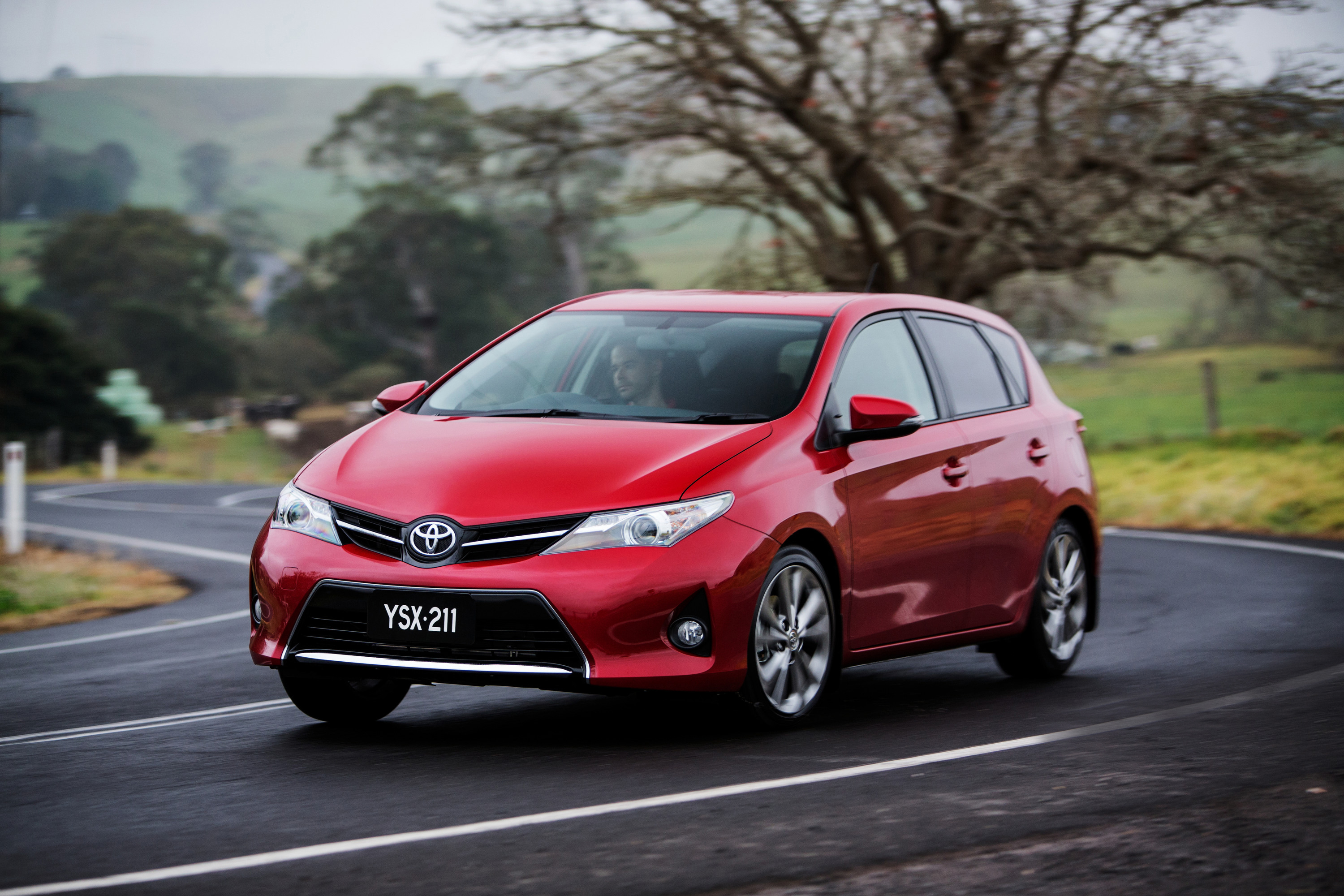
The lawsuit has struck a chord with many affected drivers. A Facebook group dedicated to the issue, which now boasts more than 7,000 members, has been flooded with posts from frustrated owners sharing images of large paint sections flaking off their cars. Many have expressed their intention to join the legal proceedings.
Under current consumer law guidelines, motorists are entitled to a free repair when a vehicle has a minor defect. Whether the court will agree that the paint issue qualifies remains to be seen.
Porsche has unveiled its new Black Edition range for the Taycan and Cayenne line-ups, combining sleek aesthetics with high-end features.
The new special-edition variants made their global debut at the Goodwood Festival of Speed in the UK (July 10–13) and are now available to order in Australia, with first deliveries expected later this year.
The Taycan Black Edition, available in sports sedan form, and the Cayenne Black Edition, offered as either a classic SUV or a coupé, feature distinctive black styling elements paired with generous standard specifications.

While the name hints at a dark theme, customers can choose from a wide palette of exterior colours –including Jet Black Metallic, Ice Grey Metallic and Carrara White – at no extra cost.
The Taycan Black Edition features gloss-black Sport Design elements, window trims, mirrors, and rear badging, complemented by a black light strip with an illuminated Porsche logo. Inside, customers will find black brushed-aluminium door sills, ambient lighting, and a unique Black Edition badge on the centre console.
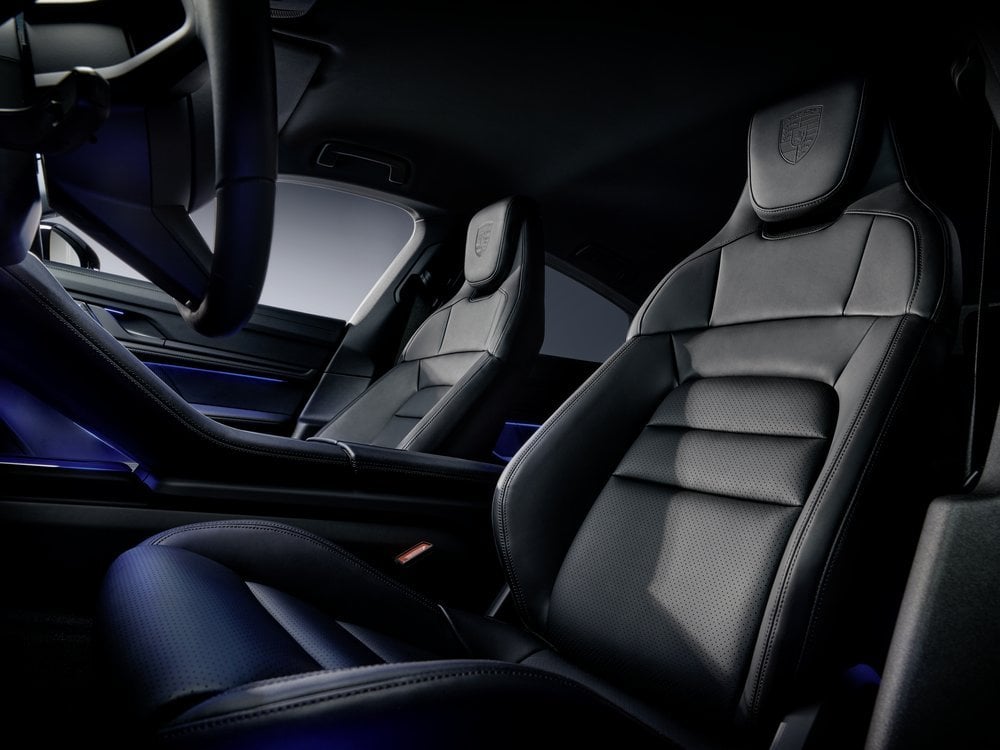
Meanwhile, the Cayenne Black Edition carries similar exterior cues, including gloss-black highlights and model designations, HD Matrix LED headlights with a subtle tint, and 21-inch wheels with coloured Porsche crest centre caps. Inside, brushed black aluminium trim adds a premium feel.
Taycan Black Edition models come with the larger 105 kWh Performance Battery Plus as standard, offering increased range and enhanced driving dynamics. In the base variant, power peaks at 408 PS (300 kW), delivering improved electric performance across the board.
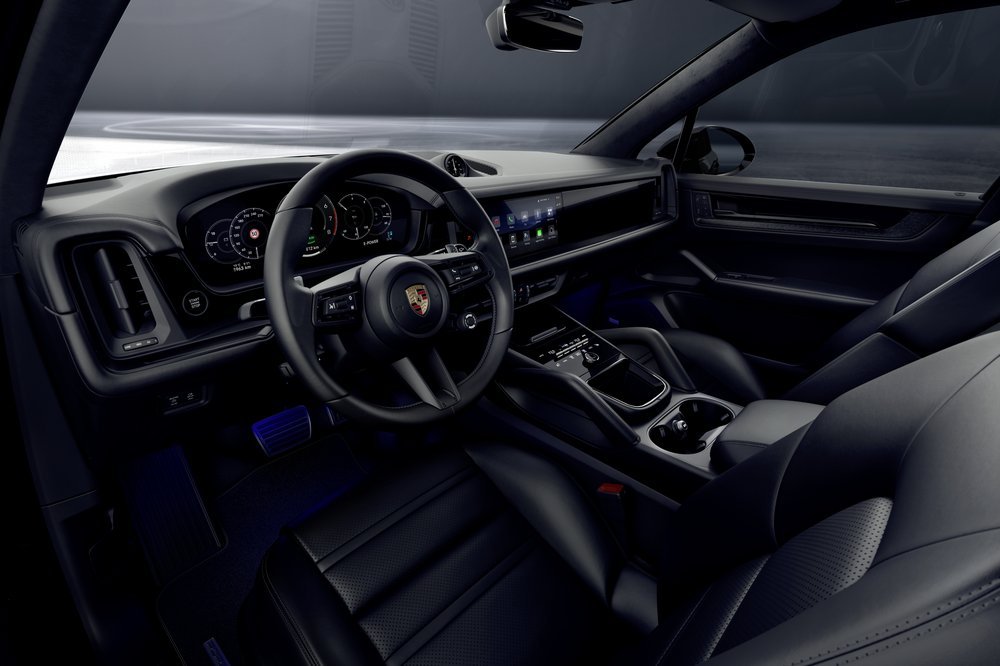
Australian Taycan models also receive added equipment such as Sport Chrono, Comfort Access, rear side airbags, parking assist features, and adaptive cruise systems. The Taycan 4S Black Edition gains four-zone climate control and soft-close doors.
Cayenne Black Editions come with added tech including InnoDrive with adaptive cruise control, a head-up display, digital radio, and front seat ventilation for hybrid variants. Petrol-powered models receive a collapsible spare tyre, while E-Hybrids include a tyre-sealing compound.
Porsche offers an extended Black Edition package featuring ‘Black Edition’ lettering on the doors, illuminated sill plates, and a coordinated key case. Customers can personalise their vehicles even further through Porsche Exclusive Manufaktur’s Sonderwunsch program, which allows detailed customisation of elements like key fobs, floor mats, and storage lids.
Australian Pricing
| Cayenne Black Edition | from $156,800 |
|---|---|
| Cayenne E-Hybrid Black Edition | $175,800 |
| Cayenne S E-Hybrid Black Edition | $195,500 |
| Cayenne S E-Hybrid Coupe Black Edition | $162,500 |
| Cayenne E-Hybrid Coupe Black Edition | $180,500 |
| Cayenne S E-Hybrid Coupe Black Edition | $197,600 |
| Taycan Black Edition | $203,300 |
| Taycan 4 Black Edition | $213,300 |
| Taycan 4S Black Edition | $229,700 |
With a mix of standout styling, advanced technology, and comprehensive standard features, Porsche’s Black Edition models offer a bold new entry point into the brand’s electrified and luxury SUV line-ups.
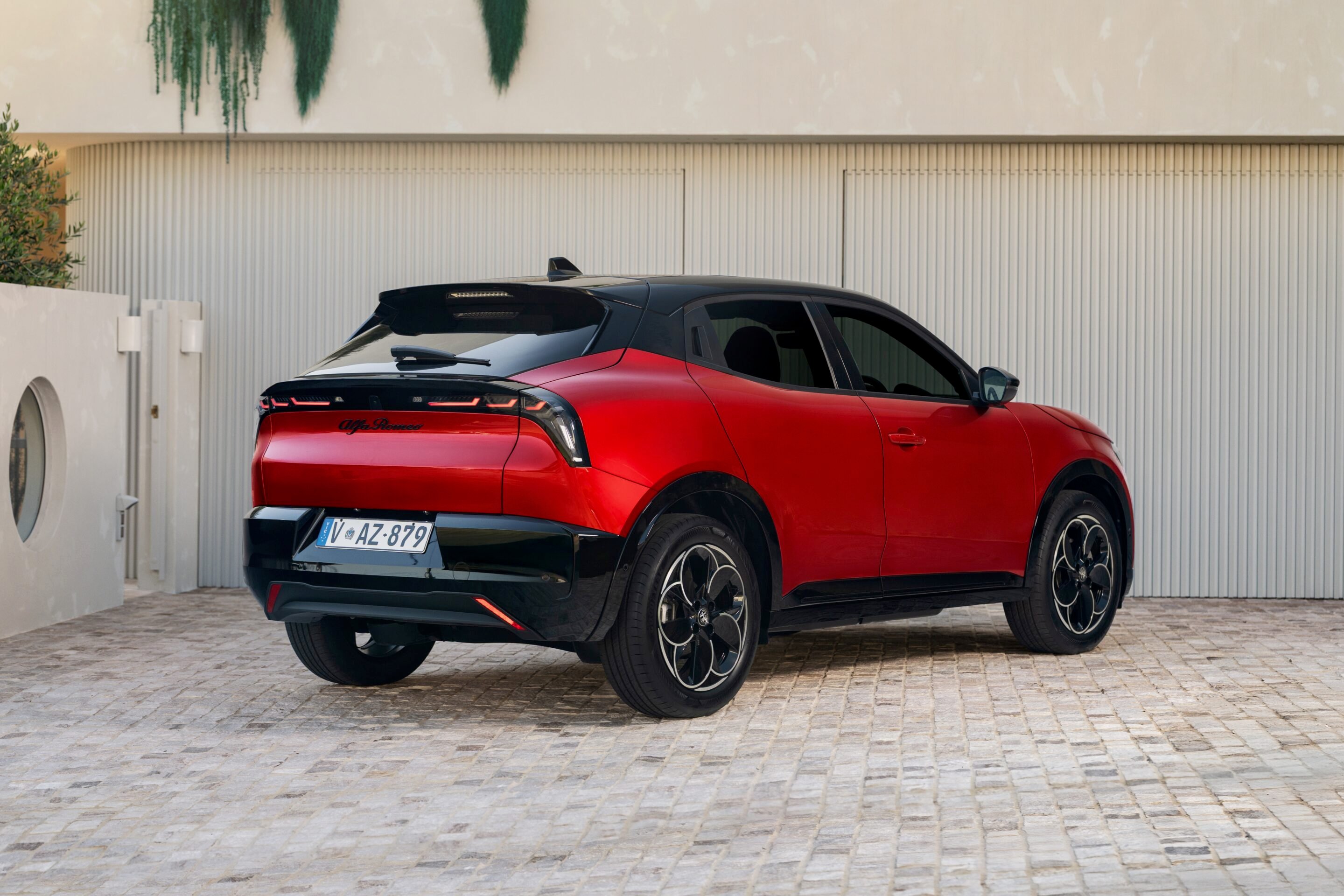
The Alfa Romeo Junior small SUV has launched in Australia priced from $45,900 plus on-road costs.
The Junior is available with either a 48-volt hybrid or fully-electric – Alfa’s first – drivetrain and a comprehensive list of standard features across the range.
The Alfa Romeo Junior Ibrida (hybrid in Italian) uses a 1.2-litre turbocharged three-cylinder 48-volt hybrid drivetrain, which incorporates a 21kW electric motor into its six-speed dual-clutch gearbox. Making a total of 107kW of power and 230Nm of torque, the Junior Ibrida hits 100km/h in 8.9 seconds and a top speed of 206km/h. On the combined fuel consumption cycle, it’s rated at 4.1L/100km.
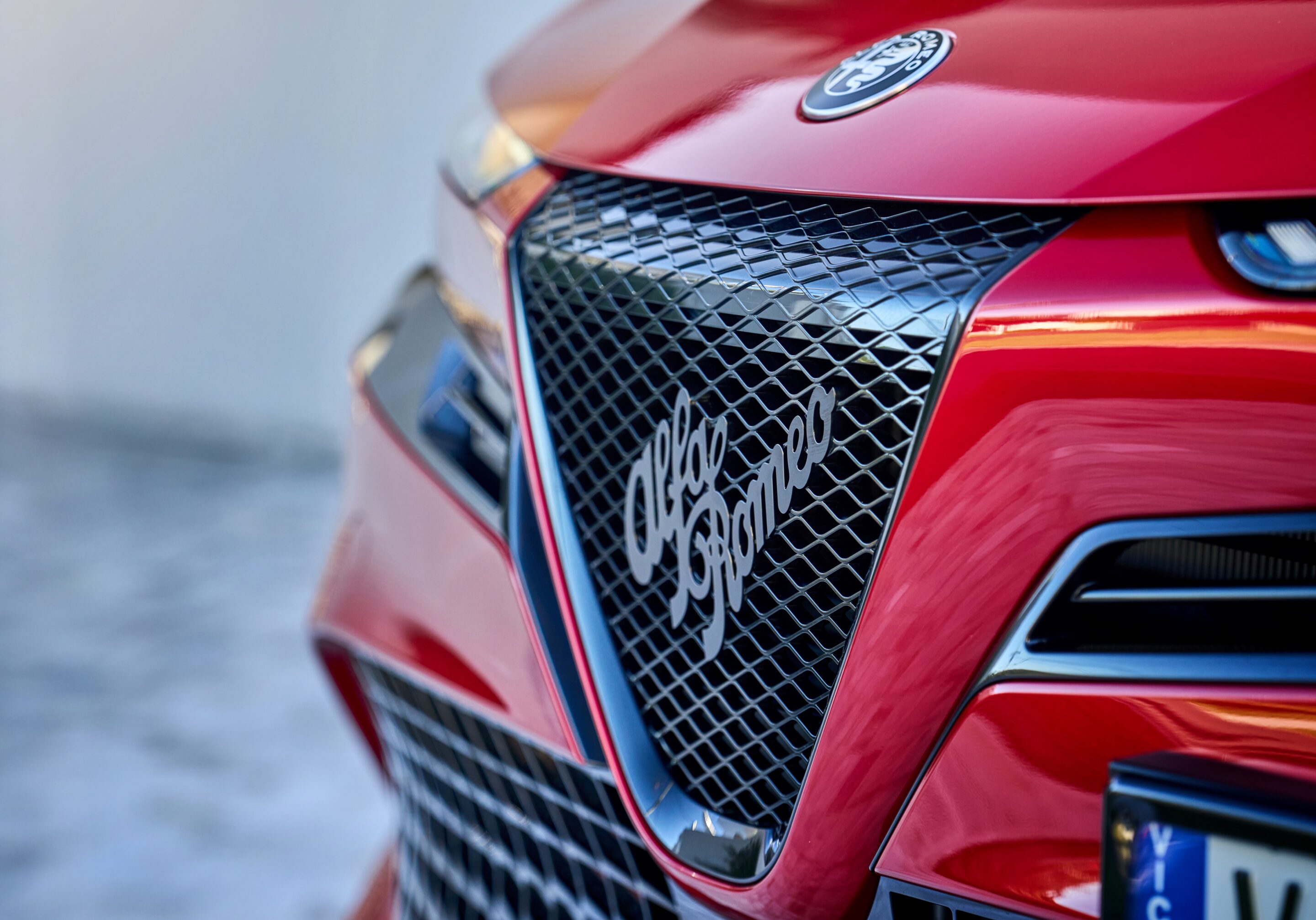
For those wanting an EV, the Junior Elettrica (electric in Italian) uses a 115kW/260Nm front-mounted electric motor that draws power from a 54kWh battery. It hits 100km/h in 9.0 seconds, and the company quotes a 407km range on the WLTP cycle.
The Junior Elettrica can be charged at up to 100kW on a DC charger, or 11kW on an AC charger, allowing for a 10 to 80 per cent charge in as little as 30 minutes.
Measuring 4170mm long, 1780mm wide, 1500mm tall and riding on a 2562mm long wheelbase, the Alfa Romeo Junior is 360mm shorter than its Tonale larger sibling and 63mm shorter than the Volvo EX30. Its 400-litre boot is 82L larger than the Volvo’s, however.
Alfa Romeo Junior pricing (plus on-road costs):
| Ibrida Hybrid | $45,900 |
|---|---|
| Elettrica Electric | $57,900 |
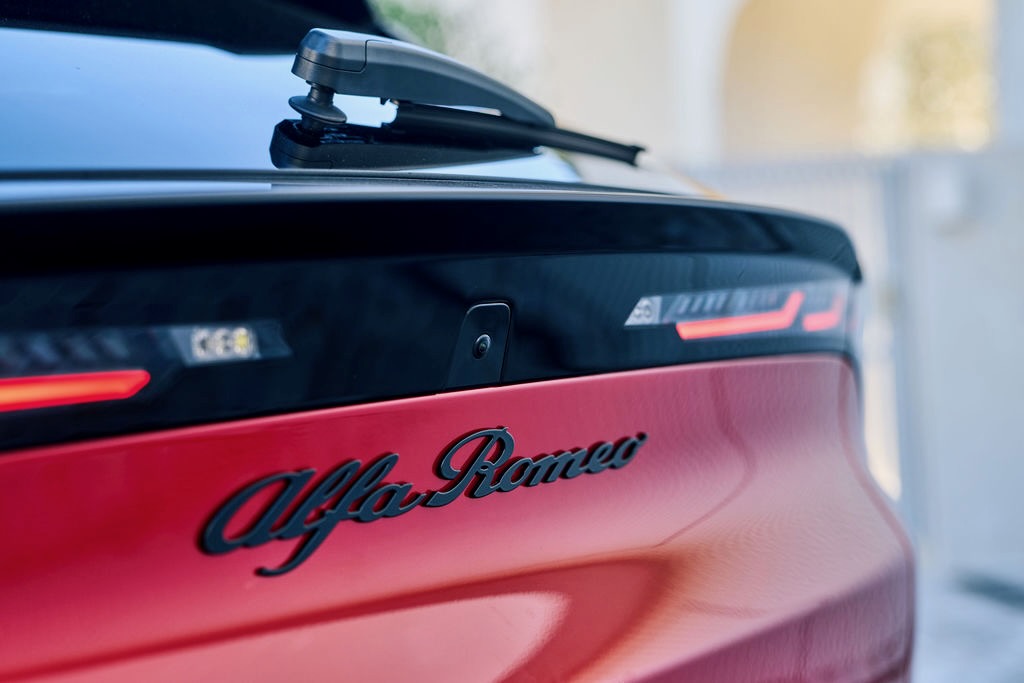
Alfa Romeo Junior standard features:
- 18-inch alloy wheels
- Automatic LED exterior lighting
- Automatic rain-sensing wipers
- Two-tone black roof
- Rear privacy glass
- Keyless entry and start
- Hands-free electric tailgate
- Leather steering wheel
- Cloth and leatherette upholstery
- 6-way electric driver’s seat with massaging
- Heated front seats
- 10.25-inch touchscreen with live services
- Navigation with live traffic
- Wireless Apple CarPlay and Android Auto
- DAB+ digital radio
- Six-speaker sound system
- Front and rear USB charging ports
- Wireless phone charger
- Single-zone automatic climate control
- 6x airbags
- Autonomous emergency braking (AEB) with pedestrian and cyclist detection
- Adaptive cruise control
- Level 2 autonomous driving capability
- Blind-spot monitoring
- Lane keeping assistance
- Traffic sign recognition with intelligent speed control
- Driver attention monitoring
- Matrix adaptive high beam
- Front, side and rear parking sensors
- Reversing camera
- Tyre pressure monitoring
- Automatic parking
Ibrida-specific features:
- Paddle shifters
- Dual tailpipes
Elettrica-specific features:
- Mode 3 charging cable
- 11kW AC onboard charger
Junior options:
- Sunroof: $1990
- Metallic paint (including a black roof): $1990
The Alfa Romeo Junior is now on sale in Australia with the first local deliveries due to commence soon.
The Aston Martin Vantage S has been revealed as an even higher-performance version of the Vantage sports coupe. Now making 500kW of power, the Vantage S has also been given a number of performance upgrades to make it even faster than before, including suspension changes for greater driving feel.
The first part of the S transformation is an uprated version of the Vantage’s AMG-sourced twin-turbocharged 4.0-litre V8 engine, making 500kW of power (+11kW) and 800Nm of torque (identical to the standard Vantage, but over a wider spread of rev range).
Like the standard Vantage, the S uses an eight-speed automatic transmission and hits 100km/h in just 3.4 seconds (0.1 seconds quicker than the standard car) with the same top speed of 326km/h.
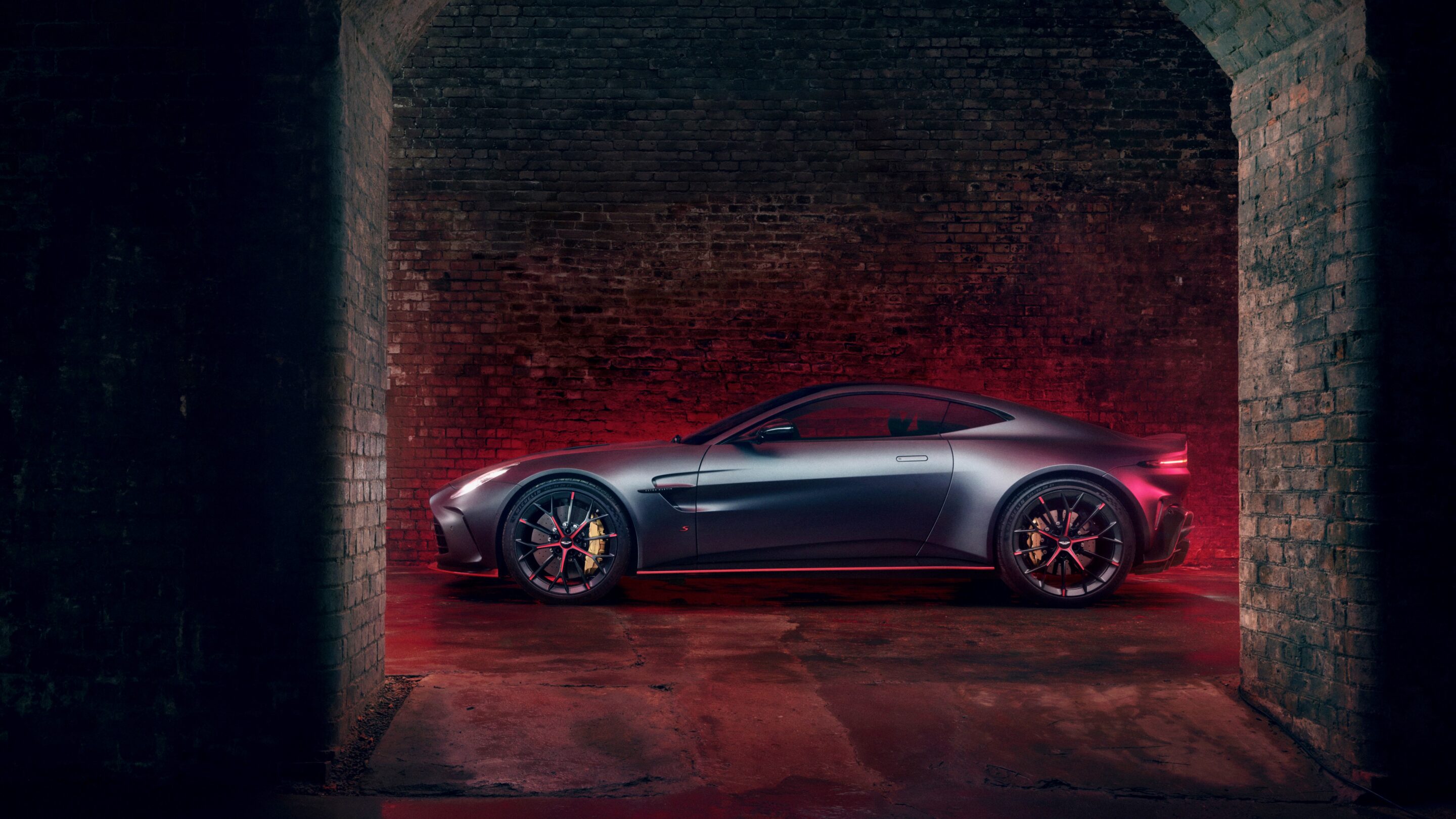
Aside from the engine, the Aston Martin Vantage S has also been given significant chassis upgrades to make it quicker point-to-point. Retuned front dampers have reportedly added better front-end steering feel, with revised rear suspension tuning giving better low speed ride quality.
The rear subframe is now mounted directly to the chassis for extra stiffness, while the steering directness has also been enhanced for greater feedback for the driver. The throttle pedal has been recalibrated for better feel, while camber, toe and caster settings have all been finessed to enhance the front-end’s mechanical grip when the car is under load, making it even faster through bends.
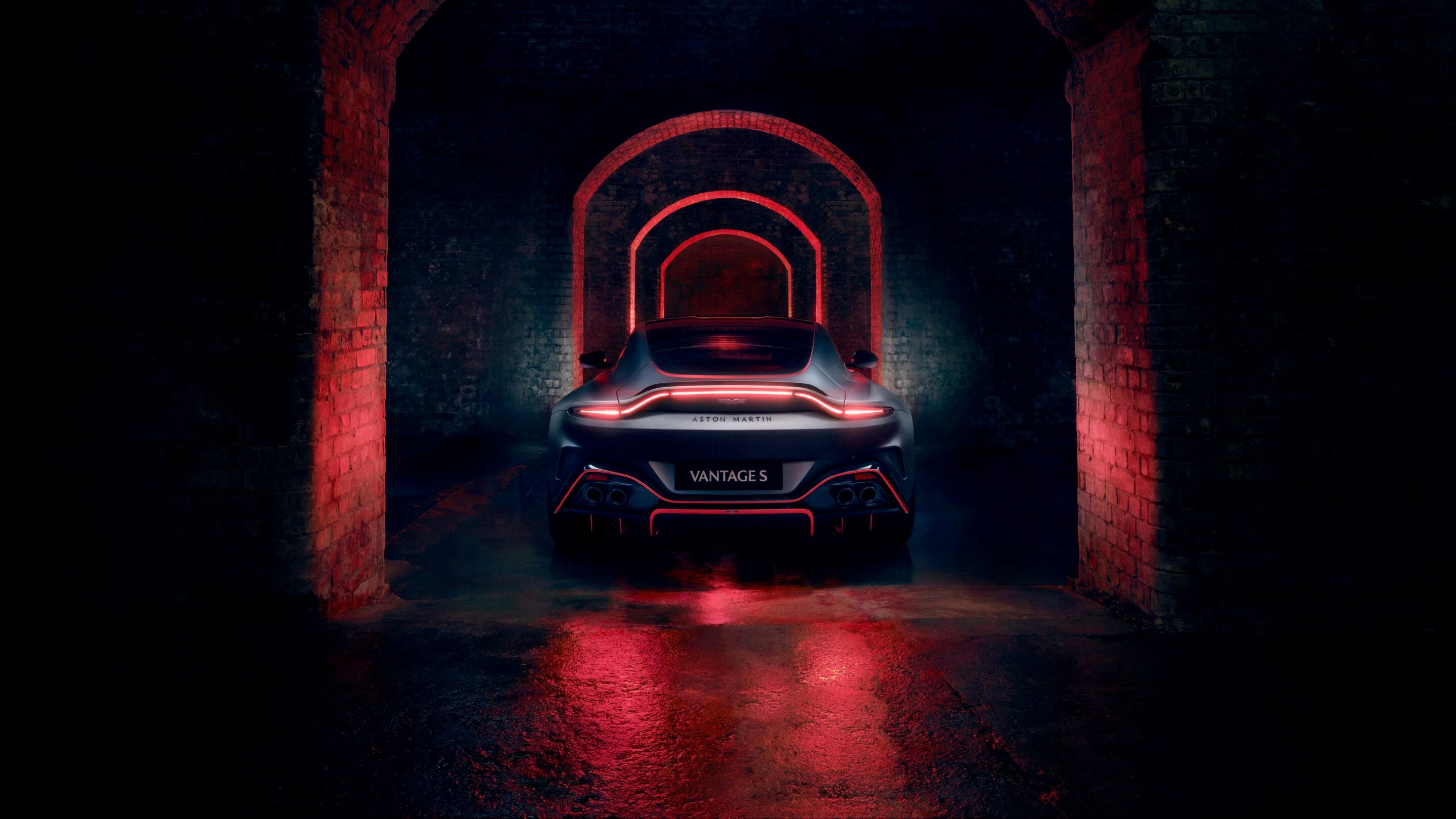
The final part of the S transformation is updated exterior and interior styling, with a new front bumper air dam and venturi vanes, which combined with under-body changes and a larger rear spoiler, add a claimed 67kg of downforce at the Vantage S’s top speed.
Other exterior changes include two bonnet blades in either gloss black or carbon fibre, hand-made forged brass S badges with red detailing on the front guards and bootlid and red trim on the front spoiler and rear diffuser, as well as optional new 21-inch alloy wheels with black and red detailing.
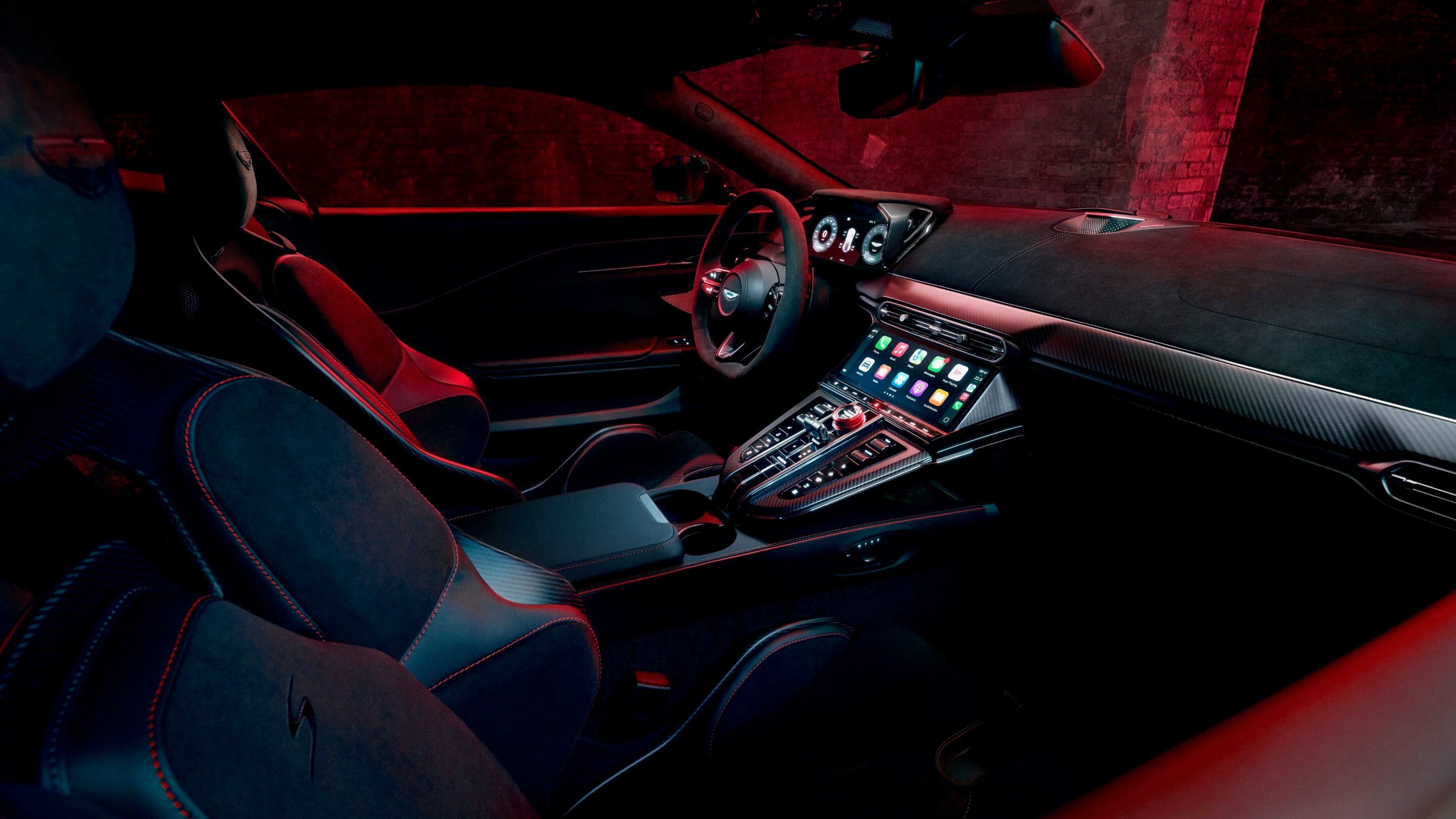
Inside the Vantage S is the same red and black theme as the exterior, with black leather and suede trims accompanied with red detailing such as the S badging and stitching. Buyers can also choose an optional silver or red knurled metal drive mode selector.
The Aston Martin Vantage S will likely land in Australia sometime in 2026, with pricing likely to be higher than the regular Vantage’s $410,000 plus on-road costs figure.
Chinese automaker BYD has revealed it will assume full liability for its L4-level autonomous parking system in a bold statement about its confidence in the technology.
The announcement, shared via BYD’s official Weibo and a press release, and reported by CarNewsChina, confirmed that the company’s ‘God’s Eye’ ADAS (Advanced Driver Assistance System) will soon receive its largest over-the-air (OTA) update yet. The update will enhance parking capabilities through new “three-speed parking” modes and improved situational awareness for complex parking scenarios.
The God’s Eye system, launched in February 2025, has already been deployed in more than one million BYD vehicles across China, including entry-level models like the BYD Seagull, priced at just 69,800 yuan (approx. A$14,875). BYD claims this rollout represents a major step toward “democratising autonomous driving”.
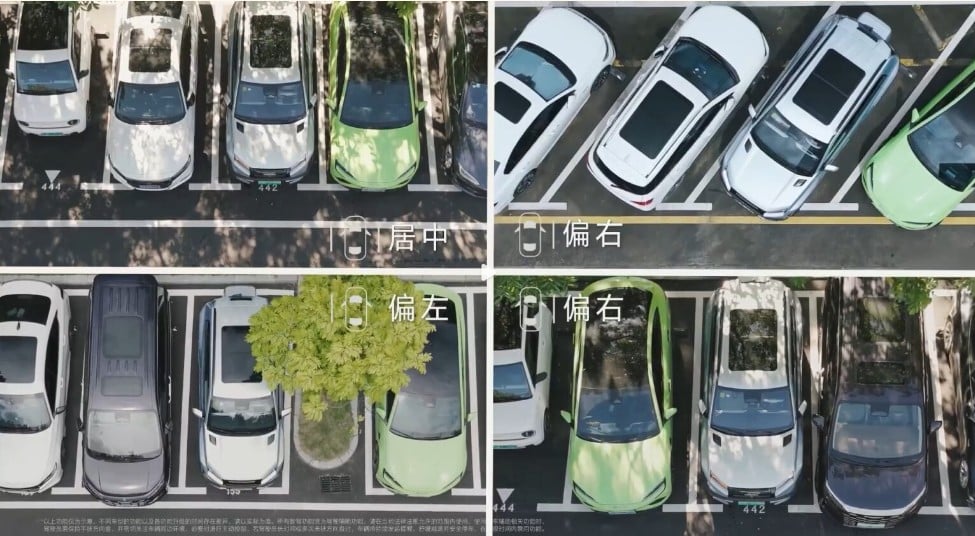
The standout feature of this update is the system’s Level 4 (L4) parking autonomy. Under the SAE-defined L4 classification, vehicles are capable of operating independently without human input under specific conditions – in this case, parking. BYD claims its L4 parking system complies with global standards and can execute fully autonomous parking manoeuvres.
What sets BYD apart in the automotive world is its commitment to assume full legal and financial responsibility for any incidents occurring due to faults in the autonomous parking system. If a malfunction results in property damage, personal injury, or vehicle damage, BYD pledges to cover all related costs – bypassing insurance claims and protecting drivers from premium hikes. It’s not clear as yet whether the commitment will apply outside of China.
“When accidents happen during parking, owners can report the incident directly to BYD. There’s no need to lodge an insurance claim,” the company said, adding that the aim is to shield drivers from higher future premiums.
BYD’s move is unprecedented, but it aligns with the growing race among automakers to deliver safer, smarter, and more autonomous driving systems. Globally, manufacturers such as Tesla, BMW, Mercedes-Benz, and Hyundai have integrated increasingly sophisticated driver-assist and automated parking functions into their vehicles.
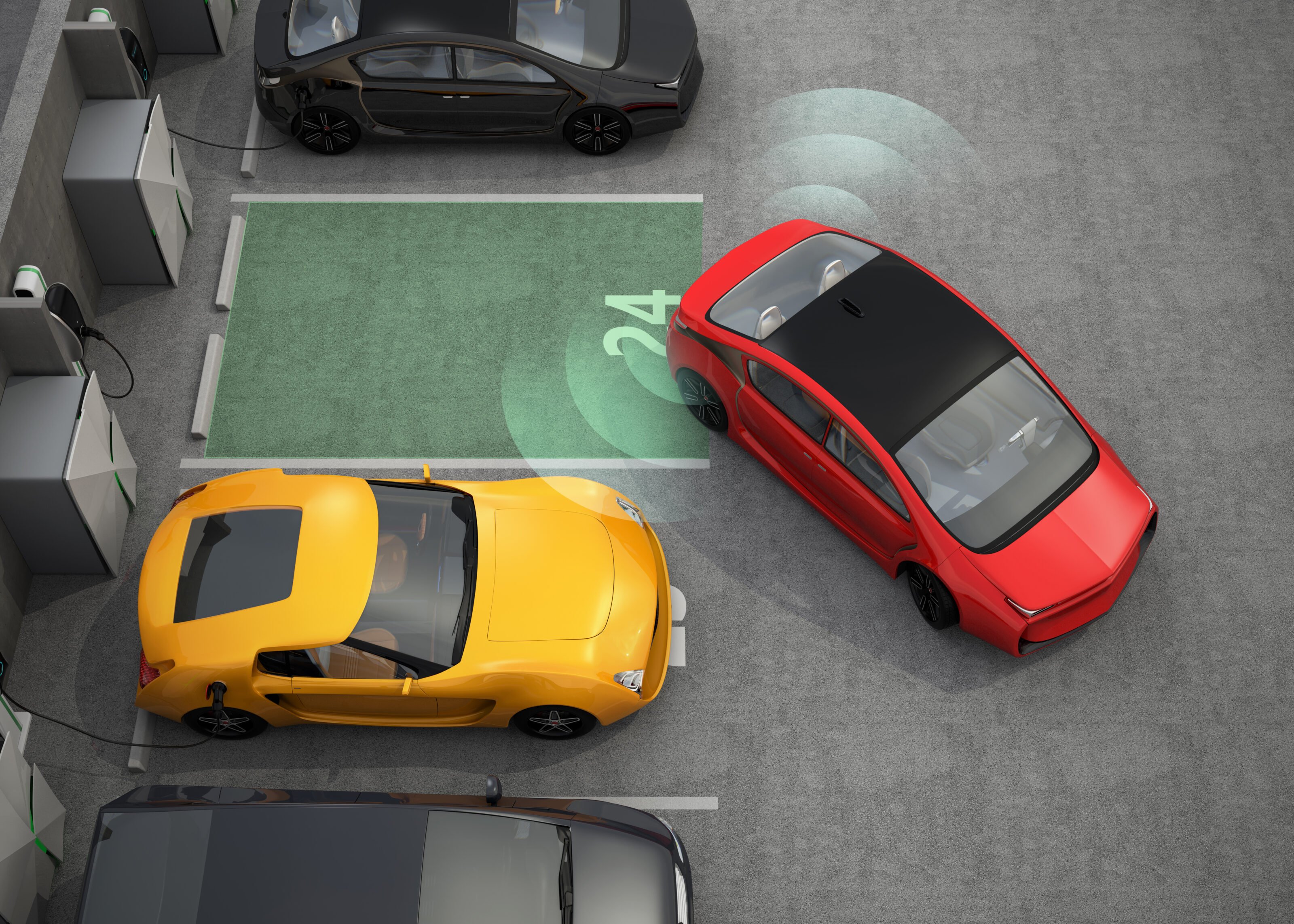
Notable examples include:
- Mercedes-Benz has introduced its Drive Pilot system (Level 3) and Intelligent Park Pilot, which can autonomously park in designated areas if pre-mapped.
- Tesla’s Full Self-Driving (FSD) package includes Smart Summon, allowing cars to navigate parking lots without driver input, though Tesla continues to describe its system as Level 2, requiring supervision.
- Hyundai’s Remote Smart Parking Assist enables drivers to step out and let the vehicle park itself — though still with human oversight.
As OTA updates roll out to BYD’s God’s Eye B and C platforms, the company says improvements will also extend to general driving and safety features. The move could set a new standard for transparency and accountability in the age of autonomous mobility, particularly as more automakers look to expand L3 and L4 offerings worldwide.
In a competitive EV market increasingly driven by software, BYD’s willingness to assume liability may prove to be as disruptive as its pricing strategy – and could well influence global regulation and insurance models in the future.
An Australian man is counting his blessings after narrowly escaping injury when his ute was struck by lightning and burst into flames on a rural New South Wales road.
Michael Sier, 57, was driving home from a job on Sunday afternoon when he found himself in the middle of a sudden lightning storm. Speaking with Yahoo News Australia, the tradesman recounted the terrifying moment just after he’d commented to himself about the deteriorating weather. “It just whacked the roof of the car, and I thought all four tyres blew up, or an elephant landed on me,” he said.
What actually hit him was a bolt of lightning. While Michael thankfully felt no electric shock, chaos immediately followed – his horn began to blare, the lights flickered wildly, and the cab filled with smoke.
He leapt out of the ute, only to discover the doors had automatically locked. “I then saw flames coming from the dash, and it was then that I started to panic a bit,” he told Yahoo. “It was just unbelievable.”

Determined to save his tools, Michael smashed a window and managed to pull out what he could before the fire engulfed the vehicle. Moments later, the ute was consumed by flames.
His daughter, Jessi, later shared her shock and relief on Facebook, writing:
“Dad definitely sung a high note yesterday after the roof of his ute was struck by lightning. He quickly pulled over with a smoky engine & enough time to grab a few things before the ute was up in flames! A few angels in the sky looking out for him, very lucky man.”
Michael filmed the smouldering wreck from a safe distance, capturing thick plumes of black smoke pouring into the sky. “Here’s me old ute, struck by lightning,” he can be heard saying. “She’s about buggered.”
The NSW Rural Fire Service confirmed the blaze was caused by a lightning strike, with eight firefighters and four trucks dispatched to the scene near Cooma.
“It was definitely lightning,” Michael said, before joking, “Can’t say I had any bombs on me at the time.”
Despite losing his vehicle, Michael escaped without injury – a fact that’s left both him and his family incredibly thankful.
