
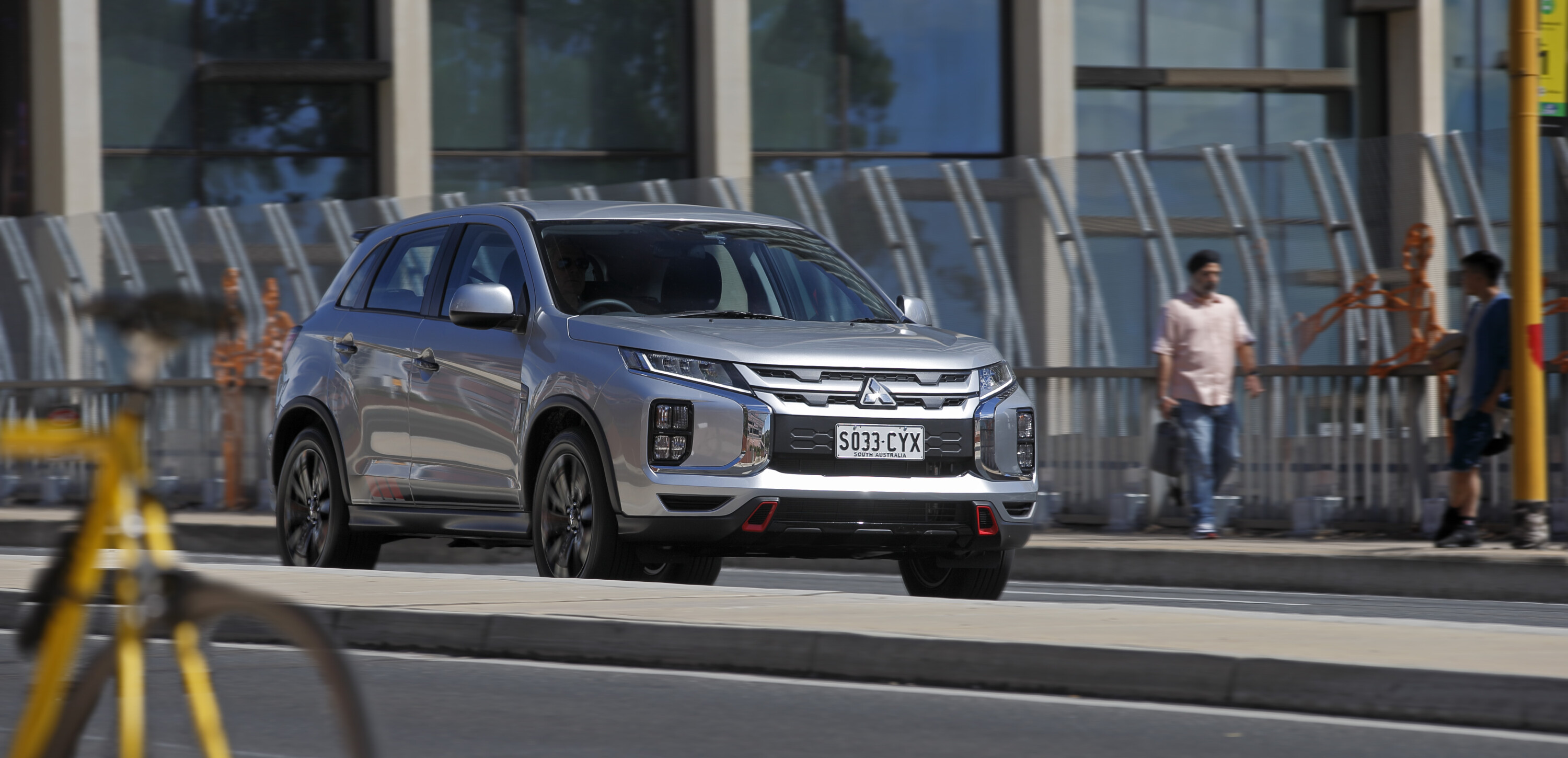
The Mitsubishi ASX small SUV has been discontinued in its Japanese domestic market, but production will continue for Australia “until further notice”.
“[ASX] production continues for Australia and other markets until further notice,” said a Mitsubishi Australia spokesperson.
The Japanese motoring media reports production ended this month for the domestic market, with one outlet – Response [↗️] – claiming an all-electric successor to the ASX will debut in 2025.
According to the report, the electric ASX successor will be based on the same Renault–Nissan–Mitsubishi ‘AmpR Medium’ platform as the Nissan Ariya, Renault Megane E-Tech and Scenic E-Tech.
It will reportedly measure 4380mm long, 1810mm wide and 1650mm tall, with a 2670mm wheelbase – making it 15mm longer and 10mm taller than the current ASX, with an identical width and wheelbase.
Excluding the tiny Mitsubishi I-MIEV – sold in Australia between 2010 and 2012 with now-outdated technology – the rumoured small SUV would be the first Mitsubishi electric car available globally.
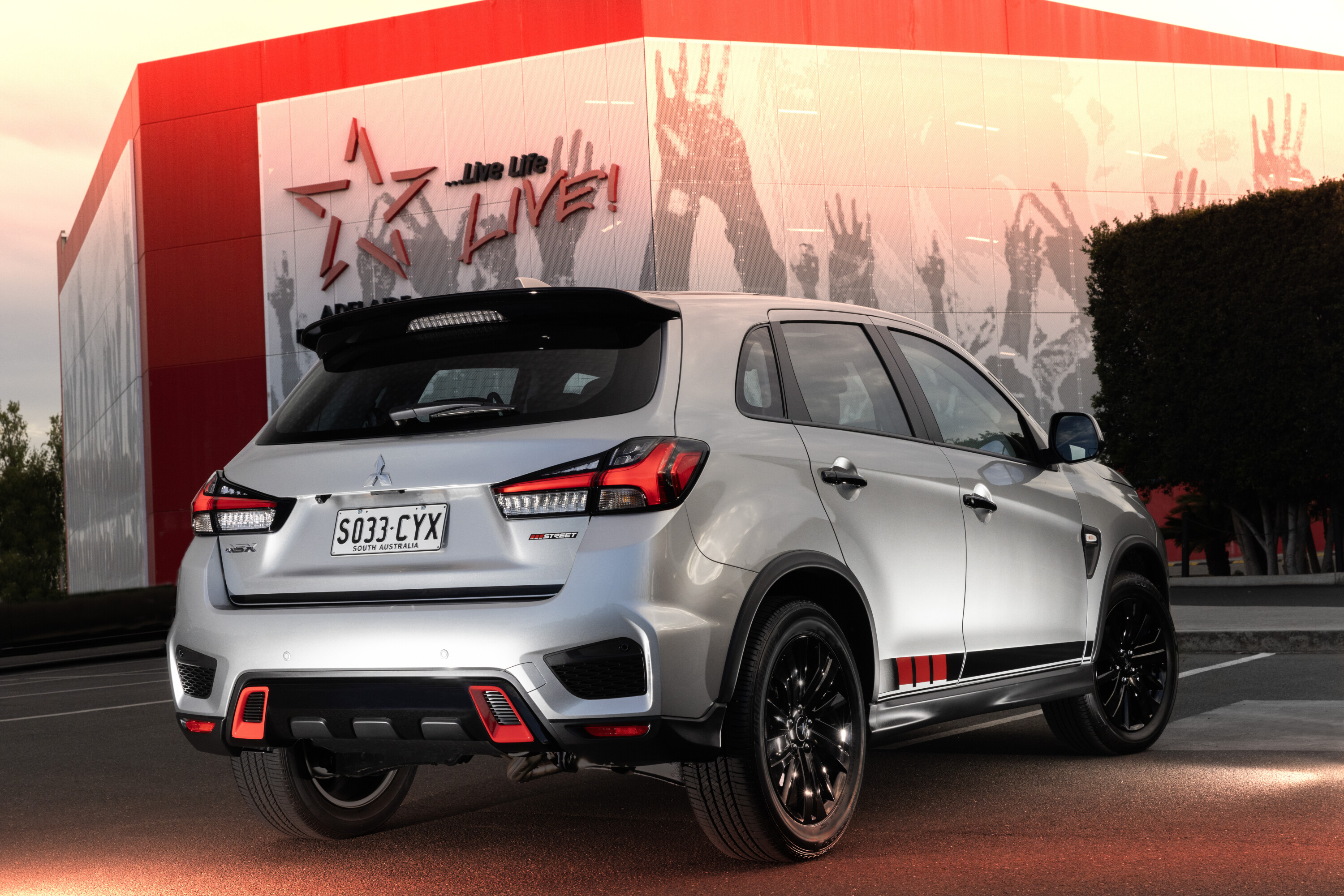
“As for what happens next, we are still working towards the most appropriate solution that will satisfy our safety, emissions and other requirements,” added the Mitsubishi Australia spokesperson.
Also known as the RVR in Japan and Canada and Outlander Sport in the United States, the current Mitsubishi ASX launched in 2010, making the 14-year-old small SUV one of the oldest cars still in production.
It has received several updates over the years, including four facelifts, as it faces competition from the newer Mazda CX-30, Toyota Corolla Cross, Hyundai Kona and GWM Haval Jolion.
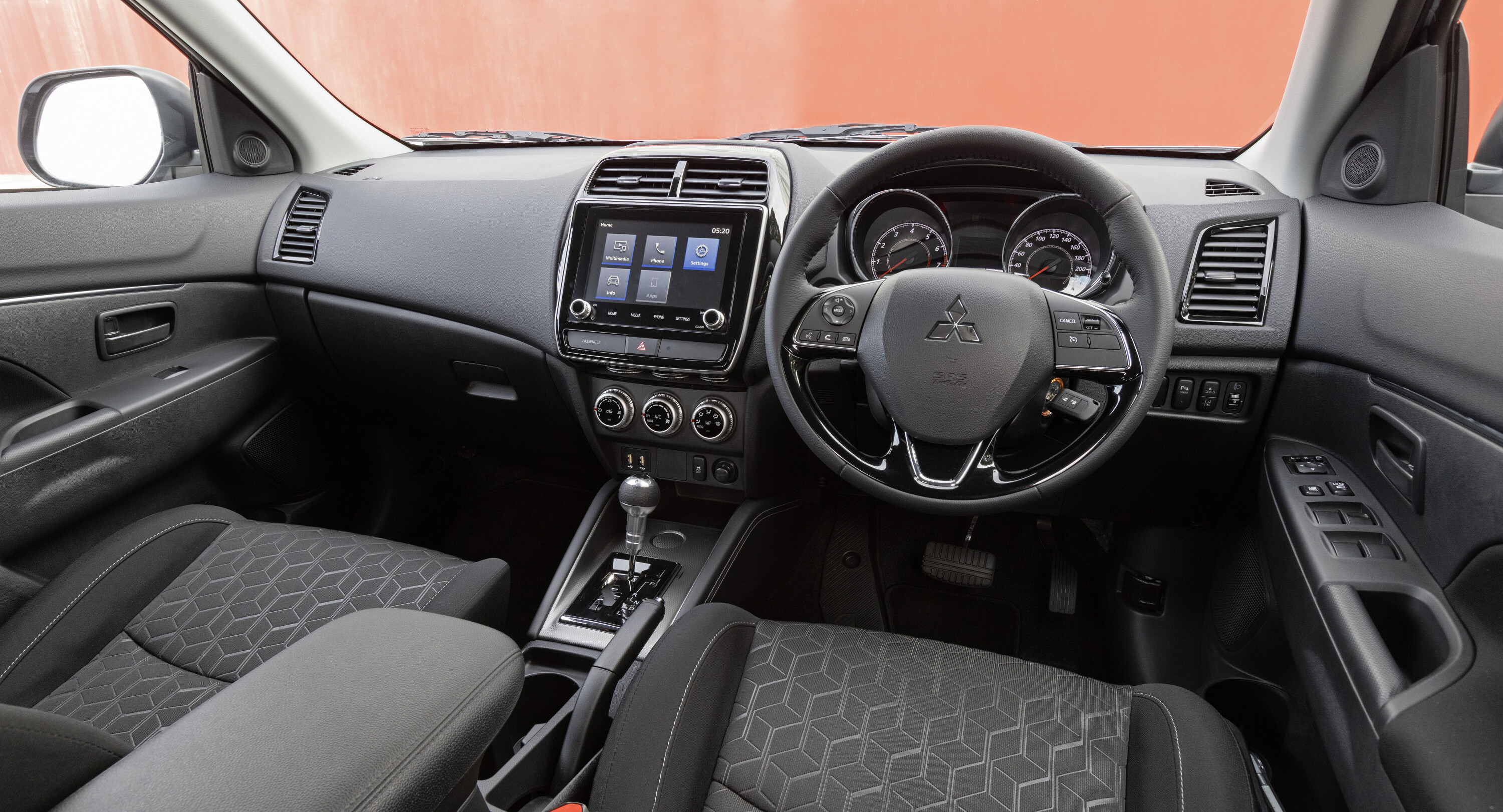
In December 2023, Mitsubishi Australia CEO Shaun Westcott told Wheels the ASX was approaching the “end of its life” but it remains “one of Australia’s best-selling light SUVs” despite its age.
“There’s still a place for it. It’s still selling strong, and the demand for that product far exceeds our supply so it’s still got some legs in it, but it is getting towards the end of its lifecycle. A replacement is intensively under study at the moment,” he said.
“Watch this space,” added Mitsubishi Australia’s marketing and product strategy boss Oliver Mann.
Mitsubishi’s European division unveiled its own replacement for the ASX in late 2022 as a rebadged Renault Captur. A facelifted version of the Renault-based European ASX debuted last week.
However, Mitsubishi Australia has no current plans to offer the Renault-based version here, while another small SUV contender – the Southeast Asian-focused Mitsubishi XForce – won’t be sold in Australia due to our stricter safety and emissions regulations.
Snapshot
- A Tesla Cybertruck has been officially imported to Australia
- The left-hand drive pick-up was spotted cruising the streets of Sydney
- Tesla has confirmed the Cybertruck will tour local showrooms to help boost Model 3 and Model Y sales
UPDATE: Tesla Cybertruck showroom tour confirmed
Well, it was always a long shot…
Tesla has quashed speculation that the recent appearance of a Cybertruck on Sydney roads meant it was reconsidering plans to sell its controversial pick-up Down Under.
Instead, Tesla has now confirmed the left-hand drive Cybertruck will tour showrooms across Australia and New Zealand to help drive sales of the Model 3 and Model Y.
The first appearances will be in Sydney with other locations set to be confirmed at a later date. Here’s where you can get up close and personal with the Cybertruck.
- Tesla Sydney: April 26 – May 5
- Tesla Chatswood: May 6-12
- Tesla Parramatta: May 13-19
- Tesla Miranda: May 20-26
April 26: A Tesla Cybertruck has been spotted cruising the streets of Sydney, fuelling speculation that the EV pick-up could be added to Aussie showrooms.
The Cybertruck, which is arguably the world’s most controversial vehicle, has been pictured in a carpark at Sydney’s iconic Bondi Beach where it was parked next to a Model 3 and Model Y.
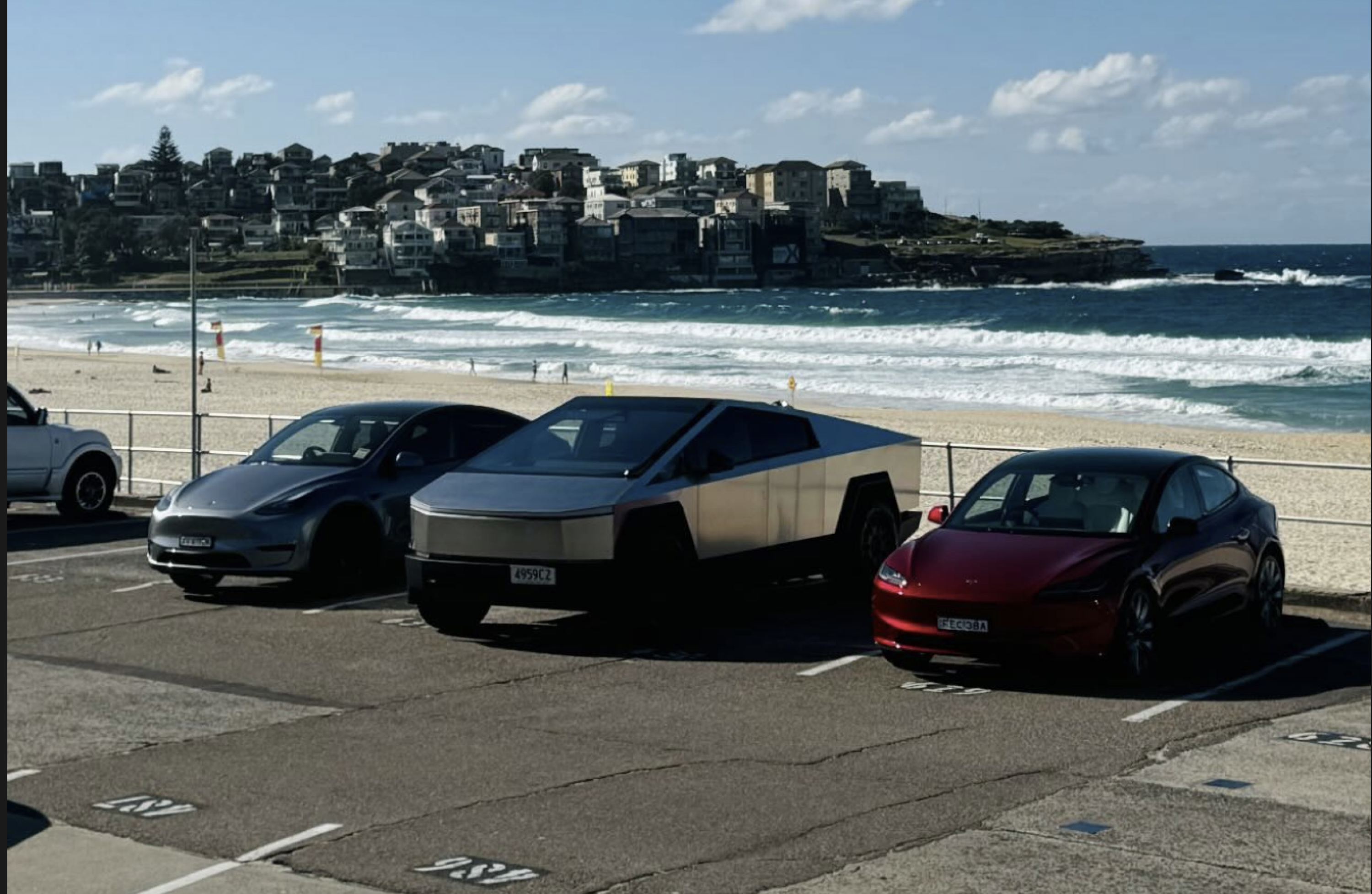
The Cybertruck in question is wearing temporary Aussie numberplates and was later spotted in Coogee and North Sydney. The images in the gallery below were snapped by Kevin Ngo and shared on Facebook [↗]
It seems this Cybertruck is owned by Tesla, with today’s appearance following an Instagram post on the Tesla Australia New Zealand account that showed a teaser photo of a shipping container.
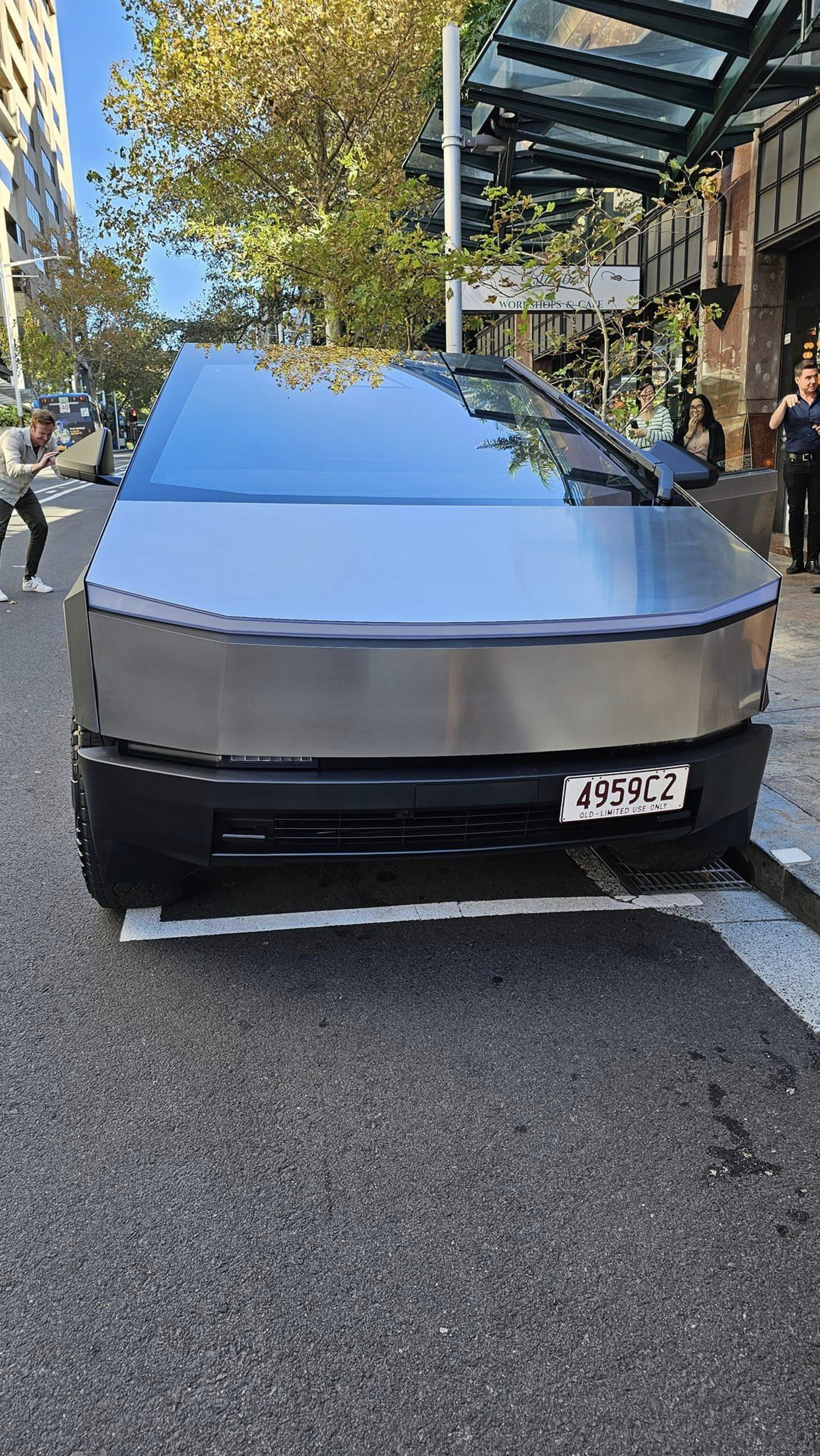
For now it’s unclear why the Cybertruck has been imported to Australia given it’s broadly understood that Tesla won’t make the electric pick-up in right-hand drive, effectively ruling it out for Aussie showrooms.
It could be that the Cybertruck’s arrival is an extension of its recent world tour where Tesla has visited other key right-hand-drive markets like Japan, Malaysia and Thailand.
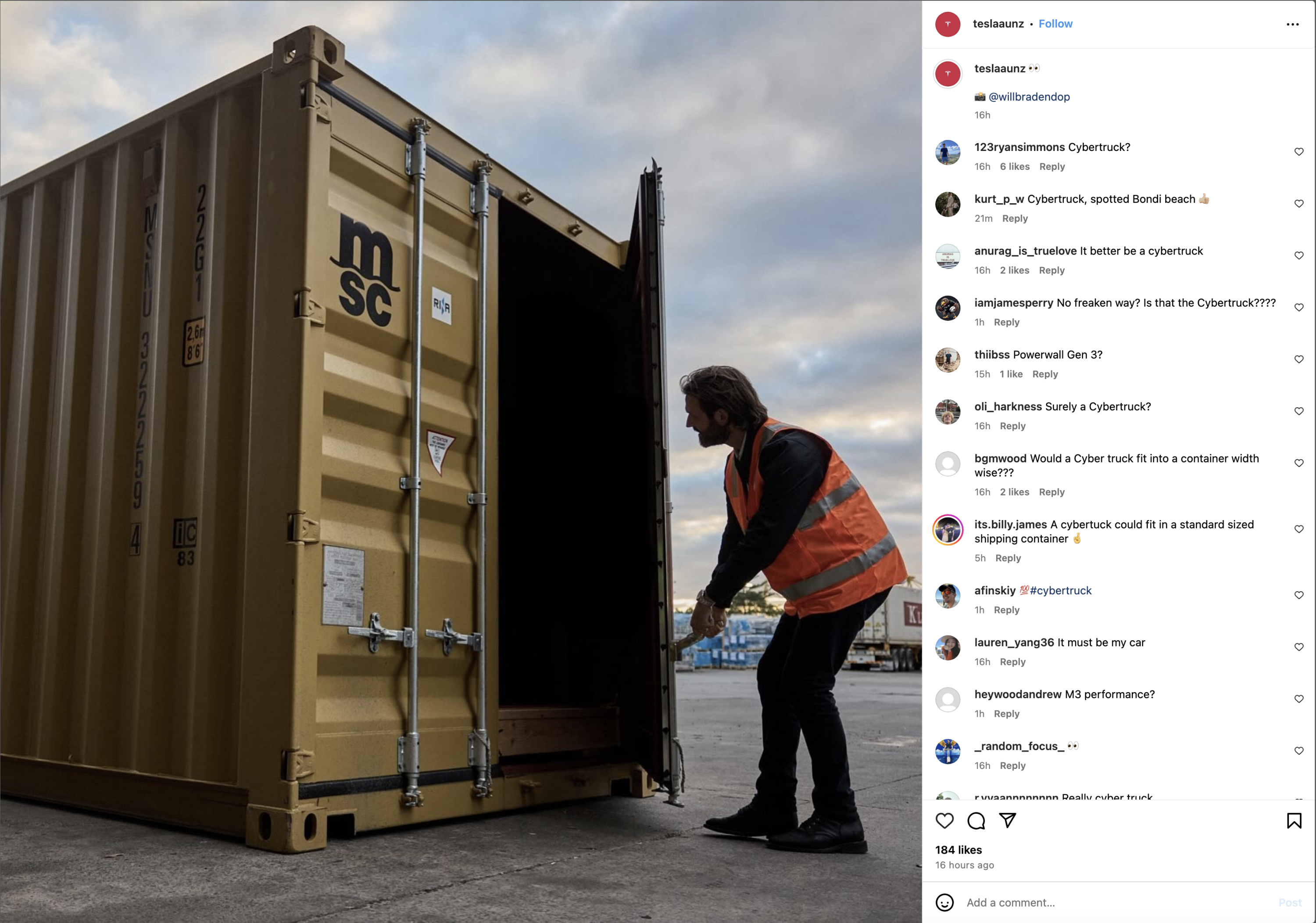
Elon Musk infamously unveiled the Cybertruck to a global audience of millions back in 2019, with that reveal culminating in the pick-up’s ‘armour glass’ side window being smashed with a metal ball.
The Cybertruck then appeared on the company’s Australian website, where it still remains today, and Aussie customers were able to place a $150 deposit. Since the, Tesla has removed the ability to place a deposit and offered existing despot holders a credit towards a Model Y or Model 3.
Currently the Cybertruck is available for sale only in the United States and Musk has previously indicated it’s unlikely to be offered in Europe as its angular exterior design won’t meet European regulations. Australia also has strict vehicle design rules that the Cybertruck is unlikely to pass.
Furthermore, Tesla recently changed plans to offer right-hand-drive versions of the facelifted Model S and Model X, both of which are no longer on sale in Australia.
So the chances of the Cybertruck being built in right-hand drive are slim but keep your peepers peeled if you’re in Sydney today!
And there’s always the upcoming Kia Tasman if you’re keen on an electric pick-up…
The 2025 Omoda C9 – a midsize SUV from Chery similar in size to a Mitsubishi Outlander, Hyundai Tucson, Kia Sportage and Honda CR-V – has been homologated for Australia, but it’s not locked in, officials say.
Available in China since 2023 as the Exeed Yaoguang, the vehicle is rebranded for other markets, including New Zealand and South Africa, as the Omoda C9 – joining the Omoda C5 small SUV, which is sold in Australia as the Chery Omoda 5.
The Omoda C9 also has similar dimensions to the soon-to-launch 2024 Chery Tiggo 8 Pro Max – but unlike the seven-seat Tiggo 8 Pro Max, the Omoda C9 has been approved for sale with five seats.
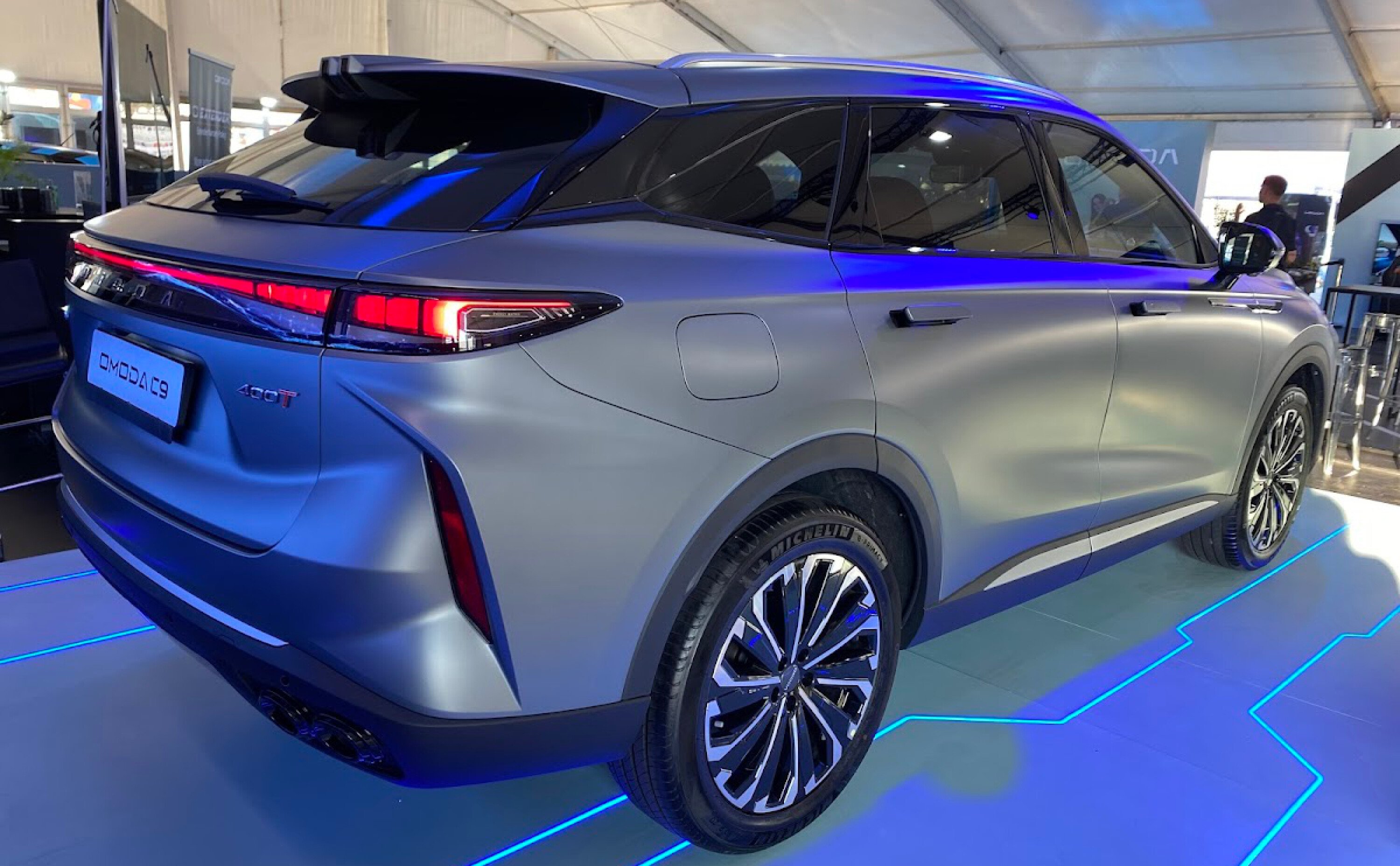
If Chery decides to launch the Omoda C9 in Australia, it is unclear if it’d be marketed as a Chery – like the Omoda 5 – or if Omoda would become another sub-brand like Jaecoo.
Another larger SUV built by Chery – the Jaecoo J8, based on the Chinese-market Chery Tiggo 9 – is also likely for Australia, following confirmation the RAV4 and CX-5-sized Jaecoo J7 will arrive in the second half of 2024.
Omoda and Jaecoo are export-focused sub-brands of Chery Motor, which re-launched in Australia in early 2023 with the Chery Omoda 5 small SUV, followed by the Tiggo 7 Pro, Tiggo 8 Pro Max, and the all-electric Omoda E5.
“‘[Omoda C9] is under consideration for the Australian market, but no [launch] plans at this stage,” said a Chery Australia spokesperson.
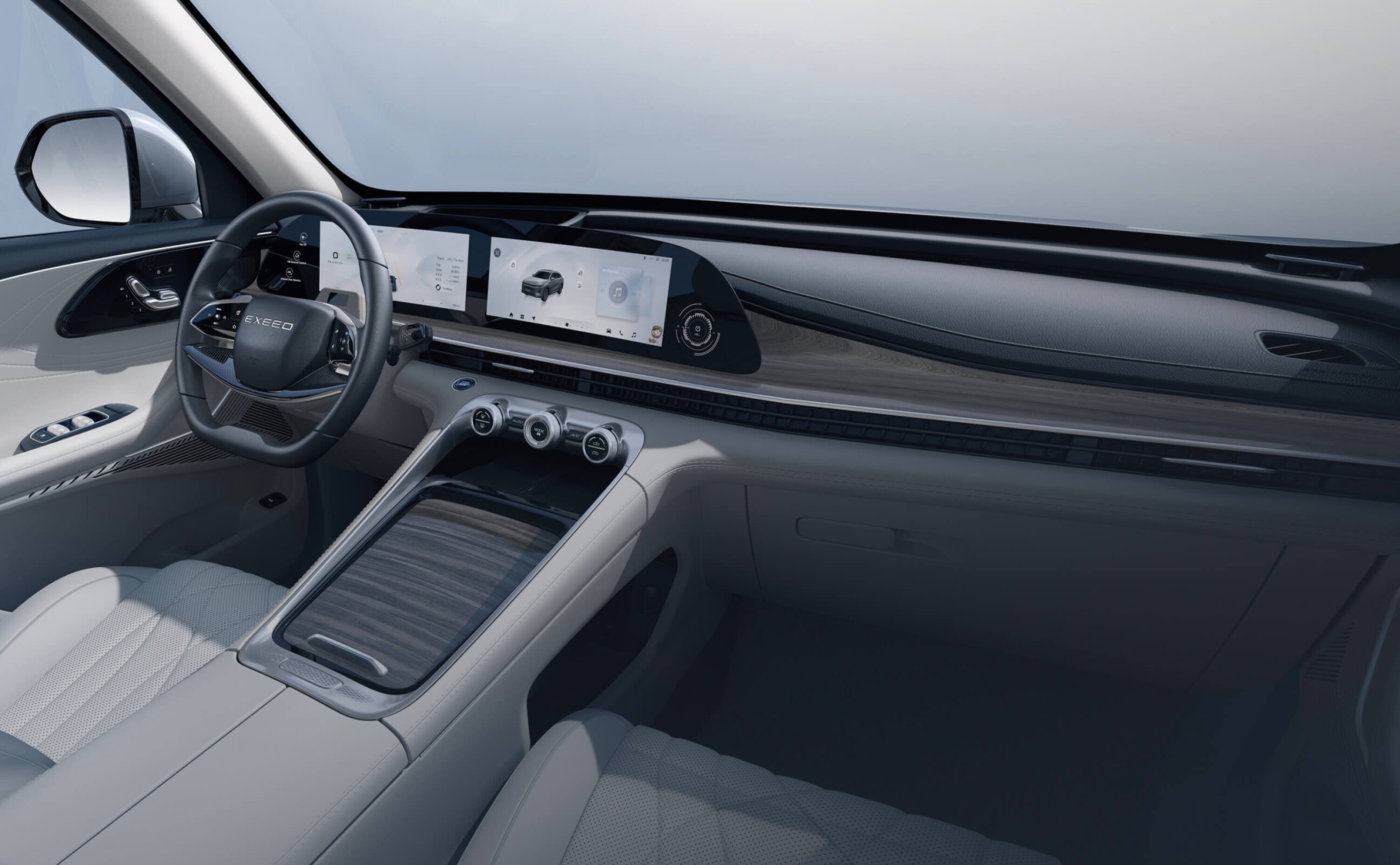
The Omoda C9 has been approved with a 193kW/400Nm 2.0-litre turbocharged four-cylinder petrol similar to the Tiggo 8 Pro Max, matched to an eight-speed automatic transmission and front- or all-wheel-drive.
A plug-in hybrid version, the Omoda E9 PHEV, is not listed in the current approval documents for Australia, but it will become available in New Zealand later this year – opening the door for a local launch.
Available equipment in the Omoda C9 includes curved dual screens, pop-out door handles, heated, ventilated and massaging front and rear seats, a panoramic sunroof, a 50-watt wireless phone charger, a nine-speaker Sony audio system, augmented-reality satellite navigation, and facial recognition.
Snapshot
- New design language revealed
- Exclusive China-only models to follow
- A future lineup of ID EVs and PHEVs currently in development
The Volkswagen ID.Code concept has debuted at the 2024 Beijing Motor Show, previewing a new look for the brand’s EVs in China.
Breaking away from the rounded and cab-forward designs of Volkswagen’s ID-branded electric cars so far, the ID.Code concept sports fluid, rounded lines with sharp wheel arches and shoulder definition.
While the exterior looks almost showroom-ready, the interior of the ID.Code features ridiculously slim seats, an aircraft yoke style steering wheel, and provision for Level 4 autonomous driving.
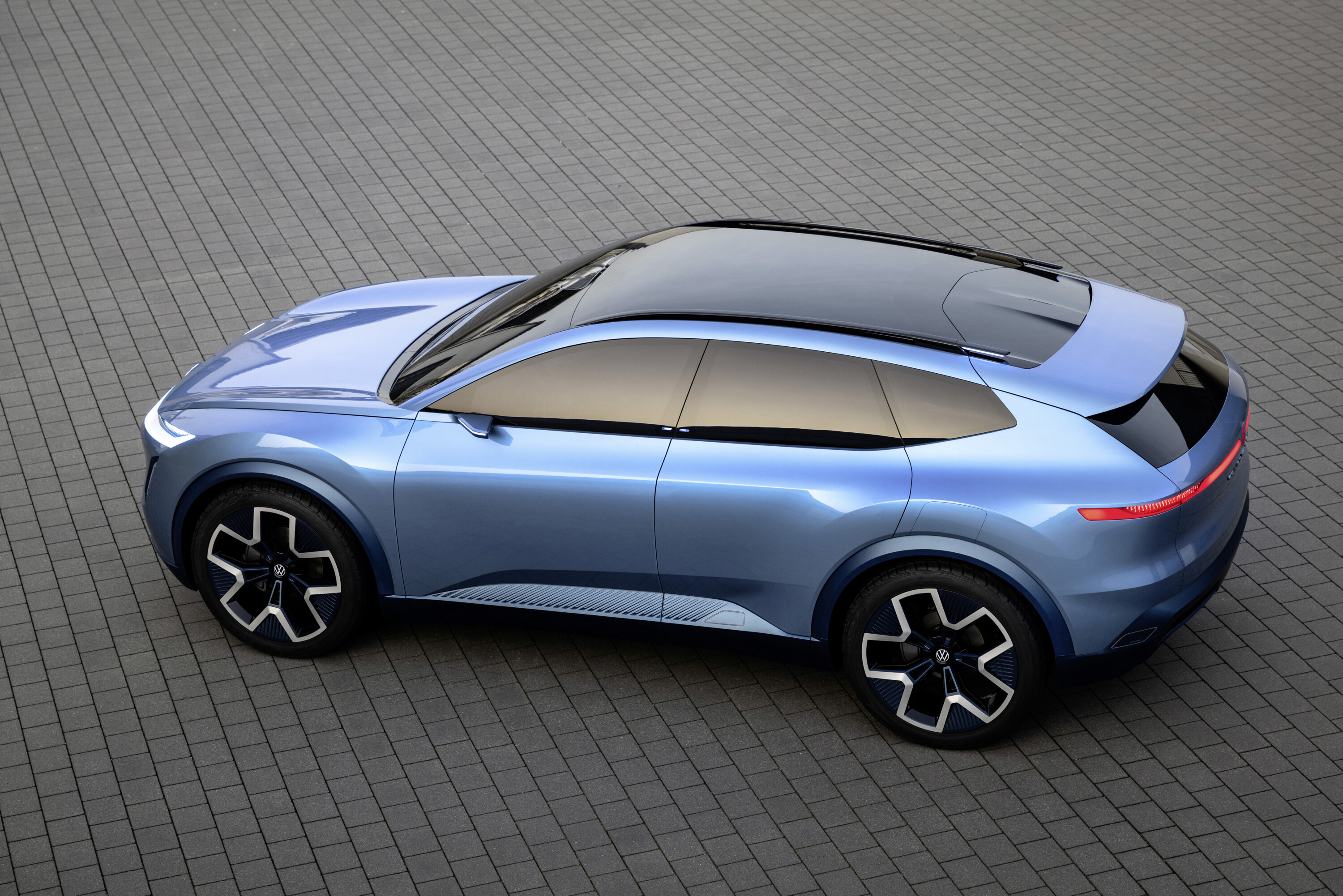
The development has been overseen by design director Andreas Mindt, who became Volkswagen’s styling chief at the beginning of 2023, moving on from his previous role in Bentley’s design department.
Mindt commented that the current ID line-up was developed with early adopters in mind, but future EVs would be designed to look like regular cars, with a more mainstream appearance.
Volkswagen says that the ID.Code is a preview of the upcoming design language that will be used across a range of EVs and the design of the ID.Code is “developed specifically for customers in China”.
The EVs will be marketed under Volkswagen’s ID.UX sub-brand, with the first model – the Cupra Tavascan-based ID.Unyx – set to debut later this year.
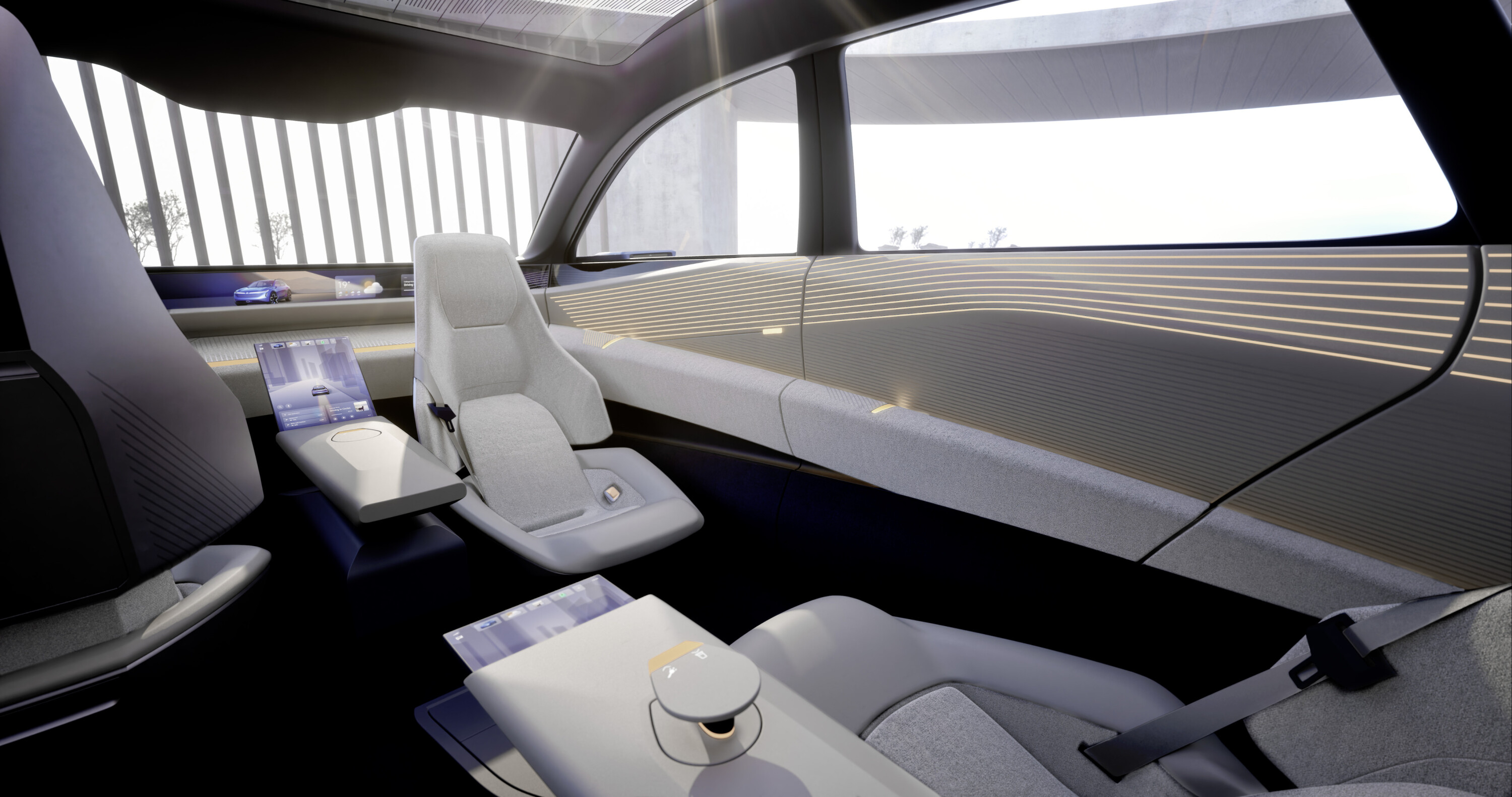
Volkswagen plans to launch five EVs under the ID. UX branding by 2027, as part of an overall plan to have 16 ID all-electric vehicle models on sale in China by 2030.
The company also plans to develop “step by step” electric versions of their existing petrol vehicles, and a launch of PHEVs with an electric driving range of over 100km.
Volkswagen China Technology Company is developing a China Main Platform (CMP), which four entry-level models from 2026 will be based upon.
Snapshot
- The all-new CLE coupe replaces the C- and E-Class models
- The CLE is larger than the C-Class Coupe in every dimension, and 15mm longer than the E-Class
- Two models will be offered, both powered by mild-hybrid turbocharged four-cylinder engines
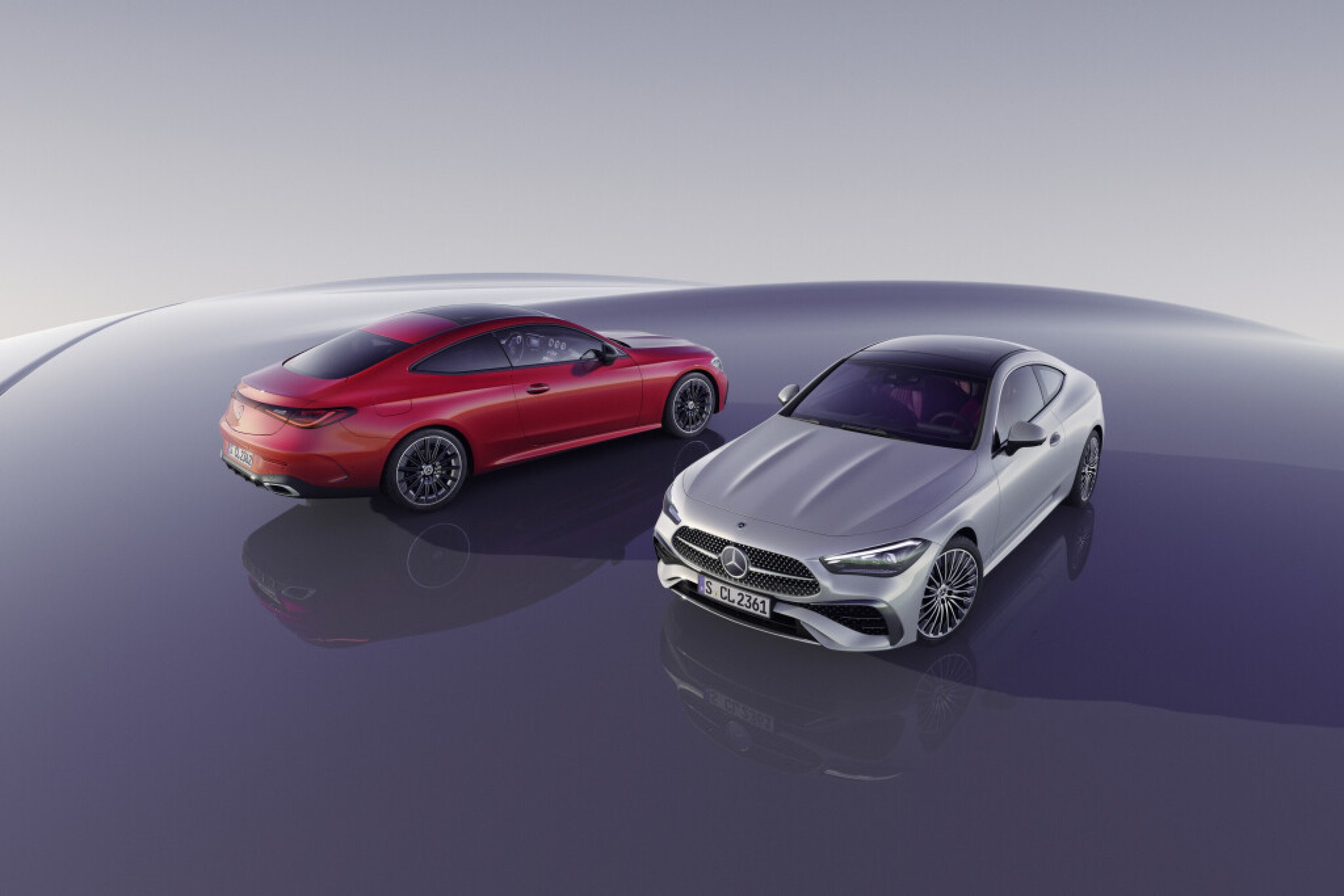
The 2024 Mercedes-Benz CLE coupe has launched in Australia to replace the discontinued C-Class and E-Class two-door models.
It is available in two variants – the rear-drive CLE 200 and all-wheel-drive CLE 300 4MATIC – powered by turbocharged mild-hybrid four-cylinder engines identical to the heavily related C-Class sedan.
A “second-generation” integrated starter generator (ISG) provides a boost at lower engine speeds, and a 48-volt electrical system is utilised to support functions such as coasting, boost or recuperation, reducing fuel consumption.
The electric motor can add 17kW and 205Nm, with total outputs of 150kW/320Nm and 190kW/400Nm in the CLE 200 and CLE 300, respectively.
Both CLE models feature a nine-speed automatic transmission adapted for use with the ISG. The electric motor, the power electronics and the transmission cooler are moved into or onto the transmission, offering advantages in installation space and weight.
Features common to both the CLE 200 and CLE 300 include:
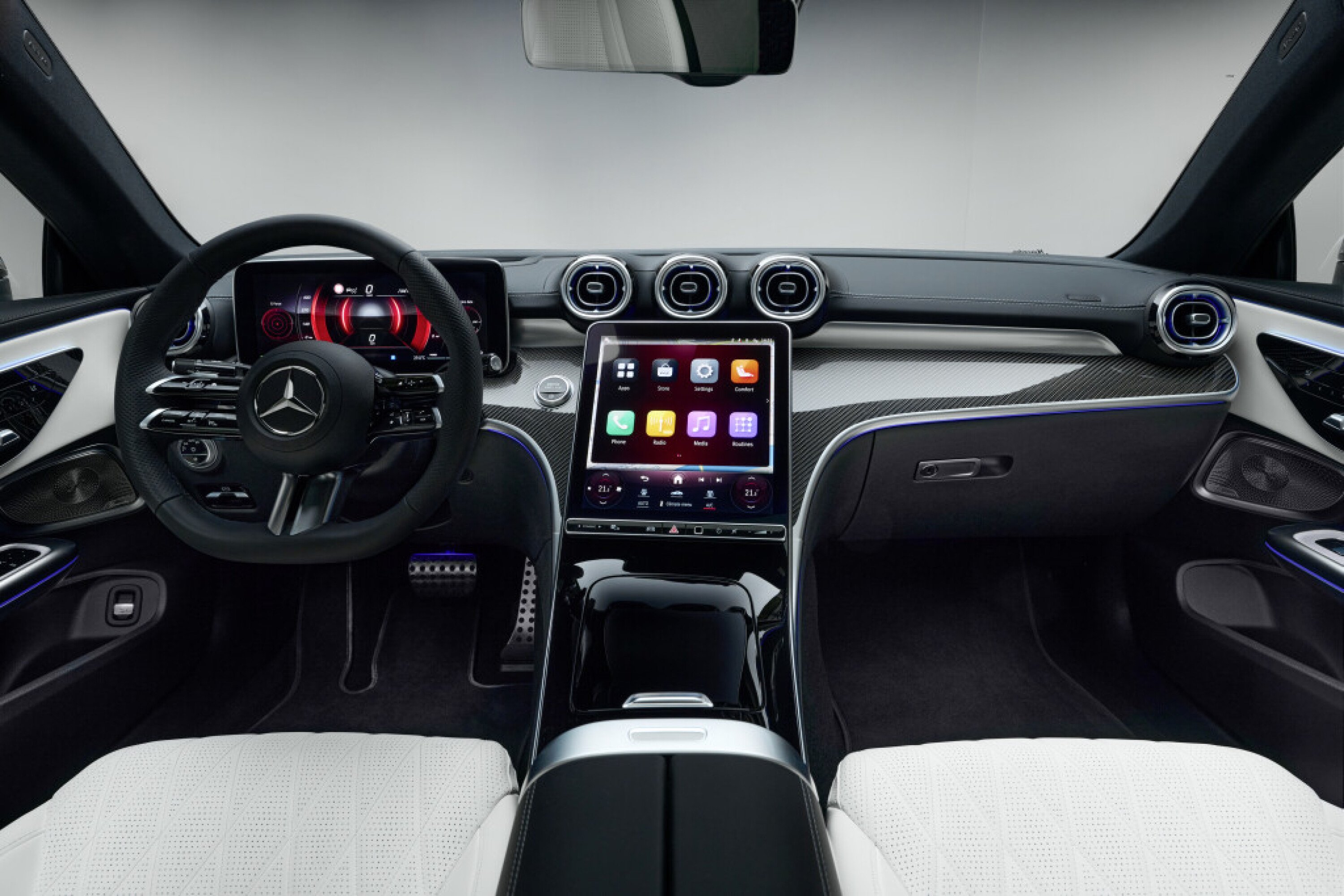
Both CLE Coupe models ride on sports suspension that is 15mm lower than the C-Class and E-Class sedans.
The CLE’s springs are stiffer and damping firmer than those sedans for reduced body roll, while “sports direct steering” is claimed to provide more direct handling and agility and amplitude-selective damping aims to maintain a balance between control and passenger comfort.
The Mercedes-Benz CLE 200 Coupe is priced from $103,900 before on-road costs while the Mercedes-Benz CLE 300 4MATIC Coupe is priced from $124,900 before on-road costs.
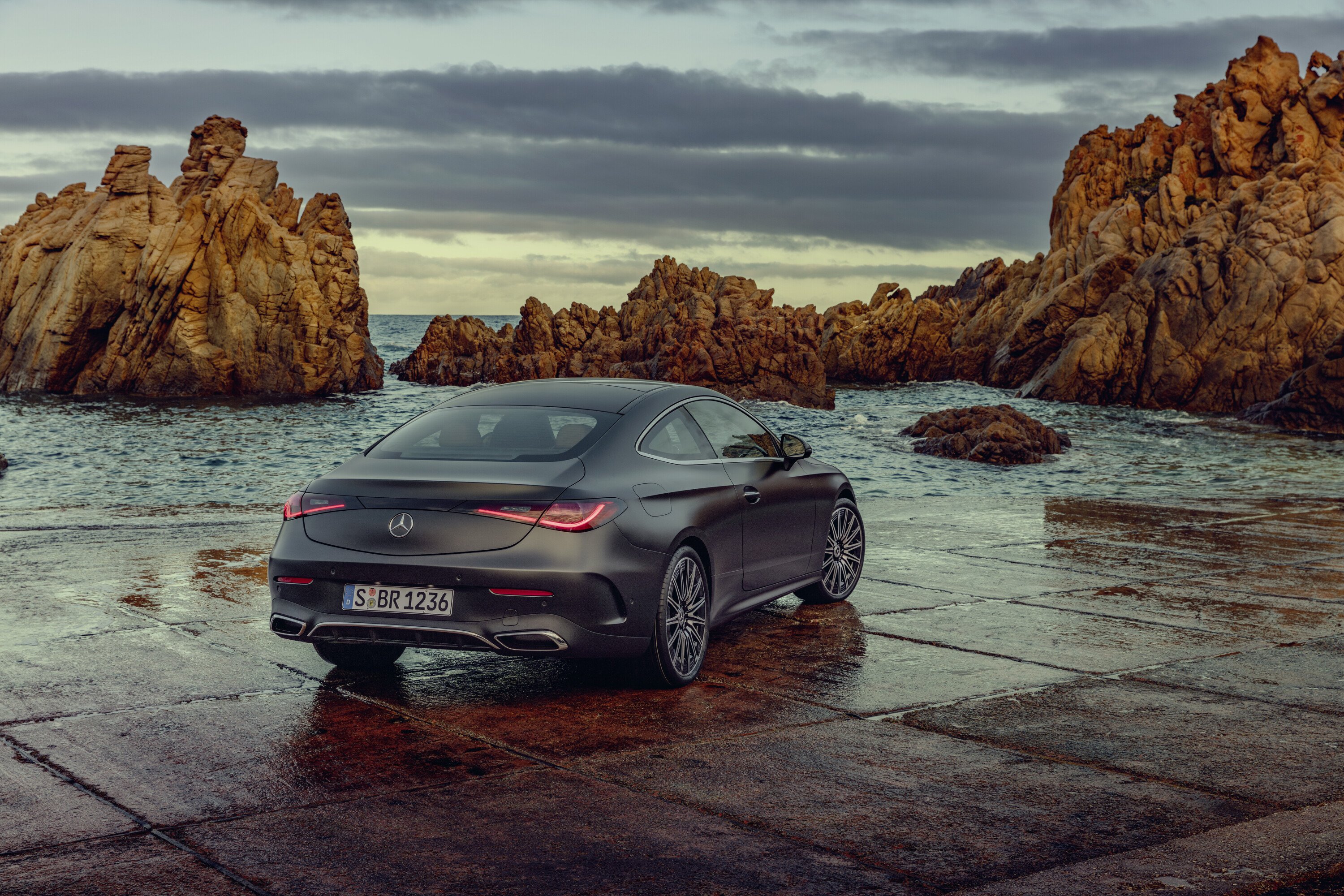
The GWM Haval H9 large SUV could be rolling back onto Australian roads in as little as 12 months if the model is given the green light for a local relaunch.
Until this week, it was thought the Haval H9 would tread on the recently arrived GWM Tank 500’s toes and was “on the radar” but not a serious consideration for Australia.
However, after a close look at the second-generation H9 at Haval’s home ground in Beijing and Baoding, the Australian team has its hand high in the air for an H9 return.
Speaking at the Auto China 2024 motor show in Beijing, GWM Australia and New Zealand marketing boss Steve Maciver said face-to-face contact with dealers and the executive team generated renewed enthusiasm for the H9.
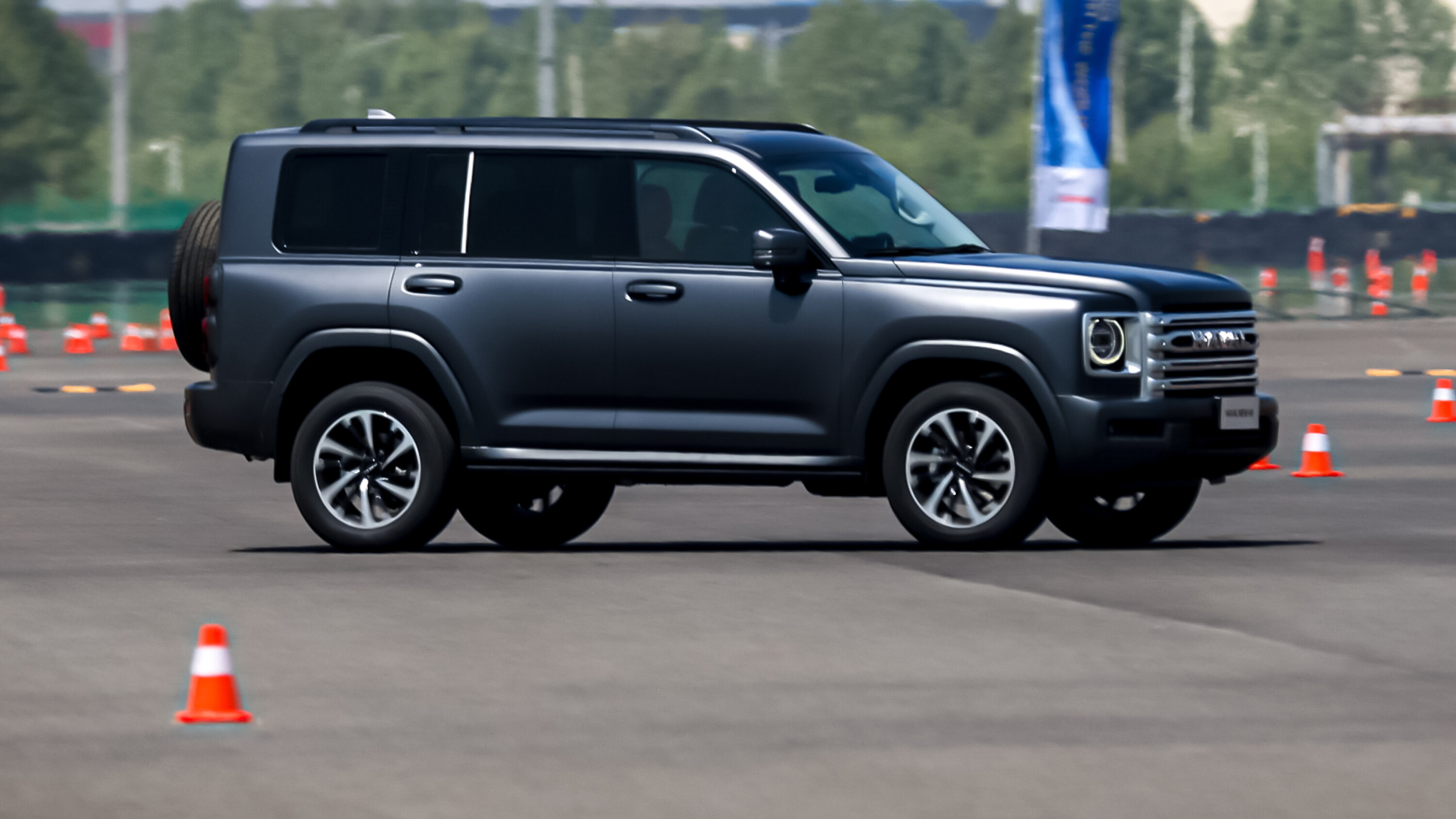
“We’ve had some time to spend with H9 and it’s safe to say we’re pretty impressed with the quality of that product,” he said.
“It was certainly on the radar beforehand but we’re having a good look at it now to see if it might be viable to add a second seven-seat option to the model line-up.”
While the all-new model has the technology, styling and safety package it needs to roll into local showrooms, Maciver explained that there were still two key elements to finalise before the H9 can be confirmed.
Firstly, how much Australians will be charged to put an example on their driveway will be critical, and the H9 would need to come in under the GWM Tank 500’s entry price of $66,490.
“Obviously, pricing and technology positioning is going to be key because we have to be sure it’s going to work with the existing line-up and doesn’t cannibalise too much from the Tank 500,” said Maciver.
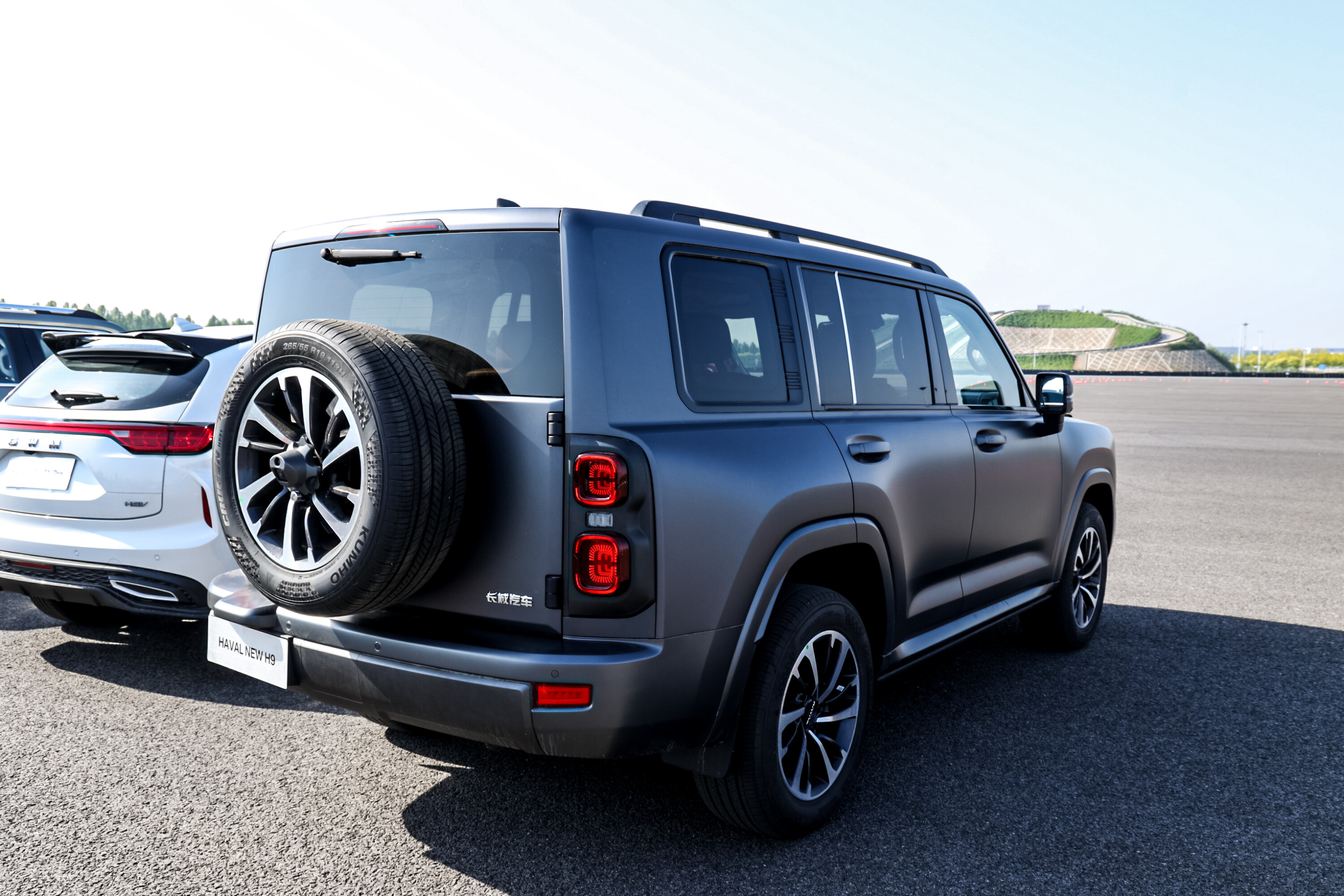
While the original H9 launched with a circa-$42,000 asking price, inflation – along with the significantly increased level of technology offered in the 2024 model – would likely boost the price into the $50,000s.
That said, MacIver said there was the possibility of revising the H9’s equipment and off-road capability to both lower its price as well as distancing it from the Tank 500 all-terrain hero.
“There could be some price differential when you take into account the amount of off-road technology, for example, the Tank 500 has. An H9 can still be capable off-road but doesn’t need to have that level of professional technology. There might be some scope for getting it in at a lower price.”
Secondly, drivetrain configurations would need to be carefully considered to introduce a vehicle that is both suitable for an Australian audience but also compliant with emerging regulations.
Two engines are available – a 2.0-litre turbocharged petrol four-cylinder or a four-cylinder diesel bolted to nine-speed automatic transmission and, at this stage, petrol is the favourite.
“Diesel would be a tough argument given everything that’s happening with emissions standards.”
“Australians like flexibility and if there is an option for a different style of seven-seat SUV that we think has appeal, we’ll sell what we can.
“It’s something we’re looking at, we’ll continue to build the business case and we’ll see what happens”.
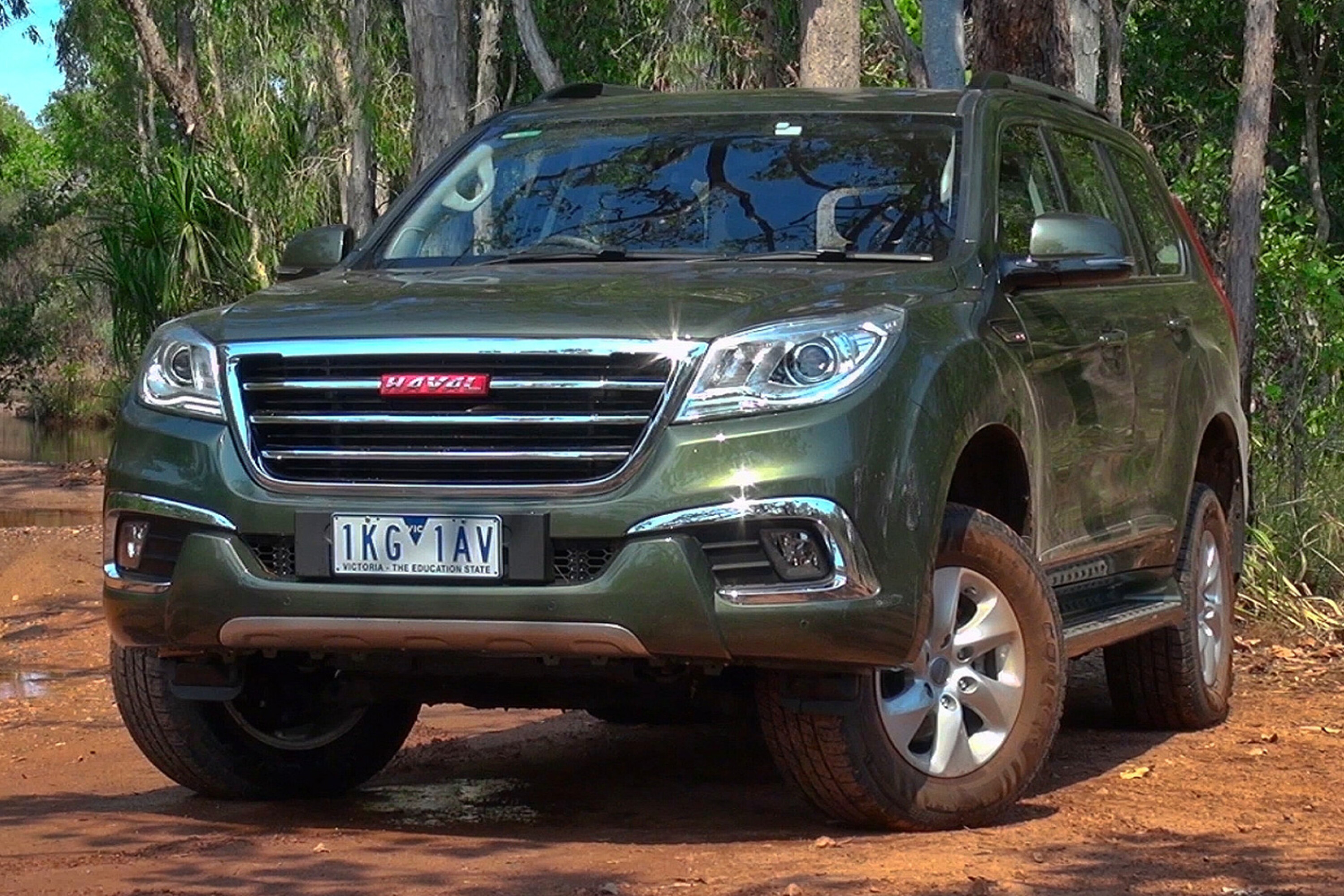
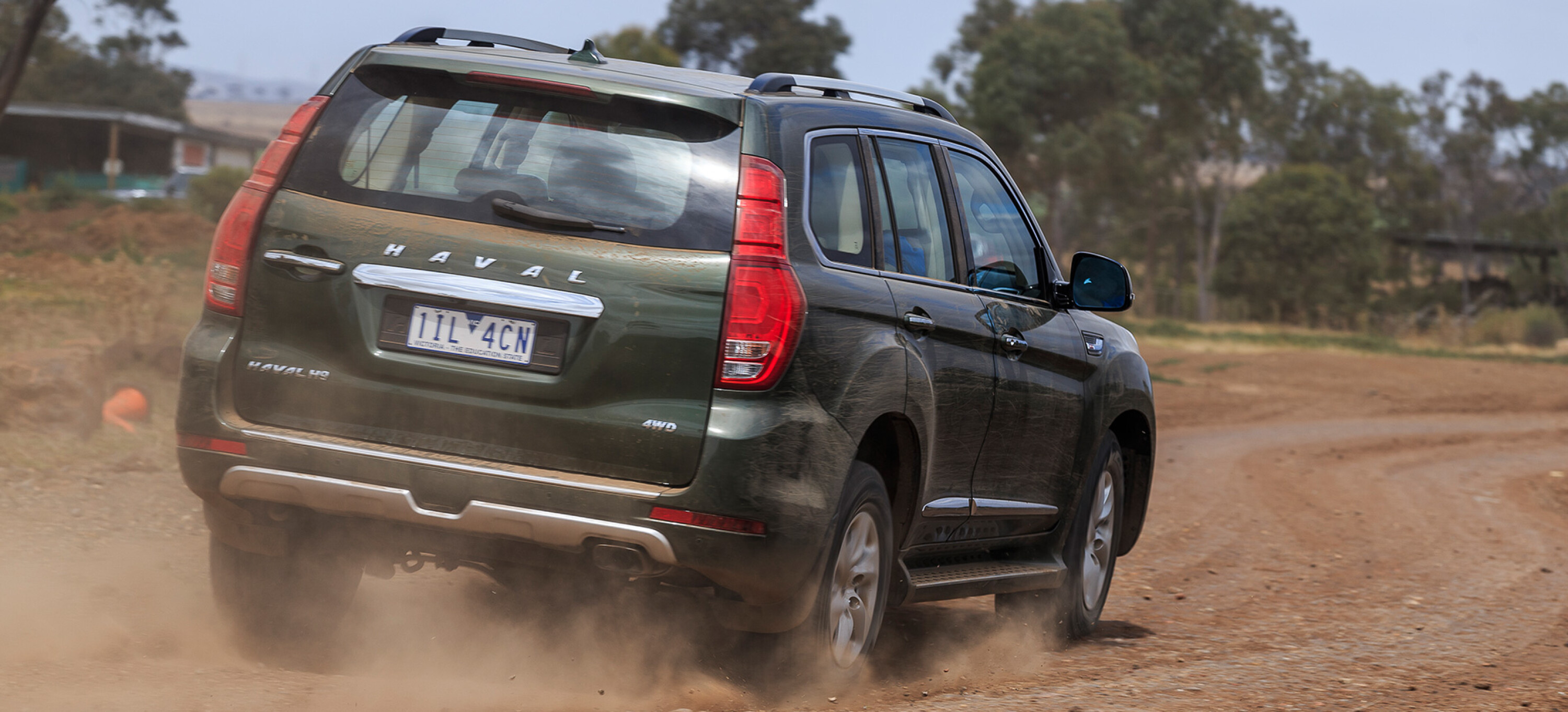
Below: The first-generation Haval H9, sold in Australia between 2015 and 2021
Snapshot
- The limited-edition Cupra Leon V Tribe Edition has launched in Australia
- Leon V Tribe Edition boasts additional equipment and features for a lower $47,888 drive-away price
- More than 5000 Cupras have been sold in Australia since the brand launched here in 2022
The limited-run 2024 Cupra Leon V Tribe has launched with a sharper drive-away price as the brand celebrates 5000 sales in Australia since its 2022 debut.
The Leon V Tribe Edition retails for $47,888 drive-away – $1302 less than the Leon V, which is priced from $49,190 drive-away.
Despite costing less than the Leon V, the Tribe Edition includes additional design-focused additions” and additional equipment as standard.
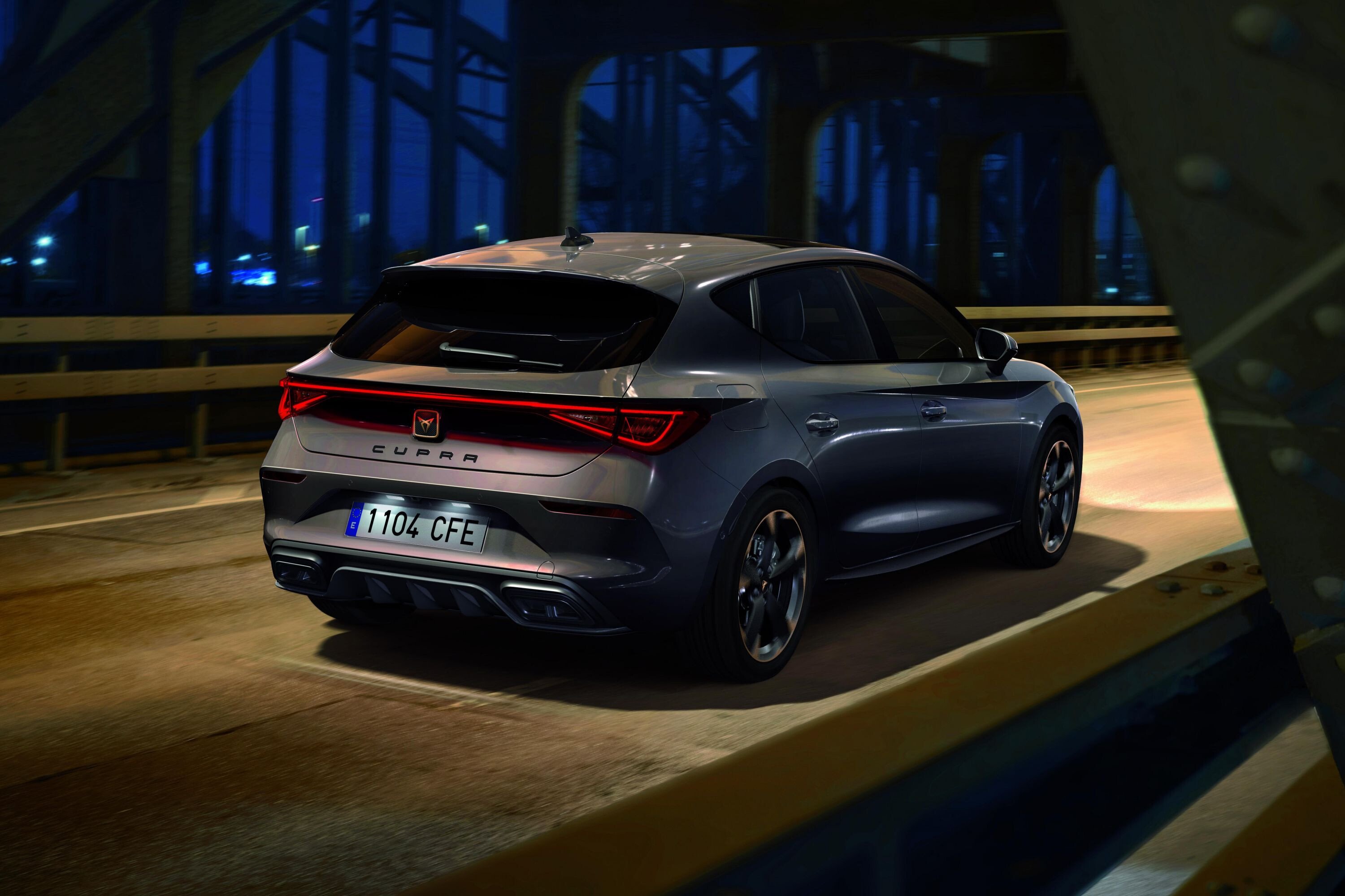
New additions include black and copper 18-inch alloys complemented by a black rear spoiler extension and a dark aluminium finish for the side skirts.
Petrol blue Nappa leather seats are installed inside, featuring front seat heating and driver’s seat power adjustment with memory settings as standard.
The soft-touch upper dashboard is also trimmed in petrol blue with stitching – the same treatment applied to the flagship Leon VZx hot hatch.
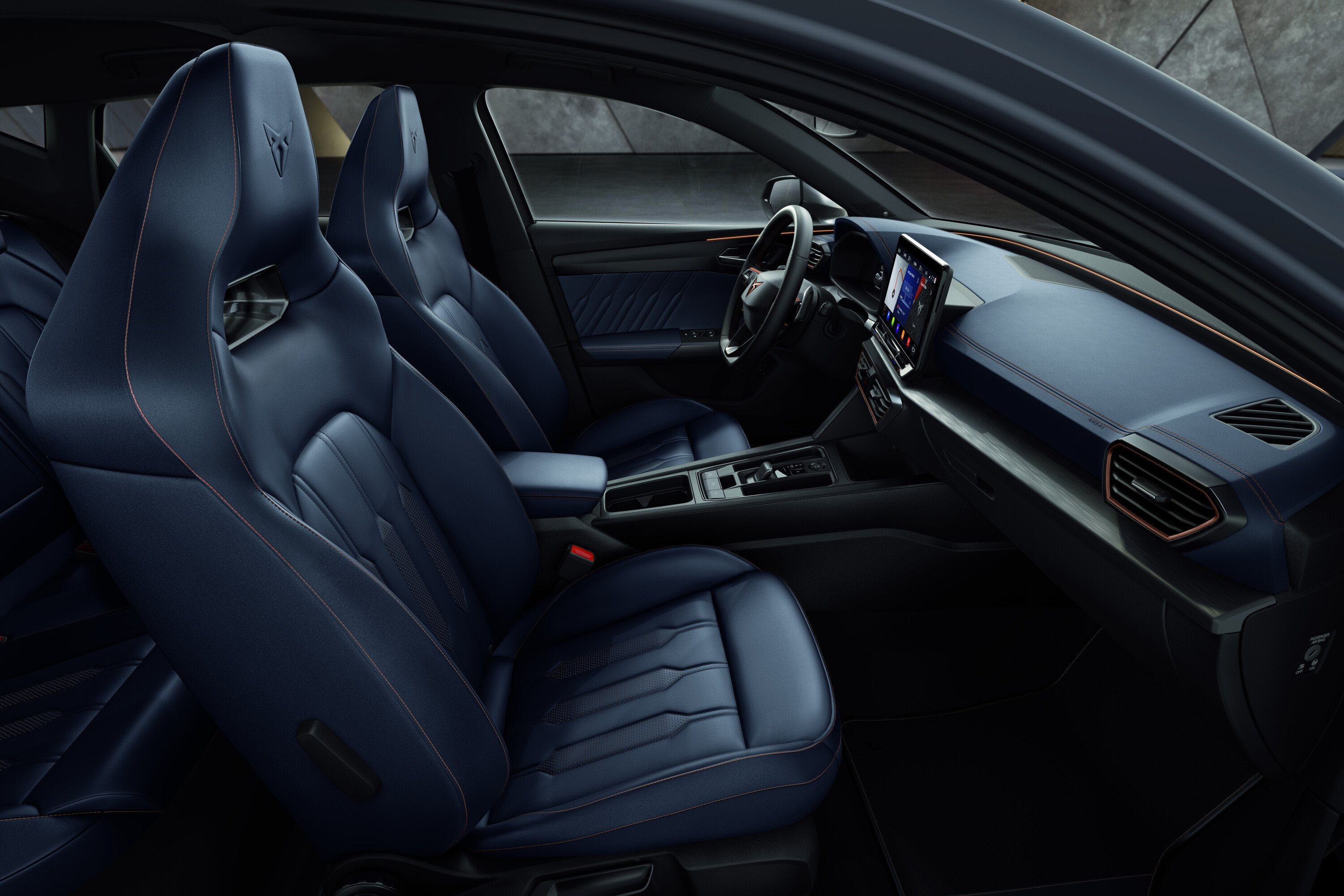
The interior upgrades also include dark alloy pedals and a nine-speaker premium Beats audio system.
The Leon V Tribe Edition retains the 140kW/320Nm 2.0-litre turbocharged four-cylinder engine, a seven-speed dual-clutch automatic transmission, progressive steering and dynamic chassis control.
Standard equipment shared with the Leon V includes automatic LED headlights, a 12-inch infotainment system, built-in satellite navigation, Apple CarPlay and Android Auto, a wireless phone charger, a 10.25-inch digital instrument cluster, keyless entry, a heated steering wheel, ambient lighting, three-zone climate control, adaptive cruise control, front and rear parking sensors, a rear-view camera, blind-spot monitoring, and rear cross-traffic alert.
Ever noticed a billboard or an Instagram post where your favourite celebrity poses with a new car and wondered, “I didn’t know they drove that”? Chances are, you’re looking at a sponsorship deal.
For years, car manufacturers have been tapping into pop stars, social media influencers and celebrities to endorse their products. This strategy isn’t limited to just cars; it spans across various products on social media, from mattresses to beauty products.
And whether you realise it or not, these endorsements are also subtly influencing your car-buying desires.
Gone are the days of simple brand placements in sports events or on jerseys.
Modern car companies often engage brand ambassadors (individuals who maintain a long-term relationship with the brand) or influencers (those with short-term collaborations) to enhance their brand’s lifestyle appeal online.
When you see these cars presented in dreamy settings or with celebrities you admire, your brain begins to associate your fondness for these personalities with the car brands they endorse. It’s fascinating stuff.
So we’ve put together some notable automotive partnerships we’ve seen to show you how car companies are using ambassadors and influencers to build their brand identity… and get you walking into a dealership.
Porsche x Dua Lipa
What happens when you take one of the world’s hottest icons, and pair it with, well, another of the world’s hottest icons?
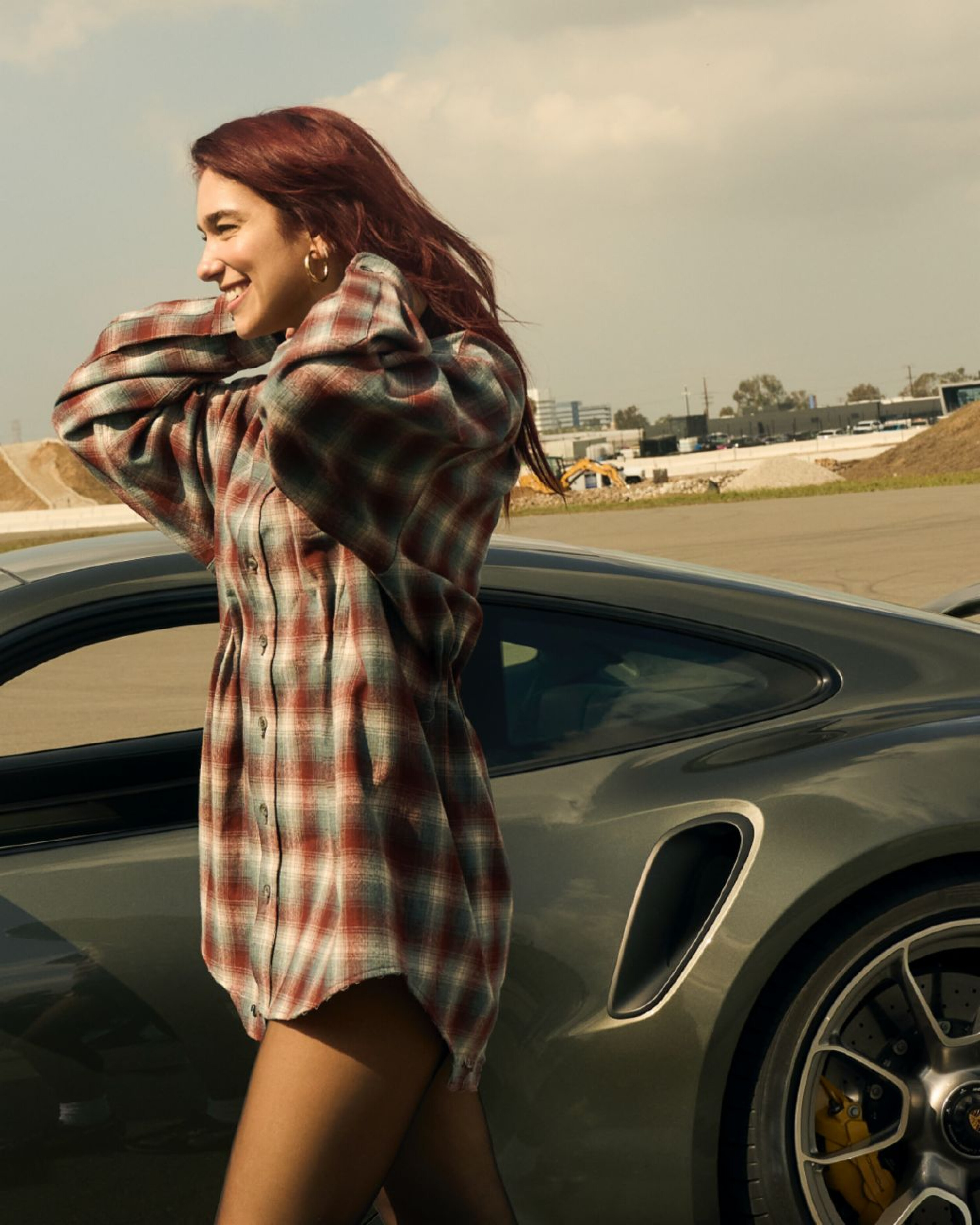
Dua Lipa, a celebrated pop star, has gained fame for her chart-topping hits such as Don’t Start Now and Levitating. Porsche, with its 75 years of history, mirrors this allure. Their vehicles blend timeless design and craftsmanship with contemporary innovation and excellence, creating an irresistible charm similar to Dua Lipa’s artistic appeal.
Both household names in their respective fields, the partnership has been teased on Instagram for what is to come, and fans are already loving the pairing with one even calling it their “dream collab”.
MG x MAFS
Unlike those of us who are car obsessed, there are plenty of people who see their vehicle as more of a style choice.
They want a car that expresses how they feel on the inside (within budget of course, because the Lamborghini Urus you may feel like on the inside is out of financial reach on the outside).
Recognising this, MG has adapted by targeting younger consumers through lifestyle-oriented campaigns such as their “Drive Your Style” ads, focusing on fashion and expression rather than the the technical specifications. “82kW 1.5L 4-cylinder engine” on a billboard doesn’t scream ‘sexy’.
MG’s partnership with MAFS Season ten winners Tahnee Cook and Ollie Skelton to promote their new electric hatch, the MG4, is a prime example of this strategy.
Hyundai’s strategy as the official automotive sponsor of The Bachelor Australia in 2017 mirrored this approach. By showcasing the new Kona, Hyundai effectively reached its target demographic who were tuning in to watch hot young singles cruising in these stylish cars.
Nissan x Margot Robbie
Nissan Australia frequently partners with local influencers, such as Alice Bennett, famously known as Miss Trixie Drinks Tea (a.k.a Cake Queen in my household) to promote the Qashqai.
However, their 2017 global collaboration with Margot Robbie marked a significant step. Serving as their electric vehicle and sustainability ambassador, Robbie starred in Nissan’s EcoSystem campaign, prominently featuring the Nissan Leaf, albeit in a bit of a confusing commercial.
Lexus x Kate Freedman
As a local ambassador for Lexus, Kate is frequently seen on Instagram with her ever-changing array of Lexus vehicles.
Her unique blend of interests in the racing world and fashion make her an ideal representative for the luxury brand.
Lexus Australia describes their partnership with Kate as a “natural, symbiotic fit,” highlighting their shared standards of excellence both on and off the track.
Kate joins the ranks of Corey Brown and Melissa Leong in Lexus’ esteemed lineup of ambassadors.
Kia x Rafael Nadal
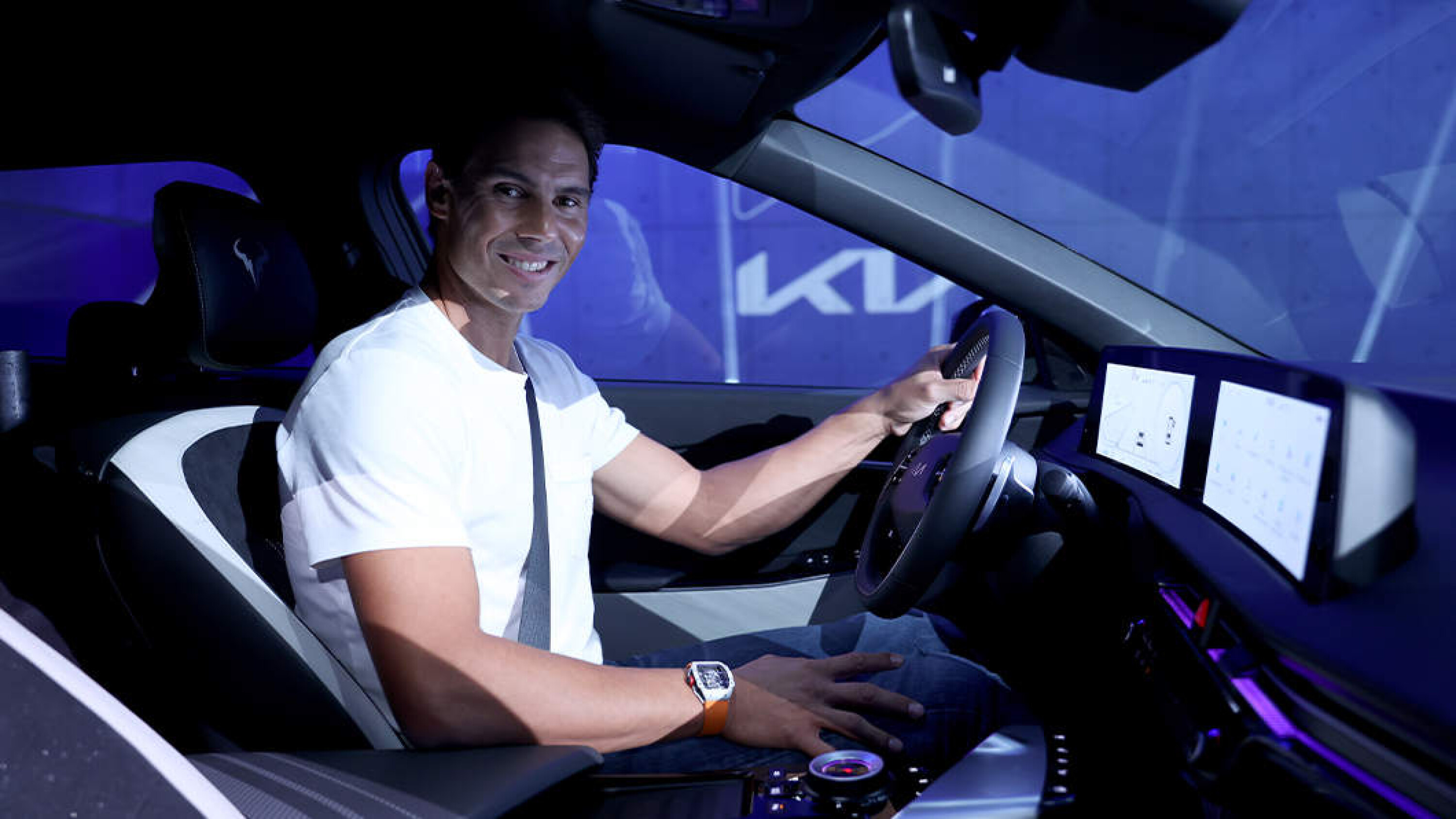
By partnering with tennis royalty Rafael Nadal, Kia continues its long-time Australian Open sponsorship that started back in 2002– making the Korean brand the longest-running major sponsor of the tournament.
Their latest campaign, which featured alongside the Australian Open earlier this year, focused on the electric Kia EV6 as “an ideal companion for Nadal’s journey towards sustainability”.
The BYD Ocean M electric hatch has been revealed at the Beijing Auto Show and is set to challenge the MG4 when it goes into production later this year.
While not yet confirmed for Australian showrooms it would give BYD a direct rival to the MG4 and Volkswagen ID.3, with the unveiling of the Ocean M in hot-hatch spec suggesting it could also serve not only as a rival to the MG4 X-Power but also as a cut-price alternative to the BMW i4 and electric Hyundai Ioniq 5 EVs.
While conventional sedans are still popular in China, with several car makers revealing fresh models at the Beijing show, BYD’s presentation of a performance Ocean M suggests it is targeting Europe – the home of the hot hatch.
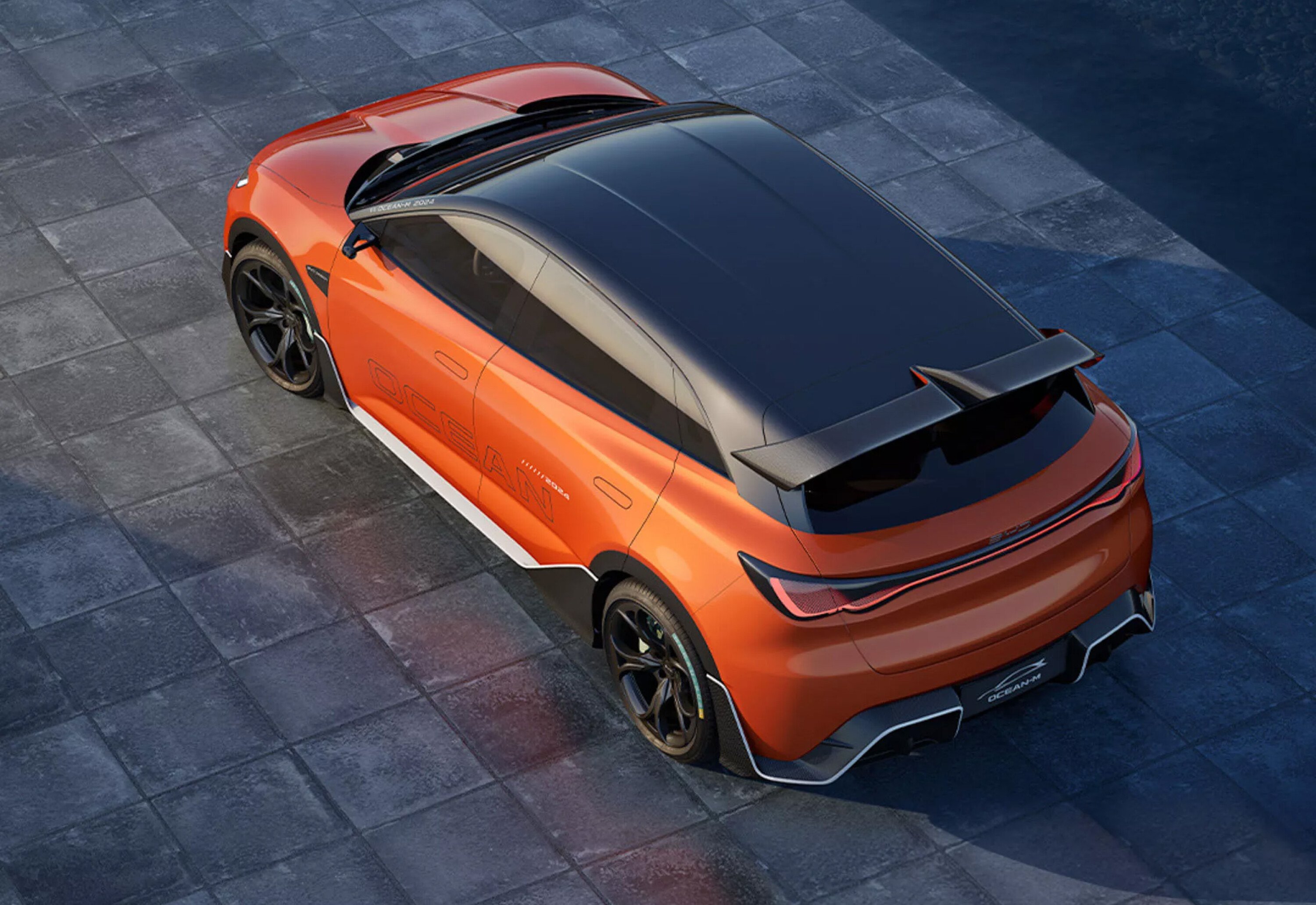
The Ocean M will sit between the Dolphin hatch and the Seal sedan in the BYD range, with the performance-oriented show car confirmed to be rear-wheel drive in a concerted effort to appeal to drivers seeking heightened driver engagement.
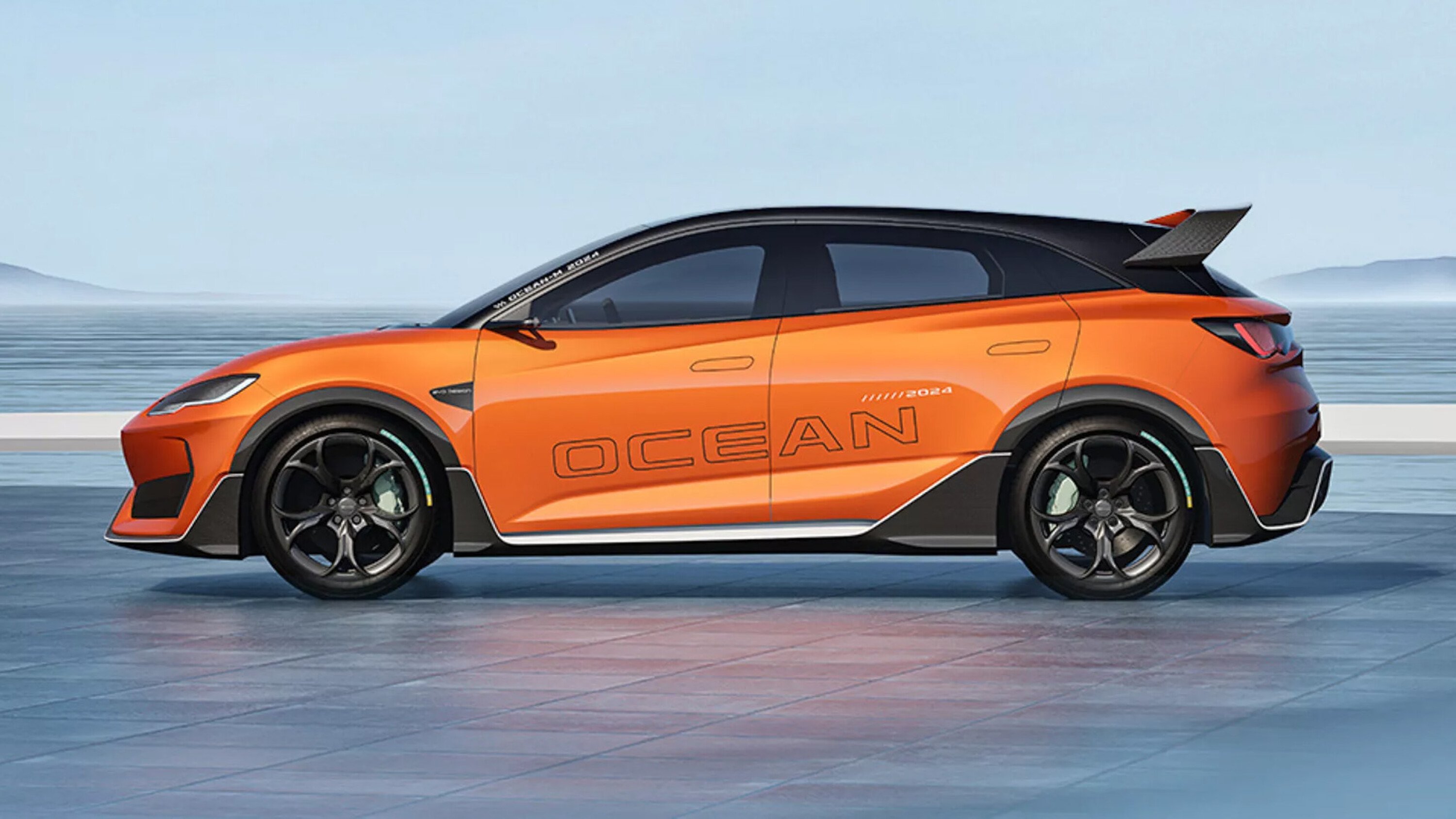
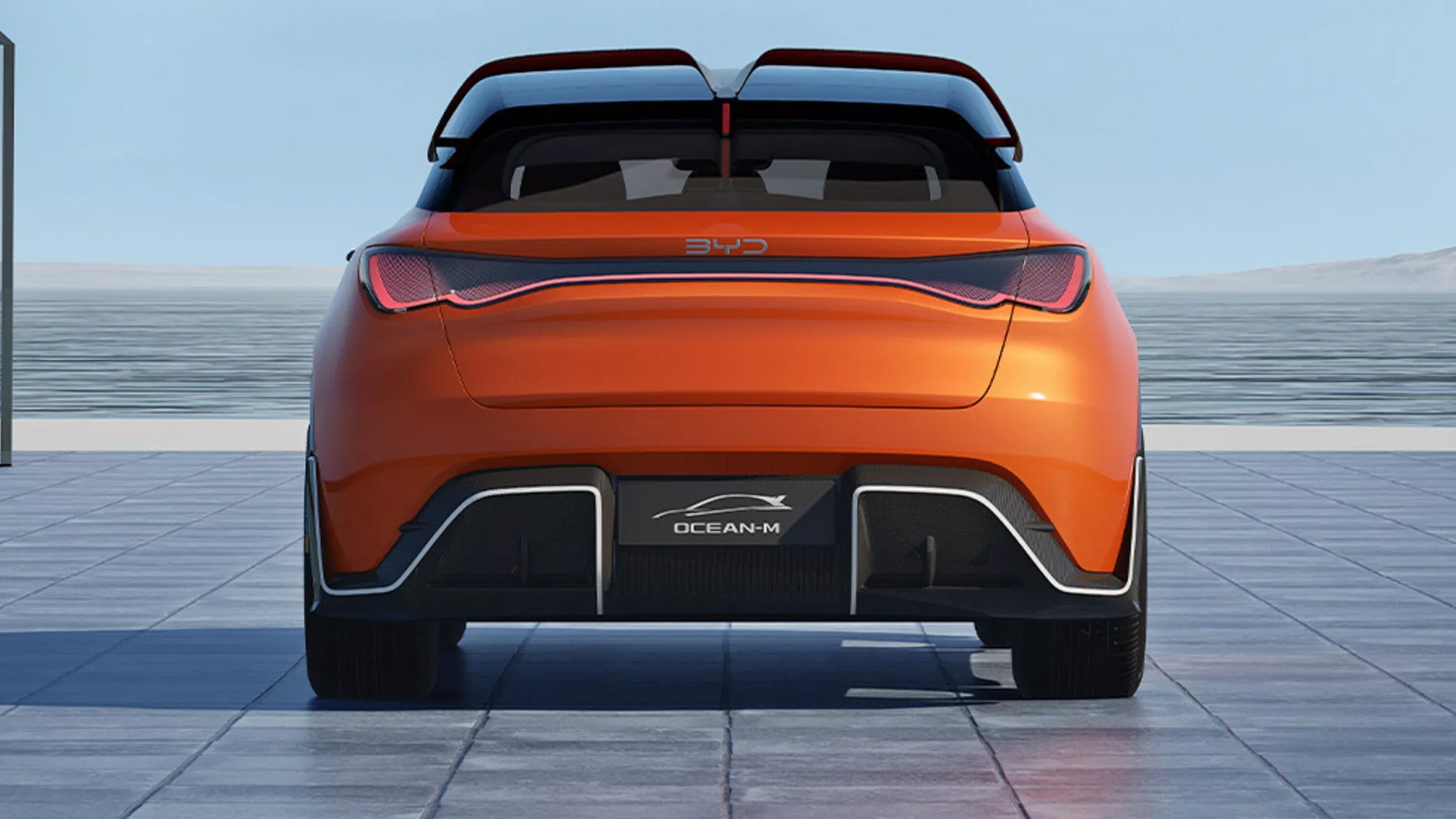
Built on a new BYD platform – using the latest Blade 2 battery technology announced earlier this year – the Ocean M was presented in head-turning orange paintwork with an aggressive aero package, contrasting dark-finish alloy wheels, black roof and twin-hatch mounted rear wings.
The bulked-up concept car’s body featured cameras in place of the external rear-vision mirrors as well as flush door handles, but the interior has not been revealed.
Nor have technical details of the Ocean M’s powertrain, although the use of the new Blade 2 battery technology does give some insight into potential capability.
Here, the Ocean M’s battery packs – which have more tightly packed cells known as ‘blades’ compared to conventional batteries – are part of the vehicle’s structure, helping weight efficiency, packaging and driving dynamics.
Blade 2 technology is also claimed to offer up to 1000km of range between charges, with energy density 25 per cent better than BYD’s first-generation Blade batteries in the Seal, Dolphin and Atto 3 in Australian showrooms.
That means a smaller battery for the same range – or an extended range for the same size battery, depending on vehicle demands.
Production of the Blade 2 batteries is set to start in August, with the Ocean M set to follow ahead of a planned on-sale in China shortly after.
Priced at between ¥150,000 to ¥200,000 ($A32,000 to $A42,000) in China, if the Ocean M does make it to Australia, it’s expected to cost around $55,000 – with the MG4 ranging from $39k to $60k.
BYD overtook Tesla as the world’s largest producer of EVs in 2023 and is the second-largest battery supplier behind market leader CATL.
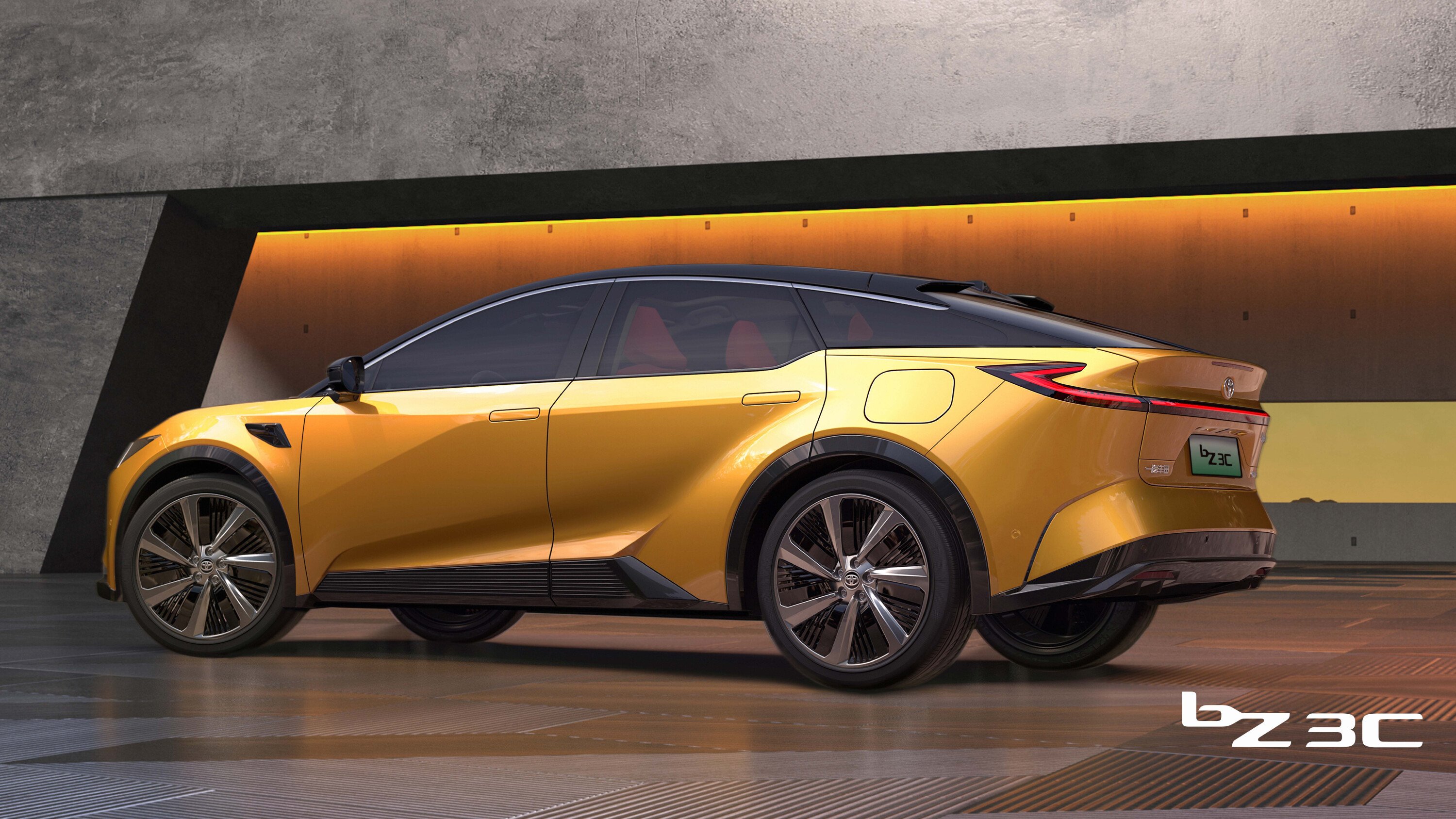
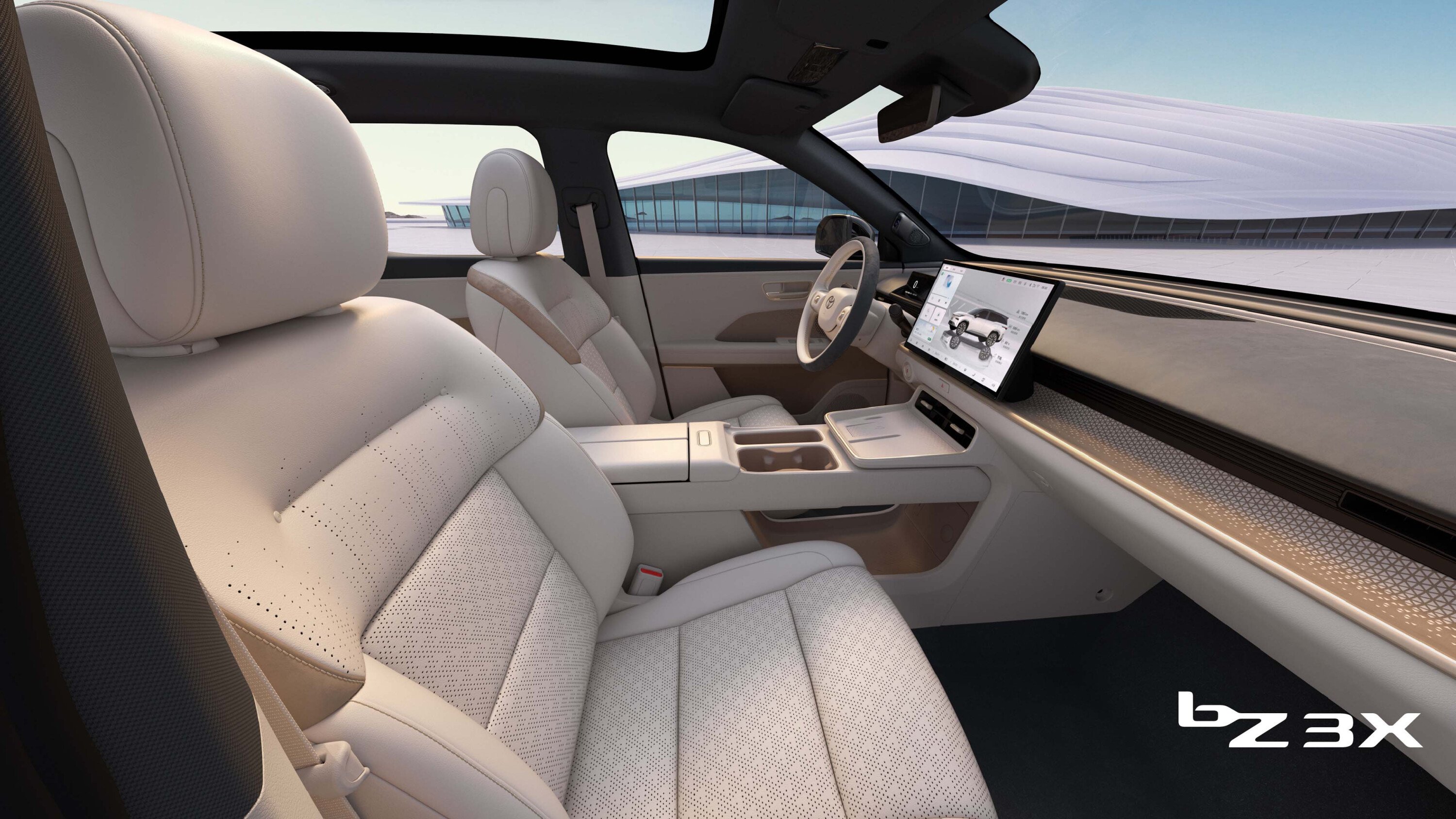
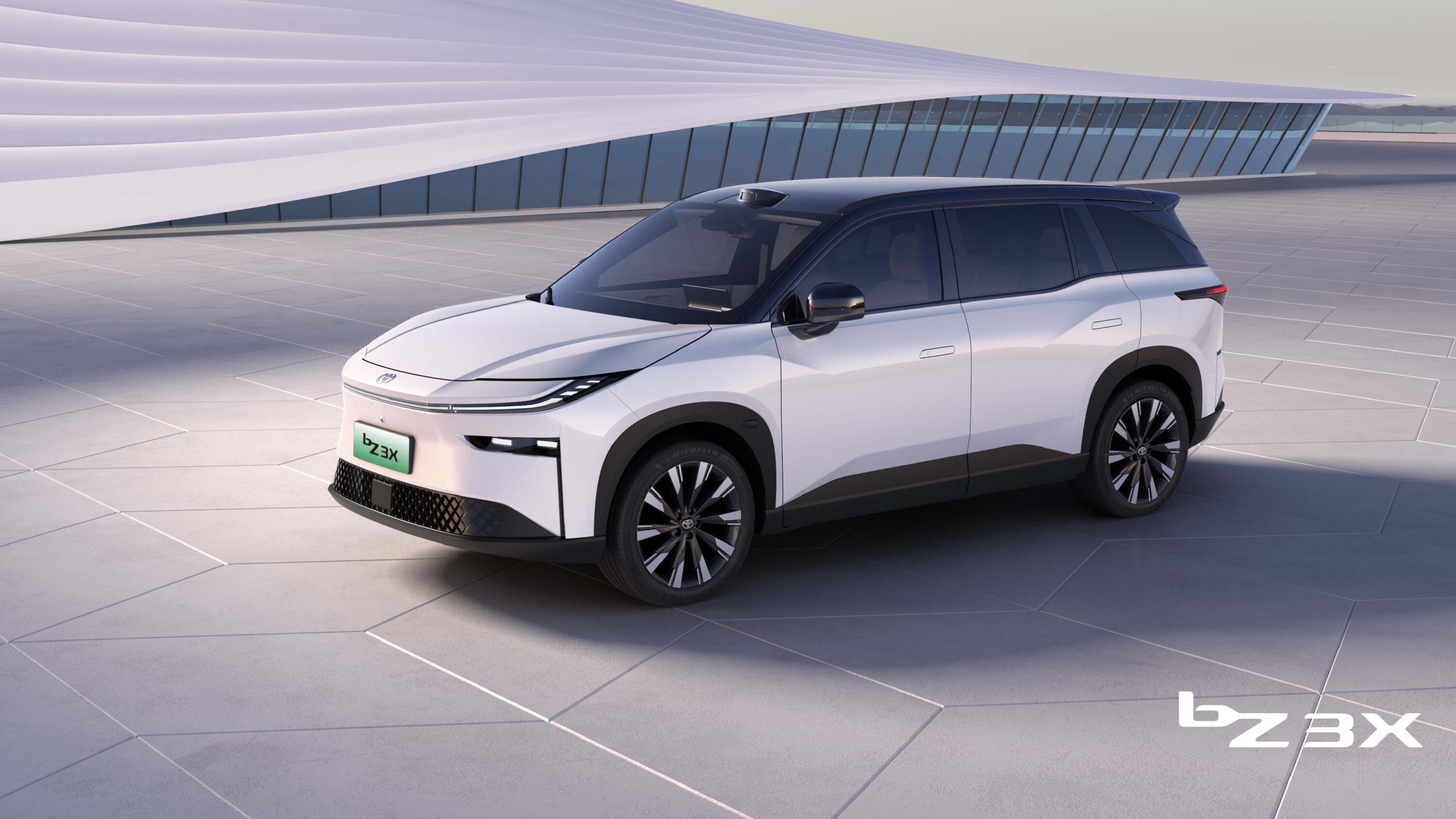
Toyota has pulled the covers off the production versions of the bZ3X and bZ3C electric vehicles at the 2024 Beijing Auto Show in China and plans to offer both in Chinese showrooms within 12 months.
The latest electric vehicle duo won’t be joining the Toyota bZ4X SUV – launched with its Subaru Solterra twin in early 2024 – in Australian showrooms as the Japanese car maker focuses on the EV battle in China.
Previewed by the ‘bZ Compact SUV’ concept shown at the 2022 Los Angeles and 2023 Shanghai, the bZ3X compact SUV is similar in size to the Toyota CH-R SUV and was co-developed with Chinese domestic partner, Toyota GAC.
In concept form it featured sustainable cabin materials, a Tesla-style Yoke steering wheel and ‘Yui’ virtual assistant.
The bZ3X was revealed alongside the bZ3C in Beijing, essentially a liftback version with the same styling and proportions targeted at younger buyers.
While the Japanese car maker has shared few technical details of the new electric pair, the naming convention of the Japanese car maker’s ‘Beyond Zero’ EV family suggests they will use the same e-TNGA platform as the China-only Toyota bZ3 sedan.
The bZ3 sedan is a Tesla Model 3 and BYD Seal rival developed in partnership with Chinese EV maker and battery manufacturer, BYD.
It went on sale around 12 months ago and was the first Toyota to use an LFP (Lithium-iron Phosphate) battery with a claimed 616km (CLTC) range – around the same as a Tesla Model 3 Long Range.
The sedan’s BYD ‘Blade’ batteries are 49.9kWh with 70kW charging capability and a larger 65.3kWh with a replenishment rate of up to 90kW.
The bZ3X and bZ3C are expected to offer similar powertrains as the BZ3 donor-car, which has two single-motor choices: a 130kW entry-level motor and more powerful 180kW version, both offering the same 303Nm of torque.
The bZ3X and bZ3C are also expected to be offered in front-wheel drive as a pricing battle in the EV market in China – which saw the bZ4X price cut in February 2024 – intensifies.
As well as the 3 and 4, Toyota teased the larger Kluger-size bZX5, expected to be in US showrooms in 2026 with a potential Australian berth yet to be confirmed.
Toyota intends to have 30 EVs on sale by 2030 and has also said it will have solid-state batteries – with claims of up to 1000km of range – in vehicles in showrooms by 2027.
