A favourite go-to for opponents of electric vehicles is the notion that EV batteries, once too far degraded to usefully power a car, become little more than poisonous landfill.
However, a number of carmakers and many new businesses are cooperating to prove that EV battery packs have huge value in the ‘afterlife’.
In 2019, Bloomberg NEF (BNEF) released data that forecast the global mountain of used EV batteries will amount to 3.4 million by 2025, highlighting the importance of repurposing or recycling as more electrified cars reach the end of their useful life and start showing up in scrap yards.
The good news is that even when they’re no longer suitable for vehicle use, lithium-ion battery packs can retain around 80 per cent of their charge capacity – enabling a second life running a further 10 years or more.
In this story, we’re keeping a chronicle of key moments in the evolving post-vehicle battery market.
October: Kia Australia announces battery repurposing program
A week out from the Australian launch of its massive new EV9 SUV, Kia has revealed it will look to local outfit Infinitev on the recycling and repurposing of batteries when they’re too tired to run your EV.
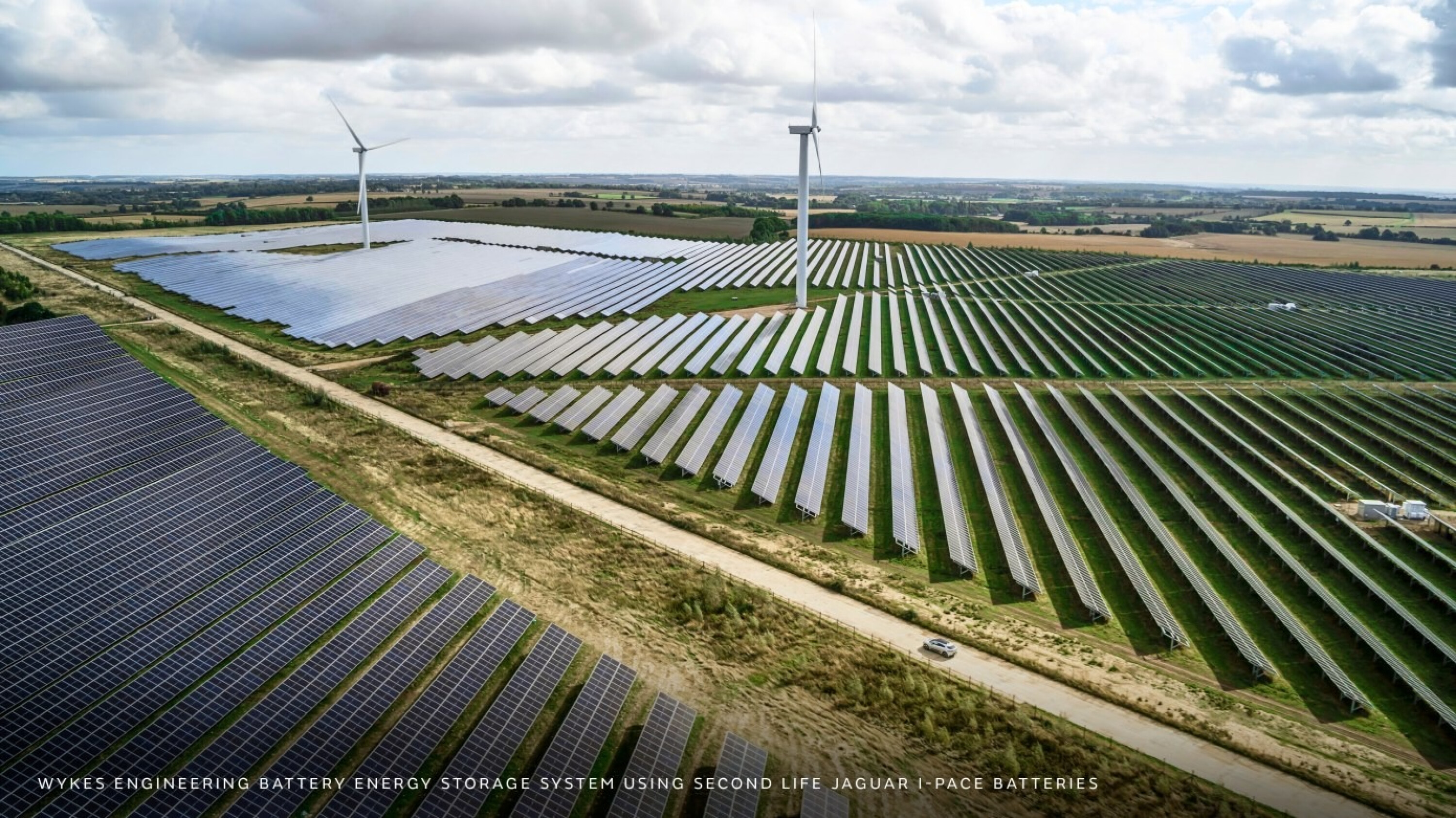
August 2023: Jaguar providing I-Pace batteries for solar and wind power storage systems
Indian-owned British carmaker JLR will provide 30 ‘second-life’ I-Pace batteries to Wykes Engineering in the UK, enabling 2.5MWh of storage for solar and wind power.
1
According to UK energy data, that amount of storage is enough to power 250 homes for one day. (Jaguar notes this figure is based on 2019 ‘average annual household electricity consumption’ of 72.3kWh per week.)
“JLR’s batteries are engineered to the highest standards and can therefore be deployed in low-energy situations once their health falls below the stringent requirements of an electric vehicle, which typically leaves a 70-80% residual capacity,” the company claims.
Jaguar says the purpose of this system is to deal with peaks in demand, but as more such systems come online, they could become a consistent piece of the decarbonisation puzzle that many governments are now putting together.
In announcing the project, JLR said second-life battery supply for stationary applications, like renewable energy storage, “could exceed 200 gigawatt-hours per year by 2030, creating a global value over $30 billion,” according to global economic consultants McKinsey.
February 2023: Retired EV batteries powering California
An American startup is powering California’s electricity grid using 1300 old electric vehicle battery packs.
November 2022: InfinitEV repurposing EV batteries in Australia
Melbourne firm IM Group has launched Infinitev – a service conceived to reuse, repurpose or recycle hybrid and EV batteries.
November 2021: Old Nissan Leaf batteries used for sea and rail travel
Among the many purposes already imagined for battery packs no longer suited to powering cars, some are quite novel.
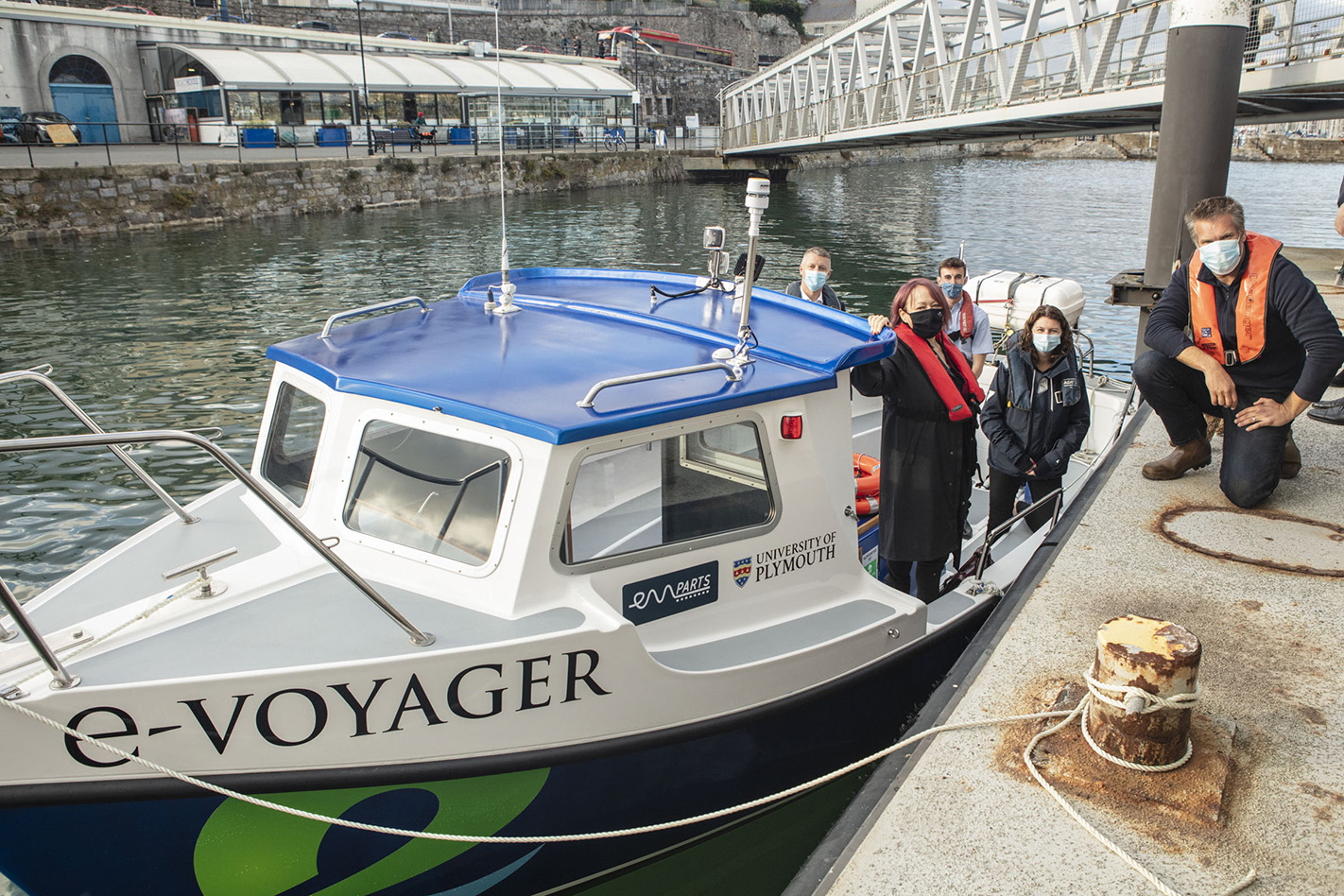
Take, for example, the eVoyager – a small seagoing ferry in Cornwall, England, that’s powered by repurposed Nissan Leaf batteries.
1
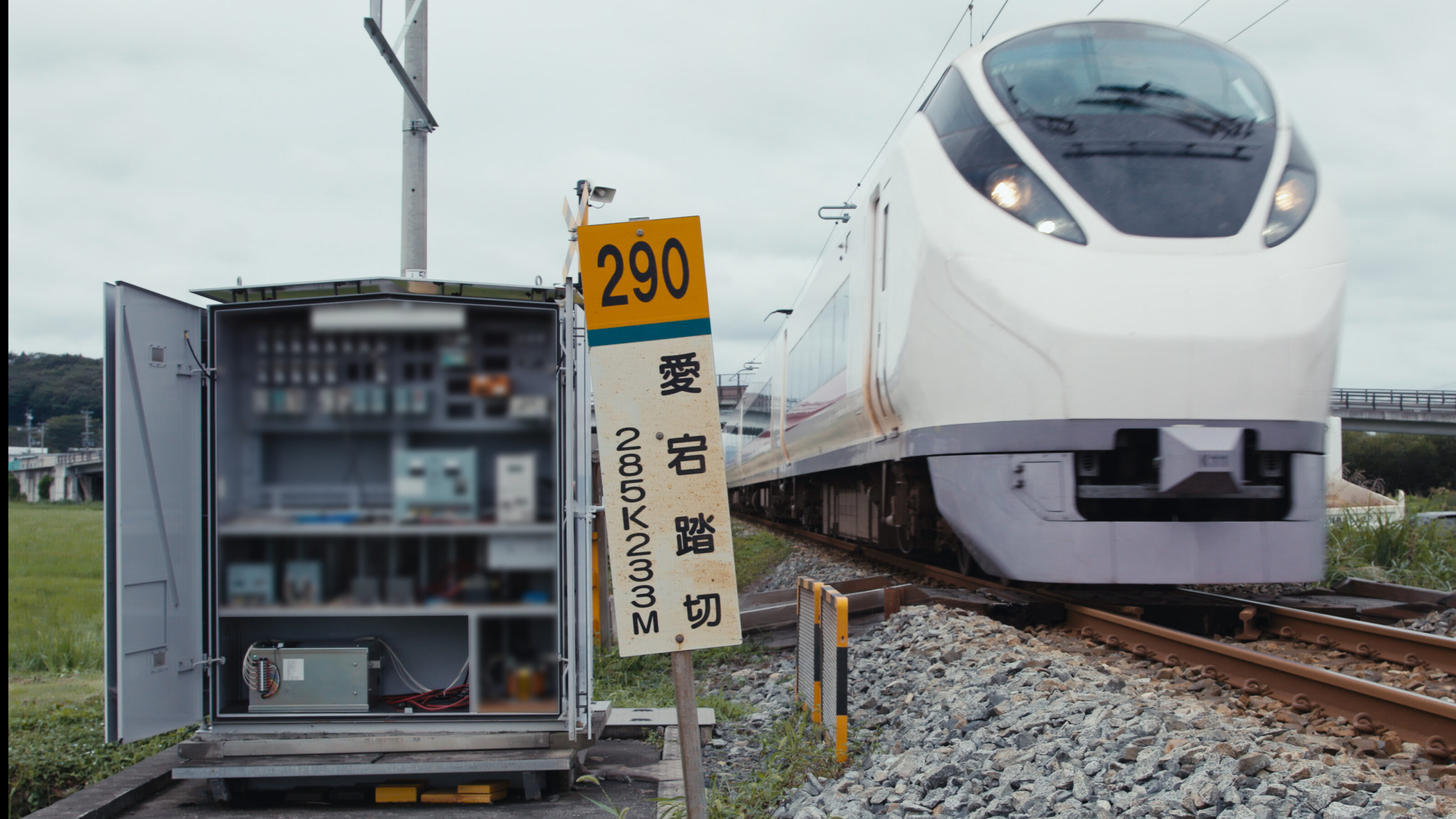
Over in Japan, the East Japan Railway Company (JR East) has been trialling repurposed Leaf batteries for emergency power supplies at its level crossings in place of older lead-acid battery technology.
The current emergency power supply units use lead-acid batteries. However, efforts to replace these with repurposed Nissan Leaf batteries began in January 2021 at the Atago railroad crossing on the Jōban Line, which runs through Minamisoma City in Fukushima Prefecture.
Compared to lead-acid batteries, the repurposed lithium-ion packs offer improved performance and can be charged in one-third of the time.
1
Lithium-ion battery packs are also far more durable, lasting on average 10 years, compared to three-to-seven years for a standard battery, and they require far less preventative maintenance.
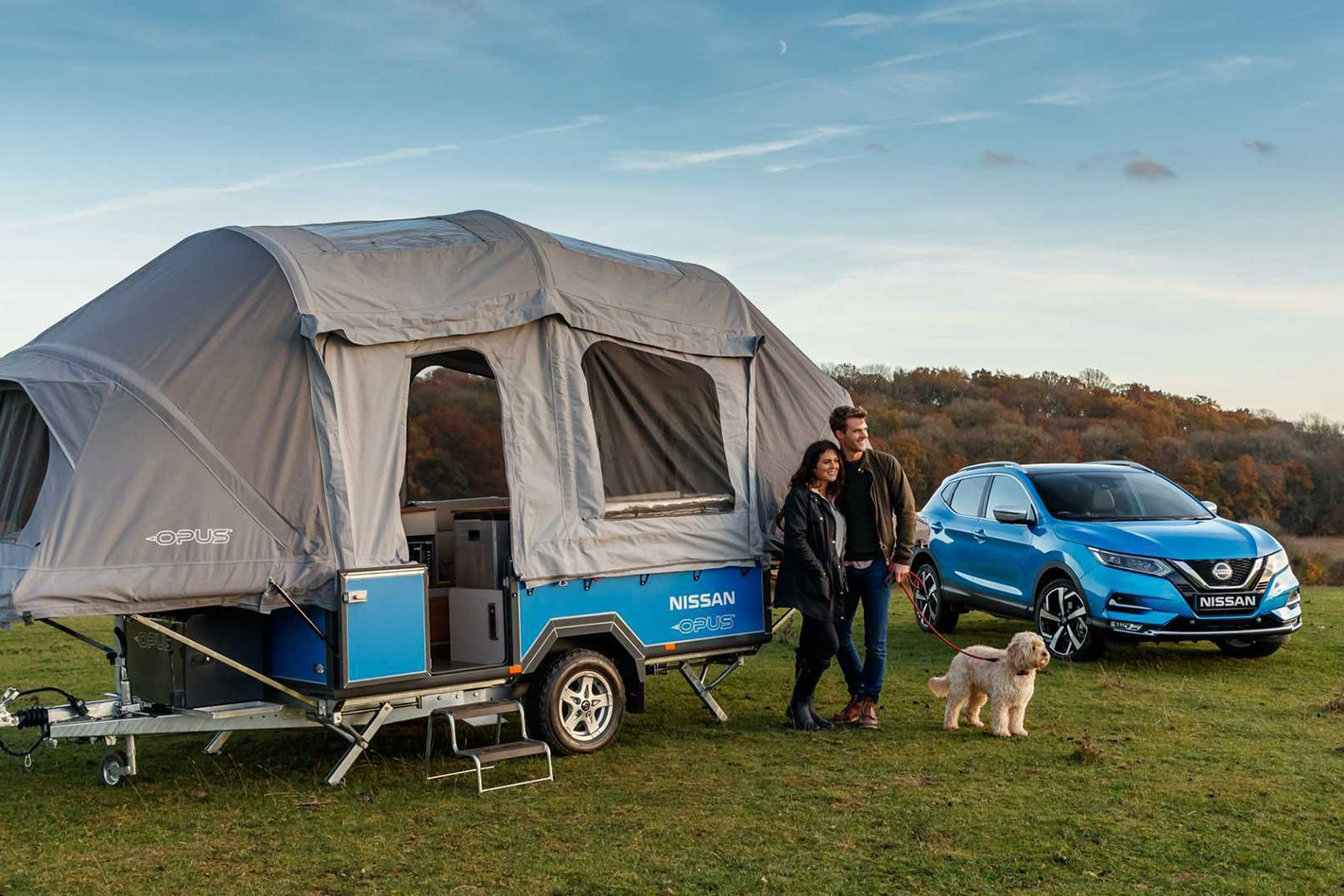
Nissan itself has been proactive in finding ways to repurpose batteries, including using them to power camping trailers. Last year the company launched a ‘Roam’ battery pack that features lithium-ion battery cells from first-gen Leaf cars capable of storing up to 700Wh of electricity.
While that’s a tiny figure for moving a vehicle, Nissan says when used to store power from a 400W solar panel they’ll be able to provide a week’s worth of power for a camper trailer. In addition, the Roam unit is portable and can also be used separately for a range of applications including work sites.
1
Audi… forklifts?
German carmaker Audi is using lithium-ion batteries from its old hybrid and e-tron models to replace heavy lead-acid batteries in forklifts at its Ingolstadt factory.
Not only are the batteries finding a second use, they are lighter than the type they replace.
And in 2019 Volkswagen announced it would use old batteries from its vehicles to create portable EV recharging stations that could hold up to 360 kilowatt-hours of energy – enough to charge up to four vehicles at a time.
Most repurposed EV batteries are likely to end up as power storage for homes and businesses in so-called ‘power walls’ but not all electrified vehicles employ lithium-ion technology.
Toyota still favours nickel-metal hydride (NiMH) for some of its hybrid models which is not as energy dense as Li-ion but is significantly cheaper. Here too though, there are recycling possibilities.
Retired Toyota Prius batteries are being used to store power from solar panels in 7-Eleven stores across Japan, and in Sweden a similar scheme is using Volvo batteries to charge three-storey apartment buildings.
1
Elsewhere: Mercedes, Hyundai and BMW
Mercedes-Benz Energy is converting a retired coal-fired plant in Elverlingsen, Germany, into an 8.96 MW energy storage facility using 1920 modules from EV battery packs.
Hyundai is collaborating with Finnish energy technology group Wärtsilä to use EV batteries for energy storage.
BMW is teaming with Swedish energy company Vattenfall to build a 2.0MW energy storage facility in Hamburg using 2600 retired battery modules from more than 100 BMW cars to stabilise the grid and reduce the impact of peak demand.
Right here in Australia
Melbourne-based Relectrify is producing powerful storage systems with battery packs from several Nissan Leafs to provide a three-phase 380-480V output suitable for commercial and industrial use.
A notable feature of Relectrify’s self-contained battery storage is that it has an inbuilt inverter which means it you can plug a power consumer straight into it without additional electrical hardware.
Second-life battery limitations
You may have noticed that all the above-mentioned projects use batteries from a particular vehicle or brand.
That’s because the batteries are designed specifically for certain models or brands, which makes it difficult to mix and match.
Then there are issues of buying used hardware. Repurposed batteries don’t come guaranteed and, as new batteries become cheaper, converting old batteries for new uses won’t be as cost effective.
What happens when EV batteries are truly dead?
At some point, even second-life batteries will run out of spark. What’s to be done with their various components and materials?
Companies like Tesla, BMW and Volkswagen are working on ways to break down batteries and separately extract as much of the raw materials as possible to use for new battery production.
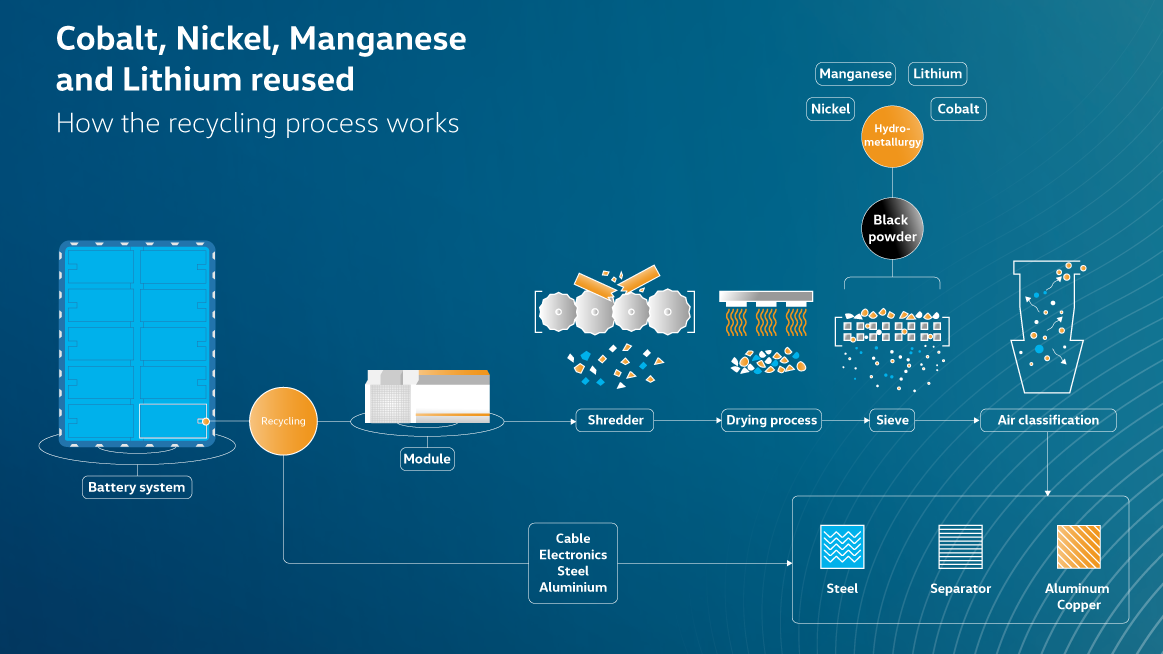
So, what happens during battery recycling? Batteries that do not have further use in their current state are broken down into the constituent parts and shredded.
1
Volkswagen says it reclaims up to 70 percent of the raw materials from retired batteries, and is aiming for 97 percent in the near future
The resulting material is then dried and sieved, allowing the various metals and chemicals contained to be extracted, including the so-called “black powder.” This contains the valuable raw materials of nickel, manganese, cobalt and lithium.
These are then separated and used in the production of new batteries. Volkswagen reclaims up to 70 percent of the raw materials from batteries and is aiming for 97 percent in the near future.
Here’s hoping that all the initiatives to repurpose and recycle batteries, and various legislation around the worlds to ensure it continues, will ensure EVs don’t have an adverse effect on the environment once they’ve left the roads.
More EV stories to help you choose the best car for your needs
The Mercedes-Benz S-Class has defined what luxury motoring means since its inception. Not opulence as Rolls Royce or Bentley do, the S-Class uniquely combines prestige, innovation and everyday usability.
Some groundbreaking tech introduced by prior Sonder models include crumple zones, radar cruise control and electronic stability programs. Beyond making the one per cent’s days easier, these breakthroughs can be credited with saving lives.
1
Yet this vehicle proudly wearing Benz’s hallowed ‘S’ badge has arrived late to the party, behind its all-electric EQC, EQA, EQB, and EQE siblings touting only seven seats as its major advancement.
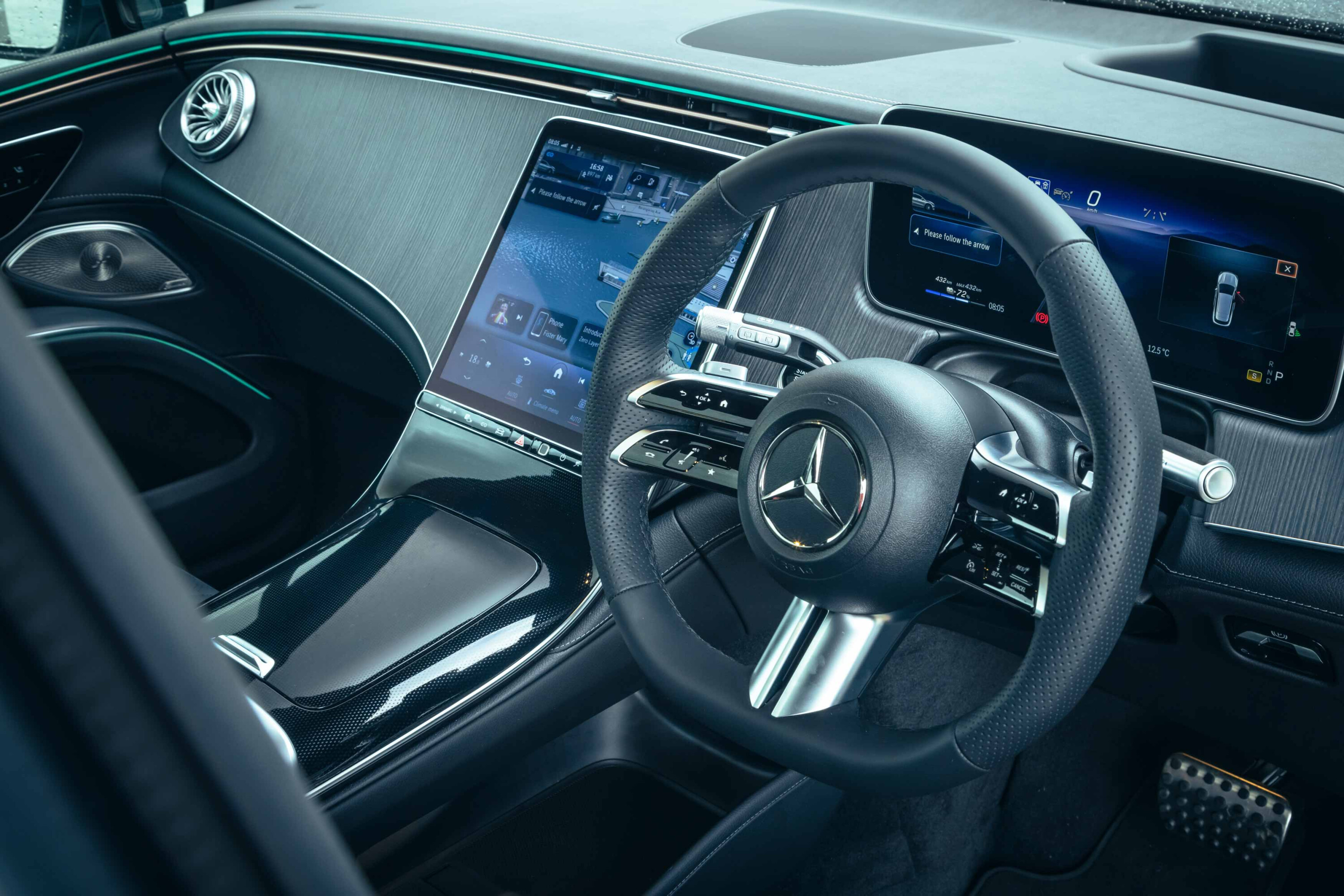
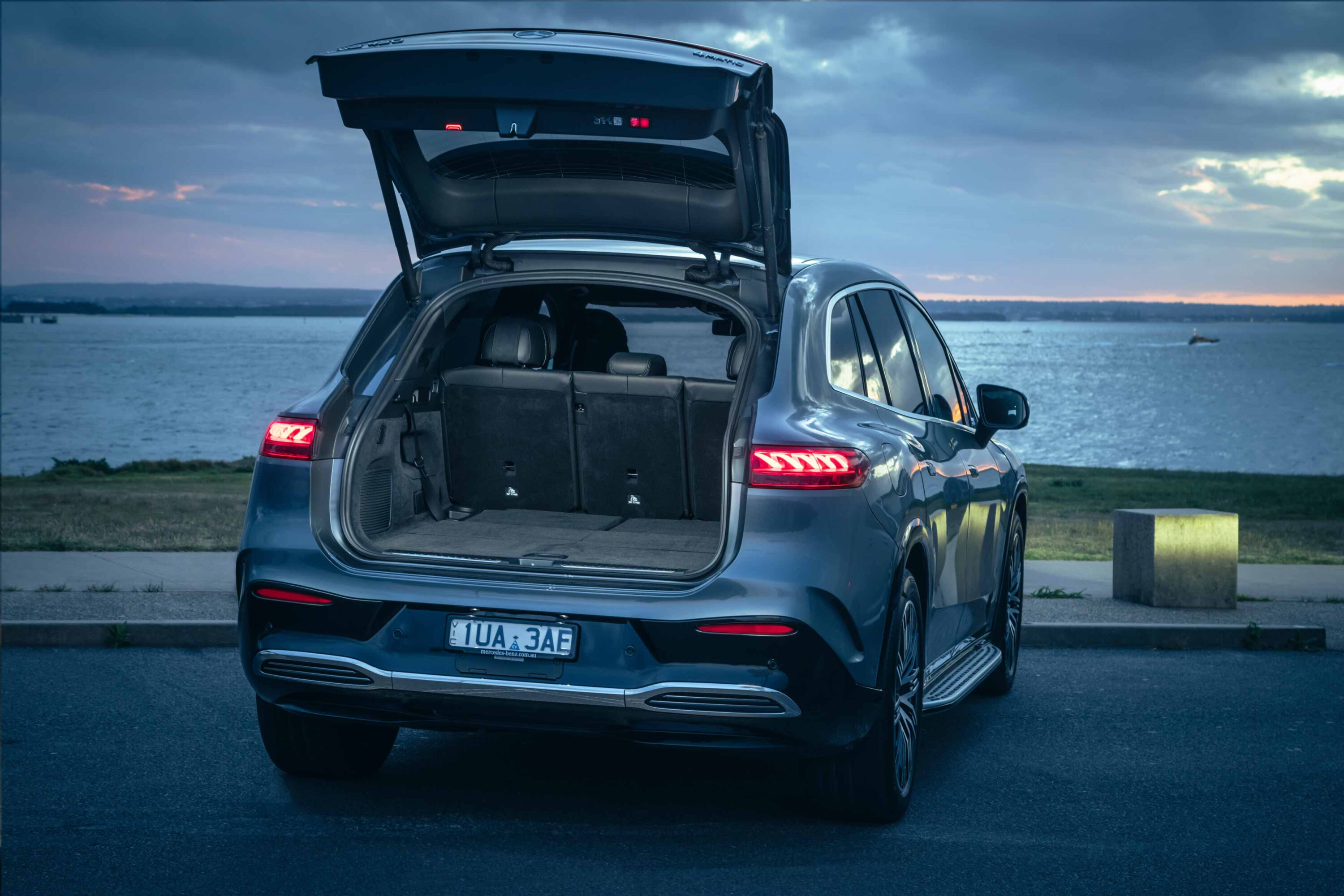
Air suspension and 100+kWh batteries don’t seem so special in 2023, nor do 141 centimetres of touchscreen (optional on this car). Luckily, the EQS SUV does deliver the luxury and comfort you expect of an S-badged Benz.
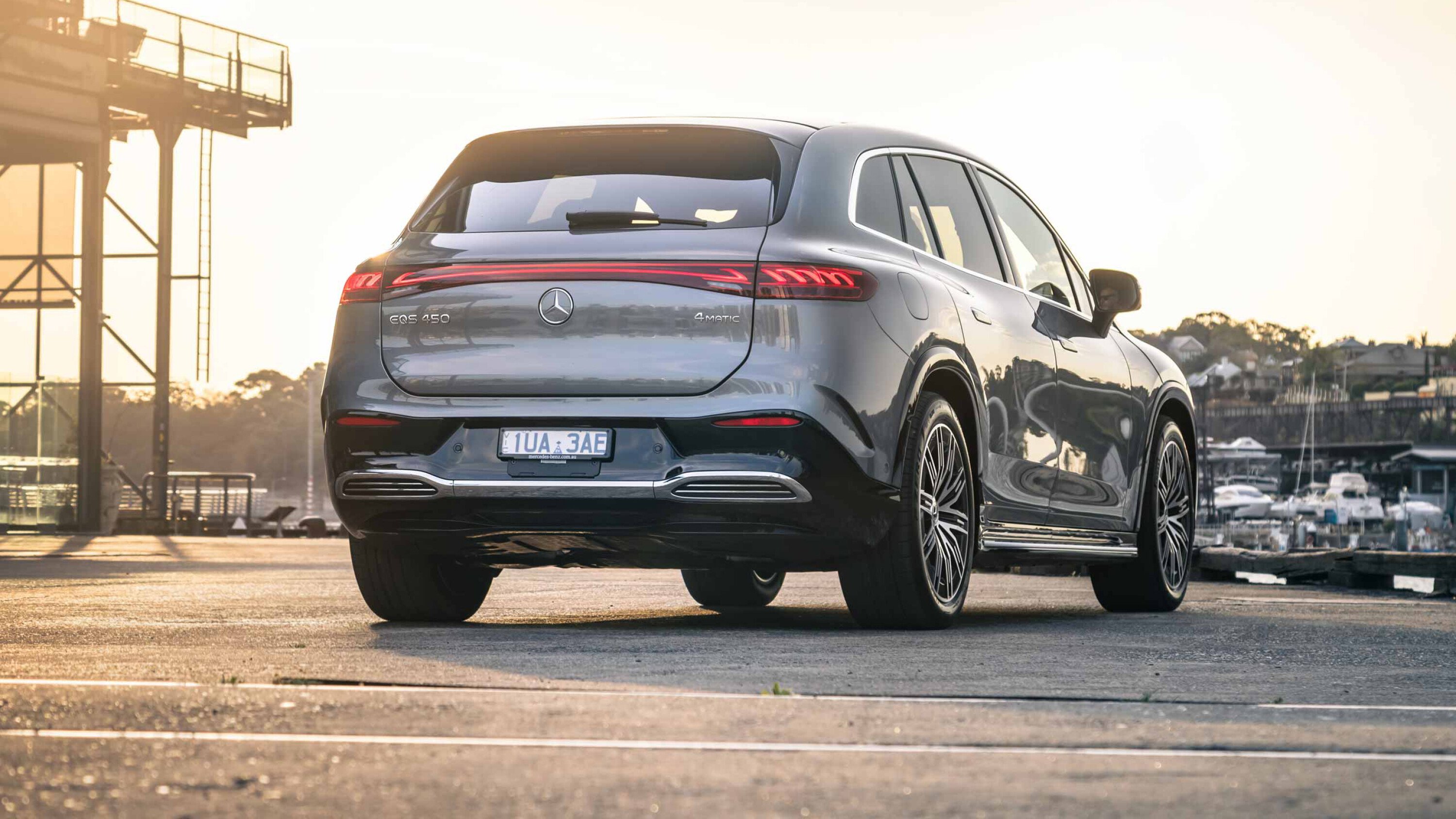
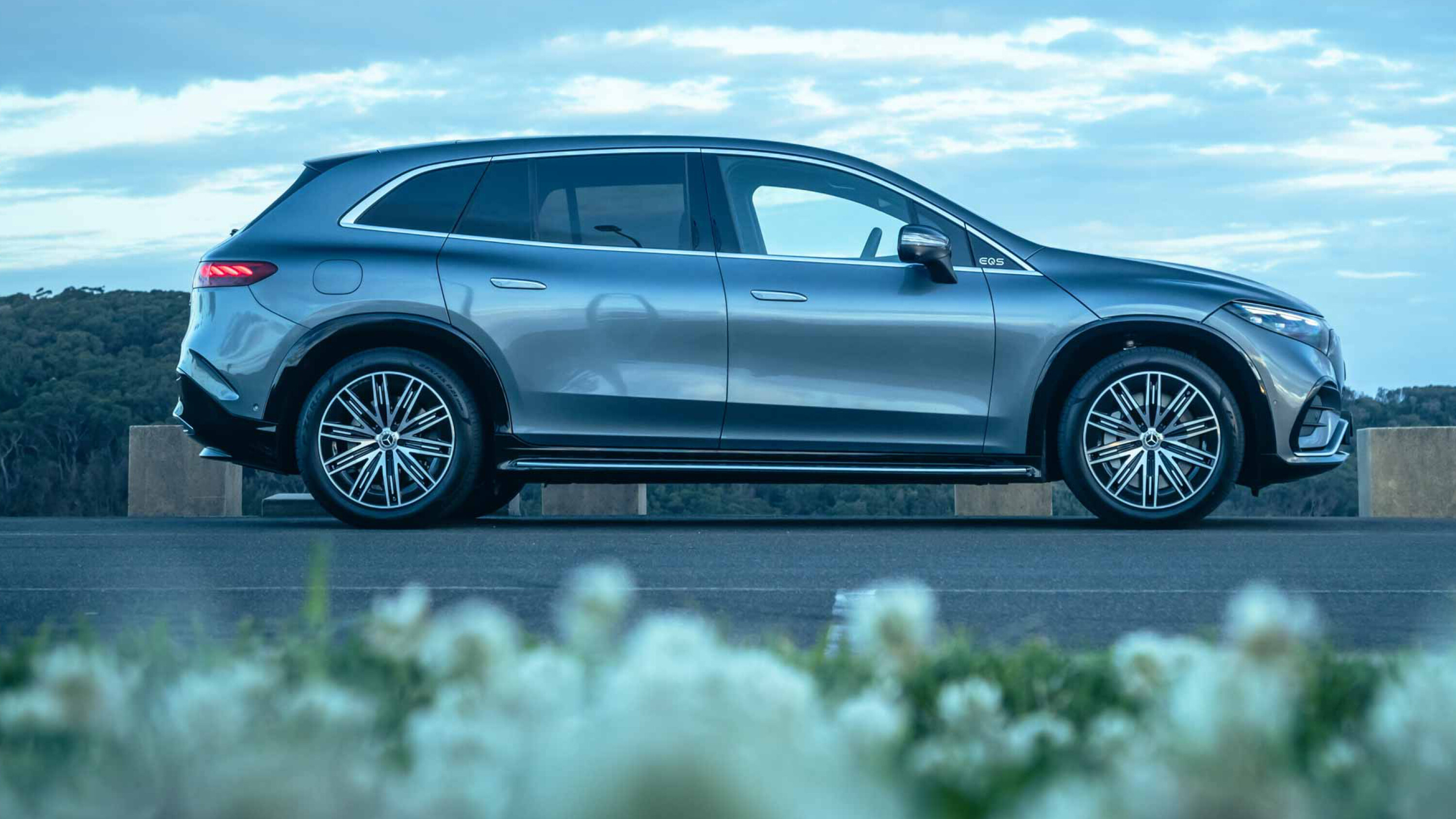
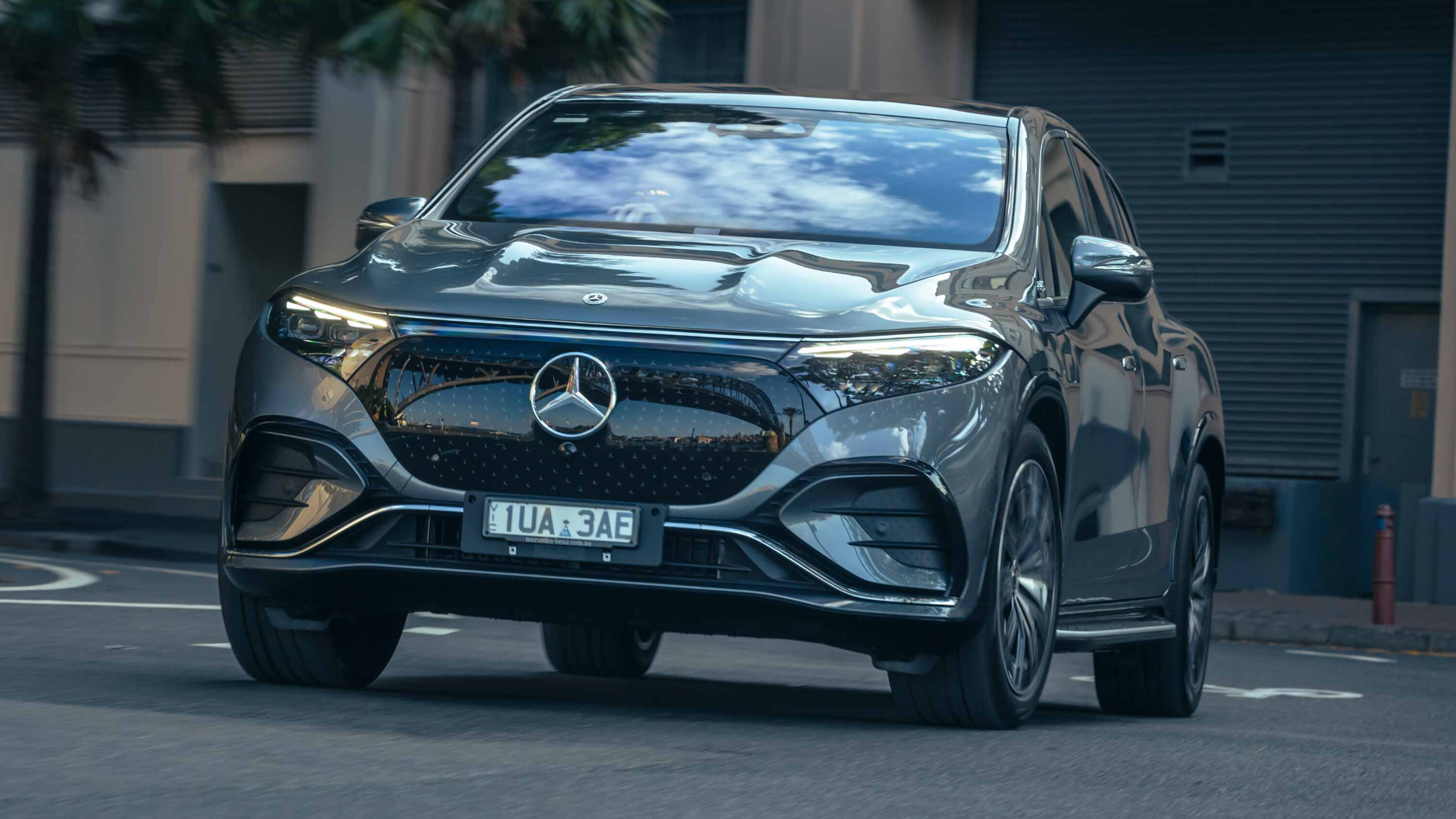
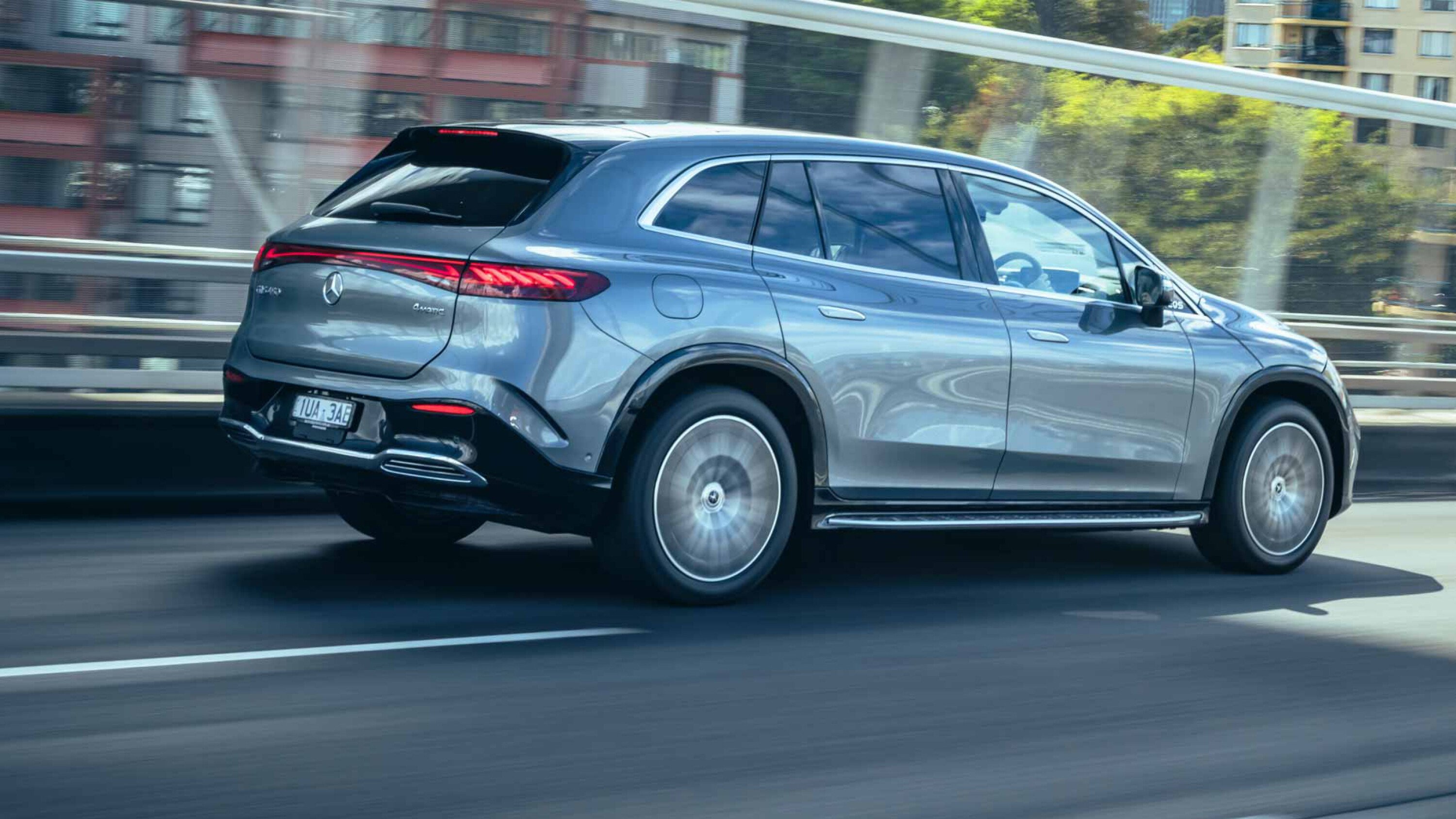
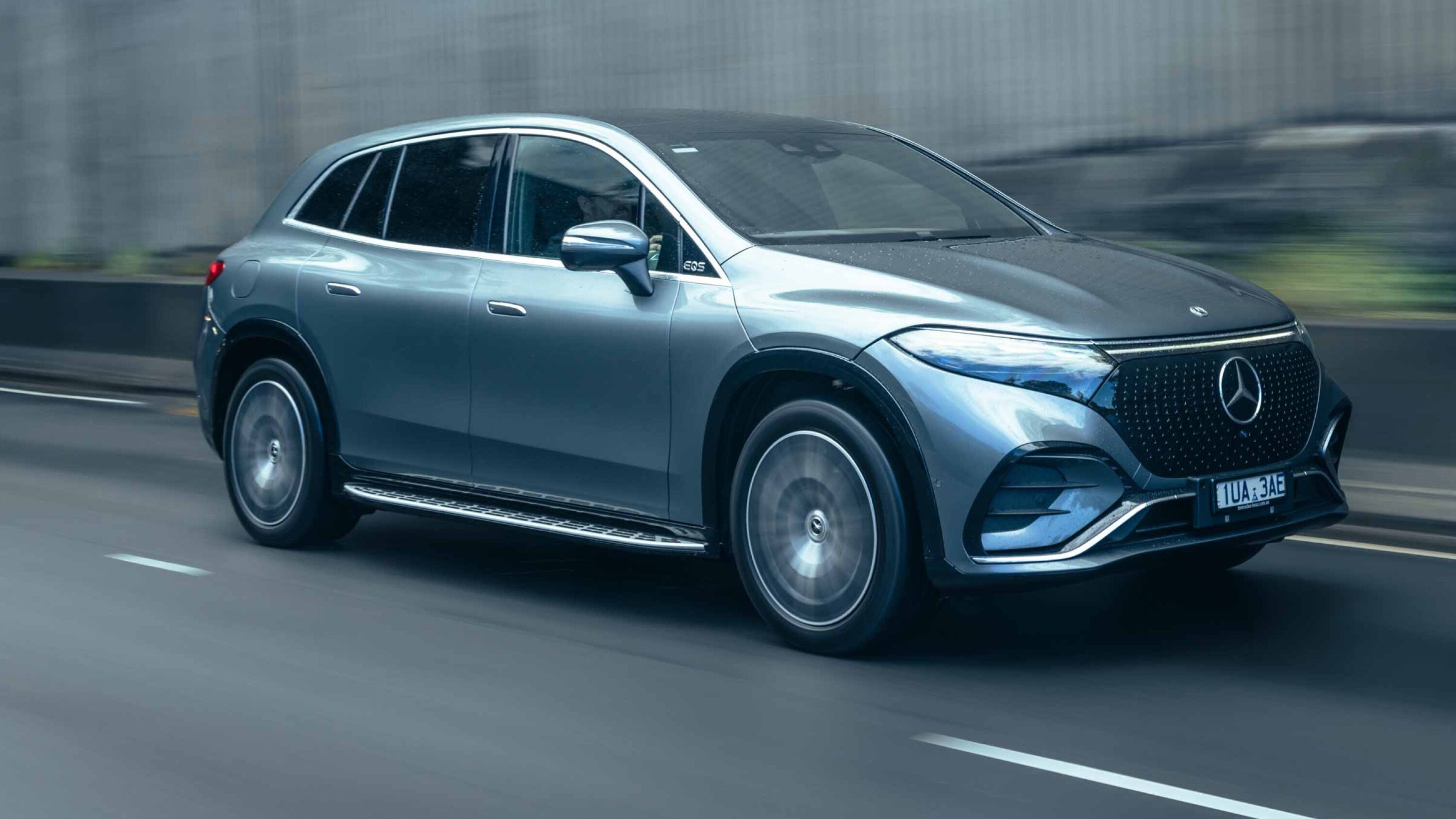
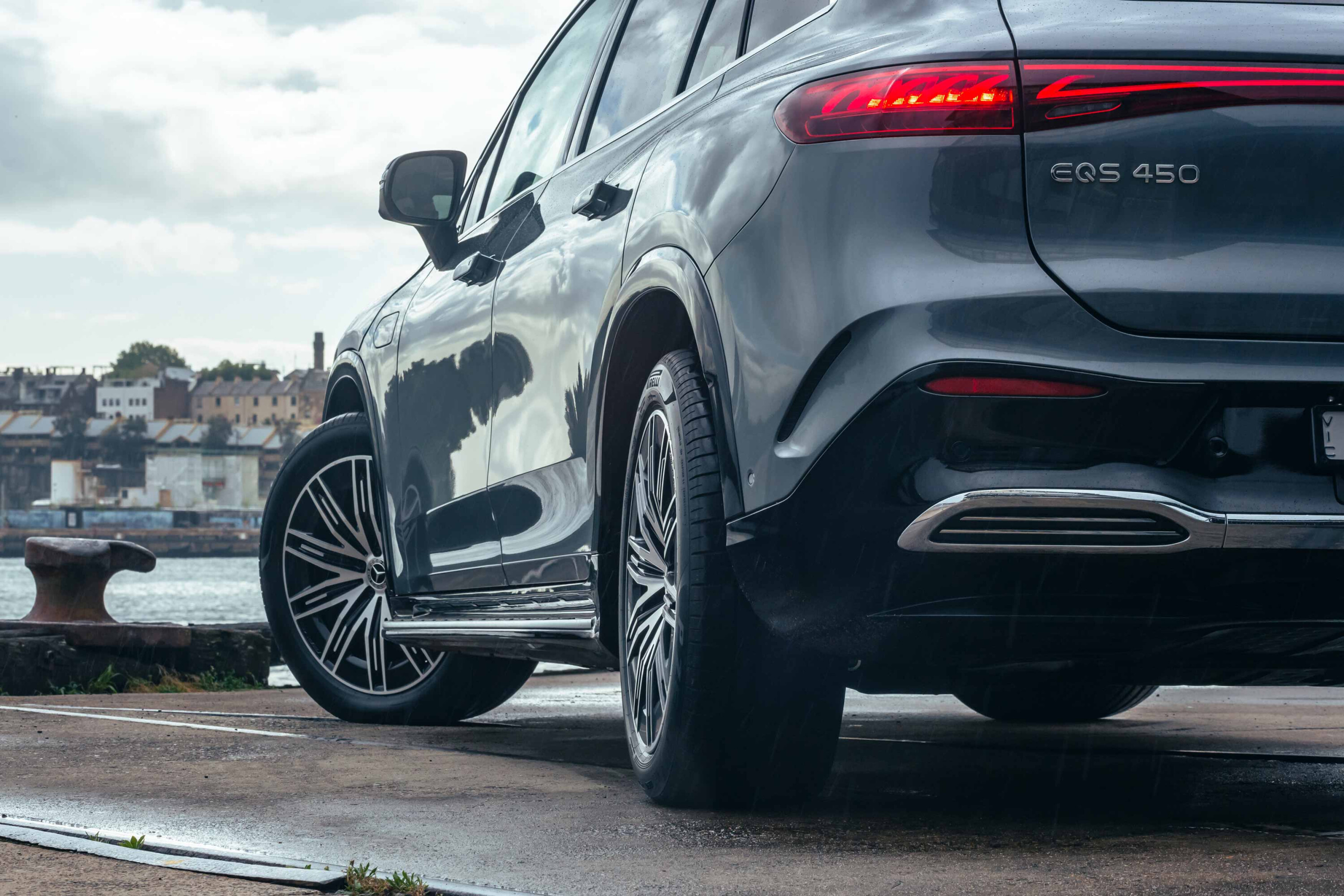
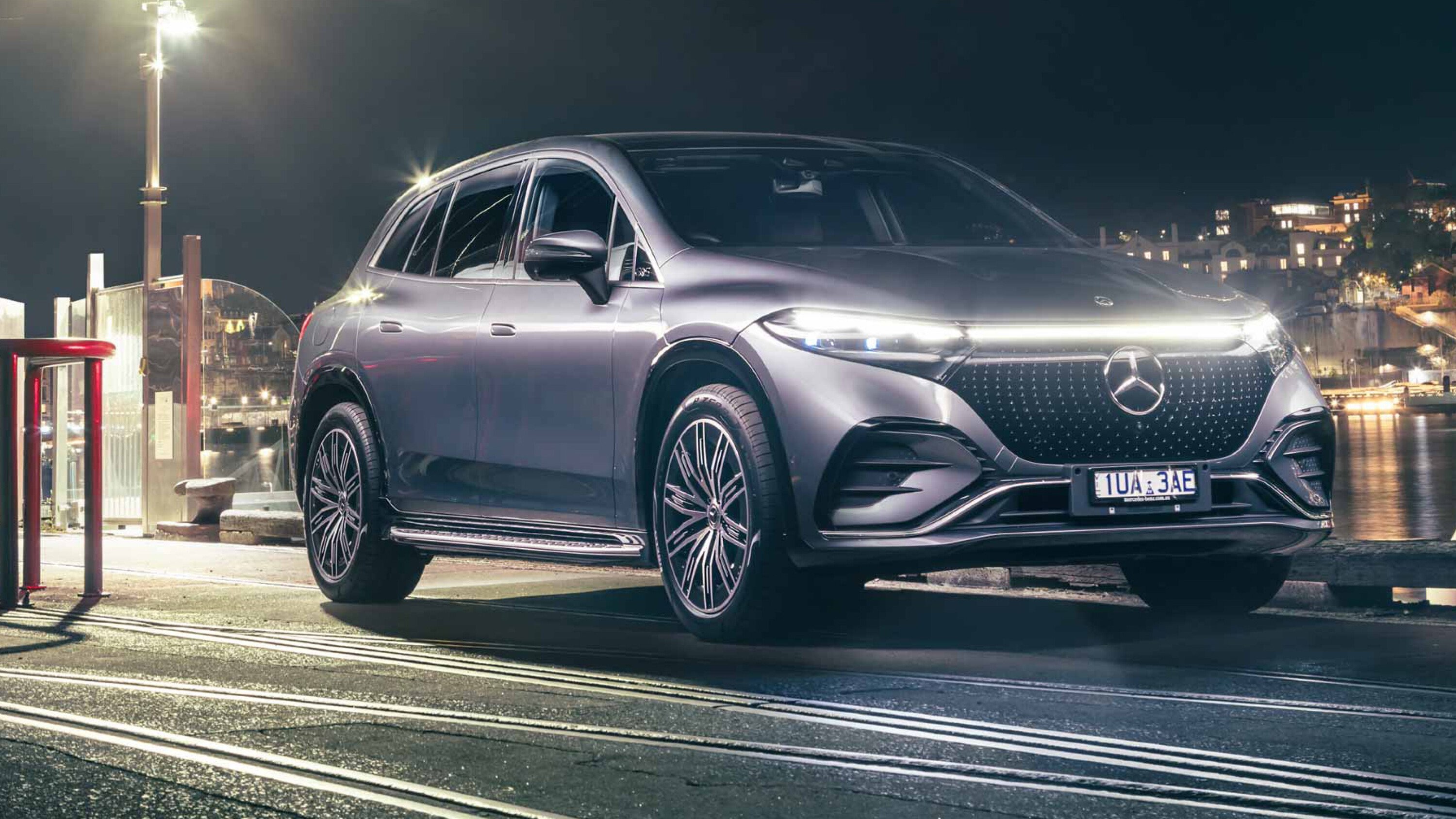
Merc has played a safe game with the ‘single bow’ styling of its EQ range. A game so safe, in fact, that the slippery shapes (this one’s got a Cd of 0.26) are quite difficult to tell apart.
The EQS is big, of course, so you know it isn’t a GLA. It’s 5.1 metres long and rolls on a 3210mm wheelbase, gaining 25mm in width and 33mm in height compared to the smaller EQE, helping make space for a third row of seats.
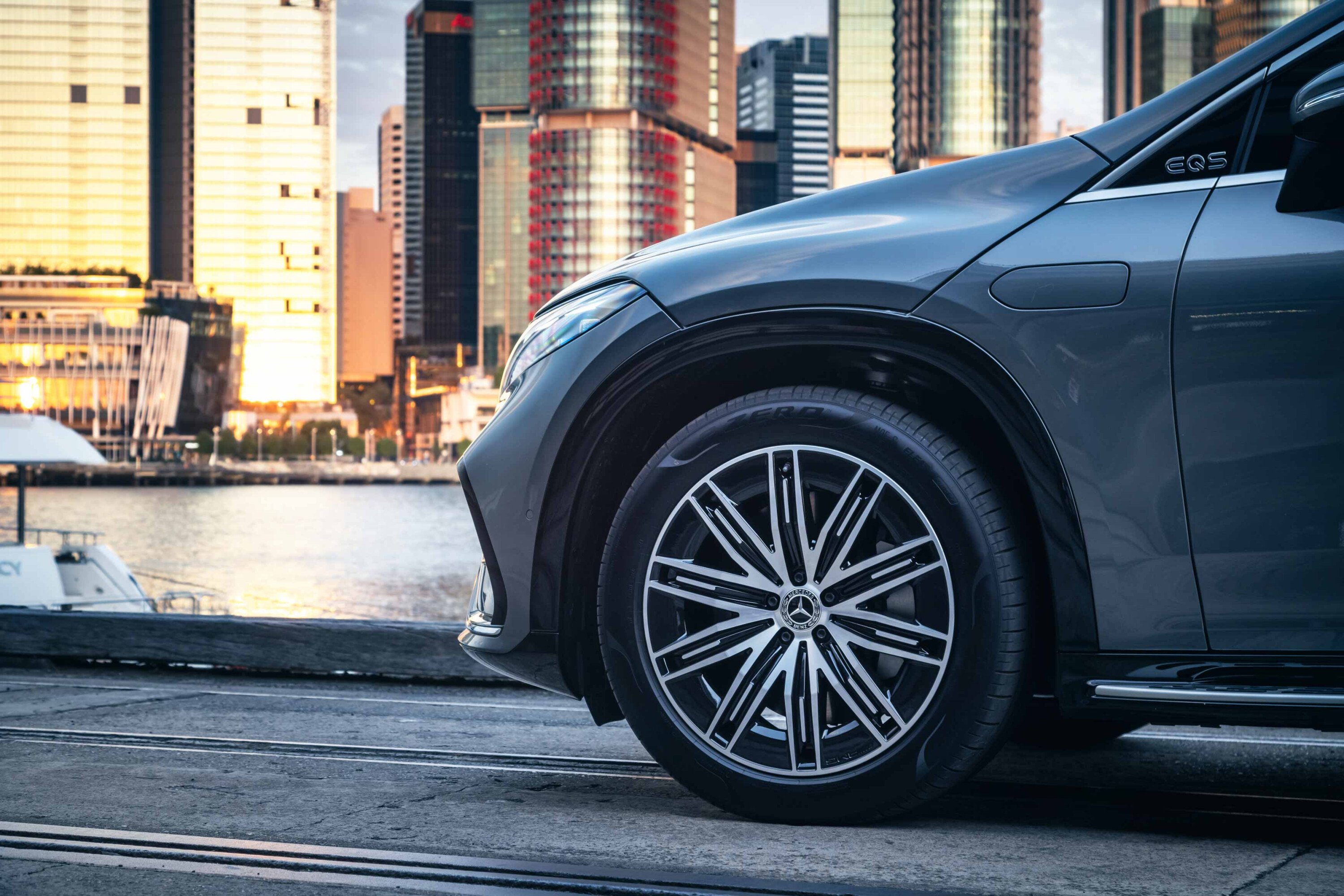
Our 450 specification is the only trim available for now and wears AMG Line goodies such as a star grille (no bonnet star, sorry old-money Merc lovers), 21-inch alloy wheels wrapped in run-flat tyres, power-domed bonnet, illuminated aluminium-look running boards, AMG Line front and rear bumpers, and AMG Line interior, though with more ample comfort seats rather than sporty AMG Line buckets.
1
It’s aided by excellent NVH suppression that makes the EQS SUV a listening chamber on wheels
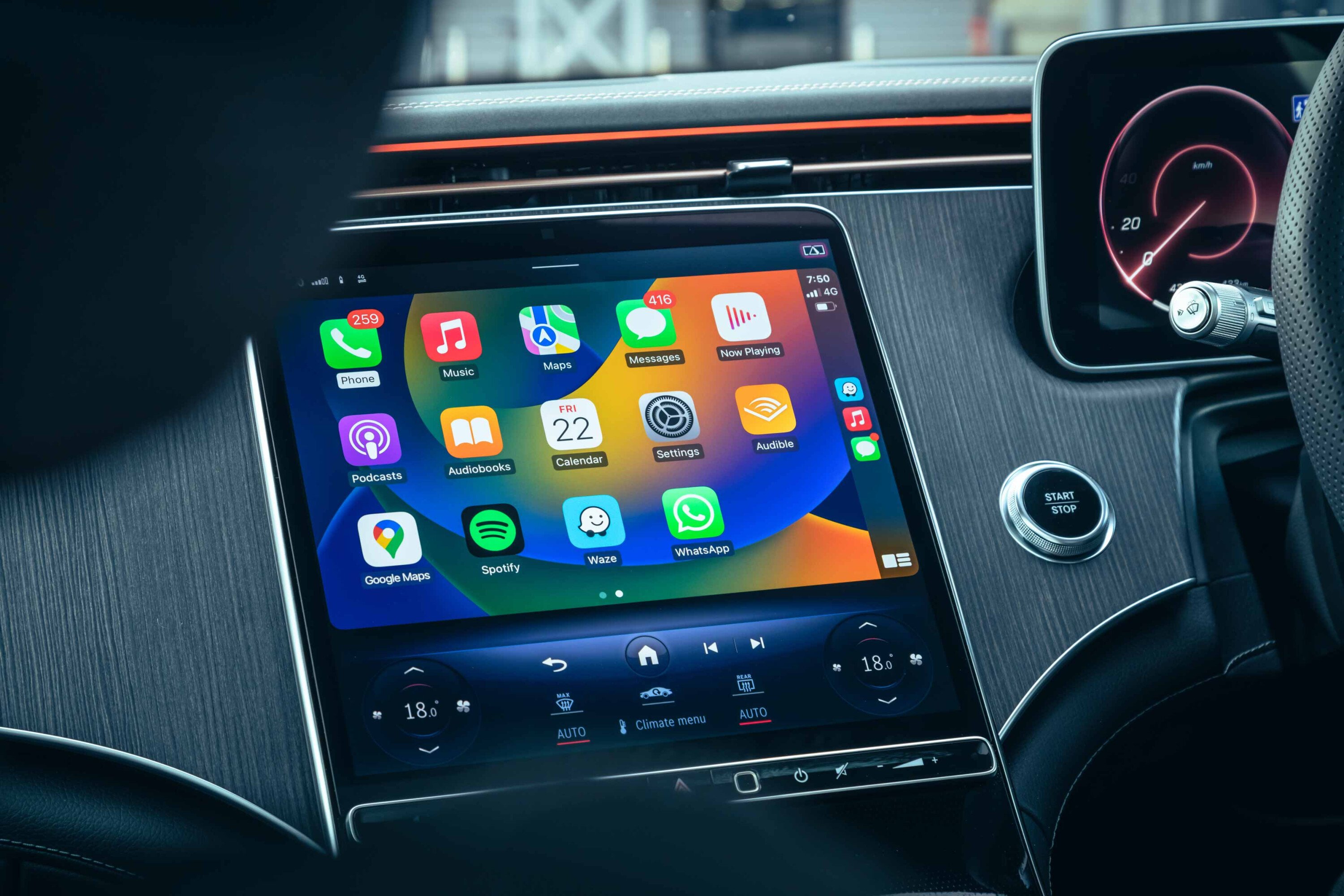
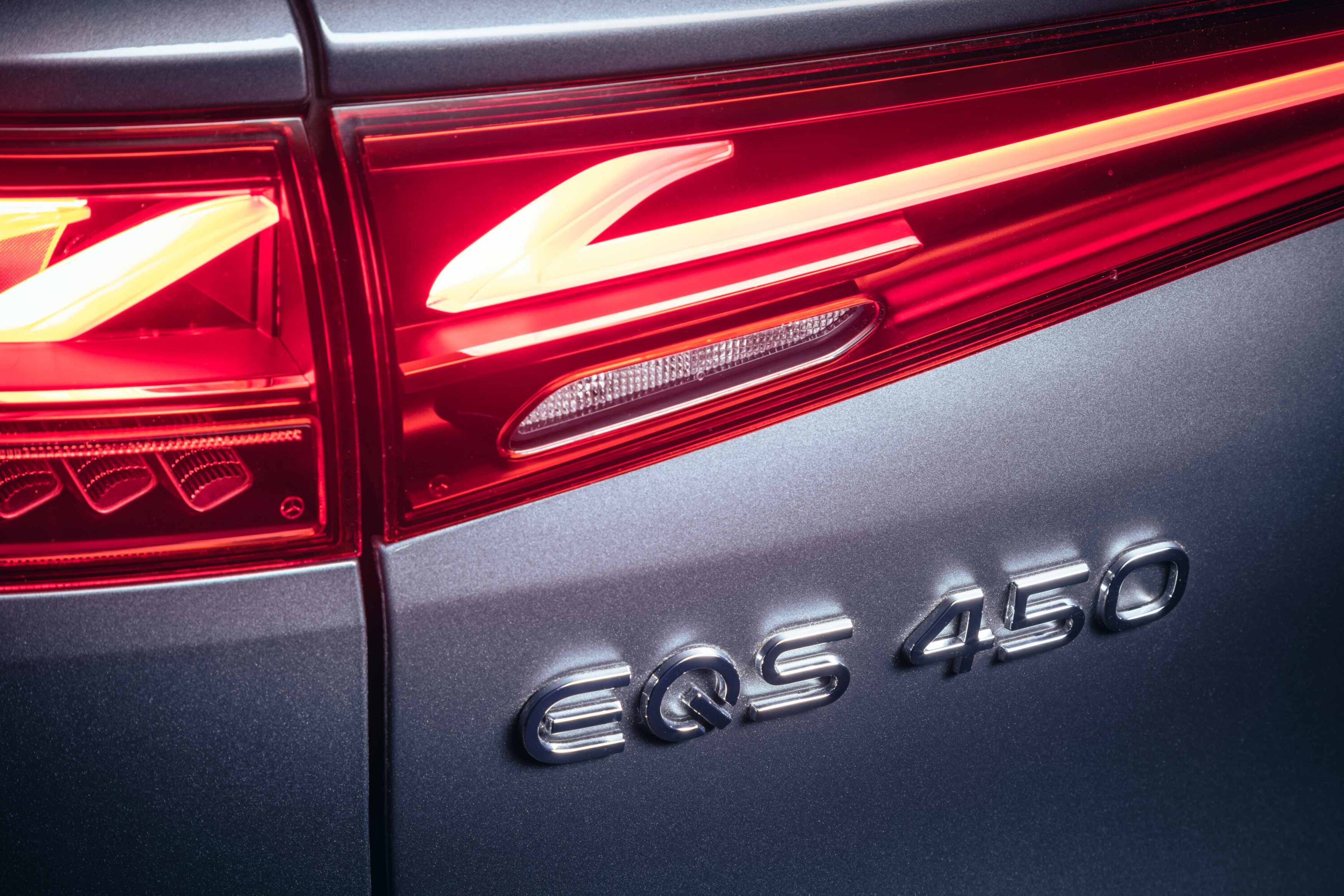
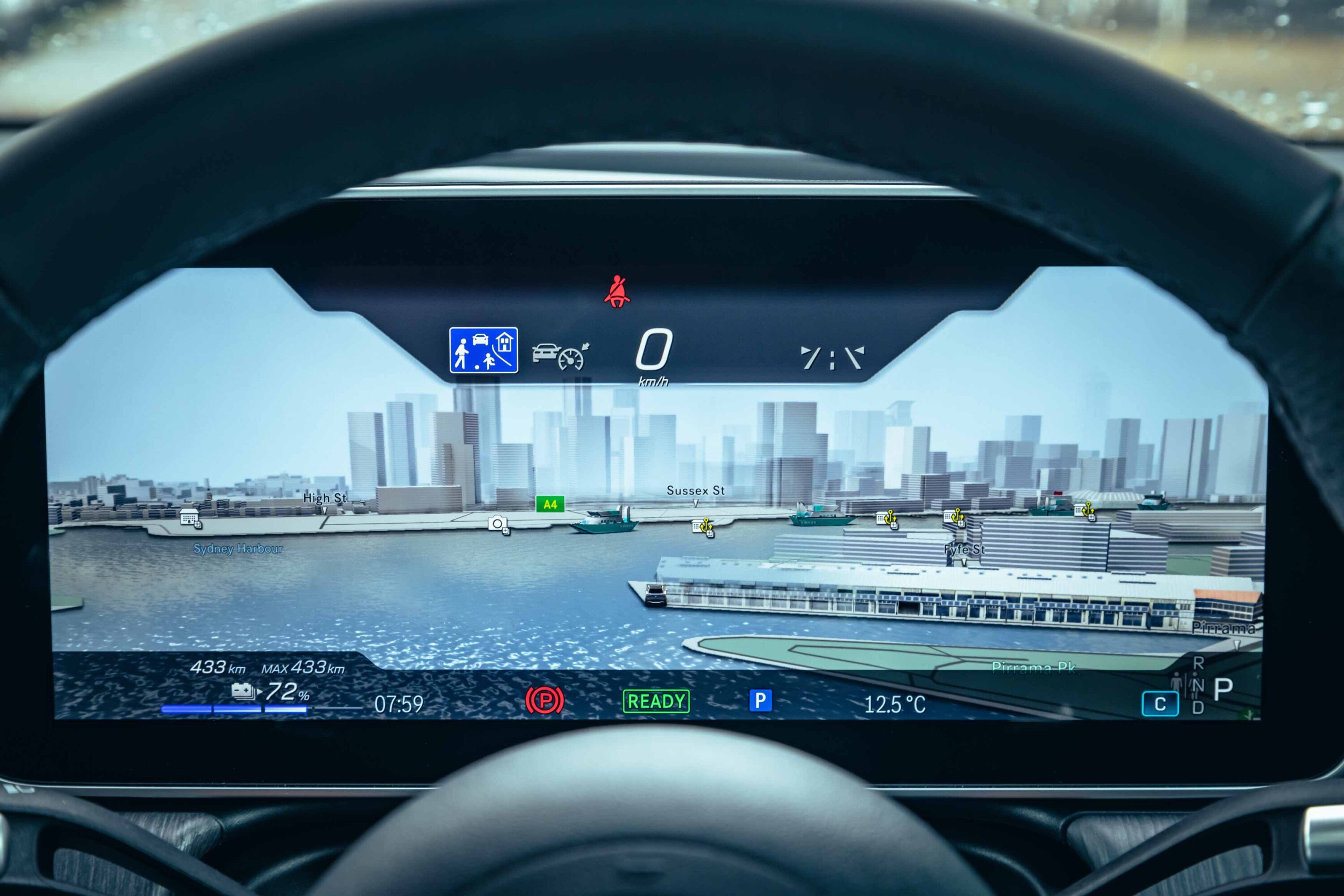
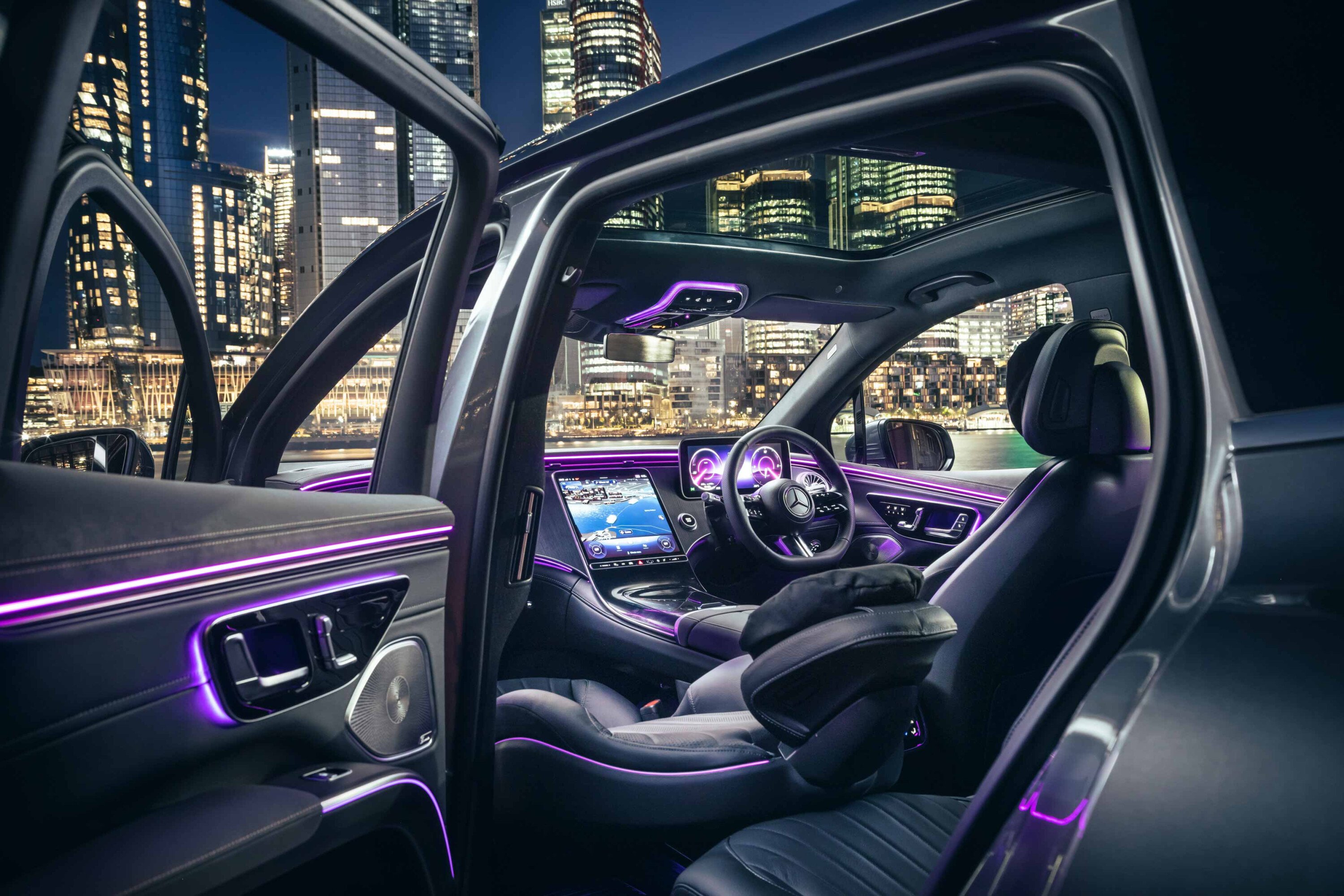
Technology-wise, the EQS 450 SUV features digital headlights with 1.3 million LED pixels for anti-dazzle high beam functionality, LED taillights with EQ 3D helix design, gloss black exterior trim, keyless entry and start, metallic paint, a 12.8-inch portrait touchscreen, wireless Apple CarPlay and Android Auto, digital driver’s display, panoramic sunroof, and leather-appointed active ‘Multicontour’ seats with heating, ventilation and memory functions.
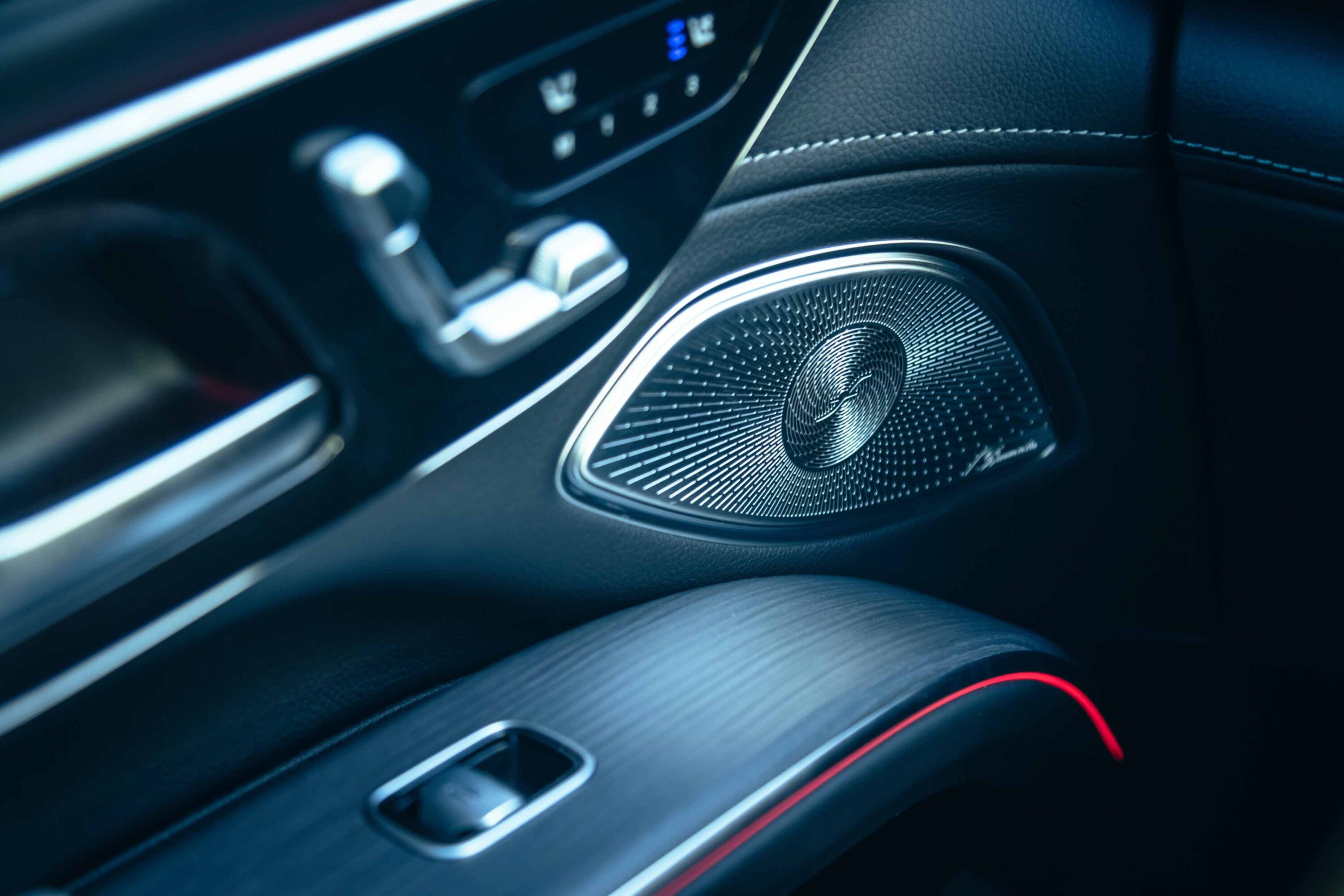
Also standard is a warm and powerful 751-watt, 15-speaker Burmester audio system with Dolby Atmos surround sound. It’s aided by excellent NVH suppression that makes the EQS SUV a listening chamber on wheels.
As you’d expect from a luxury product, some options cost a pretty penny and, in the EQS 450 SUV’s case, these could make all the difference.
1
The standard leather, for example, is coarsely grained and doesn’t feel overly special. The sumptuous $4300 Manufaktur Exclusive Nappa leather brings three more interesting upholstery colours and is something we’d recommend.
Likewise, if you have people you like riding in the car with you regularly the $11,700 Comfort Plus pack is worthwhile, bundling twin touchscreens for the second row with wireless headsets, a fragrance system, HEPA filter, heated steering wheel, heated second and third-row seats and ‘energising’ programs that adjust the seats’ heating, massage and ventilation functions to the desired mood.
Then there’s the somewhat contentious Hyperscreen which isn’t standard, its absence leaving the front passenger sat behind an oppressive slab of wood trim. It might be the biggest option blank of all time, though you might not know you were missing a Hyperscreen if you hadn’t seen pictures of it.
1
It’s a $6700 standalone option combining a 12.3-inch driver’s display and passenger touchscreen with a whopping great 17.7-inch central screen for 141cm of retinal stimulation. Additional options are listed below.
Mercedes-Benz argues the EQS is peerless and, as the sole big electric seven-seater right now (with only the half-price Kia EV9 to compete in the short term), the brand is right.
The BMW iX and Audi Q8 E-Tron both compete in the smaller large two-row SUV category rather than the EQS’s upper large stable. In the combustion world, you’d be looking at the full-size Range Rover (soon to be offered as an EV), or seven-seat Bentley Bentayga.
Again, Mercedes isn’t wrong on its numbers; the EQS has a vast cabin. You can easily fit six 180cm-plus adults in here, and probably seven, although the middle seat is best used as an armrest.
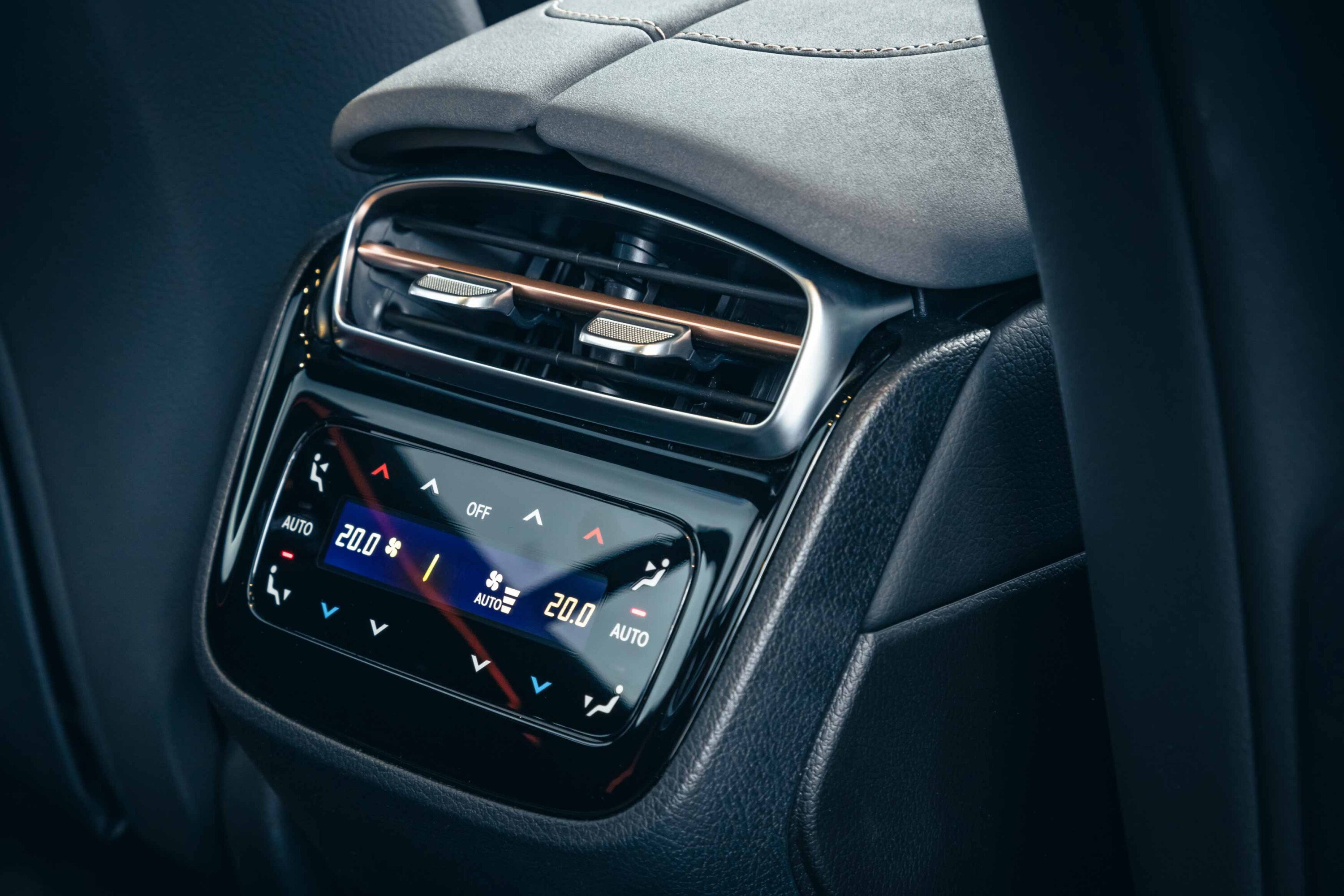
Second-row passengers would greatly appreciate the rear seat entertainment in the Comfort Plus pack, though four-zone climate control and a power-sliding bench are standard. Access to the third row is very easy thanks to huge door apertures and a high roofline.
Cargo space is positively capacious no matter which way you skin the EQS SUV. See the table for a full luggage space breakdown.
1
Measurement
Boot space (window/roof)
2 seats up
195L / 245L
5 seats up, bench all the way back
565L/ 800L
5 seats up, bench all the way forward
815L /1030L
7 seats up
1395L / 2020L
The only gripe is that the third row takes some force to fold down – it could really have been electric like the 40:20:40 split-folding second row. The carpeting is lovely back here, though, and the inclusion of shopping bag hooks and a sturdy cargo cover with an underfloor compartment to store it are welcome.
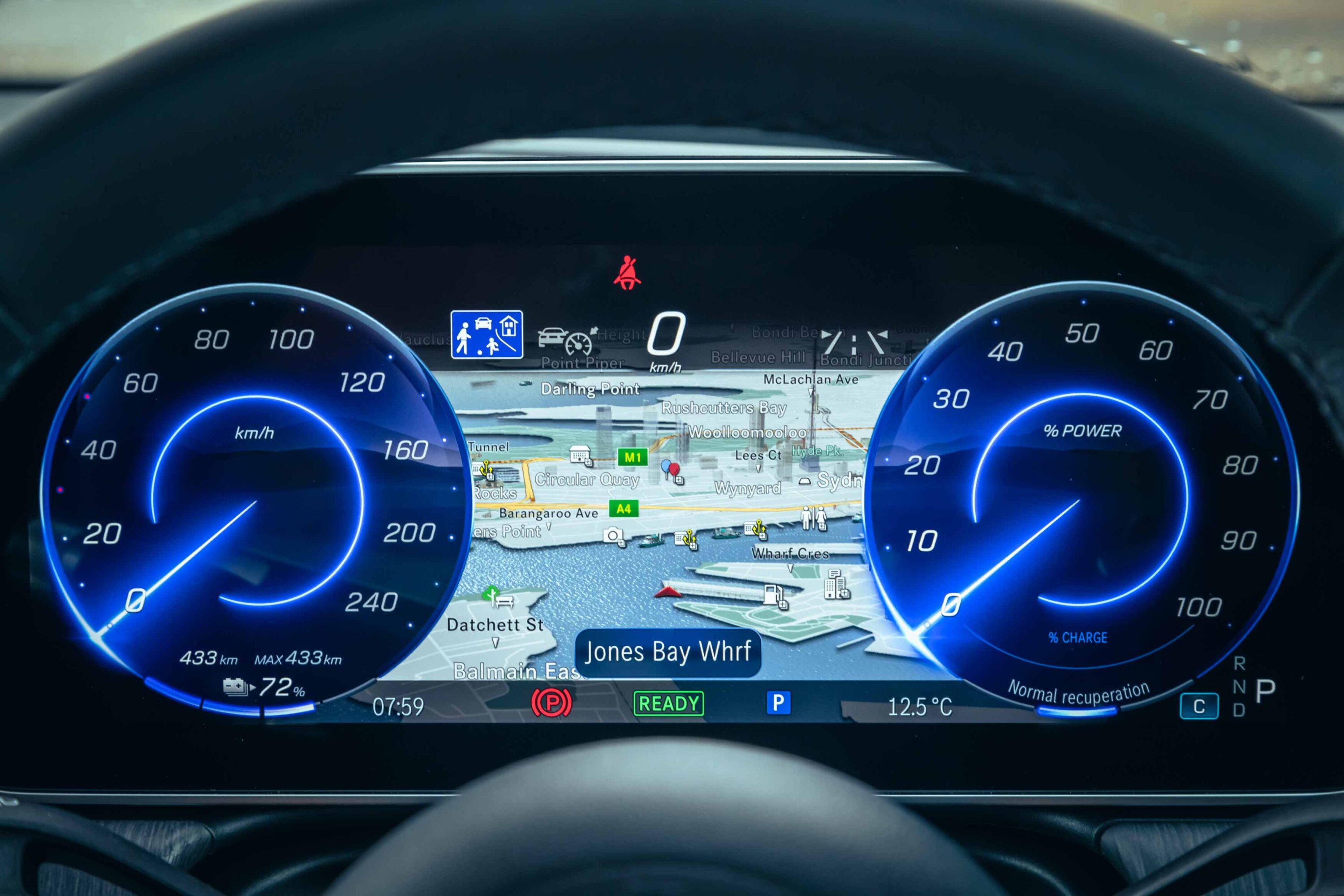
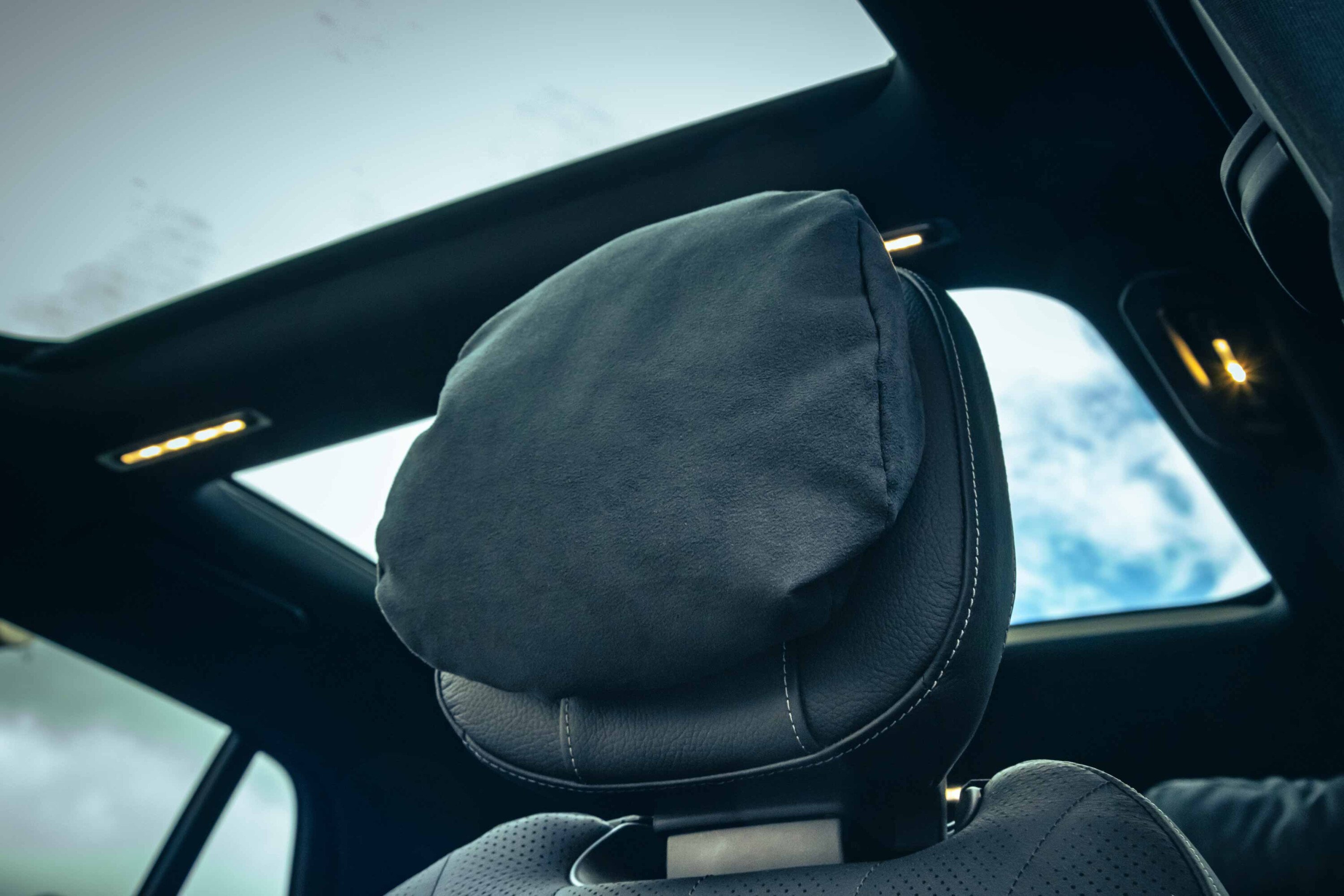
In the front things are back to peachy. Aside from coarse standard leather trim, the seats themselves are ensconcing and supportive with luxurious touches such as heating and ventilation, and down-filled headrest pillows. The digital driver’s display has a lot of info to give and you need to learn to harness it with the steering wheel’s capacitive touch controls.
1
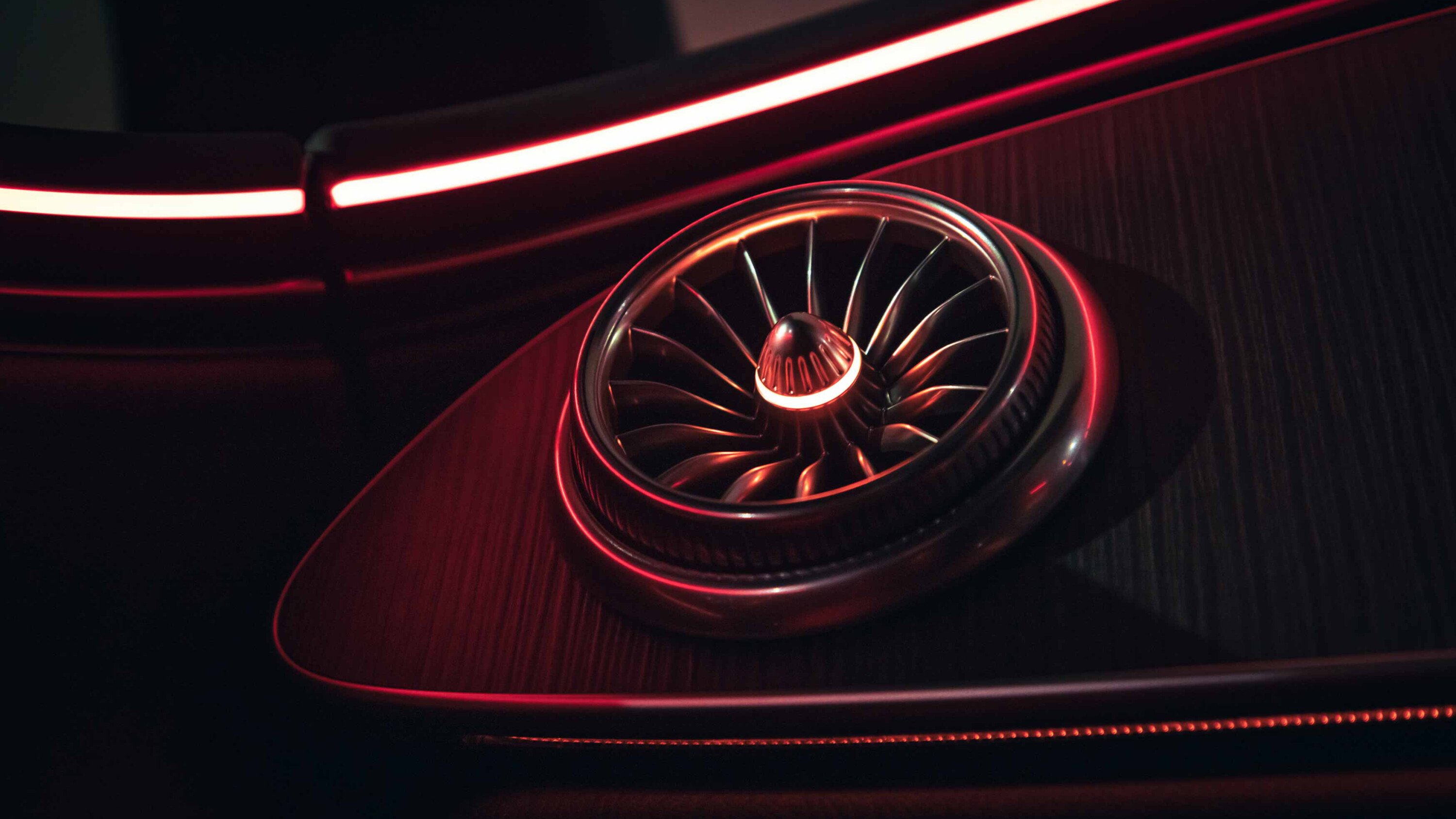
As with most modern Benzes, the cabin presentation is on the ostentatious side of acceptable. If that’s more your bag than Audi’s understated look or BMW’s crisp lines then the EQS will suit you perfectly. There are all manner of ambient lighting programs to jazz the experience up further, too.
Diving deeper into the well-thought-out user interface (it’s not quite Apple intuitive) is fairly straightforward given the number of functions the touchscreen has to deal with. Voice control works well, and Apple CarPlay retained a stable connection for the duration of our three-hour drive.
1
What you might miss on initial inspection (due to the attention-grabbing lights and screens) is that the EQS SUV‘s cabin is underscored by thoughtful, practical touches.
The rubber-lined door bins hold a water bottle snuggly, the deep central cubby has felt lining to stop keys jingling, and there’s a spot beneath the flying bridge console for quite a large bag and a rubberised wireless charging tray that minimises phone slippage.
Emphasising the cabin’s Sonder qualities are soft materials that encircle the whole front compartment. From the top of the doors to the lower rain seals is all pleasingly wrapped in squishy material and construction quality is a step up from other products in the Benz stable.
Ditching combustion engines is hard. They’re ingrained in our psyche with relatable performance figures and effectively no range anxiety – manufacturers have to make electric cars seem as though they offer more.
Breakthrough EV makers such as Tesla and Rivian like to spruik their new vehicles with astounding power and acceleration figures. Even BMW and Audi extoll the virtues of near-instant torque and almost limitless performance.
Not so Mercedes with its EQ range. To be fair, 221kW and 800Nm from two permanently excited synchronous motors is a lot of snot, but with 2918kg to push around, 0-100km/h happens in a dignified 6.0 seconds. The smooth delivery feels more grown up than sporty rivals, too.
1
Whisper quiet on the freeway, the salubrious EQS wafts through bends and urban streets with ease.
Smoothness is amplified by the noise-insulating Acoustic Comfort laminated glazing and huge amounts of sound-deading in and around the body. Travelling in the EQS 450 SUV at 100km/h is like driving a regular hatchback wearing the best noise-cancelling headphones money can buy.
Air springs are standard fare for the EQS with myriad drive modes accessible on the touchscreen. Sport mode firms things up and gives the EQS a reasonably dynamic edge – it flows through corners well enough and that’s all it needs to do – while Eco slackens off the throttle response to conserve precious charge.
1
With the regen mode minimised using the turned aluminium paddles the brake pedal is mushy and unresponsive
Leaving it in Comfort is best, though. Perhaps it’s the weight of the EQS or maybe where it sits (could even be the 21-inch alloys) that causes its ride to be a touch lumpen because, although there’s plenty of cushion from the springs, the dampers cinch in secondary vertical movement a little too late for our liking.
The brake pedal is a little peculiar and with the regen minimised using the turned aluminium paddles, it’s mushy and unresponsive. Increasing the regenerative braking power has the left pedal dip down into the footwell as the car slows, which we found to be unnerving coming up to traffic lights.
1
Overall, the regen in this Mercedes is not as slick as Tesla or Polestar’s excellent one-pedal driving modes.
Hyper-milers among us will be excited that the EQS has a range-saving mode that disables the air-con, turns down the speakers, sets the drive mode to Eco and even turns the screen off – it was claiming a 25km improvement in driving range from 80 per cent charge.
Manoeuvring is aided by a typically SUV high-set seating position, 360º surround-view camera, quick steering rack and four-wheel steer that permits angles up to 4.5º from the rear axle to keep the turning circle tight at 10.9 metres.
The EQS has a properly big lithium-ion NMC battery pack, 120kWh gross with 108.4kWh of usable capacity.
That’s enough for a combined WLTP driving range rating of 483km, though we bettered that significantly on test. At the top of the three-hour test loop after climbing into the Blue Mountains, the EQS was showing 30kWh/100km.
1
A testament to the regenerative braking system’s ability to add range, by the time we returned to Penrith the display was showing 20kWh/100km which is seriously impressive for such a big, heavy vehicle. It equates to a 542km real-world driving range.
Mercedes’ 400-volt architecture allows 200kW DC charging for a 10-80 per cent top-up in 31 minutes on an ultra-rapid charger. Regular AC charging is capped at 11kW standard for a 10-hour 0-100 per cent juice that’s cut in half by the optional 22kW AC charging hardware.
The Mercedes-Benz EQS SUV was awarded a five-star ANCAP rating against the 2020-2022 protocol.
It was praised for its excellent crash protection, and there are driver aids layered on top to reduce the likelihood of an incident. Adaptive cruise and lane-trace worked well on test, and there’s blind-spot monitoring, rear cross-traffic alert, forward and reverse AEB as well as active seatbelt pretensioners.
The EQS SUV is a spectacularly refined battery-electric SUV with space for seven.
It’s a good SUV that serves its purpose rather well, though to be perfect we’d like a smoother ride. It’s also a shame we didn’t get to experience the Hyperscreen and some of the ritzier cabin specs.
1
If you only need five seats, optioning up an EQE may save you a few dollars without sacrificing much.
Not many passersby will be able to tell the difference and, frankly, nor will many sat inside the cabin – at least of the standard EQS 450 SUV.
Refinement, smooth power delivery and usable real-world range; if you’re after luxury, seven seats and near-silent travel it’s hard to walk past this three-pointed star.
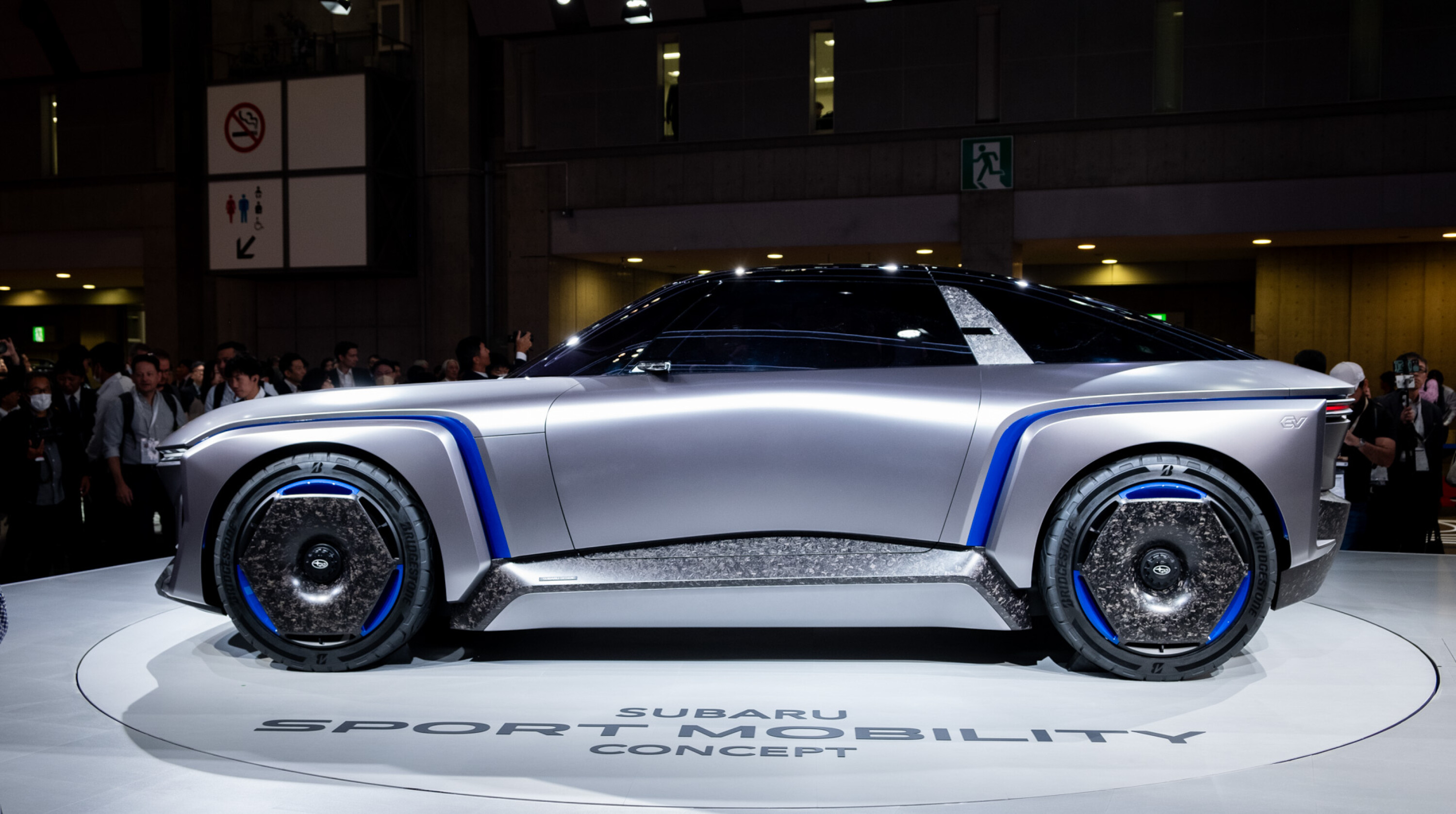
Sitting beneath a four-rotor five-rotor flying machine at the 2023 Japan Mobility Show is Subaru’s athletic Sport Mobility concept.
The low-slung short-wheelbase two-door is a quirky-looking concept that Subaru promises is a four-wheel drive sports car. Think of it a shrunken modern-day SVX, if you like.
It doesn’t share any visual cues with the current BRZ or Toyota’s FT-Se concept, instead, this project looks to be wholly Subaru driven.
Carbon fibre aero turbofan-style wheel covers sit on the alloys and the car itself has typically square Subaru angles rather than the organic lines you’d see on a classic sports car.
The angular bodywork is intentional says Subaru, creating “a firm and clean three-dimensional shape that conveys a sense of protection and airflow”, and that the concept is “a BEV concept model that foreshadows the evolution of Subaru Sport value”.
Range, power and platform are unconfirmed. We expect that it will use new modular underpinnings, rather than Subaru’s e-SGP architecture found under the existing Solterra electric car.
“All five concept cars showcased today are symbols of the future and embody our founding spirit of ‘daring to do what others don’t’. We have advanced our EV innovations, moving beyond mobility to create a more sustainable world”, said Nissan president and CEO Makoto Uchida.
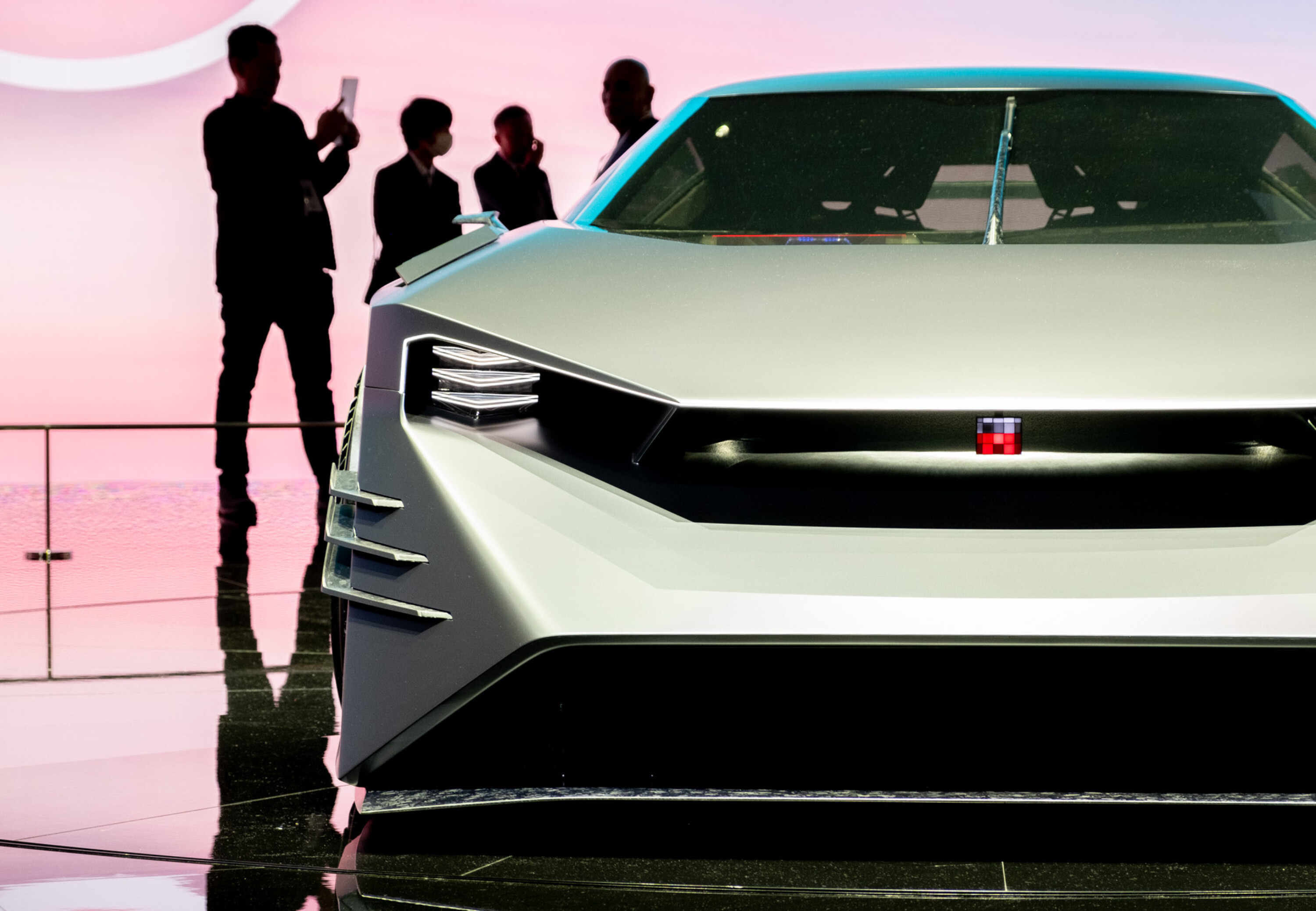
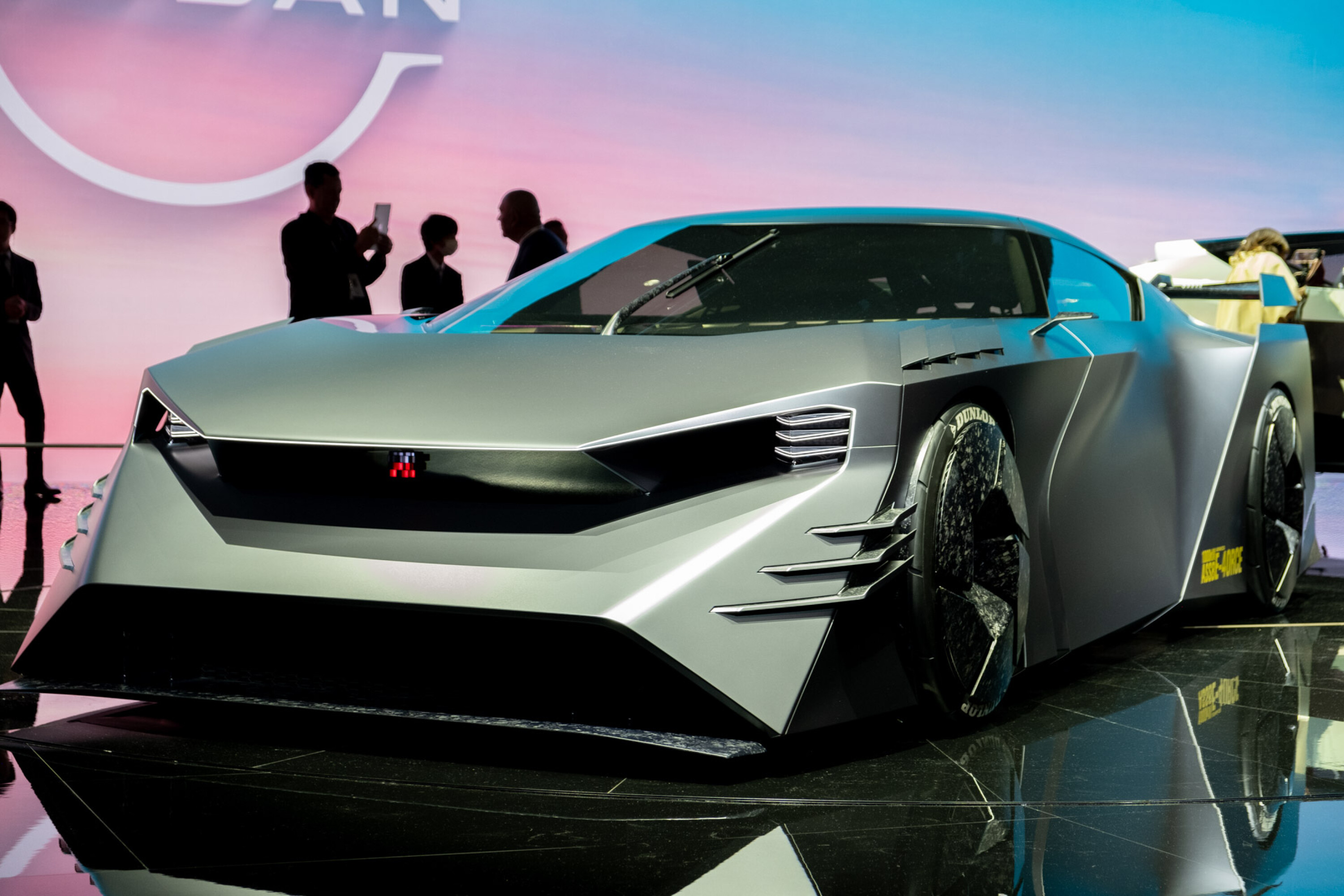
Underneath a light-weight body made from carbon fibre are (presumably at least two) electric motors and a boundary-pushing solid-state battery. Nissan isn’t touting range, but it is promising in excess of 1000kW.
Aerodynamics are a big deal, too, with the bonnet producing both downforce and cooling with a dual-level rear diffuser on top. Visual connections to the GT-Rs of old include a pixelated take on the front emblem and clean circular taillights.
Nissan says its e-4orce AWD system (as found on Ariya and X-Trail E-Power) also features in the vehicle that is a collaboration with Polyphony digital – the makers of Gran Turismo.
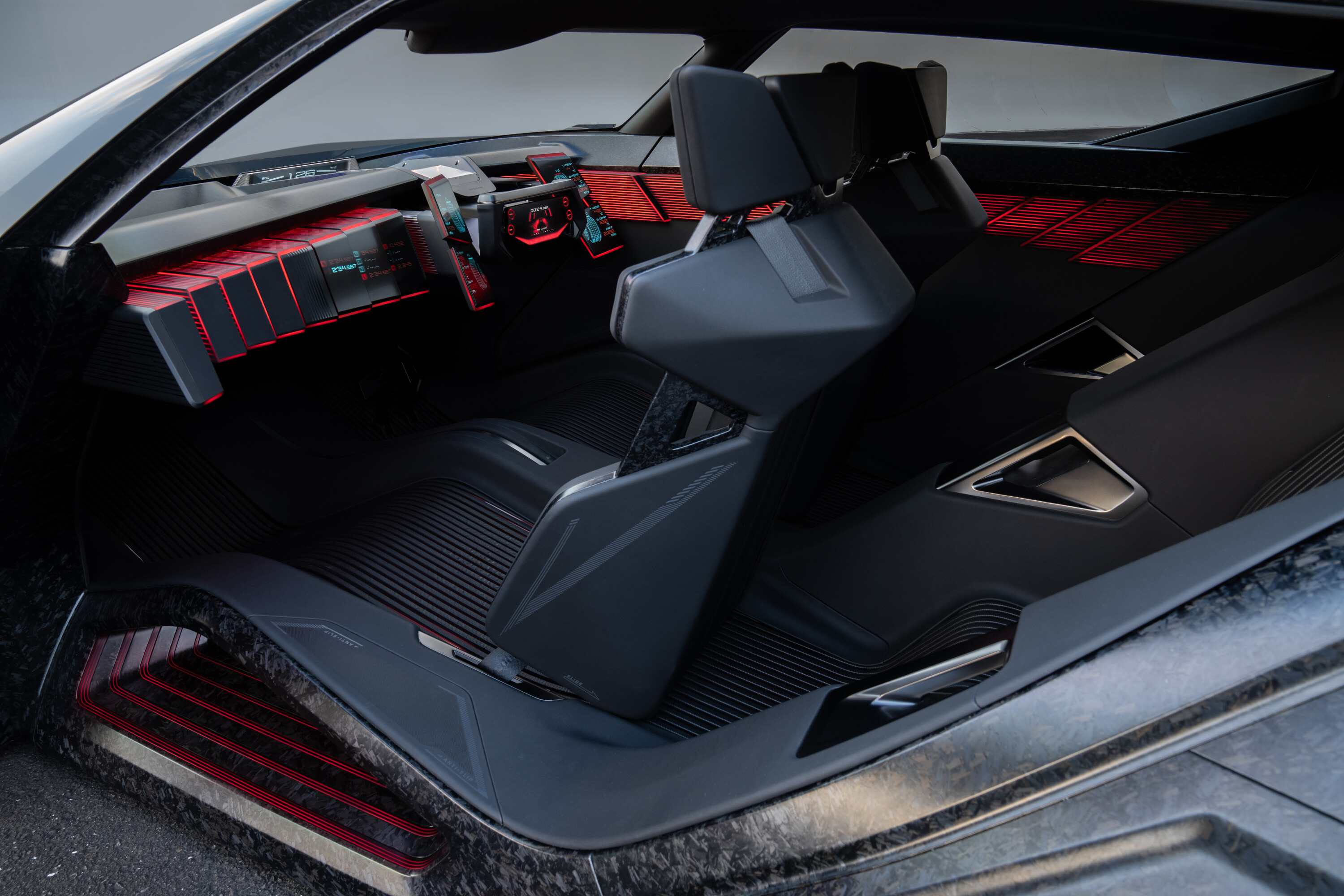
The concept features two driving modes: R for racing and GT for cruising. R sets the interior red and amps responses while GT cools the Hyper Force’s experience off with blue ambient lighting.
Carbon fibre bucket seats will hold the occupants in, and around the wheel are four screens to give info on brake temp, air pressure, power distribution, tyre grip/heart and even more info.
1
There’s adaptive suspension and roll control that Nissan claims are world-firsts and can be adjusted on the fly. Augmented reality and virtual reality features are further built into the Hyper Force’s cabin.
If you’re worried about EVs killing the sports car, the reveals of Toyota’s FT-Se, Daihatsu’s Copen, Mazda’s Iconic SP and Subaru’s Sport Mobility concepts show there’s life left in the two-door sports car yet.
Manual, mild-hybrids, some variants deleted; GT SP added
Price rises up to $1680
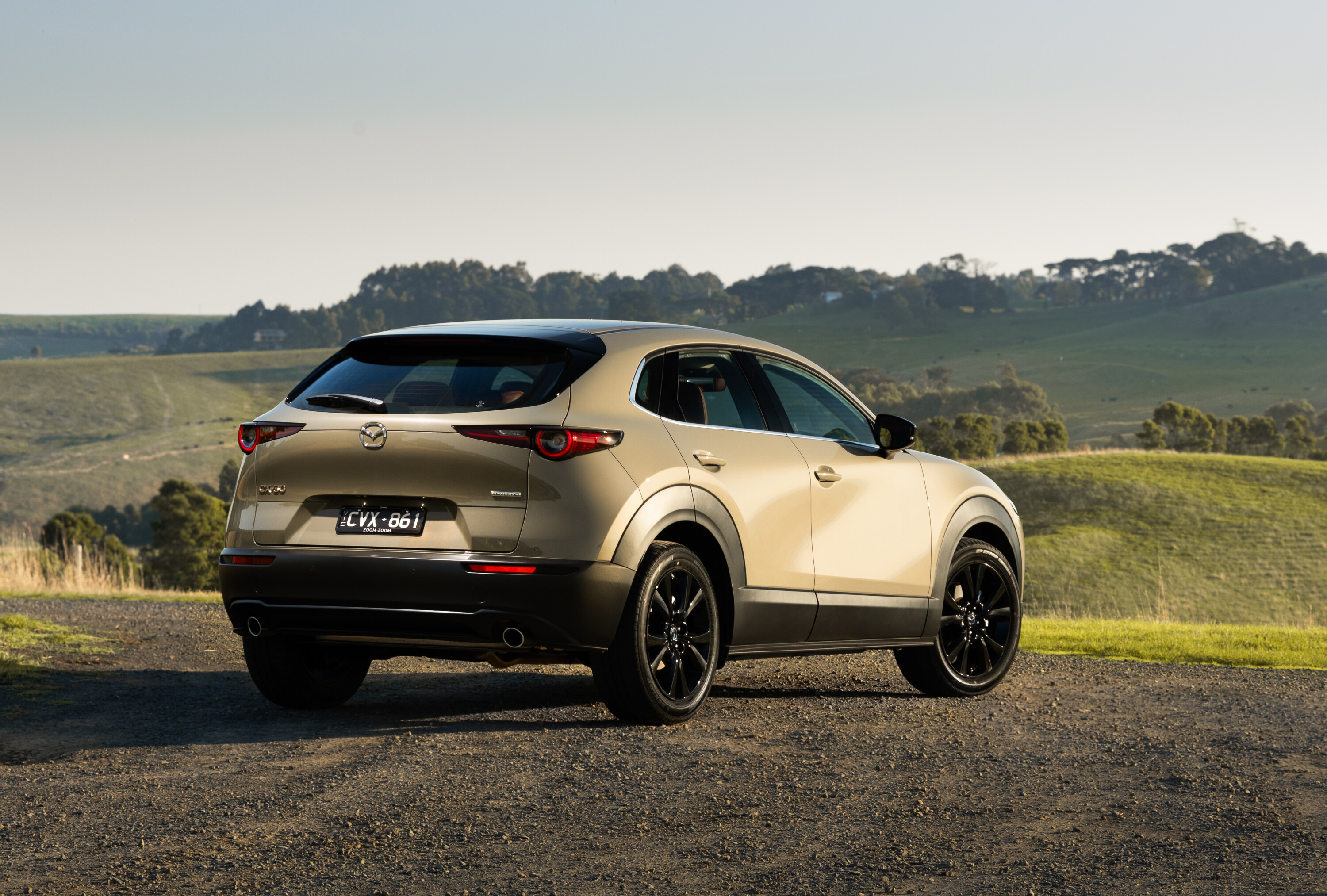
The updated 2024 Mazda CX-30 small SUV will arrive in Australia in January.
As expected, the latest CX-30 will be automatic-only, while the mild-hybrid G20e Evolve and X20 Astina variants are also deleted – plus the G25 Touring AWD and Touring SP models.
It follows the deletion of manual transmission variants from the Mazda 3, CX-3 and CX-5 line-ups over the past 12 months.
1
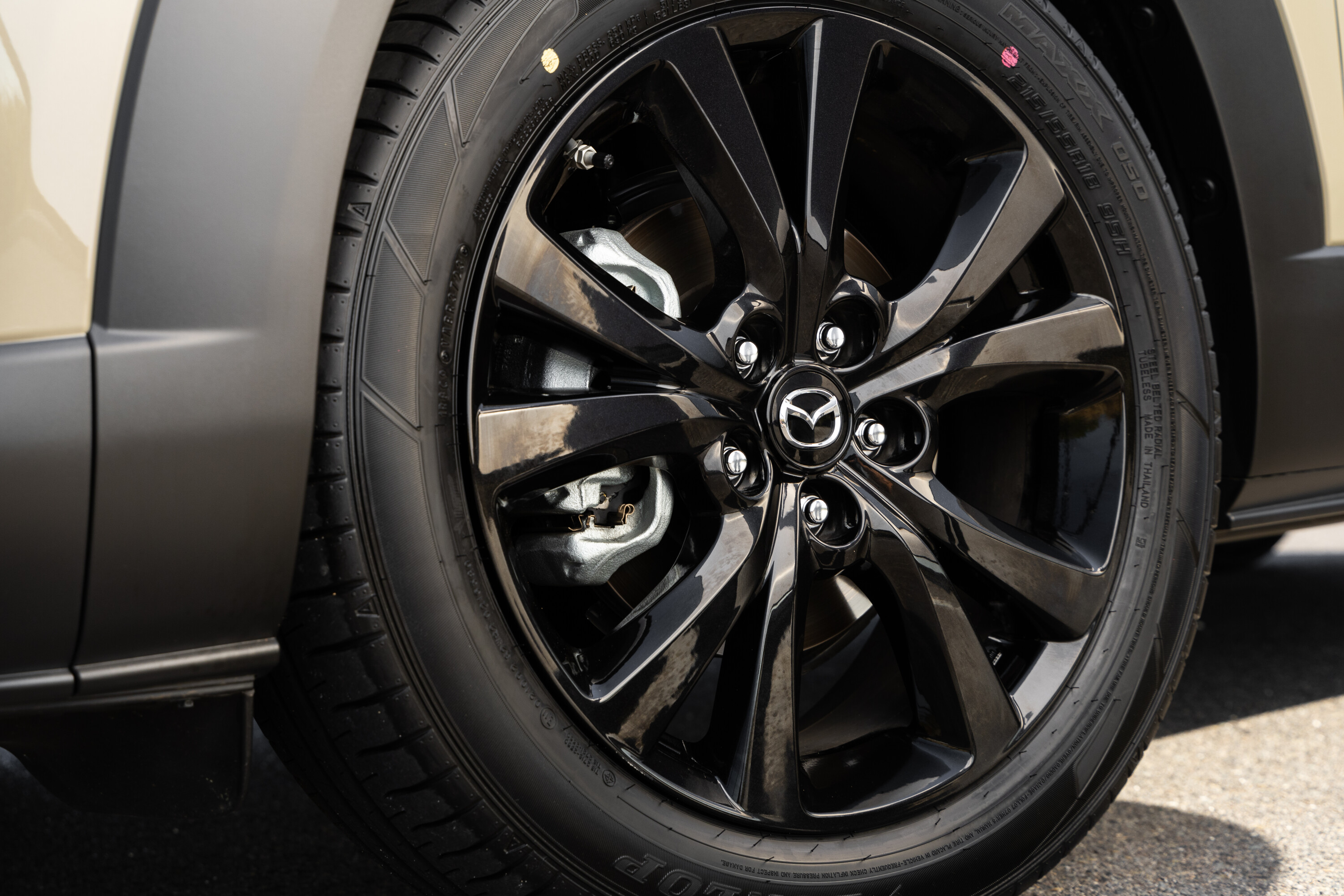
Mazda Australia has added a new high-spec GT SP variant to directly replace the Touring SP – for more cost, without a more-affordable 2.0-litre option or the standard-fit Vision Technology package.
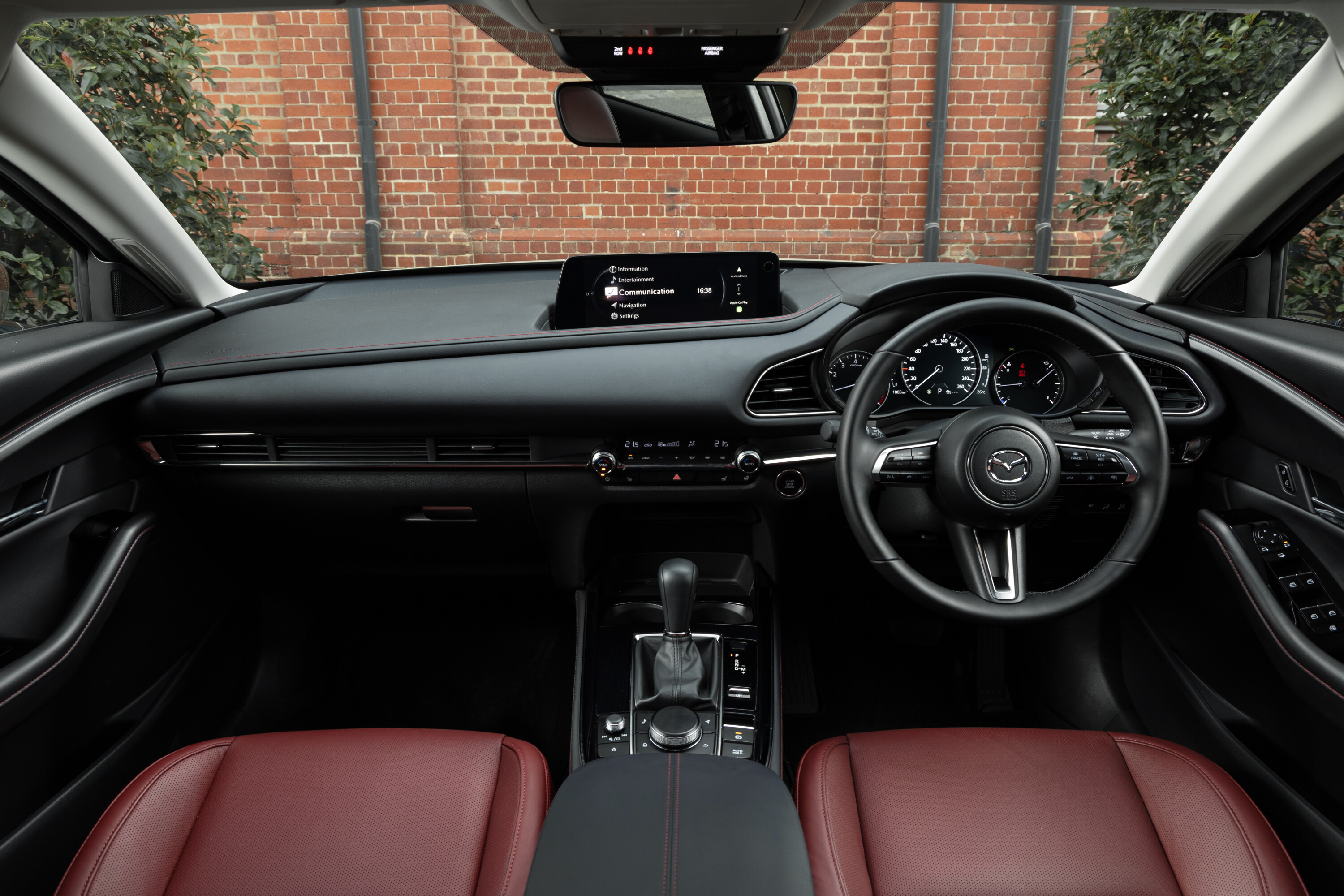
It does, however, receive a sunroof, a larger 10.25-inch Mazda Connect infotainment system, wireless Apple CarPlay and Android Auto, illuminated USB-C ports, and a wireless phone charger.
Those connectivity updates are also applied to Touring and Astina variants.
The new 10.25-inch screen is added to the extra-cost Vision Technology package for the Pure and Evolve, which now retails for $2000 – up from $1500.
1
Other interior revisions include an updated steering wheel with darkened switchgear, new labels for the air-conditioning controls, and slimmer cupholders with the removal of the lid.
Zircon sand and ceramic metallic finishes both replace sonic silver while the white leather upholstery option is no longer available for the flagship Astina.
Prices for carryover CX-30 variants have increased by up to $1680, while the cost of entry has climbed $2380 with the deletion of the entry-level manual option.
The Vision Technology package – standard on Astina variants and optional for lower models – adds a 360-degree camera system, traffic jam assist, front-cross traffic alert, and a driver monitoring camera.
The larger 10.25-inch screen and front parking sensors is added for the Pure, Evolve and Touring with the package, with its price rising from $1500 to $2000.
As front sensors are standard on the Touring, the Vision package costs $1800, while 10.25-inch infotainment system is standard on the GT SP, with the Vision Technology pack costing $1300.
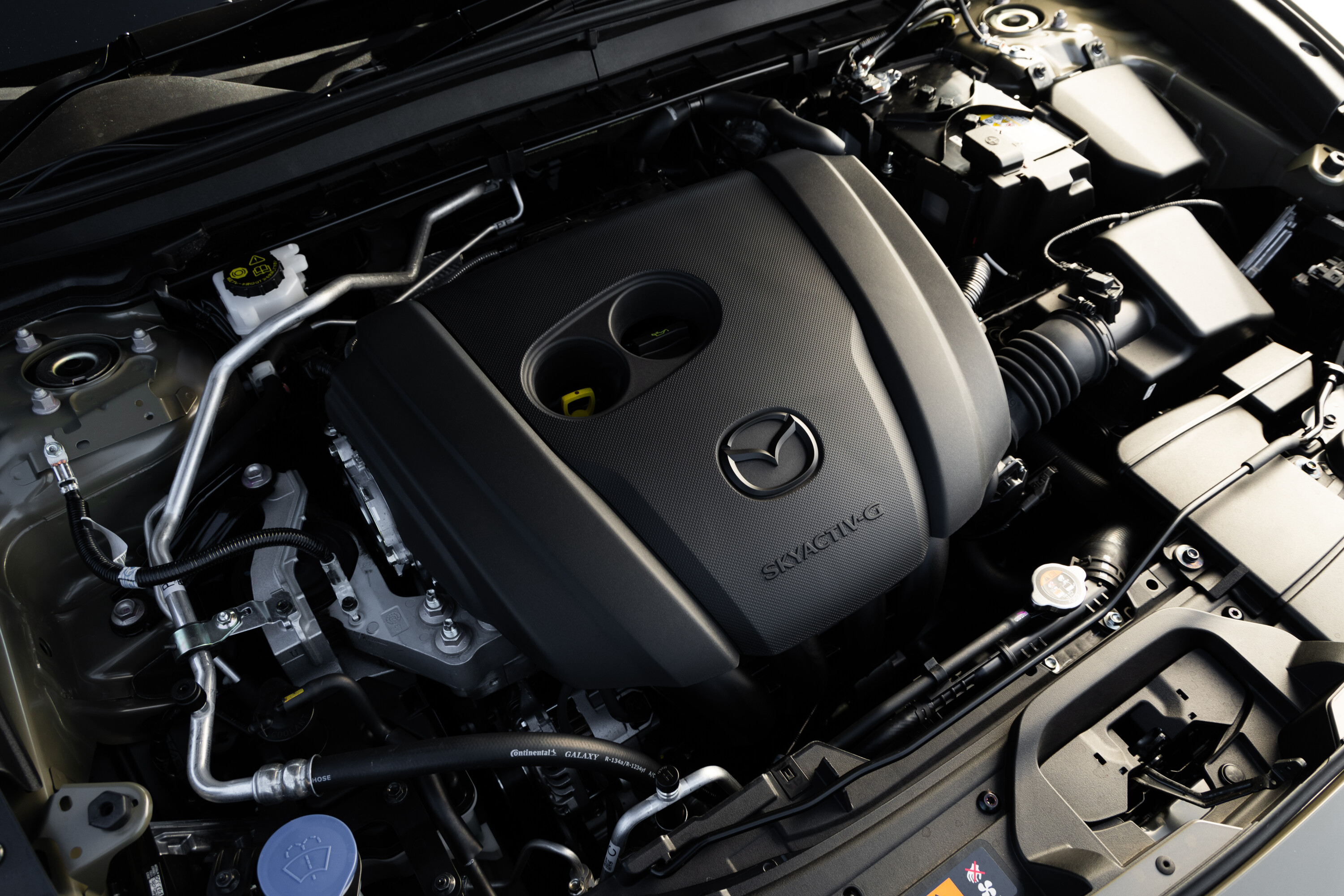
Mazda offers two powertrain options for the CX-30: a naturally-aspirated 2.0-litre (G20) or a higher-capacity 2.5-litre non-turbo engine (G25).
G20 variants are fitted with a naturally-aspirated 2.0-litre petrol engine producing 114kW and 200Nm.
Available in Pure, Evolve, Touring and Astina grades, it is believed to have received cylinder deactivation and minor improvements, with a fuel consumption reduction to 6.3L/100km – down 0.2L/100km.
1
GT SP and Astina variants with the unchanged 2.5-litre under the bonnet have 139kW and 252Nm.
Both powertrains are exclusively matched to a six-speed torque-converter automatic transmission. G20 variants are front-drive only, while G25 models can be optioned with all-wheel-drive.
The more potent 2.5-litre turbo engine remains unavailable to the Mazda CX-30 locally. Earlier this year, Mazda Australia marketing boss Alastair Doak said: “Unfortunately [there is no update] at this stage, so it’s still on the wish list.”
The Mazda CX-30 is covered by a five-star ANCAP safety rating, based on testing conducted in 2019.
It received a 99 per cent score for adult occupant protection, 88 per cent for children, 80 per cent for vulnerable road users, and 76 per cent for safety assist.
Seven airbags (dual front, side, curtain, and driver’s knee) feature across the range.
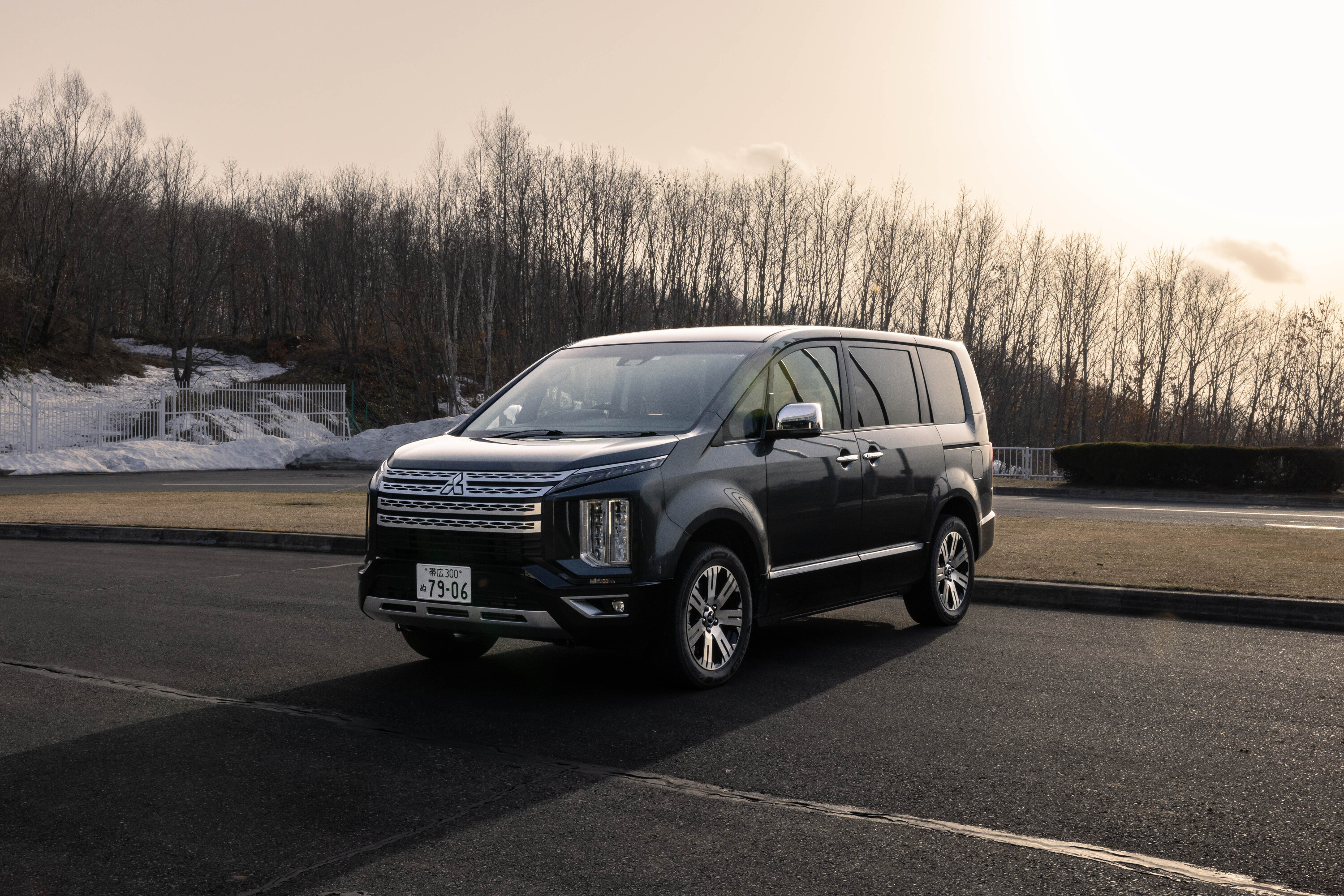
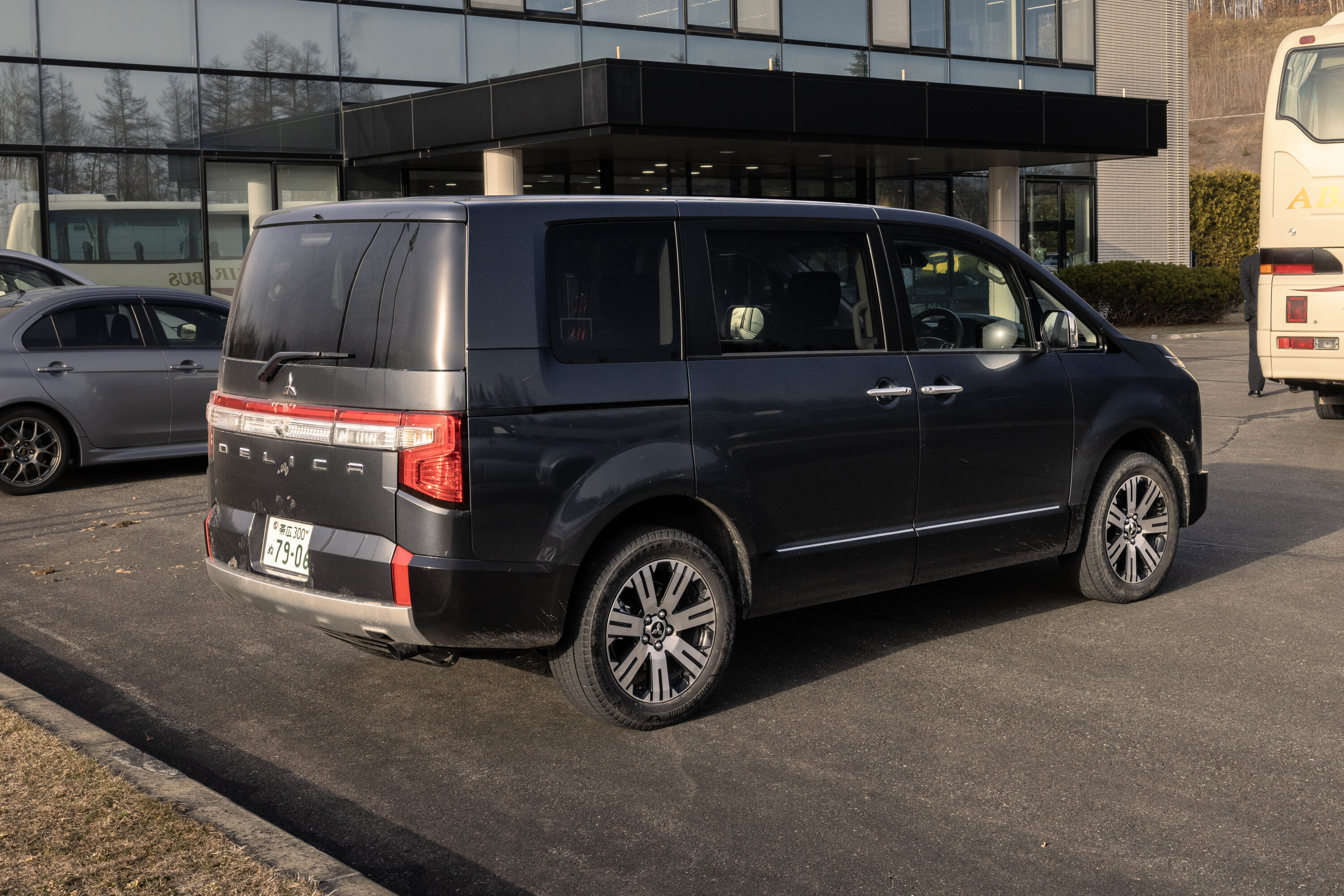
The next-generation ‘D:6’ Mitsubishi Delica off-roader van has been previewed by the D:X Concept at the 2023 Japan Mobility Show.
Mitsubishi’s radically styled show car is “designed to hint at the Delica of the future” that could see a local return of the cult MPV that is popular with grey importers but hasn’t been sold officially in Australian since 2009.
In keeping with Delica tradition, the D:X features all-wheel drive and a generous ground clearance.
Mitsubishi claims the D:X combines “the convenient, pleasant and roomy cabin space of an MPV with the superb road-handling of an SUV … providing the powerful and comfortable driving performance of a PHEV with no limits to the activities it can take on”.
The plug-in hybrid electric AWD system is likely borrowed from the PHEV version of the Outlander midsize SUV. The D:X is similarly equipped with Super-All Wheel Control (S-AWC) twin-motor AWD with integrated vehicle dynamics.
The company says the system delivers “a safe, secure and comfortable ride in any weather or road conditions”.
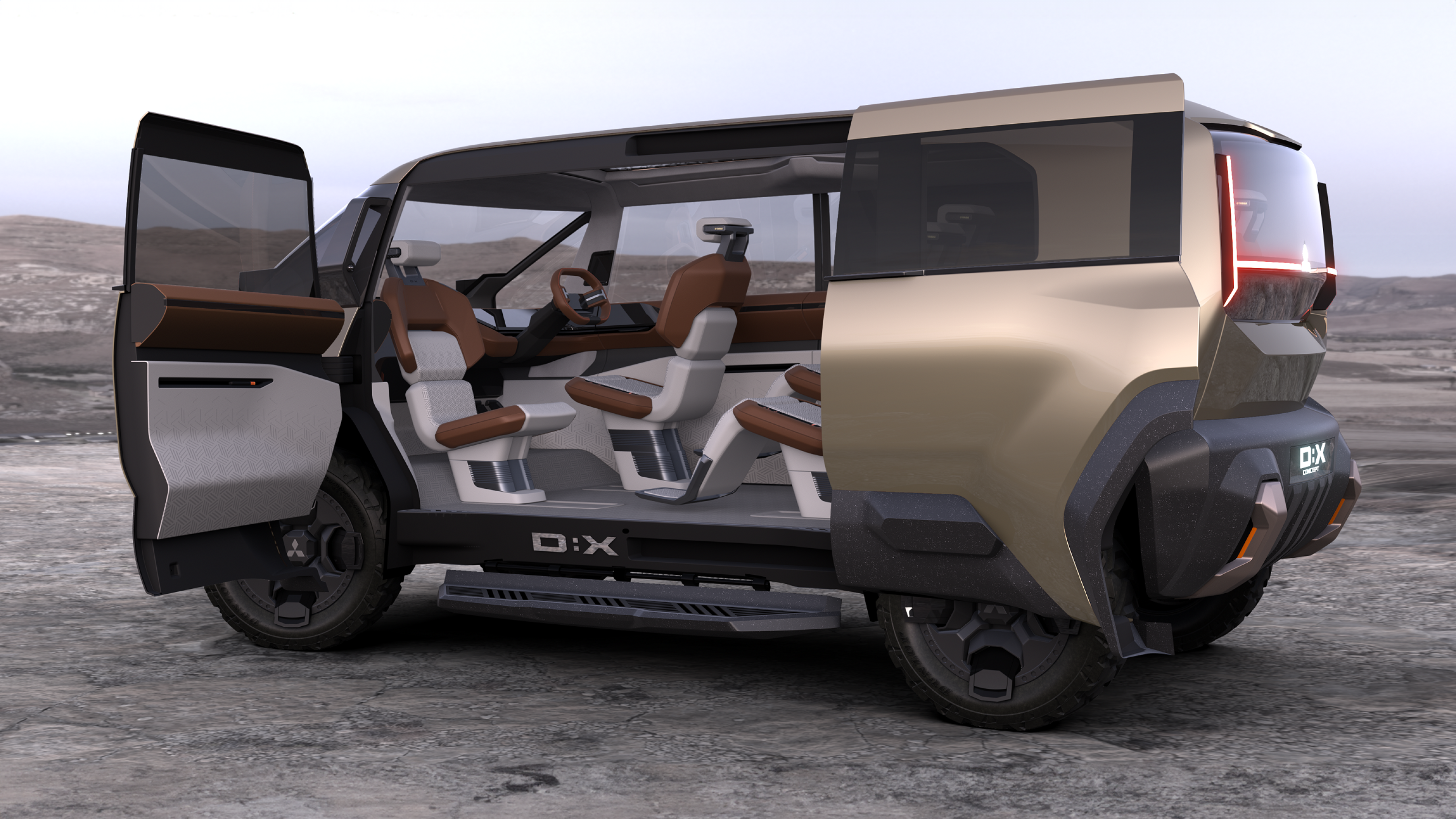
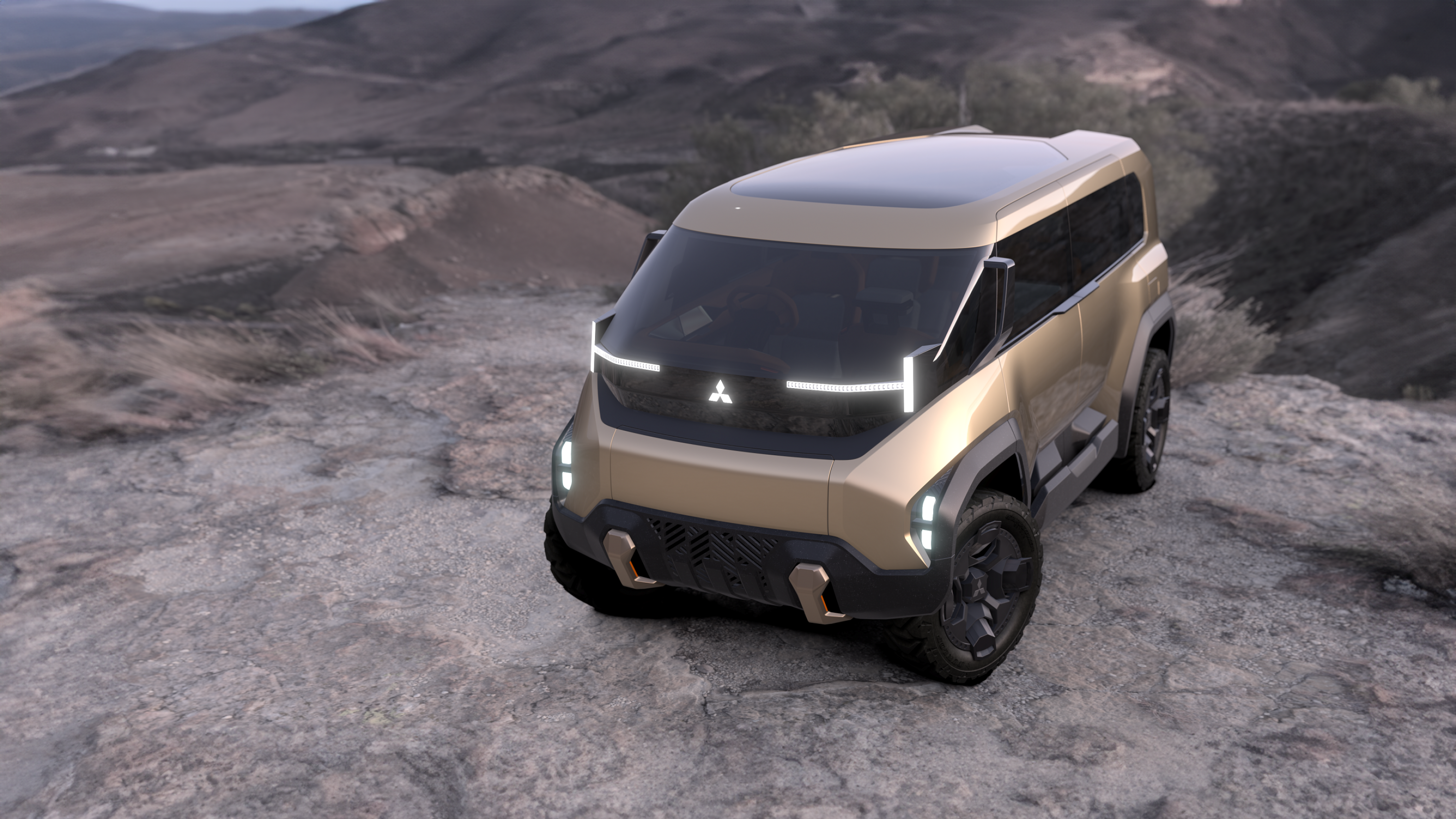
Notable exterior elements for the monobox concept include front doors and sliding rear doors that comprise the entire side of the vehicle – from sill to roofline. A wraparound windscreen blends into a narrow side glass.
The flanks include a large, drop-down step to ease ingress and egress. As with the flush-to-the-roofline doors, don’t expect to see this feature on the future production Delica.
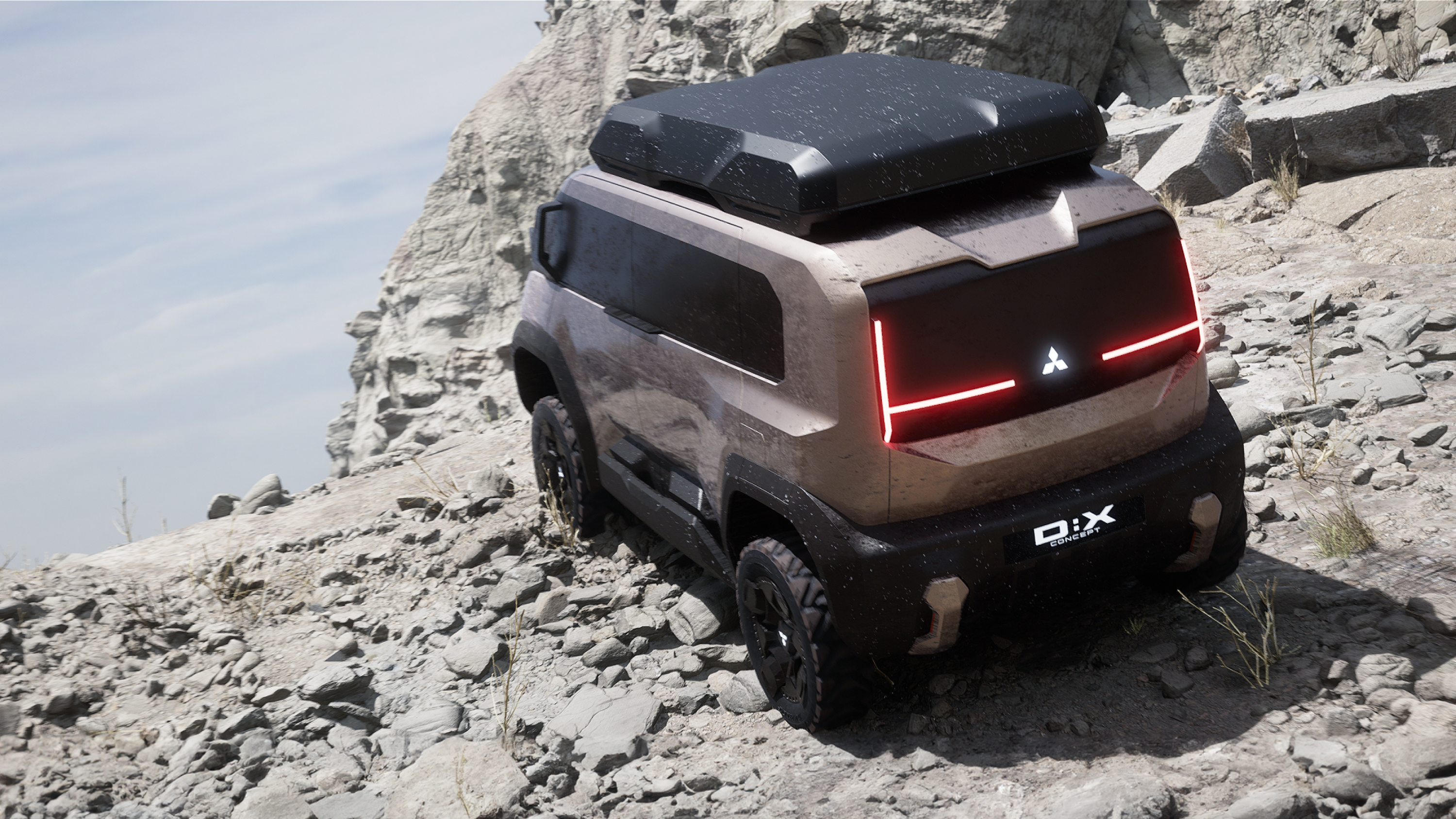
An aero-focused, slimline roof pod, video-camera ‘ears’ that replace conventional side mirrors, and a “glamping inspired” copper exterior paint with semi-gloss texture complete the rugged-futuristic exterior design.
1
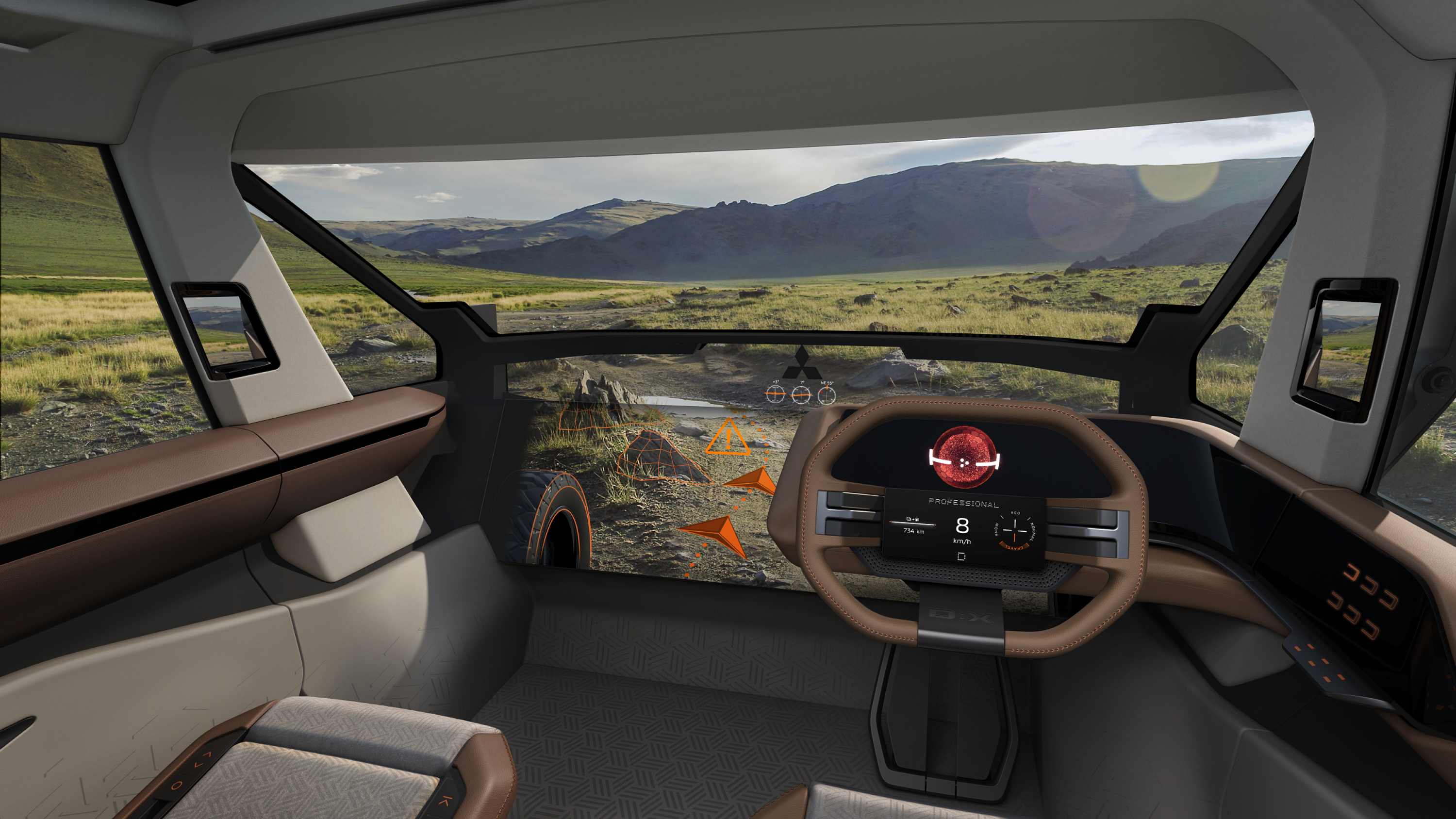
Inside, the most dramatic feature is undoubtedly the huge ‘invisible bonnet’ screen on the front-passenger side that – borrowing from Land Rover – uses external cameras to show a view of the immediate terrain ahead.
The A-pillars incorporate video views provided by the aforementioned exterior camera ears.
A digital driver display sits in the middle of an octagonal steering wheel, ahead of a distinctive, driver-side-focused wraparound panel with additional displays and controls.
1
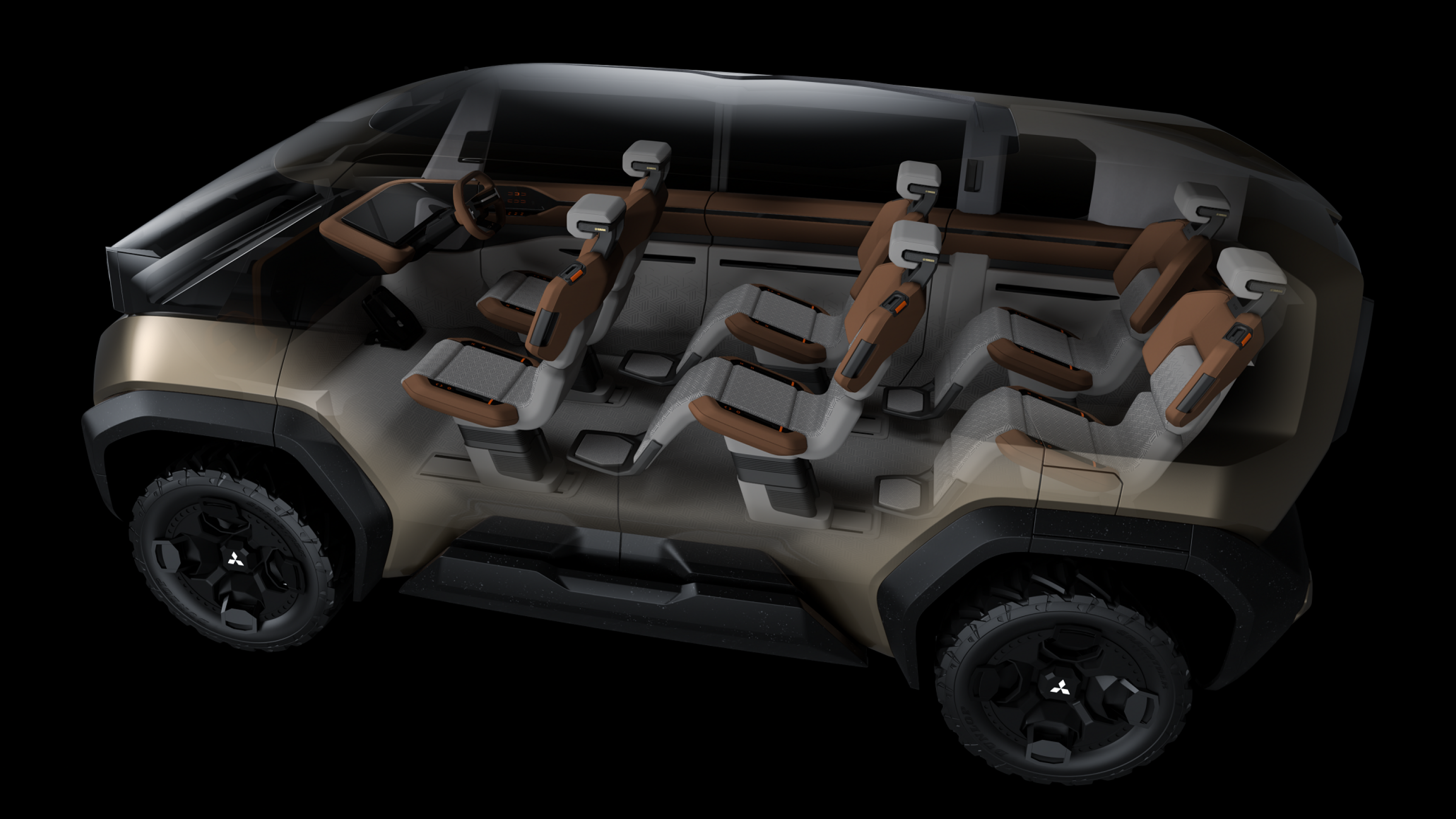
The concept adopts a six-individual-seat layout with a walkthrough set up front to rear.
The D:X’s second- and third-row ‘panoramic’ seats incorporate full leg-rest and footrest support, and be rotated and adjusted up and down. When the vehicle is parked, the front seats can also be turned around to allow full occupant interaction.
Weather, navigation and other information can be provided by an artificial intelligence ‘concierge’ via voice command.
1
A new-generation audio system with headrest speakers is co-developed by Mitsubishi and Yamaha.
Mitsubishi says it targeted an upmarket interior feel with the application of genuine leather for the dash surround and seats, as well as metal trim accents.
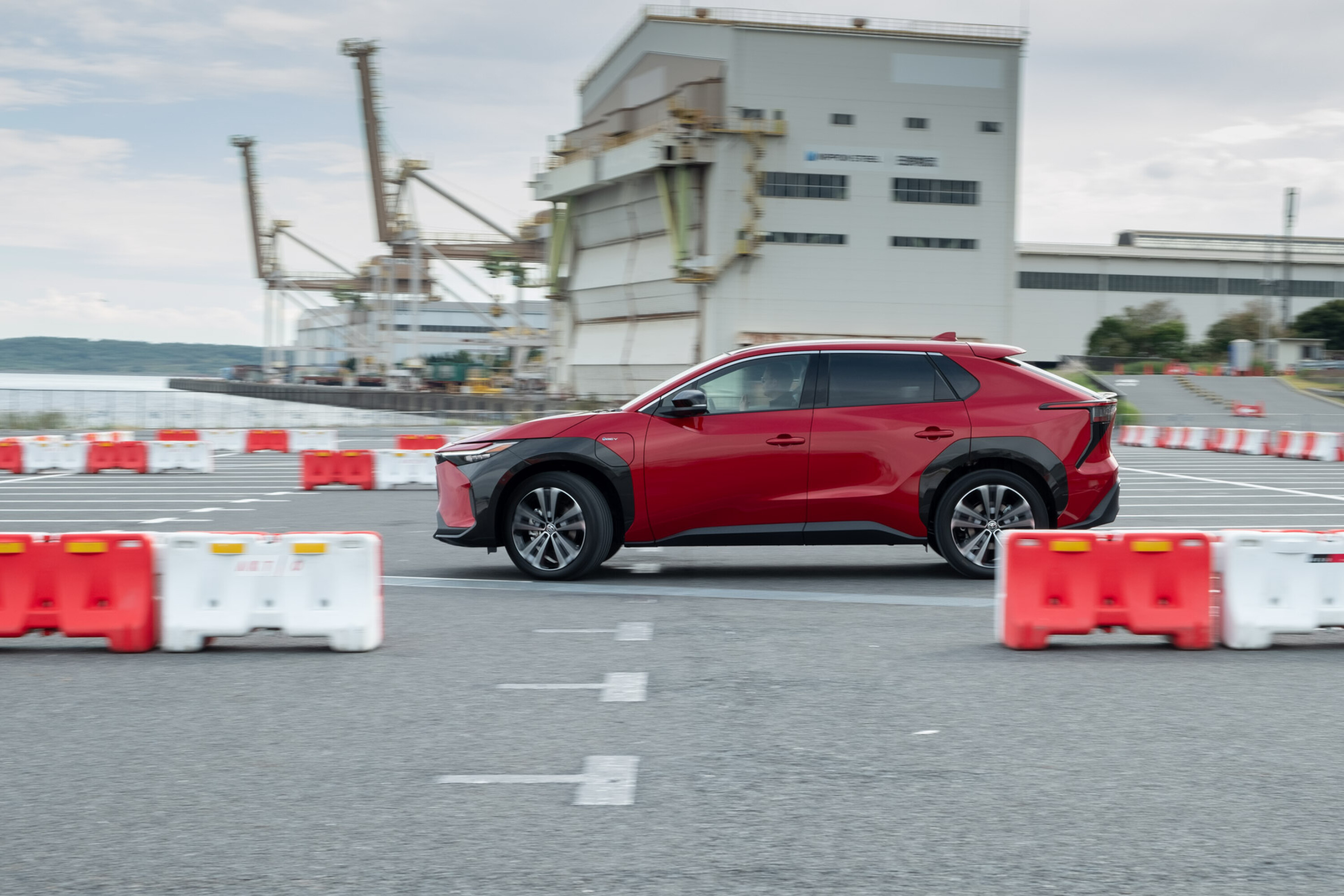
The changes are limited to reduced charging time in low-temperature environments, reduced power consumption, and new badges.
Toyota claims the charging time from when the low-battery warning appears to 80 per cent is reduced by up to 30 per cent “under low outside temperatures” due to improved battery heating.
1
It also has an optimised air-conditioner with a power-saving eco mode to warm occupants through more efficient methods, such as the heated seats and steering wheel, and a humidity sensor that “detects cloudiness in the windshield and controls the timing of outdoor air capture more precisely”.
Like other electric vehicles, the instrument cluster will now display key charging information, including time to 80 per cent and the difference in range between having the air-conditioner switched on or off.
Toyota Australia vice president sales, marketing, and franchise operations Sean Hanley also revealed that Aussies will jump straight to the updates BZ4x without passing go.
Pricing, features, and sales targets will be announced closer to the BZ4x’s local release in February 2024.
“We know BEVs like the bZ4X will play an increasingly important role in cutting carbon. But we also know it will take many years before we have enough battery material and renewable energy to support mass adoption of BEVs”, said Mr Hanley.
1
It’s clear that the BZ4x won’t make up a large chunk of Toyota’s sales in Australia initially, despite global production for the RAV4-sized electric SUV jumping massively from its first full year of 5000 deliveries.
“We will therefore maintain our global strategy of deploying as many technologies as possible, blending BEVs with hybrids and other technologies, including fuel cells, hydrogen injection and carbon-neutral fuels. This diversity of technologies is Toyota’s strength”, added Hanley.
There are no revisions to the BZ4x’s powertrain, with a 150kW/337Nm powertrain for front-drive variants, rising to 160kW for AWD models.
Twinned with the Subaru Solterra, the electric SUVs have a 71.4kWh battery allowing for a driving range of up to 516 kilometres, a 10-80 per cent charge in 30 minutes at 150kW, and an 8.4-second or 7.7s 0-100km/h sprint time.
The BZ4x competes in the growing electric medium SUV marketplace currently dominated by the Tesla Model Y. Additional rivals, such as the just-arrived Ford Mustang Mach-E and soon-to-launch Volkswagen ID.4 will only make this a tougher market segment.
Toyota is yet to detail BZ4x pricing but we expect the Japan-built SUV (and its Subaru Solterra sibling) to start beyond $70,000 for single-motor versions and climb above $80,000 for twin-motor AWD variants.
Five all-electric concepts line Toyota’s stage at Japan Mobility Show
FT-Se and FT-3e show future production EVs
electric LandCruiser Se and EPU pick-up unveiled
IMV 0 an adaptable ute for diverse markets
In the wake of Akio Toyoda’s promotion from the Toyota hot seat, Koji Sato has made his presence known at this year’s Japan Mobility Show with a host of new BEV concepts.
Toyota will drastically ramp up its EV production and market offerings globally over the next decade but remains committed to diverse powertrain solutions.
Locally, Toyota will introduce three battery-electric vehicles by 2026, and offer every model in its range with some form of electrification (GR models excluded) by 2030.
Translation? EVs are coming but diesel-powered HiLuxes and LandCruisers will be around for some time yet, as will RAV4 hybrids.
Read on below to find out everything we know about what was on the stand.
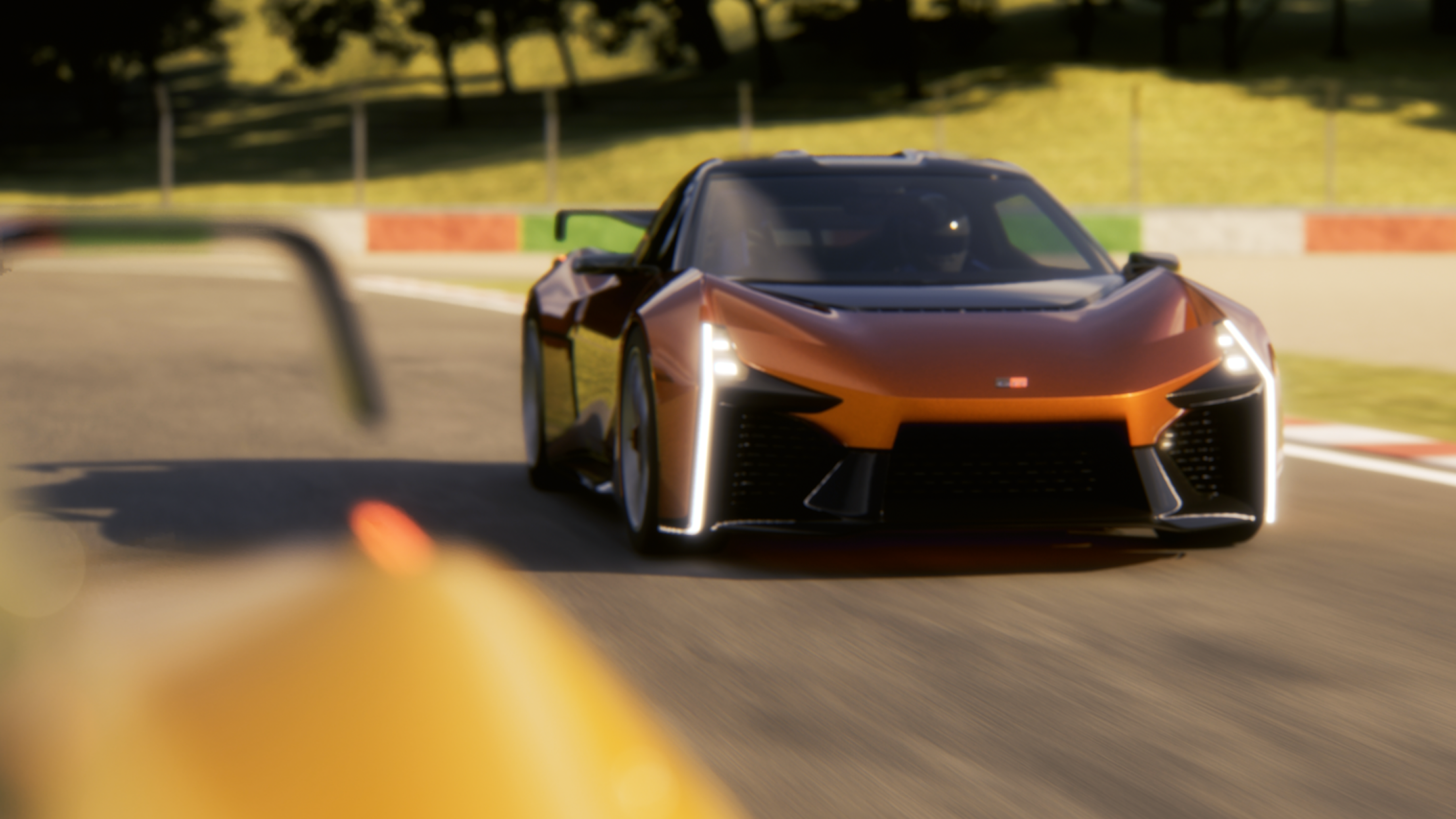
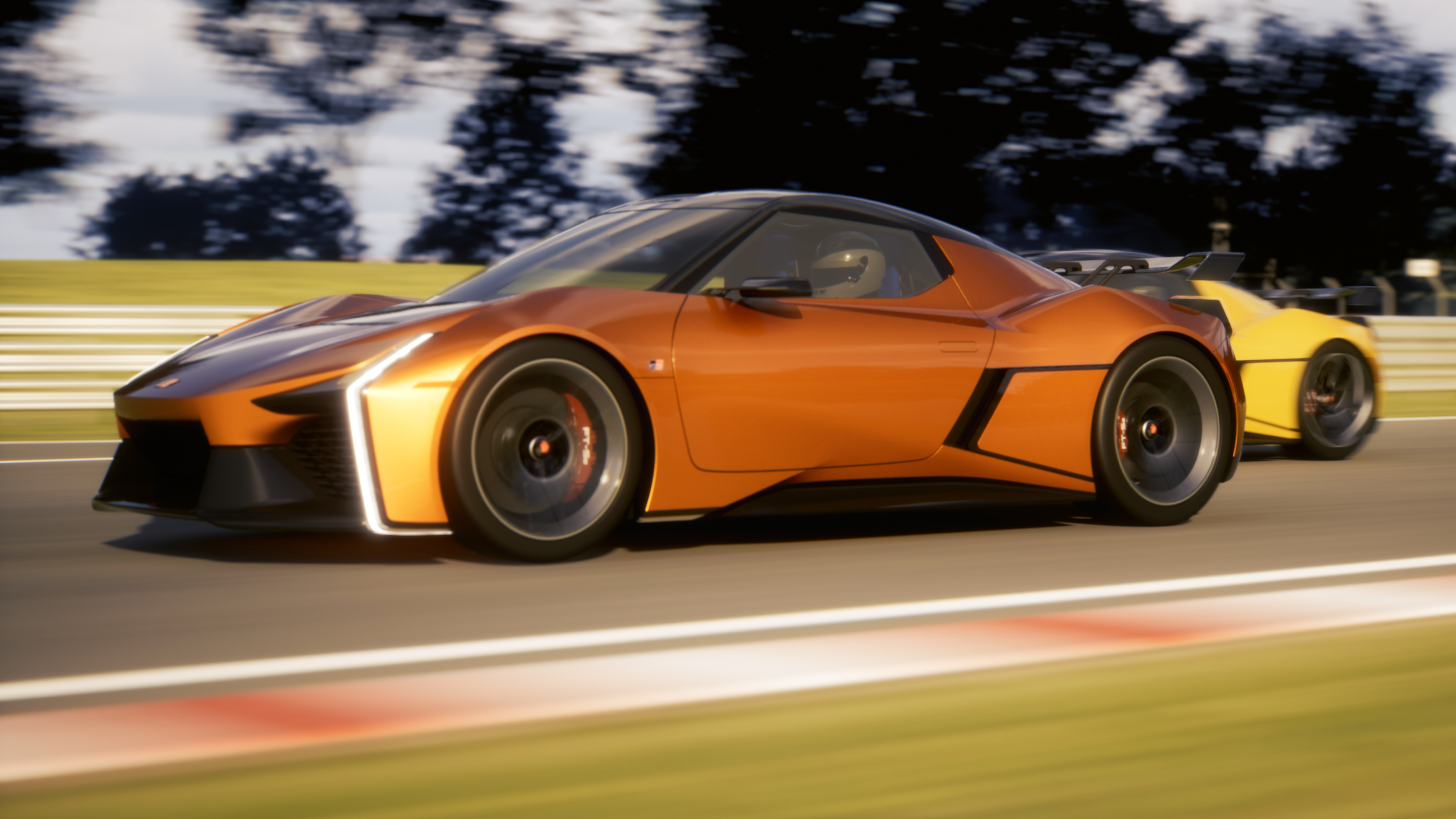
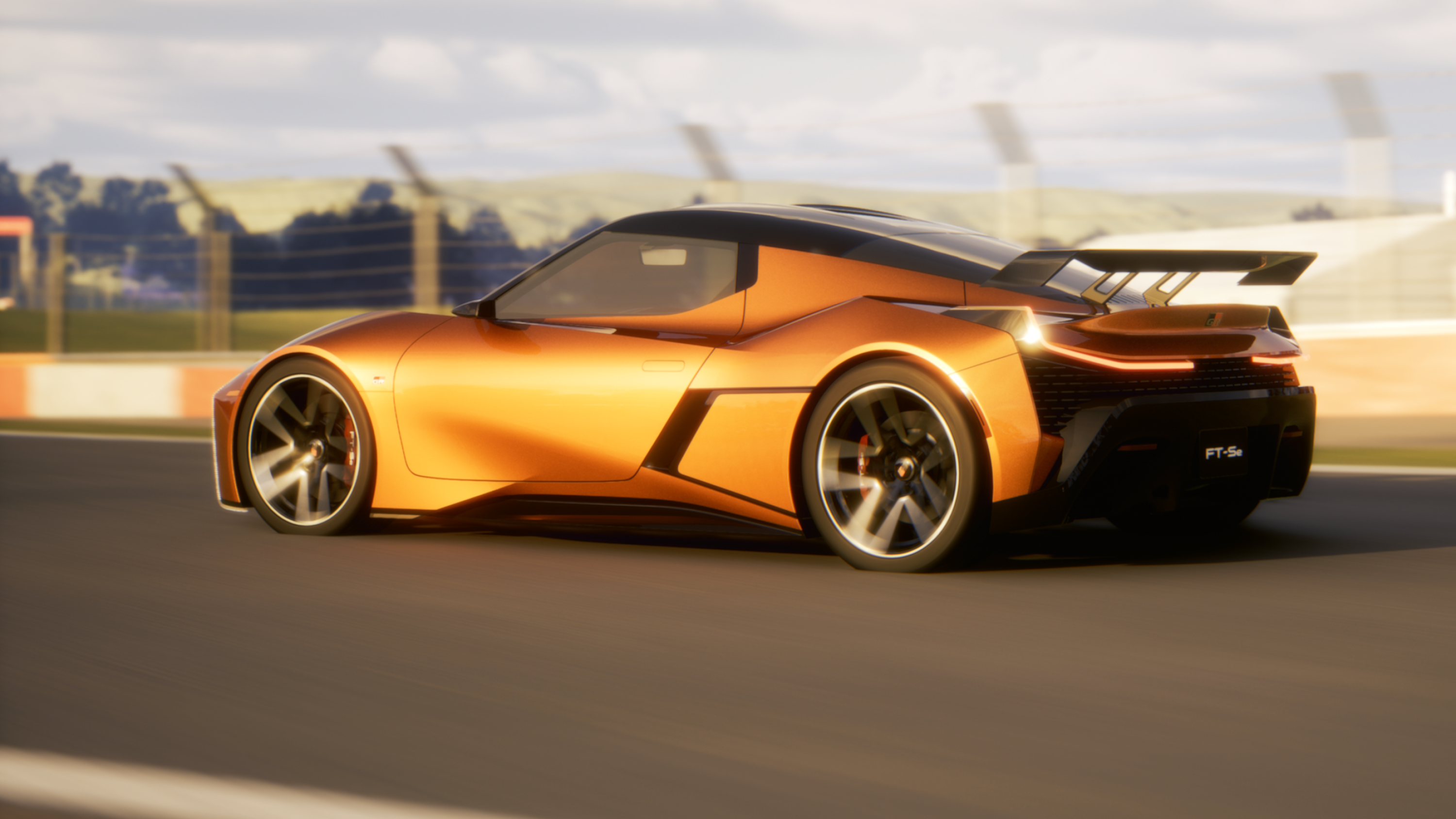
This is Toyota’s sports car for the electric era. Not anchored visually to Supra or MR2, it has distinct, almost Lotus-like proportions.
Toyota wasn’t forthcoming with specifications such as driving range, power or drive layout for the new vehicle, though President Koji Sato was spruiking the advantages a BEV layout provided for the GR-developed sports coupe’s centre of gravity.
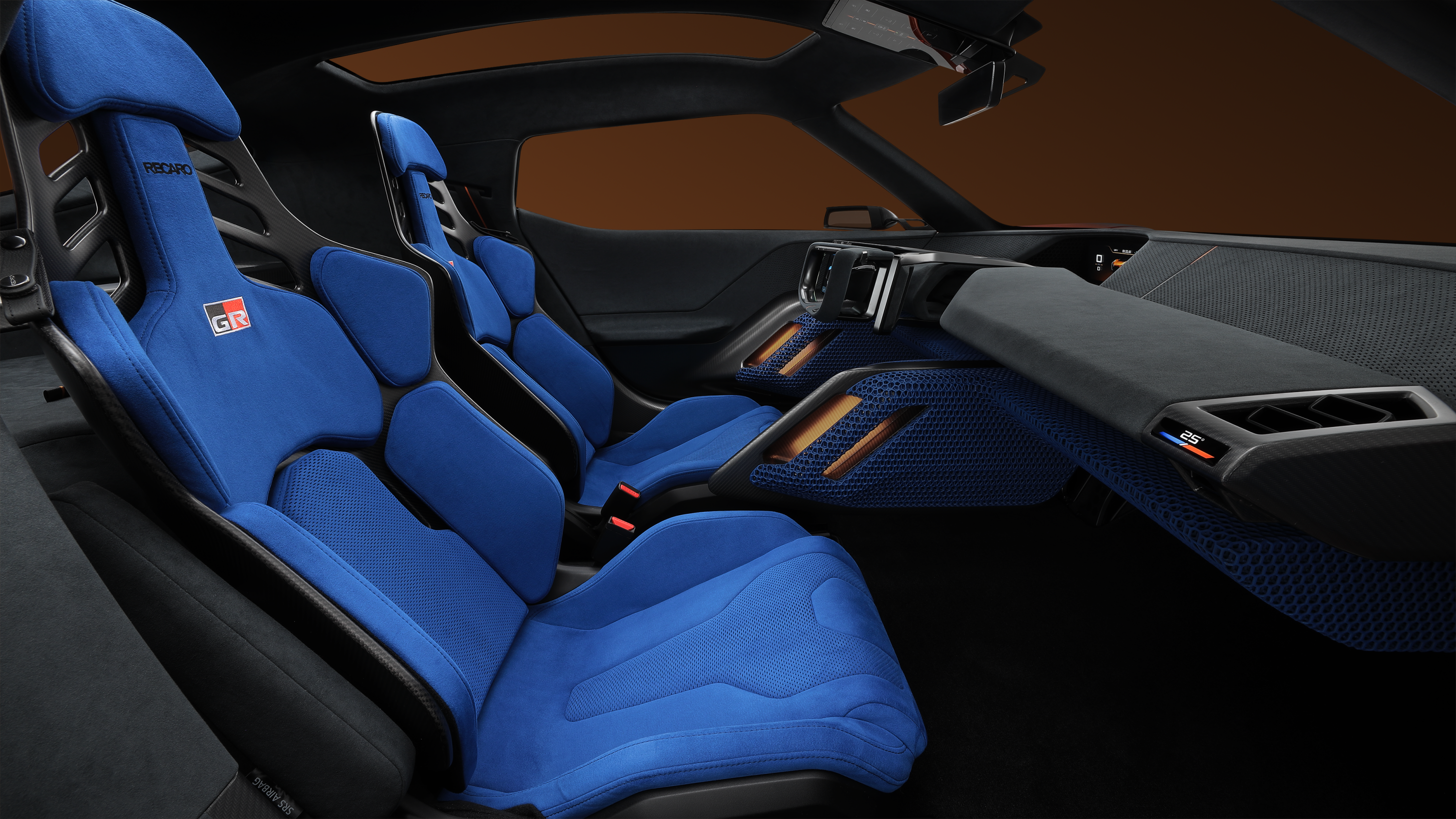
Within the cabin, Toyota is promising more space than your average – often cramped – mid-engined sports car. A yoke-style steering sits below a digital driver’s display which is flanked by two screens.
There’s no word on when we might see a production version of this car, but it gives hope to driving enthusiasts in the electric era.
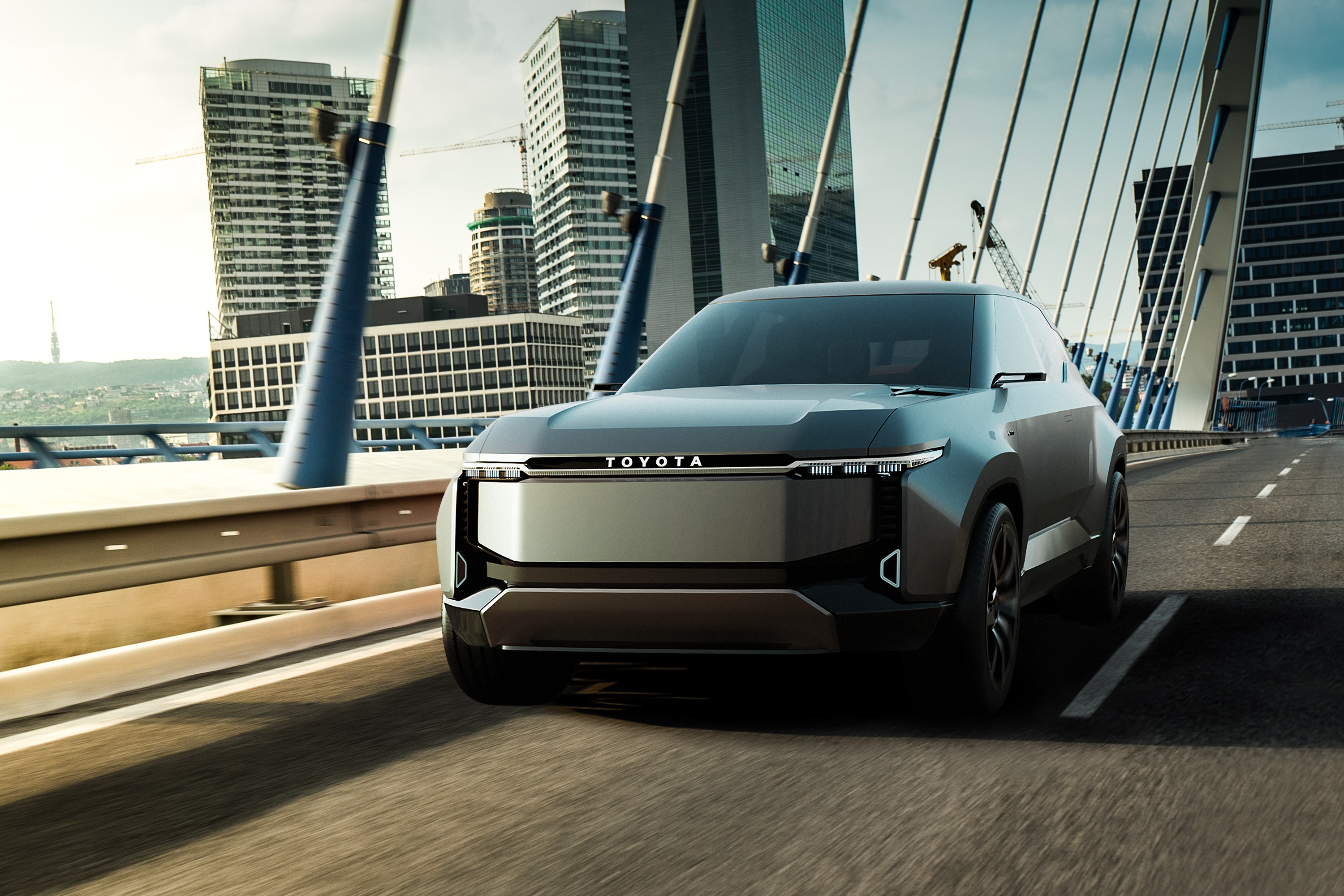
Toyota LandCruiser Se
5
Toyota’s literature describes the concept as one that “further broadens the LandCruiser brand’s appeal with a three-row SUV that caters to the world’s diverse needs.”
It’s very much still a concept but, as Toyota Australia vice president sales, marketing and frachise operations Sean Hanley pointed out, companies don’t usually go to the trouble of making a concept if it isn’t going to turn into a some kind of production model.
The LandCruiser Se is far sleeker than the Prado that’s nearby on the stand, with the Se’s front window raked back and plenty of tumble-home giving it a squat, sporty stance.
This all-electric concept points to Toyota potentially evaluating a luxury, road-biased four-wheel drive in the LandCruiser saga.
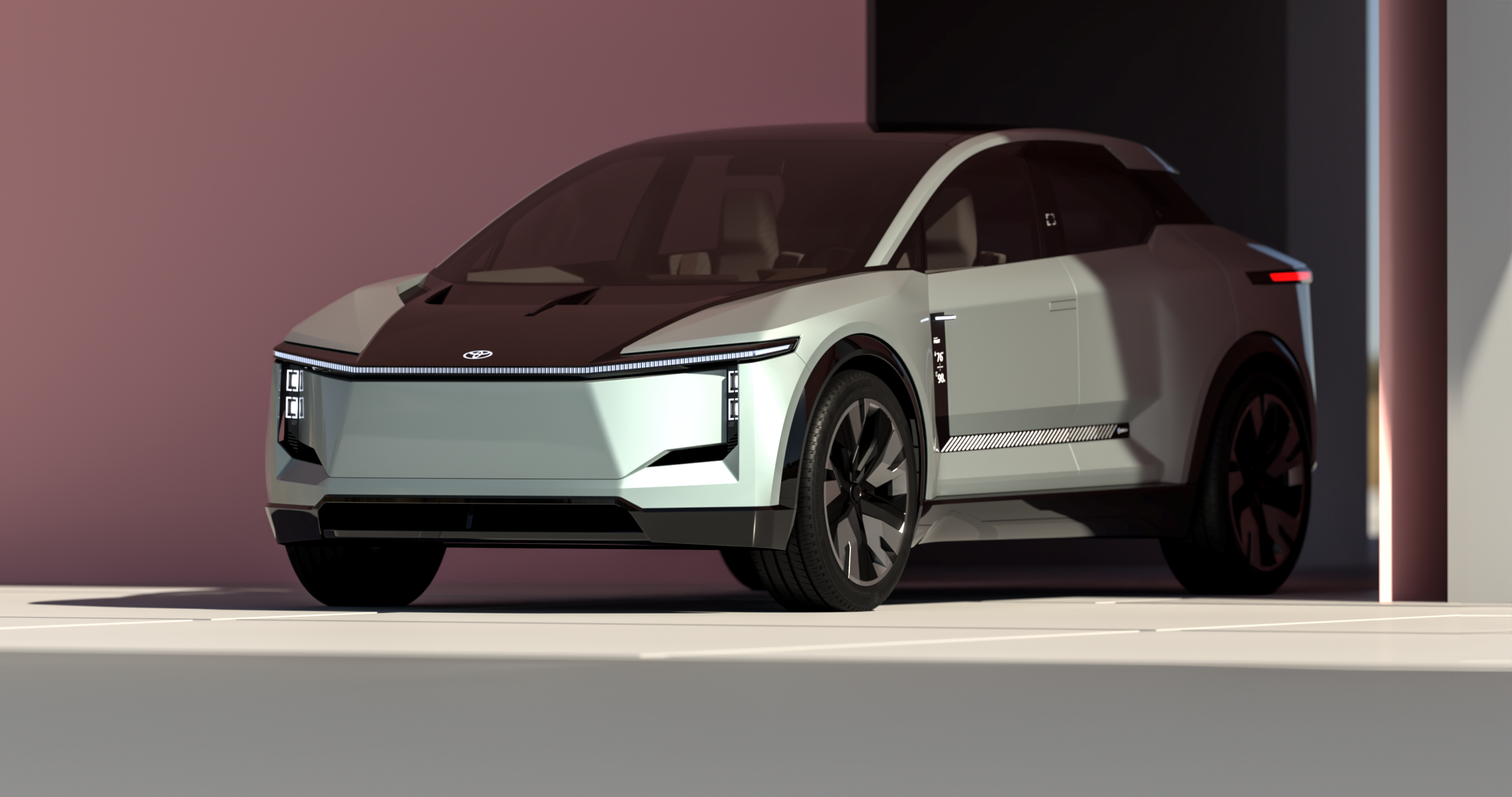
Toyota FT-3e
7
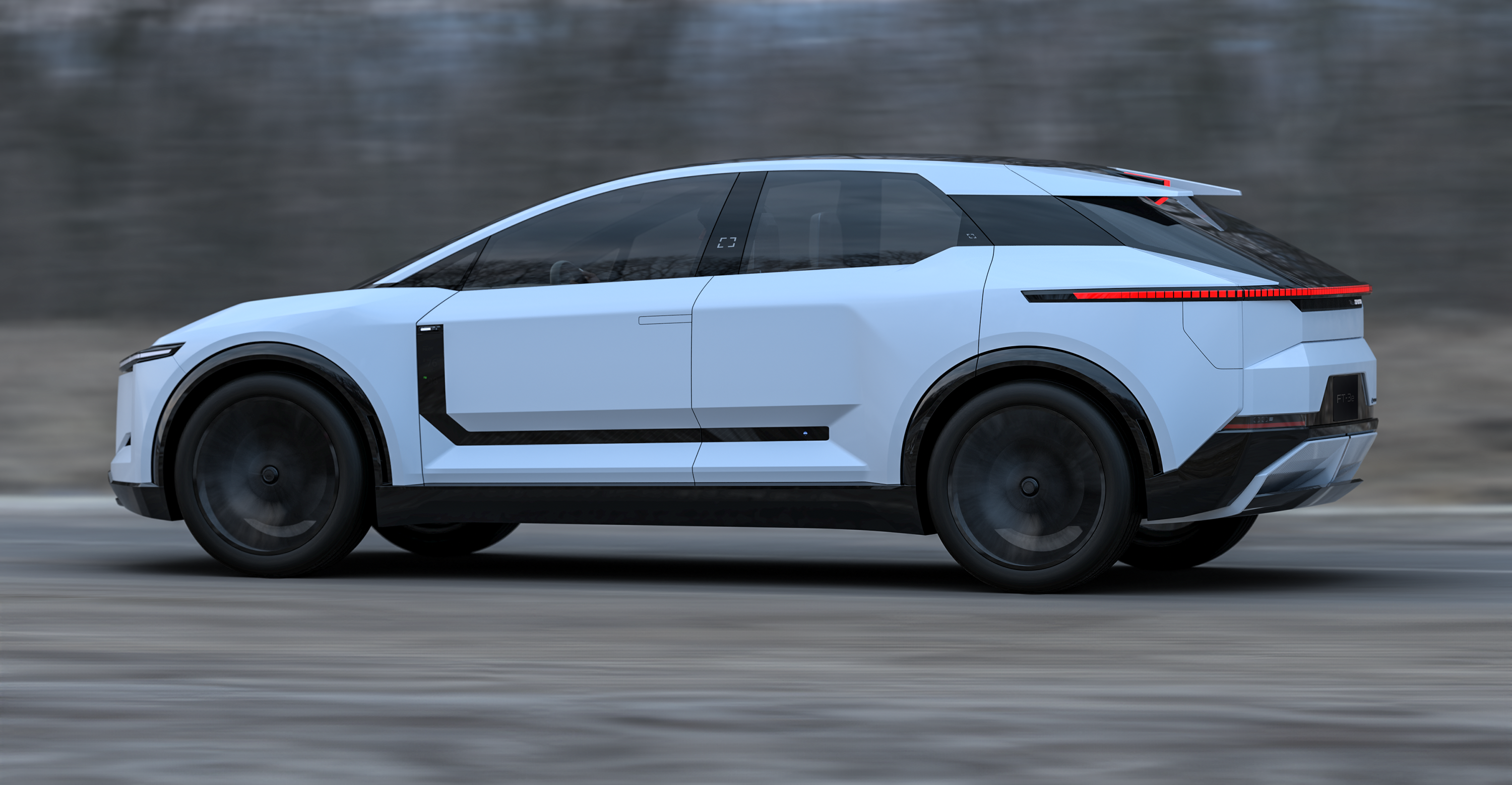
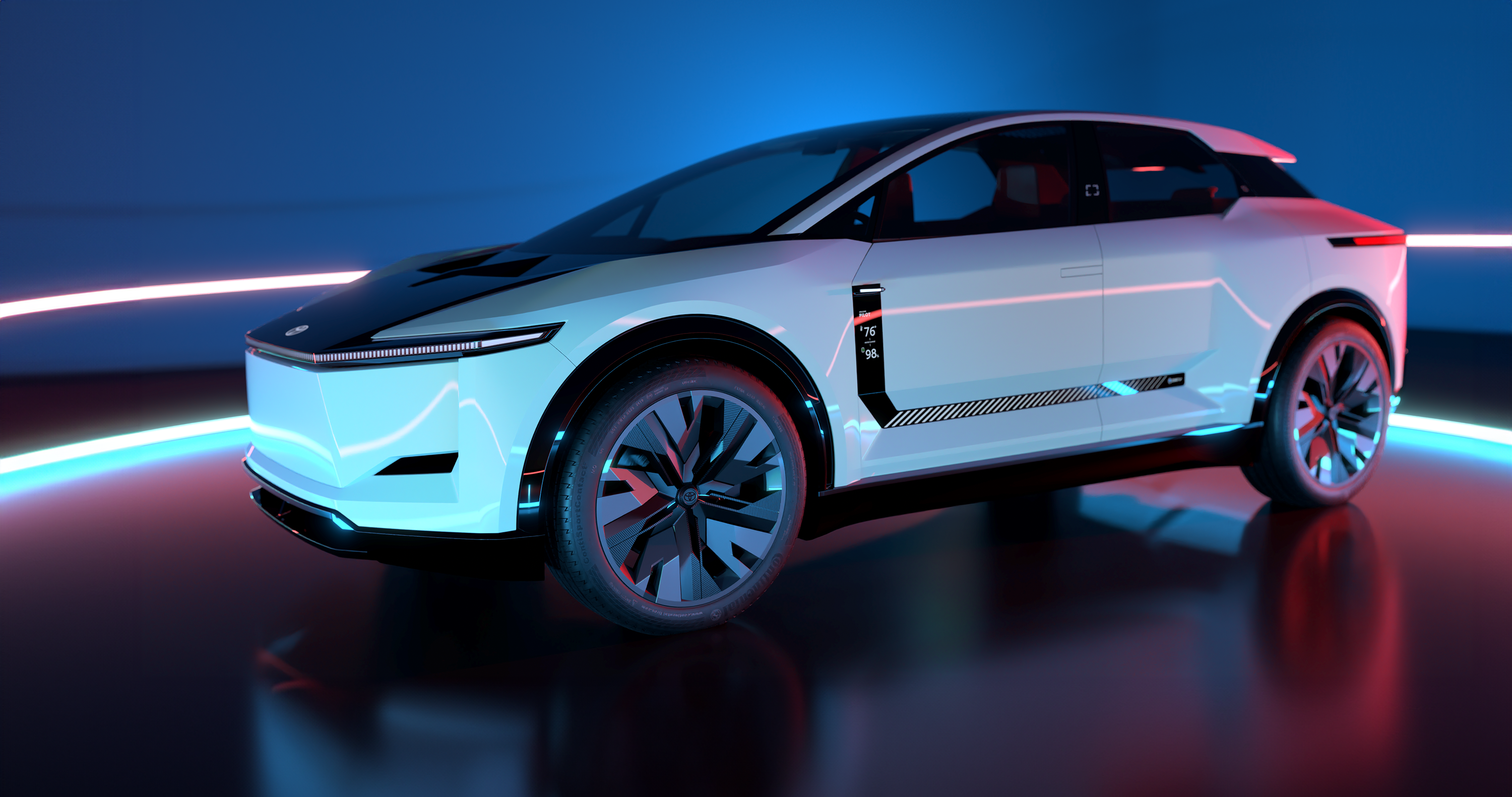
A next-gen BZ4x? The FT-3e is a medium SUV that’s based on a new modular architecture allegedly sharing many parts with the FT-Se sports car.
Its coupe styling may be softened into an eventual production version, but Toyota is promising a big leap for cabin technology.
Shared with Lexus LF-ZC concept, the new ‘Arene’ operating system is connected with over-the-air software updates and downloadable apps.
“Owners can play with the automotive seasoning in manual transmission mode, after parking you can share electricity in energy grid mode to help the public”, said president Kato. Toyota refers to its future EVs as software-defined vehicles.
Battery type, power, and driving range were not discussed, though expect it to pick up Toyota’s future high-performance batteries.
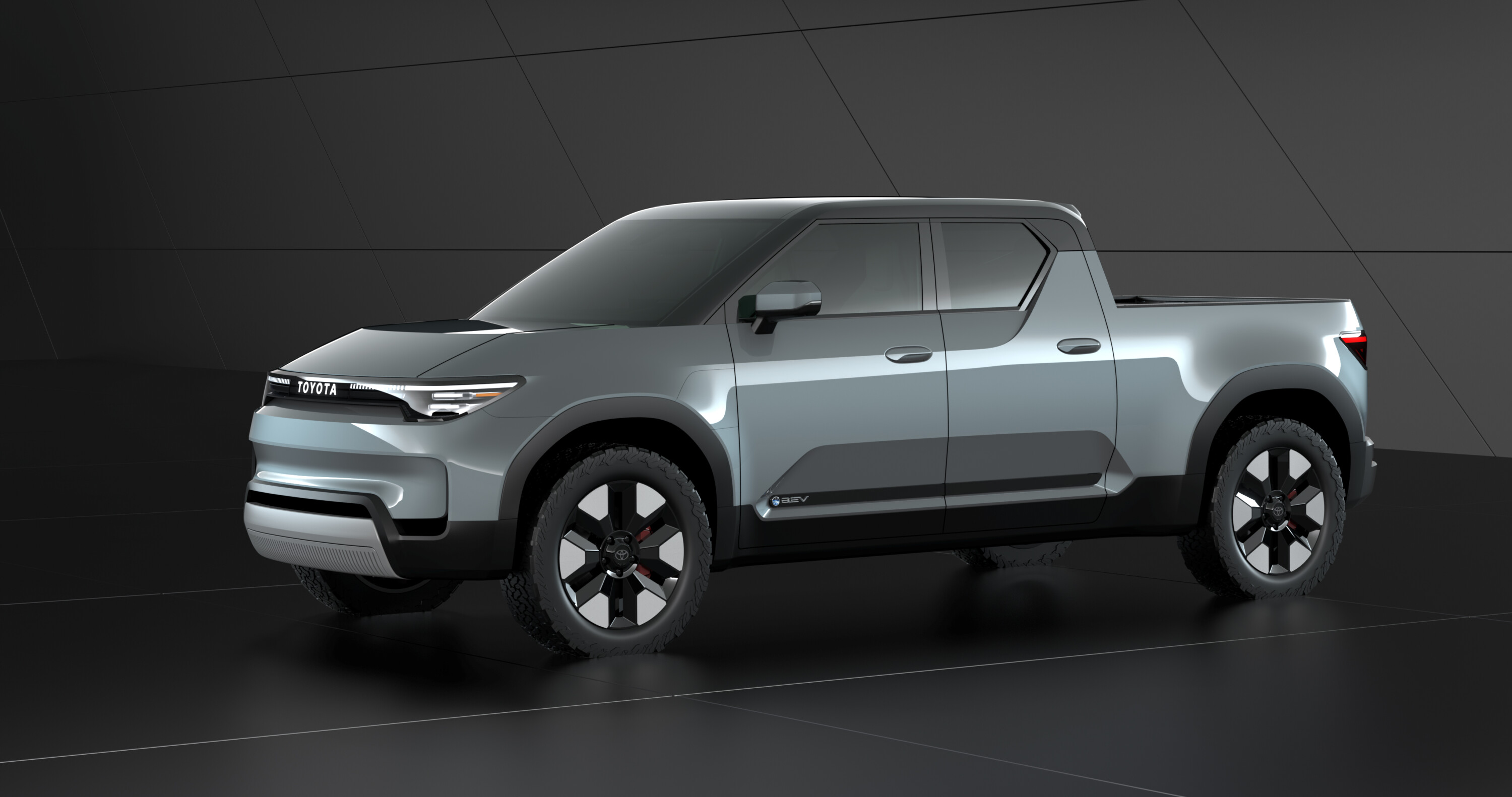
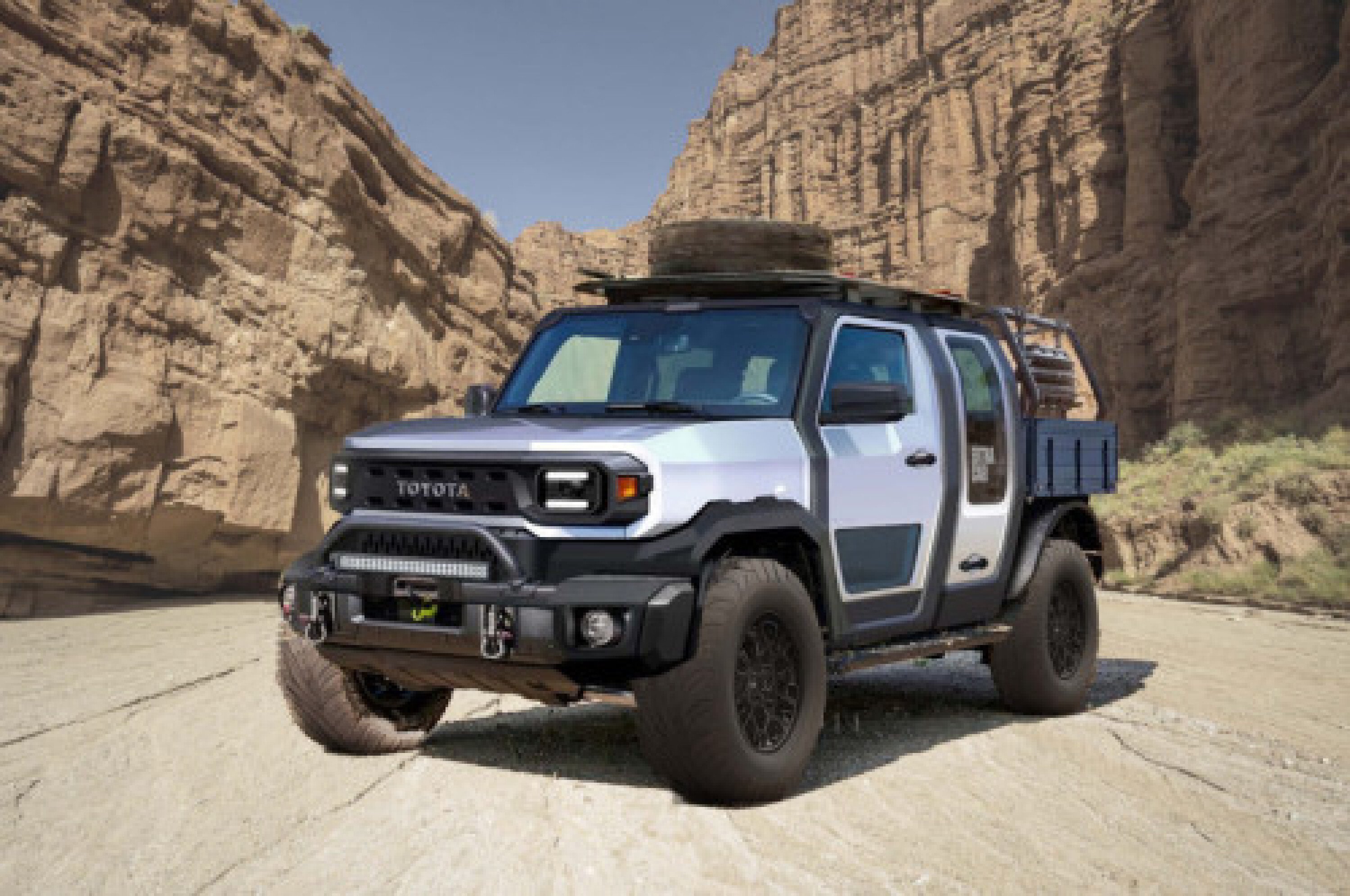
Slightly smaller than a HiLux overall, the all-electric EPU shows an adaptable monocoque ute for the future.
With a dual-cab body for space and a long wheelbase for comfort, this is a ute pitched at lifestyle buyers who might not need a HiLux’s worksite readiness.
Think of it as a rival for the Hyundai Santa Cruz and Ford Maverick, though Toyota has not confirmed the ute for production.
Although Sean Hanley wasn’t entirely sure of the size of a monocoque electric ute market in Australia, he admitted that Toyota Australia’s hand would be firmly raised for the vehicle if it comes to fruition.
Toyota IMV 0
4
Described as an adaptable utility vehicle for emerging markets, the IMV 0 is not dissimilar to a HiLux or 70 Series in theory, though it is smaller in size.
The small ladder-frame utility vehicle is nearly ready for production, though for now, it’s not likely to arrive in Australia.
Think of a diverse spread of powertrains with petrol, diesel, and electrification in the form of hybrid vehicles. Toyota says it’s so modular that it can be a coffee cart in the morning and a DJ booth at night.
Toyota has unveiled two EV concepts at the Japan Mobility Show 2023: the FT-3e electric SUV and the FT-Se electric performance coupe.
The theme for Toyota’s booth at the event is “Let’s Change the Future of Cars—Find Your Future”, hinting at the company’s long overdue move towards electrification and digital integration in vehicle design.
1
The brand has previously shied away from expressing the same obsessive commitment to EVs revealed by just about all of its rivals, urging consumers and media to consider the many buyers and industries who won’t be able to leave into EVs as quickly as city-centric and inner suburban families.
As true as that is, Toyota has so far launched only one production EV – the BZ4x – and it hasn’t been the most well-received one at that (although my own short first drive at a Toyota Australia facility left me impressed).
1
These new concepts, then, are intended to show Toyota’s new verve for EVs.
The FT-3e model is positioned as an SUV-type concept, while the FT-Se falls into the sports category Toyota has come to appreciate as it once did.
1
FT-3e: ‘Aiming for Simplicity’
The FT-3e SUV is designed with a simplistic but suitably futuristic exterior for a concept.
Tricks include digital displays on the bodywork showing battery charge, onboard temperature, and interior air quality as the driver approaches the vehicle. No need to look at your phone.
The concept is also noted to have the potential to act as a transfer medium for energy and data, linking the vehicle to its surroundings as part of a vehicle-to-grid strategy.
1
FT-Se: ‘Performance with an Eco-conscious Design’
The FT-Se is a sports BEV model that shares major components with the FT-3e.
This concept reveals features from Toyota’s motorsports division, Gazoo Racing, to provide enhanced handling stability and aerodynamic performance.
The design includes wide and low proportions to suit the category, delivering both an purposeful look and optimal aerodynamics – especially important for an EV.
1
Additionally, the concept is equipped with a full-digital cockpit for controls and a low instrument panel profile to ensure high visibility.
With these concept models, Toyota is clearly paving the way for its future line-up of electric vehicles, although no production plans for either car – or its earlier electric LandCruiser and ute concepts – have been revealed today.
Get more on Toyota’s electric future at the stories linked below.
62
Snapshot
Lexus debuts two electric concepts at 2023 Japan Mobility Show
LF-ZC four-door GT to arrive in 2026 with 1000m+ driving range
LF-ZL luxury SUV to follow with onboard AI
Concepts promise to drive themselves down the production line
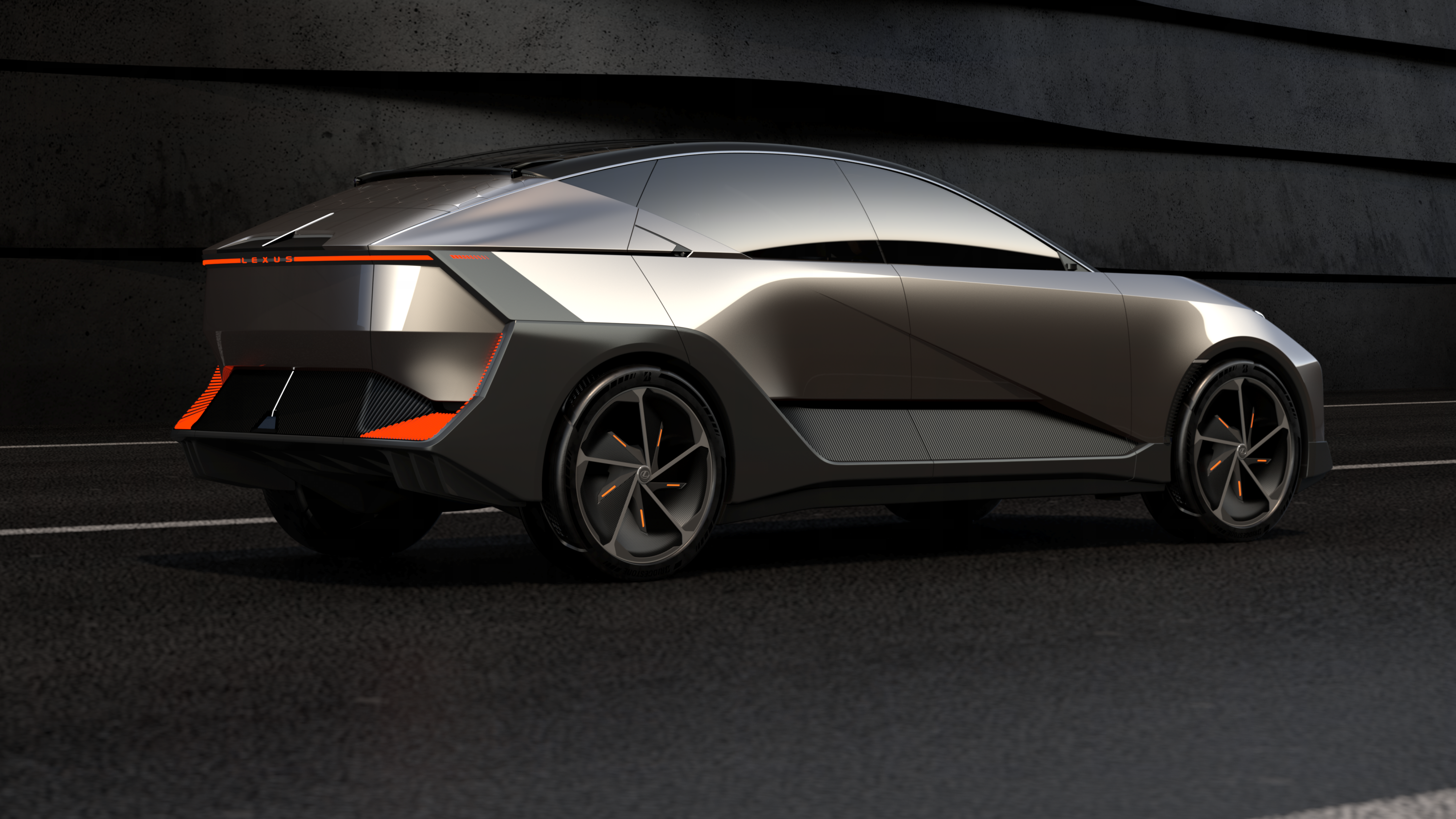
Lexus has debuted two never-before-seen concepts at the 2023 Japan Mobility Show; the LF-ZC grand tourer and the LF-ZL luxury SUV.
According to the Japanese brand, the two vehicles are “pushing the boundaries of the electrified experience“, and represent the next step in Lexus’s electrification journey.
Following the RZ, the two new models will be based on an all-new modular platform, which the LF-ZC (Lexus Future Zero-emission Catalyst) will debut in 2026.
Lexus chief branding officer Simon Humphries said the new vehicles “will change the paradigm, not just for BEV but for what an automobile can be.”
Efficiency will be built into the light and streamlined cars as well as the production process with parts minimisation across the range, and smaller more efficient batteries offering more power and range than the RZ.
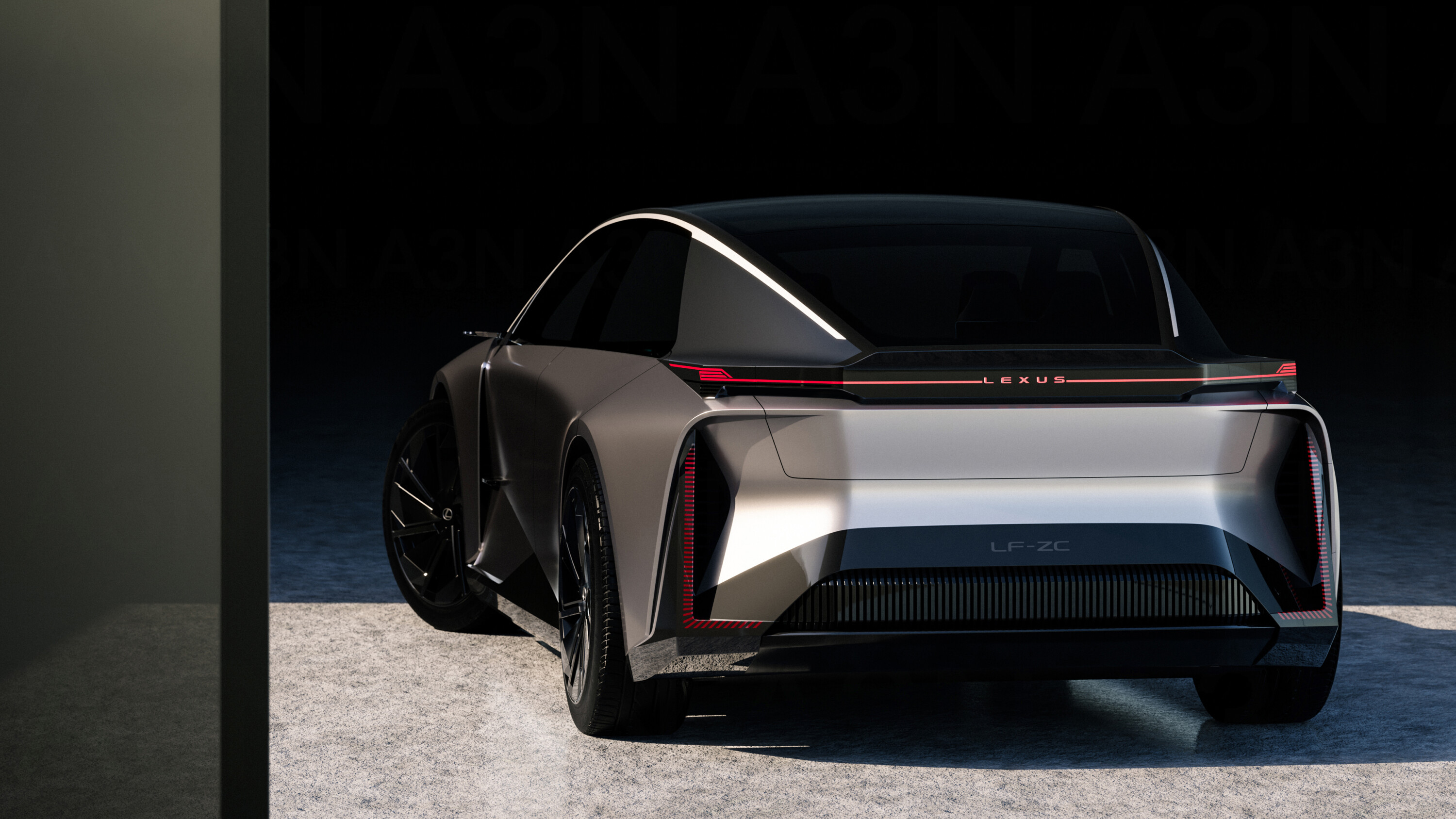
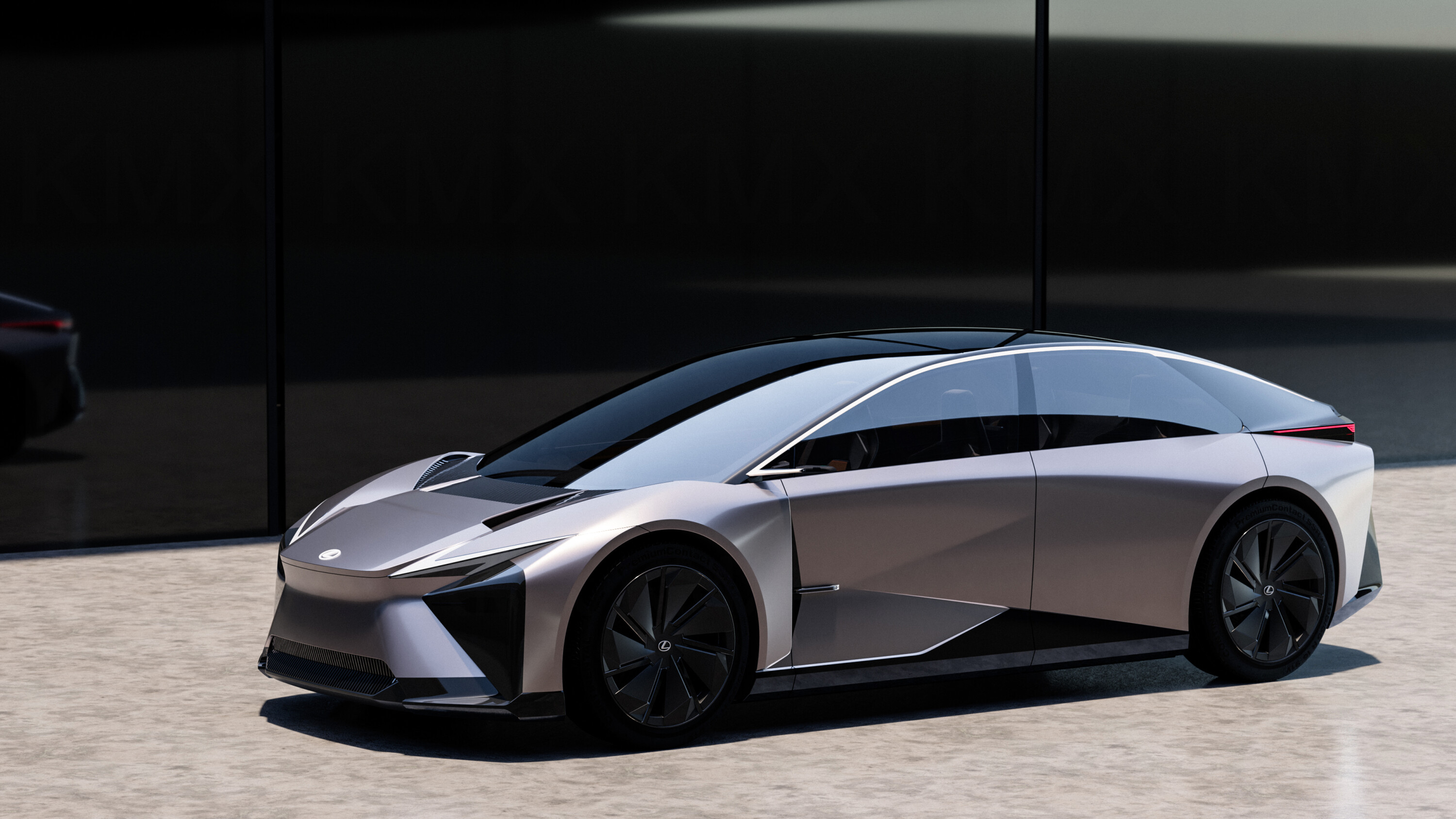
The sleek concept has a low roofline, almost-hidden rear doors, drastically flared rear wheel arches and a sharp front end; it takes the RZ’s crisp lines and dials them up to 11.
Beyond the future BMW i3 rival’s good looks, Lexus says the production version of the IS sedan-sized LF-ZC will slide through the air with its 0.2Cd which, combined with new in-house developed prismatic batteries, ought to give the LF-ZC around 900km of driving range.
That’s twice that of conventional BEVs, as Lexus puts it, so we’re estimating that means the 440km (WLTP) of the RZ 450e.
Although the eye-catching concept looks dramatic, its proportions are close to what you’d expect from a production vehicle.
It measures 4750mm long, 1880mm wide, 1390mm wide and rides on a 2890mm wheelbase.
Like the RZ 450e did with the BZ4x, the LF-ZC is likely to share key components with Toyota’s next-generation EVs (shown off as the FT-Se and FT-3e) such as battery design, a modular platform that uses three cast sections and a development of the Direct4 all-wheel drive system.
2
Inside, the cabin features weaving bamboo in its fibres and threads, both reducing CO2 and exemplifying Japanese takumi craftsmanship.
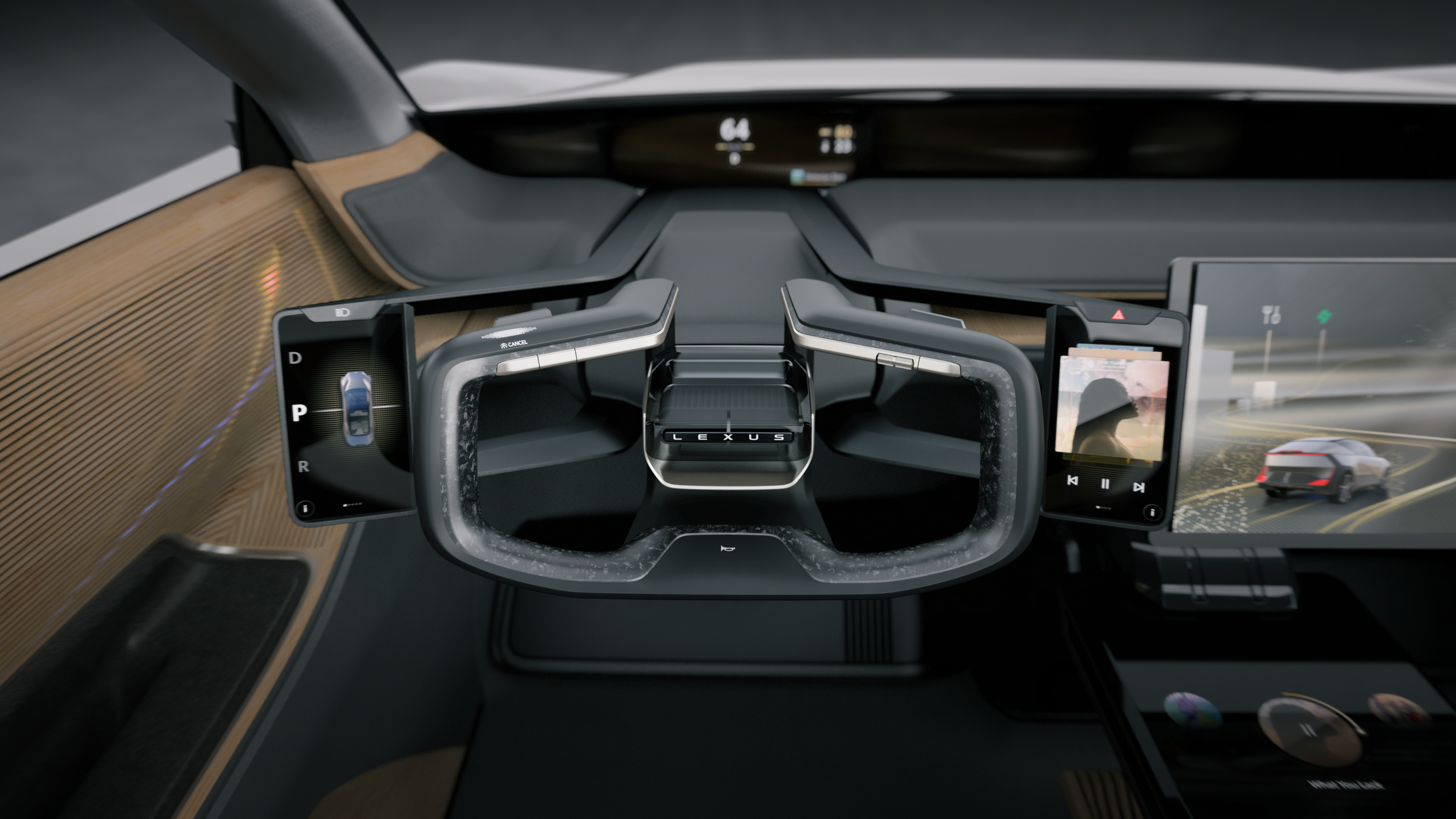
New Arene software drives the HMI inside with over-the-air software updates, including those for the steer-by-wire system that will remain for the next-gen Lexus EVs – and which will likely feature the controversial steering yoke.
Finally, AI technology will be built into the software so that next-gen Lexus products can optimise settings for each vehicle occupant by learning their preferences over time.
The Japanese luxury brand’s future electric flagship, the LF-ZL (Lexus Future Zero-emission Luxury) is a spiritual successor to the LS for our electric SUV-crazed age.
With sliding rear doors, individual bucket seats and huge internal screens, the LF-ZL is a look at what future BEVs will offer occupants.
It’s built around the same Arene operating system that not only updates automatically and has built-in AI for voice commands, but it will also connect with surrounding networks.
The idea is that the car can become a part of charging and battery storage infrastructure when not in use.
Inside, Lexus has reprised its touchpads for the modern screen-heavy consumer with digitised pads – which look very similar to the FT-Se’s – for gear shifting and drive mode selection on the left, and audio, phone, and climate controls on the right.
Beyond the technological advances inside, under the skin the latest concepts promise to offer the most freedom and adaptability of the lot.
By gigacasting the front, middle and rear sections of the vehicle’s platform, Lexus says it will streamline production.
Additionally, driver aids such as low-speed adaptive cruise control and autonomy can be activated when the battery, motor, tyres, and wireless terminal components are installed, so the vehicle can navigate the production line without the use of conveyors.
Lexus has not put a date on the LF-ZL’s release yet but it’s likely to spawn a high-end production model similar in size to a Range Rover.
The full-size SUV concept is 5300mm long, 2020mm wide, 1700mm tall, and sits on a lengthy 3350mm wheelbase.