
Editor’s note: Interestingly, ‘HSSC’ brings to mind the Acura-badged Honda Sports Concept [↗] unveiled 20 years ago at the 2003 Tokyo Motor Show. It was assumed a new NSX would spring from this show car, but ultimately it was the 2012 Acura NSX concept that previewed the second-gen NSX.
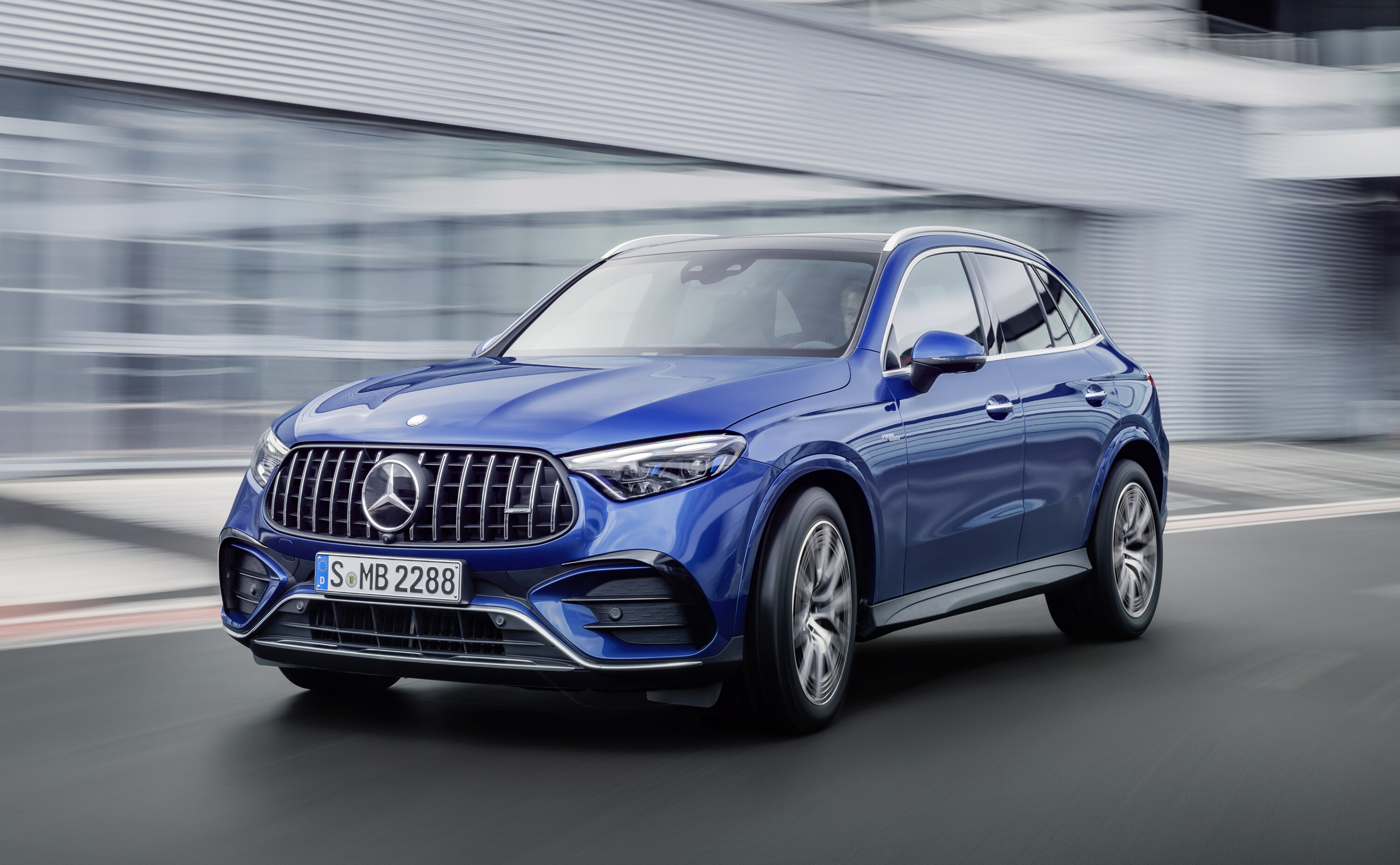
Mercedes-AMG has revealed hotted-up versions of the GLC coupe range, and they’re due in Australia at the end of 2024.
Following the confirmation of the wagon-bodied GLC 43 and 63 S for Australian shores in the second quarter of next year, the respective coupe versions will follow suit.
The rivals for the BMW X4 M40i, X4 M, Audi SQ5 Sportback, and Jaguar F-Pace SVR will pack AWD, performance-oriented suspension, and electroshocked four-cylinder powertrains.

7
Like the wagon versions, the GLC 43 gets a mild-hybrid four-cylinder producing 310kW/545Nm while the 63 S E Performance uses the same setup as the C 63 sedan – that means 500kW and 1020Nm for the medium SUV.
Pricing and features are yet to be confirmed but don’t expect much change from $160K for the GLC 43, while the 63 will likely push $200,000 before on-road costs.
Our original story, below, continues unchanged.
July 2023: Mercedes-AMG GLC 43 and GLC 63 S confirmed for Australian release
Mercedes-AMG has revealed hardcore versions of its new GLC medium SUV, and they’re confirmed for Australian release in the second quarter of next year.
Snapshot
- Mercedes-AMG confirms 500kW GLC 63 S and 310kW GLC 43
- Australian release locked in for second quarter of 2024
- GLC 63 S could start at over $200K
Sitting at the top of Mercedes’ most popular vehicle range, you can expect AMG versions of the GLC to carry heft price tags – think over $150K for the 310kW AMG 43 with the 1020Nm AMG 63 S E Performance plug-in hybrid likely cresting $200K.
The saddest news for fans of exhaust sounds is that, like the C63 sedan, the GLC is now exclusively powered by various electrically-boosted four-cylinder engines rather than a selection of four- six- and eight-cylinder motors.
Beneath them will sit the sole non-AMG trim, the GLC 300 that Alex Inwood reviewed earlier this month, which costs $104,900 before on-road costs. Rivals for the AMG GLC include the BMW X3 M Competition and M40i, Maserati Grecale, Alfa Romeo Stelvio, Audi SQ5, and Volvo XC60 T8.
Power, efficiency and performance
Just like the AMG C43, the GLC 43 employs a 2.0-litre turbo-petrol four-cylinder engine and 10kW electric supercharger for improved response at low revs. It sends 310kW/500Nm to all four wheels via a nine-speed dual-clutch automatic.
The GLC 43’s AWD system is rear-biased, with a default torque split of 31:69 per cent front to rear.
1
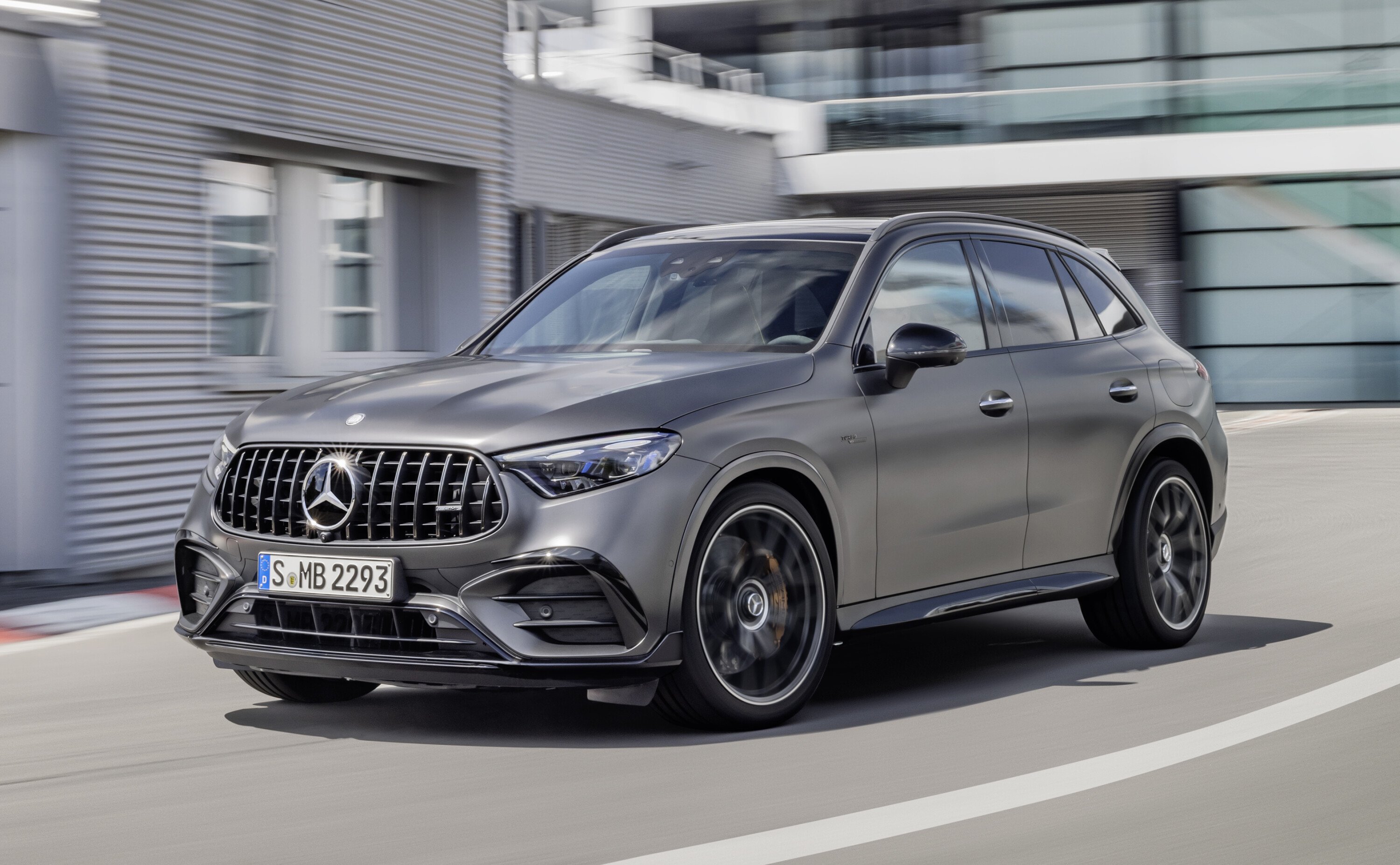
The even more pumped and blacked-out GLC 63 S E Performance’s powertrain is mind-bogglingly complex. A hand-built 2.0-litre AMG ‘M139l’ engine installed longitudinally produces 350kW/545Nm on its own. On the rear axle is a 150kW permanently excited synchronous electric motor that brings combined outputs to 500kW and 1020Nm.
For all its extra firepower over the V8 (125kW and 320Nm of it), Mercedes claims the GLC 63 is capable of a 0-100km/h sprint in 3.5 seconds – just three tenths quicker than before – with a top speed electronically limited to 275km/h.
The GLC 63’s all-wheel drive system can apportion drive from 50:50 front-rear all the way to 100 per cent rear if required.
A 6.1kWh battery designed to be charged and discharged rapidly gives the GLC 63 a modest electric-only driving range of 12km. New direct cooling technology helps the 560-cell lithium-ion battery achieve peak performance.
The result of all this electrification? The GLC 43 is rated between 9.8-10.2L/100km in the WLTP combined cycle (against the old six-pot’s 10.4l/100km ADR figure), and the 63 S E Performance 7.5L/100km in the same test – quite an improvement over the last-gen V8-powered GLC 63’s 12.1L/100km rating.
1
Suspension and chassis
The GLC 43 has five drive modes, and the GLC 63 a total of eight (both with customisable Individual modes), tweaking personalities from laid back to maximum attack.
The engine and gearbox response, damper setting, and ESC parameters are all affected by the drive selector – there’s even a fully off mode for the stability control for racetrack use.
All GLC models roll on steel springs, while AMG variants get upgraded to three-mode adaptive dampers. The flagship GLC 63 builds on this with an active anti-roll system powered by the 48-volt electrical system to keep the SUV flatter during hard cornering without sacrificing ride comfort.

1
Pricing and availability
Mercedes Australia is yet to confirm pricing for AMG GLC 43 and GLC 63 S E Performance models, however, we anticipate the 43 will start at $150K (the discontinued car is $136,000) and the 63 over $200K (up from $188,000).
Local Mercedes-AMG GLC arrivals will begin in the second quarter (April-July inclusive) of 2024.
October 18, 2023: Victoria’s EV road tax has been struck down
In a blow for the state, Victoria’s zero-emissions vehicle road-user tax has been deemed unlawful.
See the full story at the link below.
STORY CONTINUES
Victorians who have paid the state government’s electric vehicle levy over the last two years have done so “unfairly”, a report into the cost-per-kilometre scheme has determined.
The state’s ombudsman, Deborah Glass, said that “thousands of people have been affected by the charge since it came into effect in 2021, many of them unfairly.”
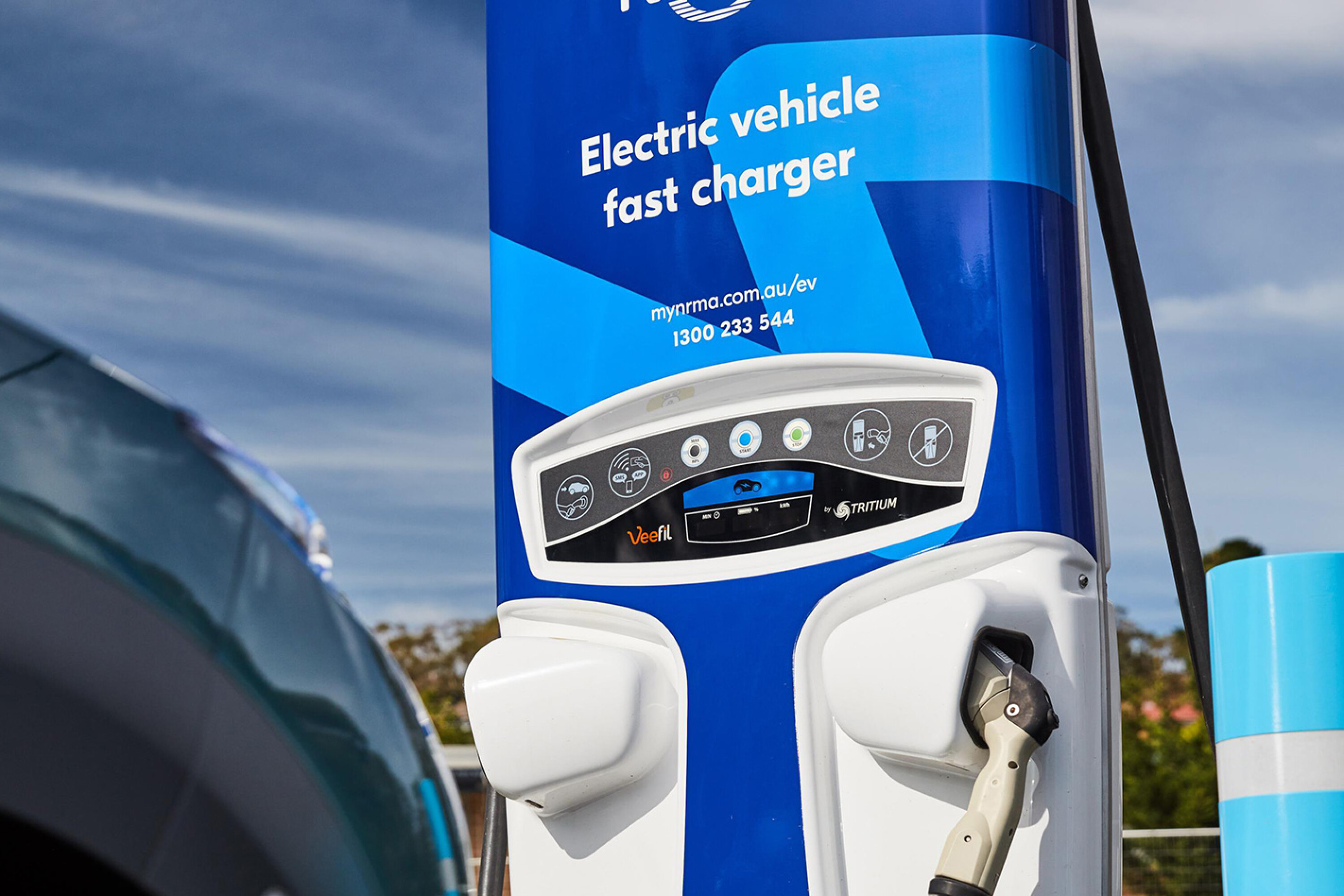
The scheme, administered by Victoria’s Department of Transport and Planning, currently charges users of both battery-electric vehicles and plug-in hybrids at the rate of 2.8c and 2.3c per kilometre travelled, respectively.
Both amounts were increased on 1 July this year.
1
It is designed to replace the federally-administered fuel levy, currently charged at 44.8c a litre on all fuel products.
As electric vehicle uptake continues, the fuel levy – which raises around $20 billion annually – is expected to decrease accordingly.
While a new federally-levied electric vehicle tax was hinted at by the federal government in August this year, it is unlikely to be rolled out before 2026 at the earliest.
Most other states and territories do not currently charge an EV levy; South Australia repealed laws to introduce a charge, while NSW will introduce a levy in 2027 or when EVs make up 30 per cent of sales, whichever comes first.
Other states like Western Australia will charge a levy from 2027.
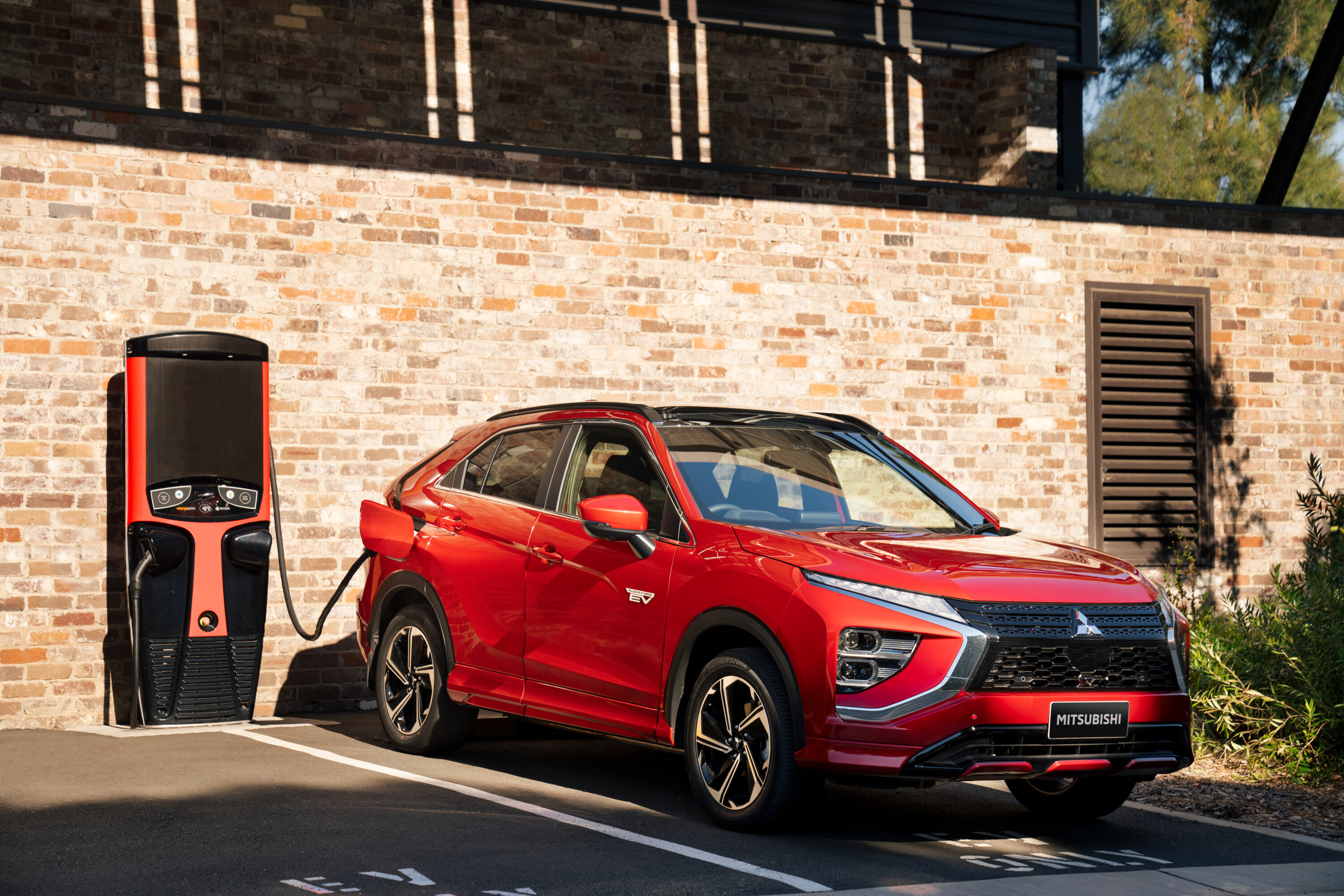
The ACT currently charges 2.6c and 2.1c per kilometre for EVs and PHEVs, respectively,
1
According to the Victorian Ombudsman, the fact that PHEV users are slugged twice – once for traditional Commonwealth-based fuel excise based on their ICE travel and again for kilometres travelled on electric power – smacks of “policy made on the run (or not at all)”.
“Imagine buying an electric vehicle, and then being charged for more kilometres than you have driven, because ‘this average calculation is bound by legislation’,” she wrote.
“Or travelling thousands of kilometres on fuel in your plug-in hybrid vehicle in remote parts of Australia with no charging stations and being charged hundreds of dollars for road use, despite having already paid the Commonwealth fuel excise on all those kilometres.”
Heavy-handed governance of the scheme and an inflexible approach to solving complaints has also been noted.
There are also two High Court actions currently underway in Victoria, with the complainants arguing for the law to be overturned on the basis that the state government had no authority to implement it.
“Whether or not its validity is successfully challenged, this legislation is being administered unfairly,” Ms. Glass said.
“This needs to change.”
Snapshot
- Honda u2018specialtyu2019 EV concept hints at NSX or Prelude successor
- Reveal next month, alongside compact models
- Global EV line-up roll out planned, but Oz may need to wait five years
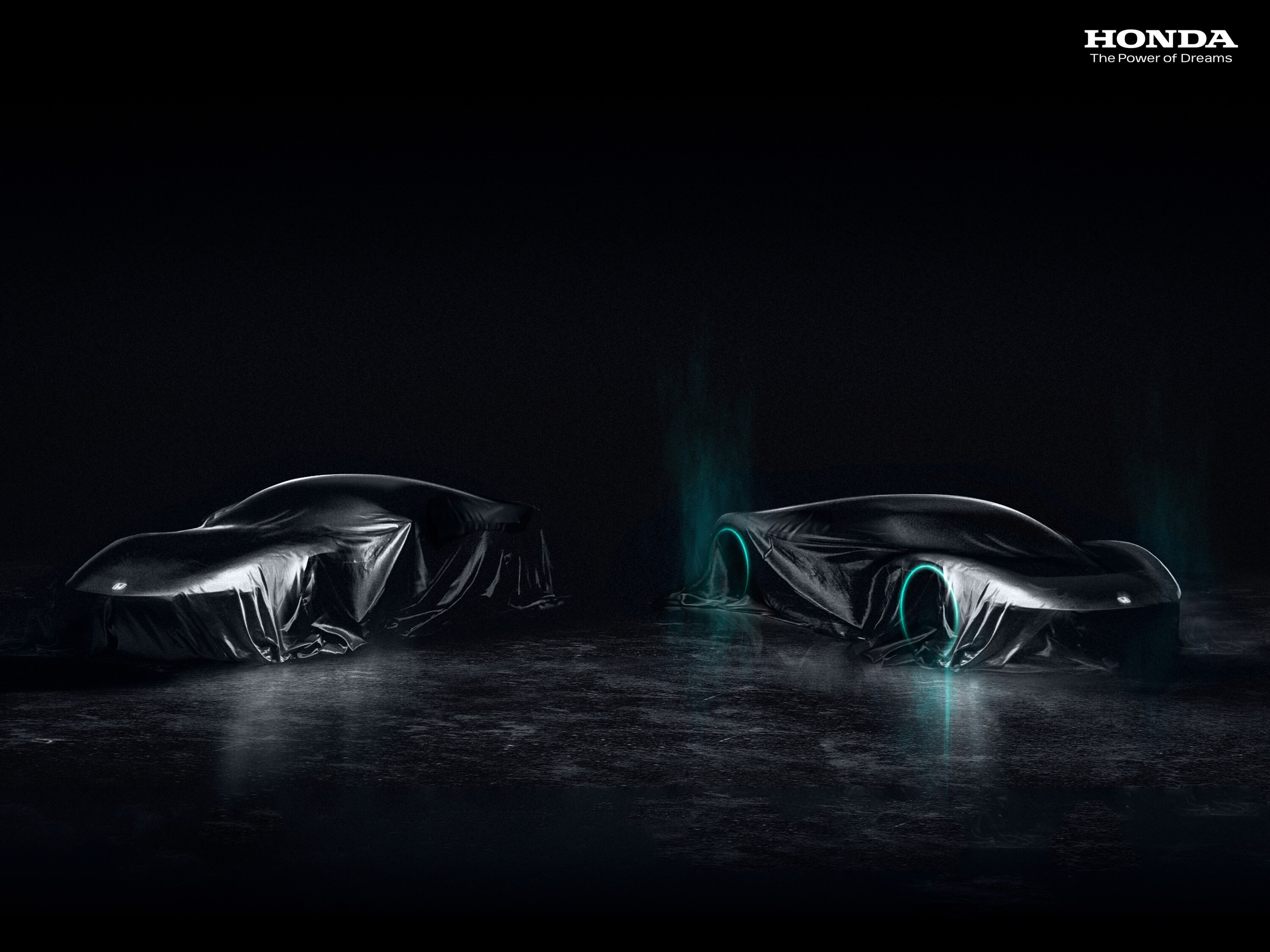
Honda is set to unveil a seemingly NSX-like electric concept, along with a family of other electric vehicle concepts at October’s Japan Mobility Show.
Called the Honda Specialty Sports Concept (HSSC), the Japanese automaker claims it will “enable the driver to experience the pure joy of driving… even in the era of electrification for carbon neutrality and the popularisation of automated driving technology”.
1
A rendering commissioned by Autocar [↗] – likely inspired by Honda’s earlier teasers – proposes an ultra low, two-door aerodynamic shape with a footprint more akin to an electric NSX supercar successor, rather than the small S2000 convertible.
The concept will fulfill Honda’s announcement last year to offer two sports models globally – a ‘specialty’ and a ‘flagship’ – with a new Honda E: Architecture dedicated EV platform set to debut in 2026.
The full reveal is scheduled on October 25, alongside other new Japan-focused compact EV concepts.
1
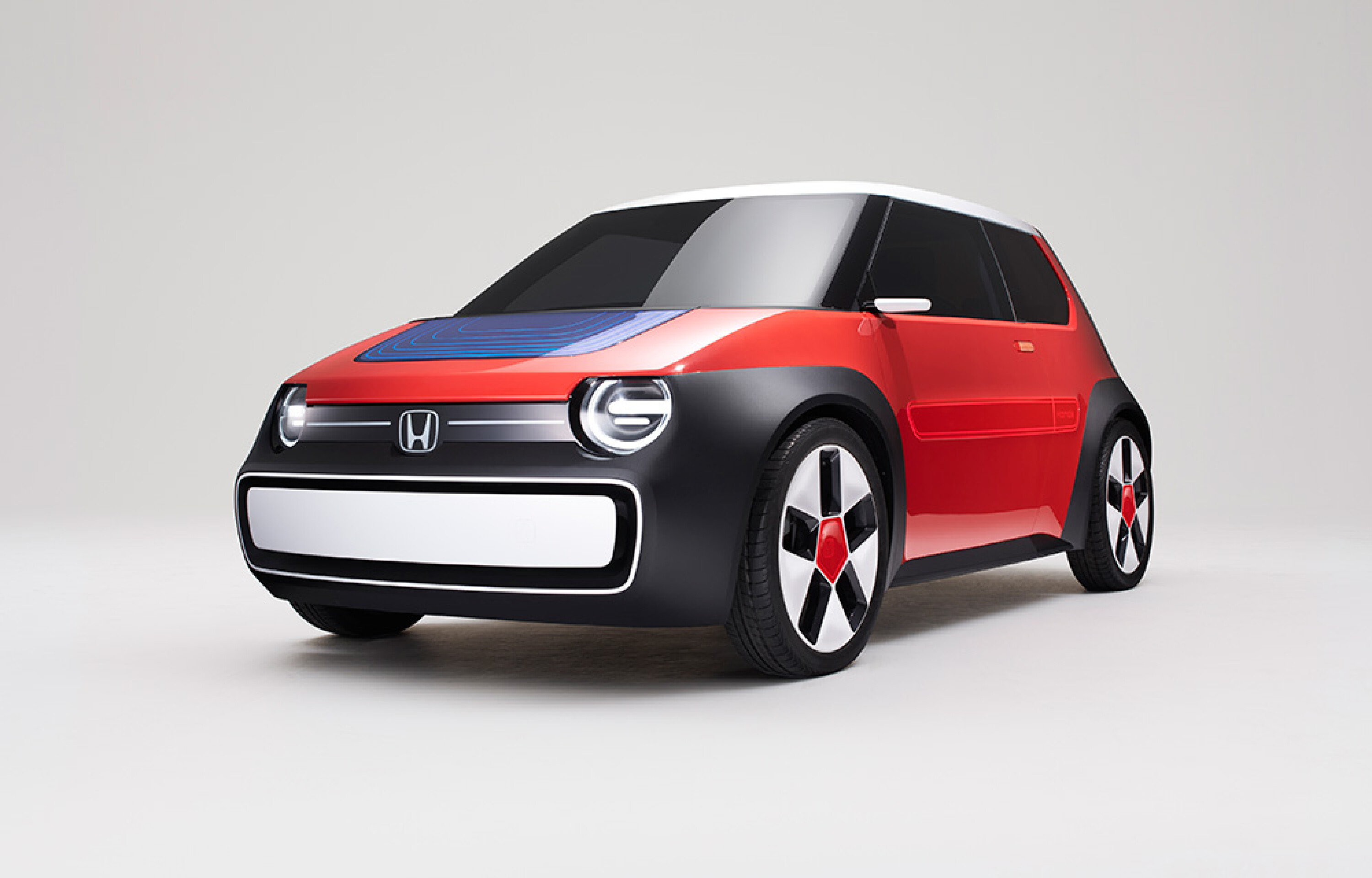
Other Honda EV concepts to be revealed
- Sustaina-C Concept: A Honda E-esque electric city car that uses recycled and repurposed materials in the circular economy.
- Pocket Concept: An electric motorcycle using recycled and repurposed materials in the circular economy.
- SC e: Concept: An electric motorcycle with modular swappable Honda Mobile Power Pack e: batteries.
- Honda CI-MEV: Two-seater electric Kei car targeted for regional and remote communities, who have limited access to public transportation.
1
Honda’s EV push… not in Australia?
While Honda’s electric vehicle offerings have been limited compared to Asian automaker rivals from China and South Korea, it is aiming to launch 30 EV models globally by 2030 and produce more than two million units annually.
However, earlier this year Honda Australia director Carolyn McMahon told Wheels it won’t bring any pure EV models Down Under until at least 2028, citing sub-par public charging infrastructure as its key reason to focus on petrol-electric hybrids instead.
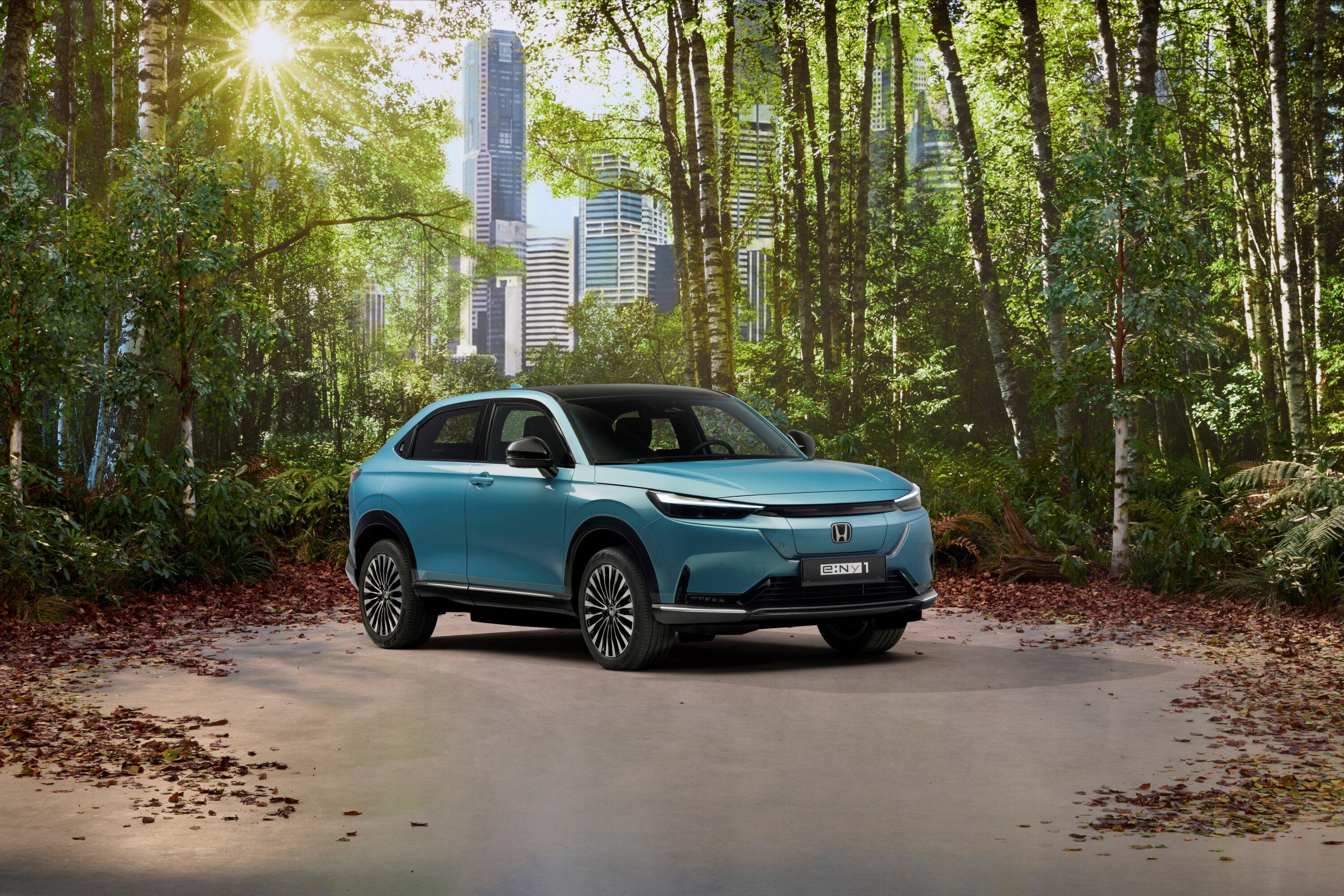
From next year, it will launch a family of EVs in China, introduce the Prologue medium SUV in partnership with General Motors, and debut the E:NY1 small SUV in Europe.
The latter is based on the Honda HR-V and signals new unique EV elements, including white Honda logos, a significantly larger 15.1-inch portrait-orientated touchscreen, and front charging bar light status.
Yet, it won’t make a Honda E successor – the only EV it sells in Europe – due to low demand in Europe and Japan for the limited-range Mini Cooper Electric and Fiat 500e rival.
MORE
Everything Honda
Chargefox chief executive John Sullivan spoke with WhichCar on criticism of charger reliability, how the business is funded – and the bold promise that public charging will dramatically improve in 2024.
Snapshot
- Chargefox CEO promises to dramatically improve public EV charging in a year
- Outlines reliability complaints, why it wonu2019t install new stations itself
- Addresses accusations on government funding, sustainability, CHAdeMO plug support
A search online for electric vehicle charging reliability in Australia often surfaces two words: Chargefox and Tritium.
Valid or not, user and media criticism of Australia’s largest public EV charging network’s faulty chargers – particularly at key Chargefox-owned locations, including Melbourne Airport West, Sydney’s Zetland, and Goulburn outside of Canberra – has come thick and fast over the past year.
There have also been vocal complaints about not receiving advertised charging speeds – even though these concerns can often be misguided or poorly informed, given the variety of factors that affect charging – and accusations at its business operations.
How bad is it?
It’s human nature for a bad customer experience to turn into criticism shared far and wide, solicited or not – often more than it is to shout the praises of a brand that quietly ‘gets it right’ – but those bad experiences can often be blown out of proportion as frustration and time do their thing.
In many cases, a brand can be hamstrung by external factors like issues with suppliers, unreliable or broken links in logistics, or just its own poor management. Whatever the cause, and however understandable – we’ve all felt mistreated at times over factors out of our control – the logo on the product is where user grievances are focused.
Please explain
For some insight into why chargers always seem to be faulty, and why issues aren’t resolved sooner, WhichCar invited new Chargefox CEO John Sullivan – appointed earlier this year – to explain how it all works (or doesn’t).

1
JUMP AHEAD
- ? Why are most Chargefox chargers not owned by Chargefox?
- ? Why are Chargefox chargers unreliable?
- ? Will public charging ever improve?
- ? Does Chargefox aim to be the only network for EVs similar to Tesla Superchargers?
- ⚡️ When will there be more chargers?
- ? Is Chargefox sitting on government money?
- ? Is the Chargefox network sustainable?
- ?? When will the CHAdeMO plug be phased out in Australia?
- ✏️ WhichCar’s take
- ? Is it time to make the electric switch?
\ud83e\udd14 How did Chargefox start?
John Sullivan: We were founded [in 2017]… At the time, there was only really one manufacturer who had charging infrastructure in the country [Tesla], which meant that no other OEM [original equipment manufacturer] or vehicle company would bring EVs to this country to sell.
So, Chargefox was founded on an idea from three founders, an agreement from the federal and Victorian Government, and also from certain motor manufacturers to commit to establishing a rival charging network in Australia to promote the adoption of EVs.
It was the founding of two companies – a charging infrastructure company called Jet Charge and a software company called Cogent, who built a software platform that sat over the top of chargers. It started with the [initial Chargefox-owned] 21 locations.
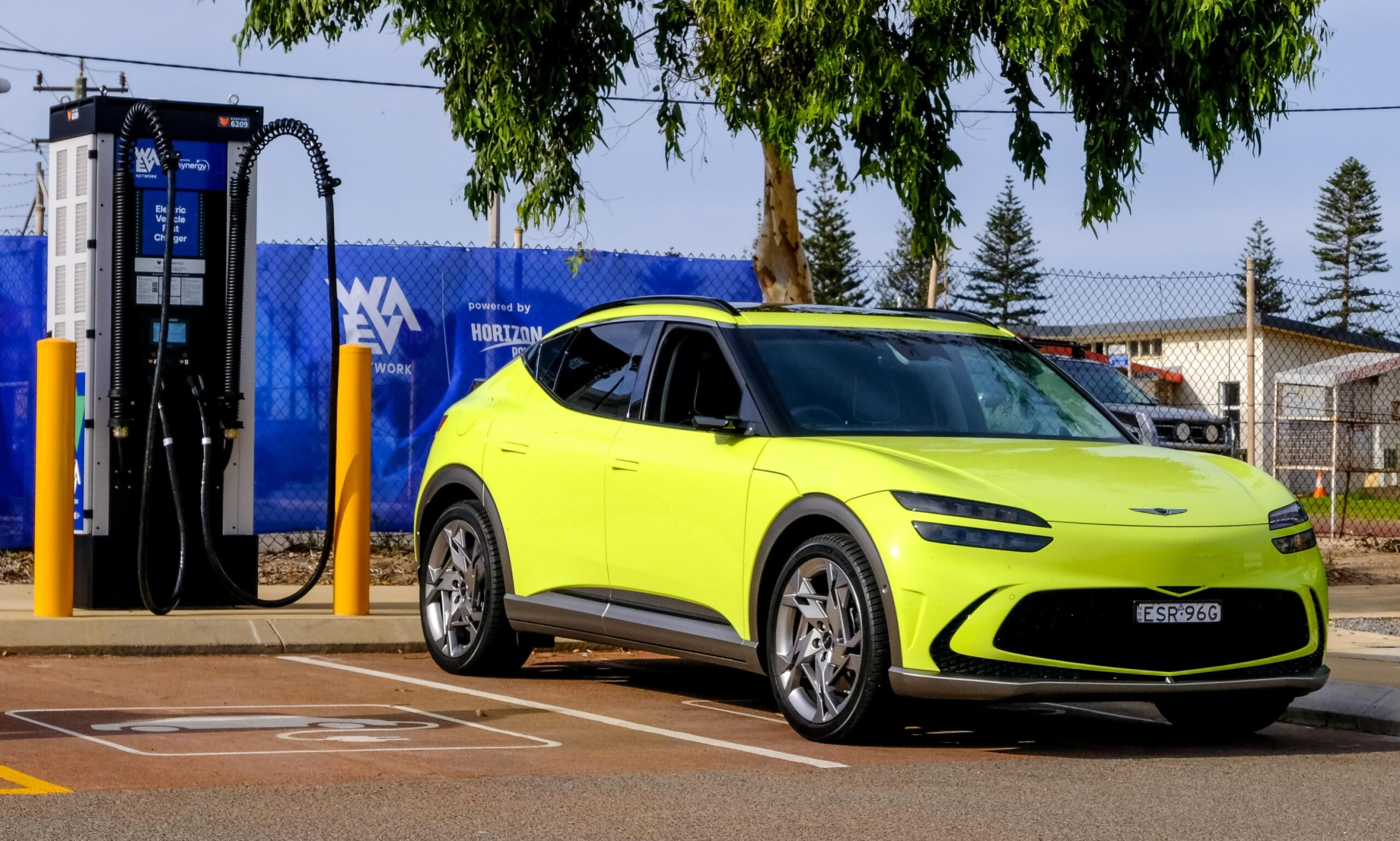
NOTE: In 2022, Chargefox was wholly acquired by the Australian Motoring Services (AMS). AMS is owned by state motoring clubs – including the NRMA, RACV, RACQ, RAA, RAC, and RACT.
1
? Why are most Chargefox chargers not owned by Chargefox?
Chargefox CEO John Sullivan says the company’s primary focus is partnering with organisations to install and maintain public EV charging stations on its software network – instead of building and operating infrastructure itself.
Sullivan: We basically don’t own the [majority of] the charging infrastructure. We work with other charge point operators [CPOs].
Most of them are the mobility clubs or energy companies like Engie, Yurika, Synergy, and Horizon, who put infrastructure in – but need to provide access to customers to find out if they’re available, drive to those locations, and then initiate a charge and receive billing. And, we build and manage reporting mechanisms on top of it.
Sullivan: Since founding, we have moved to a software business that builds software to sit on top of both public and private chargers, and grants access to chargers for charging EVs. So, you would consider us as a platform business – very similar to something like Uber or Airbnb, where neither company owns the customers or the infrastructure.
We won’t install any more [Chargefox-owned] chargers. We actually don’t need to. The network’s growing so fast, I’d be ‘muddying the water’.
It’s actually a big problem for [rival charging network providers] to find locations [to install stations] as well. So, competing with people who are trying to get onto your network for locations to install chargers – that’s not going to be a very good business for us.
We won’t install any more [Chargefox-owned] chargers. We actually don’t need to
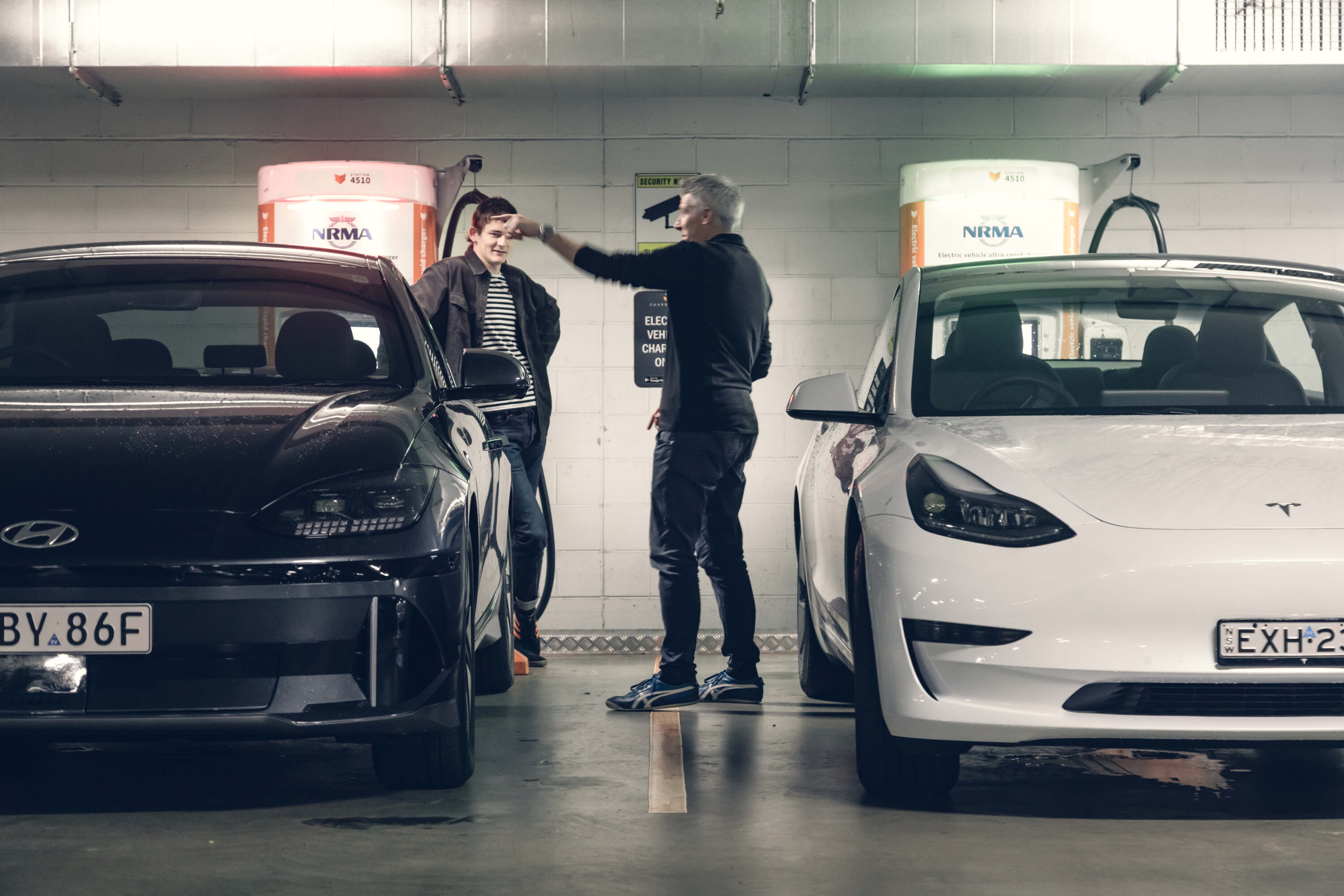
1
? Why are Chargefox chargers unreliable?
While Sullivan won’t name specific manufacturers, he says public EV charging stations fault at times due to the increased use, weather conditions, and outdated ‘first-generation’ units. Read our detailed story here.
The Chargefox CEO also confirmed that all its 21 owned charging locations will be replaced with newer, more reliable modular units with power sharing (between multiple plugs) and load balancing capabilities in the next year.
John Sullivan: At the moment we’re the biggest network [in Australia]. Therefore, we draw more attention [and criticisms]… We’ve got more load on our system.
Whenever there’s a fault with a charger, it’s probably going to be a fault with a Chargefox charger… By sheer volume you hear more about Chargefox, because we’ve got that kind of network size outside of Tesla.
No one publishes a reliability report. They just make wild statements of how many chargers they have available… There are a lot of people regurgitating misinformation in the market. I think that’s discrediting EVs as a viable option. I would implore those companies to stop doing that.
We draw more attention [and criticisms]… We’ve got more load on our system.
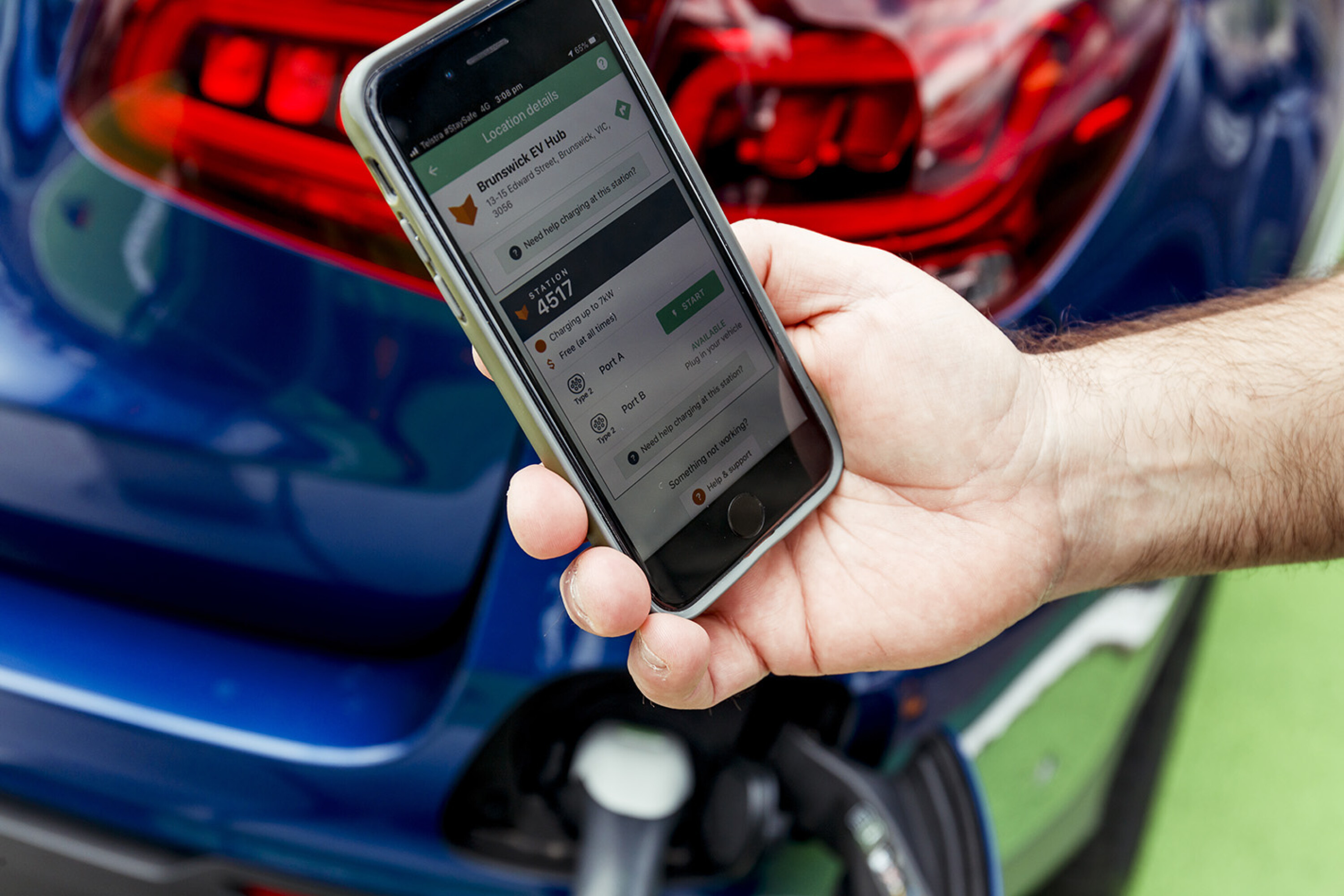
1
? Will public charging ever improve?
Chargefox CEO John Sullivan promised bold expansion plans and improved charging station reliability – within just one year.
John Sullivan: Over the next year, we will have doubled the size of the network, we will have put new chargers in, we will have replaced older chargers with newer chargers. The network will become much more reliable, much better, there will be much more options for people to charge on our network.
If you look back in a year’s time, I reckon I’m going to be right on the money. Basically the network will be so much better, everybody’s network will be so much better. The problems we’re facing today will not be the problems we’re facing in a year’s time.
The problems we’re facing today will not be the problems we’re facing in a year’s time.
Literally, every graph is going up on SLAs [service level agreements]: chargers going in, in new locations, number of [regular] users, the size of charging sessions, and the rate at which vehicles are charging. All the metrics are going in the right direction. They’re not slight graphs; they’re almost vertical on almost everything that’s happening at the moment.
The main area that we focus on at the moment is improving driver etiquette with idle fees. We’re doing a trial over in Western Australia and trying to reduce what we call ‘parked time’ – which is when a car plugs in, when the charge session finishes, and how long the car is still connected.
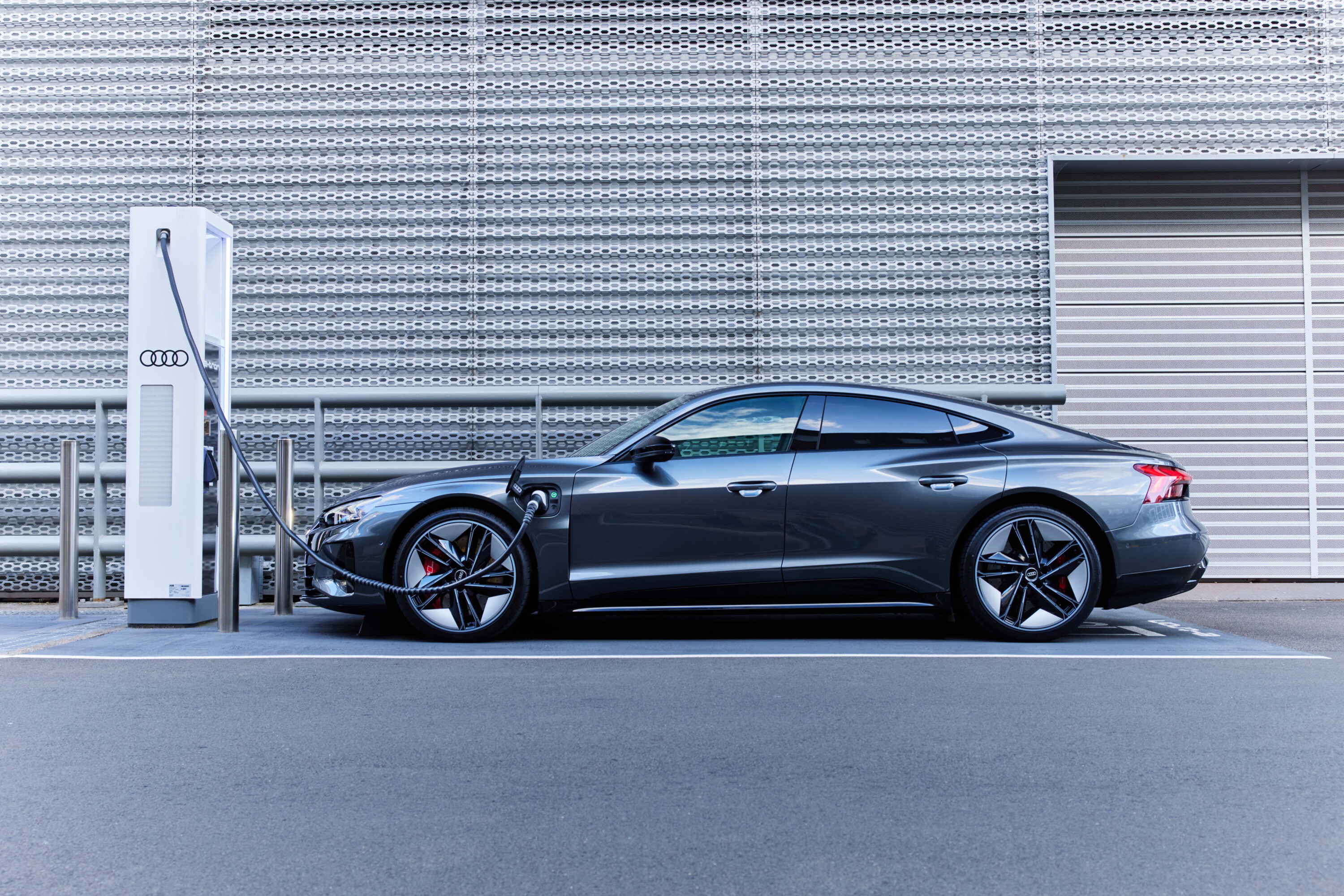
1
? Does Chargefox aim to be the only or most significant network for EVs, similar to Tesla Superchargers?
It’s true that Chargefox was originally founded to rival Tesla’s Supercharger network, but Sullivan says it is time for the industry to stop boasting about their charging networks and cooperate to establish better accessible and reliable infrastructure.
Sullivan: The only way this industry is going to provide a viable charging opportunity to convert all vehicles from ICE [internal combustion engine] to electric is through partnership.
It’s going to be a group of us all willing to sit at a table and have everybody’s best interests… I would implore all other companies to work together and partner. I don’t see enough of that.
Sullivan: Everyone thinks they can build and dominate – and it’s folly. No one is going to build the only network that everybody needs. No one’s going to do it. We’re not going to do it.
This is a new industry. We make mistakes. The industry as a whole has not set itself up well for the [EV] adoption rates we’re getting today. Everybody in this industry feels it. We’re fixing the plane as it’s flying.
Everyone thinks they can build and dominate – and it’s folly.
⚡️ When will there be more chargers?
Sullivan says that while Chargefox won’t install any new additional stations itself, its charging provider partners are quickly expanding stalls.
Sullivan: We grow by anything between 100 and 200-plus [individual] plugs per month. The reason we grow at such a rapid rate in comparison to anyone else that builds charging infrastructure is that we work with other charge point operators [CPOs] to install chargers.
We have local councils, local governments, local small businesses, we have organisations that are focused on the best interests of the drivers and the communities that they’re in.
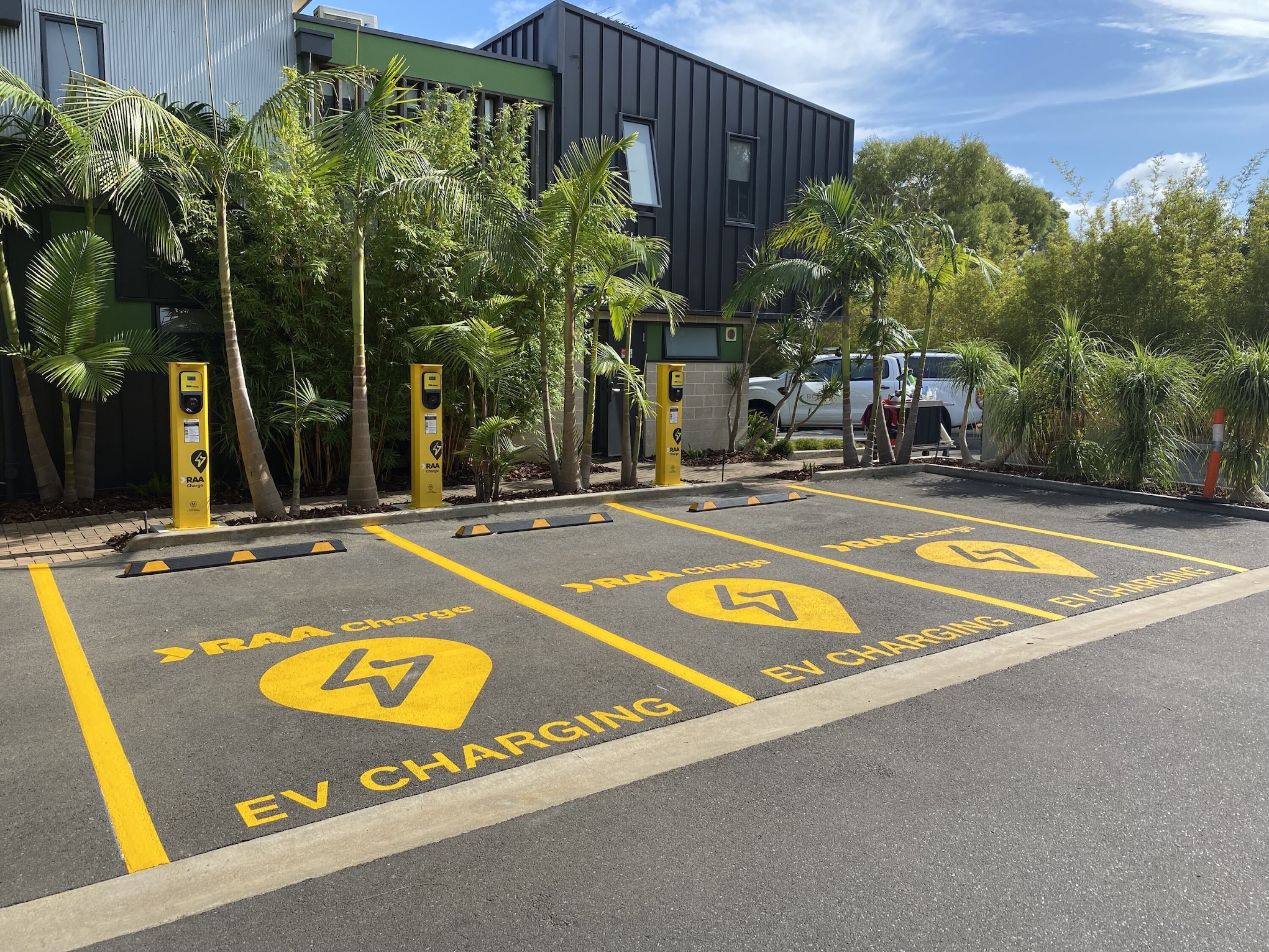
Sullivan: If you look at the RAA in South Australia, no one would build a network on the [scale that] RAA is building. There’s no money to be made on it. It’s a complete loss. There has to be someone whose best interest is the driving public.
And, the energy companies who have access to the energy to distribute out at a cost-level, that will give them a long-term investment and make money.
1
Sullivan: Our network will basically almost double every year from now on, in the number of plugs and a number of locations.
We also manage a bigger private network of charging stations for businesses. Over the next year or two you will see industries and government bodies convert their vehicles from ICE [internal combustion engine] to electric. I think that’s where the majority of the growth will be.
In five years, I think we’re going to see an exponential growth in public and private plugs on Chargefox to the point where it will continue to be the largest network because of the people we work with. We’re not trying to do everything ourselves.
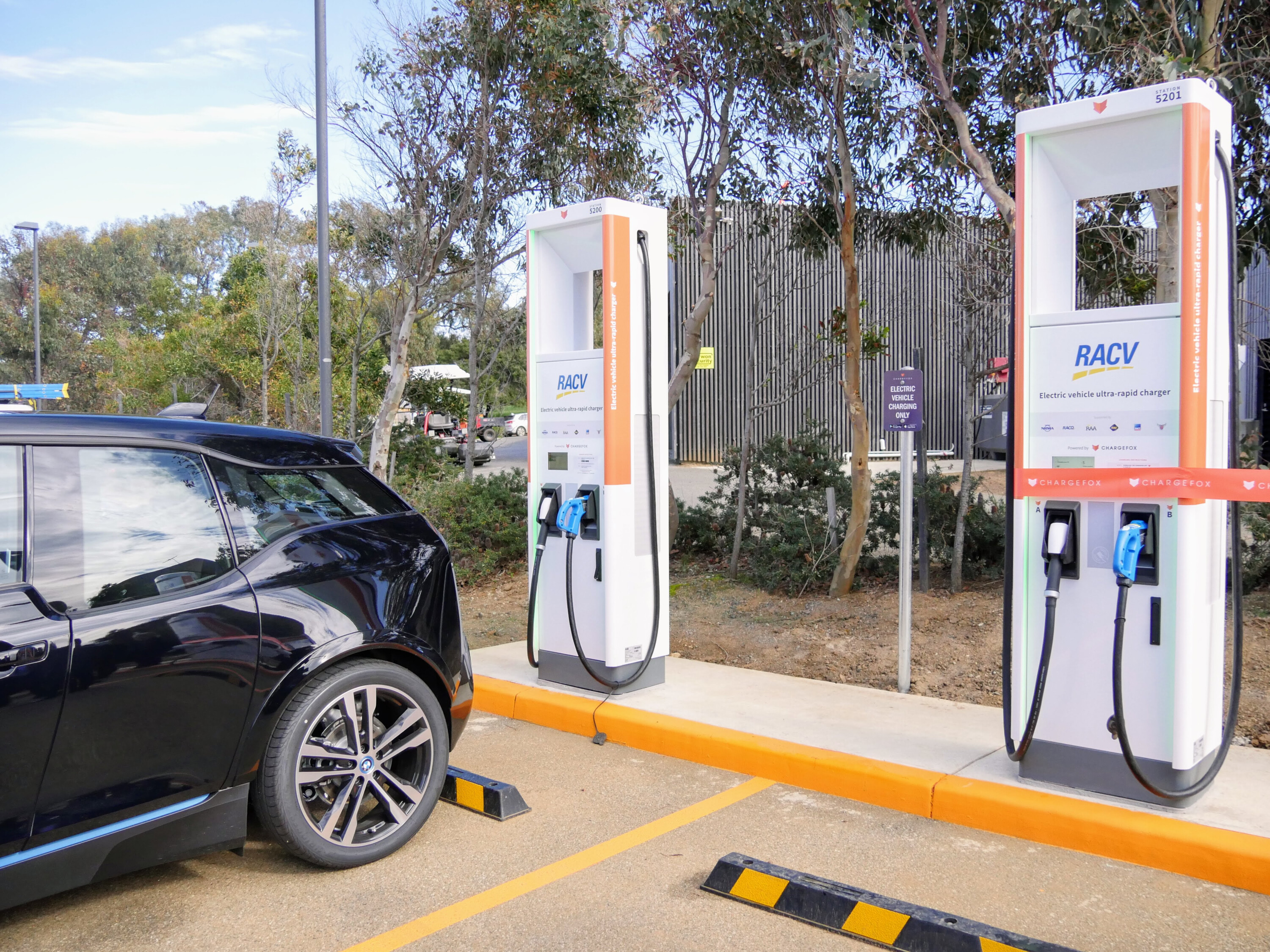
1
? Is Chargefox misusing government money?
“Misinformation”. Sullivan on allegations that Chargefox has taken government funding while delivering unreliable infrastructure.
Sullivan: No, it’s not true. Chargefox was founded on a mixture of funding. The majority of it was from the mobility clubs, founders, and some of the directors and board.
We received a federal government loan because of the enormity of the cost. We have paid all of that money back. And, we received partial funding from the Victorian Government for seven Victorian sites out of the first 21 [Chargefox-owned locations].
We received a federal government loan… We have paid all of that money back.
Sullivan: We have not taken that money and simply had a royal time on wads of cash… I’ve heard the commentary a lot – and it grates quite a bit.
Actually, of the charge point operators [CPOs] – we’re not one, but we get lumped in with them – we’re probably the only business that statement should not be levelled at.
Everybody else has taken federal funding and co-grants – they have to match the funding from [the federal government’s Australian Renewable Energy Agency (ARENA)]. But, we haven’t received any that we have not paid back, apart from the Victorian Government.
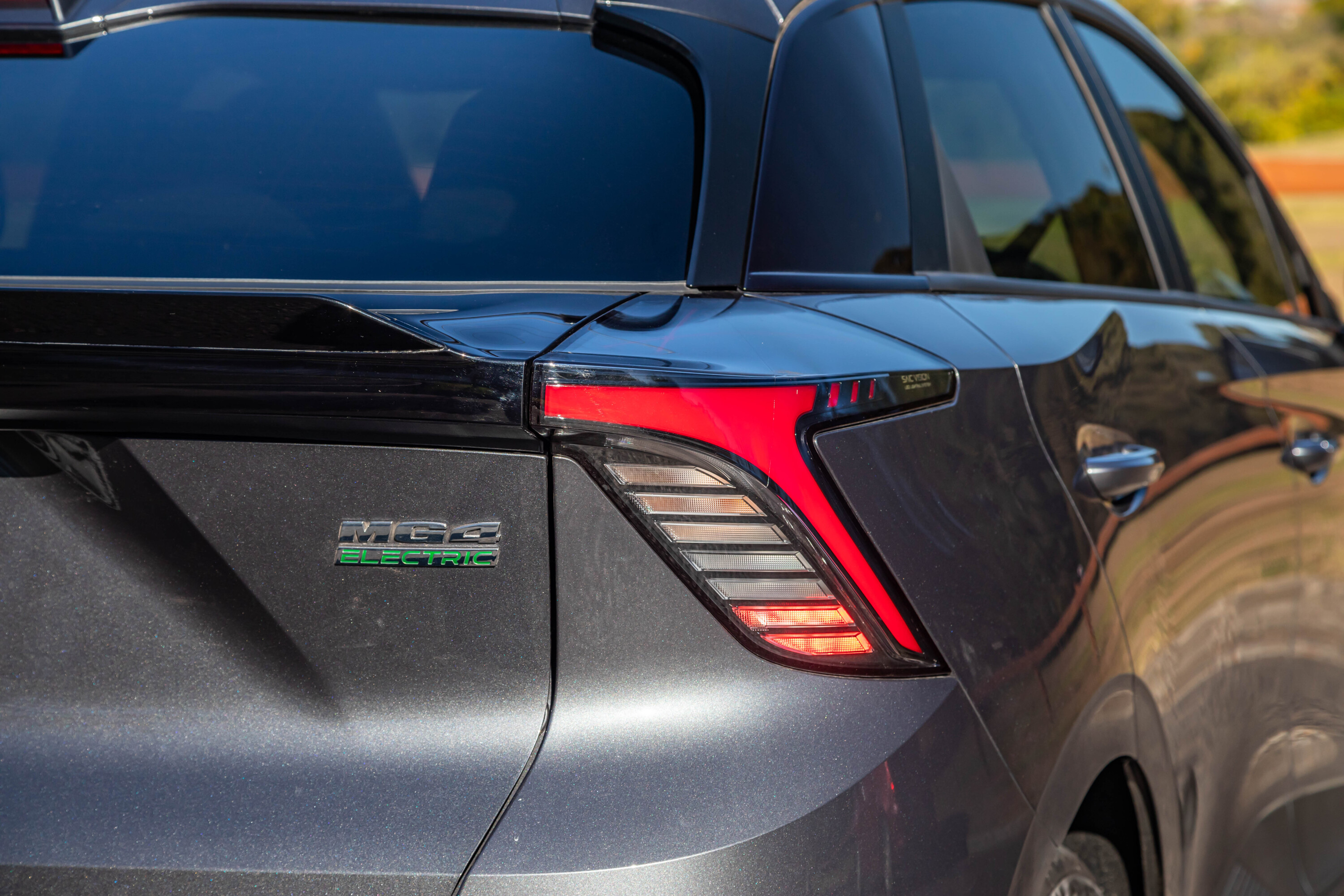
1
? Is the Chargefox network sustainable?
The whole-of-life environmental sustainability of EVs is a contested issue, when charging is still mainly sourced from high-emitting power plants.
Sullivan says that while the network isn’t completely ‘green’, it is still better than fueling a petrol or diesel car.
Sullivan: At least 30 per cent of the power that’s consumed from the grid comes from renewable mechanisms. That’s only improving.
Drive a petrol or diesel car all you like. It’s not going to get any better. But, if you were to drive an electric vehicle, at least a third of the energy that you put in that car today will come from a sustainable means. If you charge it from home with solar, all of it comes from renewable means.
One direction’s going to get better, more effective and more efficient over time. The other is only staying where it is.
Drive a petrol or diesel car all you like. It’s not going to get any better.
Sullivan: On the 21 [Chargefox-owned] sites, they come primarily from either green certified or green sources, or we buy credits for the energy that’s on those sites. But even that’s a myth, because you’re buying an allotment of energy to be dispersed onto the grid.
We try to influence [CPO partners] to have sustainable energy agreements with their energy provider.
We’re doing some trials at the moment to see how we can influence people’s time-of-charge when the grids are full of sustainable renewable energy, over gas and coal generated energy.
Initially, we started with price; it’s made no difference whatsoever. We’re also trialling in South Australia, changing the rate of charge – faster when there is more abundance of sustainable energy, [slower] in the middle of the night. We’ll provide that information back up to ARENA and the state and federal governments.
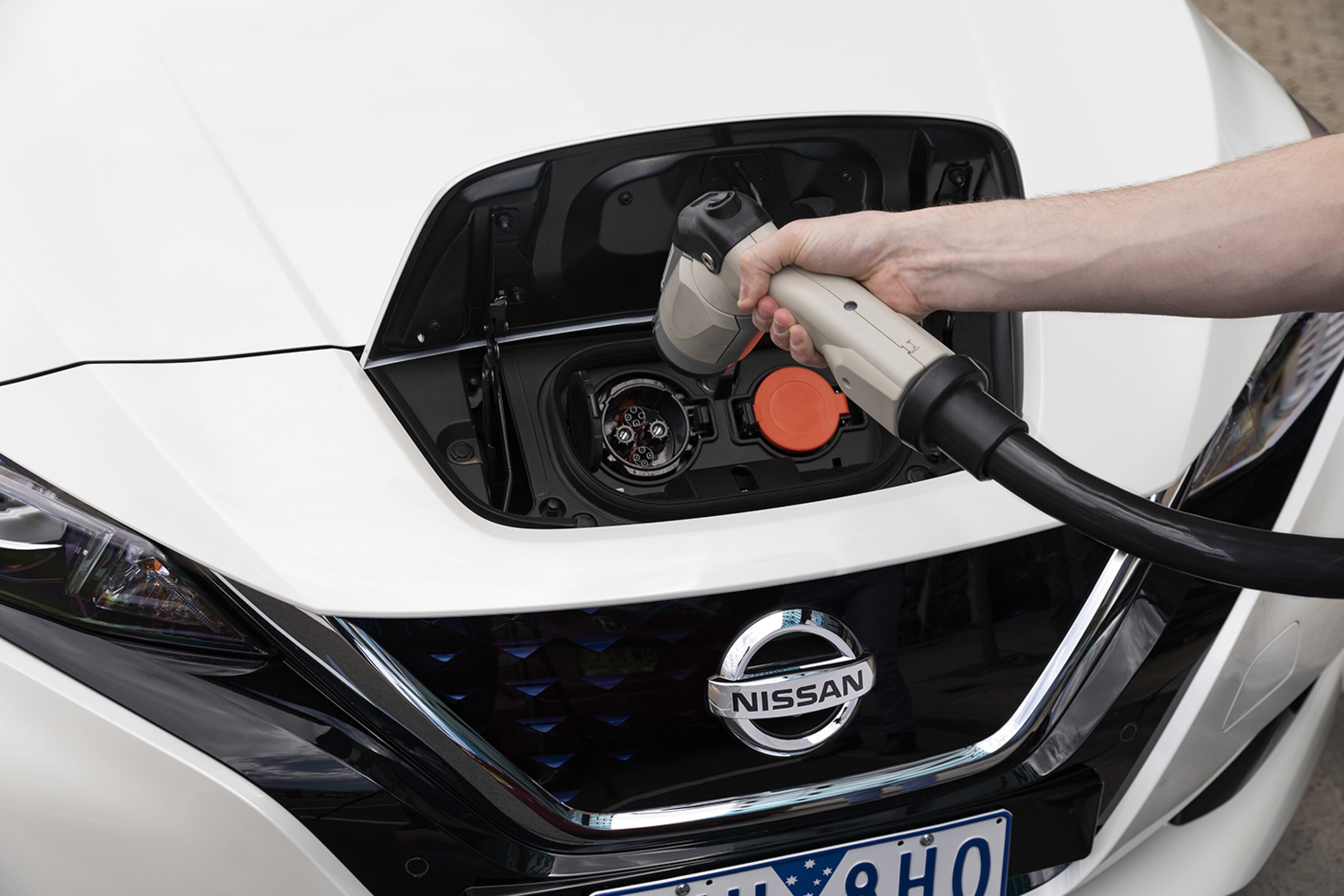
1
?? When will the CHAdeMO plug be phased out in Australia?
Sullivan says the rare CHAdeMO ‘fast-charging’ plug type will remain in Australia for the foreseeable future to serve models like the Nissan Leaf and Lexus UX300e, along with imported Japanese EVs, and the used EV market.
Sullivan: We see varying degrees of charging – some by locations, some by charger.
In Melbourne, the use of CHAdeMO plugs is about 20 per cent of all the chargers – I was surprised by that figure. And then in other areas of Adelaide, I’ve found it down to about two or three per cent.
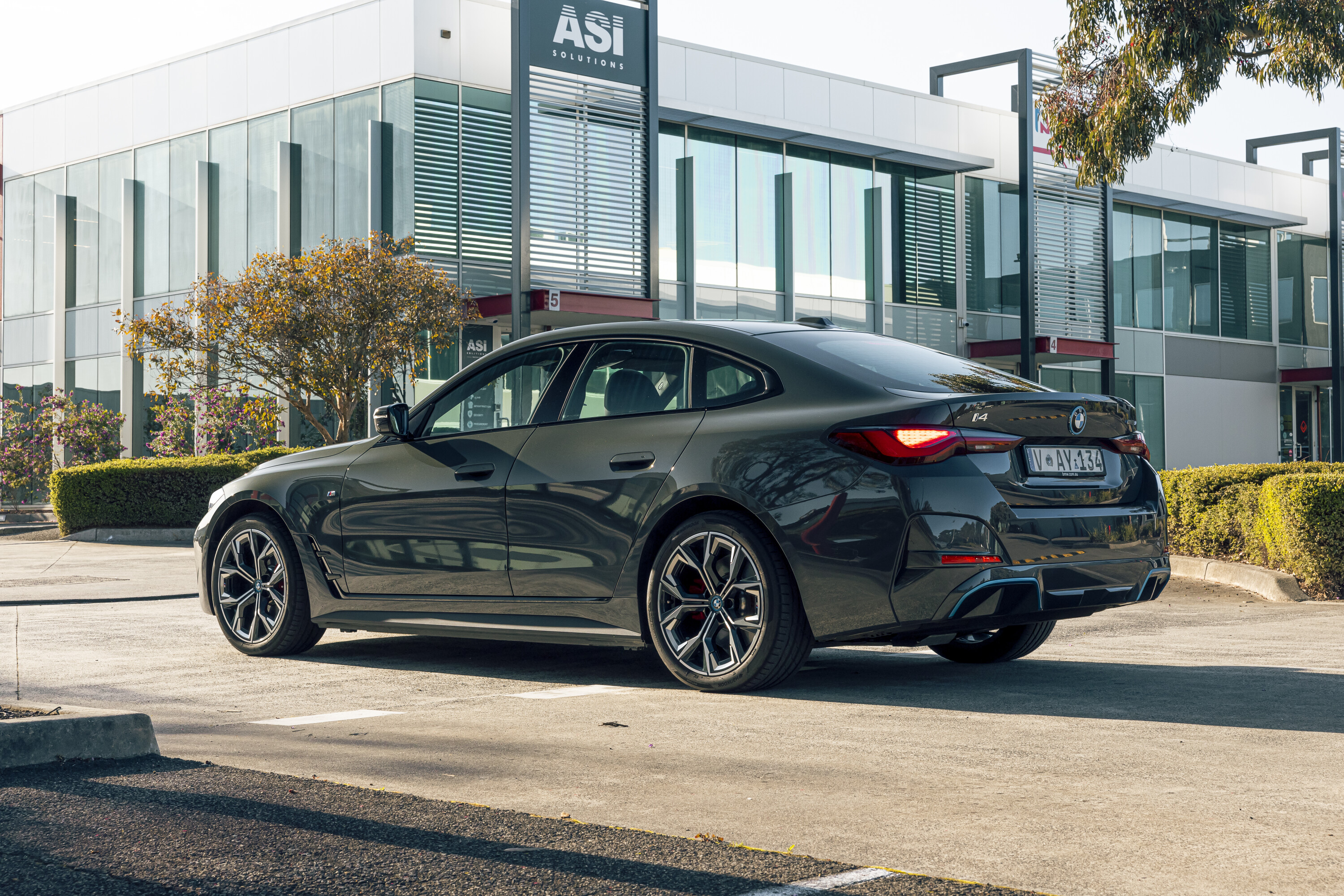
1
Should current and hopeful EV owners reasonably expect all that Sullivan has promised?
Chargefox’s new CEO appears forthright in describing the business’s troubles while mythbusting misconceptions in the market, but has boldly promised that public EV charging will dramatically improve from next year.
Only time will tell if these plans will prove out, but as the Australian EV sales continue to rapidly grow, the demand is there – primarily led by Tesla and BYD – despite some arguments otherwise.
Owners and the media have criticised Chargefox-owned stations for extended repair times at busy locations, with some reportedly out-of-order for several months. The painful manufacturer diagnosis and repair process that Sullivan described will also need attention to restore user trust.
Based on user experiences posted to the comments section of charger-finding website PlugShare, Evie Networks and BP Pulse have emerged as more dependable public charging sites.
Those sites mostly use Tritium’s newer, modular RTM and PKM machines, so it’s promising that Chargefox’s 21 owned locations will be completely refitted with newer modular stations. It’s a big investment, which as Sullivan points out, will mean improved reliability – since they’re better designed to handle higher loads, as seen in the US and Europe.
However, there’s the question of how long the replacement process will really take.
Chargefox’s own last ‘new’ chargers in Carseldine, Brisbane – which are just stalls moved from the flood-destroyed Toombul location – have been installed, but are still not operational (i.e. in the commission stage) for three months as at the time of publication.
The Australian Renewable Energy Agency (Arena) hasn’t committed to funding any EV charger maintenance beyond the initial installation, let alone mandating any availability and reliability rules to qualify for its grants.
The company’s software-focused platform approach also risks an inconsistent charging experience – across branding, wildly different charging costs, and accessibility.
Critically, as Sullivan and EVSE Australia admitted, not all charger-owning partners are as committed to maintaining and repairing broken stations, particularly when energy companies, governments, councils and local businesses may likely each have different priorities.
And, unlike the United States [US Department of Transportation ↗], the Australian Renewable Energy Agency (Arena) hasn’t committed to funding any EV charger maintenance beyond the initial installation, let alone mandating any availability and reliability rules to qualify for its grants.
Meanwhile, Tesla’s Superchargers – some of which have now been online for more than a decade – have largely proven dependable, integrating seamlessly with Tesla vehicle software and navigation to essentially eliminate ‘range anxiety’ on long trips.
As a major part of its overall marketing, Tesla ensures any downtime for its Superchargers is rare, making it the closest experience to using traditional fuel stations, despite attempts from other carmakers overseas. It remains a key selling point for Tesla EVs that other brands in Australia can’t easily match, even with its network opening up to all models at a price.
Europe’s utopian EV charging hubs with dozens of stations from different networks on a large forecourt – without forcing owners to drive somewhere else to find a working charger – looks likely to remain a pipe dream in Australia for some time.
Snapshot
- Facelifted Genesis GV80 adds a new sporty coupe variant
- Visual updates outside tidy visage and amp presence
- Enhanced technology inside headlined by a 27-inch display
- Expect in Australia Q2 2024; pricing yet to be announced
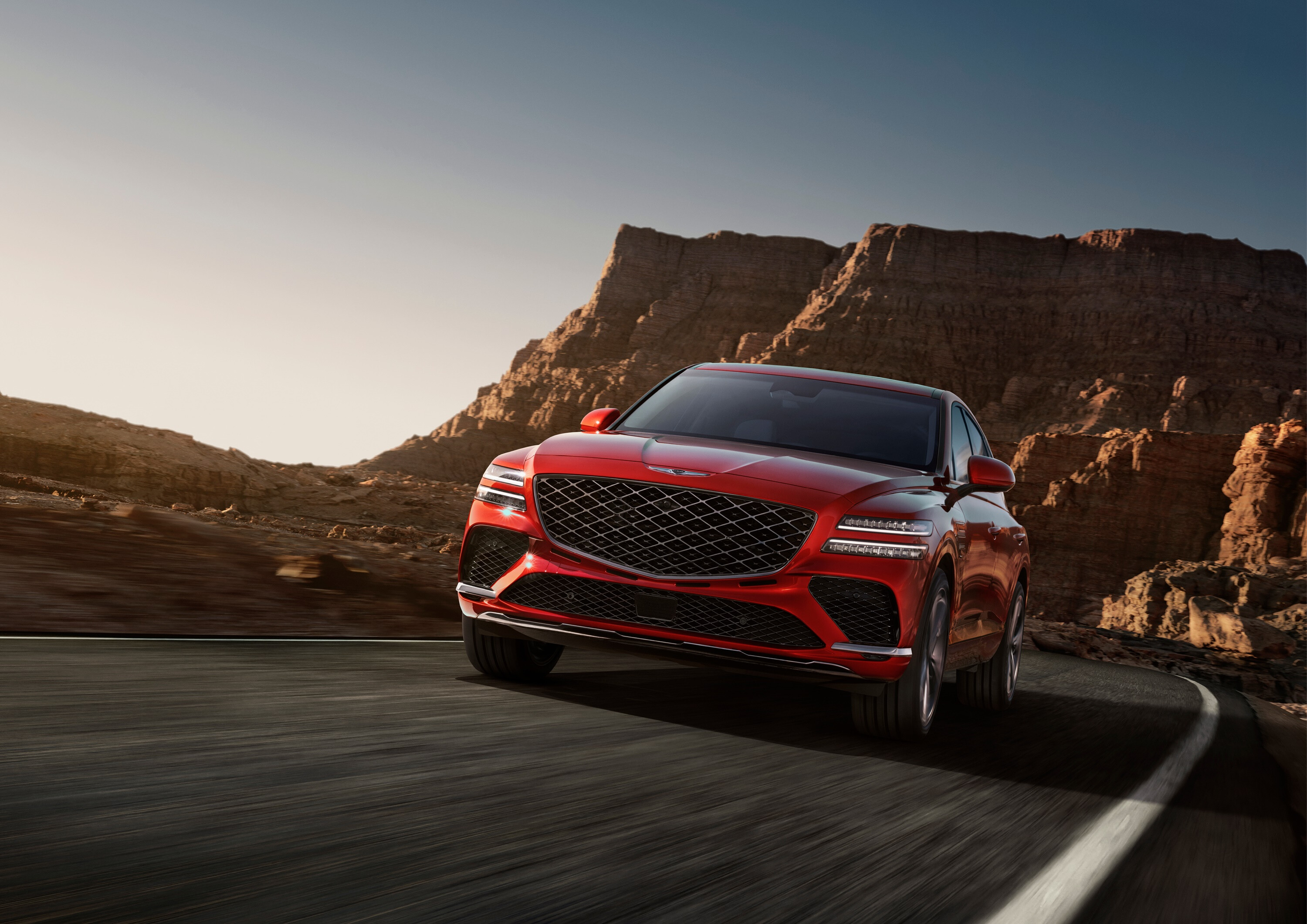
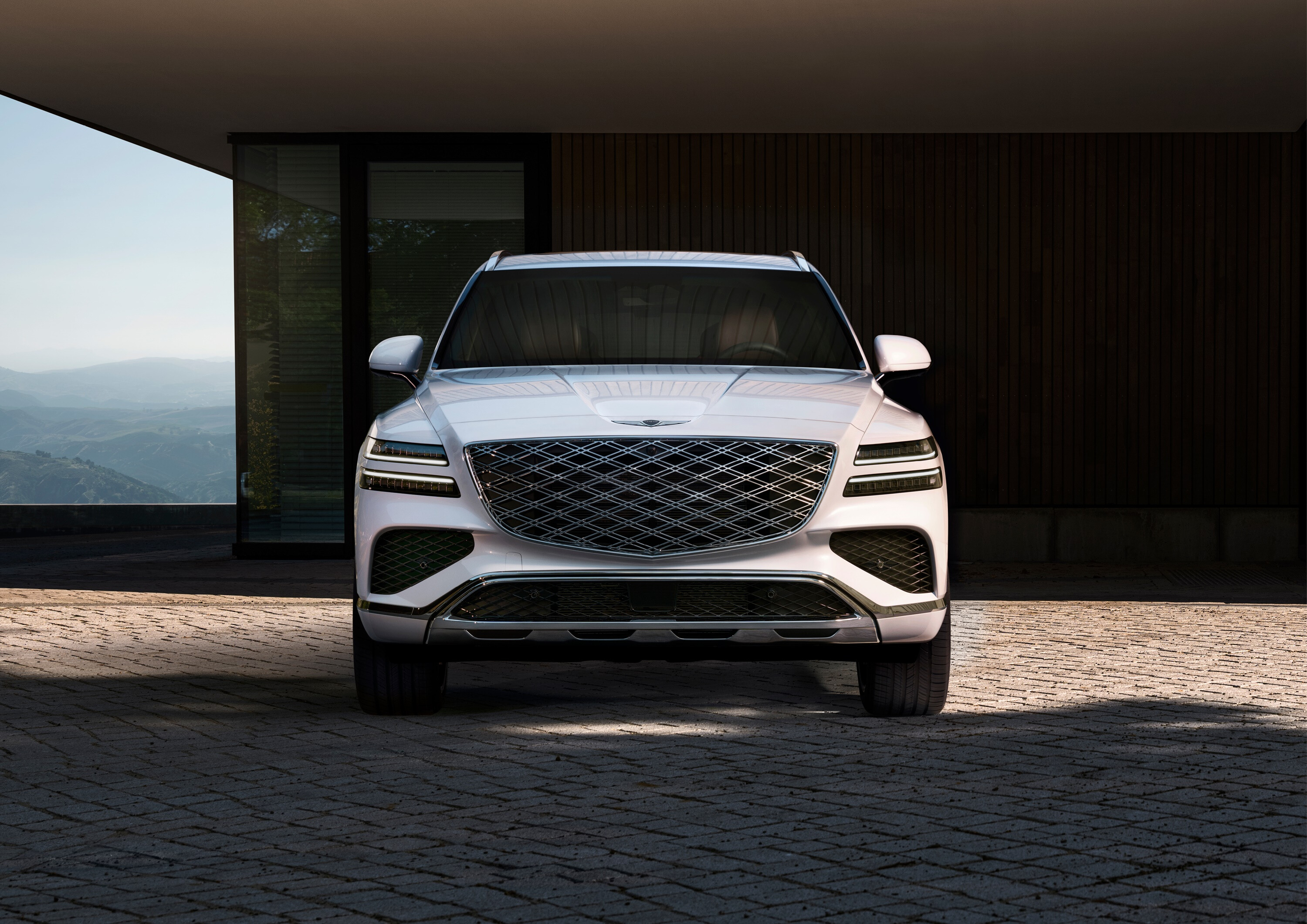
Genesis has revealed a 2024 facelift for its GV80 large SUV. Foreshadowed by the GV80 Coupe Concept in April this year, a sloping-roofed variant has been added, too.
The South Korean luxury brand is yet to announce Australian pricing, but has confirmed that the facelifted GV80 will hit local dealerships in the second quarter of 2024 – a little over four years after the car’s global 2020 launch.
Aside from visual tweaks, the 2024 GV80 will be available exclusively with petrol engines, and the coupe gets the option of a 48-volt electric supercharger boosted turbo-petrol V6 producing 305kW.
“Today, we mark an important milestone in our journey to success,” Genesis chief brand officer Graeme Russell said during the GV80’s reveal. “As the boundaries of luxury continue to be redefined, Genesis believes that the GV80 and GV80 Coupe will cater to the ever-evolving needs of our discerning customers.”
1
Updated exterior design
Along with the coupe variant that looks remarkably similar to April’s concept car, the 2024 GV80 picks up a few new details.
The front crest and headlights have been subtly tweaked with smoother corners on the grille complemented by larger air intakes, a front skid plate and a ‘Guilloché-patterned’ emblem design.
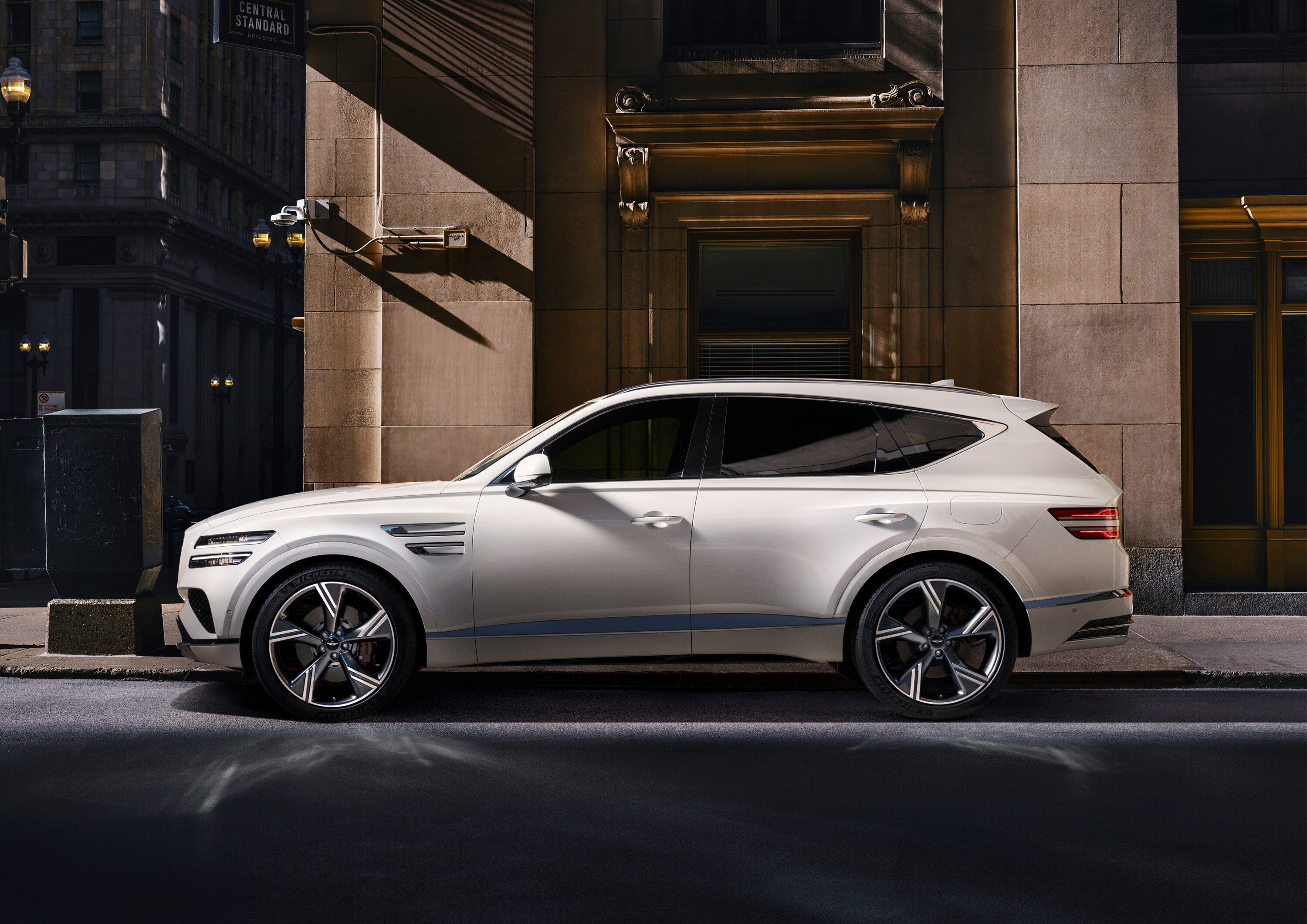
In profile, you’ll notice a new chrome trim that accentuates the GV80’s length along with a pair of new wheel designs: a multi-spoke 20-inch for the base car, and a 22-inch wheel that reinterprets the GV80’s two-line theme.
1
A new exterior colour, matte Storr Green, joins the range making for 12 paint options. The GV80 coupe is available exclusively in another new colour: Bering Blue.
Other differences between wagon and coupe include an expanded air intake with an active air flap and four cooling vents in the front bumper. The BMW X6-like coupe gets exclusive alloy wheel designs, too.
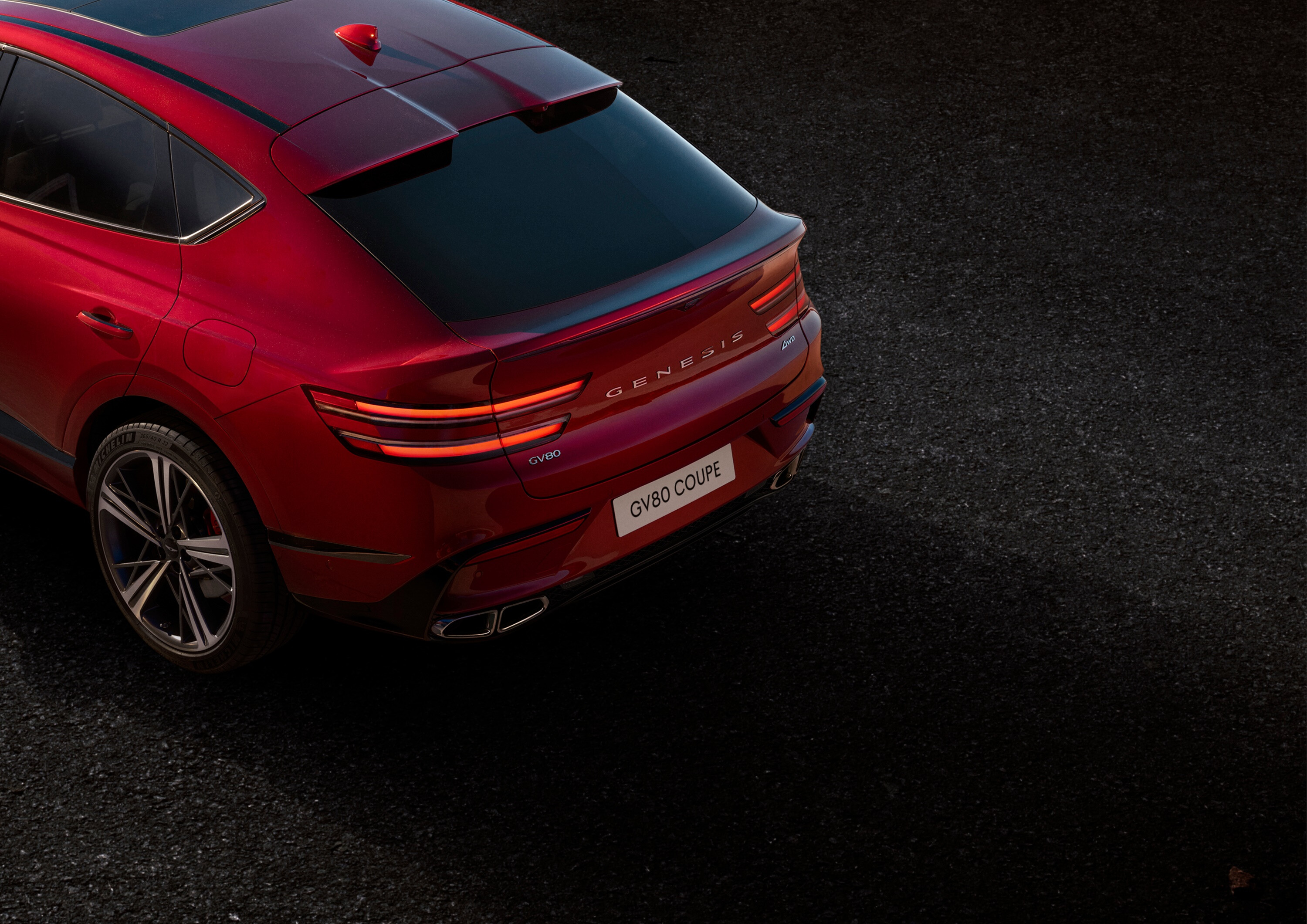
At the rear, the coupe’s roofline slopes into a rear spoiler beneath which is a bespoke LED taillight signature that glows through the surface and links the rear taillights.
1
Greater luxury and more tech inside the cabin
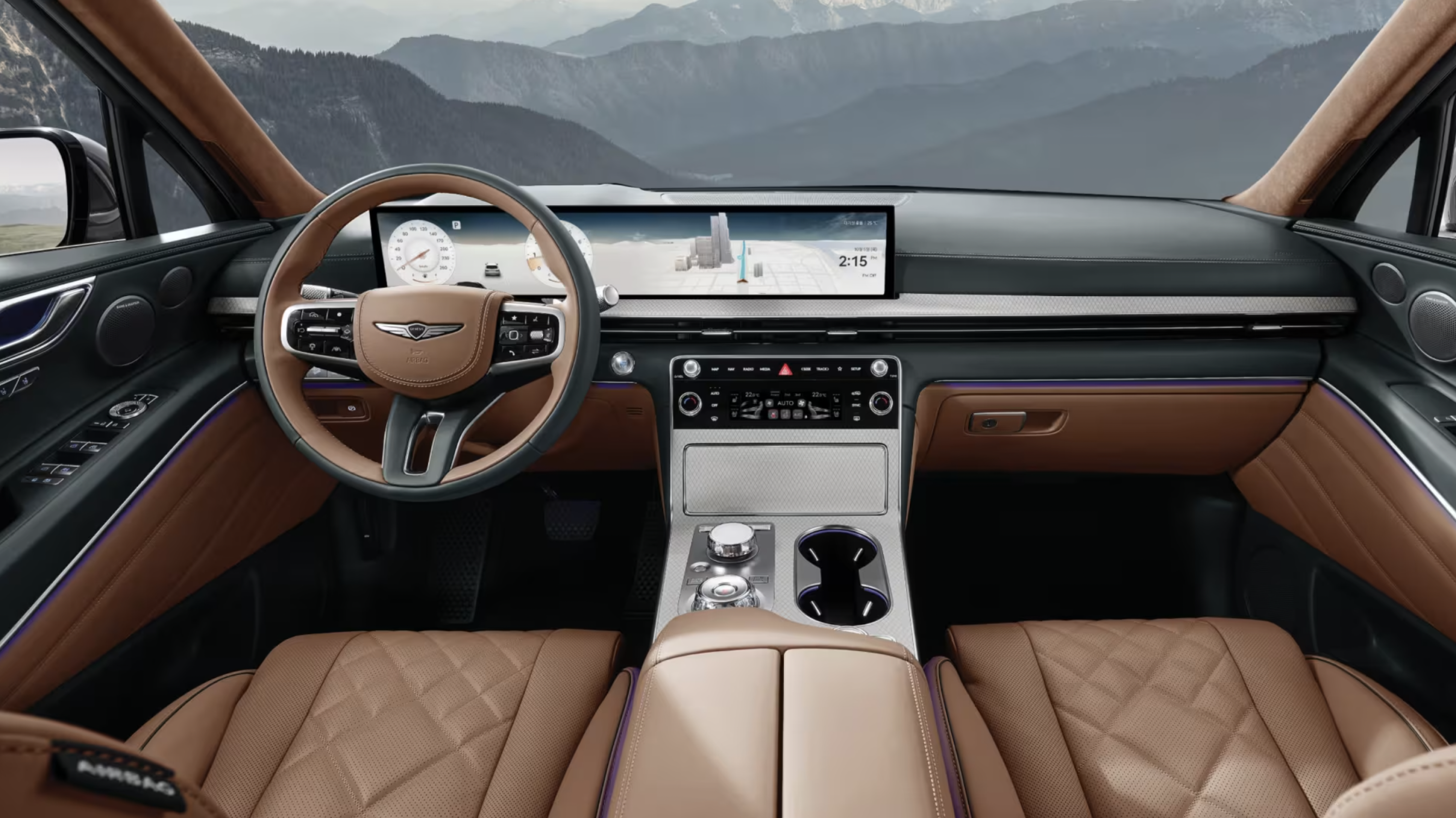
Ditching its separate 14.5-inch media display and 12.3-inch digital driver’s display, the 2024 GV80 opts for an on-trend integrated screen that measures 27 inches.
The technology continues with digital keys, fingerprint detection, UVC disinfection trays, heated seats and armrests, a cabin fragrance system, and a Bang & Olufsen sound system.
The touch-sensitive HVAC controls have been moved up the dash, and the centre console features a redesigned crystal gear shift. Ergonomic improvements continue with a new wireless smartphone charging pad, bigger cup holders, and a physical volume/tune adjustment knob.
1
Genesis has also changed the pedal design and recontoured the soft pads around the cabin all while retaining real leather, aluminium and wood details. Two-tone-coloured steering wheels are standard, and you can have one of five leather colours, including the new Earth Brown, Bordeaux Brown, and Glacier White themes.
The five-seat GV80 coupe gets a flattened ‘D-cut’ steering wheel, carbon inlays, exclusive seat patterns, and metal-garnished pedals. The coupe’s rear seats can recline, and there’s a foldable parcel shelf in the back along with an optional 14.6-inch rear display that can access streaming services.
Engines and powertrains
Globally, the GV80 diesel has been dropped though it’s unclear if this will carry over to the Australian market. The base car is powered by a 2.5-litre turbo-petrol four-cylinder (found locally in GV70) that develops 224kW/422Nm and uses an eight-speed automatic.
The current flagship 3.5-litre petrol V6 continues with 279kW/530Nm, though in the GV80 coupe, it’s superseded by an exclusive version developing 305kW/549Nm thanks to an electric supercharger powered by its 48-volt on-board electrical system. Genesis is yet to confirm performance figures for the new powertrain.
1
The flagship GV80 coupe also benefits from a more focused Sports+ for its engine and adaptive dampers, launch control, and more cluster information including oil temperature, torque output, and turbo pressure.
Genesis has not announced an electric variant of the GV80, unlike the G80 limousine.
Pricing and availability
A rival for the BMW X5, Audi Q7, Lexus RX, Mazda CX-90 and now their coupe siblings, the Genesis GV80 will arrive in Australia in the second quarter of 2024.
Pricing is yet to be announced, but expect rises across the board. If the new flagship GV80 coupe comes to Australia, expect it to be priced from around $120-130K.
MORE
Everything Genesis
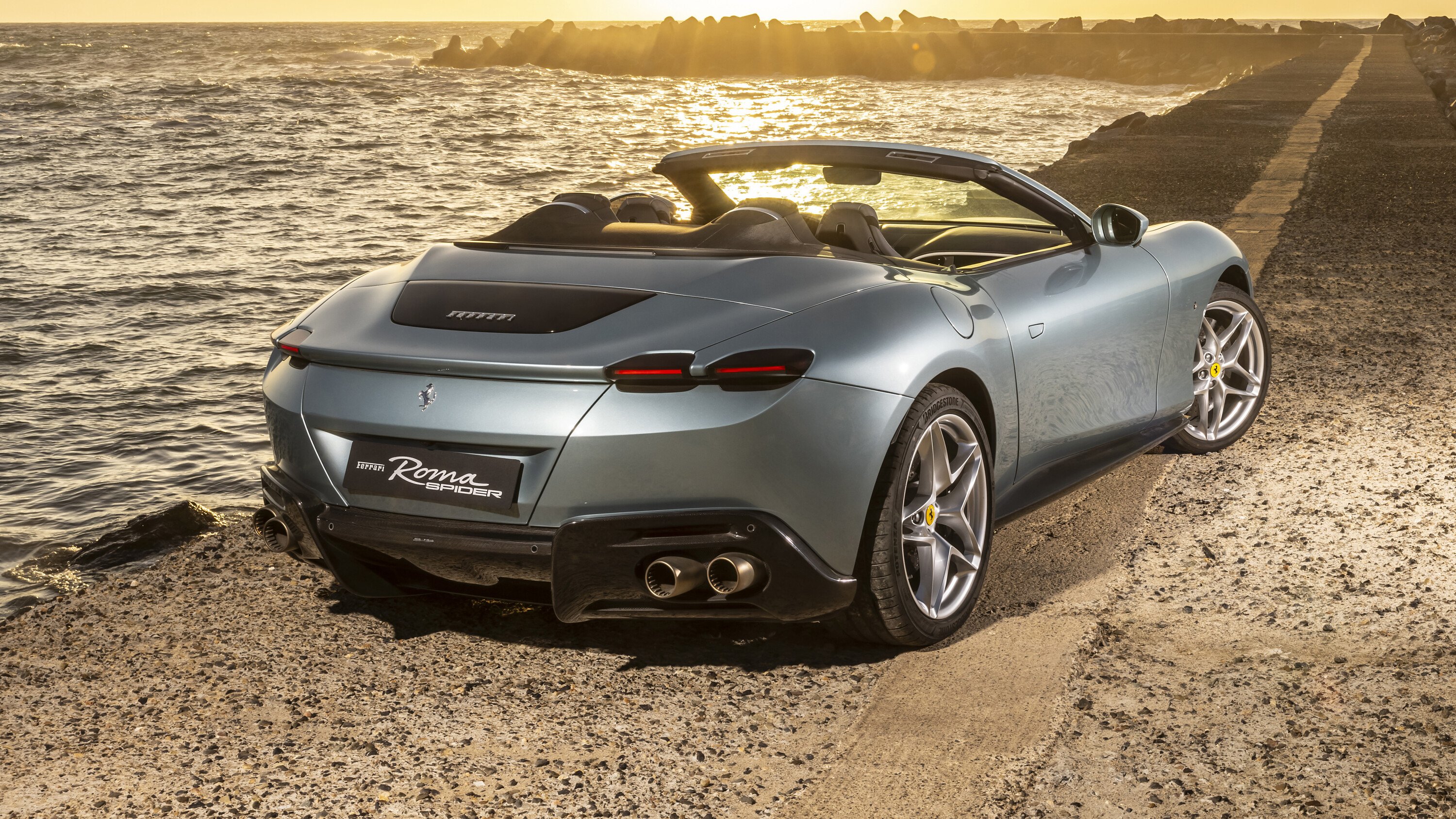
There hasn’t been a soft-top Ferrari for more than 20 years and, if you exclude mid-engined models, it’s been more than half a century since the prancing horse released a convertible that wasn’t a retractable hard-top. So the new Ferrari Roma Spider is a bit of a big deal.
But while it takes the Roma coupe as its basis, there’s more than enough to put the pair of fraternal twins in completely different paddocks.
For a start, the Spider’s chassis is not just a version of the coupe’s with a bit of ironwork welded in to compensate for the lack of tensioned roof. Its underpinnings were designed at the start of the project alongside the coupe and are significantly different.
1
Ferrari describes the Spider as a two-plus, stopping short of actually detailing what the plus is. It sure as hell isn’t an extra adult or two with rear ‘seats’ that are as practical as a Porsche 911’s.
There are, however, Isofix anchors for two child seats and heaps of space for bags – which you’ll need because the boot is a tight 255 litres and shrinks further when the roof opens.
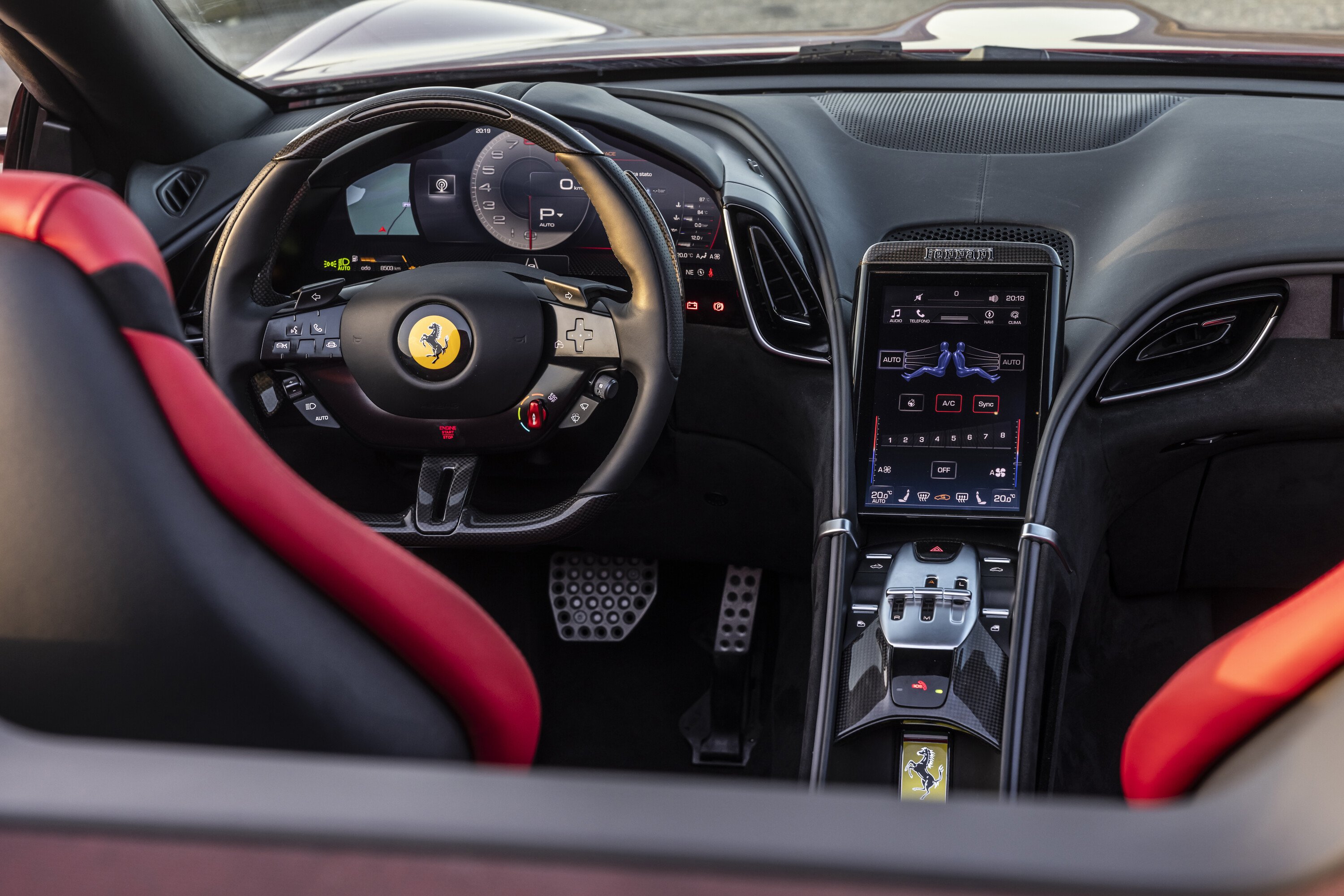
The rest of the interior is opulently impressive though. Individual cockpits and a dashboard display for the passenger make both occupants feel equally important, solid-state touch-sensitive switches abound – along with the subtle engine start button on the slender steering wheel – while the styling is classic Italian style.
1
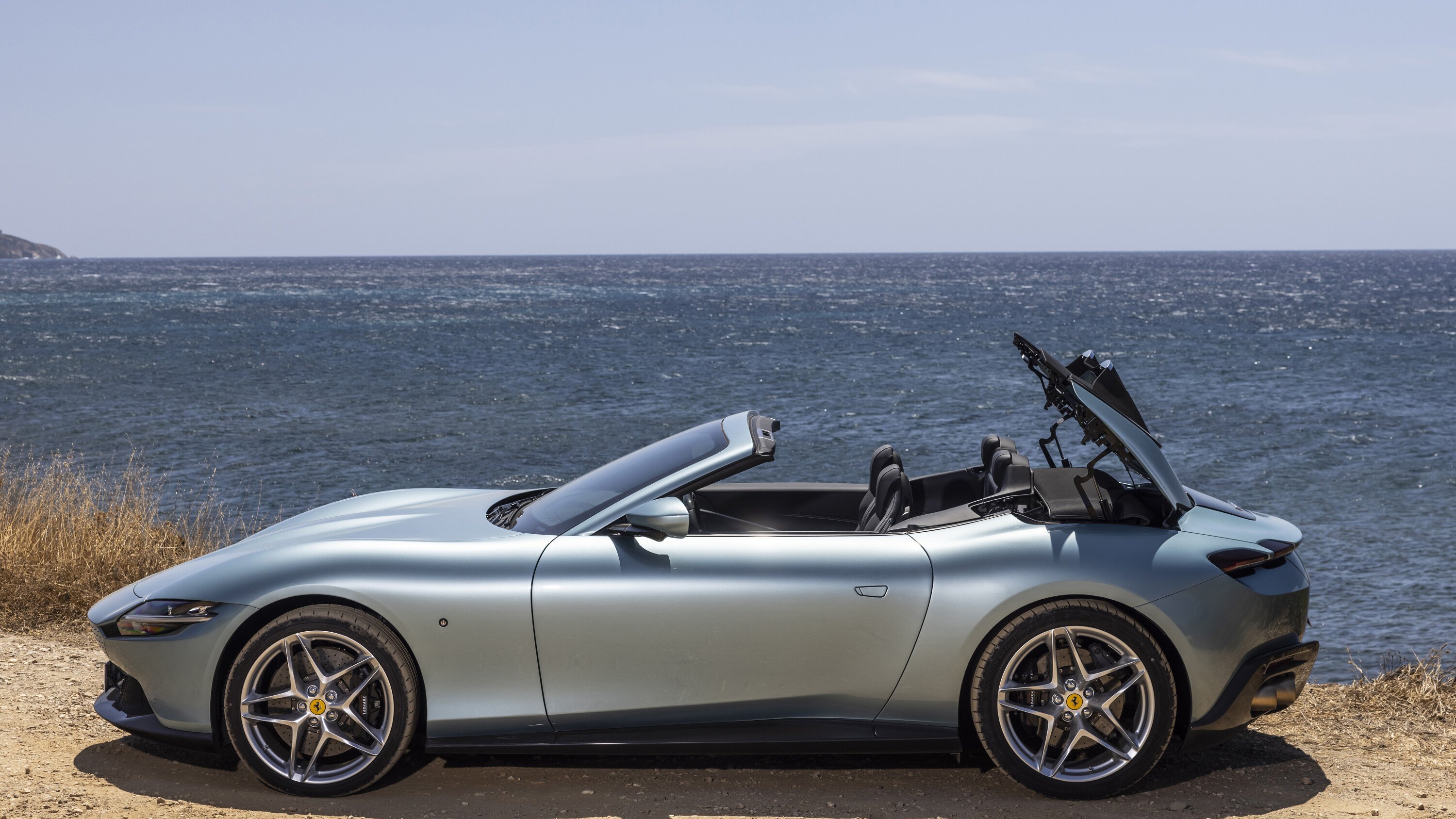
Rather than a horrid fly net positioned behind the occupants’ heads or a silly pop-up spoiler a la Mercedes E-Class convertible, Ferrari’s solution to cabin buffeting is elegant and ingenious.
At the push of a button, a flap fills the rear seat void and clever aero channels air down through a slot, not only drastically reducing wind in the interior space but also effectively holding cooled air from the dashboard vents with the occupants – very welcome on a 35-degree Sardinian day.
If it’s still too hot, the fabric roof operates at up to 60km/h and is open or closed in 13.5 seconds. Once closed, the five-layer construction is brilliantly effective at banishing road noise and keeping the cabin temperature stable.
1
To have a drop-top Ferrari closed up on a perfect Italian late summer’s day is a crime and reduces your exposure to the utterly glorious noise produced by the Roma’s 90-degree, flat-plane crank, twin-turbo V8.
With 456kW and 760Nm, the Spider has the same output as the coupe including a 0-100km/h acceleration claim which is unchanged at 3.4s despite the Spider carrying an additional 84kg of weight.
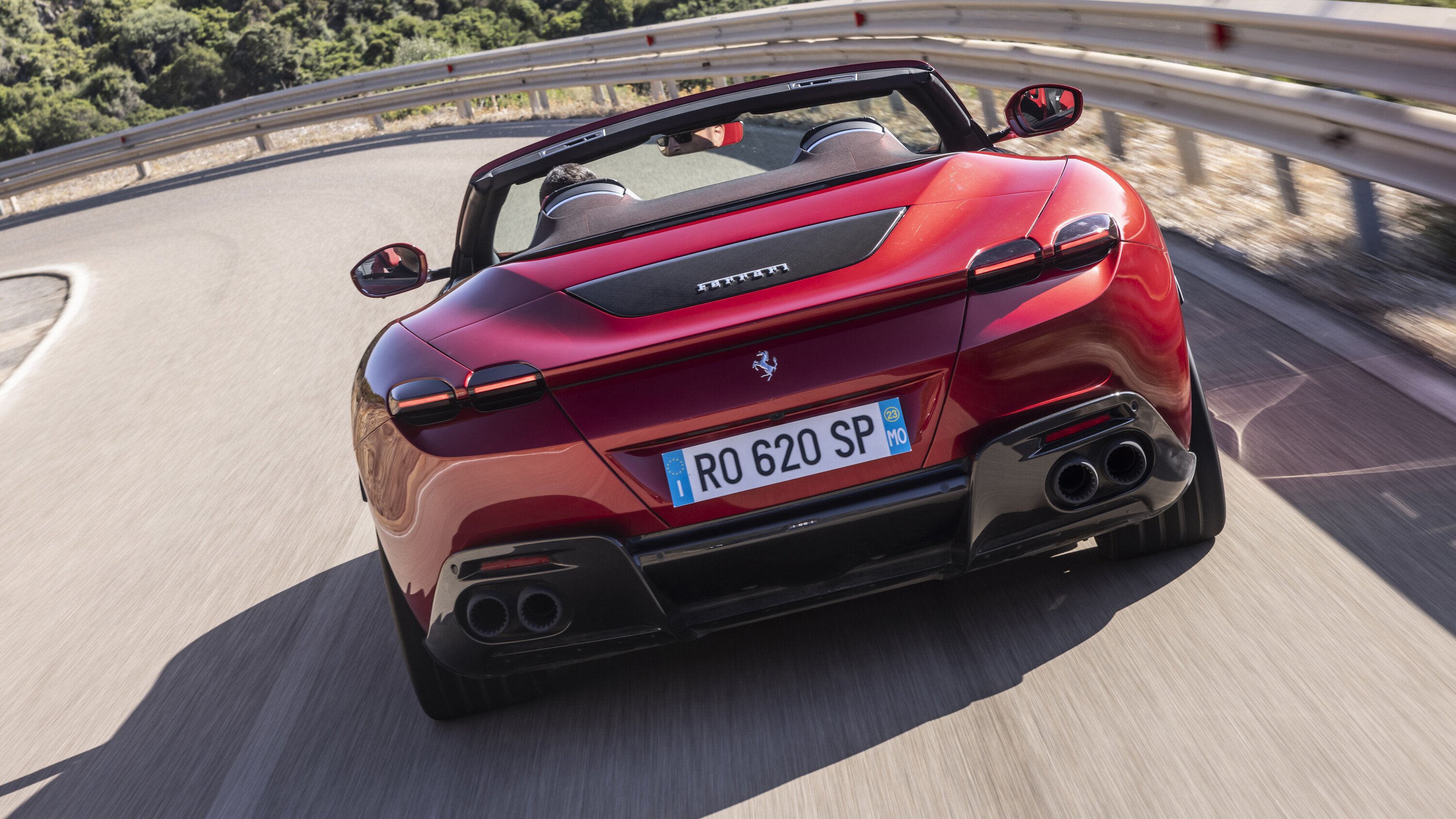
Power reserves and acceleration are seemingly endless and the Spider lunges forward with incredible throttle and turbo response, made accessible by outstanding traction. Only once did the stability control light flash – surprising considering the fantastic ribbon of road slithering through hazy mountains – thanks in part to Ferrari’s sixth-gen side slip control.
1
The Spider’s chassis continues the masterful engineering theme. Not only does the nose turn in with wonderful crispness and feedback, there’s a suppleness to the suspension with excellent body control in fast corners yet an unbelievably good primary ride too.
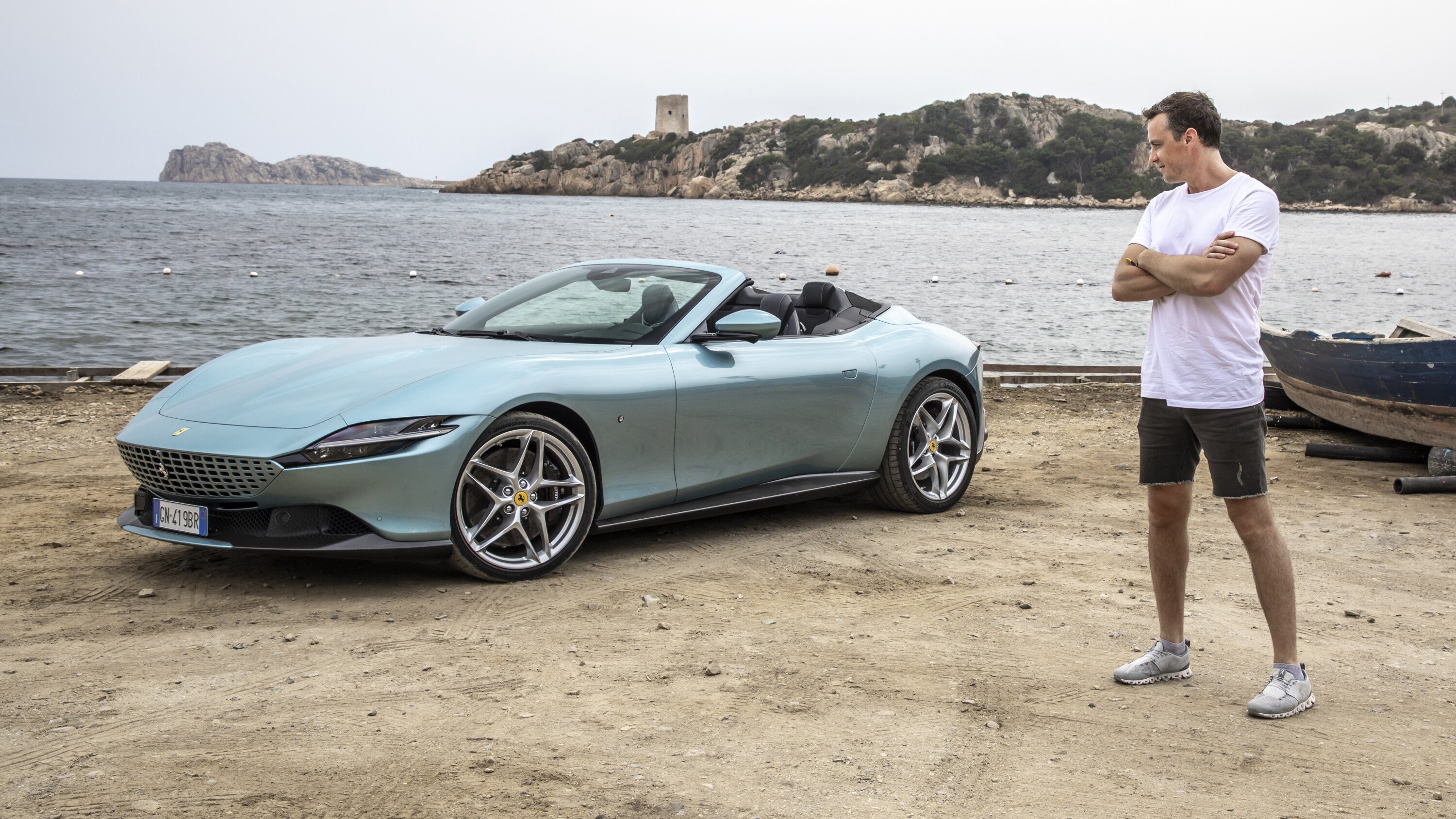
Here’s the highlight though; an electric bypass valve system enables exhaust volume to increase proportional to wind noise and speed to ensure the demonic bark from four unsilenced tailpipes is always at its best – loud.
2
An eight-speed dual-clutch auto is shared with the SF90 (plus a reverse gear), as is the brutal but sophisticated personality of the V8. The process of yanking another gear and hearing the quad pipes echo from mountainsides is utterly intoxicating and addictive.
Perhaps the only small blot on the Spider’s scorecard is the price. At $520,300 before on-road charges and options, the soft-top version is about $110,000 more than the coupe. Which is a lot. But while compromise always comes at a cost, it’s clear that uncompromised costs a little more.
MORE
Everything Ferrari
| 2023 Ferrari Roma Spider specifications | |
|---|---|
| Engine | 3855cc V8, twin turbo |
| Max power | 456kW @ 5750-7500 rpm |
| Max torque | 760Nm @ 3000-5750 rpm |
| Transmission | 8-speed dual-clutch |
| Weight | 1556kg (dry) |
| 0-100km/h | 3.4s |
| Economy | 11.4L/100km |
| Prie | $520,300 + on-road costs |
| On sale | Q3 2024 |
Taylor Swift – a name synonymous with chart-topping hits and a myriad of awards – is not only a global music icon but also a connoisseur of a diverse range of cars.
The 33-year-old musical juggernaut has a net worth of over $570 million and real estate empire worth over $150 million. With so much notoriety (and money) many celebrities opt to hire a chauffeur, but unlike them, Taylor has often been spotted driving herself.

1
Mirroring her musical versatility, Swift has quite a range of cars in her fleet.
Let’s tour through the garage of this pop sensation and explore the symphony on wheels that is Taylor Swift’s car collection.
And before you ask, no she isn’t the proud owner of a Suzuki Swift. We’re sad to learn about that too.
Chevrolet Silverado
1
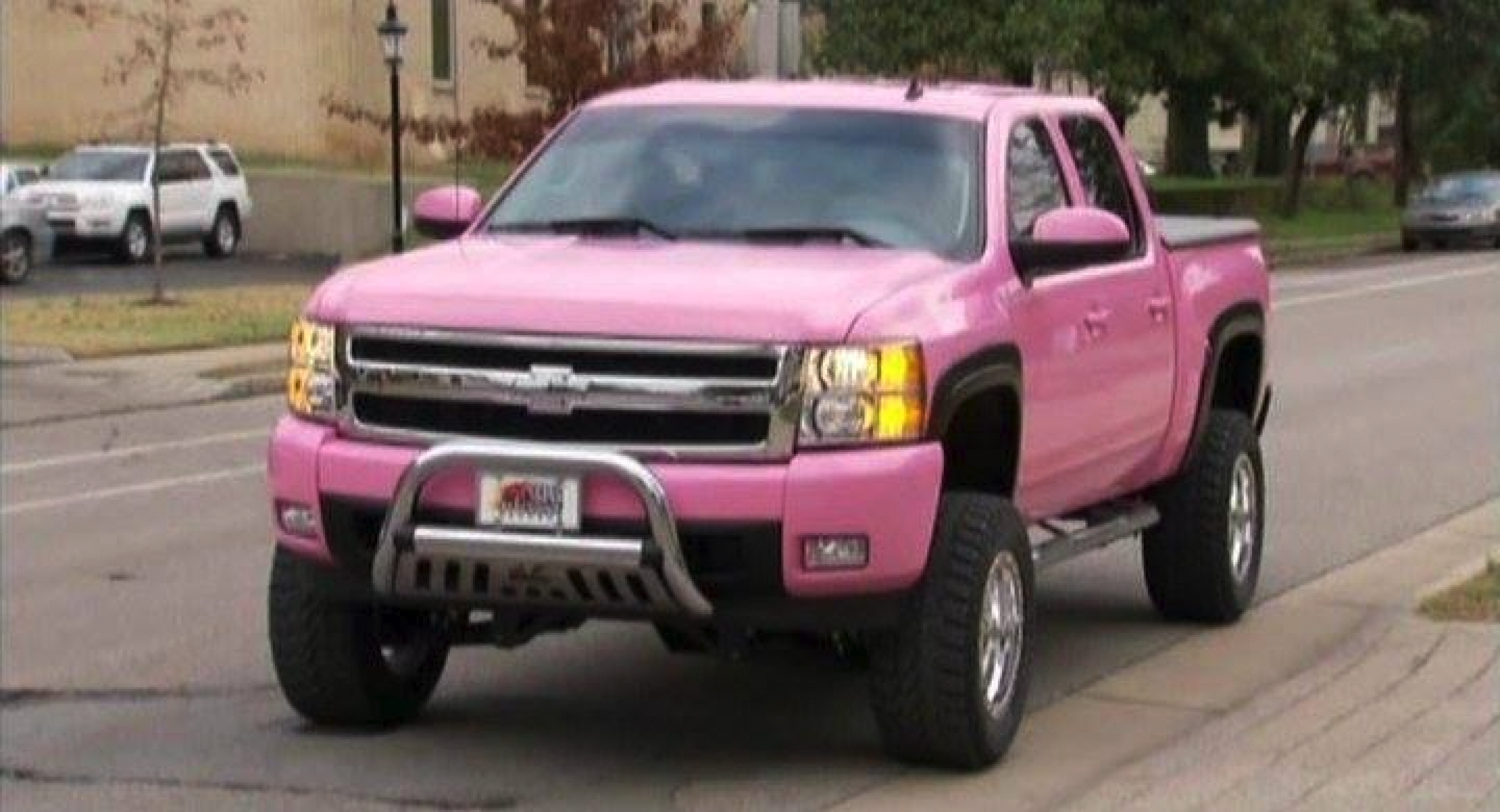
Swift’s first car was ahead of its time. The Barbie pink Chevrolet Silverado is an all-American pick-up truck that was gifted to her for her 18th birthday by her then-record label Big Machine Records.
The Silverado, known for its durability and (Shake it)off-road capabilities, is a nod to Swift’s early days in the country music scene.
It’s reported that the singer later donated the truck to a children’s charity, Victory Junction.
Lexus SC430 convertible
1
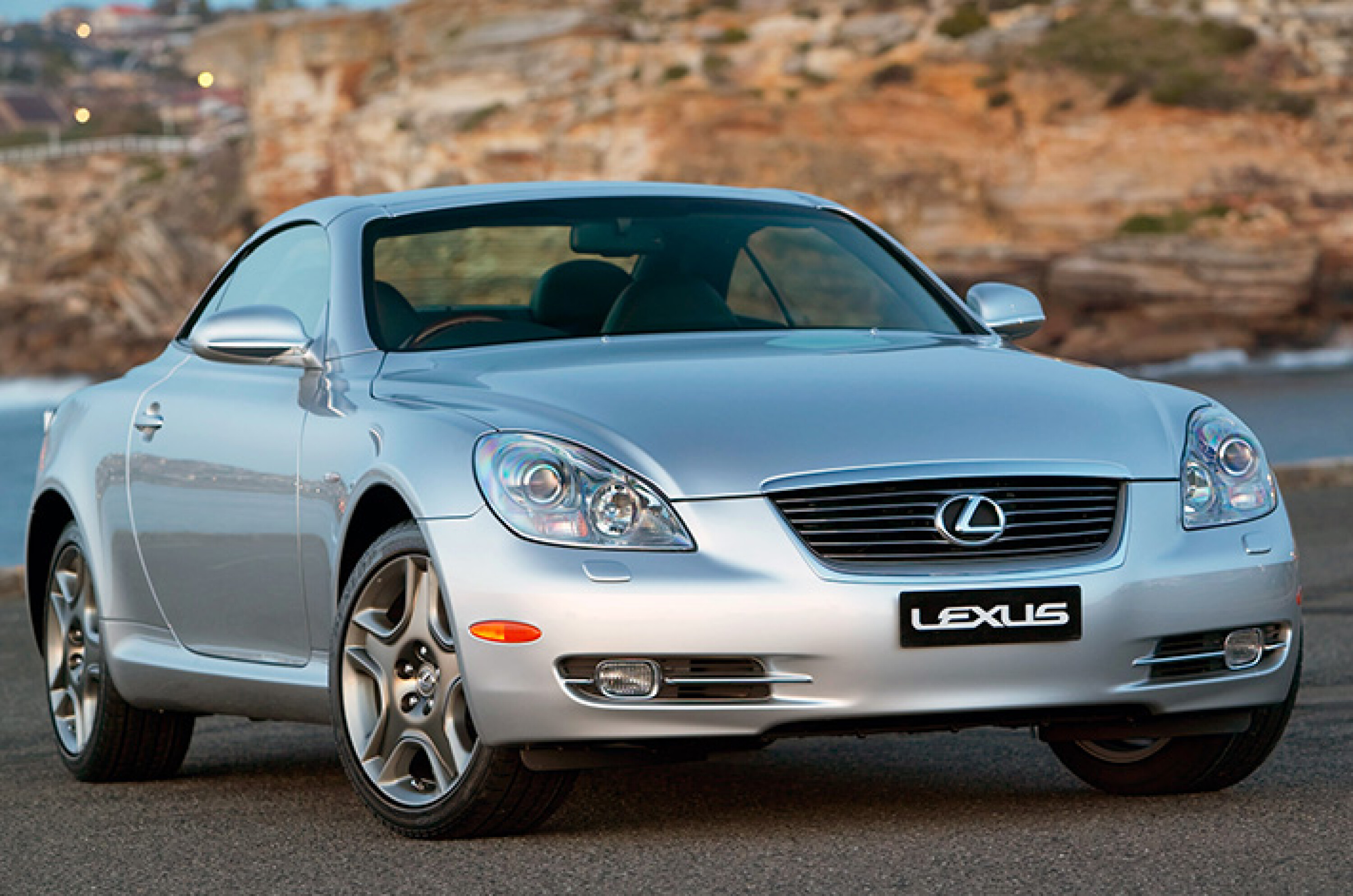
Inspired by the iconic 2004 teen movie Mean Girls, Swift’s first car purchase was a Lexus SC430 convertible, the same one driven by the ringleader of the ‘Plastics’ clique Regina George.
In an interview with The Guardian, Taylor explained, “All the girls who were mean to me in middle school, like, idolised the Plastics. I think I chose that car as a kind of rebellion against that type of girl.”
We love the idea that Taylor got to recreate the legendary ‘get in loser, we’re going shopping’ scene.
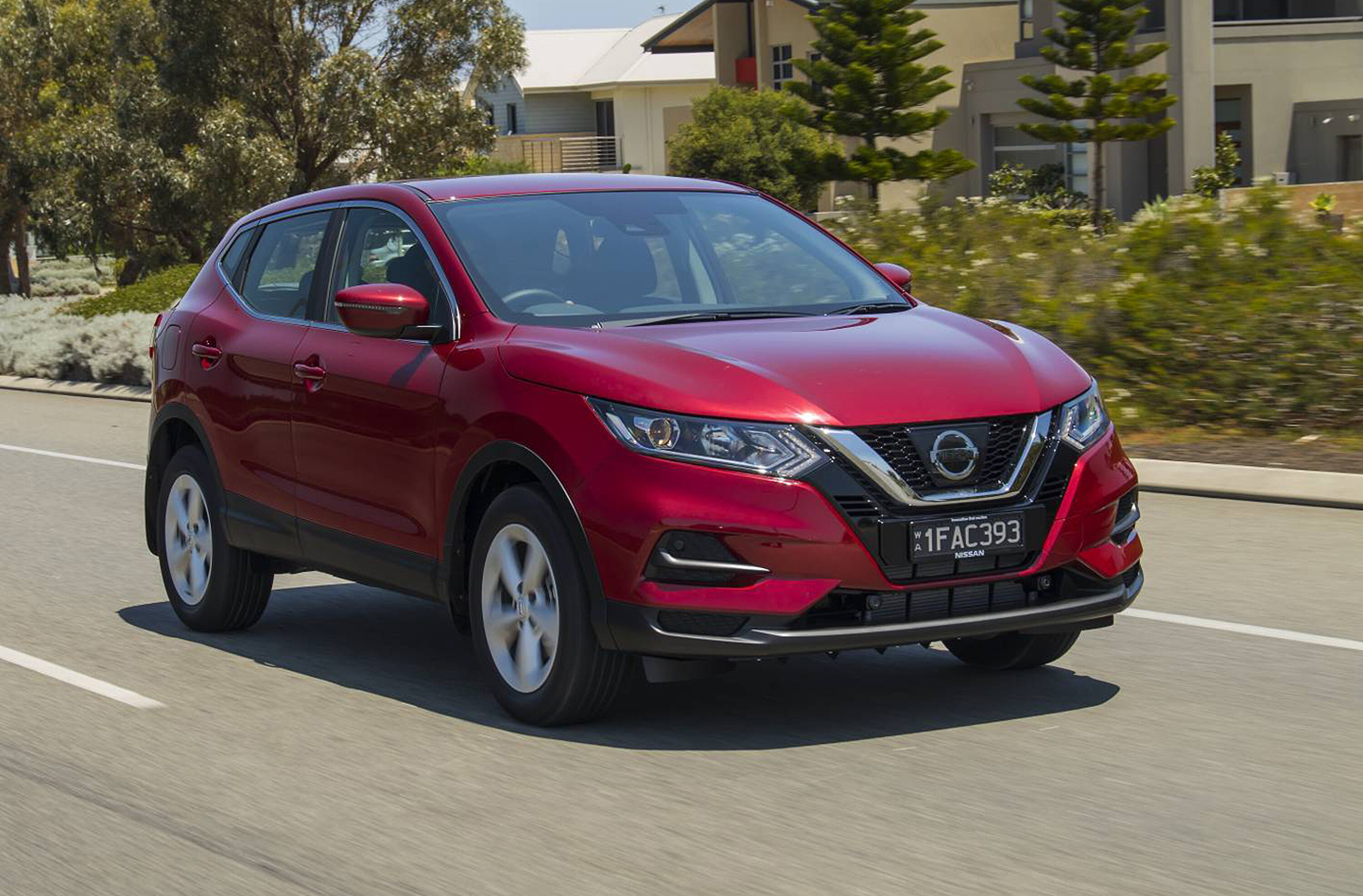
Nissan Qashqai
1
As reported by The U.S Sun, the Grammy-winning artist incorporated this compact SUV into her collection in 2022 so she could fly under the radar in London with her then-boyfriend, Joe Alwyn.
Available in Australia from $33,890 for the face-lifted ’23 model, maybe a humble car like the Qashqai could be housing some of our favourite local celebs. Kylie, we’re looking at you.
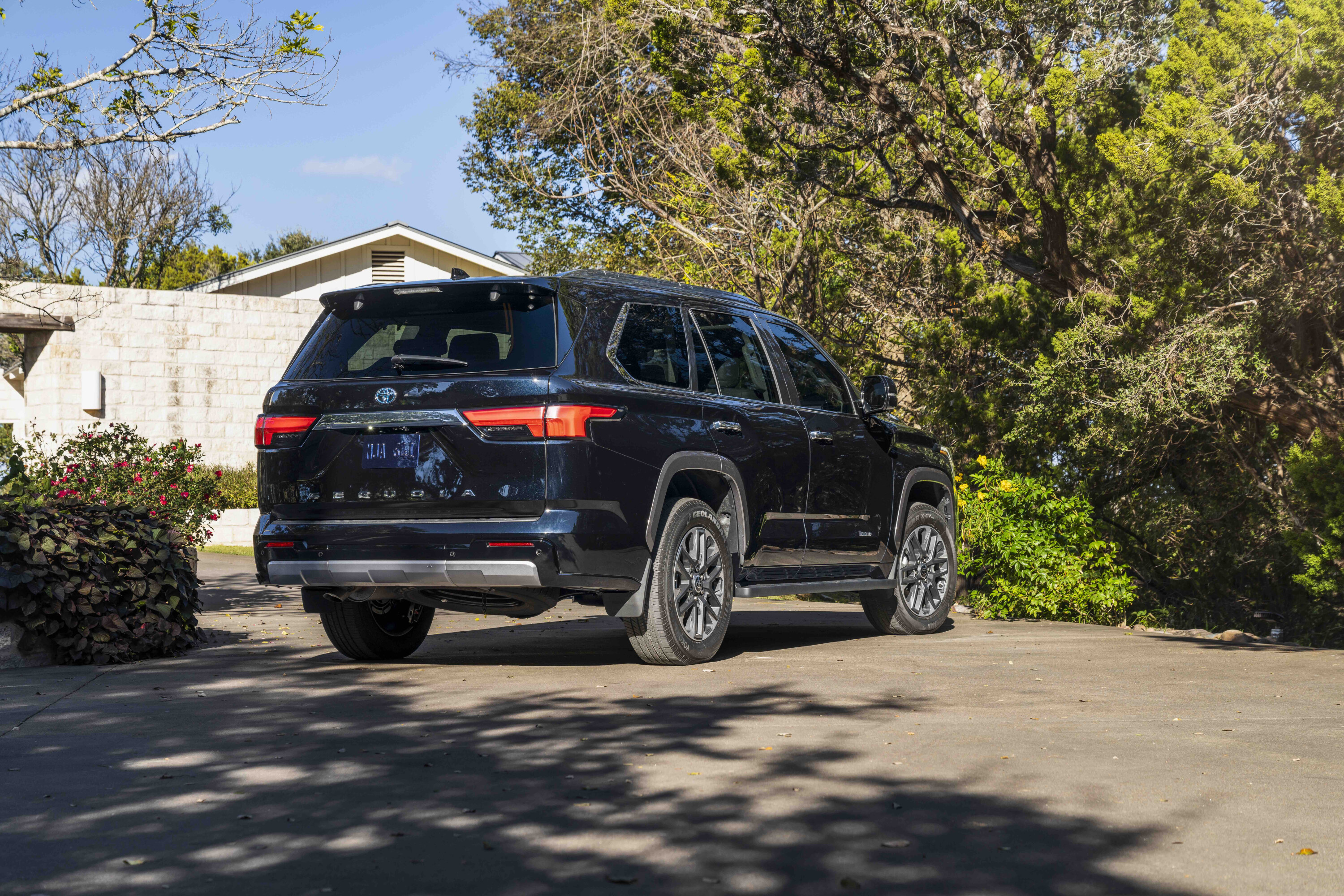
Toyota Sequoia
1
Taylor has been papped putting groceries in the back seats of her rugged 2015 Sequoia – another surprisingly humble choice for the multi-millionaire.
Perhaps a coincidence but the paint colour of the Toyota Sequoia is named Midnight Black Metallic. Could it be a potential homage to the singer’s most recent album, Midnights?
We don’t necessarily know if it’s worth reaching out to Toyota North America for comment…
Audi R8

1
Swift has been spotted cruising around in this sleek and powerful vehicle with her ex-boyfriend, Twilight star Taylor Lautner.
The older Audi R8 which boasts either a V8 or V10 engine is a testament to Swift’s penchant for style. However, it hasn’t been confirmed if the vehicle belongs to Swift or the other Taylor.
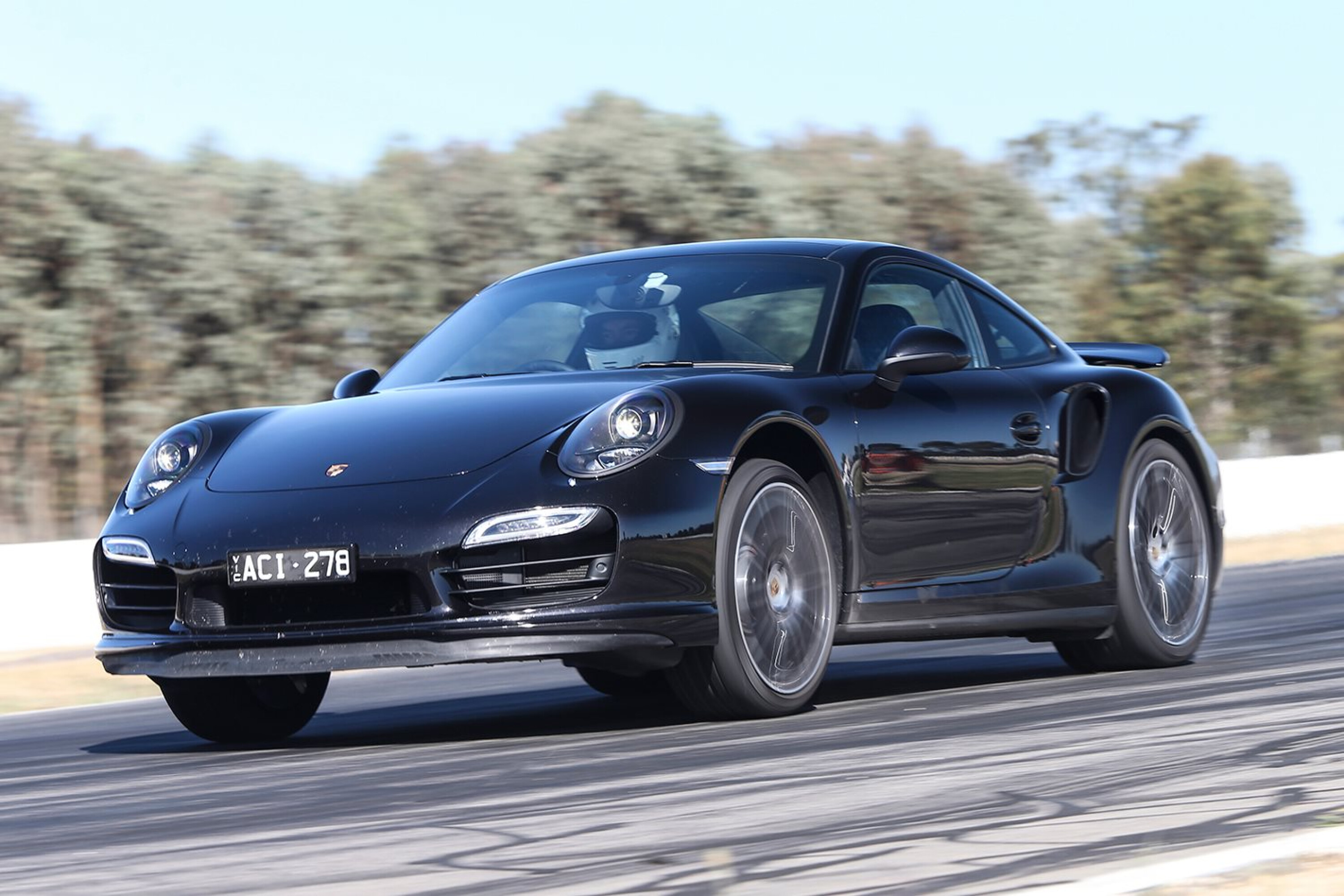
Porsche 911 Turbo
1
Adding a touch of classic elegance to her collection is the Porsche 911 Turbo.
This iconic 2.8 second 0-100km/h sports car, with its timeless design, is the perfect performance getaway car.
The Porsche is a favourite among car enthusiasts and fellow celebs including pop star Rhianna and Microsoft founder Bill Gates.
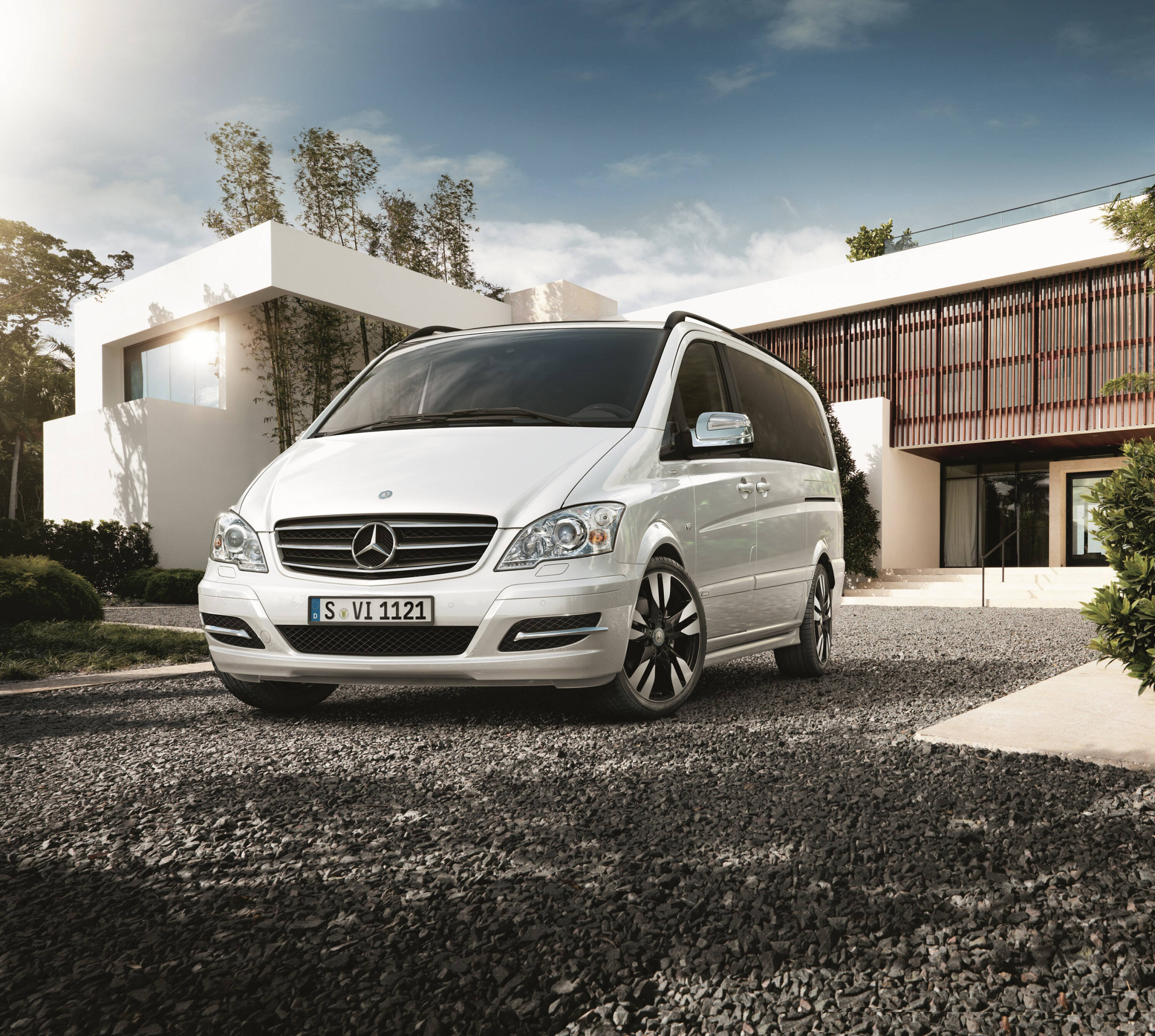
Mercedes-Benz Viano
1
For those days when Swift is on tour or travelling with her entourage, the Mercedes-Benz Viano is her go-to vehicle. With its spacious interior and luxury features, the Viano lets Swift travel in comfort, whether she’s heading to a concert venue or a red-carpet event.
It’s been speculated that Swift will be using a Mercedes van for the Australian portion of her tour here next year. Keep your eyes peeled for those blacked-out windows.
Chevrolet Chevelle
1
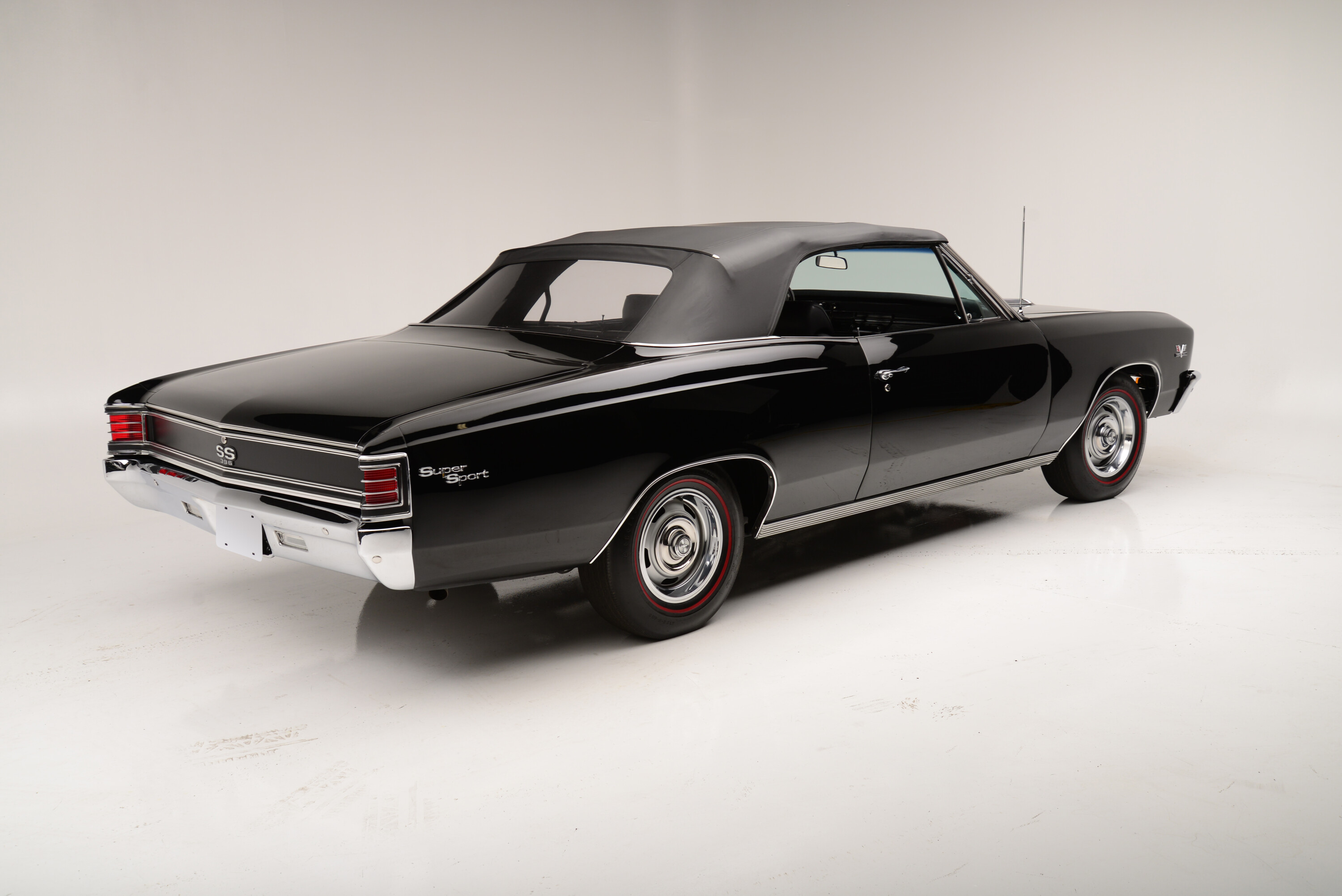
Taylor was recently spotted leaving a game with NFL player Travis Kelce in his 1970 Chevrolet Chevelle convertible.
On his podcast with his brother, New Heights, Kelce spoke of the Chevelle proclaiming it “looks so sweet” and “always sounds so mean”.
The classic car might not be part of Swift’s collection but based on her previous keen interest in cars, we might be seeing her in the driver’s seat of this Chevy soon.
Snapshot
- EU to focus on EVs by relaxing Euro 7 emissions standards
- Follows calls from carmakers and countries
- Final rules to-be-determined ahead of mid-2025 start
European Union ministers have agreed to weaken upcoming Euro 7 emissions standards to avoid carmakers diverting from electric vehicle development.
Reuters [↗] reports eight member countries – including France, Italy and the Czech Republic – were concerned that the proposed stricter emissions limits would force automakers to invest in lowering the tailpipe pollutants of traditional petrol and diesel combustion engine vehicles, rather than focusing on developing all-electric vehicles.
The Council, European Parliament and the European Commission now need to negotiate and finalise Euro 7 rules, before it is enforced from July 1, 2025, for all new mass-produced cars and mid-2027 for heavy vehicles.
Previously, Euro 7 was to take the lowest nitrogen oxide NOx limits from Euro 6 and apply it to all vehicles regardless of fuel type. For example, diesel cars must emit no more than 60 milligrams of NOx – a 20mg/km cut.
The mandate also covered tyre and brake emission limits, assessing lifetime emissions, and assessing EV battery longevity for the first time.
The move will be good news for many automakers, including Stellantis which has publicly denounced Euro 7 as an ironic distraction from developing EVs.
Volkswagen and Skoda have also warned its most affordable small cars, including the Polo, Fabia and Scala, could be discontinued without revisions to the Euro 7 proposal, while Hyundai has said future combustion-engined high-performance N models are unlikely.
It follows the United Kingdom, which is no longer an EU member, announcing last week it would delay the sales ban of new internal combustion engine (ICE) vehicles by five years to 2035.

1
Does this impact Australia?
Despite Euro 7 only applying to all new cars sold in Europe, there are global flow-on effects.
Locally, the Australian Government has only mandated the more lax Euro 5 standard, which dates back to 2009.
However, it plans to introduce higher quality fuel standards by next year in line with Europe – in addition to incoming fuel efficiency standards – which could mean more modern Euro 7-complaint engines are sold in Australia.
Snapshot
- Australian survey reveals preference for 360-degree cameras, blind-spot alert, phone mirroring
- Most carmakers now include more standard features at a cost
- Hesitancy for full-self driving capabilities
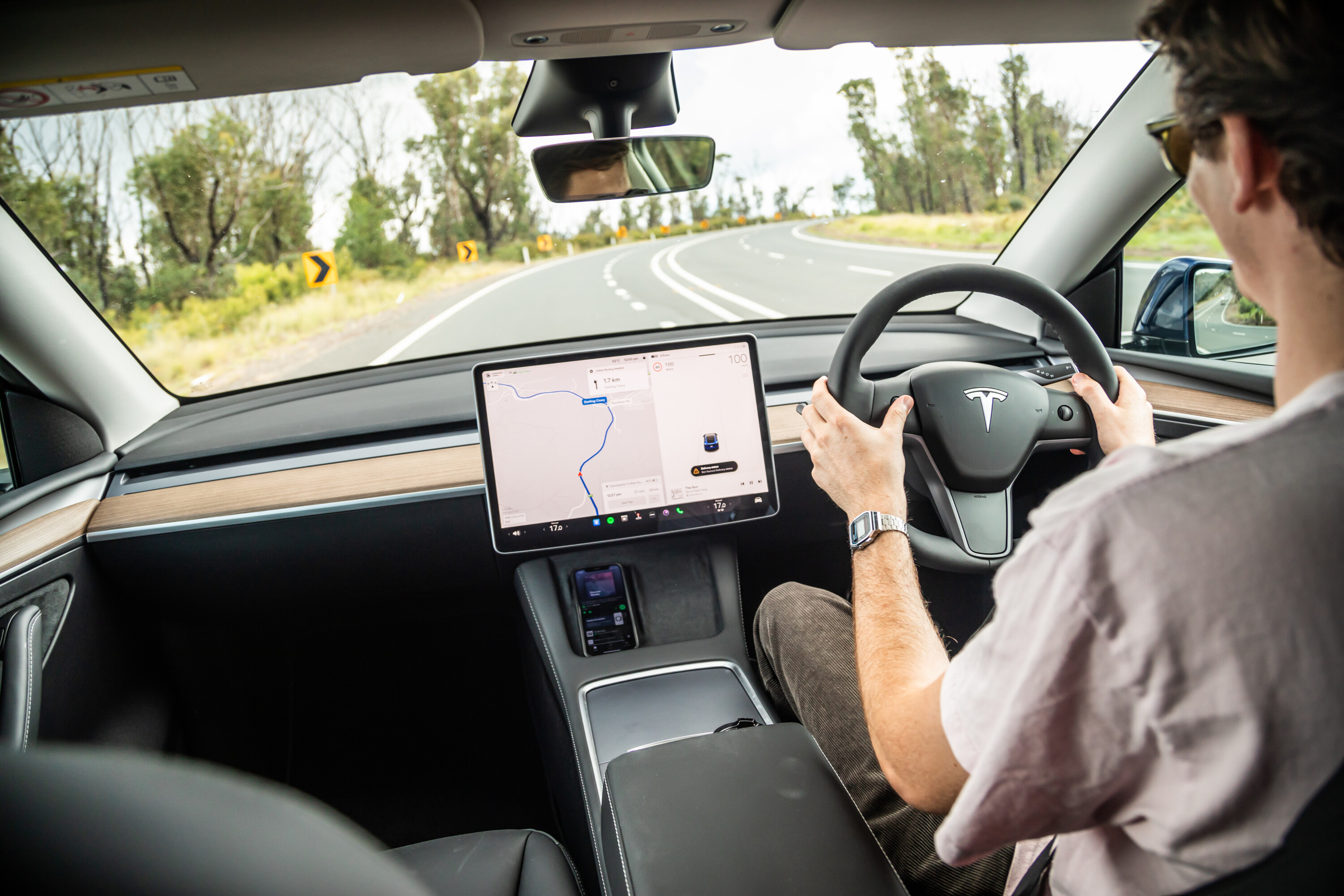
A study has found Australians prefer more technology and active safety assistance systems in new vehicles.
The survey, conducted by online finance and comparison company Savvy [↗], found about half of the representative sample of 1000 Australian adults prioritised a 360-degree camera system (52%) and blind-spot monitoring (50%) in their next car purchase.
This was followed by a preference towards touchscreens (35%) with Apple CarPlay and Android Auto smartphone projection (34%), autonomous emergency braking (32%), and proximity key or a connected smartphone application (31%).
However, the survey didn’t note to respondents how the higher cost of these technologies has impacted new car prices.

1
Safety vs price?
The study affirms most carmakers’ move to include more advanced safety assist tech as standard to meet buyer preferences at the expense of a higher price, from the Mazda 2 city car to Ford Ranger ute.
Meanwhile, MG and Mitsubishi Australia have criticised the Australasian New Car Assessment Program (ANCAP) for having strict safety standards.
For example, the entry price of the Toyota Yaris light hatchback increased by $6740 in 2020 after it launched a new generation model. It is currently priced from $24,800 before on-road costs, or almost $30,000 drive-away.
It gained significantly more standard safety tech, such as autonomous emergency braking with vehicle, pedestrian, cyclist and intersection detection, lane-keep assist, and adaptive cruise control.
These features, along with a new platform, larger size and front-centre airbag, helped the Yaris achieve the full five-star safety rating under the 2020 criteria from ANCAP.
Meanwhile, the MG 3 light hatch – which dates back to 2011 – remains unrated by ANCAP, but is a top-seller thanks in part to its budget-friendly $19,990 drive-away price tag today.
It’s worth noting economic factors, such as inflation, rising manufacturing and shipping costs, and the average full-time weekly wage in Australia has dramatically risen in the past few decades.
1
What car features weren’t preferred?
Savvy’s survey indicated lane-keep assist (18%), a hands-free electric tailgate (11%), and electrically-operated door handles (7%) weren’t favoured.
Additionally, despite the preference for some Level 2 safety assist systems, nearly half of respondents were concerned about full autonomous driving capabilities (47%).
| Vehicle feature | Preference (out of 1000 participants) |
|---|---|
| 360-degree surround view cameras (and other parking/reversing features) | 52% |
| Blind-spot monitoring (and other driving safety features) | 50% |
| Touchscreen | 35% |
| Apple CarPlay/Android Auto | 34% |
| Auto emergency braking | 32% |
| Proximity key/connected mobile app | 31% |
| Adaptive cruise control | 28% |
| Lane assist | 18% |
| Hands-free electric tailgate | 11% |
| Electrically-operated door handles | 7% |
| Other | 3% |
| Data courtesy Savvy 2023 Autonomous and Advanced Driver Assist Systems Survey | |
MORE
ANCAP
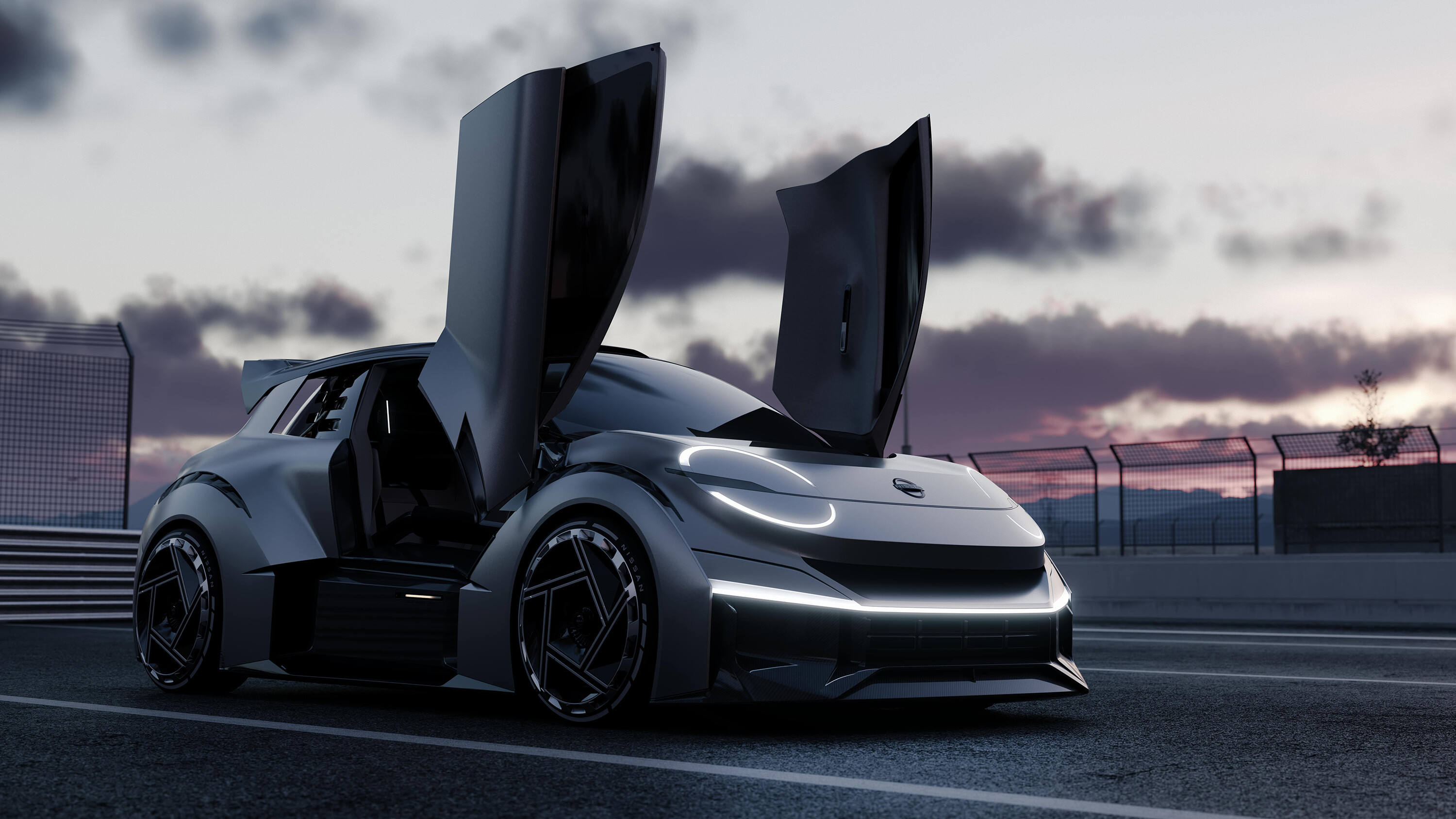
You’ve never seen a Micra this angry, have you?While the name isn’t emblazoned anywhere on the car, you’re surely looking at the pumped-up preview of Nissan’s next miniature hatchback.
1
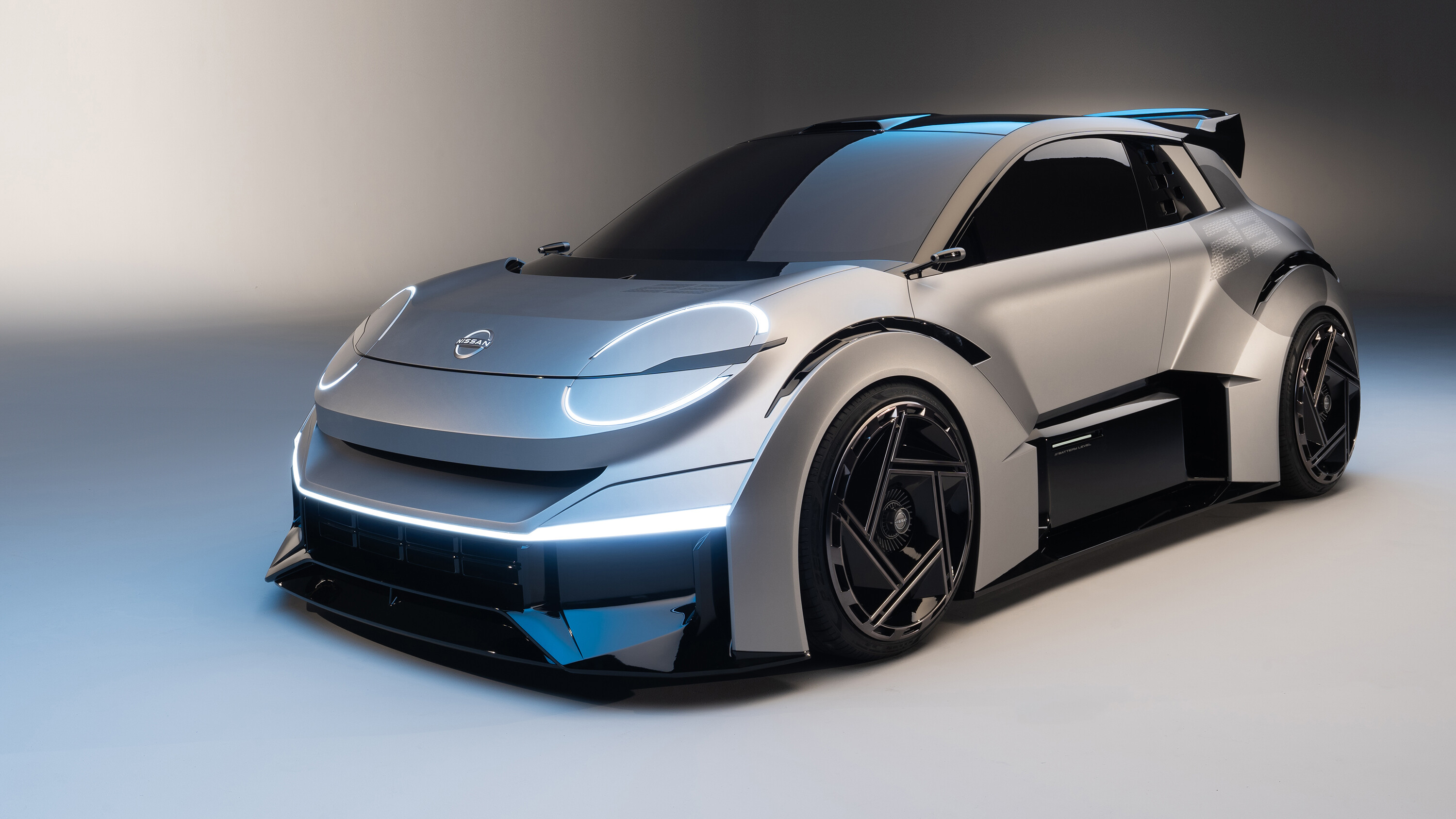
? This is the Nissan 20-23 concept, developed ostensibly to celebrate 20 years of Nissan’s European design office in the heart of London – just with a sneaky ulterior motive of signposting us towards a future electric production car, too.
Nissan also used the event to lay down its EV intent – all new models introduced in Europe will be fully electric from this point forward.
“There’s no going back,” affirmed Nissan boss Makoto Uchida. “The world needs to move on from internal combustion engines.”
1
Could this really end up as a Micra?
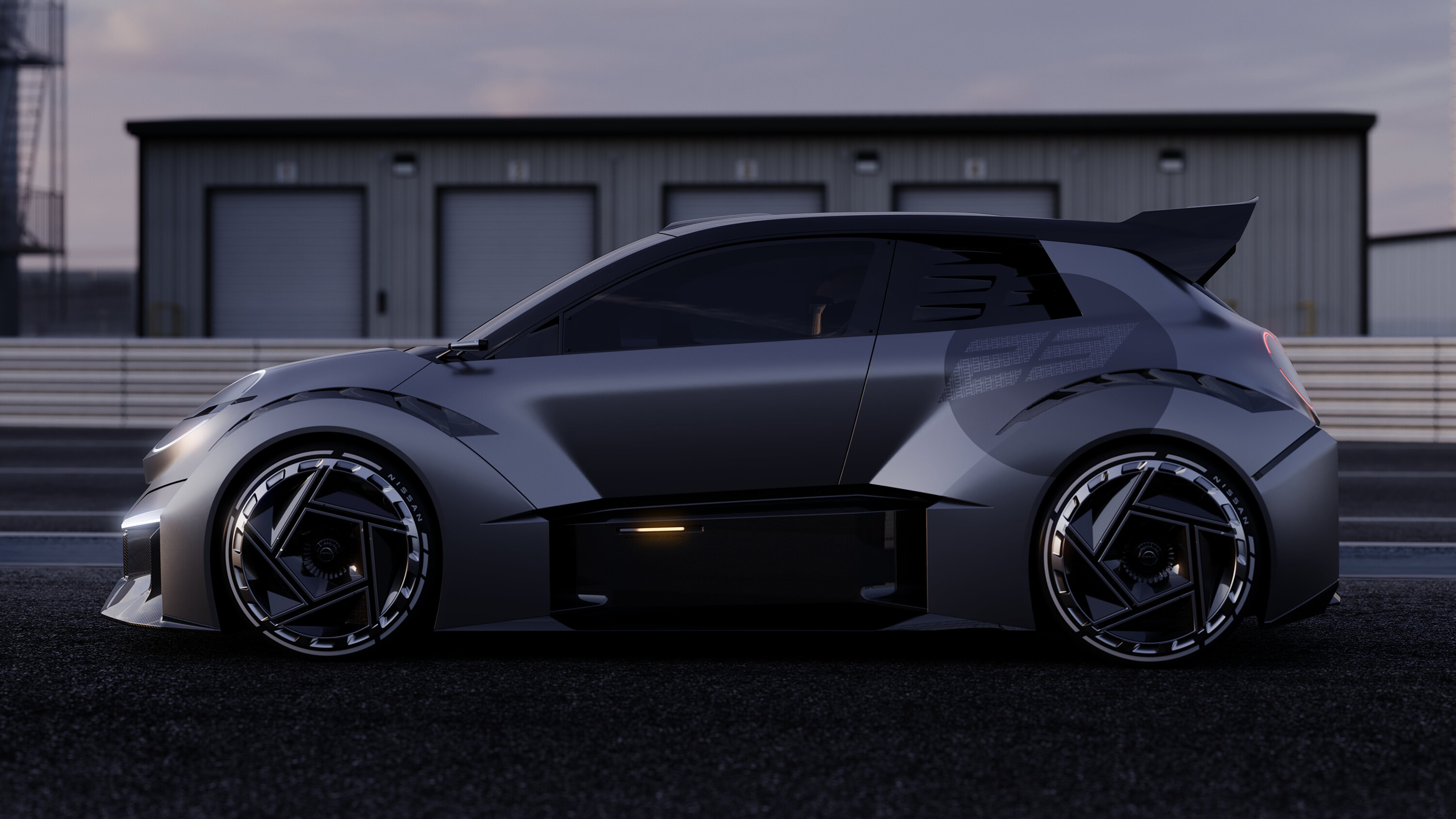
The new Renault 5 will sit upon the same ‘CMF-BEV’ platform – as will its Alpine A290 relative – and the styling cues of both this concept and a production version already previewed by Nissan clearly riff off Micras of yore, those cutesy round front lamps in particular. Nissan’s design chief Alfonso Albaisa also cites JDM specials such as the Pao, Figaro and S-Cargo as influences.
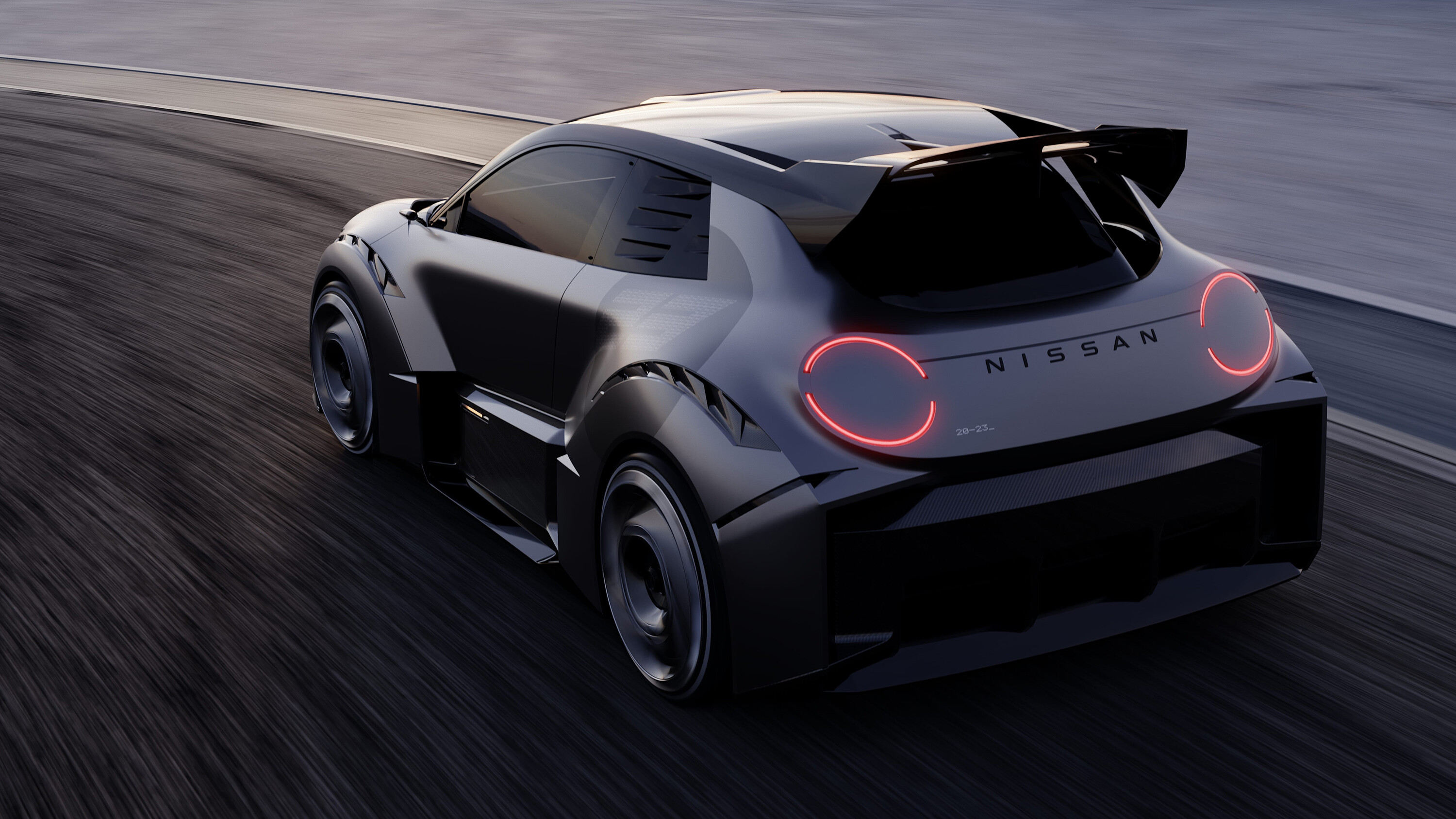
But he’s adamant there’s aggression, too, and who are we to argue when the wheel arches are so muscular? They’re even functional, with airflow directed through from the front skirts to cool the brakes, while a small roof scoop sets an almost-convincing motorsport ambience.
1
Is the 20-23 concept as racy as it looks?
Sadly, actual mechanical details are conspicuous in their absence. For now it’s all about the aesthetic, with the younger folk of Nissan Design Europe let loose to sketch their dream car for tackling London streets in.
The result is a car with a strong gaming influence, while the scissor doors are a pure concept car flight of fancy. Much like the interior, whose deep bucket seats and button-festooned rectangular wheel help provide a link to Nissan’s Formula E programme.
All told, the 20-23 is another bold design that proves Nissan doesn’t really believe in a homogeneously styled range.
50
“There are so many different characters in the world, so why should our cars all look alike?” Albaisa told us. “I’d rather not have the same headlight running through my entire range.”
He also reckons AI is a big helper when it comes to sketching new cars – not a hindrance with an eye for his job.
“It allows me to pick up a pencil again and be more creative. It amplifies each of us in the team. It can give you ten different versions of your own idea which you can then curate, spitting out something you can rebel against or run with.”
What might the production version look like?
Nissan has already teased the styling (linked above), while projected specs for the related Renault 5 suggest a 100kW motor will sit at the front wheels, paired with 40 or 52kWh batteries for up to 400km of range. And all for a 20-25,000 euro price in its homeland ($33-41k) to make the 5 one of the cheapest new EVs on sale.
Nissan ought to have a lead on many of its rivals, having sold mainstream EVs for well over a decade – its electric car sales have now topped one million – and the company is bullish on its targets for significantly cutting the cost of lithium-ion batteries in the lead-up to producing a solid-state alternative by 2028.
It’s introducing 19 new EVs by the end of this decade, too. If any of them look as rambunctious as this little concept, we’ll be delighted.
MORE
Everything Nissan
