
The Geneva International Motor Show is dead. After a protracted and undignified series of post-COVID death rattles, it’s now clear that the GIMS isn’t on the way back, at least in any form that we can recognise. The event scheduled for November of this year isn’t going to happen.
First run in 1905, the last edition of the show in 2024 was a sorry spectacle. Renault was the sole European OEM, and its 5 E-Tech was the show’s highlight, battling against a welter of Chinese SUVs that couldn’t wait until the Shanghai event.
So how did it come to this? The exhibitor list for 2020, when the show was cancelled at the last minute due to the pandemic, looked healthy. Look beyond the long list of manufacturers, however, and the list of debuts was thin. There were European debuts for the Kia Seltos, Toyota Mirai and Mazda MX-30 EV, and a world debut for the Toyota Yaris Cross… but that was about it. So what went wrong?
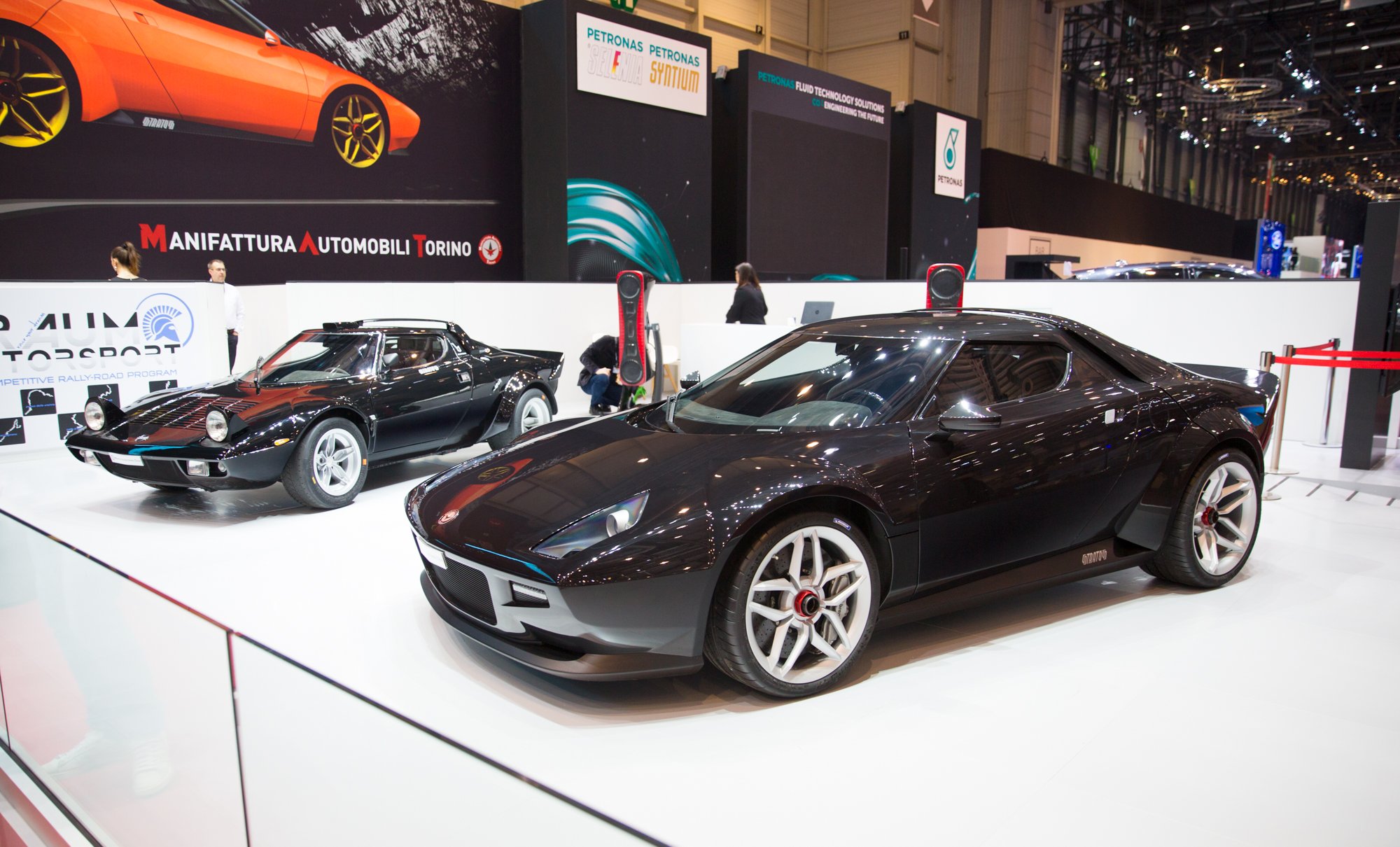
The writing had been on the wall for some time. Put simply, the Swiss had become dementedly avaricious. Local hotels multiplied their rack rates by a factor of five during the show and often demanded minimum 10-night bookings. A show stand itself with exhibitor fees could run into several millions of dollars. This threw the focus on return on investment. As a result, several car makers would hold ‘site-adjacent’ private viewings of new models, to avoid the cost of exhibiting at the Palexpo venue.
Unwilling to share the spotlight with a welter of other new vehicle reveals, manufacturers realised that controlling their own venue, publicity schedule and invite list would afford them a greater number of eyes on their new products. The pandemic only taught them how to be more creative in this regard.
It’s all a bit of a shame because Geneva was the best show on the calendar. The Swiss ran it efficiently, it was walkable from the airport, the show site was manageably sized and it lacked the stuffiness of Frankfurt, the chaos of Turin, the dystopia of Tokyo or the risk of hypothermia that was Detroit.
Had it not been for greed, you’d have bet that this neutral venue, which could attract 600,000 paying visitors and 10,000 freeloading journalists, would have been the last motor show standing. Instead, the best of the lot was one of the first to fall on its face.
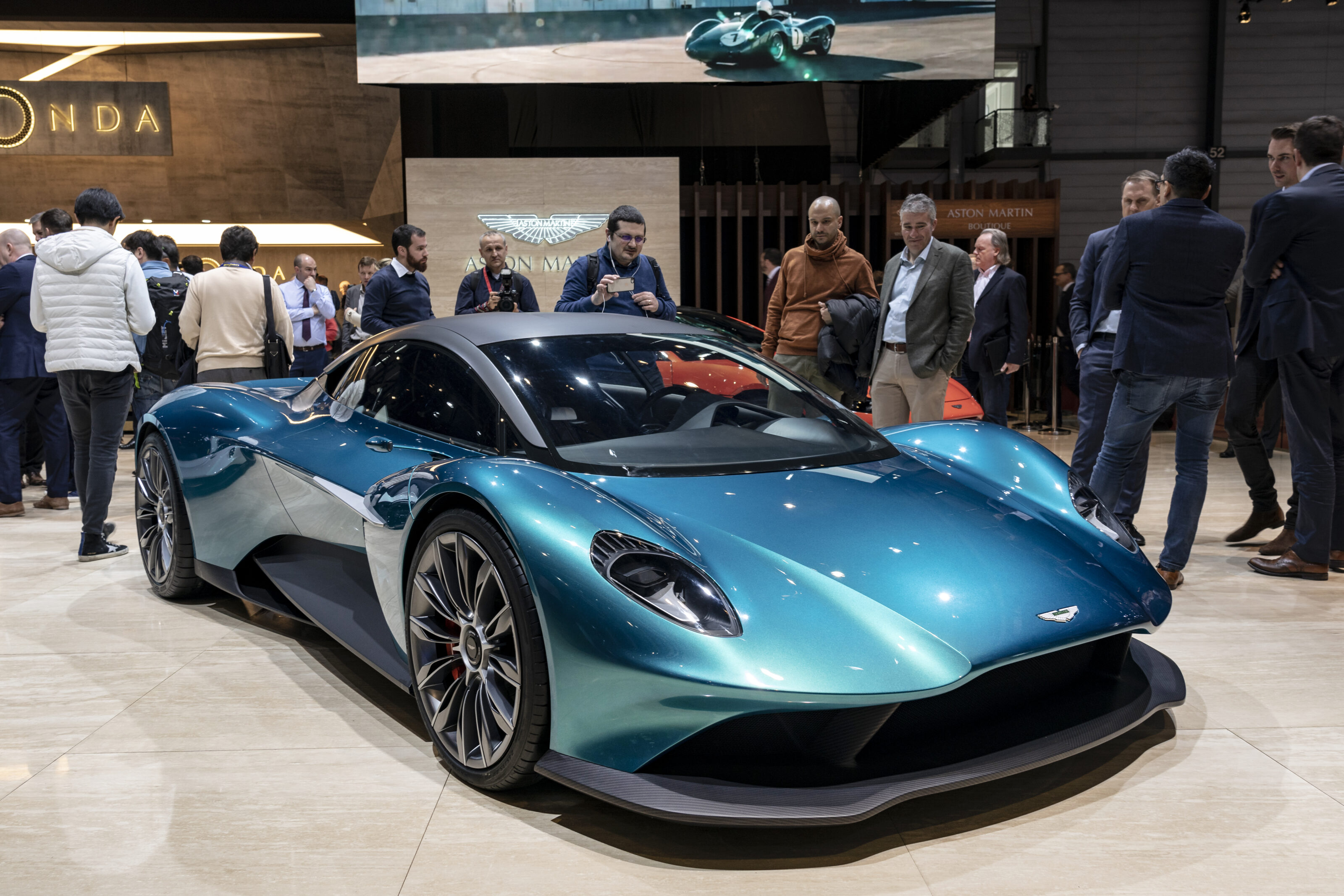
After a brief flirtation with moving the franchise to Qatar, Geneva promised zero exhibitor fees for 2025, an exercise in shutting the stable door long after the horse had bolted. When it was clear that nobody of any consequence was tempted, the GIMS organisers, with a typical lack of introspection, blamed the popularity of the Paris and Munich shows.
Given the popularity of this year’s Shanghai event, perhaps there’s life yet in the motor show. But maybe not in Geneva.
This article originally appeared in the August 2025 issue of Wheels magazine. Subscribe here and gain access to 12 issues for $109 plus online access to every Wheels issue since 1953.
Australia’s electric vehicle (EV) market hit a new milestone in the June 2025 quarter, according to the Australian Automobile Association (AAA), with battery electric vehicles (BEVs) capturing 9.31 per cent of all new light vehicle sales, up from 6.29 per cent in the March quarter.
The AAA’s latest EV Index shows 29,244 BEVs were sold between April and June, a 63.37 per cent increase from the 17,901 units in Q1.
Overall light vehicle sales rose 10.42 per cent to 314,185 in Q2, with internal combustion engine (ICE) models still dominating – 226,306 units sold, up nearly 10 per cent from Q1. However, ICE market share edged down to 72.03 per cent from 72.37 per cent.

Hybrid sales slipped slightly to 46,732 units, representing 14.87 per cent of the market – their lowest share since early 2024 – while plug-in hybrid (PHEV) sales fell 13.19 per cent to 11,902 units (3.79 per cent share). The drop in PHEVs follows the end of Fringe Benefits Tax exemptions for the category on March 31.
The AAA’s latest release follows the launch of Australia’s first independent real-world EV range tests, which found five models travelled 5–23 per cent less than official lab figures. The tests aim to address range anxiety, cited in AAA polling as a key barrier for potential EV buyers.
Medium SUVs remain Australia’s top-selling vehicle category, accounting for 24.55 per cent of new light vehicle sales. They led BEV and hybrid sales in Q2, with BEVs making up a record 22.24 per cent of medium SUV sales – double their March quarter share. ICE-powered medium SUVs still held the largest share at 47.83 per cent, while hybrids accounted for 23.92 per cent and PHEVs 6.01 per cent.
A notable shift in the PHEV segment came from the launch of the BYD Shark 6 plug-in hybrid 4WD ute, which claimed nearly 47 per cent of all PHEV sales in Q2 and 9.24 per cent of the 4WD ute segment.
Despite BEV momentum, hybrids continue to outsell them overall – a streak unbroken since late 2023. But with BEV share climbing sharply in Q2, the gap between the two technologies may be narrowing, signalling a potential turning point in Australia’s evolving car market.
BMW is reportedly developing a rugged, boxy SUV – internally dubbed the G74 – designed to take on the Mercedes‑Benz G‑Class.
Slated to enter production in the second half of 2029 at its South Carolina plant, the G74 is speculated to ride on a heavily modified X5 platform, positioning itself as a new off‑road flagship.
This move signals a strategic shift: while BMW continues investing in electric variants, the G74 is expected to maintain an internal combustion engine, potentially combined with hybrid technology, catering to still-strong demand for petrol-powered SUVs – especially as electric G-Class models reportedly experience slower sales.
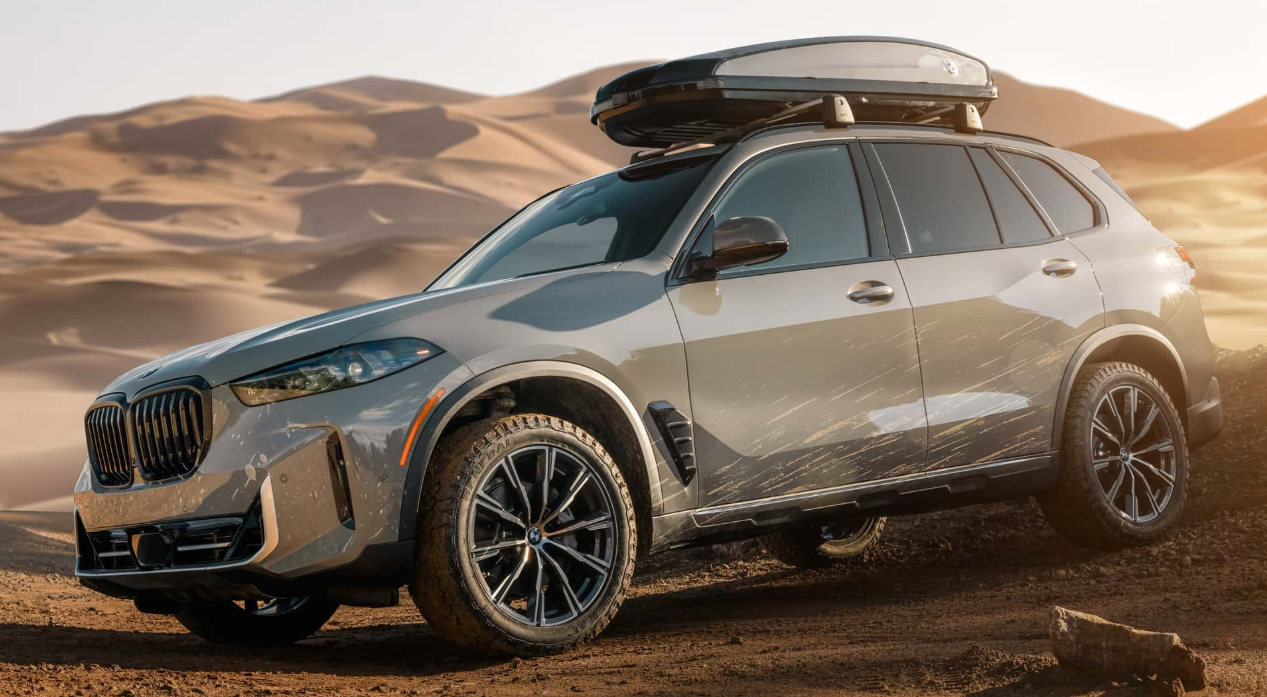
BMW’s recent unveiling of an xOffroad package for the X5 Silver Anniversary Edition (above and main) – featuring all-terrain tyres, underbody protection, and a rear locking differential – acts as a conceptual stepping-stone for what the G74 might refine and expand upon.
While BMW has ruled out pickups as “beyond the brand,” executives have voiced openness to rugged SUVs, recognizing the global rise in demand for vehicles that blend comfort, luxury, and serious off-road capability.
Isuzu UTE Australia has extended its nationwide drive-away offers on select D-Max 4×4 utes and MU-X 4×4 SUVs until August 21.
The off-road-focused D-Max Blade remains available from $77,990 drive-away, undercutting its $78,900 list price before on-road costs. Depending on state and territory charges, buyers could save between $6000 and $9200 over regular drive-away pricing.
Isuzu has also continued its deals on the D-Max X-Terrain, now from $68,990 drive-away (regularly $70,500 plus on-roads), and the D-Max X-Rider, from $57,990 drive-away (normally $59,500 plus on-roads). Both utes deliver potential savings of up to $8500.
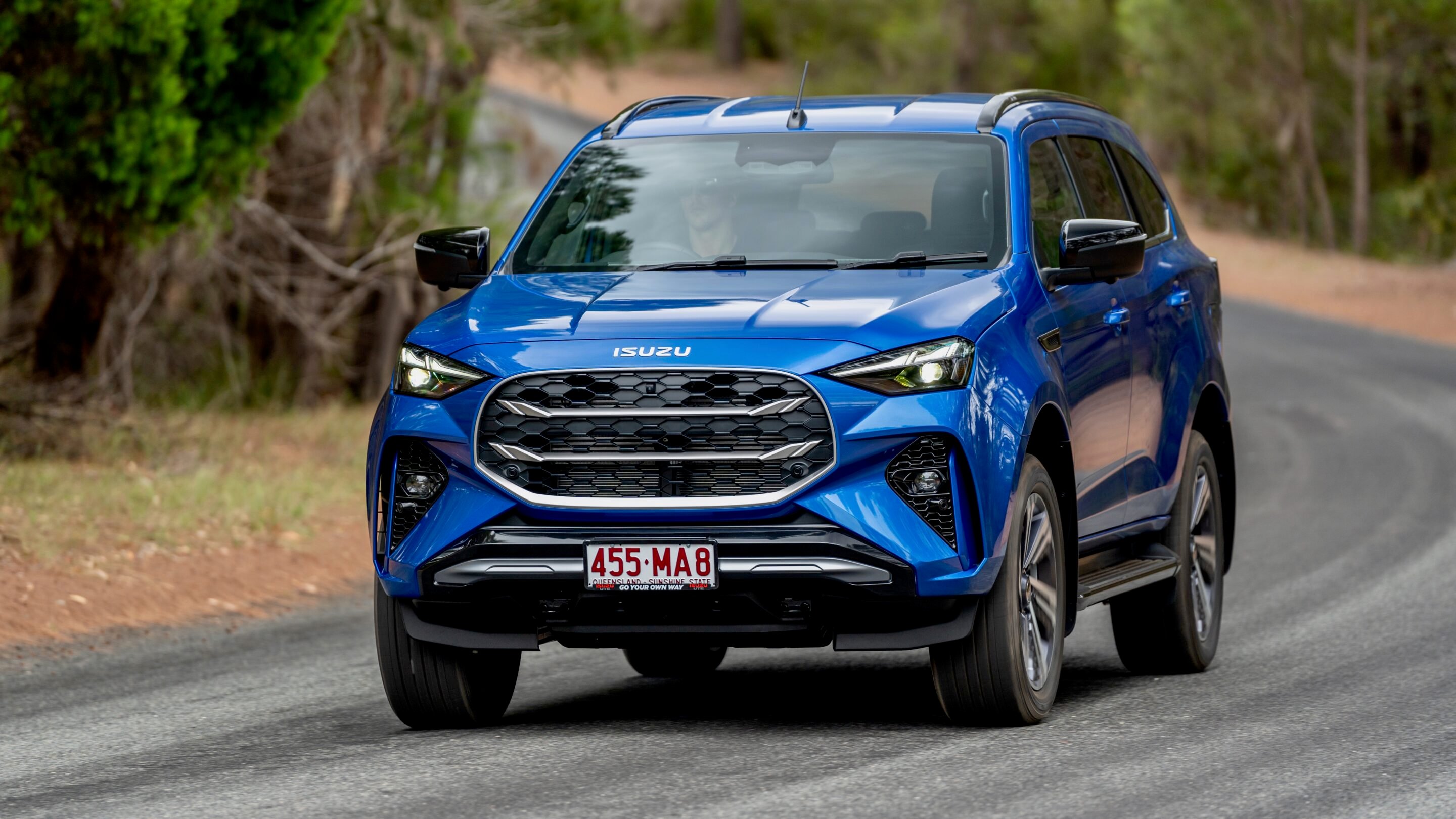
The MU-X LS-T seven-seat SUV is similarly discounted, priced from $69,990 drive-away instead of its $71,400 list price, representing possible savings of more than $9200 depending on location.
The extended offers, first launched in April, are valid until August 21, 2025, and maintain Isuzu’s positioning as a value-focused choice in the competitive 4×4 market.
These deals aim to sustain showroom traffic as Isuzu navigates softer demand in the lead-up to its next model updates.
The Isuzu D-MAX X-RIDER was recently awarded Wheels Best Dual-Cab Utes 2025: Best Value honour in the our annual Best Dual-Cab Ute awards.
Hyundai’s N performance division is broadening its horizons, confirming it will not be an EV-only brand. According to Joon Park, vice president of the N Management Group, the future will see a blend of lighter petrol-electric hybrids alongside high-output electric cars like the IONIQ 5 N and upcoming IONIQ 6 N.
“We’re not limiting ourselves to EVs,” Park said. “We will go further with ICE-based cars as well. This is not the end of our journey… lighter, more agile, nimble, and exciting – these are the key elements we are heading to.”
The first step is expected to be a high-performance Hyundai Tucson N producing around 300 bhp (223kW). While official details remain under wraps, the SUV is tipped to feature a next-generation 1.6-litre turbocharged petrol engine paired with an electric motor, potentially incorporating an electric rear axle for all-wheel drive.
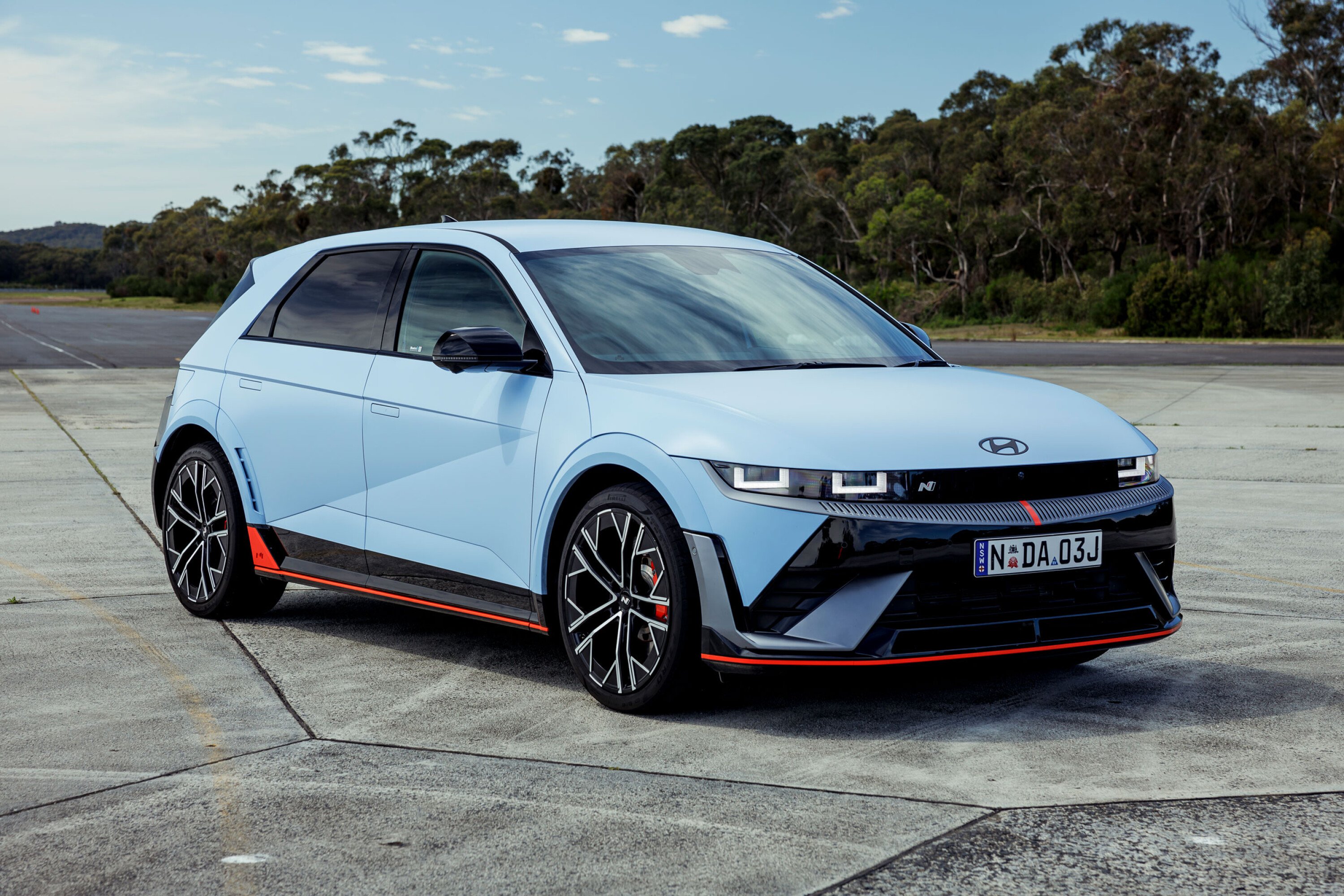
Park stressed that Hyundai N’s approach to hybrid technology will be distinct from efficiency-focused systems in mainstream models. “If we have a hybrid system in our N cars, the strategy will be different – to have more power intensely,” he said. Two strategies are being pursued: one optimised for fuel economy, the other tuned for performance. N models will adopt the latter.
Beyond the Tucson N, the hybrid rollout is likely to extend to other nameplates. Park hinted at opportunities for smaller, lighter models such as the Kona, i20, and i30, suggesting that downsized batteries and reduced weight could create agile, driver-focused hot hatches and crossovers.
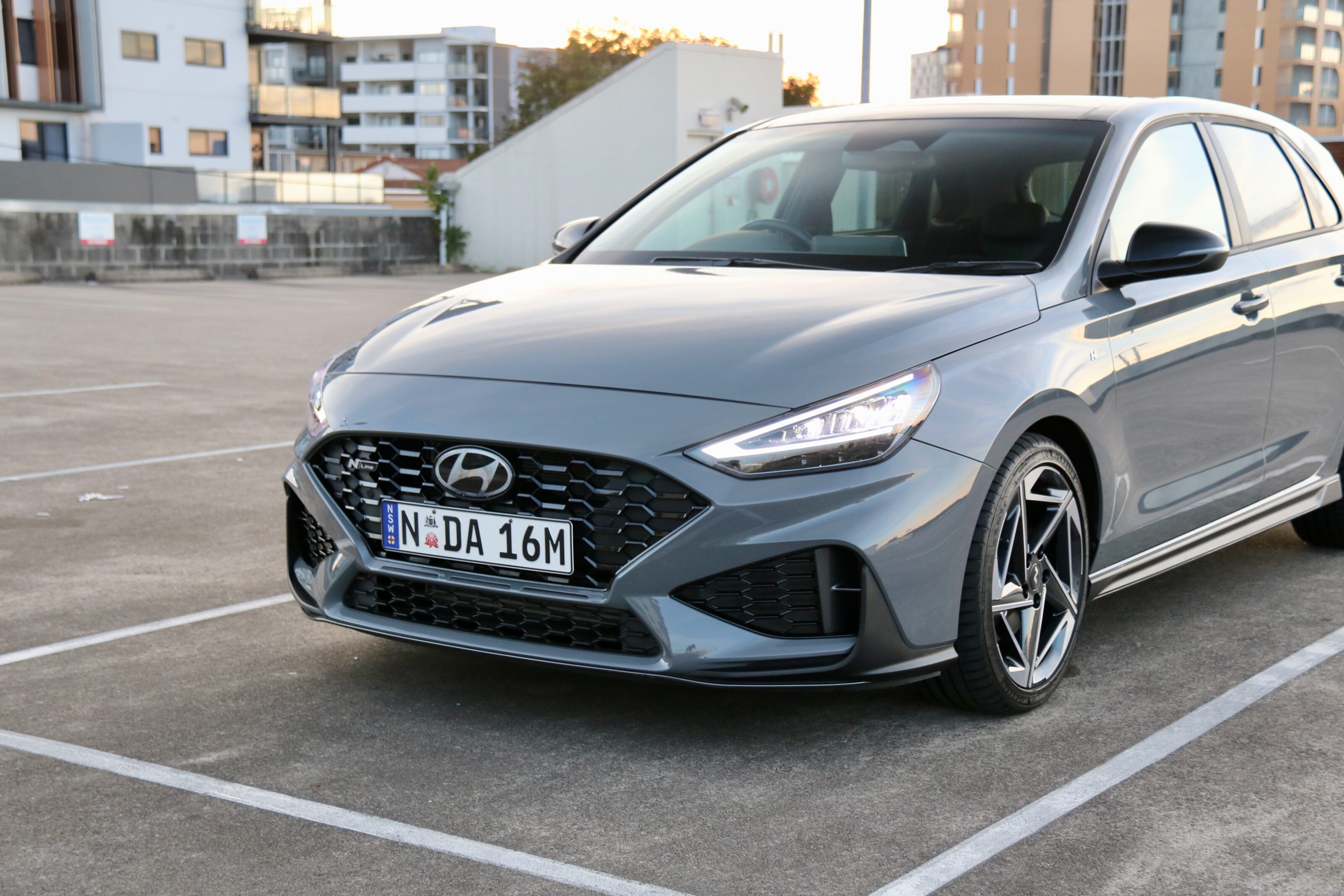
“If we can make a smaller model with a less-weighted battery, then it can be better,” Park noted, underscoring the division’s intent to keep driving engagement central to its engineering.
This strategic pivot allows Hyundai N to diversify its performance line-up at a time when many carmakers are going all-in on electric propulsion. It also opens the door for enthusiasts who want performance-oriented hybrids with the character of combustion engines — alongside the instant torque of EVs.
The Tucson N hybrid is expected to debut later in the decade, signalling a new era where Hyundai N delivers performance options through multiple powertrain technologies.
Well, here’s something you don’t see every day. BRABUS has unveiled the XLP 800 6×6 ADVENTURE, a dramatically proportioned six‑wheeled off‑road super‑pickup based on the Mercedes‑AMG G 63 (W 465).
A bespoke vehicle that blends supercar power with adventure-ready toughness, at its heart lies a 4.0‑litre twin‑turbo V8, tuned to deliver 588 kW and 1,000 Nm of torque.
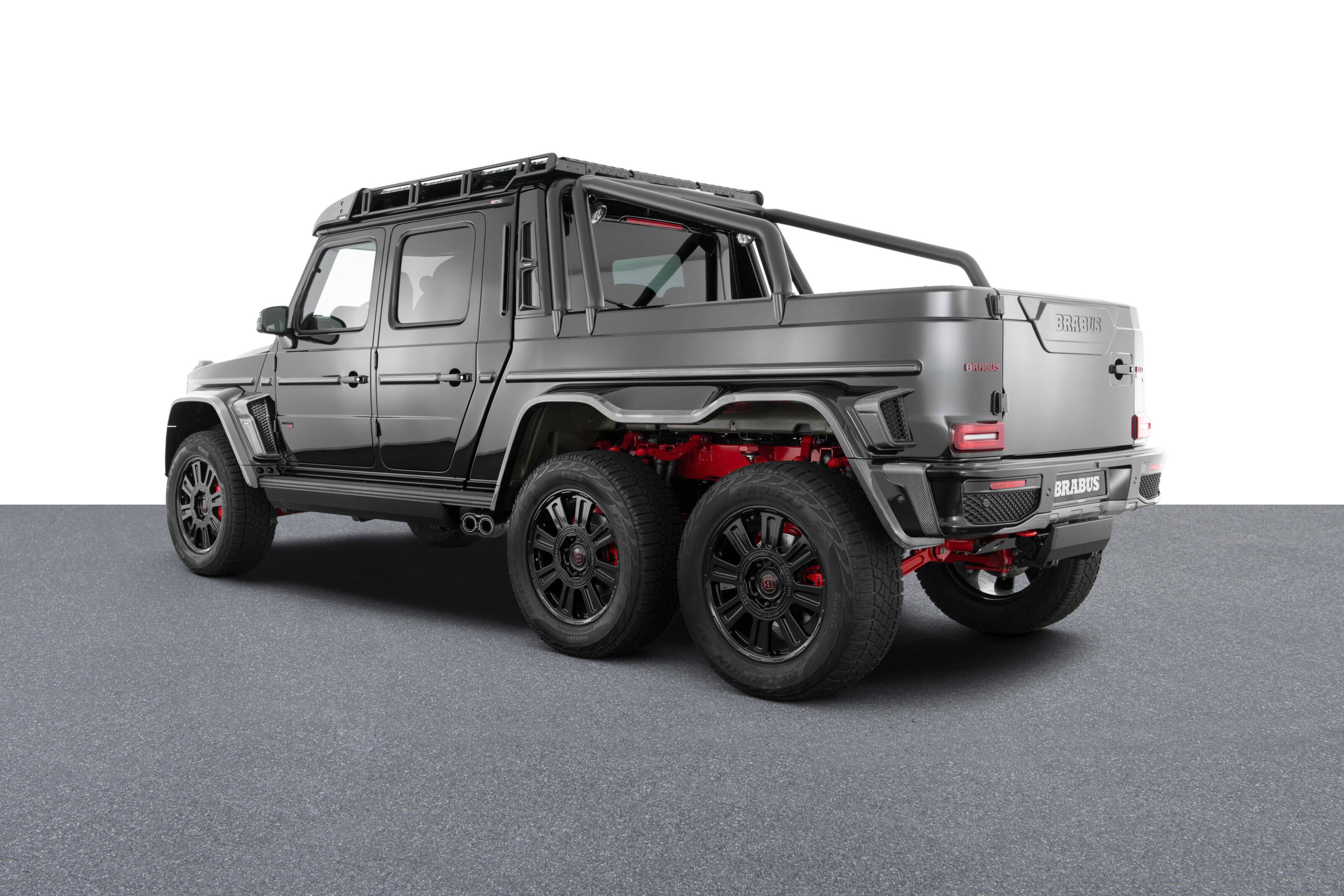
This powerhouse propels the pickup from 0–100 km/h in just 5.8 seconds, with a top speed limited to 210 km/h due to its off‑road tyres. Power is managed via a nine‑speed automatic transmission and channeled through all six wheels.
To accommodate two additional driven axles, BRABUS extended the steel ladder frame of the G‑Class by 153 cm, designing it for extreme torsional stiffness. The pickup stretches over 6 metres long and incorporates three portal axles, delivering a ground clearance of 47 cm – offering unmatched off‑road capability.
The XLP 800 rides on bespoke 22‑inch BRABUS Monoblock Z/HD wheels, fitted with 325/55 R22 all‑terrain tyres. These components are forged for strength, mounted under extra‑wide fender flares with exposed‑structure carbon accents.
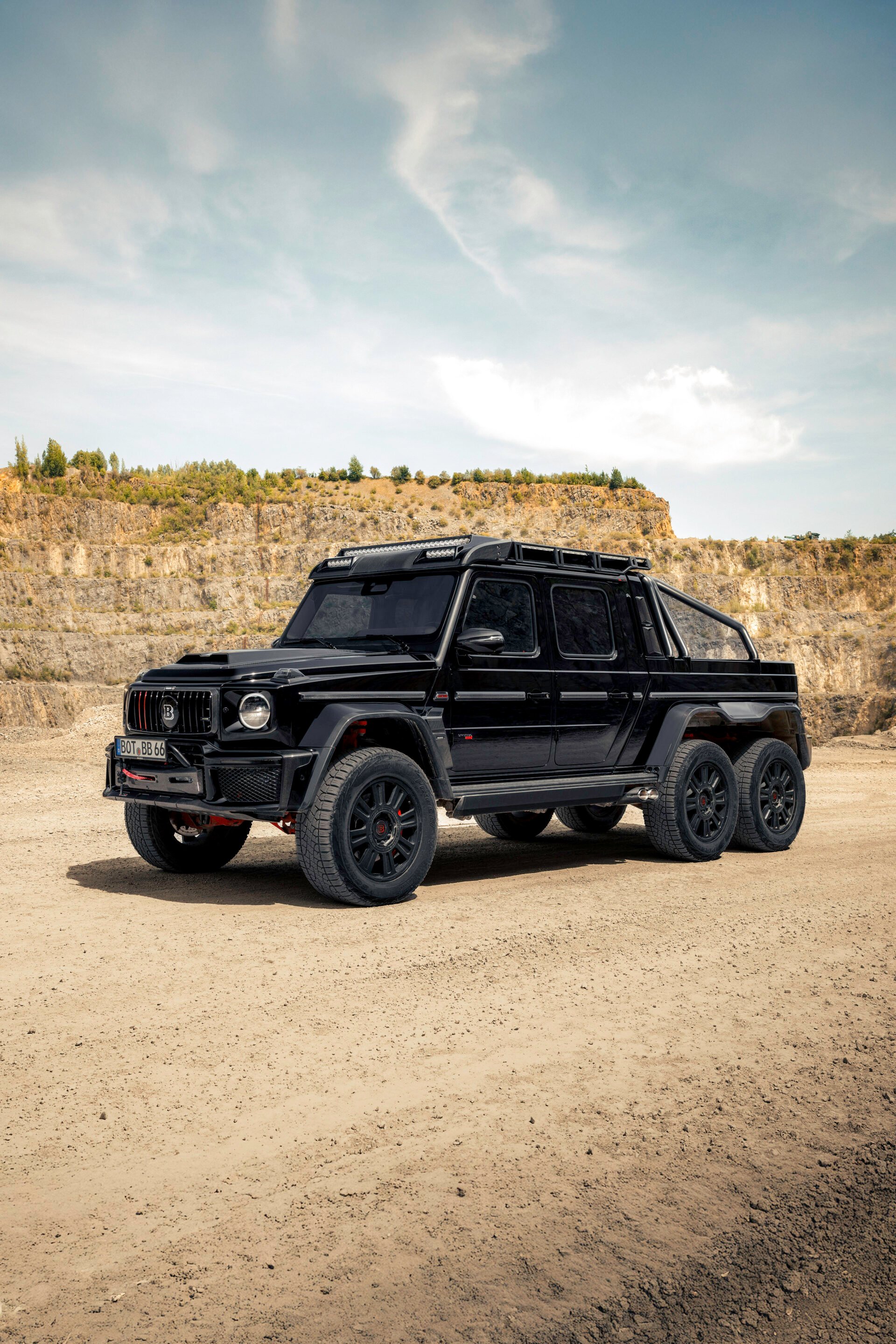
The vehicle also features a carbon‑skid‑plate front bumper with a 4,500 kg winch, a roll bar with integrated LED lighting, and a roof rack – all adding rugged functionality alongside visual impact.
The Masterpiece interior is crafted with black leather and Dinamica microfiber, with BRABUS’s signature dual‑cube quilting, red “ROCKET RED” accents across gears, vents, and air vents, and high‑gloss carbon trim. It’s a harmonious fusion of off‑road form and upscale function.
Each XLP pickup is custom-built to order, registered on a private blockchain with a digital product passport for authenticity. The base export price from Germany is approximately €1,161,000 (A$2,077,191).
MG Motor Australia has encouraged buyers to take advantage of the current 2025 MG4 range, ahead of a major model shift in 2026.
Today’s rear- and all-wheel-drive MG4 variants – offered with 51kWh, 64kWh and 77kWh battery options – start at under $40,000 drive-away for the 51kWh RWD, but MG will introduce a second-generation, front-wheel-drive MG4 as the new entry point to its electric hatchback range April-June 2026.
The “affordable city-spec” model will launch with 43kWh and 54kWh batteries, replacing the current 51kWh option and joining updated RWD and AWD 64kWh variants at higher prices.
MG Australia CEO Peter Ciao said the change balances “driver usage needs and production cost considerations of rear-wheel drive,” and that the FWD will “complement the MG4 RWD and AWD.”
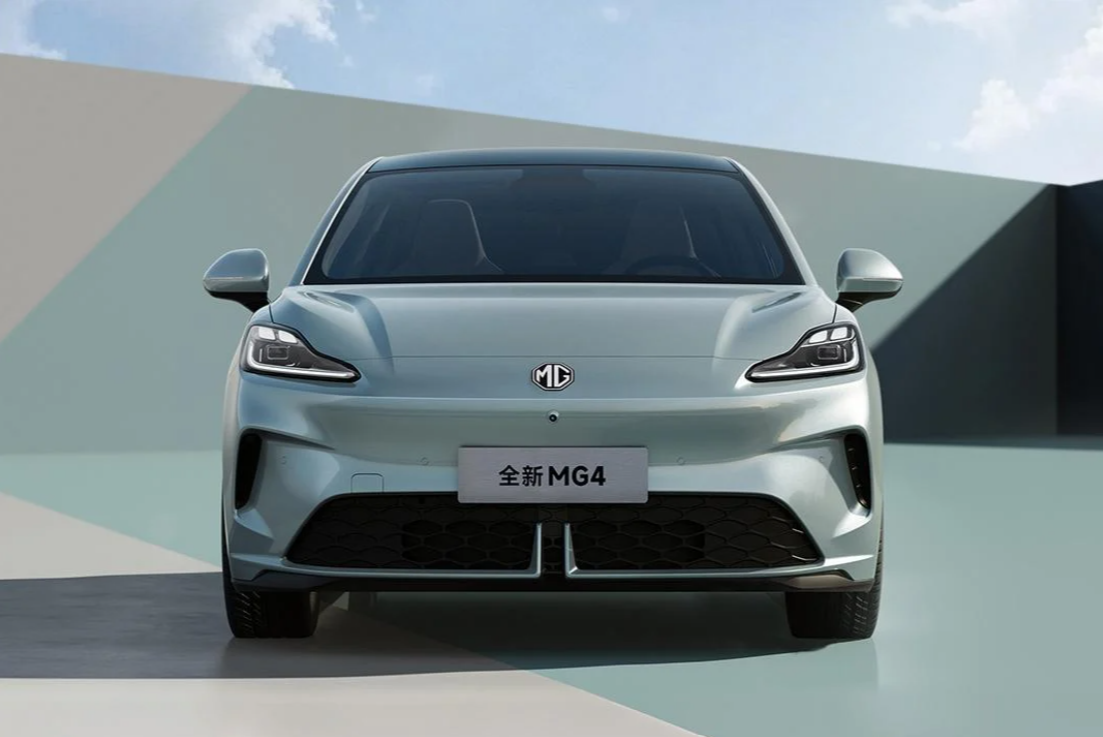
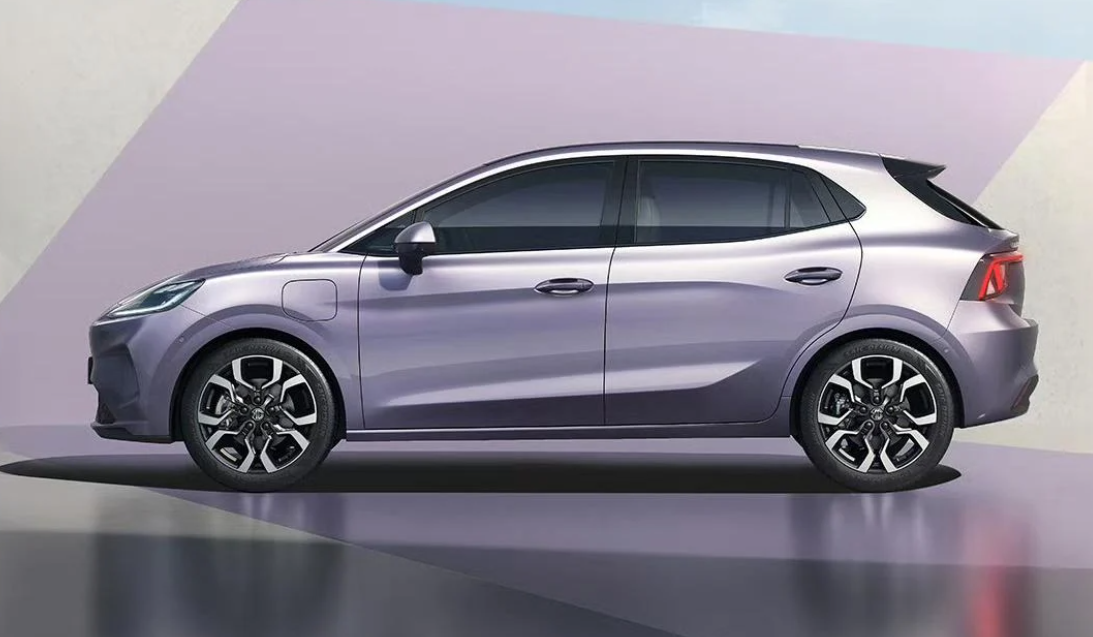
The new FWD MG4 will be based on a different, larger platform with softer styling and a longer 2750mm wheelbase. Measuring 4395mm long, 1842mm wide and 1551mm tall, it is about 100mm longer than the RWD model.
In China – where the FWD variant is already on sale – it is launching on September 5 with a choice of two lithium iron phosphate batteries, plus an upcoming semi-solid-state battery option set for mass deliveries later this year. MG says it will be the first mass-produced semi-solid-state battery, claiming superior low-temperature discharge power, better energy retention than rival units, and smoke- and fire-free performance even under rigorous puncture testing.
In China, the LFP options offer 437km CLTC range from 42.8kWh or 530km from 53.95kWh, paired to a 120kW/250Nm motor. Fast charging from 30 to 80 per cent is claimed at 20 minutes.
Inside, the front-drive model brings more tech, including a larger 15.6-inch touchscreen in flagship trims, 50-watt wireless phone charging, leather-look seats, and features debuting on an MG4: ventilated front seats, 256-colour ambient lighting, and a panoramic sunroof with electric sunshade. It is also linked to the newly trademarked “MG4 Urban” nameplate.
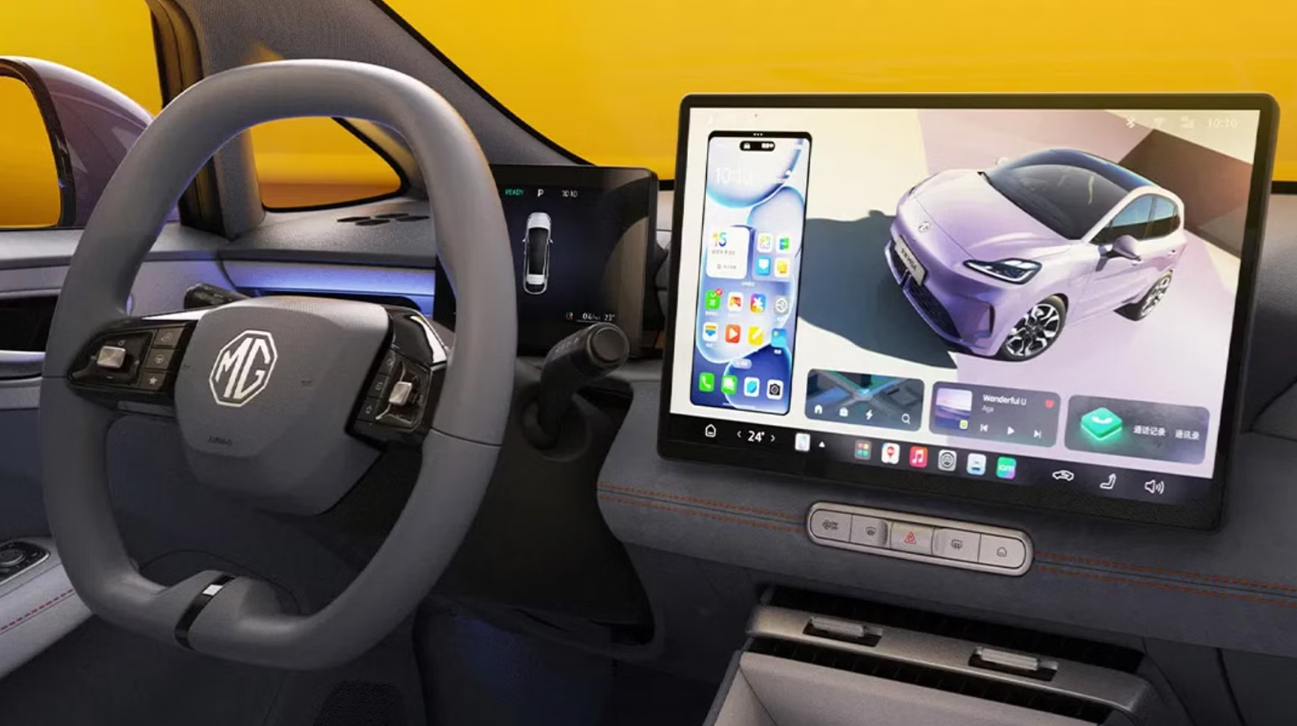
While the FWD will broaden appeal – particularly in China, where the sportier RWD styling has underperformed – the RWD and AWD models remain the dynamic choice. The 64kWh RWD offers 435–450km WLTP range and AWD performance unmatched in its price class.
MG has yet to confirm 2026 pricing, but the cheapest RWD variant is expected to remain above $40,000 plus on-roads. Full details will be released closer to launch, but for now, value-focused drivers may find the current MG4 range a time-limited bargain.
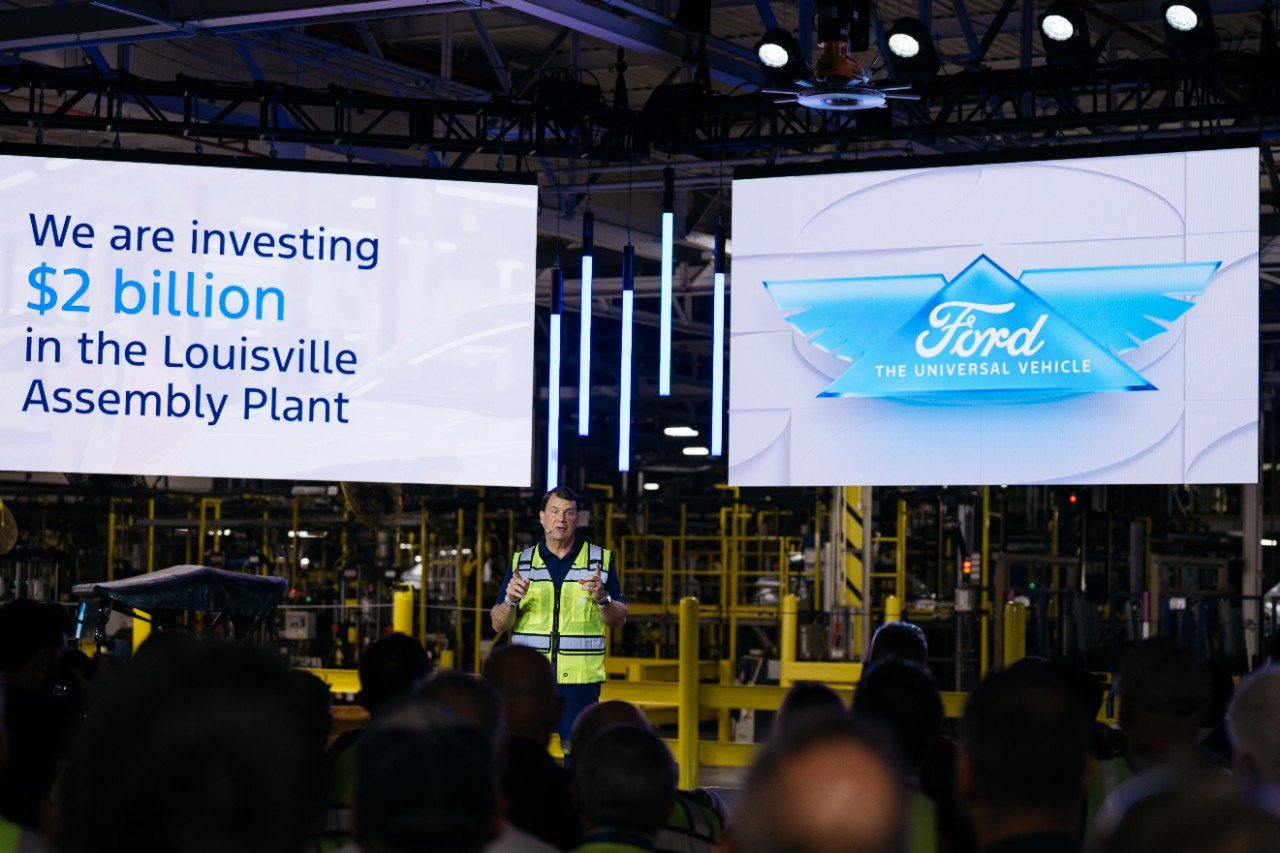
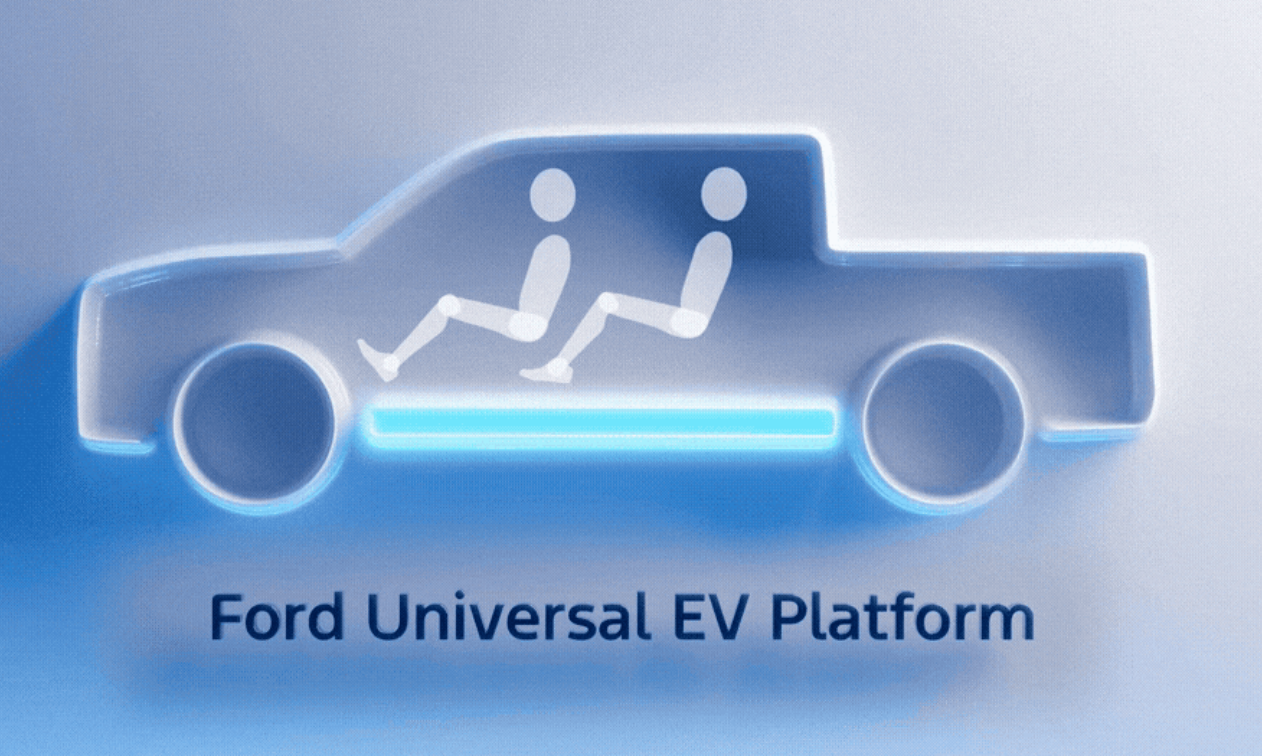
Ford has unveiled what was described as its “Model T moment” as CEO Jim Farley revealed the company’s bold new strategy to tackle mounting competition from Chinese EV makers like BYD and Tesla: the Ford Universal EV Platform and accompanying Universal EV Production System.
This new architecture will underpin a family of affordable, software‑defined electric vehicles – starting with a four‑door midsize pickup, slated to debut in 2027 and priced around $30,000. Ford says the truck will deliver Mustang‑EcoBoost‑level sprinting and cabin space surpassing the Toyota RAV4, while the cargo space benefits from a front “frunk” and bed.
Key cost and production efficiencies include:
- 20 per cent fewer parts, 25 per cent fewer fasteners, and 15 per cent faster assembly.
- A significantly lighter, simplified electrical harness – 4,000 feet shorter and about 22 lb lighter than the Mach‑E’s.
The truck will use prismatic lithium‑iron‑phosphate (LFP) batteries that double as a structural element and floor – no cobalt or nickel, less weight, lower cost, improved handling, and more interior room.
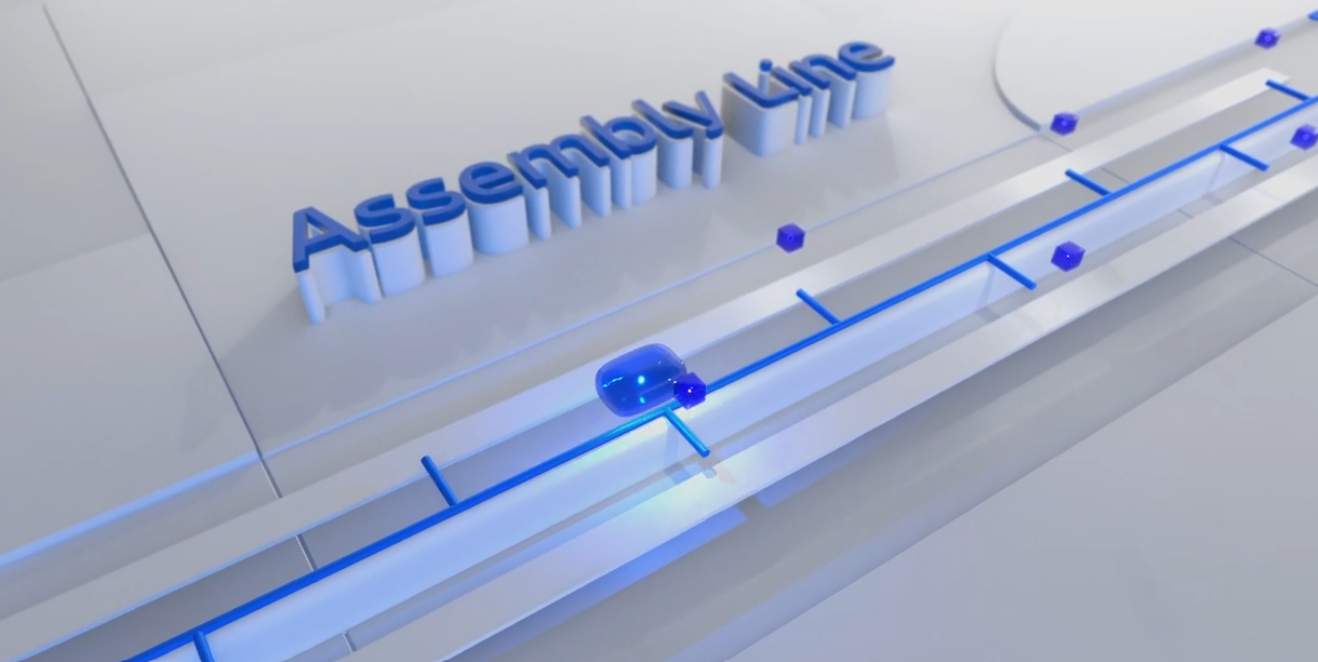
Ford is also ditching the traditional assembly line in favor of an “assembly tree” concept: three modular sub‑assemblies (front, middle, rear) built in parallel and joined later. This reduces workstations by up to 40 % and speeds up assembly.
The company is pouring $5 billion into this initiative – $2 billion to overhaul the Louisville Assembly Plant and $3 billion into the Michigan BlueOval Battery Park – to support EV production and battery supply. This investment will create nearly 4,000 jobs, mostly in Kentucky, though with a leaner workforce due to automation gains.
Farley calls it a do‑or‑die moment: “Not legacy automakers vs. each other, but Ford vs. Chinese OEMs like Geely and BYD.”
While the platform marks a pivotal shift, many vehicle details – like range, battery sizes, charging speeds, and the truck’s official name – remain under wraps. These will be unveiled closer to the 2027 launch.
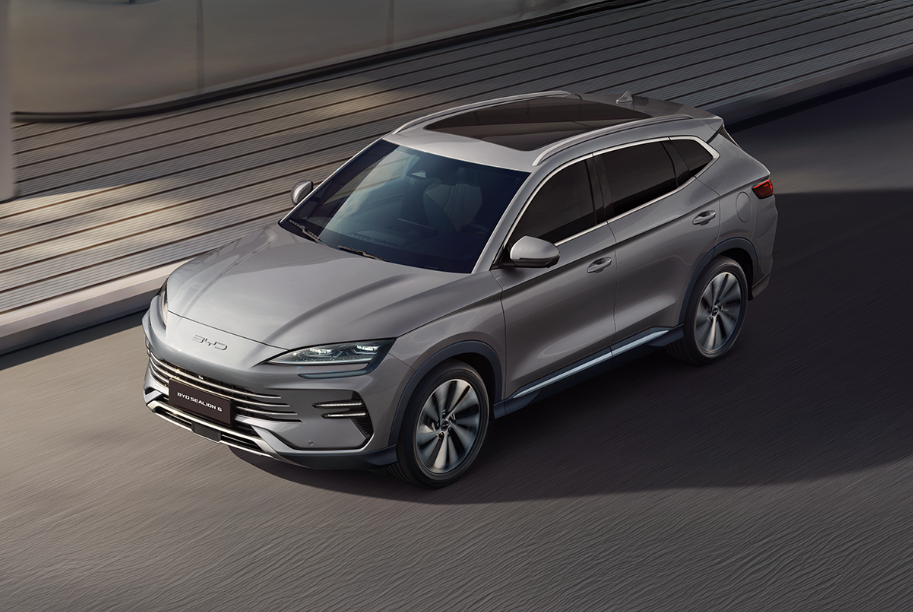
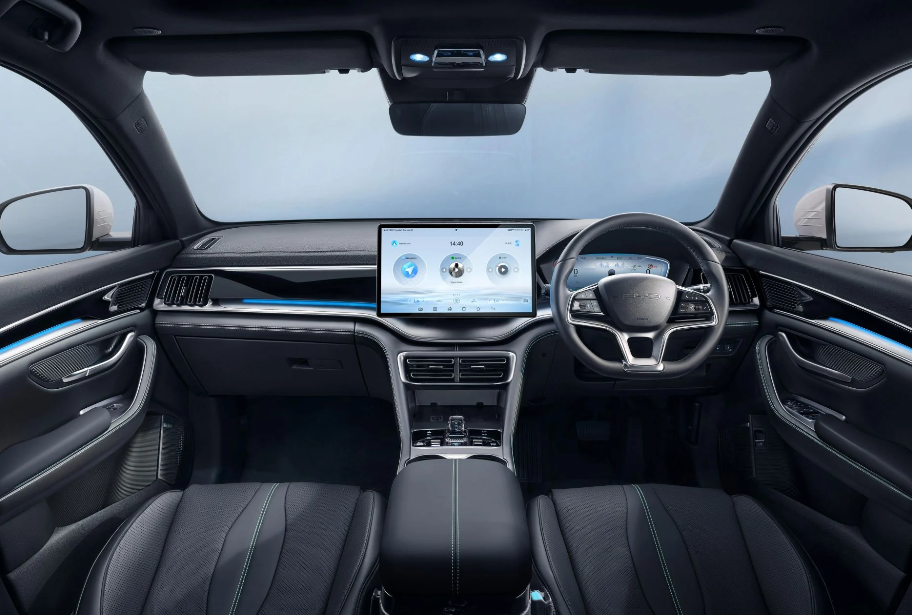
BYD has unveiled a new variant of its best-selling plug-in hybrid SUV in Australia, the Sealion 6 Dynamic Extended Range, delivering a substantial boost in electric driving capability and overall efficiency.
With more than 5,000 Sealion 6 units already delivered locally this year, the new model reinforces BYD’s position as a leader in new energy vehicle technology. Key to the upgrade is a 26.6kWh BYD Blade Battery – a 45 per cent increase over the Standard Range’s 18.3kWh pack – lifting EV-only range from 80–90km to between 120–140km, depending on conditions.
This larger battery pairs with BYD’s DM-i (Dual Mode – Intelligent) hybrid system to deliver a total driving range of around 1092km (WLTP), giving drivers the ability to complete most daily commutes using electric power alone while retaining long-distance flexibility.
“With this new variant, we’re giving customers more flexibility and more value,” said Stephen Collins, Chief Operating Officer at BYD Automotive Australia. “The Sealion 6 Dynamic Extended Range blends innovation, performance, and affordability in a way that truly redefines what Australians can expect from a plug-in hybrid SUV.”
BYD claims the new model consumes just 1.1L per 100km – significantly lower than many conventional hybrids, which average more than 4.8L/100km. With the average Australian driving about 30km daily, most owners could use it as a full-time EV, recharging at home and rarely visiting a petrol station.
Priced from $46,990 plus on-road costs, the Sealion 6 Dynamic Extended Range also offers cosmetic and comfort upgrades. Buyers can choose a new black interior and four exterior colours: Arctic White, Stone Grey, Harbour Grey, and Cosmos Black. The model retains the sleek European-inspired styling of the Sealion 6 range.
The launch comes as competition in Australia’s plug-in hybrid segment intensifies, with BYD aiming to offer more range and lower running costs.
With its blend of extended EV capability, impressive fuel economy, and accessible pricing, the Sealion 6 Dynamic Extended Range is BYD’s latest effort to gain more Australian market share for the hybrid-curious.
Pricing
| Sealion 6 MY 25 | |
|---|---|
| Model | RRP (excluding on-road costs) |
| SEALION 6 ESSENTIAL | $42,990 |
| Optional Paint: All optional paints | $900 |
| SEALION 6 DYNAMIC STANDARD RANGE | $45,990 |
| Optional Paint: All optional paints | $900 |
| SEALION 6 DYNAMIC EXTENDED RANGE | $46,990 |
| Optional Paint: All optional paints | $900 |
| SEALION 6 PREMIUM STANDARD RANGE | $52,990 |
| Optional Paint: All optional paints | $900 |
Australia’s electric vehicle (EV) owners may soon face a dedicated road user charge, ending what critics call their “free ride” on public infrastructure funding.
Currently, EV drivers avoid the 51.6 cents per litre fuel excise levied on petrol and diesel sales – a tax that raises billions annually for road maintenance and construction. The growth of Australia’s EV fleet, now exceeding 300,000 vehicles, has intensified concerns over falling excise revenue. This trend is compounded by more fuel-efficient petrol and diesel cars, with Treasury data showing fuel excise receipts have been in long-term decline since 2005.
Federal Treasurer Jim Chalmers has flagged the need for all motorists to “pay their fair share” for road use. According to The Australian, Chalmers is fast-tracking discussions on a modest EV road charge as part of an upcoming national economic reform roundtable with state treasurers, aimed at boosting productivity and reshaping the tax system.
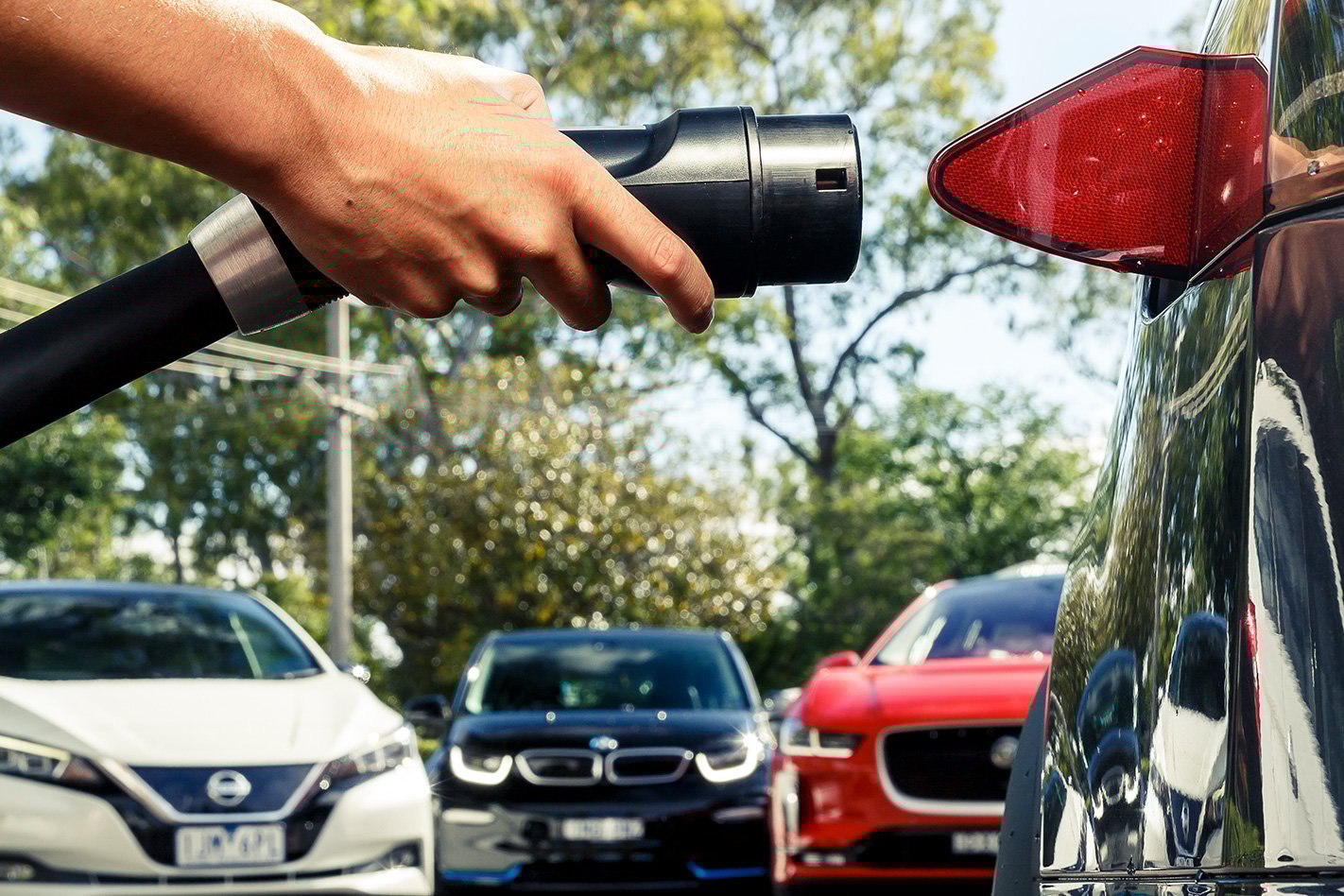
Environment Minister Murray Watt confirmed on ABC News Breakfast that the government is in active consultation with states and territories following the 2023 High Court decision that invalidated Victoria’s EV road tax. The ruling found the levy to be a “duty of excise” – a tax only the Commonwealth can impose.
Watt stopped short of confirming any timeline or final structure for a national charge, but said it was “no secret” that the issue was a priority. Policy options could include a per-kilometre charge tracked via odometer readings or telematics, ensuring EV and hybrid drivers contribute proportionally to infrastructure funding.
Advocates for a national scheme argue the current gap unfairly shifts the cost burden onto drivers of internal combustion vehicles, despite EV owners using the same road network. Critics, however, warn that premature or poorly designed charges could undermine EV adoption just as Australia seeks to accelerate emissions reductions in transport.
The Electric Vehicle Council maintains that any new system must balance fairness with the need to encourage EV uptake, suggesting a phased approach that allows the market to mature.
For now, the specifics – including rates, collection methods, and start date – remain undecided. But with bipartisan recognition that fuel excise revenue is unsustainable in a decarbonising transport sector, a national EV road user charge appears increasingly inevitable.
