Best Commercial Vans in Australia
Looking to get your hands on a new commercial van? Our stories below will guide you to the model that best suits your needs:

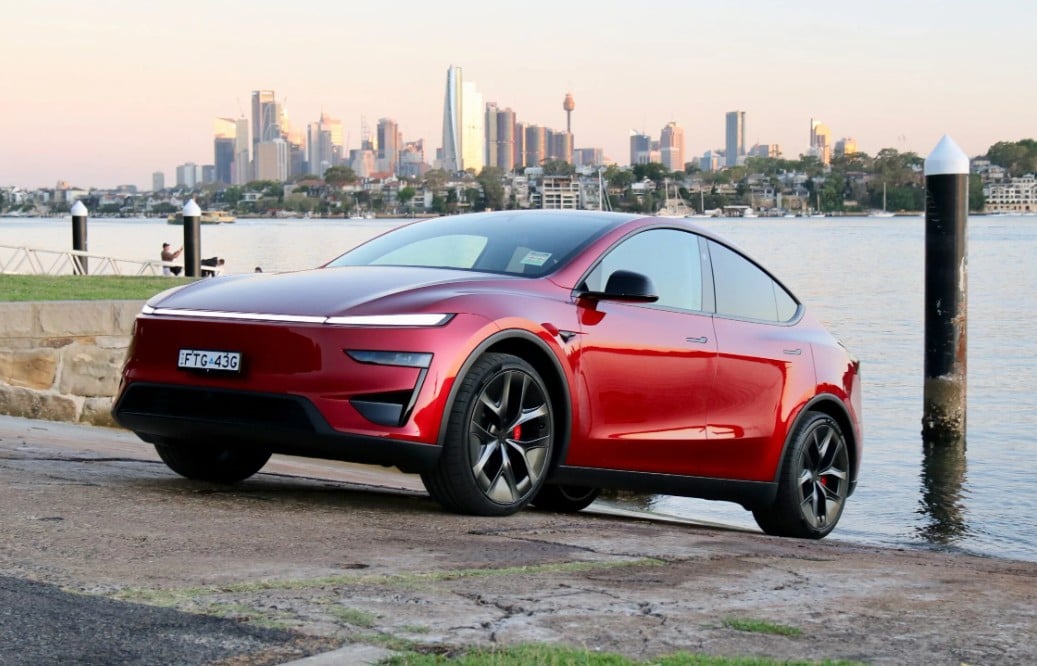
Tesla delivered a record number of vehicles in Australia during May 2026, according to the latest figures released by the Electric Vehicle Council (EVC).
The EVC’s monthly sales report recorded 6,433 Tesla deliveries during May, the highest single-month result since the organisation began tracking battery-electric vehicle deliveries. The figure surpasses Tesla’s previous peak of 6,017 deliveries recorded in March 2024, suggesting many have absolved CEO Elon Musk’s of his strange forays into US politics.
Combined Tesla and Polestar deliveries reached 6,681 vehicles for the month, also establishing a new record for the EVC dataset.
Importantly, the EVC report only includes sales data provided by Tesla and Polestar in Australia and does not represent total electric vehicle sales or the wider new vehicle market.
Compared with May 2025, combined Tesla and Polestar deliveries increased by 61.4 per cent, while year-to-date deliveries rose 52.7 per cent to 15,866 vehicles.
The result was largely driven by Tesla’s Model Y, which accounted for 5605 deliveries during May. According to the EVC, the popular SUV represented 84 per cent of all Tesla and Polestar vehicles recorded in the report for the month.
Tesla Australia and New Zealand Country Director Thom Drew attributed the result to both returning customers and new buyers entering the brand.
“Tesla has had another strong month in May, driven by the continued loyalty of our existing customers and a growing number of Australians choosing Tesla for the first time,” Drew said.
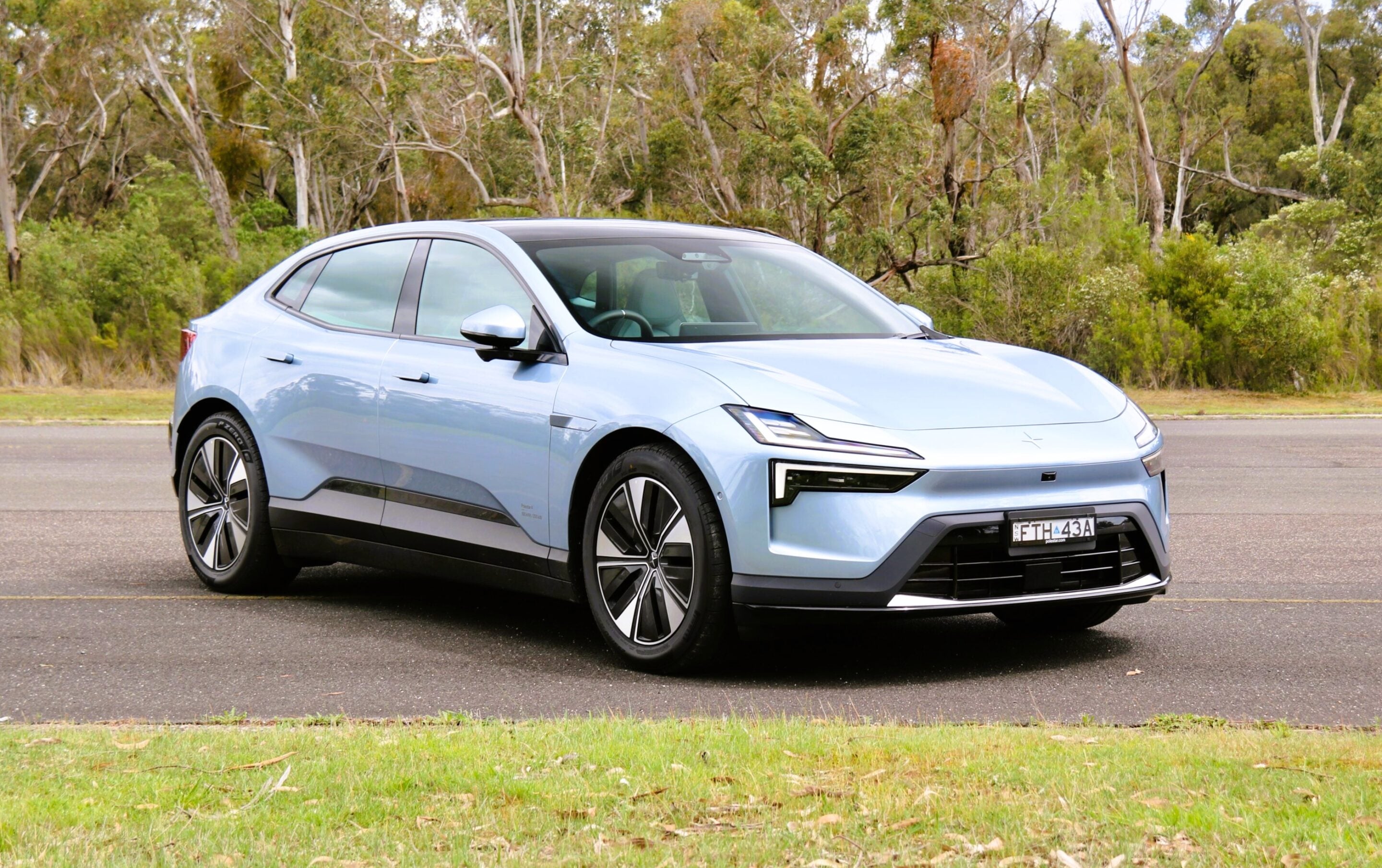
Polestar also reported positive momentum, with Australian Managing Director Scott Maynard saying Polestar 4 remained the brand’s strongest performer. Year-to-date sales of the Polestar 4 are up 39.6 per cent compared with the same period in 2025.
The strongest growth was recorded across the eastern states, with year-to-date sales increasing 65.1 per cent in Queensland, 63.3 per cent in New South Wales and 61.9 per cent in Victoria.
Electric Vehicle Council chief executive Julie Delvecchio described May as a significant month for EV deliveries in Australia.
While the figures highlight growing demand for Tesla and Polestar products, the EVC notes that its monthly report remains a partial snapshot of the market until more manufacturers choose to contribute sales data.
Toyota has ripped the covers off the new GRMN Corolla, its most focused hot hatch yet. Weighing 40kg less than the standard GR Corolla thanks to carbon fibre exterior panels and the removal of rear seats, but with more torque than the standard car, revised suspension, new bucket seats and a whole multitude of suede trim on the inside, the GRMN has been confirmed for Australian sales in limited numbers in 2027.
Likely to be the most expensive Corolla ever sold in Australia, the new limited edition extreme hot hatch uses the brand’s celebrated GRMN (‘Gazoo Racing tuned by the Meister of Nürburgring’) badging. The name gives a clue to the new model’s development, which was largely conducted at the legendary German track.
On the outside, the GRMN Corolla is even more aggressive to look at than the standard GR Corolla thanks to extensive use of carbon fibre in the bonnet and front wheel arches – which feature additional vents – plus carbon fibre front side spoilers and an adjustable carbon fibre rear spoiler.
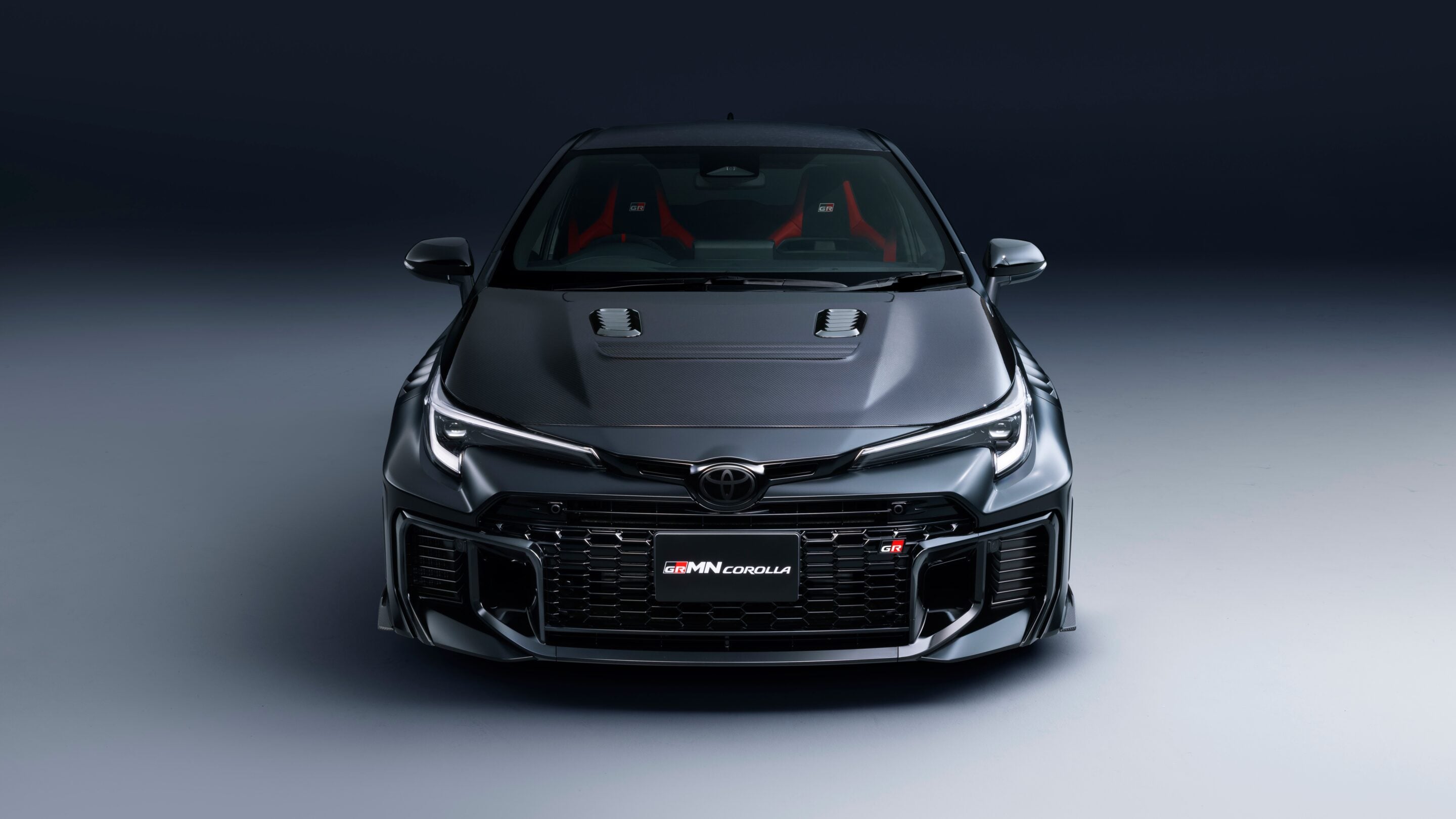
Matte bronze 18-inch forged alloy wheels, GRMN badging and new matte black or matte khaki paint options complete the exterior transformation.
Inside are new bucket seats trimmed in red and black upholstery with GR branding, as well as carbon fibre trim pieces, red and black suede trimmings, and the signature of Toyota chairman Akio Toyoda’s racing alias Morizo on the dashboard.
Like the GR Corolla Morizo Edition from 2023, the GRMN eschews a rear seat – making it a strict two-seater – replaced by a strut brace.
On the performance side, the 1.6-litre turbocharged three-cylinder petrol engine makes the same 221kW as the standard GR Corolla, but its torque has been uprated slightly from 400Nm to 408Nm. That, in combination with the 40kg weight loss to around 1450kg, means that it should be even quicker than the standard GR Corolla.
In a further win for enthusiasts, unlike the standard GR Corolla that offers an optional eight-speed automatic transmission, the GRMN is six-speed manual-only.
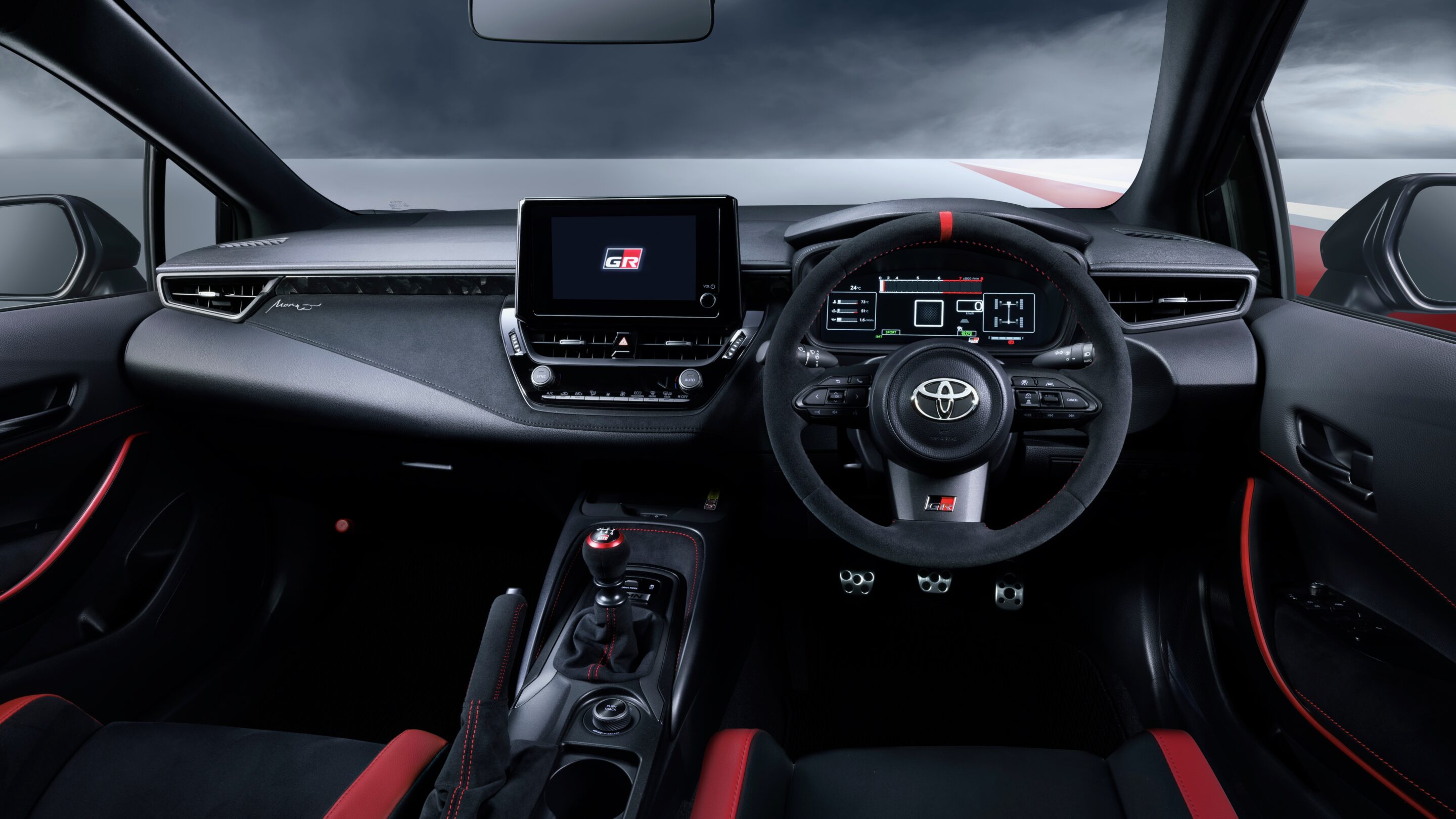
Other driving changes include a manual intercooler spray function, revised suspension with new monotube shock absorbers, 10mm-wider Michelin Pilot Sport Cup 2 tyres and even changes to the steering and all-wheel drive system.
Prices for the GRMN Corolla are yet to be announced, but given the scope of its upgrades and the standard GR Corolla’s $67,000 plus on-road costs pricing, we’re expecting it to land at above $80,000.
The Toyota GRMN Corolla will go on sale in Australia sometime in 2027, with local pricing and specifications yet to be announced.
Thousands of South Australians are expected to take to the roads this long weekend, but fuel retailers are also under scrutiny as the State Government launches a statewide compliance operation aimed at keeping fuel price reporting accurate.
Consumer and Business Services (CBS) inspectors will conduct more than 200 inspections across metropolitan Adelaide and regional South Australia over the next week, checking whether service stations are complying with the state’s real-time fuel pricing laws.
Under the Fuel Price Transparency Scheme, retailers are required to update any changes to fuel prices or fuel availability within 30 minutes. The system is designed to provide motorists with accurate information through fuel price comparison apps and websites, helping them find the cheapest fuel before filling up.

The inspection program will cover a broad area of the state, including Adelaide, the Eyre Peninsula, Yorke Peninsula, Riverland, Limestone Coast and West Coast regions.
According to data from the RAA, motorists who regularly use real-time fuel pricing tools save an average of $117 per year, with total savings across South Australia estimated at around $58 million annually.
Consumer Affairs Minister Michael Brown said access to accurate fuel pricing information remains crucial for motorists looking to reduce household expenses.
“Getting the best price at the pump is about knowing where to look. Real-time apps bring South Australians the cheapest petrol at their fingertips,” Brown said.
Authorities have already increased enforcement activity this year following volatility in global fuel markets linked to conflict in the Middle East. Since the conflict began, CBS has investigated almost 400 complaints and carried out around 800 service station inspections. Those investigations have resulted in 22 fines worth more than $12,000 and a further 18 written warnings.
Brown said the government intends to strengthen enforcement even further.

“Since the Middle East conflict began this year, we have investigated nearly 400 complaints and 800 inspections at South Australian service stations, resulting in 22 fines totalling over $12,000 and 18 written warnings,” he said.
“The Malinauskas Government is cracking down. We are doubling our compliance officers and raising fines to $5,000 per offence. This blitz is a clear warning to service station operators: do the right thing or face the consequences.”
Proposed legislative changes currently before State Parliament would increase on-the-spot penalties from $550 to as much as $5,000, while maximum court-imposed fines would rise from $10,000 to $20,000.
Toyota Australia has announced that the plug-in hybrid variants of the new RAV4 medium SUV will arrive earlier than expected in Australia, with deliveries now due to commence from later this month. That’s at least a month earlier than expected, with the original timeframe of the third quarter of 2026 (July – October) previously indicated by the company.
Priced from $58,840 excluding on-road costs, the new PHEV drivetrain will only be offered in either XSE or new GR Sport models, which sit near and at the top of the range respectively.
The plug-in hybrid drivetrain in the new RAV4 uses a 2.5-litre naturally aspirated four-cylinder petrol engine combined with either a single or two electric motors, making combined outputs of either 201kW in front-drive form or 227kW with dual-motor all-wheel drive. The all-wheel drive version of the PHEV is the most powerful production RAV4 ever, and it’s capable of a 0-100km/h sprint in just 5.8 seconds.
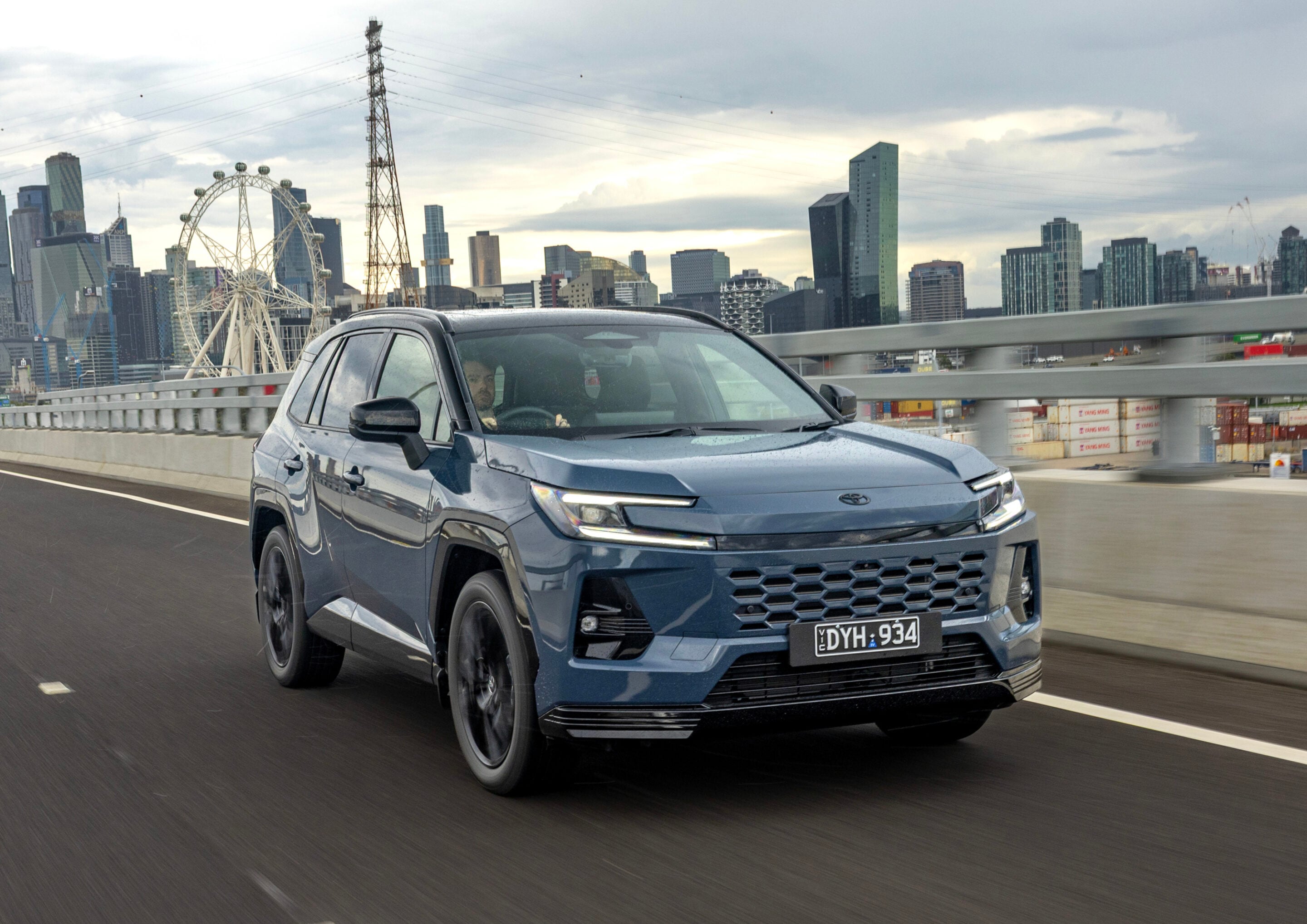
The RAV4 PHEV features a 22.7kWh lithium-ion battery for a WLTP-rated range of 121km for FWD or 113km for AWD models, and it supports both 50kW DC charging and 11kW three-phase AC charging.
Toyota Australia Vice President Sales, Marketing and Franchise Operations John Pappas said this was a milestone moment for Toyota as it continued to expand its multi-pathway approach to decarbonisation and offer Australian customers a broad choice of powertrains that suit the vehicle and customer use.
“For RAV4, we have already launched the extremely efficient all-new sixth-generation model in hybrid versions and the new PHEV models will provide greater performance for those who really enjoy their driving out on the open road, along with the ability to run on electric power alone for shorter trips around the city,” he said.
| GX Hybrid 2WD | $45,990 |
|---|---|
| GX Hybrid AWD | $49,340 |
| GXL Hybrid 2WD | $48,990 |
| GXL Hybrid AWD | $52,340 |
| Edge Hybrid AWD | $55,340 |
| XSE Hybrid AWD | $58,340 |
| XSE Plug-In Hybrid 2WD | $58,840 (new) |
| XSE Plug-In Hybrid AWD | $63,340 (new) |
| Cruiser Hybrid 2WD | $56,990 |
| Cruiser Hybrid AWD | $60,340 |
| GR Sport Plug-In Hybrid AWD | $66,340 (new) |
Deliveries of plug-in hybrid Toyota RAV4 models will commence from later this month.
Toyota Australia has announced that it’s obtained an additional 10,000 units of stock of its most in demand vehicles as part of an effort to meet increased demand. Due by the end of 2026, the move should see waiting lists for vehicles such as the RAV4 hybrid medium SUV, HiLux ute and bZ4X electric medium SUV fall and boost sales further.
According to the brand, the additional allocation lifts Toyota Australia’s full-year sales forecast to around 220,000 vehicles, continuing its run as the best-selling brand locally and the only brand to sell above 200,000 vehicles annually in Australia.
Toyota is yet to announce how the additional units will be split between the models, but considering the high demand for the RAV4, it’s likely to take at least half of the extra production.
Toyota Australia Vice President Sales, Marketing and Franchise Operations John Pappas said the additional allocation represents an important prioritisation of Australian customers. “This increase in supply is great news for our customers and dealers. It reflects the strong partnership we have with Toyota globally to prioritise the Australian market.”
Toyota is not alone in adding extra units to Australian shores. A recent shipment of almost 5000 BYD and Denza vehicles docked in Australia to meet increased demand for both electric and plug-in hybrid vehicles. BYD says that the shipment is part of its plan to sell 30,000 vehicles in Australia in the coming months and continue its rapid growth locally.
If it continues its current trajectory, BYD could potentially sell more vehicles than both Ford and Mazda in 2026 for a total sales run of above 75,000 units – an almost-23,000 unit increase on the brand’s healthy 2025 result.
Even just 12 months ago, electric vehicles were considered by many as expensive to buy. Sure, they had reached price parity with hybrid and ICE rivals in segments like medium SUVs, but a truly affordable EV was nowhere to be seen. However, BYD changed that in late 2025 with the arrival of its Atto 1 light hatchback.
Called Seagull in its home market and Dolphin Surf in Europe, the Atto 1 launched in Australia with an eye-popping entry price of just $23,990 plus on-road costs. Under $25,000, let alone $30,000, for a brand new EV was unheard of. It’s a sign of things to come, but what do you get for the money?
There are currently two Atto 1 models on sale in Australia: the entry-level Essential and upper-spec Premium. The former is priced at the aforementioned low $23,990 +ORC pricing, with the Premium model tested for this review $4000 more at $27,990 +ORC.
2026 BYD Atto 1 pricing:
| Essential | $23,900 (around $27,500 driveaway, depending on location) |
|---|---|
| Premium | $27,990 (around $31,300 driveaway, depending on location) |
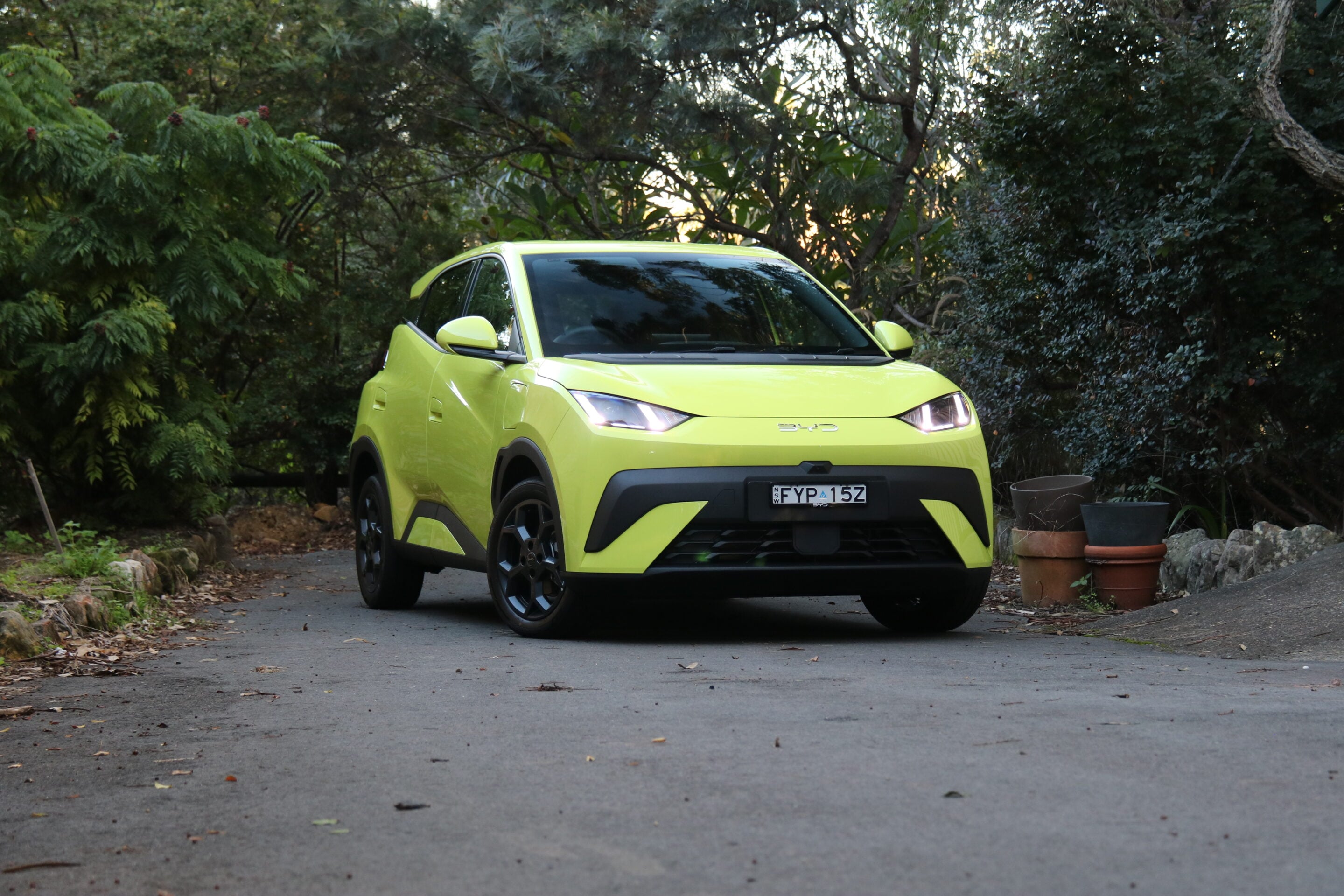
Affordable new cars are thin on the ground so it’s fantastic to see a new entrant priced from under $25,000. It’s a bonus for those scared by high fuel prices that it also happens to be powered by electricity.
Since the Atto 1 launched, there have also been some new rivals added to the market, such as the GAC Aion UT and MG4 EV Urban, both of which are priced from $31,990, though the MG’s pricing is driveaway. Other rivals to the Atto 1 include petrol-powered cars like the Kia Picanto, Mazda2 and Suzuki Swift.
While it’s inexpensive, we think that the Atto 1 could still be cheaper, especially in Premium form. Close consideration against rivals reveals that the MG4 EV Urban is priced around only $700 more once on-road costs are included and yet, it’s a larger car with five seats, a higher quality interior and more standard equipment – something to weigh up if you’re drawn in by the Atto 1’s low starting price.
Look, you’re – hopefully – not buying the 3990mm long Atto 1 to carry a family of seven. It’s more likely to be bought as a first car or a household second car, and its size makes it perfect for that. The boot is a great example – not only is its 308-litre size larger than you might have first imagined, but it also features a deep under-floor storage area for even more space. It would be great to see a boot light added, however, as fumbling around in the dark for your groceries is frustrating, and there’s no front boot either despite there being space for one.
The Atto 1 is a strict two-seater in the rear, but it’s actually surprisingly spacious. For a six-footer such as this writer, legroom is fine, and headroom is plentiful – plus, the flat floor adds more of a spacious feeling, though its rear windows are a touch small. Amenities include map pockets, door pockets and a tray at the rear of the centre console, though no air vents, armrest or charging ports.
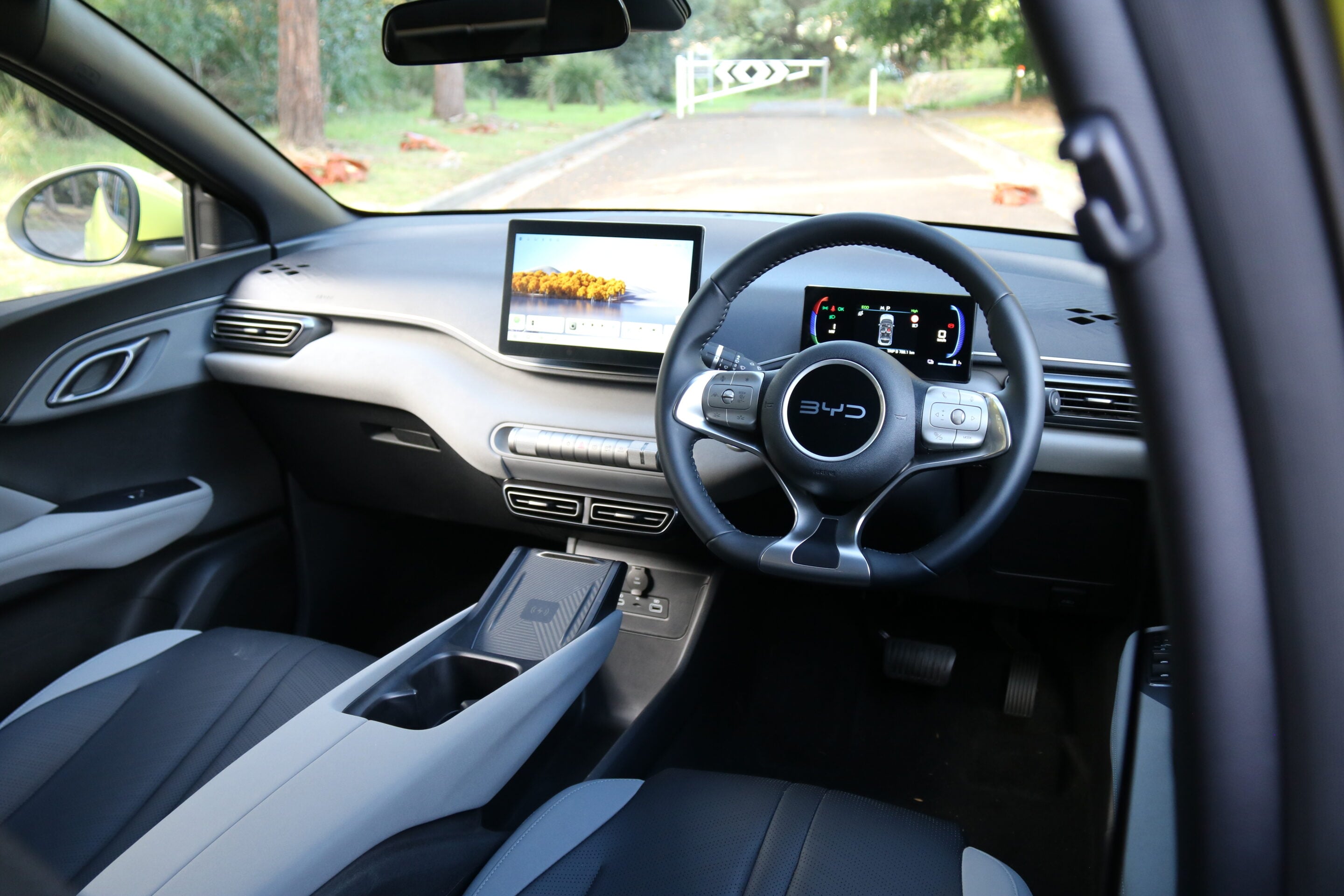
Move forward to the front cabin and you’re greeted with a funky and relatively practical space that gives off a great first impression, though there are caveats. Material quality is fine for the Atto 1’s price, with a mix of hard plastics and soft suede trims on the doors and lower dashboard. It would be nice to see more soft touch materials added on tops of the doors and dashboard.
There are also some good storage spots, including the open tray for the wireless phone charger, a big tray underneath the centre console and even a tray for the cabin at the rear of the centre console. But the downside to that is that aside from the glovebox, there’s no covered storage, so belongings won’t be hidden if left inside. The Atto 1 is hardly alone in this – just look at the Mazda2’s cabin, for example.
Centre of the cabin is a 10.25-inch touchscreen that also features in the larger Atto 2. Its screen is bright, though a bit grainy, and the icons are quite small too, making them more difficult than they should be to use at speed. It can also take a bit of time to get used to the menu operation and its multiple functions, even for simple things like changing the air-conditioning. Connecting the wireless Apple CarPlay was easy, however. Bizarrely, there’s also no AM radio.
There’s a useful row of buttons underneath the touchscreen with shortcuts for features like drive mode selection and a volume dial, though we’d like to see more of them for better ease of use. The four-speaker audio quality is not great, we must admit. The 7.0-inch digital driver’s display is informative, though its layout is a bit basic.
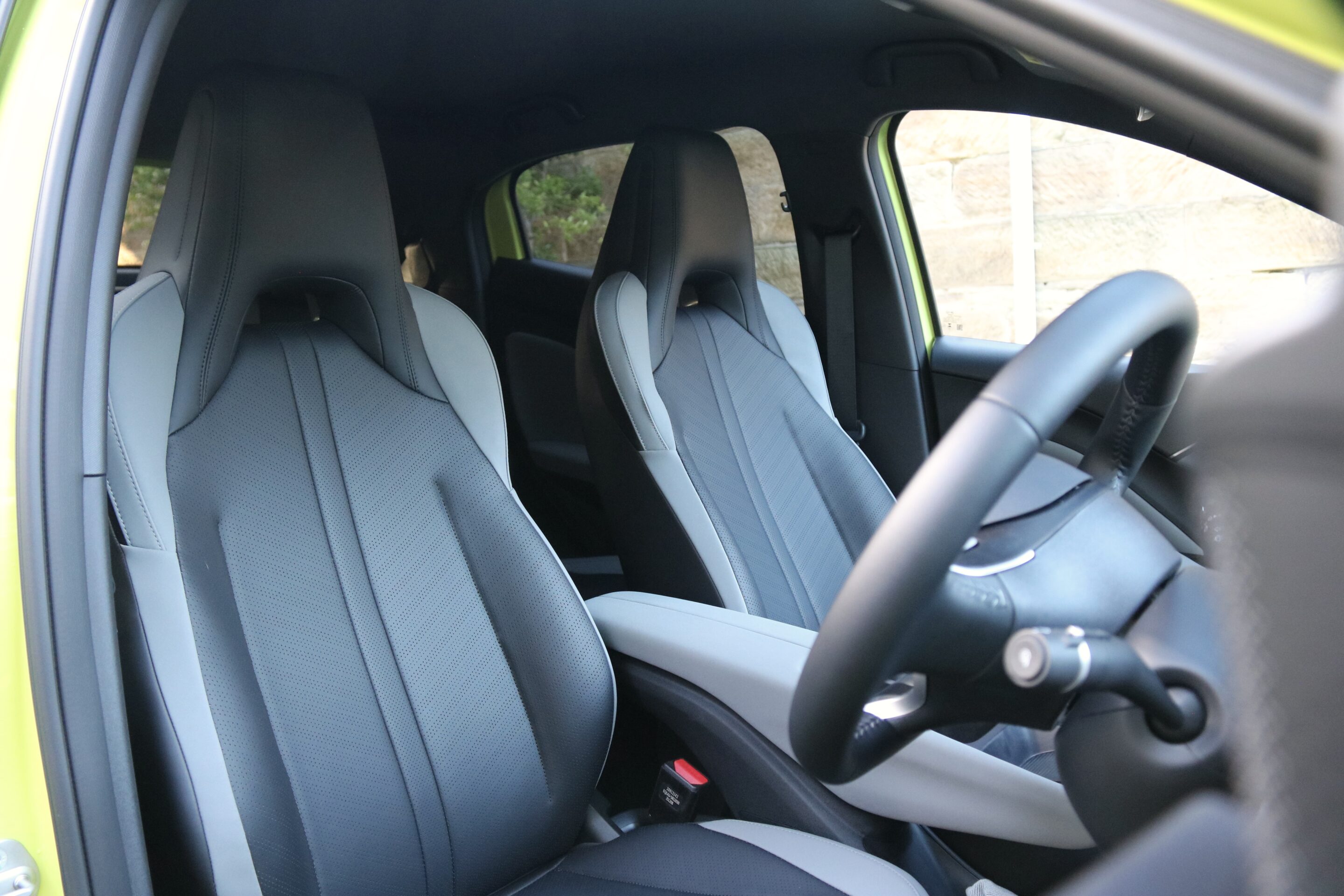
Front seat comfort is generally good, though the seats themselves are a bit small for taller folk and could offer more support. The driver’s chair features six ways of electric adjustment, making it relatively easy to achieve a good driving position, though under-thigh angle adjustment would be welcomed.
Choosing the Atto 1 Essential gives you a small 30kWh battery with only 220km of range, but the Premium upgrades to a larger 42kWh unit for a much healthier and more useable 310km (WLTP). The Premium is rated at 16kWh/100km for energy consumption and while that is a bit high for such a small car, it’s easy to beat that efficiency and in a week of mixed driving, we ended up on 14.8kWh/100km.
As for charging capability, the Premium can be charged at up to 85kW on a DC fast charger, which is fast enough for a claimed 10-80 per cent charge time of 30 minutes. In this regard, the Atto 1 fits in with its more expensive rivals for charging speed as both the MG4 EV Urban and GAC Aion UT can charge only slightly faster at 87kW. However, the Atto 1’s 11kW AC charging capability is impressive, especially given that the MG4 EV Urban’s is limited to just 6.6kW.
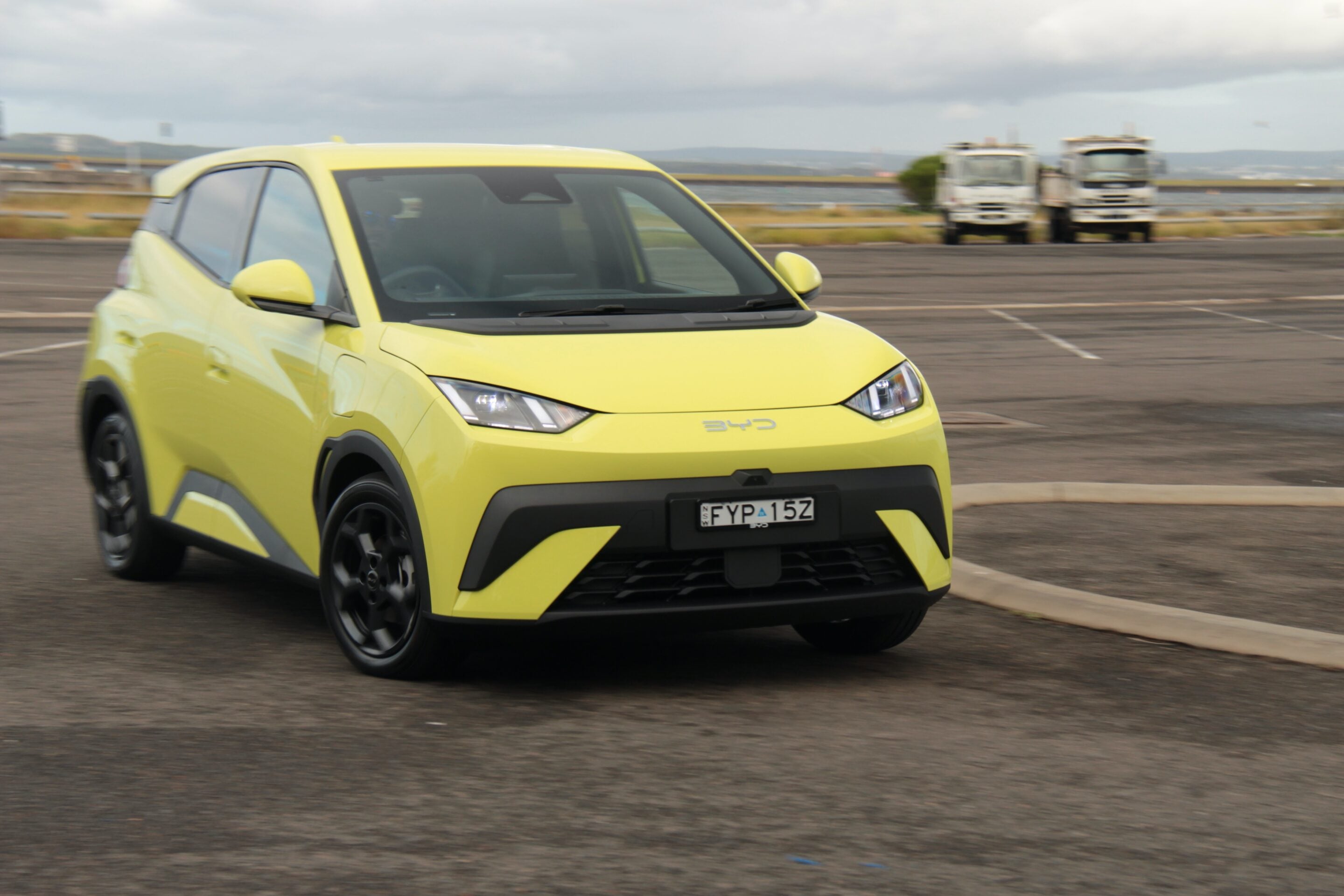
As we’ve seen with a lot of BYD’s products, the Atto 1 is a pleasant car to drive that coped well with the worst Sydney roads we could throw at it. For example, the ride quality on its 16-inch wheels is excellent and it soaks up bumps well thanks to the relatively soft suspension. The body control is fine too, though it does roll a bit in even moderate cornering, and the soft suspension makes for a bouncy ride on bumpier higher-speed roads.
But it is relatively fun to drive around town. Thanks to its tight chassis and diminutive size, it’s quite nimble. The well weighted and quick steering makes it change direction quickly. Refinement is also surprisingly good for the price with only a moderate amount of road noise, even at highway speeds.
As is the case with a lot of Chinese cars, the adaptive cruise control could use tuning however, as it’s quite conservative, and the lane-keeping assistance loves to unnecessarily tug at the steering wheel. There’s also no blind-spot monitoring or rear cross-traffic alert, which are odd omissions in what is a city-focused car in 2026.
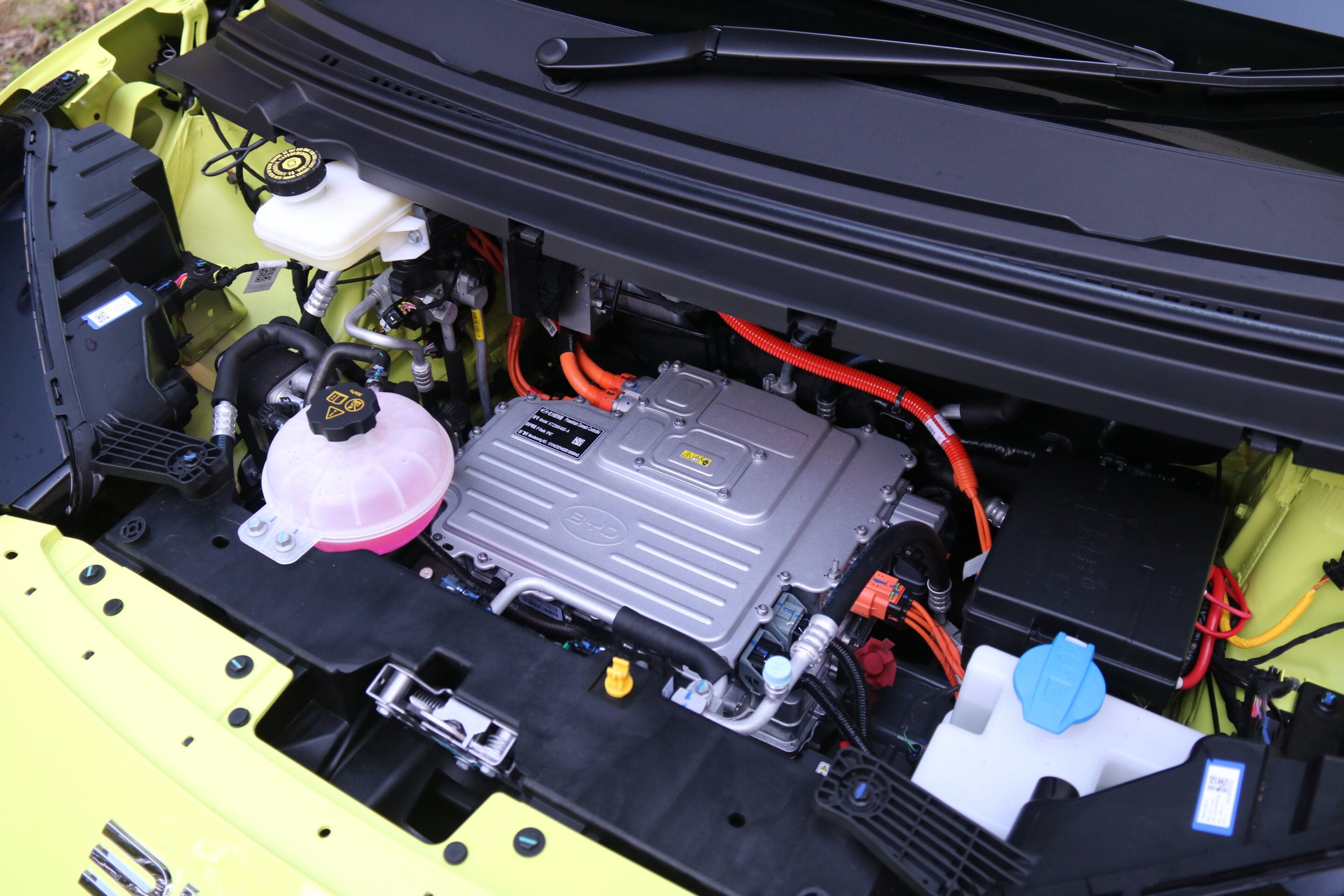
The Atto 1 Premium uses a 115kW/220Nm electric motor, which makes it a whole 50kW/45Nm gruntier than entry-level Essential. Even with the extra weight of the EV battery compared to an ICE rival, 115kW in such a small car makes it feel quite peppy on the road. Not hot-hatch quick, but certainly quicker than you’d expect. The claimed 0-100km/h time of 9.1 seconds actually feels conservative in the real world.
BYD offers a capped price servicing program for its products, and the Atto 2 costs $1391 to service over the first five years or 100,000km (whichever comes first). That’s an average of $279 annually, and its annual service intervals are longer than the Australian average at 20,000km.
For warranty, BYD covers the Atto 1 with a six-year/150,000km warranty with a separate eight-year/160,000km warranty for the battery. There’s also 12 months of roadside assistance.
It’s easy to see the appeal of the BYD Atto 1. Its low $23,990 plus on-road costs entry pricing for the base model Essential makes it easily the cheapest new EV on the market, and that alone warrants a lot of attention. It’s also funky to look at, surprisingly spacious inside, more than quick enough for even highway useage in more powerful Premium form, and its interior is a nice place to spend time.
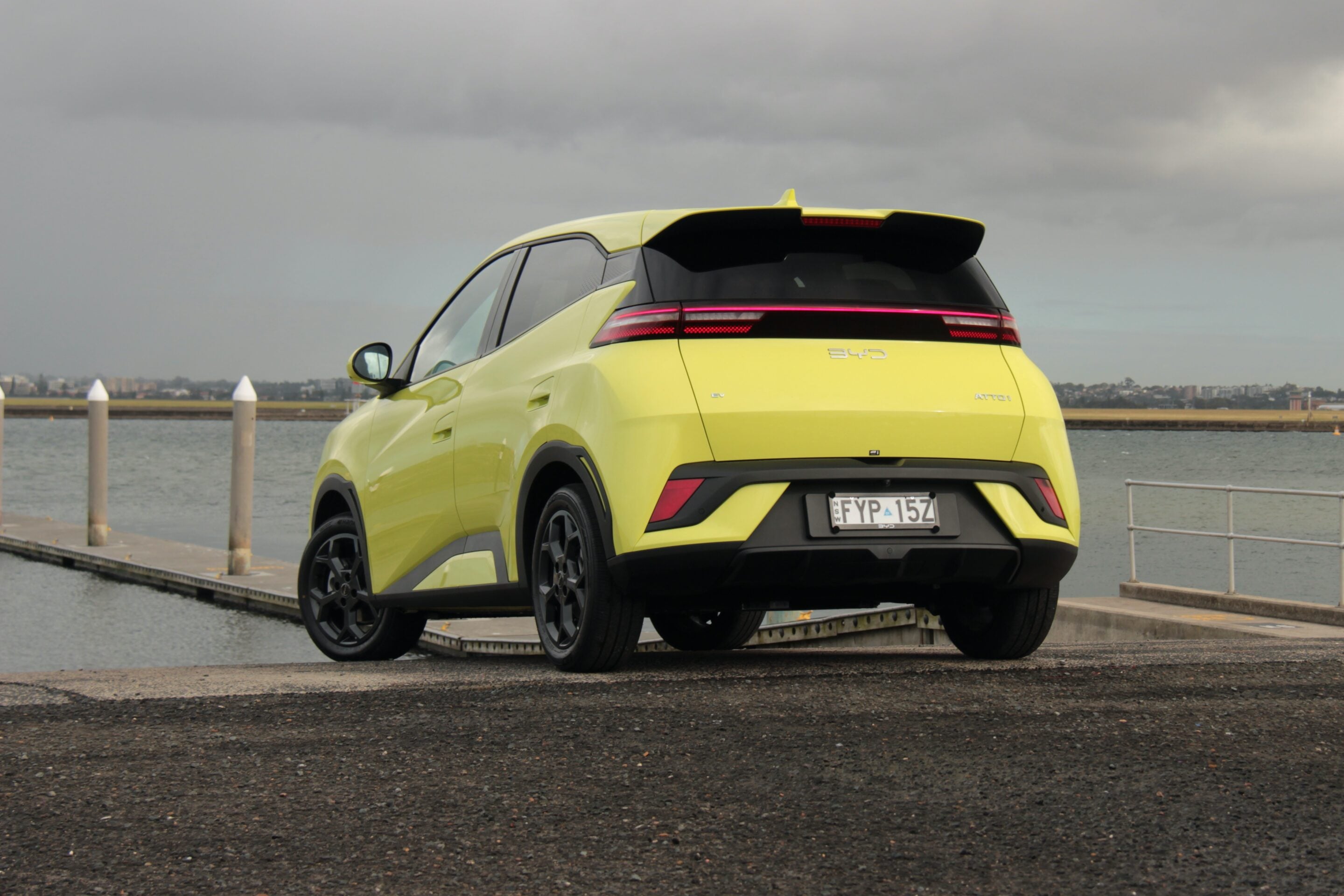
Potential buyers should consider that, the pricing of the Premium model especially ends up climbing higher than you’d expect, and its $31,000 driveway price takes the sheen off a bit because more practical EVs are also available for not much more money. Its touchscreen is also a bit finicky to use and its lacks some safety features such as blind-spot monitoring. Those issues aside, the BYD Atto 1 is Australia’s new cheapest EV and for that it should be applauded.
| Price | $27,990 plus on-road costs |
|---|---|
| Drivetrain | Single-motor electric |
| Transmission | Single-speed, front-wheel drive |
| Peak outputs | 115kW/220Nm |
| Claimed 0-100km/h time | 9.1 seconds |
| Battery | 43.2kWh lithium-ion |
| Claimed range | 310km (WLTP) |
| Claimed efficiency | 16kWh/100km |
| Claimed peak charge speed | 11kW (AC), 85kW (DC) |
| Claimed 10-80% DC fast charge time | 30 minutes |
| Dimensions (l/w/h/wb) | 3990/1720/1590/2500mm |
| Boot capacity | 308 litres (rear seats up), 1037 litres (rear seats folded) |
| Kerb weight | 1390kg |
| Warranty | Six-year/150,000km (car), eight-year/160,000km (battery) |
| On sale | Now |
Renault Kangoo
Volkswagen Caddy Cargo
Peugeot Partner
Price: $51,646 (drive away at time of writing)
Engine: 2.0-litre four-cylinder turbo diesel
Gearbox: Seven-speed DSG
Power: 90kW
Torque: 320Nm
ADR fuel consumption: 4.9L/100km
Payload: 708kg
Kerb weight: 1542kg
Warranty: Five years/unlimited kilometres
Five-year service cost: $2758 (prepaid)
| Driving | |
| Interior | |
| Practicality | |
| Overall value | |
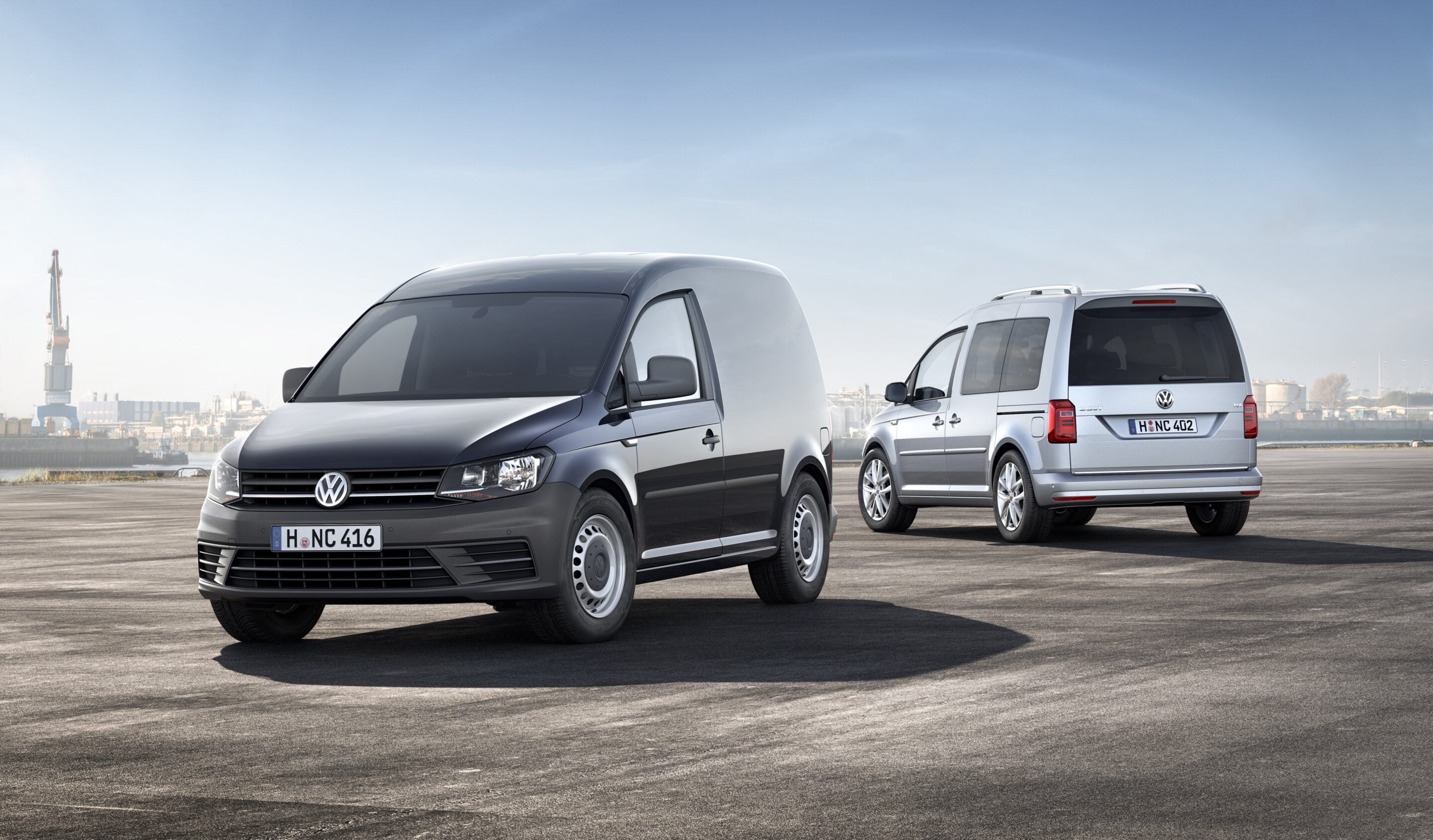
Without doubt, the strongest weapon in the Caddy’s armoury is the fact that it looks and feels like a Volkswagen Golf from the driver’s seat. And, if you ignore the slightly firmer ride when unladen, it drives a lot like a Golf, too. Our expectations of a van in Australia are very different from Europe, where this small segment of dominates. To focus only on the more popular medium vans, is to discount the capability and utility of a smaller van, especially for those of you in the city.
Further, Caddy Cargo can accommodate five people if needed, with the Crewman long wheelbase, while there are short and long wheelbase versions of the Cargo available without the rear seat. Our pick here is the regular Cargo short wheelbase TDI 320, with up to 3.7 cubic metres of storage.
Driving the Caddy is a strong reminder that commercial vehicles don’t need to be underwhelming. The willing 2.0-litre diesel four-cylinder, with its chunky 320Nm on offer, and the snappy seven-speed DSG are components that would be just as at home under a Golf as a commercial van and they drive as such. There’s also a 1.5-litre petrol four-cylinder if you’d prefer, with 220Nm available, but the diesel is the pick if you do a lot of driving.
With the diesel engine, it’s actually quite a punchy little van, that will easily keep up with urban traffic, even if you need to get off the mark quickly. Highway speed is dispatched with easily, and even a prolonged highway run is comfortable in the Caddy.
Given the focus on the city, the driving behaviour is important in this segment, with hatch-like response and feedback, ensuring every drive feels as far from a commercial experience as is possible. And, to be fair, the three combatants in this segment all feel more car-like than they do truck-like.
Caddy’s cabin is punctuated by a premium, quality feel, with robust black seat material (leatherette available), attention to detail and signature Volkswagen fit and finish. The infotainment touchscreen brings smartphone connectivity, and while it’s a simplistic cabin in terms of tech, it does have exactly what you need, arranged in a way that makes sense and is practical.
While all three vans in this segment impress – especially in regard to the driving – it’s the Caddy that is the pick of the bunch, especially with its full five-star ANCAP safety rating. Small vans are starting to find favour in our choked cities, and the Caddy is the best to drive, with a premium edge and quality wherever you look.
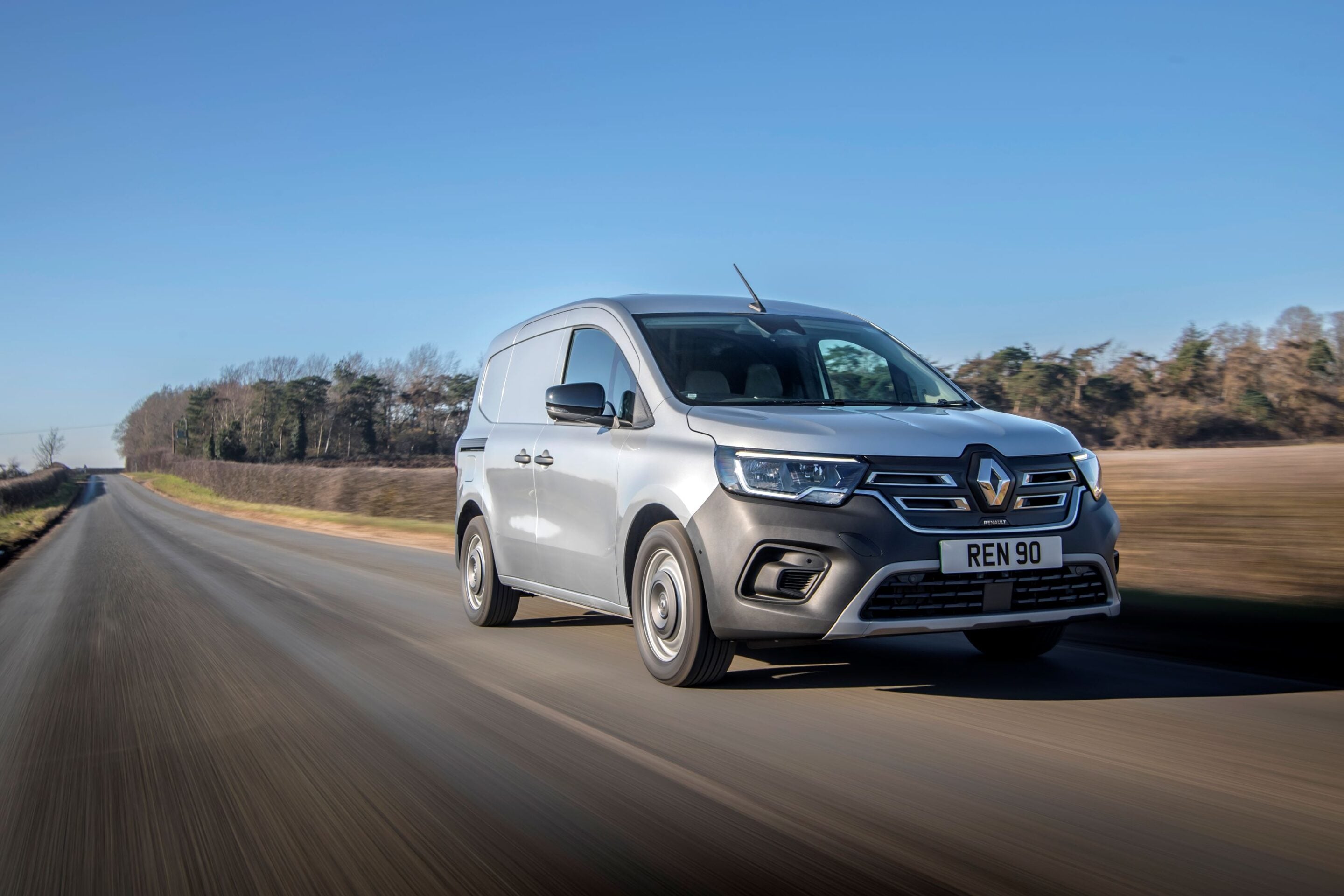
Price: $50,009(drive away at time of writing)
Engine: 1.3-litre four-cylinder turbo petrol
Gearbox: Seven-speed DSG
Power: 90kW
Torque: 320Nm
ADR fuel consumption: 6.2L/100km
Payload: 757kg
Kerb weight: 1453kg
Warranty: Five years/200,000 kilometres
Five-year service cost: $2529
| Driving | |
| Interior | |
| Practicality | |
| Overall value | |
With a smooth turbo petrol engine and seven-speed dual-clutch automatic transmission, there’s a lot to like about the Renault Kangoo. And, it’s stout 96kW peak power delivery makes for a rapid little van around town, when called on, too. While it beats the Caddy in some specification – like payload – it’s not quite as refined as an all-round package.
Still frugal, it uses only 6.2L/100km on the combined cycle, but like a lot of European vehicles, requires 95 RON premium fuel. It’s kerb weight is almost 100kg less than the Caddy, so it feels quite light through the steering wheel, and is a clever van for city work.
Where it can’t match Caddy is in regard to driving refinement. While both use a dual-clutch auto, the Renault’s isn’t as sharp, quick to react and decisive as that used by Volkswagen, which, when you’re dealing with stop/start city traffic is something you’ll notice. Drive it more like hot hatch, and it comes into its own, but driven like a commercial vehicle, it’s not as refined as the Volkswagen.
The ride quality, and all-round behaviour, even unladen, is excellent and you’ll only notice tyre and wind noise at higher freeway speed on the open road. Where Kangoo could really take the fight to Volkswagen is in regard to standard equipment. While the standard equipment list looks reasonable enough, a look through the options list reveals relatively expensive packages for some equipment – load space lighting for example – that really should be standard.
For instance, add the Business Pack ($3200) and the Peace of Mind Pack ($1500), and you get extra electronic safety equipment, and things like LED headlights, wireless phone charging, and adaptive cruise control, but that will send the price climbing pretty quickly. Still, it’s fun to drive, and an excellent example of not needing a diesel engine simply because it’s a commercial vehicle.
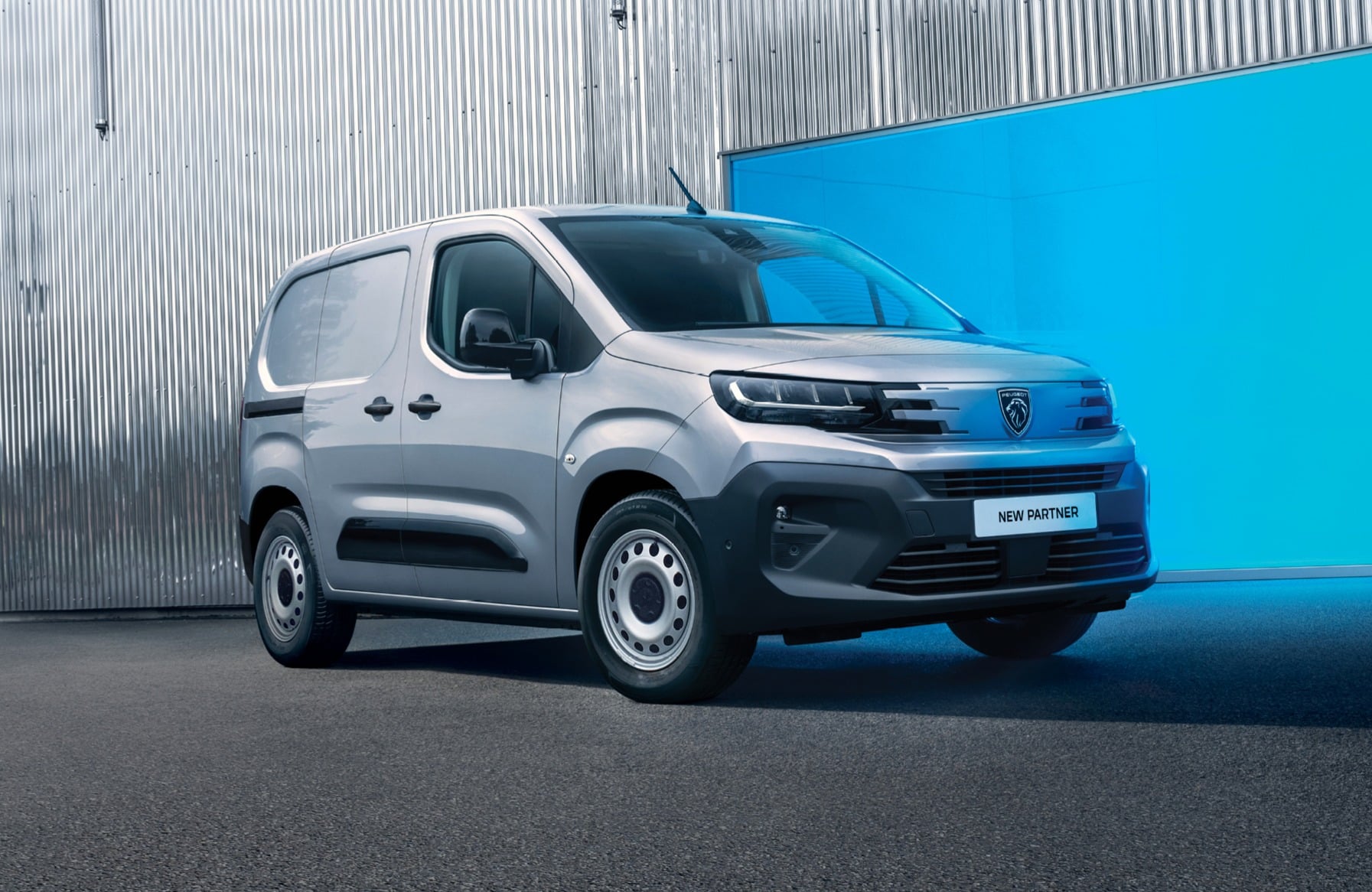
Price: $44,357 (drive away at time of writing)
Engine: 1.2-litre three-cylinder turbo petrol
Gearbox: eight-speed automatic
Power: 96kW
Torque: 230Nm
ADR fuel consumption: 6.3L/100km
Payload: 896kg
Kerb weight: 1283kg
Warranty: Five years/200,000 kilometres
Five-year service cost: $1920 (prepaid)
| Driving | |
| Interior | |
| Practicality | |
| Overall value | |
First up, if you’re looking to do the city job as cheaply as possible, look no further than the Peugeot Partner, Short Auto. With its sub 45k drive away price at the time of writing, and sharp four-year service cost, it’s the most price-efficient of the three contenders.
Countering that though, it does also require 95 RON premium fuel. The zesty three-cylinder delivers all the character of a traditional three-pot engine, with the typically fizzy exhaust note, and fun driving dynamics. 96kW and 230Nm are more than enough to get cracking in the city, and the ace up Partner’s sleeve, is the traditional eight-speed automatic, which delivers a smooth driving experience at any speed.
Ultimately, the Partner isn’t as refined or premium inside the cabin as the segment winner here, but it’s so sharply priced compared to the Volkswagen and Renault that you’d be mad not to look at it, especially if you’re on a tight budget. That’s even more the case when you take into account the way that it drives around town.
Key to all three of these vans is the companies building them consider their stock in trade other than be hatchbacks that are engaging to drive. And, while this segment is underestimated, the Partner injects a sense of fun into the drive that you might not expect.
Partner’s cabin is cleverly laid out, and functional, albeit featuring the kind of hard plastic that is prone to marking up. Storage is excellent, with practical spaces for the things van buyers need to store, given they spend so much time behind the wheel.
There’s a level of comfort behind the wheel that the price point doesn’t indicate, too, with an insulated, quiet ride even unladen, and while not as polished as the Caddy in an outright sense, the sharp steering, and general competence of the chassis make for an enjoyable van to use day-to-day.
Looking to get your hands on a new commercial van? Our stories below will guide you to the model that best suits your needs:
Ford Transit Custom
Hyundai Staria Load
Toyota HiAce
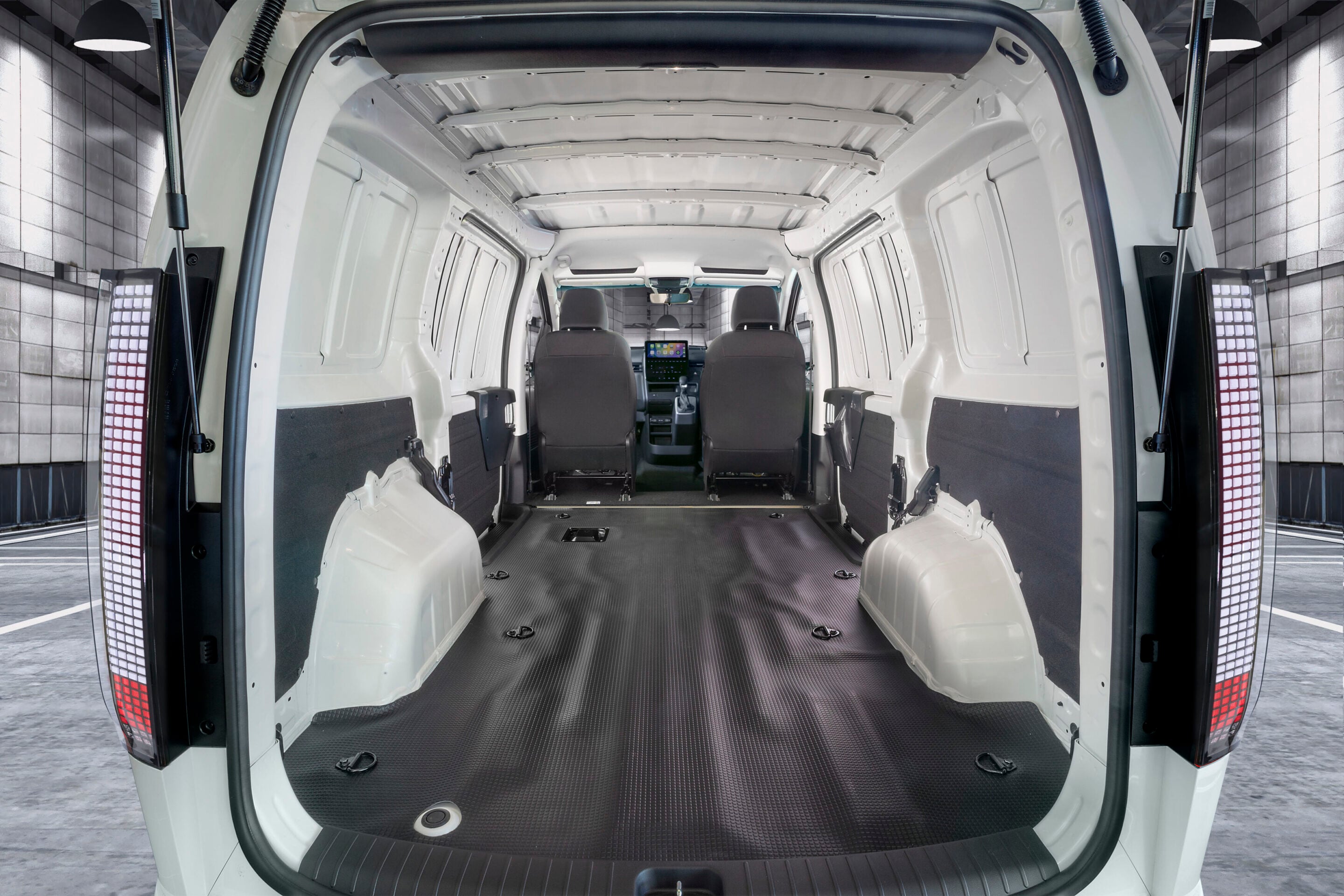
Price: $55,001 (driveaway at time of writing)
Engine: 2.2-litre four-cylinder turbo diesel
Gearbox: Eight-speed automatic
Power: 130kW
Torque: 430Nm
ADR fuel consumption: 7.0L/100km
Payload: 1082kg
Kerb weight: 1938kg
Warranty: Five years/unlimited kilometres
Five-year service cost: $3355
| Driving | |
| Interior | |
| Practicality | |
| Overall value | |
Since launching the iLoad into the Australian van market, Hyundai has genuinely taken the fight up to the segment leading Toyota HiAce. When the Staria Load broke cover, beyond the polarising styling, there was an excellent van, with a deep specification list, and the on-paper substance to really push HiAce in the sales race. And, with the foundation laid for the brand in this market, the new Staria was well-received.
That’s how its remained since launch, with Staria Load still taking the fight right up to HiAce in regard to value and inclusions, and as such is our segment winner against the ever popular HiAce. Particularly in regard to cabin ergonomics, comfort and standard equipment, the Staria Load is an excellent medium van.
The 2.2-litre turbo diesel doesn’t make a mountain of power but the power it does make is both effortless and effective. With 130kW and 430Nm on offer, Staria is powerful enough to get moving even with a load in the tray, but remains efficient, too, a key driver in this segment. Combined with a smooth eight-speed automatic, Staria is a comfortable and practical workhouse.
A recent revision has brought a slight price increase, starting from $49,990 before on-road costs at the time of testing, and there is now a Hybrid, Premium Hybrid and (coming later in the year) Electric Staria to choose from within the range. Our pick is the entry-grade diesel, with either the lift back or swing out barn doors, whichever suits your application. If you’re a frequent user of forklifts, go for the barn doors.
The big shift in this segment in the last five years has been cabin amenity and overall safety – factors that were largely ignored for van owners for decades. Now, vans like the Staria feature front cabins that are more SUV than truck-like, more spacious, more comfortable, and better equipped.
It means the Staria is significantly more comfortable to spend time in than vans of old, with excellent seat comfort, easy entry and egress, and a reasonably quiet cabin. There will be some noise at highway speed on coarse chip surfaces, especially unladen, but it’s not so intrusive that it will give you a headache.
Hyundai’s tech inclusions are clear, clean and concise. And, they work. Things like Apple CarPlay through the wide infotainment screen work well, and there’s even wireless smartphone charging. This segment, thanks to the likes of Ford and Hyundai is more completive than it’s ever been, and the Staria Load should be at the top of the shopping list.
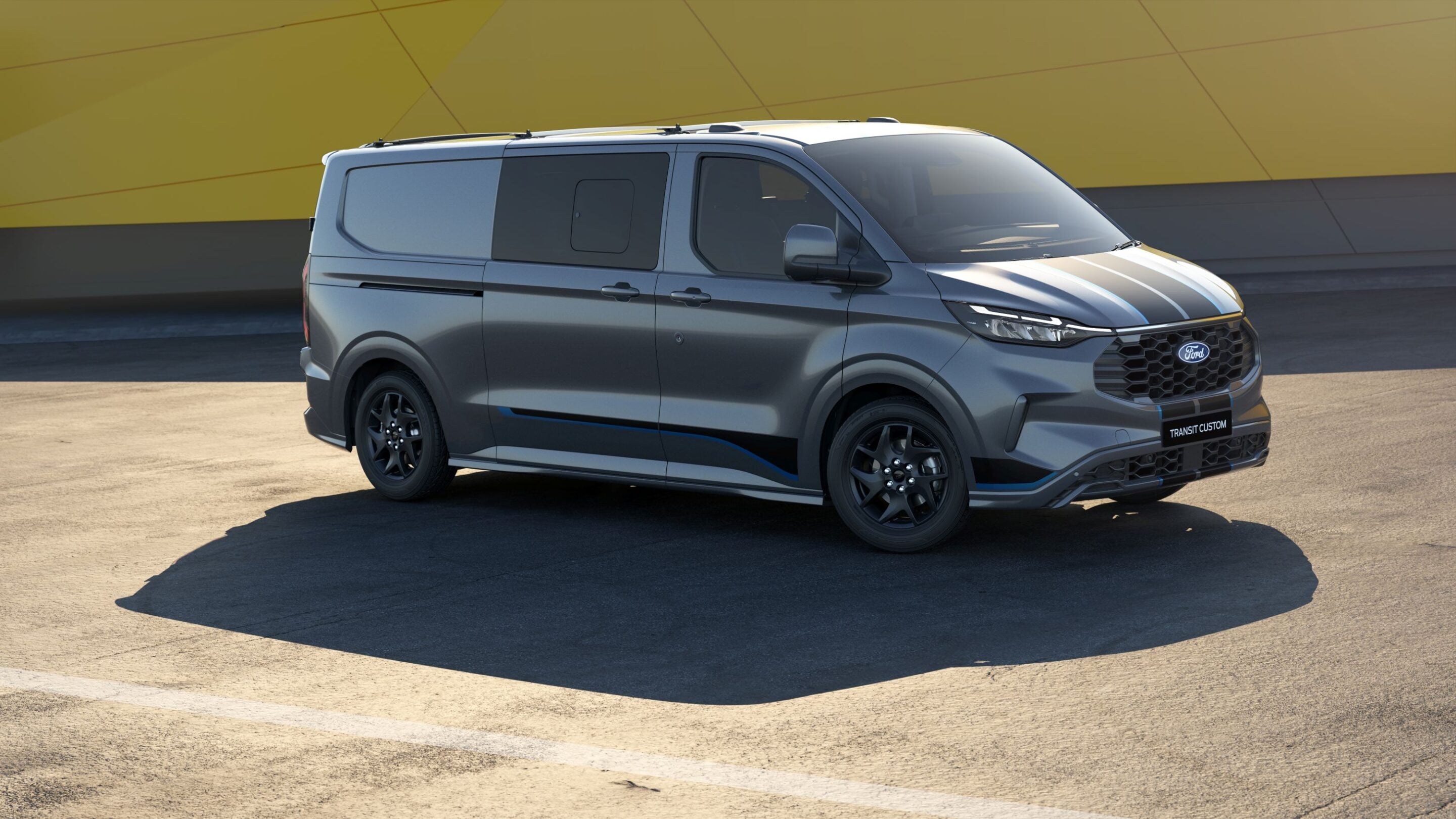
Price: $55,001 (drive-away at time of writing)
Engine: 2.0-litre four-cylinder turbo diesel
Gearbox: Eight-speed automatic
Power: 125kW
Torque: 390Nm
ADR fuel consumption: 8.0L/100km
Payload: 1255kg
Kerb weight: 2512kg
Warranty: Five years/unlimited kilometres
Five-year service cost: $2000
| Driving | |
| Interior | |
| Practicality | |
| Overall value | |
If there’s a Euro-flavour to be sampled within the medium van segment, it’s the Ford Transit Custom that delivers it best. The exterior styling has genuine appeal in its subtlety, sidestepping the RoboCop-look of the Staria, and the square-edged harshness of the HiAce for an altogether more sorted look, still just as functional and comfortable, though.
The appeal of the Transit, though, is more than skin deep, with quality inclusions, a user-friendly cabin and excellent driving manners, especially around town where these vans most commonly ply their trade.
Inside the cabin, there’s a nice execution of tech and equipment, although the column-mounted shift lever is more like an indicator stalk, which take a bit of getting used to. The seating position is excellent, a little higher than HiAce, and it feels like its higher than Staria too, even though it probably isn’t in practice. Visibility forward is excellent, but rearward isn’t great and it would be worth considering the option that removes the window on the compartment divider and replaces it with a digital rear-view mirror.
What’s most impressive about Transit Custom is the fact it doesn’t feel like a large van when you’re behind the wheel. Both Staria and HiAce feel big, and not just to first-time van drivers either, where the Transit seems to feel smaller than it is. A trick of engineering it might be, but it’s a point worth noting nonetheless. Further, the divider that was present in the Transit Customs we’ve tested, ensure the cabin remains quiet and insulated at all times.
On the road, the power and torque figures indicate a relaxed drive, and Transit delivers that, with a slight caveat. The eight-speed automatic isn’t quite as decisive as it could be, sometimes slow in working out what it needs to do off the mark especially. It means getaways aren’t as smooth as they other two contenders in this segment, but once on the move, the transmission does its best to extract the engine’s capability.
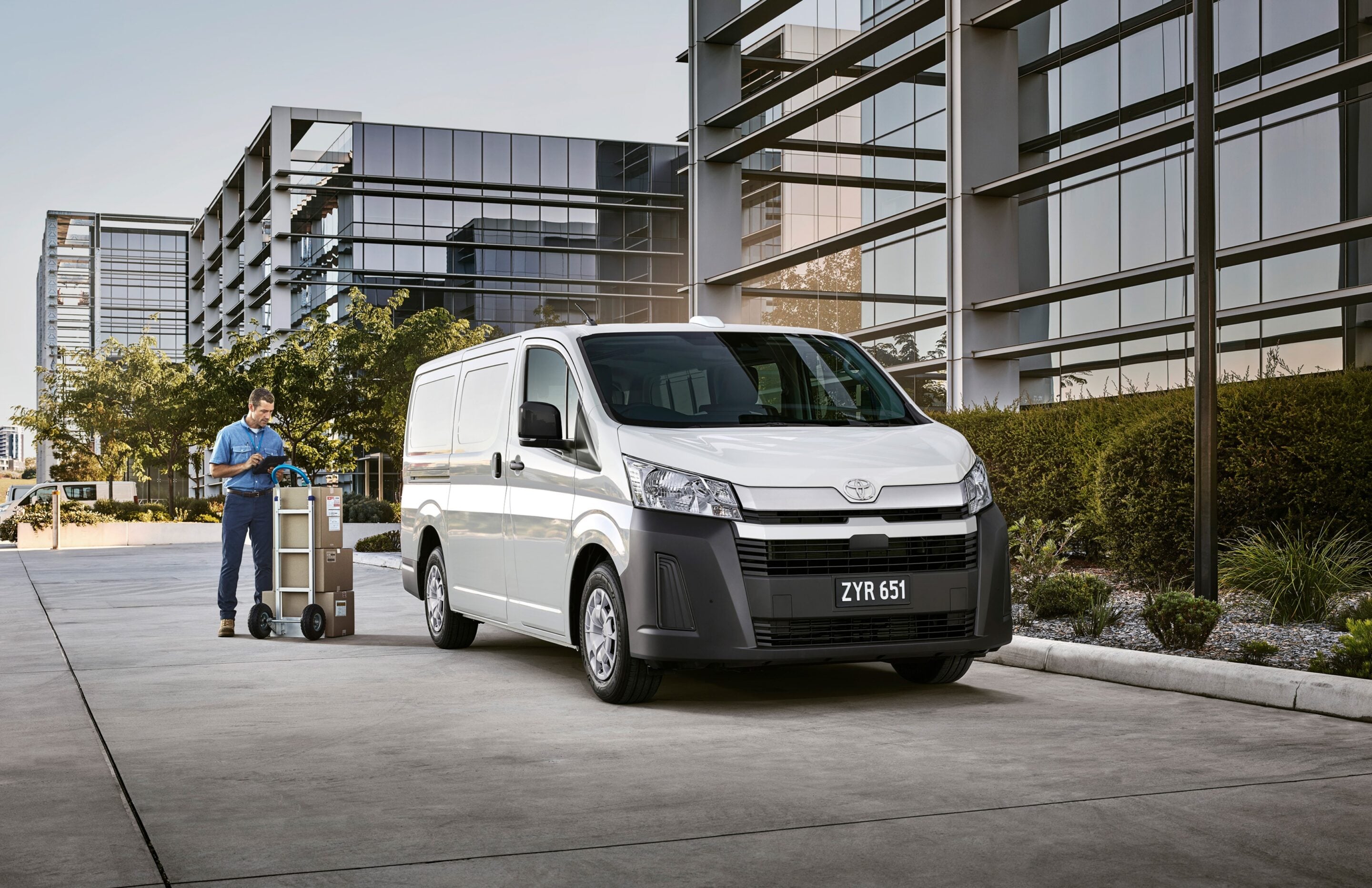
Price: $57,404 (drive-away at time of writing)
Engine: 2.8-litre four-cylinder turbo diesel
Gearbox: Six-speed automatic
Power: 130kW
Torque: 450Nm
ADR fuel consumption: 8.0L/100km
Payload: 1075kg
Kerb weight: 2245kg
Warranty: Five years/unlimited kilometres
Five-year service cost: $3265
| Driving | |
| Interior | |
| Practicality | |
| Overall value | |
The most expensive of our three contenders, HiAce trades on a reputation of reliability an longevity, an it’s a reputation that is undoubtedly hard won. There’s a manual option in LWB form as reviewed here, as well as SLWB versions available. The pick though, is the regular LWB with an automatic transmission.
Regardless of price and equipment, HiAce has dominated this segment for years, often outselling its nearest competition by a factor of two to one. Even the fact that only one colour is available – French Vanilla in Toyota-speak – hasn’t deterred buyers. You’ll even need to cough up extra to have the bumpers painted body colour.
Still, it’s a formula that has worked and continues to work, and with this current sixth-ten HiAce, finally delivered the comfort and amenity professional drivers were crying out for. Most important among those changes – aside from safety – was the comfort inside the cabin, the seating position, leg room, and general visibility making for a significantly different driving environment.
That robust, hardwearing feel to everything Toyota does is present inside the HiAce, where you’ll find technology that doesn’t feel like it’s cutting edge, but works, You sit lower in the HiAce than you do in much of the competition, and there’s useful storage throughout the cabin, along with a rock solid smartphone connection.
The same is relevant to the drivetrain, with the long-serving 2.8-litre turbo-diesel mated to a six-speed gearbox. Like much of the HiAce standard equipment, the six-speed isn’t a match for the competition in regard to ratios, but it does the job effortlessly, and begs the question of when is too many, too many?
While there’s a commercial edge to the way there HiAce behaves on-road, it’s not as agricultural as vans of old. Still, it isn’t a match for the outright refinement of the Staria in regard to the way it insulates the drive from the outside world. Still an excellent choice, even if it is more expensive than the competition.
Looking to get your hands on a new commercial van? Our stories below will guide you to the model that best suits your needs:
Volkswagen Crafter
Mercedes-Benz Sprinter
Ford Transit
LDV Deliver 9
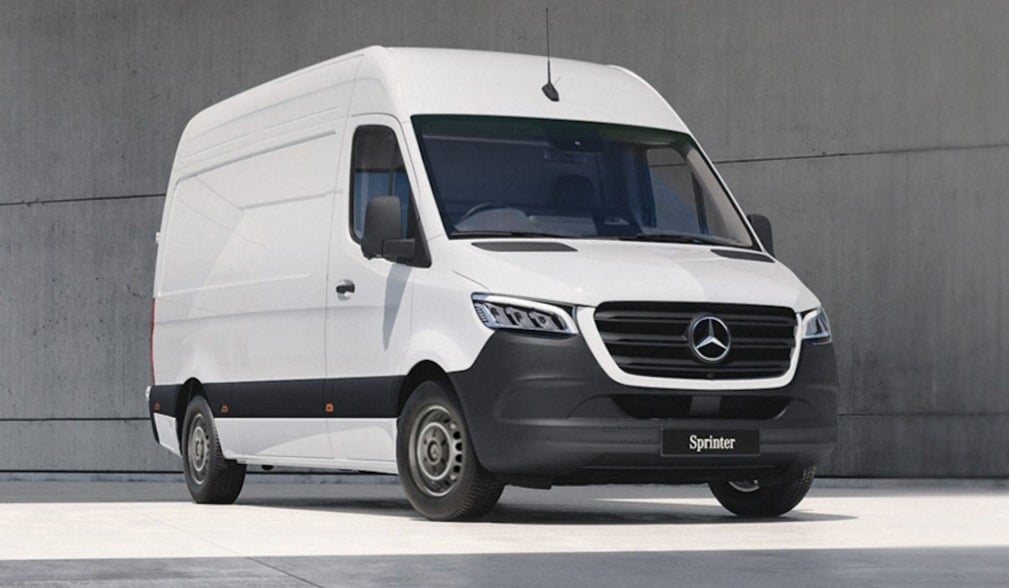
Price: $92,267 (drive-away at time of writing)
Engine: 2.0-litre four-cylinder turbo diesel
Gearbox: Nine-speed automatic
Power: 125kW
Torque: 400Nm
ADR fuel consumption: N/A
Payload: 1346kg
Kerb weight: 2170kg
Warranty: Five years/250,000km
Five-year service cost: $3945 (Plus: $1350 trans service, 2 x fuel filter $580, $120 air filter,
2 x dust filters $320, 2 x dust roof filters $190, brake fluid $280) $6625 total
| Driving | |
| Interior | |
| Practicality | |
| Overall value | |
This is the segment where you step up into the realm of serious carrying space, and the price is also commensurate with the size. We’re covering vans here, of course, but ‘Benz offers the option of panel van, cab-chassis and minibus variants within the Sprinter range, along with four different turbo diesel engines and an electric variant for those so inclined. In short, there’s a Sprinter to cover every need.
Interestingly, the 2.0-litre, turbocharged four-cylinder diesel used by Mercedes-Benz is smaller and makes less power and torque than the heavy hitters in the medium segment below. Note that we’ve quoted the figures for the 317 CDI mid-wheelbase Sprinter.
However, with the adoption of an excellent nine-speed automatic, the big ‘Benz makes the most of the engine’s power and torque no matter what the drive scenario. You can even shift the nine speeder manually, if you want to.
That small point offers up a key takeaway regarding the Sprinter. Mercedes-Benz has approached the development and execution of it more like it would when manufacturing a car. That means it’s a lot more enjoyable to drive than it’s exterior dimensions would suggest, and the cabin is a comfortable place to be as well. As such, it’s quite spritely once you get used to the physical size of it on the road. This van isn’t designed to scythe its way through tight inner-city laneways, but if you need to move larger items, and you need to store them safely undercover, this is the way to do it.
Against the claims of mid 8L/100km fuel usage, we’ve used as little as 10.1L/100km in testing, with a nominal 750kg weight in the load space. You’ll know this is a big van the first time you climb in, and the handles come in – ahem – handy for getting into and out of the vans in this segment. The cabin feels huge compared with the smaller vans, with plenty of seat adjustment and a touch of class thanks to the leather-trimmed steering wheel. The cab roof is high, too, making the seating position feel bright and airy, with even taller drivers having plenty of headroom.
Unladen, the big ‘Benz rides beautifully considering the weight it is designed to carry and the length of the wheelbase the suspension must accommodate. Shifting between the nine ratios is almost imperceptible, regardless of how hard you’re leaning on it, and you’ll only notice tyre and wind noise at highway speed.
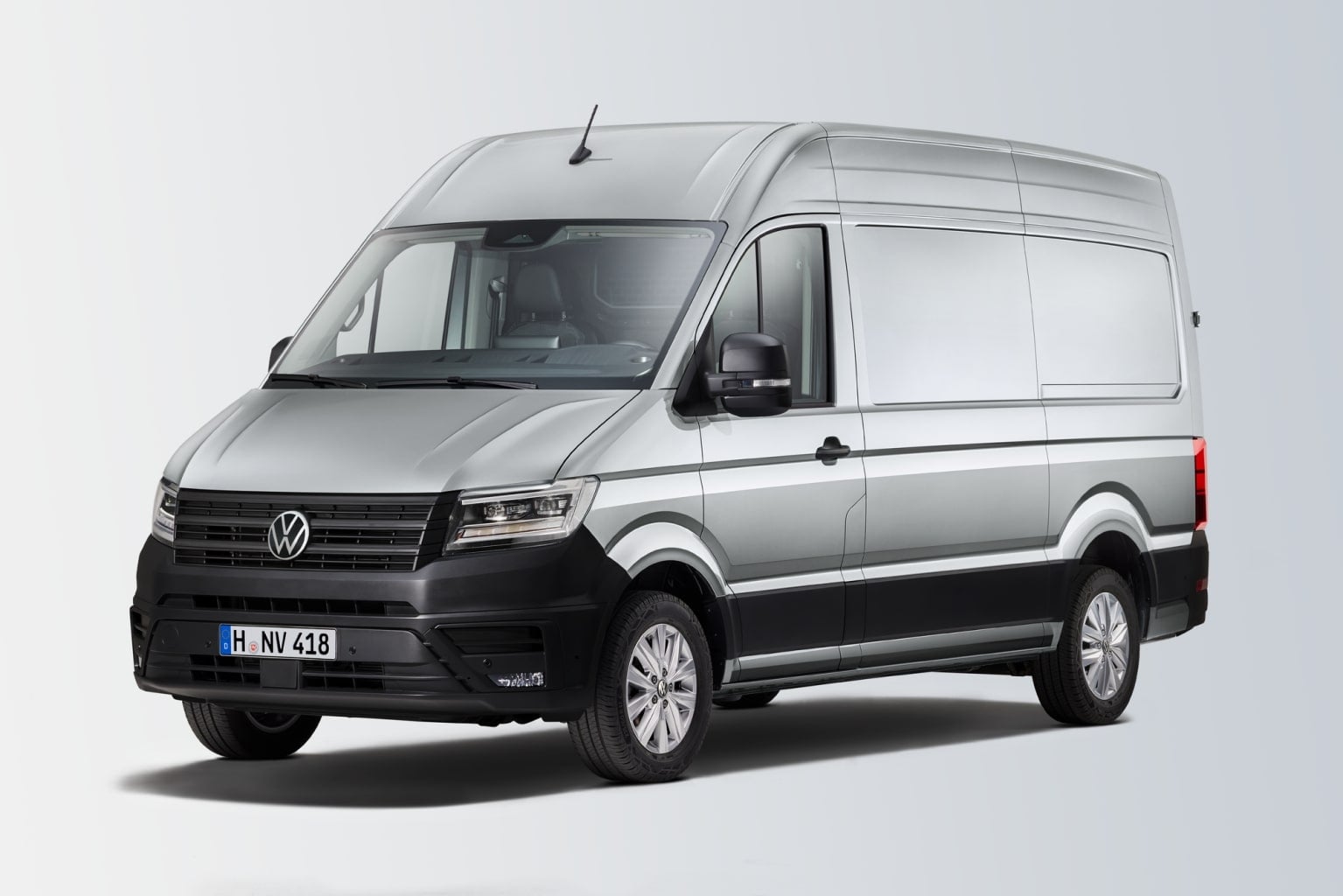
Price: $72,990 (drive-away at time of writing)
Engine: 2.0-litre four-cylinder turbo diesel
Gearbox: Eight-speed automatic
Power: 130kW
Torque: 410Nm
ADR fuel consumption: N/A
Payload: 1379kg
Kerb weight: 2139kg
Warranty: Five years/unlimited kilometres
Five-year service cost: $3607 (prepaid)
| Driving | |
| Interior | |
| Practicality | |
| Overall value | |
There’s a dizzying array of options in the Crafter range, with FWD, AWD and RWD available, dual rear tyres, manual or automatic and cab-chassis platforms as well. Here, we’ve looked at the mid-wheelbase model, which despite sharing very similar dimension and capability to the Sprinter, is significantly more affordable. Yes, the Sprinter is a better van, but you have to pay more to get more.
Interestingly, Volkswagen has stepped away from the DSG it uses across the range in other vehicles, and opted for a more old-school take in the form of a conventional eight-speed automatic. It provides a smooth driving experience, too, and the availability of the aforementioned AWD system is why you see so many Crafters decked out for off-road, long-distance touring.
The cabin in both design and space ensures long distances can be covered easily. There’s no shortage of leg, head, shoulder and knee room in the cab, and there’s a high and mighty feel to the seating position. While there’s a fair bit of tech on the safety list, we’d like a 360-degree camera in vans of this size.
As is the case with all the contenders in this segment, these vans are big, and there’s no escaping that. However, like the Sprinter, the Crafter never feels quite as big as it is – tight corners aside. You’ll need to mind the wheelbase of course, but once you take that into account, it’s a cinch to drive.
You’ll find the presence of Volkswagen-familiar infotainment and connectivity, meaning it works and works well. The 8.0-inch touchscreen isn’t as big as some, but in a segment that is built to work, it does what drivers will need it to do without playing into the gimmicks of massive screens. Make some of the options standard – like the plywood floor in the load space for example – and Volkswagen would make an already excellent product even better.
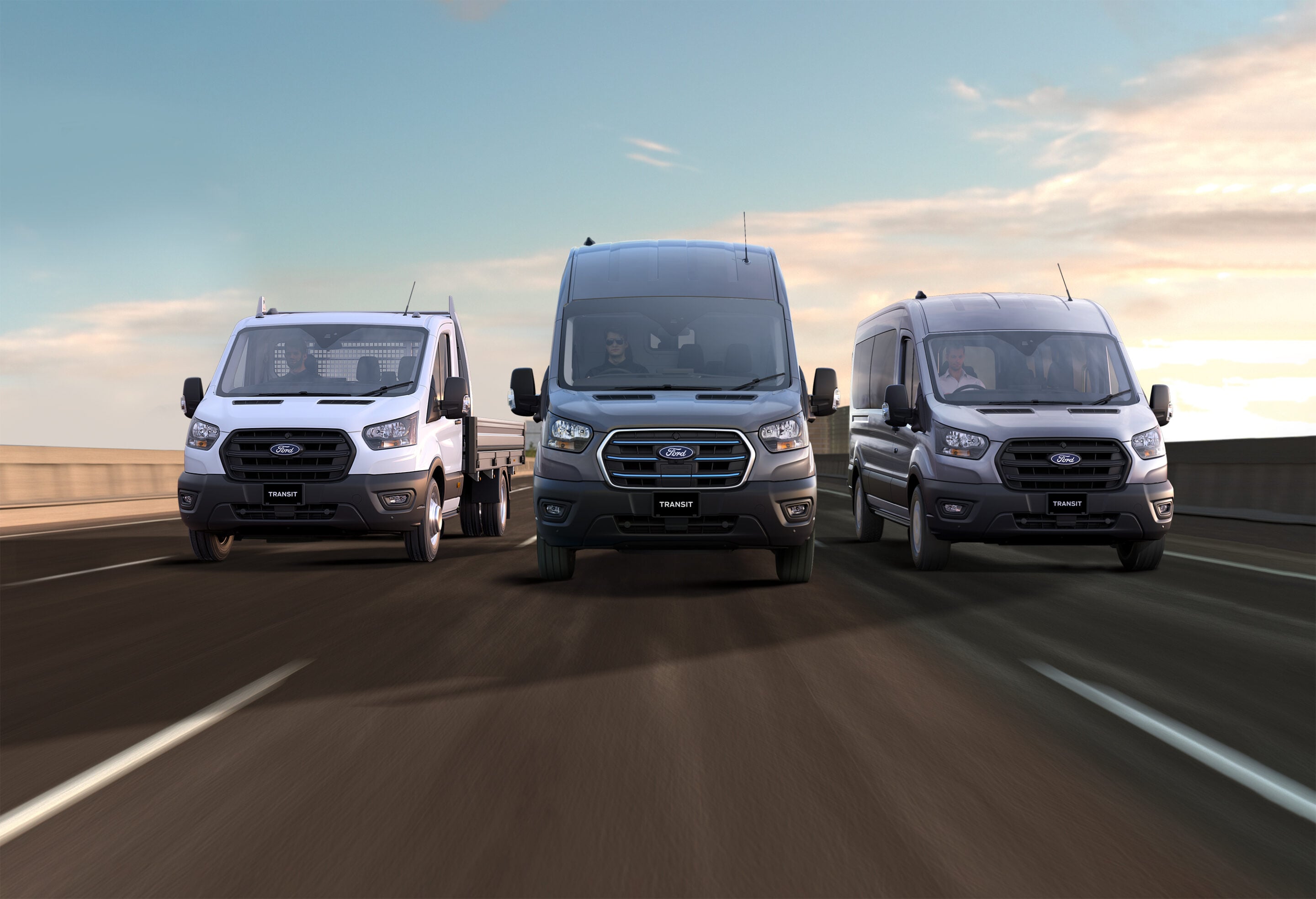
Price: $69,490 (drive-away at time of writing)
Engine: 2.0-litre four-cylinder turbo diesel
Gearbox: Nine-speed automatic
Power: 121kW
Torque: 390Nm
ADR fuel consumption: N/A
Payload: 1280kg
Kerb weight: 2270kg
Warranty: Five years/unlimited kilometres
Five-year service cost: $2536
| Driving | |
| Interior | |
| Practicality | |
| Overall value | |
As with the Volkswagen in this segment, Ford offers a broad range of options and types within the large van segment. We’ve quoted figures here for the mid-roof, 350L, which is FWD, and keep in mind that the high-roof is a regular production option if you need the extra space.
Ford’s strong point here, is familiarity. In that, taking a seat inside the Transit lends a feeling of familiarity with other vehicles in the fleet, like the Ranger, with similarities in features like tech and infotainment. That’s not a bad thing either, because why get rid of something that works? And it means if you’ve owned a Ford recently, you’re going to get exactly what you expect.
Like the best in this segment, the Ford doesn’t feel as big to drive as it looks on approach. Again, this is a physically big van but it’s one that feels like it molds around you, the longer you drive. That’s a good thing, too, because owners of these vans spend plenty of time in them. The cabin is comfortable and light-filled, the 12.0-inch infotainment and 8.0-inch driver screens concise and easy to use, and the smartphone connection is reliable and rock-solid once connected.
While the power and torque figures don’t raise eyebrows on paper, the Transit gets moving swiftly, runs up to highway speed nicely, and stops predictably as well, ensuring it works effortlessly in the types of driving environments it’s going to have to deal with. Opt for an auto Transit, and you get Ford’s 10-speed unit, which does feature a lot of ratios, and does shift often, but when it does change gears, it does so smoothly.
Impressively – and this is true of most of the vans in this segment – the Transit remains efficient even during prolonged runs on the highway, with owners quoting low to mid eights, even with vans that have a high mileage. It’s impressive stuff.
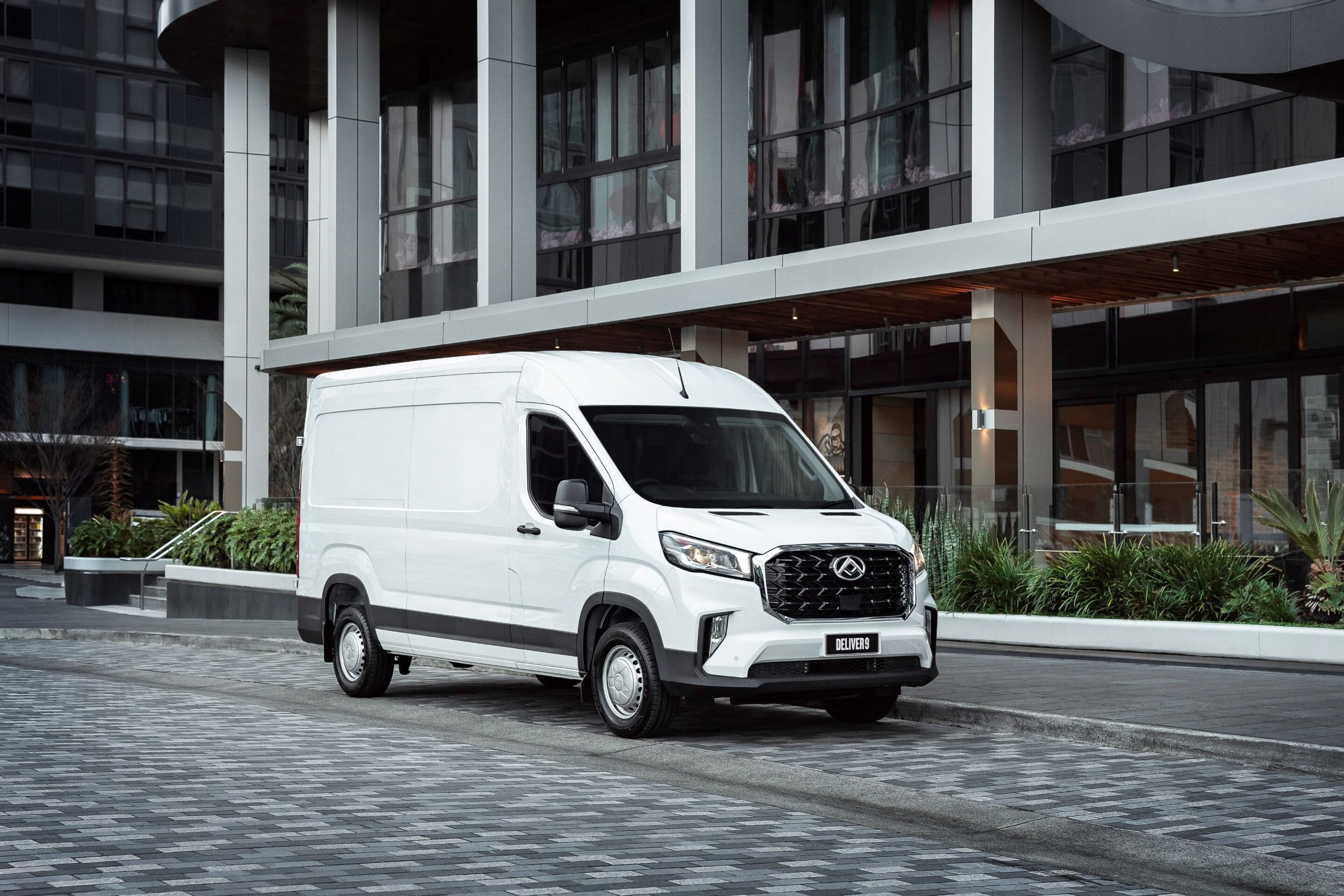
Price: $47,990 (drive-away at time of writing)
Engine: 2.0-litre four-cylinder turbo diesel
Gearbox: Nine-speed automatic
Power: 128kW
Torque: 4205Nm
ADR fuel consumption: N/A
Payload: 1700kg
Kerb weight: 2300kg
Warranty: Seven years/200,000km kilometres
Three-year service cost: $2510 (Five years not available.)
| Driving | |
| Interior | |
| Practicality | |
| Overall value | |
If you want to take a look at a van that’s irresistible in terms of price, the LDV Deliver 9 deserves an honourable mention. At the time of writing, you could get into LDV’s large van for as little as $47,990 driveaway, massively undercutting the established set.
Now, when you take a punt on a challenger brand, even as a business, you need to be aware that things like resale value aren’t guaranteed as they are with the established offerings. However, the hefty saving at the time of purchase might be enough to sway your buying decision.
Also available in electric form, the LDV Deliver 9 offers an alternative for those of you looking to stretch the budget as tight as you can. It’s heavier than the competition and makes similar power and torque, so you could be forgiven for thinking it might be sluggish.
It isn’t. Sure, it’s not as snappy as the best in segment, but the Deliver 9 is more than acceptable, especially given the asking price.
Even up to highway speed, the Deliver 9 has behaved nicely in testing, cruising along effortlessly between 100km/h and 110km/h. Around town, the long wheelbase needs to be respected, as it does for all of these vans, but once you factor that in you’ll find the Deliver 9 a pretty good driving experience.
What the Deliver 9 will allow some of you to do, if it suits your business needs, is step up to a large van for the price of a medium van, something that can’t be understated for a business in its infancy.
Looking to get your hands on a new commercial van? Our stories below will guide you to the model that best suits your needs:
BMW Australia has announced a new entry-level model for its new iX3 medium electric SUV called the 40. Priced from $89,900 plus on-road costs – crucially underneath the Luxury Car Tax threshold – the new iX3 40 is priced $20,000 lower than the iX3 50 xDrive that’s already available to order. The first units of the 40 will arrive in the fourth quarter of 2026.
The biggest change to the iX3 40 compared with the 50 xDrive is its drivetrain. Instead of the 345kW dual-motor set-up and 108.7 kWh battery set-up of the 50 xDrive, the 40 instead employs a 235kW/500Nm rear-mounted motor paired with a smaller 82.6 kWh battery.
While it’s not as fast or as long-legged as the 50 xDrive, the 40 still sprints to 100km/h in just 5.9 seconds and its range is rated at 635km on the WLTP cycle versus the up-to 805km claim of the 50 xDrive.
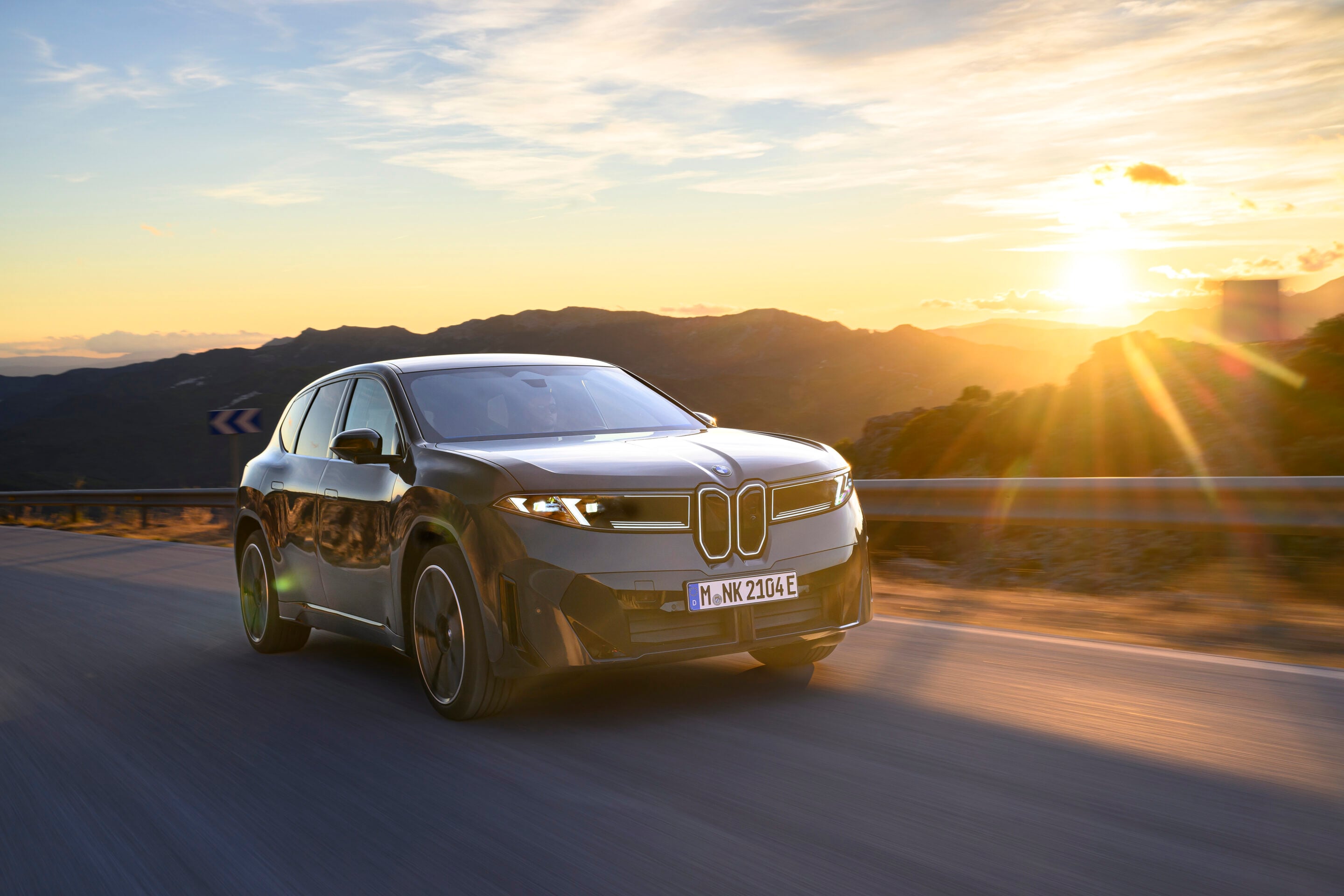
Importantly, the iX3 40 can be DC fast charged at up to 300kW and BMW claims a 10-80 per cent charge time of just 21 minutes. According to the brand, in just 10 minutes of charging, the iX3 40 can gain up to 300 km of range under “optimal conditions”.
AC charging is standard at a rate of up to 11 kW, with an optional 22 kW AC charging allowing a full charge in just over four hours.
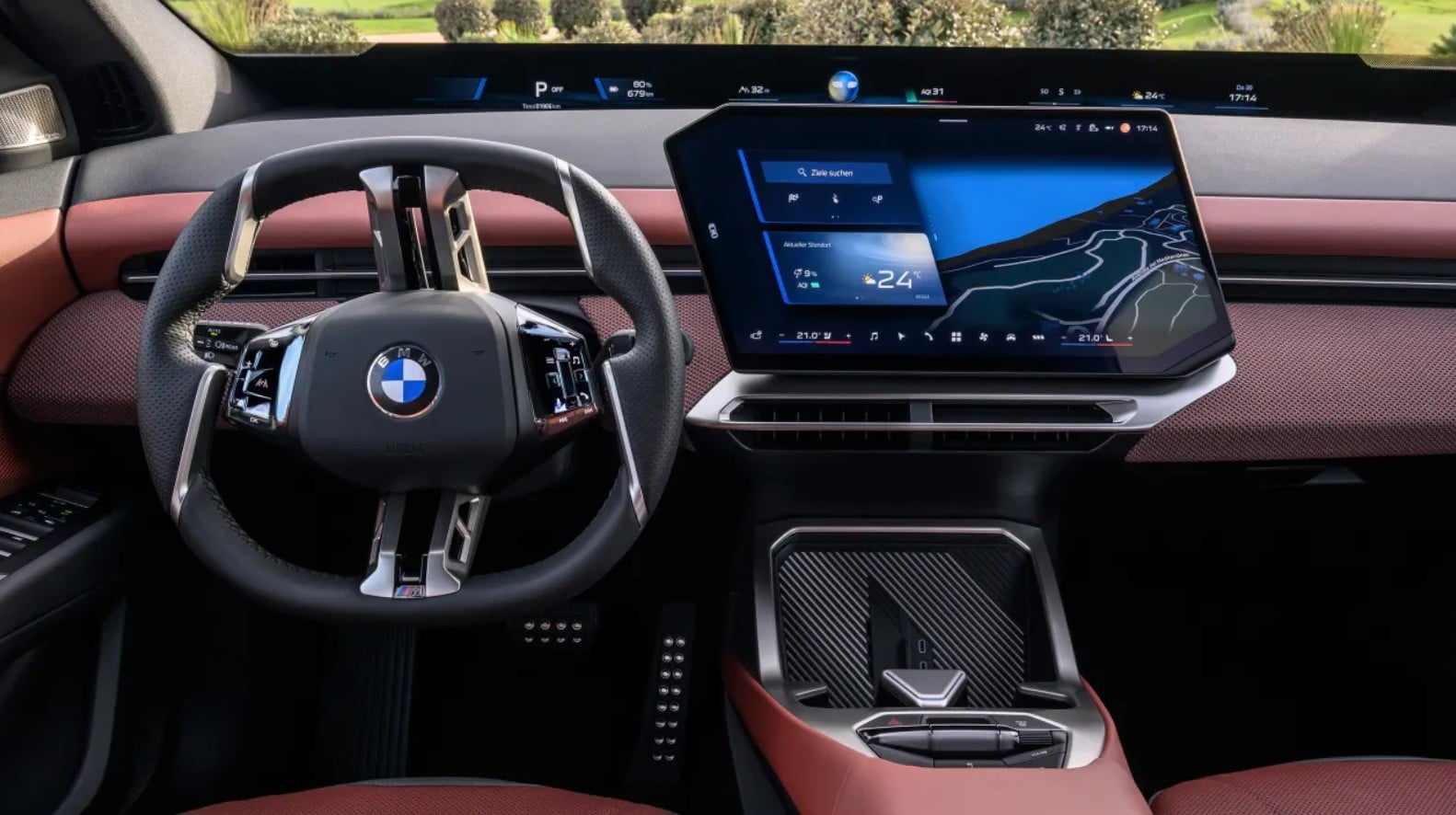
According to BMW, the standard feature list for the iX3 40 mirrors the 50 xDrive and highlights include 20-inch alloy wheels, a panoramic roof, LED lighting with an illuminated central grille, the brand’s latest operating system with both a 17.9-inch touchscreen and another ‘panoramic’ screen at the base of the windscreen, Harman Kardon audio and safety features like adaptive lane guidance, adaptive cruise control and a 360-degree camera.
BMW has also expanded the amount of colour options for the iX3 range. In addition to the new ‘BMW Individual Frozen Ocean Wave Blue’ as a part of the standard paintwork offering, iX3 customers now have access to the BMW Individual Program which unlocks a plethora of colour choices.
For an extra $7600, iX3 buyers can now choose from colours such as ‘Tanzanite Blue’, ‘Lava Green’, ‘ Malachite Green Dark’, Sepang Bronze’ and ‘Twilight Purple’.
| 40 | $89,900 |
|---|---|
| 41 50 xDrive | $109,900 |
The BMW iX3 40 will arrive into BMW dealerships from the fourth quarter of 2026.
