
Let’s get it out of the way straight away. Cross-continent/country speed records are highly illegal, and performed by the kind of people that are willing to perform some ethical mental gymnastics in order to achieve infamy and glory among the car community.
No matter where you might sit on the spectrum between adulation and condemnation of speed records on public roads, the preparation and execution process of record attempts like the Cannonball are fascinating.
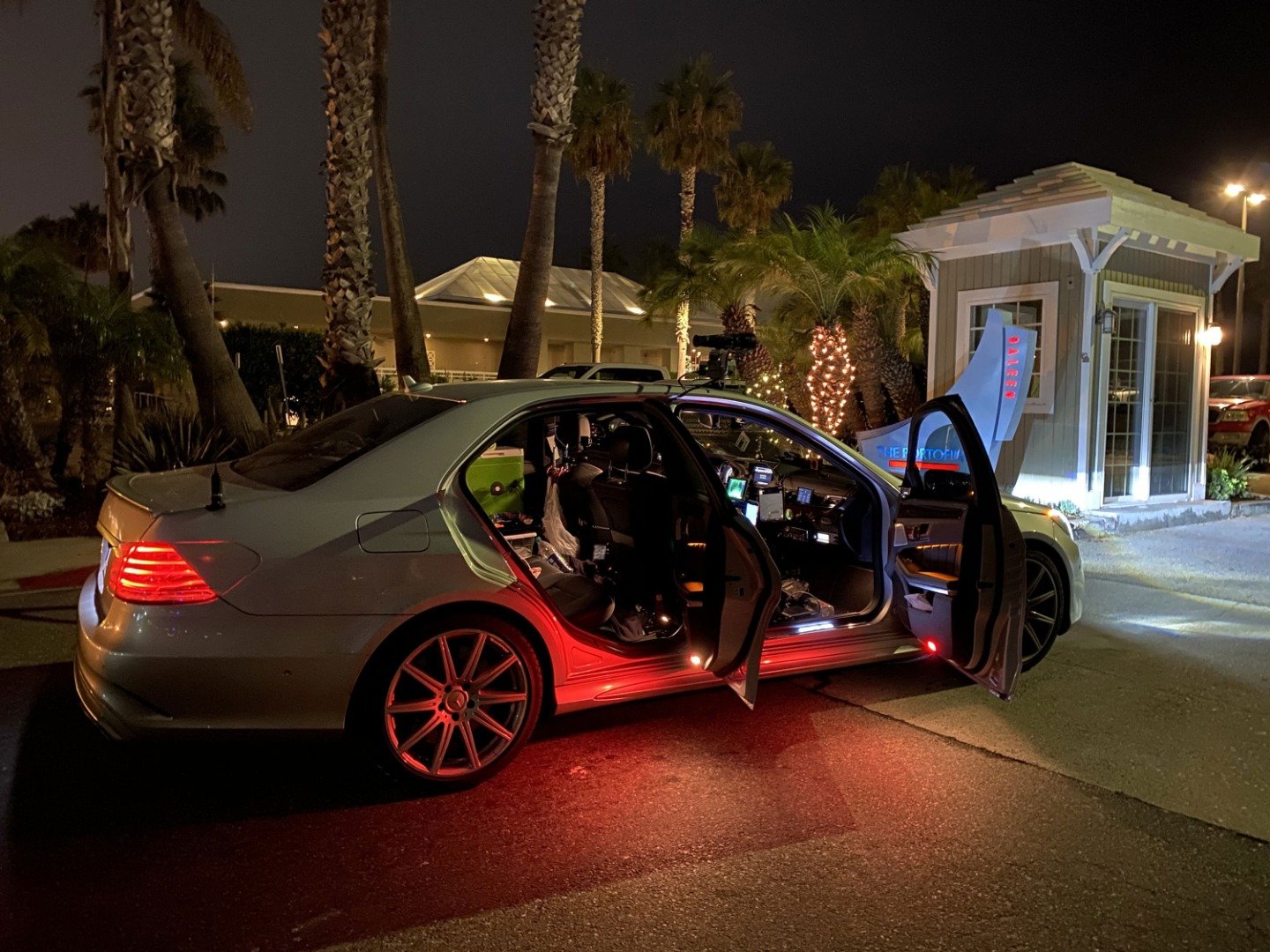
For the uninitiated, the Cannonball record is a non-sanctioned, unofficial title given for the quickest trip between Red Ball Garage in Manhattan, New York, and the Portofino Hotel in Los Angeles, California.
It’s a trip made famous in the 70s, with a series of events made famous by Brock Yates. Since then it has been emulated and re-attempted by underground devotees like Alex Roy and Ed Bolian.
From 2013 until very recently, the record for the American cross-continent trip stood at 28 hours and 50 minutes, set by Ed Bolian, Dave Black and Dan Huang in a modified Mercedes CL 55 AMG. It was a time many thought would never be broken, but that’s exactly what records are for – breaking.
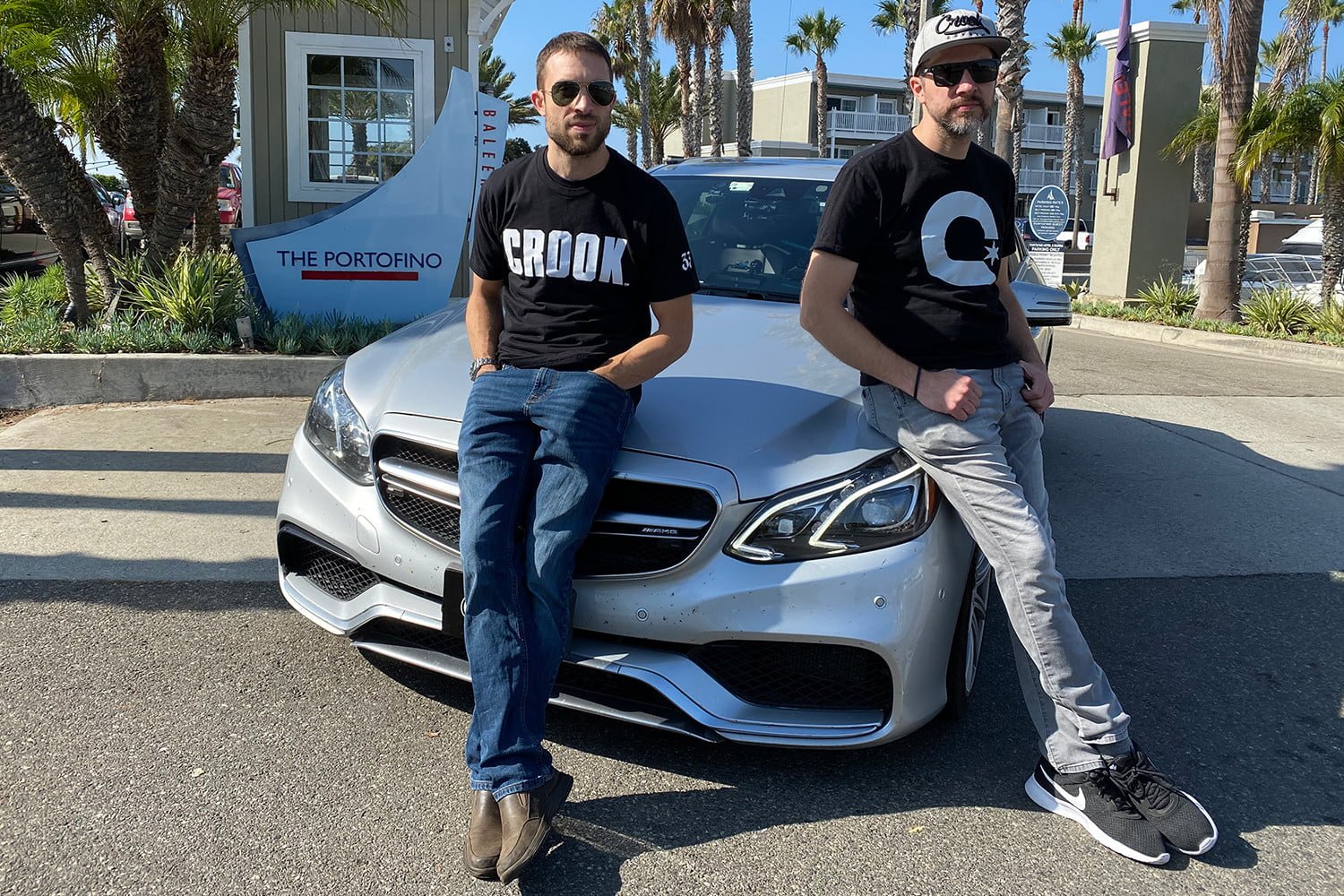
Enter Arne Toman and Doug Tabbutt, who have lowered the bar to a staggering 27 hours and 25 minutes. Without context that time is redundant, so let’s give it a little, shall we?
Driving a modded 2015 Mercedes-Benz E63 AMG, Toman and Tabbutt traversed a 4546 kilometre (2825 mile) route, winding through Nebraska, Colorado, Utah, and into Los Angeles.
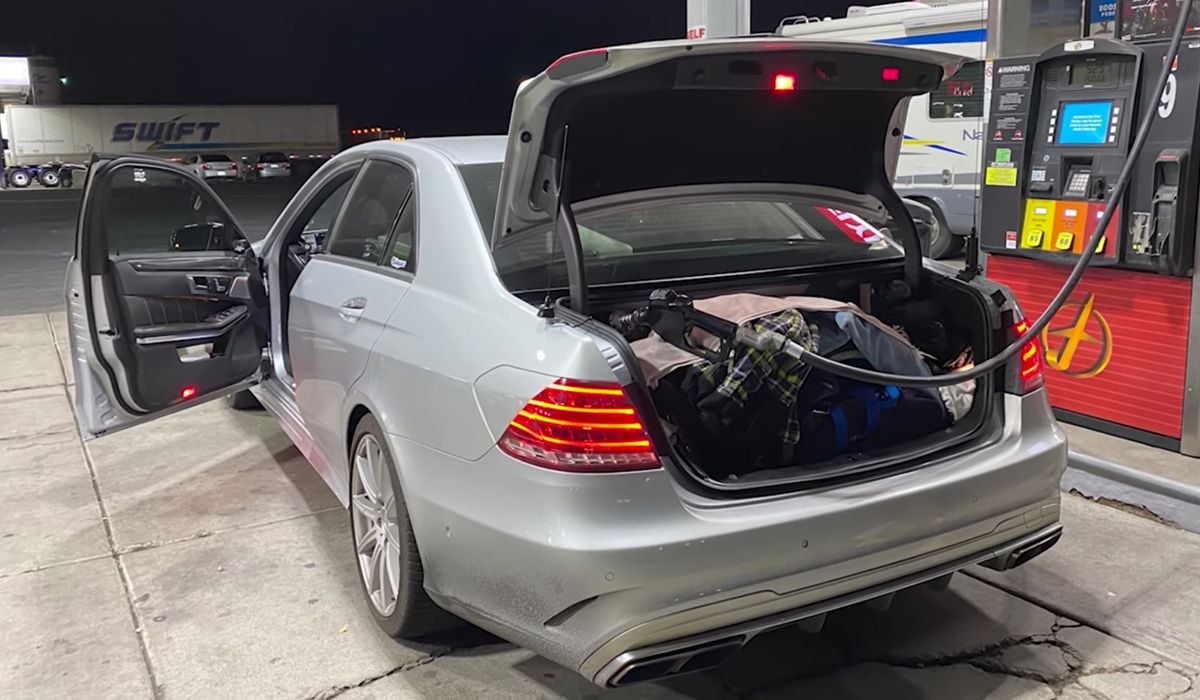
To travel that far, that quickly, the pair, along with spotter Berkeley Chadwick, recorded an average speed of 165km/h (103mph) and that includes stopping for fuel.
Their trip was highly illegal, mainly due to the sustained high speeds, which were conducted on roads that never had limits higher than 128km/h (80mph).
In maintaining the frankly ludicrous average speed, stoppages had to be kept to a minimum, with the crew claiming they only spent 22 and a half minutes stationary to fill up the fuel tank, while also committing to a cruising speed of 257km/h (160mph) for much of the journey.
The team spoke to Road & Track magazine to give an insight into the preparation for their record trip.
An E63 AMG was chosen for its all-wheel drive and V8 powertrain, but there were a number of modifications made to the engine.
Upgraded turbos, downpipes, intercooler, and intake were good for a claimed 521kW at the wheels, while a custom fabricated fuel cell was added.
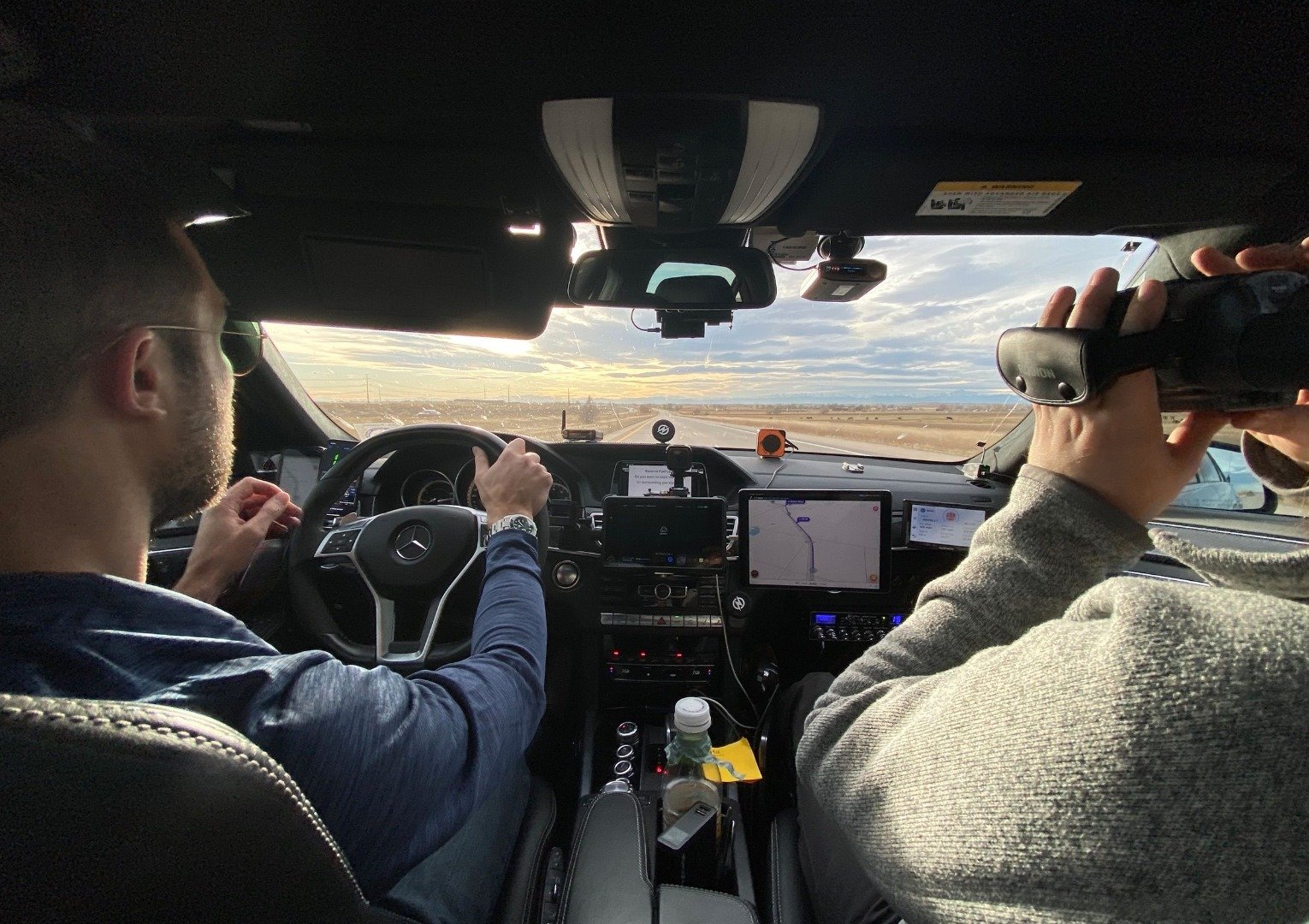
In order to evade police, a pair of radar detectors were fitted, along with a laser jammer system and aircraft collision avoidance system – the latter was intended to find highway patrol aircraft.
“Probably the most trick thing I had was a thermal scope on a roof-mounted gimbal that could be operated via remote control by the back seat passenger,” Toman told Road & Track.
“We picked up a cop warning on Waze and we were able to see the heat signature of the car sitting on the side of the road.”
A police scanner and CB radio were also utilised, while the spotter sat in the rear seat using gyro-stabilised binoculars to identify roadside police from the rear seats. There were also headlight and tail light kill switches, while much of the car’s exterior was covered with silver vinyl, in an attempt to make the vehicle look more like a Honda Accord, not a Mercedes.
Helping ensure the path was clear ahead were 18 pre-organised lookouts scattered across the length of the route, each scouting the road ahead of the record-chasing vehicle.
Measuring the run was a pair of Garmin GPS units, which were monitored by an independent party.
Somehow, through good preparation and partial luck, the trio were not pulled over by police once during the run. However, there was a close call, with a police car managing to go undetected until it was right on them, heading in the opposite direction.
Noticing the speed that the E63 was travelling at, the police officer used instant-on radar to ping the trio, which was estimated to be travelling at about 193km/h (120mph) at the time.
For some reason, the police vehicle didn’t perform a U-turn to engage in a pursuit. Other than a mobile speed trap being set-up down the road, this was the closest the high-speed record breakers got to being pulled over.
Don’t do this at home, kids.
Bentley has announced it will celebrate its ‘fastest production car at Pikes Peak’ record with the Bentley Continental GT Limited Edition.
Finished in either the same zesty Radium Green as the record car driven by Pikes veteran Rhys Millen, or gloss black with green highlights, the Pikes Peak celebratory car features several elements which differentiate it from a standard GT. It’s limited to 15 units.
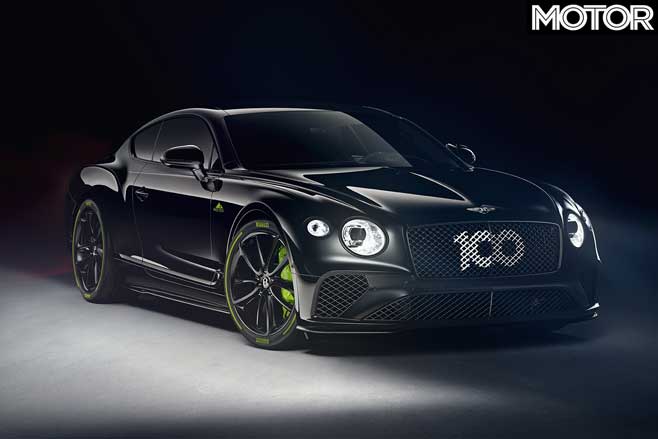
A carbon fibre body kit comprised of lips and trim accents is the main point of difference from the garden variety Continental, as well as the optional ‘100’ grille marking a century of the Crewe-based brand.
Acid Green brake disc callipers with Pirelli tyres featuring coloured sidewall details to match also add to the motorsport-inspired vibes the GT Limited Edition gives off, just in case the Pikes peak decal doesn’t.
Inside, the Pikes Peak theme continues on the seat heads with a stitched mountain icon, and acid green accents throughout the cabin on trim and stitching.
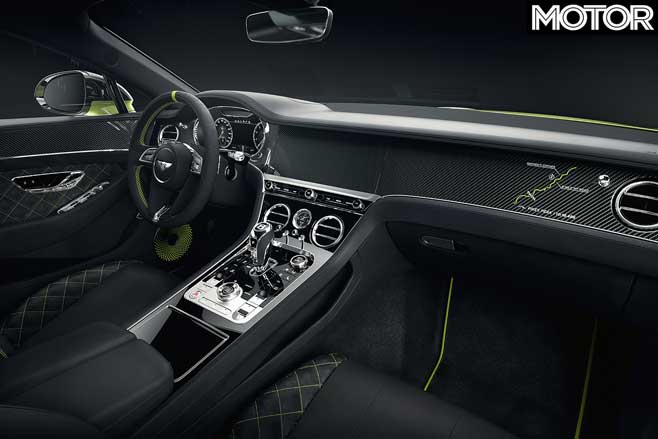
The carbon fibre dash panel also bears a small map featuring a simplified layout of the Pikes Peak course and a couple of corner markers, the 10:18.488 time achieved by Millen, and a timer icon reading ‘8’, the number of seconds Bentley beat the previous record by.
Board member for sales and marketing at Bentley Chris Craft says the 15 cars are intended for customers who wish to celebrate Bentley’s achievement with something a little different.
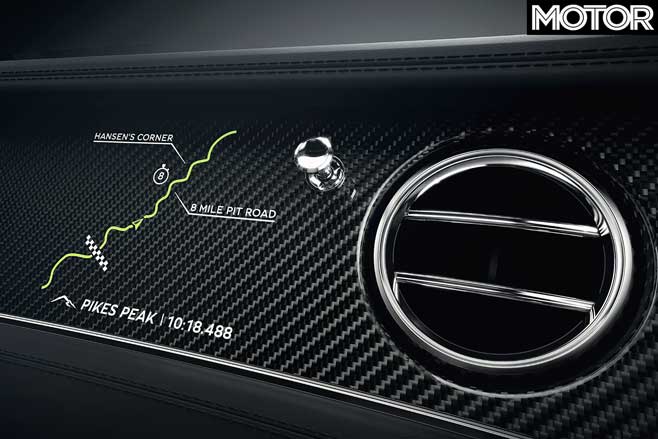
“The new Limited Edition Continental GT is distinguished by a number of carefully curated features to honour that outstanding record run.
“It reflects Bentley’s spirit of endeavour, one that has been a constant throughout the last 100 years and remains at the beating heart of the company.”
NEW! 2023 Corolla range review
Looking for more details on the very latest Corolla line-up? Our full 2023 range review has everything you need to know.
2015-2018 Corolla range review
What stands out?
The petrol-electric Corolla Hybrid Hatch – it is a lively and sharp handling small car that stretches a tank of fuel a very long way, even around town. Other Corollas are solid and easy to live with, whether you go for the sportier hatchback or the roomy sedan. Auto emergency braking is available.This 2015-18 hatchback has been superseded by an all-new Corolla hatch, however the sedans included in this review were is still available alongside the new model in showrooms until late 2019 before they too were replaced by a new model.We’ve kept the 2015-18 hatches in this review in case you’re looking to buy any as a low-mileage used car.
What might bug me?
In the more expensive hatchbacks, driving at 80km/h on your space-saver spare tyre until you can fix your full-sized flat. The Corolla SX, Hybrid and ZR hatches have the skinny space-saver. (The Ascent and Ascent Sport hatches, and all sedans, supply a full-sized spare wheel.)In a Corolla Hybrid Hatch, getting used to the electronically controlled brakes. At first they feel very sensitive, responding dramatically as soon as you press the pedal. Over time, the light touch demanded comes to feel natural.
What body styles are there?
Four-door sedan and five-door hatchback. The sedan is significantly longer and has more space between the front and rear wheels, so it is roomier in the back and rides slightly more smoothly.Both are front-wheel drive. The Corolla is classed as a small car, lower priced.
What features do all Corollas have?
Cruise control. A reversing camera, and rear parking sensors.Touchscreen control of interior functions. An MP3 compatible sound system with an AM/FM radio and a CD player, and Bluetooth connectivity for phone calls and music streaming.Height and reach adjustment for the steering wheel, with controls on the wheel for operating the sound system and your phone.Seven airbags. Electronic stability control, which helps you recover the car from a skid. All new cars must have this feature.An option on every Corolla (and standard on the most expensive versions) is a suite of active safety aids. This Safety pack comprises a forward collision warning, auto emergency braking, lane-departure alert, and auto-dipping headlights. (For more on these systems, and for the placement of airbags, please open the Safety section below.)All Corollas are covered by a three-year, 100,000km warranty.As with most small car alternatives, there is a capped-price servicing schedule for the Corolla for the first three years of ownership. That makes it one of the cheapest small cars to service.
Which engine uses least fuel, and why wouldn’t I choose it?
The Corolla that uses least fuel is the Hybrid Hatch. And the main reason you might not choose it is that you don’t want the cost or complexity of its petrol-electric drivetrain. This is the standout package, for both economy and driving pleasure.On the official test, the Hybrid consumes just 4.1 litres/100km (city and country combined). In the real world, consumption is about 5.5 litres/100km for a mix of city and country driving – still extremely good.The Hybrid augments a 1.8-litre, four-cylinder petrol engine with a battery-driven electric motor. When you brake, it reclaims energy that is normally wasted, using it to recharge the battery and hence to propel the car. That makes a big difference to fuel use, and particularly around town where you’re braking a lot.The other reason you might not choose a Hybrid is that you want a sedan. The Hybrid is available only as a hatchback.Every other Corolla uses just the 1.8 litre, four-cylinder petrol engine, in this case tuned for more power (because it does not have the electric motor to help it). It revs happily and is also fairly fuel-efficient, consuming 6.1 litres/100km on the official test in auto form.In real-world comparison testing conducted by Wheels magazine for its January 2017 issue, a Corolla Ascent Sport auto with the 1.8 petrol averaged 9.2 litres/100km, which left it near the middle of the 12 cars reviewed for fuel use – about the same as the new Subaru Impreza, and five per cent thirstier than a Mazda3 Maxx.Automatic Corollas use a CVT, or continuously variable transmission, which has artificial ratio steps and operates much like a seven-speed conventional auto. Petrol Corollas fitted with the less popular six-ratio manual transmission use about 10 per cent more fuel than those equipped with an auto. The Hybrid is CVT only.
What key features do I get if I spend more?
The least costly hatchback, the Ascent, rolls on 16-inch steel wheels with plastic covers, and has cloth trim in the cabin and a 6.1-inch touchscreen.The first price step is to the Ascent Sport Hatch, which has nicer looking and lighter wheels made from an alloy of aluminium. Inside you get a nicer feeling steering wheel, and a 7.0-inch touchscreen that works with a smartphone to operate apps such as Pandora Internet radio.Spend more for the SX Hatch and the alloy wheels grow to 17 inches and mount wider tyres that have a lower profile (from the side, the tyres look shallower). Many people find this look appealing, and the extra width adds some grip on dry roads. The SX also has satellite navigation. You can control the auto transmission from paddles on the steering wheel. There are sports front seats (which have more side-support, to hold you in place when cornering). Sporty visual elements include skirts on the lower body.For a little more up front than an SX Hatch you could have instead a Hybrid Hatch, with its fuel-saving petrol-electric power. For trim and equipment, the Hybrid is effectively a more luxurious Ascent Sport, retaining its 16-inch alloy wheels and less sporty cloth seats but adding dual-zone airconditioning (which brings independent temperature control for the front passenger), sat-nav, and smart entry and start (which lets you unlock the car and drive away without handling the key). Headlamps and running lights use very bright and long-lived LEDs. And the Hybrid has a different rear suspension from other Corollas, a double-wishbone design that improves grip and stability.Cough up for the most expensive Corolla hatchback, the ZR, and you get the sportier wheels, tyres and seats from the SX with the extra luxury of the Hybrid. In addition, the ZR’s seats are trimmed in a combination of real and fake leather, the front seats have heaters, and the driver’s seat has power-adjustable lumbar support (for the lower part of your back). As on the Hybrid, auto transmission is standard. Finally, the ZR has the active safety aids from the Safety pack that is optional on less costly Corollas, which include auto emergency braking and lane-departure alert.On the sedan side, prices again begin with the Ascent, which has smaller steel wheels than the base hatch, at 15 inches, shod with slightly narrower and taller tyres, for a more comfortable and quieter ride around town. The Ascent Sedan also has the bigger 7.0-inch touchscreen with Toyota Link, as fitted to the Ascent Sport Hatch.Spend more for the SX Sedan and you get alloy wheels in a 16-inch size, satellite navigation, and smart-key entry (but not sports-type seats). The SX also adds front parking sensors to the Ascent’s rear sensors.Paying more for a ZR sedan brings you LED headlights, leather-accented seats, and an eight-way power-adjustable driver’s seat. And you get the same active safety suite as the ZR Hatch. (The ZR Sedan has only single zone airconditioning, however.)
Does any upgrade have a down side?
The lower-profile tyres fitted to the SX and ZR hatchbacks ride a little more roughly than those on the other Corollas, and may cost more to replace.The SX, Hybrid and ZR hatches do not have the full-sized spare tyre supplied with all other Corollas, instead getting a skinny space-saver spare that has a recommended top speed of 80km/h.The only standard colour is white. The sedan is available in five other colours and the hatch in another seven, all of which cost extra.
How comfortable is the Corolla?
Styling inside the Corolla is dominated by the upright, dark dashboard. There is a silver-laced instrument cluster, and binnacles for odds and ends. Both the sedan and hatch get modern looking finishes but with differences to the generally formal but elegant patterns.The front seats are broad and quite comfortable. In a hatchback they are well bolstered for side-support even on less sporty versions, helping you relax through twists and turns. Corollas ride bumps in a way that treads a safe middle ground between plush and punishing, with enough damping to prevent unwanted bouncing.The sedans ride more comfortably than the hatches, due to their dimensions and setup. For example, the longer wheelbase gives them a natural advantage over speed humps and other imperfections. At most price points they ride on tyres with a slightly deeper profile than those on the comparable hatch, which means there is more cushioning air between the wheel and the road.Around town the popular Corolla petrol auto might feel a bit lazy from traffic lights, particularly with a good load on board. There is plenty of power for comfortable highway cruising however.The Hybrid Hatch is easy to drive but it does take some getting used to, and it is well worth developing an understanding of the selectable driving modes that allow you to optimise it for economy or zest. In Power mode it is quicker off the line than its petrol siblings, with the electric motor contributing instant thrust.
What about safety in a Toyota Corolla?
Seven airbags, stability control, a reversing camera, and rear parking sensors, contribute to a respectable safety picture in any Corolla.There are two airbags directly in front of the driver and front passenger; one beside each front occupant to protect their bodies from side impacts; and a curtain airbag down each side of the car at head level to protect occupants front and rear from side impacts. Finally, there is an airbag at knee level for the driver.Corolla ZR hatches and sedans have in addition autonomous emergency braking, a lane departure alert, and headlamps that dip automatically for oncoming drivers. These active safety aids also comprise a Safety pack that can be supplied with any Corolla as an extra-cost option (in most cases, for about $750).The auto emergency braking on a Corolla uses a laser sensor and camera to detect obstacles in front of the car – typically another car that has slowed suddenly. It is effective at speeds below about 80km/h. If it concludes that a collision is likely, it first gives an audio-visual warning. If you ignore that, it will apply the brakes automatically – with the aim of reducing the impact speed, and possibly preventing a crash.The lane departure alert monitors road markings, and warns you if you begin to drift out of your lane on the highway – possibly dangerously, because you are tired or distracted.The Australasian New Car Assessment Program (ANCAP) has awarded all Corollas – including the Hybrid – its maximum safety score of five stars. The hatches were rated most recently in June 2016, and the sedans in March 2017.
I like driving – will I enjoy this car?
Steering on all Corolla models is light and responsive. The hatches, in particular, have a feeling of athleticism about them that works well around town.On country roads the SX and ZR hatches – with their 17-inch wheels – deliver great cornering grip. But even the Ascent Sport is good in turns for a popular small car, with fairly accurate – if somewhat feel-deprived – steering and reassuring poise. Body movement over bigger bumps is quickly controlled, and the cars stay settled.Acceleration from highway speeds is respectable but not exceptional, helped by a relatively lightweight body. The petrol engine is not particularly powerful but feels willing, and happily revs higher when you need more thrust. (Other small cars with turbocharged engines react more smartly to a prod from your right foot, however.)The automatic transmission does a good job of extracting the most from the engine, adapting fast to changing conditions. The six-speed manual is good too, with a crisp shift action.There is a good chance you will enjoy driving a Hybrid Hatch more than any of the other Corollas. It feels more precise and secure in the corners, a result of its superior rear suspension. And even from highway cruising speeds it jumps more smartly when you ask it to accelerate, which helps when overtaking.
How is life in the rear seats?
It is rear-seat passengers who will notice the most marked interior difference between Corolla hatches and sedans.The sedans have 100mm more space between the front and rear wheels. Rear headroom and leg room are significantly greater in the sedans than in the hatchbacks, and the hatches match most small-car alternatives.However the hatchback body has a near-flat rear floor, making it easier for middle passengers to place their feet. The sedans have a more pronounced hump in the middle of the rear floor.The Hybrid houses its battery under the rear seat, but the seating position remains comfortable even for adults.
How is it for carrying stuff?
The Corolla hatches have clever hidey holes, with small compartments on either side of the luggage area and underfloor storage on some models.The sedans miss out on some of that thoughtfulness but still get split-folding seats. Their boots are broader than those on the hatches, albeit with a bigger lip.The boot on the Corolla Hybrid is the same size as in other Corolla hatches, at 360 litres. Sedan boot space is 470 litres.
Where does Toyota make the Corolla?
Corolla hatchback models – including the Hybrid – were built in Japan, and the sedans in Thailand.
What might I miss that similar cars have?
Perhaps swifter overtaking from a turbocharged engine. The Volkswagen Golf, Holden Astra and Ford Focus offer this, for example.The ability to display apps from your smartphone on the touchscreen and control them from there, via Apple CarPlay or Android Auto. This is available on the Golf, Astra and Focus, and on other cars such as the Subaru Impreza, Hyundai Elantra and Kia Cerato.Possibly the all-weather security of all-wheel drive, standard on an Impreza.Maybe a longer warranty. The Elantra and the Hyundai i30 both carry five-year warranties, as do the Honda Civic and Skoda Octavia. The Cerato gets a seven-year warranty.Other alternatives include the Mazda3 and Peugeot 308.
Are there plans to update the Corolla soon?
The Corolla Hatch went on sale late in 2012 and was updated in mid-2015, with revised suspension and steering, improvements to fuel economy, and more features.The Corolla Hybrid arrived about July 2016. A facelifted Sedan followed in January 2017, bringing a freshened interior, suspension improvements, enhanced sound insulation, and refinements to the engine and auto gearbox.The facelifted sedan also brought auto-braking and lane departure alert to the Corolla. Hatches too picked up the crash-avoidance technology – optional on all Corollas, and standard on the most expensive – in January 2017.An all-new Toyota hatch arrived in August 2018 for the 2019 model year, with a more dynamic look and a host of features not available on the current model.The 2019 Toyota hatchback range features a highly efficient new 2.0-litre engine along with hybrid versions, while its new TNGA chassis makes driving a lot more fun. It also autonomous emergency braking and adaptive cruise as standard.The 2017 sedan covered in this review was on sale until late 2019 before being replaced by the new-generation four-door in November 2019.
I like this car, but I can’t choose which version. Can you help?
Of the petrol-only Corollas, our reviewers like the Ascent Sedan, for its impressive interior space and good equipment for the money.If you are comfortable with the added complexity, the 2017-18 Corolla Hybrid Hatch represents exceptional value as a used buy.
NEW! 2023 Corolla range review
Looking for more details on the very latest Corolla line-up? Our full 2023 range review has everything you need to know.
Now’s the time for Toyota and Aston Martin to double-check their plans for the WEC’s upcoming Hypercar rules and make sure they’re prepared. Peugeot has just announced it’ll return to WEC under the new regulations.
Note, this story has been updated to include further information about Peugeot’s WEC intentions.
Given Peugeot’s strong WEC history, the announcement that the French brand’s coming back is a sign the competition and spectacle of the Hypercar class will live up to the hype.
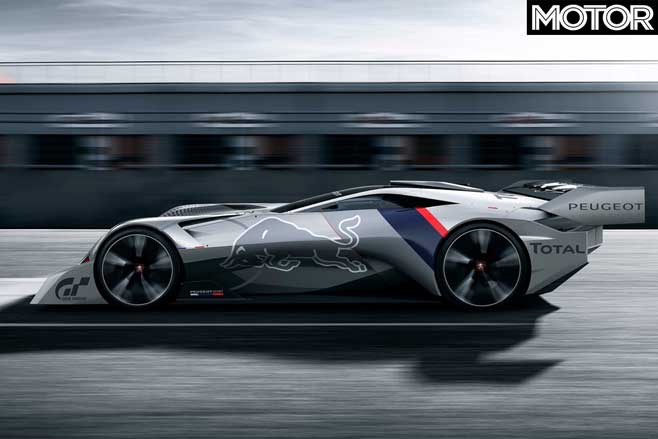
Though Peugeot hasn’t yet revealed details of its or drivers, a recent update from the brand has confirmed hybrid power for its entry, paired with Rebellion Racing.
Rebellion, previously a private team, has a strong racing record which seems to have pushed Peugeot to strike a deal on its way back into the sport.
“The Peugeot brand’s passion for motorsport has always played a core role in achieving the many victories we have scored in our history,” Peugeot CEO Jean-Philippe Imparato says.
“The changes that the FIA WEC is introducing fit now with the transition we are undergoing ourselves with the electrification of our range and the launch of high-performance products, developed in close association with PSA Motorsport and foreshadowed by the Concept 508 Peugeot Sport Engineered.
“Peugeot has been behind some of endurance racing’s most memorable moments, with both petrol and diesel power. Today, we are turning our attention to a new adventure founded on hybrid-electrified technology.
“We were delighted to see how warmly the recent announcement of our participation in the series was welcomed, especially as this exciting shift in sporting and power-unit terms will accompany the launch of Peugeot Sport Engineered cars.”
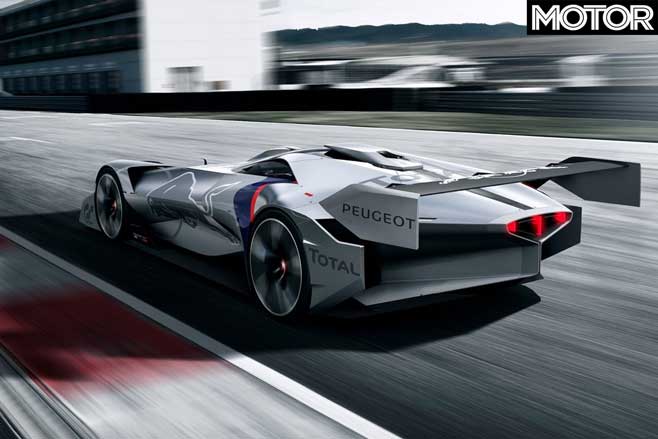
PSA Motorsport Director Jean-Marc Finot adds that he’s “very excited” for his team to be working on a new motorsport project.
“It is a new challenge and I know our experts will rise to it with another demonstration of their will to win with teams financed by the Group’s brands, fuelled by their long experience of topflight FIA championships and hunger for success.”
The last WEC project undertaken by Peugeot Sport was that of the 908, called both 908 HDi FAP and just 908 in its two versions.
Winning most of the races they entered, the 908s were a force to be reckoned with and competed closely with Audi’s highly successful R18 TDI.
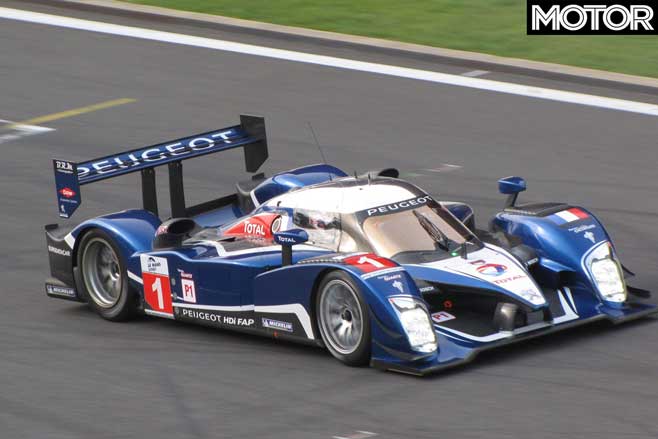
The 908 found itself on the podium in every Le Mans 24 Hour race it entered (bar 2010 when all four retired), sometimes with multiple 908s taking steps. In 2009 Peugeot won the race in LMP1 (and therefore outright), and in 2011 it took 2nd, 3rd, 4th, and 5th places beaten only the aforementioned Audi.
Automobile Club de l’Ouest (aka. ACO, also the Le Mans 24 Hours organising body) president Pierre Fillon, says Peugeot’s return is “exciting for two reasons.”
“It symbolises both the arrival of a new competitor in the Hypercar category which will come into being from the start of next season, as well as the return of a leading brand in Endurance racing.
“Peugeot has made history in terms of endurance racing and the 24 Hours of Le Mans, winning the event certainly, but also always producing spectacular machines, particularly appreciated by spectators. I can’t wait to see the French racing car that will take over from the winning 905 and 908.”
The Wheels Verdict: The Mercedes-Benz EQC 400 is not perfect. It doesn’t mark a revolution in terms of cabin or luggage space relative to its exterior dimensions, and its weight can make it feel a little ponderous if its driver attempts to push on in tight terrain. And of course it carries a price tag commensurate with an SUV this richly equipped wearing the three-pointed star.
But beyond that, we’re struggling to find flaws. It cossets occupants in what feels like next-level isolation and comfort, makes swift cross-country progress feel effortless, and provides an acceptable range from its battery. Crucially, it makes the transition from internal combustion to EV feel like a genuine advance, rather than a compromise we’ll all have to bear. It’s Mercedes’ best-ever SUV, and probably the most significant car of 2019.
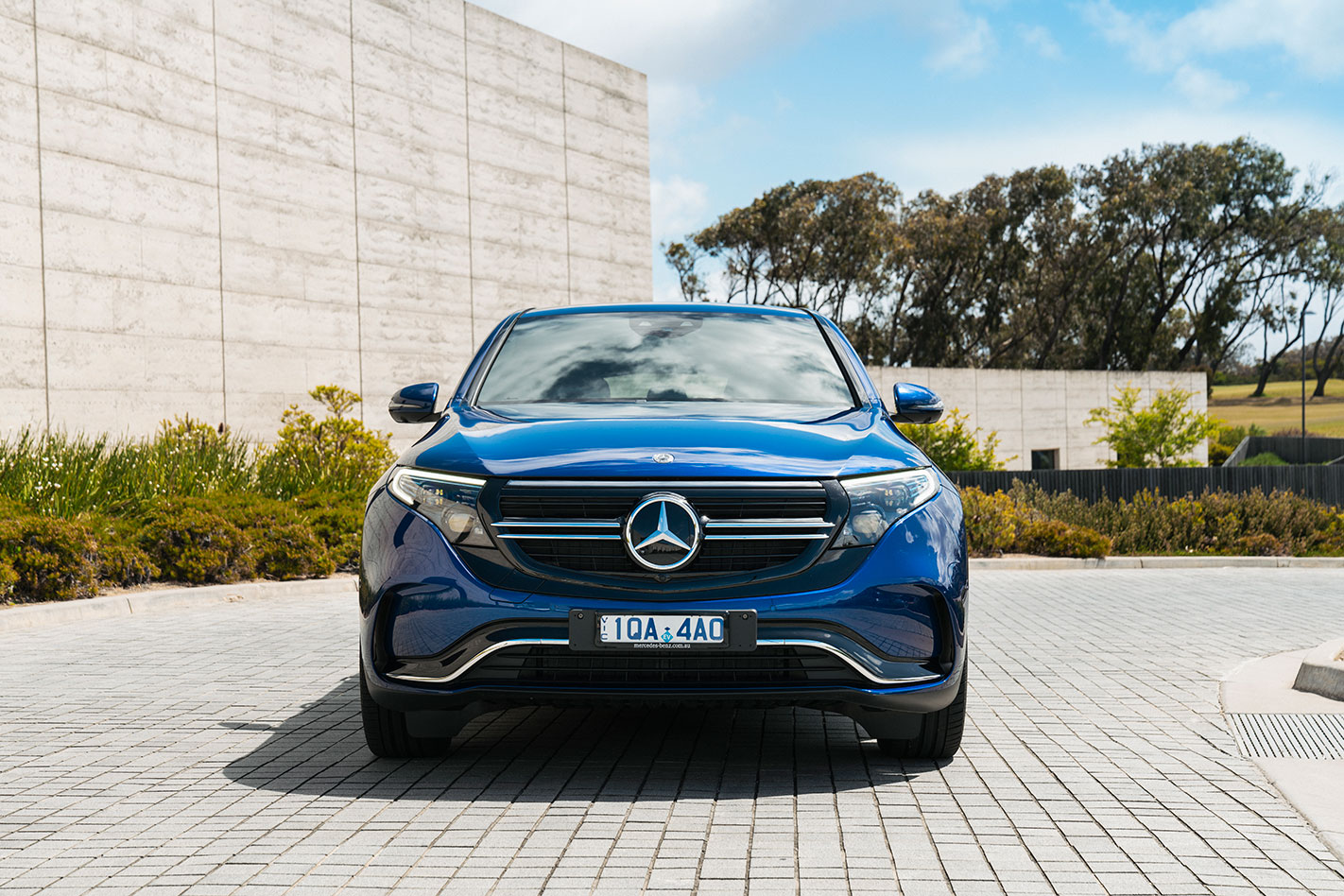
WHAT IS THEMERCEDES-BENZ EQC 400?
The first mainstream EV from Mercedes-Benz. It’s a mid-size SUV that uses the GLC to provide the basis for its dual-motor (front and rear) layout fed by a floor-mounted lithium-ion battery pack.
WHY WE’RE TESTING IT
We first drove the EQC at its international launch in Norway and were impressed by just about every facet of its performance and liveability.
This is our first chance to drive it on Aussie roads, using local recharging infrastructure and knowing its local price and level of specification.
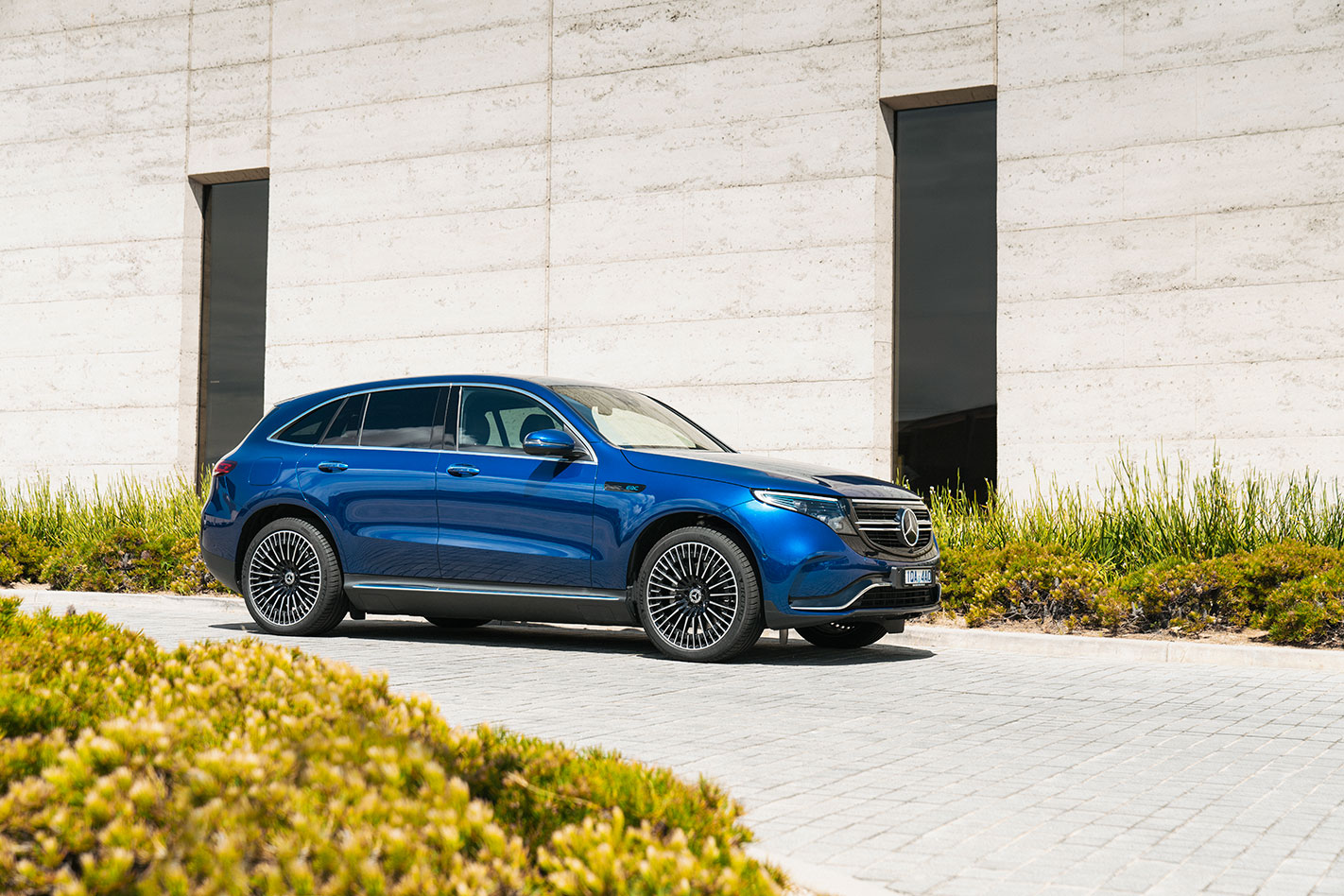
MERCEDES-BENZ EQC 400 REVIEW
Cautious? Or clever? They’re the two central themes that need to be probed when considering Mercedes’ first-ever mainstream EV.
The ‘cautious’ question is unavoidable, given the company’s decision to not build the EQC on a bespoke EV architecture, thus missing out on potential packaging advantages. Instead, this car is, in essence, a heavily revised GLC with dual electric motors and an 80kWh hour battery. So there’s no ‘frunk’, for example, and the second-row floor is still split by what was the transmission tunnel.
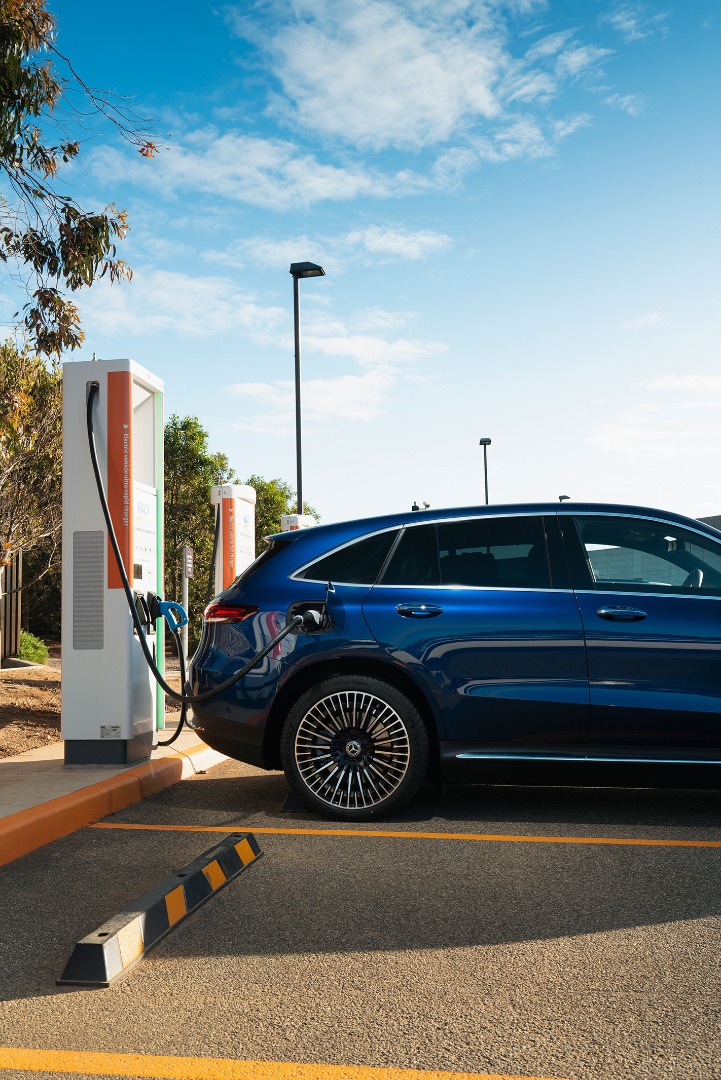
On the flip side, taking this path has allowed Mercedes to build the EQC on the GLC production line, ensuring greater production control, as well as create an EV so, well, ‘normal’, it has potential to attract customers for whom an electric SUV may have otherwise been a tech step too far.
And now we’ve driven it on Aussie roads, we can confirm what was evident from Inwood’s first drive in Norway (Wheels, July): it’s a brilliantly polished, hugely accomplished SUV, delivering a level of cabin quietness and refinement that the likes of Bentley and Rolls-Royce would envy.
Inwood said it best when he noted that he couldn’t recall “having driven a softer Mercedes this side of an S-Class”. It really is that cushy. The damping calibration is a master stroke (excuse the pun), as it perfectly suits the car’s character and the way customers will use it 99 percent of the time. As for the sense of premiumness, sometimes Euro-spec cars driven on European roads can lose a little of their sheen when they confront often battered, coarse-chip Aussie bitumen, but not here. Mercedes’ efforts at motor isolation and wheelarch soundproofing are every bit as impressive on our roads are they were on those of Norway. From the front seats, at least, the EQC glides in serene tranquillity, the tyre noise wonderfully muted, the gentle rustle of air over the car the only real sound in the cabin.
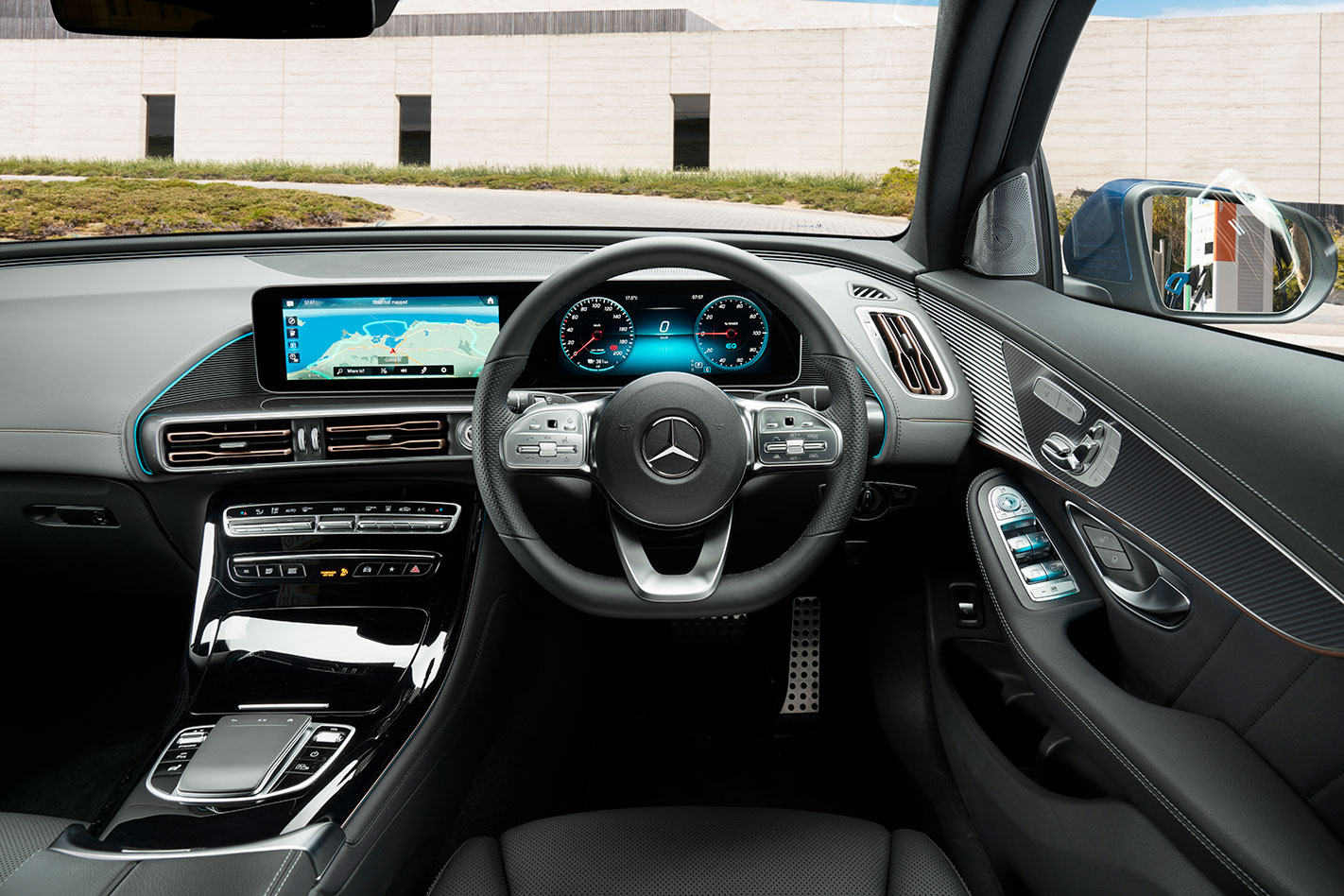
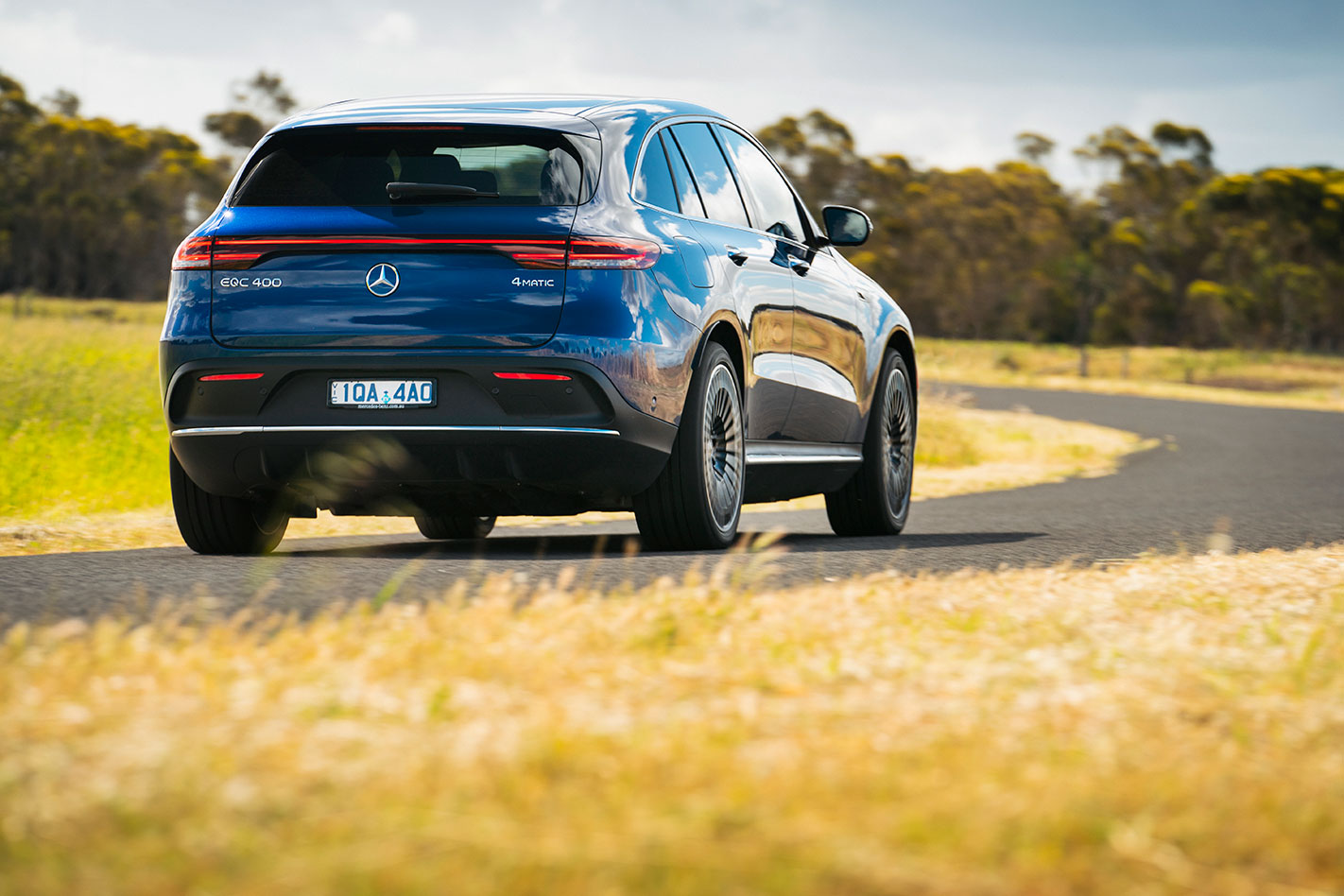
Of course, it’s quick enough to be satisfying to steer swiftly. The factory’s 0-100km/h claim is 5.1sec; we nailed it in just 4.7. It’s heavy, yes ‑ nearly 2.5 tonnes ‑ but all that instant torque mobilises it with real intensity.
The steering is also quick, at 2.2 turns lock-to-lock, and combined with the fact the mass is carried low, the fundamental dynamics are rock solid. Okay, it doesn’t really revel in being aggressively muscled around in tight terrain, but it is a pliant, planted tourer.
The EQC’s Aussie price of $137,900 sees it slotted between the $109,900 GLC 43 and $161,000 for the GLC 63, the two ICE models it broadly fits between in terms of performance. That buys a premium SUV with a rich level of standard spec. The Aussie 400 model is fitted with the AMG Line exterior and interior styling, 20-inch wheels, LED headlights, sunroof, full driving assistance package with active cruise, head-up display, 13-speaker Burmester audio system, wireless phone charging, and app-based control of some functions.
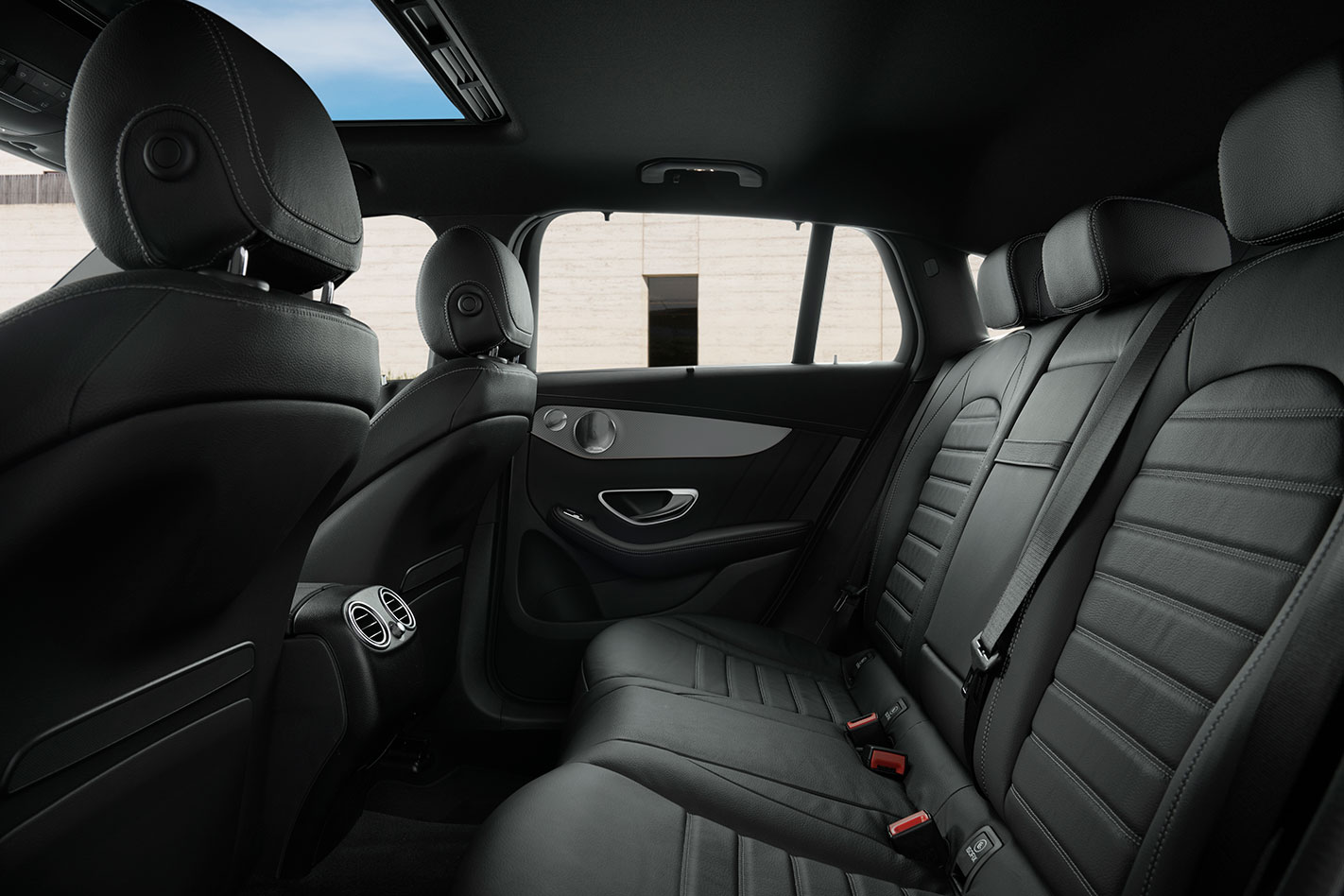
If you’re tempted by the options list, you’ll find most items bundled in an Edition 1 package (of which only 25 examples are offered), priced at $6900 or $8600, depending on paint choice. Key bits of the Edition 1 are 21-inch wheels, two-tone nappa leather, ventilation and heating for the front seats, three-zone climate control, and augmented reality for the navigation.
A five-year subscription to Chargefox is standard for Aussie buyers, giving unlimited free access to 22 fast-charger sites. Home charging is via a wallbox priced at around $2000 installed; figure on overnight charging delivering a real-world range of around 350km.
So to the original question. Given the EQC loses little from its GLC roots in terms of real-world practicality, the ‘cautious’ critique appears unfounded. Actually, this may just be the most complete and convincing Mercedes SUV since … forever?
SPECS
- Model: Mercedes-Benz EQC 400
- Motors: 2 x asynchronous
- Battery: 80kW lithium-ion
- Max power: 300kW
- Max torque: 760N
- Transmission: Single-speed reduction gear
- Weight: 2480kg
- 0-100km/h: 4.7sec (tested)
- Economy: 19.7-20.8kWh/100km
- Price: $137,900
- On sale: Now
Overall Rating

5 0 5
Plus & Minus
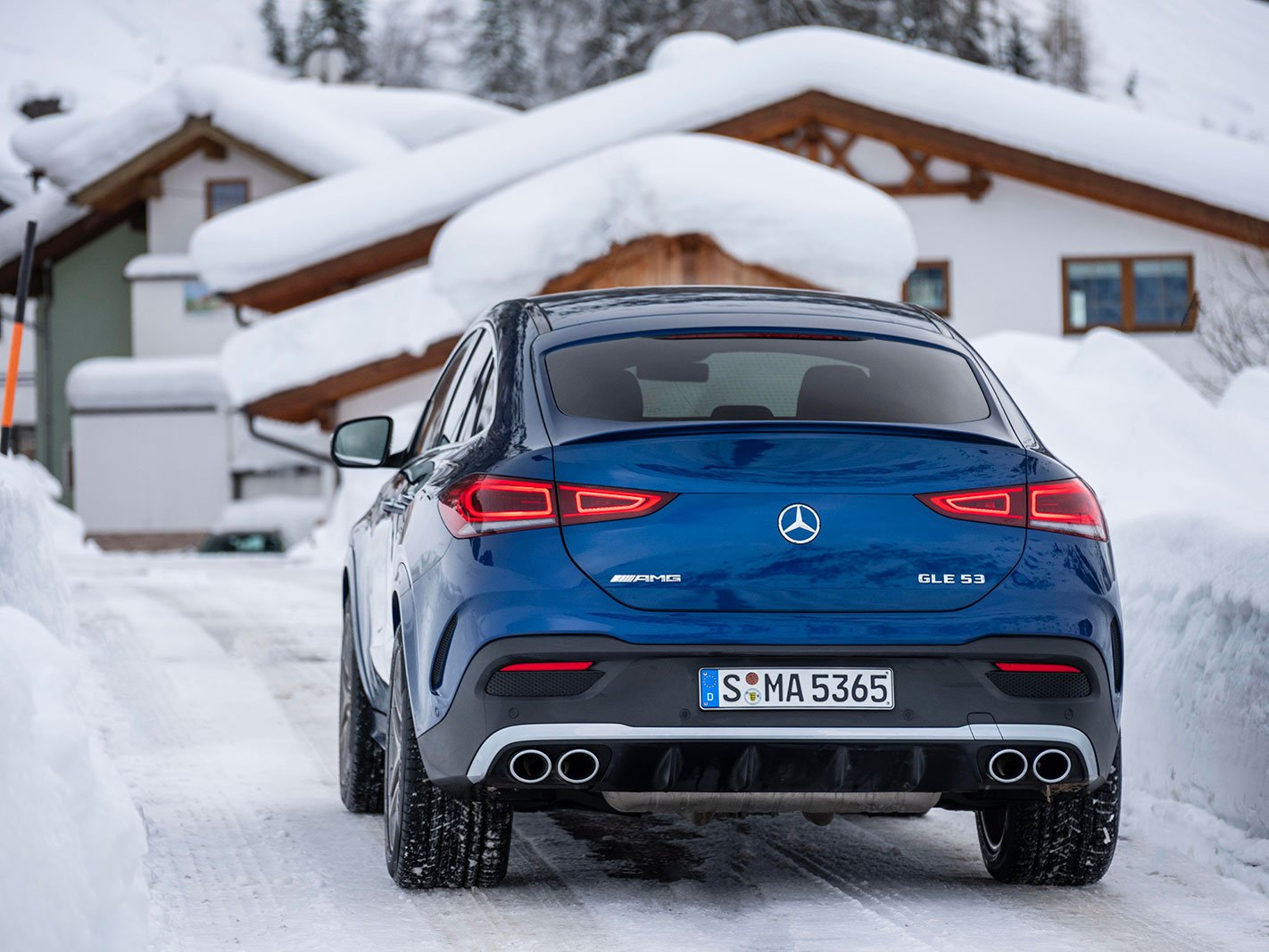
WHAT IS THE MERCEDES-AMG GLE 53 COUPE?
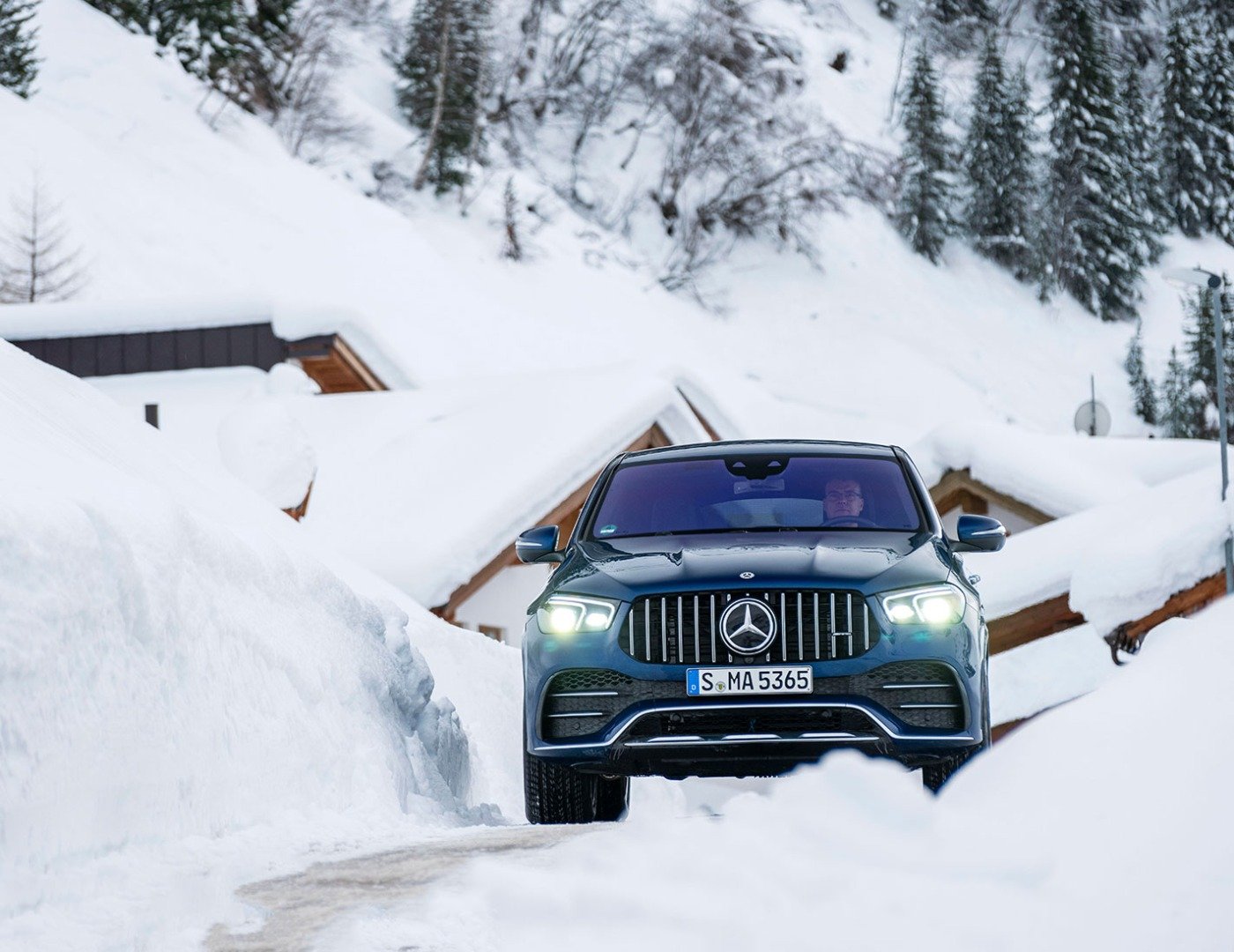
Mercedes-Benz’s new GLE SUV spawns an inevitable coupe, this time on a shortened wheelbase. The Mercedes-AMG GLE 53 Coupe, with EQ Boost-branded electrified in-line twin-turbo 3.0-litre six, is expected to be the most popular variant in Australia.
WHY WE’RE TESTING IT
It won’t reach Australia until the third quarter of 2020, so the international launch in Austria afforded a well-in-advance chance to assess its charms.
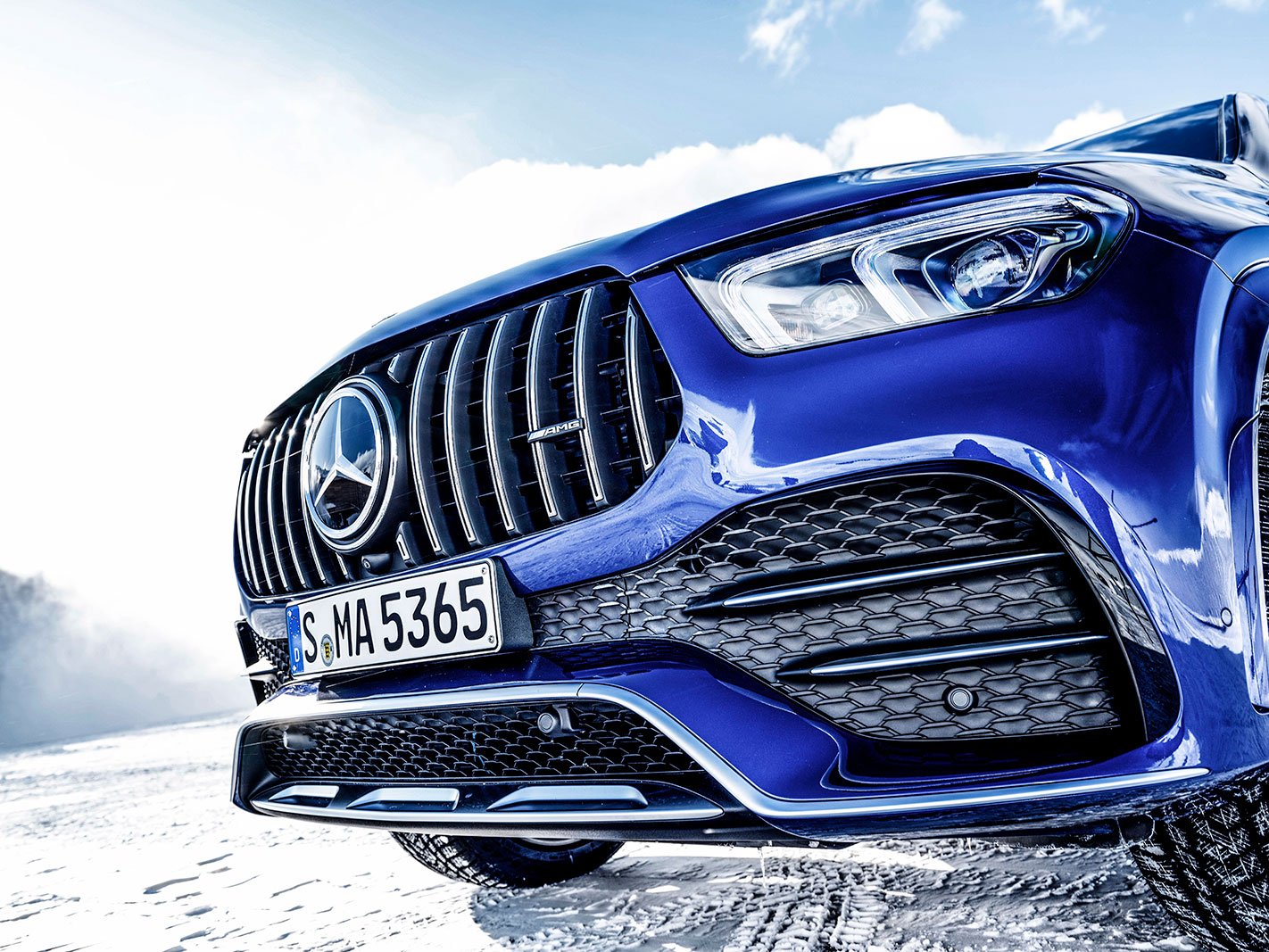
- The 1979 hit by a forgotten Brit pseudo-punk band would provoke a flak-storm of outrage today, but ‘Nice Legs, Shame About Her Face’ does concisely describe the new Mercedes-AMG GLE 53 4matic+ Coupe.
The Wheels Verdict:
With its boosted and electrified engine, adept transmission, effective all-wheel-drive system and an extensive array of chassis-enhancement tech, it’s arguable this SUV coupe doesn’t need to be a visual stunner. It will reach Australia in the third quarter of 2020, wearing a price-tag around $150,000.
The motor-generator unit sandwiched between the 3.0-litre in-line six and nine-speed auto transmission is at the centre of the GLE 53 Coupe’s prowess. This combination was introduced first in the CLS in 2018, then the E-Class Coupe and Cabriolet.
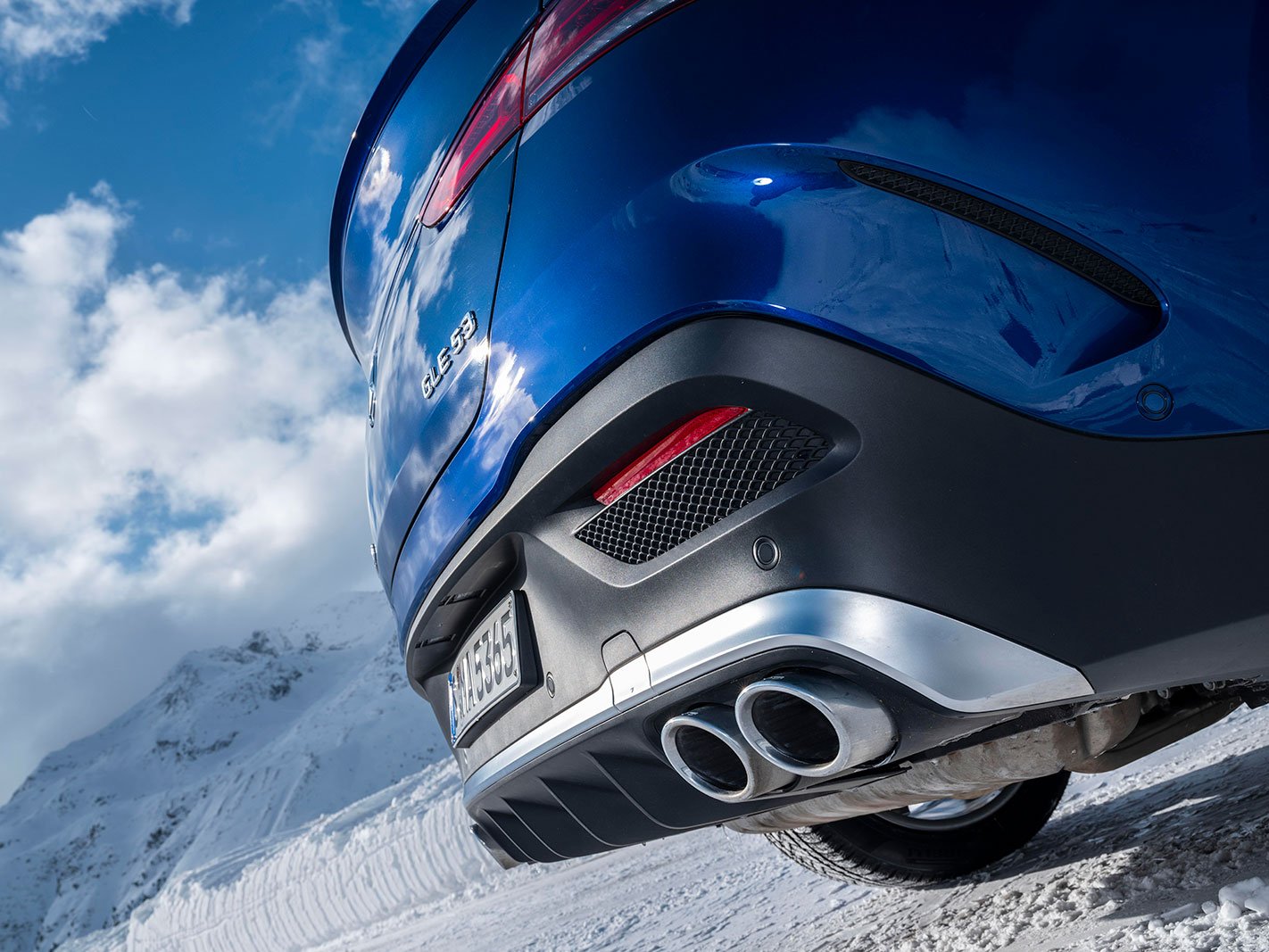
Working as a motor, the electric machine adds a 16kW/250Nm kick to the bottom end of the engine’s power and torque curves, as well as functioning as its starter motor. Operating as a generator, it charges the vehicle’s 48-volt battery pack. The battery not only helps make the GLE 53 Coupe a low-voltage hybrid, it also powers the engine’s current-hungry electric compressor, the chassis’ active anti-roll bars, and more.
Throttle response is practically lagless, with the electric turbo delivering instant low-rev boost while exhaust gases spin the conventional second turbo up to speed. The GLE 53 Coupe weighs well over two tonnes but its drivetrain has the muscle to make it speedy. A bonus is the engine’s sound. The straight-six is a more melodious motor than the twin-turbo 3.0-litre V6 of the GLE 43 Coupe.
The nine-speed transmission does fine work, too. Shifting is affected by which of the seven driving modes (Slippery, Comfort, Sport, Sport+ and Individual, plus off-road Trail and Sand) is deployed, but it’s good at selecting the right ratio for the circumstances and adapting to driving style.
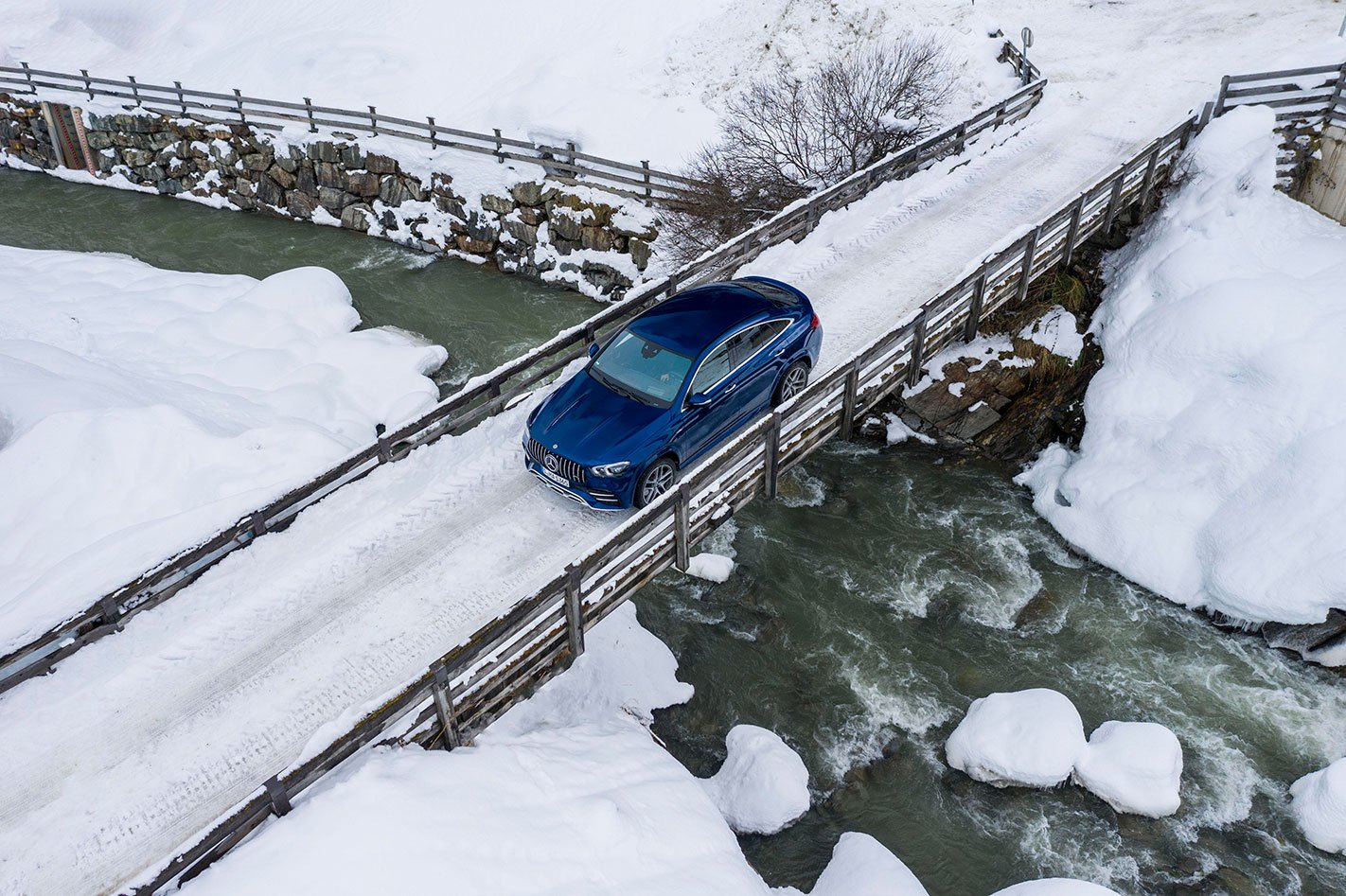
Traction is never a problem. The international launch of the new GLE Coupe was in the mountains of Austria. Abundant early snow and sub-zero overnight temps meant sometimes driving on roads that were mostly ice, and the Mercedes-AMG was able to find more grip than seemed possible.
On twisting alpine roads, the GLE 53 Coupe was improbably quick. Its standard air springs and adaptive dampers, with the active anti-roll bars mentioned earlier, quell the inclination of something so high and heavy to pitch and roll. With the 60mm wheelbase reduction and more direct steering than the GLE SUV, it’s actually agile.
But it’s not exactly beautiful; too hefty ever to be elegant. The tail-lights were designed to emphasis the breadth of the GLE Coupe’s big behind, according to a Mercedes-Benz designer.
The swoopy exterior obstructs rearward vision. The curve of the bonnet makes it hard to place the kerb-side front wheel. And the deep instrument panel, shared with the new GLE, will be a problem for short drivers. Despite the shorter wheelbase, rear-seat legroom is good, though headroom is only adequate. Interior dimensions are mostly very close to the outgoing model.
So even though the visual compromises inherent in the SUV coupe concept remain obvious in the new GLE 53 Coupe, the way it drives is pretty impressive.
RIVALS
BMW X6 xDrive 40i, Audi Q8 55 TFSI, Maserati Levante S, Porsche Macan Turbo, Mercedes-Benz EQC
SPECIFICATIONS
Model: Mercedes-AMG GLE 53 4matic+ Coupe
Engine: 2999cc 6cyl, dohc, 24v, twin-turbo, low-voltage hybrid
Max power: 320kW @ 6100rpm
Max torque: 520Nm @ 1800-5800rpm
Transmission: 9-speed automatic
Weight: 2225kg (estimated)
0-100km/h: 5.3sec
Economy: 9.3L/100km (NEDC)
Price: $150,000 (estimated)
On sale: Q3 2020
The competition has now ended. Congratulations to Luke Siegmund of Victoria and Derek Lau of New South Wales for winning, and thanks to all of you who participated!
WhichCar has teamed up with EA Games to give two of our loyal readers a free copy of Need For Speed Heat, the latest instalment in the long-running street racing video game franchise. We’ve got two gift packs to give away – both for Playstation 4 – containing the game, a limited-edition metal game case, an NFS Heat sticker pack, notepad and fridge magnet. The best part? If you win, it’ll be in your sweaty gamer hands before Christmas. Ho ho ho!
But of course we’re going to make you jump through some hoops first. Need For Speed Heat’s greatest attribute is arguably its vehicle customisation system, and we want you to show us exactly what kind of car you intend to make in the game.

Luckily, you can do that without having to own the game first. Download Heat’s companion app, NFS Heat Studio, to your phone (get it on Google Play or the Apple App Store), find a car that you want to modify and go to town making it your own. Post a screenshot (only one per entry) as a reply to our competition post on WhichCar’s Facebook page (which can be found right here), and then make sure you’ve liked and followed us on Facebook. That’s it!
Need some inspiration? Take a look below, then flick through our gallery above to see what’s possible in NFS Heat Studio.
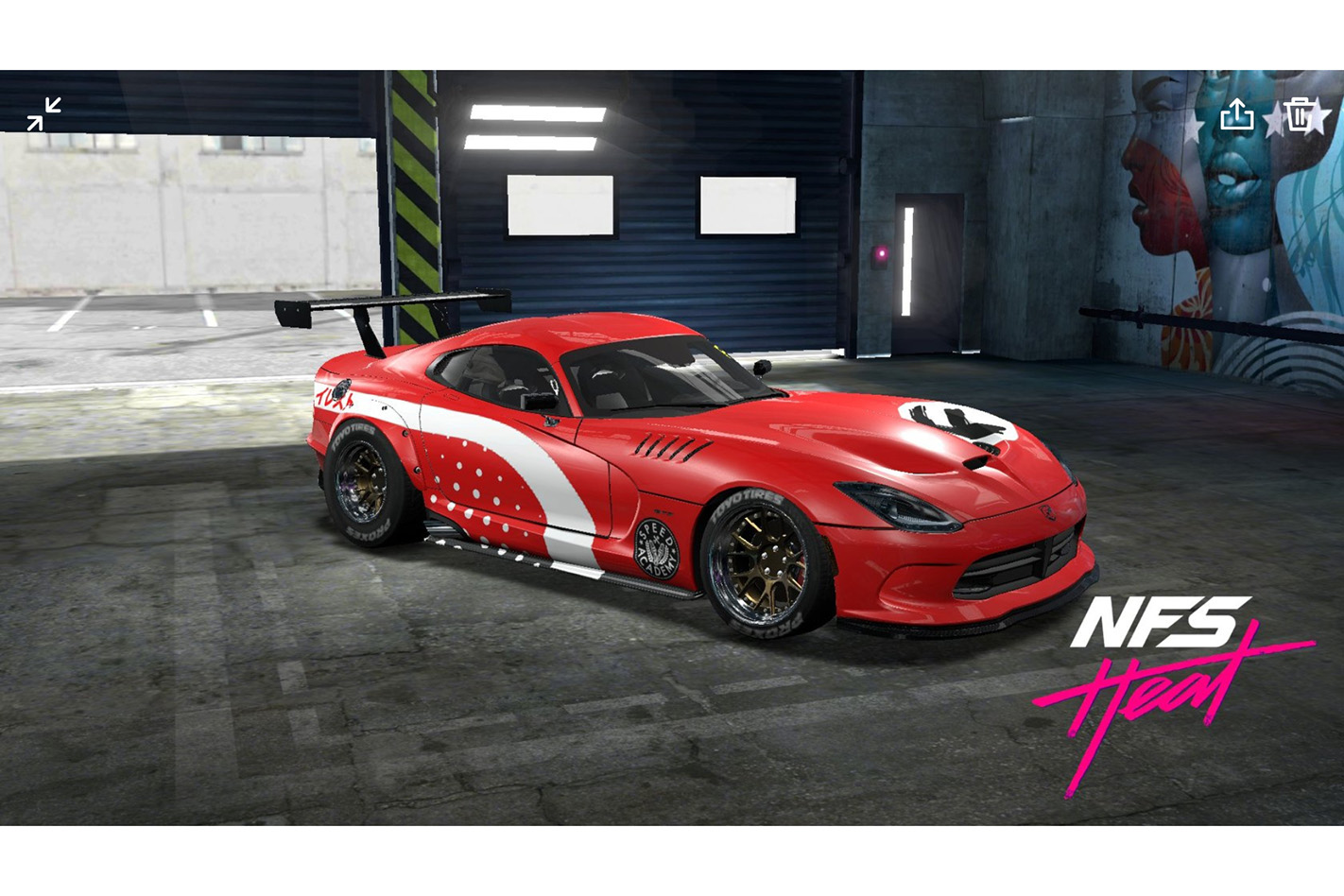
Entries close on December 16 and the WhichCar team will judge them all to find the two most visually appealing cars, with the winner to be announced on December 18. Best of luck, now show us your car styling chops!
Full terms and conditions for this competition can be viewed here. Entries close on 16 December at 23.59 AEDT. Winners will be notified via Facebook.
Bauer Media Pty Limited (Bauer), collects information through this site to process registrations, to send out newsletters, communicate offers, competition or surveys. Bauer’s privacy policy is available www.bauer-media.com.au/privacy/ and contains information on how you can access or correct your personal information, entities we may disclose your personal information to (including overseas recipients) and how you can lodge a complaint. The competition opens 04/12/2019 and closes on 16/12/2019. Entry is open to Australian residents aged 18 years and over. This is a game of skill; chance plays no part in determining the winner.Judging will commence on 17/12/2019 at 11:00(AEDST). The Promoter is Bauer Media Pty Ltd (ABN 18 053 273 546).
Australians love V8 engines, and we have a particular love for V8 Mercedes-AMG products.
The high-performance arm of Mercedes-Benz has enjoyed a number of years of growth off the back of a line-up dominated by twin-turbo V8 engines.
However, Mercedes-Benz Australia/Pacific CEO and managing director of Mercedes-Benz Cars Australia, Horst von Sanden, says that while customers are attracted to the bent-eight engine configuration, it’s not the be-all and end-all to local AMG sales.
“Initially [retaining a V8] was seen as very important [for keeping our market share], but it is getting less and less important,” he told Wheels.
“I think the consumers have realised that it does not necessarily require a V8 engine to get fantastic performance.
“There are still some hardcore V8 enthusiasts, who will probably never give up on it, but I think we are clearly seeing an acceptance of smaller engines.”
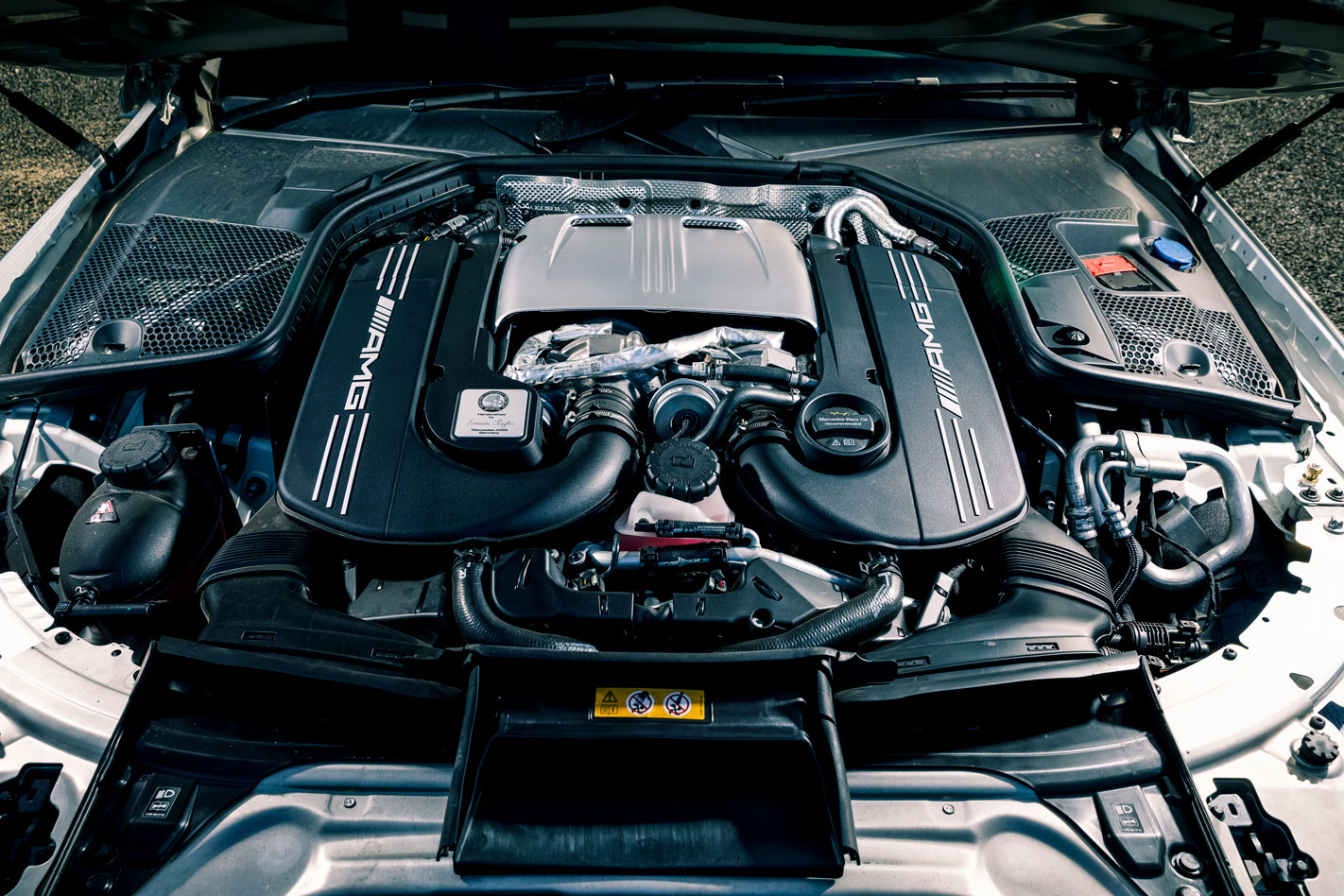
Currently Mercedes-Benz offers in excess of 20 variants with a twin-turbocharged V8 engine in Australia. These are spread across C-Class, E-Class, S-Class, GLC, GLE, GLS, GT, GT 4-Door, and G-Class model ranges. Almost all of the V8 models sold by the three-pointed star in Australia are badged as a Mercedes-AMG product, with a few S-Class exceptions.
Despite some customers being willing to move away from the eight-cylinder configuration, von Sanden said he understands the appeal of the iconic engine layout.
“It’s not just speed that makes cars attractive, it’s everything from the styling to the performance, even in lower speeds with acceleration and sound,” he explained.
It’s no secret that Australians have an affinity for performance cars, in particular those with a V8 engine under the bonnet, something that von Sanden is acutely aware of.
“There is generally an extremely high appreciation and interest for performance cars in Australia,” he said.
“Australians love fast cars, performance cars, I think V8 sales have shown that clearly.
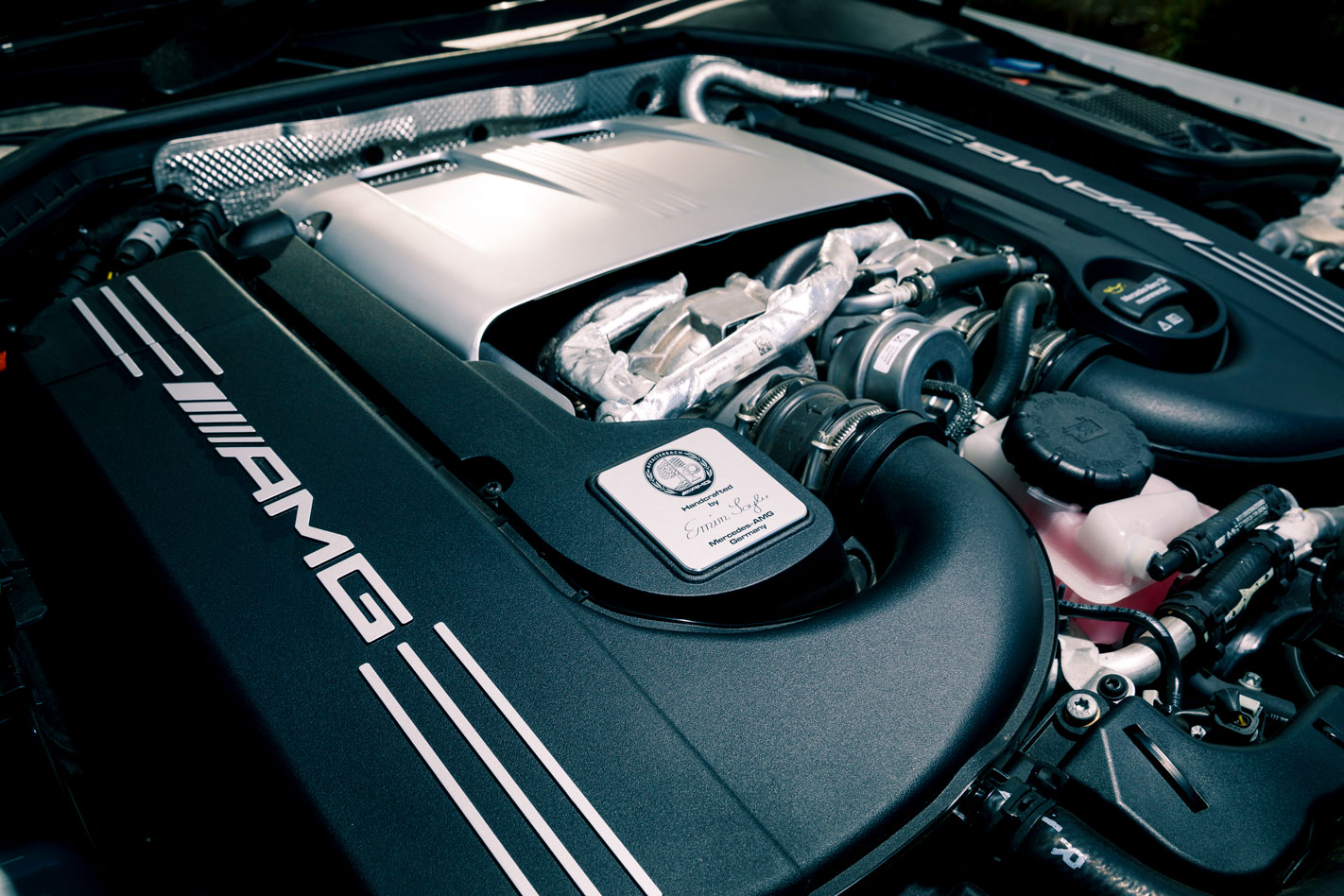
“Our range was growing and getting better and better and attracted the top end customers in that segment.”
While he appreciate the local market’s desire for high-performance model, von Sanden is somewhat amused by the contrast with Australia’s strict road regulations.
“I’m still surprised, because if you think about the possibility to really use a high-performance vehicle in this market, with all the speed limits and restrictions, it is funny to see how attractive it still is,” he added.
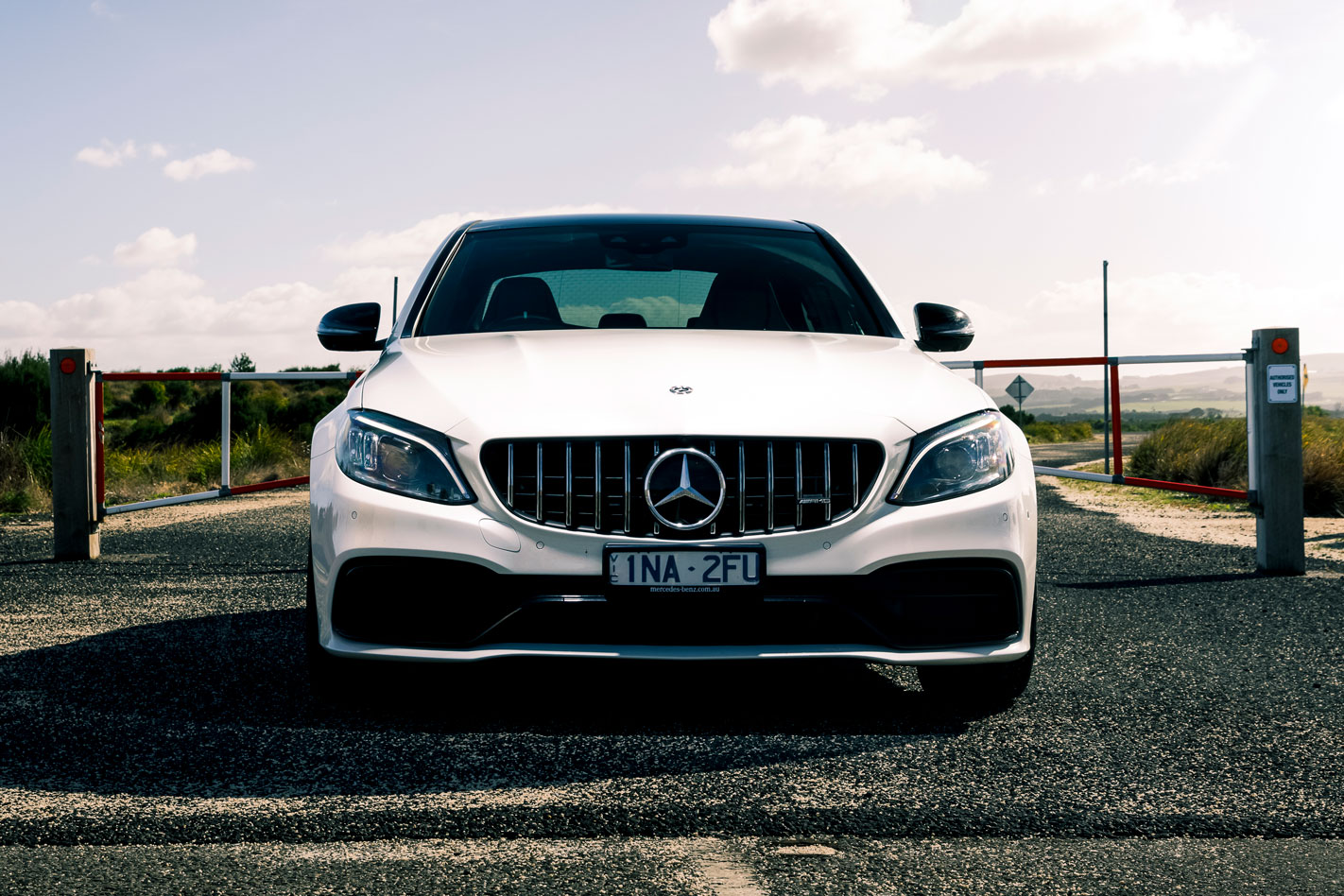
Rumours have been swirling for the last several months that the next-generation C63 will no longer have a 4.4-litre twin-turbocharged heart, instead moving to a hybrid turbo four-cylinder powertrain.
This would be a massive departure for the model, with the first C63 introduced into Australia with a 6.2-litre naturally-aspirated V8 under the bonnet. The C55 that preceded it was powered by a 5.4-litre supercharged unit.
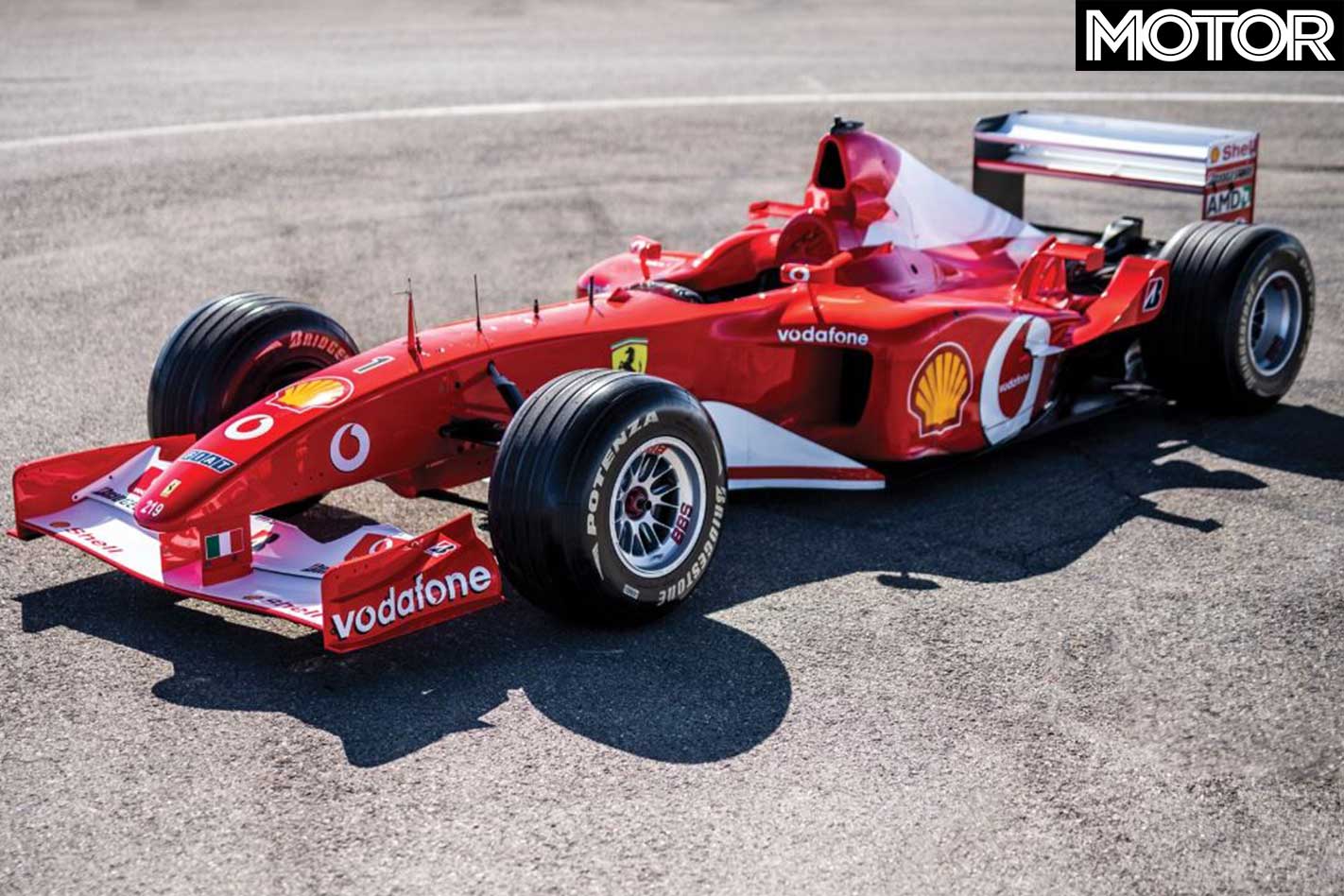
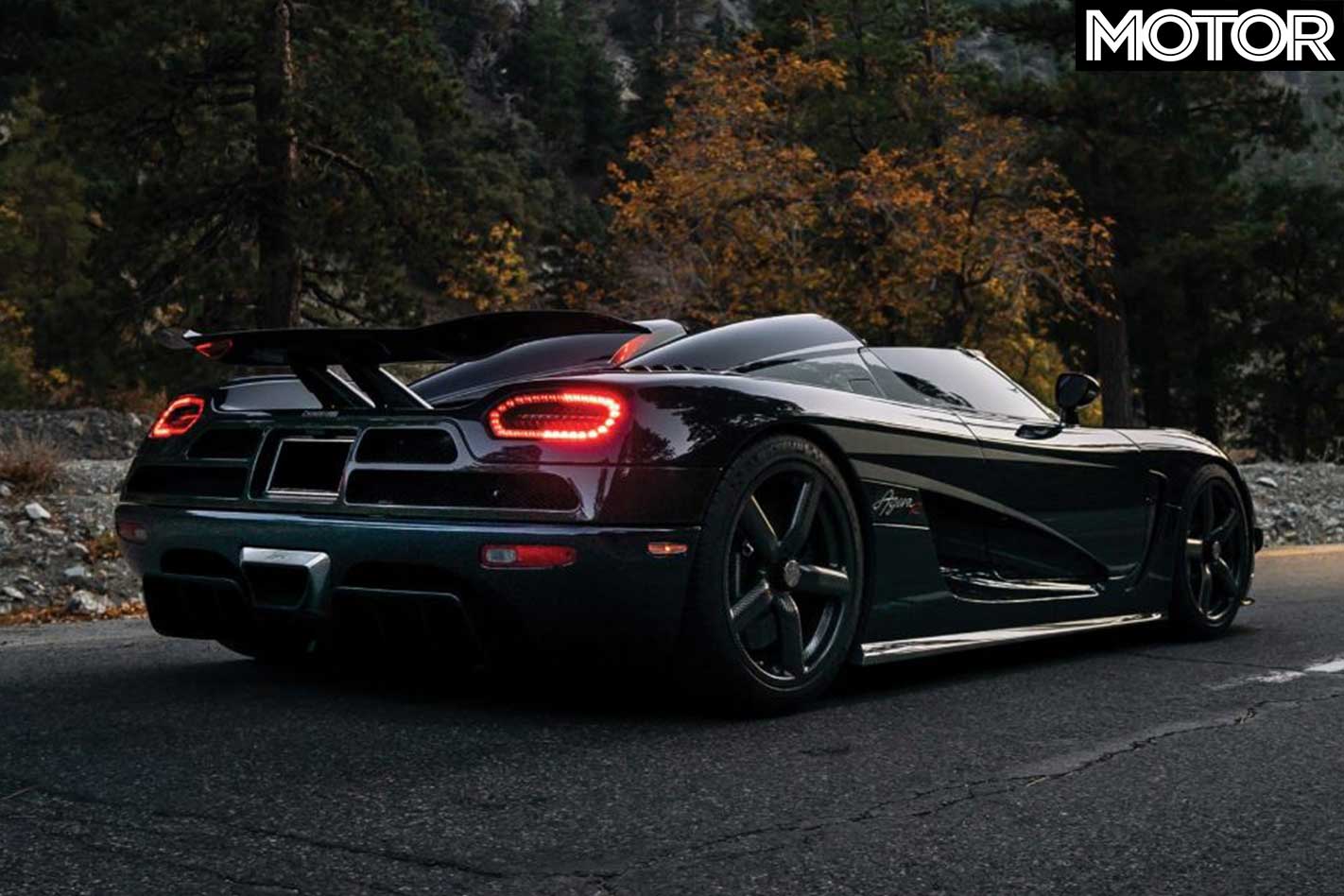
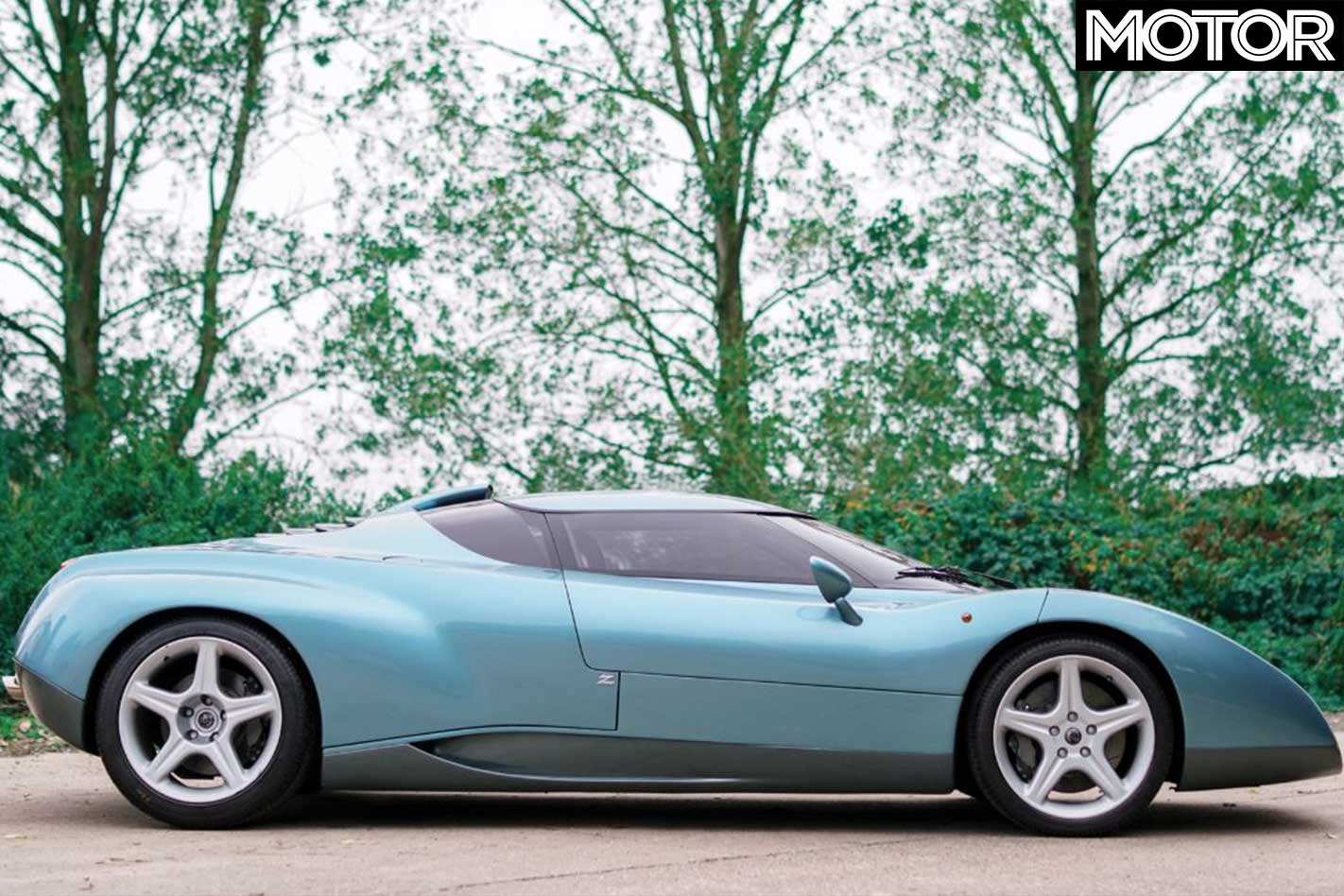
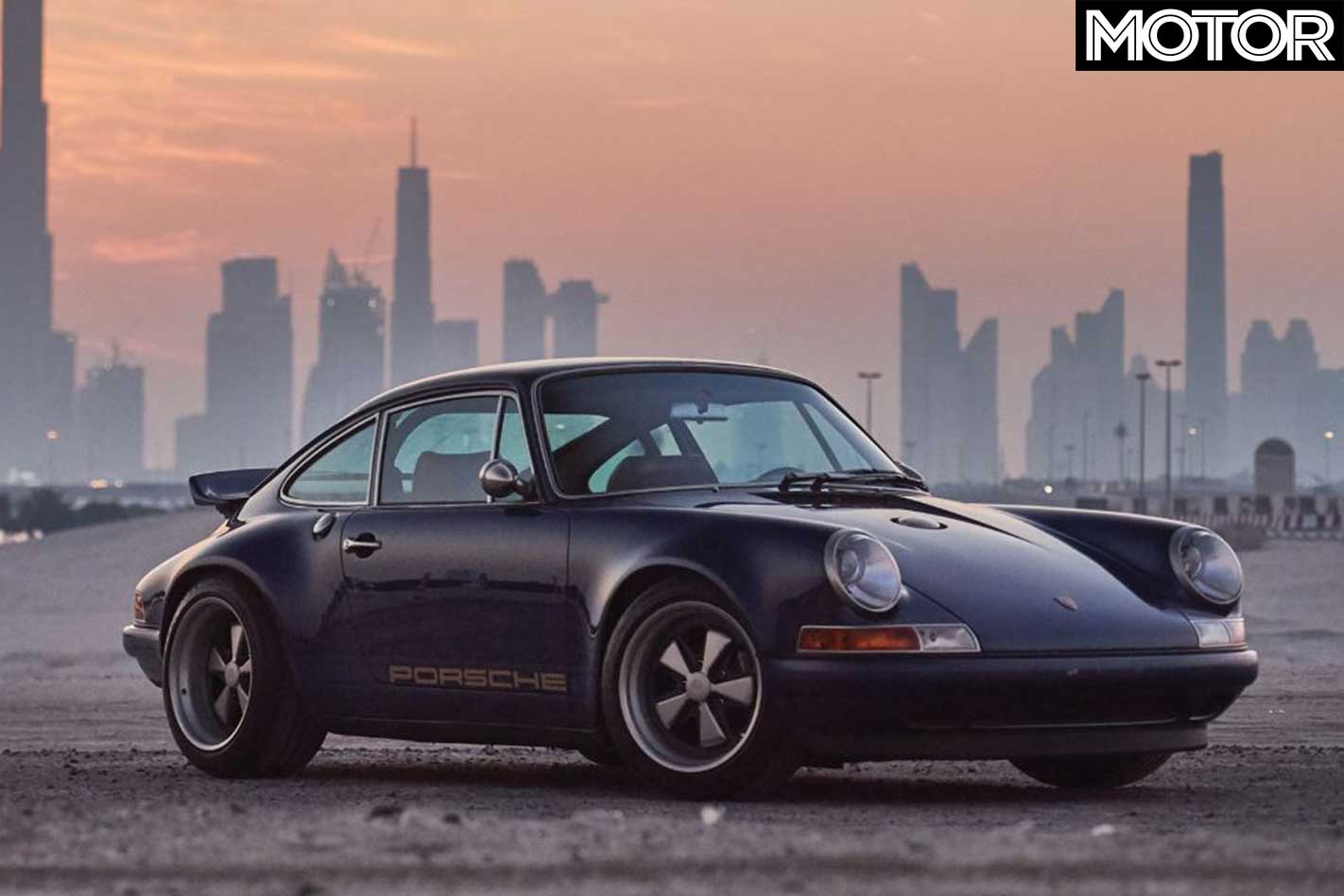
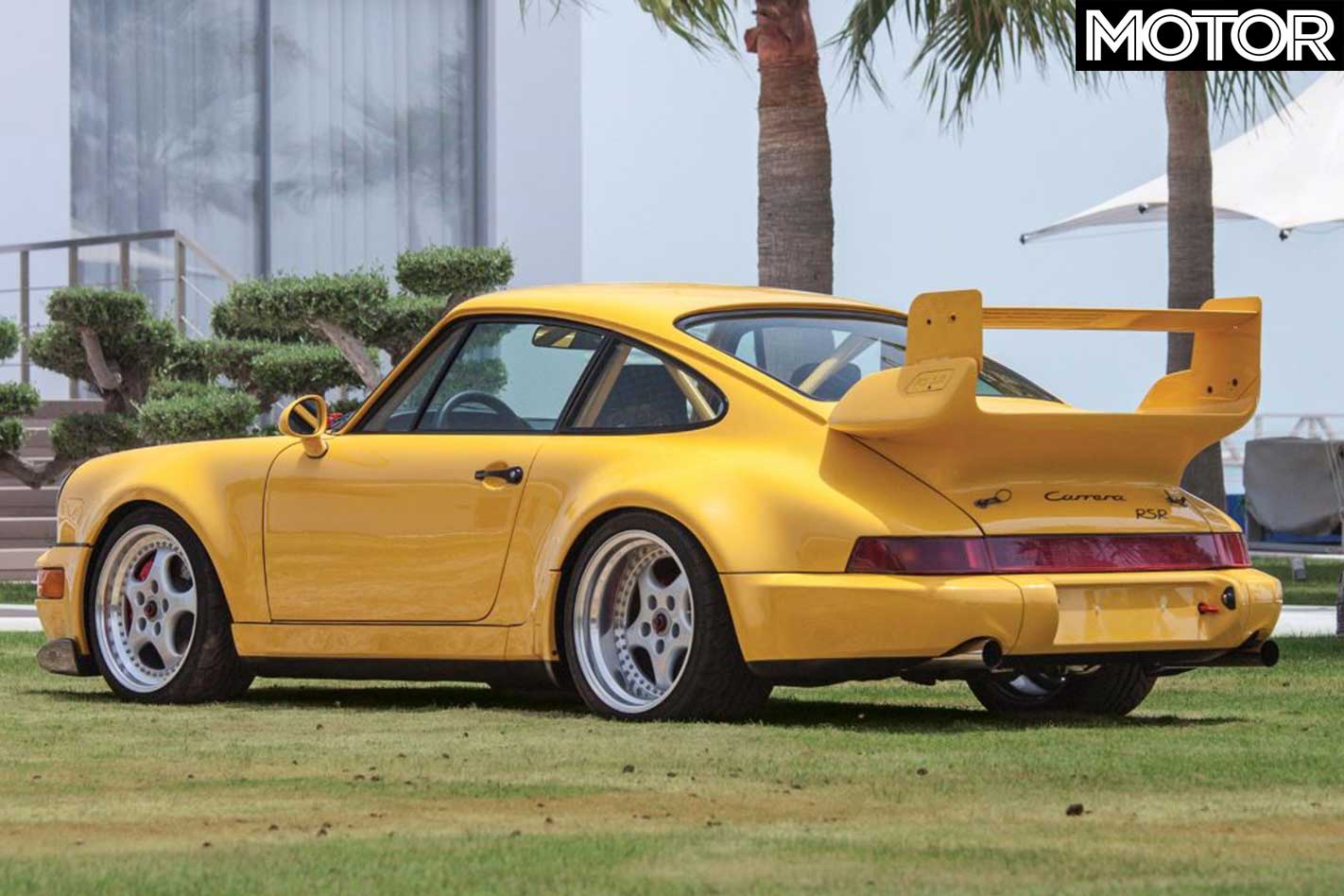
The final race of the 2019 Formula One season played host to RM Sotheby’s first ever Abu Dhabi auction, with some of world’s most exotic cars up for grabs.
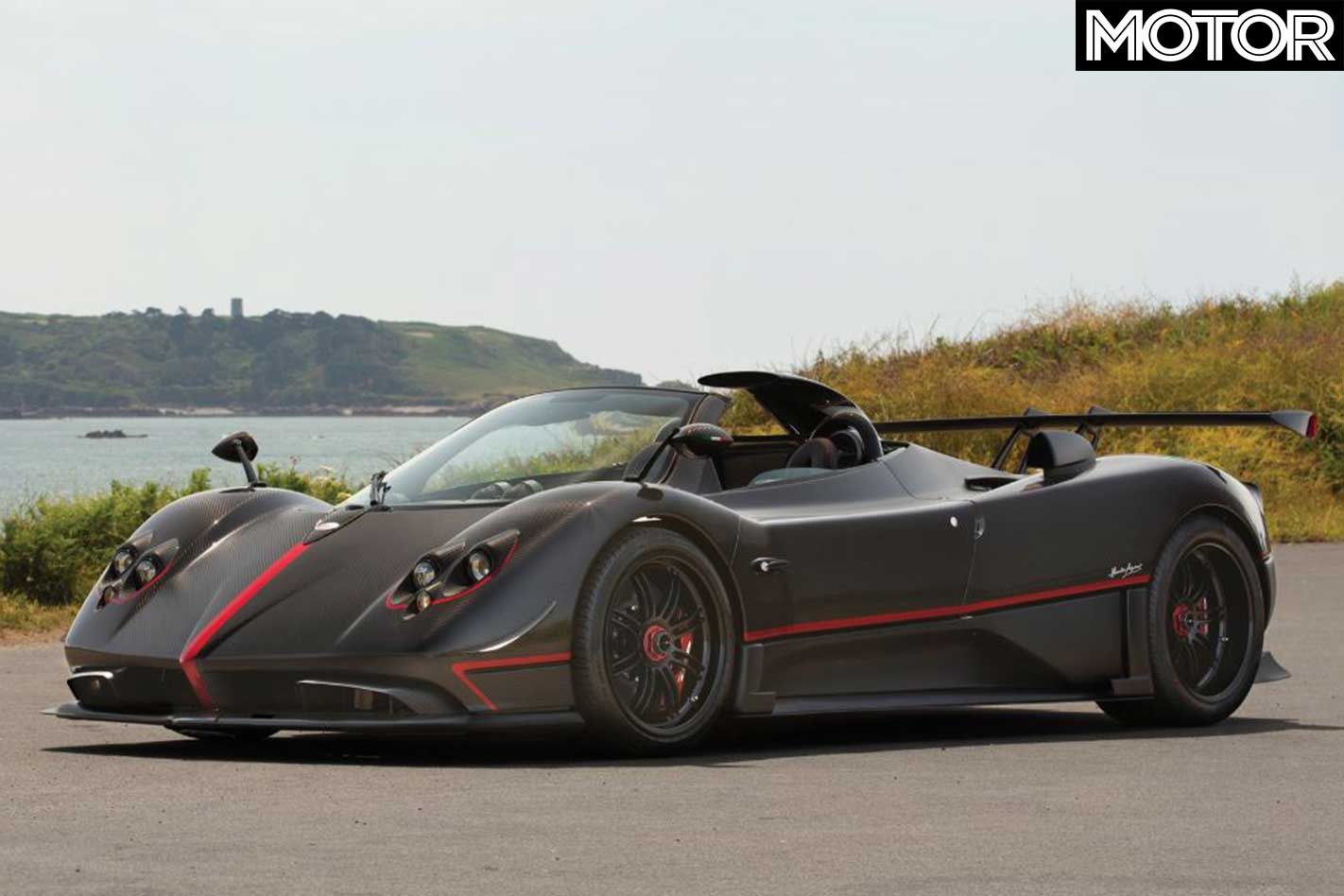
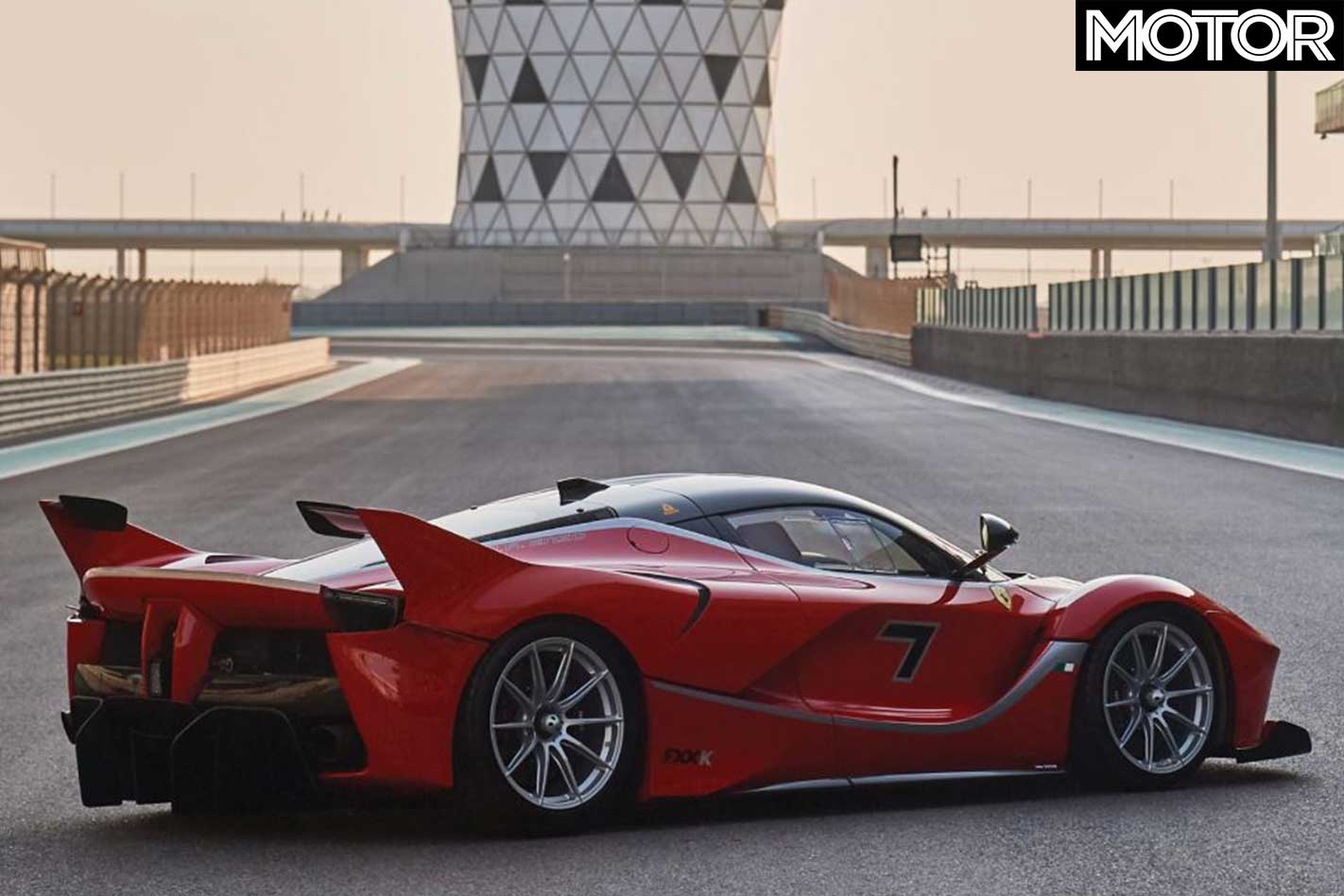
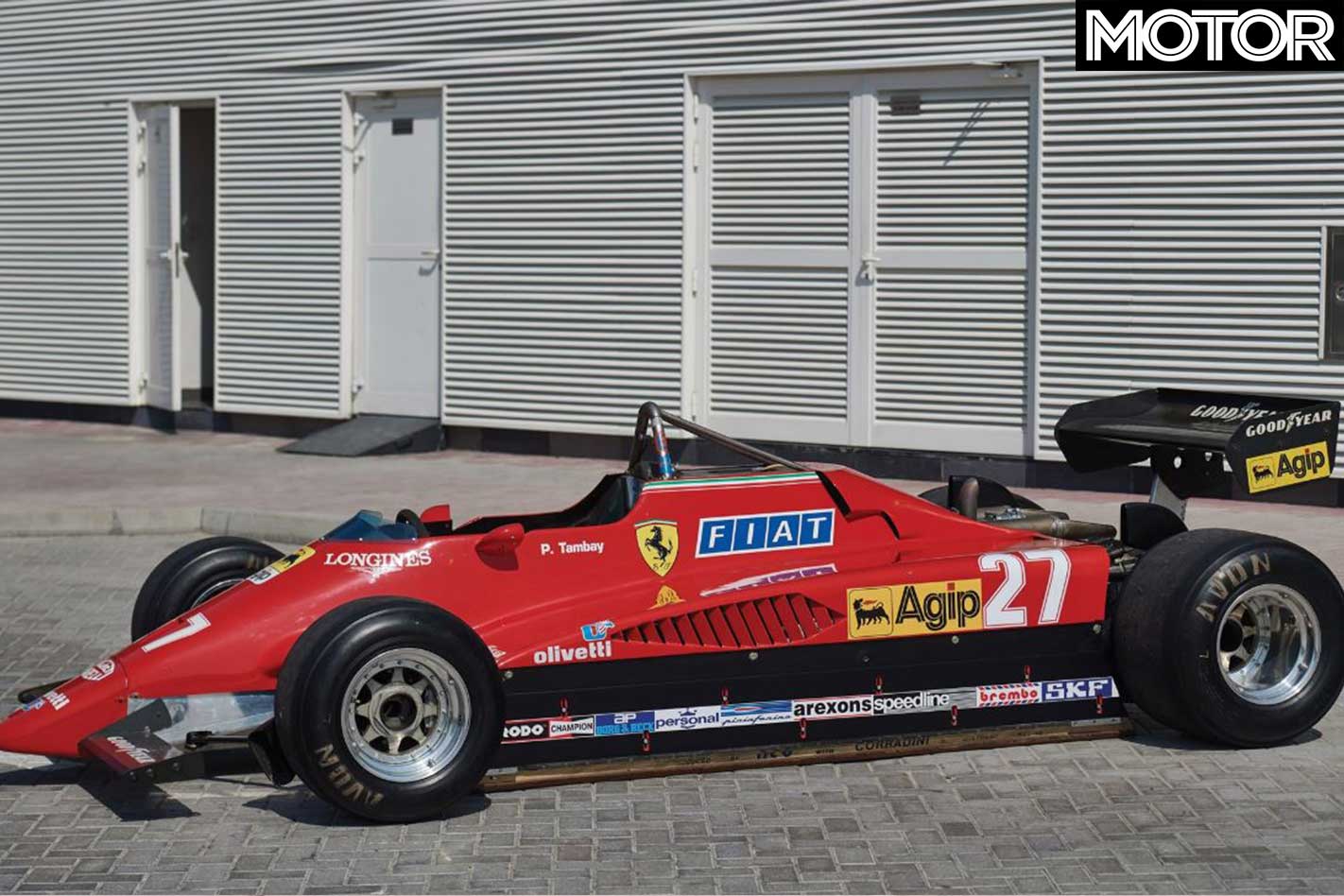
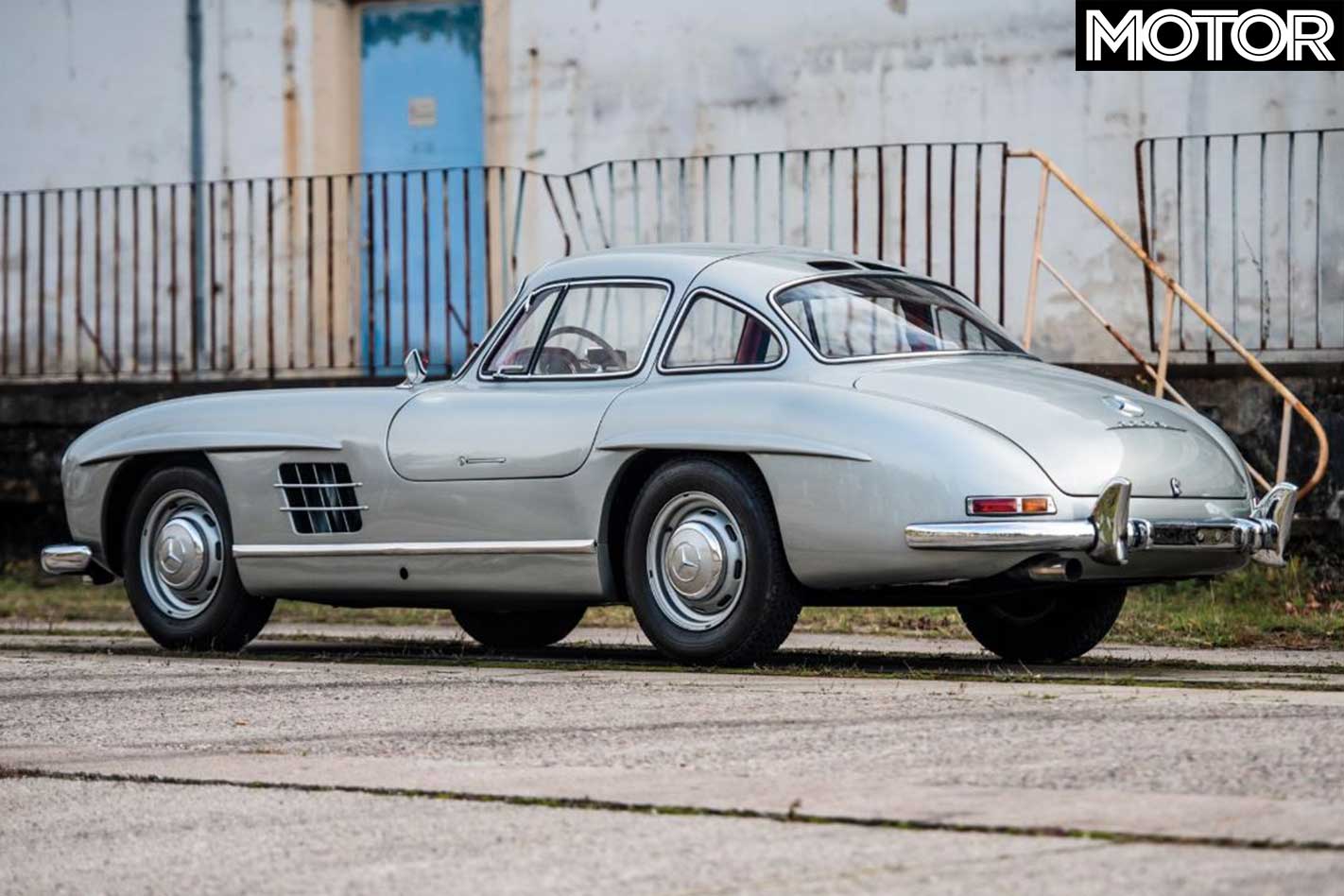
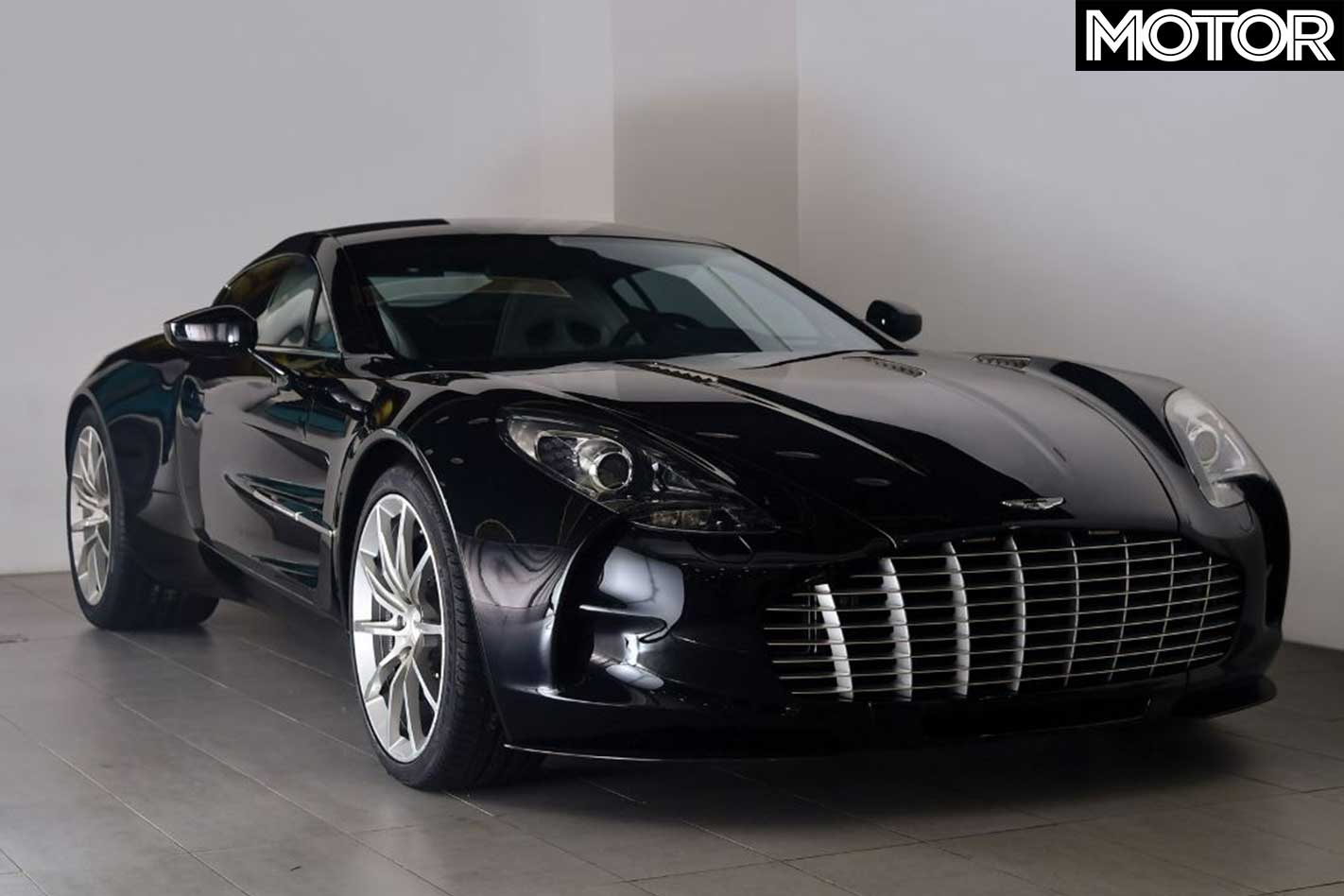
Twenty-five of the 42 lots of on offer sold and we’ve outlined the top 12 sales below in descending order of sale price.
The biggest sale was one of the auction’s flagship offerings, the Pagani Zonda ‘Aether’. A 760-specification Roadster, it was specified with the rare six-speed manual, had travelled just 1400km from new and its US$6,812,500 sale price reflected that.
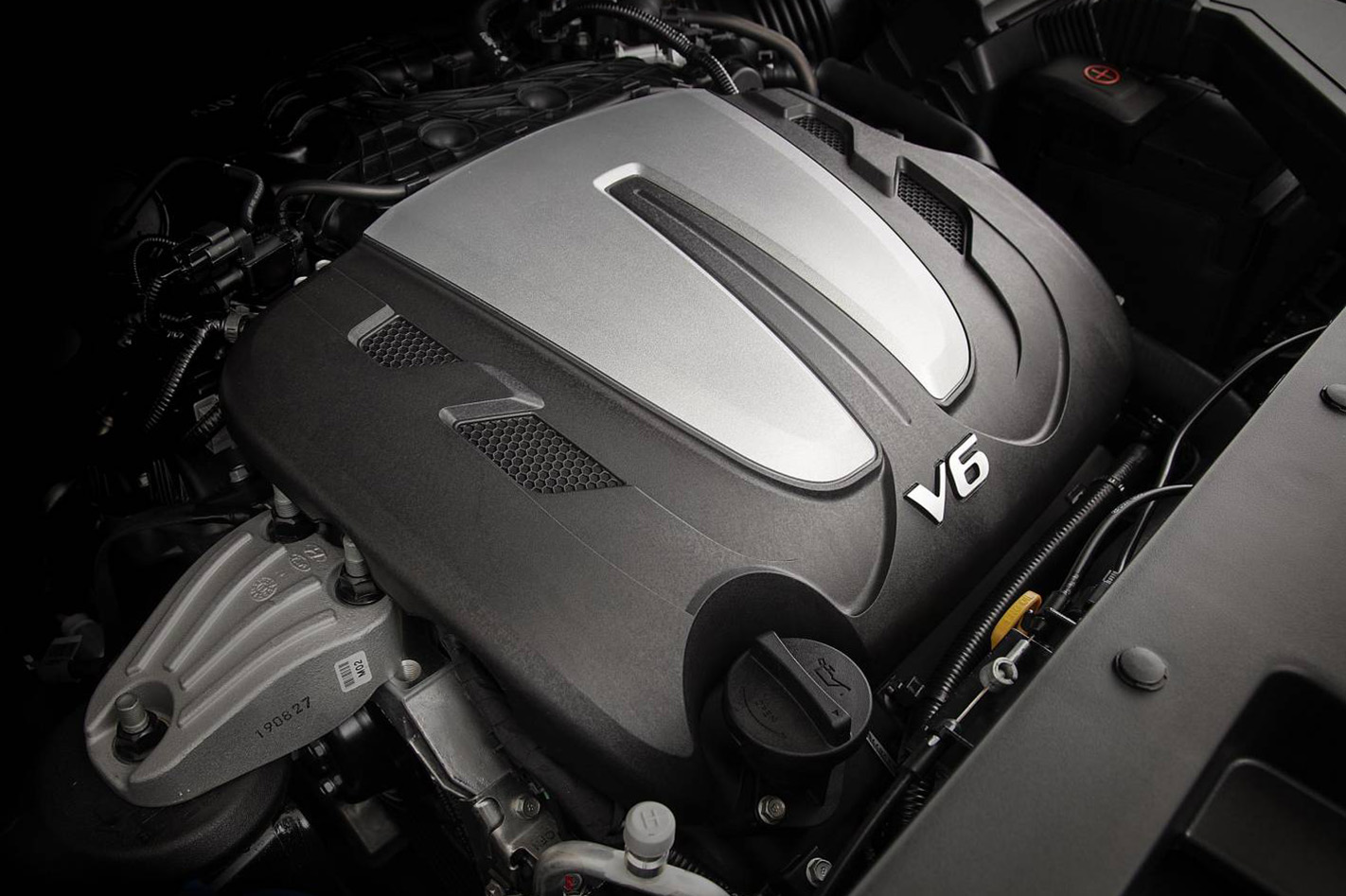
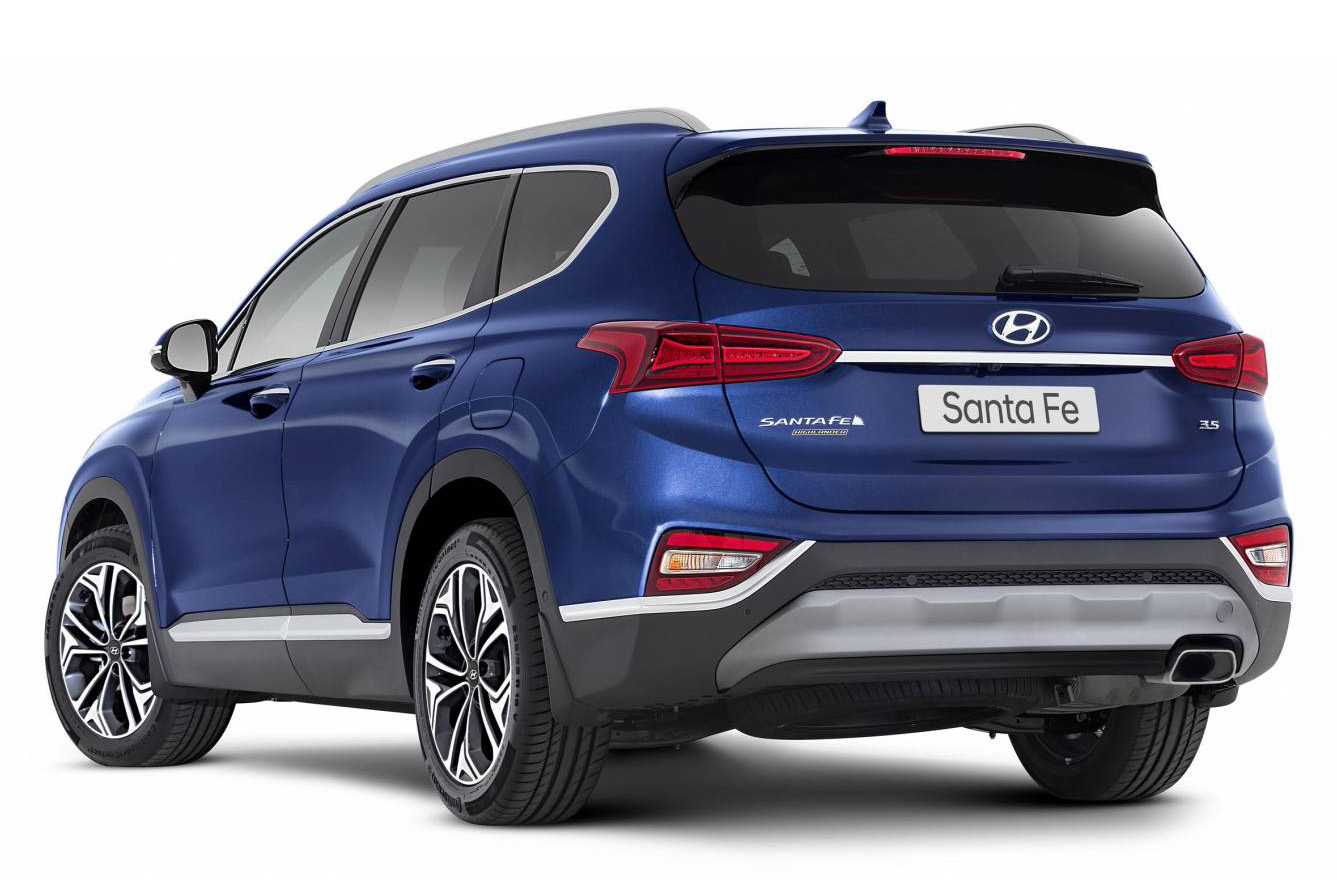
Hyundai has treated its Santa Fe large SUV to a performance upgrade with the previous 2.4-litre four-cylinder making way for a new 3.5-litre V6 petrol engine.
The upgrade of an extra two cylinders takes power up by 68kW and boosts torque by a hearty 95Nm, increasing the maximum output to 206kW and 336Nm.
Despite the extra grunt, the South Korean brand has not increased pricing for the new more potent bunch with the cost of entry remaining at $43,000 for the Active. Above it, the Elite is on offer for an unchanged $51,000, while the range-topping Highlander will cost you $57,500.
While customers wont be paying any extra for the 2020 Santa Fe in the showroom, they will on the forecourt, with the larger petrol using a claimed 10.6 litres of petrol per 100km. That compares with 9.3L/100km for the superseded four-banger.
For those Santa Fe fans that begrudge trips to the servo, a diesel is still on offer in each of the three specification grades and it asks for just 7.5 litres of fuel per 100km. As before, the diesels cost $3000 more than their petrol counterparts and bring a gutsy 440Nm of torque.
Hyundai has not provided corresponding performance figures for the engine upgrade, but it’s safe to assume the seven-seater haul people and things more effortlessly and with typical V6 smoothness.
Complementing the power upgrade, the 2020 range also has a suspension revision with the spring and damper settings retuned to suit the new powertrain.
The V6 is bolted to an eight-speed automatic transmission and sends power to the front wheels, whereas the diesel is paired with an all-wheel drive system for those with more adventurous aspirations.
With the update, the Hyundai aligns more closely with its mechanically related Kia Sorento sister which has been available with a choice of 2.2-litre diesel and 3.5-litre V6 petrol since its most recent refresh in 2017.
Beyond the more potent powertrain update, the Santa Fe continues on with the same levels of specification and equipment.
Highlights include excellent interior ergonomics and high-quality materials and rewarding dynamics, as well as a good suite of driver assistance tech in the form of forward collision avoidance, rear cross-traffic alerts and lane-keeping assistance.
