
If you’ve got around $75,000 to spend on a rough and tough off-roader, the decision between new and old isn’t as simple as you’d think. For that coin you could walk into a Ford dealership and start negotiations for a brand spanking new Everest Titanium with all the bells and whistles. Or, you could scan the second-hand market for a tried-and-true Toyota LandCruiser with a big diesel V8.
FORD EVEREST TITANIUM
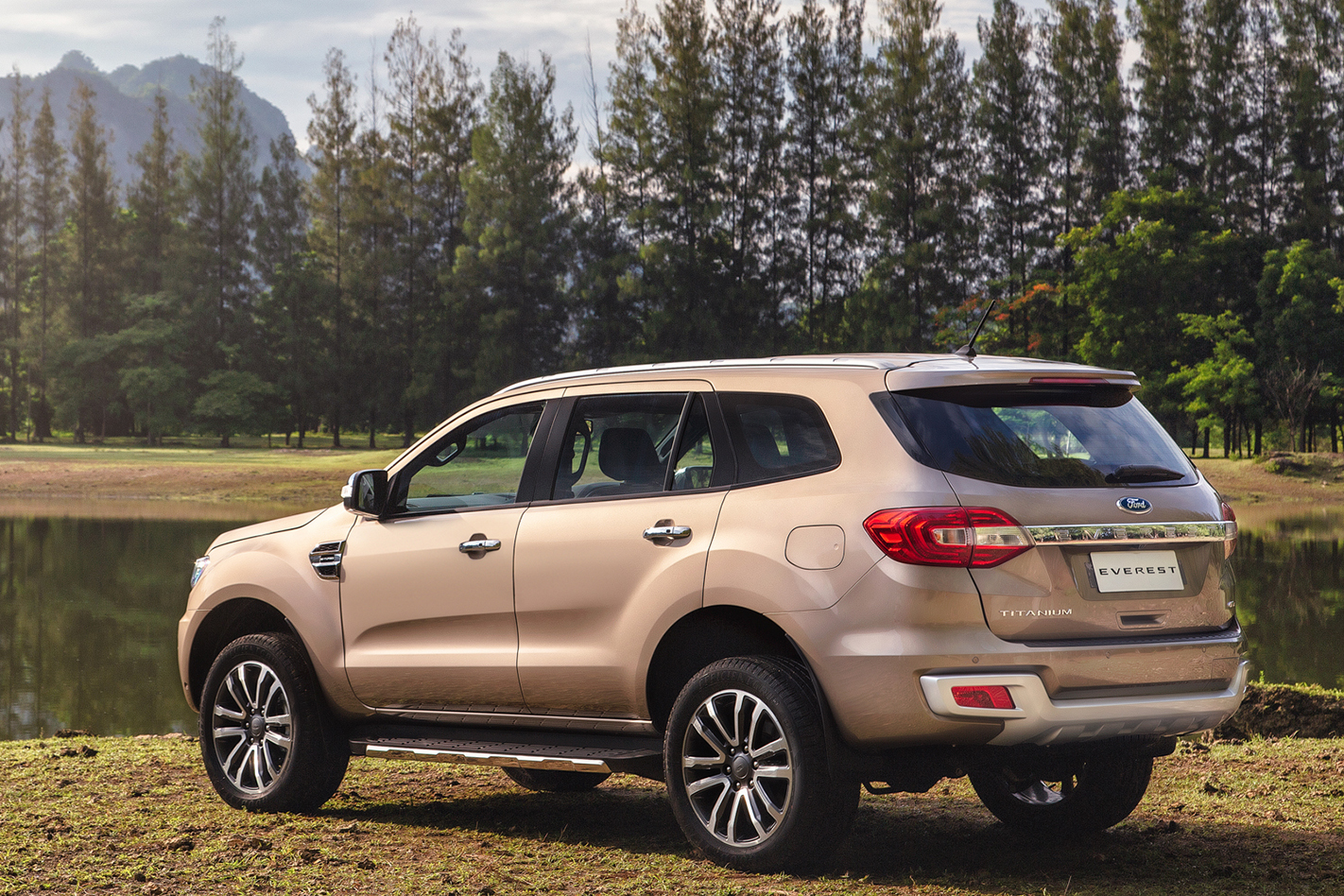
Based on the popular Ford Ranger, the Everest adds an off-road wagon body to the dual-cab set-up along with the option of seven seats. A mid-life update has brought in a raft of updates and refinements, namely the 2.0-litre four-cylinder twin-turbo diesel and a 10-speed automatic.
It might lose a cylinder and some capacity to the 3.2-litre five-cylinder oiler, but the smaller bi-turbo unit offers greater performance with 157kW and 500Nm, while returning 7.1L/100km on a combined cycle. It’s a quieter, more passenger-car-focused unit – refinement is vastly improved. It’s tied to a 10-speed automatic, which is an accomplished ’box, but it does result in gear hunting at times. On-road manners and dynamics are sharp for what the Everest is, an almost 2.5-tonne SUV, but the Titanium’s ride can be a bit jittery.
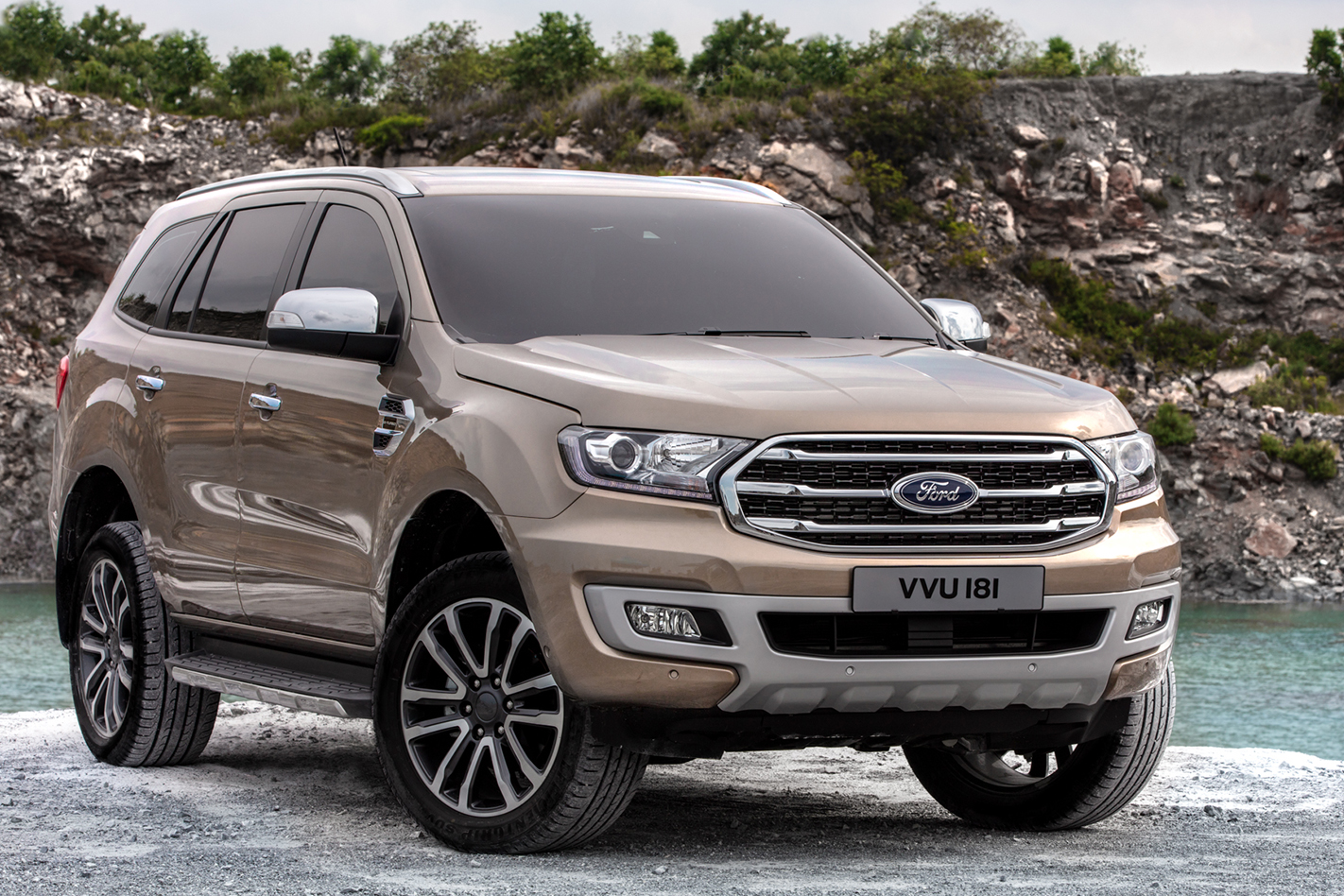
The six-speed auto used with the 3.2-litre is going to be the better option for towing, however, the 2.0-litre is still sufficient. Braked towing capacity is 3100kg with a payload of 654kg. The Everest uses an electronic locking rear differential as well as hill descent control.
Where the Everest kicks it up a gear is in terms of safety features. Kit like blindspot monitoring with cross-traffic alert, AEB, lane keeping, adaptive cruise control, active park assist and a host of dynamic stability and traction controls are standard in Titanium trim. The interior is slightly more car-like than the Ranger on which it’s based, but the level of infotainment is high with an 8.0-inch central touchscreen supporting SYNC 3 as well as Apple CarPlay and Android Auto.
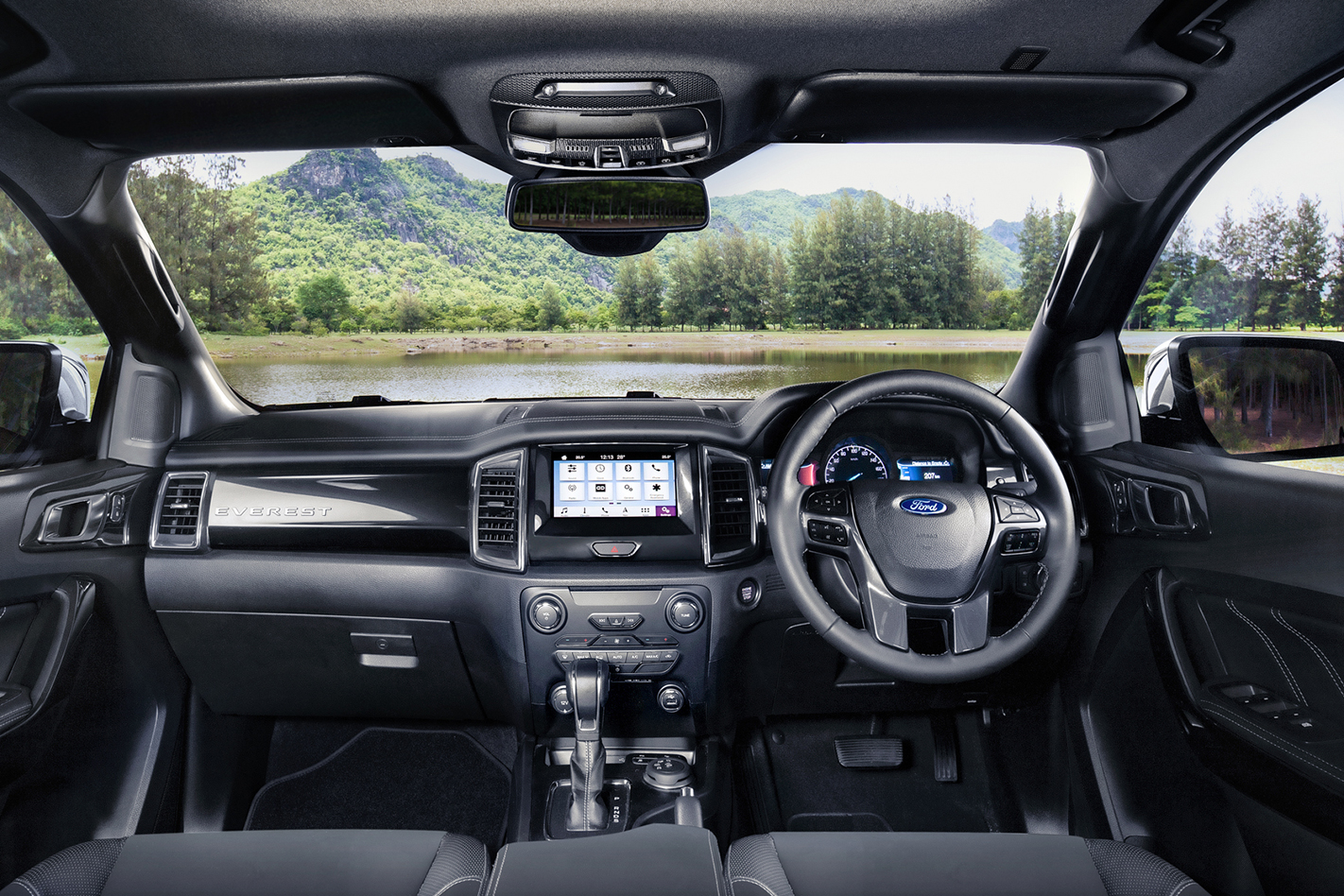
Ultimately, you notice its dual-cab roots, and for more than $70K, that’s not an ideal situation. But as a capable, spacious and frugal four-wheel drive, the Everest climbs to quite lofty heights.
200 SERIES TOYOTA LANDCRUISER SAHARA
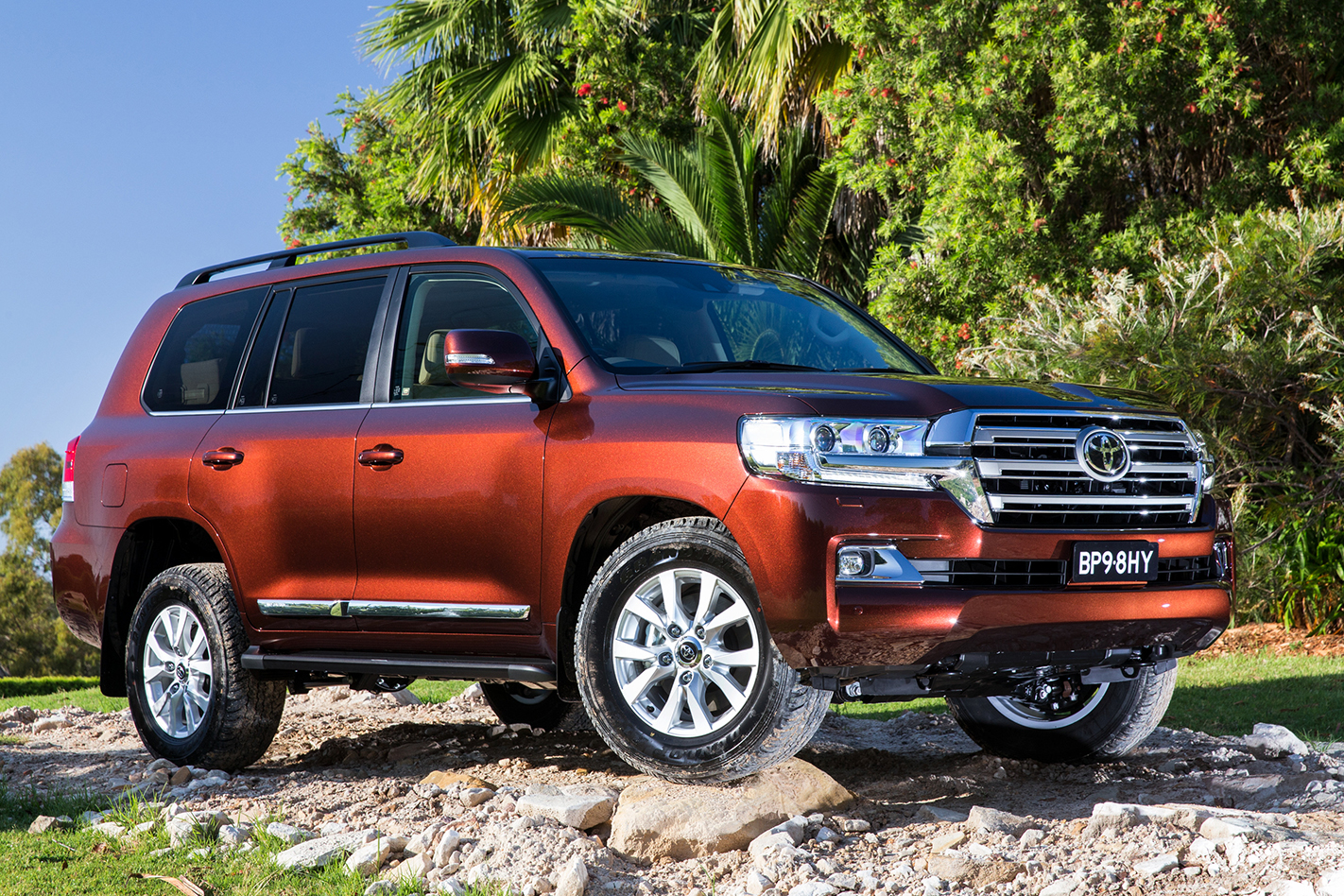
There is nothing quite like a ’Cruiser. They’re almost inextricably intertwined with the lives of many Aussies – be it those on the land, in the outback, or the myriad grey nomads trekking around our great country in retirement bliss. And there’s a very good reason for that; because the 200 Series is very good.
The 4.5-litre twin-turbo diesel powerhouse offers 9.5L/100km economy that’s impressive in a car verging on three tonnes. New injectors and revised engine mapping bumped power up to 200kW in late 2015, while torque remains at a heady 650Nm. It is a fuss-free unit with torque in reserve – and it works in well with the six-speed automatic. You can opt for a naturally aspirated 4.6-litre V8 of the same ilk (discontinued in 2019), but the combined fuel consumption increases to 13.4L/100km for 227kW/439Nm for the atmo powerplant.
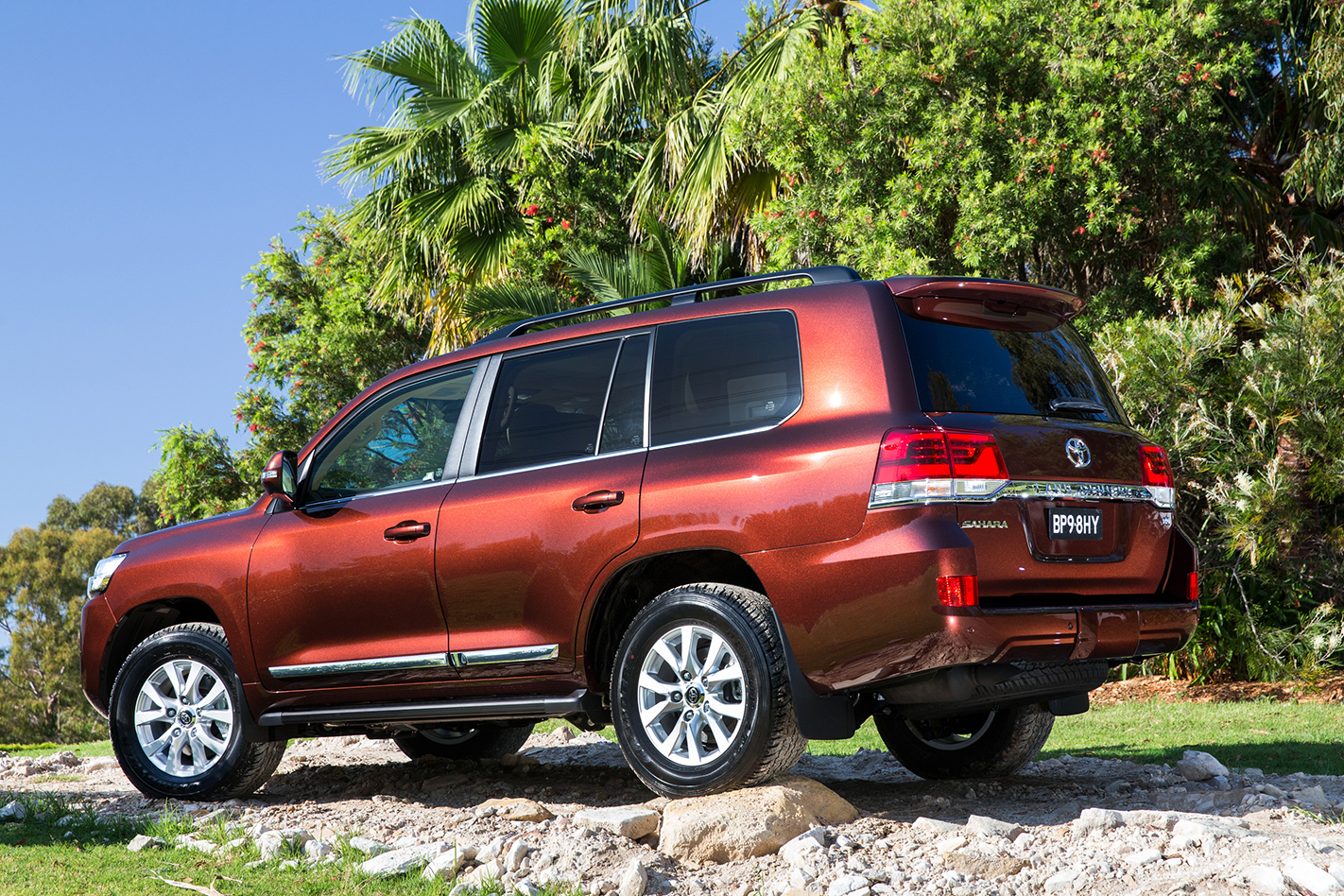
On-road the ’Cruiser feels like a big, luxurious sedan with a quiet and comfortable ride. Vehicles fitted with the KDSS adjustable suspension will be better than those without on tarmac, though its proven all-wheel drive system makes it’s equally at home in the bush. The high-spec Sahara has a 3500kg braked towing capacity and is a fantastic option for those needing to tow heavy loads.
The late-2015 update also saw the Sahara gain improved safety systems with a host of cameras being added. Other standard features include pre-collision warning, dynamic radar cruise control, lane departure warning and blindspot monitoring with rear cross-traffic alert. Inside, the Sahara is verging on Lexus levels of plush, but the infotainment is showing its age against the Everest despite the luxe variant gaining rear entertainment screens mounted in the back of the two front seats.
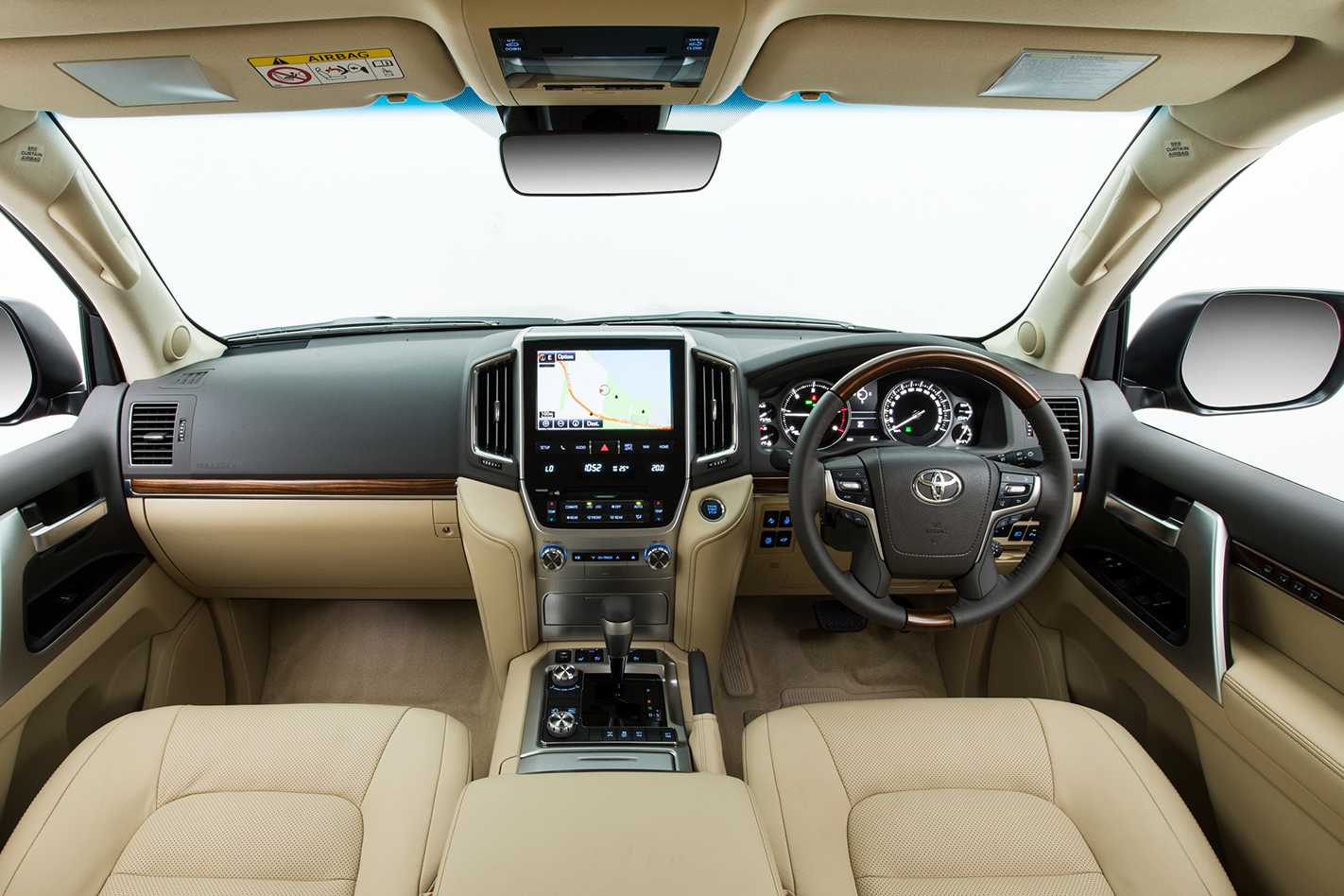
Given that the range-topping Sahara 200 Series garnered an almost $120K sticker price when new, being able pick one up for almost half price just three years later seems like a bargain. It certainly makes a case for buying second-hand when the 2016 model is largely the same ’Cruiser Toyota sells now.
Specs comparison
| u00a0 | FORD EVEREST | TOYOTA LANDCRUISERu00a0 |
| Price (new) | $73,990 | $118,500 (2016) |
| Engine | 1996cc 4cyl, dohc, 16v, twin-turbo diesel | 4461cc V8, dohc, 32v, twin-turbo diesel |
| Output | 157kW/500Nm | 200kW/650Nm |
| Transmission | 10-speed automatic | 6-speed automatic |
| 0-100km/h | 10.5sec (claimed) | N/A |
| Efficiency (combined) | 7.1L/100km | 9.5L/100km |
| Drivetrain | AWD | AWD |
| Doors | 5 | 5 |
| Seats | 7 (optional) | 7 |
| Wheel size | 20-inch | 18-inch |
| Country of origin | Thailand | Japan |
Wheels staff picks

Trent Giunco
Staff Journalist
The Everest is the newer and safer four-wheel drive with the added bonus of a competitive warranty. However, there is a reason you only really see LandCruisers in the outback and country areas – because they’re tough and a lot of people know how to fix them quickly and easily. The LandCruiser Sahara is a capable off-roader that should get you out of just about any situation. Plus, the 4.5-litre twin-turbo diesel has enough torque to create its own gravitational pull. The Everest would come with a warranty for peace of mind, but if you want a real four-wheel drive, you buy the one with a long tradition of being the best.

Andy Enright
Deputy Editor
Oh crikey, am I about to find myself agreeing with Trent and Kirby here? There’s little doubt that a 2016 LandCruiser Sahara is a better thing than a brand new Ford Everest Titanium. It just is. The problem that I foresee is that it’s another question altogether whether a LandCruiser Sahara that has just run out of warranty makes a better buy than an Everest with five years of cover ahead of it, especially if you use the vehicles as they’re intended to be used. The key here is buying a LandCruiser which hasn’t yet lapsed from its three-year factory deal and splashing out for the Factory Approved Extended Warranty. It’s available in one, two or three-year terms, capped at either 100,000 or 150,000km. So, it’s a qualified vote for the Toyota from me. And always read the small print.

Cameron Kirby
Staff Journalist
It’ll be the ’Cruiser for me, thanks. The Everest is a good jigger, and the pick of the current crop at that price point for me, but the capability of the LandCruiser Sahara makes it a winner when priced as a second-hand bargain. Last year I took a Sahara for a ski trip with five of my family members. It handled six people and associated snow gear with aplomb, and we were able to tootle (sans snow chains) past multiple other 4x4s that had found themselves nose-first in a snow bank. In the warmer months, I’d be hitching the ski boat to the back and heading towards the nearest river, with the diesel V8’s grunt able to handle towing duties with ease. There is a reason why the LandCruiser is often referred to as Australia’s Toyota.
Reckon we’ve got it right? Or are we way off the money (literally)? Find your best and let us know in the comments what you’d buy.
Fans of selecting their own gears rejoice, for details of the manual Porsche 992 911 have been revealed by the German sports car marker’s US arm.
While not available to order in Australia until 2020, the US information gives a good idea of what to expect from local variants, with specifications believed to be almost identical.
The manual is a development of the seven-speed unit that’s served since the 991, but the changes go beyond simply adding a third pedal and a lever in the centre console. As befits its role as the enthusiast’s choice in the range, all manual 911s come equipped with the Sport Chrono package as standard.
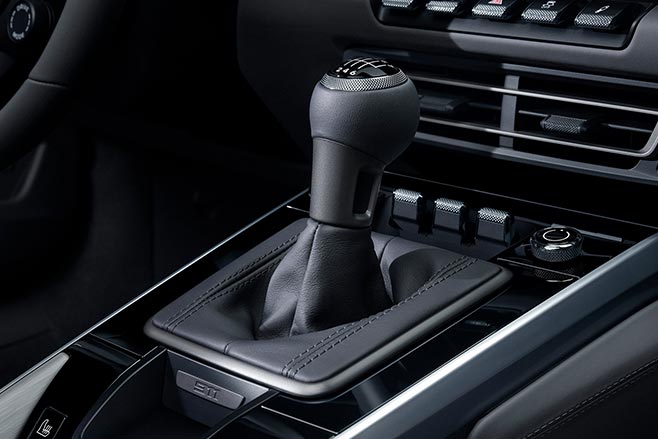
This includes dynamic drivetrain mounts, a sport mode for the PSM stability control, a mode switch on the steering wheel to flick between the Normal, Sport, Sport Plus and Individual modes and an automatic rev-match function on downshifts.
Furthermore, the electronically controlled limited-slip differential that’s standard in PDK-equipped 911s is replaced by a mechanical limited-slip diff with Porsche Torque Vectoring capability. The combination of the lighter manual gearbox and the simpler diff drops 38kg from the 911’s kerb weight, though those figures are calculated from US figures.
2017 Porsche 911 Carrera S manual quick review
Despite the weight loss, a manual can’t match the ruthless efficiency of a dual-clutch, the 0-100km/h time increasing from 3.5sec for the Carrera S to “around four seconds” while top speed is in the region of 305km/h.
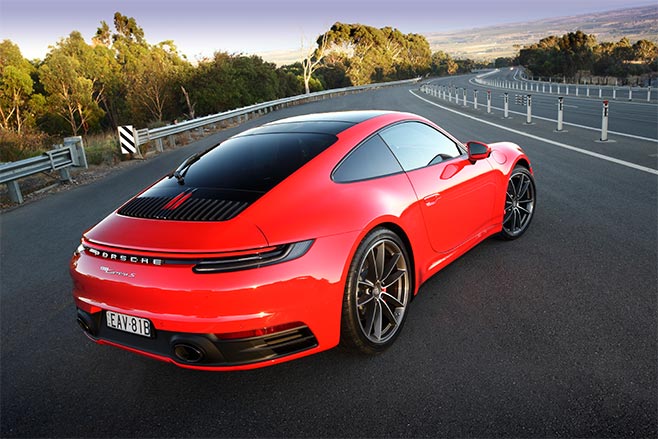
Only the Carrera S and 4S models will be available with the manual, though both Coupe and Cabriolet variants offer the option. Again, this is the case in the US, whereas Australia traditionally favours automatic variants, so the Cabriolet may continue as PDK-only.
One of the greats? Porsche 991.2 911 GT3 RS manual, driven
Traditionally, manual variants have been slightly cheaper but with Porsche including the Sport Chrono Package as standard, the DIY gearbox is essentially offered as a no-cost option.
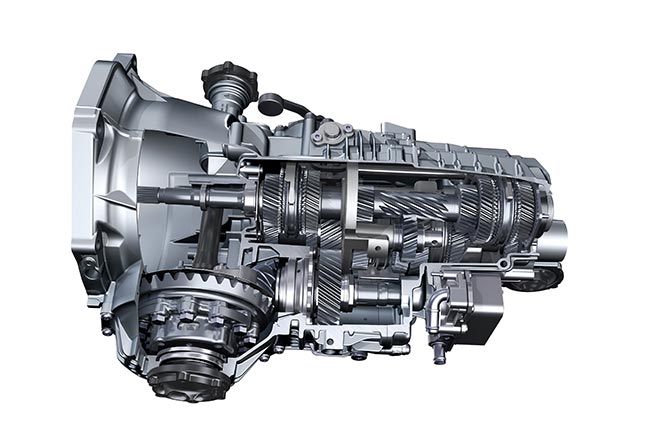
Should this remain the case in Australia, as we expect it to, you’ll need $265,000 for the Carrera S Coupe, $280,700 for the Carrera 4S Coupe, $286,100 for the Carrera S Cabriolet and $302,200 for the Carrera 4S Cabriolet.
We’ll bring you confirmation of Australian 911 manual details should they come to light closer to order books opening and a first drive when examples land in 2020.
Normally the name Gemballa is associated with modified Porsches, but the tuner is now working on its own bespoke hypercar.
Yet to be named, the car has been teased by Gemballa in the past with an announcement it has a 600kW+ supercar on the way. Now it’s confirmed the car will be ready for a preview debut in 2020.
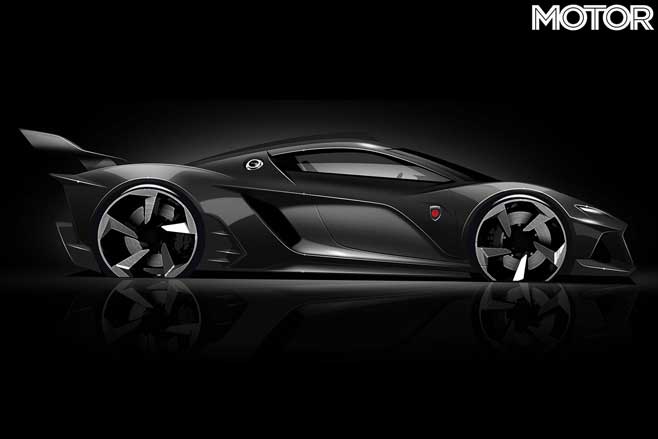
When it’s ready, Gemballa says the car will be capable of a 0-100km/h time of “under 2.5 seconds.”
Gemballa CEO Steffen Korbach says the aim for the car is that it provokes emotion, and will therefore have a petrol engine.
“We’re now concentrating on building one of the last pure sports cars, a modern classic with an outstanding appearance and performance,” he says.
“A pure Gemballa car needs petrol and sound. Not all new trends are cool.”
Despite this, expect Gemballa to turn to hybrid power once it gets into the rhythm of developing and producing its own models.
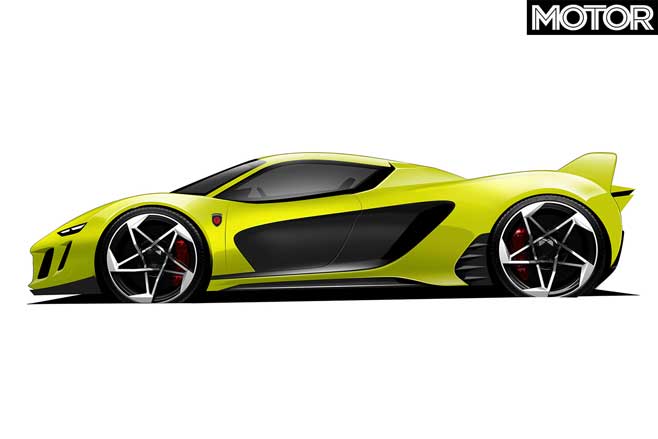
Gemballa’s press release for the hypercar even hints at the potential for a manual gearbox to feature, though hitting 200km/h in 6.5 seconds while shifting would be an impressive feat.
“You can expect an uncompromising vehicle, radical, pure and luxurious,” Korbach says.
“At the same time, we would also like to establish Gemballa in future as a stand-alone small production run manufacturer, but also launch as an exclusive modification company for extreme, complete conversions of Porsche cars.
“The first designs will be presented to selected clients soon, and the first prototype should be on display as early as 2020. We currently plan to start production in 2022.”
The 2020 BMW M8 Competition’s pricing for Australia has been confirmed, with the fastest production M car to fall just short of becoming the most expensive BMW on sale in Australia.
Starting at $352,900 for the coupe, the M8 will only be available to Australians in Competition spec, as with much of BMW’s M range, meaning the twin-turbo 4.4-litre V8 under its bonnet will produce 460kW (peaking at 6000rpm) and 750Nm (between 1800 and 5600rpm).
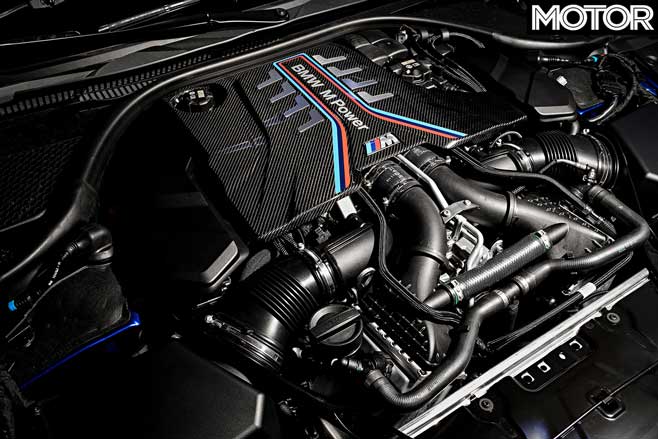
BMW says this allows the AWD flagship model to hit 100km/h from a standstill in just 3.2 seconds, making it the quickest car ever made available for sale by BMW M.
The M8 Competition comes with an 8-Speed M Steptronic BWM says is, in large part, responsible for the M8 Competition’s low 0-100km/h time.
The M8’s AWD system is also responsible here, though those keen on oversteer will be pleased to know the big BMW coupe features the same adjustable xDrive system as the M5, which allows a rear-biased AWD setup in Sport mode, or a fully rear-driven mode when electronic assistance is switched off.
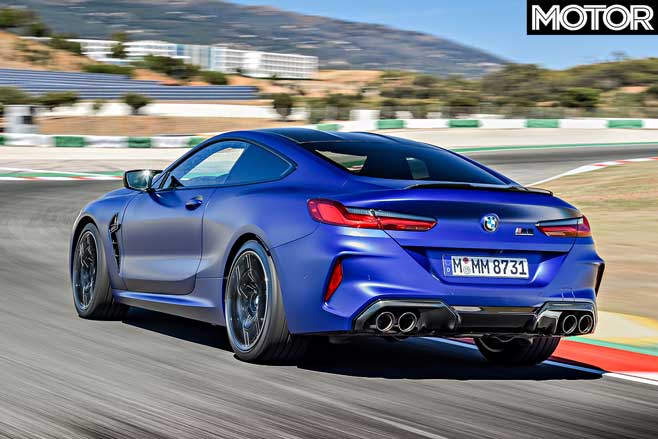
BMW Australia says the BMW Drive Recorder, a camera system which can record up to 40 seconds at a time, will be included in the M8 Competition, which can be used on demand or programed to record automatically if an accident occurs.
Australians also get the BMW M Driver’s Package, which lifts top speed to 305km/h.
BMW Australia includes with this “complimentary entry to the BMW Driving Experience Advance 2 course. Entry to the BMW Driving Experience Advance 1 course is also included.”
The M8 Competition is expected to arrive locally in Q1 2020.
Think of the most amazing racetracks in the world and a few names spring to mind: Nurburgring, Spa, Silverstone, Bathurst, Monaco, Suzuka, Le Mans. Alternatively you might think of classics from days gone by like Goodwood, Kyalami, Watkins Glen or Brooklands. But what of the tracks that flew a long way under the radar; that never hosted the biggest races or just fell from the popular consciousness?
We line up a bitumen bucket list of 10 of the most spectacular race circuits from across the globe that would guarantee you bragging rights for good.
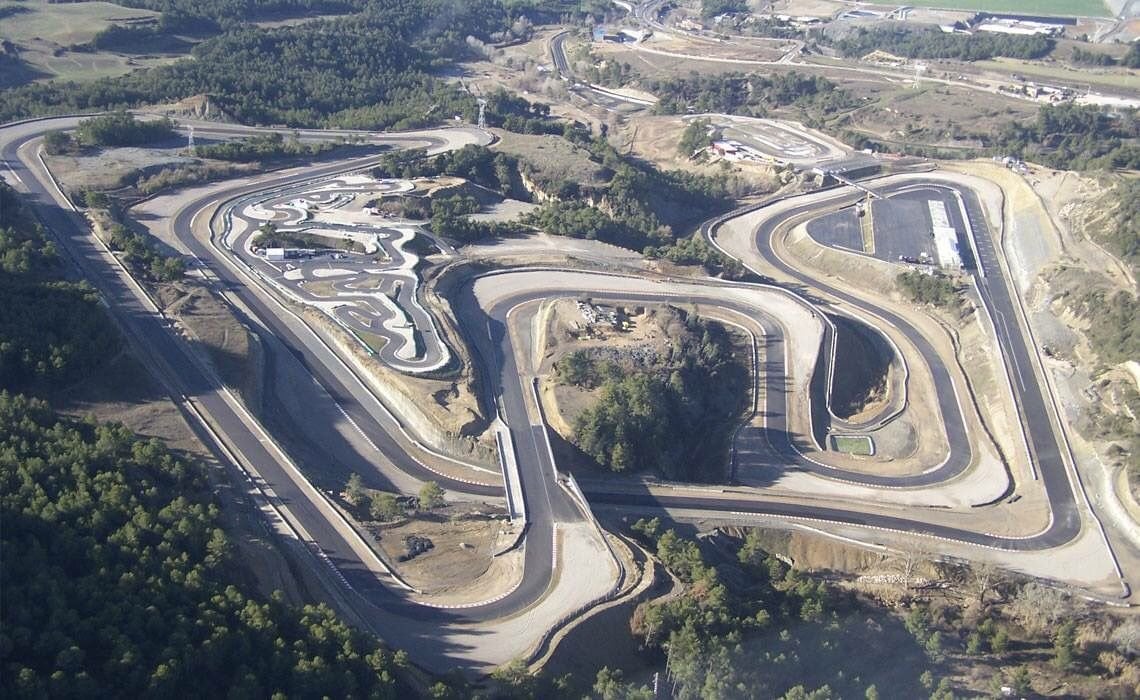
1. PARCMOTOR CASTELLOLI
This little cracker is hidden away in the Montserrat hills near Barcelona. It’s better known as a bike-racing track, but it’s great fun in an agile car. There’s a stack of relief and the track runs in a figure-eight, and you realise how far you’ve descended when you dip through a gorge under the circuit as it soars overhead on a giant stilted flyover.
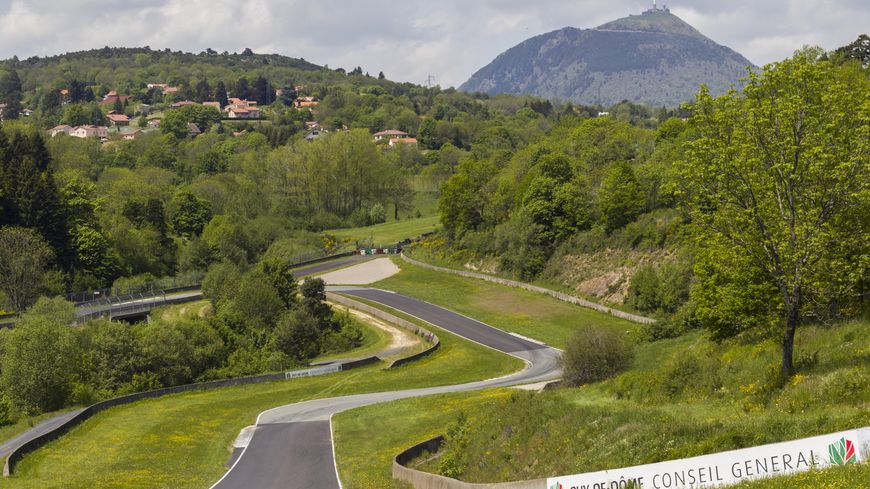
2. CIRCUIT DE CHARADE
Built around an extinct volcano in the central plateau of France, Charade is unforgiving: in effect a concentrated version of the Nurburgring with next to no run-off, and stacks of twists, ramps, dips and blind apexes. It’s so unrelenting that the great Jochen Rindt fell victim to motion sickness in the 1969 French Grand Prix. A series of high-profile accidents saw Charade fall from favour as a top-level motorsport venue, but if you relish a challenge and are confident in your abilities behind the wheel, there are few tracks more rewarding to get right.
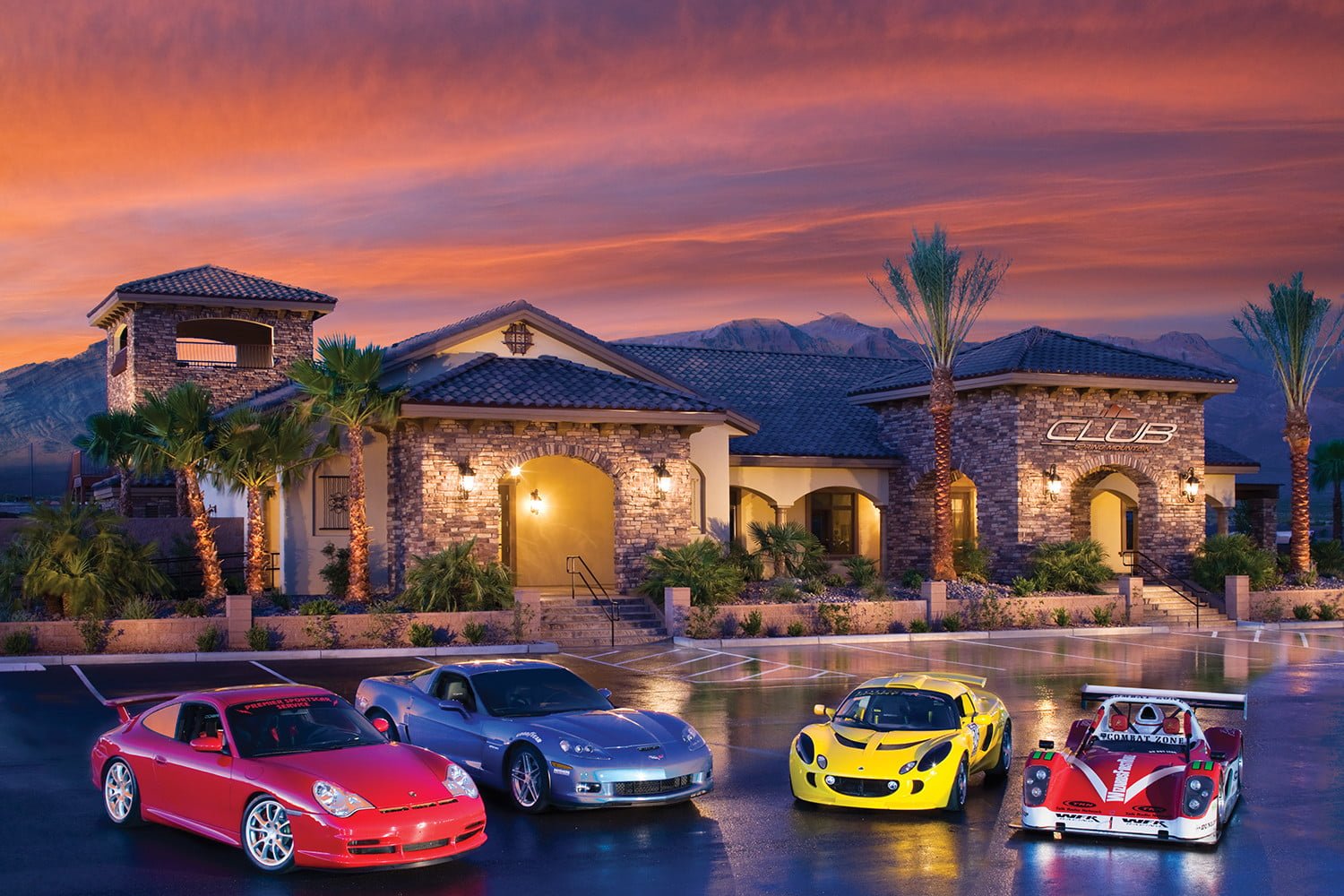
3. SPRING MOUNTAIN
Think of Spring Mountain as the antithesis to Circuit de Charade. Where the French track is gnarly, dangerous and almost claustrophobic, Spring Mountain is big run-off country. It’s located in Pahrump, Nevada, an hour down the road from Vegas which doesn’t have much to commend it otherwise. The excellent track is configurable into 18 different layouts from the 2.4km West Circuit right up to the 10.6km Long Course. Who said Australians had the monopoly on unimaginative names?
4. POTRERO DE LOS FUNES
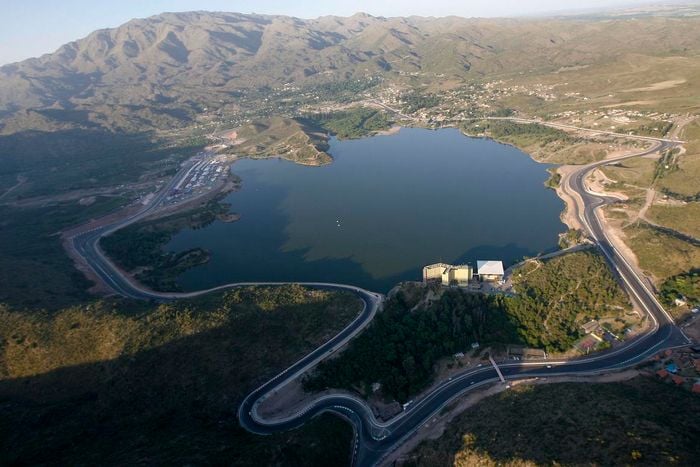
One of the most spectacular tracks in the world, Potero de los Funes seemed cursed from the outset. Shortly after opening, a Turismo Carretera event saw two spectators killed after an accident during qualifying and a driver seriously injured in the feature race. It wouldn’t host an FIA-sanctioned event for another 11 years. Fast and undulating, it loops around the scenic lake for 6.27km and perhaps, if the video we feature is anything to go by, the approach to safety is still somewhat casual. Check out the Nissan GT-R lapping at high speed with maintenance staff and vehicles dotted around the track.
5. BILSTER BERG
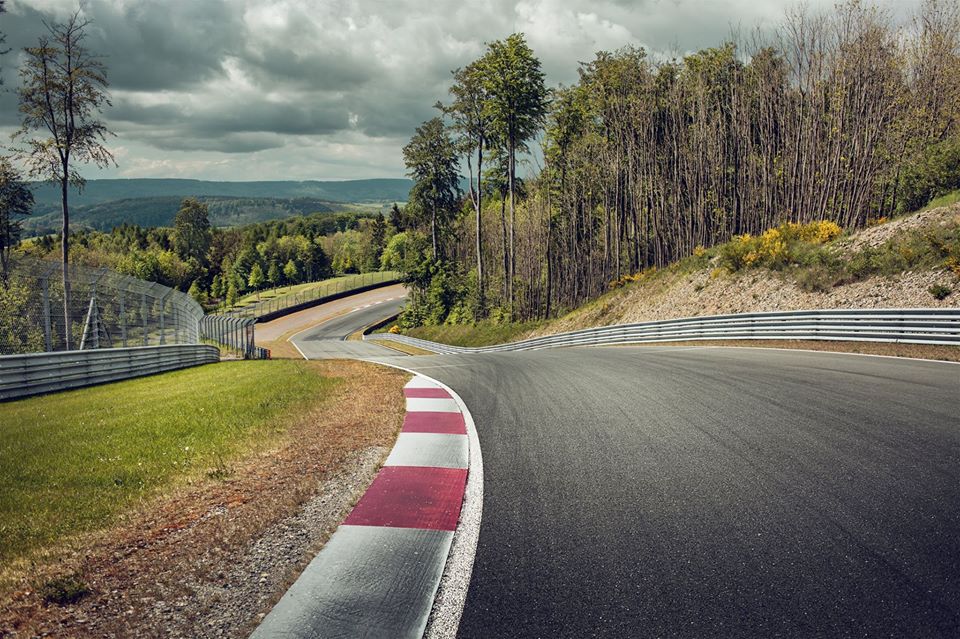
Hermann Tilke gets a bad rap. Designer of many of today’s F1 circuits, his tracks are often derided as soulless ‘Tilkedromes’. Ask the man himself and he’ll shrug and say that he has hundreds of FIA regulations to comply with when designing a new track, which shapes the way they look and drive. If Tilke was let off the leash to do exactly what he pleased you’d end up with Bilster Berg, his magnum opus. Tucked away in woods near Bielefeld, in northern Germany, Bilster Berg is a riot to drive. The Mausefalle is like a rollercoaster, with a huge compression at the bottom, leaping up into a blind corner. Perfect car for the job? Maybe something quick-witted but punchy like a Lotus Exige.
6. EBISU
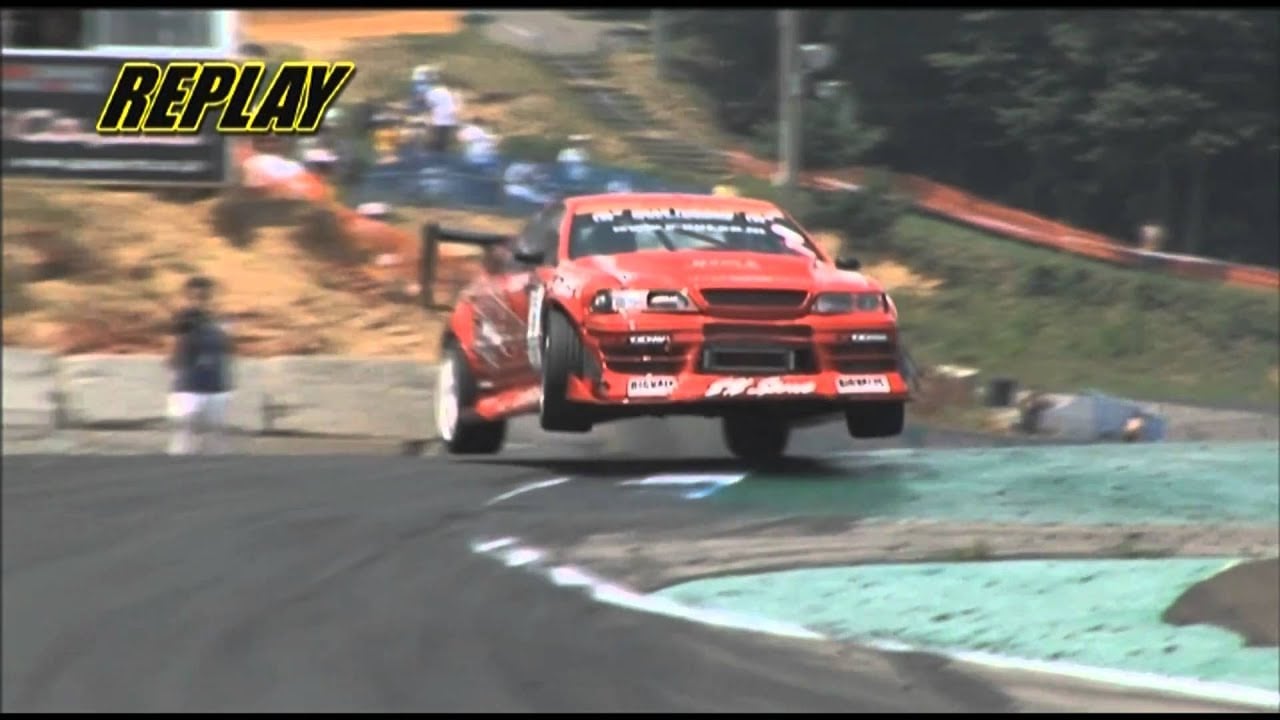
Suzuka and Fuji hog the limelight in Japan, but scratch below the surface and there are a whole host of second division circuits that, for road-car drivers, are possibly even more fun. Among these are tracks like Twin Ring Motegi, Tsukuba, Sugo and Ebisu. The latter is a track that has attained almost mythical status among Japanese car fans and gamers, but few have physically visited. There are two highlights here. The touge track is fast, tight and only for the experts. The circuit itself is barely any less punishing, and there is no shortage of footage of people getting the Minami jump wrong mid-drift. Check out the video here with both touge and track sections featured.
7. ARCTIC CIRCLE RACEWAY, NORWAY
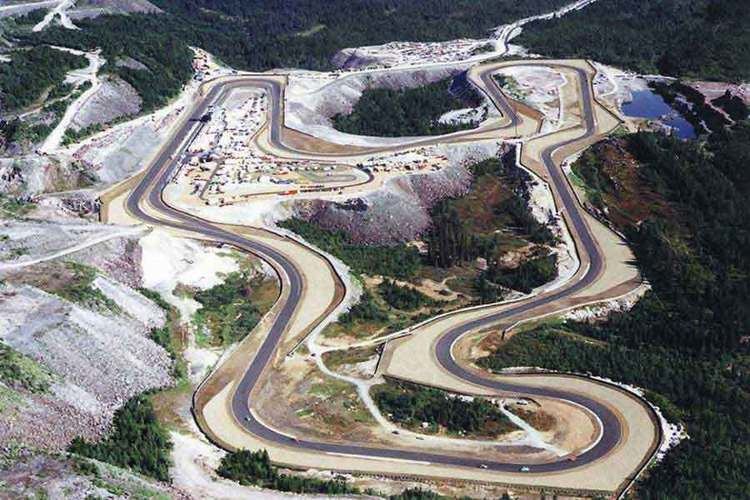
Ever fancied circuit driving in perpetual sunlight? You can do that at midnight in summer at the Arctic Circle Raceway, Norway’s longest race track. Located just 30km south of the aforementioned Arctic Circle, it opened in 1995 and is 3.7km long. There’s a stack of relief and some testing complexes among the 11 named corners. Your mission, should you choose to accept it, is to beat Lars Magnussen’s 1m29.8s streetcar lap record, set in a Mitsubishi Evo.
8. GOTLAND RING
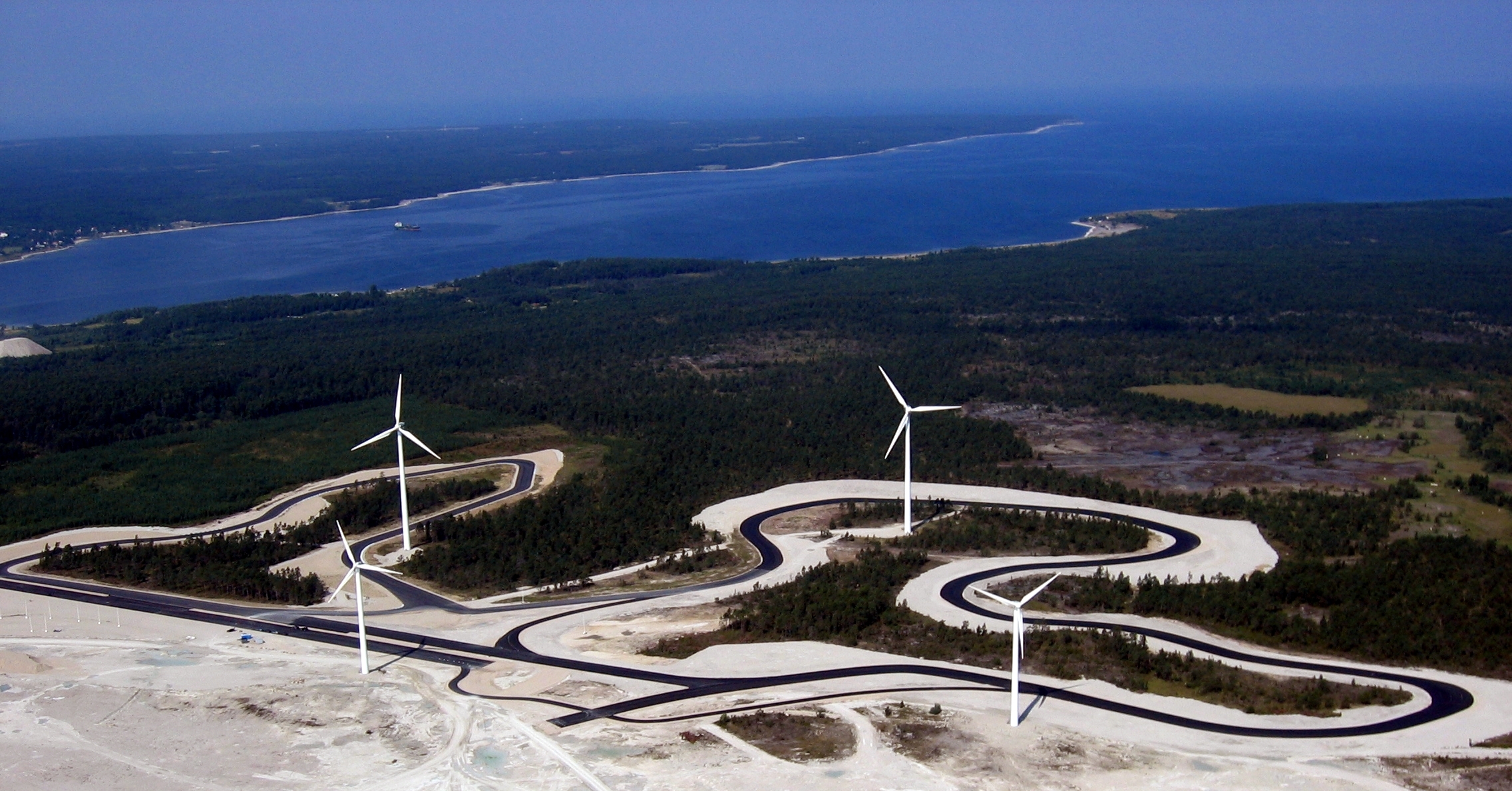
With a focus on sustainability (check out those windmills), the Gotland Ring is located on a Swedish island and is constantly growing towards its final 28km iteration whereupon it will be the longest purpose-built racetrack in the world. Highly valued by manufacturers and race teams alike as a test facility due to its privacy, Gotland Ring’s green credentials are underscored by the fact that visitors can undertake a Wind-Driven Ring Taxi lap in an EV powered from the adjacent wind farm.
9. UTAH MOTORSPORTS CAMPUS
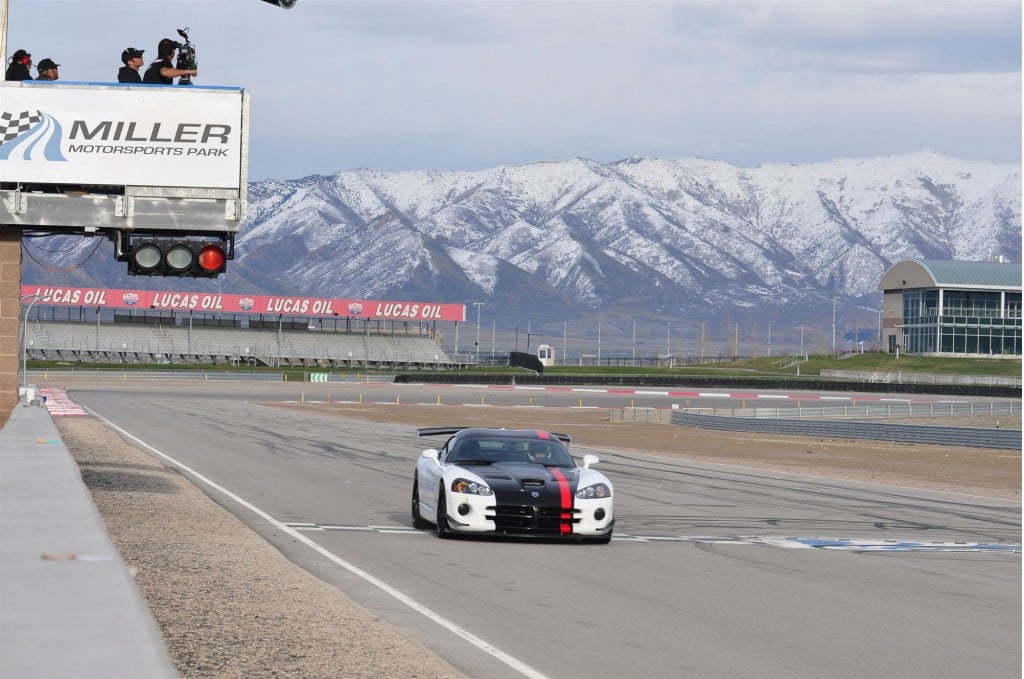
The circuit formerly known as Miller Motorsports Park is sited in Tooele, just outside Salt Lake City, so if you don’t fancy cremating a bit of rubber you can go visit the Mormon Tabernacle Choir instead with a take-out from Chipotle and a refreshing non-alcoholic beverage. Founded by Larry H Miller, owner of the Utah Jazz basketball team, originally as a private playground, the facility has expanded and has hosted NASCAR, ALMS and WSBK races. It’s now owned by Mitime, a division of Chinese giant Geely. The full course is a 7.72km loop, with Timo Bernhard’s LMP2 car holding the record of 2m18.128s, so getting under three minutes in your Corvette rental is pretty strong going. Best time to visit? Get a primary-coloured car, go on a crisp spring morning when the snow’s still blanketing the Oquirrh mountain range and you’ll set the ‘Gram alight.
10. CIRCUIT MONTEBLANCO
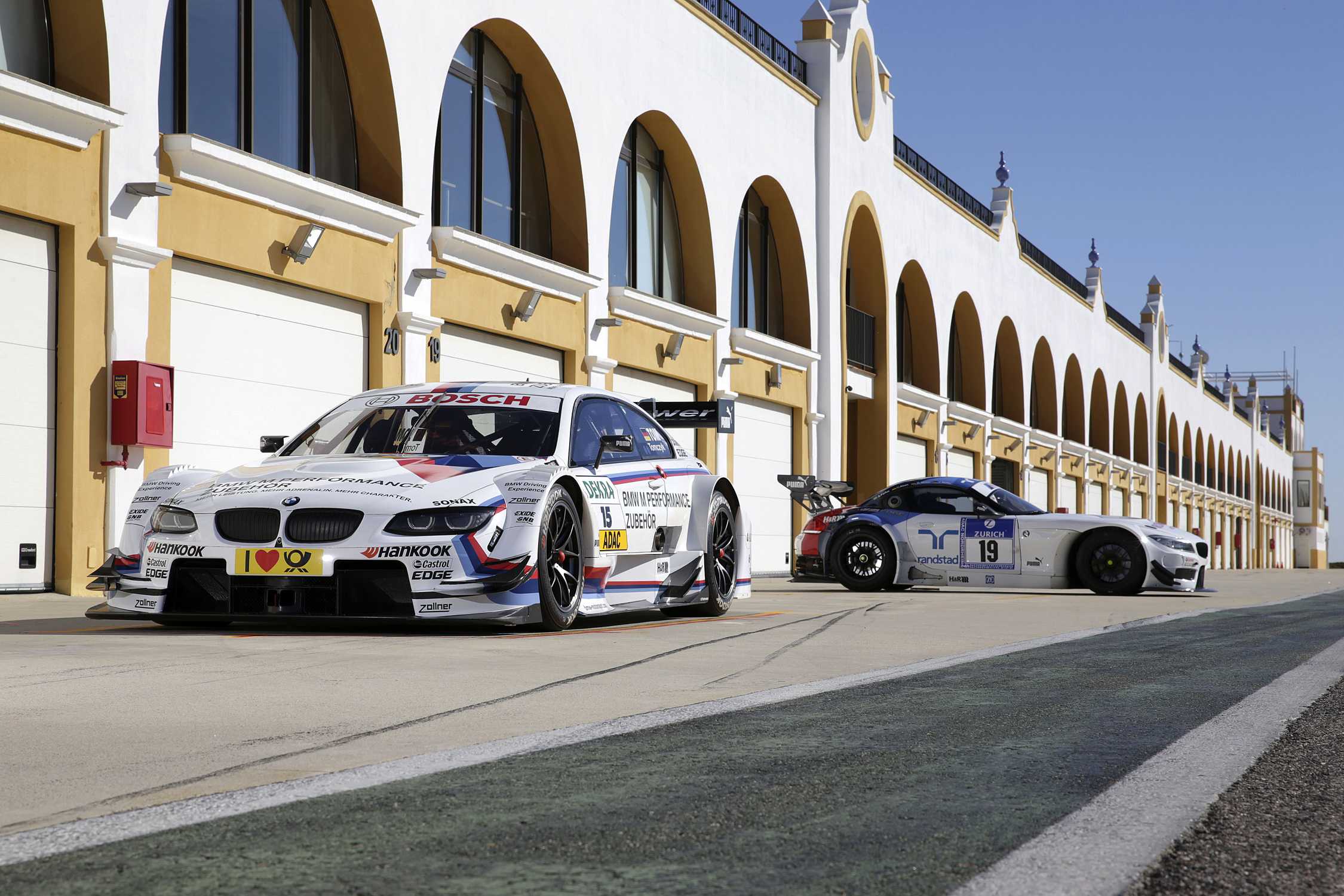
Monteblanco is one of those tracks that has clearly had a lot of money spent on its development, but has since been orphaned. Situated west of Seville, in one of the drier spots in Spain, the track is FIA homologated to T1 grade (F1 Testing) and FIA Grade 2 for races up to and including GP2. In other words, this isn’t Sandown. The 4.43km GP length circuit features three separate pit lanes, a 960m front straight, 36,000 square metres of asphalt run-off and 50,000 square metres of gravel traps as well as sprinklers and low-mu epoxy surfaces for wet-weather testing. It’s also great fun to drive. The car we’d pick for this one? Maybe a Renaultsport Megane. Something that gets a bit mobile when you jump on the picks into the first right hander will put a giant smile on your dial.
Do you find it hard to make a decision on the colour of your car? Don’t worry, McLaren is here to help.
McLaren Special Operations (MSO) went the extra mile in customer service for the mystery new owner of a 600LT Coupe by devising a one-off colour scheme called ‘Comet Fade’, a combination of three official MSO hues.
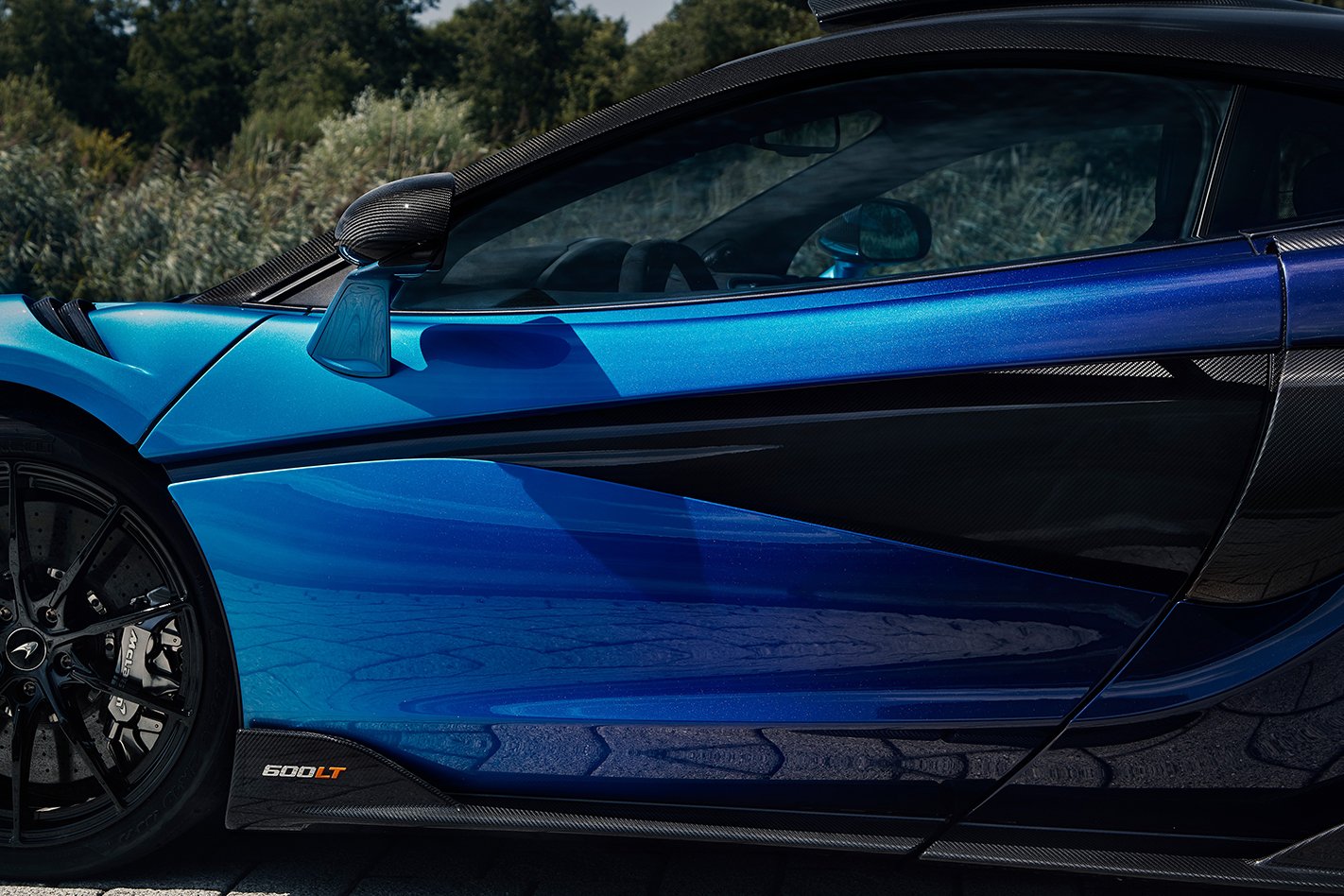
The front of the McLaren starts out as Cerulean Blue, which fades into Burton Blue before being finished off at the rear in Atlantic Blue.
It took a massive 120 hours for the MSO team in Woking to paint the car ‑ and the cool combo is not reserved solely for the exterior, with the cabin receiving tasteful Comet Fade touches throughout.
The Toronto-based owner, whose identity is unknown, is seemingly also a fan of lightweight options, with the unique LT McLaren specced with an MSO Bespoke carbonfibre roof scoop and three exterior carbonfibre packs – which must have cost a bomb.
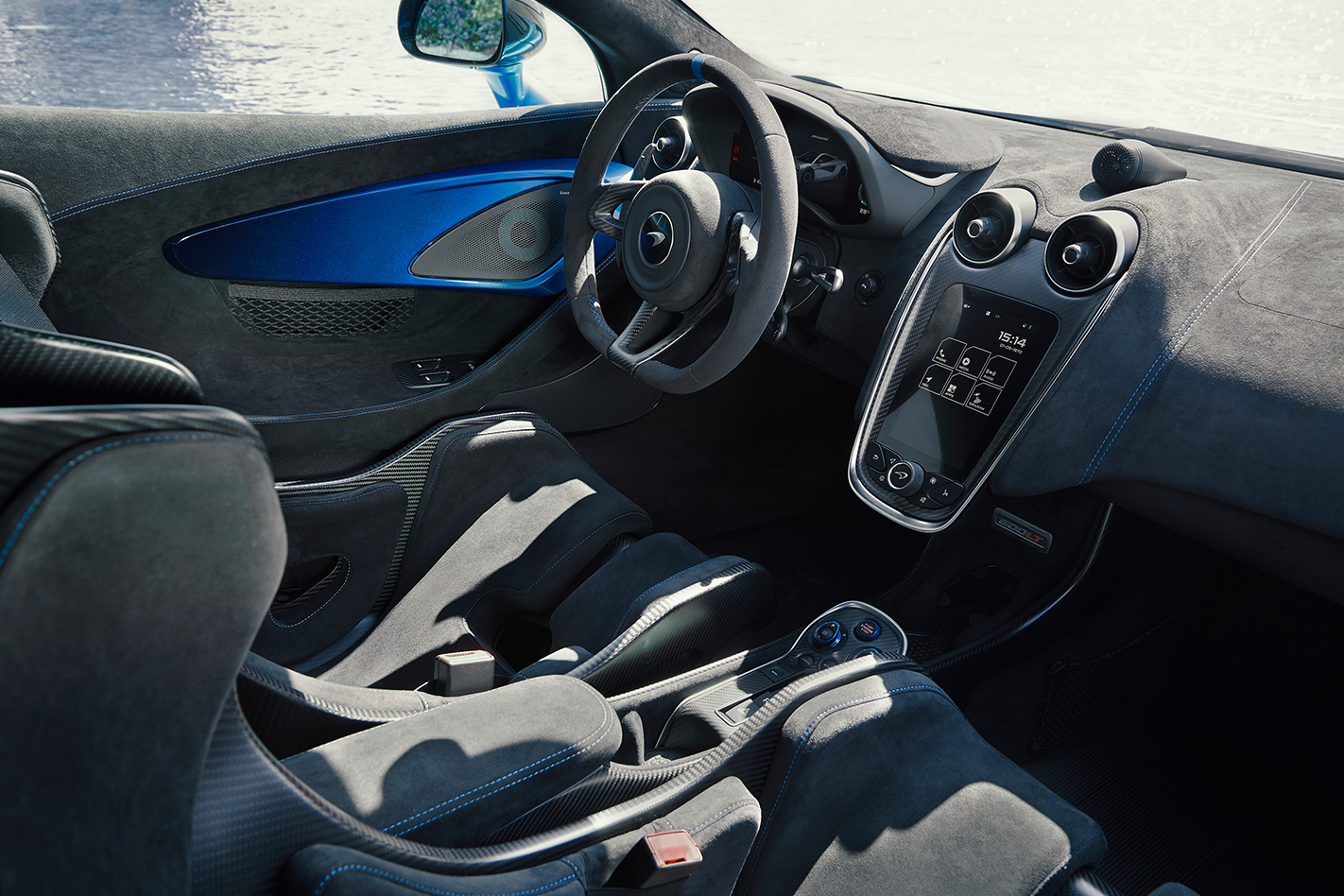
However, it doesn’t stop there as ultra-light forged wheels and carbon-ceramic brakes are fitted to the bonkers 600LT. There is plenty of carbonfibre inside, too, given the MSO Clubsport Pack option has been ticked.
The one-off creation is mechanically unchanged to a regular McLaren 600LT, but we’re sure you’ll agree, that is no bad thing given the Big Mac already extracts 441kW/620Nm of goodness out of its 3.8-litre twin-turbo V8.
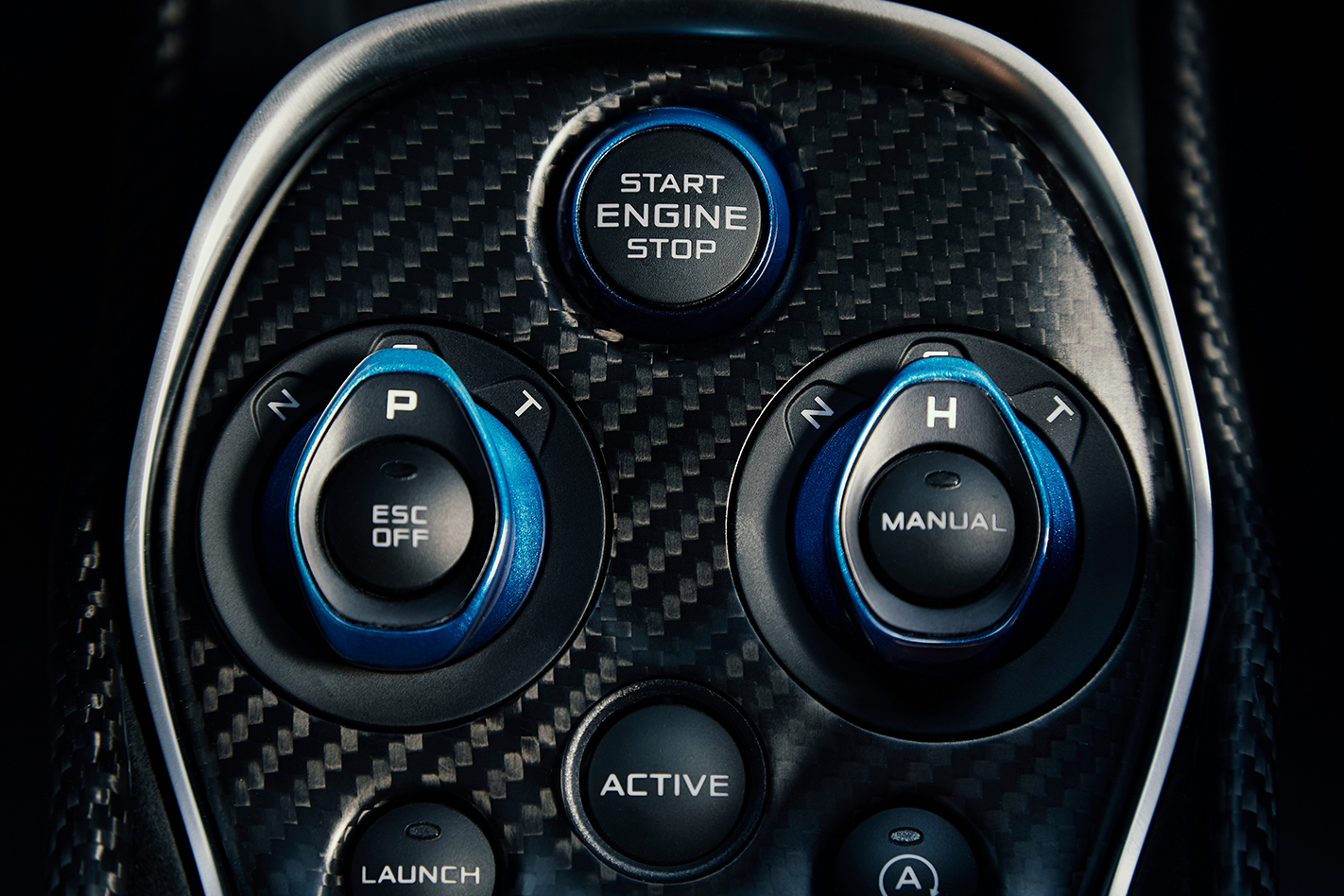
How much did it cost? That hasn’t been disclosed. However, we feel it’s a classic case of ‘if you have to ask, you can’t afford it’. After all, the 600LT Coupe alone will set you back a cool $455,000 before even thinking about paint or options.
What do you think; is the Comet Fade hue worth all the effort?
If you believe the autonomous car yay-sayers, the roads of the 2020s will be chock-full of self-driving cars efficiently and safely carting their human cargo around cities. If you ask the world’s largest manufacturer of cars, however, the forecast is decidedly more pessimistic.
The heads of the Toyota Research Institute (TRI) spoke to media during the Tokyo Motor Show to share details of the Japanese auto giant’s plans for self-driving technology, and curiously Toyota’s future vision doesn’t see big fleets of robotic cars becoming commonplace.
“As negative side effects of automation become more evident the world is realising that for many kinds of work we don’t want to replace human beings, even if the work is a little dull, dirty or dangerous,” said Gill Pratt, CEO of TRI.
“In fact that replacement can become counter-productive.”

Dr James Kuffner, the CEO of the Advanced Development division of TRI (above), was more emphatic about the proximity of completely autonomous vehicles conforming to the Level 5 standard:
“Let me be clear: nobody is even close.”
For the uninitiated, L5 autonomy means a car that can drive as well as a human, in any weather, in any traffic, on anywhere on the planet and without relying on map data to do so. Kuffner is definitely an expert on the matter too, being the founder and former chief of Google’s own self-driving car division.
But make no mistake: Toyota is still forging ahead with developing its own new-generation driver aids under the ‘Teammate’ moniker, which will bring features like a highway-only self-driving mode to ease driver fatigue on long-distance and high speed journeys.
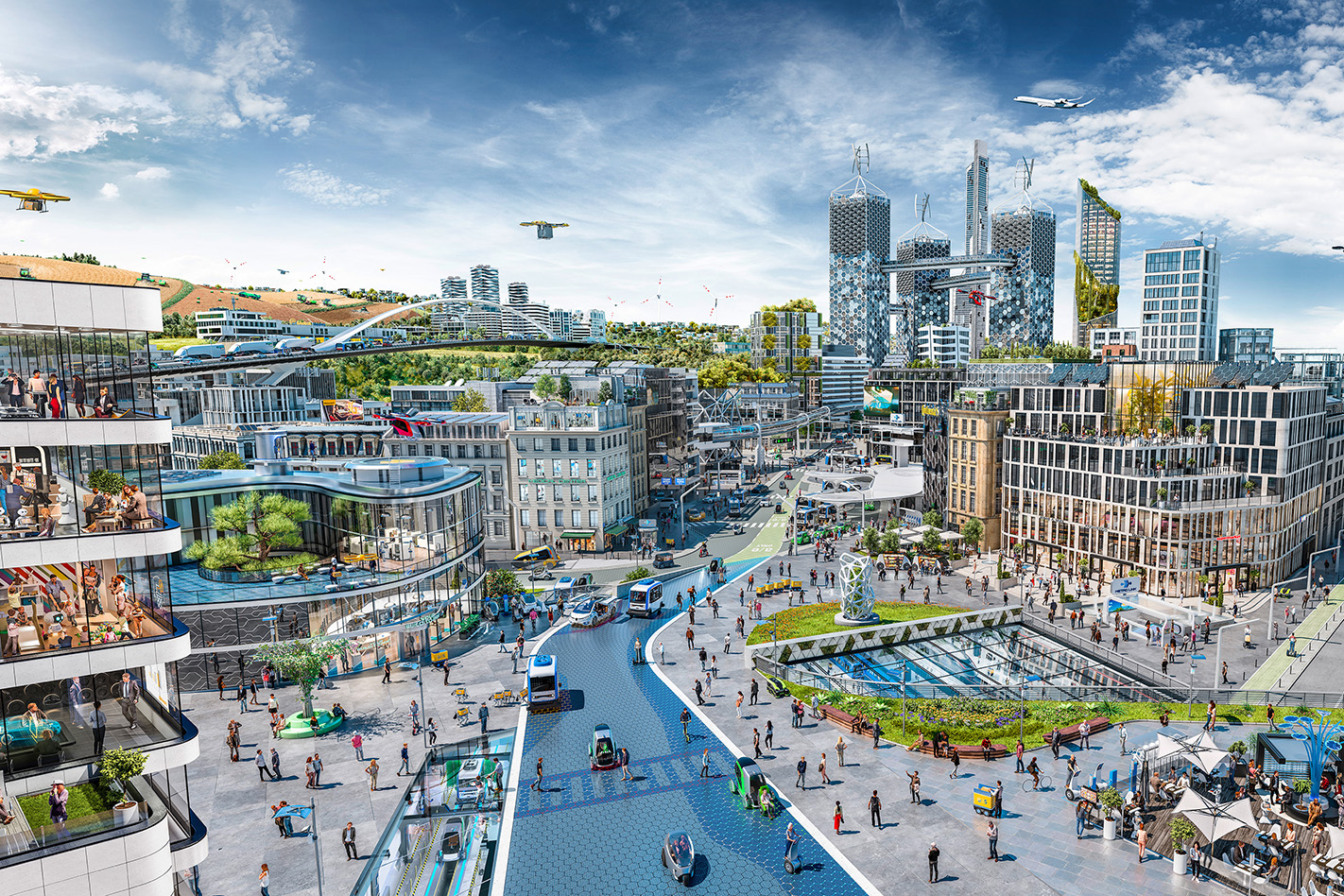
Rival automaker Nissan has already productionised and released its own system that does exactly that, dubbed ProPilot 2.0, which enables entirely hands-off, feet-off driving on parts of Tokyo’s expressway network – one of the first true Level 2 autonomous systems, and one that verges on a Level 3 capability.
That kind of system is something that will become commonplace in the near future, according to Kuffner, however it’s a long way from L2 to L5. Even L4 (where drivers can safely divert their attention from the road fully) still requires the driver to be able to intervene if needed, otherwise the car automatically parks itself.
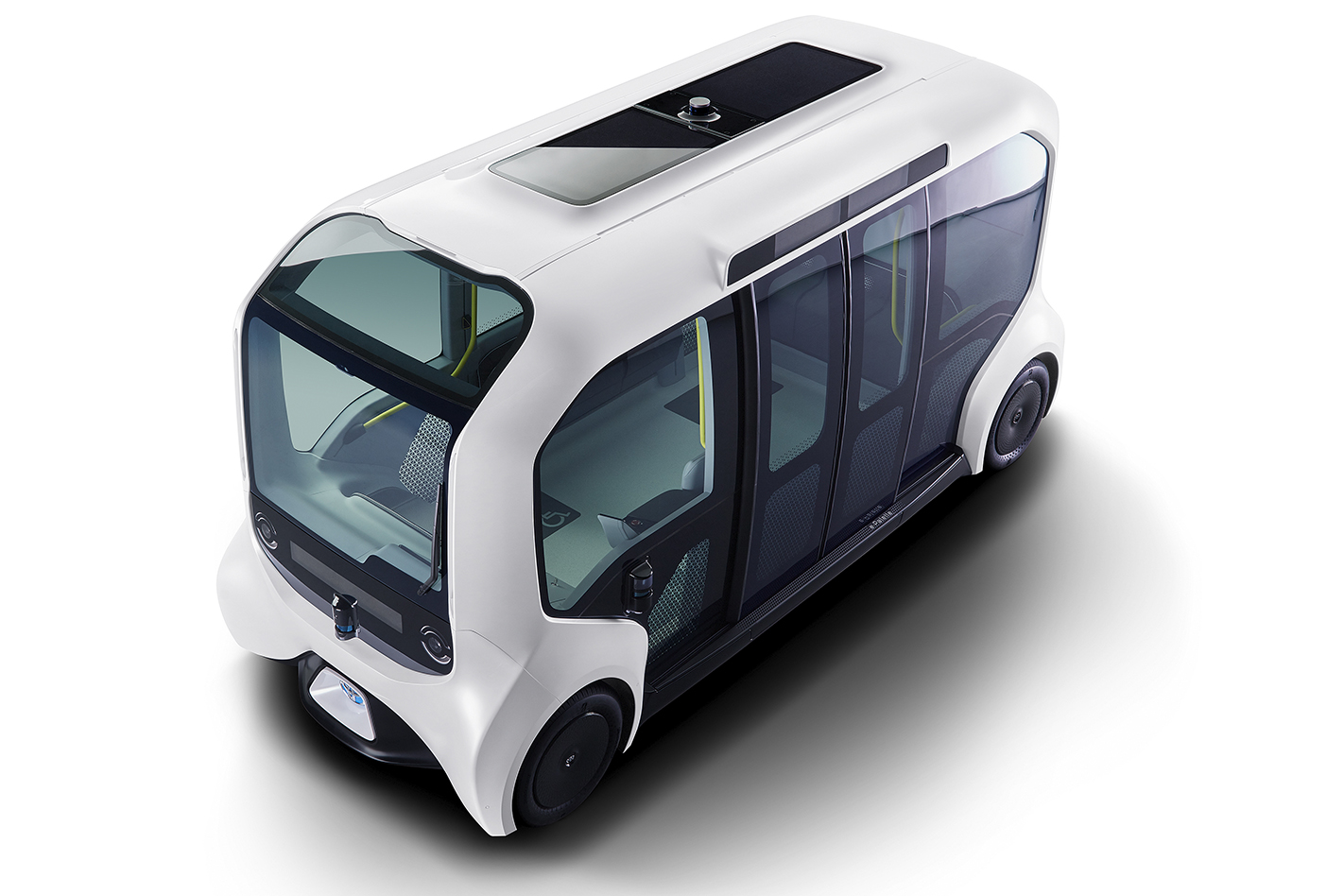
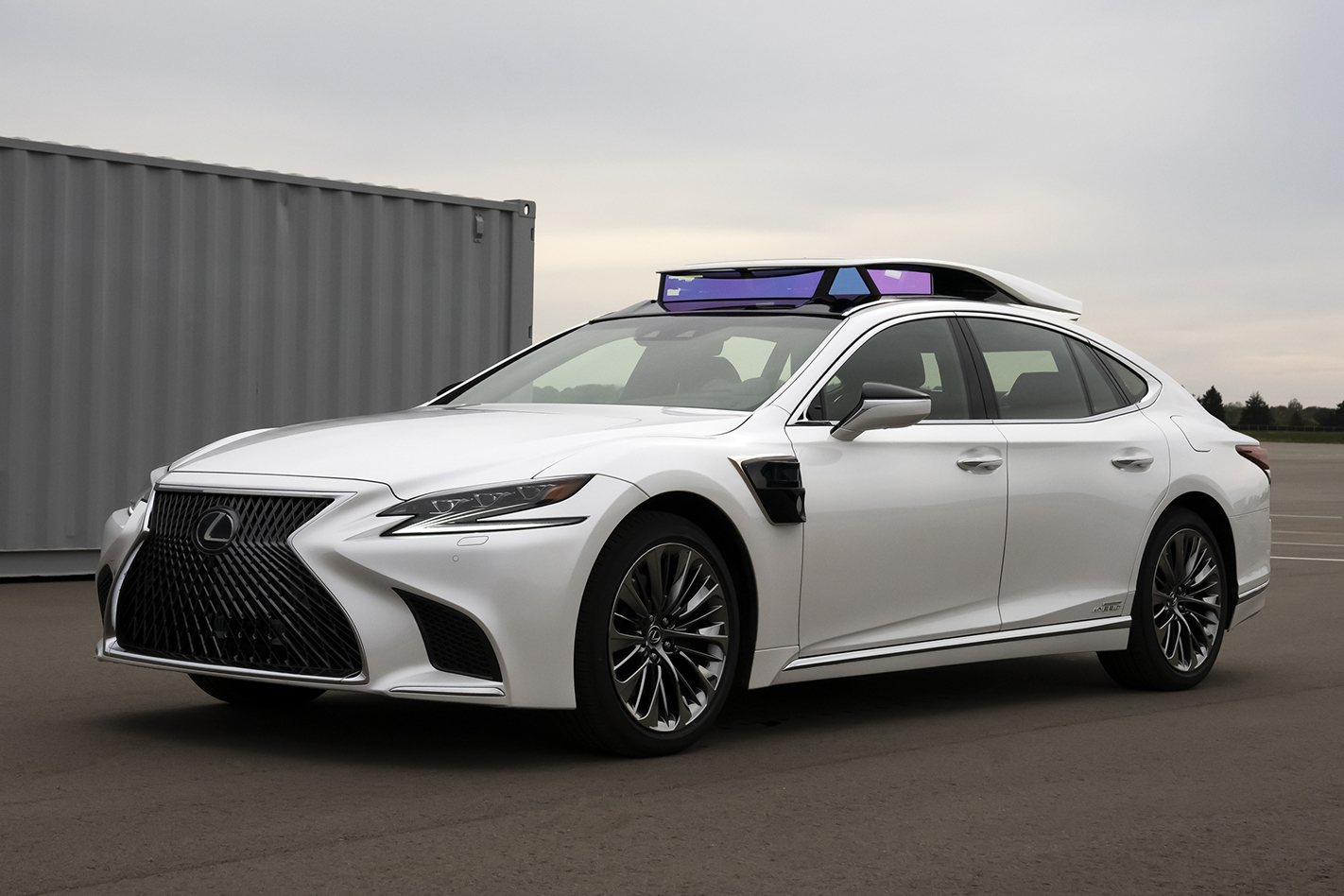
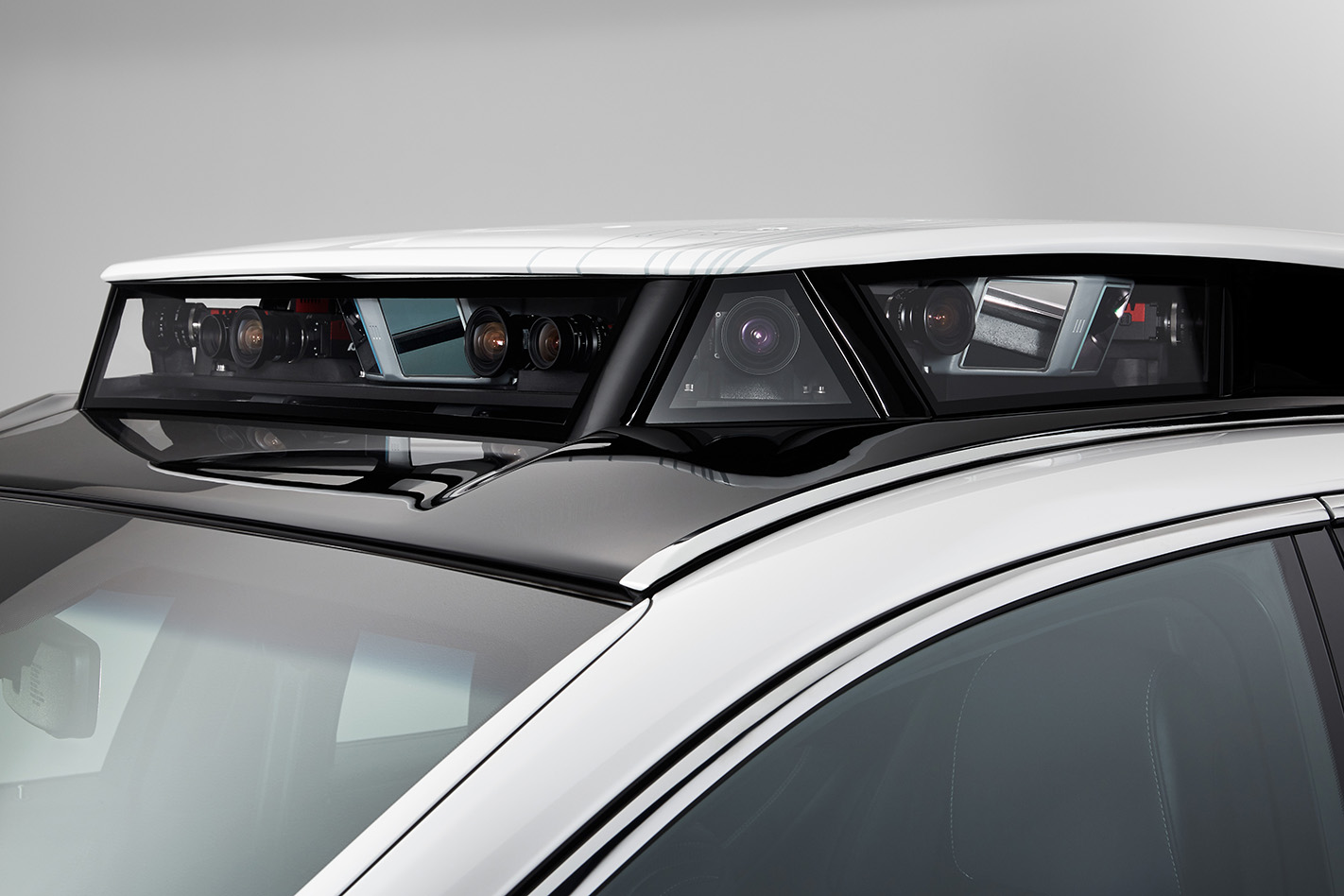
Toyota’s own e-Palette self-driving pod (above), as futuristic as it is, represents an L4 vehicle, not an L5. Designed to operate at low speeds and controlled environments, it will also feature a human operator who can intervene if things go awry. Meanwhile a Lexus LS-based demonstration car equipped with a roof-mounted sensor array (below) is another L4 demonstrator designed around robotaxi requirements, and will offer public demonstration rides alongside the e-Palette at next year’s Tokyo Olympics – albeit only within Tokyo’s Odaiba area, and with a human operator also riding along.
From Kuffner’s point of view, properly self-driving cars will be out of reach of the average motorist for the foreseeable future.
“There are two different products that are often conflated in the media, one is the personal vehicle, the one you sell to the customer. The other is a driverless taxi that would be fleet owned and operated, and every day maintained to perfection. That’s a completely different product, you can have expensive sensors on it and the high utilisation of that vehicle will amortise it so you can recover that cost.”
“You can’t recover that cost on a personal vehicle that, on average, sits parked 95 percent of the time. That’s the real difficulty.”
He’s not alone in that line of thinking either. Earlier this year Continental, one of the major manufacturers of the advanced sensors that make autonomous cars possible, told WhichCar that the cost of integrating L4 or L5 self-driving tech would be prohibitively expensive for the average car buyer. Robotaxi fleets would be the only expected operators of self-driving cars or, perhaps, high-end luxury cars where the additional hardware cost can be more readily absorbed.
However, there’s one factor that could greatly accelerate the progress of autonomous vehicles:
“The wildcard here is AI, deep learning,” Kuffner said. “I’ve been building robots for 30 years, and the old way was manually writing software with logic and conditions and branches. That doesn’t scale, it’s too brittle.
“But now we have deep learning, we have data-driven approaches that actually scale. It means that if you have enough data about driving in Tokyo, London, Rome and Mumbai, the system can actually learn the right and safe way to drive in those locales – and it gets better over time.
“Toyota makes over 10 million cars a year. If each car lasts 10 years and each one drives about 10,000km a year that’s a trillion kilometres of data per year. That’s scalable, and that’s potentially the competitive advantage.
“It’s hard, and it’s very hard to predict how long that’ll take, but I’m optimistic that by the time I’m too old to drive, I won’t have to.”
So you’ve just picked up your new Chevrolet Camaro 2SS and thought it could do with a little bit ‘more’. But more of what? Well, if you’re Walkinshaw Performance, you reckon an extra 15 per cent to its power and torque might do the trick. And why not a few more decibels to match?
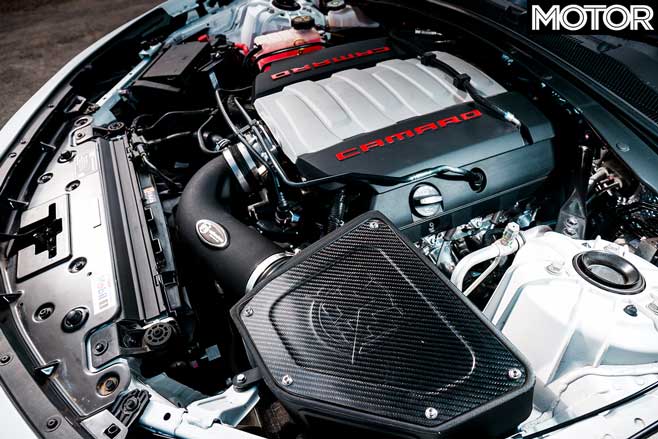
The Walkinshaw Power Pack for the Camaro SS provides just that, bringing GM’s Mustang rival up to 390kW and 710Nm without doing a whole lot to the engine.
Walkinshaw Performance operations manager Richard Jong says they didn’t feel that any more than 15 per cent extra was necessary because the LT1 V8 is “extremely impressive” already.
“We have found that the LT1 engine is an absolute powerhouse… it wants to keep pulling power even beyond 220km/h, and essentially we run out of dyno (capability).”
To extract this power increase, the Walkinshaw Power Pack includes a cold-air intake and an ECU recalibration that allows the engine to make use of it. You also score a stainless steel header and exhaust system (three-inch from the ‘cat’ back, with four-inch billet aluminium tips).
Both the airbox and exhaust system are available separately to customers who would only like one or the other.
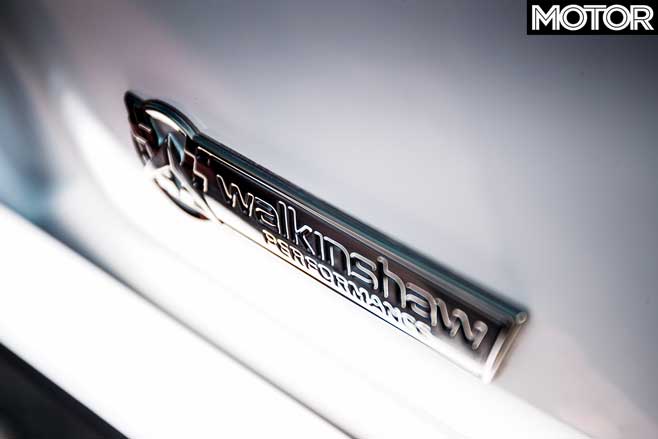
In terms of styling, the only noticeable changes are a dark chrome Walkinshaw badge on the rear and the exhaust tips. The Walkinshaw decal (here in white on white, confusingly) is not part of the pack.
The whole thing comes with a three-year/100,000km driveline warranty.
The exhaust retains GM’s electronic bi-modal system, and when you let it open up all the way it is l-o-u-d. Jong rates the system as “the best sounding exhaust” Walkinshaw has ever produced.
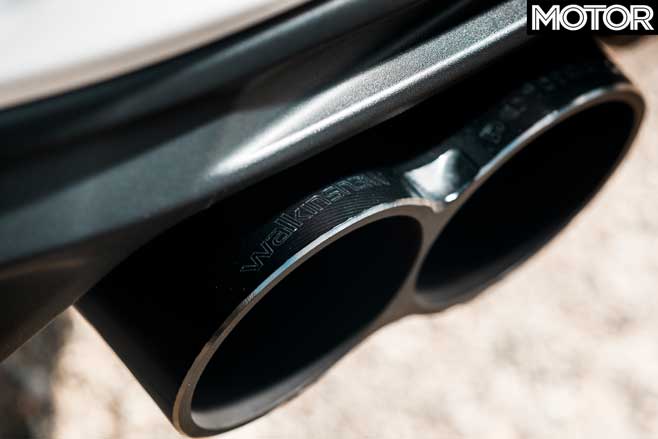
It accentuates the deep V8 rumble you would associate with a GM LT engine, and turns it up to 11. The pops and crackles it produces are almost comically loud in Track Mode, as if you’ve just run over a wooden box full of lit firecrackers.
At the risk of disturbing the peace in rural Victoria, we discovered very quickly this new layer of character very much suits the Camaro – and the muscle car lover in us. It’s brutal and harsh, but in the best way possible. In fact, it’s up there as competition for the supercharged ZL1 in terms of satisfying muscle car noise.
It’s hard not to smile when the exhaust begins singing the praises of the powered-up 6.2-litre LT1 as cold air rushes in to help ignite the fuel – plenty of it, judging from the pace at which the needle drops.
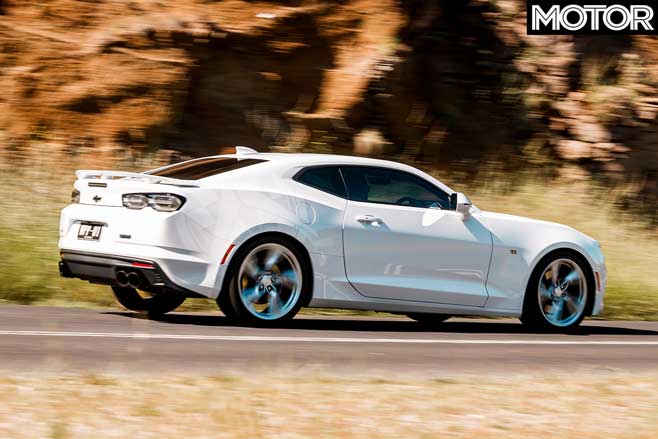
Walkinshaw’s claim of 15 per cent more power and torque feels about right, though at first the exhaust is the only clear difference. And that is by no means a bad thing. There’s nothing with the performance of a regular Camaro SS, but this Walkinshaw pack adds a little more without detracting from its useability.
Once up to pace, it starts to become more apparent that this is not a standard SS. Coming out of corners in second or third gears requires easing onto the gas as the run-flat tyres (Goodyear Eagle F1 Asymmetric 3) will lose their grip if you’re inelegant with your throttle foot, leaving the traction light imploring you to be more gentle.
Once you manage to judge how much you can get away with in terms of grip, however, you can start having some fun with the chassis, spurred on by the extra power.
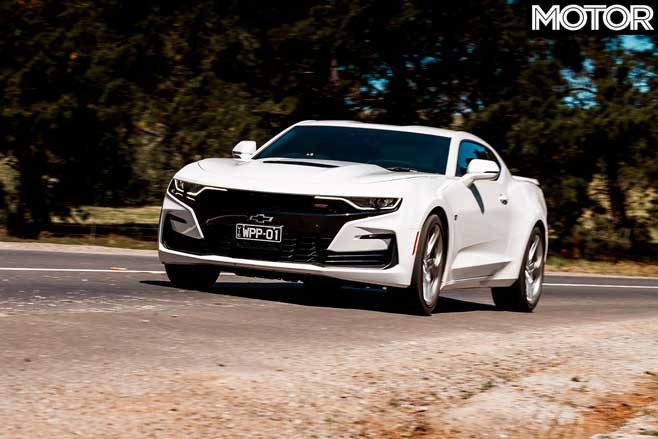
The run-flat tyres hold the car back – Walkinshaw can recommend a better set more suited to your needs – but the thing we really wish they would have a crack at is the suspension. Having now sampled the ZL1, we know the Camaro benefits from adaptive dampers, and the wizards at Walkinshaw Park have worked their magic before in fast Commodores.
But that’s where the $9990 RRP (that’s for parts and fitting this pack) would surely start to rise, and a price under $10K is a good way to add a bit of interest. Walkinshaw hasn’t remixed the Camaro SS, but it has altered the bass and treble setting a little.
Perhaps the best way to describe the Walkinshaw Power Pack might be as a burger that’s been given an extra patty and more cheese. The bun still holds the whole thing together properly, and you can still taste the sauce and feel the lettuce crunch, but who wouldn’t mind 15 per cent more meat.
CHEVROLET CAMARO WALKINSHAW POWER PACK SPECS
Engine: 6166cc V8, OHV, 16v Power: 390kW @ 6000rpm Torque: 710Nm @ 4800rpm Weight: 1710kg (approx.) 0-100km/h: 4.4sec (est) Price: $9990 (over the base HSV-converted Camaro SS: $86,990 manual/$89,190 auto)
The Wheels Verdict: In 2008, no-one knew they needed an SUV and a coupe in one vehicle. BMW came along and planted the seed before sitting back and watching the world’s automakers follow suit. However, the X6 is the genesis for the breed. And the V8-powered M50i tested here is hard to ignore as it mixes performance and dynamic talent into a premium package. If you ‘get’ the X6 and what it stands for, then it won’t disappoint.
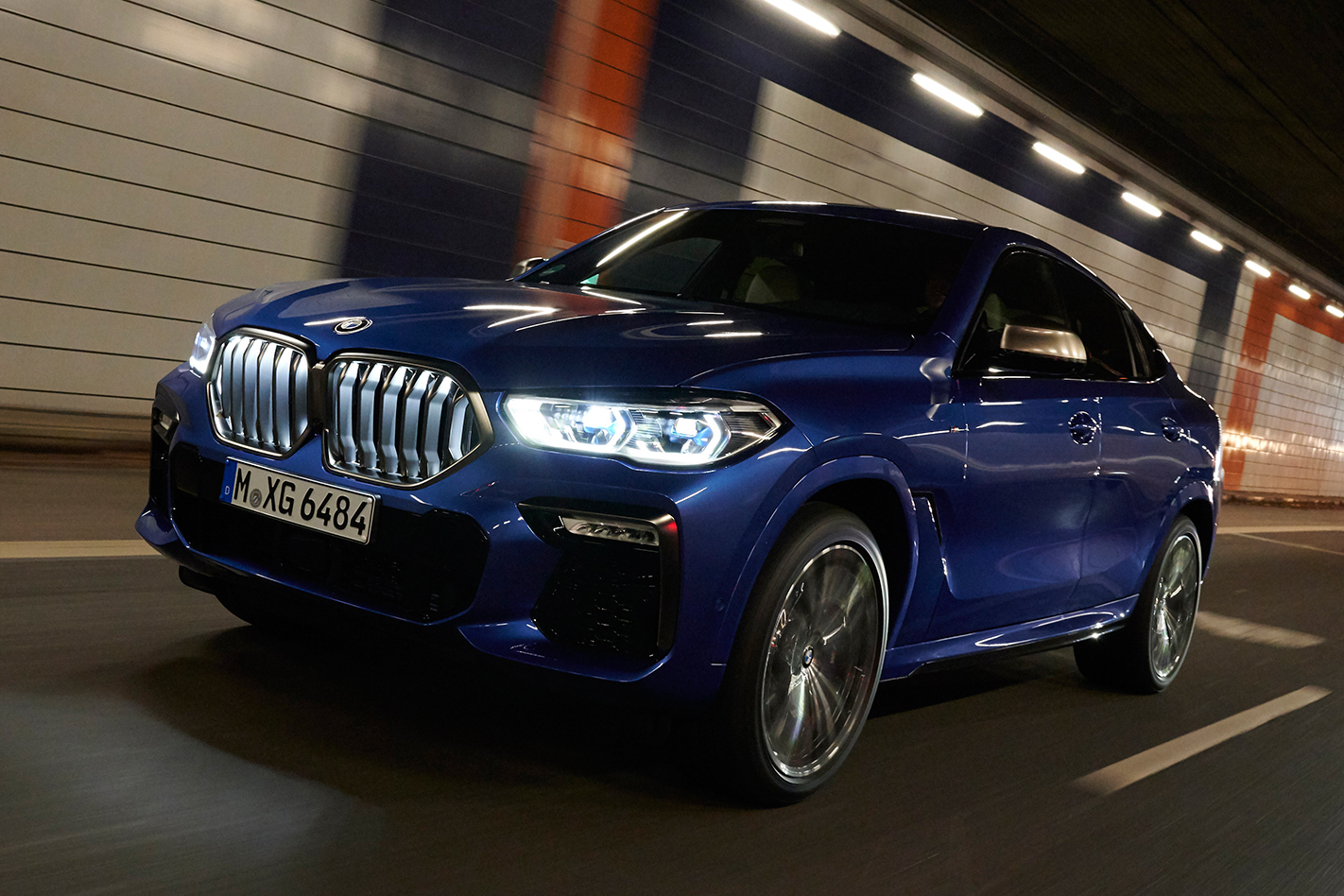
WHAT IS IT?
The BMW X6 never fails to generate an opinion – BMW has even coined it ‘the beast’ internally. Essentially, in crude terms, a five-door coupe atop an SUV body, the X6 offers style and a raised ride height for those who value appearance and capability in roughly equal measure. The range includes petrol and diesel variants of six- and eight-cylinder engines, while the M50d variant won’t be making its way down under due to global demand for the quad-turbo six.
WHY WE’RE TESTING IT
In its third generation, the BMW X6 now offers a range of tweaks to keep it fresh. The longer, lower and wider body increases space inside (particularly rear headroom), while vision has improved with revised A-pillars. Power levels have risen, with the M50i variant tested here encroaching on X6M levels of grunt. We’re keen to find out if the X6 is still a worthy answer to a question no-one asked.
BMW X6 M50i REVIEW
The BMW X6 is a bit like thinking your friend is a fool for having a ridiculous partner. You tolerate it because you know the relationship invariably won’t last. A few months down the track you are proven right. However, BMW released the polarising coupe-cum-SUV in 2008 and it has remained a niche staple of the Bavarian fleet ever since. Logic defied, then.
Three variants are available at launch: the entry-level xDrive30d ($121,900), mid-spec xDrive40i ($124,900) and the current range-topping M50i ($155,900) tested here. The X6M Competition, complete with M5-grade mechanical gubbins, is due next year.
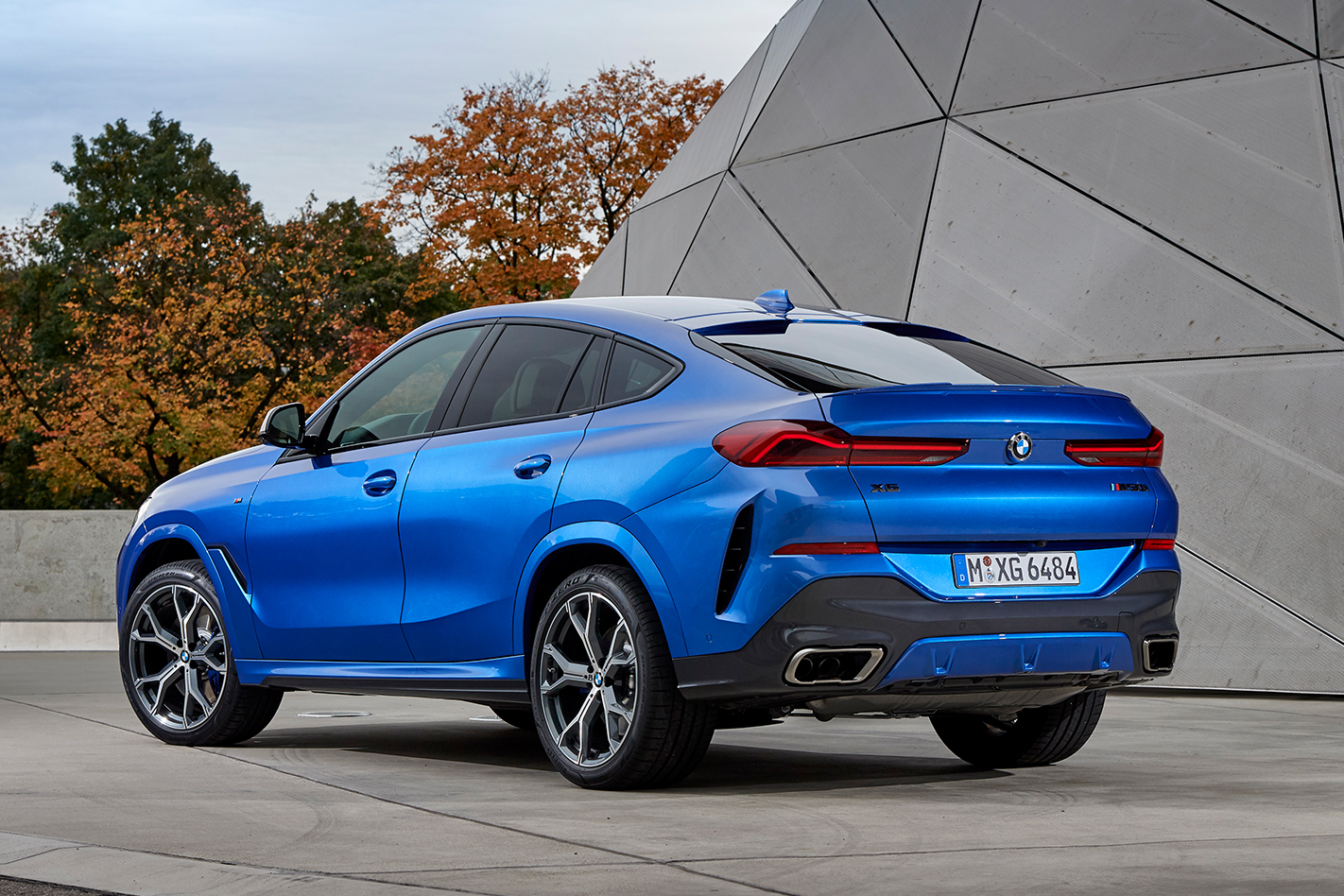
In terms of exterior styling it’s more a nip and tuck to the “polarising and inspiring design”. However, the X6 in now longer (26mm), lower (6mm) and wider (15mm) than before for a more aggro stance. The headline design change is hidden within the oversize kidney grille, which now features illumination. It’s branded ‘Iconic Glow’ and is an optional extra that essentially backlights the iconic grille.
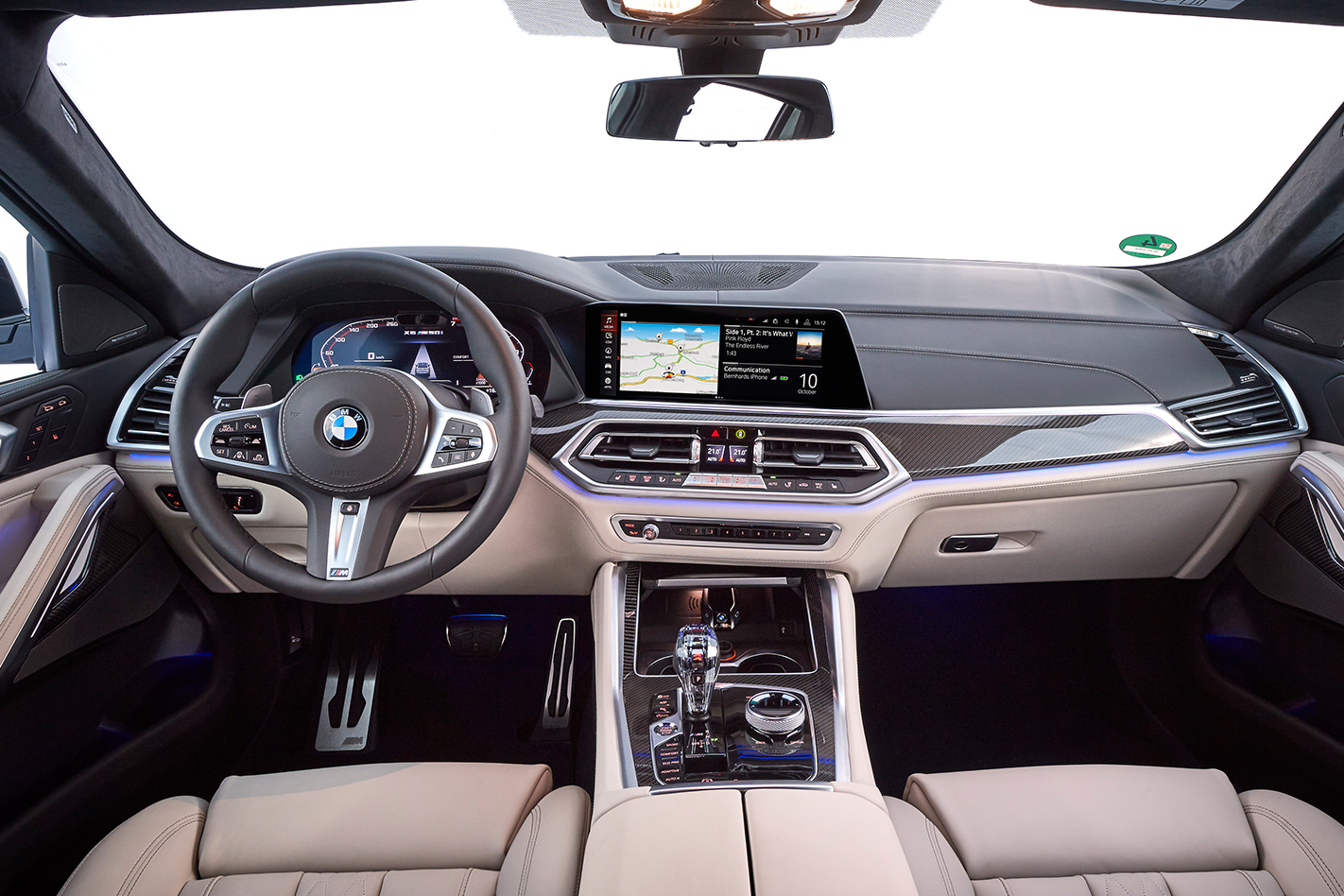
The X6 gains BMW’s new interior design language. It looks and feels premium, with high-quality materials and sound ergonomics. In all X6 variants, BMW Live Cockpit Professional and BMW Intelligent Personal Assistant (simply say “Hey BMW” to ask the system to complete a command) are standard inclusions. There’s a 12.3-inch infotainment system screen (controlled by the latest version of iDrive) with Apple CarPlay and Android Auto, while the second 12.3-inch screen is designated for the instrument cluster. Elements of the latter work well, but overall, rival digital dashes are better resolved.
Despite the lower roofline, headroom has increased all round and rear legroom has been liberated thanks to a 42mm stretch to the wheelbase. The X6 now has a 40/20/40 split second row and the boot has grown 30 litres to 580 litres (which balloons to 1525 litres with the rear seats stowed). Overall, NVH levels are low on-road despite the brooding bent-eight under the bonnet.
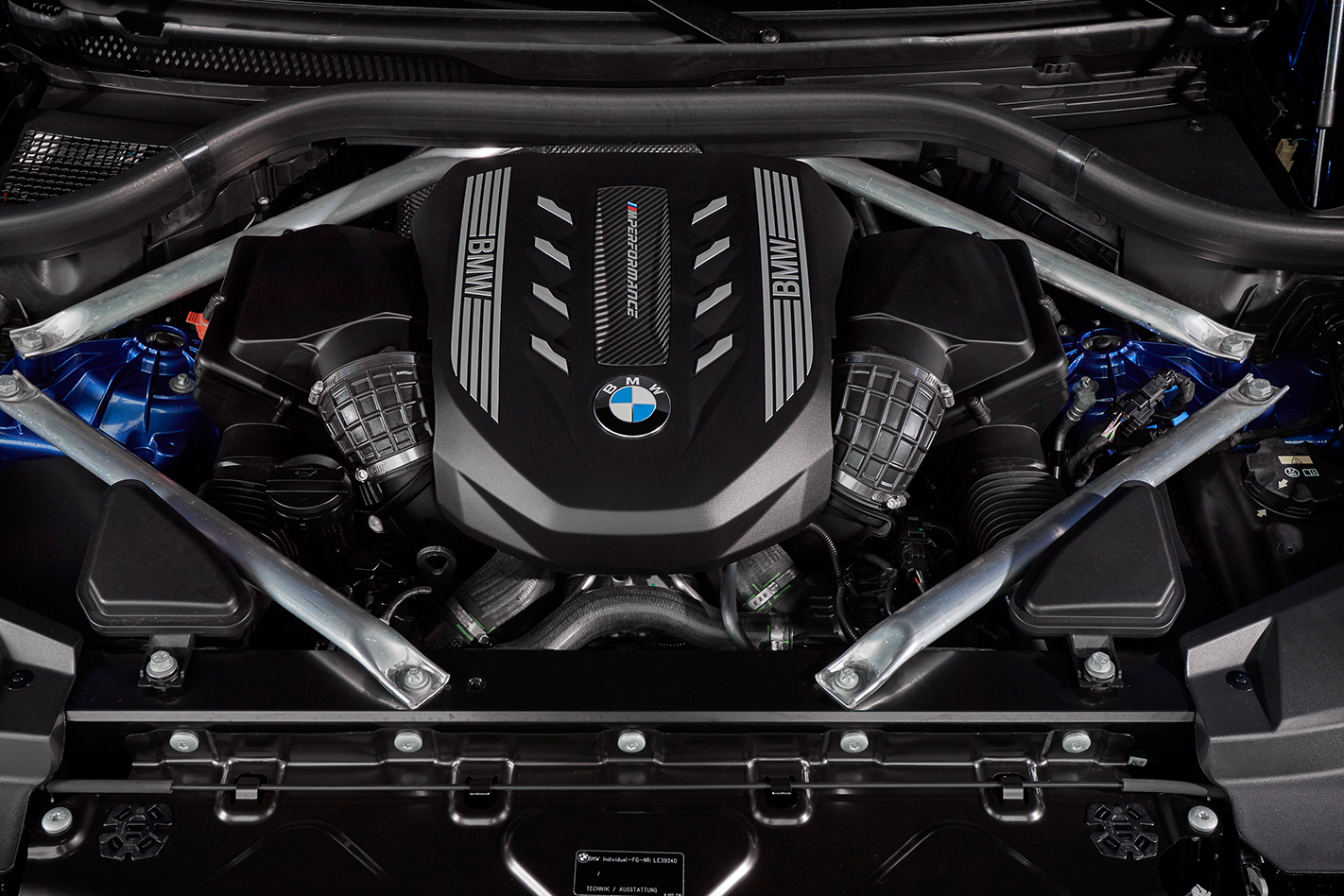
The 4.4-litre twin-turbo V8 is a hulk of an engine, providing 390kW (5500-6000rpm) and 750Nm (1800-4600rpm). That’s 60kW and 100Nm more than the model the M50i replaces, and sees the 0-100km/h time plummet to a launch-control assisted 4.3 seconds. With all-wheel drive and 315-section rear tyres, ‘the beast’ savages the tarmac and takes off like a 2.2-tonne SUV has no right to.
On a German autobahn you can easily riffle through the eight gears of the ZF automatic all the way to the electronically limited 250km/h top speed. It sounds mean, too, with deep baritones combining with tasteful pops and crackles on the overrun. At 10.4L/100km, fuel economy isn’t the M50i’s forte – but those who buy it probably won’t be worried.
With an on-scale figure of 2235kg and a raised centre of gravity, you’d think the M50i would be fighting a losing battle dynamically. Wrong. For all its on-paper deficiencies, the go-fast X6 carries its weight well with minimal bodyroll and a willingness to change direction that defies the SUV genre. Ultimately there’s a slight sensation of detachment; it’s as if myriad mechanical miracles are occurring underneath you to make the M50i hustle a twisty road like it does, but you’re not really a part of it.
The ride quality, on well-maintained roads surrounding Munich, is impressively supple for an SUV riding on 22-inch alloys. Adaptive M Professional suspension helps, with modes tailored to comfort and sportiness – the latter never becoming overtly harsh. A braked towing capacity of 3.5 tonnes helps fortify the ‘active lifestyle’ quotient, but few will option the $7500 xOffroad Package (available with 30d and 40i).
Love it or hate it, you have to admire the X6’s talents – especially in M50i guise. It’s a bold statement that requires a certain type of buyer, one who wouldn’t consider the pragmatic X5. Ultimately, BMW has made the X6’s coupe-meets-SUV relationship work. Against all odds, it’s here to stay. And with some 446,000 sales globally, who’s the fool?
BMW X6 M50i RIVALS
Mercedes-Benz GLE 63 Coupe; Audi Q8; Jaguar F-Pace SVR
BMW X6 M50i PRICE AND SPECS
- Model: BMW X6 M50i
- Engine: 4395cc V8, dohc, 32v, twin-turbo
- Power: 390kW @ 5500-6000rpm
- Torque: 750Nm @ 1800-4600rpm
- Kerb weight: 2235kg
- Transmission: 8-speed auto
- Economy: 10.4L/100km
- 0-100km/h: 4.3sec (claimed)
- Price: $155,900
- On sale: December 2019
UPDATE, 30/10/2019: Chris Thompson
A major setback for a motorsport precinct on the NSW Central Coast means it might not go ahead. CASAR Park co-founder Brad Wilson has announced on the project’s Facebook page that a lack of funding for ‘ecological assessments’ means the track won’t go ahead as a social enterprise. It instead means that if CASAR Park can’t find investors for the track as a commercial venture, it won’t get off the ground and the plans might have to be abandoned.
“Whilst this announcement marks the end of the social enterprise model, there is one final avenue that may yield a result – a purely commercial model,” Wilson says.
“At various stages over the years, some individuals have expressed interest in the project not as a social enterprise but as a commercial venture, and so it is to those people we will be returning over the coming weeks.”
MOTOR will follow the potential revival of the CASAR Park raceway plans until the deadline on Friday 29th November.
ORIGINAL STORY, DEC 01 2016 Tim Robson
A new motorsport development on the central coast of NSW is currently in a holding pattern, as environmental studies are taken to comply with a development application.
Casar Park will be located near Wyong, about an hour north of Sydney, and will take up 40 hectares of land, with a multi-use circuit already mapped out in digital form and submitted to the Wyong Council as part of a $200,000 development application.
However, the project is currently on hold as environmental studies on various elements of the 140ha site are completed.
“Unfortunately, we need to observe the site over the course of different seasons to complete the study, so we expect to be able to hand it to Council this time next year,” said co-founder Brad Wilson. “We’re a bit annoyed about the time factor, but that’s part of a DA of this size.”
Mr Wilson said that even if the studies – which include observing a sugar glider habitat and some plant species – showed the facility would have an impact, the size of the site gives them the ability to design around of it.
“We have 140ha to play with, and the facility will only tae up 40 of that,” explained Mr Wilson.
Once the studies are submitted, and if the council approves of the plans, Mr Wilson estimates a build time of less than 12 months. “I anticipate that two years from now, we’ll be cutting the ribbon to open the facility,” he said.
Mr Wilson says that the facility is looking for funding assistance from local, state and federal governments under schemes like the Regional Australia Development Fund, as well as private investors.
