
Welcome to the WhichCar Weekly Quiz! We know weekdays are tough, so we’re here to help you kick your brain into gear with a few easy car and driving-related questions to really test your automotive knowledge.
Once you finish the quiz, don’t forget to share your result on facebook so your friends can have a go at beating you!
Quiz #10 — October 22, 2019
Quiz #9 — October 16, 2019
Quiz #8 — October 09, 2019
Quiz #7 — October 01, 2019
Quiz #6 — September 25, 2019
Quiz #5 — September 18, 2019
Quiz #4 — September 11, 2019
Quiz #3 — September 3, 2019
Quiz #2 — August 27, 2019
Quiz #1 — August 20, 2019
Share this quiz with your friends and compare your score!
Toyota Racing Development (TRD) has dropped an odd but surprisingly lengthy teaser of its upcoming Toyota GR Supra 3000GT concept, which they plan to roll out at next month’s 2019 SEMA show.
As the name implies, the GR Supra based concept pays homage to the 1994 TRD Supra 3000GT, sporting a wider body, similar vented bonnet design, and a whacking big wing on the back.
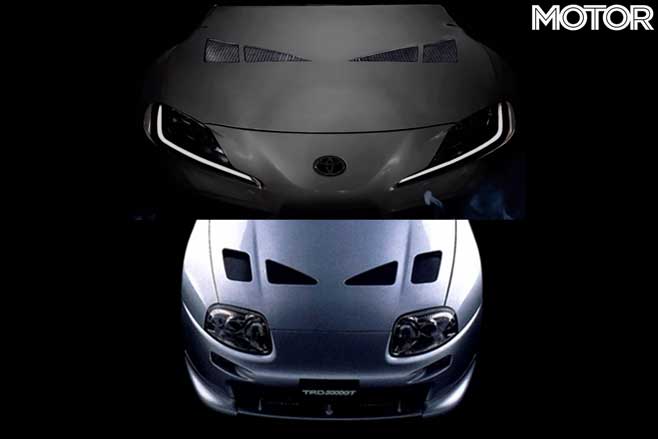
Despite the teaser video’s length, details are scarce on what other aspects of the GR Supra 3000GT will be tweaked over the standard car. Instead the video delves into the TRD’s past Supra creations and the new aero package for the GR Supra.
With its popularity growing and fresh new examples reaching customer hands, more and more tuners are dipping their toes into the aftermarket scene for the GR Supra.
Famous aftermarket names like Kei Miura of the Rocket Bunny/Pandem fame have already started building kits, and so has a number of renowned aftermarket tuners such as the UK-based Litchfield Motors that are working on mods that have been so far been able to up the GR Supra’s power outputs to 352kW/640Nm, from 250kW/500Nm.
https://www.instagram.com/p/B3h7T4qnIxp/?utm_source=ig_embed&utm_campaign=loading
We’d also mention race car builder Stephan Papadakis, who is in the midst of building a GR Supra with 1000hp.
With tuners getting back into the same groove that had catapulted the A80 Supra into the hearts of enthusiasts everywhere, it is as though the Supra that we know and love is back.
It’s not quite the royal treatment, but Holden’s Chinese counterpart Buick has let slip images that most likely preview the ZB Commodore’s first significant update since its introduction last year.
Badged as the Regal in China and the US, the model shares most of its mechanicals with the version sold here, as well as its exterior styling. You can expect, therefore, the grainy images of this sedan-based variant to reflect something coming to a Holden showroom soon.
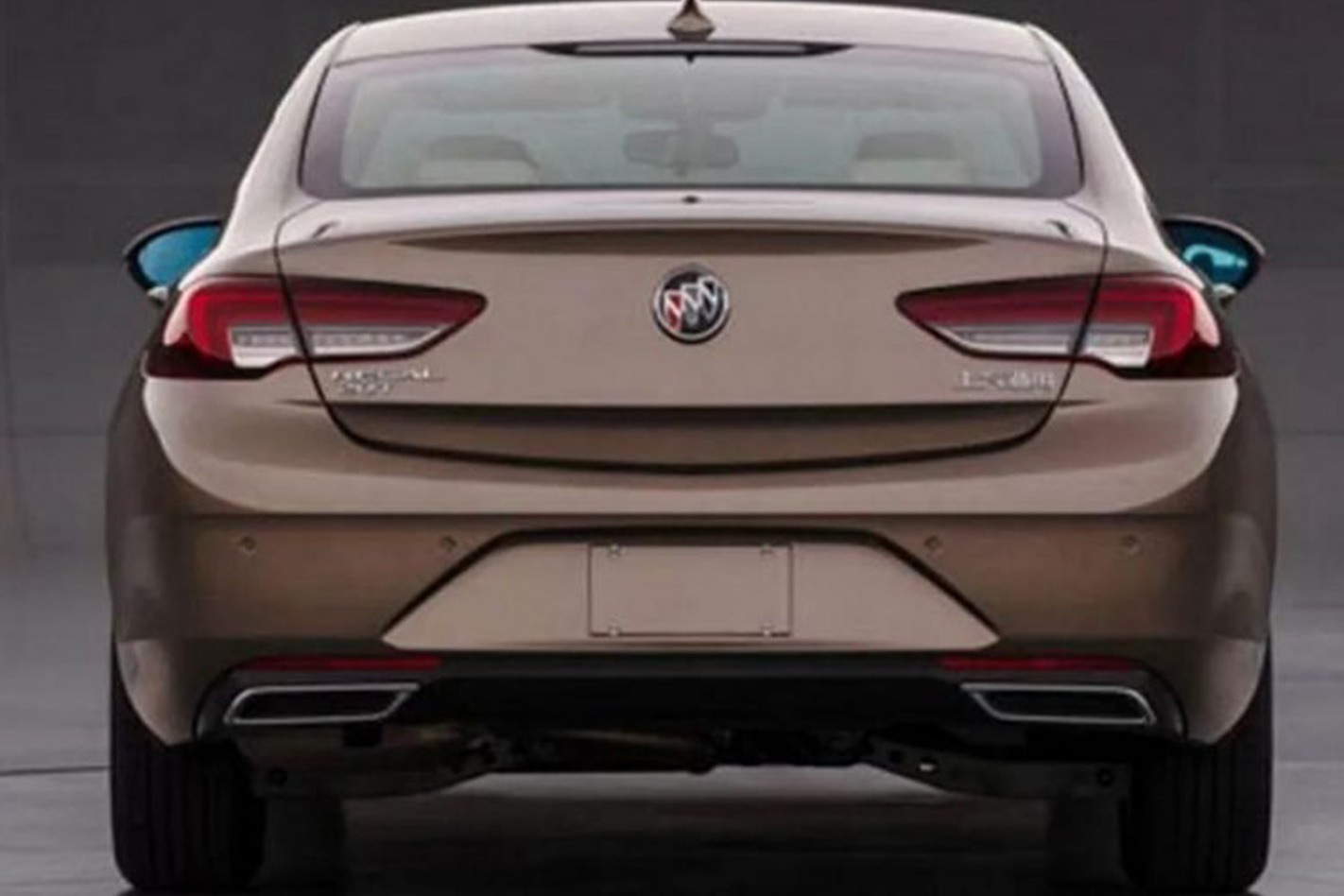
Published by autoweek.nl, the images appear to reveal a relatively mild mid-life exterior facelift, limited to front and rear bumpers, with sheet metal continuing on unsurprisingly unchanged.
The most significant changes are found in the Regal’s snout, where the front bumper now features a hungrier central air intake, flanked by a pair of slightly modified side vents, and slim LED daytime running lights.
Higher up, the headlights have been remodelled with a barb on the exterior edge, complemented by a new grille that features a finer mesh and central bar.
At the back, you’ll need a keener eye to spot the changes. Wide but squat exhaust tips are at each side and an even more subtle redesign is found in the light clusters.
It’s also fair to assume the interior has had a light once-over too, although no images have yet surfaced to confirm it.
Speaking of engine or other major mechanical updates are also just conjecture at this stage, and we suspect the Commodore will continue on with its choices of 2.0-litre turbocharged petrol and diesel, along with the hero 3.6-litre naturally aspirated V6 petrol.
However, there have been suggestions that the Commodore range is in line for a cull by year’s end.
To our eyes, this single variant is likely a harbinger of more affordable variants, possibly including the current LT entry option, and whether the higher-grade versions will be subjected to a similarly light fettering will remain unknown until official word from Holden or its parent, GM.
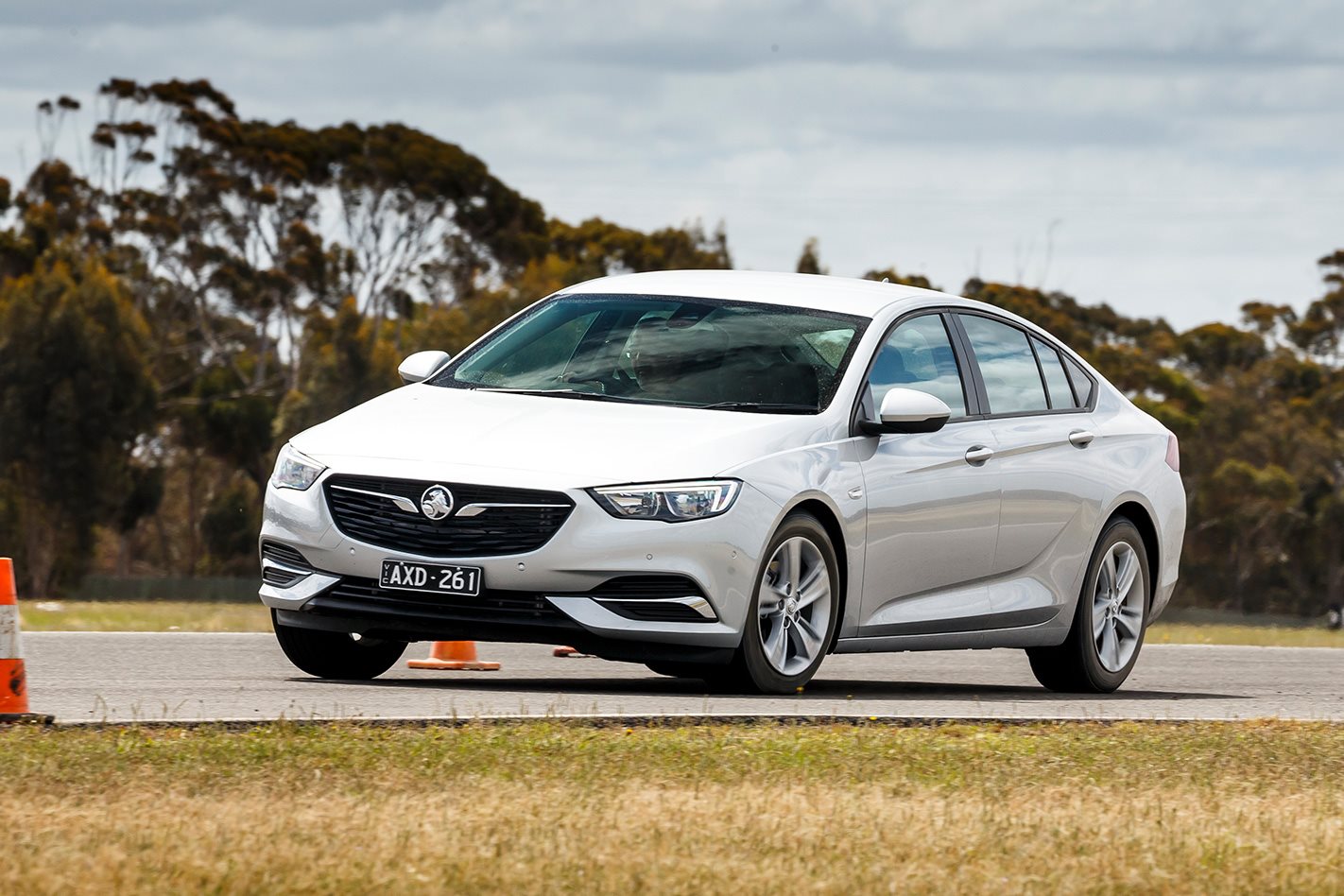
If the leaked images don’t inspire you to dash out and slap down a deposit for an updated Commodore, then at least wait for Holden’s official images. We almost guarantee they will be more exciting than the model shown that’s wearing skateboard-sized wheels and a colour that’s most kindly described as bronze.
While the light refresh will certainly not harm the Commodore’s cause, it’s going to take more than a little slap and a hairdo to halt its sales slide.
To date, the Commodore has found 4639 homes to the end of September this year, compared with 7295 to the same point in 2018.
If you were concerned electrification is on its way to imminently make all motorsport dead boring, you’re probably wrong.
Not only is it likely the combustion engine likely to stick around, but it seems some motorsport is exciting enough even without the sound of engines singing.
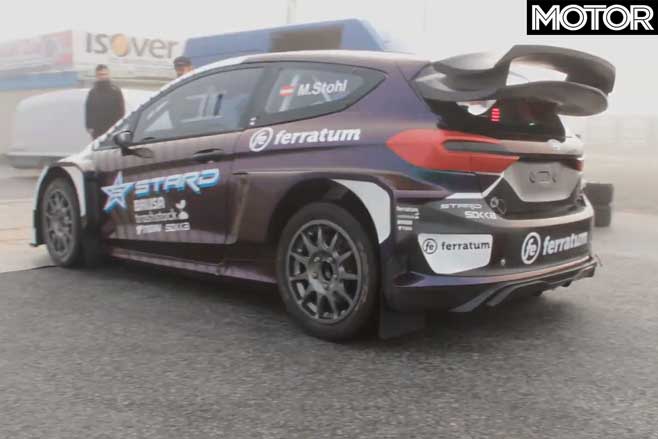
Take rally cars for example. Stohl Advanced Research and Development (STARD for short) has built a 447kW rallycross racer as part of the team’s continuing development of EV racing platforms.
Founded by Austrian rally driver Manfred Stohl, STARD has been fielding a Fiesta in the WRX Championship, with Jānis Baumanis at the wheel.
And though it doesn’t build a car for the World Rally Championship, STARD has lured WRC driver Hayden Paddon into its test car for a steer in its Fiesta development car.
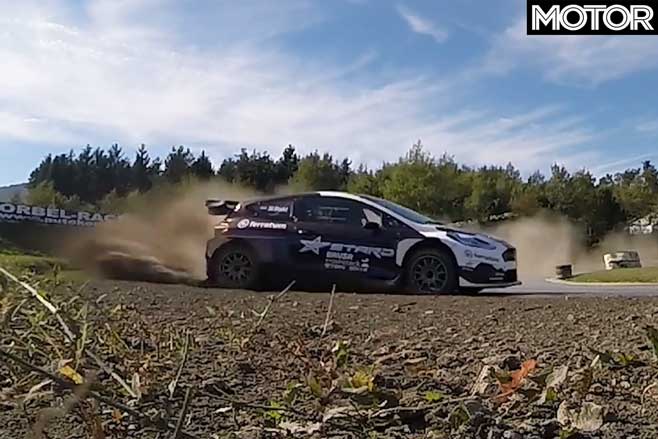
First impressions from the rally driver seemed overwhelmingly positive, but it would seem the video speaks for itself.
“It’s got lots of power… I think I only found 100 per cent throttle maybe twice,” Paddon said.
“Just feathering it… It’s got so much power though. It’s good!”
American authorities are preparing to auction off a massive collection of cars that includes some of the most iconic muscle cars ever built.
You might be wondering how the US government came to be in possession of nearly 150 ultra-cool vehicles. Well, it all has to do with the failed company DC Solar.
The nearly 150 cars were seized by the American Federal Bureau of Investigation (FBI) and US Marshals Service late last year.
The seizure was part of a co-ordinated raid spread across the offices of DC Solar, and the Californian mansion of owners Paulette and Jeff Carpoff.
Only a handful of years ago DC Solar was booming, sponsoring teams, races, and even entire race tracks on the NASCAR calendar.
It had even been given the nod of approval by renowned philanthropist Warren Buffett through his Berkshire Hathaway and Progressive insurance companies.
DC Solar had raked in US$810 million (A$1.18 billion) in funding, with US$340 million (A$496 million) coming from Berkshire Hathaway alone.
However, it all turned out to be a massive Ponzi scheme, with profits being funnelled to the Carpoffs, who happen to be car aficionados.
Now enthusiasts are having the chance to organise their own raid of the estate, with a 149 vehicle collection valued at more than US$6 million going under the hammer.
Bidding has opened online, with the auction set to end on October 26.
The full list of vehicles up for grabs is wild, with three different Hummers, an original ’64 Austin Mini Cooper, a Bentley Continental GT V8 S, several classic Cadillacs along with a 2017 CTS-V, three separate ’69 Camaros, a handful of Chevrolet Chevelles, a Dodge Demon and SRT Hellcat, along with a ’71 R/T Scat Pack Challenger, ’69 Daytona, and ’02 Viper RT-10.
All the listings can be found here, and make for brilliant browsing. Take a look and let us know what’s tempting you.
Anyone want to stump us some cash for a vehicular investment?
Even though police forces around Australia are keen to show off their latest patrol car acquisitions, it is the secretive unmarked police cars, which understandably go unmentioned, that we are more interested in.
Recently a member of the Australian Police Vehicles Facebook group shared images of a BMW M3 unmarked police car in the nation’s capital with its blue and red emergency lights fully lit.
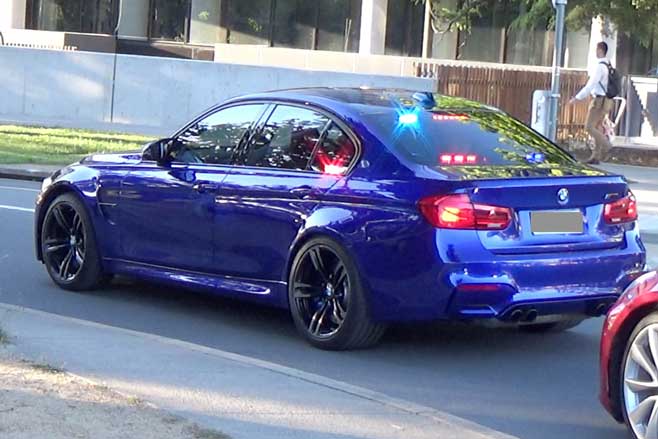
According to a source close to the matter, the car in question is an M3 Pure that was recently acquired by the Australian Federal Police for law enforcement duties within the capital.
“The AFP was looking to add a performance car to their fleet, with the criteria that it had to come with a manual transmission,” said our source. “It turns out the M3 was the only performance car that suited that criteria.”
Glancing at what is available in the performance car market today, it seems that the M3 was not just one of many options, but quite possibly the only option.
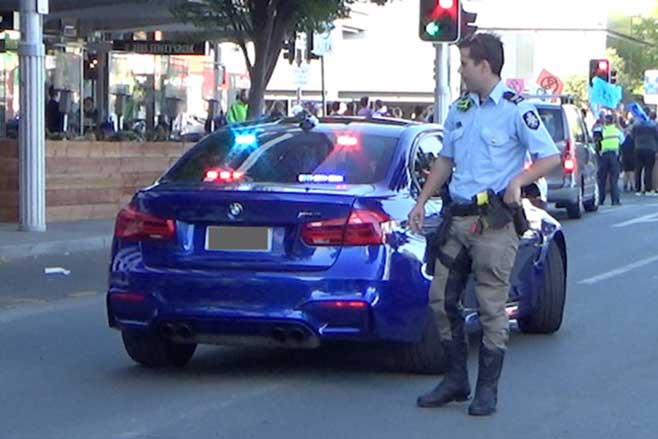
Although there are plenty of fast four-doors out there, ever since the discontinuation of Holden’s VF Commodore and the Ford Falcon, there aren’t any four-door cars, which can match the M3’s 331kW output and lay down a 0-100km/h time in the low-4sec region, that can be specified with a manual transmission.
As of the time of publication, this blue example is the only M3 in the AFP’s fleet, so best put on your best behaviour around lone M3s prowling the streets of Canberra.
The second running of the World’s Fastest Gamer competition has kicked off in California this weekend, with ten gamers from across the world converging on the state to determine which of them has the right skills to become a real-world racing driver.
The competition should be fierce. The contestants come from a broad array of virtual racing backgrounds, with the usual iRacing, Assetto Corsa and rFactor alumni being mixed in with gamers of more casual-friendly titles like Forza Motorsport and Gran Turismo. One gamer even listed the mobile-only game Gear.Club as their favoured racing title – it’ll be interesting to see whether experience on a mobile racing game can translate well into the real world.

Even so, the prize still has significant value, with a full-time stint in a GT4 race car valued around US$1 million (AU$1.46 million) per season. As the field of e-sports racing grows stronger – Ford Europe has decided to dip its well-financed toes in the water with its own e-sports – we’d expect prize pools to get proportionally fatter.
Like Sony’s GT Academy, which was the first major experiment in turning virtual racers into actual race car drivers, the World’s Fastest Gamer contestants will be subjected to a number of tests – both on the track and on simulators. Laguna Seca in Northern California will be one such setting for their on-track excursions, as will The Thermal Club outside of Los Angeles and Las Vegas Speedway.
The competition will unfold over the next twelve days – expect the winner to be announced in a couple of weeks.
Determined YouTubers who rescued a burnt Lamborghini Huracan and gave it a 7.0-litre LS twin-turbo V8 are set to reveal the finished project at next month’s upcoming SEMA show.
As the saying goes, ‘LS the world’. And YouTube channel B is for Build (hereby written as BIFB) is behind the latest conversion, focusing on a wrecked LP610-4 that had burned its previous twin-turbo V10 powertrain.
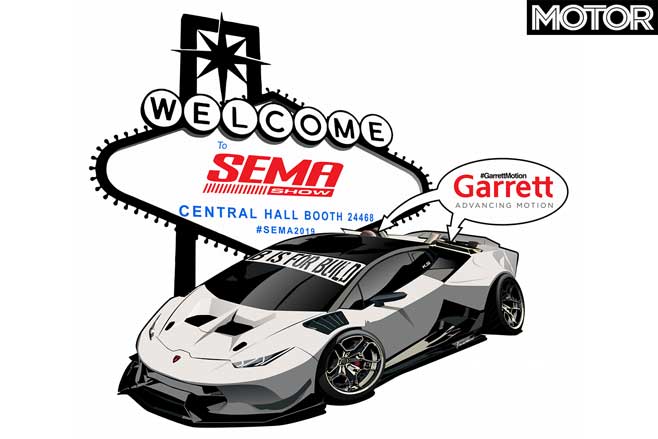
Chris, the host of the channel, has completely rebuilt the car with a Texas Speed LS V8 and documented the process online, offering a rare look at the bare bones of an Italian supercar that retails for $428,000 (in Oz, before on roads).
There are 24 videos, each over 20 minutes long.
But it’s perhaps the desired end result that is drawing everyone’s attention. When finished and revealed at SEMA it’ll be a Huracan with a twin-turbo 430 cubic inch V8 producing more than 746kW on E85 fuel. Oh, and it’s only driving the rear wheels.
That’s right, its six-speed Graziano transaxle that’s pinched from an Audi R8 (V8, manual) won’t have any front wheels to turn since BIFB tossed the drive system connected to the front wheels. And there’s more.
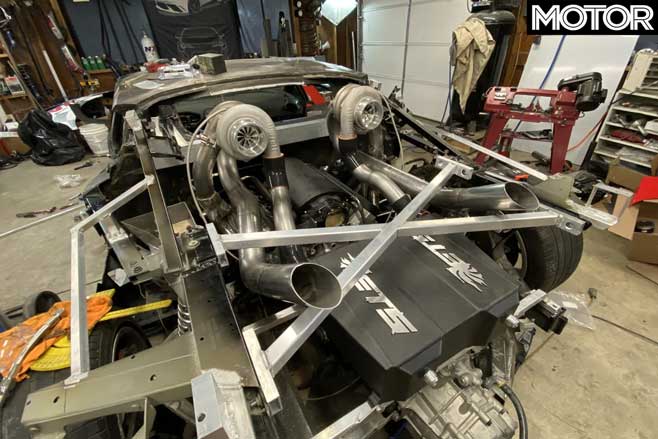
The car’s wide body exterior will stretch over 345mm wide rear tyres and 275mm wide front tyres. Its wheels are 20-inches in diameter.
Its panel work, from a Huracan Super Trofeo GT3 racer, helps keep its DNA pure with Lamborghini parts and equals an all-carbon fibre skin – except for the roof.
Deep underneath its skin exists a front tube-frame that replaces the original cradle, which BIFB sold for USD$10K to keep costs down. It hopes the finished build will cost less than an American-market Nissan GT-R.
It’ll be officially revealed when SEMA opens its doors to media from November 6 on Garrett’s stand, BIFB’s turbo supplier. In the meantime, follow the build on BFIB’s YouTube page.
If knowledge is power, ignorance is unlikely to produce winners.
Yet the competition cars Mercedes-Benz brought to Silverstone to celebrate the company’s 125 years in motorsport earlier this year told a very different story.
Looking closely at the machinery on show, both in the exhibition halls of the huge Silverstone Wing event centre above pit lane and on the track itself, there was plenty of ignorance to be seen. Although the collection of cars assembled at Silverstone were winners one and all, many of them spoke with silent eloquence of how much their creators did not know.
Naturally enough, examples were easiest to find among the oldest exhibits. Mercedes-Benz has existed since 1926, when Gottlieb Daimler’s Mercedes brand merged with Karl Benz’s company. Both took part in the 1894 Paris to Rouen event widely acknowledged as the world’s first car competition.
The Benz finished 14th, but the Panhard and Levassor and Peugeot cars that shared the big prize money on offer from magazine Le Petit Journal were powered by licence-made Daimler engines. Two were on show at Silverstone. This winner is a narrow-angle V-twin of around 1.6-litres. Maximum output? Almost 3kW.
What caught my eye was the ignition system, which is basically a small brass stove at the top of the engine. Inside are two manually adjustable burners. These heat short tubes with closed ends that pass through the cylinder walls and into the combustion chamber.
This ‘hot tube’ ignition apparatus looks utterly nuts to modern eyes. But Daimler and his top engineer Wilhelm Maybach didn’t know that Robert Bosch would electrify petrol-burning internal combustion engine ignition in a literal sense only a few years later, patenting the high-voltage spark plug and magneto in 1902.
Chuffing through four slash-cut stub exhausts, the 1909 ‘Blitzen’ Benz is an awesome artefact. Seeing it run at Silverstone was a thrill, even if this white-painted elephant was brought to life only briefly. For a time, this was the fastest vehicle in the world. It was eight years before another car, or motorcycle, aircraft or boat, could beat its record 228km/h over a mile at Daytona Beach in 1911. It took a 21.5-litre engine, specially designed for the job and equipped with spark ignition, to produce the 150kW or so needed to reach such speed.
The engine is massive, because that’s the only way Benz’s best boffins could think of to make big power. They weren’t to know that advances in metallurgy were coming that would make possible compact, high-revving engines that roared and screamed instead of huffing like the Blitzen Benz, while producing way more power.
The Silver Arrows of Mercedes-Benz’s golden age in motorsport are lovely cars, but these pre- and post-WWII racers display scant knowledge of safety. The theory – and it was never anything more – was that your chances of survival were better if you were thrown out of the car. By this logic, seatbelts were killers, not lifesavers. So they weren’t fitted…
Even in the current age of the F1 driver halo, there’s still much to be learned. Walking along the chronologically ordered row of Mercedes-AMG Petronas F1 cars trucked to Silverstone was fascinating. Year by year through the hybrid era that began in 2014, the increasing complexity of their front wing designs is a sure sign of the team’s improving understanding of aerodynamics. In essence, there’s no great difference between the aero team who designed the front wing of the winning 2018 car and the Daimler engineers who more than a century ago produced an ignition system that needed to be lit with a match.
How much more will we know tomorrow than we do today? No-one can say for sure. But winners always will be those who make the most of what they have to work with in the here and now.
Madbul FD RX-7
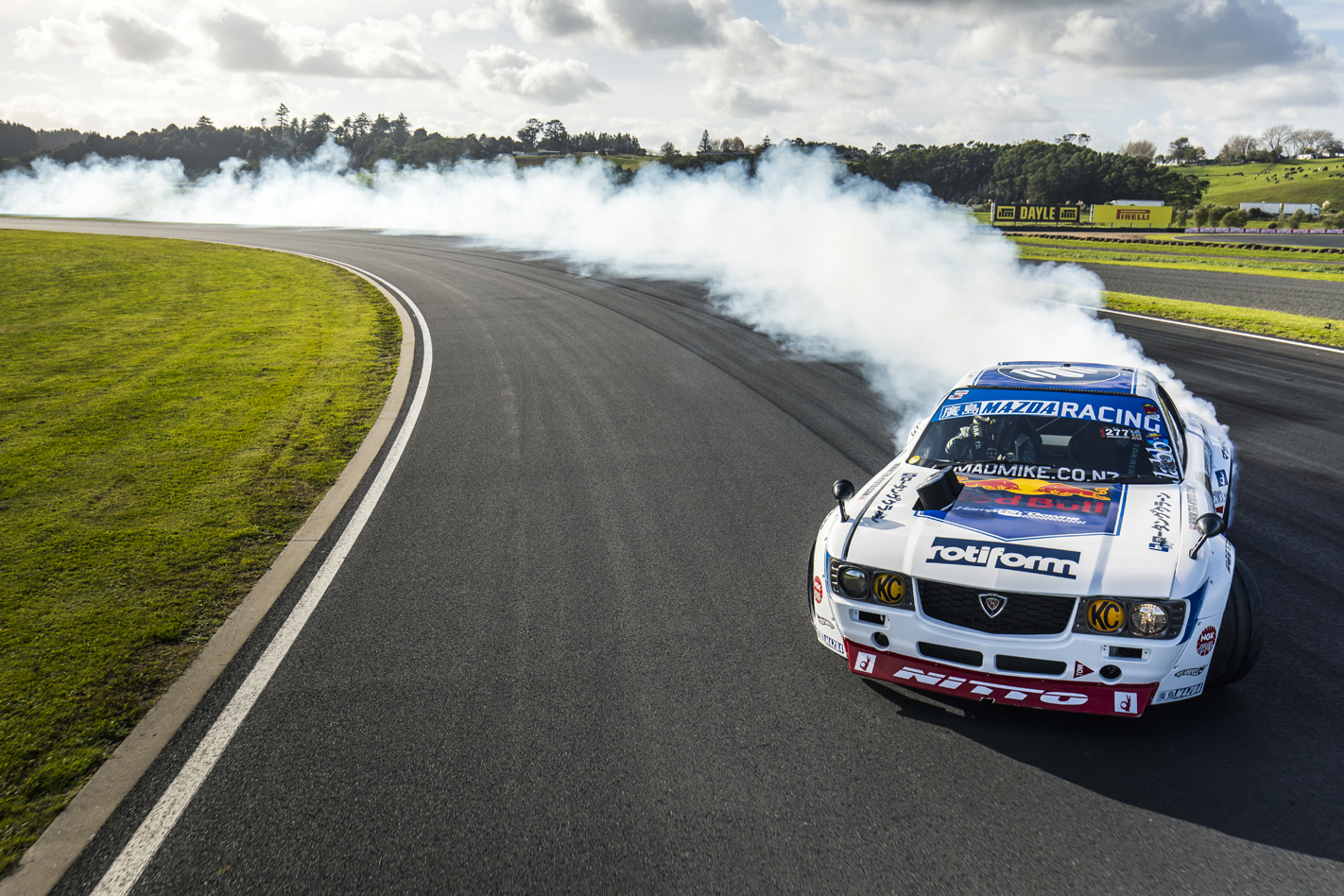
The inspiration for this came from the Le Mans-winning Mazda 787B which had a naturally aspirated four-rotor. I’d never seen it in person but had heard it on YouTube and we figured out how to do the four-rotor here in NZ. This car has more stamps in its passport than most humans. It’s the dream build.
Mazda RX-3
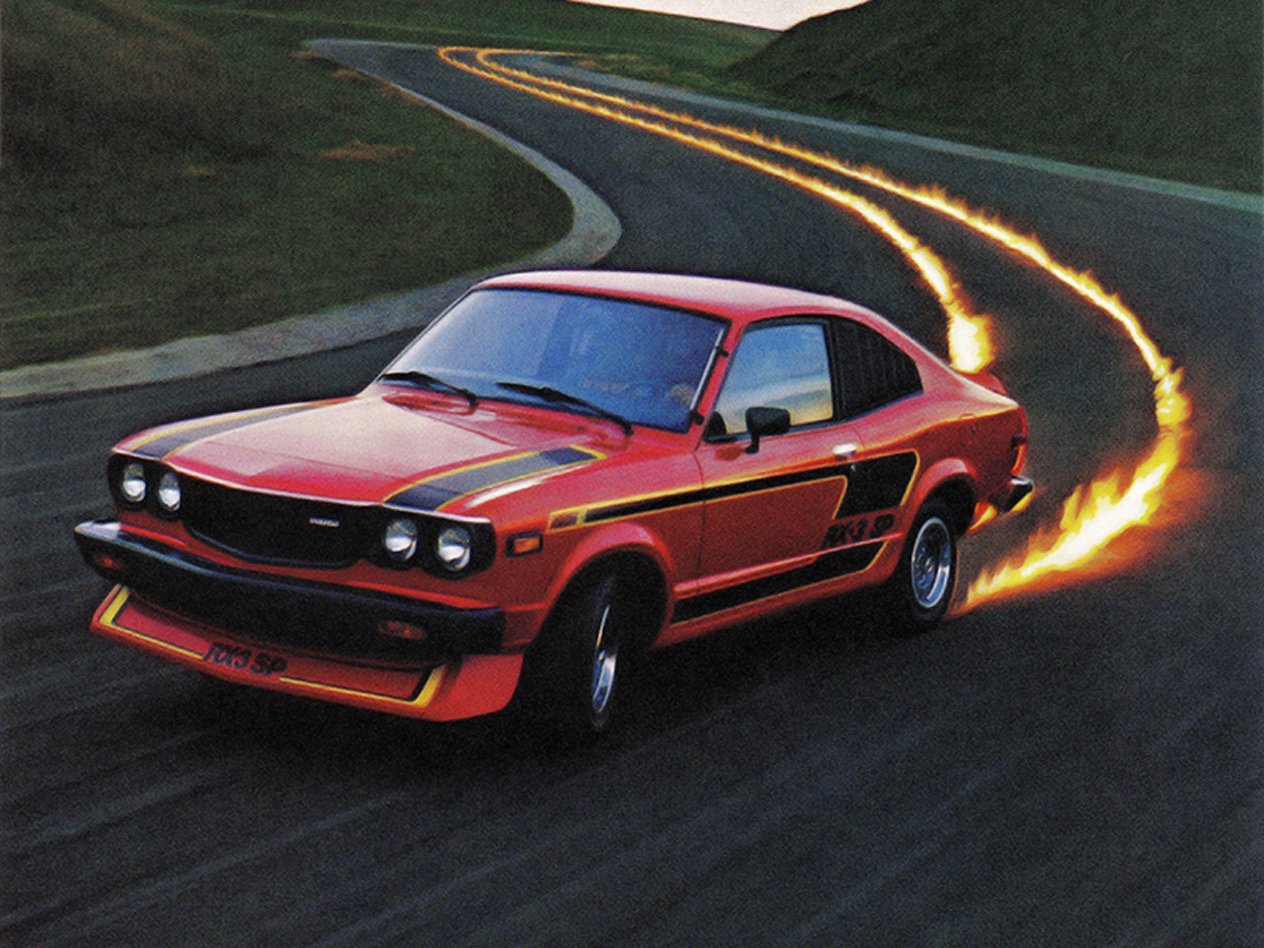
My favourite era of cars is the 1970s. The 1975-76 Savanna RX-3 is my favourite car on planet Earth. Just a genuine, unmodified Mazda RX-3. It’s also my wife’s favourite car. As a tribute, we grafted an RX-3 front onto the Madbul RX-7. We did all the retro styling on the graphics and overfenders.
Lamborghini Huracan
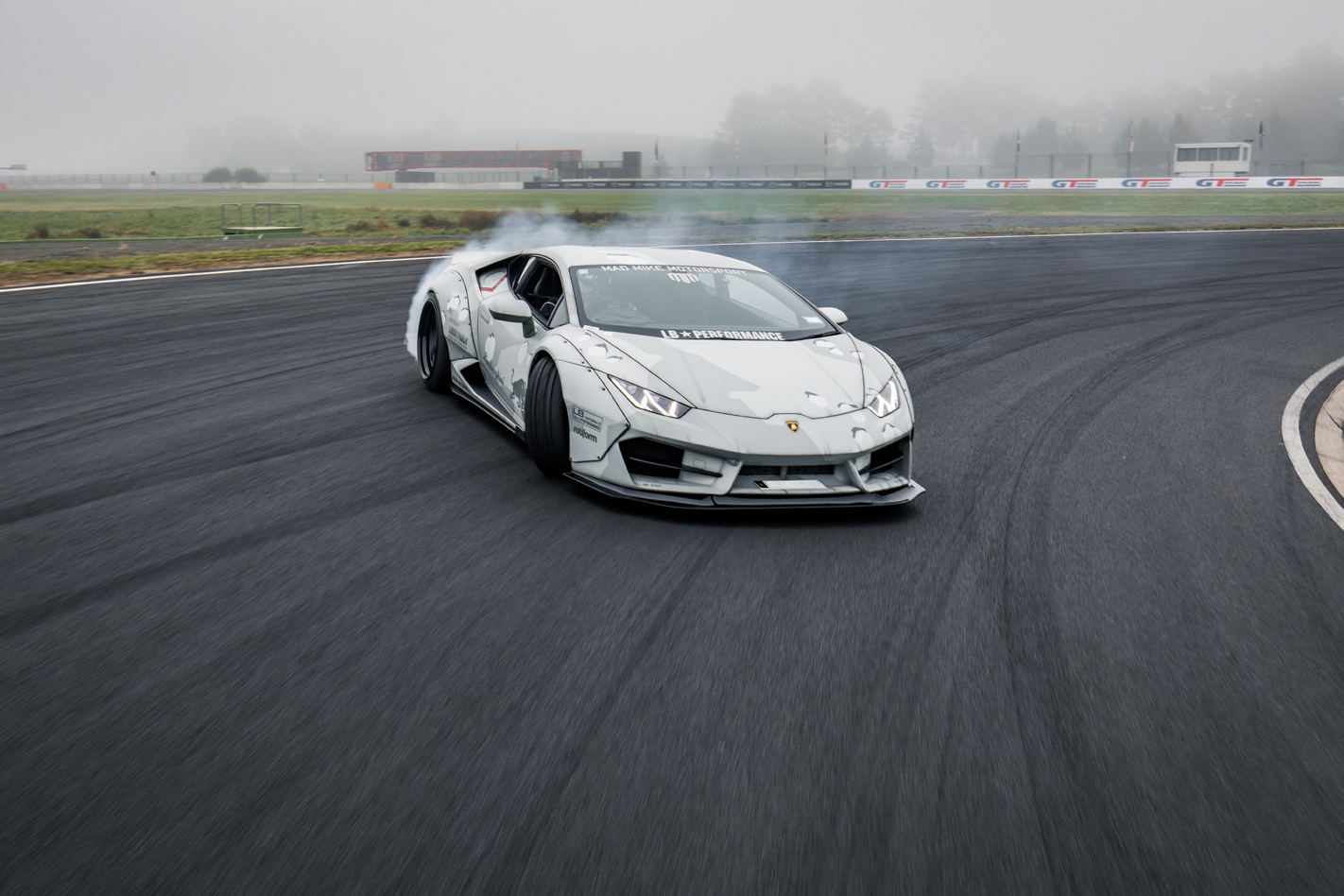
It’d have to be something very exotic with a wild exhaust, drift set-up and flamethrowers. It’d be wild; like how we do our drift set-up with stretched tyres and big, deep-dish rims, wide body. That would be really cool, a drift Lamborghini. I can’t think of a better way of rounding out my ultimate garage.
(Editor’s note: After we chatted to Mike, he went and built the Lamborghini Huracan he described, which can be seen in the photos here. Now that’s what we call livin’!)
