
Waze, a navigation app for phones, helps road users avoid congestion – and avoid contributing to it – by providing alternate routes for traffic to follow.
It also allows users to log accidents, road works, police stops and other potential road stops by tapping on the screen.
The app, owned by Google, is much the same as any maps software with live traffic data (which is also built into many modern vehicles), but Western Australia Police Minister Michelle Roberts told Nine News that while the app is legal, users could be breaking the law when using it.
“If you’re entering any information, if you’re touching the screen for example, then you are breaking the law,” Roberts said.
“How would you feel if you hit a pedestrian, or a kid on a bike, because you were distracted because you were using an app like this.
“Using it to avoid police is just stupid, it’s putting your life at risk, but more importantly it’s putting other road user’s lives at risk.”
Though the use of a phone is illegal in most circumstances, GPS apps can be used if the phone is in a secure cradle. According to Western Australian law:
“It is an offence to create, send or look at a text message, video message, email or similar
communication while driving. The GPS function of a mobile phone may be used by a driver only if the phone is secured in a mounting and the driver does not touch the phone at any time (www.ors.wa.gov.au).”
This rules out touching the screen to input the location of a car accident that might bring a freeway to a halt, or if police have setup a road stop.
However, the Waze app is now available on Apple CarPlay and Android Auto connected vehicles, which means the software is integrated into the car’s touchscreen system.
It is not illegal to use those functions of a vehicle. With the Waze app on a connected infotainment system, users are able to input accidents, speed camera locations and police presence, among many other hazards and stops.
It is also not illegal to use the app without touching the screen when driving, and it will still find alternate routes and alert drivers to the location of speed cameras and hazard.
One user of the app told Nine that because of the app he hadn’t had a speeding fine for five years, though it was much more than just an alert for where the police are.
“It’s not just about avoiding speeding fines for me, it’s also understanding what’s happening on the roads,” he said.
Toyota has officially dumped the iconic V8 petrol engine from its 200 Series LandCruiser line-up, with weak sales the main reason behind the decision.
And it’s already happened, with the petrol engine’s specs and info pulled off Toyota’s Australian website.
This suggests that dealers won’t take any more orders for the petrol-powered variant, and once dealer stocks are cleared, that will spell the end of the petrol-powered LandCruiser era in Australia.
“The Landcruiser 200 series has discontinued all petrol variants from August 2019 production onwards,” confirmed a spokesperson from Toyota Australia. “This was in response to low market demand for this variant.”
It also means the end of the petrol V8 across Toyota’s entire Australian line-up for the first time in more than 20 years.
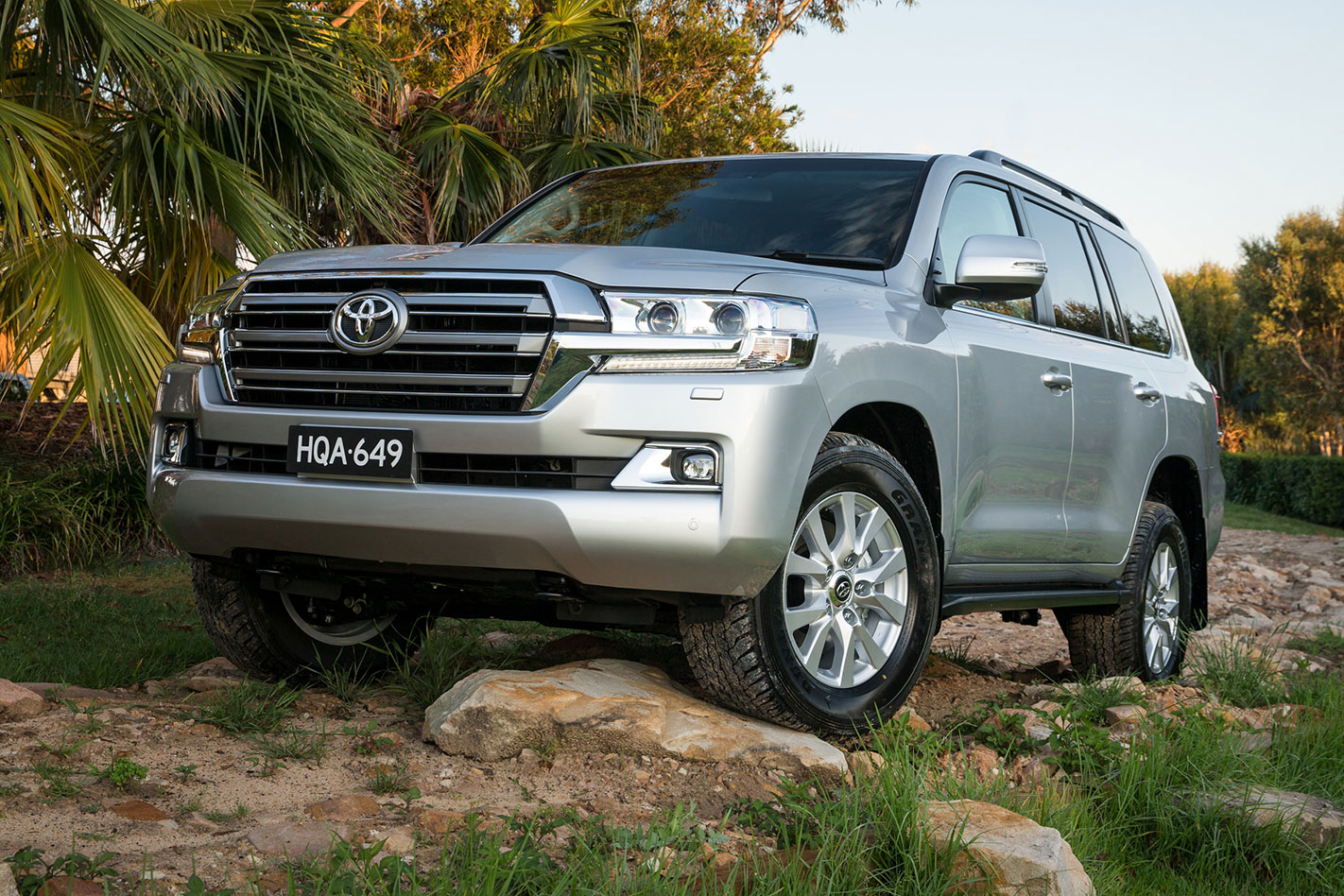
The first LandCruiser to score a V8 engine was the 100 Series, which launched in 1998 with a 4.7-litre bent eight under the bonnet.
The 4.6-litre naturally aspirated V8 is – or was – the biggest, most powerful petrol engine in the entire local Toyota line-up, but it has struggled in the sales race when compared to Toyota’s beefier 4.5-litre twin-turbo V8 diesel.
Out of some 8400 LandCruisers sold so far in 2019, just 500 or so have been petrol-powered.
As well, toughening emissions regulations have put the squeeze on the ageing engine’s viability.
The ageing 200 Series LandCruiser has been on sale here in Australia for almost 12 years, and is expected to push on until at least 2021 before the arrival of the – no surprises here – 300 Series.
The 300 Series is expected to offer some form of hybrid powerplant at some stage in its model lifecycle, given that Toyota has stated that every model will offer some form of electrification by 2025.
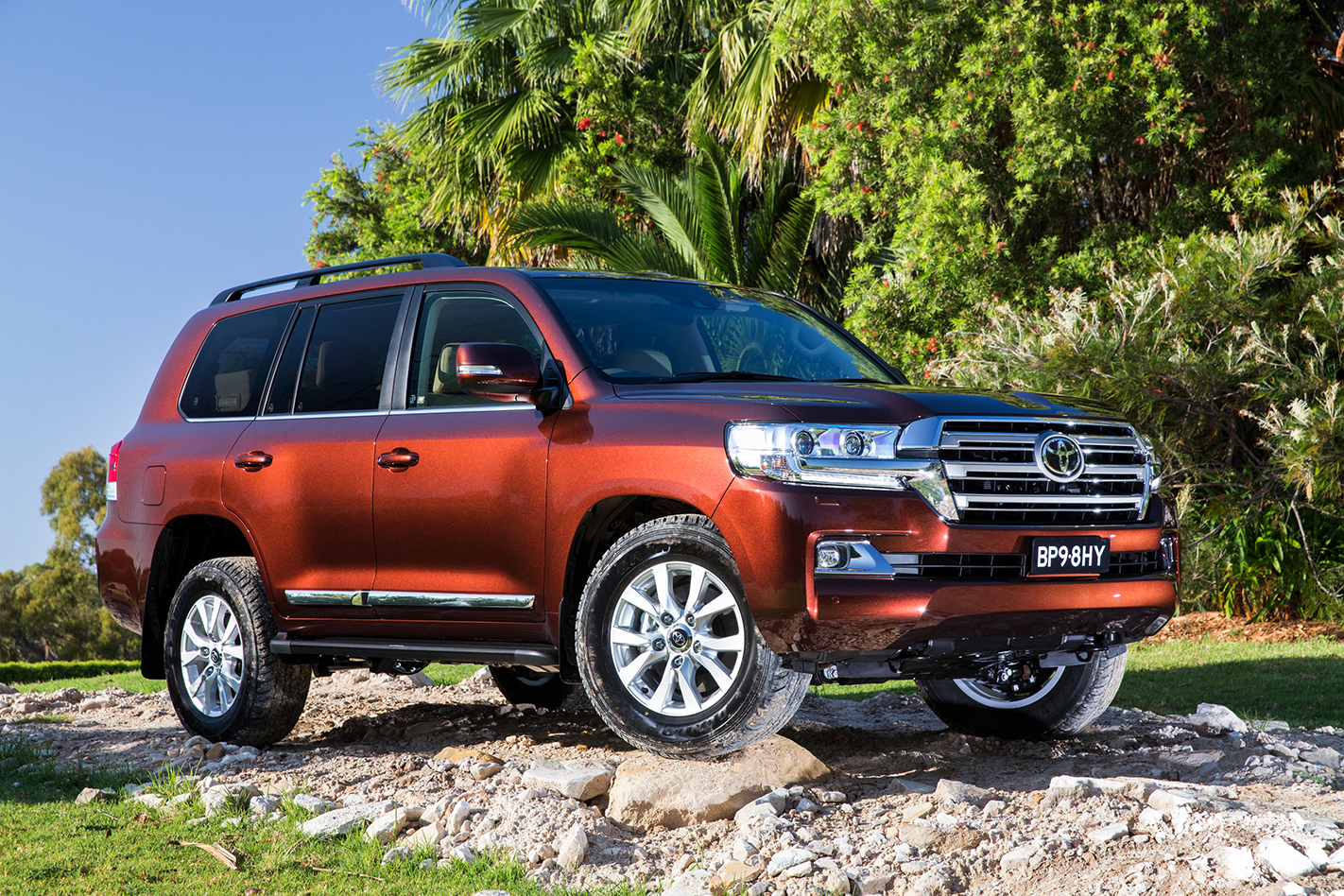
Whether this will be a petrol/electric or diesel/electric hybrid is yet to be seen, but the 300 Series isn’t likely to carry the twin-turbo diesel V8 under the bonnet.
The capitulation of Toyota in the petrol-powered V8 4×4 stakes leaves only the Nissan Patrol and its 5.6-litre quad-cam V8 as the only big offroader under $100,000 with petrol still in its veins.
The directly related Infiniti QX80 and Range Rover still offer petrol V8 variants within their respective line-ups.
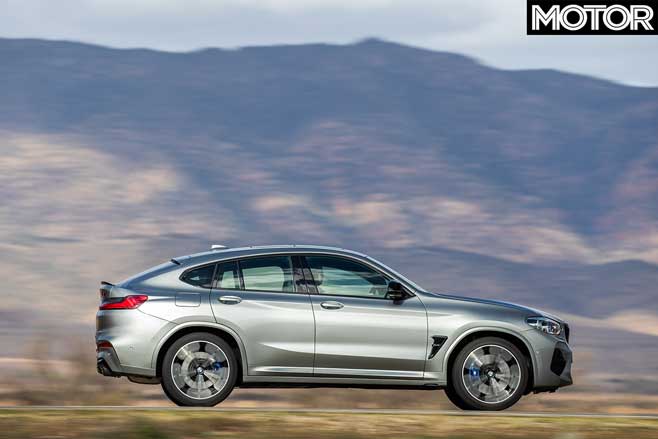
The BMW X3 M Competition – and its quasi-coupe twin, the BMW X4 M Competition driven here – are important for two very different reasons.
Firstly, these two high-performance mid-size SUVs are expected to become M Division’s biggest sellers (the X3 garnering Best Actor, the X4 in the running for the Best Supporting gong), which means they’ll want to be good. Secondly, their mechanical make-up offers our first taste of the underpinnings that’ll sit beneath the next M3.
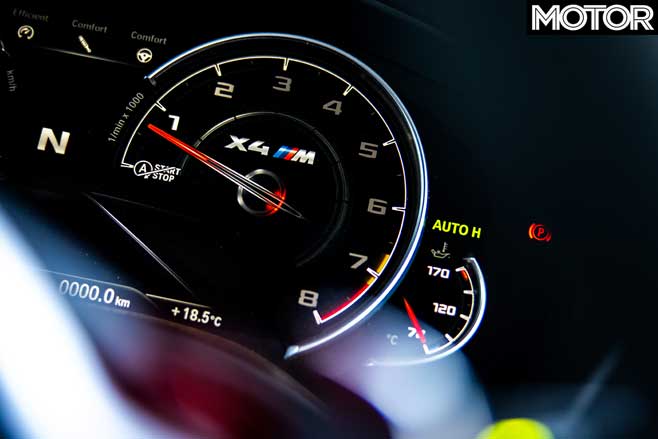
Key to both cars is BMW’s new engine, the S58 3.0-litre twin-turbo straight-six. It’s a clever thing, based on the ubiquitous B58 but heavily upgraded for high-performance applications, including a closed-deck crankcase, 3D-printed cylinder head core, new mono-scroll turbochargers and super-high fuel injection pressure (350bar!). BMW claims just 10 per cent of the parts are carried over from the previous S55.
In the case of the X3/X4 M Competition the net result is 375kW at 6250rpm and 600Nm from 2600-5950rpm, enough to motivate 1970kg to 100km/h in a claimed 4.1sec, a figure which is said to be conservative. We’ll find out when we hit the drag strip in the coming months. Regardless, there’s little to complain about with the way the X3/X4 M moves. There’s a small pause as the turbos build boost but the mid-range is massive and power continues right to 7000rpm. What it’ll be like in the next M3 bereft of 400kg or so is a tantalising prospect.
Once those turbos are spinning throttle response is very sharp, almost too much so in Sport Plus, but it’s not an engine that’s really going to light the fire of too many enthusiasts. The angry snarl from outside is muted to a more cultured, synthesised hum from behind the wheel with little of the rasp that made previous M sixes such a delight to listen to. Likewise, the delivery is undoubtedly potent but there’s no crescendo of power, no incentive to chase the redline. Without wishing to dismiss the hard work of the M engine department, it feels a lot like a tuned B58 rather than an all-new unit.
The X4 M is better in the bends. In fact, it’s remarkable for a car this size and weight. The steering is short on communication and quite weighty, even in Comfort, but it’s also very accurate and the front tyres tenaciously hold your desired line. Grip from the Michelin Pilot Sport 4 S tyres (255/40 front; 265/40 rear) is very high but BMW’s M xDrive all-wheel drive system injects plenty of fun into proceedings.
There are two settings: standard 4WD is slightly rear-biased and provides excellent traction with just a hint of rear interaction; 4WD Sport doesn’t quite disconnect the front driveshafts but it certainly limits their involvement. The X4 M is remarkably keen to power oversteer and requires a lift of the throttle to regain traction when it does so, rather than just relying on the front wheels to quickly pull the whole show straight like in most of the BMW’s rivals. It feels a little contrived, but is inarguably good fun.
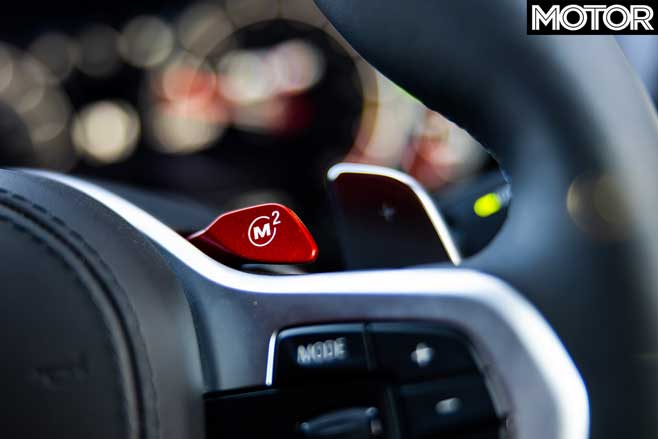
For pure hard-driven enjoyment, the X4 M might have a claim to being the best of the SUV bunch, but there is a ride quality penalty to be paid. Clearly, the suspension team’s goal was body control above all else, including occupant comfort. It’s not terrible, only really becoming tiresome on bumpy roads when vertical motion will have you bouncing out of your seat, and it’ll take a comparison to say it’s appreciably worse than the equally firm-riding Mercedes-AMG GLC63 S and Jaguar F-Pace SVR, but equally it’s an important consideration for a car whose primary role will be family transportation.
Judge the exterior looks for yourself – though the X3 and X4 M feel a more sensible size than bigger behemoth brothers – but the interior works well, a simpler, more intuitive set-up than the likes of the 7 and 8 Series. Excellent seats, too.
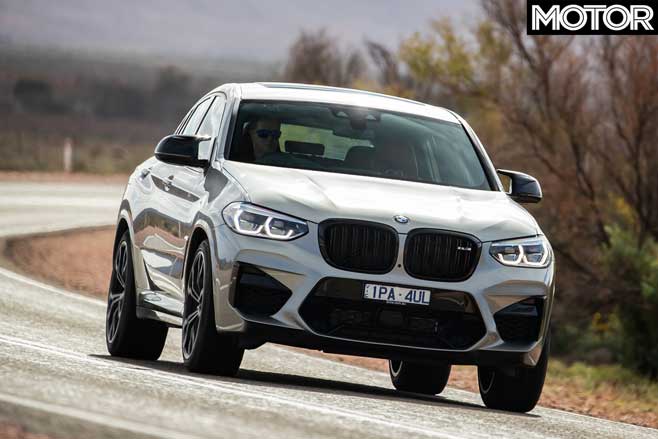
As ever, it’s tough to make a rational case for a performance SUV; if you have room for two cars the X4 M’s $164,900 buys a more suitable X3 20i for the family and M2 Competition for the weekend. But it struggles on irrational grounds, too; the substantially cheaper X3/X4 M40i twins offer much the same soundtrack and what they lose in ultimate performance they make up for in everyday comfort. Let’s hope the next M3 is a bit spicier.
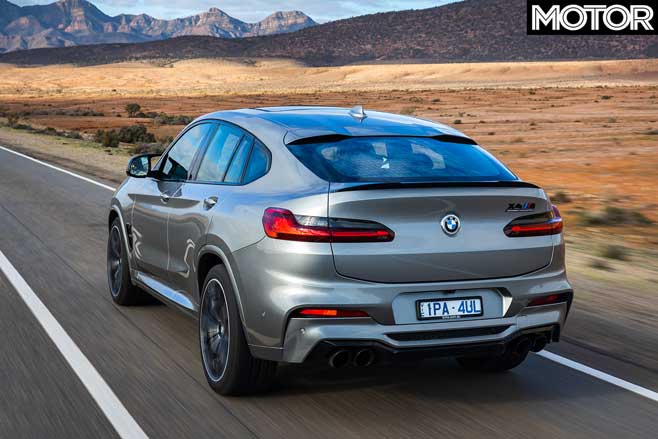
2019 BMW X4 M COMPETITION SPECS Engine: 2993cc inline-6cyl, DOHC, 24v, twin-turbo Power: 375kW @ 6250rpm Torque: 600Nm @ 2600-5950rpm Weight: 1970kg 0-100km/h: 4.1sec (claimed) Price: $164,900
Like: Genuinely entertaining to drive; very fast; loaded with equipment Dislike: Stiff ride; engine lacks character; cheaper, more entertaining rivals
Rating: 3.5 out of 5 stars
Australia’s love affair with the Sports Utility Vehicle continues unabated, with sales of SUVs now besting passenger cars every month.
The SUV has truly hit its stride in the past decade, with the compact market, in particular, providing Australians with a myriad of options across almost every brand.
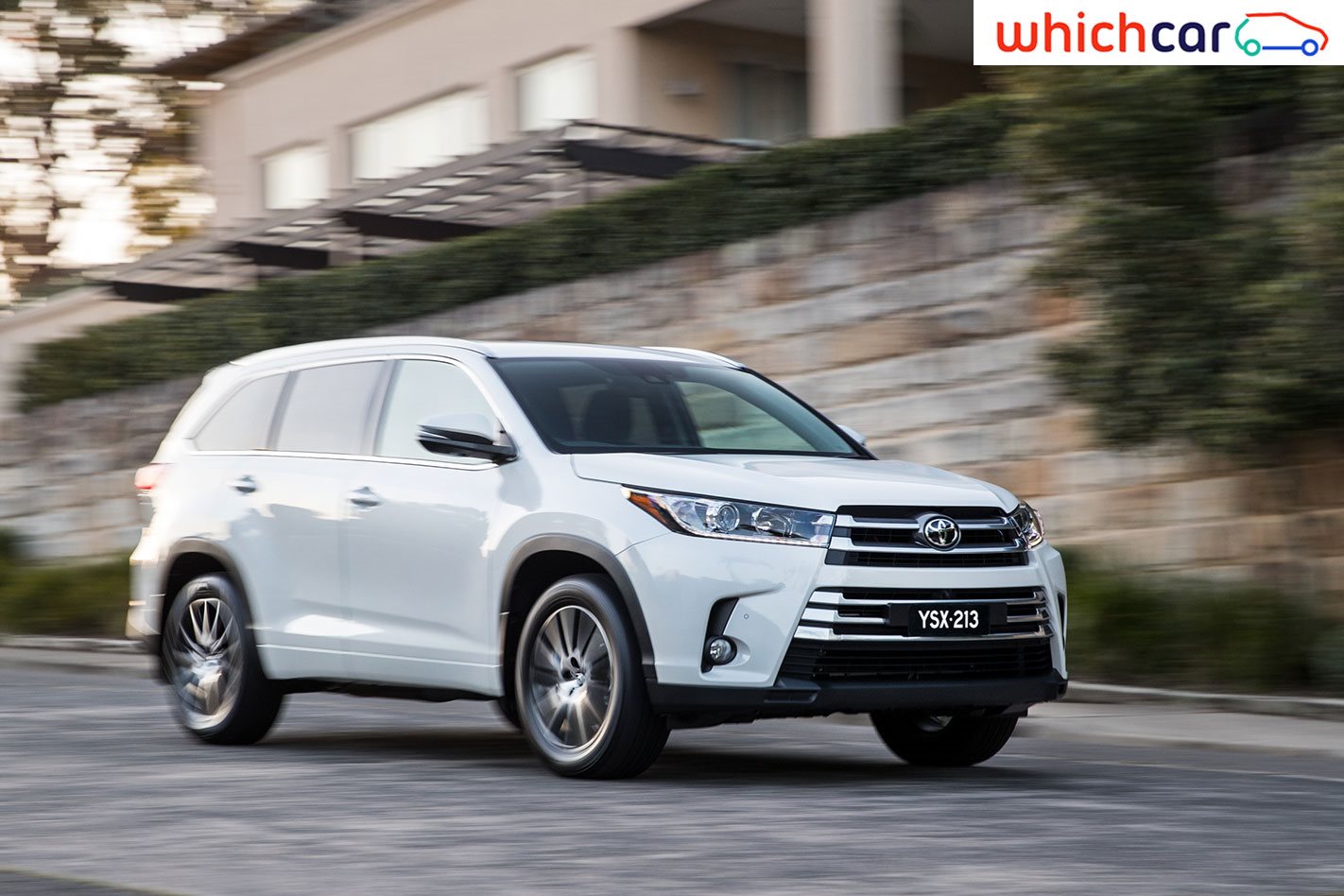
Of course, this has had an impact on other sectors in the market, from large and medium sedans right through to light hatchbacks suffering from lower sales across the board.
The drop in sales has led to a corresponding cull in the number of SUV alternates on the market, as well.
But that doesn’t mean you should simply default to an SUV if you’re looking for a car that can carry a load, a pet or two, or even a lot of luggage. A sedan-based wagon may actually suit you better, and in more ways than you might think.
RUNNING COSTS
The original premise of an SUV was a vehicle that was designed to not only go on the road but off it as well.
Engineering it to do two jobs means more tech, more complicated suspension and more weight for additional strength.
The more heavy-duty or specialised the SUV is, the more it can cost to service, and high-wear items like tyres and brake pads will need to be replaced more often.
If your SUV is a true offroader, then it will likely be wearing all-terrain style tyres that are heavier, noisier and more expensive to replace as well.
Then there’s registration. A heavier vehicle can mean paying a bigger annual fee; the theory is that a heavier vehicle does more damage to the road, so the owner has to pay a higher rate of tax.
FUEL ECONOMY
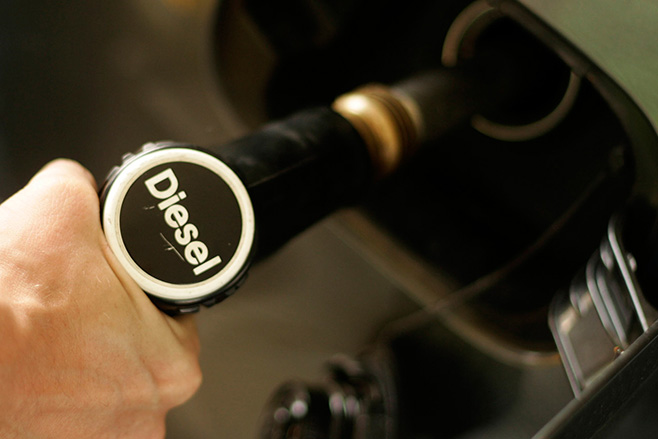
A wagon will often offer better fuel economy than a similarly-engined SUV, thanks to lighter weight and less drag through the air due to a more streamlined body.
The wagon’s decreased weight comes from the fact it doesn’t need overbuilt suspension, complex all-wheel-drivetrains and additional offroad-specific equipment to do its job.
Add in the frugal diesels and turbocharged four-cylinder petrol-powered cars of cars like the Ford Mondeo or Volvo V60 wagon, Volkswagen’s Passat and Skoda’s Octavia and Superb offerings, as well as the much-loved Mazda6 wagon and it’s clear that wagons have a definite advantage at the bowser over larger, heavier and not-so-slippery SUVs.
HANDLING
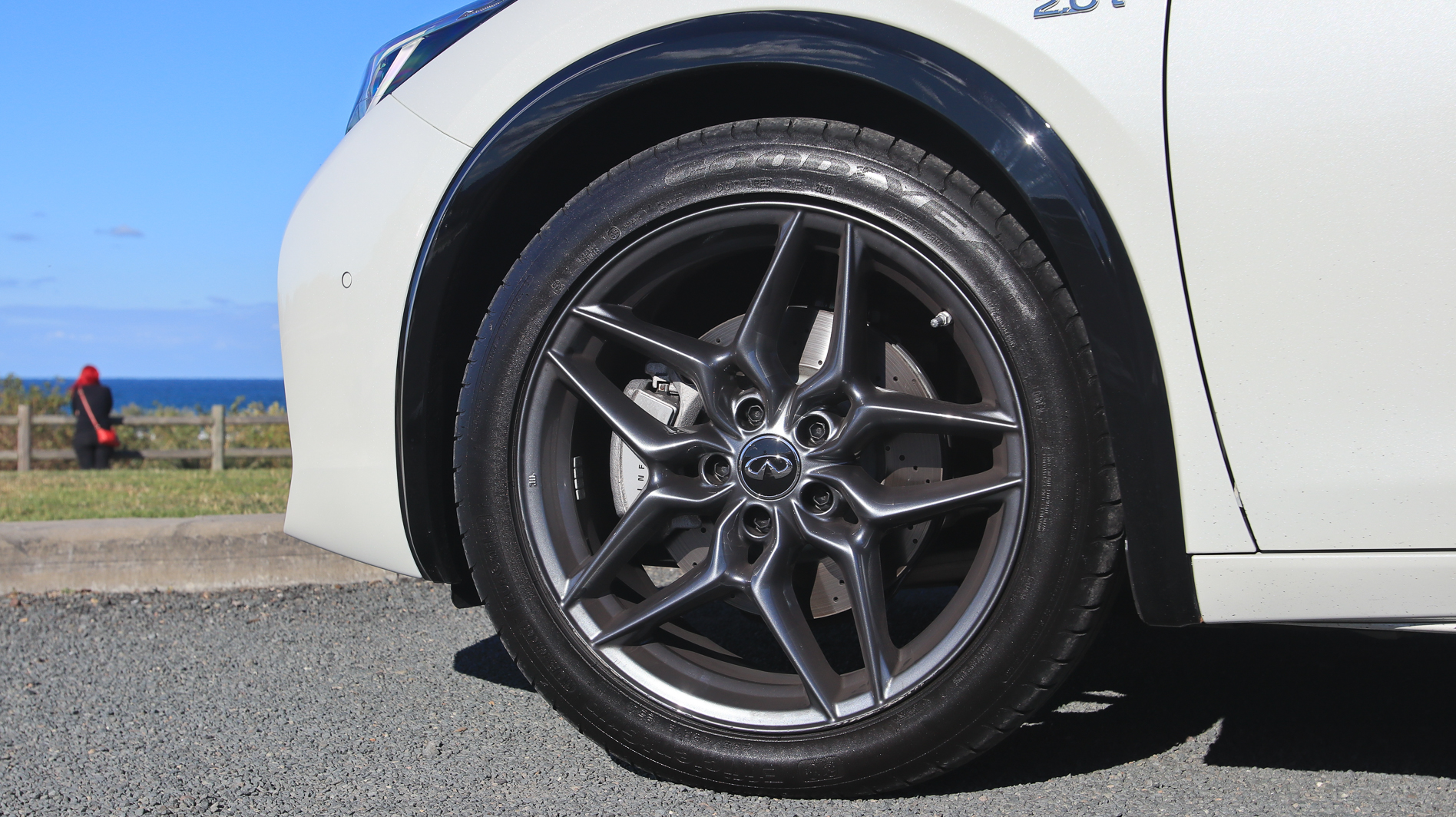
Wagons are sedan-based, so are lower to the ground than SUVs, and typically are lighter as well. Add road suspension instead of soft/offroad suspension and smaller tyres, and you have a vehicle that should handle better than an SUV.
The improvement to handling also means that a wagon can be a much easier car to drive over a long distance. It’s less affected by wind and side drafts, for example, and the lighter wheel/tyre package means that it accelerates and brakes with less effort.
As well, there are plenty of wagons on sale from premium brands like Audi, BMW and Mercedes-Benz that offer incredibly high levels of active and passive safety equipment that will allow the car to almost drive itself.
VISION
Here, the SUV is a clear winner. A higher driving position offers better forward vision, while the side mirrors are typically bigger. Rear vision can be compromised, but most SUVs are equipped with reversing cameras and sensors.
Vision is also often better for passengers in the second row of seats in an SUV, which means happier little people. For example, the Mazda6 wagon is a lovely design for its genre, but pop a small human in the dark rear row and watch the tears of boredom roll; the compromise for that lovely design is a high shoulder and sill, and a smaller window.
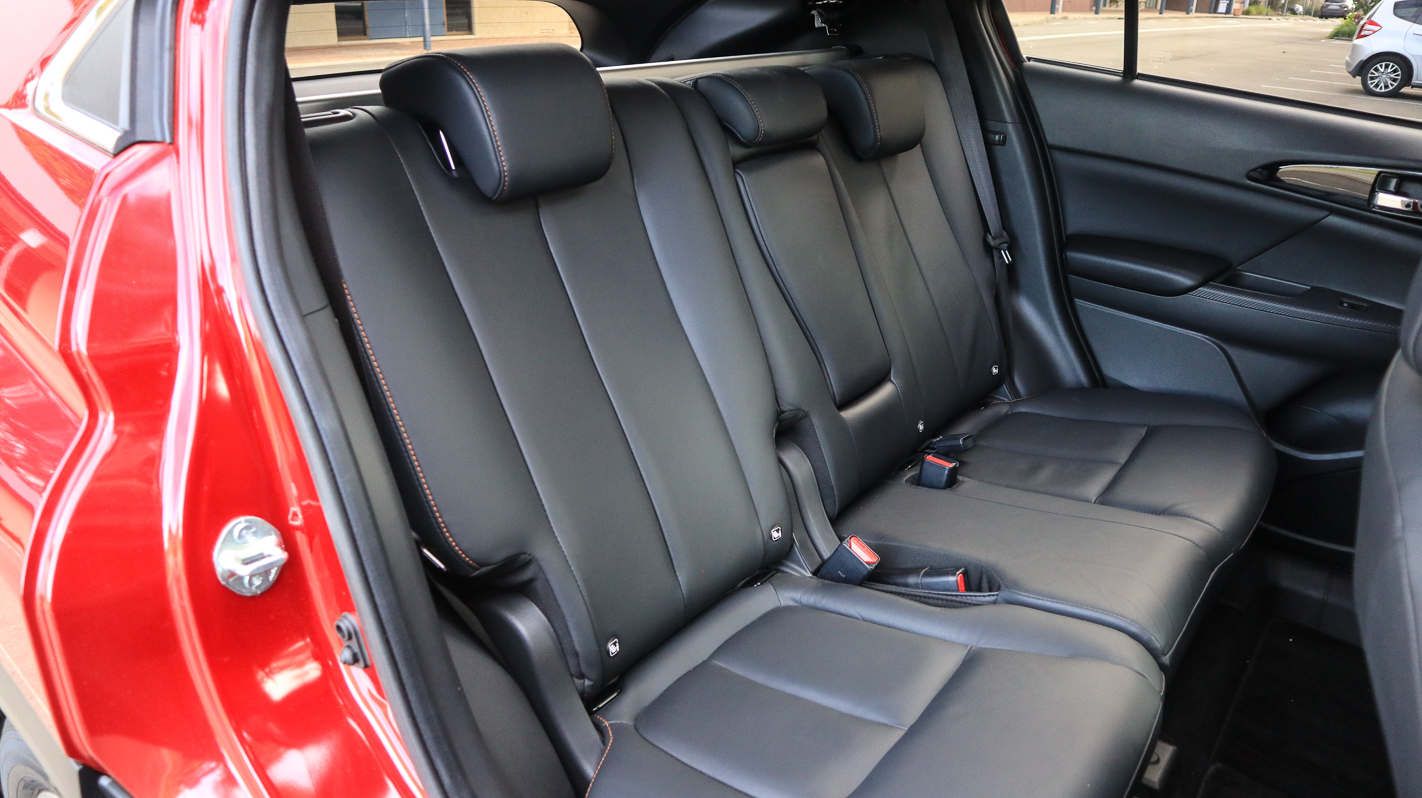
Of course, the same can be said of some SUV types – Mazda’s otherwise excellent CX-7 and CX-5 are both dark and dull for juniors, as well.
THE THIRD ROW
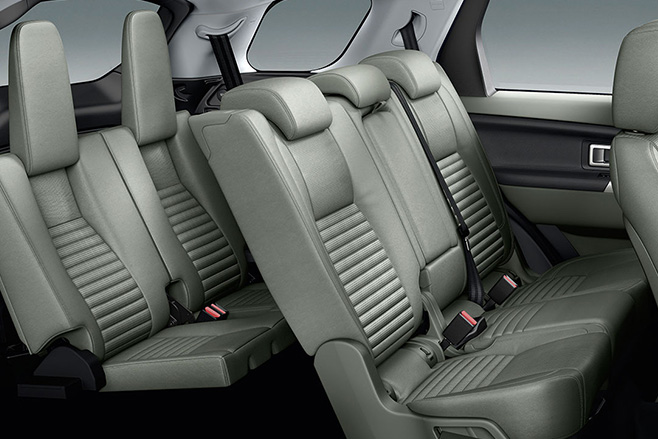
Many SUVs these days, especially in the medium- and large-sized sectors, come with a third row of seats. Of course, many third rows are only good for kids or agile small adults, and reduce boot space to almost nothing when in use. Just be sure to check that your side-impact airbags go all the way to the third-row seats.
BOOT SPACE
One of the key reasons many people lean towards an SUV over a wagon is the perception that an SUV has more boot space. It’s not necessarily true, though.
Take, for example, the Holden Commodore ZB Sportwagon. With 560 litres with the seats up and 1665 litres of luggage space available with the seats down, it compares favourably to most medium-sized SUVs on the market – and even some of the larger ones.
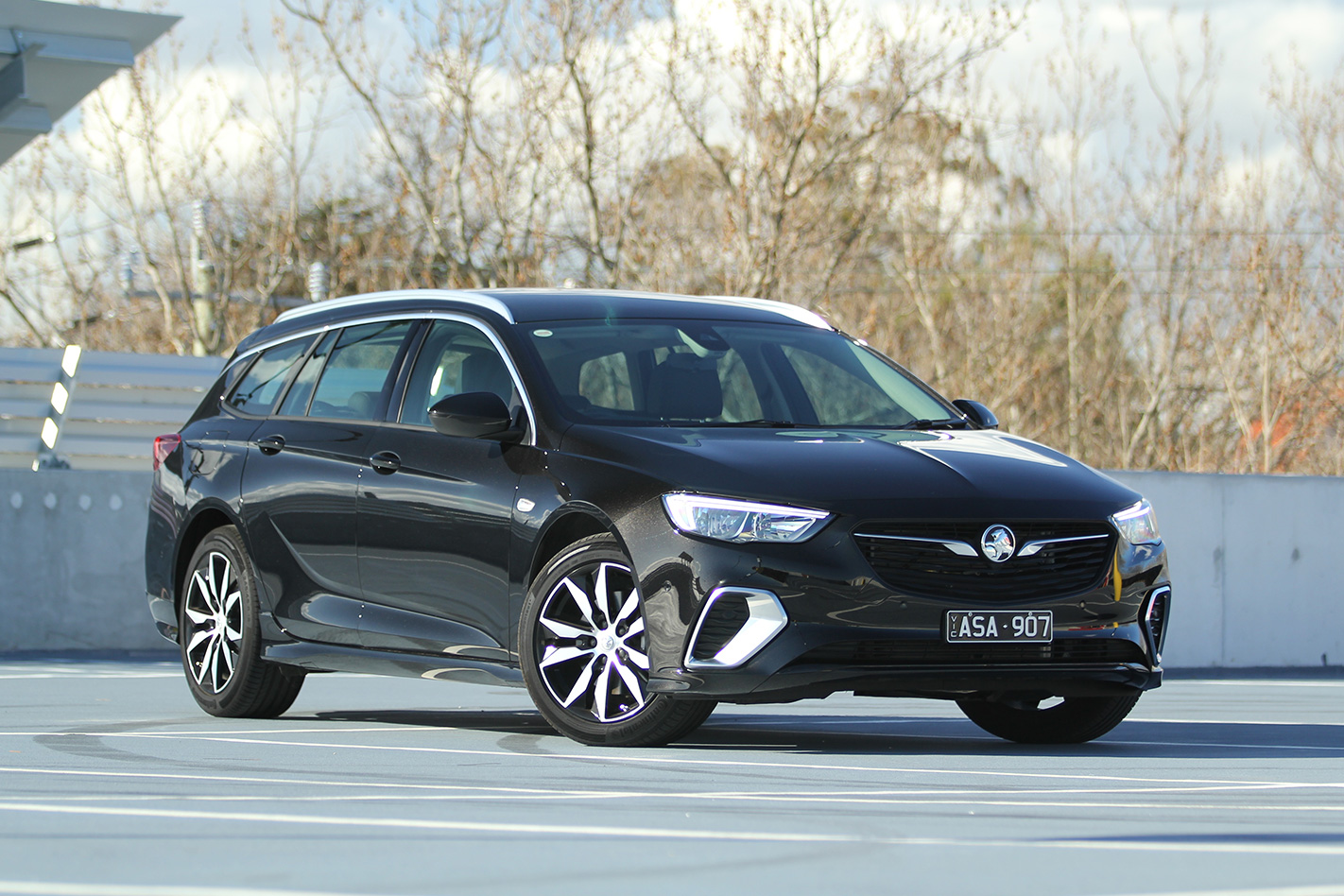
Take the popular CX-5 – it only offers 442L/1342L of space, while the larger CX-9 offers 810L and 1641L.
Be sure to investigate the boot space with seats up and down, and check that the seats fold fully flat if you need a really big cargo area for load-lugging.
SOFT-ROADING?
Even if you only venture off the beaten track a few times a year, it’s still great to have the freedom to do so on a whim in an SUV. But honestly, don’t discount the wagon. Most wagons will handle a surprisingly rough dirt road without issue, and offer enough ground clearance to negotiate the odd obstacle.
Unless you are sure you need an SUV to caper through the forests and fields, it pays to look further afield than the usual suspects for a vehicle that’s right for you – a wagon, an MPV, crossover, or wagon-backed hatch may be better suited to your purposes.
If you own a Porsche 991.2 911 GT2 RS, you probably received an invite to Porsche’s most recent event. And if you accepted that invitation, you’d have been part of a 43-strong gathering of Porsche’s twin-turbo beasts.
Dozens of GT2 RSs descended upon The Bend Motorsport Park in South Australia as part of a track day focused just on Stuttgart’s ‘Widowmaker’. Owners who accepted the invitation needed just show up on the day with their GT2 RS.
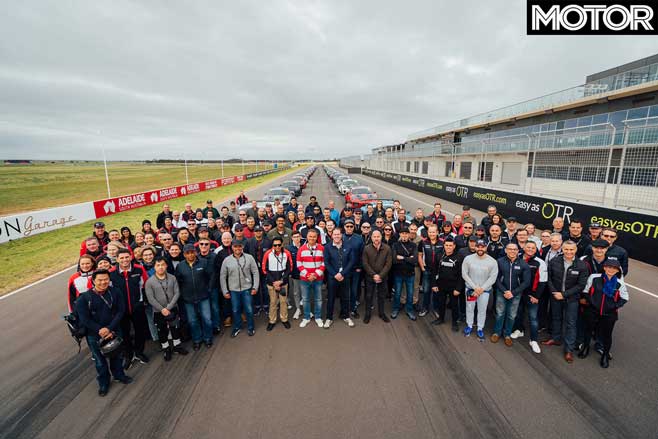
The day before driving was to take place, a Q&A session with Jim Richards, Tomas Mezera, and Lars Kern was on the cards after dinner.
Richards is known not only for a stint in Australia’s Carrera Cup, but also for his participation in Targa rallying driving Porsches.
Mezera (a naturalised Australian from Czechoslovakia) was not only the 1988 Bathurst 1000 winner (with Richards’ seven wins there were eight wins between them on stage), but also Brock’s 1000 co-driver for some of the 1990s, and now he’s running the Porsche Driving Experience program for the 15th year.
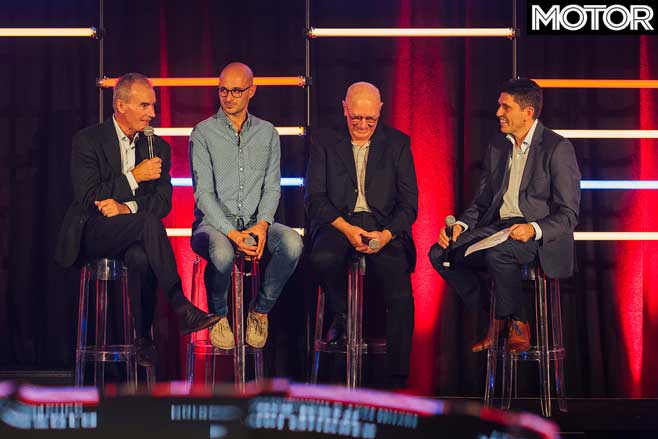
Kern, on the other hand, is the Porsche test and racing driver whose most recent achievement is setting a blistering 7min 42sec lap at the Nürburgring Nordschleife.
On the driving day, Richards and Kern took customers for hot laps in the new Cayman GT4 Clubsport, while customers were also given instruction on a few of The Bend’s layouts by Porsche Driving Experience mentors including Dean Canto, Luke Youlden, Steven Johnson, and Craig Baird.
The Ferrari F8 Tributo has been revealed at an event in Sydney, marking the first Australian appearance for Maranello’s new mid-engined supercar.
The F8 starts at $484,888 before on-roads and replaces the 488 GTB as the centrepiece of Ferrari’s range, incorporating technology from the limited-run 488 Pista but without that model’s hardcore track focus.
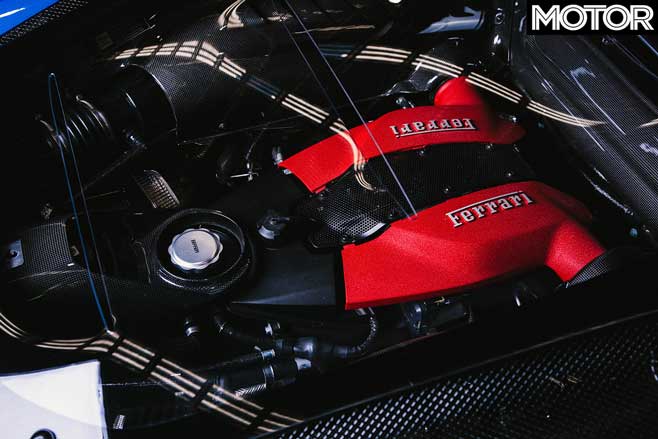
Most notable is the latest evolution of Ferrari’s 3.9-litre twin-turbo V8, which now produces an incredible 530kW at 7000rpm and 770Nm at 3250rpm, an increase of 38kW/10Nm over the 488.
Performance is vivid, 0-100km/h claimed to take 2.9sec and 0-200km/h 7.8sec on the way to a 340km/h top speed. The extra power comes courtesy of a new intake and fancy Inconel exhaust taken from the 488 Challenge race car, new valves and valve springs, revised cams, titanium con-rods and a lighter crankshaft and flywheel.
Power is fed to the rear wheels through a seven-speed dual-clutch gearbox and electronically controlled rear differential, with Ferrari’s clever Side Slip control traction system now up to version 6.1 and activated in RACE mode as well as CT Off.
Weight is down 40kg, or at least it is when the optional carbon fibre rims and lithium-ion battery are fitted, with the remainder accounted for by lightweight bumpers, a carbon fibre rear spoiler and the louvred lexan rear window, a nod to the iconic F40.
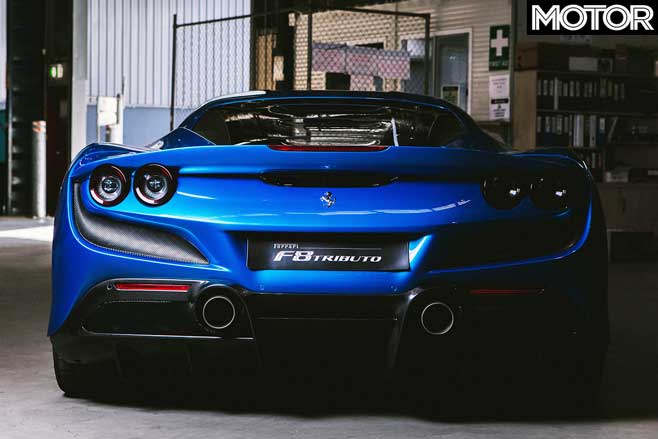
Another design cue lifted from a mid-engined V8 Ferrari from yesteryear is the twin taillight arrangement and the body-coloured tail which appeared on the 308 GTB.
The F8 makes a big step forward over the 488 in the area of aerodynamics, increasing downforce by 10 per cent with no increase in drag thanks to the S-Duct in the nose, blown rear spoiler, new diffusers and underbody vortex generators.
First Australian deliveries of the F8 Tributo are expected to take place in Q1 2020.
Scott McLaughlin is the best driver in Australia right now, no argument.
He is the reigning Supercars champion, and his campaign for back-to-back titles, aided by the Ford-supported DJR Team Penske race team, has been crushing for rivals, which are spending millions of dollars and still failing to stem the tide of his domination.
So you’d think that competing against the 26-year-old New Zealander would be a monumental task, requiring vast budgets and an extensive racing background? Well, not exactly.
McLaughlin is part of a new generation of motorsport professionals that spend part of their off-time continuing to hit tracks around the world… in a virtual setting. This is giving ‘Regular Joes’ like you and I the opportunity to compete against him on any given day.
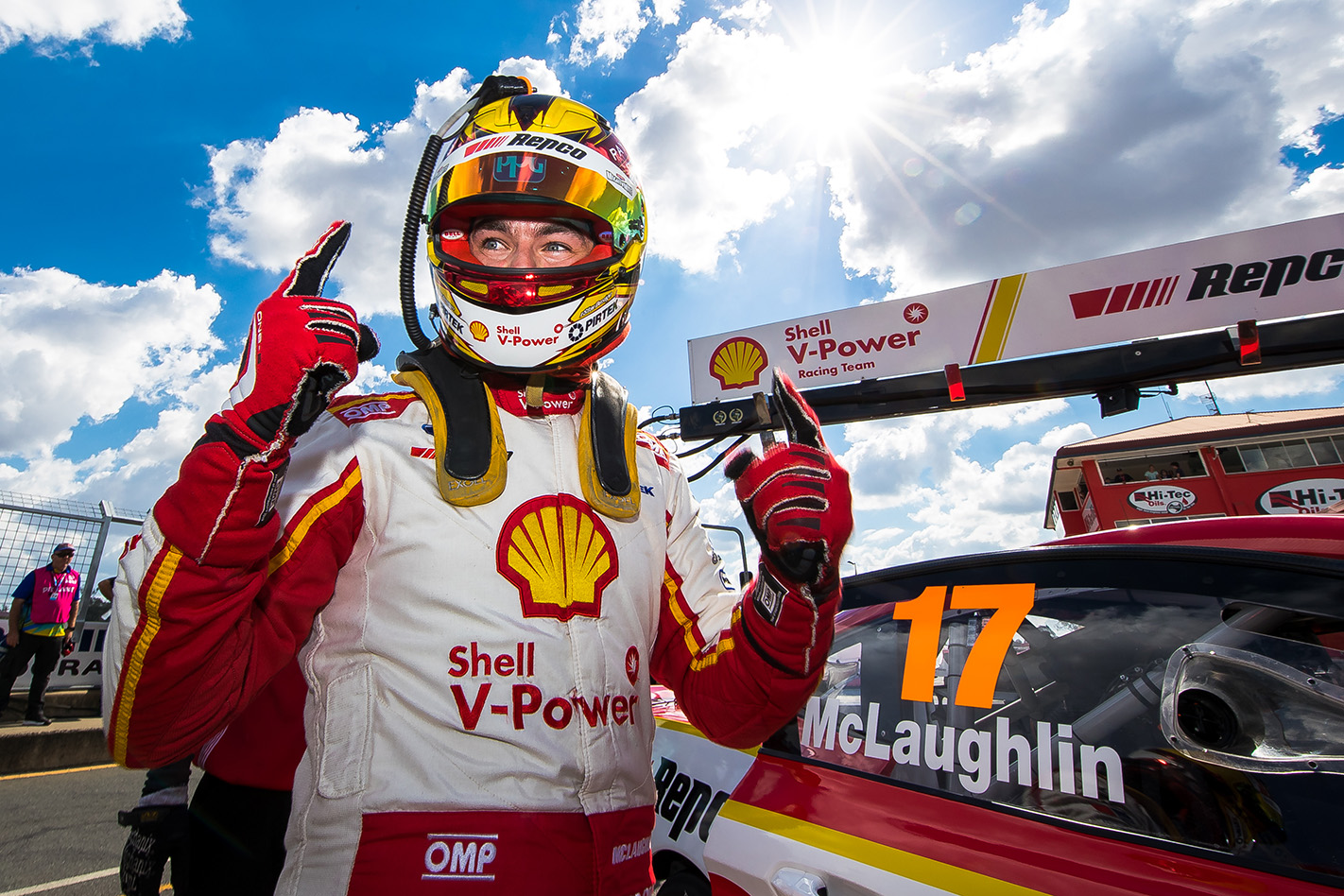
“I am on [iRacing] most nights, doing a couple races here and there,” McLaughlin tells WhichCar.
“I’ve been doing hosted sessions on Tuesday night every week, and it’s really enjoyable.”
iRacing is one of the most popular hard-core racing simulations in the world, with countless professional drivers using it to hone their driving skills. The thing is that anyone can compete in iRacing, and if they are good enough, face off against the likes of McLaughlin in the comfort of their own home.
“I started using iRacing in 2009,” the Brisbane-based McLaughlin tells us. “I loved it from the moment I started. I enjoyed the racing, and having a crack against other drivers. I’ve always been a gamer since I was a little kid so I’ve always enjoyed the challenge.”
For his sim work McLaughlin uses a purpose-built rig from his personal sponsor SimWorx, with virtual reality capability.
https://www.instagram.com/p/BzsEf-nnHx3/
“It took a little bit to get used to, but it gives you a very cool perspective,” he says. “With my missus and stuff, it probably hasn’t been the most popular addition to the house, but overall it has been a bloody good thing for my racing.”
However, there are some downsides to being easily recognisable online.
“It is very cool, but slightly frustrating sometimes because you can struggle to get a clean lap as everyone wants to race you,” he says.
Somewhat surprisingly, McLaughlin has been on the other side of the equation, and remembers how it felt to find himself racing against a full-time Supercars driver.
“I remember growing up, and in 2009 Shane van Gisbergen came online and I remember having him in my session thinking ‘holy crap I am racing against him’, and how cool that was,” he recalls. “I think when we jump on it validates the system, and makes everything better, and verifies it all for the public.”
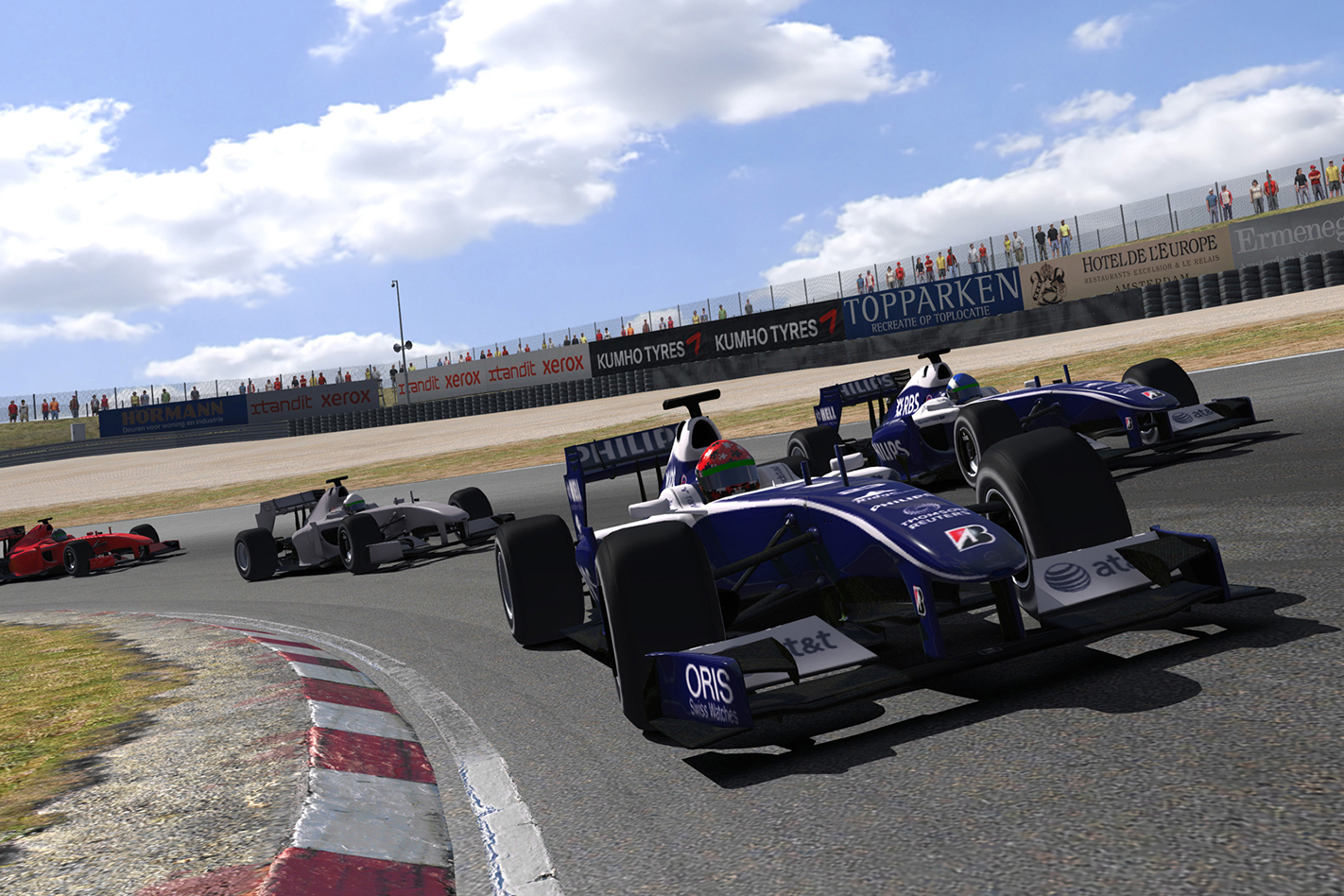
The opportunity for fans to race against their motorsport idols was previously unheard of, and McLaughlin relishes the ability have a unique interaction with his supporters, even if it does give him a fright at times.
“When a fan comes up to you at an autograph session and says to you ‘hey, you took me out last week in an iRacing race’, it gets a bit nerve wracking – especially if they are big,” he laughs.
Given his supreme talents behind the wheel of one of the toughest touring cars in the world, you’d think McLaughlin would be able to stomp his virtual rivals. But that’s not the case.
“They are aliens!” he exclaims with a chuckle. “They are unbelievable, and very good drivers.”
“They understand what they need from the cars, and know what is needed to go fast. It’s exactly what you need in real life as well, but it certainly pushes you to improve. I am nowhere near those blokes in iRacing. I’m good for a top five, but probably am never going to be right up the top. But that is what pushes you, and why you go racing all the time.”
Despite the fact that he isn’t as dominant on a virtual track as he is in his Supercar, McLaughlin enjoys the challenges of his regular iRacing sessions.
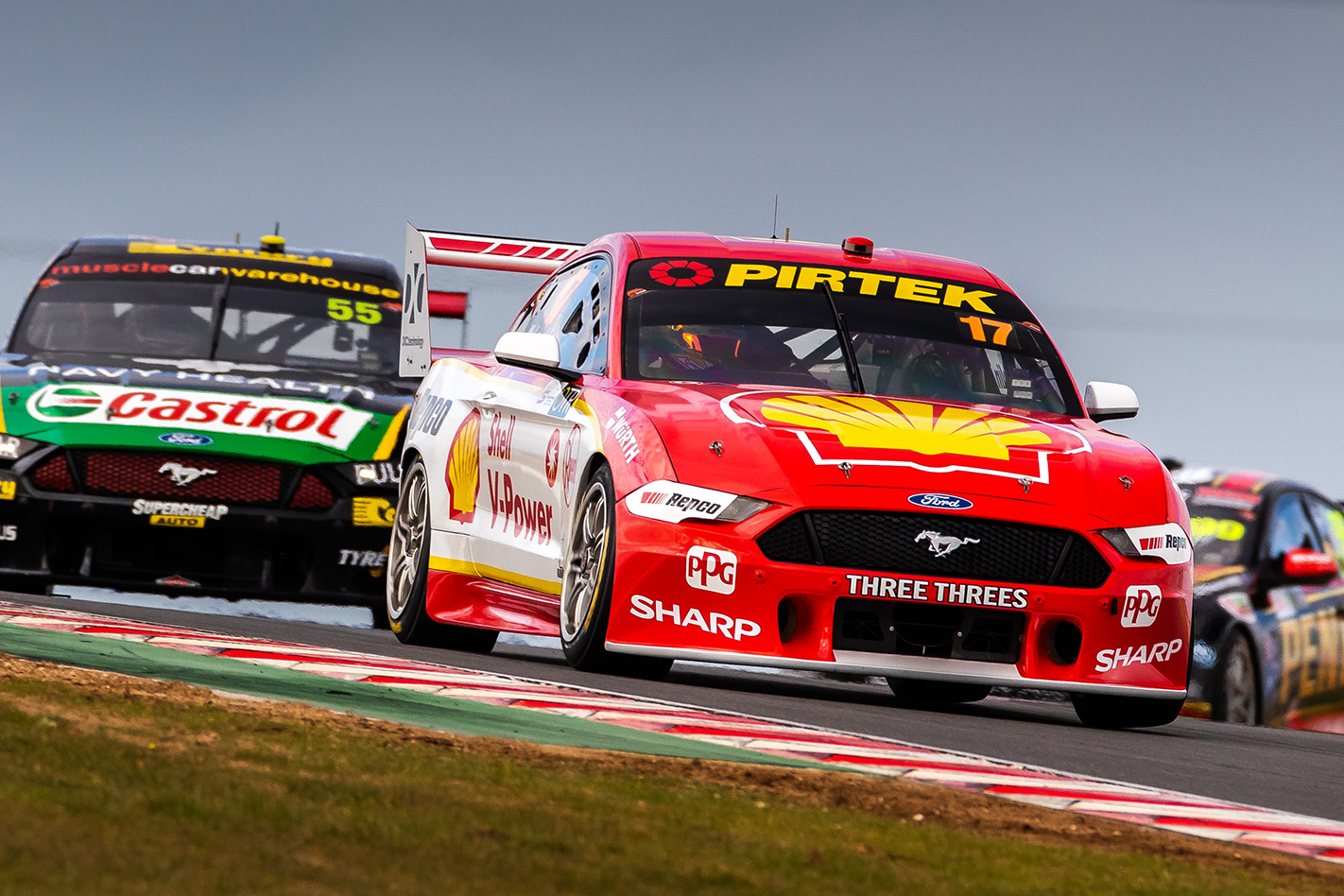
“It is something that I do enjoy, trying to find the limit quickly when you only have an hour of practice before you go into a race at a track you have never driven before,” he explains. “I don’t get that too much anymore – I know all the tracks in Australia, and I know what goes on.”
“It is working on traits that you use growing up racing go-karts, when you are visiting new tracks all the time. Then when you get to the top level everything is a bit more repetitive, and iRacing definitely doesn’t repeat itself much at all.”
One of the regular events that McLaughlin competes in is a public session called ‘Just Send It’, which is run by a small and dedicated team.
Simon Feigl plays a small part in promoting the events, which take place every Tuesday. ‘Just Send It’ has gained popularity for its laid-back nature, and the big name drivers it attracts to race against the general public.
“The initiative behind ‘Just Send It’ was to create something that real world drivers and professional sim racers could get into that was relatively low commitment,” he explains.
“Obviously with real world drivers they aren’t on the sim all the time, certainly not as much as a competitive sim racer, so we wanted to have something that would have a fixed set-up. This cuts out the need for having to develop a car set-up over many days and weeks like what we do in the competitive leagues.”
Tracks and cars are kept secret until the day, or day before, the event goes live, in order to even the playing field.
“This stops people from spending hours developing a car to enter the event with an advantage,” Feigl says. “It makes it more appealing for the pro driver, who doesn’t have that time and luxury, so they can jump in, and still be relatively competitive with an even playing field.
“It’s all about having fun. The whole idea of it being that you don’t know the car, you don’t know the track, and you Just Send It.”
Feigl is a handy sim racer in his own right, being a former international finalist in Nissan’s GT Academy competition representing Australia, and having his own team, Altus Esports.
“I wrapped up after making the international GT Academy finals, and realised motor racing as a career wasn’t probably going to happen, so I went for the next best thing,” he tells WhichCar.
“I have been competing in iRacing ever since, and am now competing in the GT world championship for the last three years and running my own team with 14 drivers.”
So what is it that attracts so many racing enthusiasts and pros to the iRacing platform?
“It is still quite low in terms of its audience base against more popular games like Forza or Gran Turismo,” Feigl answers. “But it is very popular with that audience because it takes things to the nth degree.
“It has a very strong platform for competition with the irating system and safety ranking system. It has an underlying structure which is very strong.”
Justin Ruggier is one of sim racing’s greatest success stories in Australia, with over a decade of virtual racing experience, including winning competitions with the Williams and McLaren F1 team.
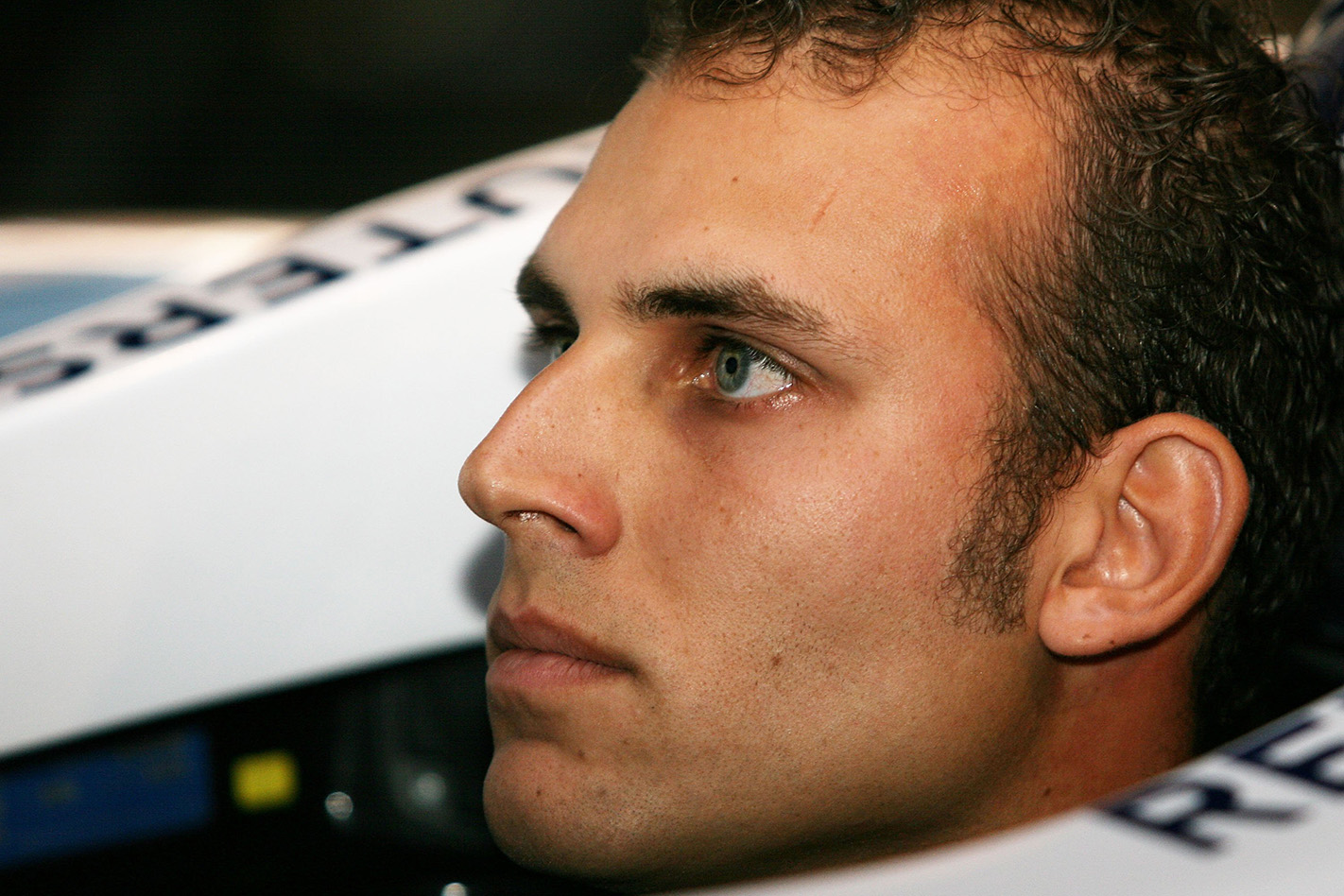
While he had competed in real-world racing sporadically from as early as 2008, he made his full-time national debut in 2014 in the then unofficial third-tier of Supercars, the Kumho series (now known as Super3).
Ruggier won the championship, solidifying his credentials as a bona fide racer. However, budget constraints meant his national career was put on ice. During his hiatus, Ruggier used sim racing to remain fighting fit for an inevitable return. He now competes in both Aussie Racing Cars and second-tier Supercars series, Super2, on a full-time basis.
Ruggier uses sim racing as a tool for his real-world competitions, setting delta times on his rig at home before he straps into the cockpit at the track and chasing his virtual benchmark.
He distinctly remembers how he felt when he first came across a mainstream driver in a virtual setting.
“It was daunting,” the Sydney native explains. “You don’t want to hit them, and upset them or give them the shits. You want to give them a good impression.”
During his time lapping virtual tracks, Ruggier has forged a strong friendship with 2016 Supercars champion Shane van Gisbergen.
“That relationship started back in ’07, back when everyone was playing rFactor,” he recalls.
“Shane popped up online, and I was a big fan, and big follower, and we started racing because we were so competitive, we kept sending each other messages, and eventually we ended up on the same [virtual] team. It taught me a lot about data, getting the most out of the car on the sim, and then replicating that in the real world.”
Now it is Ruggier giving competitors anxiety as he drives for the most successful sim racing squad in the world, Team Redline, which along with a number of dedicated virtual racers also includes mainstream stars like Max Verstappen and Lando Norris (both of which currently compete in Formula 1), and van Gisbergen.
“Imagine trying to reach out to those guys in real life, you’d never hear back! But to be involved in that team, and hear how they go about racing, is pretty inspirational for me, and I am very grateful,” Ruggier adds.
For the virtual Bathurst 12 Hour event, he was partnered with both van Gisbergen and Verstappen, which is a completely different type of daunting.
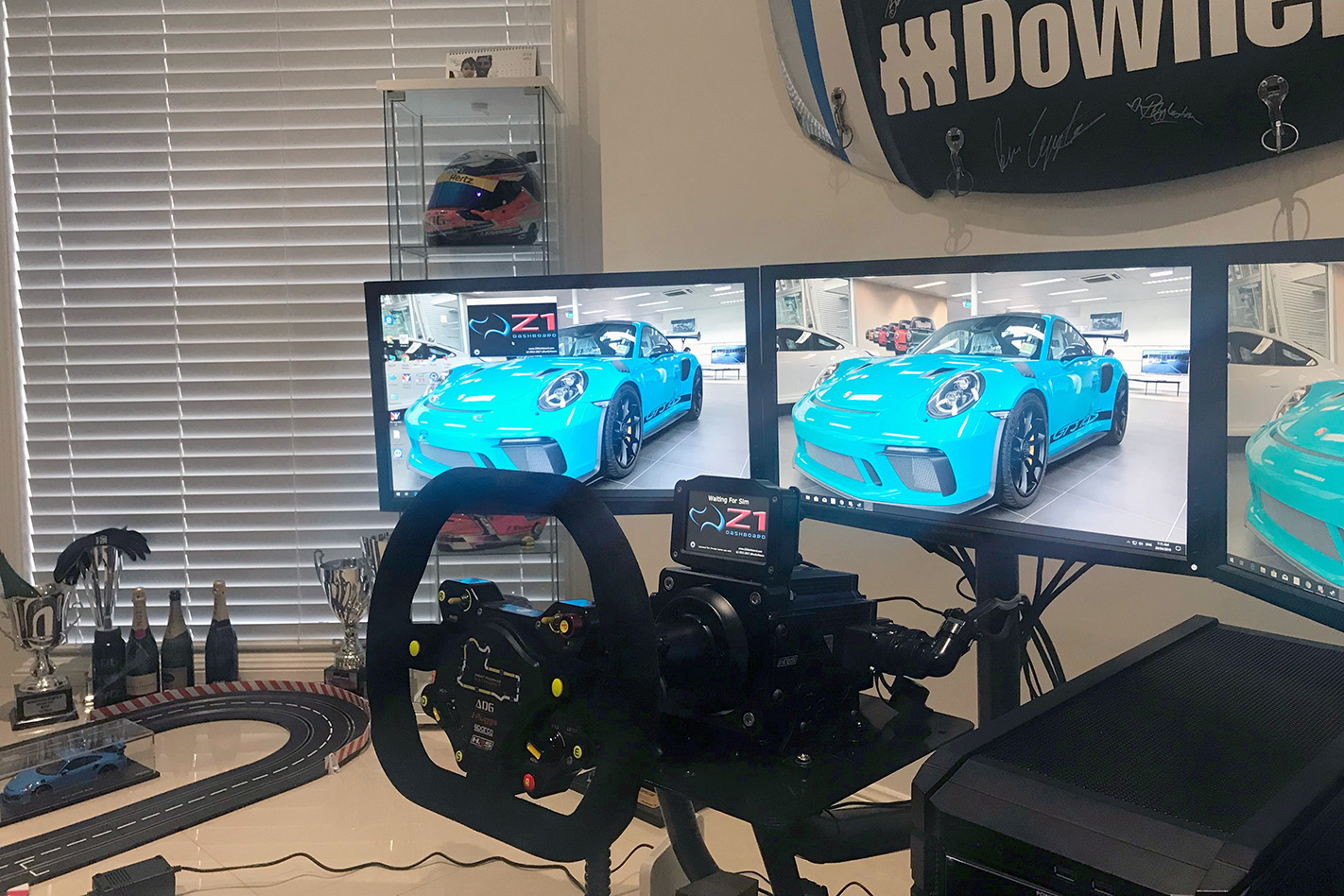
“For me, when I am doing a 24 Hour Race with Shane van Gisbergen as a teammate, with that sort of calibre of driver in the team you can imagine the level of expectation,” Ruggier says. “He doesn’t like coming second, and neither do I.
“So you are training that whole week, just logging hours after hours after hours to get into that mental state of not making a mistake, and then racing at 1am or 4am, putting numbers into spreadsheets to make sure that we have maximised fuel strategy, and pit stop times, it is pretty full on.”
He explains that professional competitors require a professional mind set.
“If you want to win, you need to take it to the next level, and get on one of those big, serious rigs.”
So while you’ll be able to go wheel-to-wheel with some of motorsport’s most successful drivers from the comfort of your couch, if you really want to take it to them in earnest, you’ll still need the dedication and tenacity of a professional athlete.
THE PORSCHE 992 Carrera is a crushingly rapid car. Back in the August edition of Wheels we tested a Carrera 4S at 3.4 seconds to 100km/h and 11.6s down the quarter. That’s only a tenth down on a 991 GT3 at the end of the dragstrip, so it’s unlikely buyers will get out of one and feel that it’s a bit of a slug.
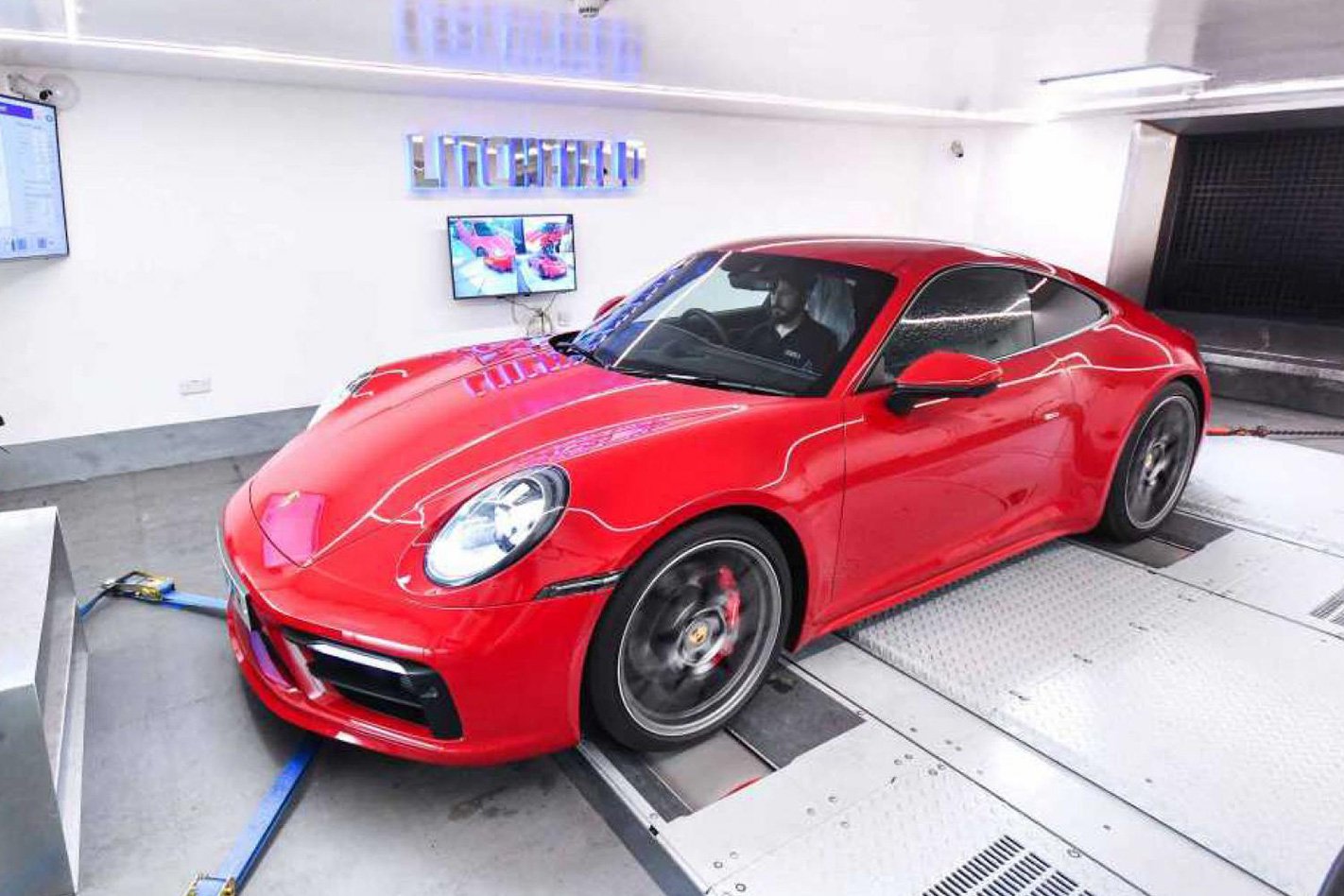
Nevertheless, there exists a hard core of 911 owners who just want more of everything and Litchfield, a respected tuning house in the UK, has extracted a whole heap of power from the water-cooled 3.0-litre turbo lump. 427kW to be exact. That’s 17kW more than the new 992 GT3 is rumoured to get and only 20kW down on the forthcoming 992 Turbo.
The Toyota Supra makes a lot more than its published 250kW
The company claims to achieve that figure for both the Carrera and Carrera S models solely via ECU remapping. In other words the changes are completely reversible should you wish to partake and then return your Carrera to its base tune when the time comes to sell it on. A spanner never sees your car.
Torque gets a leg up as well, increasing by a colossal 122Nm, bringing the grand total to 651Nm. The torque curve does change from the Carrera’s broad plateau to a more top-end oriented graph, which will delight those who loved the manic rush to the redline that they got from a GT3.
Better still is the fact that Litchfield charges just £1194 ($2163) for all this additional grunt. Buy a base 283kW Carrera for $229,500 and that translates to 51 percent more power for less than 1 percent extra. Sounds like a bargain to us. But can things really be that cut and dried? Perhaps not.
Developing the same power from both the Carrera and the Carrera S suggests that the former is effectively a crippleware version of the latter, its original power output artificially curbed in software. That’s not the case. The turbocharging hardware of the Carrera is different to the Carrera S, with smaller turbine and compressor wheels and a commensurately lower boost pressure.
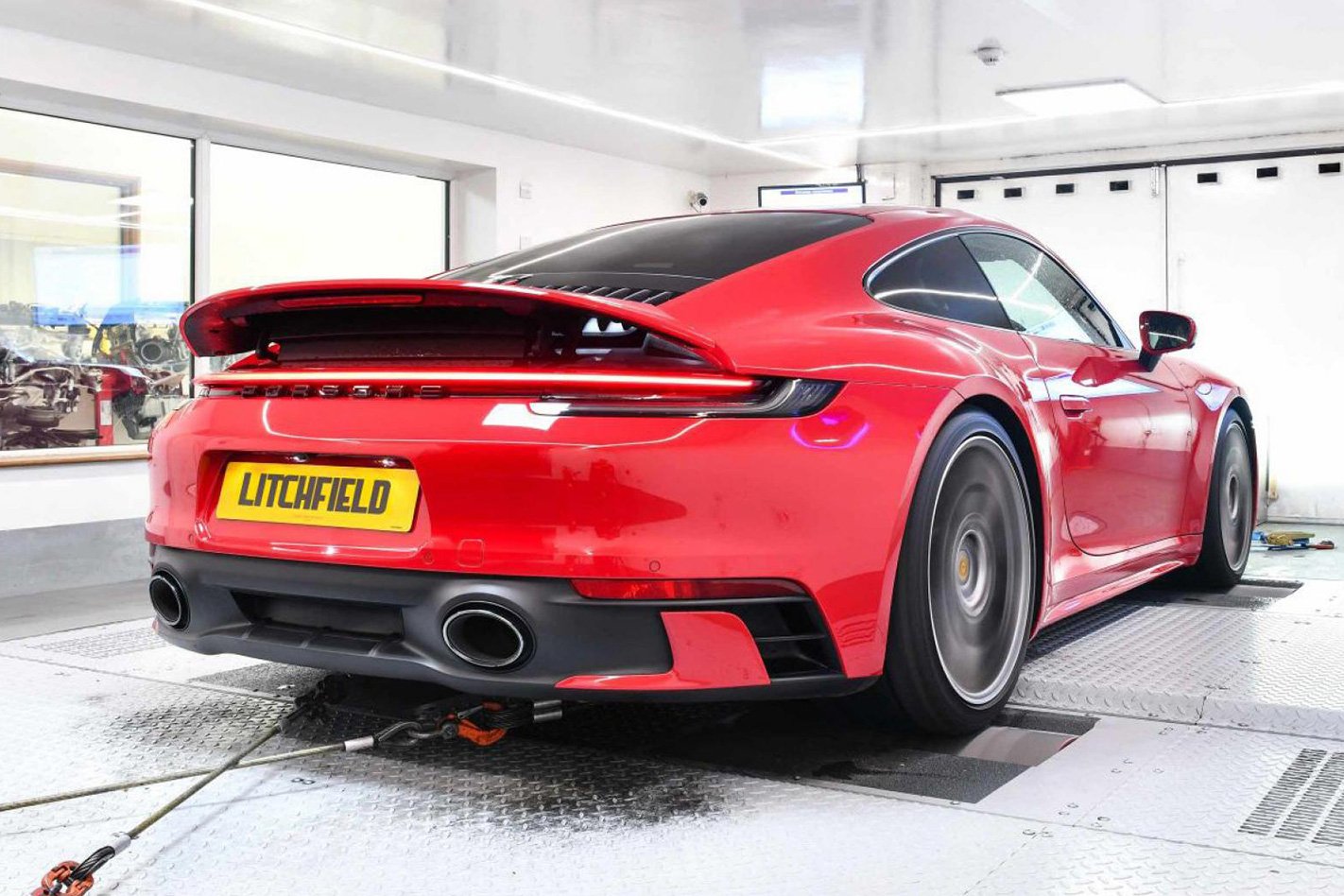
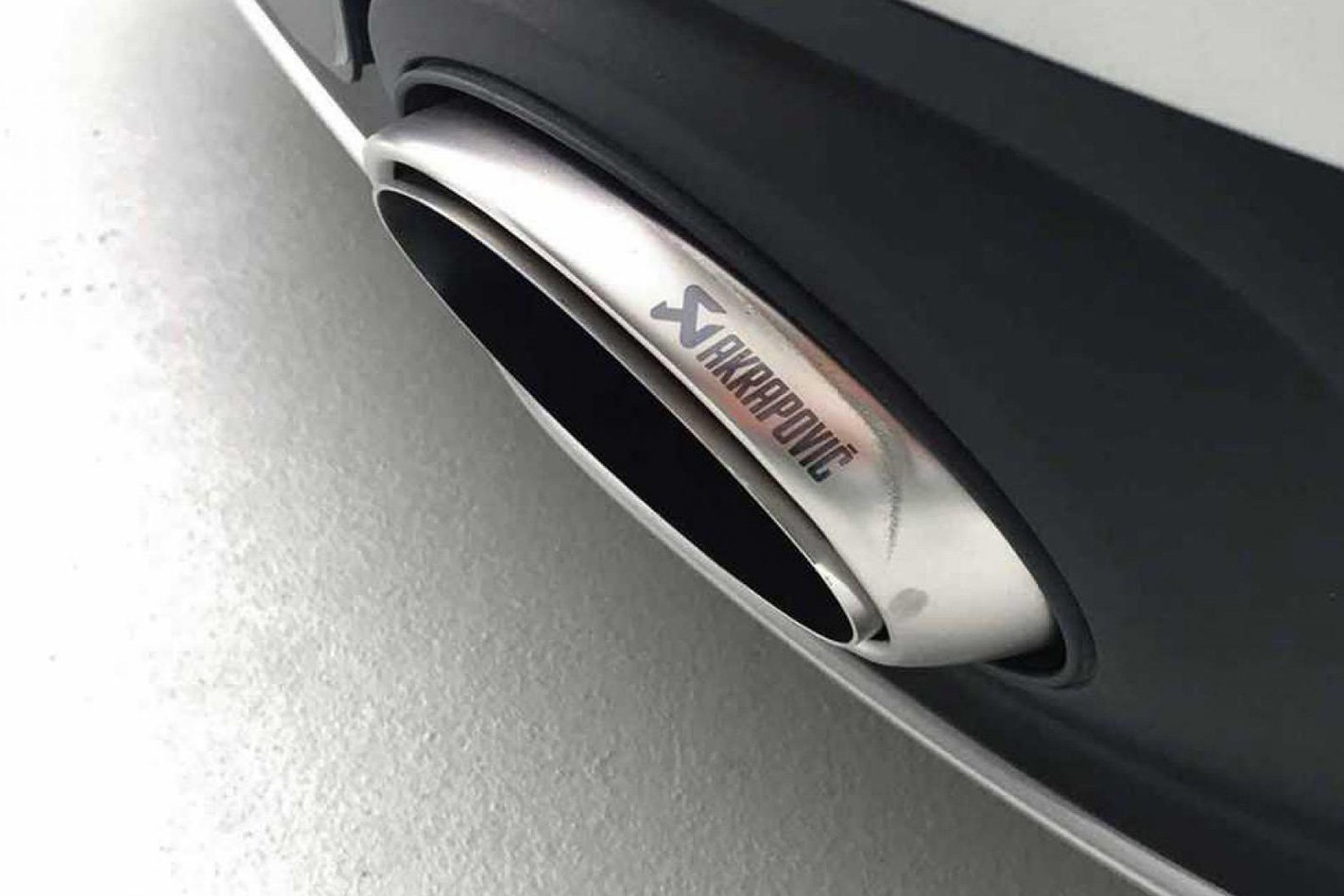
Litchfield admitted that they performed their development work on a Carrera 4S, so may well have to issue a revised figure for the base Carrera tune when they get that car into their workshop. Whichever model you opt for, the company is also looking to amp up the noise, courtesy of specially developed lightweight exhaust systems from Remus and Akrapovic.
We’ve contacted Litchfield to establish whether there is a facility to have this map installed locally. If you’re an Australian Porsche 992 owner, stay tuned.
Electrified supercars are becoming a reality hard to ignore let alone avoid. Even an electric Pagani is in the works.
However, according to the company’s founder Horacio Pagani, it doesn’t have to be the end of the road for glorious V12 engines.
The good news is that thanks to a close relationship with Mercedes-AMG, the Huayra replacement, said to be branded C10 internally, will continue on with a twin-turbo V12 from Affalterbach.
While the 590kW/1050Nm 5980cc engine is built bespoke for Pagani, it does mean Mercedes will have a boosted 12 in its arsenal for at least the next seven years.
Speaking to Autocar, Pagani reveals that a petrol-powered V12 is still in the company’s plans for the foreseeable future despite working on an electric C10 for a possible 2022 release.
“This next model will have a similar philosophy. It will have a traditional combustion engine, a new-generation Mercedes-AMG V12 twin-turbo,” Pagani revealed to the British publication.
“We have a very close relationship with Mercedes already and this new V12 engine will be homologated until 2026.”
While the retention of the V12 is noteworthy, for a manufacturer that builds and delivers less than 50 cars globally per year, the prospect of an all-electric hypercar is big news.
According to Pagani the EV’s development will be close to the orthodox C10.
“The C10 will have a regular V12 but, at the same time, there will be a full-electric vehicle. It’s not going to be exactly the same platform. It will be modified.”
However, it seems buyers are to blame for Pagani’s shift towards a hypercar using electric motors over internal combustion.
Environmental pressures have to be taken into consideration, but according to Pagani, he identifies a changing customer base as the stimulus for the move to electrification.
“At the beginning, our clients tended to be car collectors in Europe in their 50s or above. Now the average age has dropped significantly and we have a lot of younger buyers in Asia Pacific and also in North America and Silicon Valley,” Pagani said.
Hopefully there’s still enough interest for the V12 beyond 2026 because, while they are complex, costly and less efficient, they are inherently balanced, smooth and sonorous.
The 2020 Porsche Macan Turbo is here. And as you can see it’s been revised, rather than revamped, in line with its range which we drove earlier this year.
Punters will pay $142,000 for the Turbo when it arrives in October, a significant step above the previous model’s $133,500, but you’ll score more power, efficiency, kit and style for the cash.
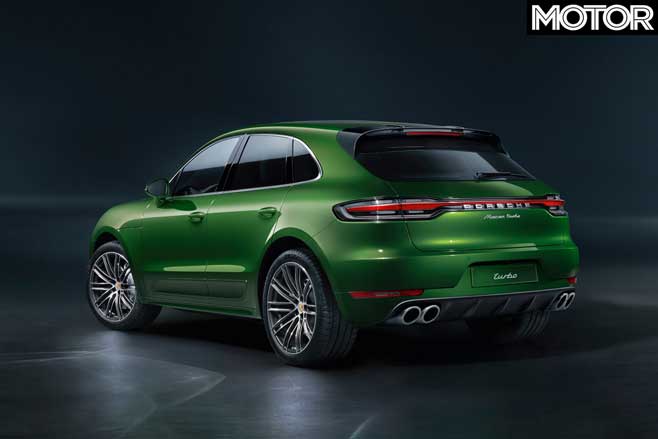
Headlining the update is a new 2.9-litre twin-turbo V6 that replaces the old 3.6-litre unit. Like the Cayenne and Panamera S models, as well as Audi’s RS4 and RS5, with which it shares the engine, its turbochargers are nestled with the vee.
Torque remains pegged at 550Nm but power increases from 294kW to 324kW. And when combined with all-wheel drive and a seven-speed PDK transmission, along with an optional Sport Chrono package, the new Turbo should hit 100km/h from rest in 4.3 seconds.
That’s three tenths faster than before while its top speed, too, has bumped from 266km/h to 270km/h.
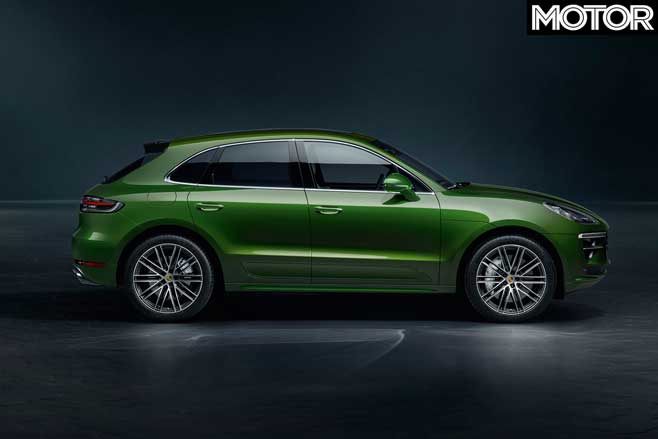
Engineers have had a good look at its air suspension package, focusing on the pistons and damper hydraulics, and introduced a new tungsten carbide coating on the brake discs. Porsche claims faster brake response, less wear and a huge reduction in dust.
Visually, the new Turbo asserts itself within the revised Macan range with unique 21-inch wheels, a front chin apron matched to its body colour and a special double-wing rear spoiler hung off its rear window.
Inside you’ll be welcomed by 18-way adjustable leather seats, placing you front row behind its larger 10.9-inch infotainment system loaded with Porsche Communication Management software.
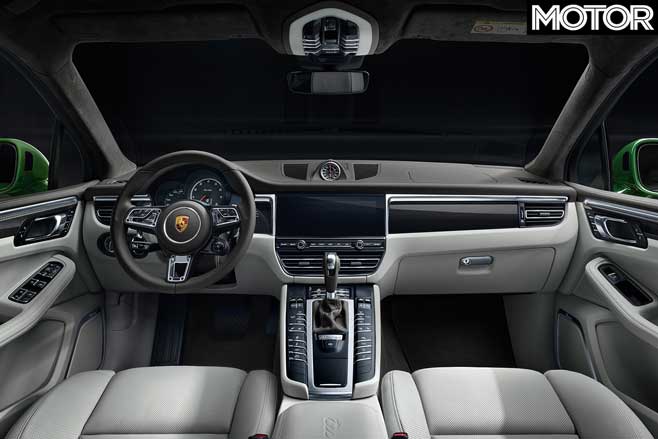
There’s also a 14-speaker Bose Surround Sound system rated at 665 watts, while Apple Carplay and front seat heating re also standard. Adaptive cruise control, meanwhile, is optional.
Sound like your bag? Porsche says the new Macan Turbo is available to order now and that its $142,000 tag excludes on-road charges.
