
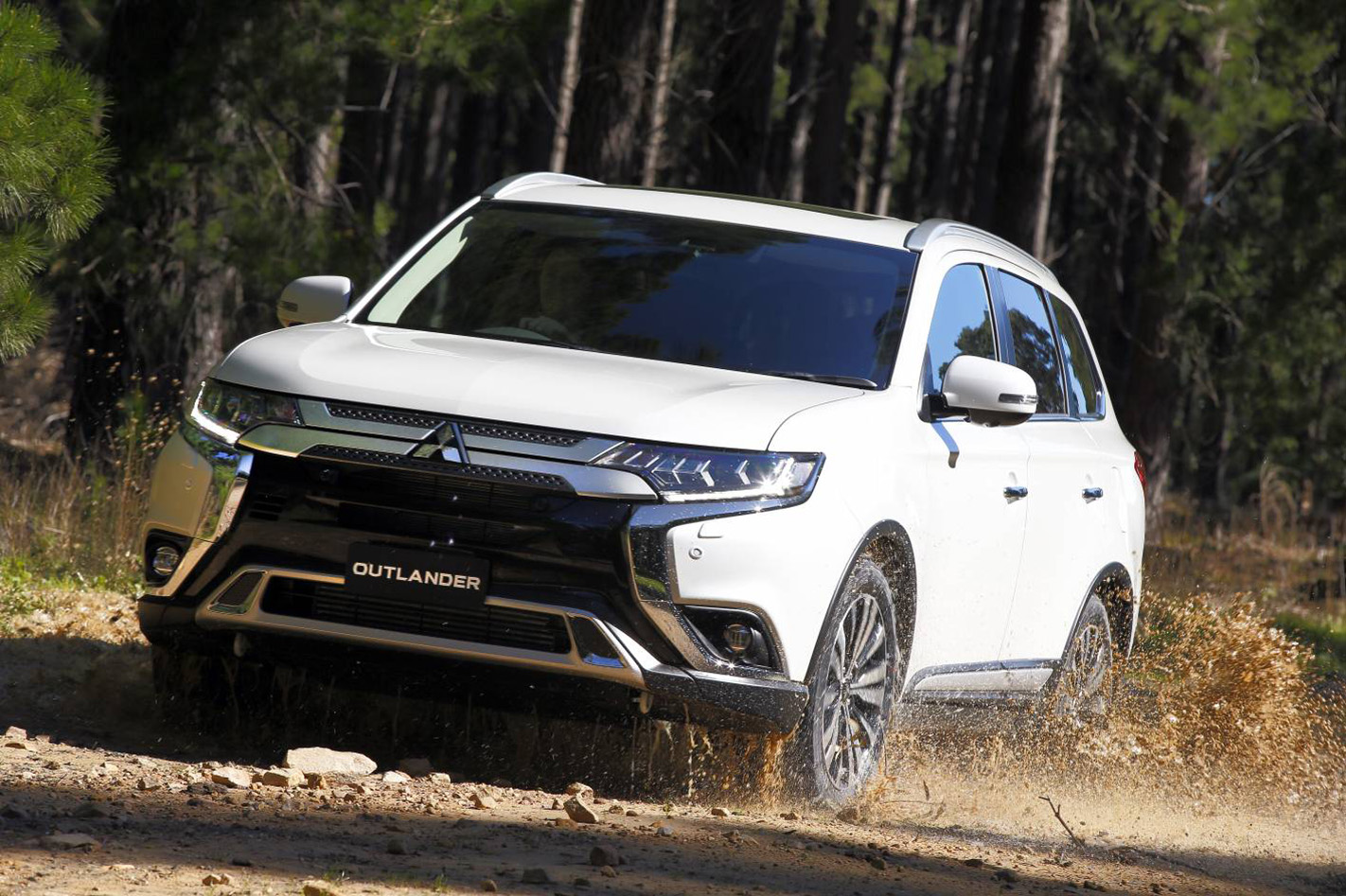
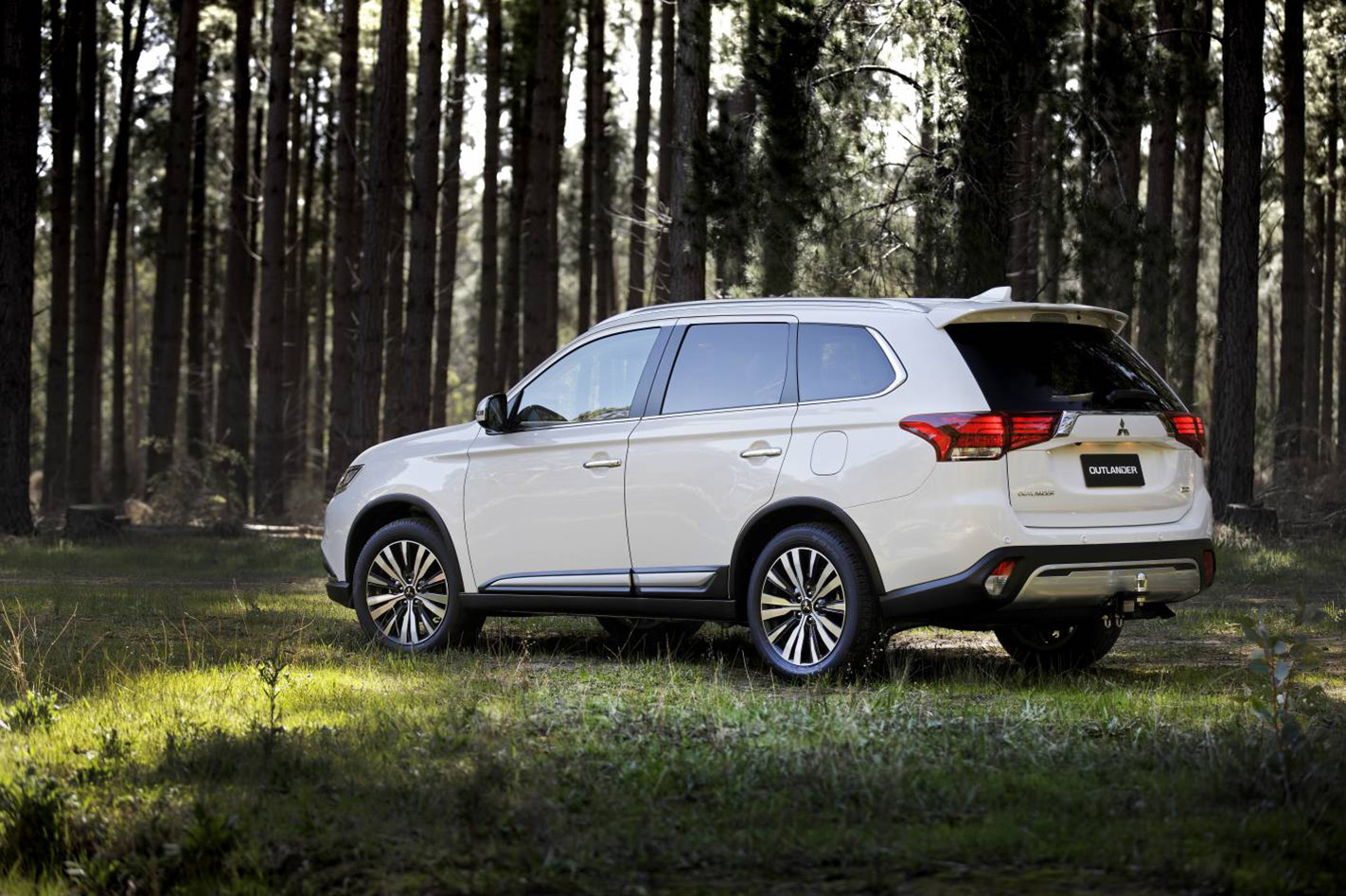
The Mitsubishi Outlander medium SUV range has received a minor update for the 2020 model-year that brings performance and comfort features to selected variants.
A few of the changes apply to the bottom of the range, with the ES 2WD seven-seater gaining auto-braking, which Mitsubishi calls Forward Collision Mitigation.
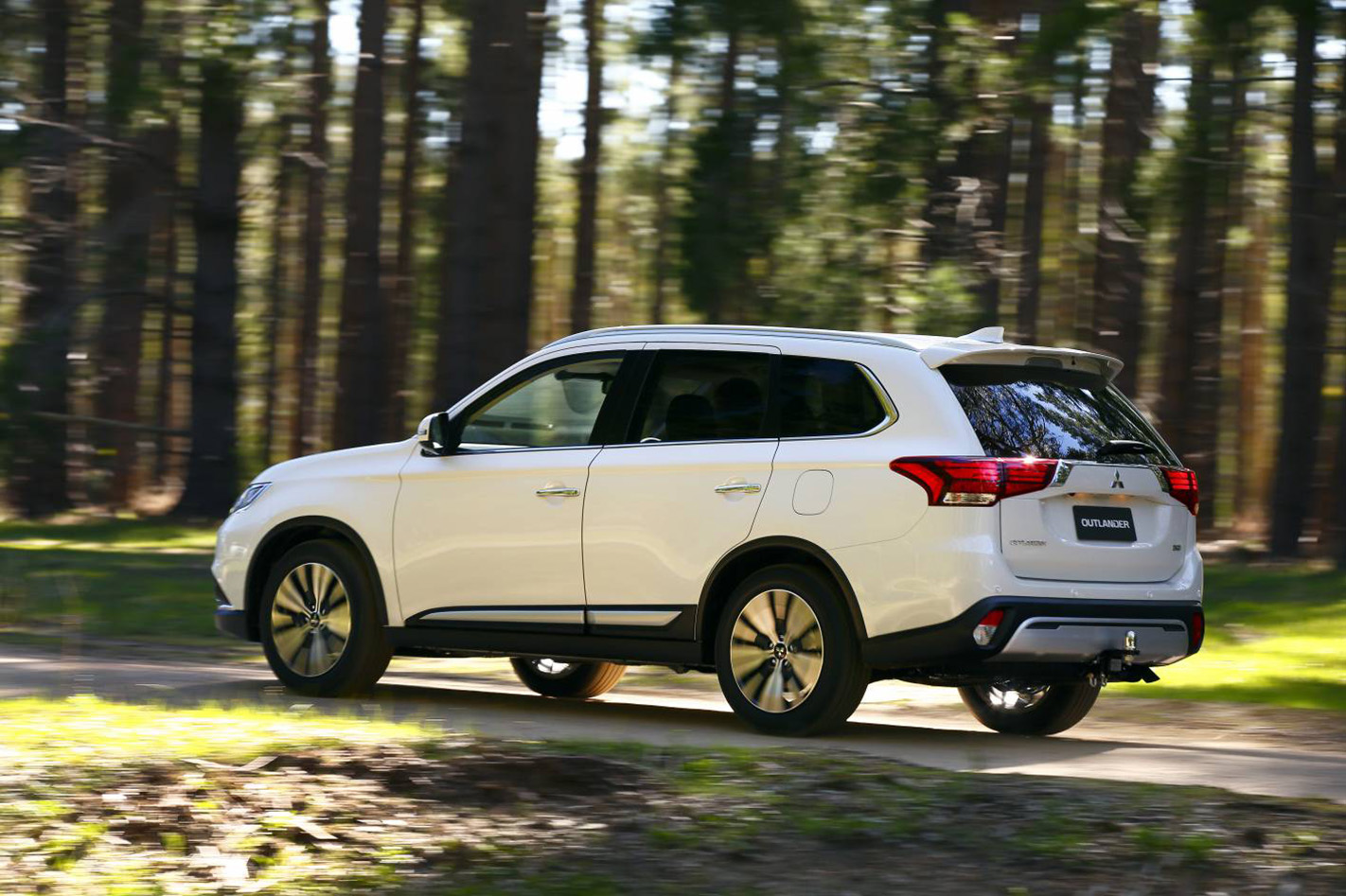
This makes auto-braking standard across all automatic Outlander variants, with the entry-level ES 2.0-litre manual still missing out.
Mitsubishi has also given all automatic ES versions handy rain-sensing windscreen wipers, dusk-sensing headlamps and an auto-dimming rearview mirror, plus new monotone 18-inch alloy wheels.
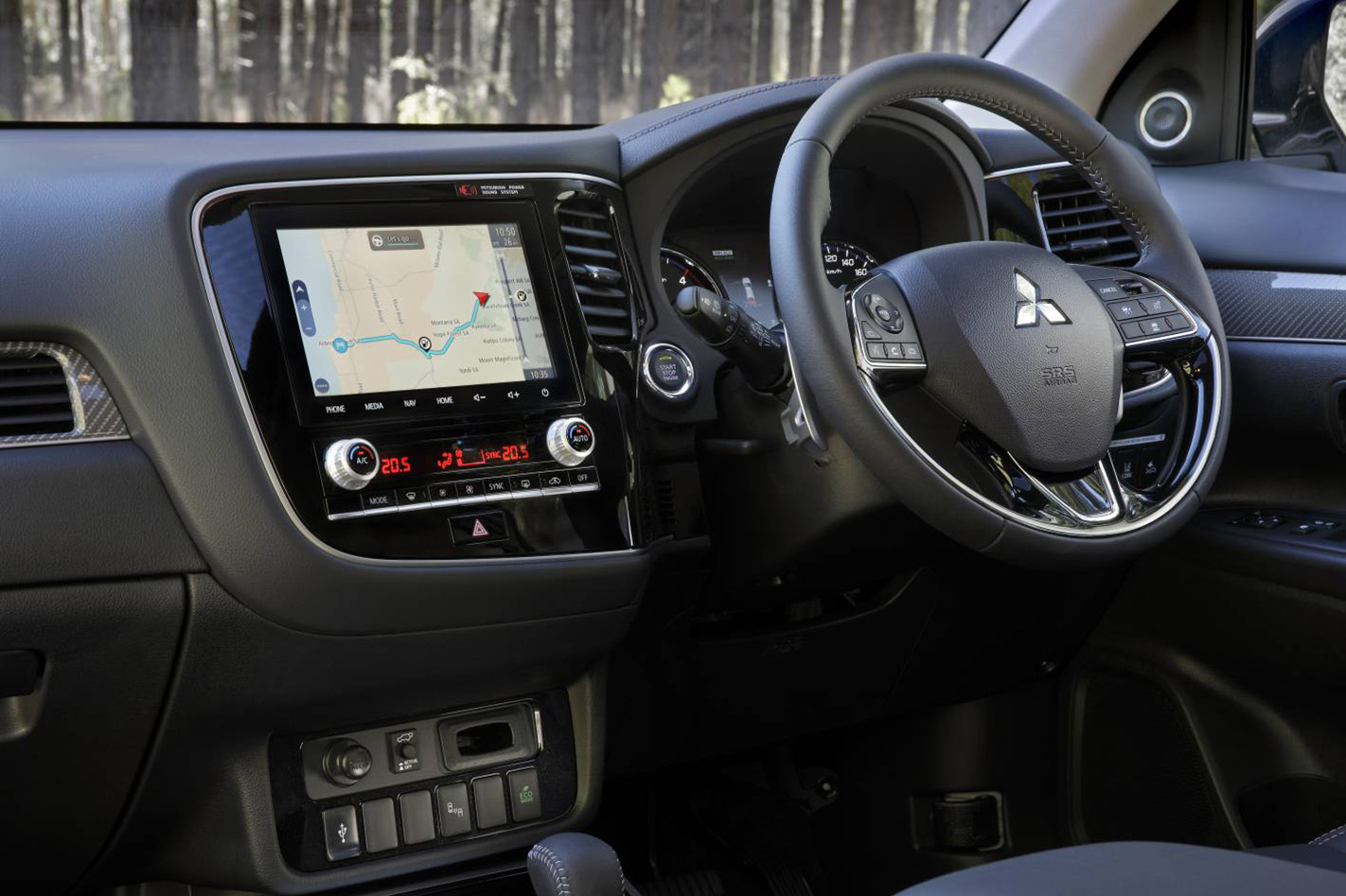
The pricier Outlander Exceed variants, meanwhile, score a bigger 8.0-inch touchscreen with inbuilt TomTom navigation that includes speed-limit information.
The Exceed is also now equipped with the latest generation of Mitsubishi’s Super All Wheel Control (S-AWC) system that adds Gravel setting to its AWC Eco, Normal and Snow driving modes.
Interior comfort has been enhanced across the range including the mid-spec LS variants, with the addition of power-adjusted driver’s seat lumbar support, and “improved cushioning” across the back seat, according to the company.
Rear-seat passengers also benefit from their own USB charging port and improved heating, ventilation and air-conditioning controls.
Up front, a new overhead console incorporates a seatbelt reminder and passenger airbag cut-off indicator, and in all but Exceed versions in with inbuilt sunroof, a sunglasses holder.
The upgrade does not apply to Outlander PHEV (plug-in hybrid) versions, which are treated as a separate model.
MY20 Mitsubishi Outlander pricing (excluding on-road costs)
- ES 2WD, 2.0L, manual, 5-seat – $29,490
- ES 2WD, 2.4L, auto, 7-seat – $31,790
- ES 2WD w/ADAS*, 2.4L, auto, 5-seat – $33,290
- ES AWD, 2.4L, auto, 7-seat – $34,290
- ES AWD, 2.4L w/ADAS, auto, 5-seat – $35.790
- LS 2WD, 2.4L, auto, 7-seat – $34,290
- LS AWD 2.4L, auto, 7-seat – $36.790
- LS AWD 2.2L diesel, auto, 7-seat – $40,290
- Exceed AWD 2.4L, auto, 7-seat – $43,290
- Exceed AWD 2.2L diesel, auto, 7-seat – $46,790
Ahead of the Frankfurt Auto Show, Brabus has revealed its newest AMG-baased creation, the Brabus B35 S with ‘PowerXtra’ tuning.
With the new ‘entry-level’ Mercedes-AMG A35 as a base car, the new Brabus hot hatch already has the potential to be rather potent, with AMG’s original 225kW/400Nm tune coming from the 2.0-litre turbocharged four under the bonnet before Brabus adds its ‘PowerXtra’ tune.
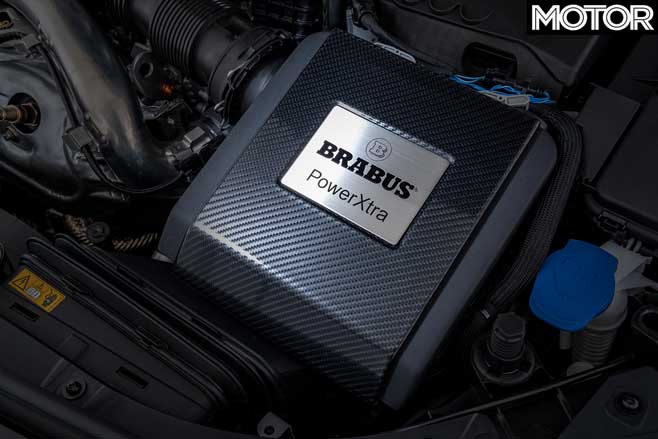
With two levels, the tune from the Bottrop-based outfit is able to give the A35’s output a little bump or bring them to a level nearing that of the last-gen A45.
The lower level tune gives the B35 S a 32kW/60Nm boost, leaving a 257kW/460Nm engine powering the fettled hot hatch, though an extra 11kW can be had with the ‘PowerXtra+’ tune.
While the former is essentially just an ECU tune, the latter comes with a high-performance muffler which is optimised to increase exhaust flow. Given Brabus’ penchant for anti-subtlety, we’d expect that exhaust to pack a few more decibels, which Brabus says ranges “from decidedly subtle to thrillingly sporty.”
The result of the PowerXtra+ kit is the B35 S reaching 100km/h in just 4.4 seconds, though it retains the standard electronically limited 250km/h top speed.
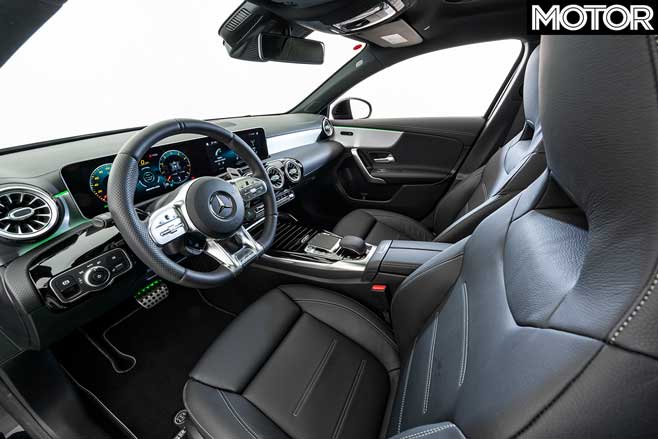
Brabus also altered the styling and aerodynamics of the A35 when creating the B35 S, with a new front spoiler designed to reduce front axle lift at high speed and new inserts which optimise airflow into the intakes.
As with each other car Brabus has created, the interior of the B35 S is also customisable, with requests from customers carried out by Brabus’ upholstery team, “tailored precisely to the customer’s taste with regard to colour and upholstery design.”
Mercedes’ performance arm has announced the Mercedes-AMG GLE53 Coupe will join the standard SUV version.
The inline six-powered SUV coupe has also been confirmed for Australia, with arrivals expected in Q2 2020, though specification and pricing is yet to be confirmed by Mercedes-Benz Australia.
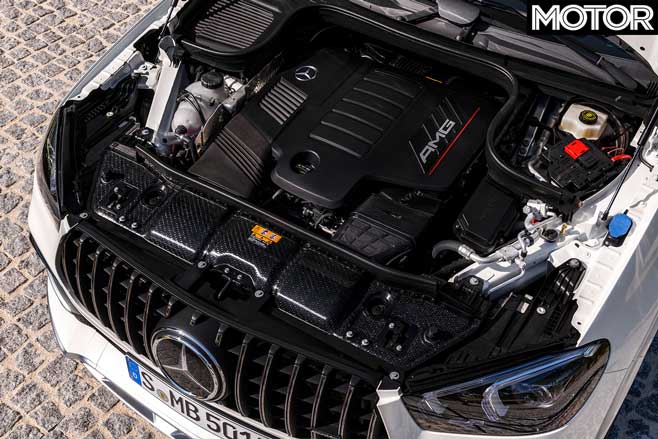
With 320kW and 520Nm from its 3.0-litre mild hybrid inline engine, the GLE 53 Coupe is on par with the standard SUV for performance outputs and figures. This means the Coupe also gets the overboost function provided by the EQ Boost starter-alternator, which puts an extra 16kW and 250Nm through the powertrain. Yes, 250Nm.
This allows the AMG GLE53 Coupe to hit 100km/h in 5.3 seconds, as the SUV does, before heading on to its limited top speed off 250km/h.
A 9-speed gearbox provides the conduit for power to reach the rear-biased 4Matic+ AWD system, keeping traction optimal for individual driving situations.
Adaptive air suspension is standard for the GLE53 as part of AMG’s Active Ride Control system, lowering the ‘Coupe’ by 15mm when in Sport+ mode, and doing the same when travelling over 120km/h in Comfort mode. Not that you’d do that in Australia.
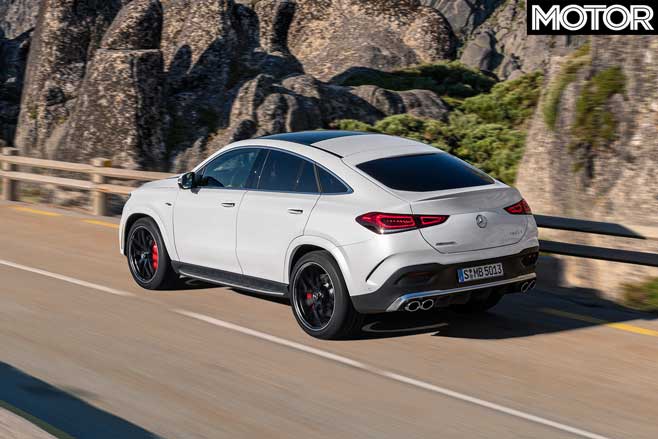
AMG says the system can adjust its dampers up to 1000 times per second, plus electronic actuators are present at the front and rear axles to actively prevent unwanted bodyroll through counteracting the lean during cornering.
Though no pricing for the GLE53 has been announced, expect it to land in Australia near the $140,000 mark, slightly north of the standard SUV’s expected mid-$130K pricing.
UPDATED 28/08/19
Peugeot has now confirmed it will double the 508 Australian assault with a wagon variant now joining the 508 sedan that was confirmed in April.
Priced from $55,990, the 508 Sportswagon adds another $2000 on top of its midsized sedan sibling’s price and is equipped with identical specification. That includes the 165kW/300Nm 1.6-litre turbo four-cylinder petrol engine bolted to an eight-speed automatic transmission.
A single grade will be offered for now – the GT specification – with the only options being a panoramic glass sunroof or premium paint.
With the extra capacity of a wagon bodystyle, the Sportswagon forfeits a tenth of a second in the zero to 100km/h dash, compared with the sedan’s 8.1s figure, but manages the same average fuel consumption of 6.3 litres per 100km – not to mention significantly improved utility.
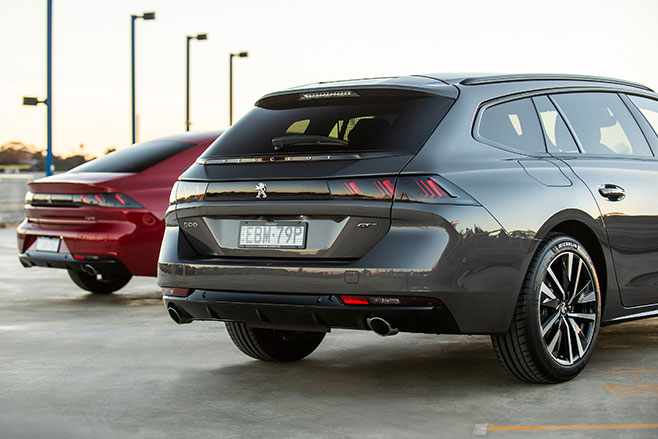
Introducing the pair is an ambitious move by the French manufacturer, with Australians not typically enamoured with mainstream four-doors regardless of the body style. Rival brand Renault recently discontinued its Megane sedan and wagon, with only the sportiest hatchbacks remaining on sale. Those models that continue to compete from other brands generate only modest sales.
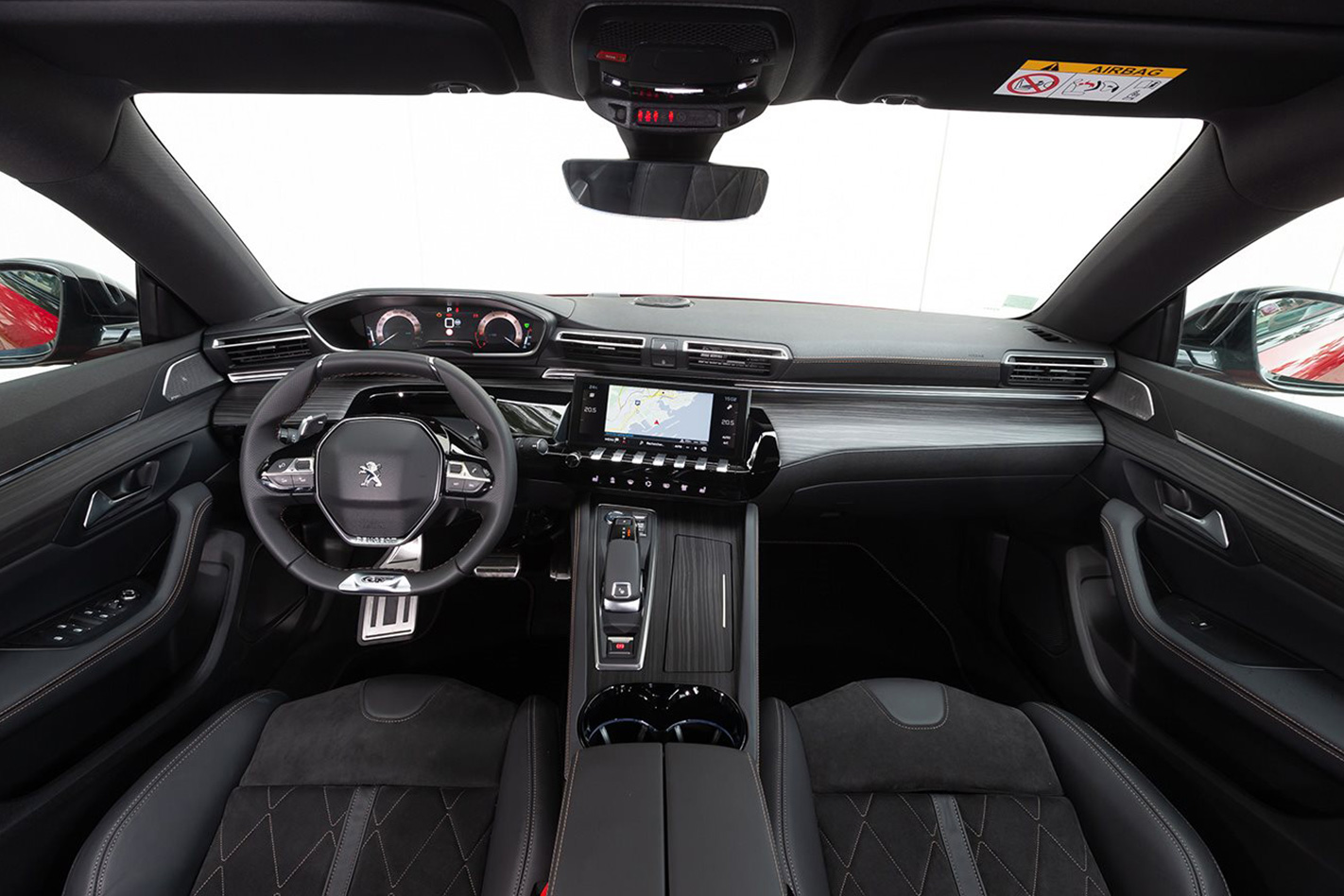
In the Pug’s favour however, is a compelling list of standard equipment that includes a well-appointed cabin, LED exterior lighting, power tailgate with hands-free operation, 19-inch alloy wheels, a high-end sound system, digital instrument and central displays, leather and Alcantara seats, and wireless charging and mirroring for ‘smart’ devices.
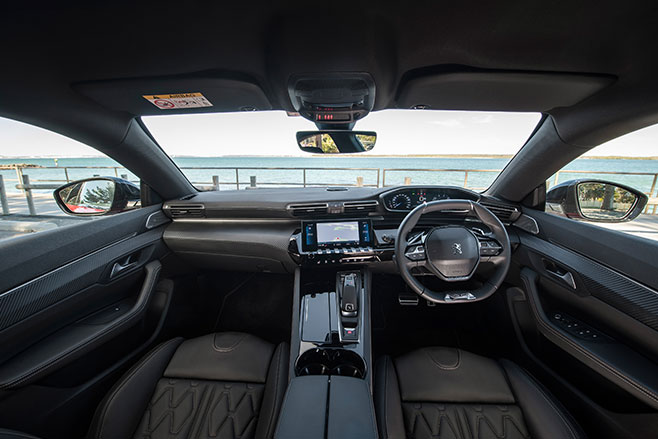
It also pulls Peugeot’s customary trick of providing a chassis that manages to be both supple and cosseting but also rewarding for the driver. That achievement has standard adaptive dampers and Peugeot’s lightweight EMP2 platform partly to thank.
Read next: Peugeot 508 review in France
There’s neither a diesel powertrain nor the 133kw petrol version that is offered to European customers. That said, an electrified version is certainly on the cards.
In addition to the highest power output and adaptive suspension, the GT grade gets bigger brakes and sexier body kits than what’s offered as stnadard overseas. Customers wanting more kit can stump up another $2500 for a panoramic sunroof, or a palette of different metallic and pearl colours priced up to $1050.
ORIGINAL STORY PUBLISHED APRIL 2019
“The lion will roar again.” This has been the resounding message from Peugeot worldwide – how to make a once-great brand great again. “Small is the new big. We can leverage our boutique position and be more personal,” says Ben Farlow, Managing Director of Peugeot Citroen Australia. “We can be nimble as part of wider consumer trends.” Which brings us to one of the trickiest markets to get right in Australia: the mid-size sedan.
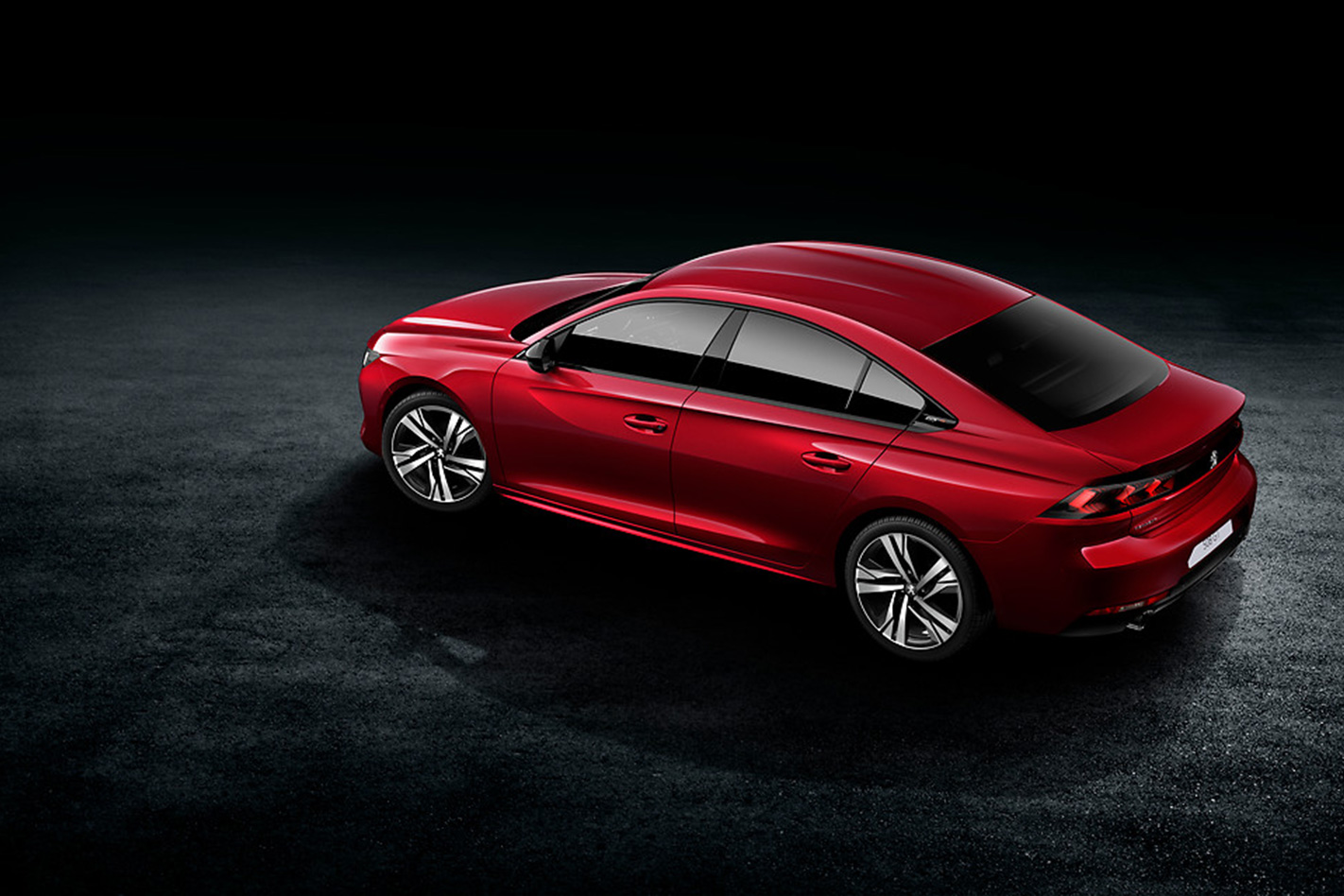
As we know from driving it last year, the Peugeot 508 is an elegant, sexy comeback of a car that was well, never really all that sexy. The 2019 model has already won awards around the world, due to its emotionally-driven on-road appeal. Inspired by the 504 of the 1970s, Peugeot’s design team has created one of its most beautiful sedans yet.
It’s lower and sportier than its predecessor, brags incredibly supple cabin materials, frameless windows, creative use of 3D effect LED lighting on rear and a new fang-like design language on the nose; and a sleek, fastback shape.
Peugeot are even shouting about the design in terms of its surprising drag co-efficiency, with one of the best in the segment (0.25Cd), More surprising is the sheer size of the boot – and asWheels’ Andy Enright discovered, it comfortably fits a mountain bike – an increasingly popular unit of measurement.
This is a sedan that, on looks, would be able to stare down the fashionable Audi A5 or Volvo S60 with that confidence the French have perfected over centuries of stylish smugness.
In Australia, the 508 will initially only arrive in one guise: the 508 GT, with a 508 touring wagon confirmed for later in the year. This will be offered with a 1.6L 4-cylinder turbo petrol engine, producing 167kW and 300Nm through an all-new Aisin eight-speed automatic transmission.
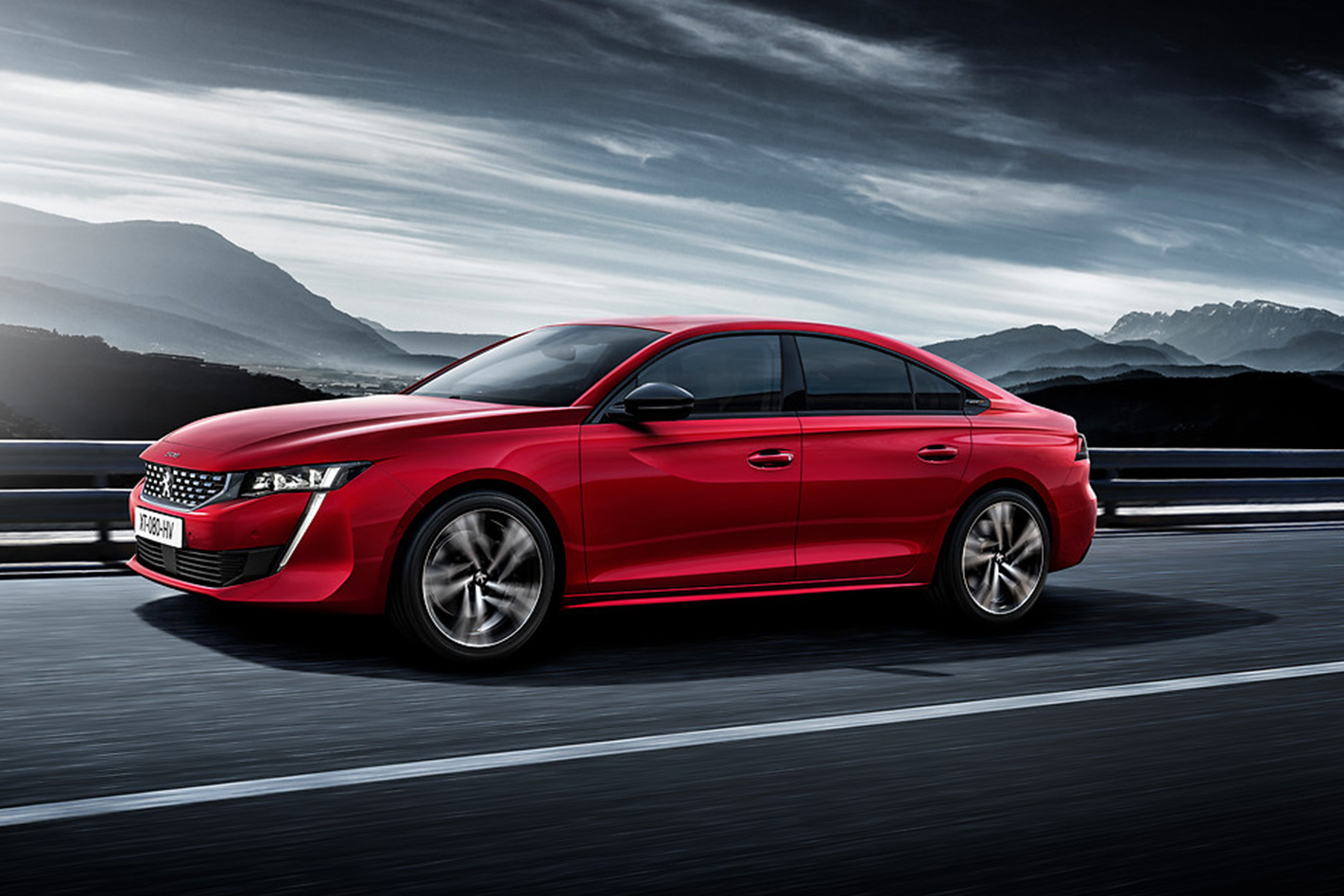
As for gear, the 508 will include 19-inch alloys, semi-autonomous technology including cruise control and lane assist, massage seats in the front, all-new Peugeot I-Cockpit digitalised instrument cluster, hands-free tailgate with gesture control, a 515-watt, ten-speaker Focal sound system and adaptive dampers as standard.
Thanks to its EMP2 platform and the use of composite materials, it’s 70kgs lighter than its predecessor, too, and has a power to weight ratio that Peugeot claims is unmatched in the segment of 118kW/tonne.
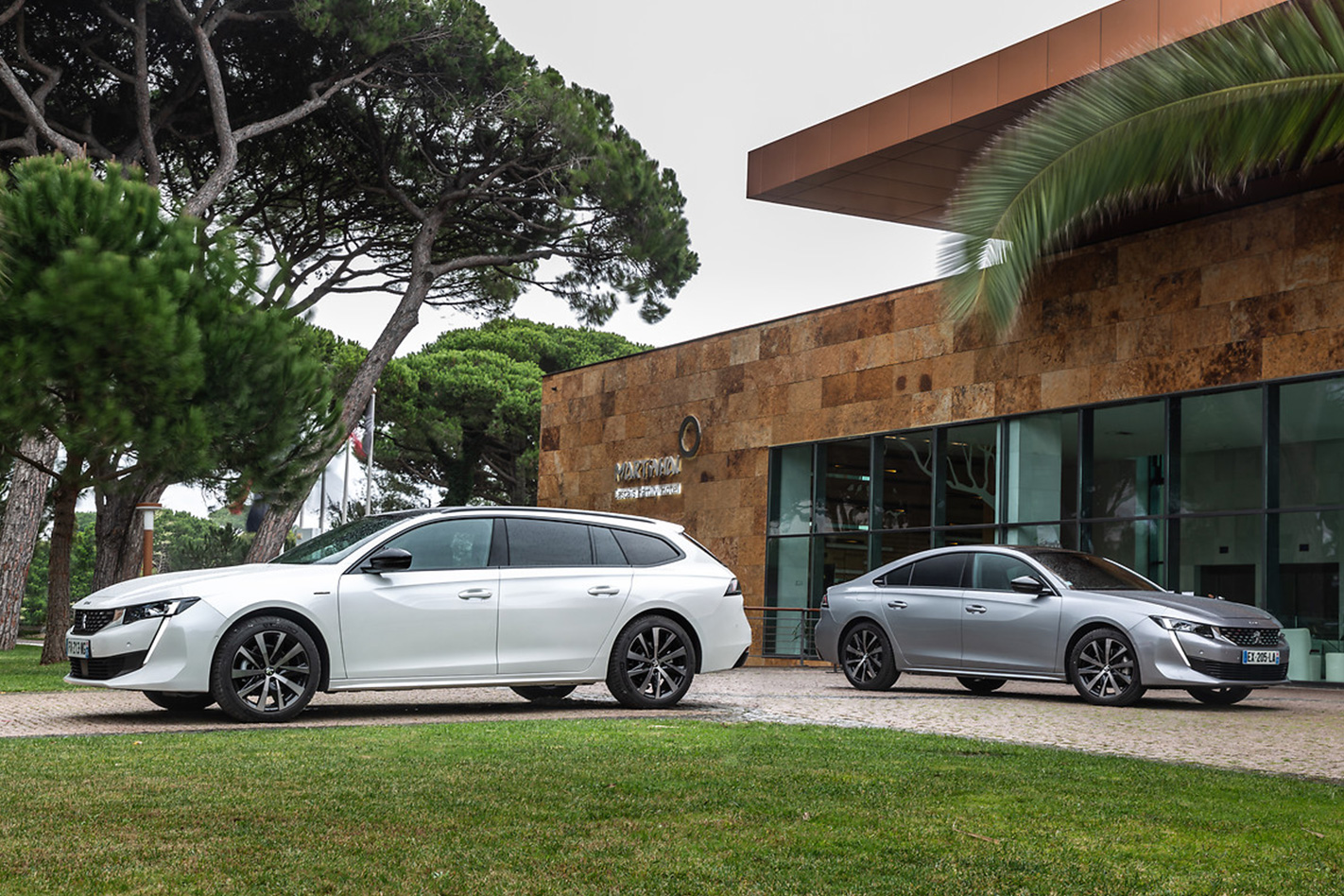
In Australia, Peugeot will also only have two options on the table: paint and a glass panoramic sunroof. Confirmed this week, the 508 GT will be priced at $53,990.
PRICING
- Peugeot 508 Fastback GT – $53,990
- Peugeot 509 Sportswagon GT – $55,990
- Panoramic glass sunroof – $2500
- Metallic paint – $5590
- Pearlescent paint – $1050
With the passing of Ferdinand Piëch, former Volkswagen Group boss and member of the Porsche dynasty, it seems appropriate to remember some of the cars we can thank him for.
We’ve kept it short, picking one car from each of the four main brands he was associated with, chronologically.
Porsche 917
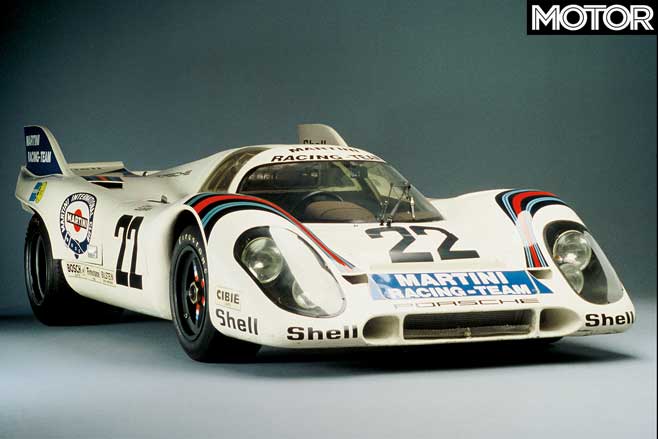
Of course, as a member of the Porsche family (his grandfather was Ferdinand Porsche Jr., the Piëch name coming from his mother, Porsche Jr.’s daughter, marrying Anton Piëch), Ferdinand worked for the brand in his early days, though a shift in company protocol later prevented Porsche family members from holding management positions.
Before he left the company, as head of the motorsport division, he had created arguably one of the most iconic racers of all time. At Piëch’s request, 25 Porsche 917s were built with designs and flat-12 engines by Hans Mezger.
Audi Quattro (Ur-Quattro)
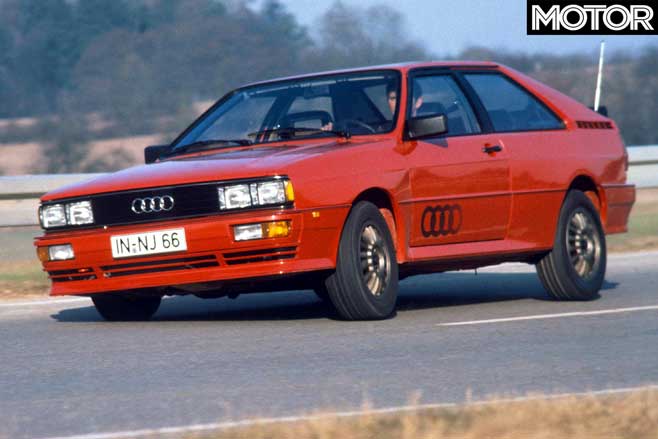
“The basic stimulus came from three young Audi engineers: Jörg Bensinger was manager of the experimental running-gear department, Walter Treser was project leader and Dr. Ferdinand Piëch the chief technical executive,” an Audi press release says of the Quattro, as part of a ’25 years on’ celebration in 2005.
A 2.1-litre inline five-cylinder engine powered the Quattro from its 1980 reveal, putting out 147kW towards each wheel, marking the beginning of Audi’s ‘quattro’ branding and “the première of all-wheel drive for the roadgoing passenger car,” according to Piëch at the time.
The Quattro also went on to be incredible successful on rally stages and bore the S1 Group B rally car as its final evolution.
Bugatti Veyron EB 16.4
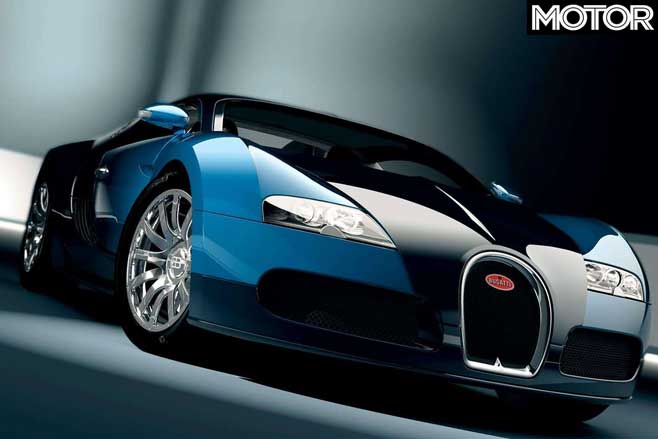
With the acquisition of the Bugatti brand, the Volkwagen Group in the late 1990s (then under Piëch as its boss) had the potential to add a supercar to its stable. Instead, it effectively created a hypercar.
With Volkswagen’s before-previewed 736kW W16 engine, boasting an 8.0-litre capacity and four turbochargers, the Veyron was destined to become the fastest production car in the world.
The Veyron was a perfect example of Piëch’s style, ambitious and uncompromising. He pushed to build a car that his peers thought unnecessary, only to be praised for it afterwards. It’s said Piëch owned one with his wife, too.
Volkswagen Phaeton
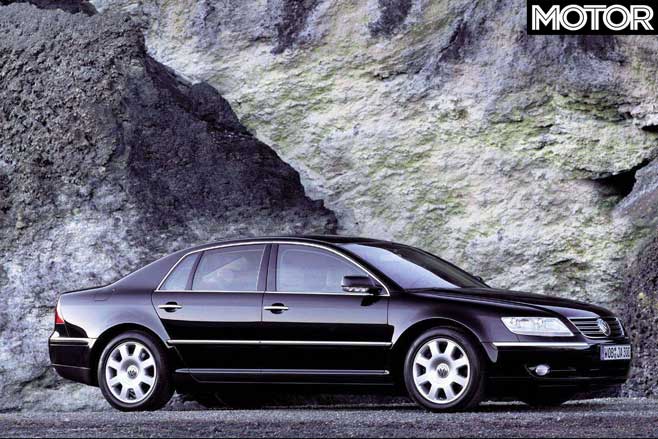
Finally, one of Piëch’s most interesting endeavours. While Volkswagen literally means ‘people’s car’, the Phaeton was designed for a specific few.
With a W12 under the bonnet and enough room inside to seat four (or five) comfortably on a long trip, the Phaeton was essentially a VW limo.
There’s a rumour that Ferdinand Piëch kicked off the Phaeton’s development to get back at the likes of Mercedes for moving into Volkswagen’s hatchback territory.
It’s said that Piëch’s demands for the car’s quality were that it should be able to travel for at least eight hours at 300km/h on a 50 degree Celsius day, while maintaining a temperature of 22 degrees inside the cabin, even though it would likely never have to in the real world.
Do you have a cult classic sitting in your garage, and think the world needs to know more about its history? Well, we’d like to hear about it.
As many of you would know, when Wheels was redesigned at the start of the year, we added a new section called Modern Classic, where we take a chance to look back at some of the cooler or lesser known metal of the past several decades.
Now is your chance to be featured, as we are on the hunt for more Modern Classics to feature.
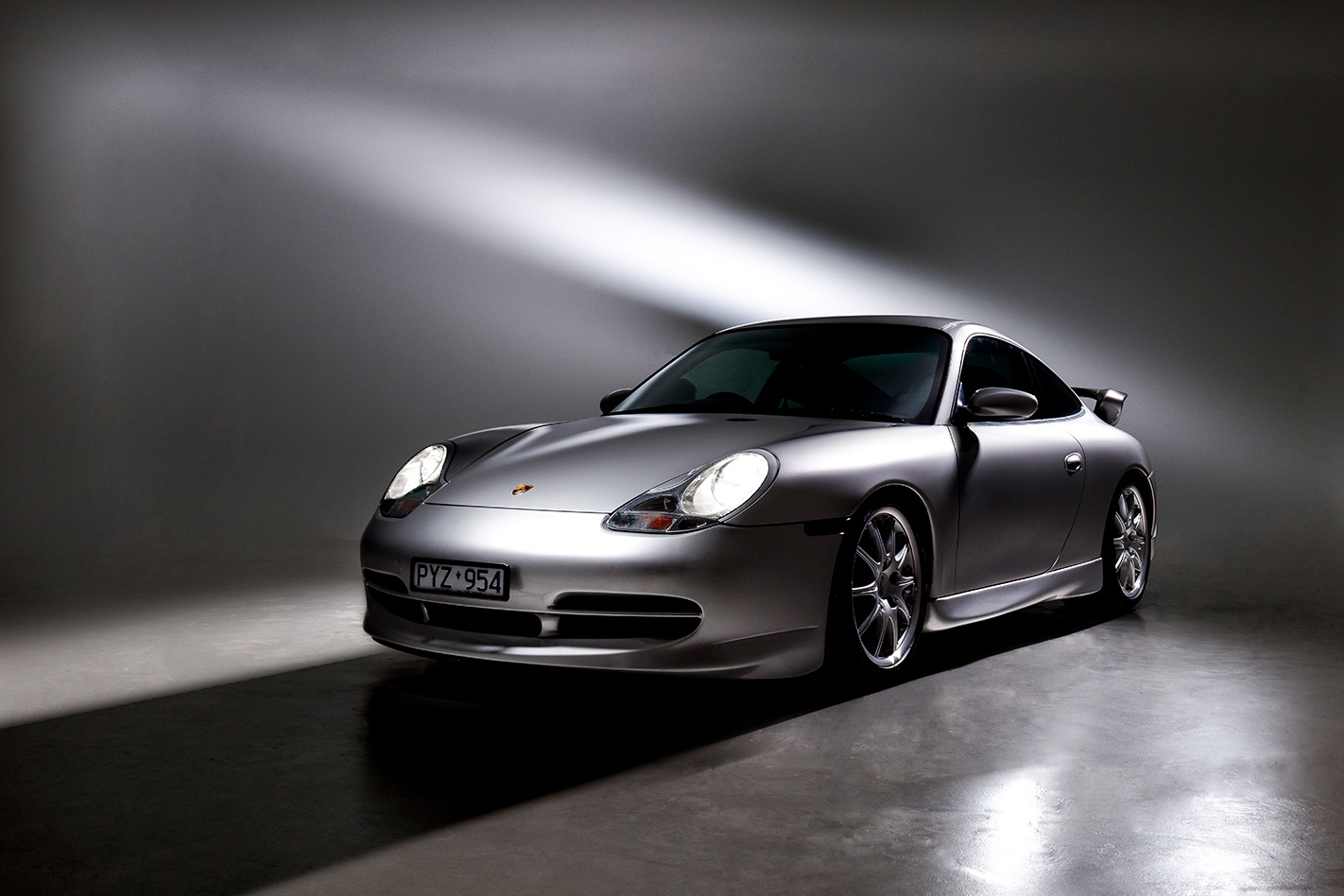
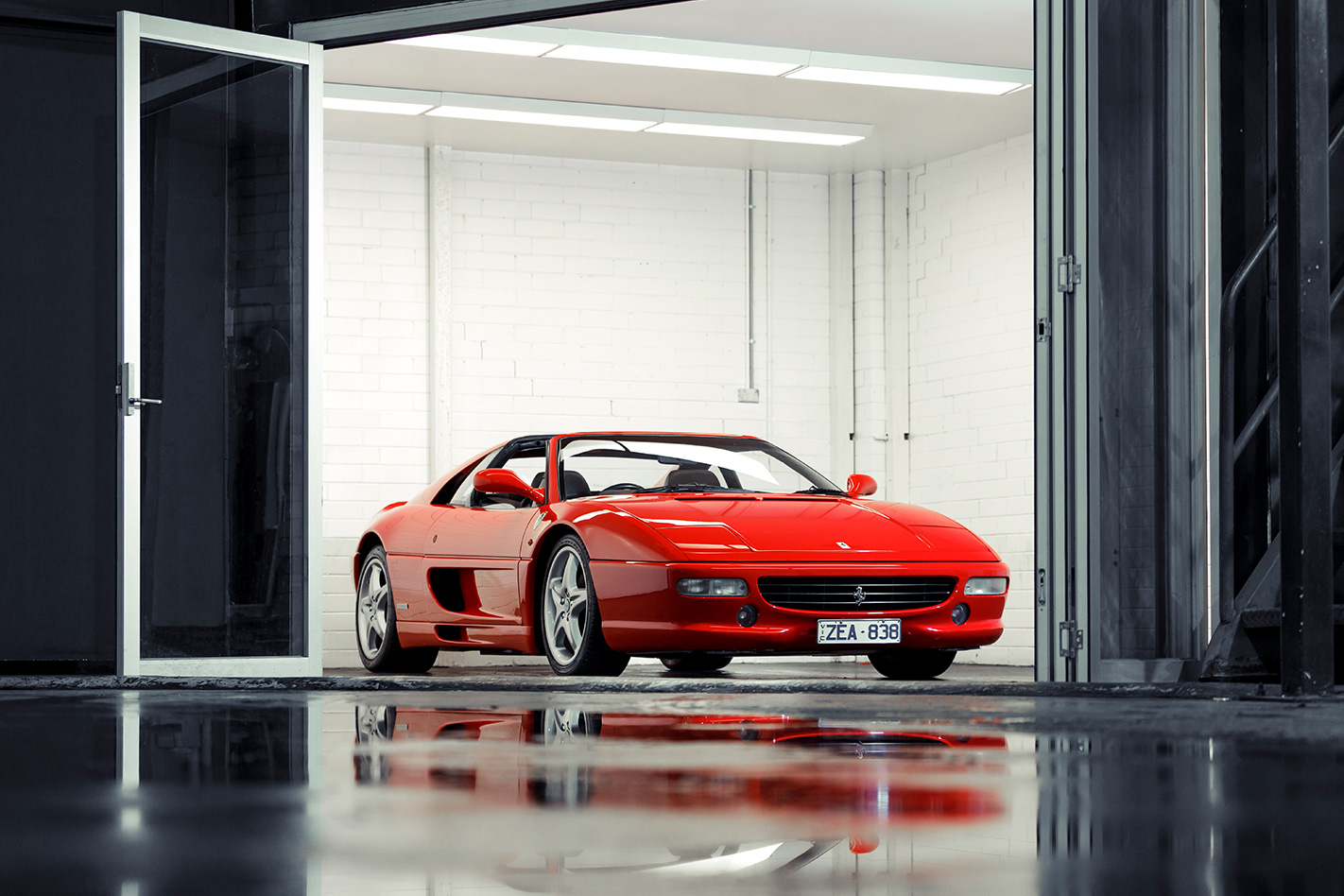
The list of yesteryear heroes that we have already featured include the Nissan R32 Skyline GT-R, BMW E46 M3 CSL, Alfa Romeo SZ, Mitsubishi Lancer Evo VI Tommi Makinen Edition, Mercedes-Benz 190E 2.3-16, Peugeot 205 GTi, Mazda FD X-7, Ferrari F355, Honda Insight, Lamborghini LM002, Porsche 911 996.1 GT3, and Audi Ur Quattro.
Each have been treated to a full photoshoot with our world-class photographers, and been featured across four pages in the Overrun section of our magazine.
The criteria for Modern Classic is pretty simple: it has to have been built in either the ‘80s, ‘90s, or ‘00s, and have a cult following.
Scratching your head to the kind of metal that would be appropriate? Our current wish list of Modern Classic feature cars includes, but is not limited to, a Honda NSX, BMW Z3 M or Z4 M coupe, Toyota Supra, Dodge Viper, Honda Integra Type R, Autozam AZ-1, Tickford TE50/TS50, Subaru Impreza 22B STi, Audi RS2, BMW E39 M5, Lamborghini Diablo, Lancia Delta Integrale, and Volvo 850R.
Think you have what we are looking for, or know someone that does? Send us a message at [email protected], or send us a DM on Facebook!
Let us know in the comments below what Modern Classic you would like to see and read about in a future issue of Wheels, and we will try our hardest to track it down.
Before the dual cab, there was… well, no such thing, really. A ute was just that – a tray with seating for two people in front of it. The notion of carrying extra people in a ute seemed a bit silly.
Fast forward to the present day, and the poor old ute has to do it all – carry people in comfort and safety, handle nicely, go reasonably well and STILL carry a load.
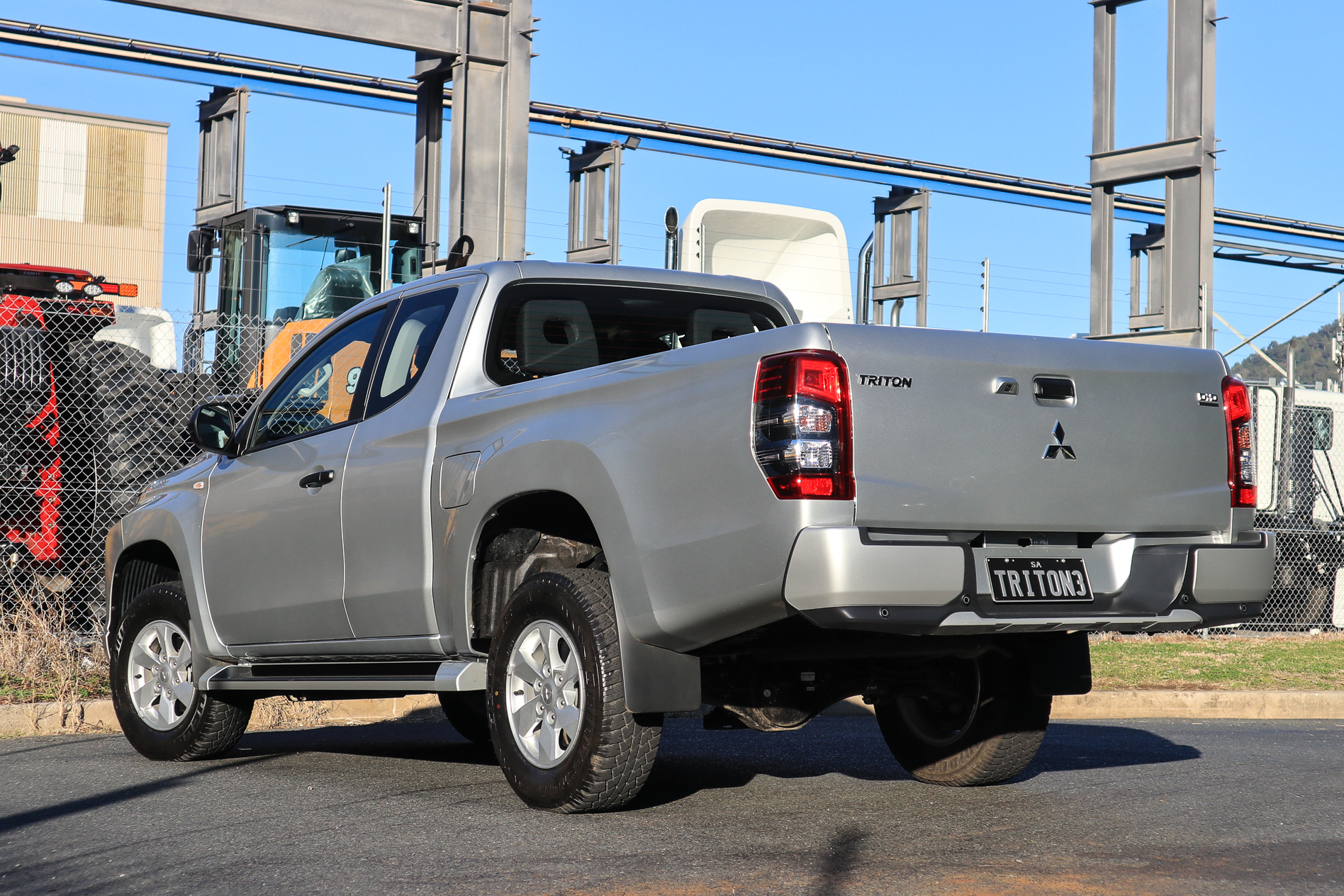
There is something that falls between the pure two-seat ute and the five-up dual cab, and that’s the crew cab (or king cab or extra cab, depending upon who you ask).
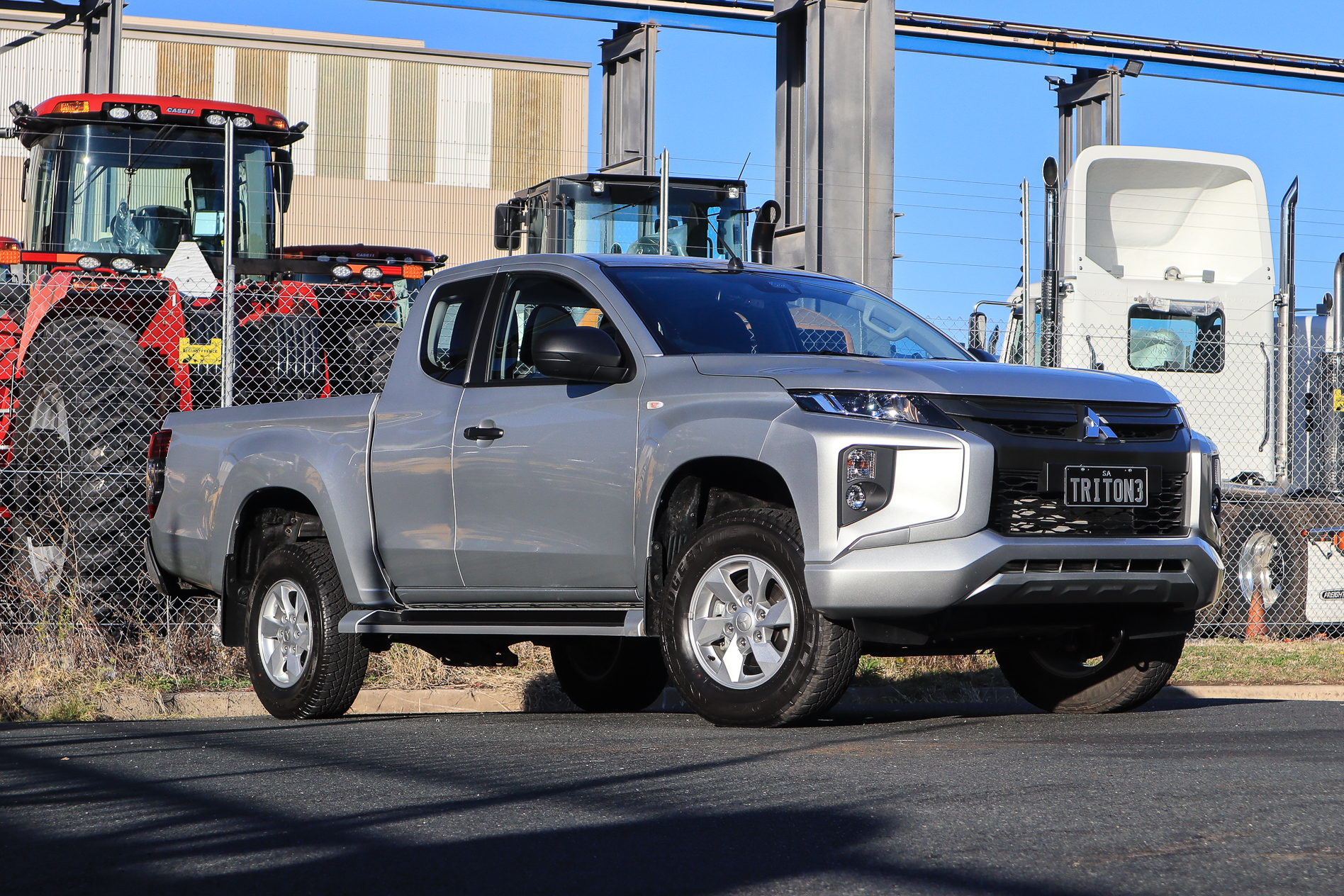
We’ve grabbed Mitsubishi’s updated Triton GLX+ crew cab to see how it handles a week in and around the city.
Value
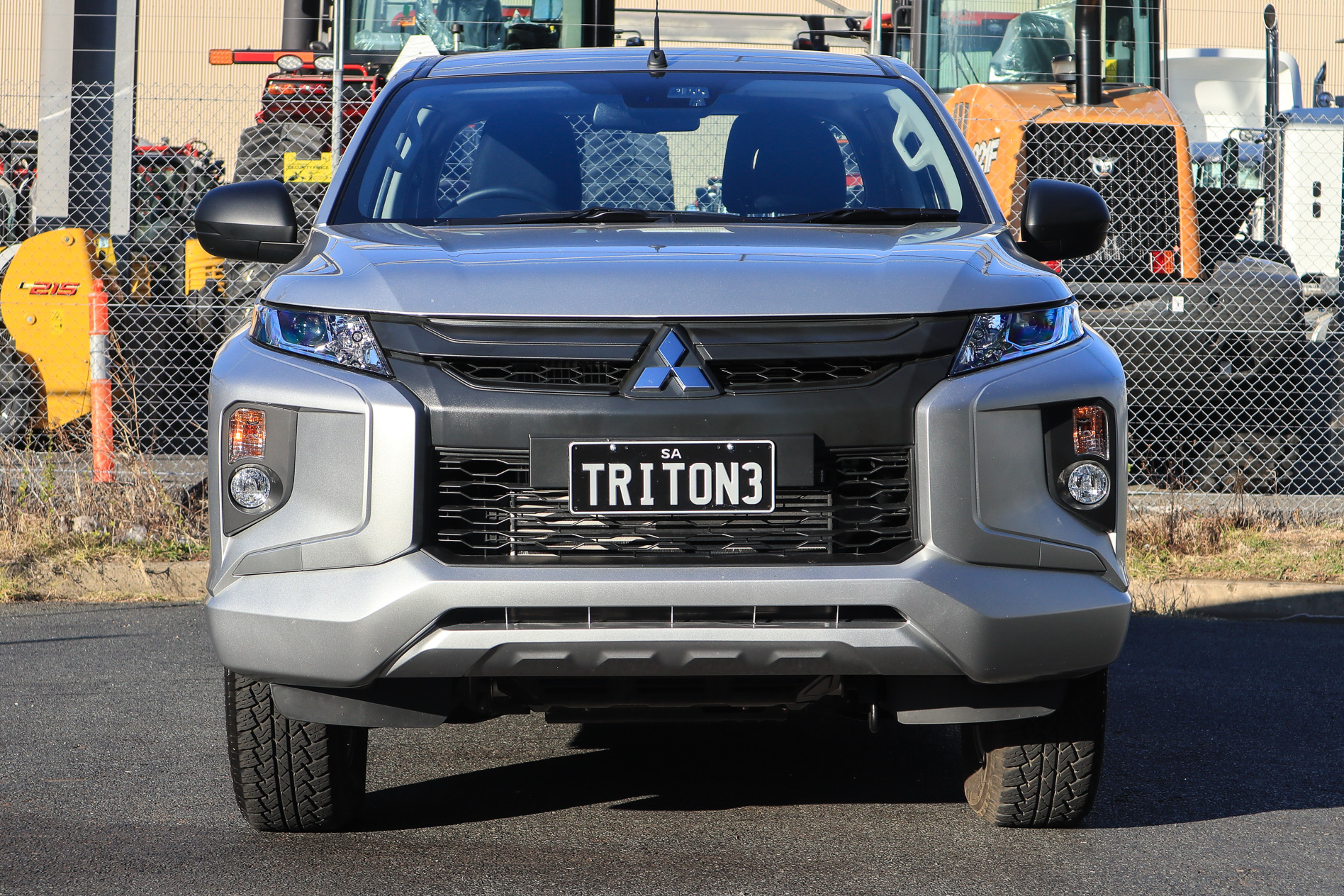
The Triton GLX+ sits in an interesting spot in the line-up. It’s the only Triton that comes with a styleside body (as in a ute tray) and club cab configuration; the only other clubby on the roster is a cab-chassis. At present, Mitsubishi is offering driveaway pricing of $39,990 and an extended seven-year warranty (August 2019), against a regular RRP of $40,490 plus on-roads.
It comes standard with Mitsubishi’s brilliant direct-injection 2.4-litre turbocharged diesel four-cylinder engine, backed by a six-speed automatic transmission that drives all four wheels.
Compare the Toyota HiLux to the Triton, and the $41,865 SR Hi-Rider is the most logical competitor. The HiLux has fewer driver safety aids but more power and torque, while the cheapest Ford Ranger in club cab/styleside guise is $48,340.
Fuel economy-wise, the Triton claims 8.6 litres per 100km on the combined cycle. After 410km of driving, we returned 9.2L/100km. A 75-litre tank gives the Triton a theoretical range of around 870km.
Servicing costs are pretty keen, too, with each of the first three services capped at $299 per service, while Mitsubishi provides – until the middle of next year, at least – a seven-year/150,000km warranty as standard.
Standard equipment
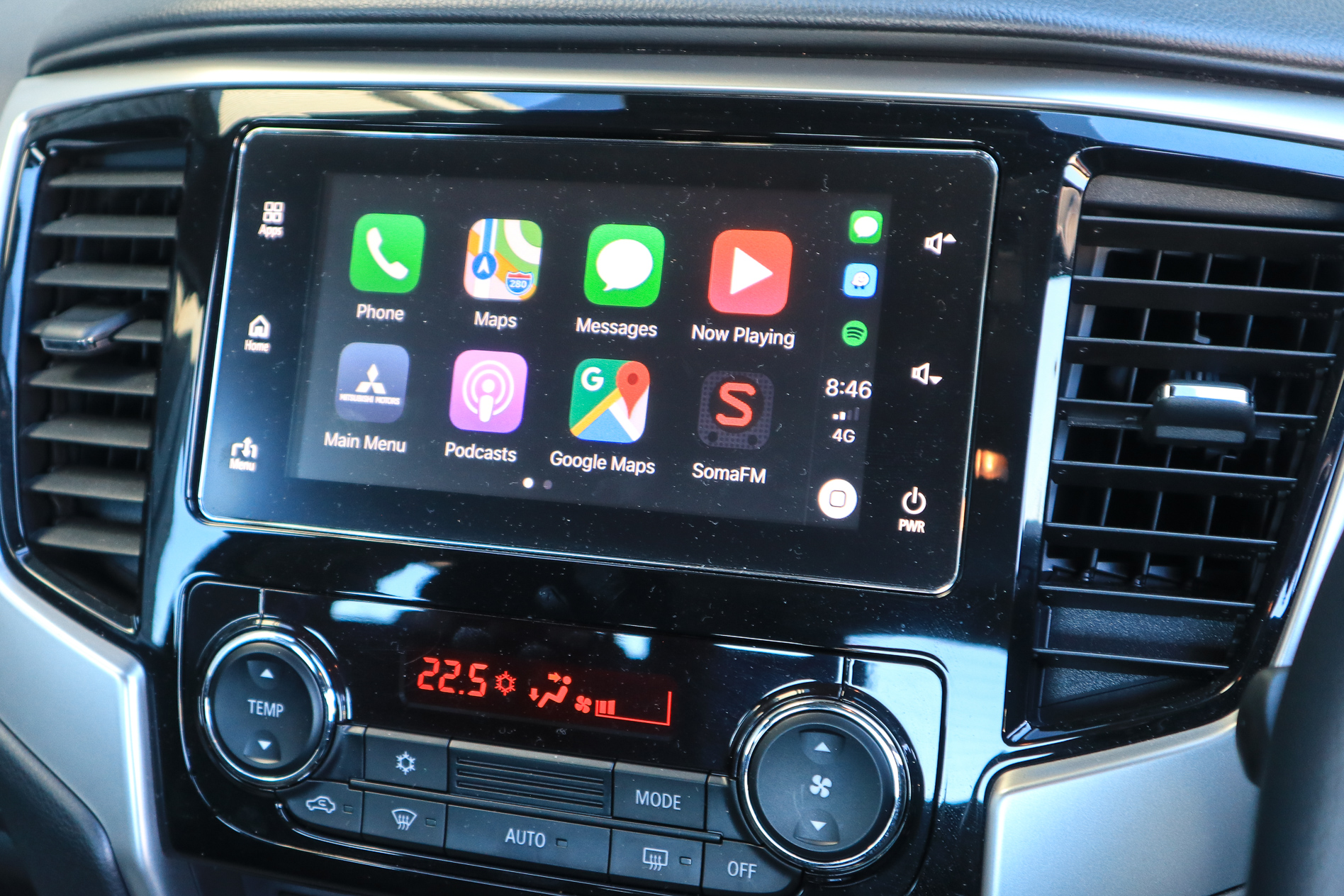
The GLX+ comes with cloth seats, vinyl floors, single-zone climate control, LED taillights, automatic lights and windscreen wipers and a 7.0-inch colour touch multimedia system that it shares with the top-spec GLS Premium that’s with Apple CarPlay and Android Auto, digital radio and two USB ports.
There are 17-inch alloy rims, but there is no sports bar or tray liner.
Mechanically, there’s a simple on-the-fly switch to switch between 2WD and 4WD, but the Triton still sports a drum brake-equipped and leaf-sprung rear end.
A few small misses – despite a neat digital screen in the instrument binnacle, it misses out on a digital speedo, while those rear ‘seats’ don’t get top tethers or ISOFIX mounts for baby seats.
Size
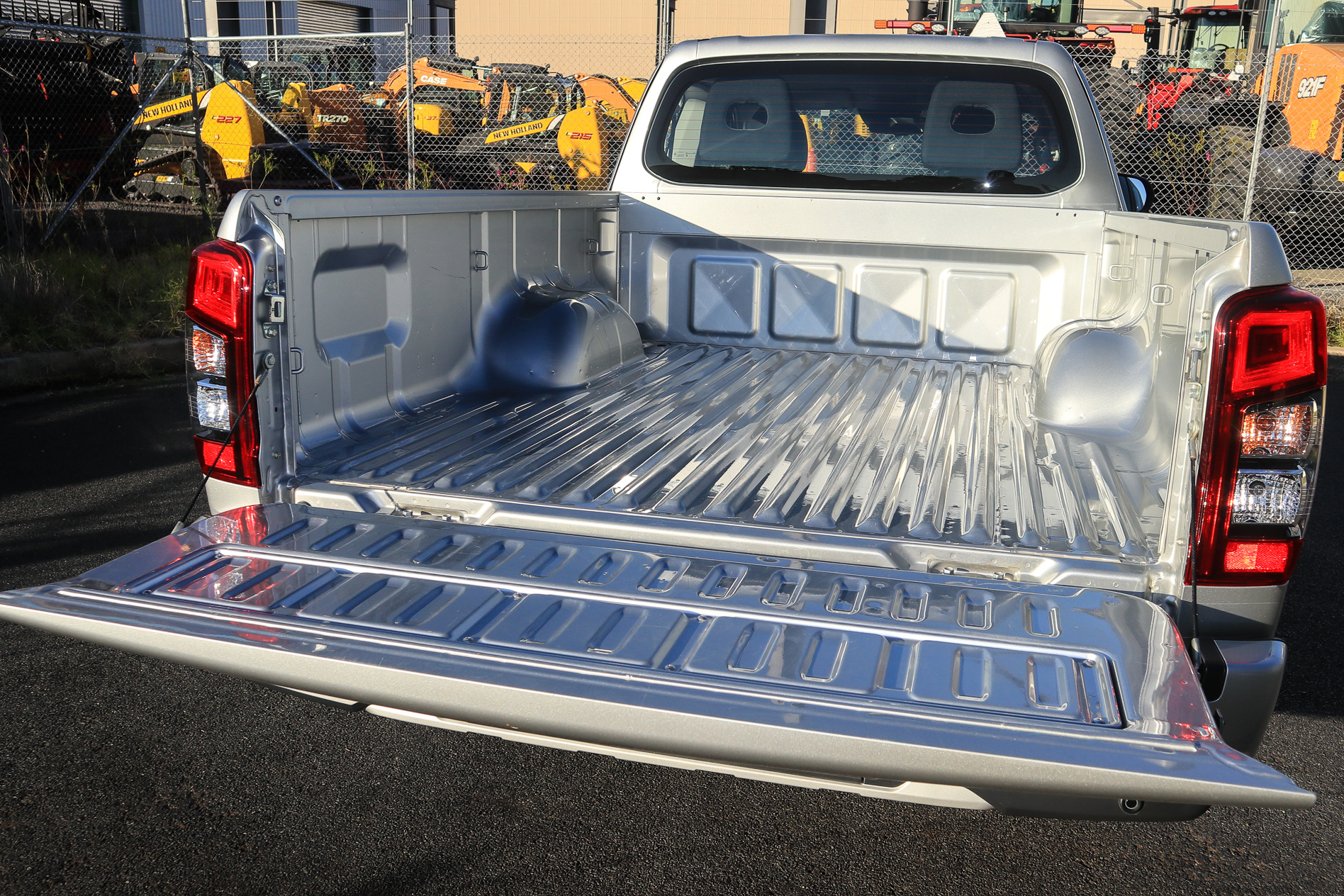
Overall, the crew cab is only 35mm shorter overall than its dual-cab equivalent at 5270mm, and the same width (1815mm) and height (1780mm).
The tray is 330mm longer, though it’s the same width between the arches (1085mm) and depth (850mm).
Interior dimensions for front seats are identical to those in the dual-cab, but the occupants of the two small, flat jump seats are going to be more squashed. There’s almost 50mm less headroom, more than 10cm less legroom and slightly less shoulder room to boot.
Of note, the crew cab can only tow 3000kg of braked trailer, compared to 3100kg of the dual cab and 3500kg of many of its rivals. However, it can carry 971kg of payload; this is an increase of 25kg than the GLS dual-cab despite being some 27kg lighter.
Safety
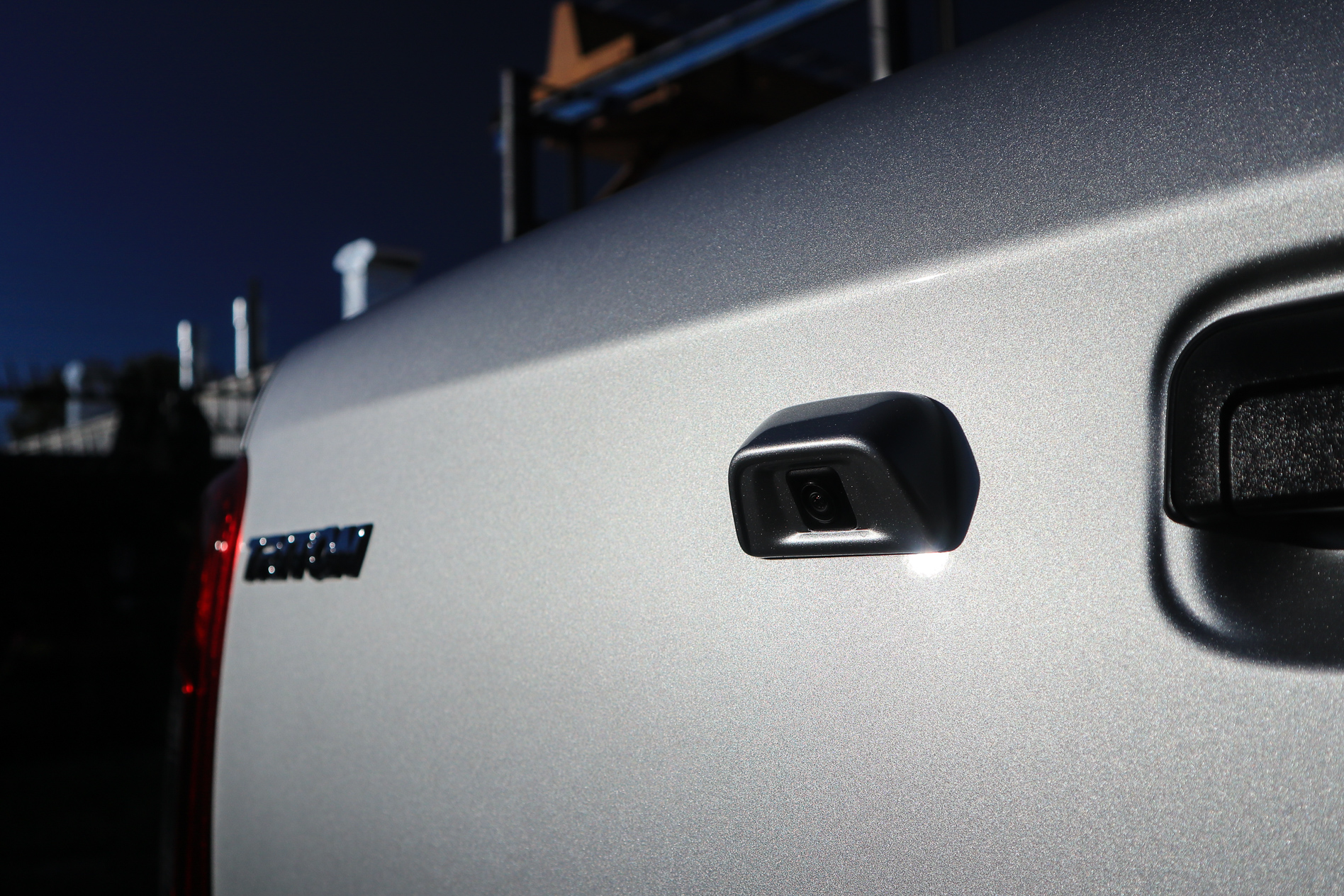
The GLS+ misses out on many of the safety innovations that come standard in the top-spec GLS Premium, and its safety aids are limited to AEB and lane departure warning. It comes with seven airbags, rear parking sensors and a rear-view camera, but as mentioned it doesn’t come with any form of child restraint mounting points.
It still holds a five-star maximum ANCAP score that’s carried over from the previous model Triton.
Comfort
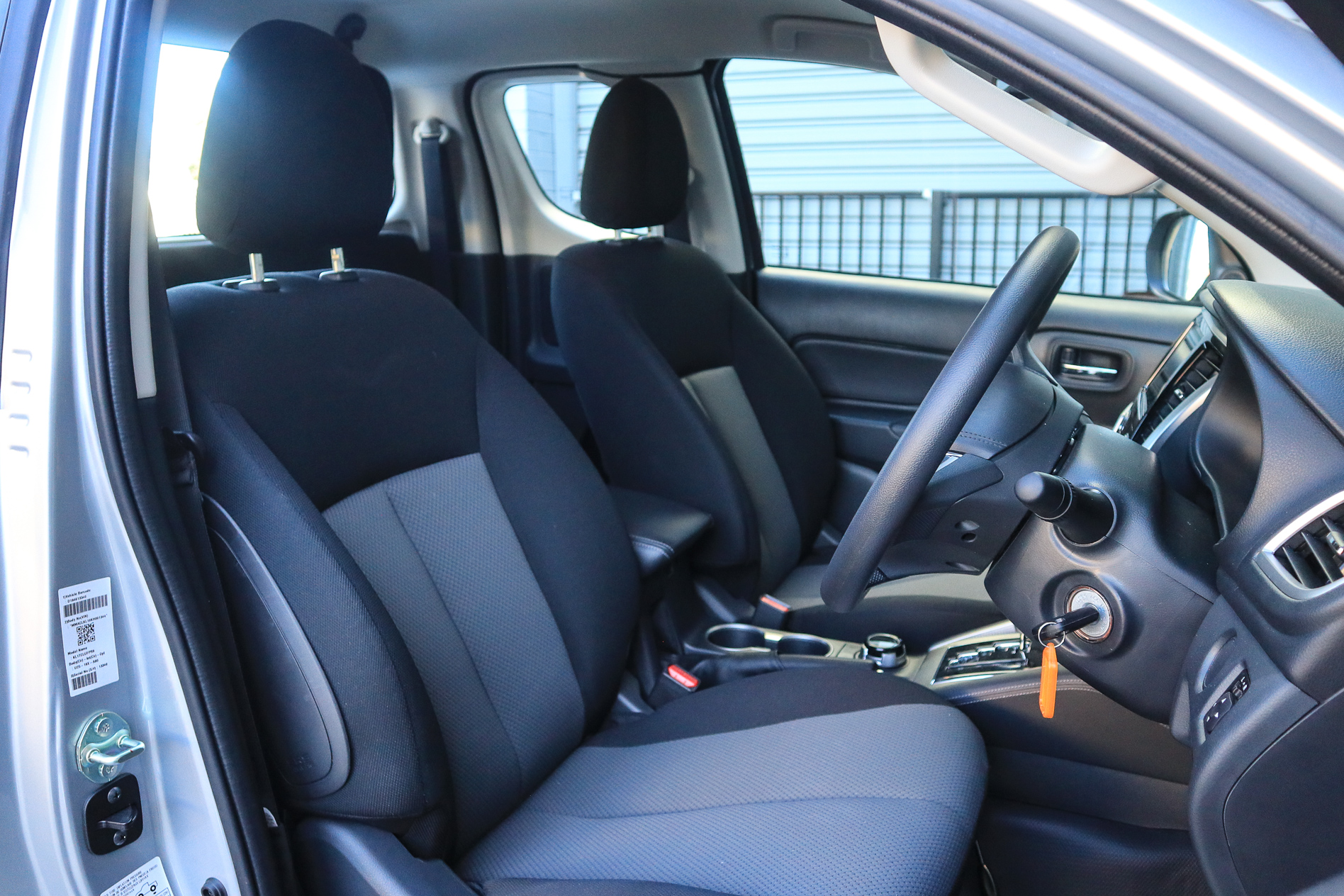
The Triton’s steering wheel is adjustable for both rake and reach, and the front seats are decently sized and comfortably shaped.
Big tick for storage, too; the front door pockets comfortably swallow larger water bottles, and there’s plenty of room for bits and pieces throughout the cabin.
The rear seats, though, are seats in name only. Accessed through narrow suicide-style doors, rear seaters can only climb in if the front belt isn’t secured.
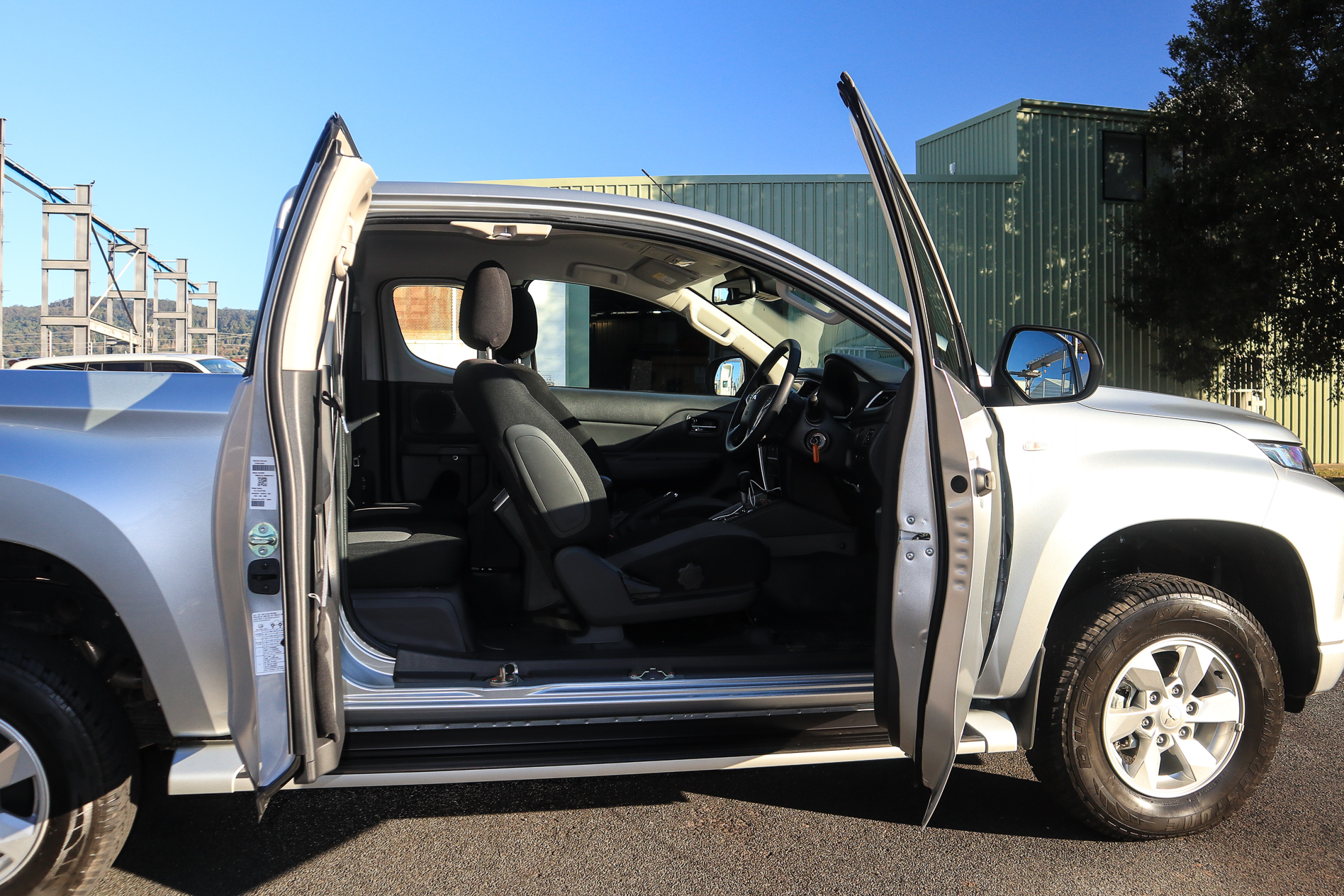
Once on board, the completely vertical backrest and minimal legroom make it an uncomfortable ride for anyone of regular human dimensions. Dogs will love it, but kids won’t.
Those seats can be flipped up to provide more in-cabin secure storage, and we’d guess that’s where they’ll spend most of their working lives.
On the road
Like its competitors, the Triton crew cab ute is tall, narrow and stiffly sprung, which means its handling prowess is always going to be compromised in some way.
The Triton’s rear end is suspended by leaf springs, which are tuned to deal with its 2900kg gross vehicle mass. This means that the 1929kg GLX+ has the ability to carry 971kg of people and payload, and so the suspension has to be tuned to cop that load, whether it’s on board or not.
Overall, the Triton feels firm and fidgety around town, though it stops – just – on the right side of being nervous and skittish. Throw some kit in the back, and it calms down nicely, but carrying more weight means higher fuel consumption.
The steering feel is a bit muffled but generally comparable with its competitors, and its brake feel, too, isn’t amazing, but it’s an easy enough drive around town and out on the highway.
The alloy 2.4-litre direct-injection four-cylinder was, in Mitsubishi’s words, the best diesel engine it could make when it dropped in 2015. Its outputs of 133kW and 430Nm are a little shy of the HiLux and Ranger’s peak values, but it still holds its own thanks to the Triton’s reduced mass when compared to its rivals.
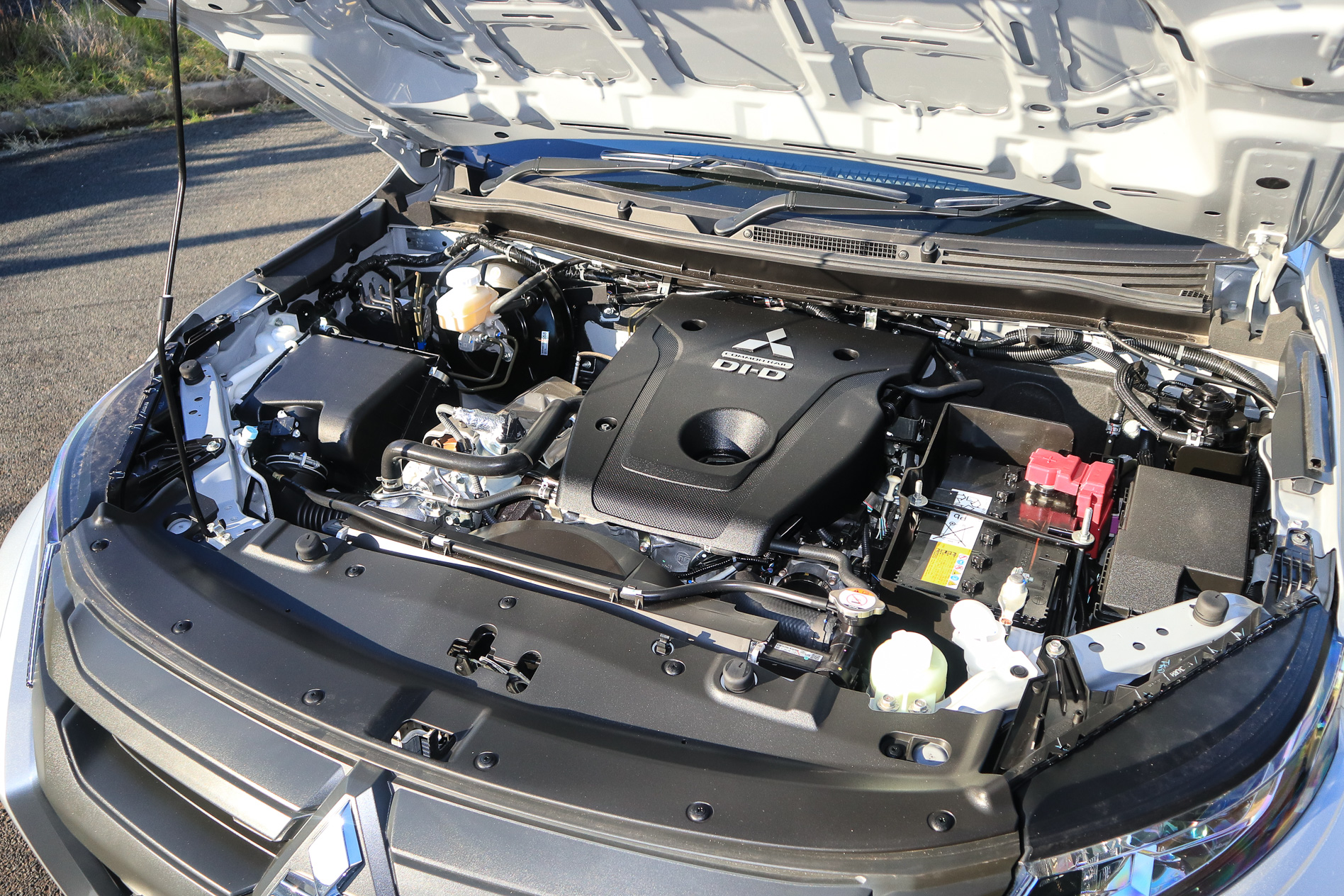
Now combined with a six-speed auto – the only choice for the GLX+ – the small engine does its best work at higher speeds and lower revs. Off-throttle, it all but disappears into the background, and its diesel rattle is well contained when the throttle is mashed again.
It can be caught off-boost, though, exhibiting some turbo lag under 2000rpm. With its peak torque reached at 2500rpm and peak power not long afterwards, it’s a fair-sized torque hole that needs careful management to fill.
Overriding the six-speed with the paddle shifters behind the wheel is one way to overcome it, but it’s definitely not as linear a drive as Ford’s five-cylinder diesel, for example.
Overall, though, the Triton manages its dual jobs of road-going passenger car and off-road utility vehicle pretty well.
Verdict
Mitsubishi has carved out a profitable niche in the utility space by offering fair value for money at the expense of a smidge of size, and by extending the life of key components like platforms and powertrains.
It also knows where its bread is buttered, and the value of the GLX+ is a standout, thanks to improved multimedia and other features over its rivals and its own stablemates in some cases.
If you need four seats on a regular basis, the crew cab may not be the best choice, especially with kids under seven. If, however, you need a longer tray and a bit of extra security for items like bags and tools, then the Triton GLX+ crew cab is the perfect alternative to its dual-cab siblings.
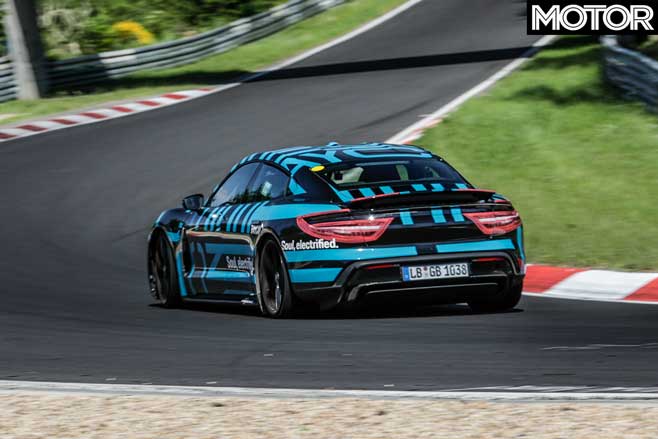
With its official debut on September 4th merely a week away, Porsche has completed the last and arguably most important test of its upcoming Taycan electric sedan, setting a lap time on the Nürburgring Nordschleife.
Using a pre-production prototype, Porsche managed to set a lap time of 7min 42sec on the 20.6km course.
For comparison, that lap time places the prototype ahead of the Honda Civic Type-R and Mercedes-Benz E63 AMG, though behind the likes of the tweaked track-focused record-holders such as the Renault Megane RS Trophy-R and Jaguar XE SV Project 8.
“The Taycan is also suitable for race tracks and it convincingly proved that here on the world’s most challenging circuit,” test driver, Lars Kern, explained.
“Again and again, I am impressed at how stable the all-electric sports car handles in high-speed sections, such as Kesselchen, and how neutrally it accelerates from tight sections, such as Adenauer Forst.”
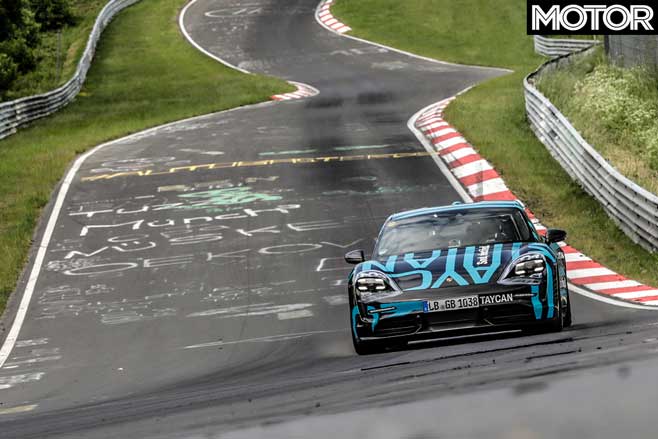
The Taycan’s Nürburgring jaunt is the third and final part of Porsche’s “Triple Endurance Run”, which includes performance 26 successive 0-200km/h acceleration runs to prove the reproducibility of its performance, and completing 3425km within 24 hours on Volkswagen’s Nardo test circuit without issue.
Porsche credits the Taycan’s two electric motors on both axles that provide all-wheel drive, “4D-Chassis Control” that synchronises all chassis electronics, an 800V electric system that delivers consistent performance, and driving modes that are specifically tailored to managing the car’s “battery cooling and heating strategy”, for its remarkable turn of speed.
That being said, with the lap done with a pre-production mule, it is uncertain how much that would count towards the production Taycan’s performance mantle, though considering how full-electric cars like the Nio EP9 and the Volkswagen I.D. R have been laying down impressive lap times, it is likely that the production Taycan would be able to hit or surpass that 7min 42sec mark.
Nissan has found a solution to the dreaded ‘putting yips’ with a golf ball that uses autonomous technology to find the cup – even on those long putts.
The ProPILOT golf ball is inspired by the carmaker’s ProPILOT 2.0 driver assistance technology (as in car driver, not golf stick) that’s about to debut on the new Nissan Skyline in Japan.
Designed for on-ramp to off-ramp highway driving, ProPILOT 2.0 engages with the vehicle’s navigation system to help maneuver the car according to a predefined route on designated roadways.
Engineers applied that same concept to the ProPILOT golf ball, which follows a predefined route on a golf green using an overhead camera that detects the position of the ball and cup.
When the ball is hit, a monitoring system calculates the correct route based on its movement and adjusts the ball’s trajectory via sensors and an internal electric motor to steer it along the green into the hole.
No word, though, on whether engineers can guarantee a hole-in-one on that tricky dogleg par-three… and woe betide if you shank this ball into the water.
The ProPILOT golf ball follows other non-motoring concepts inspired by Nissan Intelligent Mobility technologies such as the Intelligent Parking Chair that returns to the table after you leave, and the ProPILOT Chair that automatically rotates a series of chairs allowing people in a queue to remain seated until it’s their turn to be served.
Ford has also found novel uses for its technology, including a kennel that protects dogs from becoming distressed during fireworks using noise-cancelling technology similar to that used in the Endura SUV, and the Lane-Keeping Bed, that uses lane-keep assistance tech to prevent someone hogging one side.
This interview was first published in Wheels magazine, June 1998
Meeting royalty couldn’t be as intimidating. I’m beginning to wonder if anybody who works for Ferdinand Piech has ever had a beer with the bloke. Here at the Geneva show, it seems everybody is terrified of the formidable Volkswagen chairman. Talk about tugging the forelock. The battery of minders, officially labelled personal assistants, two secretaries and a constantly shifting number of public relations persons all seem to be in a constant state of apprehension, desperately attempting to smooth the way for easily the most interesting man in the motor industry.
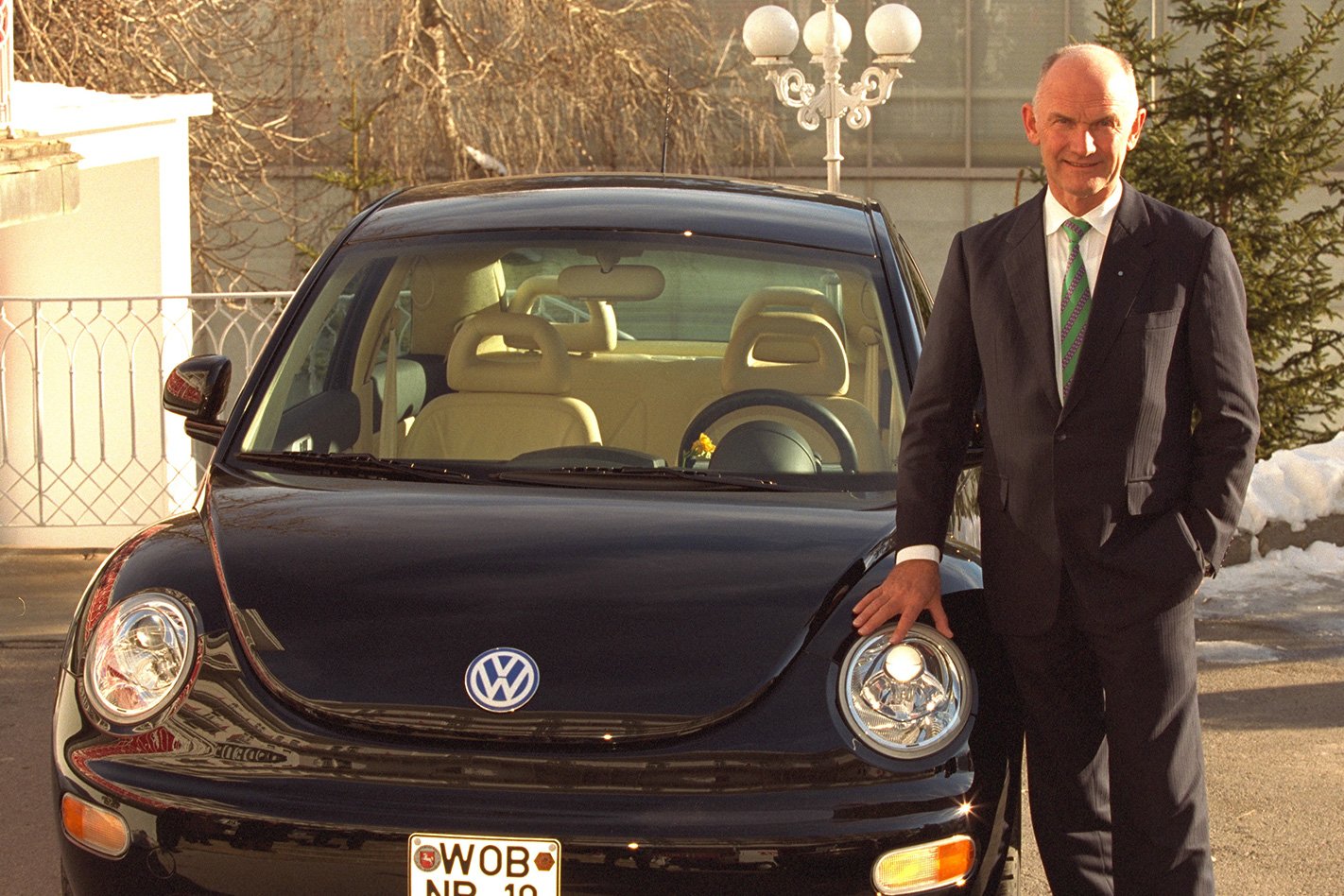
We’ve been told “five minutes”, but that was 10 minutes ago. Finally, 15 minutes after our allotted time, one flack plucks up the courage to gently tap on the door of Piech’s makeshift office to see if the previous interview is over. Eventually, after they’ve agreed that we still get our allocated 30 minutes, accompanied by photographer Stan Papior, I’m shown into the office. We shake hands across a smiled greeting.
Piech is friendly, though in traditionally formal Germanic style he continues to call me Mr Robinson, which rather obligates me to refer to him as Dr Piech. He answers all my questions deliberately, precisely, always with care, sometimes almost shyly. Then he poses for the camera at the end of the interview when, for the first time, we are unaccompanied by his PR team. We’ve asked him to step outside the office for a portrait on the VW stands’s atrium and he’s happy to comply.
Yet Piech leaves no doubt about his opinion on a variety of subjects. His steel blue eyes instantly adopt a piercing stare as he swiftly corrects his public relations boss who has interrupted with a smart answer that attacks a rival. I’ve taken care to buy new batteries for my tape-recorder, have checked it a couple of times while waiting, but still it fails. ‘Japanese,” says Piech correctly. His public relations man kindly hands over his own recording of the meeting. Clearly, nothing offensive or controversial has been said, though it seems Wolfsburg later has a change of mind (see postscript). I’m most interested in the news that Volkswagen is working on a car capable of one litre per 100km or 285mpg. From anybody other than Ferdinand Piech, such an implausible objective would be simply treated with utter derision.
Coming from Volkswagen’s hugely ambitious chairman, the economy target assumes real credibility. Rivals in the car business have learned to take Piech seriously and this, just the latest in a long list of seemingly outlandish declarations of intent, will both shock and intimidate.
Nobody believed Piech when he first talked of moving populist VW upmarket to compete against Mercedes-Benz with eight and 12-cylinder sedans; few thought he was serious about taking on Ferrari with a W12 supercar. Who would seriously expect a senior member of the Porsche family to announce plans for Audi to challenge Porsche at Le Mans? His bid to buy Rolls-Royce rocked BMW, who assumed the British luxury car maker was there for the taking. Having failed to secure Rolls, Piech vowed to make his luxury Horch the Best Car in the World.
Now Piech is earnestly talking of a quantum reduction in fuel consumption. He wants VW to be the first to the market with a true three litres per 100km car.
That’s 94.2mpg. Yet even before this three-cylinder, direct injection, turbo diesel version of VW’s Lupo small car goes on sale in 1999, Piech has raised the bar with his open admission that VW is working on a car capable of burning just a third that much petrol – one litre per 100km or a staggering 285mpg.
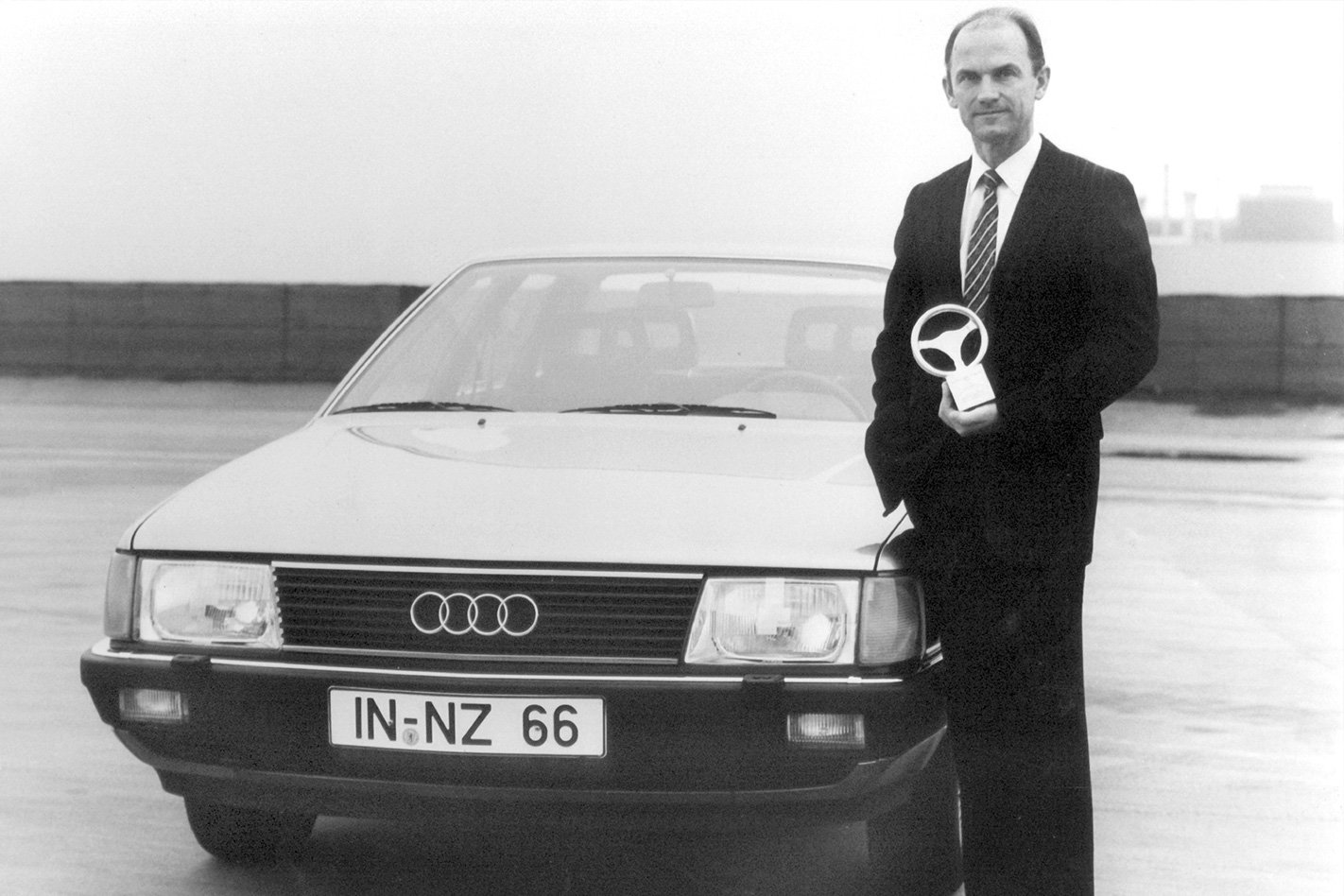
“We have started working on a one litre car,” says Piech. “First will come the three litre car, then the two litre (141 mpg) car, and then the one litre car.
“The one litre car could be a single seater, but it will use the same technology as the three litre car that you will see before 2000. No other technology is involved, just taking out passengers, taking out weight, making it smaller. The two litre car may have three seats, or two seats.
“It’s an open issue at the moment. But it will always have four wheels and one steering wheel… and a low centre of gravity.” (A none-too-subtle reference to the problems of the Mercedes A-class.)
Piech is confident the Lupo gives VW a huge advantage over BMW and Mercedes-Benz, Wolfsburg’s arch rivals who now trespass in territory VW has long considered its own – at least among the German car-makers.
“Our new Lupo comes out this year, two years before the new Mini and I’m confident it will be better, and much cheaper, than the Mini. It certainly looks better. And who is going to buy the Smart, when the Lupo uses less fuel and can carry four people rather than only two?
How much is Volkswagen prepared to pay for Rolls-Royce?
The aftermath of Dieselgate – is all forgiven and forgotten?
“I give no figures from our side. I will try to pay one pound more than our competitors.”
Does the common platform policy allow the four VW marques to retain separate characters, when they share the same chassis?
“They don’t share the same suspension. They are all tuned differently. The difference is enough.”
Does the common platform policy allow the four VW marques to retain separate characters, when they share the same chassis?
“They don’t share the same suspension. They are all tuned differently. The difference is enough.”
He is treated as royalty by his staff. Few people within VW are prepared to argue with the boss.
“You can argue with him,” says Karl Elmitt, the young British designer responsible for the latest Golf, who recently left VW for BMW, “but only if you are convinced you’re right. You don’t make two mistakes.
“I wanted to move the number plate of the Golf up from the bumper bar to the hatch, but he told me that position was reserved for luxury cars like Audi. He won our argument.”
Having spent so much effort establishing Audi as a legitimate rival for Mercedes-Benz and BMW, why introduce in-house competition at the highest levels from VW?
“BMW was always the target for Audi. It is easier for the engineers to have a target within Bavaria. The rivalry means nobody falls to sleep.”
VW’s reputation for high quality comes at the expense of a slow ramp-up of production, which leads to delivery delays to the Golf and especially right-hand drive production of the Passat. Is it
possible to achieve both simultaneously?
“Quality comes first. Every time we are a little bit better than the time before – it is simply experience. But it also has to with the size of the factory. The bigger the factory the more difficult the ramp-up.
“Quality first, then the number of cars. It’s better to lose several thousand cars at the beginning, but to convince the customer the car is right.”
Will Italdesign build the planned 300 W12 supercars?
“They will make a bid, but we will only make a decision after we have seen all the offers.”
How will you know when Volkswagen has succeeded and is better than Mercedes-Benz?
“Market share. We try to increase our share in every segment. When we come (to the luxury class), we will have a better car for a better price.
Is your passion for cars or business?
“Business first, then cars. I will explain it a little bit. For a year I was responsible for finance at Audi, another year for purchasing. If you are successful here, you get immediate results. In research and development it can take years (to get results) and, if you are creative, you can make mistakes.
Piech? Mistakes?
“Underestimating the demand for the Polo, after I changed the styling to give it a happy face, and changed the dashboard, which looked too much like a Renault Clio. Then underestimating the demand for the new Passat and Golf, and now the Beetle. I always thought the competition would do something against our cars. This didn’t happen.”
Today, Piech drives a prototype Beetle 1.8 turbo and admits VW should have built such a car earlier.
“The current management is quite young and new and you should remember that the old Beetle had a hugely negative image among older VW managers. They remember that the Beetle almost bankrupted the company. Not so long ago VW almost didn’t have the money to pay the wages. We were a one-product company and the old Beetle wasn’t selling. By 2000, we will have 50 more models than we had in the old Beetle days.
Somewhere between five and 10 of these will be emotional cars like the Beetle. The rest will be very rational.
You are the third generation of the Porsche/Piech family directly involved in the motor industry. How does Ferdinand Piech want to be remembered?
There is a long pause before the answer is delivered with a laugh.
“As somebody who didn’t make too many mistakes.”
Postscript
Before this interview, at no time was the matter of submitting the story, or the direct Piech quotes we intended to use, to VW for approval ever discussed. Yet, one week after the interview I received a phone call from Wolfsburg, which asked for any such quotes to be sent to Klaus Kochs, VW’s powerful director of communication, who stated in a following fax: “This allows us to go over the direct quotes once more before they are published.”
The text of this story, including all the quotations it contains, has not been seen by anybody in Wolfsburg – even if it means we don’t get to interview Piech again – PR
Post-postscript
Wheels did not interview Piech again.
