
Detectives are investigating the burglary of a Balwyn North home in which four luxury cars, including a Ferrari worth around $1 million, were stolen while a family slept inside.
Police say the incident occurred at a property on Greythorn Road at about 1.30am on August 15.
A man allegedly entered the home and took four sets of car keys, along with a wallet and a pair of AirPods. Over the next three hours, the man is believed to have returned repeatedly to the garage and carport, driving away with each vehicle one by one.
The cars taken were:
- A red 2019 Ferrari 488 Pista Coupe, registration AYV298, with a distinctive black and white racing stripe down the centre. Police estimate its value at approximately $1 million (above, main pic).
- A green/teal 2024 BMW M3 Wagon, registration DFR369 (above, main pic).
- A black 2009 Mercedes-Benz CLS63, registration XLE930.
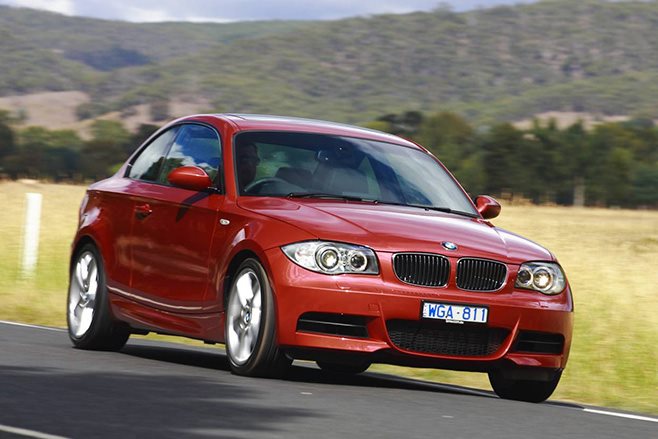
- A black 2011 BMW 135i, registration XTB851.
All four vehicles remain missing.
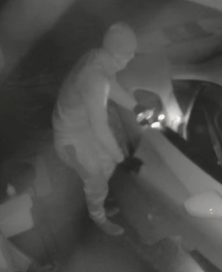
Boroondara Crime Investigation Unit detectives have released images of the stolen Ferrari and BMW, along with CCTV footage of a man they believe may be able to assist with their enquiries.
Police are appealing to the public for information, urging anyone who may have seen the cars, or who recognises the man in the CCTV, to come forward.
“Four high-performance vehicles were stolen from one property while a family was inside. We are asking anyone who may have seen suspicious activity in the area or has dashcam footage from the night to contact investigators,” a Victoria Police spokesperson said.
Anyone with information is urged to call Crime Stoppers on 1800 333 000 or submit a confidential report online at www.crimestoppersvic.com.au.
Geely Auto Australia has announced that its second local model, the Starray EM-i, is now open for pre-order ahead of an official launch in September. The hybrid SUV will be the first vehicle in Australia to feature Geely’s EM-i (E-Motive Intelligence) Super Hybrid system, which combines petrol and electric power for extended range and improved efficiency.
The Starray EM-i follows the arrival of Geely’s fully electric EX5 and will mark Australia as the first market globally to offer the company’s EM-i technology.
Customers can place a deposit between 18 August and 30 September to secure the new SUV, with Geely matching deposits up to $1000 as part of a pre-launch offer. To qualify, buyers must take delivery by November 30, 2025. The final price of the vehicle will be confirmed at its launch event next month.
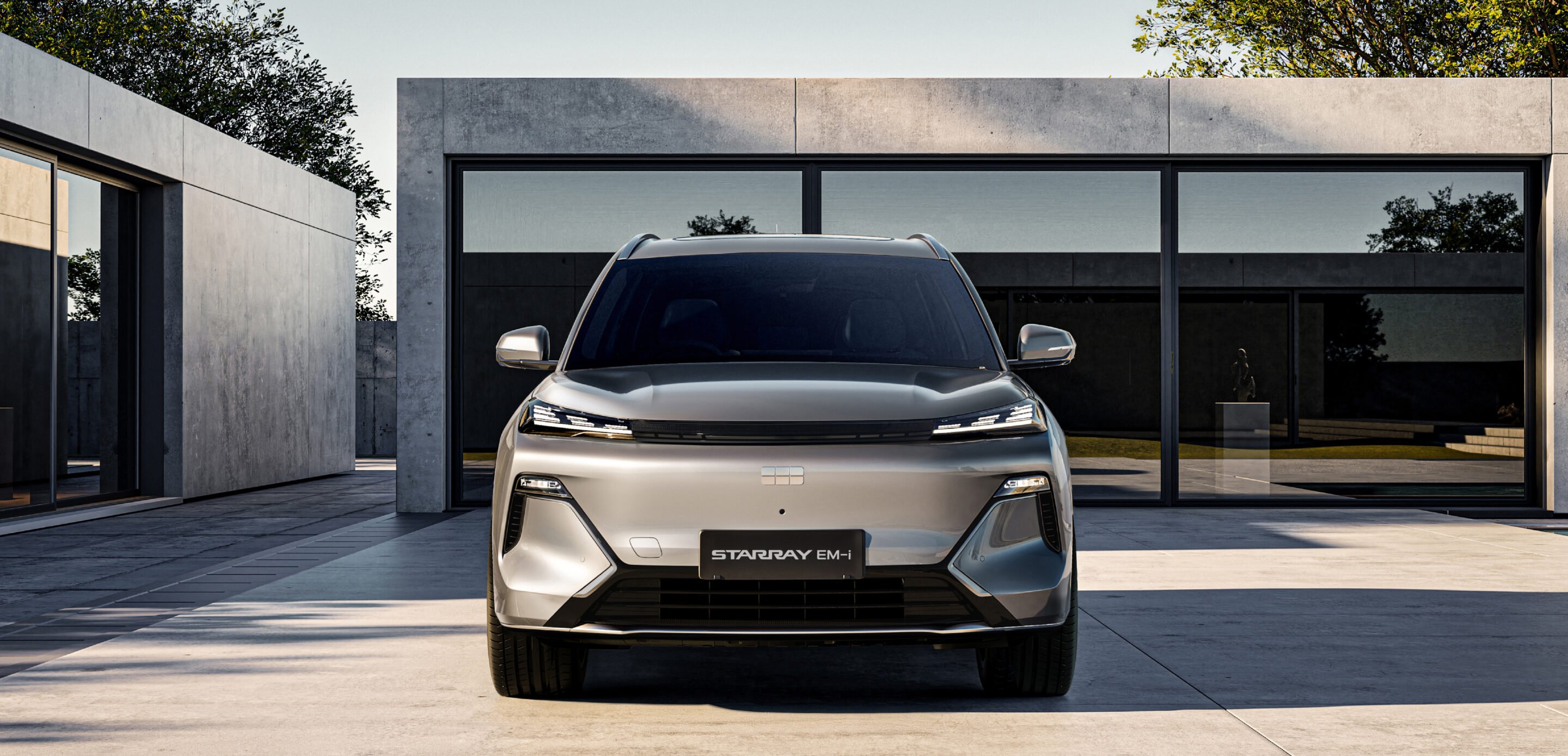
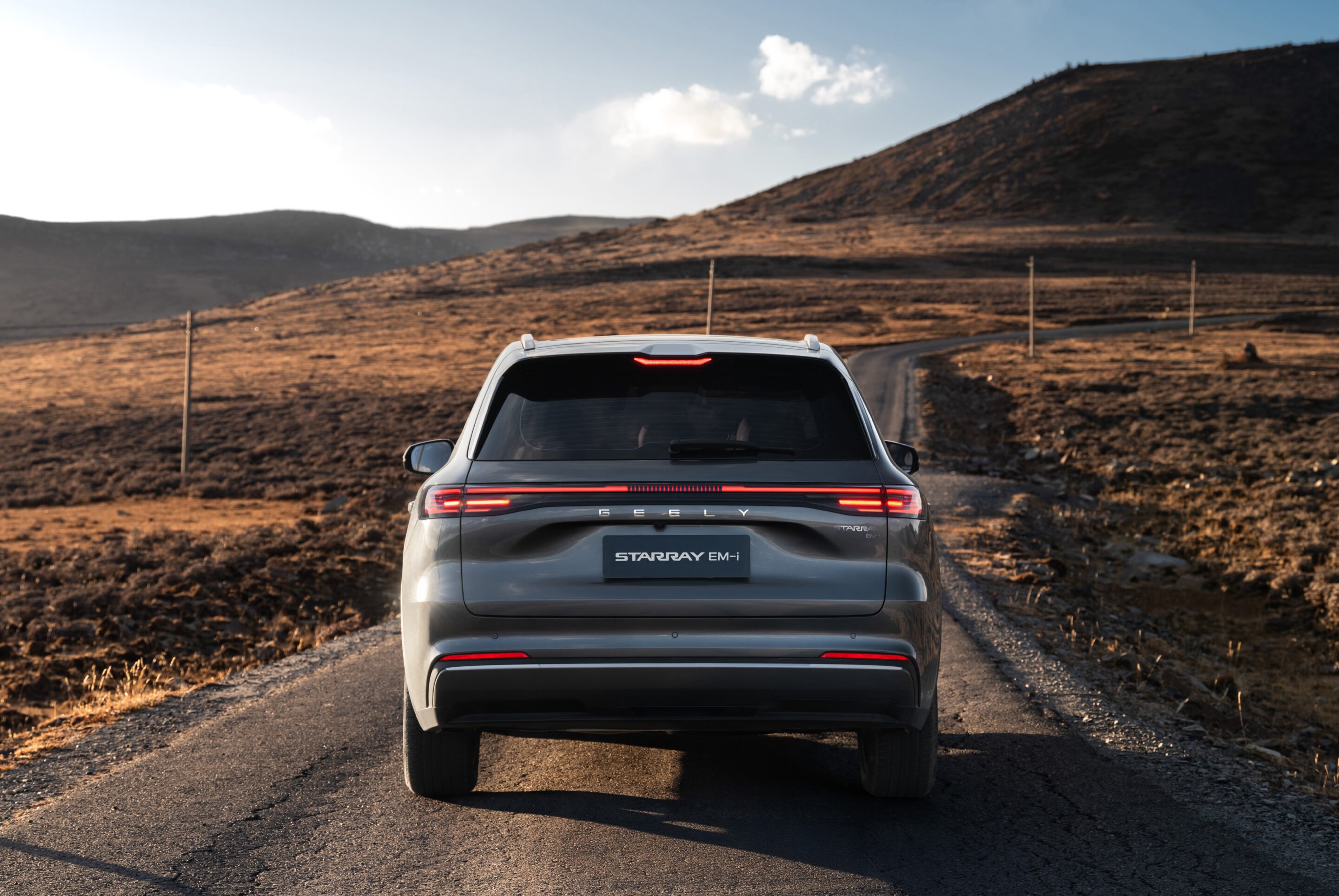
At launch, the Starray EM-i will be offered in two grades – the entry-level Complete and the higher-spec Inspire. A palette of six exterior colours will be available, with Alpine White as standard and five premium finishes including Polar Black, Cloudveil Silver, Volcanic Grey, Glacier Blue, and Jungle Green.
Inside, buyers can choose from Ebony Black trim or, on Inspire models, an exclusive Ivory White interior.
The hybrid system pairs a 1.5-litre four-cylinder petrol engine with an 11-in-1 electric drive unit housing two motors. Together, the electric motors generate 160 kW and 262 Nm of torque, sending power to the front wheels.
Energy is stored in an 18.4 kWh LFP battery pack, which contributes to a WLTP-tested combined range of up to 943 km and fuel consumption of 2.4 L/100 km. The system also supports vehicle-to-load (V2L) and vehicle-to-vehicle (V2V) functionality, allowing external devices or other EVs to be charged directly from the car.
Full specifications and local pricing for the Starray EM-i will be confirmed at the official unveiling in September. Deliveries for customers who pre-order are expected before the end of November 2025.
Specs
Complete grade
- 18-inch alloy wheels
- LED headlights, tail lights and daytime running lights
- 15.4-inch infotainment screen
- 10.2-inch digital instrument cluster
- Wireless Apple CarPlay
- Satellite navigation
- Six-speaker sound system
- Automatic climate control
- Powered front seats
- Heated seats (front row)
- Surround View Monitor with 3D Vehicle View
Inspire grade adds:
- 19-inch alloy wheels
- Panoramic powered sunroof with sunblind
- 13.4-inch head-up display
- 16 speaker,1,000W Flyme sound system
- Power tailgate
- Front parking sensors
- 256-colour ambient lighting
- Front seat ventilation
- Driver’s seat memory
- Wireless smartphone charging
Contenders
Winner – MG QS
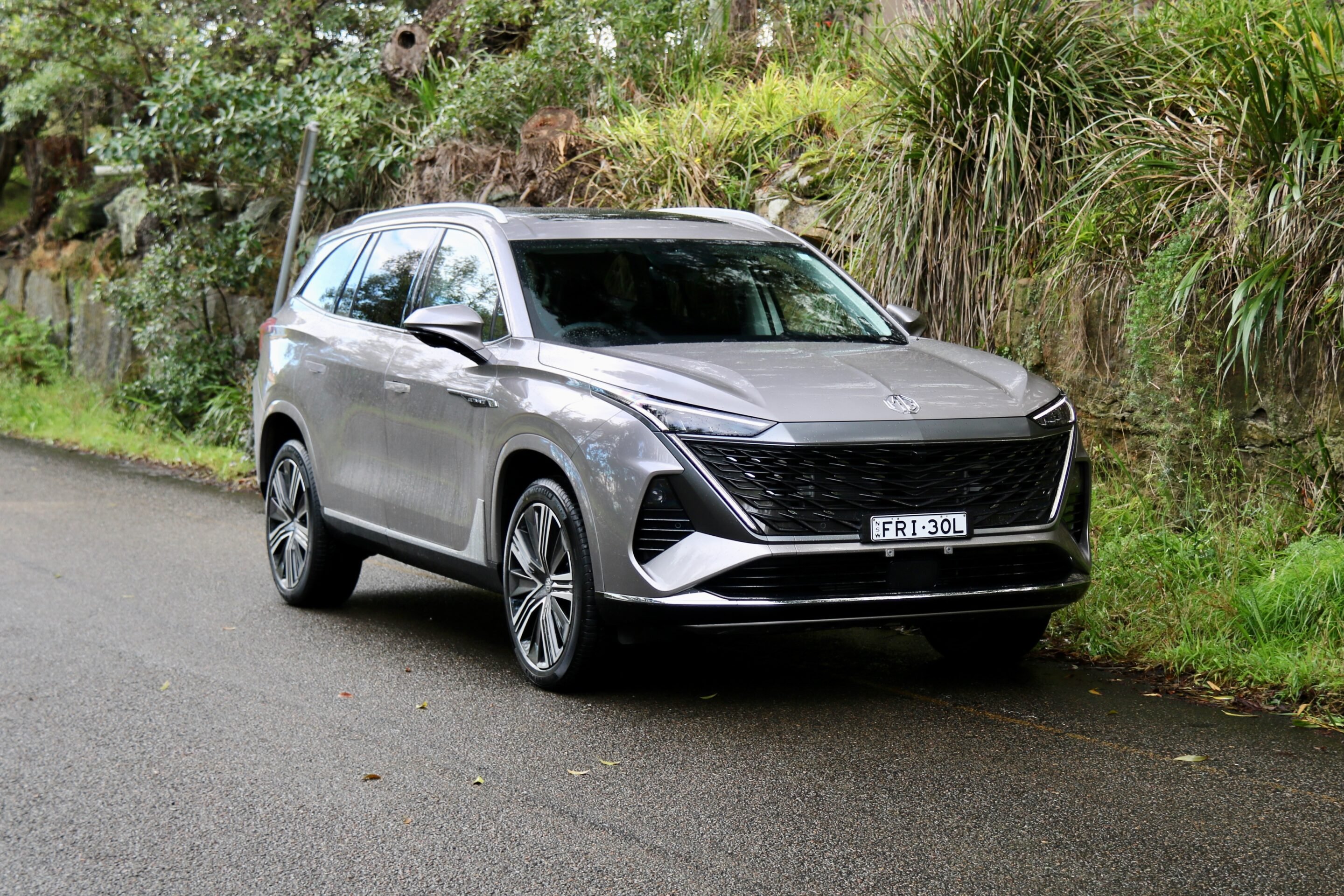
Price: From $46,990 drive away
Drivetrains/fuel economy/CO2 emissions: 2.0-litre four-cylinder turbo-petrol, 9-speed auto, 153kW/360Nm; 8.8L/100km; 198g/km
Dimensions (length/width/height/wheelbase): 4983/1967/1778/2915mm
Bootspace: 203 litres (third row up)/517L (third row folded)/1052L (third + second row folded)
Warranty/roadside assistance/service intervals: 7-year/unlimited km (extendable to 10 years/250,000km if serviced at MG), 7 years, annual/every 15,000km
Five-year service cost: $3442 (Excite), $3618 (Essence)
| Driving | |
|---|---|
| Interior | |
| Practicality | |
| Overall value | |
Things we like
- A lot of metal for the money
- High quality and spacious cabin
- Lovely ride quality
Not so much
- Expensive to service
- Can be thirsty, no hybrid powertrain
- Dozy response from a standstill
MG is undertaking a huge product expansion in Australia, entering segments it has not previously played in. The QS, the brand’s new large SUV, is the biggest product to ever wear the MG badge and its first seven-seater too. But as you’d expect for an MG, its value equation is very sharp, priced from just $46,990 drive away for the entry-level Excite.
Measuring 4983mm long, the MG QS is one of the largest seven-seat SUVs, 118mm longer than the Toyota Kluger. That makes it one of the roomiest seven-seaters on the market, with adult-carrying capacity for the third row. The second row is vast as well, while front seat occupants will find a modern space with high-quality materials.
For now, only one engine is available for the QS: a 153kW/360Nm 2.0-litre turbo-petrol, mated to a nine-speed automatic transmission. The base Excite is a front-driver, with the upper-spec Essence adding drive to the rear wheels as well. While it’s strong at speed, it feels sluggish off the line thanks to odd tuning and can also be thirsty, especially in urban driving – a hybrid drivetrain would solve both issues, though the QS is yet to offer one.
Otherwise, the driving experience of the QS is solid, with a well-controlled ride quality – despite the huge 20-inch wheels on the Excite and 21s on the Essence – and excellent refinement, with little in the way of road noise. Its active safety features are big improvements on earlier MG models, though accessing their settings in the touchscreen still takes too many presses.
MG covers the QS with a seven-year/unlimited km warranty that can be extended to 10 years/250,000km if serviced through an MG dealership, however, its service pricing is quite expensive at a minimum of $3442 for the Excite and $3618 for the Essence. That’s on average between $688 and $723 annually for the first five years, which doesn’t compare that well against a couple of rivals in this segment.
Overall, however, MG has scored well at the large SUV game on its first attempt. It gives buyers in this segment another compelling option to consider, presenting well with a spacious cabin featuring quality materials, a pleasant driving experience with little electronic nannying to annoy, and excellent value for money – from its low asking price to its long list of equipment.
Mazda CX-80
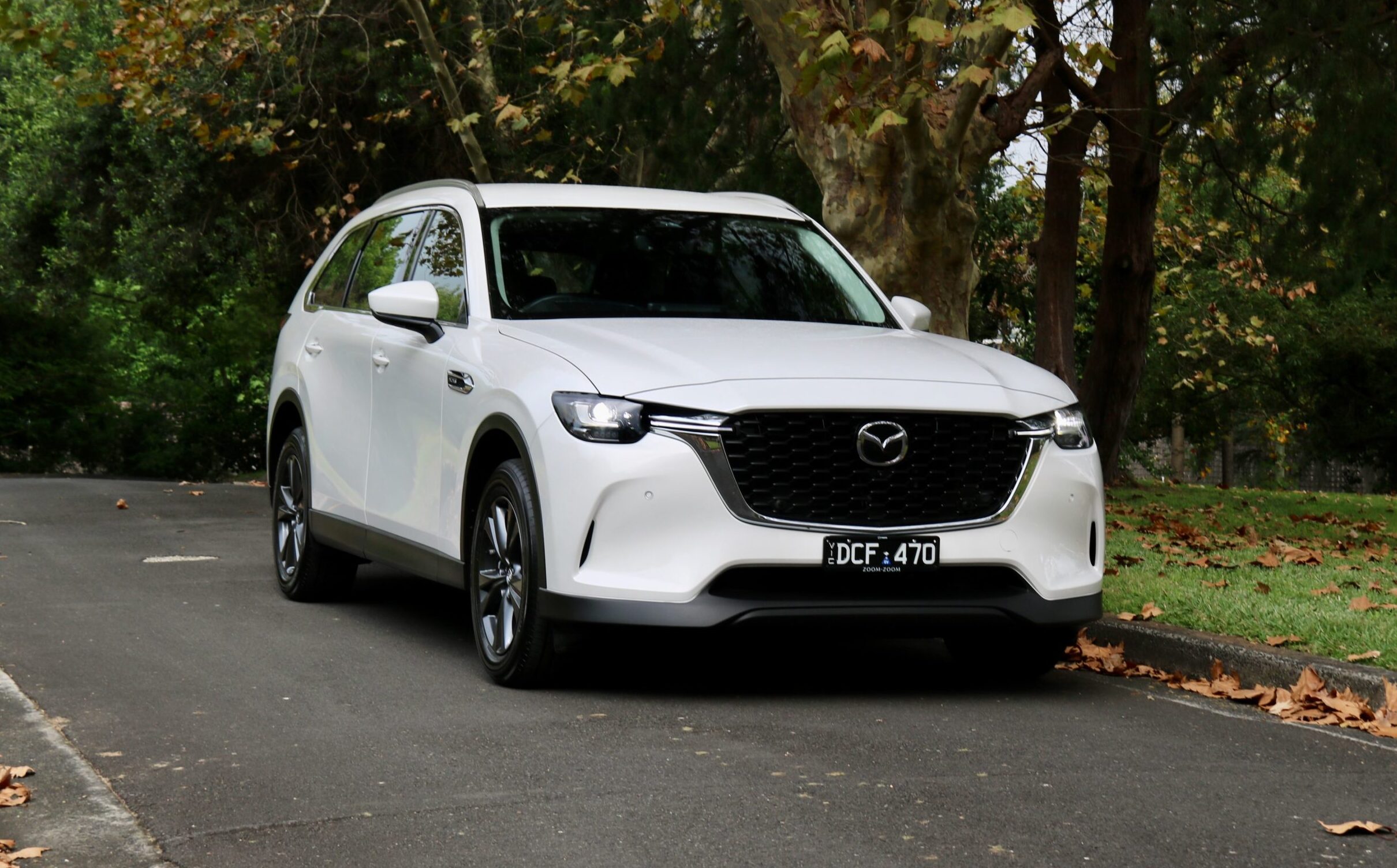
Price: From $56,195 plus on-road costs
Drivetrains/fuel economy/CO2 emissions: 3.3-litre inline six turbo-petrol, 8-speed auto, 209kW/450Nm, 8.4L/100km, 197g/km (G40e); 3.3-litre inline six turbo-diesel, 8-speed auto, 187kW/550Nm, 5.2L/100km, 137g/km (D50e); 2.5-litre four-cylinder PHEV, 8-speed auto, 245kW/500Nm, 2.7L/100km, 64g/km (P50e PHEV)
Dimensions (length/width/height/wheelbase): 4990/1890/1710/3120mm
Bootspace: 258L (third row up), 566L (third row folded), 1971L (third + second rows folded)
Warranty/roadside assistance/service intervals: Five-year/unlimited km, five years, annual/every 10,000km (diesel) – 15,000km (petrol)
Five-year service cost: $2686 (PHEV), $3299 (diesel) – $3469 (petrol)
| Driving | |
|---|---|
| Interior | |
| Practicality | |
| Overall value | |
Things we like
- Punchy range of powerplants
- Good value for money
- Excellent cabin quality
Not so much
- Powertrain and ride quality need further refinement
- Expensive service costs
- No spare wheel across the range
Mazda’s new quartet of large SUVs – the CX-60, CX-70, CX-80 and CX-90 – is a worthy group but we think that the CX-80 is the best so far. That’s largely thanks to its value equation – a punchy turbo-six seven-seater large SUV with Mazda build quality priced from under $60,000 has got to be a winner. But it also boasts improved ride quality and refinement over its siblings, which were developed earlier.
Inside the cabin is a carbon copy design of the other models. with good quality across the range and large displays that are easy to use. Comfort is quite good, even in the base model, with cloth upholstery and manually adjustable seats, while the ergonomics are great thanks to liberal use of physical buttons throughout the cabin. The base model Pure’s hard cabin plastics are disappointing, however, and buyers must step up to the Touring model to receive soft ones.
The CX-80’s long wheelbase has produced great results: the second row of seating is huge, and the third row can seats adults comfortably, further helped by amenities back there such as air vents, charging ports and cup holders. The boot is also large, even with the third row of seats in place – though there’s disappointingly no spare wheel in any CX-80 model.
Mazda is offering three different powertrains for the CX-80: a four-cylinder plug-in hybrid and two mild-hybrid inline sixes, one petrol and one diesel. Just the petrol ‘G40e’ is offered in the base CX-80 Pure, but every model above that offers all three drivetrains. It’s difficult to choose between them, so best leave that up to your needs – the petrol six goes well and sounds good, the diesel can be very efficient – we’re talking under 5L/100km in highway driving – and the plug-in hybrid may be more cost effective for you thanks to its claimed 65km EV driving range.
The driving experience is more positive than its siblings, though the ride quality is a bit too sharp and the gearbox could be more refined as well. Still, at highway speeds it’s very quiet in respect to road noise levels. Drawbacks? Mazda’s five-year warranty could be improved in length, plus it’s not cheap to service, but the Mazda CX-80 is a solid choice in the large SUV segment thanks to its sharp value for money, practical cabin that can seat seven adults comfortably, punchy drivetrains that can also be quite fuel efficient and keen handling for a seven-seat SUV.
Isuzu MU-X
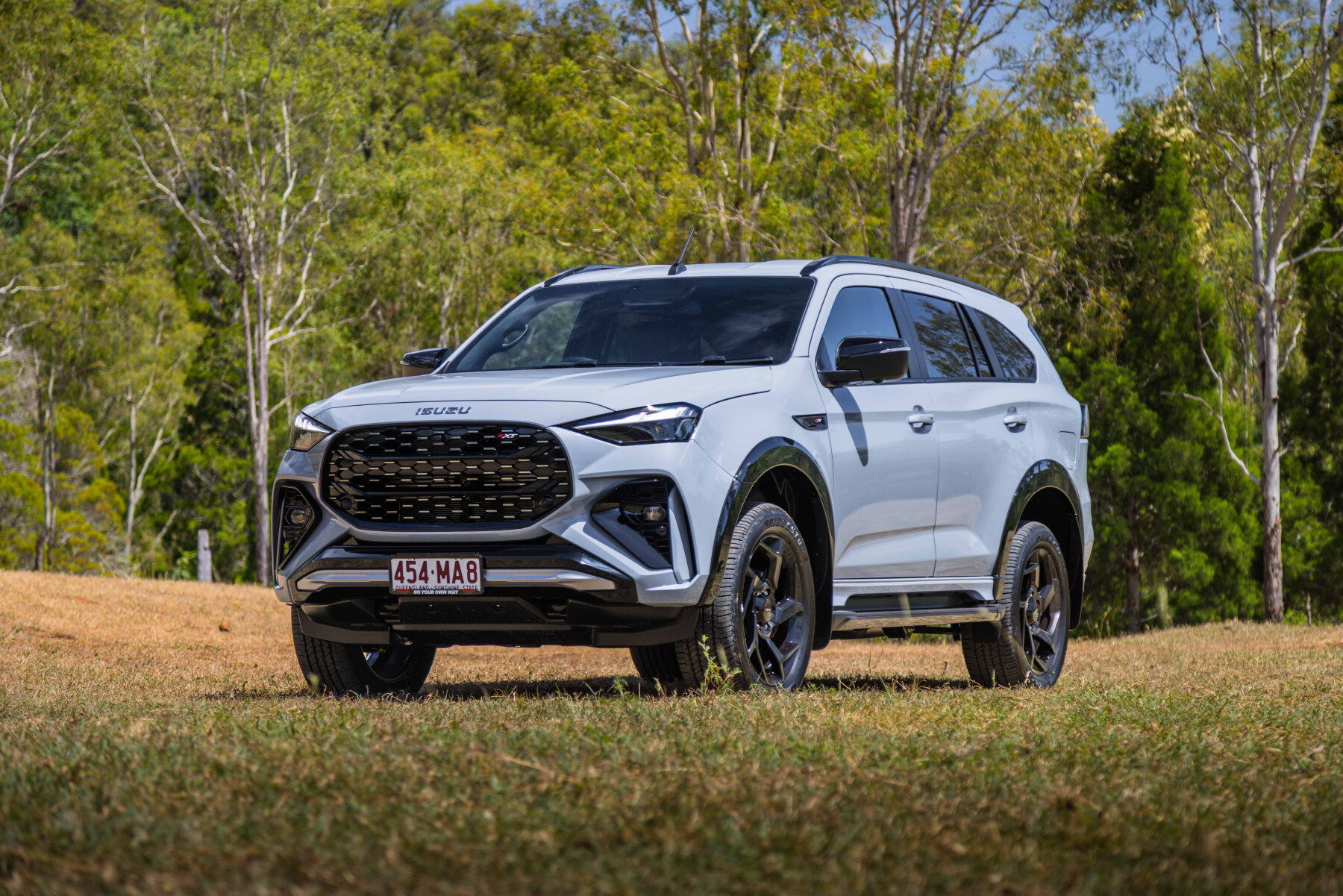
Price: From $48,400 plus on-road costs
Drivetrains/fuel economy/CO2 emissions: 1.9-litre four-cylinder turbo-diesel, 6-speed auto, 110kW/350Nm, 7.4L/100km, 196g/km; 3.0-litre four-cylinder turbo-diesel, 6-speed auto, 140kW/450Nm, 8.3L/100km, 220g/km; 3.0L 4×2: 7.8L/100km, 206g/km)
Dimensions (length/width/height/wheelbase): 1870/1815/2855mm
Bootspace: 311L (third row up)/1119L (third row folded)/2138L (third + second row folded)
Warranty/roadside assistance/service intervals: Six-year/150,000km, seven years, annual/every 15,000km
Five-year service cost: $2245
| Driving | |
|---|---|
| Interior | |
| Practicality | |
| Overall value | |
Things we like
- Very capable off-road, comfortable on it
- Mid-life update improved the ADAS and infotainment systems
- Huge interior carries seven with ease
Not so much
- No more powerful or hybrid options
- Engines could be quieter
- Top-spec cars missing luxury features such as ventilated seats
While there are many large SUVs that can go properly off-roading, the Isuzu MU-X is arguably the best value and one of the most capable of them all. Prices for the MU-X start at $48,400 plus on-road costs for the two-wheel drive base model, ranging to a drive away special price of $73,990 drive away for the new top-spec X-Terrain. Each model offers a long list of kit, especially with safety features. We would like to see top-spec models offer more, however, such as a premium sound system, sunroof and front seat ventilation.
Inside the MU-X is a comfortable cabin that’s practical for seven people. Isuzu revamped the available touchscreens in its mid-life update and the new system is easier to use and still well equipped with features such as wireless smartphone mirroring across the range. The software is. however, still a bit slow.
Isuzu offers two four-cylinder turbo-diesel engine choices for the MU-X: a 110kW/350Nm 1.9-litre or a 140kW/450Nm 3.0-litre, both tied to a six-speed automatic as standard. While the gearbox can be a bit slow at times, it’s otherwise fine – we just wish the engine options were a bit more powerful and more refined. There’s also no hybrid option available for those wanting to save at the bowser, but the diesel options can be reasonably fuel efficient in combined driving.
On the road, the MU-X is not especially dynamic but it is quite comfortable and easy to drive, thanks to its ample rear vision and wide range of safety features. Off-road, the MU-X is excellent, with strong four-wheel drive ability and features such as a rough terrain mode, which independently controls front wheel grip and transfers power to the opposite wheel to help traction.
Isuzu Ute’s six-year/150,000km warranty is one of the longer in the industry – especially for an off-road product – and the first five years of servicing costs just $449 each. So the MU-X is cheap to maintain, drives well especially off the road, is practical, well equipped and good value for money – while it could also be more refined, more powerful, better equipped at the top end and offer hybrid option. It’s no wonder that the MU-X is so popular in Australia as it does quite a lot right.
Chery Tiggo 8 Pro Max
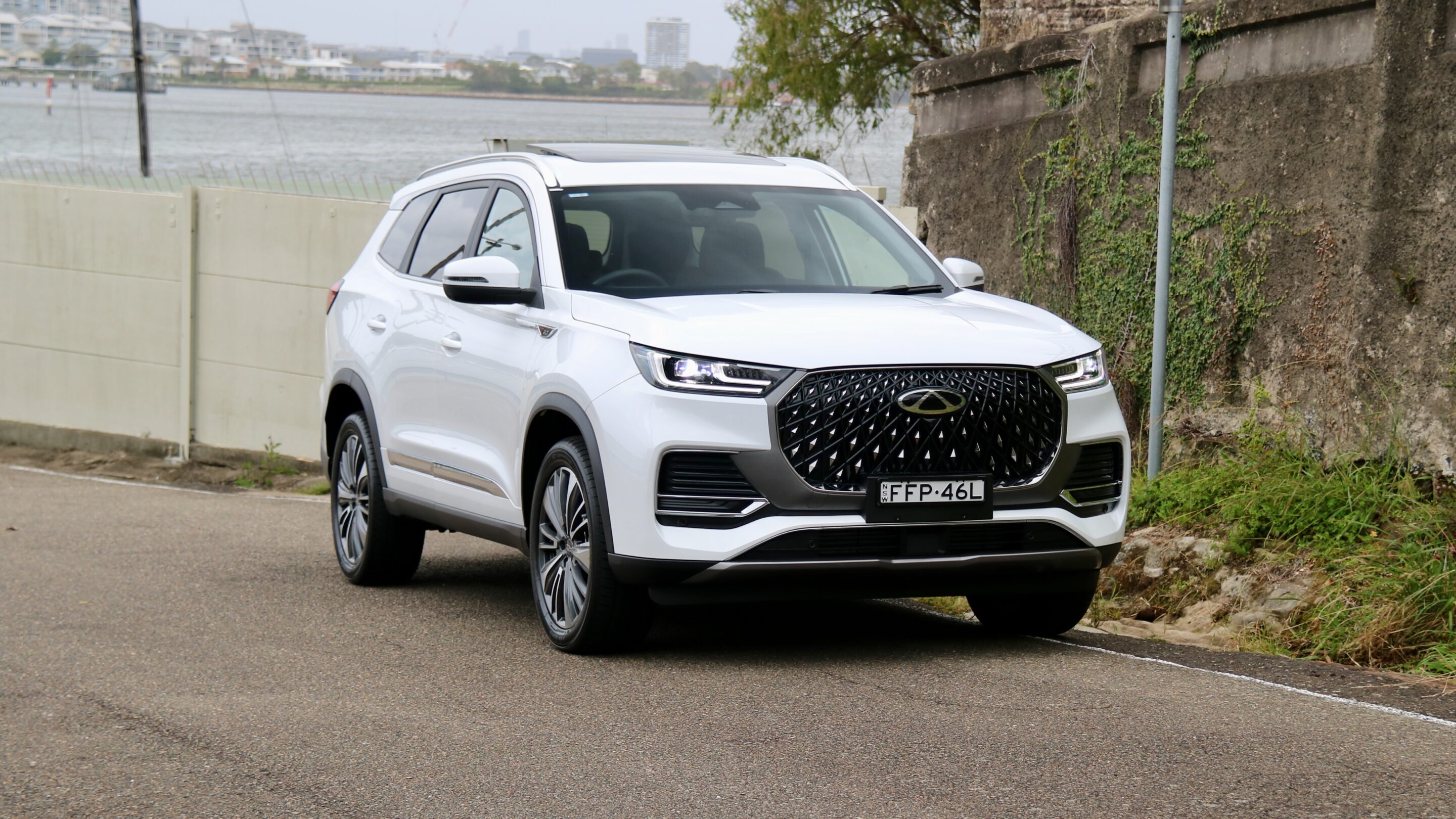
Price: From $41,990 drive away
Drivetrains/fuel economy/CO2 emissions: 2.0L turbo four-cylinder petrol, 7-speed DCT, 180kW/375Nm, 8.1L/100km, 191g/km; 1.5-litre turbo four-cylinder plug-in hybrid, 255kW/525Nm, CVT, 1.3L/100km, 30g/km
Dimensions (length/width/height/wheelbase): 4724/1865/1718/2694mm
Bootspace: 117L (third row up), 479L (third row folded), 739L (third + second row folded)
Warranty/roadside assistance/service intervals: Seven-year/unlimited km, 12 months (renewed with each service up to seven years in total), annual/every 15,000km
Five-year service cost: $1495
| Driving | |
|---|---|
| Interior | |
| Practicality | |
| Overall value | |
Things we like
- Very sharply priced and well equipped
- Two drivetrain choices, both with good performance
- PHEV gives 95km of claimed EV range
Not so much
- Boot and third row aren’t huge
- Suspension and driver aids need finessing
- Petrol engine is thirsty, dual-clutch auto dozy
If you’re looking for the ultimate bargain seven-seater large SUV in Australia, the Chery Tiggo 8 Pro Max is hard to look past. Priced from just $41,990 drive away – or, currently thanks to a manufacturer’s special, $38,990 drive away – the Tiggo 8 Pro Max is undeniable value for money and even the entry-level Urban features equipment such as heated and ventilated front seats, a 360-degree camera and a full suite of active safety features.
But there’s more to the Tiggo 8 Pro Max than its low pricing, with a well finished cabin that is comfortable and well featured with tech. A dual 12.3-inch screen set up is easy to use and looks impressive – especially for the price – and the physical buttons located underneath the screen and on the centre console make it easier to use. The Tiggo 8 Pro Max’s cabin is also practical, with ample space in the first and second rows of seating, though the third row is small, as is the boot with all the seats in place. When folded, however, the space opens up considerably.
The Tiggo 8 Pro Max offers two drivetrains in Australia: a 183kW 2.0-litre turbo-petrol or a 255kW 1.5-litre turbo plug-in hybrid, with both providing more than ample performance. The PHEV also offers an impressive 95km of electric driving range before the petrol engine even switches on, and a claimed overall range of more than 1200km. The 2.0-litre turbo-petrol engine sounds good and provides more than enough performance, though the dual-clutch transmission suffers from indecisive low-speed behaviour, much like many others of the breed.
On the road, the Tiggo 8 Pro Max is quite refined with low road noise levels, though its suspension and active safety features need some finessing. The ADAS systems are over sensitive and the suspension needs more refined damping to better deal with low speed bumps. The steering also lacks feel, but it is perfectly light for urban driving. The 360-degree camera that’s standard across the range is impressively high definition for the price as well.
There’s definitely more to the Chery Tiggo 8 Pro Max than just its excellent value equation thanks to its good quality interior finishes and tech, strong powertrains and refined driving experience. The new plug-in hybrid drivetrain also provides a healthy EV driving range. It’s not perfect thanks to its small boot and third row, suspension and thirsty petrol engine, as well as the need for finessing the driver assistance systems. But if you’re after a bargain large SUV, the Chery Tiggo 8 Pro Max offers more than just low pricing and healthy equipment levels.
KGM Rexton
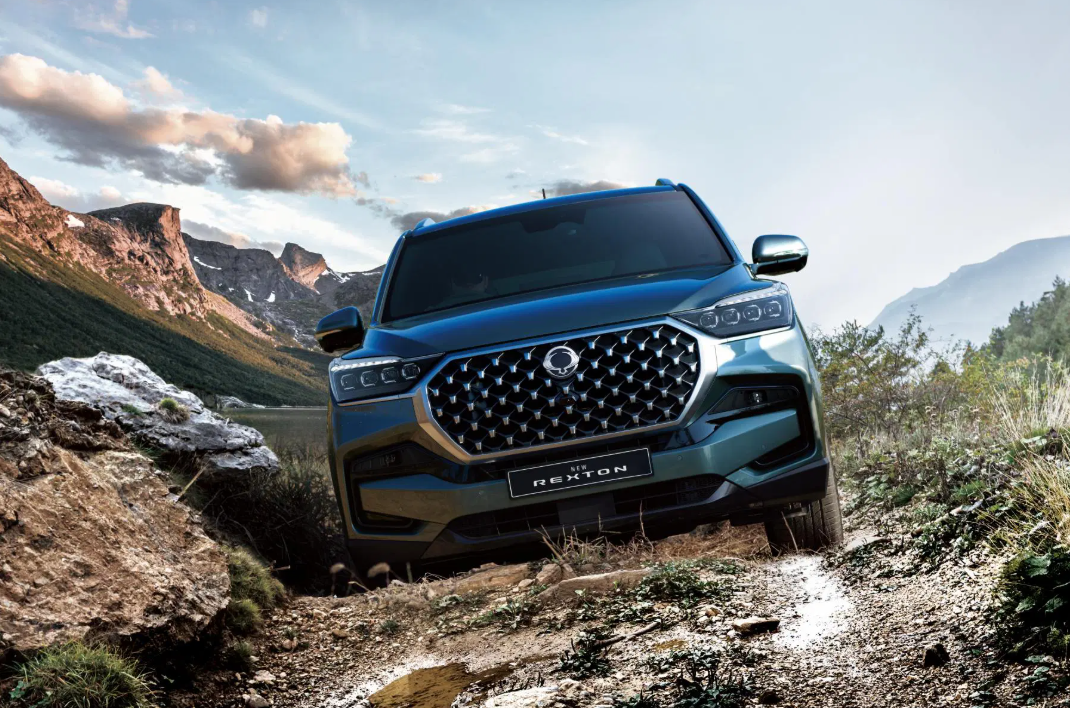
Price: From $52,000 drive away
Drivetrains/fuel economy/CO2 emissions: 2.2-litre four-cylinder turbo-diesel, 148kW/441Nm, 8-speed auto, 8.7L/100km, 223g/km
Dimensions (length/width/height/wheelbase): 4850/1960/1825/2865mm
Bootspace: 236L (third row up)/872L (third row folded)/1806L (third + second row folded)
Warranty/roadside assistance/service intervals: Seven-year/unlimited km, five years, annual/every 15,000km
Five-year service cost: $2298
| Driving | |
|---|---|
| Interior | |
| Practicality | |
| Overall value | |
Things we like
- Excellent value for money
- Good to drive, great off-road
- Refined powertrain
Not so much
- No hybrid option
- Missing some features such as sat-nav
- Third row not huge
The KGM (formerly SsangYong) Rexton is a charming and practical seven-seat large SUV which offers a lot for buyers. While its interior could be a bit more modern, it’s well finished with good quality materials and comfortable seating as well. Unlike a lot of large SUVs, the Rexton can easily venture off road thanks to the ladder-frame chassis it shares with the capable Musso ute, while its excellent refinement makes it seem more car-like than you’d expect from a ute-based SUV from behind the wheel.
Inside, the Rexton is a refined and good quality cabin, though it’s hardly the most modern in the segment. A new 12.3-inch touchscreen was fitted recently, which is quite easy to use, though doesn’t feature wireless smartphone mirroring or sat-nav in Australia.
The second row of seating is comfortable and offers a reasonable amount of space – two adults will be quite comfortable – while the third row is smaller and is really only for children, though there are no child seat points. The boot behind the third row isn’t huge either, but there’s a lot of space with the third row folded, and even more with the second row folded as well.
The Rexton range uses a 148kW 2.2-litre turbo-diesel engine mated to a part-time four-wheel drive system and an eight-speed automatic transmission. It’s quite refined for the segment, with low engine noise and ample road noise insulation as well, and the transmission is quick to shift gears. The driving experience is comfortable, though not quite as comfortable as car-based competitors, but unlike those rivals, the Rexton is actually a good off-roader.
If you’re after a large SUV with seven seats, the KGM Rexton is a good choice – especially if you’re planning to do some off-roading. While it’s not the most modern or up-to-date for technology, it drives well, its diesel engine is grunty and it offers good comfort and reasonable space for seven people.
Mahindra, India’s largest SUV maker, has lifted the covers on its all-new NU_IQ platform – a modular, multi-energy architecture that will form the foundation for its next generation of vehicles.
The platform was revealed alongside four concept SUVs, signalling the company’s ambition to expand its global footprint with advanced design, technology and flexibility.
The new architecture has been developed as part of Mahindra’s long-term strategy to produce vehicles that compete internationally on capability, efficiency and design. Four concepts – the Vision.S, Vision.T, Vision.SXT and Vision.X – were shown to preview what is coming, each offering a distinct interpretation of Mahindra’s future SUV design language.
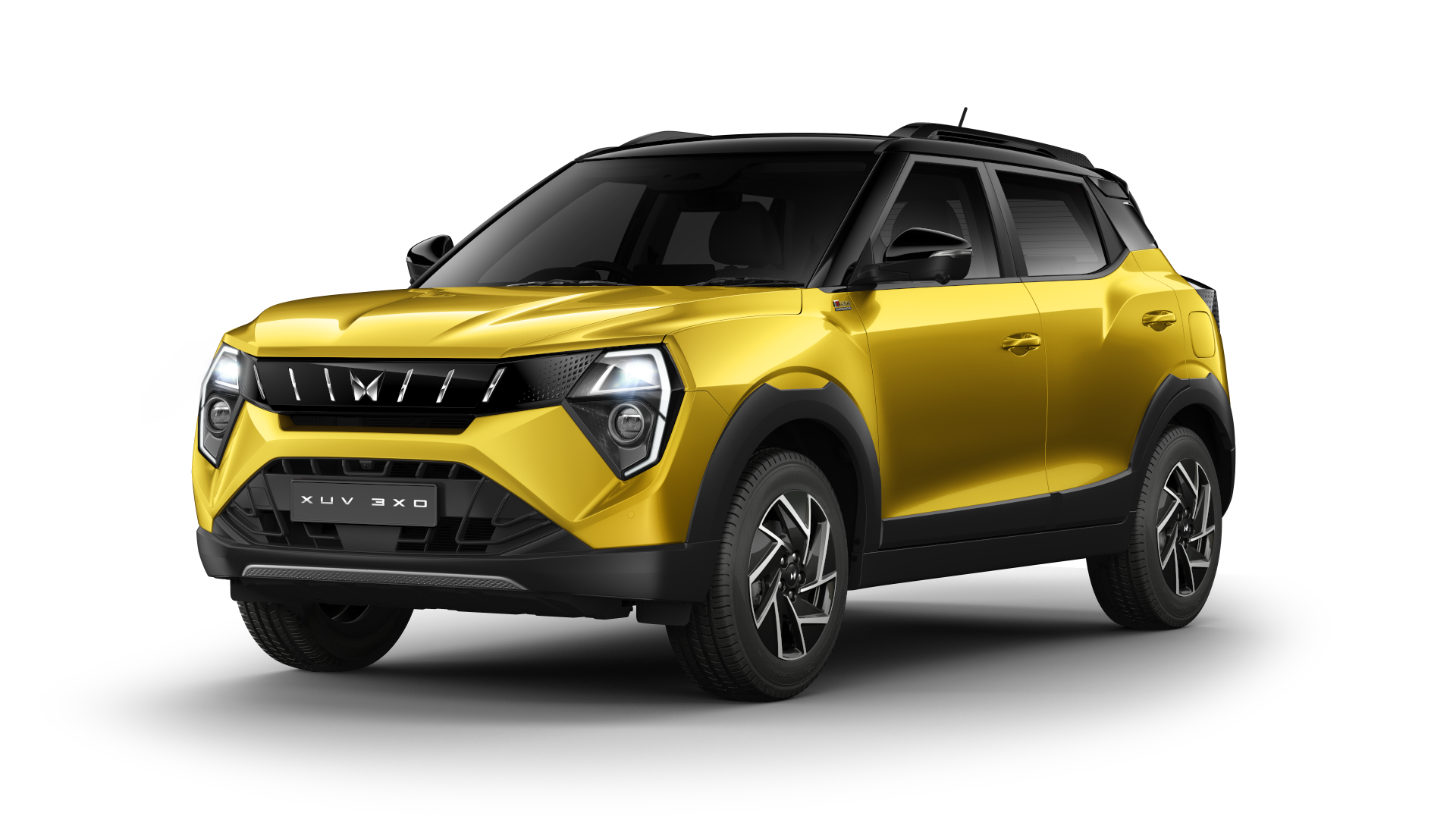
R Velusamy, President – Automotive Business (Designate) and Managing Director of Mahindra Electric Automobile Ltd., described NU_IQ as “a strategic blueprint for the future of Mahindra SUVs globally”. He said the platform’s modularity will allow multiple body styles and powertrains, while remaining true to Mahindra’s traditional SUV DNA.
The design direction is guided by Mahindra’s evolving HEARTCORE philosophy, led by Chief Design & Creative Officer Pratap Bose. Developed collaboratively between Mahindra’s India Design Studio in Mumbai and its European centre in Banbury, UK, the NU_IQ SUVs showcase a theme of “Opposites Attract”, blending contrasting elements into expressive, futuristic forms.
Each of the four concept vehicles emphasises a different strand of Mahindra’s design approach: Vision.T and Vision.SXT highlight a “Born Iconic” identity, Vision.S channels “Sporty Solidity”, and Vision.X demonstrates “Sculptural Athleticism”. Together, they are intended to appeal to adventurous and style-conscious buyers across both established and emerging SUV markets.
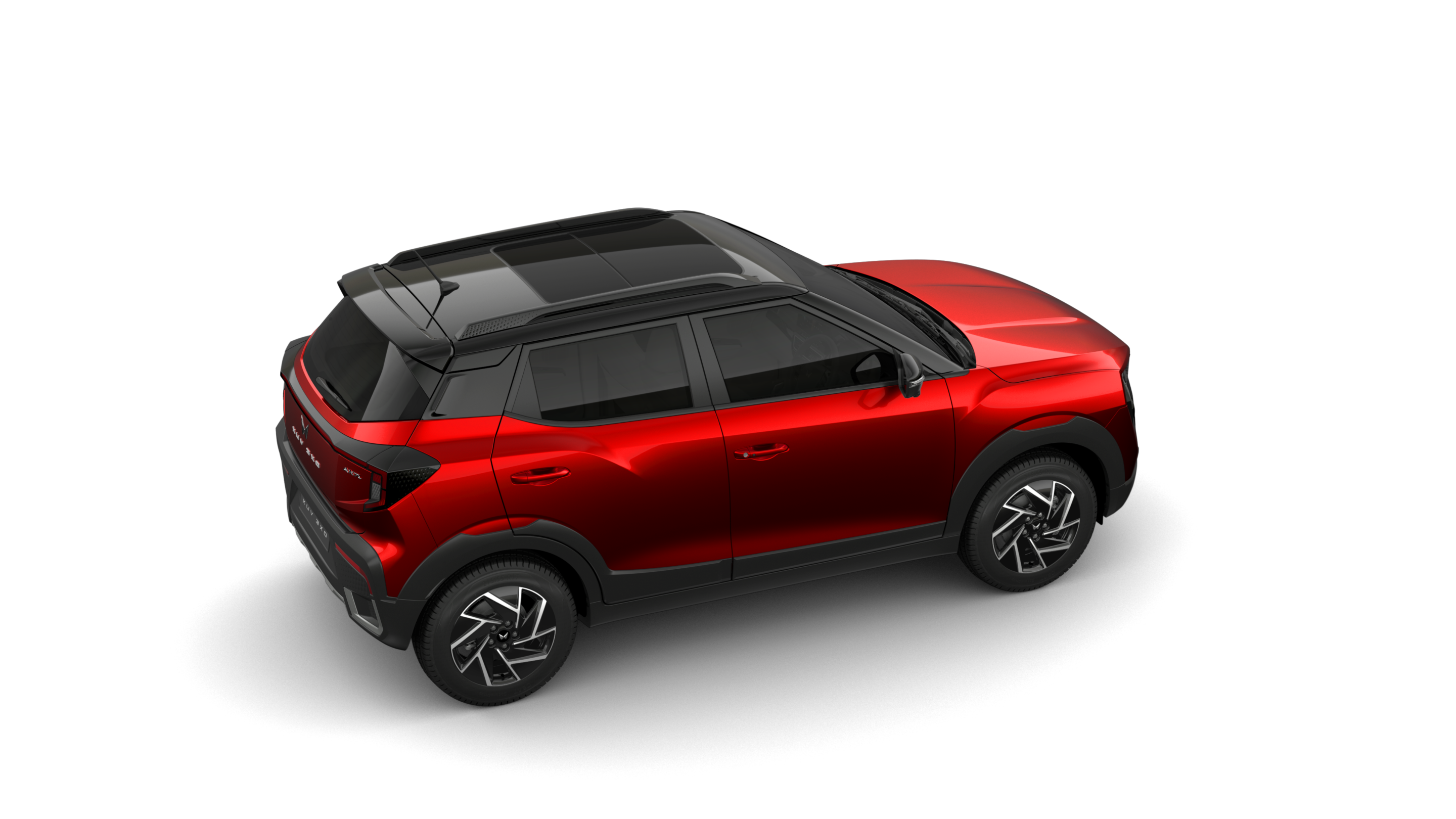
Nalinikanth Gollagunta, CEO of Mahindra’s Automotive Division, said the NU_IQ strategy is aimed not only at India but also at international markets, including left-hand-drive regions. “The four concepts we are showcasing here offer a bold preview of what’s to come,” he said. “They usher in a new no-compromise era of mobility and give freedom a new meaning.”
Mahindra confirmed the first production models based on NU_IQ will arrive from 2027, aiming to redefine the premium SUV space in India and abroad.
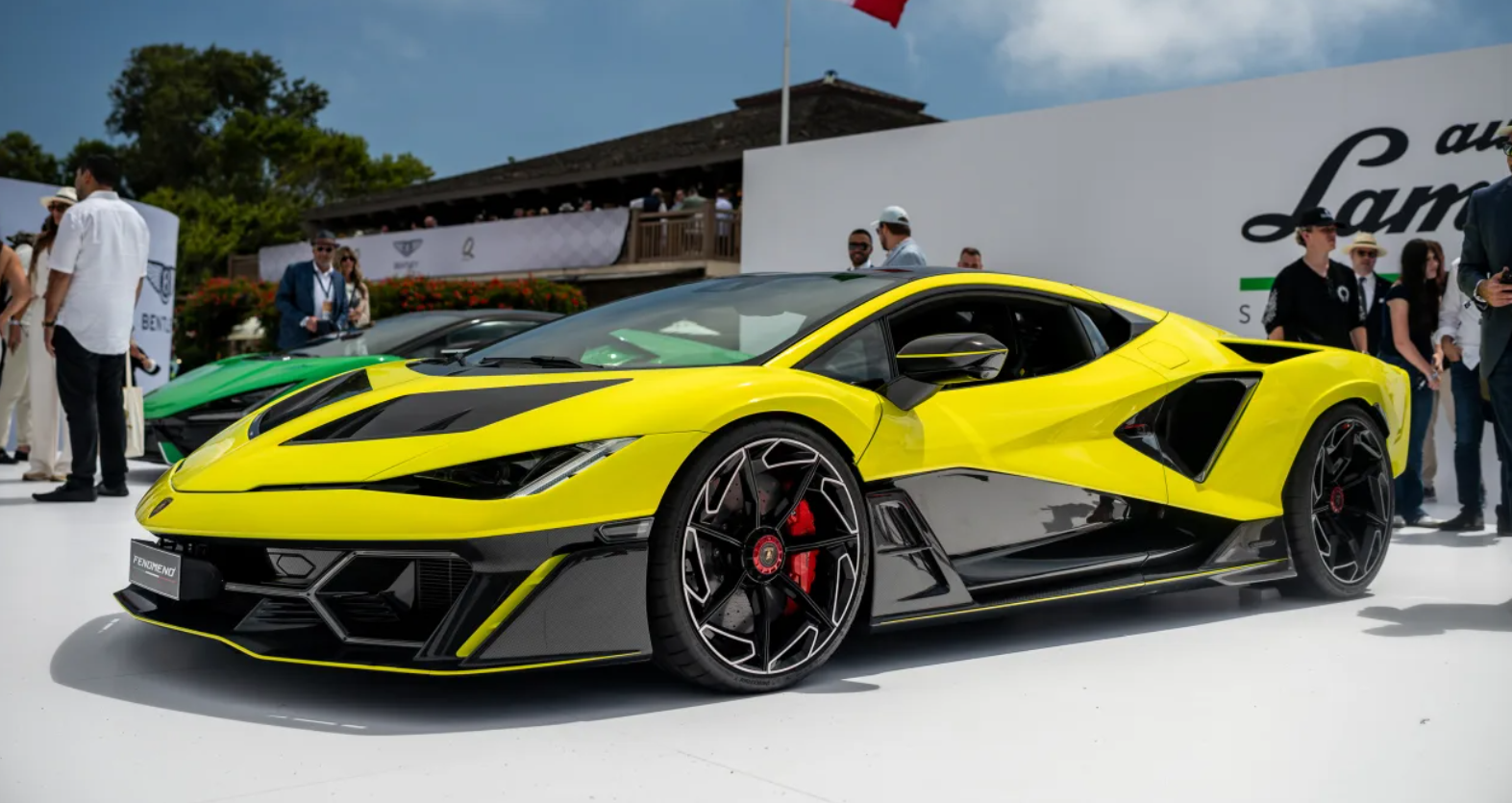
Lamborghini has revealed its latest exclusive hypercar, the Fenomeno, which will be restricted to just 29 examples worldwide. The car continues the brand’s long tradition of “few-of” models, a series that includes the Reventon, Centenario and Sian.
While the company has not disclosed official pricing, it is expected to command a figure well into the millions of Australian dollars.
The Fenomeno was presented in the glamorous surroundings of Monterey Car Week in California, a fitting stage for a car that Lamborghini describes as a manifesto of its design language. The model develops the advanced V12 hybrid powertrain first introduced in the Revuelto but pushes it further still.
At the heart of the Fenomeno lies a 6.5-litre naturally aspirated V12 engine paired with three electric motors and a bespoke lithium-ion battery pack. This setup produces a staggering 793kW, making it the most powerful Lamborghini ever built.
The additional power comes courtesy of the unique battery system and a newly developed axial-flux motor from British specialist YASA, mounted directly above the eight-speed dual-clutch gearbox. The other two motors are fitted to the front axle, giving the car all-wheel-drive capability. These motors also act as the reverse gear and enable advanced torque vectoring for the front wheels, ensuring extraordinary agility.
The performance figures underline Lamborghini’s engineering ambition. The Fenomeno accelerates from 0-100km/h in just 2.4 seconds and reaches 200km/h in 6.7 seconds. Its top speed surpasses 350km/h, placing it firmly among the fastest production cars ever created.
While the Fenomeno is mechanically related to the Revuelto, it represents a fresh take on Lamborghini’s evolving design philosophy. The bodywork has been reshaped with a longer tail that extends by 67 millimetres and incorporates an integrated duck-tail spoiler. The pronounced flying buttresses that define the Revuelto have been replaced by a smoother, more flowing rear end punctuated by deep air intakes. Along the nose and flanks, the designers have developed a layered effect in which exposed carbon-fibre elements sit beneath sharper upper surfaces.
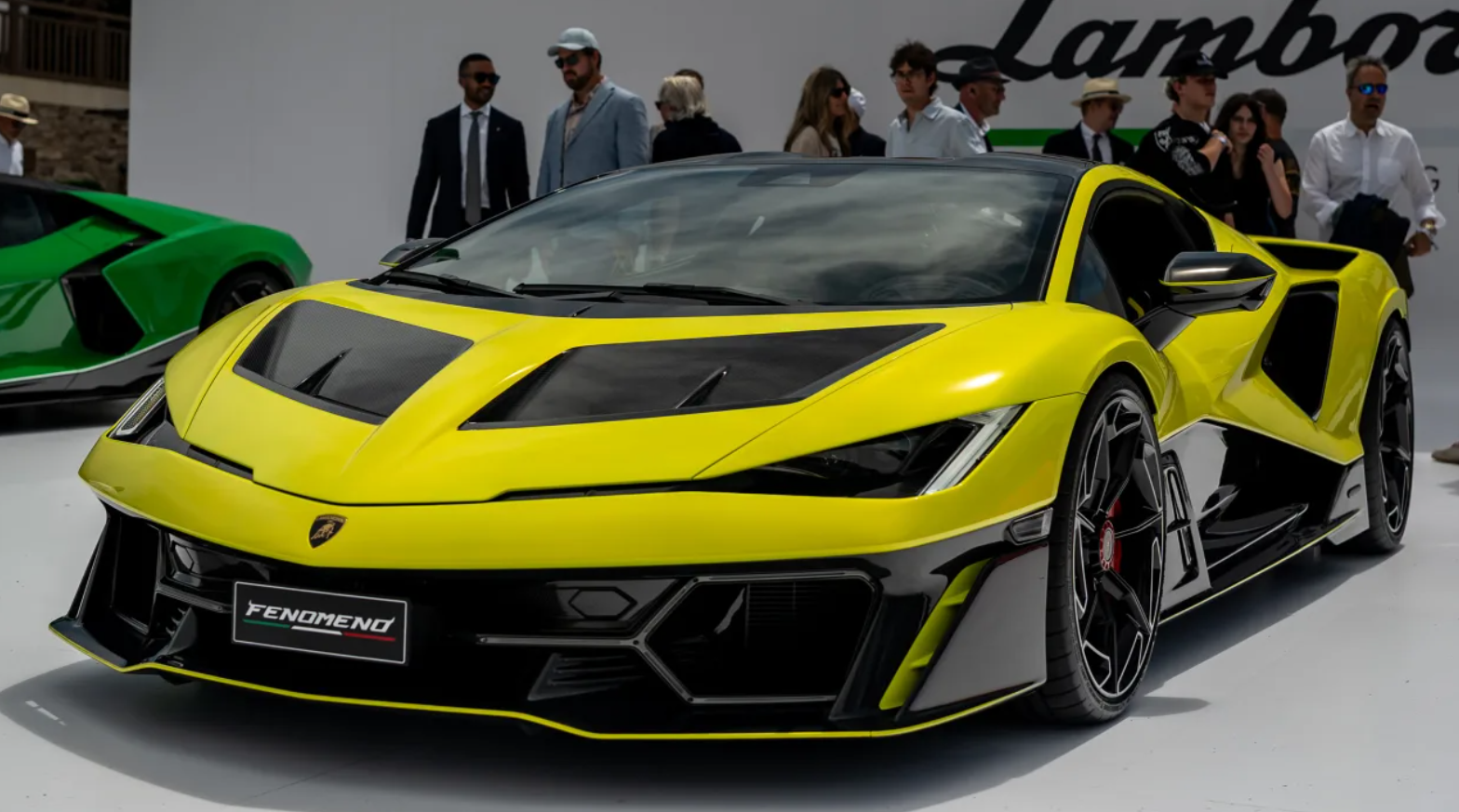
This is not a retro re-imagining like the limited-run Countach of 2021 but rather a forward-looking exploration of form. There are, however, subtle nods to the company’s past, such as the wheel-arch extensions inspired by the Countach Quattrovalvole of the 1980s. Lighting has also been reconsidered, with vertical daytime running lamps and tail-lights taking the place of the horizontal arrangements seen on most modern Lamborghinis.
As is customary with Lamborghini’s most exclusive creations, the Fenomeno offers extensive opportunities for personalisation. Customers may choose to have the exposed carbon-fibre sections finished in a body colour or highlight them in contrast, while the wheels can be painted in a way that either emphasises the intricate spokes or the turbine-like edges. In this way, each of the twenty-nine cars will reflect the vision of its individual owner.
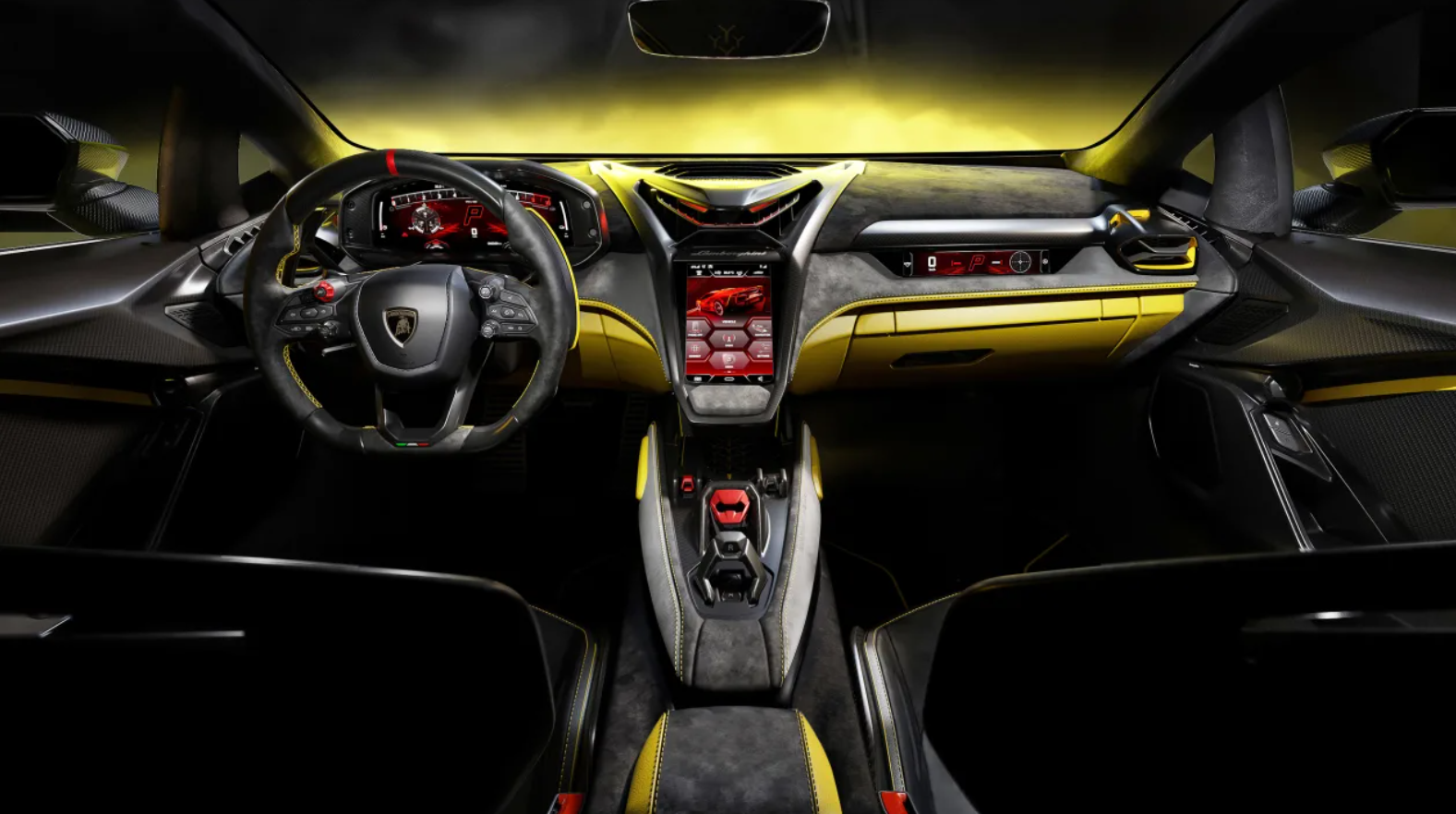
The cabin of the Fenomeno is derived from that of the Revuelto, featuring the same digital interfaces and dashboard layout, but it gains several details designed to set it apart. Carbon-fibre-backed bucket seats and matching door panels are standard, although both can be specified in numerous finishes depending on customer preference. Buyers can opt for a luxurious presentation, a retro-inspired scheme, or a motorsport-themed interior, making the Fenomeno as personal inside as it is radical on the outside.
Electric vehicle uptake has been incremental the past year but continues to grow. Clearly, a number of factors still put off many people, primarily range anxiety – the fear of an EV’s battery running out before reaching a destination.
However, EVs have come a long way, even in just a few years, and not only are there many more
options than even five years ago, advancements in battery technology mean that driving ranges are longer than ever, easing range anxiety. Here are the 10 longest range EVs that you can buy for under $60,000 in Australia.
Kia EV3 Air Long Range: 604km
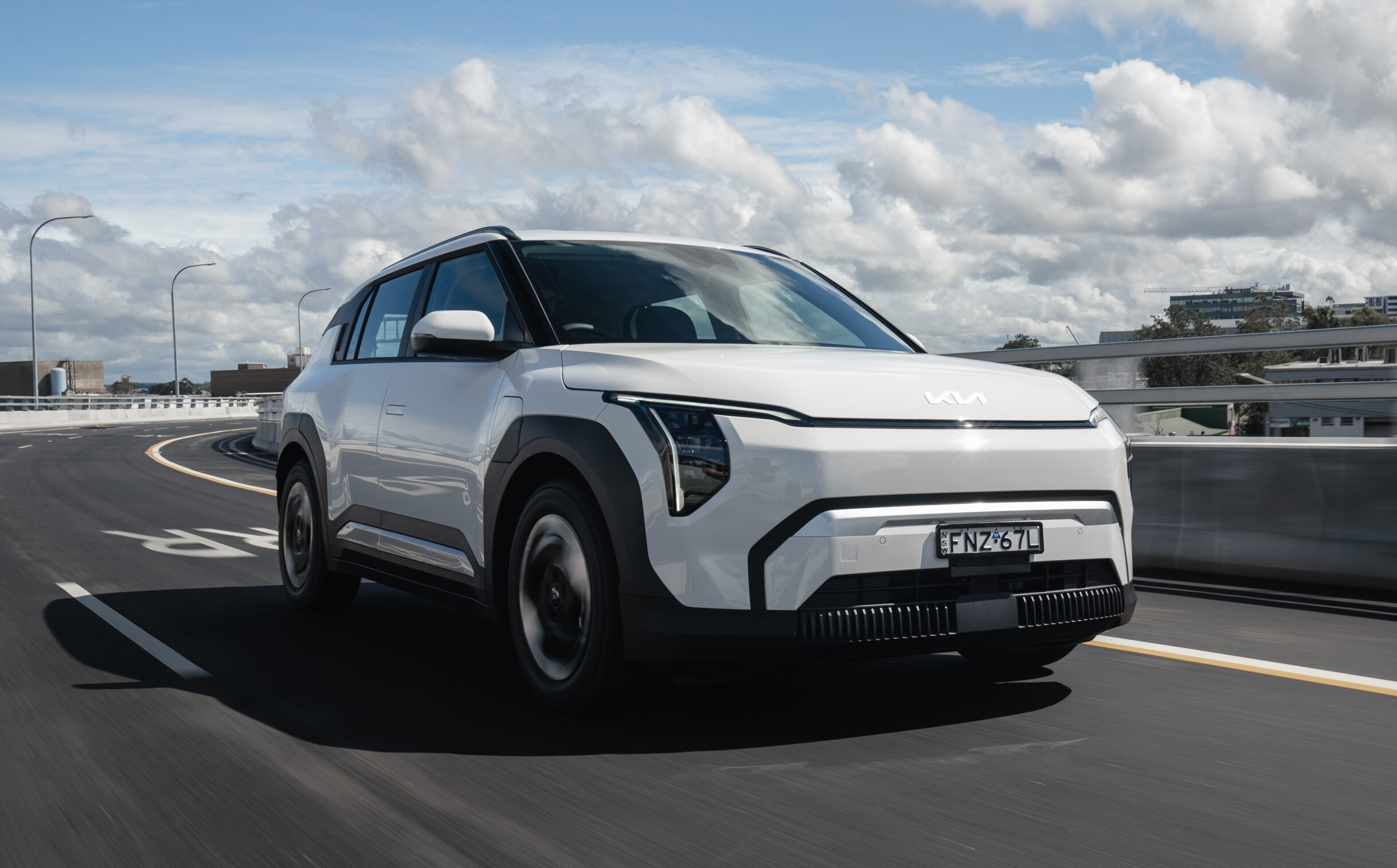
Kia launched its smallest electric SUV yet earlier in 2025, with the EV3 priced from $47,600 plus
on-road costs. But we think the standout model in the EV3 range is the Air Long Range, which is
priced from $53,315 +ORC and offers up to a huge 604km of range on the WLTP cycle (see note) from its 81.4kWh battery.
The EV3 Air Long Range uses a 150kW/283Nm electric motor, giving spritely performance and it
can be charged from 10 to 80 per cent in as little as 31 minutes. Add in the EV3’s long standard
equipment list, practical cabin for its size and fun driving experience and it’s a great option.
XPeng G6 Long Range and BYD Seal 6 Premium: 570km
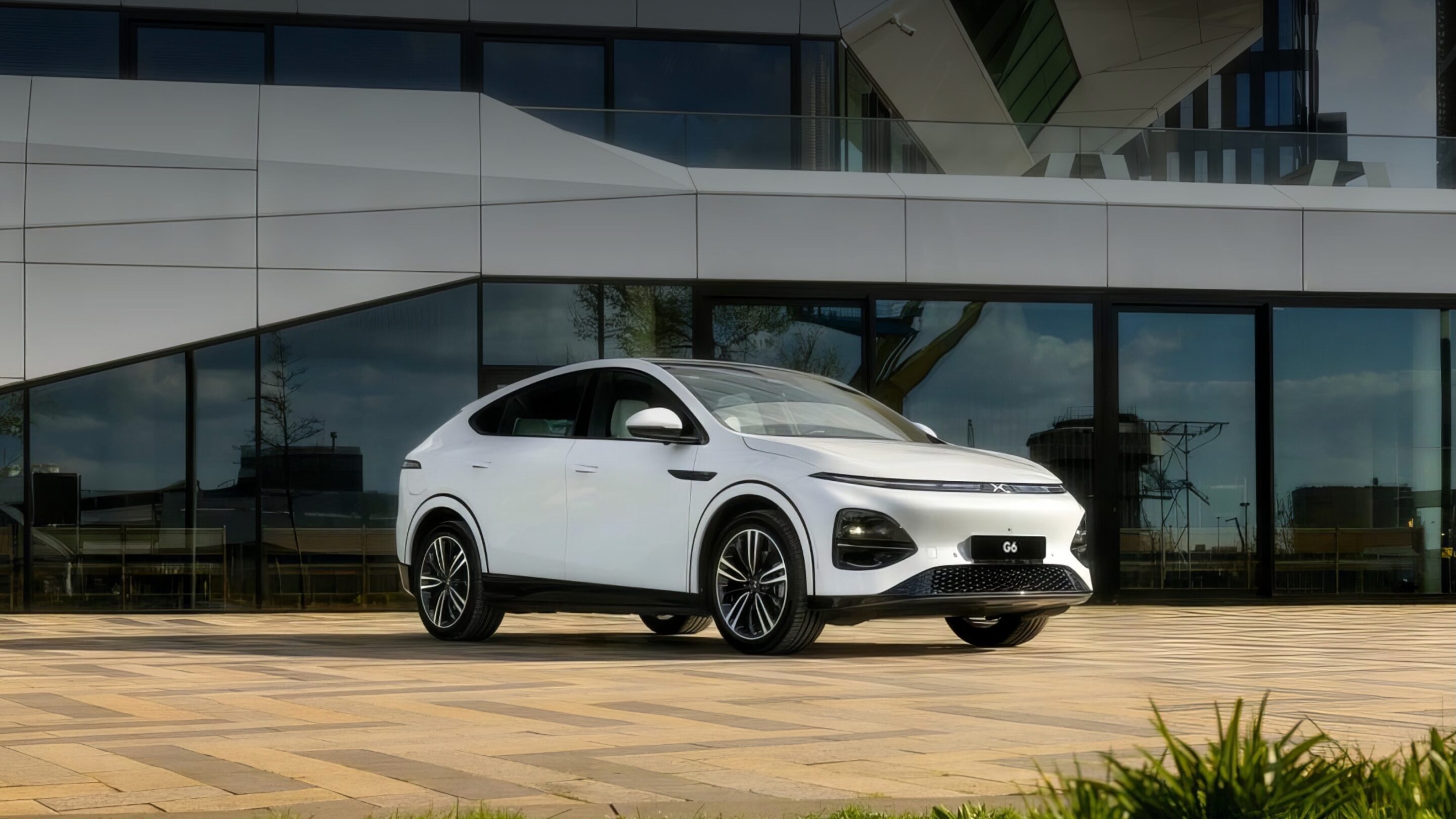
Two EVs in Australia under $60,000 give an impressive 570km of range: the XPeng G6 Long
Range and BYD Seal. Priced from $59,800 +ORC, the XPeng G6 Long Range falls just under our
$60,000 price ceiling but gives the second longest range available in that price bracket from its
87.5kWh battery, while its 280kW peak DC charging ability is also the highest in this group. Its
210kW/440Nm outputs give a 6.2 second 0-100km/h time.
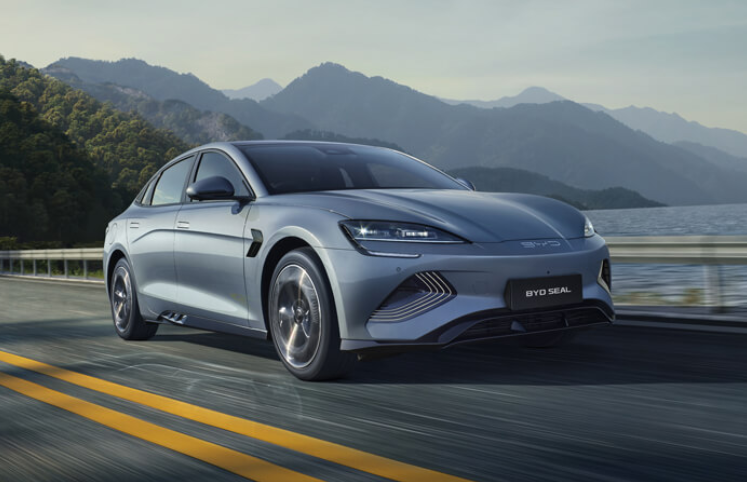
Proving that SUVs are less efficient than sedans, the BYD Seal (above) achieves the same 570km WLTP range as the G6 but from a smaller 82.56kWh battery. Its charging speed is less at 150kW, but it’s still capable of a 0-80 percent charge in as little as 37 minutes. Its 230kW/360Nm rear-mounted electric motor gives healthy performance with a claimed 0-100km/h time of 5.9 seconds.
Volkswagen ID.4 Pro: 544km
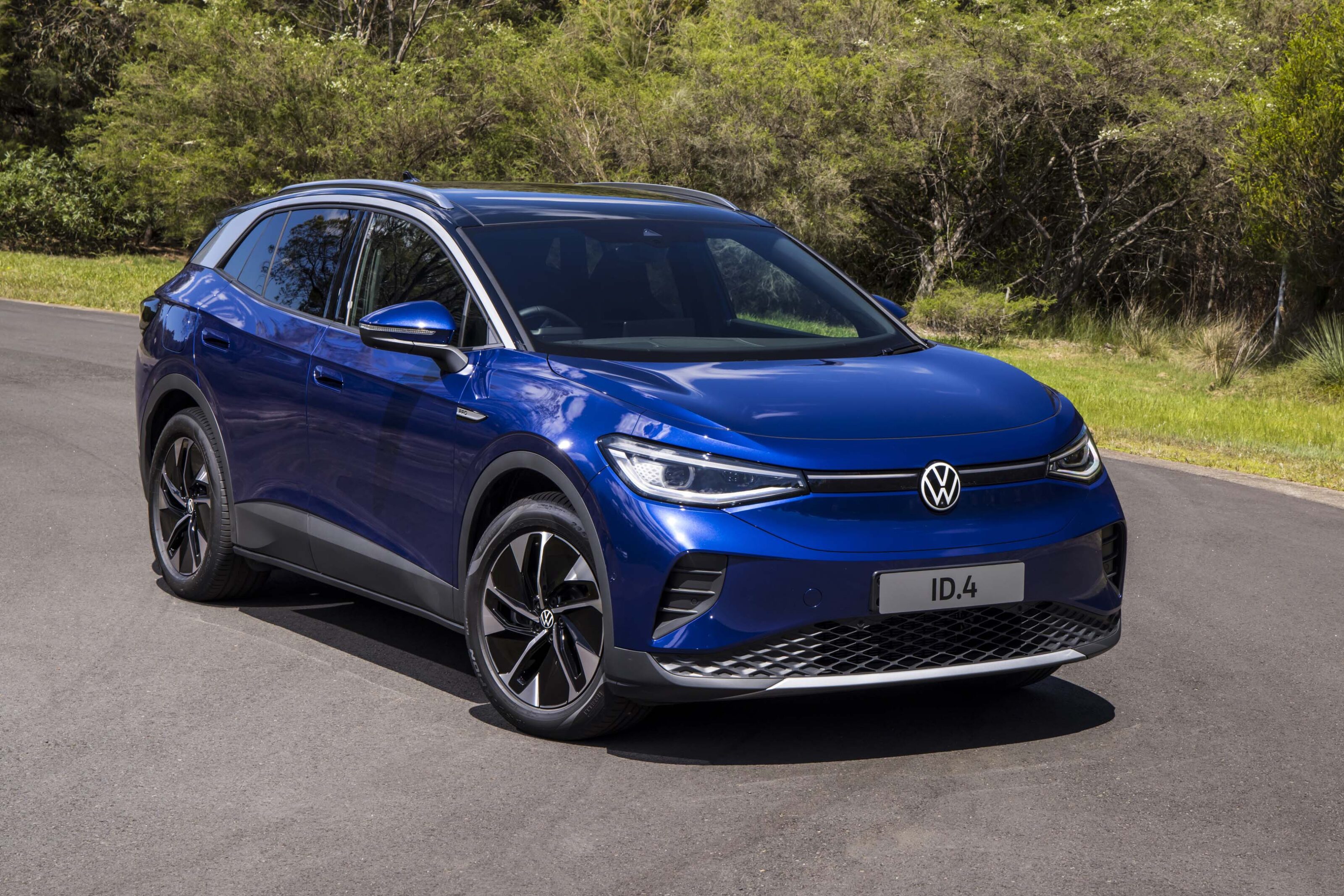
The Volkswagen ID.4 Pro launched locally earlier this year priced from $59,990 +ORC with a
77kWh battery giving a WLTP-rated range of 544km. The battery can be charged at up to 175kW,
resulting in a 10 to 80 per cent charge in around 28 minutes.
The ID.4 Pro uses a 210kW/545Nm rear-mounted electric motor, while moving up the range to the
GTX model further adds a front-mounted motor for a 250kW output and claimed 5.4-second 0-
100km/h run, though a slight range reduction to 522km.
Skoda Elroq 85 Select: 529km
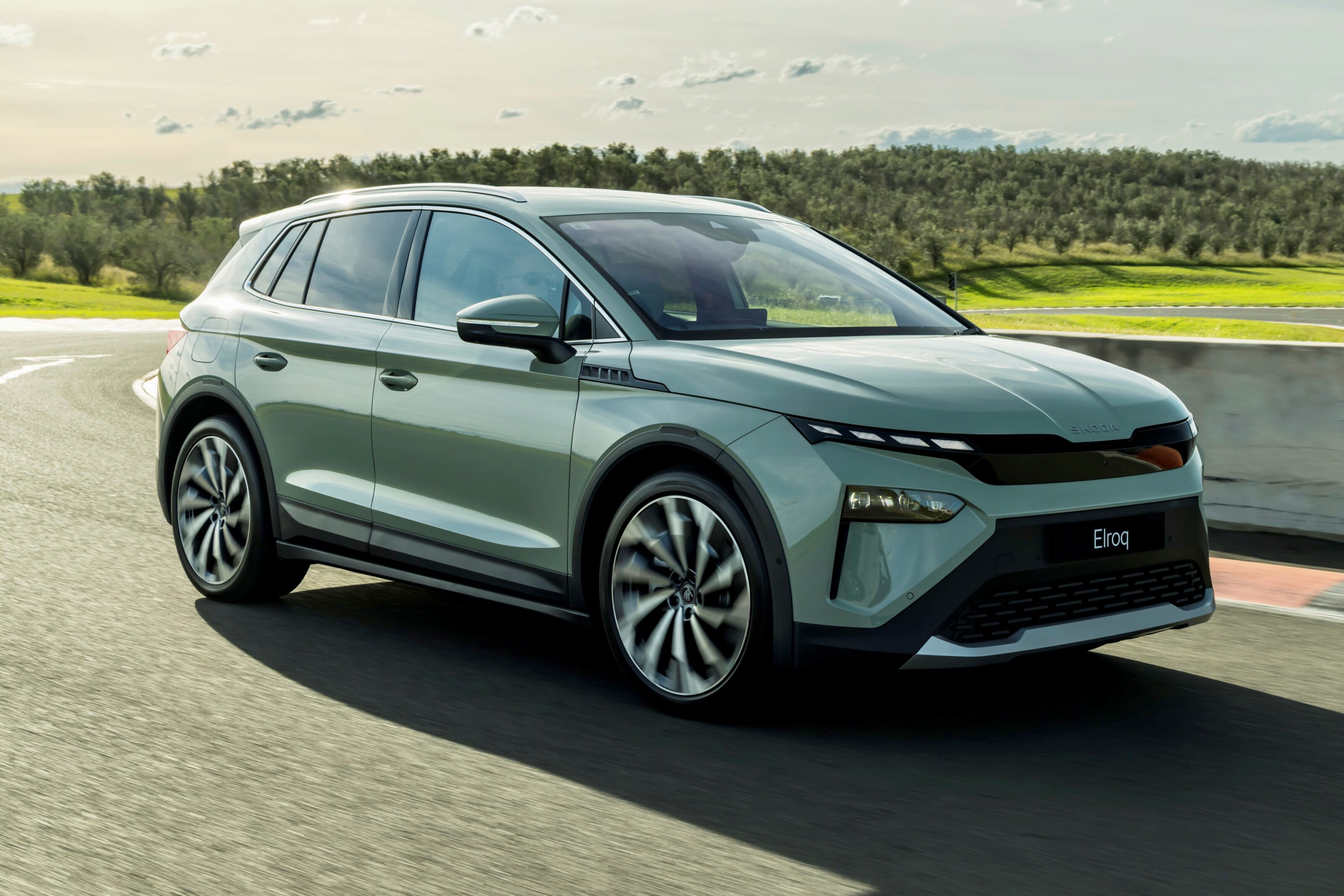
Skoda’s new Elroq sits below the Enyaq that’s already on sale in Australia with its smaller body
and a smaller price tag, with a $54,990 +ORC price for the entry-level 85 Select model. According
to the WLTP cycle, it can travel 529km on a charge from its 77kWh battery.
Like the Volkswagen ID.4, the Elroq uses a 210kW rear-mounted electric motor for a claimed 6.6-
second 0-100km/h time. It can be charged at up to 175kW, for a 10 to 80 per cent charge in as little
as 28 minutes – unsurprisingly identical to the ID.4 that also uses the same battery set up.
MG4 Long Range 77: 530km
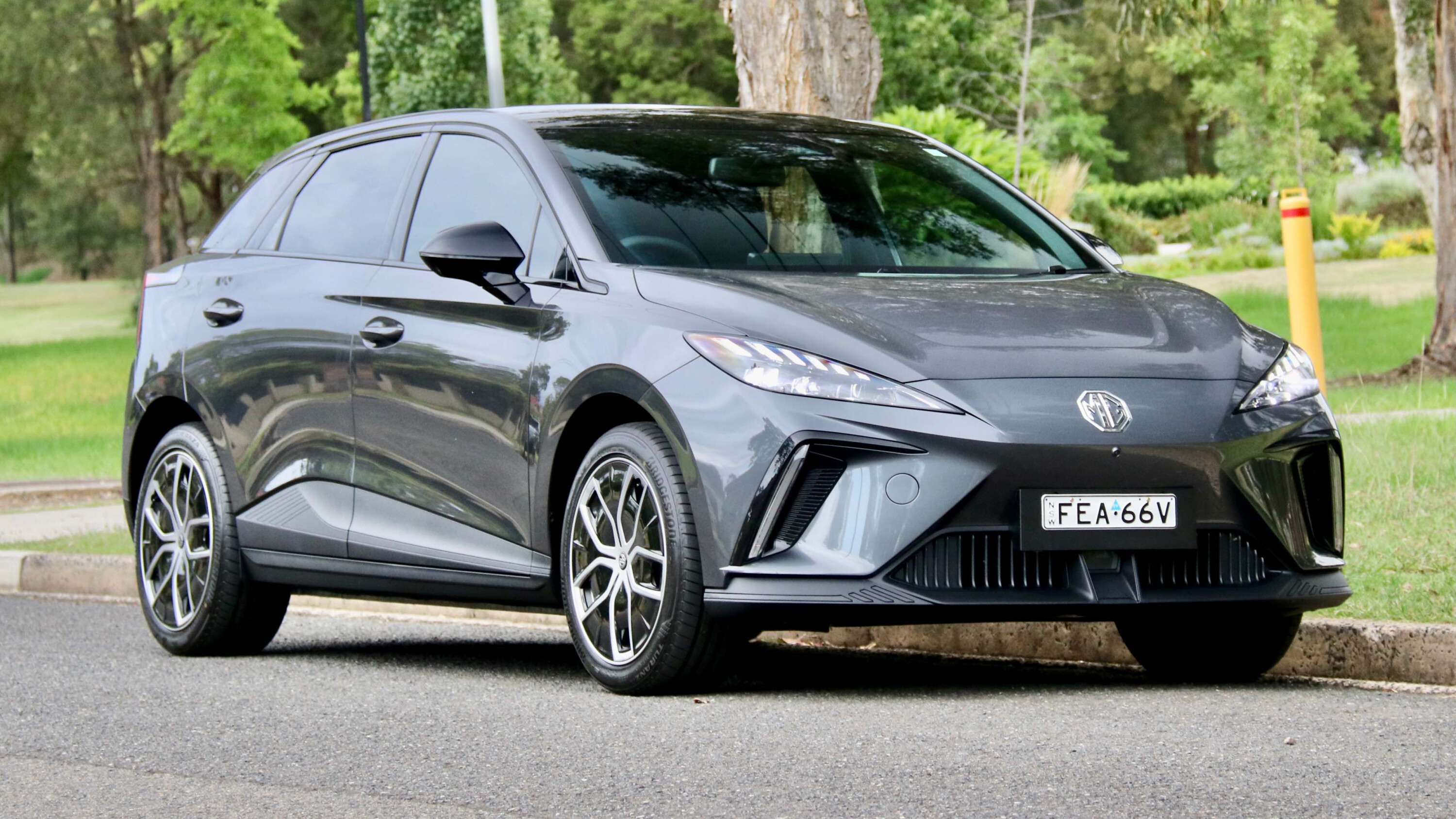
The popular MG4 electric hatchback is offered in a variety of models in Australia, from the entry
level 125kW Excite 51 to the fire breathing XPower hot hatch, but the model that can travel the
furthest is the 77 Long Range. As the name suggests, it uses a 77kWh battery for a claimed WLTP
range of 530km – almost 100km more than the one-step-below Essence 64kWh model.
With a 180kW/350Nm rear-mounted motor, the MG4 Long Range can hit 100km/h in 6.5 seconds,
while its peak 144kW charging speed enables a 10 to 80 per cent charge time of 38 minutes.
Tesla Model 3 RWD: 520km
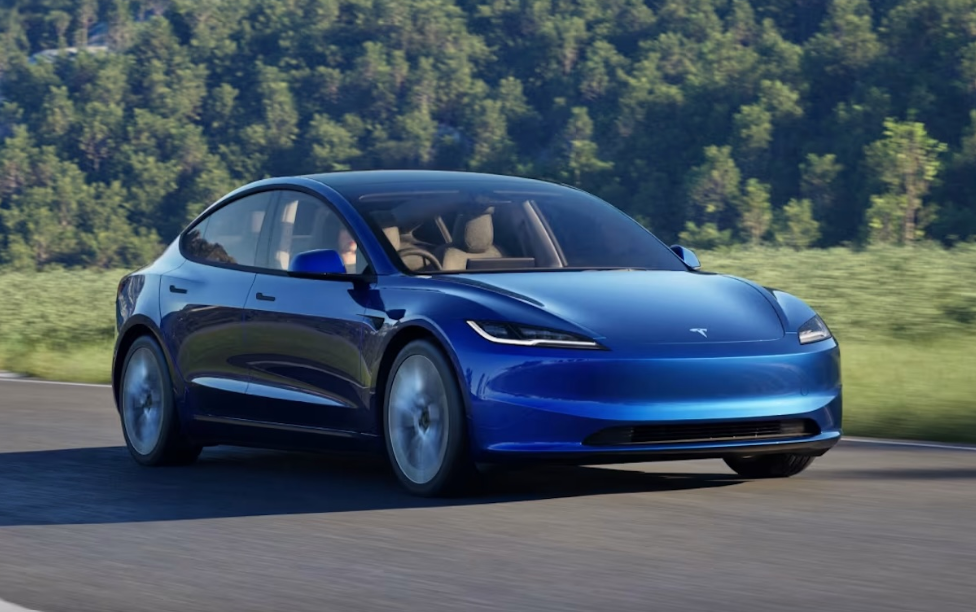
One of the most popular electric cars of all time, the Tesla Model 3 is currently priced from $54,900
+ORC for the entry-level RWD model, which gives a claimed WLTP range of 520km.
Tesla doesn’t disclose battery sizes or performance outputs, but the Model 3 RWD is said to use a
battery of around 60kWh with a 200kW electric motor that enables it to hit 100km/h in 6.1 seconds.
Using a 220kW charger, a Model 3 RWD can charge from 10 to 80 percent in under 30 minutes.
Hyundai Kona Electric 150kW: 505km
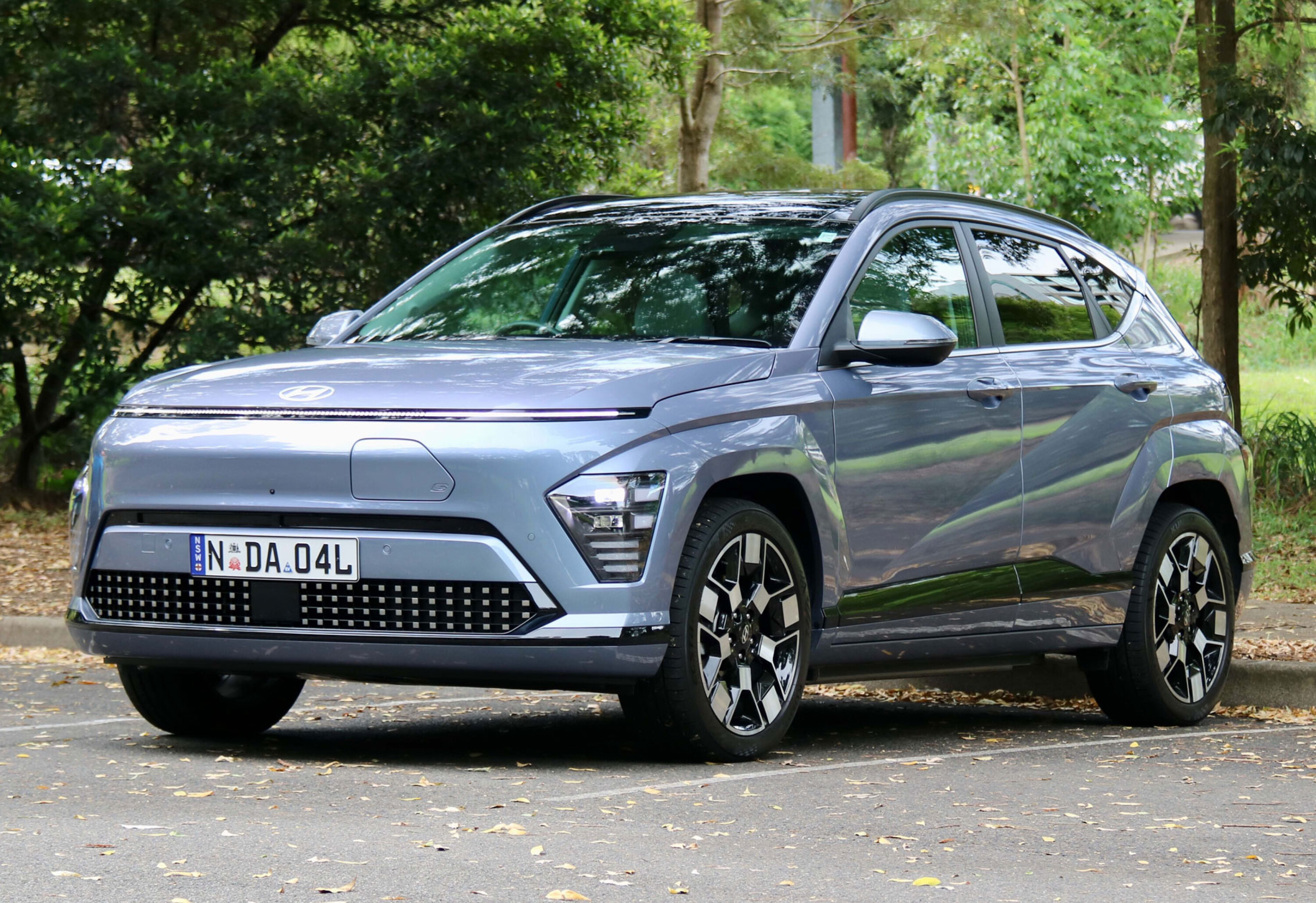
The Hyundai Kona Electric is offered with two drivetrains in Australia: a standard range (48.6 kWh)
with a WLTP range of 370km and an extended range (64.8 kWh) with a range of up to 505km. The
former uses a 99kW front-mounted motor with the higher-powered version making 150kW.
Prices for the Kona Electric start at $54,000 +ORC for the entry-level model, with the larger battery
and more powerful motor (the Kona Electric with the most range) priced at $58,000. It can charge
at up to 100kW for a 10 to 80 per cent charge in as little as 45 minutes.
BYD Sealion 7 Premium: 482km
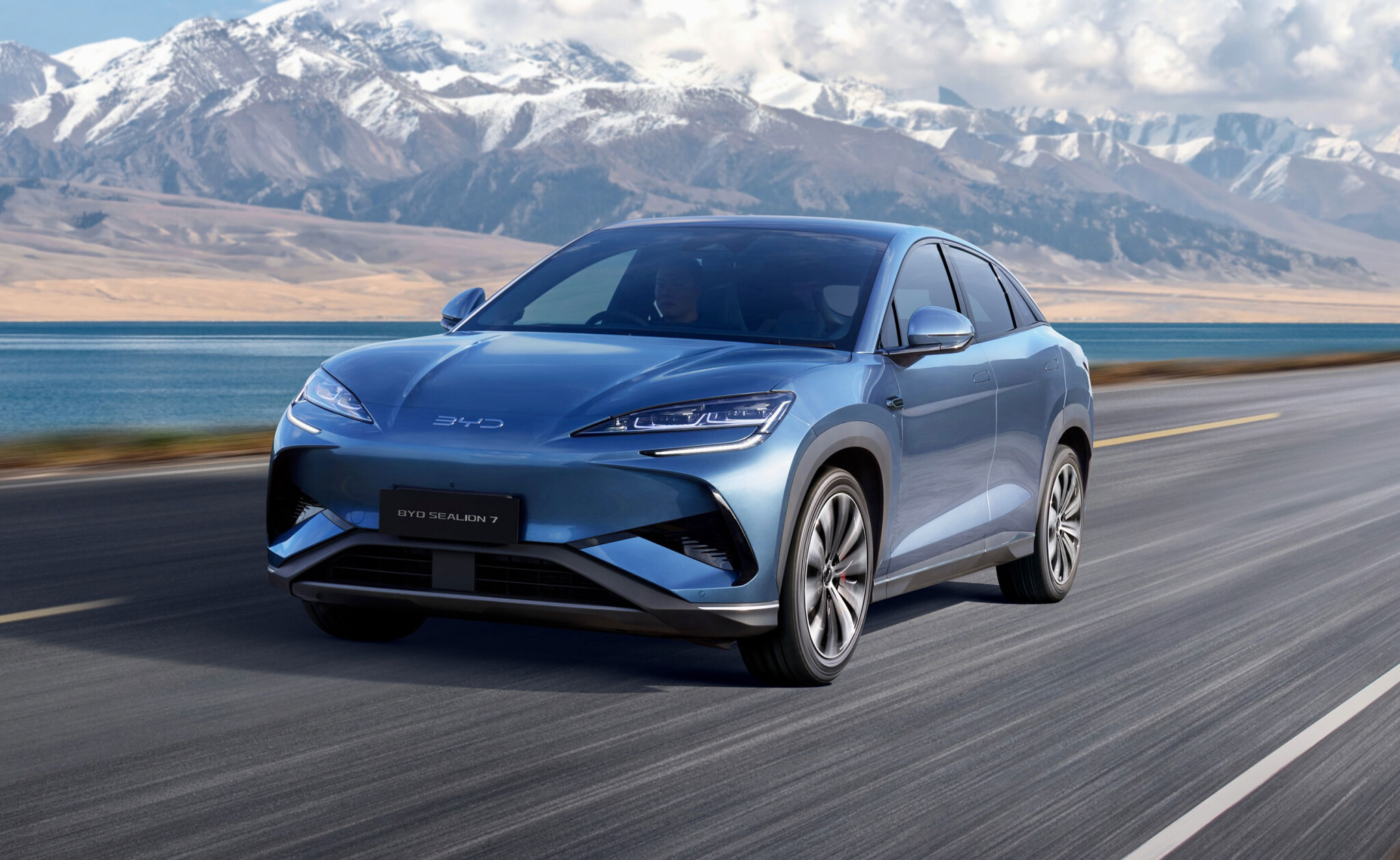
So far one of the best-selling EVs in Australia in 2025, the BYD Sealion 7 was only launched
locally earlier in the year but has earned a long list of customers. Two models are available and in
entry-level Premium spec, the Sealion 7 offers the best driving range at 482km from its 82.6kWh
battery.
Priced from $54,990 +ORC, the Sealion 7 can be charged from 10 to 80 per cent in as little as 32
minutes and it can be charged at up to 150kW, while it uses a 230kW/380Nm rear-mounted motor
for spritely performance.
Zeekr 7X: 480km
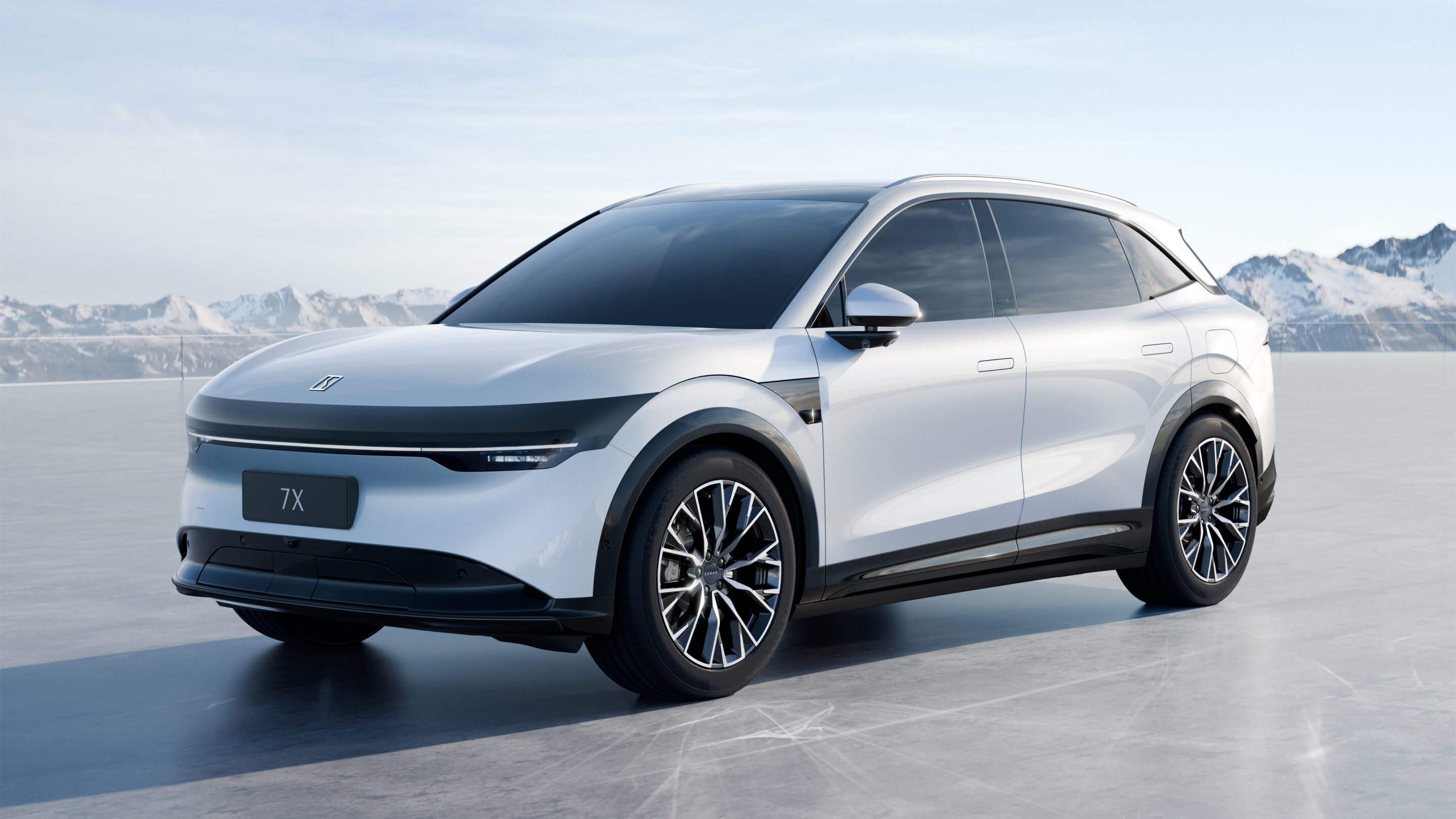
It’s not yet officially on sale quite yet in Australia – the brand reportedly has over 1000 pre-orders –
but the Zeekr 7X is already impressing with its low $57,900 +ORC price tag, 480km WLTP range
and keen 310kW/440Nm outputs for a claimed 6.0-second 0-100km/h time.
However, spend $63,900 +ORC to get to the Long Range model and an impressive 615km of
range is claimed. Regardless of 7X chosen, it can charge at up to 450kW for a 10-80 per cent
charge time of around 15 minutes – if you find a charger fast enough.
Deepal S07: 475km
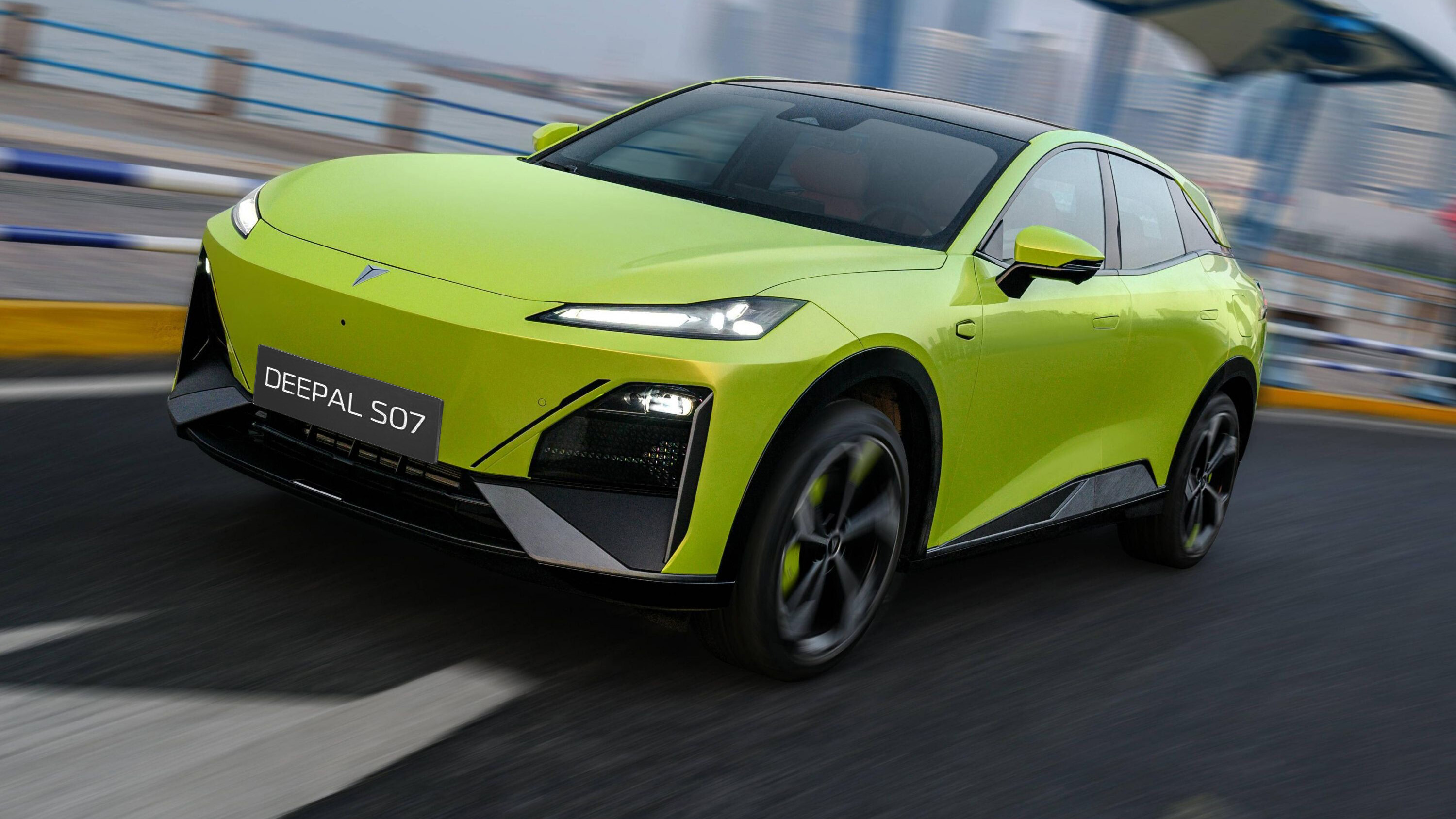
Newcomer to Australia Deepal is currently only offering its S07 mid-size SUV, which is priced from
$53,900 +ORC. Just one model is available, which uses a 79.9kWh battery for a claimed WLTP
range of 475km. The battery can be charged at up to 92kW for a claimed 10 to 80 per cent charge
in 50 minutes.
The single S07 variant uses a single 160kW/320Nm motor located on the rear axle, good enough
for an estimated 0-100km/h time of around seven seconds.
Note: WLTP Cycle, or Worldwide Harmonised Light Vehicle Test Procedure, is a globally harmonized standard for determining fuel consumption and emissions of vehicles, including electric vehicles. The WLTP cycle consists of four phases representing different driving conditions: low, medium, high, and extra high speeds.
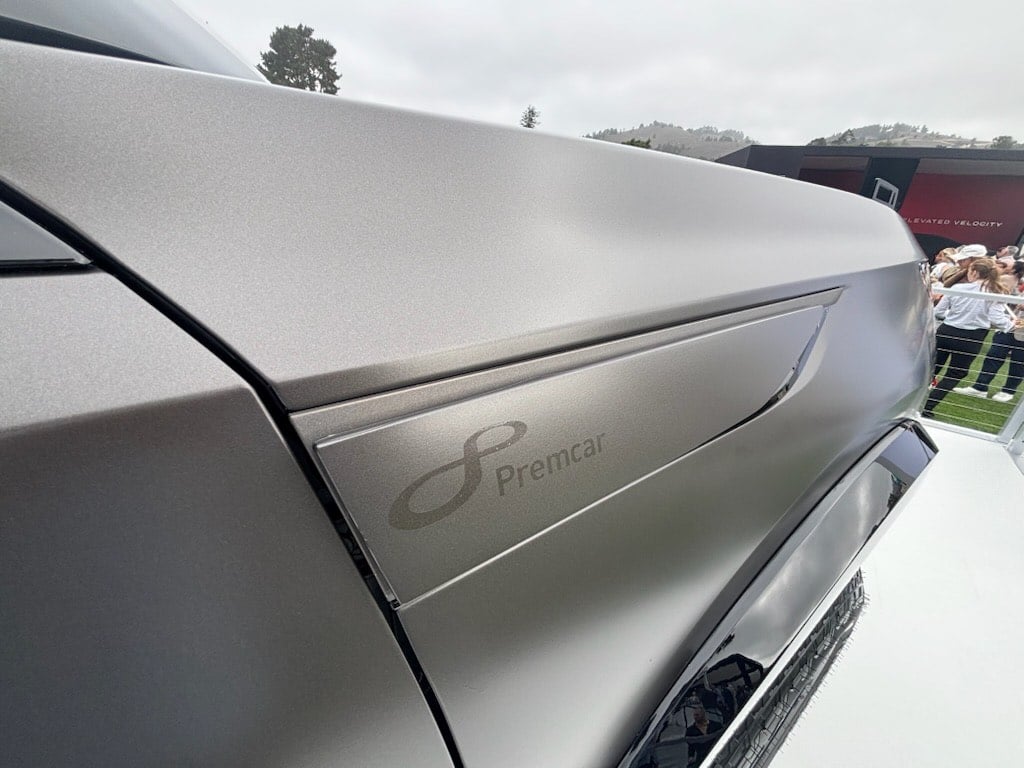
Australian automotive engineering specialist Premcar has made a surprise appearance on the world stage, with its branding spotted on the new Infiniti QX80 concepts revealed at The Quail, A Motorsports Gathering during Monterey Car Week.
The decals, visible on the QX80 Track Spec and QX80 Terrain Spec show cars, link the Melbourne-based company to Infiniti’s latest flagship SUV project. While Infiniti has not formally detailed Premcar’s role, the sighting highlights the growing international profile of the engineering outfit best known in Australia for its performance and off-road vehicle programs.
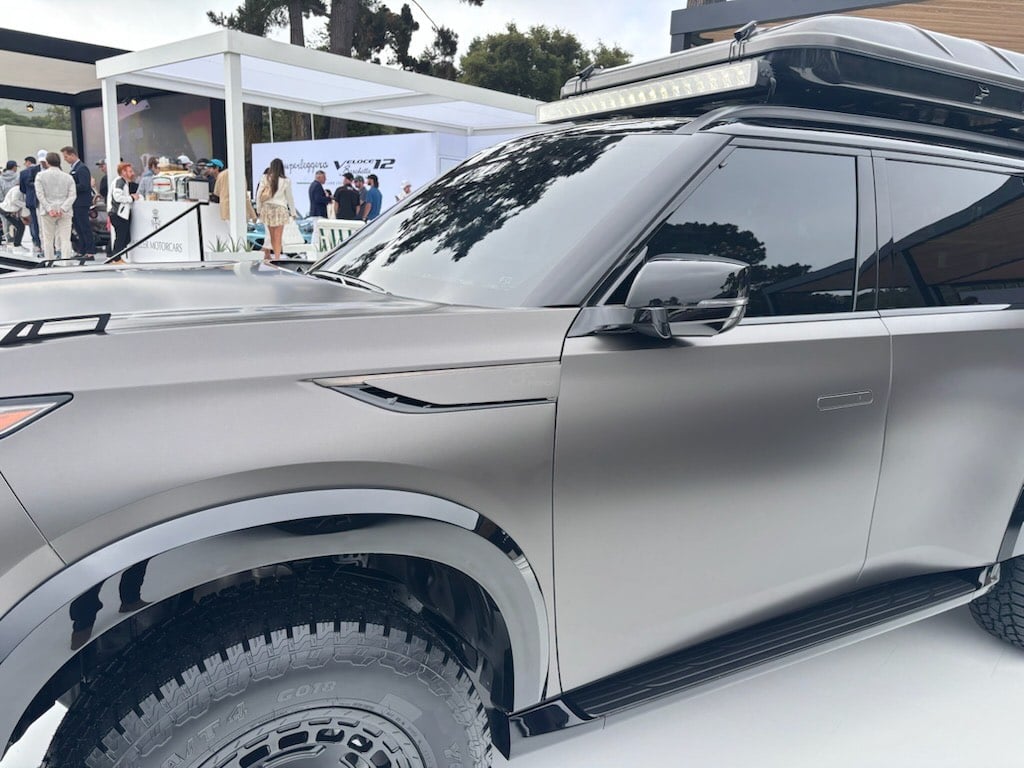
The QX80 Track Spec concept pushes Infiniti’s luxury SUV into performance territory, boasting over 650 horsepower from its reworked twin-turbo V6, larger brakes, aggressive bodywork and 24-inch wheels. Meanwhile, the QX80 Terrain Spec explores off-road adventure in comfort and style, featuring all-terrain tyres, an elevated ride height, rooftop tent and protective body cladding. Both were designed to showcase Infiniti’s evolving approach to performance and luxury, with clear cues toward production intent.
Premcar’s name appearing alongside the bold new concepts underscores its emergence as a sought-after partner in global vehicle programs. In a recent interview with Wheels, Premcar CEO Bernie Quinn described the company’s rapid expansion beyond its established role in Australia. Known for collaborations on high-performance utes and SUVs, Premcar has increasingly attracted international attention for its engineering expertise in powertrains, chassis development and specialist vehicle builds.
“This is a company that has grown from being seen as a niche player in Australia to one now working with major global manufacturers,” Quinn said at the time.
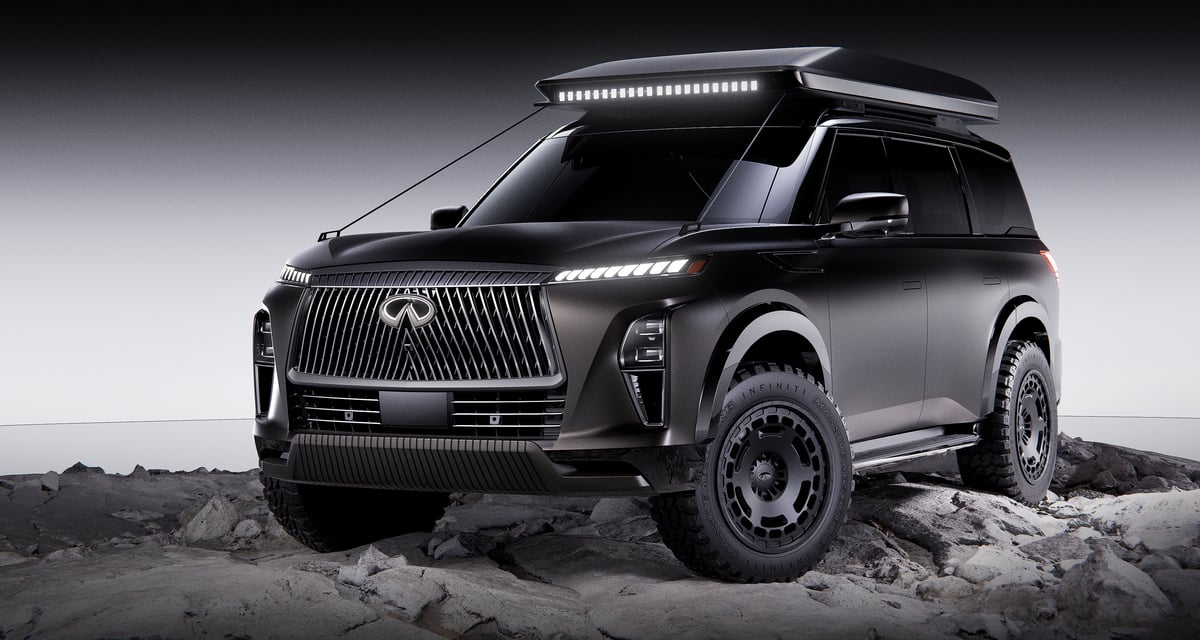
For Infiniti, Monterey Car Week provided the perfect setting to hint at its ambitions in the premium SUV space. For Premcar, being associated with such a showcase signals its growing relevance well beyond Australian shores.
The Infiniti QX80 Track Spec and Terrain Spec concepts remain show vehicles for now, but the presence of Premcar branding suggests Australia’s engineering know-how may well play a part in shaping their future.
Hennessey Special Vehicles has revealed the Venom F5 Revolution LF, a unique 1-of-1 hypercar commissioned by American entrepreneur Louis Florey and built through the company’s new bespoke division, Maverick. The unveiling took place on August 15 at The Quail, A Motorsport Gathering in Carmel, California.
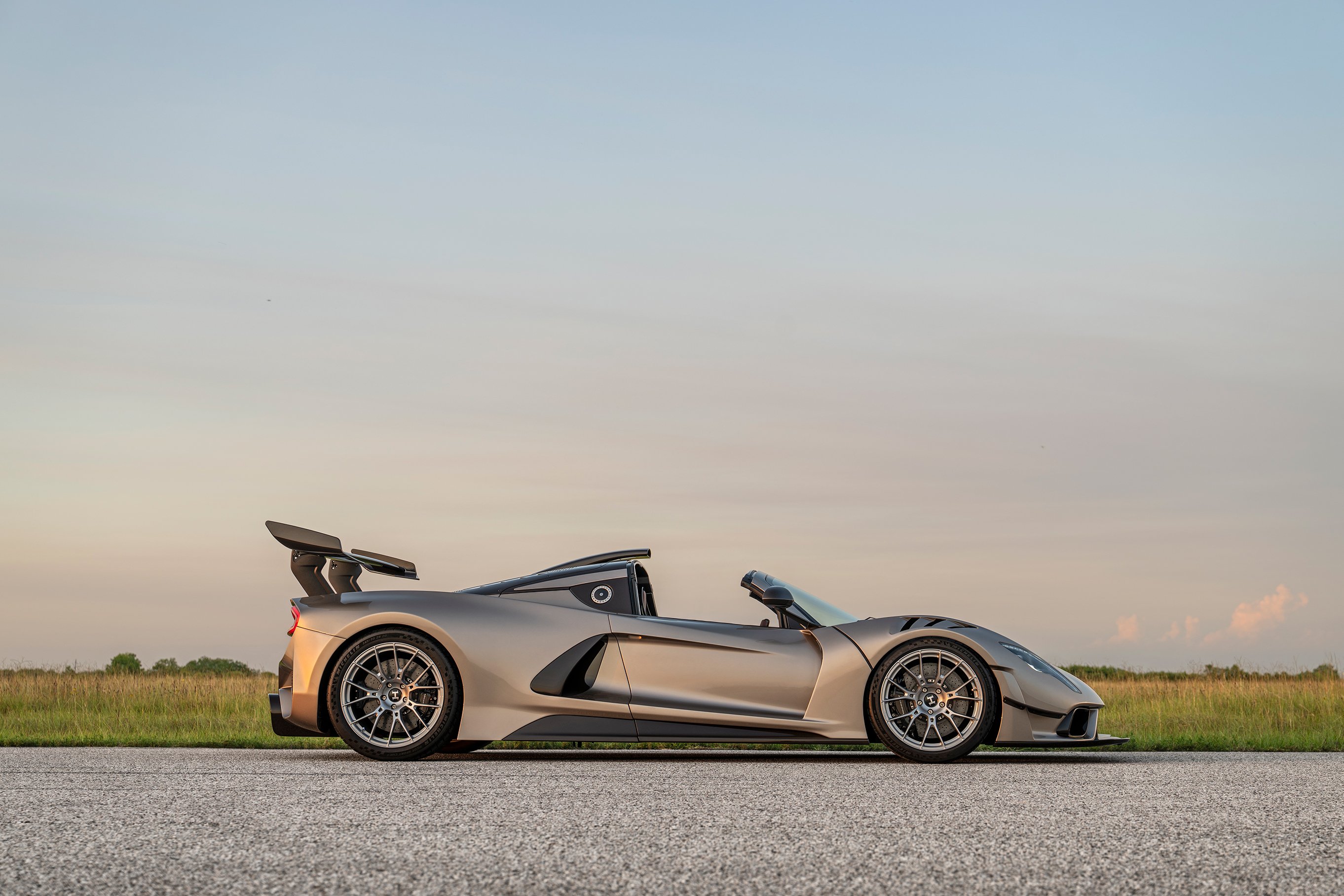
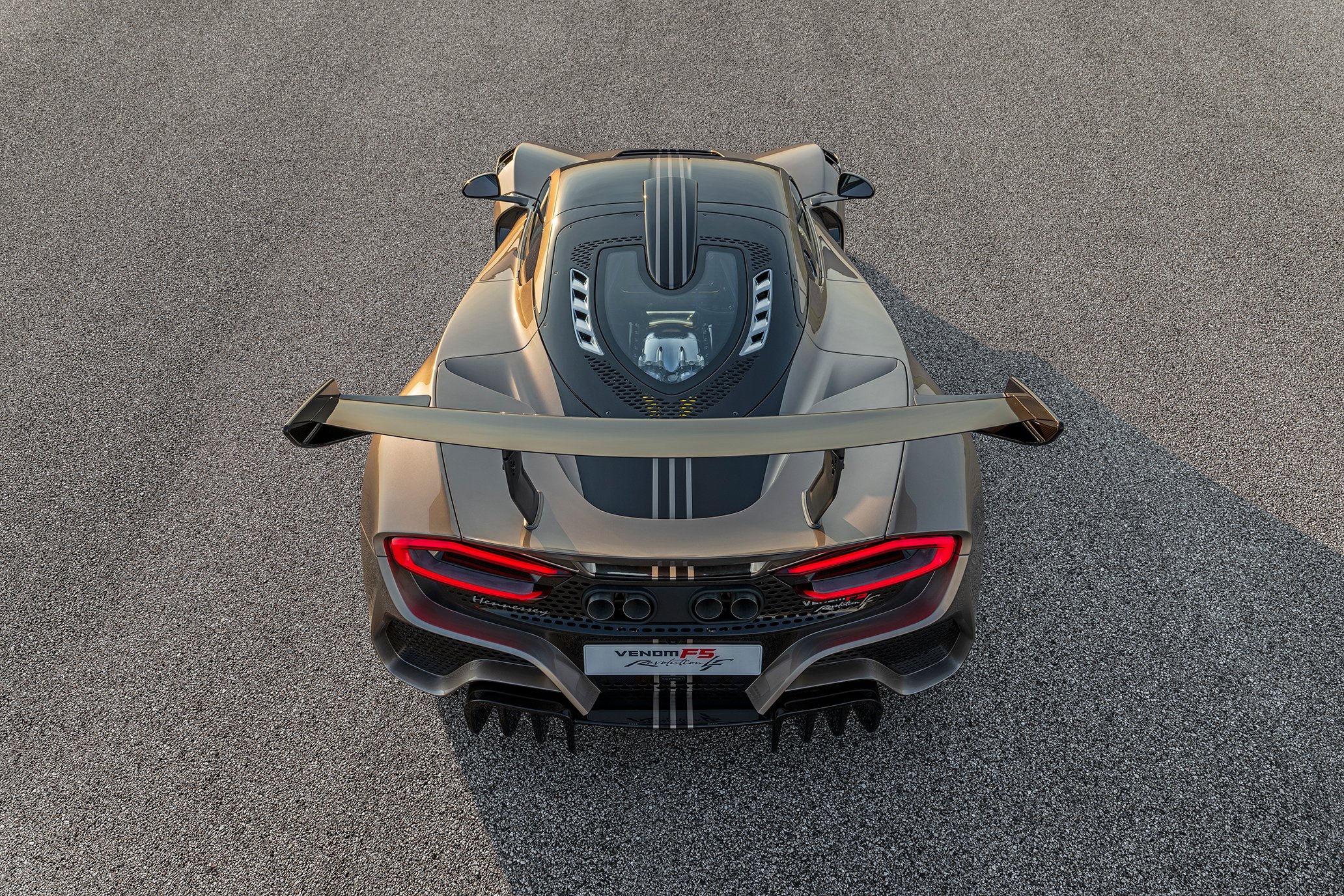
Created as the most personal and driver-focused F5 yet, the LF blends bespoke craftsmanship with extreme performance. Florey personally specified every element, from the Cocoa Brown-tinted exposed carbon fibre bodywork to a six-speed gated manual transmission – a first for the model. The design draws on the exclusive “Stealth Series,” with carbon fibre flowing across the body and accented by River Sand Metallic paint and a body-colour tri-stripe.
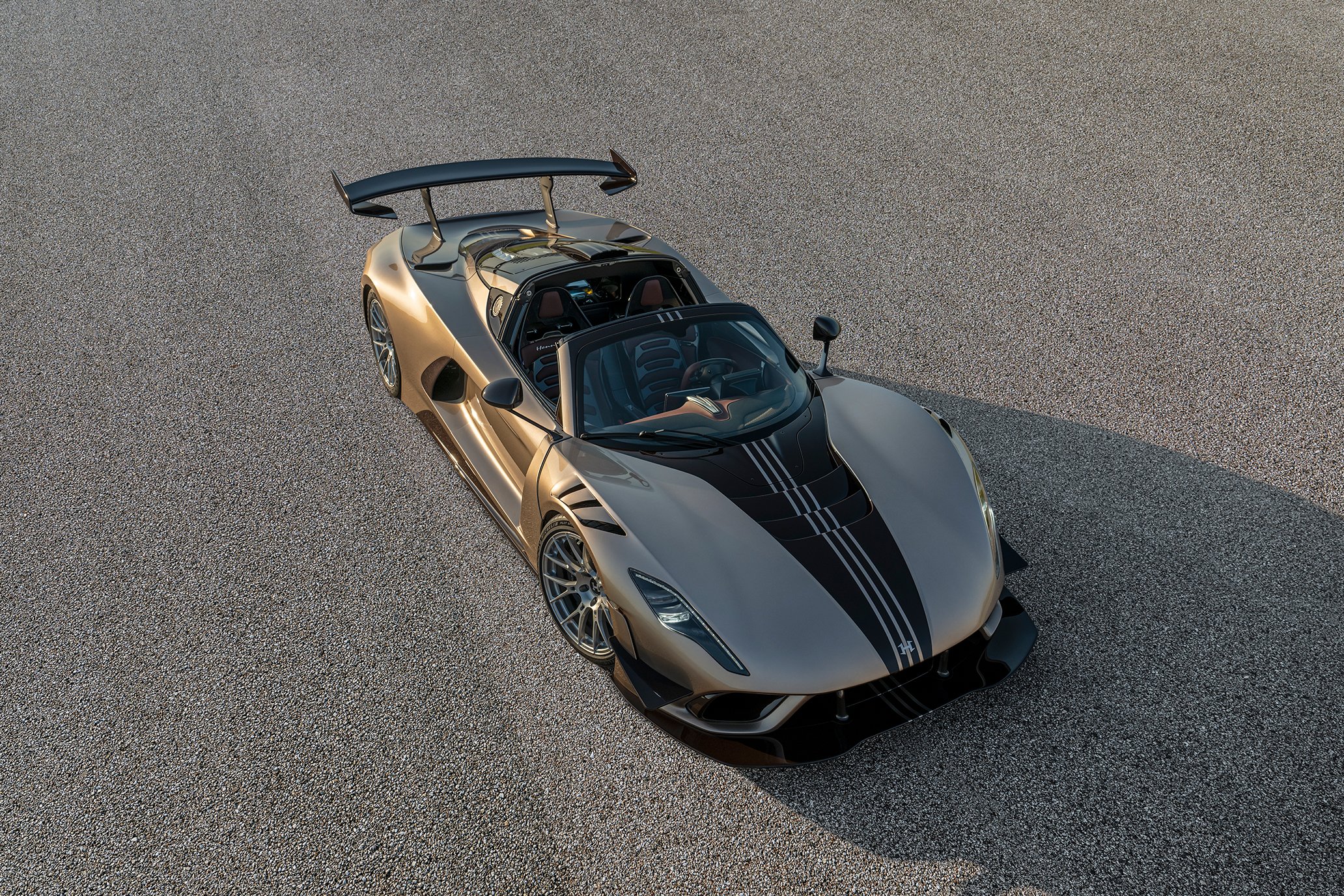
Based on an open-top F5 in track-spec Revolution configuration, the LF debuts aerodynamic upgrades previewing the forthcoming Venom F5 Evolution. These include a taller rear wing, reshaped dive planes, a new splitter, re-sculpted fender louvres, and an integrated lip spoiler. Beneath the body sits Hennessey’s 6.6-litre twin-turbo “Fury” V8 producing 2,031 bhp, delivering high-speed stability on road and track.
The LF rides on a new-generation XCell_2 carbon monocoque, offering improved stiffness, ergonomics, and pedal box geometry. Footwells have been reconfigured to allow for the third pedal, while machined aluminium pedals carry laser-etched Hennessey logos. Inside, the cabin has been entirely reimagined around analog engagement, with an H-pattern gated shifter milled from solid aluminium, horology-grade switchgear, and a bolt-action feel for the parking brake lever.
Hennessey founder and CEO John Hennessey said the Maverick program allows customers to “take our American Hypercar to a totally new dimension,” describing the LF as “the ultimate expression of the American Dream.”
The Maverick division will offer a small number of customers the chance to co-create uniquely personal Venom F5 builds, ranging from custom paintwork to new mechanical elements and reimagined bodywork.
While the LF will remain a one-off, its ethos will carry through future Maverick projects. Monterey Car Week also saw the public debut of the Venom F5 Evolution production model, featuring upgraded aerodynamics, adaptive suspension, and interior refinements. All future F5 builds will incorporate these updates, while existing owners can retrofit them to current cars.
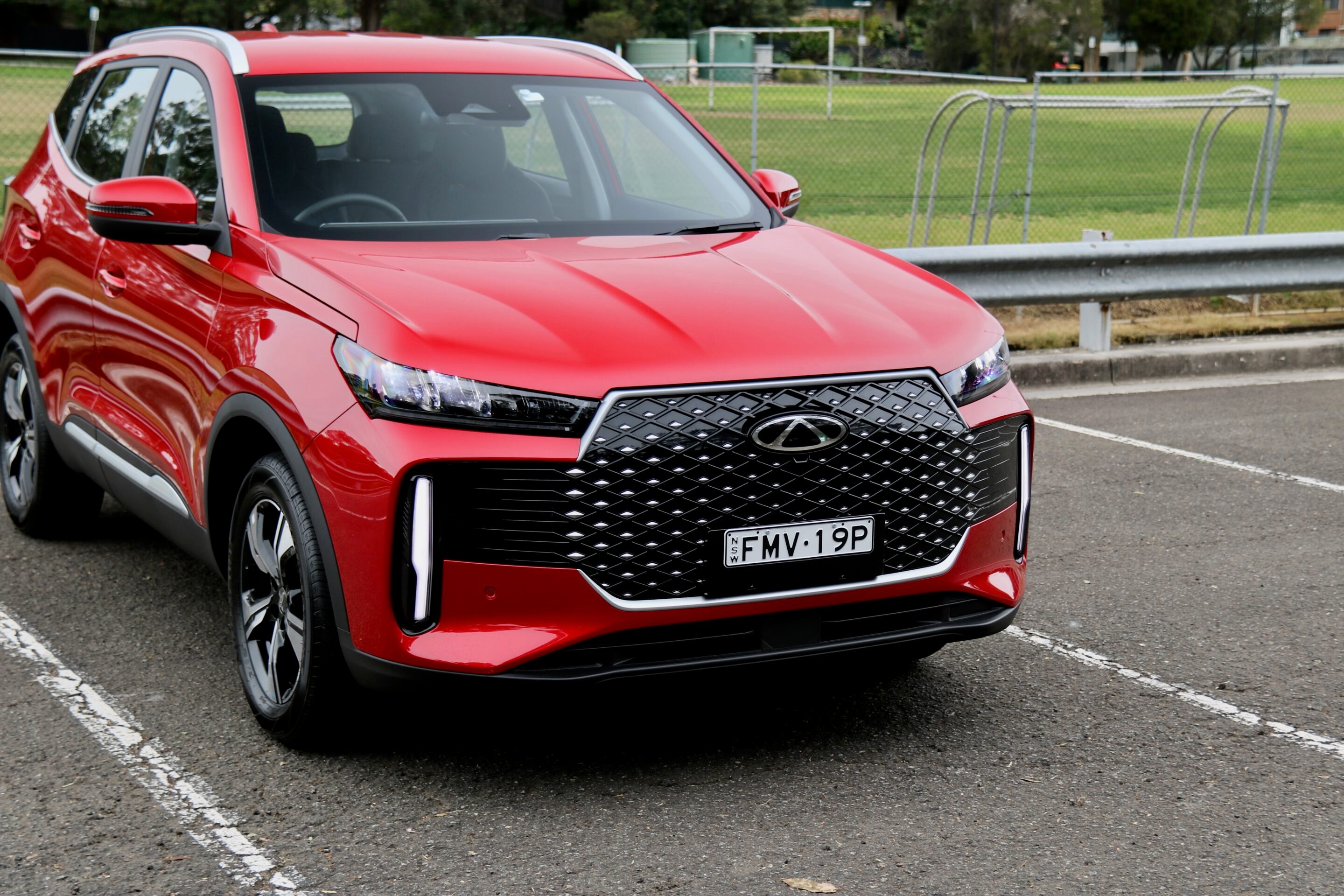
In a story that we’re expecting to see more of, the Chery Tiggo 4 was the best-selling small SUV in Australia in July 2025 with 2065 sales. That’s higher than its main rivals, including the MG ZS, Mazda CX-3 and even Hyundai Kona that’s the small SUV best-seller this year – plus, the larger Chery C5 it shares showrooms with.
Earlier this year, Chery gave the Tiggo 4 an update with a much more modern rear end with LED lighting, a few pieces of new equipment and it even dropped the former ‘Pro’ from its name while keeping pricing the same as before. It’s clear that the Tiggo 4’s value equation is winning over buyers, so has that changed with the updated model?
Chery Tiggo 4 pricing (drive away)
| Urban | $23,990 |
|---|---|
| Ultimate | $26,990 |
| Urban Hybrid | $29,990 |
| Ultimate Hybrid | $34,990 |
Chery Tiggo 4 Urban standard features
- 17-inch alloy wheels with a space-saver spare
- Roof rails
- Dusk-sensing automatic LED lighting
- Rain-sensing automatic wipers
- Keyless entry with push button start and walk away locking
- Heated electric mirrors
- Dual-zone automatic climate control with rear air vents
- Cloth upholstery
- Leather-wrapped steering wheel
- Height-adjustable driver’s seat
- 10.25-inch digital driver’s display
- 10.25-inch touchscreen
- Wireless and wired Apple CarPlay and Android Auto
- AM/FM/DAB+ radio
- Six-speaker sound system
- 3x USB ports
Tiggo 4 safety features
- 7x airbags (including a front centre unit)
- Autonomous emergency braking
- Lane keeping assistance with adaptive lane guidance
- Adaptive cruise control with traffic jam assist
- Blind-spot monitoring
- Door open warning
- Rear cross-traffic alert (with braking)
- Driver attention monitoring
- Traffic sign recognition
- Front and rear parking sensors
- Reversing camera
- Auto high beam
- Alarm
The Tiggo 4 range was awarded a five-star ANCAP rating in 2024, with scores of 88 per cent in adult occupancy protection, 87 per cent in child occupancy protection, 79 per cent for vulnerable road user protection and 85 per cent for safety assist.
Tiggo 4 Ultimate adds:
- Sunroof
- 18-inch alloy wheels
- Auto-folding mirrors
- Synthetic leather upholstery
- Heated front seats
- 6-way electric driver’s seatWireless phone charger
- Colour selectable ambient cabin lighting
- 360-degree camera
Interior, practicality and bootspace
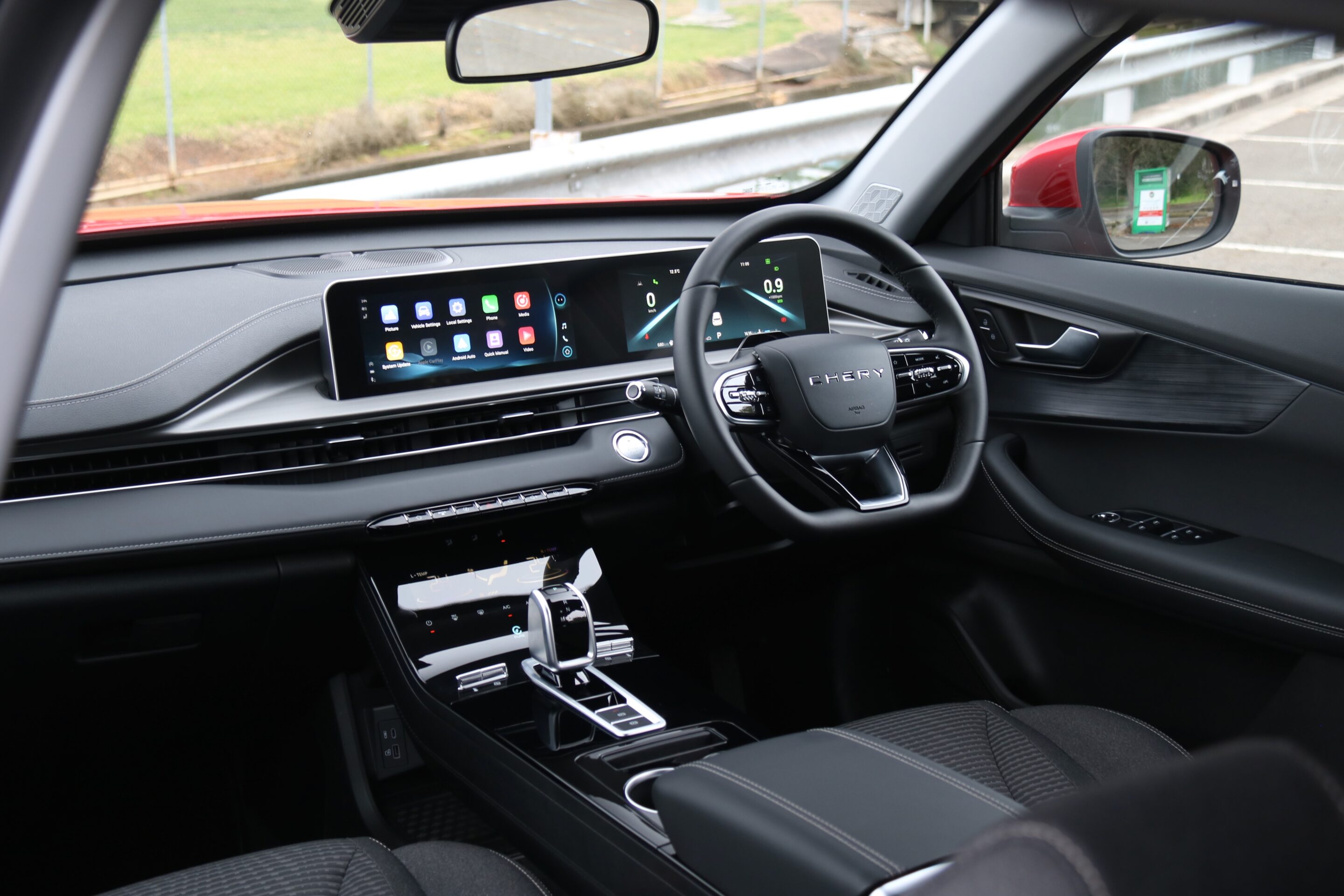
For the price, the Tiggo 4 features an impressive cabin that is more practical than you’d expect given its diminutive size, but one that’s also finished with higher quality materials and is more modern feeling than many of its rivals.
The dashboard and front door tops are all covered in soft touch plastics, while the dashboard fascia also features a strip of synthetic leather. The synthetic leather trim on the steering wheel also feels good in the hand. The cloth upholstery of our entry level Urban test car also adds some warmness to the cabin, and the material itself feels hard wearing and breathes better than the synthetic leather on the upper-spec Ultimate.
The cabin is also set up for practical use with long door bins, a big bin underneath the central armrest, a large tray underneath the centre console and a big glovebox. The two cupholders are also a good size, and there’s even a phone holder ahead of them, though it doesn’t feature a wireless charger in Urban spec.
All Tiggo 4 variants use a 10.25-inch touchscreen with the same infotainment software as the larger C5. Unlike that car, it also includes a row of buttons on the dashboard to help access features such as a home button, the volume and drive mode selection. There are also physical buttons for the climate control on the centre console, which is so refreshing in 2025.
The touchscreen itself is easy to use with colourful icons and good screen quality, though it can be laggy. It doesn’t feature satellite navigation, but wireless Apple CarPlay and Android Auto are standard. The six-speaker sound system sounds good for the price as well.
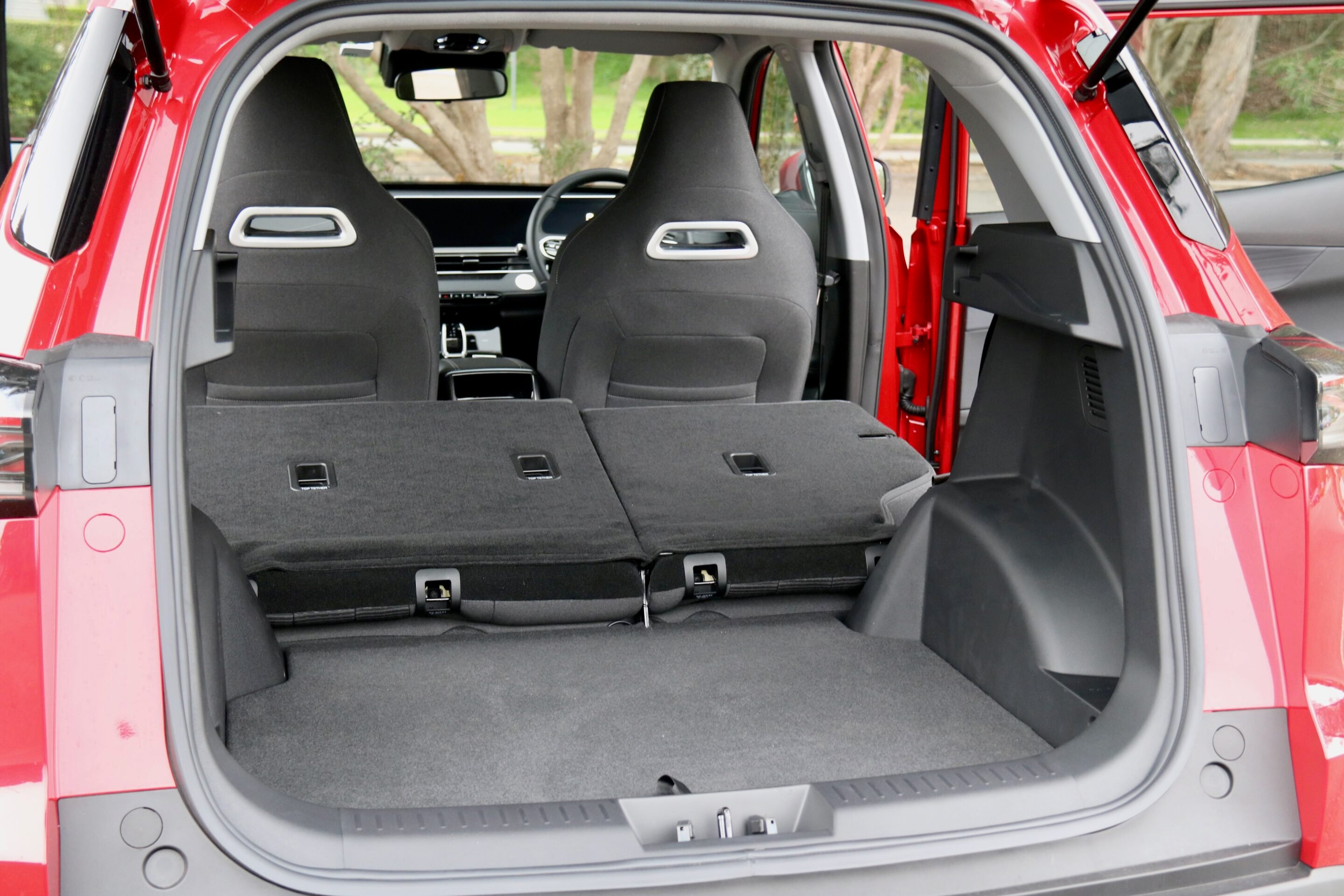
The rear seat of the Tiggo 4 is more spacious than you would expect given its small exterior, and two average-sized adults will be quite comfortable. There are also map and door pockets, an armrest with two cupholders, a single USB-A port and an air vent as well. There’s also a light in each door that flashes as part of the door open warning system, which we think all cars should feature.
The boot of the Tiggo 4 measures a healthy 380 litres with the rear seats up and 1225 litres with them folded. The boot itself is largely featureless with just a space saver spare below the floor.
Performance and fuel economy
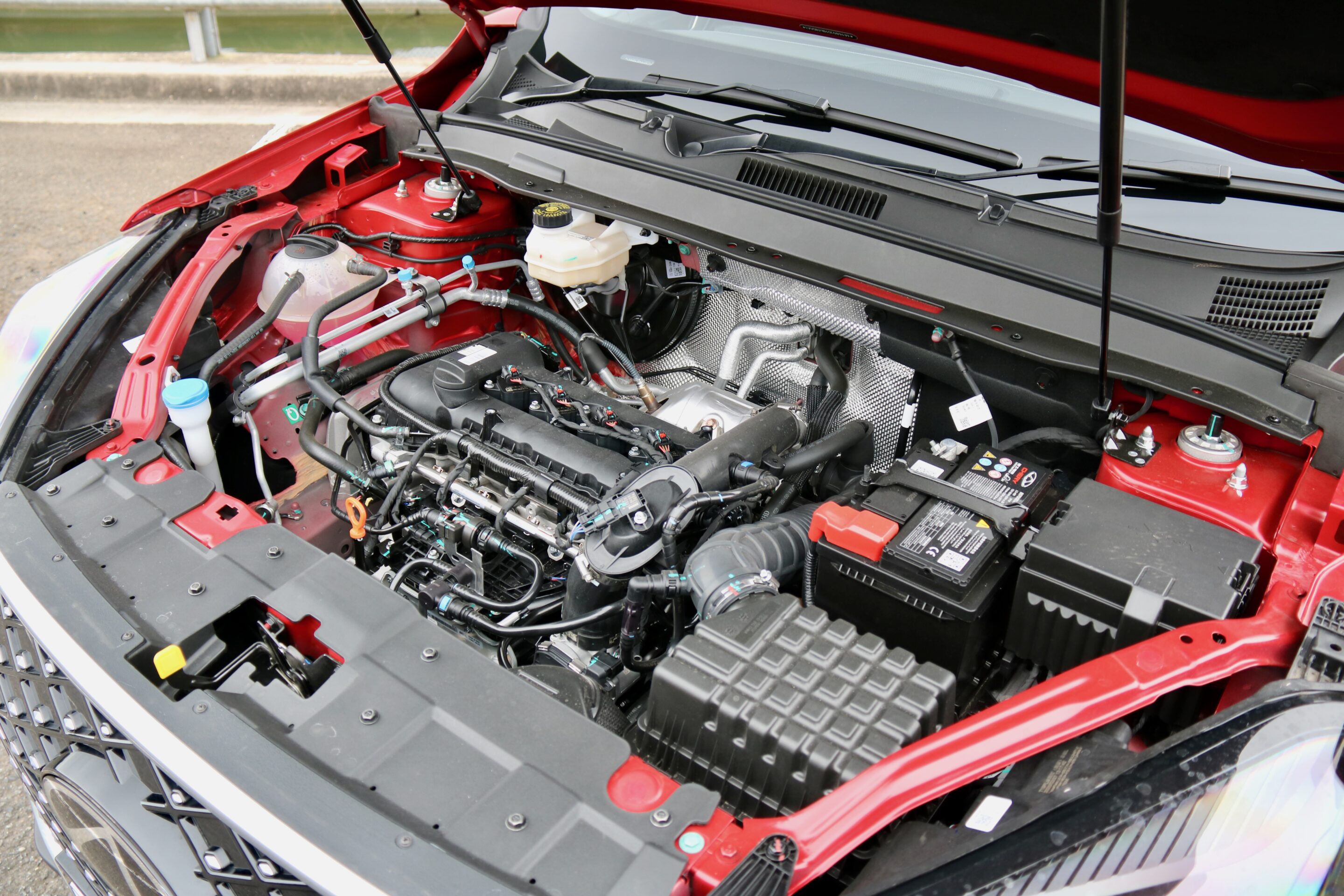
The Tiggo 4 uses the Omoda 5’s turbocharged 1.5-litre four-cylinder petrol engine, making 108kW of power (at 5,500rpm) and 210Nm of torque (between 1,750rpm and 4,000rpm). That’s mated to a CVT automatic transmission and drives the front wheels only.
The claimed combined fuel consumption for the Tiggo 4 is 7.4L/100km with claimed CO2 emissions of 166g/km. That’s higher than rivals and we achieved 8.9L/100km in our testing.
Helping offset that a bit is that the Tiggo 4 Pro runs on 91RON regular unleaded and features a 51-litre fuel tank.
On the road
If you’re buying a car for its comfort above all else, the Tiggo 4 is an excellent option. Its soft suspension, lack of steering feel and less-than-perfect body control are perfect for those who travel on poor quality roads. Thanks to its low road noise levels, the Tiggo 4 is a relatively serene car to drive, especially on Sydney’s awful roads, as not much from the outside is communicated to the driver.
However, if you value even a skerrick of driver involvement, the Tiggo 4 will disappoint. The soft ride quality is accentuated by the poor body control, and bigger bumps see the suspension struggling to settle even after a few bounces. The Tiggo 4’s steering is too light and doesn’t feel connected to the wheels, while the soft brake pedal feel doesn’t inspire confidence either. The Tiggo 4 doesn’t need to be a sports car, but more driver communication to the controls would make it more comfortable and better to drive.
The 1.5-litre turbo-petrol engine is unchanged compared with the pre-facelifted model, which is both a good and bad thing: it’s gutsier than its main rivals but it can be loud and its fuel consumption in the real world is too high. Thankfully, the Tiggo 4 hybrid has just gone on sale, promising performance and economy gains and we’re due to test it soon.
What has seen improvement since we drove the pre-updated Tiggo 4 are its range of active safety features, especially the lane keeping assistance and driver monitoring. Both are far less sensitive than before and we appreciate Chery for making the effort to improve them, though we think that the Kia Stonic’s lane keeping systems are more refined again.
Service and warranty
Chery covers the Tiggo 4 with a seven-year/unlimited km warranty with 12 months of roadside assistance that’s extended with each dealer service up to seven years in total, and seven years of capped price servicing.
Its service intervals are annual/every 15,000km (whichever comes first) and five years of servicing costs just $1445 ($289 per service).
Verdict: Should I buy a Chery Tiggo 4 Urban?
As its strong sales figures show, there’s clear appeal to the Chery Tiggo 4, especially in tough economic times. The amount of car that the Tiggo 4 offers is astounding with a long list of standard kit, a gutsy turbo-petrol engine, good quality inside and great practicality for its size. Impressively, despite the new look and more features, Chery kept the pricing as it was before.
However, there are some areas where the Tiggo 4 betrays its asking price: the driving experience, for example. The soft suspension and lack of feel for the driver mean that you just don’t feel anything from behind the wheel and it can feel like a pogo stick over larger bumps. Of course, the cheap-as-chips asking price reduces some of that expectation and if you’re fine with the driving experience, there’s plenty else to like about the Tiggo 4.
Tiggo 4 Urban rivals:
Specs
| Model | Chery Tiggo Urban |
|---|---|
| Price | $23,990 drive away |
| Engine | 1498cc turbocharged four-cylinder |
| Peak power | 108kW (@ 5500rpm) |
| Peak torque | 210Nm (@ 1750 – 4000rpm) |
| 0-100km/h | 10 seconds (est.) |
| Transmission | CVT automatic, front-wheel drive |
| Fuel consumption (claimed/as tested) | 7.4L/100km, 8.9L/100km |
| Claimed CO2 emissions | 168g/km |
| Fuel type/tank size | 91RON regular unleaded, 51 litres |
| Dimensions (length/width/height/wheelbase) | 4307/1825/1660/2610mm |
| Boot size (seats up/folded) | 380 litres/1225 litres |
| Tare mass | 1404kg |
| On sale | now |
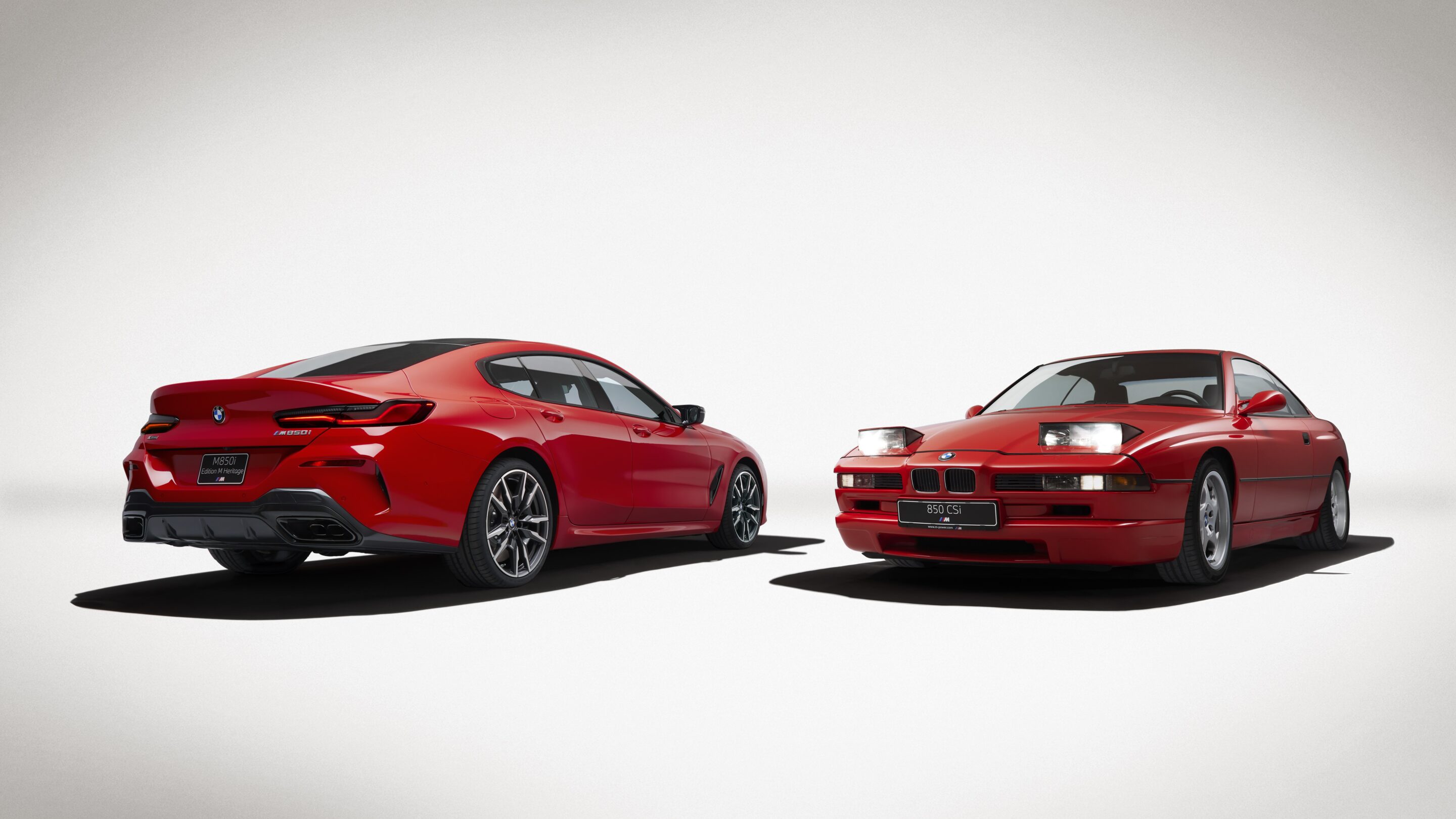
BMW is closing a chapter in its performance car history with the M850i Edition M Heritage, a limited-run variant marking the end of the 8 Series M car line. Just 500 units will be built, available only in the United States, Canada and South Korea, with production starting late 2025 and first deliveries expected early next year.
Based on the M850i xDrive Gran Coupé, the Edition M Heritage is a tribute to the first-generation 8 Series (E31), which was sold between 1990 and 1999. Buyers can choose from five paint finishes taken directly from that era — Bright Red, Mauritius Blue, Cosmos Black, Oxford Green, and the rare Daytona Violet.
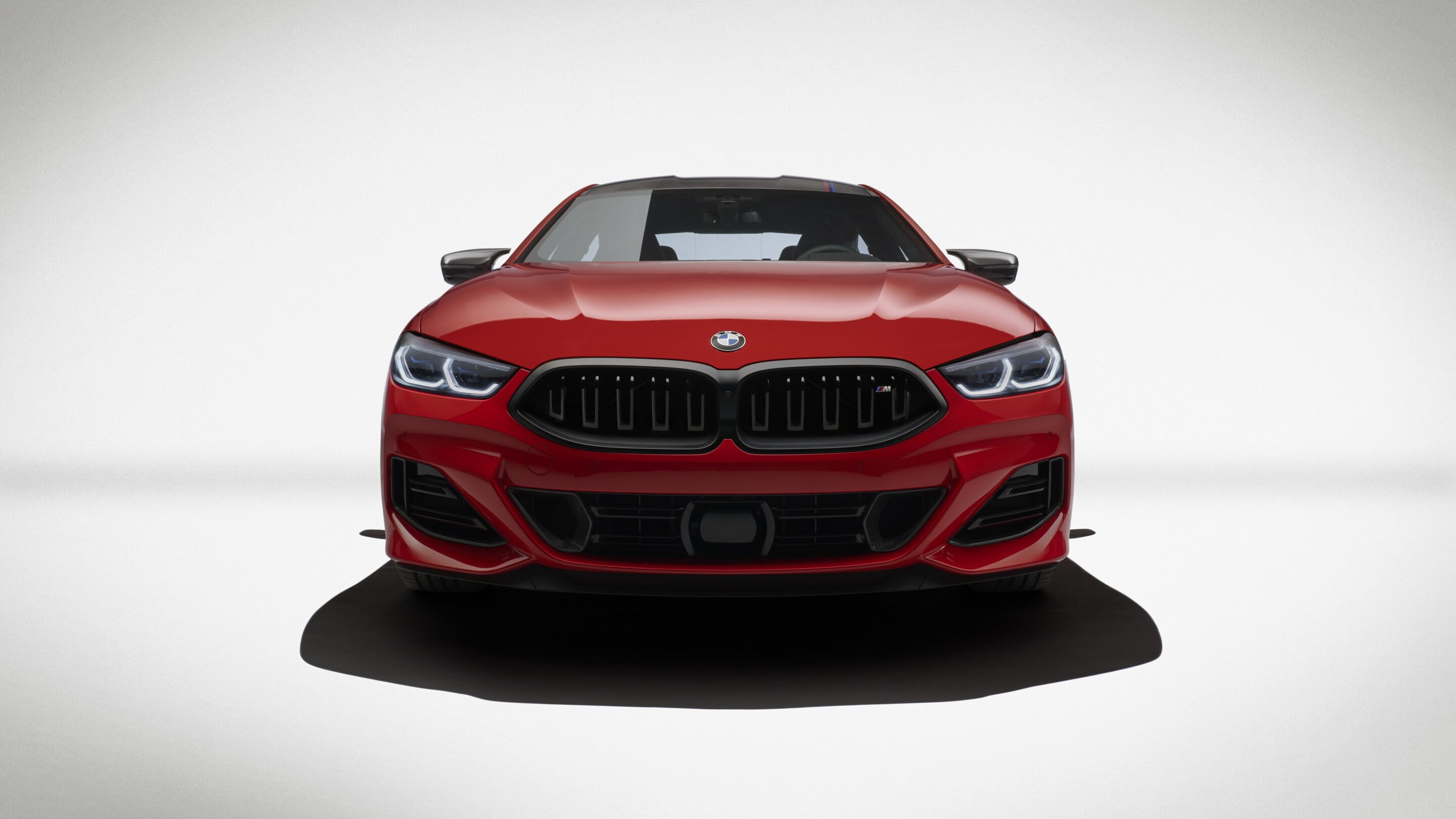
Each car is fitted with a carbon-fibre roof accented by the M division’s signature tri-colour stripes, as well as 20-inch M Dual-Spoke Orbit Grey wheels. The M Sport Professional package is standard, adding upgraded brakes with black calipers and darkened exterior trim.
Inside, the cabin blends black Merino leather and Alcantara upholstery with diamond-pattern stitching inspired by the M8, complemented by matte carbon-fibre inlays and M tri-colour stitching throughout. Edition-specific badging appears on the dashboard, cupholder cover, and illuminated doorsills, each marked “1/500” to signify its rarity.
Under the bonnet, the mechanicals remain unchanged from the standard M850i. Power comes from a 4.4-litre twin-turbocharged V8 producing 390 kW and 750 Nm of torque, paired with an eight-speed automatic transmission and BMW’s xDrive all-wheel drive system. The result is a 0–100 km/h sprint in 3.9 seconds and a top speed electronically capped at 250 km/h.
BMW has taken an all-inclusive approach to the Edition M Heritage. High-end features such as the Bowers & Wilkins Diamond Surround Sound System and the Driving Assistance Professional Package are standard, with no optional extras beyond paint choice.
Priced at US$131,575 including destination charges — about US$23,000 above the regular M850i Gran Coupé — the Edition M Heritage is positioned as a collector’s farewell to one of BMW’s most distinctive grand tourers.
