
A number of classic and pre-war beauties are set to cross the auction floor at this month’s 2019 Shannons Melbourne Autumn Classic Auction, but amongst the more opulent and dignified cars we have picked out a few that are certainly going to set pulses racing.
From a rare Elfin clubman-style sports car to a Jaguar D-Type replica, these lots are guaranteed investments when it comes to both fun and finance. The auction is set to take place next monday, April 29th 2019, at 7pm, with viewings to be held on this Saturday and Sunday at Shannons‘ Melbourne auction showroom in Heatherton.
2007 Elfin MS8 Clubman Supercharged ($60,000-$70,000)
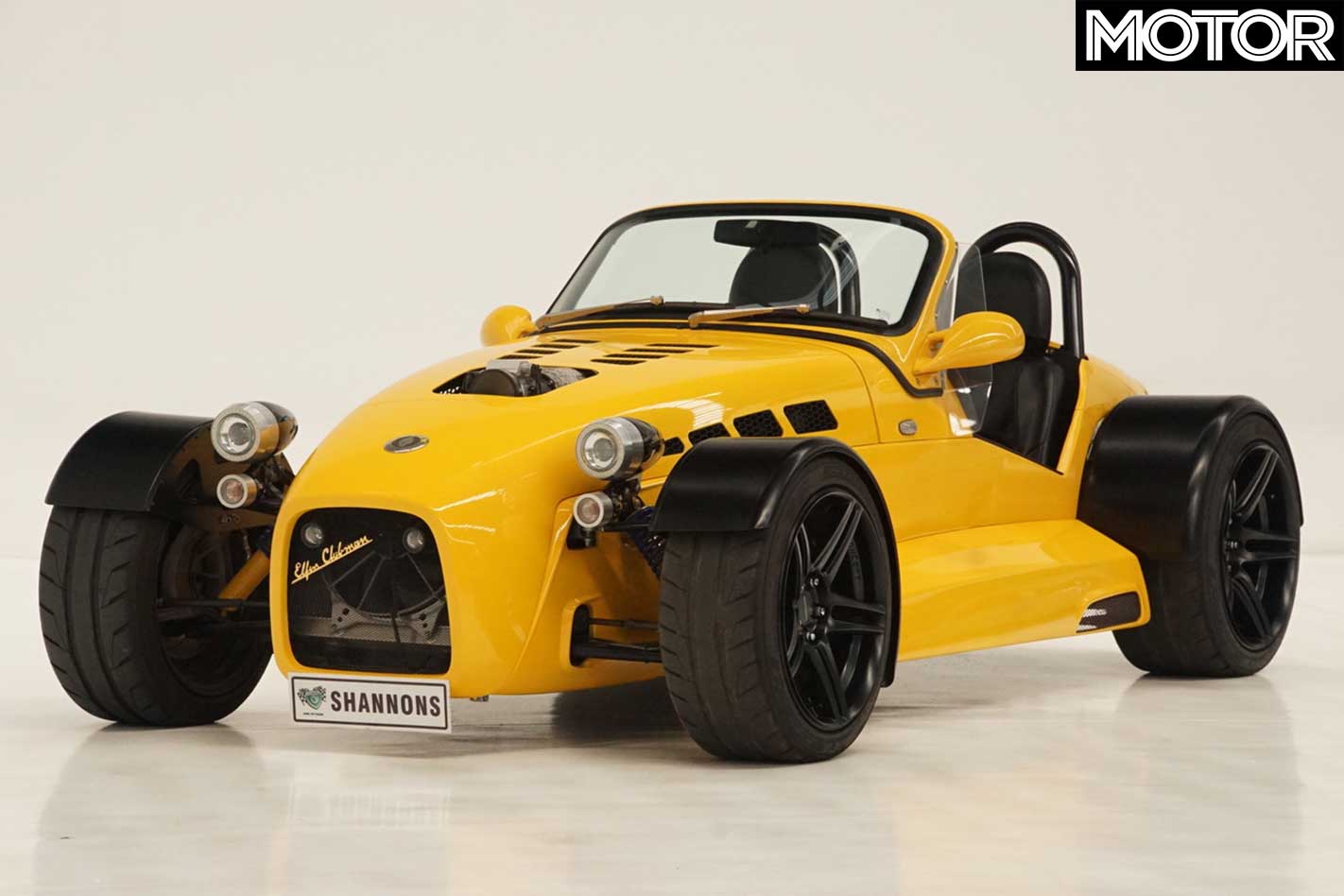
With a supercharged 5.7-litre LS V8 putting that power to the rears, you can be sure this Aussie built sports car will live up to what was written on the mechanics report supplied to Shannons.
“Driveability and performance test scary good.”
This one’s build number 16 of 26, and has covered fewer than 10,000km.
Jaguar D-Type Replica by Tempero ($180,000-$200,000)
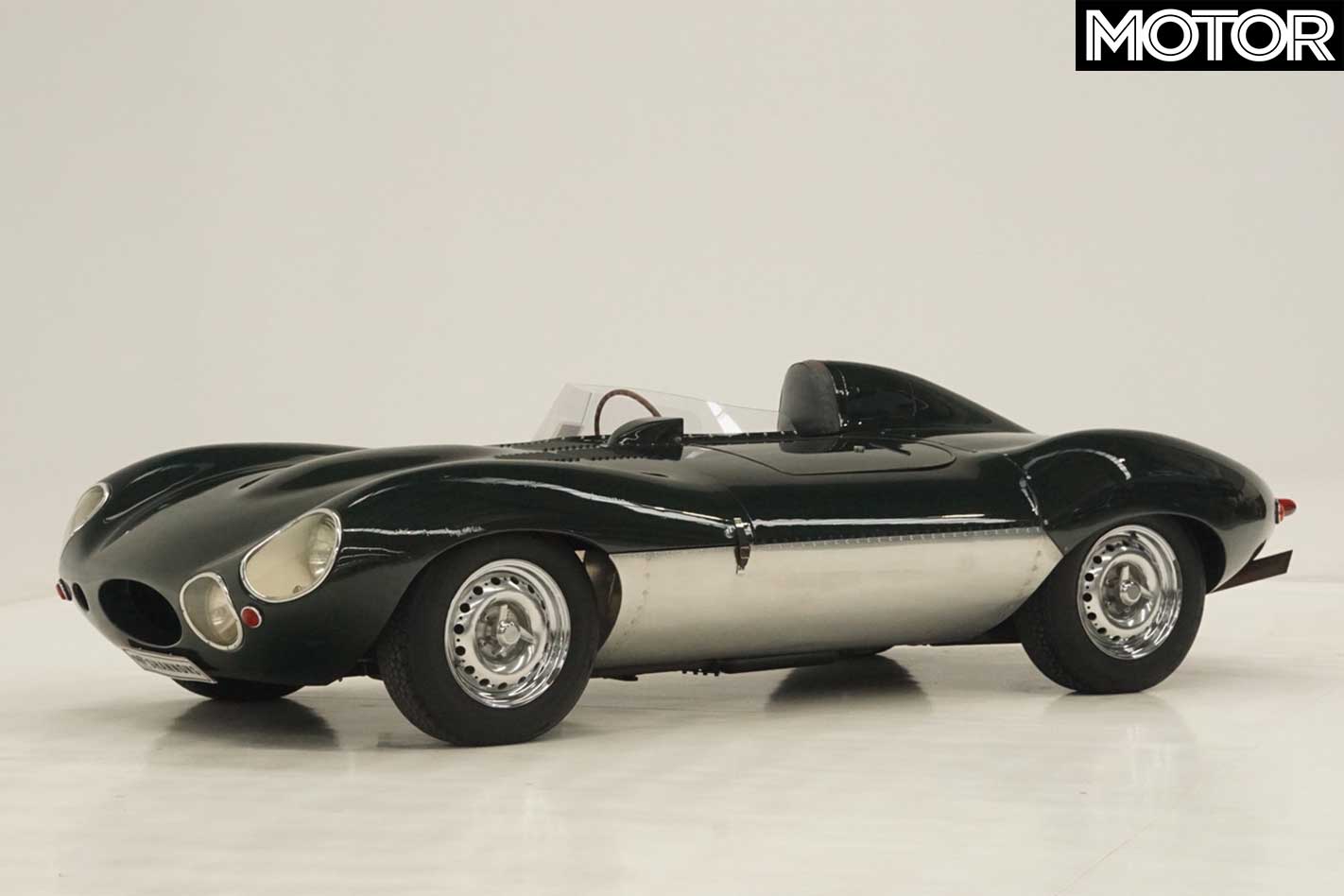
Completed after a 15-year build in 1998, this replica of a 1950s D-Type is built with road use in mind, and as such runs with a 3.8-litre inline six from a Jaguar Mk10, and a 4-speed manual from a ’65 S-Type.
Its builder, an enthusiast and scientist in New Zealand, even included a construction manual with diagrams, descriptions, and notes.
Now part of a deceased estate, The D-Type replica is expected to be the most costly item in the auction… after the Victorian ‘59’ heritage number plate.
1989 Porsche 930 911 Turbo ($140,000-$170,000)
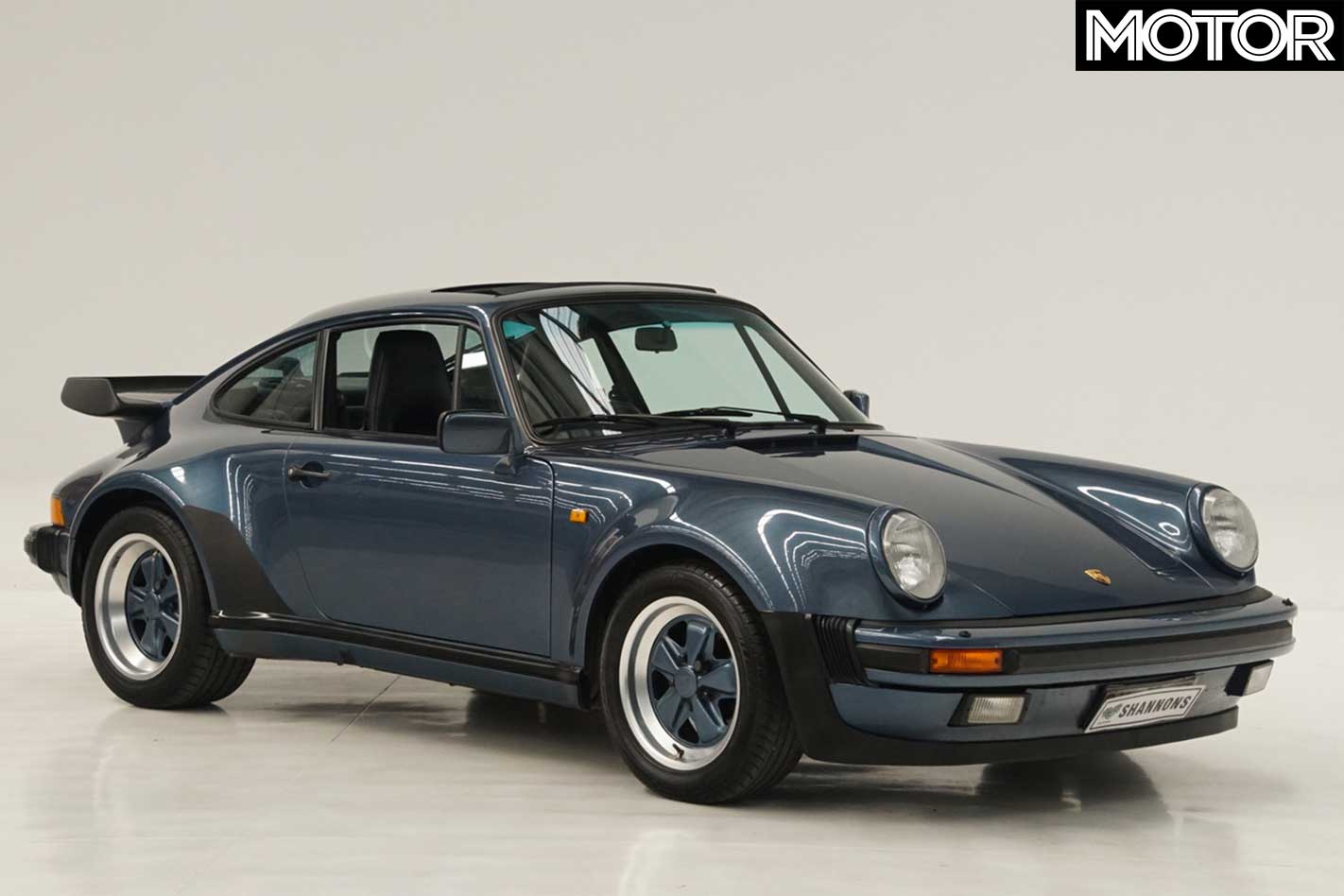
The next-highest priced car in the auction catalogue is this ’89 911 Turbo, a right-hook example from the UK in Baltic Blue.
Hooked up to a 5-speed manual ‘box, the 3.3-litre turbocharged, air-cooled flat six is still running well according to the mechanic’s report supplied by Shannons. The odometer is only showing 42470 miles.
It’s noted by Shannons to have some apparent inconsistencies with identification numbers, likely dating back to its time in the UK.
1972 Holden LJ Torana GTR XU-1 ($80,000-$100,000)
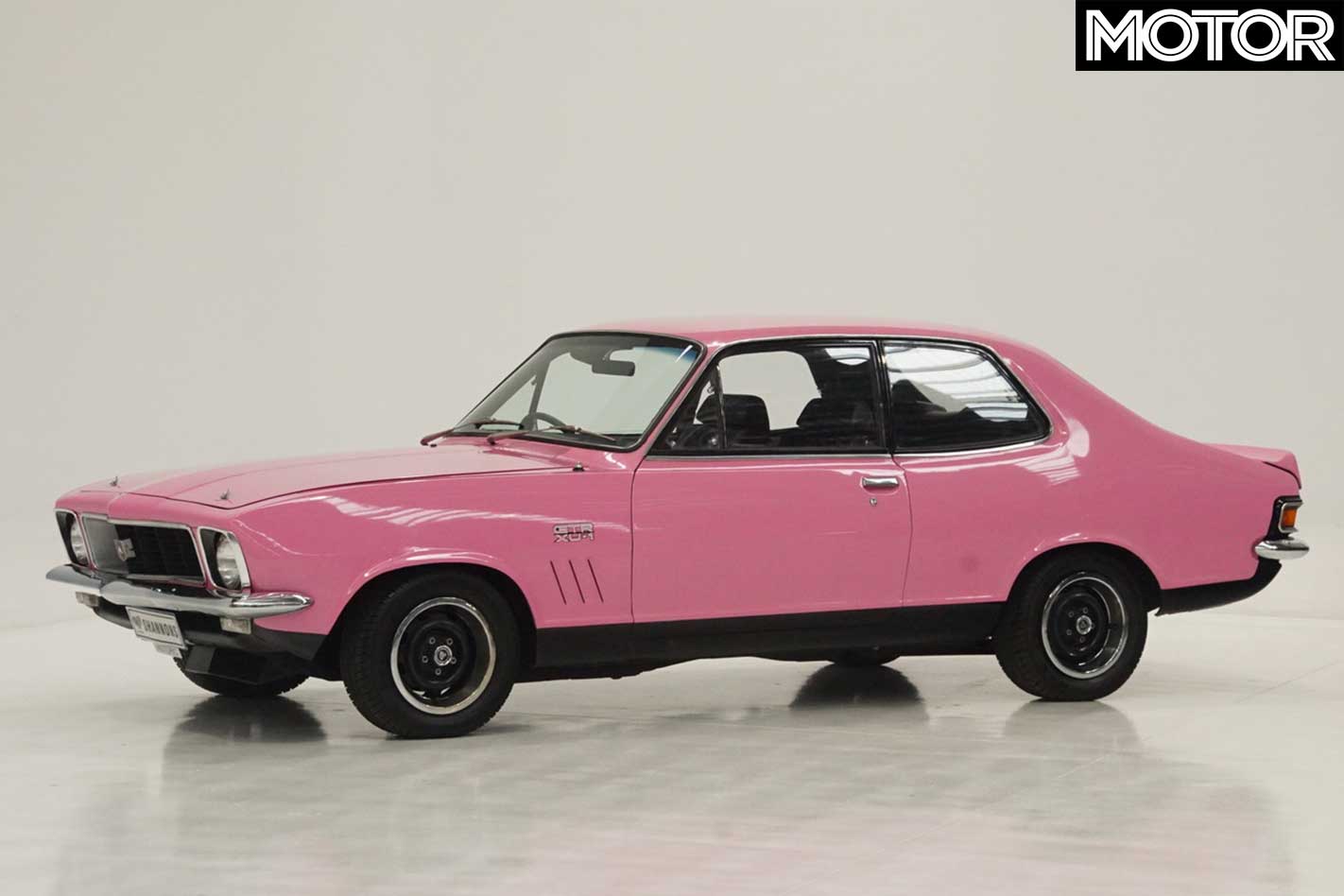
Selling with no reserve, this XU-1 is claimed by Shannons to be the first recorded production LJ in this spec.
If its ‘Strike Me Pink’ colour isn’t enough to entice you, its 3.3-litre six might. It’s not the original engine, rather the last engine this car raced with.
Aside from that, it’s last owner had mostly restored the car to production spec and then stored the car for the last 24 years.
1995 BMW E36 M3 ($24,000-30,000)
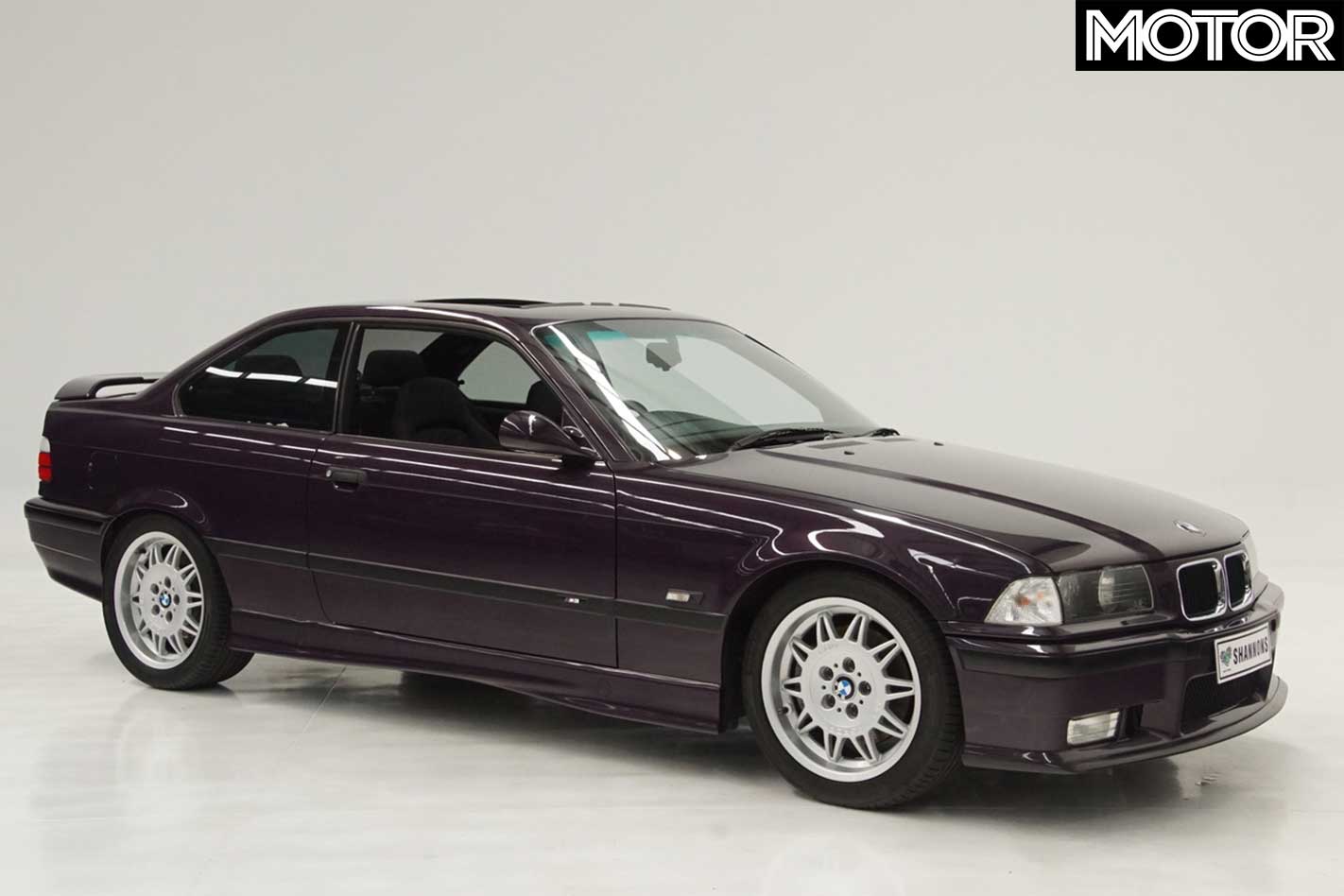
With fewer than 120,000km on the clock, this 3.0-litre six-equipped M3 could be a bargain buy if bidding remains ‘civil’.
In Daytona Violet and with a BMW Motorsport cloth trim rather than the regular leather, a few points of difference make this an excellent example of a sometimes-underappreciated generation of 3 Series.
1994 Mercedes-Benz SL600 ($20,000-$30,000)
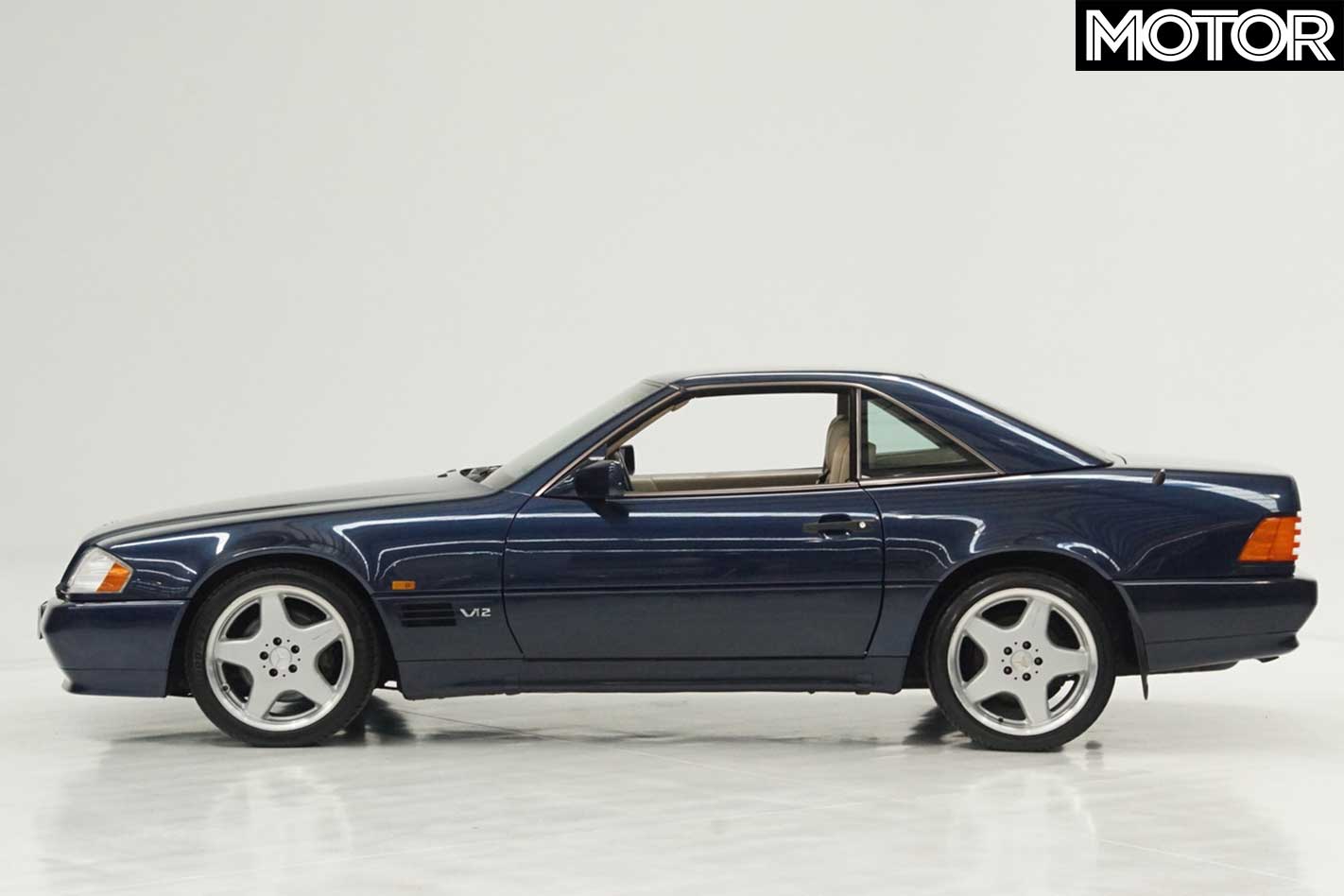
With a recent $13,000 rebuild for its 6.0-litre V12 engine, the SL600 up for grabs in this auction could be a safer buy than one which has a ‘survivor’ engine… but the mechanic’s report Shannons has published for this lot notes that the engine appears to go into ‘limp mode’.
A set of AMG wheels give this two-door a little bit of 1980s flavour, though it was first produced in 1989.
This model, from a few years into its run, originally lived in Hong Kong before being imported into Australia. Only 67,087km show on the odo according to that same mechanic report.
It’s no small secret that Land Rover’s defiantly agricultural Defender is set for the mother of all paradigm shifts.
Conceived as a vehicle for farmers before finding popularity as a military workhorse, the vehicle that eventually became known as the Land Rover Defender has doggedly refused to adopt civilised things like independent suspension, a monocoque chassis or anything resembling a modern infotainment system. For many of its fans, they preferred it that way.
But that strategy ends when the all-new next-generation Defender gets revealed later this year, with a September global unveiling now confirmed.

“We’ve got Defender coming up later in the year, which will be huge,” said Jaguar Land Rover Australia spokesperson Tim Krieger. “There will be something around Frankfurt, but whether it’s at the motor show or whether it’s out of show, we’re still figuring that out.
“The car will be revealed around September, but we won’t see customer deliveries [in Australia] until early next year.”
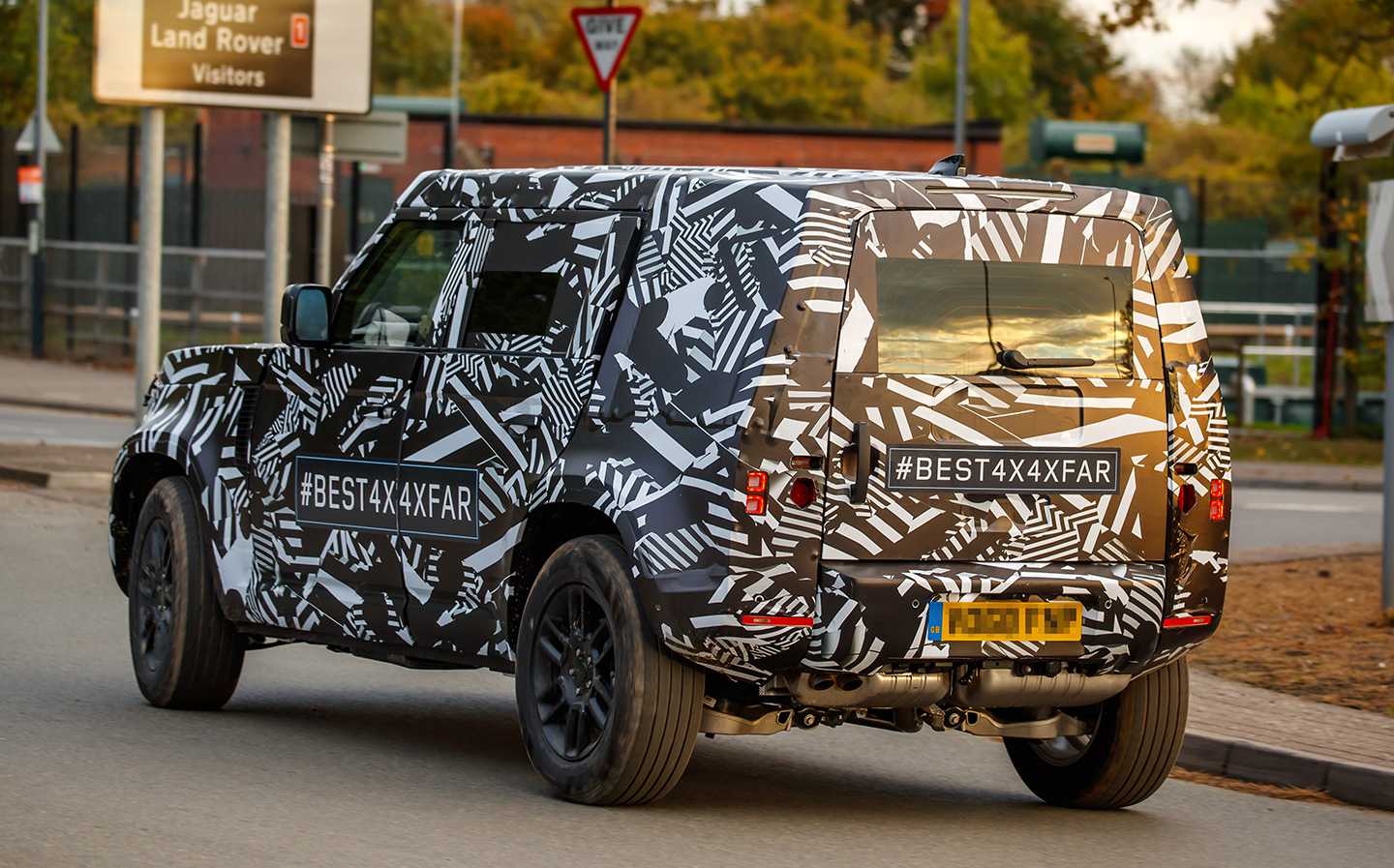
It’s no small secret that the Defender will mutate into a far more modern offroader in its next iteration, but from Jaguar Land Rover’s point of view, that’s going to be a good thing as far as broadening the model’s appeal beyond a hardcore off-road enthusiast audience.
In one fell swoop, the Defender will go from a ladder-frame chassis and dual live-axle suspension to a monocoque platform shared with other Land Rover/Range Rover products, with independent suspension not just at the front but at the rear as well. It’ll be a high-tech machine too, with modern engines under the bonnet and the availability of air suspension too.
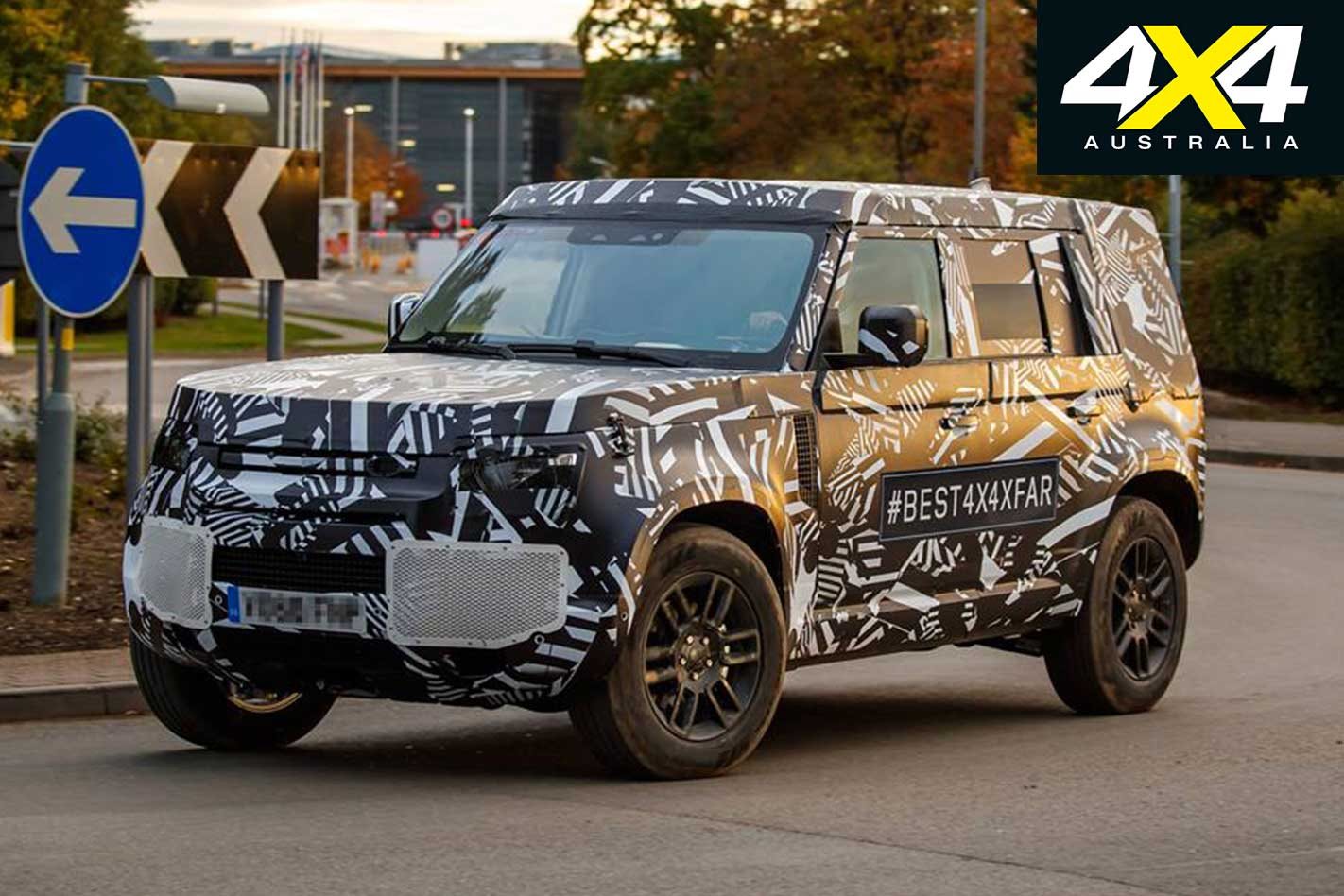
“It’ll be very interesting, the reaction. Until it’s revealed it’s kind of hard to know, but Gerry (McGovern, Land Rover’s design director) has said the car will be as capable and as tough as the previous model. It’ll have the core attributes of a Defender, absolutely,” Krieger continued.
“Australia was one of the few markets that continued to sell the old Defender right to the end, so in a sense the brand name is very strong in Australia because we haven’t had an extensive hiatus from Defender.”
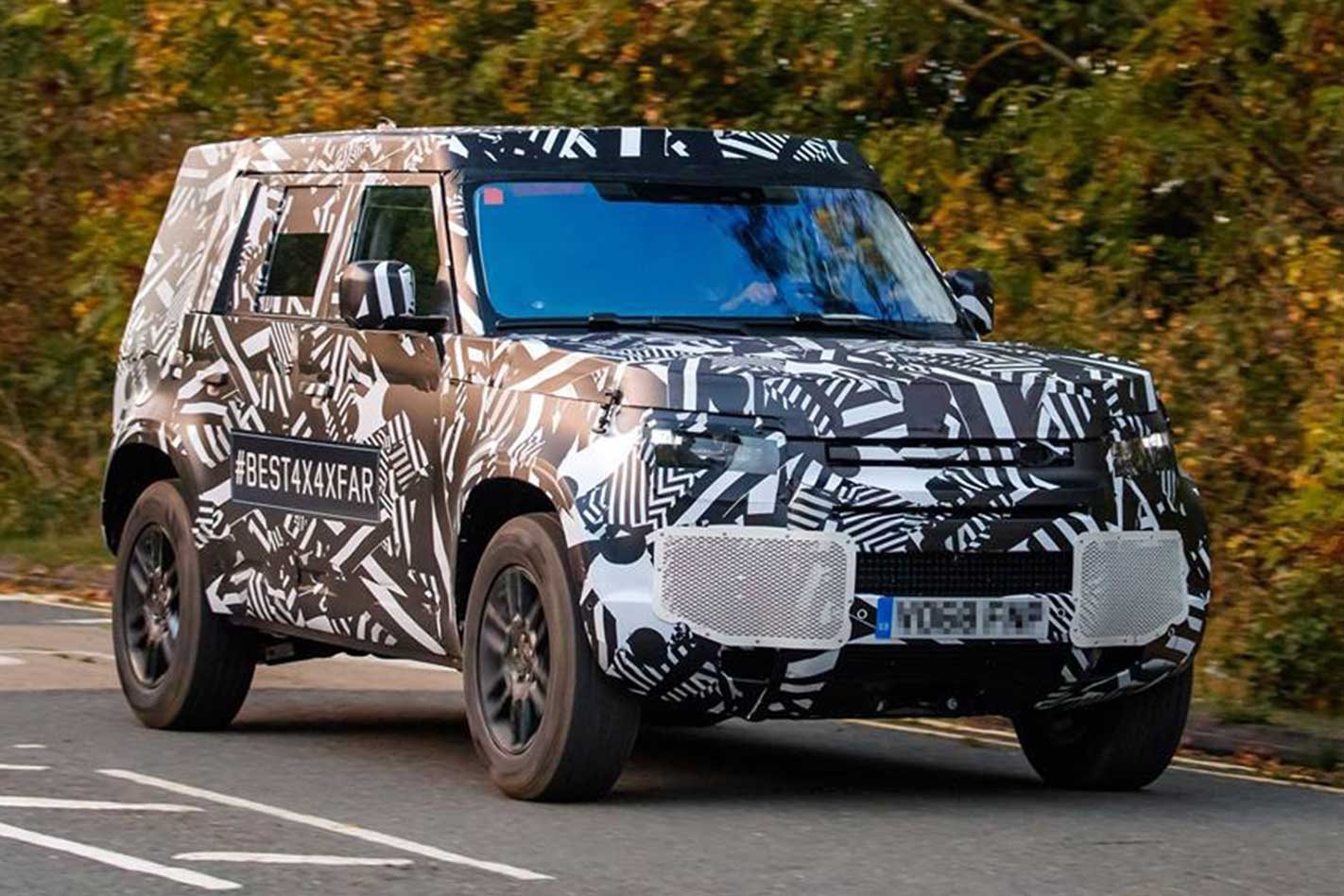
“It’s a tough one – you’re almost damned if you do, damned if you don’t,” Krieger replied when asked if the next-gen replacement would keep Defender die-hards happy. “You want to bring a new audience into the brand so it’s a big challenge for the design guys, but we’ve got dealers and others who’ve seen the car and are really excited by it.”
We’ll get our first official look at the new Defender in September, but until then what are your thoughts on the hard-core offroader’s abrupt change of direction? Is Land Rover selling its soul, or are the new customers that it expects to win over going to ensure the survival of the brand? Have your say in the comments below.
Porsche’s Cayman and Boxster look set to go electric.
How the German maker will structure its range in the near future is starting to become clearer, with ‘entry-level’ models to be transformed into purely electric offerings by 2023.
Porsche boss Oliver Blume confirmed testing of electric sports cars is underway during a discussion with UK outlet, Autocar.

“We have prototypes of the 718 running in electric now, and a hybrid prototype is being built,” he told Autocar. “If you look to the next generation of those cars it is possible, although it is not yet clear whether it would be plug-in hybrid or hybrid.”
It was announced earlier this year that the next-generation Macan SUV (Porsche’s best-selling model) would go fully-electric.
Blume was already speaking publically about the possibility of a battery-electric Boxster and Cayman in early March.
Speaking to Wheels at the Geneva Motor Show, the Porsche boss explained future electric products will use their own bespoke platform.
“Because of the mid-engine it [a Boxster EV] could work,” he said. “It depends on the development of the markets and the needs.
“We will decide this year in what direction we will develop the Boxster segment. When we do an electric car it will be a platform specially developed for electric cars. Our opinion is that when you use a car that is designed for a petrol engine it doesn’t fit for an EV because of the construction of the body. When you play in the segment like Porsche to develop very sporty cars, it has to be tailor made for each type of engine.”
This is supported by speculation that the next-generation Cayman and Boxster will be built on the company’s new PPE architecture, which will underpin its first fully-electric vehicle, the Taycan.
Porsche is doing something similar with the next-gen Macan, where hybrid drivetrain variants will be built on the existing MLB platform, while the fully electric offering will be underpinned by PPE architecture.
This will allow Porsche to ease customers into the transition from petrol to battery power.
“For at least two to three years we will have both [combustion and electric]”, Blume told Autocar
“At that point, we can decide whether to upgrade the combustion engines to the new Euro 7 standard or go full electric. The pace that countries are changing is different – China wants electric now, Russia is in less of a hurry, for instance.”
Autocar reports that the current 718 architecture can only house enough batteries for a pure-electric driving range of 300km, which wasn’t enough to meet Porsche’s standards, prompting an internal push for the car to be built on a new platform.
It makes sense for the Cayman and Boxster to go fully-electric, mimicking what Porsche is doing with their SUV and Limo line-ups.
“We have the idea to offer in each segment three options of engines (high performance petrol, plug-in hybrid and pure electromobility),” Blume told Wheels.
“In the limousine segment, we will have the Panamera as petrol and hybrid and the Taycan as electric. In the SUV segment our ideas is a fully electrified Macan, petrol Cayenne and a hybrid Cayenne. Our idea for the Macan is to continue with some updates as long as possible and then to come round about 2020 with the electrified Macan.”
Reading between the lines, the Cayman and Boxster will be Porsche’s electric sports car, allowing the 911 to be the high-performance petrol and hybrid of the sports car range which forms the backbone of the company.
Hyundai is continuing to ride a performance wave, confirming a hotter version of its new Sonata sedan is on the way.
Dubbed the Sonata N-Line (potentially leaving room for a harder, more focused N version), the sporty version of the eighth-generation sedan has been locked-in for Australia.
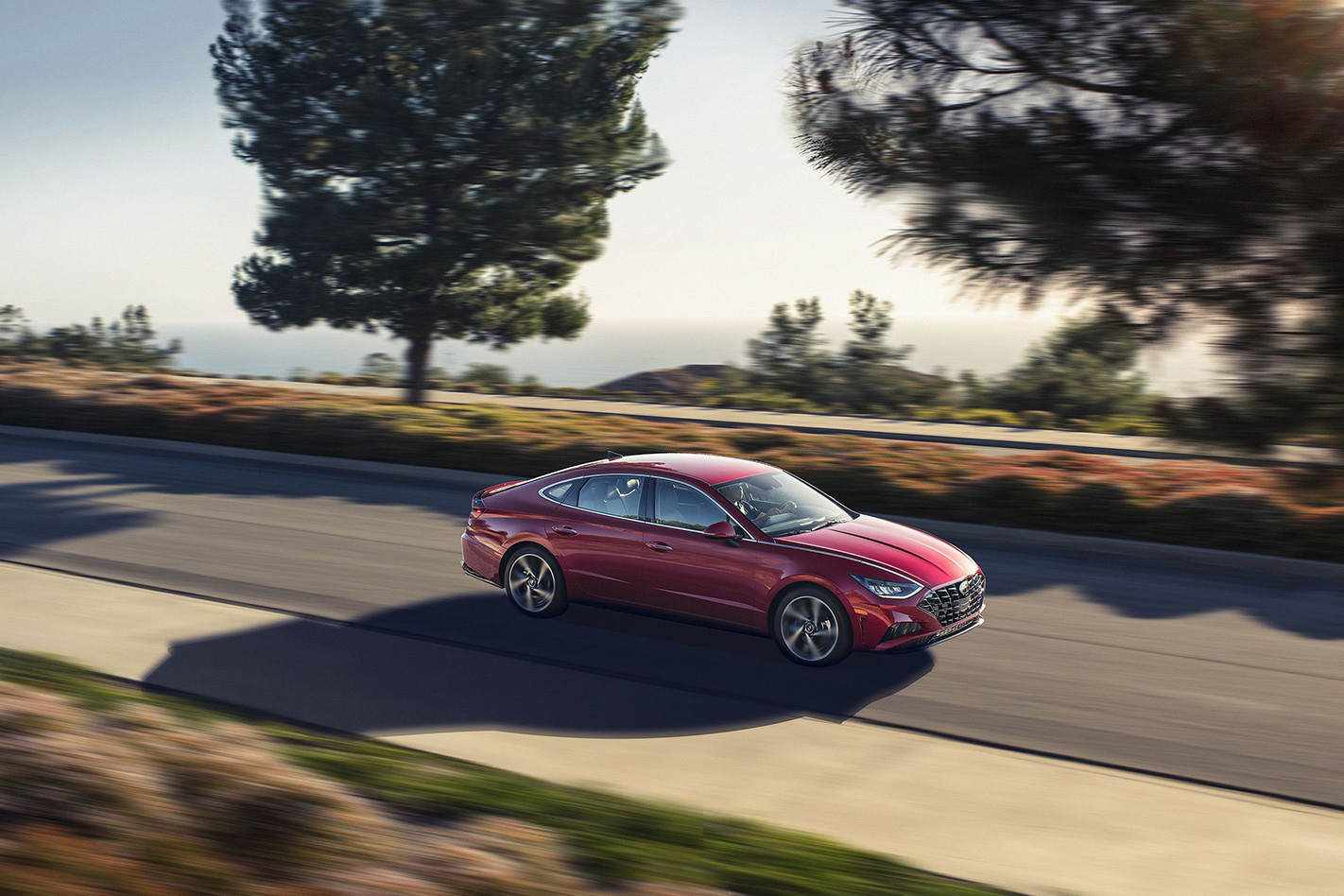
Thankfully, Hyundai isn’t leaving the sporty adjustments to just the design department, with the Sonata N-Line set to debut an all-new turbo-petrol engine that is expected to make more than 200kW.
For reference, the Hyundai i30 N’s turbo four-cylinder puts 202kW/353Nm through the front treads.
The Sonata N-Line will also be treated to a sporty suspension tune, and if Hyundai’s previous form is anything to go by, an Australian-specific set-up will be used.
Set to be the flagship of the range, the Sonata N-Line isn’t expected to arrive in Australia until 2021, following the rest of the range which is due to land later this year.
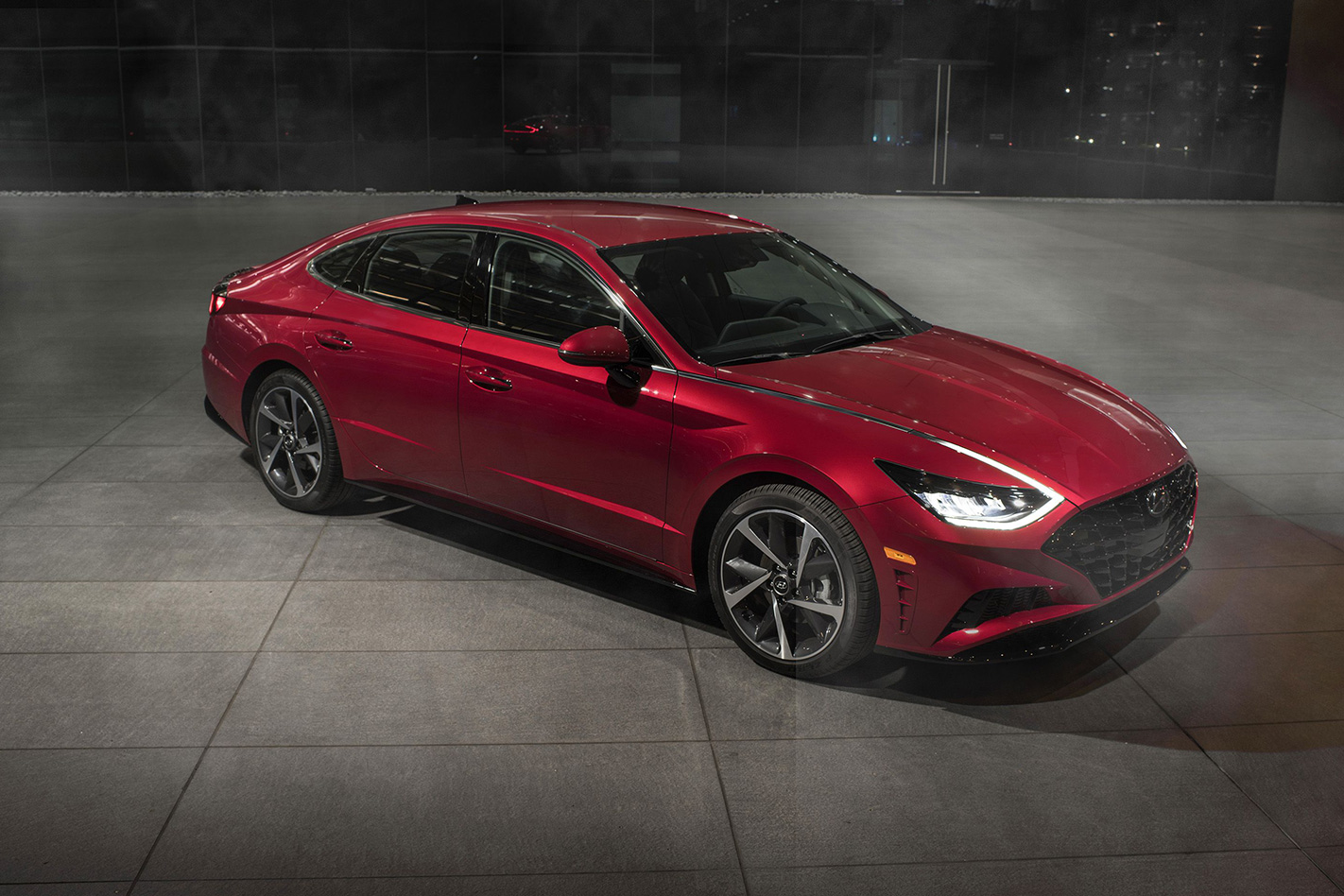
The rest of the Sonata range will be powered by a 2.5-litre four-cylinder naturally-aspirated engine, producing 142kW/251Nm, mated to a six-speed automatic transmission.
Hyundai is using the Sonata to also debut new tech known as Digital Key, which is intended to replace the traditional key.
Owners will be able to unlock and start the car using their phones, instead of with a physical fob, and share the digital key with others.
THE WHEELS VERDICT
It may not make much sense in an Aussie context, and the price seems fanciful, but as a re-engineering exercise, the Project 8 is a triumph. It’s a hardcore track car that we suspect would still be tolerable on the road in LHD markets, so if you were to resist the temptation of the two-seater configuration, you would be the proud owner of the world’s most bonkers family car.
WHY WE’RE TESTING IT
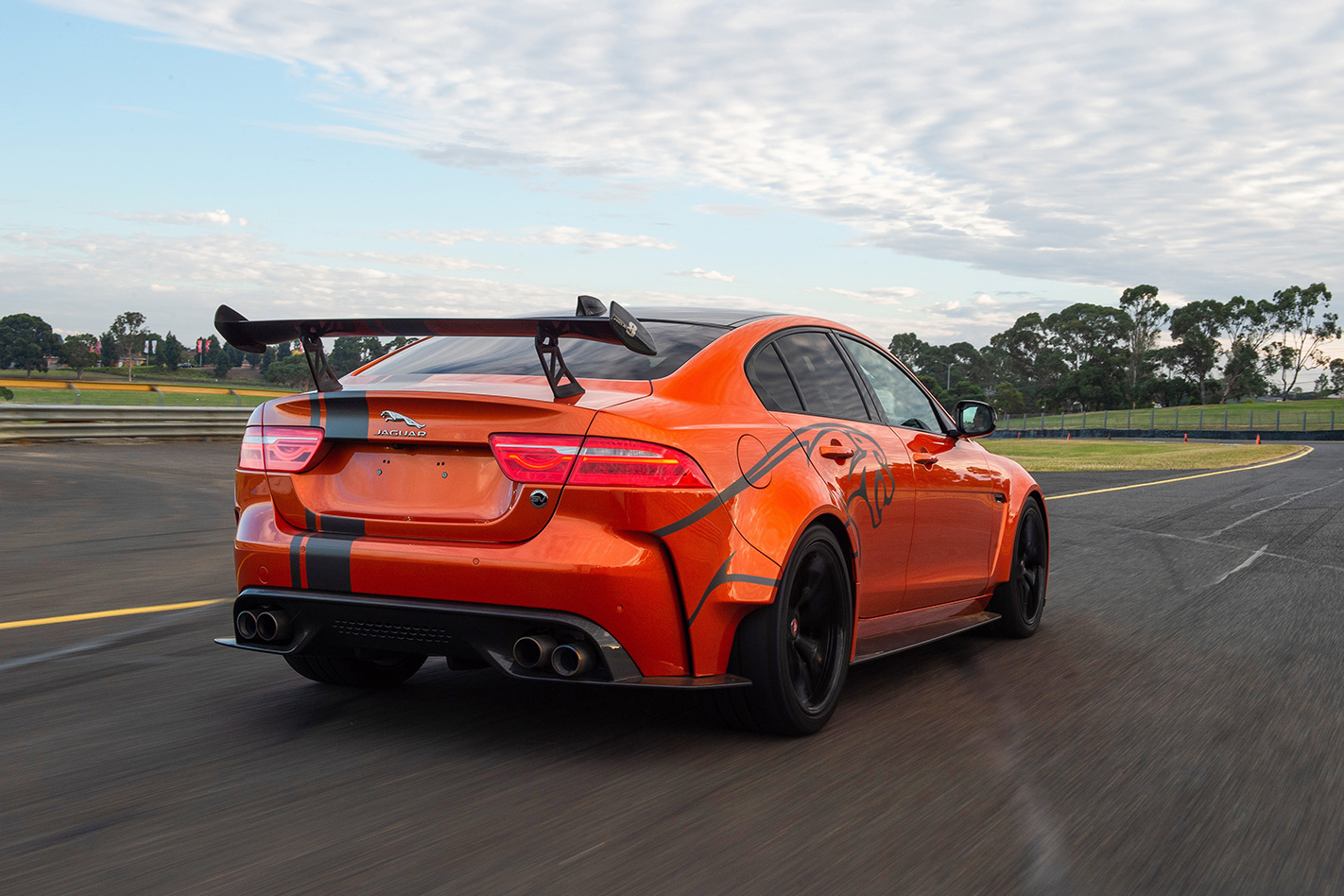
Jaguar brought out this example of its most powerful production road car to gauge potential customer interest at the Australian F1 grand prix. The car is now being shown to existing customers at Jaguar drive days, which allowed Wheels to snag three laps of the Sandown circuit in Melbourne.
MAIN RIVALS
We can’t think of a direct four-door rival for performance or price. You could spend similar money on a Porsche 911 GT3, but until AMG-Mercedes builds a four-door C63 S Black Series, or BMW revisits the M3 GTS formula, Jaguar would appear to own this (admittedly very narrow) niche.
THE WHEELS REVIEW
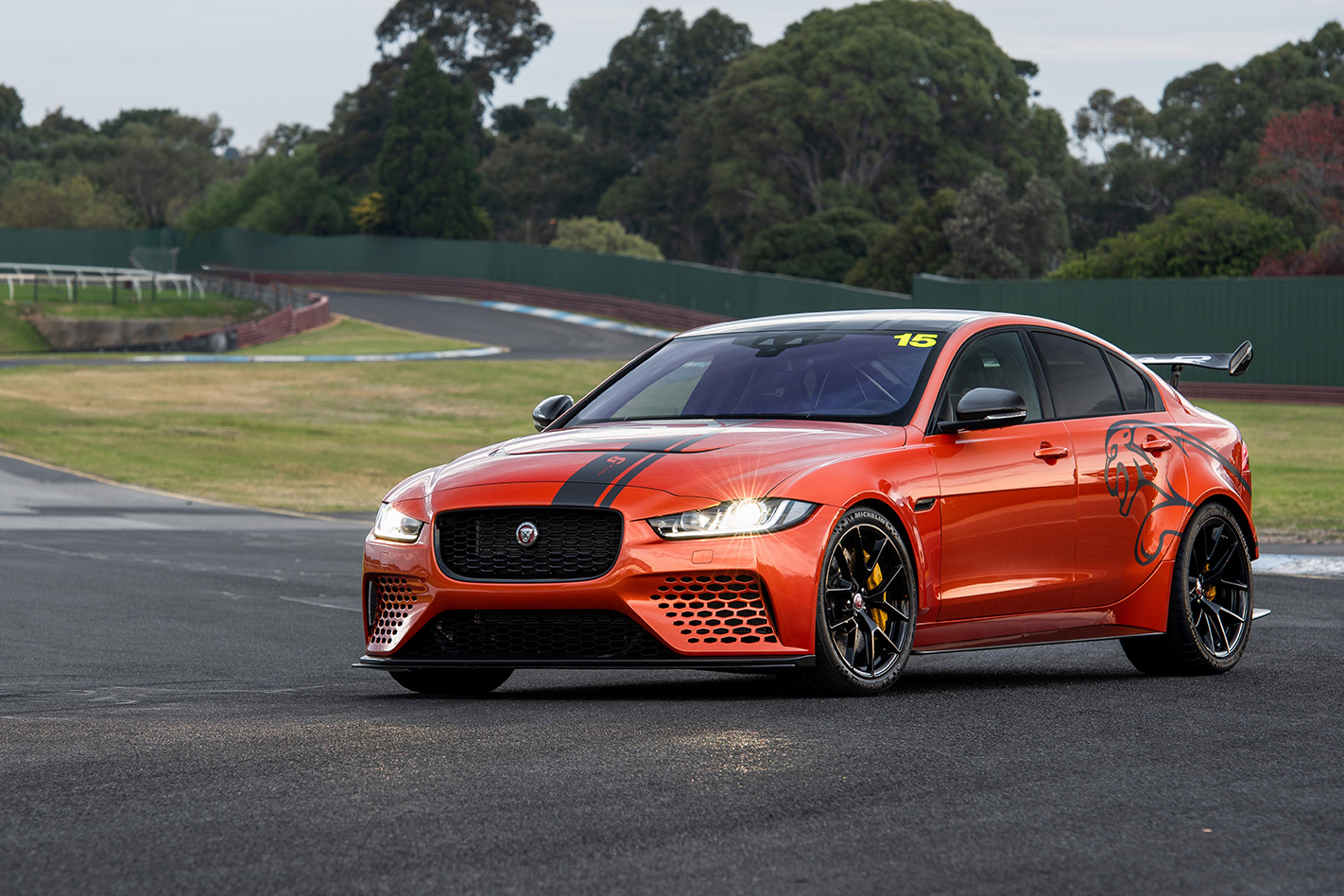
If your eye happened to glance straight to the price tag of this, Jaguar’s most powerful production road car in the company’s history, it’s possible you’re now spluttering up a spray of chai latte, or perhaps your smashed avocado is exiting your nose. In its simplest context, this is a mid-size Jaguar XE sedan re-engineered by the company’s SVO division that now wears a tag of $325,000.
Oh, wait, that’s when configured as a four-seater. If you want the version that adds a half roll cage, deletes the rear seats and includes a data logger, the price jumps to $349,000. Still with us? Great. Just know that it’s built as a left-hooker only, so its road-going talents will remain unuseable in Australia.
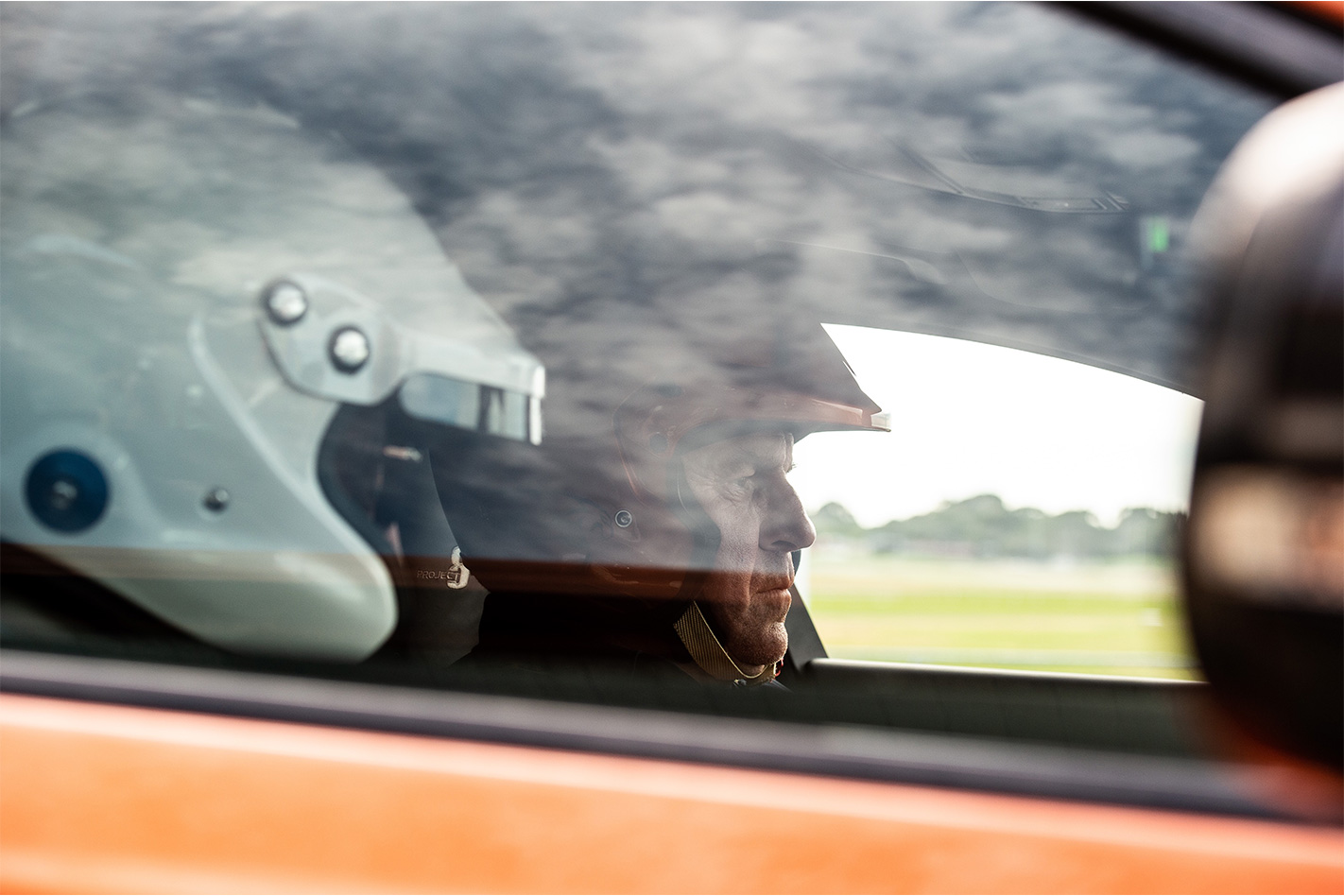
Are they kidding? Actually, no. That price seems to be what the market will wear for a car that claims to be the fastest production four-door on the planet ( it nailed a 7min 21.2 around the ’Ring) especially when Project 8 is capped at 300 units.
Let’s start with the XE’s body, or at least, what’s left of it. Only the roof and front doors remain from the donor car; everything else is carbonfibre or aluminium. The rear track is now 73mm wider than the XE, while the front has been bumped out by 24mm. Bushings are hardcore, and springs are four-and-a-half times stiffer than standard. Ride height can be dropped a further 15mm for track use.
The engine is the venerable AJV8 supercharged 5.0-litre V8 used across the JLR portfolio, most closely related to the version in the F-Type SVR, but reworked to bump up outputs to 441kW and 700Nm. Claimed 0-100km/h is 3.7 seconds, top speed is 322km/h.
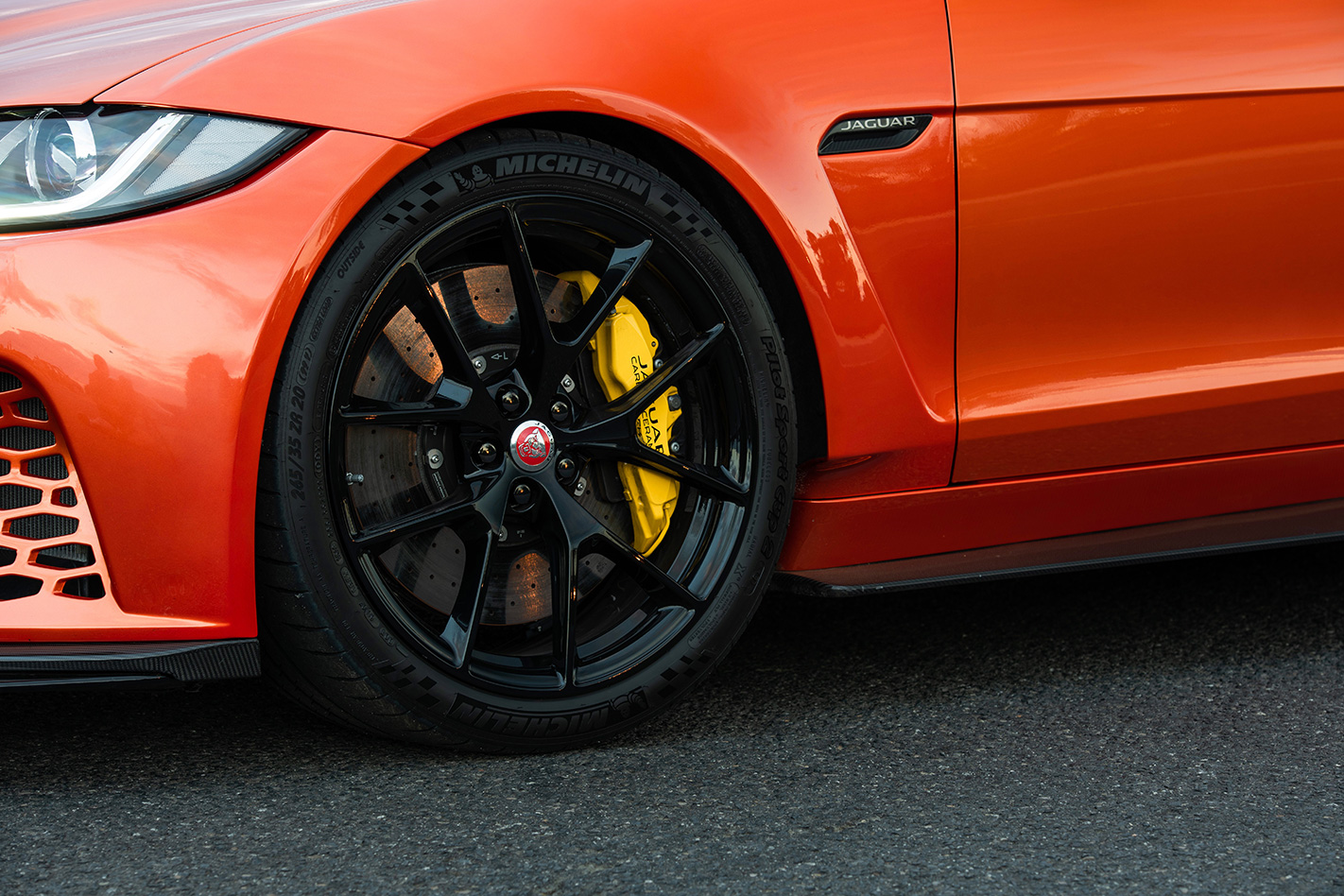
Front brakes are 400mm carbon ceramics clamped by huge six-piston calipers; tyres are 20-inch Michelin Cup Sport 2s, 305mm rear, 265mm front. Then there’s the vast man-hours that went into the recalibration of the electronic systems. The E-diff has been retuned, as have the ESC Sport parameters, along with the shift mapping of the eight-speed ZF automatic.
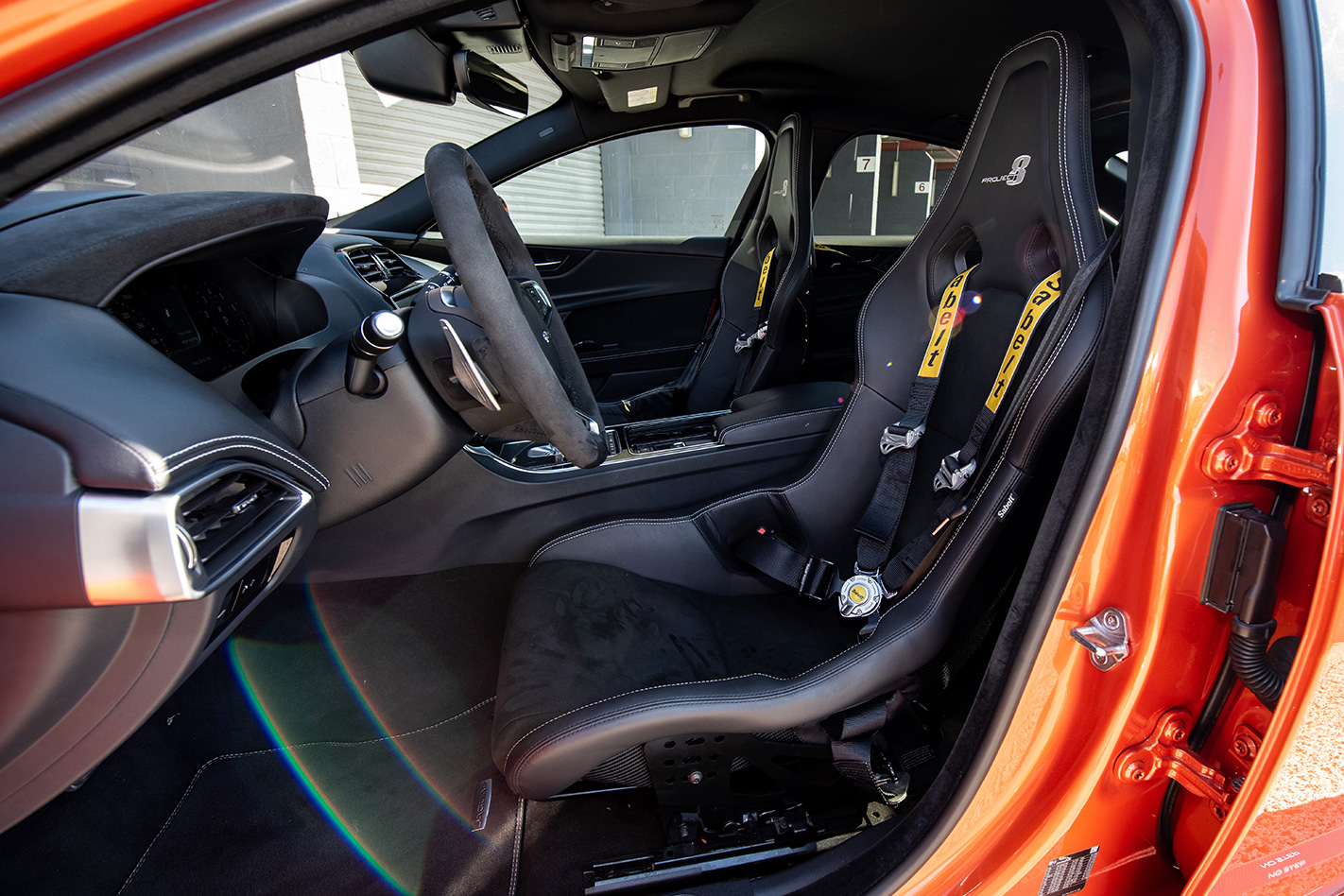
By the time I’m squeezed in the low-set, single-piece carbonfibre race seat, lashed in with the four-point harness, and said g’day to pro racer Tony D’Alberto sitting next to me, the price tag is starting to feel (marginally) less outrageous. This is Jaguar’s four-door equivalent of a Porsche 911 GT3 RS; a car costing around $416K, and by comparison, Porsche’s most track-focused 911 is as common as a head-cold.
Nor does any Porsche sound like this thing. The engine erupts with an old-school, free-breathing bark, its exhaust resonance felt pulsing under the car and out the vast rear quad pipes. Its character is a real departure from the twin-turbo V8s offered by AMG, BMW M, Audi RS et al; in that it feels increasingly manic the harder you wind it out. There’s no tapering of the power curve at the top end, it just get more and more feral until it head butts the limiter just shy of 7000rpm.
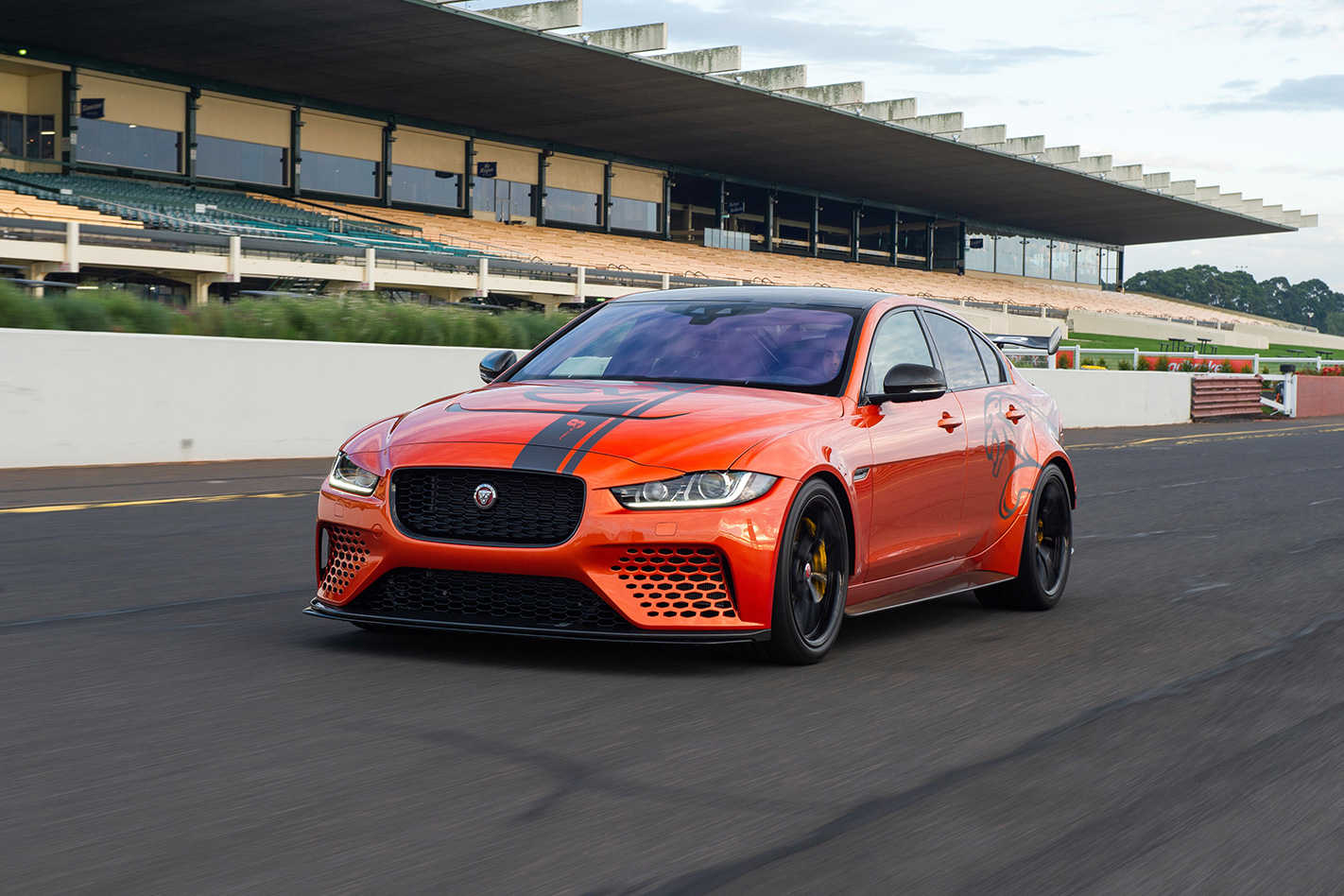
But it’s the chassis that really sparkles. The traction is phenomenal, the feedback and adjustability quite delicious. The steering gives a laser-cut connection to the pointy end; the suspension is ultra-disciplined but retains an expensive-feeling damping compliance and doesn’t crash when you use the kerbs. And the brakes; just … wow. The middle pedal conspires with the seat harnesses to squeeze expletives from your lungs when you mash those carbon ceramics the way D’Alberto insisted I did.
Okay, the gearbox doesn’t quite deliver the lightning-fast shifts of the best dual-clutches, but the ratios still punch home quick and clean, the diff hooks up aggressively, and there’s a nuanced tactility to the whole set-up that I hadn’t expected.
So don’t be too quick to dismiss this as a cash-grab for a limited-run novelty model. The Project 8 highlights the depth of ability that JLR has in its SVO division, and relevance be damned; that’s to be celebrated.
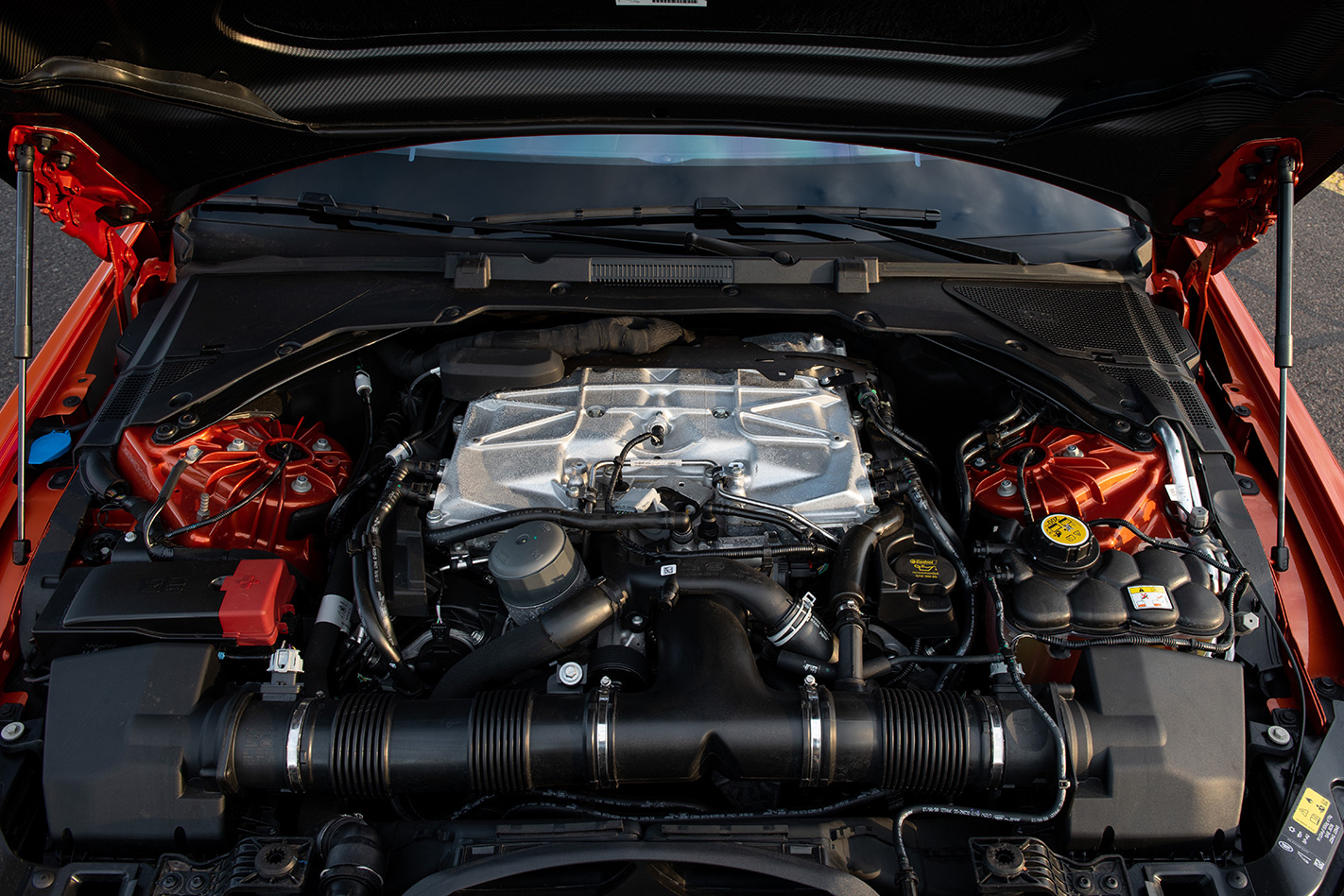
Jaguar XE SV Project 8 PRICE AND SPECS AUSTRALIA Model: Jaguar XE SV Project 8 Engine: 5000cc V8, dohc, 32v, supercharger Max power: 441kW @ 6500rpm Max torque: 700Nm @ 3500rpm Transmission: 8-speed automatic Weight: 1745kg 0-100km/h: 3.7sec (claimed) Economy: 11.6L/100km (estimated) Price: $325,000 (four seater); $349,000 (two seater) On sale: Now
UPDATE: New, more detailed explainer published
Since this story was written, we have published a more detailed explainer on the safety efforts and the dangers of EV batteries, compared to petrol and diesel cars. Get the details at the link below.
Electric vehicles are raising all sorts of new problems to deal with, not least of which is how we properly extinguish one when it catches fire. Beyond the plumes of hazardous smoke a chemical fire emits are battery packs that can reignite days after the fire appears to be gone.
Questions over battery-electric vehicle safety have been raised again after a Tesla Model S exploded into flames in a Shanghai underground carpark last weekend. The Model S is one of the vehicles Tesla recently added ‘Dog Mode’ to, enabling owners to lock their pets inside while climate control keeps the critters comfortable.
Caught on film by CCTV and later shared on Chinese social media network Weibo over the weekend, the 22-second footage of the car shows the white first-generation Model S smoking before erupting in flames after a blinding flash. Though it is not the first time a Tesla has caught fire, it is the first record of a Tesla igniting without suffering from any known impact.
There has already been scepticism that the footage could be a hoax. Tesla is hugely popular in China – currently the world’s largest electric vehicle market – and there’s an expanding line of local EV offerings. Tesla issued a statement claiming that no one was injured and that it is investigating the cause of the incident.
“We immediately sent a team on site and we’re supporting local authorities to establish the facts,” it said. “From what we know now, no one was harmed.”
This is not the first time a Tesla has caught fire, with multiple instances of battery-related fires recorded but directly resulting from an accident. The US National Transportation Safety Board investigated a Model S crash last year when the battery reignited days after it was first extinguished. Before that, the US Mountain View Fire Department described a Model X that reignited itself six days after it appeared to be stable as, ‘frankly unstable’.
“In this particular case, six days later, the temperature inside those cells increased to the point of ignition,” said the MVDP. “That’s why the car reignited. You have stored energy that is frankly unstable.”
Tesla recommends using thermal imaging to investigate a battery after it has been in an accident and using ‘large amounts of water’ to extinguish a battery fire:
“If the high voltage battery catches fire, is exposed to high heat, or is bent, twisted, cracked, or breached in any way, use large amounts of water to cool the battery. DO NOT extinguish with a small amount of water. Always establish or request an additional water supply.”
Firewalls inside the battery pack are used to supress the spread of heat. Tesla maintains that its electric vehicles are ten times less likely to ignite than a conventional petrol-engine car.
Electric vehicle fires are not exclusive to Tesla; a BMW i8 on display in a dealership in the Netherlands began smoking last month and fire fighters used the unique method of dunking it in a car-sized bath for 24 hours. The local fire department later said it had to drown the sports car because the batteries are hard to reach.
Then there’s the Rimac Concept One electric supercar that Richard Hammond famously crashed in 2017. Its batteries burnt for five days.
Lithium-ion batteries are at risk of combustion when they generate enough heat to ignite the electrolyte. In most instances, this is caused by a short-circuit which can occur if the battery is damaged, and begins a process known as thermal runaway. Electric vehicles have a number of safety mechanisms such as circuit breakers that initiate when collision detectors are triggered and circulated-coolant to keep temperatures down. But if one or a number of mechanisms fail, the fire can spread rapidly.
In most instances, the batteries are only a cause for concern after an impact. But it still leaves the burning question: are the batteries under our bums safe enough?
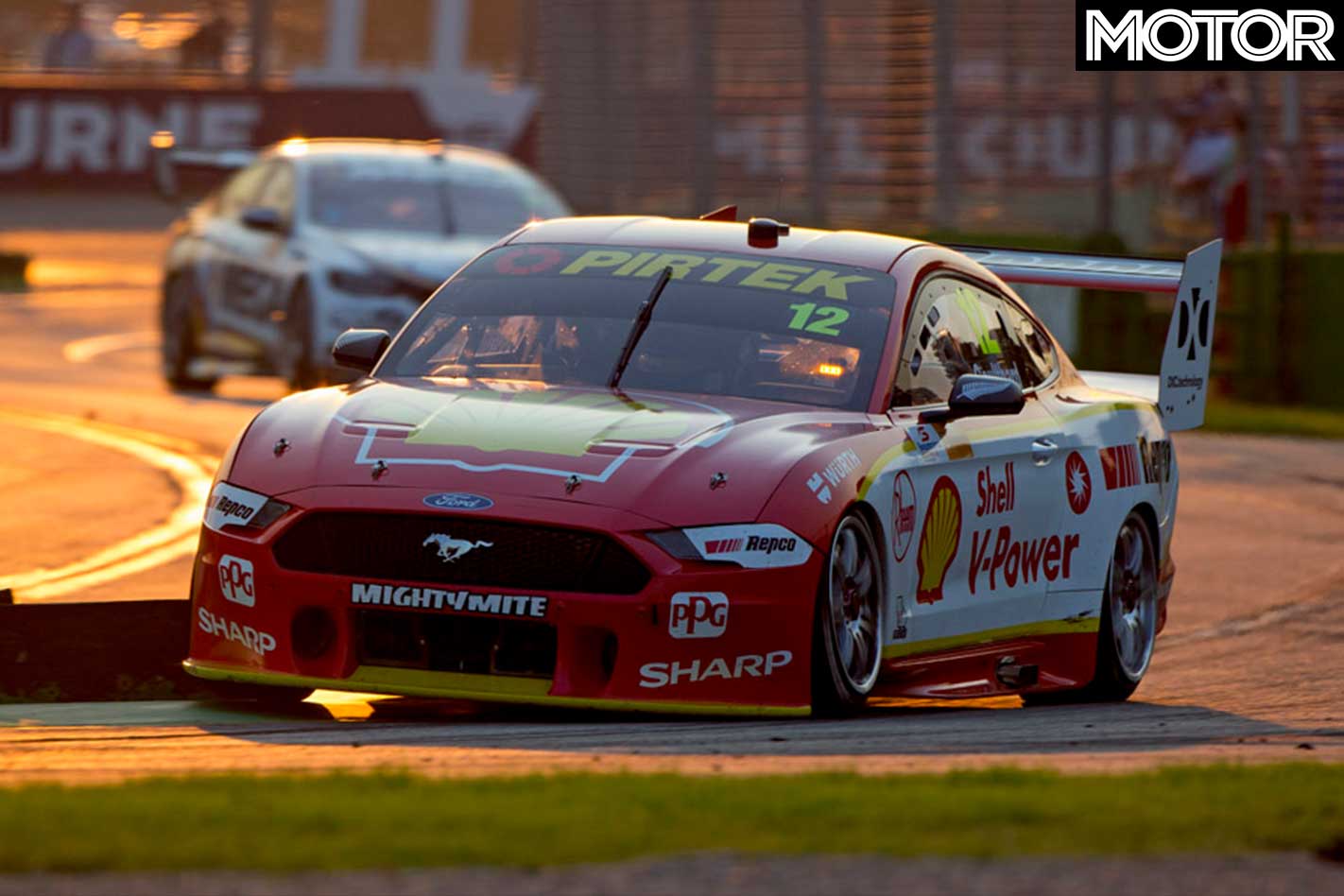
Supercars has ordered changes to the aerodynamics of the Ford Mustang Supercar race car currently dominating the 2019 Supercars championship.
An email sent to DJR Team Penske supporters today revealed: “The Ford Performance Mustang Supercar will undergo aerodynamic modifications ahead of Round 5 of the 2019 Virgin Australia Supercars Championship in Perth as requested by the Supercars technical department.”
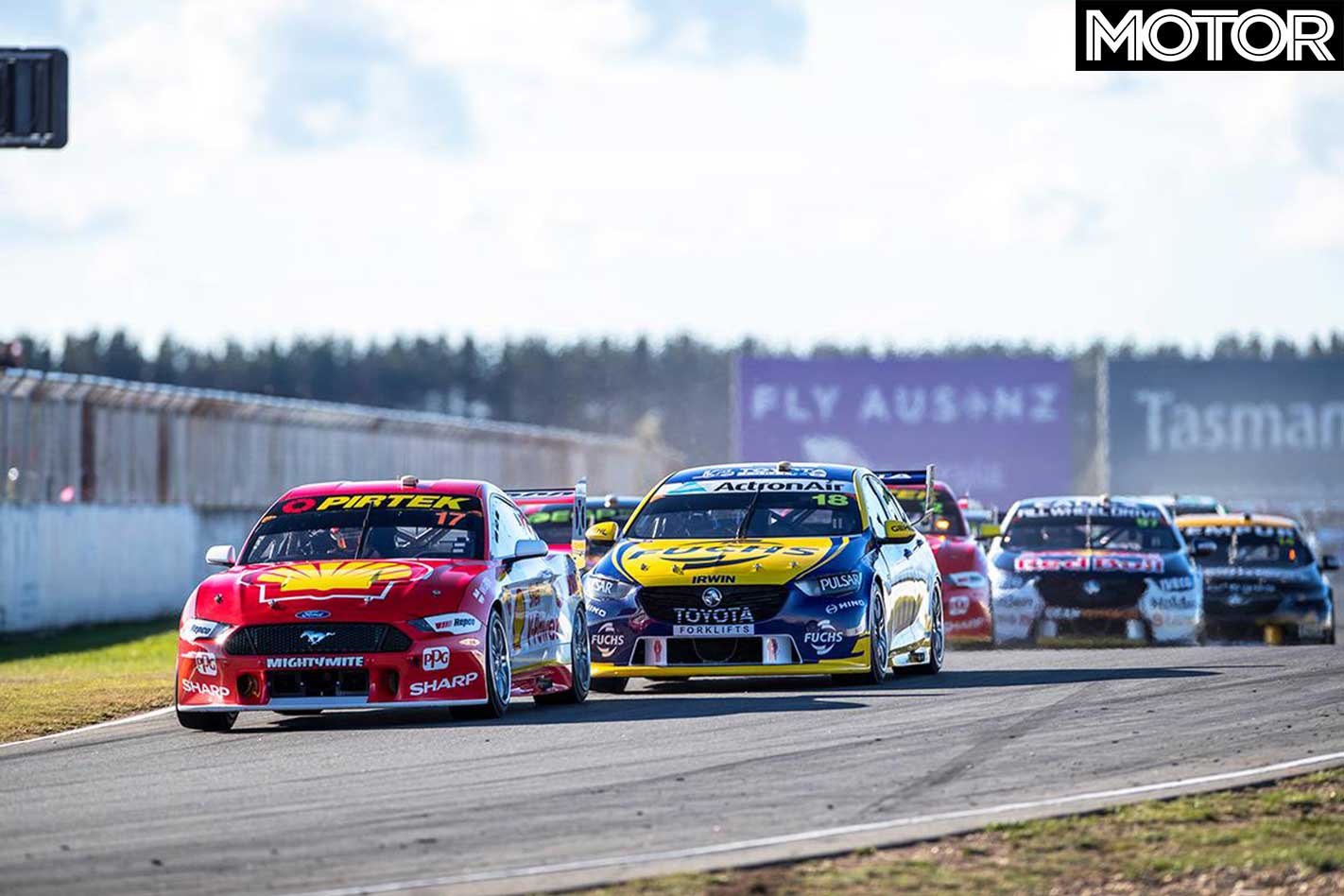
The Mustang has ignited a technical parity debate since the first pre-season test which has only intensified with the car winning nine of the 10 races so far this year, with DJR Team Penske accounting for eight of those wins.
The modifications are concentrated towards the rear of the car, including a reduction in the size of the rear-wing endplates, the height of the Gurney flap and the length of the under tray, all designed to decrease the amount of downforce or reduce the aerodynamic efficiency of the Mustang, an area in which it is believed to have a key advantage over its Holden and Nissan opposition.
These latest changes come after a centre of gravity test required the Mustang to redistribute 28kg of ballast to its roof in an effort to bring the field closer together.
Ford Performance Global Director of Motorsport, Mark Rushbrook, is quoted in the email: “The Mustang is an advanced, state-of-the-art Supercar, designed and built within the rules of the series. We are disappointed that we have had to make changes to the cars, however we respect the Supercars technical department and will comply.”
According to Rushbrook, the changes will be made ahead of the next round to give the teams, DJR Team Penske and Tickford Racing, a chance to understand the effects of the changes as quickly as possible.
Reading between the lines, the email makes clear the level of Ford and DJR Team Penske’s displeasure at this move. It makes a point of stating “DJR Team Penske, as the Ford homologation team, Triple Eight Race Engineering and Kelly Racing, each representing the category’s three competing makes of vehicle, signed off on the Mustang for 2019 competition following the collusion of extensive testing.”
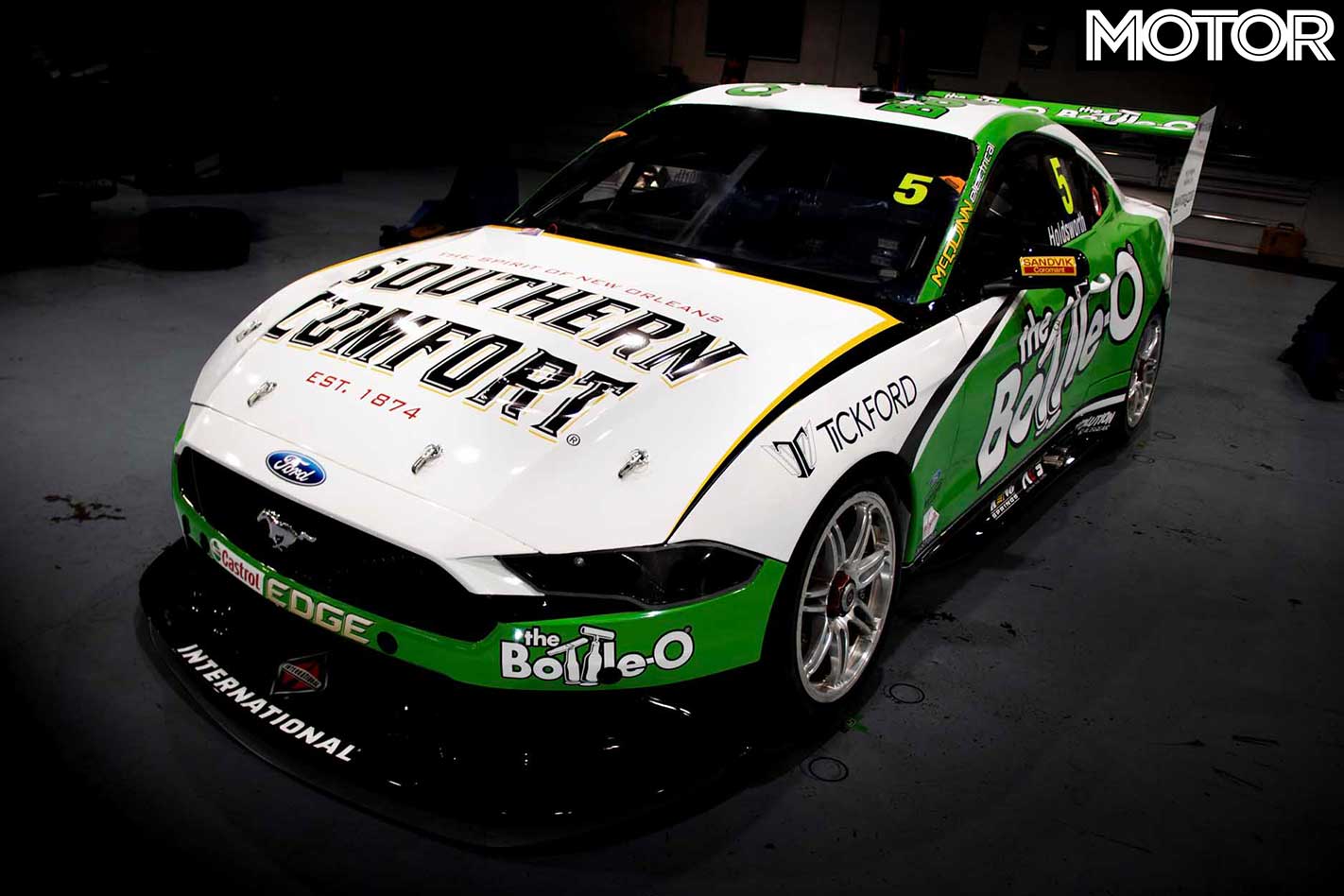
The email quotes Rushbrook further: “Our car was signed off and homologated by Supercars, however whilst we understand these changes are in the interest of the sport, we expect to run the rest of the season on track unchanged from this specification.”
Round five of the Supercars Championship takes place at Barbagello Raceway in Western Australian from May 2-4.
Melbourne’s ‘hook turns’ have been confusing and, in some cases, intimidating motorists for decades, and Victoria’s capital now has a new unique traffic control innovation to call its own: the P-turn. However while it might sound like the most arcane method of turning a corner, P-turns are nothing to be feared as long as you understand how they work before encountering one.
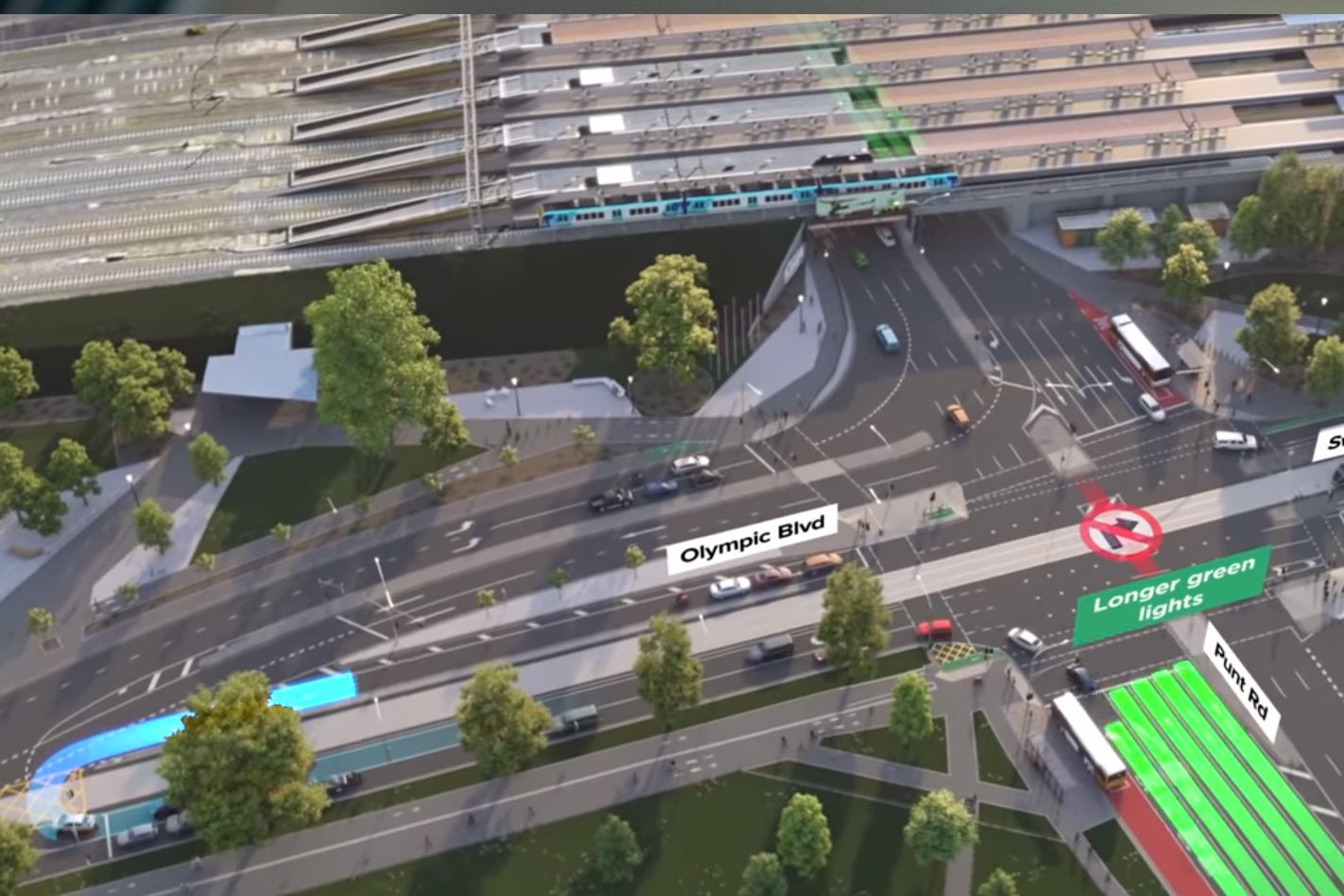
Also referred to as a ‘remote right turn’ the manoeuvre allows large amounts of traffic to make a right turn at an intersection while minimally restricting the flow of vehicles that are continuing straight on and without the need for a right-turn green arrow.
If you frequently drive though Melbourne’s busier traffic zones, you’ll see more of these new traffic features rolling out. Here’s everything you need to know about a P-turn.
Why does Melbourne need P-turns?
With about 4000 people added to Melbourne’s population each week, the number of vehicles on the road network is increasing significantly and new methods of keeping all that traffic moving are required.
A significant cause of bottlenecks and congestion are right turns at intersections, particularly in high volume areas, and a P-turn allows larger numbers of cars to make a right turn in each traffic light cycle, thereby allowing a freer flow of traffic.
P-turns will take some of the pressure away from certain identified hot-spots, spreading the load on the roads more evenly.
What do I need to do at a P-turn?
It seems counterintuitive but, like a hook turn, vehicles that intend to turn right need to approach the intersection in the left lane. Signposts will direct you to do this.
From here, the turning traffic is first directed to the left – away from the intersection – and then turn another 180 degrees through a u-turn. This corrals the traffic into a holding lane with its own set of signals at the intersection. Your vehicle will now be facing the direction you wanted to turn as you approached the intersection.
When the light goes green, traffic is allowed to flow through the intersection, effectively making a right turn from your original course.
What are the advantages of a P-turn?
Unlike a hook turn or conventional right-turn lane, the dedicated P-turn lane can accommodate far more cars, and the vehicles are held away from the onward flow of traffic at the intersection. This results in two distinct advantages – traffic cannot back up and restrict flow at the intersection and more vehicles are allowed to turn right when released by the signals.
The net result is more continuous traffic flow and more time allowed for the vehicles that want to continue straight ahead at intersections.
The P-turn name comes from the United States where vehicles drive on the right. When the turn is made in the opposite direction, the flow of traffic traces the shape of a letter P, but in left-hand drive countries including Australia the P is back to front.
Where you’ll find a P-turn
The first two P-turns are now in operation on the Hoddle Street, Swan Street, Olympic Boulevard intersection and a little further along Hoddle Street at the Johnston Street intersection in Collingwood.
Temporary blue and pink line markings are used to help drivers understand the changes especially if they are used to the pre-P-turn system and traffic officers are also being used to assist where required until motorists are up to speed. You might have spotted another similar turn that has been in use in Frankston for many years, although this one is a different design and doesn’t offer as many advantages.
Melbourne’s car park is not looking likely to shrink any time soon so you can expect to see more new traffic control solutions rolling out in the coming years including the P-turn, so make sure the P stands for prepared!
It’s said that moving house is one of life’s most stressful tasks so it makes sense to minimise the pressure and pain of carting all your worldly possessions to a new home wherever possible.
Handing over the job of packing boxes, transporting with a truck and unloading at the new house to a removals firm is often a necessity if you are vacating a large house, but many movers prefer to reduce the cost and take on the job themselves.
Along with a tape gun, hand trolley and strong neighbour, the vehicle you use can be the difference between doing the job in a day and a long, backbreaking night.

Here are our top tips for finding the right vehicle for the job.
You don’t need us to tell you that the bigger is often better when choosing a vehicle to move house with, but there’s more to it than simple cubic metres. The shape of the load space is also critical for maximising the amount of stuff you can carry, but you’ll be hard pressed to find a car or SUV with a geometrically-ideal right-angled interior. Many modern vehicles offer folding second-row seats, but the type that folds properly flat (and flush!) with the boot floor is more versatile, allowing you to fit in more boxes and making the job of getting them in and out easier.
Even better are those vehicles that allow you to completely remove seating when not in use such as the Skoda Karoq, and it pays to look for other innovative cabin design features such as Honda’s ‘magic seats’ that cleverly open up the full floor-to-ceiling height of the cabin. Whoever thought you could get a washing machine or a giant TV in a Jazz? Another good example is Citroen’s C3 which has a flat-folding front passenger seat which allows the loading of very long items all the way from the boot opening to the dashboard.
Increasingly, SUVs are adopting more coupe-like rooflines and elegant profiles but this can be a disadvantage when using the full load capacity. Look for vehicles with regular-shaped cabins and tall ceilings that will allow you to load items right up to the headliner.
Don’t forget the roof! With the correct roof storage options, the top of a vehicle can accommodate some very bulky items when loaded safely, but some manufacturers have thought ahead. Subaru’s Outback, for example has clever roof rails included as standard, which feature folding bars that provide the horizontal beams as well. When not required they simply hide away into the permanently-fitted rails.

Utes have obvious cargo advantages but not all are created equal. Dual-cabs will offer plenty of space for bulky items and the tough suspension for heavy loads too, but the four-person cabin robs tray length and you might be better off looking for the more tradie-focused single cab. And while the increasingly popular 4×4 ute may seem useful, remember that jacked-up suspension means you’ll be lifting your boxes up and down from a height. A car-based ute such as the previous-generation Holden Commodore or now discontinued Ford Falcon might suit you better.
If you can’t fit everything in or on the vehicle then you might want to consider towing your gear behind it instead. A rented or borrowed trailer will provide plenty of space and can be the difference between multiple trips and getting it done in one. Obviously you’ll need a properly installed tow bar and always check the trailer’s brake lights and indicators before hitting the road, but some vehicles are far better suited to heavy hauling work.
Generally speaking, turbo diesel engines have lots of torque which is ideal for towing duties, while large SUVs can offer a high gross vehicle mass – the maximum total amount the vehicle, its contents and towed load is permitted to weigh. Many dual-cab utes offer a GVM of about 3000kg but if you need to pull a little more than that, the Ram 2500 has a mighty 6.6-litre diesel and is rated at just under 8000kg. If that’s not enough then you might need to call a removalist or hire a proper truck.
For outright volume and purpose-built suitability, it’s hard to better the ultimate space champion – the van. With maximum cargo capacity and minimum luxury features, vans are often the perfect workhorse for shifting boxes but they have a few disadvantages.
Very few models offer the assistance features you might be used to in a modern car such as parking and manoeuvring aids (something you might miss even more in a large vehicle with minimal rearward vision), and it’s rare to find driving assistance technology including forward collision mitigation. Don’t forget safety just because its removals day.

Finding the most suitable vehicle to move house with is about more than just space and, as with many big projects, preparation is everything.
When you have the right car for the job here are some top tips to make the job easier:
Only pack what you need
Moving house is a great time to get rid of old or unloved possessions and there’s no point filling car space with something you don’t want or need in the new house. Use the move as an opportunity to have a clear out and start fresh. Then there will be less to haul.
Get clever with space
Boxes are convenient but they aren’t flexible and won’t fill every corner in the car. Once the boxes are in, use more flexible containers and packaging to use every remaining inch of precious cargo space. Plastic bags can be stuffed into tight spots and, when filled with soft items such as clothes, can double as protective padding for other fragile items.
Balance the load
You might underestimate just how heavy a fully loaded car can be so make sure your vehicle is as stable as possible by careful packing. Heavier boxes and items should be loaded first and lowest in the vehicle as well as closest to the centre of the car to centralise the extra weight.
Use every storage spot
Once the boot and main storage areas are full, don’t forget the other smaller spaces that can still swallow a significant amount of stuff. Centre console storage bins, under-seat space, door pockets and even the glove box offer stowage allowing you to maximise the vehicle’s capacity. Just don’t put anything in the driver’s footwell… for obvious reasons.
Smaller boxes are better
They might not seem like the most efficient packing solution, but smaller boxes make more sense than large cartons in many circumstances. Not only are they easier and lighter to manhandle, but multiple small boxes will fill an irregular load space more effectively than one large box.
Leave hazardous items to the experts
Potentially dangerous items should not be packed in the car. Barbecue gas bottles, flammable liquids (or any equipment that contains flammable liquid), very heavy items that can be hazardous in a collision and dangerous chemicals should be dealt with considerately and special transport conditions should be arranged where necessary.
With a little planning and the right vehicle, the stress of moving house can be minimised, and you’ll be settling into your new home sooner than you think.
The great thing about Lego or any sort of model is that you can enjoy the ownership experience of an exotic car but at a fraction of the price. Top of that car wish list for some might be the ultra-rare BMW M1, which has been put together in block form by a Lego mastermind.
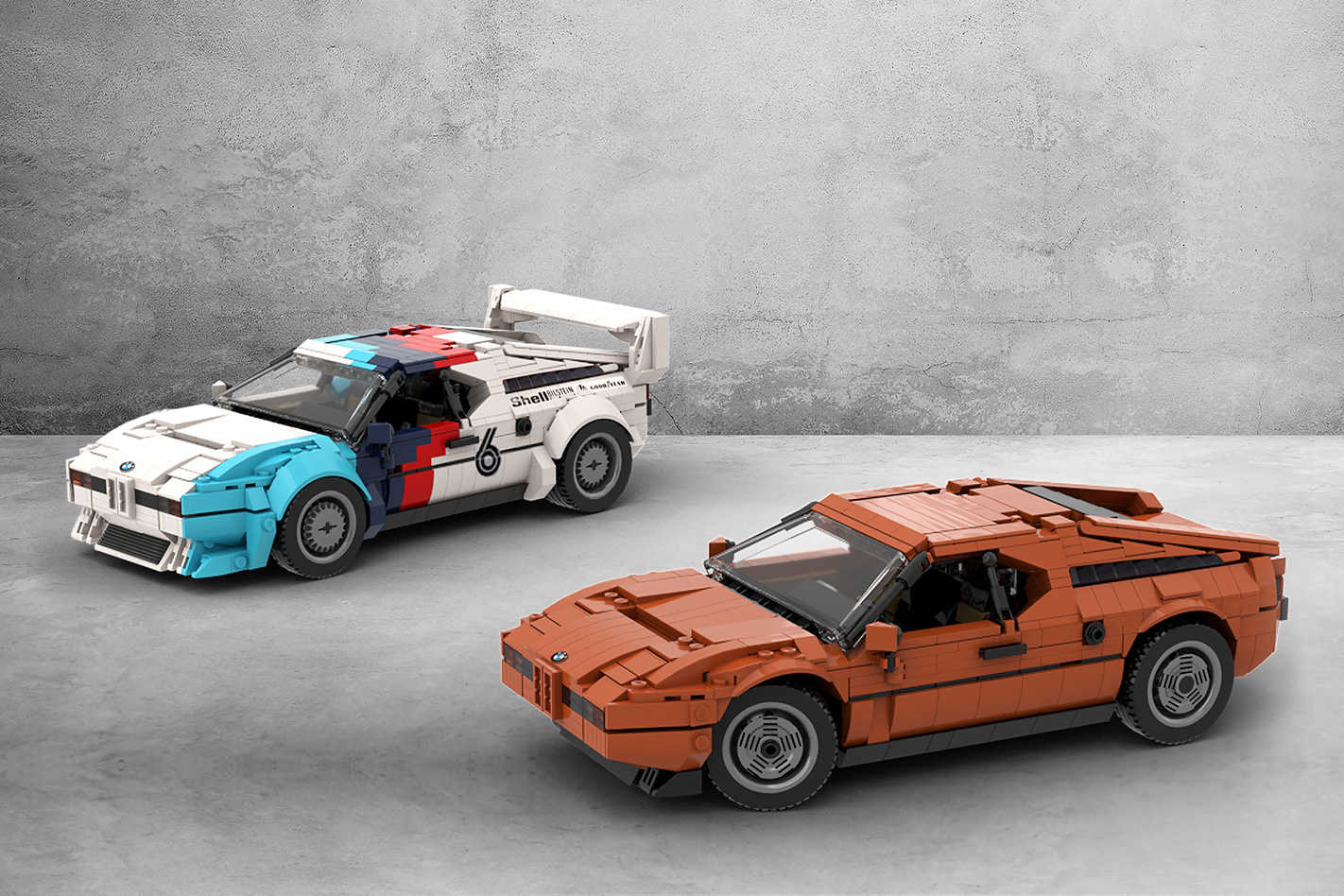
Consisting of around 1000 blocks each, both the BMW M1 production and race car Lego replicas have been custom built by Lego enthusiast ‘Tomoell’. The pair have opening doors and a functioning bonnet, and the steering is fully connected. For a closer inspection underneath the skin, the shell pops off to expose the drivetrain.
The real M1 was built from 1978 – ’81 and was the first car to be fully developed from a clean sheet by the high performance M Division. It was also the first and only other mid-engined mass production BMW before the i8. Power was delivered from a 3.5-litre straight-six engine with individual throttle bodies which produced 204kW at a howling 6500rpm. The mill was developed by Paul Rosche, who was also responsible for the stonking BMW S70/2 V12 engine that motivated the McLaren F1. The boxy bodywork (that’s a perfect fit for the Lego-recreations) was penned by Italian designer Giorgetto Giugiaro, who designed cars such as the original Maserati Ghibli, Ferrari 250 GT and DMC DeLorean.
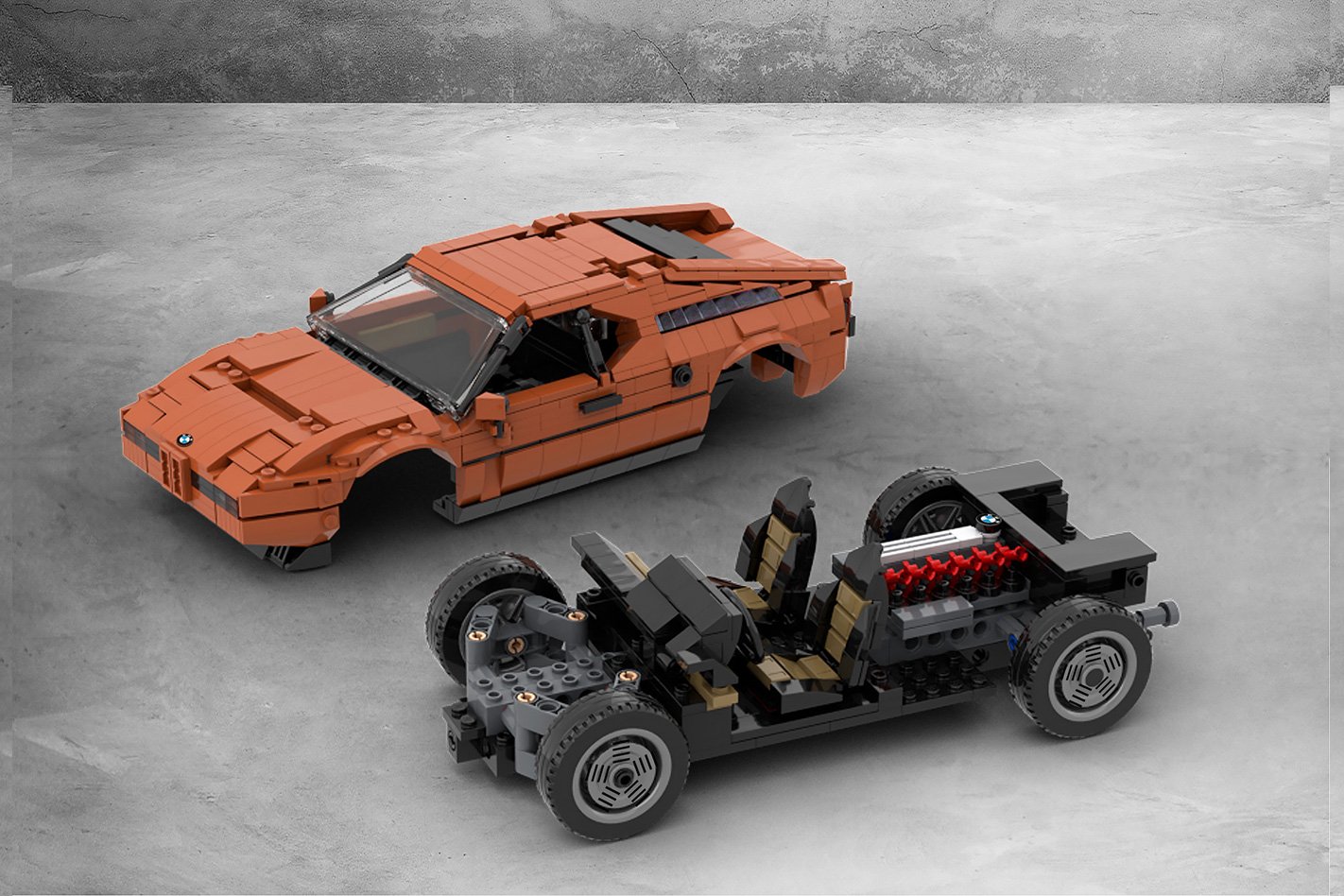
The real M1’s build process was considerably more involved than anything involving plastic bricks, the original contracting of Lamborghini to produce the cars imploding due to the Italian company’s financial woes. Marchesi assumed production of the M1’s tube steel chassis, while the glassfibre body panels were made by Trasformazione Italiana Resina. Baur, the German coachbuilder long associated with BMW, then took control of final assembly.
That wasn’t the biggest disaster to befall the M1 project either. The pet project of BMW M division boss Jochen Neerpasch, the M1’s whole raison d’etre vanished when the Group 5 category that the planned 400 road cars was being homologated for was abandoned before the first M1 rolled off the lines. Undeterred, BMW campaigned the M1s in its own Procar Series, supporting races at Formula 1 Grand Prix around the world. The first championship was won by Niki Lauda in 1979, and the second by Nelson Piquet in 1980. Only 453 production M1s were built, 399 were road cars and the rest competition cars. Pristine examples of the former currently fetch over $1 million at auction.
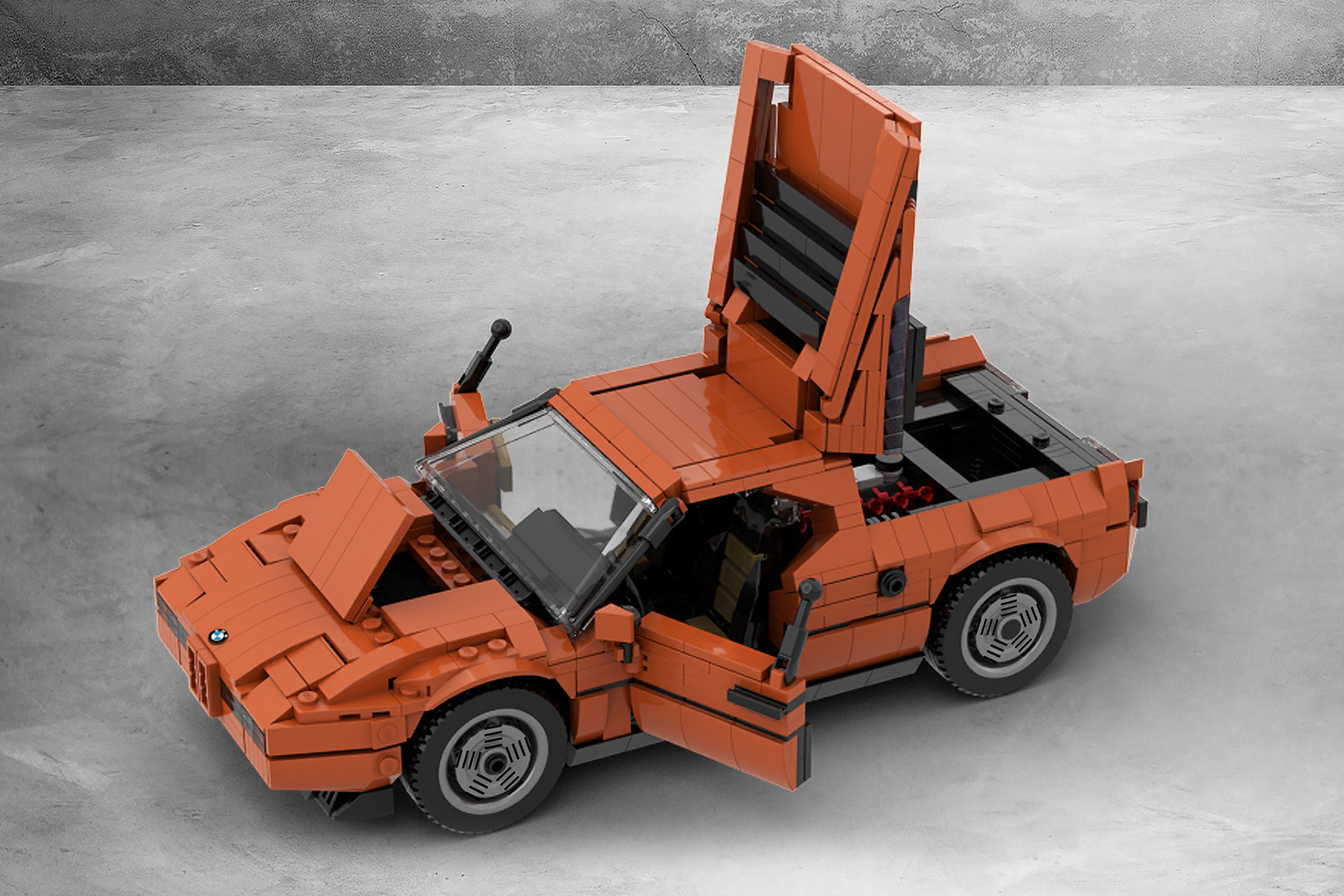
While plans for the Lego M1s are currently in the hands of its original creator, Tomoell has put the duo up to public vote on the block building company’s official Lego Ideas website. If the design receives more than 10,000 votes, the kit will be put forward to a Lego review board that will have the final say on if it should go into production.

Currently, the prototypes are just under 8000 votes shy of that goal, but with over 500 days left to get more supporters, the original creator might still see the one-off go into mass production and earn a tidy commission. It would also make the perfect addition to a shelf in the Wheels office.
