
The Ferrari Amalfi has been revealed as the replacement to the Roma, which is the brand’s entry-level offering. Compared with the Roma, the Amalfi is more powerful, lighter and features revised styling in and out. It now hits 100km/h in just 3.3 seconds – 0.1 seconds faster that previously, reaching 320km/h at the top end.
Replacing one of the most beautiful Ferraris of modern times is a daunting task, but the Ferrari Amalfi appears to have done a worthy job. While it looks similar to the Roma it replaces, the Amalfi has adapted the brand’s latest styling theme with new slim headlights and open mouth intake, as well as similar wheels to the 12Cilindri and slim LED tailights.
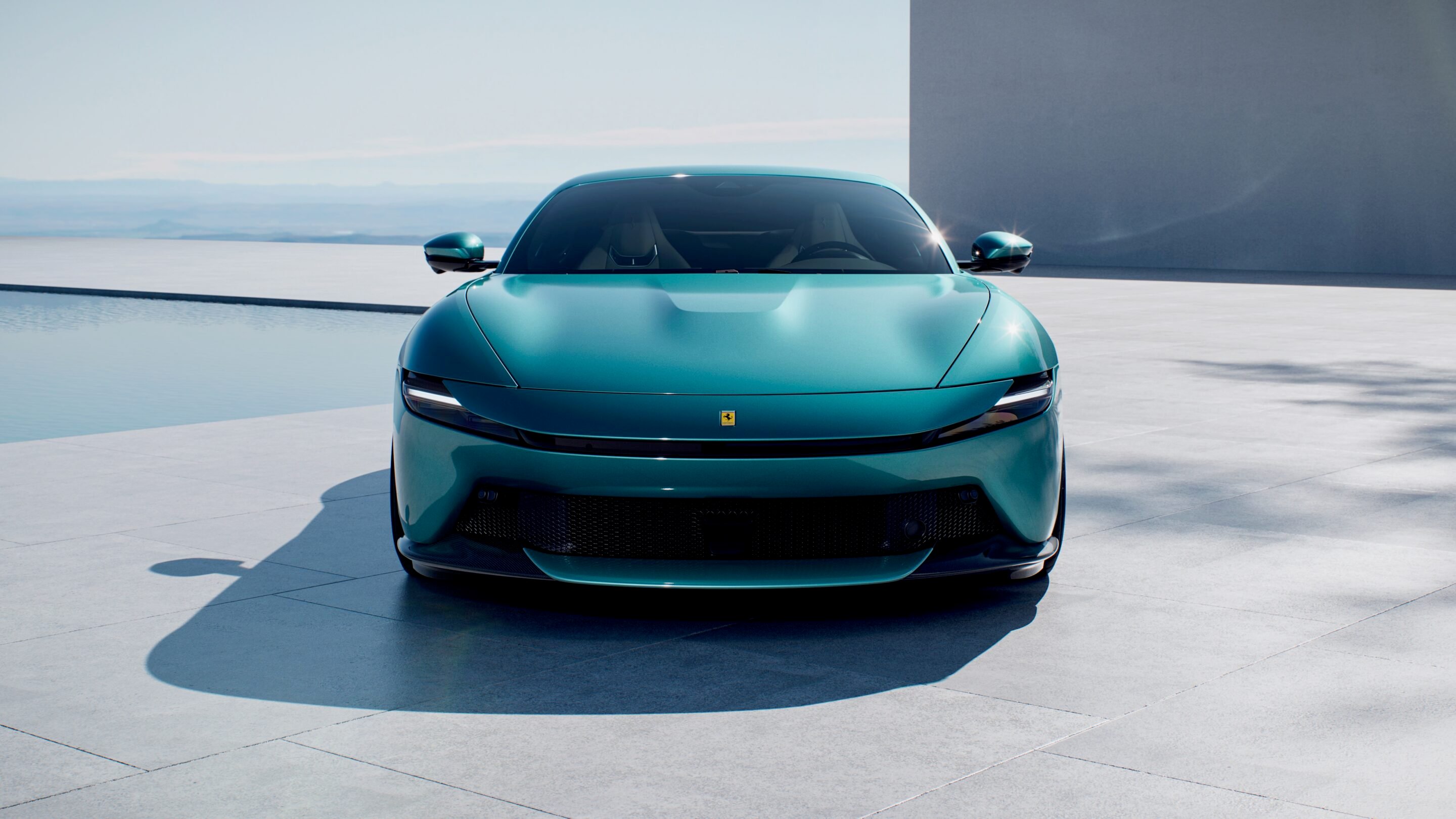
The Amalfi’s body has also clearly been designed for aerodynamics, with a new large front splitter accompanied by new air intakes above the headlights. Beneath the skin is a redesigned floor, rear side skirts, rear diffuser and a pop-up rear spoiler that can generate up to 110kg of downforce.
Inside the Amalfi is a revised cabin layout that sees the lowered centre console now made from a single piece of aluminium, a new 10.25-inch touchscreen with Ferrari’s latest software including wireless Apple CarPlay and Android Auto and a new 15.6-inch digital driver’s display.
The new steering wheel design features newly-physical buttons to replace the former haptic touch switches, which were reportedly too easy to press in the Roma.
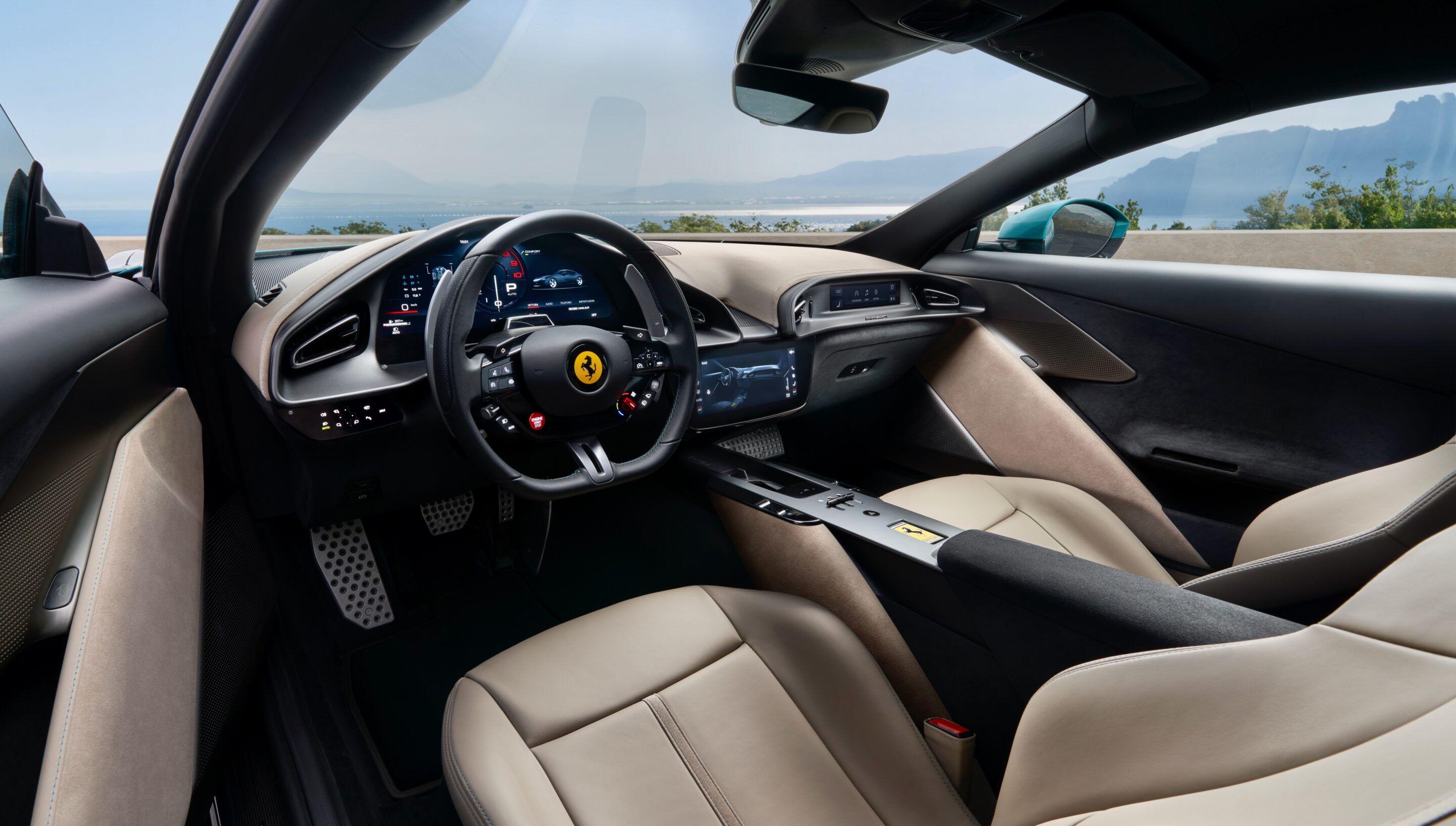
Ferrari will offer a choice of three seat designs for Amalfi customers, including ventilated comfort units with 10 different air chambers for massaging functionality, as well as a 1200-watt 14-speaker Burmester sound system.
Under the bonnet of the Ferrari Amalfi is a carried over but updated 3.9-litre twin-turbocharged V8 engine making 471kW of power (+15kW) and 760Nm of torque. The engine itself was updated with a recalibrated engine management software, raising the maximum rotational speed of the turbos to 171,000rpm, a new intake and exhaust system, a 1.3kg-lighter camshaft and even a redesigned engine block that saved another 1kg of weight.
The Amalfi’s eight-speed dual-clutch transmission was also updated to shift even faster than the Roma’s, and the 3.3-second sprint to 100km/h is 0.1 seconds faster than before, with the 0-200km/h sprint time now 0.3 seconds faster at just 9.0 seconds.
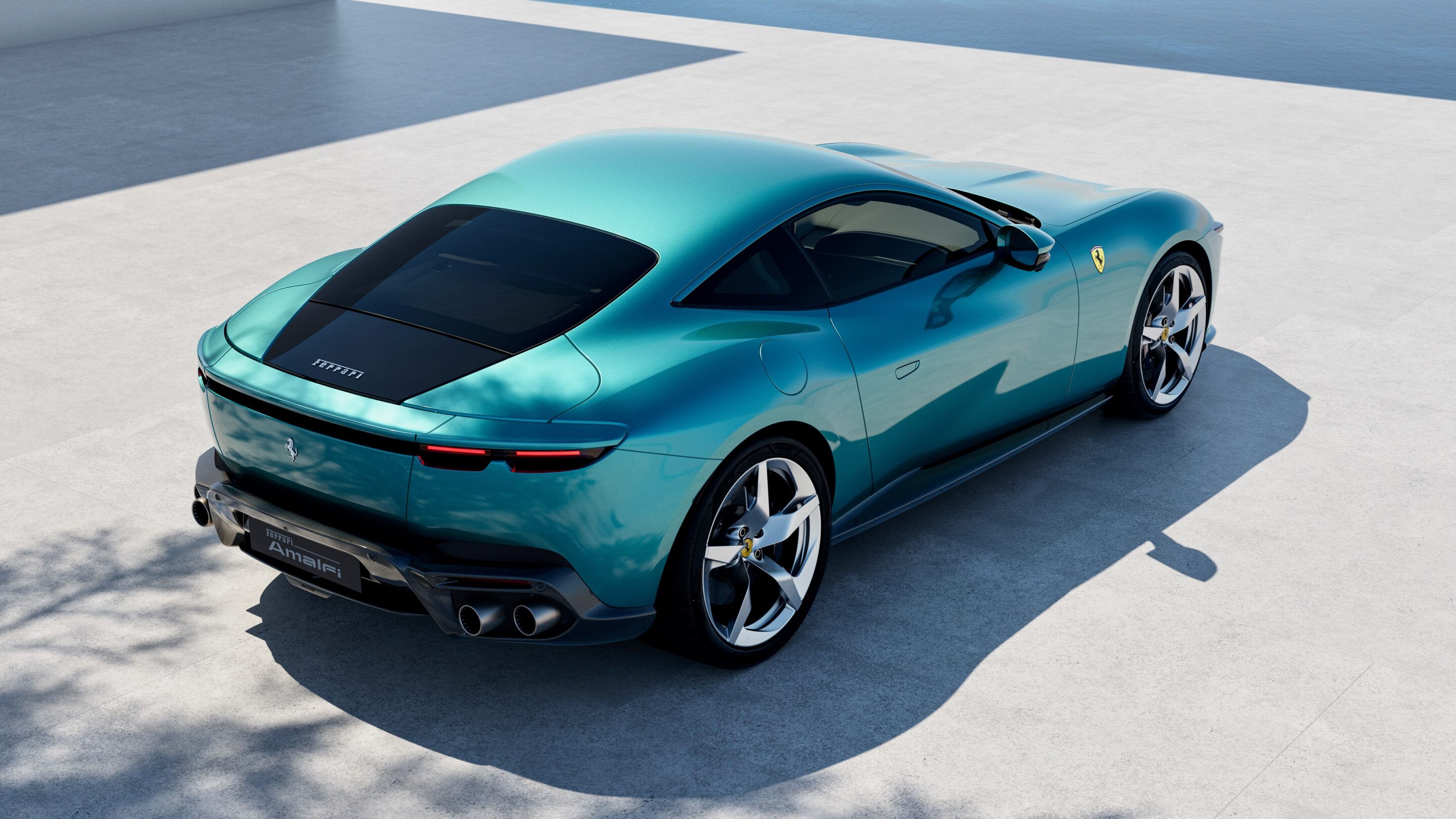
Ferrari engineers also revised the Roma’s driving dynamics in the transformation to the Amalfi, with new springs and dampers, larger carbon ceramic brakes, a new drive-by-wire braking system from the 296 GTB and a new Slip Side Control system for an even higher level of driver engagement than the Roma.
Other new tech on the Ferrari Amalfi includes adaptive cruise control, autonomous emergency braking (AEB), blind-spot monitoring, lane keeping assistance and traffic sign recognition.
The Ferrari Amalfi will launch in Australia likely sometime in 2026, with local pricing and specifications yet to be confirmed.
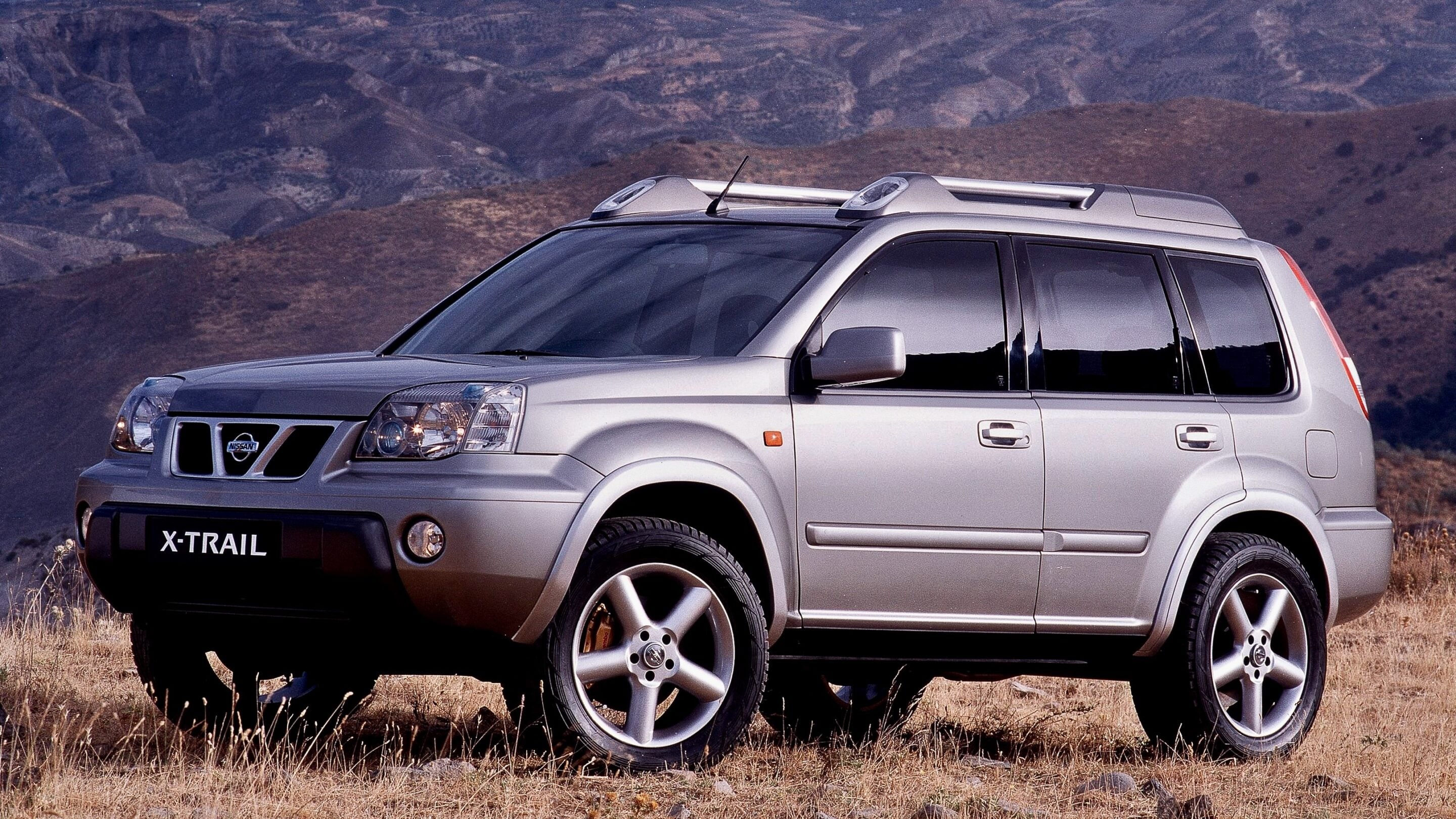
Nissan Australia has announced pricing for the MY25 Nissan X-Trail range, with prices cut up to $3000 to celebrate its 23rd year of local sales. Originally launched in Australia in 2001, the X-Trail is now in its fourth generation and has sold over 320,000 units locally.
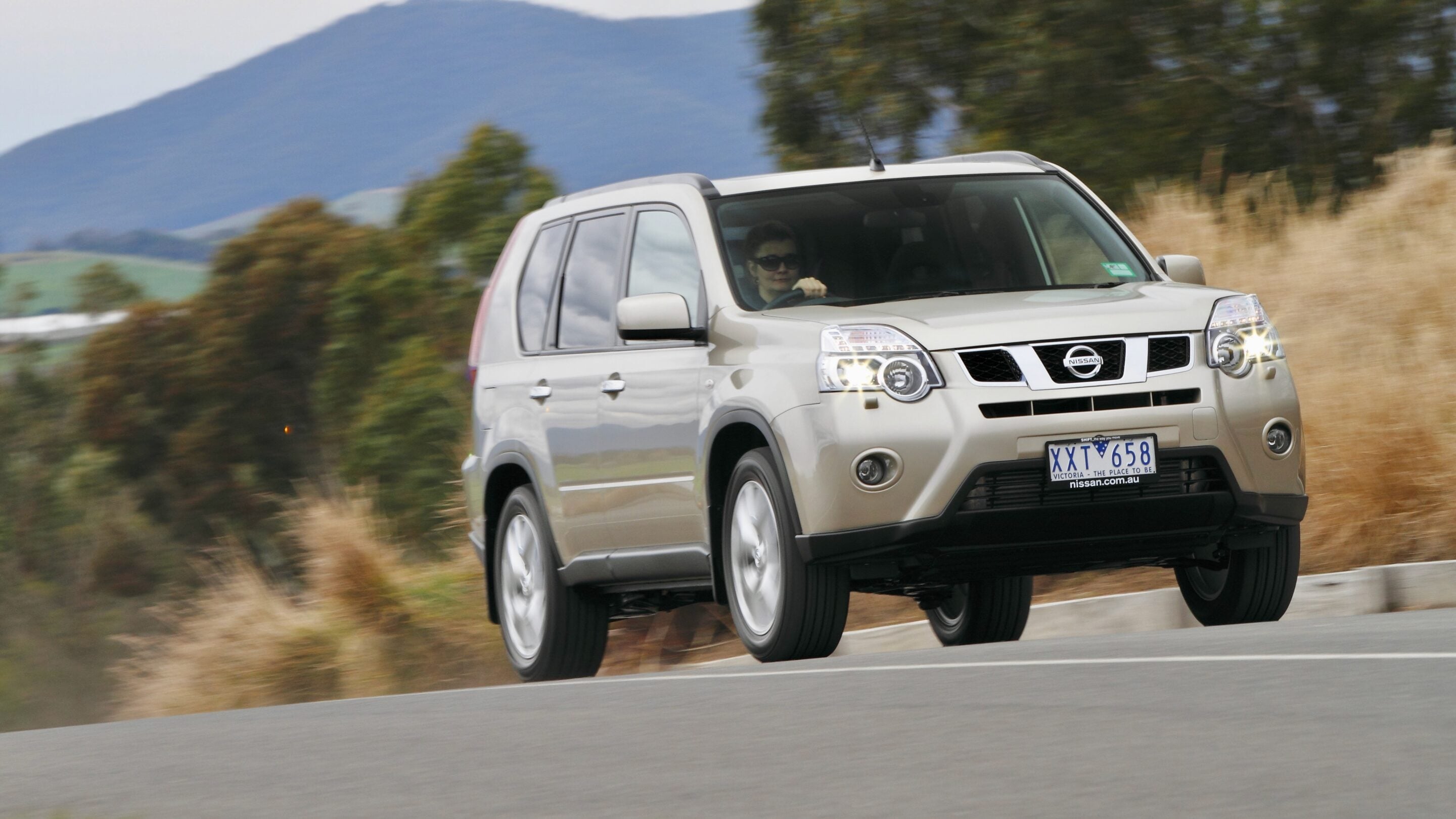
In Australia, two drivetrains are available in the Nissan X-Trail: a 2.5-litre four-cylinder petrol engine or a turbocharged 1.5-litre three-cylinder ‘e-Power’ hybrid. Both use a CVT automatic gearbox and both front- and all-wheel drive drivetrains are available on the petrol engine, with the hybrid exclusively all-wheel drive.
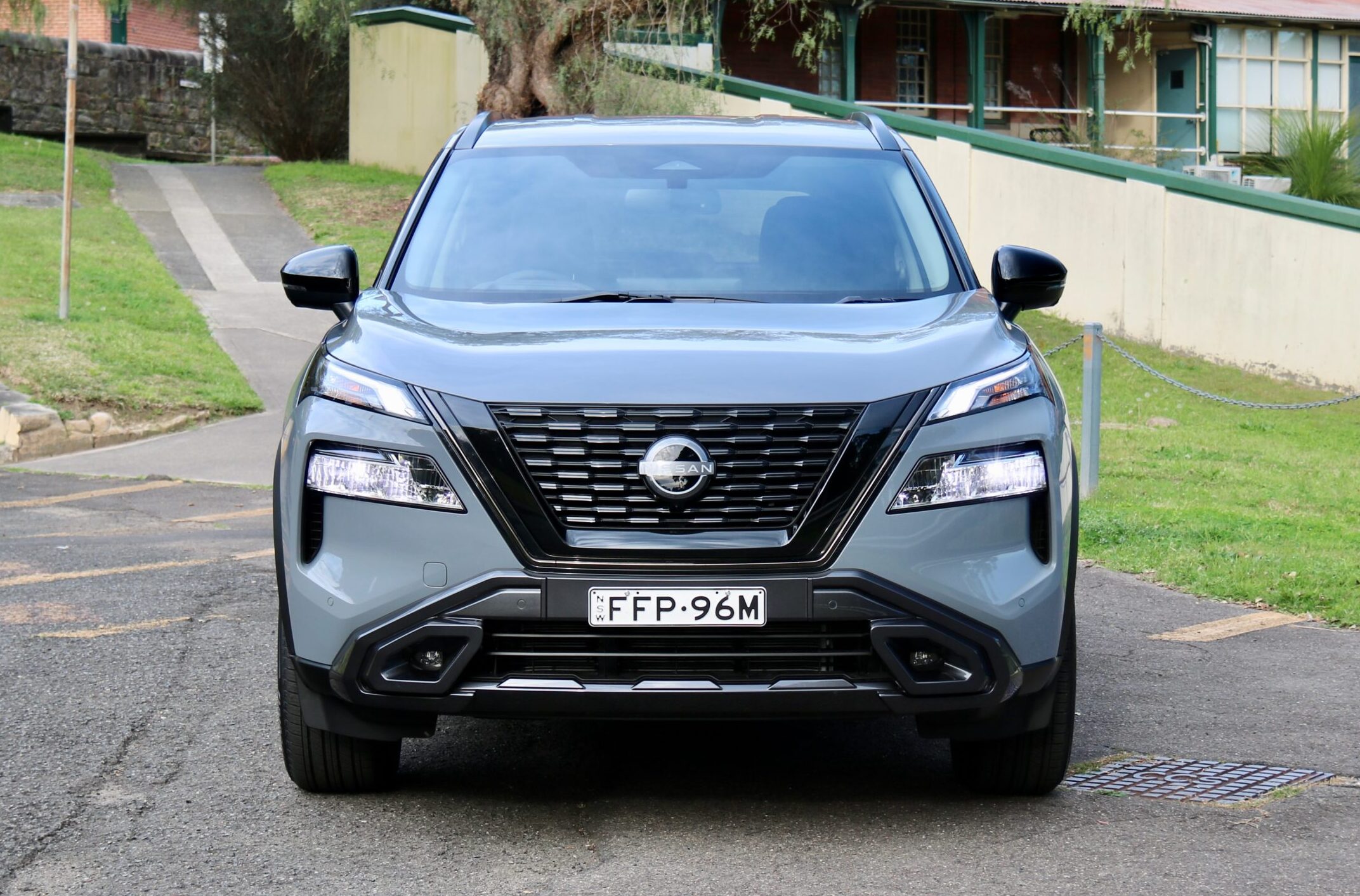
A seven-seat layout is standard on all-wheel drive ST and ST-L models, with every other model featuring five seats instead.
The original X-Trail launched in Australia in 2001 as Nissan’s rival to the Honda CR-V and Toyota RAV4 and is now in its fourth generation, which launched here in 2022. Nissan has sold over 320,000 X-Trails in Australia.
“Across four generations and more than two decades, the Nissan X-Trail has delivered practicality, versatility, adventure and fun to hundreds of thousands of Australian families – a legacy that we couldn’t be prouder of,” says Andrew Humberstone, Vice President and Managing Director, Nissan Oceania.
“This year, as we celebrate the X-Trail’s 23rd, or Ni San, anniversary in Australia, we’re able to deliver even more value, right across the range, which makes X-Trail ownership more accessible than ever.”
2025 Nissan X-Trail pricing (plus on-road costs):
| ST 2WD | $36,990 (-$1035) |
|---|---|
| ST AWD | $39,990 (-$1075) |
| ST-L 2WD | $41,465 (-$3000) |
| ST-L AWD | $44,565 (-$3000) |
| ST-L e-Power AWD | $47,765 (-$3000) |
| N-Trek 2WD | $46,060 (-$3000) |
| N-Trek AWD | $49,160 (-$3000) |
| Ti AWD | $50,265 (-$1000) |
| Ti e-Power AWD: | $53,265 (-$2200) |
| Ti-L AWD | $53,265 (-$2200) |
| Ti-L e-Power AWD | $57,065 (-$2200) |
Nissan X-Trail ST standard equipment:
- 17-inch alloy wheels with a space-saver spare wheel
- Dusk- and rain-sensing automatic LED headlights
- Roof rails
- Keyless entry with push button start
- 8.0-inch touchscreen with DAB+ digital radio
- Apple CarPlay and Android Auto
- Six-speaker sound system
- 4x USB ports
- 7x airbags
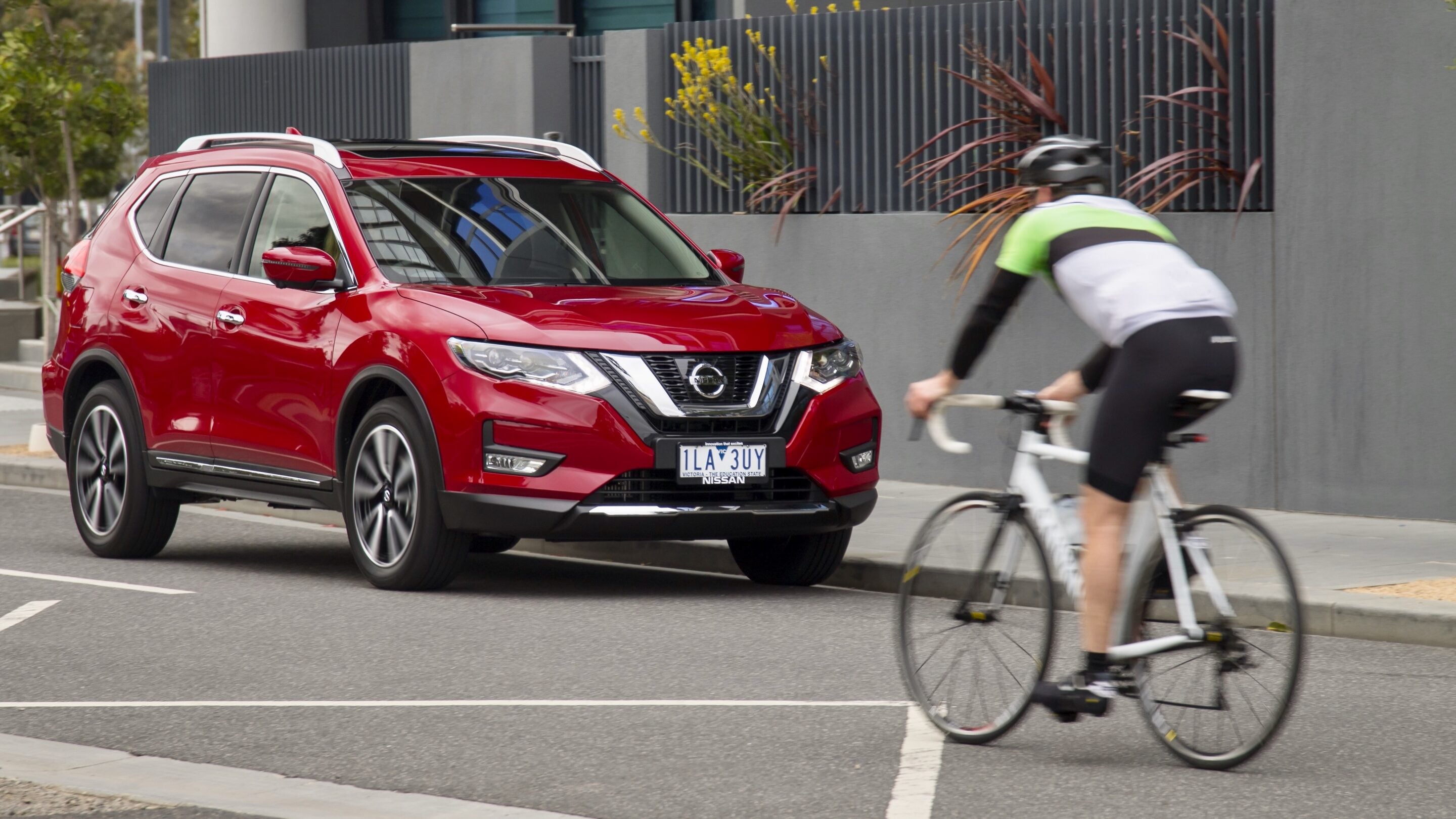
- Autonomous emergency braking (AEB) with pedestrian and cycle detection
- Adaptive cruise control
- Lane keeping assistance with lane departure warning
- Door exit warning
- Blind-spot monitoring with automatic braking
- Cross traffic alert with automatic braking
- Auto high beam
- Reversing camera
ST-L model adds:
- 18-inch alloy wheels
- Leather steering wheel
- Dual-zone automatic climate control
- Synthetic leather upholstery
- Rear privacy glass
- Satellite navigation
- 12.3-inch touchscreen with wireless Apple CarPlay and Android Auto
- Adaptive lane guidance
- Heated front seats
- 360-degree camera
- Front parking sensors
N-Trek model adds:
- Rain-sensing automatic wipers
- 12.3-inch digital driver’s screen
- 10.8-inch head-up display
- Black exterior detailing
- Waterproof seats
- Front underbody protection
- Wireless phone charger
Ti model adds:
- Upgraded LED headlights with adaptive high beam
- Leather upholstery
- Hands-free electric bootlid
- 19-inch alloy wheels
- Rear camera mirror
- 10-way electric driver’s seat
- Tri-zone automatic climate control
Ti-L model adds:
- 10-speaker Bose sound system
- 20-inch alloy wheels (e-Power only)
- Quilted Nappa leather upholstery
- Heated steering wheel, rear seats
- Memory front seats and mirrors
- Ambient lighting
- Remote engine start
- Rear door sunshades
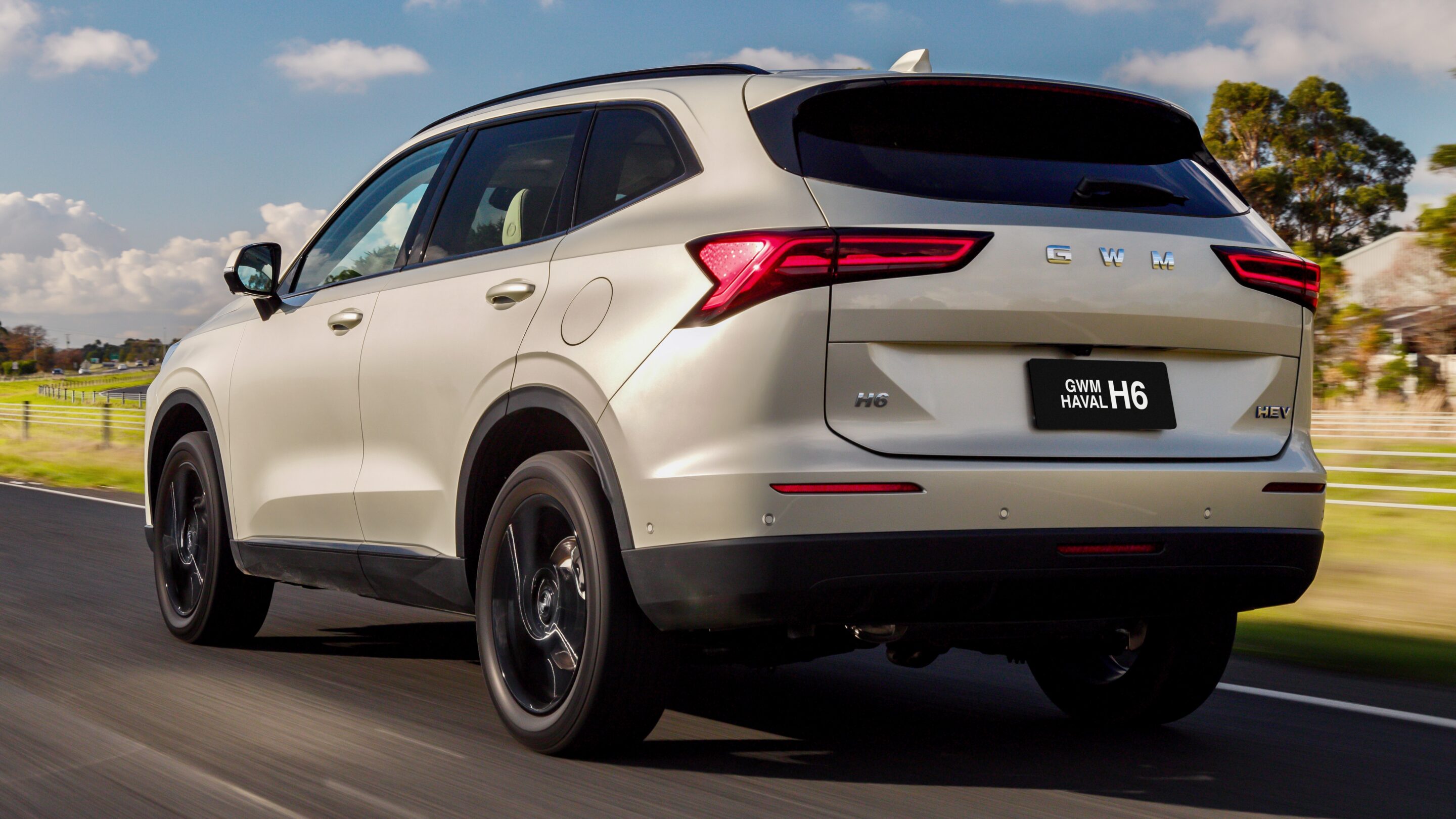
GWM Australia has introduced a mid-life update for the GWM Haval H6 mid-size SUV with updated styling, a revised interior and new plug-in hybrid drivetrains capable of travelling up to 106km electrically. The updated H6’s lineup pricing has climbed by $2000 thanks to the deletion of the previous entry-level model, but some models are $4000 cheaper than before.
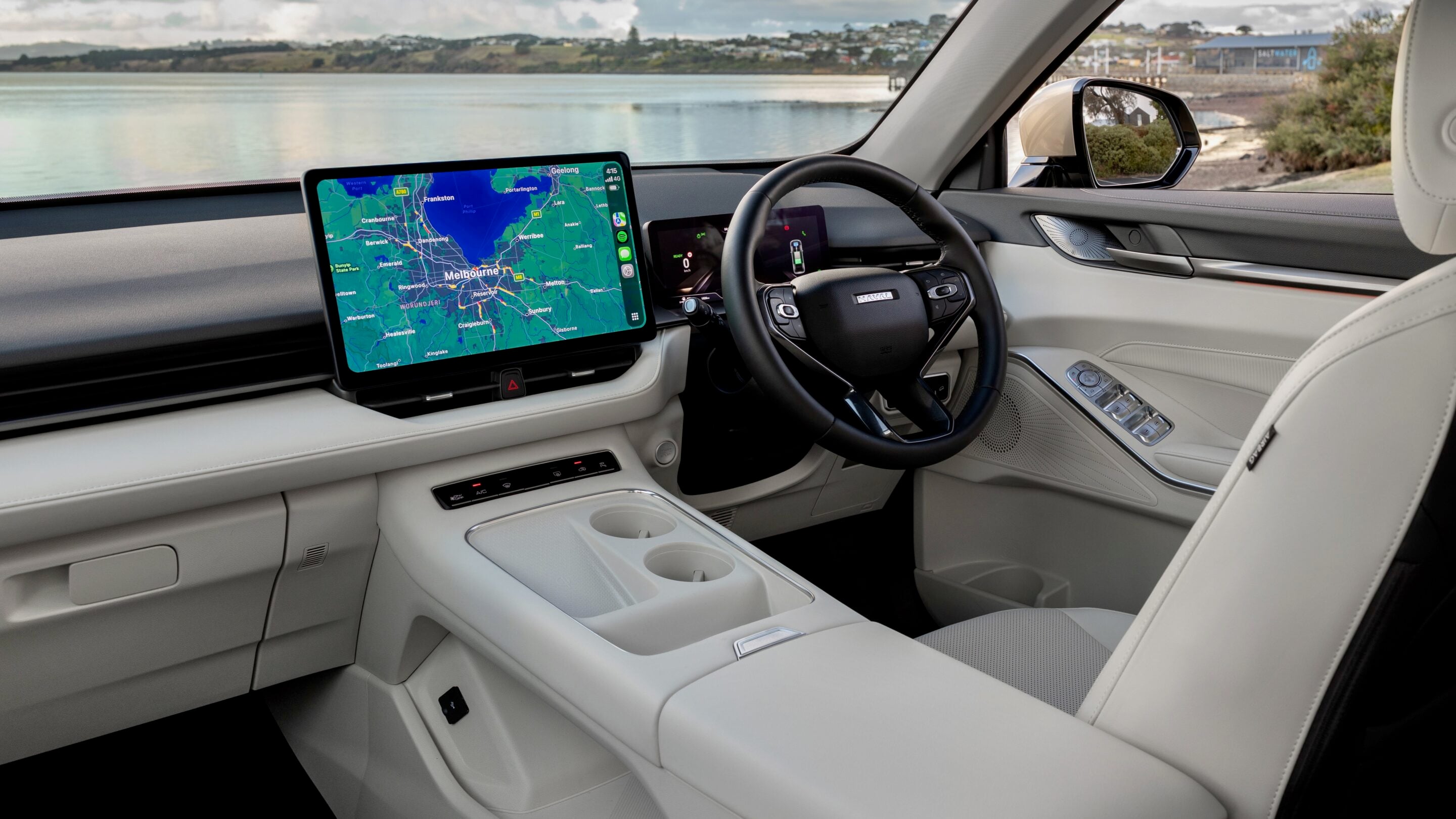
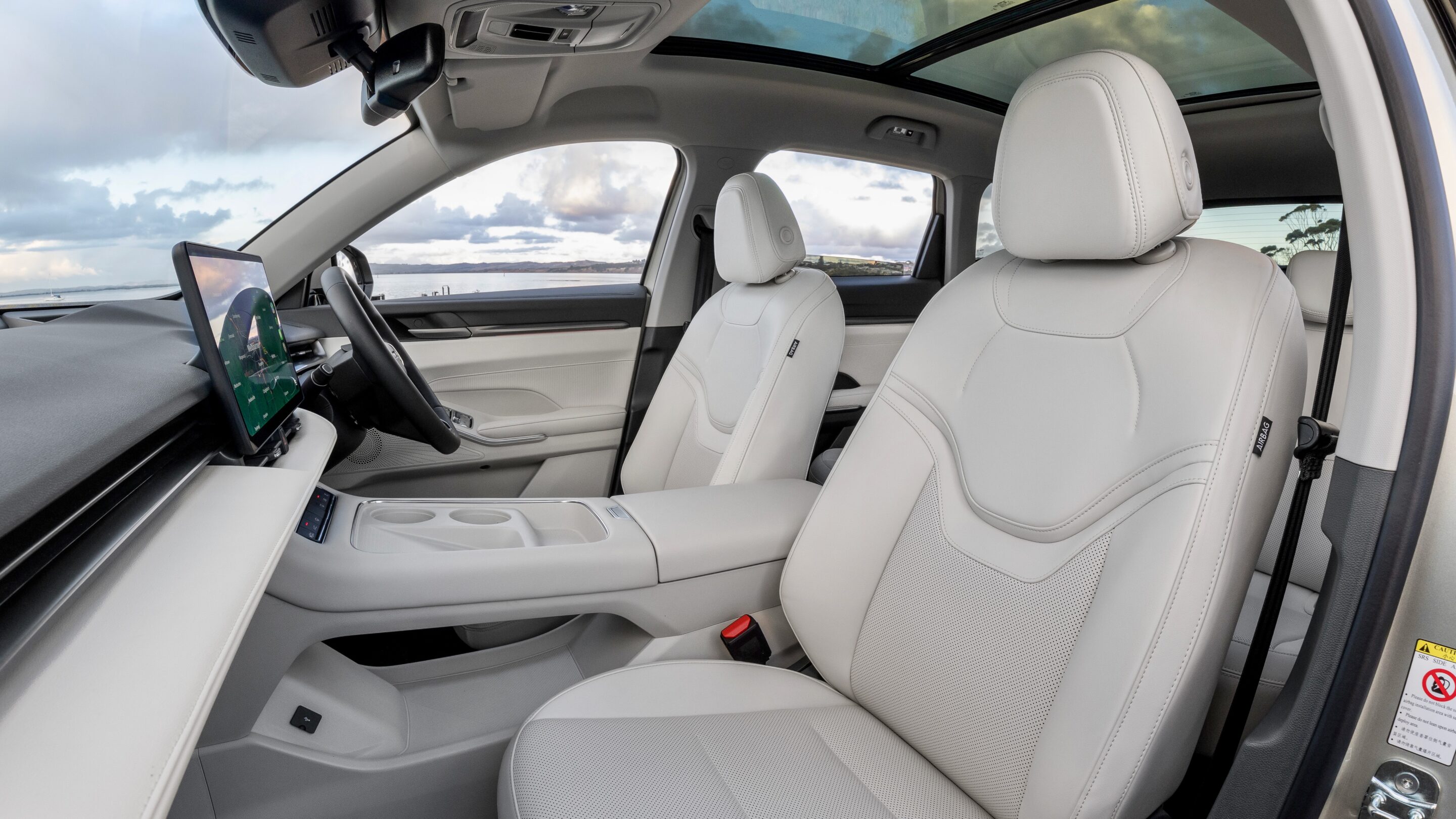
On the outside, Haval has freshened up the H6 with new front and rear lighting units, new bumpers and new wheel designs. On the inside is a revised dashboard layout with a new 14.6-inch touchscreen replacing the former 12.3-inch unit with wireless smartphone mirroring and, on hybrid models, live services for the first time.
A new steering wheel also features a thicker rim, while the centre console has also been redesigned for increased storage. In total, GWM says that the updated H6’s cabin is more driver-centric.

The GWM Haval H6 continues to offer the same 2.0-litre turbo-petrol and 1.5-litre turbo-petrol hybrid drivetrains as before, though the 2.0T now makes 170kW of power and 380Nm of torque and is paired with a new nine-speed dual-clutch transmission. Its combined fuel consumption is rated at 7.4L/100km.
The hybrid makes 179kW of power and 530Nm of torque, and uses a ‘Dedicated Hybrid Transmission’ for combined fuel consumption of 5.2L/100km.
New for 2025 is a plug-in hybrid drivetrain, which will be available in both front- and all-wheel drive configurations. Using a turbocharged 1.5-litre petrol engine with dual electric motors to make 240kW/540Nm in front-drive form or 268kW/760Nm with all-wheel drive, the H6 PHEV uses a 19.0kWh LFP battery with an NEDC-rated range of 106km (100km for AWD).
The H6 PHEV can be DC fast charged at up to 34kW for a 30-80 per cent charge in 28 minutes, while using a 6.6kW AC charger gives a 15-100 per cent charge in under three hours. The combined fuel consumption for the H6 PHEV is 1.1L/100km, and the AWD version sprints to 100km/h in just 4.8 seconds.
As with the pre-facelifted model, the H6 is covered by a seven-year/unlimited km warranty, eight-year/unlimited km battery pack warranty for hybrids, five years of roadside assistance and five years of capped price servicing with service pricing yet to be announced.
Four colour options will be available in the facelifted H6 range: ‘Hamilton White’, ‘Golden Black’, ‘Astral Pearl’ – shown in these press photos – and ‘Ayers Grey’, with only the white offering not attracting an extra $495 charge. Black interior trim is available with all colours, while a cream leather option is also available on Ultra variants not with a white exterior.
2025 GWM Haval H6 pricing (drive away):
- Lux 2.0T: $35,990
- Lux Hybrid: $40,990
- Ultra 2.0T: $38,990
- Ultra Hybrid: $43,990
- Ultra Plug-in Hybrid 2WD: $47,990
- Ultra Plug-in Hybrid: $50,990
2025 GWM Haval H6 Lux standard equipment:
- 19-inch black alloy wheels
- Dusk-sensing automatic LED lighting
- Rain-sensing automatic wipers
- Keyless entry and push button start
- Heated and auto-folding mirrors with puddle lamps
- Electric tailgate with kick-to-open functionality (hybrid only)
- Leather steering wheel
- Synthetic leather upholstery
- Driver six-way electric seat adjustment
- Dual-zone automatic climate control with rear air vents
- 10.25-inch digital driver’s display
- 14.6-inch touchscreen with wireless Apple CarPlay and Android Auto
- AM/FM/DAB+ digital radio
- Wireless phone charger
- Live services (hybrid)
- 4x USB outlets
- 7x airbags
- Autonomous emergency braking (AEB) with pedestrian, cyclist and junction assistance
- Lane keeping assistance
- Adaptive cruise control with traffic jam assist
- Traffic sign recognition
- Driver fatigue monitoring
- Blind-spot monitoring with rear cross-traffic alert
- Front and rear parking sensors
- 360-degree camera
H6 Ultra model adds over Lux:
- Head-up display
- Rear privacy glass
- Panoramic sunroof
- Driver seat memory and lumbar adjustment
- Heated and ventilated front seats
- Heated steering wheel
- Eight-speaker sound system (hybrid – petrol and PHEV have nine speakers)
- Automatic parking (excluding PHEV)
- Stainless steel front scuff plates
The updated GWM Haval H6 range will arrive in local showrooms from mid-July.
Isuzu Ute Australia has unveiled new Isuzu Ute Finance and Isuzu Ute Insurance – two new services designed to make Isuzu Ute ownership simpler, more affordable and more flexible, according to the brand.
Isuzu Ute Finance offers a streamlined and transparent way for customers to get behind the wheel. Applications are fast and fully digital, with ID verification and document signing handled securely through DocuSign.
“Whether you’re upgrading to a new D-Max or buying your first MU-X, Isuzu Ute Finance offers greater flexibility, more convenience, and a smoother path to ownership,” said Mr. Junta Matsui, Managing Director of Isuzu Ute Australia. “It’s about making the experience as effortless and transparent as possible.”
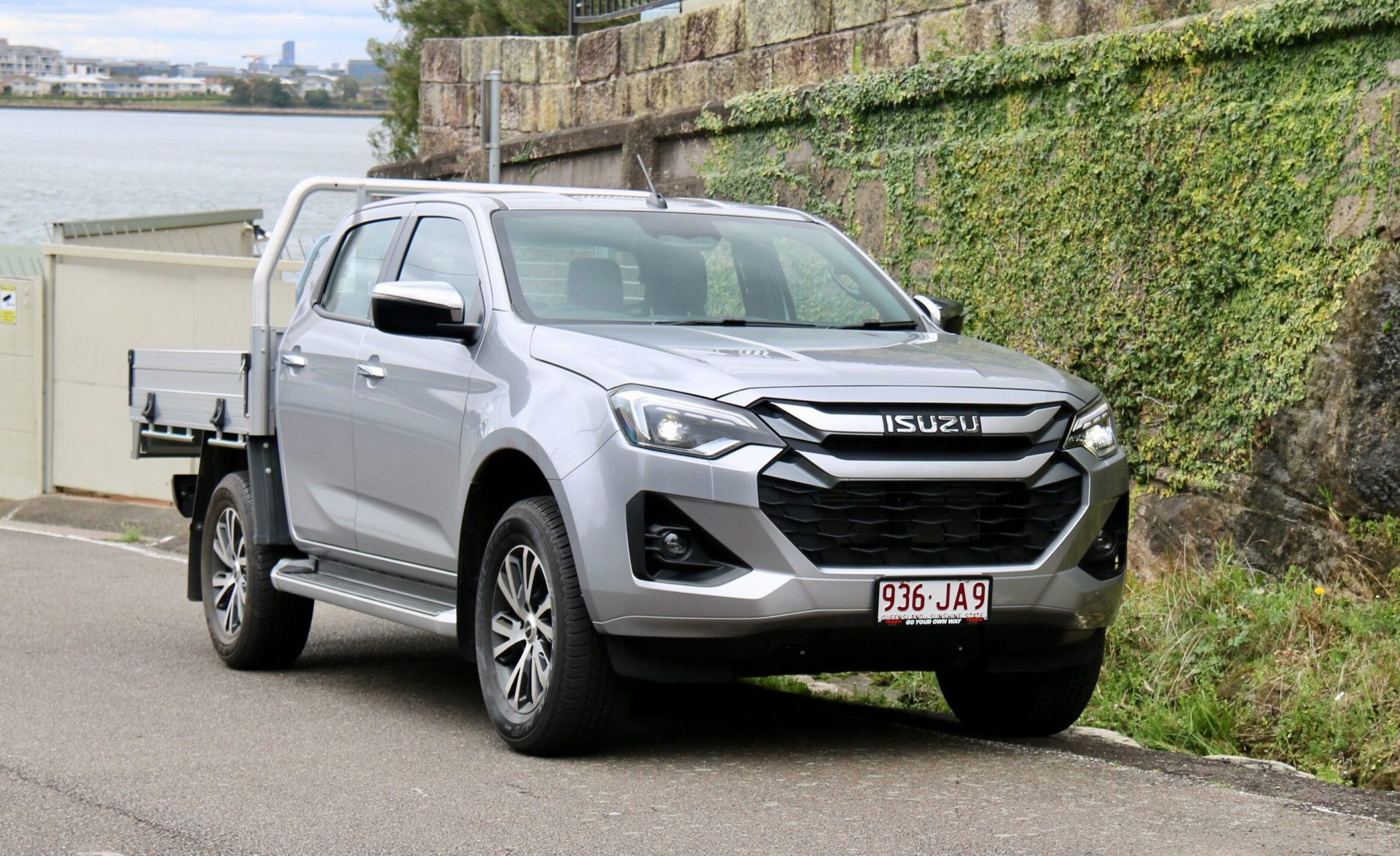
With Isuzu Ute Insurance, customers are guaranteed Isuzu genuine parts in repair, a choice of repairer and a guarantee that if a written-off vehicle is within three years old, it’ll be replaced with a brand new equivalent.
Flexible payment options will allow customers to pay monthly at no additional cost, while those not at fault following an accident will be kept mobile with a rental car. Tyres can also be optionally claimed with no excess.
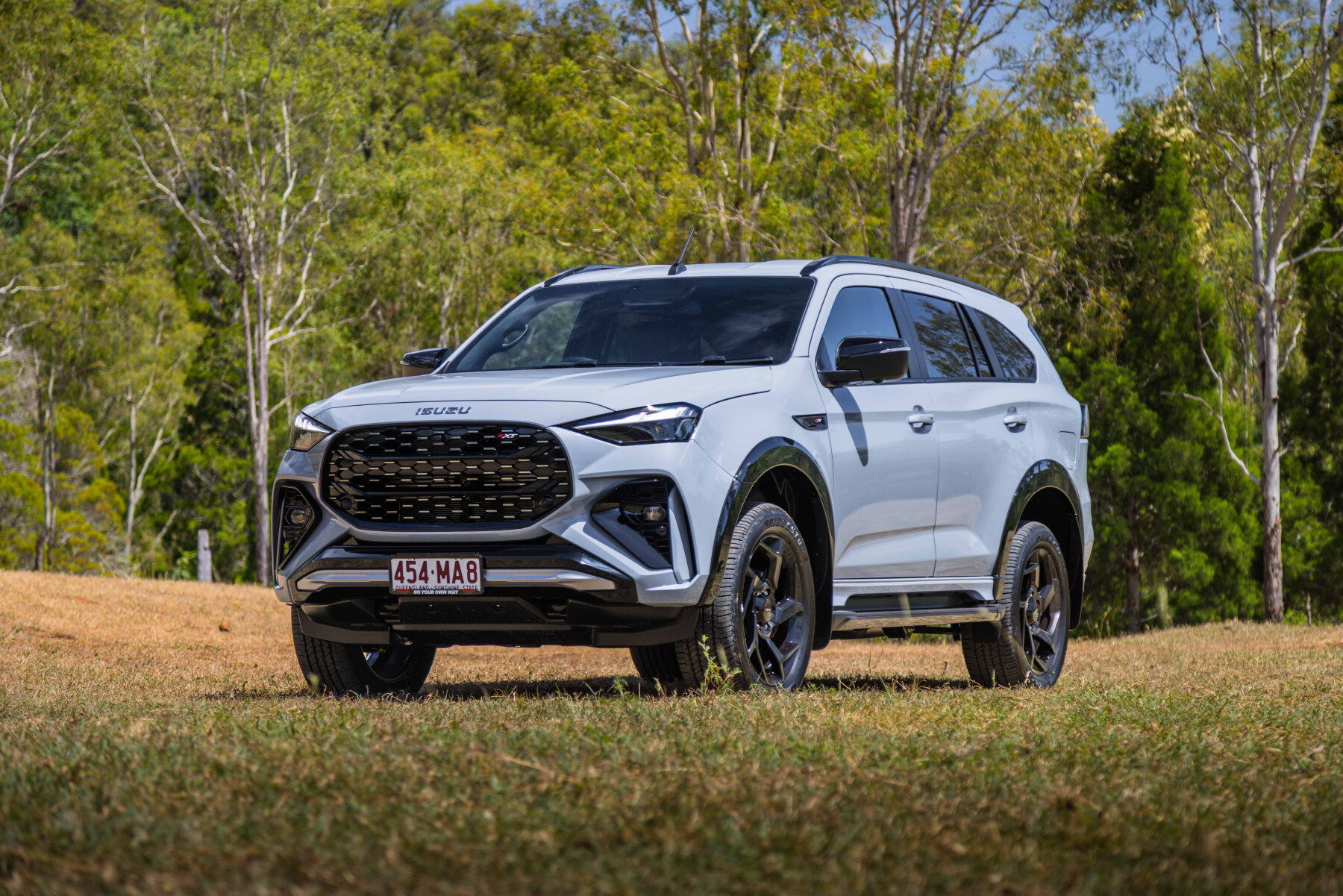
“We’ve listened to our customers and developed services that support them through the entire ownership journey,” said Mr. Matsui. “These services are designed to make buying and owning an Isuzu D-Max and MU-X more straightforward, more secure, and more rewarding, delivering greater confidence, value, and choice from the moment customers start shopping, to long after they’ve driven away.”
As of July 1, 2025, Isuzu Ute Finance and Isuzu Ute Insurance are available through the brand’s national dealer network.
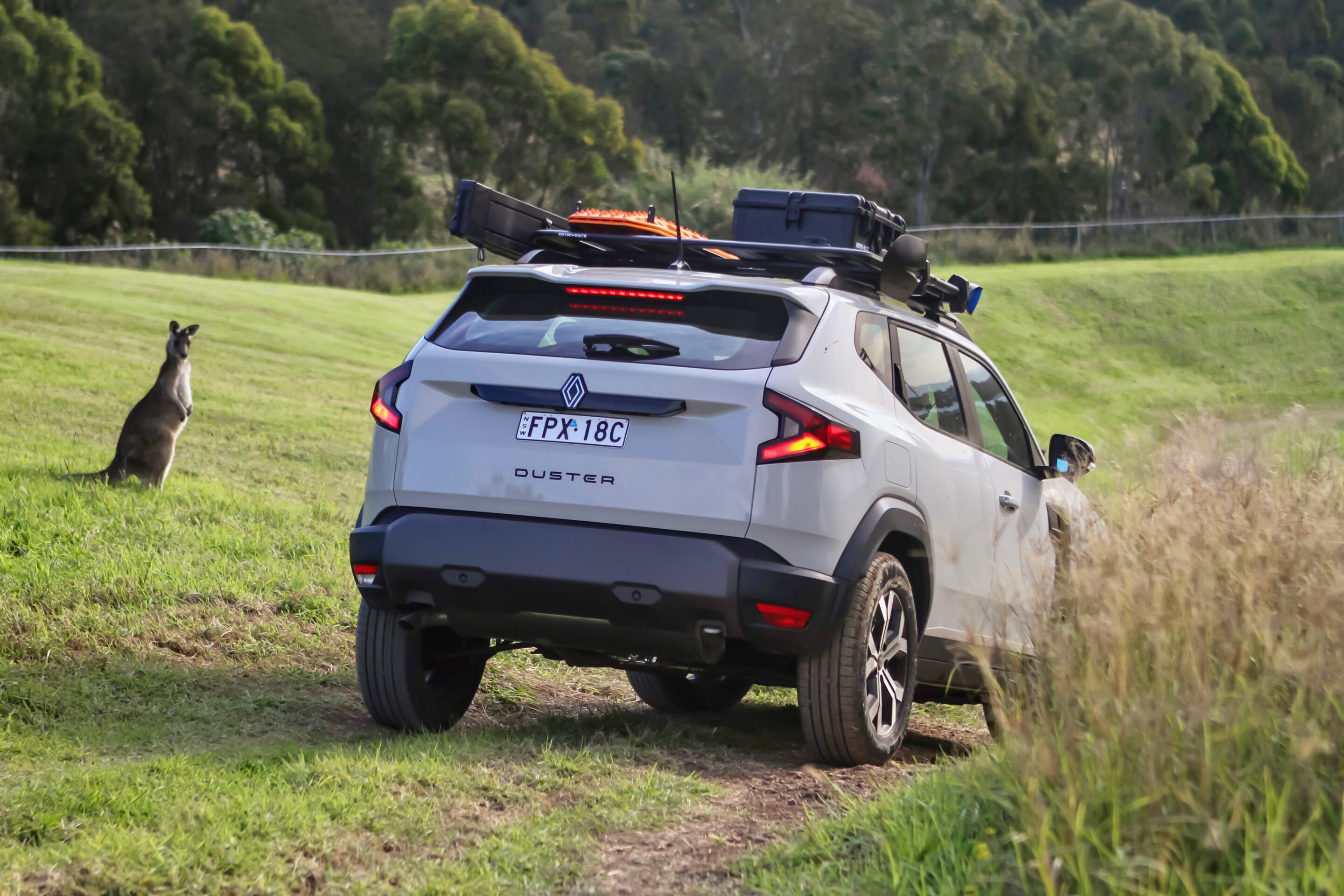
The Renault Duster small SUV will be priced from $31,990 plus on-road costs in Australia, with the first local deliveries due to commence later this month. With more ground clearance and off-road ability than most other small SUVs, the Duster will also be available with a range of genuine and locally-sourced accessories for buyers wanting even more adventure.
As confirmed recently by Renault Australia, two models will make up the Duster range: the entry-level Evolution and top-spec Techno, each available with either a turbocharged 1.3-litre front-wheel drive engine with a seven-speed dual-clutch auto or an also-turbocharged 1.2-litre mild-hybrid all-wheel drive engine with a six-speed manual.
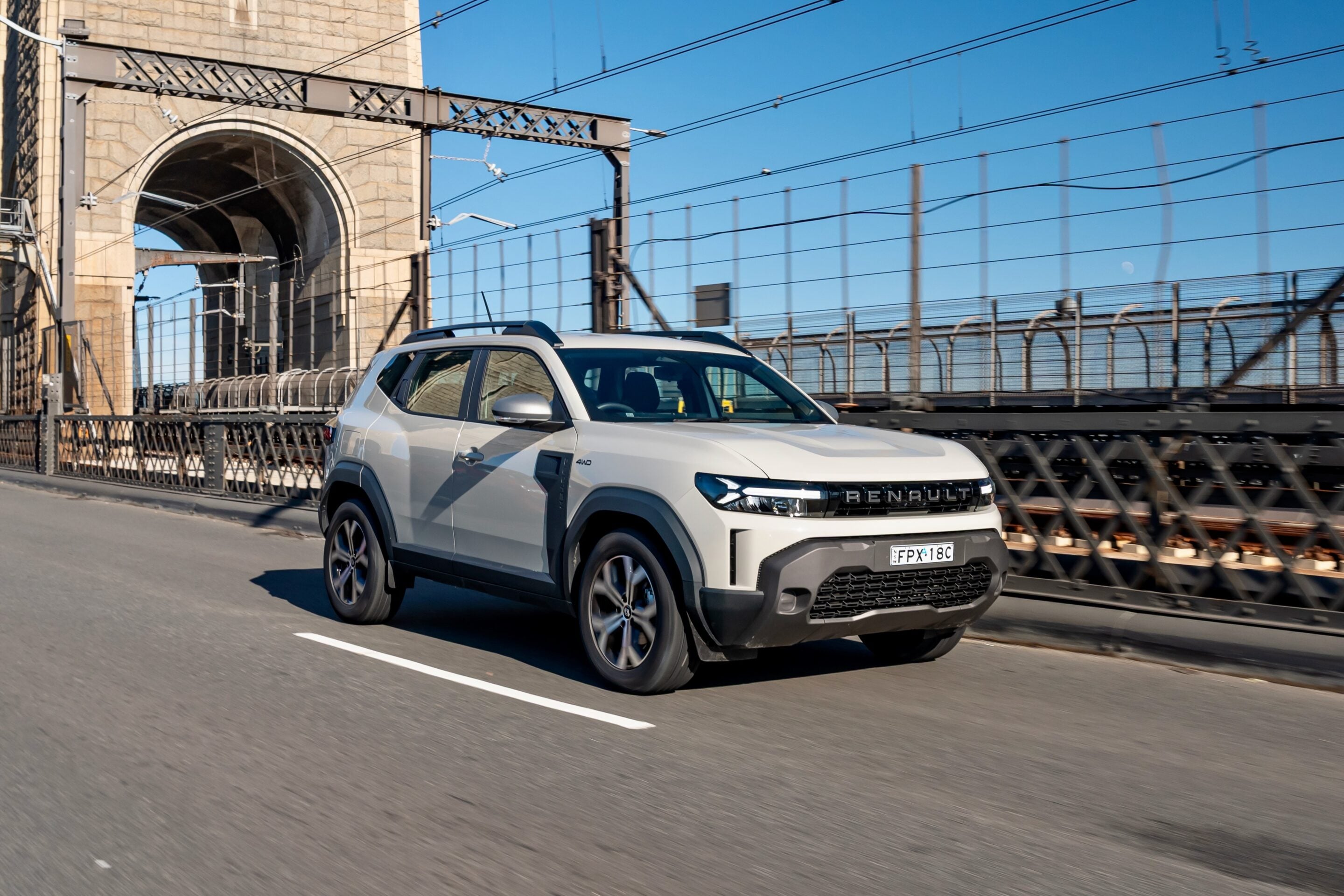
The 1.3-litre four-cylinder turbo-petrol engine is also used in the related Renault Captur, and makes 113kW of power (@ 5500rpm) and 270Nm of torque (@ 2250rpm). It’s rated at 6.5L/100km for fuel consumption and can use 91RON regular unleaded fuel.
Meanwhile, the slightly smaller 1.2-litre three-cylinder turbo-petrol donk makes 96kW of power (@4500rpm) and 230Nm of torque (@ 2250rpm) and is boosted by mild-hybrid assistance. It uses 5.7L/100km on the combined cycle, and must use minimum-95RON premium unleaded fuel.
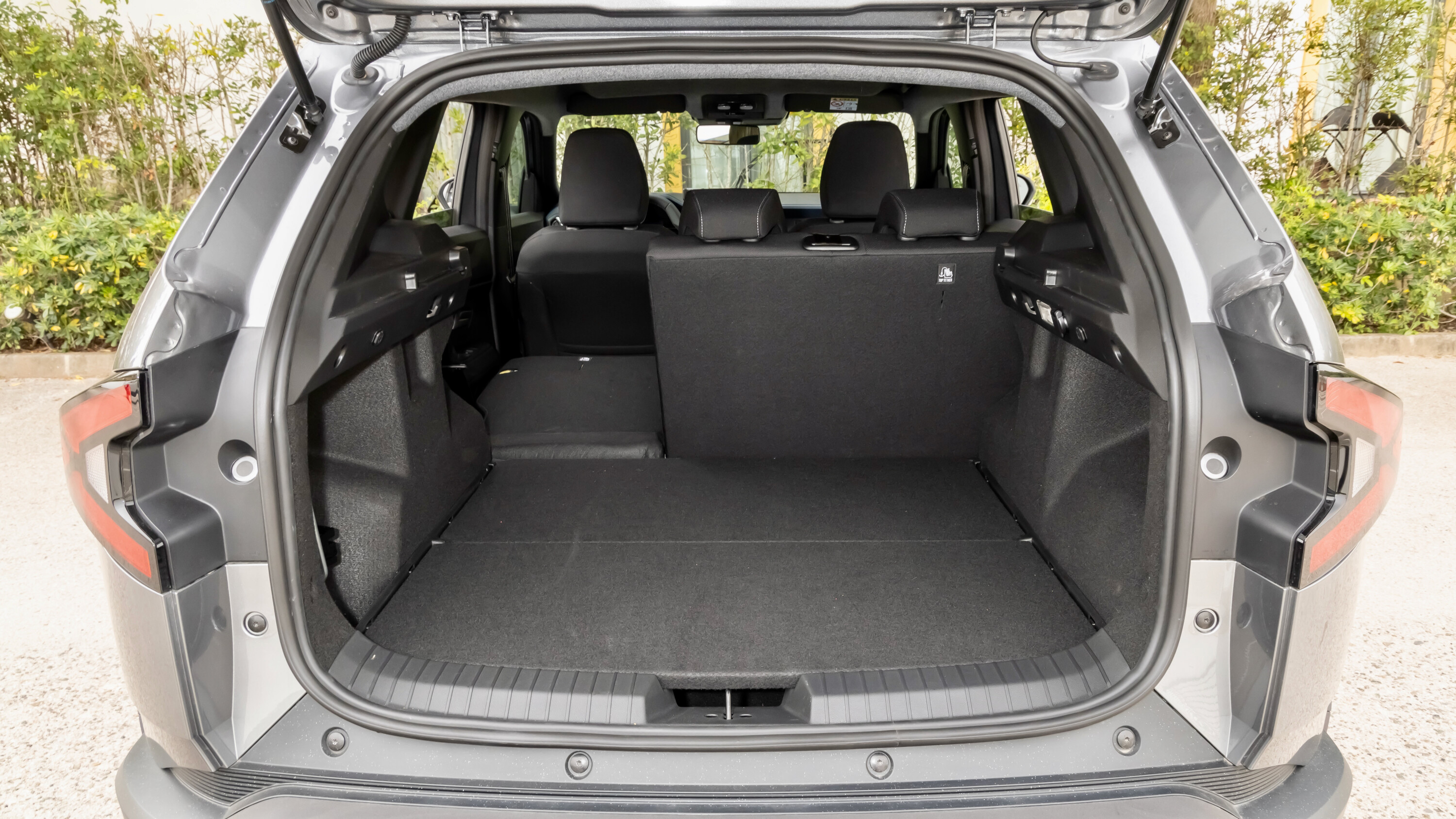
Measuring 4345mm long, 1921mm wide, 1650mm tall and riding on a 2657mm-long wheelbase, the Duster’s bootspace varies between drivetrains: the 1.3T FWD model’s boot measures between 472 litres to 1564 litres, while the 1.2T AWD’s boot is over 100 litres smaller at between 358L to 1424L thanks to its rear differential and independent rear suspension.
The Duster 1.3T FWD weighs between 1309kg and 1363kg (kerb), which is less than the 1422kg-1441kg 1.2T AWD and both can tow up to 1500kg (braked). The FWD Duster’s ground clearance is 174mm, with the AWD model increasing that to 212mm – 2mm more than a Suzuki Jimny.
Like other new Renault passenger cars, the Duster is covered by a five-year/unlimited km warranty and its service intervals are once-yearly/every 30,000km. Servicing costs are yet to be announced.
Renault Duster pricing (plus on-road costs):
| Evolution 1.3T 4×2 auto | $31,990 |
|---|---|
| Evolution 1.2T 4×4 manual | $36,490 |
| Techno 1.3T 4×2 auto | $36,990 |
| Techno 1.2T 4×4 manual | $37,990 |
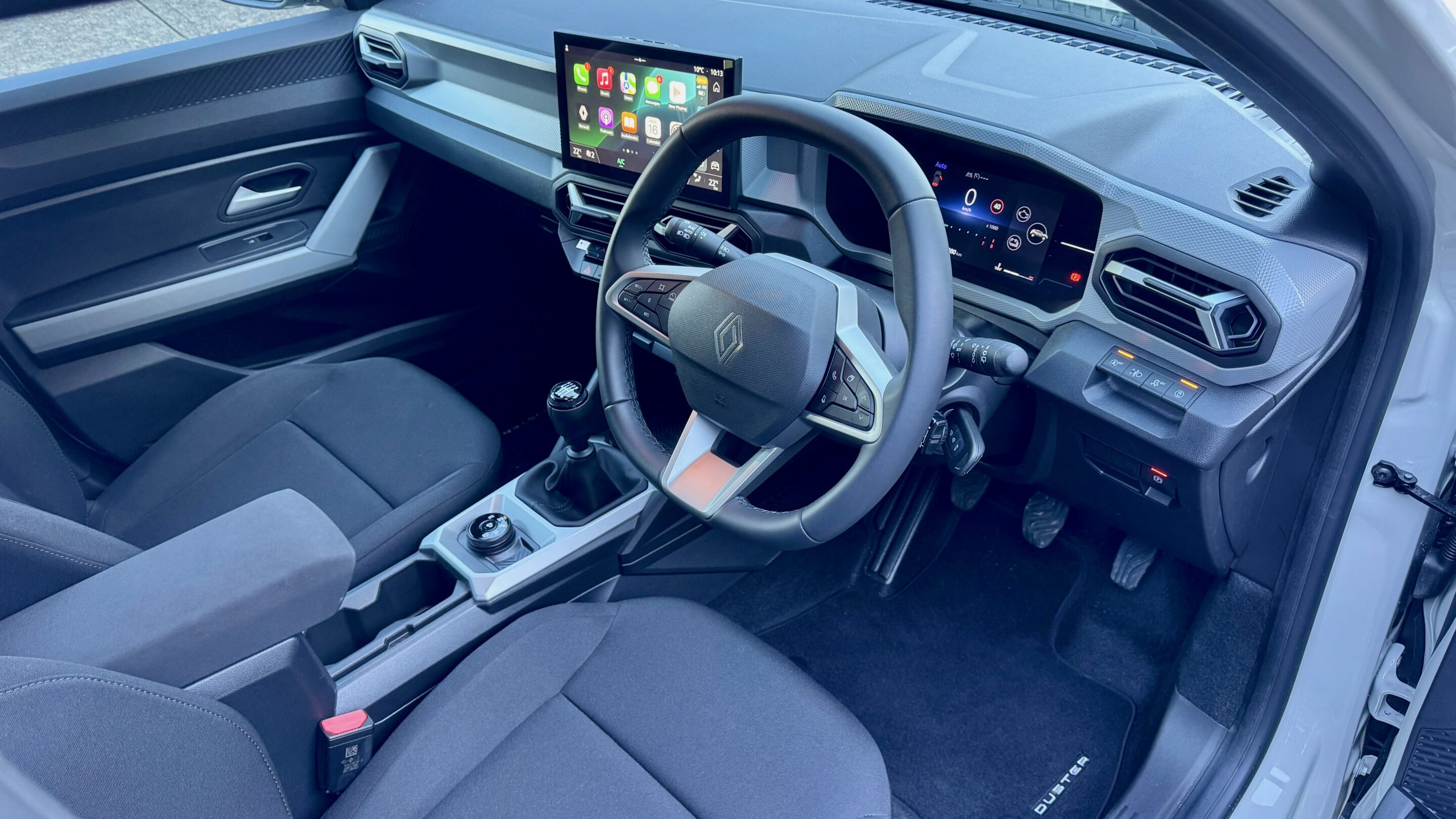
Renault Duster Evolution standard equipment:
- 17-inch alloy wheels with Continental Cross Contact tyres
- Roof rails
- Dusk-sensing automatic LED headlights
- Rain-sensing automatic wipers
- Remote central locking
- Leather steering wheel
- Dual-zone automatic climate control with rear vents
- 10.1-inch touchscreen
- Wired and wireless Apple CarPlay and Android Auto
- AM/FM/DAB+ digital radio
- 4x USB-C charging points
- Wireless phone charger
- Arkamys six-speaker sound system
- Cruise control with a speed limiter
- Electric parking brake
- ‘YouClip’ accessory mounting points: 1x rear centre console, 2x boot, 1x inside of tailgate
Renault Duster safety features:
- 6x airbags
- Autonomous emergency braking (AEB) with pedestrian and cyclist detection
- Forward collision warning with safe following distance warning
- Lane keeping assistance with lane departure warning
- Traffic sign recognition
- Driver attention monitoring
- Rear parking sensors
- Reversing camera
- Tyre pressure monitoring
Duster Techno model adds:
- ‘Premium’ cloth upholstery
- Rear privacy glass
- Blind-spot monitoring
- 360-degree camera
- Front parking sensors
- Keyless entry with push button start and walk-away locking
- Auto high beam
- Split-level boot floor (4×2)
- Additional ‘YouClip’ accessory points: 1x dashboard, 1x right of infotainment system
- 18-inch alloy wheels
- Modular roof rails
The Renault Duster is now on sale in Australia, with the first local deliveries due to commence later this month.
Volkswagen Australia has announced pricing and specifications for the updated MY25 Volkswagen Amarok ute, which starts at an unchanged $55,490 plus on-road costs.
As well as new standard features, the Amarok range has added a new optionally-available cab chassis tray on Core, Life and Style models and a new 10 Deserts Edition that celebrates Volkswagen’s 2024 world record covering Australia’s 10 deserts.
The new Volkswagen Amarok 10 Deserts Edition is based on the second-from-bottom Life variant and adds a number of unique features.
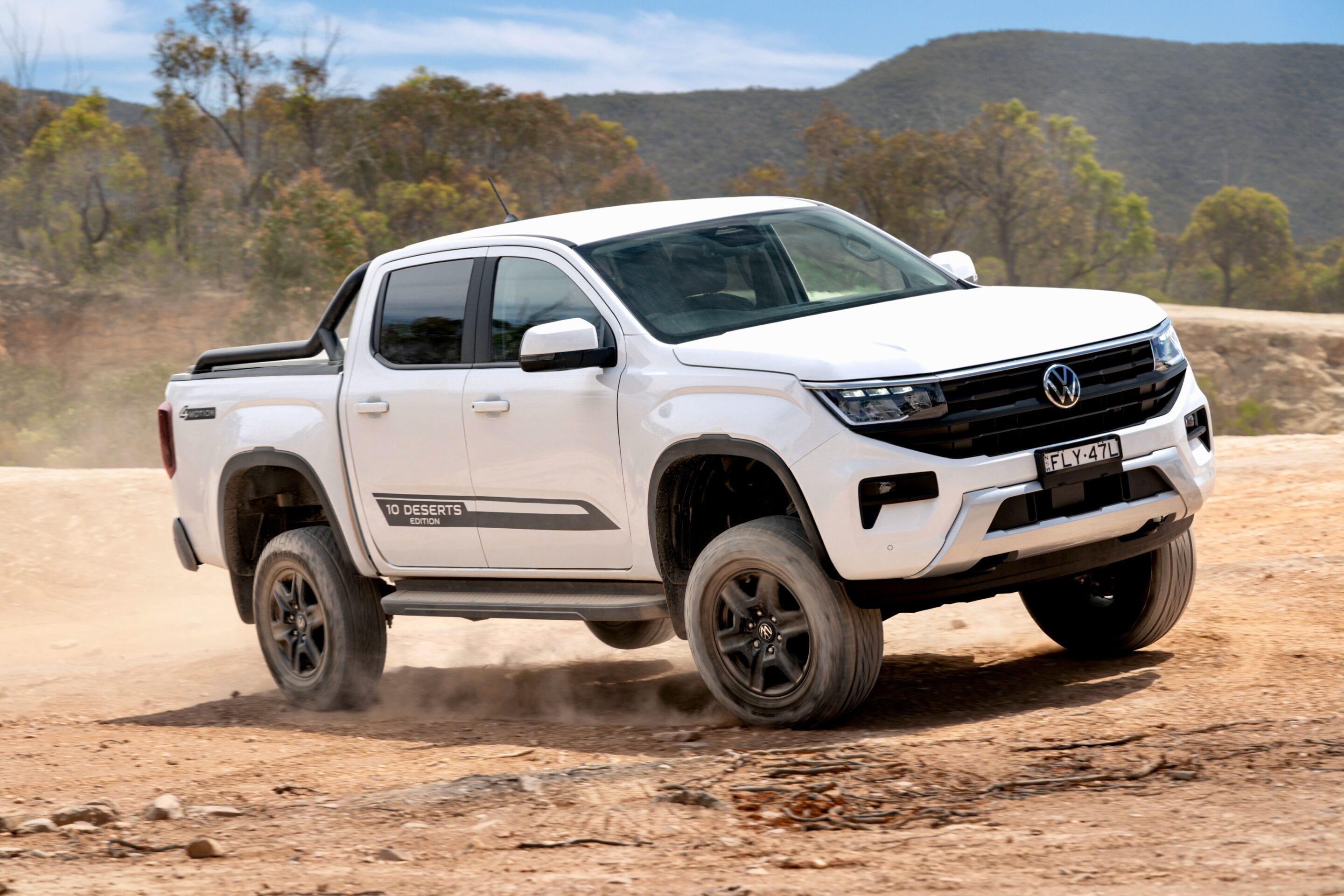
Limited to 300 units, the Amarok 10 Deserts Edition adds a 40mm suspension lift, 17-inch black wheels with Continental all-terrain tyres, underbody protection, a black sports bar, soft tonneau cover, all-weather floor mats and 10 Deserts badging.
Priced from $68,490 plus on-road costs or $69,990 drive away, the 10 Deserts Edition is priced $9000 more than the Life TDI500 on which it’s based.
Elsewhere in the MY25 Volkswagen Amarok line-up, buyers can now order a cab chassis version of Core, Life and Style models with a 132kg steel tray now offered for an extra $4000, while a heavier-duty 243kg version is also available.
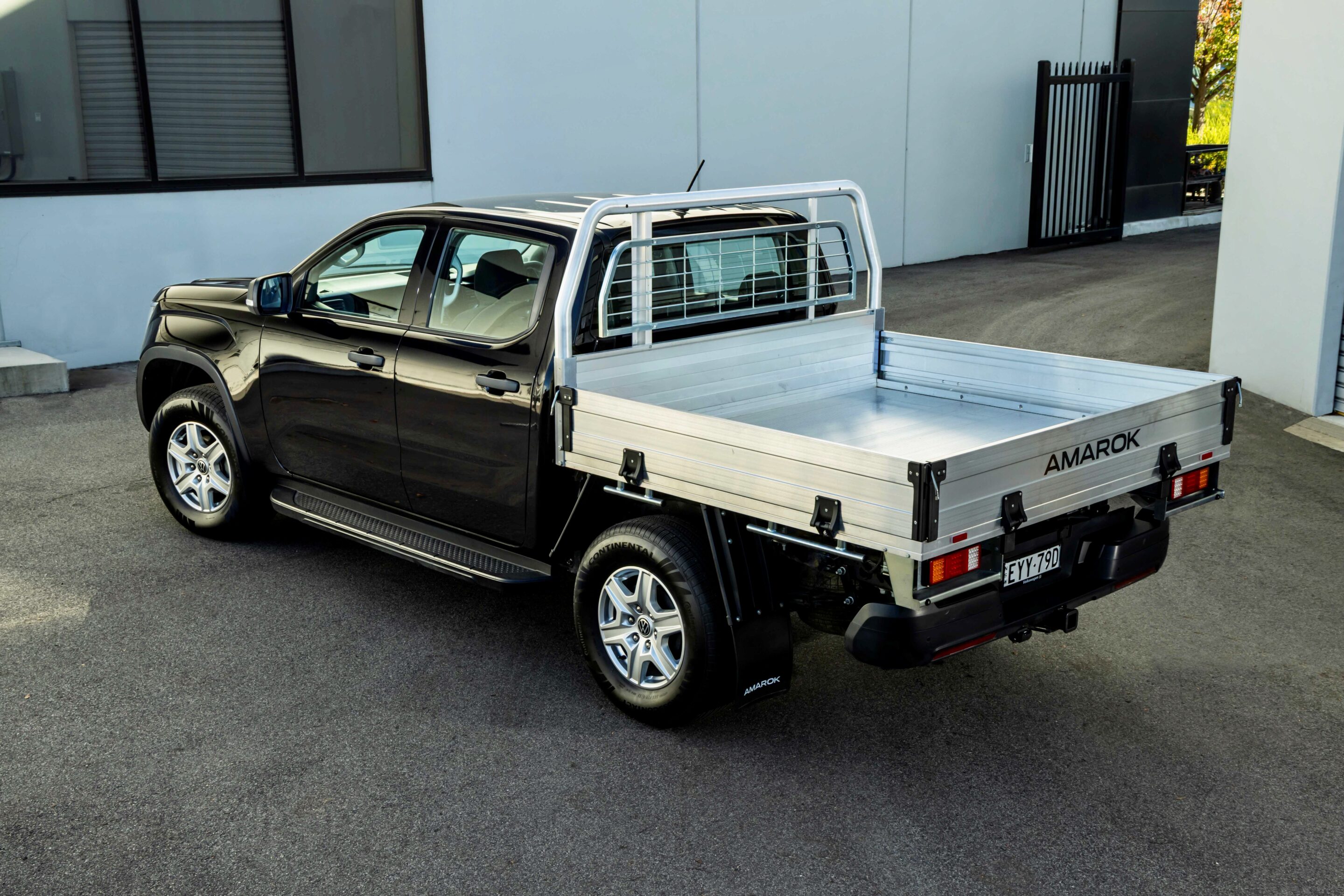
The trays measure 1900mm long on the outside and 1650mm long by 1835mm wide inside.
The Amarok Style, PanAmericana and Aventura have also added a pair of 230-volt outlets – one on the rear of the centre console and one in the tray – plus a 400V inverter to power electrical devices on the move.
The Style, PanAmericana and Aventura have also added a new ‘Trailer Assist’ feature, which will make connecting trailers easier, and the former ‘Mid Blue Metallic’ paint has been replaced by ‘Reed Green Metallic’.
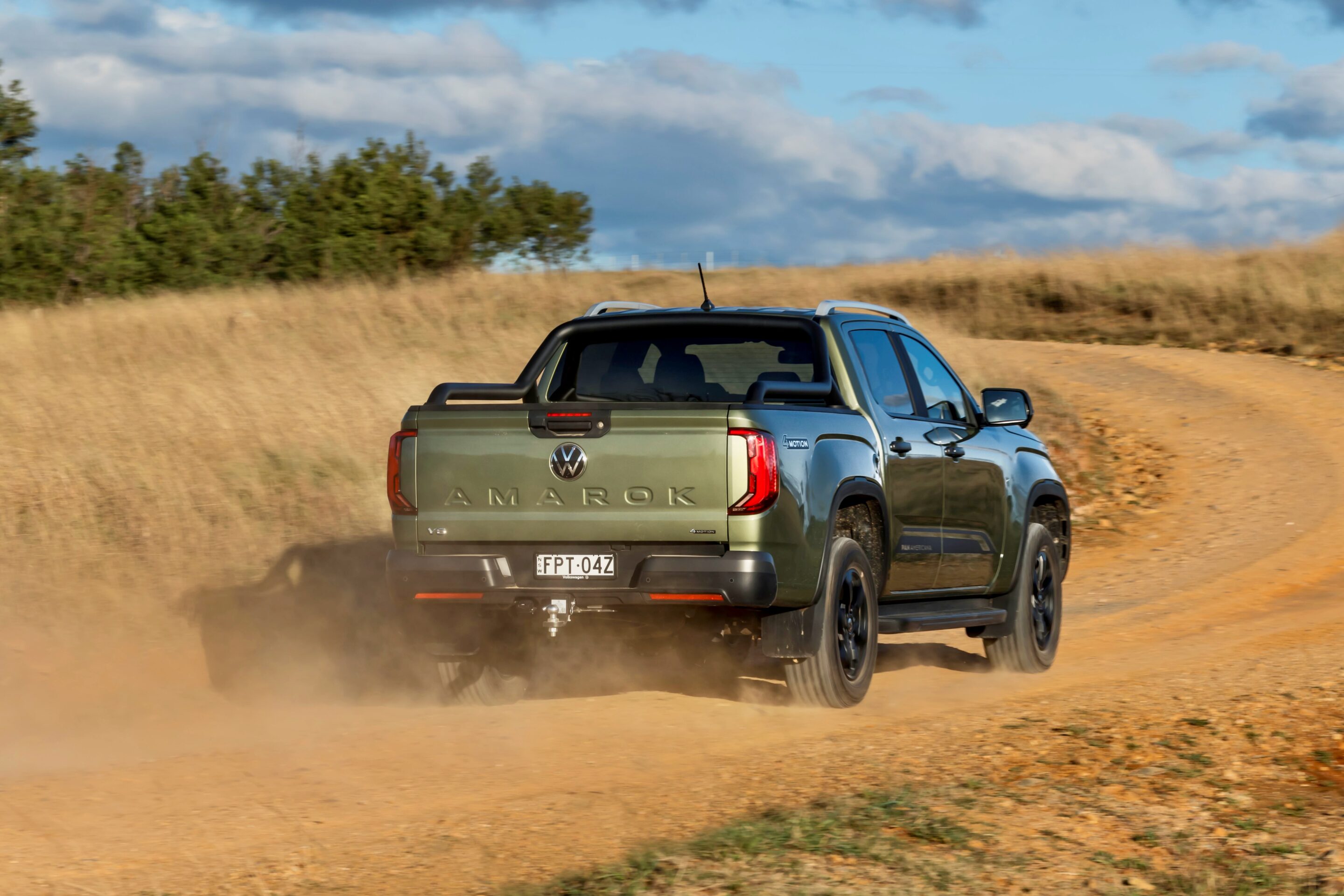
The engine choices in the Amarok range remain unchanged with a 125kW/405Nm 2.0-litre turbo-diesel available in the entry-level Core, a twin-turbo 154kW/500Nm version in the Life, 10 Deserts and Style, a 184kW/600Nm 3.0-litre V6 turbo-diesel in the Style, PanAmericana and Aventura and a 222kW/452Nm 2.3-litre turbo-petrol engine in the Aventura.
MY25 Volkswagen Amarok pricing
- Core TDI405: $55,490 ($55,990 drive away)
- Life TDI500: $59,490 ($61,990 drive away)
- 10 Deserts Edition TDI500: $68,490 ($69,990 drive away)
- Style TDI500: $69,740 ($72,740 drive away)
- Style TDI600: $73,740 ($76,740 drive away)
- PanAmericana TDI600: $78,990 ($79,990 drive away)
- Aventura TSI452: $79,990 ($79,990 drive away)
- Aventura TDI600: $82,990 ($82,990 drive away)
*Amarok Cab Chassis Tray adds $4000 to Core, Life and Style.
The updated MY25 Volkswagen Amarok range will enter local Volkswagen showrooms from July.
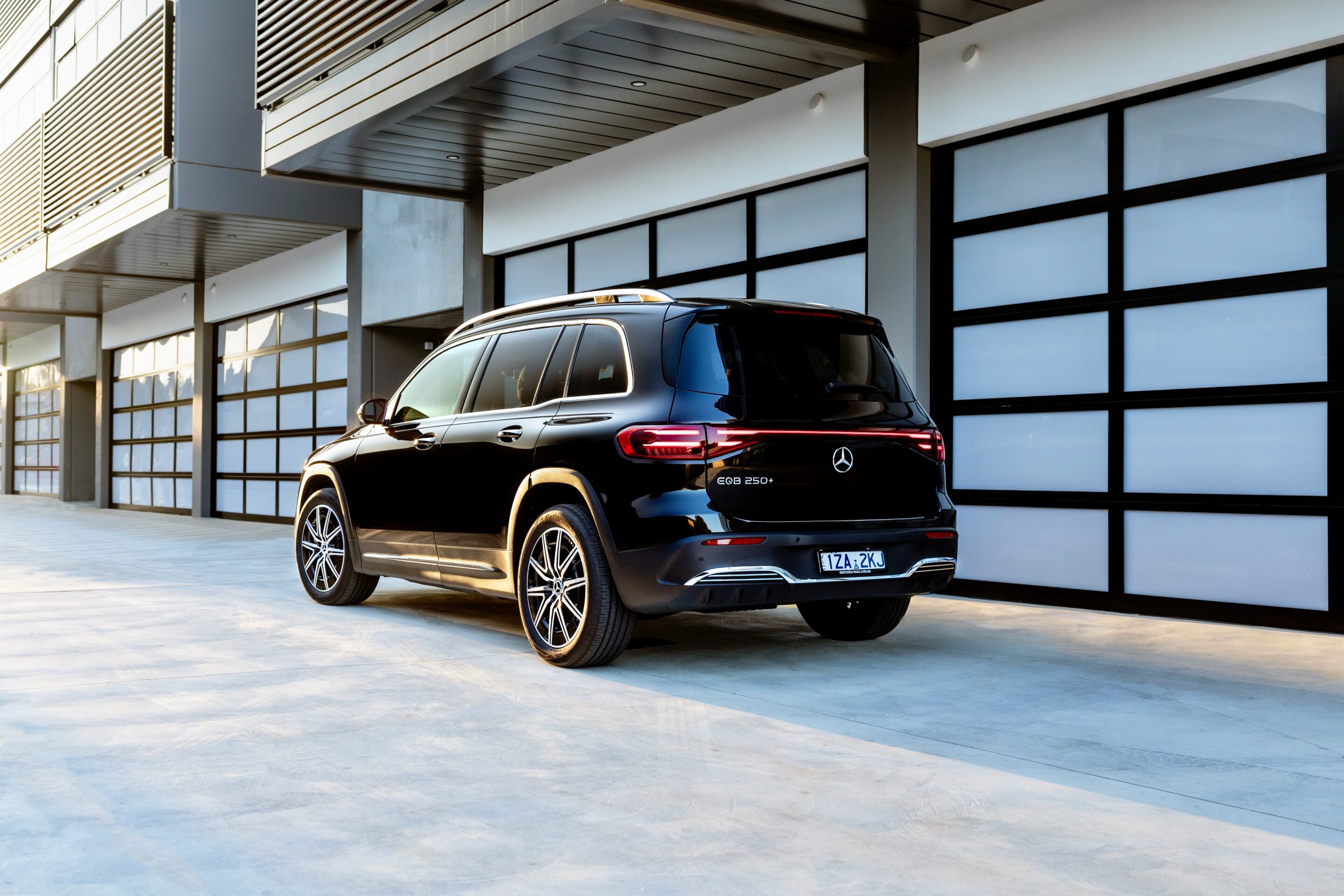
Mercedes-Benz has announced a new special edition for its EQA and EQB small electric SUV ranges, with the City Edition of both now available to order from local Mercedes dealerships.
Adding extra equipment to the 250+ variants of the EQA and EQB ranges, the City Editions usher in special pricing as well, with both available under the FBT exemption point.
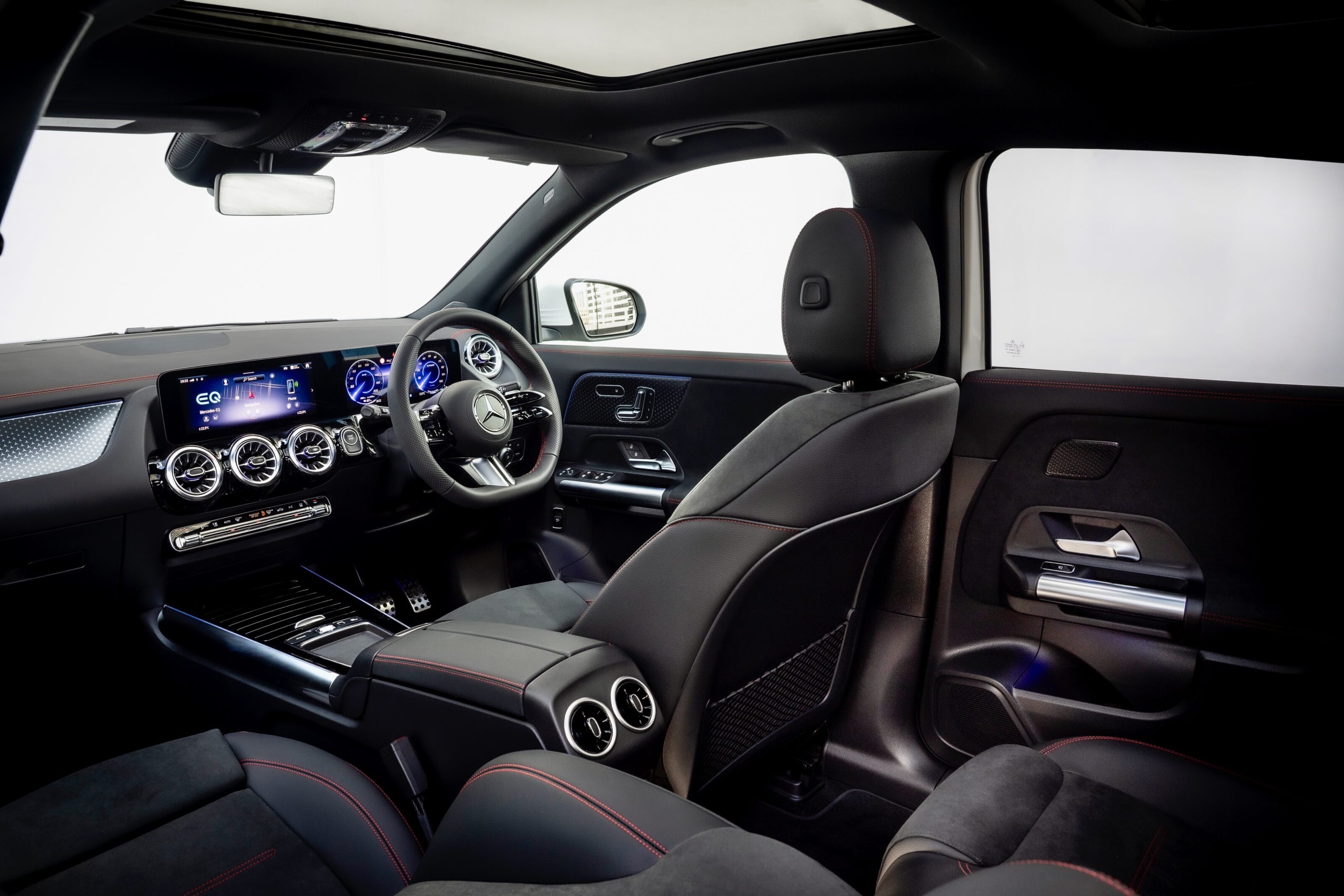
New 19-inch alloy wheels and comfort suspension ensure a comfortable driving experience, according to Mercedes, as well as the AMG Line exterior styling package, LED headlights with adaptive high beam, a panoramic glass roof, keyless entry with push button start, electric and heated front seats with memory functionality and metallic paint are also standard equipment.
On the inside of both the EQA 250+ and EQB 250+ City Editions is the brand’s ‘MBUX’ infotainment system with Apple CarPlay and Android Auto smartphone mirroring, augmented reality satellite navigation, a fingerprint scanner for individual driver profiles, wireless phone charging, ambient lighting and DAB+ digital radio.
The City Editions feature the brand’s ‘Artico’ synthetic leather upholstery with suede inserts, as well as a Nappa leather steering wheel. In addition to the EQA’s equipment, the EQB 250+ City Edition also adds a third row of seating and a sliding middle row seat.
On the safety front, the EQA and EQB City Editions both feature nine airbags, automatic parking, adaptive cruise control, active lane keeping assistance and blind-spot monitoring.
Both City Editions use a 70.5kWh battery for up to 578km of range for the EQA and 564km of range for the EQB (both on the NEDC cycle). Both also use a 140kW/385Nm front-mounted electric motor.
Pricing for the EQA 250+ City Edition starts at $80,700 plus on-road costs – $5100 less than the regular EQA 250+ – and $85,400 +ORC for the EQB 250+ City Edition. Both City Editions also feature a three-year service package and 12 months of charging through the Chargefox network as standard.
Mercedes-Benz City Edition pricing (plus on-road costs):
| EQA 250+ City Edition | $80,700 |
| EQB 250+ City Edition | $85,400 |
The Mercedes-Benz EQA 250+ and EQB 250+ City Editions are now on sale in Australia ahead of the first deliveries commencing soon.
There’s no doubt that the SUV has won favour over the traditional sedan or wagon for family motoring globally, with buyers shunning them so much that many simply are no longer offered in Australia or even made at all.
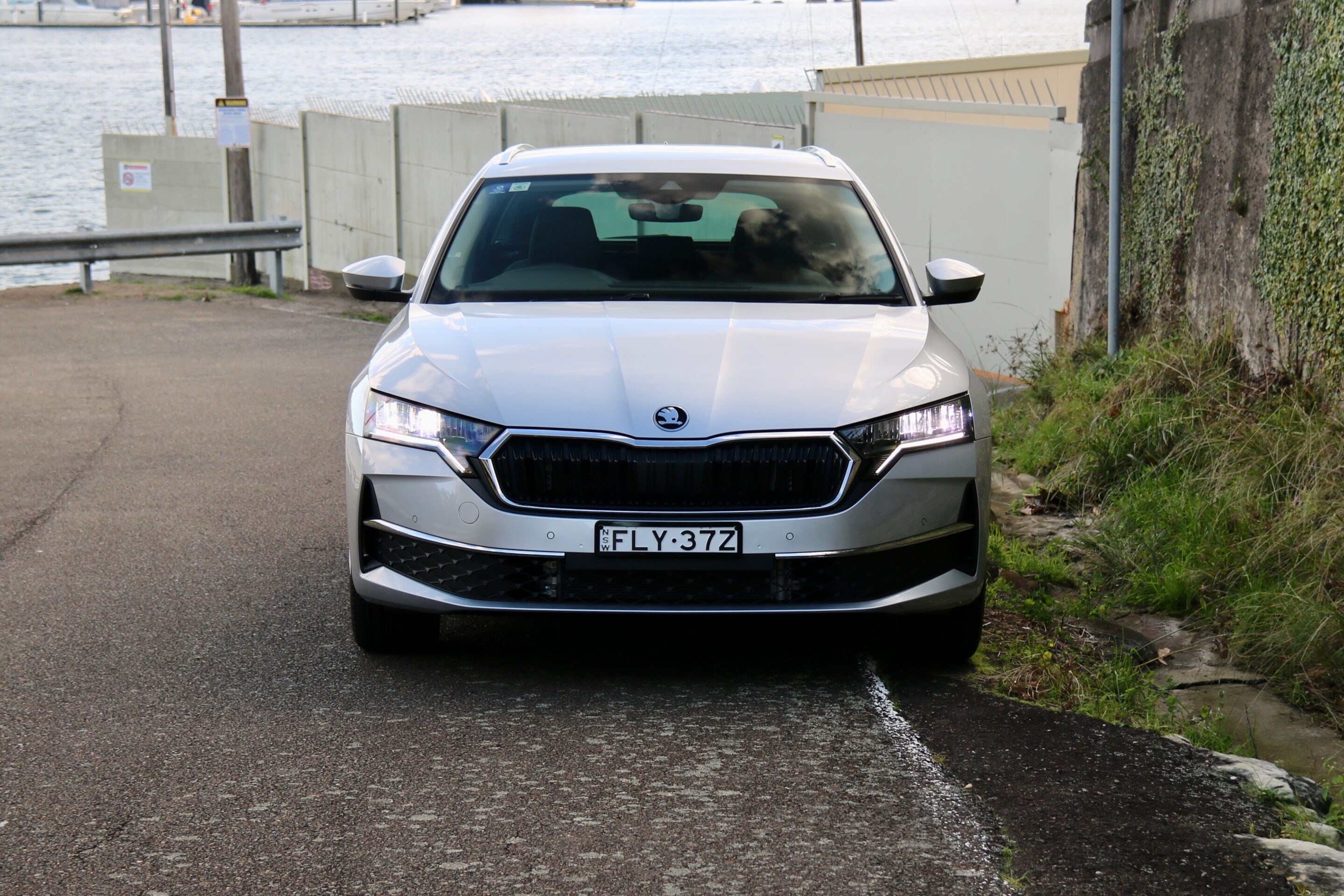
Skoda has long been one of the best makers of wagons, with the Octavia still the company’s best-selling product globally. Locally, more attention is given to the Kodiaq SUV, but the fact remains: the Octavia is an excellent family car. Should you be considering it over an SUV?
Price and equipment
For the 2025 model year, there are three Octavia models offered in Australia: entry-level Select, mid-spec Sportline and the top-spec RS that we tested recently. All three are available in either liftback or wagon bodystyles, with the entry-level Select wagon tested here.
2025 Skoda Octavia pricing (drive away)
| 110TSI Select liftback | $41,490 |
|---|---|
| 110TSI Select wagon | $43,990 |
| 110TSI Sportline liftback | $46,490 |
| 110TSI Sportline wagon | $47,990 |
| 195TSI RS liftback | $62,990 |
| 195TSI RS wagon | $64,490 |
Octavia Select standard equipment
- 18-inch alloy wheels with a space saver spare
- Dusk- and rain-activated automatic LED exterior lighting
- Rain-sensing automatic wipers
- Remote keyless entry with push button start
- Heated and auto-folding mirrors with driver’s side auto-dimming
- Silver roof rails
- Rear privacy glass
- Cloth and synthetic leather upholstery
- 10-way manual front seats
- Leather steering wheel with paddle shifters
- Dual-zone automatic climate control with rear vents
- 10-inch digital driver’s display
- 13-inch touchscreen
- Wireless Apple CarPlay and Android Auto
- Satellite navigation
- AM/FM radio
- Bluetooth calling and audio streaming
- Eight-speaker sound system
- 4x USB-C charging ports
- Wireless phone charger with ventilation
- LED ambient cabin lighting
- ‘Simply clever’ features such as a bin in the driver’s door, various nets and hooks in the boot, teeth in the front cup holders to open bottles, cargo fasteners and a windscreen washer funnel
Octavia Select safety equipment:
- 8x airbags (including front centre and driver’s knee units)
- Autonomous emergency braking with pedestrian and cyclist detection
- Adaptive cruise control with stop and go functionality
- Traffic jam assist
- Lane keeping assistance
- Adaptive lane guidance
- Emergency assist
- Blind-spot monitoring with exit warning
- Rear cross-traffic alert
- Driver attention monitoring
- Automatic low-speed front and rear braking
- Tyre pressure monitoring
- Front and rear parking sensors
- Reversing camera
The Octavia range earned a five-star ANCAP safety rating with scores of 89 per cent in adult protection, 82 per cent in child protection, 68 per cent in road user protection and 81 per cent for safety assistance.
Interior, practicality and bootspace
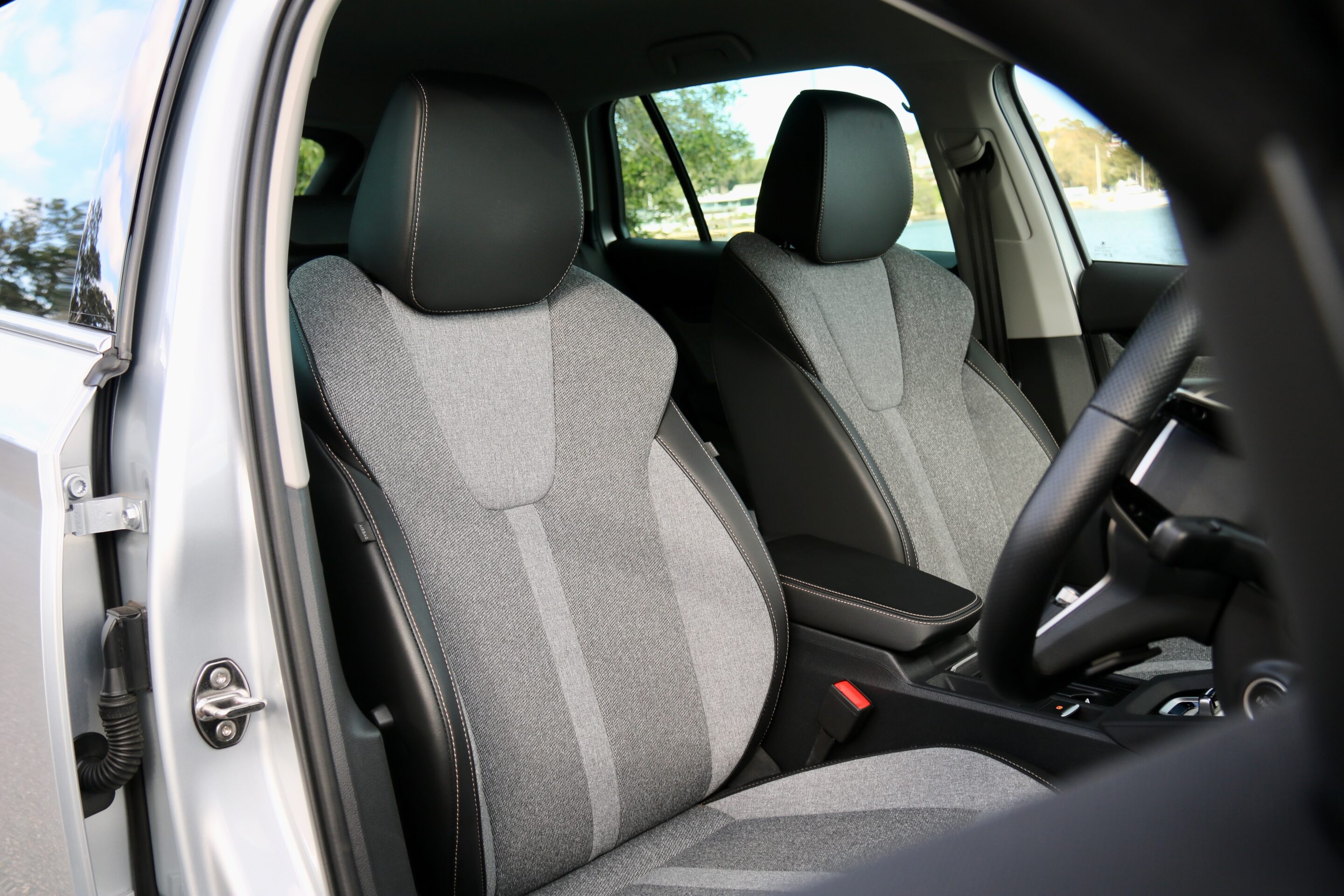
Don’t let the $43,990 drive away price fool you: the interior of the Octavia feels like a more expensive car, even in entry-level Select form. That’s thanks to the interesting and solid materials used throughout, including the pebble-like dashboard trim, cool light grey textiles throughout to liven it up and tight-feeling switchgear. Many of the materials are soft touch as well, adding an extra feeling of quality throughout.
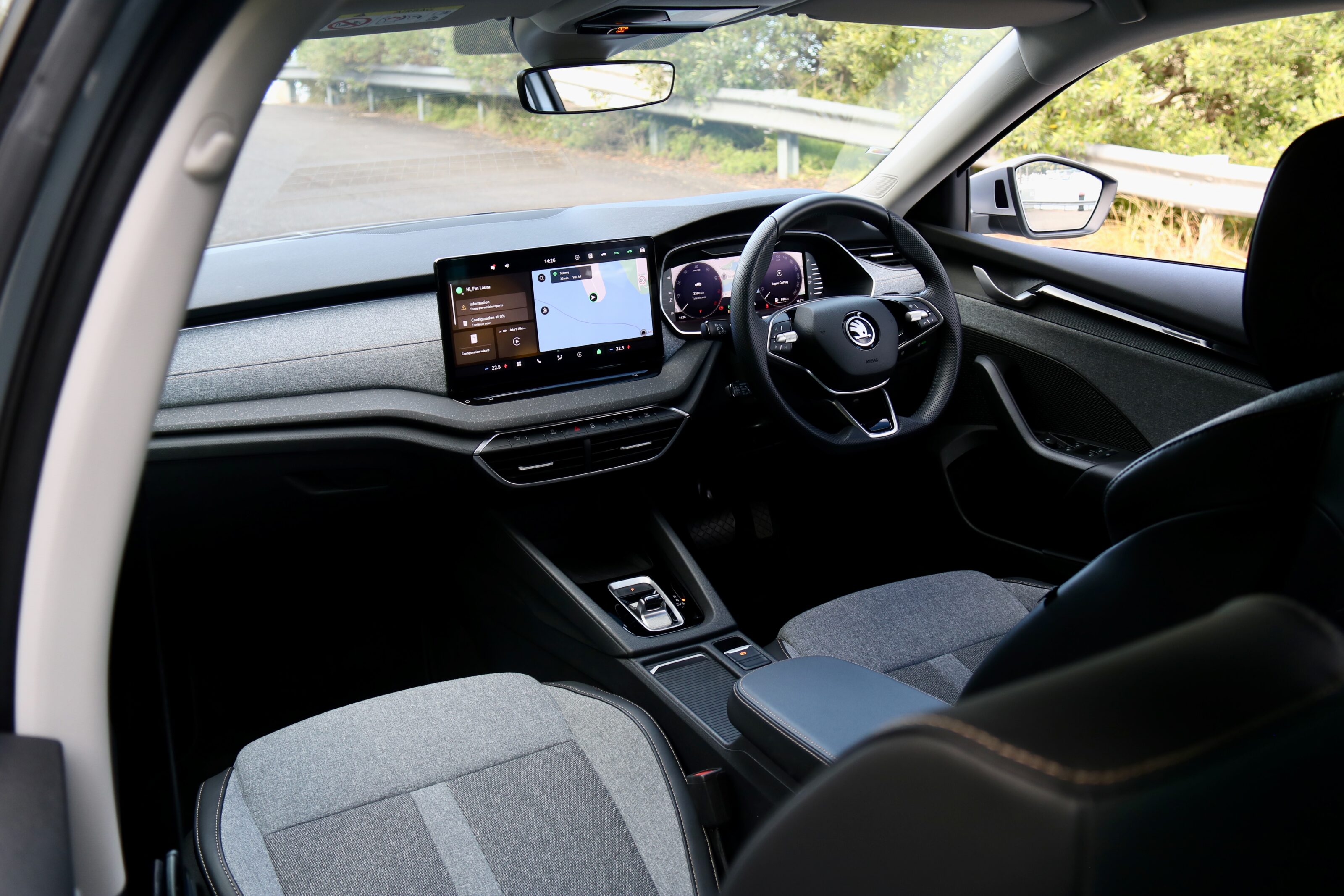
Centre of the cabin is a 13-inch touchscreen that features wireless smartphone mirroring and satellite navigation, though no DAB+ reception or live services. It received a redesign with the Octavia’s mid-life facelift and it’s now easier to use, thanks to a new layout with more shortcuts for major functions. The row of shortcut buttons underneath the screen also help massively with user-friendliness, and aside from the grainy reversing camera, everything is sharp to look at.
As you’d expect for a Skoda, the Octavia Select is filled with excellent storage options for life’s trinkets, including big flock-lined door bins (with a bin in the driver’s door), a big box underneath the centre armrest, a secret tray to the right of the driver, a big tray underneath the dashboard with a ventilated wireless phone charger and cup holders with teeth so that bottles can be opened using only one hand.
Despite not featuring the electric seat adjustment of the upper-spec RS, there is plenty of adjustment the driving position of the Octavia. Front seat comfort excellent thanks to the supportive seats, while rear visibility is excellent thanks to large mirrors and windows.
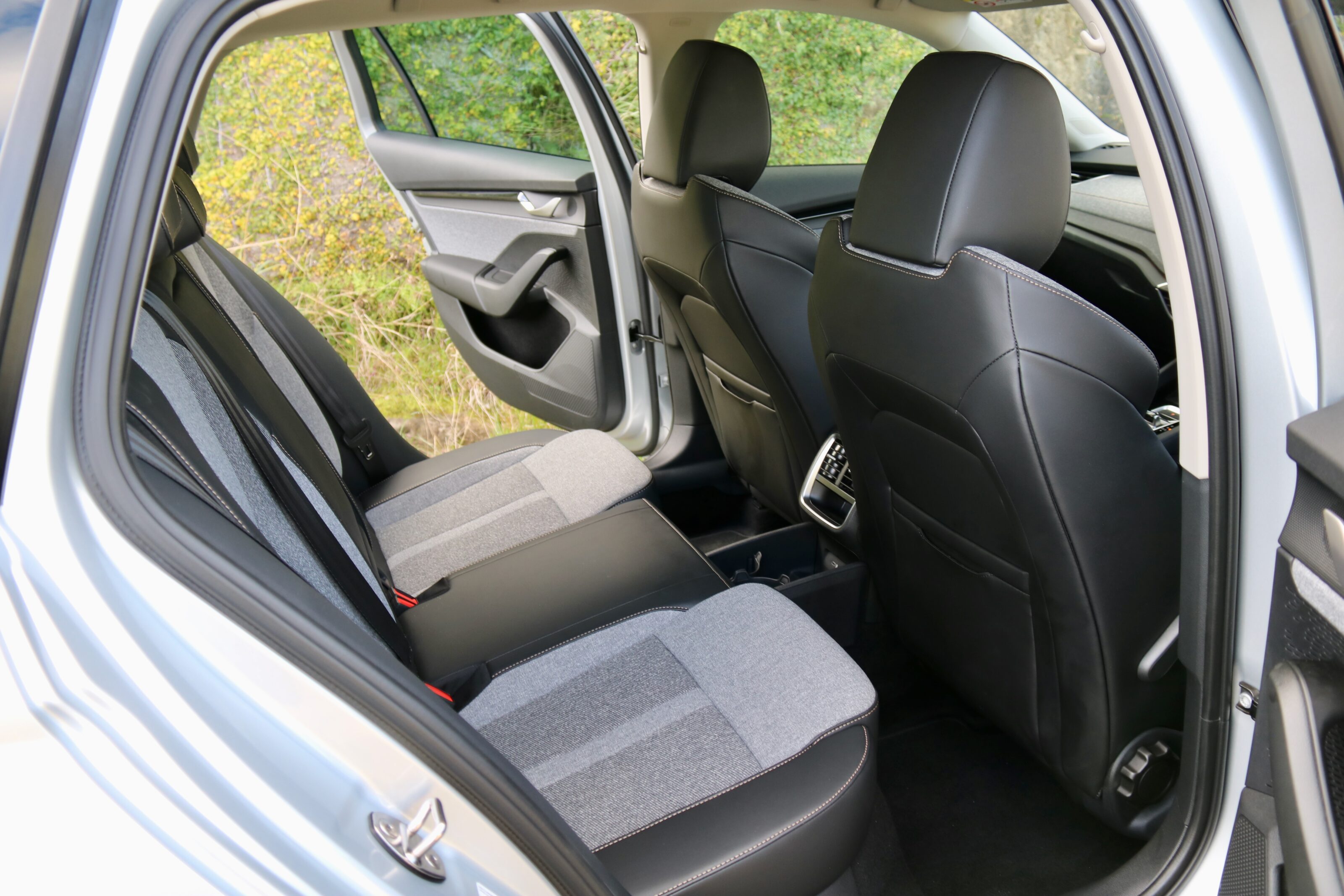
In the rear seat of the Octavia Select, two taller adults will fit fine thanks to its ample leg- and headroom and the amenities on hand are healthy, including big flock-lined door bins, a central armrest with cupholders, a removable storage area on the central tunnel, two USB-C charging ports, map pockets and air vents. For child seats, there are three top-tether and two ISOFIX points.
The Octavia wagon’s boot is huge, measuring 640 litres with the rear seats up and 1700L with the rear seats folded – or 380L more than a Mazda CX-5 with the seats folded. It’s very practical but not just for the amount of space as it employs a number of clever features to make life easier, including a double-sided boot mat (one side is carpet and the other is plastic), cargo securing fasteners, side and under-floor storage, a 12V socket for power, various nets and hooks and releases to fold the rear seats.
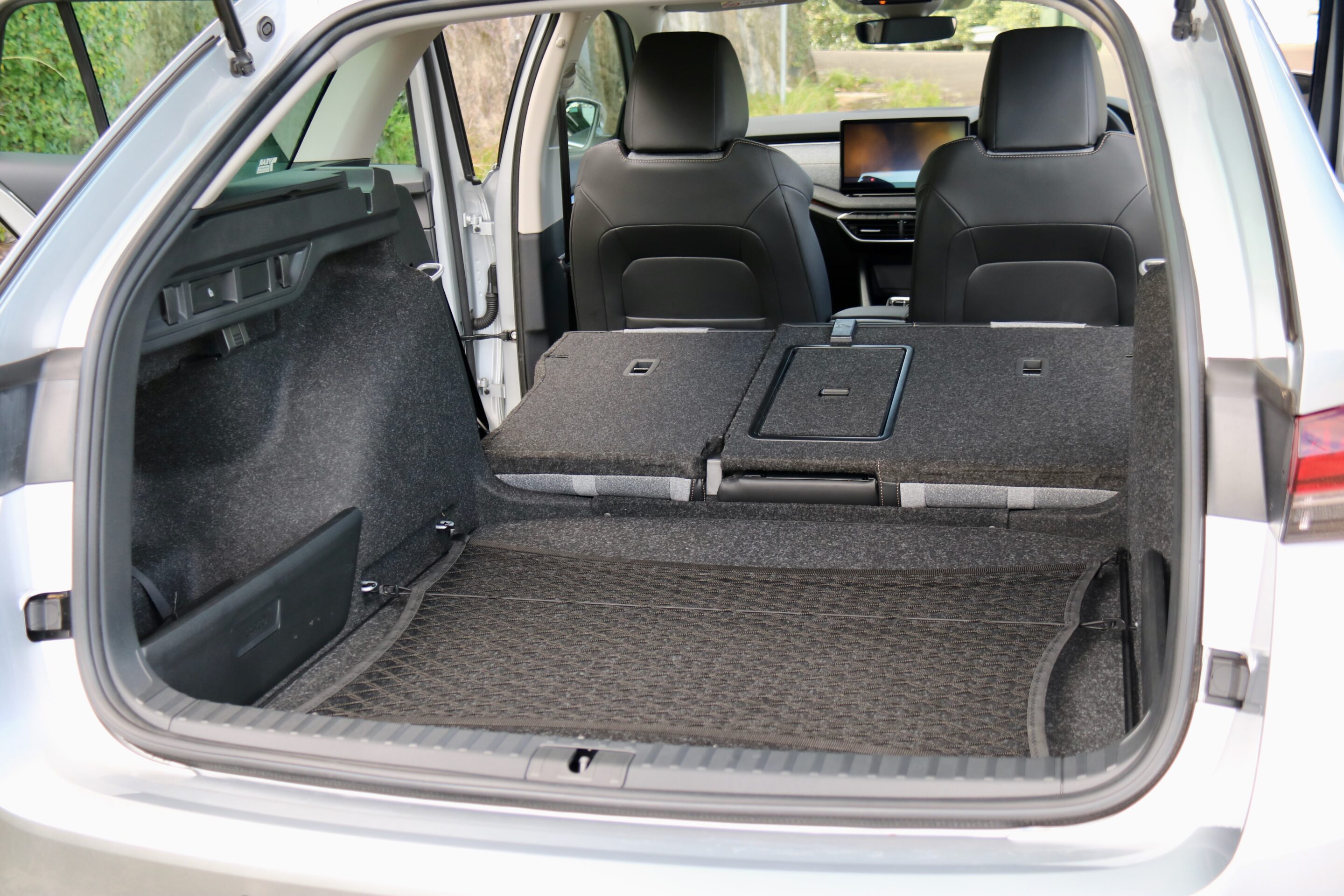
A space saver spare lives underneath the boot floor, while we’d like to see a dual-level boot floor for no lip between the boot and rear seats when they’re folded and an electric tailgate added to the spec sheet. But regardless of those features, it’s fantastic.
Performance and efficiency
The Octavia Select uses the ‘110TSI’ turbocharged 1.4-litre four-cylinder petrol engine that’s also featured in a number of other Volkswagen Group cars, including the current Golf and Tiguan, as well as the Octavia’s Karoq mid-size SUV sibling. In this tune, it makes 110kW of power and 250Nm of torque, and grunt is sent to the front wheels through an eight-speed torque converter automatic transmission.
Skoda claims that the Octavia Select wagon hits 100km/h in 8.7 seconds, with claimed combined fuel consumption of 6.2L/100km and claimed CO2 emissions of 140g/km. It uses 95RON premium unleaded fuel for its 45-litre tank. In our week of testing, we achieved 7.4L/100km for fuel use in mostly urban driving.
On the road
As we’ve seen with every other car that uses the VW Group’s ‘MQB’ platform, the Skoda Octavia Select wagon is lovely to drive with a mature and confident feeling from behind the wheel. Its suspension set up is taut but quite comfortable, and the steering is well-weighted as well. It’s a really easy car to just hop in and drive – there’s no driving modes to select from and no adjustable dampers, you just get in, select drive and go.
Unlike the Octavia RS and its seven-speed dual-clutcher, the Select uses an eight-speed torque converter automatic that gives no low speed hesitation, unlike the DSG. Setting off from a stop, the Octavia’s auto is so seamless and that only adds to how easy it is to drive. At higher speeds, it can hunt a little bit for gears, but it’s otherwise totally fine.
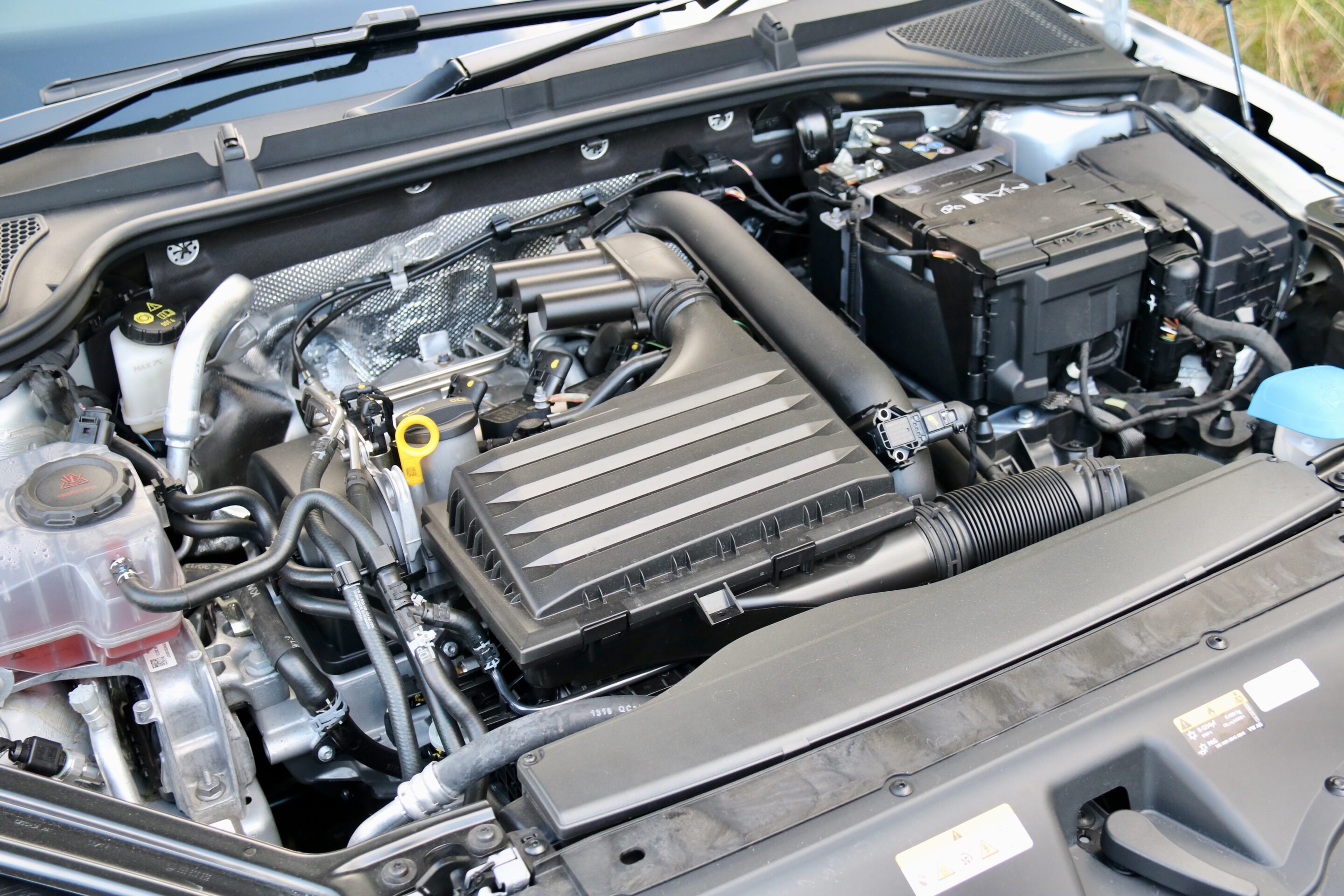
The turbocharged 1.4-litre petrol engine is a willing performer in the Octavia, producing its peak 250Nm of torque from just 1500rpm that ensures its urban pulling power is plentiful. But even at highway speeds, the Octavia’s pulling power is effortless and it cruises at 110km/h with ease.
As we saw in the RS, the Octavia’s active safety features are impressively refined, particularly the subtle lane keeping assistance and decisive adaptive cruise control. The only slightly annoying comment to be made from behind the wheel is that the coarse chip road noise can be a bit loud, but that’s it.
Service and warranty
The Skoda range is covered by a seven-year/unlimited km warranty with minimum 12 months of roadside assistance extended by a further 12 months with each dealer service.
The Octavia’s service intervals are once-yearly/every 15,000km, and a five-year/75,000km service pack costs $3000 ($600 per service).
Verdict: Should I buy a Skoda Octavia Select wagon?
It’s well known that we’re on the offensive that more families should be buying sedans and wagons and not SUVs, and the Skoda Octavia Select is a perfect example of that. Against something like the Mazda CX-5 Maxx Sport, the Octavia Select is better equipped, more fuel efficient, more natural to drive and far more practical with over 200 litres more boot space with the seats up.
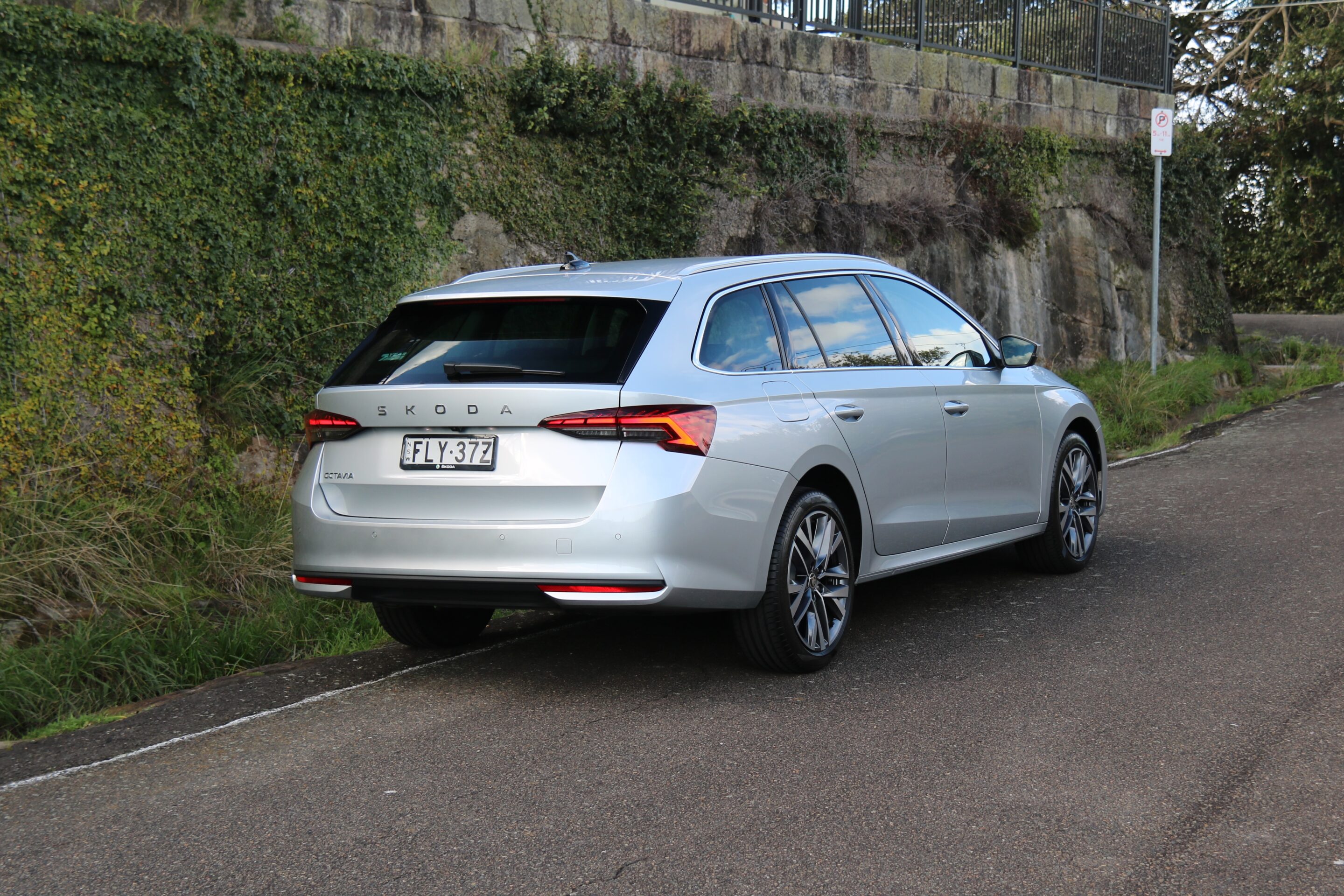
In isolation, the Octavia also impresses with its quality interior materials, refined driving experience, punchy turbo-petrol engine and smooth eight-speed automatic transmission. Against it are that it’s missing some convenience features such as keyless entry and an electric bootlid, while it’s also not cheap to service and there’s no room for personalisation beyond colour. But these are small issues in a great overall package that’s undoubtedly worthy of consideration over an SUV.
Skoda Octavia Select wagon rivals
Australia is set to undergo one of the most significant automotive reforms in a century, as the federal government’s New Vehicle Efficiency Standard (NVES) officially comes into force on July 1.
The new regime introduces a credit and debit system for vehicle emissions, targeting a progressive reduction in carbon output across the nation’s light vehicle fleet.
Under the NVES, manufacturers will now be directly accountable for the emissions performance of their vehicles sold in Australia. Those supplying low-emission models, including electric vehicles (EVs) and plug-in hybrids (PHEVs), will earn credits. Conversely, companies exceeding strict carbon dioxide (CO₂) thresholds will accumulate debits, potentially incurring financial penalties or needing to trade for compliance.
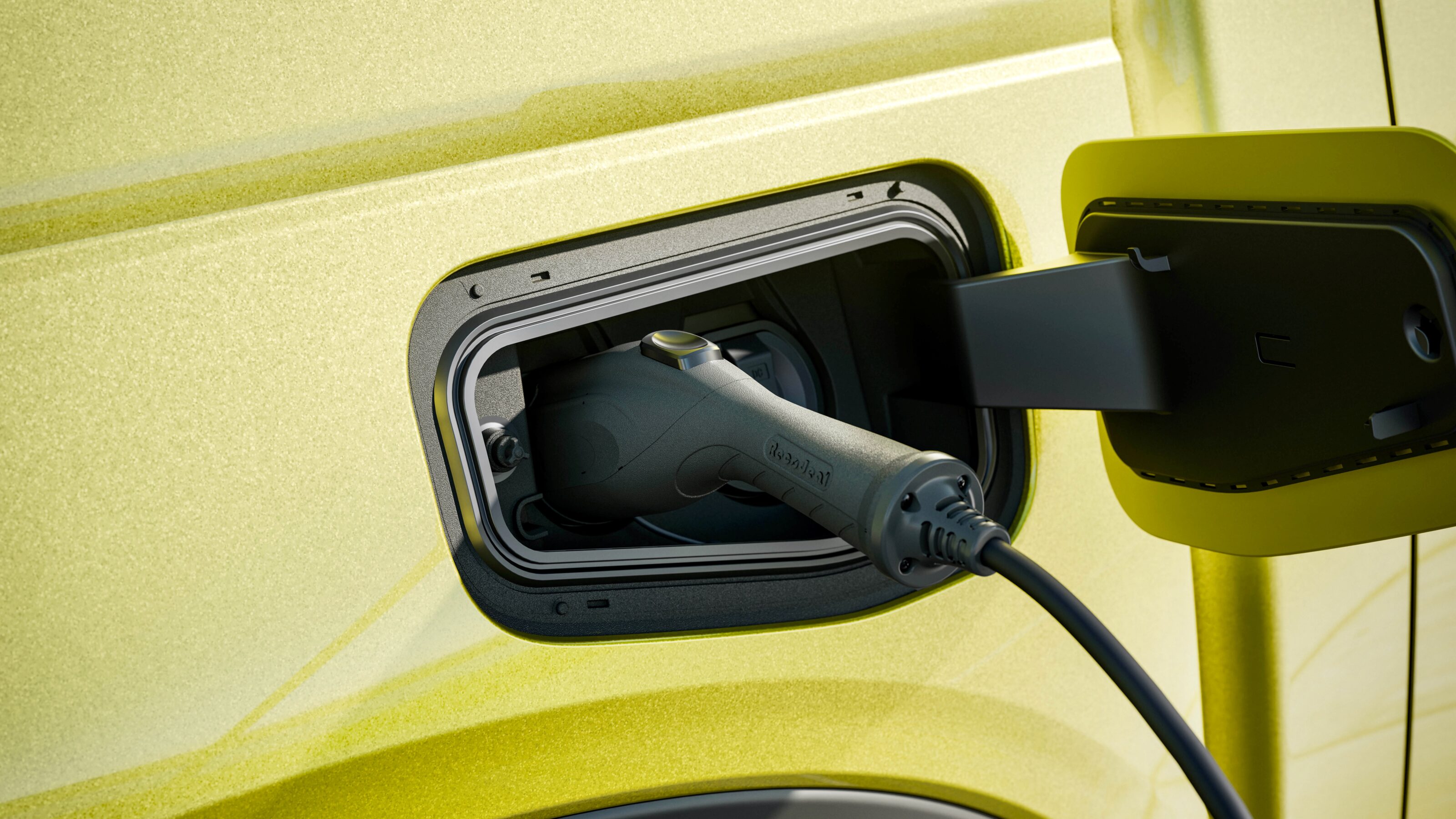
Tony Weber, CEO of the Federal Chamber of Automotive Industries (FCAI), highlighted the industry’s substantial preparatory work, noting significant investments in vehicle supply chains, regulatory systems, and market readiness. “There are now more than 100 EV models and over 50 plug-in hybrids available to Australian consumers,” Weber stated.
Despite this progress, uptake remains sluggish. EVs account for just 7 per cent of new vehicle sales – a figure far below what’s needed to meet NVES benchmarks, which tighten annually through to 2029. “This target trajectory is ambitious, and we are already lagging,” Weber warned.
A key concern remains consumer demand. The FCAI cites barriers such as high upfront costs, limited charging infrastructure, and fluctuating electricity prices as deterrents for wider adoption. “The NVES can’t succeed without coordinated government support to improve affordability and accessibility for everyday Australians,” Weber stressed.
The NVES is modeled on similar standards in the US and Europe, aiming to encourage cleaner technologies while giving manufacturers flexibility in how they meet targets – through internal fleet planning or trading credits. The ultimate goal is to cut CO₂ emissions, reduce fuel costs for consumers, and stimulate the zero-emissions vehicle market.
As the policy kicks off, attention now turns to how federal and state governments will support the transition – and whether consumers will follow.
Toyota Australia has announced local pricing and specifications for the facelifted Corolla Cross small SUV ahead of its arrival from July. The updated Corolla Cross is priced $960 higher than before, but according to Toyota, that price increase has been offset by new standard equipment across the range.
In addition to revised exterior styling with new bumper and lighting unit designs and a revised interior with a new centre console design for more storage, the Corolla Cross range will see new standard equipment across the range. GXL and Atmos models will arrive in July, with the GX and new GR Sport arriving later in the year.
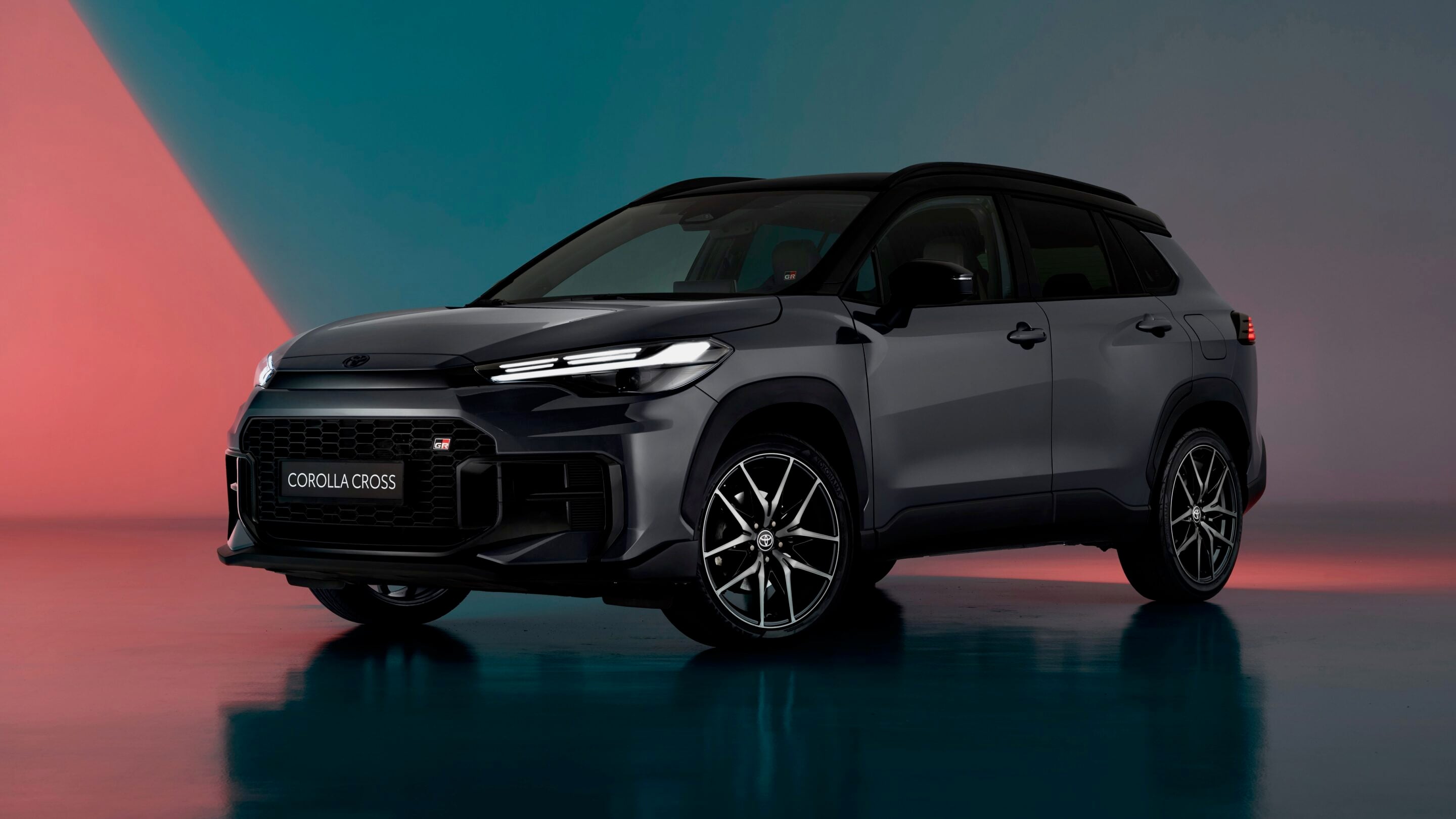
The GX adds features such as low-speed autonomous emergency braking in forward and reverse (previously only on the upper-spec GXL and Atmos), while the GXL gains the most with a wireless phone charger, heated front seats, rain-sensing automatic wipers and an upgraded 360-degree with a see-through view now standard.
The Atmos sees ventilated front seats, a new 18-inch alloy wheel design and centre console illumination and the new GR Sport model sees sports suspension and steering tunes, GR exterior styling, larger 19-inch wheels and synthetic suede upholstery.
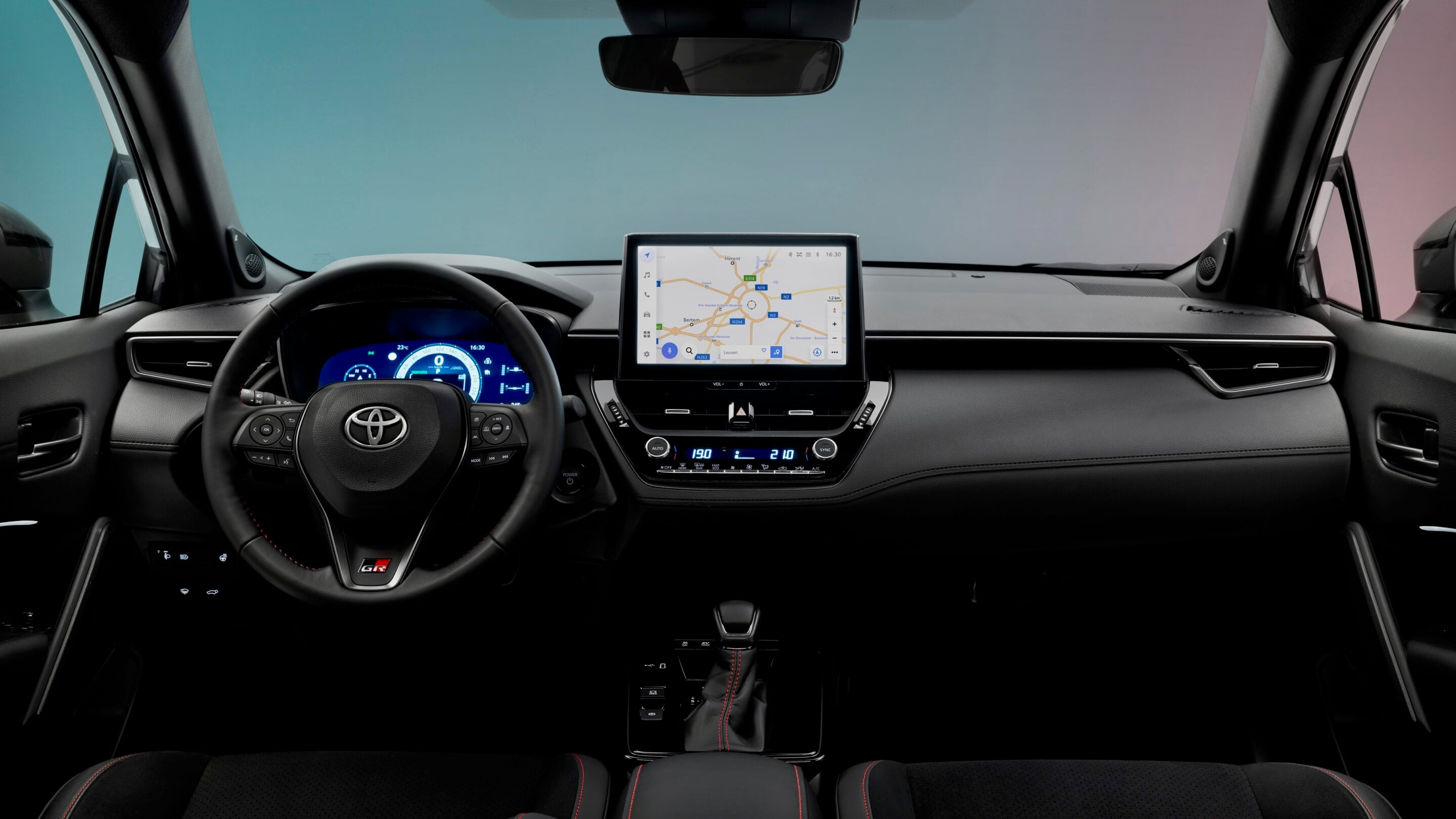
All Corolla Cross models use a 2.0-litre four-cylinder hybrid drivetrain making 146kW of power. Both front- and all-wheel drive drivetrains are available, with front-drive models using 4.3L/100km of fuel and all-wheel drive models adding just 0.1L/100km to that at 4.4L/100km. Thanks to its hybrid drivetrain, the Corolla Cross is one of the most fuel efficient SUVs on sale in Australia.
Toyota Corolla Cross pricing (plus on-road costs):
- GX 2WD: $37,440
- GXL 2WD: $41,190
- GXL AWD: $44,190
- Atmos 2WD: $47,990
- Atmos AWD: $50,990
- GR Sport AWD: $50,990
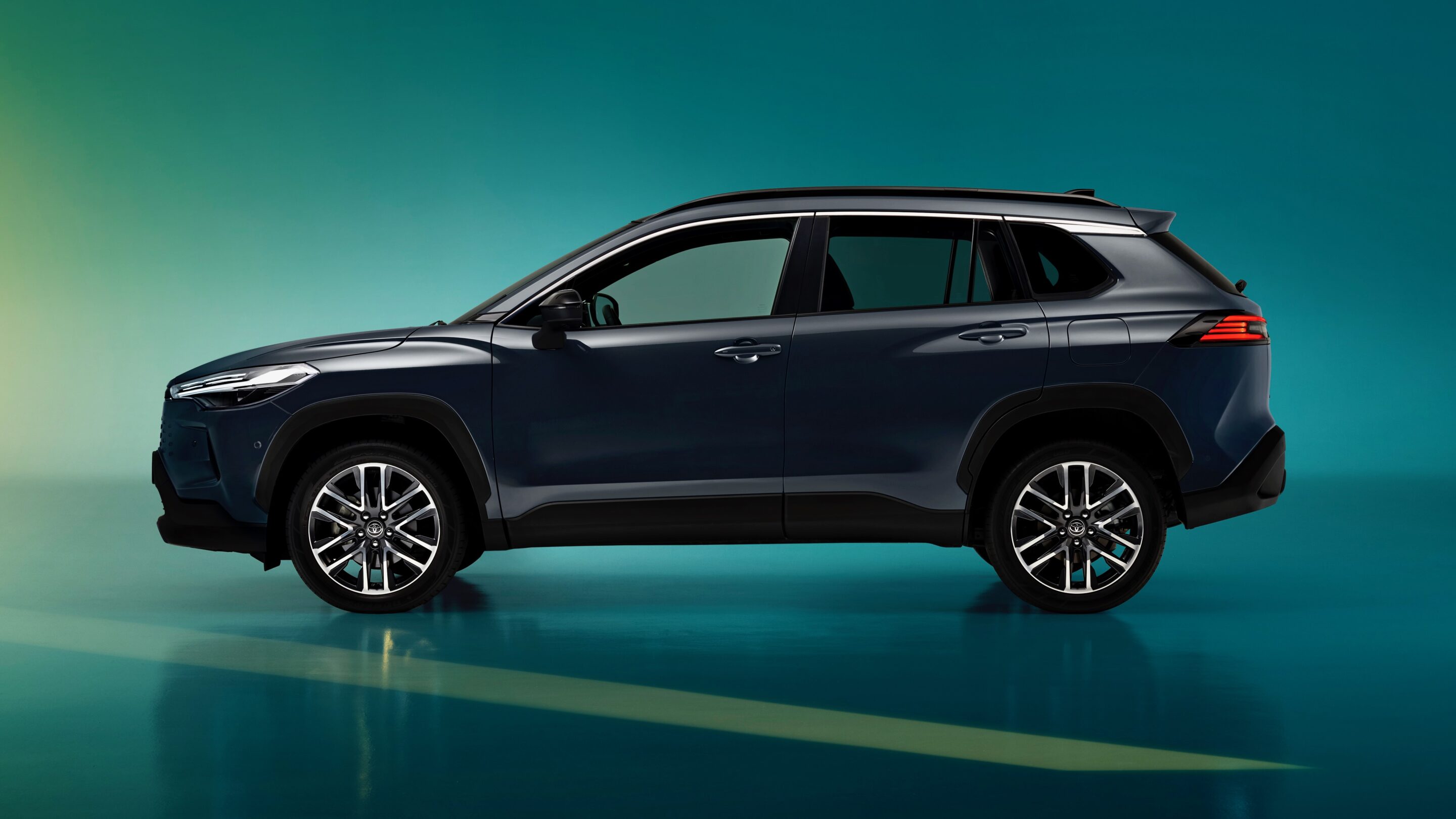
Toyota Corolla Cross GX standard features:
- 17-inch alloy wheels
- Keyless entry with push button start
- Heated and auto-folding mirrors
- Dusk-sensing automatic LED headlights
- Urethane steering wheel and gear knob
- Cloth seat upholstery
- Single-zone automatic climate control
- 7.0-inch digital driver’s display
- 8.0-inch touchscreen with Toyota Connected Services
- Wireless Apple CarPlay and Android Auto
- AM/FM/DAB+ digital radio
- 8x airbags
- Autonomous emergency braking with pedestrian and cyclist detection
- Adaptive cruise control
- Lane keeping assistance with adaptive lane guidance
- Blind-spot monitoring with rear cross-traffic alert
- Auto high beam
- Reversing camera
- Low-speed auto emergency braking (forward and reverse)
Corolla Cross GXL model adds:
- Leather-wrapped steering wheel and gear selector
- 10.5-inch touchscreen
- Inbuilt satellite navigation
- Leather and cloth upholstery
- 360-degree camera
- Roof rails
- Dual-zone automatic climate control
- Wireless phone charger
- Heated front seats
- Automatic rain-sensing wipers
- Piano black centre console trim
- Front fog lights
- Rear privacy glass
- Auto-dimming rear mirror
- Rear USB charging ports
- Snow mode for all-wheel drive model
- Upgraded LED exterior lighting
Corolla Cross Atmos model adds:
- Ventilated front seats
- 18-inch alloy wheels
- Panoramic roof
- Hands-free electric tailgate
- Nine-speaker JBL sound system
- 12.3-inch digital driver’s display
- Leather upholstery
- Heated steering wheel
- 8-way electric driver’s seat with lumbar adjustment
- Automatic parking
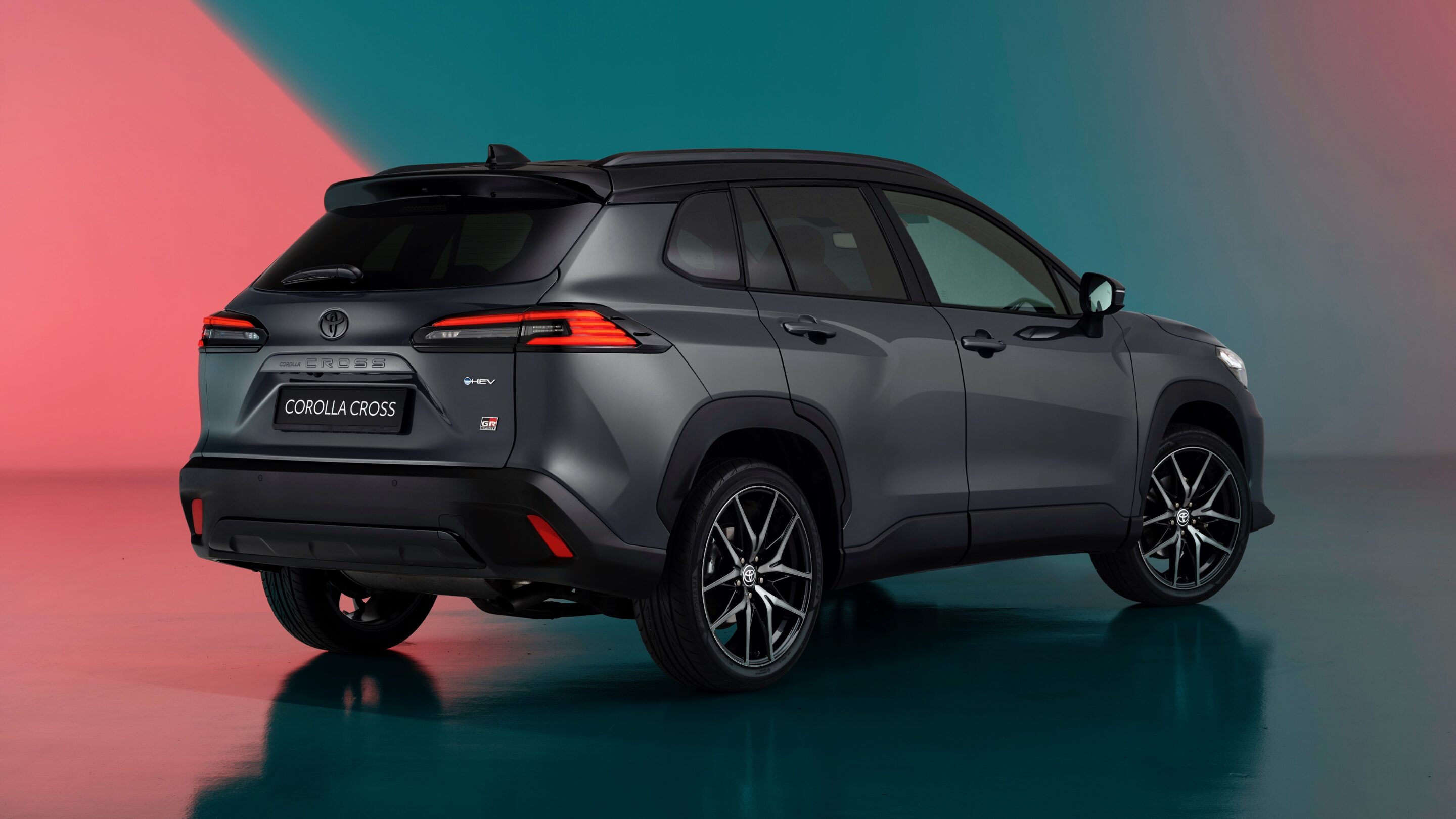
Corolla Cross GR Sport model unique features:
- Standard all-wheel drive and black roof
- GR sport exterior styling
- 19-inch alloy wheels
- 10mm-lower sports suspension and dampers
- Retuned steering
- Paddle shifters
- Sport driving mode
- Synthetic leather upholstery with red stitching
The facelifted Toyota Corolla Cross will go on sale in Australia from next month, with local deliveries due to commence then.
