
Bold new styling for the Toyota Hilux has been revealed in Thailand, hinting at what the brand’s popular dual-cab ute could look like in Australia soon.
Australia’s imported Toyota Hilux range is built in Thailand, meaning this new model, dubbed the ‘Revo Rocco’, is likely to make its way Down Under next year.
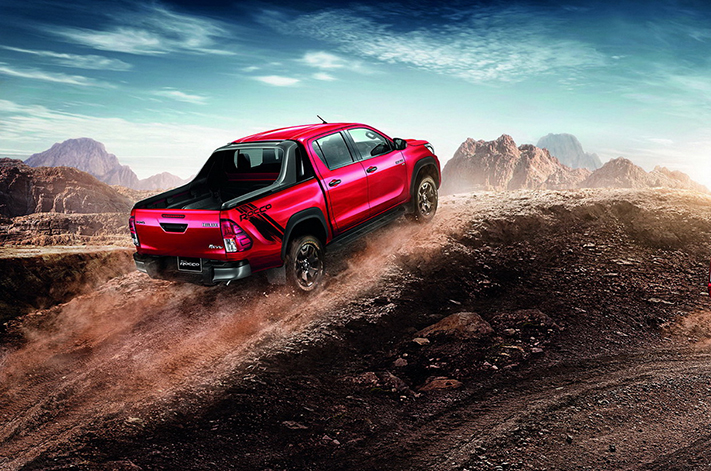
The flagship Revo Rocco is likely to be rebranded as the Hilux TRD when it comes to Australia.
The updated model has fresh US-inspired styling resembling Toyota’s American pick-up the Tacoma, along with interior tweaks.
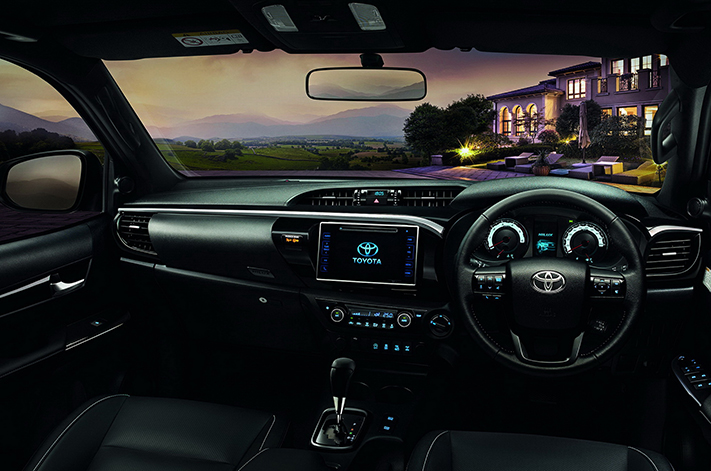
Based on the SR5 Hilux, the Rocco adds 18-inch wheels and off-road tyres, a sail-plane roller system, black wheel-arch mouldings, and black highlights throughout.
It is believed any future TRD Hilux’s will have the same 130kW/450Nm engine as the SR5 variant, instead offering a boost in equipment rather than power.
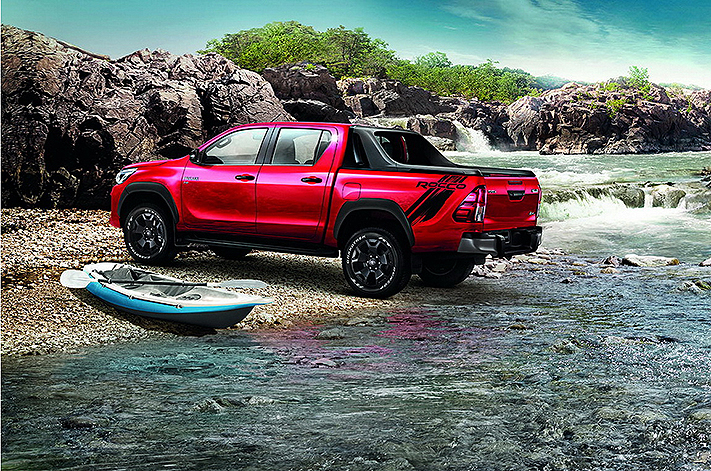
Toyota Australia currently offers a TRD Hilux for $58,990. It differs from the SR5 Hilux through exterior and interior styling tweaks.
Any future TRD Hilux will be considered a rival to incoming Ford Ranger Raptor, and HSV Wildfire Colorado models due next year, arriving with performance and suspension upgrades.
Mazda’s “Zoom Zoom” marketing campaign – one of the longest-running of any brand on sale here – hasn’t applied equally to all its cars.
But as of late next year, it will apply to one of the oldest cars in the Mazda line-up, the mid-size 6, which will add a turbocharged engine for the first time in a decade.
Mazda has revealed it will shoehorn the turbocharged 2.5-litre engine from the seven-seat CX-9 – itself a replacement for the fuel-heavy 3.5-litre V6 used in the first-generation CX-9 – under the bonnet of the Ford Mondeo, Volkswagen Passat and Toyota Camry rival to “enhance the daily lives of people who love cars”.
There’s no indication that the 2.5T, as the model will be known, will receive any changes to performance compared with the engine tune used for the bigger SUV, which means when it arrives here in the second half of next year it should produce about 170kW and 420Nm. That may pale against the Passat’s class-leading 206kW 2.0-litre engine, but bear in mind the Volkswagen only produces a pale-by-comparison 350Nm – 70Nm less than the Mazda.
“Producing [420NM of] torque on par with 4.0-litre V8, this engine offers an effortless performance feel that is equal parts composure and excitement,” Mazda said.
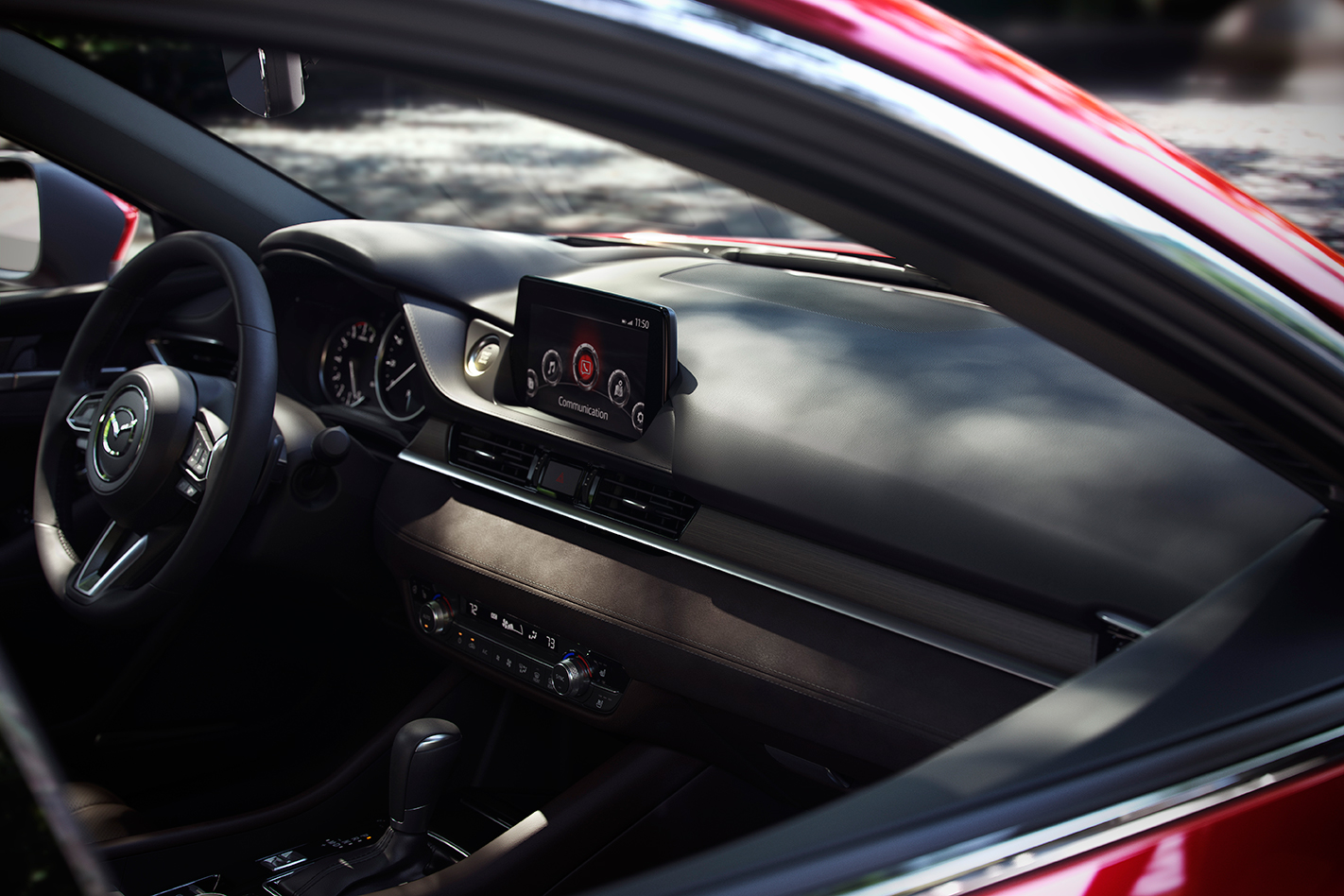
The new engine also introduces some of the most sweeping changes to the Mazda 6 since the latest generation of the sedan and wagon range was introduced in 2012.
Styling tweaks introduce what Mazda says is “Mature Elegance”, with the design team working to “raise the quality feel of both the interior and exterior, resulting in a look of greater maturity and composure”.
“A new high-grade interior features Japanese sen wood, often used in traditional Japanese instruments and furniture, and other exclusive trim elements for an enhanced premium feel that is authentic to the brand,” it said. “Overall the design is more distinctive, premium, beautiful and dignified, as befits the flagship of Mazda’s passenger car line-up.”
The Mazda 6’s normally aspirated 2.5-litre engine also gains an upgrade, introducing cylinder deactivation technology that can help the Mazda 6’s engine switch off cylinders under a light load to save fuel.
As well, the more costly models that come with Mazda’s version of active cruise control are expected to gain a new peak hour-friendly function that will automatically bring the 6 to a stop if the car in front slows to a halt, and then take off again when the car in front starts moving again.
Higher-spec models are also expected to gain a surround-view camera that gives the driver a bird’s-eye view of obstacles around the car – handy for parking in tight spots or parking alongside a kerb.
The Mazda 6 was last updated in Australia in September last year, adding folding mirrors, pedestrian recognition to its automatic city braking function that will jump on the brakes for you to prevent a crash, and a traffic sign recognition function that can post the speed limit in the driver’s line of eyesight.
It also introduced a new steering wheel, and a full-colour multimedia interface.
Morte importantly for people who love driving, the Mazda 6 introduced a function called G-Vectoring Control. It uses the engine to subtly tip the car’s weight onto the front wheel with the most grip while cornering, improving the way it handles; you notice the technology most when going through tight roundabouts.
Diesel versions of the Mazda 6 also gained a significant improvement to the noise the turbocharged 2.2-litre engine makes. It was also tweaked to provide smoother acceleration.
The six-speed automatic-only Mazda 6 range currently maintains the same spread of prices as were introduced in September last year.
2017 Mazda 6 current pricing
- Sport 2.5L petrol sedan – $32,490
- Sport 2.5L petrol wagon – $33,790
- Touring 2.5L petrol sedan – $37,290
- Touring 2.5L petrol sedan – $38,590
- GT 2.5L petrol sedan – $42,690
- GT 2.5L petrol wagon – $43,990
- Atenza 2.5L petrol – $45,390
- Atenza 2.5L petrol wagon – $46,690
- Touring 2.2L diesel sedan – $40,140
- Touring 2.2L diesel wagon – $41,440
- GT 2.2L diesel sedan – $45,540
- GT 2.2L diesel wagon – $46,840
- Atenza 2.2L diesel sedan – $48,240
- Atenza 2.2L diesel wagon – $49,540
Lexus is set to expand the range, and seating, of its RX mid-size SUV family, with the new seven-seat RX 350L scheduled to debut at the Los Angeles motor show at the end of this month.
The RX 350L was teased in a shadowy preview image overnight. Details are thin on the ground at the moment, but all will be revealed when the covers come off at LA.
The 350L differs from its siblings by adding a third row of seating, boosting passenger capacity to seven occupants.
It’s a long-overdue product for Lexus, and should finally give the Japanese brand a legitimate rival to other monocoque-construction luxury high-riders capable of transporting seven people. Up until now, the only Lexus models capable of carrying more than five passengers have been the Prado-based GX that’s only sold overseas, or the super-sized (and supremely thirsty) Landcruiser-based Lexus LX.
It is unclear if the 350L will be a long-wheelbase version of the current RX or be underpinned by a new chassis altogether.
Currently, three different RX models are available in Australia (200t, 350, and 450h), with Luxury, F-Sport and Sports Luxury variants of each.
Further details on the new model have not been revealed, but with Australia’s current love for all things SUV – seven-seaters in particular – it should be popular when it arrives locally.
The RX was first launched in Australia in 2003, and since then has become one of the brand’s most popular vehicles, making up more than a quarter of all Lexus’ sold since then.
There’s a section in the Australian citizenship paperwork about loving a V8.
This review was first published in MOTOR Magazine’s December 2005 issue.
There’s all that muscle, the deep bellowing of full throttle bursts that tells everyone you’re not to be messed with. That beneath all your four-door practicality, there’s someone of menace to be dealt with. What’s not to love?
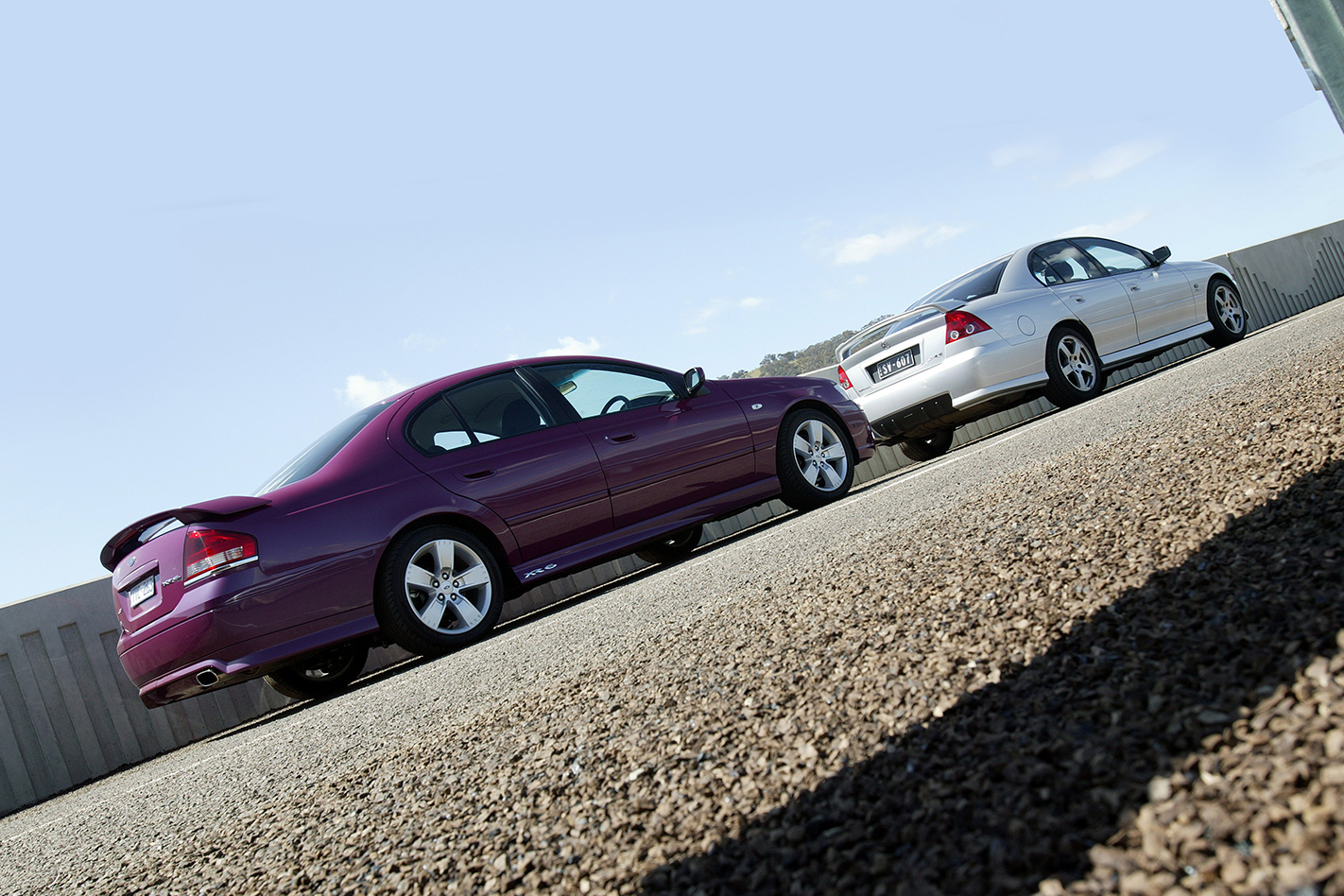
And with both cars offering world-class automatic transmissions, the choice is, on paper at least, tougher than it has ever been. Now re-fettled in its BF regalia, the XR6 armoury has been bolstered by a comprehensive overhaul that included sound and vibration elimination, a bigger electronic brain, cleaner exhaust and better engine hard- and soft-ware.
That, and the (optional) adoption of the six-speed ZF automatic that is nominally the same deal used by BMW and Jaguar, but runs its own casing and gear ratios. Holden, on the other hand, has run with the current VZ SV6 since last year. The 3.6-litre HFV6 was a brand-spanker, and so was its five-speed auto.
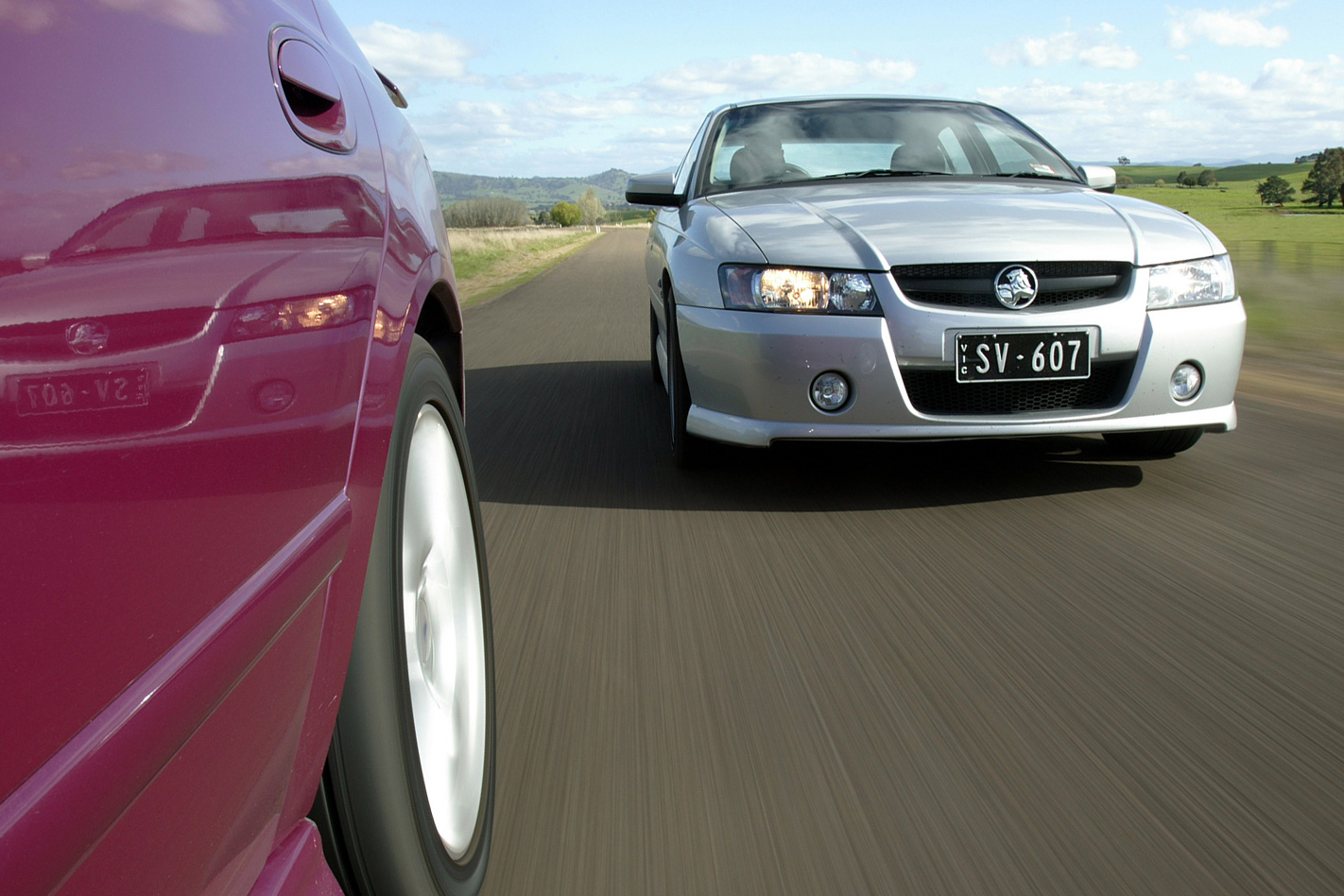
But in this company, it’s the engine’s coarseness that gets your attention. Its noise, vibration and harshness levels are absurdly high. To be brutal, it’s difficult to believe GM brewed up an all-new engine this lacking in refinement. Its defenders will point to the engine specifications, and well they might; it’s got it all on paper.
Ford Falcon XR8 vs Holden VFII SS V Redline
In real life, it’s coarse from idle and it gets worse from there. It just sounds like it’s tearing itself apart. Its shortcomings have been exposed by the trouble Ford’s gone to on its BF upgrade.
It’s done plenty on the engine front – including the adoption of dual, independent cam-timing phasers (the BA used a twin-phase system), moving the oil control valve for the phasers inside the cylinder head, lifting the compression ratio from 9.7:1 to 10.3:1 and bunging in stiffer pistons – and plenty on the exhaust front as well.
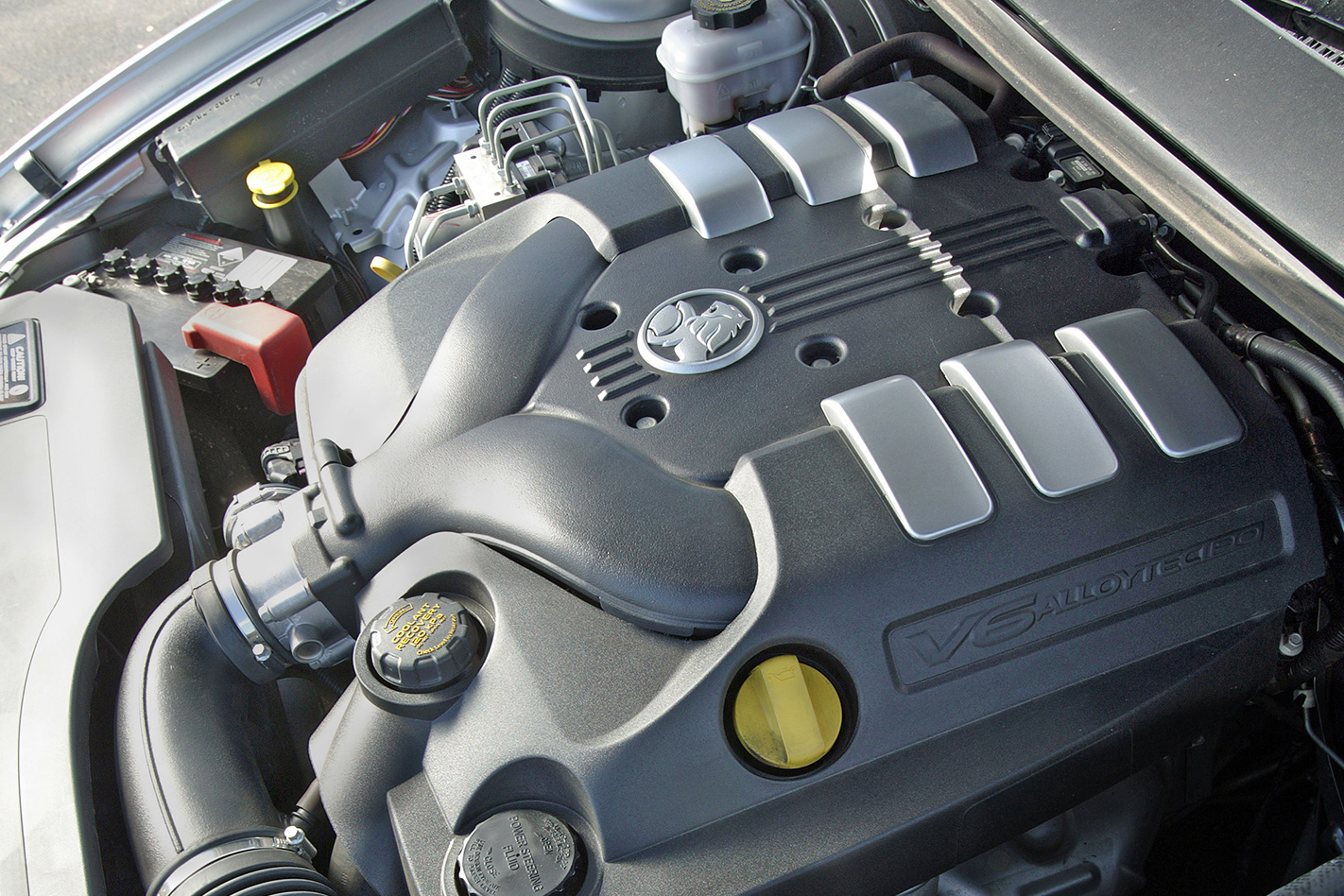
And don’t ask, because not even the Pocket Protectors can tell you why they called it that. That’s all well and good, but the real secret to the XR6’s new found serenity isn’t even engine-related. Ford went through every exhaust pipe, hanger and can, recalculated sound-deadening requirements and plugged up the NVH paths into the cabin.
It’s so bloody quiet, it’s eerie. What noise it is actually left with, as with the XR6 Turbo, is a snarling, menacing howl at high rpm to give it an aural peakiness in defiance of its flat torque curve. There’s torque enough to go around, too, with 383Nm mustered by 2500rpm and 190kW at 5250rpm.
That’s only up 3Nm on the old engine, though this one drops the peak down from 3250rpm and holds its line right through until well after the power curve has taken over. It’s also up in power (from 182kW) and, again, its peak is lower. And the engine note is terrific.
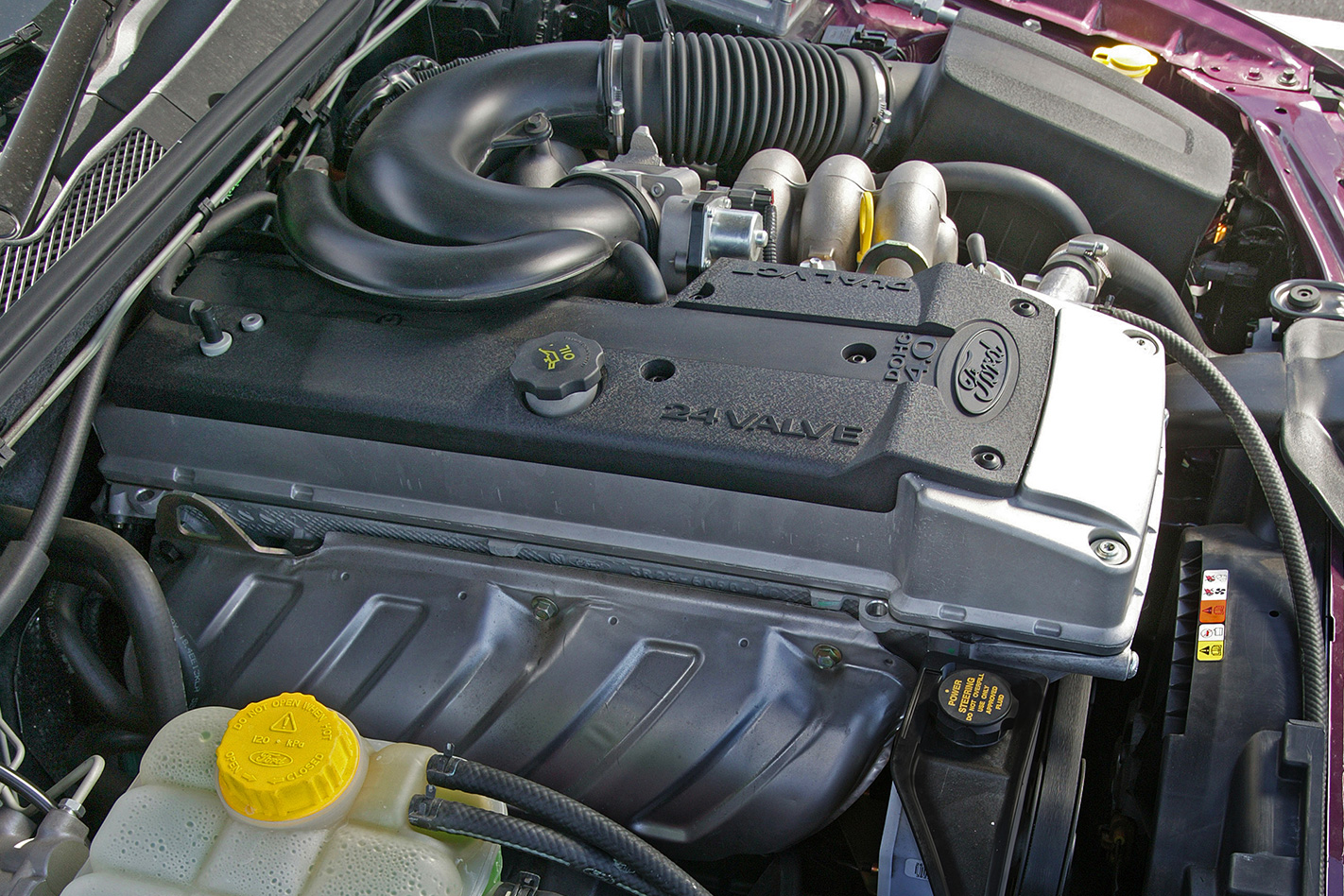
That leaves it a polar opposite to its rival. You only take the SV6 to the redline just to know it can, but then you leave it alone unless you absolutely have to. Just as well, then, that it delivers 90 percent of its 340Nm torque peak between 1570 and 5870rpm, because running it to the 6500 revs for peak power delivery isn’t worth it.
But even with a flattish torque curve, the abundance of surge coming out of the Falcon can leave the Holden struggling to keep pace out of corners or on kickdown. The Ford is helped here by an incredibly classy gearbox and some sublime ratios.
First and second are lower than they were in the four-speed (the stock auto choice, incidentally, and $1250 cheaper), which has it punching in third in the same corners where the SV6 is wheezing and rasping away at the top end of second.
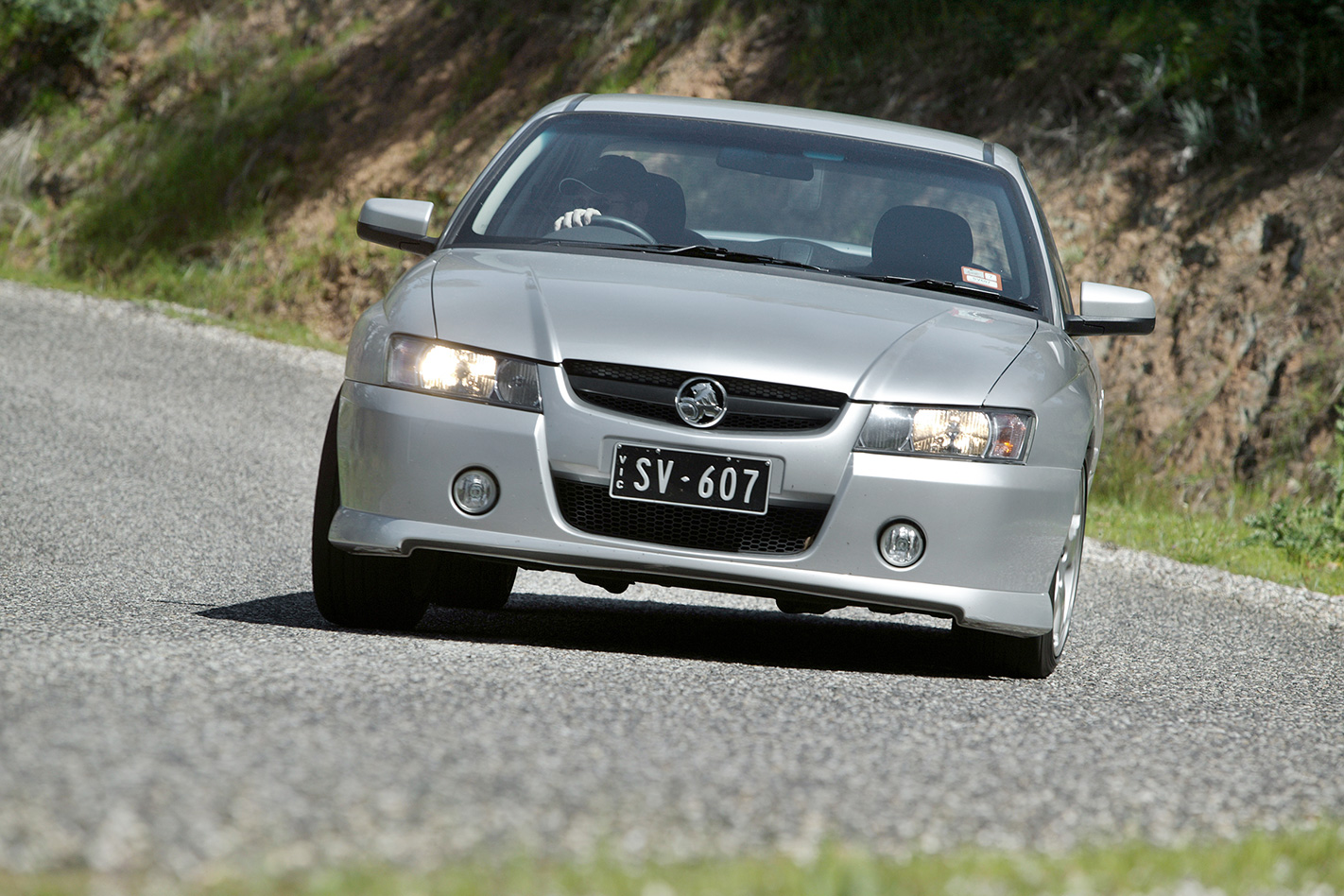
Occasionally it can be a little jerky on its way up the ’box, too. The auto is at its best in the paddle mode (though the positioning of the mode button on the centre console is counterintuitive) and it shifts when its asked to, the way it really should.
Good as it is, though, it can’t match the Ford’s ZF 6HP26 unit. The steps between third and sixth are all quite small, so there’s little-to-no jerkiness on downshifts, plus the torque converter lock-up works in all six forward gears.
The really cool bit, though, is that it gives you credit points for every piece of aggressive driving you do in an effort to map out a shift program. It starts at ‘0’ as a full fuel economy program and can bounce up to 200 for Mad Bastard.
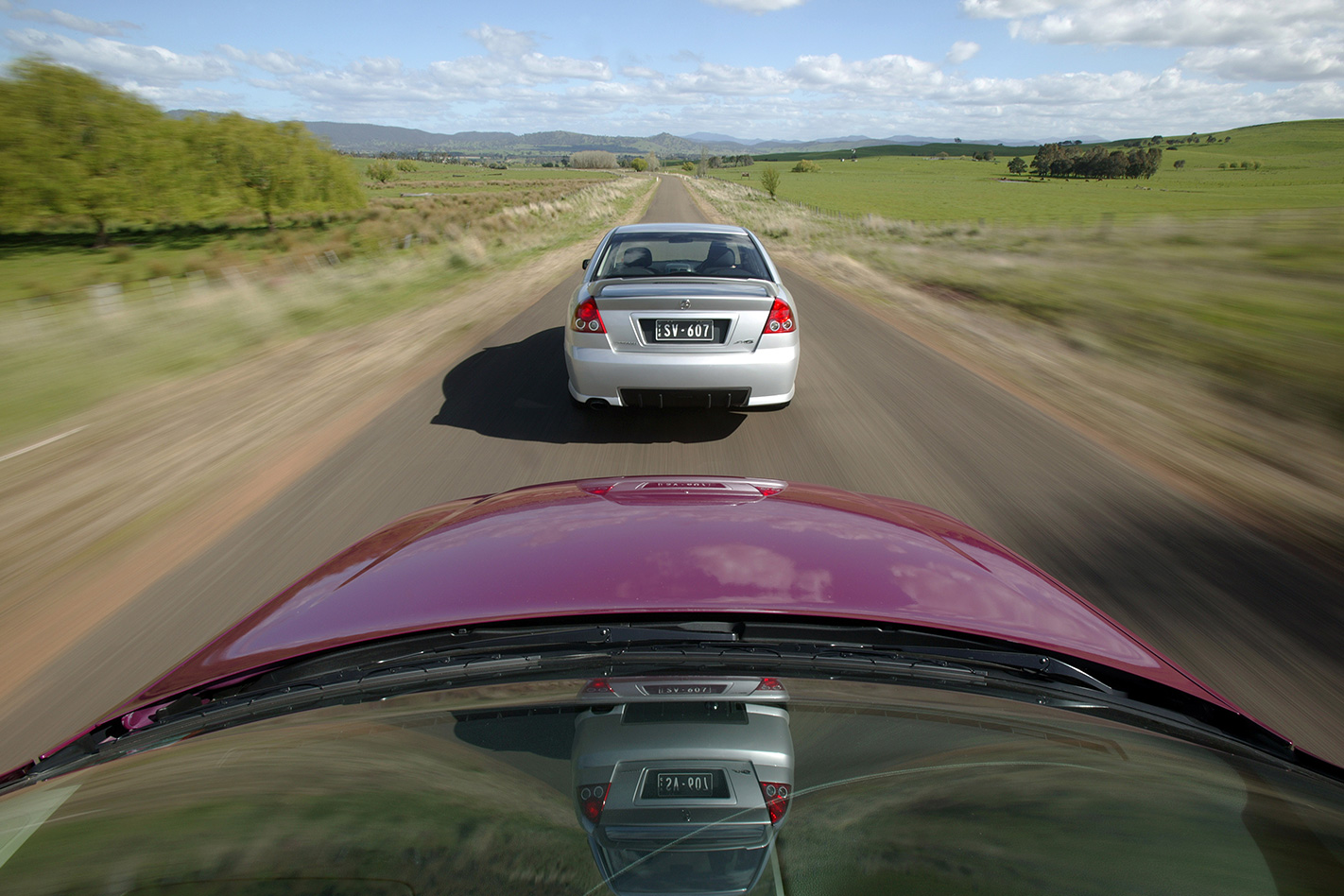
While it gives you points in batches, it only drops back in single point increments, so it remembers your style. There are plenty of other arrows in its quiver, but it’s the speed and slickness of the shifts that’ll win it fans, and make the ask over the four-speeder seem paltry.
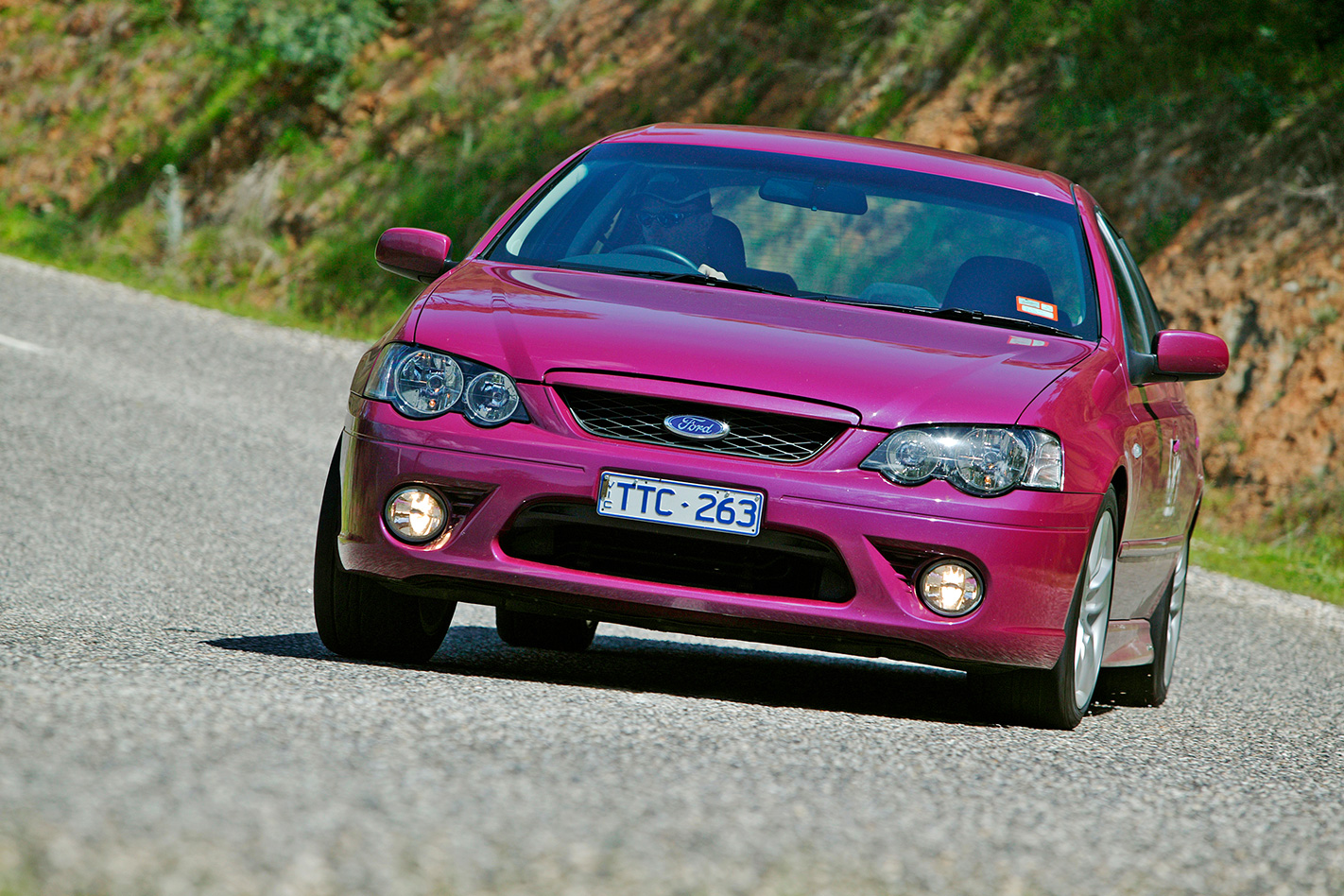
But the BF has had plenty of other work done to it (700 new parts in all), stiffening all the exhaust hangers, changing the cans, clogging up the NVH paths and generally making it quieter. It’s a much nicer weapon to throw around corners than the SV6 as well.
A far more agile, adjustable-feeling chassis, the Falcon gives snappier throttle response, both in opening and closing the body. That helps to lend an impression of agility, and it’s extremely responsive mid-corner to either a little dab of the brake pedal or a slight lifting off of the throttle, snapping the nose in hard to the apex.
Without the engine to muscle its way around its deficiencies, it is left to clamour at the shoulders of its front tyres to maintain corner speed. The steering wheel feels 30 percent bigger than it needs to be and the rack ratio feels 30 percent slower than it should be.
It offers flatline response and you can’t feel any road undulation or camber change, and it’s extremely slow to tell you when the grip’s run out. It corners quite flat, with far less bodyroll than the Ford, but the V6 lacks mid-range urge to give it punch on anything faster than second-gear corners.
It’s not the chuckable car the V8s are, and sharp corners aren’t its bag, though once you figure out its foibles it can be flowed quite nicely and carry reasonable corner speed. The SV6’s brakes go away sneakily when punting hard and, all of a sudden, the same level of pedal resistance doesn’t equal the same level of retardation.
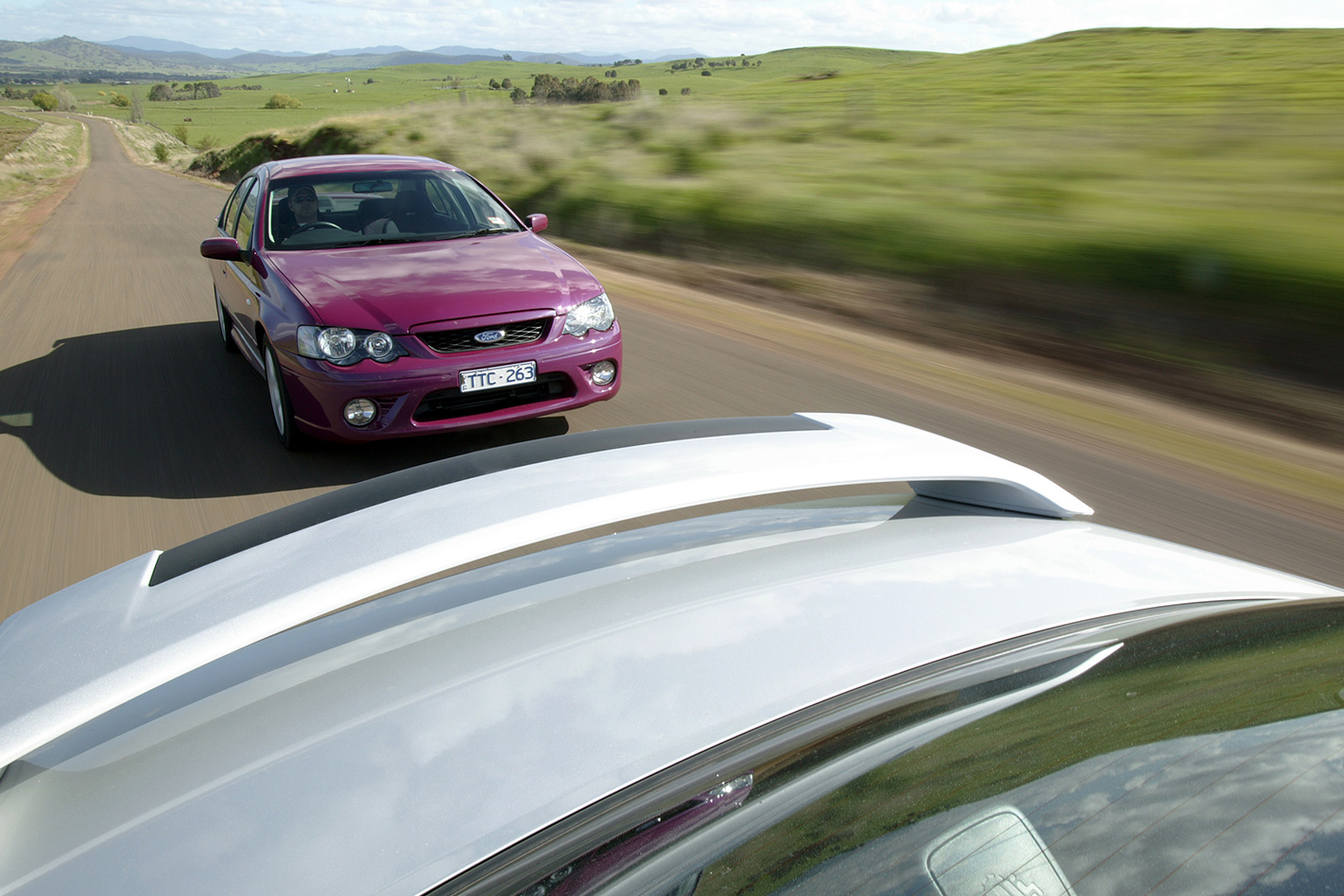
The SV6 has full bolstering, good lumbar adjustment at the right height and are comfortable over a long haul. There’s not much wrong with the Falcon’s chairs, though. The Holden’s just feel exceptional.
The XR6 used a litre per 100km more than the Holden (in spite of running at just 1550rpm in sixth at 100km/h), but then it was driven harder for longer – just because it’s far more inviting. The SV6 is not a bad car at all; it’s just a car that is quite clearly outclassed and outpointed by a Falcon which is on top of its game.
If Holden wants the HFV6 to be a breakthrough engine, then it needs to sit down and nut out why it is so ordinary for its specification before the rot has set in too far. In the meantime, the best Australian naturally-aspirated six-cylinder sports sedan is the Falcon XR6.
Tech Talk
There have been lots of small but very significant lifts with BF. With its dual independent VCT, it can idle at just 550rpm. That’s because the overlap has gone from 25 degrees to seven degrees, which saves fuel and adds refinement. It’s smoother.
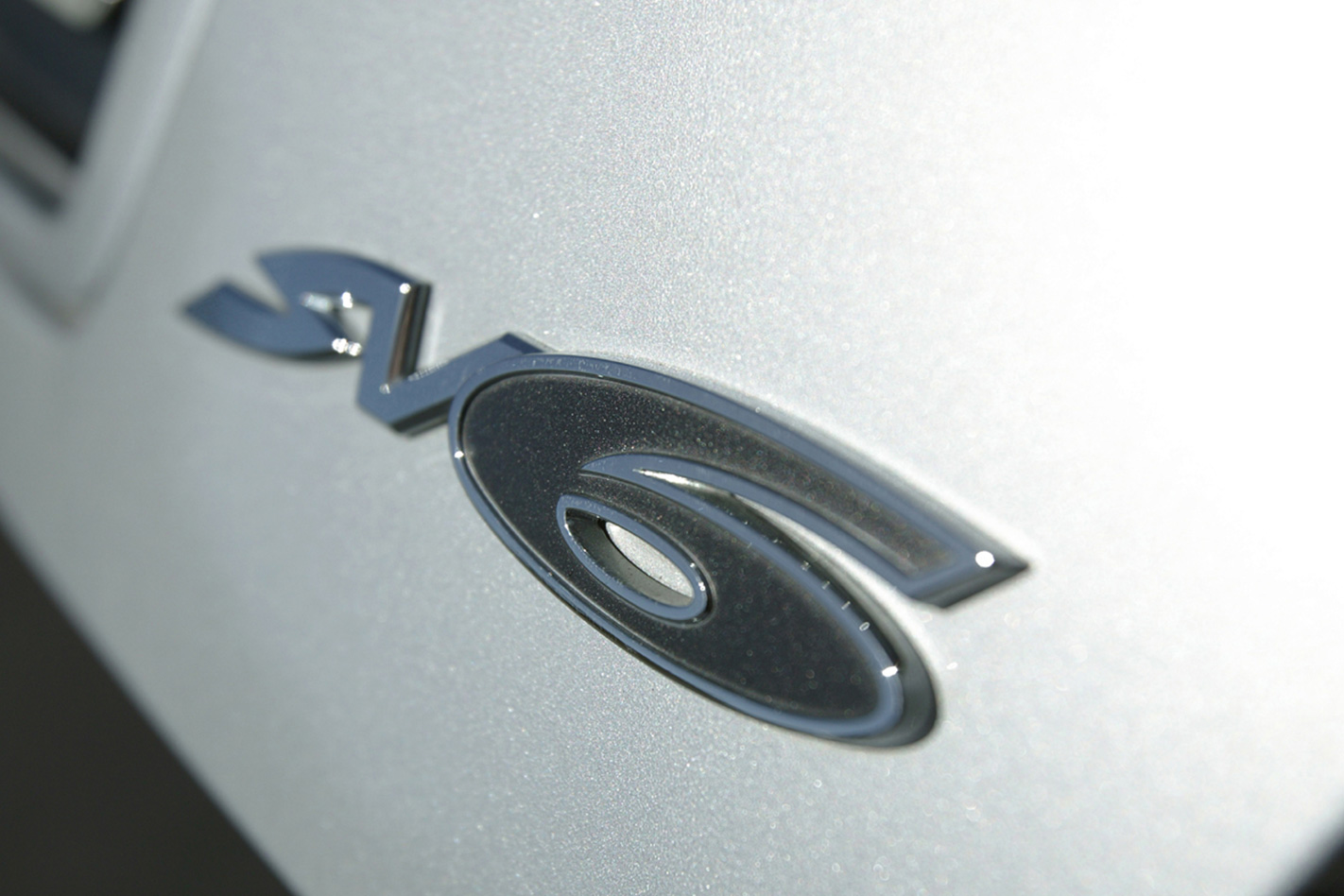
At the time of development GM’s base engine design system engineer, Bob Jacques said: “If there’s a good V6 out there, we found out how and why it was good”. Hmmm, sorry fellas but there’s now an even better engine out there.
Geek Guff
While Spanish Oak has double the memory and 40 percent more processing power than the old version, that’s only kind of the point. Ford reckons the goal of its calibrators is to make the PCM process calculations slower, because the faster it is the more electro-magnetic interference the whole system gets.
Spanish Oak is quicker because it farms out 50 percent of its thinking to peripheral brains, which is enough to assess more than 4000 parameters in calculations each second.
Tell ’em this at the pub
1. Ford runs its brake light wiring through the inside of the lid – Holden runs it down along the outside. 2. Ford hinges are also neater and take up less room (Holden’s just look old and daggy with a square steel tube). 3. The Ford’s boot isn’t deep and the floor shape is ordinary to say the least. 4. Colour of the Falcon (Menace) is actually metallic. You can’t tell most of the time unless it’s in the sun! 5. The XR6 Turbo engine (fingers crossed) may find its way into the Fairmont on BFII.
| u00a0 | Ford Falcon XR6 Specs: | Holden Commodore SV6: |
| BODY | four-door sedan | four-door sedan |
| ENGINE | front-mounted 4.0-litre, DOHC 24-valve inline six | front-mounted 3.6-litre, DOHC 24-valve V6 |
| POWER | 190kW @ 5250rpm | 190kW @ 6500rpm |
| TORQUE | 383Nm @ 2500rpm | 340Nm @ 3200rpm |
| WEIGHT | 1694kg | 1592kg |
| TRANSMISSION | six-speed auto | five-speed auto |
| PRICE | $40,960 | $38,990 |
TOYOTA has teased yet another SUV-styled concept car that looks to be an advance on the chunky, angular FT-4X concept shown at this year’s Detroit Motor Show.
What’s not clear, though, is whether this is an advance on the Toyota CH-R based FT-4X, or heralds a potentially larger, more lifestyle focussed RAV4 replacement for the US market. We should know soon, though, as the car is slated to have its global reveal at the LA Motor Show late this month
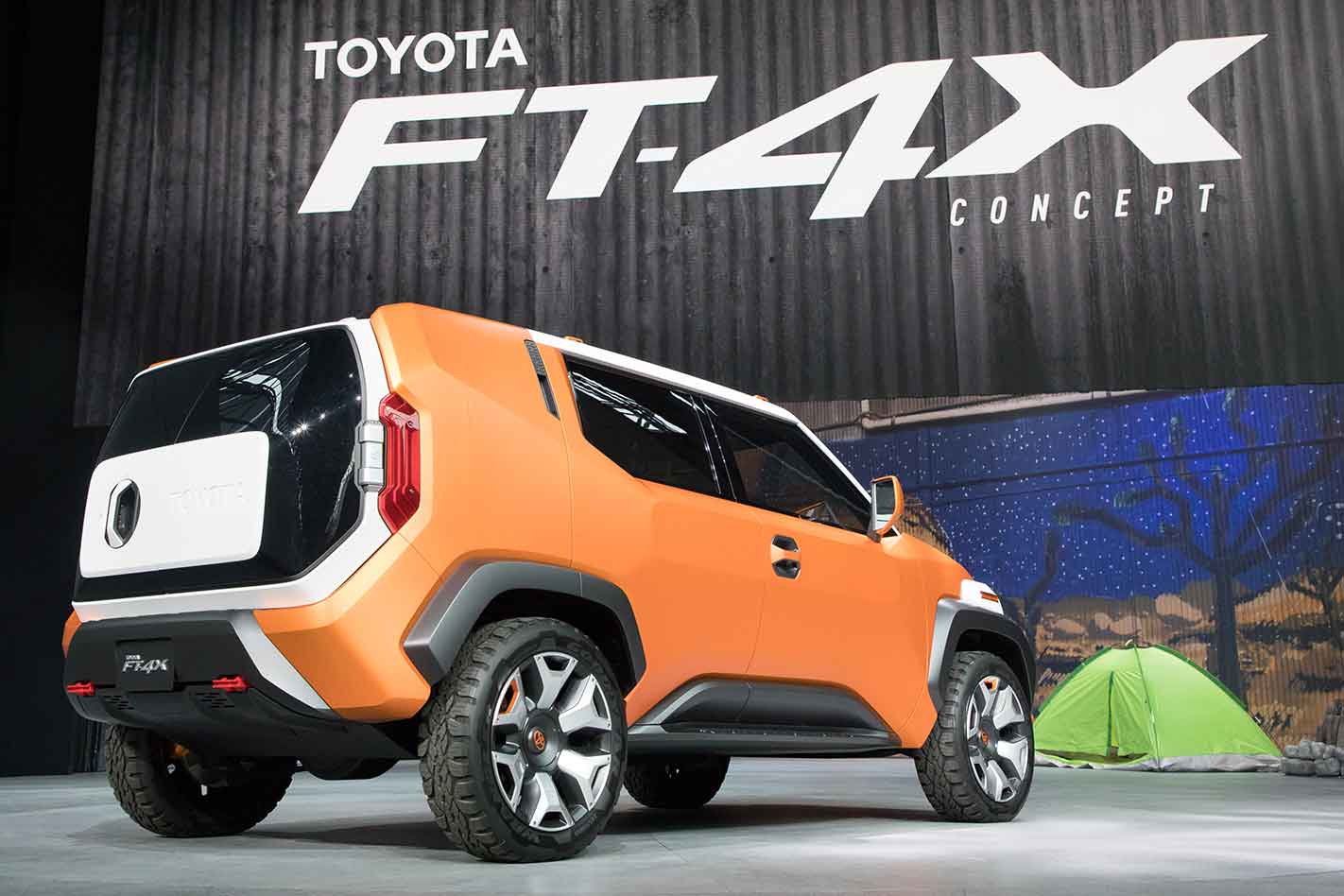
We can speculate, though, that this is potentially our first look at what could become the next Toyota RAV4 as the Japanese car maker positions itself to take on a raft of much more premium-feel rivals including the Mazda CX-5 and the Hyundai Tucson – both of which outsell the Toyota – and the Nissan X-Trail and Subaru Forester.
The fourth-generation RAV4 was released in 2013, and potentially still has a couple more years to run before being replaced by an all-new model that should shift to Toyota’s TNGA platform that currently sits under the Prius hybrid hatch and the C-HR compact SUV. Other cars to adopt the new hybrid and battery power-friendly platform include the now fully imported Toyota Camry, due on sale in Australia soon, and the upcoming Toyota Corolla small hatch and sedan.
The RAV4 is a key member of Toyota’s passenger car line-up. It has traditionally been outsold by the Corolla and the Camry, but with the car maker shutting down Australian production in October and switching to a potentially more expensive source for the Camry – the model has also potentially lost the support of government buyers who heavily favoured Australian-made cars over imported models – the mid-size SUV’s contribution to Toyota’s number one status will only grow in importance.
The unwritten law that automatics shouldn’t slot behind enthusiastic engines is beginning to change. And so it should.
This review was first published in MOTOR Magazine’s December 2005 issue.
More than 90 percent of the volume in the Australian car market is in autos, so you’d expect a few research dollars to be funnelled towards making slushers do everything bar make brekky.
Covered in more detail last month, the six-speed tranny is one of the best in the world – and only 1kg heavier than the four-speed auto Falcons have traditionally run. But it’s not the whole story with the XR6 Turbo.
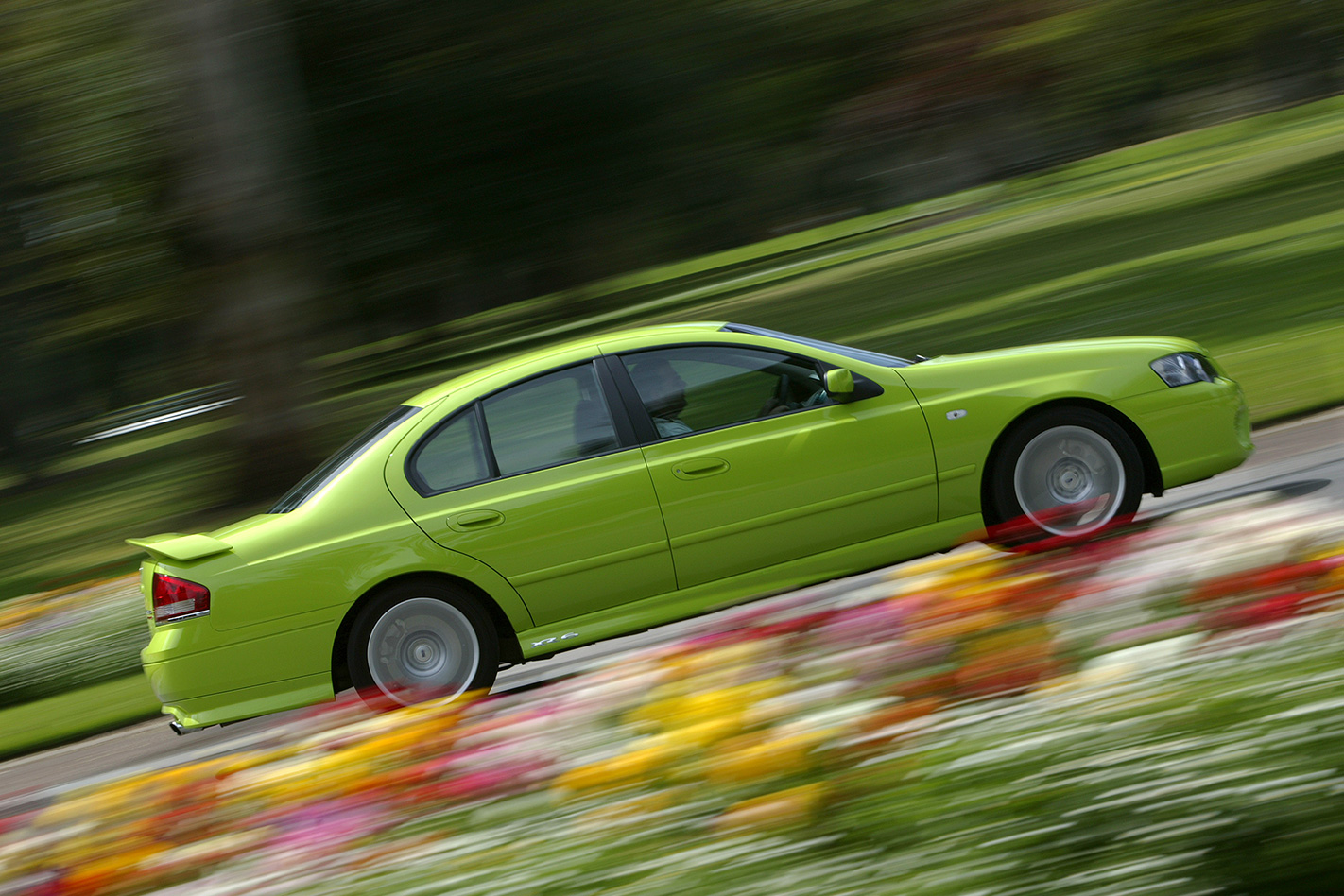
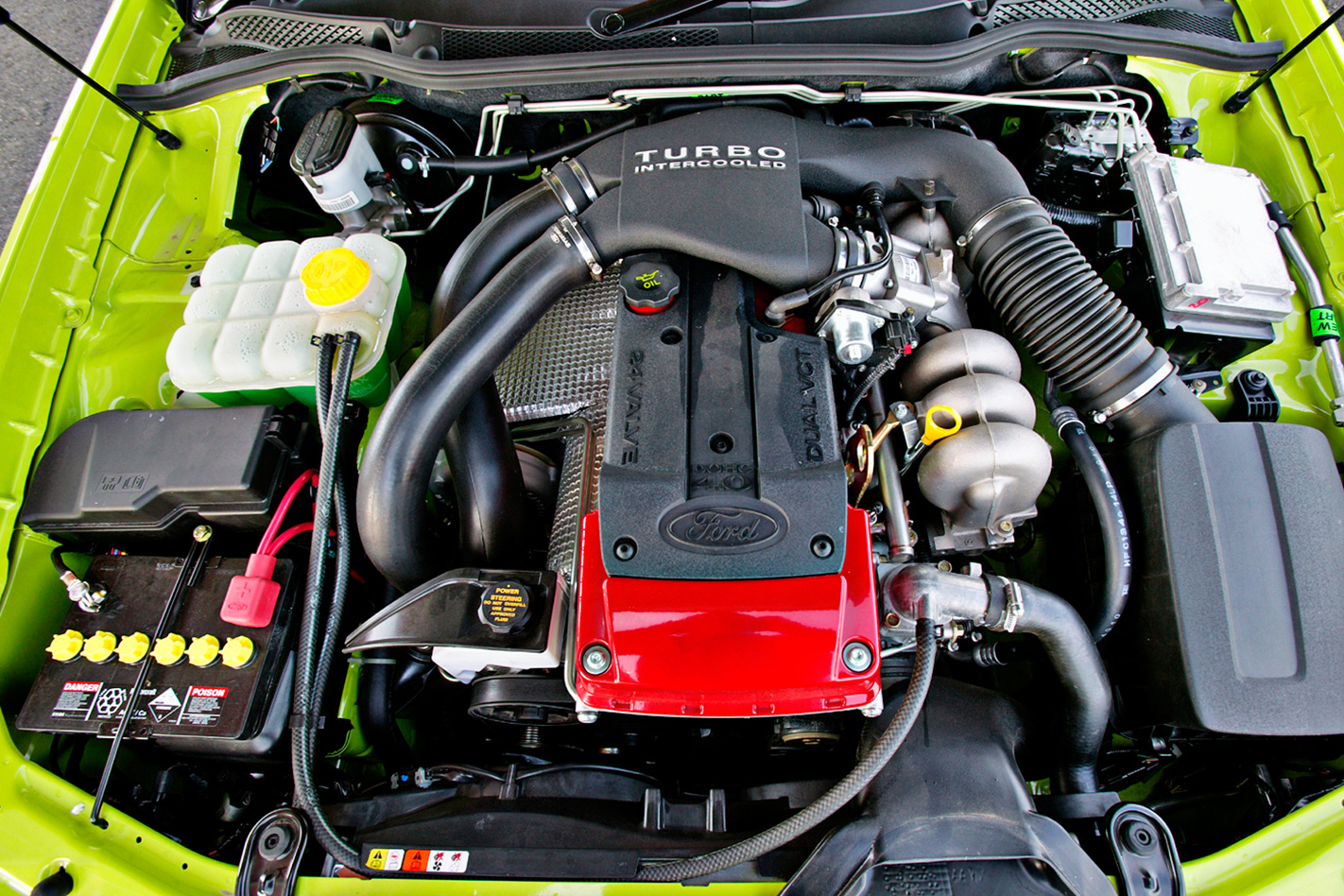
Besides tuning the noise and meeting Euro III emissions regulations, it’s eliminated a lot of unwanted vibrations, with the remaining noise just “real character”, according to Ford’s product and development vice president, Trevor Worthington. It’s also going to be a faster, stronger car in daily life.
Ford’s new big PCM is a far more capable unit and while the Turbo engine delivers only 5kW more power, torque is up 30Nm, so it’s a better thing for cruising around town and it’s a better thing when punching hard. The ratios are closer together, and first and second are shorter, so that’s a good start.
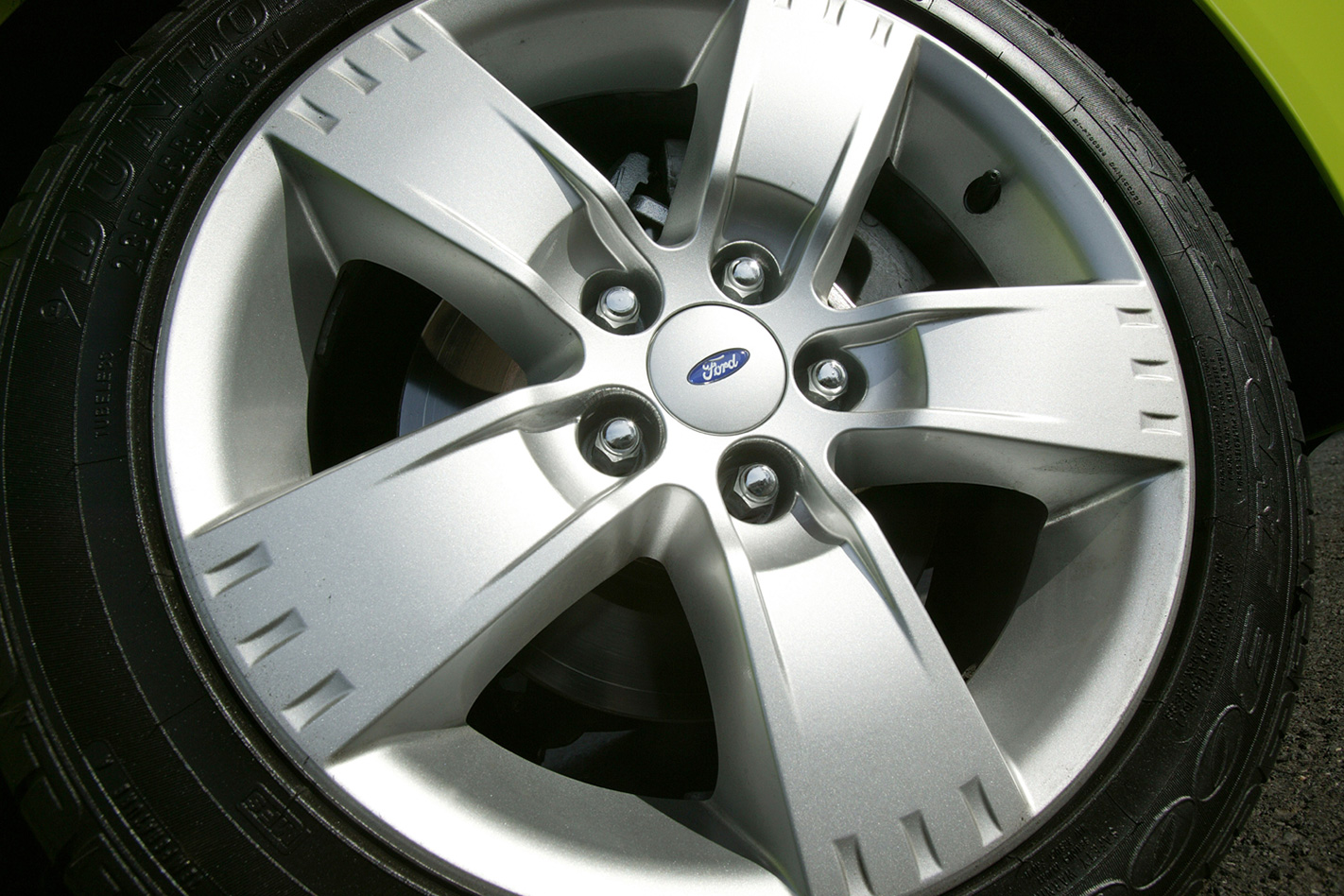
Ford reckons it isn’t choking the car down, claiming the extra 5kW and 30Nm could have been higher but for the need to meet Euro III – yet it still feels like it’s got more to offer.
A well-driven manual will still be more fun for the skilled – seamless, heel-and-toe downshifting is a skill worth learning – but for 98 percent of XR6 Turbo buyers 98 percent of the time, the ZF six-speed is going to be brilliant.
BF Ford XR6 Turbo Auto specs: ENGINE: 4.0-litre DOHC intercooled turbo in-line six, variable cam timing POWER/WEIGHT: 245kW/1694kg DRIVE: rear-drive PRICE: $47,655
After a smart sedan with decent space but don’t need something limo-sized? These cars should provide you with the “happy medium” you’re searching for.
1st: Mazda 6 Sport
The Mazda 6 Sport completed a near clean-sweep of the scoring criteria, starting with the least amount lost to depreciation in the first three years among podium players, and backing that with a lowest annual fuel cost and a sensible 12-month/10,000km service interval.
In fact, the only area where the entry-level mid-size Mazda did not beat both placegetters is in warranty, with its three years of cover trumped by the Kia’s seven-year guarantee. To live with, the base Mazda ticks boxes with its standard sat-nav and reversing camera, slick six-speed auto, gutsy four and tidy dynamics.
If you long for leather, LED bling and Bose audio, the Touring spec above boasts similar value credentials, and brings the option of a thrifty turbo-diesel that could pay off if you do lots of kays or keep cars for the long haul, as will the brand’s lifetime capped-price servicing scheme.
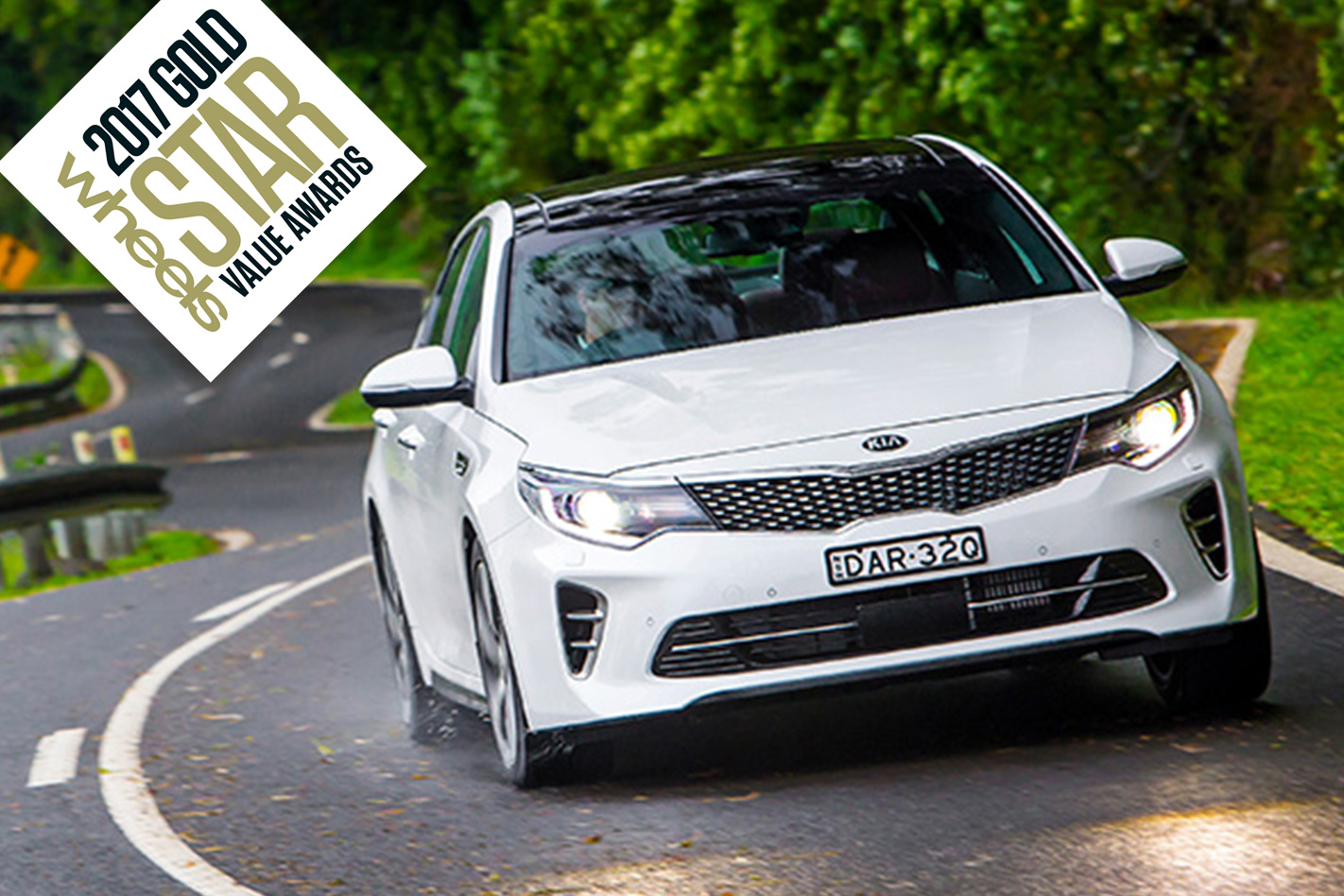
2nd: Kia Optima Si
The Optima Si defines whitegoods on wheels and sticking to pragmatics sees it stay a convincing course for value. The brand’s seven-year warranty earns it points, and a 12-month service interval and low-cost insurance seal it second place.
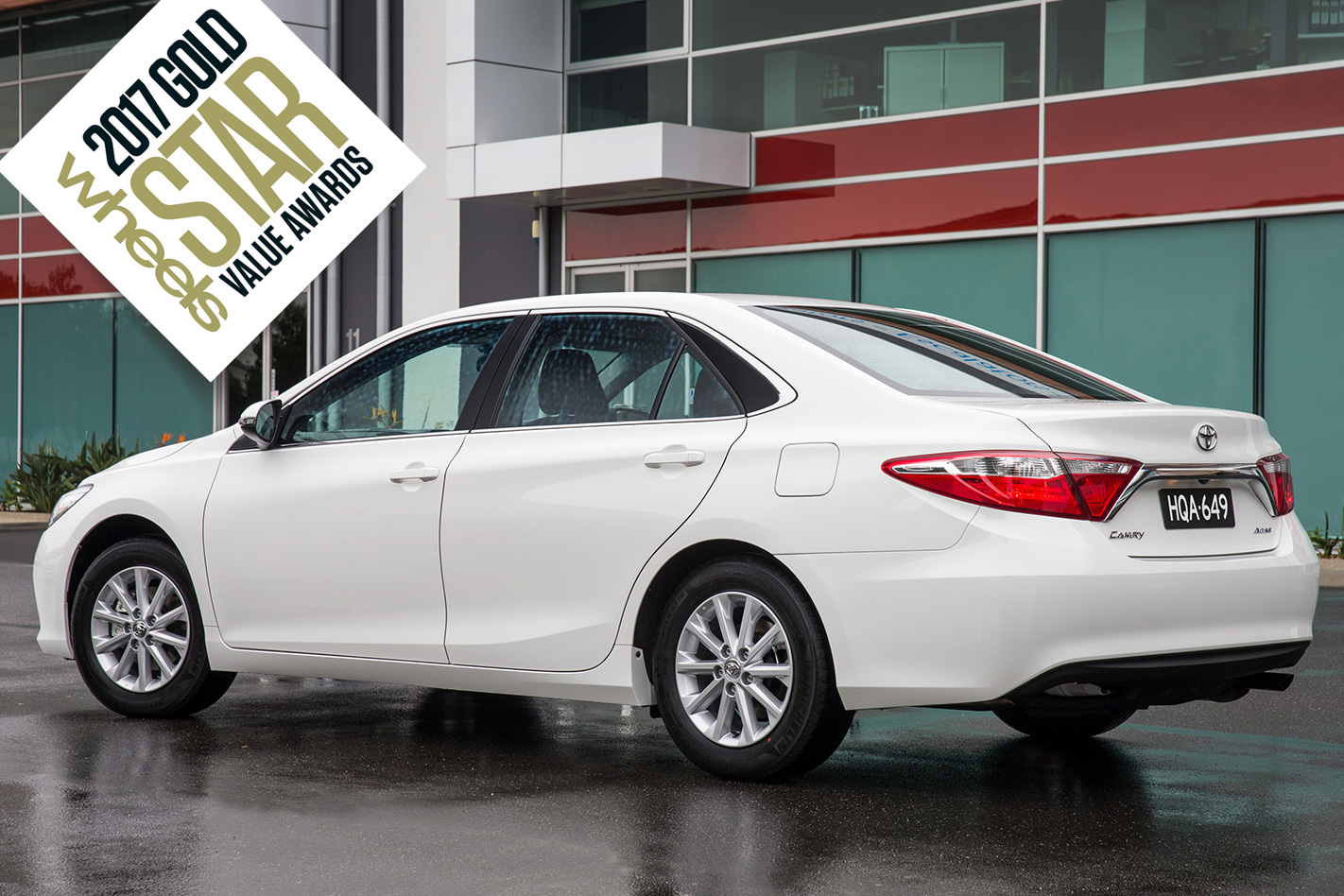
3rd: Toyota Camry Altise
You may not need a value analysis to suggest a base Camry is a low-cost proposition, but crunching the numbers shows why – it’s largely via a low purchase price, decent three-year resale and fuel economy, and reasonably priced insurance.
While the majority of the hype surrounding the Stinger has centred around it being a ‘replacement’ for the SS Commodore, in theory, it’s more a spiritual alternative to the iconic Ford Falcon XR6 Turbo.
The Kia is powered by a twin-turbo V6, utilises an eight-speed automatic and has a badge that, apart from the Proceed GT, hasn’t previously been tied to performance. However, the XR6 Turbo Sprint’s context lands it deep in racing and go-fast heritage.
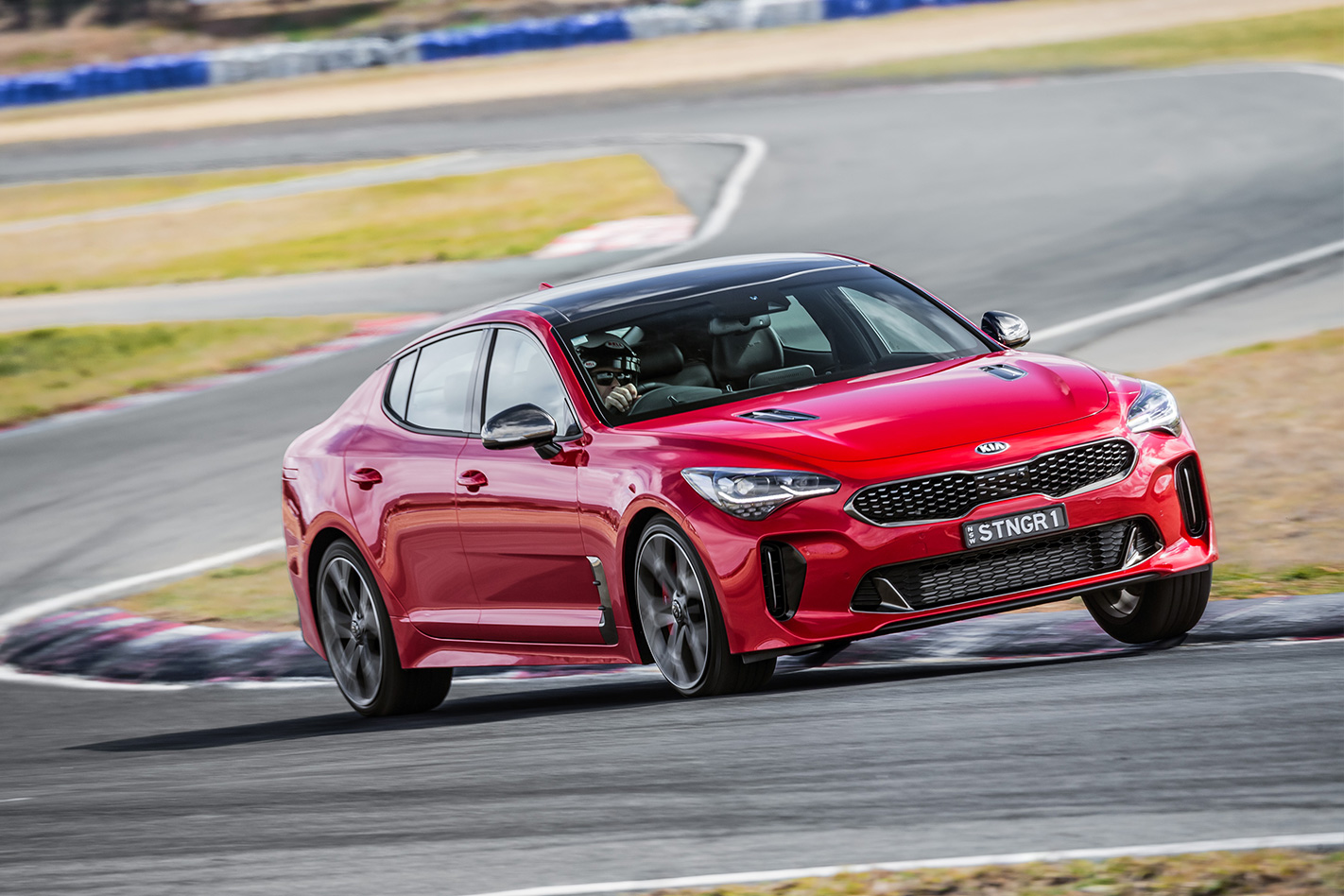
To say there’s been hype surrounding the Stinger GT is an understatement of epic proportions. Luckily, as we found out with the 330S, the hype has substance. And with 272kW/510Nm, the Stinger isn’t hanging about – our sub five-second 0-100km/h is proof of that.
Yet, it’s also a premium product and surprisingly refined. Yes, it’s hampered by its steering, a lack of theatre (the optional exhaust should help) and its design is polarising, but it’s worth considering. As final hurrahs go, the Sprint was the best Ford could do with the remaining budget.
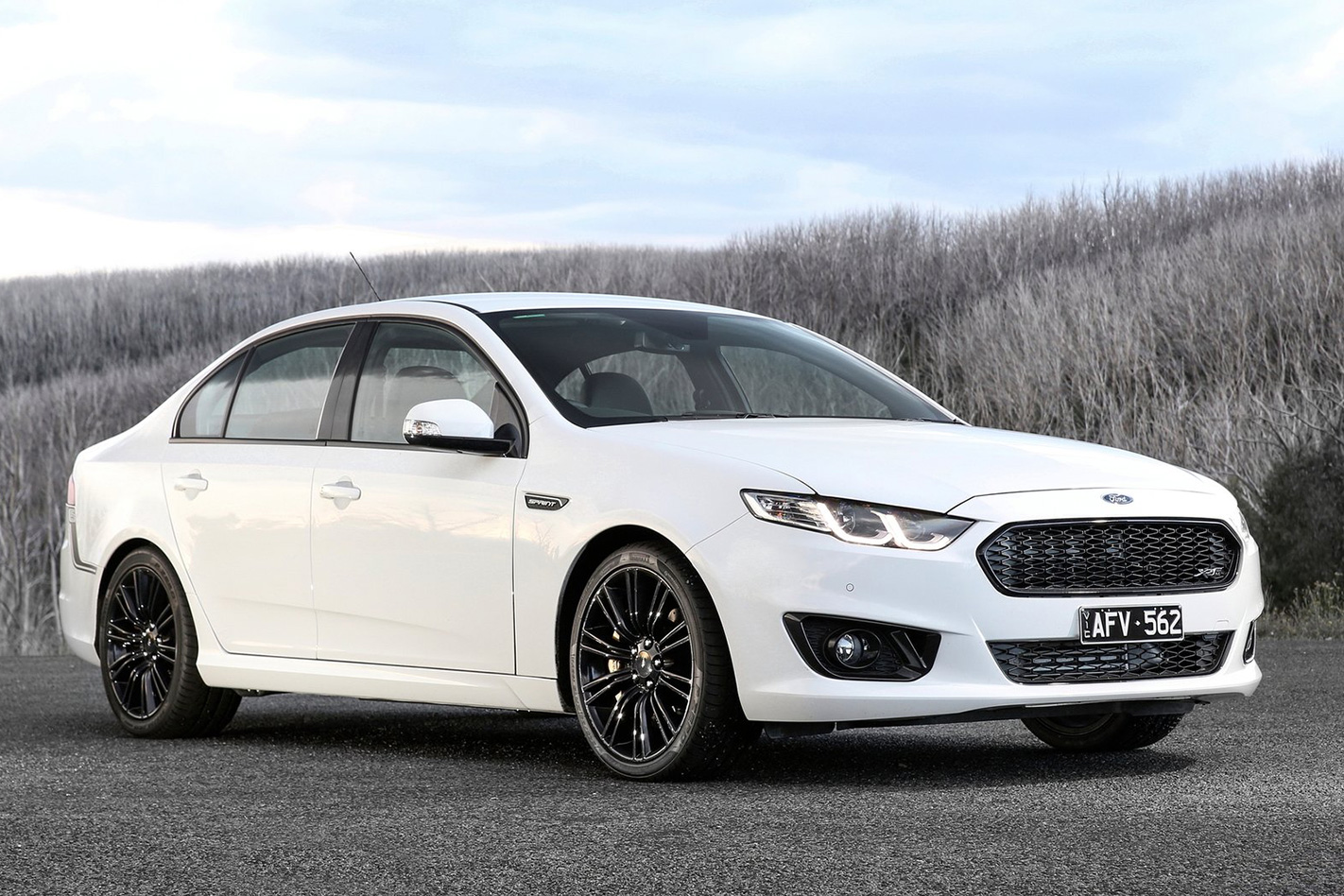
MOTOR readers also voted it the People’s Performance Car of 2016. Ultimately, traditional Falcon/Commodore buyers could struggle to get past badge snobbery. Which is a shame because the Stinger is no pretender.
| u00a0 | 2017 Kia Stinger GT specs: | 2016 Ford Falcon XR6T Sprint specs: |
| Engine | 3342cc V6, DOHC, 24v, twin-turbo | 3983cc inline-6, DOHC, 24v, turbo |
| Power | 272kW @ 6000rpm | 325kW @ 6000rpm |
| Torque | 510Nm @ 1300-4500rpm | 576Nm @ 2750rpm |
| Weight | 1780kg | 1818kg |
| 0-100km/h | 4.9sec (claimed) | 4.89sec (tested) |
| Price | $59,990 | $54,990 (new) |
One of the most competitive segments in Australia is fertile hunting ground for new car shoppers. Here are the best buys of the bunch.
1: Hyundai i30 Active CRDi DCT
The arrival of the PD series has seen the Hyundai i30 come of age, bringing newfound style, quality and driver appeal, while our analysis suggests the model’s long-held value credentials carry into its new chapter.
The stout 54 percent three-year resale reflects the i30’s – and Hyundai’s – broad appeal and hard-earned reputation for reliability, and it no doubt helps real-world values that a three-year-old i30 still has two years’ warranty left.
With a sharp $26K price tag for an Active CRDi with a seven-speed dual-clutch ’box, the i30 is off to a flying start. Can rivals compete with the 4.7L/100km 1.6-litre turbo-diesel Hyundai? Well, they could if they offered an equivalent engine… As it stands, only the petrol/electric Corolla Hybrid can put up a fight at the bowser, though the Toyota falters elsewhere.
The Hyundai surges ahead on the back of its five-year, unlimited-kay warranty, 12-month/15,000km service interval and low-cost $772 annual Budget Direct insurance. And if a diesel-drinking hatch doesn’t tickle you, the good news is the sporty 1.6-litre turbo-petrol i30 SR is a near match on the value front, thanks to 7.5L/100km economy on regular unleaded.
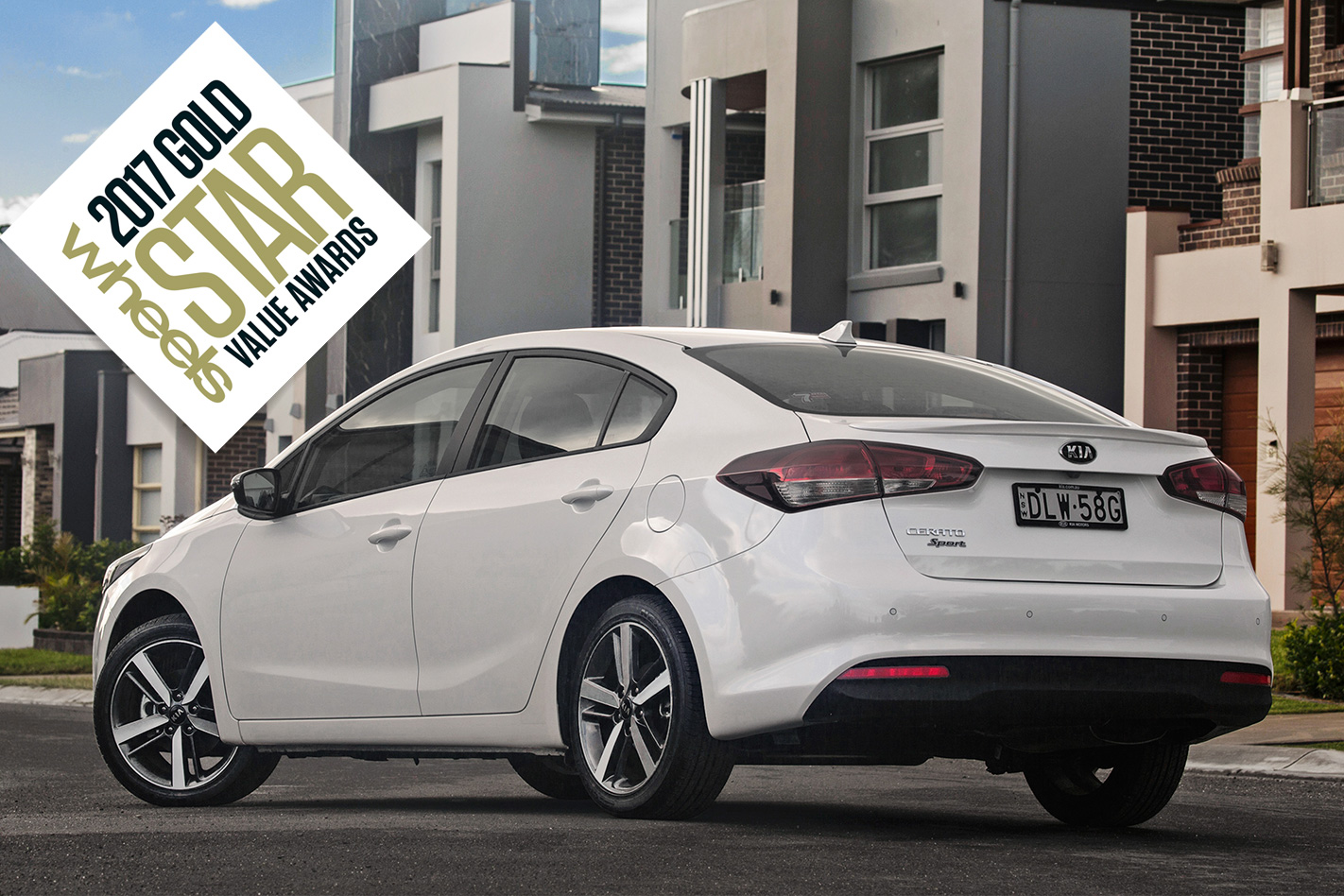
2nd: Kia Cerato Sport
Kia’s enviable seven-year warranty powers the Cerato to second place, with help from a 12-month service interval and a $673 annual insurance premium. Acceptable ride and handling, and a lively 2.0-litre petrol four make for a likeable, if conservative, package.
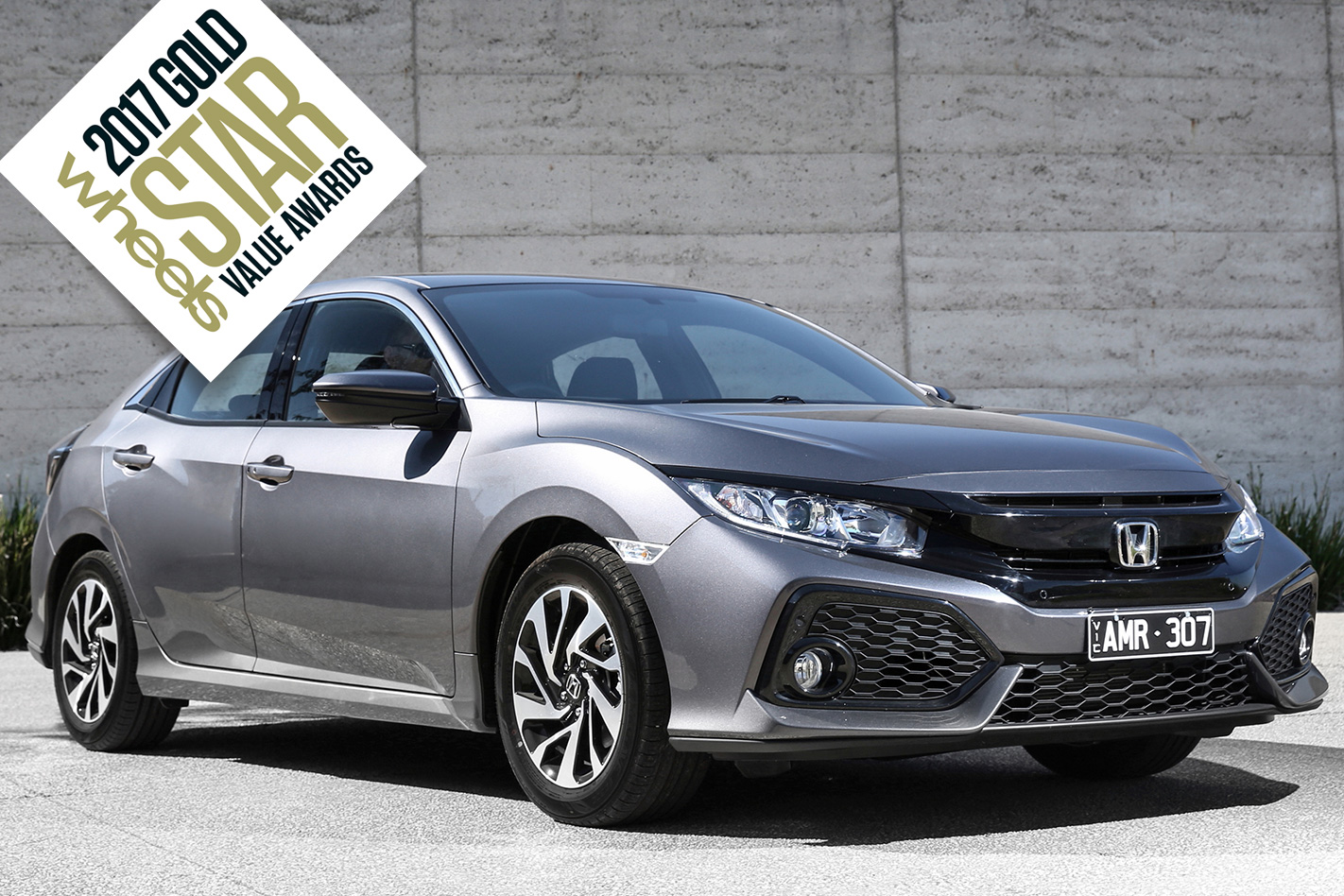
3rd: Honda Civic VTi-S
A sharp sticker price and solid retained value ensured the one-up-from-base Civic stayed in the podium hunt, despite an old-school 1.8 four that delivers decent economy but not thrills – you need a Civic RS or VTi-LX to get Honda’s strong 1.5 turbo.
AUDI has added diesel to the list of fuels it can produce without using a single drop of fossil fuel, with its first batches of e-diesel soon pumping at a pilot facility in Switzerland.
Not only is the process independent of finite oil or other petrochemical sources, up to 400,000 litres of the synthetic diesel will be produced each year using only renewable energy. Like Audi’s other alternative fuel ventures, the e-diesel project previews a future in which internal combustion vehicles are carbon-neutral and free of fossil fuel shackles.
Construction of the industrial lab in Laufenburg will begin early next year in partnership with Ineratec and Energiedienst on the site of a hydroelectric power station – the source of renewable clean energy required in the process.
In the first stage, electricity is used to split water into its constituent hydrogen and oxygen components by electrolysis. For now, the potentially useful oxygen is surplus and released to atmosphere, but the hydrogen is passed on to the second stage of processing.
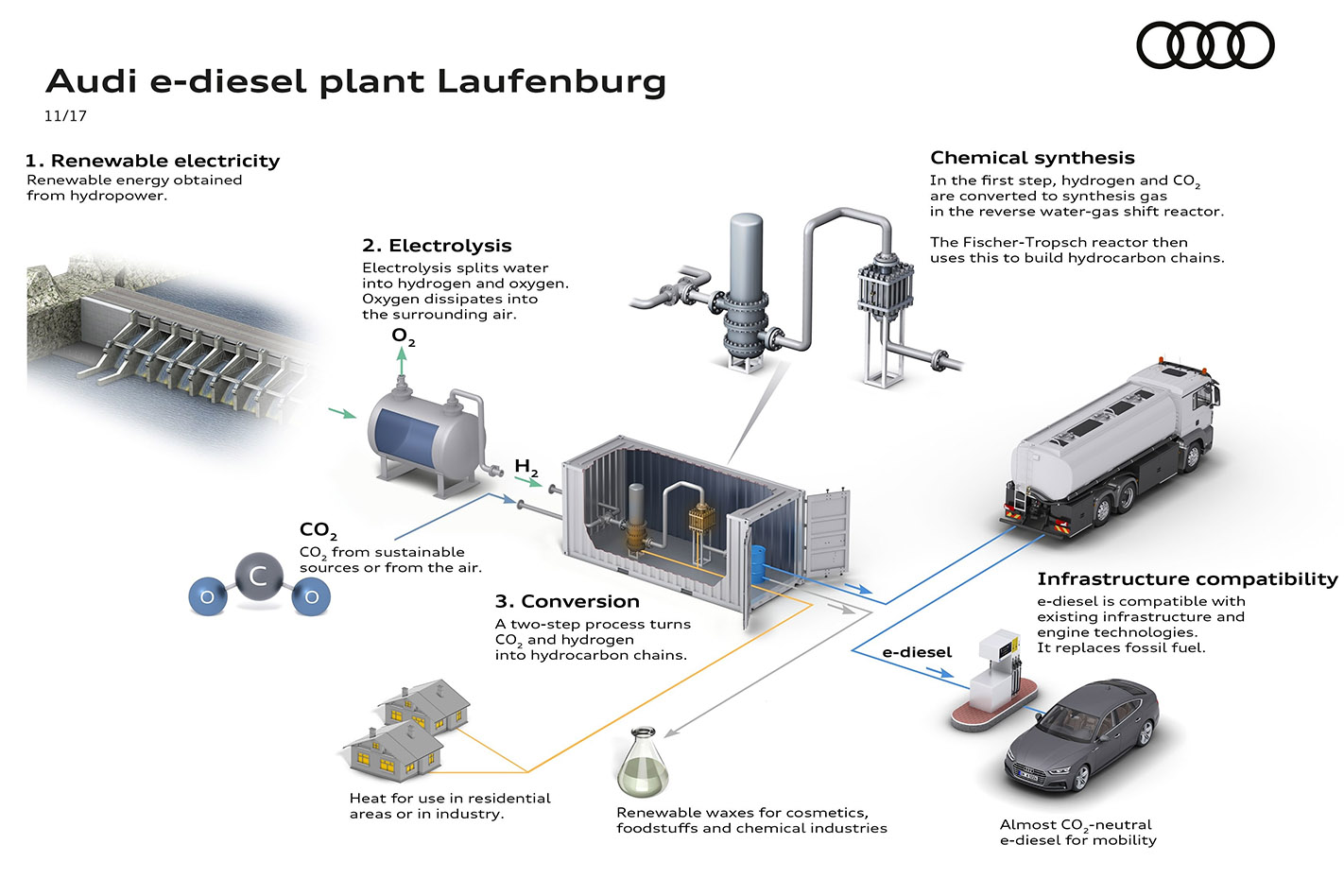
The most intricate part of the manufacturing is being kept secret for now, but Audi says the hydrogen is combined with CO2 using a reverse water-gas shift reactor to form long-chain hydrocarbons – the basis for liquid hydrocarbon production.
This material is then fed into a Fischer-Tropsch reactor which separates the synthetic diesel. Only part of the hydrocarbon chain can be processed into synthetic diesel but the remaining material also has a use as heavier waxes that are useful in other industries, says Audi.
CO2 provides the essential carbon element for the manufacturing of liquid fuel and can be either grabbed directly from the atmosphere or captured from industrial processes as waste, preventing its release to the atmosphere where it would act as a greenhouse gas.
It appears to be a win, win, win for Audi. While burning fossil fuels releases carbon to the atmosphere that was locked away in oil reserves, Audi’s process takes carbon already present in the atmosphere or from waste applications, while electrolysis adds more oxygen to the environment, and all this from renewable energy.
As if that wasn’t enough, waste heat from the conversion reactor will be piped to nearby industrial and residential areas for heating.
The first e-diesel will be pumped at the Swiss site in 2018 and will be compatible with existing fuel distribution infrastructure and diesel engine technology. As a bonus, its synthetic origin means the fuel contains none of the contaminants found in oil-derived diesel for a higher-quality finished product.
Since 2014, the German car maker has been exploring the possibilities of producing synthetic diesel at another site in Dresden using different technologies, an e-gas research facility in Werlte is producing synthetic methane as an energy source, while a project with French company Global Bioenergies that started in 2015 is already busy making e-benzin synthetic petrol.
