
Unless you are a classic car owner and lover, or an off-roader, you’ve probably never considered joining a car club.
But whether or not you’re a car enthusiast, there are many benefits to joining a car club and sharing your knowledge, passion or general fervour for weekend drives with other humans.
Sharing an interest
Maybe you love your car or a particular car brand. Perhaps you just really enjoy long weekend drives, or want to explore more of the hidden dirt tracks around Australia. Or it could be that you just love cars so much, you can’t think of a better way of spending your spare time than talking about naturally-aspirated engines and torque outputs.
| Car accessories you should keep in your car
This is where a car club can really benefit you. It may sound cliché, but car clubs allow you to connect with like-minded individuals – it’s the very definition of a ‘club’.
They come in many forms – you can join a club that’s dedicated to a car type, or brand, or even just a group of people who like driving 4x4s or classic cars, so you can find something that suits you and your interests. If you want to spend your weekends debating whether turbocharged or supercharged engines are better, then you’ll find plenty of people to bite in on the argument.
Endless knowledge
If you consider yourself a car expert, then joining a car club will give you plenty of people willing to listen and learn from you. If, on the other hand, you need some knowledge – like how to fix your car, or someone with more off-road experience to travel with – then you’ll have access to it.
Additionally, car clubs often have resources available to members such as a magazine, website or forum, helping you find a specific car part for your 1970 Volkswagen Kombi. You can ask a question and watch the answers flood in – someone may even offer to replace it for you!
| Most Googled car questions answered
Even if you don’t own a car but you have a passion for a particular ‘dream-car’, which you hope to own one day, most clubs allow non-owners to join giving you the opportunity to learn all you can about the car before you invest your hard-earned dosh.
Discounts and savings
Most car clubs have connections; this means discounts on various parts, services, insurance and events. The privileges differ between clubs, of course, so look in to it before you sign up, but if you plan on utilising these incentives, then you could find yourself quickly recouping the membership costs, especially if you end up saving money on running expenses.
Social life
You may have a busy life already, and if that’s the case, then prepare for your social life to get even busier. On the other hand, if you find yourself wishing you could fill your downtime, then the club will give you access to plenty of group outings, shows and road trips – and opportunities to show off your car.
NISSAN is meeting the challenge of the redesigned Mazda CX-5 with the facelifted X-Trail, bringing a range of cosmetic updates inside and out, AEB across the range, a bigger diesel with AWD auto, and more standard features.
WHAT IS IT
The X-Trail is Nissan’s bestseller, thanks to chunky good looks, a large and spacious cabin, light controls, a choice of engines and hard-fought durability. The Series II facelift serves to enhance that with extra safety and features, including an all-new 2.0-litre diesel with auto AWD.
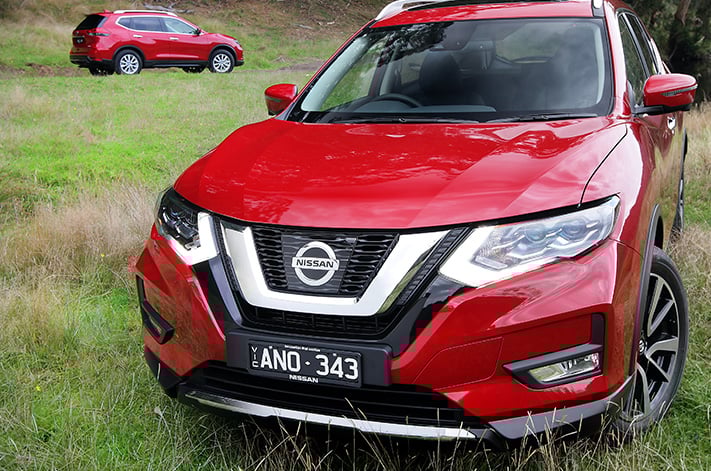
The booming medium SUV segment has been revitalised lately with the redesigned Volkswagen Tiguan and Mazda CX-5, changing the order of things lately. We’ve long rated the X-Trail for its combination of value, packaging, comfort and durability, but how does the stalwart now fare in this new age in facelifted Series II guise?
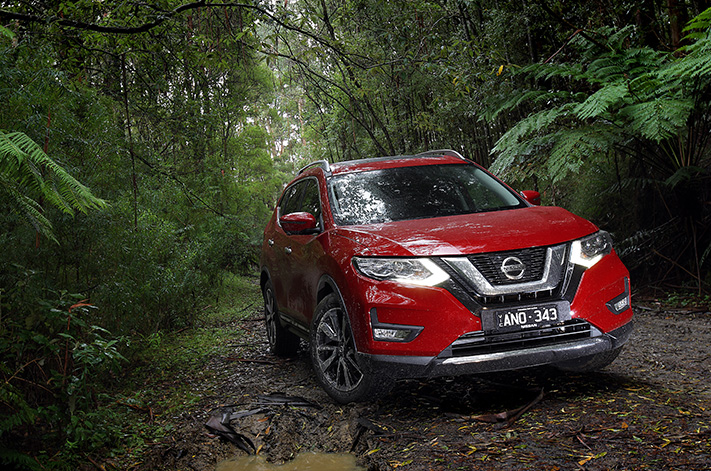
Ford Escape, Haval H6, Honda CR-V, Hyundai Tucson, Jeep Cherokee, Kia Sportage, Mazda CX-5, Mitsubishi Outlander, Renault Koleos, Subaru Forester, Toyota RAV4, Volkswagen Tiguan
THE WHEELS VERDICT:
NISSAN’S facelifted X-Trail is on the money by offering increased standard safety features like the newly-arrived AEB Autonomous Emergency Braking and Forward Collision Warning, enhancing an already likeable medium SUV package.
The makeover sees a bolder nose and minor alterations to the tail-lights and trim to give it all a more contemporary look, but there have been no modifications to the ageing 2.5-litre petrol engine and that’s a shame because while it is muscular and responsive, its efficiency and refinement are falling behind newcomers like the Mazda CX-5 and Volkswagen Tiguan.
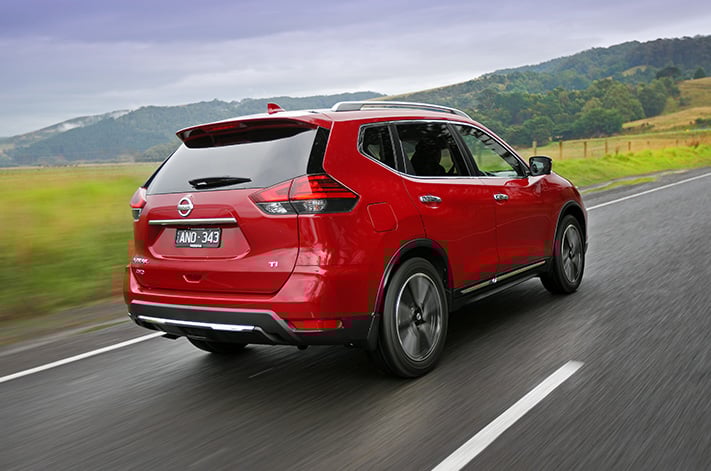
Still, with a new (and larger) diesel AWD auto out in September, the X-Trail still has plenty of promise. And it remains a proven, practical and likeable family medium SUV.
PLUS: More safety, improved cabin, space, ease, design, features, versatility MINUS: Still lacks suspension and mechanical finesse, ageing petrol engines
THE WHEELS REVIEW
MEMORY is a funny thing.
Midway through driving Nissan’s largely cosmetic X-Trail nip ‘n tuck, the penny dropped as to why sales remain so solid. This is a good old-fashioned wagon on stilts. Which many of us would connect with clambering up into Skylines, Bluebirds, 180Bs or 1600s as kids. Does the familiar rectangular silhouette subconsciously reassure of good times gone by?
Employing the same brawny but boisterous 2.5-litre petrol engine from the original T30 of 2001 is certainly also a throwback, especially against more muscular direct-injection and/or turbo competitors like Volkswagen’s Tiguan.
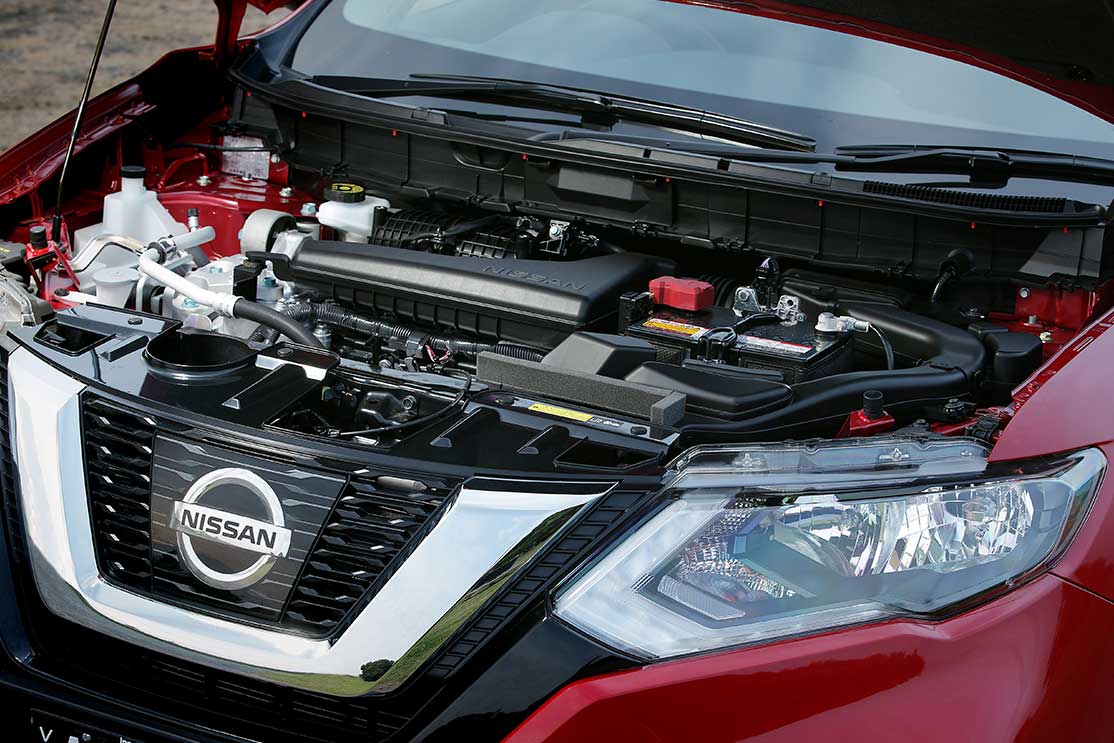
Speaking of which, this isn’t the subtlest of facelifts either (did the Les Girls make-up department apply the black lipstick and lush coat of chrome around the grille sans spectacles?), though in contrast, the cabin’s more monochrome trim and newly double-stitched vinyl inserts elevate the ambience decidedly.
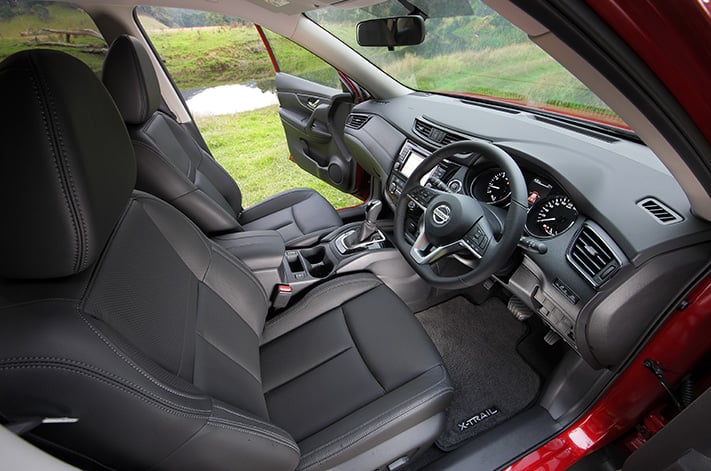
Moving on to the back, if only yesteryear’s 200Bs and Bluebirds boasted a sliding and reclining split/fold bench, rear vent outlets and elevated views.
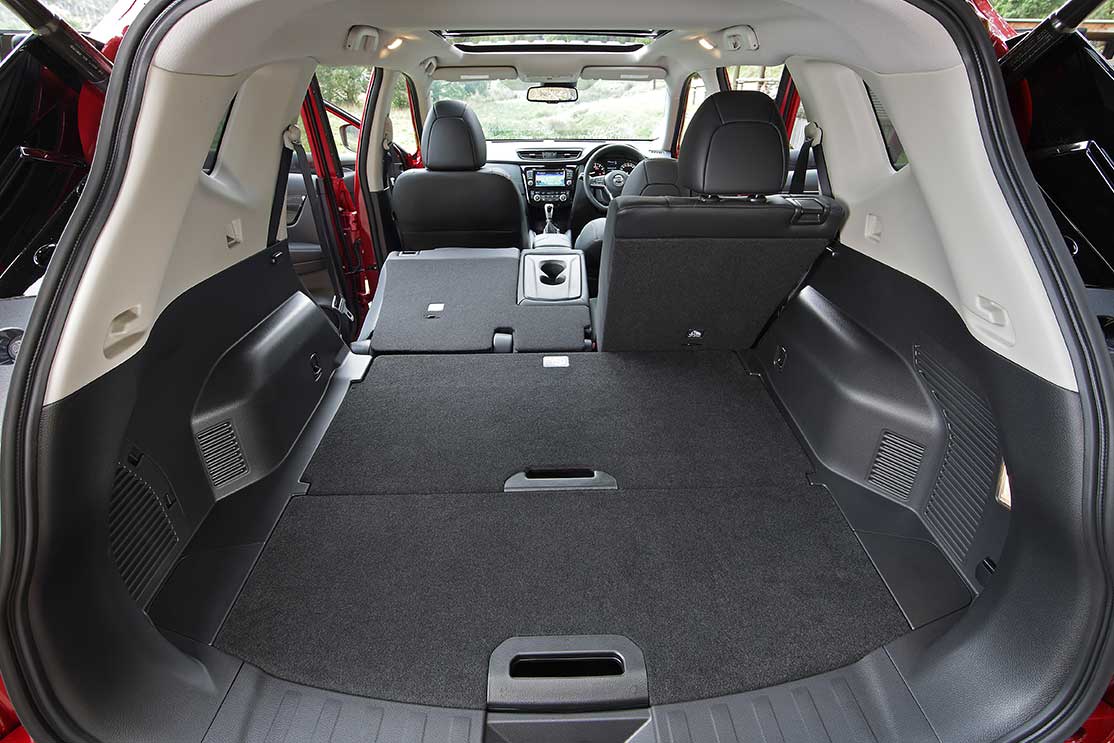
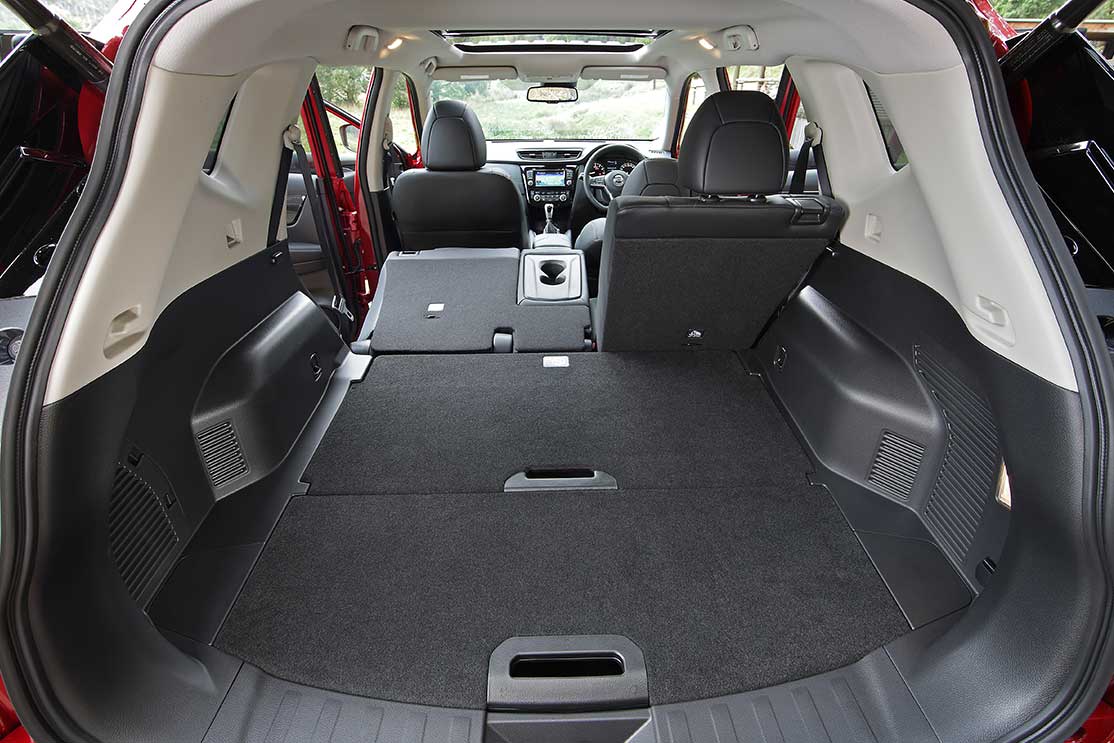
The cargo area is comparatively vast, a cinch to load, and includes a reversible hose-down floor, as well as a third-row option on ST FWD. Finally, more sound deadening is fitted to further quieten things down.
However, as with the petrol powertrains, there’s been no change to the steering, which is light and precise but could offer more feel and feedback, or MacPherson strut front/multi-link rear suspension set-up. The latter varies from firmly controlled (ST/ST-L on 225/65R17s) to busy and occasionally unsettled (Ti/TL on 225/55R19s).
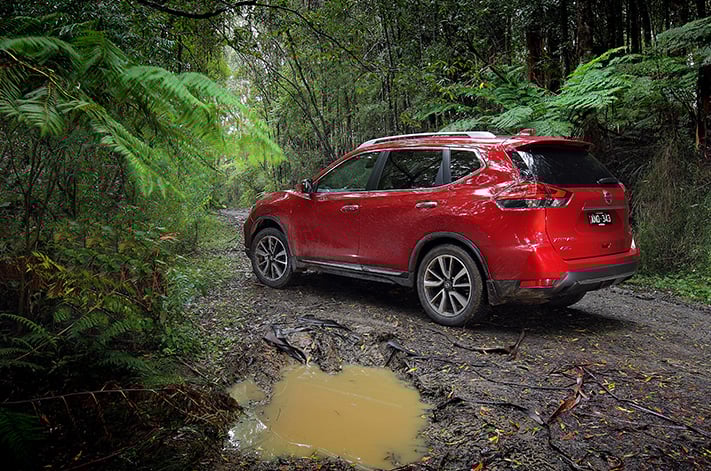
Upshot? As a family runabout the latest X-Trail ticks all the required boxes to stay near the top of the medium-SUV class. Nissan’s able form with wagons does go way back, after all.
SPECS
Model: Nissan X-Trail ST-L 2WD Engine: 2488cc 4-cyl, dohc, 16v Max power: 126kW @ 6000rpm Max torque: 226Nm @ 4400rpm Transmission: CVT automatic Weight: 1458kg (tare) 0-100km/h: 10.3sec Fuel economy: 7.9L/100km Price: $36,590 On sale: Now
You have to feel for people who bought an Opel in Australia only for General Motors (GM) to ruthlessly pull the brand from sale and watch – from afar – resale values sink like a lead balloon.
The cars in question, the Astra and Insignia VXR – if we forget the entertaining but short-lived Corsa for a moment – were re-introduced as Holdens before recently being killed off once again, but sales weren’t exactly stirring.
Bad news for Holden, but for car enthusiasts it at least results in good European-built performance cars going out with dirt-cheap pricetags.
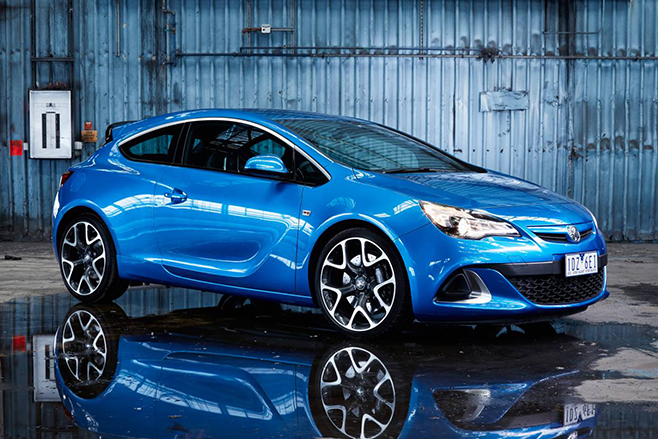
A competitive $39,990 plus on-road costs new, scanning the classifieds in the Holden-Euro-fire sale revealed 2015 brand new examples priced between $28,995 and $31,490. It gets even better for a 2016 example with just 3000km on the clock, advertised for an astonishing $25,490 – or base Hyundai i30 and Toyota Corolla money – and in as-new condition.
Great buy now; not so for those few buyers who paid closer to retail prices.
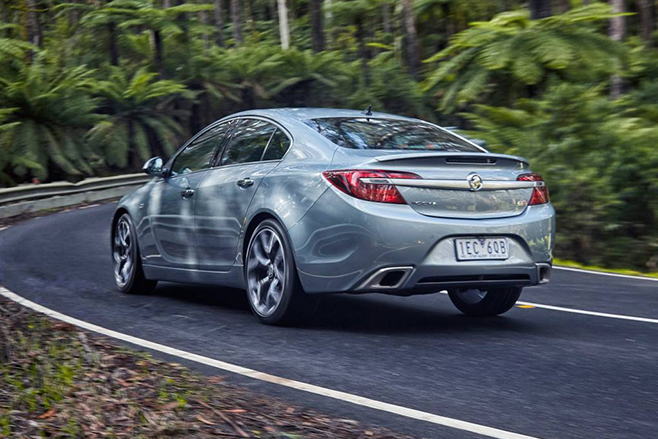
With 239kW at 5950rpm and 435Nm at 5250rpm, the 2.8-litre turbo V6 sedan was overpriced when new at $51,990. But there was a rough diamond in this laggy then boosty, cramped but willing Opel; more of a WRX in European clothes than a cut-price Audi S4.
Now, at almost half the price, the Insignia VXR is more impressive. We saw a 2015 example for $31,990 with 7000km on the clock, or a 2016 for $36,890 with 2300km. Want a brand new example? Holden dealerships are flogging leftover stock for $39,990 driveaway.
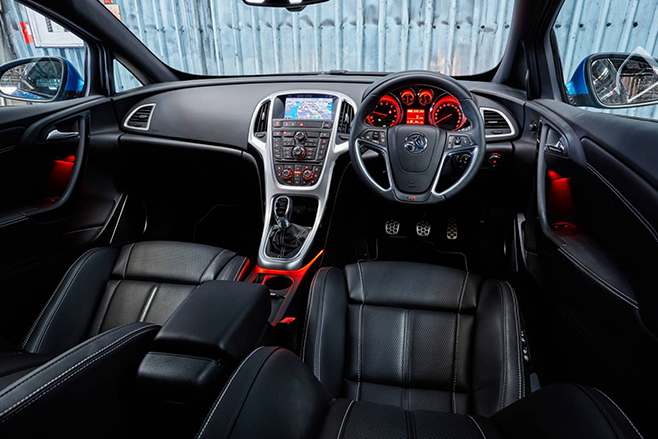
For now, though, there are some great performance bargains to be had.
One very wealthy Floridian just became a lot happier, after taking delivery of his exclusive Ferrari SP 275 RW Competizione.
This one-of-one Ferrari is based on the F12 in terms of its chassis, but has the engine and gearbox from the F12tdf.
This means that instead of the 545kW/690Nm the ‘standard’ F12 Berlinetta has, the Competizione gets to play with 574kW and 705Nm of torque. This is thanks to the 6.3-litre V12 which, in the F12tdfm enables a 0-100km/h time of 2.9 seconds.
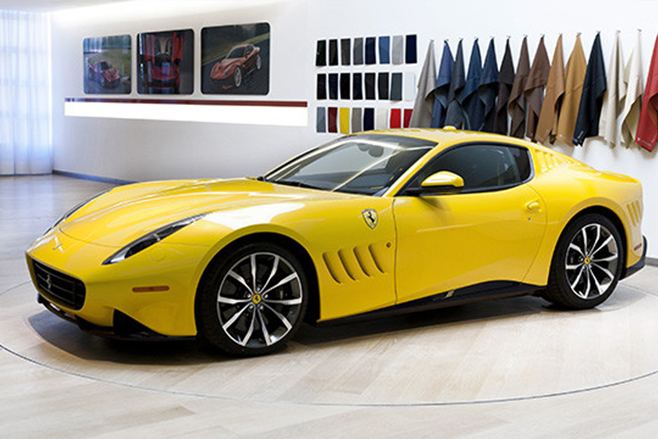
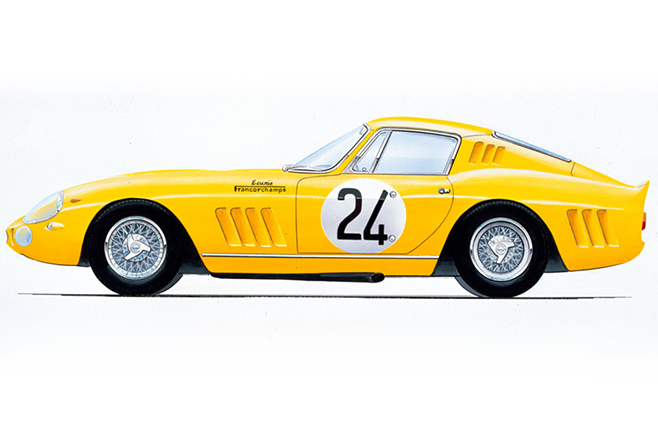
Vents feature in all the same places as on the original ‘60s car, behind the front and rear wheels, and also on the C-pillar to complete the lines started by the windows.
More design cues borrowed from the 275 are evident in the Competizione’s shapely rear, which brings the original 275 design into Ferrari’s modern design language.
The headlights on the Competizione are also unique to this special build.
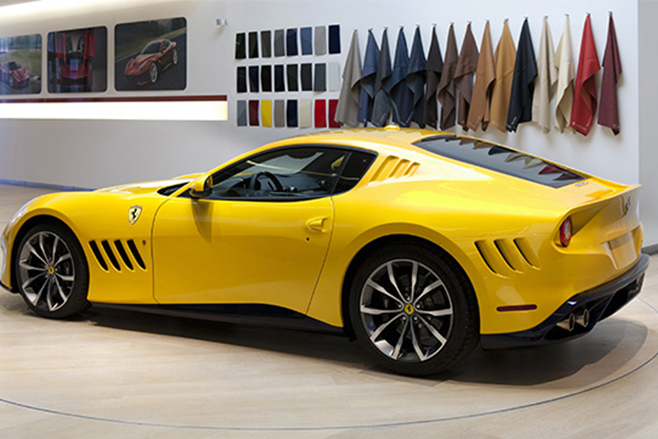
The SP 275 RW Competizione shares the same yellow as the Belgian Ecurie Francorchamps 275 GTB, which won the GT class in the 1965 24 Hours of Le Mans.
While we don’t know how much this car cost its owner, we do know it would have been well over the $800,000-or-so it would have cost to buy the limited edition F12 TDF.
1. The i30 – which Hyundai describes as the “backbone” of the brand in Australia – is only produced as a hatchback. Previously there was a wagon but it has been discontinued. It has a small sedan sibling but it gets a different name – Elantra – and, despite sharing many components underneath (engines, basic suspension systems), it has a unique interior.
2. Hyundai is readying more models of the i30, including a “fastback” body style. It will have a lower roof for a sleeker look, but in turn loses some interior space. So it’s more about style than space. By late 2017 the i30 will also debut a new sub-brand for Hyundai called N. The i30 N will be a hot hatch with a 2.0-litre turbocharged engine; it’s aiming to take on the Volkswagen Golf GTI.
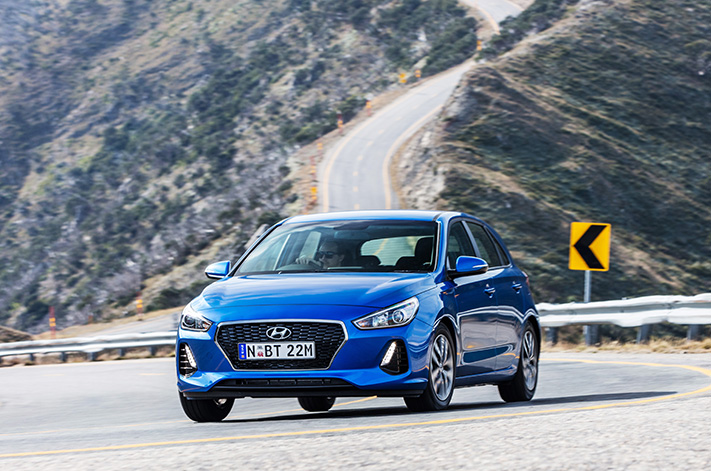
3. Hyundai claims the new i30 is cheaper than the model it replaces. But that’s ignoring the enormous discounts applied to the previous one – sometimes up to $7000. So, looking at the drive-away pricing, the new i30 is about $5000 more than the generous deals dished out throughout 2016. That’s a big step up for a car that previously sold predominantly on price, throwing it directly against the likes of the Toyota Corolla, Mazda3 and Volkswagen Golf.
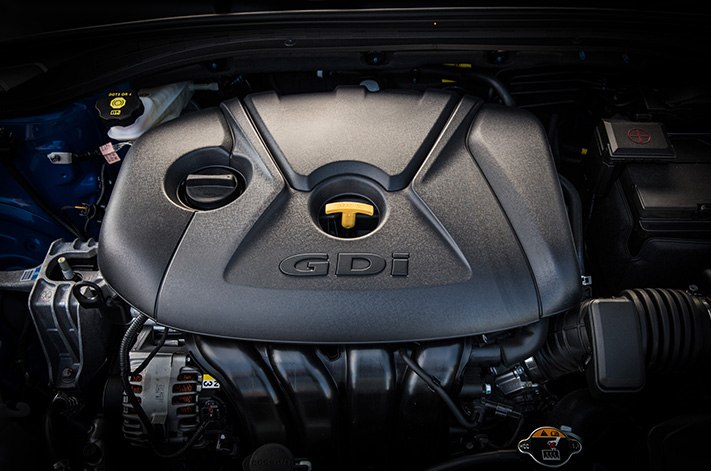
4. On paper, the two four-cylinder petrol engines offered in the i30 – a 2.0-litre and a 1.6-litre turbo – look thirsty, at least compared with prime rivals. Claimed average consumption of the auto versions is 7.4 litres per 100km and 7.5L/100km respectively. However, Hyundai claims in real-world driving (rather than the laboratory where the tests take place) the difference between the i30 will be a lot less than the up-to-39-percent more the raw figures show. The high on-paper fuel use is in part because none of the i30 engines have a stop-start system, an increasingly common feature that automatically shuts the engine down when the car is stationary.
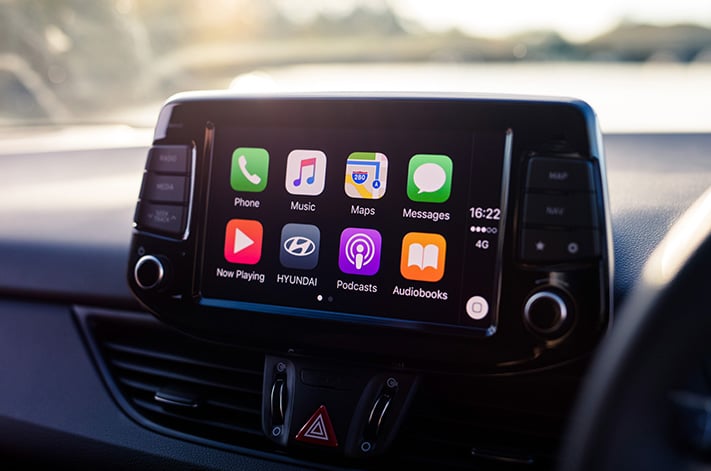
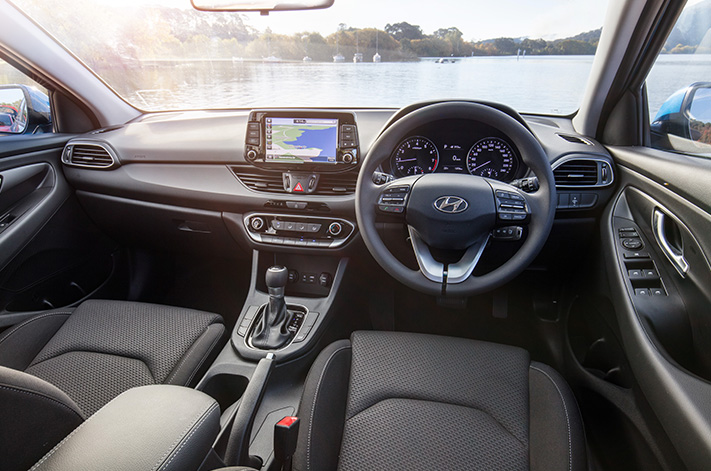
5. All i30s come with an 8.0-inch touchscreen and connectivity that includes Apple CarPlay and Android Auto. More expensive models also come with a Qi wireless charging pad, allowing a compatible smartphone to be placed on a rubber mat and charged without the need to plug in cables. The i30 is the first mainstream small car on sale in Australia with Qi wireless charging (it’s also available on some luxury cars).
6. The i30 comes with satellite-navigation as standard and, impressively, it includes 10 years of map updates. Such data updates of the mapping software can cost hundreds of dollars, something that creates frustration for many owners, especially as new freeways and roads are opened, effectively rendering the old maps useless.
7. Hyundai engineers did extensive Australian testing and tuning of the i30 over five months. All up, there were 208 different tunes of dampers, 13 different spring sets and seven different stabiliser bars tested through a range of conditions, from the city to the outback. Engineers also created a unique Australian tune of the stability control system, one that allows sportier driving through more progressive intervention on the limits of adhesion.
8. The i30 is one of a handful of small cars that includes a full-size spare tyre, something that gives peace of mind for long journeys. However, SR models miss out, instead getting a slightly smaller spare than the sizeable 18-inch ones that give it a distinct look and driving flavour. However, all i30s do get a tyre pressure monitoring system, something very handy for giving an early warning of a puncture.
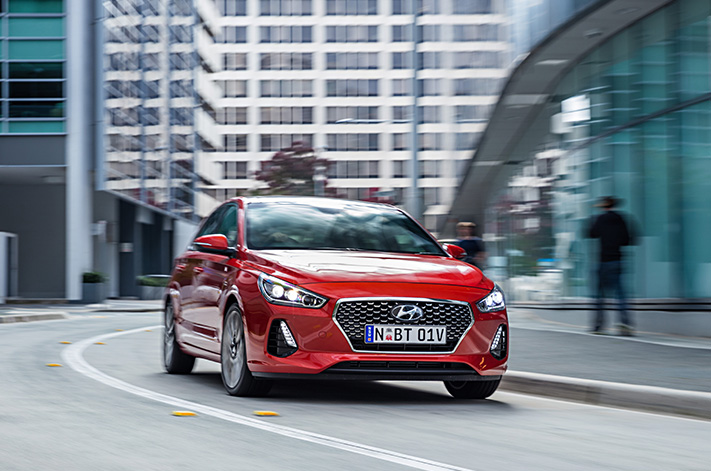
9. SR models drive quite differently to the Active and Elite variants of the i30 – and not just because of the feisty 1.6-litre turbocharged engine. The SR and SR Premium both get a unique rear suspension system, which uses an independent multi-link system rather than the inferior torsion beam used on other variants. As well as improving stability and control through corners, it teams with a stiffer suspension tune and grippier 18-inch tyres for faster, more confident cornering.
The new Porsche 991.2 911 GT3 has set a stunning 7min12.7sec lap around the 20.8km Nurburgring Nordschleife.
While 20 seconds short of the ultimate benchmark, set by the Lamborghini Huracan Performante, the new GT3’s time improves on its predecessor’s by a remarkable 12.3sec and is only 15sec slower than the lap set by the 652kW Porsche 918 Spyder. the time was set by Porsche test driver Lars Kern.
According to Frank-Steffen Walliser, Porsche’s Vice President of Motorsport and GT cars, “the focus was on optimising the driving quality and adapting to the slight increase in engine power.” The latest 911 GT3 uses a new 4.0-litre naturally-aspirated flat-six producing 368kW/460Nm.
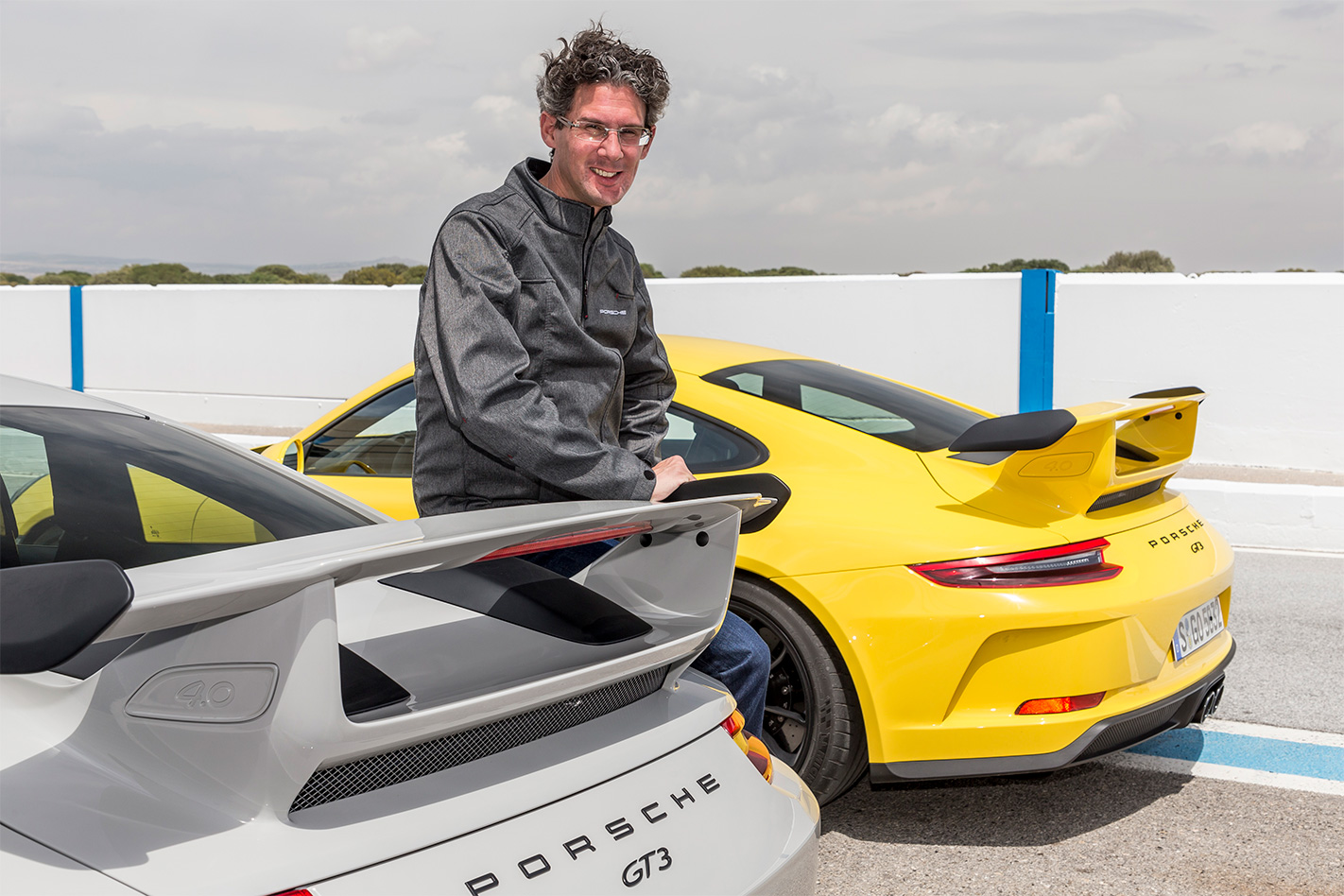
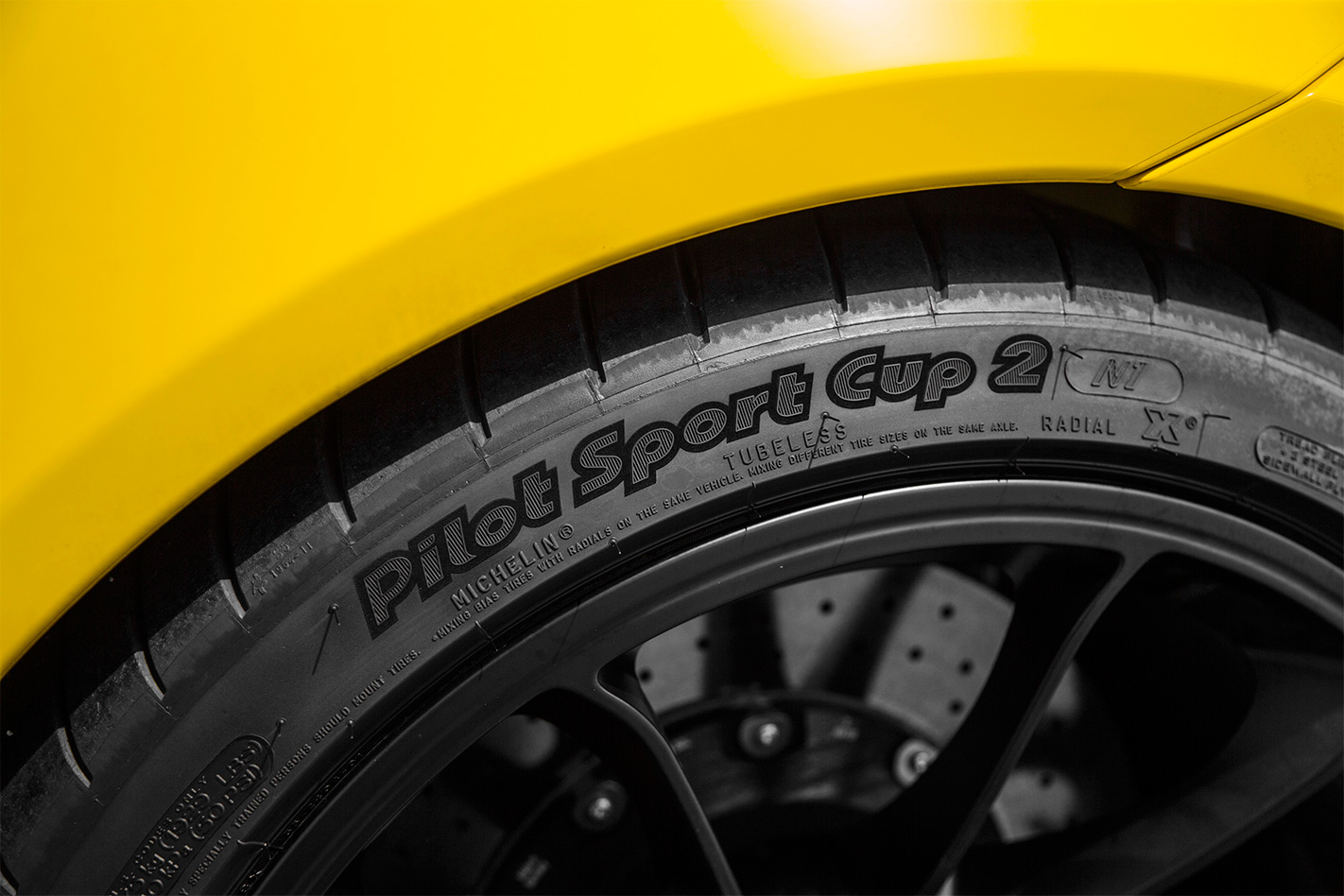
The test car was in standard specification with a seven-speed dual-clutch gearbox, Michelin Pilot Sport Cup 2 tyres and rear-wheel steering.
The new Porsche 991.2 911 GT3 will land in Australian showrooms towards the end of 2017 priced from $327,100.
Three years after the X-Trail nameplate shifted from boxy utility to curvy docility, Nissan’s volume-selling medium SUV has come in for a mid-life refresh.
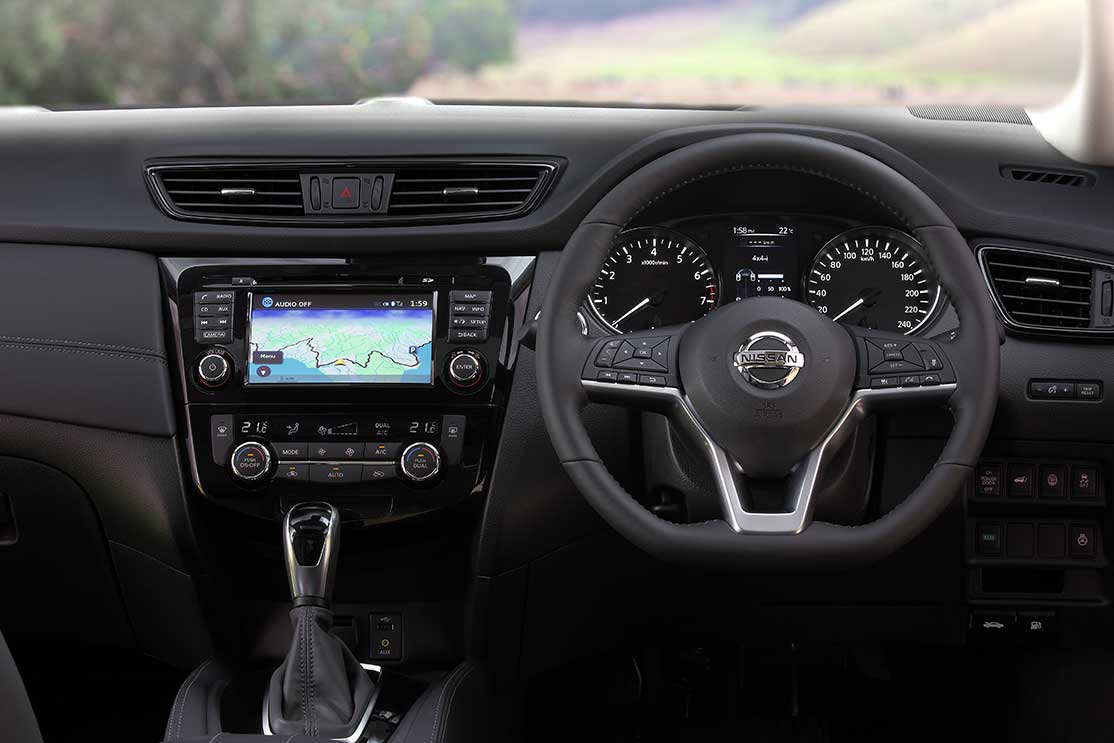
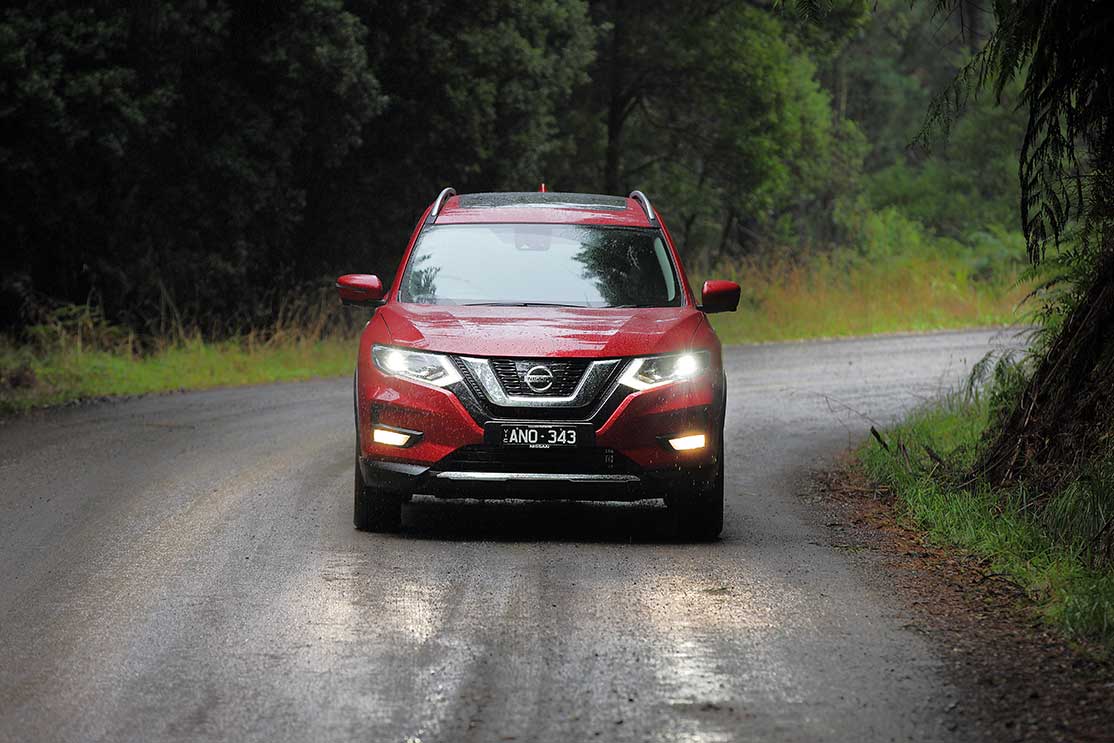
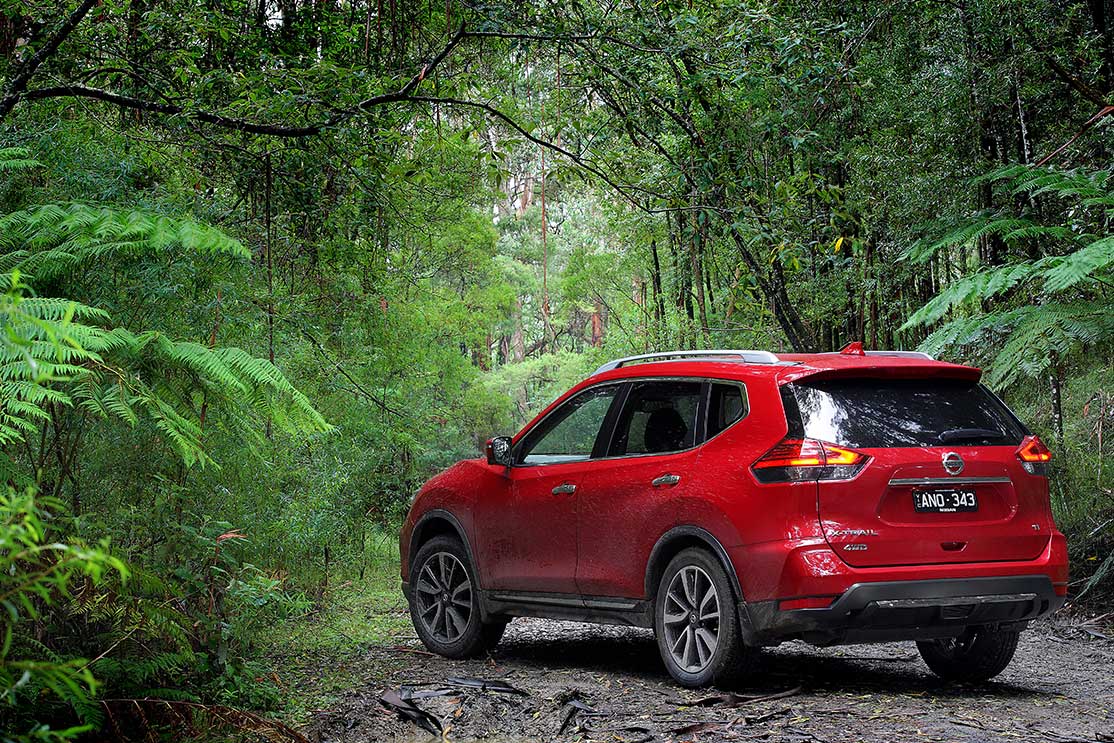
Exterior changes are modest and mostly limited to new wheel designs – 17-inch for ST, TS, ST-L; 19-inch for Ti and TL – bolder bumper plastics, revamped headlamps. Inside the centre console box is mildly revised, there’s a new automatic shifter design with a gaiter for an upmarket appearance, while a flat-bottomed steering wheel with a more conventional button layout is an aesthetically- and ergonomically- pleasing alternative to the outgoing model’s tiller.
The technology story sees greater changes. All models receive autonomous emergency braking, with Ti and TL grades adding pedestrian detection that can actively stop the car between speeds of 10-60km/h. Forward collision warning is another range-wide addition, while Ti grades enjoy active cruise control and lane keep assist as well.
Rear cross traffic alert is standard in mid-grade ST-L and high-grade Ti and TL models, and flagship Ti and TLs get headlamps that actively steer into corners, along with auto-highbeam.
Other changes include an eight-speaker Bose premium audio system, motion-activated tailgate, heated steering wheel, and heated outboard rear seats for the X-Trail Ti and X-Trail TL.
Carry-over tech includes a top-down parking camera view, lane departure warning, blind spot monitoring and potentially life-saving Moving Object Detection tech, which detects motion behind the car when reversing – such as a small child or a pet.
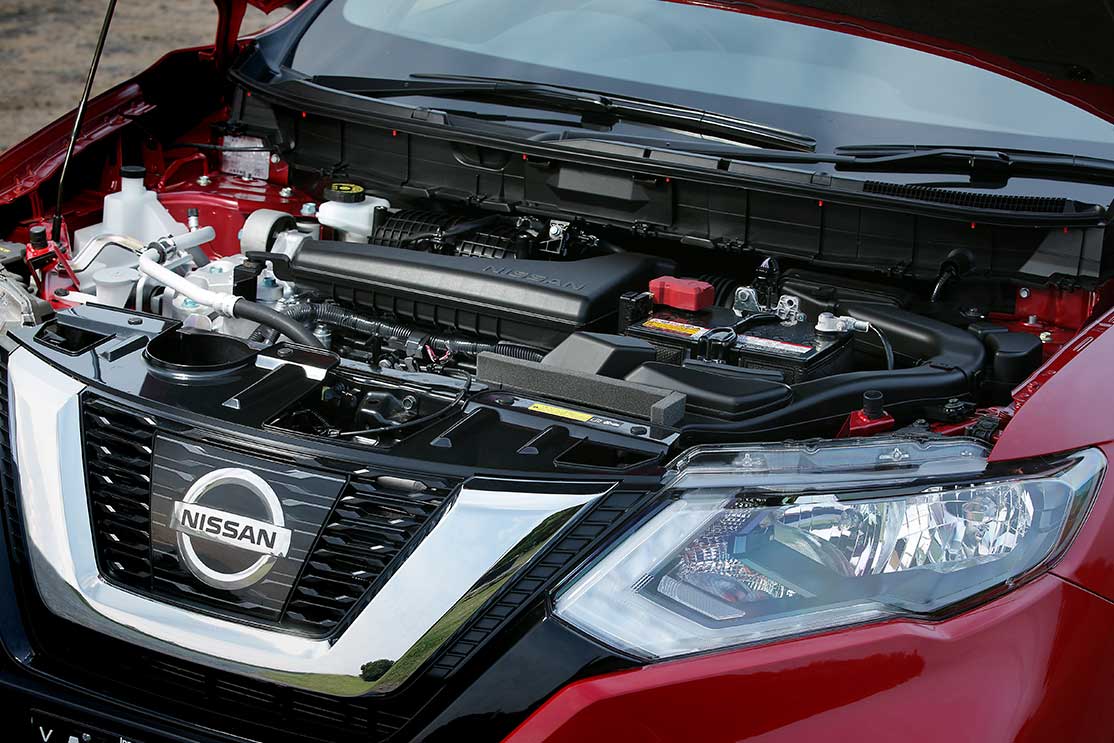
Mechanically, the petrol models continue with no changes. A 2.0-litre naturally-aspirated petrol with 106kW and 200Nm powers the FWD-only manual-equipped X-Trail STs and TSs, while a 126kW/226Nm 2.5-litre is the mainstay engine for all CVT auto-equipped petrol variants, and available in either front-wheel drive or all-wheel drive.
The 2017 X-Trail’s 2.0-litre turbo diesel is new, replacing the outgoing 96kW/3210Nm 1.6-litre diesel with more muscular 130kW and 380Nm outputs. Available solely with AWD and a CVT automatic, the new 2.0-litre diesel consumes 6.0L/100km on the combined cycle.
The 2.0-litre burns an average of 8.2L/100km, with the 2.5 consuming 7.9L/100km in FWD X-Trail ST form.
As before, only FWD petrol variants are available with a seven-seat configuration.
PRICING
Pricing-wise there are no changes for existing models except for petrol AWD variants, which see price reductions between $900 and $1490.
The re-engined diesel AWD X-Trail TS and X-Trail TL pricing largely reflects the pricing of the 1.6-litre models they replace, but the lower-grade $35,490 TS retails for $190 less than before and the flagship $47,290 TL variant costs $710 more.
That said, with the added equipment and improved power output that the 2017 diesel X-Trail models enjoy, the value-for-money equation has arguably been pumped up.
Nissan X-Trail ST FWD petrol manual – $27,990 Nissan X-Trail ST FWD petrol auto – $30,490 Nissan X-Trail ST FWD petrol auto 7-seat – $31,990 Nissan X-Trail ST AWD petrol auto – $32,490 Nissan X-Trail ST-L FWD petrol auto – $36,590 Nissan X-Trail ST-L FWD petrol auto 7-seat – $38,090 Nissan X-Trail ST-L AWD petrol auto – $38,590 Nissan X-Trail Ti AWD petrol auto – $44,290 Nissan X-Trail TS AWD diesel auto – $35,490 Nissan X-Trail TL AWD diesel auto – $47,290
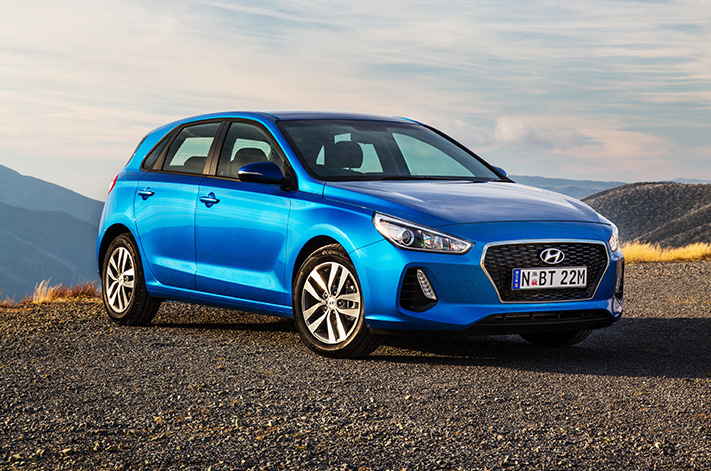
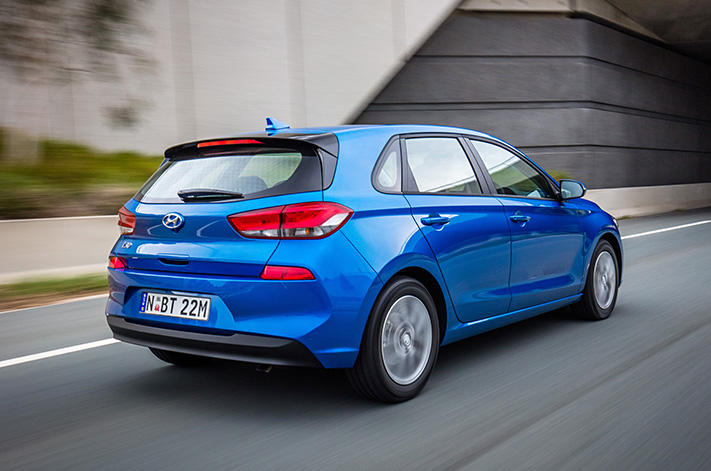
The latest third generation i30, gets a new body and interior as well as more features than we’ve seen previously on Hyundai small cars.
TELL ME ABOUT THIS CAR The i30 is one of the most popular small hatchbacks on the market. This latest third generation model, codenamed PD, gets a new body and interior as well as more features than we’ve seen on Hyundai small cars previously. It is available with two petrol engines and one diesel engine as part of a broad model range that includes sporty and luxury variants.
WHAT IS IT?
Hyundai’s top seller and a small hatch that fights with the Toyota Corolla and Mazda 3. With this slick PD-generation i30, Hyundai is hoping it will also tempt some out of a Volkswagen Golf.
WHY WE’RE TESTING IT
To see if the new Hyundai i30 really is a match for the kings of the small car segment. The third generation i30 has just gone on sale and arrives with big expectations, which include helping change perceptions of the Hyundai brand and continuing the sales strength of the model. We want to know if this car really is worth the $5000 premium over the i30 it replaces.
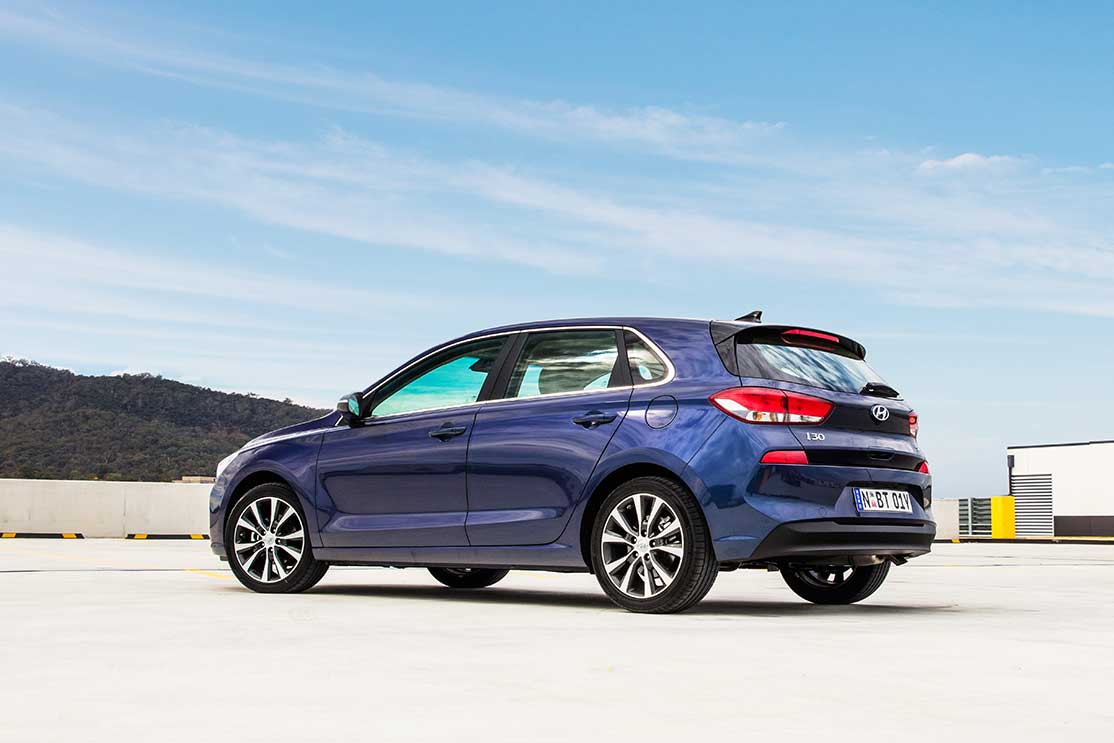
MAIN RIVALS
Toyota Corolla, Mazda 3, Volkswagen Golf, Honda Civic, Subaru Impreza, Ford Focus, Holden Astra, Peugeot 308 and Renault Megane.
THE WHEELS VERDICT
Comfortable and confident, the latest i30 is a big step up and closer than ever to its small car rivals (often ahead of them) when it comes to presentation, driving performance, safety and features. A little over a year between its sedan equivalent – Elantra – and the i30 has also allowed for some valuable tightening and tuning that has paid dividends. Inside, the efforts made to the dash layout and switchgear marks a big step forward for Hyundais. But it’s also more expensive than ever, something that will provide a challenge for dealers trying to tempt buyers from some excellent alternatives.
PLUS: Refinement; sound driving manners (exciting, even, with the SR); strong engines and broad model range; elegant and functional dash and switchgear
MINUS: The price – it’s a lot more than previous i30s; rear seat space; lack of active safety on some models; on-paper fuel figures
THE WHEELS REVIEW
ASPIRATION IS not a word that typically springs to mind with Hyundai, a brand that built its reputation on drive-away screamers.
But with the third generation i30 Hyundai is spruiking the equipment list more than the price tag.
The basic Active arrives with 16-inch alloys, 8.0-inch touchscreen, sat-nav, reversing camera, digital radio, rear parking sensors, tyre pressure sensors, Apple CarPlay and Android Auto.
It’s a broad spread, and one that trounces its competition.
The bad news? You’ll be paying about $5000 more for an i30, at least compared with the $19,990 deals floating around last year.
Still, there’s a counterpunch inside with the most elegant interior yet for the Korean maker. Dark plastics dominate and while some lack the tactility and precision of, say, a Volkswagen, the logical dash layout and screen that sits as a feature atop the dash team with flashes of silver to liven the mood and ensure easy operation of all major functions.
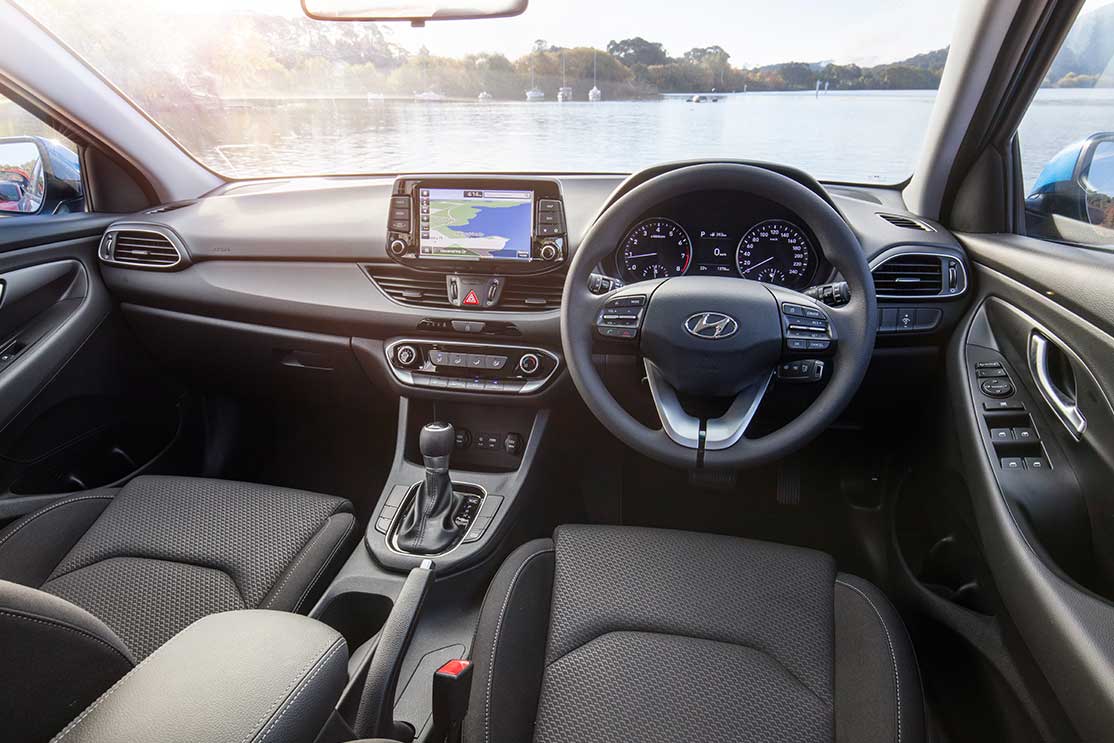
The 2.0-litre previously reserved for the sporty SR pulls cleanly, its 203Nm dishing up respectable around-town flexibility.
The stretch to 120kW reveals a vocal set of lungs, thankfully not in a harsh way. The six-speed manual is viceless, the auto seamless and impressively smooth.
A Drive Mode button drops it down a gear in Sport, although it lacks the smarts to hold ratios when things get challenging.
Sport mode also brings a noticeably firmer steering feel, adding largely unwanted weight to a tiller that could do with a hint more sharpness to fully exploit what is a capable chassis.
Those yearning for paddles need the SR, which brings more equipment; Qi wireless charging, 18-inch rubber (225/40) and an impressive array of active safety that includes auto braking.
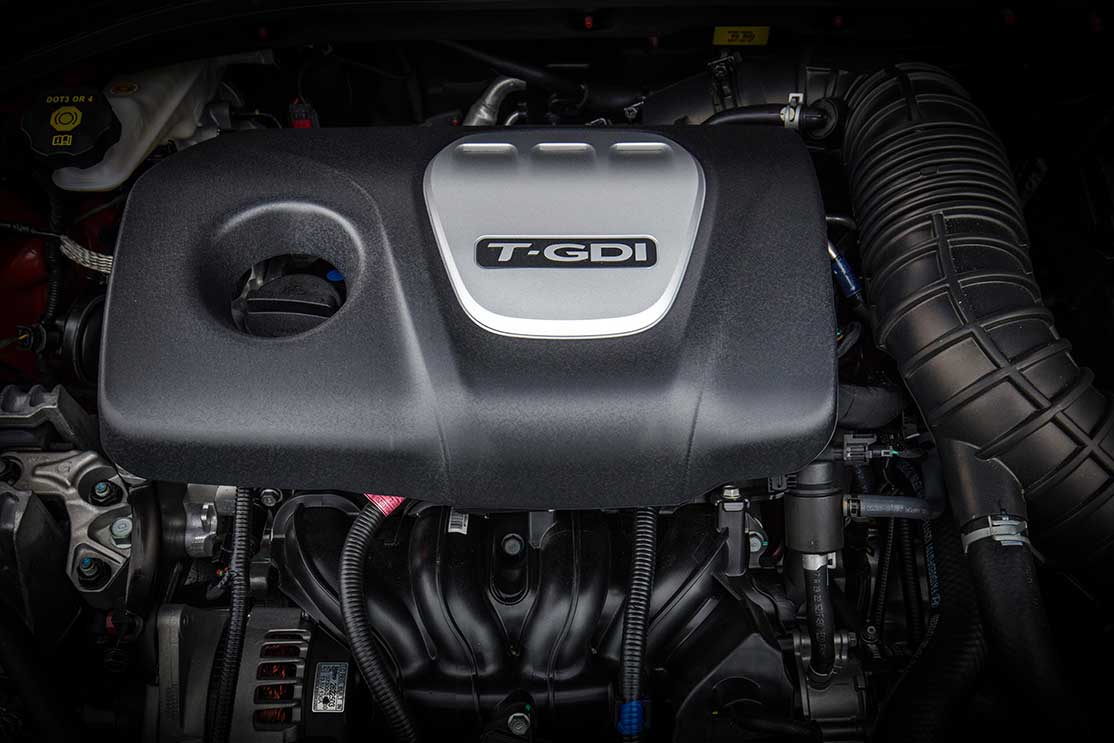
But it’s the 150kW 1.6 turbo that adds plenty more muscle, with hints of hot hatch spice; stout in the middle revs, bordering on feisty once you spin it to 6000rpm. Combined with the slick shifting seven-speed twin clutch auto it’s a sweet combination for $28,950.
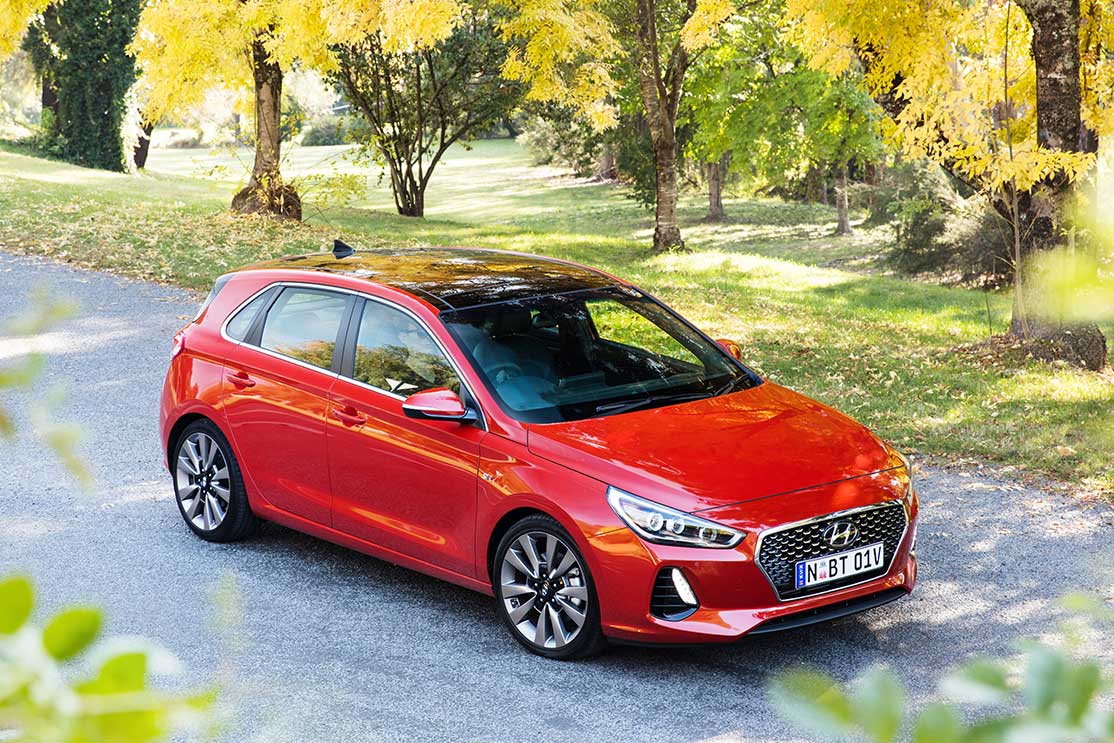
But it’s the chassis that defines the SR. Gone is the on-the-limit sloppiness of the Active (something not helped by yelping Kumho rubber) replaced by a surety that makes for brisk, engaging attacks. Hankook tyres are also a nice match.
The SR’s multi-link rear end also deals more confidently with mid-corner bumps, with none of the skipping that occasionally inflicts the torsion beam rear of the Active.
For now, the Elite lacks relevance for many, mainly because it’s only available with a carryover 1.6-litre diesel. The quiet and refined mill is a relaxed, torquey (300Nm) cruiser and satisfyingly muted. Peg the cruise on 100km/h and it resolutely holds its pace.
Kick it and the 100kW is less enticing, plus there’s a clunky second-third shift from the seven-speed twin clutch.
Yet its 17-inch tyres – also 225-wide Hankooks – manage the best trade-off between ride and comfort. Grip is closer to the SR than the Active and there’s a suppleness that devours pockmarked surfaces.
Like the SR, it gets a satisfying leather wheel in lieu of the tacky plastic one in the Active. The optional two-tone interior raises the ambience, too, although not to the red-infused levels of the SR.
There are chinks in the i30’s armour. Stop-start is absent, something that makes the petrol engines thirsty compared with peers, on paper at least; Hyundai argues the real world performance strays less from those often optimistic windscreen stickers.
The SR is prone to steering kickback, more noticeable in the firmer Sport mode, and the elegant screen on top of the dash requires a lean from the driver’s seat to reach the fixed buttons on the left.
Rear seat space, too, is adequate rather than great.
But they’re minor gribbles for a car that’s unleashed a new level of maturity, both in its presentation and driving nous.
The biggest challenge Hyundai has is convincing buyers of other excellent small cars to pay more than they’re used to for an i30.
Vote for the Hyundai i30 to win the 2018 Wheels Car of the Year Readers’ Choice competition
SPECS
Model: i30 SR
Engine: 1591cc dohc, 16v 4cyl turbo
Max power: 150kW @ 6000rpm
Max torque: 265Nm @ 1500-4500rpm
Transmission: 7-speed twin clutch auto
Kerb weight: 1406kg
0-100km/h: NA
Price: $28,950
On sale: Now
What stands out?
The Hyundai i30 is quiet and comfortable, with lots of equipment – including a reversing camera and rear parking sensors – and a five-year warranty. A diesel engine that is very easy on fuel is an option even on less costly models. Sportier SR versions are more engaging to drive and have leather trim. This review covers i30s on sale prior to May 2017.
What might bug me?
You might find that the steering feels a bit lifeless, on all models.Fuel efficiency for the most popular petrol engine is only moderate for a small car.If you have chosen an auto-gearbox diesel, getting the hang of stop-start driving. The i30 diesels use a twin-clutch auto gearbox that operates much like a manual gearbox with robotic control. These shift very smoothly once moving, and save fuel. But they don’t match the fluid, elastic feel of a conventional or CVT auto when starting from rest. (Other i30s have conventional autos.)
What body styles are there?
Five-door hatchback.(A wagon version named the i30 Tourer was available until about February 2016. It was 185mm longer than the hatchbacks, with the extra length all in the cargo area.)All are front-wheel drive. The Hyundai i30 is classed as a small car, lower priced.Hyundai also makes a sedan about the same size as the i30 but treats it as a separate model, the Elantra.
What features do all versions have?
Cruise control, heated exterior mirrors, foglights, rear parking sensors and a reversing camera.Bluetooth connectivity, and a 7.0-inch touchscreen that controls cabin functions. (On the less costly i30s – the Active, Active X and SR – the touchscreen enables Apple CarPlay. If you have a compatible iPhone, this allows you to operate and view many phone functions, including navigation, from the screen.)Tilt and reach adjustment for the steering wheel, which carries buttons for operating cruise control and the sound system.Electronic stability control, which helps the driver avoid dangerous skids. All new cars must have this feature.All but one model has aluminium alloy wheels, which look nicer than the steel wheels on the exception, the i30 Active hatchback. All carry a full-sized spare wheel.Seven airbags: two directly in front of the driver and passenger; two protecting the upper bodies of driver and passenger from side impacts; full-length side-curtain airbags that protect the heads of front and rear passengers; and an airbag at knee level for the driver.All have a five-year warranty (two more than most other small cars), with no limit on kilometres travelled in that time.
Which engine uses least fuel, and why wouldn’t I choose it?
The 1.6 litre turbocharged diesel is the most fuel efficient engine, using a mere 4.9 litres/100km with automatic transmission in official tests (urban and country combined).The main reason you would not order the diesel is the significantly higher initial cost. There is also the greasy state of some diesel pumps at fuel stations. Like most diesels, this one runs a bit rougher than the petrol engines. But for a diesel, it’s good – and good value.Most people go for the 1.8-litre four-cylinder petrol engine, however. By today’s standards it is basic but honest, and there is enough power for relaxed highway driving. Fuel use in auto form is rated at 7.3 litres/100km.The 2.0 litre petrol engine that drives the semi-sporty SR and SR Premium models has a more sophisticated, direct fuel injection system. It is a good performer and only slightly more thirsty for fuel than the 1.8, on the official test.In real-world comparison conducted for the November 2014 edition of Wheels magazine, an i30 SR averaged 10.2 litres/100km – marginally more than a 2.5-litre Mazda3 SP25 and less than the two other sporty small hatchbacks reviewed.The petrol engines in i30s drive through six-speed manual or six-speed conventional automatic gearboxes.Diesel models come with either a six-speed manual or a seven-speed dual-clutch automatic, which works much like a computer-controlled manual gearbox and helps save fuel.
What key features do I get if I spend more?
Stepping past the least costly i30, the Active, and spending more for an Active X brings you aluminium alloy wheels, partial leather seats, and a nicer-feeling steering wheel. Mirrors fold electrically , to keep them out of the way if you park in a tight space.Spend more again for an i30 SR and you get a subtly different car. To begin, there is the bigger and more powerful 2.0-litre petrol engine. The wheels are an inch bigger also, at 17 inches, and they are fitted with wider, lower profile tyres, which sharpen steering response and add grip. Firmer suspension delivers more precise cornering.The SR also has dual-zone air-conditioning, which permits the driver and front passenger to set different temperatures. Headlamps switch on automatically when it is dark, windscreen wipers operate automatically when it rains, and paddle-shifters on the steering wheel give you convenient control of the gearbox in auto versions. The seat covering remains part-leather (since July 2017), and a smart key can be left safely in your pocket or bag while you unlock and start the car.The most expensive i30s are the Premium and SR Premium, the former fitted only with the diesel engine and auto transmission, while the latter has the 2.0-litre petrol and a choice of transmissions. Both have partial leather seats, with the front seats ventilated and heated and the driver’s seat power adjustable. Both have satellite navigation and a CD player (but neither has Apple CarPlay). There is a glass sunroof, and the auto-on headlamps are extremely bright, self-levelling HID units.
Does any upgrade have a down side?
The wider and lower-profile tyres on the SR and Premium models ride more roughly and are likely to cost more at replacement time. The firmer suspension tune on the SR has a comfort penalty also.Automatic gearboxes on diesel i30s are the computer-controlled twin-clutch type. These reduce fuel consumption, especially in country driving, and are great once you’re moving. But many drivers do not find them as smooth and easy in town as conventional autos, such as those fitted to petrol i30 hatchbacks.The i30 Premium and SR Premium models do not come with the Apple CarPlay feature supplied with the less costly i30 Active, Active X and SR.White is the only standard colour. All other colours cost extra.
How comfortable is it?
The i30’s cabin has been well thought-out, with good storage options for those in the front seats. The seats themselves are comfortable but have less side-support, for cornering, than those in some other small cars.The presentation is good, although some of the silver-look plastics look a bit cheap. The instruments and radio screen are illuminated in a distinctive blue hue.A tight turning circle and good vision help make the i30 an easy around town companion. At highway speeds it is quiet and disposes of bumps confidently.The 1.8-litre petrol engine is a little short on urge when you first press the pedal. The turbo-diesel is in some ways friendlier to drive, thanks to its broader, more accessible pulling power.
What about safety?
All i30s come with a reversing camera, rear parking sensors, six airbags and stability control. The more expensive models get features that contribute to safety such as auto-on headlamps (which switch on reliably when visibility is poor) and automatic windscreen wipers (which draw less on the driver’s attention).The i30 is not available with autonomous emergency braking, or related active driver aids.The Australasian New Car Assessment Program (ANCAP) rated this i30 at five stars for safety, most recently in May 2015.
I like driving – will I enjoy this car?
The 1.8-litre petrol has no reluctance to rev. The popular six-speed automatic gearbox shifts decisively and makes the most of what acceleration is available.Steering feels a little remote. There’s a system called FlexSteer, which allows you to toggle between lighter or heavier steering weight. Unfortunately the heavier setting does not bring much more feedback from the front tyres. It is the mid-level Normal setting that makes most sense.From a performance perspective, there is work to be done on the i30 suspension and body control. A big bump mid-way through a fast corner can lead to unwanted body movement.The petrol 2.0-litre engine in the sportier SR models brings about 15 per cent more power and much-needed zing. The SR’s recalibrated suspension provides excellent body control, and the ride is well judged. Steering, however, remains uninformative.
How is life in the rear seats?
Those in the rear are well catered for in an i30, with respectable head and leg room and rear air-conditioning vents.
How is it for carrying stuff?
There is a 378-litre boot, which is about average for a small hatchback. The rear seats split-fold 60/40.
Where is it made?
Hyundai builds the i30 Hatches in South Korea.
What might I miss that similar cars have?
Crash-avoidance aids such as autonomous emergency braking, which can warn you of an obstacle ahead – typically a car that has slowed suddenly – and apply the brakes automatically. This is standard on a Mazda3 and available on the Toyota Corolla and Volkswagen Golf, for example.Perhaps the more immediate shove when you press the accelerator that you get from turbocharged small cars such as the Golf, Ford Focus or Holden Astra.The all-weather security of all-wheel drive, which is standard on a Subaru Impreza.Other small cars worth considering include the Honda Civic, Peugeot 308, Kia Cerato, and Hyundai’s own Elantra.
I like this car, but I can’t choose which version. Can you help?
Our reviewers like the i30 Active – it is a lot of car for the money, and a reversing camera is standard.
When did Hyundai update this i30?
The second-generation i30 range covered here went on sale in 2012 and was updated with Series 2 versions in mid-2015. At that time the seven-speed dual-clutch automatic gearbox was introduced for i30 diesels and the i30 Tourers, and the sportier three-door SR was replaced with five-door SR and SR Premium models.About January 2016, Apple CarPlay was added to the less costly i30s (Active, Active X and SR). About the same time, Hyundai ceased importing the i30 Tourer, which had a longer, wagon-style body. In July 2016, the i30 SR gained part-leather seat trim.A third-generation i30 arrived in May 2017, bringing more powerful engines, more engaging steering, bigger touchscreens, better smartphone integration, and auto braking, among other changes.
