
The foods you eat have a profound impact on your body – they can affect alertness, digestion, mood and coordination. So just because you’re sitting in a car for hours, doesn’t mean you should neglect how you fuel your body – you’re operating a car, after all.
Here are five types of foods you should avoid on your next road trip to maintain optimal driving health and avoid car sickness.Fatty foods It takes a lot of your body’s energy for it to digest fatty food. The roadside burgers and hot chips always seems like a good idea at the time, until you get back on the road, feeling bloated, full and in desperate need of a groggy nap. Groggy and driving are two things that just don’t mix.Carbonated drinks Aside from soft drink companies being one of the largest users of sugar in the world, with a single can of cola containing up to 10 teaspoons of sugar, carbonated drinks do a lot more than cause your blood sugar to rise. These drinks can cause bloating and indigestion which are uncomfortable for long trips, but the high sugar, sodium and caffeine content of soft drinks can also dehydrate your body which can cause you to become nauseous.Acidic foods Acidic foods can irritate your bladder, and no one wants to be the person that asks to pull over at every sight of a bush to empty it. Tomatoes, oranges, lemons, grapefruits are off limits unless you want to stop every few seconds.Milky products If you’re an Australian, chances are you’ve thought a quick Macca’s drive-thru run for a vanilla thickshake was a good idea, only to get to have your stomach cramp up around the same time your straw runs dry. We’re pretty sure we don’t need to go into detail, but trust us on this one, your gut will thank you for deciding against dairy products while driving.Salt Much like fatty foods and carbonated drinks, salty foods can cause your belly to bloat, and forces your body to retain more water. It’ll end up forcing you to drink more water, which again means pulling over to empty that bladder. Annoying. In saying that, salty foods can be help with nausea so if you are motion sick, you may prefer to deal with the quick pit stops.
WHEELS has learnt that a right-hook Chevy Camaro program has been secretly green-lighted as Holden executives firm up model plans through to 2022.
Backroom wrangling and Australia’s enduring desire for rear-drive V8 muscle has seen GM tick the box to ensure the iconic American two-door can be sold here – if Aussies want it.
The move could see a range of Camaros heading down under to provide a $50K performance alternative in Holden’s rapidly expanding showrooms.
But there’s a catch – engineering work for the V8-powered rival to the Ford Mustang won’t happen until the next generation model, due about 2021.
While the Camaro delay has caused some internal frustration at Holden – the rival Mustang is attracting some 6000 buyers a year, giving it a huge head start – there is no doubt relief that a right-hook program for the image leader has finally been signed off.
Holden has promised a rear-drive V8 model in its 2020 line-up, though the next-gen Camaro is not expected until at least 2021; before then, it’s likely the eighth-generation Corvette will sit alongside imported Commodores.
Helping Camaro’s cause is Australian Mike Simcoe. The vice president of global design for GM keeps his eye on the relatively small Aussie market to support Holden where possible.
Simcoe understands his home market intimately, something that helps the chances of future RHD projects such as Camaro.
“Where we see there’s a need to have right-hand drive, yeah,” said Simcoe. “We’ll have the ability to make a choice but the architecture will accommodate left- and right-hand drive.”
The man in charge of planning for General Motors International, Lowell Paddock, says right-hand drive is more important than ever for the company, paving the way for more models for Holden.
“There’s much more consciousness now. And the fact that the president of the company [New Zealander Dan Ammann] is saying ‘we committed to do this, we’re going to do it’, that’s a dialogue we haven’t had in the past,” Paddock said.
Simcoe says it’s about thinking globally, something helped by production techniques that allow for consolidation of platforms.
“The reality is as we reduce the total number of architectures they are going to be more global. We don’t design a vehicle specifically for North America any more, because you always get caught out if you do. The numbers of those is reducing.”
As well as a V8 and four-cylinder turbo for the Camaro, expect it to be package-protected for a hybrid system, allowing GM to future-proof it against tightening emissions regulations.
While GM will engineer the next Camaro for right-hand drive, the program is designed so that pulling the plug at the last minute (should the four-wheeled world change dramatically over the next couple of years, and Australia suddenly decides it doesn’t like American muscle cars) won’t hurt the bottom line.
That’s a call likely to be made around 2018 or 2019.
The way the Mustang is selling, though, the Oz-bound Camaro is all but a done deal.
TELL ME ABOUT THIS CAR The E-Class Coupe has four seats and two doors and is available with three turbocharged engines – a four-cylinder diesel, four-cylinder petrol and V6 petrol – with prices starting at $96,000 and rising to $145,900.
STRENGTHS 1. Spacious interior, even in the back. While there’s some twisting and folding to get there, the twin rear seats of the E-Class Coupe have ample leg room for adults, while head room is good for people up to about 190cm tall.
2. The rear seats have their own air vents and separate ventilation controls.
3. Like the E-Class sedan the Coupe is a very comfortable way to travel. The E300 and E400 ride on air suspension that is very supple, so it soaks up all but the largest of bumps.
4. It’s very quiet and refined, so makes for good long distance touring.
5. The dashboard. The E-Class has one of the most elegant dash layouts in the business. There are two 12.3-inch colour screens that dominate the look; one is a customisable instrument cluster (there are three themes, with the “Progressive” one looking more modern than Sport or Classic) and the other the main infotainment screen navigated by the Comand controller. The rest of the dash layout is more classic, with fantastic open-pore wood trim and circular air vents that add to the classy look.
6. Music to your ears. The E-Class has an optional 13-speaker Burmester sound system (standard on the E400), which not only looks the part (the speaker grilles are beautifully crafted from metal) but sounds great, too. There’s fantastic clarity and depth to the sound, adding to the upmarket ambience of the luxury offering.
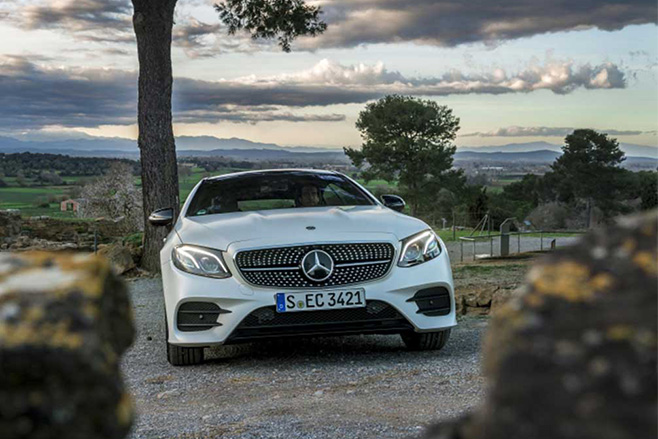
WEAKNESSES 1. The E-Class Coupe looks sportier than it drives. It’s relatively heavy (more than 1.6 tonnes) so isn’t as agile as the C-Class Coupe. Think of it as more of a grand tourer, albeit one that is very comfortable and competent.
2. Performance. The E-Class will initially be available with three turbocharged engines – a 2.0-litre four-cylinder diesel (E220d), a 2.0-litre four-cylinder petrol (E300) and a V6 petrol (E400 4Matic). Even the E400 is brisk rather than ballistic, although it has a lovely flexibility. The E300 is more economical and relatively enthusiastic, although it never feels particularly quick.
3. Other options. Mercedes-Benz has no shortage of two-door options in its lineup and, for most people, the C-Class Coupe will probably do just fine, albeit with less rear seat space than the E. The C is lighter and more agile and, crucially, much more affordable, so you can get a bigger, more powerful engine and more equipment for similar money as you can in the E-Class.
ANY RIVALS I SHOULD ALSO CONSIDER? The most obvious competitor to the E-Class Coupe is the BMW 6-Series, however that car is a lot more expensive. Others to consider include the Lexus RC, BMW 4-Series and Audi A5 Coupe. And, if you’re wedded to Mercedes-Benz, it’s also worth considering the smaller C-Class Coupe or – if you have a bigger budget – the S-Class Coupe.
Chevrolet’s just revealed 318 reasons to move over if a Camaro ZL1 fills your rear view mirror.
While testing an automatic-equipped ZL1 at a high-speed ring in Papenburg, Germany, Chevrolet’s 6.2-litre supercharged V8 coupe hit 318km/h at top-whack.
The figure is an average of runs made in both directions on the 12.3km oval, where the ZL1 hit 311km/h one way and 325km/h the other. The ring itself is made up of two 4km straights and turns with 49.7-degree banking.
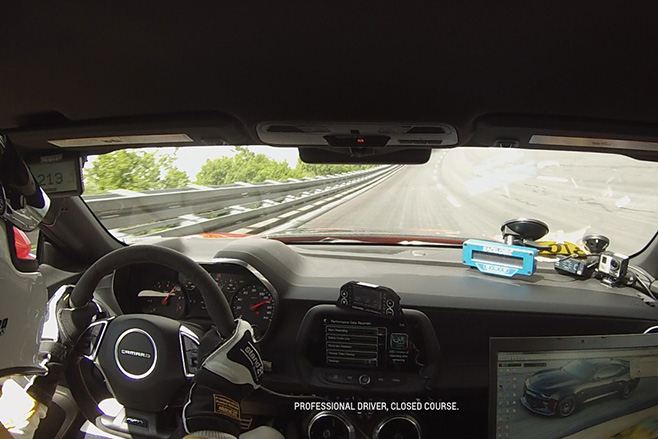
For the run its Goodyear Eagle F1 Supercar 3 tyres were set to the recommended 44psi for high speed and Chevrolet claims the only other changes made to the car were for ‘mandatory safety equipment’.
However, the Chevrolet was able to hit average speeds of over 322km/h once Al Oppenhesier, Chevrolet’s chief test engineer, and his team zeroed the camber profiles and inflated the Goodyears to maximum pressure.
If you think the manual ZL1 could come close to such a time, John Hennessey of Hennessey Performance tested a manual-equipped ZL1 and saw it hit 278km/h in fifth-gear, which he believes was the car’s top speed. Some 40km/h slower than GM’s own test with the automatic.
Take the comparisons outside its family, the ZL1 thrashes the Ford Mustang GT350R’s 271km/h rating. And would blow past exotics like a Ferrari California T (315km/h).
While you won’t see a curren generation Camaro in your rear view in Australia anytime soon, should you be stateside, you know what to do.
- Mercedes-Benz has three four-seat coupes in its lineup. The C-Class is smaller and more affordable, whereas the S-Class is larger and (a lot) more expensive.
- Three E-Class Coupes will initially be offered in Australia. The E220d diesel and E300 petrol drive only the rear wheels, whereas the E400 4Matic drives all four wheels. As with the sedans, all E-Class Coupes gets a nine-speed automatic transmission.
- Space is a big part of the sales pitch with the E-Class Coupe. Compared with the model it replaces, it is 123mm longer and has 113mm more space between the front and rear wheels, which translates to more back seat legroom. Speaking of which, those in the rear get an additional 74mm of legroom and 34mm of should space.
- Despite being bigger than the old model, the E-Class Coupe is smaller than the sedan it’s based on. The wheelbase (distance between the front and rear wheels) is 66mm shorter and, at 4826mm long, it’s 97mm shorter than the four-door version.
- The most affordable E-Class Coupe, the E220d, rides on regular suspension with coil springs. However the E300 and E400 get a system called Air Body Control. As the name suggests, it replaces those coil springs with air chambers (two in each of the front suspension units and three in each of the rears) that can adapt to different driving conditions. The driver can also adjust the suspension between Comfort, Sport and the firmest Sport+ setting.
- The E-Class Coupe gets a new set of wiper blades called Magic Vision Control. Like the Holden VE Commodore that arrived in 2006, they get dozens of holes in the wiper blade to spray water directly in front of the blade’s motion. The E-Class Coupe has about 60 holes, which provide a seamless spray of water to clean the screen. Whereas regular wiper sprayers spray the water on to the screen before the blades are there, the Magic Vision Control is more accurate in terms of where the water is sprayed.
- The dash layout of the E-Class Coupe is identical to the sedan, right down to the two 12.3-inch screens that sit alongside each other, one for the customisable instrument cluster, the other for the central infotainment screen.
- In an effort to change the look of the interior between the sedan and the coupe, Mercedes-Benz has changed the design of the circular air vents (four in the centre and a larger one on each outer extremity of the dash) for the E-Class Coupe. The Coupe has turbine-inspired centres for its air vents (rather than vertical slates within the circular outers), which look fantastic in the context of the modern layout with its classic lines and materials. However, while those turbine-like vents have a glossy finish, they have a plasticky feel.
- The E-Class Coupe has an optional “yacht blue” dash and door trim colour. It’s a distinctive look but with an acquired taste.
- Mercedes-AMG – the performance arm of Mercedes-Benz – has ruled out a top-shelf E63 AMG version of the E-Class Coupe. So don’t expect to see the 4.0-litre twin-turbo V8 beneath the bonnet of the two-door (those wanting that level of performance will either have to choose the C63 AMG Coupe or the E63 AMG sedan). Instead AMG will prepare a six-cylinder performance model. It will use a turbocharged version of the upcoming inline six-cylinder engine that will slowly spread across new Mercedes-Benzes.
- The E300 and E400 models come with the new Multibeam LED headlight system. It uses 84 LEDs that can be individually illuminated to block out other road users, meaning the high beams can offer a broader spread more often.
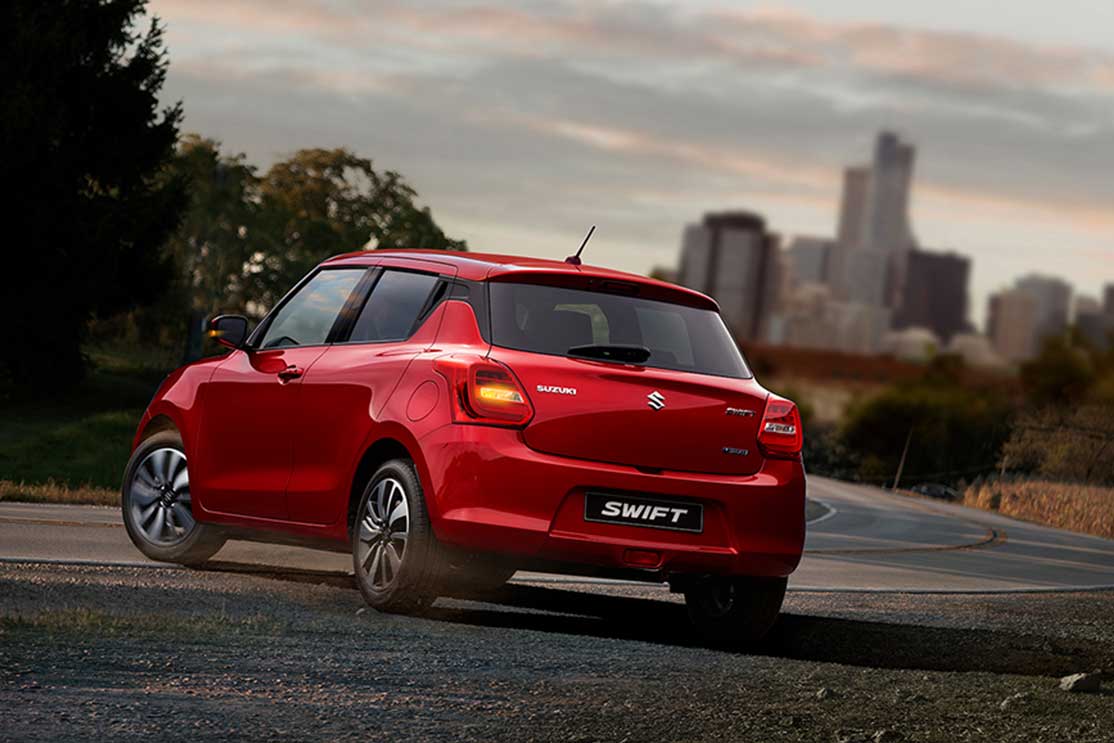
Suzuki has launched its all new Swift hatchback for the European market featuring an optional mild hybrid system to help reduce fuel consumption.
Similar to the recently released Japanese model but tuned to European conditions, the all-new Swift retains its characteristically nimble driving performance and bold styling, but is built on Suzuki’s all-new lightweight and rigid HEARTECT platform that helps shed about 120kg.
Powertrain options include the new turbocharged 1.0-litre three-cylinder Boosterjet engine, which joins the 1.2-litre Dualjet port and direct-injected engine carried over from the existing model but tweaked to improve fuel economy and output (70kW/120Nm).
The Boosterjet is essentially the same engine that debuted in the Baleno last year and produces 80kW and 170Nm of peak torque.
Its fuel efficiency can be further enhanced by SHVS, an optimal mild hybrid system that incorporates an ISG (integrated starter generator). The unit performs as a generator as well as an electric motor and a 12-volt lithium-ion battery to help reduce fuel consumption under heavy loads such as accelerating from a standing start. It also helps suppress fuel consumption by providing electric motor assist through regenerative braking.
While offered to European customers, it’s unlikely the SHVS will be available here.
We probably won’t get the optional ALLGRIP all-wheel-drive system either, which can be linked to the 1.2-litre engine to transfer torque to the rear wheels when required.
The new Swift also features plenty of new advanced safety technology including lane departure warning, weaving alert function, high beam assist, adaptive cruise control and emergency braking.
Physical updates are also significant. The new Swift sits 10mm lower than the current model resulting in a lower centre of gravity and better handling. It also has a bigger footprint – the wheelbase has been extended by 20mm and width by 40mm resulting in more interior space.
Visually it still has Swift characteristics such as the squat appearance and short rear overhang. Suzuki reckons it looks more masculine than before, but you could argue it actually looks more refined with a larger, more aggressive front grille, smaller taillights and headlamps with daytime running rights and a ‘floating roof’ that sits over blacked out pillars.
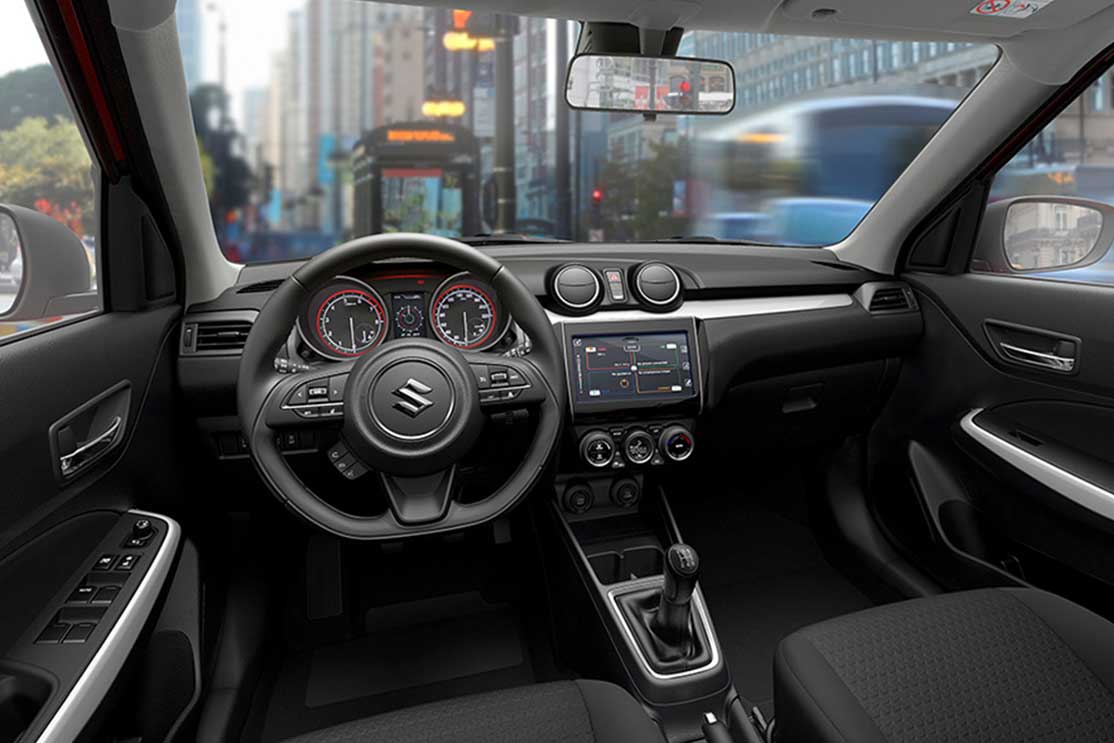
Inside, four key themes were used as a guide for designers: ‘sporty’, ‘high quality’, ‘advanced’ and, ‘easy to use’, which resulted in what Suzuki calls a sophisticated and spacious interior.
Infotainment includes a 7-inch touchscreen that works with smartphone apps via Apple CarPlay and Android Auto.
Sales of the European model are set to take off from next month with the Australian launch date to be announced in the coming weeks.
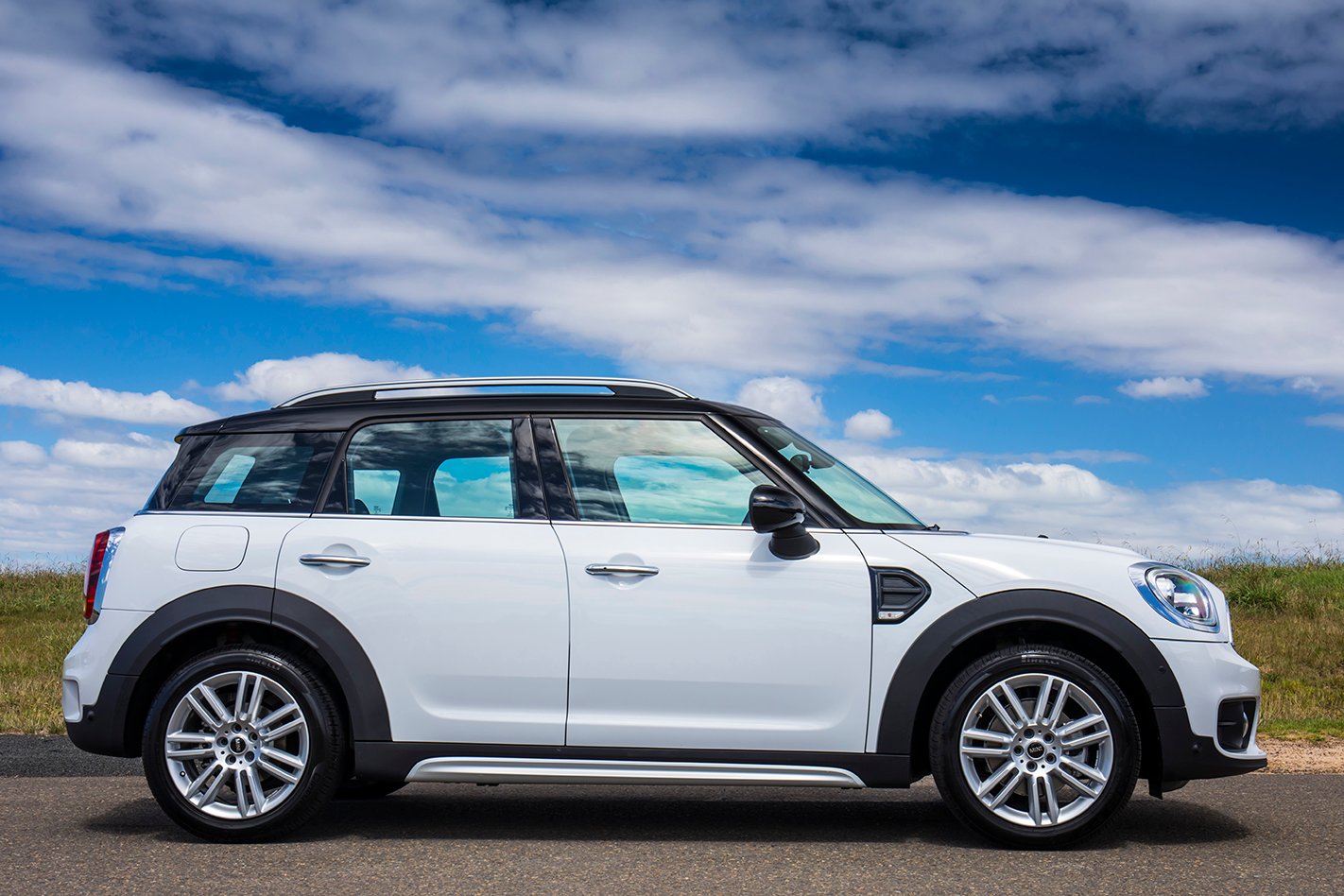
THE MINI COUNTRYMAN is back for a second time, and joins the local Mini range as the “final piece of the puzzle” in filling out its local showrooms. It also happens to be surprisingly good, considering the generally underwhelming nature of its predecessor.
TELL ME ABOUT THIS CAR This is the second iteration of Mini’s Countryman SUV, and while the previous model was a little on the compact side its all-new replacement has grown bigger to strengthen its passenger-carrying credentials.
Retail prices start at $39,900, which makes the 2017 Mini Cooper Countryman base model $3600 more expensive than before. Countering that, however, is $6500 extra value in the form of more standard equipment.
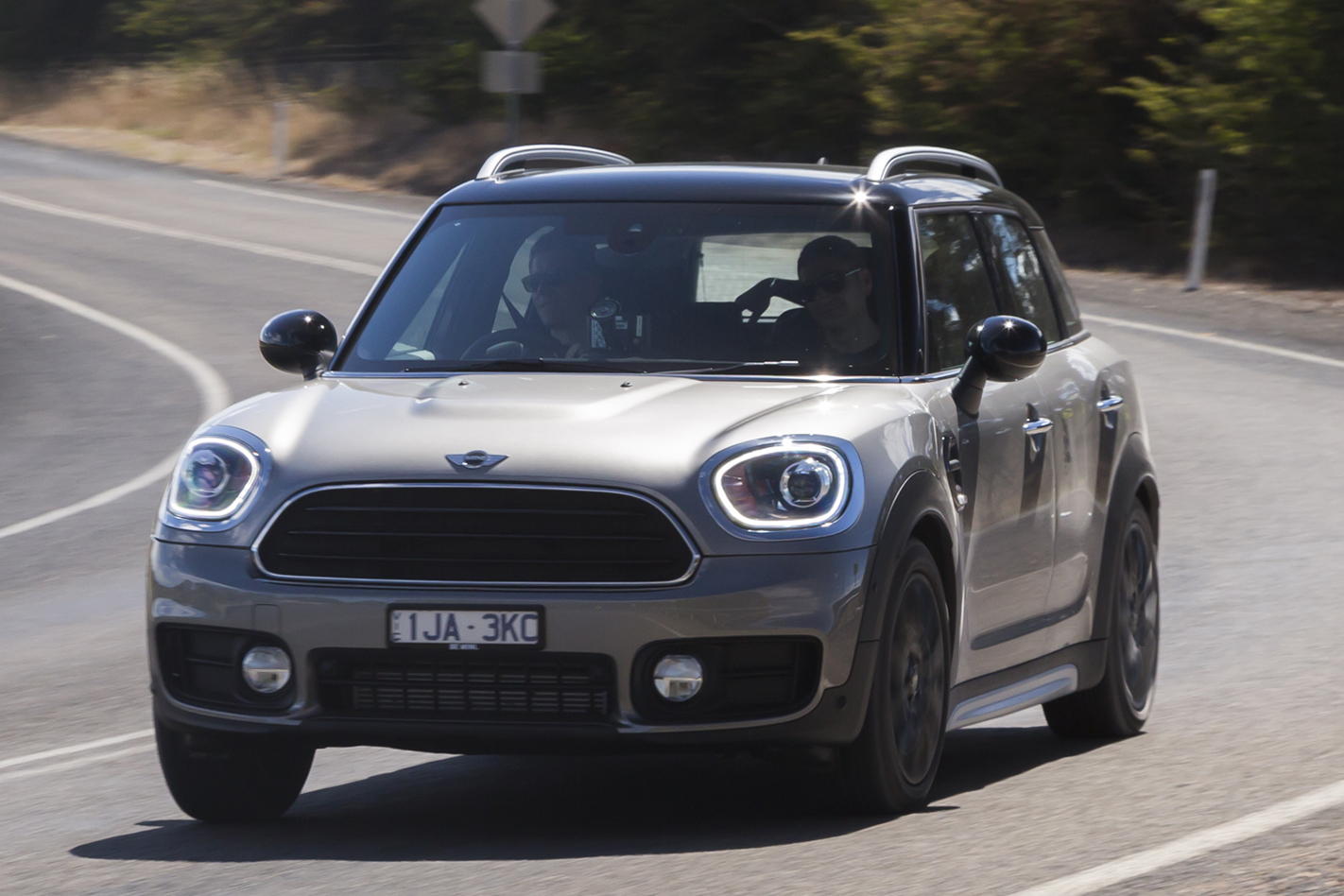
The range tops out at $51,500 for the diesel-engined AWD Cooper SD Countryman, though prices can easily soar beyond $60,000 depending on how many option boxes you tick.
The engine range comprises a 1.5-litre turbocharged petrol at the bottom end, with two 2.0-litre turbo diesels in the middle and a performance-oriented 2.0-litre turbo petrol for the Cooper S Countryman.
STRENGTHS
- Cabin packaging improvements yield greatly improved rear seat comfort, and the sliding rear bench also features a reclining backrest to give backseat passengers excellent long-distance comfort. The old Countryman was very confined in the back, but its replacement is anything but.
- The rear doors are bigger and open wider than before, improving egress and entry for your backseaters and furthering the Countryman’s case as the primo passenger-carrier of the Mini range.
- The base model engine is no longer an asthmatic 1.6-litre naturally-aspirated petrol four-cylinder, with the weakling 1.6 replaced by a far more willing 1.5-litre turbo petrol three-cylinder with 100kW and 220Nm. It’s got enough ‘go’ for regular city driving, and only burns a modest 6.0L/100km of premium on the combined cycle.
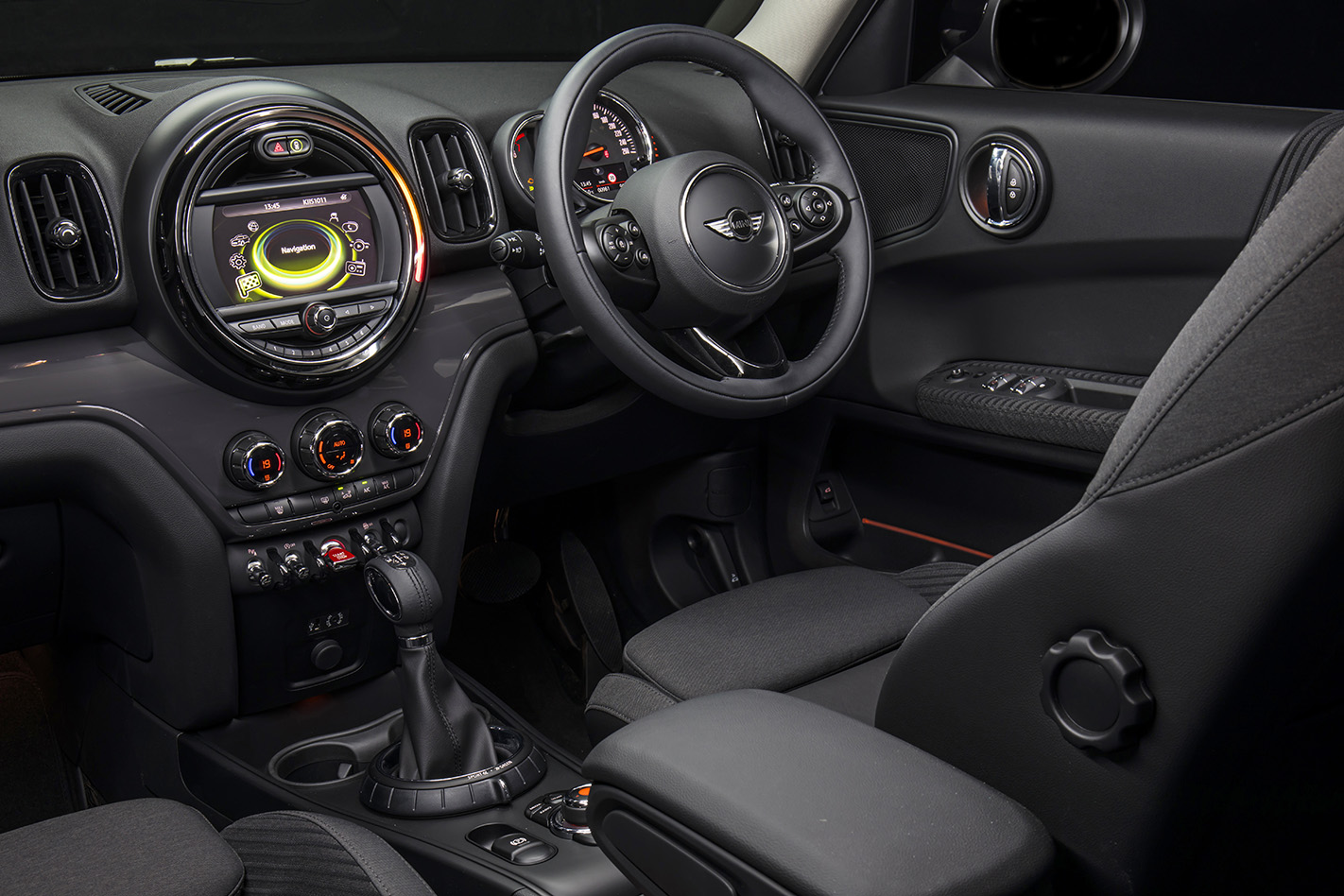
- Standard specification is very generous indeed. An automatic is now the factory-issue transmission (six-speed in the base Cooper petrol, eight-speed in everything else), and there’s plenty of high-end gear that’s standard across the range. Active cruise control, a power tailgate, keyless entry/ignition, and autonomous emergency braking are the highlights, but there’s plenty more in the feature list as well.
- It handles well, with good balance and excellent roadholding for an SUV of its size. There’s bodyroll and definitely a lot of mass to contend with, but considering its bulk the Countryman is a fun car to steer spiritedly.
WEAKNESSES
- Ride quality has improved, but the Countryman still has a sharp edge to its suspension that may not be enjoyable if you regularly travel rough roads – especially if you option bigger wheels than the standard 18-inch items. Put it up against a BMW X1, however, and the Mini is actually the more compliant machine.
- It’s a pricey option in the mid-sized SUV segment, especially when compared against entry-level models from mainstream rivals from Nissan, Hyundai, Mazda or Toyota. That said, when you take the standard equipment list into account the entry-level Cooper Countryman petrol shapes up as a fairly good deal – especially considering the semi-premium badge. The $51k Cooper SD Countryman flagship? Not so much.
- While the standard equipment list is pretty generous for the base models, there are some surprising omissions on high-grade Countryman variants. Power-adjustable front seats aren’t standard in any Countryman models, for example, and can only be had as a cost-extra option.
- The standard infotainment system for the Countryman range is a decent 6.5-inch unit that’s largely carry-over technology, while a slicker, larger and more capable touchscreen display is a cost option – even in the more expensive Cooper S and Cooper SD, where we’d expect it to be standard-issue.
- Want the extra grip of all-wheel drive? You can only get it in the Cooper SD Countryman – the most expensive variant in the range.
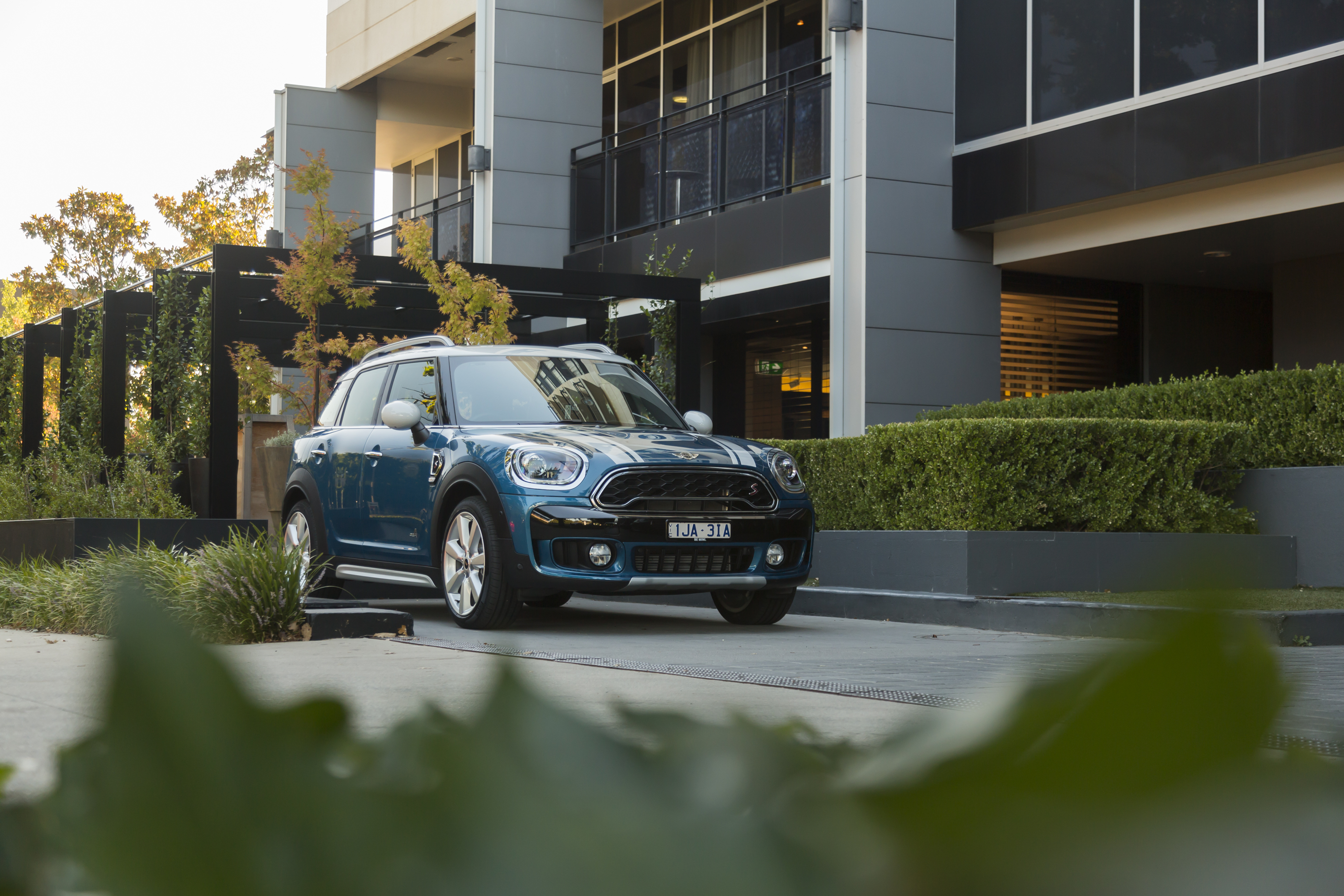
ANY RIVALS I SHOULD CONSIDER? The similarly quasi-premium Volkswagen Tiguan springs to mind as the most natural competitor to the new Countryman based on price, specification and size, but other rivals include everything from high-spec Mazda CX-5s, Hyundai Tucsons, to low-spec variants of the BMW X1, Audi Q2 and Mercedes-Benz GLA.
PRICING Mini Countryman Cooper petrol auto – $39,900 Mini Countryman Cooper D diesel auto – $43,900 Mini Countryman Cooper S petrol auto – $46,500 Mini Countryman Cooper SD diesel auto – $51,500
Russell Ingall likes his cars with an American flavour.
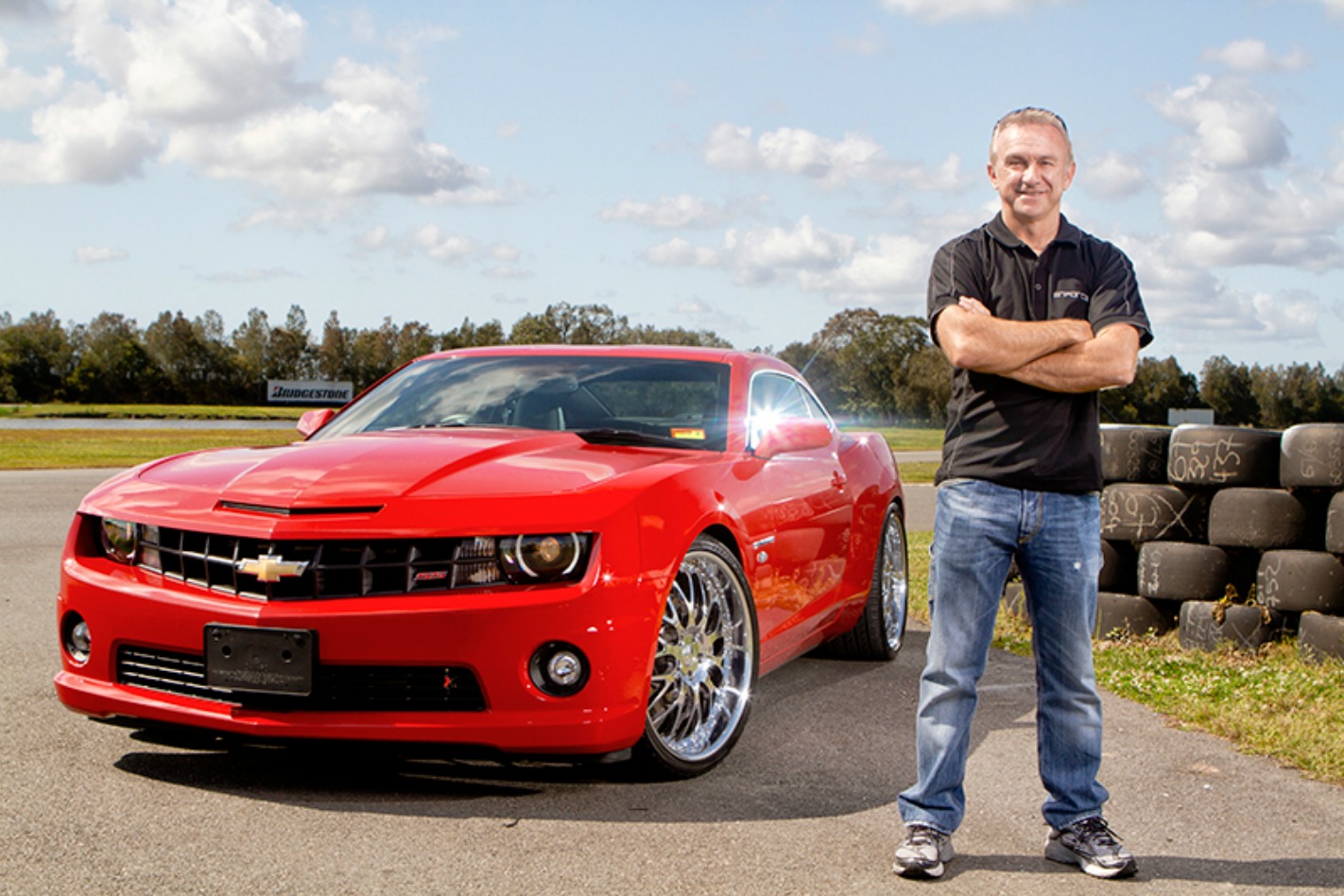
The 2005 Supercar champion and two-time Bathurst 1000 winner has proudly shown off his new toy on social media, a Ford Mustang tuned by the folks at Herrod Performance, while his previous ride was a modified Chevrolet Camaro converted by Performax.
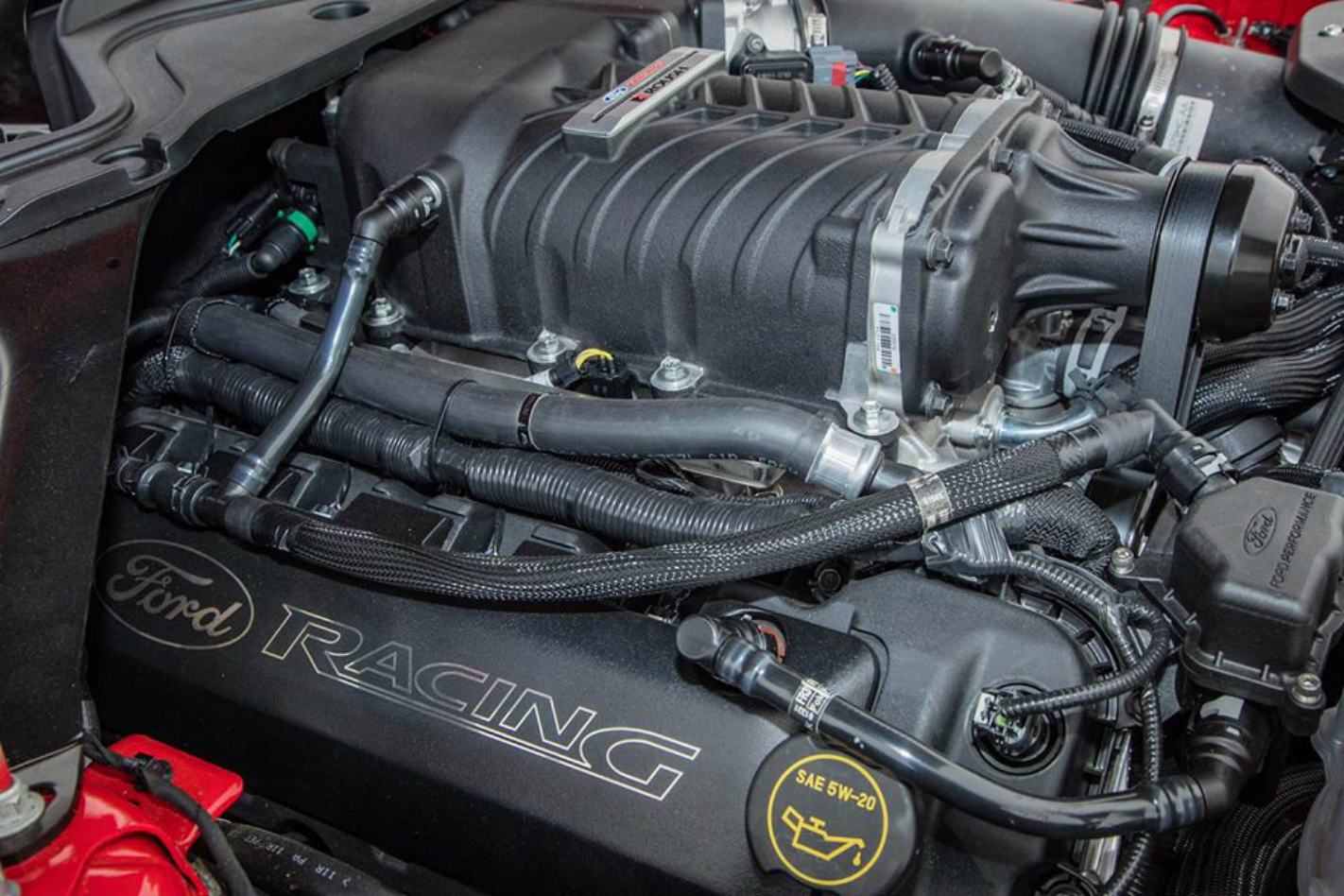
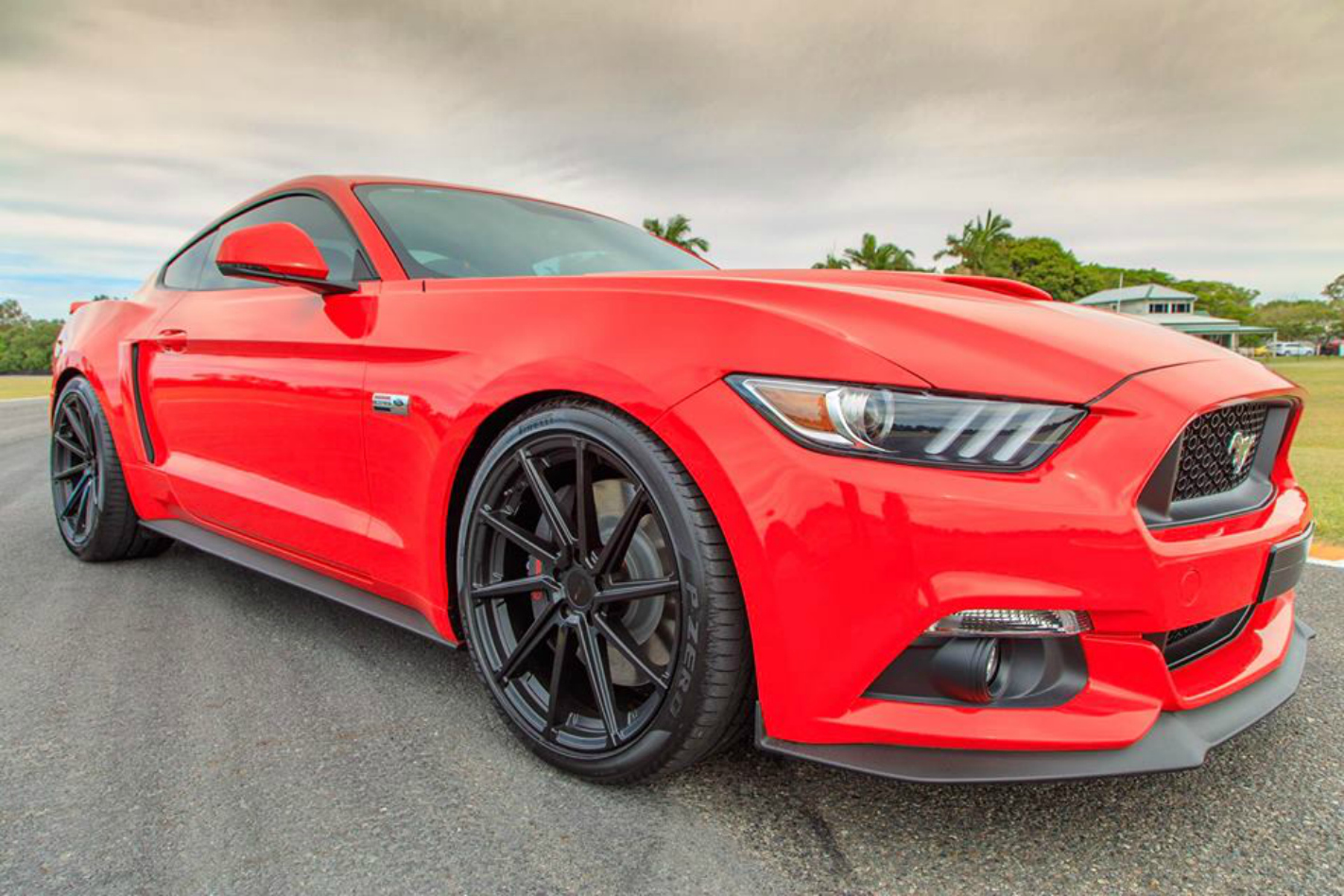
Ingall’s Mustang has received the works from Herrod Performance, including its ADR-compliant supercharger kit, which lifts outputs from 306kW/530Nm to 507kW and more torque than you can poke a driveshaft at, though Ingall has opted for the exhaust system from the Shelby GT350R.
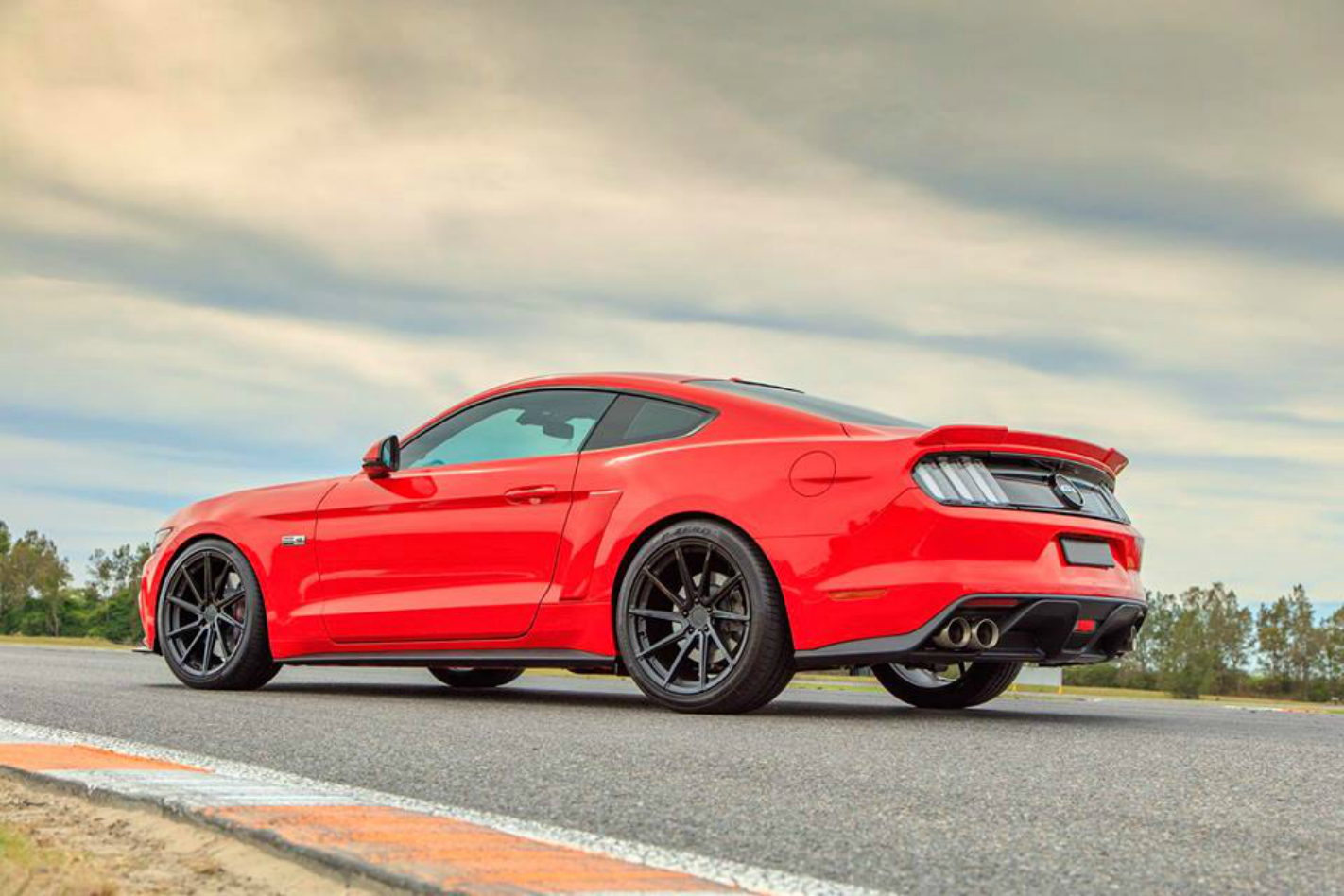
To cope with the extra grunt there’s a set of Ford Performance heavy duty axles while the chassis benefits from the Ford Performance FR3 handling kit, consisting of lowered springs and new dampers, anti-roll bars, upper strut mounts and more.
Ingall also has no time for anyone who wants to bring up the Mustang’s well-publicised two-star safety rating, saying in a comment on his Facebook “For the lightweights that go on about the Mustang’s [safety] rating – go buy a Prius. [It] annoys the hell out of me that the safety rating was rated on equipment that is trying to take the place of the driver.”
MERCEDES-Benz Australia is waiting to see if cars sold here are affected by a potential fire hazard that has resulted in one million cars being recalled around the world.
The recall covers vehicles from across the model range including the popular C-and GLA Classes, as well as E-Class and CLA cars, and GLC SUVs produced between 2015 through to 2017.
Daimler is has initiated the huge recall because of a starter motor part known to overheat. The German carmaker revealed that 51 fires had been reported worldwide including 30 in the US.
Recall documents released last week in the US where almost 308,000 cars are affected, stated the problem was caused by a faulty current limiter in the starter motor that overheated when drivers tried to start the vehicle.
In each case the engine failed to turn over. Repeated attempts to start the car led to the overheating, which would melt nearby parts and spark a fire in some cases.
Mercedes started investigating the problem in June after field reports of “thermally damaged” current limiters.
Owners in affected countries will be notified this month and again when replacement parts are available in July. It will take about an hour for dealers to install another fuse to prevent the problem.
The repair will be done free of charge.
Mercedes-Benz Australia said it was still waiting to see if the recall would need to roll out here, with a spokesman telling Wheels: “We are currently looking into the details of this recall as a highest priority to confirm if any vehicles sold in Australia are affected.”
Wheels called one Mercedes-Benz service department, which said dealers were waiting on word from head office. It said dealers would contact owners of affected vehicles if or when instructed.
The issue is yet to appear on the Product Safety Australia Recalls website.
Victoria’s Transport Accident Commission (TAC) has withdrawn its six-figure sponsorship deal with the Geelong Cats after team captain Joel Selwood was caught speeding.
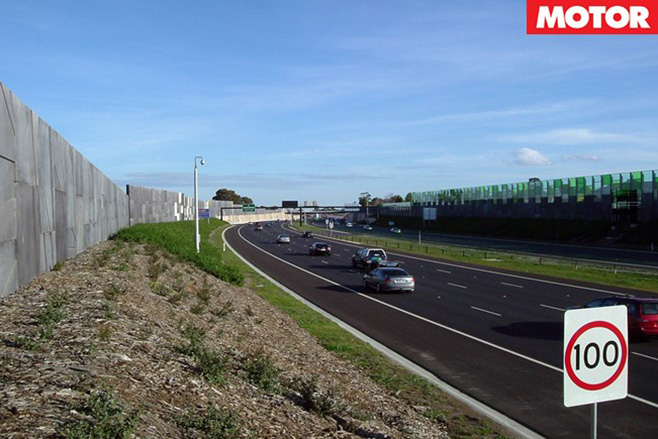
Selwood will lose his licence for one month after being stopped by a highway patrol officer after overtaking another vehicle at 127km/h in a 100km/h zone while returning from a training camp in Warrnambool, south-west of Melbourne.
TAC had warned the Geelong Football Club that if another driving incident followed that of Billy Smedts, who in 2013 was caught taking a ‘selfie’ while driving and marked the sixth incident by a club player, it would withdraw a sponsorship deal that was reported to be worth $250,000 per year.
It is also the third time the state-government funded road safety organisation, which strongly pushes its ‘every kilometre over is a killer’ message, has pulled sponsorship of an AFL football club. In 2005 a 16-year Richmond Tigers deal was pulled, while three years later a Collingwood Magpies contract was torn up, in each case for drink driving offences.
“In January 2015 the GFC stated publicly that in the event of any further serious incidents the partnership would be relinquished, and the TAC respects the club’s integrity. Both the TAC and the Cats will continue to explore opportunities to work in the community to reduce road trauma going forward.”
Selwood told News Corp: “It was a casual drive and it [speed] just got away from me.”
“In the community I see myself as a leader and I want to make sure we are on our way to [having a road toll of] zero, just like the TAC’s messaging.”
While MOTOR readers – and anyone who has driven anywhere in Europe or even the US – would hardly see a 127km/h overtake as a licence-losing offence, and it is entirely plausible that it was safer to overtake another vehicle quickly, it is commensurate with Victoria’s reputation for having among the most overzealous anti-speed laws in the country.
While the same anti-speeding message has been pushed for more than a decade, Victoria’s road toll stagnated between 2012 and 2015, recording between 42 and 53 fatalities. That soared to a half-decade high of 66 deaths in 2016.
Had the AFL star been driving in New South Wales he would have retained his licence, where the loss of right to drive is 30km/h above the speed limit and not 25km/h as it is south of the border.
