
Is it weird that Subaru has never returned to the ute game? We reckon it is.
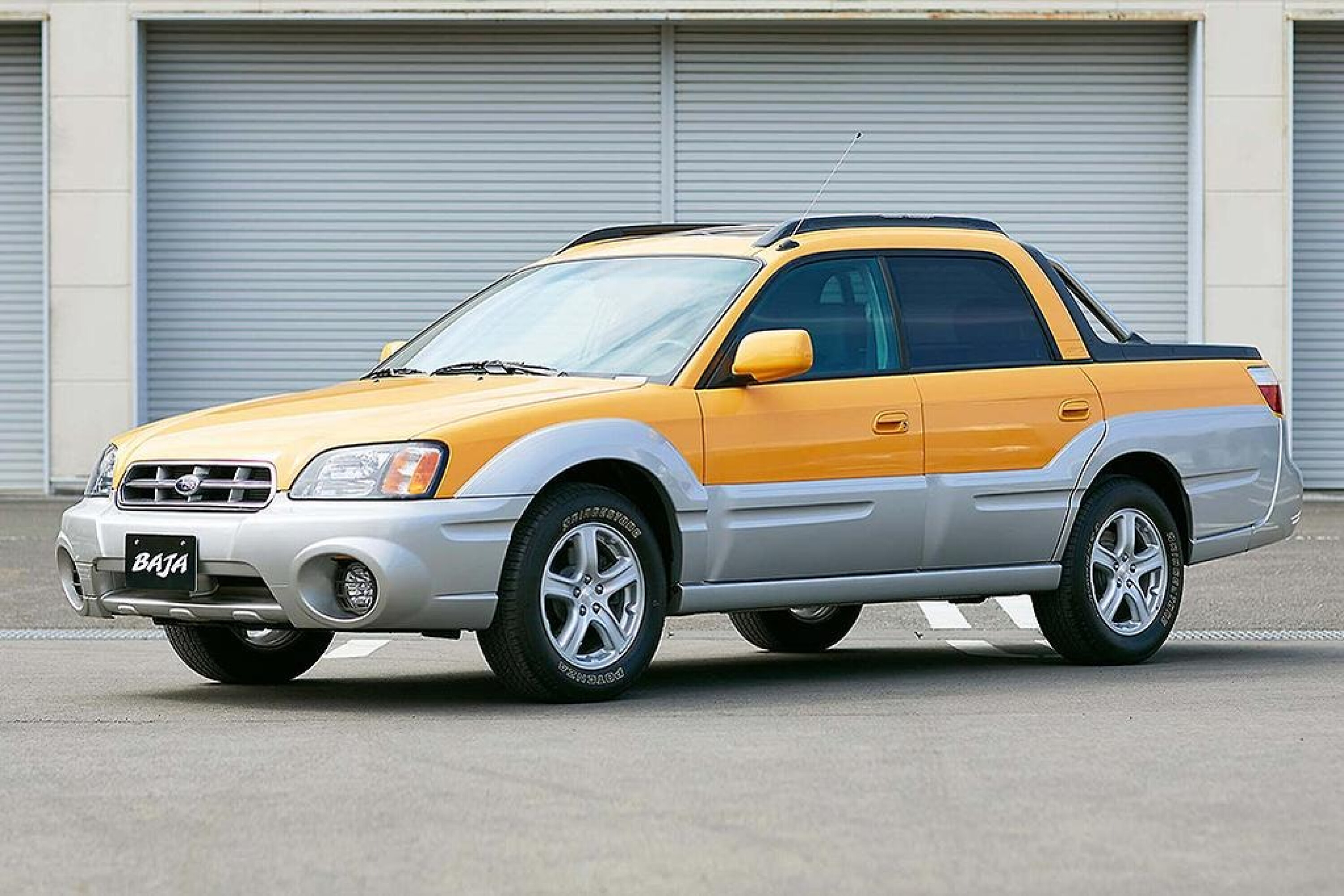
The old Subaru Brumby is fondly remembered immensely well regarded here in Australia, and our mate Theo has taken a few swings at imagining how a new generation of it might look.
Most recently (above), he’s turned the new small Impreza hatch into a unibody Brumby, just as it should be, along with a bigger Forester-based version that could really go either way: Brumby or… Baja.
Now, Theo’s pushed the Baja idea further with his most unique effort yet, creating a bespoke full-size Subaru Baja ute with a proper ladder-frame cab-chassis body.
Check it out below!
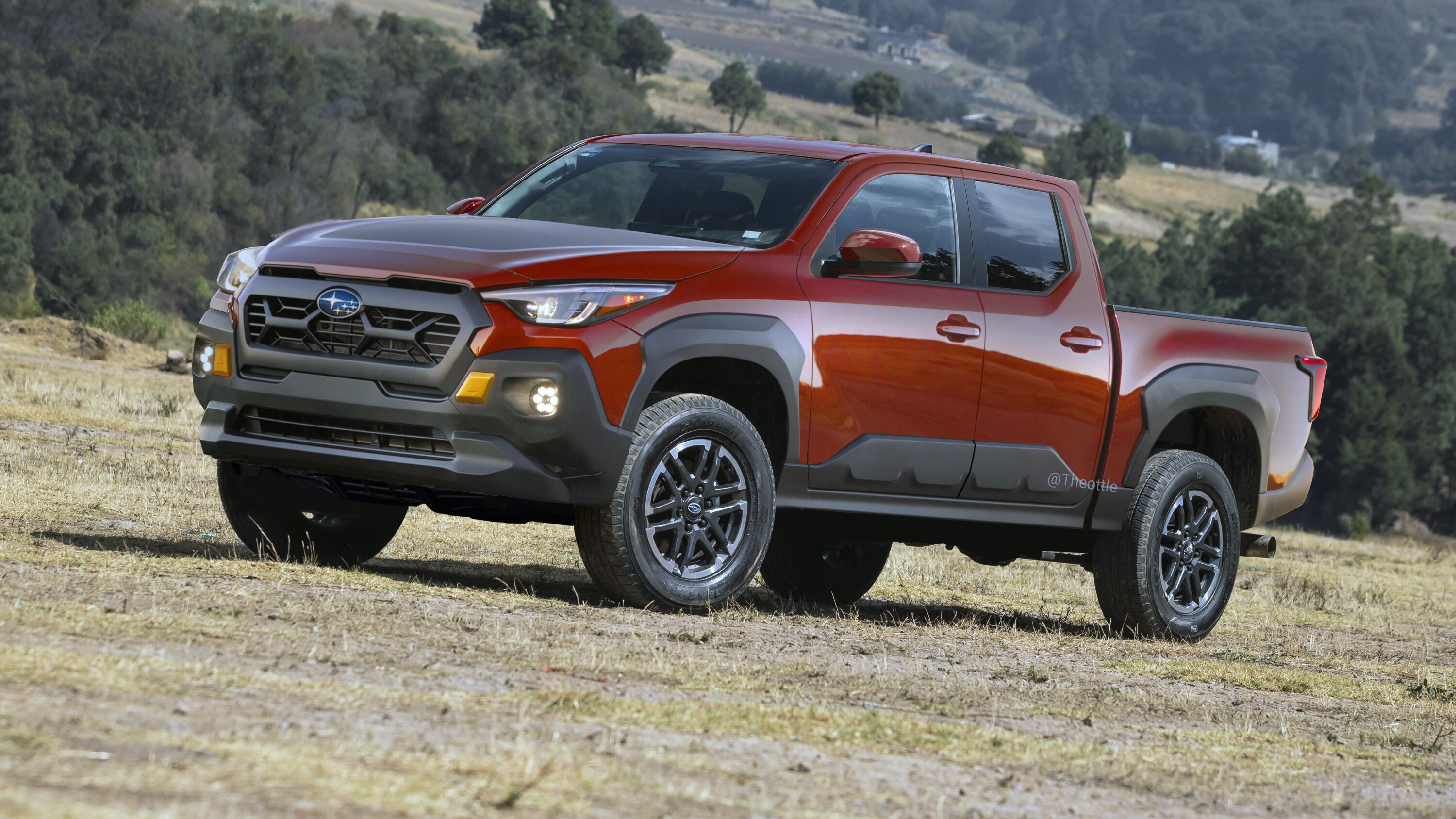
You can easily imagine this new Baja ute sharing its architecture with the next-generation Toyota HiLux, just as the Isuzu D-Max and Mazda BT-50 are related, as are the Ford Ranger and Volkswagen Amarok.
Will it happen, though? It’s unlikely, given Subaru’s generally smaller scale and overall family focus, but it could nonetheless be a fruitful and affordable approach to entering the competitive ute market.
After all, there’s already the Subaru BRZ, which is closely tied to the Toyota GR86 across two generations of the two-door sports car, along with the related Solterra and BZ4x EVs.
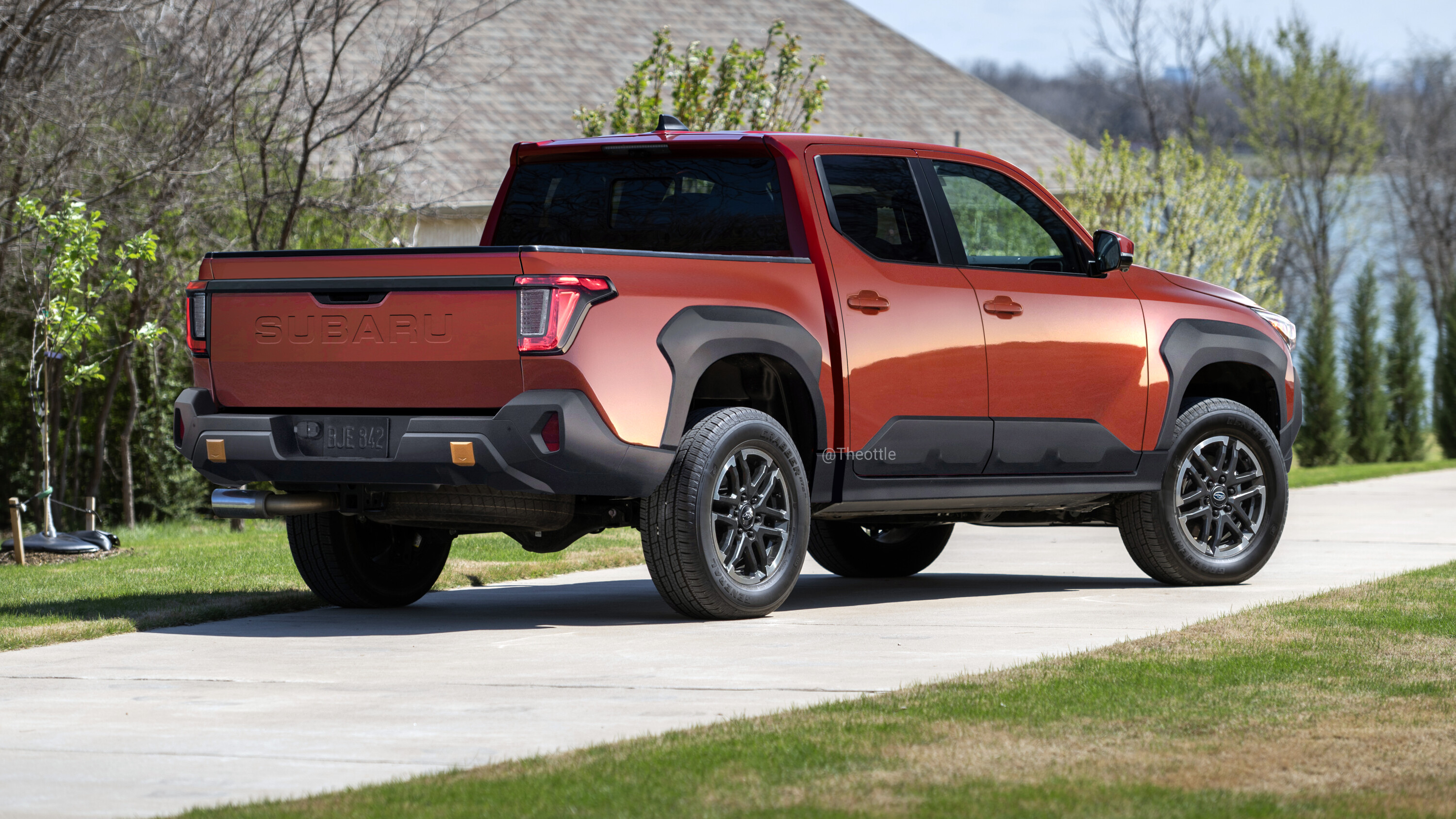
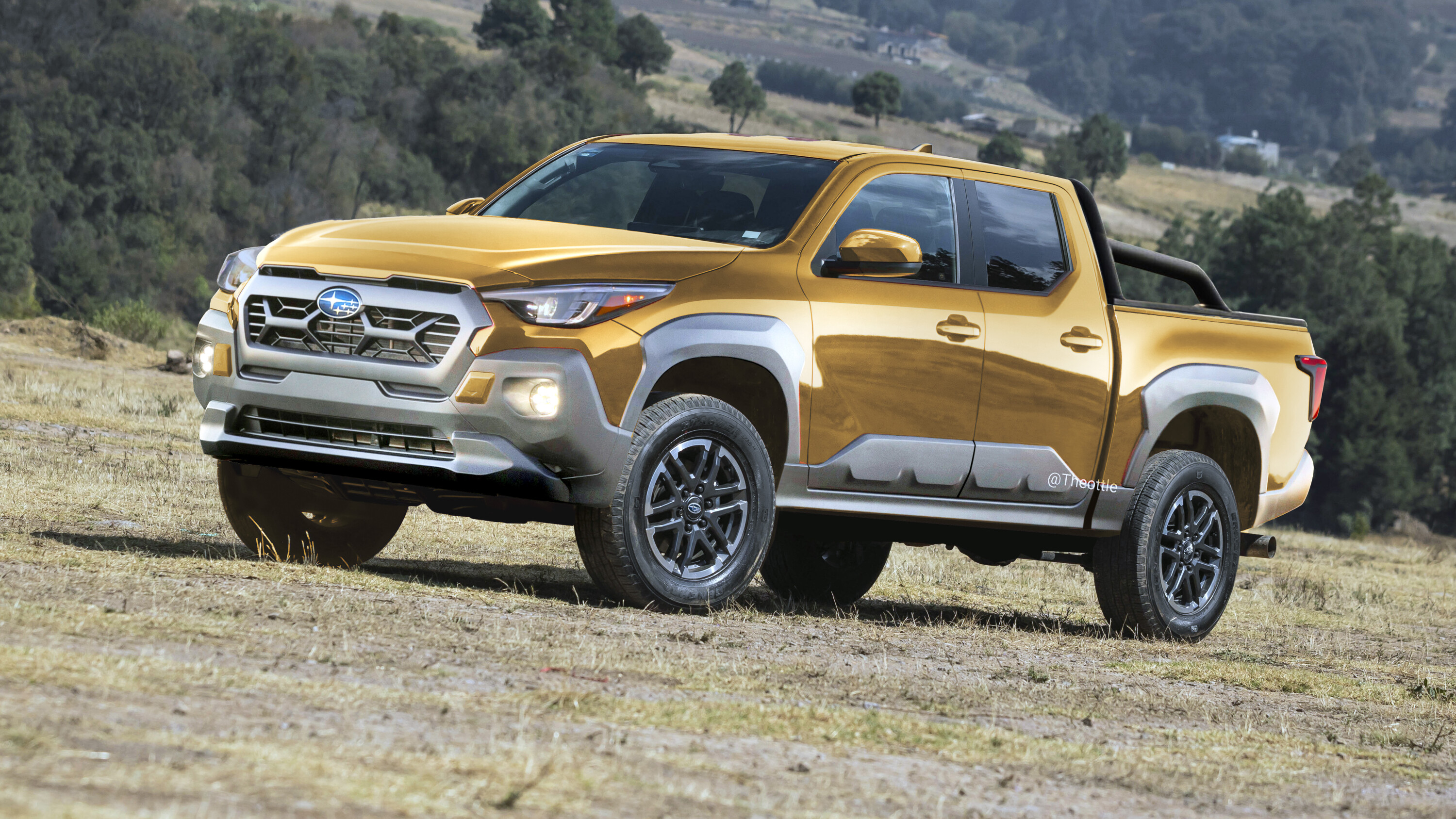
A HiLux-based Subaru ute would be unlikely to have much of the iconic quirky character that Brumby and Baja fans have loved, but it could prove a welcome sales booster for the star-badged brand.
Of course… it might only take a paint job and some silver cladding to sort that out…
Catch our earlier coverage at the links littered through this story.
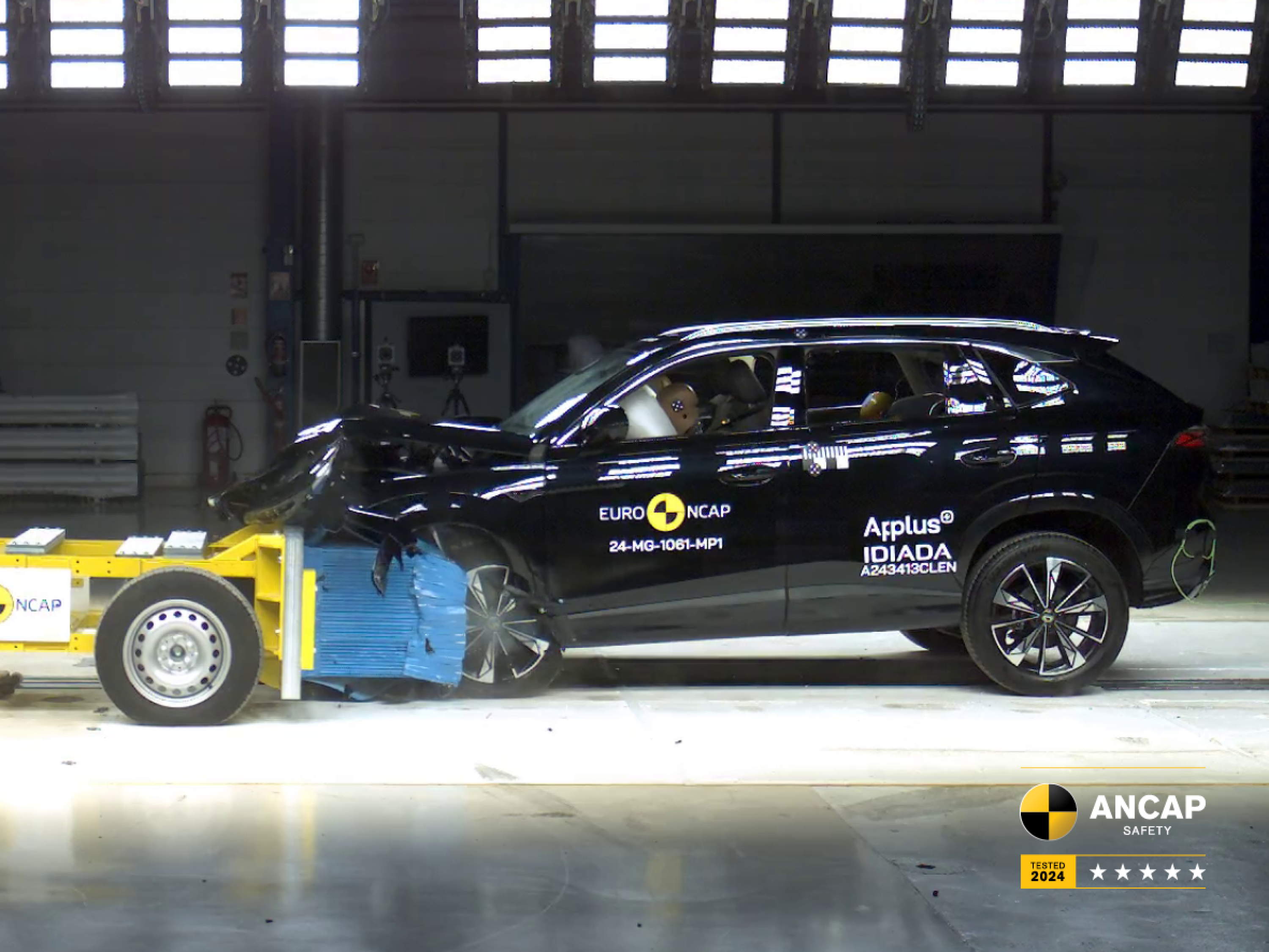
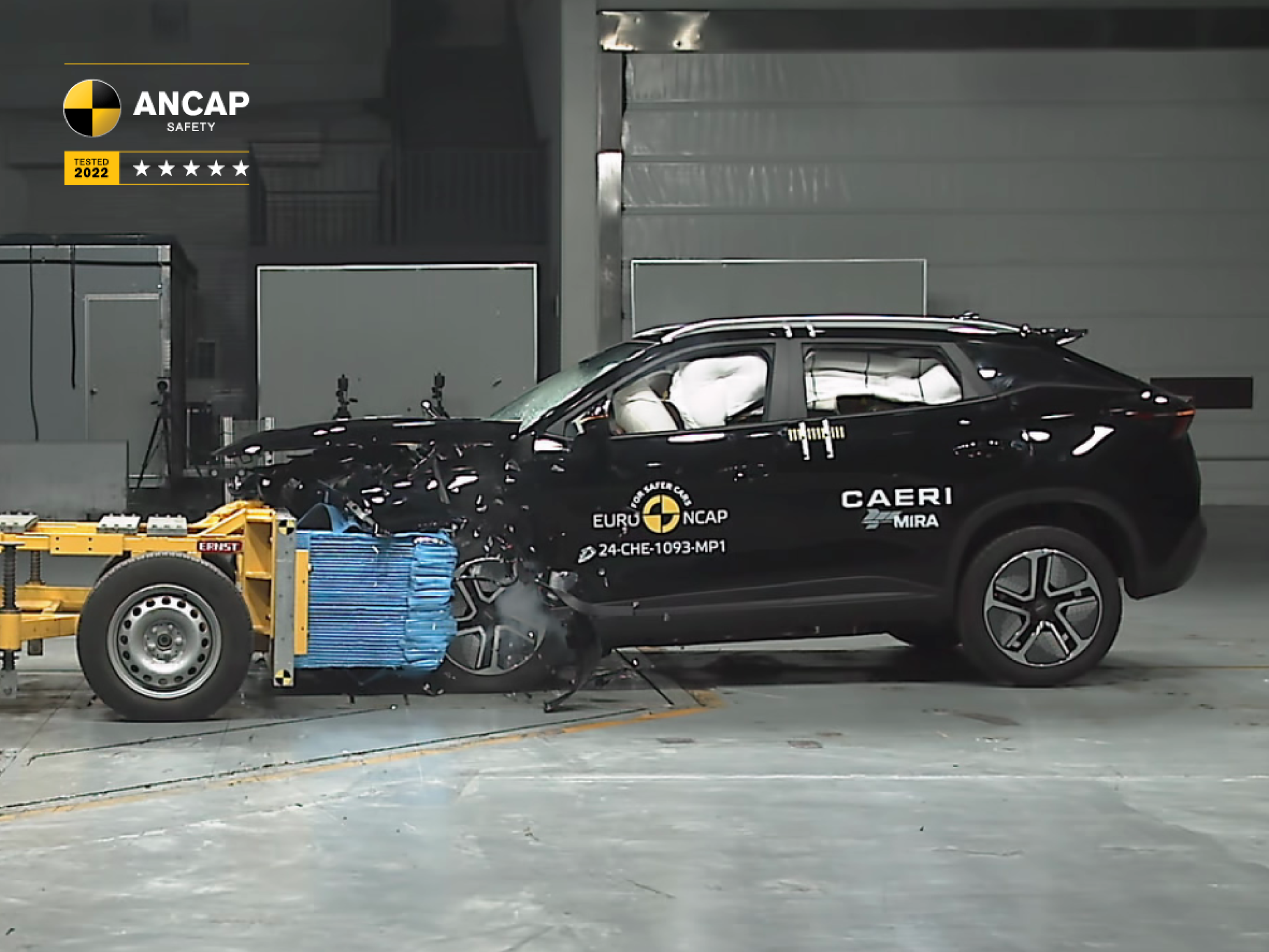
The new-generation MG HS and the battery-electric Chery Omoda E5 have both received five-star safety ratings from ANCAP, the independent safety organisation.
The results come as part of the latest round of testing under ANCAP’s updated protocols.
Key details: MG HS
- Adult Occupant Protection: 90%
- Child Occupant Protection: 87%
- Vulnerable Road User Protection: 83%
- Safety Assist: 74%
Key details: Chery Omoda E5
- Adult Occupant Protection: 87%
- Child Occupant Protection: 88%
- Vulnerable Road User Protection: 68%
- Safety Assist: 83%
MG HS scores high across multiple safety categories
The new MG HS secured a five-star rating after being tested against ANCAP’s most recent criteria, which have seen even stricter updates since the previous HS was assessed.
| Variant | Body type | Engine / Powertrain | Drivetrain | AUS | NZ |
|---|---|---|---|---|---|
| MG HS 1.5T Vibe | 5-door SUV | 1.5-litre petrol | FWD | u2705 | u2705 |
| MG HS 1.5T Excite | 5-door SUV | 1.5-litre petrol | FWD | u2705 | u2705 |
| MG HS 1.5T Essence | 5-door SUV | 1.5-litre petrol | FWD | u2705 | u2705 |
The MG HS achieved a 90% score in Adult Occupant Protection, with full marks awarded in side impact, oblique pole, whiplash protection, and far-side impact tests. For Child Occupant Protection, the HS achieved 87%, with all critical body areas receiving a ‘GOOD’ protection rating.
In the category of Vulnerable Road User Protection, the MG HS scored 83%. The results reflect strong pedestrian impact performance, particularly for femur, knee, and tibia regions.
The SUV’s autonomous emergency braking (AEB) system performed well, especially in scenarios involving motorcycles, where it received full points. The MG HS also features an AEB Backover system for detecting pedestrians while reversing, although its performance in this area was rated as only ‘Marginal.’
| MG HS feature | Front passenger | 2nd row outboard | 2nd row centre | 3rd row outboard | 3rd row centre |
|---|---|---|---|---|---|
| ISOFix anchorages | u2717 | u2714 | u2717 | – | – |
| Top tether anchorage | u2717 | u2714 | u2714 | – | – |
| Airbag disabling | u2717 | – | – | – | – |
| Child presence detection | u2717 (0.00 pts out of 4.00 pts) | u2717 | u2717 | – | – |
Chery Omoda E5 extends five-star rating to electric variant
The Chery Omoda E5, the battery-electric variant of the Omoda 5, has also achieved a five-star safety rating.
| Variant | Body type | Engine | Drivetrain | AUS | NZ |
|---|---|---|---|---|---|
| Chery Omoda 5 BX | 5-door SUV | 1.5T petrol | 2WD | u2705 | – |
| Chery Omoda 5 EX | 5-door SUV | 1.5T petrol | 2WD | u2705 | – |
| Chery Omoda 5 GT | 5-door SUV | 1.6T petrol | 2WD | u2705 | – |
| Chery Omoda E5 BX | 5-door SUV | Battery Electric Vehicle (BEV) | 2WD | u2705 | – |
| Chery Omoda E5 EX | 5-door SUV | Battery Electric Vehicle (BEV) | 2WD | u2705 | – |
This result builds upon the rating already awarded to petrol versions of the Omoda 5 in 2022.
To verify the electric model’s performance, ANCAP conducted additional tests, including frontal offset and oblique pole crash assessments, confirming the safety of the vehicle’s high-voltage battery and structural integrity.
ANCAP CEO Carla Hoorweg acknowledged the significance of the ratings, noting the alignment with stringent, updated testing standards. She highlighted the investment made by manufacturers in maintaining high safety levels, despite evolving criteria.
| Chery Omoda E5 feature | Front passenger | 2nd row outboard | 2nd row centre | 3rd row outboard | 3rd row centre |
|---|---|---|---|---|---|
| ISOFix | u2717 | u2714 | u2717 | – | – |
| Integrated child restraints | u2717 | u2717 | u2717 | – | – |
| Top tether anchorage | u2717 | u2714 | u2714 | – | – |
| Airbag disabling | u2717 | – | – | – | – |
Full report
The full report for both cars can be found here on ANCAP’s website: MG HS & Chery Omoda 5 (including E5).
Galleries
MG HS
Chery Omoda E5
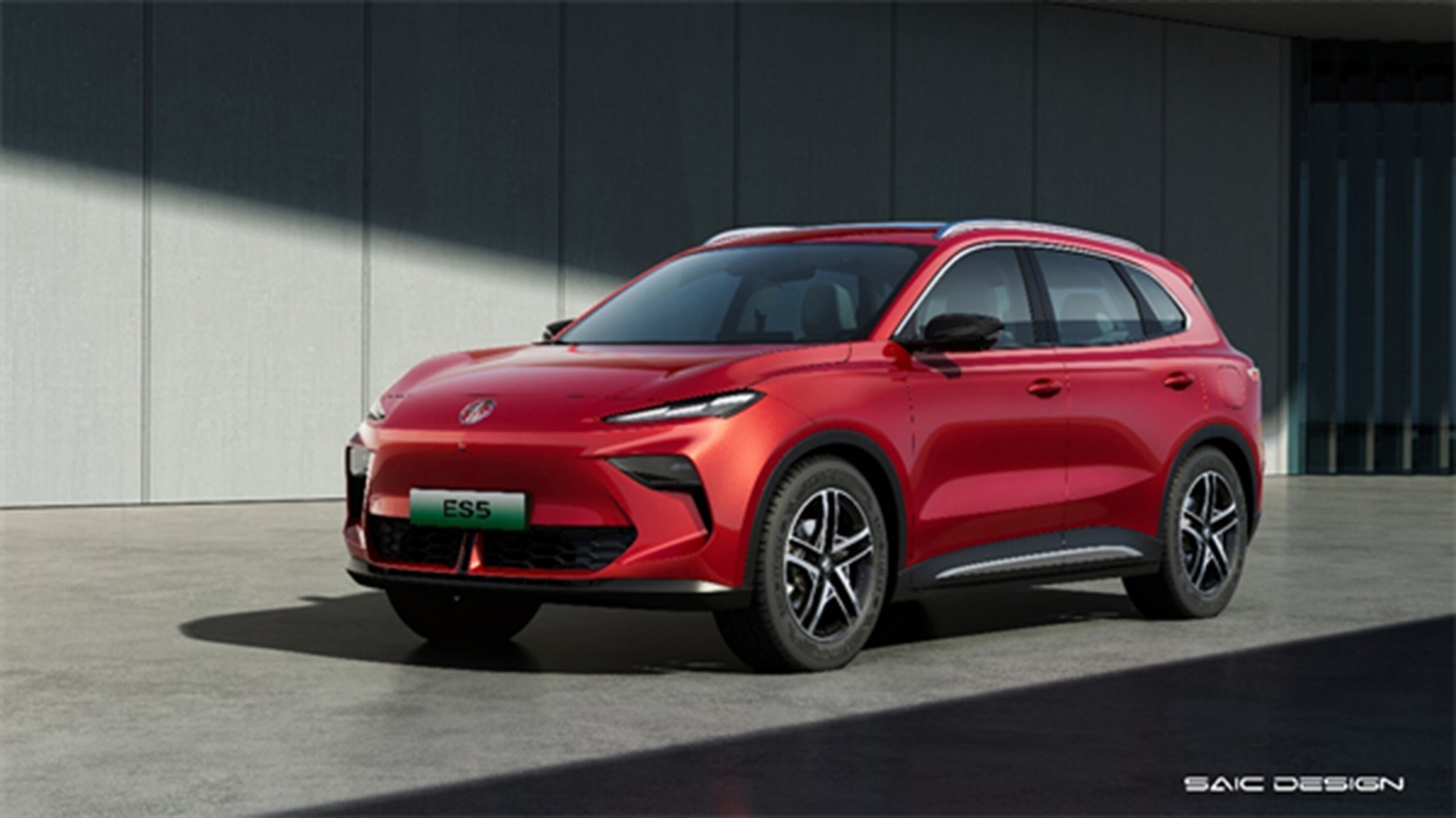
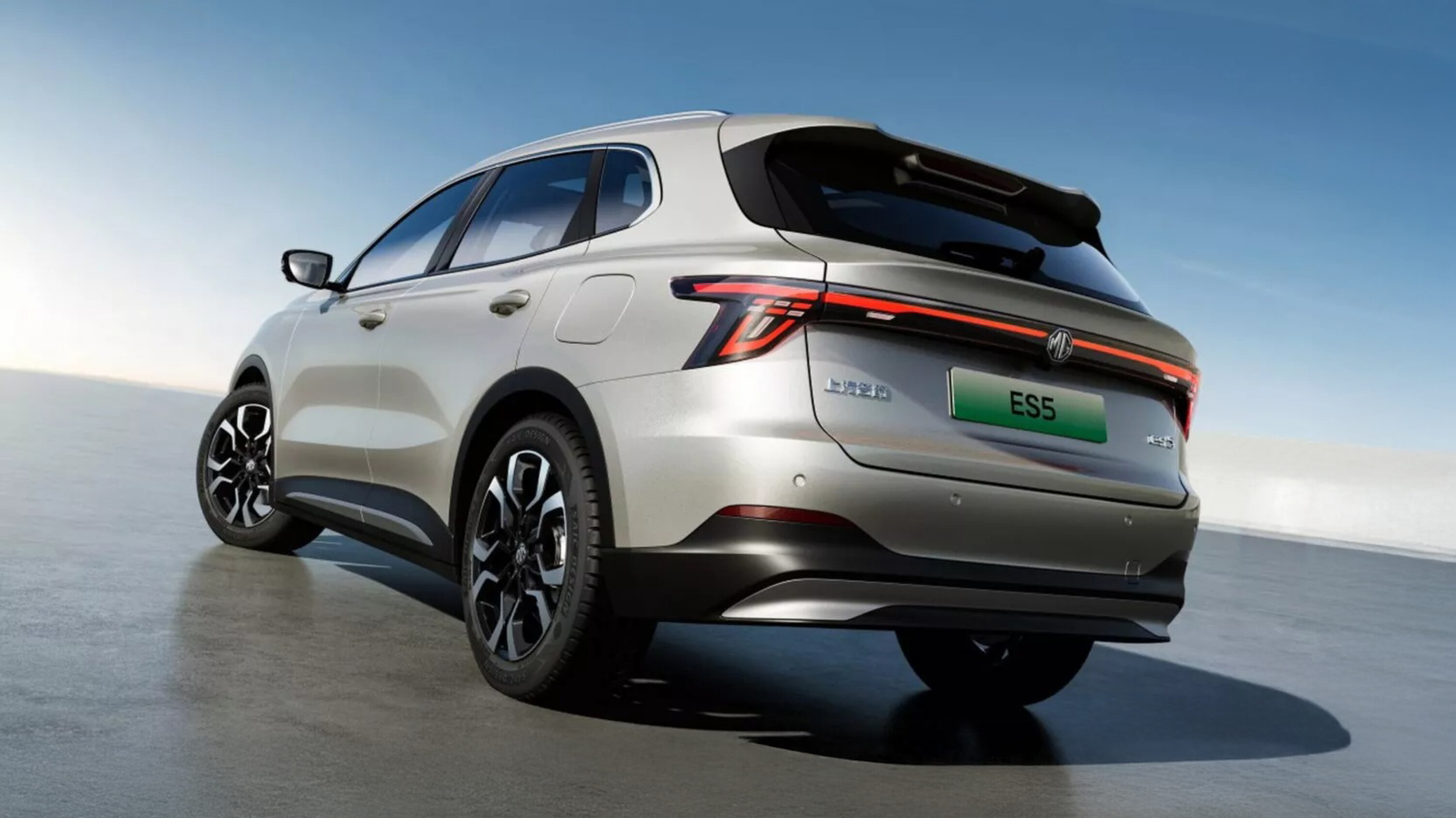
If you’re looking forward to the new generation MG ZS EV, then you’ll have to get used to a new name: MG ES5.
The 2025 MG ES5 is the indirect replacement for the brand’s all-electric small SUV and heralds a raft of changes compared to what’s come before it.
Whereas the current MG ZS EV essentially just replaces the regular model’s petrol engine with a battery pack, the ES5 is based on the same Modular Scalable Platform (MSP) that underpins the MG4 hatch.
| 2025 MG ES5 specifications: The basics | |
|---|---|
| Platform | Modular Scalable Platform (MSP) |
| Powertrain | Rear-wheel drive, 125kW/250Nm motor |
| Battery Options | 49.1kWh (LFP) / 62.2kWh (LFP) |
| Range (CLTC) | 425km (49.1kWh) / 515-525km (62.2kWh, depending on wheels) |
| Estimated Range (WLTP) | Approximately 20% lower than CLTC figures |
| Expected Australian Launch | Early 2025 |
Power and Range
While the MG ES5 borrows its 125kW/250Nm rear motor (making it rear-wheel drive rather than front-drive like the ZS EV) and lithium-iron phosphate (LFP) battery chemistry from its cheaper MG4 sibling, the battery sizes differ.
Whereas the MG4 is offered with a 51kWh or 64kWh battery pack, ES5 buyers can choose between 49.1kWh or 62.2kWh options.
Measuring just 110mm in height, the batteries, developed by MG’s parent company SAIC in conjunction with CATL, are some of the thinnest in the industry.
| MINI match-up | MG ES5 | Hyundai Kona EV | MG4 | Kia EV3 | BYD Atto 3 | Chery Omoda E5 |
|---|---|---|---|---|---|---|
| Length (mm) | 4476 | 4350 | 4287 | 4310 | 4455 | 4424 |
| Width (mm) | 1849 | 1825 | 1836 | 1850 | 1875 | 1830 |
| Height (mm) | 1621 | 1585 | 1504 | 1570 | 1615 | 1588 |
| Wheelbase (mm) | 2730 | 2660 | 2705 | 2700 | 2720 | 2610 |
Using China’s very generous CLTC testing standard, the smaller battery offers 425km of range, while the larger pack increases this to 515-525km depending on whether the vehicle is fitted with 17- or 18-inch wheels.
Expect the more stringent WLTP figures to be around 20 per cent lower than this.
It’s unclear whether the ES5 will be offered with more powerful motors like the MG4, which can be had with 150kW/250Nm or 180kW/350Nm, but even the standard car can hit 100km/h in 8.0sec and cruise to a 170km/h top speed.
Dimensions
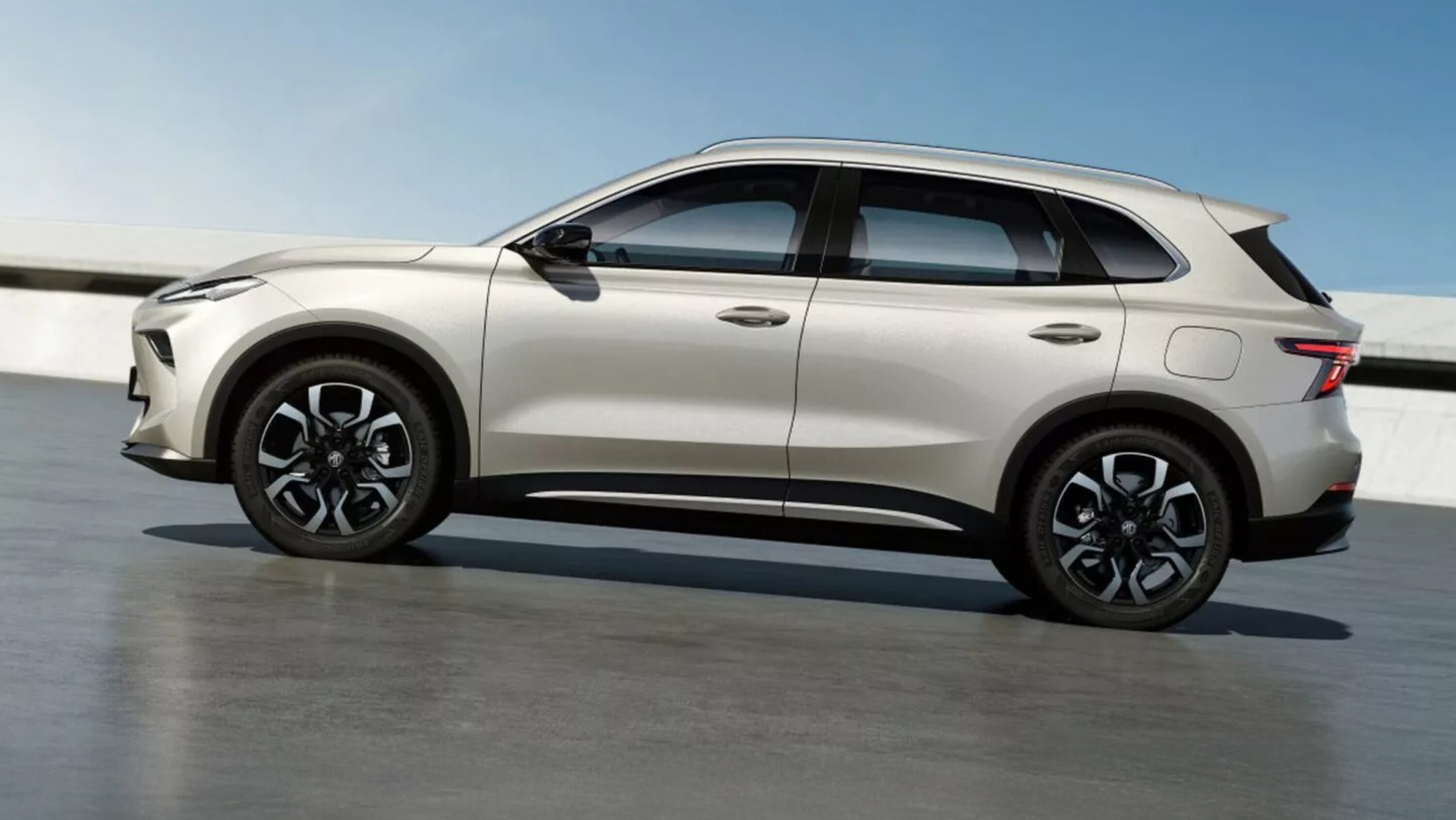
The MG ES5 is a decidedly larger car than the ZS EV, almost straddling the small and medium SUV segments.
At 4476mm long, 1849mm wide and 1621mm tall with a 2730mm wheelbase, the ES5 is 153mm longer, 40mm wider and 4mm lower than the ZS, with an extra 145mm of wheelbase.
By way of comparison, the current ZS’s closest competitor in the small SUV class, the Hyundai Kona, measures 4350mm long, 1825mm wide, and 1585mm tall with a 2660mm wheelbase. This will make the ES5 one of the largest vehicles in its class.
Safety and Assistance
Exact specifications for the MG ES5 have not yet been announced, but with the company targeting a five-star Euro NCAP score we’d expected the MG Pilot active safety system to be included in its entirety.
This features adaptive cruise control, autonomous emergency braking (AEB) with pedestrian and cyclist detection, lane departure warning, blind-spot detection, forward collision warning and traffic jam assist.
Rear parking sensors are also standard and you can expect a reversing camera on all variants, with higher specs likely to have a 360-degree camera.
Pricing and Features
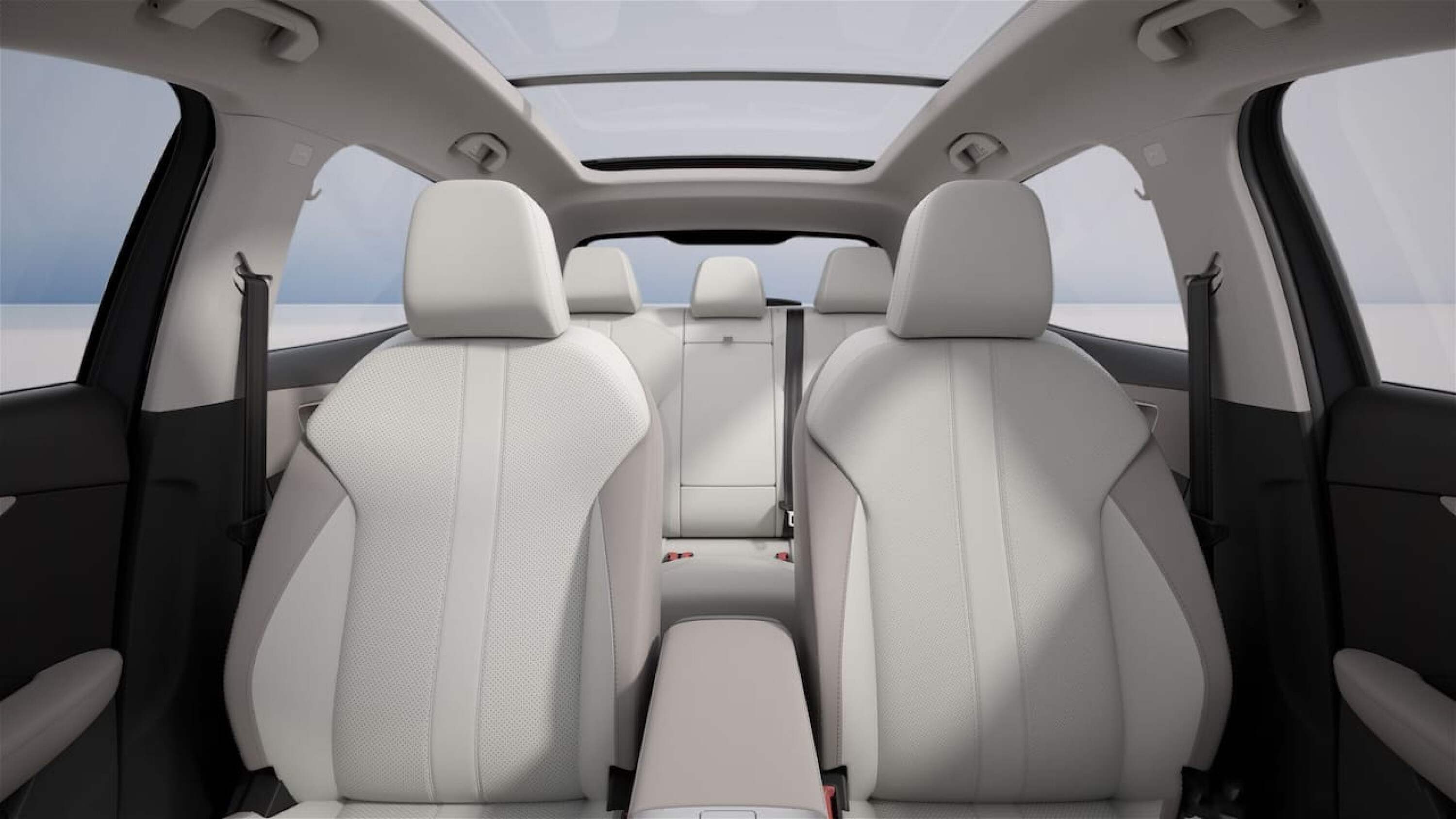
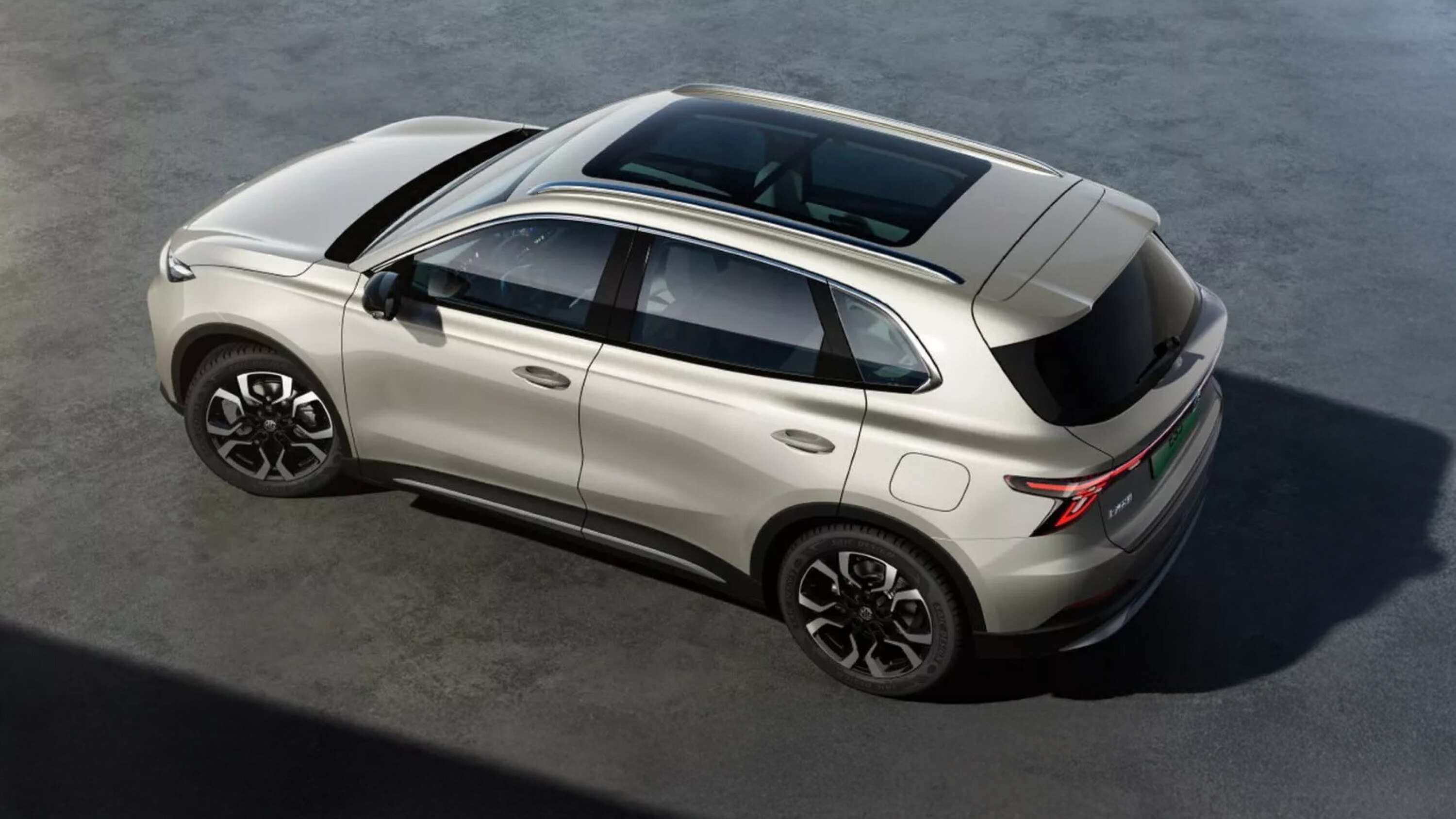
We’re left to speculate on the MG ES5’s specifications, but plenty of equipment is visible on the (presumably high-spec) press images, including 18-inch wheels, LED lighting front and rear, keyless entry and a panoramic sunroof.
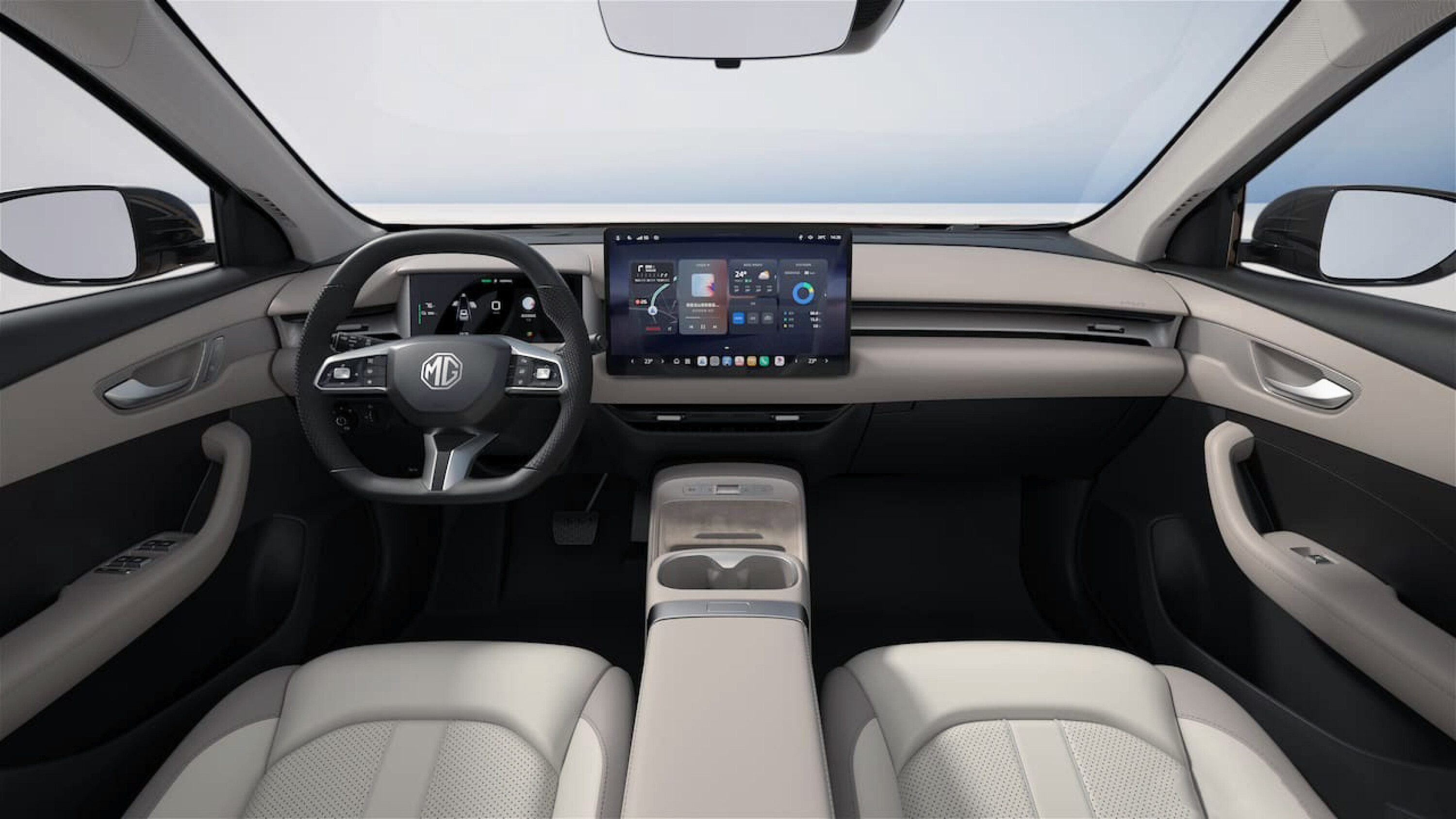
Inside, there’s the familiar combination of a large central infotainment touchscreen with a smaller digital instrument display ahead of the driver, with a wireless charging pad, leather-style upholstery and plenty of interior storage also visible.
Pinpointing a price for the ES5 is difficult, due to MG’s incredibly aggressive recent pricing manoeuvres.
It slashed up to $8700 from the base MG ZS EV in August, dropping it to $34,990 driveaway nationwide, while the Essence and Long Range were cut to $41,990 and $46,990 respectively.
However, this is before MG took a samurai sword to MG4 prices, briefly dropping the entry price of $30,990 driveaway. Regardless, it will be covered by MG’s recently announced 10-year/250,000km warranty.
When will the MG ES5 electric SUV come to Australia?
Local timing for the ES5 hasn’t been made official yet, but an early 2025 launch is expected.
Watch for more official local details, beyond this initial Chinese-market unveiling, to come in the weeks ahead.
| 2025 MG ES5 specifications (known so far) | |
|---|---|
| Platform | Modular Scalable Platform (MSP) |
| Powertrain | Rear-wheel drive, 125kW/250Nm motor |
| Battery Options | 49.1kWh (LFP) / 62.2kWh (LFP) |
| Battery Chemistry | Lithium-Iron Phosphate (LFP) |
| Battery Height | 110mm (developed by SAIC and CATL) |
| Range (CLTC) | 425km (49.1kWh) / 515-525km (62.2kWh, depending on wheels) |
| Estimated Range (WLTP) | Approximately 20% lower than CLTC figures |
| Acceleration (0-100km/h) | 8.0 seconds |
| Top Speed | 170km/h |
| Dimensions | Length: 4476mm, Width: 1849mm, Height: 1621mm |
| Wheelbase | 2730mm |
| Wheels | 17-inch or 18-inch options |
| Safety Features | MG Pilot suite (adaptive cruise control, AEB with pedestrian and cyclist detection, lane departure warning, blind-spot detection, forward collision warning, traffic jam assist) |
| Standard Equipment | Rear parking sensors, reversing camera (all variants), 360-degree camera (higher specs) |
| Interior Features | Central infotainment touchscreen, digital instrument display, wireless charging pad, leather-style upholstery |
| Exterior Features | LED lighting (front and rear), 18-inch wheels, keyless entry, panoramic sunroof |
| Warranty | 10-year / 250,000km warranty expected |
| Expected Australian Launch | Early 2025 |
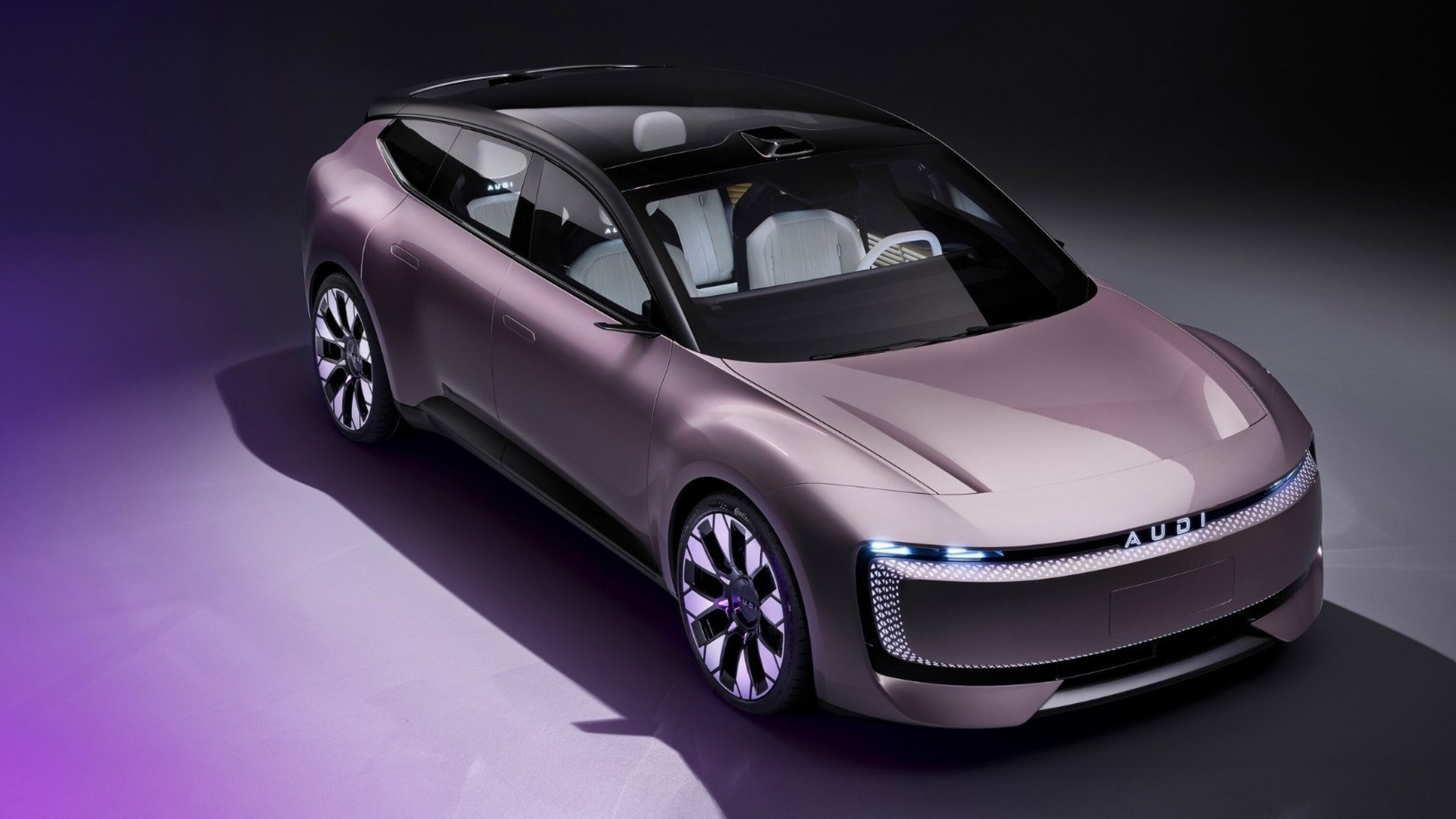
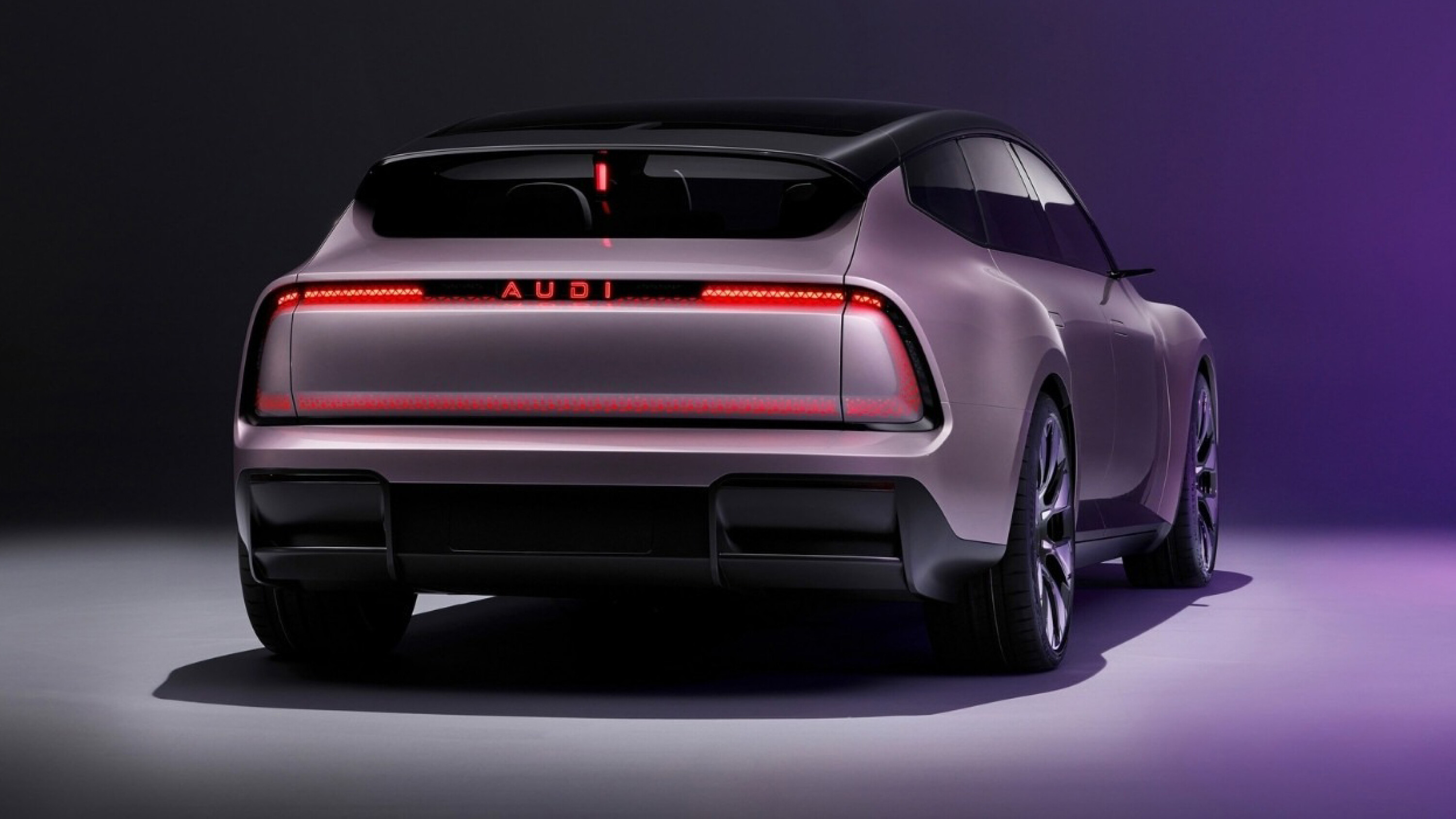
Audi has revealed a new sub-brand exclusively for the Chinese market, along with the AUDI E concept — an all-electric Sportback crafted to showcase the brand’s direction in the region.
The unveiling marks a significant shift in Audi’s strategy, focusing on bespoke products that cater directly to local preferences and the rapidly growing demand for high-performance electric vehicles (EVs) in China.
| AUDI E Concept | |
|---|---|
| Power output | 570kW |
| Drivetrain | Dual-motor, all-wheel drive |
| 0-100km/h acceleration | Approx. 3 seconds |
| Battery architecture | 800-volt system |
| Driving range (target) | Up to 700km |
| Charging capability | Ultra-fast charging (specific rates TBD) |
| Launch timing | Mid-2025 (China only) |
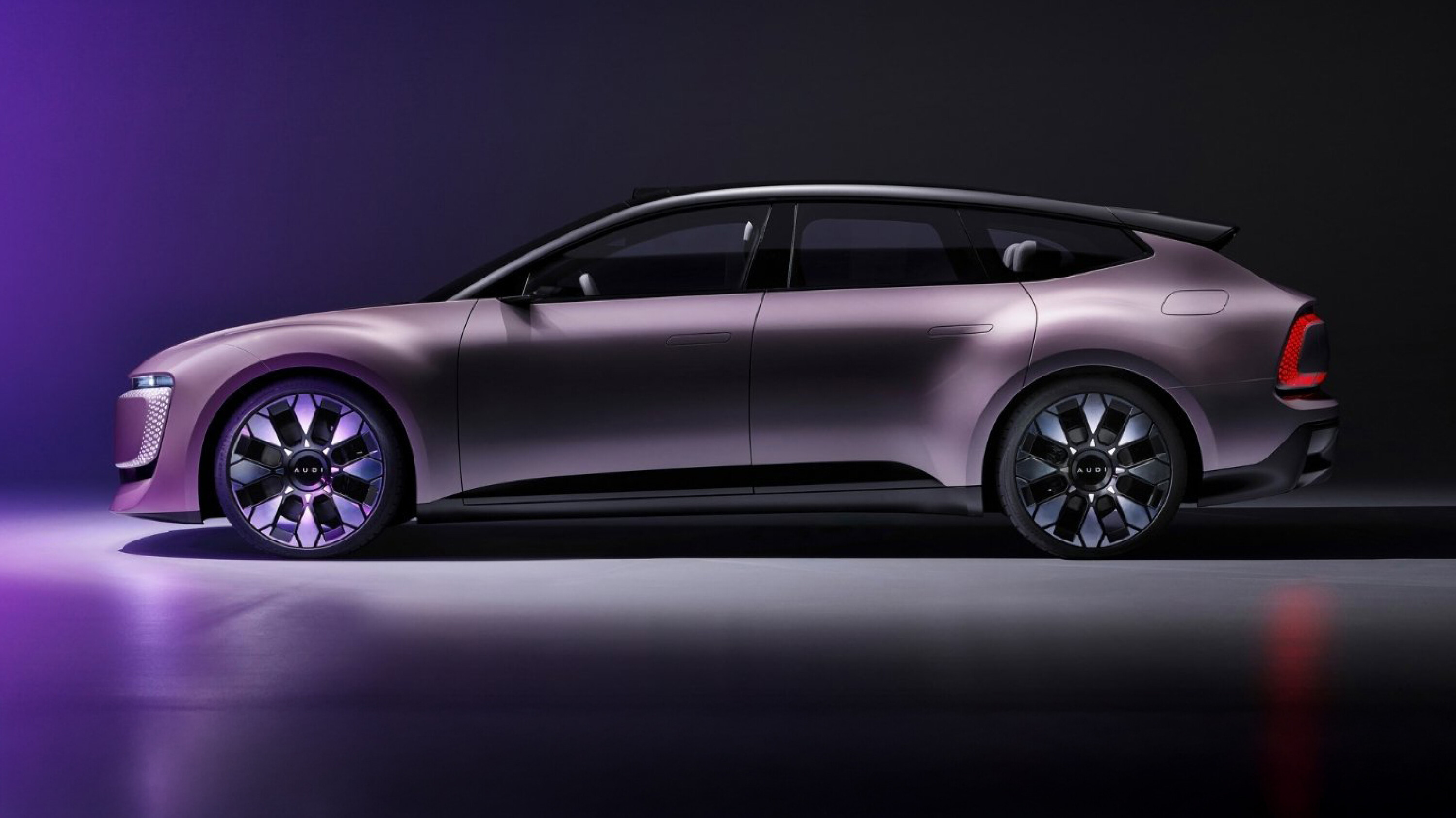
The AUDI E concept is powered by a dual-motor setup, delivering a combined 570kW and capable of accelerating from 0-100km/h in an estimated 3 seconds. (It hasn’t been tested, of course.)
Built on an 800-volt architecture developed in partnership with MG parent SAIC – unrelated to Audi’s own new PPE platform – the concept promises rapid charging capabilities, targeting a driving range of up to 700km.
While Audi (or is that AUDI?) has yet to release specific charging figures, the 800-volt system is designed to support ultra-fast charging, potentially allowing for significant range recovery in just a few minutes.
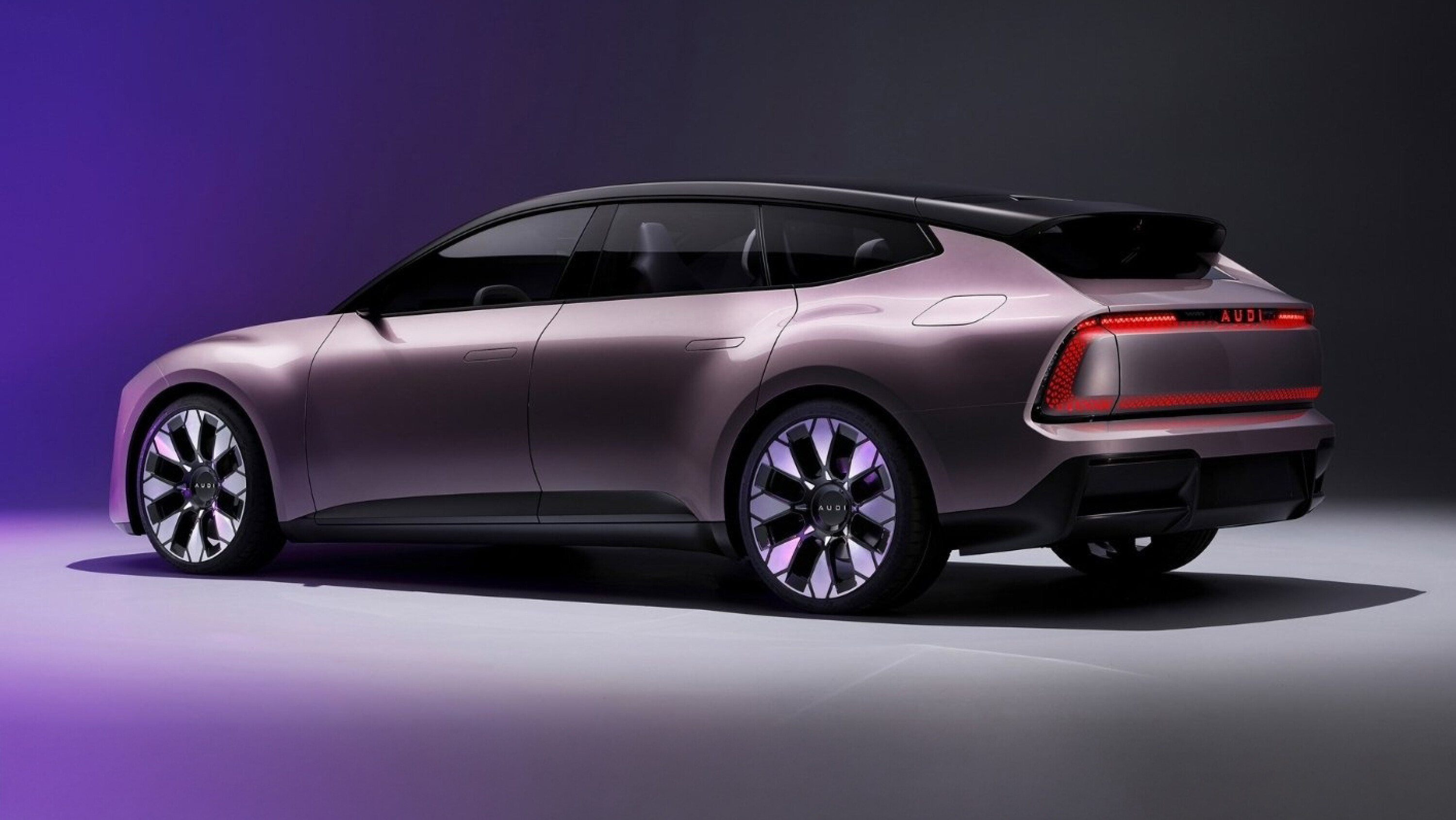
As we cheekily noted above, one of the most notable aspects of the new sub-brand is its departure from Audi’s established four-ring brand and its most recent design themes.
The AUDI E concept features a redesigned front fascia and new badging, moving away from the iconic four-ring emblem in favor of a more minimalist logo.
This change is intended to signify a fresh start for the sub-brand, emphasizing its focus on innovation and appealing directly to China’s tech-savvy audience.
Unique regional branding is uncommon (apart from individual models), but in this case it shows a clear acknowledgement of just how big the Chinese market is and the differences in its buyer attitudes.
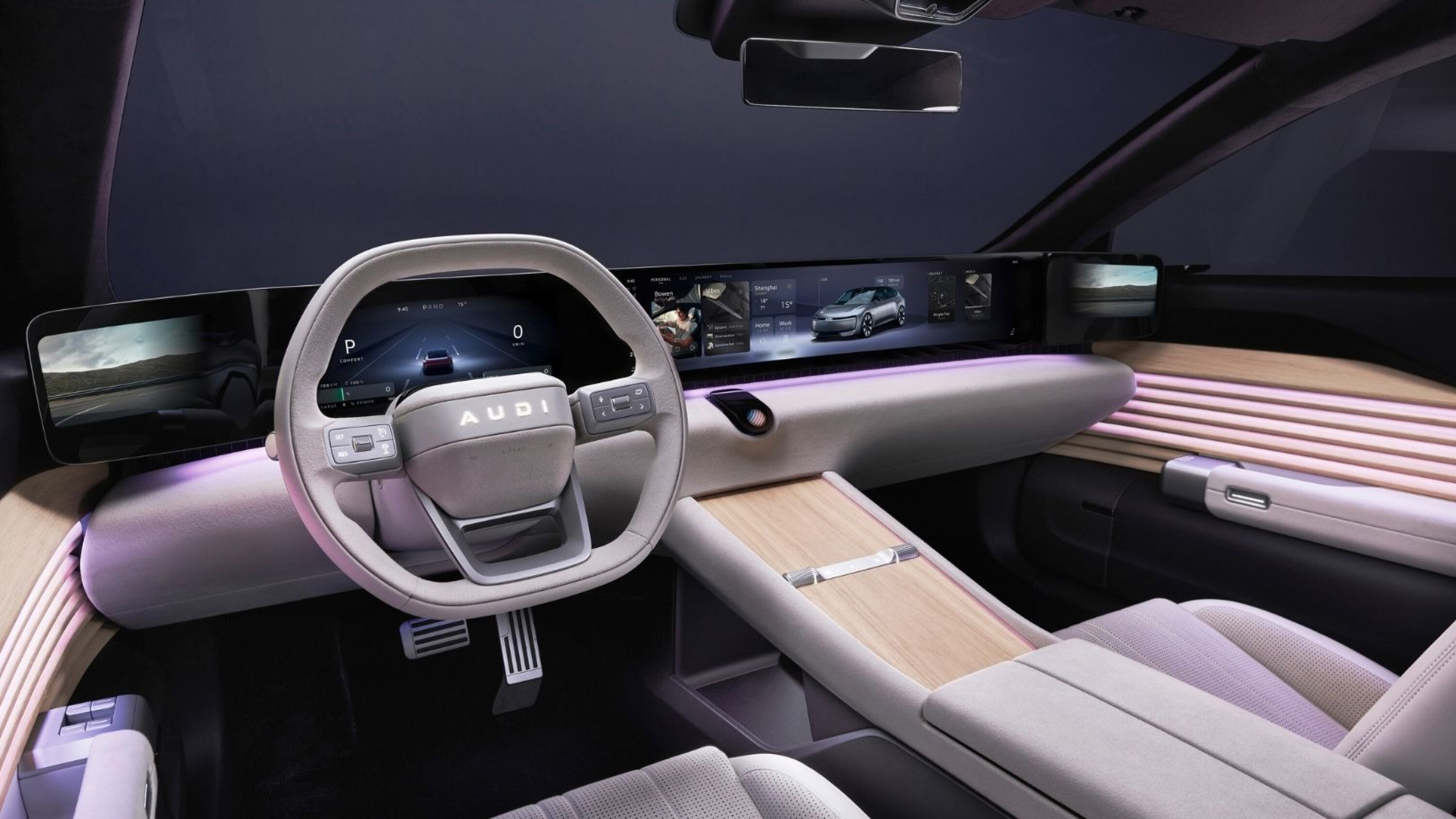
Audi has confirmed the AUDI E concept is as a precursor to three new electric models, set to launch in China from mid-2025.
These models will be exclusive to the Chinese market and will not be available in other regions, although buyers in the west won’t be short on new Audi EVs to choose from.
The first models from the new sub-brand are expected to begin reaching Chinese showrooms by mid-2025. With this launch, Audi aims to establish a stronger foothold in the Chinese market, leveraging its new sub-brand to cater directly to the country’s appetite for advanced, high-performance electric vehicles.
Mild hybrid systems are becoming increasingly popular among all manufacturers, but buyers may not fully understand the key differences between these ‘mild’ systems and the more conventional hybrid options.
By now, most people have a general understanding of, or are at least aware of, hybrid powertrains. But mild hybrid systems differ in that they’re a much simpler and cheaper way to reduce a car’s emissions output.
Mild hybrids, generously referred to as Mild Hybrid Electric Vehicles (MHEV) offer a practical bridge between traditional internal combustion engines (ICE) and fully electrified powertrains. They provide a sample of electrification without requiring plug-in charging, making them an accessible choice for many drivers.
How mild hybrids work
In a typical mild hybrid system, a small electric motor and a 48-volt battery supplement a petrol or diesel engine.
While full hybrids can operate on electric power alone at low speeds, mild hybrids cannot. Instead, the electric motor assists the engine, reducing fuel consumption and providing extra torque during acceleration. The system also powers certain vehicle functions, such as air conditioning, when the engine is off.
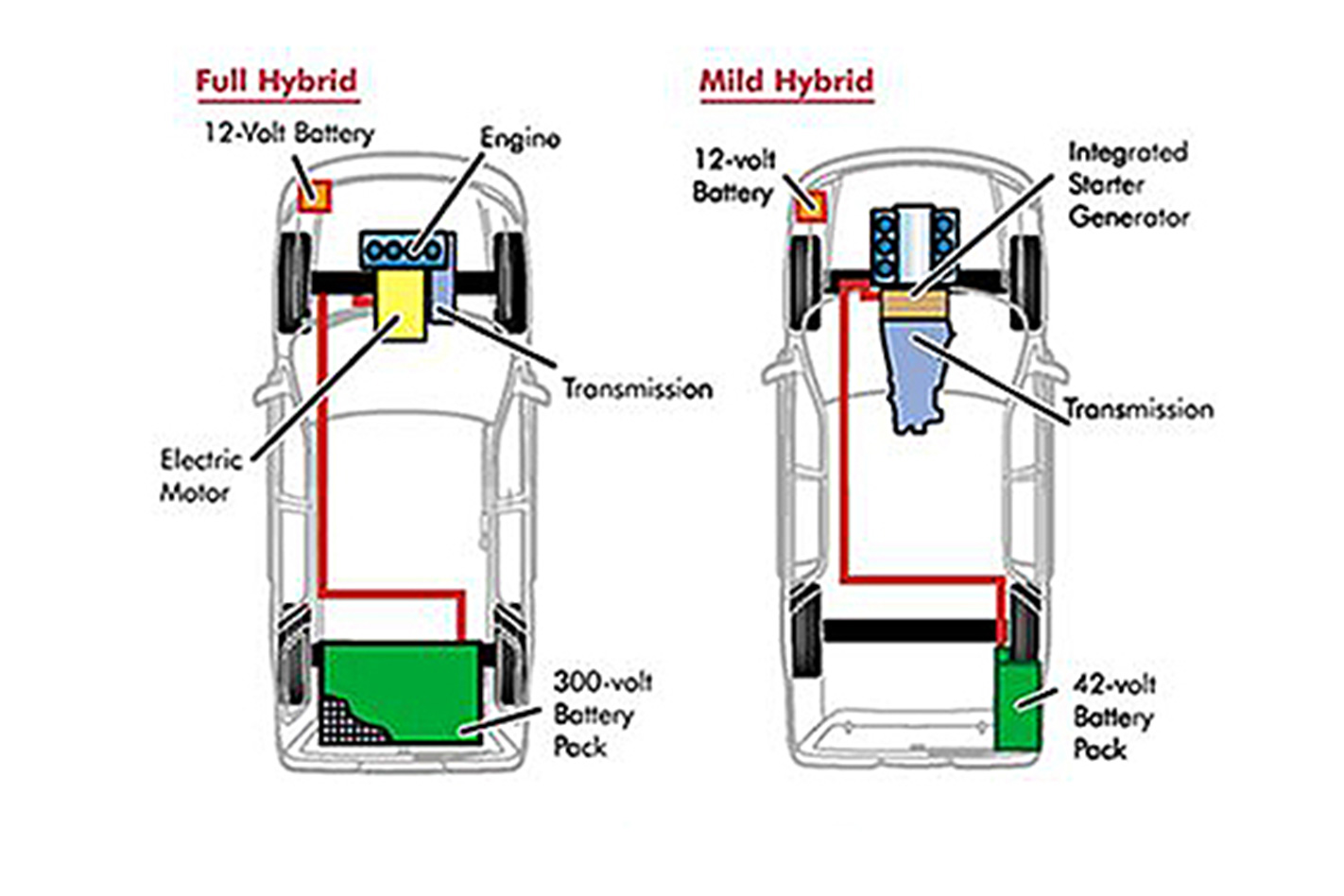
Key features of mild hybrid systems
Electric motor assist
- Offers additional torque during acceleration, easing the engineu2019s load and improving fuel efficiency.
Regenerative braking
- Captures energy during braking, storing it in the battery for later use to assist the engine.
Idle stop-start
- Automatically shuts down the engine when idling and restarts it seamlessly, saving fuel and reducing emissions.
Benefits of mild hybrids
Better fuel efficiency
- Mild hybrids typically deliver improved fuel economy compared to conventional ICE vehicles, thanks to electric assist and regenerative braking.
Lower emissions
- Reduced engine workload and idle stop-start functionality help decrease CO2 output.
Cost-effective technology
- Mild hybrid systems are simpler and less expensive than full hybrids, making them an attractive option for manufacturers and consumers alike.
Considerations
No electric-only driving
- Mild hybrids cannot run purely on electric power; the electric motor serves only as an assistive component.
Modest efficiency gains
- While fuel savings are notable, they are less substantial than those seen in full hybrids or electric vehicles.
Audi’s not-so-mild hybrid: MHEV Plus
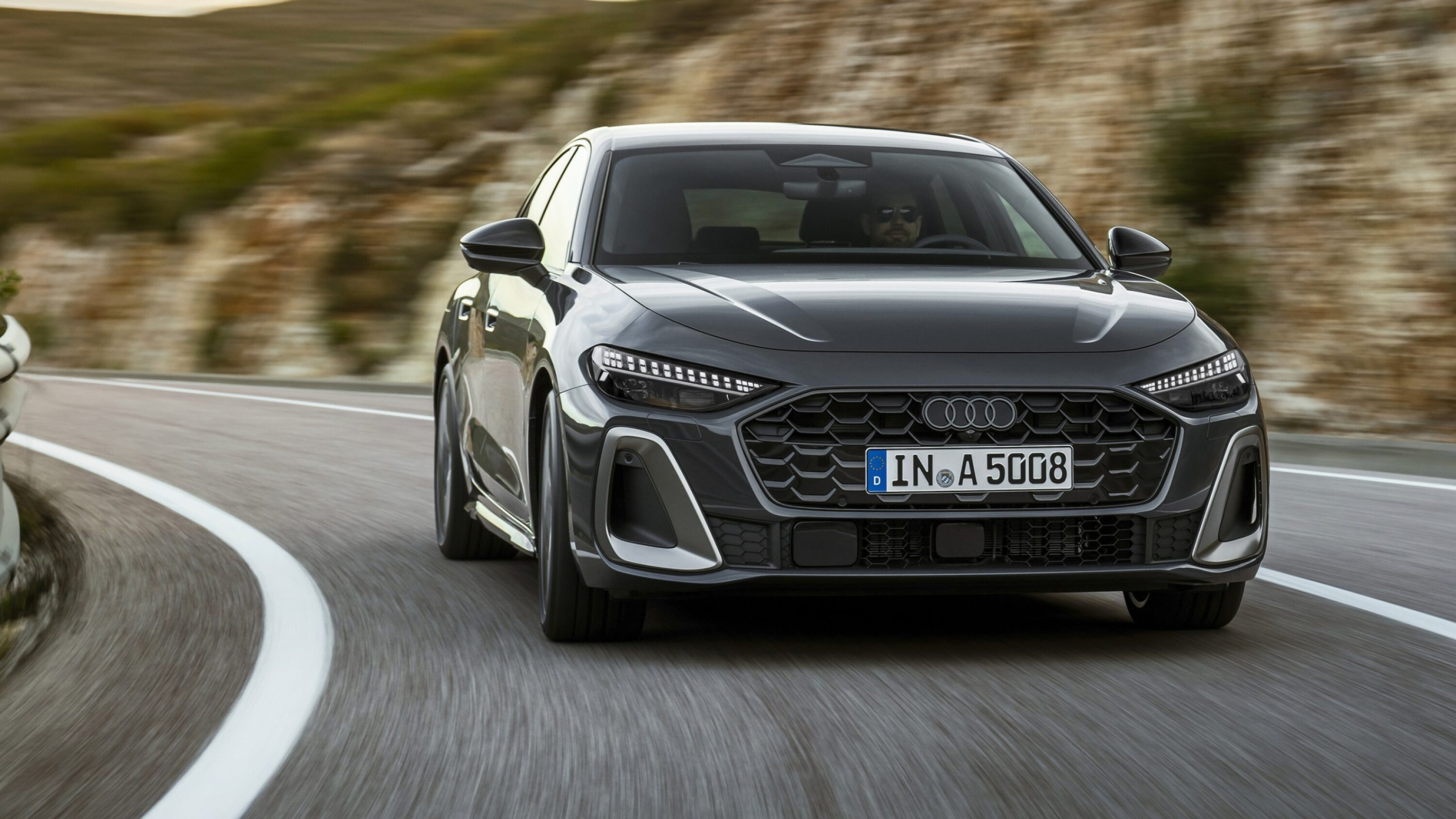
While most mild hybrids use a single integrated starter-generator (ISG), Audi has taken a different approach with its MHEV Plus system, available in models like the new 2024 Audi A5 diesel and S5 turbo petrol performance model.
This advanced setup adds a second unit, a centrally mounted powertrain generator (PTG), making it unique in the MHEV market.
Enhanced regenerative braking: The MHEV Plus system can recuperate up to 25kW of energy during braking, significantly more than the typical 8kW seen in standard MHEVs.
Boosted torque and quick battery cycling: The system can deliver up to 18kW of power and 230Nm of torque, helping to fill torque gaps at low engine speeds. It also recharges and discharges the battery rapidly, allowing the engine to shut off more frequently.
Reduced reliance on friction brakes: The improved regenerative capability often provides enough deceleration without engaging the disc brakes, reducing wear.
Low-speed manoeuvring and coasting: Audi’s system allows for limited engine-off driving at low speeds and ‘surfing’ at moderate speeds (up to 80km/h) using only electric power.
This dual-generator approach is rare among mild hybrids, making Audi’s system an outlier. It showcases the potential for enhanced efficiency and performance without moving to a full hybrid or plug-in model.
The rise of mild hybrids in Australia
The popularity of mild hybrids is growing in Australia as automakers look for ways to improve fuel efficiency and meet stricter emissions standards.
While typical MHEVs offer incremental gains, innovations like Audi’s MHEV Plus show how the concept can be pushed further, providing features often reserved for more complex hybrid systems.
For buyers seeking improved economy without the need for charging infrastructure, mild hybrids represent a practical compromise.
FAQs
Frequently Asked Questions
Peugeot has announced the Australian arrival of its new hybrid hatch, the Peugeot 308 GT Hybrid, with a starting price of $48,990 before on-road costs.
Snapshot
- 100kW/230Nm 1.2-litre turbo hybrid, 4.2L/100km claimed
- Another wagon bites the dust
- Electric all the way: 14 examples of e-308 EV incoming
The new addition’s arrival comes with sorry news for wagon fans, however, with 308 Touring dropped from the 2025 roster, along with the top-spec 308 GT Premium variant.
The news follows confirmation in September that the French brand has dropped all four of its plug-in hybrid EV models (including the 308 PHEV) and pushed back the local launch of the all-electric E-3008 SUV.
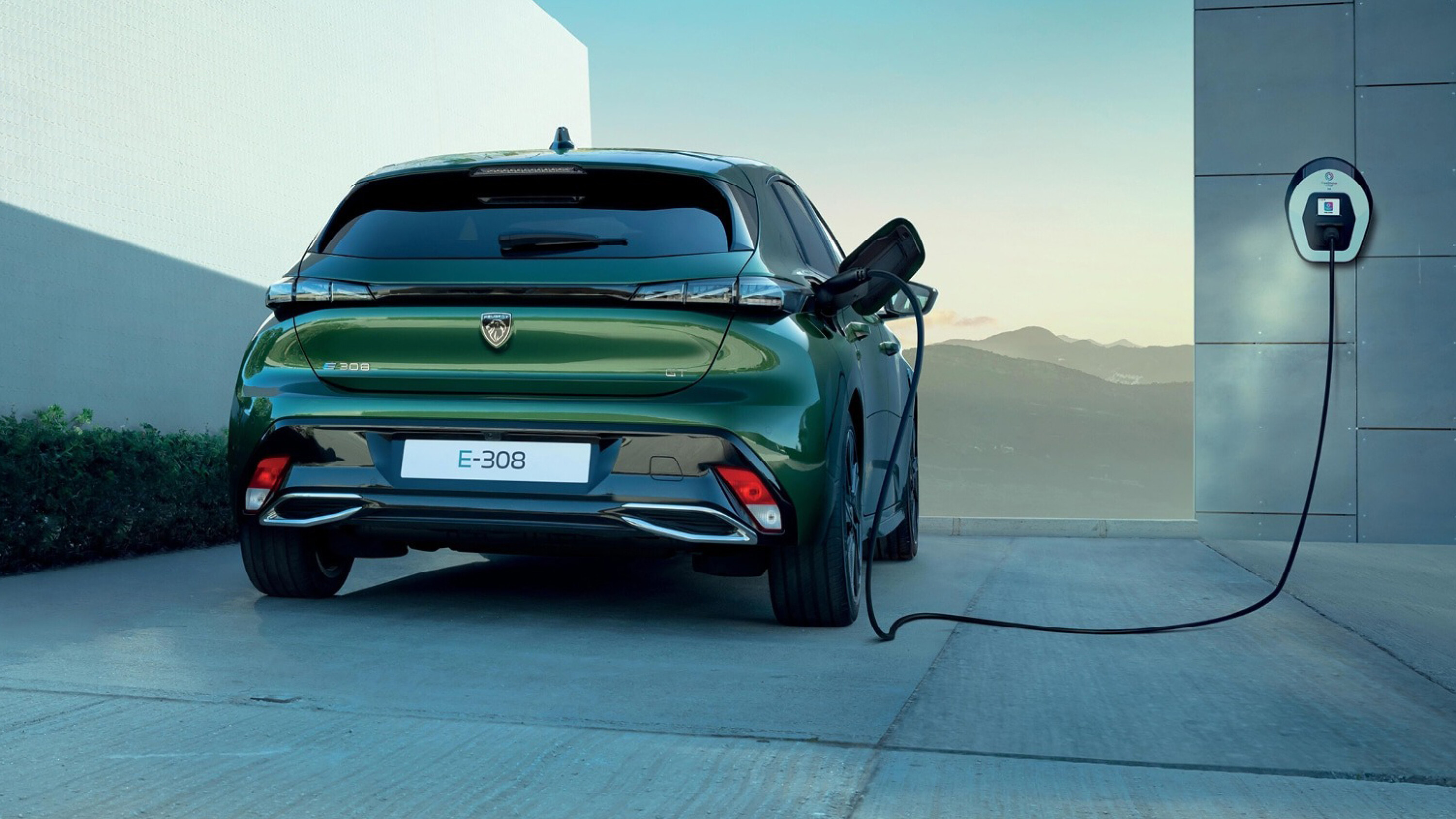
There’s a light on the horizon for EV fans, however, with Peugeot’s Australian distributor confirming an initial ‘Evaluation Experience’ for the small E-308 that will see 14 examples to local buyers with a drive-away price of $65,990.
It remains to be seen if this will also be the asking price of any bigger future rollout, but it’ll have very stiff competition if so.
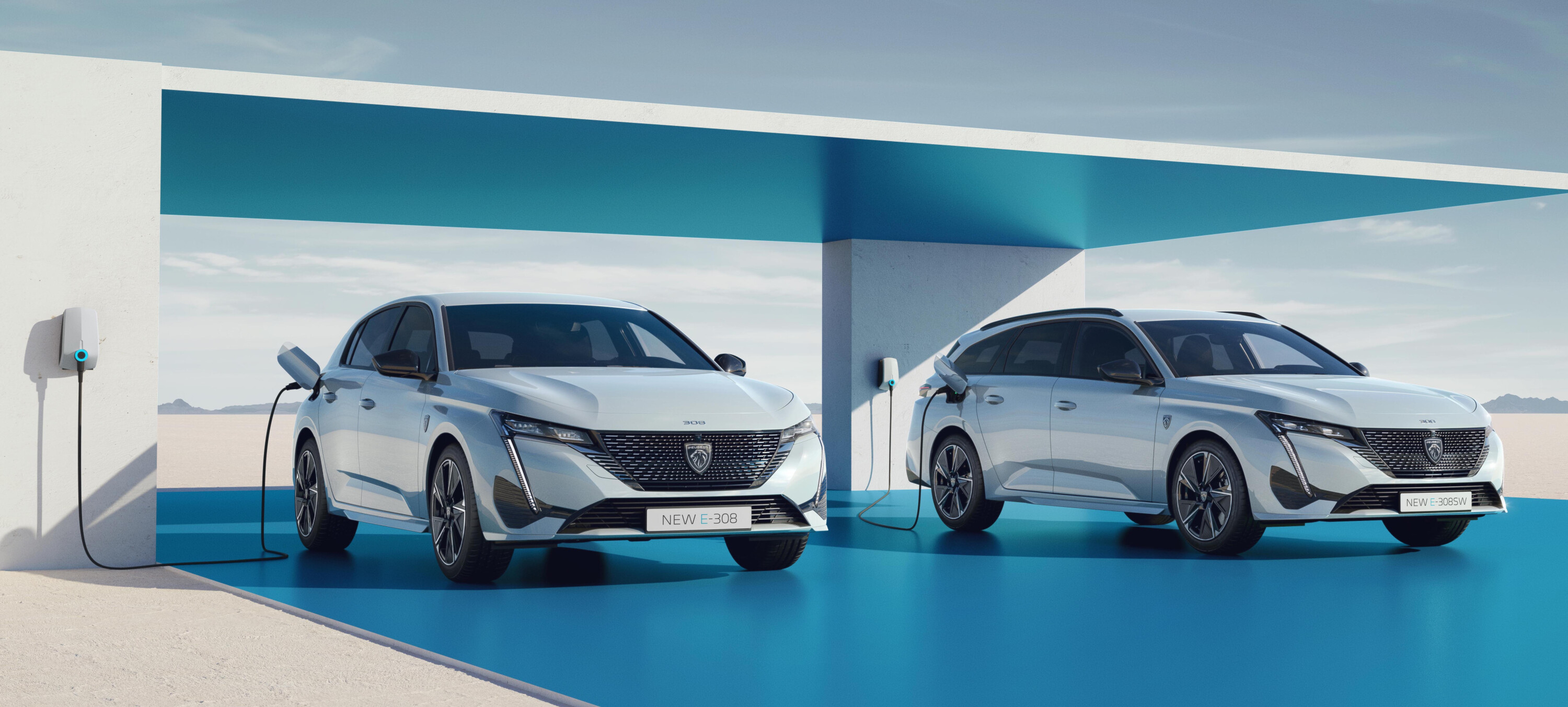
On to what buyers can have in the local 308 range:
2025 Peugeot 308 GT Hybrid pricing and features
Pre-orders for the 308 GT Hybrid are now open ahead of the model’s expected launch in the first quarter of 2025.
The Peugeot 308 GT Hybrid features a 1.2-litre turbocharged three-cylinder petrol engine paired with a hybrid electric system. The combined output is rated at 100kW and 230Nm, sent to the front wheels through a six-speed electric dual-clutch automatic gearbox (known by the code e-DCS6).
Along with its 0.9kWh battery, the 308’s hybrid system includes regenerative braking, capturing energy during deceleration to recharge the battery.
Peugeot claims the 308 GT Hybrid can operate in electric-only mode for “up to 50% of the drive time”, depending as always on driver behaviour and road conditions.
Fuel consumption is listed at a Corolla Hybrid-rivalling 4.2L/100km, and CO2 emissions are listed at 95g/km.

Interior and cargo space
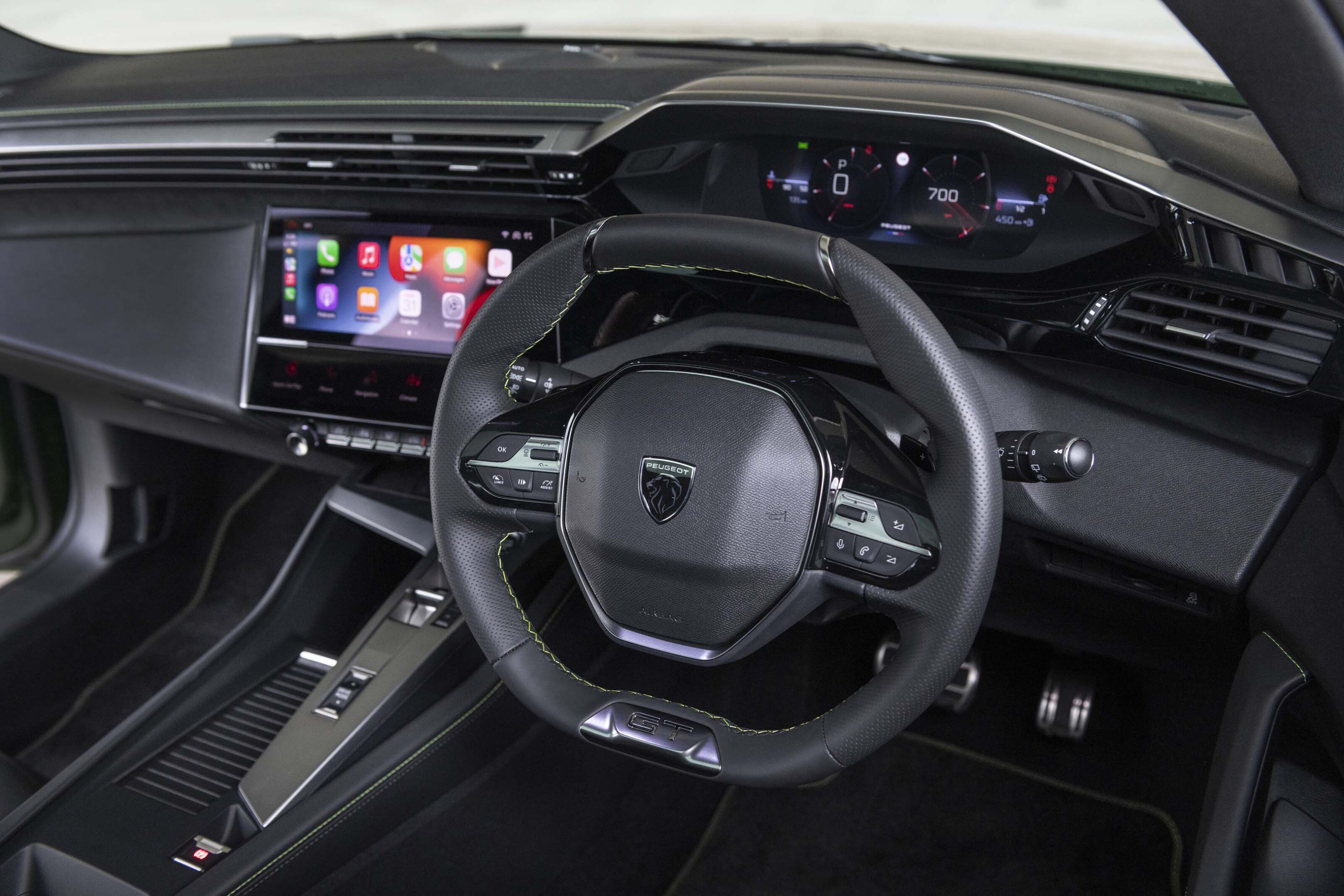
The interior features Peugeot’s i-Cockpit, highlighted by a 10-inch configurable digital instrument display and a 10-inch high-definition central touchscreen.
Customisable i-Toggle shortcuts provide quick access to settings such as radio, contacts, and vehicle controls. The cabin includes tri-material Alcantara seats with leather-effect trims, green ‘Adamite’ stitching, and Peugeot GT badging.
Additional comfort features include a heated steering wheel, dual-zone climate control, ambient lighting with eight customisable colours, and a frameless auto-dimming rear-view mirror. The Air Quality System (AQS) continuously monitors cabin air and filters pollutants.
Equipment highlights
The Peugeot 308 GT Hybrid comes standard with wireless Apple CarPlay and Android Auto, as well as wireless smartphone charging. The infotainment system features a 360-degree HD camera system, comprising front, rear, and side cameras.
Standard features also include a panoramic opening sunroof, 18-inch alloy wheels, a smartphone cradle, and four USB ports (two front and two rear).
Safety
In its current form, the Peugeot 308 carries a four-star ANCAP safety rating from ANCAP, awarded in 2022.
The 308 GT Hybrid’s advanced driver assistance systems (ADAS) include:
- Blind Spot Detection (BSD)
- Lane Departure Warning (LDW) with unmarked road edge detection
- Active Lane Following Assist (semi-autonomous driving)
- Traffic Sign Recognition
- Adaptive Cruise Control with Stop & Go function
- Advanced Driver Attention Alert (DAA3)
Warranty
Peugeot offers a standard 5-year, unlimited-kilometre warranty on the 308 GT Hybrid, with additional coverage for the hybrid battery included under this warranty.
Colour choices
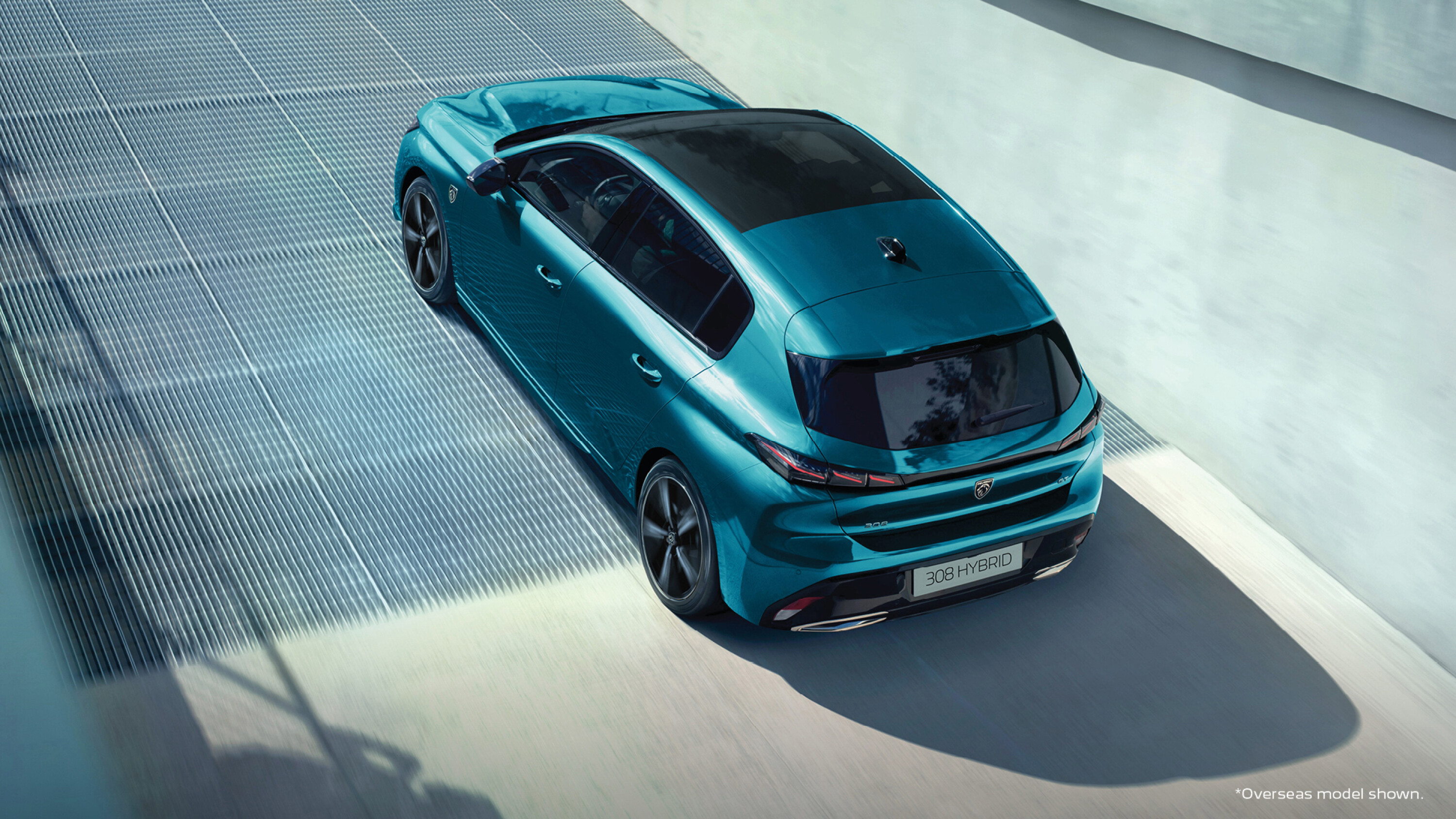
The 308 GT Hybrid is available in six exterior colours: Obsession Blue (hero colour), Okenite White, Artense Grey, Sellenium Grey, Nera Black, and Elixir Red.
Metallic paint is priced at an extra $690, with the exception of ‘Elixir Red,’ priced at $1050.
Pricing
The Peugeot 308 GT Hybrid is priced from $48,990 (MLP), excluding on-road costs.
Customers can place pre-orders through authorised Peugeot dealers or customise their purchase via Peugeot Australia’s website.
The Zeekr 009 electric family van is now available for pre-order in Australia, following last month’s announcement of the Zeekr X electric SUV.
Snapshot
- Powered by dual motors, a 116kWh battery delivers up to 686km of range
- Available for pre-order now, priced from $135,900 plus on-road costs
- 6- and 7-seat options, Nappa leather, air suspension, extensive driver assistance tech
Priced from $135,900 plus on-road costs, Australian deliveries of the Zeekr 009 will begin in early 2025.
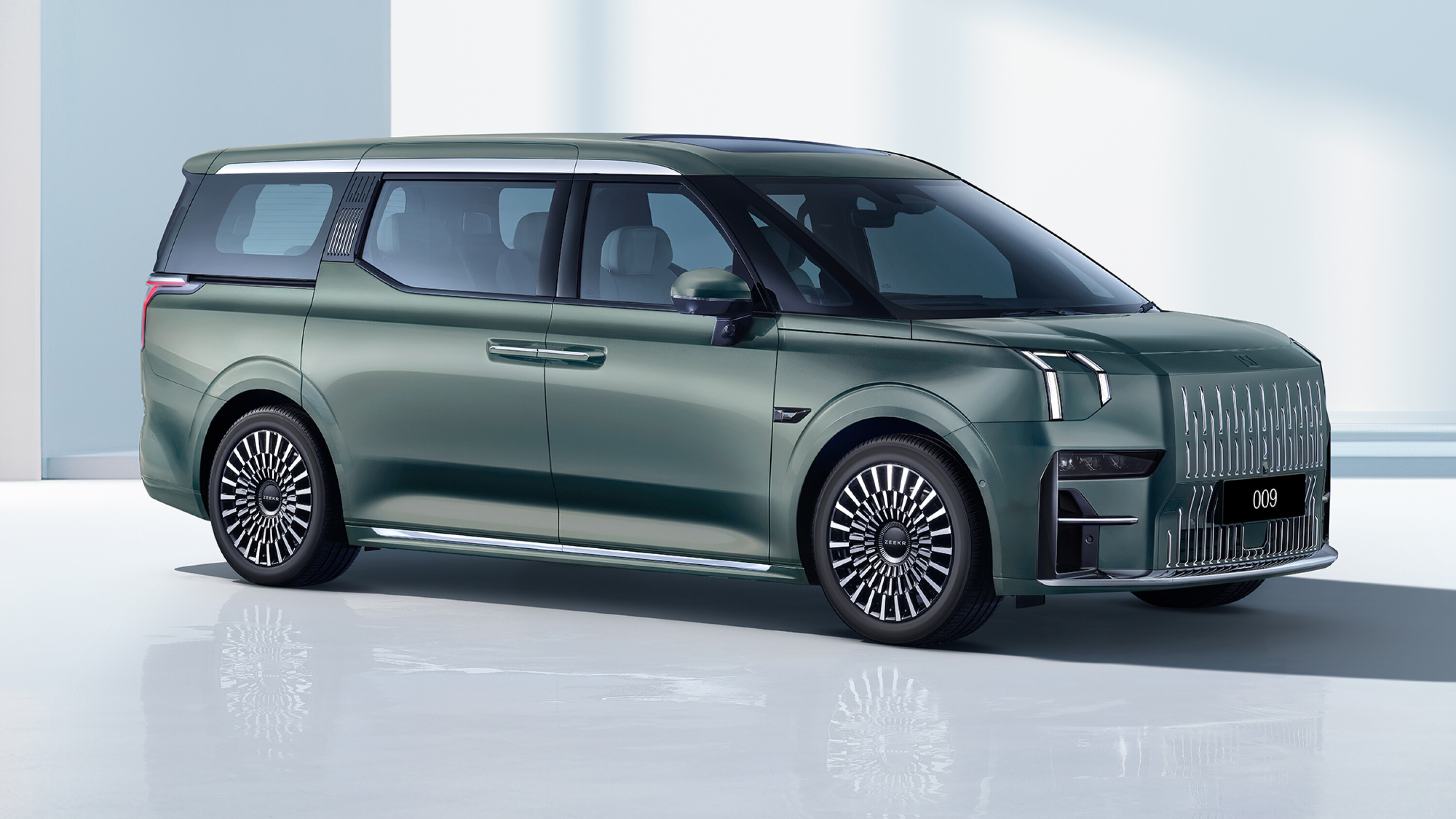
When it arrives, the Zeekr 009 could present as a ‘just right’ option between the LDV Mifa 9 and the luxury-focused Lexus LM, while those preferring a large seven-seat electric SUV could look to the big Kia EV9.
| MINI match-up | Zeekr 009 | Lexus LM | LDV Mifa 9 | Kia EV9 |
|---|---|---|---|---|
| Length | 5209 mm | 5130 mm | 5270 mm | 5010 mm |
| Wheelbase | 3205 mm | 3000 mm | 3200 mm | 3100 mm |
| Width | 2024 mm | 1890 mm | 2000 mm | 1980 mm |
| Height | 1812 mm | 1945 mm | 1840 mm | 1755 mm |
| Boot Space | 574 L (up to 2979 L) | 110 L (up to 752 L) | 446 L (up to 1800 L) | 333 L (up to 2310 L) |
| Starting Price | $135,900 | $160,888 | $106,000 | $97,000 |
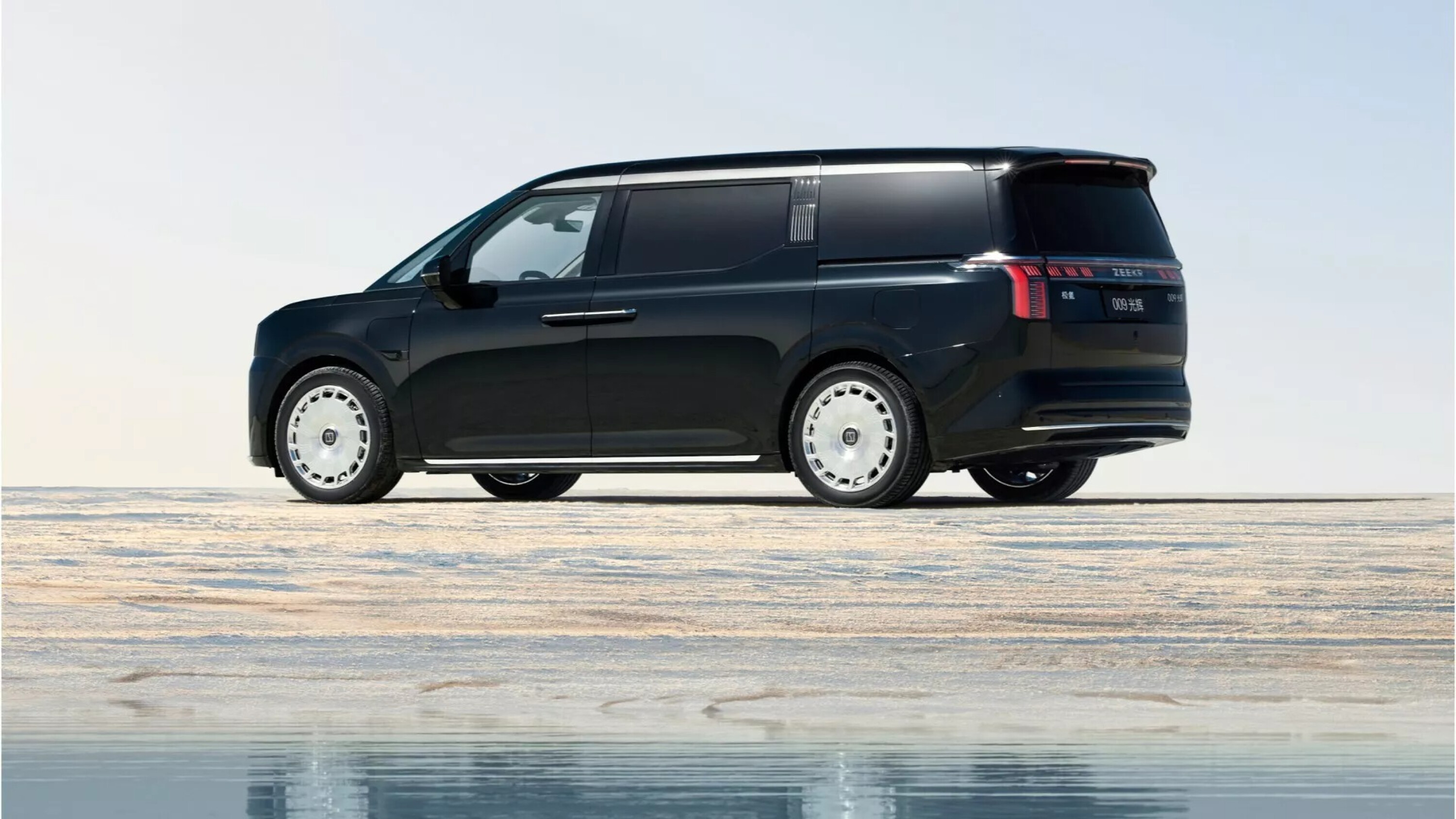
Driving range and charging capabilities
Available in all-wheel drive exclusively, the Zeekr 009 is driven by dual electric motors delivering 450kW and 693Nm of torque.
Its 116kWh lithium-ion (NCM) battery provides a driving range of up to 582 kilometres on the WLTP test cycle.
DC fast charging can take the battery from 10 to 80 percent in about 30 minutes at up to 205kW, while a full AC charge at 11kW takes approximately 13.5 hours.
The Zeekr 009 is also equipped with Vehicle-to-Load (V2L) functionality, with a 3.3kW output for powering external devices.
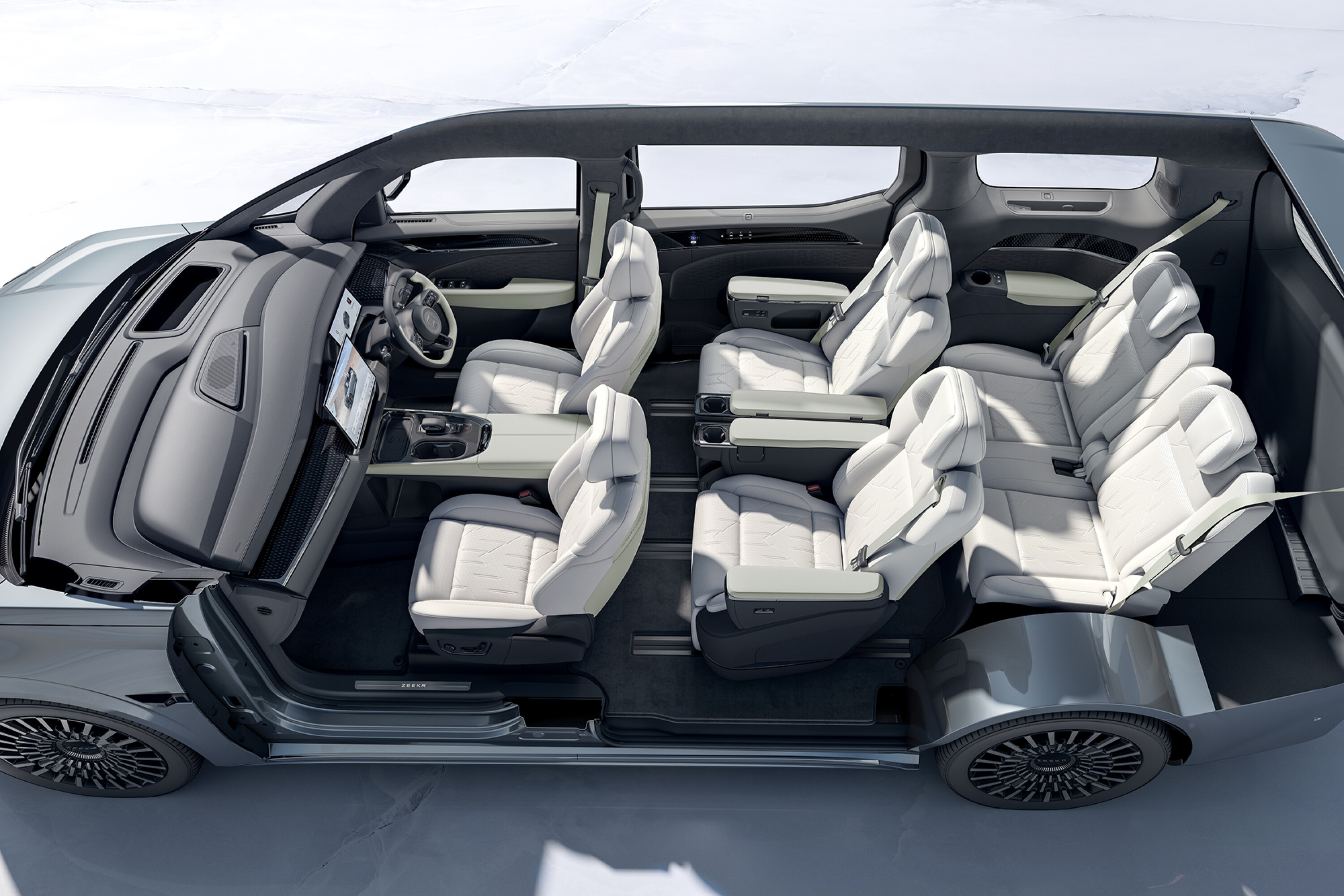
Interior and cargo space
The Zeekr 009 offers two configurations: a six-seat (2+2+2) and a seven-seat (2+2+3) layout.
Standard features include Nappa leather and Ultrasuede trim, with heating, ventilation, and massage functions for the first and second-row seats.
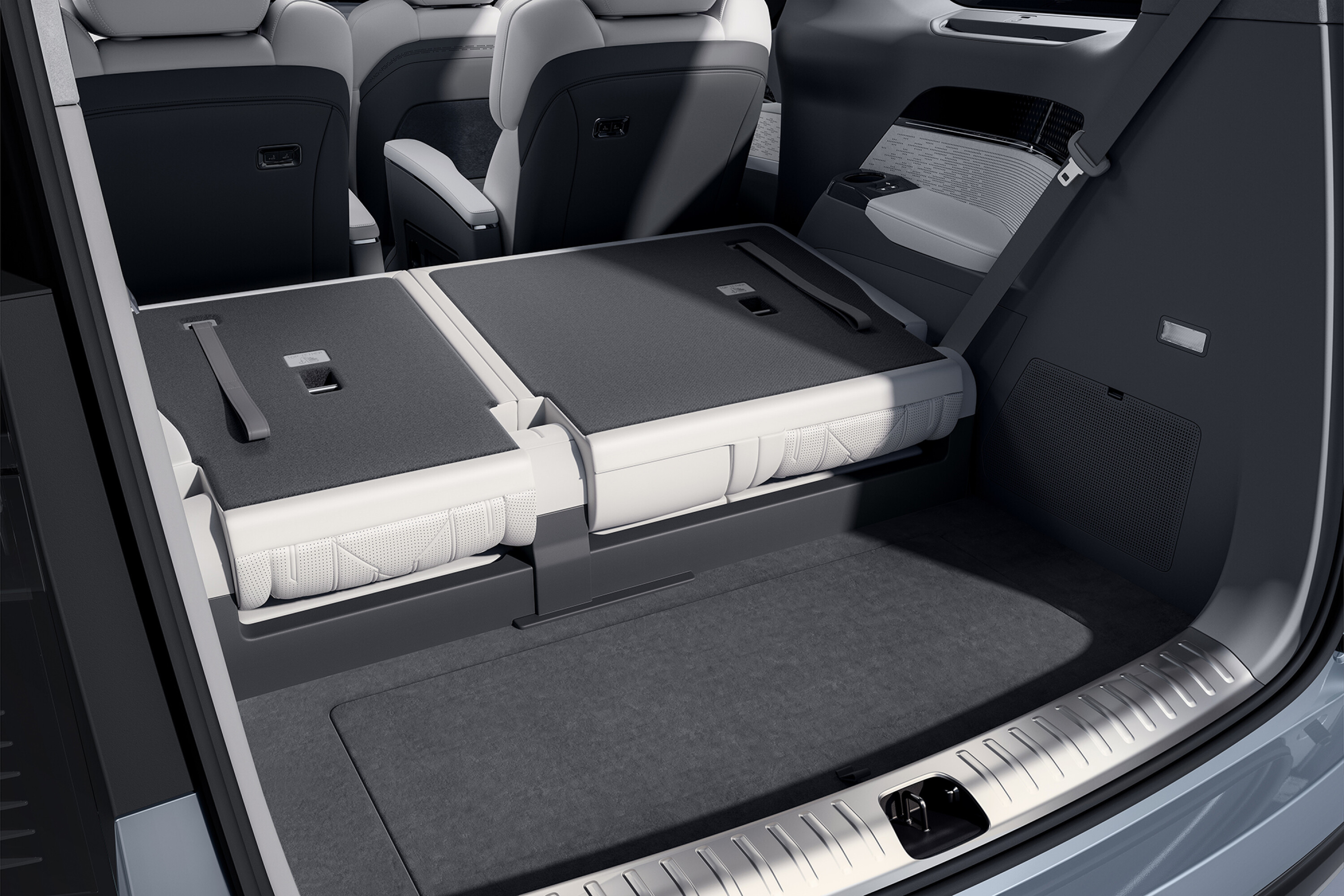
Boot space
Cargo capacity in the Zeekr 009 varies from 574 litres up to 2979 litres when the rear seats are folded flat.
Additionally, a 29-litre front compartment is provided for smaller items.
| MINI match-up | Zeekr 009 | Lexus LM | LDV Mifa 9 | Kia EV9 |
|---|---|---|---|---|
| Boot Space | 574 L (up to 2979 L) | 110 L (up to 752 L) | 446 L (up to 1800 L) | 333 L (up to 2310 L) |
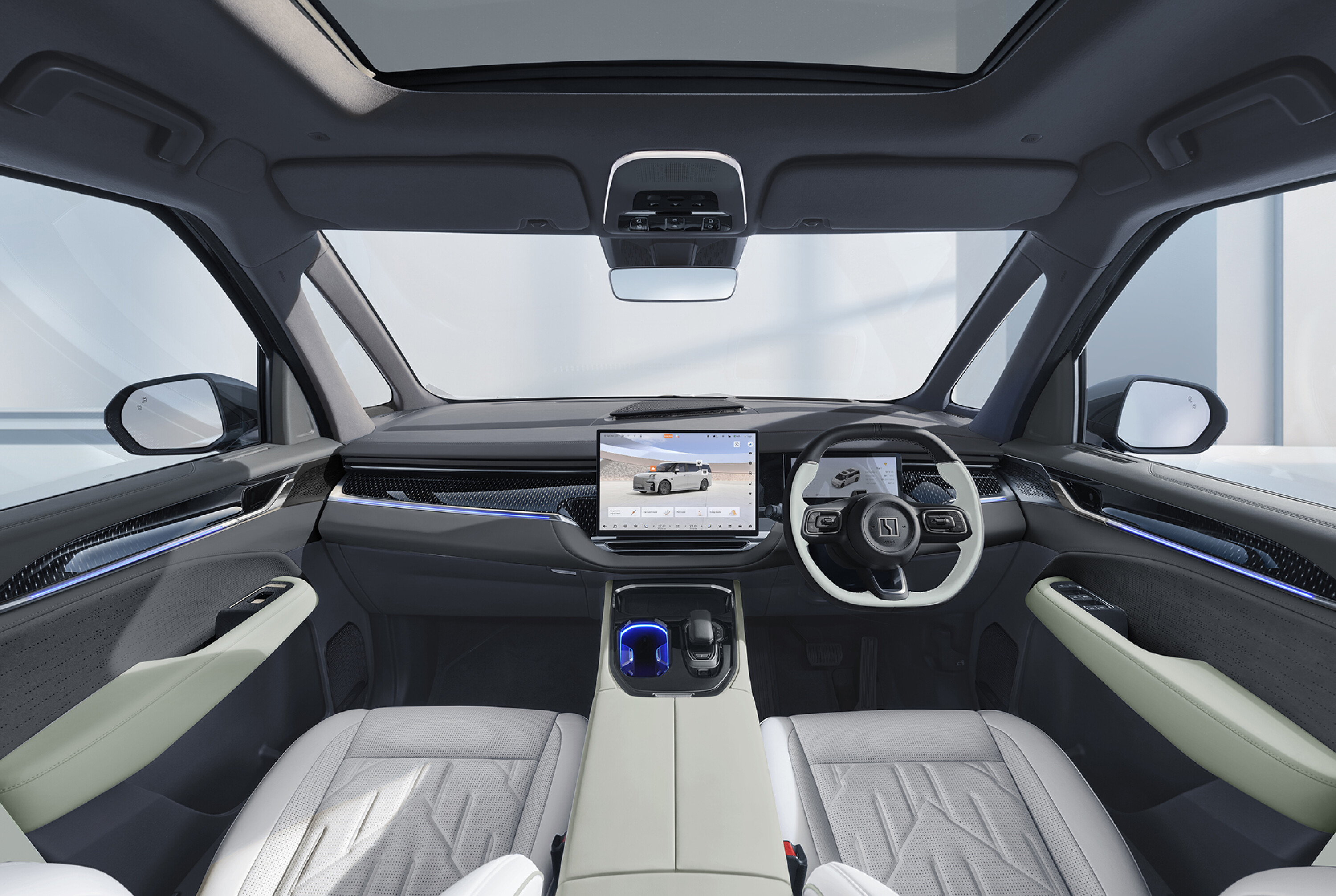
Equipment
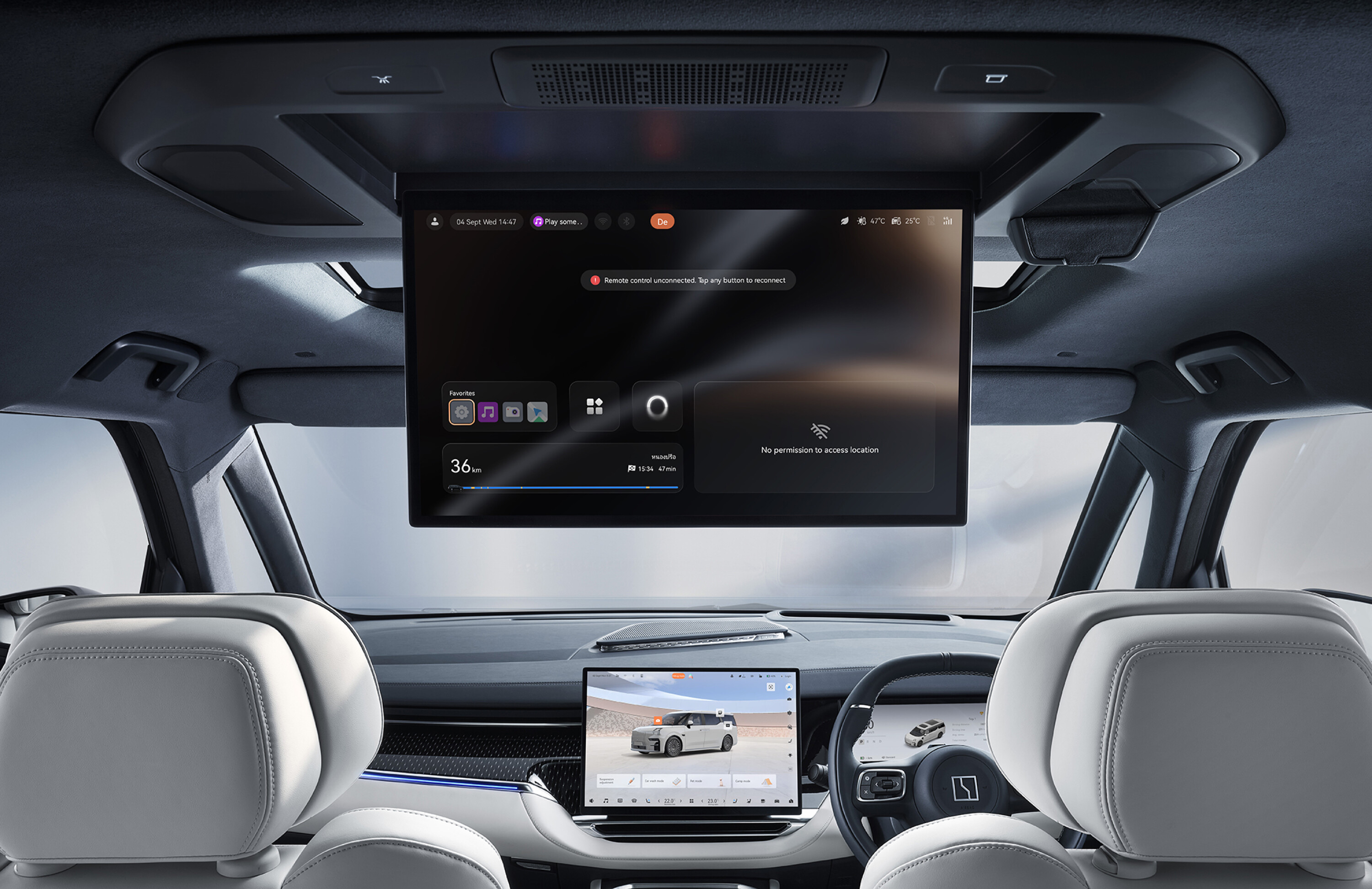
Inside, the Zeekr 009 is equipped with a 15.05-inch OLED main screen, while rear occupants are treated to a 17-inch 3K OLED entertainment display.
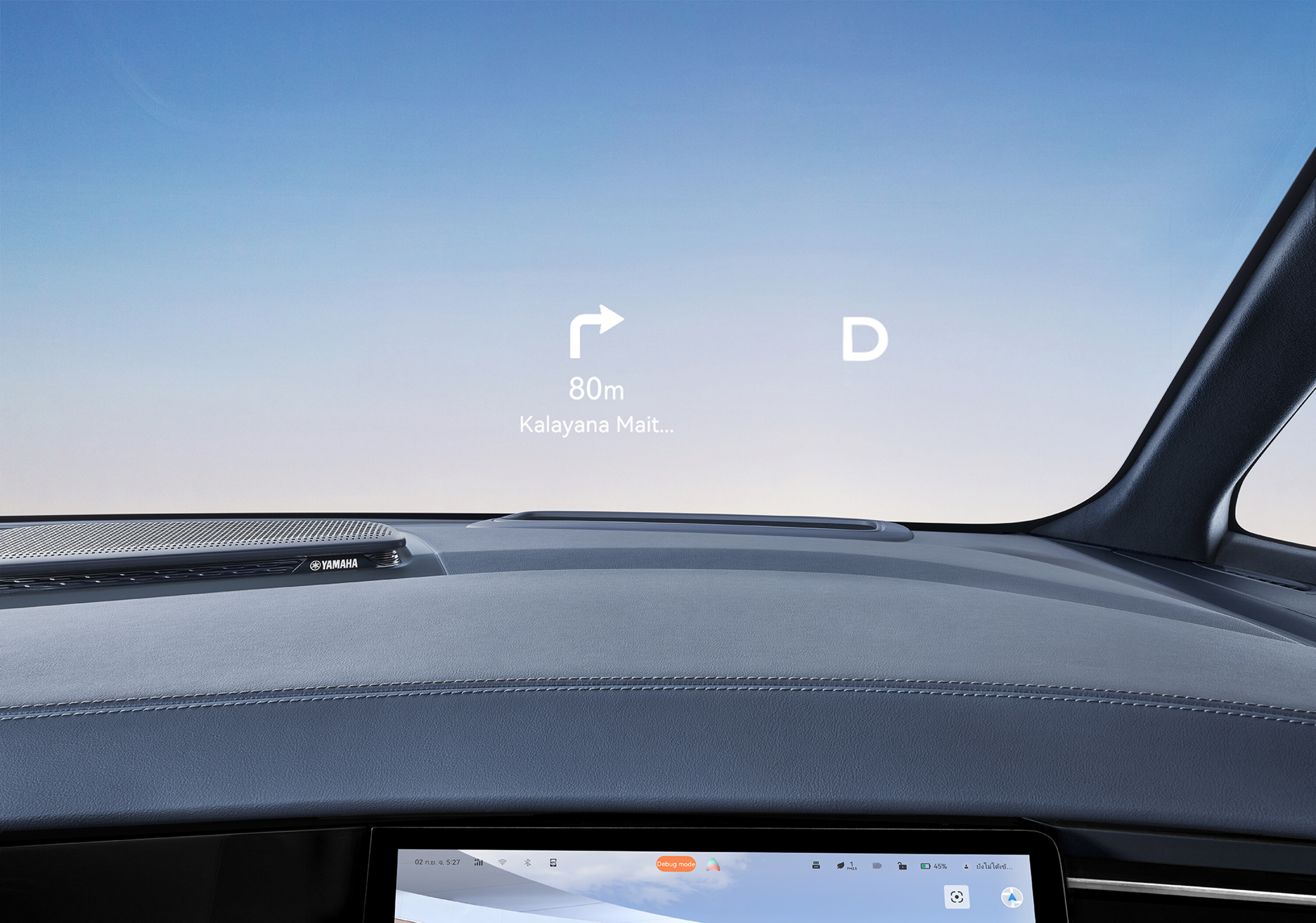
The driver’s display is a 10.25-inch Full HD instrument cluster, complemented by a 35.95-inch augmented reality (AR) head-up display.
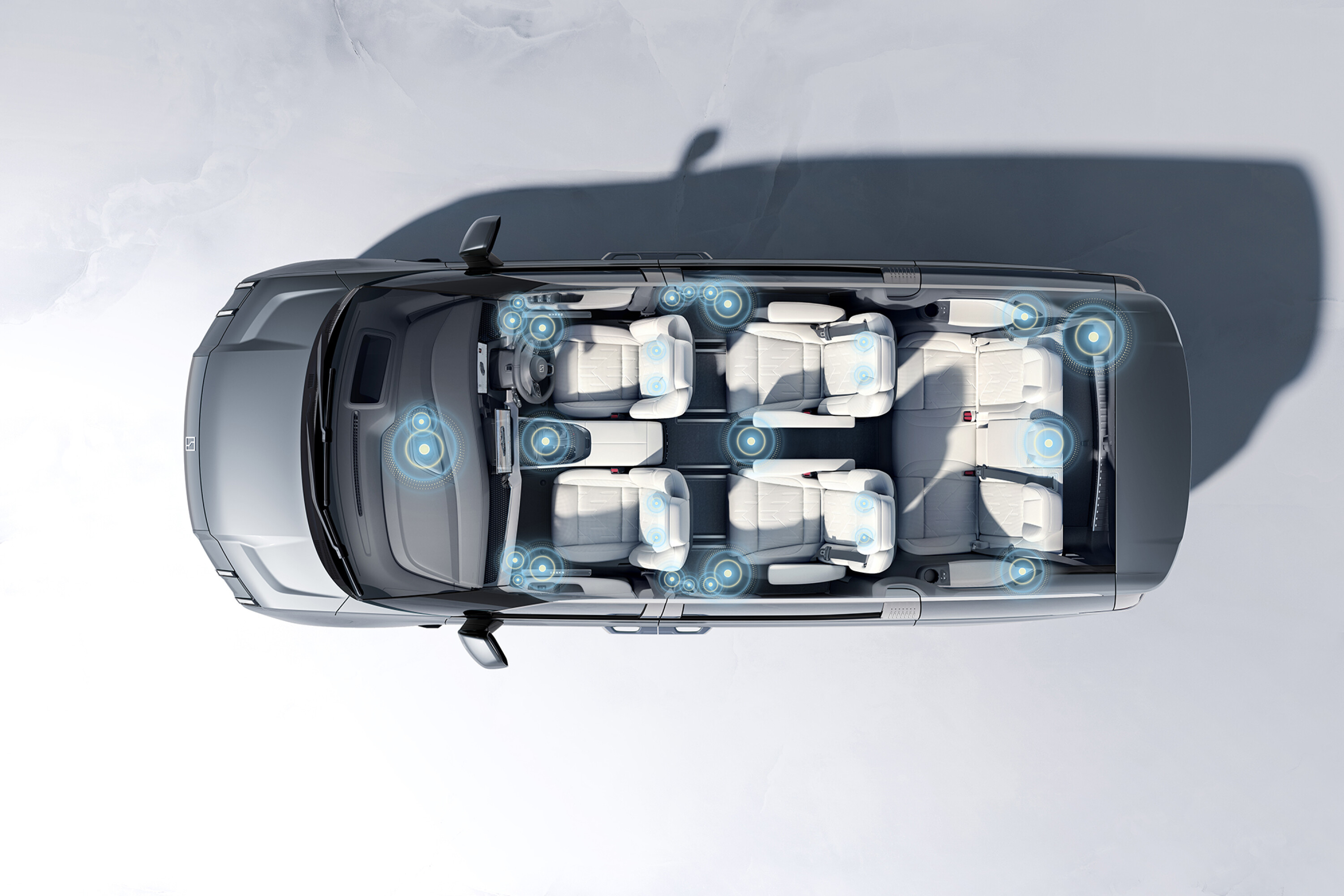
The audio system boasts 30 Yamaha speakers delivering 3000 watts of output. Connectivity options include wireless Apple CarPlay, Android Auto, and a 5G/WiFi hotspot. As with all new EVs, the 009 also supports over-the-air software updates.
The Zeekr 009 rides on 20-inch alloy wheels with a distinctive Starlight pattern, paired with 265/45 R20 Michelin Pilot Sport EV tyres. These tyres feature a CO2-neutral compound and sound-dampening foam to reduce road noise by up to 20%.
| Interior equipment highlights |
|---|
| Digital key access through the Zeekr app with remote control capabilities |
| 50W wireless charging pad |
| USB Type-C ports: 60W in the front, up to 100W in the second row, and 60W in the third row |
| Three-zone climate control with PM2.5 air filtration |
| Integrated 8.6-litre refrigerator with heating and cooling functions (-6u00b0C to +50u00b0C) |
Safety
Safety in the 2025 Zeekr 009 opens with a seven-airbag system, including front-centre and curtain airbags for full-row coverage.
The 009 is also equipped with a tyre pressure monitoring system (TPMS) and ISOFIX anchors for child seats across the second and third rows.
| Driver assistance features | |
|---|---|
| Adaptive Driving Beam (ADB) | Lane Centering Control (LCC) |
| Adaptive Cruise Control (ACC) | Lane Departure Warning (LDW) |
| Adaptive Front-lighting System (AFS) | Lane Keeping Assist (LKA) |
| Automatic Lane Change (ALC) | Parking Assist System (PAS) |
| Automated Parking Assist (APA) | Parking Emergency Brake (PEB) |
| Blind Spot Detection (BSD) | Rear Collision Warning (RCW) |
| Door Opening Warning (DOW) | Rear Cross Traffic Assist (RCTA) |
| Digital Video Recorder (DVR) w/128GB mem. | Traffic Sign Recognition (TSR) |
| Driver Performance Support (DPS) | Tyre Pressure Monitoring System (TPMS) |
| Forward Collision Warning (FCW) | 360 Visual Park Assist |
| Forward Collision Mitigation (FCM) | ISOFIX – outboard 2nd & 3rd rows |
| Front Cross Traffic Assist (FCTA) | Top tether u2013 2nd & 3rd rows |
| Hands Off Detection (HOD) | Low-Speed Pedestrian Warning Sound |
Warranty
Key Points
- Vehicle warranty: 5 years / unlimited kilometres
- Battery warranty: 8 years / 160,000km
- Service schedule: Every 2 years or 40,000km
- Roadside assistance: 5 years / unlimited kilometres
- Connected services updates: 5 years
The Zeekr 009’s warranty package includes five years of unlimited-kilometre coverage (three years for commercial use) and an eight-year / 160,000-kilometre battery warranty.
Its service interval of two years or 40,000 kilometres is notably less frequent than its rivals, potentially reducing maintenance costs and visits. Roadside assistance is included for five years, matching competitors like Lexus and LDV.
Kia’s EV9 stands out with a seven-year, unlimited-kilometre warranty that also covers the battery, alongside seven years of roadside assistance and connected services. This is the most generous offering in the segment, while Lexus and LDV provide similar five-year coverage with shorter service intervals.
Options
The 009’s interior can be customised with no-cost options, including Stone Black, two-tone Stone Grey and Polar White, or Midnight Blue and Polar White. The hero tri-tone Jade Green interior finish is also offered without additional cost.
Colour choices
Exterior colours include five options: Crystal White Pearl, Grey Purple Pearl, and Mineral Green Pearl as the hero shade. All paint finishes are provided at no additional cost.
2025 Zeekr 009 pricing for Australia
- Zeekr 009 7-seat AWD: $135,900
- Zeekr 009 6-seat AWD: $139,900
- NOTE: Prices exclude on-road costs
November: CX-80 driven in Australia
Wheels editor Andy Enright has now driven the CX-80 here in Australia. Get his take at the linked feature below!
October: CX-80 Australian pricing
New 2025 Mazda CX-80 arrives in Australia as the brand’s first hybrid-only seven-seat SUV
Snapshot
- New CX-80 priced from $55K, with four trim levels
- Available in PHEV and mild-hybrid petrol & diesel options
- Includes advanced safety features and all-wheel drive across all trims
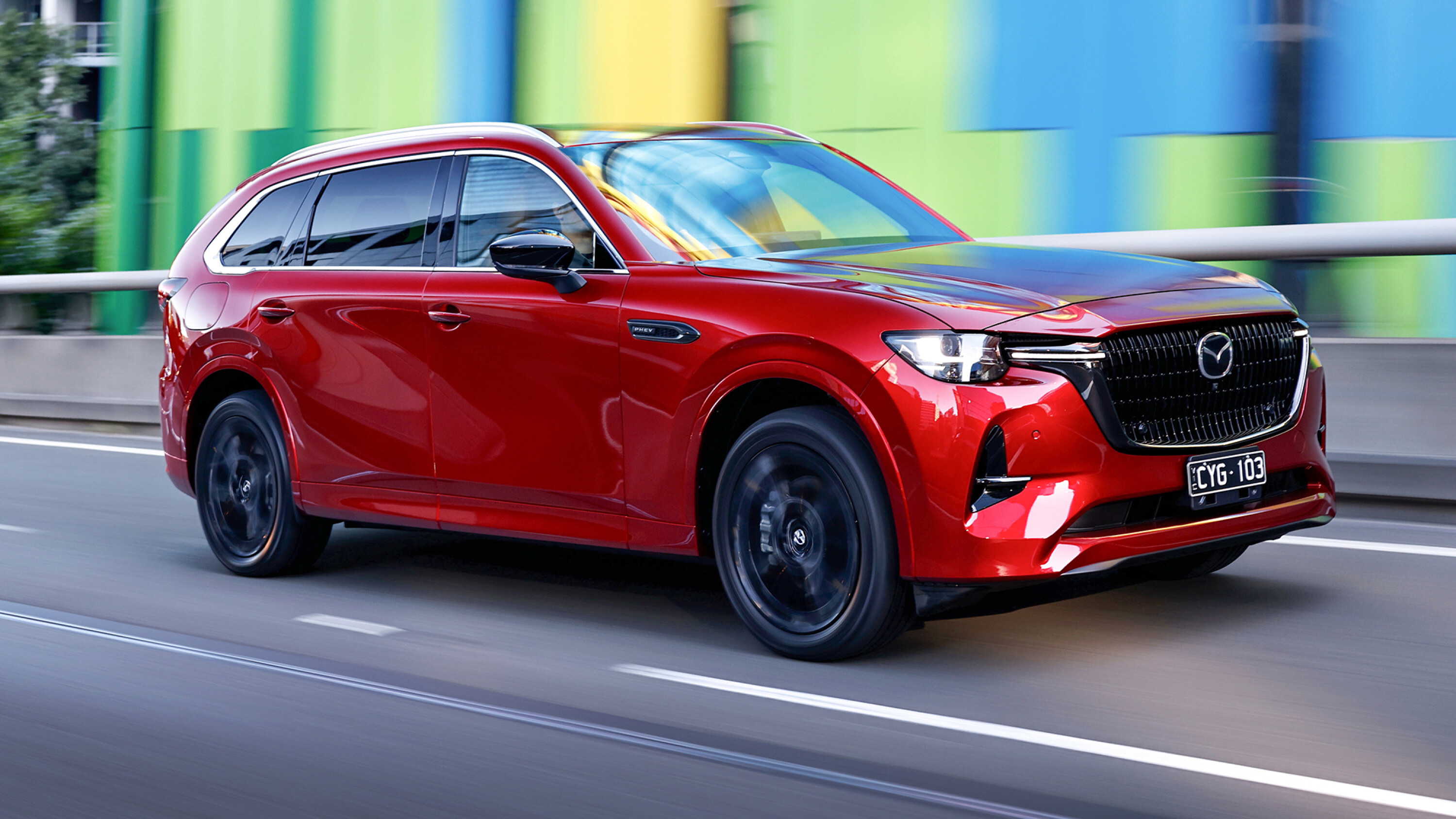
Mazda has launched its first-ever hybrid-only seven-seat SUV, the 2024 Mazda CX-80, now available in Australia.
Offering a choice between plug-in hybrid (PHEV) and mild-hybrid petrol and diesel engines, the new model targets family-oriented buyers with a range of technology, comfort, and convenience features.
Slotting into the space left by the now retired CX-8 and CX-9 models, the CX-80 is priced from $54,950 to $87,200 before on-road costs.
Powertrain options
As with its five-seat CX-60 companion, the CX-80 introduces three powertrain configurations across its line-up.
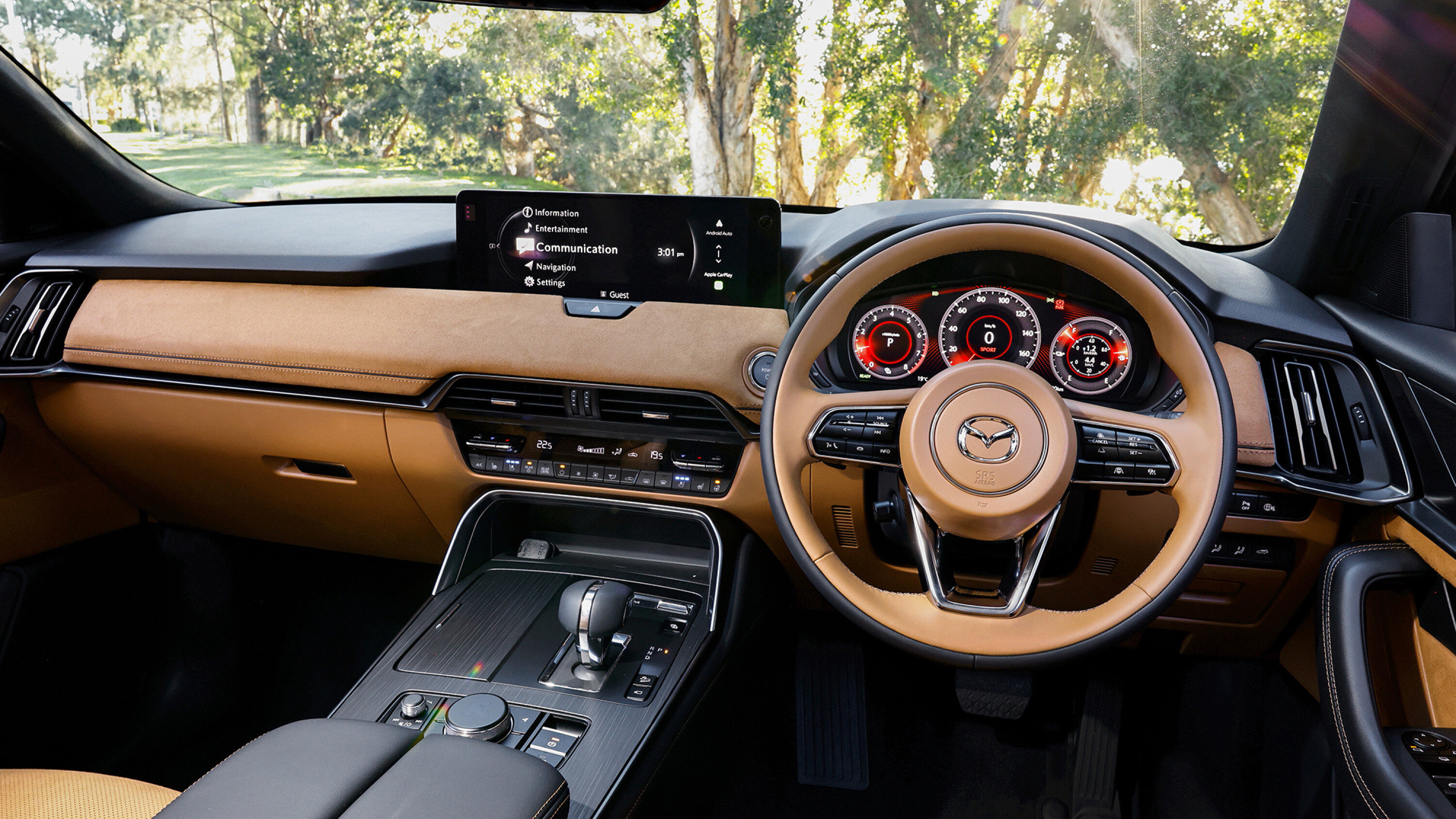
The PHEV model is equipped with a 2.5-litre Skyactiv-G petrol engine paired with a 129 kW electric motor, supported by a 17.8 kWh lithium-ion battery.
The combined power output is listed at 241 kW with 500 Nm of torque, with an electric-only driving range of up to 65km.
Recharging the battery from 20 to 80 per cent on a 7.2 kW AC charger takes around 90 minutes, according to Mazda. And, as with most PHEVs, there is no DC fast-charging option.
In terms of fuel economy, the PHEV model claims a fuel consumption rate of 2.7 L/100km on the combined cycle with CO2 emissions rated at 64 g/km.

For those seeking a more relaxed delivery of power, Mazda offers a 3.3-litre turbocharged six-cylinder engine in both petrol and diesel variants.
The petrol model (e-Skyactiv G) delivers 209kW and 450Nm, with a fuel consumption rate of 8.4 L/100 km.
The diesel (e-Skyactiv D) produces 187 kW and 550 Nm, with a frugal combined fuel consumption of 5.2 L/100 km. Both mild-hybrid variants feature Mazda’s 48 V M Hybrid Boost system to support fuel efficiency and performance.
Transmission and drivetrain
All CX-80 variants are equipped with Mazda’s own eight-speed Skyactiv-Drive automatic transmission and a rear-biased i-Activ all-wheel-drive (AWD) system.
The suspension configuration includes a double-wishbone front and multi-link rear setup.

Model grades and features
Mazda’s CX-80 is available in four trims — Pure, Touring, GT, and Azami — each bringing distinct equipment levels and interior features.
CX-80 Pure
Entry-level Pure models come with 18-inch alloy wheels, a 10.25-inch central screen with Mazda Connect, a 7-inch driver information display, a 360-degree monitor, and wireless Apple CarPlay/Android Auto. Key safety features include Smart Brake Support, Blind Spot Monitoring, and LED headlights with High Beam Control.
CX-80 Touring
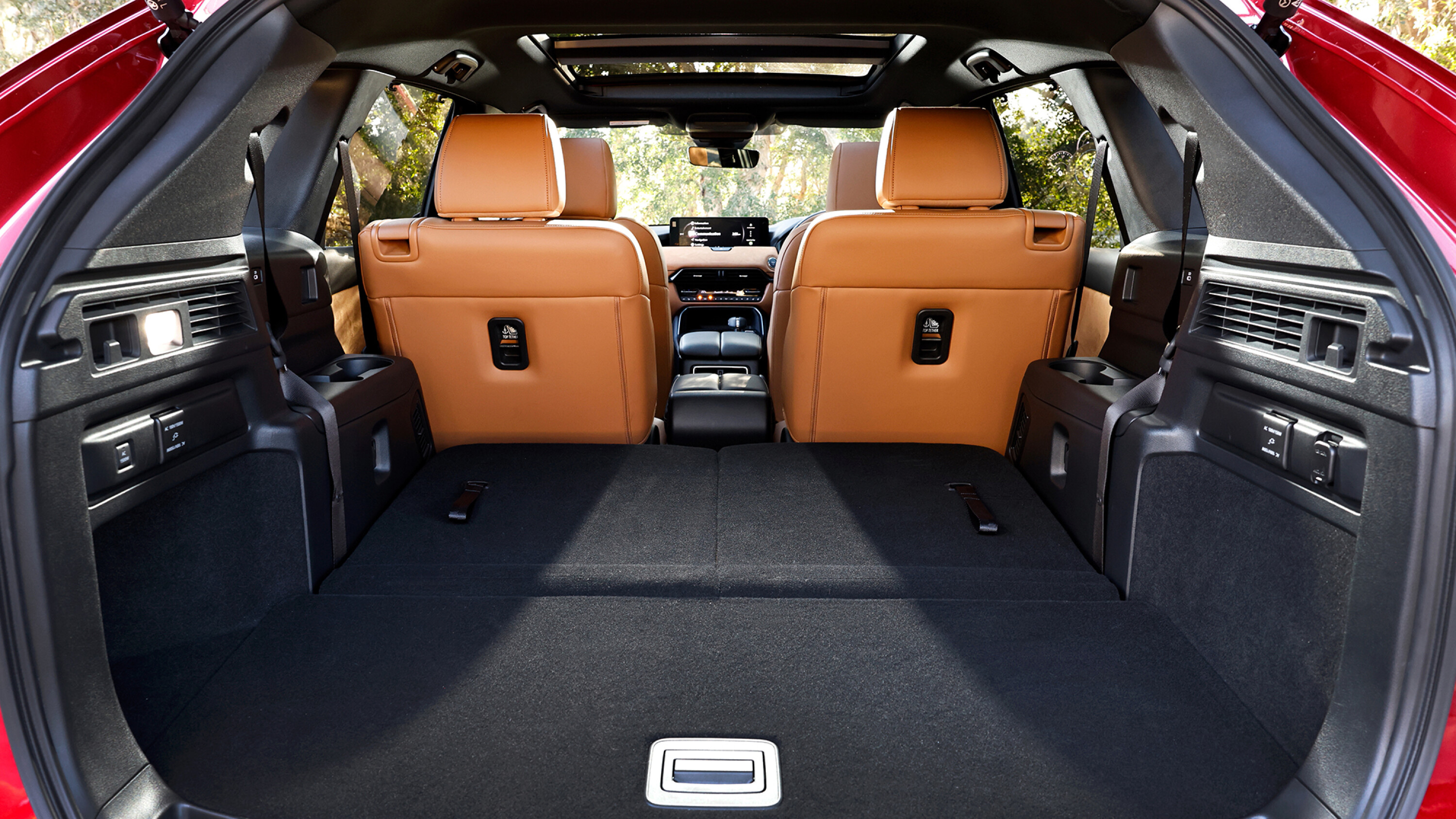
The Touring model builds on the Pure’s equipment list, adding leather upholstery with heated front seats, driver and passenger seat power adjustments, a larger 12.3-inch driver display (exclusive to the PHEV), a wireless phone charger, and a power tailgate.
CX-80 GT
Moving up to the GT trim introduces 20-inch alloy wheels, a panoramic sunroof, body-coloured wheel arches, a handsfree power tailgate, and heated seats in the first two rows. It also includes a premium Bose audio system with 12 speakers.
CX-80 Azami
The Azami grade tops the range, featuring Grey metallic alloy wheels, a 360-degree monitor with See-Through View, ventilated front seats, black Nappa leather upholstery, LED headlights with a distinctive signature, and advanced driving assistance like Cruising & Traffic Support.
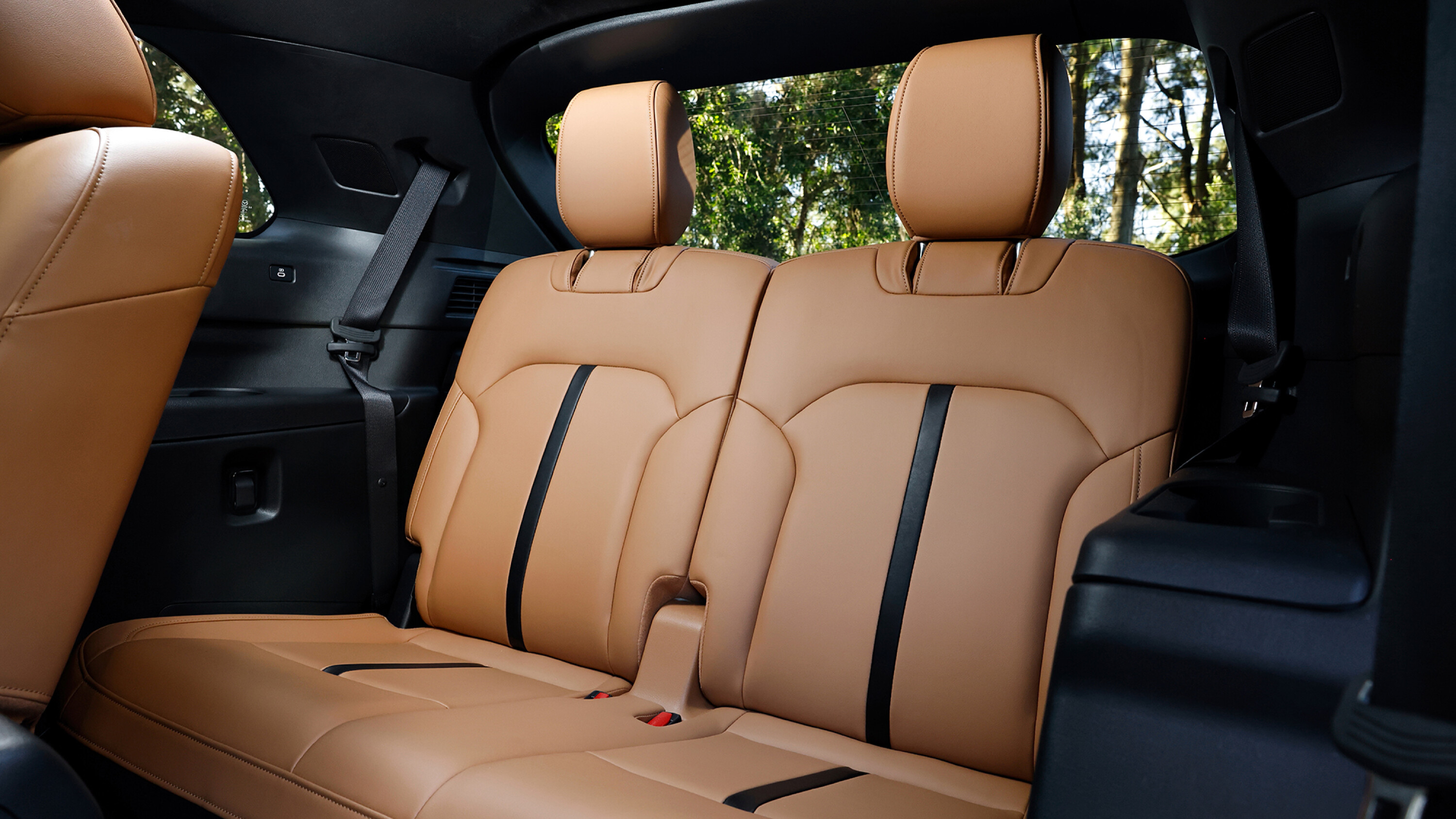
For an additional $5000, the Azami trim can be outfitted with the optional SP Package, which introduces features such as tan Nappa leather seats, dark exterior styling elements, second-row captain’s seats with ventilation, and a suede dashboard panel.
Safety and connectivity
Across the range, the CX-80 safety features such as Smart Brake Support for turning and reversing scenarios, Front Cross Traffic Alert, and a driver monitoring system for detecting drowsiness or inattention.
Mazda Connected Services are also standard, offering remote control features and vehicle status monitoring via the MyMazda app.
Pricing and availability
The CX-80 is priced from $54,950 for the base Pure model with the 3.3-litre turbo petrol engine, rising to $87,200 for the Azami PHEV.
The vehicle is now available for order through Mazda dealers across Australia, with deliveries set to commence later this month.
2025 Mazda CX-80 pricing for Australia
| 2025 CX-80 model | Engine | Drivetrain | Price |
|---|---|---|---|
| Pure | 3.3L Turbo Petrol | AWD | $54,950 |
| Touring | 3.3L Turbo Petrol | AWD | $61,950 |
| Touring | 3.3L Turbo Diesel | AWD | $63,950 |
| Touring | 2.5L PHEV | AWD | $75,000 |
| GT | 3.3L Turbo Petrol | AWD | $68,950 |
| GT | 3.3L Turbo Diesel | AWD | $70,950 |
| GT | 2.5L PHEV | AWD | $82,000 |
| Azami | 3.3L Turbo Petrol | AWD | $74,150 |
| Azami | 3.3L Turbo Diesel | AWD | $76,150 |
| Azami | 2.5L PHEV | AWD | $87,200 |
| Prices exclude on-road costs | |||
Cult French brand Bell & Ross has always been inspired by the design and technology of both aviation and motorsport. It’s famously square-cased watches were first modelled on flight instruments, while many of its high-end timepieces draw on concepts also used in Formula 1 and supercars.
It brings that expertise in boundary-pushing watchmaking to this new pilot’s watch, the BR-X5 Racing, which showcases its capabilities in using high-tech materials to create a strikingly light but durable timepiece.
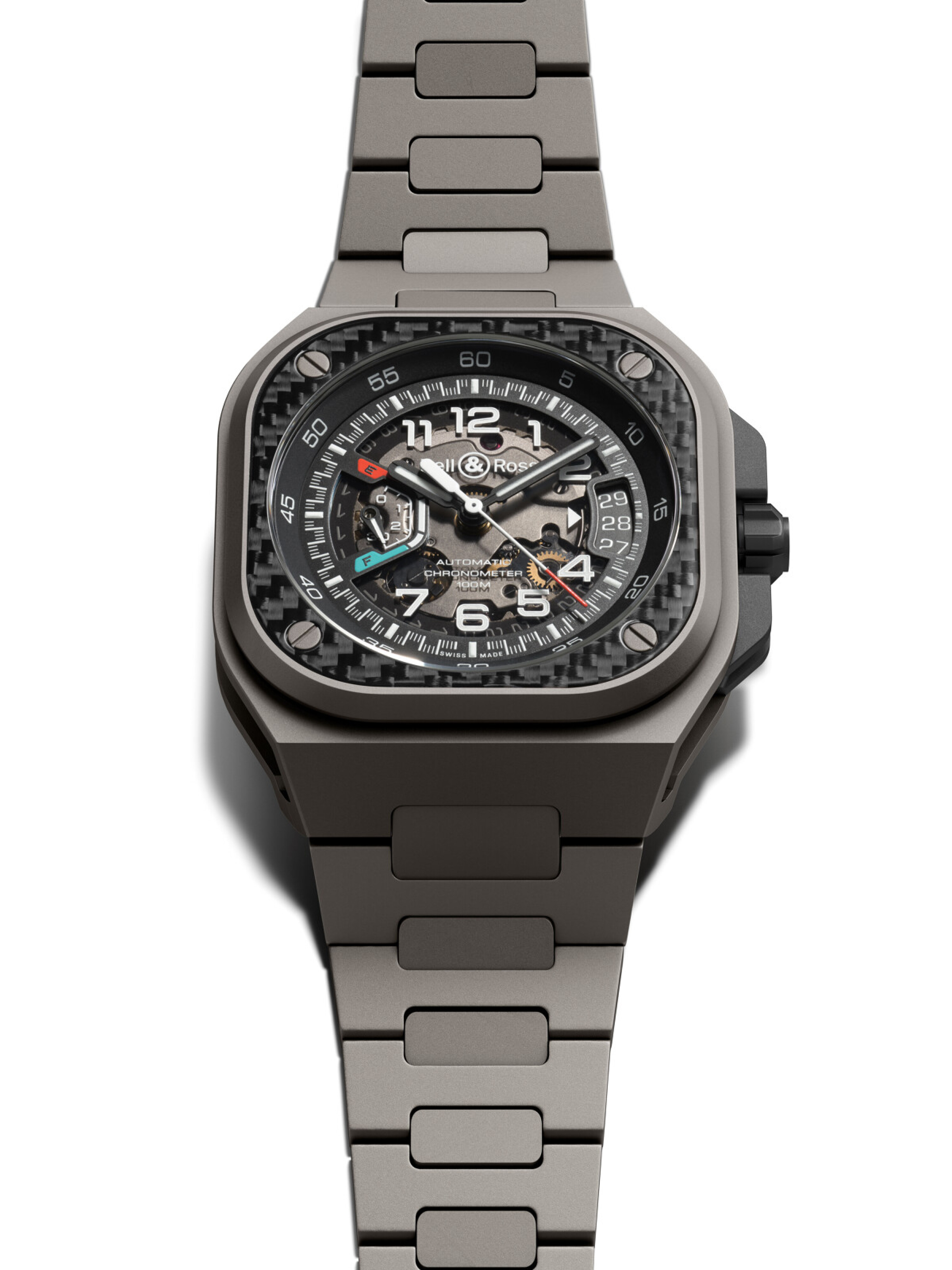
The motorsport inspiration is immediately evident from the dial, which resembles racing car dashboards. The central seconds hand features a “checkerboard” type graduation which is precise to a quarter of a second, while minutes are displayed on the inner bezel, outside the dial.
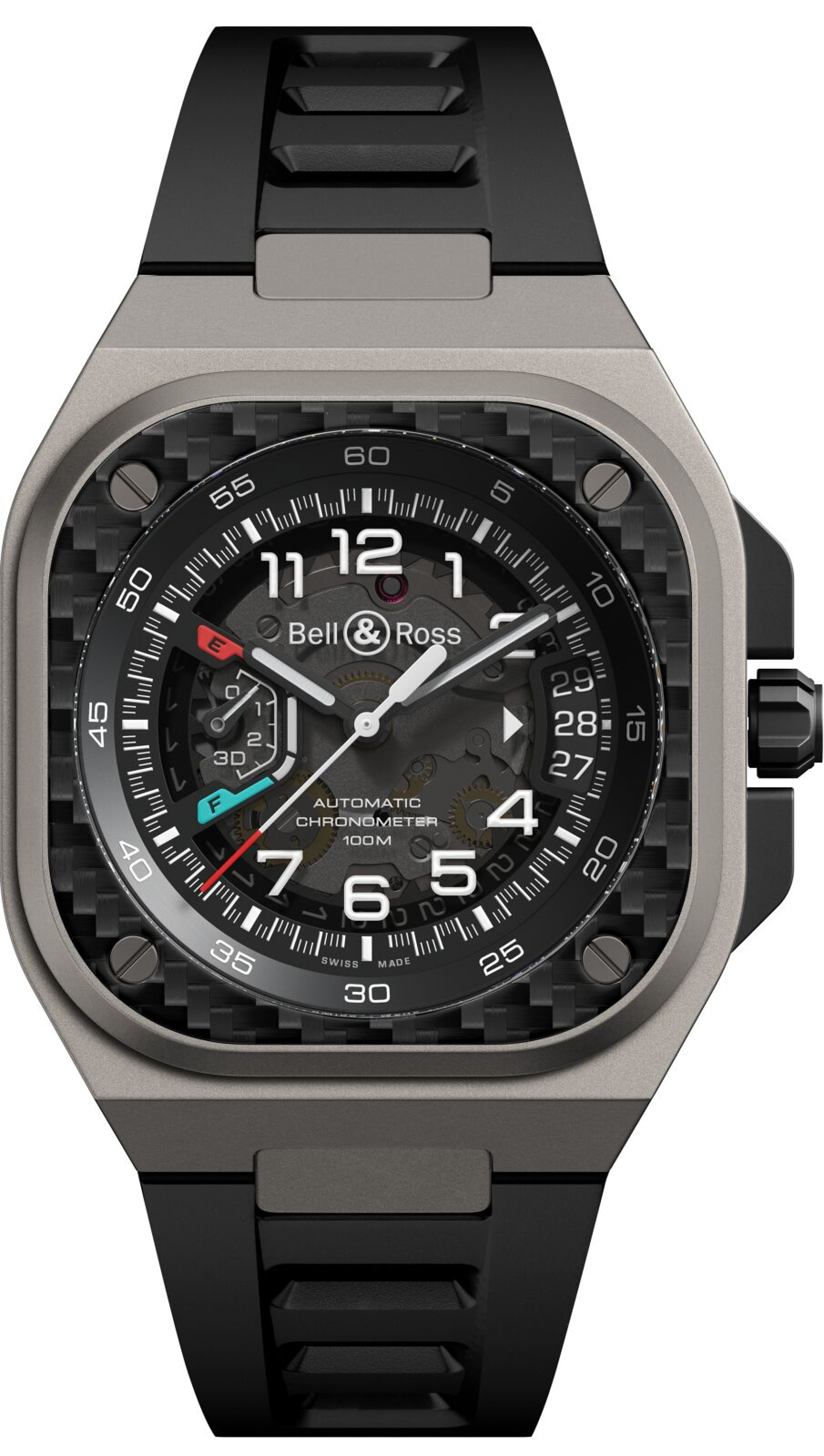
Hours appear inside, inscribed on the dial’s glass. Hour numerals and hour and minute hands are lumed with white Super-LumiNova X1 luminescent material with green emission for legibility in murky conditions.
The red-tipped seconds hand also enhances readability and adds a further sporty touch.
The large date window at 3 o’clock is balanced by the hexagonal shape of the power reserve indicator (70 hours/three days) at 9 o’clock on the dial, the shape referencing the design of the case. The indicator operates like a fuel gauge with an ‘E’ for Empty and an ‘F’ for Full.
The 41mm multi-component case combines carbon and titanium for both lightness and resistance to wear and tear.
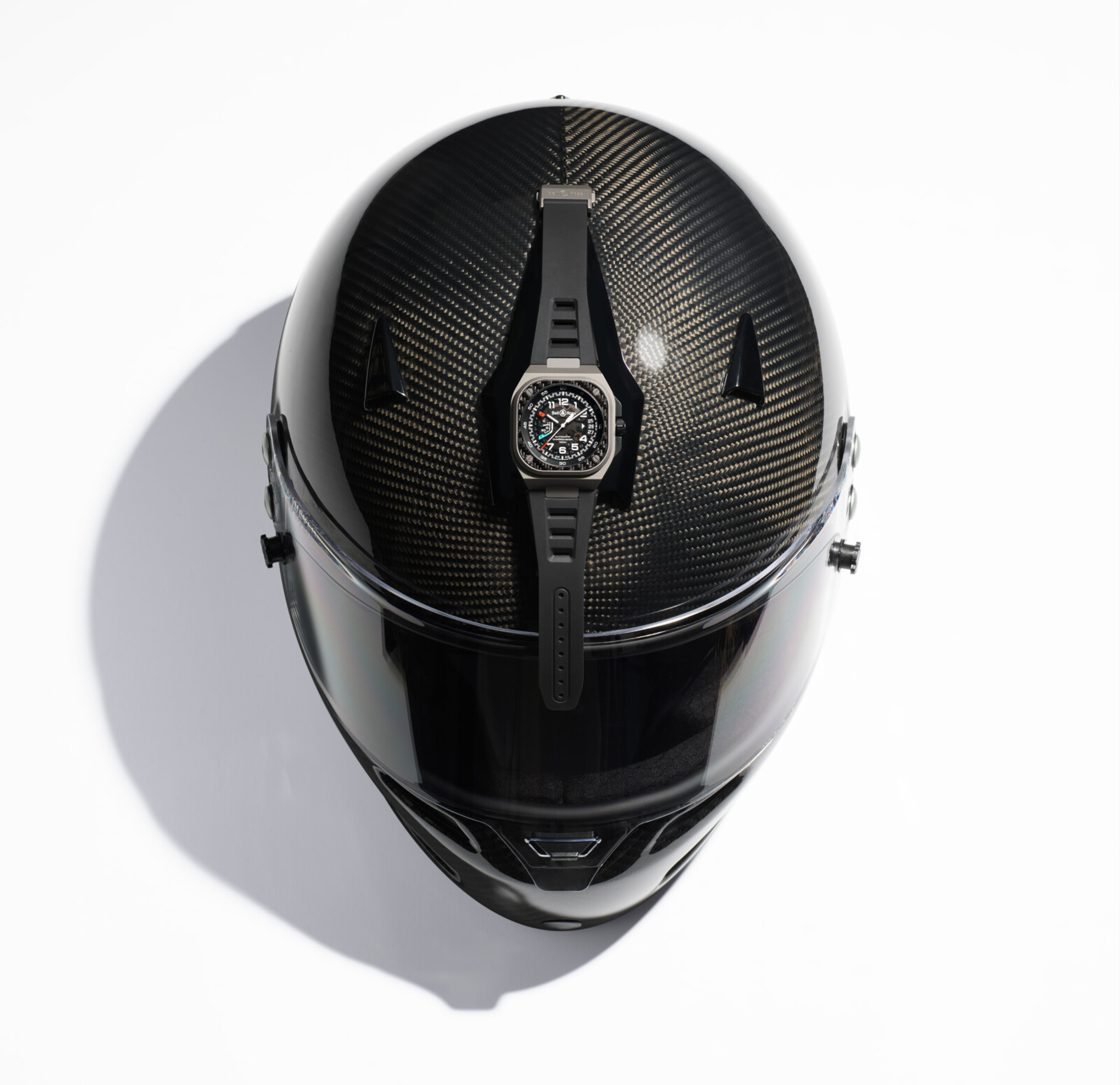
Four micro-blasted titanium screws cross the case, securing the ‘sandwich’ construction, while two grade 2 micro-blasted titanium plates encase a black DLC titanium monobloc container housing the movement and integrating the crown shoulders. The square-shaped bezel consists of a woven carbon plate integrated into a titanium body.
Inside the COSC-certified chronometer BR-CAL.323 caliber is guaranteed for five years. Its workings can be seen through tinted glass in the centre of the dial and through the caseback’s transparent sapphire crystal.
The strap, in either titanium or rubber, is attached to two independent plates from the case, with links offering perfect ergonomics. The BR-X5 Racing is water resistant to 100 metres. A limited edition of 500 pieces, the BR-X5 Racing is a muscular example of Bell & Ross’ sporty-yet-elegant design, particularly for those love the circular-dial-within-a-square-case form.
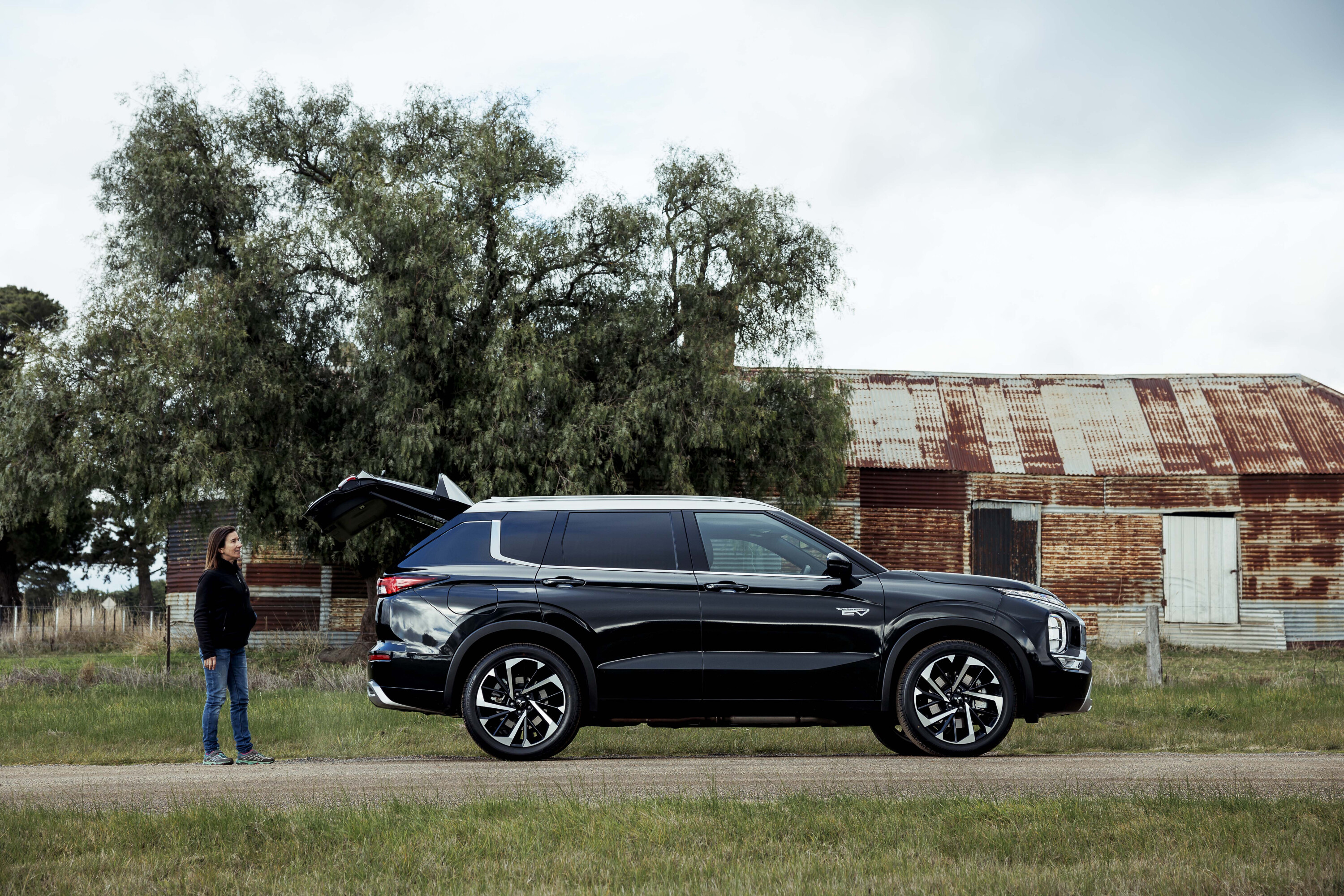
Snapper Ellen’s battery charging duties just became a little more involved.
JUMP AHEAD
- Part 1: Large and charge
- Part 2: Things that go bump in the night
- Part 3: Running on empty
- Part 4: Going full eco
Part 1: Large and charge
- Price as tested: $71,790
- Overall: 761km @ 5.8L/100km
What does this button even do? Let’s rewind a bit.
You’d have thought that working with cars for 27 years as an automotive photographer I’d have been reasonably up to speed on how cars work, but I’ll admit it – I’m floundering a little with this plug-in hybrid Mitsubishi Outlander. Let’s just say it’s a steep learning curve.
I’ll concede that driving and testing vehicles isn’t the same as photographing them. With the former, you tend to stand in fewer cow pats, your suntan is pretty feeble, and the way that you interact with the car is very different.
Put somebody like Ponch or Dylan in a car and they’ll figure it out in minutes. Me? I’ll take a bit longer, and that’s why I reckon I’m going to be a little more representative of what the average buyer might have to contend with when they’re considering such a technologically advanced car as this Exceed Tourer version of the Outlander PHEV.
Over the next few months, it’ll be put through its paces – daily quick trips around the inner west of Melbourne, stretching its limits off road, and lugging camera gear hither, thither and yon.
Yes, the Outlander PHEV is a familiar face on Australia’s roads, having first debuted way back in 2013. This fourth generation appeared in 2022 and, by common consensus, is a huge step forward from its predecessor in terms of refinement and quality.
I like the idea of a plug-in hybrid in that it emphasises a certain environmental responsibility and minimising emissions but doesn’t carry with it the range anxiety that’s always nagging in the back of your mind if you choose a full EV.
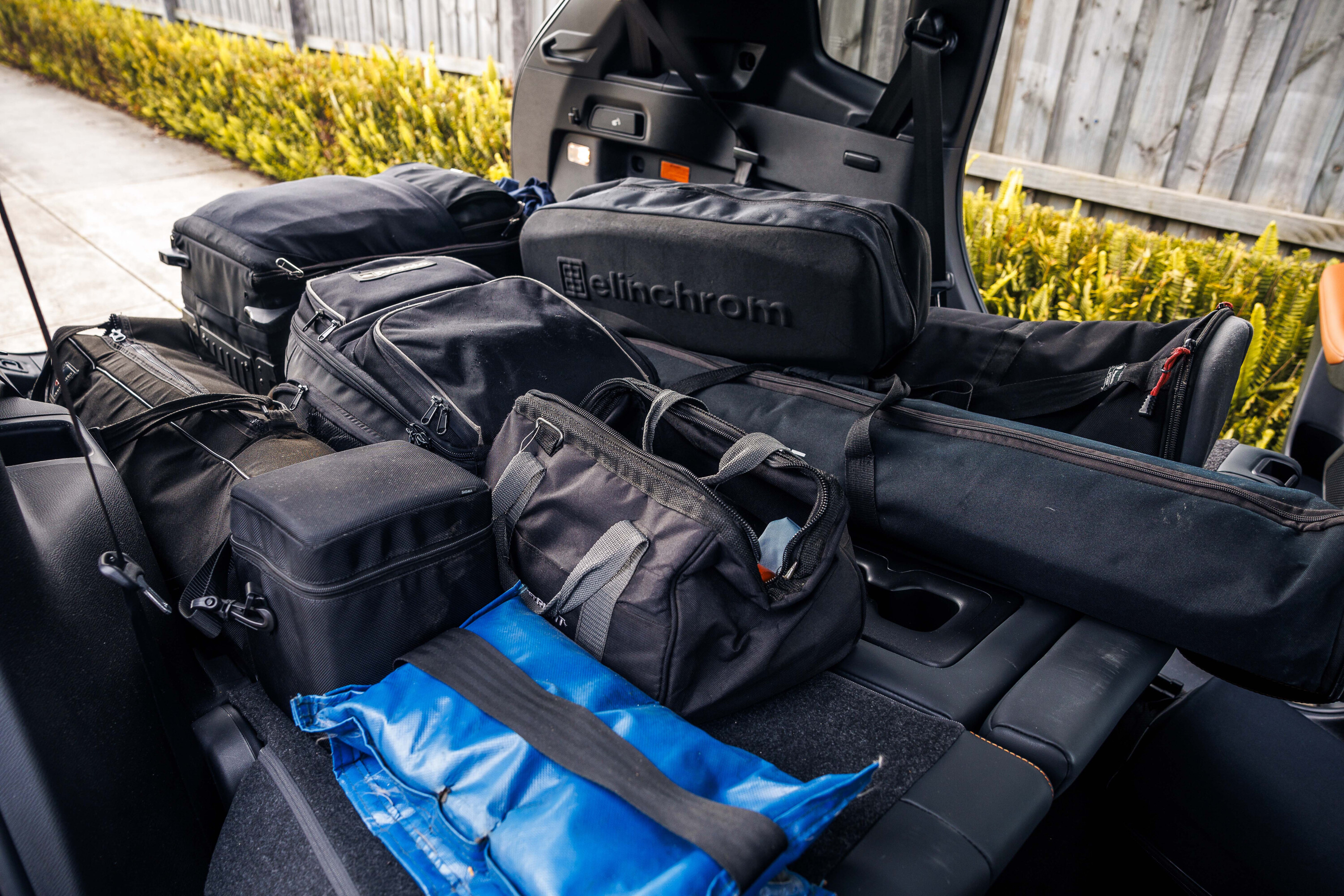
And, with my work often requiring me to cover big mileages, that’s a worry that I could probably do without.
Depending on how broad your take on this sort of thing is, plug-in hybrid crossover/SUV rivals could include vehicles such as the $64,990 Cupra Formentor VZe, the $78,500 Alfa Romeo Tonale Q4, and the $82,915 Peugeot 3008 GT Sport, but none offer the space and easy utility of the tried and trusted Outlander. Small wonder it’s long been Australia’s favourite plug-in hybrid.
As tested, this is a top-spec Outlander PHEV Exceed Tourer AWD – a five-plus-two (or ‘seven-seater’ in Mitsi-speak) – priced at $71,790. But should you wish to jump into the Outlander PHEV family at a more accessible price point, things kick off at $57,290.
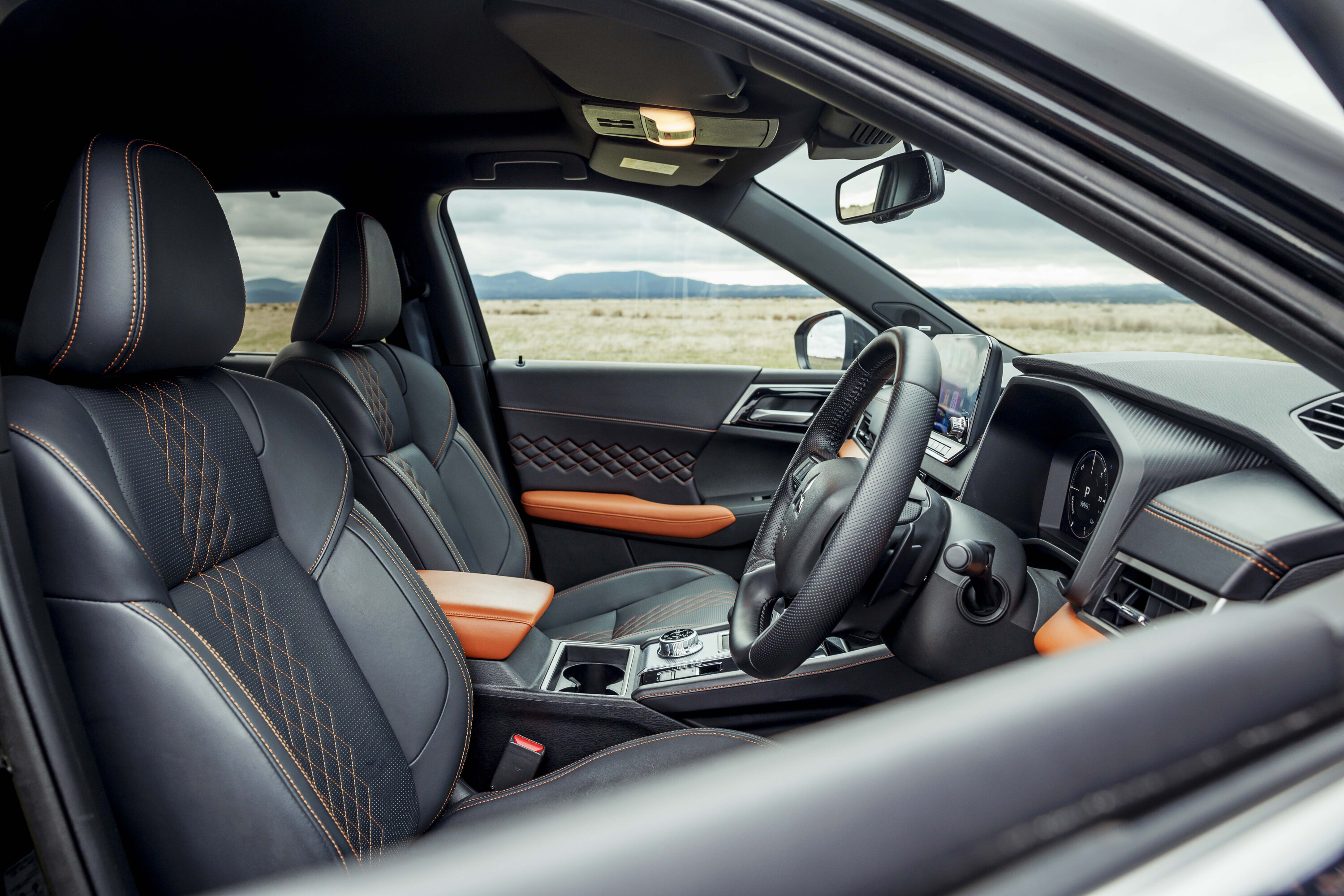
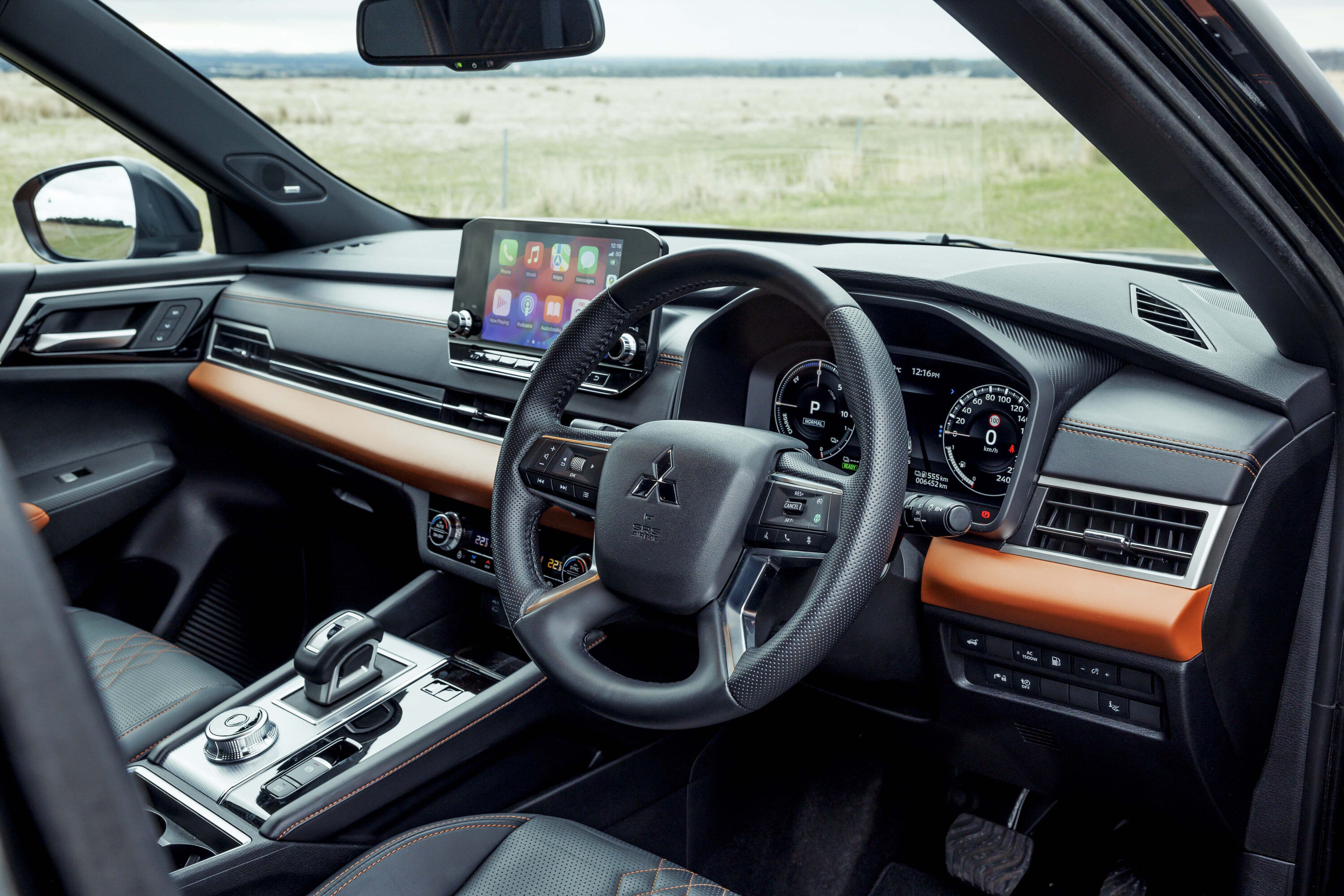
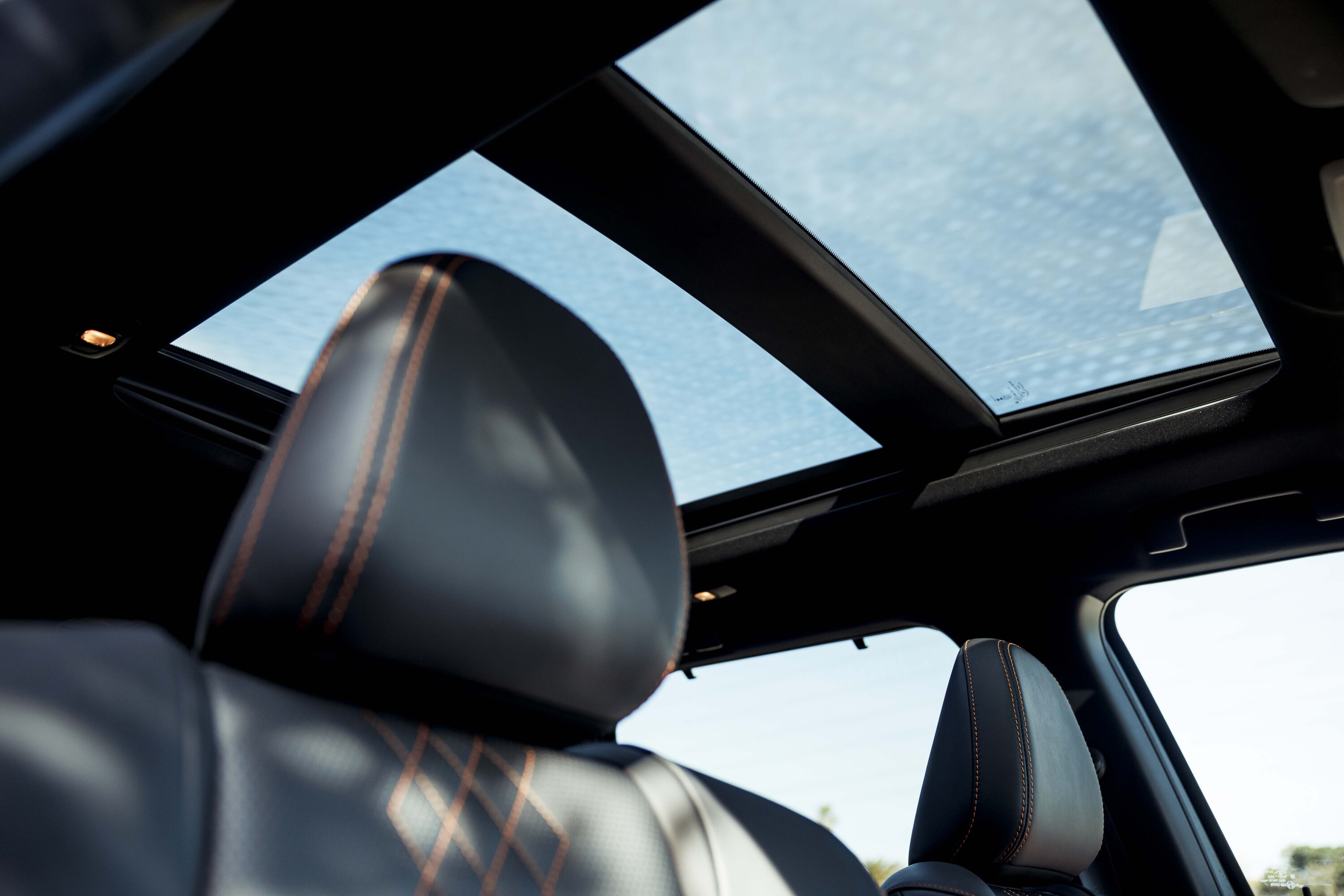
Refinements such as two-tone leather upholstery, front massage seats, and rear-seat heating set the Exceed Tourer apart from the other Outlander models. You’ll also find a 10-speaker Bose stereo, tri-zone climate control, rear door sun blinds and a panoramic sunroof.
As an inner-city dweller with a large 4×4, I occasionally feel a little judged, but endeavour to ride, walk or take public transport when I can, and use the Outlander for longer adventuring and work commuting.
Mitsubishi claims a combined economy of 1.5L/100km, but it’s clear that this figure is very dependent on how often you get to plug the thing into the mains.
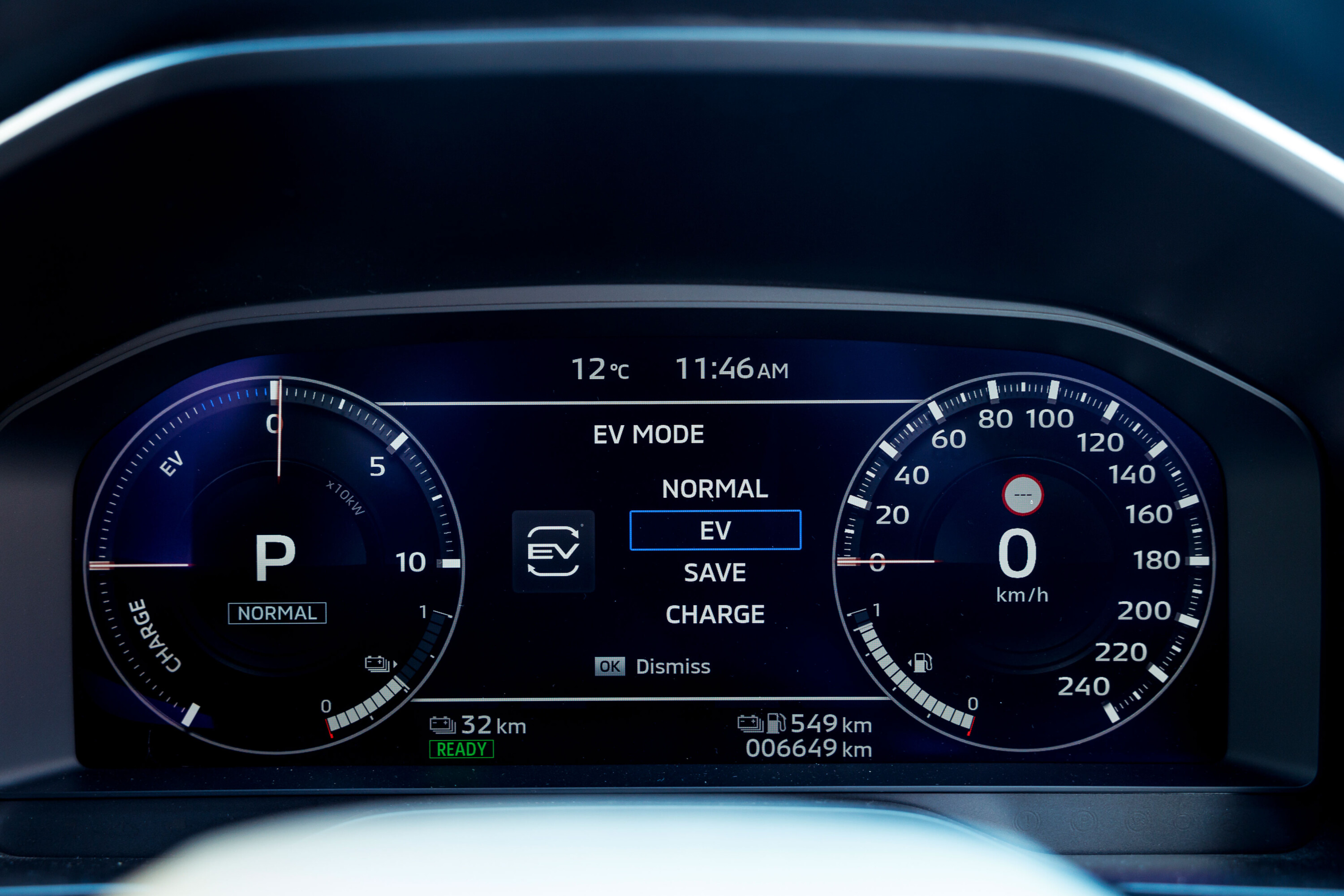
I’ve also been button-happy, swapping and changing driving modes like free TV channels to find what’s better. There’s Normal, EV, Save and Charge.
I’m getting to grips with how they each function, but it’ll take a few more kilometres under the Outlander’s belt to report on exactly what effect they have on its efficiency.
The interior feels spacious, with the glass roof adding to an airy feel. The front seats feel comfy, but I’ve found the base of the seat quite long for my 5ft 1in stature and it cuts circulation a little on longer drives. Seat warmers are welcome in a Melbourne winter, but the jury’s still out on the massage function. Maybe it’s best saved for a long day and drive home.
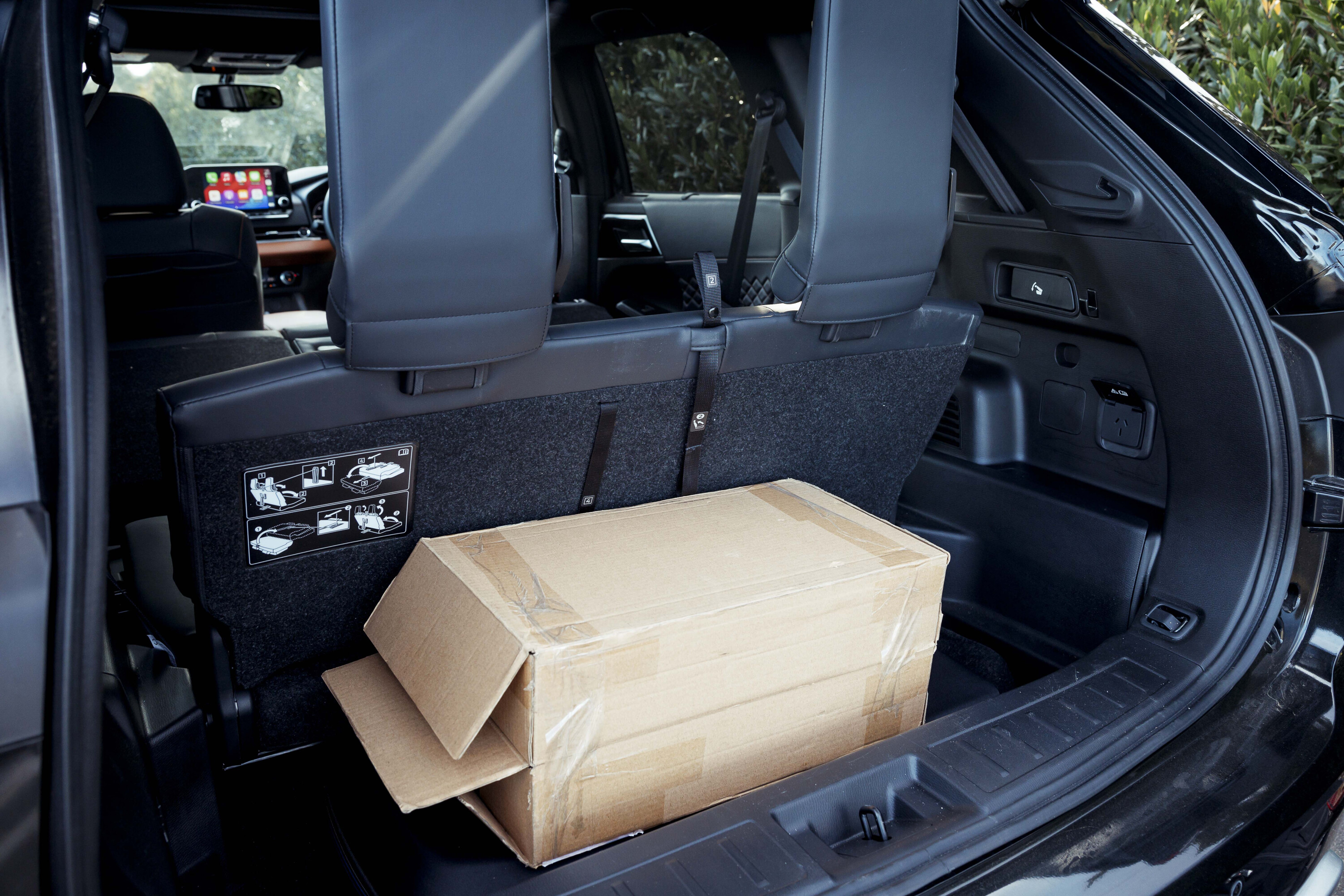
On collection, the third-row seat combination caught me unaware, thinking I was stuck with the rear seats folded up with only a small, deep boot with 161 litres.
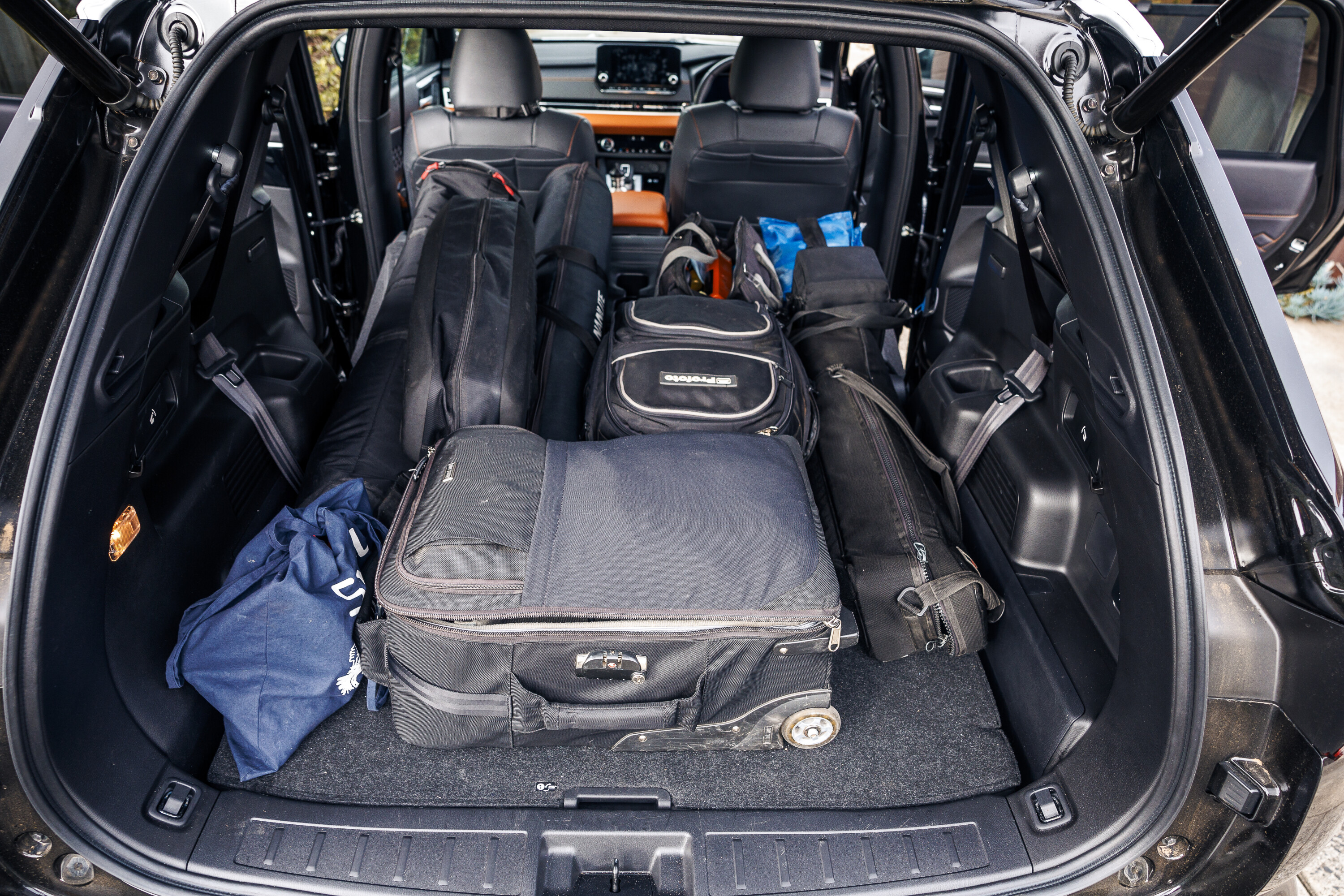
It took reading the instructions on folding down the third row to discover, to my excitement, a large and fully flat luggage base with all seats down to house my mountains of camera gear or camping paraphernalia. In standard two-row configuration, space is reasonable at 461 litres.
I have some big trips planned and some serious hauling tasks for the Outlander to undertake in the next few weeks that’ll really test its mettle. But for now, this PHEV newbie is enjoying the journey.
Part 2: Things that go bump in the night
- This month: 781km @ 6.1L/100km
- Overall: 1542km @ 6.0L/100km
Dark, cold, early starts are part of the gig if you sign up to be a car photographer, but even after all these years, I’m still not a natural.
Today I’m on dog-walking duties at, checks clock, 6:02 am. It’s not quite windscreen defrost territory, but not far off and I’m setting out to meet a mate to walk my four-legged bestie, Cleo.
Donning more layers than I care to load in one wash, they’re having the unfortunate effect of temporarily insulating me against the Outlander’s heated seats, even on the maximum level three setting. Fail. I prod the start button and attempt to clack the shifter back into drive and – clunk. I ought to have learned by now.
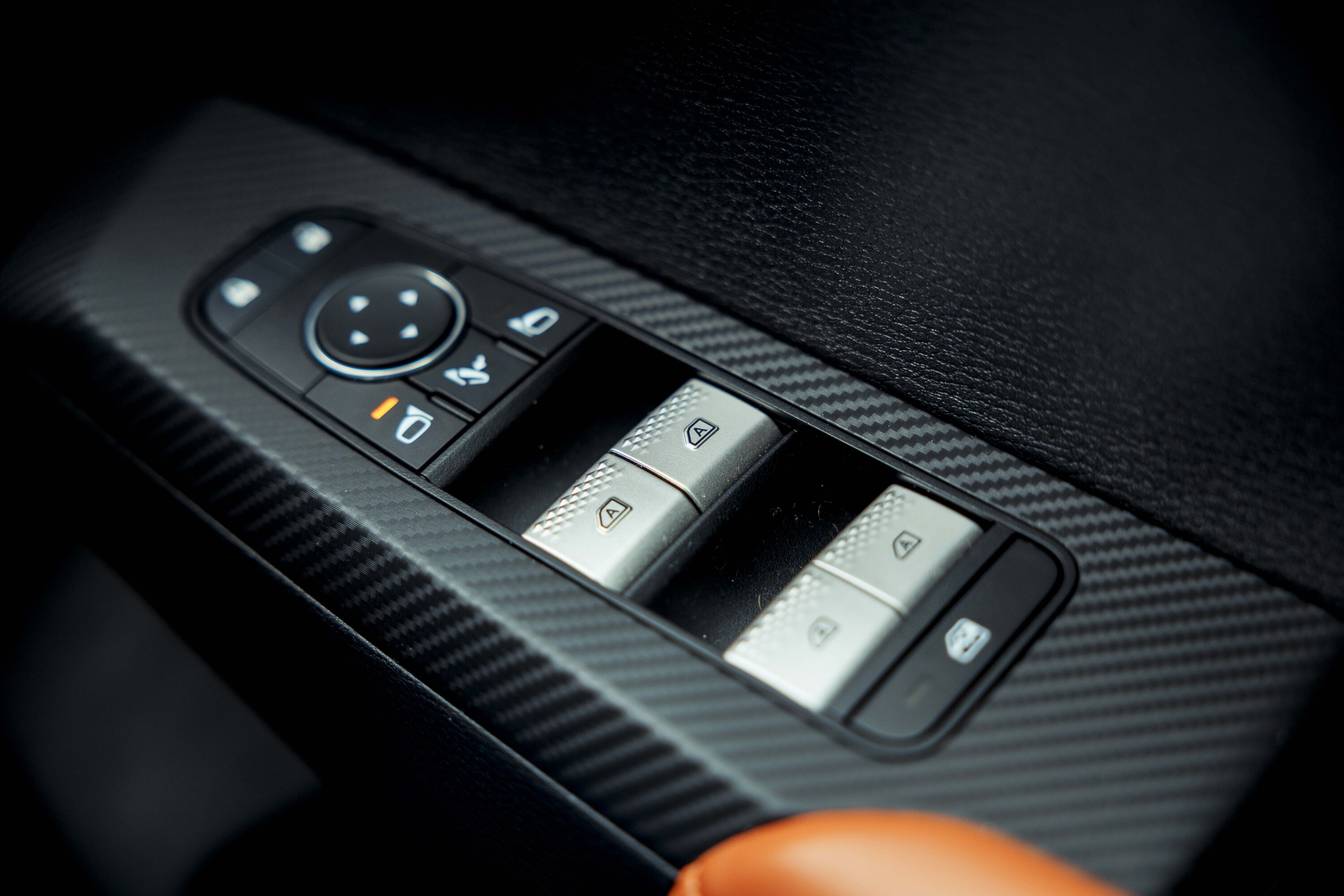
One press on the starter button and the Outlander’s accessory system comes to life.
You need a longer hold to actually make the PHEV system ready to drive. It’s something that’s repeatedly frustrated me, and its simple, but I’ll get it right eventually.
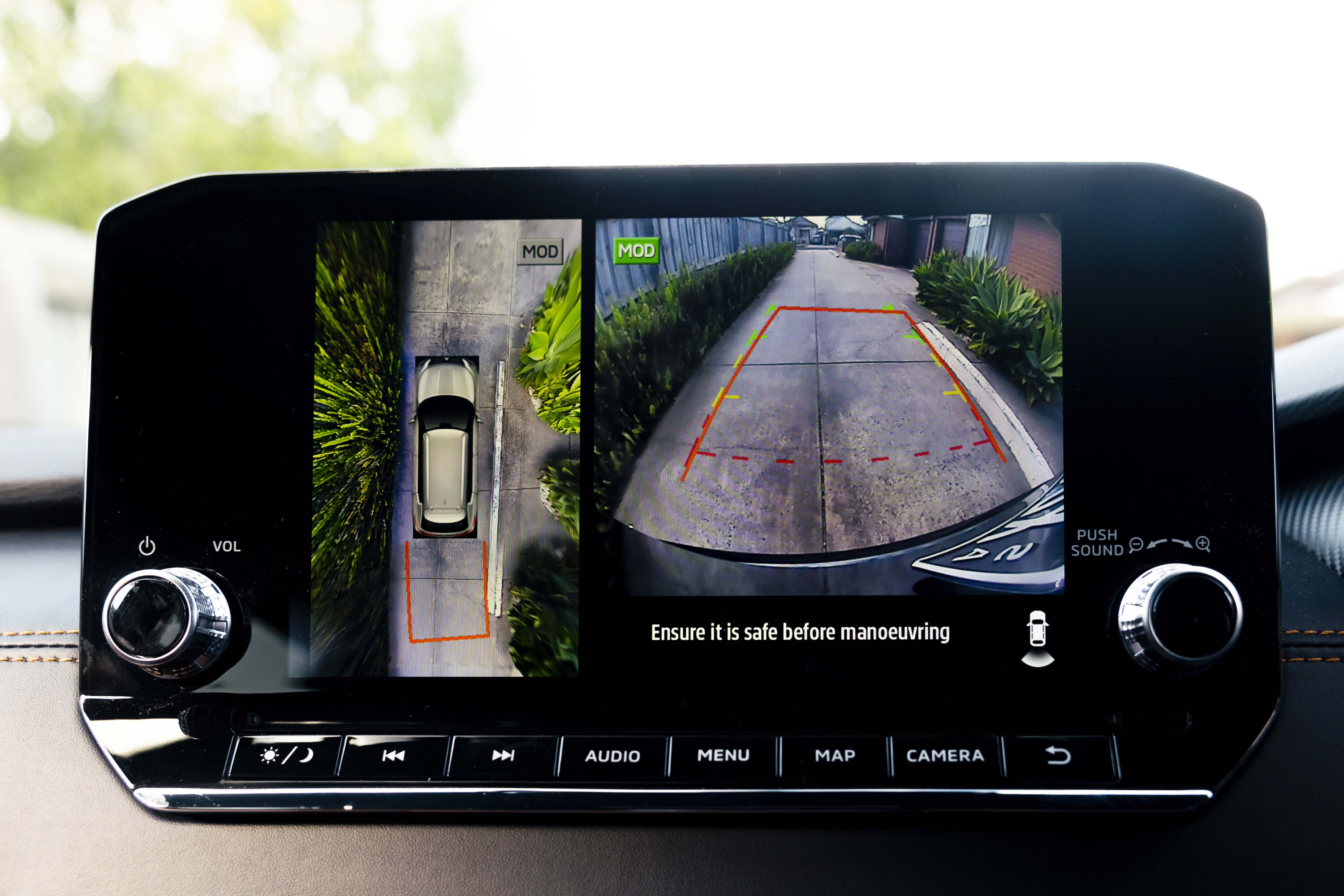
In EV mode it whispers out the driveway. I can see how close I’m getting to the topiary (okay, a bush) with the 360-degree cameras, a revelation I’m loving; great vision and no disgruntled neighbours aside from the odd-sounding duck quack as you reverse.
Perhaps I’ve become a bit lulled by the Outlander PHEV’s silent progress away from my house because I’m suddenly scared witless by an almighty thud. Even the dog looks shocked. After a bit of poking around in the luggage bay, I realise that the folded third-row seats have the propensity to raise up and then crash back down when the vehicle’s negotiating speed humps at anything faster than a crawl.
Unless I can lock them down, this is going to be annoying as my inner-city suburb is riddled with ’em.
In the last few weeks, I’ve attempted to spend the majority of my time in Eco mode to maximise driving range, accelerating gently, capitalising on the regenerative braking to slow and recharge. The early figures showing 2.2L/100km and 91% EV and I felt genuinely chuffed that I was making a difference.
What I wasn’t expecting was the length of home charging time. 12+ hours was giving me a mere 58 kms. The charging process seemed straightforward enough, but on a few occasions it just wouldn’t charge. Hmmm. Might need to resort to reading the instructions after all.
Some quick observations? On the job, with my four-legged assistant Cleo in tow, her doggy bed matches the supple two-tone interior so perfectly that sometimes you need to double-take to spot her: a match made in heaven.
I’ve experimented with the Charge setting and this sends the fuel consumption straight up to 8L/100km, but I’ve never felt tempted to use a public charging station. CarPlay is a sinch to connect and hasn’t dropped out on me yet.
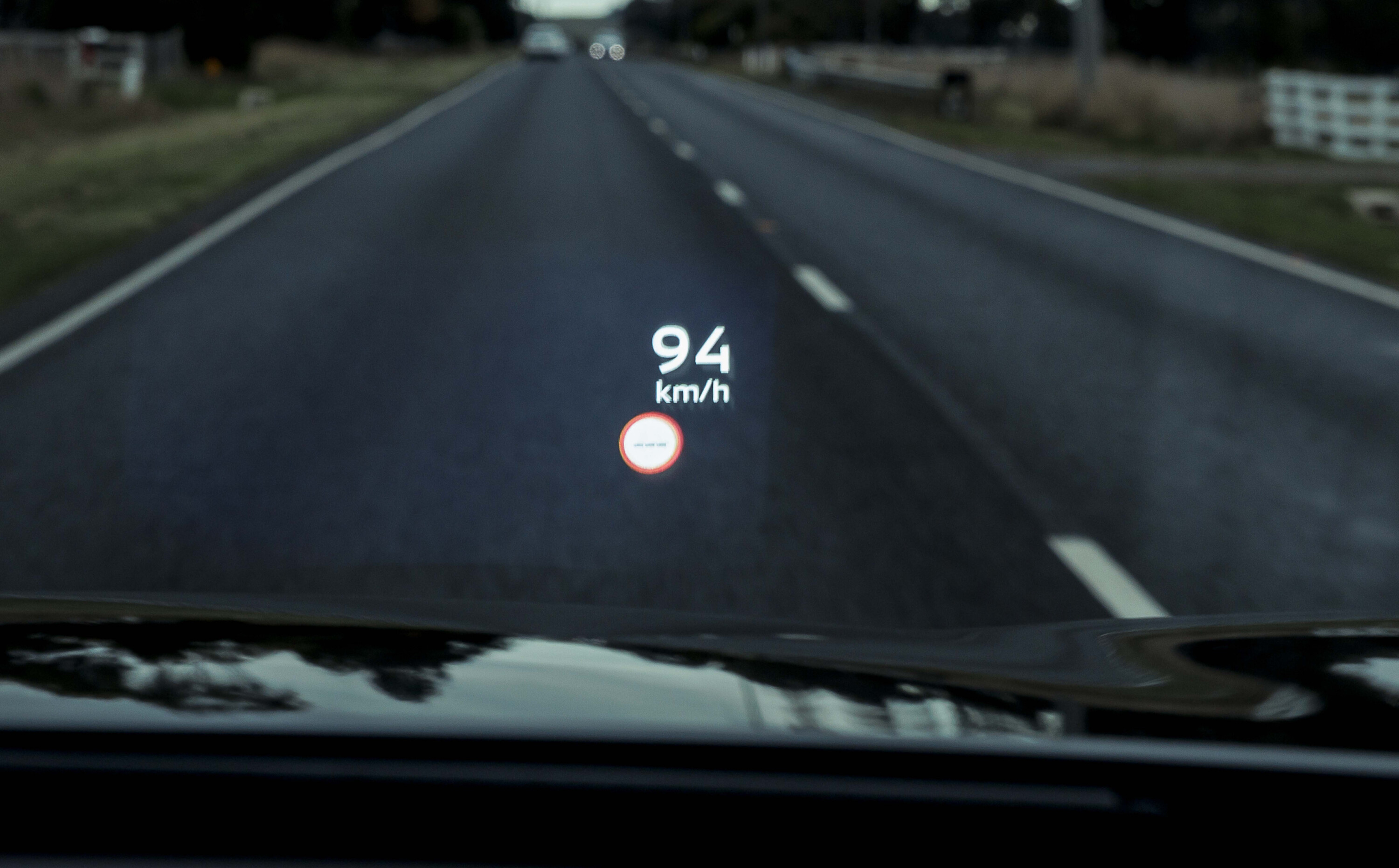
The head up display is fantastic with no adjustment required and even shows what song you’ve skipped to on Spotify while smashing out distance, and the Bose sound system is excellent.
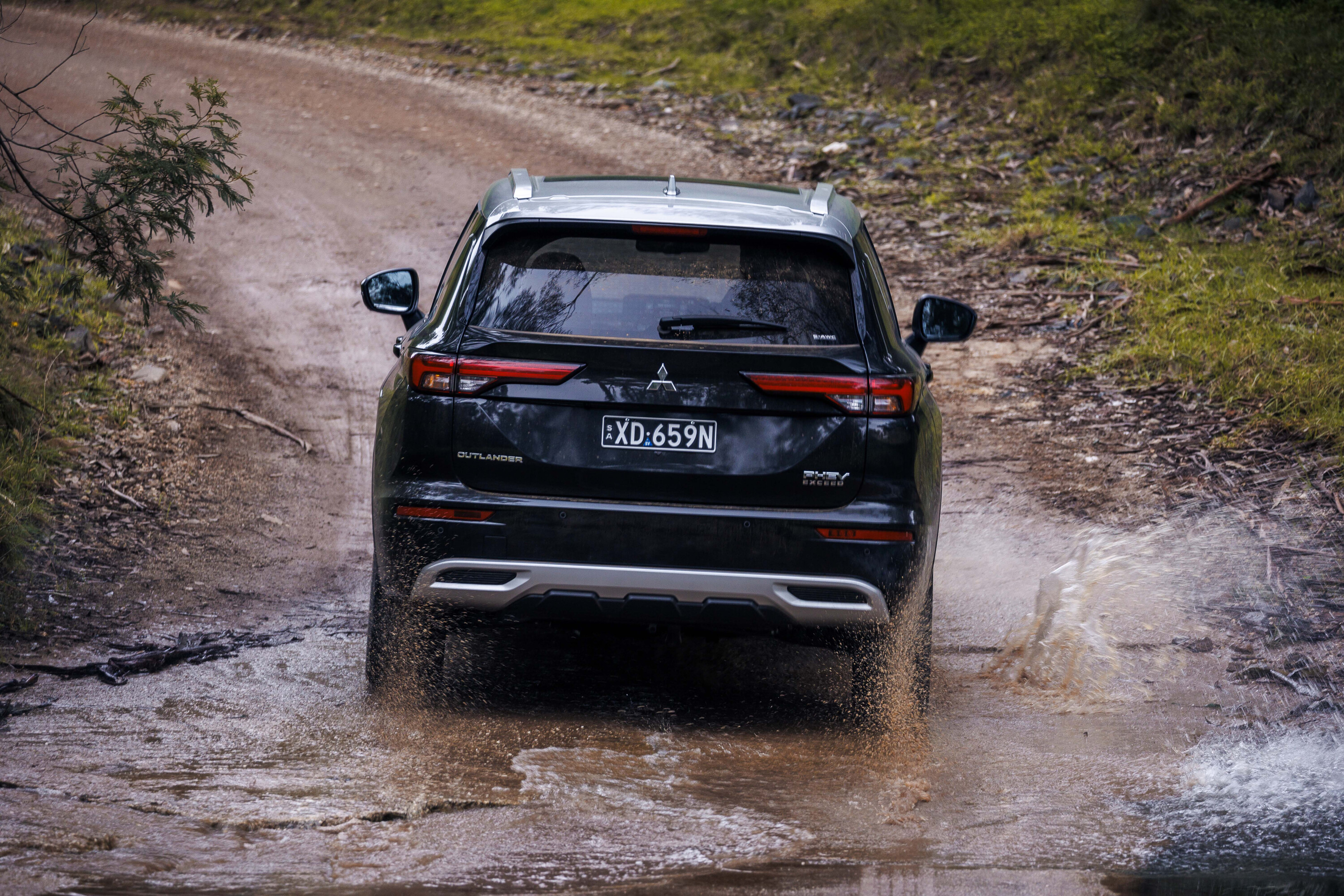
With easy dial-selected drive mode selections, I head onto the dirt and find the Outlander’s ride remains fairly composed even on corrugations.
I splash through a modest stream, but I’m acutely aware that this is no Defender. That becomes apparent when I arrive at my location and the entry to the harder off-road section has a big hump that exceeds the Exceed’s ground clearance. Perhaps that’s why it’s there, but it reminds me that this is a case of horses for courses.
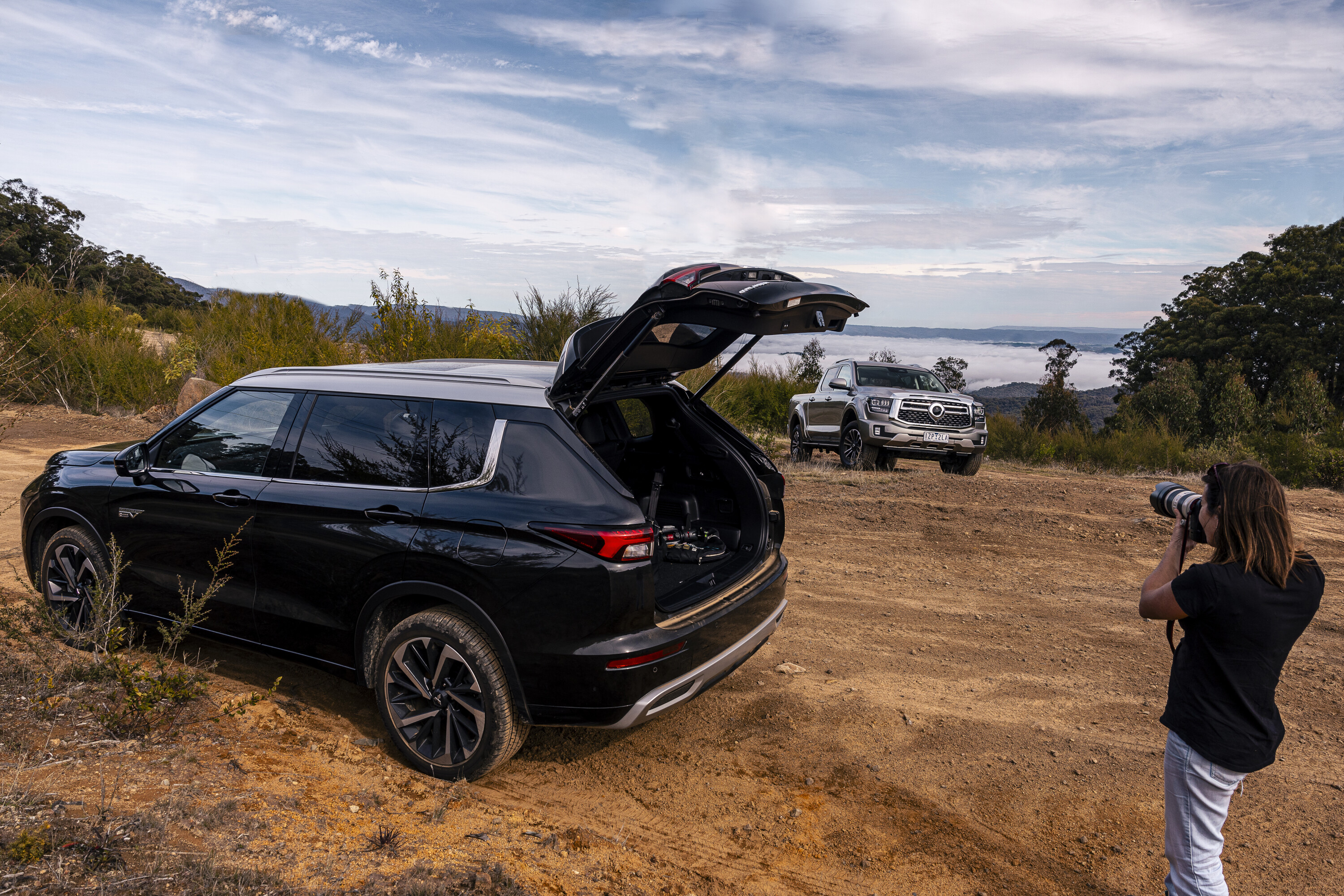
On that note, the Outlander’s proving a convenient work horse with huge flat luggage space all rear rows down, and it’s loaded up up for several taxing shoots in winter.
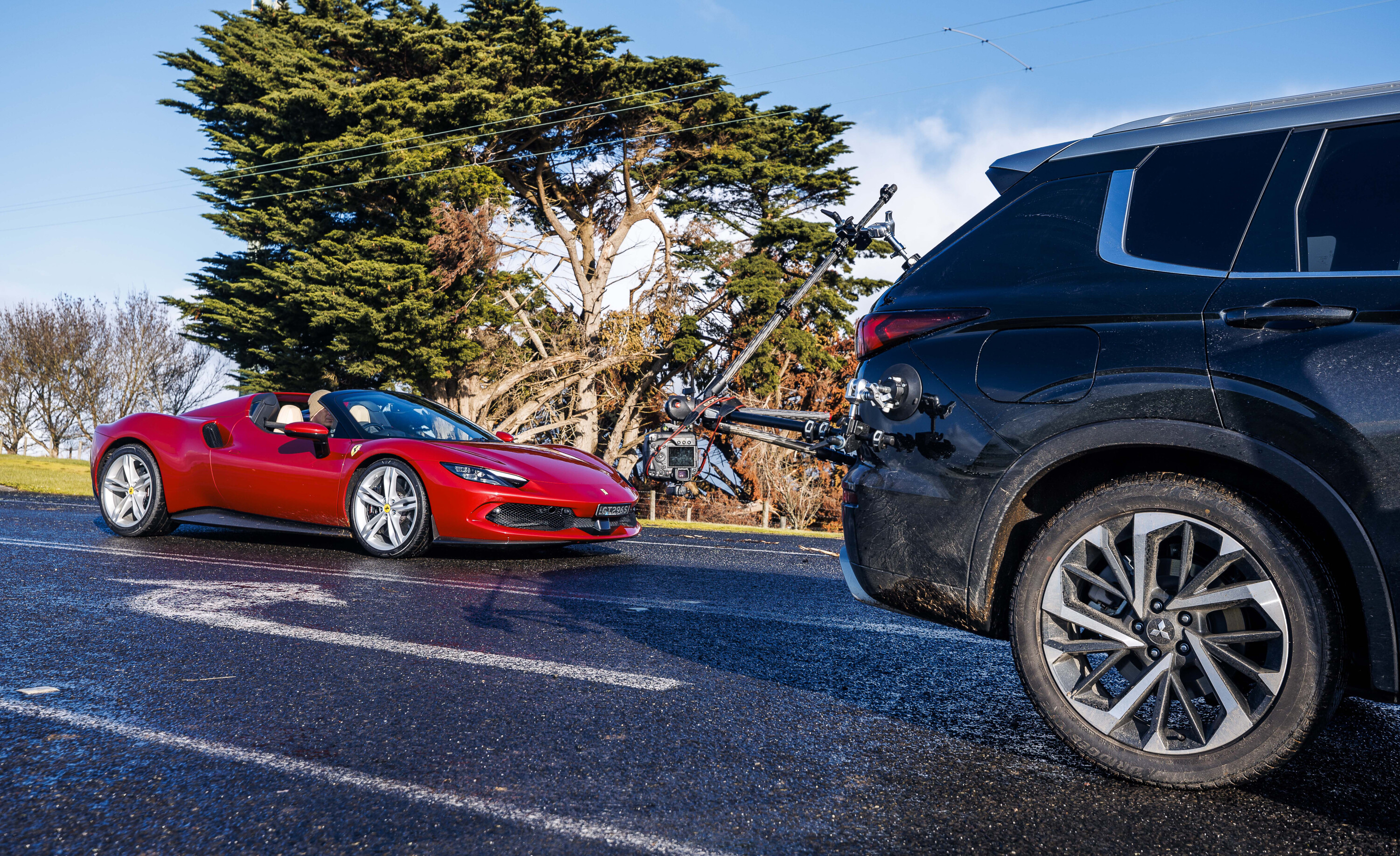
Extending the cars use into a moving tripod the regen helps to hold a steady speed as I sit a couple of metres from the rear of a near-million dollar Ferrari 296 GTS in fairly harrowing conditions. The Outlander makes it all seem easy.
I love my cars having owned numerous hot hatches, owing a large 4×4 and a classic BMW 2002, I’m not too proud to admit the plug-in hybrid tech initially puzzled me, but gradually I’m being converted to hybrid.
I want to make a difference whilst doing short commutes, but I still need some longer legs for my regular long weekends away. I’ll be testing this couple of months as I head north to Byron for a sunny break.
Part 3: Running on empty
- Price as tested: $71,790
- This month: 832km @ 6.4L/100km
- Overall: 2374km @ 6.2L/100km
Ellen’s been playing fuel light bingo but the Mitsi has the last laugh
I wasn’t sure whether it was the clearing fog into the warmth of an unusually sunny autumn day, my sense of adventure or just reminiscing about car flicks of old, but I’m reminded of 1982’s Running On Empty. Or, as a blind man once said: “You cats need any go juice, its 10 miles up the track!”
Upon closer inspection, that random recall was being sparked by something a good deal more tangible, the low fuel light, which I’d been subconsciously ignoring for the last 70+ kilometres. Then the battery distance just blipped to zero. Okay, this was getting my attention.
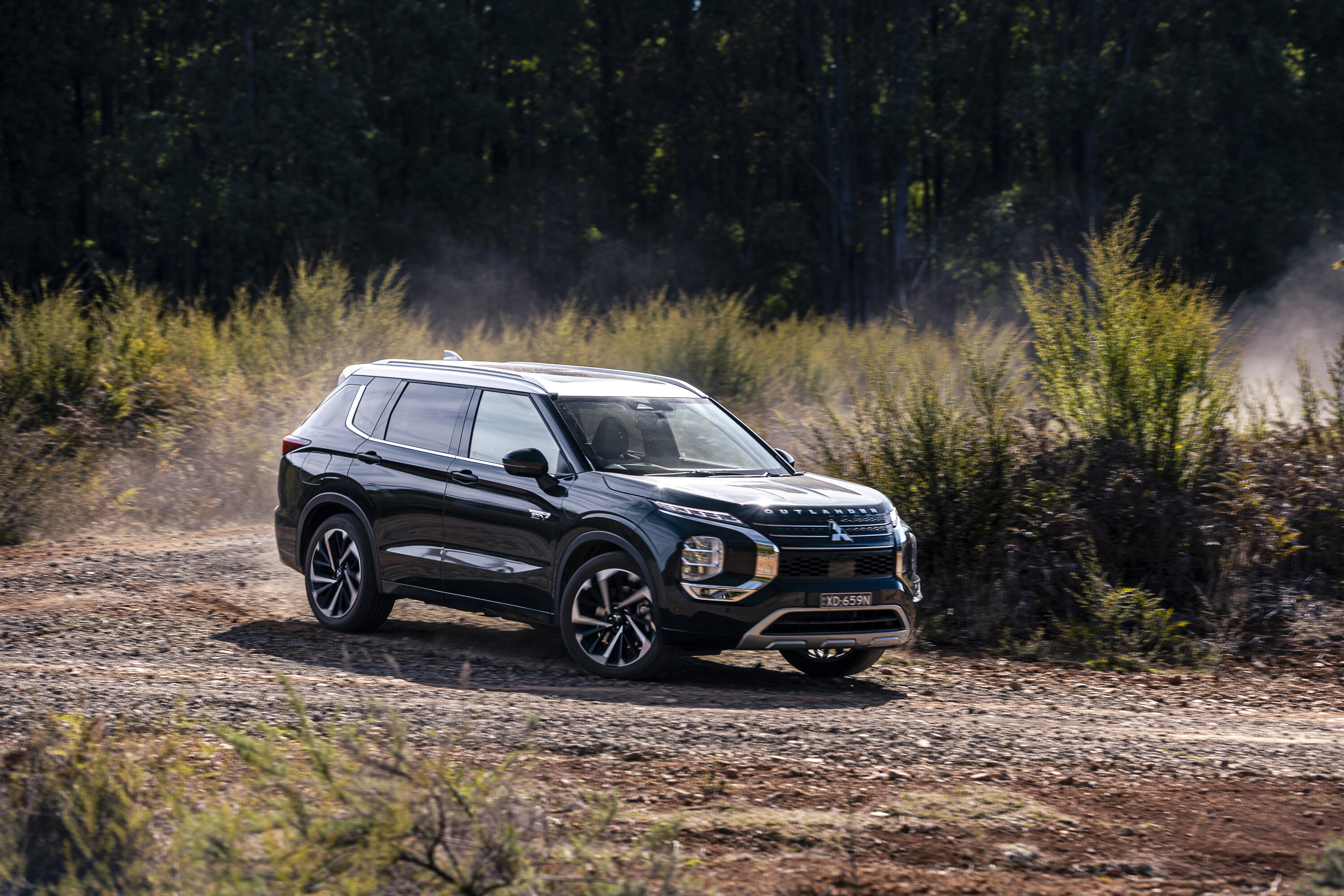
I’m not quite in Woop-Woop, but I’m not far off, on a photoshoot that calls for big country, and I thought a self-appointed challenge could be fun.
Fully charged overnight (I’ve got this worked out now) with stated 67km battery range, I switched to SAVE mode. Rookie error.
I punched in my rendezvous point – Glenburn, 95km northeast of the big smoke. The fuel level sits just above a quarter, which seems enough range for my return.
Google Maps send me the scenic route, twisting through Kinglake. The Outlander’s making light work of this. Low-effort schlepping is its forte, the light but accurate steering allowing you to position it deftly on the way into corners.
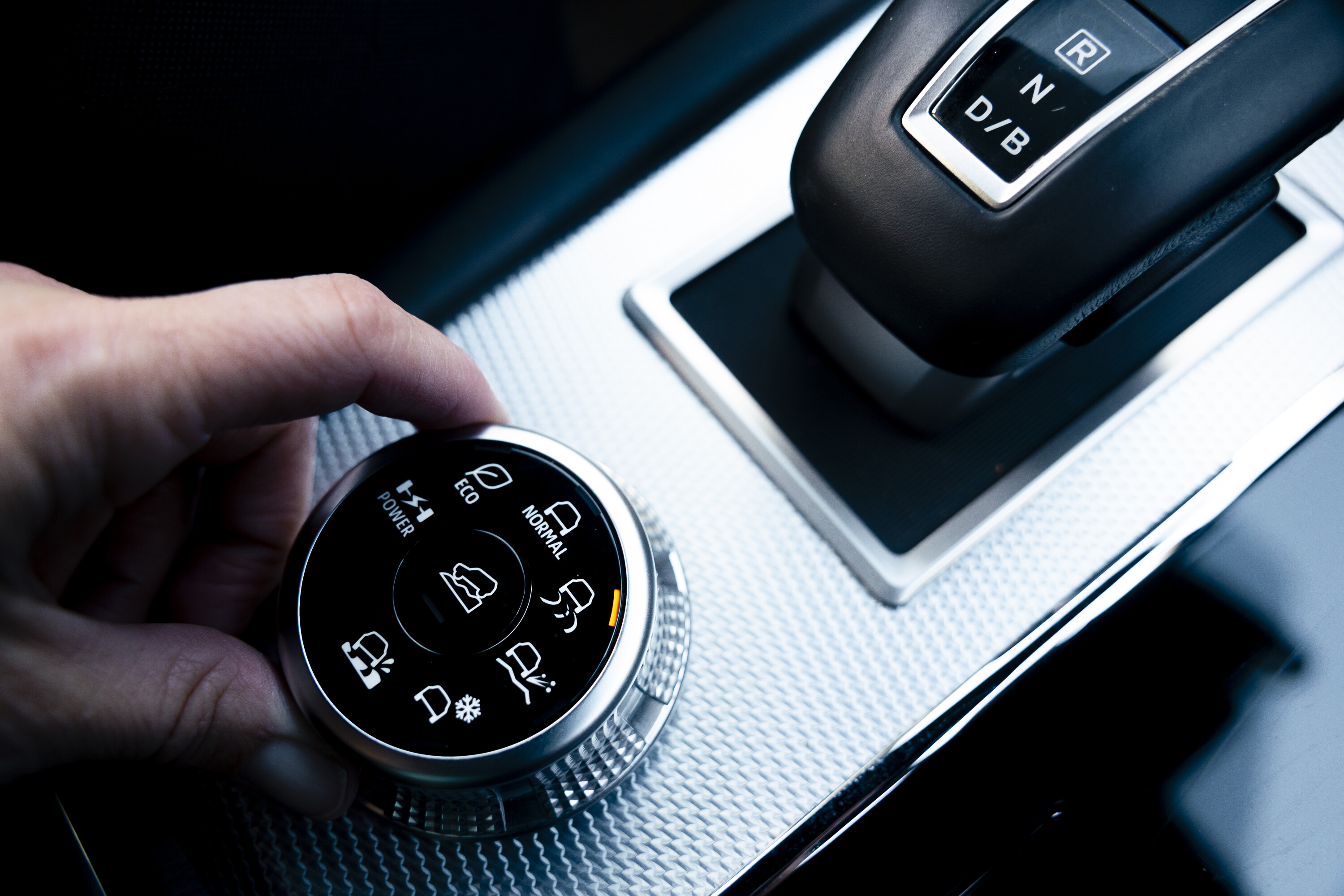
It’s almost too easy and a certain curiosity sets in. I switch the regenerative braking on and noticed it chewing some of my battery range, something I didn’t expect.
Turned off, the brakes feel more natural and, somewhat counterintuitively, the Mitsubishi’s overall range indicator tickles up by a few kilometres. Didn’t expect that. We arrive at our shoot location in thick fog and try to climb out of it on a mountain road with plenty of loose rock.
The Outlander’s suspension is working hard, knocking and rattling. But while it was clearly getting a good workout, body control was better than you might expect considering the rough surface.
Mitsubishi has spent some budget on isolating the cabin from drivetrain and suspension noise, and I was just thinking how the Outlander could cover a lot of bases when BING, the ‘low fuel’ lights up.
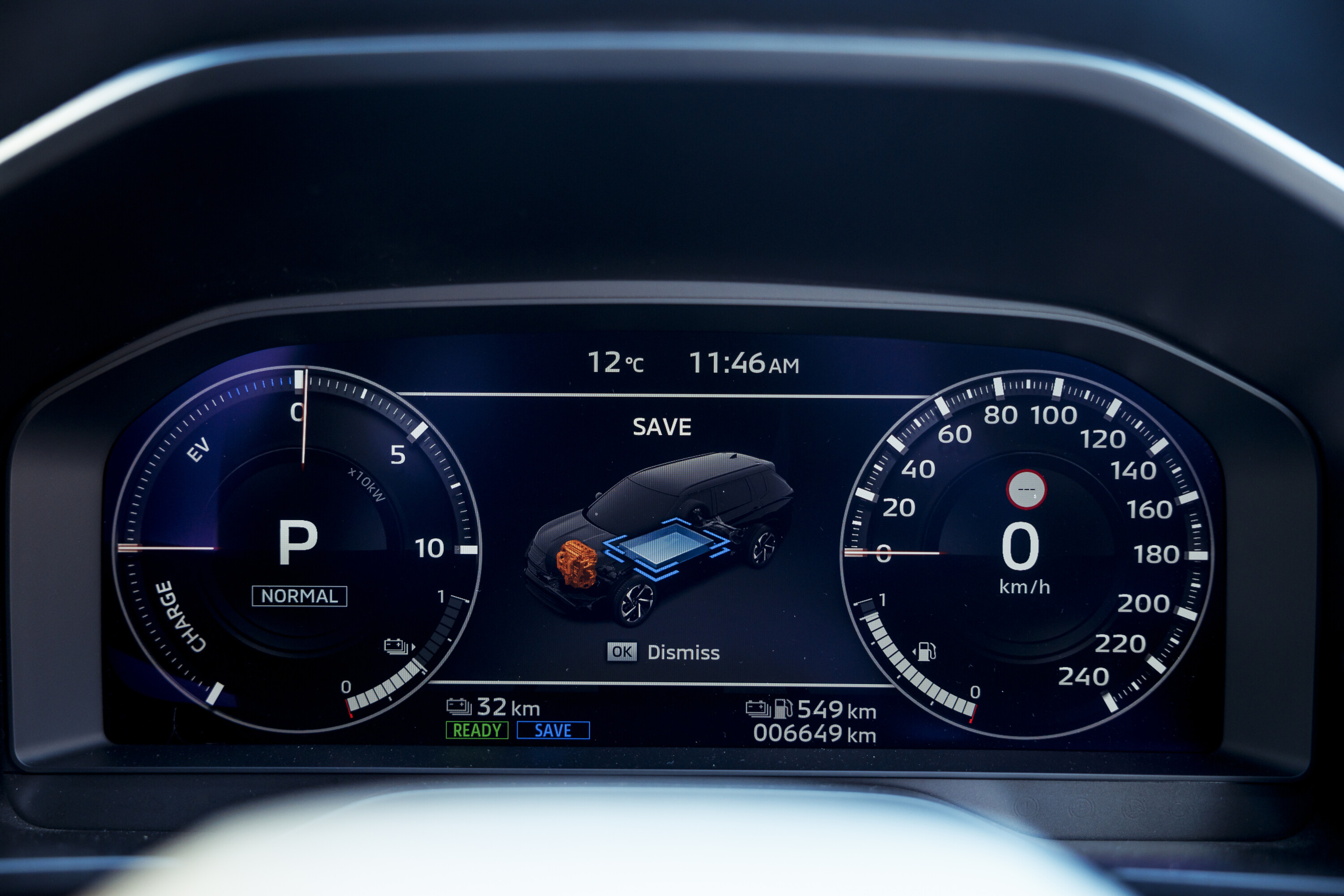
Perhaps I’d been exercising it a bit harder than I’d imagined up that incline, but this could reasonably be described as A Problem.
I try to explain to my colleague that we had a little issuette, and he points out that running the Outlander in Save mode might retain my electric juice for later city driving, but it doesn’t do a whole lot for my fuel economy in the meantime. Cue a lecture on how engines tend to work better as engines rather than electrical generators.
After some wandering around to get a bar of reception, I figure out where the nearest BP is and I reassure myself that all is good.
With multiple laps of back tracks and a flat tyre on the feature vehicle, the afternoon sun hangs lower as we finish up for the day. Unfortunately, our off-road activities have taken us a long way from the servo.
I realise that I have only 37km battery range but when the fuel and battery range are combined, it looks like I’ll be able to make it back to my place with a massive four kilometres of range showing. That’s no smell of oily rag – that’s barely a sniff. It also feels like a challenge.
As I make the trek down, I gain some battery range again, giving me a little more optimism. A fuel station appears but I’ve done that most illogical of things. I’ve committed to this plan. Others might call it the sunk-costs fallacy. There’s some emotional capital tied up into reaching home, dammit!
As I’m nearing the outskirts of Melbourne, the fuel goes to zero. Before I choke my fuel filter with detritus, I switch into EV mode.
I’m initially confident and then the EV range seems to start falling like a stone. Suddenly it vanishes, the LCD display blankly showing –.
I curse myself for my blithe overconfidence, realising that at any moment I’m going to be pulling over at the side of the road and phoning a friend to meet me with a fuel can. I round a bend and there is my glowing beacon of salvation, a BP servo!
The pressure requires a personal pit stop first. I reset the trips and the battery charge remaining shows as 16km left and a total battery and fuel 49km. I could’ve made it. Little did I know the battery apparently keeps about 20 percent charge when showing empty. Oh well. Now I know.
Next up, I’ll try an urban EV-only challenge. How low can I keep fuel consumption and how many kilometres to a tank will I get?
Part 4: Going full eco
- Price as tested: $71,790
- This month: 1601km @ 3.4L/100km
- Overall: 3974km @ 5.1L/100km
Revhead Dewar loving the Outlander quiet life.
One of the things that gets me about electrified cars is the absolute partisan nature of it all – namely that if you like a vehicle that draws power from a battery, you couldn’t possibly also like a chunky V8, and vice versa.
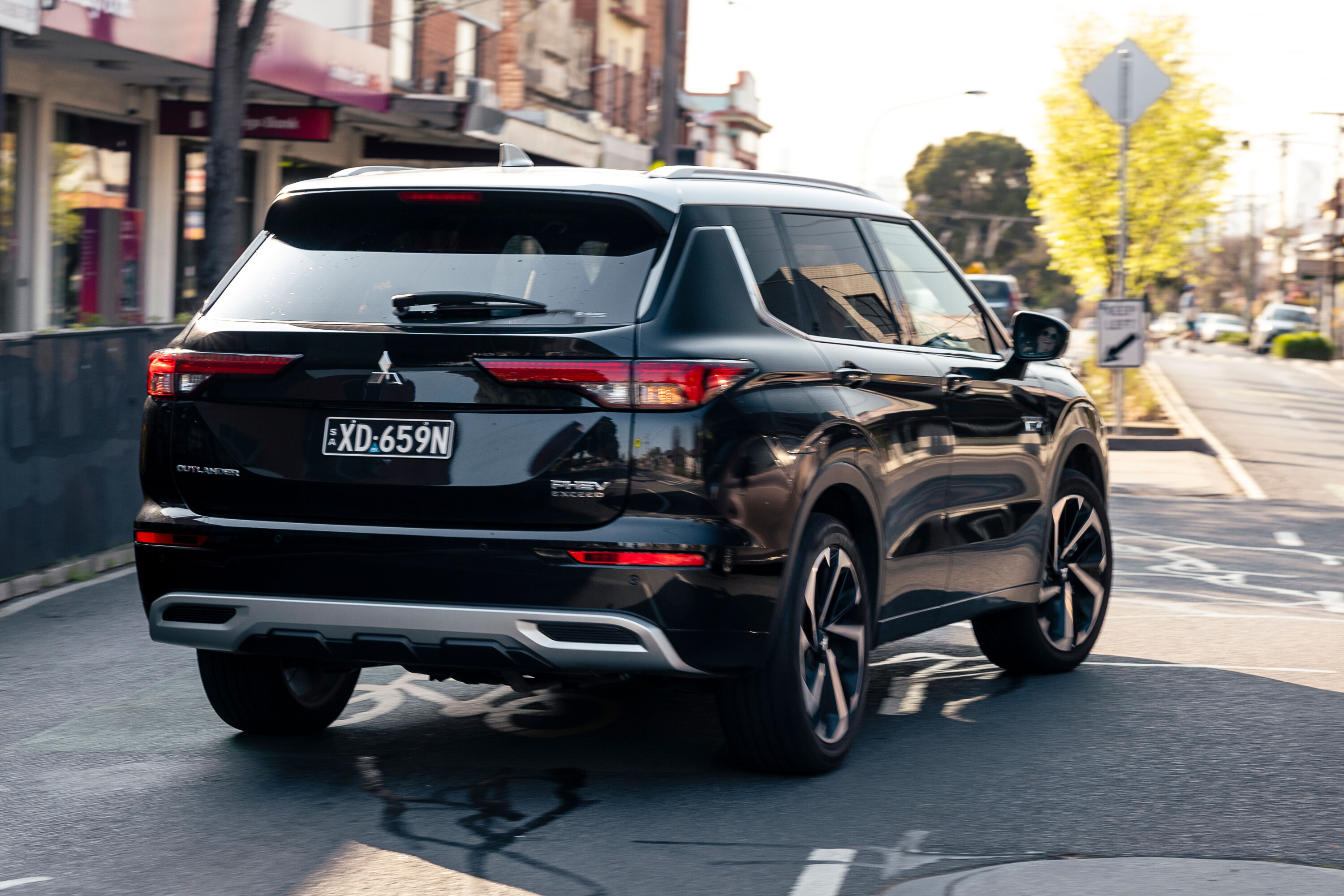
It’s complete rubbish, of course – something I’m given to ponder as a 5.7-litre Monaro gives it a blip next to me at the lights.
I roll onto the throttle as we ascend the on-ramp with no soundtrack other than a faint whine from the Outlander’s electric motor, but crack open the window a couple of inches to hear the small-block disappear up the road. The sound gets me a bit nostalgic and I realise how far we’ve come from my childhood in dad’s garage pumping myself up and down on his trolley jack as he attempted to clear a carburettor of some unidentifiable mung.
Will these days of shed time disappear in the new era of PHEV and electric? Will the joy of driving remain for the real enthusiast? Perhaps answering that question is somewhat above my pay grade.
Over the past few weeks, I’ve really tried to lean into the electric side of this Outlander PHEV’s personality. I admit I’ve become used to the silent driving experience of the EV – so much so that when the ICE kicks in, it sounds a bit uncouth. My morning habit is to set Eco mode and crank the re-gen for my urban tootling, though frustratingly you need to re-enter those settings every time you get back in the car. As you might expect, the PHEV works best at low to medium speeds. The re-gen braking is great in start-stop traffic, keeping the battery levels level and often increasing the range, however the off-throttle lurch needs a sensitive clog to modulate.
I’m accustomed to, and love, the responsive acceleration from standstill at the lights. I find it lighter at the wheel than my FJ Cruiser but it’s much like any user experience. Over time, it becomes your normal. I felt quite the eco poster-child arriving at a sustainable bulk foods store in electric mode, and I’m fairly sure the greenhouse gas emissions from my dog, doing her best to look innocent, were probably greater than those of the Mitsubishi.
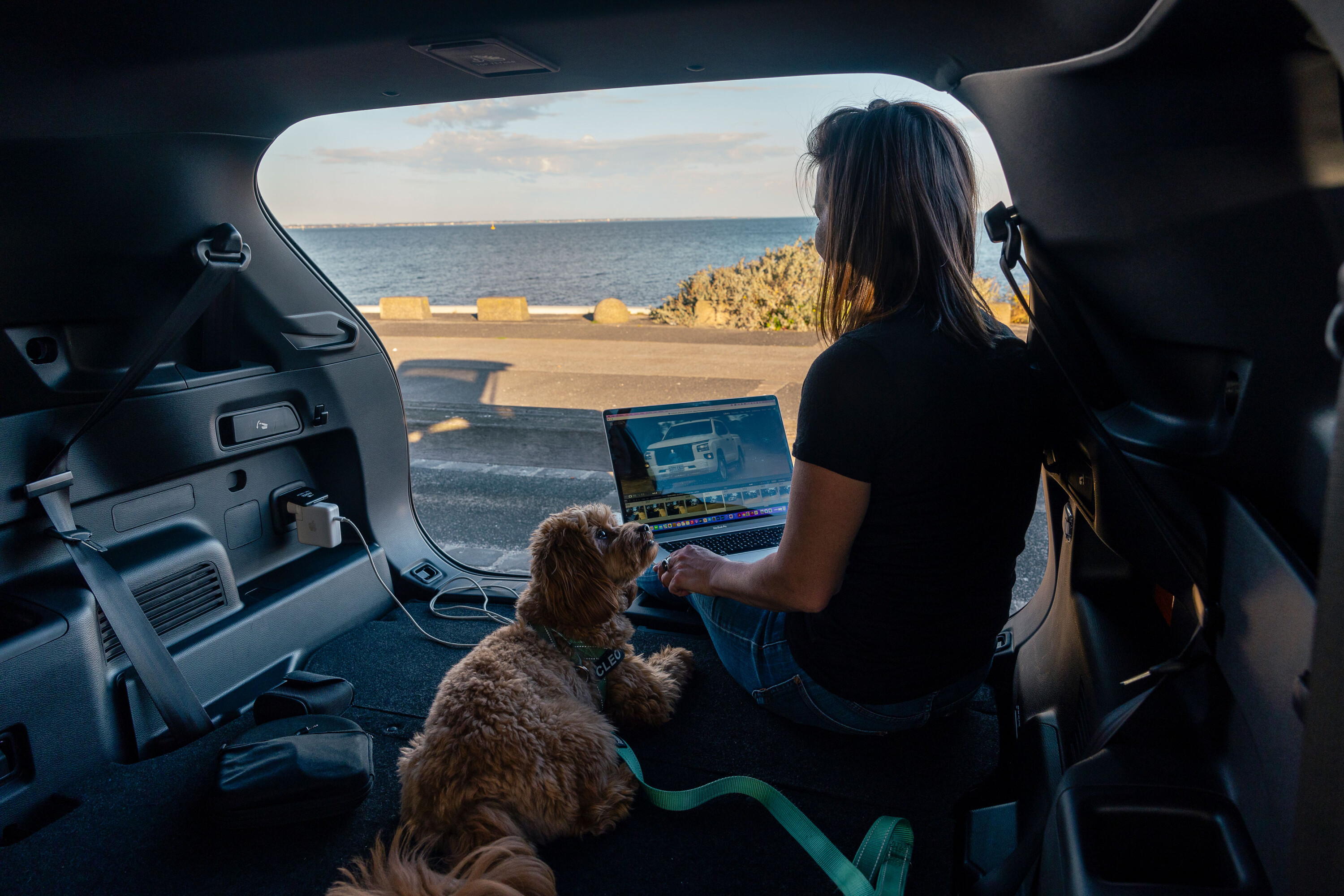
Rather than head back home to the usual cabin fever, I take advantage of the Outlander PHEV’s regular power outlet, open the tailgate and plug my laptop in to photo edit while catching the afternoon sunshine and beach vibes in Williamstown. Not sure I’d manage too much of that in a Monaro.
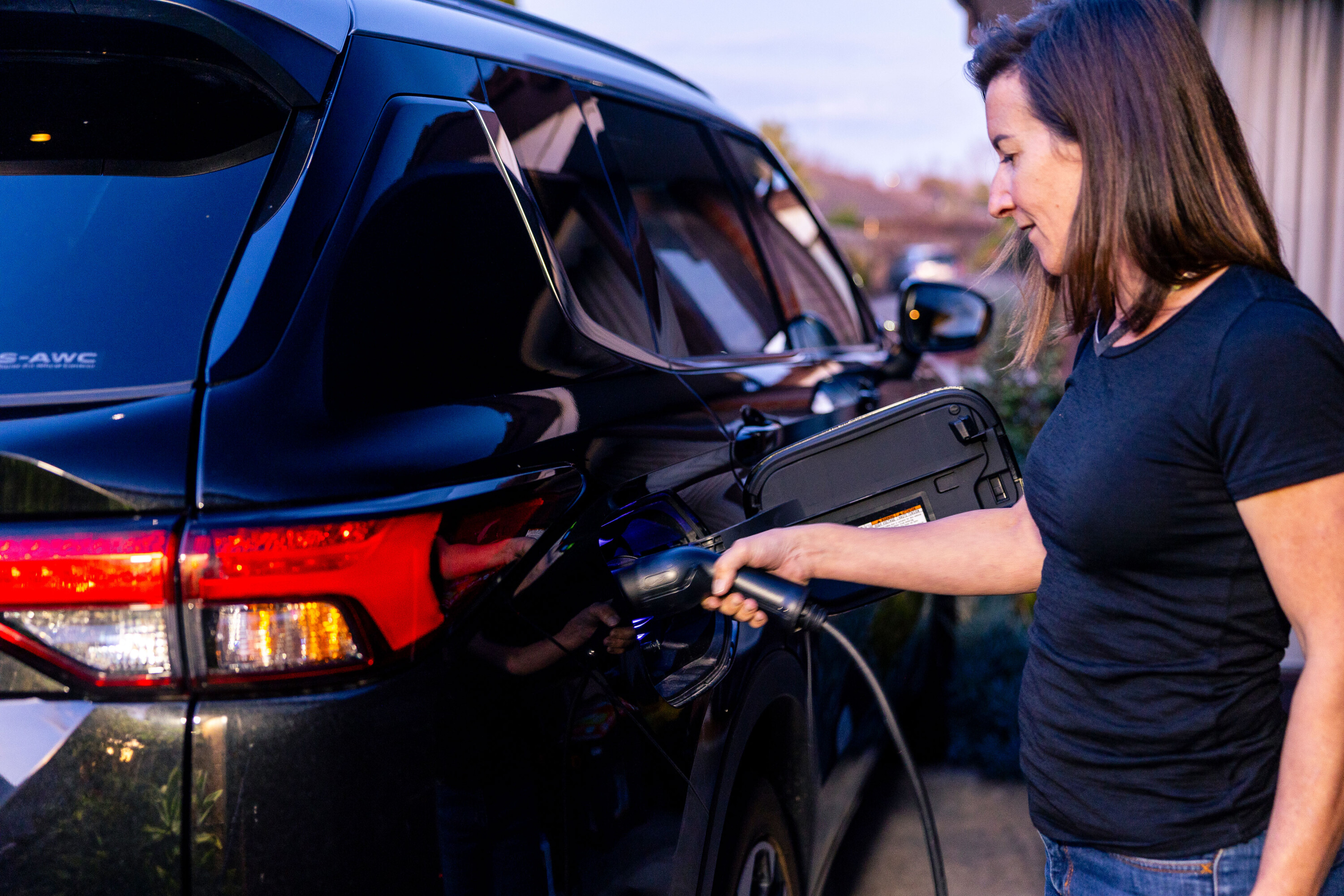
Discovering that the local charge station only has the Rapid or ultrafast Evie 150kW DC chargers of the CCS2 type was a setback though. Many charging stations aren’t compatible with the Outlander, which requires either type 2 AC, or increasingly uncommon CHAdeMO DC connectors, but after trawling the Plugshare app for type 2 chargers, I discover there are several I haven’t tried yet, roughly four kilometres away. These are claimed to quickly recharge to 80 percent capacity in as little as 38 minutes.
I’ve been solely home charging, taking a minimum of 12 hours to replenish range to about 64km thus far. So how did my electricity bill fare? Prior to the Mitsubishi’s arrival, a household of one, with no hubby or kids to sway the routine power use, was $100.25 and went up to $160 last month. That’s not bad at all in the greater scheme of things. It means that I’m getting 64km of electric range available to me each day and it’s costing $2 per day for that privilege.
The Outlander is earning its spurs as a genuine all-rounder. It’s supremely comfortable and efficient for the local late night chocolate run, early morning gym sesh, and every chore you have on your to-do list. I’m going to give it a good leg-stretcher next month when I’m off on a family break to sunnier climes. Byron Bay is the destination and I’ll be loaded to the gunwales with camping kit. What can possibly go wrong?
