
Official Ford tuner Mountune releases kit for Ford Focus RS hot hatch.
FORD Focus RS owners with a penchant for one-upmanship are in luck: Ford’s official tuning arm, Mountune, has announced an upgrade for the already bonkers 257kW hot hatch.
Save your money, though, for while the amped performance kit is available in the US and the UK, it hasn’t yet been confirmed for us.
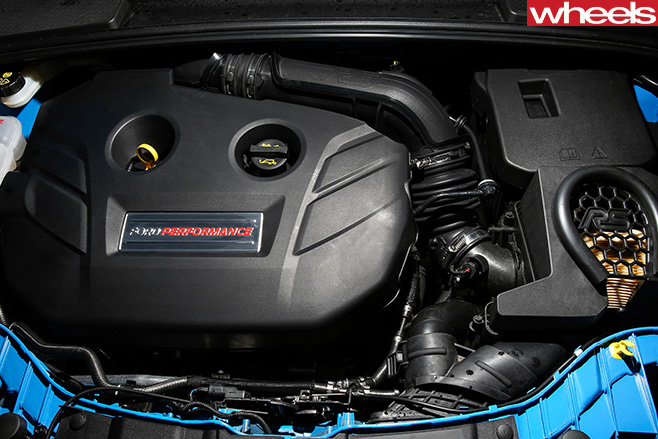
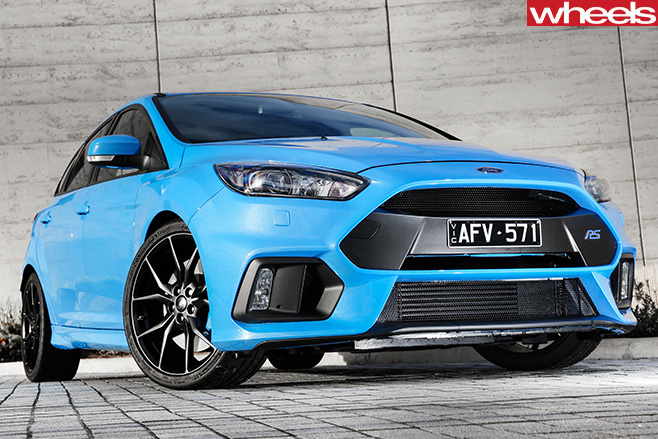
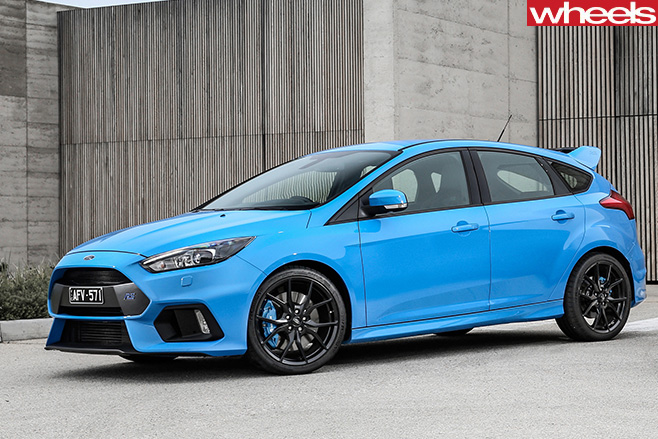
The Phase 1 package includes hoses, roll restrictors and 19-inch Oz Racing wheels, improving visuals and airflow.
Oh, and it all comes with the benefit of a factory warranty.
The bad news for Aussie owners is you may not be able to get the package just yet.
Mountune has previously offered upgrades on both the Ford Focus and Ford Fiesta ST models in Australia.
The upgrades come in the form of an ECU flash, uprated turbo recirculation valve and Mountune’s RS induction kit that includes an alloy crossover duct and high-performance silicone hoses to improve engine breathing by 11 per cent versus the factory-fit pipes.
Priced in the UK from the equivalent of $1545, the Mountune Phase 2 performance package takes about 1.5 hours to install.
The relatively modest performance upgrade is believed to be due to limitations with the RS’s tricky diffs.
It already had a mountain of torque for a hot hatch, but a new Mountune kit for the Ford Focus RS raises its peak from 440Nm to 510Nm – and enough to tower over an AMG A45.
Mountune is Ford of Europe’s official performance partner and its work is already seen underneath the Fiesta ST and Focus ST. The new Focus RS Mountune raises stakes higher with its 2.3-litre turbocharged Ecoboost four-cylinder shifting from 257kW to 276kW, sounding eclipsing the 270kW/465Nm Audi RS3 and falling 4kW shy of the Brat Benz while trumping it by 35Nm.
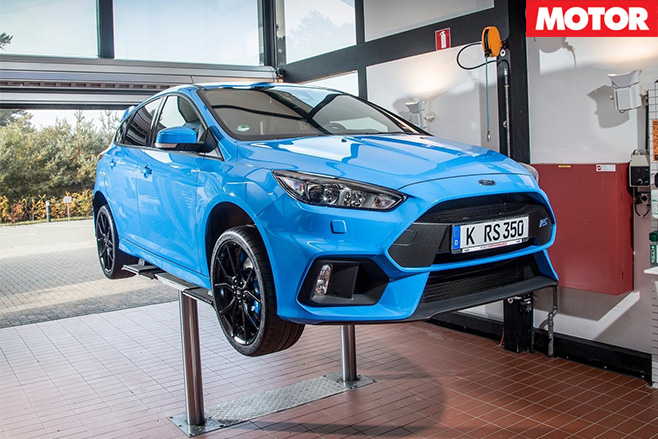
Without a dual-clutch it can’t match the 4.2sec 0-100km/h of the A45, but then the $50,990 Focus RS starts off $27K cheaper while in the UK the dealer-fitted Mountune kit adds only £899 (AU$1546).
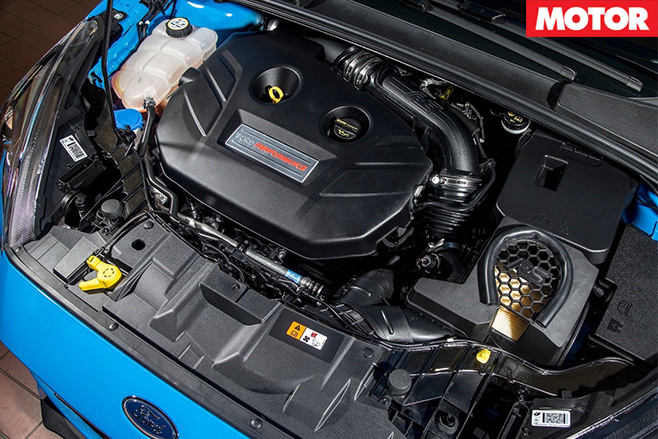
“Ford has a proud history of working with Mountune to unleash even more power from our hot hatchbacks for dedicated performance enthusiasts,” explained Ford Performance vehicle engineering manager Tyrone Johnson, who then set his eyes firmly on the loftier AMG and Audi RennSport rivals.
“Boosting power to 375PS [276kW] launches the already class-leading Focus RS even further ahead of the field.”
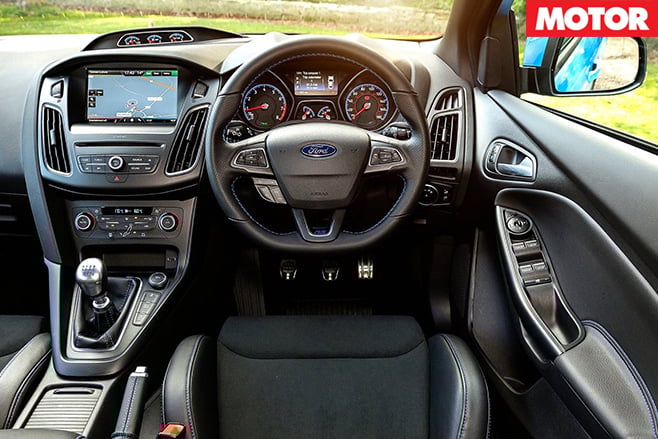
We hope their big brother follows the same path at the local Lara proving ground this year.
The Olympic Games are on, and what would an Olympics be without one of the most entertaining and talked-about spectacles of the event, the opening ceremony.
Amongst all the interpretive dance, swelling anthems and head-scratching sculptures, the opening ceremony is where every athlete gets to walk into the stadium alongside their countrymen and women. It is an inspiring moment, one athletes from around the world dedicate four years of their lives for.
But leading each team is a flag-bearer, someone who exemplifies the sporting spirit of their country. This got us thinking: If each country was forced to use a car as their official flag-bearer, what car would best represent them?
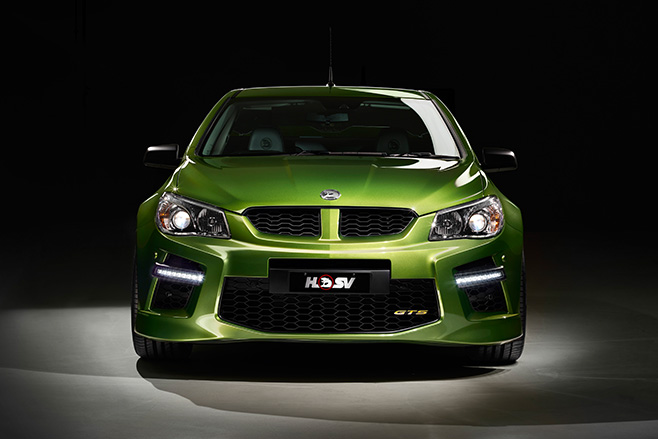
AUSTRALIA: HSV MALOO GTS
Could it really be anything other than a tyre-frying supercharged V8 ute? Nothing screams Australian automotive culture like this big, brash brawler.
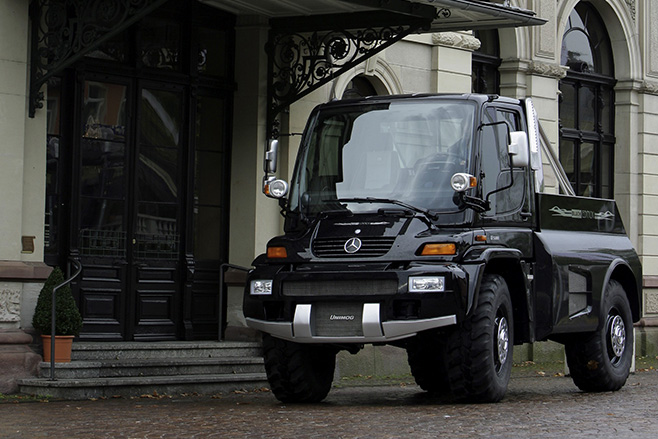
GERMANY: BRABUS UNIMOG BLACK EDITION
This high-riding off-roader is so unapologetically crazy, it just has to represent Germany. Without an ounce of irony, Mercedes-Benz’s tuning arm Brabus decided to turn up the power on an already ridiculous vehicle. This is the automotive equivalent of a champion weightlifter.
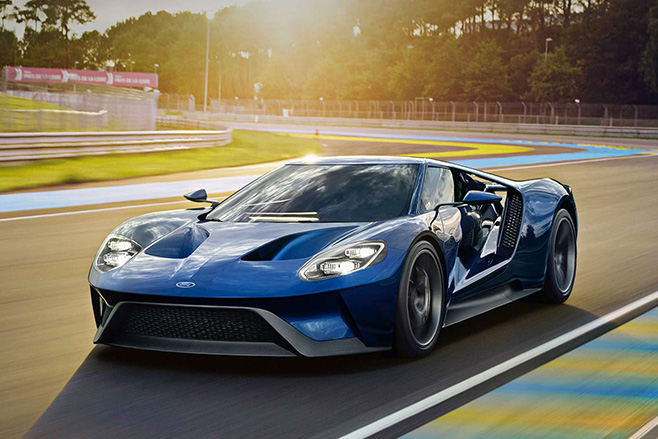
USA: FORD GT
A star in marathons, with a reputation for shaming its Italian rivals, the Ford GT shouts ’Murica louder than a Stars & Stripes tracksuit. With multiple generations of the car having competed and claimed gold medals, it is only right it carries the American flag with pride.
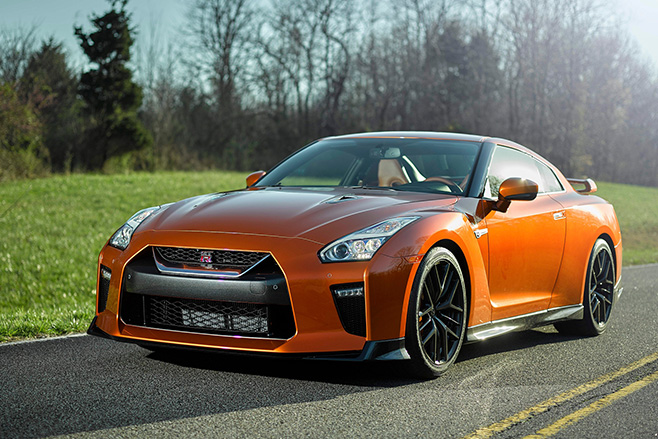
JAPAN: NISSAN R35 GT-R
With more technology than you can poke a Nintendo at, and a renowned sprinter, the latest in the Nissan GT-R family is the only proper car to carry Japan’s flag. Besides, Usain Bolt is a fan!
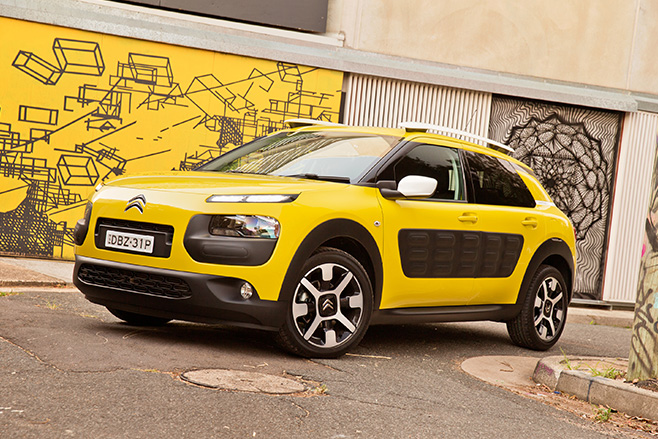
FRANCE: CITROËN C4 CACTUS
Look, it may not be up to scratch compared with its historic ancestors, but this French representative is a battler, and has a rugged, never-say-die attitude. Its special armoured bodywork should make it a contender in the wrestling events.
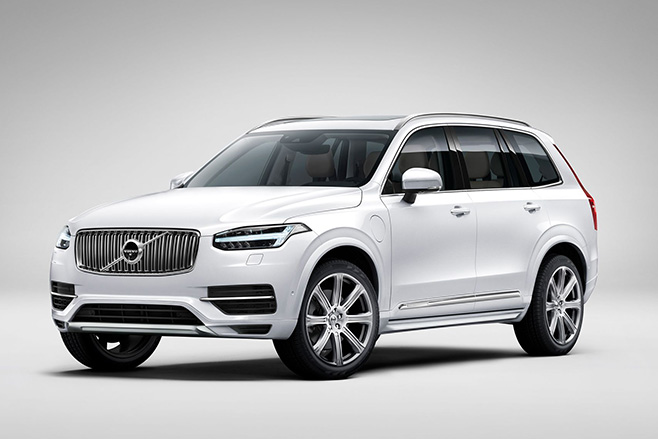
SWEDEN: VOLVO XC90 T8
Perhaps Sweden forgot this is the summer games, as the Volvo XC90 T8 is a winter weapon. Still, this AWD, turbocharged, supercharged hybrid SUV is ready to take on anything you throw at it.
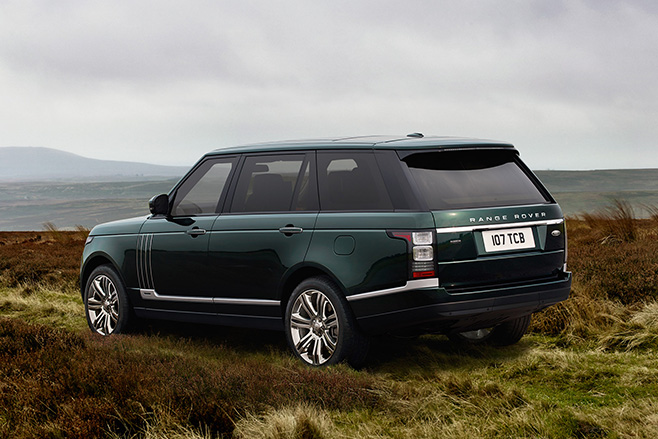
BRITAIN: RANGE ROVER HOLLAND & HOLLAND
It comes in the most fantastic shade of British Racing Green, and comes ready-equipped for the shooting events thanks to a pair of shotguns in the back. So resoundingly British it would bring a regal tear to Her Majesty’s eye.
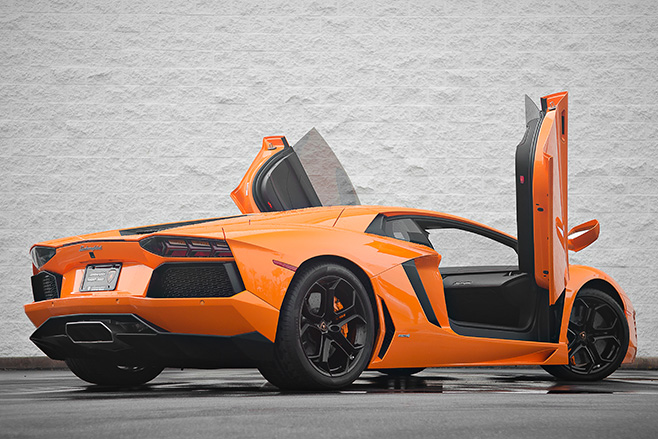
ITALY: LAMBORGHINI AVENTADOR
Nothing compares to the Lamborghini Aventador for putting on a show, making it the obvious choice to carry the Italian flag. The epitome of Italian engineering, it offers a great spectacle without being the lightest, fastest or most powerful. But does that matter when you look this good?
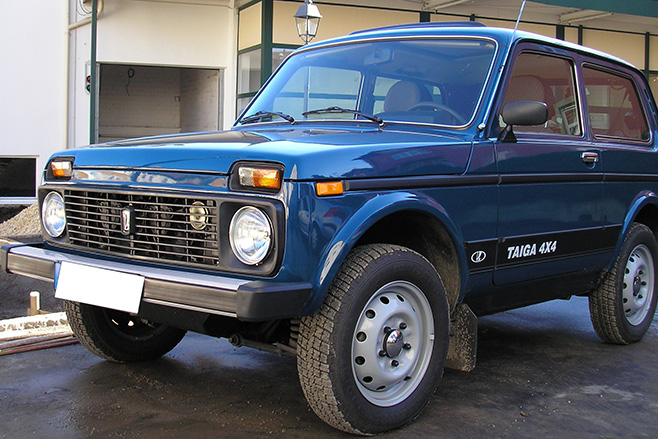
RUSSIA: LADA NIVA
Unfortunately, this Russian representative has been excluded from the opening ceremony after authorities found an LS9 under its bonnet. All Russian competitors are now under investigation.
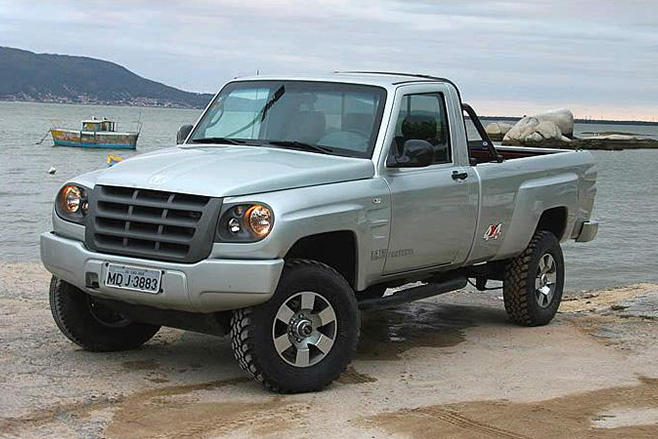
BRAZIL: TROLLER PANTANAL
The host country will be led by this home-grown pick-up truck. Designed for agricultural duties, and with a thirst for ethanol, it exemplifies the automotive culture of Brazil.
It seems I need to say sorry. Sorry for being too harsh, and judging too swiftly. I need to give this apology to the automated car.
I recently wrote an article titled ‘I drove an automated car for the first time… and came away scared”. In it, I relived my first experience behind the wheel of an automated vehicle – a brand new Mercedes-Benz E-Class.
My story hinged on two distinct incidents that rattled my cage, where the car was in its automated mode and drove in a manner that I didn’t feel comfortable with. As it turns out, this wasn’t an accurate representation of how the system works. A combination of an instructor keen to show me the machine’s limits instead of its everyday abilities, and my pre-conceived misconceptions came together to create that story.
I have since had more hands-on with semi-automated technology in a different car. It wasn’t as high-tech as the E-Class, but it was in a similar vein. Given the opportunity to play with it without trying to test the limits, in a variety of everyday situations, I am once again a convert, and realise how wide of the mark I was in my first assessment.
I used an analogy of likening driving with the systems turned on to having a learner driver at the wheel. It turns out that analogy is just about the opposite of how these systems should and do feel when used properly. It is more akin to having an experienced hand watching over you, seeing everything you can’t or don’t, willing and able to step in at the last moment to avoid disaster.
These are driver assist technologies first and foremost, similar to anti-lock brakes, electronic stability control and traction control. Having them switched on doesn’t absolve you of your responsibility to drive appropriately. Actually, when you have a car in automated mode, it makes the driving experience so much more relaxing. There is less stress about everything. Yes, you still perform your head checks, and keep a safe distance, and try to avoid straying from your lane. But having this technology on means you have back-up, the car is there to help out when we as humans do what is natural and get it wrong from time to time.
So sorry, automated cars, for overestimating you, and getting my first assessment so wrong.
Volkswagen has taken another step to show it’s serious about reducing emissions by introducing particulate filters for petrol engines across its group.
From 2017, all Volkswagen Group direct injection TSI and TFSI engines will be fitted with petrol particulate filters, which it claims will reduce emissions of fine soot particles by up to 90 per cent.
The 1.4-litre TSI engine in the new Volkswagen Tiguan and the 2.0-litre TFSI engine in the Audi A5 will be the first engines to be equipped with the filters, from June next year.
This follows Mercedes-Benz’s recent announcement that petrol engines in the upgraded Mercedes-Benz S-Class model will come fitted with particulate filters.
SO WHAT ARE PARTICULATE FILTERS AND HOW DO THEY WORK?
- Particulate filters aren’t new. They’ve been fitted to diesel engines for some time, which why you no longer see them bellow black smoke. But the move by Mercedes-Benz and Volkswagen is a first for petrol engines.
- The filter is located in the exhaust system to capture small soot particles, which stops them entering the atmosphere. As with any filter it needs emptying periodically and this is done automatically, by burning up the particulates in a process called regeneration.
- Regeneration requires high temperatures from driving for at least 15 minutes – this is one reason why diesel cars aren’t really suitable for low-mileage city driving.
- If regeneration is unable to occur the filter can block causing damage to the engine, though this is less of a problem with newer engines that create fewer emissions to begin with. If the filter begins to block a yellow warning lamp will come on telling the driver they need to drive the vehicle at the speed specified by the manufacturer (see owner’s manual) to generate the heat required to burn off the soot.
- This could mean having to drive at speeds above 50 km/h for around 15 minutes to complete regeneration, though this is no excuse to run through red lights.
- If the filter becomes blocked the warning lamp will turn red which means it’s time to see your car dealer or mechanic.
- Regeneration shouldn’t be as much as an issue with petrol engines as they produce less sooty emissions than diesels and run hotter in slower traffic.
Joey Mawson and Mick Schumacher show heats up, while Jordan Love shows strong form.
GERMAN F4 title protagonists Australian Joey Mawson and local son-of-a-gun Mick Schumacher each scored a win and a second place in the three races held at the Nurburgring at the weekend, continuing their intense fight for the crown.
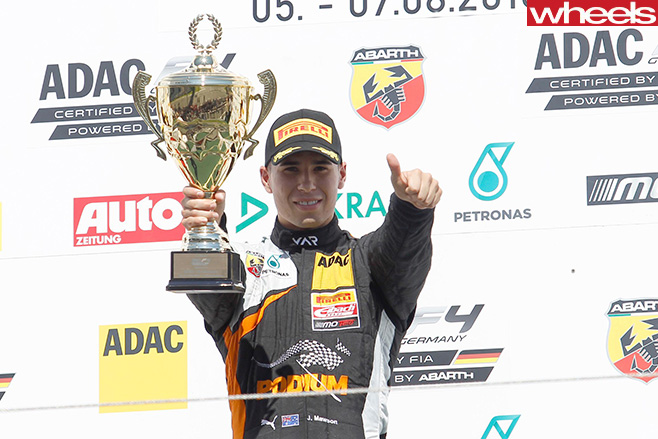
Mawson’s success in race two was his seventh victory of the season and his 13th podium, and his pace and consistency has kept him 46 points ahead of the German.
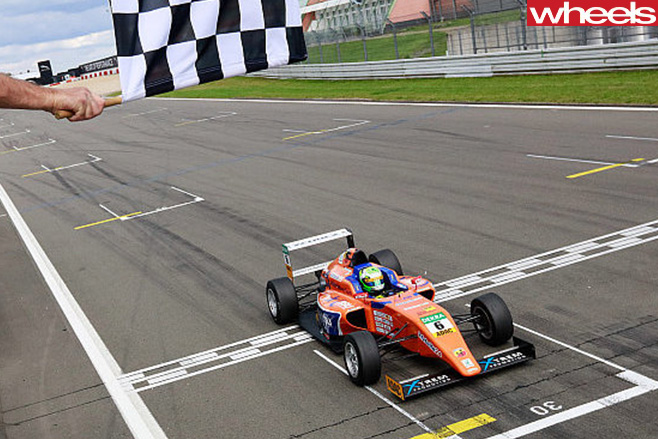
But Joey Mawson was fastest in race two qualifying, with Schumacher third.
Mawson led into the first corner, with Schumacher aggressively charging into second. A few corners later, Schumacher dived up the inside of Mawson, hitting the Aussie’s left rear wheel and forcing the leader off line.
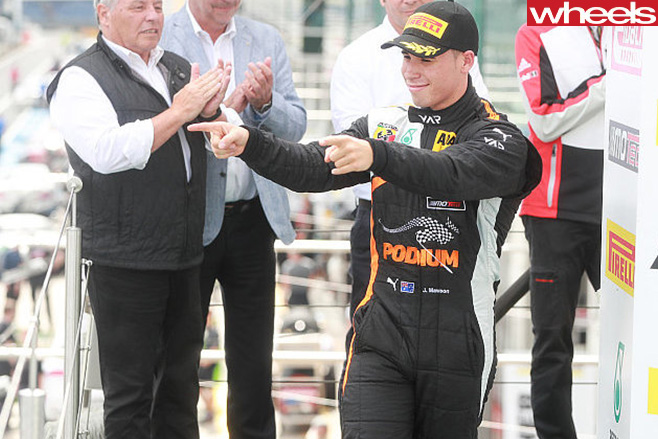
Mawson went on to take the win, with Schumacher 15th.
With the grid for race three settled by the outcome of the opening two heats, Mawson and Schumacher lined up ninth and 10th respectively.
Both made good starts, Schumacher moving forward to fifth, with Mawson right with him.
Things are hotting up between the two dominant drivers.
Aussie Jordan Love opens account in South-East Asia F4 Championship

Seventeen-year-old Love took a superb first-up win in the opening heat on Friday, and then after a mechanical-related non-finish on Saturday, bounced back with another win and a second-place on Sunday, finishing second overall in the points. A drive-through penalty in the fifth heat for jumping the start (from pole) was costly.
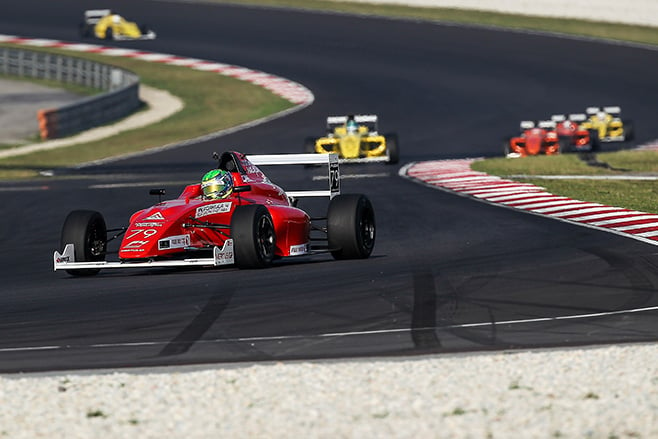
Young Singaporean Danial Frost took three wins to leave Sepang with the championship lead, ahead of Love, 127 points to 108.
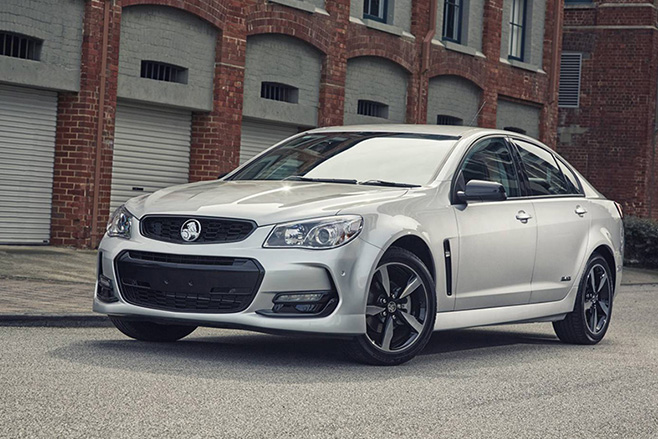
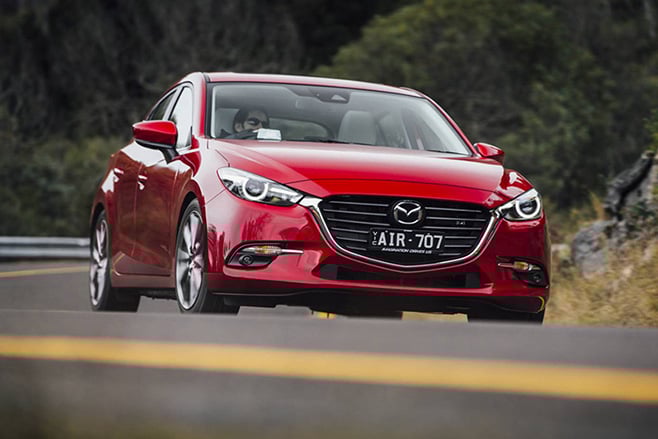
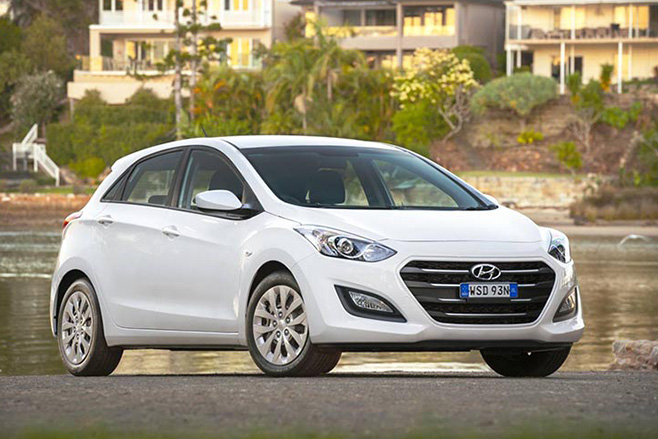
Some of Australia’s best-selling passenger cars and trade utes will be independently rated for fuel efficiency as part of a test to see if the carmakers’ claims live up to reality.
The Australian Automobile Association, which represents state and territory-based motoring interest groups such as the RACQ, NRMA and RACV, says it will spend $500,000 testing about 30 of the most popular models on sale to rate their real-world fuel use. The cars and trade utes will also be tested against their official emissions benchmarks.
“In the wake of the Volkswagen scandal and subsequent concerns raised about other vehicle makers and lab-based emissions testing, the AAA has decided to test the on-road emissions of a number of Australia’s top selling vehicles,” the group’s chief executive, Michael Bradley, said.
“It’s fallen to the AAA to do this on behalf of Australian motorists because the Australian government does no testing to ensure car manufacturers comply with emissions regulations of the Australian Design Rules.
“And because our government relies on lab testing done internationally, we do not know the real-world level of emissions produced by most models sold in Australia.”
Real-world fuel use figures can be up to 20 percent higher than the official numbers supplied to the government by car companies, calling the validity of Australia’s fuel rating system into question when owners fall far short of the posted numbers.
Some carmakers have scrambled to bring their models into line ahead of the introduction of stricter Euro 5 emissions standards for all vehicles sold in Australia due late this year, while others have already adopted Euro 6 standards – which cut emissions in half again – that are in force in key new-car markets overseas.
According to the Department of Infrastructure and Regional Development, which officially signs off on the fuel efficiency figures supplied by carmakers, the numbers are based on “standardised tests conducted in carefully controlled conditions in specialised vehicle emission laboratories”.
“Although no test can simulate all ‘real world’ conditions, labelling does provide a common basis for comparison of individual vehicle models,” it says.
A vehicle emissions subject paper released earlier this year warns that Australia’s emissions standards risk falling behind the US and Europe as the gap widens between our less-stringent emissions benchmarks and those introduced overseas.
However, there’s an extra sting in the tail: because Australia lags the rest of the world in fuel quality – and important part of cleaner, greener emissions – the only OECD country reported to have a lower petrol quality than Australia, based on sulphur limits, is Mexico.
The report notes that carmakers have also raised concerns with the government that in the absence of any changes to Australian fuel quality standards for petrol, the gap in standards between us and the rest of the world “may affect the performance and durability of emissions control systems”.
In other words, our dirty fuel may break your car.
HOW GREEN ARE OUR TOP 15 BEST-SELLERS?
| Rank | Brand | Sales* | Fuel use*** | Emissionsu00a0(L/100km, combined)(g CO2/km)u00a0**u00a0 |
| 1. | Hyundai i30 | 25,073 | 4.6-7.7 | 125-179 |
| 2. | Toyota HiLux | 24,073u00a0 | 7.1-12.0 | 186-277 |
| 3. | Toyota Corolla | 23,971 | 4.1-7.0 | u00a096-162 |
| 4. | Mazda 3 | 21,589 | 5.0-6.5 | 129-152 |
| 5. | Ford Ranger | 21,073 | 6.6-9.6 | 172-256 |
| 6. | Holden Commodore | 15,223 | 8.3-13.1 | 198-304 |
| 7. | Mazda CX-5 | 14,526 | 5.7-7.4 | 144-172 |
| 8. | Mitsubishi Triton | 14,494 | 7.0-10.9 | 185-254 |
| 9. | Volkswagen Golf | 12,459 | 4.7-7.3 | 124-170 |
| 10. | Toyota Camry | 12,077 | 5.2-7.9 | 121-183 |
| 11. | Toyota RAV4 | 11,553 | 5.7-8.5 | 149-198 |
| 12. | Holden Colorado | 11,386 | 7.6-12.5u00a0 | 202-259 |
| 13. | Mazda CX-3 | 11,116 | 4.8-6.7 | 125-160 |
| 14. | Hyundai Tucson | 11,106 | 6.4-8.2 | 169-190 |
| 15. | Nissan X-Trail | 10,417 | 5.3-8.3 | 139-192 |
*Sales to July 31, 2016. **Green Vehicle Guide **
Audi first introduced its Matrix LED headlight technology on its flagship model, the Audi A8, in 2013, but this year a derivative of the system became more accessible to car buyers – as a $1700 option on the latest-generation A4 sedan.
We used the launch of the even-newer Audi A4 Avant wagon variant to conduct a more extensive test of the Matrix LED system.
Our test conditions were perfect: a winding road in the country; pitch black.
The Matrix beam is activated by switching the headlight mode to Automatic.
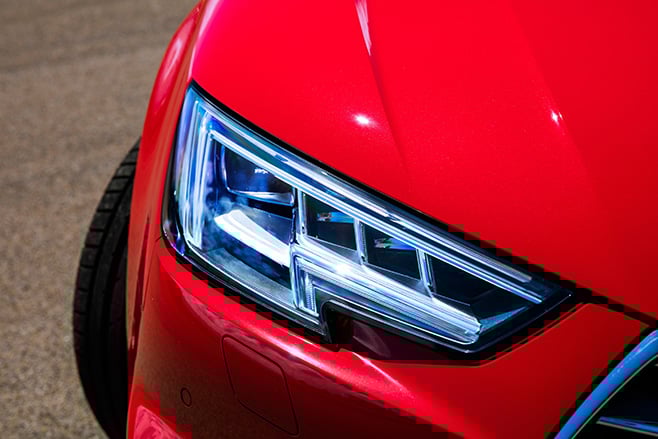
Driving along on a stretch of traffic-free bitumen, the system applies full power to the beam. It creates an impressive spread of light noticeably brighter than xenon headlights, providing a field of vision that’s so wide and tall it even picked out the upper branches of trees.
As we encountered approaching and preceding vehicles, the Matrix system revealed why it’s more advanced than the (still useful) auto high-beam found on numerous, variably-priced cars that simply switches automatically between high and low beam when a front-facing light sensor detects other vehicles.
In the Matrix LED system a camera mounted behind the A4’s rear-view mirror detects the headlights or tail-lights of the vehicles and relays this information to an electronic ‘responsive’ control unit.
It then manipulates the Matrix Beam’s 24 small, dedicated lighting diodes – 12 per headlight – to first dim the lighting ‘zone’ affecting the other motorist before blanking it out completely as their vehicle gets closer to ensure they aren’t blinded.
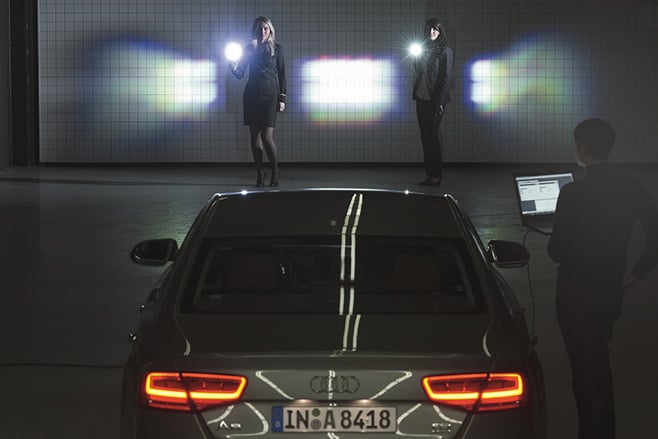
The system features eight ‘fingers’ of light, and you can easily notice how each individual finger switches on and off to keep the other vehicle in a patch of darkness – while the rest of the fingers keep significant portions of the road ahead and the roadside brightly illuminated.
It looks like a bar graph done Vivid style and is quite an uncanny sight – one we never quite got accustomed to even after a lengthy night time drive. Yet it would also be the first option box we would tick if we were buying an Audi A4.
The system can deal with multiple vehicles, illuminating only the gaps between them, though we didn’t get to experience this during our test drive.
To ensure A4 drivers don’t get dazzled themselves, the Matrix Beam will also reduce the intensity of the roadside-focused fingers when reflective road signs are detected.
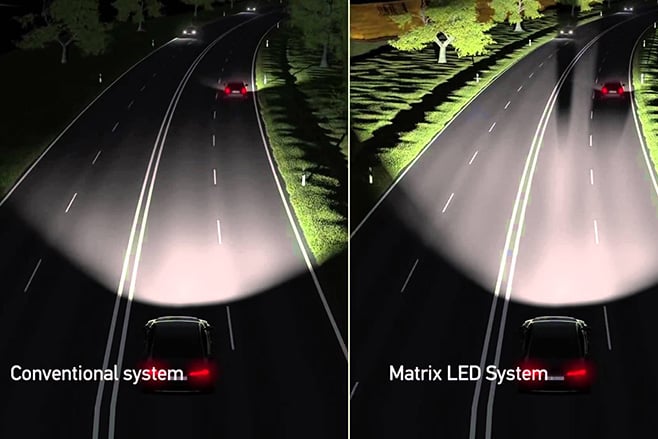
The A4’s system isn’t quite as advanced as the A8’s version, which in conjunction with optional Night Vision can produce a strobe warning light – flashing three times – if a pedestrian is in dangerous proximity to the vehicle.
The A4’s Matrix headlights do, however, borrow the ability to peer around a corner before the driver has even turned the steering wheel – using predictive route data if the A4’s multimedia navigation system is in use.
For urban areas the Matrix Beam can still be left in Automatic, though here the higher levels of ambient light instruct the system to revert to a dipped beam – though the lighting area is broadened to help pick out more detail and potential hazards to the side of the road.
Mercedes offers an equivalent system, called Active Multibeam LED, on some models, while BMW offers a less-advanced system called Selective Beam.
Holden will bring the technology into the mainstream later this year as an option on the new-generation five-door Astra.
The updated Audi A3 will also later this year become the most affordable Audi to offer Matrix LED. Audi Australia says about 30 per cent of A4 buyers are currently taking up the Matrix LED option, which seems like bright thinking to us.
If America sat on its mighty hands in the 1940s it might actually be Australia harpooning whales for dinner these days.
And likewise, we have the Yanks to thank for transistor radios, light bulbs, the polio vaccine, and all manner of other mindless things we take for granted. And now we might have something new to add to this list, thanks to the Yanks’ penchant for big-block grunt.
You see, Mazda will take any opportunity to crow on about the lightweight ethos of its iconic MX-5 convertible. More power is not its philosophy, it might say. And the Japanese brand has clung to its guns resolutely if nothing else. (We sorta get their point, but we can’t help but think the price has been just as carefully considered as any Colin Chapman-esque antics. Power costs.)
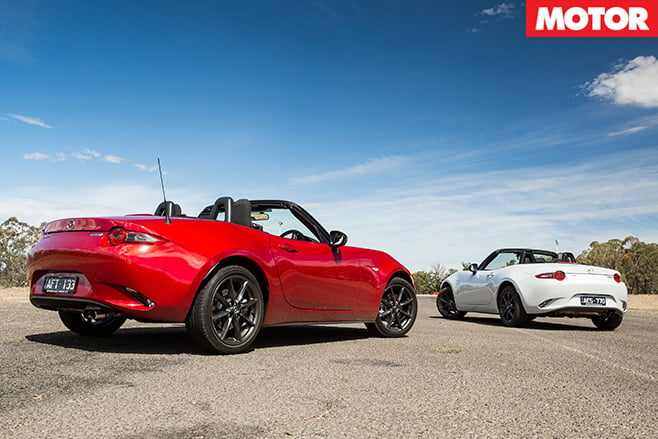
For the ND MX-5 to get serious traction in the US market it needed a donk that messed with the actual traction. And so for its latest, fourth-generation car, Mazda is trying a new strategy in offering a ‘big block’ (the most dubious use of that term, ever) MX-5, a 2.0-litre, alongside the smaller, rortier MX-5 1.5.
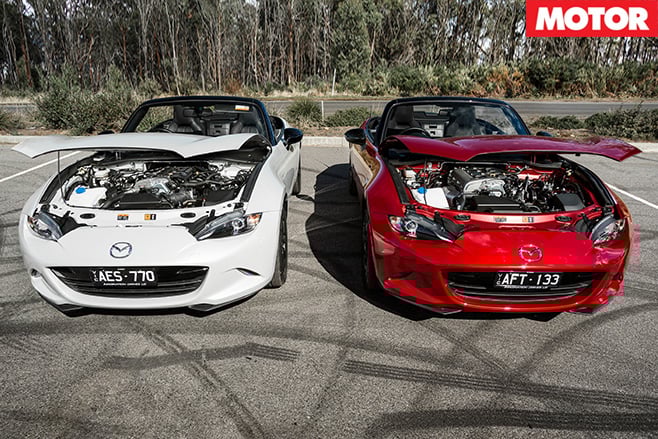
To some extent the Americans’ demand for more kilowatts from the MX-5 is shared in Australia. Since time began the MX-5 has copped flak for lacking horsepower, but in fact it’s us Aussies who are especially guilty of adding the tabasco sauce to taste, turbocharging during the second-generation with the Oz-only, Prodrive-built SP.
And then there was the tamer but factory-built SE (also our doing). Both cars disappeared quick as they came, hurried off as a limited edition or by a new generation.
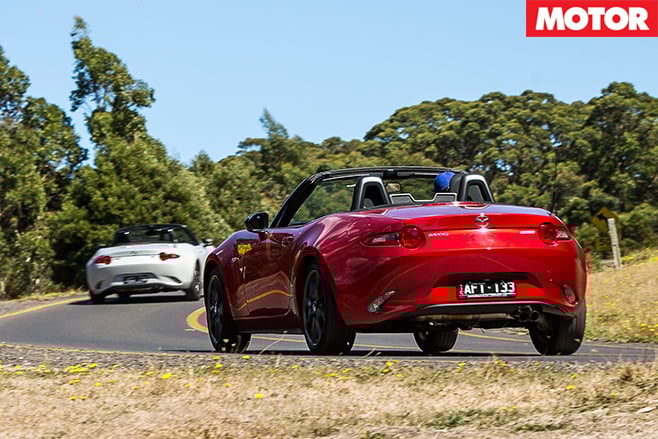
Despite the war on grams the MX-5 2.0-litre weighs 24kg more than the 1.5, due to bigger wheels (17s v 16s), tyres (205mm Bridgestones v 195mm Yokohamas), dampers, and brake discs (280mm v 258mm).
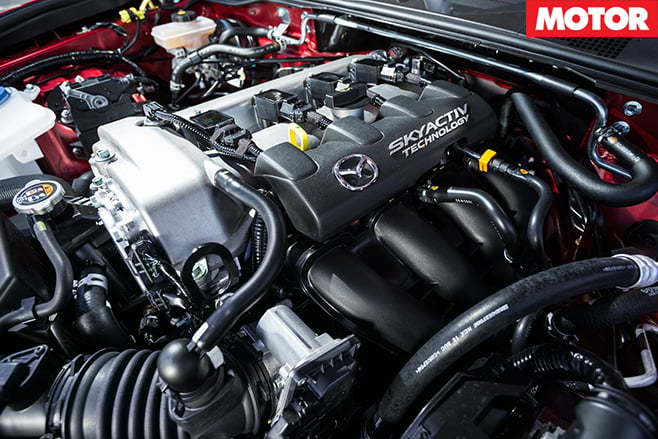
The 2.0-litre doesn’t rev as hard as its 1.5-litre baby brother, either. Both engines sport an undersquare bore/stroke ratio, but a full counterweight steel crankshaft in the 1.5-litre lets it spin to 7500rpm, or 700rpm more than the 2.0-litre. While peak torque for both engines arrives virtually at the same rpm, peak power crests 1000rpm apart, the 1.5-litre’s 96kW lobs at 7000rpm to the 2.0-litre’s 118kW at 6000rpm.
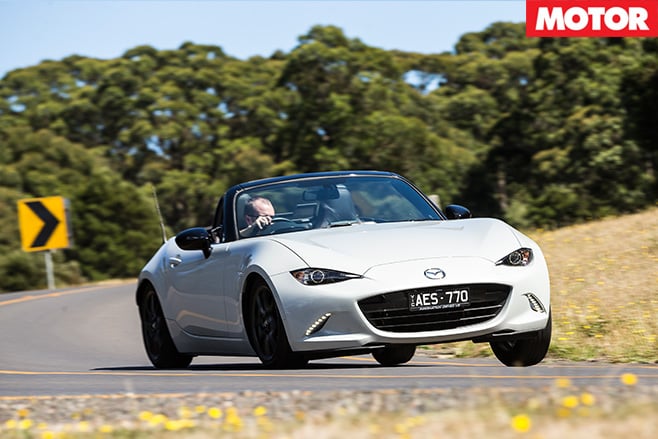
Pointing our Soul Red, muscled-up 2.0-litre down Heathcote’s Raceway, you’ll need 3500rpm before quickly stepping off the clutch. Nail it and you’ll catapult forward in a frenzy of tyre squeal, knocking off 100km/h in 6.97 seconds before tagging 400m in 14.98.
Launch technique is identical in the 1.5-litre but you’ll need to apply another 1500rpm. No real surprise it lags by a second to 100km/h (7.9sec) and is almost eight tenths behind at the quarter mile mark (15.76sec) but no less interesting. Plus, dare we say, it’s more fun.
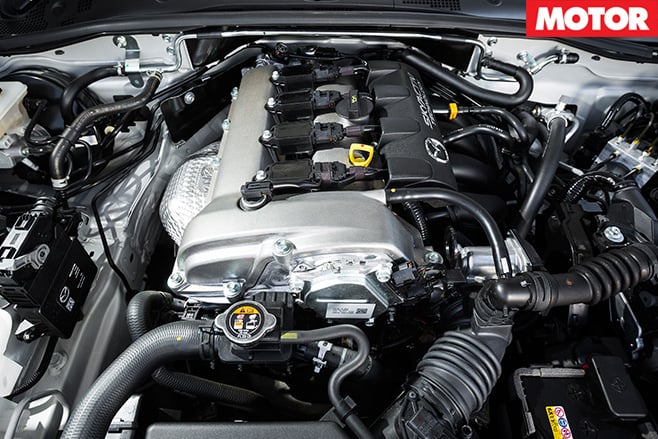
With another 600rpm available the smaller 1.5-litre also sounds better, more rortier. That said, even with both donks blaring through a plumbed intake tract and tuned exhaust system you wouldn’t set either as your ringtone.
Approaching corners the 2.0-litre’s brakes feel acres stronger than the 1.5’s. With firmer springs, a wider footprint and upsized braking hardware, the 2.0-litre avoids any dramatic dive when you hit the stops. Unlike the 1.5-litre, which is almost theatrical in its dive, roll and squat. (Okay, maybe dive and roll.)
The 2.0-litre’s firmer suspension marries up well with the extra rubber, the result being you can attack harder and cover ground quicker, easily able to pull a sizeable gap on the 1.5. But where the 2.0-litre’s suspension feels firm, the 1.5’s setup is, as alluded, a fair bit softer. But it’s not necessarily for the worse.
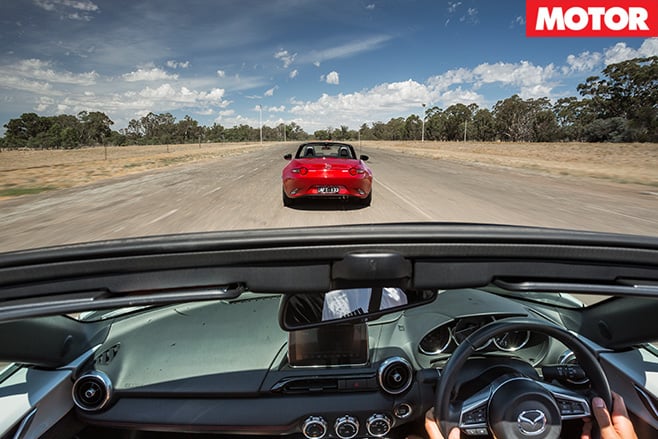
And you quickly learn that this is not a car you jump in and prod the ESP off, the 1.5-litre eager to oversteer at the smallest of provocations. And on those skinny 195s it’s either happening at a nice, safe, low speed, or much earlier than you were expecting.
In fact driving the 1.5-litre fast takes real skill, and in turn it can be educational. Accelerate too early and you’ll pick up understeer. Likewise you’re forced to be smooth and look further down the road. If Mr Myagi (from The Karate Kid, where’s your culture?) was ever reincarnated as a car, it’d be this.
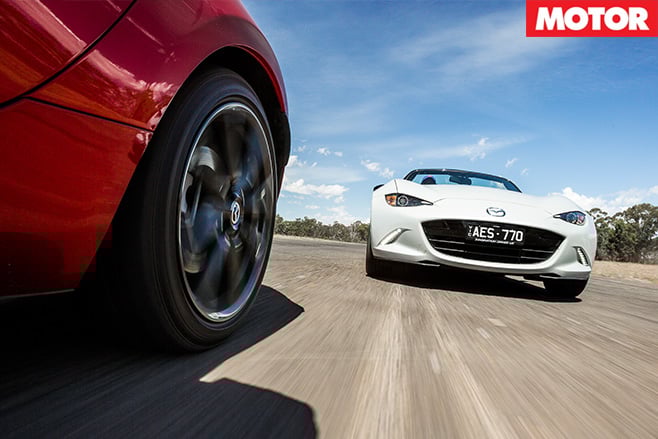
But, in general, driving both back-to-back reveals two surprisingly different cars. With more grip and firmer suspension the 2.0-litre is the meaner, faster cornering device – more of a traditional performance car as we would know around these parts – responding well to having its scruff grabbed and thrown about.
Or at least it’ll tolerate a more ham-fisted, aggressive driving style. Load up the outside rear and squeeze the gas out of a corner and it’ll even serve up a side-step necessitating a quick steering correction. Yep, power oversteer, junior-burger style.
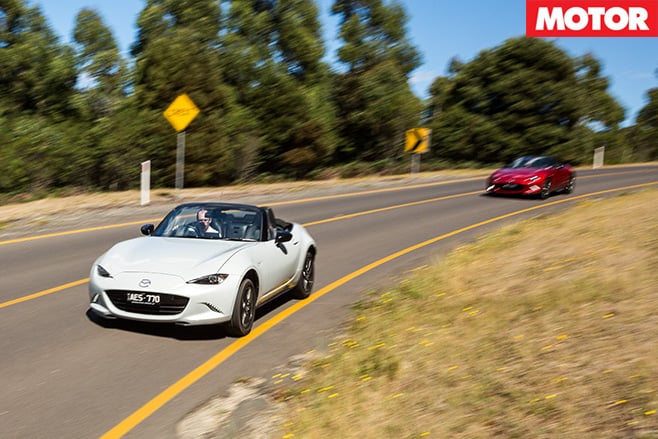
That’s not to say it’s slow, but there might be a long adjustment period downgrading your Renault Sport Megane to a 1.5-litre MX-5. It gets a lot out of its 96kW and feels faster than it is, owing as much to its lack of sound deadening as its peaky 7500rpm redline. But be in no doubt, the 2.0 is much faster.
It’ll dispose of L-platers quicker, 80-120km/h disappearing 1.5sec faster in third (4.8sec). And, unlike the 1.5, it won’t necessarily require the next lowest gear in anticipation of a long hill.
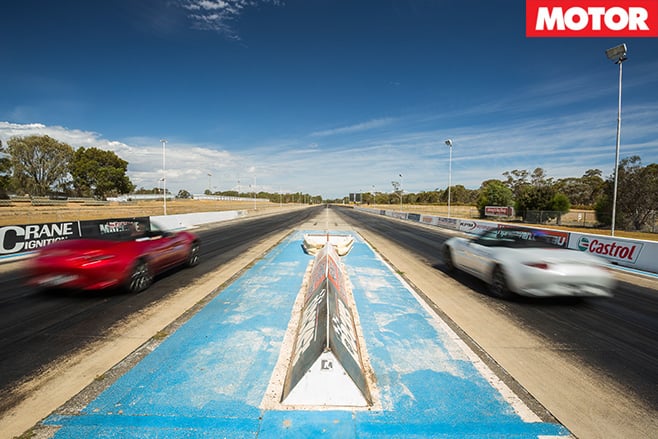
To save weight you can only adjust the steering wheel for tilt, not for reach, so it can be tricky to get yourself in the perfect position, but whatever you arrive at, you do get used to. Taller drivers should fit under the roof without too much hassle, as well.
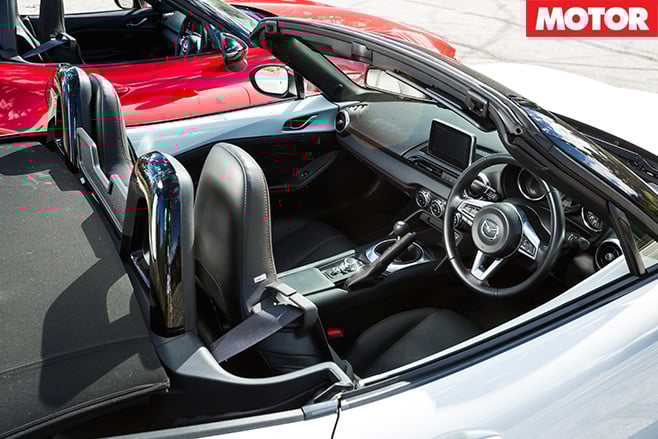
So, verdict. Just $2500 separates two very different cars. Grab the 1.5-litre if you can tell the NA from NB, NC from ND and if you talk in power-to-weight figures rather than kilowatts or 0-100km/h times.
It takes patience and experience to punt the 1.5-litre fast, and if you don’t know how at the start, and are keen to learn, you’ll come out the end a better driver. And it’s the truer MX-5: the simplified, purer driving tool that Mazda always intended to build. And of course you pocket a bit of coin grabbing it over the 2.0-litre.
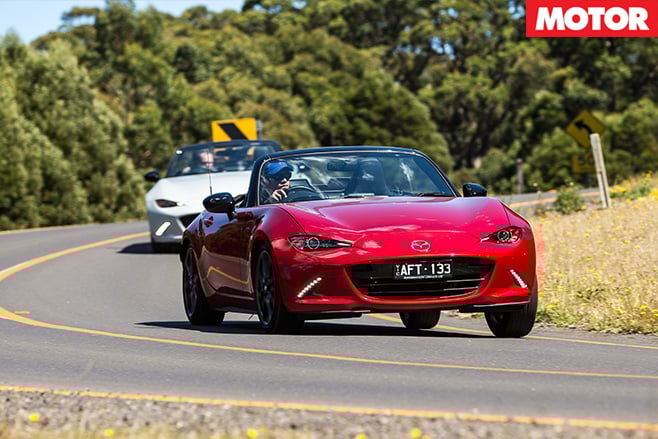
And at the end of the day, we’re still talking only 118kW and 205-section tyres here – something like a Ford Fiesta ST would still see it off up a twisty road. But the roof doesn’t come off a Fiesta ST, so if you’re grabbing an ND MX-5 get the ‘big block’: it’s the bit of butter we didn’t realise the bread needed ’til we tried.
A dashing Frenchman left behind this classic as his legacy.
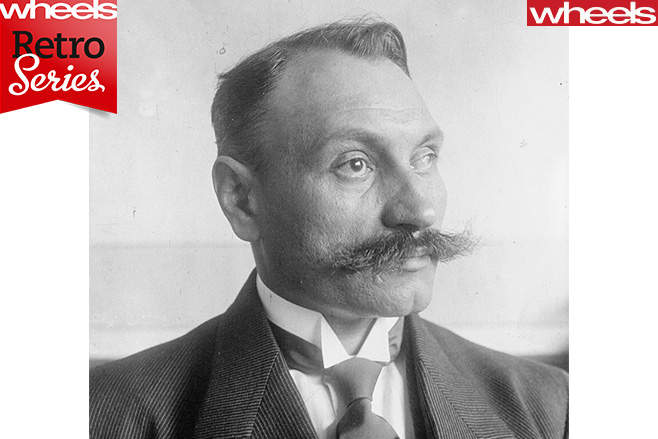
LOUIS Delage was a French carmaker in the way you’d have a French carmaker be. Born in 1874 as the son of a stationmaster, he studied engineering at a prestigious college and, like W.O. Bentley, kicked off his career as a railway engineer.
Then he turned to car-making, produced advanced and timelessly elegant machines, became a rich and randy Parisian playboy, went bust, and died poor.
Delâge founded his car-making concern in 1905, initially producing tiny voiturettes powered by single-cylinder de Dion engines. He was quick to recognise the value of motorsport and a victory in a grand prix at Dieppe in 1908 had the orders flowing in.
His road cars got bigger, faster and more glamorous, supported by further racing success. However, neither racing success nor production of more than 1000 of his four-cylinder cars per year made Louis Delage super-rich. But the Great War did, with Delage factories converted to produce munitions.
Through the 1920s, Delage’s six-cylinder cars were among the top rank in terms of performance, luxury and styling, the latter by a variety of French coachbuilders. And Monsieur Delâge, who sported a glass eye (the result of a childhood accident), was quite the rake around Paris.
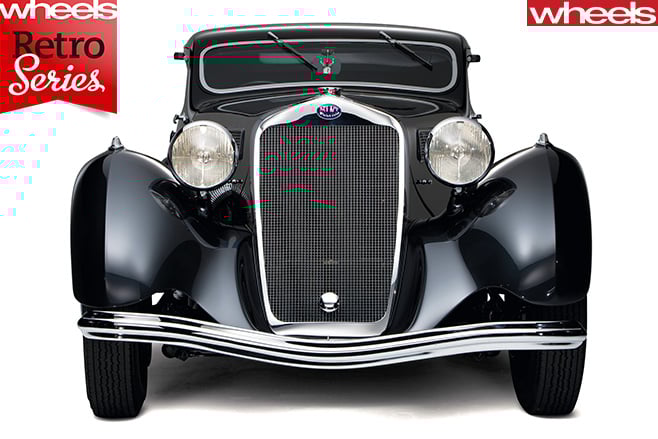
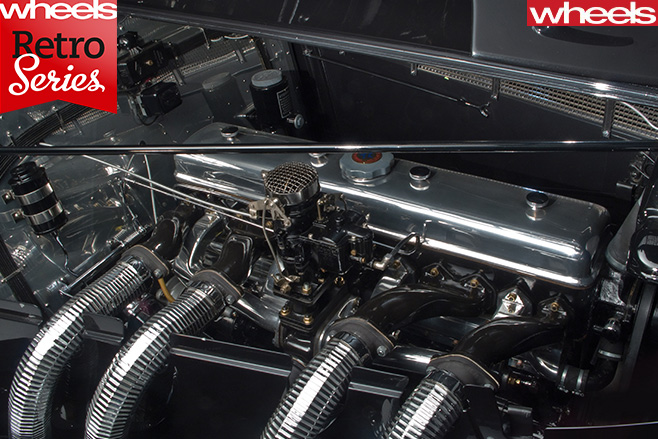
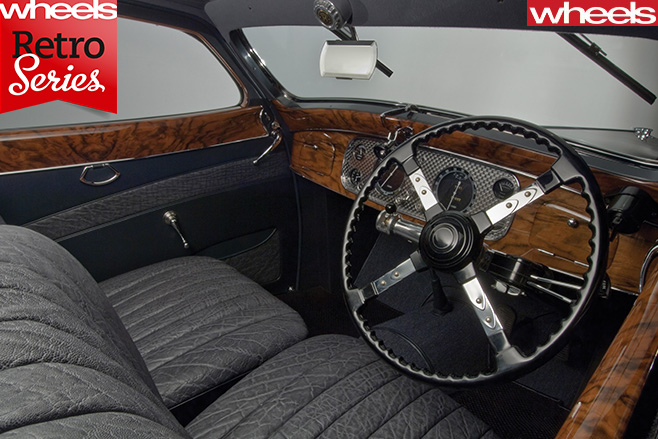
The D8-120 of 1937-40 was the product of this marriage, using a modified Delahaye chassis and a 4.7-litre straight-eight derived from a Delahaye six. Aside from its more than competent touring performance and handling, the D8-120 became known for gorgeous bodies by coachbuilders such as Chapron, Saoutchik and Letourneur et Marchand.
The latter provided the elegant Aerosport Coupe on these pages. This particular example, which sold for more than a million dollars seven years ago, is one of only a dozen believed built and spent several years in Australia after World War II.
While this car decayed Down Under, the Delage marque sadly did the same. Delahaye had given the bum’s rush to the dandy Louis Delage, who died poor and little-remembered in 1947. Six-cylinder cars were produced after WW2, but Delage ended along with Delahaye in 1954.
Effortless torque
Spring has sprung
The D8-120’s Delahaye-derived chassis, adopted in 1936, was no penalty; it was quite advanced with its independent front suspension by transverse leaf-spring with trailing arms, and conventional leaf-spring, live-axle rear. Brakes are by four hydraulic drums. This example’s steel Aérosport coupe body is over a timber frame, sitting on a 3378mm wheelbase.
Got wood
Fast & factual
1. Tanked
The D8-120’s straight-eight engine did duty in the Hotchkiss H39 fast-reconnaissance light tank during WW2.
2. Franc-ly skint
In his last days, Louis Delage settled in the small village of Le Pecq, walking or cycling to church as he couldn’t afford a car.
Delage’s Y-Type racer is a legend: the same example won the 1913 French GP and the 1914 Indianapolis 500, beating Peugeot.
4. Early aero
The Aérosport body was styled by Marcel Letourneur, son of the coachbuilding firm’s founder and fascinated by aerodynamics.
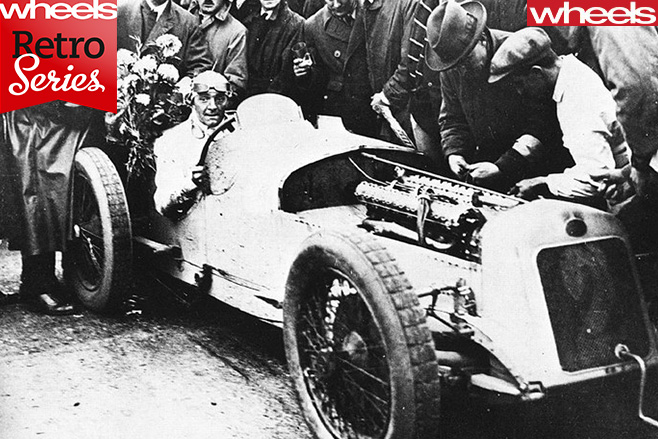
Delage’s eight cylinders were serious kit; French racing hero Robert Benoist won four of the five grands prix to sweep the 1927 world manufacturers’ championship.
