Cadillac had previously announced it would be pure EV by 2030
The brandu2019s global marketing boss now says it will u201cfollow customersu201d as it transitions away from ICE
Cadillac will be EV only in Australia, with the brand reaffirming it has no plans to sell petrol models here
Aussie-bound luxury brand Cadillac is the latest carmaker to soften its stance on adopting an electric-only range, saying it will instead “give customers the choice” as global demand for EVs drops.
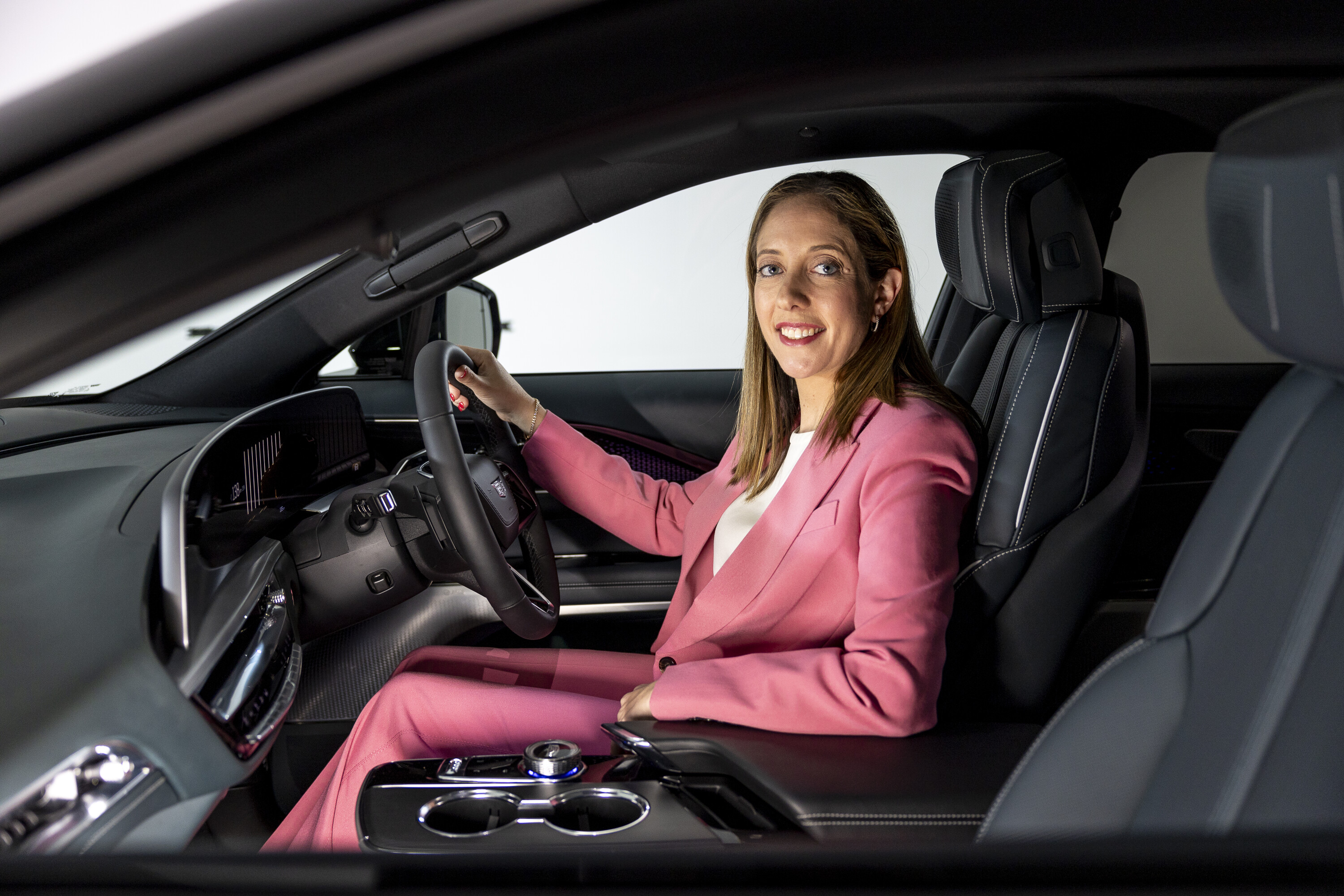
Cadillac had previously committed to selling only electric cars by 2030 but global chief marketing officer Melissa Grady Dias has today said the brand will instead be flexible as it transitions away from combustion power.
“We are going to have EVs available and we’re following customers at this point,” she told Australian media in an exclusive round-table interview. “If you look at the trajectory of the EV market, we’re gonna be following and we’re going to give customers the choice.
1
“The past 90 days have been a little insane. And if I look at 90 days and try to predict into what’s going to be happening in six years, I absolutely cannot.”
Today’s news follows similar comments from Cadillac’s global vice president John Roth, who recently told the Detroit Free Press that “EVs and ICE, we want to be clear, will coexist for a number of years.”
Cadillac is the latest in a growing list of brands to walk back from self-imposed hard deadlines for adopting ranges powered solely by electricity. Mercedes-Benz recently backtracked on its plans to be EV-only by 2030, while Ford and GM have both recently delayed major investment into new EV manufacturing plants.
“In Australia and New Zealand we are 100 percent EV for Cadillac”
“What I can tell you is that when the market is ready, whether that’s in two years or whether that’s in six years for EV, we have what I believe are absolutely the best and very competitive EV vehicles to meet those needs,” added Dias, acknowledging that the transition to electric power is likely to ebb and flow.
“We’re following customers,” she said. “And I think as any good brand does we listen to our customers and follow them.”
When asked if the change in sentiment could open the door for petrol-powered Cadillacs to come to Australia, GM’s managing director of Australia and New Zealand Jess Bala said: “No, in Australia and New Zealand we are 100 percent EV for Cadillac.”
1
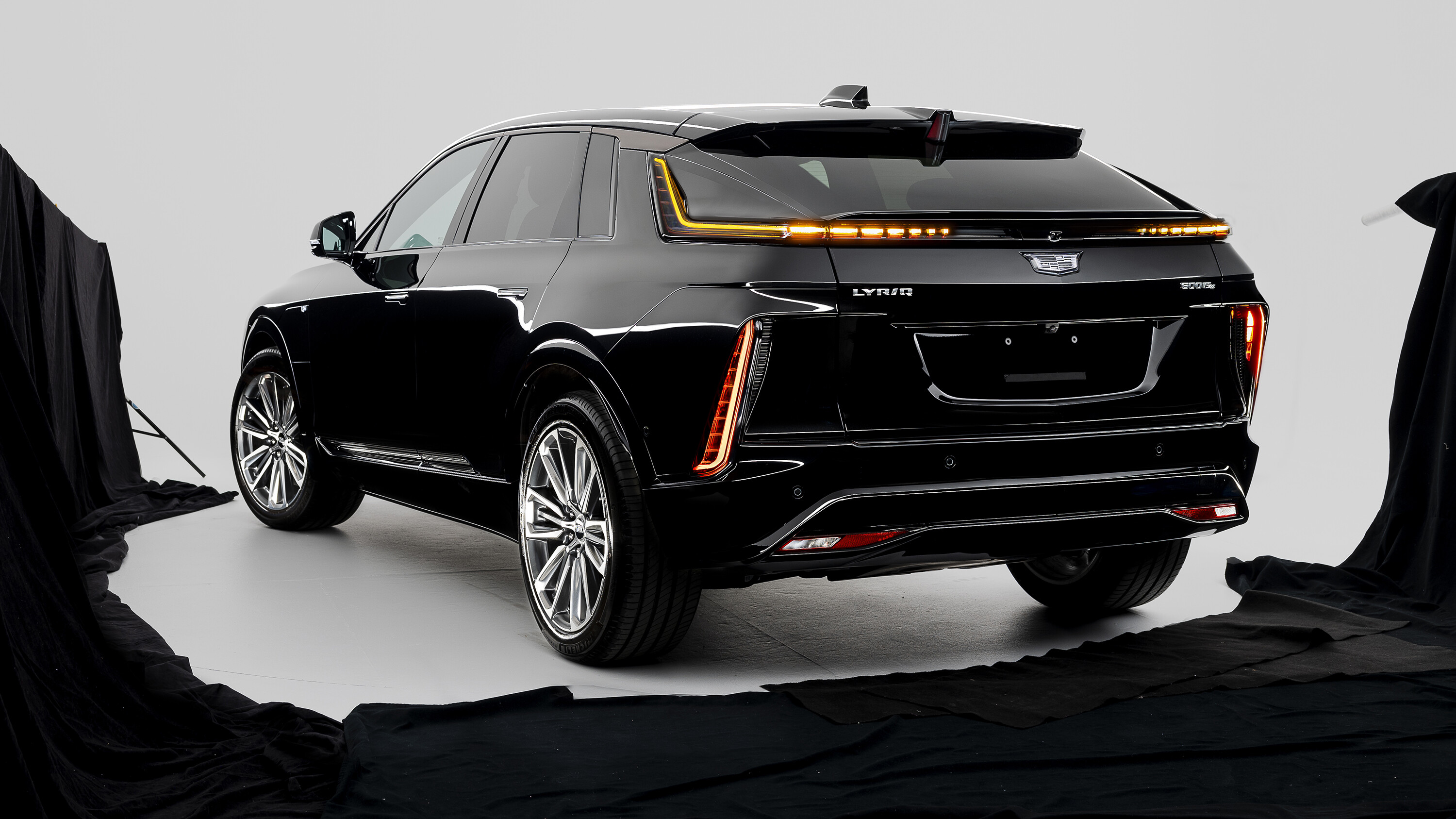
After an almost 50 year absence, Cadillac will return to Australia roads later this year when it launches the all-electric Lyriq SUV.
Set to be a rival for luxury players like the BMW iX and Audi Q8 e-tron, the Lyriq is planned to launch in late October and will be the first model in what is predicted to be a three-strong SUV range in Australia.
The smaller Optiq SUV and the larger seven-seat Vistiq are also tipped for Australia, with the Escalade IQ also a possibility.
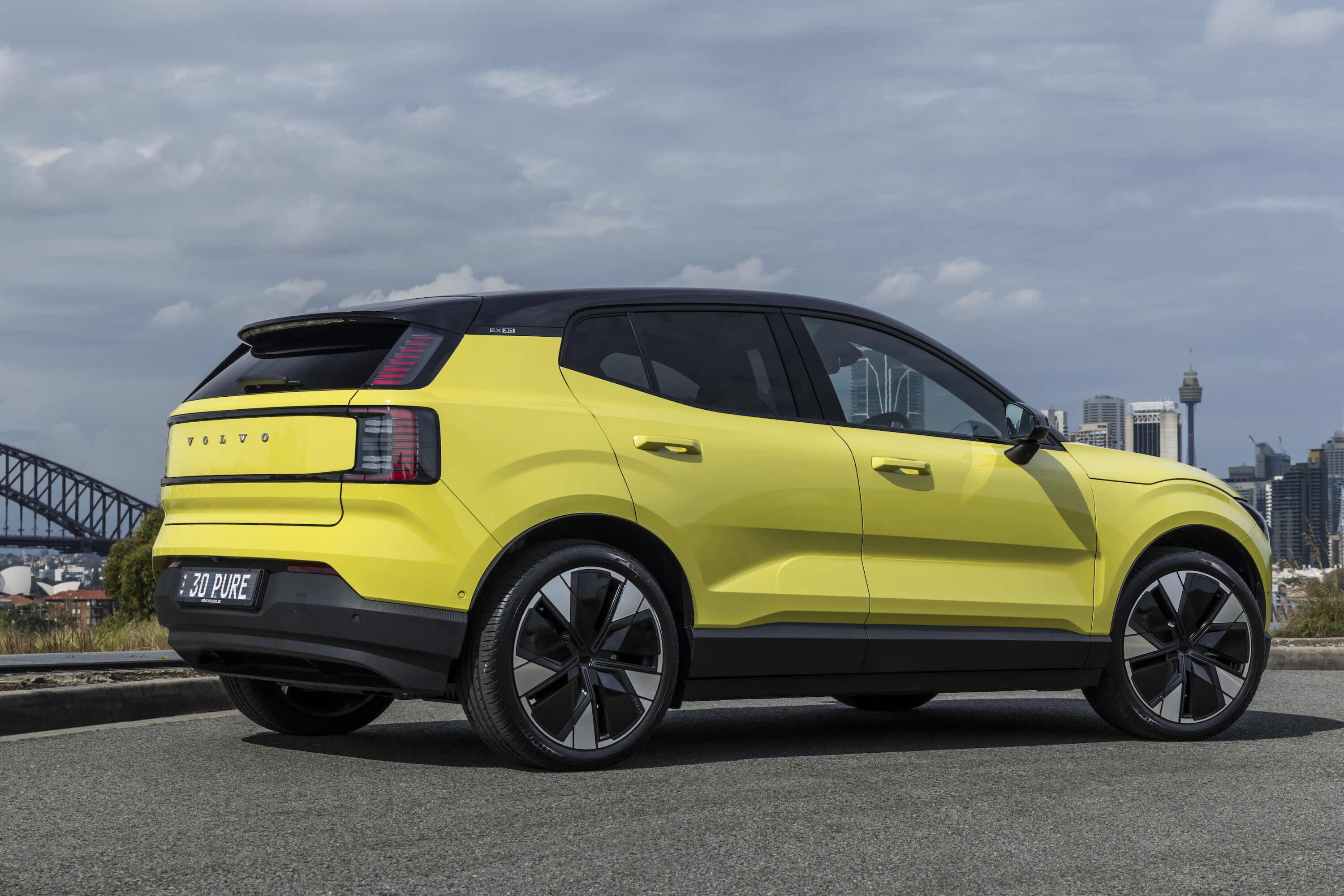
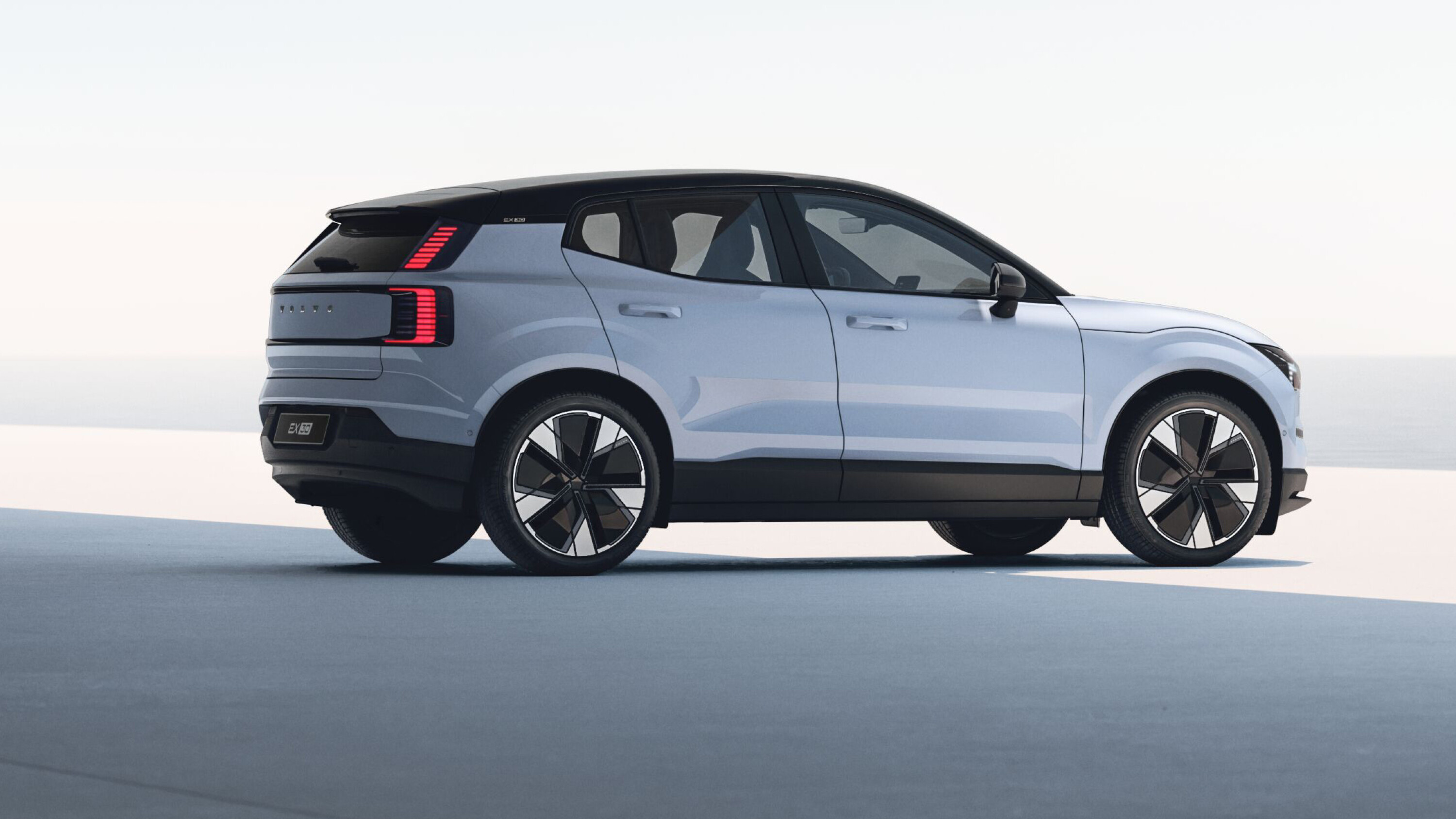
Volvo Australia predicts its new EX30 will become its most popular model, saying the baby electric SUV is already snaffling buyers from other brands while also attracting younger customers.
The EX30 has gone on sale this week with a starting price of $59,990 for the most affordable version of the 4.2-metre-long SUV.The petrol XC40 remains the most attainable Volvo, priced from $54,990, though the EX30 is $17,000 cheaper than the company’s next electric model, the XC40 Recharge.It’s a pivotal part of Volvo’s ambition to became an all-electric car brand by 2026 in Australia, and 2030 globally.
1
“The [EX30] will represent probably about 30 per cent of our [total] sales,” said Volvo Australia MD Stephen Connor. “We’re about 40 per cent for our mix of EV [electric vehicles] at the moment, and by the end of this year we will be up to about 70 per cent EV [showroom share] – which of course gives credit to our long-term vision [to be all electric].“This [EX30] going to be an absolute [top] seller. It’s going to bring a new demographic to Volvo – we’re going to pull people from other brands but we’re also going to pull in younger demographic to the brand, which opens up our market completely.”“That’s the whole principle of having a fun car like this – that it pulls people into the brand and all of a sudden our brand is much more accessible across the range.“EX30 will also help our other models. We’re not going to be a one-car company. The EX30 is not a car for everybody – great car, great size – but that’s where we think we will naturally migrate people to XC40 electric. Or buyers have a family, so they will look at XC60, look at XC90, and EX90 when it arrives.“[EX30] really sets us apart from our competitors.”
1
Connor said its allocation of 1500 pre-orders for MY24 EX30s was sold out, with MY25 models now available to order. These bring a $1300 increase for both the mid-range Extended Ultra (now $66,290) and flagship Performance Ultra (now $71,290).About 40 EX30s are rolling out of Volvo Australia showrooms every week at the current rate, but Connor said he expects this to lift by up to 60 a week now the vehicle has officially launched.Healthy supply of up to 3900 units is available in 2024 for the model that was the best-selling Volvo in Europe in April.Volvo Australia has chosen to ignore a smaller-battery EX30 that would have had the potential for a price tag closer to $50,000.Instead, all three EX30 grades use the same 64kWh battery – powering either a single motor (Extended Plus and Extended Ultra) or dual motors (Performance Ultra).Volvo Australia believes 60 percent of buyers will opt for the most expensive EX30, the Twin Motor Performance Ultra, with the two single-motor models accounting for the other 40 percent.
Volvo Australia says it is not currently looking to offer models priced much below $60,000, confirming it had no plans to introduce the most affordable EX30 available in other markets.
The Swedish car maker has just launched the EX30 compact electric SUV in Australia. It’s priced from $59,990 with all three models in the range using a 64kWh battery.
A 51kWh EX30 is offered in the UK and Europe, which would offer the potential for an entry model priced closer to $50,000.
In the UK, there’s about a $9000 difference between the 51kWh Single Motor Standard Range EX30 and the 64kWh Single Motor Extended Plus that starts the range in Australia.
1
The cheaper 51kWh EX30 uses a more cost-effective lithium-ion phosphate (LFP) battery compared with the 64kWh nickel-manganese-cobalt (NMC) battery used in other models.
The Standard Range has the same 200kW/343Nm outputs as the other single-motor EX30 models, though its 344km WLTP driving range is notably shorter than the other variants’ 480km.
Volvo Australia said it firstly wanted to avoid over-complicating the EX30 range, but it also believed the greatest market potential was found above $60,000.
“Between $60K and $90K is the biggest segment we’re seeing at the moment in terms of [sales] volume, and that bracket is where we’re sitting nicely with EX30 at the lower end, the XC40 electric [small SUV] in the mid range, and the C40 [XC40’s electric-only coupe twin) slightly above that.
“So think we’re hitting the segments well in terms of price point.”
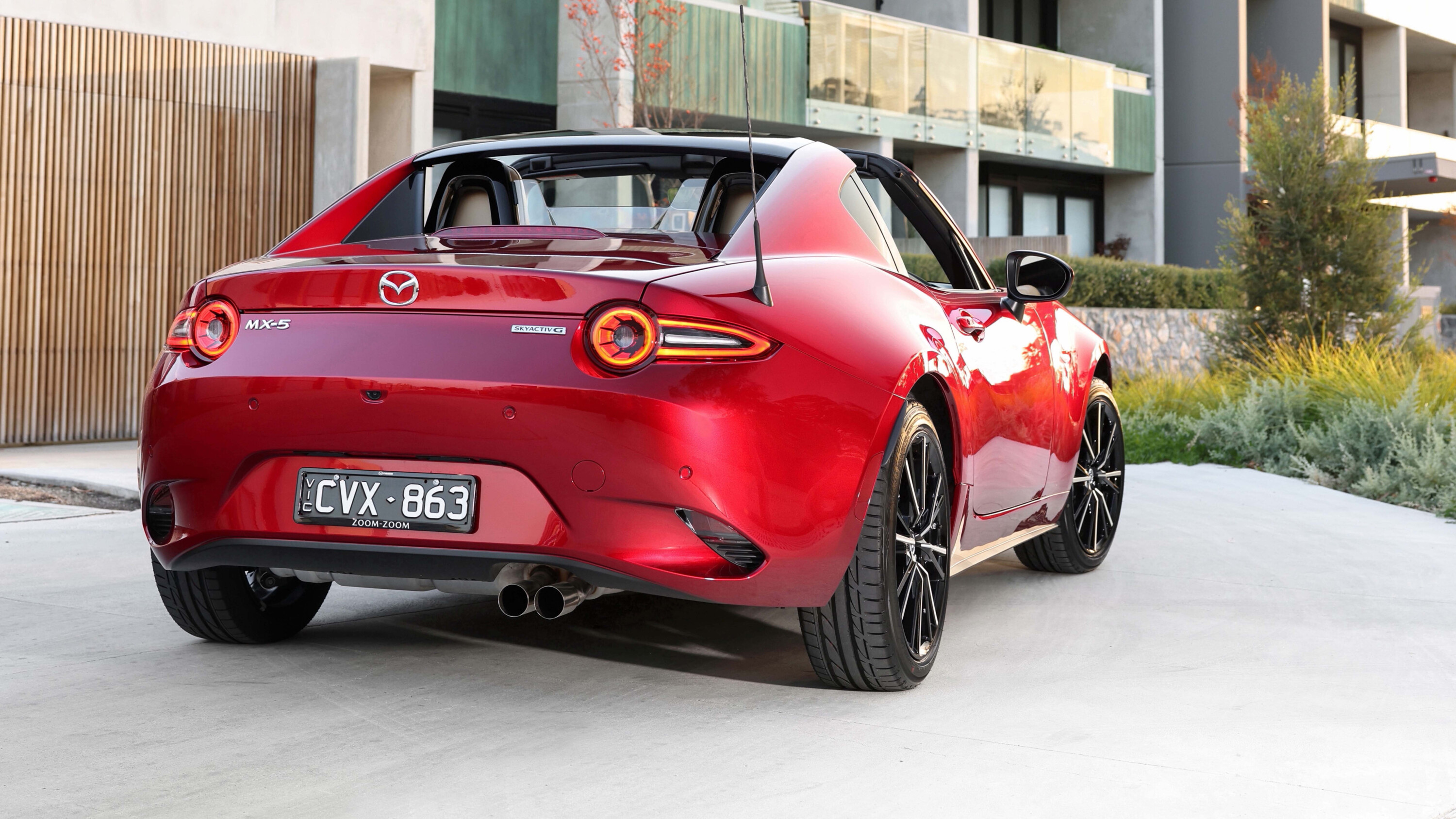
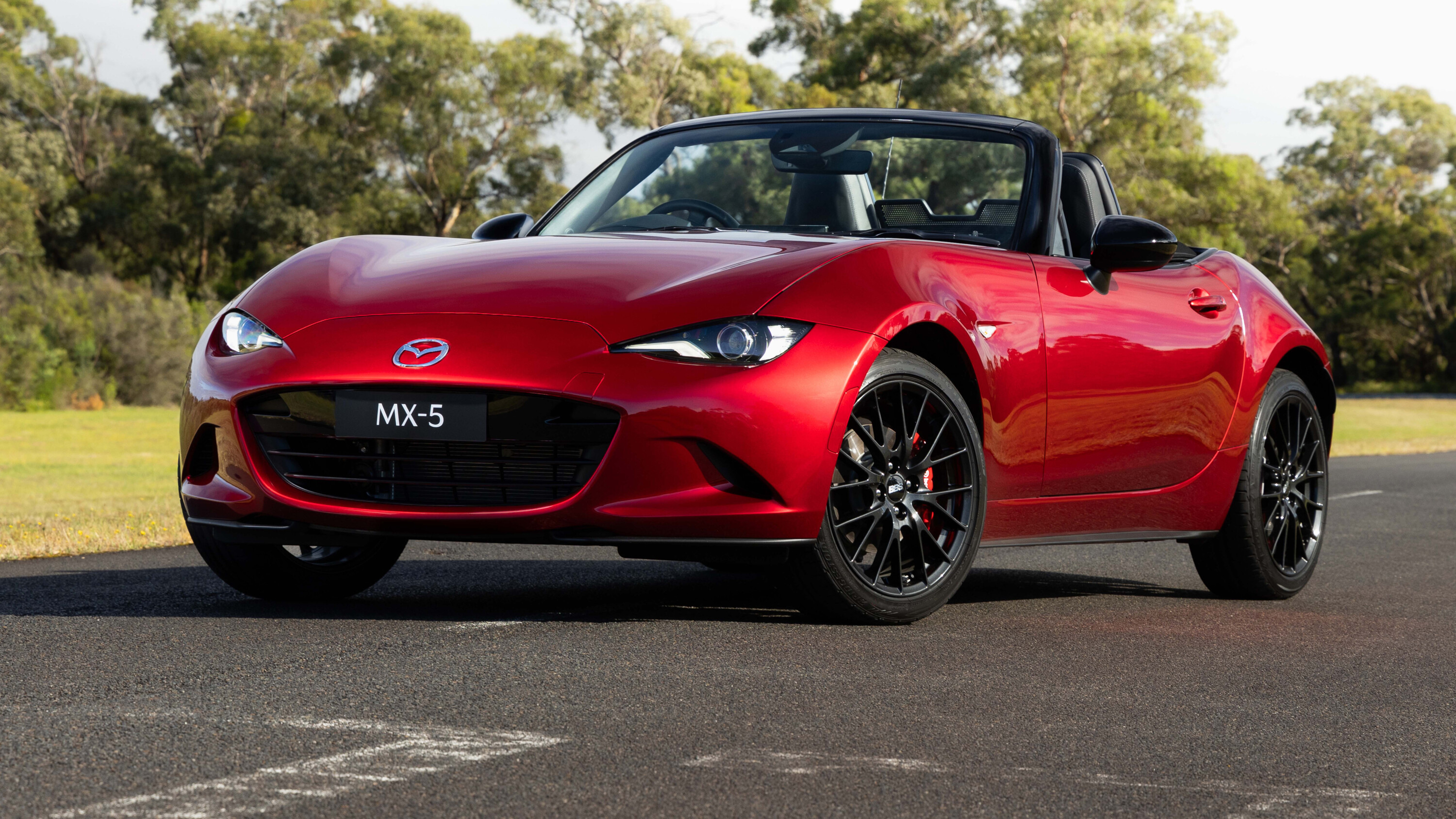
If your internal motoring clock is telling you it’s about time for an all-new version of the Mazda MX-5, then well done, you’re absolutely right.
Mazda tends to give us a new generation of its iconic roadster every 10 years or so (the original debuted back in 1989) but now, in an age where sports cars are harder to justify and Mazda has admitted it’s considering going pure EV for the next instalment, it seems the current ND MX-5 will solider on for a few years yet.
The good news is that despite it now qualifying for a Seniors Card, MX-5 sales continue to be unwaveringly strong and, even better, is that rather than sit on its hands, Mazda has given the MX-5 a facelift for 2024.
1
The promise there is greater freedom to let the lithe chassis move about
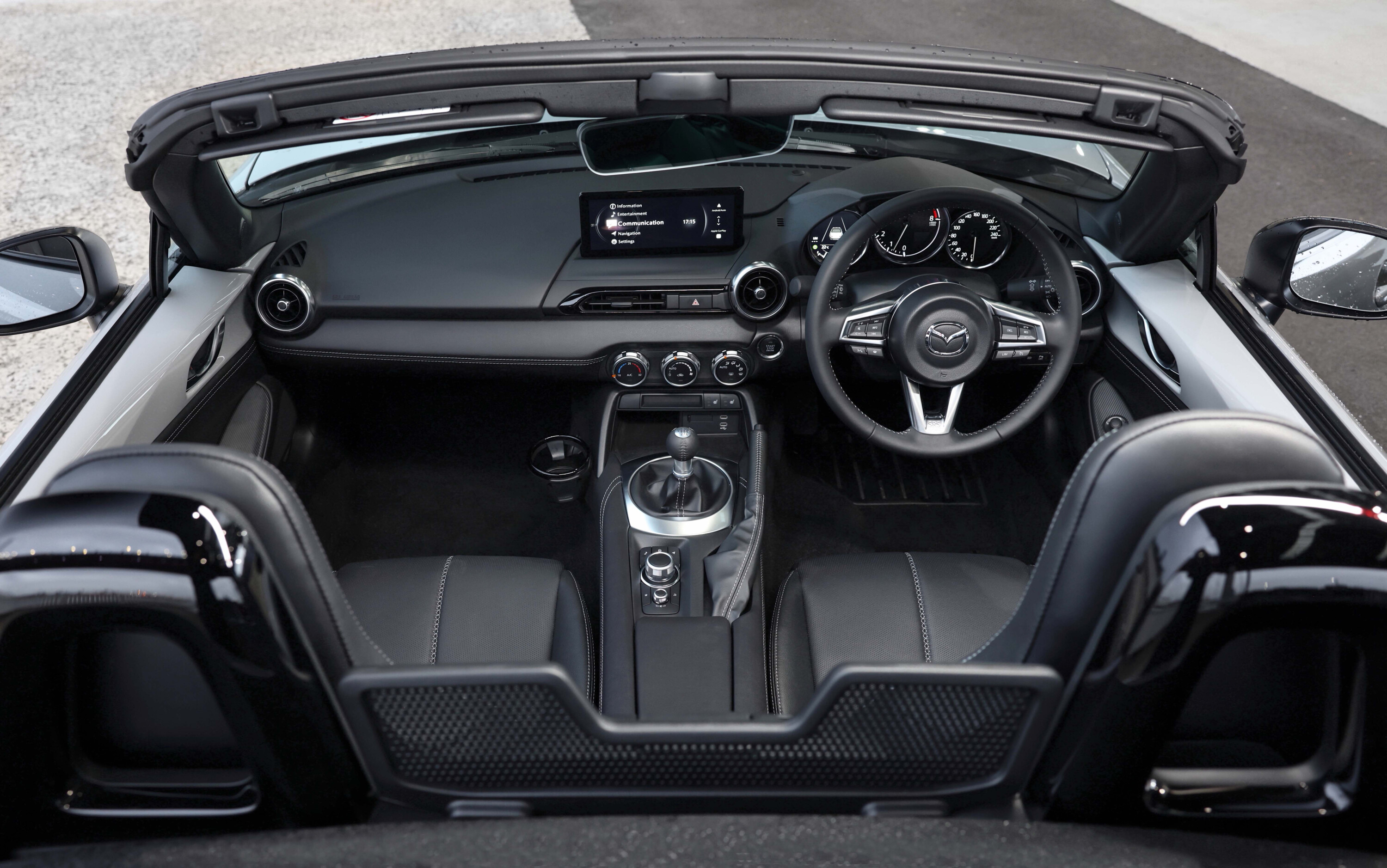
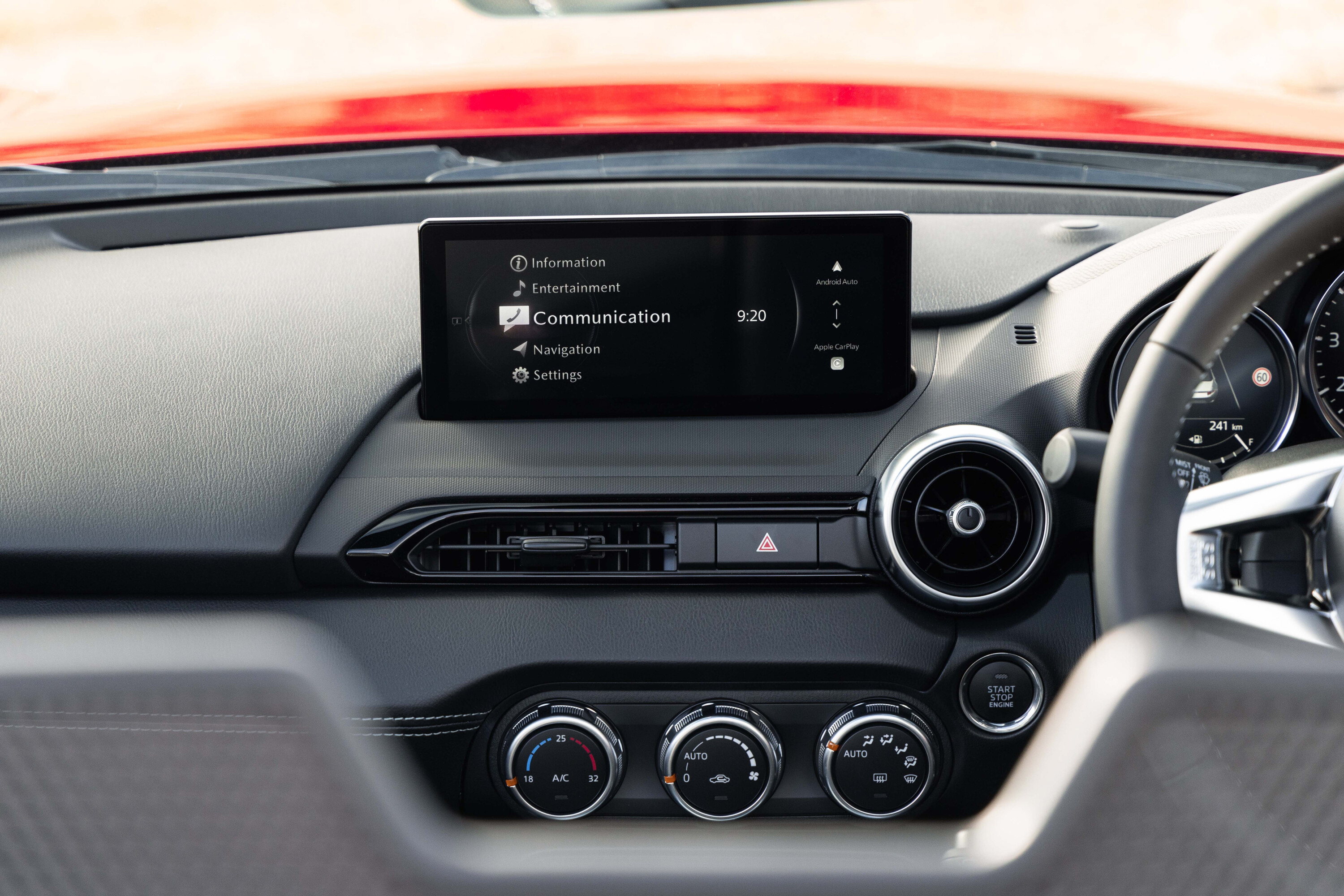
Outside there are new headlights and fresh taillights (notice how the DRLs and reversing light are now integrated into the light itself rather than the bumper?) and inside the seats are now trimmed in grippier material and there’s a fresh, and much larger, 8.8-inch touchscreen in the centre of the dash.
Of greater importance is a new asymmetric limited-slip differential that Mazda says should help quell some of the pre-update car’s tendency to oversteer on the way into corners and there’s also a new DSC-Track setting for the stability control in top-spec RS versions.
The promise there is greater freedom to let the lithe chassis move about while retaining enough of a safety net to save your ego (and your insurance premium) if you get it horribly wrong.
1
You probably won’t, though, because unlike most modern performance cars, which are increasingly heavy and complex, the dynamic fundamentals of the ND MX-5 are close to perfection.
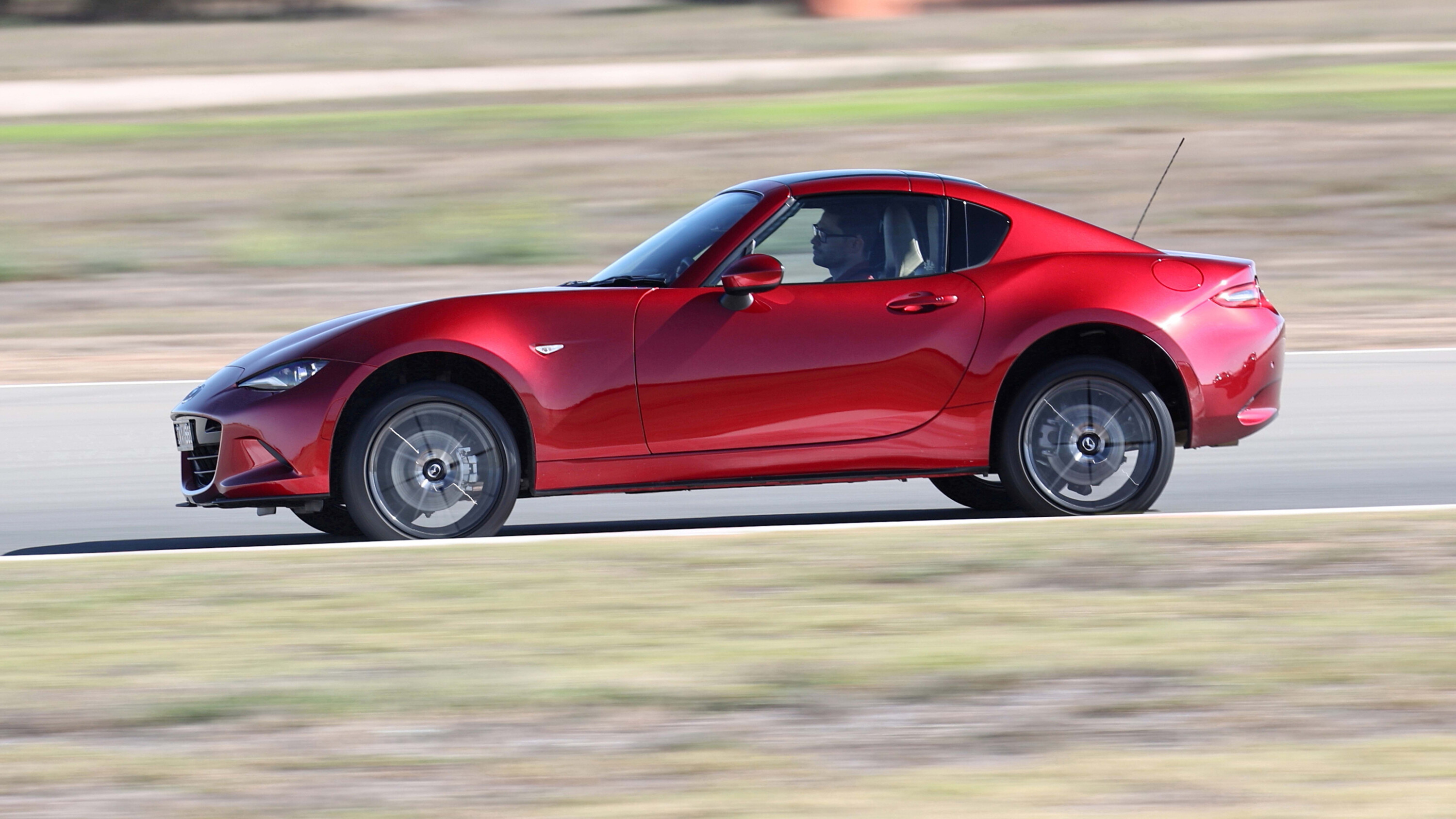
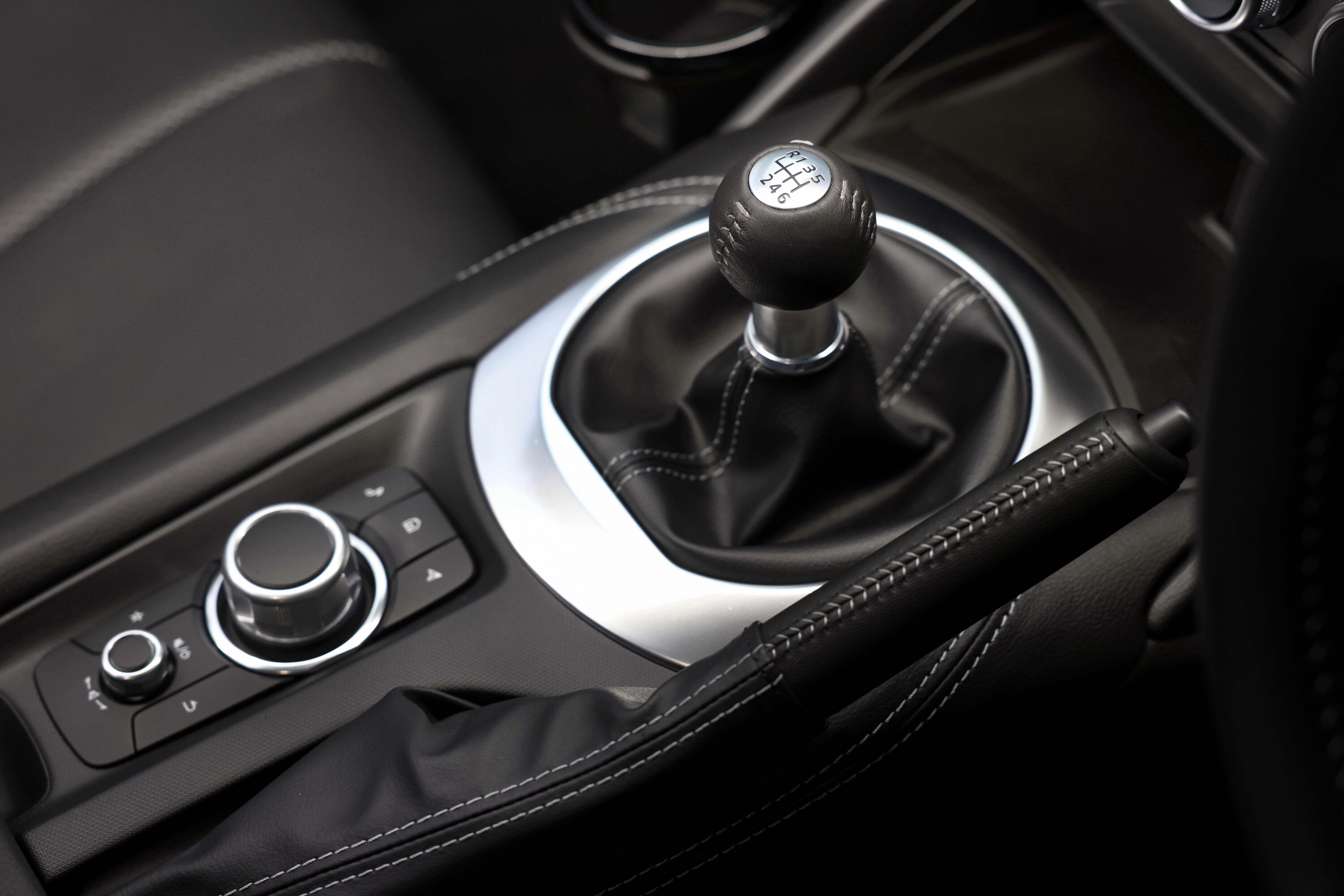
The steering is ideally weighted, the manual gearshift is a tactile delight, and because there is so little weight (kerb weights still hover at just over 1000kg), the handling is wonderfully agile and responsive.
The suspension is still improbably soft by modern standards, though, so there’s plenty of body roll to contend with but needing to manage dramatic weight transfer only enhances the sense that this is driving at its most basic and rewarding.
1
Plus, the benefit of a softly sprung chassis is tremendous ride comfort, especially in lower-grade models.
RS versions gain stiffer Bilstein dampers and 17-inch BBS alloys for a more steely eyed feel but even so, this remains a brilliantly supple sports car on Aussie back roads.
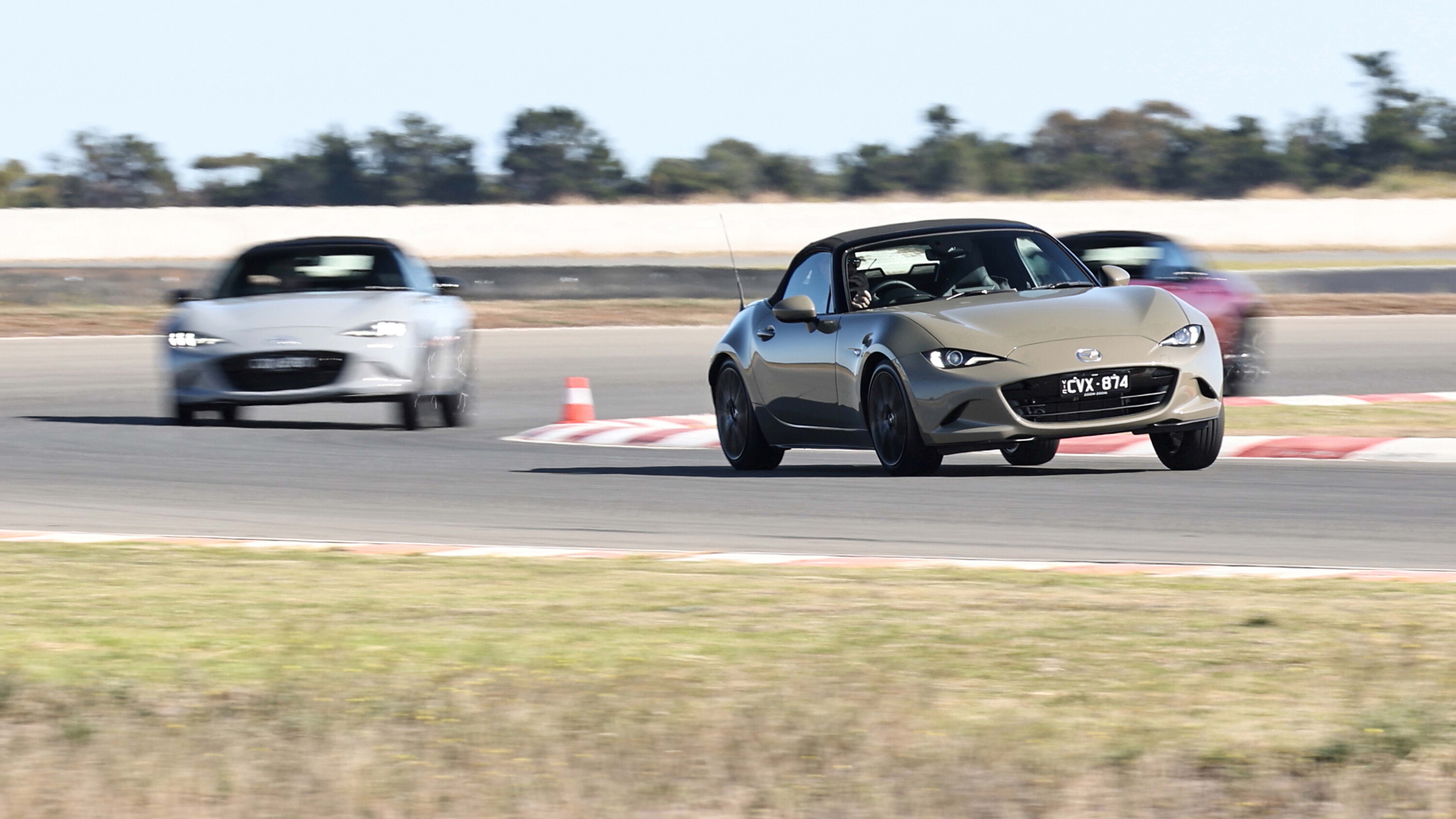
You’ll need a circuit to really notice the benefits of the new asymmetric diff. Mazda had an MY23 car for us to compare during hot laps around The Bend’s tricky, corner-heavy Eastern circuit, and the differences were noticeable. Where the old car falls readily into oversteer on the way into fast corners, the updated model is far more composed and confidence inspiring.
As ever, driving an MX-5 on track is about momentum and flow rather than shock and awe power.
1
It can be an ugly feeling if you’re sloppy with your inputs, though.
The sole engine on offer continues to be the 2.0-litre naturally aspirated four pot (the revvy 1.5L was ditched due to low demand) and while its unchanged outputs of 132kW/205Nm are powerful enough to feel spirited, this isn’t a car that will perform huge, smoky drifts under throttle alone. At least in the dry…
Instead, you’ll need to use momentum and weight transfer to liberate slides which, thanks to the new DSC-Track setting, are now more readily accessible. It can be an ugly feeling if you’re sloppy with your inputs, though. Because the suspension is so soft and body roll is so pronounced, it pays to be patient and precise with the steering through fast changes of direction.
Give it a sloppy input and you’ll wobble offline or trigger the stability control. The same logic applies to the brake pedal. Hit it too hard initially and it’s easy to send the weight balance too far forward too quickly.
1
In that way, the MX-5 feels most rewarding just below its limits.
It’s fun on track and a rewarding challenge to pedal hard but it’s clear that unlike the more tied-down Toyota 86 and Hyundai i30 N, the MX-5’s happy place is on your favourite stretch of public road, the cabin flooded with sunshine, the wind in your hair.
Speaking of, dropping the roof continues to be satisfyingly easy. The roadster’s cloth top is so light you can practically raise and lower it with one hand in a matter of seconds, without the need to wait for an electric mechanism.
1
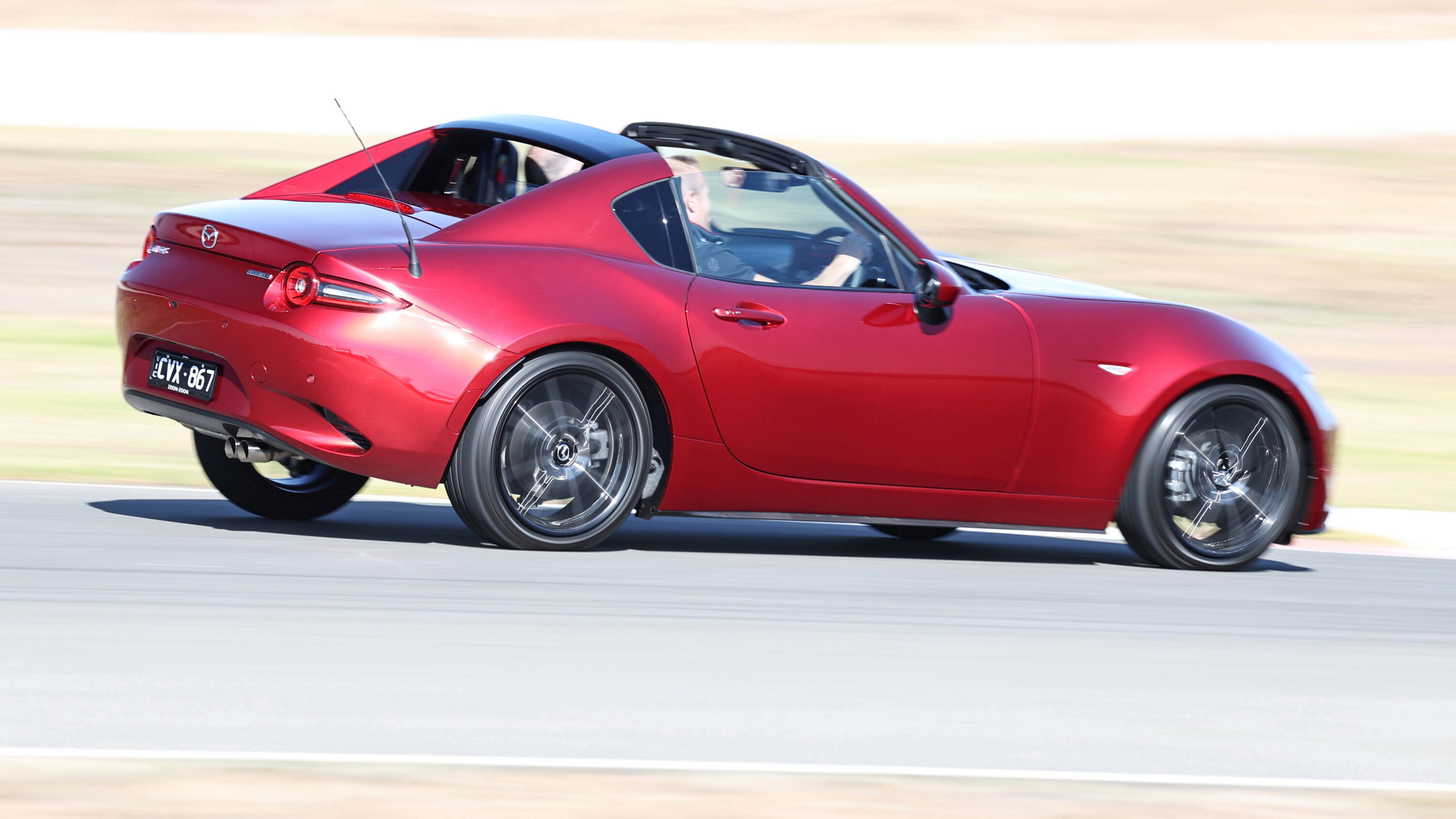
Of course, if such manual labour is unappealing, or your prefer a different silhouette with buttresses on the rear deck, Mazda continues to sell the Retractable Fastback (RF) version. Its metal hardtop folds away automatically, although it does add 45kg to the kerb weight.
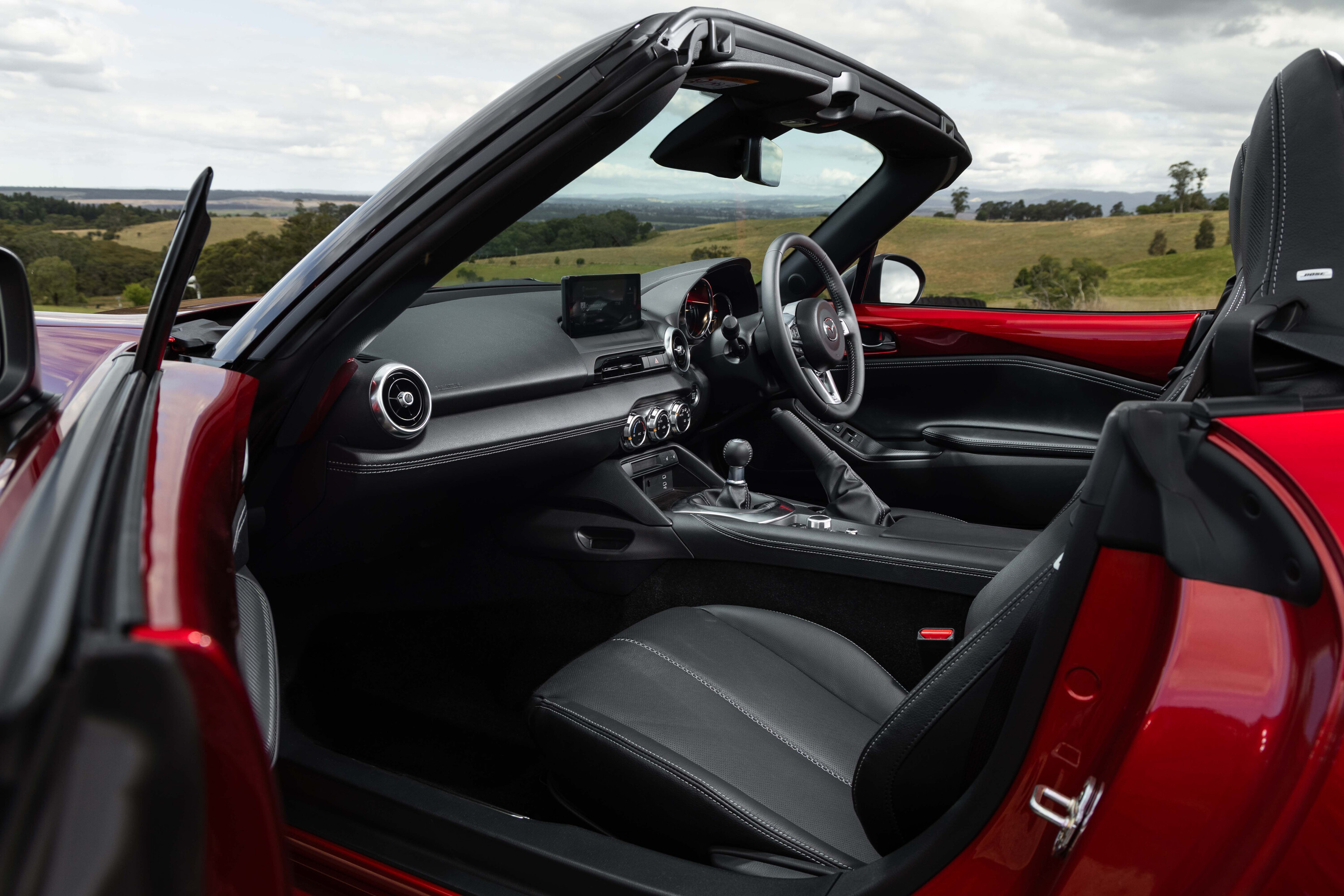
Like the rest of its recipe, the MX-5’s cabin is refreshingly simple. The layout is logical, there are easy to reach buttons and dials for key controls and the new touchscreen, which supports wireless Apple CarPlay/Android Auto and uses updated Mazda Connect software, is a welcome addition. It is a touchscreen, too, although it’s just as easy to navigate the menu structure by using the BMW-like rotary dial on the console and its accompanying hot keys.
It’s not exactly roomy inside, though. With an overall length of 3915mm and a width of 1735mm, this is a small car and cabin space is at a premium. Anyone over 6ft will need to push the driver’s seat all the way back to liberate just enough leg room.
1
And even then, they might struggle to find an ideal driving position because there’s no reach adjustment for the steering wheel. Being able to bring the wheel forward by 50mm would be welcome.
There are no door pockets, either, no integrated cupholders and no glovebox. Instead, cabin storage is limited to a lockable cubby at your left elbow and a smaller lidded compartment on the centre console.
But while the MX-5 will force you to pack light — the boot is 130L in the soft top, 127L in the RF — the fundamentals of the cabin are spot on. The seats are wonderfully comfortable, the gearshift is ideally placed and the dial cluster, which has been redesigned for 2024, is wonderfully clear and elegant. A digital speedo would be nice, though.
1
Of course, affordability has long been a core MX-5 attraction and for 2024 that equation isn’t quite as sweet as it once was.
Prices have crept up by between $2310 and $3220 with the range now starting at $41,520 for the manual Roadster and topping out at $56,140 for the RF GT RS.
That’s still cheaper than the Toyota 86, mind you, and even with the price bump, the MX-5 continues to feel like tremendous value. It’s a joyous car to drive and a reminder that sometimes, the best results are achieved by a simple recipe executed perfectly.
1
Cheap running costs and low-ish insurance premiums only underscore the MX-5’s appeal. So has Mazda changed enough to keep its iconic roadster relevant until its potentially radically different successor arrives? In short, yes.
The updates might sound small on paper but the core recipe was already so good that big changes weren’t required. This remains one of the best driver’s cars on sale.
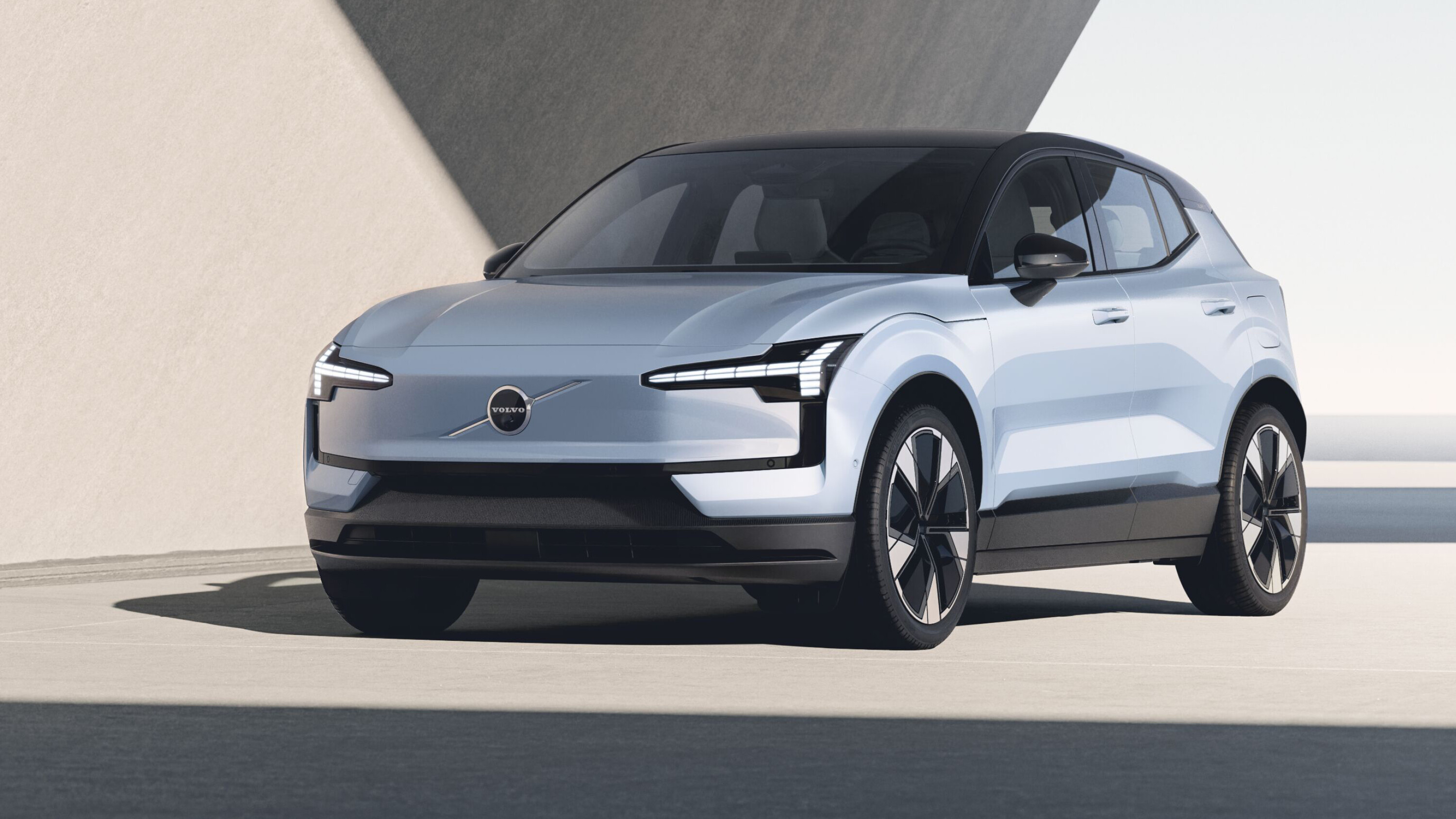
EX30 is Volvo’s smallest vehicle, at just 4.2 metres long
Three models for Australia, priced from $59,990
Performance Ultra is fastest-accelerating Volvo yet u2013u00a00-100km/h in claimed 3.6sec
The Volvo EX30 has gone on sale in Australia as the Swedish brand’s most affordable electric vehicle yet.
Starting from $59,990, Volvo’s smallest vehicle available today is positioned five-grand above the petrol-powered entry-level XC40 but $17,000 below the cheapest electric XC40.
EX30 arrives as a crucial model to Volvo’s plan to go all electric by 2026 in Australia, and by 2030 globally.
Volvo Australia first announced pricing in mid 2023, and while the entry EX30’s price is unchanged there are increases for the other two variants that form a three-model line-up.
The mid-range Extended Ultra moves from $64,990 to $66,290; the flagship Performance Ultra shifts the other side of $70K, also up $$1300 to $71,290.
All three launch models feature a 69kWh nickel-manganese-cobalt (NMC) battery, with the range-topping Performance Ultra adopting an extra electric motor for all-wheel drive where other variants are rear-wheel drive.
The EX30 is produced at Volvo’s Zhangjiakou plant in China and shares its platform with some other models in the portfolio of parent company Geely.
1
How much is the Volvo EX30?
MY25 Volvo EX30 pricing (before on-road costs)
EX30 Single Motor Extended Plus
$59,990
EX30 Single Motor Extended Ultra
$66,290
EX30 Twin Motor Performance Ultra
$71,290
How does the pricing compare?
Volvo’s entry EX30 starts above the company’s current most affordable model, the XC40 B4 petrol, but the 4.2-metre SUV is priced $14,000 below the larger electric XC40.
The world’s most popular EV, the midsize Tesla Model Y SUV, is priced from $69,300 at the time of writing. (Its pricing fluctuates wildly.)
The BYD Atto 3, another popular electric SUV, is priced from $48,000 for its entry-level 320km ‘standard range’ model.
The quick rundown on the EX30 range’s specifications, side-by-side.
EX30 specs & features explained
The rear-drive EX30 models share a 200kW/343Nm electric motor said to deliver a 0-100km/h acceleration time of 5.3 second, and a 480km claimed range.
The all-wheel-drive EX30’s dual motors produce combined outputs 315kW and 543Nm to make it the quickest Volvo ever. The maximum range drops slightly to 460km.
Volvo Australia has teased some initial feature specifications, which points to a strong equipment level from the base model up.
1
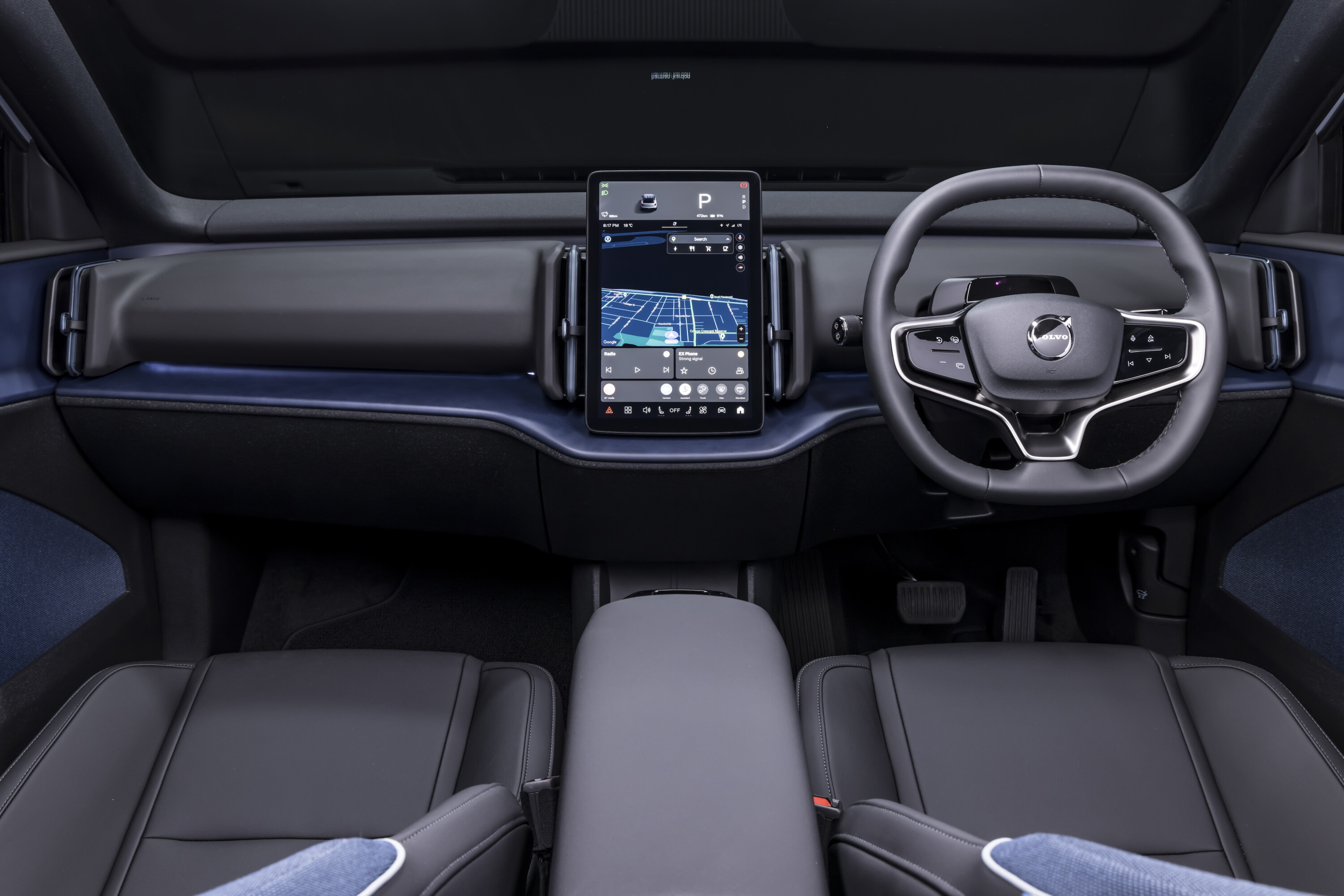
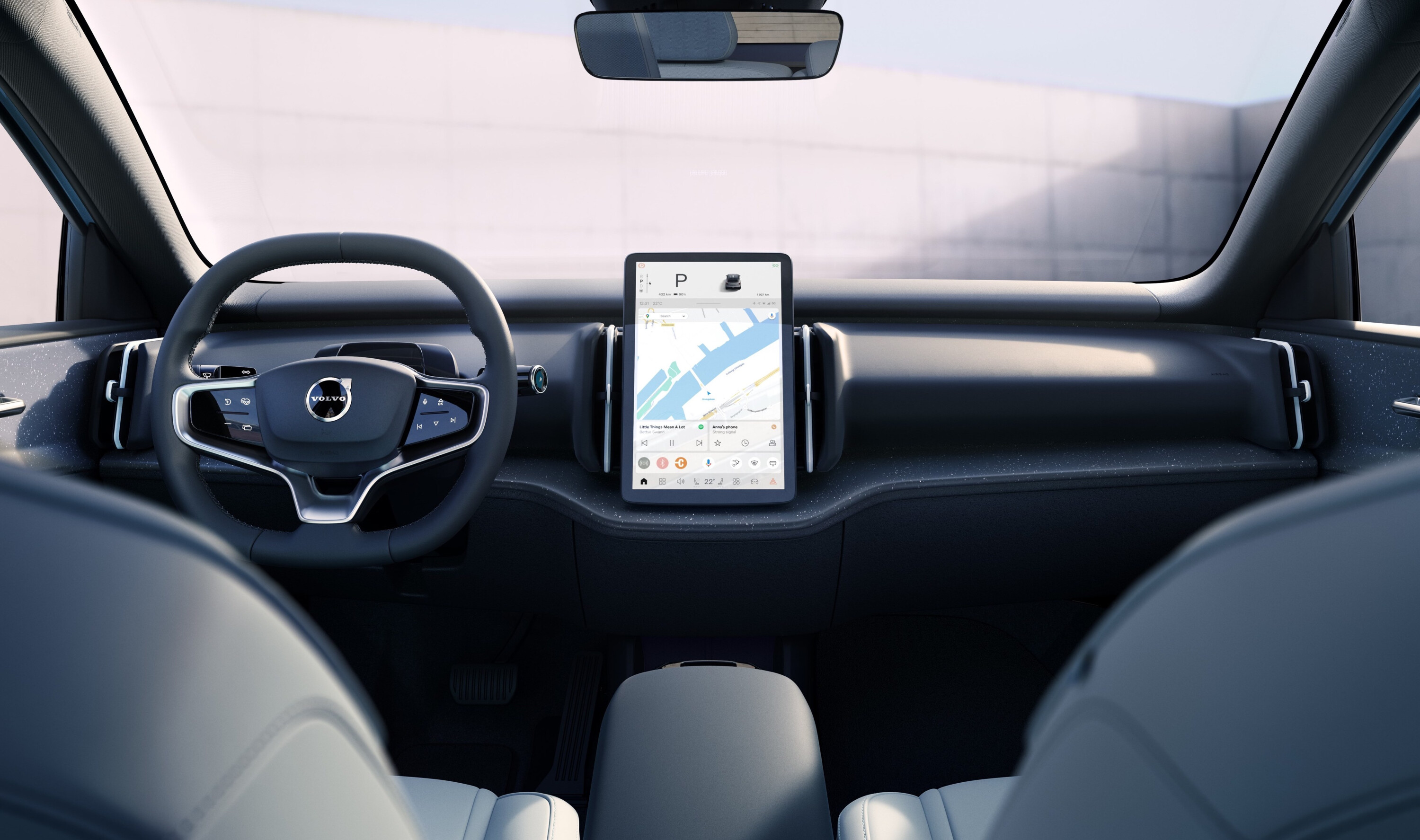
The Extended Plus will include a Harman Kardon audio with soundbar speaker system, as well as an auto tailgate, wireless phone charging, and a digital key that follows a Tesla trick – allowing owners to access the car and drive away using just their smartphone.
A long list of safety features is standard across the range and includes a new alert system designed to prevent doors being opened into oncoming bikes, scooters or runners.
Ultra models gain a new-generation version of Volvo’s Pilot Park Assist, which can now detect a wider range of parking spaces and controls acceleration and braking in addition to the steering. The driver can monitor the distance to surrounding objects, including cars, walls and bollards, via the central touchscreen.
7
To emphasise the EX30’s intended appeal to younger buyers, five exterior colour choices include yellow and pale blue.
The $71,290 flagship EX30 Performance Ultra, while more compact, also undercuts other luxury small electric SUVs, including the BMW iX1 (from $78,900), Lexus UX300e (from $80,720) and Mercedes EQA (from $81,700).
2
1
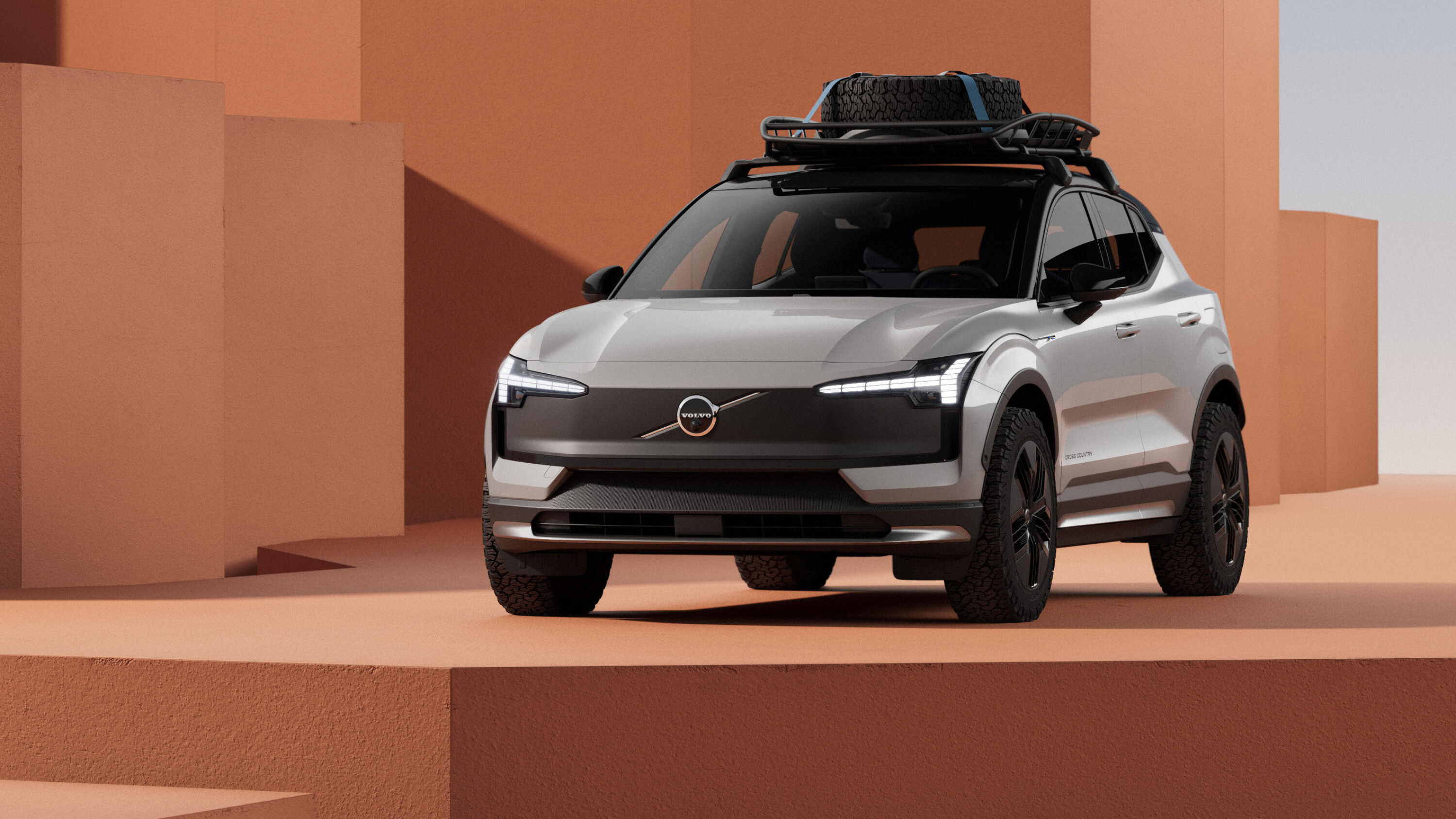
Above: The EX30 Cross Country
The Cross County doesn’t add much in the way of capability, but Volvo says it’ll come with more ground clearance (no numbers offered), 19-inch black wheels and the option of 18-inch wheels with bespoke tyres.
Volvo is yet to commit to this model for Australia.
MINI MATCH-UP: EX30 v XC40 dimensions
In terms of size and space, here’s how the compact new EX30 compares to the XC40 Recharge Pure Electric already available in Australia.
Dimensions
Volvo EX30
Volvo XC40 EV
Length
4233mm
4425mm
Width
1940mm
1863mm
Height
1555mm
1652mm
Wheelbase
2650mm
2702mm
Boot space
318L rear seats up, 904L rear seats down
418L rear seats up, 1373L rear seats down
The Volvo EX30 range in detail
The EX30’s key specs and features are outlined below. A full list of features will be released in the lead-up to the EX30’s fourth-quarter 2023 launch.
Key features announced so far
Two-tone roof
Electric tailgate
Digital key
12.3-inch infotainment display
Wireless smartphone charging
Soundbar speakere
Harmon Kardon audio system
EX30 Single Motor Extended Ultra
Price:
$66,290
Drivetrain:
Single motor, rear-wheel drive
Range:
480km
Battery:
69kWh
Power:
200kW
Torque:
343Nm
0-100km/h (claimed):
5.3 seconds
Key features announced so far
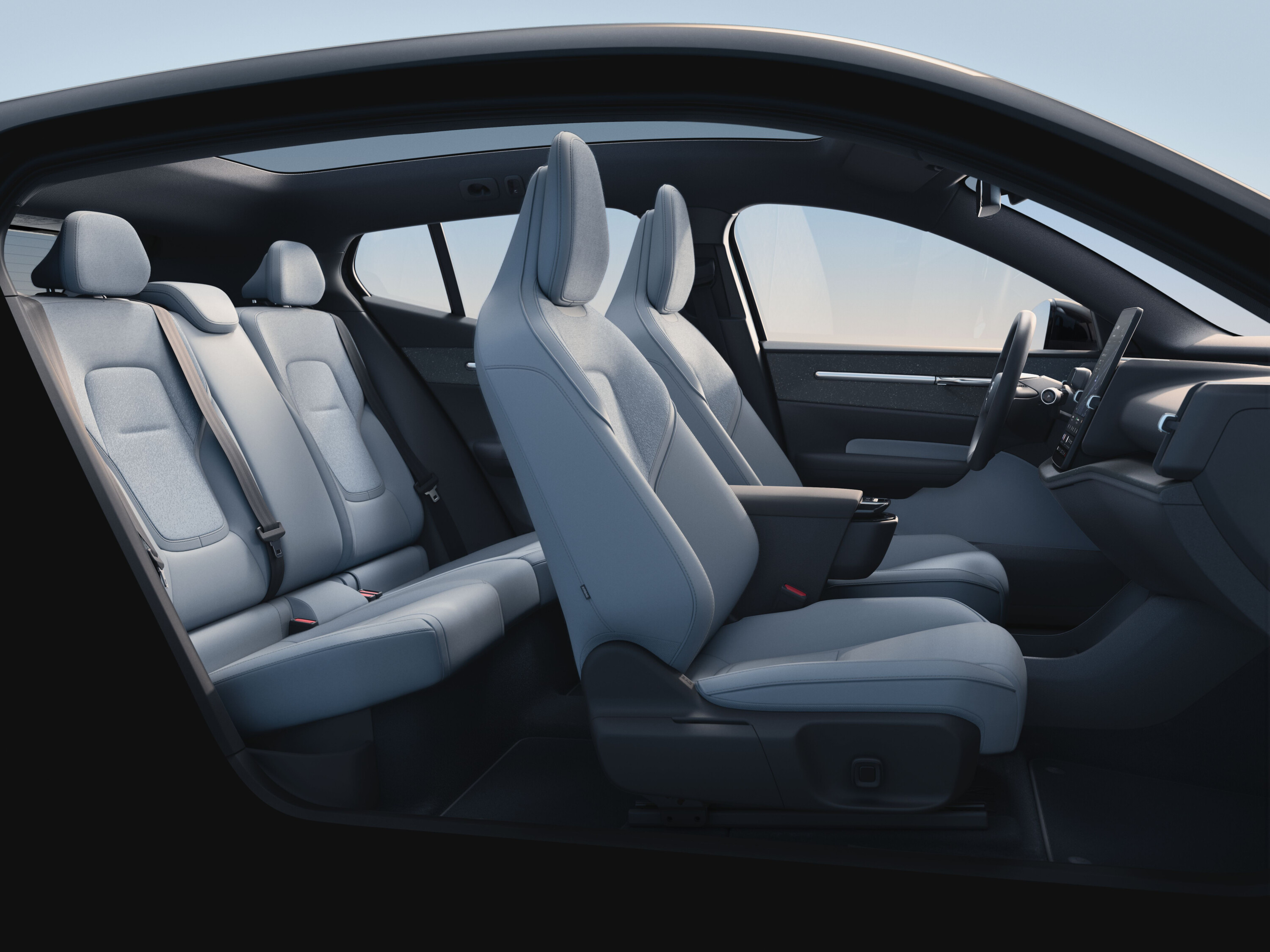
Panoramic sunroof (fixed)
Rear privacy glass
360-degree camera
Heated front seats
Park Assist Pilot
Heated steering wheel
Electric seats with 4-way lumbar support
EX30 Twin Motor Performance Ultra
Price:
$71,290
Drivetrain:
Dual electric motors, all-wheel drive
Battery:
69kWh
Range:
460km
Power:
315kW
Torque:
543Nm
0-100km/h (claimed):
3.6 seconds
Key features announced so far
20-inch wheels
Electric seats with 4-way lumbar support
Panoramic sunroof (fixed)
Rear privacy glass
360-degree camera
Heated front seats
Park Assist Pilot
Heated steering wheel
Safety across the EX30 range
EX30 range: Standard safety features
Lane Keeping Aid
Intersection auto brake
Lane Change Assist
Low-speed rear auto brake
Oncoming Lane Mitigation
Rear cross-traffic alert with auto brake
Vehicle/Cyclist/Pedestrian detection
Front cross-traffic alert with auto brake
Pedestrian/Cyclist/Scooter steering avoidance
Collision avoidance and mitigation by braking and steering
Run-off-road mitigation
Adaptive cruise control with Pilot Assist partial autonomous steering
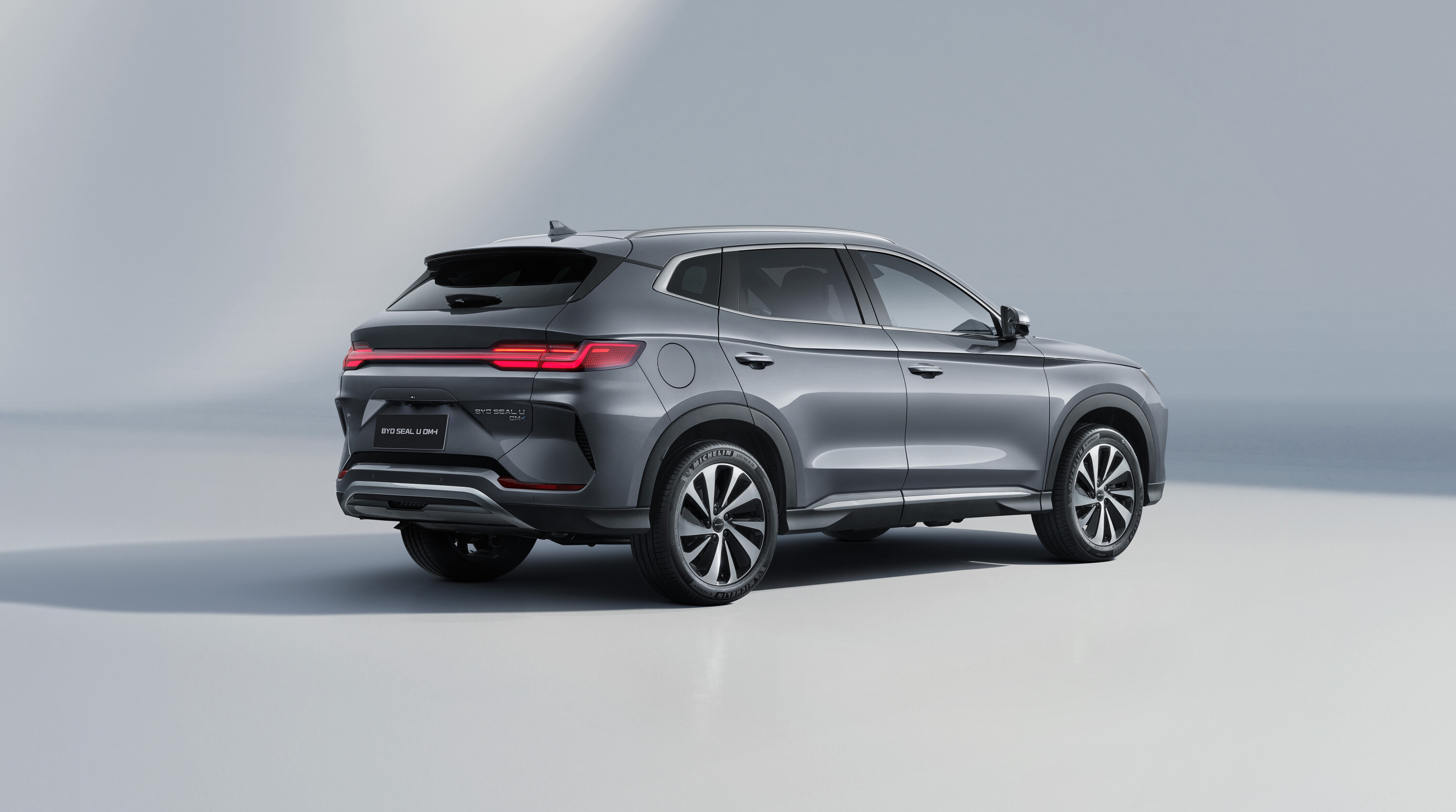
The newly named 2024 BYD Sealion 6 midsize plug-in hybrid SUV has moved closer to its Australian launch.
Details of the new model are under embargo, but its Australian name was confirmed after updated government approval documents appeared online.
Oddly, while the SUV formerly known as the Seal U has likely been renamed here simply to avoid confusion with the existing Seal sedan, an unrelated Sea Lion 7 model (styled as two words rather than the local one word) was unveiled in November last year.
In Europe, the Seal U is sold alongside the Seal sedan as the Seal U DM-I – the DM stands for Dual Mode (petrol-electric), but the purpose of the I is unclear – while Chinese-market buyers know it as the Song Plus.
1
The Australian government documents confirm two grades of the Sealion 6 will be available at launch: Dynamic and Premium.
The front-wheel-drive 2024 BYD Sealion 6 Dynamic will deliver 160kW total system output from a 72kW 1.5-litre non-turbo four-cylinder petrol engine and a 145kW front-mounted electric motor.
The all-wheel-drive 2024 BYD Sealion 6 Premium will swap in a 98kW petrol engine, along with a 150kW front electric motor and a 120kW rear electric motor, for a 238kW total system output.
Under the skin, all versions have an 18.3kWh lithium-iron-phosphate ‘blade’ battery – compared to 20kWh in the Mitsubishi Outlander PHEV, 17.8kWh in the Mazda CX-60 PHEV and 16.6kWh in the MG HS PHEV – allowing for a 30 to 80 per cent top-up in 35 minutes on an 18kW DC fast-charger. It also has vehicle-to-load functionality.
An electric-only driving range or combined fuel consumption figures have not been confirmed for either Sealion 6 variant.
A pure battery-electric version of the Sealion 6 is currently limited to left-hand drive markets, including China and Europe, where it rivals the world’s best-selling EV, the Tesla Model Y.
1
Positioned as a five-seat midsize SUV, the Sealion 6 is similar in size to a plug-in hybrid Mitsubishi Outlander or Mazda CX-60 – and slightly larger than Australia’s top-selling hybrid car, the Toyota RAV4 – at 4775mm long, 1890mm wide and 1670mm tall, with a 2765mm wheelbase.
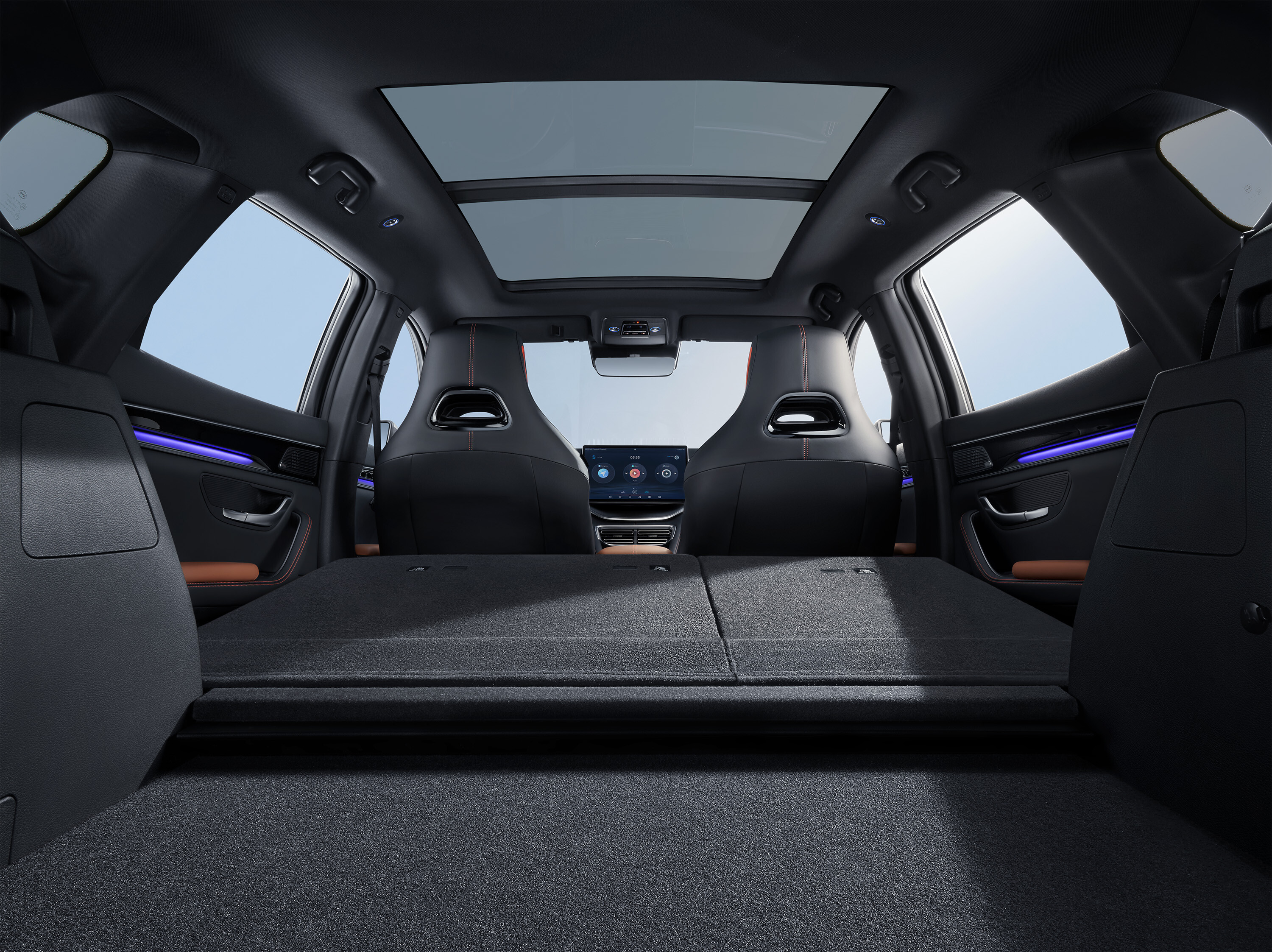
Boot space is rated at 552 litres with the second-row in place or 1440L with the rear seats folded down.
Features available overseas include 19-inch alloy wheels, LED exterior lighting, leather-accented upholstery, a wireless phone charger, a 15.6-inch rotating infotainment system, over-the-air software updates, and an Infinity audio system.
The Sealion 6 also includes ambient lighting, a 360-degree camera system, and key active safety features such as autonomous emergency braking, blind-spot monitoring, rear cross-traffic alert, safe exit assist, and adaptive cruise control.
Australian details for the 2024 BYD Sealion 6 – including pricing and full specifications – are due to be confirmed on Thursday, May 16.
How much will the Sealion 6 cost in Australia?
The Sealion 6 is likely to be priced above the $43,690 drive-away MG HS PHEV (marketed cheekily as the HS Plus EV), but below the cheapest Mitsubishi Outlander PHEV, which costs around $62,000 drive-away.
The Kia EV3 promises to be the small affordable electric vehicle many buyers have been hoping for.
With compact Seltos-like dimensions (thus smaller than the midsize Sportage), the EV3 should offer reasonable interior space for young families, thanks to the long wheelbase offered by all dedicated EVs in the Hyundai Kia group.
Pricing for the EV3 has not yet been revealed, but we’ve been told to expect a number below the existing Kia Niro – although the Niro EV S now starts from a fairly unpalatable $66K, so the EV3 could still prove pricey.
With popular models like the MG 4 and Atto 3 beneath $40K and $50K respectively, Kia would be wise to introduce the EV3 at a similar point.
However, Hyundai’s Kona Electric starts from $54K, and although the EV3 will ride on a new platform, its motors and battery packs are likely to be the same units found in the Kona – so that pricing could provide a clue for the new Kia.
For everything else we know about the EV3, continue reading below!
The first teaser images of the upcoming Kia EV3 have been released and, so far, there are few surprises.
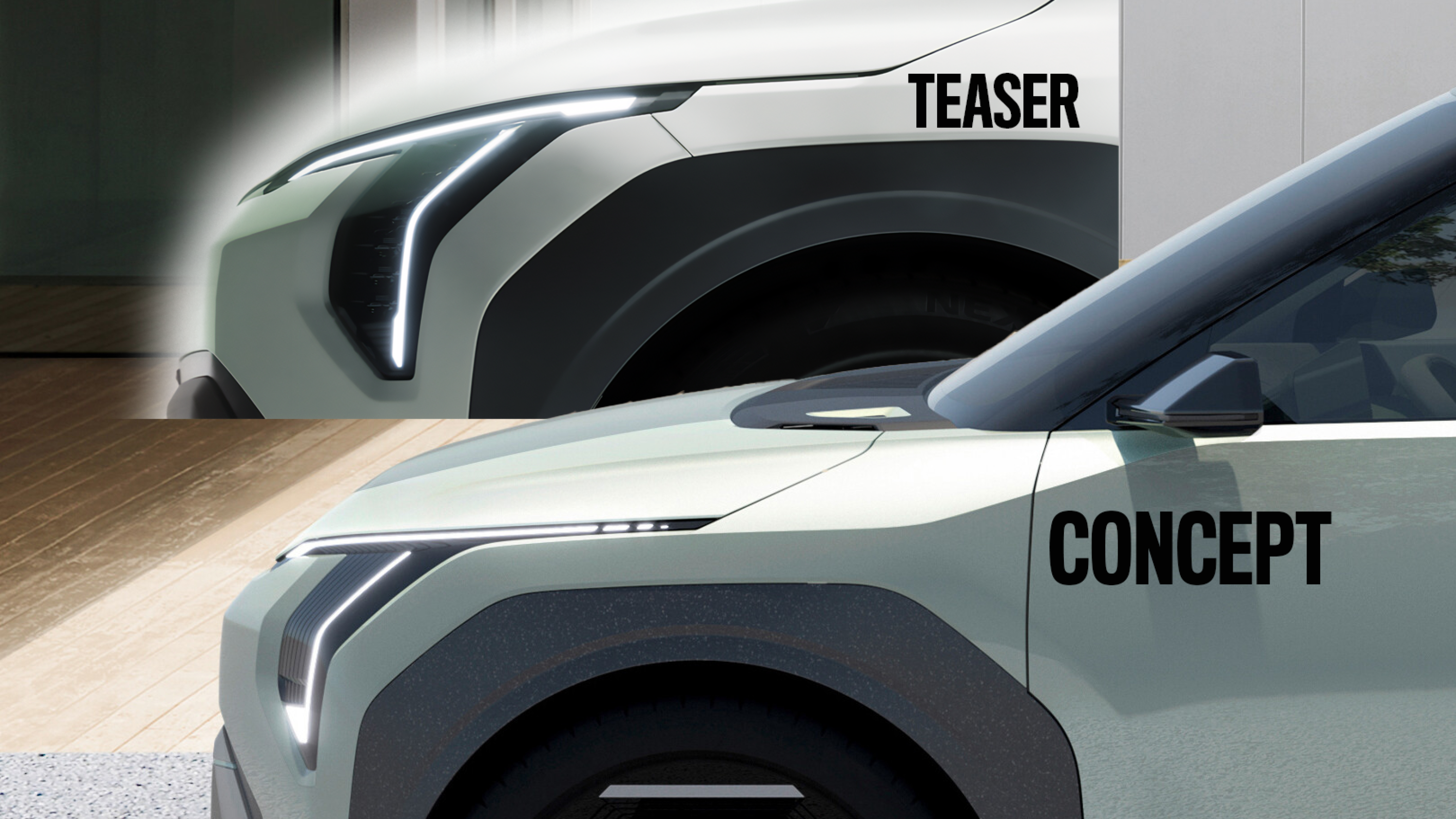
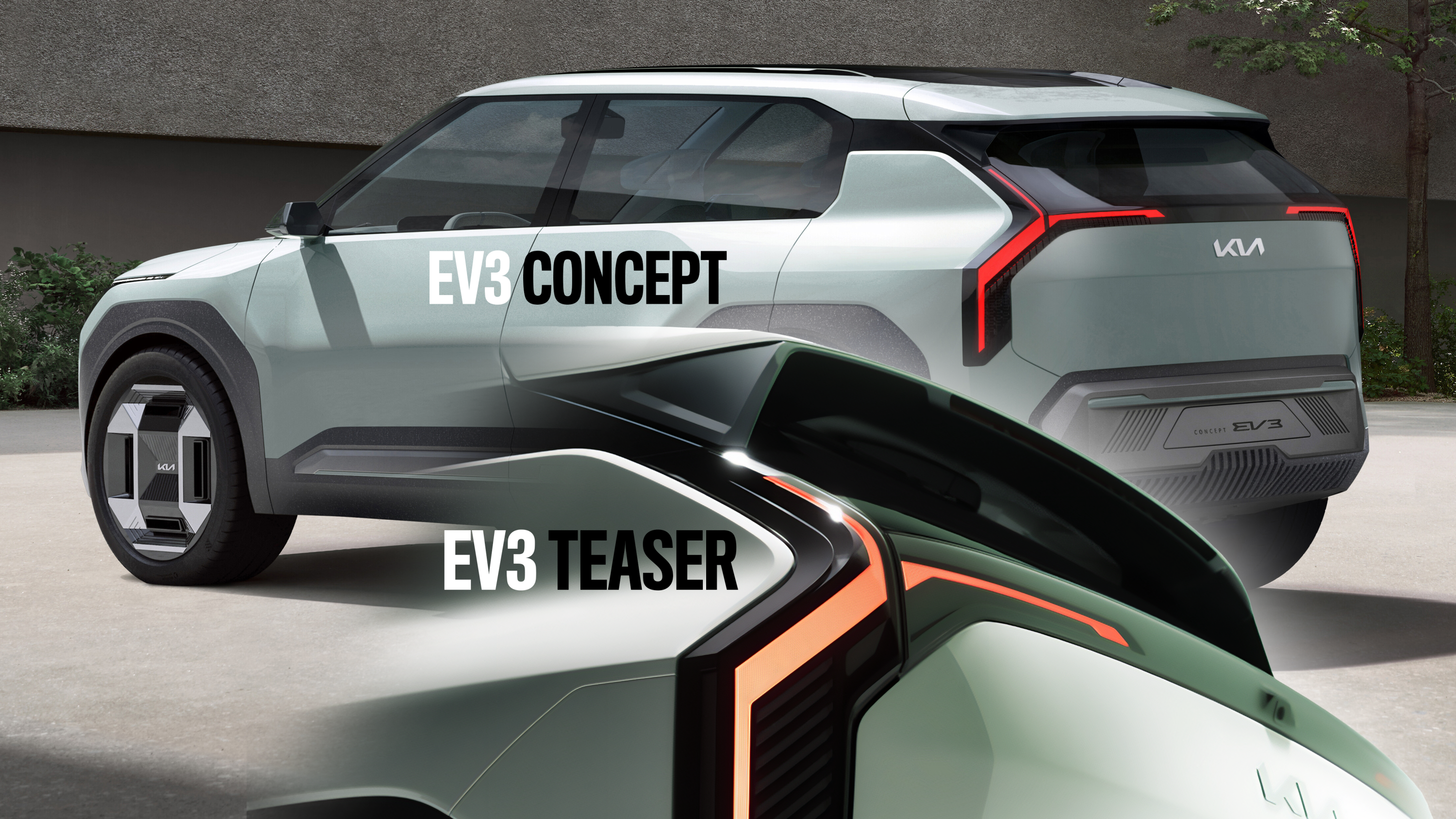
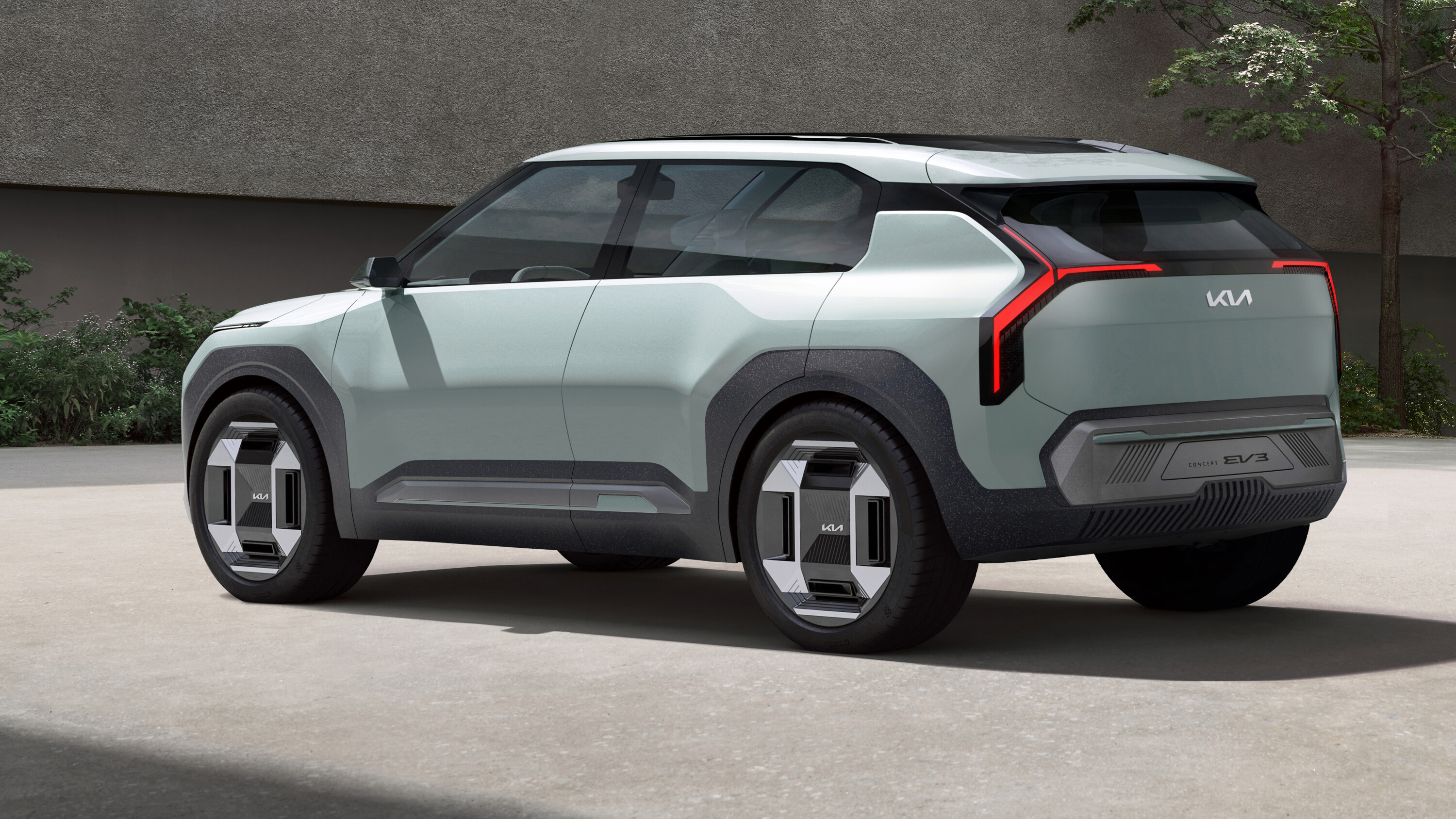
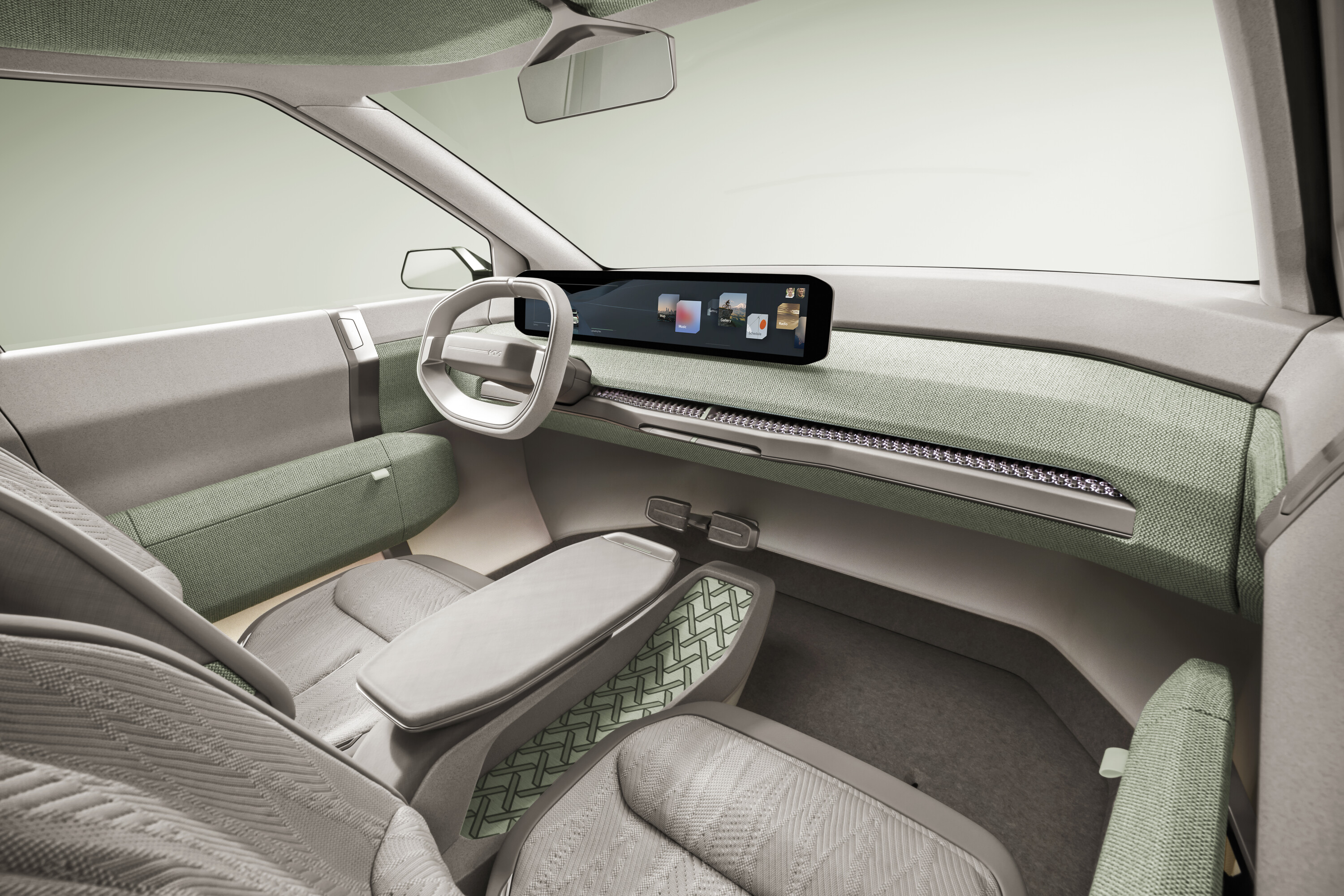
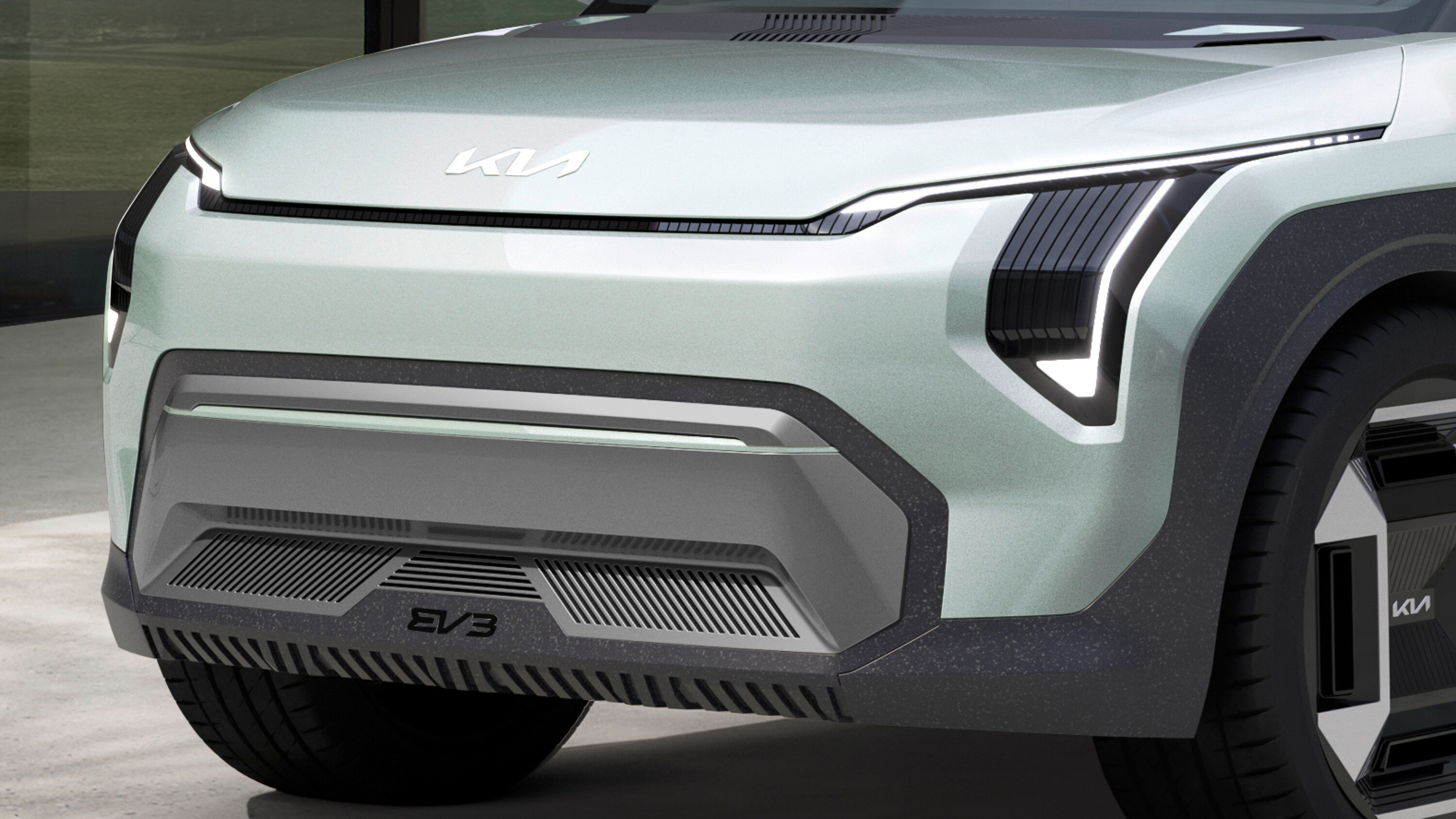
As expected, the tightly cropped teasers confirm the compact Kia EV3 you’ll see in showrooms won’t stray far from the look of last year’s concept, unveiled in October alongside the EV4 concept.
It’s not every day that a futuristic concept design presents an honest look at its future production form, but Kia has set a standard of show cars that very closely preview what’s to come.
1
Today’s trio of teaser images reveal details largely identical to their concept shapes, with only small changes evident – such as the thicker daytime LEDs, now without the little dashes at the end of the front light strip.
The body’s razor-sharp folds have also been rounded off for a more street-friendly appearance, and the speckled wheel arch cladding has (sadly) been replaced with conventional unpainted grey items.
The global world premiere of the new Kia EV3 will be live-streamed on Kia Worldwide YouTube channel on May 23rd at 8PM AEST.
Do you like where the EV3 is heading? Let us know in the comments!
What came before: Award-winning EV9, midsize EV5 and the incoming EV4
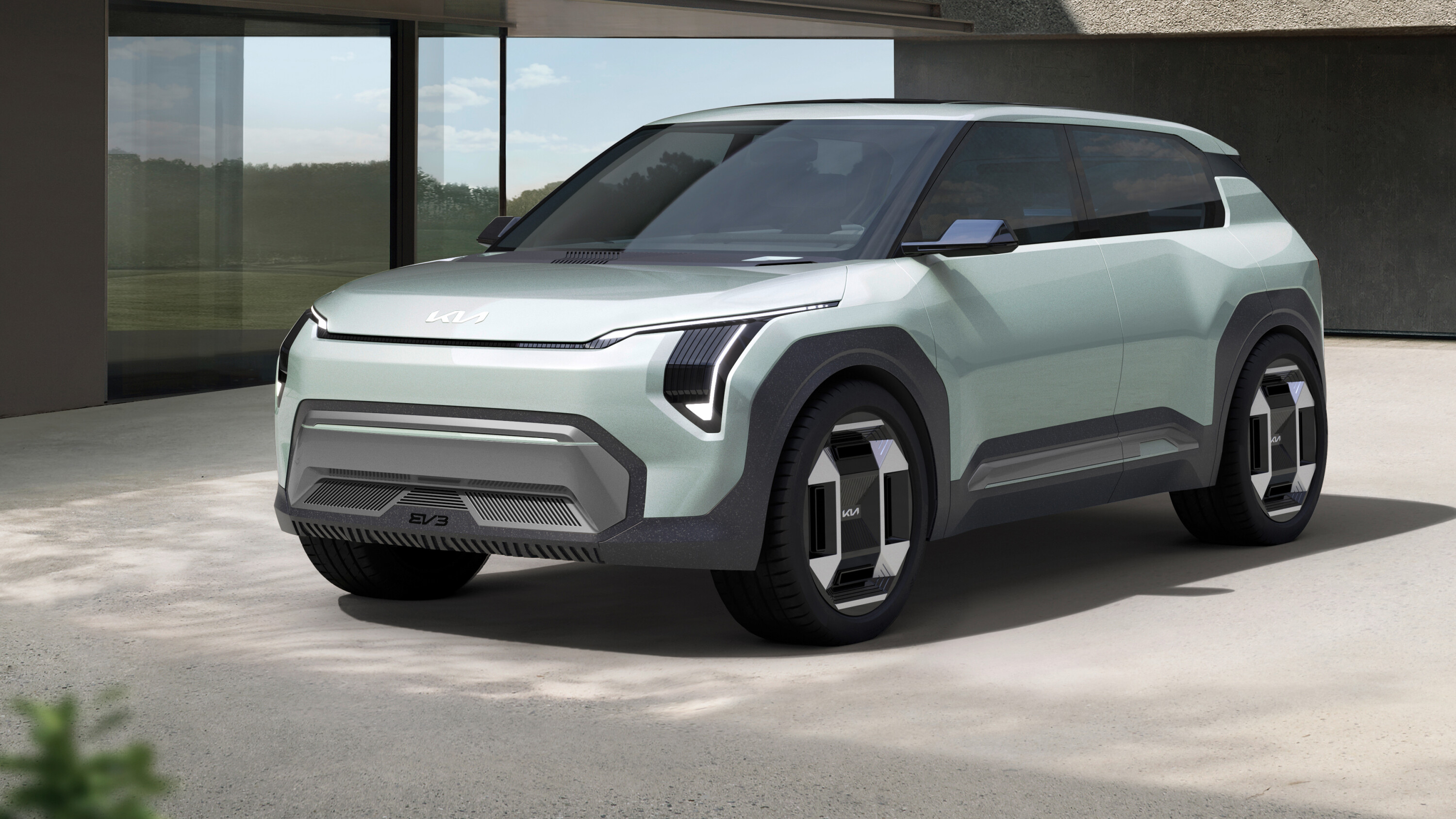
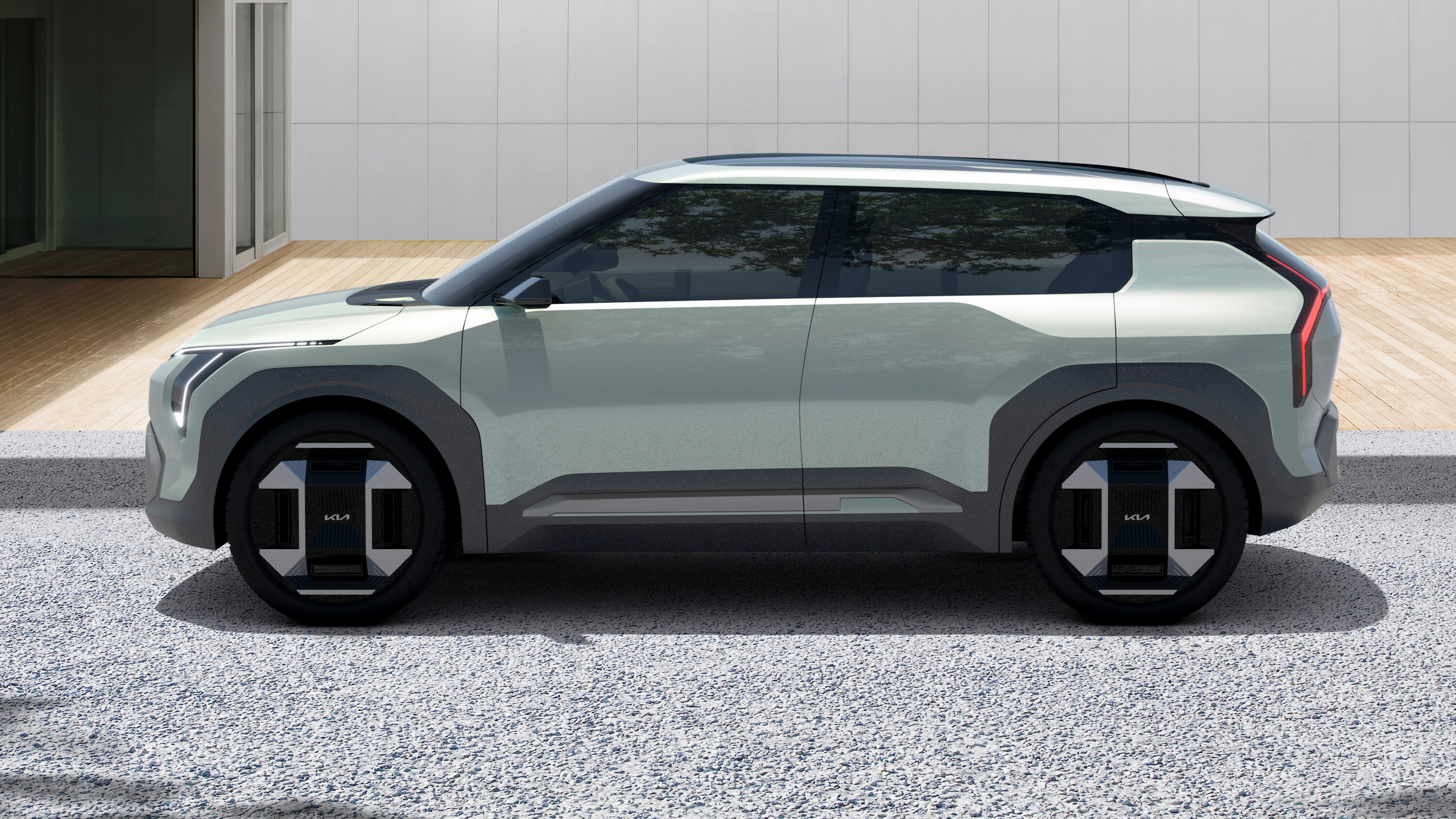
The upcoming new 2024 Kia EV3 small electric SUV has been revealed at last. Well, this is a concept, but it’s bound to look a lot like this.
Snapshot
Small Seltos-sized electric SUV revealed
Technical details and pricing unclear
Australian launch not confirmed, but expected
As we’ve now seen with the big new EV9 and mid-sized EV5, Kia isn’t leaving much to the imagination when it comes to the transition from show car to car showroom.
In both cases, much of their concept styling translated fairly faithfully to their final forms (say that five times fast), with little changed but for some smoothed edges and more functional lighting.
1
When it goes into production next year, the EV3 will join the sedan-like EV4 as Kia’s smallest new-generation electric models – which is an odd thing to say, considering the second-generation Niro EV was only unveiled last year.
There’s also the Kia Soul EV still available overseas, but this will likely be retired when the EV3 debuts.
As their designs suggest, the EV3 will enter the range as a practical offering with exterior dimensions that belie its interior space, while the EV4 will be targeted at buyers looking for style first, practicality second. (Although, like the EV3, we’d expect its interior space to be surprisingly capacious.)
What does the EV3 mean for the Kia Niro?
What the EV3’s launch will mean for the Niro is currently unclear. An early retirement, in some markets if not all? A price repositioning below the EV3? The most likely outcome is that the electric Niro will be dropped, leaving the hybrid and plug-in hybrid EV models to satisfy those segments.
1
1
Details, where are the details?
Nope. For now, Kia would like you to focus on design.
This will make the EV3 and EV4 unique even to the still unreleased EV5, which will be built on the existing the E-GMP platform that debuted in 2020.
Models built on the eM platform are expected to be more budget-focused – as far as affordability goes in the EV world – with a lower-voltage 400V or 500V electrical system, rather than the fast-charging 800V design found in E-GMP models.
The EV3 will also be the first Kia to launch with an AI-powered voice assistant, available in both the car and in a new app called, wait for it… the Kia App.
Among its features will be a new E-Routing function, offering a Tesla-like ability for monitoring battery status to then suggest best routes and nearest chargers as needed.
Attainable sustainable
The EV3 and EV4 will follow the bigger new EV9 and EV5 models into a more sustainable cabin space, with a number of reclaimed materials used throughout.
The brand hasn’t yet specified how that will play out in the EV3 and EV4, but the debut of the EV9 came with what Kia calls its 10 “must-have sustainable items”, to be applied to all future models.
1
“With this action, we guarantee the implementation of sustainability at scale,” Kia says.
Switching to recycled plastics and ‘bioplastics’ – made from sources like vegetable oils, corn extract, sawdust and sugarcane – will see them replace conventional oil-based plastics in dashboards, consoles, pillars, and trim.
Kia will also phase leather out of its new models, to be replaced with Bio Polyurethane. Likewise, carpets will be made from recycled plastic, including fishing nets.
Where the EV3 will be built is unclear, although Kia has confirmed the bigger new EV5 will come from China. That doesn’t mean the EV3 will as well, but clearly it could.
As for pricing, don’t expect it to start with a 5, let alone a 4. it’s unlikely we’ll see any electric Kia fall below $50,000 – just about all legacy brands have confirmed they’ll leave that space to the Chinese.
1
The incoming new Hyundai Kona EV will likely be priced above $60,000 and we’d bet on the EV3 not being far off that point either.
But! With Hyundai recently announcing a new $64,500 entry variant of the big Ioniq 5, we could conceivably see the Kona EV enter below $60,000 – or perhaps right on $60k, with a higher level of standard trim than the entry Ioniq 5.
We’ll know for sure in the coming weeks, with a fourth-quarter launch confirmed.
Kia might need to do something about its Niro EV in the meantime, too. A few months before Hyundai brought down the price of its entry-level Ioniq 5, Kia increased Niro EV pricing by $1250 to $66,590 plus on-roads. Awkward.
Watch for more on the EV3 to come in the months ahead.
Ford loses $2 billion across the sales of 10,000 EVs.
A planned return to smaller, cost efficient vehicles to aid the financial turmoil.
Hopes for new EV and battery technology to lower pricing and assist with costs.
As the number 2 seller of electric vehicles in the US, Ford might appear to be doing well in the new market segment.
However, for the first 10,000 Ford-badged EVs sold in the first quarter of 2024, the company lost nearly AU$2 billion – equivalent to around $200,000 on each EV delivered.
Ford’s Model E division, responsible for the brand’s electrification efforts, reported a $153 million revenue figure for the period – an 84% drop from the same time last year.
Sales figures also dropped by 20%, compared to the first quarter of 2023. Ford pointed to “pricing pressure” and “slower growth”, as customers have lost their enthusiasm for EV vehicles.
1
Ford Pro, the commercial division responsible for the F-150 Lightning and E-Transit Van models, reported an 86% increase in sales over Q1 2023 – but a 22% drop compared to the previous quarter.
To address its nosedive, the company plans to tighten the purse strings, spending around $12-13 billion rather than the current $15 billion figure planned.
Ford CEO Jim Farley commented “We’ll probably be on the low end of that range, and we’re being very consistent about our discipline on profitability.”
Better times ahead?
Ford also “anticipates new battery chemistry and formats to substantially reduce the cost of batteries for that vehicle.”, including a lithium iron phosphate battery chemistry, offering better durability, faster charging, and more affordability compared to the current offerings.
This technology is being developed with China’s Contemporary Amperex Technology Co., Limited, with Ford planning to own and operate their own outright plant. Initial production is expected to commence in 2026.
Ford’s Silicon Valley-based ‘skunkworks‘ group, led by ex-Tesla executive Alan Clarke, may also be the answer to Ford’s financial woes.
The designers on team are working on smaller and more affordable EVs, which Ford feels will win over urban dwellers at a more efficient price point.
“We believe [the city is] where the adoption of EV will grow the fastest, and we believe we can compete in segments of small cars and vehicles, more affordable vehicles in a unique way that’s Ford.” – Jim Farley, Ford CEO.
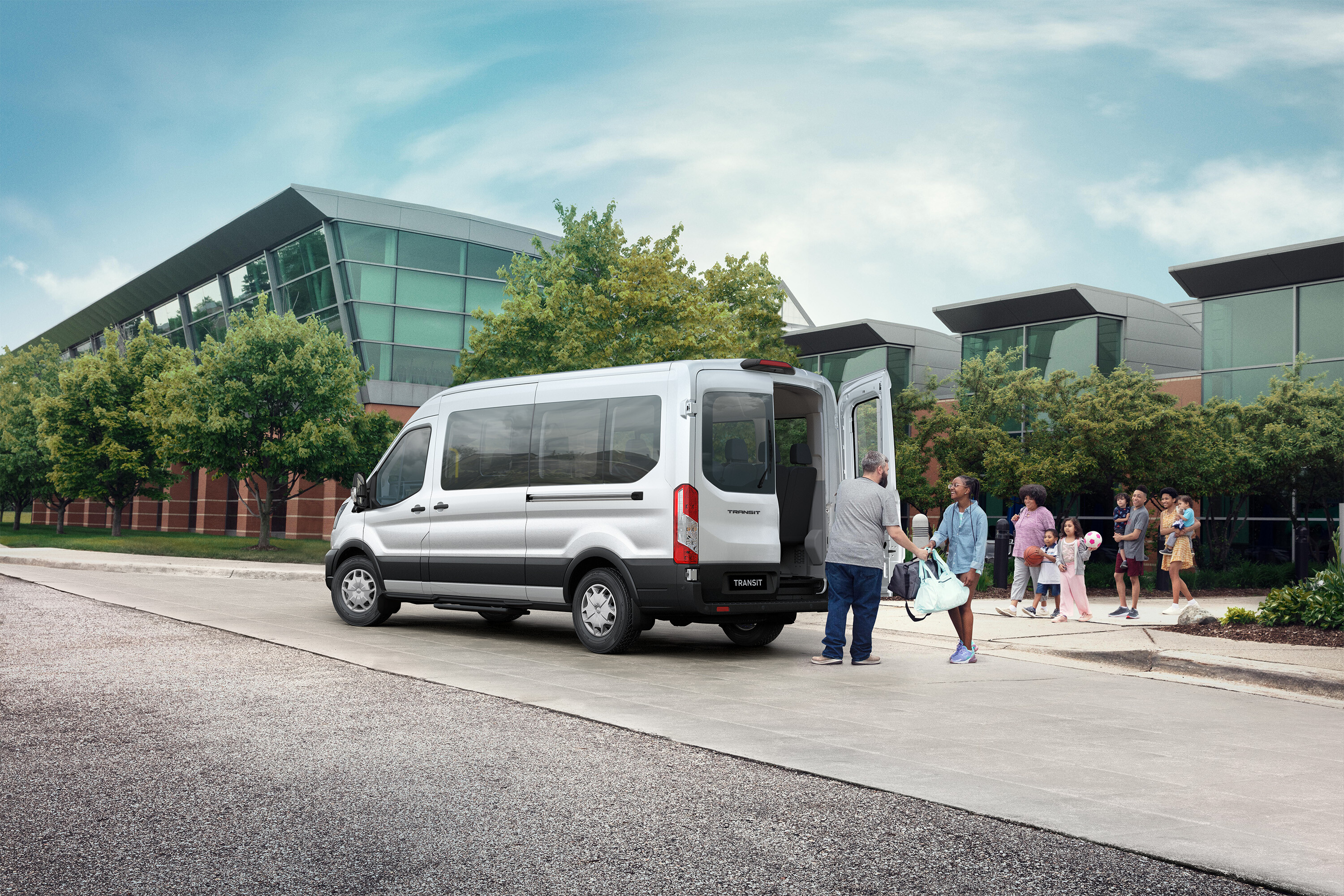
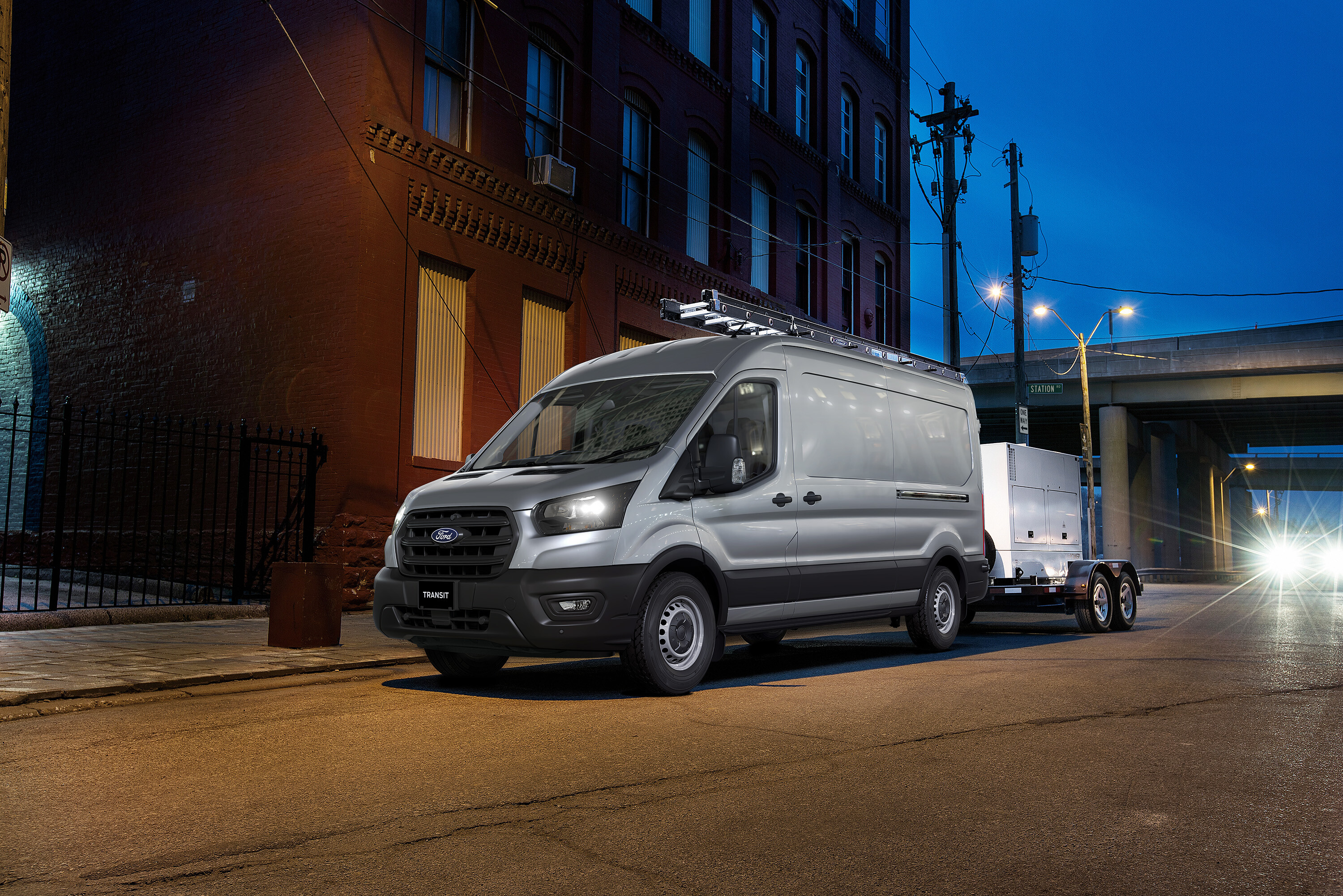
Ford Transit 2024.75 update sees reduced line-up, price rises on diesel variants
New eight-speed transmission on entry-level model, increased payloads and towing on most models
Due in Australian showrooms late in 2024
A trimmed-down 2024 Ford Transit line-up is scheduled to arrive in showrooms later this year with yet another price rise.
The three diesel vans and the battery electric E-Transit flagship will be joined by the single-cab cab chassis and the 12-seater bus to make up the Transit line-up going into 2025.
Ford will also take the axe to the manual transmission – currently offered in five variants – and drop the dual-cab chassis model, reducing the number of Transits from eleven to six.
1
Prices are up between $500 and $3000 – following price rises in September 2023 – averaging $1300 across the range.
The $104,000 before on-road costs E-Transit flagship is the only model to fend off a price increase.
The official ‘2024.75’ update will see the entry-level manual Transit 350 dropped – currently the cheapest variant at $56,990 before on-road costs – with the automatic 350L FWD now kicking the range off at $59,990.
1
That’s a price rise of $500 over the existing 350L FWD, but it brings a new eight-speed automatic transmission instead of the current model’s six-speed unit.
Ford says the entry-level will come with a higher 2750-kilogram braked tow rating and 6000kg GCM – increases of 950kg and 1750kg, respectively.
There’s no word from Ford Australia on any improvements to fuel economy – which given the vehicle’s size, does not have an official fuel figure to go off, anyway – the eight-speed may bring the entry-level Transit.
1
All other Transits continue with the current 10-speed automatic transmission and are rear-wheel drive.
These models carry over the 125kW/390Nm four-cylinder turbo-diesel – a relative of the 2.0-litre bi-turbo engine used in the Ford Ranger – introduced in 2017.
The 350L RWD and 430E Transits see 3500kg tow ratings – again, increases of 900kg and 1100kg – with payloads up on all models bar the E-Transit.
1
The 2024.75 update also brings black badging and a revised Ford blue oval, among minor changes on the outside.
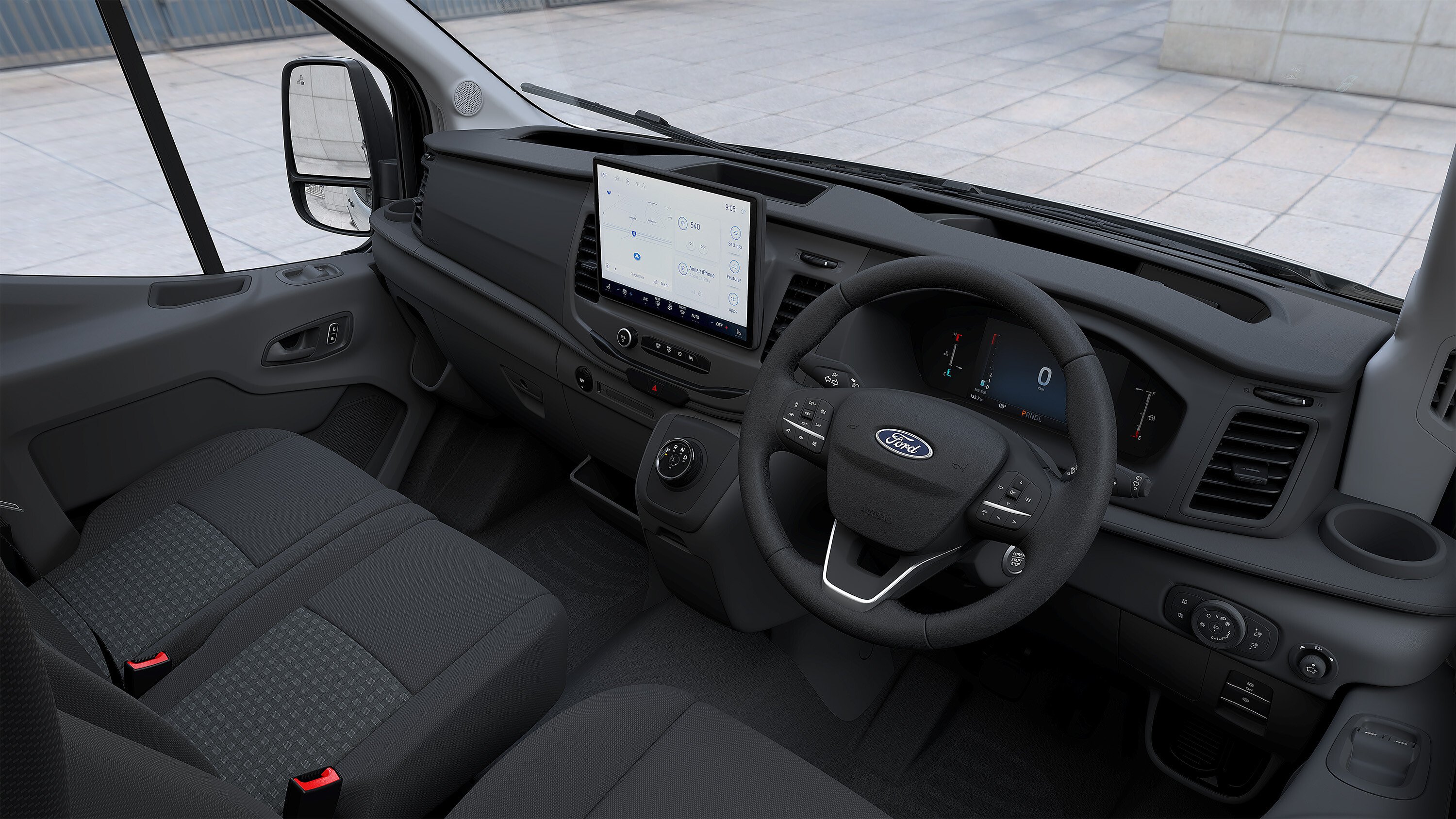
Key equipment upgrades include standard push-button start, an 8-inch semi-digital instrument cluster, and tyre-pressure monitoring.
Bus and cab chassis Transit will include a 360-degree camera as standard as part of the update.
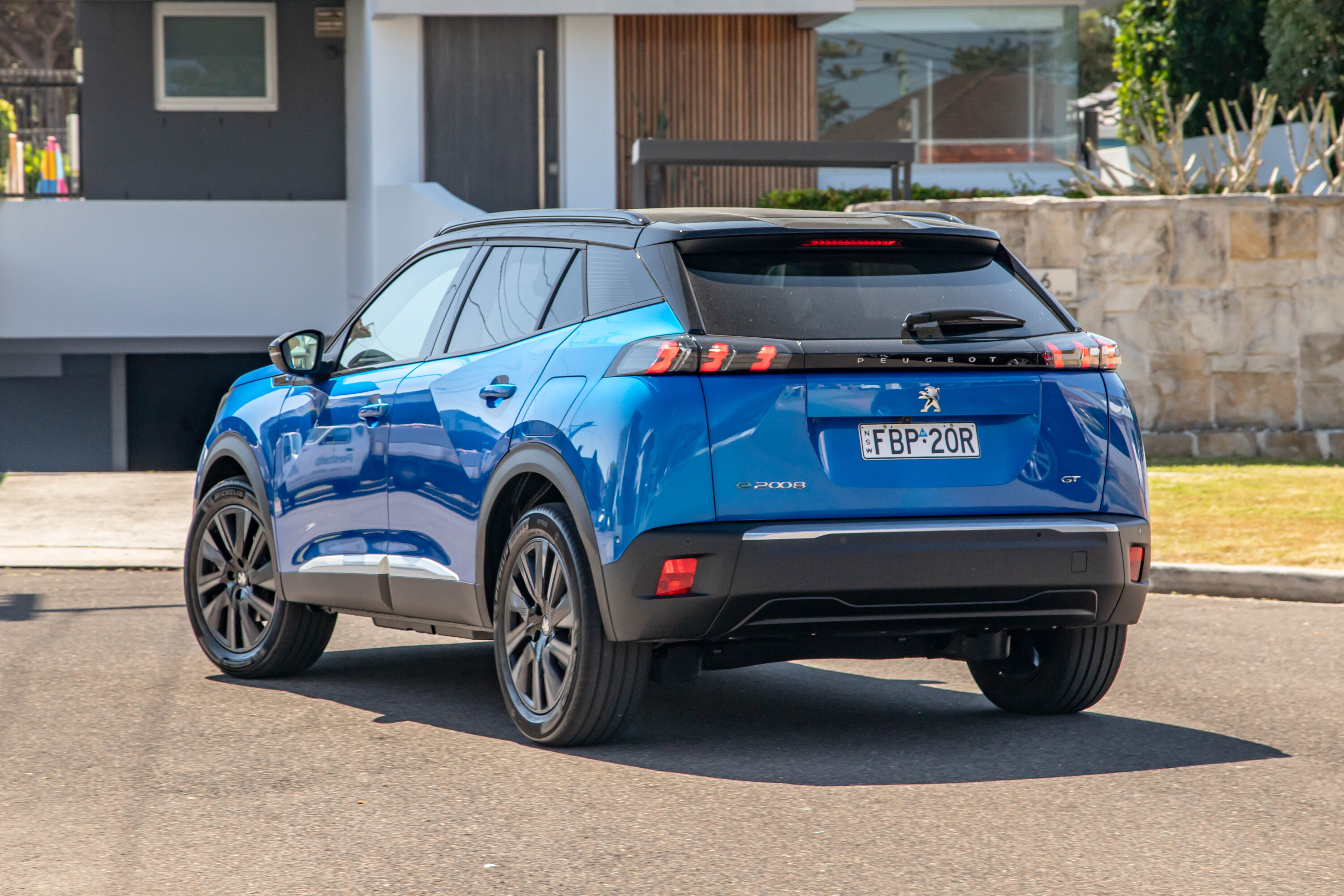
The all-electric 2023 Peugeot E-2008 has had its price reduced by around $25,000 – but only for a limited time.
Peugeot Australia has announced its end-of-financial year offers, with the largest savings applied to 2023-built examples of the E-2008 GT small SUV until June 30, 2024.
Usually priced from $59,990 before on-road costs, the Spanish-built E-2008 is now available at an all-time low for a European electric car: $39,990 drive-away nationwide.
1
This equates to a significant circa-$25,500 saving over its $64,000 to $67,000 drive-away cost in most states and territories when on-road costs are added to its $59,990 recommended retail price.
Brand-new and demonstrator examples of the E-2008 GT are covered under the deal, which started on May 1.
The E-2008 now priced identically to Australia’s cheapest electric SUV, the MG ZS EV, and joins other Chinese-built electric cars priced below $40,000, including the BYD Dolphin, MG4 and GWM Ora.
Fitted with a 45kWh lithium-ion battery pack and a single 100kW/260Nm electric motor powering the front axle, the E-2008 has a WLTP-rated 328-kilometre driving range.
A facelifted version of the Peugeot E-2008 – unveiled in Europe 12 months ago – is due in Australia in the coming months, likely returning to a higher drive-away cost.
Peugeot’s local division – managed by third-party Inchcape – will further expand its electric car line-up in 2024 with the addition of the E-208 light hatch, E-308 small hatch, E-3008 midsize SUV and E-Partner medium van.
1
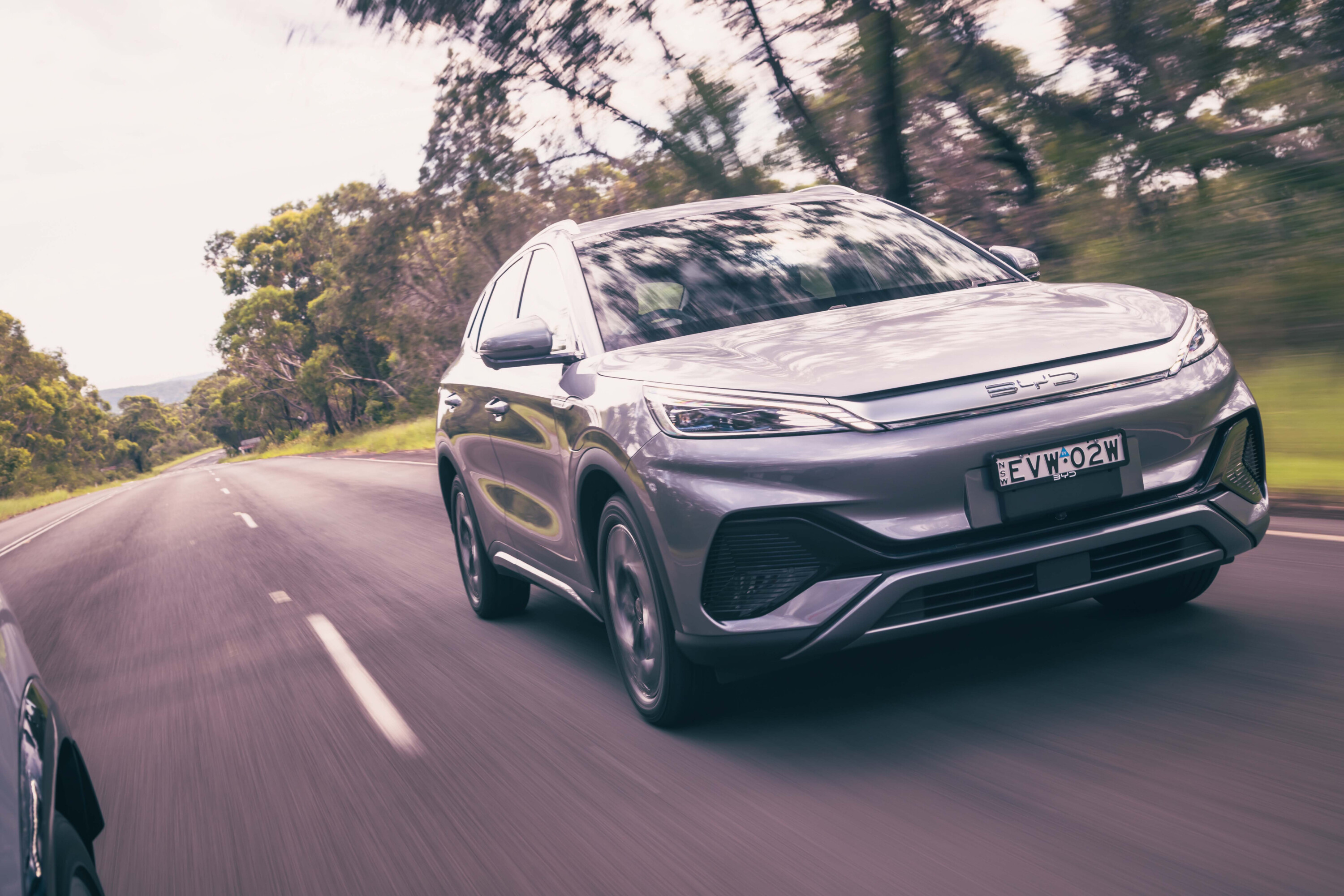
Meanwhile, Chinese brand BYD has introduced a run-out sale for 2023-built examples of its popular Atto 3 ahead of an updated model due in Australia soon.
Demonstrator examples of the 2023 BYD Atto 3 Extended Range are priced from $45,990 drive-away in most states and territories until May 30, 2024 – compared to its usual $51,011 plus on-roads list price.
It costs $47,990 drive-away for buyers in Western Australia.
The drive-away price of an Atto 3 Extended Range is usually between $51,550 and $55,300, depending on the state or territory it is registered in.
The BYD Atto 3 Standard Range continues to be priced from $48,011 before on-road costs – or between $48,550 and $52,000 drive-away.
A minor update for the BYD Atto 3 is due in Australia soon, with new additions likely to include a larger 15.6-inch rotating infotainment system – up from 12.8-inch – and darkened exterior trim.
It is also expected to feature a thicker shade for the panoramic sunroof, Continental Eco Contact 6 tyres, and a new ‘cosmos black’ exterior colour.