
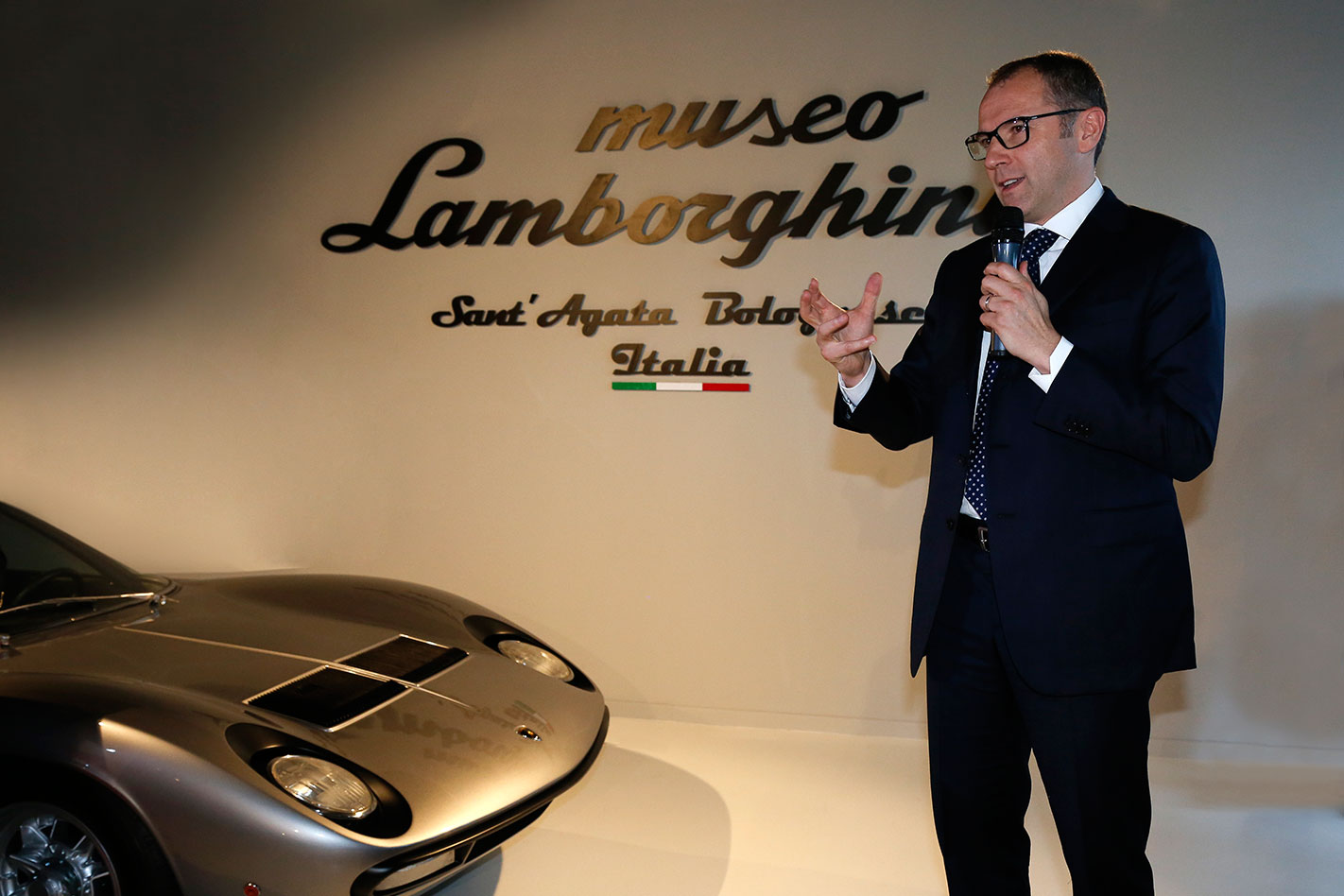
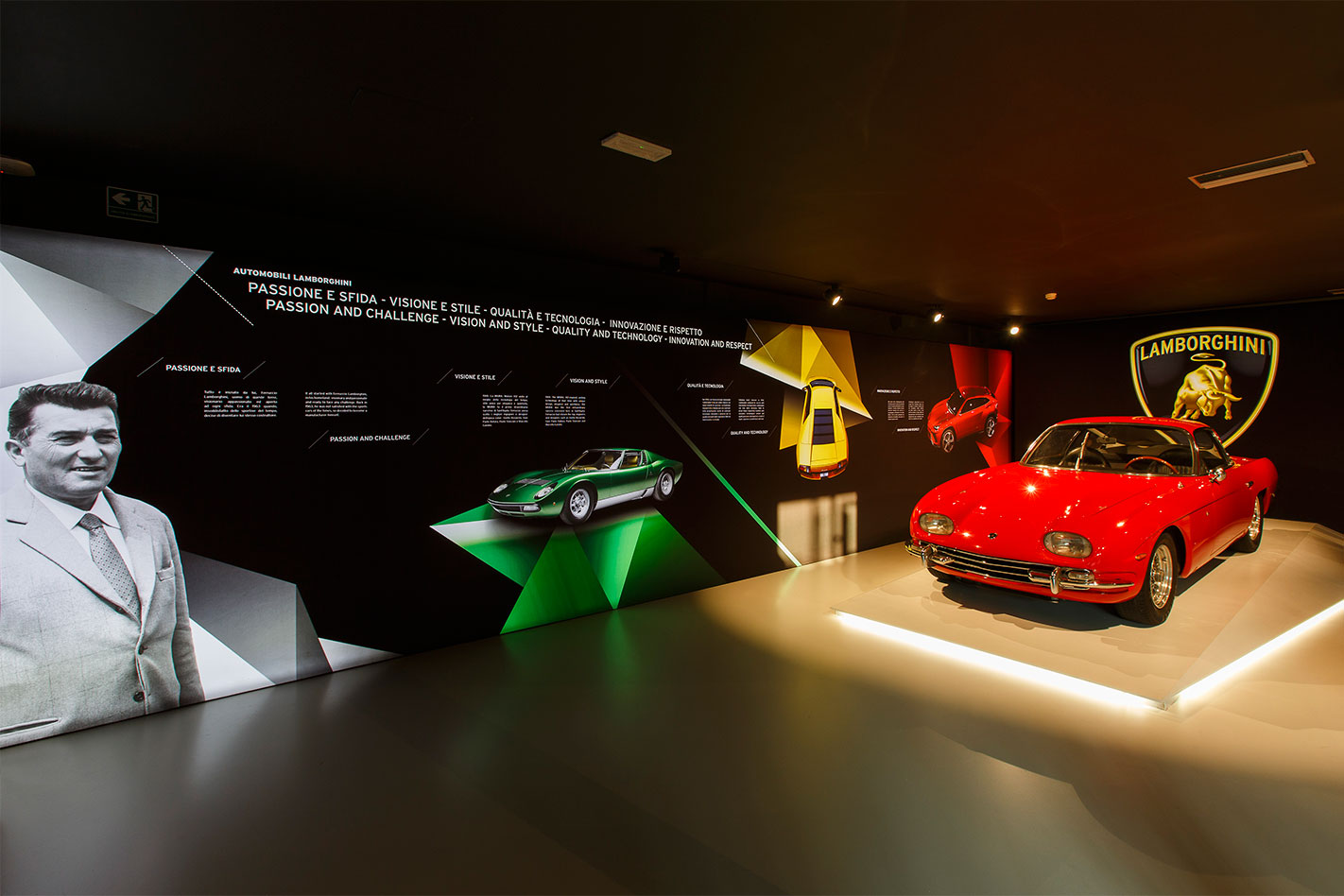
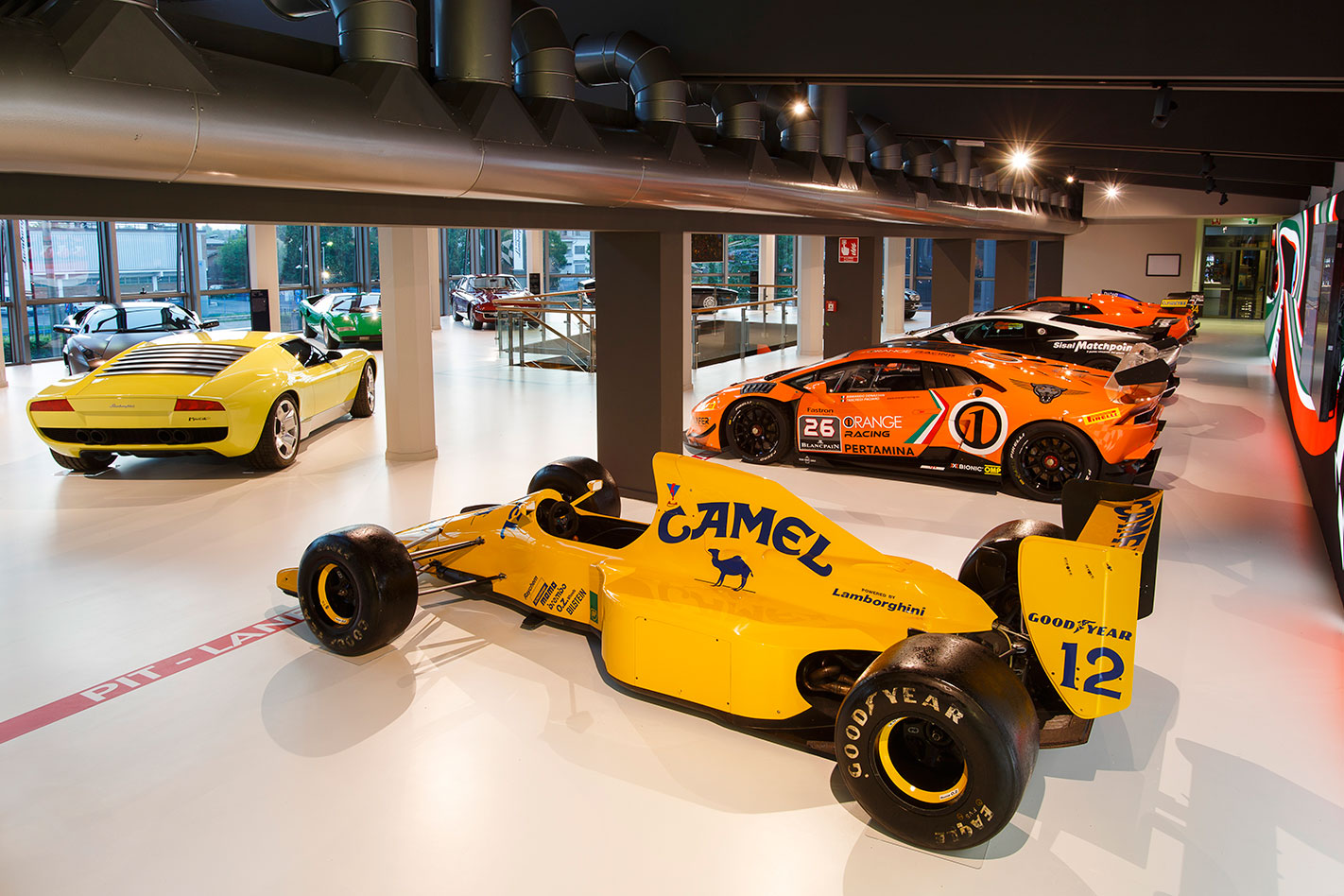
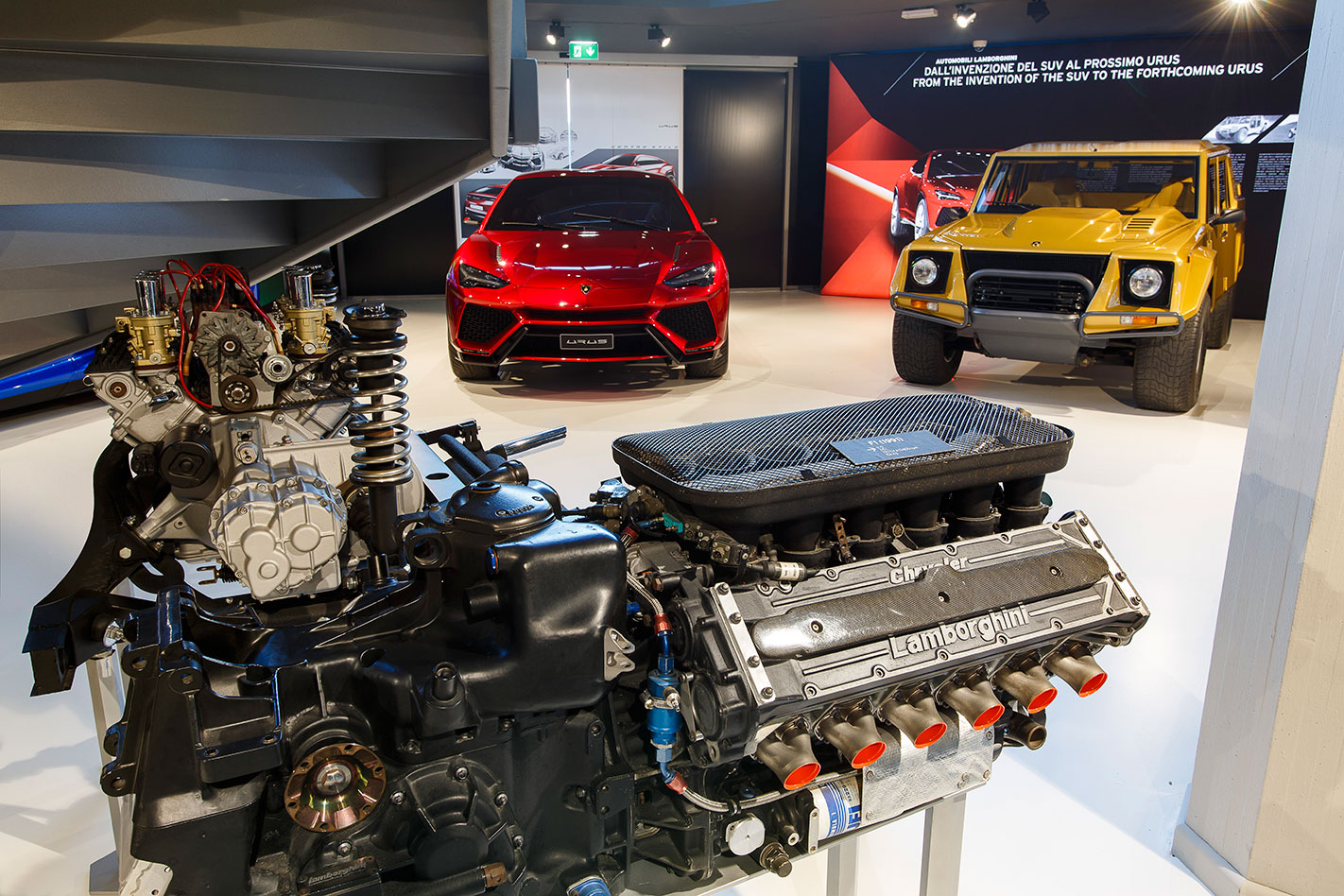
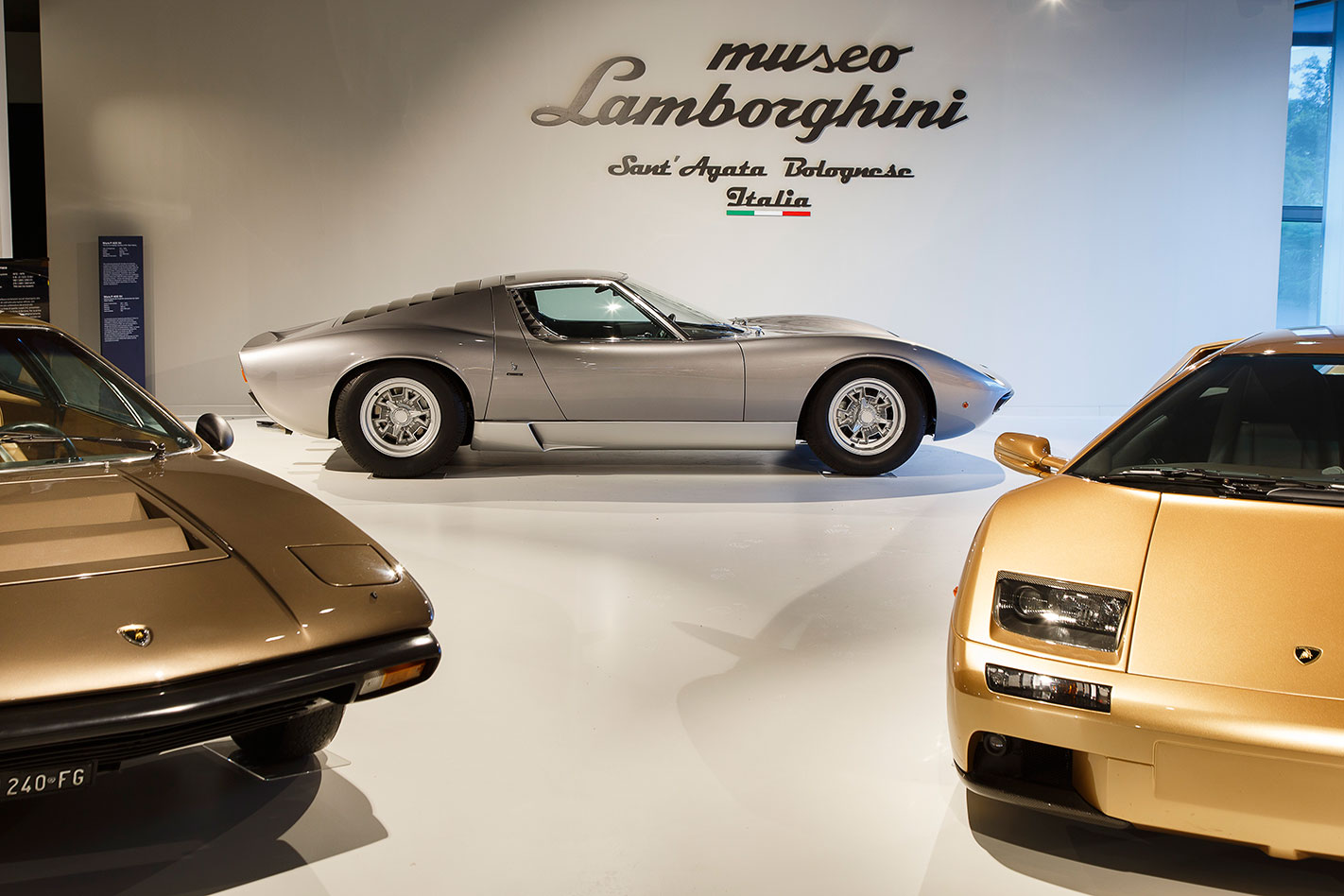
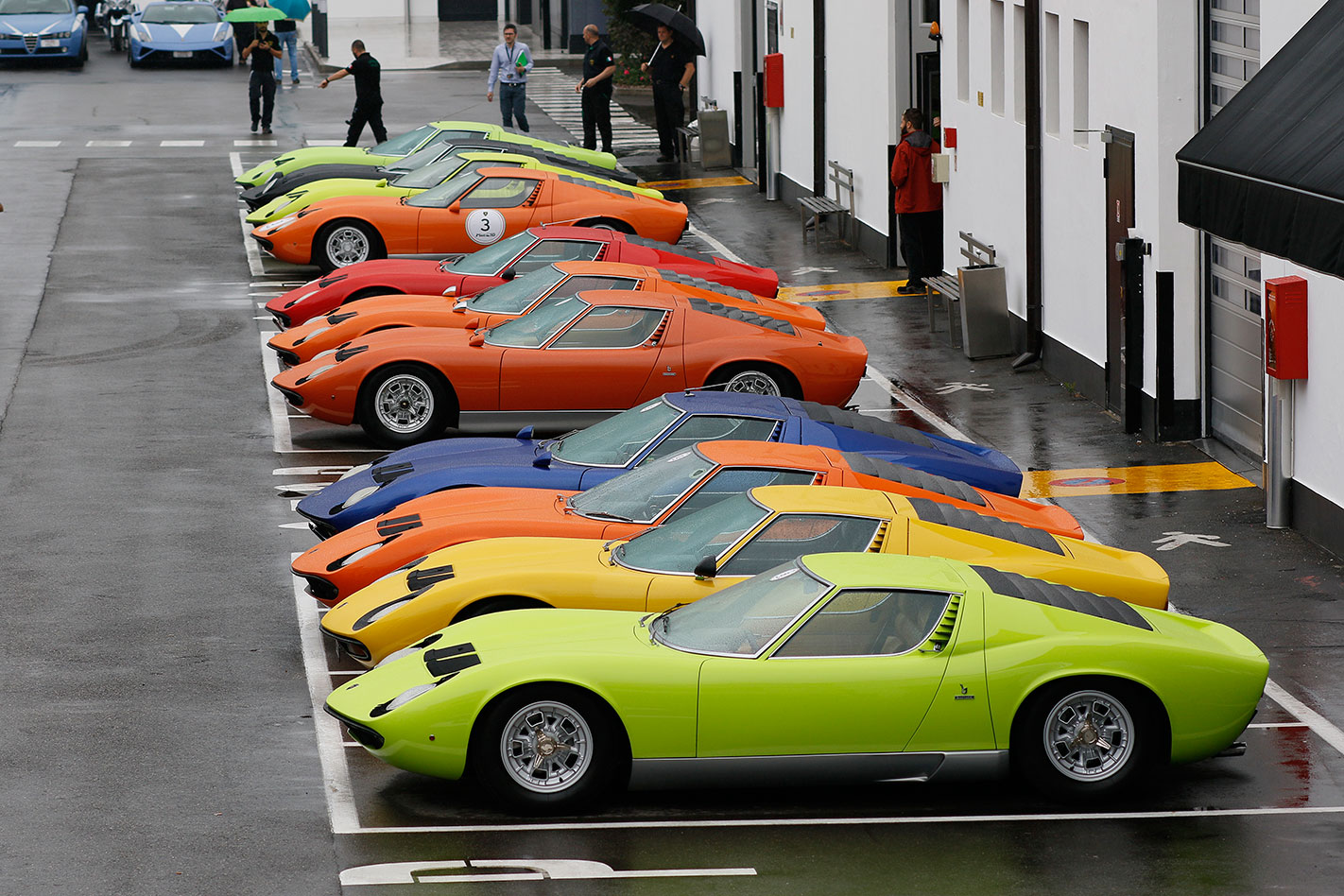
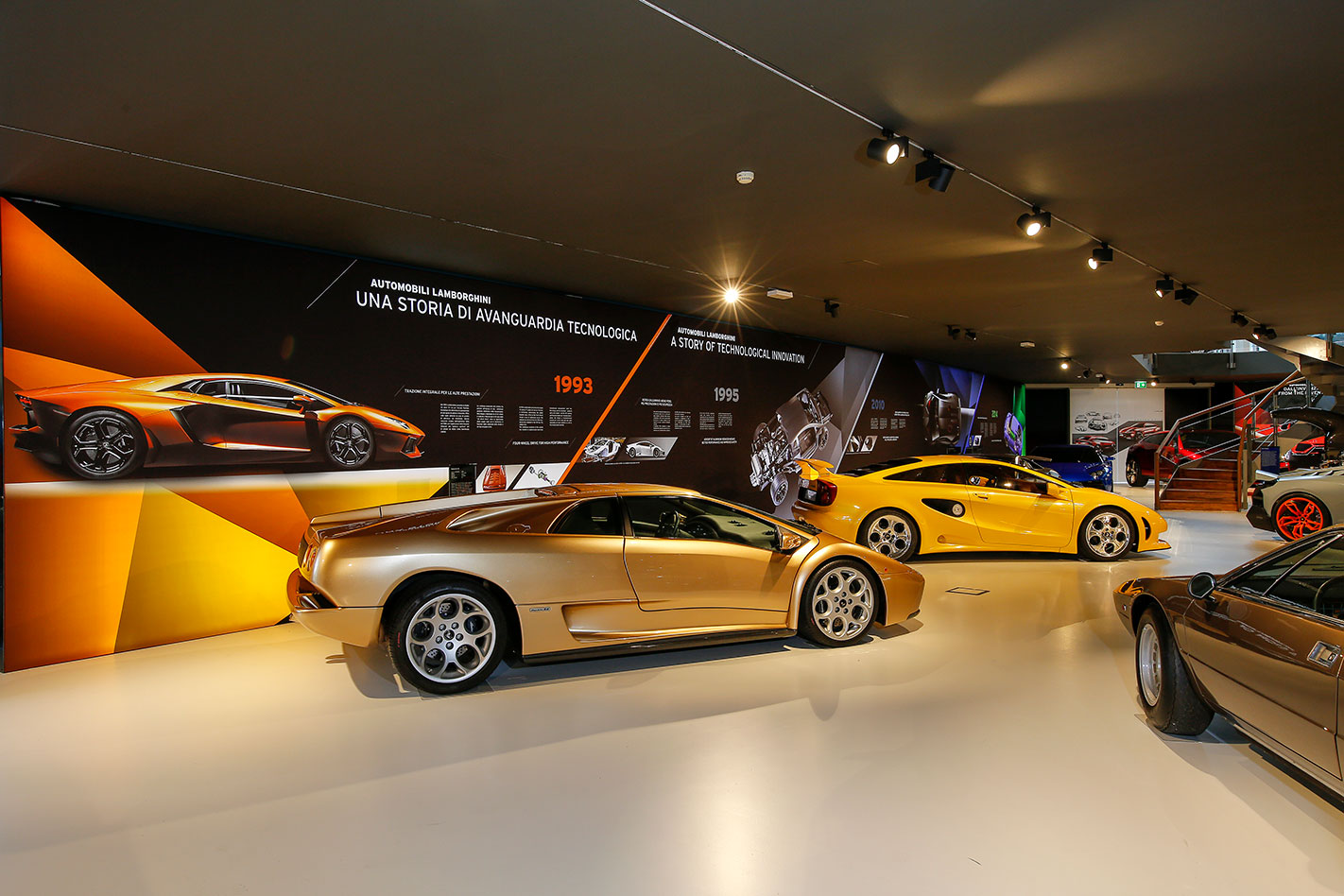
Lamborghini has opened a new museum at its Sant’Agata headquarters, coinciding with the beginning of the 50th Anniversary tour for its iconic Miura.
The event was one of the first public appearances for Lamborghini’s new CEO, former Ferrari F1 team boss Stefano Domenicali, who said: “The new [museum] now provides a richer experience of the world of Lamborghini where our history, engines, design and technology come together.”
Where it all began, the Lamborghini 350GT, released in 1963.
There’s no doubt keeping your kids safe while travelling is one of your top priorities. But these common mistakes made by parents can be costly. Here’s what you should look out for…
- Make sure car seats are secured tight and not too loose.
- The back of a rear-facing child seat should not touch the back of the front seat.
- Use the right size car seat. One a child’s shoulders sit above the height marker or the harness strap slot, the child is too tall for that seat. Alternatively, if the shoulder harness is too high, your child is too small.
- Not using the right seat for the age and size of your kid. There are laws and guidelines in place in Australia to clarify the right seat for your child
- Never buy third party accessories or additions that didn’t come with the seat.
- Setting up a kids seat at the wrong recline angle.
- Not tightening the harness properly.
- Buying a used car seat without knowing its history. We can’t all buy brand new, and used child seats are fine, just make sure you know its history first and make sure it’s still legal.
- Dressing your kids in clothes that are too bulky. This can alter the size of your child and therefore how well they fit in the seat.
- Not checking the position of the retainer and locking clip. The retainer clip should be at armpit level and the locking clip about an inch from the seat-belt latch.
When it comes to describing the rarity of the Ford Escort RS1600, phrases like “hen’s teeth” or “rocking horse manure” quickly come to mind.
Exactly how many were built by Ford between 1970-74 is unknown – estimates hover between 950 and 1137 – but what is certain is that far fewer than that still survive thanks to the Escort’s incredible ability as a race and rally car.
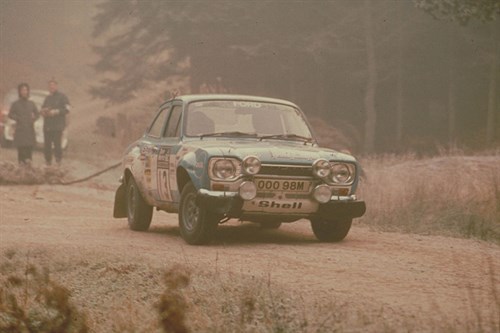
This Belgian-delivered, right-hand drive Daytona Yellow example is the highlight of Shannons’ upcoming winter auction, to be held in Melbourne on July 11. Having received a full nut-and-bolt restoration, the iconic Ford is expected to fetch between $100-125,000.
For evidence of why the Escort RS1600 is so highly regarded, look no further (or rather listen) to the video above.
PORSCHE has locked out the front row for this weekend’s 24 Hours of Le Mans.
Neel Jani scored back-to-back pole positions after rain washed out most of the final qualifying session.
The pole time of 3:19.733 was set by the Jani in the #2 Porsche 919 LMP1 Hybrid in the first qualifying session on Wednesday.
After erratic weather hampered Thursday’s sessions, the time stood as the best of the field.
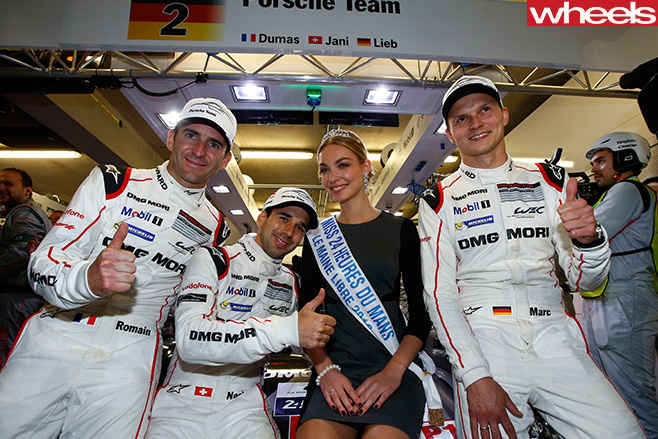
The Porsche lockout means the front row is identical to the start of the 2015 race – won by a third Porsche entry which included Formula 1 driver Nico Hulkenberg, as well as Earl Bamber and Nick Tandy.
Toyota locked out the second row for 2016, with its TS050 hybrids proving to be a significant improvement on last year’s cars.
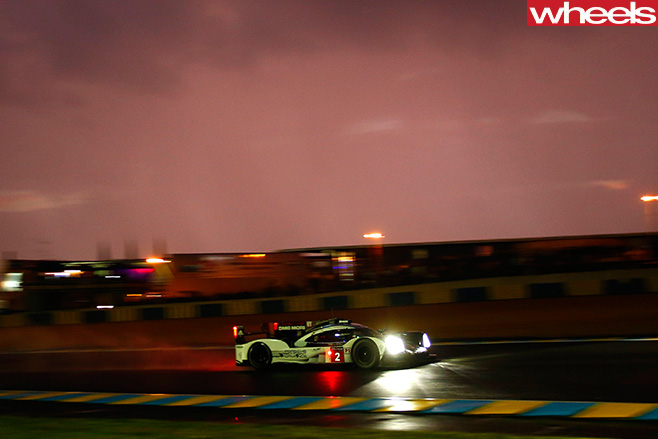
Kamui Kobayashi was the fastest in the final wet qualifying session in the #6 TS050, lapping the La Sarthe circuit in 3:50.934.
Audi had a horrid time in qualifying, with the #8 starting fifth, ahead of the #7 R18 e-tron quattro LMP1.
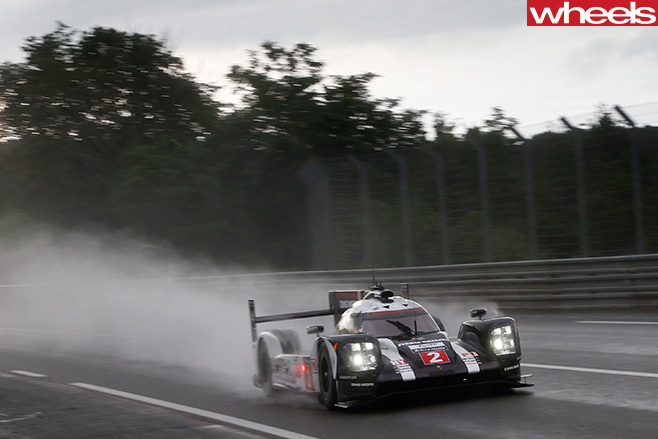
The GTs turned up the wick significantly in qualifying, prompting calls of sandbagging during Balance of Performance testing by competitors.
The #68 will start in pole for the class, while Australian Ryan Briscoe secured second with a 3:51.497.
IN this week’s instalment of ‘Awesome or sacrilege?’ we have British professional marksman Philip Thorrold and a Porsche 911.
But, this isn’t any old 911. This Targa has been converted into what is possibly the fastest clay pigeon trap in the world.
Thorrold affixed the trap to the hood of his 911, and set out to make a thoroughly entertaining and impressive video.
Initially chasing the 911 around the estate, shooting targets as the car slides around the grass, Thorrold then rides shotgun, taking down the erratic clays with ease.
Just to make things a bit more exciting, the clays have been fitted with exploding discs. Because the clip was just missing that extra bit of awesome.
Watching a professional marksman like Thorrold hit his targets with precision is impressive to watch, and having a sliding 911 Targa in the mix makes for a visual and auditory delight.
But seriously, do not try this at home.
IF your car can drive itself, you may as well be sitting in the lap of luxury, right?
Thankfully, Rolls-Royce is now embracing the fully-electric and automated-driving experience, revealing the Vision Next 100 in London overnight.
This is fantastic news for those that don’t want to get behind the wheel, and are too cheap to hire a chauffeur, but need to get to Harrods pronto!
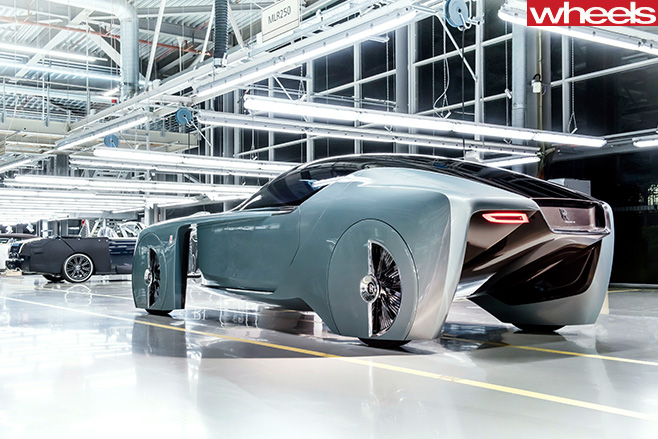
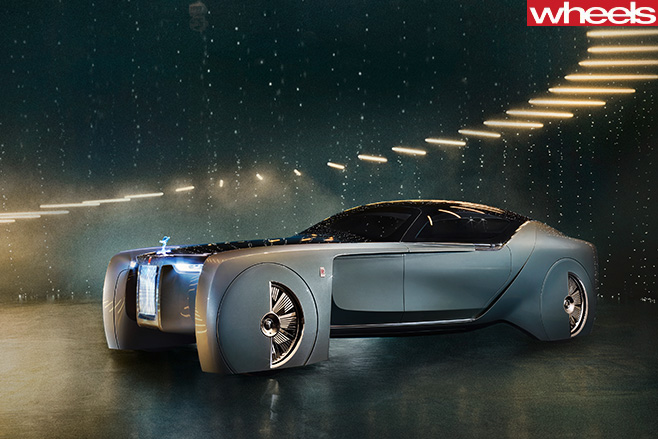
The images released are just a drop in the ocean of possibility for future Roller owners, with the manufacturer envisioning the concept will return it to its coach-making heritage.
The concept is aimed at the richest Rolls-Royce customers that desire a completely customised, bespoke body and interior built to their exact desires. The models will be fully-autonomous and use electric running gear.
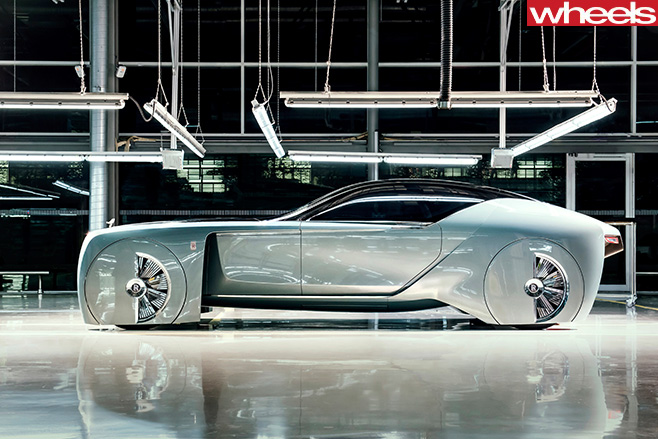
The 28-inch wheels, despite being modern pieces of art constructed from 65 individual pieces of aluminium, will be hidden behind spats.
The concept, which was unveiled in London, was a result the firm giving its designers free-reign. They returned with a 5.8-metre retro-tastic vision of the future.
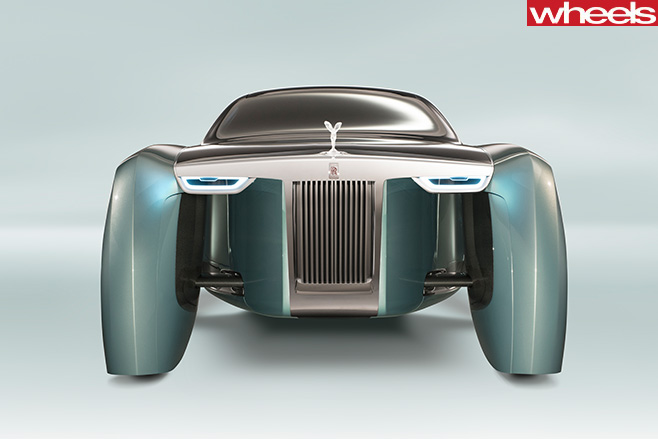
“With the Rolls-Royce Vision Next 100 we were mindful not to dwell on the past,” he added.
“We wanted to be as innovative as possible and at the same time transcend the design history of the marque.
“Advanced manufacturing technologies will enable customers to involve themselves even more in the design of the shape, size and silhouette of their personal Rolls-Royce vision.
“The future customer will commission his or her own concept. Rolls-Royce will design and manufacture this personal vision of each customer and make every Rolls-Royce a unique bespoke masterpiece.”
Rolls-Royce will also install some personality to the on-board computer, with the voice of Eleanor taking care of passengers.
The name is inspired by the model for Charles Sykes’ original 1911 Spirit of Ecstasy, Eleanor Thorton, which still stands proud at the front of every Roller.
Eleanor will also direct the car to charging stations on its own.
Power will be all-electric, but details more than that remain scant.
“It has a blend of a futuristic, powerful, zero-emission drivetrain and advanced suspension that sees the vehicle almost skim across the road surface,” Rolls-Royce said.

Standing 1.6-metres tall, the Vision Next 100 will ensure passengers make a grand entrance, with the doors opening in a way to allow occupants in and out without bowing their head or bending their backs.
The interior is decked out with a silk-clad sofa, thick-pile woollen carpet, and a massive OLED screen. Subtle.
Cost? More than you can afford.
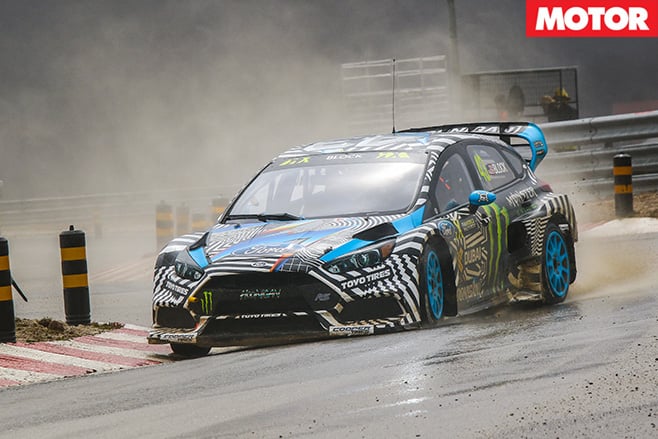
Ford’s snuck everyone behind-the-scenes of development for its Focus RS RX contender in the latest instalment of its Project RX series.
In a string of videos detailing the exhaustive process of building the car, episode four takes us back to the car’s very first test. Here we’re given much more insight into the racer than first teased to us in Ken Block’s Gymkhana 8 video.
Succeeding Block’s Fiesta WRX-spec vehicle, the new Focus RS is built to the competition’s 2016 specifications. So that means it packs a 447kW 2.0-litre turbo four up front. But scarily, its power isn’t the most impressive stat.
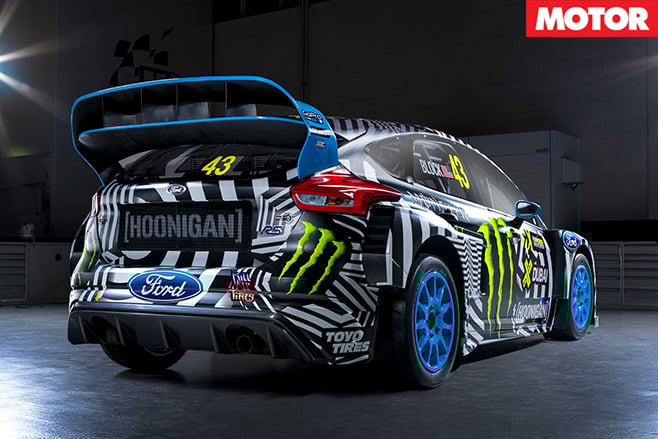
Built in collaboration between the UK’s renowned M-Sport, Ford Performance, and Block’s Hoonigan Racing Division (which campaigns it in the current series), a huge amount of rally experience has been poured into the car.
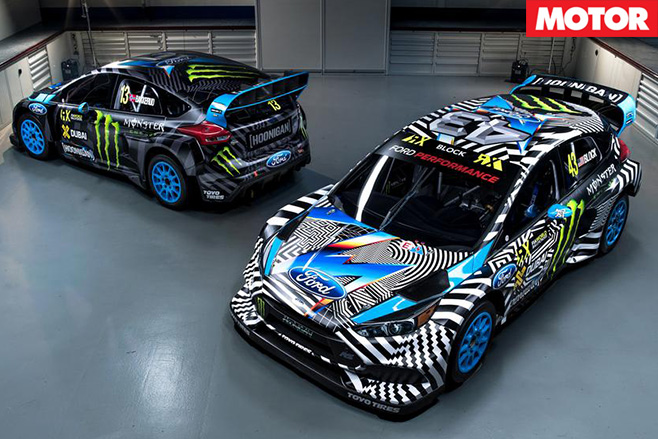
Ken Block and Norwegian Andreas Bakkerud are driving the car this year. And five races in the RS RX has claimed a win in Bakkerud’s hands at his home race.
LAND ROVER has been sprung testing a rival for the successful BMW X6, as well as the upcoming Mercedes-Benz GLE Coupe and Audi Q6… and it’s looking very promising indeed.
Originally reported as the ‘Evoque XL’ in some quarters of the British press, the model dubbed the Range Rover Sport Coupe seems certain to surface internationally some time later next year, for a 2018 launch in Australia.
But don’t be fooled by the Range Rover Sport badging, because it is believed that beneath that upsized Evoque-esque silhouette is actually the fabulous lightweight architecture of the Jaguar F-Pace, Jaguar XF, and Jaguar XE. Supporting this are what appear to be very F-Pace-like slimline tail-lights.
Whether this all means an integral link independent rear end for the newcomer is unknown, as some reports suggest that a bespoke air suspension system may also be under development for the high-end English crossover.
Additionally, an aluminium-intensive five-door body will help keep both the weight and centre-of-gravity down (by hundreds of kilos compared to the X6 if what we’re hearing is true), aiding steering, handling, and roadholding capabilities – crucial if the Brits intend to lure BMW buyers away.
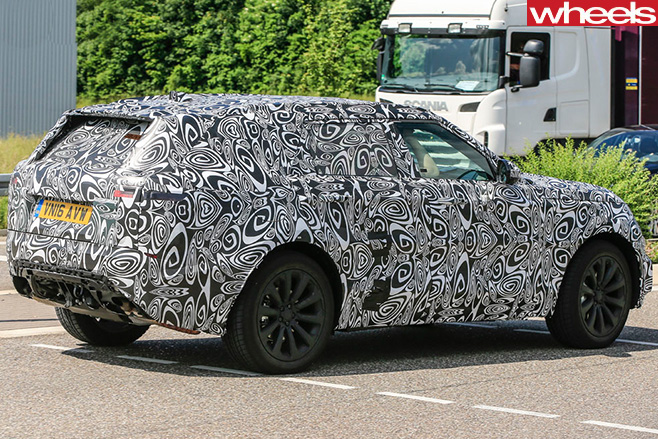
So the F-Pace connection is great news for marque fans who really want to sink their teeth into something terrific on a twisty road, but what about what’s under the bonnet?
Engine choices will be interesting, with all but the base Sport Coupe variants expected to sidestep Jaguar Land Rover’s box-fresh 2.0-litre Ingenium four-cylinder turbo petrol and diesel units, for modified versions of the forced-induction V6 and V8 alternatives as found in its larger Range Rover siblings. There is also talk of hybrid as well as all-electric offshoots, though these will most likely serve on the periphery (if at all) in the Australian market context.
Speaking of which, how much will the 2018 Range Rover Sport Coupe cost? Going on current BMW X6 list prices, don’t go looking for much change from $130,000 for even the most basic variant, while figures stretching well beyond $200,000 are possible for the opulent Autobiography and hard-charging SVR high-performance flagship editions – should they materialise, of course.
Whatever the ask, with elegant styling and a cracking Jaguar-derived chassis, it is clear the Range Rover Sport Coupe will have the design as well as the dynamics to give the German equivalents a bloody nose. Watch this space!
Have spy pics of your own? We’d love to see them. Just email them to [email protected]
1. BMW i3 Fuel economy: 0.0L/100km
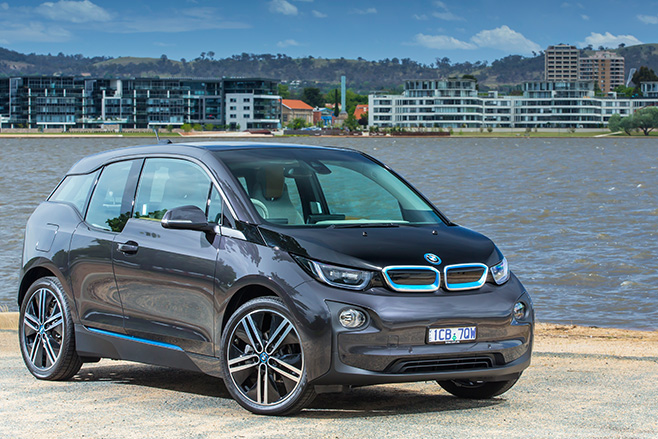
Go for the pure electric i3 and you’ll use no fuel at all, courtesy of a 22kWh battery pack claimed to cover 190km. The 125kW/250Nm motor provides snappy performance too.
2. NISSAN LEAF Fuel economy: 0.0L/100km
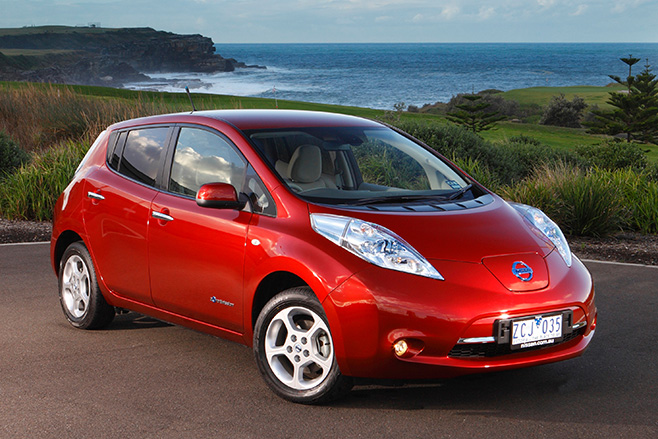
Bigger body and bigger battery (24kWh) than the i3, but the Leaf’s range claim is only up to 170km. Respectable performance from the 80kW/280Nm motor, but bland dynamics.
3. TESLA MODEL S Fuel economy: 0.0L/100km
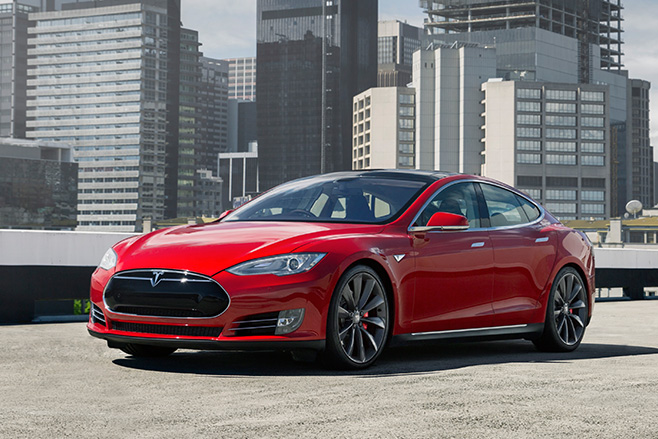
If it’s no-fuel excitement you want look no further than the Model S P90D, which delivers 967Nm. Tesla trumps on range too, with up to 557km for the lower-powered 90D version.
4. AUDI A3 SPORTBACK E-TRON Fuel economy: 1.6L/100km
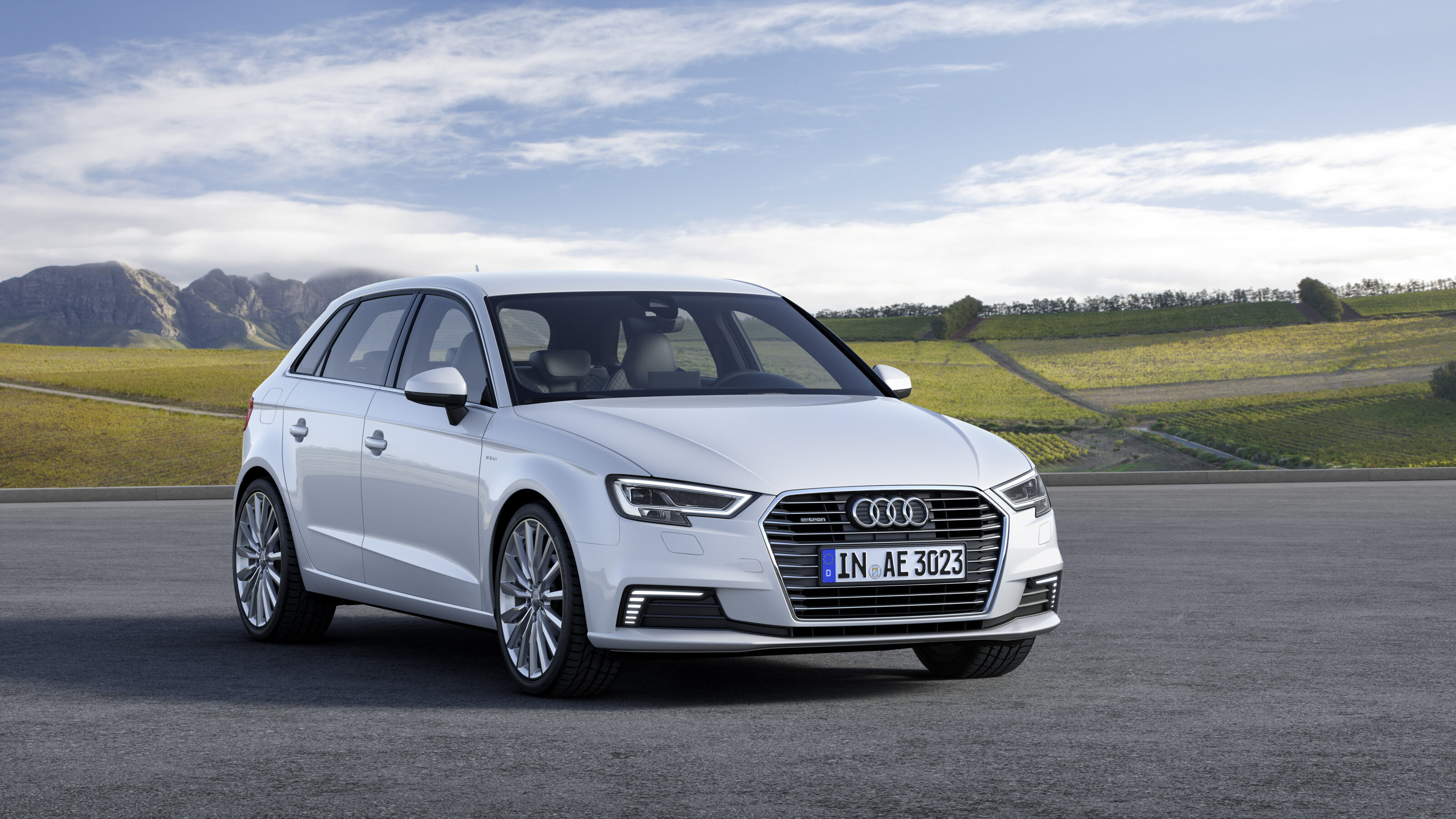
You’ll use either no fuel or lots more than 1.6L/100km with Audi’s plug-in. Good fun, though, with a combined 150kW/350Nm thanks to a 1.4 turbo four paired to the electric motor.
5. MITSUBISHI OUTLANDER PHEV Fuel economy: 1.9L/100km
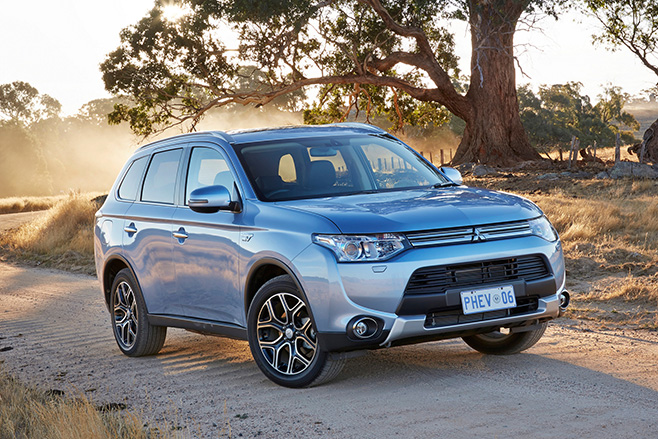
Decent drivetrain, shame about the rest of the car. Still, greenies will like the 60kW motor at either end, backed up by a 2.0-litre four-cylinder petrol engine.
First published in the July 2016 issue of Wheels magazine.
Wheels learns the tricks to mastering the Belgian monster.
Here at Wheels we’re lucky enough to have driven some of the world’s best race tracks. Nurburgring, Laguna Seca, Kyalami, the newly-opened Highlands Park in New Zealand and, of course, our own Mount Panorama.
But one that’s eluded us until now is Spa. Many Formula One drivers list it as their favourite track. And the fast Eau Rouge corners, in particular, are rated among the best and most challenging in F1.
Arriving at the track led to initial disorientation. Looking down a steep section I was trying to work out what part of the track it was. Turns out it’s the section alongside the pit exit, straight after the first corner hairpin. TV does not do it justice how steep the road is at that point.
My opening lap is a learning experience. This is a track that requires serious respect. Walls are close in some places and, other than the corners at either end of the start-finish straight, it’s super fast.
You get that impression the second you’re heading down that steep hill. It’s about heading towards the right of the track to set up for the biggest challenge on the 7.004km course: Eau Rouge.
The trick is to hug the right wall and tip in fast – flat if you’re brave – before straightening in the middle of the corner and punching the brake hard, using the rise in the track to force the nose into the bitumen and point it for the right-hander.
Exiting is just as tricky. It’s about aiming left for an apex you can’t see, and an apex that is almost 41m above the lowest point in the corner. Fortunately, the ripple strip is low and smooth, almost encouraging a healthy corner cut.
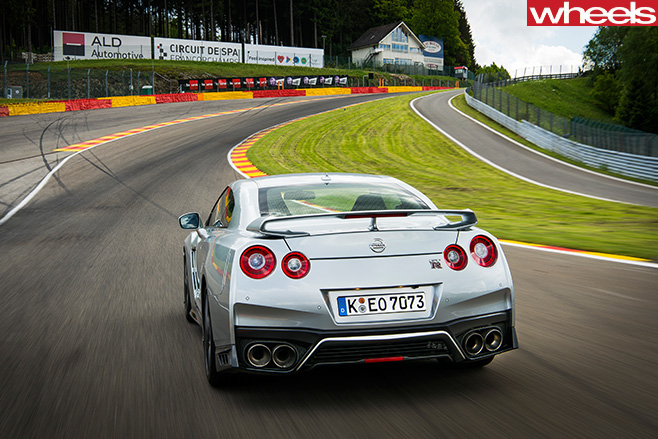
Les Combes are fairly standard, and as with many other parts of the track there’s generous run-off.
From there, though, you’re heading down hill, first with the long, tightening Bruxelles right-hand bend then into the turn 11 left-hander.
Again, it’s steep down hill into the opening Pouhon left-hander. A double apex corner that can be taken with serious pace, it also requires patience so as not to run wide on to the strips of Astro-turf that define the edge of the track. Apparently they’re okay in the dry, but nasty in the wet; I’m happy to stay away from them.
Campus and Stavelot are indicative of a track that constantly challenges. Not particularly fast, but demanding of the correct line to ensure you don’t lose speed unnecessarily.
More fast stuff follows, and it’s into Blanchimont where many F1 passes have occurred. It’s super fast and sweeping requiring a dab of the brakes and correct track placement.
The chicane leading on to the straight is a brief pause to the high speed action and some time to dig deep for the next lap.
It’s a hugely satisfying track once you start to link it together and get some corners right. But it’s one that makes you appreciate the talent and commitment of the Formula One drivers. Having completed nine laps I promptly log on to YouTube to look at just how quickly they’re going, especially through Eau Rouge. I was in a Nissan GT-R and 160km/h required decent commitment. F1 cars hook in at almost double the pace.
As well as being one of the best corners to watch in F1, Eau Rouge highlights just how good F1 cars are at high speeds.
