
Pricing excludes on-road costs, Tesla’s $400 order fee and $1400 delivery charge, and any eligible EV incentives – but includes the Luxury Car Tax (LCT) on the Performance variant. Figures are current as of the time of publication.
Snapshot
- Legendary off-roader retains its iconic boxy appearance for EV transition
- Debuts a brand-new EV powertrain with four e-motors
- Introduces new features like G-Turn and G-Roar
- Has superior performance and off-road ability compared with ICE versions
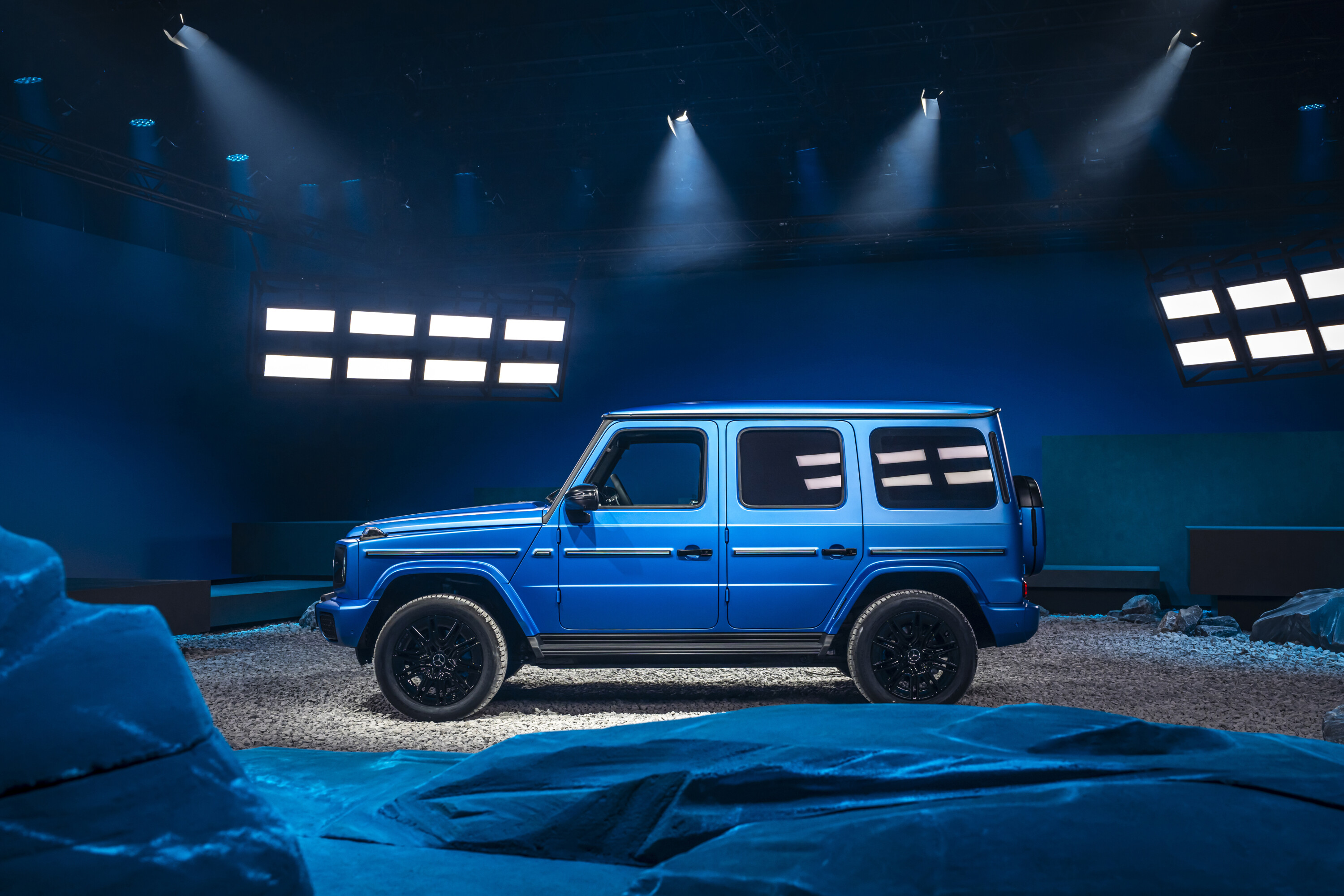
The all-electric version of the iconic Mercedes-Benz G-Class has been revealed with four electric motors, a mighty torque output and a new naming convention for Mercedes EVs.
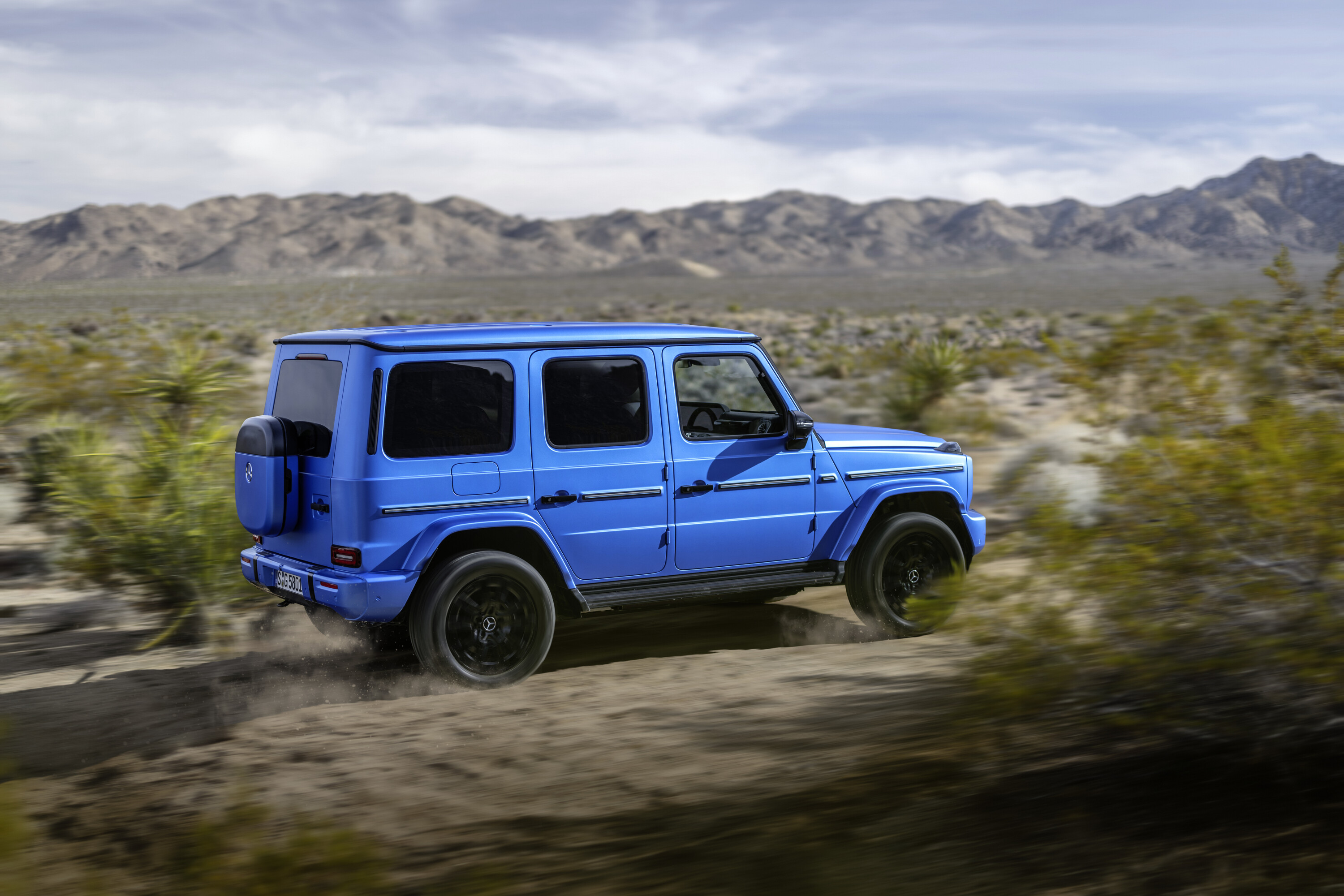
Officially known as the Mercedes-Benz G580 with EQ Technology, the electric G-Wagen debuts a new EV powertrain that uses four e-motors to produce a combined 432kW and 1164Nm.
The e-motors, which are mounted one per wheel and each have their own two-speed gearbox, are fed by a large 116kWh battery pack that provides a claimed WLTP range of 473km.
1
To ensure the electric Geländewagen is just as capable off-road, the battery pack is protected by a 26mm thick, carbon-reinforced plastic bash-plate which Mercedes says is lighter and more durable than steel or aluminium.
The G580 also has a wading depth of 850mm – 150mm more than a petrol-powered G63 – and can clamber up 45-degree inclines.
Approach, departure and breakover angles are 32mm, 32.7mm and 20.3mm, respectively.
1
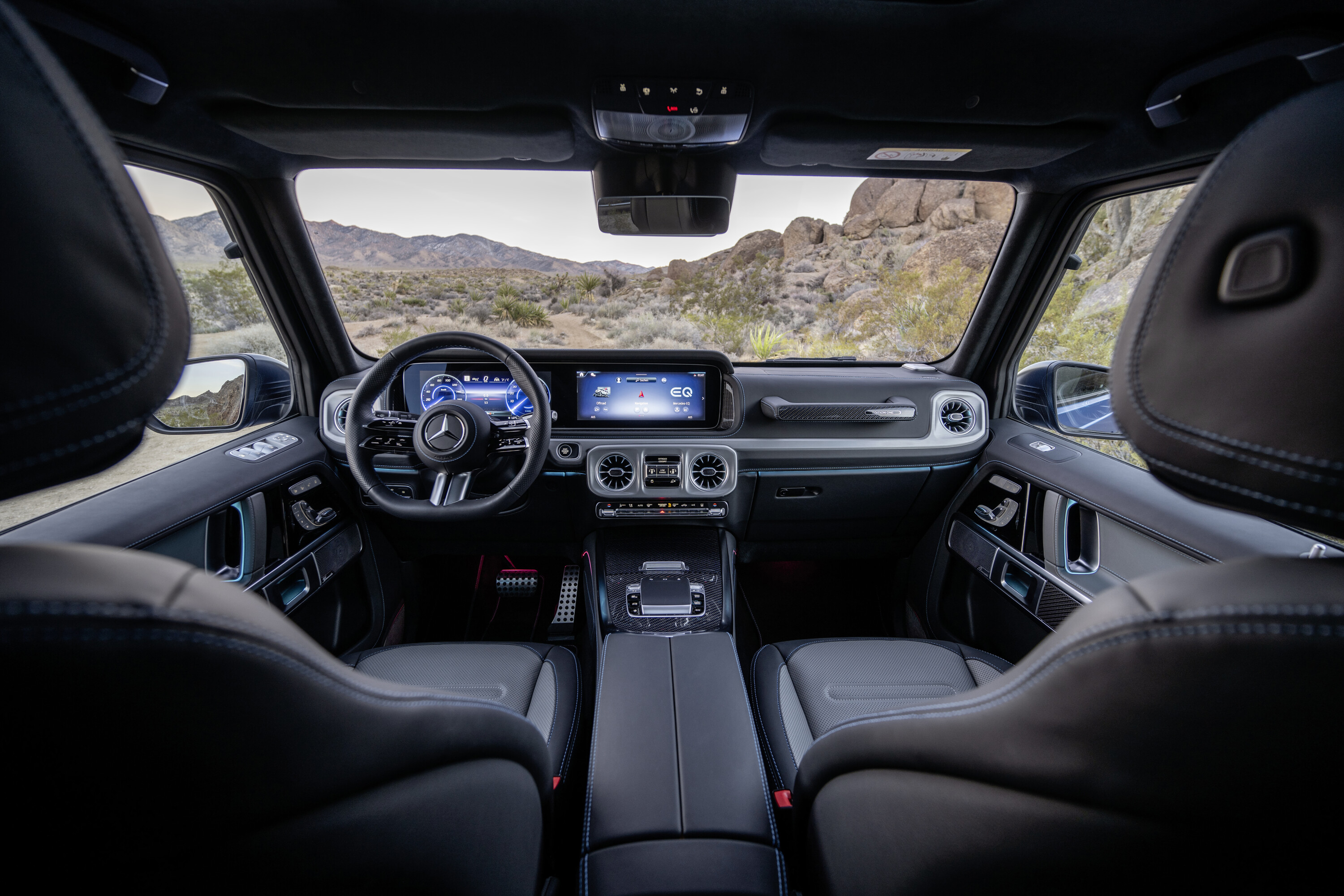
A translucent bonnet also features and the G580 includes a reduction gear for low-range off-roading, which provides greater torque at low-speed and is limited to 85km/h.
Several new features also debut, including the highly publicised G-Turn mode that allows the G580 to quickly rotate on its axis by turning the left- and right-hand-side wheels in different directions.
If silent provision isn’t your thing, owners can also make their G580 sound like a combustion G-Glass through a new G-Roar setting. Different sounds are available for each drive modes, according to Mercedes.
1
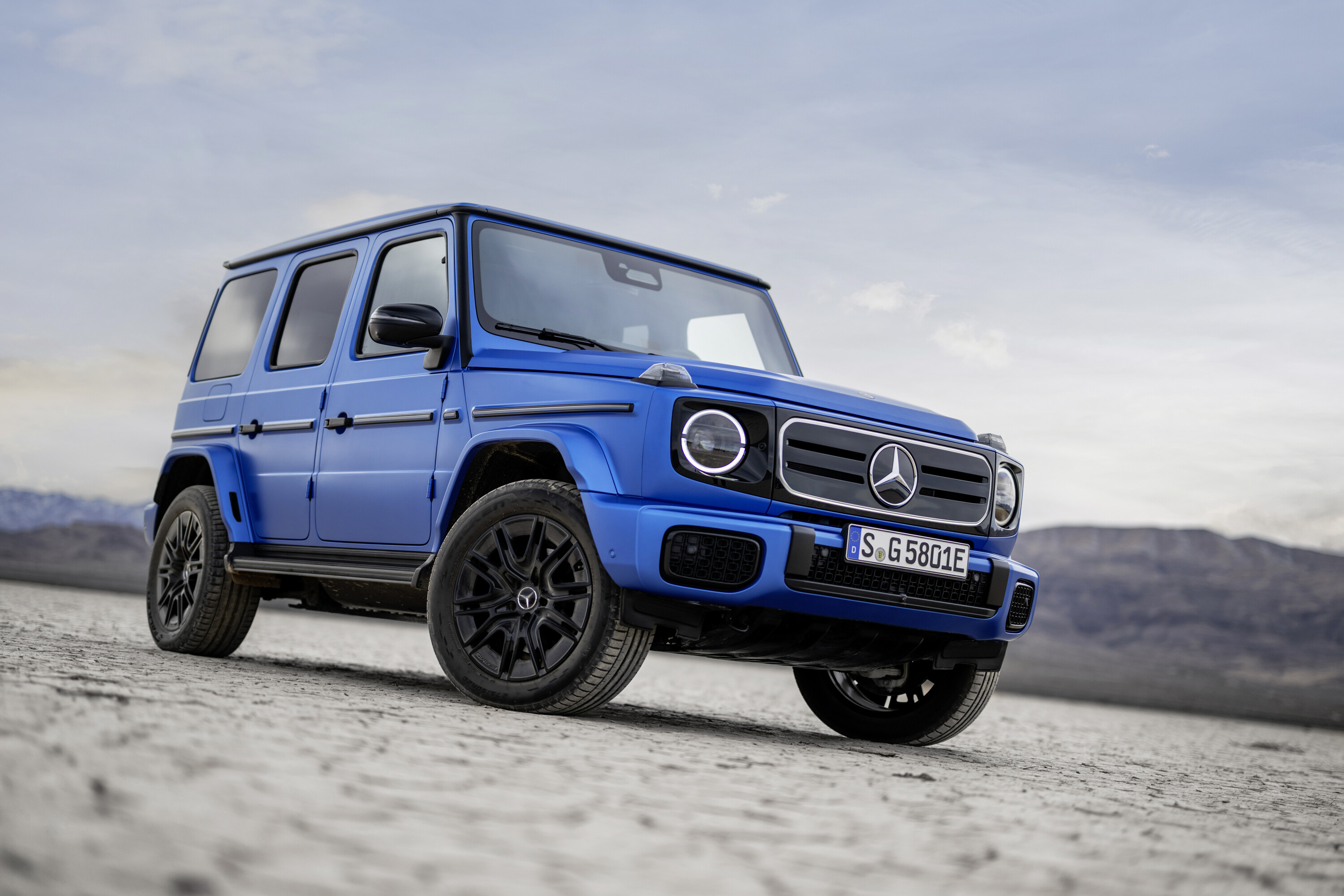
Notably, the EQ badging that has differentiated electric Mercedes models so far is missing from the EV G-Wagen.
Instead, rather than being called EQG, the G580 introduces a name naming convention that’s expected to be rolled out to all future EV versions.
Recharging-wise, the G580 comes with an 11kW AC charger and can accept up to 200kW DC charging, enabling a 10-80 per cent top-up in around 30 minutes.
Uniquely, owners can also add a storage box onto the tailgate in place of the usual spare tyre to house the charging cable and other items.
1
As for straight-line performance, Mercedes claims the G580 will hit 0-100km/h in 4.7 seconds and sail on to a top speed of 180km/h. Not bad for something that resembles a house brick.
Mercedes-Benz Australia has confirmed the G580 will be coming here but is yet to confirm when it will hit local showrooms.
Pricing is also TBC, as is whether the G580 will be positioned above or below the existing V8-powered G63, which retails for $363,561.
MORE
Electric Cars
The facelifted 2025 Tesla Model 3 Performance has debuted with more power, sportier enhancements, and a lower price than before.
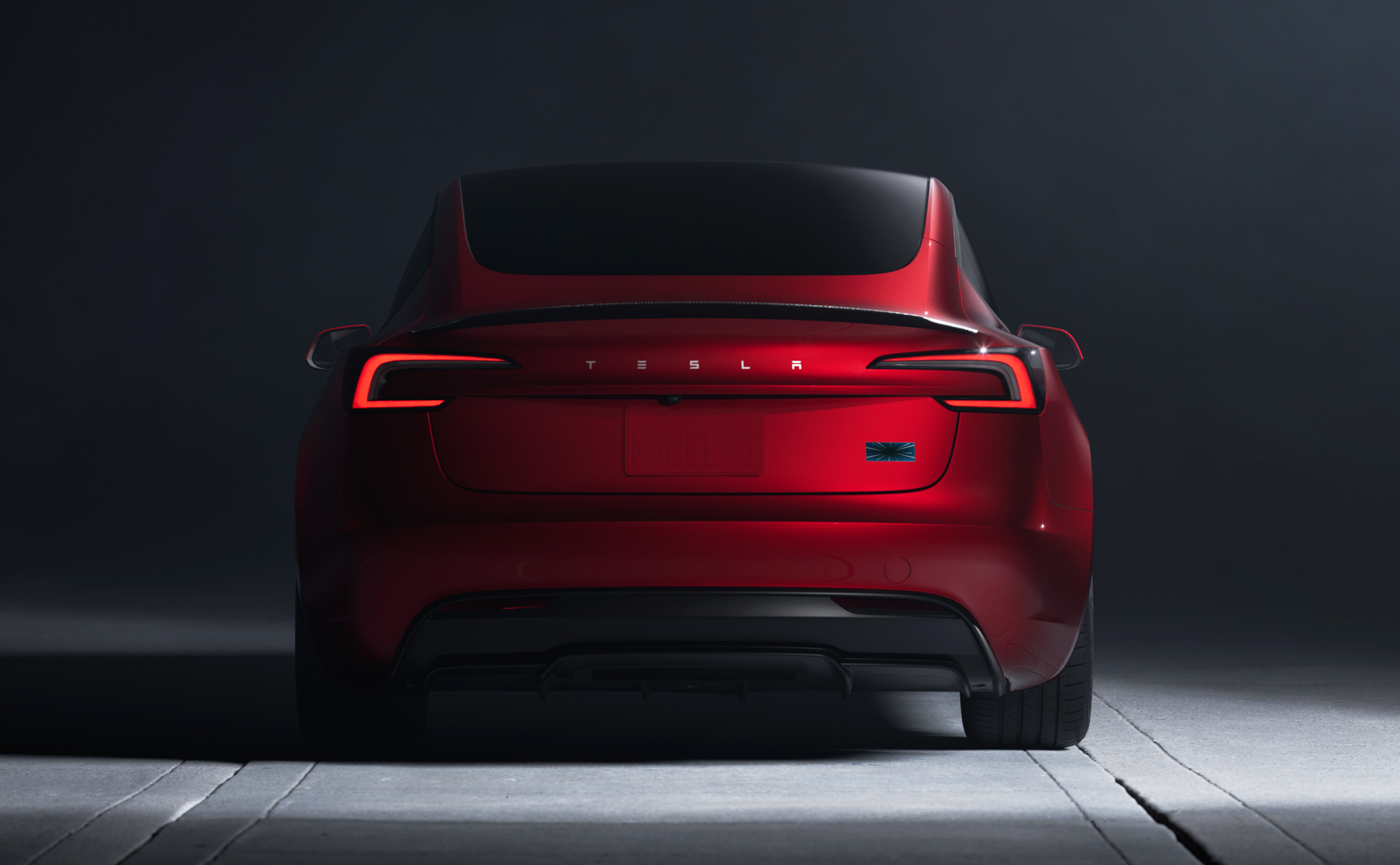
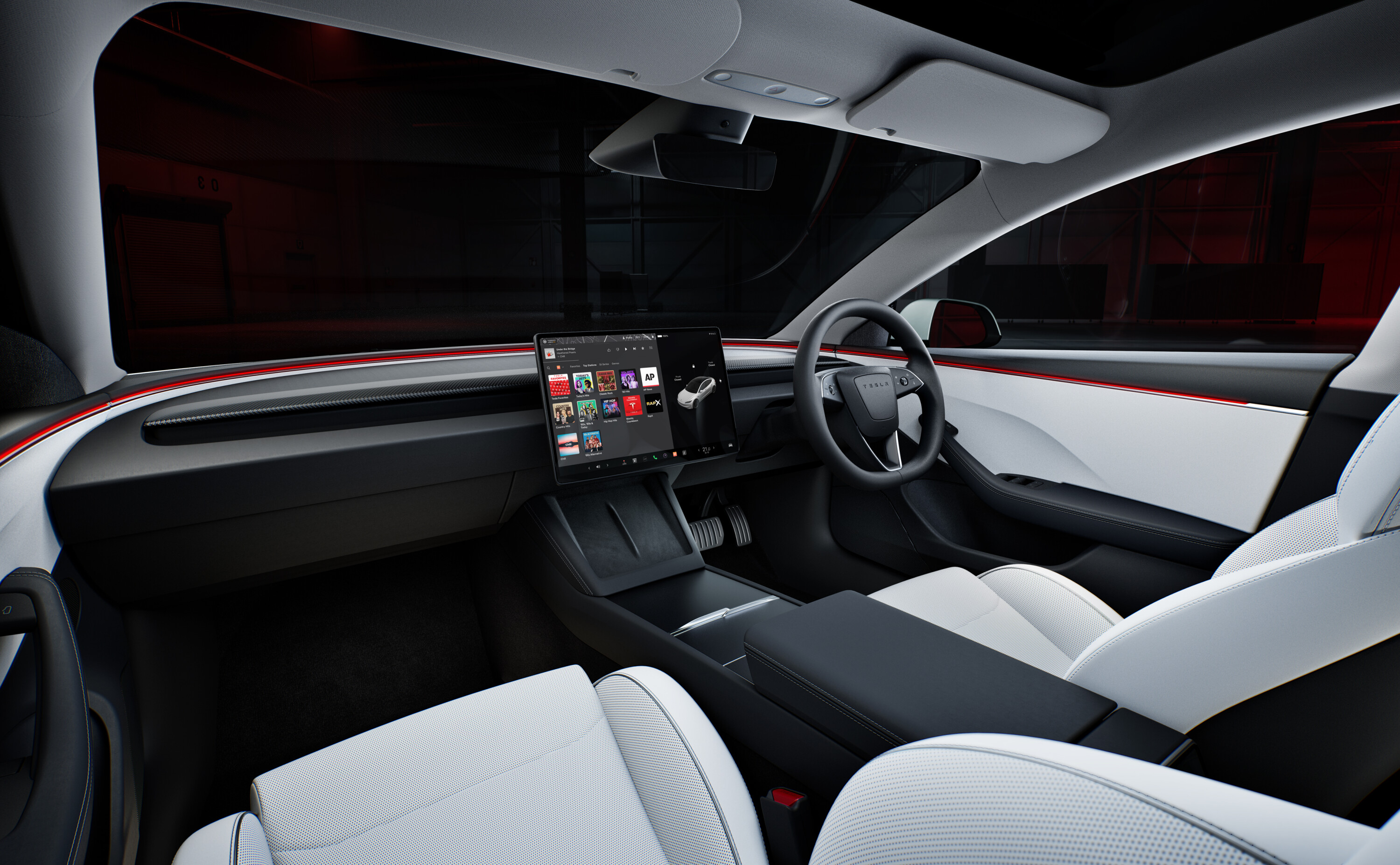
Due to arrive in Australia between July and September 2024, the new Model 3 Performance has followed its less-powerful siblings with comprehensive updates inside and out – including the removal of a traditional gear shifter, indicator stalks, and wiper controls.
Tesla has invested in additional upgrades for the latest all-wheel-drive Performance variant, such as a more powerful dual-motor setup, adaptive dampers, a stiffer chassis, an updated Track Mode, and a unique design compared to the Rear-Wheel Drive and Long Range AWD.

1
It is priced from $80,900 before on-road costs – down $2500 over the pre-facelift model last offered in September 2023 – following two separate price cuts applied to lower Model 3 variants in April 2024.
With a new-generation drive unit, combined power from the revised electric motors is 343kW, which allows for a 0-100km/h sprint time of 3.1 seconds – two-tenths quicker than before – and a 262km/h top speed.
Under the skin, the addition of adaptive dampers – developed in-house – allows the Model 3 to offer improved handling over the fixed suspension fitted to other variants without compromising ride quality.
Other revisions include different springs, stabiliser bars and bushings, red brake calipers and higher-performance brake pads for quicker deceleration and a better thermal limit.
1
Tesla has also added staggered 20-inch alloy wheels for a sharper turn-in response, more predictability, and improved road or track traction.
Performance-specific design changes over standard Model 3 variants include revised front and rear bumpers with integrated cooling ducts and improved aerodynamics, a carbon-fibre spoiler, heated and ventilated sports bucket seats with more lateral support, and a unique Performance badge inspired by the Model S and Model X Plaid.
The 2025 Tesla Model 3 Performance is due to arrive in Australia between July and September.
1
2024 Tesla Model 3 pricing
| Model | Pricing |
|---|---|
| Rear-Wheel Drive | $58,900 |
| Long Range AWD | $67,900 |
| Performance AWD | $80,900 |
| Prices exclude on-road costs. |
Tesla Model 3 Australian pricing history
MORE
Everything Tesla
Snapshot
- Nissan unveils new solid-state battery facility in Japan
- New electric vehicles utilising the battery technology on the way
- Other brands, such as Toyota, also investing in solid-state batteries
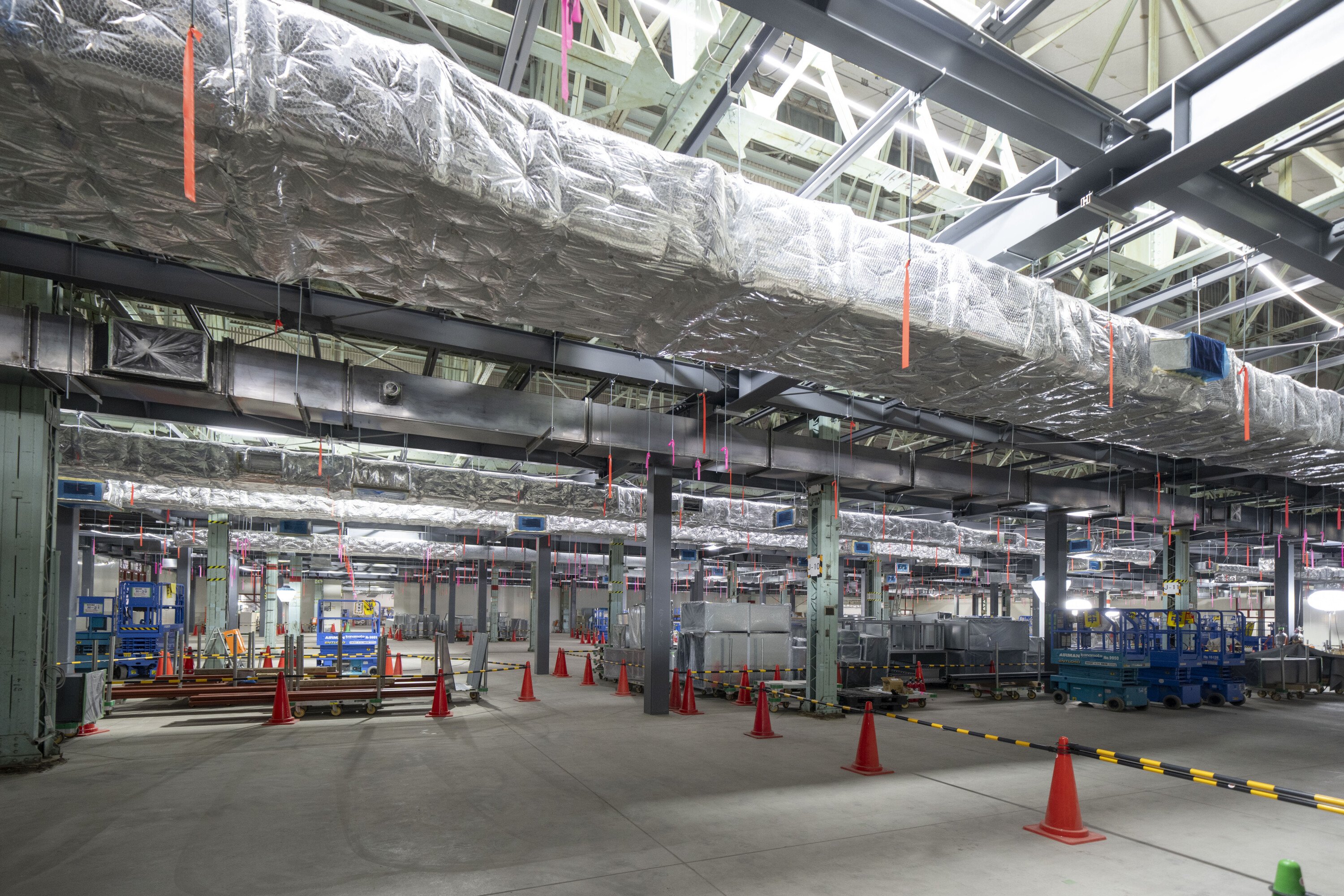
Nissan has unveiled its all-solid-state EV battery production facility at its Yokohama Plant in Japan.
The production line is aimed to promote further development of solid-state battery technology for its upcoming electric vehicles.
Nissan said upcoming all-solid-state batteries have the potential for energy density approximately twice that of conventional lithium-ion batteries, significantly shorter charging times due to superior charge and discharge performance, and lower costs due to less expensive materials.
1
The Japanese brand plans to use all-solid-state batteries in various vehicle segments, including utes.
Nissan says it is “conducting wide ranging research and development, from molecular-level battery material research to electric vehicle development , including the use of EVs as storage batteries in city development”.
Other brands are also working on the development of solid-state batteries, such as Toyota.
Vikram Gulati, head of Toyota Kirloskar Motor in India, said, “[Toyota] will be rolling out our electric vehicles with solid-state batteries in a couple of years from now”.
1
What are solid-state batteries, and why should I care?
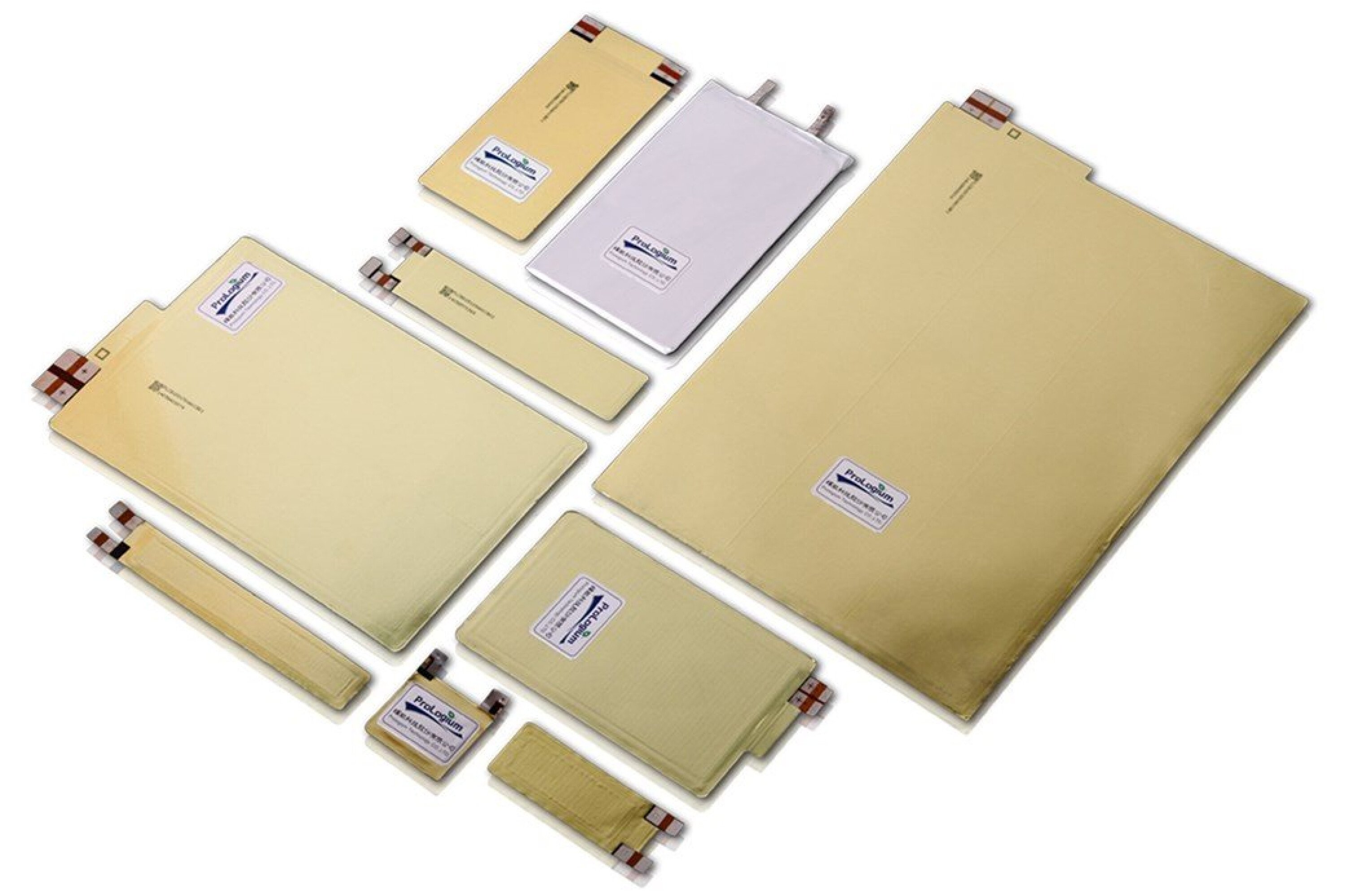
In short, solid-state batteries utilise a solid electrolyte chemical mixture rather than the liquid electrolyte found in current EV batteries.
Solid-state batteries have a faster charging time and better lifespan, with the ability to retain more than 80 per cent of their capacity after 800 charging cycles.
The production capacity isn’t quite ready for mainstream use, but we should see it in the next couple of years, with Nissan, Toyota and Honda teaming up to aid development in previous years.
MORE
Everything Nissan
MORE
Electric Cars
Snapshot
- EVs, hybrids and hydrogen vehicles to emit sounds during low speed driving.
- Acoustic Vehicle Alerting Systems Australian Design Rule to be mandated from November 2025.
- AVAS to improve safety for low-vision and blind pedestrians.
A new Australian Design Rule (ADR) has been introduced, mandating that electric vehicles must emit an audible alert at low speed to improve safety.
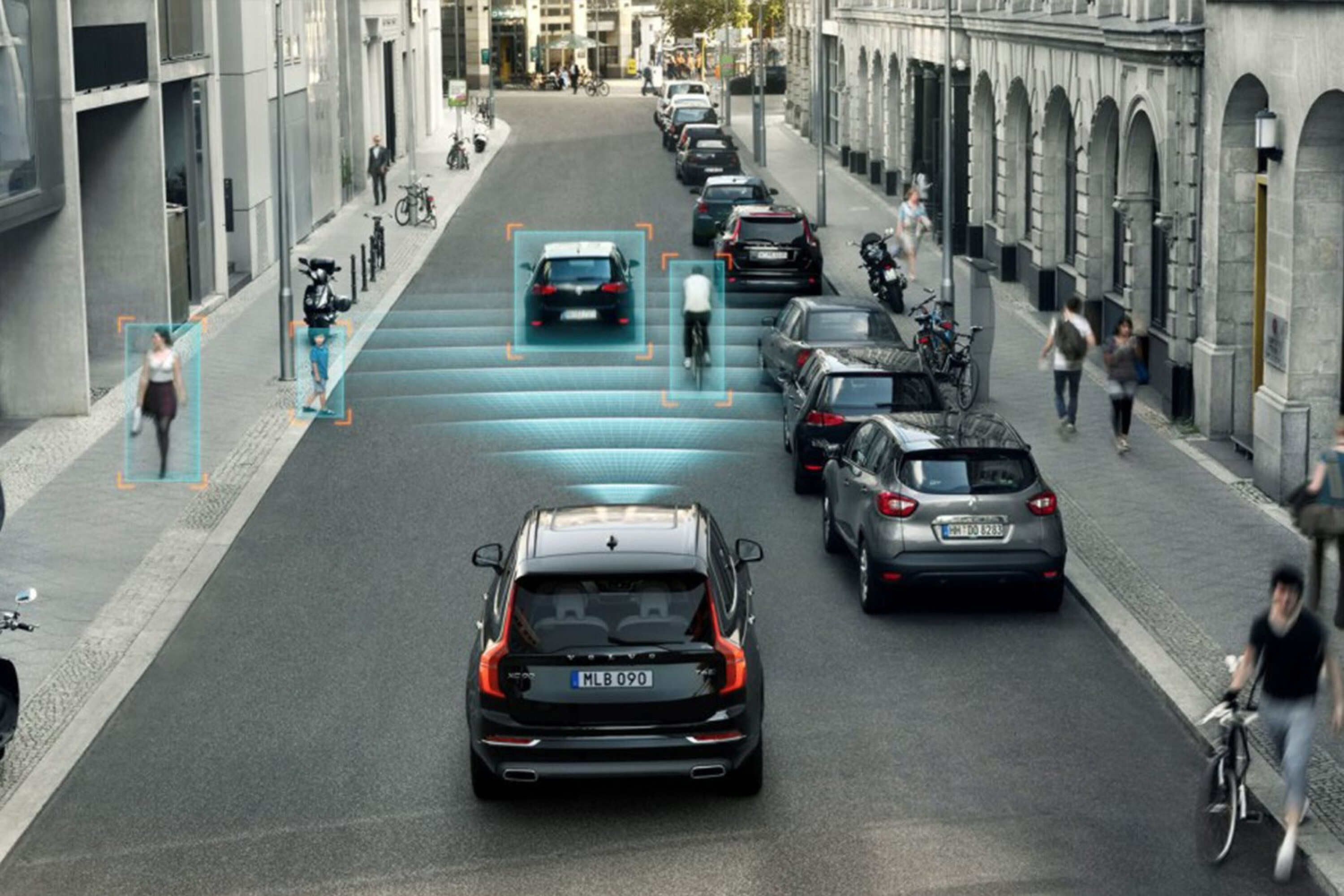
The Acoustic Vehicle Alerting System (AVAS) will be introduced from November 2025, requiring new electric, hybrid and hydrogen vehicles to emit a safety alert or sound at low speeds in car parks, intersections and driveways.
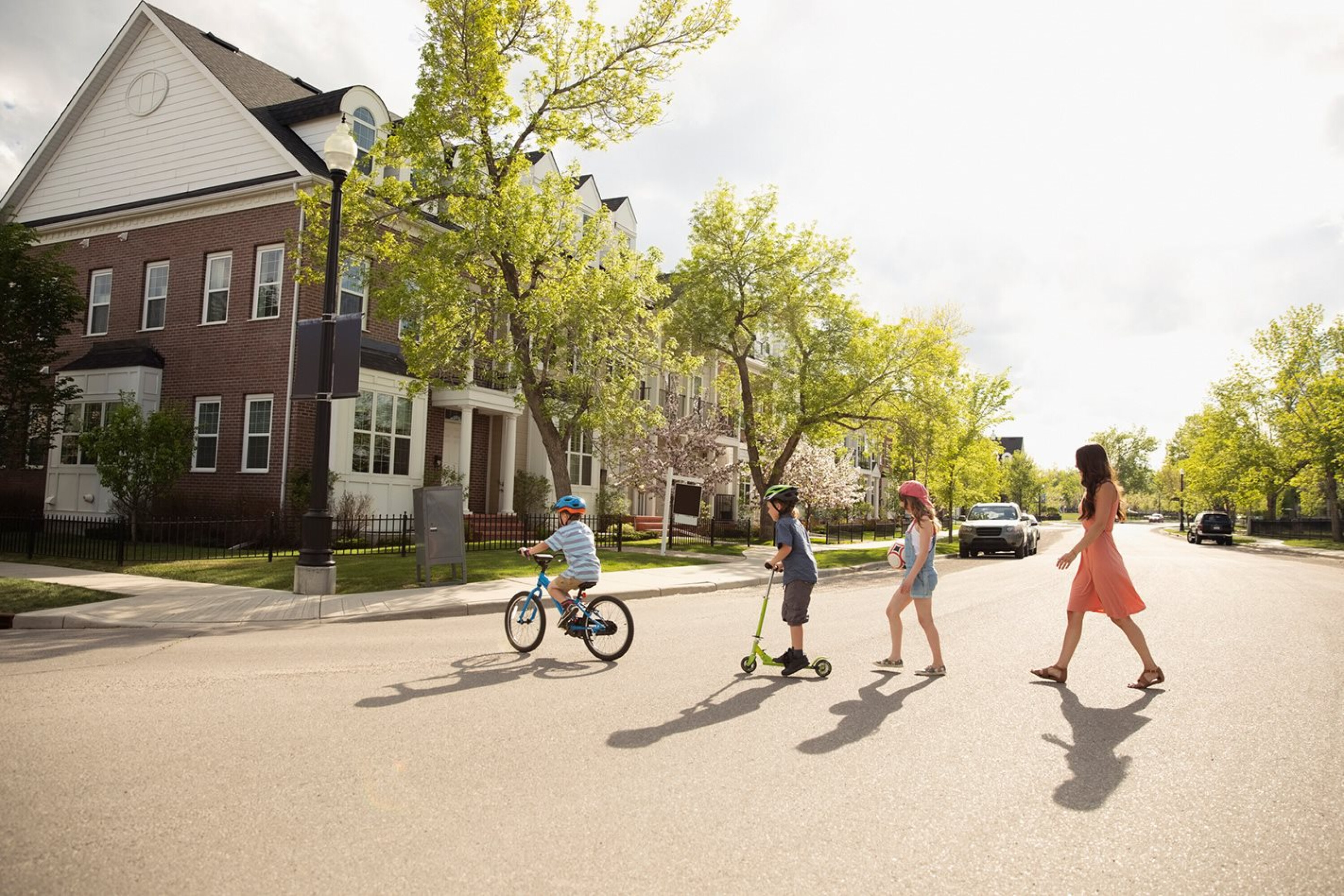
Quiet electric vehicles are difficult to hear compared to internal combustion vehicles and could pose a risk to pedestrians, especially those with hearing or vision impairments and those who rely on sound to negotiate the road network independently.
1
ADR 113/00 will require new electric, hybrid and hydrogen fuel cell cars, trucks and buses to be fitted with an AVAS system from November 2025.
“As more and more Australians choose to drive EVs we are committed to ensuring that they are safe for both driver and others using the road. This is a significant win for the blind and low-vision community who have long been advocating for alert systems like this to be introduced in Australia,” said Catherine King, Minister for Infrastructure, Transport, Regional Development and Local Government.
No louder than a conventional vehicle, AVAS will make EVs easier to hear by emitting a sound when travelling at low speeds, such as in car parks, intersections and driveways.

1
The Federal Government expects audible alerts to prevent 68 fatalities, 2675 serious injuries and 2962 minor injuries by 2060, with an estimated saving of $208 million to the Australian community.
The AVAS was strongly supported by state and territory governments, the blind and low-vision community, and vehicle manufacturers.
“This technology will go a long way to preventing pedestrian crashes, especially for our most vulnerable,” said Carol Brown, Assistant Minister for Infrastructure and Transport.
Minister for Social Services Amanda Rishworth said the new rule is “another example of how making a reasonable adjustment for people with disabilities can actually make life better for everyone”.
1
Vision Australia’s manager of government relations and advocacy Chris Edwards spoke of the organisation’s support for the AVAS implementation.
“Vision Australia has been calling for AVAS to be introduced since 2018. We are ecstatic and congratulate the current federal government for listening to our concerns and acting on this very important issue,” he said.
“All pedestrians should have the right to feel safe and confident when navigating public spaces and today’s announcement is a significant step forward towards protecting that for people who are blind or have low vision.”
What are your thoughts on this new rule? Let us know below!
MORE
Electric Cars
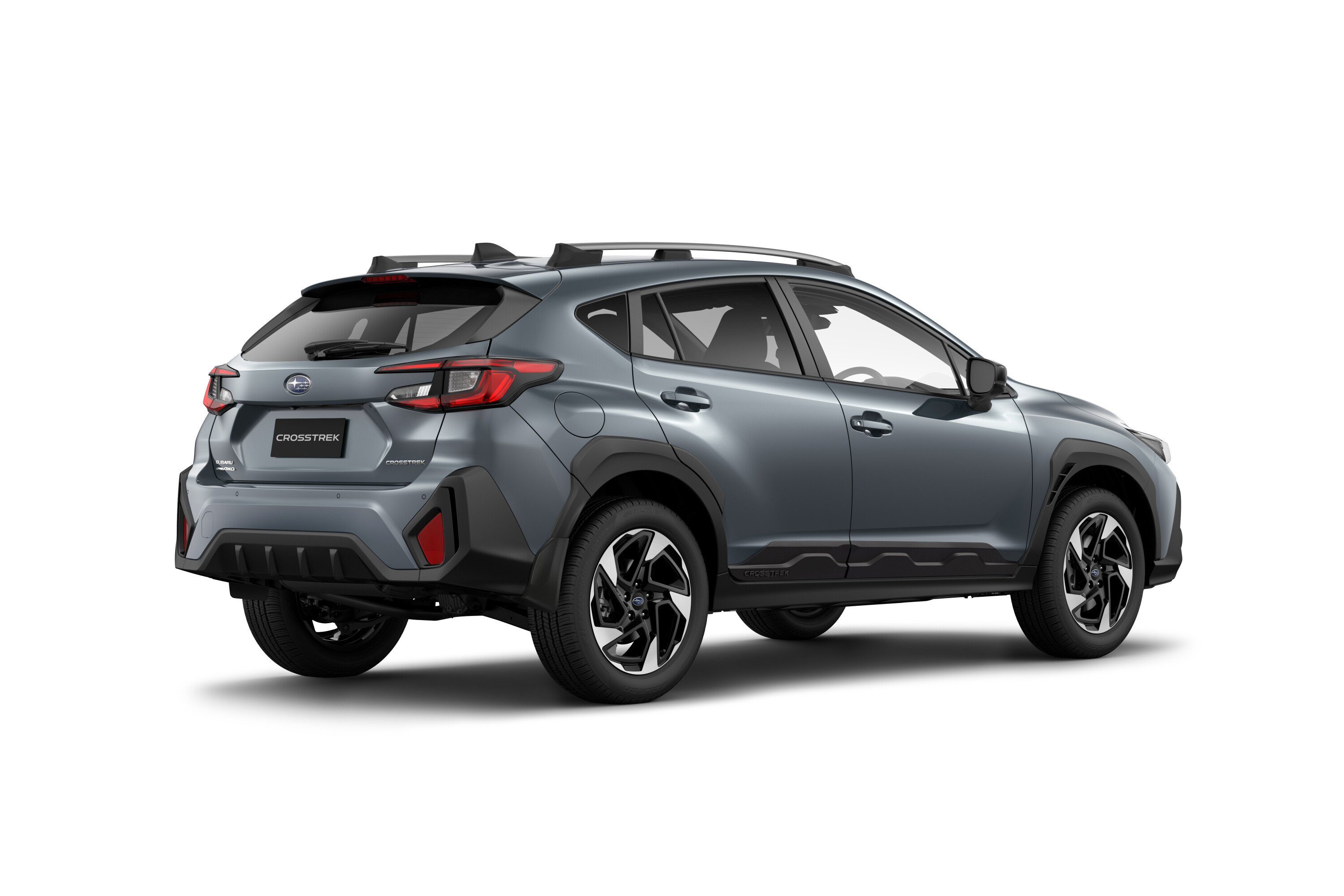
A special edition of the 2024 Subaru Crosstrek small SUV – the 2.0X – will arrive in Australian showrooms this month.
Priced from $36,990 before on-road costs, the Crosstrek AWD 2.0X special edition is $2000 more than the entry-level 2.0L, adding some features available in the mid-spec 2.0R.
This includes a dual-function X Mode, gloss 18-inch alloy wheels, self-levelling LED headlights, LED fog lamps, premium cloth seat trim, heated front seats, a leather-wrapped steering wheel and gear shifter, dark grey roof rails, and a door under garnish.
1
It is available in the same exterior paint colours as other Crosstrek variants.
“Crosstrek is a versatile, capable compact SUV that delivers genuine SUV performance, and features all the right ingredients to inspire driving confidence on any journey, whether that be navigating urban streets or exploring the road less travelled on weekend getaways,” said Subaru Australia managing director Blair Read.
“We are delighted to introduce this value packed Crosstrek 2.0X special edition, expanding the options available to our customers.”
The 2024 Subaru Crosstrek 2.0X special edition is now available to order in Australia.
MORE
Everything Subaru
Key Points
- 2024 Model Y update sees up to $8500 price reduction
- Cosmetic changes see it miss out on overseas tech upgrades
- Deliveries scheduled for June 2024
April 23: 2024 Tesla Model Y prices dropped – again
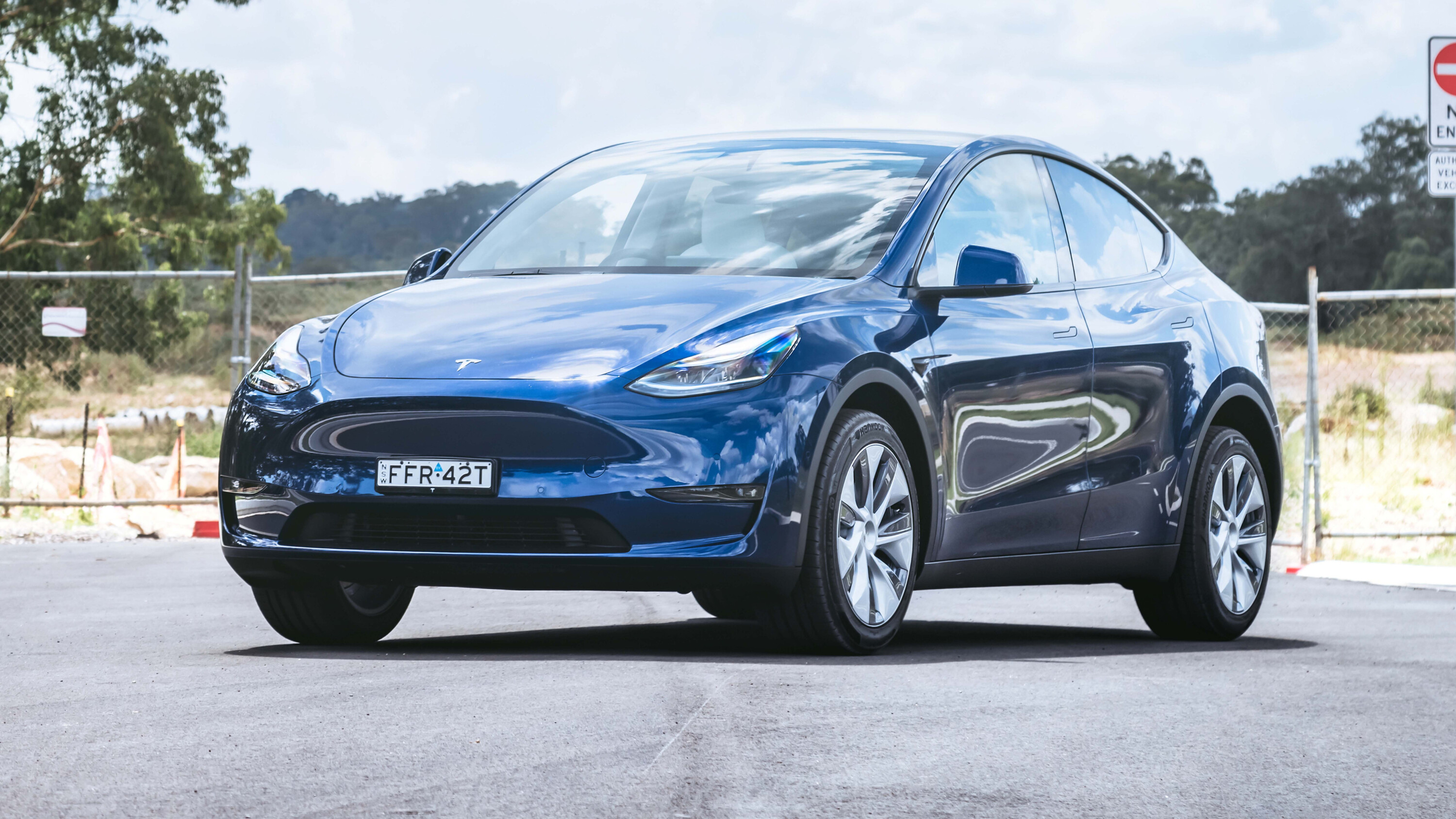
Prices for the 2024 Tesla Model Y electric SUV have fallen – again.
Tesla Australia has slashed a further $2700 from the Model Y Rear-Wheel Drive and $3000 from the Long Range AWD, while the Performance AWD remains unchanged after its big $8500 cut earlier this month (see earlier update).
Combined, prices for the Model Y Rear-Wheel Drive have fallen $4500 since March 31, while the Long Range AWD is also now down $8500 – matching the price cut applied to the Performance AWD.
The Model Y now starts from $60,900 before on-road costs – its lowest ever price – while the mid-spec Long Range AWD has fallen below $70,000 for the first time.
1
It has been a chaotic month for the American electric vehicle brand, which has cut prices globally – including in Europe and China – as it faces increased competition and less demand than usual.
Last week, Tesla cut 10 per cent of its global workforce and announced a safety recall for the Cybertruck after owners reported a loose accelerator pedal cover could cause their vehicle to drive at full speed.
Tesla CEO Elon Musk also denied reports that it had cancelled its US$25,000 (AU$40,000) ‘Model 2’ project.
April 4: Tesla takes nearly $10K off Model Y pricing
Damion Smy
The updated Model Y RWD is down $1500 to $63,500, with the Model Y Long Range AWD $5500 cheaper at $72,900.
The biggest price reduction is saved for the flagship Model Y Performance AWD, now $82,900 – an $8500 cut – which is expected to impact both new and used electric vehicle sales.
While today’s news brings a lower starting price, the revised Australian-spec Model Y misses out on the more substantial changes seen on the latest overseas versions.
Revised styling and new colour choices are part of our market’s minor update, with a more significant upgrade similar to those applied to the Australian Model 3 Sedan in September 2023 expected for the Model Y in late 2024.
Due in local homes from April onwards, Australia’s updated Model Y brings no mechanical changes, missing out on the faster acceleration and quicker battery charging given to the Chinese-market model last year.
Instead, the minor update brings dark covers as standard for the Model Y’s 19-inch wheels, and three new exterior paint choices – Stealth Grey ($2300 extra), Quicksilver and Ultra Red (both $2600 more) – with Midnight silver metallic and red multi-coat colours dropped.
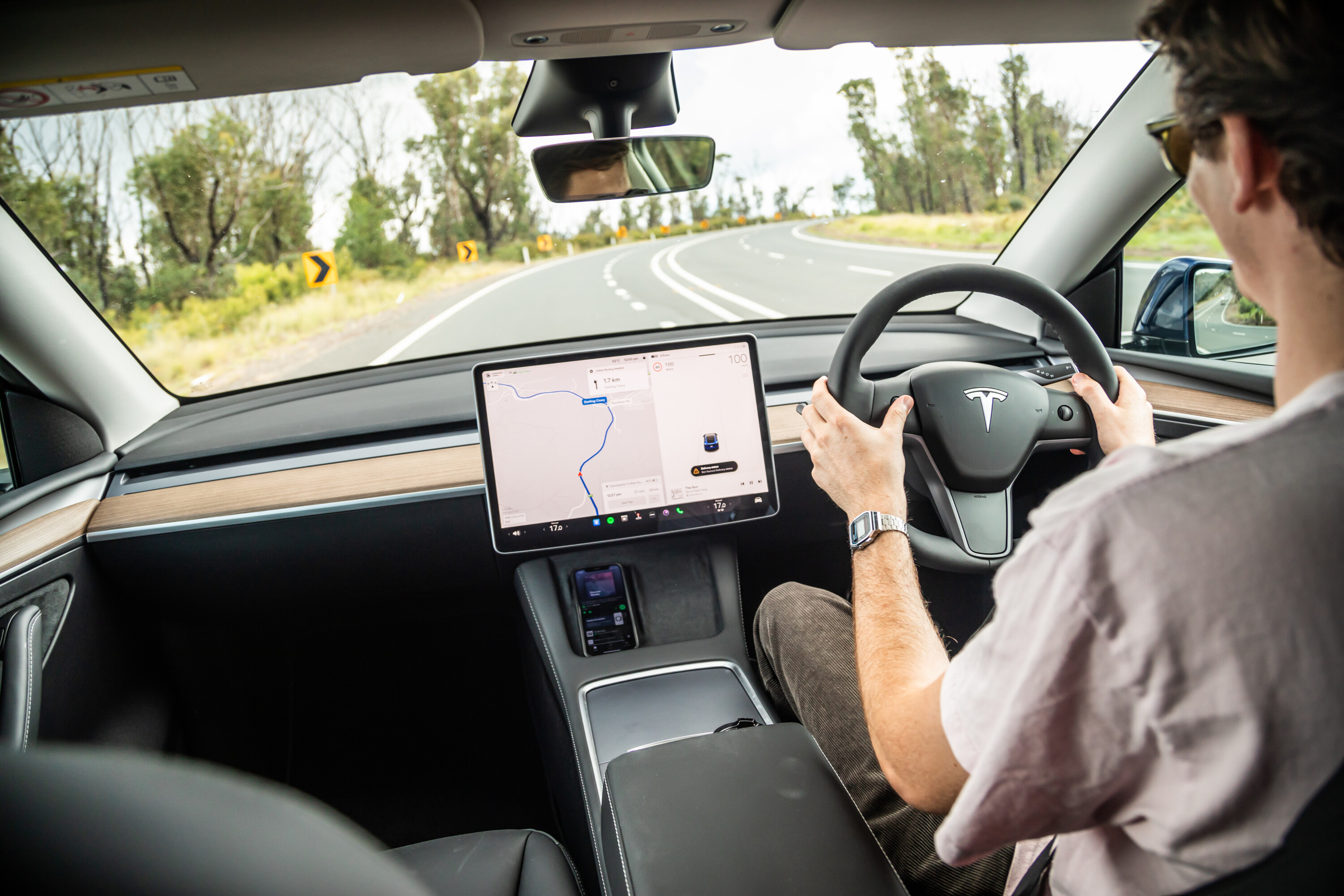
There are no interior changes – the revised fabric-like dash seen overseas and the ambient lighting not yet offered in Australia – with the same 15-inch touchscreen where the Model 3 now has a 15.4-inch version.
The Model Y also keeps its steering wheel and, notably, its indicator stalks – an item dropped from the Model 3 with its late 2023 update.
Tesla is Australia’s best-selling electric car brand – and remained so in March 2024 – with the Model 3 the most popular electric vehicle by some margin to the Model S in 2023.
This makes Tesla price changes have a noticeable impact on the overall electric vehicle market, with electric cars suffering lower retained value on the used market.
February: 2024 Model Y pricing and features detailed
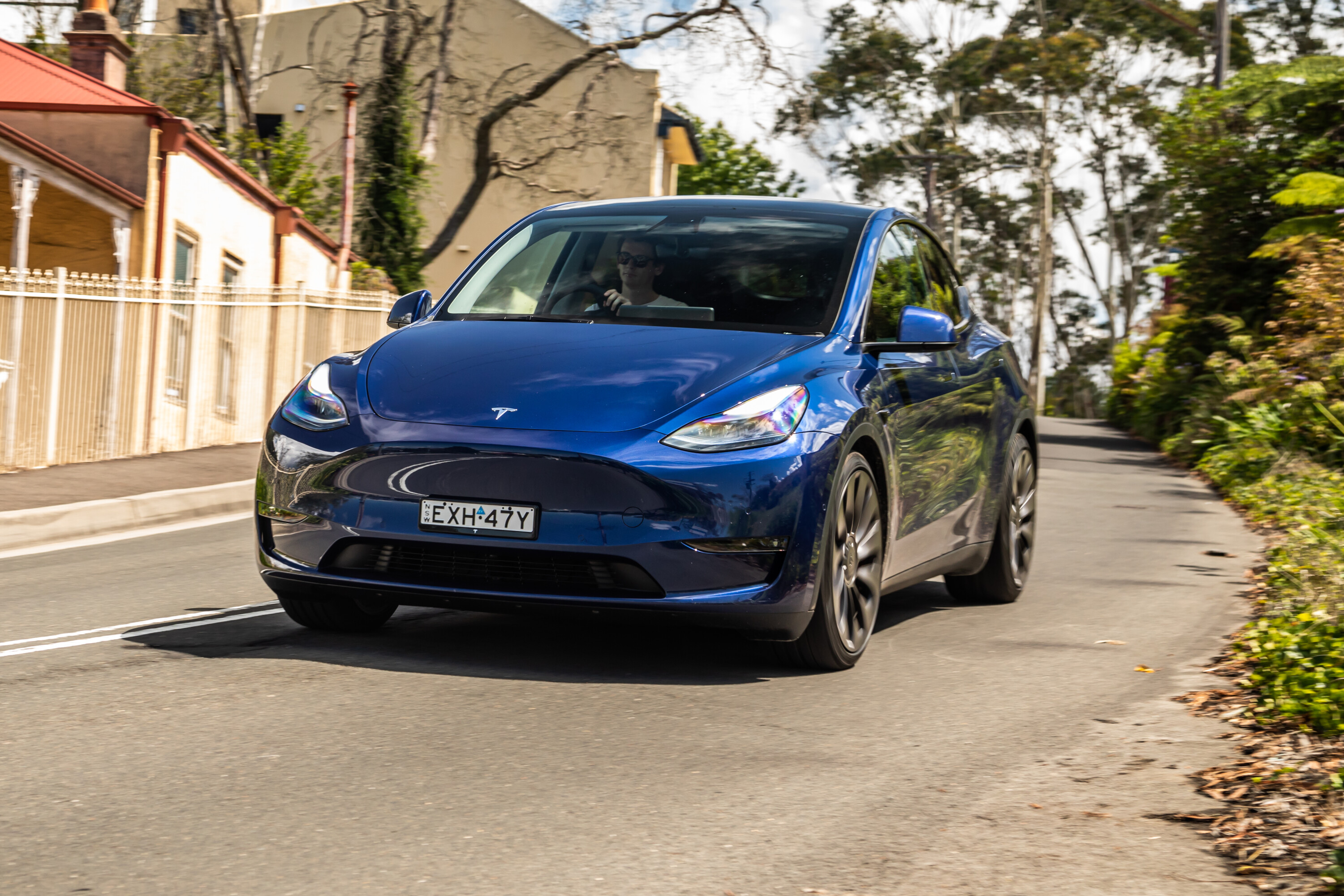
The Tesla Model Y has taken Australia by storm, just as it has in Europe. It was the sixth most popular vehicle here in 2023, and the top-selling EV – outselling its sedan relation, the Model 3.
Released in mid 2022 locally – three years after the related Model 3 sedan locally – the Model Y isn’t expected to receive a refresh similar to the new Model 3 sedan until late 2024.
It still provides a more practical interior, some unique selling points (indicator stalks for one), and the availability of a flagship Performance variant which isn’t yet available for the facelifted Model 3.
Price changes for Teslas are more frequent than usual for the new-car market, which can make it tricky to keep track of how much the Model Y costs in Australia.
Here, you’ll find the exact price of every Tesla Model Y variant at the time of publishing, and how that’s changed over the years.
JUMP AHEAD
- Current pricing
- Pricing history
- Features
- Colours
- Options
- Powertrains, charging, and driving range
- Safety
- Dimensions
- Warranty and servicing
- Availability
1
2024 Tesla Model Y pricing
February 2024
| Model | Price (before on-road costs) |
|---|---|
| RWD | $65,400 |
| Long Range (AWD) | $78,400 |
| Performance (AWD) | $92,560 (inc LCT) |
Tesla Model Y price history charted
Here’s an illustration of how Model Y pricing, which inconsistently fluctuates every few months or so, has changed since orders opened in June 2022.
Tesla Australia started Model Y deliveries from August 2022, but it took until April 2023 to introduce the mid-pack Long Range variant.
As per Tesla style, it makes continuous ‘running changes’ without notice, improves manufacturing processes and vertically integrates its supply chain to cut costs. It claimed to have reduced manufacturing costs of the related Model 3 sedan and Model Y SUV by around 30 per cent between 2018 and 2022.
1
2024 Tesla Model Y features
We endeavour to keep this story up-to-date, but Tesla tends to make minor ‘running changes’ without notice and public disclosure compared to other brands. The features below are correct as at the time of publication.
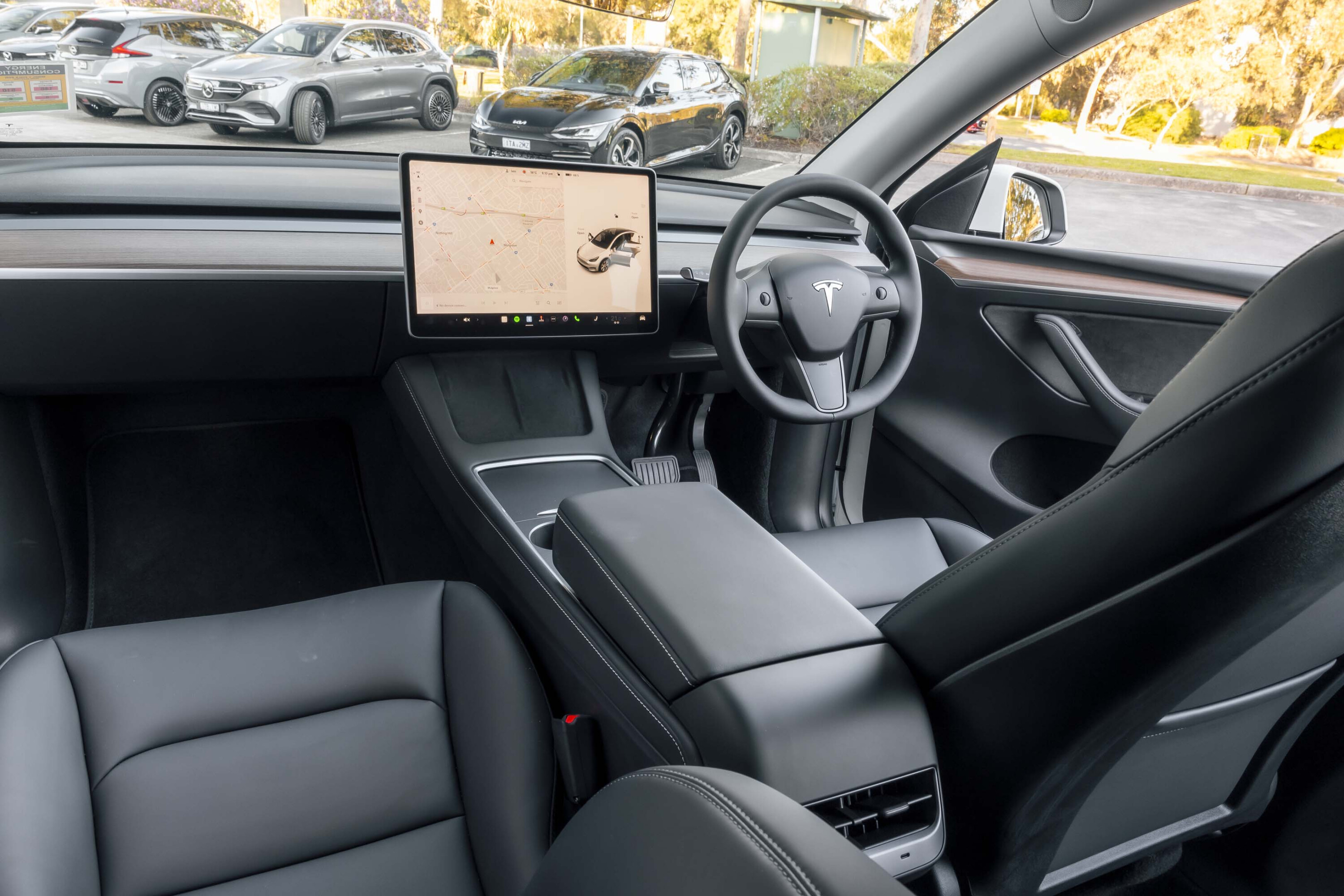
The base Tesla Model Y rear-wheel drive (RWD) is powered by a single electric motor with a 57.5kWh usable lithium-iron-phosphate (LFP) battery pack (according to EV Database [↗]) delivering up to 455km claimed WLTP driving range.
| 2024 Tesla Model Y RWD standard features | |
|---|---|
| 19-inch u2018Geminiu2019 aero-covered alloy wheels | Fixed tinted panoramic glass roof |
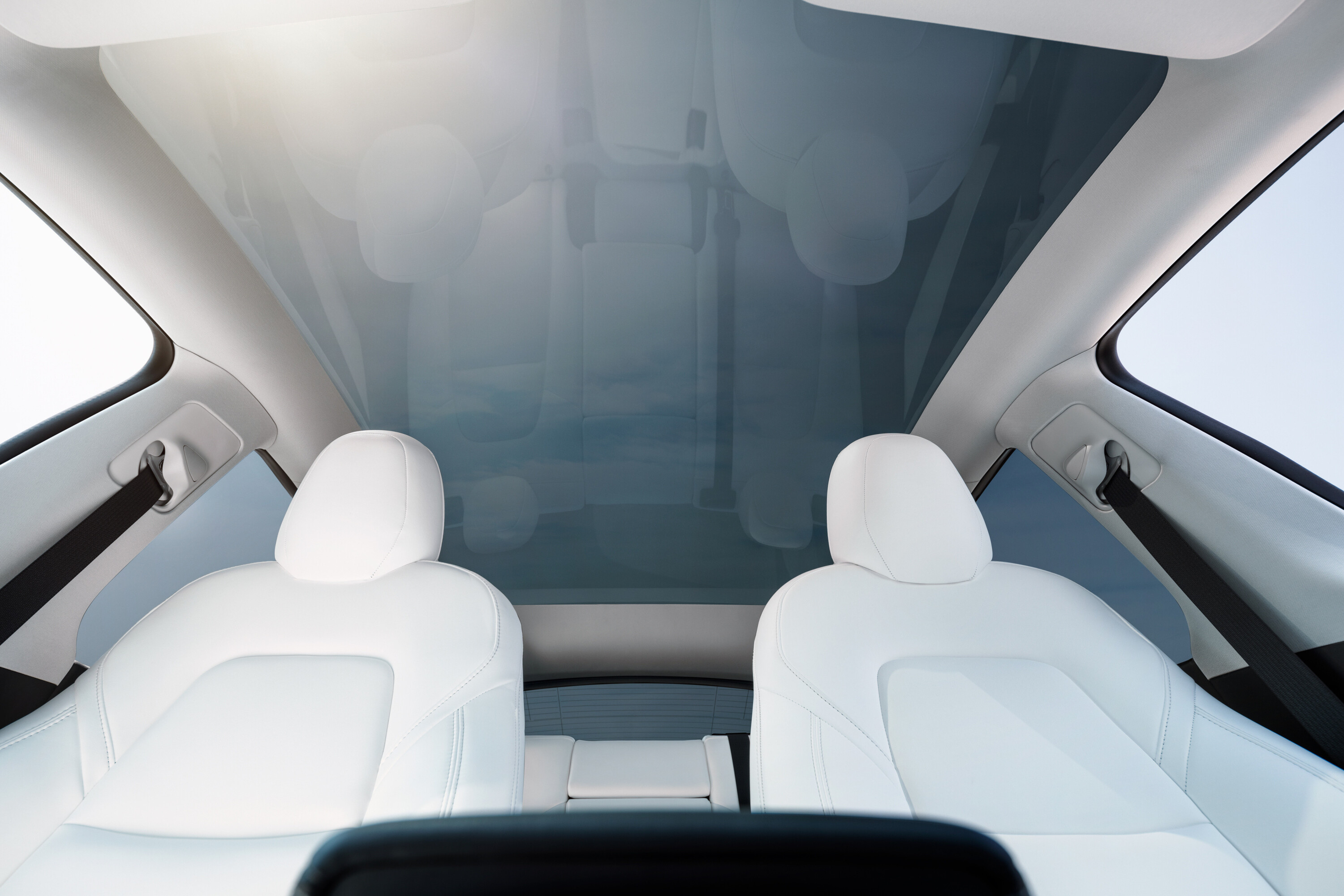
| Animal hide-free black interior with faux wood panels and artificial suede door material | Acoustic glass (front, side and rear) |
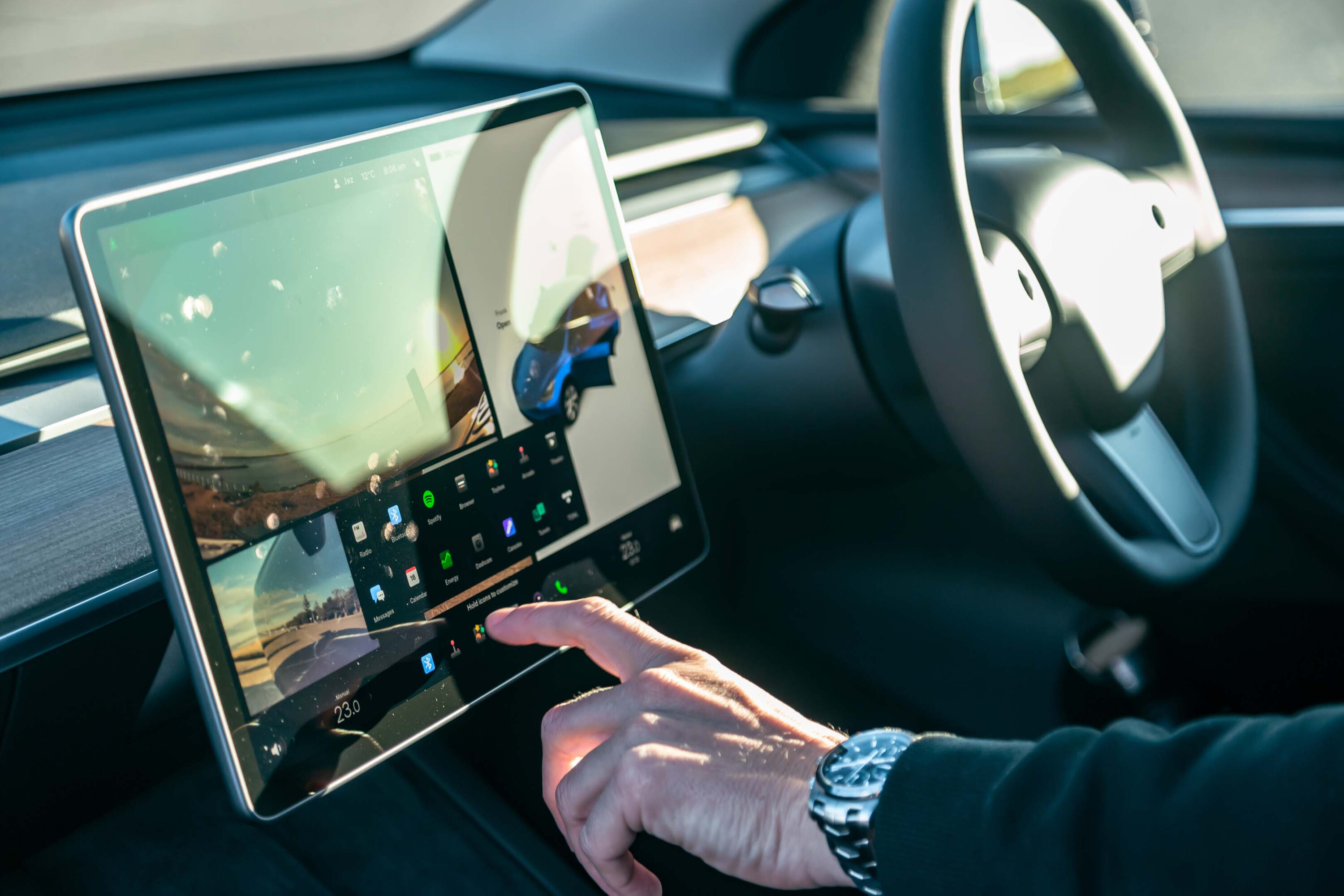
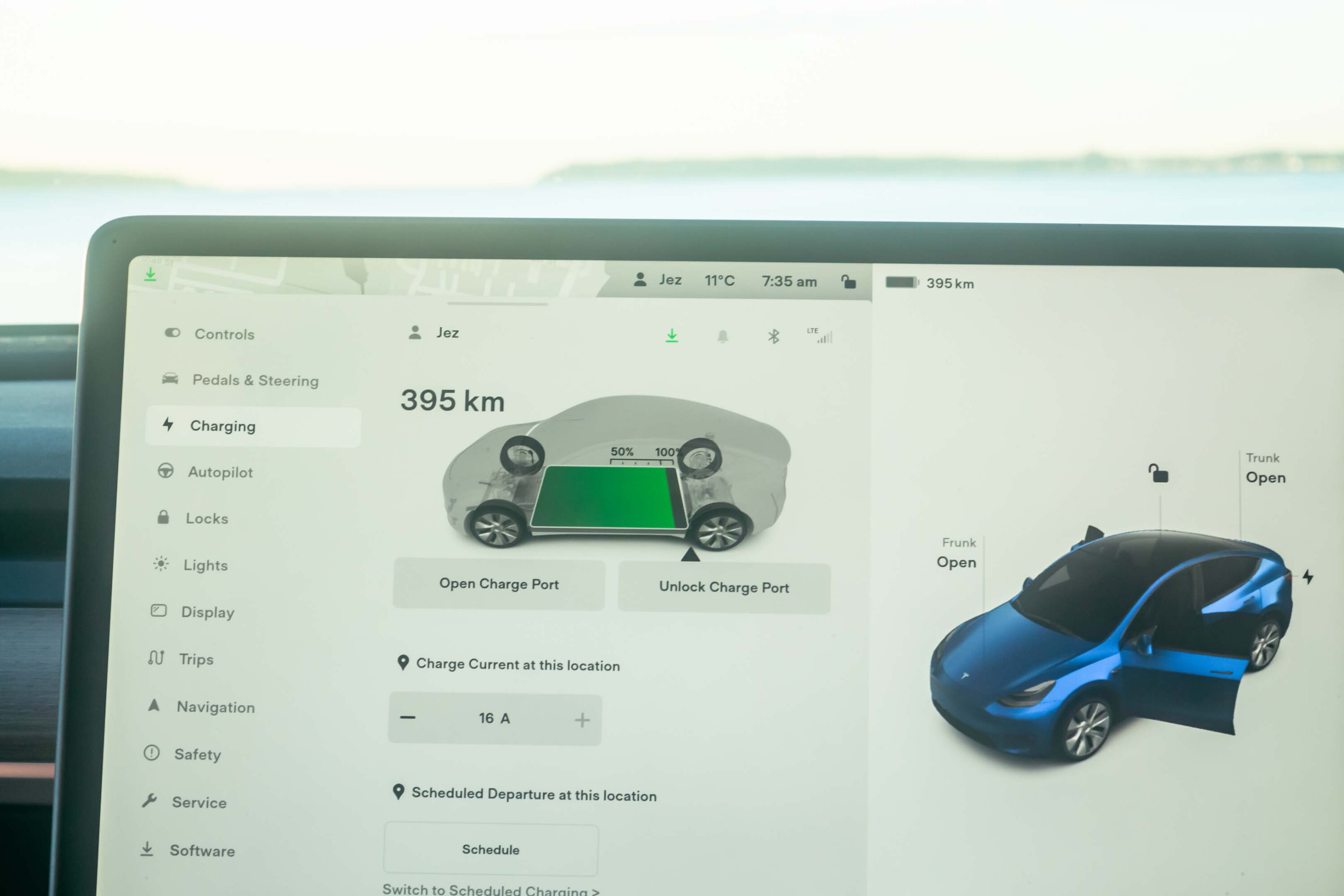
| 15.0-inch touchscreen with over-the-air (OTA) software update capability | Interior footwell light illumination |
| Built-in Google Maps with automatic Supercharging stop planning | u2018Tesla Visionu2019 camera-only u2018Basic Autopilotu2019 active safety assistance features |
| Music and video streaming apps, arcade games, Bluetooth, and voice control | Reversing camera with blind-spot view side cameras |
| Standard Connectivity for up to eight years, Premium Connectivity trial for first 30 days | Heated front and rear seats |
| Tesla mobile app connectivity | Heated steering wheel |
| Built-in Dashcam and Sentry Mode recording (128GB USB stick included) | Electrically adjustable driver and front passenger seat |
| 13-speaker premium audio | Full LED headlights with auto high beam |
| Dual Qi wireless charging pads | Full LED tail-lights |
| USB-C charging ports | Auto power folding, dimming, heated wing mirrors |
| Dual-zone climate control with hidden front air vents, Keep Climate On, camp mode and dog mode | Electric tailgate |
| High-Efficiency Particulate Air (HEPA) cabin filter | Fold-down rear seat boot toggles |
| Pedestrian warning u2018Boomboxu2019 external speaker | Camera-based automatic wipers |
| Flush exterior door handles with matte black exterior trim | 217km/h top speed |
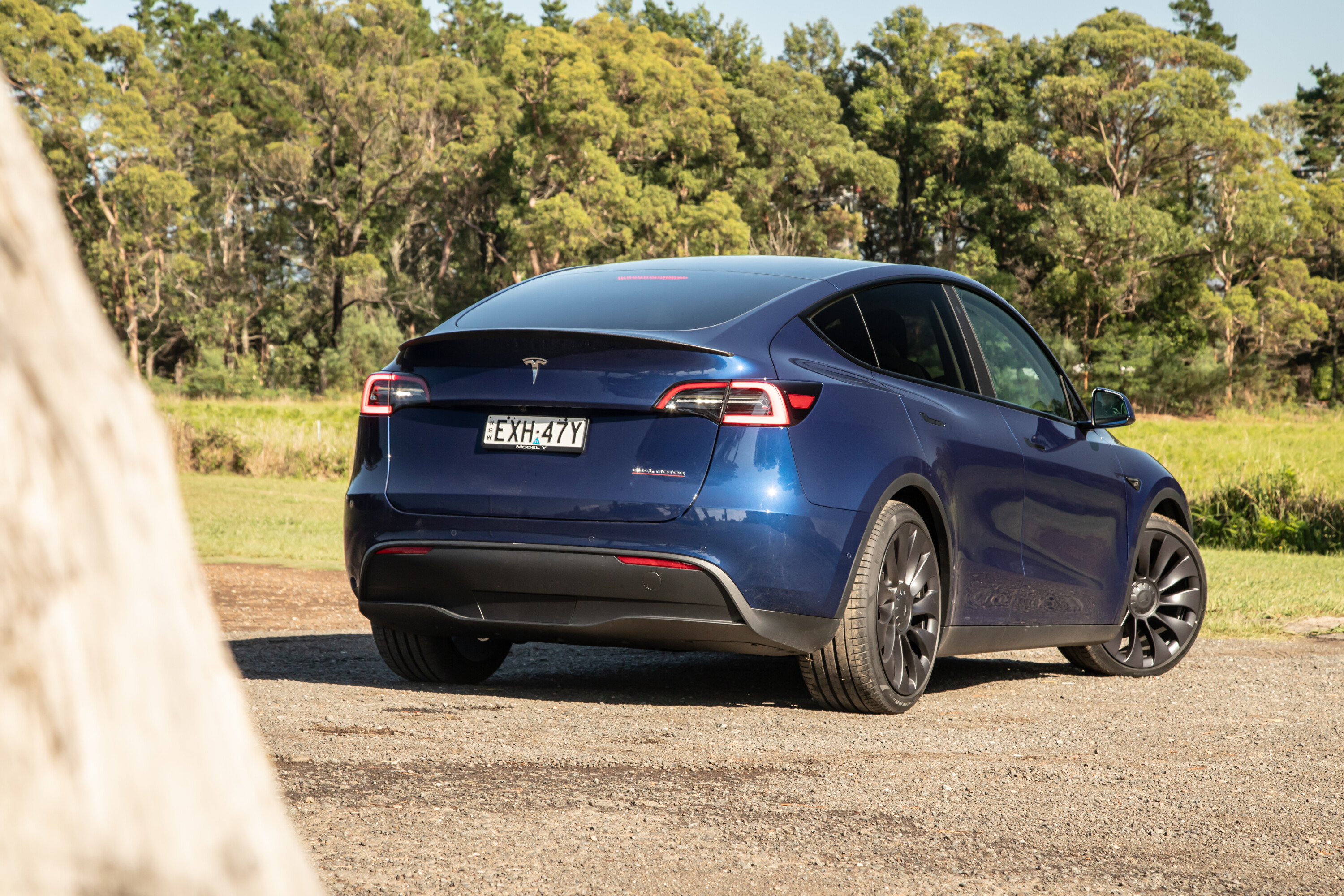
The Tesla Model Y Long Range is powered by dual motors for all-wheel drive (AWD), with a 75kWh usable nickel-manganese-cobalt (NMC) battery (according to EV Database [↗]) providing up to 533km claimed WLTP range.
| 2024 Tesla Model Y Long Range features (in addition to RWD) |
|---|
| Front LED fog lights |
1
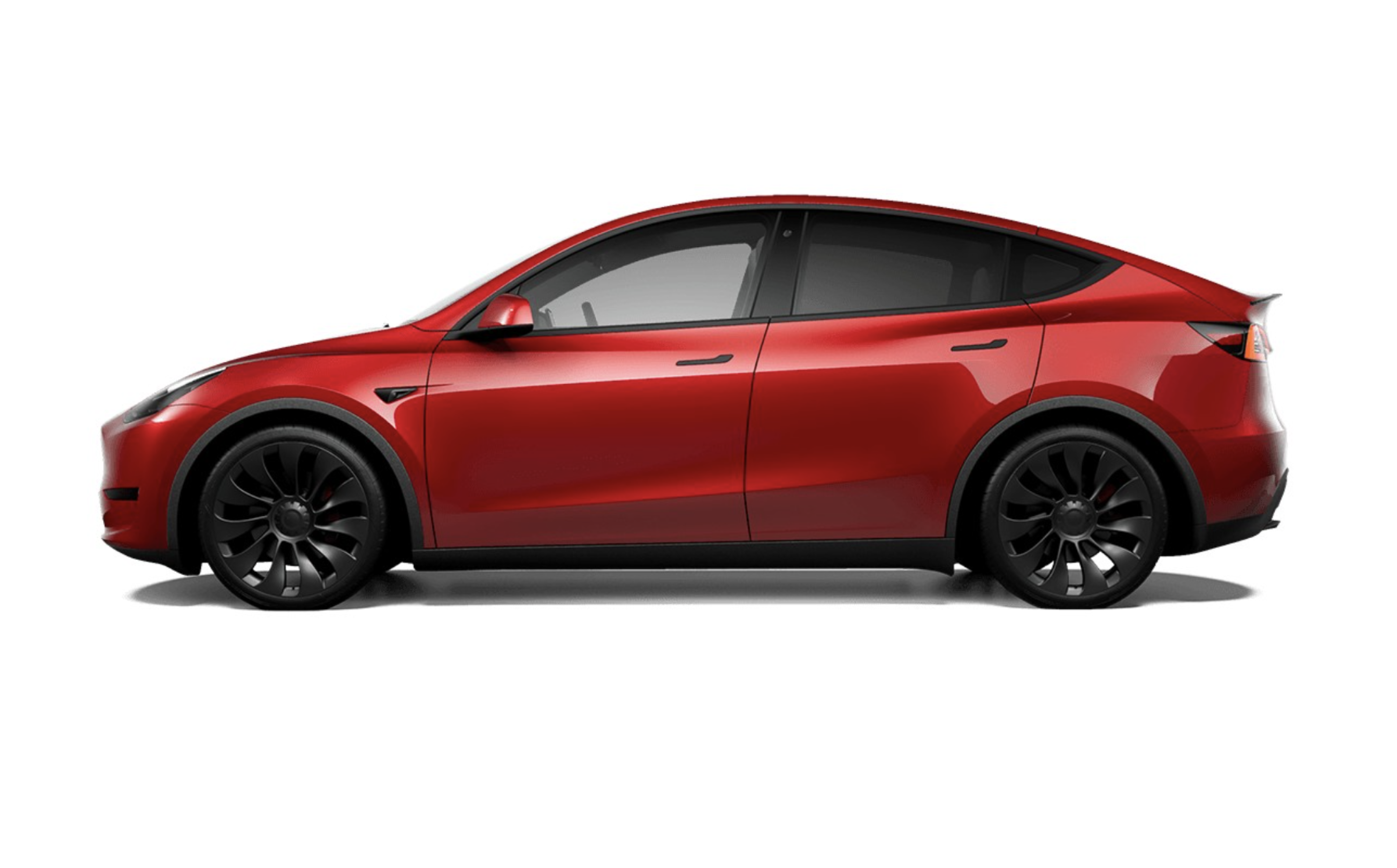
The Tesla Model Y Performance increases the dual-motor outputs and reduces claimed WLTP range to up to 514km.
| 2024 Tesla Model Y Performance features (in addition to Long Range) | |
|---|---|
| 21-inch u2018u00dcberturbineu2019 alloy wheels | Carbon fibre rear spoiler |
| Performance Brembo front brakes, red-painted brake callipers | Track mode |
| Lowered suspension | Increased top speed to 250km/h |
| Aluminium alloy pedals | |
1
Colours
Five exterior colours are available across the Tesla Model Y line-up, with red being the priciest.
| 2024 Tesla Model Y exterior colours | |
|---|---|
| Pearl White Multi-Coat | Standard |
| Solid Black | $1500 |
| Midnight Silver Metallic | $1500 |
| Deep Blue Metallic | $1500 |
| Red Multi-Coatu00a0 | $2400 |
1
Options
- 20-inch Induction wheels (RWD and Long Range only) – $2400
- White and black interior – $1500
- Tesla Mobile Connector trickle charging cable – $550
- Tesla Gen 3 11kW AC Wall Connector – $750 (excludes installation fees)
1
- Premium Connectivity – $9.99 per month
| Premium Connectivity subscription adds | |
|---|---|
| Satellite-view maps with live traffic lines | Karaoke* |
| Video streaming services* | Internet browser* |
| Music streaming services* | Live camera monitoring via mobile app |
| *Features can still be used via connected Wi-Fi hotspot without subscription | |
- Enhanced Autopilot – $5100
| Enhanced Autopilot adds | |
|---|---|
| Automatic lane change assist | Summon (move vehicle forwards/backwards via mobile app) |
| Automatic parking | Smart Summon (move vehicle to user via mobile app) |
| Navigate on Autopilot | |
| Note: Software package can be added during ownership via mobile app | |
- ‘Full Self-Driving’ Capability – $10,100
| u2018Full Self-Drivingu2019 Capability adds | |
|---|---|
| Enhanced Autopilot features | Supposed u2018promiseu2019 of Level 2 autonomous driving driver assist function in the future |
| Traffic light and stop sign control (when adaptive cruise is enabled) | |
| Note: Software package can be added during ownership via mobile app | |
1
Powertrains, charging, and driving range
The 2024 Tesla Model Y is differentiated by standard range single-motor and long range dual-motor configurations.
| RWD | Long Range | Performance | |
|---|---|---|---|
| Battery size (usable) | 57.5kWh* | 75kWh* | 75kWh* |
| Battery cathode type | LFP | NMC | NMC |
| Claimed driving range (WLTP) | 455km | 533km | 514km |
| Claimed energy consumption (WLTP) | 12.6kWh/100km* | 14.1kWh/100km* | 14.6kWh/100km* |
| Drive type | RWD | AWD | AWD |
| Max AC / DC charging speed | 11kW / 170kW | 11kW / 250kW | 11kW / 250kW |
| Recommended charging limit | 100% | 90% | 90% |
| *Figures according to EV Database, since Tesla doesnu2019t disclose battery and powertrain specs. | |||
The base Model Y RWD is powered by a single rear-mounted electric motor that can accelerate the electric sedan from 0-100km/h in a claimed 6.9 seconds.
Tesla doesn’t provide power figures, but according to official filings to the Australian Government’s road vehicle regulator and EV Database [↗], the RWD outputs 220kW of power output and 420Nm of torque.
Meanwhile, the Long Range has two electric motors for all-wheel drive and a claimed 0-100km/h time in 5.0 seconds. EV Database [↗] suggests it produces 378kW and 493Nm.
The flagship Performance increases its dual-motor tune to accelerate from 0-100km/h in a claimed 3.7 seconds – but this isn’t as realistic since Tesla subtracts a one-foot rollout. EV Database [↗] states it makes 393kW and 660Nm.
Safety
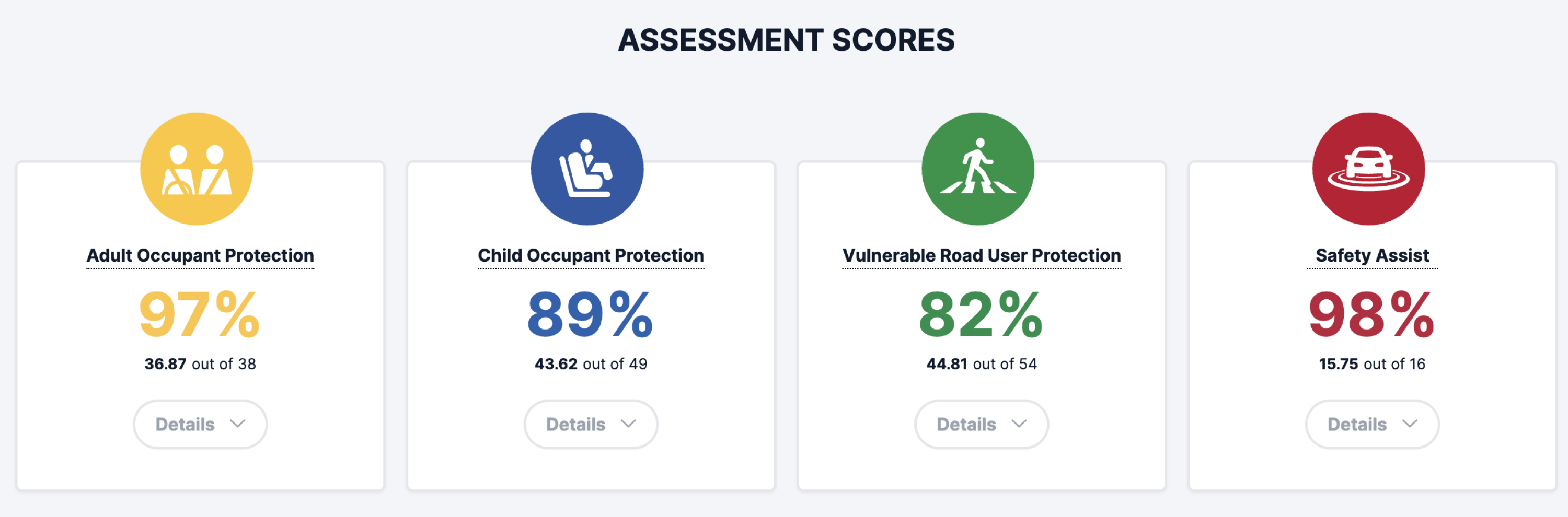
The Tesla Model Y has received the full five-star safety rating by the Australasian New Car Assessment Program (ANCAP) [↗] under the 2022 testing criteria.
According to the Model Y owner’s manual [↗], there are six airbags, but it lacks a front-centre airbag. Yet, it still achieved strong individual criteria scores by ANCAP.
The Tesla electric SUV has a Cabin Overheat Protection feature, which automatically turns on the climate control to try to keep the interior cool under a set temperature when parked. It also features ‘Keep Climate On’, camp and dog modes.
1
The Model Y’s safety assistance technologies are powered by all-round cameras only, called ‘Tesla Vision’.
| 2024 Tesla Model Y Basic Autopilot standard active safety features | |
|---|---|
| Front auto emergency braking (AEB) with vehicle/pedestrian/cyclist/junction detection | Lane-keep assist |
| Rear AEB | Blind-spot monitoring with blind-spot view cameras |
| Adaptive cruise control with lane-centring assist | Reversing camera |
About those ultrasonic sensors…
According to Tesla [↗], it is phasing out ultrasonic parking sensors globally in favour of camera-only based systems.
However, at the time of publication, Australian-bound Model Y examples from the Shanghai factory appear to still be delivered with physical sensors, with Tesla not specifying an end date.
1
- Enhanced Autopilot – $5100
| Enhanced Autopilot adds | |
|---|---|
| Automatic lane change assist | Summon (move vehicle forwards/backwards via mobile app) |
| Automatic parking | Smart Summon (move vehicle to user via mobile app) |
| Navigate on Autopilot | |
| Note: Software package can be added during ownership via mobile app | |
- ‘Full Self-Driving’ Capability – $10,100
| u2018Full Self-Drivingu2019 Capability adds | |
|---|---|
| Enhanced Autopilot features | Supposed u2018promiseu2019 of Level 2 autonomous driving driver assist function in the future |
| Traffic light and stop sign control (when adaptive cruise is enabled) | |
| Note: Software package can be added during ownership via mobile app | |
1
Dimensions
The 2024 Tesla Model Y is classed as a medium SUV and is only sold as a five-seater in Australia.
| RWD | Long Range | Performance | |
|---|---|---|---|
| Length x width x height | 4751 x 2129 x 1624mm | ||
| Wheelbase | 2890mm | ||
| Ground clearance | 172mm | 157mm | |
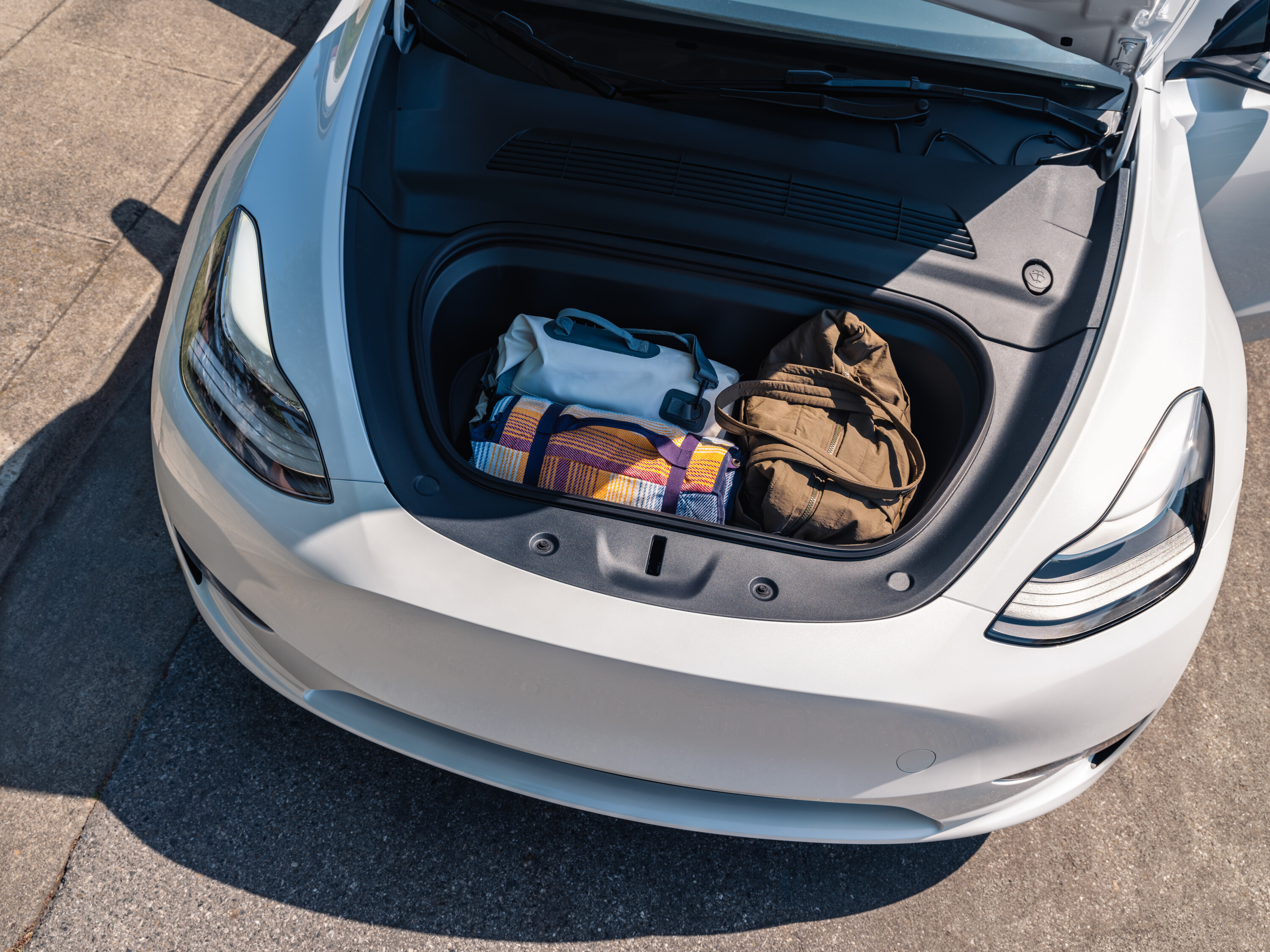
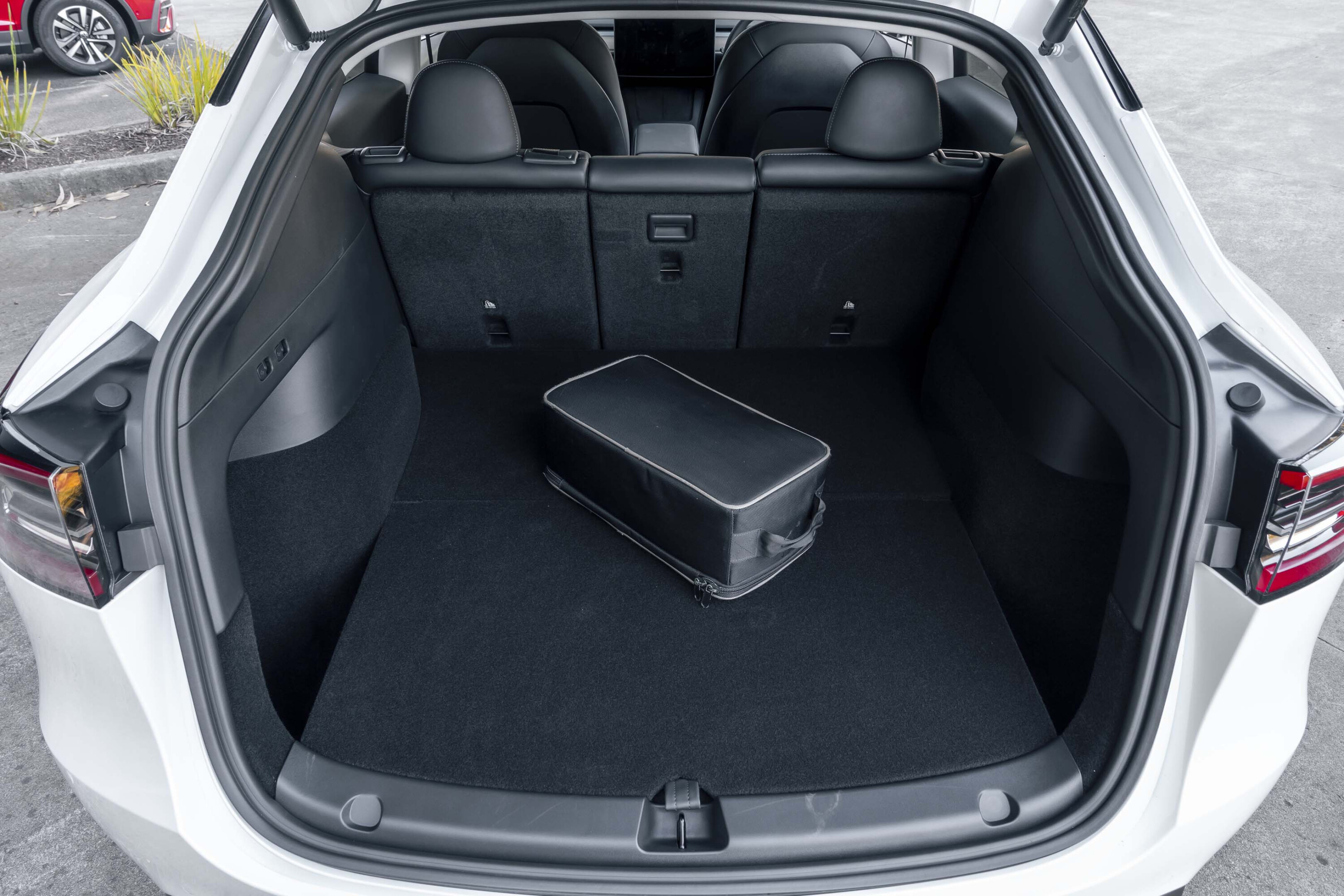
| Boot / frunk | 854 / 117-litres* | ||
| Weight | 1909kg | 1979kg | 1997kg |
| *Tesla measures boot space up to the roof, instead of the industry-standard VDA measurement up to the window line. Boot volume includes underfloor storage. | |||
It uses the company’s second-generation ground-up EV platform, which is shared with the Model 3 electric sedan.
1
The Model Y has a 1600kg braked or 750kg unbraked maximum towing capacity.
The company offers a tow package accessory for $1970, which includes a steel tow bar with a maximum 72kg download weight. A trailer harness and tow mode software is also included.
Meanwhile, Tesla also sells a roof rack priced at $770 and is capable of carrying a of 74kg load.
The Model Y RWD has a maximum payload of 539kg, Long Range at 640kg, and Performance at 637kg.
1
Warranty and servicing
The 2024 Tesla Model Y is covered by a four-year/80,000km vehicle warranty – which is shorter than the industry standard.
The battery warranty differs depending on the variant. The base RWD’s battery pack is backed for eight-years/160,000km, while the Long Range battery goes for up to eight-years/192,000km.
Both promise the pack won’t degrade by more than 30 per cent within the battery warranty period.
The touchscreen and media control unit are covered by a separate two-year/40,000 km warranty.
Tesla uses a condition-based servicing scheme, instead of traditional scheduled logbook servicing.
This means vehicle’s sensors detect when specific parts need maintenance based on usage and time, and notifies the owner via the touchscreen or mobile app to schedule a checkup. Tesla also recommends a range of routine maintenance tasks, which are listed here [↗].
Roadside assistance is included during the vehicle warranty.
Standard Connectivity for the touchscreen and mobile app is included for the first eight years.
1
Availability
The 2024 Tesla Model Y is available now in Australia.
Orders must be via the Tesla website since it uses an online-only, fixed-pricing purchasing model.
The Model Y directly competes with various electric SUVs, such as the Volvo XC40 Recharge, Hyundai Ioniq 5, Kia EV6, Ford Mustang Mach-E, BMW iX1 and Mercedes-Benz EQB.
It’s also priced in line with the Tesla Model 3, Polestar 2, Renault Megane E-Tech, Peugeot E-2008 and Kia Niro EV.
MORE
Everything Tesla
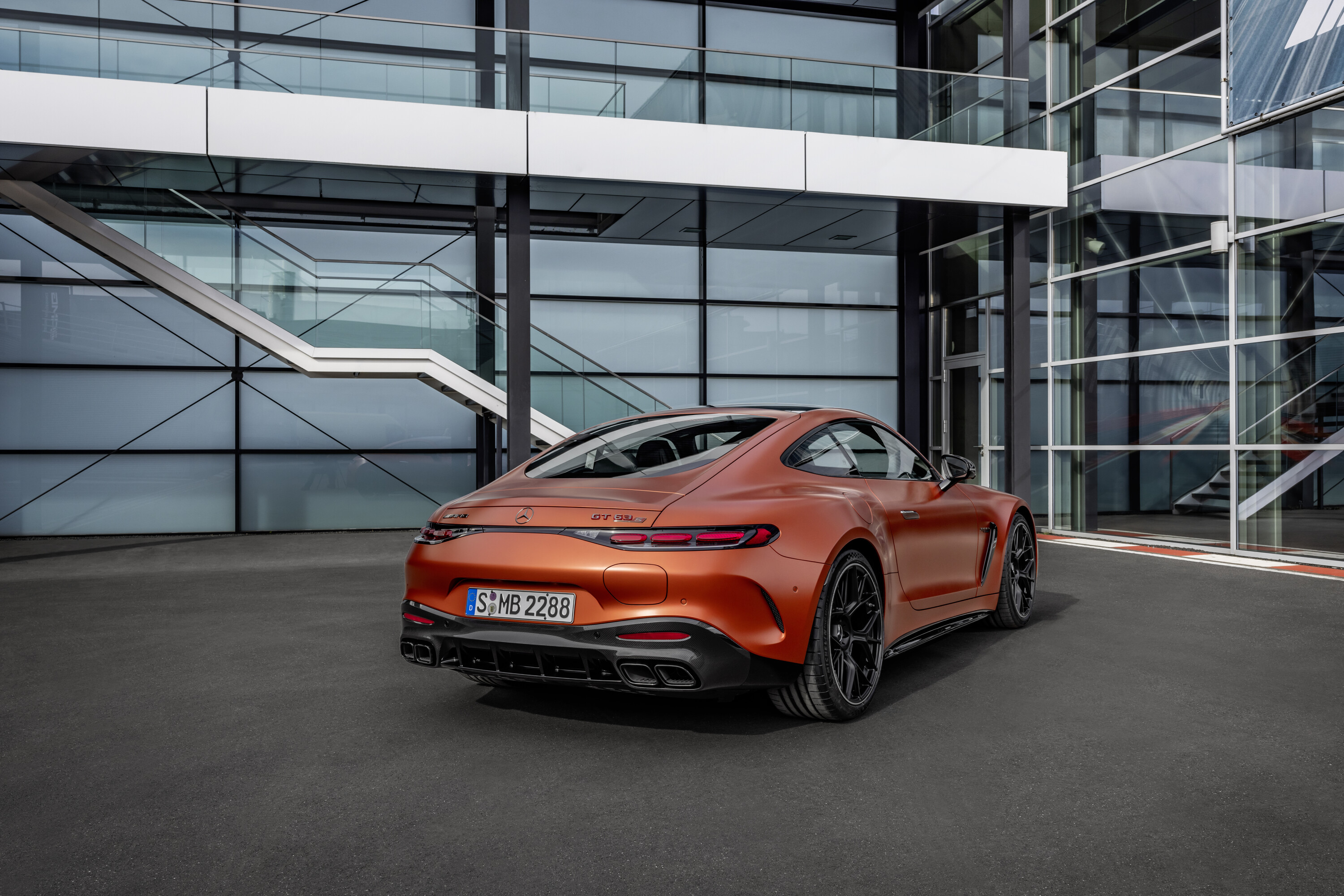
Crikey, Mercedes-AMG has unleashed yet another ludicrously powerful, hybrid monster.
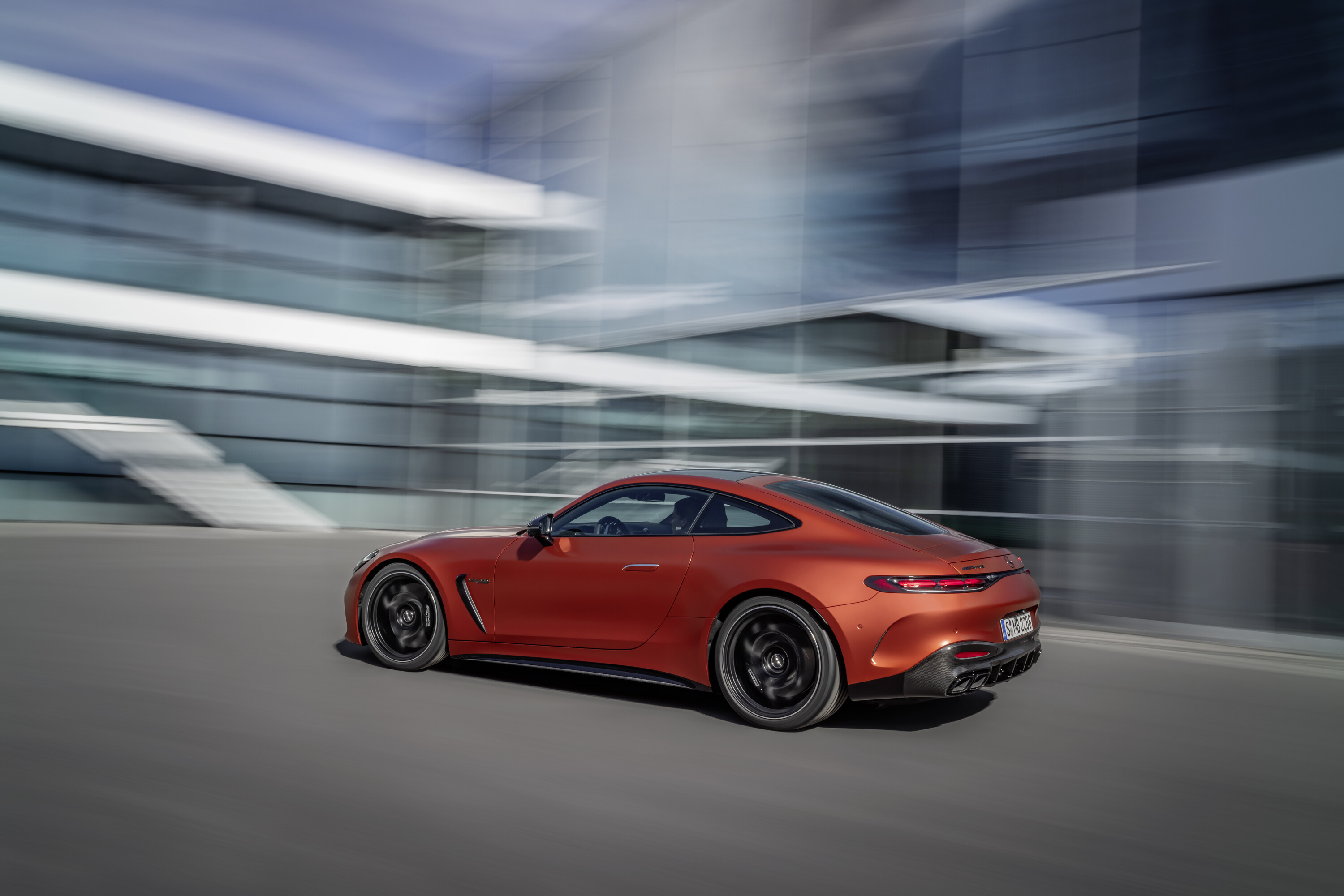
Only this time it’s crammed the company’s petrol/electric nuclear bomb into the rather pretty body of the new, second-generation AMG GT.
Welcome, internet, to the (deep breath) Mercedes-AMG GT 63 S E Performance.
8
First thing you need to know is it’s incredibly quick. In fact, in the time it took you to read its rather long name, this new hybridised GT will have already hit 0-100km/h.
Officially AMG says it’ll hit three digits in 2.8 seconds which isn’t only quicker than the Mercedes-AMG One hypercar (2.9sec) but is quicker than any other AMG ever. Top speed is 320km/h.
To achieve such a rapid turn of pace — it’s a full second quicker to 100km/h than the first-gen AMG GT R — AMG’s new hybrid hero is fiendishly complex.
6
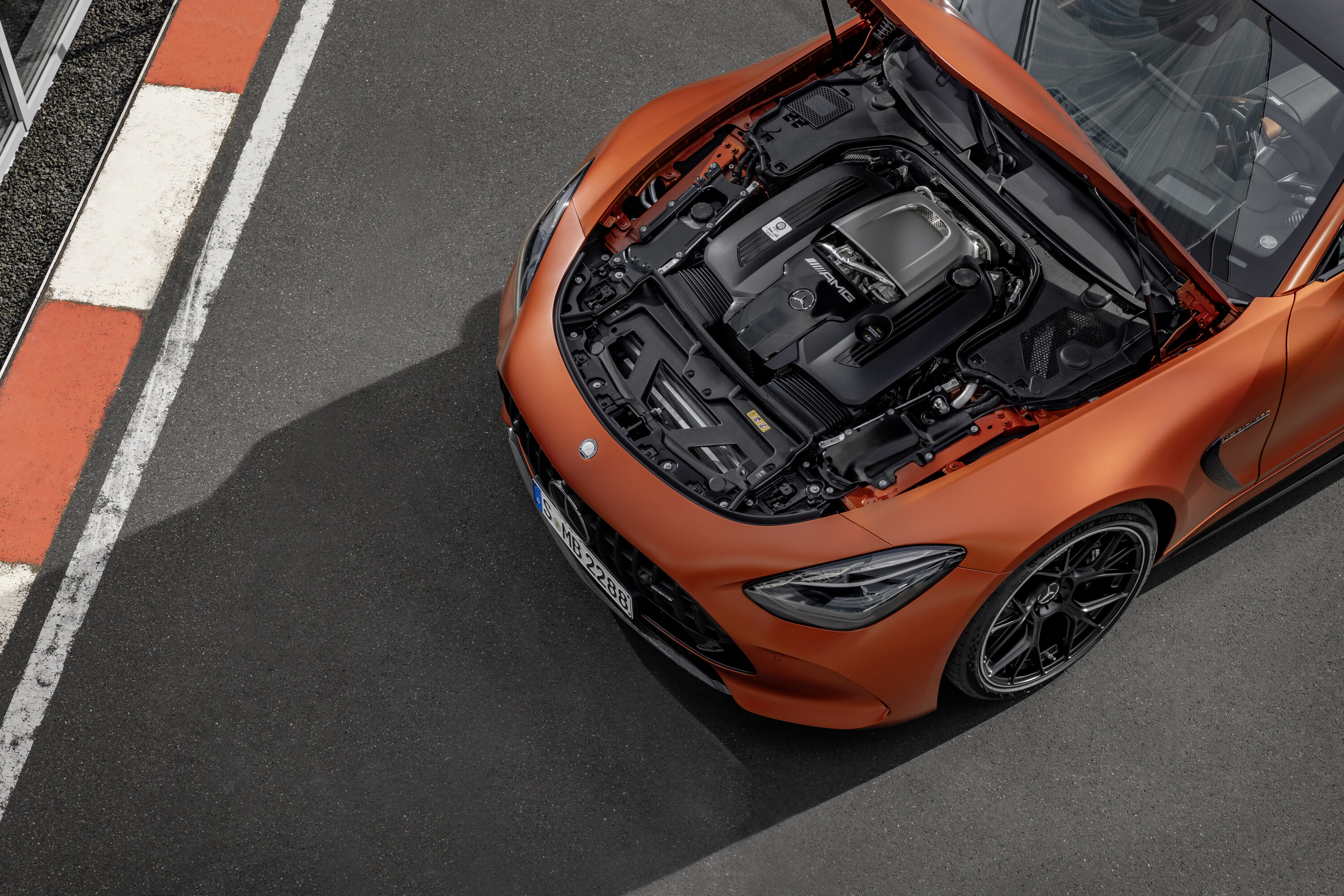
The easiest bit to wrap your head around is the big 4.0-litre ‘hot vee’ twin-turbo V8, which is still nestled front mid-ships and produces a stoic 450kW/850Nm.
Incredibly, the big V8 drives the front axle with propulsion for the rear wheels instead coming from a high-tech electric motor and integrated electric drive unit.
The motor is fed by a small 6.1kWh battery pack and channels its grunt through its own two-speed gearbox and electronic limited slip differential, all of which is packaged on the rear axle.
Total system outputs are rated at 600kW and 1080-1420Nm.
5
To keep everything cool and ensure the small battery can dump and recoup its energy for long periods of time, each of the 560 cells is individually cooled, just as they are in the new Mercedes-AMG C63.
The electric sub-system can send drive to the front axle, too, and AMG says it’s capable of producing 70kW of continuous power and up to 150kW of peak power. Torque from the e-motor is 320Nm. Should you feel the need, the new AMG GT hybrid will also travel 13km purely on electric power.
As you’d expect, AMG has thrown pretty much every piece of chassis hardware it has at its new flagship.
There’s four-wheel steering, standard hydraulic active roll control with adaptive dampers, an active rear spoiler, four stages of energy recuperation and there’s even an active aero underbody at the front of the car which extends by 40mm to help reduce lift.
3
Big complexity brings big speeds and also big weight, so to help harness all of that performance are enormous standard carbon brakes that measure 420mm up front and are clamped by 6-piston, bronze-coloured front callipers. The rear brake discs are equally ginormous, at 380mm with single-piston callipers.
Wheels are staggered 20-inch alloys, which AMG says have been aero optimised, shod in tyres that measure 295/35 R20 up front and 205/35 R20 out back.
Around the back, trainspotters will notice the addition of a charging plug in the rear bumper, with charging taken care of by the integrated 3.7kW on-board charging cable.
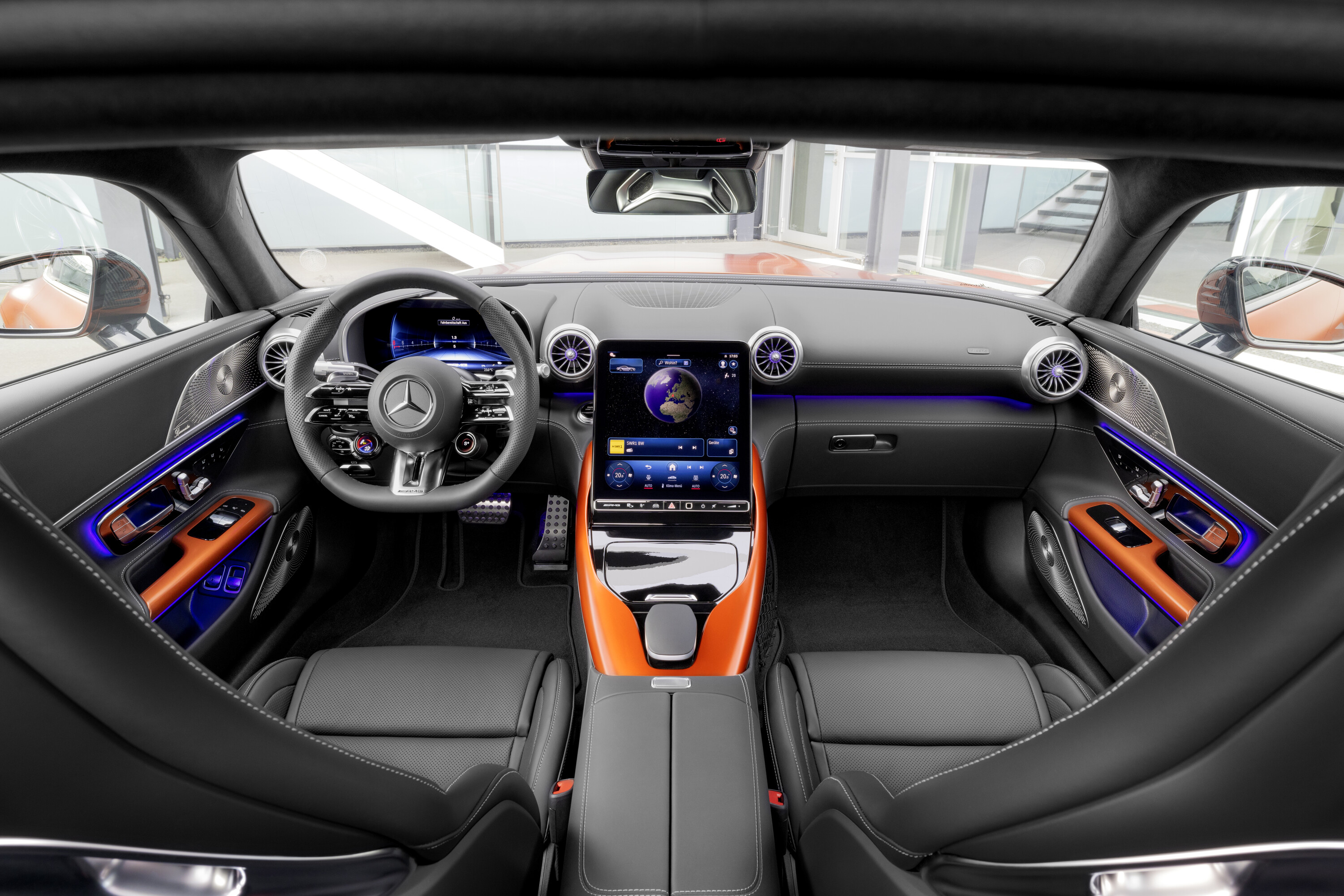
Inside, the new-gen GT has the welcome advantage over its predecessor of been a 2+2 rather than a 2-seater only and there’s a host of interior finishes and materials available through Mercedes’ Manufaktur department should you consider the standard mix of leather and Alcantara a touch too ordinary.
No word yet on when the Mercedes-AMG GT 63 S E Performance will reach Australia, or how much it’ll cost, but we’ll update this story when we know more. Speaking of more, spare a thought for the upcoming Black Series and GT R models for this generation of AMG GT. They’ll need to be something special to outgun this one…
Chinese brand Chery will grow its Australian line-up again with the launch later this year of a second Omoda model: the midsized Omoda 7.
The Omoda 7 will join the small Omoda 5 that landed in March 2023, along with the all-electric Omoda E5, bound for Australia sometime in the second half of 2024.
1
Given this new model’s designation, it will likely enter the Chery range as a tapered, lifestyle-oriented companion to the more family-friendly Tiggo 7 Pro that arrived in December.
Chery also has a bigger Tiggo 8 Pro Max due to reach Australia in May, followed by the new luxury-focused brand Jaecoo – said to be named for a combination of the German word ‘Jaeger’ (hunter) and the English word ‘cool’.
2
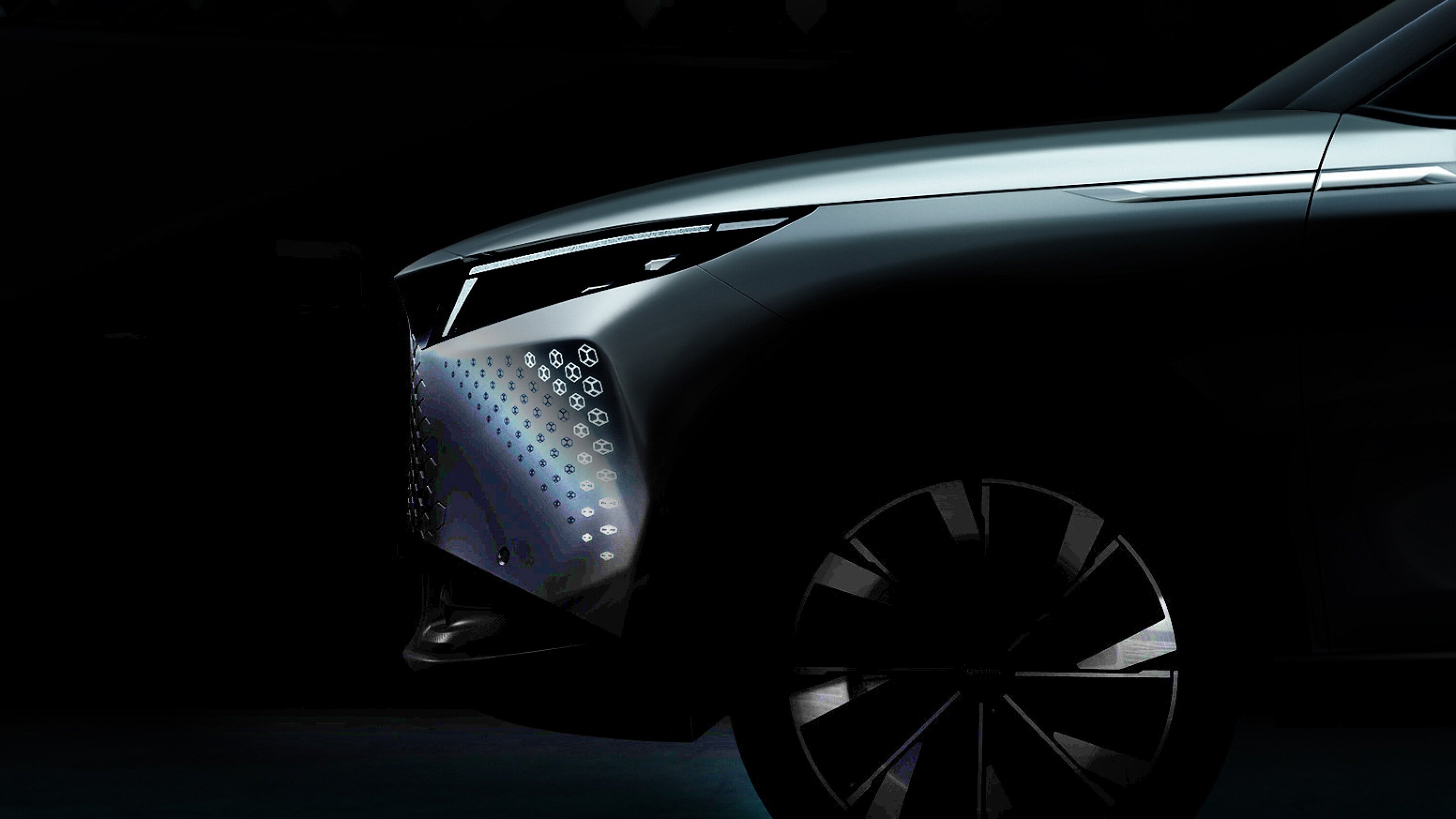
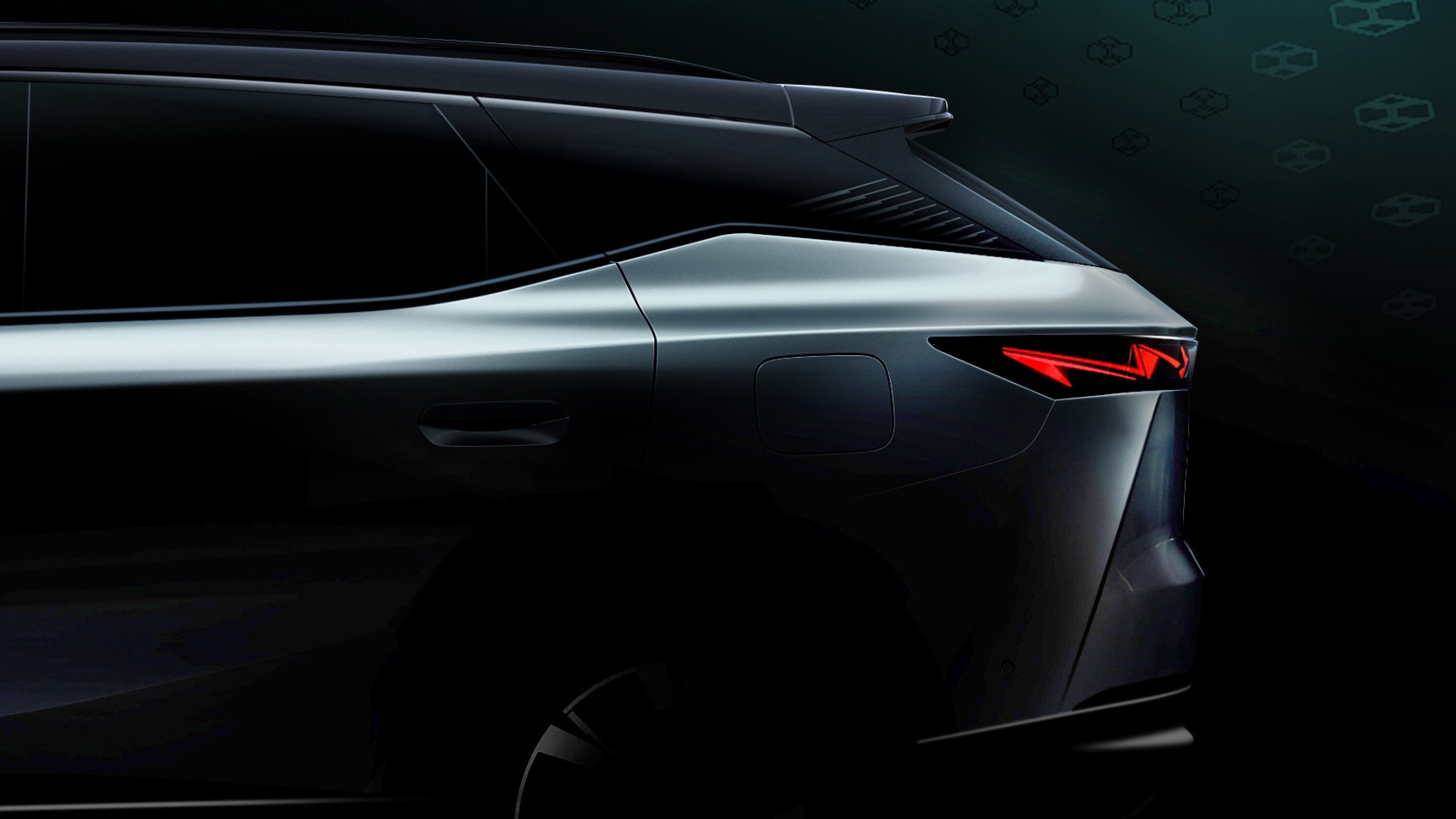
Chery has yet to reveal any details for the Omoda 7, but here’s what the brand’s local communications team offers:
“Every angle exudes style; the front face is distinctively sharp, the side profile boasts an elegantly smooth waistline, while the lightning tail-light design conveys the power of technology and grace.”
“The Omoda models are also known for their cutting-edge technology and state-of-the art safety features. Chery’s latest SUV is set to build upon this by offering features that will further enhance the everyday driving experience of customers.”
We can likely expect the Omoda 7 to feature the same Euro 6-compliant 137kW/275Nm 1.6-litre turbo four-cylinder petrol engine offered with the Tiggo 7.
In the Tiggo 7, the turbo petrol engine is matched to a seven-speed dual-clutch automatic transmission and either front- or all-wheel drive, depending on the variant.
Fuel consumption is listed at 7.0L/100km on the ADR cycle (less strict than WLTP) in front-wheel-drive form, requiring a minimum of 95 RON fuel.
When will the Chery Omoda 7 go on sale in Australia?
The Omoda 7 will be unveiled at the Beijing Motor Show on April 28, with an Australian debut set for sometime in the second half of 2024.
MORE
Everything Chery
MORE
Best Medium SUVs
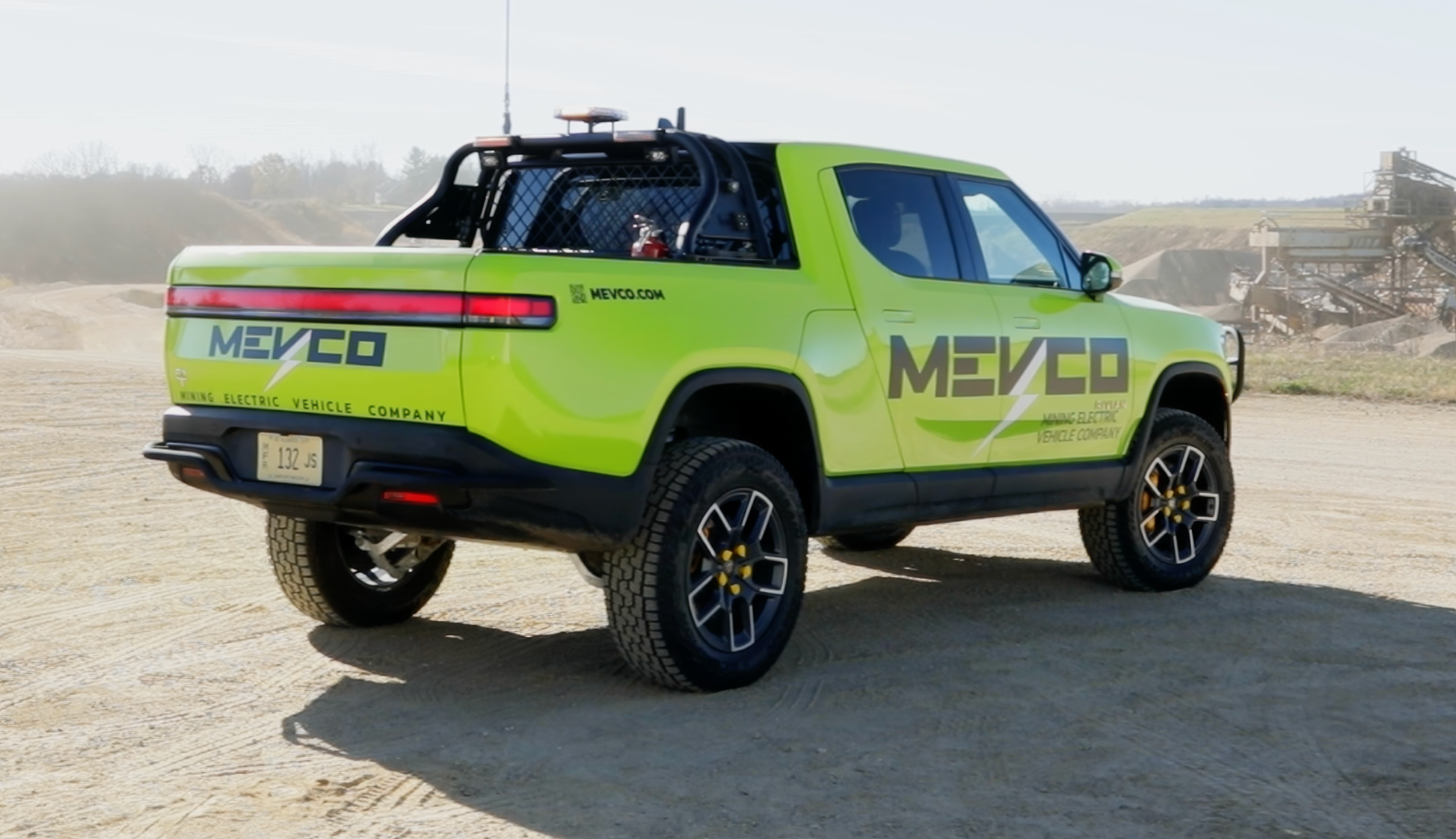
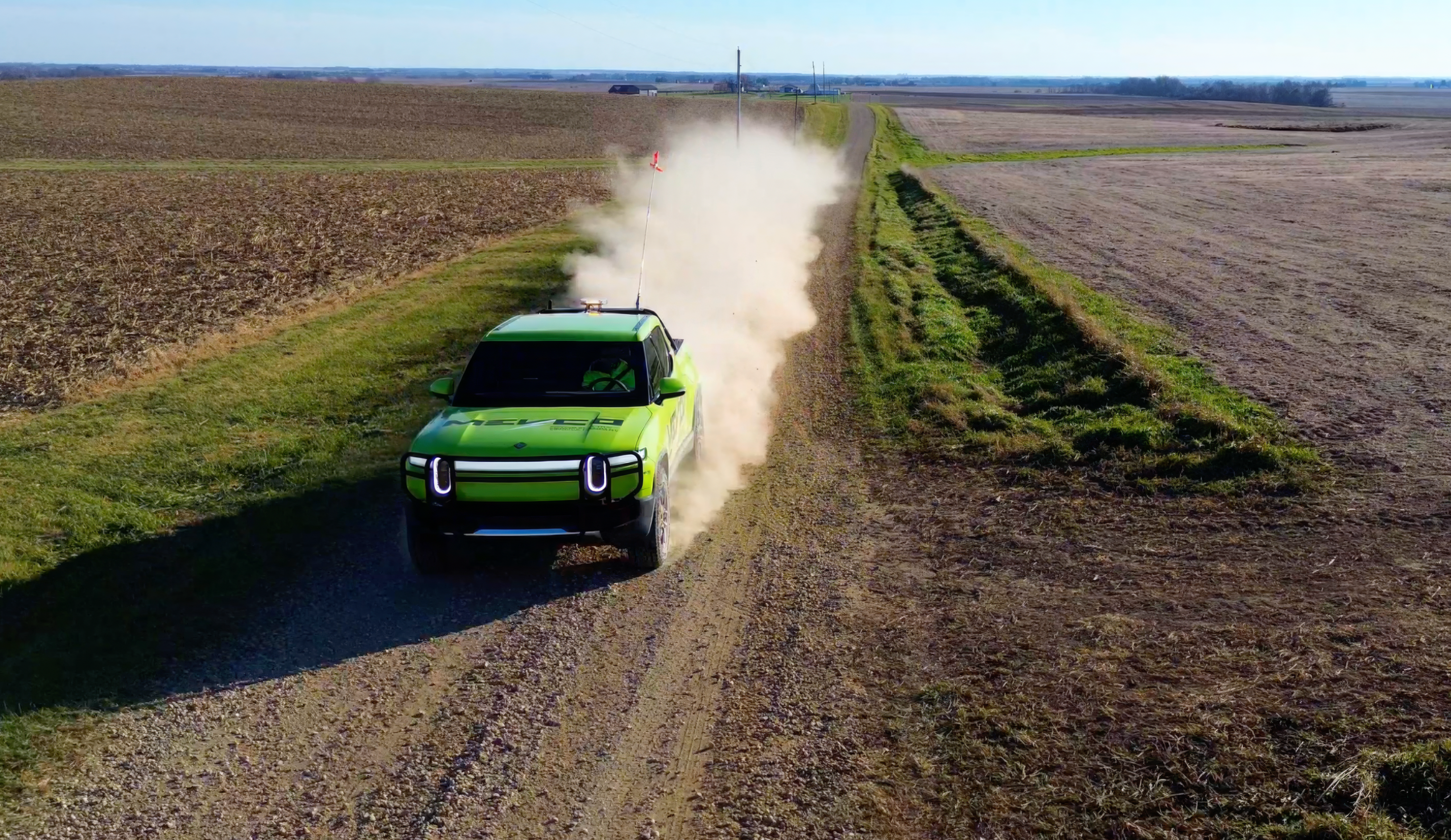
The electric Rivian R1T ute is finally coming to Australia, but unless you’re a miner, you won’t be driving one.
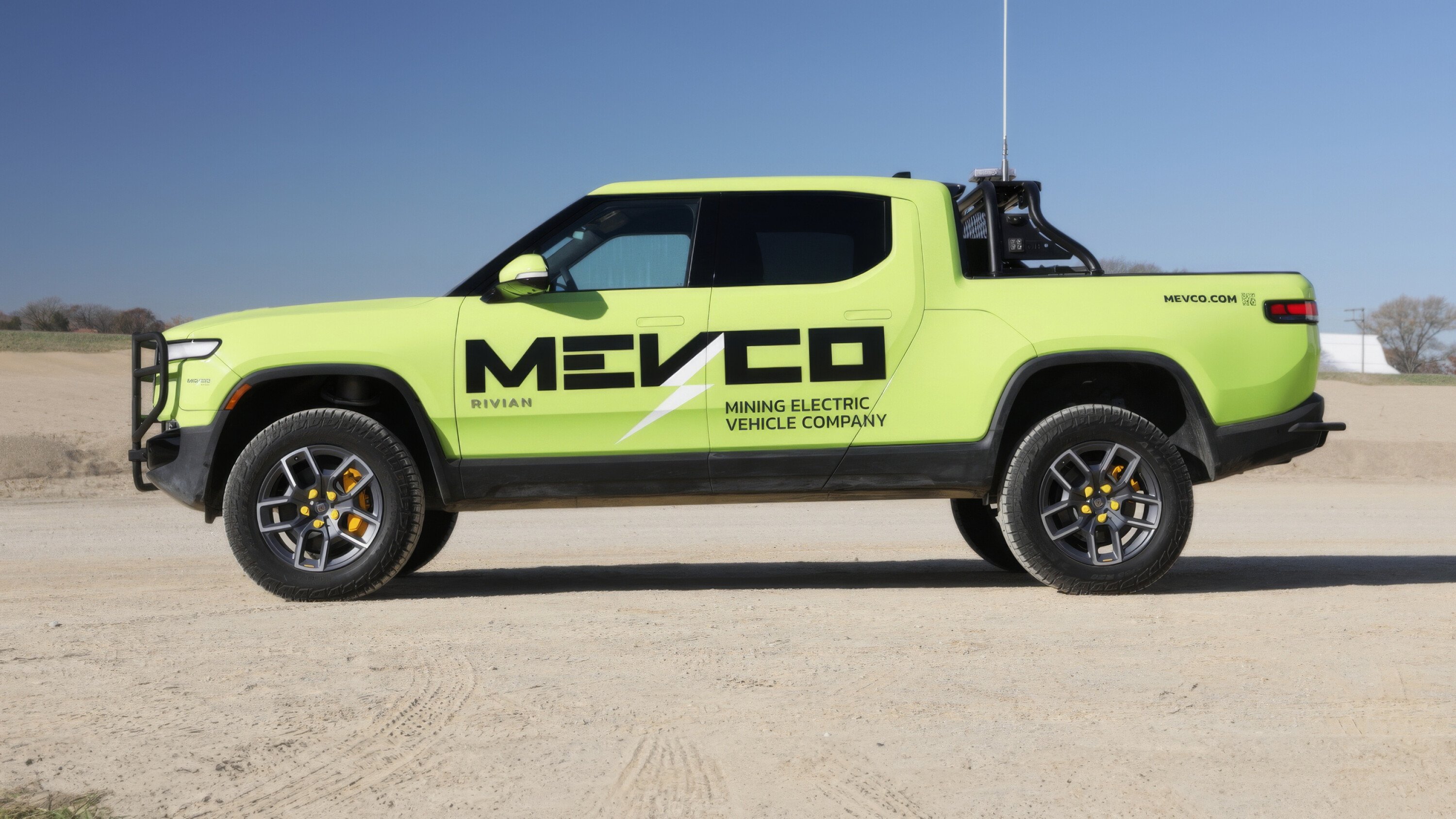
News of the R1T’s mission Down Under broke earlier this year when it was confirmed that test drives were being offered to mining operators by MEVCO, an EV fleet company that already supplies electric-converted LandCruisers and HiLux utes to the industry – although it’s the Melbourne-based EXRO Technologies (formerly known as SEA Electric) that does the conversion work.
This week, MEVCO has made its deal with Rivian official, which so far has focused its commercial relationships on the vans it builds for Amazon.
1
2
Rivian strategy boss Dagan Mishoulam said the company is pleased to see the R1T viewed as a vehicle capable of enduring the Australian outback – both above and below ground.
“Our fleet offering is better known for our commercial vans, so it’s great to see our R1 vehicles being incorporated into MEVCO’s fleet,” Mishoulam said. “We’re delighted they are electrifying their fleet with us, and we’re excited to help them reduce tailpipe emissions.”
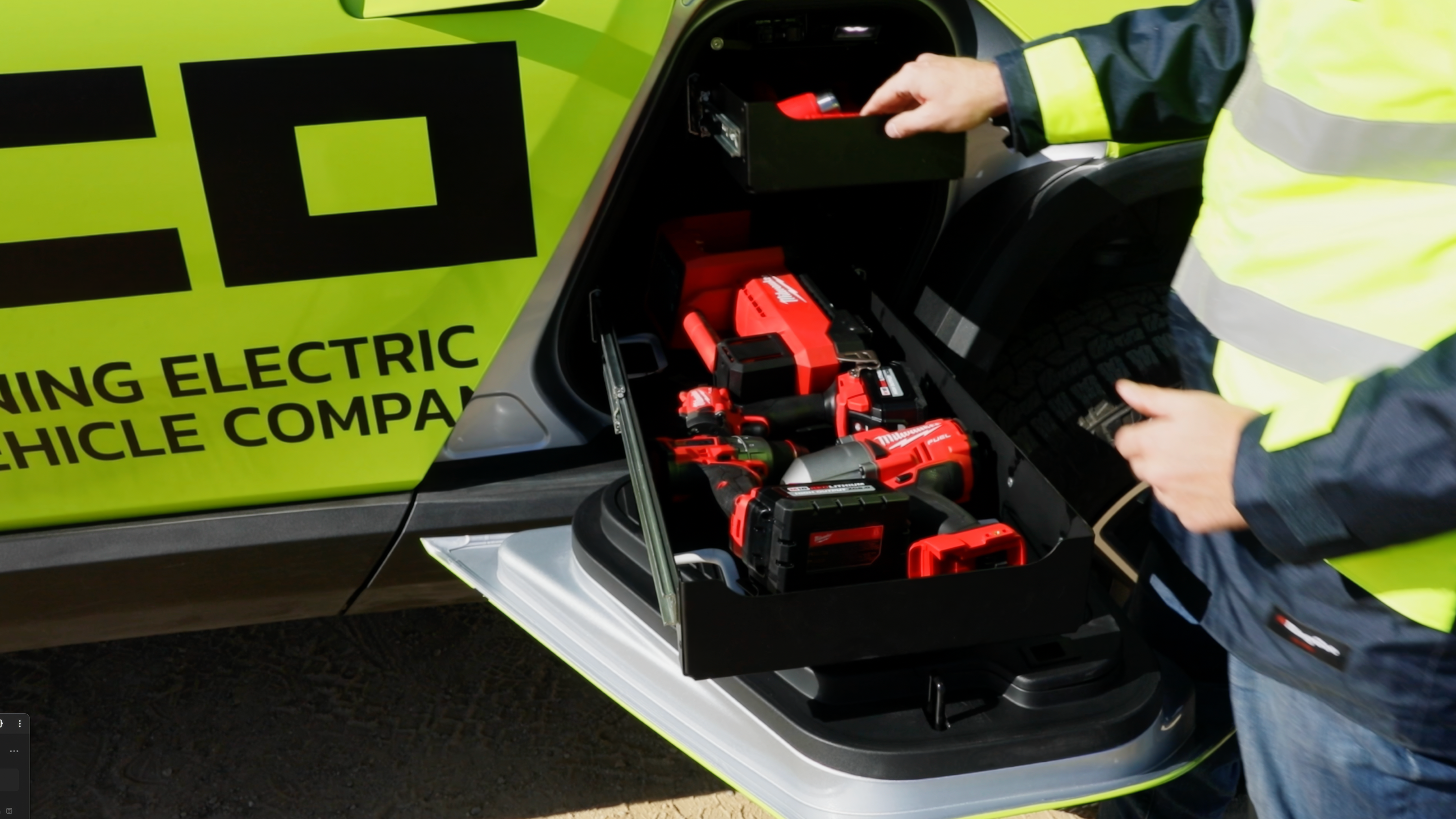
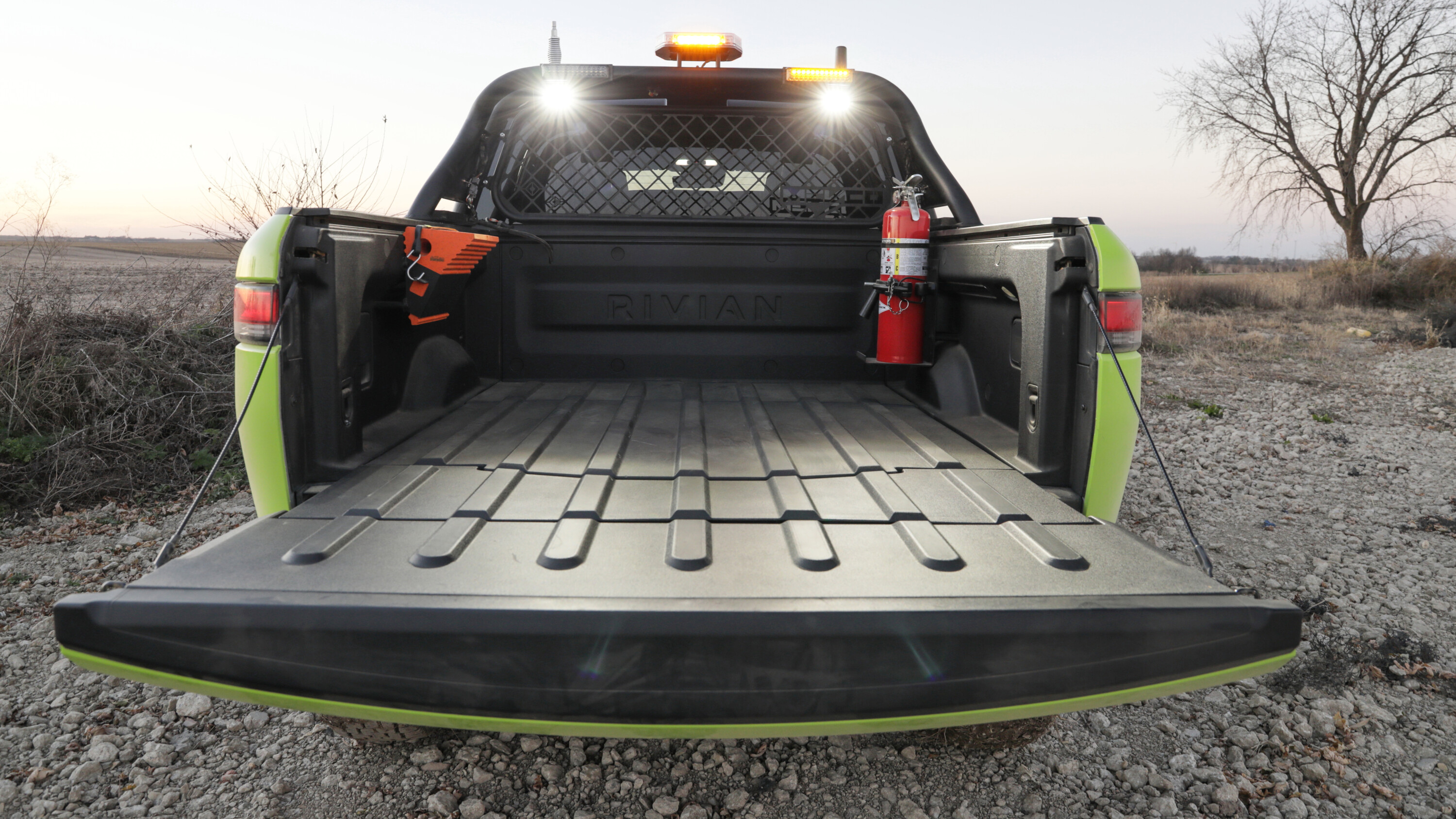
The R1T will nonetheless need to be modified for the job, which will be handled by MEVCO here in Australia. The company will also handle charging infrastructure and maintenance needs for its customers.
1
As the only ute to earn a Top Safety Pick+ award from America’s Insurance Institute for Highway Safety, the R1T is described by MEVCO boss Matt Cahir as the “ideal candidate” for Australian mining fleets.
“The integration of Rivian’s technology with MEVCO’s proven track record in mining-specific electric vehicles is poised to yield a fleet that exceeds the requirements of the most demanding operators,” he said.
“The shift to electric solutions extends beyond environmental and financial advantages. It is about fostering a safer, healthier environment for mine operators, particularly in subterranean settings where the elimination of tailpipe emissions is paramount. The Rivian R1T, in terms of safety and off-road capabilities, stands unparalleled.”
1
Responding to Wheels Media questions today, Mr Cahir said MEVCO “has received delivery of hundreds of vehicles from Rivian for deployment in Nth America and Australia.”
“Rivian has more than enough capacity to meet our vehicle forecast numbers globally. The first vehicles are in transit to Australia to deliver to existing orders,” he added – although he did not offer any numbers on just how many R1T utes are in that shipment.
MEVCO’s deal with EXRO will also continue, Mr Cahir confirmed. “This changes nothing with EXRO Technologies. Both vehicles provide solutions for different, and in some cases, the same customers. MEVCO is supported in North America by the Rivian Service network. In Australia, MEVCO is busy building infrastructure to support these vehicles in large fleet numbers.”
Given the current HiLux is nearing end of life, this R1T deal could also be a hedge against an unclear future for the availability and cost of electric-converted next-generation HiLux utes – before Toyota eventually introduces a fully electric ute of its own, that is.
1
Will the R1T ever be available to Australian private buyers?
Whether we’ll see the the Rivian R1T sold in Australia alongside other electric utes and their combustion rivals is unclear.
In 2021, the company told Australian EV site The Driven that two units had been shipped to Australia for climate testing, but not as part of any specific plan to prepare a local launch.
The company confirmed in 2018 that right-hand-drive is part of the company’s business plan for the UK, Japan and Australia – but there has been little progress since then.
A move into the European market was originally expected to occur sometime in 2022, and the UK government had at one point attempted to win Rivian’s interest in building its vehicles there – but, again, nothing has been made official.
The recent unveiling of Rivian’s R2 and R3 brought confirmation that European sales of at least the R2 will begin in 2026, with right-hand-drive models bound for the UK by 2027 – meaning this would likely be the earliest launch opportunity for Australia.
We’ve asked Rivian for an update on its Australia plan and will update this story as comment comes in.
MORE
Everything Rivian
Snapshot
- Fresh Cayenne GTS packs a 368kW twin-turbo V8 and sharper dynamics
- Available as both a SUV and Coupe, priced from $209,600 and $212,600 respectively
- Aussie cars will arrive in Q3 2024; order books now open
‘GTS’ has long been a Porsche synonym for ‘sweet spot’ and now there’s a new Cayenne GTS for Aussie buyers to choose from that packs more power and sharper dynamics courtesy of parts taken from the flagship Turbo GT.
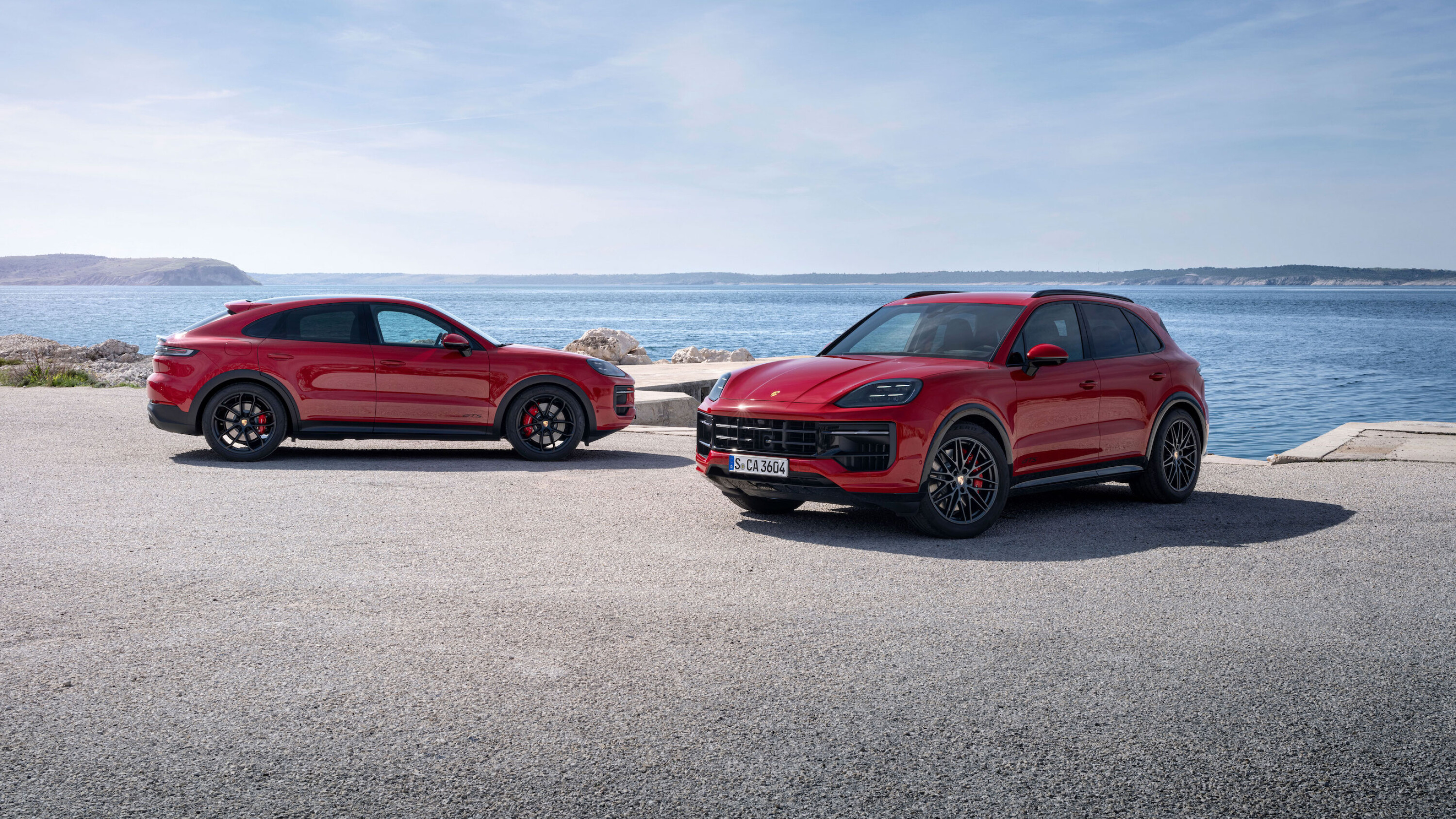
8
Set to arrive locally in the third quarter of this year, the fresh GTS completes the updated Cayenne model range that received a healthy overhaul last year. Pricing starts at $209,600 before on-road costs for the GTS wagon and $212,600 for the sleeker coupe, again before on-roads.
Unsurprisingly, those prices are an increase of around $11,000 over the outgoing GTS but buyers will be gaining an appreciable jump in performance.
Headlines include a more powerful V8 engine, a lower ride height, sportier air suspension, a more focused wheel and tyre package and a host of equipment and design changes.
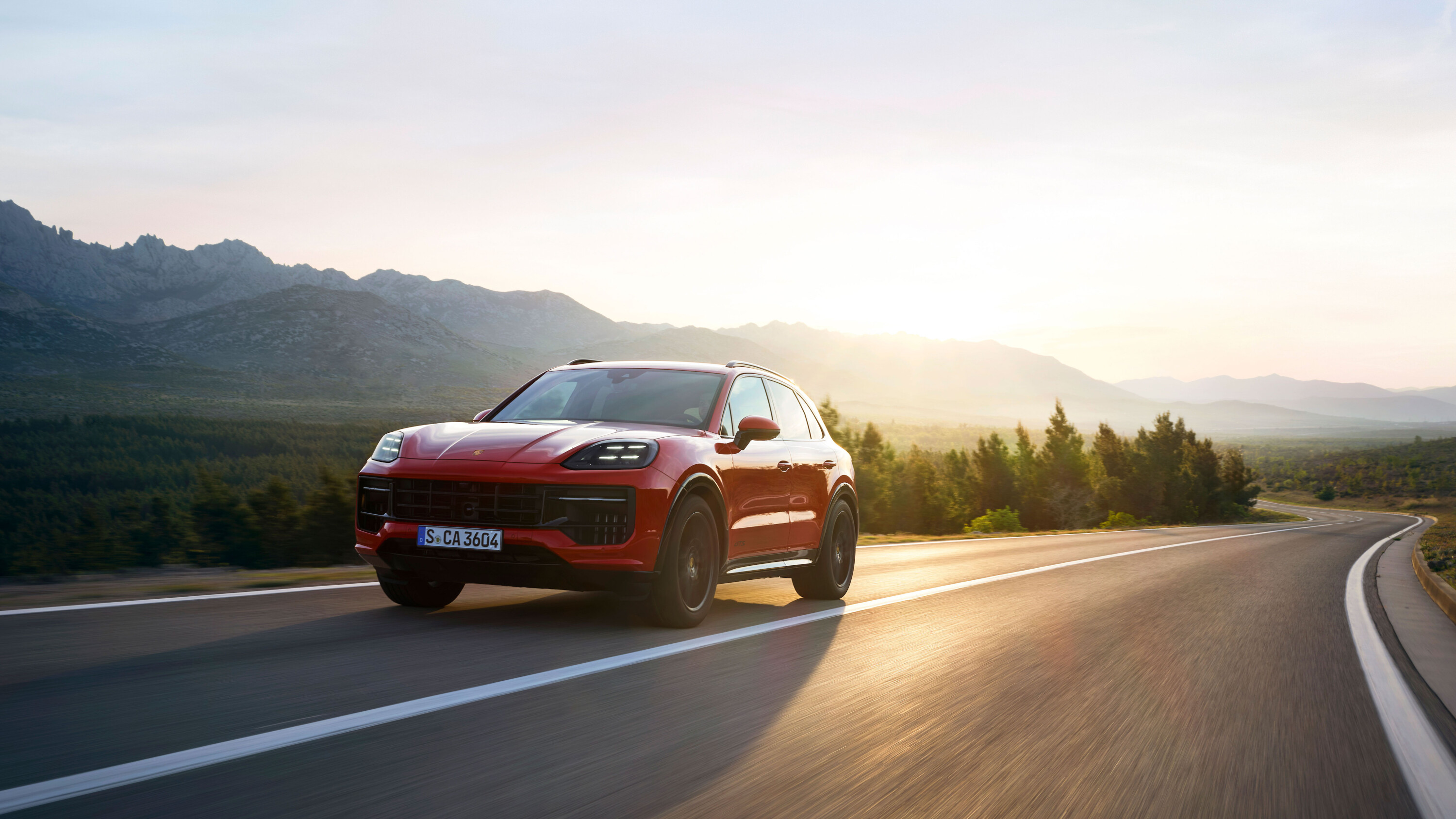
5
Power and torque have been increased by 30kW/40Nm over the previous model, thanks to a 4.0-litre twin-turbo V8 that now produces 368kW and 660Nm. Paired with an eight-speed torque converter auto, Porsche says the upgraded V8 can now propel the GTS from 0-100km/h in 4.4 seconds, which is four-tenths quicker than before. Top speed is a lofty 275km/h.
It should sound good, too. The same core V8 sounds brilliant in the lesser Cayenne S and GTS buyers will also have the option of adding a sports exhaust, which moves the outlets to the centre of the rear bar, for even greater V8 theatrics.
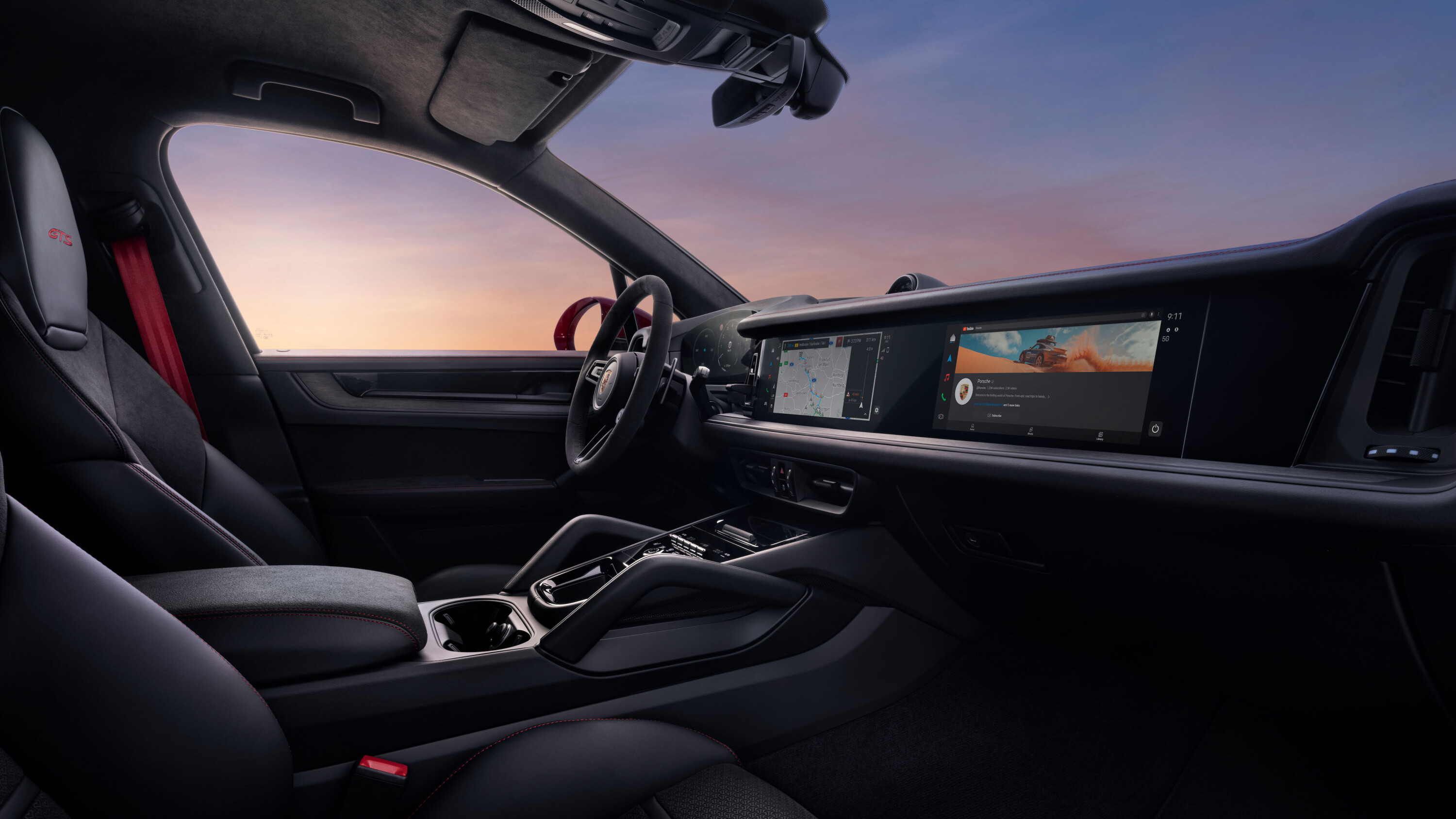
5
Chassis changes include a ride height that’s 10mm lower and the inclusion of adaptive air suspension that Porsche says “gives the car a highly dynamic spring rate while simultaneously ensuring driver comfort”.
The front axle pivot bearings have been nicked directly from the flagship Cayenne Turbo GT and increase the negative camber of the front wheels for improved handling.
The four-wheel-drive system’s transfer box also now includes its own water-cooling circuit to keep things cool during a track day or, we guess, a particularly spirited school run or soccer drop off.
Outside, you’ll be able to distinguish the GTS by its revised front-end styling, larger air intakes, tinted head- and tail lights, red brake callipers and 21-inch RS Spyder alloys. Trainspotters will also notice the exhaust outlets are now finished in bronze rather than black and that much of the exterior trim is now high-gloss black, rather than body colour like the old version.
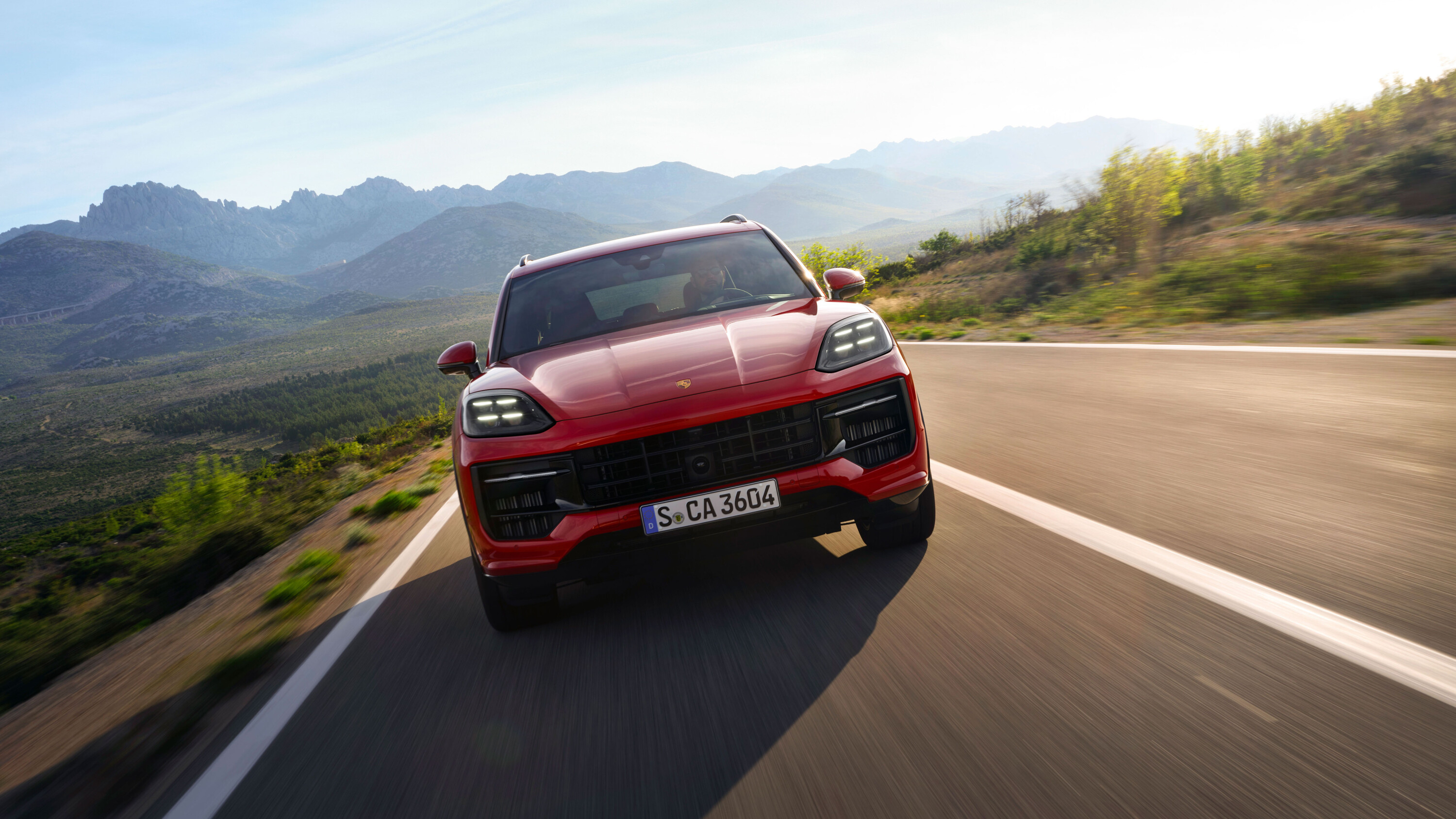
5
Cabin trim includes a heated sports steering wheel, eight-way adjustable sports seats and the choice of black, red or grey leather. Naturally there’s also an increased used of Porsche’s version of Alcantara, known as Race-Tex, which is used on the roof, arm rests, doors and seats.
Coupe models also score a fixed panoramic glass sunroof and an extending rear spoiler as standard.
Three different ‘lightweighting’ packages are available that can save up to 25kg thanks to a lighter roof, carbon rear diffuser and reduced sound deadening.
Porsche Cayenne GTS standard equipment • Metallic paint • Privacy glass • Lane Change Assist • Surround View with Active Parking Support • Head-Up Display • Adaptive Cruise Control • Lane Keep Assist • Driver memory package • Seat ventilation front (No-Cost Option) • Side airbags in the rear compartment • Soft close doors • 14-way comfort seats in the front with memory package (No-Cost Option) • Digital radio
MORE
Everything Porsche
