RESULTS
There have been few shining lights on the Holden sales front, especially with the looming manufacturing closure. Barina down, Cruze down, Captiva 7 down, Commodore down, Trax down, Colorado down, Malibu (remember that one?) down. Holden is holding on to some month-on-month growth in market share, but year-on-year its share has fallen.
Rank: 4th 2015: 100K 2016: 109K Grade: C+
OPPORTUNITIES
It’s all about fresh metal for Holden, but much of it is arriving late in the year. Expect a new Barina and updated Trax, Captiva and Colorado (which could finally get the firepower it needs to challenge better rivals). Astra is an important newcomer and could be joined by an all-new, and imported, Cruze. The big unknown is Commodore. There’s a real chance patriotism could bolster sales of the last Aussie model, especially V8 variants.
CHALLENGES
Convincing people the brand is here to stay. Many think the end of manufacturing means the end of Holden, so the company has a job to do to reassure people about the Lion’s future. Living with underwhelming key models and managing the likely end of local Cruze production also makes for a tough year ahead. In other words, the challenges are many, huge and varied.
SUMMARY
Lots to learn. Another tough year ahead, but it could come good in Q4. The freshening of key models means Holden is well positioned to finally flex its muscle on the sales front, overtaking a challenged Hyundai to regain third place in the market.
IT WAS another Formula One season painted gold, the bling of choice of Lewis Hamilton, who secured his third F1 Drivers’ Championship.
There was a splash of silver too. It was impossible to miss the corporate colour of Mercedes as it blitzed all comers en route to its second consecutive constructors’ title.
And the ever changing, adventurous fashion statements of the triple world champion continue to contrast vividly with much of the lacklustre track action.
The season was often predictable and boring (the exceptions being Hungary and Singapore) with Hamilton and bitter intra-team rival Nico Rosberg powering to 12 one-two results. Hamilton also scored the most pole positions with a total of 11.
Again, F1‘s Machiavellian off-track conflicts seemed to capture more media attention that the racing itself…
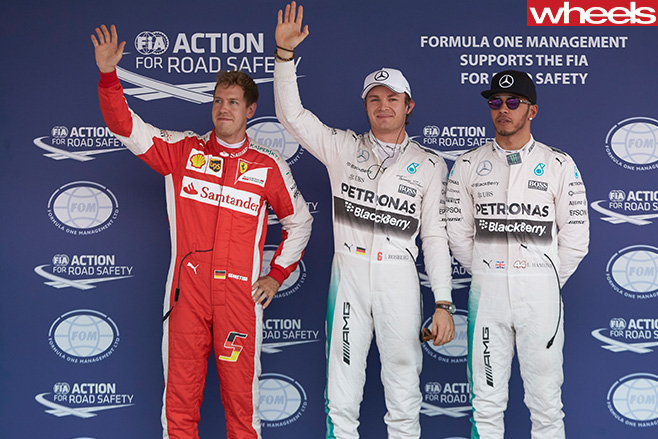
Hamilton, who on his day is blindingly fast (though still prone to the occasional error), triumphed in 10 grands prix and claimed his third title with three races to spare.
Rosberg was the championship runner-up ahead of the revitalised Vettel.
After the championship was decided in Austin, Texas, Rosberg suddenly uncorked a brilliant end-of-season winning spurt to add three in a row to the three he nailed earlier in the year.
This form reversal left us all wondering why Rosberg didn’t unleash that pace from the start.
Explanations and analysis followed. Take your pick… With the title win and the pressure off, Hamilton went into snooze mode. Or he partied way too hard. Or Rosberg, freed from the stress of chasing the title, reverted to a better headspace. Or Hamilton’s hair bleach affected his judgement. Or in the last three races Mercedes dictated pit stop strategies that hurt the Brit but helped Rosberg claim second in the standings ahead of Vettel. Just keep those conspiracy theories coming, folks!
Hamilton does nothing to silence the critics who slam his party boy image. After the season wrapped up in Abu Dhabi, the champ enjoyed a very public celebration with some dudes with weird names and questionable celebrity status. Trey Songz, Ludacris, Tinie Tempah…? Anyone know who these people are? Me neither. But Lewis’ mum was there and we recognised her.
McLaren boss Ron Dennis has been critical of Hamilton’s freer jet-setting ways at Mercedes this year, adamant that the driver “wouldn’t be allowed” to live his current lifestyle were he still with the British team. This analysis came when Hamilton arrived late for the race in Brazil after a fever and a car crash in Monaco which he put down to a week of heavy partying.
Fun-loving lifestyle or not, Hamilton, 30, has joined some legendary names in F1 history to score three titles – Jack Brabham, Jackie Stewart, Niki Lauda, Nelson Piquet and Ayrton Senna.
The sycophants in the British media – and there are more than one – immediately drew comparisons with Senna, his boyhood racing hero. To be fair, Hamilton didn’t rush to embrace such generous appraisals.
The second year of the new F1 hybrid V8 formula was marked by an upsurge in reliability enjoyed by much of the grid.
The exceptions were the Honda-powered McLarens, which experienced a poor finishing record and lack of speed. Though served by two former world champions, Jenson Button and Fernando Alonso, McLaren finished with a meagre total of 27 points, ahead of only the scoreless Manor Marussia.
So many people seem stunned that the once mighty McLaren had such a sad season. There is illogicality to any assumption that Honda would bob up in 2015 with a power unit to match Ferrari or Renault, let alone Mercedes. What did people expect from an engine supplier struggling with their core road car business? Maybe the optimists were locked in a past era (1986–91) when Honda engines were considered the ticket to F1 glory. Piquet, Senna and Alain Prost owed their drivers’ championships to Honda power and reliability. But that was a quarter of a century ago.
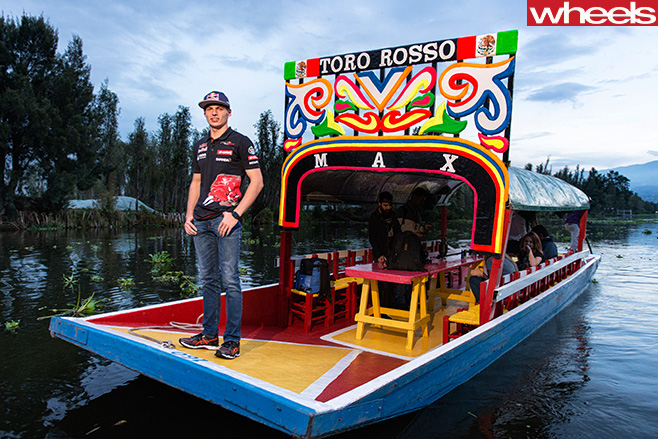
Renault’s issues with pace and durability also meant a season of struggle for Red Bull and Toro Rosso.
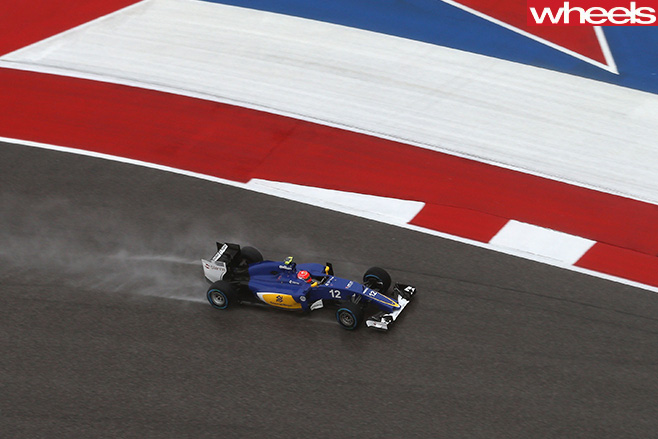
Missing from the 2015 schedule was a home race for Rosberg, Vettel and Nico Hulkenberg; the German Grand Prix scrapped after a venue could not be secured and leaving the car-mad nation without a world championship F1 race for the first time in 55 years.
As the 2015 season faded to black, the season-long bitterness between the Mercedes drivers showed no signs of easing. At the post-race press conference in Abu Dhabi, when asked whether the two teammates would get each other a Christmas present, Rosberg responded hesitatingly: “Hmm, maybe a Christmas card?” Hamilton then added curtly: “I don’t think we’ve ever done either, so there’s no reason to change.”
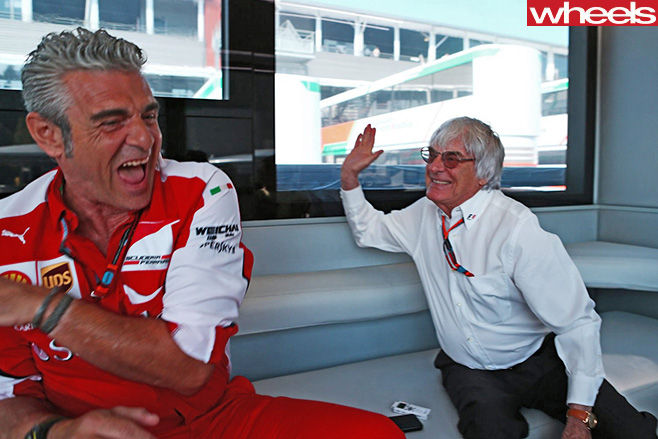
No reason to change. As blinkered as Bernie.
They say a picture tells a thousand words, which is lucky for us journos, as otherwise we’d be writing a hell of a lot more than we do!
MOTOR is incredibly lucky to work with some of the best automotive photographers in the world, many of whom are veterans of the industry.
In general they don’t need briefs, advice or guidance, they just deliver outstanding images regardless of the location, timeframe or weather conditions.
January 2015. Ford Falcon XR8. Photographer: Nathan Duff

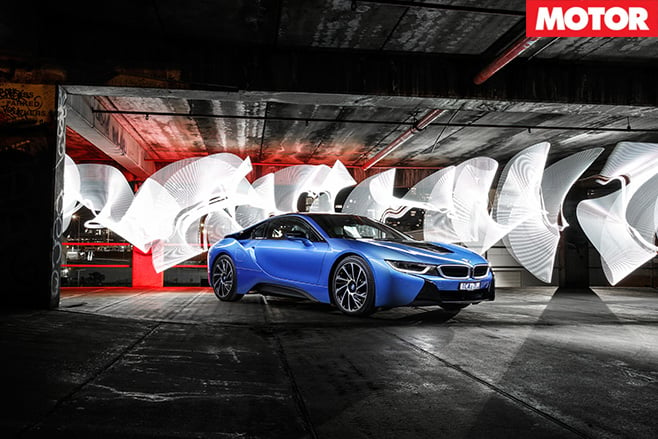
February 2015. BMW i8. Photographer: Cristian Brunelli
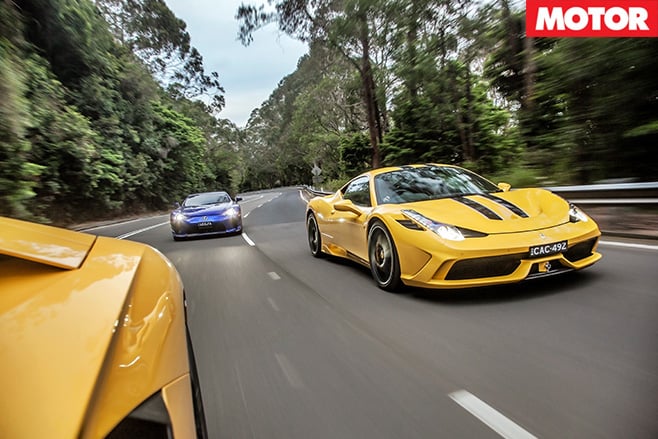
March 2015. 458 Speciale/LFA/Aventador. Photographer: Thomas Wielecki

March 2015. 458 Speciale/LFA/Aventador. Photographer: Thomas Wielecki
March 2015. Lamborghini Aventador. Photographer: Thomas Wielecki
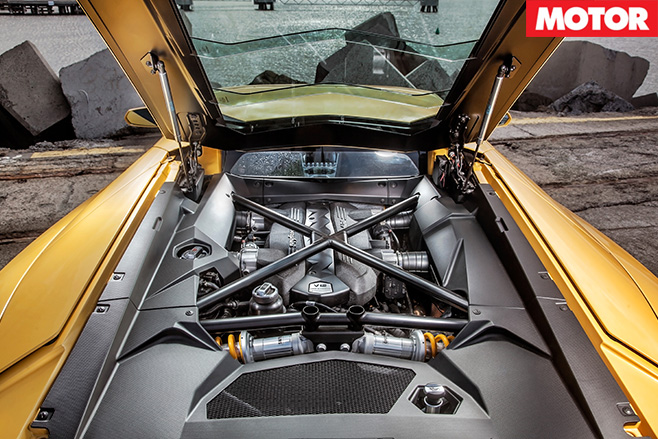
April 2015. Porsche Boxster GTS. Photographer: Nathan Jacobs

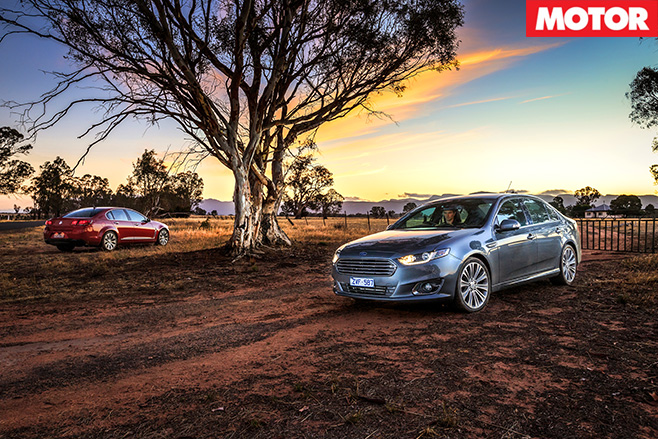
April 2015. Holden Calais V/Ford Falcon G6E Turbo. Photographer: Ellen Dewar
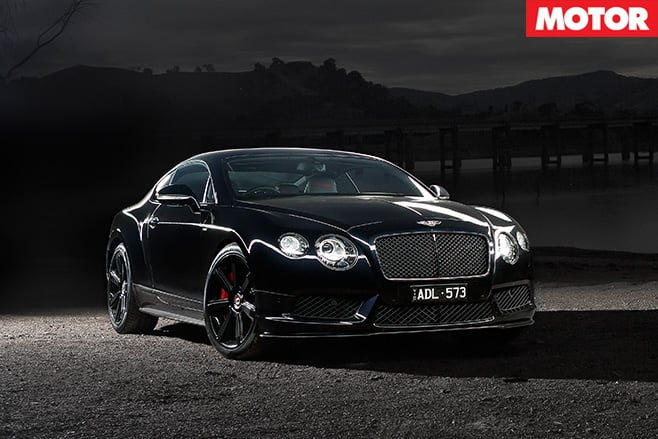
July 2015. Bentley Continental GT V8 S. Photographer: Nathan Jacobs
August 2015. Audi S1. Photographer: Nathan Jacobs

September 2015. Hi-Torque HSV Clubsport. Photographer: Nathan Jacobs

October 2015. Lamborghini Huracan. Photographer: Ellen Dewar

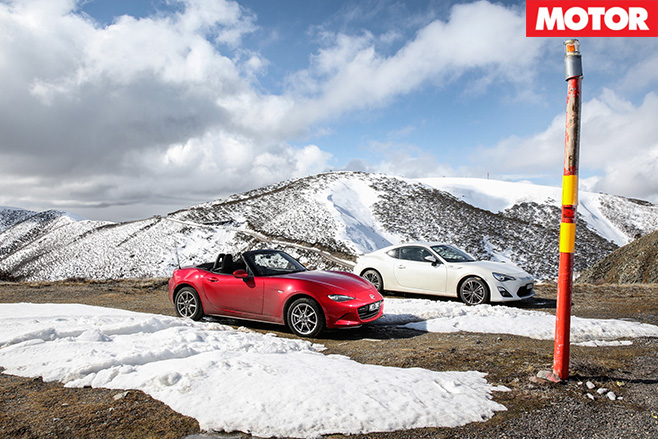
November 2015. Mazda MX-5/Toyota 86. Photographer: Cristian Brunelli
November 2015. Ferrari California T. Photographer: Nathan Jacobs

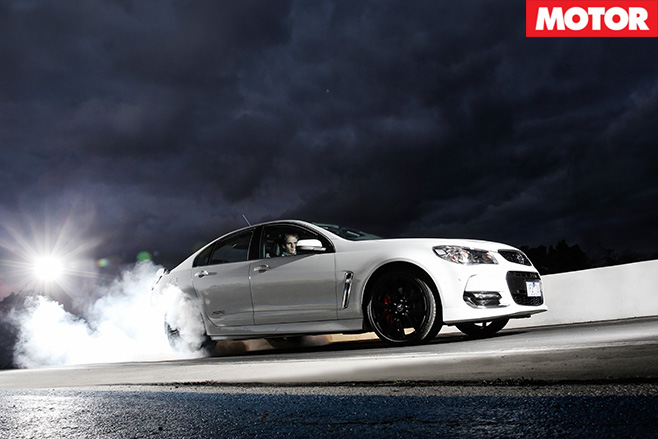
December 2015. Holden Commodore SS V Redline. Photographer: Cristian Brunelli
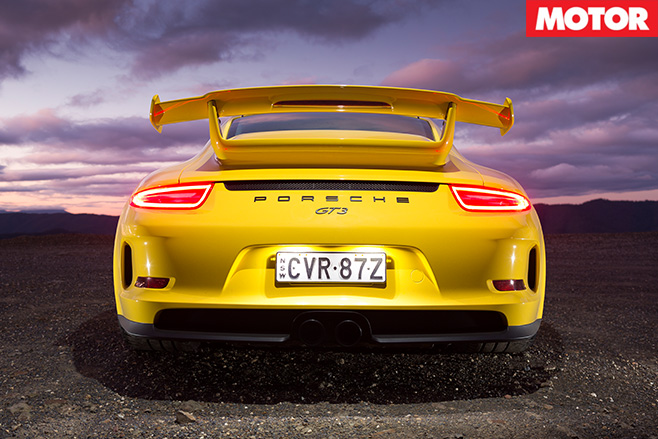
December 2015. Porsche 911 GT3. Photographer: Nathan Jacobs
RESULTS
Much of Hyundai’s 2015 success has been down to red-hot deals such as $19,990 driveaway i30 autos. If you combined i30 sales with Elantra (the sedan version) they would be the second most popular small car by the slimmest of margins (to Toyota’s Corolla). The ix35 has also been a hit, although transitioning to its replacement wearing the revived Tucson nameplate required additional marketing efforts.
Rank: 3rd 2015: 103K 2016*: 96K Grade: B+
OPPORTUNITIES
The biggest news for Hyundai in 2016 is an all-new Elantra. Fresh metal and underpinnings should translate to a big step up for the small sedan. Hyundai could also benefit from its rumoured Prius rival that will bring some high-tech petrol-electric goodness to the brand. Don’t expect big sales figures, but it could shine a techno spotlight on the rest of the range.
CHALLENGES
Hyundai’s been playing games registering cars that don’t yet have buyers. It’s a short-term way to boost the numbers, but generally causes indigestion clearing stock, typically at a discount. Its cheapest model, the i20, has been discontinued, leaving a huge hole for the repositioned Accent to plug. And no ute or small SUV, plus slow-selling fringe models (Genesis, Sonata, i40, Veloster) makes life tough.
SUMMARY
Occasionally procrastinates, but a hard worker. With not much large-volume fresh metal on the horizon, a sales downturn looms for the brand. With Holden snapping at its heels, Hyundai could well lose third place, experiencing its biggest sales drop in years.
THIS may come as an almighty shock to those overlords who run Formula One globally, but there are other rousing and interesting forms of motorsport on this planet of ours.
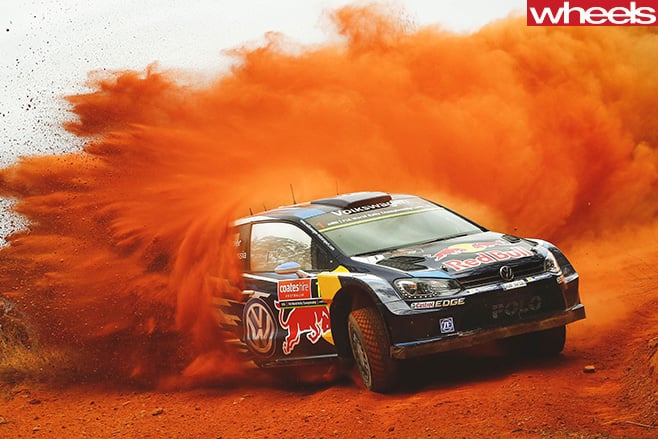
The year started with the 2015 running of the off-road marathon known as the Dakar (even though in recent times it is held an ocean away in South America, where the landscape is no less dramatic than when it was based in the north-western part of Africa).
Nasser Al-Attiyah and Marc Coma claimed the 2015 car and bike titles respectively after 9000 gruelling kilometres across Argentina and Chile. It was the second Dakar for Qatar’s Al-Attiyah (Mini) while KTM’s Coma bottled his fifth victory in the two-wheel category. Impressively, Aussie Toby Price took third on debut and rightly earned himself a factory KTM ride for the 2016 Dakar. He is a gun.
For the 2016 Argentina-Bolivia Dakar starting January 2, Peugeot had assembled the all-star dream team of Sébastien Loeb, Stéphane Peterhansel, Cyril Despres and Carlos Sainz in its attempt to stop the Mini squad’s sequence of four straight wins. The Mini X-Raid Team had entered 12 crews including two former winners, Al Attiyah and Nani Roma. Dakar is a wonderful event, offering way more than pretty pictures.
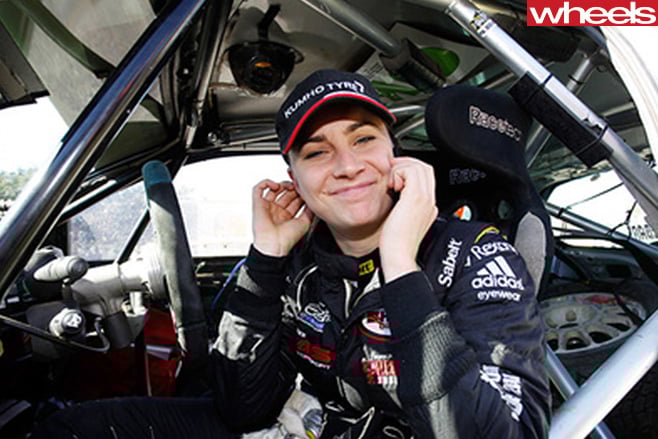
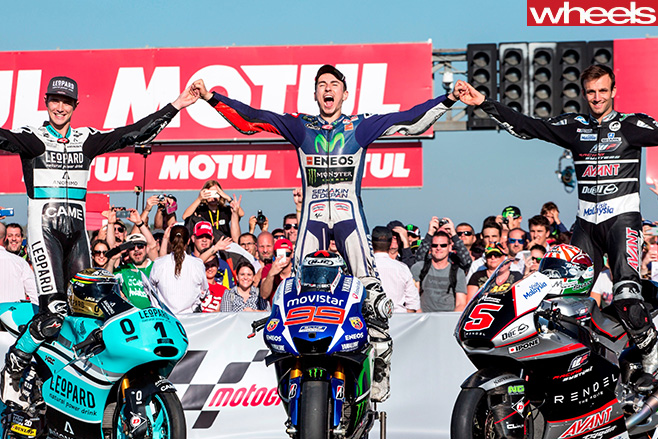
The controversy that enveloped the final stages of the MotoGP World Championship still won’t float away, with the bitter rivalry between Yamaha riders Jorge Lorenzo and Valentine Rossi certain to carry into 2016, diluted not one whit by the Christmas spirit.
The coming season seems set to be a re-run of the almighty battles between the Big Three – add Honda’s mercurial, gravity-defying Marc Marquez to the aforementioned Yamaha pair in a hotbed of hostilities.
The World Endurance Championship was a triumph for Porsche, back in big league sports car racing in 2014 after a lengthy absence. With lots of help from Brendon Hartley and Timo Bernhardt, the 1000-horsepower 919 Hybrid propelled Mark Webber to his first proper championship success since he began in motor racing.
Porsche also won the 2015 iteration of world’s greatest endurance race for sports car, the 24 Hours of Le Mans. But, reacting to the recent emissions scandal, both participating VW Group brands – Audi and Porsche – have trimmed their teams to two cars for the 2016 season, and will face renewed competition from Toyota and its all-new small-capacity turbo challenger (in place of an atmo V8). Toyota’s new technical package will also introduce battery storage, which will work with the same twin-axle retrieval system the team currently uses.
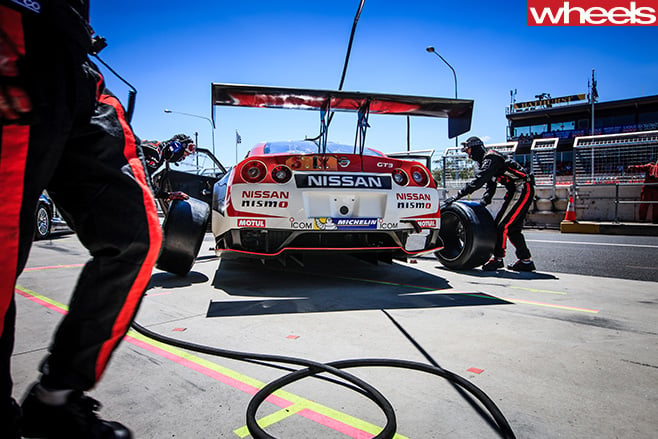
Entries for the 2016 12 Hour, now in control of V8 Supercars Australia, have moved delectably close to 50 with an explosion of the usual marques – Ferrari, Nissan, Mercedes-AMG, Audi, Porsche, McLaren… Bentley has confirmed at least two cars and a desire to get on the podium after being bumped from it rather aggressively in the final corner of the 2015 race. V8 Supercar stars won’t be banned this time and many have entered the 2016 running of the international sports car classic, including Garth Tander, Craig Lowndes, Tim Slade, Warren Luff…
Former V8 Supercars driver and Bathurst 12 Hour pole winner Maro Engel stormed to a win in the FIA GT World Cup held in Macau in November, the German Mercedes-Benz SLS AMG driver beating home B12hr stars Rene Rast (WRT Audi) and German Stefan Mucke (Craft Bamboo Racing Aston Martin Vantage).
In IndyCar racing, Brisbane-born Scott Dixon scored his fourth championship triumph after a thrilling tiebreak with Juan Pablo Montoya. Australia’s Will Power, the defending champion, was a distant third. Earlier, in May, Montoya narrowly won the Indianapolis 500 from Power. The death of popular Briton Justin Wilson at Pocono after he was struck on the head by debris from another car stunned the close-knit fraternity and took the shine off the finale just a week later at Sonoma.
For 2016, Indycars has locked in a 16-race season anchored by the 100th running of the Indianapolis 500 on May 29. The schedule extends five weeks longer than last season and features new events in Phoenix, Road America and Boston. The most diverse schedule in motorsports features five races on oval tracks, five on permanent road courses and six on temporary street circuits.
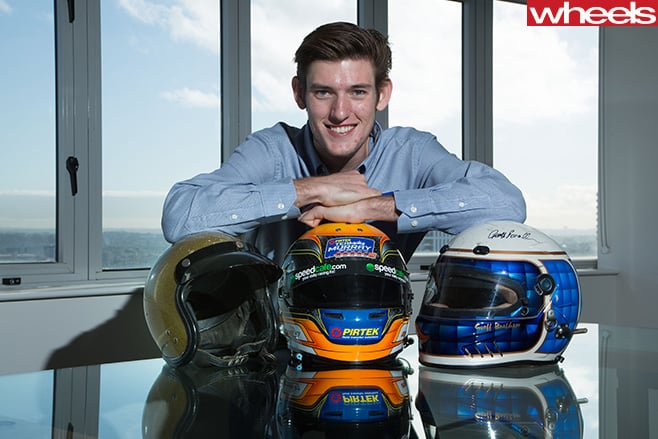
Toowoomba’s Jordan Lloyd trousered a $150,000 prize for winning the inaugural Australian Formula 4 Championship, locking down the crown with a round to spare. The Team BRM driver had some great tussles with runner-up Thomas Randle in a series created by CAMS to bring along young drivers who have ambitions of one day making it to F1. The challenge will be to make sure they’re not diverted to Supercars along the way.
RESULTS
CX-3 shot to the top of the small-SUV sales charts and has enduring appeal beyond the narrower product ranges of its rivals. Bigger CX-5 rounds out an SUV duopoly. The Mazda 3’s sales suffered in the wake of the CX-3’s storm, but it’s still the brand’s top seller by far, while the 2 continues to impress. Indeed, few Mazdas miss their target (although the BT-50 continues to underperform) and that adds up to a big tally.
Rank: 2nd 2015: 113K 2016*: 117K Grade: A+ *Figures to the end of October 2015
OPPORTUNITIES
All-new CX-9 arrives in the second quarter of 2016 and brings modest volume potential in a segment where Hyundai, Kia and Toyota have enjoyed recent success. Also expect a hard-top MX-5 later in the year. But it’s the mild update to the top-selling 3 in the second half of the year that offers the most potential. Before then Mazda may sharpen deals to protect against increased small-car price competitiveness.
CHALLENGES
The ute market is booming and the BT-50 has largely failed to capitalise in the face of recent new arrivals and updates from competitors, including its mechanical twin, the Ford Ranger. Some of Mazda’s key models also look set to come under sustained attack. The CX-3 is up against small cars fighting the small SUV onslaught (Hyundai being the most obvious), while the CX-5 has to fend off new or freshened rivals.
SUMMARY
Teacher’s pet; enjoys new challenges. Mazda has plenty to work on for 2016, such as increasing its slice of the ute market. The challenge will be doing it while not upsetting the serenity of the core model range, something central to Mazda’s ongoing success.
Jeff David, the 59-year-old technical mastermind behind Quantum’s GP700, has MOTOR in the passenger seat of his cherry red hypercar.
He’s keen to demonstrate its performance and we’re just as enthusiastic. But before the ensuing adrenalin hit, basic survival instinct forces us to recall a couple of facts about the open-wheeled roadster.
Behind us lives 522kW worth of engine. Around it, without passengers, exists 695kg of mass. Together they account for a power-to-weight ratio (751kW/tonne) more than double that of a Lamborghini Aventador and that towers over a Bugatti Veyron’s. Yet the GP700 wasn’t devised with the backing of an advisory board in Wolfsburg. It was built in Jeff’s shed.
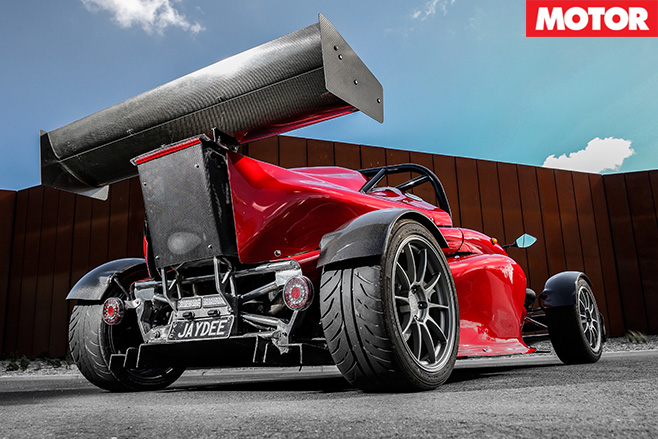
After a couple of Hail Marys, Jeff finds the throttle and then it happens. There’s an explosion of brutal speed and sound that launches an attack on you so visceral, it’s as if your ribcage closes like a bear trap, the acceleration so instant and unrelenting your organs squeeze.
Gear changes from the six-speed paddle-shift Holinger ’box provide no relief to the maniacal surge, and the engine – connected to not one, but two superchargers – erupts into a noise that sounds like a four-cylinder chainsaw pushing out its last rep on a bench press.
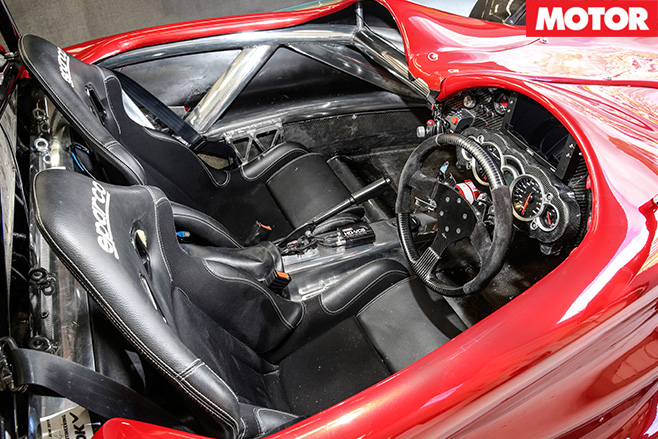
In the aftermath, emotions range from exhilaration to mild terror, which Jeff says is part of the package. “It’s a lot of fun, but a lethal weapon in the wrong hands, and you’ve got to respect the car. It’s got traction control, but it won’t save you if you arrive at a corner and you’re going twice as fast as you should.”
The notion of ‘twice as fast’ is easy to grasp when you consider the performance claims. Quantum boldly says 0-100km/h is dispatched in 2.6sec, 0-160km/h in 5.0sec, and that you’ll experience 1.2g on the way there.
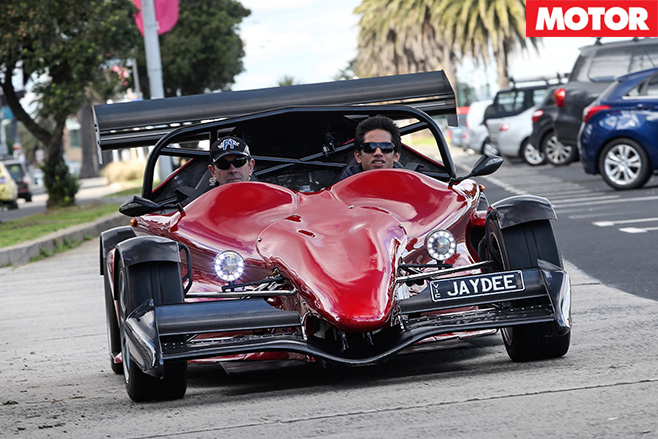
And push they did. Nestled behind the driver is a Honda K-Series engine that’s been taken to a different stratosphere of performance from what it ever saw in road form. Its original 2.4-litre capacity has been stretched to 2.6, mainly done by lengthening its rods.
“It’s undersquare because the bores are too close together, because we’re at the limit of bore spacing,” Jeff says, before explaining how it withstands the huge forces it produces. “It’s got Darton sleeves, line bored – they’re nitro Funny Car sleeves, basically.”
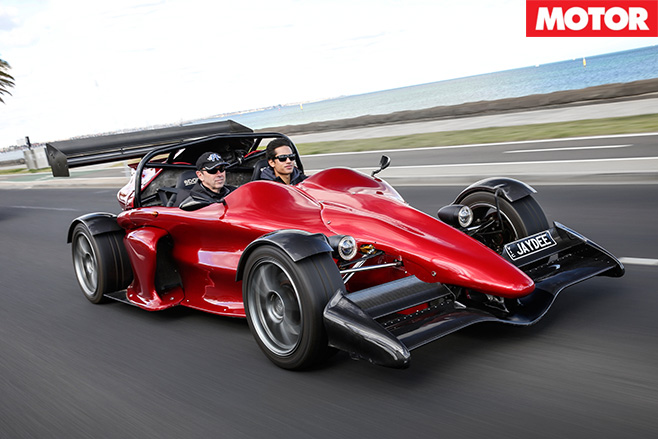
“With a single centrifugal supercharger, 60-100 kays was about 1.3 seconds. When you drove the car it was accelerating at about 0.7g, then it would build up until 1.2gs at the redline.
“You’ve come out of a corner on a windy road at 60km/h and you’ve opened it up, halfway down the straight to the next corner, the car’s acceleration’s rate has doubled, and it was really hard to drive.” The current arrangement has one supercharger blowing into the other, so the engine produces full boost much sooner but still holds that pressure all the way to its 8000rpm redline.
“[Two superchargers] reduces the acceleration time from 1.3 seconds down to 0.94 [for 60-100km/h] and we’re starting to get into times that are hard to comprehend,” Jeff adds.
“We’ve tried very hard to avoid saying Ariel Atom, the reason being, not because we haven’t done anything wrong and our design is completely new from the ground up, but we don’t want to be compared to [Ariel] so much because we’re completely a unique car; there’s nothing based on them anymore, there are no components that are the same. It’s a similar style, but that’s where it ends.”
Andrew’s referring to Jeff’s first project, Ariel New Zealand’s damaged demonstrator Atom that was deemed ineligible for Australian Design Rules.
“I don’t want to focus too much on it,” adds Jeff, “because the purpose of doing it was to learn the fundamentals of car dynamics with a rear-engine, transverse-mounted car like this.”
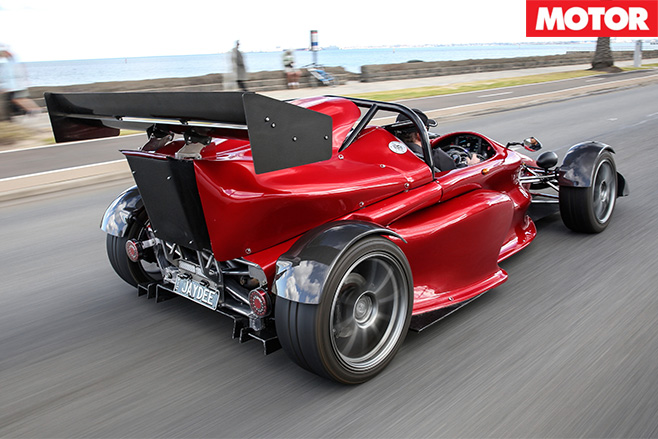
With the handling improved he then started to stretch the realms of power, which then exposed the car’s new limits. “When I got to 600 wheel horsepower you could feel the chassis walking around underneath you when accelerating,” Jeff explains. And, of course, there was the other issue.
“I got sick of people looking at it and saying ‘it’s an Ariel Atom’.
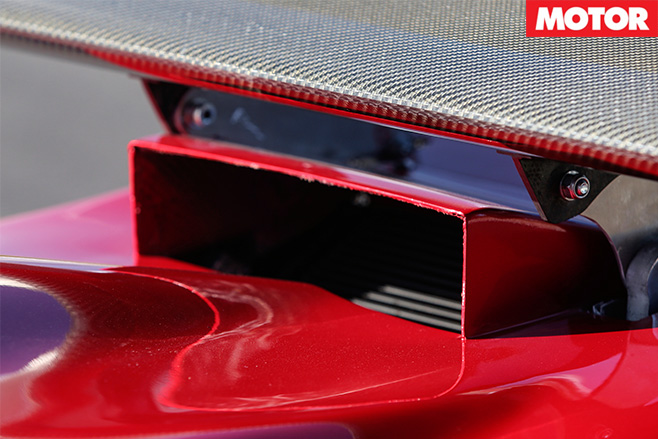
“So we then started from scratch, used all the information I’d learnt, created a computer model of the Quantum [GP700], ran it around the same track on the virtual simulation. It’s taken about four years to go from that to the car sitting here.”
In that time the Quantum has been developed as thoroughly as Jeff could manage, which has required the help of some well-known and -educated players.

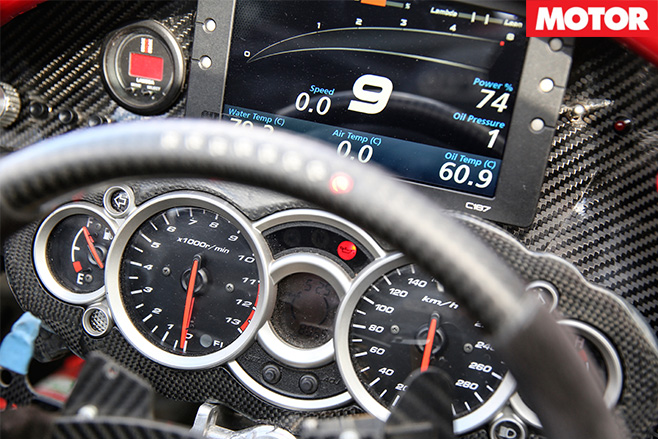
Jeff’s broad ken in engineering is also inextricably linked with this car. He’s developed the adjustable, predictive traction control with an Autronic unit and MoTec software. With the help of a specialist he made the carbonfibre body, he designed and built the full aluminium chassis himself, and he’s drawn on years in motorbike racing to develop the car’s unique suspension tune that feels incredibly well sorted.

They’re world-beating figures. And that’s exactly why Jeff and Andrew will fly this living, breathing prototype to the Dubai International Motor Show this November, trying to find interest for the first customer-built GP700 which will be priced at US$695,000 – a hefty ask, no matter where you’re from.
“It’s very high if you compare us to an Ariel Atom, but it’s not very high if you compare us to a Ferrari FXX. We can’t really be compared to an FXX; we’re not Ferrari, and we’re not claiming our car is the same as one of theirs,” Andrew says.
“But we’re also not an Ariel Atom – the Atom doesn’t come with a sequential gearbox, it doesn’t have a custom traction control system, they haven’t pushed for quality on every single thing, they pushed for a price point.”
The word Ferrari and letters FXX do pop up more than once, thanks to the support package Quantum is offering that’s modelled after the FXX K’s or McLaren P1 GTR’s – two cars a few Dubai Motor Show goers might own.
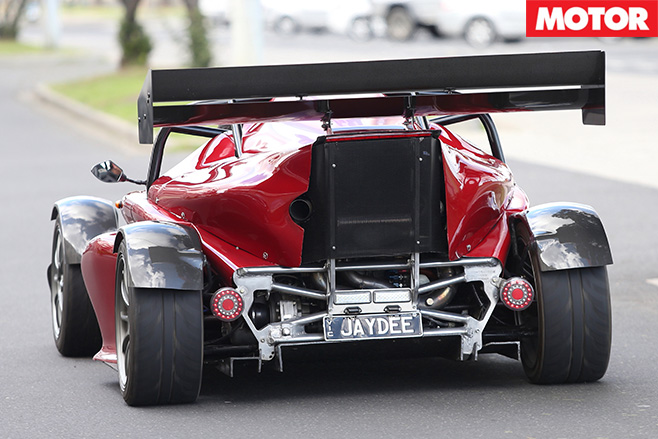
The three-year package buys you 24-hour phone assistance, two days driver training, four days of on-site engineering team support (currently provided by either Andrew or David) and US$50K of replacement parts.
Andrew says it also includes road registration. “Part of that package is that we do the due diligences and try hard as we can to register the car, and that includes design changes within reason.”
If Quantum receives just one order they’ll build the car. It needs to sell two to make a profit, and will cap production at 10 a year.
It still needs to tie down suppliers for things like carbonfibre, but with the current GP700 basically a rolling blueprint for the customer car, which Jeff adds will be presented like an F1 vehicle in production form with every nut and bolt immaculate, Andrew’s confident this isn’t a problem.

Quantum’s certainly being ambitious. But whether the car sells or not, a lot has been achieved by the Davids. Many dream about building their own car, few do it, and even less in such a radical fashion as the GP700.
The story has consumed Jeff’s life for the past decade, and it’s possible it may do so for another. But with it here, frightfully fast, and comfortably road legal, he’s now ready for more than just MOTOR to join Quantum for the ride.
Quantum GP700
Specs
Body: 2-seat roadster Drive: rear-wheel Engine: 2564cc inline-4, DOHC, 16v, twin-supercharger Bore/stroke: 89 x 103.0mm Compression: N/A Power: 522kW @ 8000rpm Torque: 650Nm @ 7200rpm Power/weight: 751kW/tonne Transmission: 6-speed sequential Weight: 695kg Suspension: Double A-arms, push-rod actuated coil-overs, driver adjustable anti-roll bar. (f); double A-arms, push-rod actuated coil-overs, anti-roll bar (r) L/W/H: 4125/1740/1300mm Wheelbase: 2654mm Tracks: 1540/1527mm (f/r) Steering: rack-and-pinion Brakes: 310mm ventilated/drilled discs, 4-piston calipers (f); 280mm ventilated discs, 4-piston calipers (r) Wheels: 17 x 8.0-inch (f); 18 x 9.5-inch (r) Tyres: 235/45 R17 (f); 265/35 R18 (r) Dunlop Direzza Price: US$695,000 ($944,000)
YOU could argue that a website supported by a monthly magazine has no business with news.
After all, the mag appeals for the strength of its feature stories, reviews and comparisons, photography, crusty columnists, and its witty titbits about cars on long-term review. There is a newsy section at the front that keeps you up to date with all the must-know hard news.
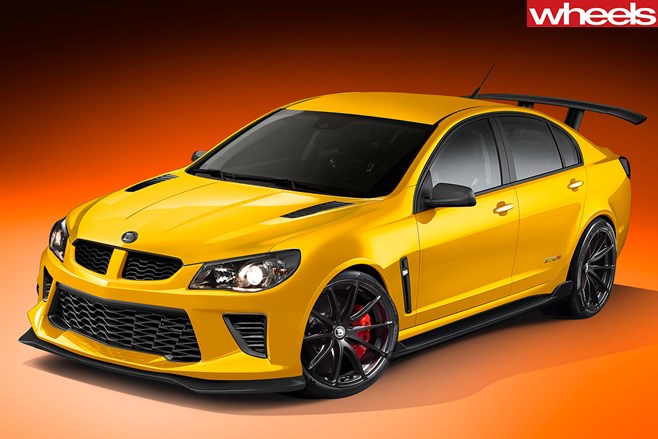
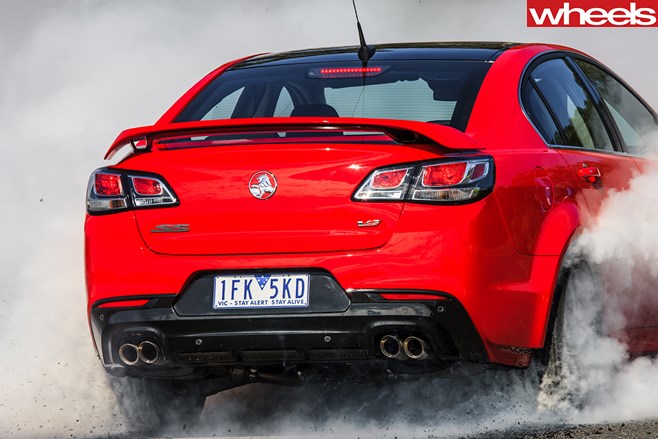
Our sources in car land sometimes tip us off to stuff. The biggest is that HSV was quietly developing a 476kW Commodore (pictured above, top), dropping in the supercharged, 6.2-litre LS9 V8 engine that powered Chevrolet’s Corvette ZR1.
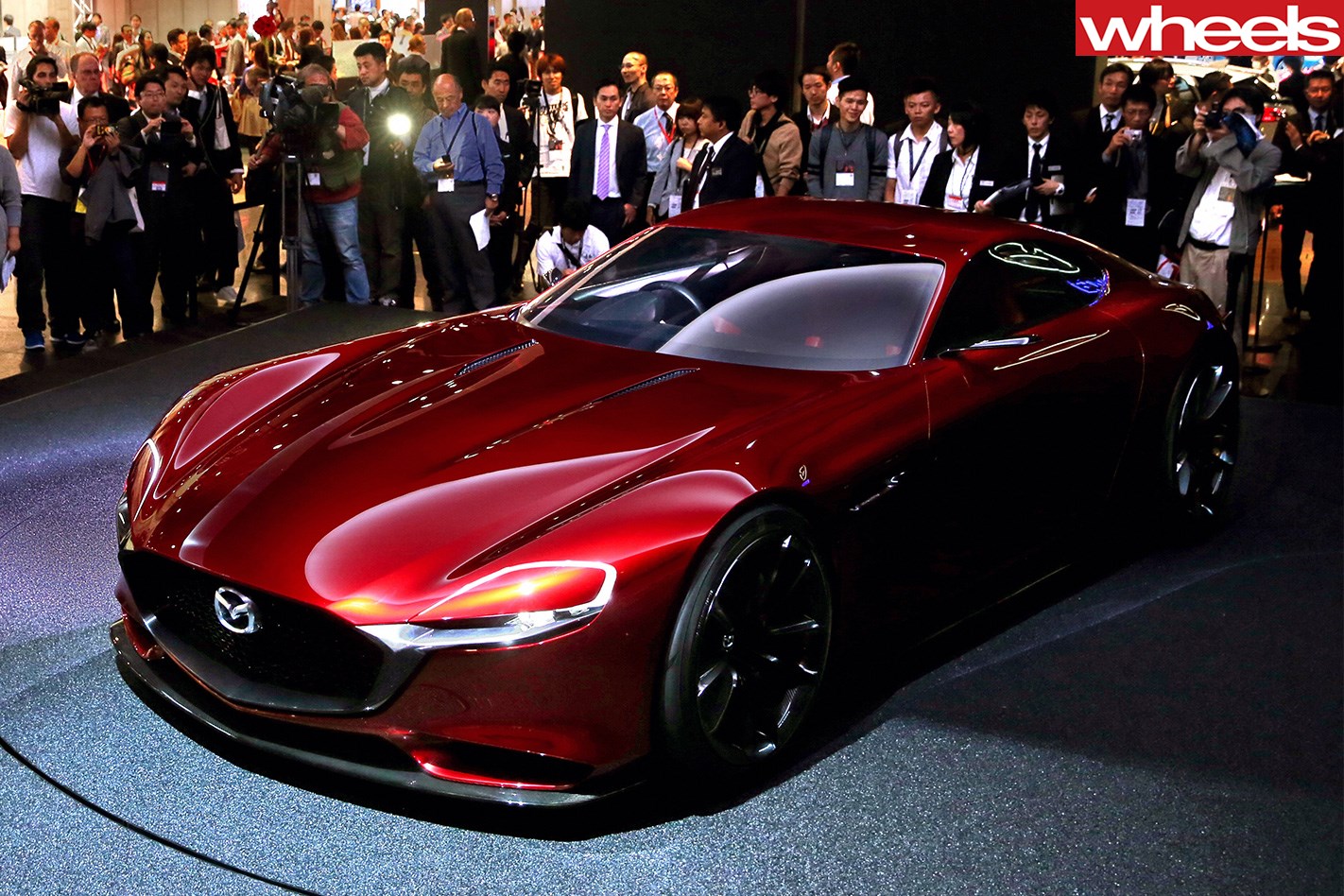
Also drawing a lot of interest was Nathan Ponchard’s sad tale in September confirming the imminent demise of the Holden V8 (pictured above). There had been talk that a Chevrolet based V8 import might follow the retirement of the Commodore. It won’t happen, GM president of international operations Stefan Jacoby told Ponchard.
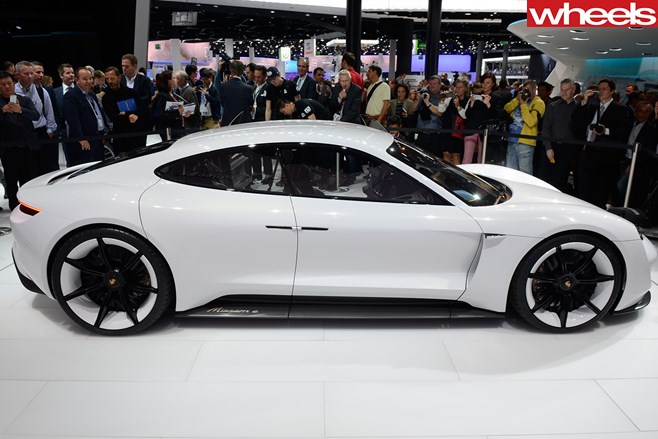
Another motor show piece we enjoyed bringing to you was Toby Hagon’s exposition of the Porsche Mission E concept unveiled at Frankfurt (pictured below). Toby led with a claim from the Porsche R&D chief that the car, when it was ready, would outperform any Tesla.
We take an interest in racing news also, mainly via our Monday motorsport round-up from Peter McKay of the weekend’s biggest international and local events. But McKay also has licence to stray beyond the reporting of races, and hit a nerve with his August analysis showing a shocking haemorrhaging of the live TV audience for V8 Supercars, after the Queensland Raceway round was aired live exclusively on pay-TV platform Foxtel.
And we brought you the occasional light-hearted offering. You liked our list of 10 things you might not know about the Holden Commodore – and an 11th that you may well have picked up by then.
Whether it was a drag strip showdown, or an exploding tyre, you’ve watched, laughed, and cried over videos that defined 2015.
And now, through a countdown of your top-ten most watched clips, you can re-live the entertainment…
1. Mid-engine Holden Rodeo track monster
Australia’s has its share of performance utes… in fact, we invented them. But nothing prepared us for what we spotted at Winton Raceway a casual Friday morning.
Mike Moore’s Holden Rodeo used built a space-frame chassis, a middle-mounted 6L90 V8, and a central mounted seat – like a McLaren F1 for the car in his shed.
What Max Rockatansy would bring to a track day.
2. Falcon XR8 and Holden Commodore SS V Redline drag race
When Ford revived the XR8 with the defunct FPV Miami engine, we knew the Falcon had reached its pinnacle before being put to bed. We had the exact same feeling when Holden pinched HSV’s LS3 and dropped it in the VF II Commodore Redline.
All that was left to do was put these ultimate iterations on a drag strip to see how far each model had come. And despite how different their platforms and power are, it’s a horse hair between them at the 400m mark.
Watch to see who wins.
3. Ford Mustang GT and Holden SS V Redline drag race
Thanks to KPM Motorsport, we were able to meet the 5.0-litre Mustang GT months before its arrival in early 2016.
With the Falcon bowing out next year, and the Commodore holding on until 2017, this match-up will define the V8-performance rivalry in Australia for a while.
Watch to see whether the Commodore has much to worry about in January when the Mustang starts disembarking Ford’s sea carriers…
4. Mustang dyno pull goes very wrong
Heed caution when standing near a dyno. Just because the car isn’t moving, doesn’t mean it isn’t undergoing significant stress.
And as this Mustang owner found out, tyres are just as important as anything else when spinning up the rollers.
If your tyres aren’t up to the job, like in this video, it’ll be amazing if everyone survives unharmed.
5. Toyota’s IS F V8 powered Hilux
Called the Toyota Hilux Racing Experience, the 335kW/600Nm utility pick-up created by Toyota South Africa Motorsport would mean no tradie would ever be late on site again.
With the DOHC V8 from a Lexus IS-F stuffed in its nose, and equipped with race-spec items like external-reservoir dampers, the Hilux Racing is a psychopath at shredding sand dunes as well.
Have a watch and see what we mean.
6. Drag battle: Holden Calais V versus Ford GE Turbo
While they might look like demure luxury sedans, the G6E Turbo and Calais V pack serious firepower. Specifically, a 260kW V8 (now 304kW) in the Calais and a 270kW turbo six in the G6E, which means when we had both in the garage, it was a match ripe for the drag strip…
7. The fastest motorsport on earth
What’s the size of a small TV remote and laps a race track in two seconds? That would be a world championship slot car. And when a bunch of them gather in Helsinki, Finland, you’re given spectacle of what may be the world’s fastest motorsport.
If you like challenges, see if you can keep your eyes on one for a whole lap.
8. One sliding, roaring tribute to Simon McKinley
With an iconic white MkII Escort, Simon McKinley drove his way to internet video fame with a remarkable style defined by on-limit oversteer and otherworldly commitment. Sadly, the four-time hill climb champion passed away this year, but this tribute video is a fitting reminder why we won’t forget him anytime soon.
9. HSV’s blown clubbie takes on Ford’s XR8
In a way the XR8 is an earmark on FPV’s last efforts, while the current HSV Clubsport LSA, shows us how far HSV has come since its cross-town rival bowed out. That is, if it’s any faster, at all?
10. Holden SS V Redline and Ford XR6 Turbo drag race
Sure, we’ve tested their four-door cousins numerous times, but nothing screams Australian motoring more than two ballistic utes firing down a drag strip, with a stopwatch at the other end. The first of many drag battles you lot voted as popular with your eyeballs.
IT IS hard to imagine that when Google bought a fledgling YouTube for $US 1.6 billion in 2006, it understood how much work and leisure time would come to be expended on staring, zombie-like, at its products.
Move on nine years and everyone is a movie director. Or scriptwriter. Or clown – and that category comprises not only humans but also most of the western world’s cats.
Most motoring content on YouTube could also be described – fairly or unfairly – as clowning of various kinds. A fair bit of it records behaviour that the woman in the street would view as, frankly, silly. The beauty of YouTube is that her opinion, and the opinion of the bloke in the street alongside her, doesn’t affect much what gets to be posted.
Wheels makes a small but, we think, noteworthy contribution to the video clowning posted online. Exhibit A for 2015 was our comparison between new and old BMW M cars (pictured top).
Road test editor Nathan Ponchard sourced a 2003 M3 CSL, one of the purest Ms made, and sought to convince senior writer Alex Inwood that it remained better than a current M4. A silly argument, right? But from the multiple laps of full-smoke drifting the pair managed to splice into the video, they had a great time pursuing it.
Then there is our look at junior open-wheel racing through a drive in a Formula 4 car. Inwood straps himself in and goes along for the ride. Well, he would probably claim he was in charge.
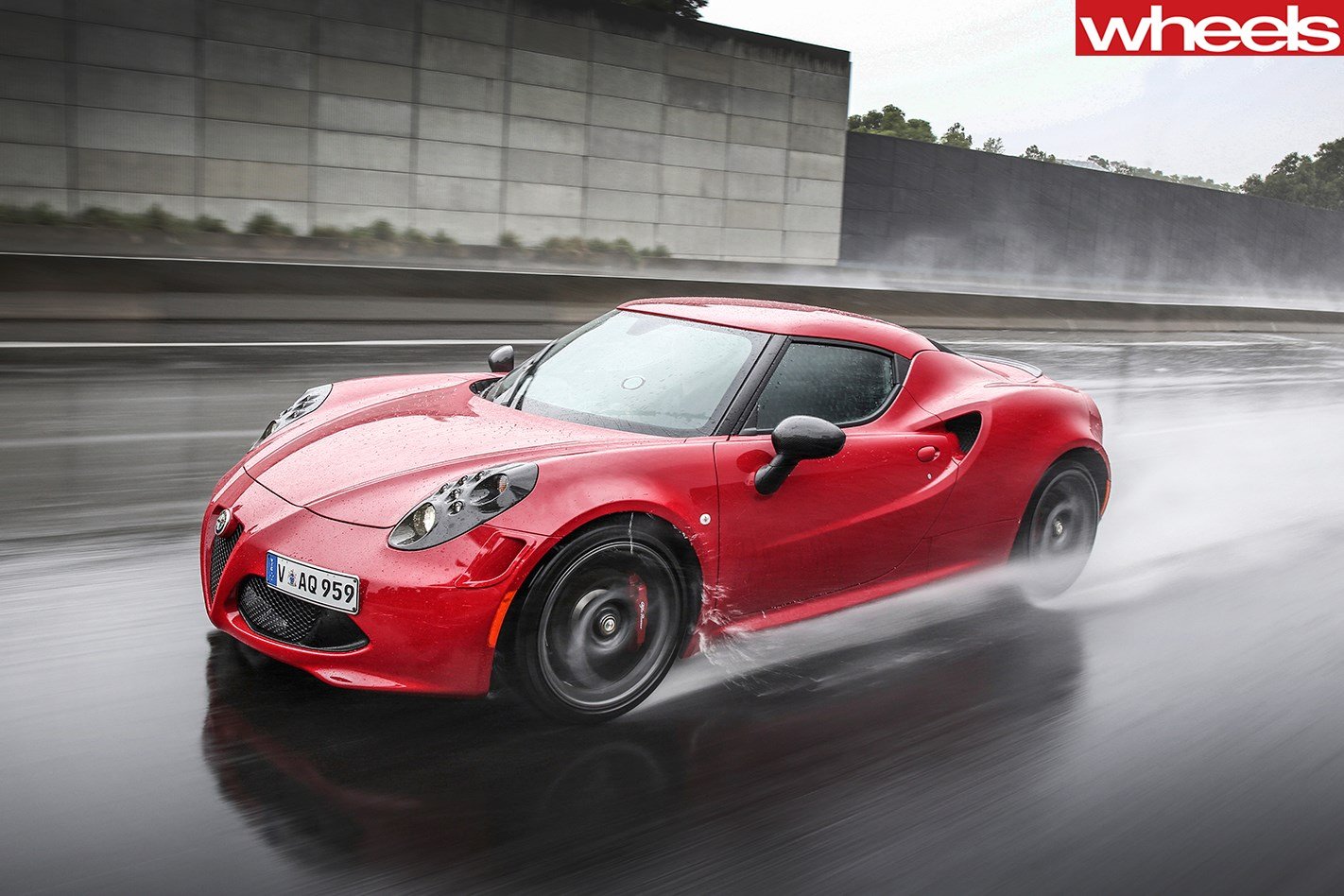
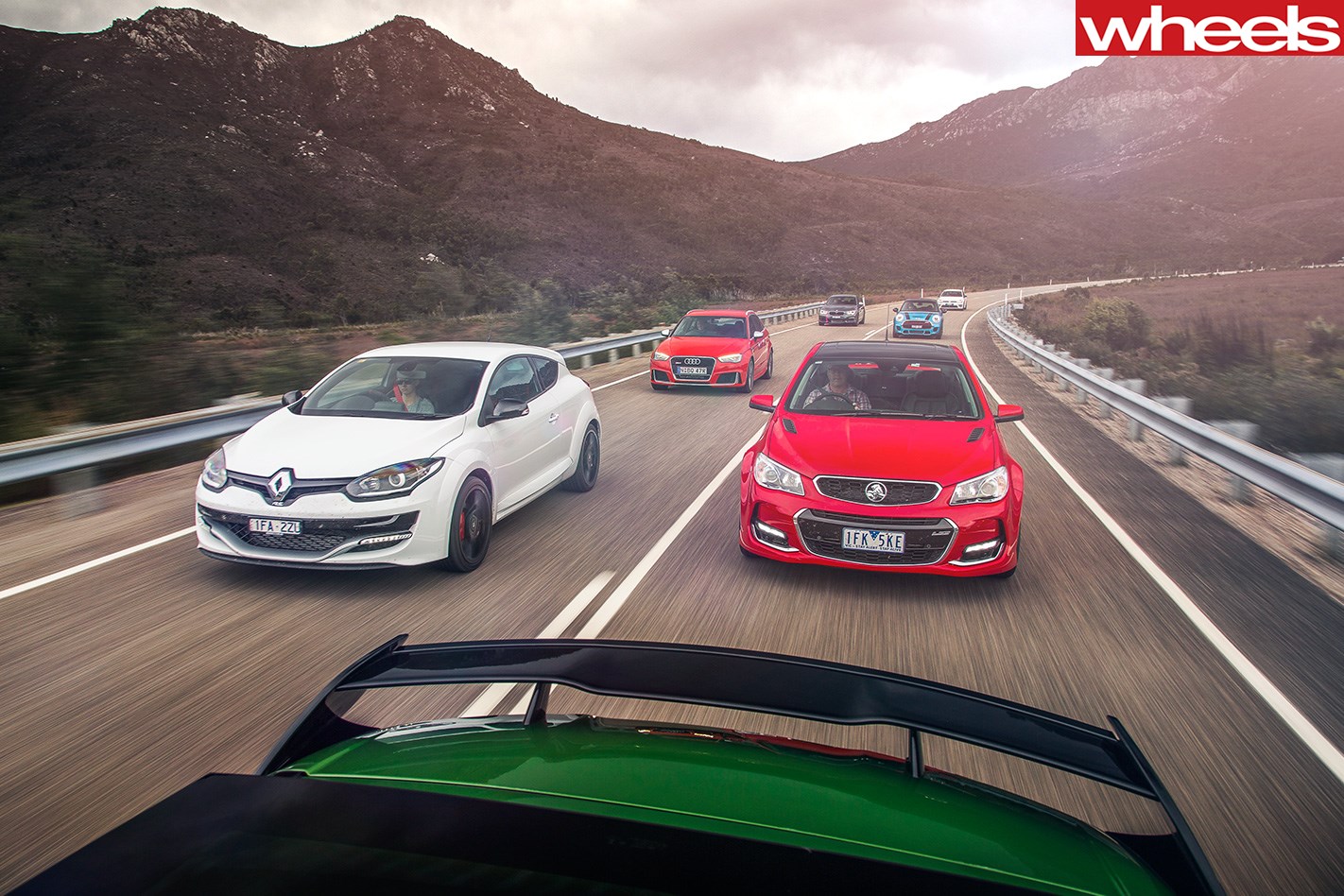
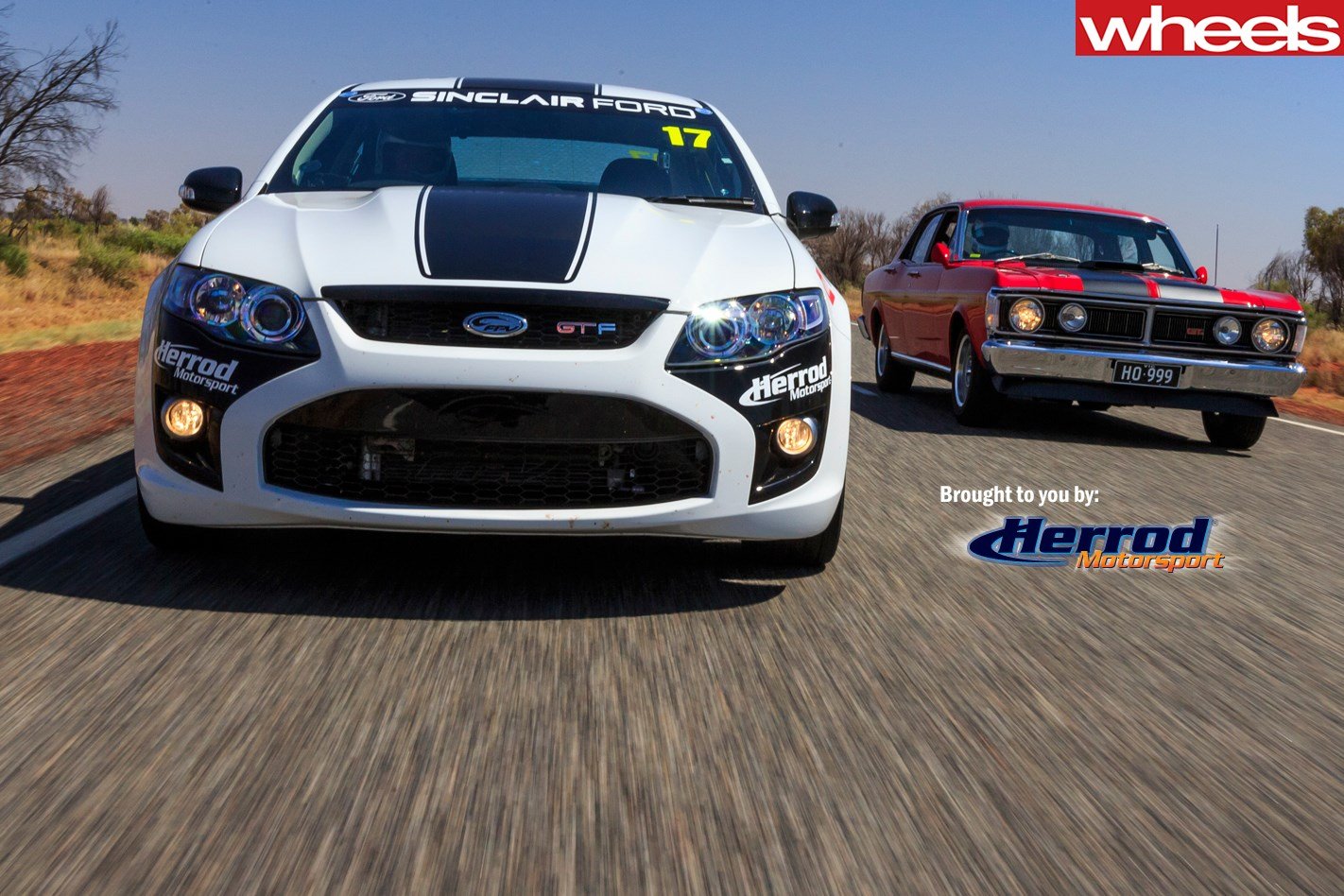
And then of course there is the sort of clown whom most of us would like to change places with. Who doesn’t dream of a blast around Tassie in a some of the best driver’s cars you can get for a working man’s price (pictured below). We’re not sadists at Wheels, so we did that trip for you – and then posted a video so you could watch.