
UPDATE: Chinese SUV brand Haval has been forced to delay its Australian launch due to problems establishing its Australian dealer network.
Haval told Wheels the launch, originally scheduled for June 1, has been delayed to the fourth quarter, partly because only four of the planned 10 dealers are signed. Haval has not backed away from its stated ambition of becoming Australia’s best-selling SUV brand. Read more below.
First Australia, then the world
Look out Land Rover, Jeep and Toyota; Chinese brand Haval is set on global SUV domination
CHINA’S most popular SUV brand, Haval, hits Australia in June with a lofty ambition: it wants to be number one in SUVs. In Australia, and globally.
Australia, along with SUV-dominated markets Russia and Chile, have been confirmed as Haval’s first export destinations. And it’s not coming Down Under just to make up the numbers.
“We’ve studied the Australian market, and we know it’s a one million unit business and SUVs make up 300,000 per year,” Great Wall CEO Wang Fengying told Australian media at the Shanghai motor show. “That makes it a very good SUV market for us.”
To reach the top in Australia Haval will not only have to knock off established SUV brands like Mazda, Nissan, Ford and Holden, it will have to outsell current champion, Toyota, whose five-strong SUV lineup attracted 56,660 sales in 2014.
That volume alone would have been good enough for eighth on the 2014 new vehicle sales chart, ahead of VW, Subaru and Honda.
In Australia last year SUV sales rose 5.6 percent in a overall market that fell two percent. SUVs accounted for almost one-in-three new vehicle sales, and, if current growth rates continue, are projected to outsell the passenger car market as a whole in 2017.
Haval, a subsidiary of Great Wall Motors, may be unknown in Australia, but it has been the leading SUV maker in China for more than a decade. It’s best-selling Mazda CX-3-sized H2 SUV outsells the VW Tiguan, Toyota RAV4 and Honda HR-V.
Ms Wang said that as the Chinese industry matures domestically, carmakers like Great Wall and Haval are turning to foreign markets for expansion. However, it has been a less than auspicious start: Chinese automotive exports fell 10.6 percent in 2014.
Nevertheless, the CEO is resolute in her goal of Haval becoming the SUV sales leader, not just in Australia but globally. “Haval is the number one SUV brand in China, and we have the confidence that, over time, it can grow to be the number one SUV brand [globally].” Haval’s Australian marketing boss Tim Smith admits that’s no easy goal, and achieving it will mean beating established opposition.
“From the chairman right down, we see Jaguar Land Rover in particular and Jeep [as rivals],” he told Wheels. “We need to aim high. I think it’s important to know that we want to be aiming at those two brands and hopefully one day supersede them. We need to know what they do well and what they don’t do so well, and be able to capitalise using our own strengths that both Chinese manufacturing and this company can leverage.”
Haval will kick off its Aussie assault with two models, the H2 compact SUV and the Jeep Cherokee-rivalling H9 off-roader.
Both SUVs will be keenly priced, even though Haval considers itself a premium SUV maker, not a cut-price Chinese brand like Great Wall. It’s a two-tiered sales structure not dissimilar to Lexus and Toyota, though the task of convincing Australians that China can do premium is considerable.
Australian sales of Chinese cars have failed to fire in the six years since Haval’s parent Great Wall became the first Chinese brand on sale here in 2009. A poor reputation for fit and finish and low safety levels of those early cars tarnished the Chinese industry’s image locally.
Great Wall suffered two other early blows, the first a two-star ANCAP rating for the V240 and S220 dual-cab utes, then a further setback when its entire range was recalled after engines were found to contain asbestos, a substance banned in Australia since 2003. Subsequent recalls have only added to Great Wall’s image problem, as has a spat with local distributor Ateco.
Haval itself has faced problems domestically, recalling its H8 after numerous problems last year and even pulling it from sale for a number of months.
Independent industry analyst Alysha Webb, managing partner at China-focused consulting firm Cross Pacific Partner, maintains that Great Wall has the right approach to succeed in a market as competitive and dynamic as ours. “I’ve been impressed with Great Wall since I visited the company in 2004,” she told Wheels. “Even then it had an open mind about bringing in people from outside China to improve the quality of its vehicles. Its decision to stop selling the Haval H8 until it could get it right, so to speak, was impressive and the right thing to do.”
China produced almost 20 million cars in 2014, and its production sophistication and expertise is improving rapidly. Even so, winning back a sceptical Australian public after a poor first impression is a tall order. But Haval has a plan, says Smith.
“The entire range will all have five-star ANCAP ratings,” he promises of the yet-to-be-tested range. “We want to be a premium SUV brand [so] we’ve got to focus on the product. We should be proud of where these cars come from. Winning the hearts and minds of people will be just as important as selling cars and getting people to consider [us].”
It once seemed inevitable that China would follow the same path to success as the Japanese and Koreans. While the Chinese automotive industry seems to have lost some of its early export momentum, Haval is keen to regain that lost ground. And more.
Haval’s Australian showroom
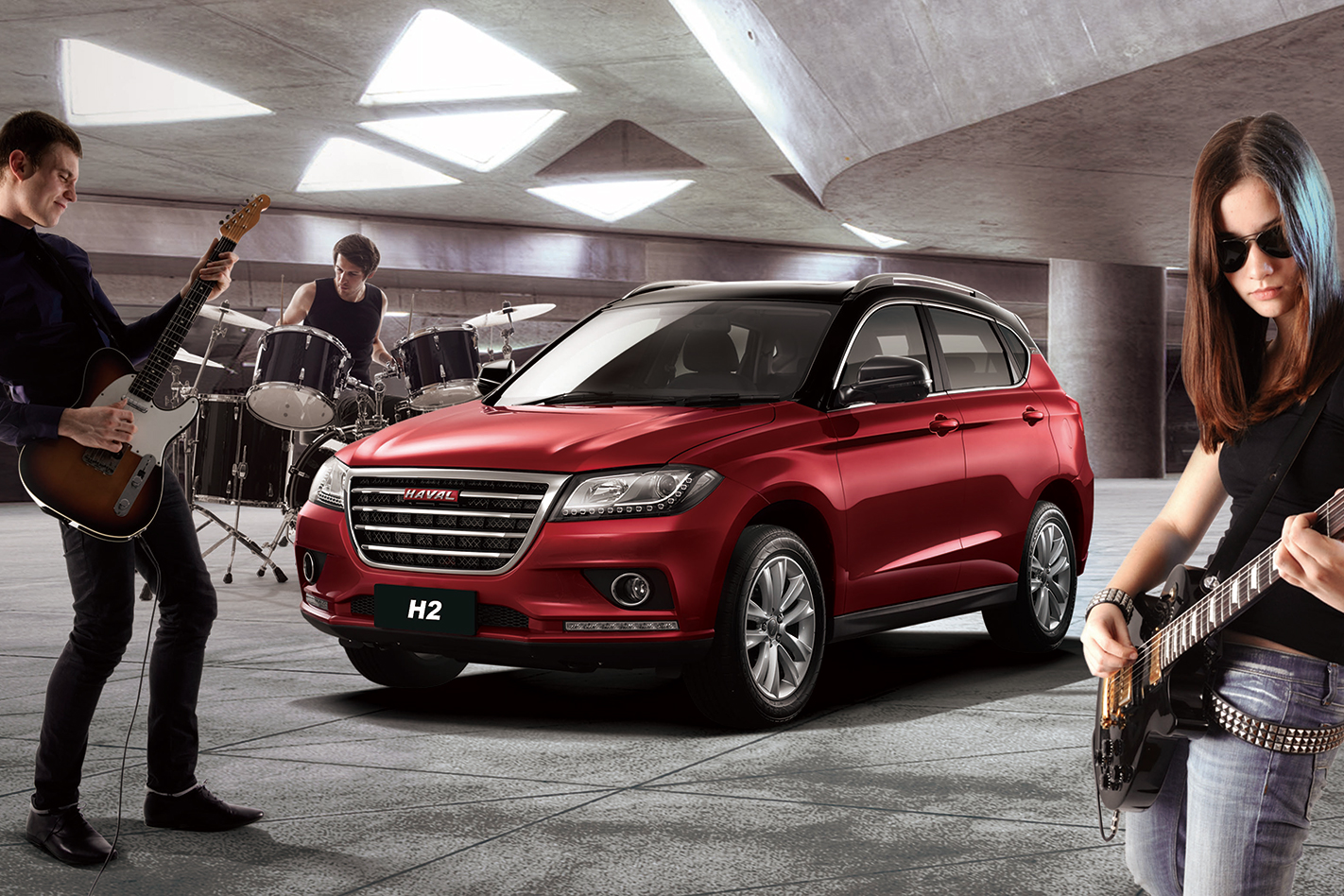
Rivals: Mazda CX-3, Honda HR-V, Nissan Juke EXPECTED to be the best-seller in Oz, the 4.33m-long H2 sits between Mazda’s CX-3 and CX-5 SUV for size. Priced around $24K, the H2 is powered by a 110kW 1.5-litre turbo four-cylinder petrol engine. Sophisticated no-cost option customisation that includes two-tone colour combos will be a key selling point, as will an independent rear end. A reversing camera will be standard.
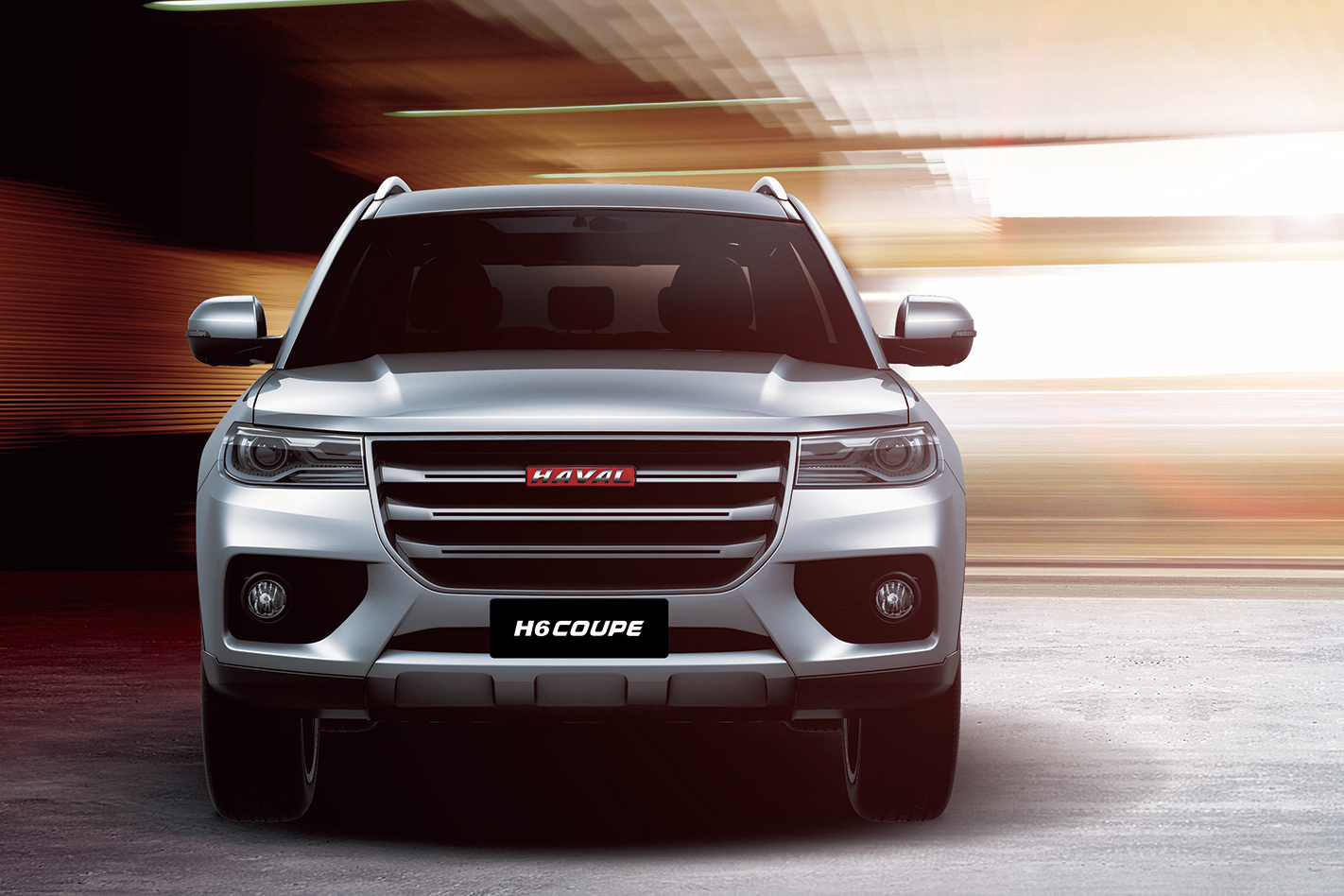
Rivals: Hyundai ix35, Toyota RAV4, Nissan X-Trail REVEALED at the 2015 Shanghai show, this spacious model will be offered with a 2.0-litre turbo four mated to a six-speed ZF dual-clutch transmission and a choice of two- and all-wheel-drive. Haval says the H6 has Range Rover Evoque-esque styling and colour options, and will carry a base price around $35K. Despite the name, it’s not a two-door coupe, so may simply be called ‘H6’ here.
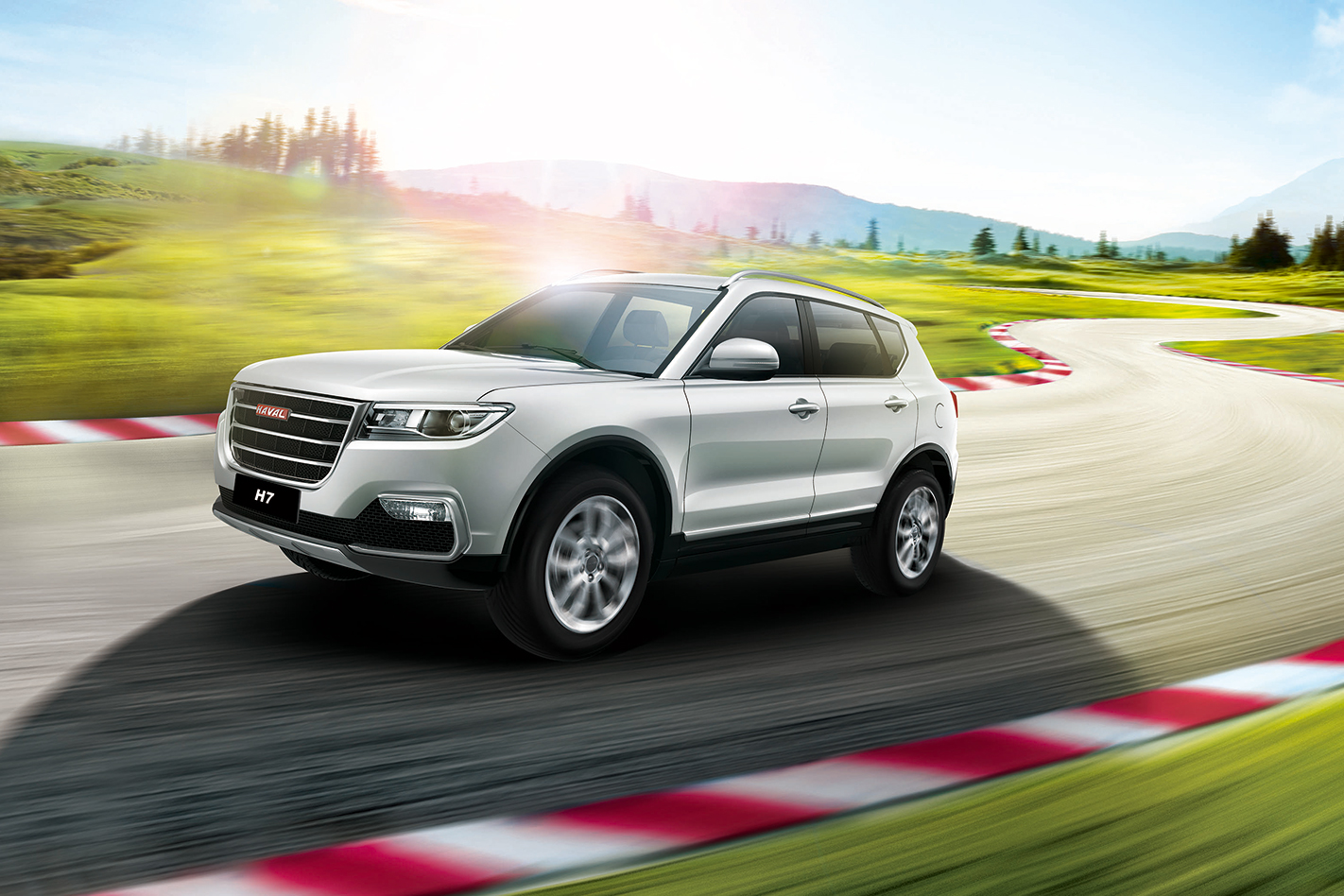
Rivals: Mitsubishi Outlander PHEV; Lexus NX300h NOT yet confirmed for Australia, the H7 is likely to be offered here in hybrid form only. The powertrain consists of a 2.0-litre turbo-petrol engine mated to an electric motor and fed by a 12.44kWh lithium-ion battery pack. Its combined power output is 263kW and it’s capable of travelling 58km the electric motor alone. Safety gear includes adaptive cruise, auto emergency braking and brake assist.
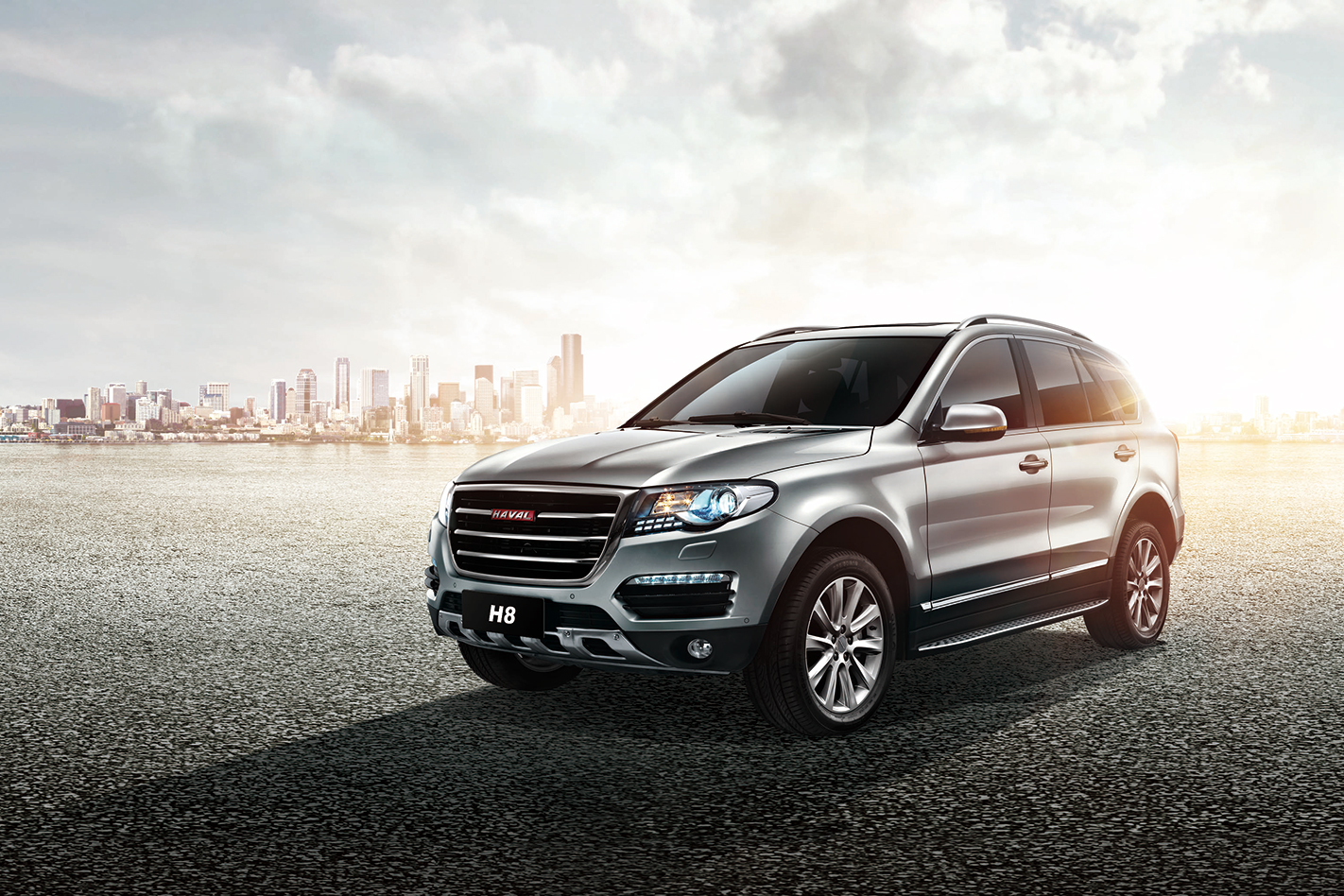
Rivals: Nissan Pathfinder, Land Rover Discovery Sport A SPACIOUS five-seater with a huge 2915mm wheelbase, the $40K H8 is Haval’s rival to the likes of the Nissan Pathfinder. It is powered by a 160kW 2.0-litre turbo-petrol engine with direct injection, and will be available in front-wheel drive or on-demand electronic all-wheel drive. Safety suite includes blind-spot indicators, lane assist and xenon headlights.
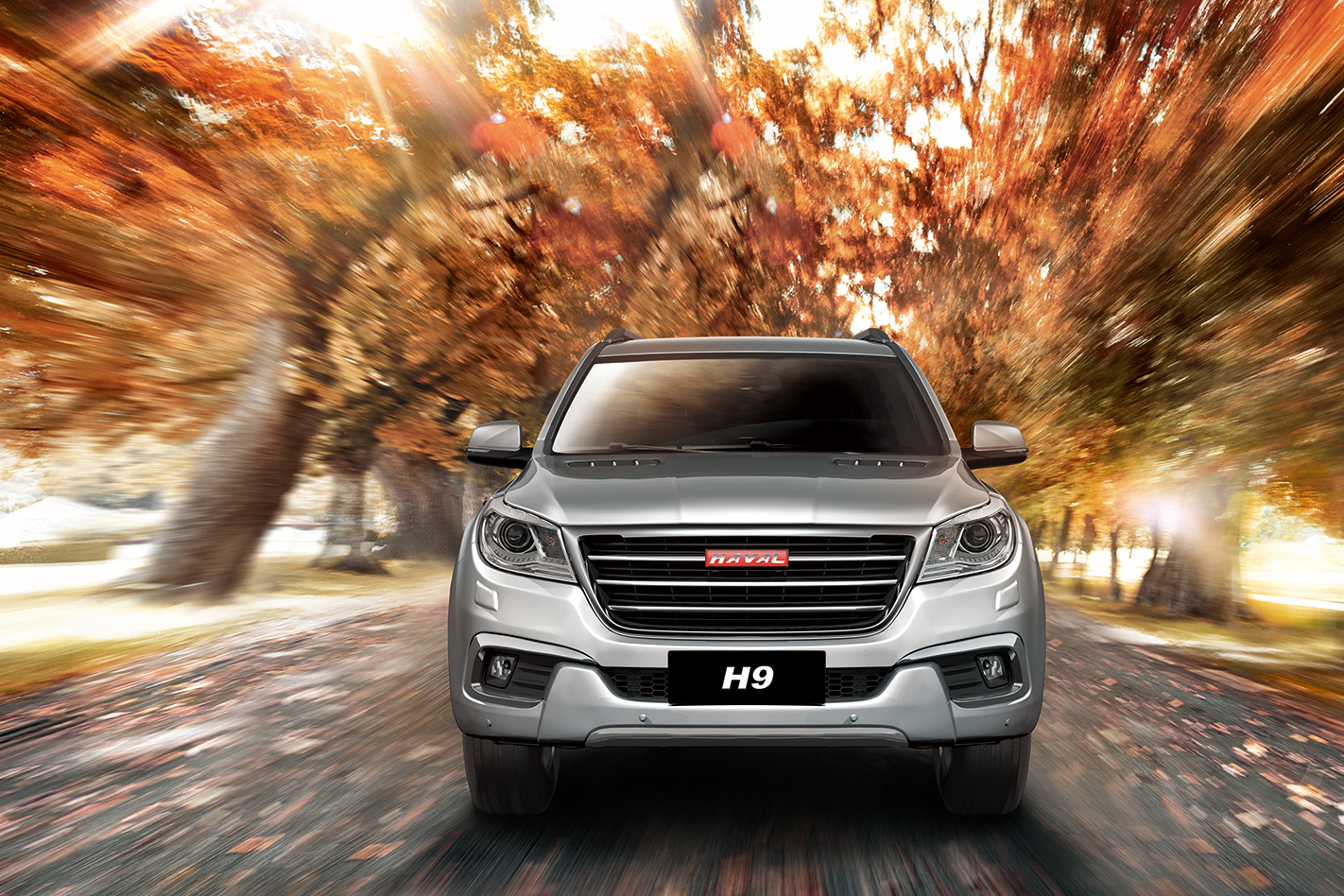
Rivals: Toyota Prado, Nissan Patrol, Mitsubishi Pajero THE biggest Haval is the H9, a $50K ‘proper’ off-roader with seven seats. It’s built on Haval’s only ladder-chassis platform and comes with high- and low-range four-wheel drive. At launch in June it will be powered by the same modest 2.0-litre four as the H8, packaged to take advantage of Chinese capacity taxation. Haval hopes to offer a 3.0-litre turbocharged six-cylinder and a 2.0-litre turbo-diesel in Australia down the track.
While we’ve known about Ford’s GT race car for some time, we’ve had little clue how it would sound, or look, when handling the circuit.
In the last couple of days, however, various videos have popped up of the car being hustled during shakedown.
As far as sound goes, the above spy video of the car testing in Ottawa, Canada, reveals a lot about its Roush Yates developed 3.5-litre V6 that’s fed by two turbochargers.
Meanwhile, Ford Performance has also released a much better quality film of the car during testing, which gives us a chance to glimpse Ford’s GT race car’s chassis in much more detail. You can see that below.
Expect to see the GT debut at the 24 hours of Daytona in January 2016.
Get your free weekly report from the world of fast cars – subscribe to the MOTOR newsletter!
PLUS
- Power. Maybe you’re sick of jerks bullying you on the road. Maybe you just want to get out and do some serious 4x4ing. With a 2.3-litre engine producing 140kW of power (that’s pretty good), the NP300 ST-Xwill command respect wherever you go.
- Moving stuff. Don’t want to ask your mate you don’t really like if you can borrow his ute next time you go to Ikea? Don’t. The NP300’s cargo tub has plenty of room for a flat-pack table, and even has 12-volt power outlet.
- Comfort. Just because the car looks tough, doesn’t mean it has to be a painful driving experience. The ST-X has power-adjustable, heated leather seats; dual-zone climate control; satellite navigation; Bluetooth; and USB ports.
- Easy to reverse. When you’re reversing, a camera turns on showing you exactly what’s behind you. It makes it almost impossible to hit something. That’s a great feature in a big car that might otherwise be daunting to park.
- Safety. The standard safety kit includes seven airbags, reverse camera (ST and ST-X only) ABS, electronic stability and traction control and brake assist.
- Transmission. It comes in automatic. Enough said.
- Steering. The steering is a bit doughy, but, hey, who needs Zumba when you can get a workout just by driving? Say goodbye to tuck-shop-lady arms.
- Safety. Features like autonomous emergency braking, emergency-stop warning, blind-spot indicators and lane-departure warning are not offered at all on Navara, but not having any or all of these features will not prevent a five-star ANCAP rating.
- Visibility. It’s good, but the high front guards can make it hard to know where the front wheels are.
- Fuel efficiency. It consumes 6.5-7.0l/100km, which is not too bad for a big, high-performance four-wheel drive. But it’s no Yaris (5.7 l/100km).
Click here to read the full review on the Nissan Navara.
THE Federal Government has moved quickly to shut down suggestions that Australia’s newly inked free trade agreement with China will open the doors to a flood of cheap labour.
For the Australian car industry, this could mean an influx of Chinese automotive mechanics, diesel mechanics, auto electricians and crash repairers.
The agreement, ratified last month, includes the clause that the two countries will move to “streamline relevant skills assessment processes for temporary skilled labour visas, including through reducing the number of occupations currently subject to mandatory skills assessment for Chinese applicants for an Australian Temporary Work (Skilled) visa (subclass 457)”.
Shortly after the FTA was announced, the Department of Foreign Affairs and Trade published an explanatory note on its website that hosed down union fears that the agreement tipped the balance in favour of Chinese workers.
Prime Minister Tony Abbott has also since weighed in, saying today that the agreement would “secure the future employment of generations of Australians”.
Geoff Gwilym, the executive director the Victorian Automotive Chamber of Commerce, which represents the car servicing and repairs industry, said the terms of the agreement relating to Chinese car and automotive mechanics were not clear.
“What they [China] call an apprenticeship system may not be anything like our apprenticeship system,” Gwilym said.
“It’s interesting that they use the words ‘could be assessed’ and ‘may be assessed’ – what they describe as streamlining, we might call fast-tracking. It’s really hard to know what it means in real life.”
He said it was also difficult to know if the Chinese mechanics were being trained on modern cars in big cities, or motorcycles in rural areas, or if their apprenticeship scheme was weighted towards theory rather than hands-on workshop experience.
However, the Department of Foreign Affairs and Trade said that, rather than exposing Australia’s automotive industry to less skilled labour, the China Australia Free Trade Agreement “does not change the required skill levels for Chinese visa applicants”.
“Under ChAFTA, all Chinese applicants for a subclass 457 temporary work (skilled) visa, including automotive electricians, diesel motor mechanics and motor mechanics (general), will still need to have the requisite skills, qualifications and work experience to work safely in Australia, as well as meeting all the other regular visa requirements, before a 457 temporary work visa is granted,” a spokesperson for the department told Wheels.
“All such visa holders will also continue to have to obtain any required federal, state or territory licenses or registration, to commence work within 90 days of arriving in Australia and be engaged in accordance with Australian workplace law, including awards and workplace health and safety,” she said.
According to Gwilym, overseas mechanics were already being used in Australian service centres after the mining boom, and a shortage of school leavers taking on auto electric and mechanic apprenticeships, had opened up a skills shortfall in the industry.
“We’ve had a skills shortage [in the automotive servicing industry] for at least 10 years, if not more,” he said. “There’s almost a constant skills shortage, so we’re not saying that overseas workers should be banned from Australia.
“We’re just saying that we need to be confident the equivalence is right – somebody coming in has got the equivalent skills and knowledge and, probably more importantly, someone has the English language and literacy sufficient for them to work safely in an automotive workshop.”
Sign up here to receive the latest round-up of Wheels news, reviews and video highlights straight to your inbox each week.
Ferrari Australia is taking advantage of a global market downturn to snare more volume and poach more customers from other brands.
Speaking at the local reveal of the 488 GTB, Ferrari Australasia CEO Herbert Appleroth said his main job is to beg for more cars and keep waiting lists down.
“My job is not to sell Ferraris, it’s actually to get more Ferraris for our customers,” tells the man at the top of the Italian supercar local outfit.
“Because the demand is so strong I need to be a great negotiator to get more cars for Australia. We certainly don’t want to flood the market; we want a responsible number of cars to bring in because resale value is core. At this stage there has been no change with volume globally, but luckily we’ve been able to get more cars for Australia.”
Prompted by the suggestion that a boost in local volume is thanks to economic downturn in Europe and China, Appleroth replies, “A slowdown anywhere is great for me”.
In the past three years since Ferrari became a factory operation in this country, taking back rights to the brand from third-party importer Ateco, sales have averaged 100 to 115 units per year. In the first half of this year, 97 Italian stallions have already galloped out dealer doors.
“The only thing holding us back is the supply,” adds Appleroth.
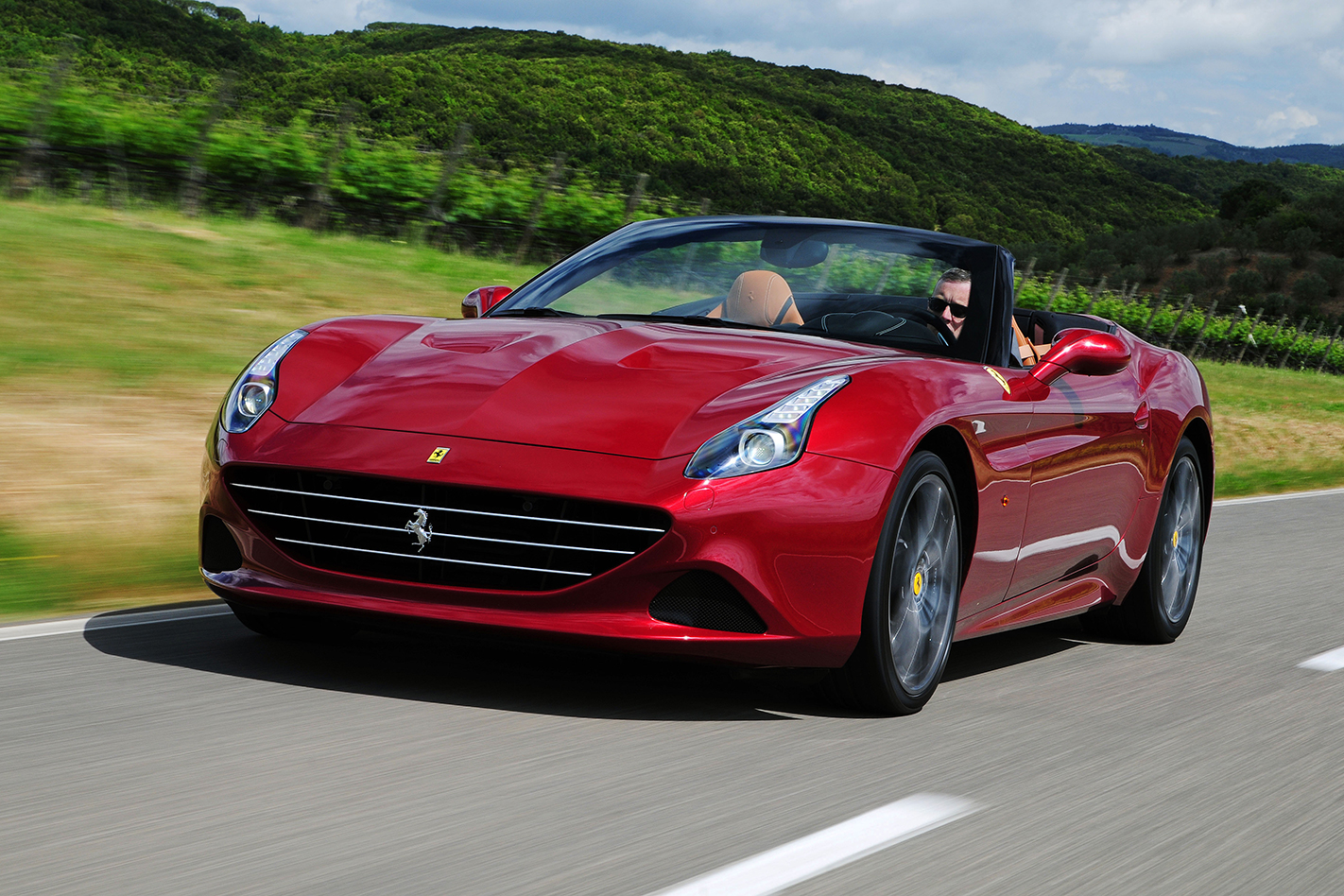
Of those buying California T, 70 per cent are new to the brand where, “A lot of people come across from the traditional GT market, so you’re talking cars like Bentley and CL Benz.”
More surprising is the more than 100 forward orders for the new 488 GTB, with new buyers coming, “From Porsche, from AMG, surprisingly, so not even true competitors, they’re just stepping up.”
“We’re seeing unprecedented levels of new buyers coming to us for the 488 from brands and people we’ve never spoken to before,” explains Appleroth.
Some of the traditional buyers of a Ferrari V8-engined sports car the brand haven’t seen since the days of 360 and 430, while there is a new sub-segment of customer that Appleroth calls “V8 sportsisti”.
“They’re … a sub category of customers who only buy our most extreme versions. We had customers who only bought the 430 Scuderia, but didn’t buy the 458 Italia, they waited for the Speciale.”
It is little known, but beyond a three-year, unlimited kilometre warranty, Ferrari also includes free scheduled servicing with every car sold and covers the cars for track time, “So long as it’s not abused.”
“It gives enormous confidence to our clients that there’s not going to be these additional costs that they may be scared of. I guess that’s the reason why we’re getting so many buyers from other brands new to Ferrari, it’s because we’re taking that element of risk out of the market”.
Cheap cars are revolting. No, we’re not talking about bargain-basement downers like the Chery J1 or Mitsubishi Mirage, but a promising new wave of inexpensive urban runabouts that deliver a surprising amount of driving pleasure. Affordable fun without any nasty aftertaste, if you will.
The brilliant Volkswagen Up may have left the building last year, but there’s still some life in the so-called Micro class, with two newcomers lobbing for our attention. Suzuki leads the charge with the Suzuki Celerio while Nissan has finally introduced the facelifted Nissan Micra, almost two years after it surfaced abroad.
Silly name aside, Suzuki’s Alto replacement hits the ground running with $12,990 drive-away pricing for the 1.0-litre three-cylinder five-speed manual. Not short on spec, it includes Bluetooth audio streaming, power windows, electric mirrors and a trip computer. And, sadly, cartoonish styling, like Chicken Little on wheels.
The sky almost fell in for this Thai-built hatch, following a scandal involving repeated UK brake failures. But Suzuki acted fast and fixed the issue, so no local cars are affected. Just to make sure, we slammed those stoppers numerous times.
Micra is priced from $13,490 and the refreshed ST 1.2 three-cylinder five-speed manual gains less ghastly plastics to go with a more mature centre console, sharper-looking nose, different tail-lights and tailgate, standard cruise control (a segment first, and missing in the others), fold-down driver’s left armrest, rear power windows, upgraded multimedia with (at times patchy) full Bluetooth and USB connectivity, a boot light and a full-size spare. And it’s the only five-seater in this group. Feature for feature, the Micra is anything but.
Both these babies are taking on one of our remaining sub-B faves, the Fiat 500. With 3000 sold here last year – second in class behind Mitsubishi’s ailing Mirage – the post-modern Cinquecento is a natural.
But can the Little Lollobrigida stand the heat? In this assembly of all-atmo aspirants, the 500 is eight years old, two doors short and missing essentials like a proper glovebox, split/fold rear backrests and audio streaming. Plus, after last August’s ‘Series 3’ refresh, the base Pop 1.2 four-cylinder five-speed manual rocketed from $14,000 drive-away to $16,000 plus on-roads, though dealers regularly discount to the old price. Check the papers.
Importantly, the Polish-made Italian is alone here in offering five-star safety (the others get four), seven airbags, auto power windows, time-delay auto headlights, leather-clad steering wheel, massive seat angle adjustment, a hill-hold function and Fiat’s City mode steering that makes parking a cinch. All are surprise-and-delight features rare at this price point.
That all counts for diddly if the Fiat’s lack of rear doors strikes it from shopping lists, but consider this: at least the pair of doors the 500 does have shut solid, open wide and feature handy shoulder-height, front-seat slide releases with previous-position memory for effortless back-seat access.
However, the Celerio beats the 500 for entry and egress excellence. Suzuki clearly designed its city car from the inside out, with exceptional interior packaging enhanced by deep windows and lofty seating that heighten the sense of space.
Celerio’s Swift-style dash is a model of clarity and functional cohesiveness, but after the funky Alto it’s all a bit dull and conventional. Some polka-dot trim patterns attempt to groove things up, but practicality wins the day with cupholders, overhead grab handles, a map pocket, ISOFIX child-seat points and a 254-litre boot (a smidge more than Micra and nearly 70 litres ahead of the Fiat’s shallow cargo area, though only the Nissan sports a full-size spare).
On the flipside, the Celerio loses points with a clammy steering wheel, tinny audio sound quality, and front headrests and rear backrests that jut out too far, a potential deal-breaker for sensitive physiques.
Aside from sharing a commanding driving position and subsequent excellent views all round, the Celerio’s weaknesses are Micra’s strengths. The Nissan’s steering wheel, stereo and rear backrests are strong points, but it squanders its five-seat advantage spectacularly with a torturously bony cushion and poor rear packaging hampered by a sloping roofline (unlike the palatial Suzuki). Also, our test car’s seat cloth trim sagged alarmingly in places, and having no lane-change indicator is downright annoying these days.
The Fiat, in contrast, suffers from no such incongruities, due to ambience and quality that seems like the difference between economy and business class. But it isn’t perfect. For instance, the driving position is oddly upright and perched, the left footrest is too high, the centre console fouls your knees and greater seat and/or steering column adjustability is required. The 500 forces its driver to mould around it, rather than the other way around. And if you don’t fit, too bad. Other foibles include limited rear-seat headroom, poor storage, cluttered instruments (only up-spec models get the TFT screen) and a shallow boot.
However, no rival can match the Fiat’s evocatively retro single-binnacle dash, glossy painted fascia, leather wheel, snooker-ball gearknob, fashionable houndstooth seat material and lashings of faux chrome.
The Fiat 500 can also do sensible. Its seats are the most supportive, the plastics seem hardy, and four average-size adults should fit comfortably, despite this group’s shortest wheelbase, thanks to foot room under the front seats. And the Fiat’s City steering effort-lightener and large glass area truly aid tight-spot maneuverability.
There’s also far less mechanical and road noise intrusion, while not a rattle was detected in our high-mileage test car. Shocked? Don’t be. Fiat has been at it since 1899, with benchmark-setting babies like the Topolino (1936-55), Bambino (1957-75) and Cinquecento (1991-98). It also has this group’s longest warranty.
Nowhere is Fiat’s experience more obvious than on the road, despite relying on a 30-year-old engine. Far from being shamed by its three-cylinder competition, the Pop’s 51kW/102Nm 1.2-litre four-pot eight-valve single-cammer surprises with a velvety flexibility in keeping with its lush ambiance.
Smart gearing helps the Fiat’s lively off-the-line acceleration, but beware a flat-spot if the revs drop and you’re in a ratio too high. Pleasingly, then, the five-speeder’s shift quality is the slickest (yet weightiest) here, so the required rowing along isn’t a burden.
The numbers don’t tell the whole story, however. The Pop’s 0-100km/h time of 14.1sec might be almost a second adrift of the Micra and 1.2sec slower than the brisk Suzuki, but the gaps narrow significantly approaching highway speeds, with the 500 pulling willingly into the 120km/h range without straining. Maybe that’s the four-cylinder advantage, though a preference for premium unleaded is a disadvantage.
Stepping into the Micra is sobering because, while its 1.2 triple is the power leader here at 56kW/104Nm, it’s the heaviest of the tots, 113kg more than the featherweight Suzuki. So the Nissan is a tad lethargic off the line and doesn’t really hit its stride until well past 4000rpm. The ST’s leading third-gear 80-120km/h acceleration time (10.0sec) reflects the strength and resilience of its top end.
That would all be okay if the drivetrain wasn’t so coarse and loud – made worse by industrial-level air-con noises – with the notchiest gearshift action here. And at 7.3L/100km against 6.4 for the Fiat and only 5.8 for the Suzuki, it needs to lighten up on the unleaded.
Miserly as the Celerio is, its sparkling 50kW/90Nm 1.0-litre triple is a terrific performer in and out of town, sweeping the 830kg hatch along with infectious enthusiasm. Fizzy without the buzz, its linear torque delivery is a boon, backed up by a sweet and light shift action. This car is happy to crawl around in top gear without hesitation.
It’s therefore disheartening that Suzuki didn’t go the extra mile with the steering, which has a sticky straight-ahead dead spot that robs it of potential go-kart dartiness and feel. Beyond that, the Celerio is remarkably responsive and fluent on a winding road, soaking up bumps with a suppleness normally reserved for better French runabouts. There’s more Swift in the Celerio than its frumpy form suggests.
Age seems to have caught up with the Micra because it feels loose and leaden by comparison, the tyres roaring in protest as the Nissan leans and understeers through the same corners at the same speeds. Silver at COTY 2010 seems a long time ago.
Yet the group’s veteran, the 500, still shows the way dynamically, with the sharpest steering, underscoring the most agile and composed chassis of the trio. The helm is the most alive for both interaction and feedback, without feeling too nervous. And while the short wheelbase makes it bob around at speed on bumpy roads, it remains planted and controlled. ESC intervention on gravel is the gentlest by some margin, further highlighting the car’s engineering thoroughness.
Besides its timeless beauty, that’s what separates the 500 from the Celerio and Micra. It’s the only car here that looks and feels like one you’d choose out of desire rather than economic necessity. Just don’t pay full price for a Pop – not when it was $14K drive-away little more than a year ago. That should be your haggling starting point. We’re not mugs, Fiat.
Seeing past the Celerio’s dowdiness isn’t easy, but it rises above its pricing with an exceptional drivetrain, packaging and chassis composure. Think of it as a roomier Swift, but hit with the dorky stick. So close.
Micra isn’t disgraced, but it’s clearly off the pace against such polar-opposite obsessives. While showing wrinkles in the drivetrain, dynamics and refinement, the Nissan still presents a sound (if noisy) value proposition. It’s far from the worst in class.
The good news is that all three of our sub-B babies prove that there’s still plenty of life – and plenty to like – at the most affordable end of the market, even if VW’s impressive Up couldn’t make it work.
This article was originally published in Wheels Magazine June 2015.
Clothing label, Rag & Bone, has released a video where it drops a large concrete divider on a beautiful classic Porsche 911.
Unfortunately, it wasn’t for impact testing.
The company has slayed the beautiful 1979 Porsche 911 SC for a new fashion campaign.
The scene, which plays a backdrop to a model walking past the camera in Rag & Bone dress, has been tagged with the line: “we brought the city indoors”.
“The concept revolved around bringing the city into studio,” Marcus Wainwright, Rag & Bone co-founder, tells Style.com, “we wanted to capture some of that intense New York energy where anything can happen.”
Cars are often sacrificed in film, we remember the plummeting Lamborghini Miura from The Italian Job or Aston Martin DBS from Casino Royale.
But this 911 didn’t die to save no superhero.
The resulting disgust of the car community has been summed up by one video commenter Ralph Goduco, who says: “Porsche should do an ad with a 911 running over the director and all these shitty clothes.”
As a comment it has so far received 93 likes.
Besides this murdered 911 SC, are there any famous cars on film you wish were saved rather than destroyed?
Get your free weekly report from the world of fast cars – subscribe to the MOTOR newsletter!
AUDI is readying an entry-level V6-powered version of its second-generation R8 supercar to compete with the Porsche 911 Carrera S and Mercedes-AMG GT S.
To be priced below $300,000, the turbocharged V6 version of the Lamborghini-derived R8 will replace the V8 as the most affordable model in the supercar family.
The V6 – which will sit below the Lamborghini V10 in the Audi R8 family – is believed to be a new generation engine developed in conjunction with Porsche and destined for various Audi RS models, including the upcoming RS4.
“It’s still a secret, but we will bring another engine,” said Stevan Holischka, who is in charge of product marketing for the R8. “We are planning another engine.”
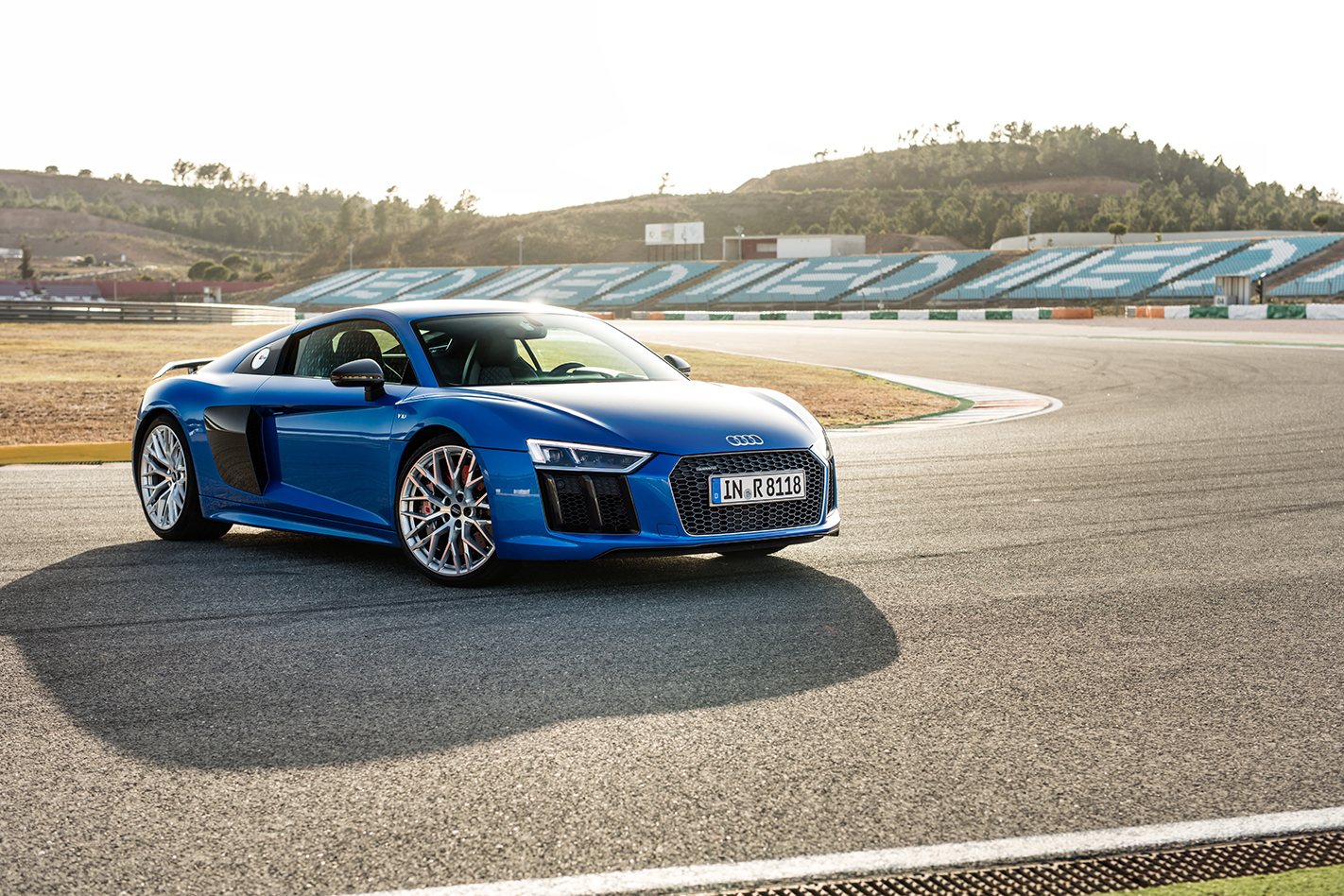
It’s expected to outpunch the outgoing 316kW 4.2-litre atmo V8 for power while comfortably beating its 430Nm of torque.
The new engine – codenamed KoVoMo – will likely be used in unique tunes in upcoming Porsche models including Macan, Panamera and Cayenne.
It’s understood Audi considered an amped-up five-cylinder turbo for performance duties.
However insiders have told Wheels the V6 is the preferred option and is currently undergoing final development.
And the head of V-engine development for Audi, Juergen Konigstedt, gave a strong clue the R8 will move to V6 propulsion over a turbo five.
“From a design point of view a V would be nicer” he told Wheels.
Sign up here to receive the latest round-up of Wheels news, reviews and video highlights straight to your inbox each week.
MERCEDES-AMG is to expand its network of AMG Performance Centres across Australia, and will display an MV Agusta motorcycle in every one of them. But customers will have to go elsewhere if they want to actually buy one.
Mercedes-Benz Australia managing director Horst Von Sanden said it will expand from just one AMG Performance Centre currently (in Brisbane) to 11 nationally by the end of this year.
Each will have an MV Agusta motorcycle on display after AMG bought a 25 percent stake in the brand in 2013.
MV Agusta, which has 15 dealers across Australia, should gain considerable exposure from the tie-up.
“We feel that we definitely have to ride on the AMG brand,” MV Agusta Asia Pacific manager Judah Sangaran told Wheels. “They have a very strong brand, and this is the opportunity we’re taking.”
“[It’s a] complete collaboration. Not to make the AMG brand empower the MV Agusta brand, but to market and focus on MV Agusta, and to show the synergy that we have.”
MV August expects Australian sales to increase four-fold in 2015, but declined to disclose the brand’s 2014 volume.
AMG is on target to sell 3500 cars in 2015, and the planned expansion of the Performance Centre network means that number is likely to grow in future years.
“It is a special AMG showroom concept developed by AMG in Germany,” von Sanden said. “It basically gives our AMG customers a very special experience at the point of sale. Special material design; specially qualified sales consultants…”
Von Sanden told us that the collaboration and positioning of MV Agusta’s motorcycles in AMG Performance Centres is not about volume, though.
“How many [sales]? I don’t know. But everything counts and it’s more than that. It’s an experience.
“We’re passionate about high performance and beautiful design, and so are they, so the dealership experience is just a little bit richer with something else, a piece of art, in the showroom.”
That means there will be no MV Agusta and AMG package deals, for now.
“We wouldn’t want an AMG customer to buy an AMG at a motorbike dealership,” von Sanden said, “because we believe the customer needs the full AMG experience and explanation and [to] talk to the right people. So we’ll leave it to the [MV Agusta] experts to sell [motorbikes], and we want them to leave the selling of an AMG to us.”
Both brands would not rule out more involvement in dealerships as the partnership blossoms.
“It’s very early days,” said von Sanden. “What comes of this partnership in 10 years’ time, who knows?”
Sign up here to receive the latest round-up of Wheels news, reviews and video highlights straight to your inbox each week.
Until now, most modern cars with fewer than four cylinders were either eco-comical Japanese buzz-boxes or a Smart. But, as with your Ps and Qs, I learnt early that it pays to mind your threes and twos.
My first drive of one was as a teen delivering pizzas in a Daihatsu Charade with a naturally aspirated triple. Sure, this Bon Jovi-era featherweight with permanent odeur de anchovy and a spine-shaking ride screamed like a demented wasp. But I revelled in its thrummy three-pot point-and-squirt thrustability. Perfect for the job.
Back to today, in the space of six months we have seen a trio of fresh sub-four-cylinder players – Germany’s Ford Fiesta Sport 1.0 EcoBoost (via Thailand), France’s Renault Clio TCe90 (made in Turkey) and the Alfa Romeo Mito TwinAir (bred and built in Italy). And, trust me; none are interested in playing charades.
All three cars are technical marvels with premium pricing to match from marques that are more than 100 years old. What they lack in cubic inches – the biggest is just 999cc – they make up for in sparkling performance, reduced carbon dioxide emissions and ultra-low fuel consumption potential. Or so the promise goes. For buyers, then, they represent a real upside to downsizing. That’s why they are here.
Inspiring this comparo after our initial launch drive in February, the facelifted Mito attempts to add the brio that was absent from the underwhelming 2008 original. Changes include some minor titivations to the nose and tail-lights, a trifling interior spruce-up – not enough, though, because that slabby dash still looks bulky and old – and Alfa’s first application of parent Fiat’s terrific TwinAir turbo twin-cylinder. And all for $9K less than before.
Priced from $22,500, the Mito is $1975 more expensive than the Fiesta Sport – reigning category winner in the Wheels Gold Star awards – but that gap is halved in this test because of the Ford’s Sports Exec Pack grab bag of climate control, reversing sensors – a necessity since rearward vision is so restricted – auto headlights and wipers, alarm and push-button start.
Neither of these cars can touch the $16,790 Renault Clio TCe90 Authentique, though Renault reckons most buyers will spend another $1000 for the Expression – sat-nav, fog lights, better audio and bigger wheels – and then some, since Mini-like personalisation options are big business. Ours arrived with divisive glossy trim accents inside and out ($500), 16-inch alloys ($750) and an Electric Pack that adds auto lights, wipers and push-button start, as well as keyless entry, rear power windows and electric folding door mirrors ($300). That takes the tally to $19,340, so it’s still the cheapest here.
All three include air-con, cruise control, central locking, Bluetooth connectivity, stability control and five-star Euro NCAP scores – though the Clio’s deliberate lack of rear-seat airbag protection means the local ANCAP peeps subtract a star, even though the Euros won’t. Renault Oz is fighting this, claiming bureaucratic box ticking for the sake of it.
Interestingly, the Alfa attempts to offset its higher asking price with a few worthwhile features neither foe offers. For instance, the Mito brandishes coupe-like frameless front doors – an important distinction to the style-savvy younger clientele all three are targeting. It’s also the only one with lumbar support (and on both front seats), a rear cushion that tips forward for a deeper cargo floor when the adjacent backrests are folded (the pre-2009 Fiesta used to do this, too), a foldable storage bin/armrest between the front seats, key-fob remote control window activation, solid discs instead of drums at the rear, and six instead of five forward gear ratios.
Conversely, like the Clio, the Mito misses out on map pockets, but matches the Fiesta in providing rear-seat reading lights (a literal oversight in the Renault – and one partially offset by having this group’s only overhead rear grab handles).
Nevertheless, the far-fresher Frenchy wins hands down for interior space and appeal. Almost as roomy as cars from the class above a decade ago, the Clio comes on strong with big-car-like front seats and a wide rear bench offering what is easily the airiest feel. Furthermore, the thoroughly contemporary Renault’s driving position is flawless, the instrument display a triumph in modern clarity, and the central tablet-style touchscreen an exercise in user-friendliness. But the glovebox is small and the air vents don’t offer enough face-level upward adjustment.
Who remembers when the Fiesta included steering reach and rake adjustment? Since going Thai in 2010, it only moves up and down. The dash top also used to be a solid rubberised item instead of hollow plastic. And there were trim colour options. Why Ford ditched all these, yet retained the laughably outdated Nokia handset-style buttons, when the facelifted WZ arrived last August is perplexing.
Still, the Fiesta’s familiarity fits like a well-worn glove, with the trio’s most supportive front seats and the comfiest rear bench, despite not being the roomiest.
All contenders offer sufficiently sizeable cargo areas, with deep floors, long load areas and convenient child-seat anchorage hooks, but the design-driven Clio’s aperture is narrower in parts, betraying Renault’s decision to sacrifice practicality at the alter of style.
If you desired utility in a car this size, though, you’d be driving a Honda Jazz.
But it’s what’s beneath the bonnet of these bolshy little babes that bind them and us together. And nothing is as intriguing as your first turn behind the wheel of the TwinAir. Half the cylinders, twice the fun – that should be the Mito’s calling card. Oddly lumpy when cold – and ours stalled a couple of times, too – the turbo twin settles down to a bubbly burble, ready to pounce forward at a mere prod of the throttle.
The Mito was driven almost solely in ‘Dynamic’ mode, which improves throttle response, weights up the electric steering and loosens the stability control’s vice-like grip on the chassis. In contrast, ‘Normal’ feels like the handbrake is on.
The TwinAir screams off the line like it sat on a scorpion, ripping up through its limited rev range with an invigorating, intoxicating rasp, bowling along at an unexpectedly rapid rate. This is a properly perky little powerhouse, with incredible tractability for pottering around in higher than typical ratios, and with acceleration being more forceful than its 77kW/145Nm and 875cc capacity suggests.
However, while the Alfa’s aptitude for darting forward frenetically is infectious, the cliff-face performance drop-off once the tacho stretches beyond 5500rpm can be frightening. Overtaking on the open road demands concentration, given third runs out of puff at just 101km/h, so it’s best to drive the Mito like it’s a diesel. Mine the mid-range revs, and stay well clear of redline.
While a few detractors detested the Alfa’s buzzy, single-pitch exhaust note – the TwinAir is an acquired aural taste – the Clio’s 66kW/135Nm 898cc unit has a more subdued yet still unmistakable three-cylinder thrum that, like the resulting performance, reflects Renault’s softer and more eco-focused approach.
In isolation, the Renault TCe90 (for 90bhp) feels more than sufficiently sprightly. A determined right foot is necessary to get things moving along briskly, but there is plenty of mid-range flexibility to keep the Clio sailing along serenely. Introduce a hill, or extra passengers, and a fair bit of downshifting is necessary for continued steady progress. And, like the Alfa, the TCe90 can be caught flat-footed when off-boost. The Renault’s gearchange also has the longest and loosest throw here, though not unpleasant.
Then there is the Fiesta Sport. The clue to its character is in the name. As the badge suggests, the EcoBoost really turns up the wick for a healthy 92kW/170Nm from the 999cc turbo triple, figures not far off 1.8-litre engines of a few years ago. Accompanied by a taut five-speed shifter, this Ford’s punchy vitality makes it a worthy International Engine of the Year winner (in 2012 and 2013).
Tuned for performance, the Fiesta wastes no time, streaking forward with near-turbine intensity that will convert downsizing dissenters into diehards. Sitting on 100km/h at 2500rpm in top gear (100rpm less than the Mito), the Sport isn’t as quiet as the relatively refined Clio, but its sheer ability to so effortlessly pull away quickly is another trait the others lack. It’s the only car here that offers warm-hatch performance.
Not surprisingly, the TwinAir’s terrier-tugging-at-a-lead vigour eviscerates fuel economy. Since nobody could help but drive it all the time in Dynamic mode, our mighty Mito averaged 10.1L/100km against a claimed average of, ahem, 4.2L/100km. But it is in good company. The Fiesta, also constantly caned, was next best with 9.3L/100km (versus an official 5.3L/100km) – a good result given the Ford’s far-superior performance – while the Clio showed who’s boss of the bowser, returning 8.4L/100km (against 4.5L/100km), despite also being thoroughly thrashed. If they were driven more sedately, and with a touch more freeway cruising than our test loop provided (and without performance testing), expect to do around 2.5L/100km better in each.
Before the comparison, it was expected that the trio would fall into the warm-hatch category. Only one – the hard-charging Fiesta – delivers on that expectation, for it leaves the others behind from a dynamic point of view. The Sport ably straddles the fine line between excitability and discipline, feeding in steering feel (as well as some unwanted rack rattle) to the receptive driver with vivacity and zeal.
But while fluid handling, splendid cornering composure and beautifully modulated brakes give the Fiesta an edge, its ride quality on Continental 195/55R16 tyresis quite firm – still absorbent, but busy when you get away from smooth roads. Considering the Ford’s dynamic capabilities, it’s a worthwhile trade-off.
The Clio’s incredibly absorbent suspension transcends light-car standards with remarkable insouciance. Its ride – on quality Continental 195/55R16 rubber – recalls the long-travel suppleness of old-school French classics like Peugeot’s 504.
If you hadn’t been exposed to the Fiesta’s taut alacrity, you’d likely enjoy the Renault’s linear steering, which provides a positive combination of grip, response and tactility. After the Ford, both the French and Italian challengers feel a little loose, with the Mito being a mixed bag.
Even in Dynamic (let alone the vague Normal mode), the Alfa’s steering at lower speeds seems artificial, especially in the on-centre position. The Fiat Punto-derived chassis isn’t a particularly inspiring basis. However, keep the wheel twirling, or step on the throttle, and the doughy feel evaporates for more involving handling, backed up by the most sensitive brakes of the lot.
On modest Bridgestone 185/65R15s, the Alfa also rides with satisfactory isolation. Stray onto rougher roads at speed and the steering column can be prone to rattles, making the Mito feel a little ragged and unsettled through tighter turns, and higher velocities over minor undulations may see the suspension bottom out. Finally, be aware that the Mito’s long, low nose is prone to scraping on gutters.
Still, like the Ford and Renault, the Alfa is far more fun than its sub-four-cylinder specification suggests. With one of the most technically advanced engines in the world, the Mito has the heart of a dwarf star, the spunk of a boy band, and the unconventional sass of a motorised Mila Kunis. It’s sophisticated yet accessible.
But the Alfa’s wrinkles show through in its drab interior, uneven steering and underdone dampers. It’s the most expensive and thirstiest hatch here and, while the TwinAir soars in congested Europe, Australia’s massive distances expose performance limitations. So the charming Mito scores an honourable third.
As for the Fiesta Sport, the front looks gormless, the dash is a dated mess and it irks me endlessly knowing that Ford’s ruthless cost-cutters have ravaged the Thai interior compared with the earlier WS models from Germany. But if the TwinAir is a dwarf star, then the Ford’s engine – just like its dynamics – is a supernova. For this one-time perpetually late pizza delivery boy from the western suburbs, growing up reading Wheels and relishing steering feel and sharp handling, it’s my kind of car.
However, the handsome Renault is the most complete – and so best – car here, and by some margin. Outstandingly comfortable, roomy, refined and economical, and with the group’s only five-year warranty, this Renault will reward the fuel miser, enthusiastic driver, bargain hunter and status seeker in equal measures. The turbo triple cries out for a bigger dose of boost, but the Clio TCe90 takes the gold convincingly.
This article was originally published in Wheels July 2014.
