
The first Brock HDT sedan prototype is up for auction and is expected to fetch almost $100,000.
What eventually became the HDT VC Commodore, official build number 001 began life as a humble VB Commodore in base SL trim with a 4.2-litre V8 and Sage Green paint, according to auction outfit Shannons.
After Holden pulled the pin on officially backing motorsport activities by the end of 1979, Brock along with Holden Dealer Team personnel garnered this VB SL to test for the eventual release of the HDT VC. Brock and HDT believed the profits from that model would fund continued racing.
Installed in this prototype is a 5.0-litre V8 with a different head, bigger valves and leading to a twin sports exhaust to help produce 165kW in the production model.
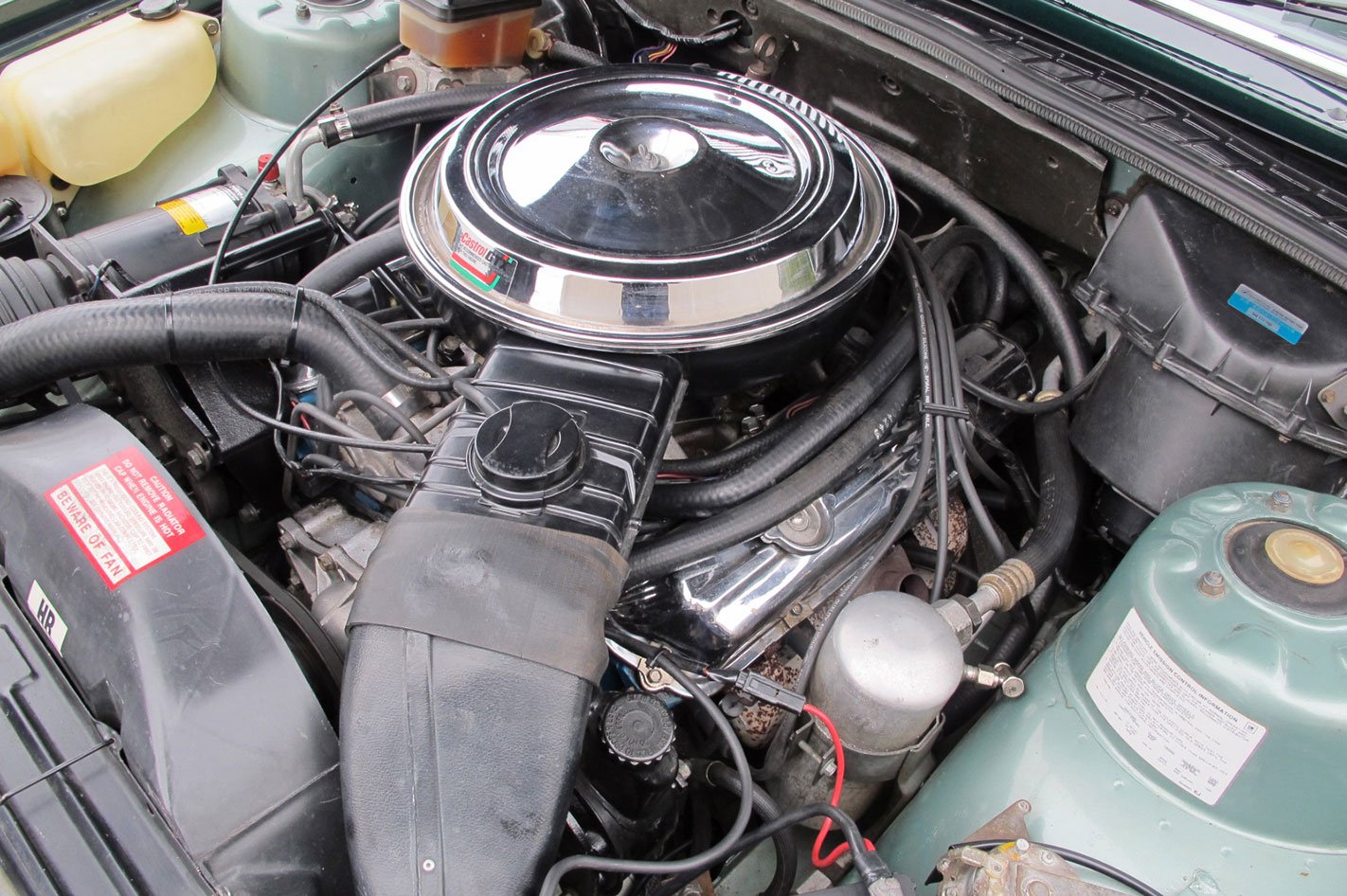
It also comes with Bilstein strut mounts and shocks and a heavy-duty limited-slip differential underneath, and an HDT-signature bodykit with German Irmscher alloy wheels on the outside.
By the time Brock completed the transformation from boggo VB, the VC had arrived so the vehicle was updated with the egg-crate front grille from the newer car, though the side strips from the original remained. Shannons says paperwork confirms this as the original ‘VB HDT prototype’ and 001 is engraved in the Brock-signed Momo steering wheel.
The example was in 1982 left at Les Vagg Holden in Pennant Hills, New South Wales, one of HDT’s selected 57 Holden dealers that sold the production VC models. The salesman who shifted the car in 1993 bought it back from the owner he sold it to, and has kept it since and fully restored it.
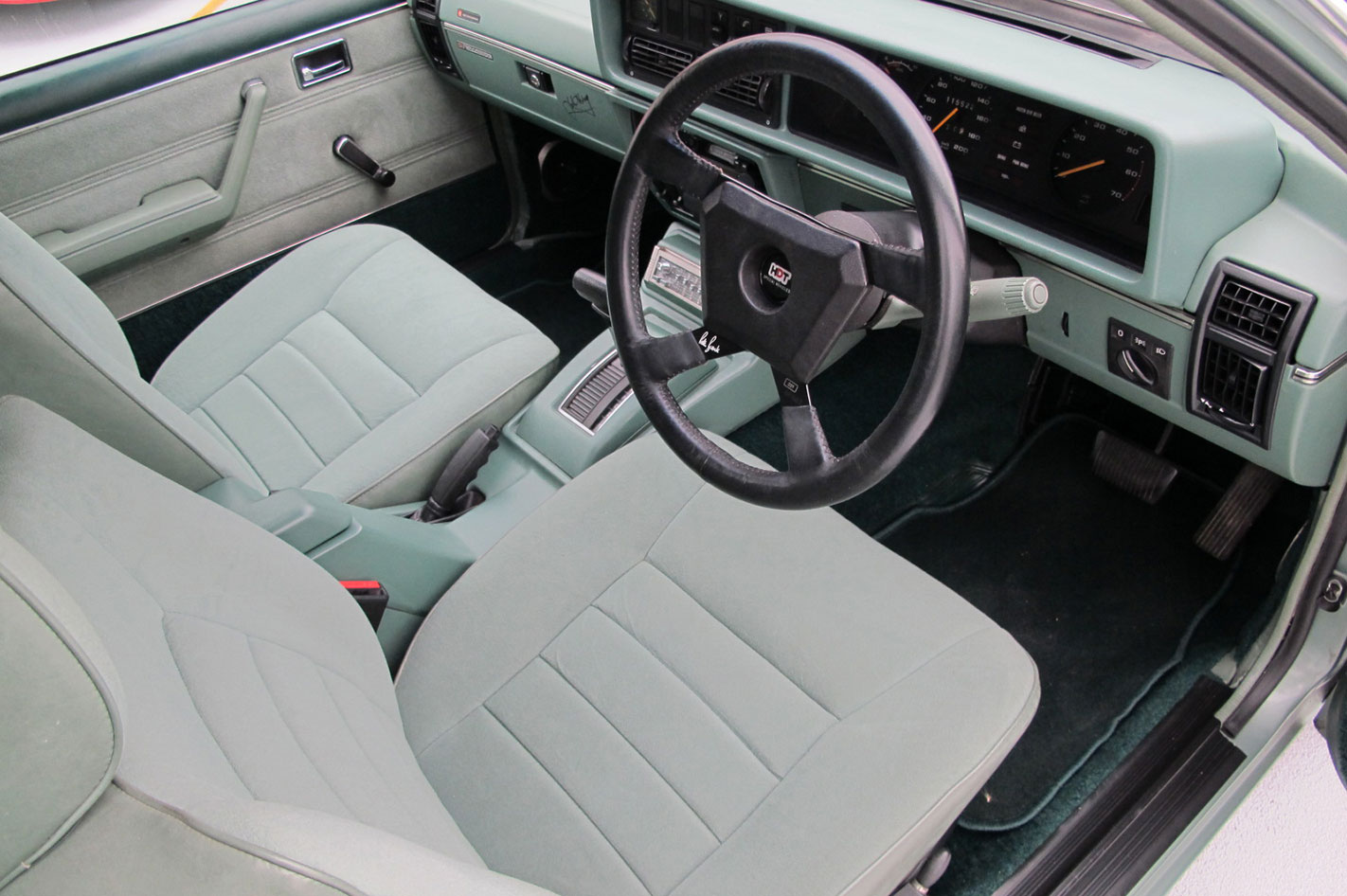
Now with 115,000km on the clock, the VB HDT prototype is currently on historic plates rego but will be sold unregistered in the August 10 ‘winter auction’, with Shannons estimating an auction price of between $85,000 and $95,000.
Other Aussies going behind the hammer in the same auction are a 1949 Holden FX 48-215 sedan expected to fetch between $40,000 and $48,000 and a 1971 Chrysler VH Valiant E39 ‘Big Tank’ Charger in the $70,000 to $80,000 bracket.
Classic exotica includes a 1970 Jaguar E-Type 4.2 Series II Coupe marked between $62,000 and $68,000, a 1956 Porsche 356C Coupe anticipated to score bids in the $95,000 to $110,000 range, and a 1973 Ferrari Dino 246 GT Coupe heading towards a not inconsiderable, erm, $260,000 to $320,000.
What do Christian Louboutin, Marilyn Monroe’s lips, Baywatch, Coca-Cola and Ferrari all have in common?
It has come to my attention that red is totally my colour. In fact, red is universally every woman’s colour. Science says so.
You’ve probably heard of the red dress effect – a phenomenon in which a red dress can alter the way a woman is perceived, usually by men. Now, before you all start dragging your cursor to the ‘contact us’ page, ready to vilify me for objecting women, hear a sister out. This effect has something to do with colour psychology – blue and black or white and gold; must we revisit this irritating event of 2015 when a dress left the world divided?
Red really is a great colour – it’s the colour of blood and fire, and symbolises power, strength, passion, love and sex… oh stop it, you’re making me blush. Red lipstick, red lingerie, red nail polish; ‘nuff said. But hey, there’s a new kid in town and it’s here to paint the town, well, red. Yep a bloody red car, what a beaut.
Ok, so I never thought I’d end up here, writing a column comparing a red dress to a red car, however, I’m here to tell you that those people from Loompaland who live in a lab, testing the effect of the colour red, to never again cast their eyes upon a pretty turquoise or coquelicot, were on to something. And it’s really, really, big you guys.
I recently went away with an Toyota FJ Cruiser. I have a bit of a crush on the FJ as a 4WD – as someone who is impartial to exploring the greater world beyond the city, the FJ is one of my favourite things to drive on all four-wheels (that means a 4WD). But, send me to one of the most spectacular 4WD destinations in Australia, hand me the keys to an FJ and paint it a beautiful, vibrant ruby and you’ll make this driver one pretty happy chick.
Driving a big car, like a 4WD, brings with it a sense of power – you know, that’s why all the important people drive one, like Dennis Rodman and the ugly unique custom Hummer the internet says was his (seriously, Google it, it’ll make you cry). Similarly, some women have found wearing scarlet spikes their confidence. So, when you merge the two together, you should theoretically get some kind of practical Batmobile, right? Well, not quite, but close. Driving around an island off the shores of north Queensland in the red FJ brought with it a new lease on life. Sure, it may have been the awesomeness of the location, but there was just something about driving around in the only red vehicle that made me feel more important than Tywin Lannister (Game of Thrones reference there for all you readers who don’t know who he is. Catch up).
Ok, so red doesn’t disguise everything. The FJ Cruiser still looks like the ugly duckling of the 4WD world, resembling more of a Tonka Truck than your standard off-roader. And no amount of crimson could disguise the vehicles’ blind spots, which seem to be more of an issue when around suburbia than off-road anyway. All that aside, though, it looks good, so, like, whatever, critics. Not to mention that when you’re in the middle of a stunningly-leafy rainforests, red and green are a complimentary colours so the photos look ace.
As you may remember from my previous column on the The Jeep Wrangler Blackhawk, pink was saaah my colour during my younger years when I was more excited about a pair of sparkly plastic shoes than a power-pump. But these days, I’m thinking a red car might be up there on my wish list right next to a free subscription to Netflix, an endless supply of chocolate, and a body like Jessica Alba.
Maybe it’s not a very scientific argument afterall, and I should probably try and get an exclusive interview with the Oompa Loompa red-scientists to re-focus my point, but hey, I still think red is a pretty rad colour and one you should definitely consider on your next purchase. And if that’s not convincing enough then I’ll leave you with this mind-blowing theory: maybe, just maybe, Dorothy’s ruby slippers were just a metaphor for a Red FJ Cruiser because let’s be honest, if she had an FJ, she probably could have driven home a helluva lot quicker than waiting a whole hour and half to learn to click her heels together and magically return home. Nuffy.
Earlier this month, Joy Rider wrote an article for WhichCar on vehicle technology and its ever-growing presence. She shared her concerns that certain technologies are not only threatening driver skills, but also leaving us susceptible to messy, and potentially deadly faults.
We’re not sure if Joy is a psychic or a hacker, because this week news broke on two white hat hackers in the US, Charlie Miller and Chris Valasek, who were able to remotely control a 2014 Jeep Cherokee. We know how this sounds but we had to see it to believe it as well.
Apparently Miller and Valasek sat kilometres away from the Jeep and its driver, WIRED writer Andy Greenberg, while they took control of the vehicle, messing with the infotainment system, locks, windscreen wipers, brakes and transmission, just to name a few. That must be scarier than that time Joy couldn’t find the window controls on a 35 degree day!
It’s also important to mention the FCA is not the only company susceptible to this ‘genius invasion’. This wasn’t the first time the duo had made their point, previously performing a similar stunt on a Ford Escape and Toyota Prius via a connection to the onboard diagnostic ports. That was just two years ago, and now, they can do it wirelessly.
At this stage, the hackers can only access a vehicle while it’s in reverse but with the surveillance technology allowing them to monitor speed and GPS coordinators, they aren’t all that limited in what they can do.
So how is this happening and why now, you ask? Well, just ask Joy. It’s all about the robots taking over the world. Not really; new car technologies using internet-based computer features are creating an element of vulnerability in vehicles. There’s a whole bunch of technical stuff going on behind the scenes that we will leave to the experts because it causes our brains… to… fade…
Now the news has broken, we have no doubt a bunch of computer-literate IT geeks are probably steadily behind a computer screen frantically trying to come up with a way to match or better the white hat hacking duo. But the good news is Miller and Valasek have shared the information with FCA to patch up the glitch, and according to a statement from the company, the issue is localised to the USA: “No vehicles in Australia nor any international market outside of the USA were affected by this issue, as it is an American-only system not present in Australian vehicles. Vehicles sold in Australia and other international markets are not equipped with an external cellular connection.” Phew – thanks for being our crash dummies ‘Merica. We’re looking forward to the updated software of this technology, minus the hackable feature. See, clouds, silver linings and all that.
We love new car technologies. In fact, it’s what we live for here at WhichCar, and we’re all for features that make our day-to-day lives easier – seriously, if anyone wants fly us to work via helicopter every morning, we’re fine with that. But when our techno features become a reality, it’s hard not to turn a blind eye to the inevitable robot invasion… We bet Joy’s grandpa’s HQ never had this problem.
Don’t believe us? Read here.
JEEP has rushed to assure Australian customers that their cars can’t be hacked after US researchers worked their way into a Cherokee travelling down a highway overnight and killed its engine.
The Cherokee, Jeep’s second-best selling model in Australia, was hacked using a wireless connection only available in models sold in the US. As well as stalling the car, Wired reported that the hackers had also played with air-conditioning settings, tweaked the stereo system, switched on the wipers and sprayed the windscreen with washer fluid – and toyed with the car’s electronic throttle.
The hack was performed by the same pair that two years ago took control of a Ford Escape and Toyota Prius, although the difference this time around is that the hackers’ laptops used a wireless link, and not a cable connected to the car’s electronic brain.
The Jeep Cherokee was identified in the US last year as the car most vulnerable to a hacker attack, prompting a call for vehicles to be fitted with stickers showing star ratings similar to crash safety ones that flag how susceptible they are to electronic intrusion.
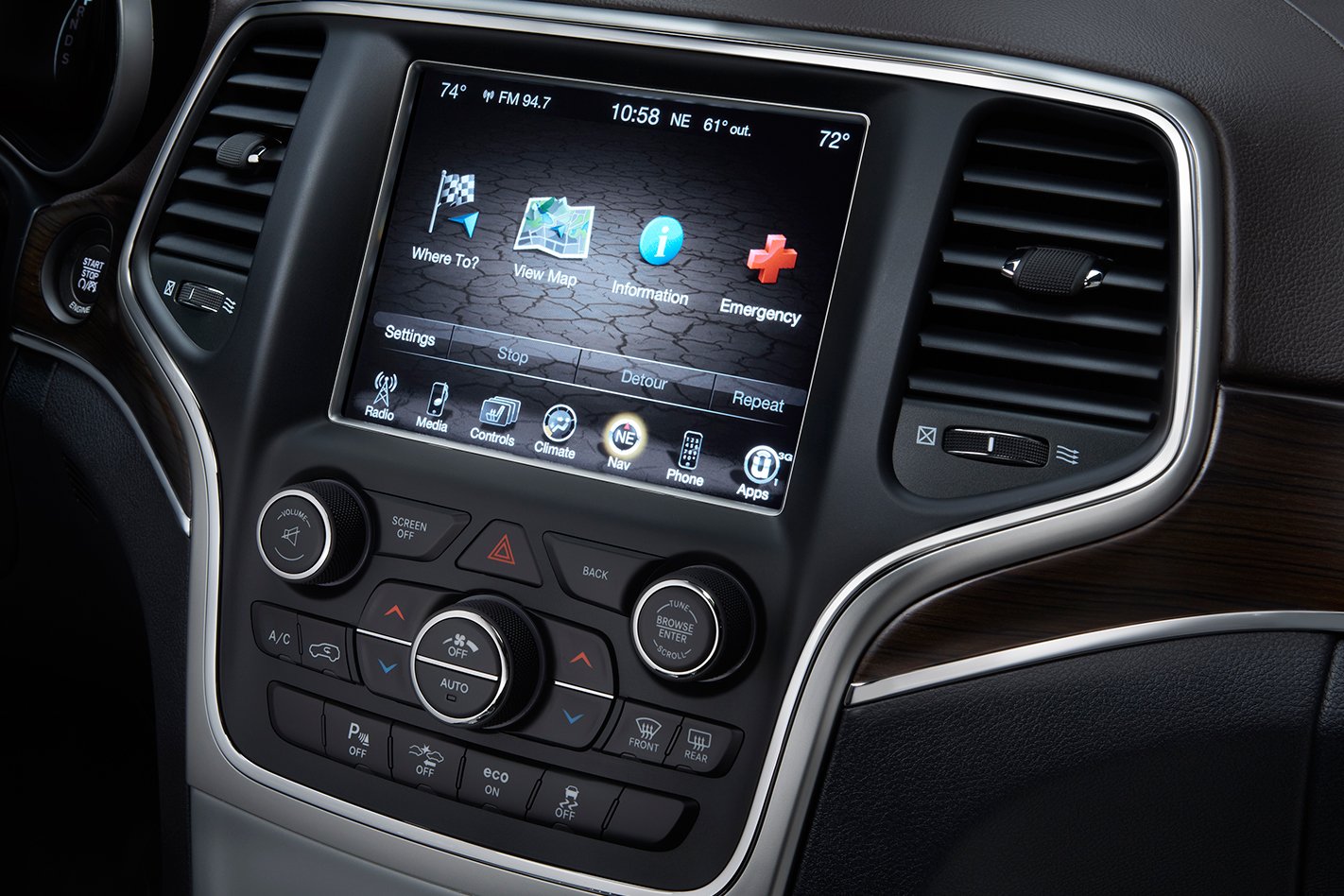
According to Jeep’s Australian spokesman Andrew Chesterton, the hackers had found a software flaw in the US market-only Cherokee’s Uconnect system – US buyers have the option of buying the car with a pre-installed mobile phone-style SIM card that keeps the vehicle connected to the internet without needing to piggyback off a smartphone connection.
He said the system was not sold outside the US, and was patched as part of a July 16 software update to the vehicle.
“Our vehicles (sold in Australia) do not have that technology, and in fact nor does any other vehicle sold outside the US,” Chesterton said.
The revelation that the Jeep Cherokee was vulnerable to remote attacks comes as the US government moves to officially outlaw hacking a vehicle.
A proposed bill before the senate calls on the US road safety watchdog, the National Highway Safety and Transport Administration, to set new standards that protect drivers from digital attacks.
Hot hatches have grown in popularity since the Volkswagen Golf GTI was first released in 1976 – or maybe it was when Mark Wahlberg hit the big screens speeding along in a Mini Cooper. Either way, hot hatches are a popular choice for those who like powerful engines and fast cars.
But with so much on the market carrying the hatchback label, how do we know where to start? And, more importantly, which of these performance cars will fit your lifestyle?
We asked the boys at MOTORmagazine to share their findings on four of the more popular hot hatches after they’d belted them unforgivingly. They did it. They loved it. And they told us all about it.
THE CONTESTANTS
Alfa Giulietta QV VW Golf GTI Peugeot 308 GT Volvo V40 T5
The cars are all premium hatchbacks with turbocharged four-cylinder engines. That means they’re good, powerful and fast.
THE AIM OF THE MOTOR GAME
While the Volkswagen Golf GTI is a favourite in this genre, there are plenty of buyers out there who want something that’s same-same but different. As MOTOR put it: “There’s little argument that it’s (Golf GTI) the best car in its segment, however there are plenty of enthusiasts out there who don’t want a Golf, if for no other reason than ‘everyone’s got one.’”
So, the boys took a look at an ensemble of hot hatches to suss out the options for those wanting something like the GTI, but not the GTI.
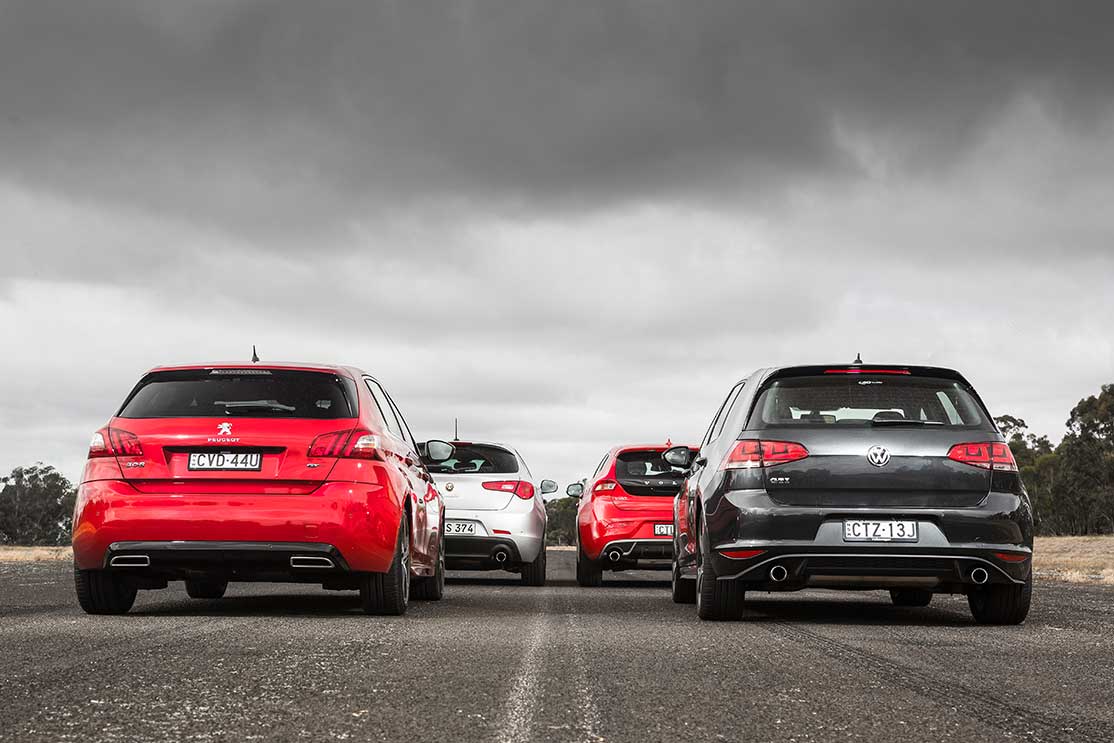
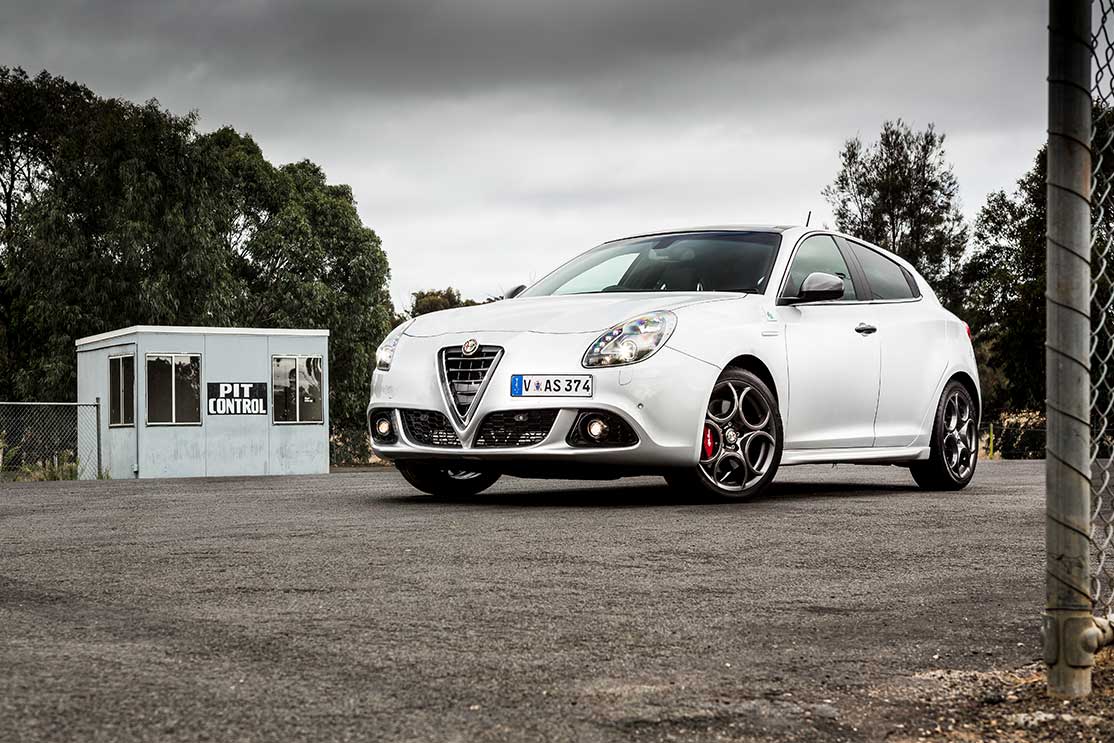
Alfa Guilietta QV
The Alfa Guilietta QV wins in the pace stakes, clocking stats faster than the other three cars. It also has a nice sounding engine, or an “angry” engine according to MOTOR, which is a good thing unless you’ve already got a car full of screaming kids. It grips well to the road, even in wet weather, and it gets a gold star for style.
On the downside, the electronic stability control (ESP) is “intrusive”, which means it kicks in at an inconvenient time and can be annoying for any keen driver. That’s probably not much of an issue for those using it for the daily grind, though. It also doesn’t soak up the bumps as well as others in its class. So if your route covers a lot of speed bumps, be prepared.
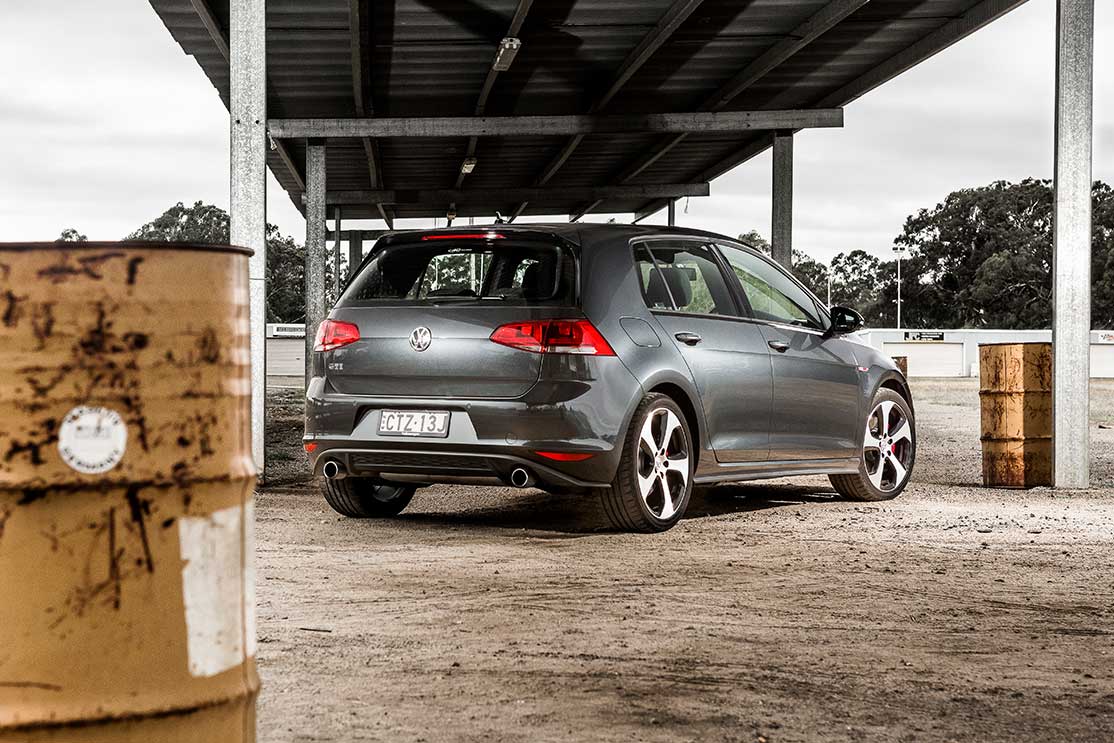
VW Golf GTI
We’re starting to understand why the boys in the office drop the Golf GTI into almost every conversation. Here, they’ve listed the enthusiast’s favourite as a “class benchmark”. The only fault MOTOR could give it in this comparison was a bit of a struggle in the traction department, as it doesn’t grip the road as well as others. Unless you’re taking corners at higher speeds, though, you probably won’t notice. It also isn’t as pretty as the others, or “lacks visual appeal”, but hey, beauty is only skin deep, right?
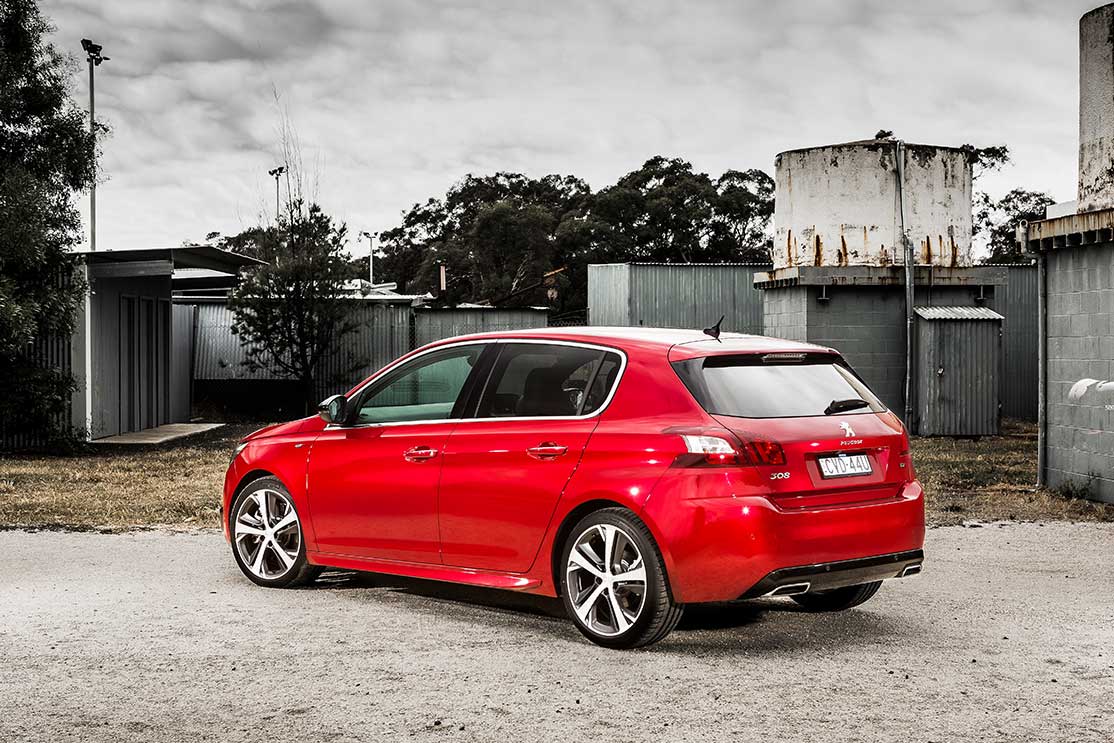
Peugeot 308 GT
Peugeot’s dynamic hot-hatch has great traction. And for those who love to drive without electronic aids, you can turn the ESP off in the Pegueot 308 GT. It also comes with heaps of equipment including 6.9GB hard drive, keyless entry and go, and massage front seats. Yes, you read that last one right, massaging seats.
Before you go running to the dealership, though, the hitch is in its speed.
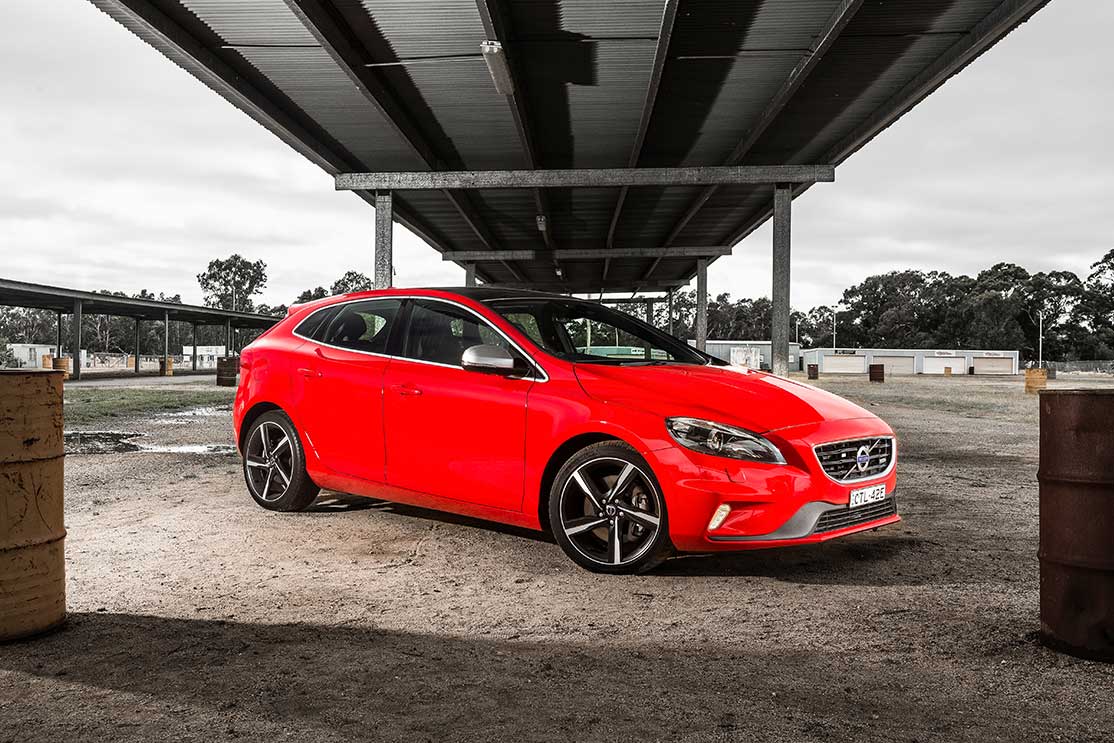
Volvo V40 T5
The Volvo V40 has made some sacrifices in the name of economy. So unless you’re looking for a lot of punch from the engine, then this is a bonus.
It does, however, come at a price. And that’s a price tag that sits $8400 above the second most expensive car here. It also has “weight issues” that can’t be cured by any diet, scaling in at the heaviest of the bunch.
THE VERDICT
The Golf GTI is the winner of these four hot hatches. It’s the annoying cousin that always spends Christmas bragging about their straight-A report card and can rarely be faulted. The Volvo is a decent car, but from an enthusiast’s perspective it’s not fast or inspiring, yet it’s the most expensive. The Alfa and Peugeot run nose-to-nose in this race, with the 308 taking the checkered flag.
Keep in mind; this is all from the perspective of our performance car-devotee friends at MOTOR. We’re guessing that unless you’re Mark Wahlberg and driving like you’re on an Italian Job trailer (which we don’t recommend), then these cars all definitely have their strengths and weaknesses for the daily grind. As long as you’re willing to fork out a decent amount of hard-earned.
This full comparison was published in MOTOR July 2015.
Australia buys more AMGs as a percentage of total Mercedes-Benz sales than any other country and the nation’s love affair with the brand shows no sign of abating.
David McCarthy, senior PR manager for Mercedes-Benz Australia, tells MOTOR that there are currently around 300 orders being held for the new C63, which easily accounts for the 2015 allocation.
Likewise, the wait for the new AMG GT supercar is out to around a year, with about 70 cars landing before the end of this year, though there are hopes that allocation will expand to around 100 in 2016.
The strong demand has led to a shift in car allocation, with dealers allocated cars according to the number of orders held, rather than a set number of cars.
Demand remains strong for AMG’s entry-level ’45’ models, too, despite heavily updated models being just over the horizon.
More than 1600 45s have been sold this year, with the most popular member of the hi-po four-cylinder family being the CLA45 sedan.
All told, more than 2000 AMGs have already found homes this year, and McCarthy expects the strong results to continue with more than 3500 sales forecast by year’s end.
That’s almost as many cars as Skoda sold in 2014, and more than Alfa Romeo, MINI or Great Wall. It appears that when it comes to Mercedes, there is plenty of profit in performance.
Get your free weekly report from the world of fast cars – subscribe to the MOTOR newsletter!
You can accuse Dodge’s Challenger Hellcat of being many things, but with a supercharged 6.2-litre HEMI V8 under the bonnet, underpowered isn’t one of the first that comes to mind.
However, clearly there are others who disagree, as how else to explain the creation of the Hellcat ‘X’, a one-off Challenger built for the 2015 Dream Giveaway.
Power increases to a frightening 600kW, with torque increasing from the standard car’s ample 881Nm to an outrageous 1080Nm. This is achieved by adding not one but two turbochargers to the standard blown V8.
The name and engine configuration is a tip of the hat to the famous twin-charged ‘Hellcat X’ fighter aircraft, devised in record time to stop the onslaught of Japanese Zero Fighters during World War II. The video below fills in the historical background.
Its charity origins mean that someone will win this one-off muscle car for the princely sum of $3, and not only that, they’ll also win a 1970 Dodge Challenger 440 R/T too!
It’s arguable whether the extra power and complexity really adds anything to the Hellcat package but hey, it’s for a good cause and while Hellcat demand is currently far outstripping supply, the one-off twin-charged ‘X’ is guaranteed to be a collector’s item in years to come.
Get your free weekly report from the world of fast cars – subscribe to the MOTOR newsletter!
THE quirky Citroen DS3 DStyle finally gets the drivetrain it deserves in the form of PSA’s 1.2-litre turbocharged triple with six-speed auto.
WHAT IS IT? A drivetrain refresh for Citroen’s sporty mid-level three-door, bringing it into line with Peugeot’s soon-to-be-updated 208 hatch that will also gain PSA’s new 1.2 turbo triple instead of the old 1.6-litre atmo four which, in automatic form, was blighted by an ancient and inefficient four-speed.
WHY WE’RE TESTING IT Despite the fact Citroen is unlikely to launch the DS3 with this new drivetrain in Australia until the car gets properly DS-ified in early 2016, we wanted to see just how improved the DS3 would be with the brilliant ‘Pure Tech’ three-cylinder turbo engine.
MAIN RIVALS Alfa Romeo Mito Progression TCT, Audi A1 1.0 TFSI S-tronic, Fiat 500 Lounge, Mini Cooper auto, Volkswagen Beetle
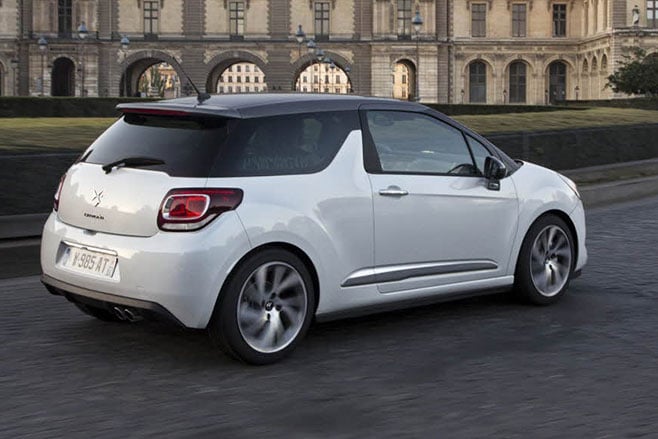
THE WHEELS VERDICT If priced right when it arrives here as the DS 3 DStyle in early 2016, this repowered and refreshed French three-door will be a genuine alternative to a base Mini or Audi A1 – especially if Citroen is brave enough to offer a manual-transmission version with an even sharper entry sticker. Likeable as the DS 3 is, especially with its charming new engine, its success hinges on being cheaper and better value than its German competition.
PLUS: Elegant drivetrain; still-funky looks; impressive ride and poised handling MINUS: Cheap interior materials not up to Audi A1 standards; needs to be priced under $30K
THE WHEELS REVIEW HALF of all the first-generation DS3s sold in this country were automatics. Yet, when Citroen Australia learned the recently facelifted model retained the ancient four-speeder, it decided to wait, knowing that a six-speeder was in the pipeline.
Shrewd decision. The new automatic brings essentially the same seamless PSA turbo-triple drivetrain (here with 82kW, not 96kW) that so impressed the Wheels’ COTY judges in the Peugeot 308. Consider fuel consumption: the old 88kW 1.6-litre four-speed auto delivered 6.7L/100km, while the new 1.2-litre turbo – on sale early in 2016 at $30K – slashes this to 4.7L/100, with a 28 percent reduction in carbon-dioxide emissions. And, despite the lower power output, rips a full second from the zero to 100km/h time to 9.9sec.
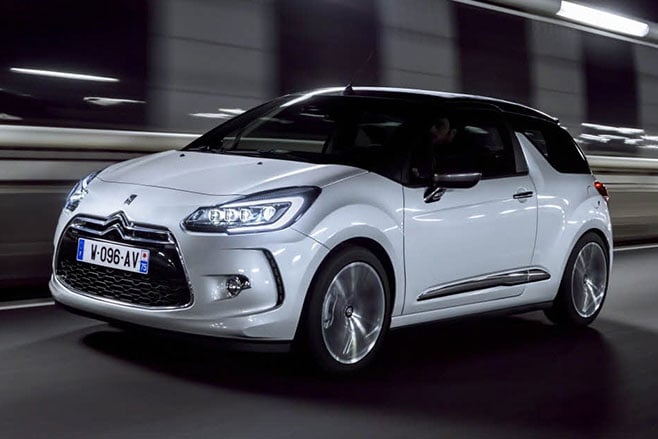
Now the question is: does Citroen wait for another restyle, that transforms the DS3 from a Citroen to the new DS brand, or launch it as an entry-level Citroen? We know the transformation of the DS4 happens at the Frankfurt show in September, and it’s logical for the revised DS3 to arrive at the same time. At the moment, however, nobody is saying.
Citroen Australia wants to launch the DS as a brand with as many models as possible – ideally DS 3, 4 and 5 – early next year and, given the inevitability of the switch, it makes no sense to introduce the DS3 auto as a Citroen, then a couple of months later relaunch it as a DS.
Enough of that. Want to know how it drives?
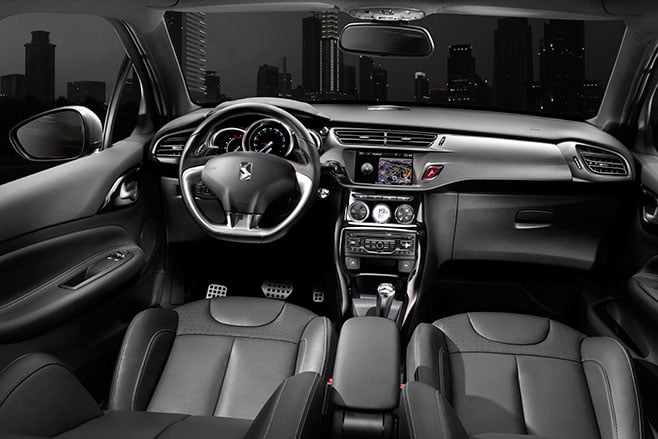
The new EAT6 tranny, made by Aisin, is a huge improvement over the old ‘box, offering 40 percent quicker (and far more fluent) shifts to really exploit the turbo-triple’s broad spread of power with maximum torque kicking in at only 1500rpm. A sports setting sharpens responses, though there are no steering wheel paddles to enhance the fun.
The handling remains agile and entertaining with tight body control, while the steering is quick and precise, with decent feedback and even a hint of old fashioned, front-wheel-drive tuck-in if you lift off through a corner. The ride, too, is impressive given the quality of the handling. Go for the smallest wheels possible, unless you enjoy tyre roar.
You sit a long way back from the windscreen and the pedals are offset, which makes the DS3’s driving position feel slightly awkward. The dashboard layout is user-friendly, though the steering-column-mounted controls for the stereo and cruise control are hidden behind the wheel.
Compared with younger rivals like Audi’s A1 and Mini Cooper, the DS3 is beginning to reveal its five-year age in the quality of its interior materials and design. However, adding a decent automatic, combined with the delights of PSA’s wondrous triple, adds a new dimension to the DS3’s appeal and easily extends the model’s lifecycle until the new-generation car arrives, as expected, in 2018.
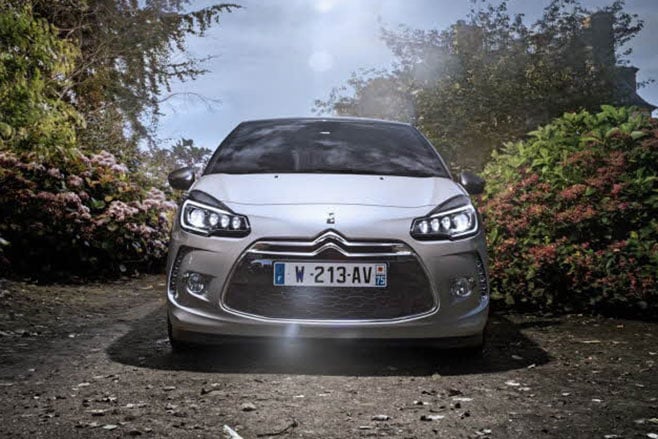
SPECS Model: Citroen DS3 DStyle auto Engine: 1199cc 3cyl, dohc, 12v, turbo Max power: 82kW @ 5500rpm Max torque: 205Nm @ 1500rpm Transmission: 6-speed automatic Weight: 1090kg 0-100km/h: 9.9sec (claimed) Economy: 4.7L/100km (EU combined) Price: $30,000 (estimated) On sale: Early 2016
Volkswagen has opened its order books for Australian customers wanting to buy its Golf R Wagon, which it has confirmed will sell here in limited numbers.
Staying true to its promise to land the Golf R wagon in Oz before the end of year, the Golf R wagon is now available for order from Volkswagen and is offered exclusively in Wolfsburg Edition trim.
The Wagon’s extra practicality will lighten wallets $3,750 more than a standard DSG-equipped Golf R hatch, at $58,990, but will also include extra equipment included in a Wolfsburg Edition pack which VW says costs $1750 on its own.
This welcomes standard features to the Wagon’s goodies bag like adaptive cruise, emergency city brake, and blind spot monitoring, but it’s the black mirror covers, black roof rails, and ‘Pretoria’ 19s that will set the estate’s look apart.
Exterior wise three colours will be available for the Golf R wagon, including a unique Oryx White Pearl, each complimented by a special ‘Wolf and Castle’ badge worn on the car’s rear.
Besides the obvious gains in luggage load, the Golf R wagon’s added heft sees the variant pile on 74kg to its kerb weight, penalising the auto-only estate 0.2sec for the sprint to 100km/h (which is now 5.2sec).
VW has stiffened the Wagon’s rear springs to accommodate the extra weight over its aft axle, but elsewhere the wagon is mechanically identical to a Golf R hatch, meaning underneath its shell it will stash VW’s strong 206kW/380Nm EA888 turbo inline-four and Haldex-based all-paw grip system.
Volkswagen tells MOTOR it expects first deliveries of the Golf R Wagon to arrive in September with a current order of a “few hundred” vehicles for its first limited run. However, it adds this isn’t a fixed number and that it plans to keep an eye on how the vehicles are received by the market.
Get your free weekly report from the world of fast cars – subscribe to the MOTOR newsletter!
F1 star Daniel Ricciardo will represent Australia in this year’s Race of Champions, teaming up with motorcycle legend Mick Doohan.
Race of Champions returns to London’s Wembley Stadium in 2015 after last year’s departure to Barbados, the event due to be held on the weekend of November 20-21.
“It’s an honour to be invited to the Race of Champions and I’m really looking forward to racing in the tight confines of London’s former Olympic Stadium” said Ricciardo.
“It’s also very special to be able to represent my country, especially as team-mate to someone like Mick Doohan.”
Jamie Whincup represented Australia in last year’s RoC, reaching the Semi Finals where he was knocked out of the competition by former F1 driver David Coulthard.
Get your free weekly report from the world of fast cars – subscribe to the MOTOR newsletter!
