
More concrete details have emerged from what continues to be the longest burning information rollout in recent memory, that of the Acura (nee Honda) NSX supercar.
While widely speculated for some time, it was confirmed in Detroit overnight that Acura/Honda’s forthcoming American-bred supercar will be a twin-turbocharged V6 of 3.5 litres of capacity, which is longitudinally mounted in the rear-midship location.
The engine boasts a 75-degree V formation, dry sump lubrication, has both direct and port fuel injection and has a (still rumoured) output of around 410kW.
The biturbo V6 is tied to a newly developed nine-speed dual-clutch transmission.
There is also a so-called “direct drive” electric motor at the rear that applies a torque boost directly to the V6’s crankshaft, while a twin-motor unit, or TMU, supplies drive to the front wheels.
The TMU, twin-turbo V6, direct-driver rear motor and nine-speed DCT utilize no fewer than 10 air-cooled heat-exchangers for thermal control.
The NSX will also debut two rather convoluted official names for its powertrain systems: the Sport-Hybrid SH-AWD Power Unit and the Sport Hybrid Super Handling All-Wheel Drive.
The all-wheel-drive system is said to be capable of decoupling the drive from the twin-motor unit to the front axle on demand, while the compliment of the electric motors – with their zero lag energy delivery – is claimed to offer a revolutionary level of dynamic torque vectoring to enhancing handling.
It has also been confirmed that, unlike the original NSX’s all-aluminium construction, the new-gen version features a spaceframe make from a combination of aluminum and high-tensile steel.
A claimed “world-first” rapidly-cooled casting technology, called ‘ablation’, is said to be used in key structural areas of the car, such as the A pillars.
We’ll have more details of the NSX as they come to light.
Shocking acceleration and all-wheel drive grip from two electric motors amps up the talents of the Model S.
WHAT IS IT? A dual-motor version of the world’s fastest electric car. An extra electric motor up front joins the rear-mounted one used in the regular Model S. It’s also the world’s fastest four-door, at least when it comes to 0-100km/h bragging rights.
WHY WE’RE TESTING IT We visited the Tesla head office and factory south of San Francisco and took the opportunity to get behind the wheel of the brand’s new flagship.
MAIN RIVALS Mercedes-Benz E63 AMG, BMW M5, Audi RS6
THE WHEELS VERDICT The Model S has always been quick off the mark, but the p85D delivers a truly concussive accelerative punch. It’s a pretty comfy cruiser. Just don’t take it on a race track.
PLUS: Brutal acceleration; ripper colour touchscreen; comfortable and luxurious MINUS: Brakes not up to the 515kW task; elevated seating position; looks and smells the same as a regular Model S
THE WHEELS REVIEW Fastest four-door in the world. It’s a big claim and one that has been boasted by a diverse mix over the decades, from Aston Martin, Lotus and BMW, to locally produced Fords and HSVs.
Now the mantle goes to a Tesla – at least if your definition of ultimate speed is the 0-100km/h dash.
The Model S dual motor is claimed to top 100km/h in 3.3 seconds, a tenth or two shy of Porsche’s 911 Turbo, a full second ahead of the HSV GTS and a blink or two ahead of the Mercedes E63 AMG. Even the four-wheel drive version of Benz’s executive express manages the milestone in 3.6 seconds.
Much of the Tesla’s V8-smashing performance comes in the first half second. Have a scout around YouTube and you’ll spot videos of contorted faces and iPhones pinned to the seatbacks as it whistles off the line like you’ve parked it on a level crossing in the path of a bullet train.
The launch from a standstill is surreal. Like a 1990s computer game, once you’ve punched the accelerator it’s like a switch to instant excitement. Suddenly you’re doing 30, 40, 50 clicks with no sign of the go-forward-fast show slowing.
What’s electric (sorry) about the Tesla’s power delivery is the lack of any let-up. From the instant you breathe on the accelerator it’s a fiery forward thrust that simply doesn’t waver. There are no gear changes to halt momentum and no sniff of wheelspin as you take off.
Even more eerie is the lack of noise. Without the cue-in of a rise in revs, you’re unprepared for the step-off and when you do get rolling it masks the pace you’re (quickly) building. What’s more, it’s one of the few cars I’ve driven where it’s difficult to stop your head jolting as you take off.
Only once you pass the tonne does the energy feel like it’s petering out, and that’s partially because of the ferocity of the few seconds it took to get to that point.
For the most part, though, the dual motor – or P85D, as it’s officially called (P for performance and D for dual motor) – is like any other Model S. Same spacious interior, albeit with a floor that’s a tad high due to the battery pack underneath. Same hushed cabin and same outsized control screen that unlocks all manner of infotainment goodies.
But the P85D doesn’t scream performance in the same way as its hot shot, petrol-fuelled rivals. There are no wings or fins, no extra exhausts (still zero!). Not even some subtle intakes or mirrors to give the hi-po game away.
Owners will have to make do with the unique badge, but any random with a screwdriver can quickly relegate your P85D to any old Model S.
Not that it’s likely to wipe the smile off owners’ faces. They’ve still got the right pedal.
But not all is ballistic with the P85D. Stopping doesn’t have the same aggression. Four-piston Brembos up front bite hard and quickly, and for a few stops will arrest the slinky five-seater brilliantly. But it doesn’t take much of an enthusiastic downhill run to limber the pads to the point where they’re threatening to flame.
Put that down to the weight – there’s 2.2 tonnes to slow – and the fact you’re arriving at corners much quicker than you would be in the less powerful Teslas (or most other cars).
So it’s more potent cruiser than race track bruiser.
Not that the Model S is lacking cornering talent. Sticky 21-inch Michelins (245mm wide at the front, 265 at the rear) allow you to push on hard, with impressive balance and a meaty, reassuring feel to the wheel. The extra weight over the nose (the balance is almost bang on 50/50) helps with turn-in but it’ll ultimately understeer if you exercise all that torque injudiciously.
No matter how hard you push, though, it’s difficult to get any meaningful body roll. The bulk of that weight sits in the floor in the form of batteries, with the electric motors also sitting low in the chassis.
So while it’s not perfect, the P85D is supremely talented, in its own earth-hugging way.
SPECS Model: Tesla Model S P85D Motors: 165kW front motor, 350kW rear motor Max power: 515kW Max torque: 931Nm Transmission: Single speed fixed gear Kerb weight: 2239kg 0-100km/h: 3.3 seconds (claimed) Range: 480km Price: $168,842 drive-away On sale: Now
Three things might strike you the first time you drive Mount Panorama in real, tyre-squealing anger (it’s on your Bucket List, we can safely assume).
First, it’s incredibly blind. Most corners, the apex and exit are obscured by a wall, trees, or a crest. For tipping in it’s no wonder drivers depend so much on markers, like a grate or even the shade of a tree, because most of the time it’s not until after you’ve turned in that you first see the apex. It’s completely unlike most Aussie racetracks where even before you’ve arrived at the corner, the apex and exit are plain to see.
Second, Mount Panorama is brutal in the way it rewards track knowledge and punishes the cocky. Seen through a windscreen its few gravel traps look barely big enough for a cat to crap in, let alone arrest 1.5 tonnes travelling sideways at 250km/h. Despite its permanency, this track is a street circuit as much as Adelaide or the Gold Coast.
Three, the blast “over the top” is swift. One second, you’re tipping in at Griffins Bend, the next, you’re blasting onto Conrod thinking, really? Over already? We weren’t even driving a V8 Supercar.
However our steed did have a 5.0-litre, naturally-aspirated V8 sending horsies to the rear axle, a combination which makes us clap gleefully. Meet the new RC F, in which Lexus bravely let journalists loose at The Mount.
It’s effectively Lexus’s new halo model given IS F is dead and LFA sold out. The RC F is a frankensteinmash-up of a GS front-end, IS convertible middle, and IS sedan rear. Lexus has microwaved the IS F’s 2UR-GSE V8 to make 351kW and 530Nm, up from 311kW and 505Nm, thanks to a compression increase from 11.8 to 12.3:1, and other minor tweaks elevating redline from 6800 to 7300rpm.
It has an eight-speed torque converter auto and an electronically-locking diff, able to vector torque across the rear axle using clutches rather than brakes.
At 1860kg the RC F could audition for The Biggest Loser, but the price is indeed right. At $133,500 the RC F is tens of thousands of dollars cheaper than its German rivals, of which Lexus is going for the throat, namely M4, RS5 and C63.
With M4 obviously turbo, C63 and RS5 also headed that way, give it a few years and the brand-new RC F might be the only NA rival left. It’ll be getting blasted from the lights, too, we’re afraid.
MOTOR is getting a little too used to the new turbo generation’s 600Nm-at-1800rpm kind of antics. Throttle in the carpet up Mountain Straight and the RC F felt slow to light the afterburners.
Its acceleration is strong and linear rather than explosive, with no turbos unleashing Freightliner torque in the lower revs, so to get the most out of the RC F you need to rev it right out in every gear. All 530 newtons don’t arrive until 4800rpm and you’ll be seeing 7100rpm when the full 351kW arrive. Lexus claims 4.5 seconds to 100km/h. We wonder if there might’ve been a light tailwind that day.
That said, like RS5 and C63 – and, well, E92 M3 – the RC F sounds utterly cracking; a high-pitched V8 roar that climbs in intensity and anger and, nearing 7300rpm, makes you glad peak power and torque are hidden so far clockwise on that TFT digital tacho.
By virtue of inhaling unpressurised atmosphere, the RC F also has a beautifully alert and responsive throttle with not a single bit of delay.
Under brakes the RC F feels strong and stable thanks to some serious hardware: Brembo-supplied 380mm front composite discs with six-pot calipers and, up back, 345mm discs and four-pot calipers. Necessary for a car that weighs as much as an American nine-year-old.
Those 1860 kilos work the Michelin Pilot Supersports hard, even 255-section fronts and 275-section rears, where the default handling setting is understeer.
We weren’t allowed to turn the ESP off on The Mountain, which is probably the reason we’re not writing this from a hospital bed, but our spidey senses suspect the RC F will cheerfully wriggle sideways with a generous boot of mid-corner throttle. We’ll confirm this theory another time, don’t worry.
The enthusiastic electric steering should make such shenanigans easy. It’s light, alert and fast in rack, but Lexus hasn’t quite nailed the way it loads up; it’s like the level of steering load coming through your hands is fixed at the one rate, rather than increasing linearly as you wind more lock on a loaded front tyre.
A short drive around Bathurst backroads revealed the RC F to be a quiet, comfortable cruiser. Around 100km/h the ride is best described as tolerable but closer to 50km/h, it’s occasionally uncomfortable.
The RC F is not like a Cayman in that it’ll take dozens of laps to unravel layers of dynamic talent. You’ll ‘get’ the RC F quickly and while we’re not sure it’ll make the lists of performance car greats in years to come, it’s fun, looks cool, sounds sweet and is extremely likeable, not just because it’s a different flavour to hot dog or bratwurst.
We’re unbelievably glad it exists because, just like Mount Panoramas, the world needs more NA, V8, rear-drive coupes.
THE Shanghai motor show used to be a minor diversion to point and laugh at Chinese tribute acts. No longer.
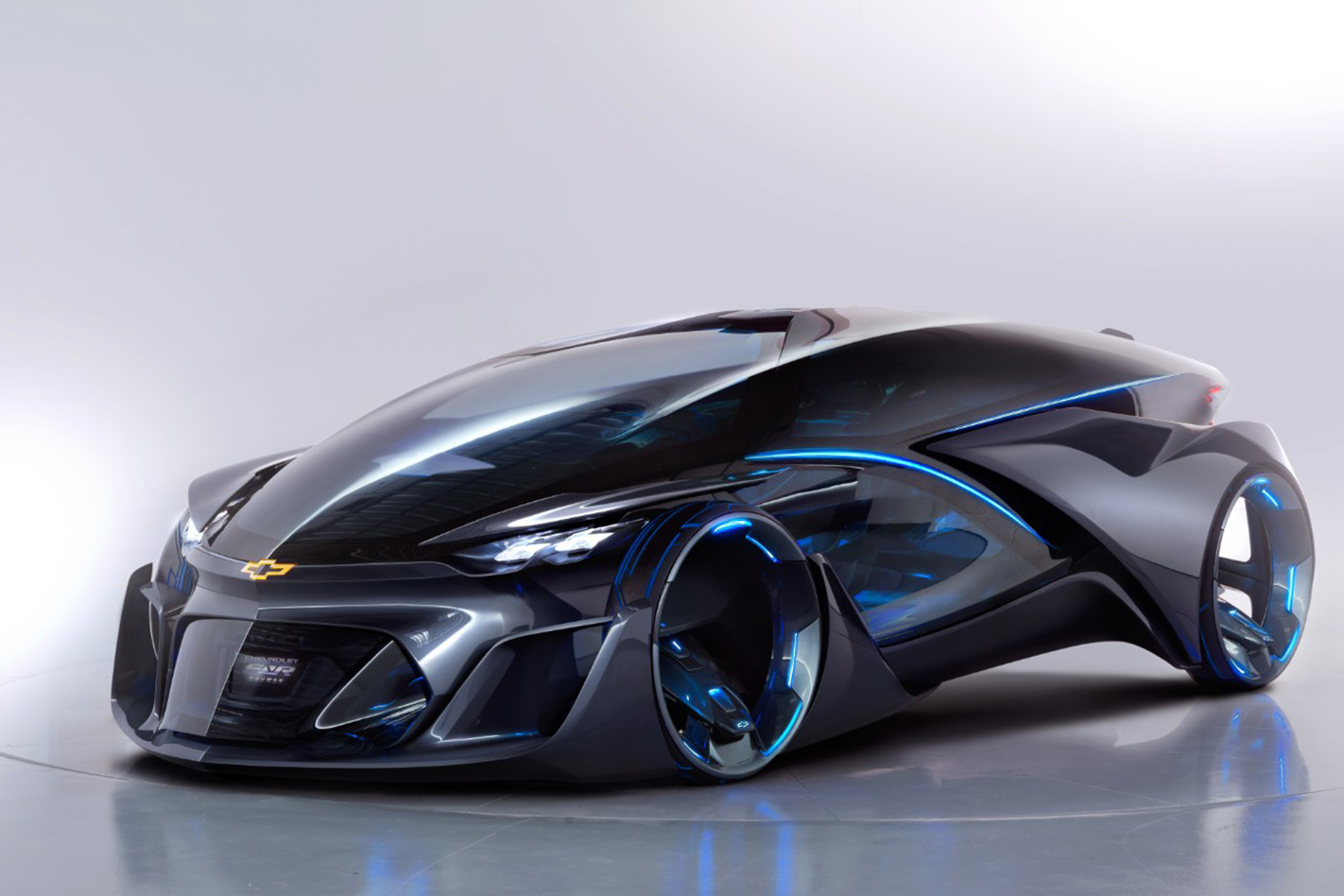
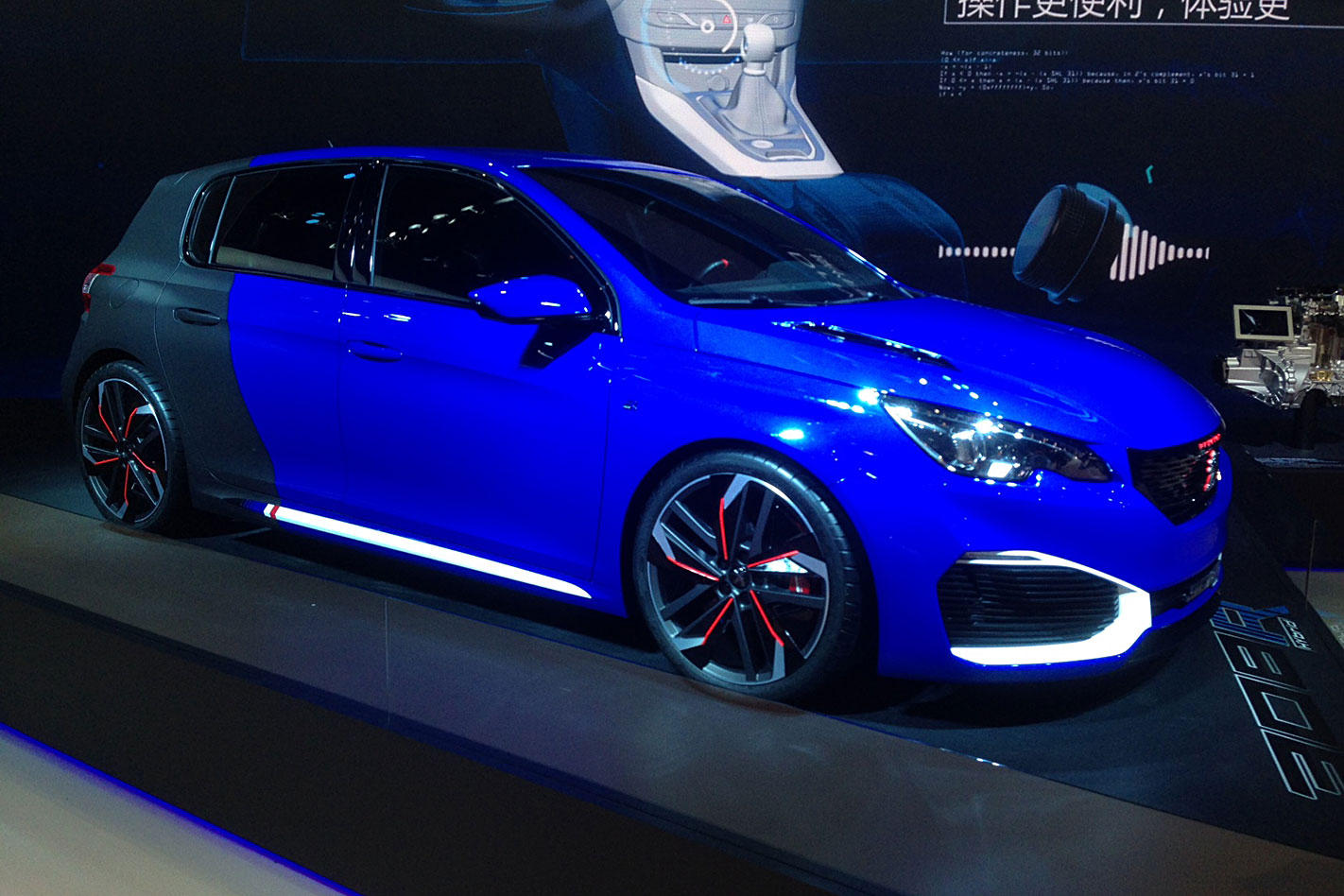
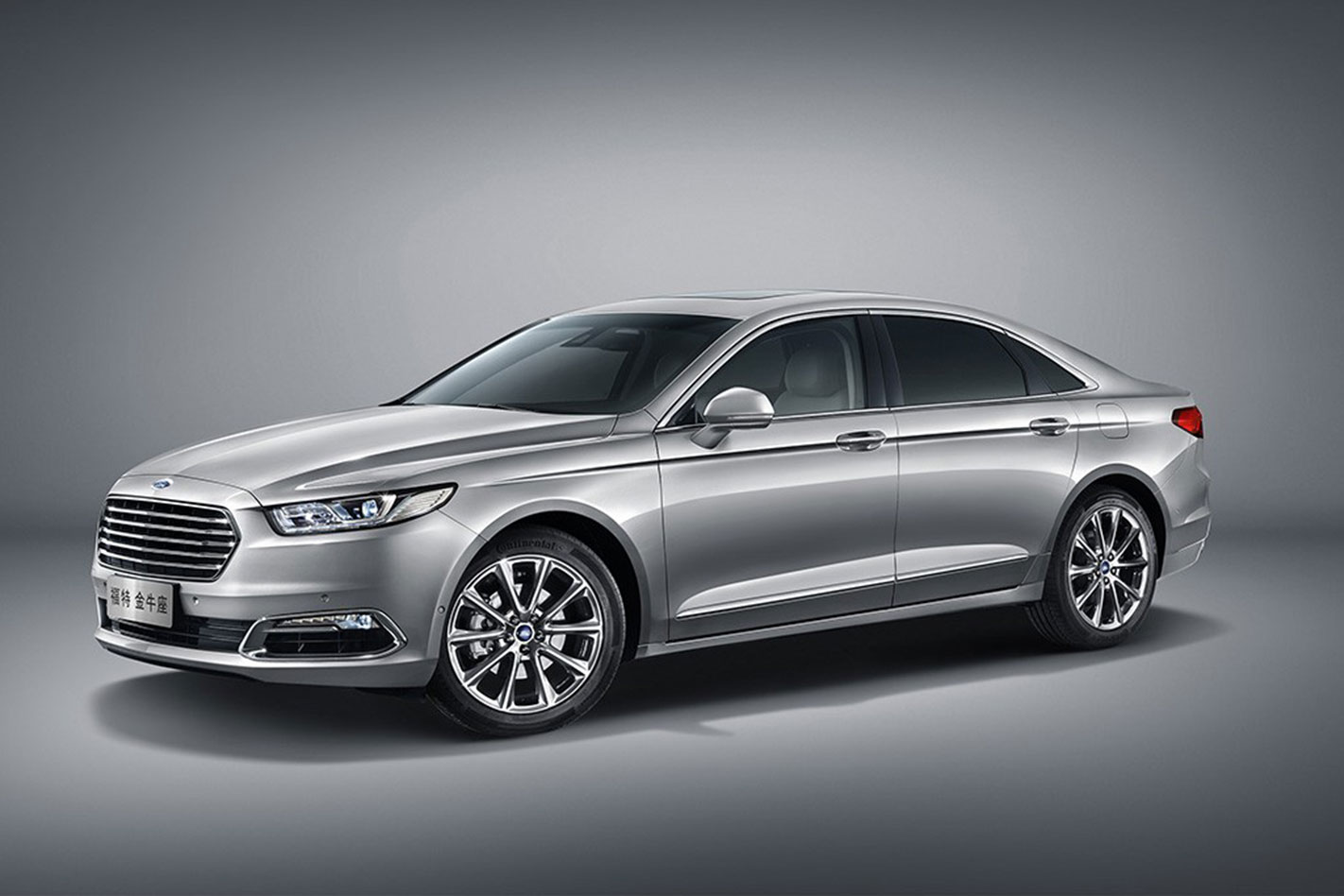
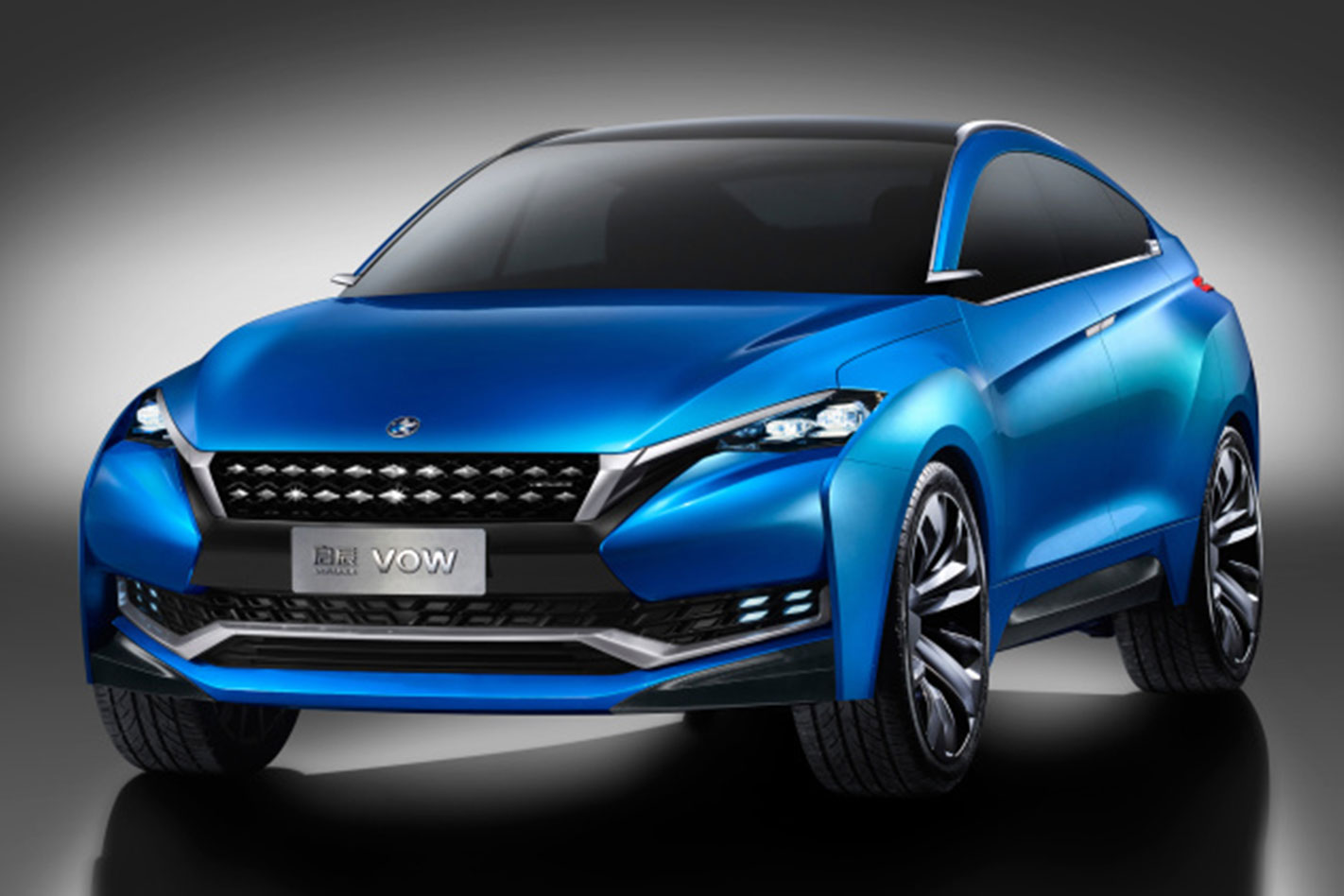
It’s now one of the biggest dates on the automotive calendar, with the big players taking China very seriously. Here’s Wheels’ top 10 picks from this week’s event.
Chevrolet FNR concept
Peugeot 308 R Hybrid concept
2015 Ford Taurus
2016 Nissan-Dongfeng Venucia VOW
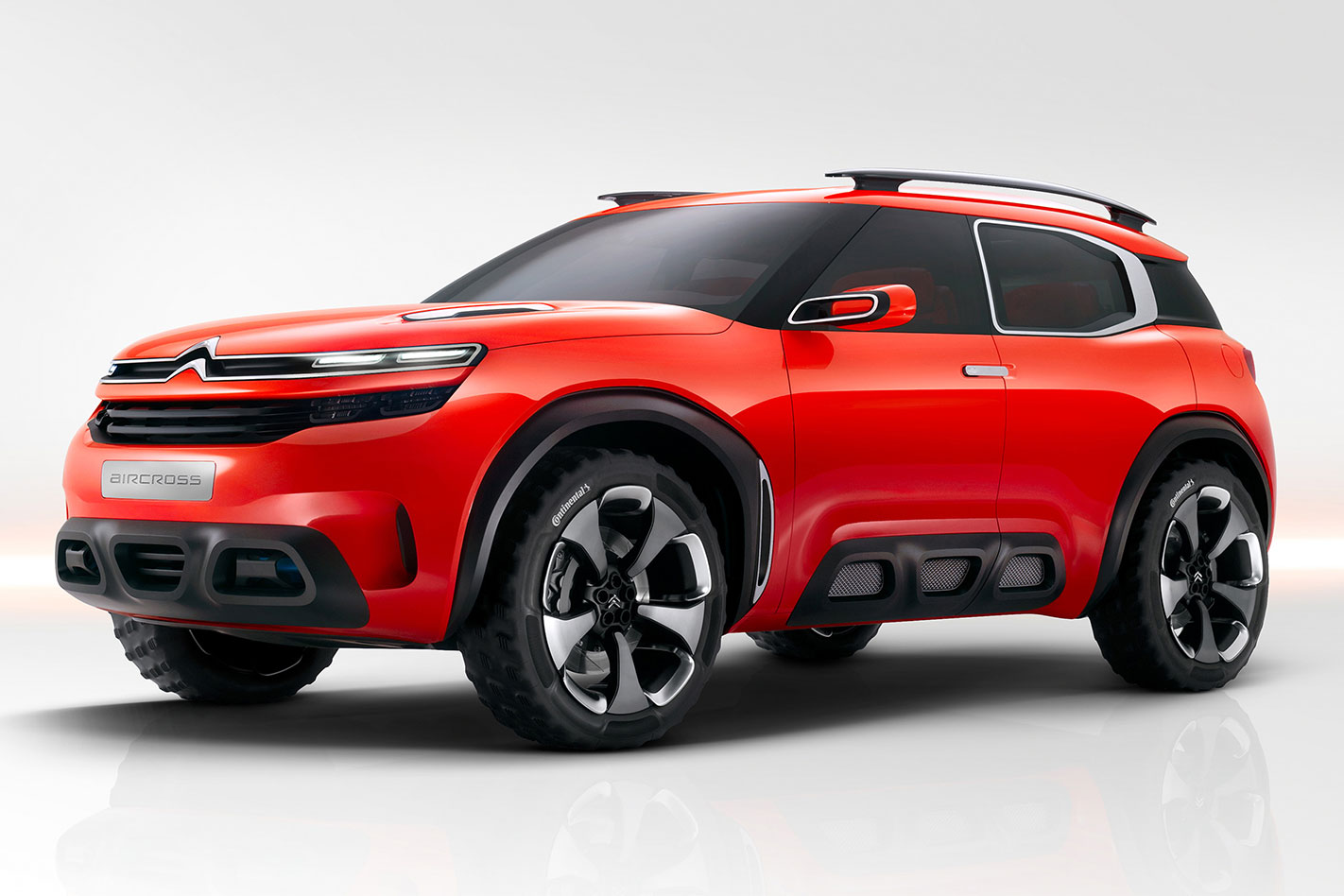
Citroen Aircross concept
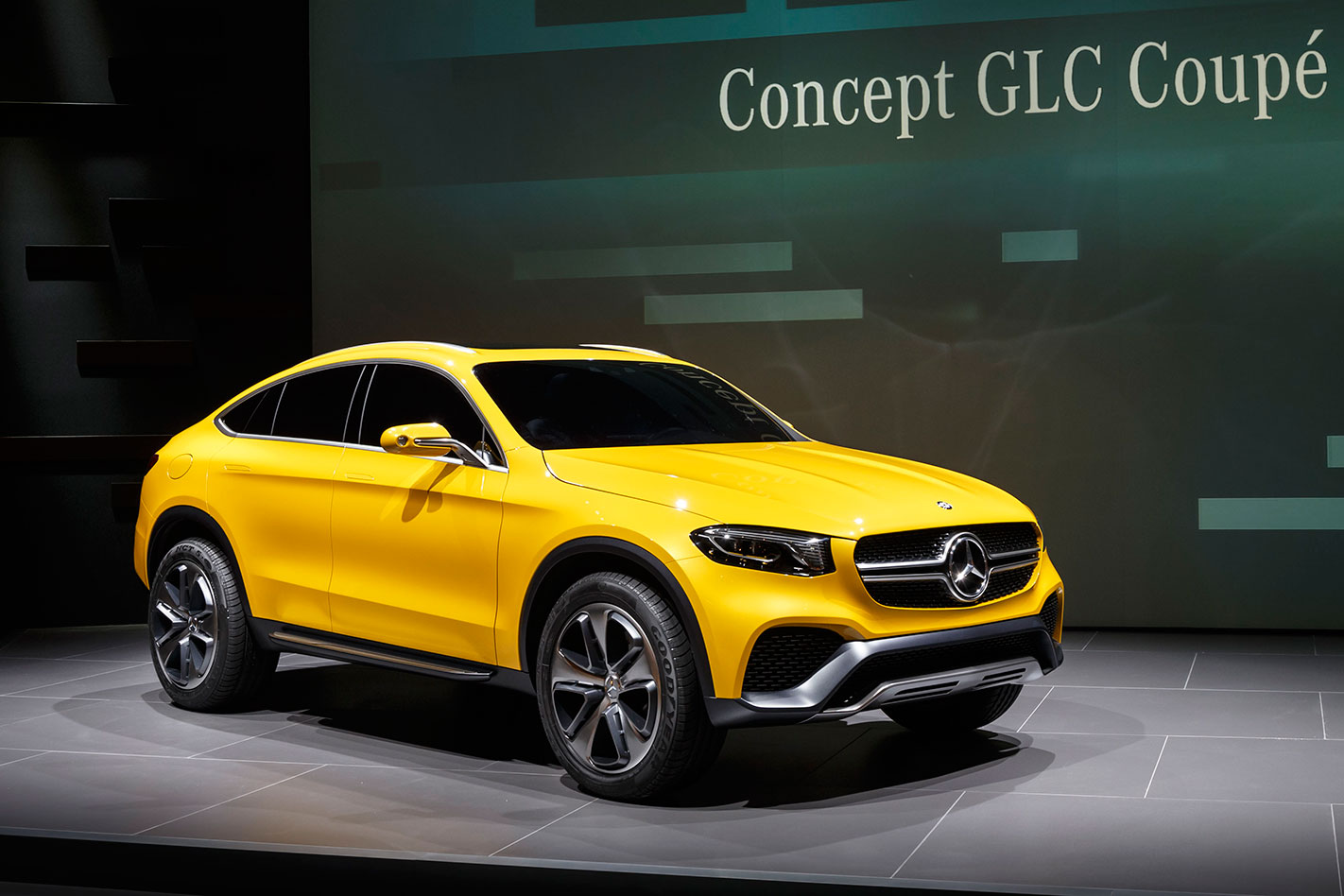
2016 Mercedes GLC Coupe
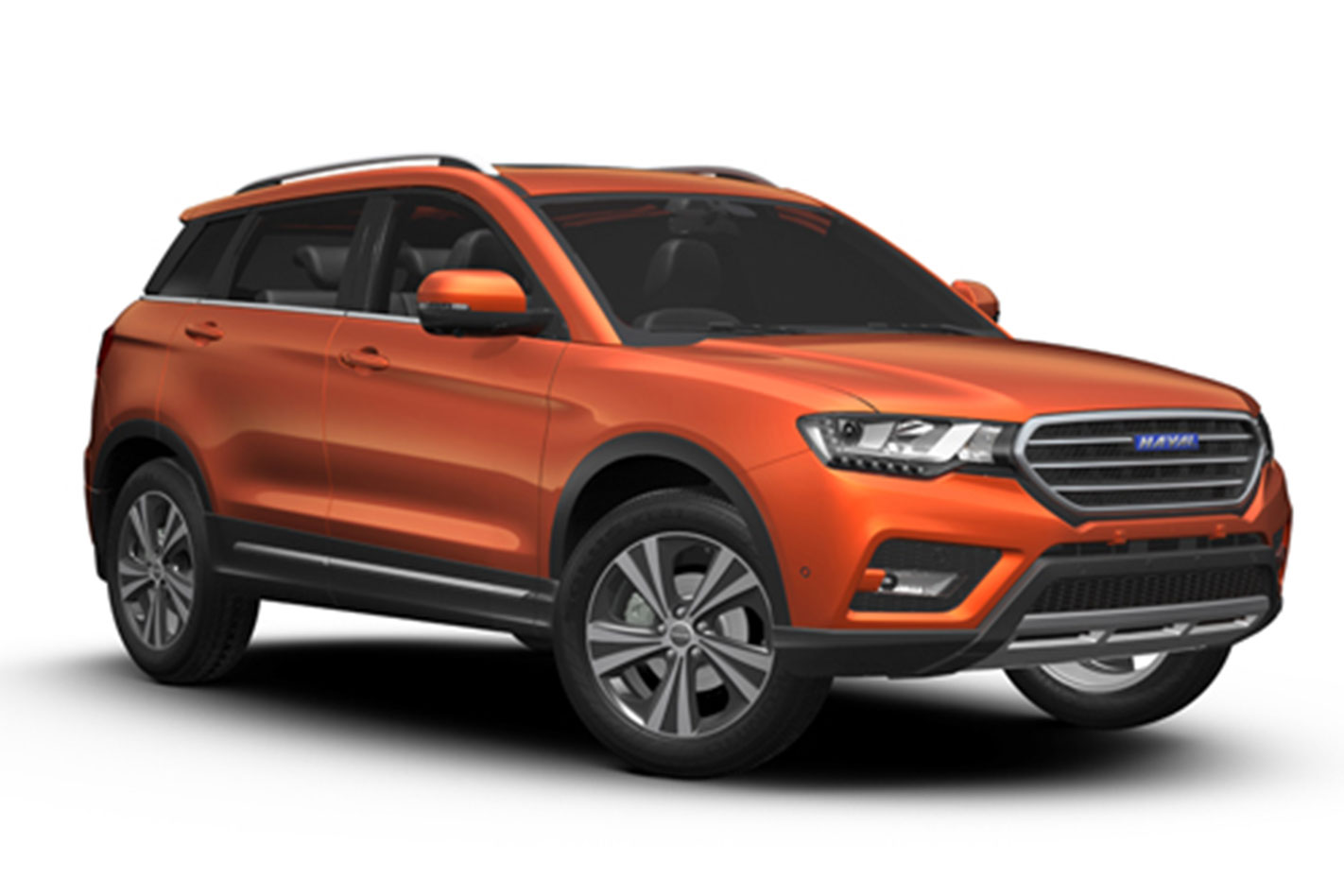
2016 Haval H6 Coupe
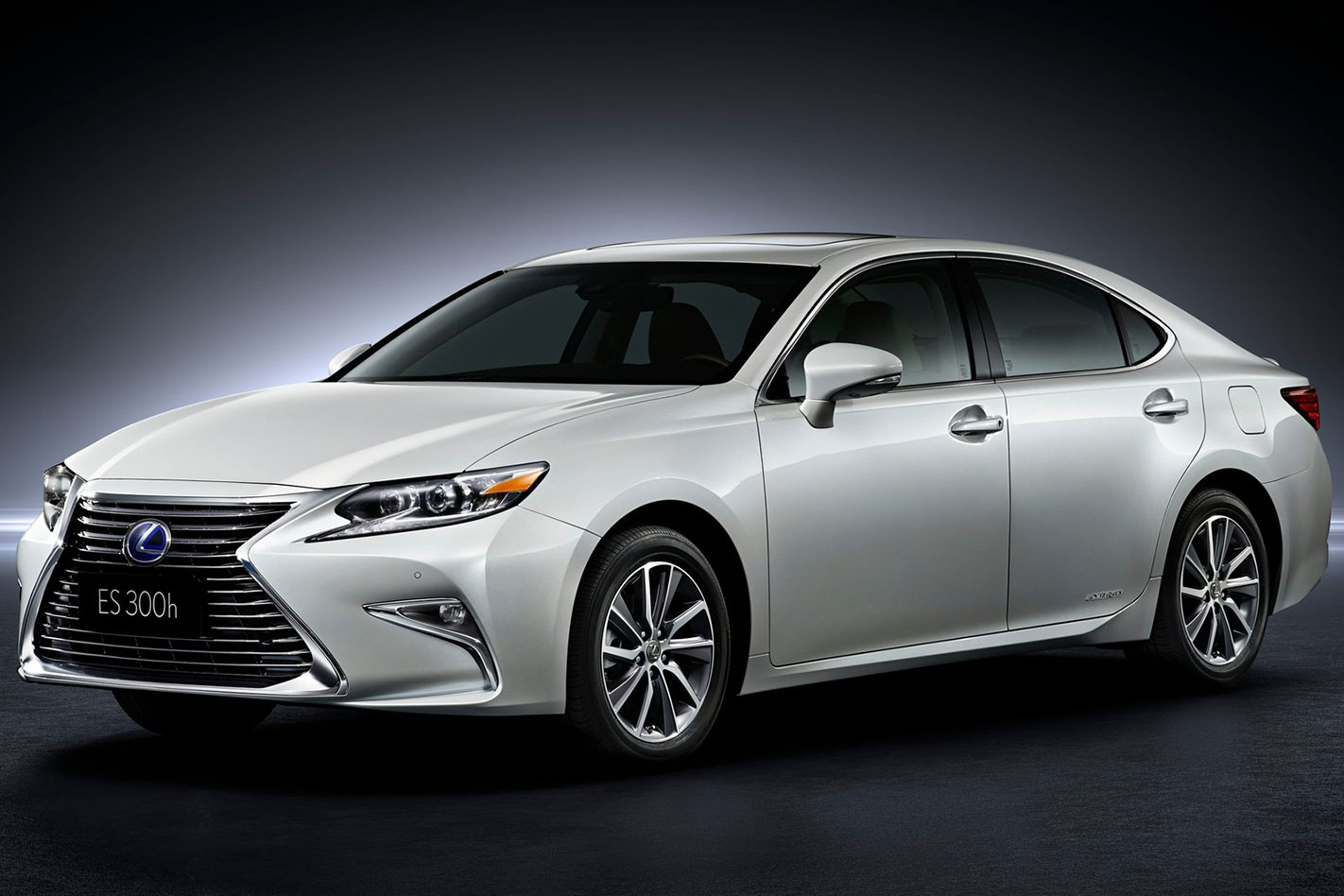
2015 Lexus ES facelift
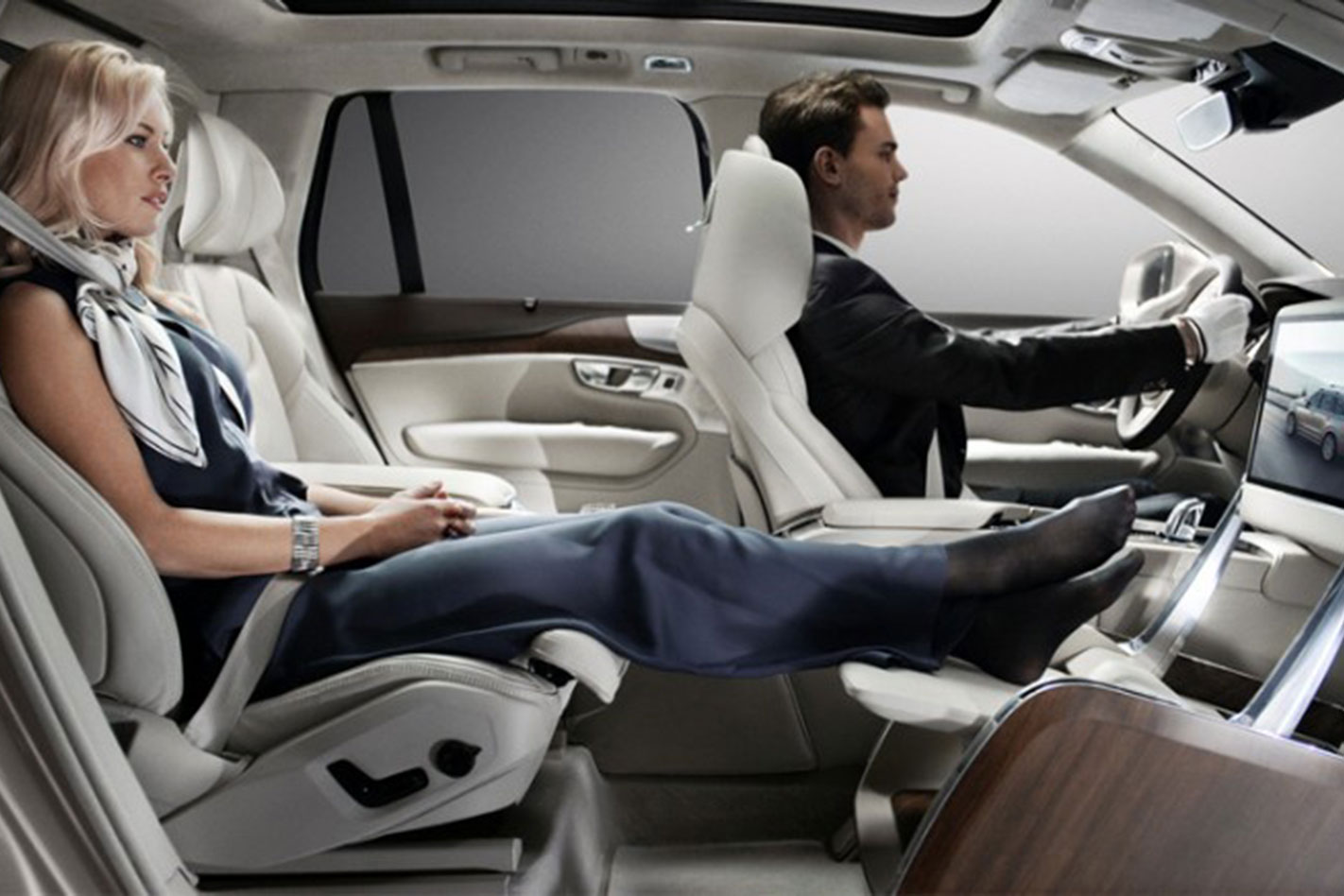
2015 Volvo XC90 Excellence Lounge Console
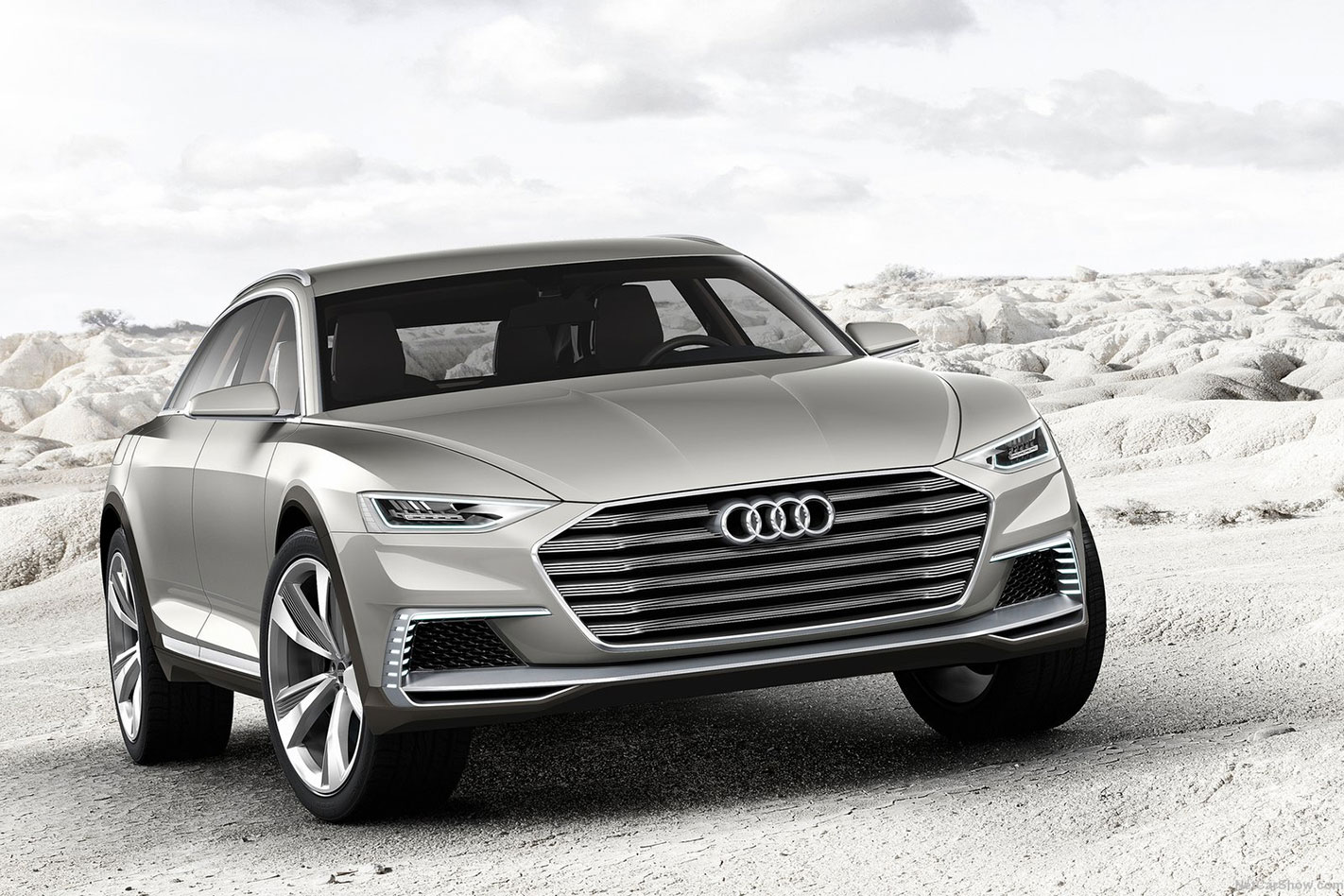
Audi Prologue Allroad
It’s still not going to appeal to every palate, but Nissan’s extrovert Juke has had some development budget aimed in its direction. It emerges with some well-judged upgrades.
WHAT IS IT? The newest version of Nissan’s mad-hatter small SUV. Even today, three years after its launch, the Juke still looks like a concept car that escaped from a motor show stand.
WHY WE’RE TESTING IT Sharper looks, better packaging and, importantly, a new entry-level engine appropriated from Renault mean the Juke’s appeal is now broader than ever.
MAIN RIVALS Ford Ecosport, Holden Trax, Peugeot 2008, Mazda CX-3
THE WHEELS VERDICT Try to name a more polarising car on sale than the Nissan Juke. In a world of tracing paper, conservative design, the Juke is refreshingly different and is now better than ever thanks to improved packaging, tweaked styling and a gutsy, well-priced base model. We only wish the interior and dynamics were better.
PLUS: new entry-level engine; boosted equipment; improved packaging; sharper styling MINUS: dated, cheap-feeling cabin; lacks dynamic polish
THE WHEELS REVIEW IT’S EASY to imagine that the Nissan Juke has its own, sealed-off section at Nissan HQ. A closed door behind which jokes are told, whoopee cushions are sat on and eye-bending designs, like the freshly updated Juke you see here, are drawn.
This facelift arrives three years after the original Juke landed Down Under and it does nothing to soften the visual impact of Nissan’s divisive small SUV. A new front bumper gives greater prominence to Nissan’s V-grille, while restyled head and taillights look like they’ve been stolen straight from the 370Z. There are also new indicator signals in the mirrors, LED running lights, new alloy wheels and the addition of three bold colours, like ‘Bumblebee Yellow’ , just in case the Juke’s mad-hatter styling wasn’t enough of a visual assault.
But it’s under the Juke’s tweaked skin where the real headlines lie. There’s a new entry-level engine for manual ST models, with Nissan replacing the old 1.6 atmo donk with a Renault-sourced 1.2-litre turbo four-pot. Sounds like a raw deal, but the new unit is flexible, strong and, with a fuel consumption claim of 5.6L/100km, more economical too.
Power is actually down 1kW over the 1.6’s 86kW, but torque is up 32Nm to 190Nm which, when mated exclusively to a smooth-shifting six-speed manual, propels the Juke through city traffic effortlessly. The ST CVT models retain the old 1.6-litre lump, and all front drivers now boast a massive 40 per cent improvement in boot space to 354 litres thanks to improved rear packaging. The range-topping Ti-S CVT, with its torque vectoring AWD system, retains its dismal 207-litre load-lugging capacity.
Nissan has streamlined the Juke range and dropped the old mid-spec ST-S, so buyers now have the choice of ST or Ti-S grades and three engine options: 1.2-litre turbo (ST manual only), aspirated 1.6 (ST CVT) and a 1.6-litre turbo (Ti-S manual and CVT AWD).
There’s new tech too, like Nissan’s Safety Shield system which adds lane departure warning, blind spot detection and a reverse camera that includes moving object detection and an overhead 360-degree view to Ti-S models.
What hasn’t changed is the Juke’s suspension or steering hardware, meaning you get the same wheel-at-each corner handling feel and well-weighted tiller. It also means the Juke can be unruly on twisty roads, with a lack of front-end grip when pushed.
Worse still, aside from a few minor tweaks, the Juke’s dated, mismatched interior remains unchanged. Dominated by hard, cheap-feeling plastics and a central stack that looks like a 1990s stereo, the Juke’s cabin is at odds with its cutting-edge, concept car exterior.
Lack of interior polish aside, it’s clear Nissan has improved the Juke. Sharper styling, improved packing and a gutsy, well-priced base model, don’t only add to its sense of individualism, but more importantly, also broaden its appeal.
SPECS Model: Nissan Juke ST manual Engine: 1197cc 4cyl, dohc, 16v, turbo Max power: 85kW @ 4500rpm Max torque: 190Nm @ 2000rpm Transmission: 6-speed manual Weight: 1163kg 0-100km/h: 10.8sec Economy: 5.6L/100km Price: $23,490 On sale: now
Stunning images help us put together Australia’s best performance car magazine, month in month out.
But it’d be criminal to let all our eye-popping images, taken by this country’s top-calibre snappers, only breathe between the pages of our periodical.
From now on expect to see more articles like this one, where you can download our stunning automotive images for your desktop or mobile. Or just feast on with your eyes.
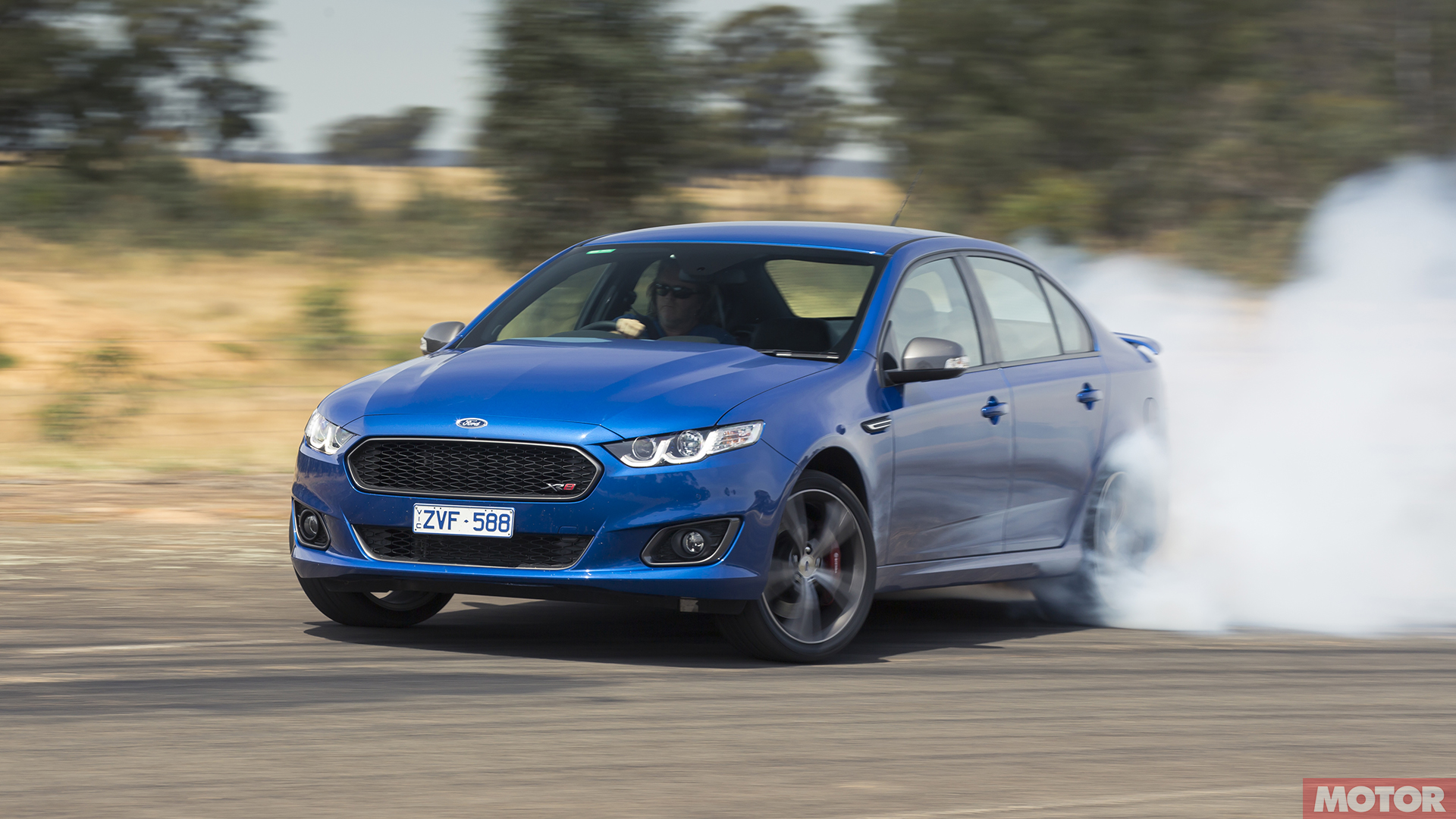
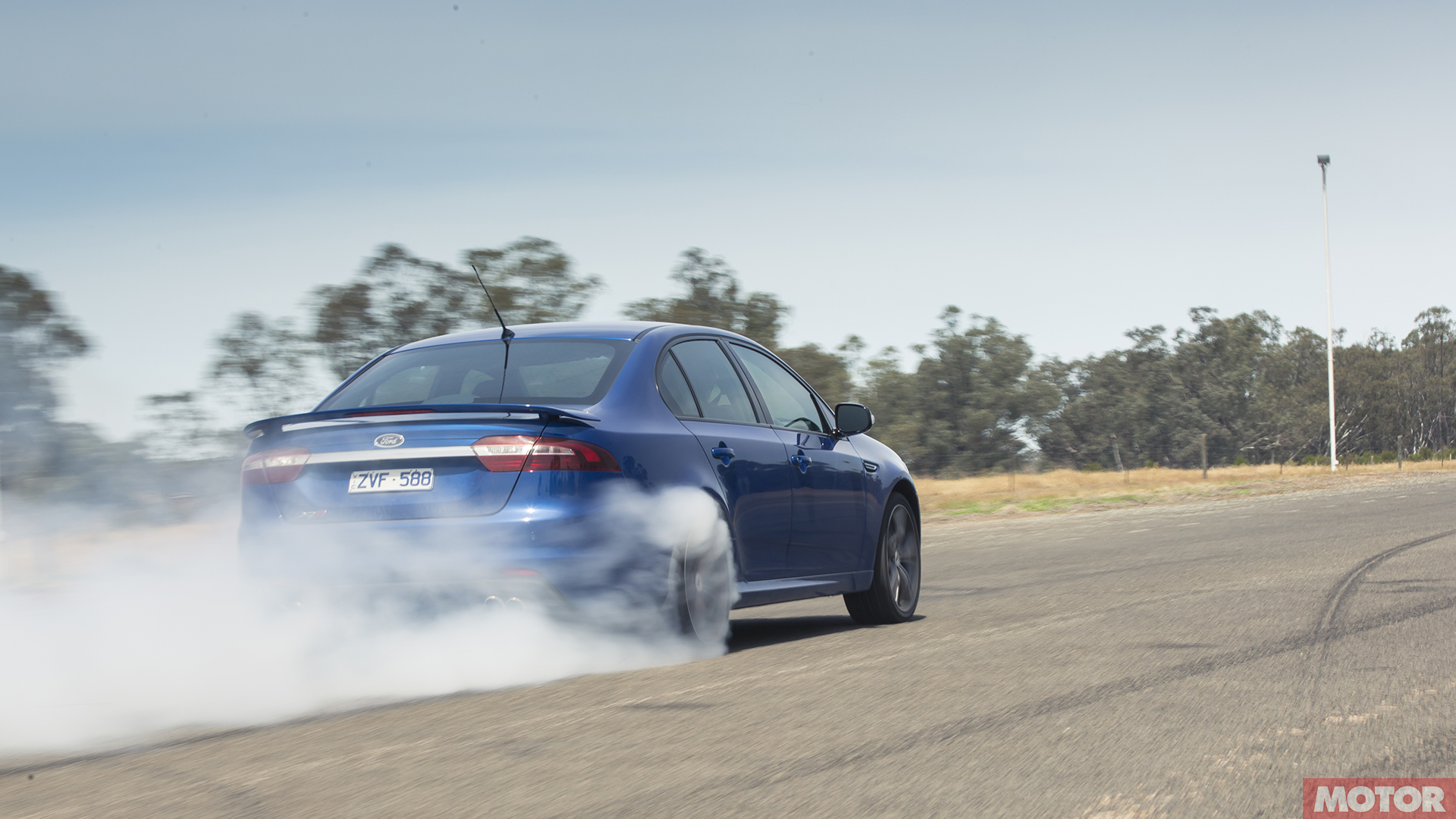
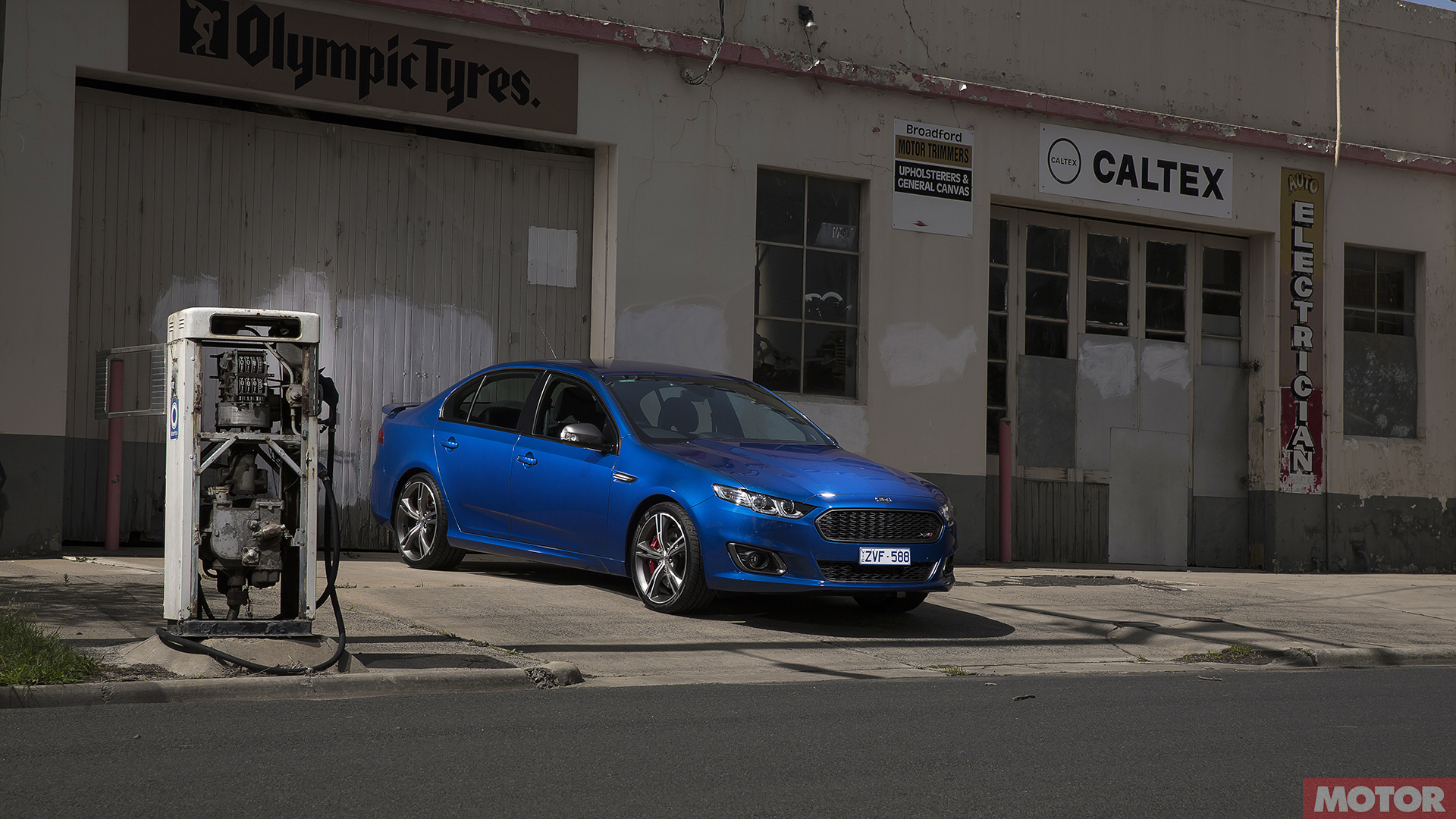
For our first ever month, we’re giving you our favourite slides of the Ford Falcon XR8.
ROLLS-ROYCE customers are not making demands for hybrid technology despite the spread of electric drivetrains across all other automotive segments and price points, the British luxury brand says.
Speaking to Wheels at the 2015 Shanghai motor show, Asia-Pacific regional director Paul Harris said the Rolls-Royce Phantom 102EX concept proved an invaluable indication of what its customers wanted.
“Rolls-Royce lends itself to electric vehicles particularly because, one, it’s generally silent, and secondly, it’s really short journey stuff and special occasions,” said Harris.
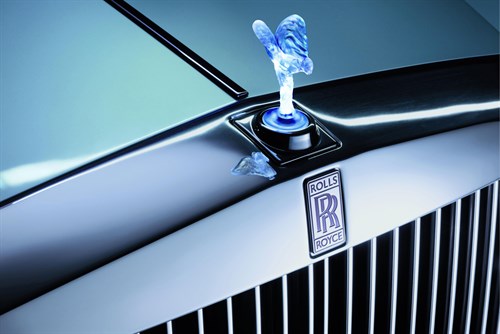
The 102EX was an “experimental electric” version of the maker’s flagship Phantom model, a sedan that is normally powered by a 6.75-litre V12 producing 338kW and, in Australia, a million-dollar price tag once on the road. As well as the electric drivetrain, the EX102 featured a blue-lit polycarbonate Spirit of Ecstasy emblem rather than the traditonal stainless steel one.
The V12 engine officially uses 14.8L/100km, with carbon dioxide emissions capped at 347g/km ─ by comparison, the figures for the 335kW supercharged 5.0-litre V8 engine under the bonnet of the XR8-badged Falcon are 13.7L/100km and 324g/km.
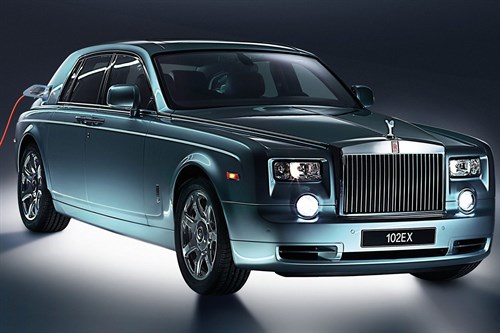
For the 102EX, the V12 was replaced with a lithium-ion battery pack and two 145kW electric motors driving a single speed gearbox, but EV tech is not about to make production.
“From that point of view, that experiment was very interesting because we effectively got a polarisation of our clients; they liked it, but they didn’t want to give up V12,” Harris said. “In our segment, in terms of CO2, we’re quite competitive.”

That means a hybrid version of the forthcoming Rolls-Royce SUV that was confirmed earlier in 2015 is no longer on the cards.
“I think what will drive it will be influences outside of our control ─ legislative changes ─ and if that were to happen it’s something that we would have to seriously consider. But at the moment, V12 is our heartland, it’s what we do, and what we do best.”
In 2014, Rolls-Royce set its fifth consecutive annual record with 4063 sales. Its biggest market was the US, followed by China.
FERDINAND Piech’s reign over Volkswagen may be coming to an end after the company’s most senior committee this week sided with CEO Martin Winterkorn in a fascinating power struggle with the company chairman.
As we reported earlier, Piech said he was “at a distance” to Winterkorn, a comment that would once have ended the VW Group CEO’s career.
It was still enough to force the firm’s steering committee to meet and issue a statement, but instead of giving Winterkorn his gold watch, the six-man committee praised him as the “best possible” CEO and urged the extension of his contract next year.
Piech himself is a member of that committee, and the statement came after a row with the five other members; three trade unionists, the Prime Minister of Lower Saxony, and his own cousin, Wolfgang Porsche.
Piech’s failure to get his own way shows his grasp on the VW Group has weakened.
A survey of investors showed that, while 65 percent agreed with Piech that Winterkorn should go, 80 percent wanted Piech out as well.
VW insiders say Piech was lucky not to have been deposed over his high-handed attitude to his former friend, who has increased sales by 60 percent in eight years to 10 million; VW will likely take over as the world’s biggest carmaker next year.
Instead, Piech is likely to be given little official power when his term as chairman expires in 2017.
So what does a bunch of politicking between steely eyed German billionaire industrialists mean for us?
First, if Piech does have to step down as chairman at the end of his term (or earlier), VW Group will be in Formula One soon after. Audi has already hired former Ferrari F1 chief Stefano Domenicali and only a personal beef between Piech and Bernie Ecclestone blocks an entry.
Second, Winterkorn and his eventual replacement as CEO (probably Porsche’s Matthias Muller) will pay more attention to criticisms made by Piech, and more importantly the shareholders, so expect more urgency in the development of a new low-cost brand and more focus on radical new drive technologies.
Volkswagen-brand cars will also be made more profitable, so expect the cost-cutting to continue.
And there will be a fresh focus on fixing VW’s woes in America, partly with better new products that may also make it to other markets.
The new ‘affordable’ 540C has debuted in Shanghai ahead of 2016 Aussie release, though you’ll still need $300-$350K to ink your name on McLaren rego papers.
Unsurprisingly, McLaren has again dug deep into its parts bin to create its latest coupe, which will sit under the recently unveiled 570S model in the marque’s second-tier Sports Series range.
The 540C shares the same carbonfibre shell as the 570S, so the ‘baby’ McLaren retains its exotic construction in its core DNA, a more high-brow material make-up than its direct rivals from Audi and Porsche.
When optioned in its most lightweight guise, the 540C is said to tip the scales at 1311kg, which is markedly less – up to a 150kg saving, says its maker – over many of its key rivals.
Nor it’s the 540C’s powertrain diluted by any meaningful measure – it’s essentially the marque’s evergreen 3.8-litre twin-turbo V8 that’s mid-mounted and tied to the seven-speed SSG transmission used throughout the Brit maker’s ranges.
As you might expect, outputs have been pegged back, the 540C outputting ‘just’ 397kW and 540Nm against the 420kW and 600Nm offered in the 570S variant.
So while the 540C might be the slowest McLaren of the current generation – and three-tenths off the 570S’s pace – it’s claimed that the sprint to 100km/h from a standstill is a scintillating 3.5 seconds.
Meanwhile, top speed is ‘only’ 320km/h.
The new model, which its maker forecasts will double the company’s annual vehicle sales post-launch, looks set to hit Australian showrooms in Q1 next year.
Get your free weekly report from the world of fast cars – subscribe to the MOTOR newsletter!
The E63 BMW M6 coupe was and still is a total cruise missile.
Built to be just as comfortable doing 300km/h down the Autobahn as it was at the race track, the M6 was the ultimate track-tuned super tourer.
Key to its charm was the 5.0-litre naturally aspirated V10 screamer under the bonnet producing 373kW/520Nm.
The 0-100km/h sprint took 4.6 seconds and with the 250km/h speed limiter removed this era of M5/6 could crack 322km/h (200mph).
It’s only real downfall was its peanut sized fuel tank, which drained very quickly when connected to the M6’s burly V10 engine.
When new the big Beemer would’ve cost you $275k, now it can be had for $59,990, less than a base 320d diesel sedan – isn’t depreciation wonderful?
It’s not lacking in the amenities department either, equipped with all the mod-cons like a seven-speed gearbox with selectable gearshift ferocity, a carbon fibre roof, tyre pressure sensors, iDrive with satnav, parking sensors – pretty much everything you get in a new BMW. We’re not quite sold on the brown leather though.
The M6’s unique styling has also held up pretty well over the years. Its ‘Bangle butt’ won’t be to everyone’s taste, but the thing has presence.
For more images and information click here.
Get your free weekly report from the world of fast cars – subscribe to the MOTOR newsletter!
