
Chery is ramping up its Australian ambitions, confirming a wave of new sub-brands – Lepas, iCaur and Freelander – as part of an aggressive expansion strategy that will significantly broaden its local footprint over the next few years.
The Chinese automotive has established itself in Australia with its core Chery brand alongside Omoda and Jaecoo, but it’s now preparing to introduce multiple new marques targeting distinct buyer segments. The move reflects both the rapid growth of Chinese brands locally and Chery’s intent to diversify its offering across price points, technologies and vehicle types.
Leading the charge is Lepas, expected to arrive first, with timing pointing to a late 2026 launch. Positioned as a more design-led and expressive brand, Lepas is aimed at buyers seeking something beyond traditional practicality.
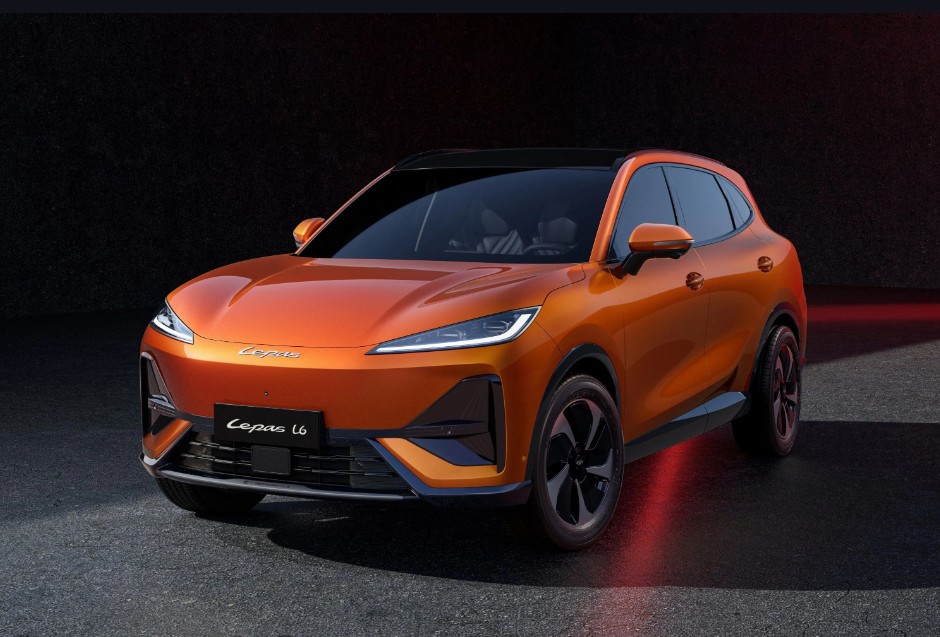
Overseas, the brand has already previewed a family of models including the L2, L4, L6 and L8, ranging from compact to large SUVs. The L6 mid-size SUV (above), smaller L4 and flagship L8 large SUV are among the strongest candidates for Australia, offering a mix of petrol, hybrid and electric powertrains on shared Chery architecture. Positioned as a more design-led and youth-focused brand, Lepas is expected to lean heavily on styling and personalisation to stand apart from Chery’s existing Tiggo range.
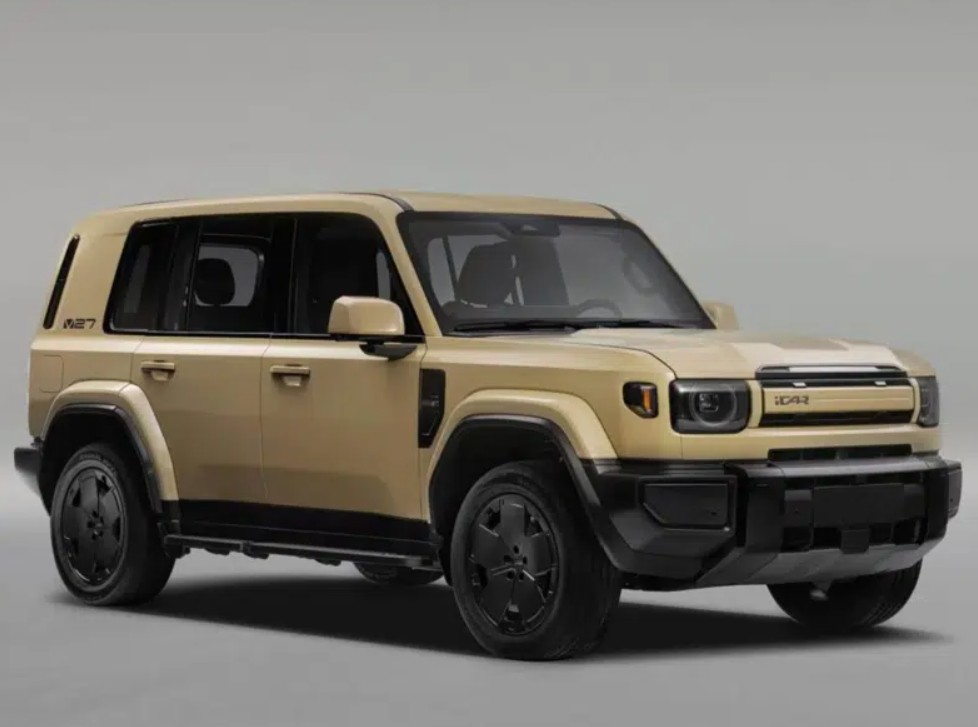
Further down the pipeline is iCaur (also referred to as iCar), Chery’s electrified off-road-focused brand tipped to bring rugged, lifestyle-oriented vehicles to market. iCaur’s global portfolio includes models such as the iCar 03, the large V27 SUV (below) and the boxy V23, both under consideration for Australia. These electric SUVs combine rugged styling with modern EV tech, including dual-motor all-wheel drive options and claimed driving ranges of up to around 500km (CLTC). The V23 in particular, with its retro-inspired design and off-road intent, is tipped as a key launch model to establish the brand locally in 2028 or later.
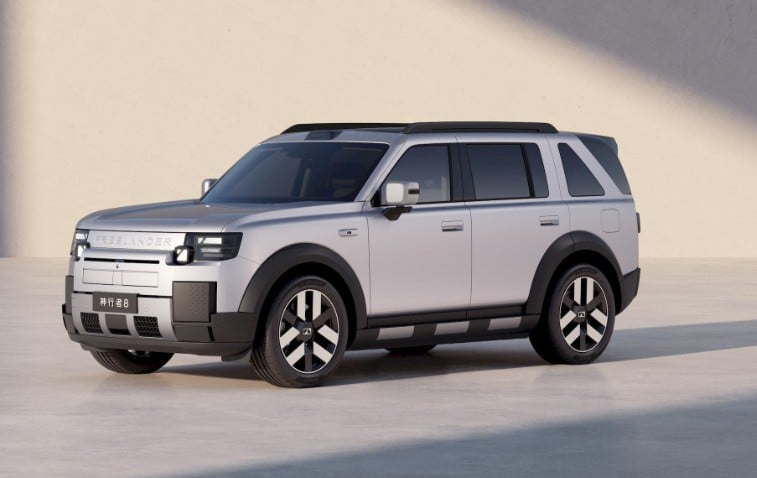
Perhaps the most intriguing addition is Freelander, a revived nameplate developed through Chery’s partnership with Jaguar Land Rover. Set to launch in Australia around 2027, Its first model is expected to be the Freelander 8, a large electrified SUV measuring over five metres long and offered with battery-electric, plug-in hybrid and range-extender powertrains. Previewed by the Concept 97, it will feature advanced technology including dual-motor all-wheel drive and next-generation battery systems, positioning it as a more upmarket alternative within Chery’s expanding ecosystem.
Chery’s multi-brand strategy mirrors the approach taken by several Chinese automakers, using distinct sub-brands to target niche audiences and accelerate growth in export markets. In Australia alone, the company is preparing to launch up to four new marques within the next two years, highlighting the scale of its ambitions.
Chery’s expanding portfolio signals its intent to become a major player in Australia by offering a diverse mix of SUVs, electrified vehicles and lifestyle-focused models across multiple segments.
Reigning Wheels UOTY winner, the BYD Shark 6, has become a common sight on Australian roads – and with good reason. As the UOTY judges discovered, when assessed in the way that Australian buyers use their dual cabs, the PHEV Shark 6 makes a hell of a lot of sense in the real world.
At the moment, though, only three PHEV dual cabs are available in Australia. More manufacturers should be offering a PHEV option in the range, especially given the popularity of the two Chinese-built entrants.
Here are the three options:
BYD Shark 6
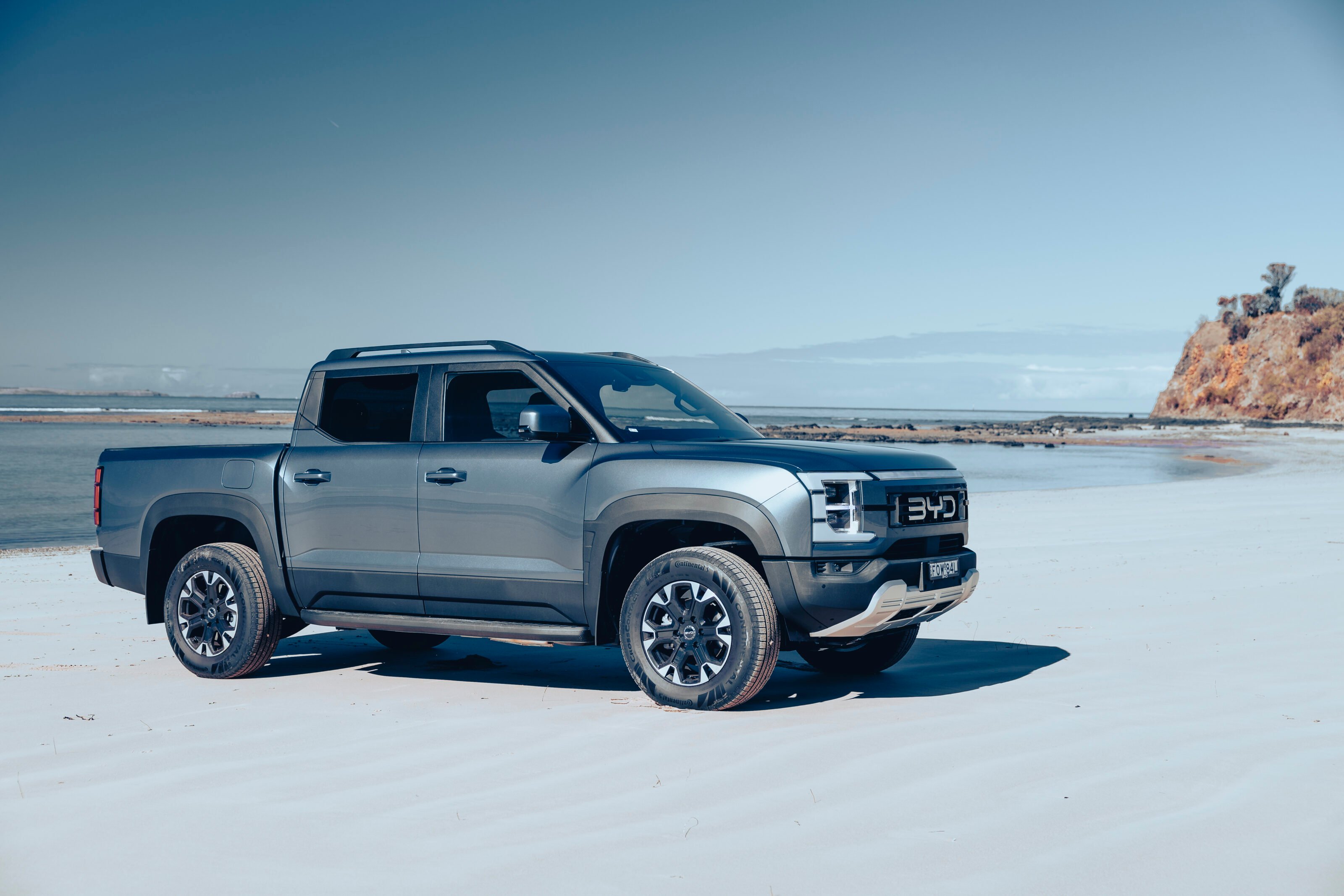
Price: From $57,900 plus ORC
Drivetrain: 1.5L turbo petrol four-cylinder engine, dual electric motors
Power: 321kW
Torque: 650Nm
EV range: 80km
Battery capacity: 29.6kWh
Fuel consumption: 7.9L/100km (low battery)
Tow capacity: 2.5-tonne braked
The inaugural winner of the Wheels Ute of the Year award was named so because it does a lot of things well – it’s quiet, refined, laden with technology that works, will complete more than the average Aussie commute on pure electricity alone, has a spacious cabin, and drives in a way that makes it enjoyable to use day-to-day in traffic.
There’s a refinement and premium feel to the Shark 6’s driving behaviour that no diesel dual-cab can match. The cabin is quiet, the ride is excellent, even unladen, the steering and braking feel more like a large SUV than they do a truck, and there’s an effortless nature to the way in which it settles into a relaxed cruise.
GWM Cannon Alpha PHEV
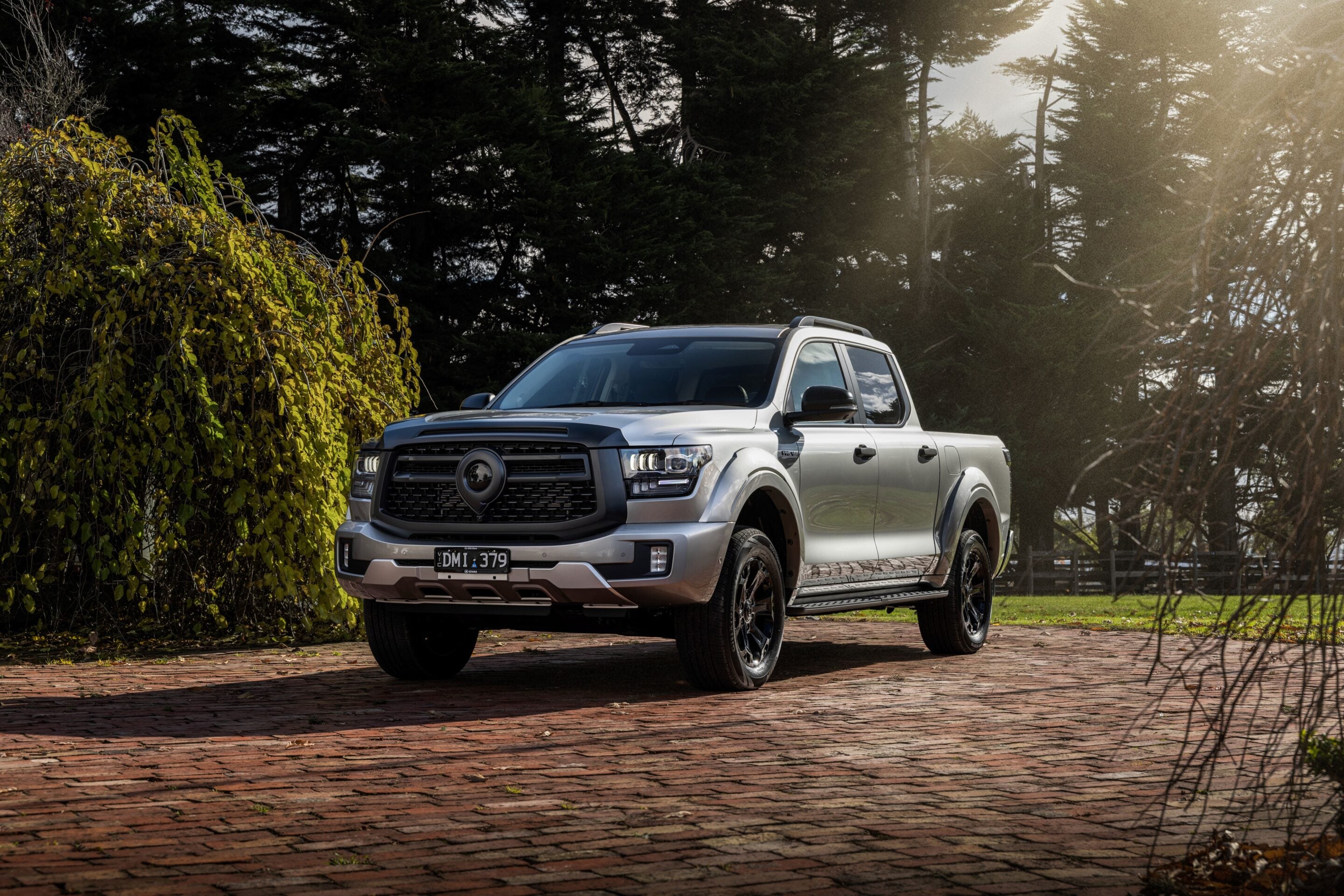
Price: From $57,490 drive away
Drivetrain: 2.0L turbo petrol four-cylinder engine, single electric motor
Power: 300kW
Torque: 750Nm
EV Range: 110km
Battery capacity: 37.1kWh
Fuel consumption: 7.9L/100km (low battery)
Tow capacity: 3.5-tonne braked
Made its way into the Australian new car market late in 2025 as the second plug-in hybrid dual-cab available behind the Shark 6.
Buyers can choose between two specification grades of the Alpha PHEV – Lux and Ultra. Even at Lux specification, there are plenty of standard equipment highlights including a 12.3-inch infotainment screen, 360-degree camera, digital driver’s clusters LED headlights, LED tail lights, dual-zone AC, selectable 4WD, a locking rear diff and electrically adjustable ‘leather look’ seat trim.
In regard to electric driving, GWM claims 115km – based on the NEDC testing regime – but expect to see closer to 100km electric range in the real world. What that means, for most of you, is that you could easily commute to and from work each day without using any fuel, and then charge back up overnight with a regular wall socket at home.
Ford Ranger PHEV
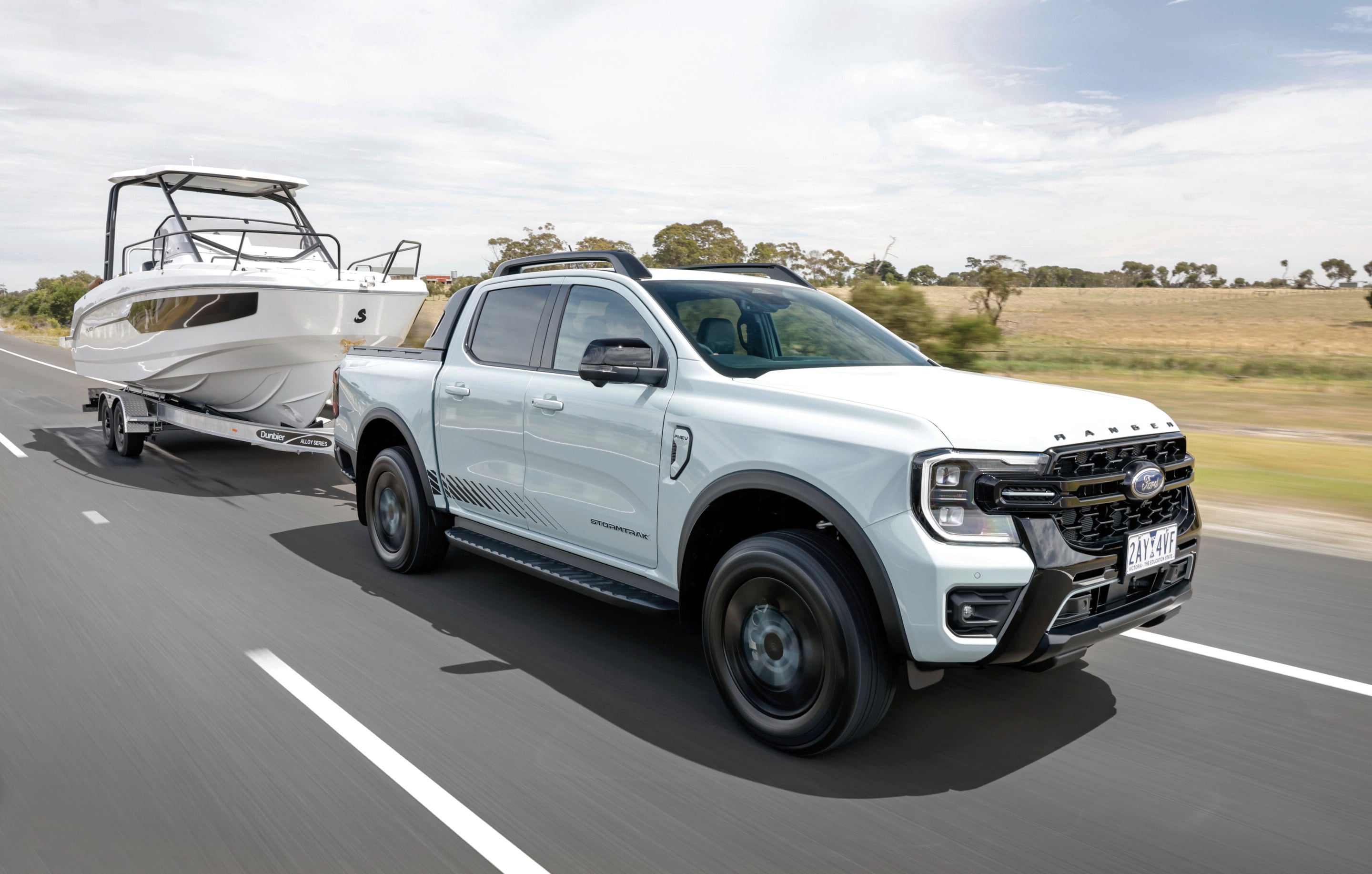
Price: From $62,000 drive away
Drivetrain: 2.3L turbo petrol four-cylinder engine, single electric motor
Power: 207kW
Torque: 697Nm
EV Range: 49km
Battery capacity: 11/8kWh
Fuel consumption: 7.8L/100km (low battery)
Tow capacity: 3.5-tonne braked
Arriving in the Australian market in the middle of 2025, the Ford Ranger PHEV is equipped with an 11.8kWh (useable) battery to complement its 138kW/411Nm 2.3-litre Ecoboost petrol engine. Together they develop a healthy-looking system output of 207kW/697Nm. But make no mistake, that battery is tiny. It’s just over half the size of the 20kWh cell pack you’d get in a Mitsubishi Outlander PHEV and a long way shy of the 29.58kWh blade battery you get in a BYD Shark 6.
Four variants are offered, from the fleet-targeted XLT, followed by the more consumer-focused Sport, Wildtrak and flagship Stormtrak models. Leaving aside the purely cosmetic trim parts, key highlights of the Sport (over XLT) include LED lights, 18-inch alloys, a power-adjustable driver’s seat, traffic sign recognition heated front seats and leather-accented seating trim.
In the details
All three come at the PHEV concept from slightly different angles. Firstly, charging every night at home should be par for the course to best access the efficiency that these dual-cabs offer. In the case of the Ranger, its paltry 49km electric-only range claim can’t match the other two, but will still get the average Aussie motorist to work and back under EV power alone. In testing, the Shark 6 has achieved 80km in pure EV mode, while the Cannon ran up to 95km in EV mode. Those figures indicate that keeping your PHEV battery topped up, is absolutely the smart way to use one, once you’ve bought it.
All three ‘feel’ like an EV when the batteries are fully charged, offering the swift, silent response and acceleration you’d expect of an EV, with effortless punch at any speed.
There’s also a level of refinement that comes with the system (underpinned by petrol engines, of course) that the regular diesel dual-cab brigade can’t match. Even when the petrol engines are working, all three are more refined than a regular diesel dual-cab.
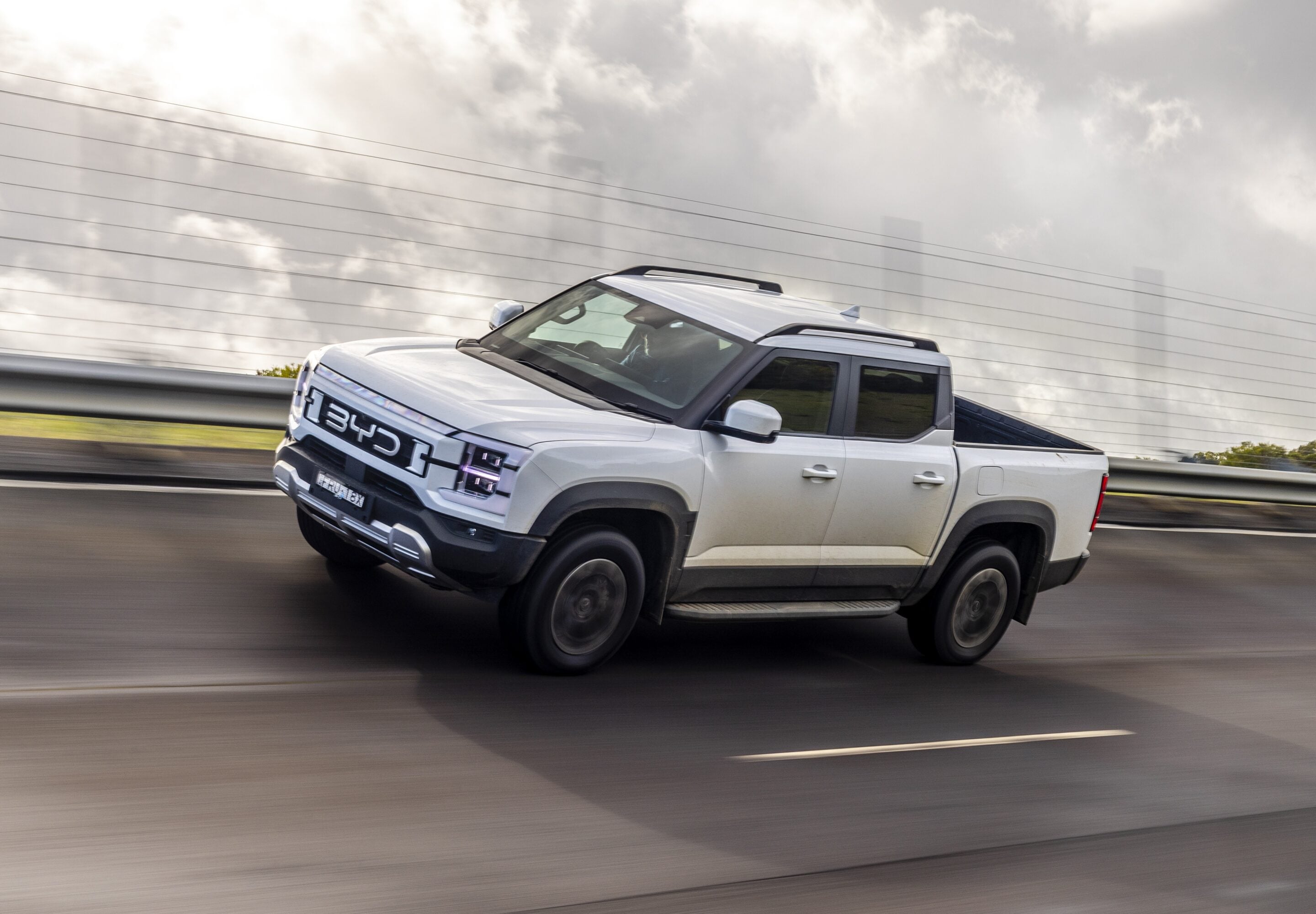
The Shark 6 can’t match the other two in regard to tow ratings or off-road capability, but if you don’t engage in either of those pursuits, the Shark was the pick in UOTY judging and remains the case now. There’s a level of cabin refinement, technology integration and driving smarts that set the BYD Shark 6 apart.
What’s most interesting, though, is the immediate success of what at the moment is a mini-segment, certainly in the case of the Shark 6, which hit the ground running with serious sales figures and has continued on its merry way. For a segment that was weighed down by diesel tradition, where anything other than a decently-sized turbo diesel was laughed at, Aussie buyers have rushed to buy what is still new technology for this segment. Showing that what’s ‘required’ in theory, doesn’t necessarily translate to sales figures.
What’s next?
This segment should expand significantly – and it should do so quickly if other manufacturers want in on the sales spoils. Chinese manufacturer JAC is bringing a Hunter PHEV to the market in mid 2026 with a petrol engine and electric motor at the rear.
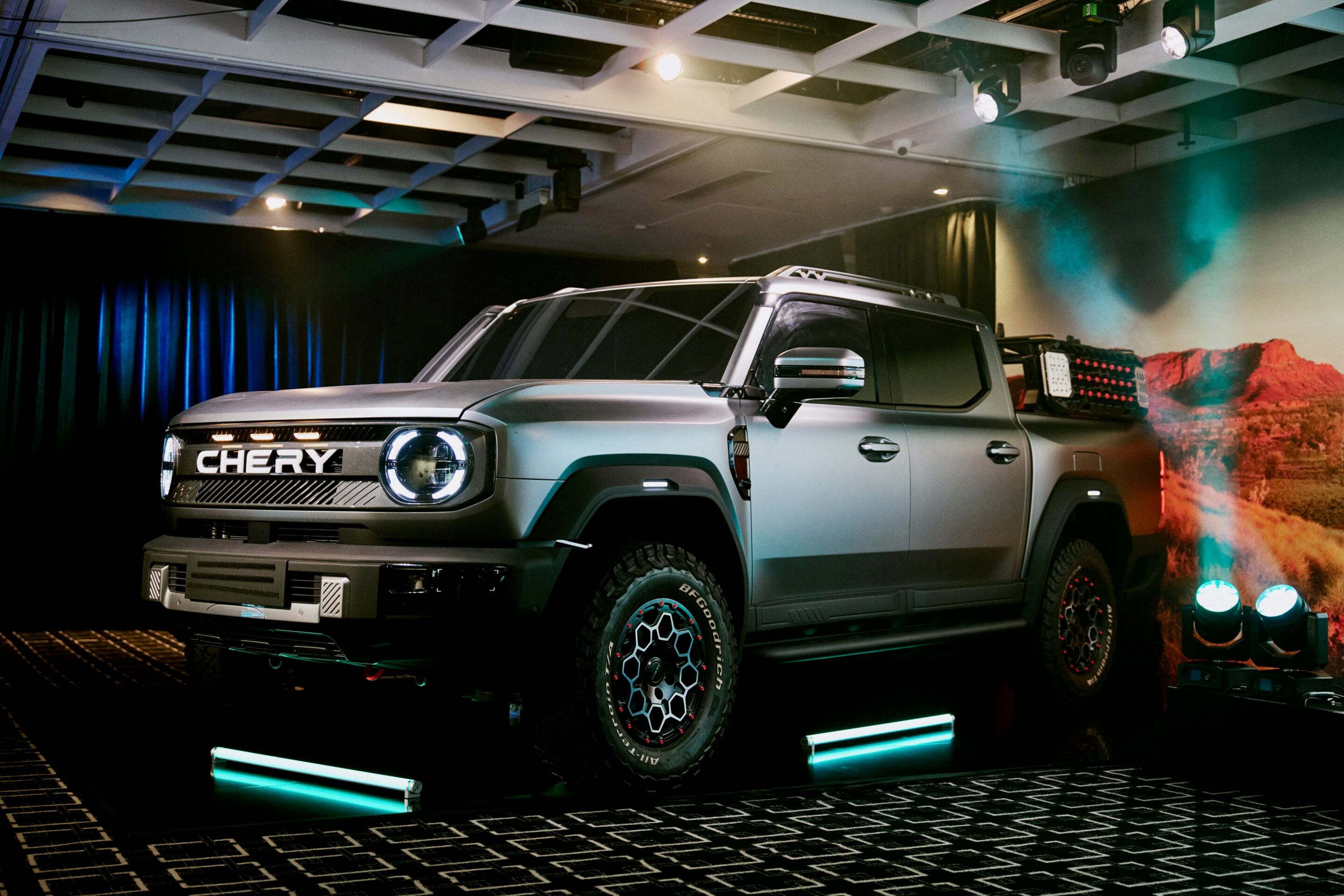
Chery will launch a PHEV (the brand’s KP31 concept model pictured above) – with a diesel engine – in late 2026, which looks to be the most traditional take on the concept. A diesel engine is a first for the segment, and Chery reckons capability and real world usage are both key for its dual-cab PHEV.
A new entrant is likely to arrive some time in 2027 in the form of the Jetour F700, also likely with a diesel engine, and also focusing on capability. Lastly, LDV is working on PHEV variants of its next-generation T70, T60 and Terron 9 dual cabs, some if not all of which, are likely to head down under.
Geely has unveiled a new off-road vehicle platform designed around artificial intelligence and electrified powertrains, positioning it as a future rival to models such as the BYD Shark in markets like Australia.
The new architecture, shown at the Beijing Auto Show, introduces a suite of off-road technologies including AI-controlled torque distribution, selectable terrain modes and an automated recovery system designed to help vehicles extract themselves from difficult conditions. It also features active body control that adjusts ride height and posture depending on terrain.
The timing is notable, as electrified utes begin to establish a foothold in Australia. The BYD Shark, the first plug-in hybrid dual-cab ute to reach local showrooms, has already begun reshaping expectations with its mix of electric motors and petrol power. Geely’s new platform signals its intention to compete in this emerging segment.
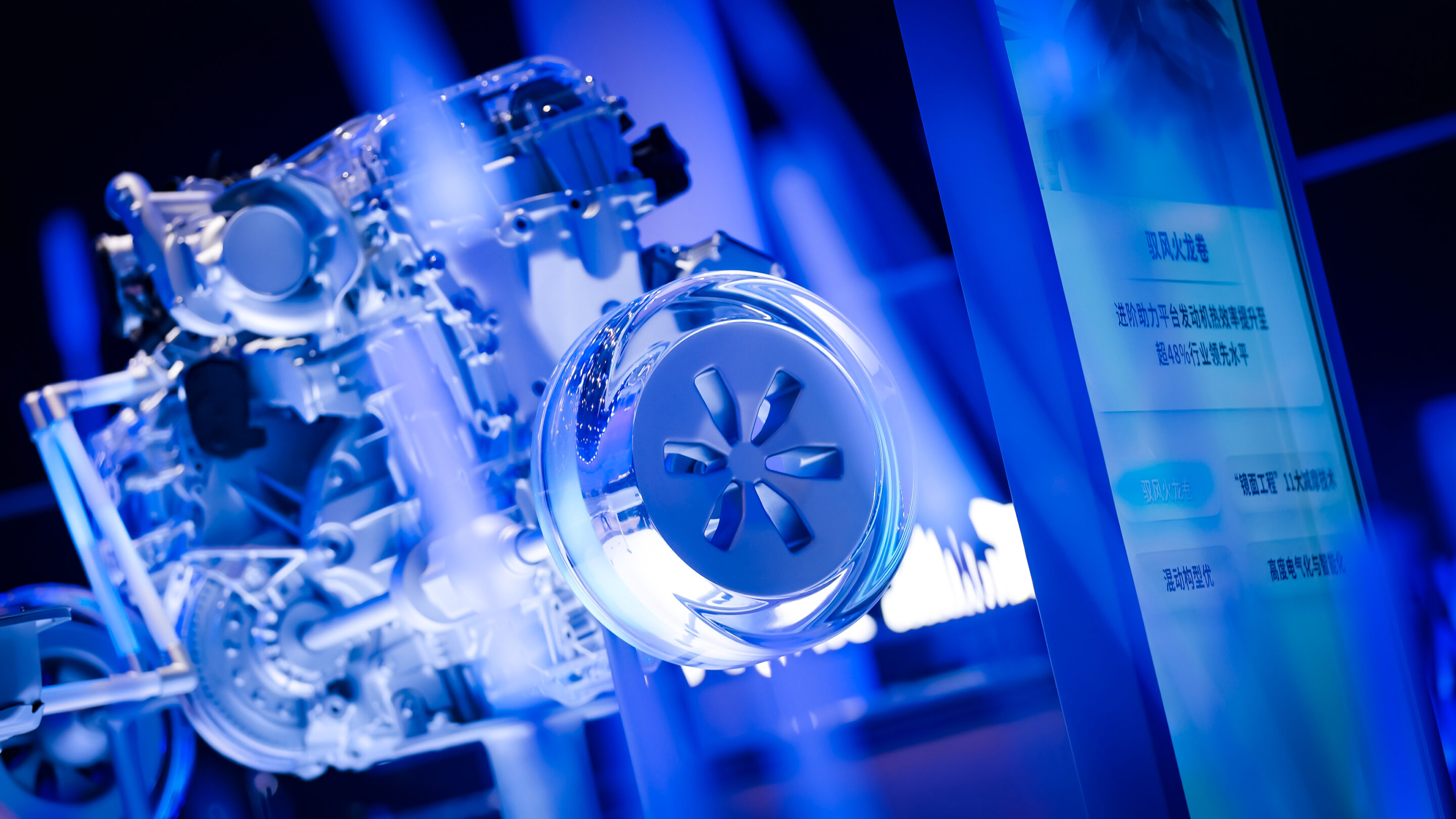
Geely’s presence in Australia currently consists of the electric EX5 and plug-in hybrid Starray EM-i medium SUVs. It also plans to introduce China’s best-selling car, the EX2 electric hatchback, later in 2026. The new off-road architecture could underpin future models aimed at markets where dual-cab utes and rugged SUVs remain popular.
Unlike conventional ladder-frame utes adapted for electrification, the platform has been developed specifically for new-energy vehicles. It uses a three-motor setup – one at the front and two at the rear – delivering more than 745kW and enabling precise torque delivery to each wheel.
The layout is designed to balance off-road ability with everyday usability, with a near 50:50 weight distribution and packaging that preserves cabin and cargo space. Safety has also been prioritised, with a protected battery structure and separation of key systems to reduce risk in harsh conditions.
Geely says the platform is intended to support a new generation of electrified off-road vehicles, combining traditional capability with the advantages of electric drivetrains as competition intensifies in global ute markets.
EV batteries repeatedly powered up by fast charging last much longer than first thought, discovered testing of a Tesla Model Y taxi that had covered nearly 180,000km, almost of all of it by way of fast charging.
The Model Y had reportedly only taken on 36kWh from an AC charger over its life, the rest of its charge delivered by fast charging.
Typical research and advice has indicated that owners are better served powering their vehicle at home via a slower charger than using repeated fast charging to ensure the long-term health of their battery. And while this particular Tesla Model Y could be an outlier, its battery health is interesting.
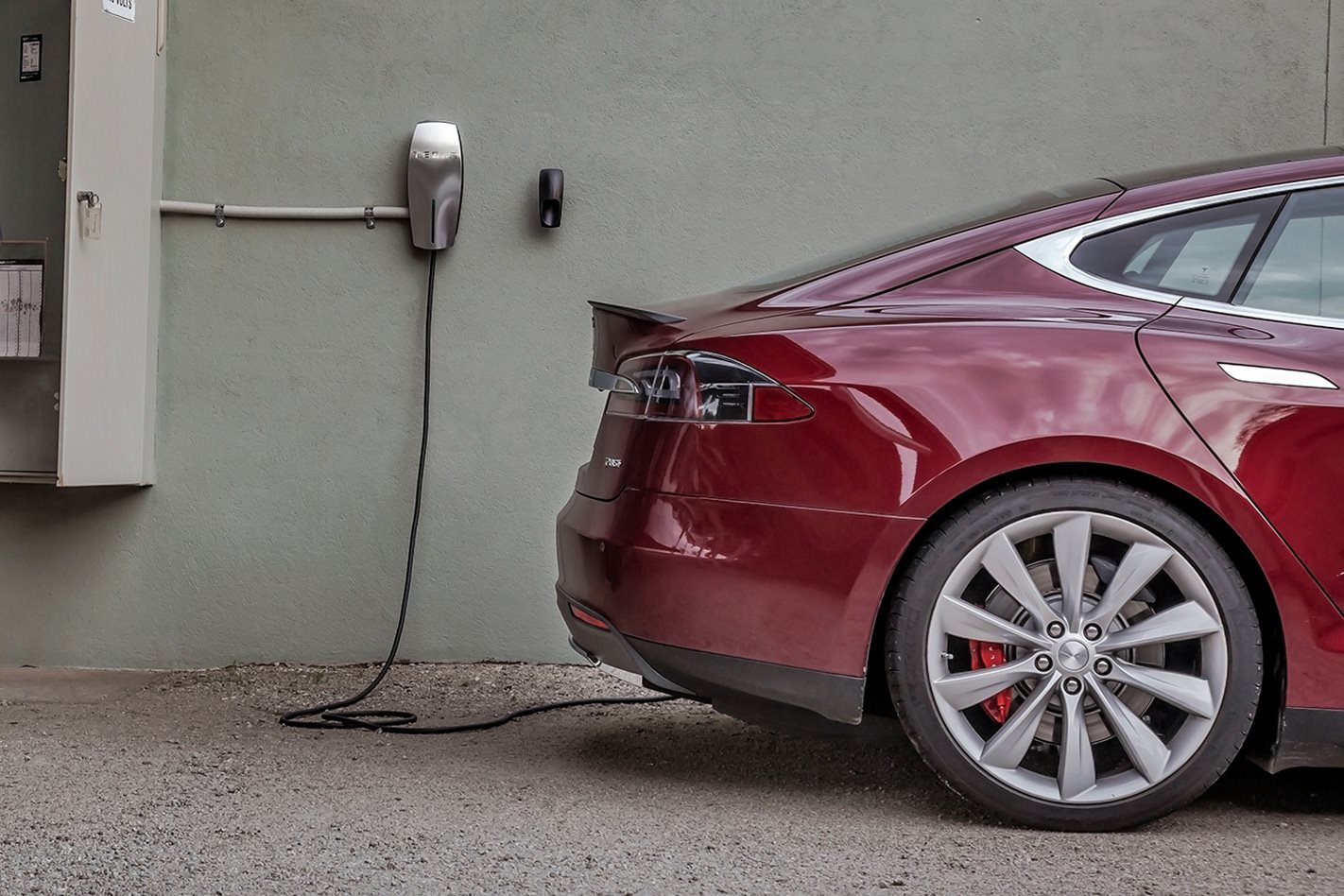
In the report by Inside EVs, YouTuber Richard Symons, who runs a used EV retailer in the UK, came across the Model Y and the first thing he wanted answered was how well the battery had withstood repeated fast charging over its life.
According to the data taken from the Y’s diagnostics port, the Model Y had used only 36kWh of energy from home charging, while the residual 32,684kWh had come from either DC fast charging, or the car’s regenerative braking system.
Symons reported that after looking at “several battery health tests from different providers”, the pre-facelift Y had an impressive 92 per cent state of health. In theory, then, even with 180,000km on board and the majority of that covered by fast charging, the Y could still deliver 92 per cent of its claimed driving range when new.
While other reports on Teslas and other electric vehicles have indicated a much more significant rate of degradation, it’s worth noting the Y features a lithium iron phosphate (LFP) battery pack. While nickel manganese cobalt (NMC) packs are able to store energy to a higher density than LFP packs, they are recommended to be charged up to 80 per cent to protect their longevity.
As EVs become more common in higher mileage applications, data on battery packs, their health and how they degrade will become more widespread, but it’s true that not all battery packs are equal, regardless of how they are treated. More modern research indicates that, while all batteries degrade, that degradation takes place earlier in the battery’s life and then tapers off as the battery ages.
And, while the research still seems to point to repeated DC fast charging damaging a battery pack more than slower, at-home charging, the degradation might not be as serious as first thought.
A research report by Recurrent Auto even suggests that modern batteries may outlive the cars they are fitted to. While that suggestion may prove to be fanciful, the report also suggests that larger, more energy dense battery packs can afford to lose more capacity and still remain useful, but as has been the case with not just EVs, but new technology, time will tell.
Chery has unveiled its new Tiggo V at the Beijing Auto Show, introducing a model designed to blur the lines between SUV and ute.
Positioned as a flagship addition to the brand’s global line-up, the Tiggo V centres on a “transformable” concept that allows it to shift between multiple roles depending on how it is configured.
At its core is a flexible interior layout with adjustable seating and cabin space, enabling the vehicle to operate as a traditional seven-seat family SUV or be reconfigured for cargo duties.
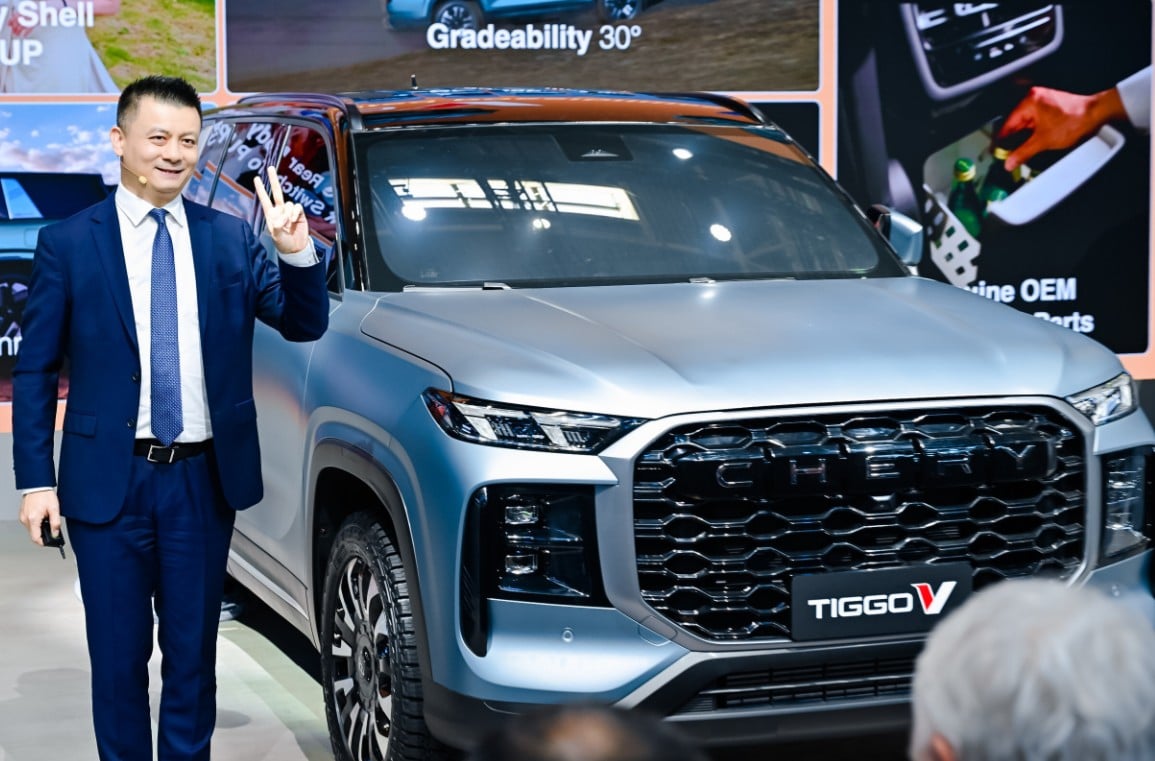
Chery has taken the idea further by engineering the Tiggo V to function in a ute-style format, with the rear section adaptable to carry larger loads or open cargo, effectively combining passenger transport and light commercial use in a single vehicle.
The production model is based on last year’s T1TP concept (below) and carries over its “multi-SUV” philosophy, aimed at buyers who would otherwise need more than one vehicle to cover everyday driving, weekend trips and work tasks.
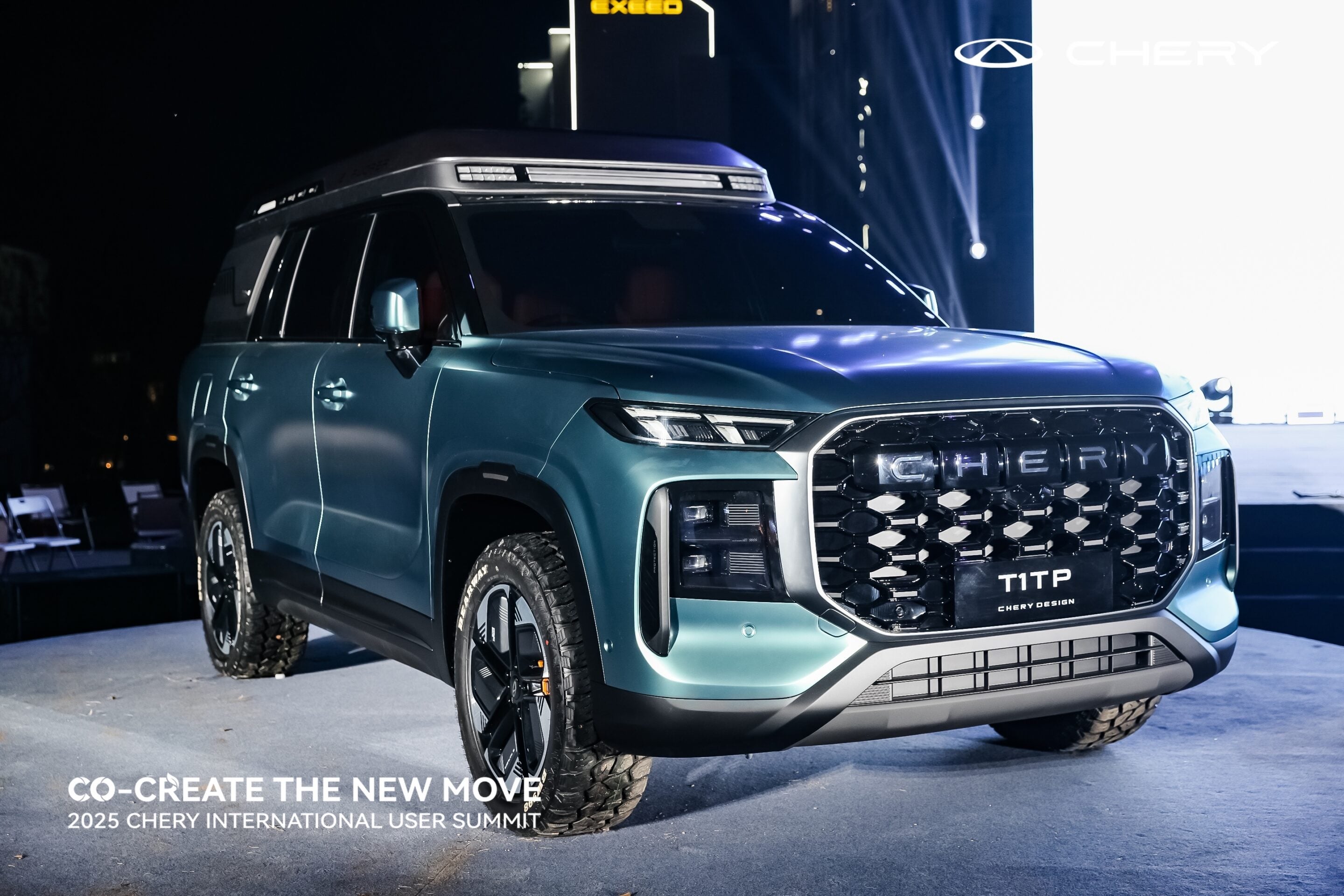
Chery says the Tiggo V is intended to handle a wide range of uses, from commuting and family travel to outdoor activities and business applications, reflecting changing expectations for versatility in modern SUVs.
Early details suggest the model will offer multiple configurations, including people-moving, cargo-carrying and lifestyle-focused setups, supported by a unibody platform rather than a traditional ladder-frame ute design.
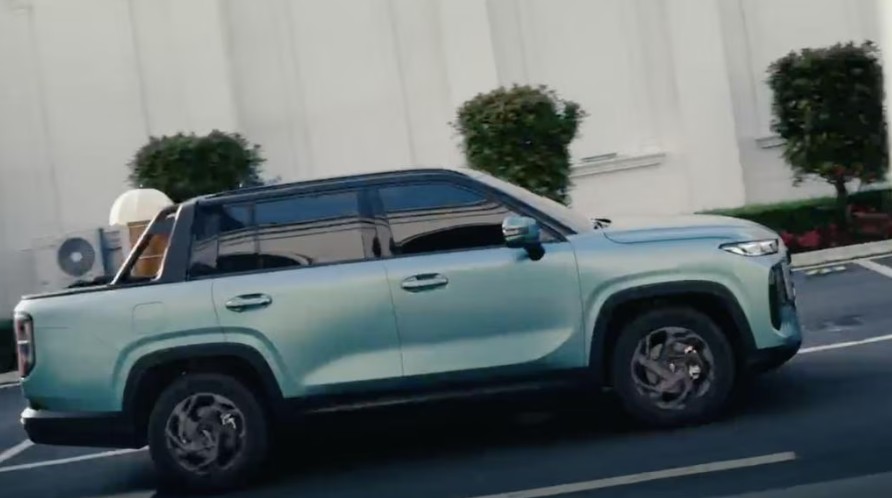
While full specifications have yet to be confirmed, reports indicate the Tiggo V could be offered with electrified powertrains, including plug-in hybrid options.
Chery has not confirmed Australian availability, but the concept’s dual-purpose SUV and ute functionality could appeal in markets like Australia, where both vehicle types remain popular.
Audi has ended production of its A1 hatchback (main) and Q2 small SUV, marking the departure of its most affordable models as the brand pivots towards higher-margin vehicles.
The A1, first introduced in 2010, bows out after 16 years on sale, with the current second-generation version dating back to 2019 without a major update. The Q2 (below), launched in 2016, also exits the line-up after a single generation, having received only minor revisions during its lifecycle.
Final examples of both models have now rolled off production lines in Europe, although remaining stock is expected to be available in various markets, including Australia, while supplies last.
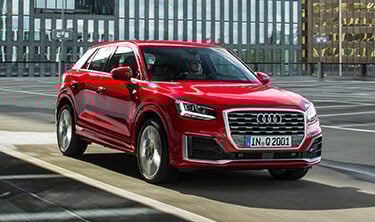
The decision reflects Audi’s broader strategy to move away from entry-level offerings and focus on more profitable segments. The A1 and Q2 have traditionally served as the brand’s gateway models, appealing to buyers seeking a smaller, more accessible Audi.
To fill the gap, Audi is preparing to introduce a new electric hatchback, expected to revive the A2 nameplate. This model is likely to share components with upcoming Volkswagen Group electric vehicles and sit at the lower end of Audi’s future EV line-up. An electric successor to the Q2 is also understood to be under consideration.
The changes form part of a wider reshaping of Audi’s range. Earlier in 2026, the company confirmed the end of the A8 large luxury sedan, signalling a shift away from traditional flagship formats.
In its place, Audi is set to expand its SUV portfolio, with an updated Q7 due later this year, followed by a new Q9 three-row SUV positioned as the brand’s largest and most expensive model.
MINI Australia has confirmed the launch of a new Paul Smith Edition, marking the latest collaboration between the British carmaker and the fashion designer’s brand.
The special edition will debut locally with the all-electric MINI Cooper SE, priced from $60,990 before on-road costs. Additional variants based on the Cooper three-door, five-door and Convertible are expected to follow later in 2026.
This is not the first time the two brands have worked together, with the original MINI Paul Smith edition dating back to 1998. The latest version continues that partnership with a focus on design changes rather than mechanical upgrades.
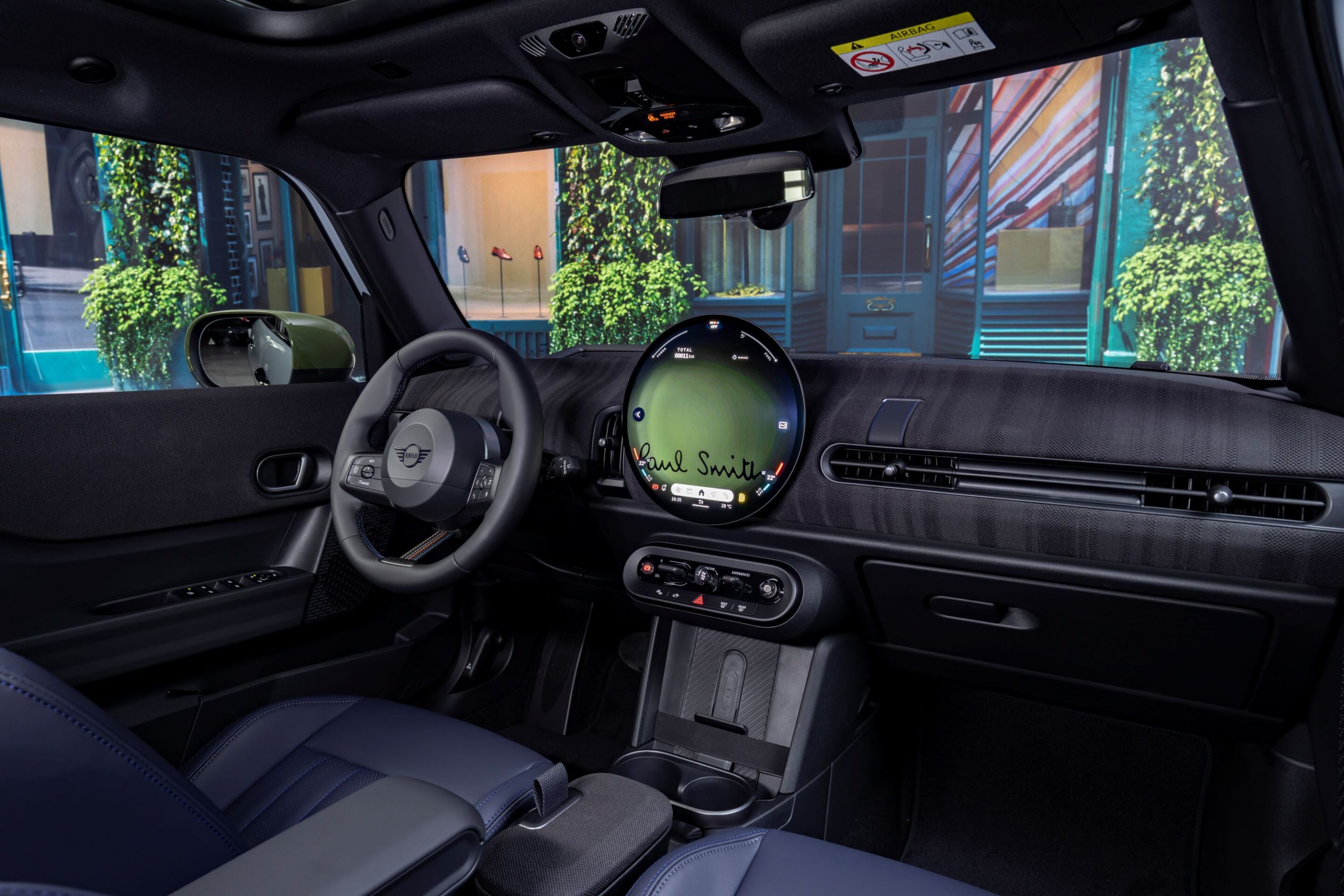
Externally, the Paul Smith Edition is offered in three colours – white, grey and black – each paired with contrasting green highlights. It rides on 18-inch alloy wheels with a dark finish and features unique badging and trim details specific to the edition.
Inside, the cabin adopts a mix of materials including synthetic leather and cloth upholstery, along with recycled polyester used across the dashboard and door trims. Blue accents and bespoke detailing, such as unique door sills and interior stitching, distinguish it from the standard model.
The special edition builds on the equipment list of the Cooper SE, retaining features such as adaptive cruise control, a surround-view camera system, augmented reality navigation and a 12-speaker Harman/Kardon audio system. It also adds a number of cosmetic upgrades, including model-specific interior finishes and exterior highlights.
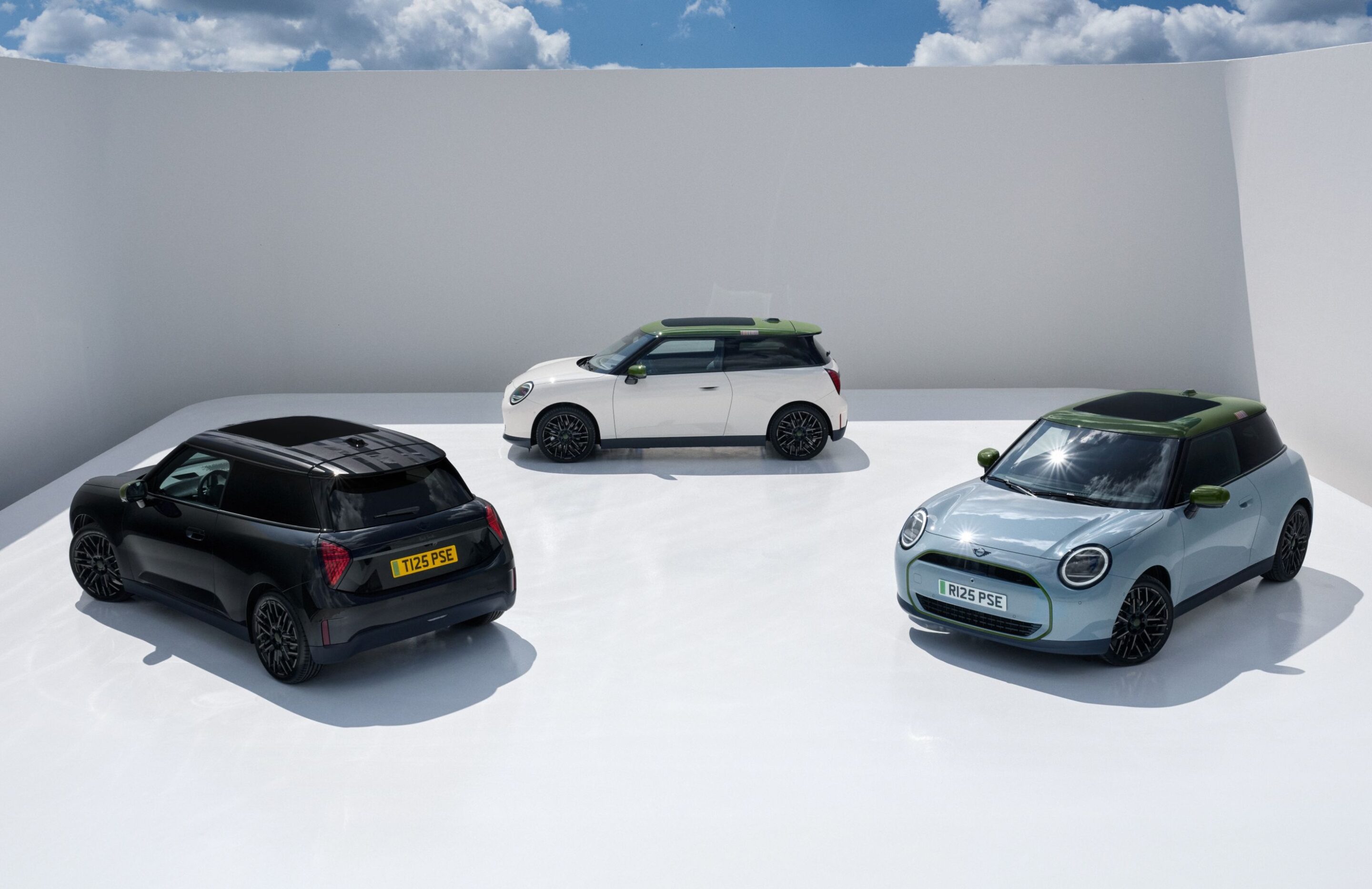
MINI Australia says the collaboration is intended to offer a more distinctive design option for buyers, rather than introducing changes to performance or powertrain.
No production numbers have been outlined for the Australian market, and it’s unclear how many units will be available locally.
Further details, including timing for the petrol-powered versions, are expected closer to their arrival later this year.
Standard MINI Cooper SE features
- Adaptive Cruise Control
- Parking Assistant Plus with 360° Surround View
- Steering and Lane Control Assistant
- Harman/Kardon Sound System, 12 speaker, 365 Watts
- Interior Camera
- Augmented Reality Navigation
- Panorama Glass Roof
- Seat Heating for Front Seats
- Electric Adjustment for Front Seats
- Driver Seat with Massage and Memory Functions
- John Cooper Works Seats
- Anthracite Headliner
- Sun Protection Glazing
- Recycled Polyester Knit Dash and Door Cards
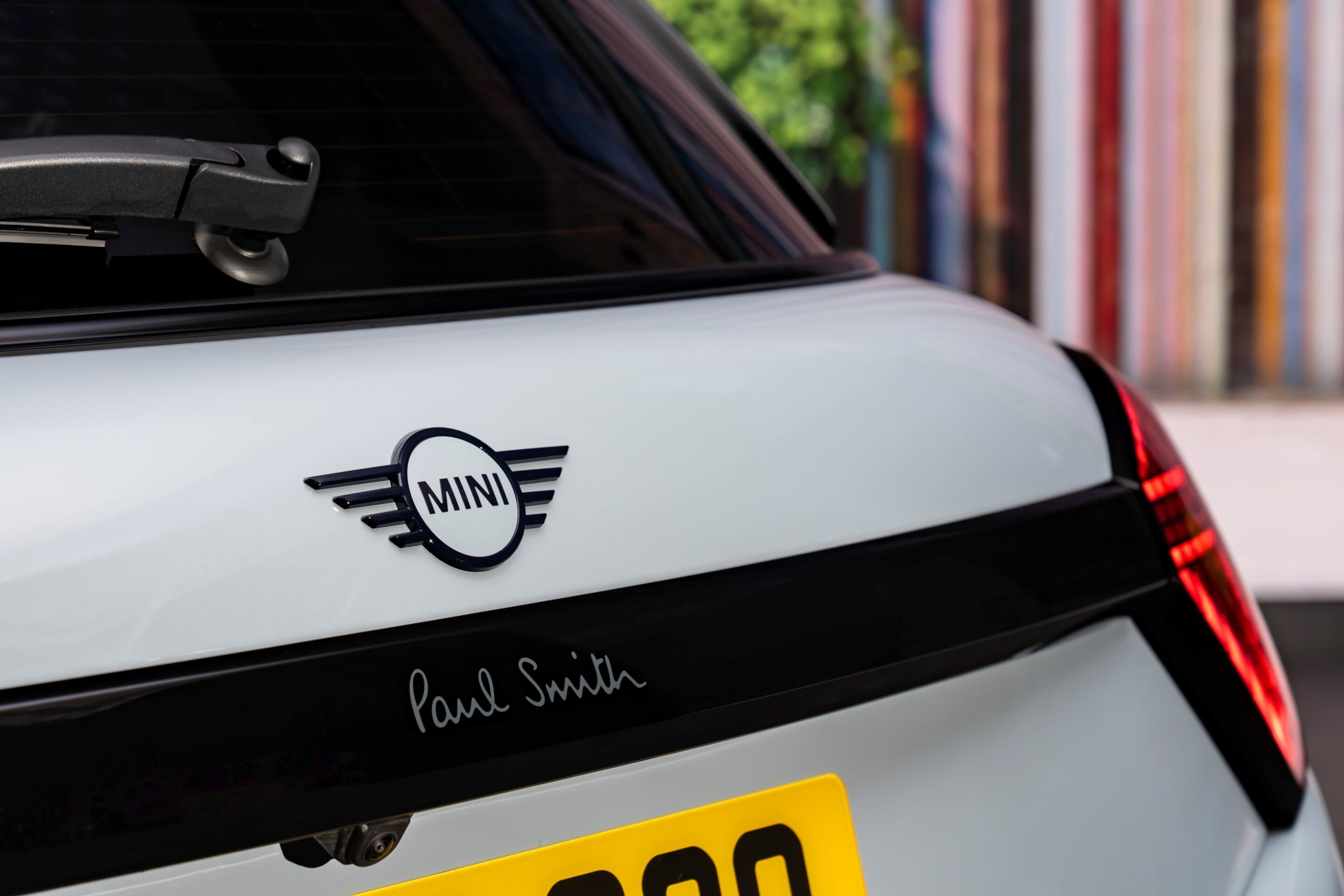
Exclusive Paul Smith enhancements
- Sport Steering Wheel with Blue Contrast Stitching and Paul Smith Steering Wheel Strap Design
- Nottingham Green Exterior Highlights
- Blackband in Black / Blue Grain Recycled Maritime Material
- MINI Logos in Black/Blue
- Paul Smith Tailgate Badge Lettering
- Paul Smith “hello” Projected Puddle Lights
- Interior Accent in Dark Steel
- Paul Smith Door Sill Inlays
- Floormat Rivet with Paul Smith “Rabbit” and Blue Accent Stitching
Sydney Roosters chairman Nick Politis, one of Australia’s wealthiest businessmen and a long-time powerbroker in the NRL, has been confirmed as a buyer of BYD’s limited-run Yangwang U9 Xtreme hypercar.
Politis (below, right), who has led the Roosters in the NRL since the 1990s and built a reputation as a prominent figure in Australian business and sport, is set to become the only Australian owner of the electric flagship. BYD announced the order via its global channels, noting the model is restricted to just 30 examples worldwide.
Politis is also a long-time director of Eagers Automotive, a retail partner of BYD in Australia and the Roosters’ primary jersey sponsor.
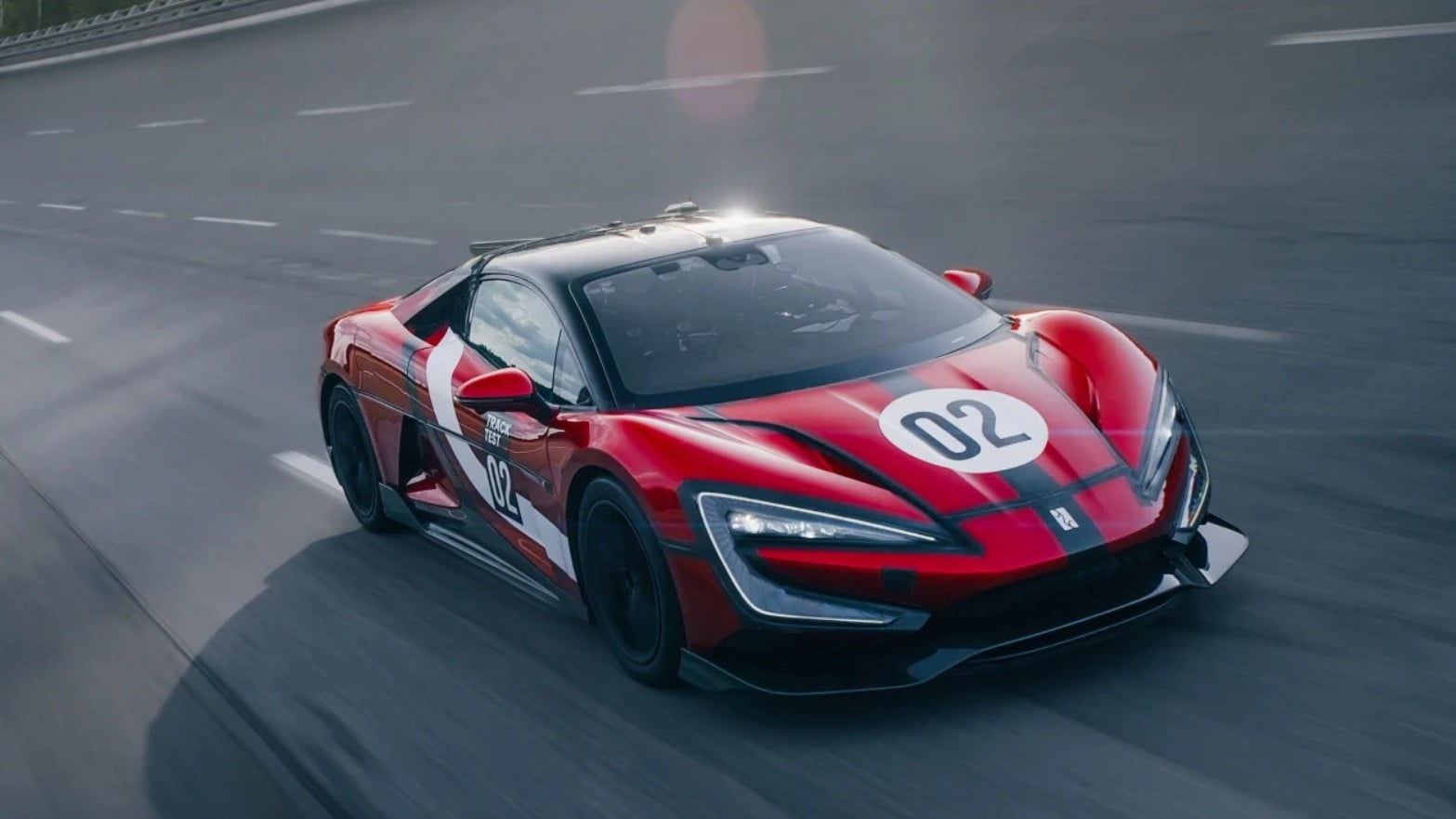
The Yangwang U9 Xtreme sits at the extreme end of BYD’s newly established ultra-luxury division, and has already drawn global attention for its performance claims. The track-focused variant has been recorded at a top speed of around 496km/h, making it the fastest production car currently known.
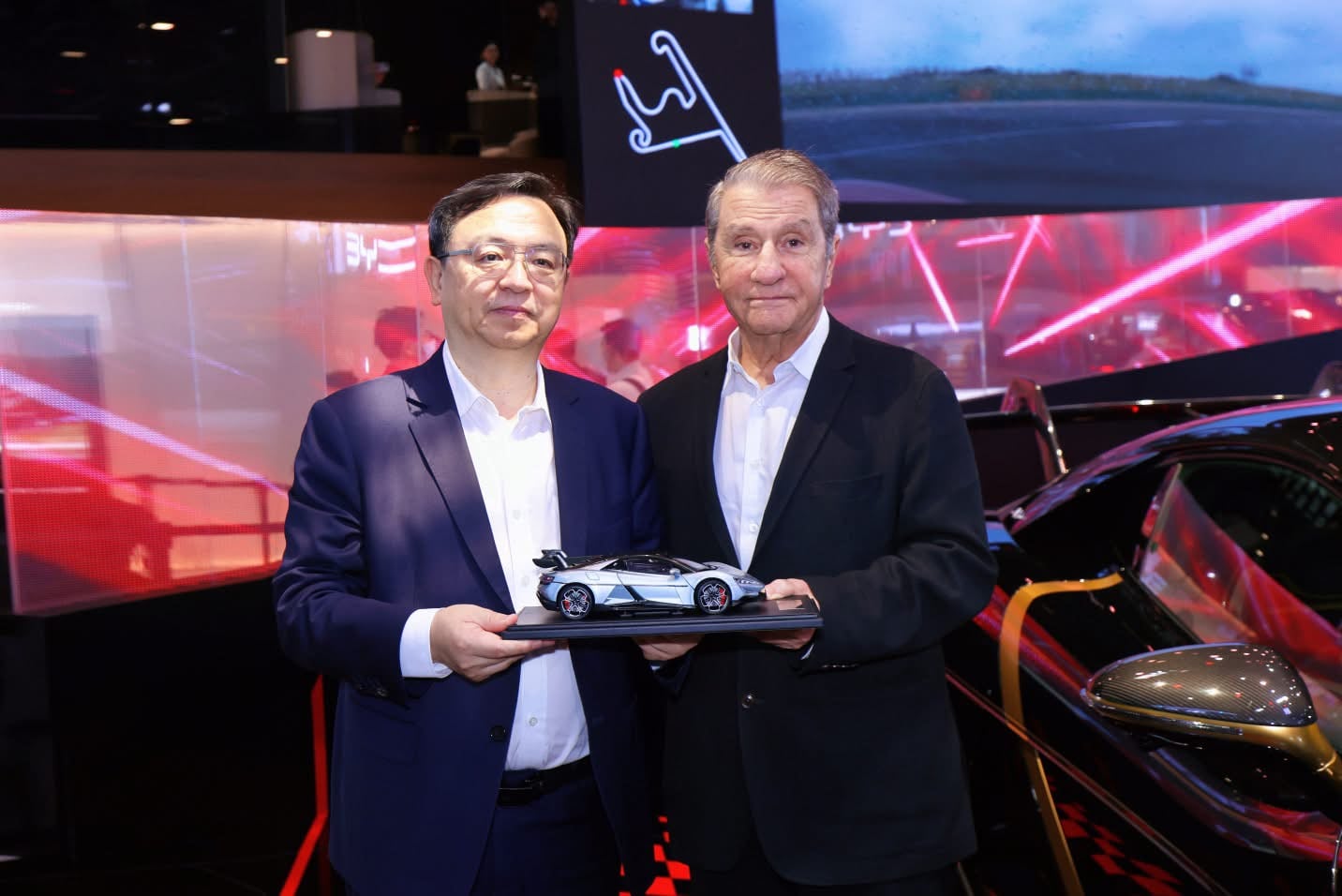
As WhichCar by Wheels reported last year, U9 Xtreme set a new benchmark as the world’s fastest production car when it achieved an astonishing 496.22 km/h at Germany’s Automotive Testing Papenburg (ATP) oval, eclipsing the previous record of 490.5km/h set by the Bugatti Chiron Super Sport 300+.
Production of the Xtreme version is strictly capped, with each vehicle expected to be individually configured for buyers.
Politis’ purchase comes as BYD weighs a broader push for its high-end Yangwang brand beyond China. While the U9 range has not yet been officially confirmed for Australian sale, there are indications the brand could expand into international markets as part of its global growth plans.
The U9 itself is a four-motor electric supercar, delivering massive outputs through an advanced all-wheel-drive system and supported by BYD’s latest high-voltage architecture.
More extreme still, the Xtreme variant develops significantly higher outputs and is aimed squarely at setting performance benchmarks, including lap times and outright speed records.
Politis has indicated the car will mainly be used for promotion of the brand through BYD dealerships once it arrives in Australia.
While details around delivery timing remain unclear, Politis’ order signals early interest from Australian buyers at the very top end of the market. It also highlights BYD’s ambition to compete in segments traditionally dominated by European hypercar manufacturers.
GWM has confirmed plans to introduce a V8 engine to its Tank 700 large SUV, with company chairman Jack Wei outlining the move during the Beijing Auto Show.
Speaking to media from Australia and New Zealand, Wei said the Tank 700 is expected to adopt a newly developed V8 powertrain, extending the company’s work on higher-performance engines beyond an upcoming flagship sports car.
“The Tank 700 will also use a V8 engine,” Wei said. He distinguished it from the unit planned for GWM’s future supercar, noting the SUV would receive a less extreme version. He added the decision reflects demand outside China, particularly in markets such as Australia and New Zealand, where larger-capacity engines remain popular.
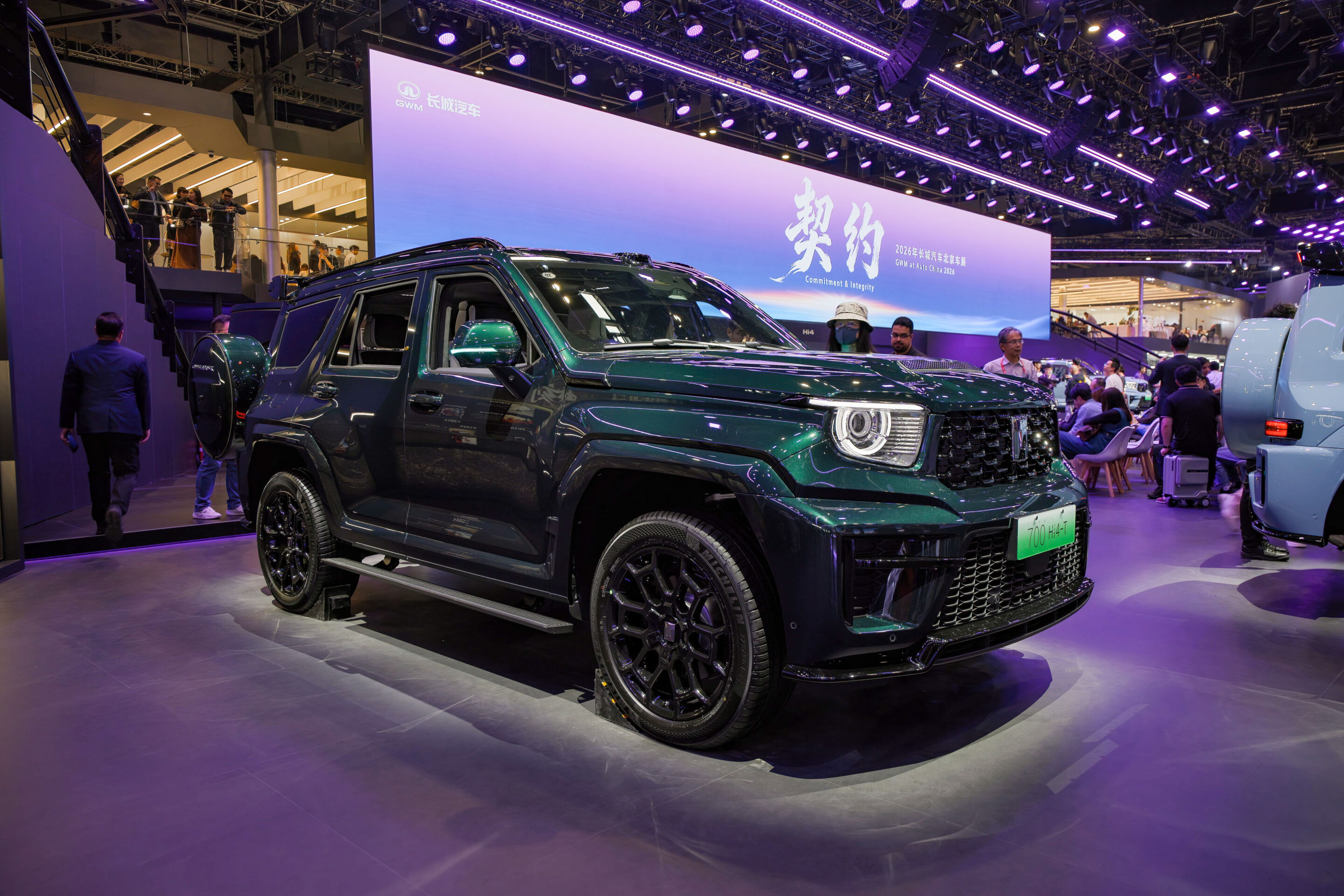
The idea of a V8-powered Tank model has been under discussion since the 2025 Shanghai Auto Show, when GWM executives acknowledged interest from export markets in a more powerful, premium SUV offering. The latest comments provide the clearest indication yet that such a model is moving forward.
At the same event, GWM also confirmed details of its upcoming GF supercar, which is set to use a 4.0-litre twin-turbo hybrid V8. The announcement suggests the company is developing multiple V8 configurations for different vehicle types, from performance-focused models to larger SUVs.
The Tank 700 sits at the top of GWM’s off-road-focused Tank range, positioned as a flagship model combining luxury features with heavy-duty capability. In China, it is already offered with the brand’s Hi4-Z hybrid system, and the addition of a V8 would broaden its drivetrain line-up.
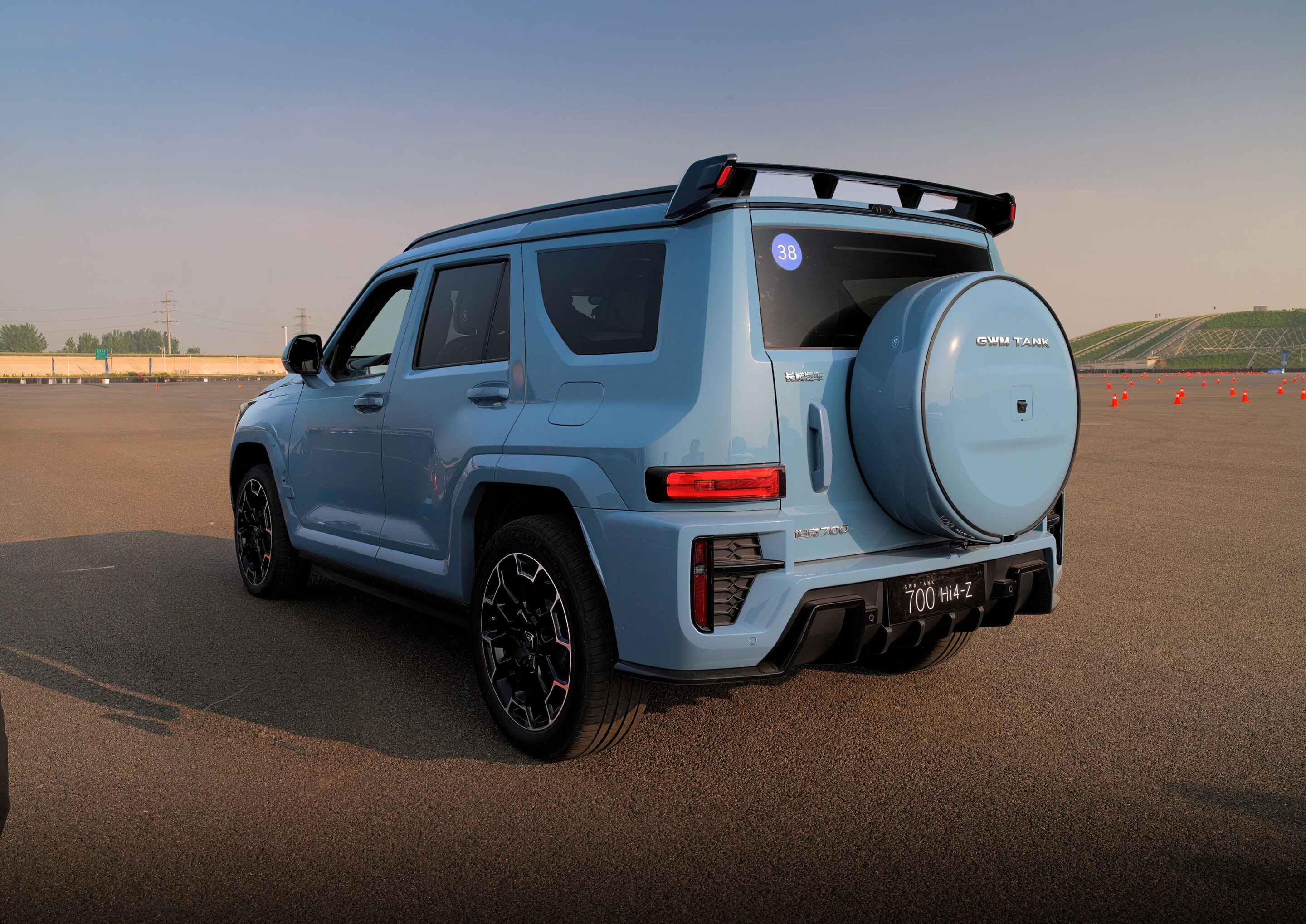
No timing for the V8 version has been announced, and GWM has not confirmed specific markets or launch dates. However, the company’s comments point to a continued focus on tailoring products for overseas regions where demand differs from domestic trends, particularly in segments where traditional engine formats remain in favour.
Jaecoo Australia has announced that it’s adding a new variant to its J8 large SUV, with two features it’s not yet offered: A seven-seat layout and plug-in hybrid drivetrain. Due on sale in Australia in the third quarter of 2026, the Jaecoo J8 SHS is the first seven-seater that the brand has offered locally.
Jaecoo Australia is yet to announce full pricing and specifications yet, but has confirmed that the J8 SHS will use the same plug-in hybrid powertrain as the Omoda 9. In that car, it pairs a 1.5-litre turbocharged four-cylinder petrol engine with three electric motors and a 34kWh battery.
In the Omoda 9, total outputs for the drivetrain are 395kW of power and 650Nm of torque, which is enough grunt for a claimed 4.9-second 0-100km/h sprint time. Thanks to the large battery, the claimed WLTP electric-only range is 145km in the Omoda 9.
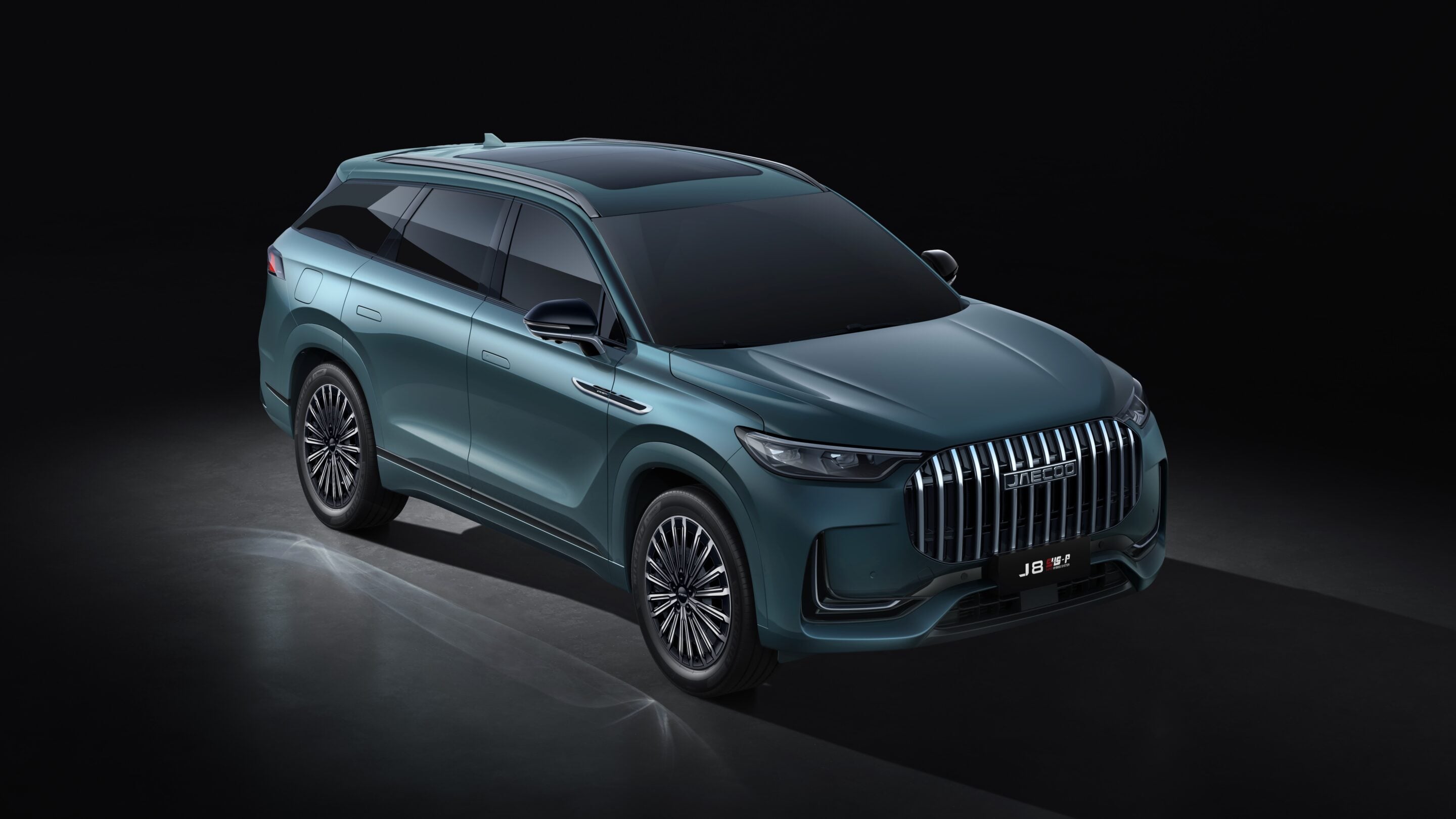
It’s the first time that the J8 will be offered with a plug-in hybrid drivetrain and a seven-seat layout, both of which were left in China when the J8 launched locally in 2025.
Currently, the J8 is only offered in five-seat form with a 183kW 2.0-litre turbo-petrol engine, with power being sent to the front, or all four wheels. Pricing for the petrol J8 starts at $49,990 driveaway for the entry-level Track and $54,990 driveaway for the top-spec Ridge.
“Our customers have been asking for a 7-seat SUV and we’re more than happy to meet their demands with the compelling J8 SHS,” said Roy Munoz Chief Commercial Officer, Omoda Jaecoo Australia. “With a striking design, luxurious interior and advanced hybrid technology, the J8 SHS ticks all the right boxes for not just families, but a wide variety of Aussie buyers.”
Australian pricing and full specifications for the Jaecoo J8 SHS will be announced closer to its third quarter local on sale date.
