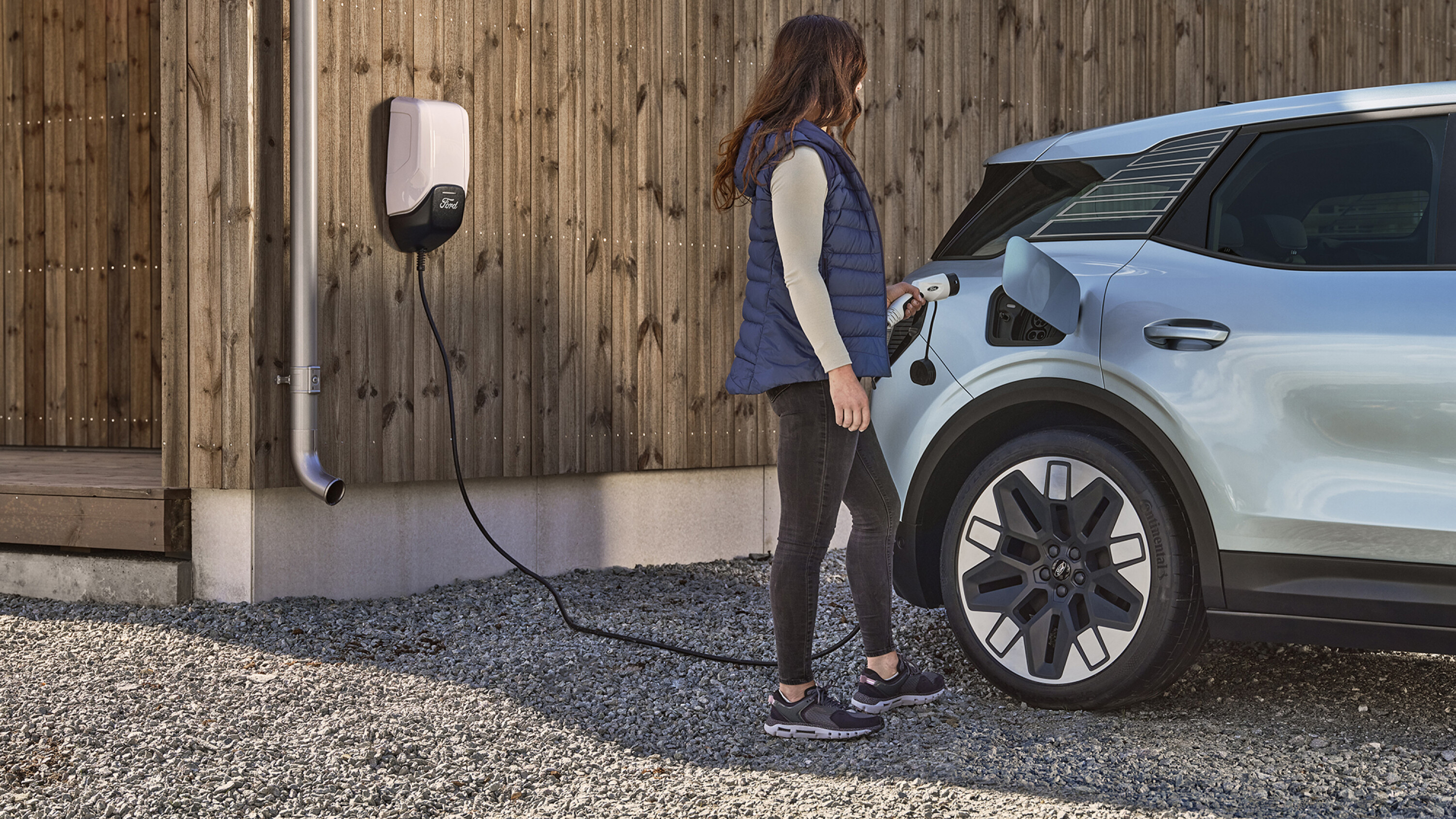
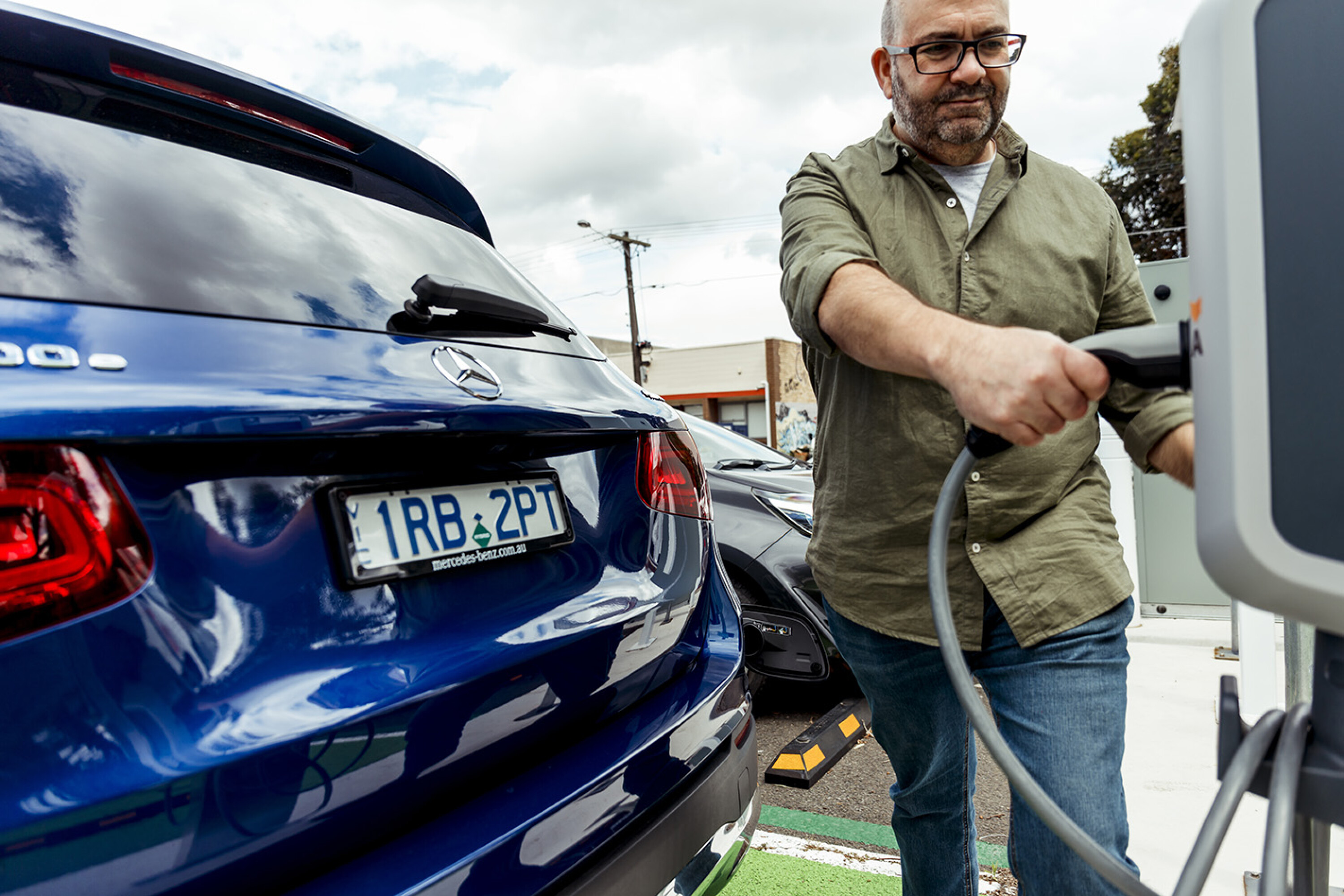
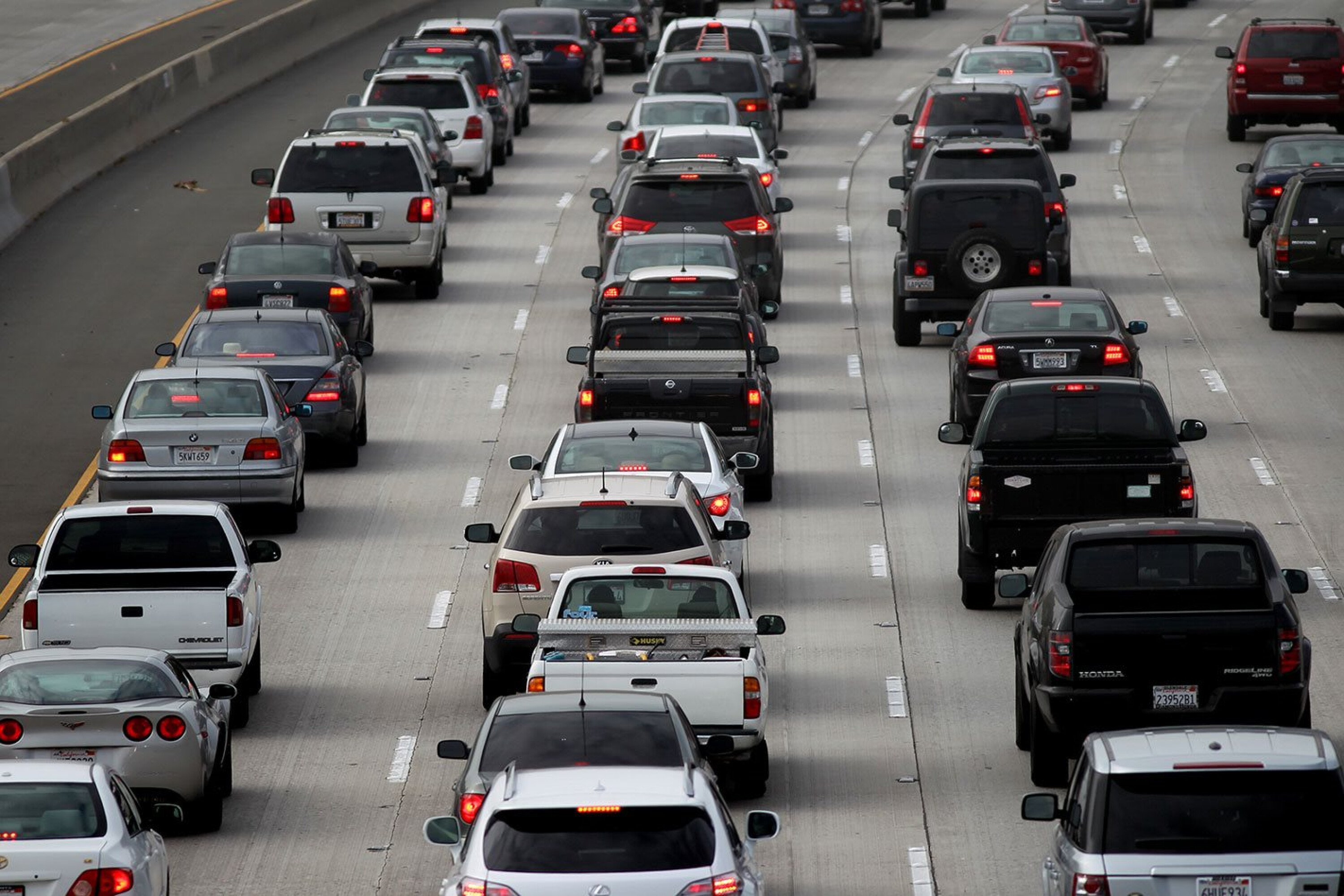
The US Environmental Protection Agency (EPA) has proposed strict new vehicle fuel-efficiency and emissions standards to push for EV adoption in a market dominated by big passenger trucks.
Snapshot
EPA proposes aggressive new vehicle emissions mandates sold from model-year 2027
Expects 67 per cent light-duty vehicle sales will be an EV
Australian advocacy group says itu2019s time for action
The proposed mandate from the Biden administration will begin from model-year 2027 vehicles – setting minimum and maximum carbon dioxide (CO2) exhaust emissions thresholds that become successively strict every year until 2032 – for individual cars and on a fleet-wide level (read the full proposal here (PDF file)).
As with emissions standards already in effect in most markets (excluding Australia), non-compliance will bring hefty financial penalties – which pushes manufacturers to prioritise and supply more EVs to the country.
What does the new proposal mean?
If legislation is passed, the EPA projects EVs will make up 67 per cent of new light-duty vehicle sales and 46 per cent of new medium-duty vehicle sales in the country by 2032.
This would result in greenhouse gas emissions reduced by 56 per cent in projected fleet average for light-duty vehicles, and 44 per cent for medium-duty vehicles, compared to current 2023-2026 EPA rules.
The mandate would also avoid nearly 10-billion tonnes of combined CO2 tailpipe emissions through to 2055, which includes light, medium and heavy duty vehicles – equivalent to more than twice the US’s total emissions output in 2022.
As part of the Biden government’s renewed push to have two-thirds of all sales electric by 2030, the proposal requires automakers to produce 60 per cent EVs by 2030, which rises to 67 per cent by 2032 to meet the standards.
1
Savings to the economy, and owners
The EPA’s report says its proposed new rules would reduce the country’s oil imports by 20 billion barrels and save the government more than US$1 trillion (A$1.5 trillion) in benefits to the economy.
The EPA also claims it’ll save the average car owner US$12,000 (A$17,900) in reduced fuel and maintenance costs over the lifetime of a light-duty vehicle, while helping to reduce exposure to fine particulate patterns that cause health issues such as premature death, heart attacks, aggravated asthma, and other respiratory and cardiovascular illnesses.
The proposal adds to the US Inflation Reduction Act, which was legislated in mid-2022, encouraging carmakers to produce more vehicles in the country and spur a larger domestic battery manufacturing industry.
1
Electric Vehicle Council says it’ll hit Australia
“If the US is able to move this decisively, there is zero excuse for Australia not to follow suit.”
The Australian Government is expected to release its National Electric Vehicle Strategy later this year, with the possibility for fuel-efficiency standards, which advocates have long called for.
However, Electric Vehicle Council (EVC) CEO Behyad Jafari said that if Australia’s coming regulations are not aggressive enough, the proposed US rules will negatively affect Australia’s fledgling EV market.
“Car companies will now be racing to meet the more stringent standards set in the US, Europe, China, and even New Zealand. If they continue to see Australia as the odd nation out, they will prioritise all other markets for their latest and best EVs,” Jafari said.
“Australia will be dumped with their outdated gas guzzlers because it will be one of the only markets where there will be no consequences for doing so.
“We know the federal government has been slowly working on a new EV policy. This move in the US means the buzzer has sounded. The time for talk is done, we know the action we need to take, so let’s introduce strong new fuel efficiency standards now.
“If the US is able to move this decisively, there is zero excuse for Australia not to follow suit.
“The US first introduced fuel efficiency standards into law in the 1970s and has been strengthening them since then. In 2023, Australia has a discussion paper about them. It’s ridiculous.”
In Australia, transport is the third-largest source of harmful emissions nationally behind electricity and stationary energy.
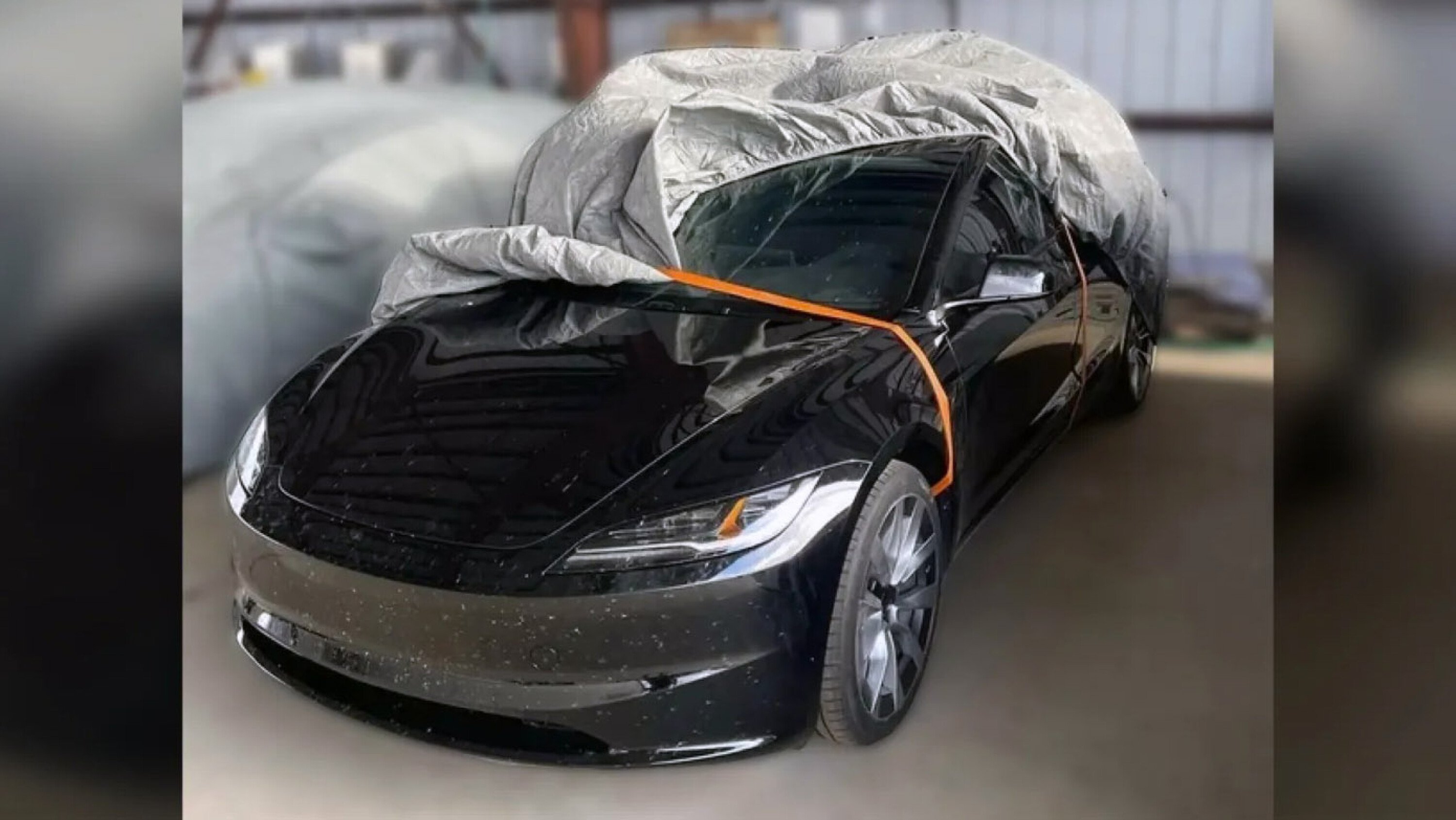
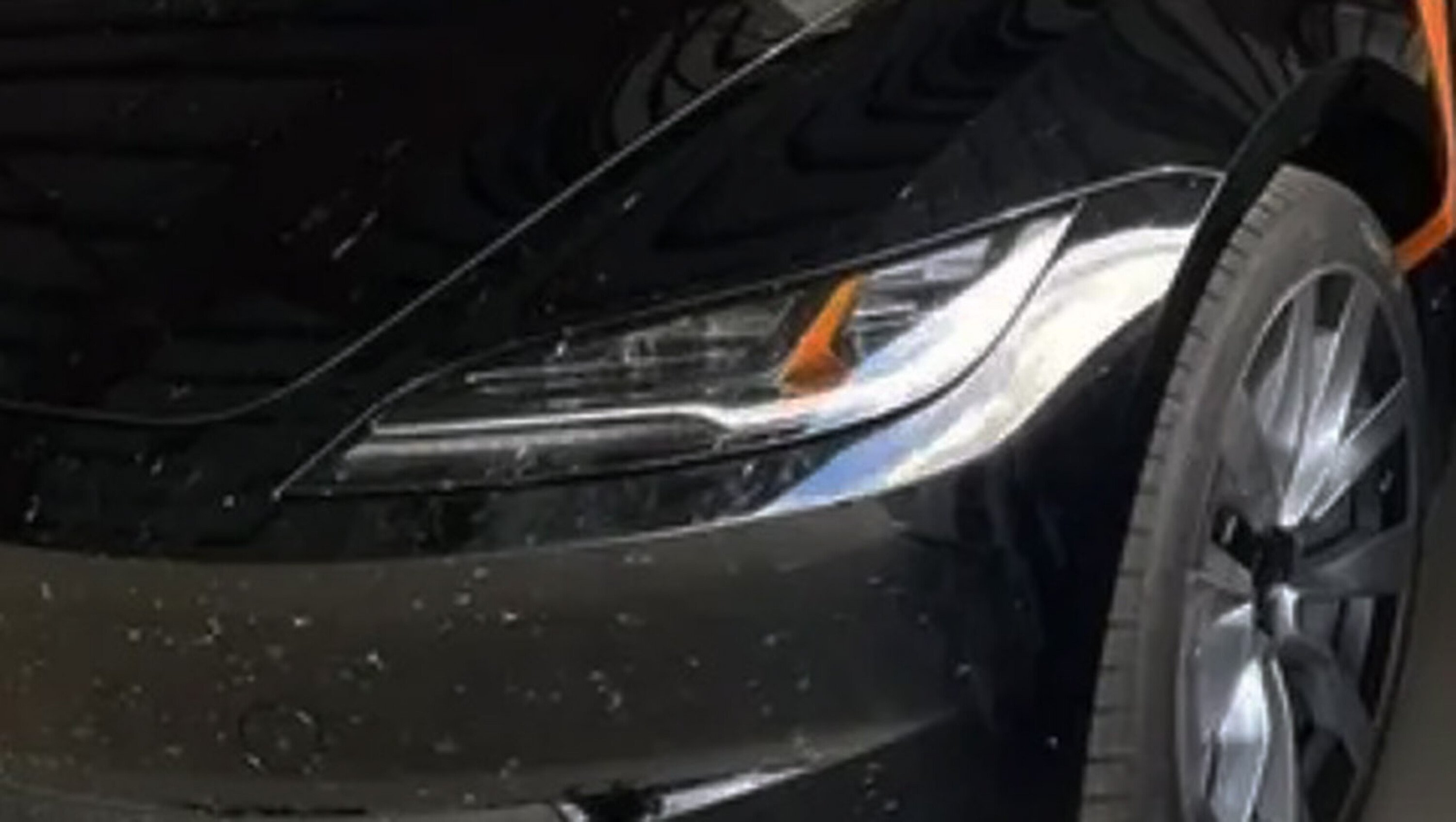
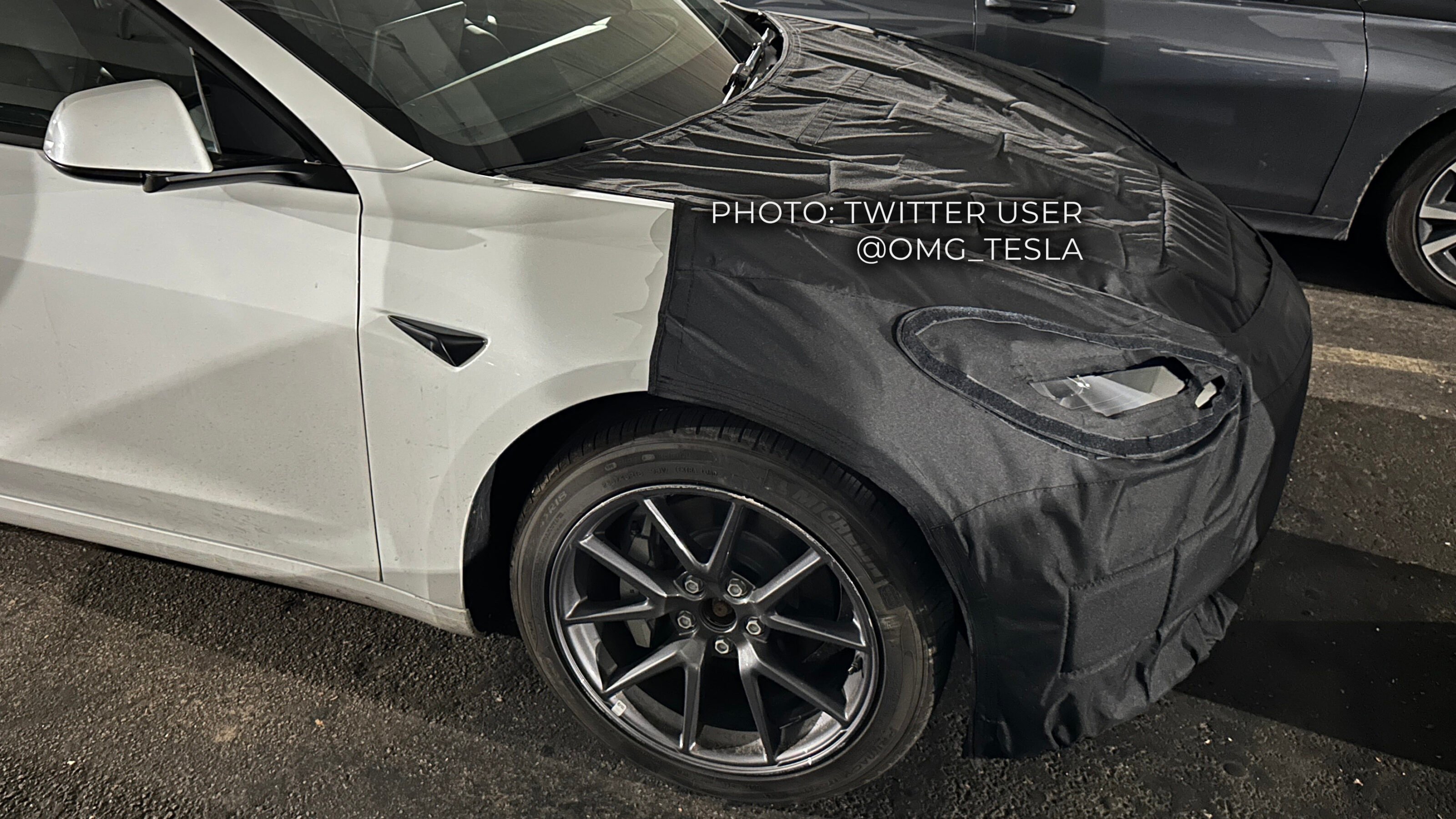
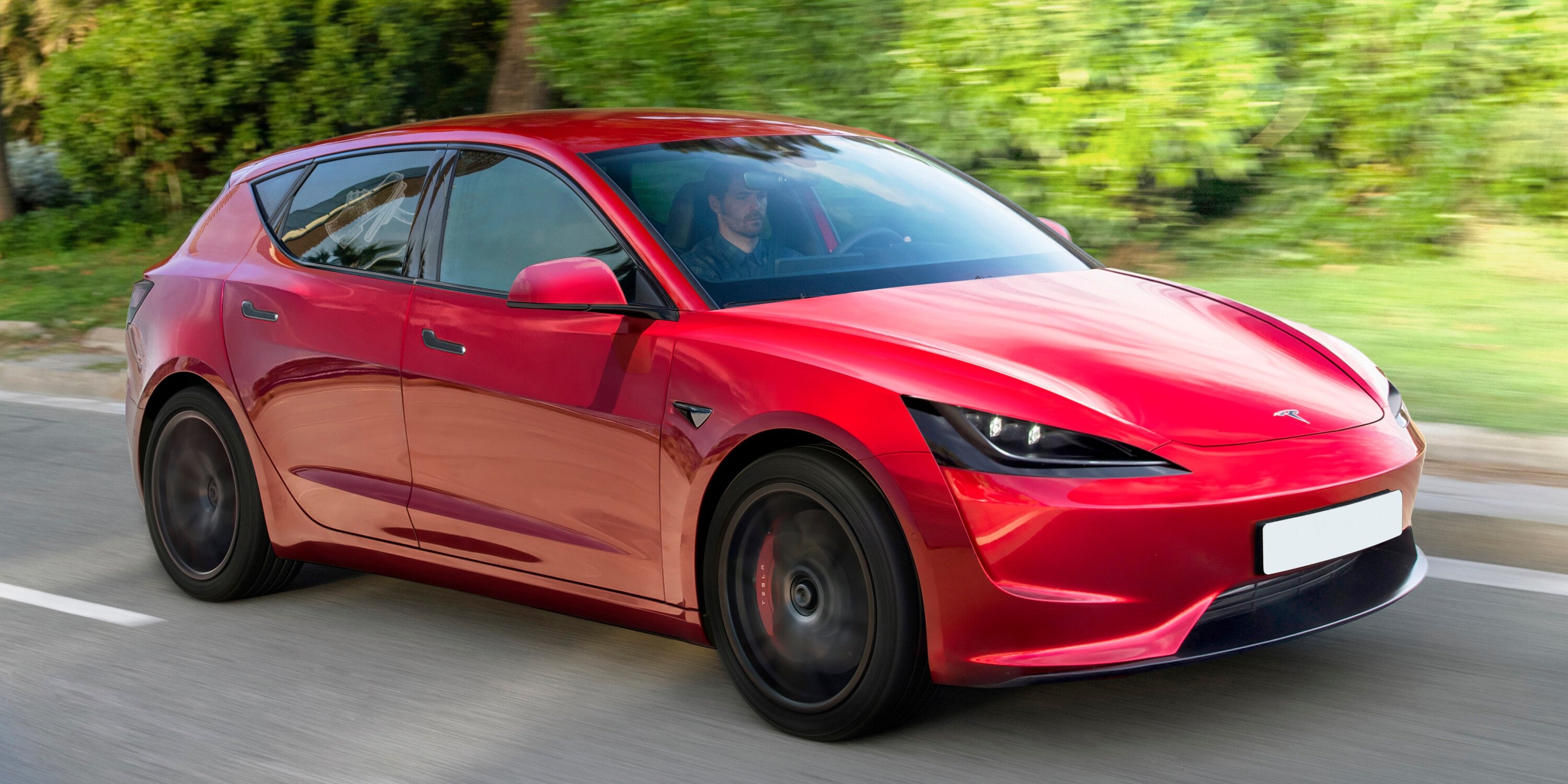
The photo, which surfaced on social media overnight, reveals an all-new headlight design that gives the Model 3 a more aggressive look – doing away with the approachable ‘jellybean’ style of the previous shape.
The new headlights appear to be inspired by the maybe-someday-upcoming Tesla Roadster, introducing a slender and sharper look that might soon spread across the EV maker’s line-up.
1
1
To be clear, we have no way of knowing at this point if this photo is genuine. It could be ‘photoshopped’. It could even be an elaborate prank by Tesla itself, given Elon Musk’s penchant for tomfoolery. Only time will tell.
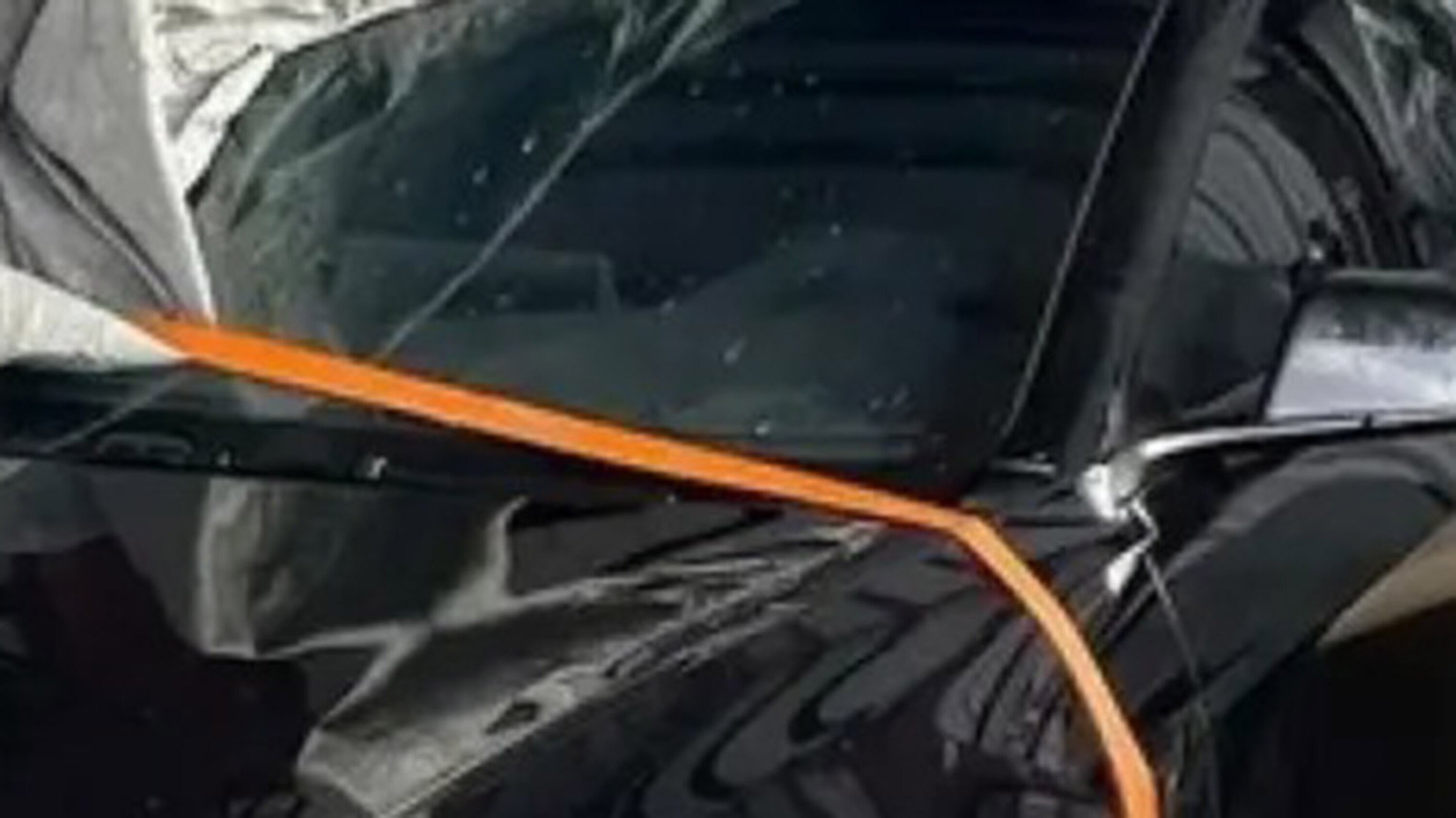
Interestingly, zooming-in on the windscreen seems to suggest a hint of a new curve in the dash, behind the steering wheel, which could be a new driver display – something would-be buyers have been requesting for years, although many Model 3 owners swear that the current centre display is perfectly sufficient for drivers.
Watch for more on the 2024 Model 3 to come in the weeks ahead.
1
The story to here
March 27: Further details of the 2024 Tesla Model 3 refresh have been leaked, hinting at minor updates for the popular electric car.
Henry Man
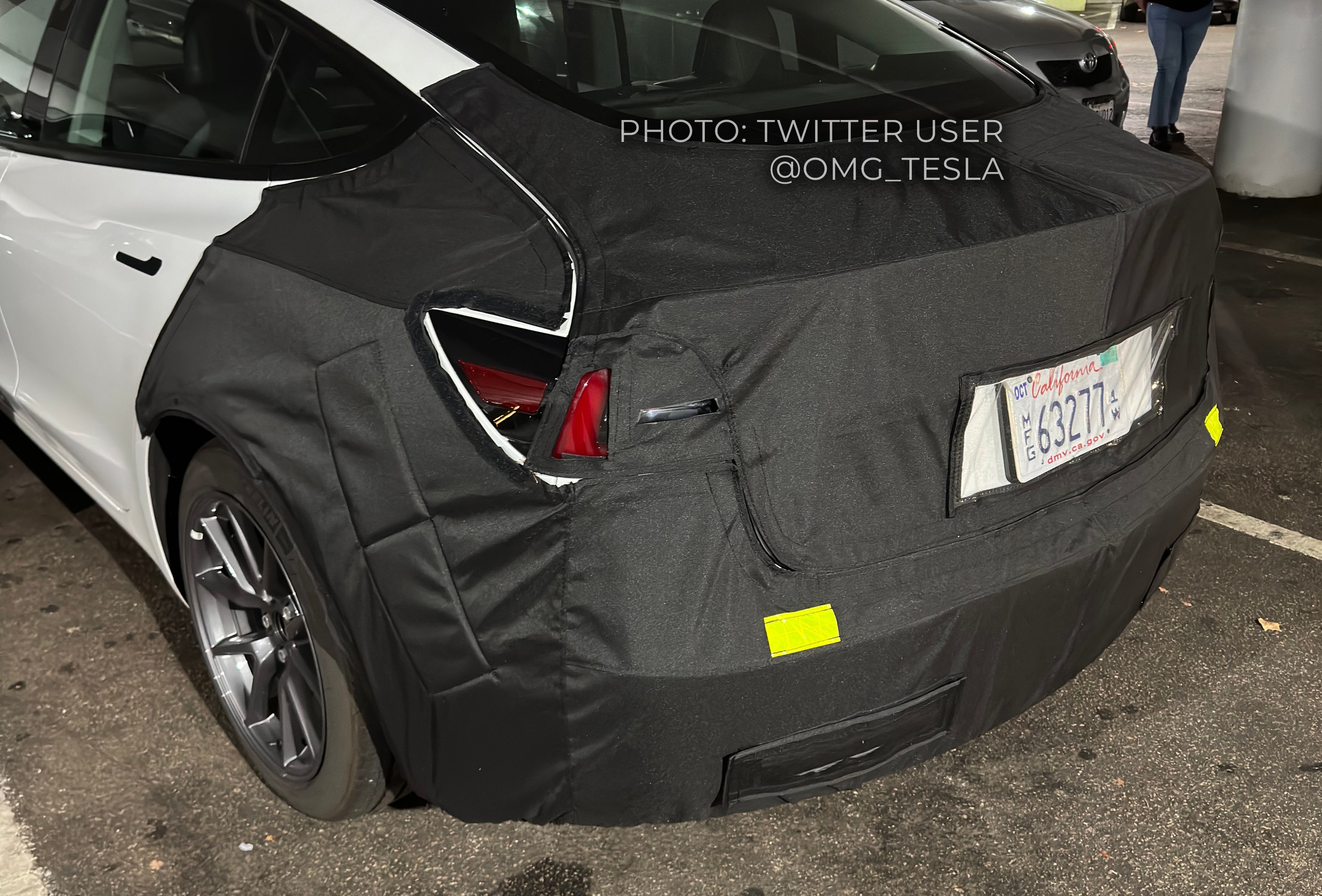
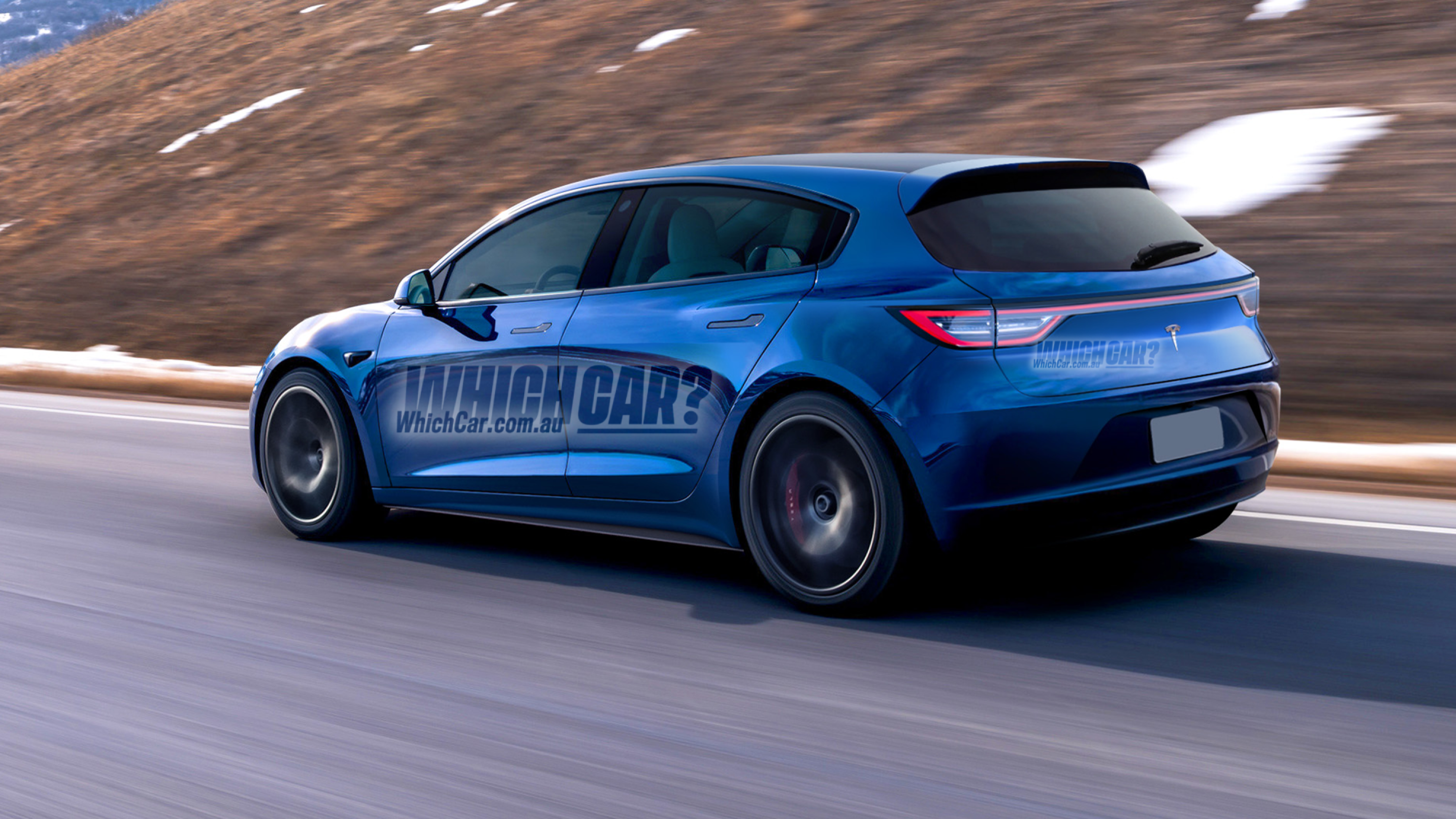
Ahead of its expected release later this year, an anonymous insider told Not a Tesla App that the new Model 3 (codenamed project ‘Highland’) will gain a headlight redesign, revised rear bumper design, wing mirror tweak, and introduce a new interior dashboard material (suede mooted by this source).
Snapshot
Inside source details minor upgrade for 2024
Model 3 Redesigned headlights, rear bumper, new dashboard material
Hardware 4.0 with three new forward-facing cameras
Following the latest Model S and Model X currently sold overseas, it’ll also gain Tesla’s Hardware 4.0 safety assistance suite, including three new cameras – at the front bumper (similar to the Cybertruck prototype) and two forward-facing units at each fender (adding to the current rearward-facing ones).
1
Tesla is also said to be removing the outside temperature sensor and instead use software based on the vehicle’s location and weather data. The Global Positioning System (GPS) module will also be more accurate.
These revisions should cut manufacturing costs, enhance aerodynamic efficiency, and improve its ‘Autopilot’ safety assistance systems after going all-in on a camera-only system and removing sonar parking sensors last year.
February 2023: Tesla could remove the wood veneer dashboard in the rumoured 2024 Tesla Model 3 update and replace it with a non-woven fabric material, according to serial-leaker Chris Zheng.
“An early farewell to the wood trim on the Tesla Model 3!… The new Model 3 will be covered with ABS bonded foam non-woven fabric,” Zheng tweeted.
Snapshot
Fabric could replace wood trim in new Model 3
Model 3s with covered-up front and rear spied testing
Tesla design boss suggests a major update isnu2019t coming
The wooden trim has been on the popular electric sedan since its inception in 2017 (or since 2019 in Australia), being standard on the black interior. The optional black and white styling replaces it with an all white trim.
An early farewell to the wood trim on the Tesla Model 3! IMO this wood trim is a good balance of low cost, high volume and design vibe. The new Model 3 will be covered with ABS bonded foam non-woven fabric. pic.twitter.com/VIE2cFCA0v
It extends the length of the dashboard and later stretched to the upper doors after production shifted from the Californian to Shanghai factory in 2021.
The move should form part of the 2024 Model 3’s purported ‘simplified interior’, with the Tesla officiando previously mooting that it will gain upgraded cameras for its new Autopilot 4.0 safety assist suite.
Inside sources believe it will be released later this year, as the Shanghai factory undergoes a manufacturing upgrade in preparation.
1
January 2023: The mysterious Model 3 test vehicle has been seen roaming the streets again
Snapshot
Model 3 with covered-up front and rear spied testing
Suggests design or safety tweaks
Tesla design boss suggests a major update isnu2019t coming
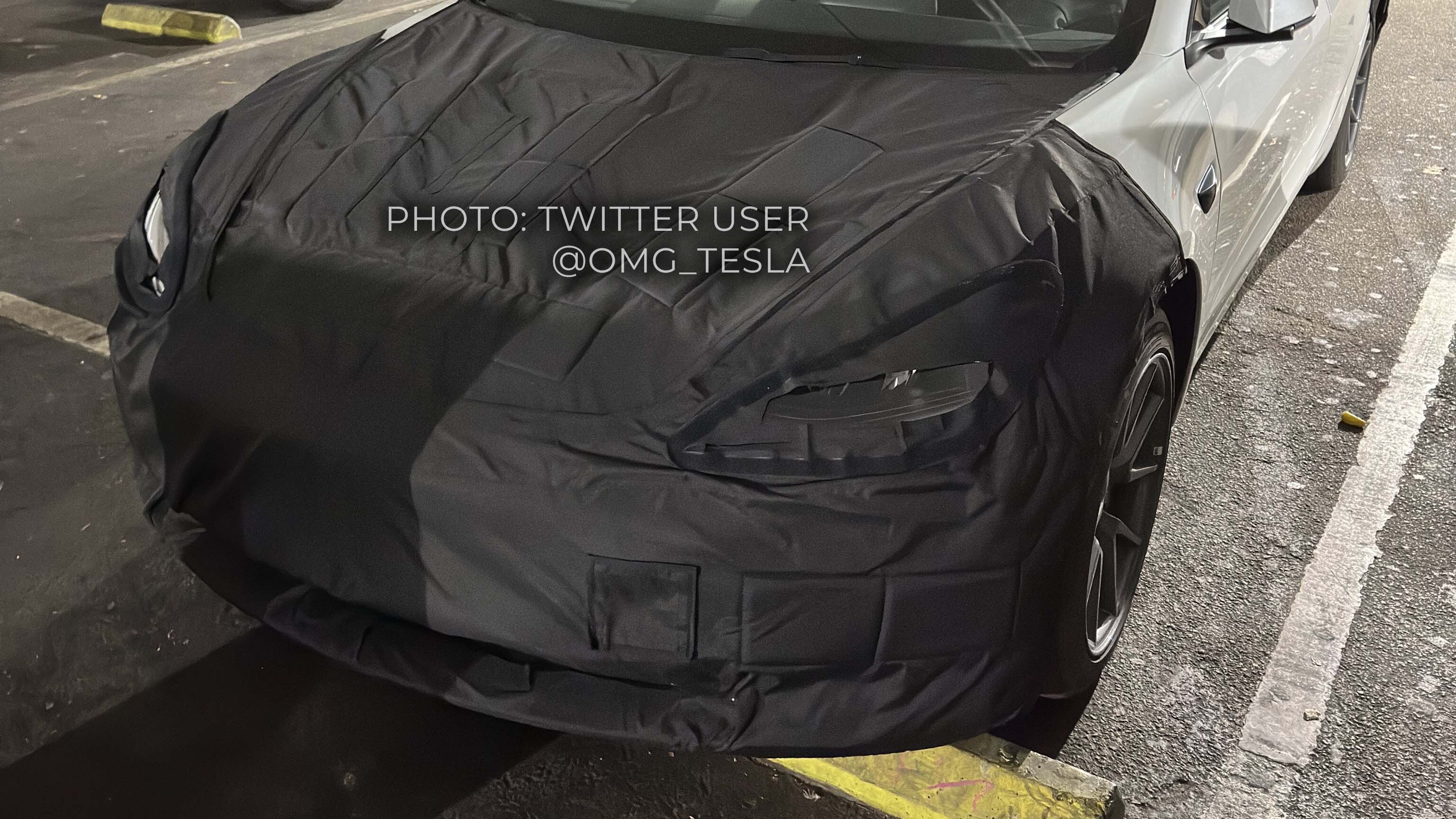
A camouflaged Tesla Model 3 has been spied testing in California again, but Tesla’s design head suggests a major update isn’t coming.
The electric sedan only has the front and rear covered up, indicating minor design tweaks or it could simply be testing new safety assistance sensors.
According to Reuters, the American electric vehicle carmaker will introduce an update for Model 3 sedan later in 2023 codenamed project ‘Highland’ with an even more simplified interior to cut production costs.
However, Tesla’s senior design executive Franz von Holzhausen has downplayed the rumour.
“There are things that we’re always looking at…Those vehicles [Model 3 and Model Y] are great at what they are, and we haven’t seen a need or a demand for a change so ‘don’t fix it if it isn’t broke’, that’s kind of the mentality,” von Holzhausen told the Ride the Lightning podcast.
“You look at the 3 and the Y on the road and they’re super modern feeling… why spoil that?”
Unlike traditional carmakers, Tesla deploys running changes without notice and tends to introduce more iterative updates rather than full generational life cycles.
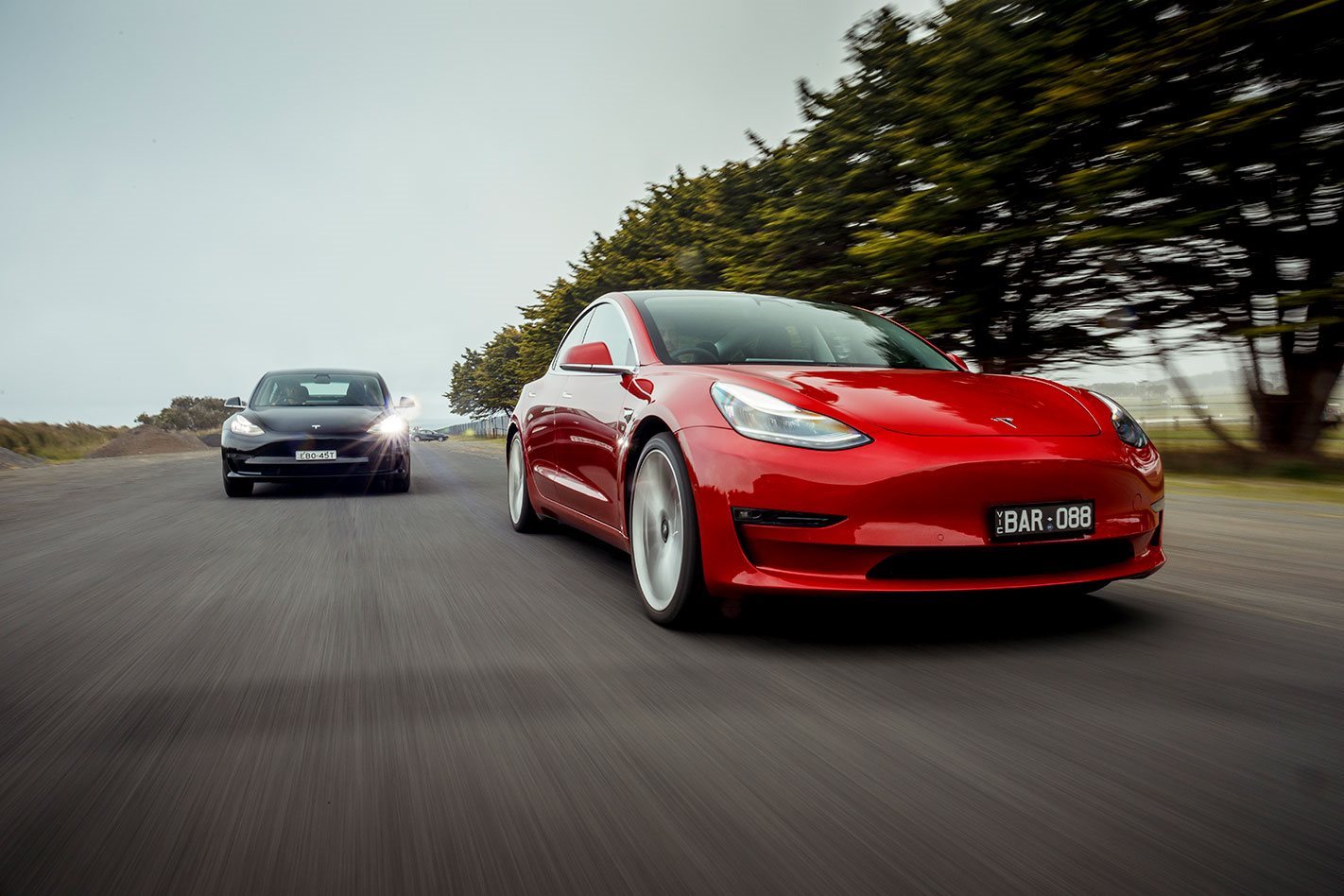
The Tesla Model 3 was first unveiled in 2016, with first deliveries starting in the US the year after, before arriving in Australia in 2019.
1
It has since become the most popular electric car, outselling the venerable Toyota Camry by 1339 examples in 2022.
An update was already introduced in 2021 bringing matte black exterior trims, an electric tailgate, new wheel designs, a redesigned centre console, and a more efficient heat pump system.
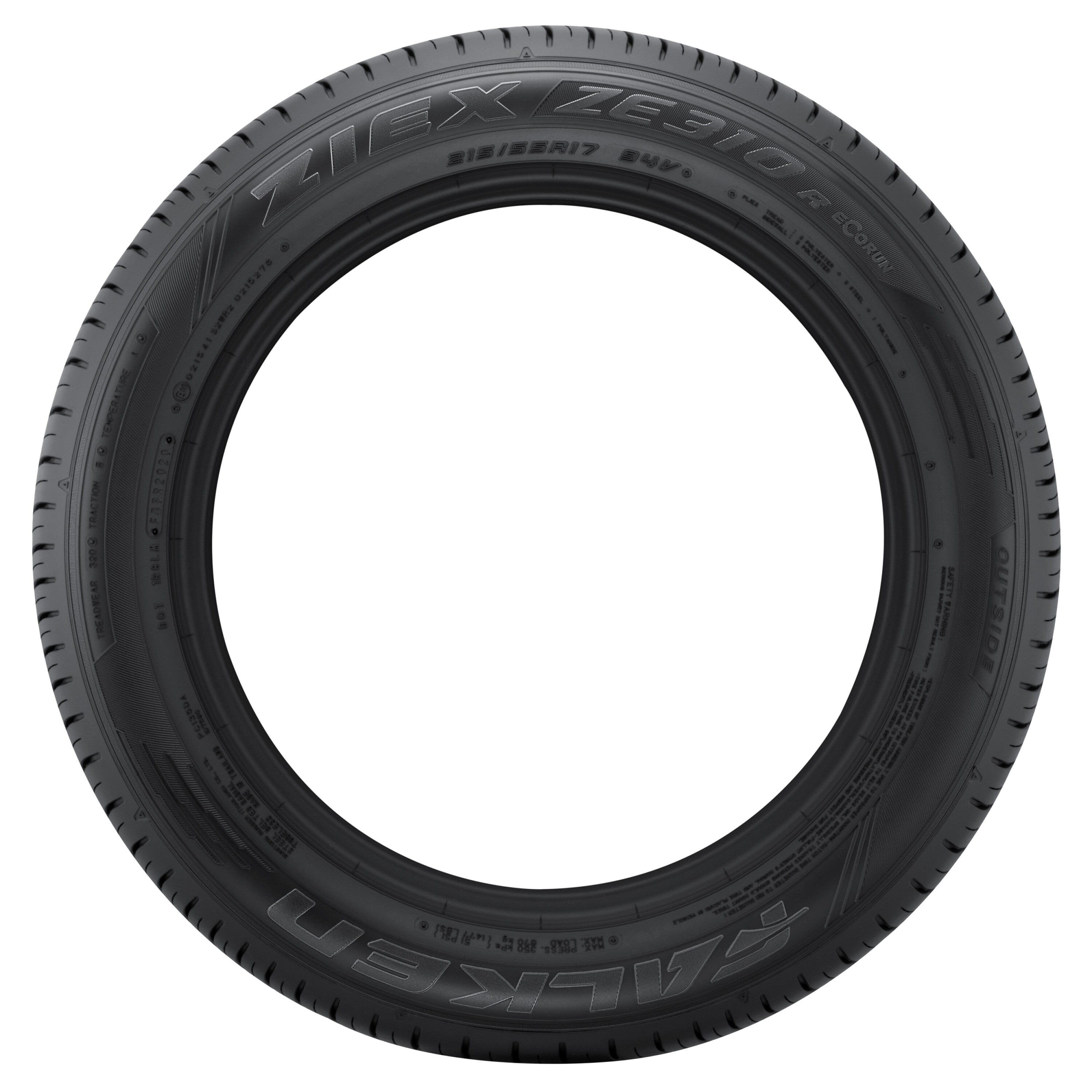
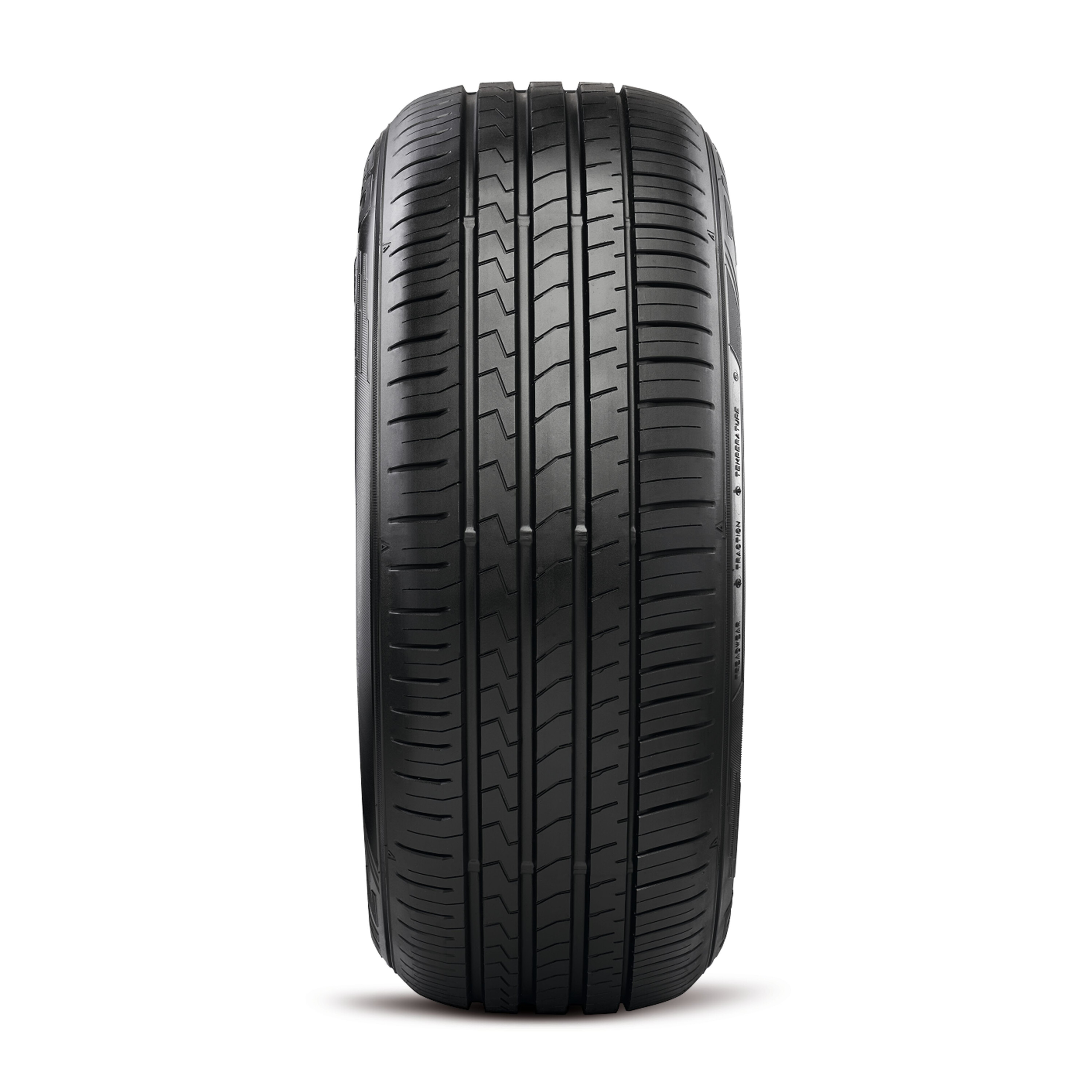
Replacing the Ziex ZE914 EcoRun, the Falken ZE310R is the latest premium touring summer tyre from Sumitomo Rubber.
Falken has improved on key safety aspects, aiming for better wet braking performance and aquaplaning resistance. In addition, the ZE310R promises improvements in rolling resistance, tyre life, noise, and fuel consumption.
The company achieved improvements by implementing an all-new tread pattern and revising the rubber compound – it now has better silicon distribution to improve longevity.
“The Ziex ZE310R EcoRun is a direct replacement for the popular Ziex ZE914 EcoRun sports comfort tyre,” Koji Fukuhara, managing director of Sumitomo Rubber Australia, told Whichcar.
“Our engineers have spent a lot of time developing this pattern to ensure it excels in every department as testing has proven it offers a significantly better life than the predecessor, with excellent noise levels as intended”, Fukuhara added.
2
Who is this tyre for?
The Falken ZE310R is positioned as a premium summer touring tyre, suitable to use all year round in most parts of Australia.
Popular rivals for the ZE310R include the Continental Premium Contact 6, Michelin Primacy 4 Plus, Goodyear EfficientGrip Performance 2, and Hankook Ventus Prime 4.
The Falken ZE310R is available to order in Australia now. You can use Falken’s dealer locator to find your nearest stockist.
Consumer Reports, a not-for-profit advocacy organisation in the US, has predicted current constricted electric vehicle supply levels won’t satisfy demand “until at least the end of the decade”.
Snapshot
Low EV supply has created pent-up demand
Predicts consumers are willing to wait for EVs
Decreasing combustion engine market share this decade
According to its latest study (via Green Car Reports), demand for EVs in the US between 2020 and 2022 jumped by 350 per cent.
It states today’s low supply levels for EVs has created pent-up demand for the next few years, which is reducing the potential market for traditional petrol and diesel-powered cars.
1
Consumer Reports predicts the ‘Osborne Effect’ – where buyers will wait until the EV market settles – will play a part in buyer decisions, instead of opting for a combustion-engined vehicle seen as inevitably ‘obsolete’. and potentially hard to sell later.
“This rising tide of demand is projected to be met by lagging supply leaving many consumers who want a BEV [battery-electric vehicle] to choose between settling for a gasoline vehicle they don’t want, joining an ever-expanding waitlist, or just waiting it out and holding onto their existing vehicle for longer,” Consumer Reports said.
The global car industry has been – and continues to be – hit in the past few years by parts shortages, exacerbated by the war on Ukraine, and shipping delays at ports.
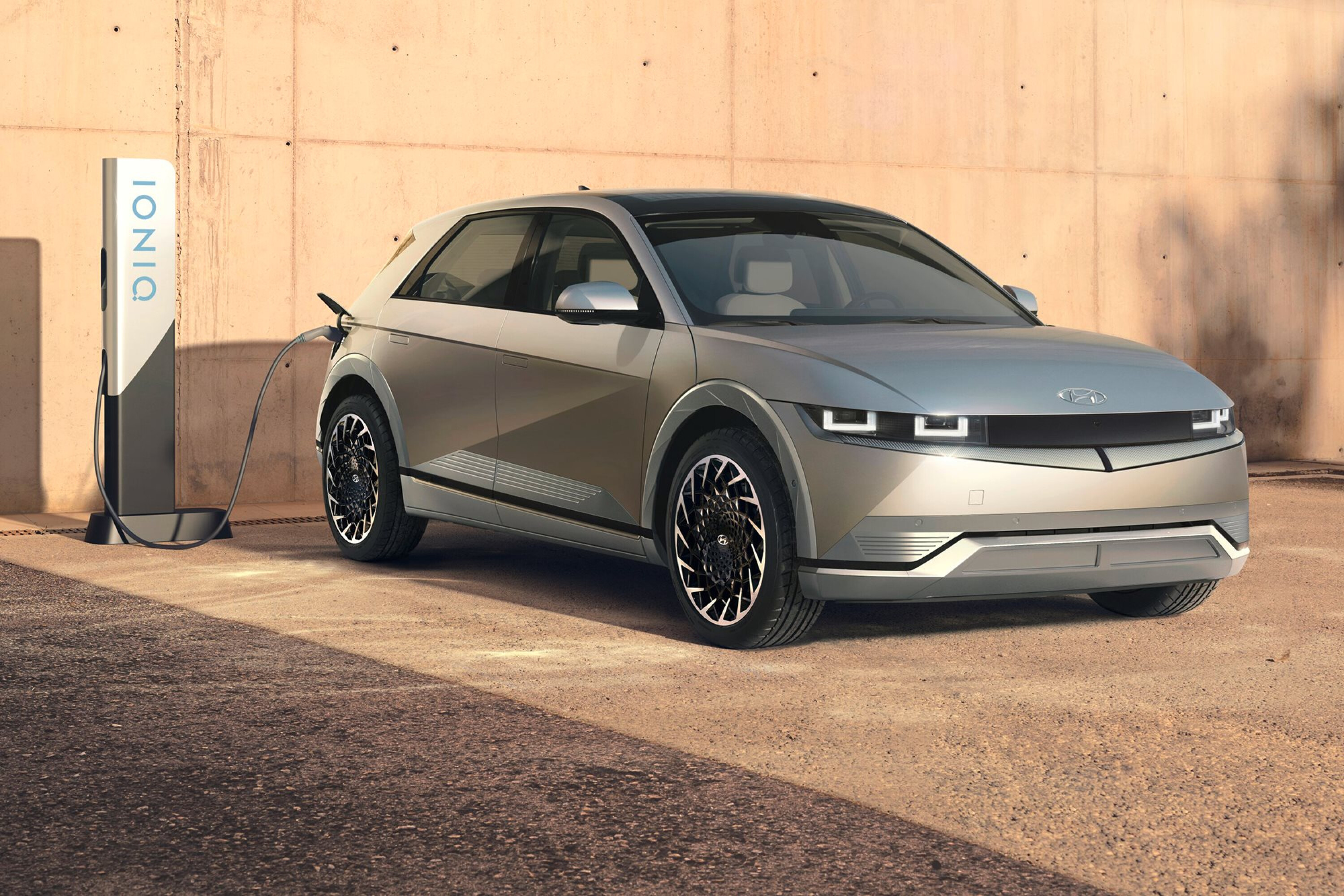
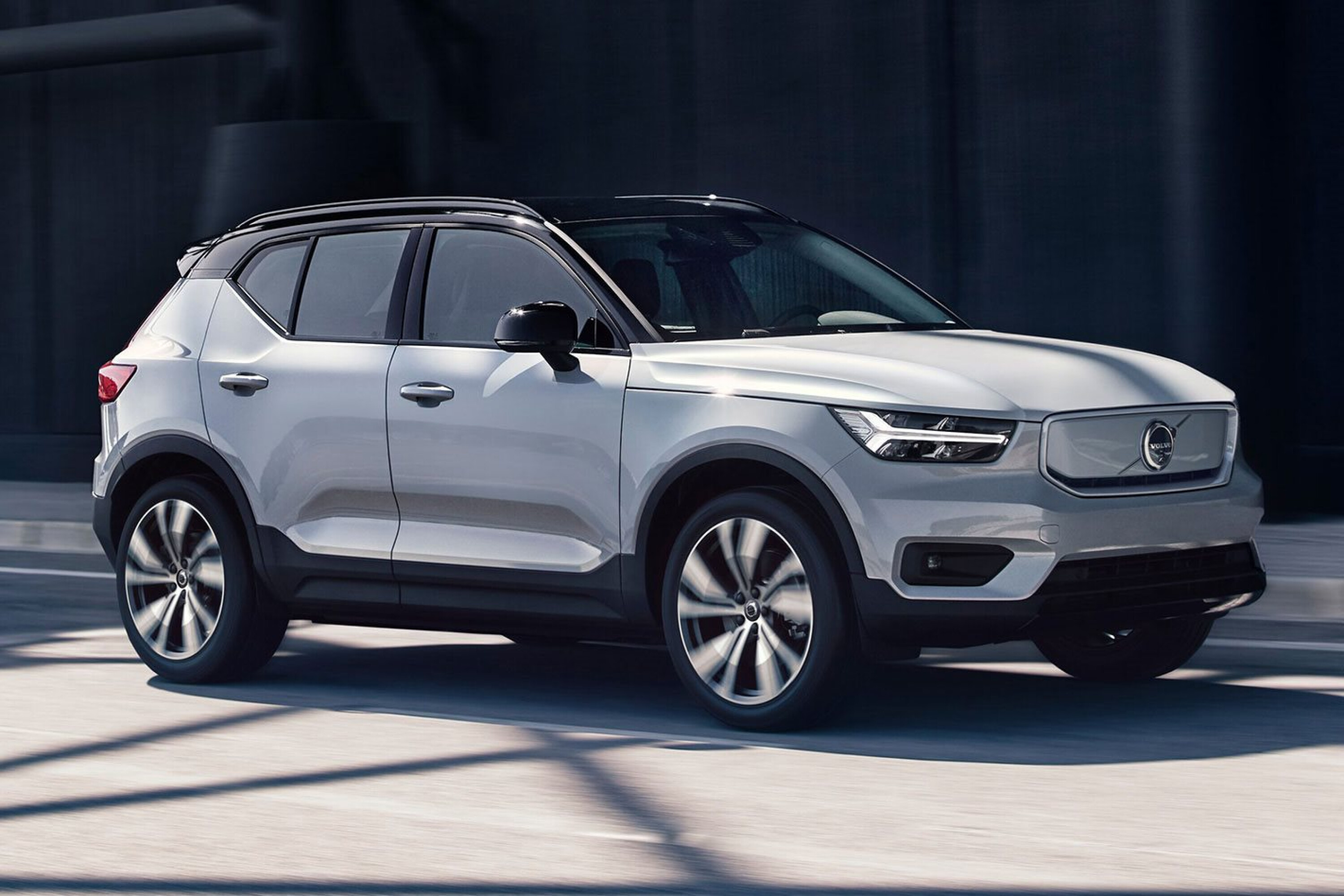
In Australia, the launch of electric cars such as the Hyundai Ioniq 5, Kia EV6 and Volvo XC40 Recharge have been restricted due to low stock allocations for a country that lacks any fuel-efficiency standards that penalise carmakers for not meeting average emissions thresholds.
Meanwhile, the Chinese-made Tesla Model 3 sedan and Model Y SUV continue to dominate the local EV market with seemingly no stock limitations and a rebound from supply challenges that have put the former in the top 10 overall best-selling new cars Down Under.
It’s a similar story with the third-best selling EV last year, the BYD Atto 3, which only launched in the second half of 2022, and benefits from a vertically-integrated production line and healthier local supply of parts in China.
Seventeen people lost their lives on Australian roads over the Easter long weekend, as police forces across the nation call for motorists to take care.
The toll includes the death of four adults in a crash in the New South Wales southern tablelands, near Yass, on Good Friday.
The New South Wales Police Force said emergency services were called to a two-vehicle collision on the Barton Highway at Jeir – 30km south-east of Yass – at 6:45am on Friday, April 7.
A 52-year-old woman and 54-year-old male in a Mitsubishi Triton, and the driver and rear passenger of a Ford Ranger, died at the scene. Another man travelling in the Ford was transported to Canberra Hospital in a critical condition.
A female motorcyclist died following a collision with a vehicle in Waterfall Way in New South Wales on Friday, while a 31-year-old male pedestrian died after being struck by a car in Tamworth on Easter Monday.
1
Another motorcyclist was killed following a three-vehicle crash in Watermans Bay, near Perth in Western Australia, and a quad bike rider died at Finke Track, near Alice Springs in the Northern Territory, in an accident with a motorbike.
In regional Victoria, a male driver was charged with culpable driving causing death, dangerous driving causing death, and negligent driving causing serious injury following a fatal collision in Wangaratta on Easter Sunday.
Victoria Police said a Jeep Grand Cherokee lost control about 7:15pm, with excessive speed believed to be a factor in the crash.
A 26-year-old male front passenger died at the scene, while two other passengers were airlifted to Melbourne with critical injuries.
1
Six drivers died in single-vehicle accidents across Australia, including a learner driver in Lake Plains, near Adelaide.
The 16-year-old, who was alone in the vehicle without a full licence holder supervisor, died after his Honda station wagon left the road and crashed into a tree on Easter Sunday.
A 26-year-old woman was charged with causing death by dangerous driving and “other traffic offences” in Tasmania after her Toyota Camry collided with an MG on the Arthur Highway, near Copping, on Good Friday.
A two-vehicle crash near Townsville claimed the life of a male driver on Monday after his vehicle veered into the opposite lane, colliding with a Toyota four-wheel-drive.
Australian Automobile Association managing director, Michael Bradley, said all drivers need to consider their actions behind the wheel, no matter the time of the year.
“Any death on the roads is a tragedy and once again this Easter we have seen too many fatalities. Every person is responsible for their driving behaviour and we must all remind ourselves of the need to be careful on the roads,” he said.
“But we also need greater focus from our governments on road safety, including more openness about data they hold about the causes of accidents and the state of our roads so we can formulate strategies that will reverse the upward trajectory in road trauma.
“The numbers are telling us the current approach is not working.”
Across the nation, more than 18,500 traffic infringements were issued, with double demerits in place over the long weekend in New South Wales, Western Australia and the Australian Capital Territory.
Victoria Police said 80 per cent of speeding offences between April 6 and 10 were between 10km/h and 25km/h above the posted sign limit, while mobile phone offences were up 31 per cent over last Easter.
Last month, the state rolled out mobile phone and seatbelt detection cameras – though an advisory period applies for the first three months before infringement notices are issued.
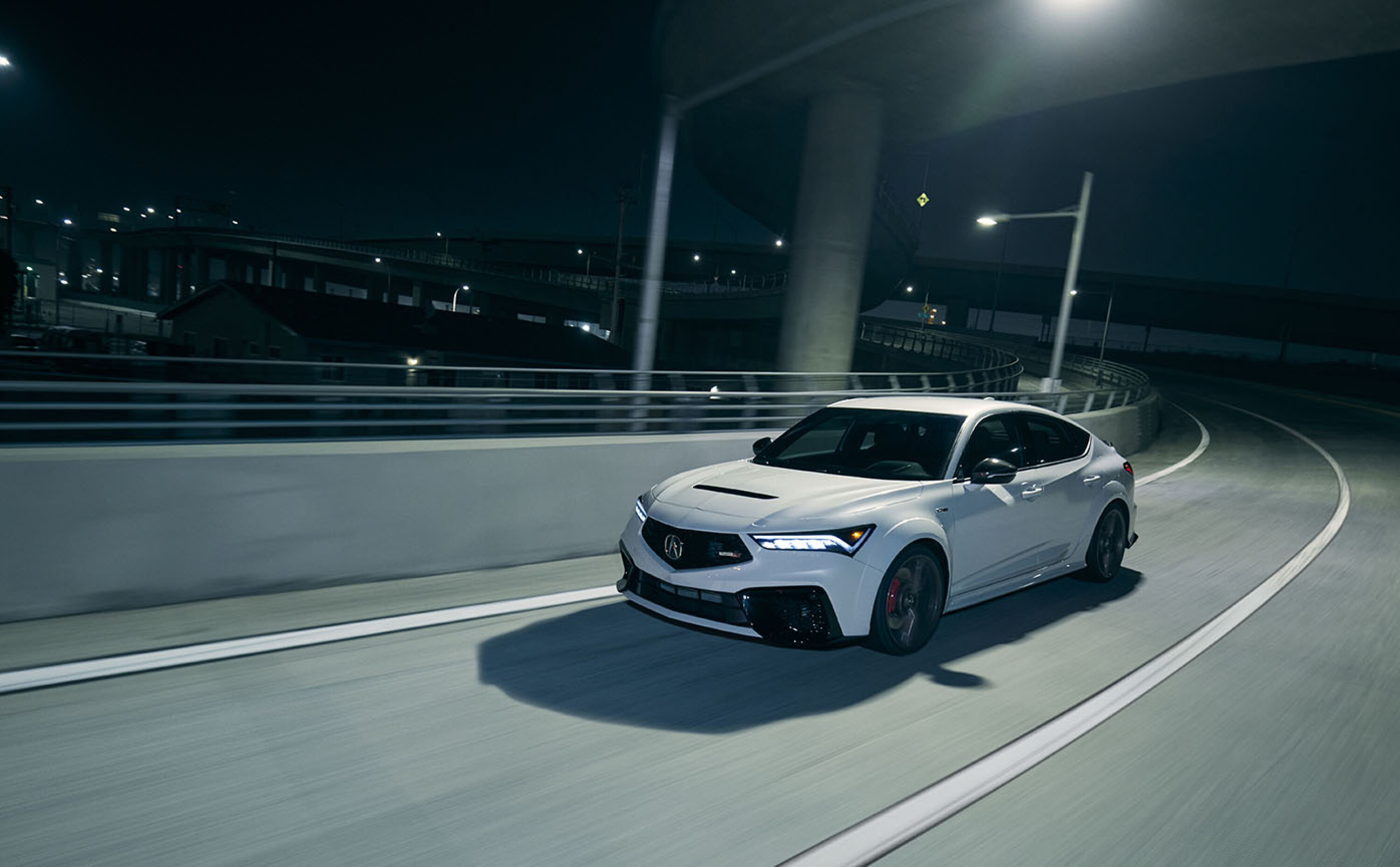
UPDATE: Honda/Acura Integra Type S detailed for the US market.
Honda has unveiled the Integra Type S in full, with sales to start in June. Unfortunately, the liftback Integra – which would be a perfect rival for Skoda’s Octavia RS – has been ruled out for Australian release.
The oily bits are effectively carried over from the Civic Type R, though the Integra Type S is rated 5hp higher at 320hp (SAE, equivalent to 238kW). It uses the same six-speed manual transmission to drive the front wheels.
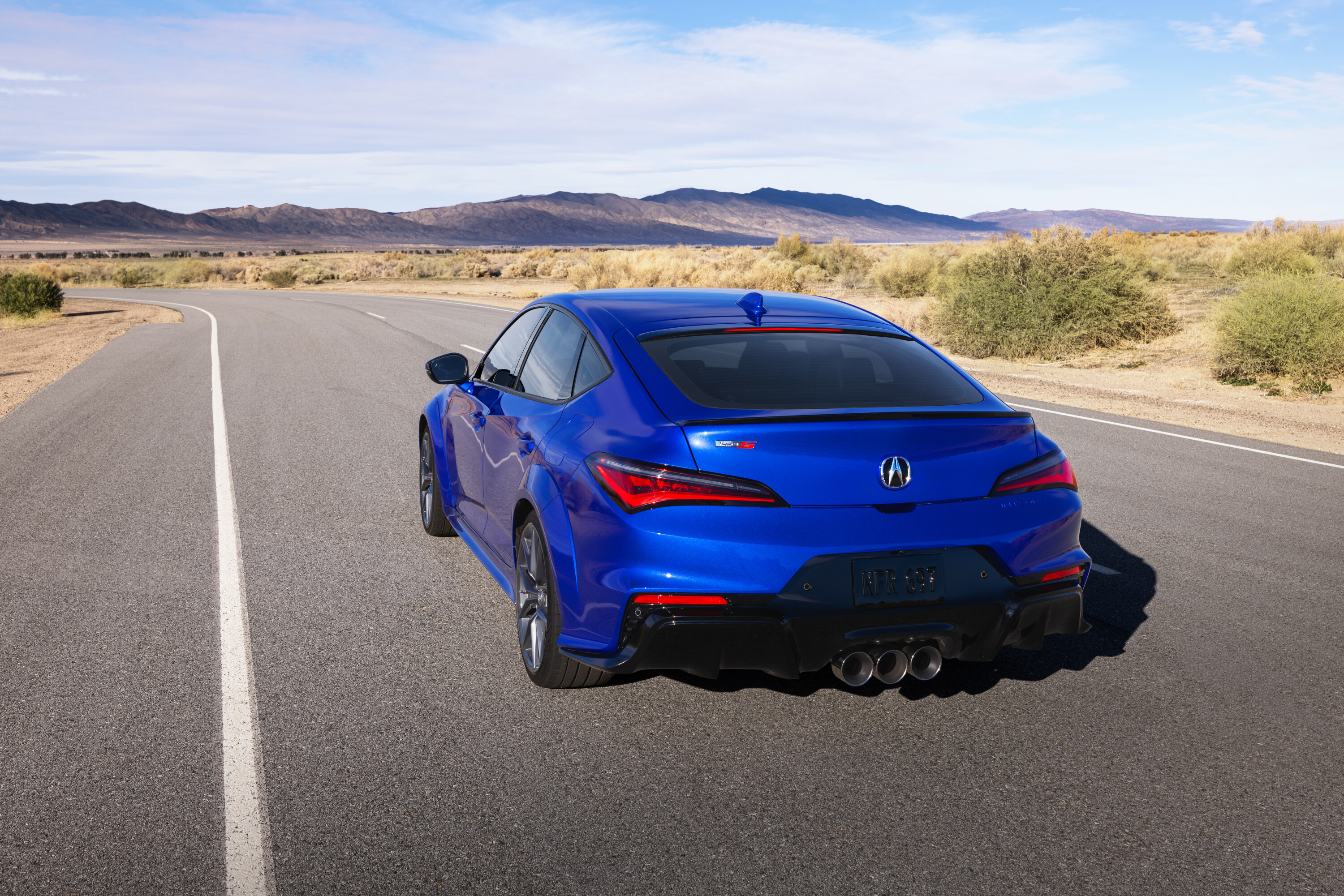
Outside, the Integra Type S gets an aggressive visual makeover akin to the Civic Type R, with its guards pumped by 71mm to accommodate the 265/30 R19 Michelin Pilot Sport 4S tyres fitted with copper-painted lightweight 19-inch alloys; a bonnet scoop completes the menacing look.
Hiding under the large alloys are four-piston Brembo front brake calipers clamping 350mm ventilated rotors, and the rear rotors measure 305mm.
Compared to the Civic Type R, the Integra is about 120mm longer, though rides on the same 2735mm wheelbase. The Type S also weighs 30kg more than the Civic Type R.
Part of the reason behind keeping the Integra Type S US-market only is that it’s constructed at Honda/Acura’s US plant in Marysville, Ohio, whereas the Civic Type R is built at Honda’s Yorii plant in Japan.
If your ears pricked up at the news that Honda is about to pull the covers off a new Integra Type S, then you’re not alone.
Honda reintroduced the Integra nameplate in America last year – over there it’s sold as an Acura, which is Honda’s luxury brand – and a new, performance-focused Type S variant is set to be revealed on April 14 at the Long Beach IndyCar Grand Prix.
The new Integra Type S is built on the same platform as the 11th generation Honda Civic and it will share the same 2.0-litre turbocharged engine as the new Civic Type R, which makes 235kW and 420Nm.
2
The two cars will be sold side-by-side in America, but any hopes their commonality might see Honda Australia import the Integra Type S to sell alongside the Civic Type R, have been dashed.
“No firm plans for any Acura, but we’ll keep monitoring things going forward,” said Honda Australia director Carolyn McMahon when we asked about the Type S’s chances of an Aussie introduction. “At the moment we’re really just focusing on our SUV strategy and hybrid enhancement.”
1
Importing the Integra to Australia was always a long shot. Unlike the Civic, which is manufactured in Japan and Thailand, the Integra is made in America, meaning right-hand-drive versions are off the table.
“It [Integra] is manufactured out of the US, so I don’t believe it’s available in right-hand drive,” confirmed McMahon.
There’s also duplication with Civic Type R to consider. Unlike previous Integra models, the new Type S will be a five-door liftback and share some styling cues with the Civic Type R, including its three exhaust outlets (above).
As for the prospects of other performance Hondas from the brand’s global portfolio coming to Australia? They’re slim. Honda Australia’s immediate focus is on higher-volume SUVs like the incoming ZR-V and new-generation CR-V.
1
“At the moment we’re happy with our line-up,” said McMahon. “We’ll continue monitoring what’s available to us and what the market requirements are, but no plans to add anything else at the moment.”
Tesla will widen its electric vehicle portfolio across a variety of segments, as it works to stay competitive in an increasingly crowded market.
Snapshot
Tesla electric van, bus, urban truck planned
u2018Model 2u2019 will have 53kWh LFP battery
Seemingly confirms LFP for Model 3, Model Y Long Range and Performance coming
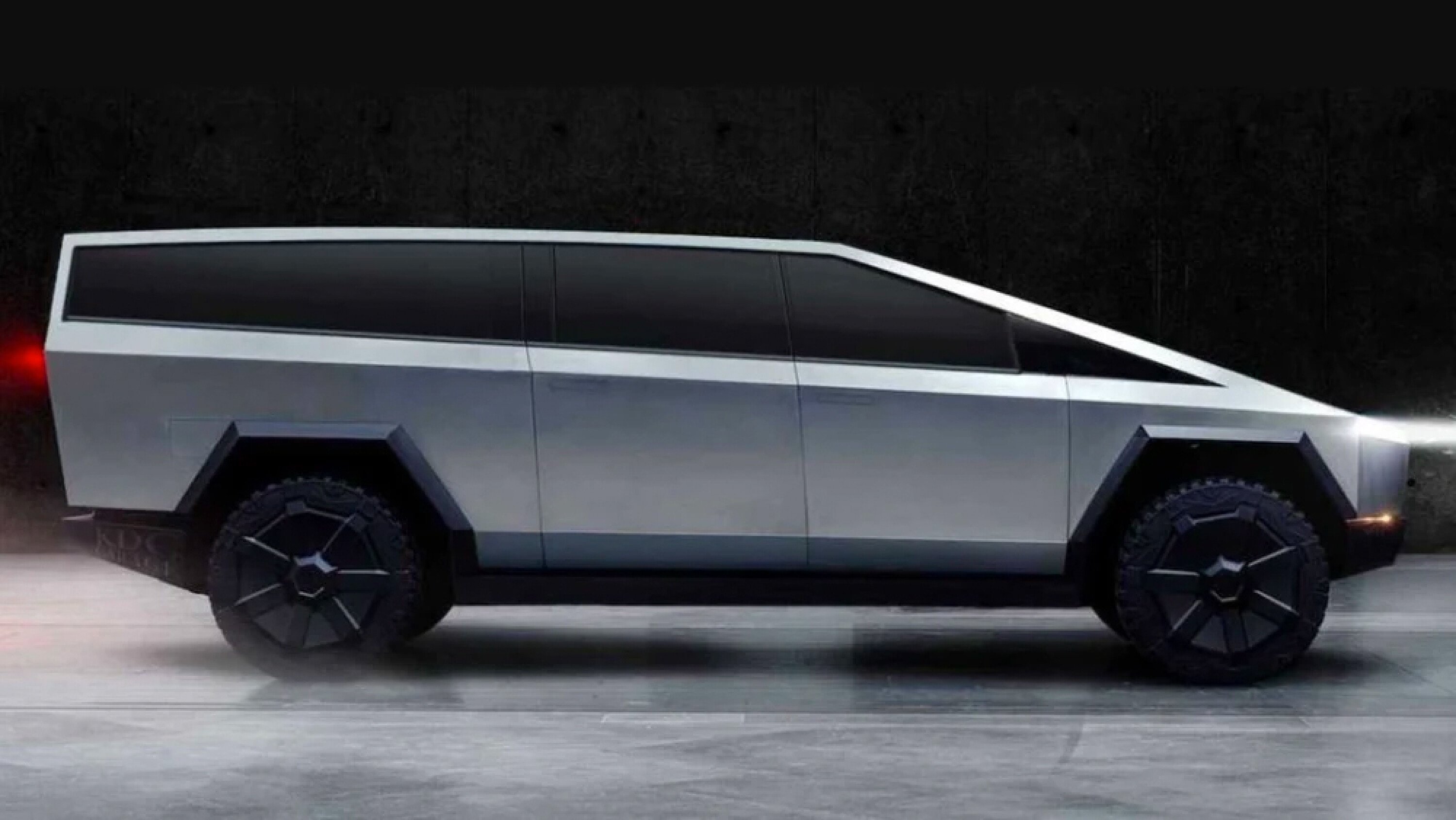
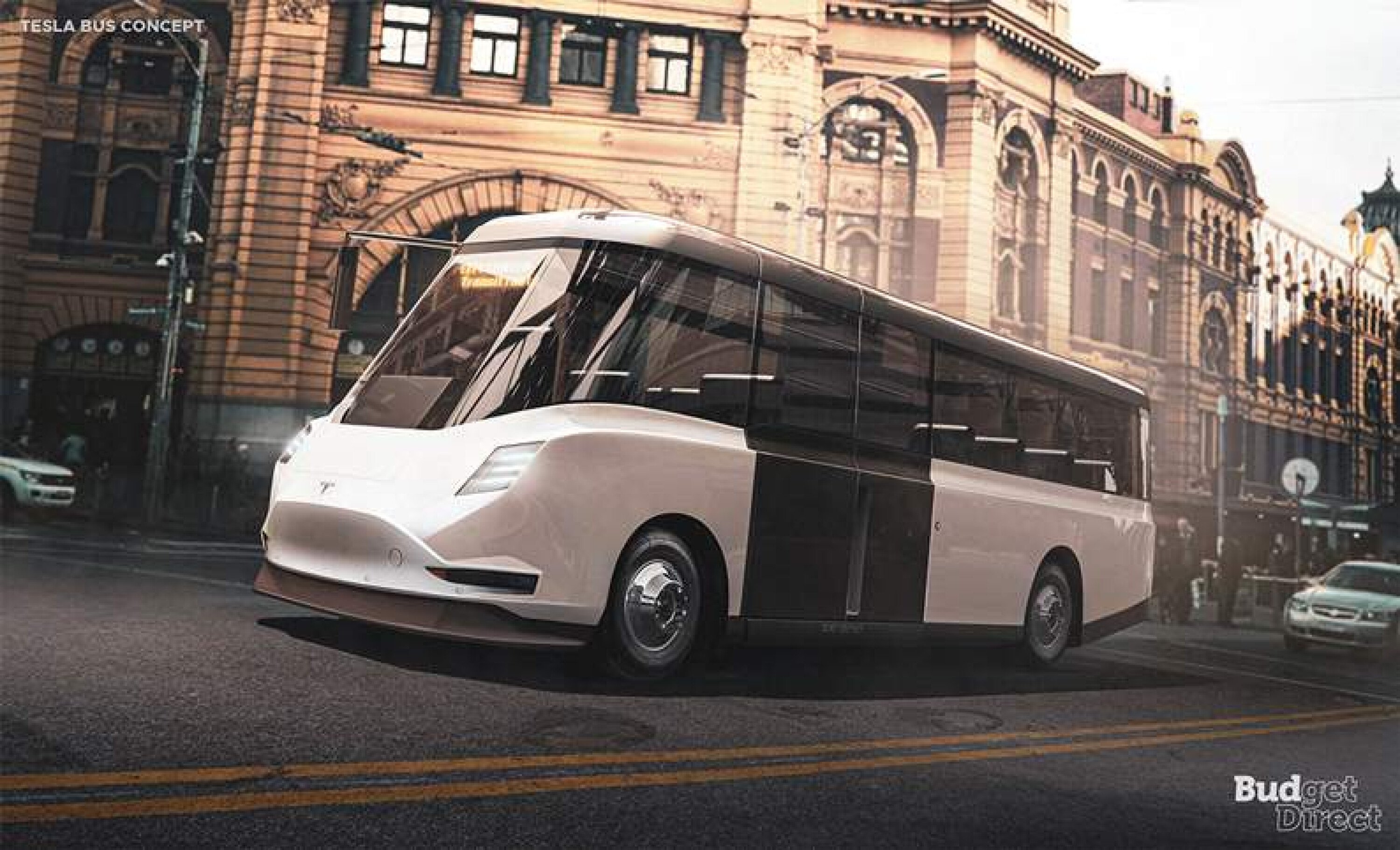
The world’s most popular EV maker detailed in its ‘Master Plan Part 3’ report that it plans to introduce a commercial and passenger van, passenger bus, and short-range urban truck.
Tesla electric van and people-mover
1
Tesla’s all-electric commercial and passenger van models will use a high nickel-based 100kWh lithium-ion battery, and the company targets selling 163 million units globally (by an undefined time).
It will be Tesla’s all-electric answer to combustion-powered models like the Hyundai Staria and Staria Load, and was previewed by a covered silhouette at its Investor Day event last month.
The battery pack adopts a nickel-manganese cathode that has a longer range and higher energy density, with low to zero environmentally-unsustainable cobalt materials used – likely suggesting nickel-manganese cobalt (NCM) or nickel-cobalt-aluminium (NCA) respectively.
Tesla electric bus
1
The Tesla electric bus will boast a lower energy-dense 300kWh lithium-iron-phosphate (LFP) battery, with five million units in projected global sales.
It will directly rival Build Your Dreams (BYD), which currently dominates the electric bus market, with services already running on Sydney, Melbourne and Brisbane roads.
Tesla Semi Light truck
1
Lastly, the short-range heavy truck will use a larger 500kWh LFP battery, with 6.7 million units expected to be sold globally.
It will be called the Tesla Semi Light and complement the existing Semi Heavy electric truck currently being rolled out in the US, which packs a high nickel-based 800kWh lithium-ion battery.
This model is of course unrelated to the constantly delated Cybertruck, which is positioned as more of a lifestyle pickup with a futuristic edge.
Tesla Model 2 coming at last?
1
Tesla also confirmed a ‘compact’ electric car – most likely the expected US$25,000 ‘Model 2’ third-genEV is coming, with exactly 686-million global sales targeted over its lifetime.
That model will feature a 53kWh LFP pack. Meanwhile, the report states the ‘midsized’ Model 3 sedan and Model Y SUV has a 75kWh battery, but based on the LFP chemistry.
Mayors and councillors call for fuel-efficiency standards
Will unlock more choice, supply, cheaper EVs Down Under
Climate Council claims nine million tonnes of emissions couldu2019ve been avoided if it was introduced in 2016
Ahead of the federal government’s National Electric Vehicle Strategy, 120 mayors and councillors have signed a petition by the Climate Council to legislate strong fuel-efficiency standards to push the electric vehicle transition.
Council-elected representatives from all states (full list here (PDF file)) have called on the Australian government to:
introduce mandatory fuel-efficiency standards that are at least equivalent to other major markets
give Australians more EV choice and affordability
support 100 per cent zero exhaust emission new vehicle sales as soon as possible
review and update mandates around every five years
The mayor for the City of Greater Bendigo, Andrea Metcalf, said fuel-efficiency standards will be key to unlocking and boosting the supply of affordable EVs for its own fleet and community.
“The City of Greater Bendigo has a goal to transition more than 100 light fleet cars to electric vehicles by 2030, however we are held back by the limited options available in Australia at the right price point,” Metcalf said.
“We also know that some people in our community are in a similar position. They also want to be driving electric vehicles that are good for the environment, have lower running costs and are affordable.”
The mayors and councillors are part of the advocacy group’s Cities Power Partnership, which includes more than 180 councils that represent almost 70 per cent of the population, with 75 per cent of them having at least one EV in their fleet.
1
The Climate Council claims that if fuel-efficiency standards were introduced in 2016, Australia could have saved $5.9 billion in fuel costs, avoided 4000 megalitres of imported fuel, and nine million tonnes of greenhouse gas emissions – similar to the footprint from domestic aviation in a ‘normal year’.
Australia is the only Organization for Economic Cooperation and Development (OECD) country – besides Russia – to not have a fuel-efficiency mandate.
Fuel-efficiency standards require car brands to meet a set threshold for average exhaust emissions across the range of vehicles it sells, or be subject to hefty financial penalties – depending on the region.
This means carmakers will prioritise bringing EVs to countries where mandates are in place, which improves supply, the availability of models, and competition that ultimately drives down on the purchase price tag.
Price as tested: $41,485 (drive away)
This month: 346km @ 7.2L/100km
Overall: 346km @ 7.2L/100km
The old adage says you don’t get a second chance to make a first impression.
That’s technically true, I guess, but thankfully plenty of positive relationships have been built after a bit of a bumpy initial getting-to-know-each-other period.
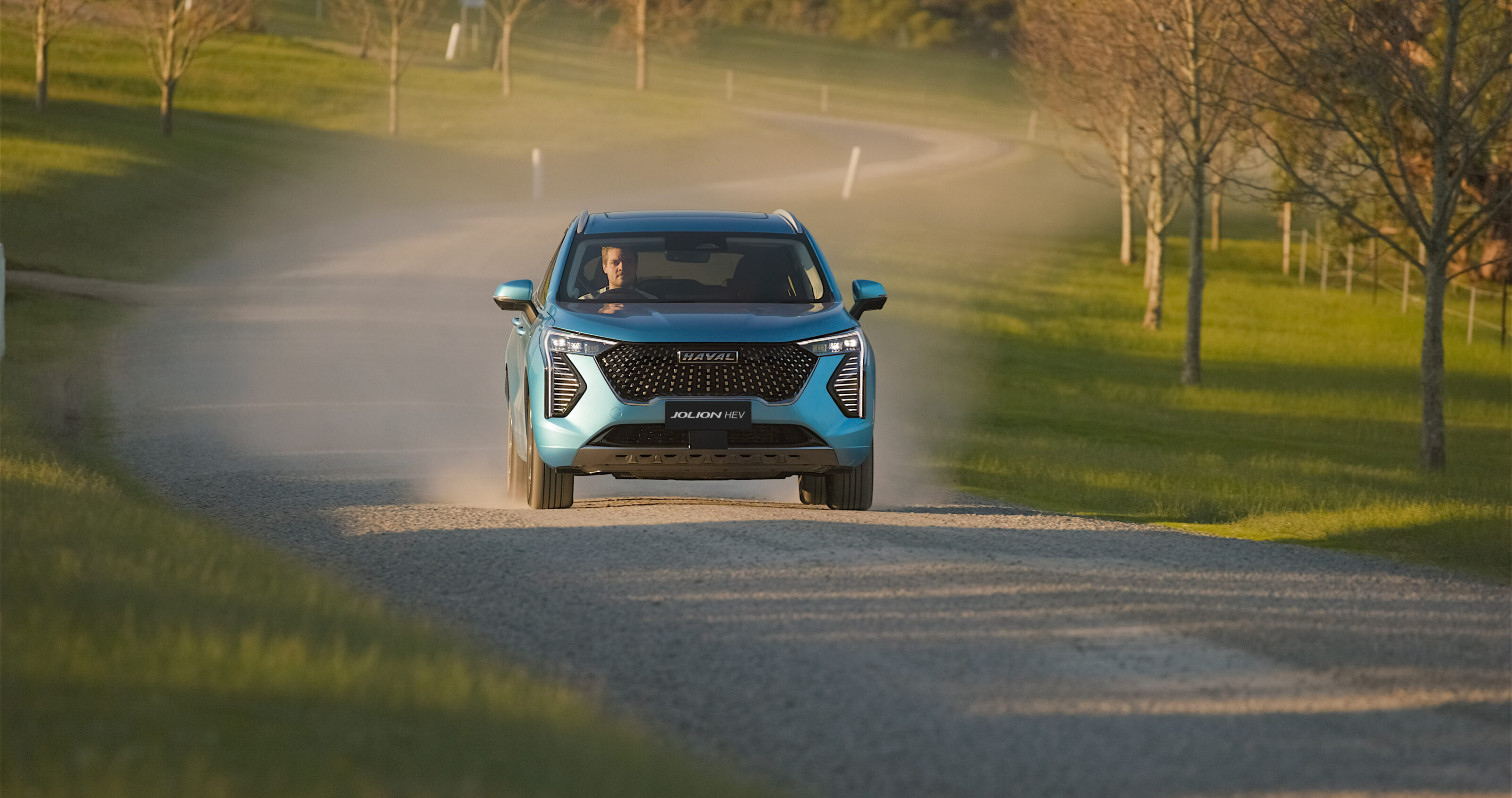
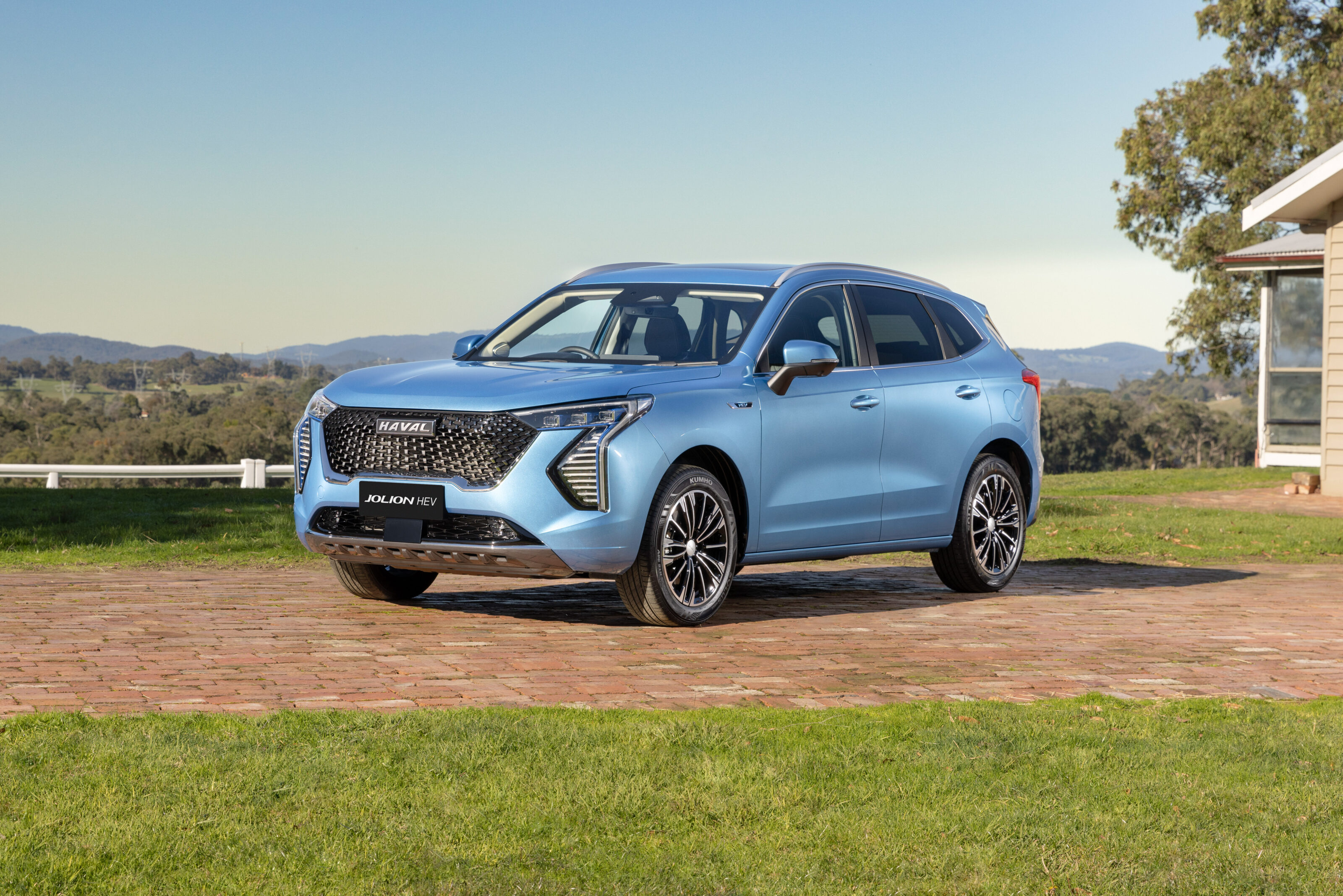
Given Jolion’s huge popularity – the six-strong model line-up regularly cracks the Top 20 best sellers – I expected GWM’s SUV to have simplicity, ease of operation and comfort pretty well nailed. Yet weirdly during my first few days with this top-spec Ultra hybrid – priced at $40,990 drive-away, which is a $7K premium over the regular 1.5-litre turbo-petrol Ultra model – these were the key elements which were most evasive.
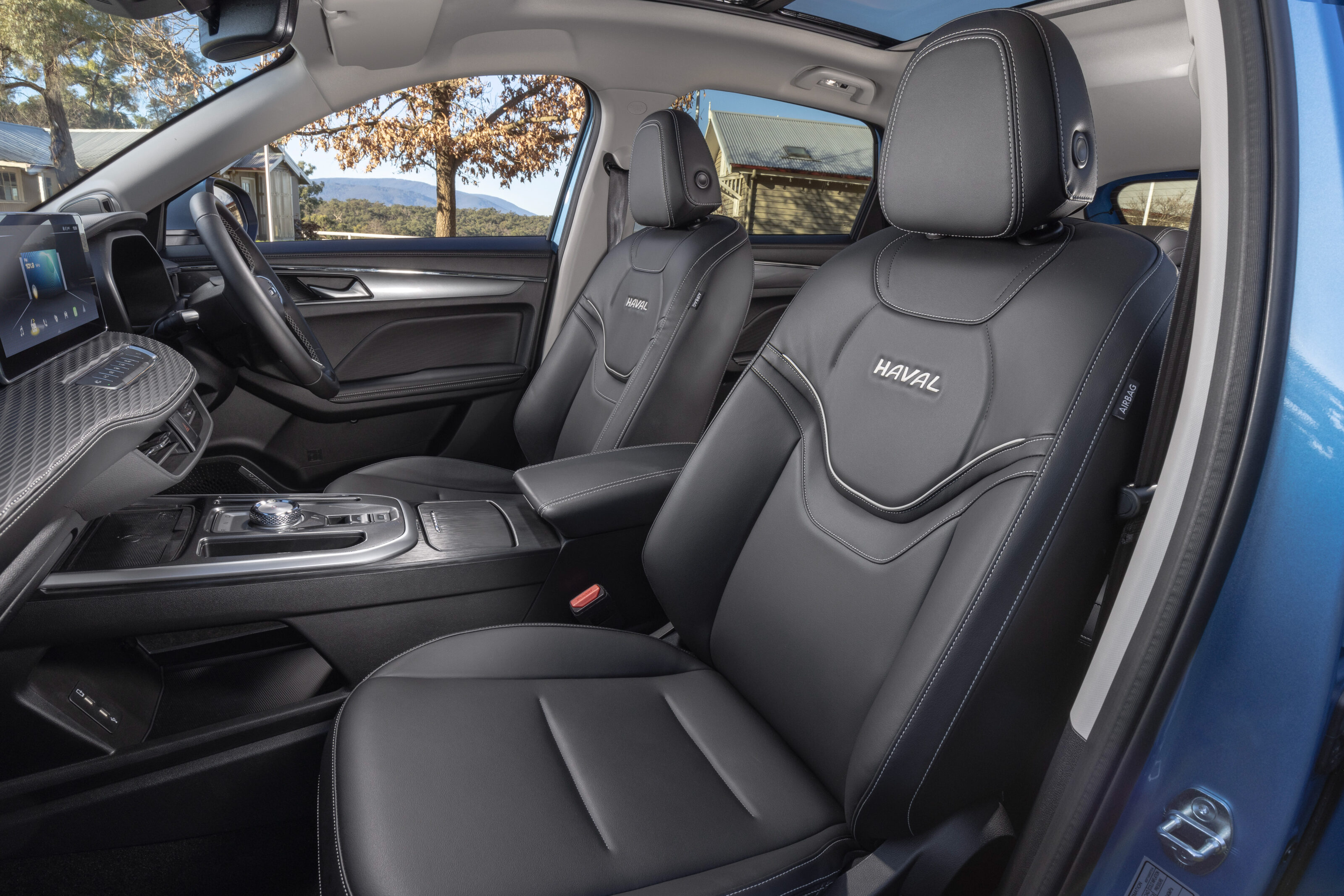
First issue was finding a comfortable driving position. Or, more accurately, as it turned out, learning to live with the compromise imposed by a steering wheel that doesn’t adjust for reach.
When I jump into an SUV, pretty much regardless of size or segment, one of the top initial priorities is not the on-limit handling or peak power, it’s seat comfort and driving position. After all, if you’re going to sacrifice the lower centre of gravity of a hatch or wagon and you’re being provided a higher, more commanding driving position, it stands to reason that you want to be supremely comfortable, right?
1
So the lack of reach adjustment for the steering column is frustrating, especially given there’s ample travel for the driver’s seat, to the point where if it’s extended to its furthermost position you would need arms like jousting sticks to actually reach the wheel. Which leaves me with a weird mental image of the anatomy of the test subjects who sat in the development buck.
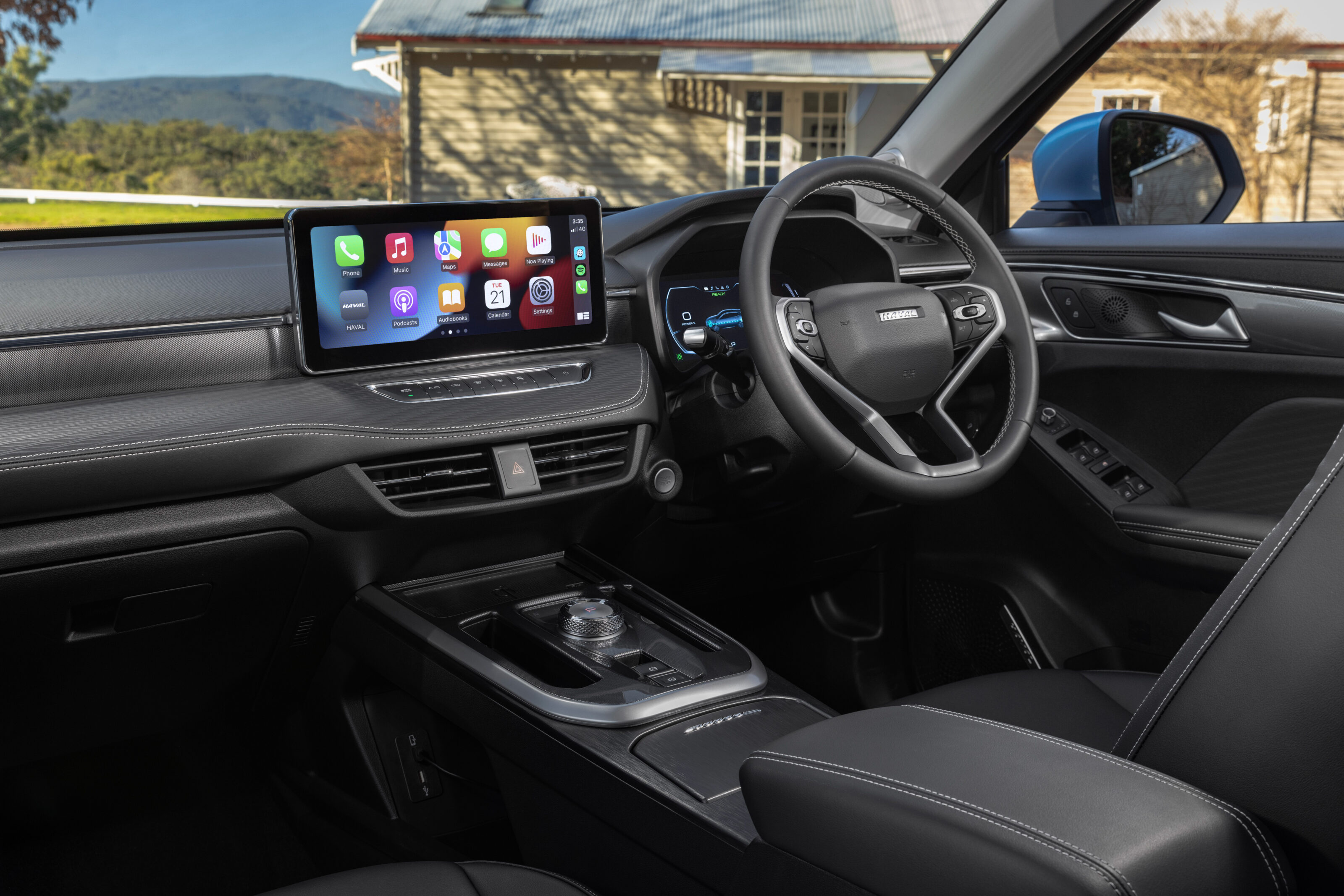
Then there’s the lack of under-thigh support from the seat which, for my six-foot frame, leaves my legs flailing around a bit. And while we’re getting the niggles out of the way – might as well do it early – it’s clear that more effort could have gone into reengineering the Jolion for right-hand drive, as the 12.3-inch multimedia screen angles sightly towards the passenger, and the home icon – which is tiny – is as far away from you as is possible, so not ideal when you’re trying to stab at it on the move from the right-hand-side of the car.
It’s especially irksome as there are a row of hard keys below the screen; one of them a blank which would seem to be crying out to be assigned as the home button.
Actually, I’m feeling the whole UX of the multimedia could use a rethink. The hard keys include relatively little-used functions – there’s one each for front and rear screen demisting – yet there’s no conventional volume control. When did a simple volume knob become such a visual eyesore it needed to be binned?
1
You either adjust the sound level via the steering wheel buttons, or you have to swipe in from the side of the screen to reveal a fiddly slider arrangement. At least a quick on-off press of one of the demister buttons takes you straight to the climate controls (which are otherwise located under one menu layer) and the screen response is consistent and quick.
The Jolion’s value game, too, is strong. In terms of equipment, Ultra spec brings excellent matrix LED headlights, head-up display, a very comprehensive safety suite that includes seven airbags and all the usual assistance systems, a generous sunroof, electric driver’s seat, wireless phone charging, and heating for the front seats.
As for what it lacks, there’s no powered tailgate, nor inbuilt navigation, and the six-speaker audio system doesn’t have a centre channel, so therefore doesn’t make much of a fist of vocal imaging. But it’s punchy enough, and fine if you’re not a real audio geek. But the lack of DAB radio is a miss; if you want radio that’s not AM or FM, it means plugging in your phone.
1
Accommodation, though, is generous; central to the Jolion’s appeal is that it straddles the gap between small and mid-size SUVs, sitting between a Mazda CX-30 and a CX-5, and offering a decent 390-litre boot. In the back two adults have plenty of leg and headroom and even three-up is fine for short hops.
There’s appreciably more space than you get in this class in something like a Mitsubishi ASX, for example.
As for dynamics, I jumped into the Jolion with modest expectations, which have been comfortably exceeded. The driving starts with steering that’s light and direct with a natural self-centring action. Damping delivers body control that stays pretty disciplined over big heaves taken at touring speeds, so in this respect it’s way better than rivals like the MG ZS.
1
The ride, too, is reasonable; yes, it’s a bit lively and reactive over broken bitumen, but rarely to the point of annoying intrusion, it’s more the thudding, low-frequency tyre noise which comes through in sharp contrast to the otherwise quiet cabin when driving on smooth roads.
But it’s the hybrid powertrain which is this Jolion’s primary USP, and it’s a technically intriguing set-up. We’ll go into greater detail next update, but so far it’s been delivering a mostly unfused driving experience, with ample electric-only operation, at least in the urban environment where the car’s so far spent most of its time.
So despite my initial gripes about the ergo issues and multimedia, the Jolion is proving to be one of those slow-burn cars, where a bit of familiarity and acceptance of a few quirks goes a long way to allowing its virtues to shine through.
UPDATE: 2024 BMW XM Label Red pricing announced, entry-level 50e revealed
The high-performance 2024 BMW XM Label Red will arrive in Australia in the second half of this year.
It is priced from $344,200 before on-road costs, while a limited-run Label Red Edition is listed at $349,990 plus on-roads.
1
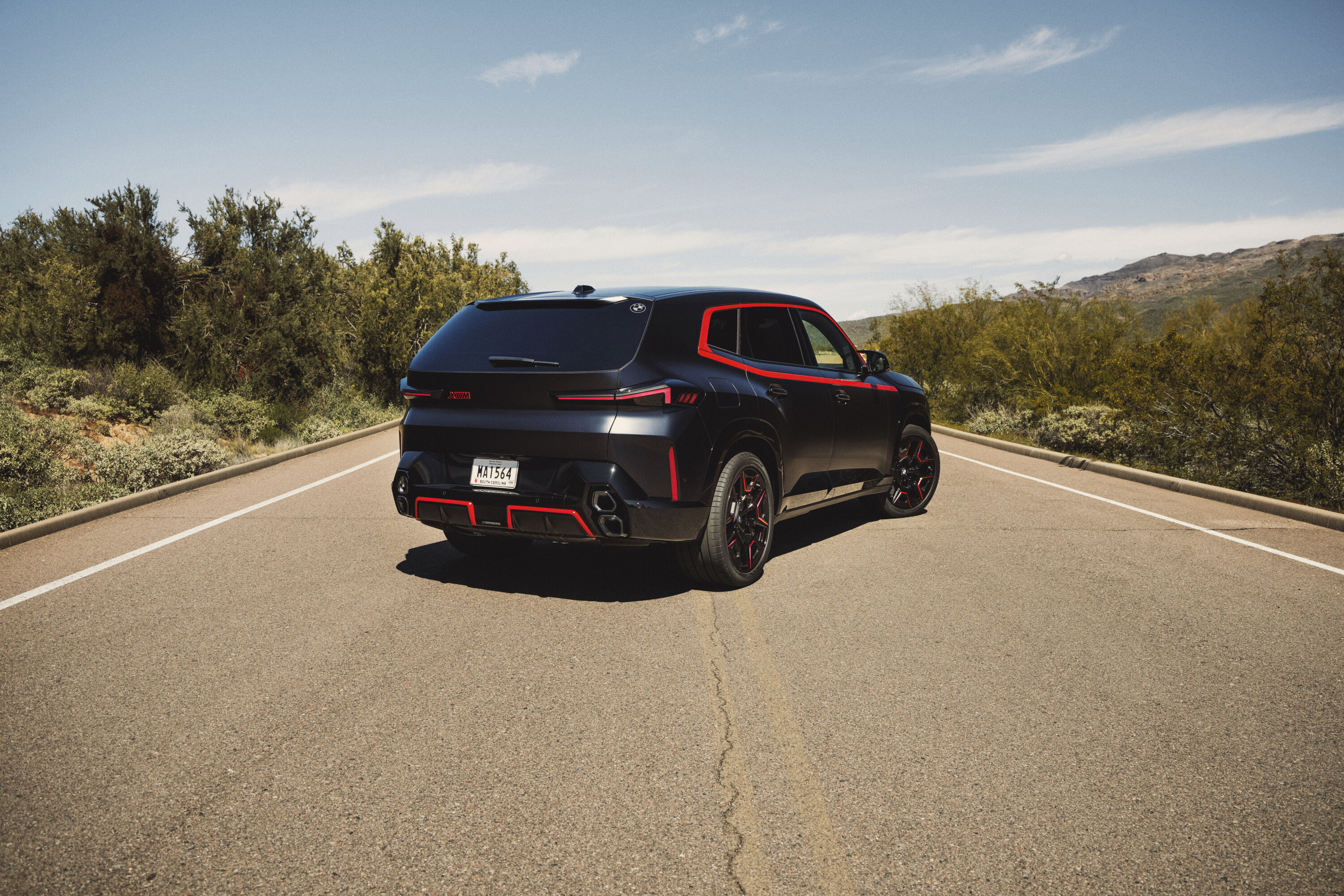
The limited-edition variant be restricted to 30 units in Australia, with 500 examples to be produced globally, with an exclusive ‘frozen carbon black’ exterior finish and red accents.
Compared to the standard-run, plug-in hybrid XM upper-large SUV – the M division’s first bespoke vehicle since the M1 – the Label Red has 70kW and 200Nm more, for a 550kW and 1000Nm total system output.
This is largely due to a power boost for the 4.4-litre ‘S68’ twin-turbocharged V8 petrol engine, which now produces 430kW and 750Nm – up 70kW and 100Nm.
1
BMW claims the XM Label Red will complete the 0-100km/h sprint in 3.8 seconds, compared to 4.3 seconds for the standard XM.
Despite the performance boost, it has similar efficiency to the XM, with a WLTP-rated 83-kilometre electric-only driving range and an average fuel consumption of 1.6 to 1.7 litres per 100 kilometres, provided the 25.7kWh lithium-ion battery is fully charged.
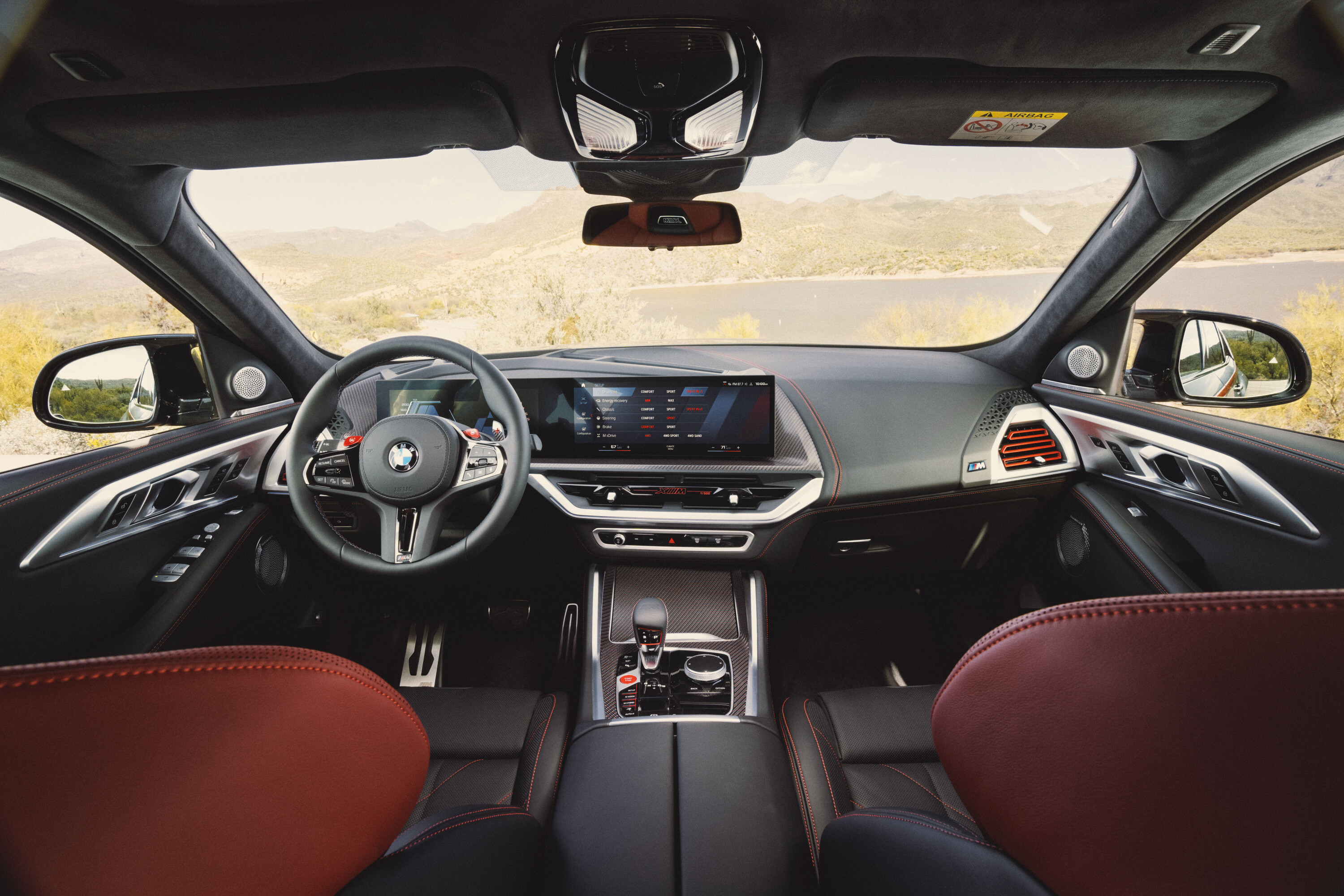
Standard equipment is identical to the standard XM, albeit with red or black exterior accents, and a red and black theme inside.
BMW XM 50e
A new entry-level XM 50e variant was also teased overnight, which is expected to be fitted with a plug-in hybrid version of the M3’s twin-turbocharged straight-six petrol engine, as found in the all-new M760e.
BMW Australia provided no comment on the local prospects for the XM 50e at this stage.
The new BMW XM is now in Australia, and we’ve had a proper up-close look at its styling and features. Check out the video below, and keep reading further down for more details about M division’s hero $297,900 PHEV SUV.
October 2022: The BMW XM has made a world-first debut at Melbourne’s Motorclassica.
BMW’s M division has unveiled its new hero $297,900 BMW XM SUV at this past weekend’s Motorclassica in Melbourne. Check out our walkaround video below, and continue reading for all the details.
September 2022: Australian pricing for the new 2023 BMW XM performance SUV has been revealed, starting from $297,900 before on-road costs.
It’s a huge asking price, but with the 2023 BMW XM offering 480kW of power 800Nm of torque through a 4.4-litre turbocharged V8 matched to an electric plug-in hybrid system – and a 0-100km/h time of just 4.3 seconds – BMW appears confident it’ll find willing buyers.
The 2023 BMW XM will go on sale in Australia in the first half of 2023, while a more power 550kW/1000Nm XM Label Red model will follow later in the year.
As described in our big reveal story below, the 2023 BMW XM promises an all-electric driving range of around 82 kilometres from its 25.7kWh lithium-ion battery system, tested on the WLTP cycle.
like all plug-in hybrid models, the XM can also operated in a petrol-electric hybrid mode, although fuel consumption figures for hybrid driving are still to be confirmed.
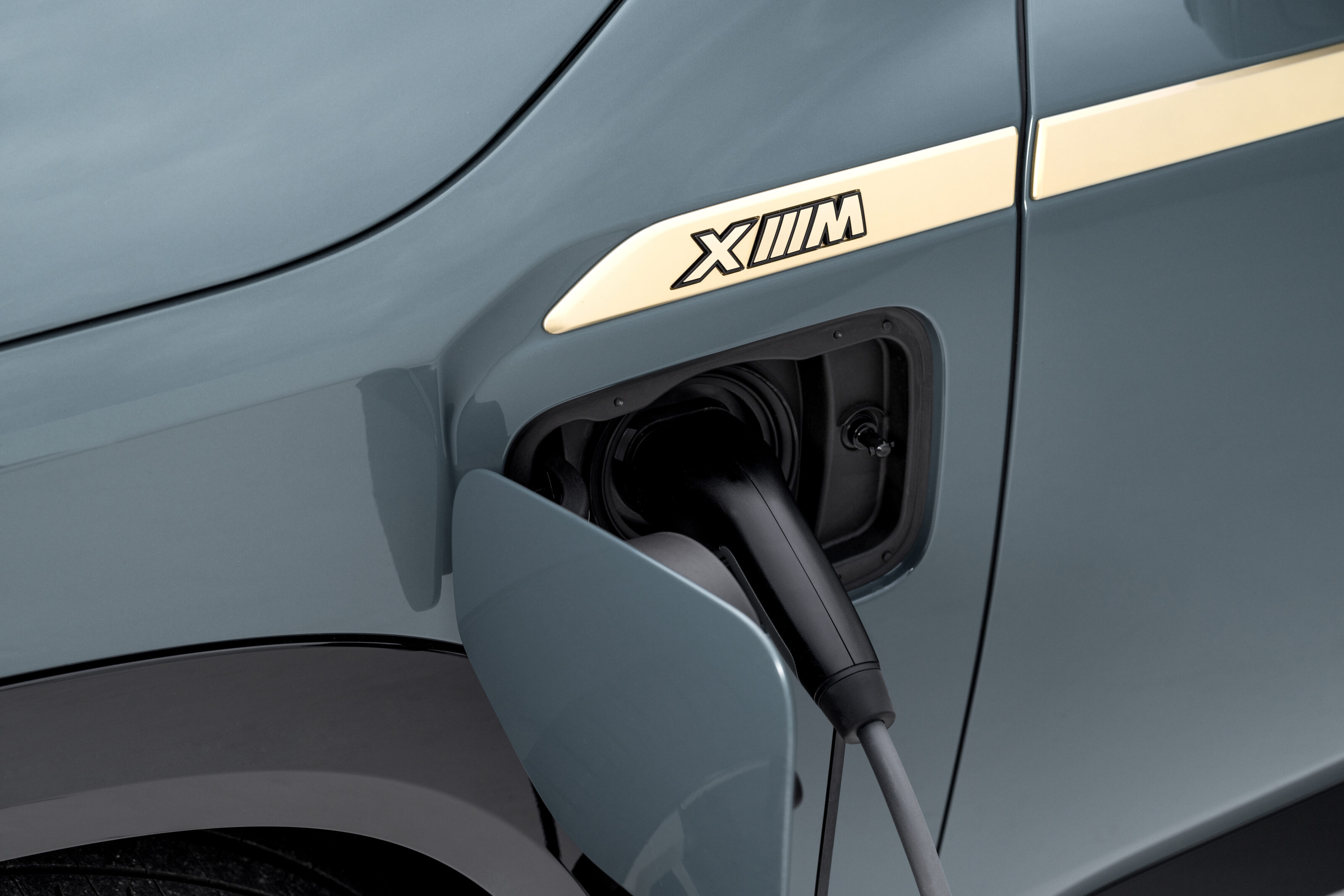
As a plug-in hybrid, the XM isn’t capable of charging as fast as most all-electric offerings, with AC charging speeds listed at 7.4kW.
BMW Individual Interior with Leather u2018Merinou2019 upholstery
Metallic Paintwork
Exterior Line Night Gold (M High Gloss Shadow Line a no cost option)
Carbon Fibre interior trim
4-Zone Climate Control
BMW Iconic Glow illuminated grille surround
5 Year BMW Service Inclusive (BSI) package
Flexible Fast charge cable (Mode 2)
Public Charging cable (Mode 3)
1
2023 BMW XM specs: The basics
Powertrain
4.4L M TwinPower Turbo V8 petrol engine with M HYBRID system incorporating BMW eDrive technology with synchronous electric motor and lithium-ion battery
Drive
All wheel (M xDrive)
Combined output (kW)
480
Torque (Nm)
800
0-100km/h (sec)
4.3
HV battery (net kWh)
25.7
EV range (WLTP, km)
82-88km#
Consumption
TBC
Price
$297,900*
1
2023 BMW XM revealed
Snapshot
4.4-litre twin-turbo V8 with plug-in hybrid assistance
First dedicated M car since M1, first electrified M car
XM produces 480kW/800Nm; hotter Label Red variant incoming
The 2023 BMW XM has been revealed, breaking new ground for BMW‘s fabled M Division.
The XM represents the first standalone model since the M1 supercar, and marking the performance specialist’s initial steps towards electrification by introducing the very first plug-in hybrid powertrain to the M-badged fraternity.
1
What’s under the bonnet?
The BMW XM is powered by BMW’s 4.4-litre hot-vee twin-turbo S68 V8, which made its debut in the new X7 M60i, producing 390kW and 750Nm.
Here, in M Division’s new flagship SUV, the twin-turbo V8 is complemented by an electric motor within the BMW’s eight-speed automatic transmission, fed by a 25.7kWh battery pack yielding an electric-only driving range of around 80km on the WLTP cycle – at up to 140km/h. Total combined output is 480kW and 800Nm, with the big beast able to clock triple digits from a standstill in 4.3-seconds.
1
How big is it, really?
The BMW XM is significantly larger than the BMW X5 and X6, but is actually smaller than the three-row X7 large SUV – similar to the distinction between Audi’s large Q7 and sportier Q8.
Inside, BMW’s XM is a two-row arrangement seating five occupants in total. Drivers take command of BMW’s latest iDrive 8 infotainment system interfacing with an ultrawide display comprising of a 12.3-inch driver information screen and a 14.9-inch central control screen.
1
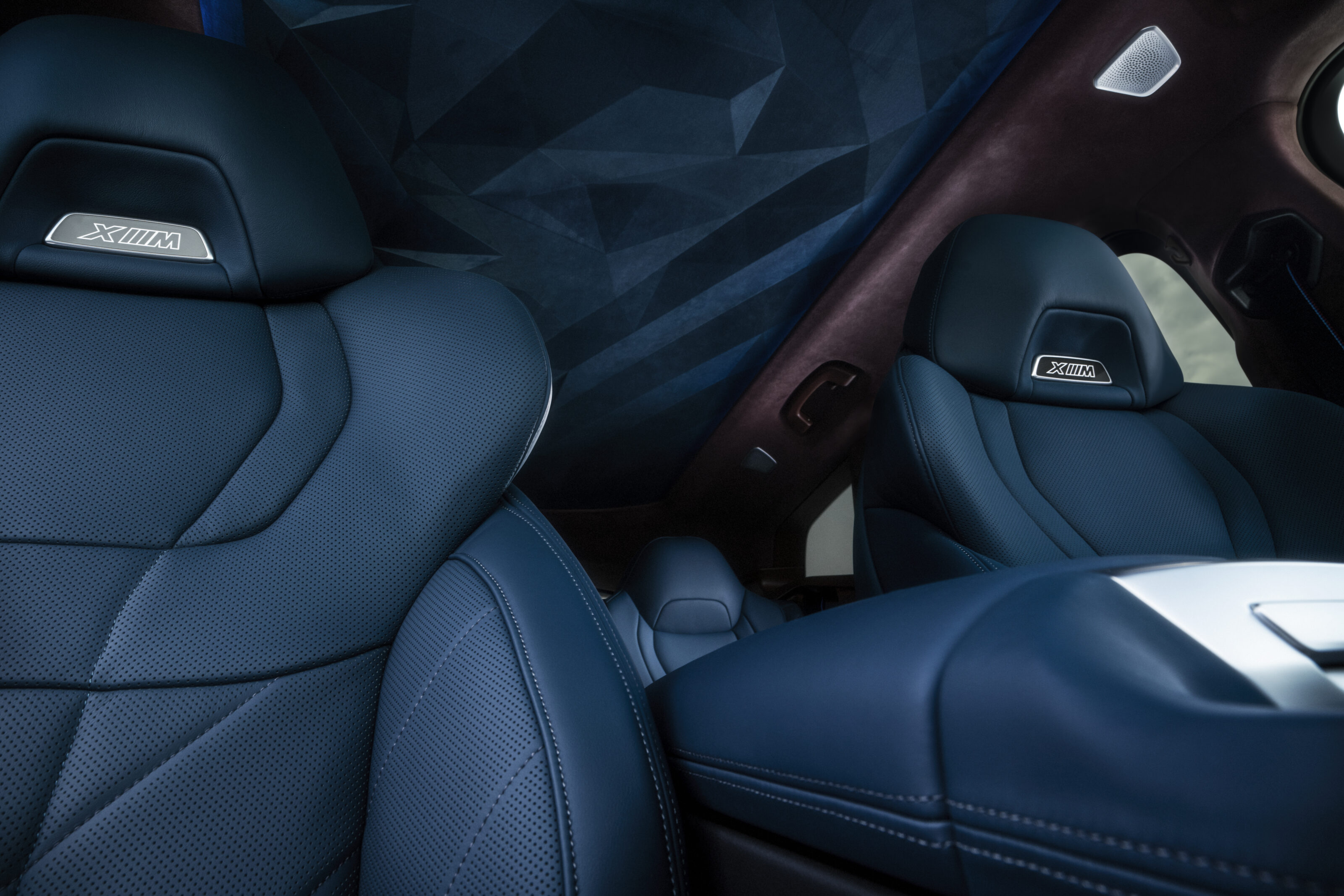
Presentation of the cabin is as striking as the exterior, with release imagery illustrating some wild specification options, including a two-tone blue leather and ‘vintage’ brown leather that is intended to look pre-aged.
One of the headline features its the XM’s headliner itself, with a glowing and sculpted three-dimensional ceiling swathed in ambient lighting, which will dynamically react to things such as when a paired phone receives a call, or when an occupant might be at risk of opening a door into a hazard.
1
This is the production car?
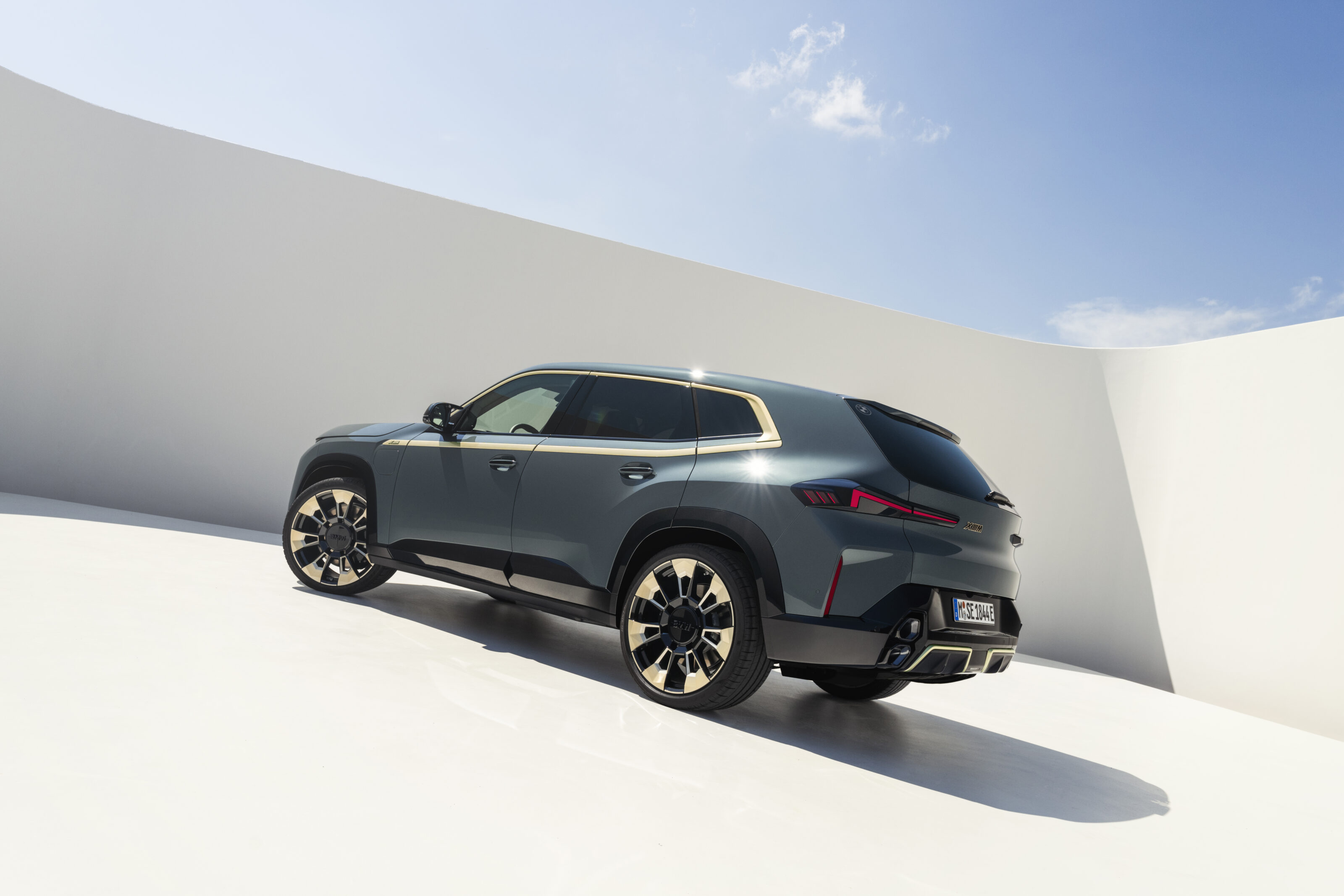
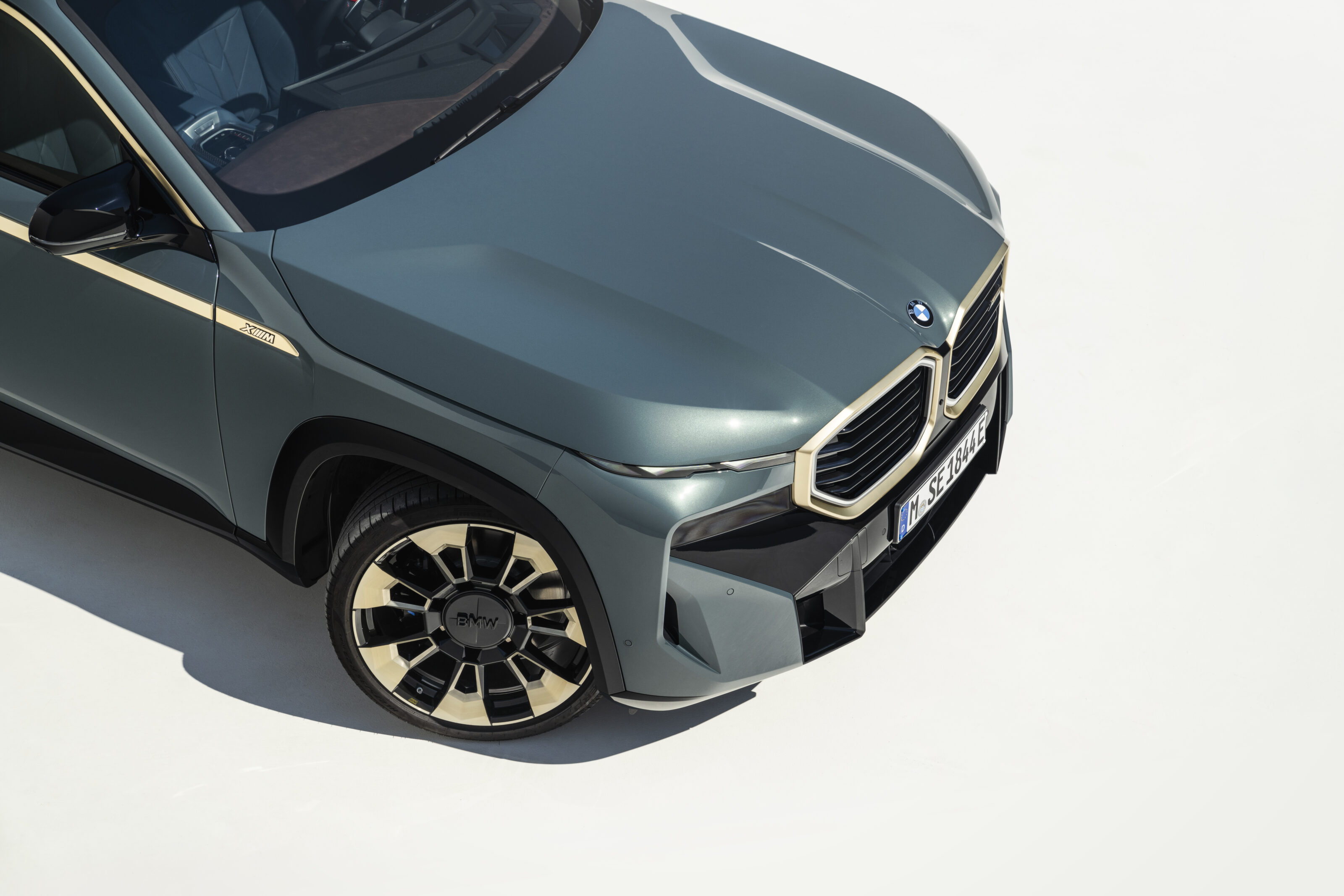
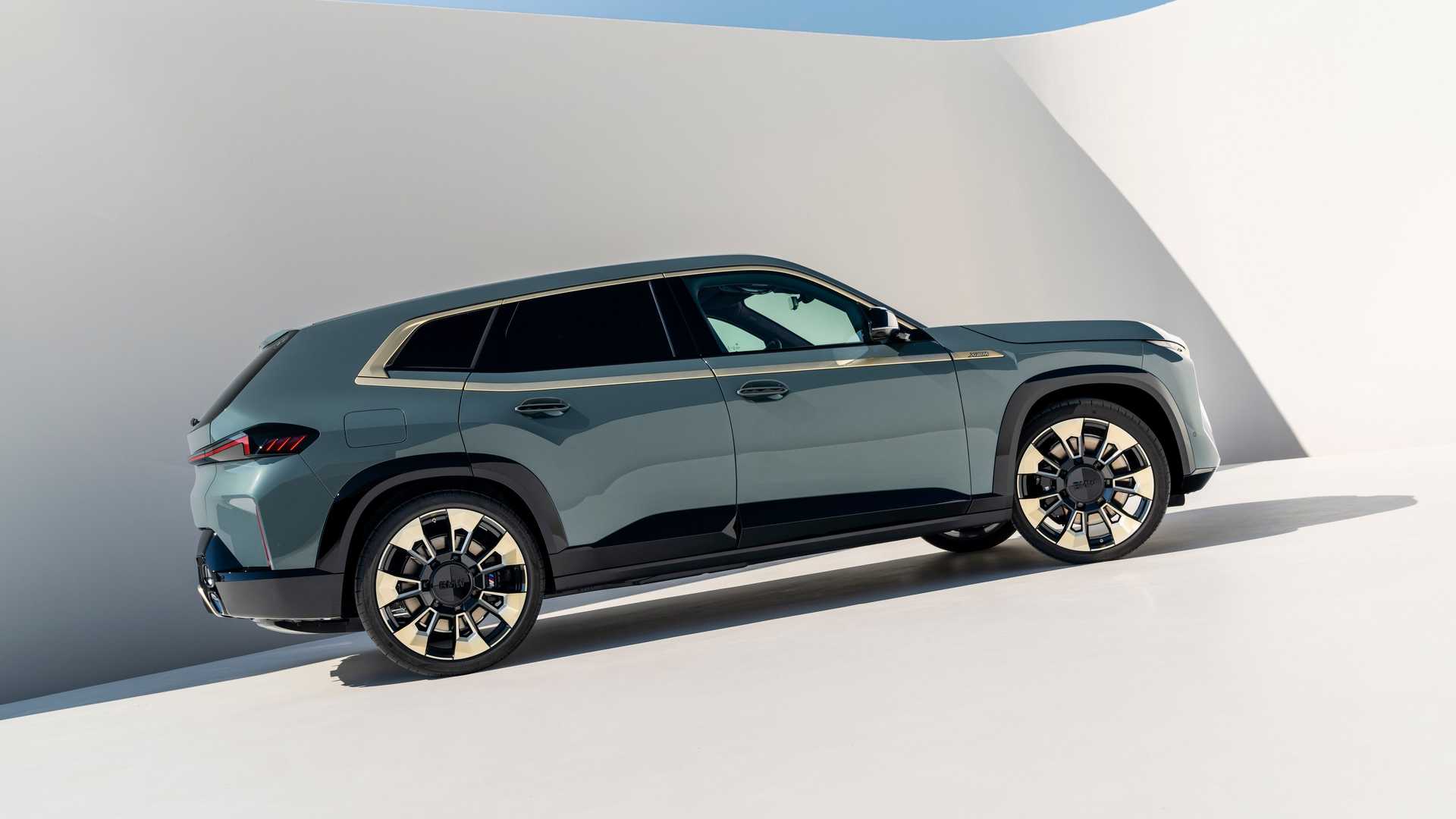
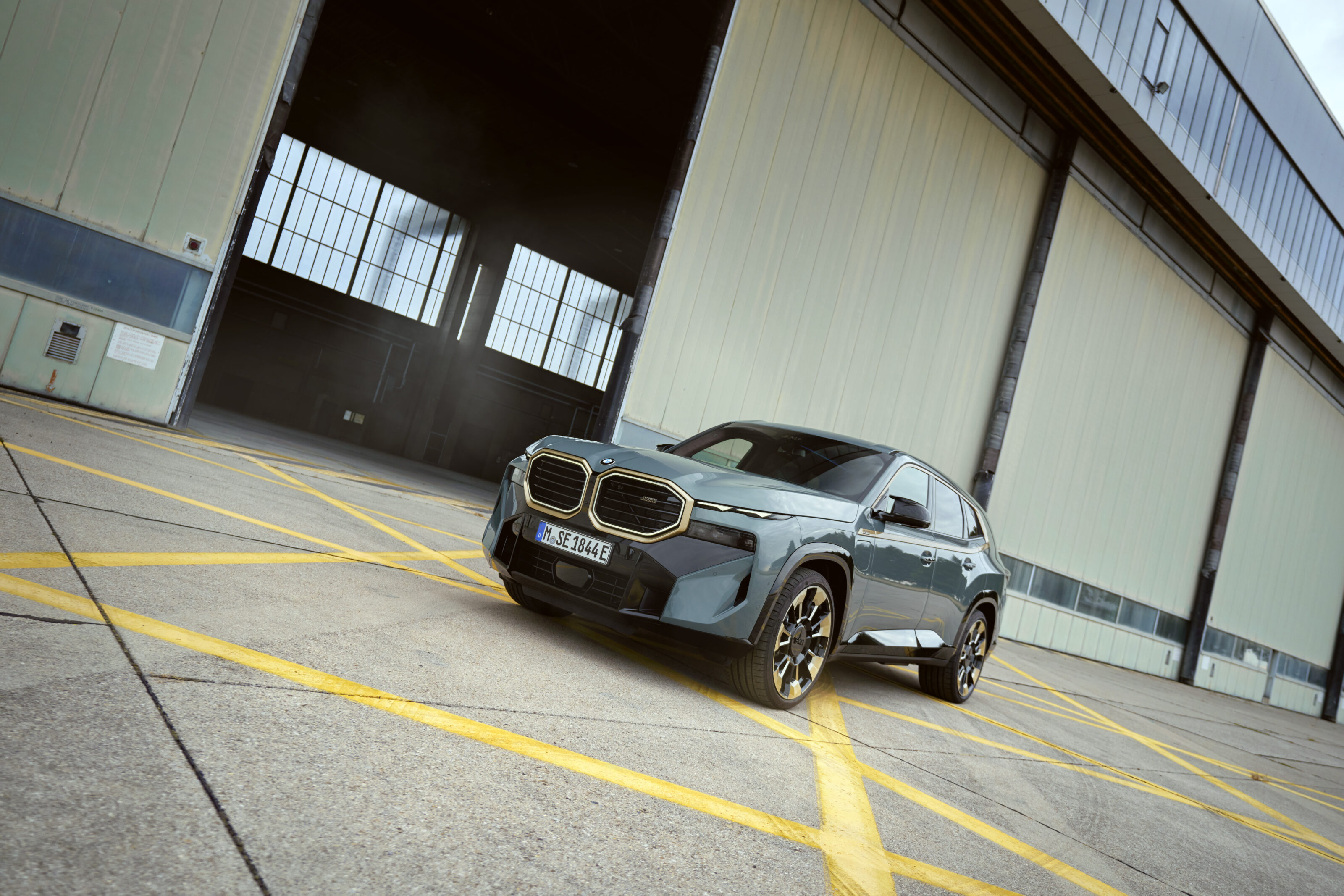
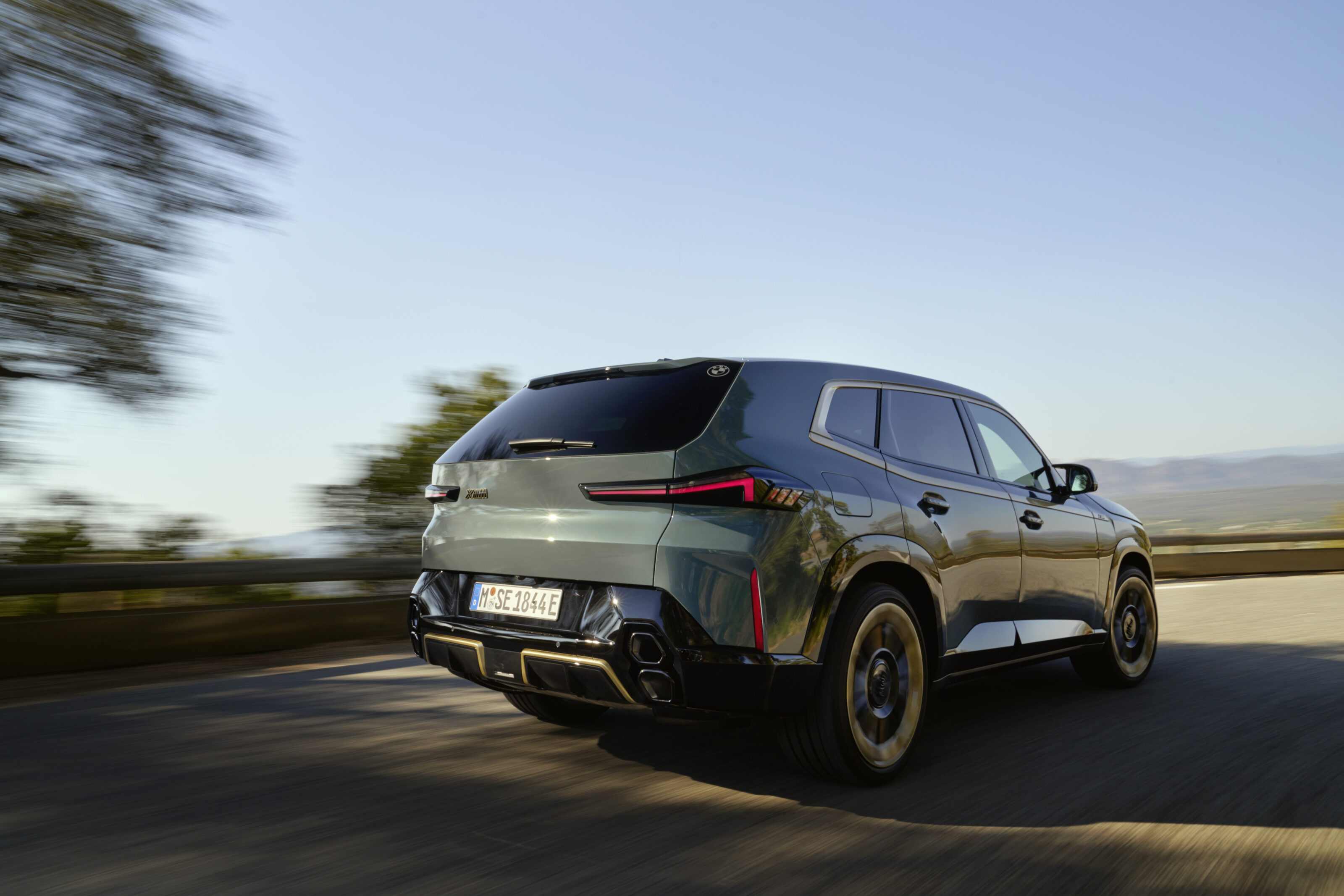
Yes. With its latest flagship SUV, M Division is doubling down on its contemporary design language involving flat surfacing, blocky edges with larger-than-life kidney grilles contrasted by razor-thin headlights.
Certain elements have been toned down from the polarising XM Concept, but you let us know what you think of the production-ready car in the comments below.
A chrome trim runs the belt line of the car’s side, kicking up at the rear doors in tribute to BMW’s signature Hofmeister kink.
The car is cornered as standard by 23-inch wheels and suspended by conventional steel springs and aided by 48-volt active roll stabilisation.
1
Want more performance?
The ‘standard’ BMW XM preludes a number of hotter, limited-edition variants with the first BMW XM Label Red version to be revealed after the XM’s US release in the first quarter of 2023.
The XM Label Red will be the first of what BMW calls “a series of BMW XM Label models”, with various rumours mentioning a possible future “Label Black”.
1
The 2023 BMW XM Label Red will be available for a limited time, and produce around 550kW and 996Nm.
It will also receive unique wheels, paint, upholstery and trim selections with BMW USA publicising a price of more than US$185,000 (AU$287,965 converted) for the XM Label Red. Production of the XM Label Red is scheduled for the final quarter of 2023, with further details to come.
US pricing has the 2023 BMW XM open at US$159,995, which equates to AU$248,802 at the current exchange rate.
Australian availability remains unconfirmed at this stage, though global production is expected to commence by the end of 2022, with US deliveries expected in the first quarter of 2023.
BMW XM teased ahead of imminent reveal
BMW M’s first electrified model – and its first standalone vehicle in 40 years – is just around the corner.
A short teaser video by BMW USA has confirmed the 2023 BMW XMplug-in hybrid SUV will be unveiled on September 28 at 8am AEST, after several leaks and previews.
In the 25-second video posted to YouTube – titled ‘The Worlds of X and M collide’ – a grumble from the XM’s twin-turbo V8 petrol engine can be heard, which will be assisted by plug-in hybrid (PHEV) technology.
https://www.youtube.com/watch?v=-wSJUZlry_0
1
Combined, the flagship BMW XM will produce 559kW and 1000Nm in flagship guise, while the entry-level version develops 355kW.
The expected look of the XM large SUV – which is based on the X7 – is no surprise, with leaked patents exposing its design earlier this month.
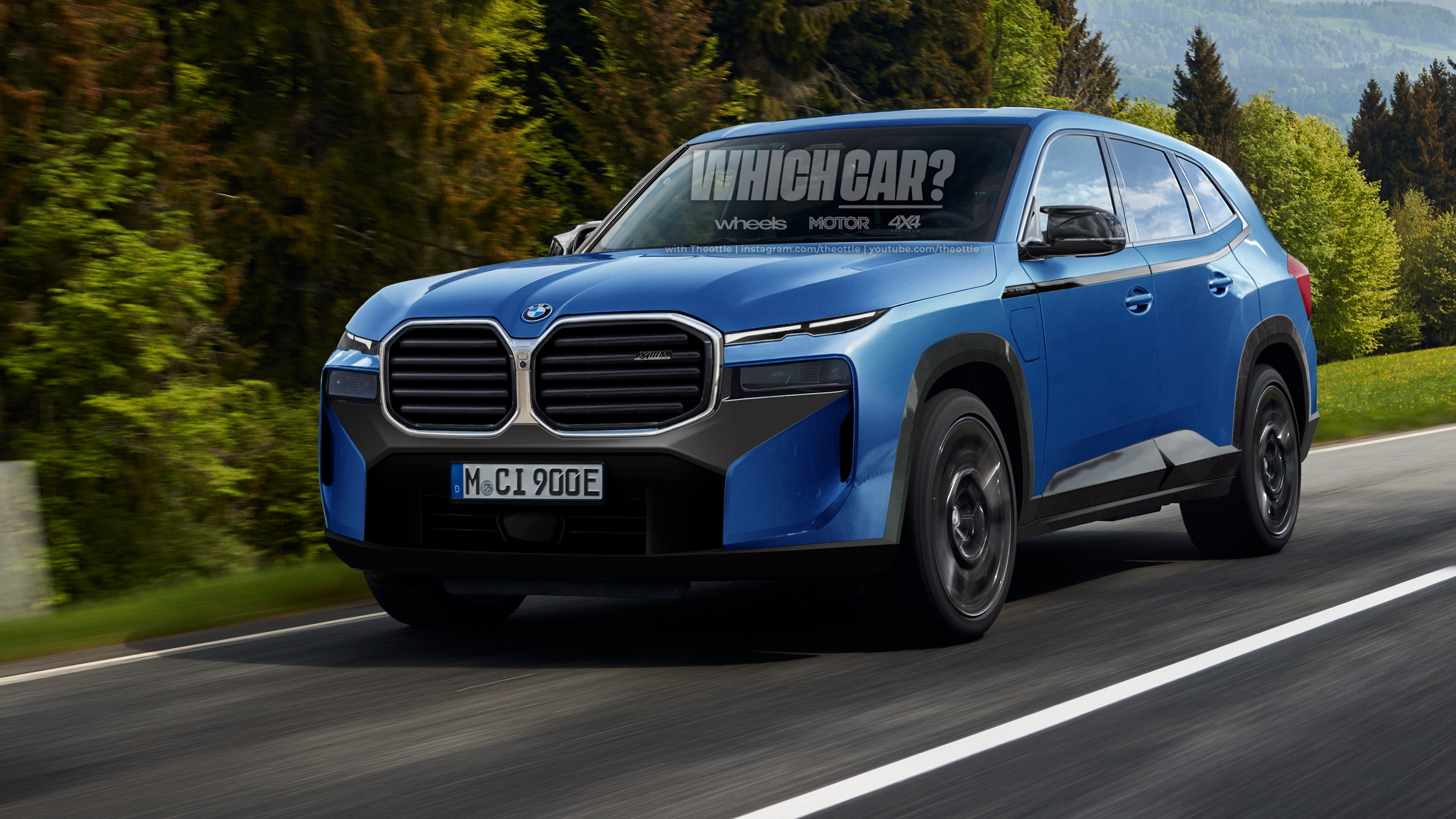
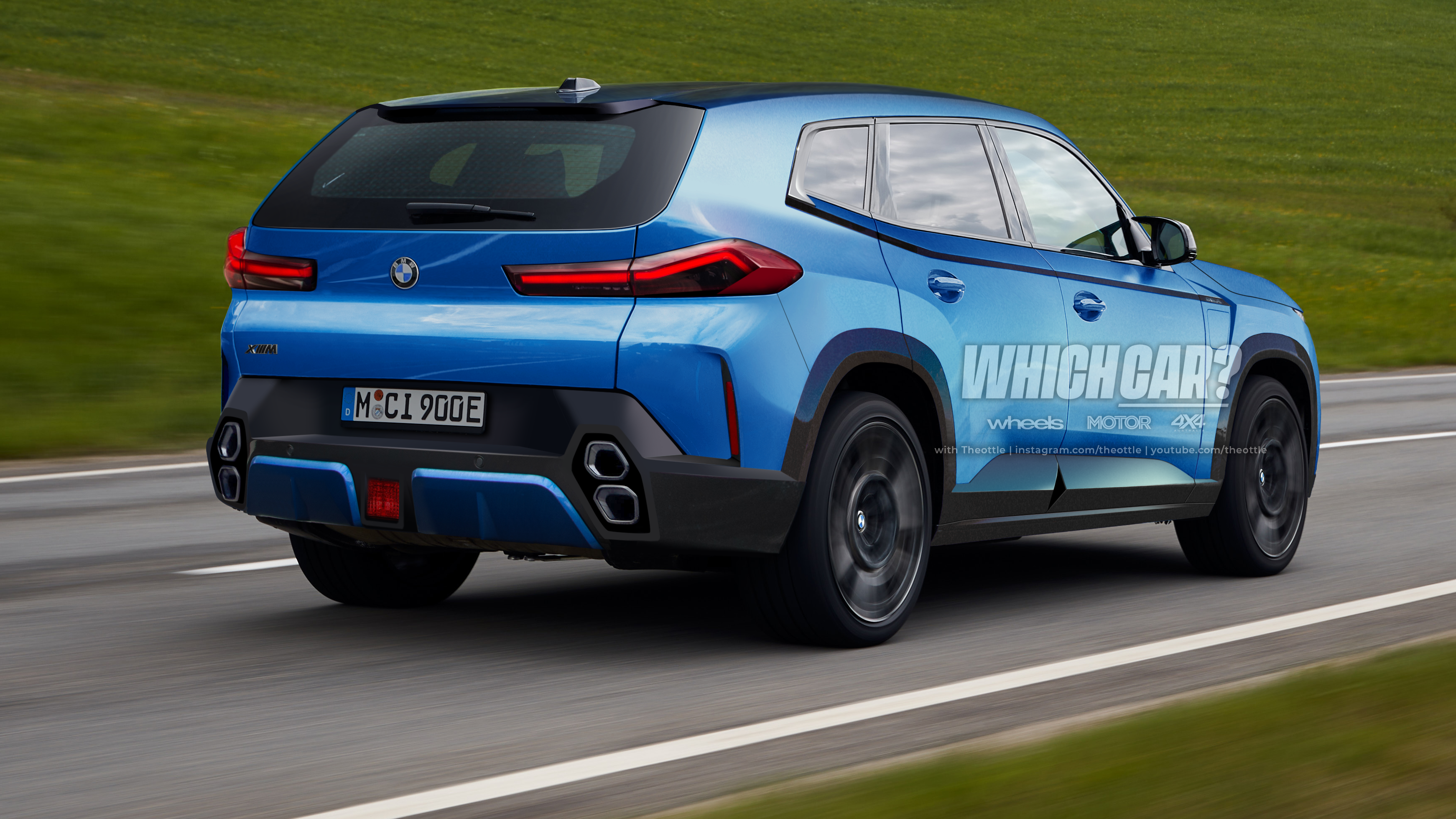
Our renderings of the final design (pictured throughout) show it will be tamer than last year’s concept, although the massive nostrils will still dominate the front end.
The show car’s illuminated grille has been downsized slightly, but retains most of its width, while the slender daytime running lights, headlights, and angular details of the concept appear to carry over mostly unchanged.
Meanwhile, the rear has been toned-down, with the tail-lights that hooked dramatically into the rear quarters and large M1-inspired roof extensions with integrated BMW logos removed – and replaced by a tacked-on panel that merely hints at an homage.
The stacked quad exhaust pipes remain in place, however, reminding buyers and onlookers that this is a proper BMW M car.