
First published in November 2022, this story has been updated – and pulled forward – to reflect the local launch of the Lexus RX this month.
Will driving slowly actually save you fuel? It depends on the posted speed limit, outside conditions and type of car you’re driving.
But the answer – on open roads at least – is yes… to a point.
Driving on a highway? Going slower theoretically saves fuel, because at high speed your engine needs to work harder to overcome drag from wind resistance, your tyres and transmission – and that drag increases exponentially the faster you go.
Reduce your speed, then less power (and thus fuel) needs to be expended to overcome that drag. Simple, right?
However, travelling at a slower speed also means your journey takes more time, so your engine is burning fuel for longer. Additionally, common sense suggests that crawling along at 20km/h is not an efficient way to drive a car.
MORE
Midsize SUVs

1
You also need to consider the kind of powertrain your car has. There are more electrified vehicles on the road than ever, and these may require different techniques to maximise efficiency.
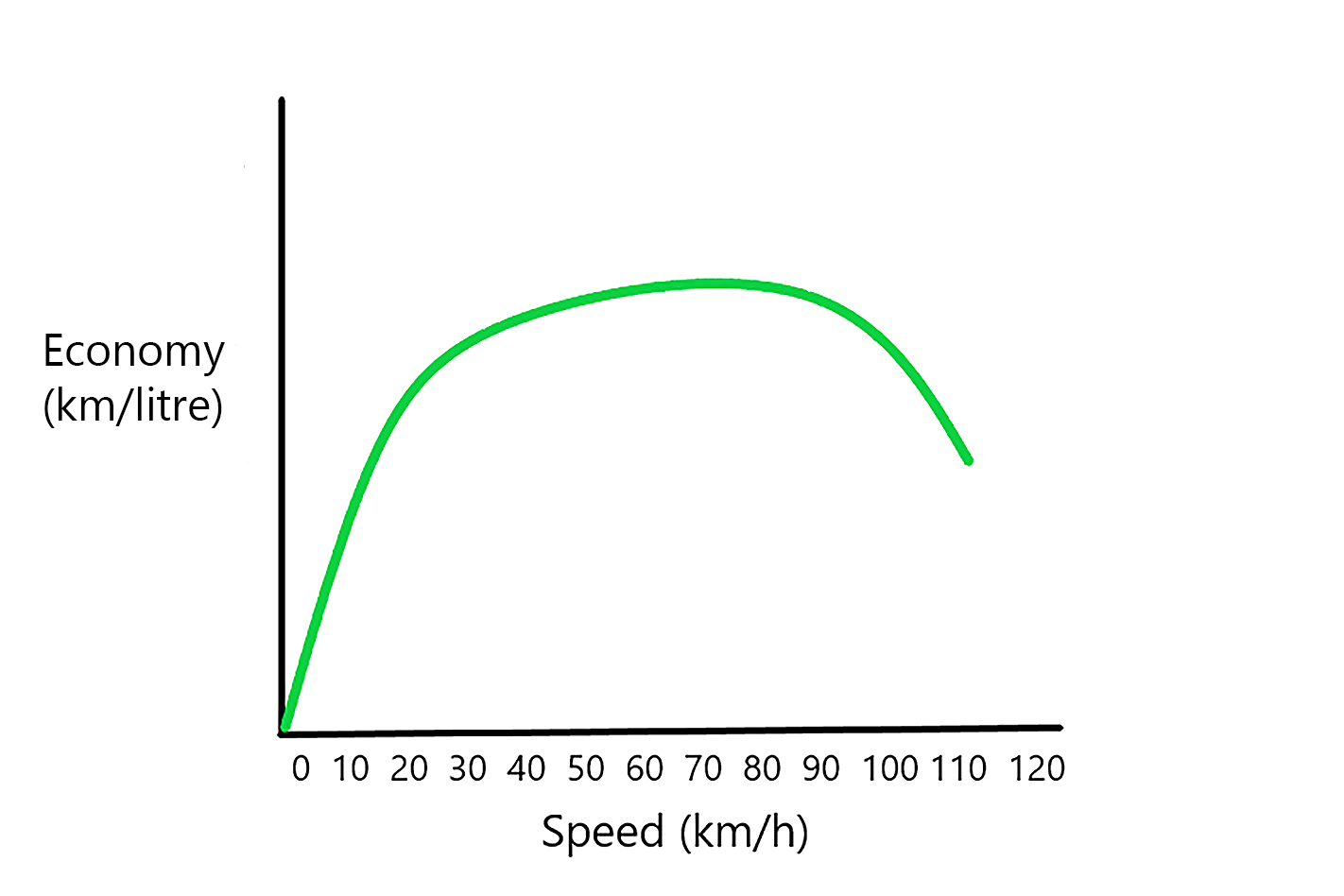
A big part of driving efficiently comes down to identifying your car’s most efficient speed. That’s the sweet spot where both travel time and drag have the least impact on fuel economy
As the graph below demonstrates, the optimal speed for an average passenger car is around 80km/h.
1
This is not a one-size-fits-all exercise, with different cars producing more or less drag depending on their aerodynamic profile. To calculate total wind resistance, the drag coefficient (Cd) is multiplied by the car’s frontal area.
For example, a boxy SUV such as a Hyundai Santa Fe will be less efficient at higher speeds than a sleek sedan with identical weight and power, meaning the SUV’s optimal consumption speed will be a little lower. Even the kind of tyres can make a big difference to a car’s most efficient speed.
You’ll need a white coat and slide rule to work out your car’s exact optimal speed, but fortunately, this isn’t necessary.
1
As a rule, your most efficient speed will be in top gear at low revs. Think below 1500rpm, or just above the threshold where you’ll need to downshift.
If you have an automatic transmission check the lowest speed it will constantly sit in the highest gear before it shifts down. For best results, use manual mode to hold the gear and select eco mode if your car has one. Turn the air-conditioning down, or off, to reduce the parasitic load on the car.
In most cars, the sweet spot is about 80km/h with about 8km/h leeway on either side to maintain good efficiency.
1
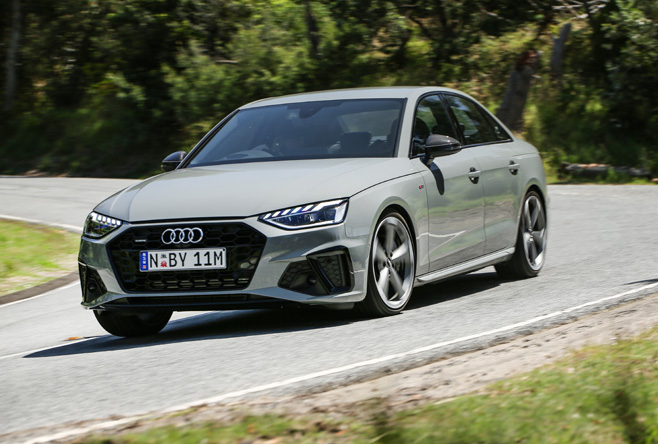
Cars with larger engines, like V8s, will usually be happiest sitting between 90-100 km/h, and especially-aerodynamic vehicles like an Audi A4.
Sports cars can be a mixed bag. They’ve generally got very small frontal areas, as in the case of the Toyota GR86, but some design features also act to increase downforce, which induces drag at high speed.
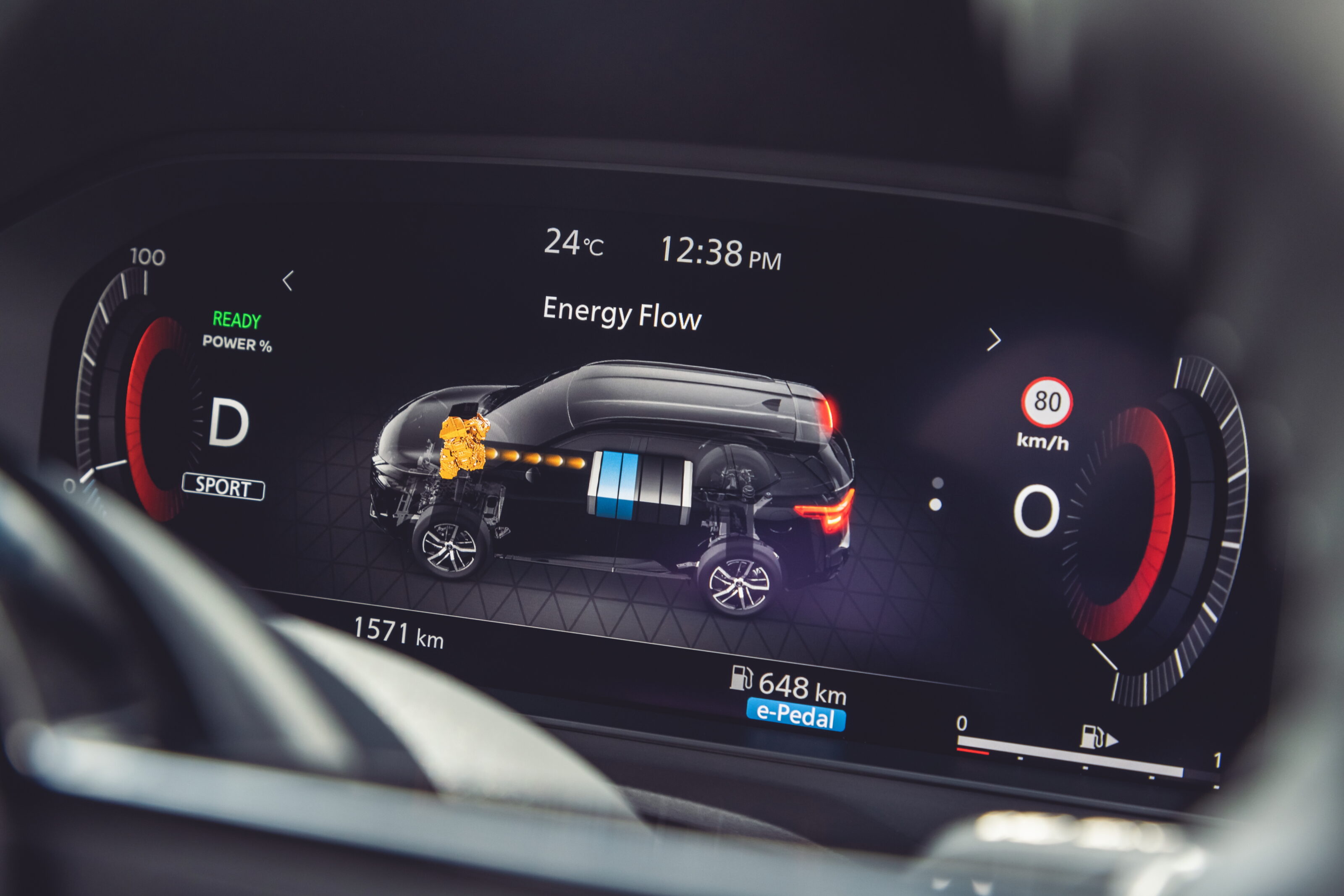
Electric and hybrid vehicles should also be treated differently. With EVs, single-speed reduction gears mean their most energy-efficient speed is much lower. Hybrids will also prefer the lowest possible speed, to maximise electric driving.
Each car is different – so experiment, pay attention, and learn the best way to drive your car to maximise efficiency.
Efficiency tips
| Things to remember | |
|---|---|
| Pay attention | If your car has a real-time economy gauge, use it on a flat, quiet road to get an idea of your optimal speed |
| Use terrain to your advantage | Allowing your car to coast up in speed (within the rules of the road) on a long descent will give you a head-start climbing up the other side |
| Look ahead | If you need to slow down for a red light or road works, anticipate so, and lift off the accelerator early to avoid burning unecessary fuel |
| Care for your car | Make sure your tyres are inflated to the recommended pressures u2013 flat tyres kill efficiency |
| Be considerate | Remember, youu2019re sharing the road with other drivers. If youu2019re travelling down the Hume Highway at 80km/h, you arenu2019t going to be very popular |
Snapshot
- Case distinct from other class action recently lodged in Victoria
- Estimated to affect half a million vehicles
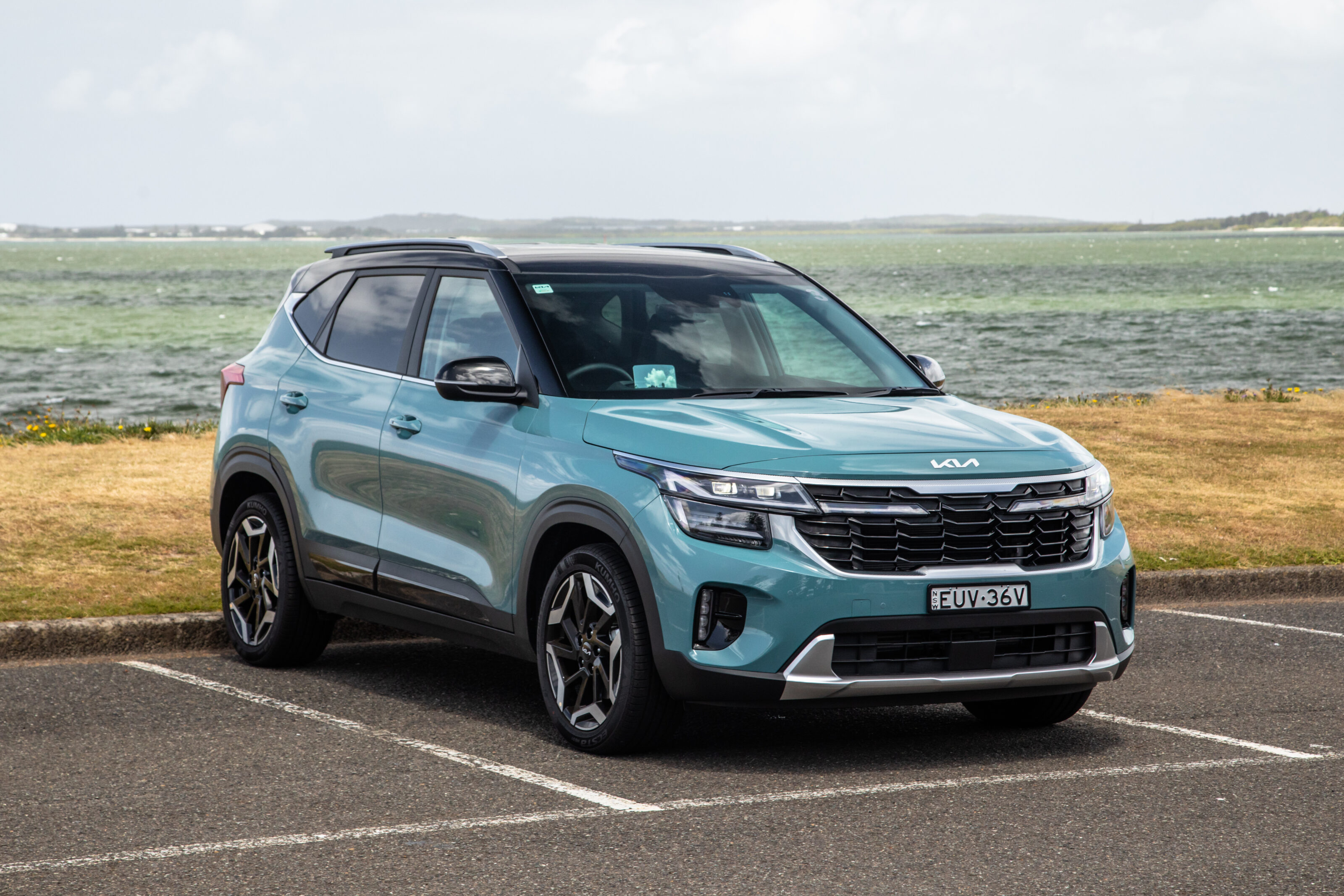
- Claims Kia and Hyundai knew since 2015 but continued selling models
Korean carmakers Hyundai and Kia are facing further court action – this time at a federal level – over what lawyers are calling ‘defective’ engines.
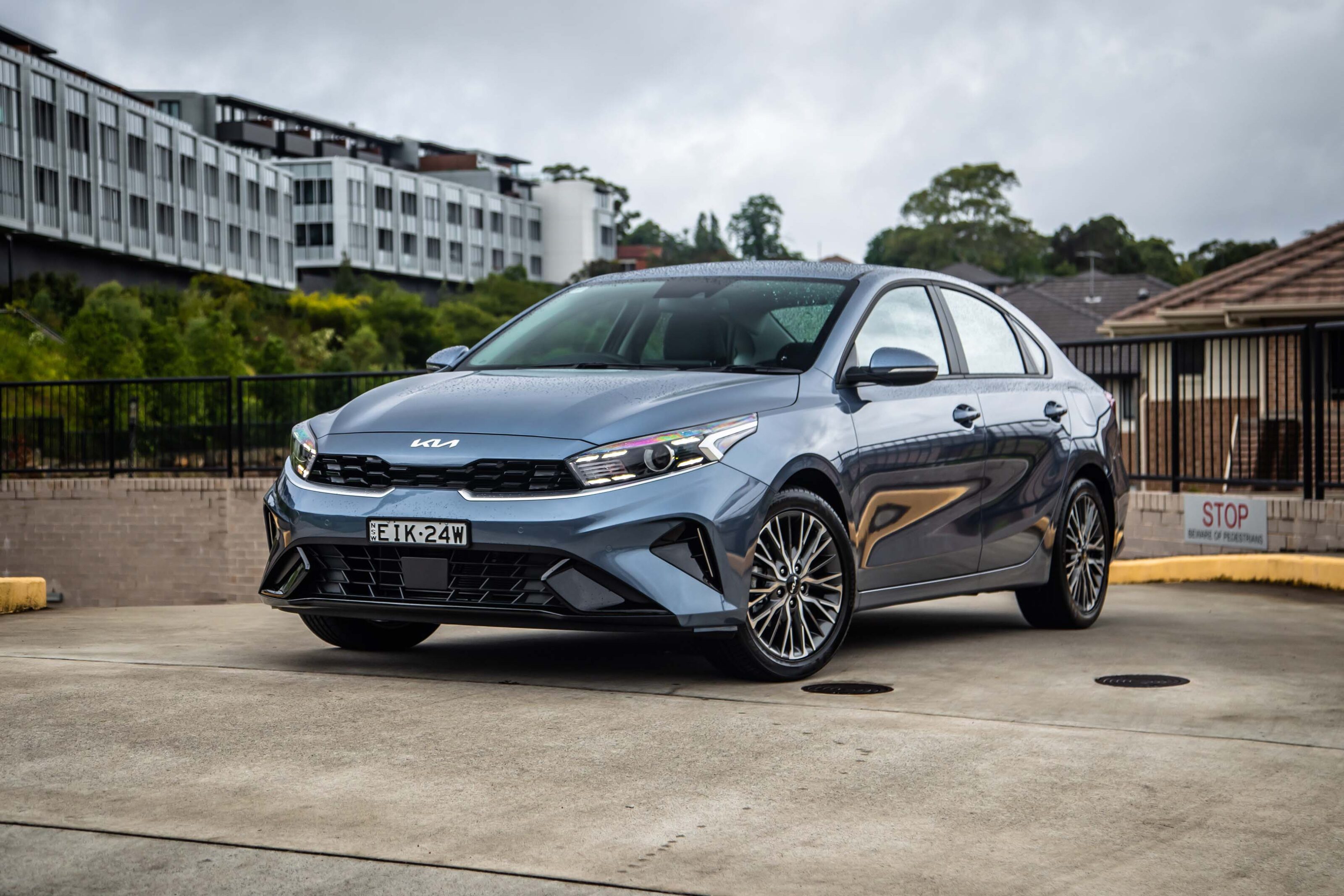
Class actions have been filed in the Federal Court of Australia relating to defective engines in various Hyundai and Kia vehicles sold in Australia from 2011 to date.
The actions, being financed by UK-based litigation funder Woodsford but represented by law firm Johnson Winter Slattery, allege the vehicles sold by Hyundai and Kia in Australia were offered for sale with engines that were manufactured or designed defectively.
These include the 4-cylinder Theta II MPI, Theta II GDI, Gamma II GDI or Nu GDI petrol engines.
As a result, it is claimed said engines have the propensity to exhibit faults – such as a sudden loss of power (including while driving), increased oil and fuel consumption, emission of smoke, and, in some cases, fire.
1
In addition, it is claimed that Hyundai and Kia knew of the engine issues since at least 2015, but continued to sell affected vehicles.
“We are determined to hold them to account and ensure that Australian consumers receive the compensation they are due,” said Woodsford’s Chief Investment Officer, Charlie Morris.
“We are pleased to have been selected to run this important case, which raises serious issues regarding the reliability and safety of a very large number of vehicles sold to the Australian public, when Hyundai and Kia were in the process of recalling millions of vehicles overseas for similar engine issues,” added Robert Johnston, Partner at Johnson Winter Slattery.
1
A spokesperson for Hyundai told Wheels: “Hyundai Motor Company Australia stands by the integrity and reliability of its vehicles. We are disappointed about the class actions but will consider the allegations carefully before commenting further.”
“Kia Australia has very recently been notified of the filing of this class action and as this is a legal matter, will not be making any further comments at this stage,” a Kia spokesperson added.
The case is entirely separate from another, launched in a Victorian court in January, over a fault with the braking system in several popular models said to also create a ‘fire hazard’.
As many as 194,808 cars could potentially be involved across a range of models, including the best-selling Tucson and Sportage SUVs. At the time law firm Maurice Blackburn Lawyers had already lodged a class action against Hyundai with the Supreme Court of Victoria, and was preparing a similar case against fellow Korean car giant Kia.
1
Hyundai vehicles affected
| Model | Model year |
|---|---|
| Accent | 2013-2019 |
| i30 and i30 N | 2012-current |
| Elantra | 2017-20 |
| i40 | 2011-18 |
| Sonata | 2007-19 |
| i45 | 2010-11 |
| Veloster | 2011-20 |
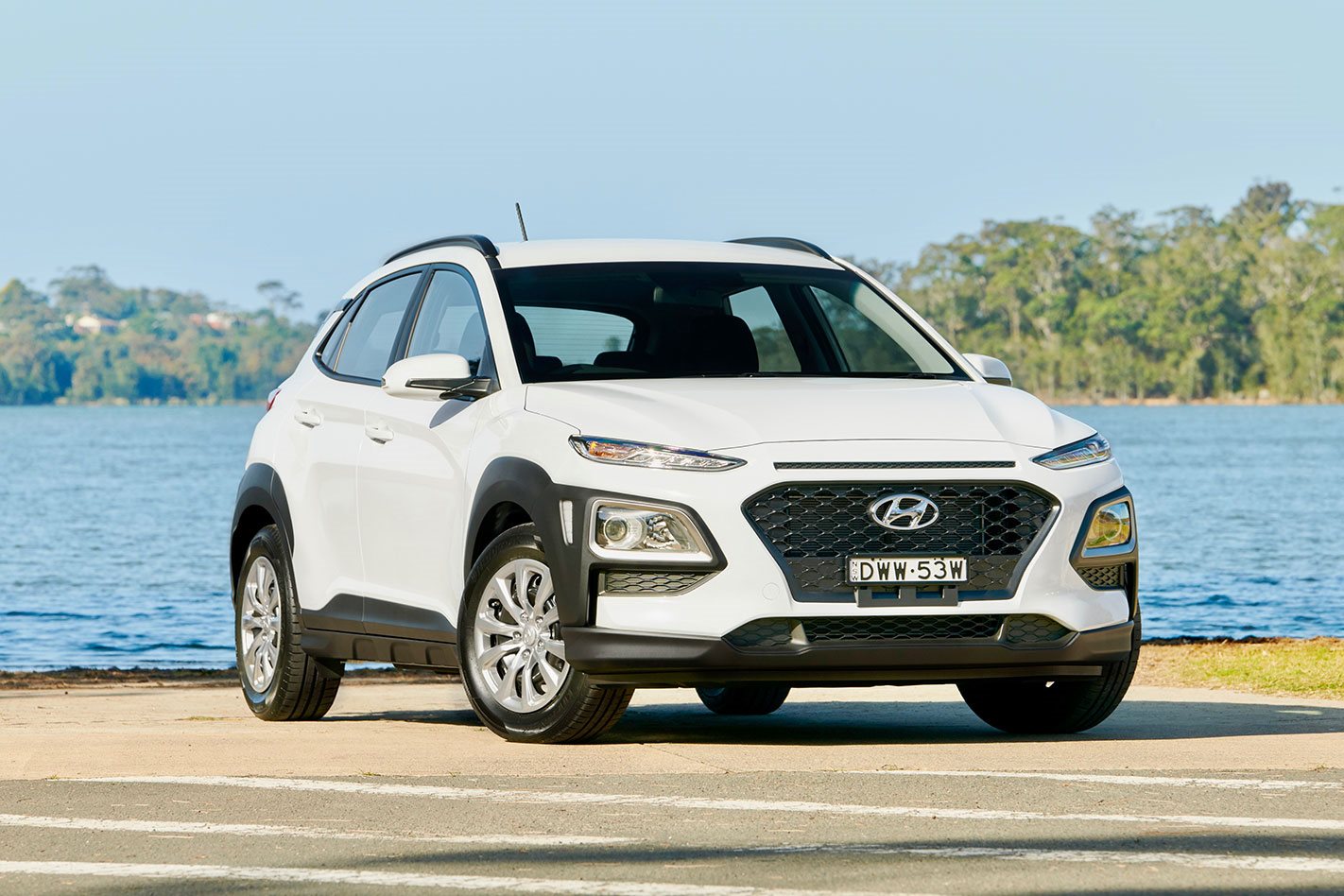
| Kona | 2018-20 |
| ix35 | 2010-14 |
| Tucson | 2015-21 |
| Santa Fe | 2013-20 |
| iLoad | 2008-17 |
| iMax | 2008-17 |
Kia vehicles affected
| Model | Model year |
|---|---|
| Rio | 2012-16 |
| Cerato and Cerato Koup | 2009-current |
| Optima | 2011-20 |
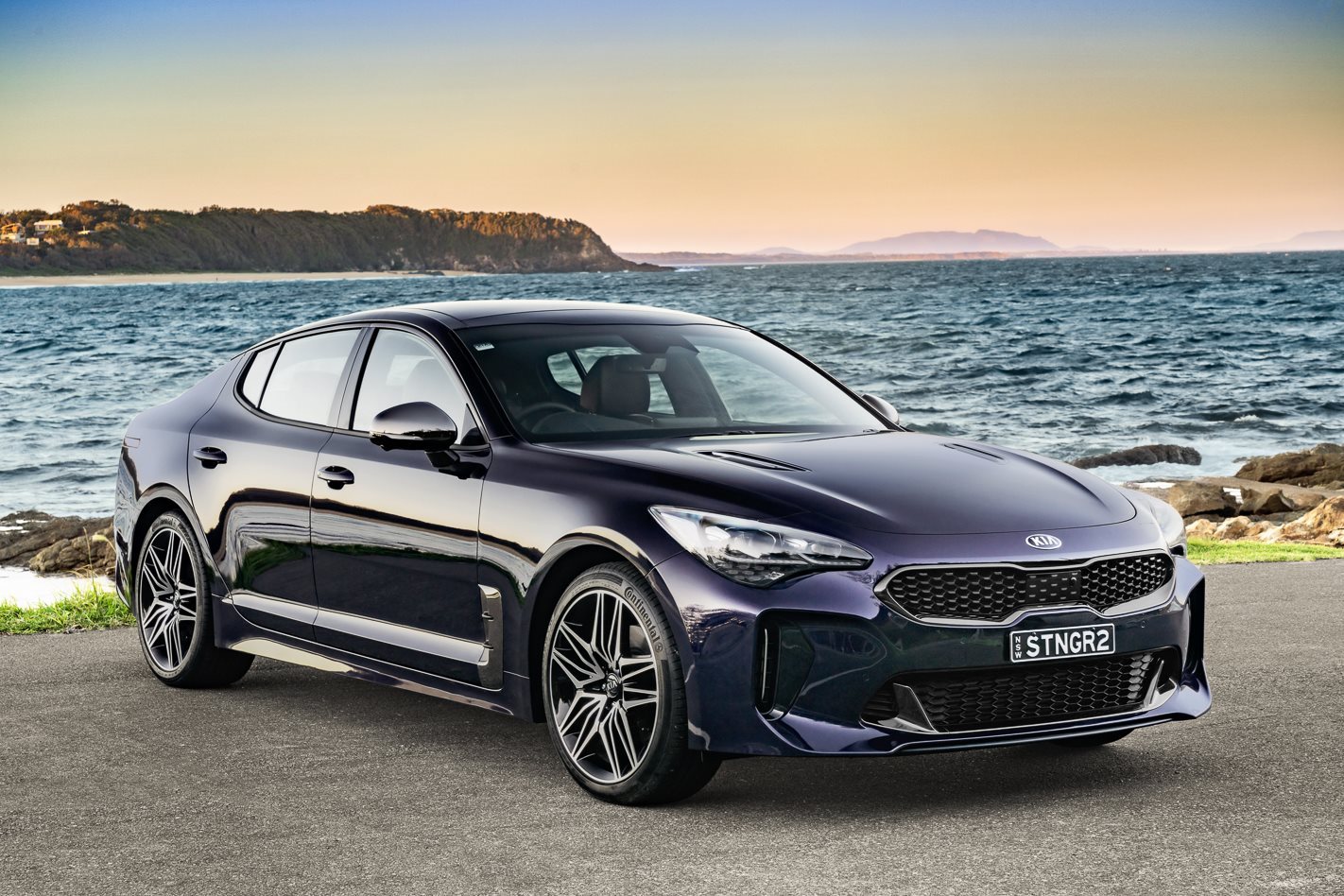
| Stinger | 2018-current |
| pro_ceeu2019d | 2014-15 |
| Seltos | 2020-current |
| Sportage | 2010-21 |
| Sorento | 2010-12 |
| Rondo | 2014-18 |
1
Owners of affected Hyundai and Kia cars can register for the class actions by providing their details at www.hyundaiengineclassaction.com.au (for Hyundai vehicles) or www.kiaengineclassaction.com.au (for Kia vehicles).
In addition to these class actions against Hyundai and Kia, Woodsford is currently backing numerous other major class actions in Australia, the UK, and Europe including those brought by consumers against Mitsubishi Motors Australia, Toyota, Westpac and ANZ Bank.
MORE
Everything Hyundai
MORE
Everything KIA
Mercedes-Benz is recalling more than 20,000 of its cars over a fault which could see the panoramic sunroof detach while driving.
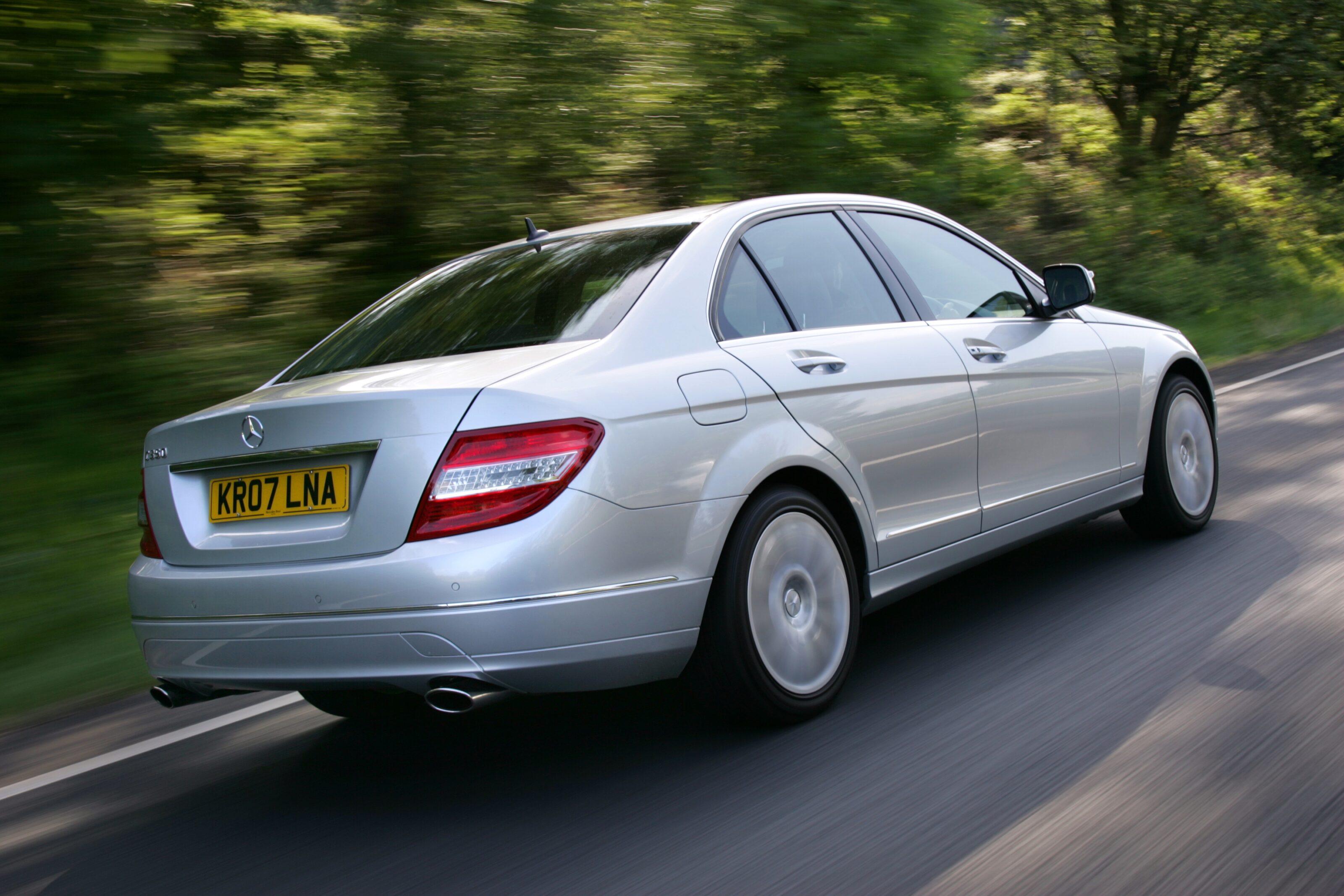
The issue affects 3617 examples of the 2005-2010 C-Class (model 203.7 with code 413 panoramic glass sliding roof), as well as 3091 made between 2001 and 2005. A list of VINs for these cars is available here and here.
In addition, the recall also involves 13,641 examples of the CLC (model 203), CLK (model 209), E-Class (model 211), and CLS (model 219) made between 2000 and 2010 with the 414 code panoramic roof. A list of VINs is available here.
1
Work instructions and checks differ, which is why all the cars are not covered under the same recall.
According to the Department for Infrastructure, which issued the notices, due to a manufacturing defect, the sliding sunroof panel and frame may not have been bonded correctly. As a result, the sunroof panel may detach from the vehicle and if this happens – in part or in full – either there is an increased risk of injury or death to road users.
Owners of affected vehicles will be contacted by Mercedes-Benz and asked to make arrangements with their nearest authorised Mercedes-Benz dealership to have the work carried out as soon as possible, free of charge.A full list of authorised dealerships can be found here. Alternatively, Mercedes can be reached on 1300 300 896 or [email protected].
MORE
Mercedes C-Class
The fifth-generation 2023 Lexus RX has arrived in Australia with a five-star ANCAP rating.
Following its five-star Euro NCAP assessment in 2022, Lexus’s large SUV passed the stricter 2023 ANCAP testing without trouble. The rating applies to all RX variants, including hybrid and plug-in hybrid powertrains.
ANCAP praised the RX for its AEB system’s ability to detect pedestrians and cyclists, earning it a record 89 per cent in the vulnerable road user criteria.
“The Lexus RX is another of our top performers – achieving high scores across all key areas of assessment resulting in a five-star ANCAP safety rating”, said ANCAP chief executive, Carla Hoorweg.
MORE
Large SUVs

11
Our original story, below, continues unchanged.
The story to here
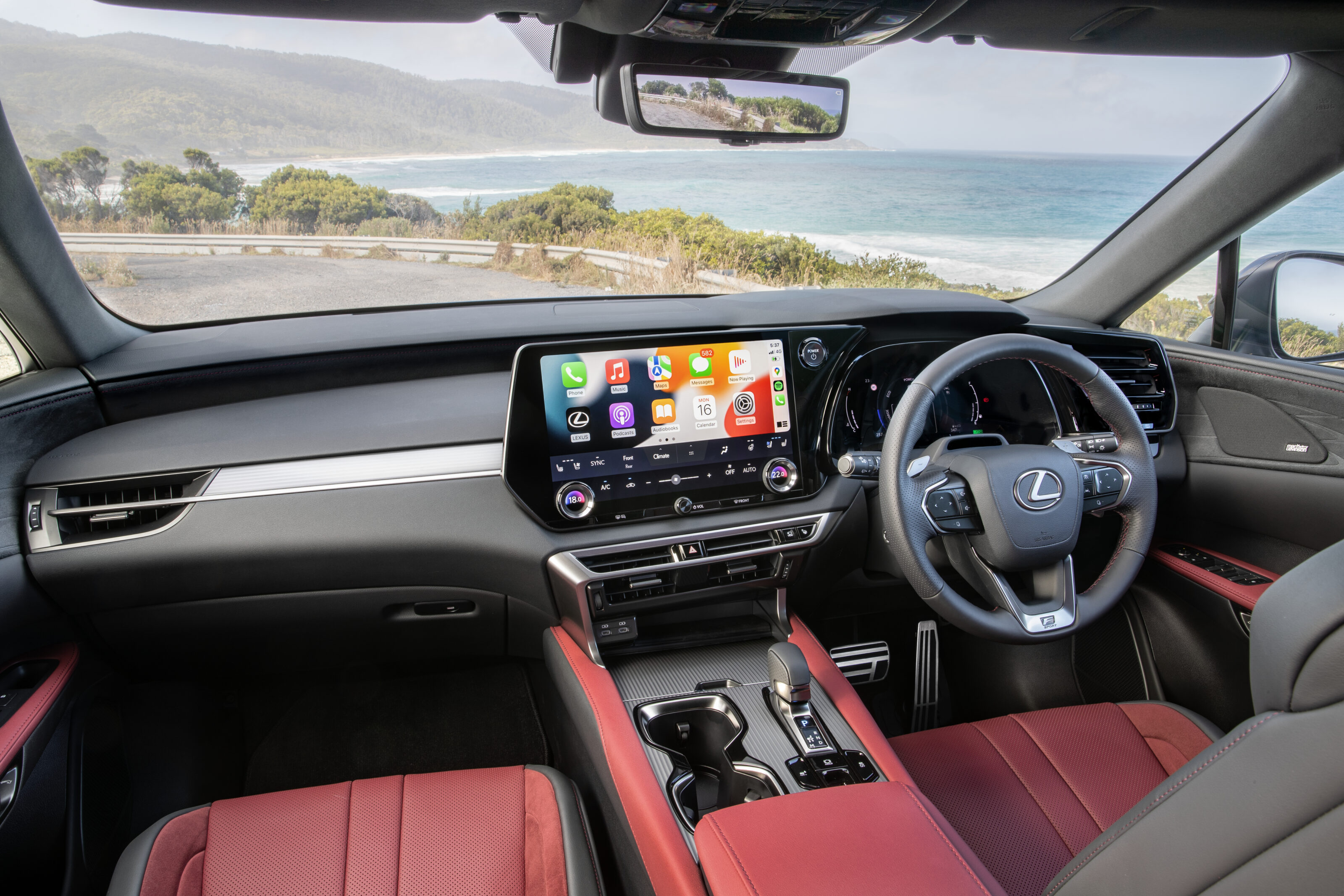
UPDATE November 2022: Lexus RX pricing and features
Snapshot
- 2023 Lexus RX pricing and features
- Four-cylinder powertrains, new GA-K platform, more tech and safety features
- Priced from $87,500 before on-road costs
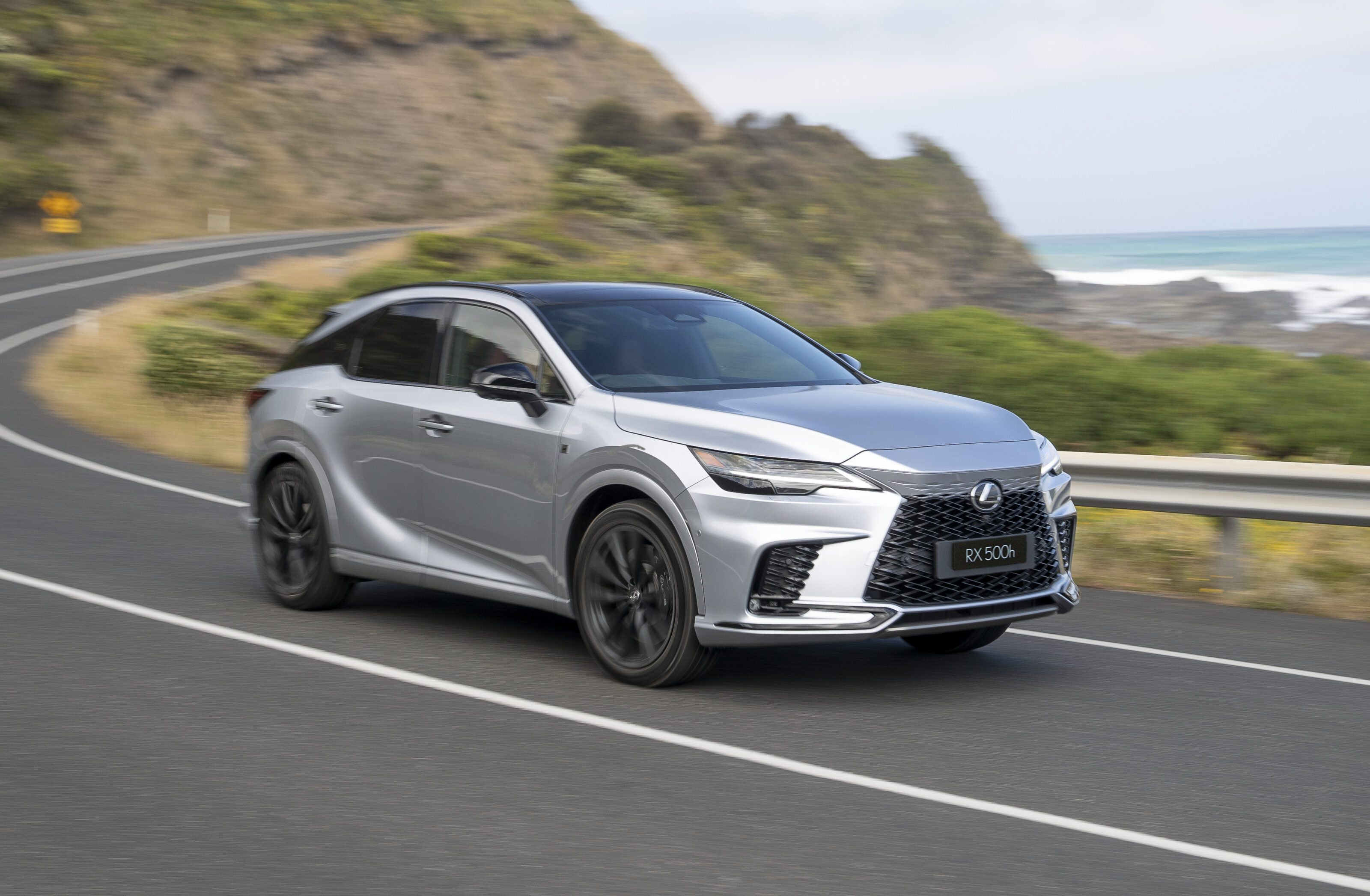
It debuts with a range of variants, including four-cylinder hybrid, turbocharged and turbocharged-hybrid powertrains – but no plug-in hybrid for now.
Priced from $87,500 plus on-road costs, the front-wheel drive RX350h Luxury is $15,000 dearer than the previous 2.0-litre turbo-petrol entry-level model – but around $2700 cheaper than the previous, cheapest hybrid.
1
The sole non-electrified powertrain offered is the RX350, which features a 2.4-litre turbocharged petrol engine in place of the previous naturally-aspirated V6.
Topping the range is the new RX500 F Sport Performance, which sports Lexus’s new turbocharged-hybrid powertrain, making it the most powerful Lexus hybrid available in Australia.
JUMP AHEAD
- 2023 Lexus RX pricing
- 2023 Lexus RX features
- Options
- Colours
- Engine, drivetrain, and fuel economy
- Safety
- Dimensions
- Warranty and servicing
- Availability
1
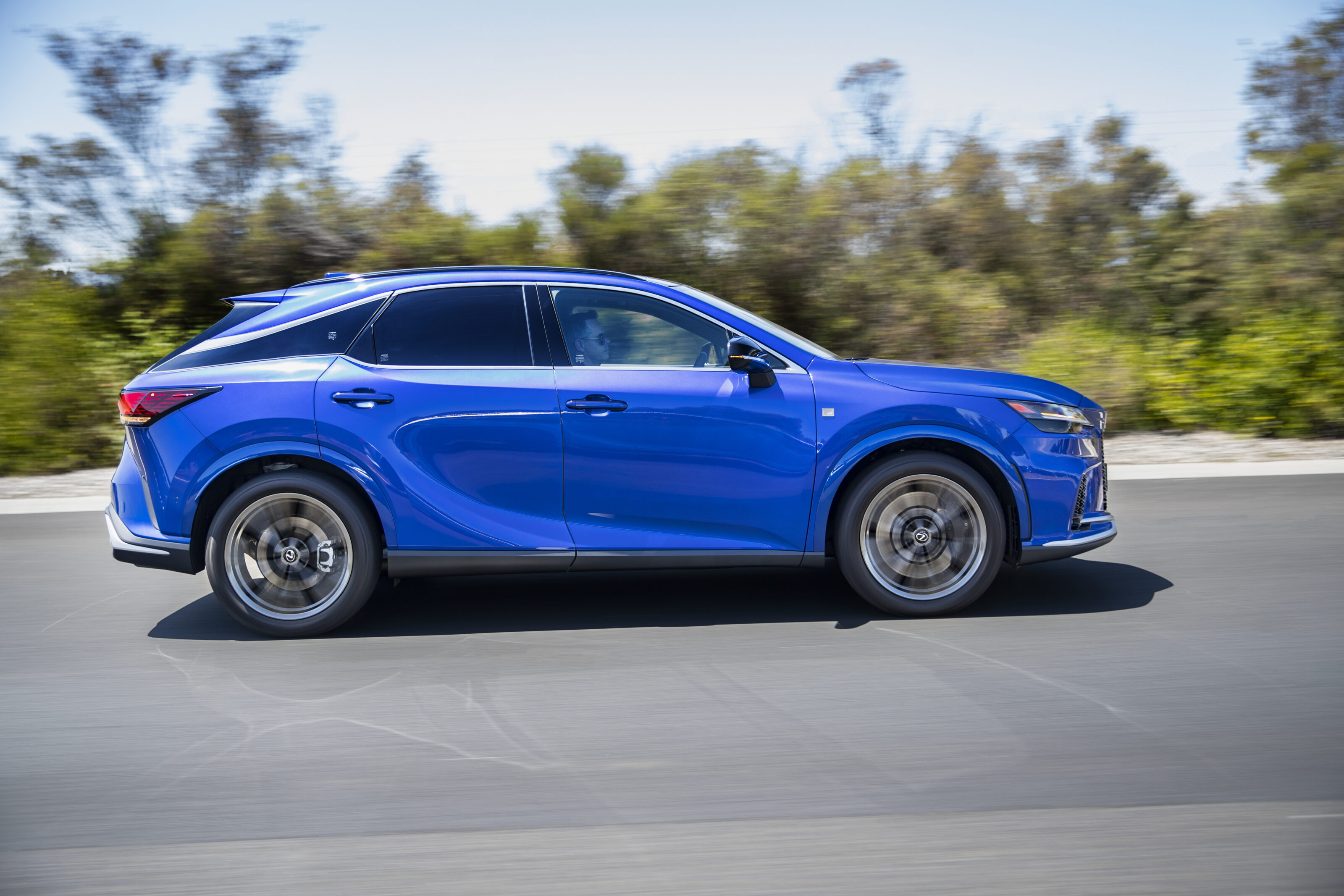
2023 Lexus RX pricing
Prices exclude on-road costs.
| Model | Price |
|---|---|
| RX350h Luxury FWD | $87,500 |
| RX350h Luxury AWD | $92,000 |
| RX350 F Sport AWD | $99,900 |
| RX350 Sports Luxury AWD | $105,900 |
| RX350h Sports Luxury AWD | $111,900 |
| RX500h F Sport Performance AWD | $126,000 |
1
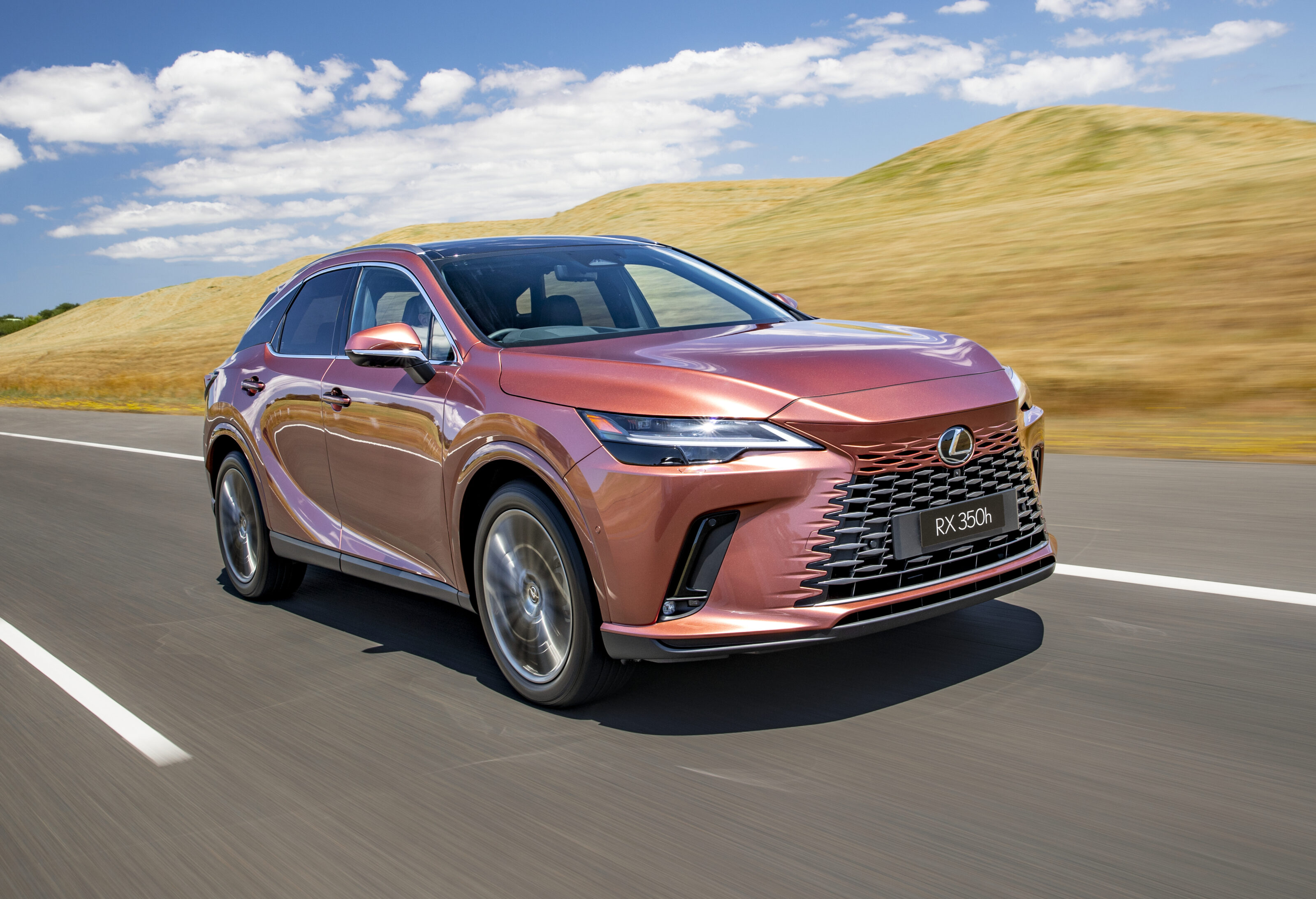
2023 Lexus RX features
RX350h Luxury
RX350 F Sport
RX350h and RX350 Sports Luxury
RX500h F Sport Performance
1
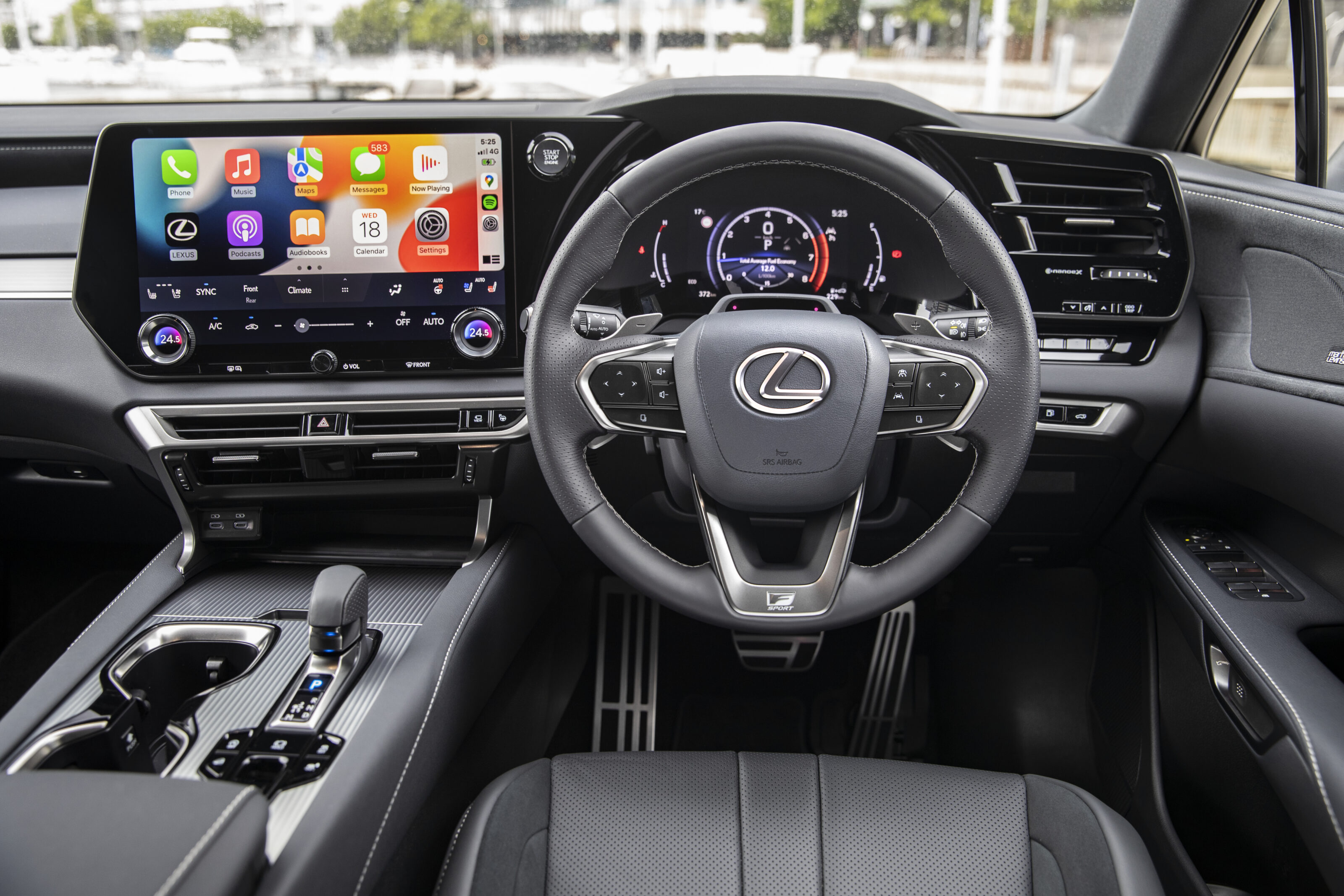
Options
Enhancement Pack – $5100 (Luxury FWD), $5500 (Luxury AWD)
Enhancement Pack 1 – $3000 (F Sport, Sports Luxury)
Enhancement Pack 2 – $1100 (F Sport), $900 (Sports Luxury)
1
Colours
Metallic paint incurs a $1750 premium.
1
Engine, drivetrain, and fuel economy
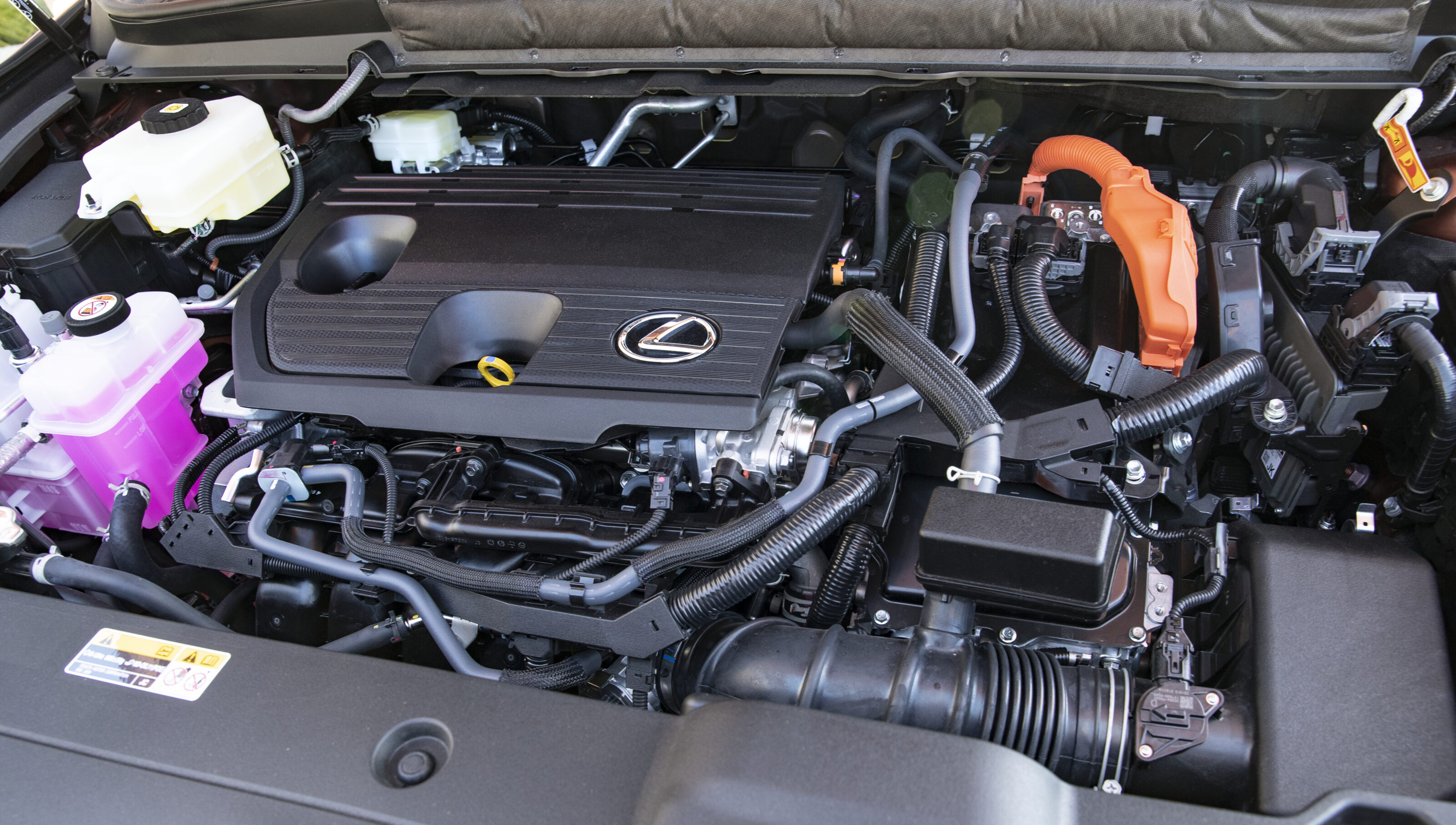
Despite sharing some of the same names as the outgoing model, the engine and drivetrain choices are all-new for the upcoming RX, starting with the entry-level RX350h.
It is powered by a 2.5-litre naturally-aspirated four-cylinder hybrid engine producing 184kW, matched with front- or all-wheel drive and an eCVT automatic transmission.
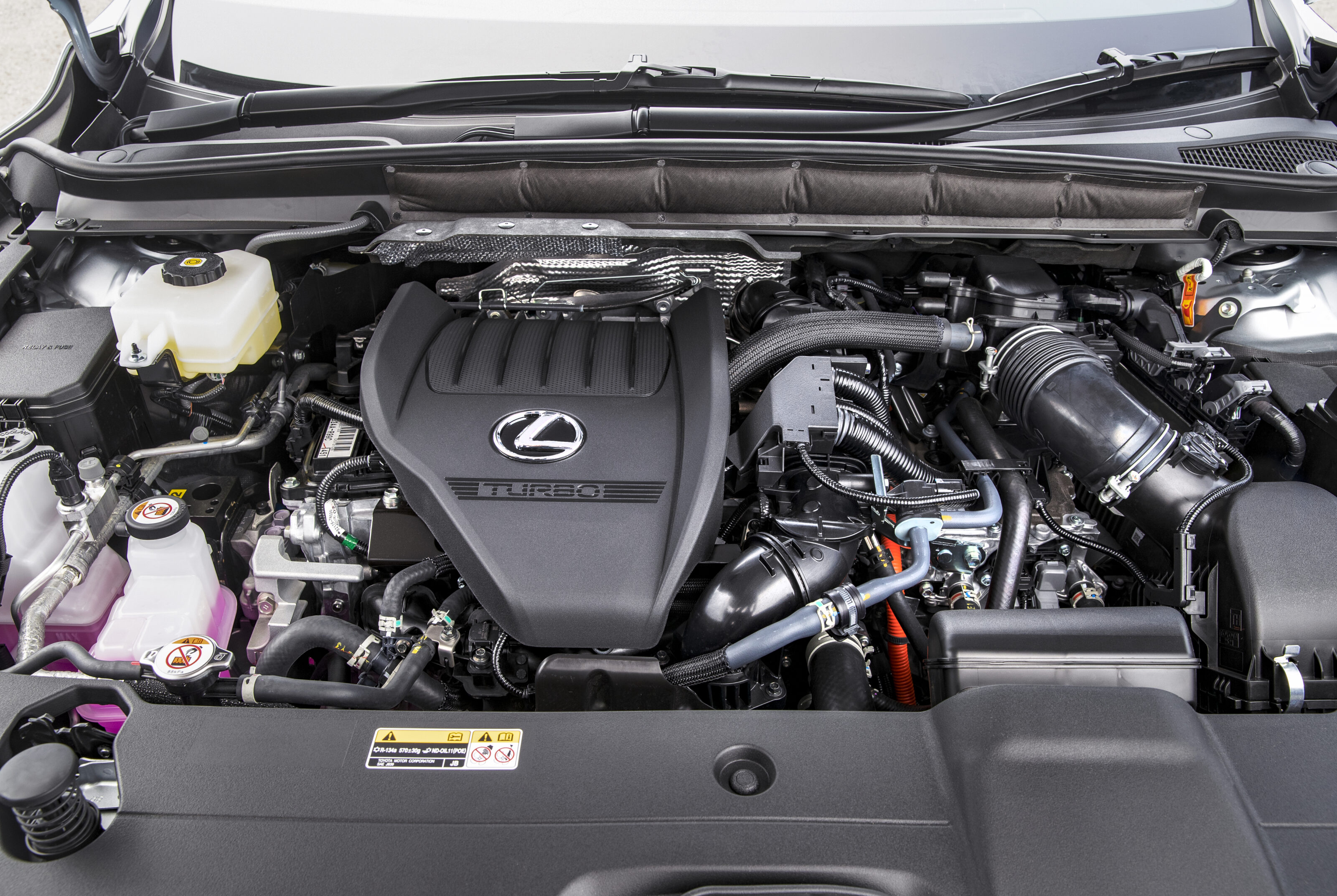
Replacing the previous naturally-aspirated V6, the RX350 is powered by 2.4-litre four-cylinder turbocharged petrol engine producing 205kW and 430Nm, sending power to all four wheels.
1
It is matched with an eight-speed torque-converter automatic.
Rounding out the range is the RX500h, with its 2.4-litre turbocharged four-cylinder hybrid system providing 273kW, thanks to a ‘high-output’ electric motor on its rear axle.
It has a claimed 0-100km/h sprint time of 6.2 seconds.
1
Safety
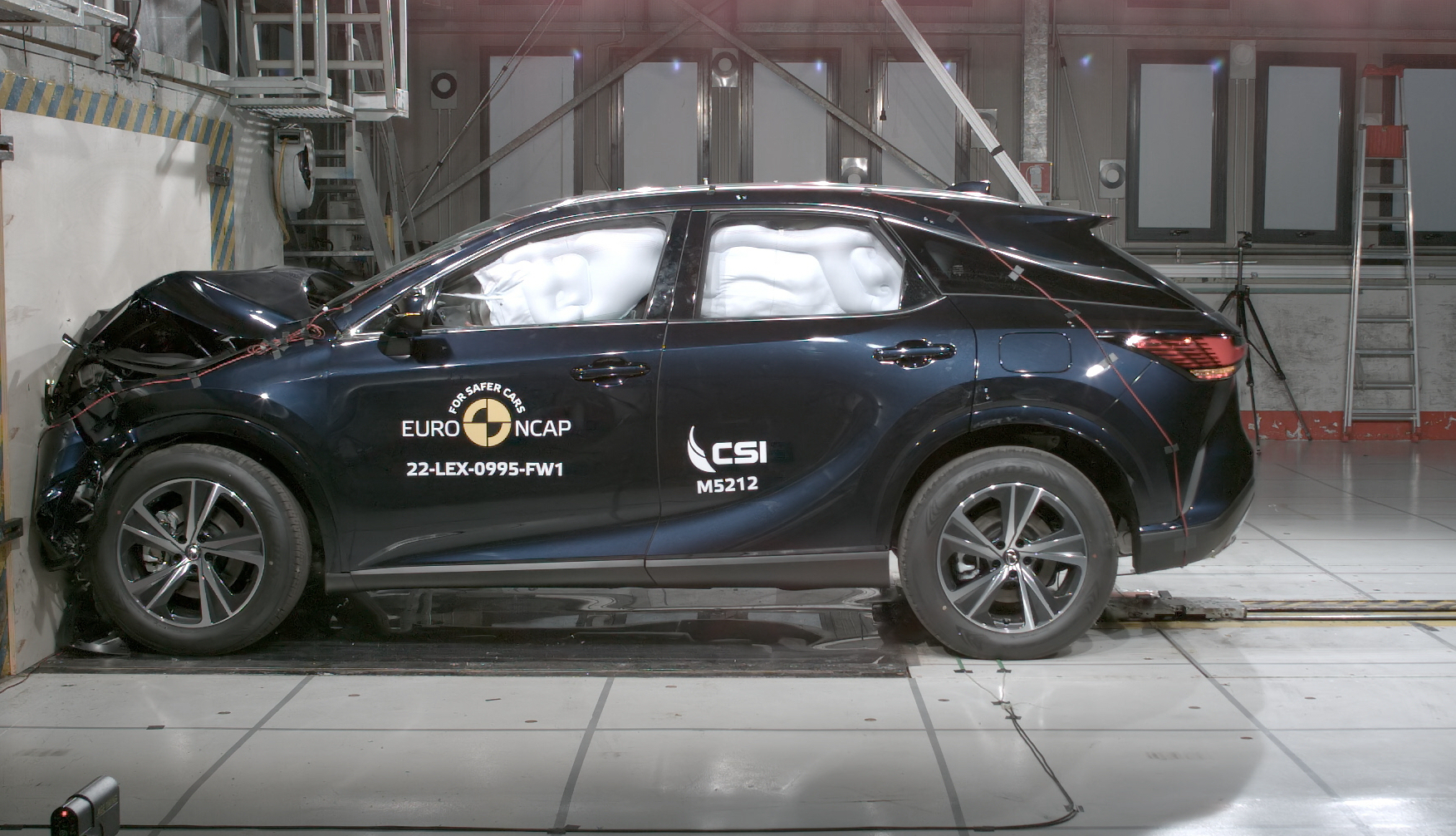
The 2023 Lexus RX received a five-star safety rating from Euro NCAP, based on testing conducted in 2022. This score has yet to be applied by ANCAP.
It received a score of 90 per cent for adult occupant protection, 87 per cent for child occupant protection, 89 per cent for vulnerable road user protection, and 91 per cent for safety assist.
Eight airbags (dual front, side, curtain, and driver’s knee and front-centre) are fitted across the range.
1
Dimensions
The all-new RX is wider, lower and lighter than before, with wider tracks at the front and rear (up by 15 millimetres and 45mm, respectively), matched with a 10mm height reduction over the outgoing model.
This has resulted in a 15mm drop in the SUV’s centre of gravity, while 90 kilograms have also been shed.
Riding on a longer wheelbase of 2850mm (up by 60mm), the overall length of the RX is unchanged at 4890mm, while its width has grown by 25mm to now stand at 1920mm wide.
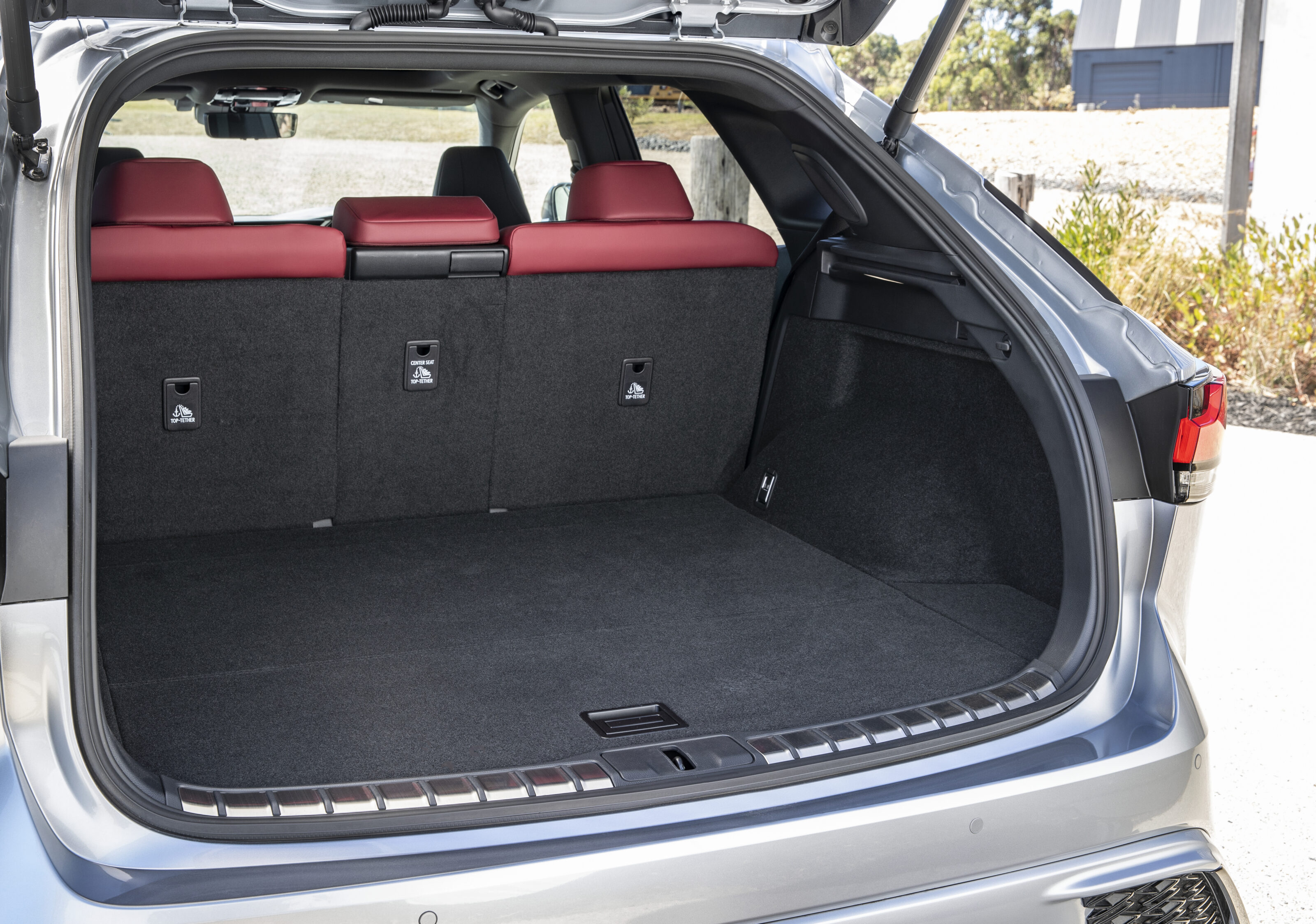
2023 Lexus RX boot space
With the distance between the front and rear hip points increased by 12mm, more interior space is also met with a 50mm boot space increase, for a 612-litre capacity. This extends to 1678 litres with the second-row folded flat.
Warranty and servicing
As per the wider Lexus range, the RX is covered by the brand’s five-year, unlimited-kilometre warranty.
In a Lexus Australia first, the RX includes five years of capped-price servicing – up from three years – with each service priced at $695.
This is equal to $3475 over the five-year period.
Availability
The 2023 Lexus RX will arrive in mid-February. The plug-in hybrid RX450h+ is confirmed for Australia, but local timing has yet to be locked in.
MORE
Everything Lexus
MORE
SUV Buyers Guide
The all-electric 2023 Hyundai Ioniq 6 sedan will launch in Australia this month.
Snapshot
- 2023 Hyundai Ioniq 6 pricing and features
- Electric sedan due here this month; Model 3 rival
- Priced from $74,000 plus on-road costs
UPDATE: Hyundai Ioniq 6 available to order; five-star ANCAP safety rating
The 2023 Hyundai Ioniq 6 will become available to order on February 22 at 1:00pm AEDT, with 300 vehicles offered in the first batch. It has also received a five-star ANCAP safety rating, in line with testing conducted by Euro NCAP in 2022.
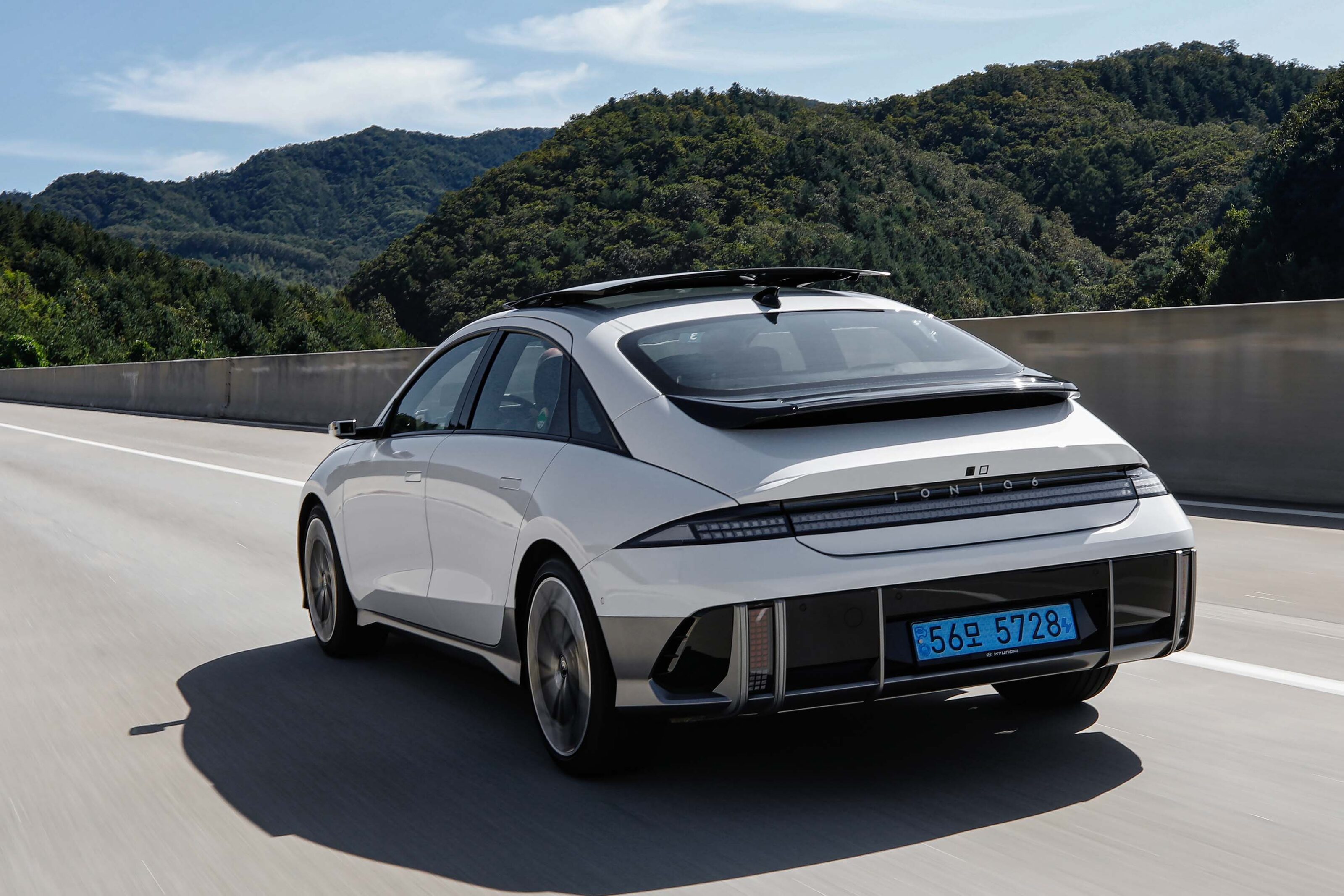
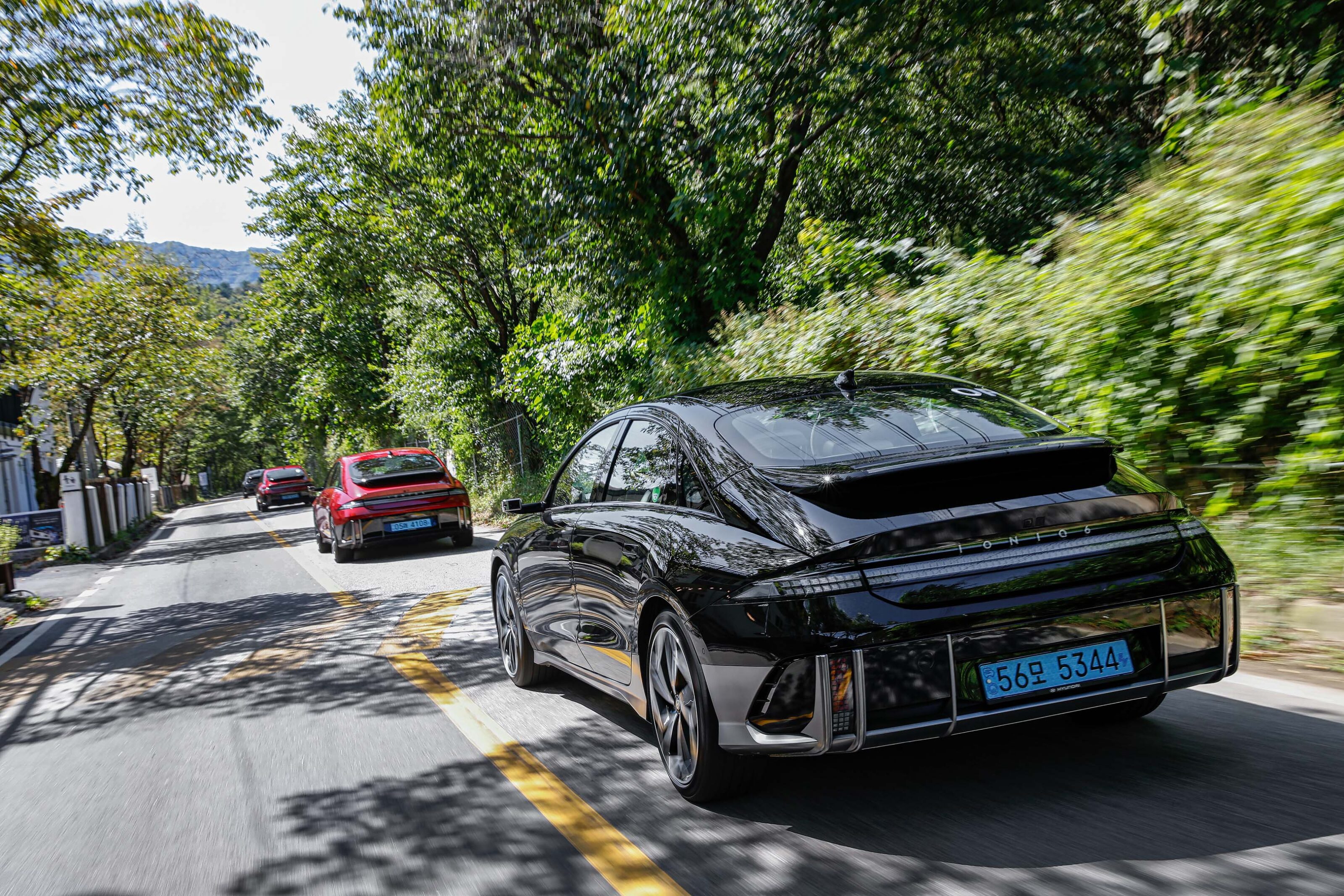
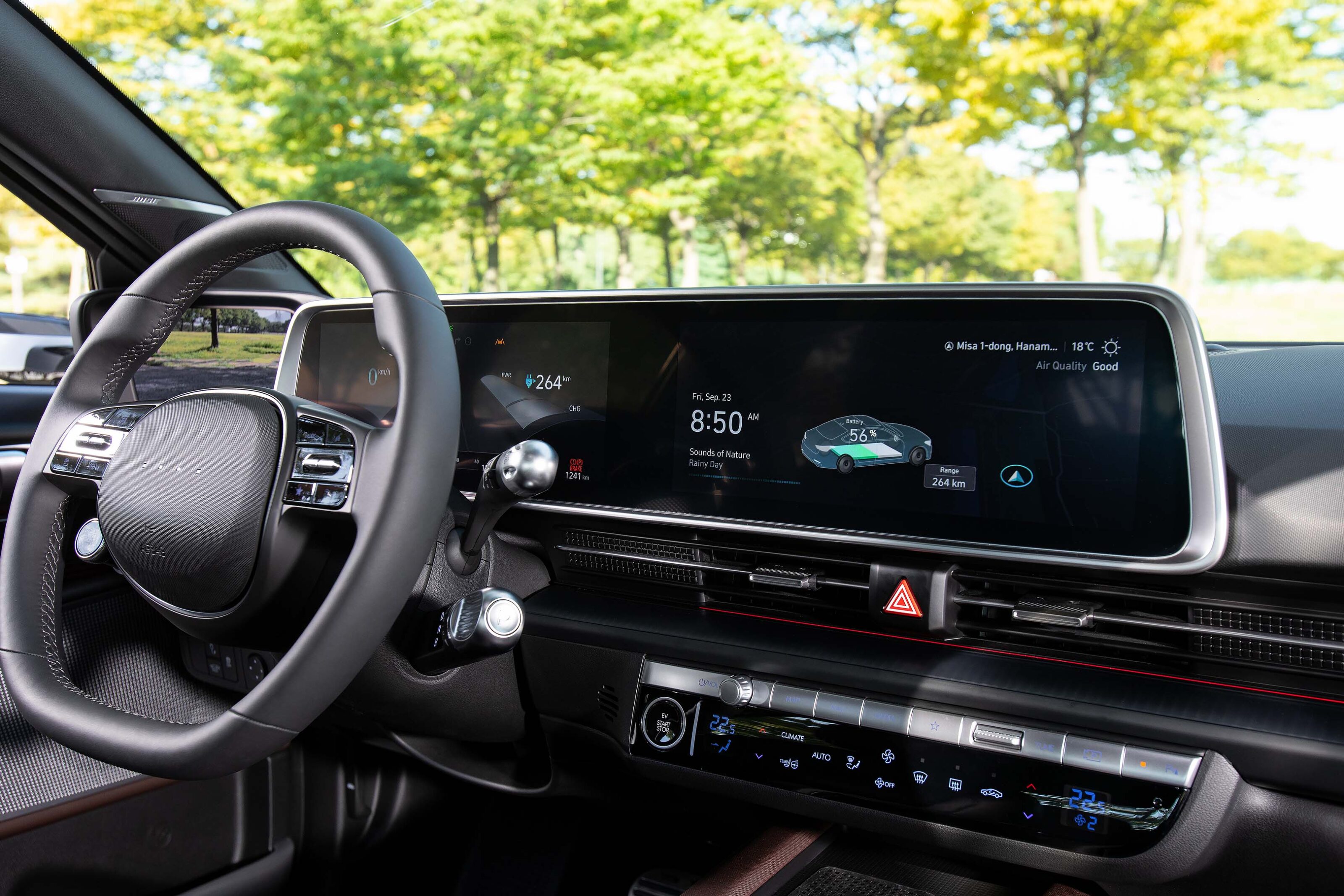
A low-slung sibling to the Hyundai Ioniq 5, Kia EV6 and Genesis GV60 crossovers, the Ioniq 6 is a direct competitor to Australia’s best-selling electric vehicle, the Tesla Model 3.
Billed as an “electrified streamliner”, it has a low drag coefficient of 0.21, allowing it to achieve a WLTP-rated 614-kilometre driving range in entry-level, rear-wheel-drive Dynamiq form.
It is priced from $74,000 before on-road costs. This is $10,100 dearer than the most-affordable Tesla Model 3 Rear Wheel Drive – and $2000 more than an equivalent Ioniq 5, which offers more space but less driving range.
As such, the Ioniq 6 will be ineligible for various state and territory incentives, including a rebate for EVs priced under a set threshold in New South Wales, Victoria, South Australia and Western Australia.
1
A dual-motor, all-wheel-drive powertrain is standard for the mid-spec Techniq and flagship Epiq, with increased power and a 95-kilometre driving range drop.
Hyundai-Kia’s dedicated E-GMP electric vehicle platform is found underneath the Ioniq 6, with an 800-volt electrical architecture and support for 350kW ultra-rapid fast charging.
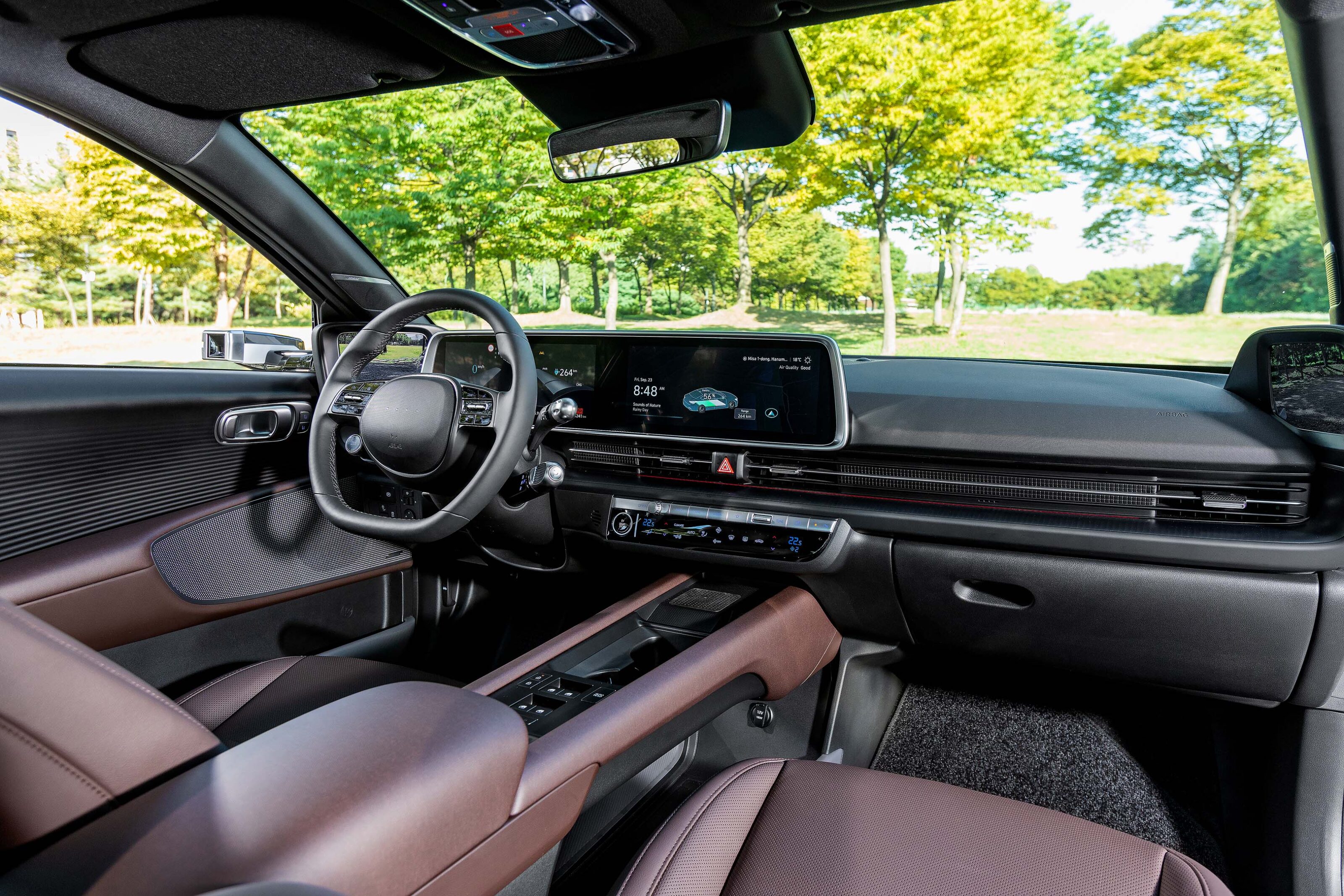
In a Hyundai first, the Ioniq 6 is the first model to support over-the-air software updates, as part of its standard-fit Bluelink connected-car technology.
JUMP AHEAD
- 2023 Hyundai Ioniq 6 pricing
- 2023 Hyundai Ioniq 6 features
- Options
- Powertrains, charging, and driving range
- Safety
- Dimensions
- Warranty and servicing
- Availability
1
2023 Hyundai Ioniq 6 pricing
Prices exclude on-road costs.
| Model | Pricing |
|---|---|
| Dynamiq RWD | $74,000 |
| Techniq AWD | $83,500 |
| Epiq AWD | $88,000 |
1
2023 Hyundai Ioniq 6 features
Dynamiq
Techniq
Epiq
Options
- Matte paint – $1000
1
Powertrains, charging, and driving range
Under the skin, the 2023 Hyundai Ioniq 6 features a 77.4kWh lithium-ion battery pack, as found in the recently-updated Ioniq 5 large SUV.
It has an 800-volt electrical architecture with support for 350kW ultra-rapid charging, allowing for a 10 to 80 per cent top-up in as little as 18 minutes – provided certain conditions are met.
The entry-level Dynamiq is powered by a single motor mounted to the rear axle, producing 168kW and 350Nm. It has a claimed electric driving range of around 614 kilometres.
1
Stepping up to the Techniq and Epiq adds a 74kW front motor and 165kW rear motor, for a total system output of 239kW and 605Nm.
Both versions deliver a WLTP-rated electric driving range of 519 kilometres.
| 2023 Hyundai Ioniq 6 driving range (WLTP) | |
|---|---|
| 77.4kWh single-motor RWD | 614km |
| 77.4kWh dual-motor AWD | 519km |
1
Safety
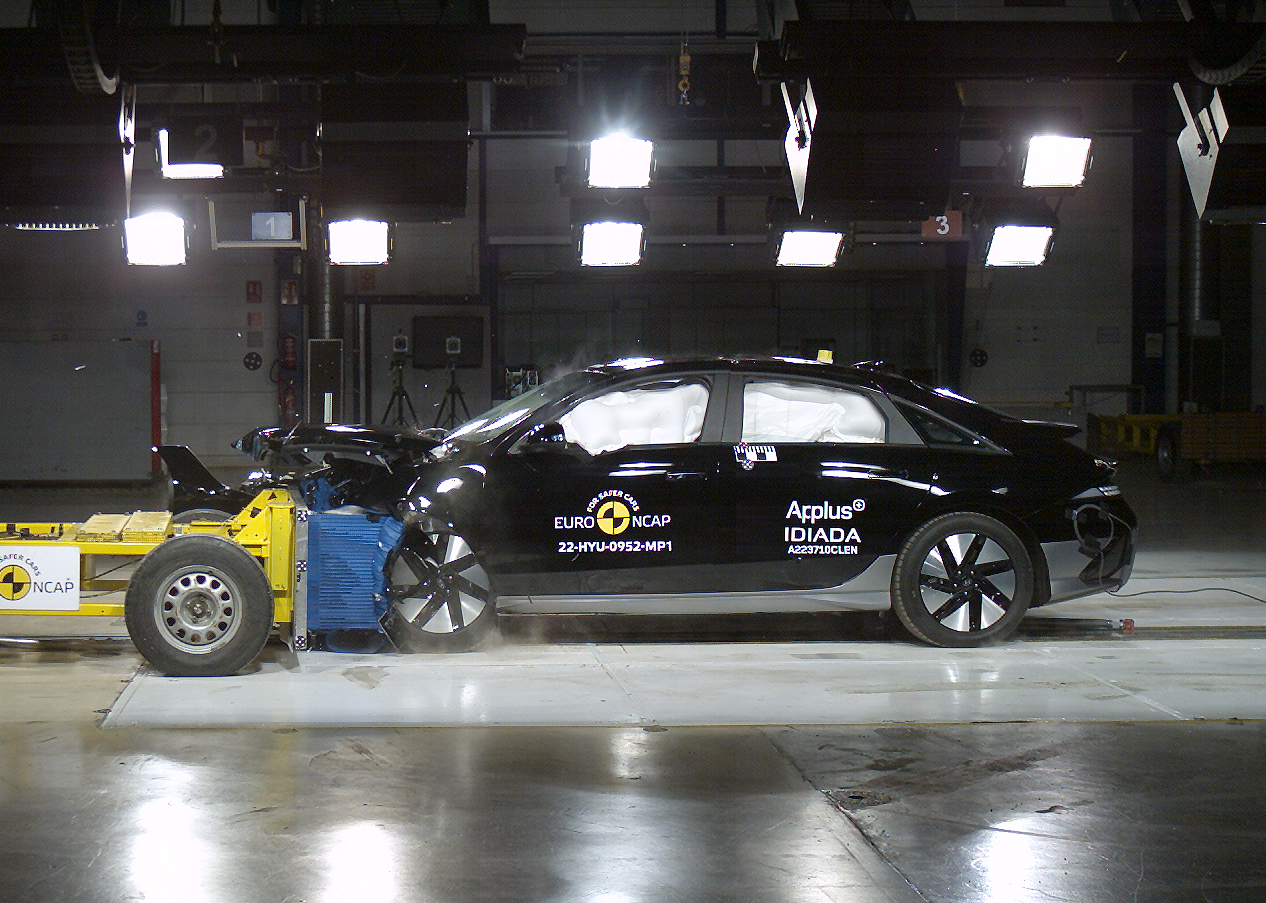
The Hyundai Ioniq 6 is covered by a five-star ANCAP safety rating, based on testing by Euro NCAP conducted in 2022.
It received a 97 per cent score for adult occupant protection, 88 per cent for children, 66 per cent for vulnerable road users, and 90 per cent for safety assist.
Seven airbags (dual front, side, curtain, and front-centre) are fitted across the range.
1
Dimensions
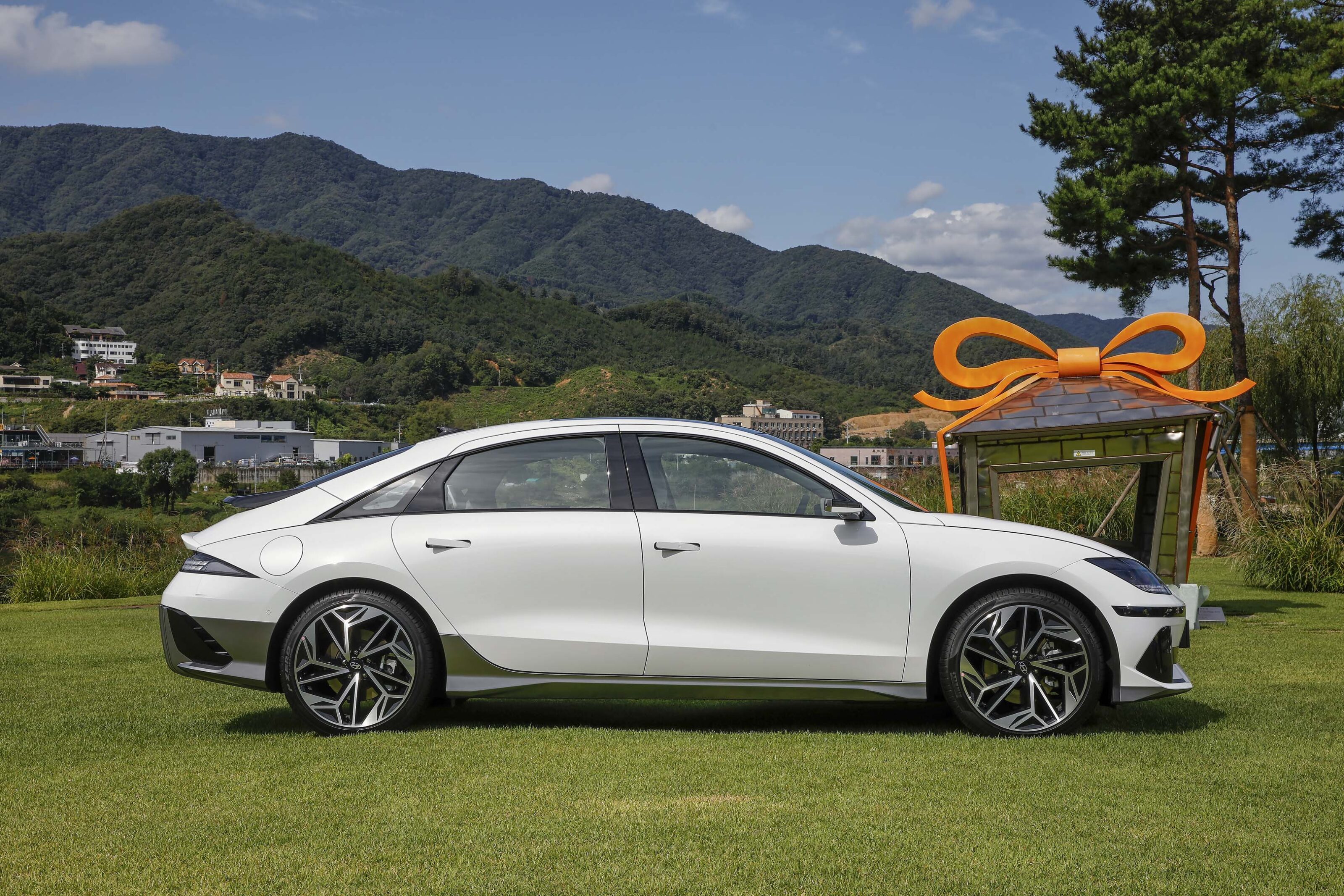
The Hyundai Ioniq 6 has a 2950-millimetre wheelbase, and is 4855mm long, 1880mm wide and 1495mm tall.
This is roughly in line with the Sonata N Line, which has a shorter wheelbase and a narrower body, but is longer at 4900mm.
2023 Hyundai Ioniq 6 boot space
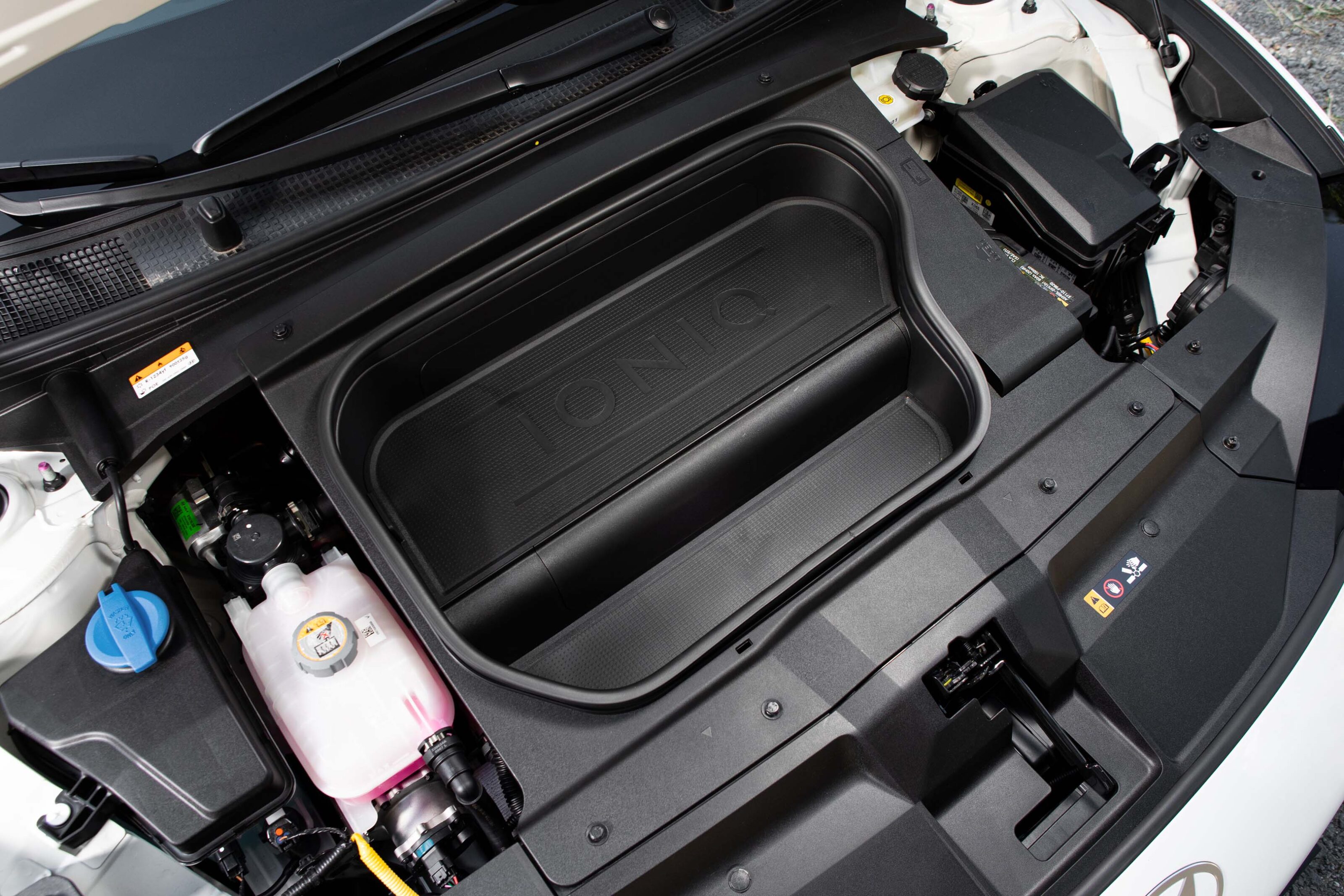
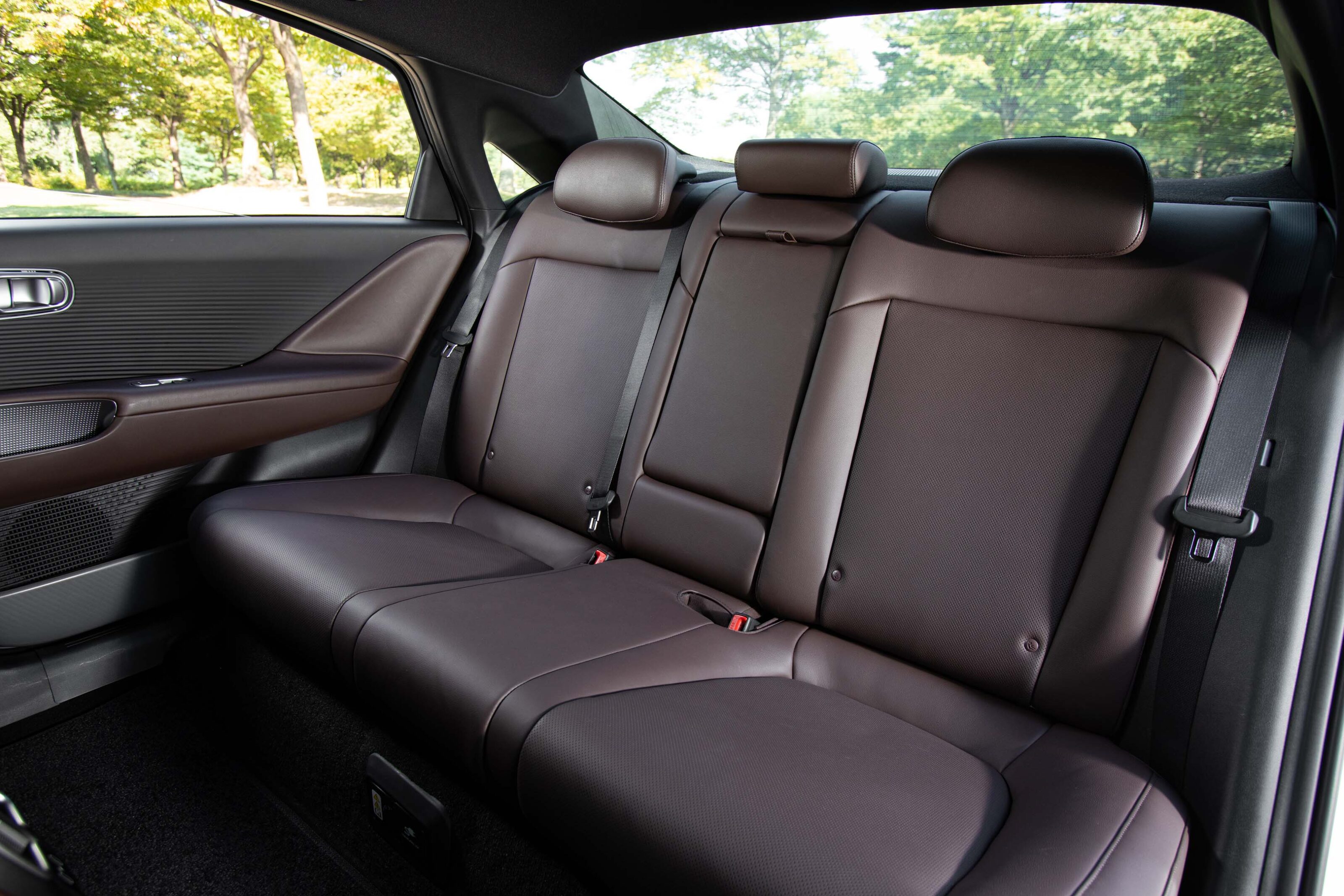
RWD versions have a claimed 401-litre boot capacity, with 60/40 split-fold rear seats for additional space. It has a 45-litre front boot.
For all-wheel-drive models, luggage space is retained, but it has a smaller 14.5-litre under-bonnet cargo capacity.
1
Warranty and servicing
As per the wider Hyundai range, the Ioniq 6 is covered by the brand’s five-year, unlimited-kilometre warranty.
It receives eight years or 160,000 kilometres of coverage, whichever occurs first, for its high-voltage components, including the battery pack.
As with the latest Ioniq 5, maintenance for the Ioniq 6 is required every two years or 30,000 kilometres, whichever occurs first.
A service pack is available for the first four years, at the following cost:
Availability
The 2023 Hyundai Ioniq 6 will launch in Australia this month.
MORE
Everything Hyundai
MORE
Electric Cars
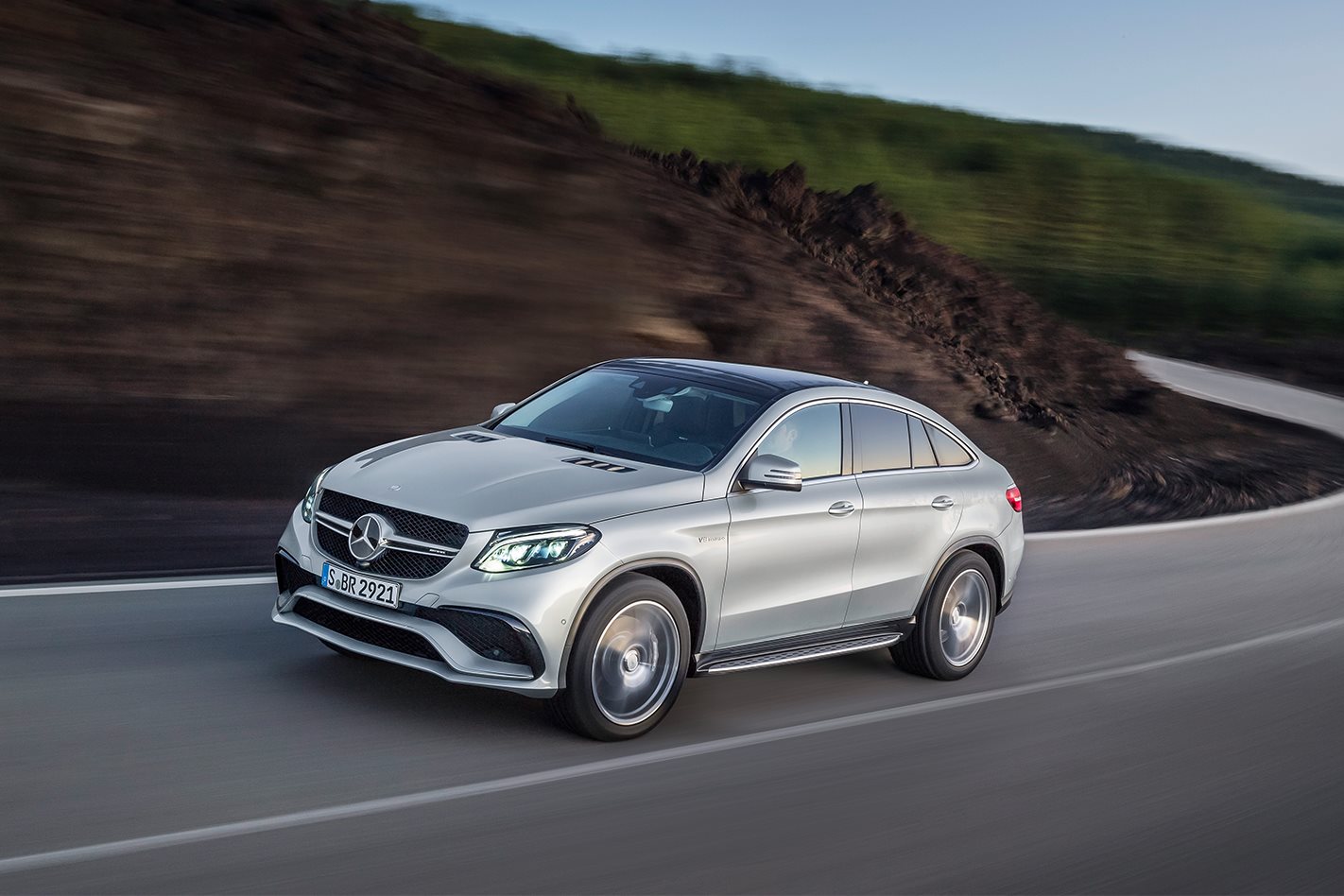
Mercedes-Benz is recalling more than 20,000 of its vehicles after a fault was identified with water getting into the fuel pump control unit.
The problem affects 18,331 ML and GLE models from 2012-2018 and 3036 GLE Coupes from 2015-2023.
According to the Department for Infrastructure, which issued the recall notice, due to a manufacturing defect, water could come into contact with the fuel pump control unit – which could impair the fuel supply to the engine and result in a loss of power whilst driving.
1
A loss of power while driving could increase the risk of an accident causing injury or death to vehicle occupants, other road user and bystanders, it adds.
Owners of affected vehicles can contact their most convenient Mercedes-Benz dealership to have the work carried out as soon as possible, free of charge.
Mercedes can be contacted on 1300 300 896 or via email at [email protected], or alternatively dealer locations and contact details can be found here.A list of VINs is available here for the ML and GLE and here for the GLE Coupe.
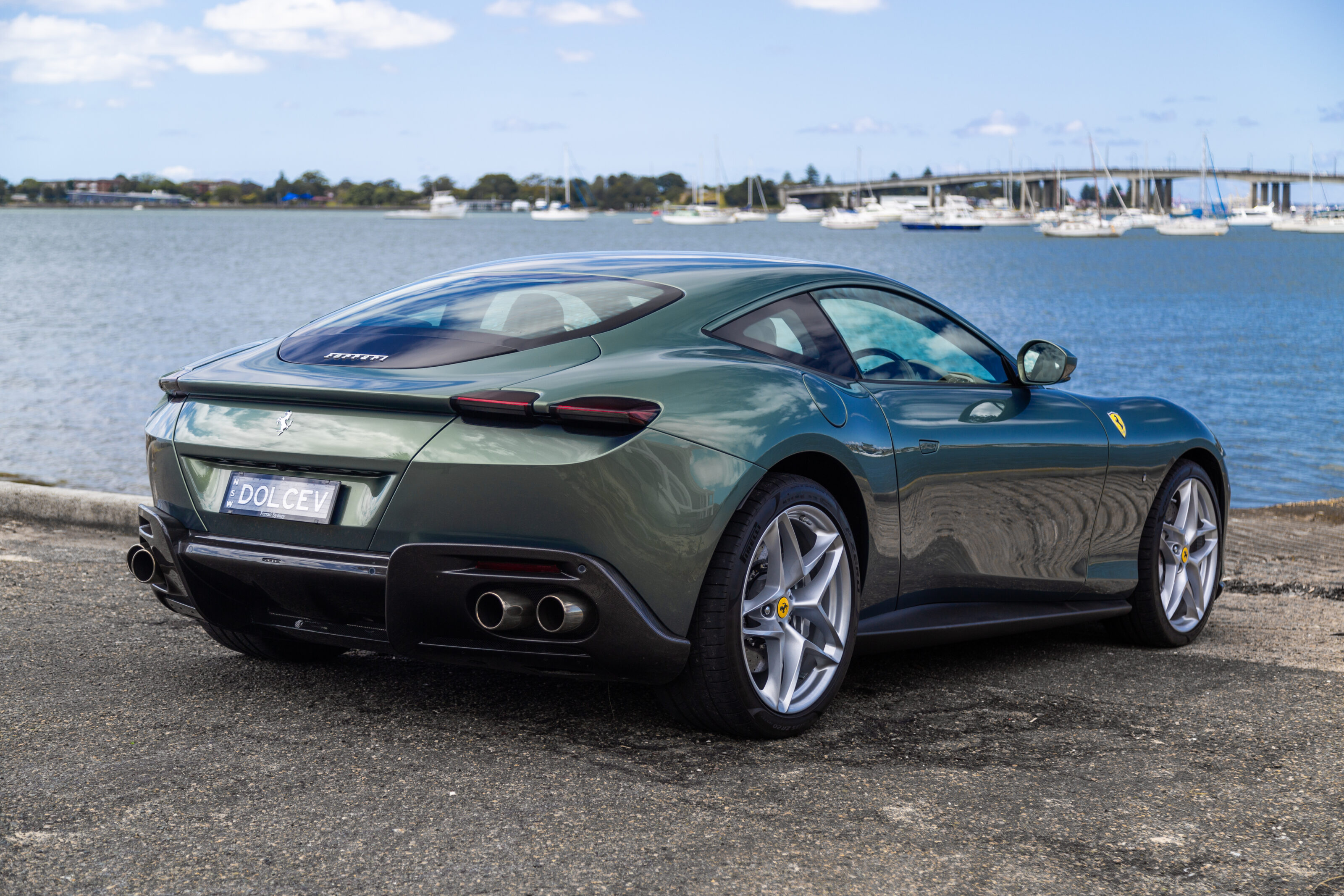
The Ferrari Roma probably does need a sort of introduction. I think we’re solid on the Ferrari bit, but the Roma arrived during The Event We’re All Sick of Hearing About.
Fundamentally if the Portofino is dressed for the beach, ,then the Roma is dressed for the evening. I’m sure Maranello would like me to evoke images of rolling into Casino Square in Monte Carlo but I can’t stand casinos, so I’m going to suggest stepping out of one straight onto the red carpet at L’Opera de Paris.
Where the Portofino’s logline is “barefoot luxury”, the Roma’s is “la nuova dolce vita” or the new sweet life. The Italian sounds great and clearly references the 1960 Frederico Fellini film, the kind of satire that unintentionally produces unironic images of glamour and romance despite the main character not quite winning in his quest for happiness.
1
We might forget that last bit because while most of us will agree that money can’t buy us happiness, it can buy you a $409,888 (before on-road costs and options, oh the options) Ferrari Roma. Companies like Ferrari exist to put a smile on your face and anyone with that kind of cash is not going to be worried by that price. I’ve never seen a furrowed brow in a Ferrari dealer, at least not one on a customer.
Obviously, that’s just the starting price. Some years ago Ferrari dropped the price of its 488 by forty grand because it turned out that its customers are a picky bunch and didn’t necessarily want the spec as it was being delivered in Australia, and were spending forty grand on options anyway.
So why not make it eighty and really get the spec they want? I sometimes lie awake at night thinking about that.
1
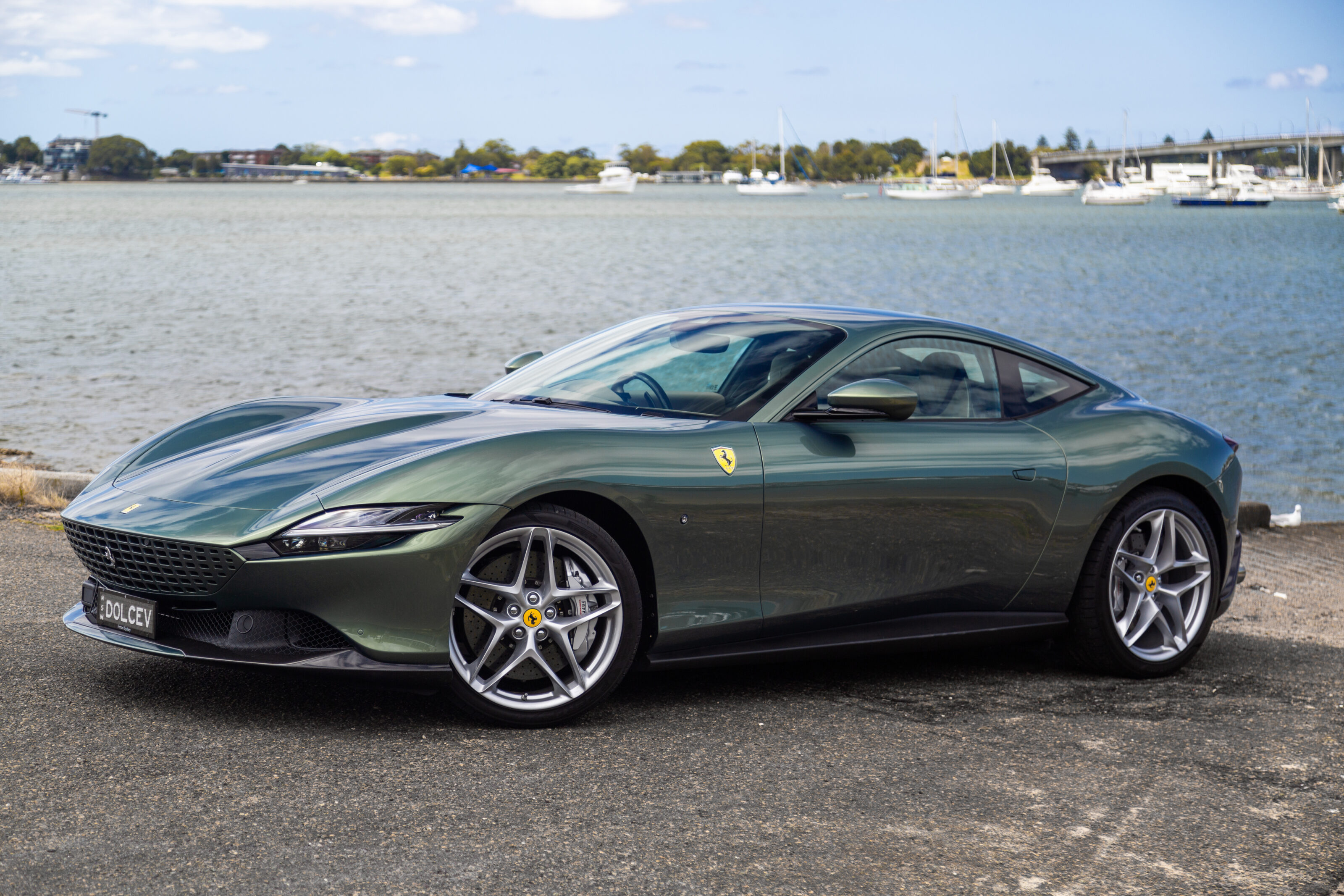
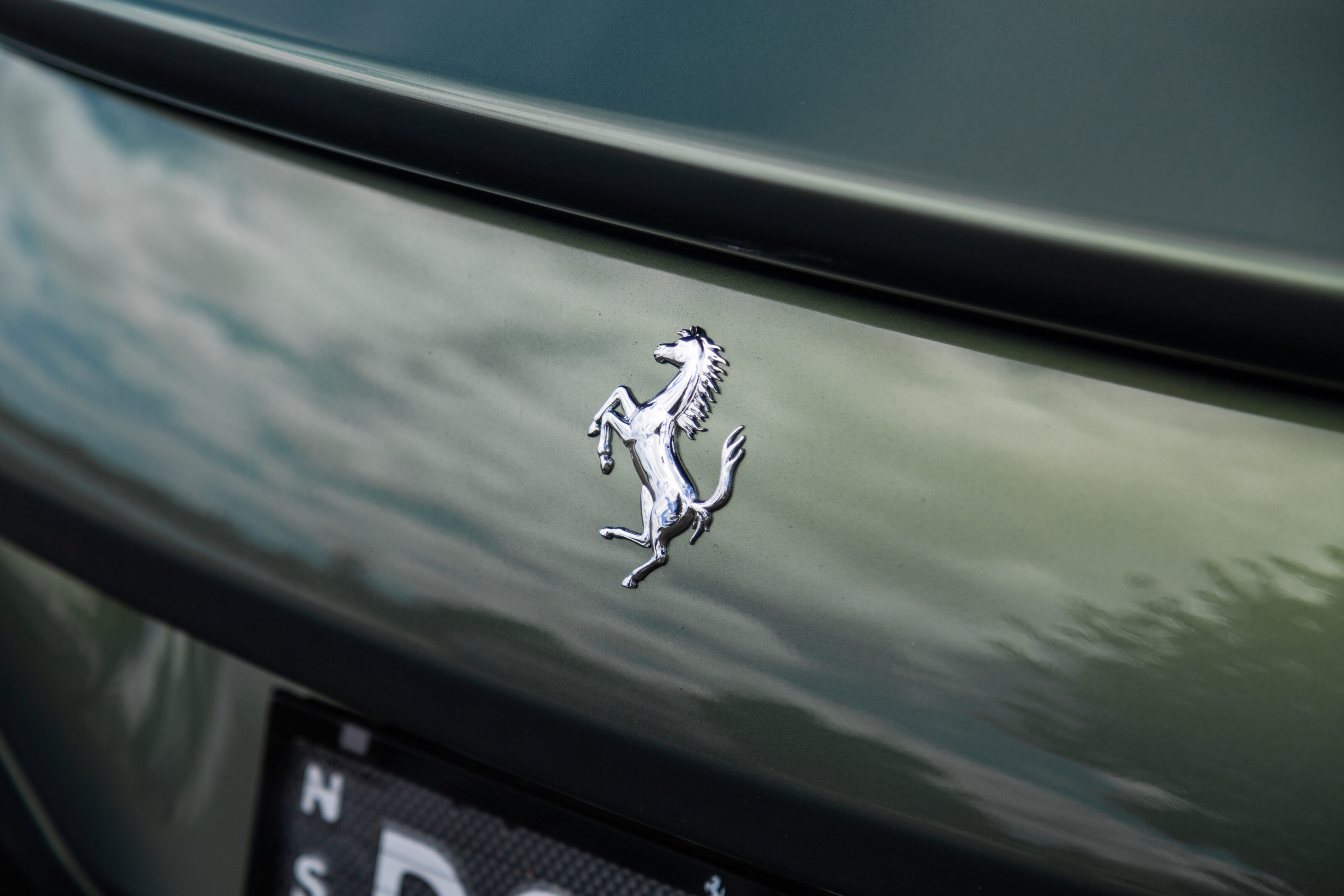
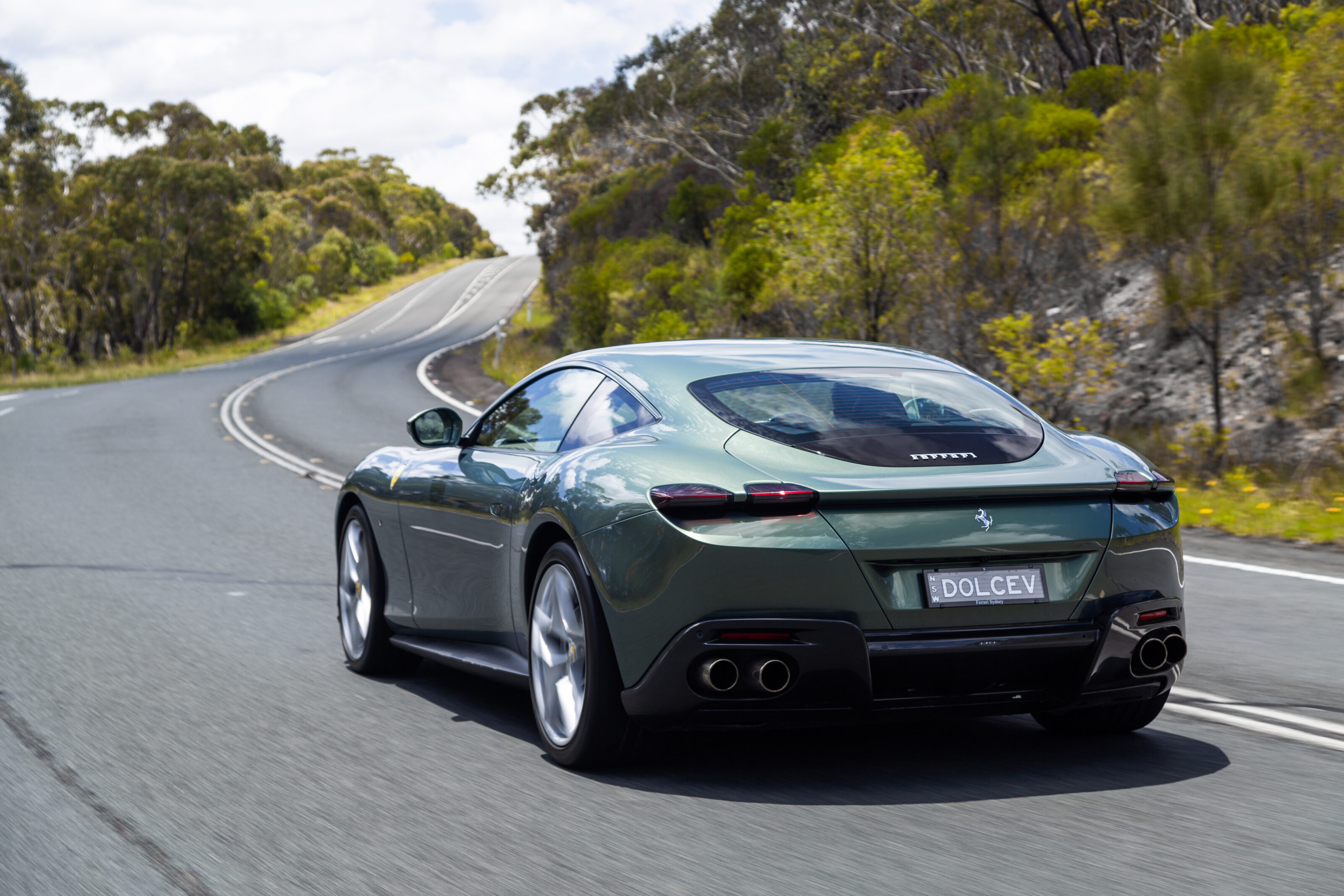
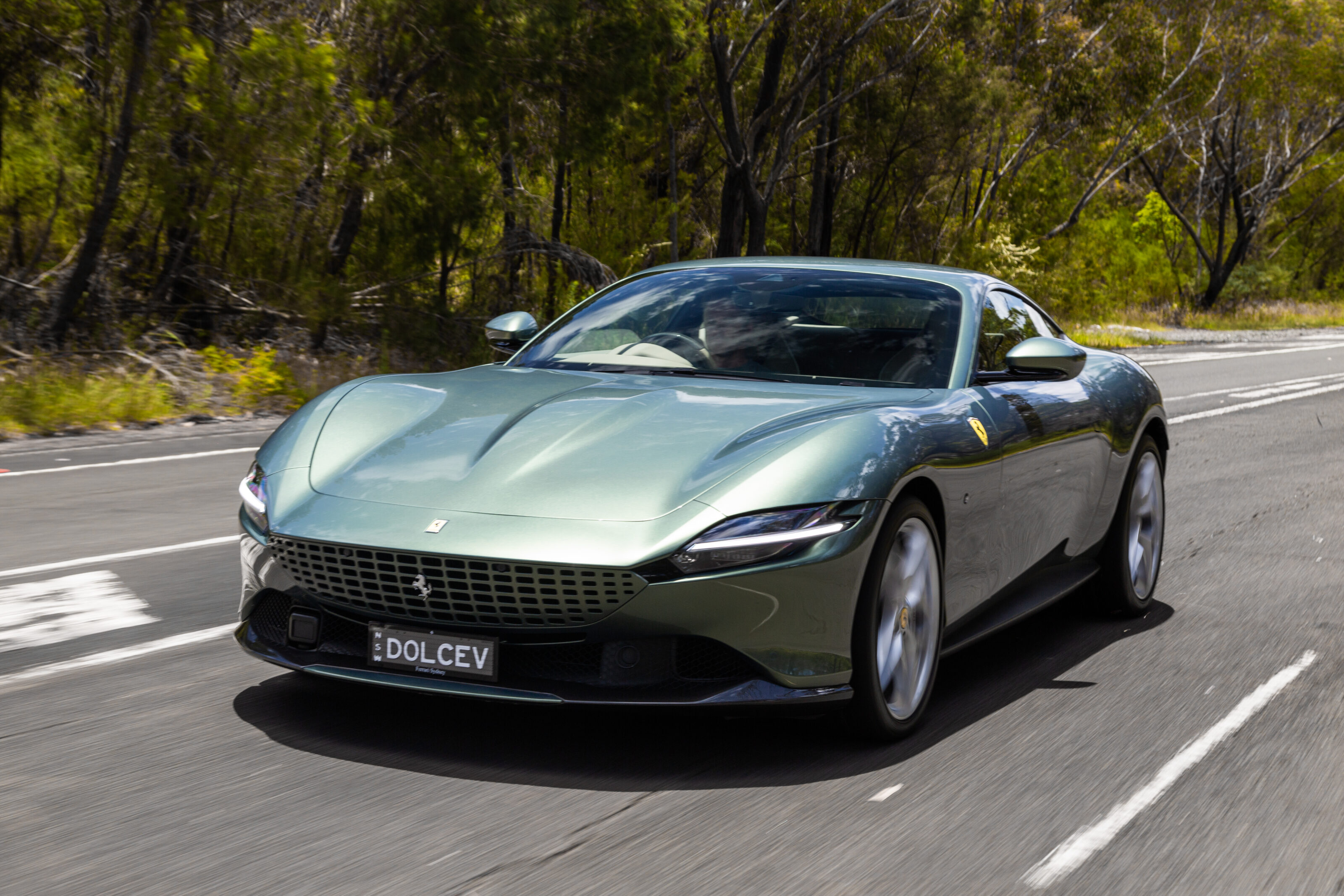
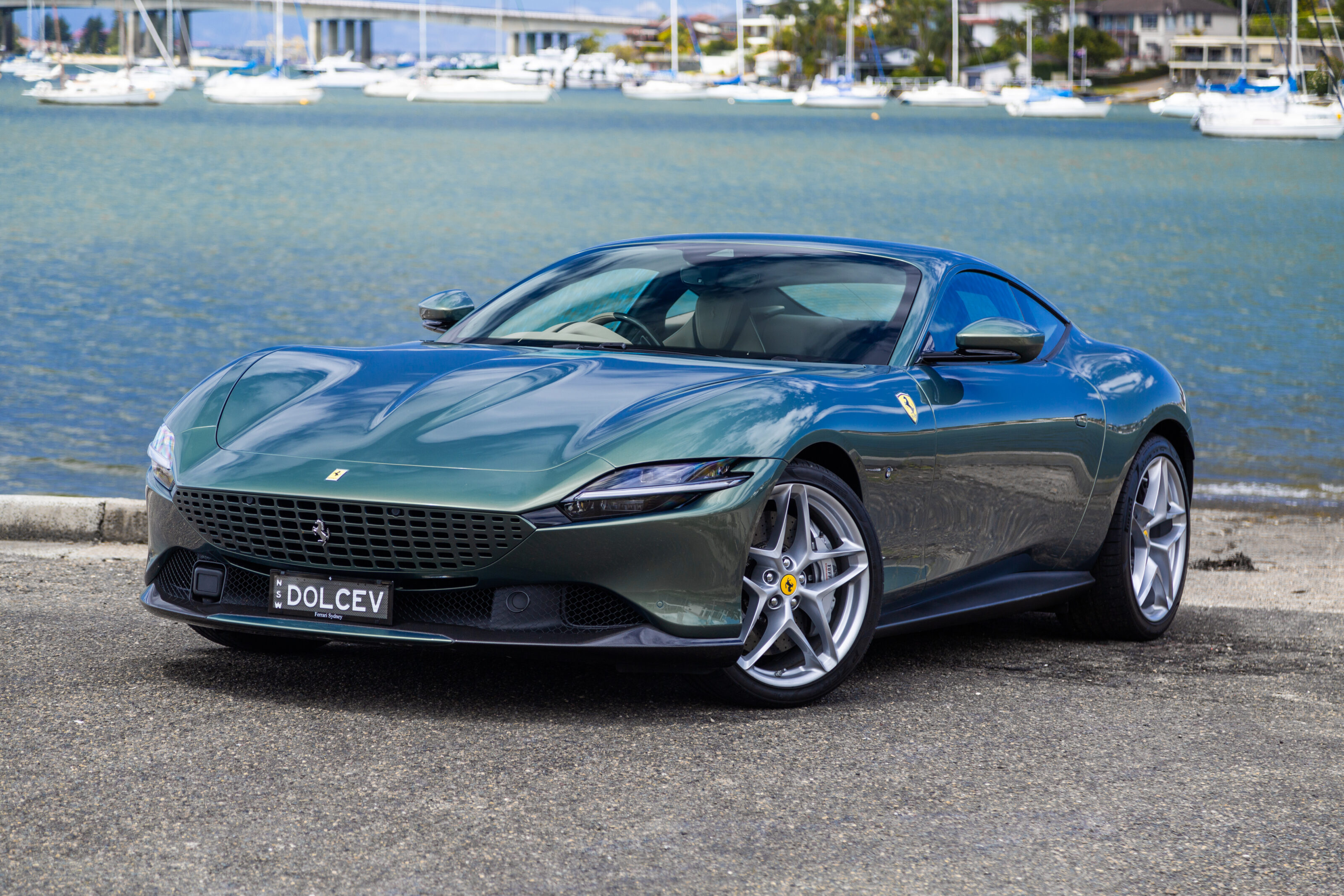
I don’t normally get too excited about the specification of a car – I might say nice things about a particular colour of, say, a Mazda (yes, Soul Red, obviously). But when I clapped eyes on this Roma, I don’t mind telling you I thought it was the most beautiful combination of colours and materials I’ve seen on a car.
Like many of the options, the Minerale Verde paint was both off-catalogue and Just The Start. The Roma bears a complex design that is something of a departure for the brand, not in proportions but in detail.
It’s particularly colour sensitive (or at least I think so), but this hue absolutely makes a pretty car even prettier. Photographs don’t always do the Roma justice but in this colour, it rocks.
1
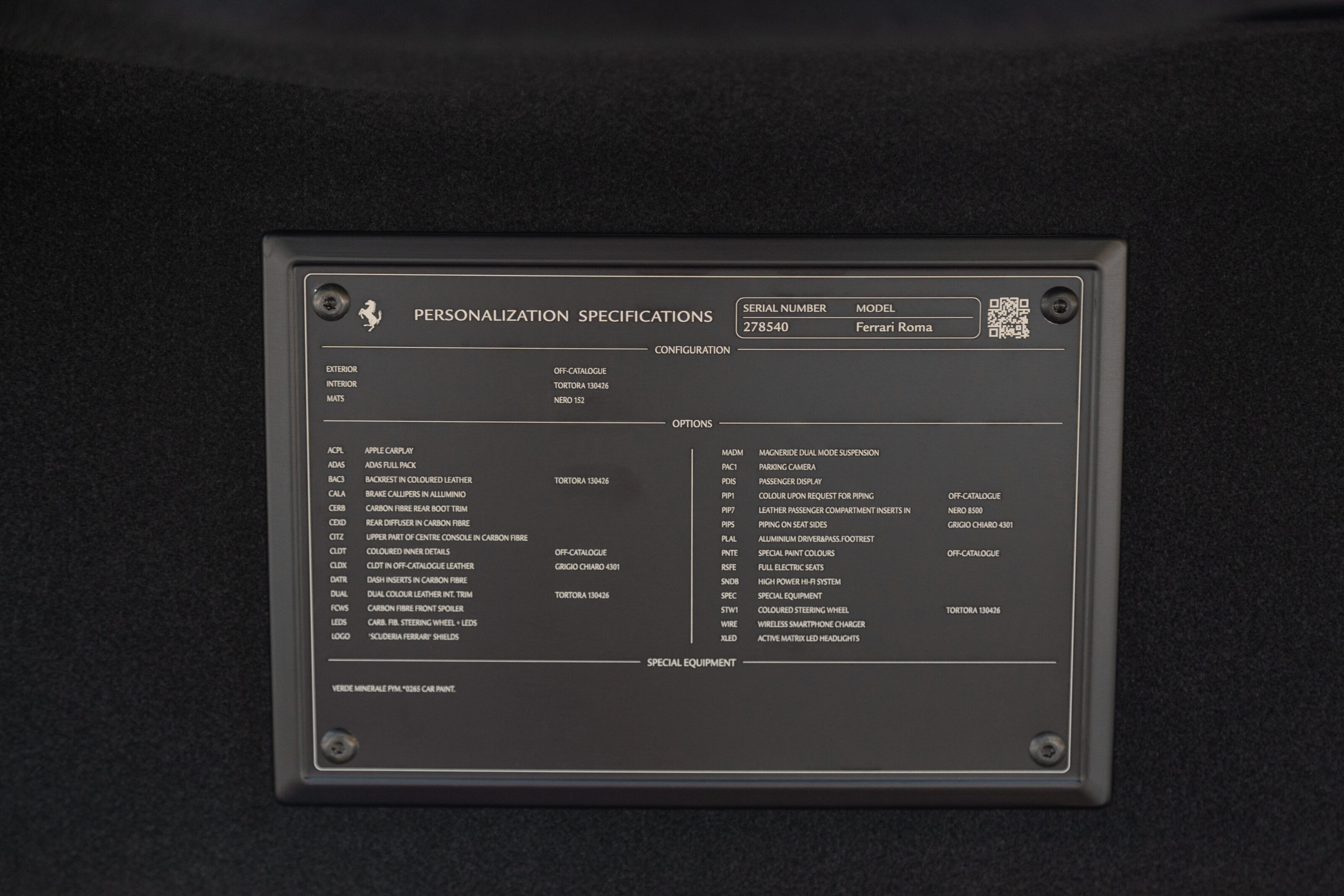
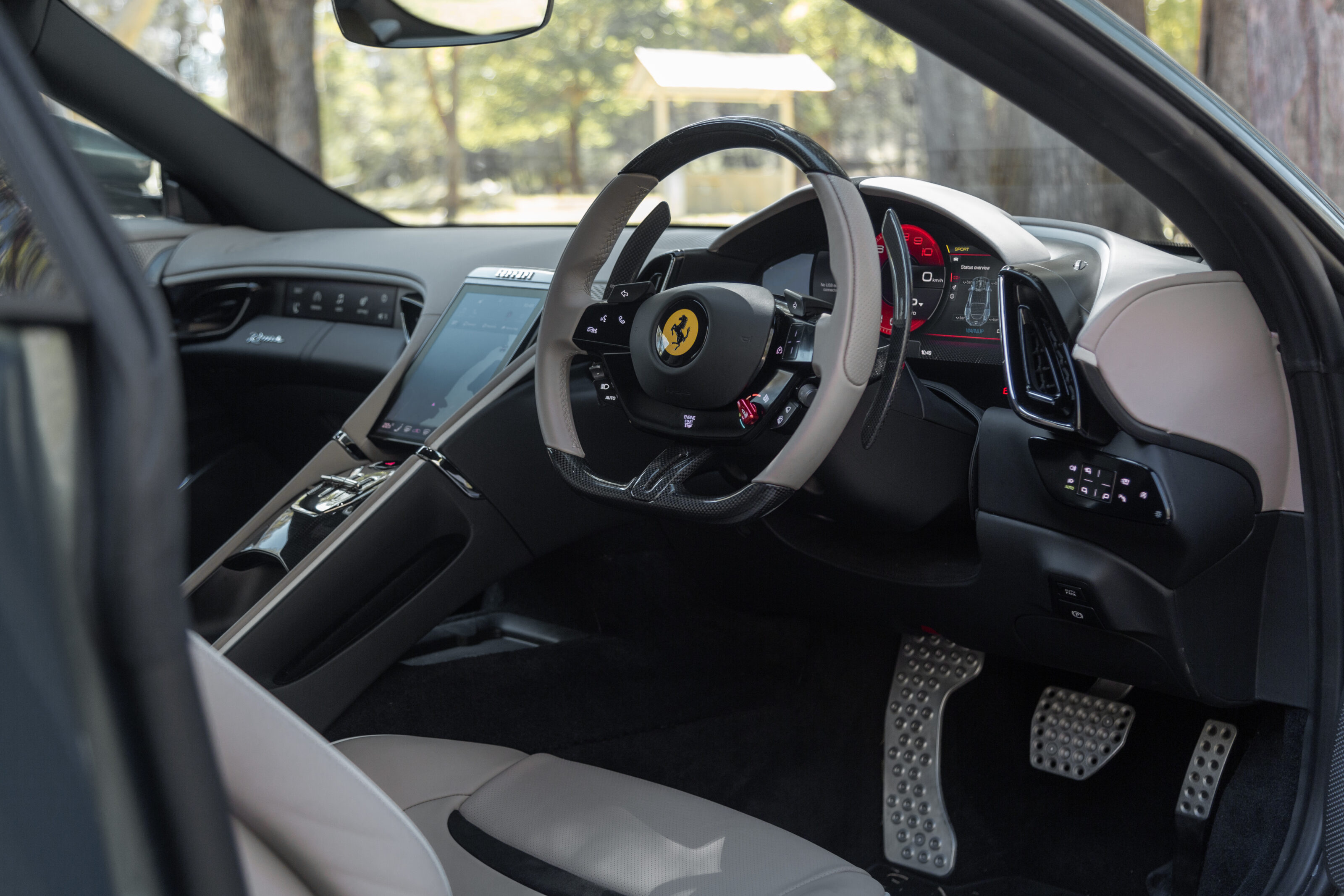
Ferrari helpfully supplies each of its cars with a plaque in the boot detailing the fitted options. Looking at the interior pictures you can see leather the colour of pebbles washed for years by the pounding surf, subtly offset by the piping and stitching. The colour continues on the dash, infiltrating the carbon inlays and, unfortunately, causing a strong reflection in the midday sun.
Part of the reason I’m telling you all this is not just to get misty-eyed but to give you a glimpse into the depth of detail you can go to when buying one of these cars. If you don’t like any of the standard colours, Ferrari will happily find one you do like and charge you a Kia Rio’s ransom for it.
As I say, when you’re already half a million deep just getting a Roma on the road, what’s another eighty-odd grand in options?
1
| 2023 Ferrari Roma | |
|---|---|
| Drive: | Rear-wheel drive |
| Engine: | 3.9-litre, 90-degree twin-turbo V8 |
| Transmission: | Eight-speed twin-clutch |
| Power: | 456kW @ 5750-7500rpm |
| Torque: | 760Nm @ 300-5750rpm |
What it does come with before you start ticking boxes is a spectacular mechanical package. The front-mid mounted 3.9-litre twin-turbo V8 has a staggering 456kW (620 metric horsepower), developed between 5750 and 7500rpm. Those rpm figures are unheard of in most turbo engines.
Torque is 760Nm from 3000–5750rpm. Or it is when you’re in seventh and eighth. Like the Portofino and California T before it, the engine management system limits torque depending on the gear. Just between you and me, you won’t notice.
If I’m perfectly frank, I think Ferrari is pulling a BMW-style swifty here. As with the German company’s twin-turbo bent eight, I think it’s hugely likely the official Ferrari torque figure is out by about ten per cent. Don’t panic – I reckon it’s delivering somewhere north of 800Nm, based purely on the ferocious performance.
1
This is hunch-based, obviously, so don’t go telling everyone I have an inside line. Or a dyno.
Ferrari says it has applied a zero turbo lag philosophy on the V8. While it doesn’t have the crispness of the old naturally aspirated V8 – or the bonkers V12 – it more than makes up for it with its flat-plane crank, which delivers an incredible noise and a bark on the upshift that even my attention-shy wife is very, very keen on.
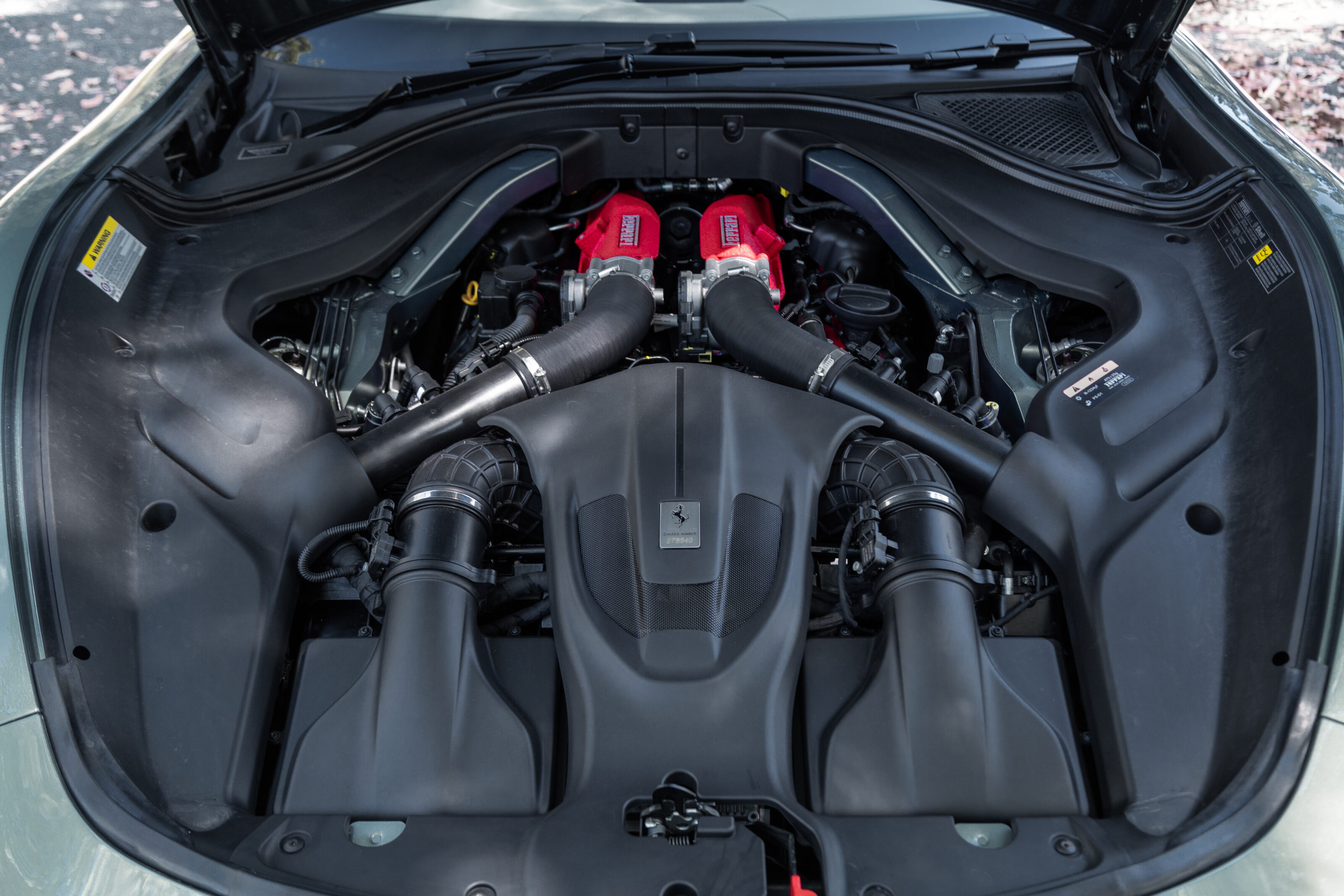
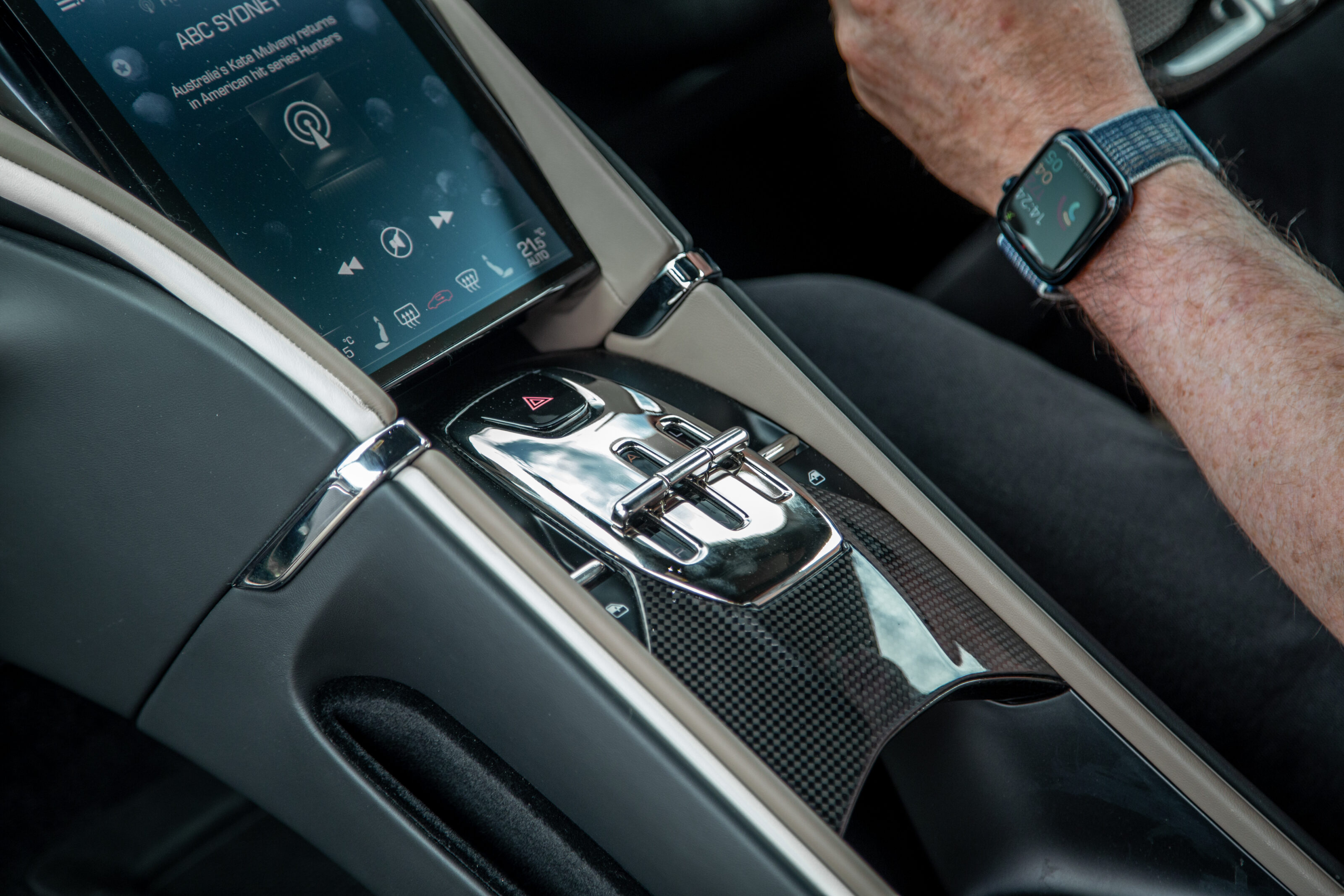
It’s the same engine as the Portofino and F8. Like the former, it’s pushed right back against the firewall in front of your feet with the block lying behind the front axle line to contain the weight wholly within the wheelbase.
Nearly half of the engine bay is taken up with the required cooling, the long nose affording plenty of room for the fans and intake system. They’re plastic in this car, but don’t hesitate to option carbon fibre for it all.
1
Ferrari’s signature crackle red finish on the cam covers looks wonderful and the Roma does without the Portofino’s big engine bay brace, so your view is largely unhindered.
Crammed in behind the engine is an eight-speed dual-clutch transmission (doppio frizione sounds so much better) based on the SF90 Stradale’s, being a few kilograms lighter than the seven-speed that came before it while offering the extra ratio.
Power is sent to the rear wheels via an active electronic differential. A proper one, which talks to a new system called Ferrari Dynamic Enhancer (FDE).
1
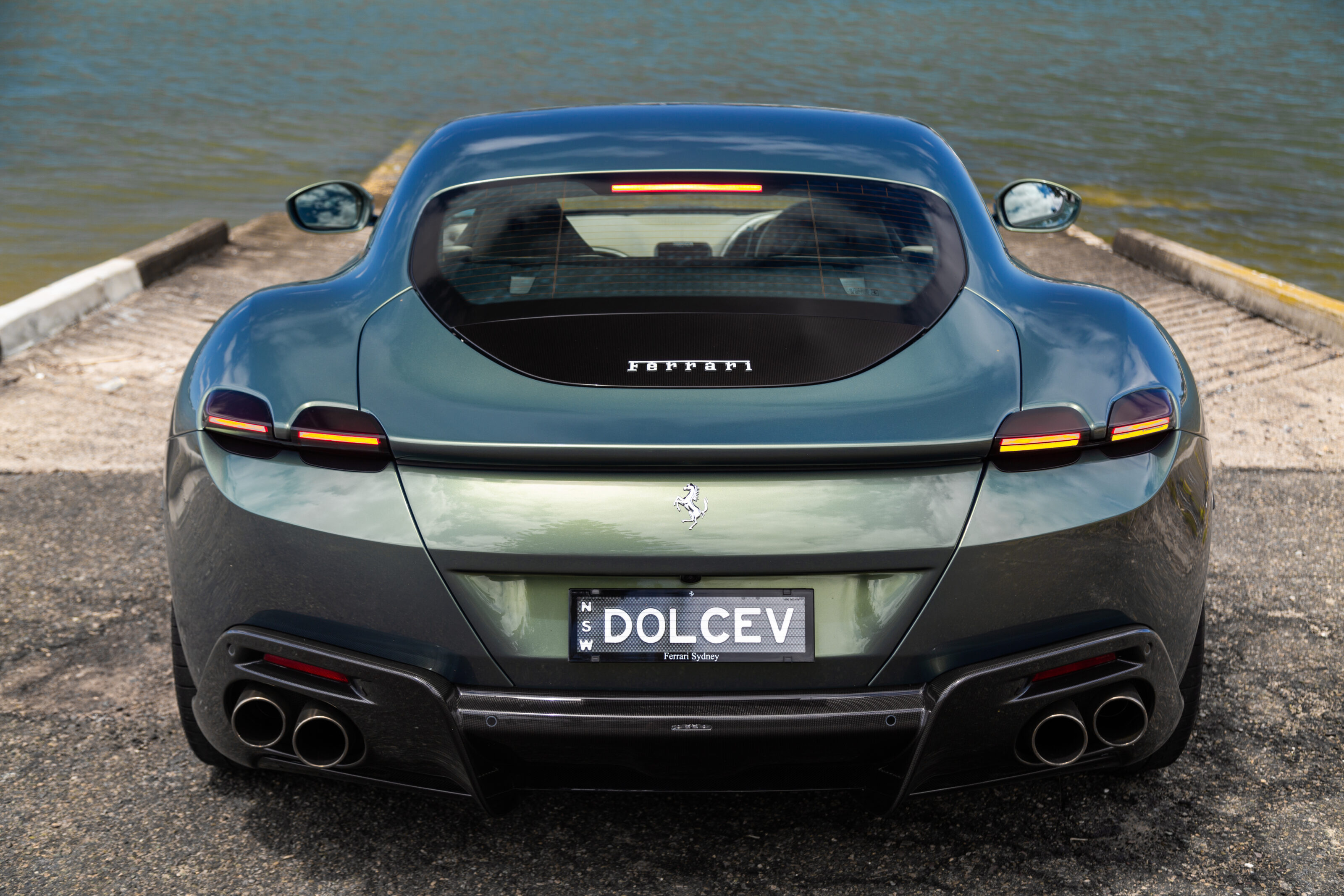
The Roma’s long doors are light and the door handle disappears into the body as you push it, making it a much nicer-looking unit without being fiddly. Once you’re in, you’re sitting properly low. So low that the rear vision mirrors create a properly hefty blind spot that will hide a HiLux if you’re not paying attention.
Why do I say that? Oh, nothing, just an example. Thankfully, the mirrors do provide pretty good rearward vision and Ferrari has fitted blind-spot monitoring to reduce the half-million-dollar car jitters.
This car has one of the most obnoxious cold starts I can remember. Fire this up in an enclosed space at your eardrums’ peril. I’m not saying I don’t like it, it’s just properly loud. I wondered if there was a way to turn it off, for about a second, but it produced so many smiles I quickly forgot.
1
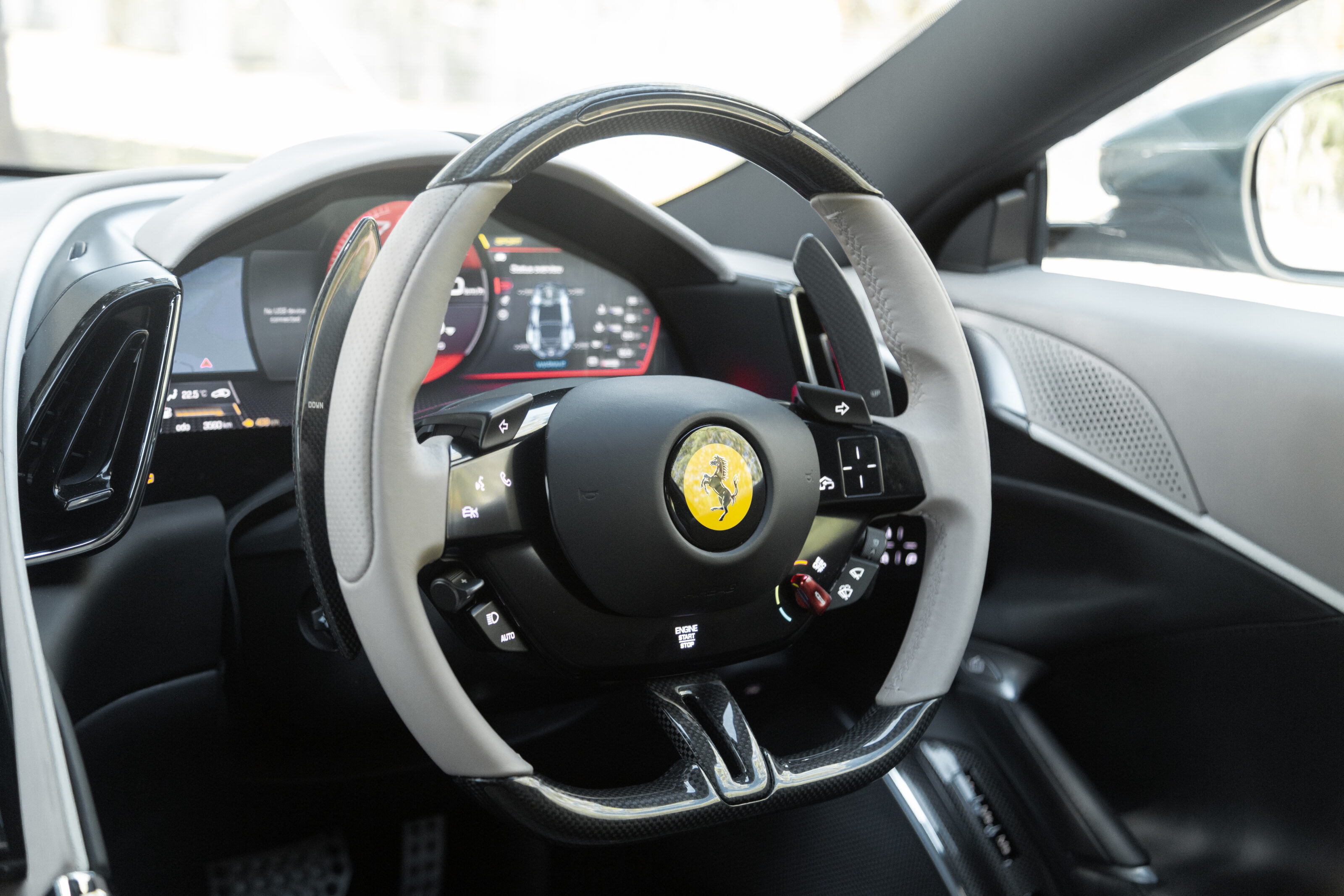
Our test car had carbon-fibre segments on its steering wheel, with the boy-racer shift lights in the uppermost section of the squared-off rim. The wheel is a bit crowded because there are no stalks, just completely unobstructed access to two huge paddles.
Don’t get the carbon-fibre paddles though; they don’t feel that nice to the fingertips and aren’t the tactile delight of a lovely cold alloy. They do look good, though.
It took me a while to work out how to run the lights and wipers, but thankfully I didn’t have much use for the latter. The volume controls for the JBL sound system are also on the back of the wheel.
1
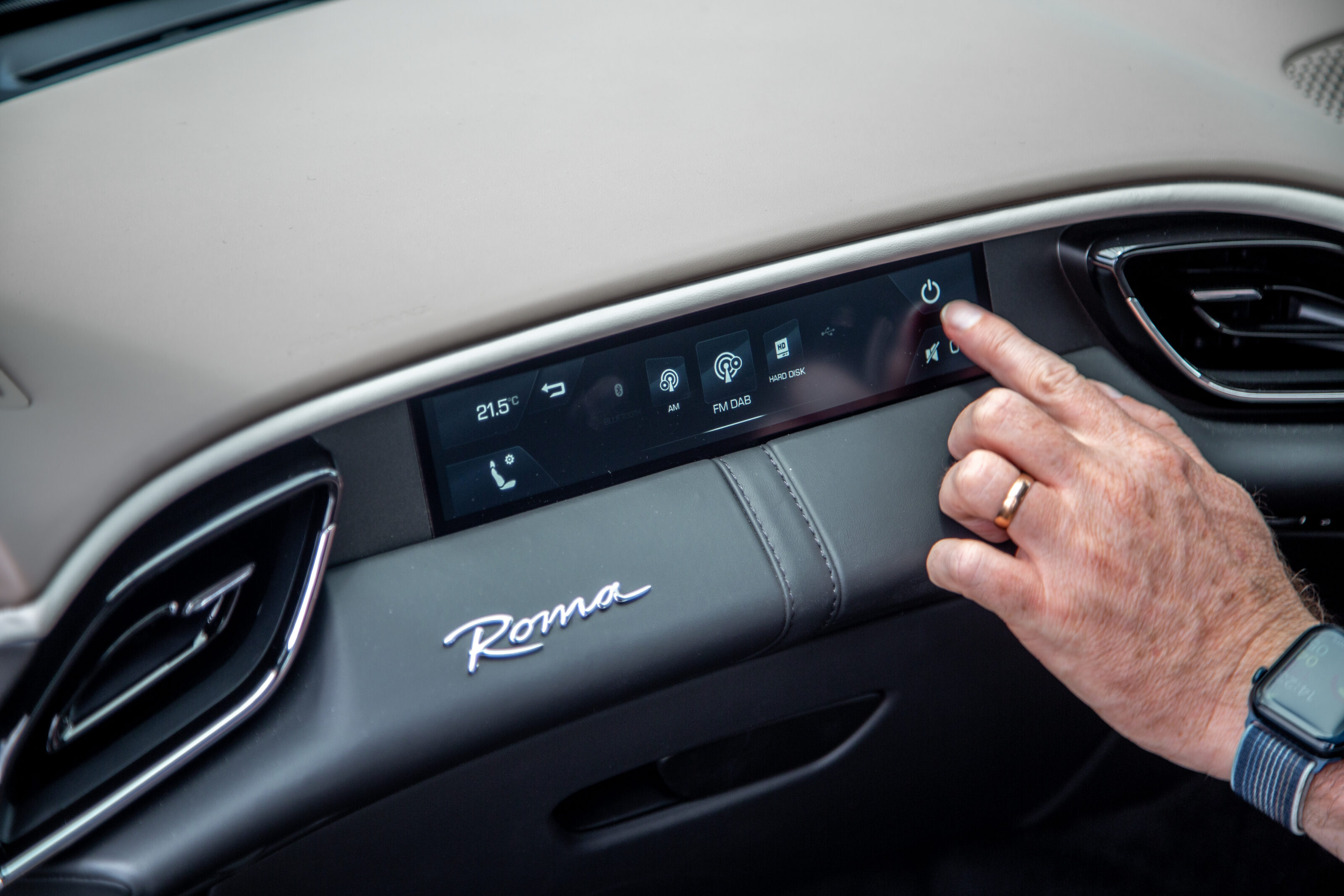
The centre console hosts a portrait mode screen that I thought could do with a bit more work. There’s nothing fundamentally wrong with it, but it’s not as nice as the screen in the Portofino. Then again, nor does it take up so much space.
You can also get Apple CarPlay which is – annoyingly – not wireless, so the wireless charging pad won’t get used very much. The centre console bin is a tight fit for a larger phone and longer cable too.
Also a tight fit are the rear seats. A friend came by for a ride with his five-foot (150cm) tall wife and she was never so pleased to be “petite” (her word). It was still touch-and-go and I sat a little further forward than I would otherwise (the huge range of movement in the steering column was extremely helpful here) but she made it. They don’t call it a two-plus for nothing, so there’s truth in advertising there.
1
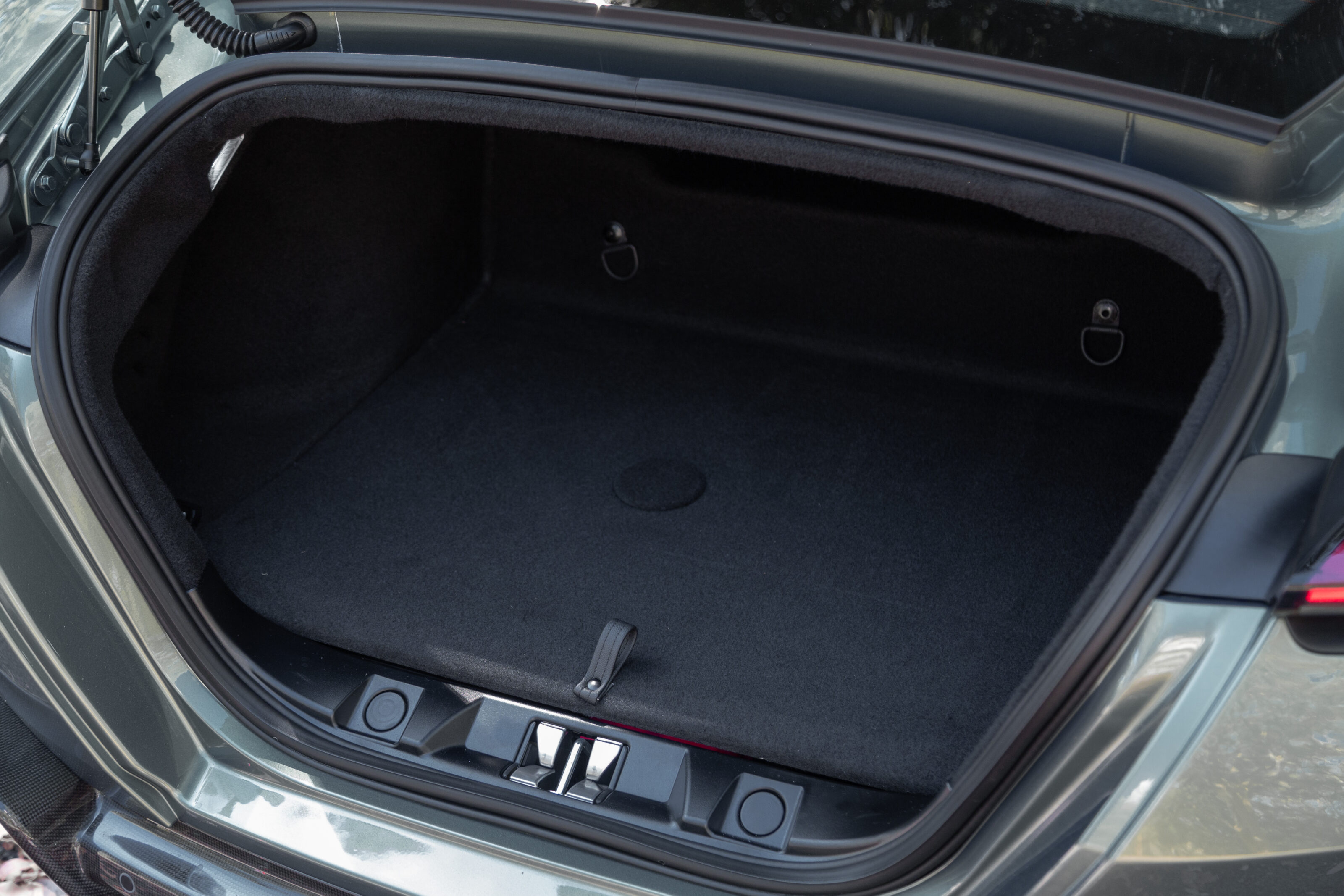
The boot is pretty small, too, which is weird given it doesn’t have a roof to fold into it. Some of the space is eaten up by the mechanism for an active wing that deploys at 100km/h. Ferrari says it can provide up to 95kg of downforce at 250km/h while only adding four per cent of drag. In its mid position, it generates just under a third of that figure while only adding one per cent of drag.
Further aero trickery underneath the car includes a pair of vortex generators to ensure high-speed stability, which is handy for a 320km/h car.
Mirror blind spot aside, when the Manettino dial on the steering wheel is set to comfort, the Roma is an easy car to drive. Once you get used to the huge length of bonnet in front of you – it looks and feels like the 812 Superfast when you’re in the chair – you’ll find it perfectly easy and unintimidating.
1
The steering is light but chatty enough – a Ferrari trick – and you’ll just be tickling the throttle as you mosey about. The gearbox is very cooperative at low speeds, which is not something that dual-clutch units are famous for. There’s even a confidence-inspiring Wet setting that further dials things down.
Pile on a bit of throttle, though, and you get a feel for what this car can do. Torque floods the rear tyres from 3000rpm, with a purposeful snarl from the V8. It all gets angrier and progressively looser as you work your way from Comfort through to Race.
Race is not for mucking about and it makes its first appearance on this type of Ferrari in the Roma. A bunch of acronyms steadily become more aggressive as you work your way up and it’s here the FDE activates. In concert with Side Slip Control (SSC), the Roma’s visual character – elegant, sophisticated – is absolutely put to the sword.
1
What is a fast and capable coupe in the lower modes suddenly turns into not just a headbanger but a mosh pit full of them. The steering becomes more alive and you realise just how much the 285/35 rears are struggling with the sheer volume of twist and power.
The chassis doesn’t complain, though, it eggs you on to kicking over speakers and smashing guitars, gearchanges and the horizon coming at you as the huge digital tachometer swings towards the 7500rpm redline. This kind of power takes an enormous amount of getting used to – or a heck of a lot more talent than I have.
Windows down on a twisty road, you hear eight pistons spinning the flat-plane crank, tyres protesting under a full throttle, pausing for a millisecond’s breath when you shift up and the two turbos shrieking as they turn heat into yet more power. Not many companies on Earth can make a twin-turbo engine sound this good. Maybe two.
1
The Roma covers the 0-100km/h sprint in just 3.4 seconds and takes just another six to reach the double ton. For context, your average SUV is still thinking about 100 approaching in 9.3 seconds. The Roma is long gone.
But it’s the way the power and torque are always there, launching you at the next corner with unbelievable ferocity. It’s hard to comprehend just how much force is going through the driveline. Not that you’re thinking too hard about it and as the car squirms about, cheerfully hanging out the tail in a controlled, easy arc with little provocation.
It’s lively in the dry in Race so I can’t imagine what kind of lunatic would use that mode in the wet. You get a lot of slack from the stability systems that remain on guard, just at a more respectful distance. In fact, you never even really notice these systems once you’re out of Comfort, so finely tuned they are for a wide variety of driving talent and purpose.
2
And like all good sports cars, if you don’t like that, switching the Manettino back to Sport tidies it all up if you’re not that confident. While this car will be fun on the track, it will be because you’re playing with on the throttle, giving it attitude and finding its limits with gentle slides, all easily reined in with steering and throttle. Where an F8 will whistle past with its precision, you’ll be having way more fun.
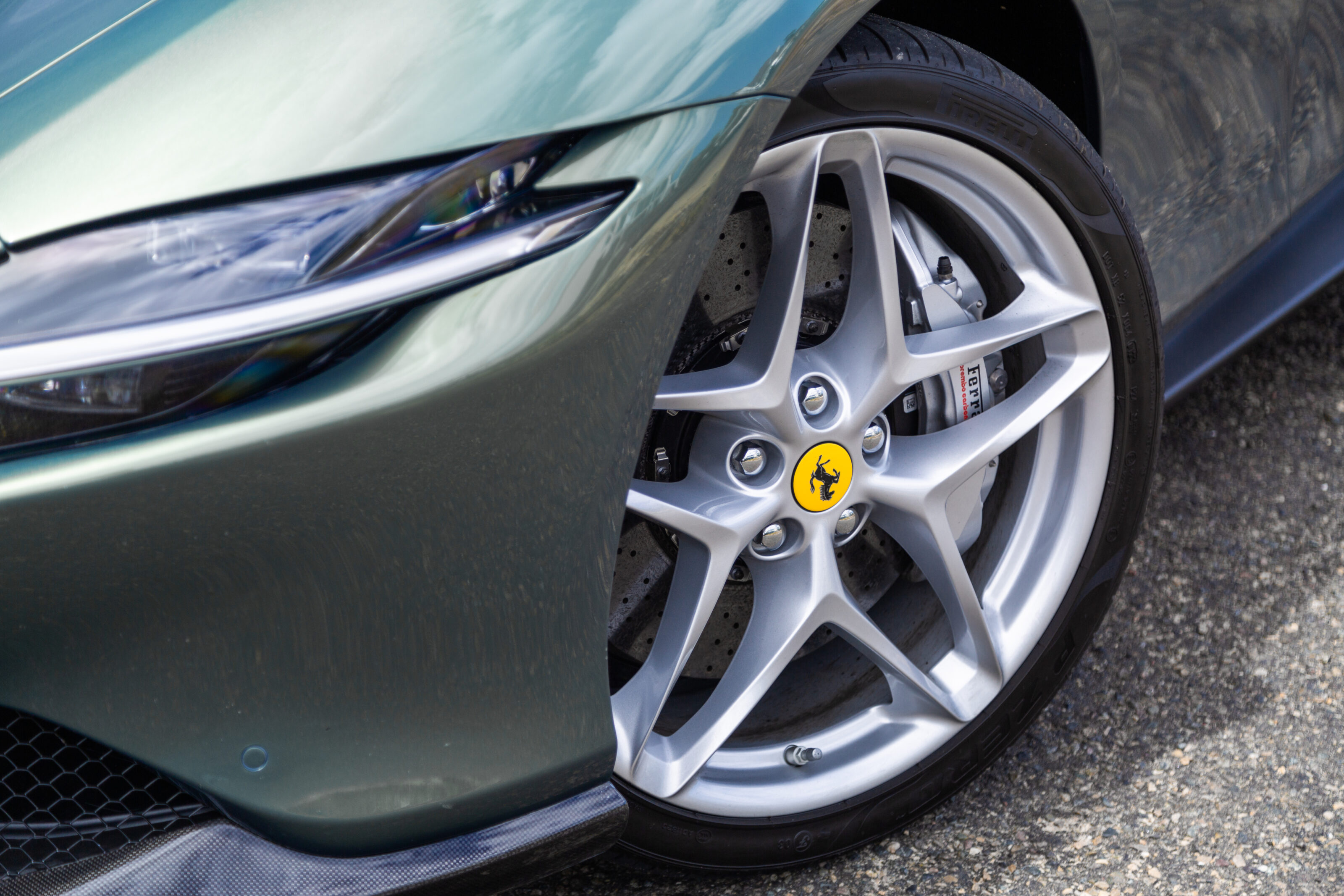
It’s all backed by a massive set of carbon-ceramic brakes that not only keep your diamond-polished alloys immaculately clean but provide epic stopping power, with 390mm discs up front and 360mm at the rear. The stopping power is immense but the pedal feel is excellent, despite this material’s notoriety for being not much chop when cold.
Plenty of owners will never want or need this kind of braking power but given the Roma’s ability to bend space and time under a full throttle, they’re there if you need them.
1
They’re also quite handy when people forget to drive while they’re rubber-necking at you. Or giving you the thumbs-up. This is one Ferrari that people are happy to see.
And speaking of happy, the Roma comes with a seven-year warranty and a seven-year maintenance program, the theory being you won’t have to worry about service costs for the period of the warranty.
The Roma is built for people who want to be comfortable, drive a refined sports car and, obviously, be seen.
But it’s also an incredible amount of fun, never taking itself too seriously while always putting a smile on your face. I can’t imagine ever getting tired of the Roma.
MORE
Everything Ferrari
Snapshot
- Electric and hybrid power in development for GWM ute
- Hybrid power already available in Tank 300
- Development in progress globally
GWM executives discussed the electric and hybrid future of the brand’s ute range at the Australian release of the Tank 300 Hybrid off-roader.
“If we were able to have a hybrid powertrain available in a ute in six months time, one years time, 18 months time, that’s something we’d welcome”, said head of marketing and communications, Steve Maciver.
“But again, as always, we’re going into the business case and value positioning phase”, he added.
1
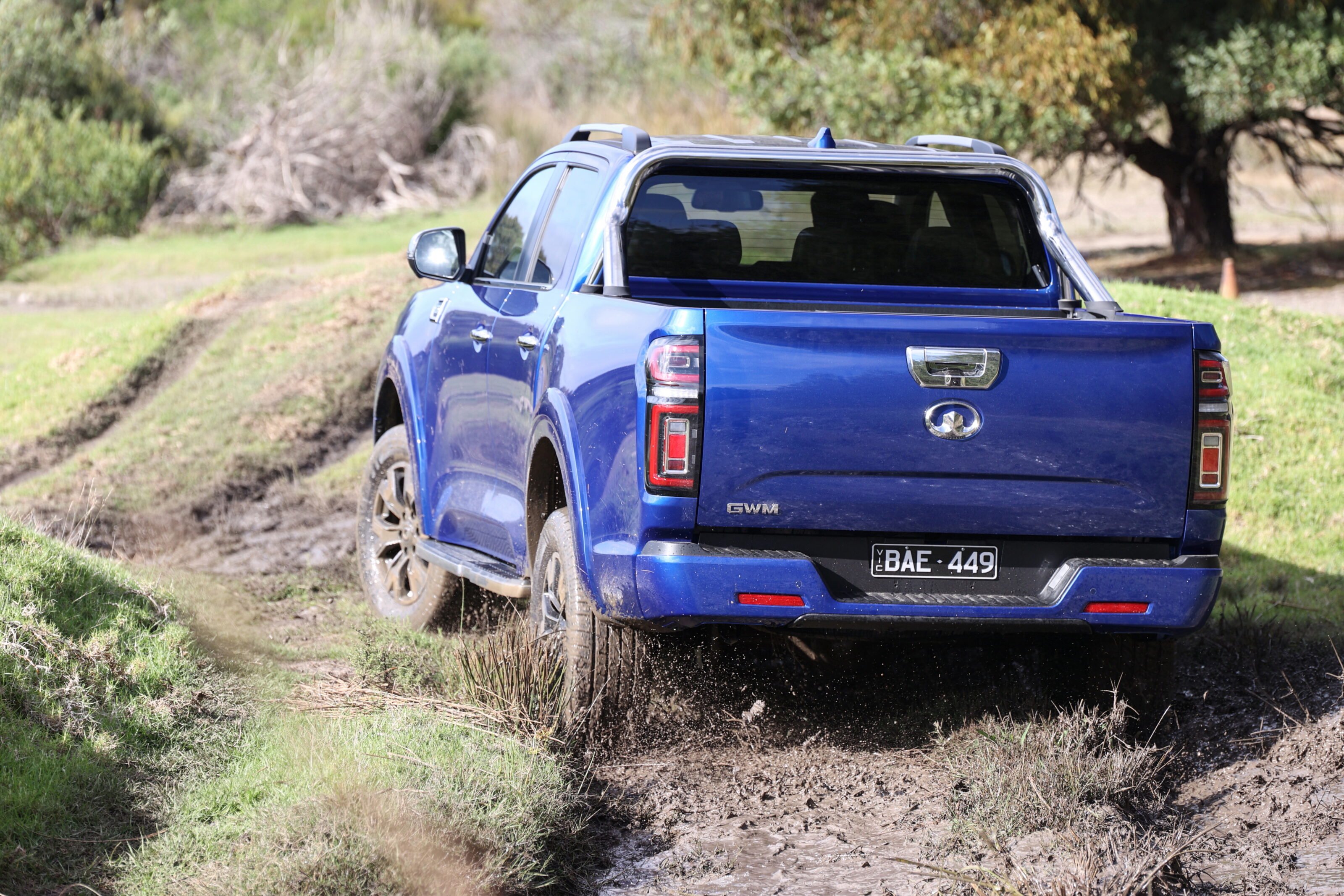
The GWM Tank 300 Hybrid will be sold with a petrol-electric hybrid powertrain in Australia, and sits on the same ‘P71’ ladder-on-frame architecture as the currently diesel-powered GWM Ute Cannon range.
GWM has previously spoken of a fully-electric version of its Ute – which, if it came to Australia, would be a rival for the $92,990 (before on-road costs) LDV eT60.
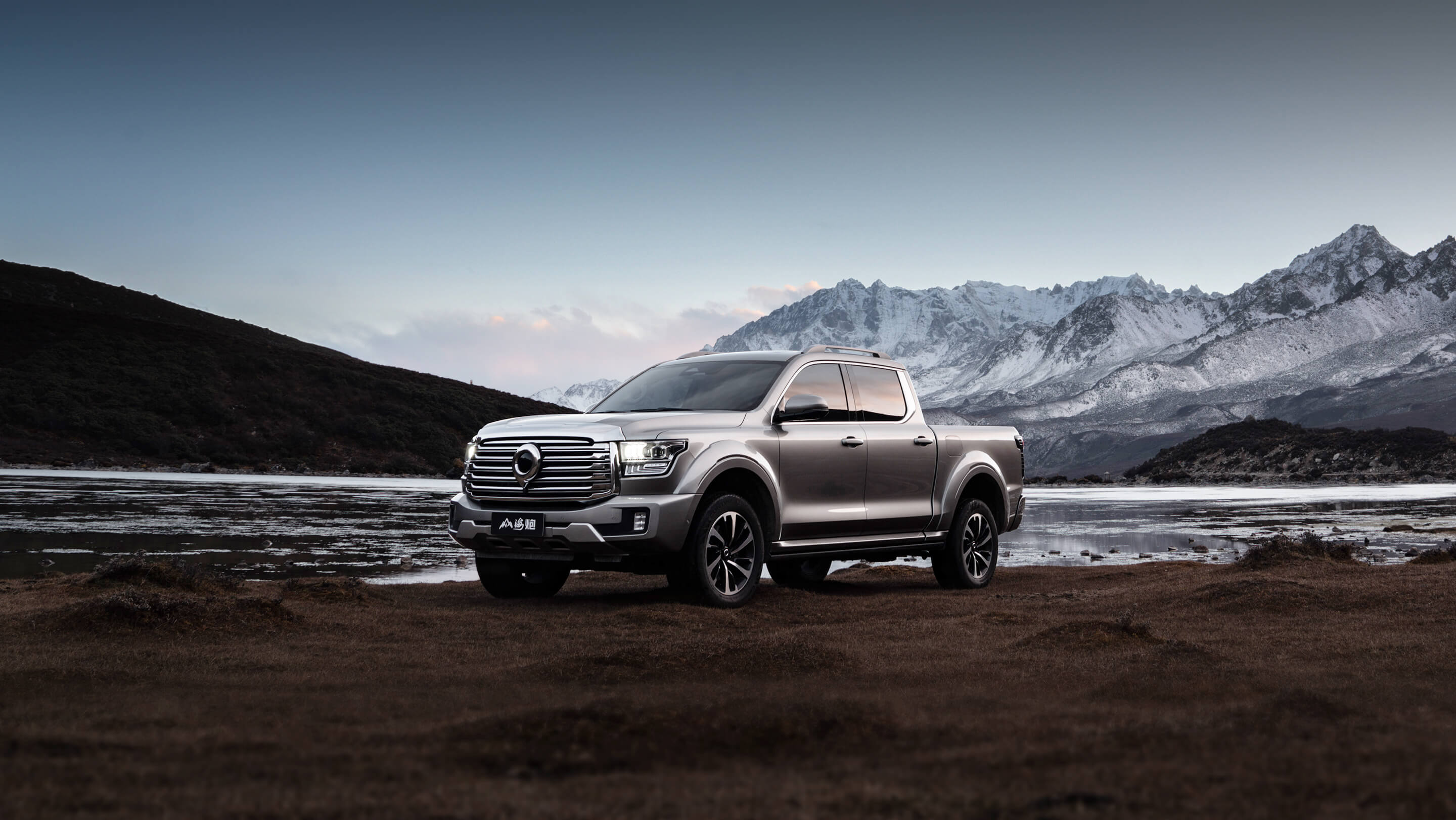
The larger GWM Shanhai Cannon (no, not Shanghai) is expected to reach Australian shores later this year or in early 2024, potentially with the hybrid powertrain mentioned above.
Currently, the Shanhai Cannon is only available in its home market with a mild-hybrid 260kW/500Nm petrol V6 or 2.4-litre turbo-diesel four-cylinder developing 135kW/480Nm – the latter more likely for Oz.
2
When to expect electrified GWM utes?
It’s safe to say, an electric Ute from GWM probably won’t be here in 2023.
But there’s fast development happening in the space. A prototype electric Cannon revealed at the 2020 Beijing auto show promised a driving range between 400-500km.
GWM’s all-electric Ora small car is able to achieve a 420km driving range (WLTP) from a relatively small 59kWh battery pack, so a sizable 90kWh battery should see an electric ute able to hit 450km+ driving range, unladen of course.
1
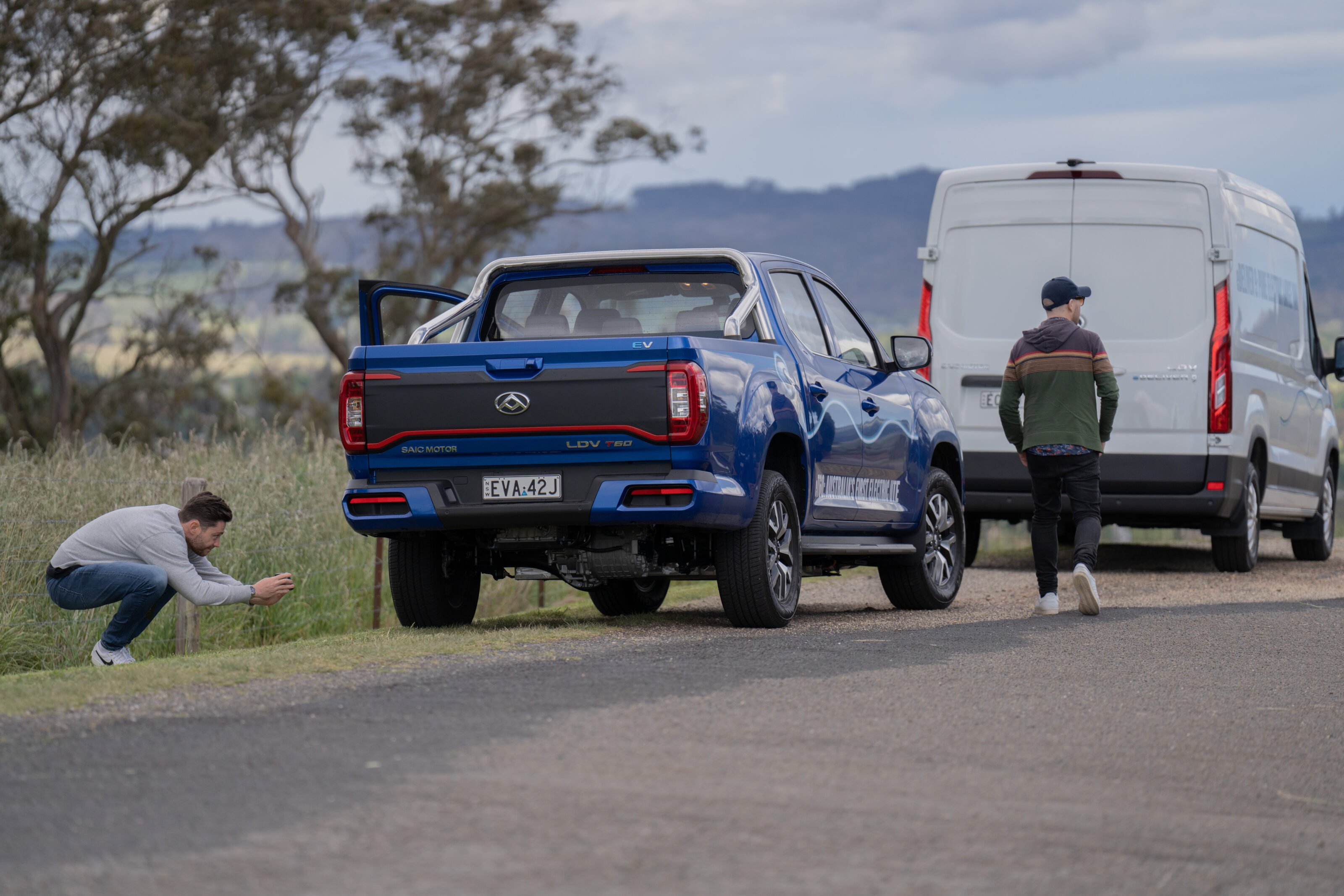
Towing and load-lugging ability are crucial considerations for commercial vehicles, though. The Ford F-150 Lightning is able to tow 3500kg, but independent tests have shown its range to suffer significantly when loaded.
Payload also compromises range. With its maximum 1000kg on board, LDV’s eT60 (Australia’s only electric ute right now) its range claim of 330km (WLTP) is chopped in half, according to the carmaker.
“Development continues”, said Maciver of an electric GWM ute, “we don’t yet have any further information in terms of when it will come to market, but what I would say is that the whole message today is [GWM] realises how important EV and hybrid technologies are for us moving forward, across every segment.
“If we can get that [EV ute] here, we’re absolutely up for it. We’re still continuing to work on that. It’s certainly on our radar”, said Maciver.
MORE
Everything GWM
Regional Australians could save almost $4 billion on fuel over the next five years if the Federal Government stops Australia from being the dumping ground for the world’s polluting cars, it is claimed.
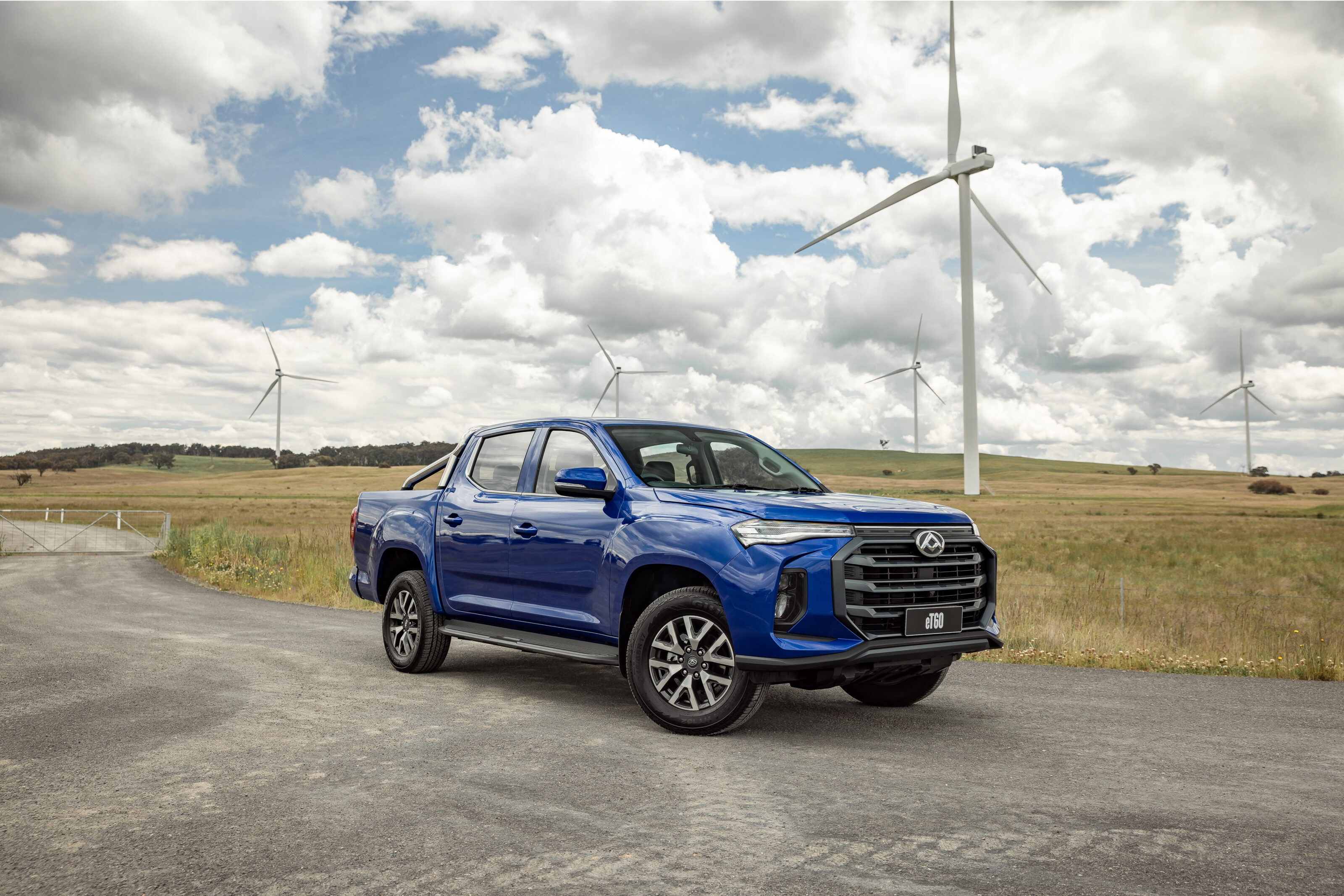
Minister for Infrastructure, Catherine King, will launch a new ‘Recharging the Regions’ report into the regional benefits of clean transport at Ballarat’s Federation TAFE tomorrow, alongside a demonstration by a carpenter running tools powered by one of Australia’s first electric utes.
According to the report, a fuel-efficiency standard which aligns with our international trading partners’ would save Ballarat motorists alone $80 million over the next five years in reduced fuel costs
National Director of independent, community-based organisation Solar Citizens, Heidi Lee Douglas, said Australia’s regional residents could not afford to lose $4 billion in savings offered by clean transport.
1
“Regional communities are hit hardest by rising fuel costs, because in the regions we drive more and pay more at the petrol pump,” Douglas said.
“Right now we are the dumping ground for the world’s worst-polluting, expensive-to-run vehicles because Australia has the weakest fuel-efficiency standards in the world. We deserve better.
“Fixing standards would mean more fuel-efficient cars would be sent to Australia by car companies, including a much better diversity of electric vehicles, like more EV utes.”
1
Other key findings from the report, based on the introduction of a suitable fuel standard, include; the number of EV registrations in the regions could grow from 3000 to more than 45,000 in five years and improved air quality and health outcomes for the regions– which in some areas, like Ballarat, have a higher rate of asthma and lung conditions compared to the national average.
Failing to introduce a strong standard, it says, will lock the regions into spiralling fuel costs, limit vehicle choice for consumers, and see harmful transport emissions continue to rise.
Back in September 2022, the Federal Government launched a consultation on its first electric vehicle strategy.
The consultation, which was announced at Australia’s first ever EV summit in August, sought Aussies’ views on how to encourage uptake of EVs, increasing charging infrastructure, boosting local manufacturing – as well as the much talked about fuel-efficiency standard.
Here’s how the industry responded.
MORE
Electric Cars
MORE
Electric Car News
Here we have two electric cars, one a medium SUV that starts below $70,000 – the other a bigger and more expensive option, due here in 2024. Seems like an odd comparison? Read on…
For these two EV-dedicated brands, the Polestar 3 and Tesla Model Y are the only SUVs available for Australian buyers to consider, so how do they compare on paper?
Firstly, why these two? Mostly timing. The smaller Polestar 4 will be a more direct rival to the Model Y, but it isn’t expected to debut until 2024. Likewise, the Tesla Model X SUV – the new Polestar 3’s proper rival – remains on a sales hiatus in Australia until its major facelift arrives.
If you want to see how the Polestar 3 compares with its actual segment rivals in Australia, see our pricing story here. But, even against the smaller Model Y, there are some good questions here for buyers considering a move into the EV world.
What are they?
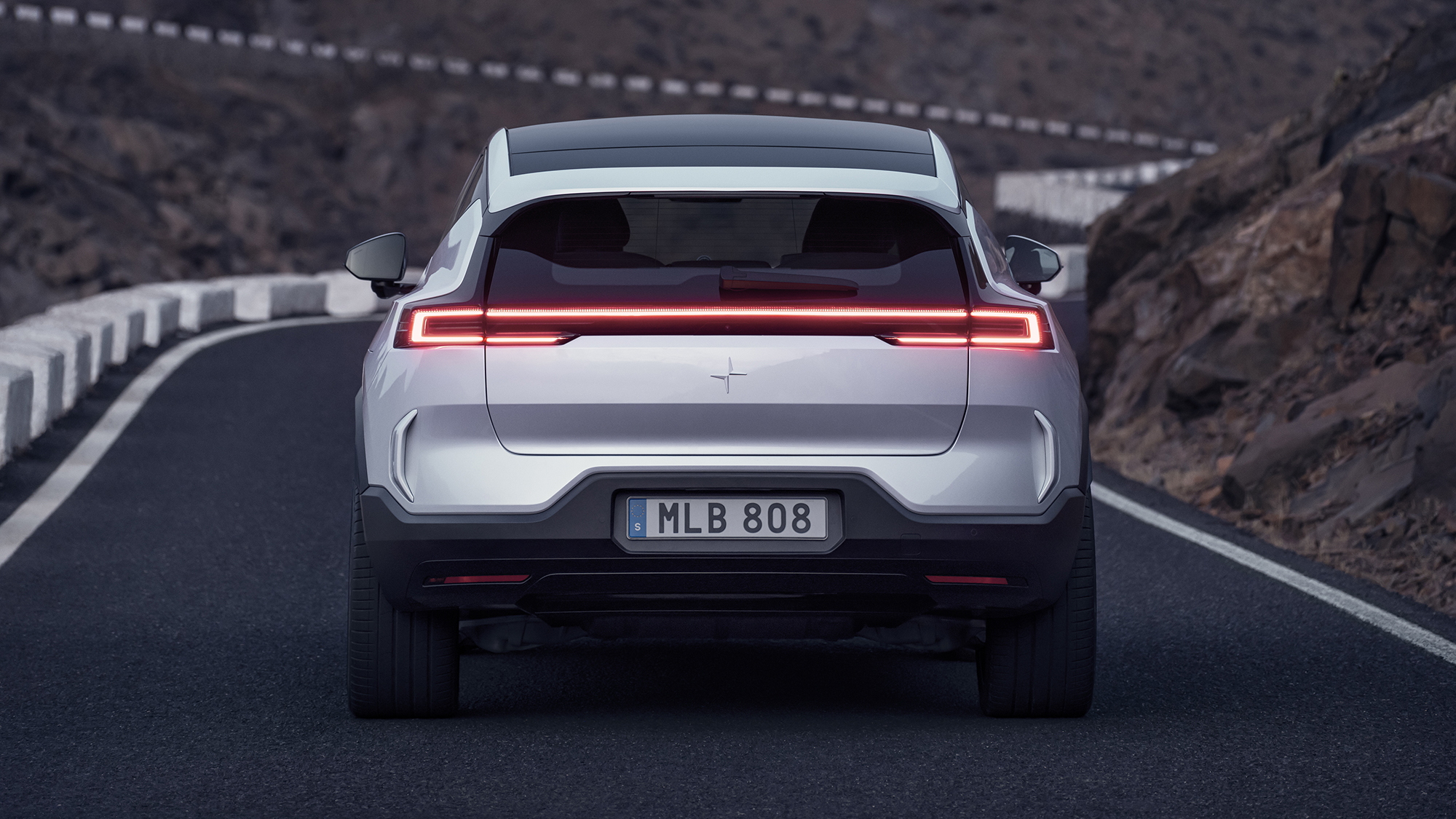
The Polestar 3 marks the Chinese-Swedish brand’s first electric SUV, using a dedicated BEV platform it debuts more advanced technology and is due for Australian release in early 2024 from $132,900 before on-road costs.
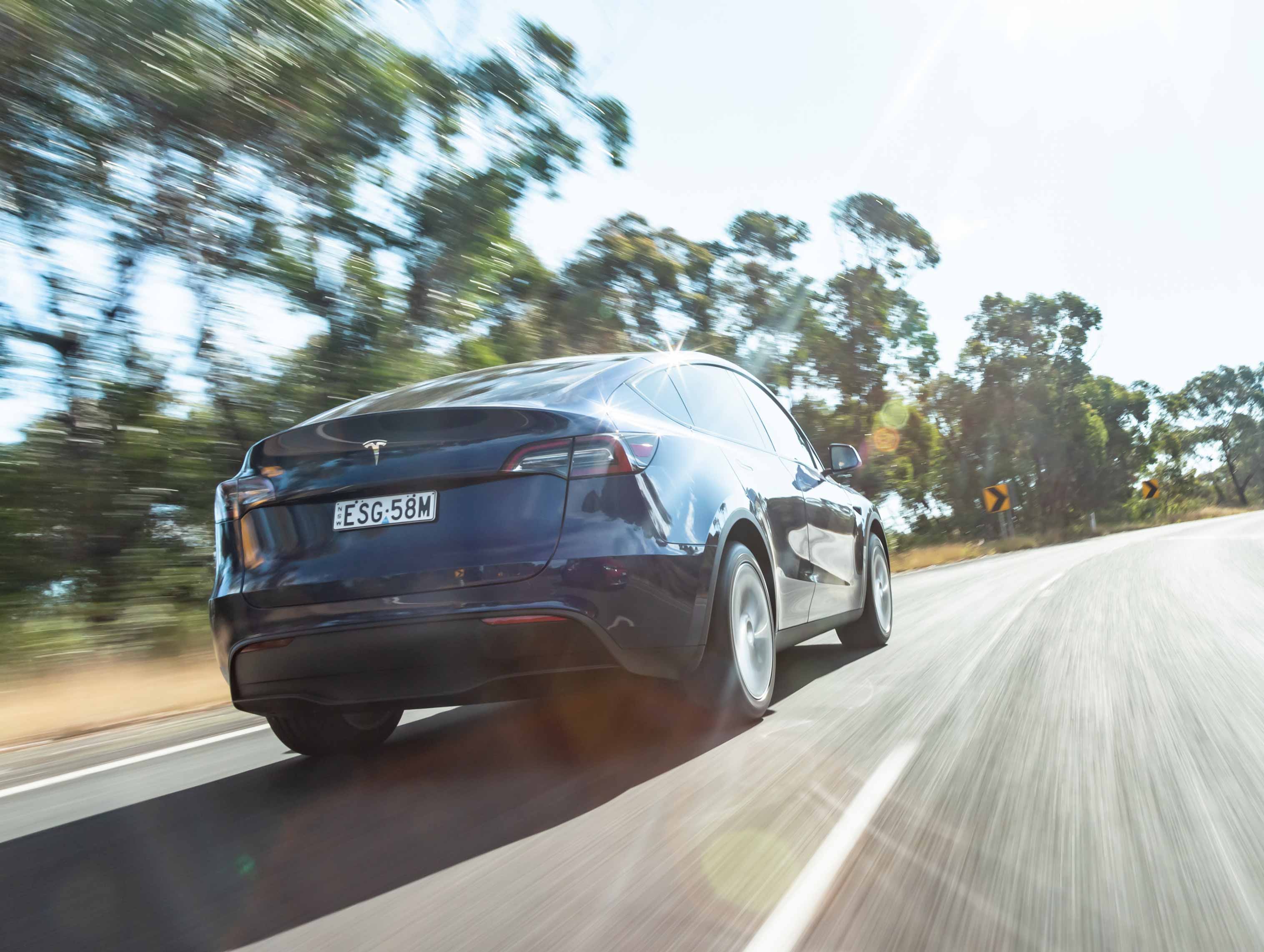
The ubiquitous Tesla Model Y is the American company’s mainstream electric SUV with minimalistic design, and a price tag under six figures that is available for delivery within months. Both are made in China.
So, is it worth the wait and nearly double the price for a Polestar 3, or do the numbers favour the Tesla Model Y?
JUMP AHEAD
Pricing
The Polestar 3 is the markedly more expensive offering here, as a large five-seat luxury SUV offered exclusively in a Long Range Dual Motor configuration.
Only the entry-level Tesla Model Y rear-wheel drive (RWD) is eligible for the fringe benefits tax (FBT) exemption for company fleets and those on novated leases, but neither of these EVs qualify for the one-off purchase rebates offered in some regions.
| Polestar 3 | Tesla Model Y |
|---|---|
| $132,900 to $141,900 | $69,300 to $94,900 |
| NOTE: All prices are before on-road costs and options. | |
1
Performance
On paper, the Polestar 3’s performance figures sit in between the single-motor Model Y RWD and dual-motor Performance.
Tesla doesn’t offer the Model Y Long Range in Australia yet, which would be more comparable to the Polestar 3 Long Range Dual Motor.
But, even when the Polestar 3 is fitted with the Performance Pack, it still can’t match the lighter and smaller Model Y Performance.
1
| Polestar 3 (Long Range Dual Motor / with Performance Pack) | Tesla Model Y (RWD / Performance) | |
|---|---|---|
| Power | 360 / 380kW | 220 / 393kW* |
| Torque | 840 / 910Nm | 420 / 660Nm* |
| 0-100km/h | 5.0 / 4.7 seconds | 6.9 / 3.7 seconds |
| Drive type | AWD | RWD / AWD |
| *Unlike other carmakers, Tesla doesnu2019t disclose all specs in its marketing. These numbers are according to EV Database and verified by official approval filings to the Australian Government. | ||
Driving range
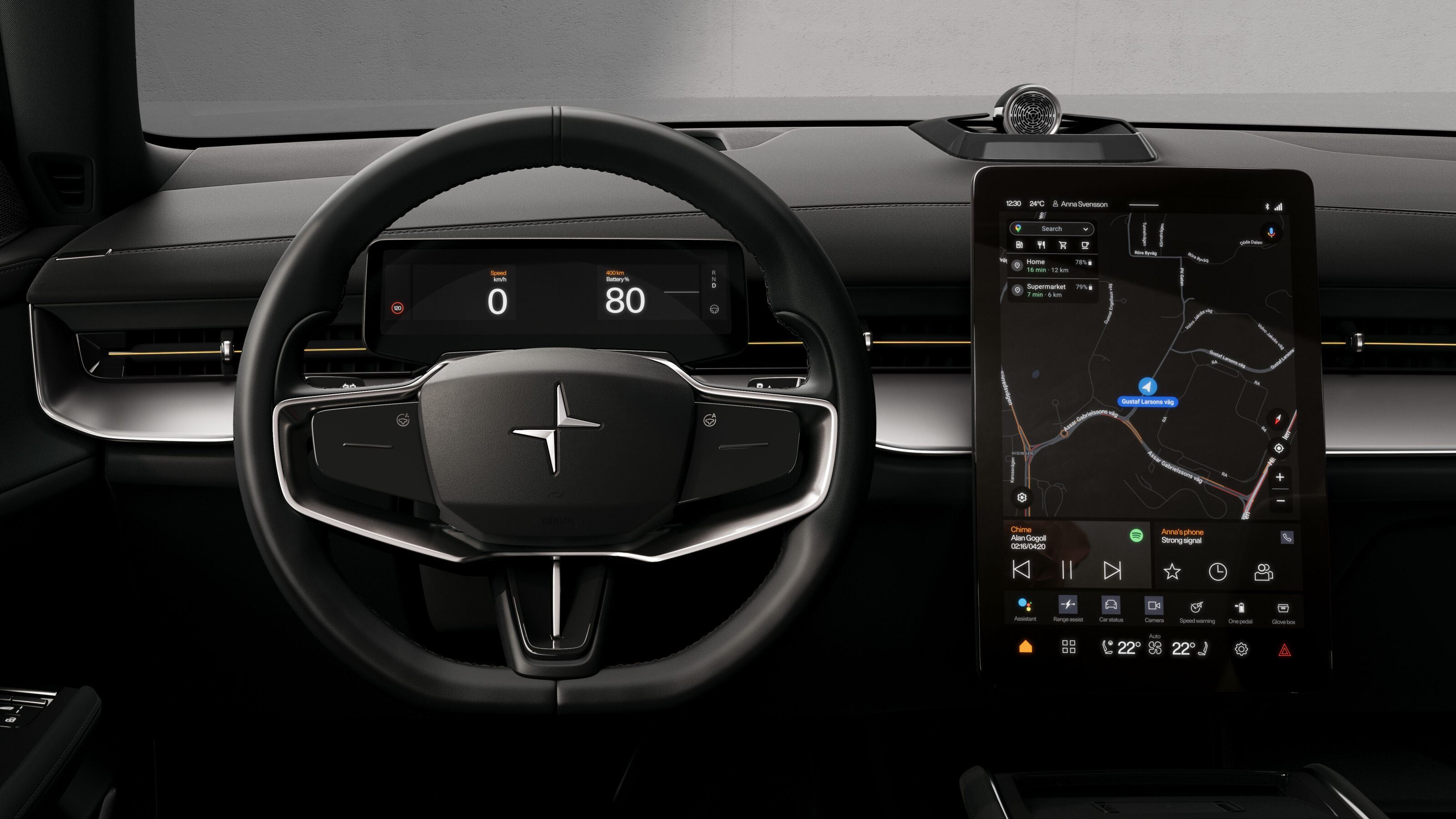
Thanks to a significantly larger battery pack on the Polestar 3 EV, it boasts a slightly longer driving range – but the advantage isn’t as wide as it could be, due to higher energy consumption.
The Polestar 3 uses the common nickel-manganese-cobalt (NMC) battery chemistry and emphasises its material supply chain is environmentally and socially responsible. The automaker recommends charging the pack to a maximum of 90 per cent to maintain good battery health.
1
Meanwhile, the base Tesla Model Y RWD adopts a cobalt-free, longer-lasting lithium-iron-phosphate (LFP) battery, and the Performance is home to a nickel-cobalt-aluminium (NCA) type. The company recommends charging up to 100 per cent, or 90 per cent respectively.
Polestar and parent/stablemate Volvo are both expected to switch to LFP in the near future, although neither brand has offered a timeline.
| Polestar 3 (Long Range Dual Motor / with Performance Pack) | Tesla Model Y (RWD / Performance) | |
|---|---|---|
| Claimed range (WLTP) | 610 / 560km | 455 / 514km |
| Claimed efficiency (WLTP) | 20.1-21.1kWh/100km / 21.9-23.1kWh/100km | 15.7kWh/100km / 17.1kWh/100km* |
| Battery size (usable) | 107kWh | 57.5kWh / 75kWh* |
| *Unlike other carmakers, Tesla doesnu2019t disclose battery sizes or power figures, so these numbers are according to EV Database. | ||
Charging
Both flagship electric SUVs boast identical AC and DC charging capabilities.
With its smaller LFP battery, the base Model Y RWD’s DC speed is capped at 170kW.
It’s worth noting that, while the Polestar 3 theoretically takes longer to recharge – due to a larger battery size – its battery management system (BMS) algorithms will differ in controlling how much electricity the vehicle takes during each charging session.

1
| Polestar 3 | Tesla Model Y (RWD / Performance) | |
|---|---|---|
| Max AC charge rate | 11kW | 11kW* |
| Max DC charge rate | 250kW | 170kW / 250kW* |
| Charging connector | Type 2 CCS2 | Type 2 CCS2 |
| Bidirectional charging | Yes u2013 V2G capable | No |
| *Unlike other carmakers, Tesla doesnu2019t disclose all specs in its marketing. These numbers are according to EV Database. | ||
Dimensions
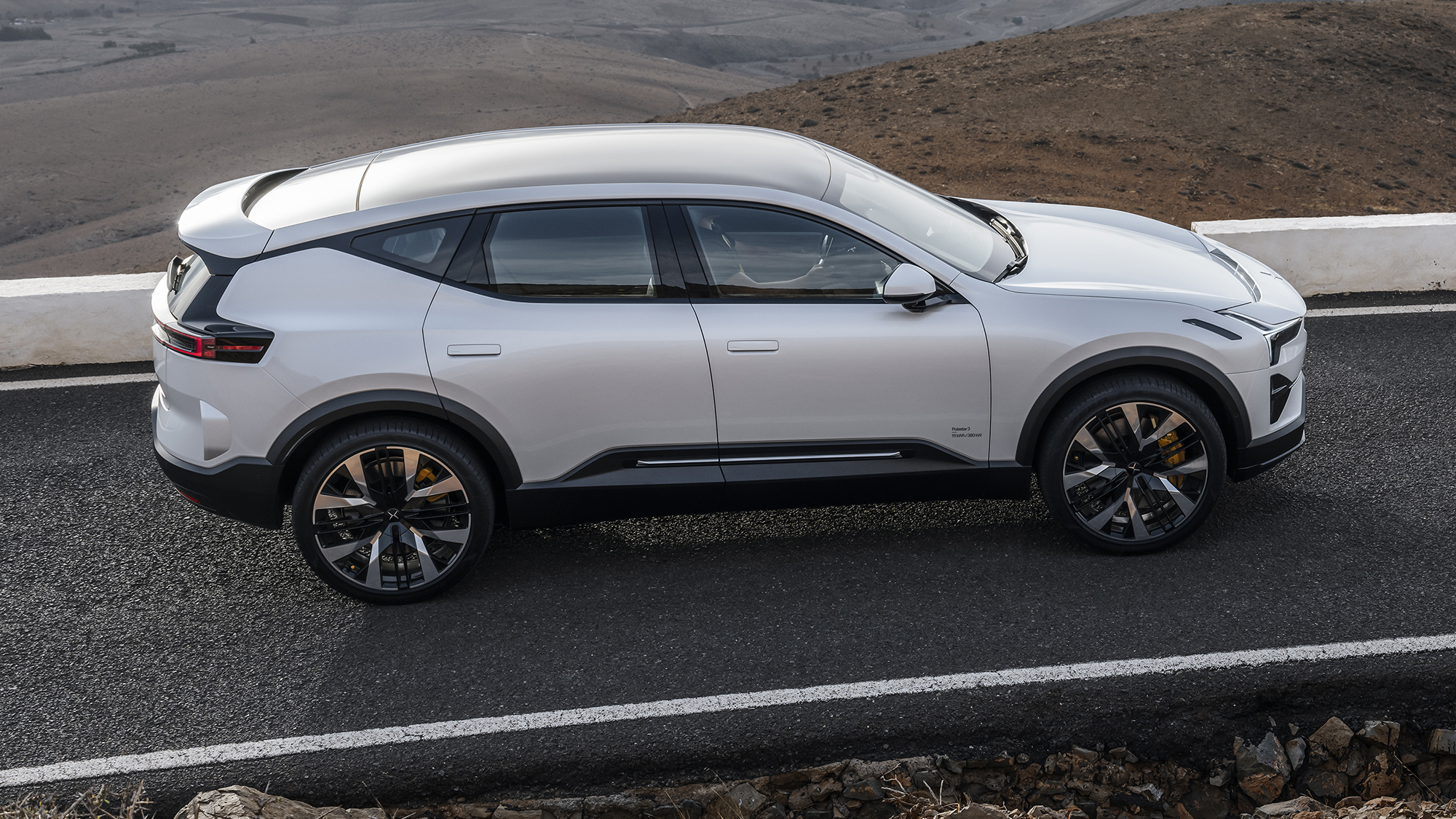
The Polestar 3 is bigger in every direction, although the Model Y EV is similar in height and width.
Despite this, the Polestar large electric SUV benefits from a smaller turning circle for better manoeuvrability.
1
| Polestar 3 | Tesla Model Y | |
|---|---|---|
| Length | 4900mm | 4751mm |
| Width | 1968mm | 1921mm |
| Height | 1614mm | 1624mm |
| Wheelbase | 2985mm | 2890mm |
| Ground Clearance | 201mm | 172mm (157mm on Performance) |
| Turning circle | 11.8m | 12.1m |
Cargo space
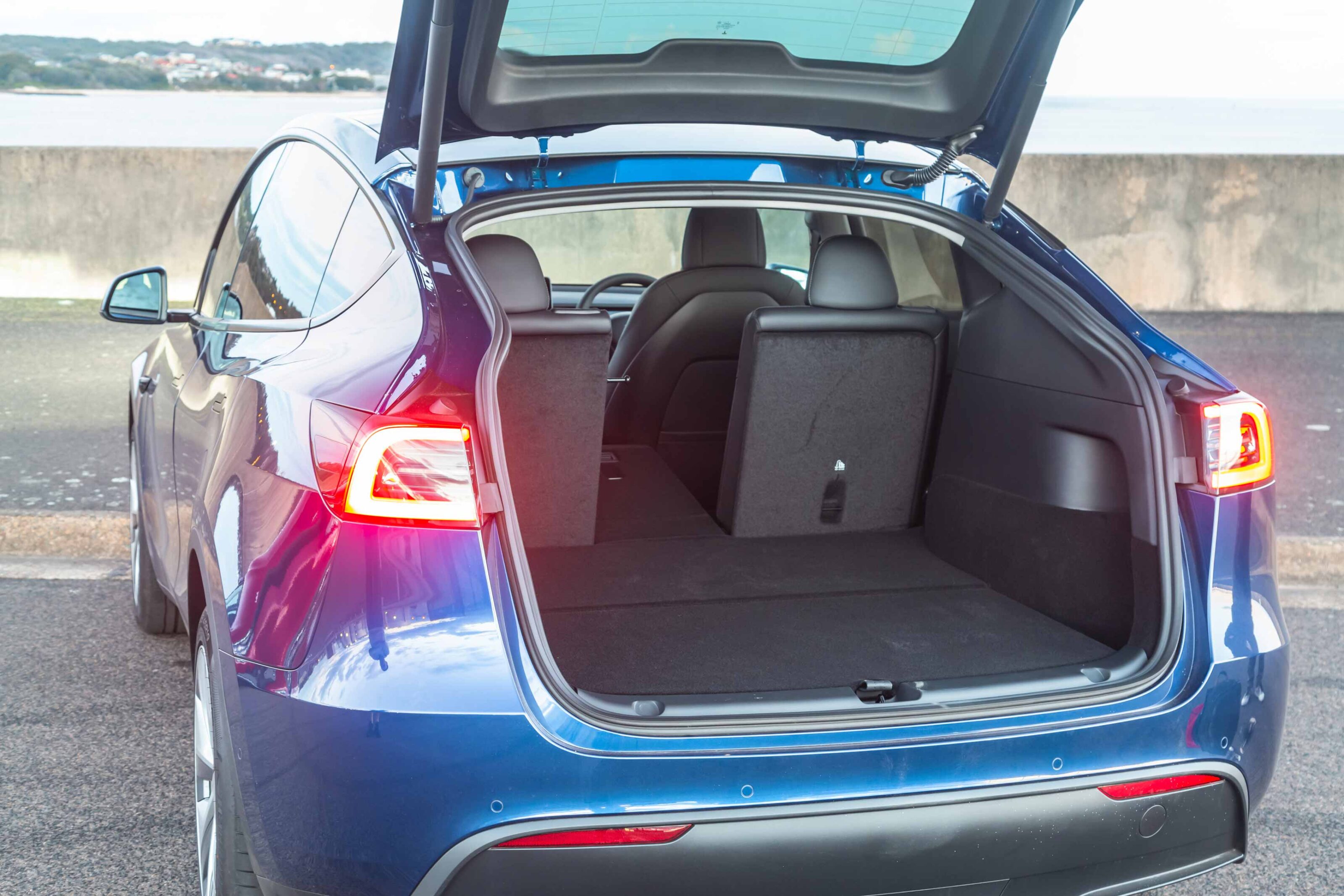
While both models ride on a dedicated EV platform, the smaller Model Y has the advantage when it comes to ‘frunk’ and boot capacity (when the rear row seats are folded down).
An electric tailgate is standard on both, but only the Polestar 3 is hands-free, due to the inclusion of a ‘kick’ motion sensor under the rear bumper.
1
| Polestar 3 | Tesla Model Y | |
|---|---|---|
| Boot capacity (minimum) | 484-litres (including underfloor) | 854-litres* |
| Boot capacity (maximum with rear row folded) | 1411-litres (including underfloor) | 2041-litres |
| Electric tailgate | Yes u2013 hands-free | Yes |
| Frunk | 32-litres | 117-litres |
| *Volume measurement is up to the roof, instead of the VDA (Verband der Automobilindustrie) standard which measures up to the top of the second-row seatback. | ||
Features
| Polestar 3 key features | Tesla Model Y key features |
|---|---|
| 21-22-inch alloy wheels with gold-painted brake callipers | 19-21-inch alloy wheels |
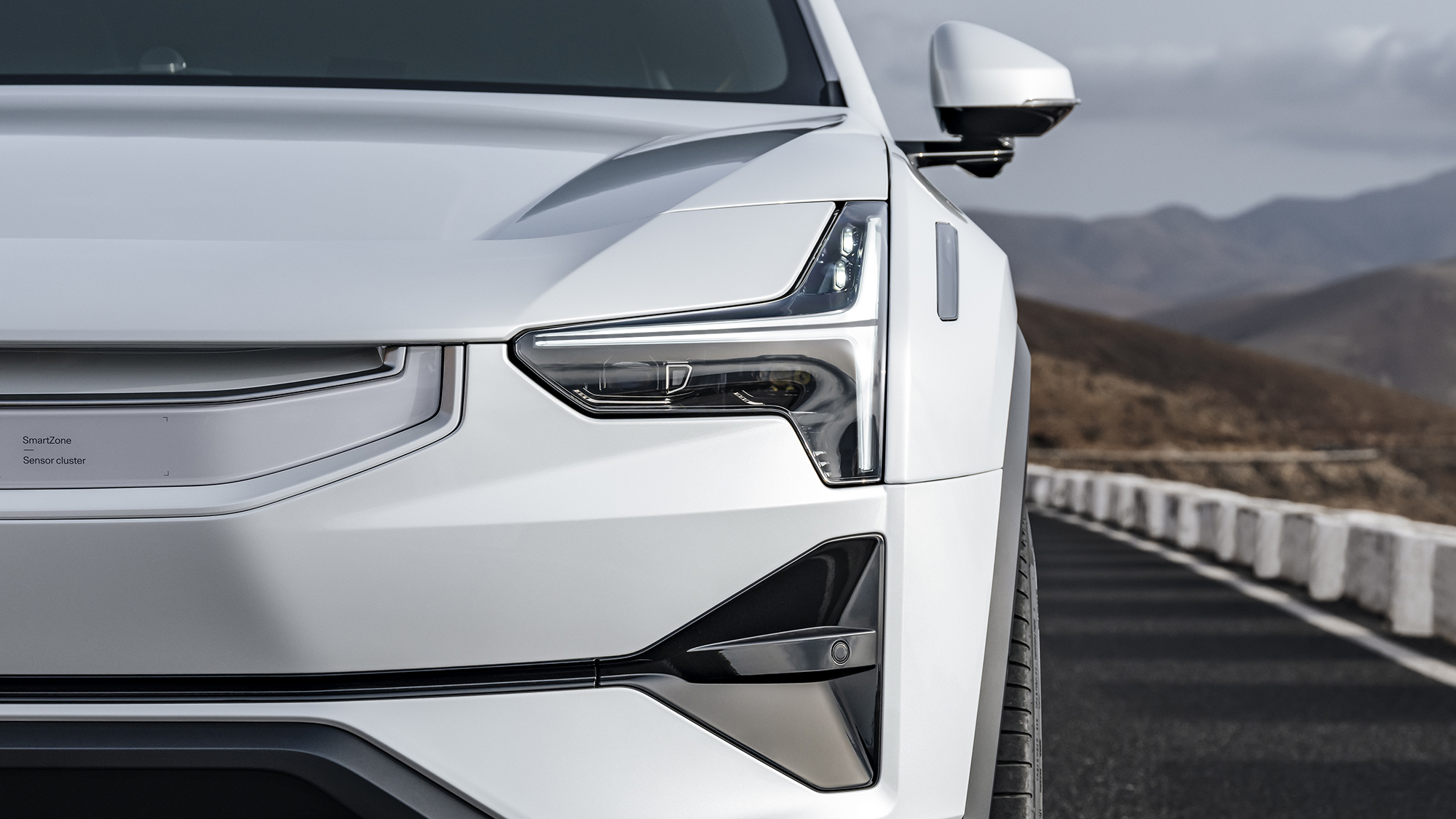
| 14.5-inch portrait touchscreen powered by a Qualcomm Snapdragon Cockpit processor | 15-inch horizontal touchscreen powered by an AMD Ryzen processor |
| Android Automotive operating system with built-in Google Maps, Assistant and Play Store apps | Tesla operating system with built-in Google Maps, music and video streaming, and toybox |
| Wired Apple CarPlay (wireless coming via over-the-air software update in late 2024) | Built-in dashcam and sentry mode recording |
| 9-inch driver instrument display | Dog mode |
| Head-up display | HEPA cabin air filter |
| 25-speaker Bowers & Wilkins for Polestar audio | Animal-free material interior with suede trim |
| Polestar Connect services and mobile app with phone key function (beta) | Tesla mobile app with phone key function |
| Flush auto pop-out door handles | Dual Qi wireless charging pad |
| Soft close doors | 13-speaker premium audio |
| Active air suspension | Fixed panoramic glass roof |
| MicroTech or wool seats with aluminium trim | Flush door handles |
| Nappa leather with ventilation and massage function (optional) | LED head- and tail-lights |
| Adaptive 1.3-megapixel HD LED headlights (optional) | LED front fog lights (Performance only) |
| Luminar LiDAR sensors (optional) | Track mode (Performance only) |
| NOTE: Equipment listed here vary depending on the variant. | |
1
Safety
The Polestar 3 is yet to be rated in ANCAP or Euro NCAP safety testing.
The Tesla Model Y has achieved a five-star ANCAP safety rating under the 2022 criteria, which has now been superseded by more stringent tests. It was also rated highly by the IIHS in the US.
Both the Polestar and Tesla come with a suite of active safety assistance systems as standard, including front auto emergency braking (AEB), adaptive cruise control, lane centring assist, and blind-spot detection (with blind-spot cameras in the Tesla).
However, the Tesla EV uses a camera-only system and therefore lacks rear cross-traffic alert. New examples also don’t come with front and rear parking sensors; a future software update is promised to re-enable this feature by relying on its eight all-round exterior cameras.
Regardless, the Tesla Model Y earned a strong 98 per cent score in ANCAP’s safety assist category.
The Polestar 3 (with its included Plus Pack) benefits from a combination of camera and radar sensors powered by the Nvidia Drive core processor, rear AEB, and a 360-degree camera as standard.
Optional is a more advanced $6000 package, which integrates long-range LiDAR sensors, three additional cameras, auto-cleaning camera washers, and an additional Nvidia Drive Orion computing core to prepare for an autonomous driving future.
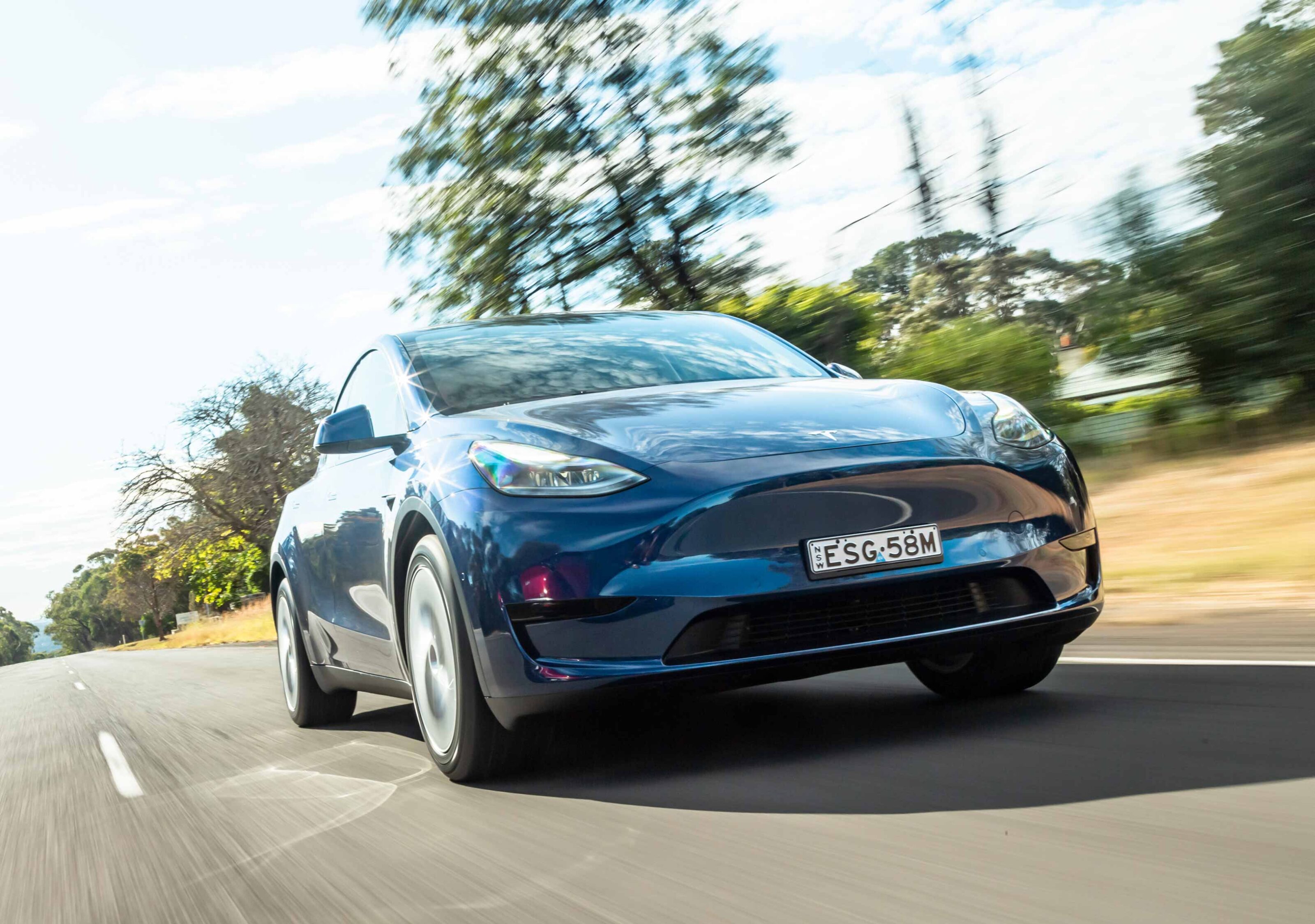
1
Warranty and servicing
Polestar 3
The Polestar 3 is backed by a five-year vehicle warranty and an eight-year/160,000km battery warranty.
It promises to retain at least 70 per cent health in an eight-year period, otherwise a replacement of degraded modules, or the entire pack, may be offered.
Servicing is required every 24 months/30,000km with the first five-years/100,000km maintenance visits included for free
Tesla Model Y
The Tesla Model Y has a four-year/80,000km warranty, while the battery coverage varies ever so slightly. The base RWD comes with an eight-year/160,000km battery warranty, whereas the Performance gets an eight-year/192,000km coverage – both promising it’ll retain at least 70 per cent battery health in that period.
For servicing, Tesla a condition-based servicing scheme, with the vehicle notifying owners when specific checkups may be needed. Tesla also recommends a range of routine maintenance tasks.
Conclusion: Value, desire, and waiting times…
Perhaps unsurprisingly, the near-ubiquitous Tesla Model Y paints a better better value picture in this comparison – at least on paper. It’s quicker, more efficient, and even more practical despite its smaller exterior dimensions.
The Polestar 3 offers a slightly greater driving range with its significantly larger battery, along with an instrument display directly in front of the driver, and a higher ground clearance.
Still, the Model Y’s specs, along with its more immediate availability and delivery times – inside a few months, rather than waiting a year for the Polestar 3’s launch – gives it the edge here.
If you can wait, the Polestar 3 offers its own upsides – especially for a model not truly expected to be cross-shopped with the Model Y. Click here to see how the ‘P3’ compares with its intended rivals.
Wheels Media thanks EV Database for the data noted above.
MORE
Everything Polestar
MORE
Everything Tesla
