
Snapshot
- 100th Evie charging hub milestone launched in Toowoomba
- 2 million kWh and 12 million kms sold to EV drivers in three years
- Aims to triple network locations in 2023
Evie Networks has launched its 100th charging electric vehicle charging site in just three-years.
The milestone was marked by activating two 350kW DC ultra rapid stations at Toowoomba NorthPoint Shopping Centre today, west of Brisbane.
Last week, the St Baker Energy Innovation Fund-backed EV charging provider celebrated two million kilowatt hours of energy sold across its network. That’s equivalent to around 12 million kilometres of driving and nearly 100,000 successful charging sessions.
100 sites to end the year! ?
— Evie_Networks (@EvieNetworks) December 23, 2022
Today we're celebrating access to more public charging with the launch of our 100th site – Toowoomba NorthPoint Shopping Centre, in partnership with Fort Street Real Estate Capital.
Follow our journey in 2023 as we triple our network size! pic.twitter.com/lwGSwe4kqz
The Australian company is even aiming to triple its network size by deploying 200 new charging hubs in 2023.
Evie’s roll out has been accelerated thanks to an almost $9 million grant from the Federal Government’s Australian Renewable Energy Agency (Arena) as part of its Future Fuels Fund.
Partnerships with companies like AMP Capital, Viva Energy (owner of Shell-branded fuel stations), Hungry Jacks and local councils have also enabled it to install EV public chargers powered by 100 per cent renewable energy near amenities with 24-hour lighting, access and security.
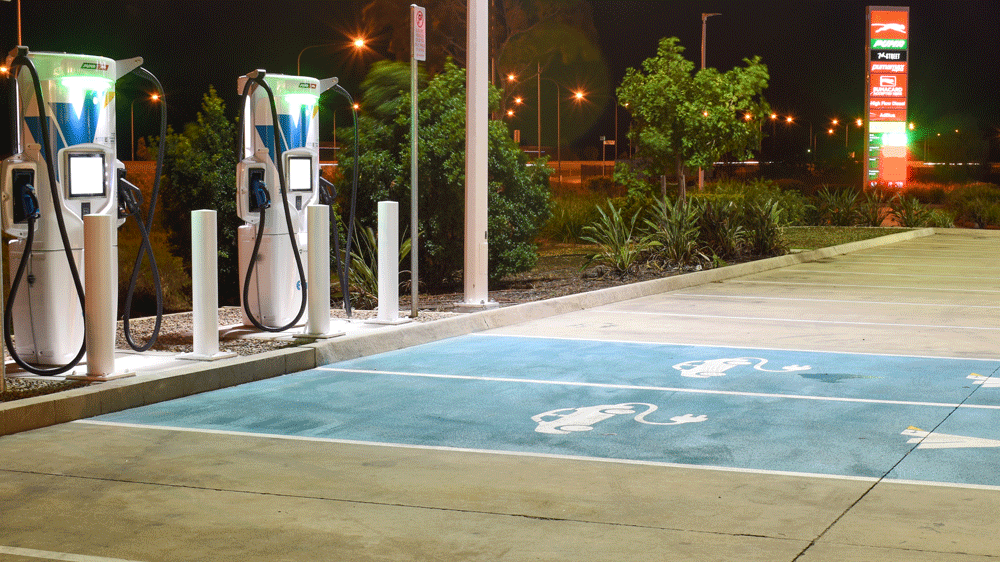
Evie Networks first debuted in late 2019 with the opening of two 350kW DC chargers at a McDonald’s rest stop in Coochin Creek, sitting in between Brisbane and the Sunshine Coast.
It is the second-largest EV charging provider in the country covering all states except the Northern Territory and is mostly composed of 50kW DC fast to 350kW DC ultra rapid stations made by Brisbane manufacturer Tritium.
They’re priced at $0.40 and $0.60 per kWh respectively, which is cheaper than Tesla’s exclusive Supercharging network at $0.68 to $0.69 per kWh plus idling fees.
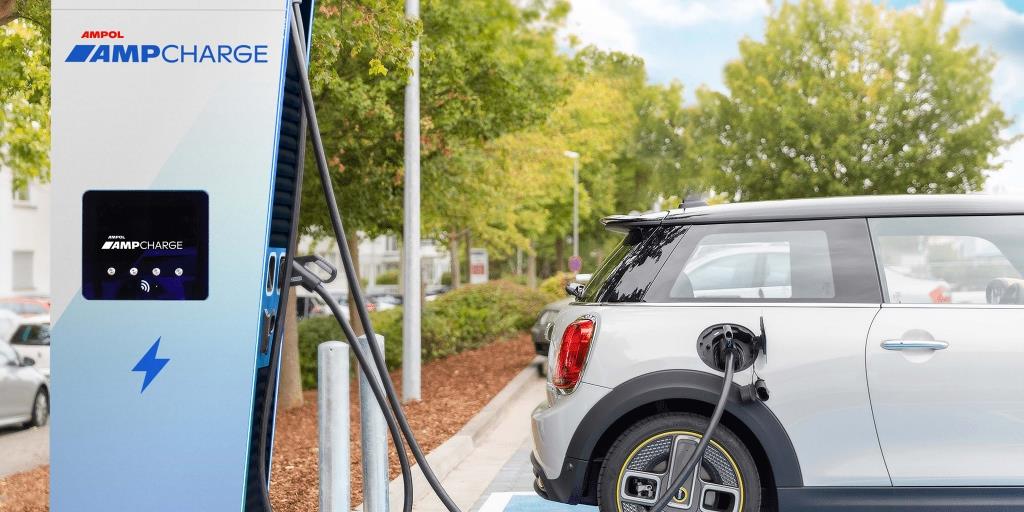
However, each charger built thanks, in part, to Arena, needs to offer both the standard CCS2 and rare CHAdeMO connector plug types, but doesn’t need to be able to charge at the same time, as part of funding requirements complying with guidelines set by the Federal Chamber of Automotive Industries (FCAI) peak body in 2017.
That’s unlike newer EV charging entrants like Ampol’s Arena-backed AmpCharge network, which allows for concurrent charging on its 150kW DC ABB chargers, while a few BP Pulse 75kW DC Tritium units each exclusively feature two CCS2 cables and can charge at the same time using a 50/25kW DC power module split.
State motoring club-owned Chargefox is still the largest network in Australia, with 271 AC and DC charging locations, according to PlugShare.
Best Electric Cars Under $65k: Affordable EVs Rated
Welcome to part one of three price-based EV buying guides, this one focused on the most affordable electric cars available in Australia today
Snapshot
- NSW Gov targets 70 per cent emissions reduction by 2035 ahead of election
- Only 20 per cent cut promised over five years from 2030
- Aims for EVs to make up at least 50 per cent of new car sales by 2030
The New South Wales Government has committed to reducing overall pollution by 70 per cent below 2005 levels by 2035, with electric vehicles playing a key role.
That only represents a 20 per cent emissions cut targeted over five years since the state has already promised a 50 per cent reduction below 2005 levels by 2030.
Treasurer Matt Kean announced the policy today just three months out of the state election where the Liberal Party is facing tough competition from eco-conscious independent ‘teal’ candidates as seen with this year’s Queensland and Federal elections.
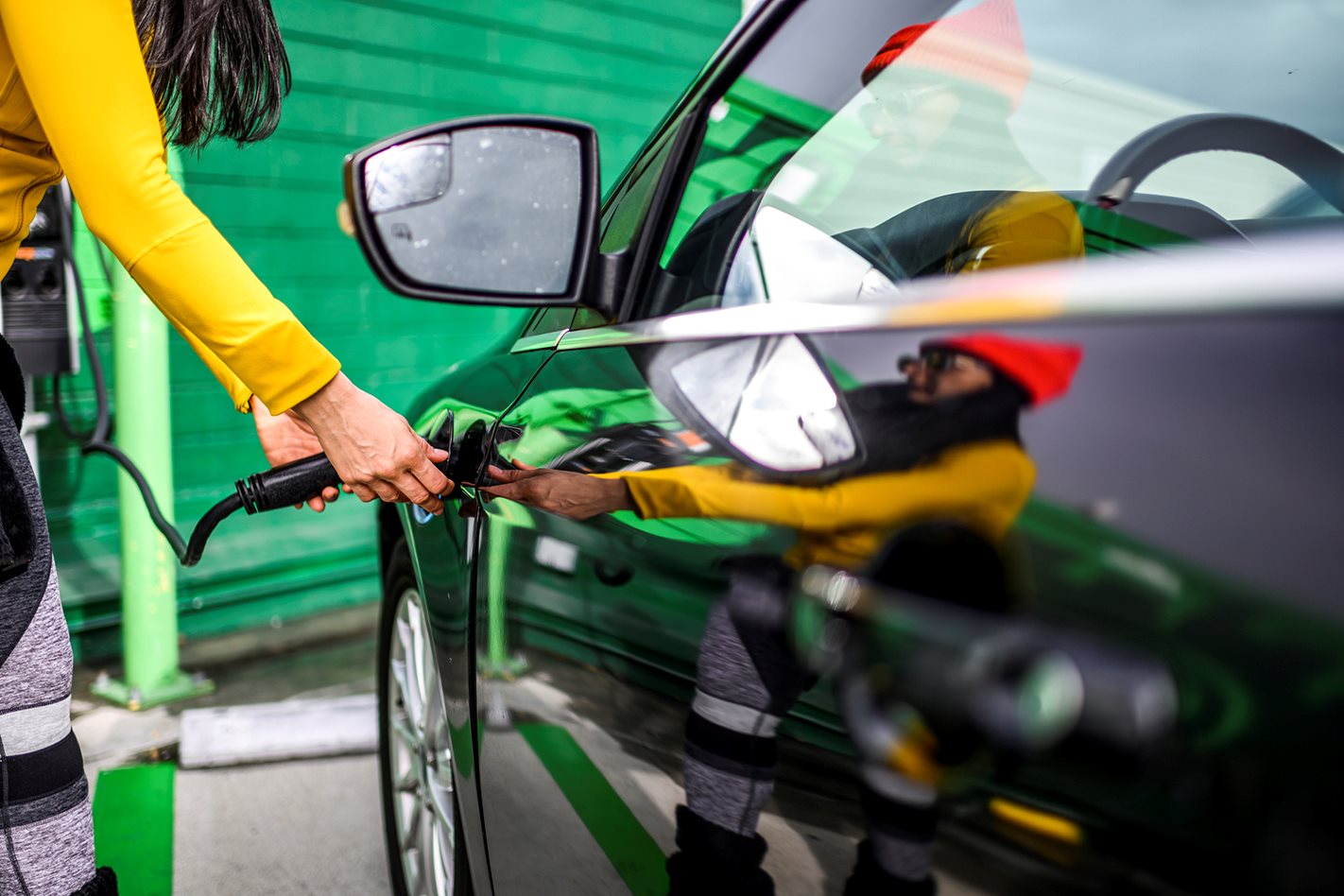
The Electric Vehicle Council (EVC) lobbying group has commended NSW for leading the electrification transition push in Australia.
“The NSW Government has been quicker than others to recognise if you want to hit proper emission reduction targets you need strong measures to transition to electric vehicles,” EVC CEO Behyad Jafari said.
“For the past two years they have been the Electric Vehicle Council’s top-rated state in terms of policy action to support EV take up.
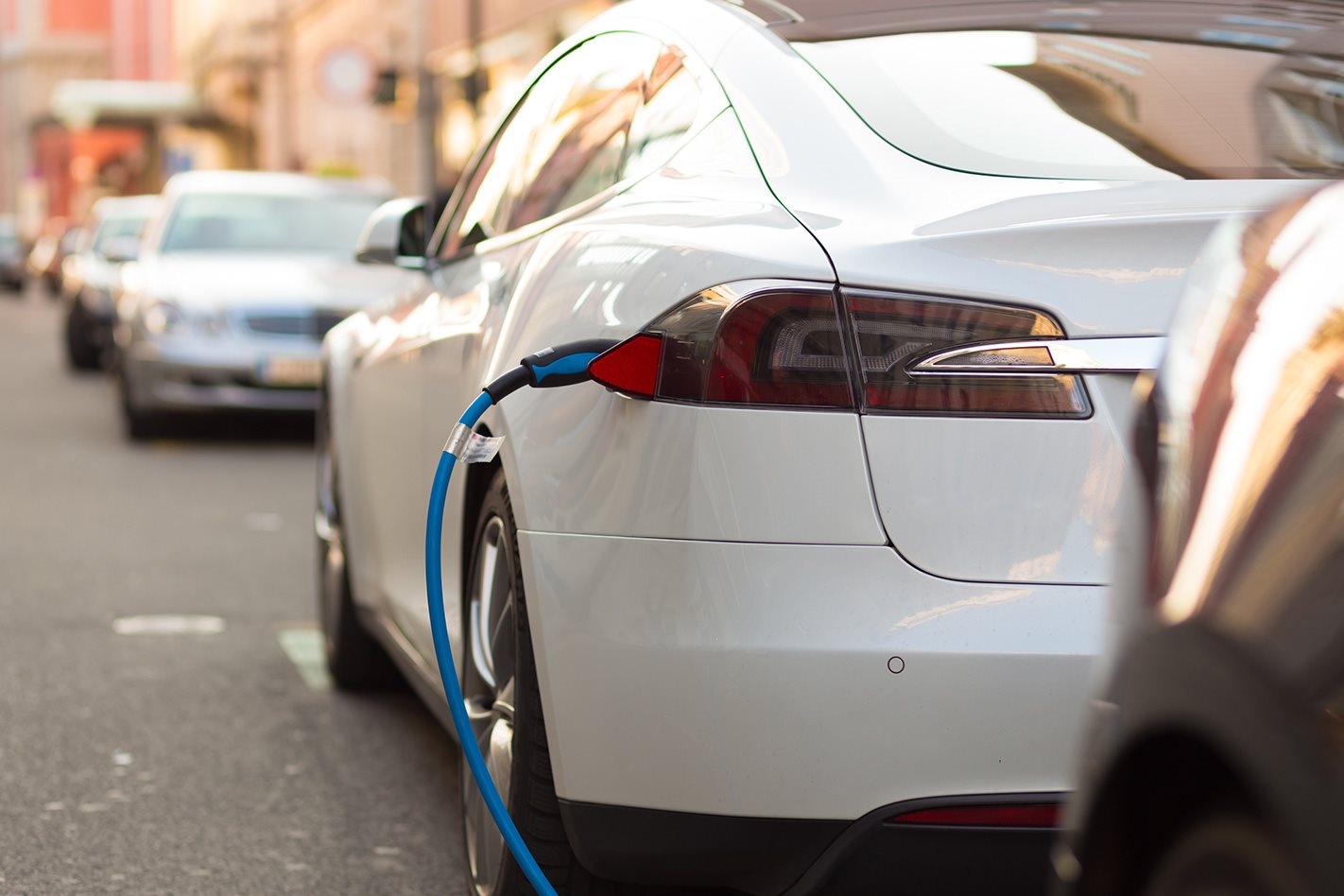
“New South Wales is currently the only state with a targeted fleet incentive and, although there is much work to do, it leads the country in terms of policies to support rolling out charging infrastructure in apartments.”
According to Reuters, Victoria and South Australia have identical 2030 targets, while Queensland has only said it’ll reduce emissions by 30 per cent below 2005 levels by the end of the decade.
The Australian Capital Territory aims to cut emissions by 65 to 75 per cent of 1990 levels by 2030 and Tasmania leads the country by committing to net zero by 2030.
Western Australia and the Northern Territory don’t currently have set any emissions reduction targets.
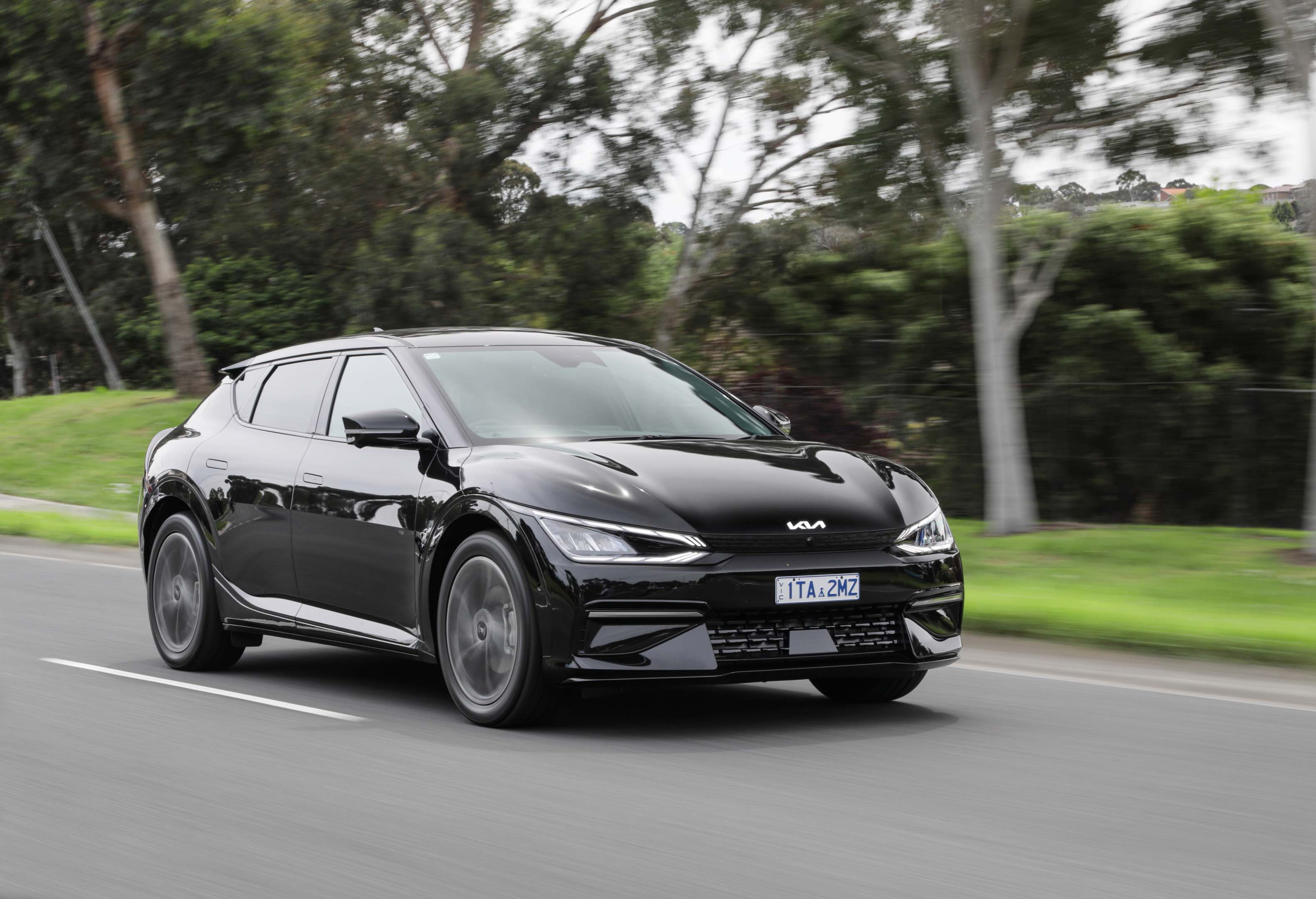
What EV policies are currently in NSW?
Since passing an EV bill in October 2021, NSW has benefited from a range of incentives and investments to encourage the EV transition.
The Liberal-led state government has targeted for EVs to make up at least 50 per cent of all new cars sold by 2030.
| For electric car owners | For the public |
|---|---|
| $3000 rebate for the first 25,000 battery-electric vehicles (BEVs) and hydrogen fuel-cell electric vehicles (FCEV) sold under $68,750 u2013 including delivery charge and optional extras | More than $100 million supporting local councils, rideshare and car rental companies to transition to EVs |
| Removing stamp duty on BEVs and FCEVs under $78,000 | NSW Governmentu2019s 20,000 vehicle fleet will be all-electric by 2030, with a 50 per cent target for 2026 |
| Free stamp duty on BEVs and FCEVs under $78,000 | $171 million investment in public EV charging infrastructure |
| Registration fee discounts | $3 billion plan to support electric buys manufacturing, charging and fleet conversion |
| Permitted to use T2 and T3 transit lanes u2013 until October 31, 2023 | |
| Road user charge tax of 2.5c/km for EVs or 2.0c/km for PHEVs u2013 but will be introduced on July 1, 2027 or 30 per cent of new vehicle sales (whichever occurs first) |
Best Electric Cars Under $65k: Affordable EVs Rated
Welcome to part one of three price-based EV buying guides, this one focused on the most affordable electric cars available in Australia today
A review is to be carried out in New South Wales to improve the dispute resolution process between crash repairers and insurance companies, it has been revealed.
The review of the Motor Vehicle Insurance and Repair Industry’s (MVIRI) code of conduct will assess the slow and cumbersome nature of the process, which often causes problems for customers who need their vehicles back quickly.
Dr Michael Schaper, the former Deputy Chairman of the Australian Competition and Consumer Commission (ACCC), has been appointed to oversee the independent review.
According to the Motor Traders’ Association NSW (MTAA NSW), the existing code does not cover the entire scope of the relationship between insurers and repair businesses – leaving the industry prone to fighting over issues such as rates, business models, and commercial arrangements.
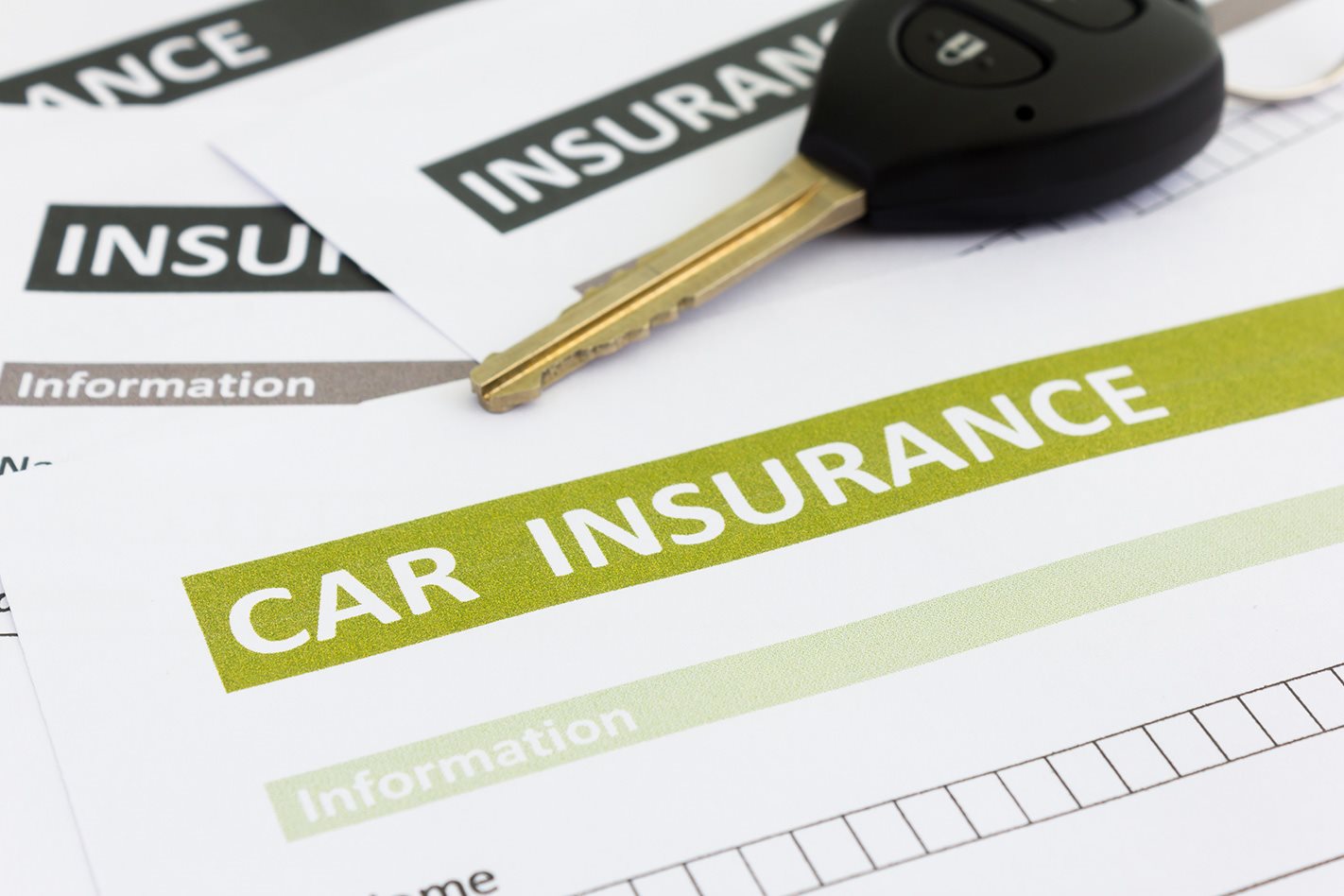
“Consumers must be at the heart of the code and in its current form there are many limitations that lead to frustrations and disputes that don’t help anyone,” said MTAA NSW CEO Stavros Yallouridis (pictured alongside Steven Jenkins).
“We look forward to collaborating with Dr Schaper as he conducts a thorough examination of the code’s effectiveness, awareness and accessibility, compliance, governance, and any other pertinent issues.”
The Code is mandatory under the Fair Trading Act in NSW which aims to benefit customers of both repair workshops and insurers.
Snapshot
- BMW will make solid-state batteries in Germany with Solid Power alliance
- Higher energy density and thermal safety are key advantages
- Unclear when itu2019ll be available, but wonu2019t be cheap initially
The BMW Group will develop and manufacture solid-state electric vehicle batteries in Germany thanks to an expanded alliance with Solid Power.
The major US solid-state battery-maker has granted the Bavarian car brand a research and development licence to its cell design and manufacturing knowledge. But, Solid State’s electrolyte material intellectual property won’t be licensed and will only be supplied to BMW for manufacturing purposes.
The nearly AU$30 million agreement extends to June 2024 (subject to achieving targets) and allows both companies to work together on optimising the manufacturing process, then BMW will duplicate Solid Power’s pilot production lines at its own German factory to produce prototype solid-state battery cells.
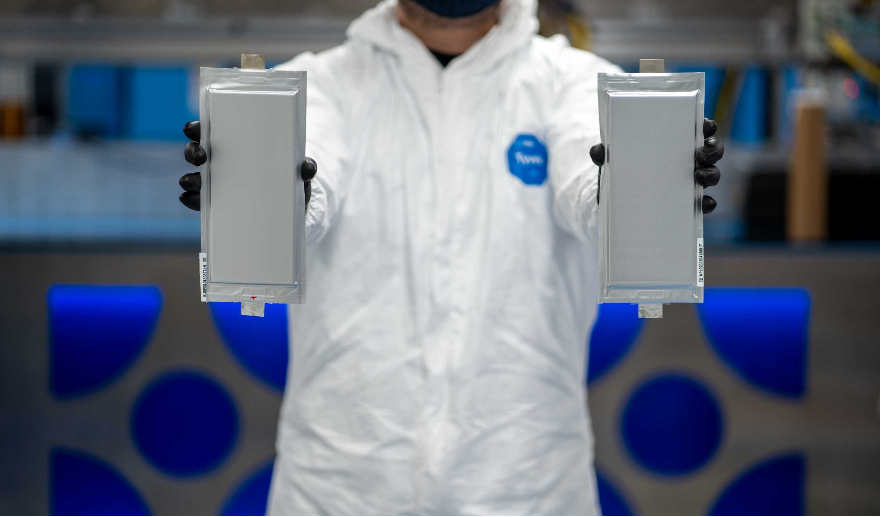
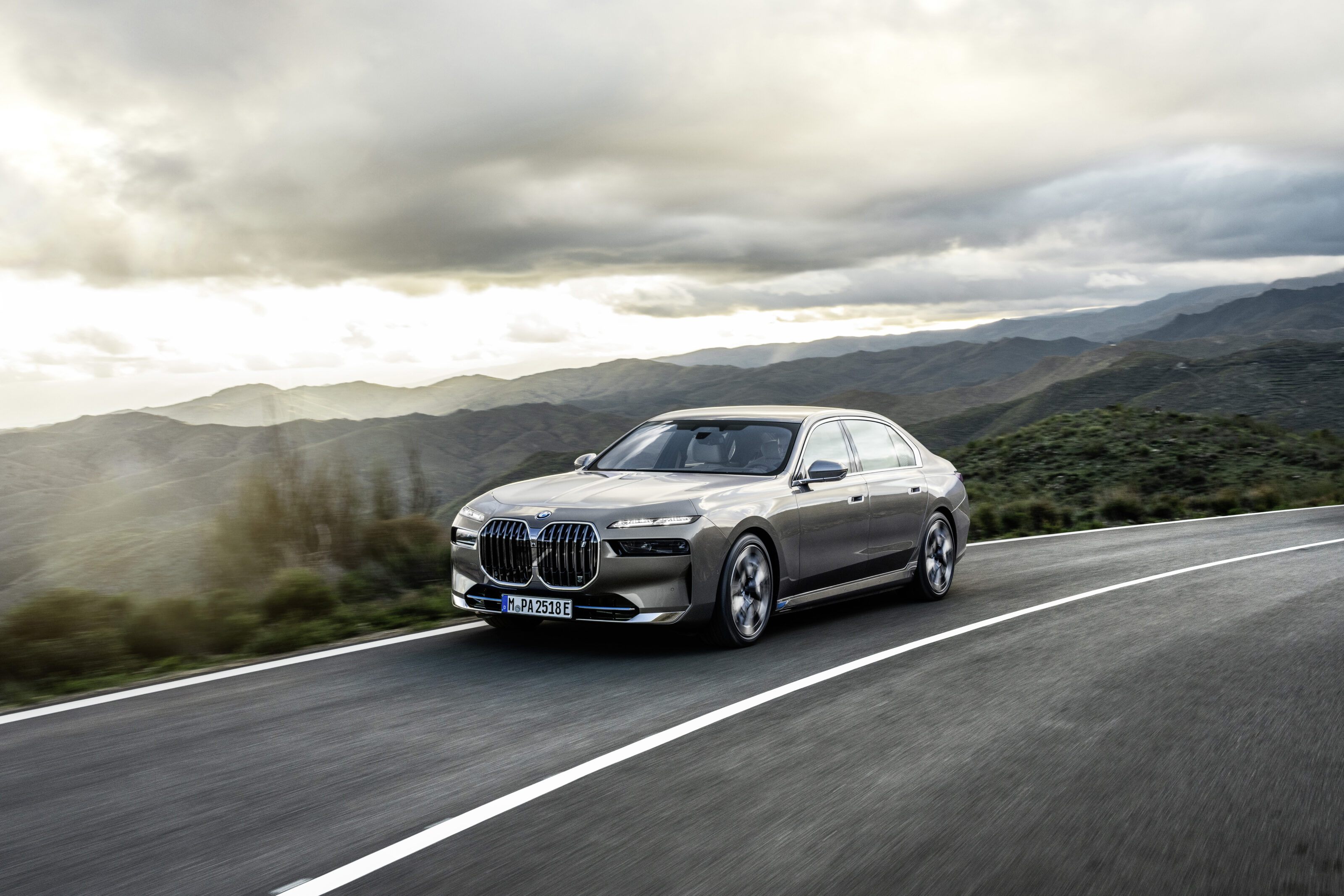
It’s unclear when the first solid-state battery EV will launch, but the luxury carmaker promised last year that the first prototype model will hit the road “well before 2025”.
Solid-state batteries use a solid electrolyte, rather than the liquid found in conventional lithium-ion packs today. This theoretically allows it to be safer and more thermally stable, provide higher energy density due to its compact size to offer greater driving range, and increased reliability, longevity and charging speeds.
However, like with all new technologies, it isn’t expected to be cheap initially. Other emerging chemistries like lithium-iron-phosphate (LFP) and sodium-ion batteries are mooted to lower the cost barrier to entry-level EVs, while reducing the reliance on mining increasingly expensive and unsustainable materials.
“We could not be more excited about growing our relationship with BMW, a company that has demonstrated a strong commitment to Solid Power’s technology for the past seven years,” Solid Power’s COO, Dr Derek Johnson said.
“We believe this expanded partnership and increased collaboration is an added vote of confidence in Solid Power’s technology development.”
Ford is also another key investor in Solid Power with the aim of using its battery tech in future Ford EVs – while battery-makers such as QuantumScape, Factorial Energy (which has partnerships with Hyundai, Stellantis and Mercedes-Benz) and ProLogium Technology are also in the solid-state battery development race.
BMW is additionally investigating hydrogen fuel-cell powertrains as a viable alternative to battery-electric.
UPDATE, January 27: Tank 300 Hybrid driven in Australia
The GWM Tank 300 Hybrid is now in Australia, and we’ve driven it. Get John Law’s first-drive take on the new Wrangler rival at the link below.
Story continues…
Snapshot
- Hybrid 4×4 scores five stars in safety testing
- Tank is the last vehicle to pass 2022 protocol
- Stricter ANCAP criteria will be applied from next year
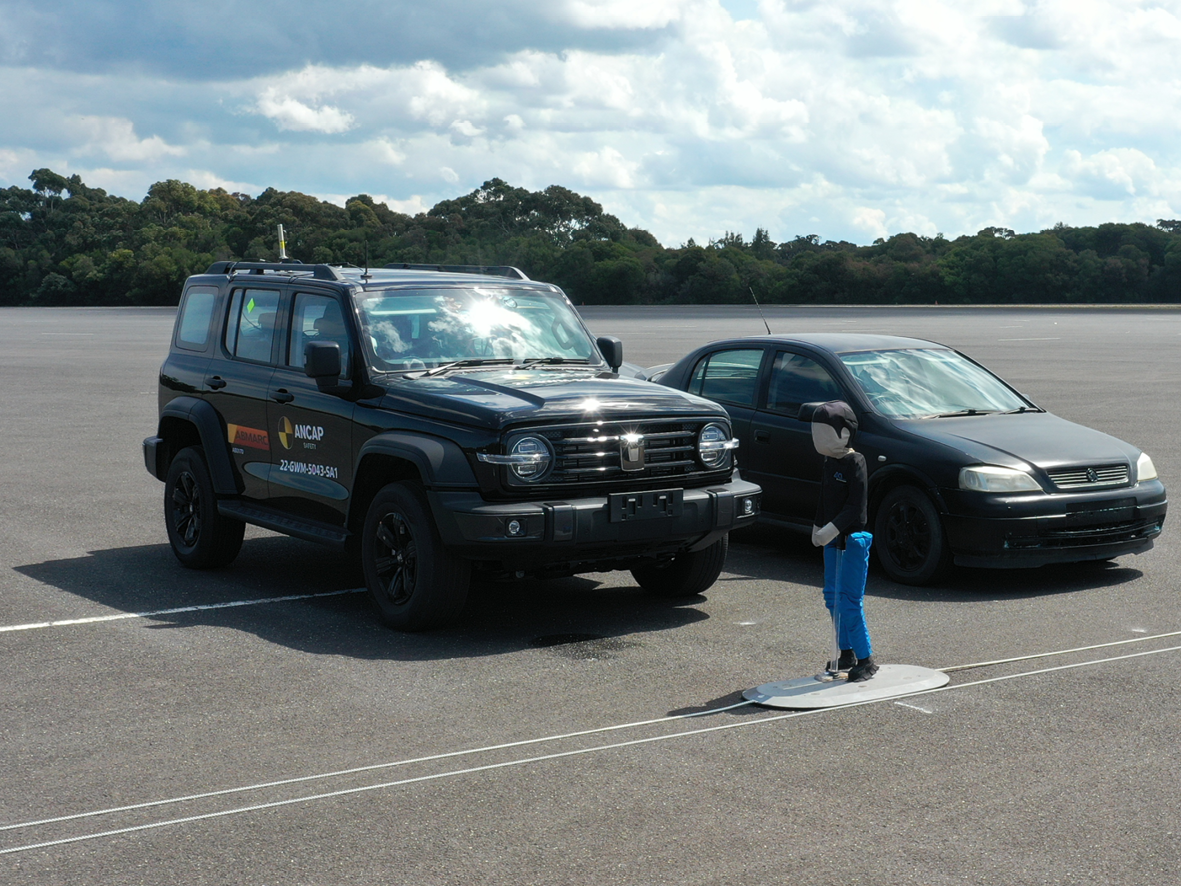
The 2023 GWM Tank 4×4 has scored five stars in ANCAP safety testing, becoming the last vehicle to do so under the current protocol.
In its report, ANCAP praised the Tank’s advanced driver monitoring system and strong occupant protection, but deducted points for the hybrid off-roader’s vehicle-to-vehicle compatibility – noting “the front structure of the Tank 300 was shown to pose a high risk to the occupants of an oncoming vehicle, if struck.”

That last point could have seen the Tank fail were it tested against next year’s criteria, as the maximum points deductible for poor vehicle-to-vehicle compatibility in a crash will climb from 4.0 to 8.0 points.
Aside from that point, though, the Tank’s showing was strong, receiving ‘good’ scores in most occupant protection metrics. ANCAP tested the more affordable Ultra variant, fitted with the 224kW/640Nm hybrid powertrain.

Importantly, next to its Jeep Wrangler Rival, the $55,990 drive-away GWM Tank is a much safer choice, with the American off-roader scoring a disappointing three stars in its 2019 ANCAP safety test.
“This safety rating for the Tank 300 rounds out our testing for the year, and adds another five-star performer into the GWM stable and importantly, the Australia new vehicle fleet,” said ANCAP Chief Executive Officer, Carla Hoorweg.
“2023 will see a number of new and updated aspects introduced into our test and rating regime – further enhancing the safety of new cars offered to Australian and New Zealand consumers,” Ms Hoorweg added.

GWM Tank Occupant protection
The GWM Tank scored 88 per cent for adult occupant protection, 89 per cent for child protection and 81 per cent for vulnerable road users.
ANCAP noted the Tank’s good ability to protect driver and front seat passengers in all side-impact crash scenarios, partially down to its inclusion of a centre airbag.
Not so good was head and chest protection for rear passengers, with ANCAP saying GWM could improve restraint systems for rear-seat occupants.
Whiplash protection for front-seat passengers and protection of simulation six- and 10-year-old dummies were all assessed as ‘good’ by ANCAP, seeing the Tank achieve high scores in the area of occupant protection.

GWM Tank safety assist systems
The GWM Tank is equipped with an AEB system capable of detecting other vehicles, pedestrians and cyclists, and responding to vehicles turning across its path. The Tank’s AEB system scored full points in ANCAP’s testing.
The Tank is also fitted with an active driver monitoring system on the Ultra hybrid variant, which will be a requirement for a five-star from next year.
ANCAP deemed the lane-keep support system ‘adequate to good’, giving the Tank an overall score of ‘good’ in safety assistance areas.
How much is the 2023 GWM Tank 300?
All prices are drive-away. Full details here.
Snapshot
- EV sales target ramps up to 150k between 2025-2030
- ID.4, ID.5, ID.3 and ID.Buzz form first step
- 10 new BEVs on MEB by 2026 before Trinity launch
- Future city-car-sized EV expected next
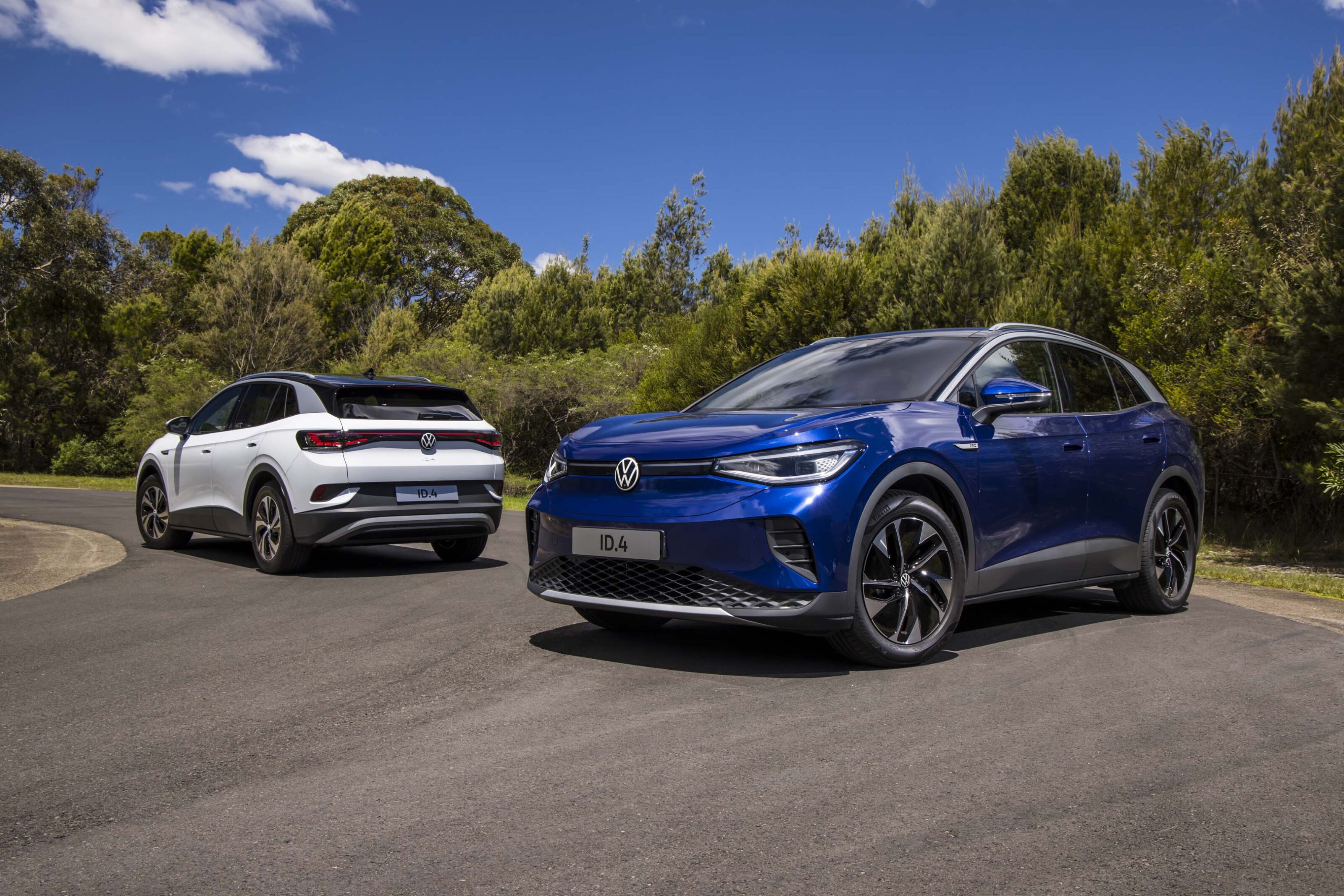
Volkswagen has announced lofty electric vehicle sales targets, with 6500 the aim for 2024, before ramping up to 150,000 units delivered between 2025-2030.
That represents an average of 30,000 battery electric vehicle sales across those years. With the ID.4 and ID.5 expected to launch at price parity with Tiguan next year – not to mention supply improvements – Volkswagen could well meet its goals.
“By 2028 EVs will overtake ICE models in Australia… if there’s any improvements or any advances on CO2 legislation or incentives to purchase EVs, this can absolutely be brought forward” general manager marketing and product at Volkswagen Australia, Ralph Beckmann, told WhichCar.
The ID.4 and ID.5 electric SUVs will be joined by the facelifted ID.3 small hatchback in late 2023/early 2024, and there’s plenty of volume potential for expansion in the brand’s ID.Buzz people mover and Cargo van products.
How lofty is Volkswagen’s target?
The year of 2022 continued to be a heavily supply-constrained one for Volkswagen, which is on track to shift around 30,000 vehicles this calendar year.
Its biggest seller this year – the T-Cross light SUV (4897 sales) – is a slight surprise, though reflects model changeovers and supply struggles, outperforming the run-out Amarok ute (3948) thus far in 2022. VW currently sits in 11th place in the Australia marque sales tally for the year.
Compared to 2019 – the last full year before the Covid-19 pandemic and Russia’s war on Ukraine wreaked havoc on global supply chains – Volkswagen is 40 per cent down on that year’s 49,928 figure.
For Volkswagen to hit its posted EV sales targets between 2025-2030, between 60-95 per cent of its volume will need to come from battery-electric vehicles, providing overall sales performance either remains steady or returns to 2019 levels.
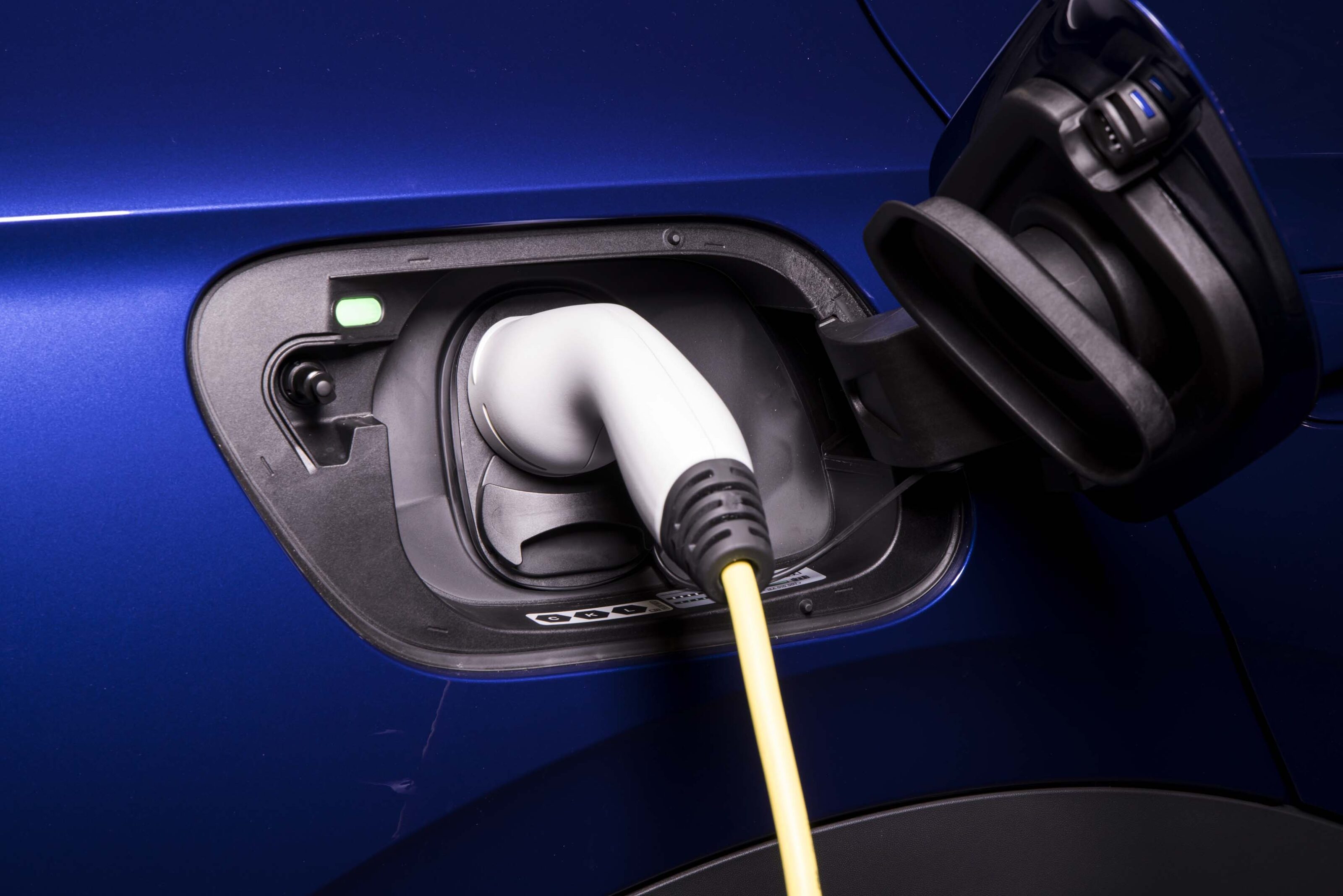
As for the 2024 target of 6500 electric vehicles, the ID.4 and ID.5 will be doing the heavy lifting. As of November 2022, the supply-constrained Tiguan and Tiguan Allspace medium SUVs account for 5583 sales, with that number likely to hit 6500-7000 by the year’s end.
With the arrival of Golf-sized ID.3 and ID.Buzz van in 2024, Volkswagen’s goal does look achievable – providing supply remains free enough, and the brand can convince punters to make the switch to electric power.
What new products are on the horizon?
To achieve bulk volume by 2030, Volkswagen is going to need more than a pair of medium SUVs, a small car and a van. The whole range will need an overhaul.
The anticipated E-Amarok will form part of the plan in the latter-half of the decade with its converted ICE underpinnings.
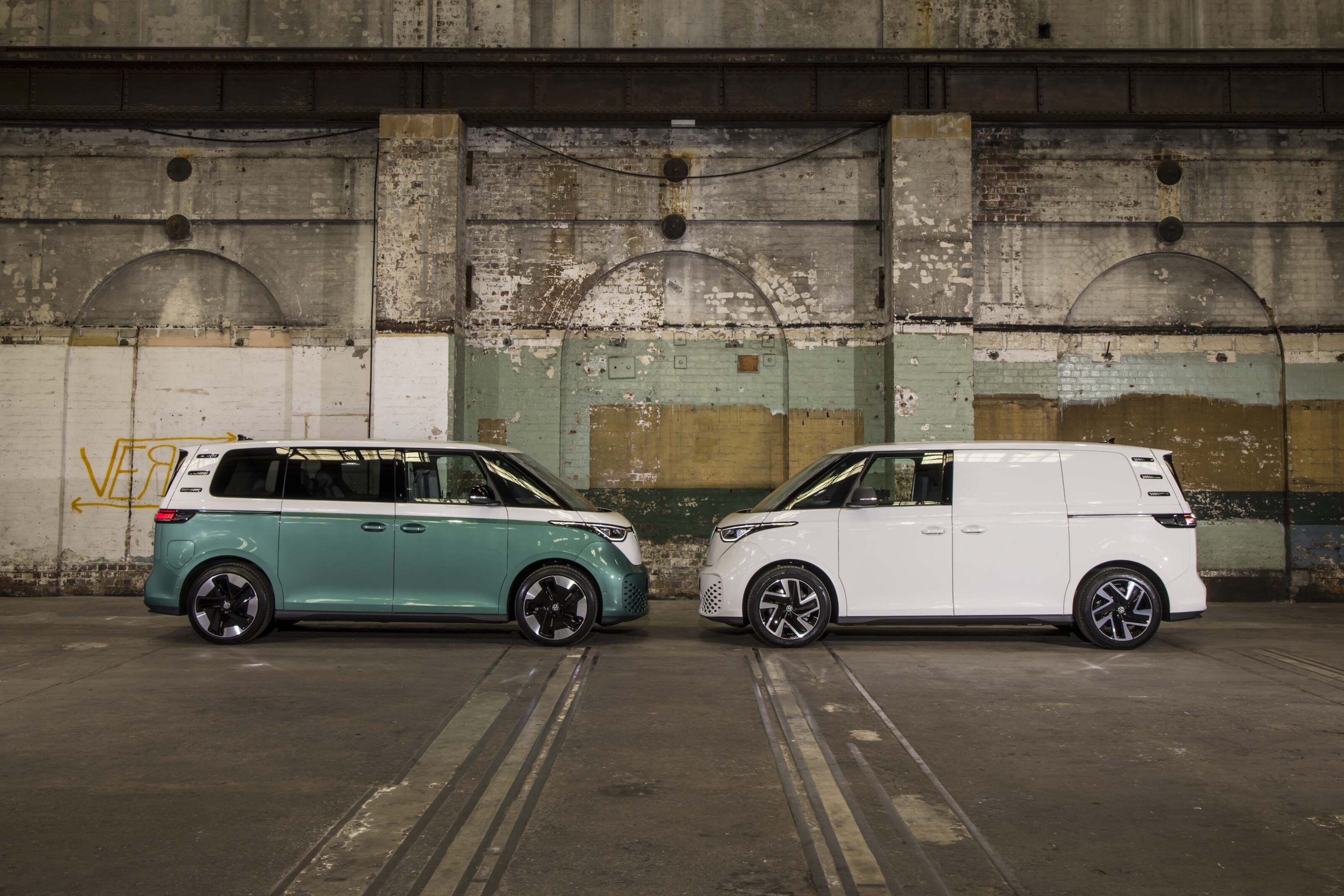
But it’s the 10 new vehicles Volkswagen global will roll out on its MEB platform by 2026 that will make the difference. Expect a Polo-sized BEV – likely called ID.2 – as well as large SUVs, and passenger vehicles in the works.
“As I mentioned, [Volkswagen] not only stepped up on the product side, but as you can see here by 2026, the Volkswagen group will have invested EU€52 billion in e-mobility. And by 2030, a total of six Giga factories will be in operation assuring that the pace of the BEV developments can be met with the supply of battery technology.
“Each of these individual giga-factories have the annual capacity of producing batteries to power half a million EVs”, said Beckmann.
After 2026, the MEB platform will, essentially, be done with for new releases, as Volkswagen has already committed to pulling forward development of its Trinity project.
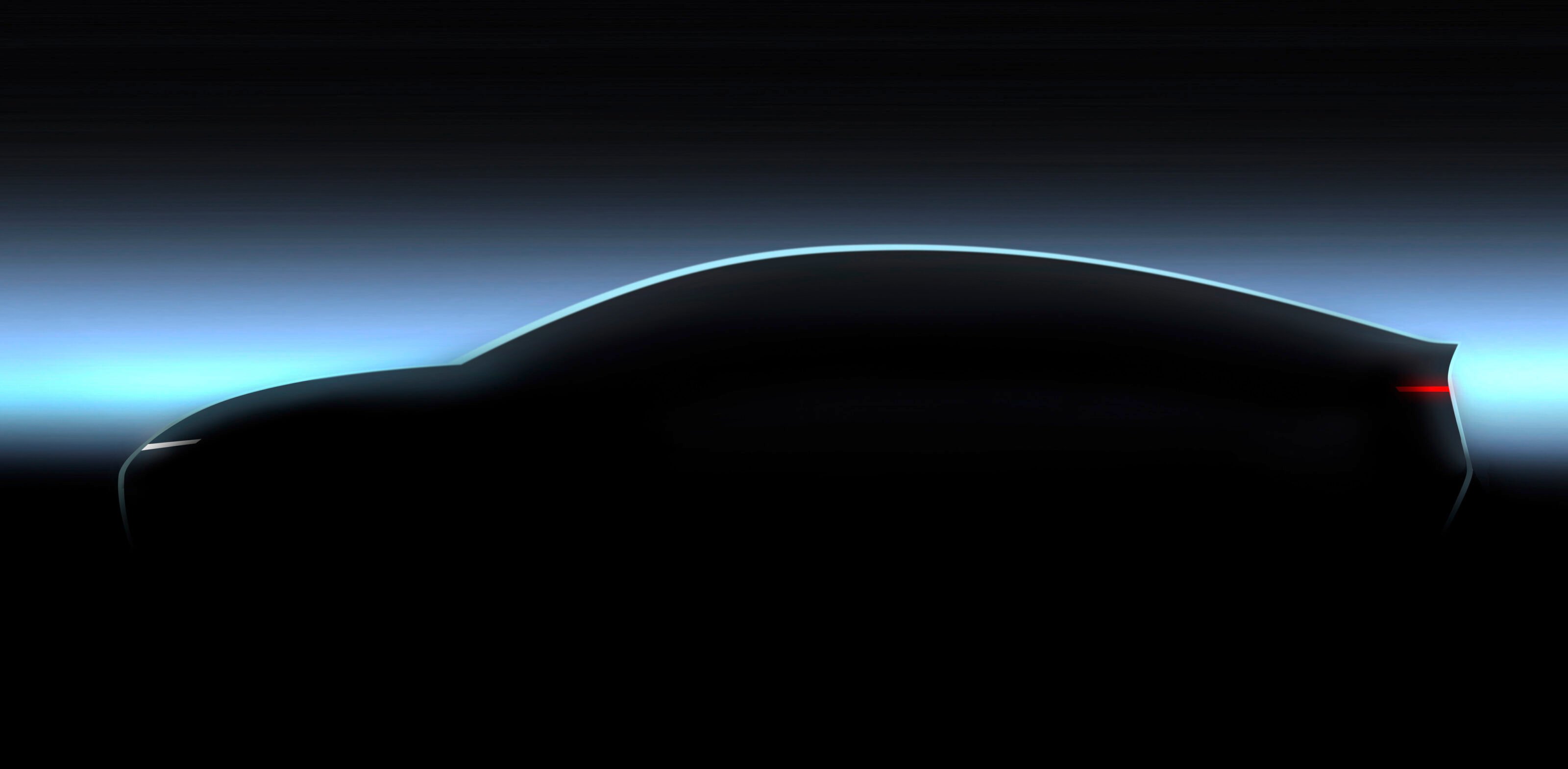
“We’ll be going into the future from a sedan BEV platform as well looking at the project ‘Trinity’… Trinity will be a very significant step up in tech, and will represent the crown jewel in VW technology offered as the first model with level four autonomous driving”, Beckmann added.
The Trinity project is also likely debut higher voltage electronics for faster charging speeds to keep up with Tesla, Hyundai, Kia and Porsche’s 200kW+ ratings, as well as more powerful and efficient motors with further packaging refinements.
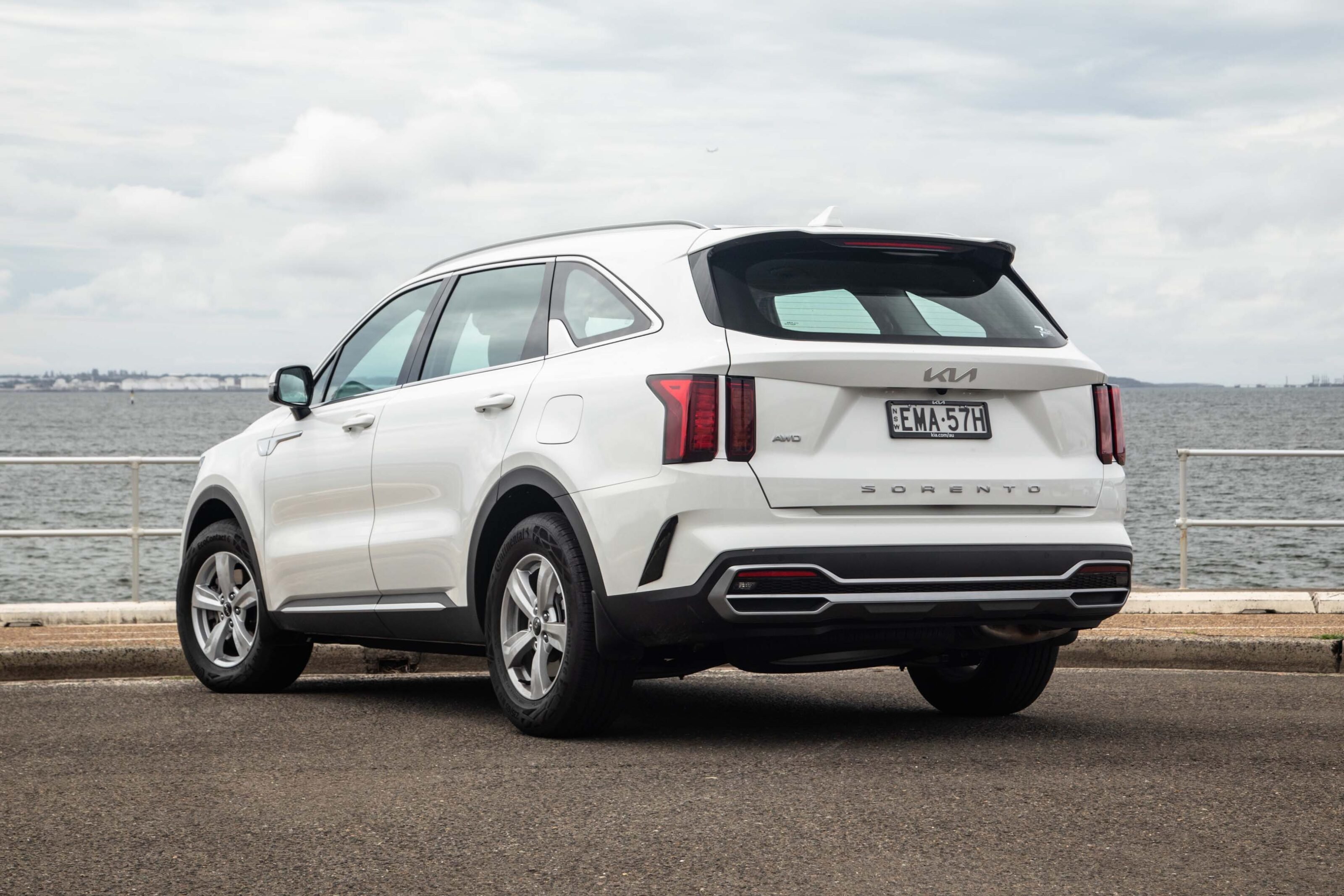
The Kia Sorento quietly worked its way into Australian driveways, often in the shadow of the Hyundai Santa Fe’s blinding success.
It used to be a bit dreary-looking but delivered on value, space and comfort if not particularly appealing in terms of style or driving experience.
All that changed a couple of years back when the current generation landed with an astonishingly modern new look, brilliant interior and a whole new attitude. It wasn’t content with living in the Santa Fe’s shadow anymore and was taking on its sister model on its own terms.
That did come with price rises, but the idea of delivering value for money never went away; it’s just that it didn’t have to be boring anymore. Nearly three years after launch, is it still in the hunt, especially with a diesel engine?
JUMP AHEAD
- How much is it, and what do you get?
- How do rivals compare on value?
- Interior comfort, space and storage
- What is it like to drive?
- How is it on fuel?
- How safe is it?
- Warranty and running costs
- VERDICT
- Specifications
How much is it, and what do you get?
| 2022 Kia Sorento S: What you need to know | |
|---|---|
| Body: | 5-door, 7-seat large SUV |
| Drive: | all-wheel |
| Engine | 148kW/440Nm 2.2L 4Cyl turbo-diesel |
| Transmission | 8-speed dual-clutch auto |
| Fuel consumption: | 6.1L/100km (ADR combined) |
| L/W/H: | 4810mm/1900mm/1700mm |
| Wheelbase: | 2815mm |
| Price: | $50,650 + on-road costs |
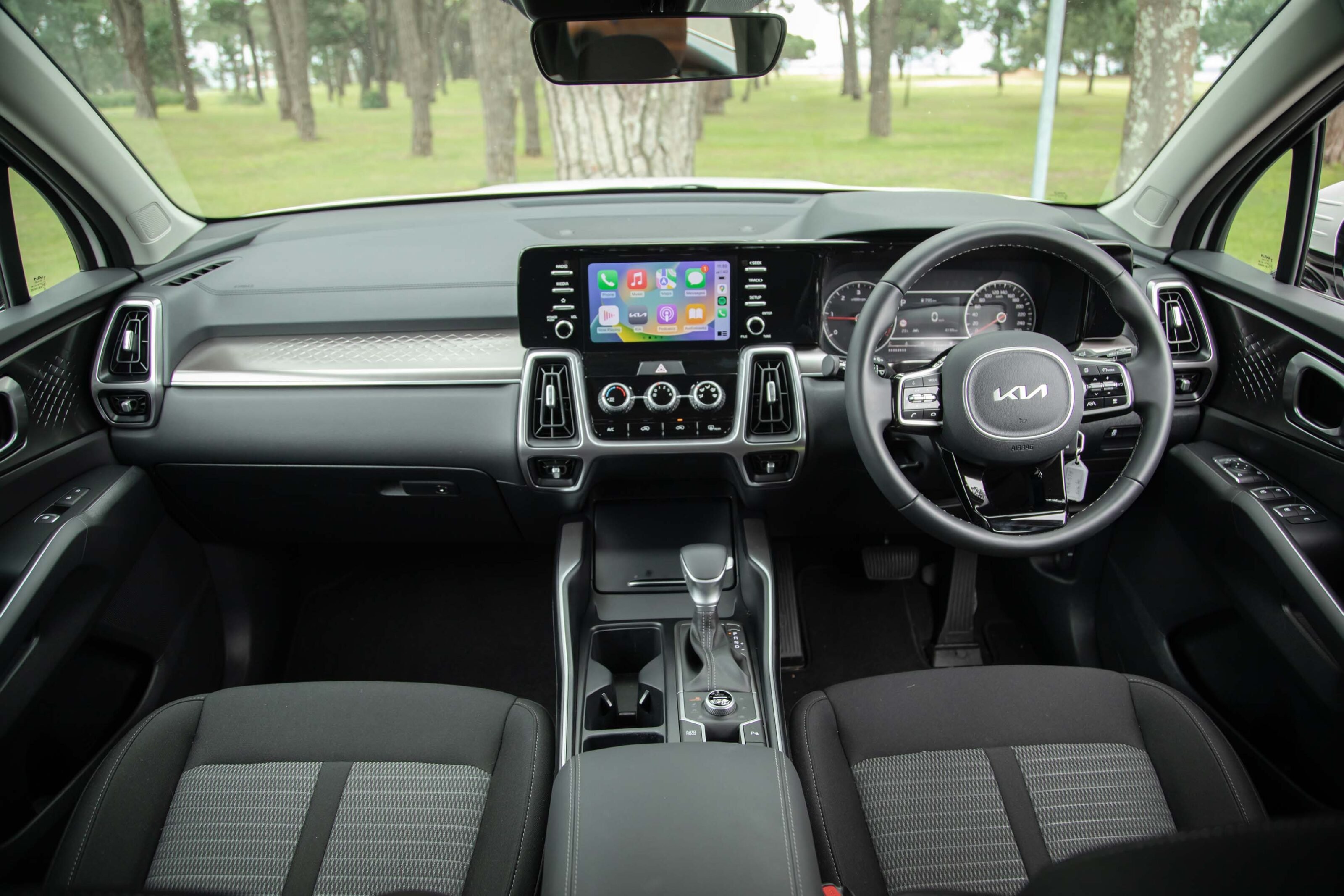
The base model diesel Sorento kicks off at $50,650 before on-road costs – $3000 more than the V6 petrol – which is a pretty decent number in these trying times of seemingly constant price rises. Despite being an entry-level model, it’s fairly well-equipped.
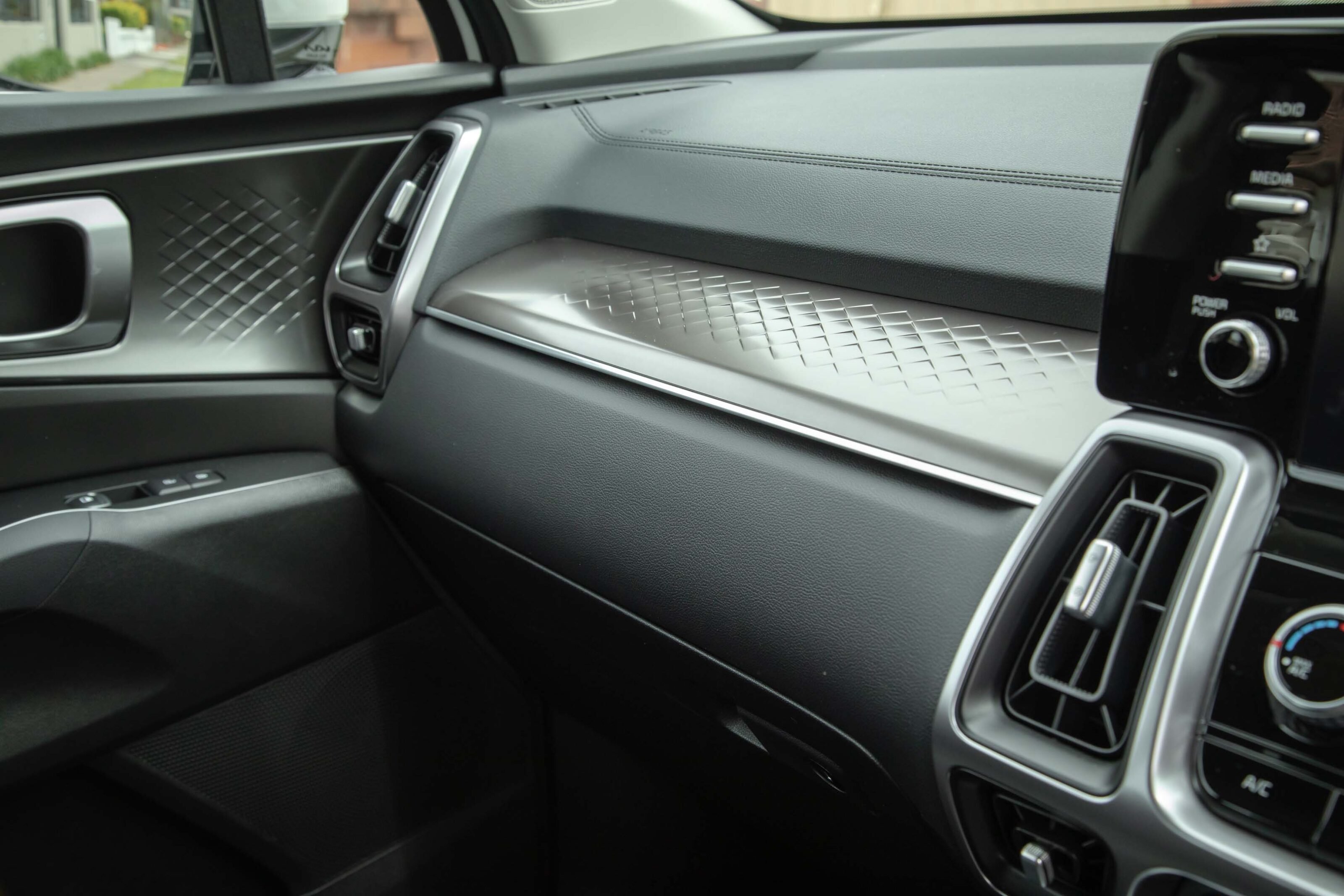
This Sorento has the smaller 8.0-inch touchscreen found in various entry-level Kias and the poor thing is a bit lost in a dash structure designed for the larger 10.25-inch touchscreen (that comes with better software).
Although the software in this lower version is bitty looking, it works fine. Plug in your Android or iOS phone and you won’t have to worry about it.
| 2022 Kia Sorento S: Key features | |
|---|---|
| 17-inch alloy wheels | Wired Apple CarPlay / Android Auto |
| Cloth interior | Air-conditioning |
| Automatic halogen headlights | Reversing camera |
| Automatic wipers | Front and rear parking sensors |
| Electric windows | Keyless entry and start |
| Six-speaker stereo | Adaptive cruise control |
| DAB+ digital radio | Leather-trimmed gear selector |
| 8.0-inch touchscreen | Leather-trimmed steering wheel |
How do rivals compare on value?
The Kia Sorento’s main rivals include Santa Fe, Kluger, CX-9.
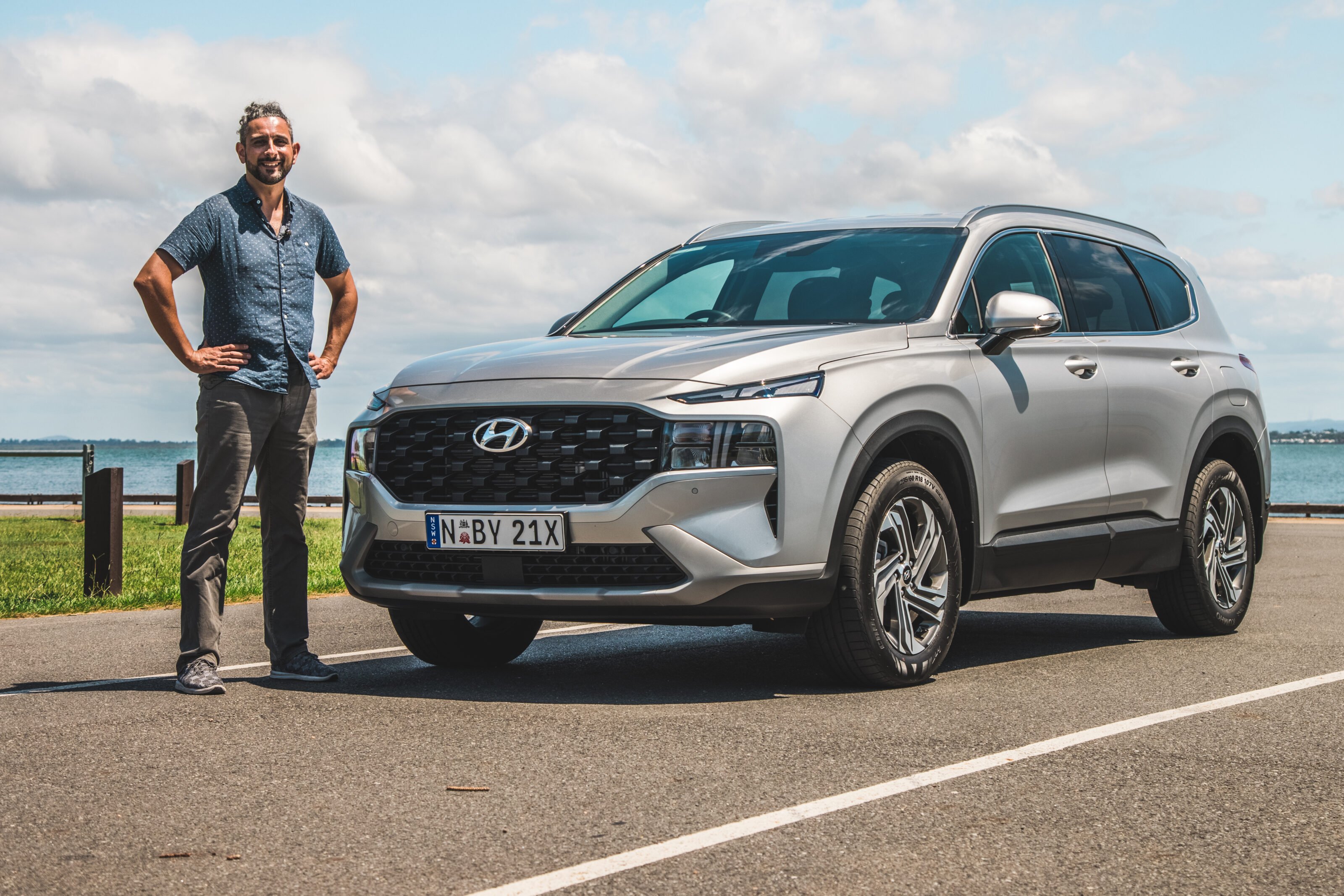
Let’s start with the Sorento’s twin under the skin, the Hyundai Santa Fe Active diesel. The mechanical package is basically identical, with Hyundai applying its own suspension and specification to a slightly more aggressive-looking package. For $53,750 before on-road costs, it’s a close-run thing, but it does have a shorter warranty.
Toyota’s Kluger doesn’t come in diesel but you can have the hybrid GX eFour for $54,150 plus on-road costs (if you can wait more than six months, that is). It won’t be quite as well-appointed and for some reason runs on premium unleaded. Servicing is cheap, though.
Mazda’s effortlessly lovely CX-9 Sport comes in neither hybrid nor diesel but with an impressive 2.5-litre turbo-petrol that runs on standard unleaded. It has a beautiful – if dark – interior at this price point, and all-wheel drive for $51,250. If you can stretch to the $58,850 Touring, the spec will be closer to the Sorento’s (both prices before on-road costs).
Interior comfort, space and storage
The Sorento is big and has a cabin to match.
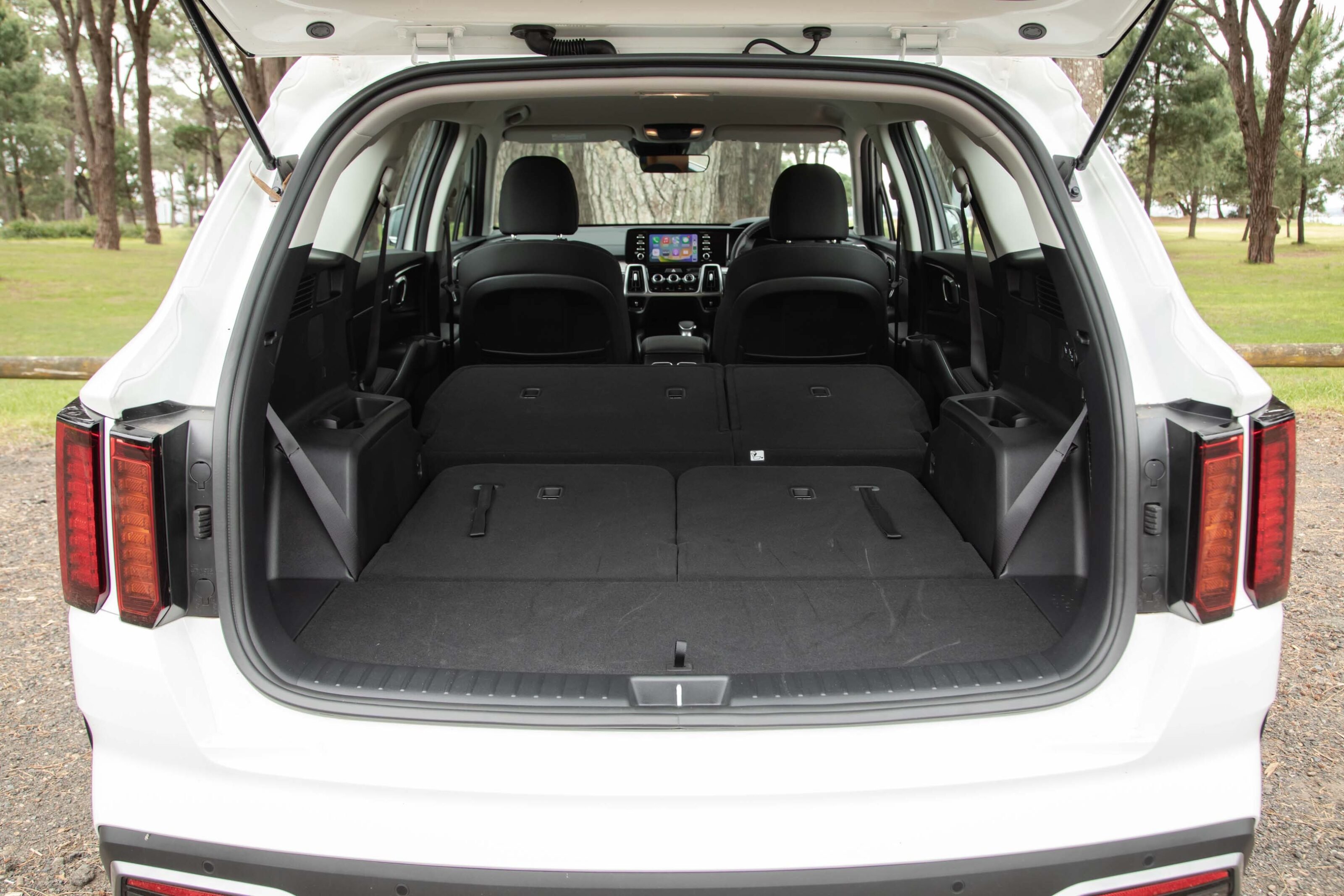
Starting at the boot with all seven seats in place, you have 187 litres. I’m not going to pretend that’s a lot, but it’s not bad and is enough to sling some gear or shopping.
A stowed third row liberates 616 litres of cargo area which, I think you’ll agree, is a lot so there’s no pretending here. It’s a nice flat floor, too and has a not-too-high loading lip, partly because the spare is slung underneath the floor and accessible without emptying the boot.
With both rows folded away, you have 2011 litres. My wife’s recovery from a particularly nasty bout of COVID has gathered pace and the big Kia got very familiar with the Bunnings car park, so that huge space got a workout.
Put the middle row back in play and you have a very comfortable rear seat. With cup holders in the armrest and three USB ports, everyone will be hydrated and entertained, with refills from the bottle holders in the doors.
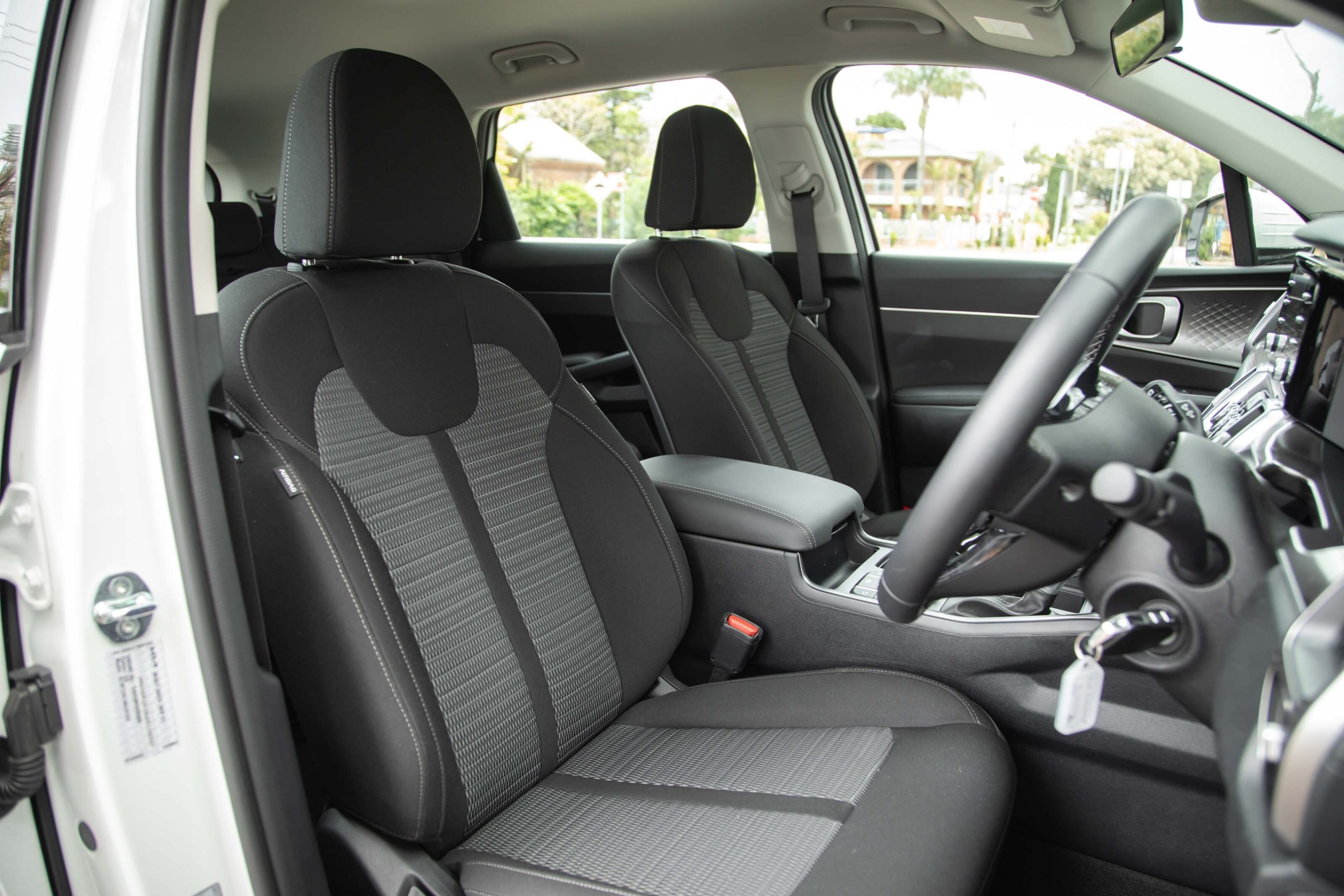
Accessing the third row is reasonably easy, spending too much time there as an adult, not so much. They are – obviously – occasional seats, although not as occasional as the Outlander’s 5+2 arrangement for example. You also have cup holders and two USB ports in the third row.
Jump forward to the front and you have very comfortable seats, an excellent view out and a well-designed dash in front of you. The centre console takes a pair of cups or you can slot the retractable cup holders away for a tray that will take large phones.
Underneath the air-conditioning controls is another good spot for phones as well as three USB ports and a 12-volt outlet. The doors each take a bottle and the centre console bin is quite hefty.
What is it like to drive?
The Sorento diesel has quite possibly one of the best drivelines in the business.
Diesel may not be your thing, but your alternative is the petrol V6 that only drives the front wheels while sucking down a fair bit of juice into the bargain. The hybrid versions are a long way up the price list.
Not only is the diesel more economical, but the eight-speed dual-clutch transmission that made its debut in this model is also brilliant. It very rarely feels like a dual-clutch, going without rollbacks or getting itself confused with sketchy throttle inputs.
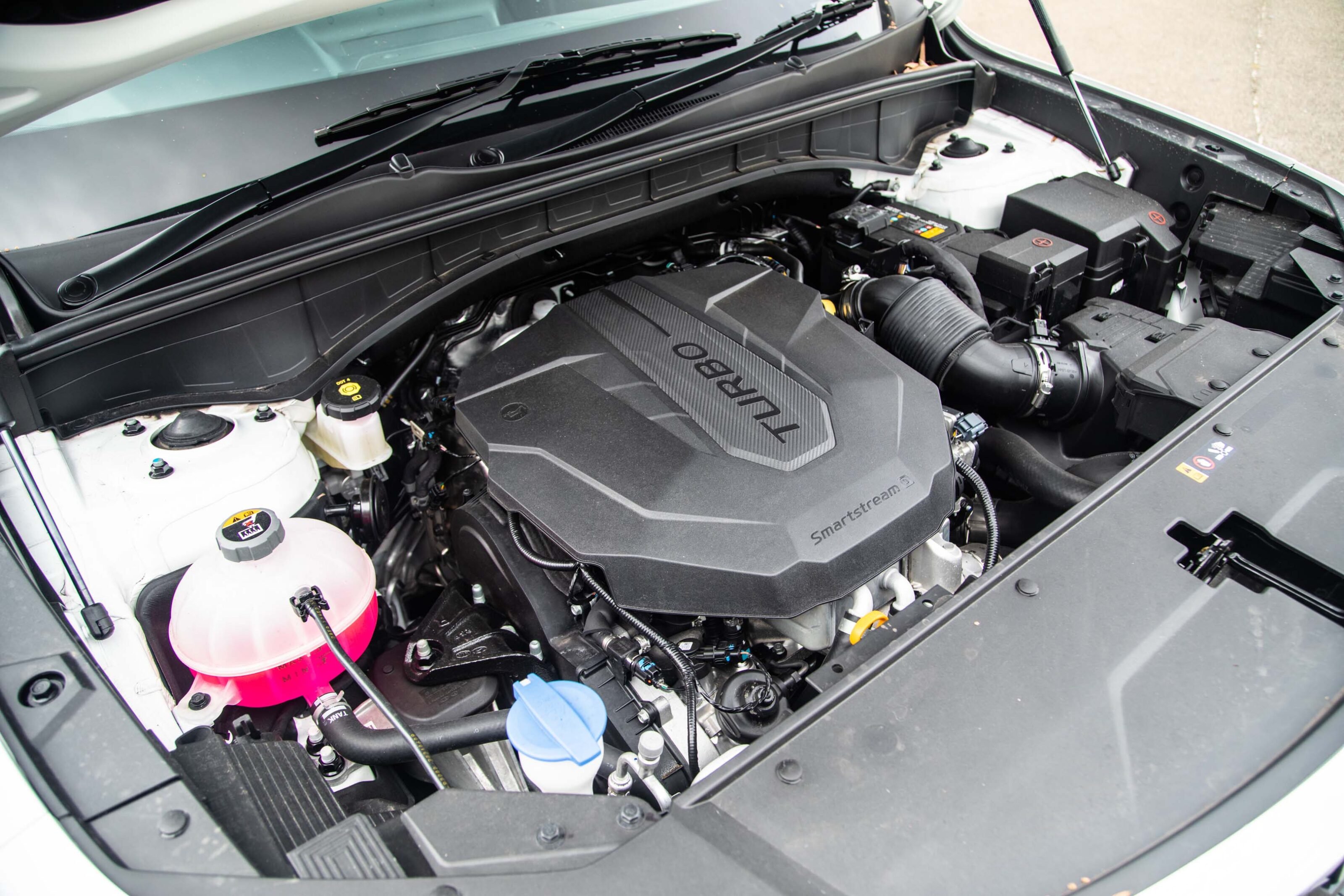
Power and torque are in abundance, too, with 148kW and 440Nm to move things along at a fairly brisk pace. When you’ve got two tonnes to haul, torque is key and so is an engine that is happy to rev, egged on by the excellent transmission.
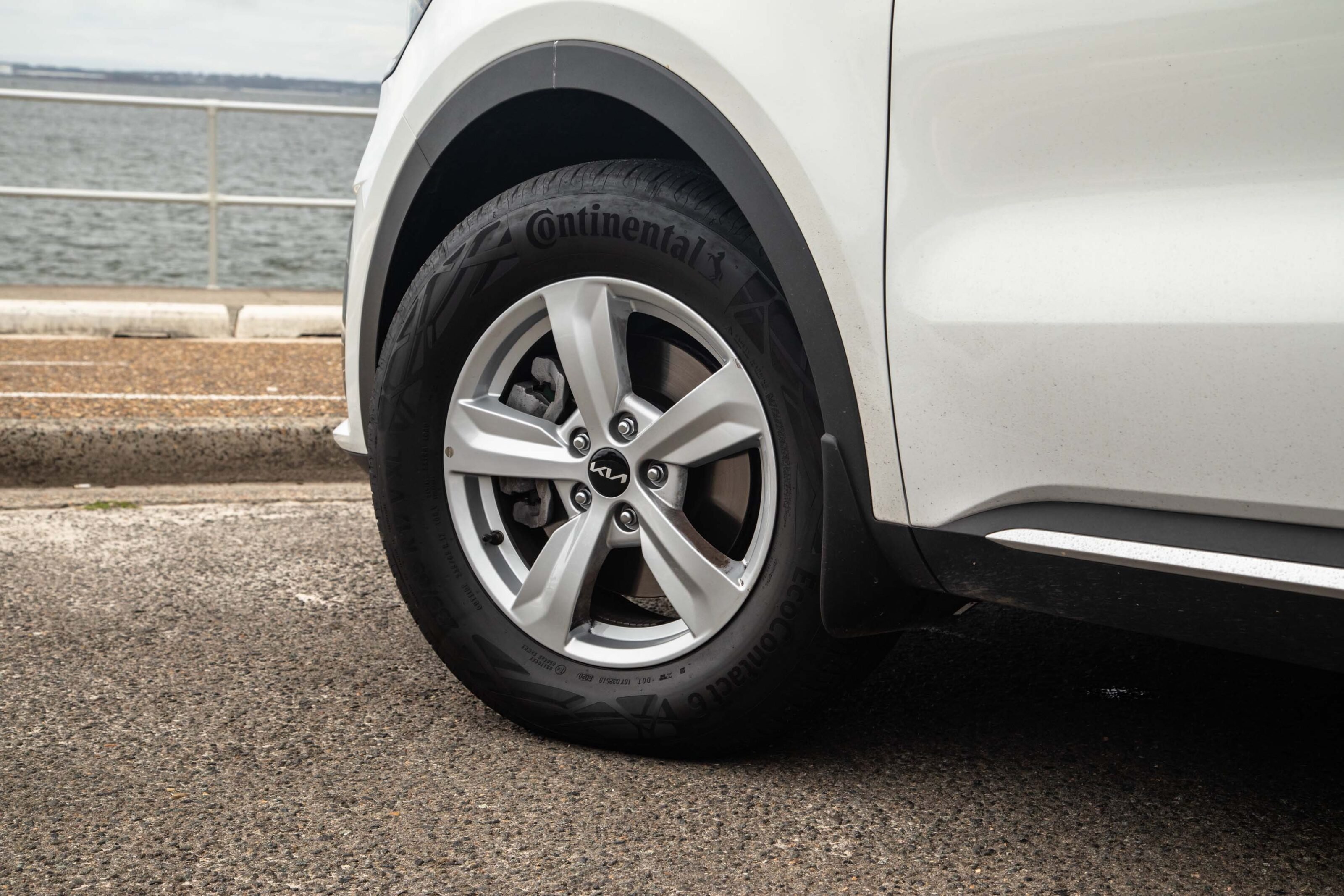
It’s quiet, too, not just for a diesel, but full stop. The quietness is also helped by high-profile tyres wrapped around 17-inch wheels that look too small for such a big car, but you do get a break from the tyre noise typical of bigger-wheeled cars and a more cosseting ride into the bargain.
Every time I drive the Sorento, I am absolutely blown away by what a good cruiser it is
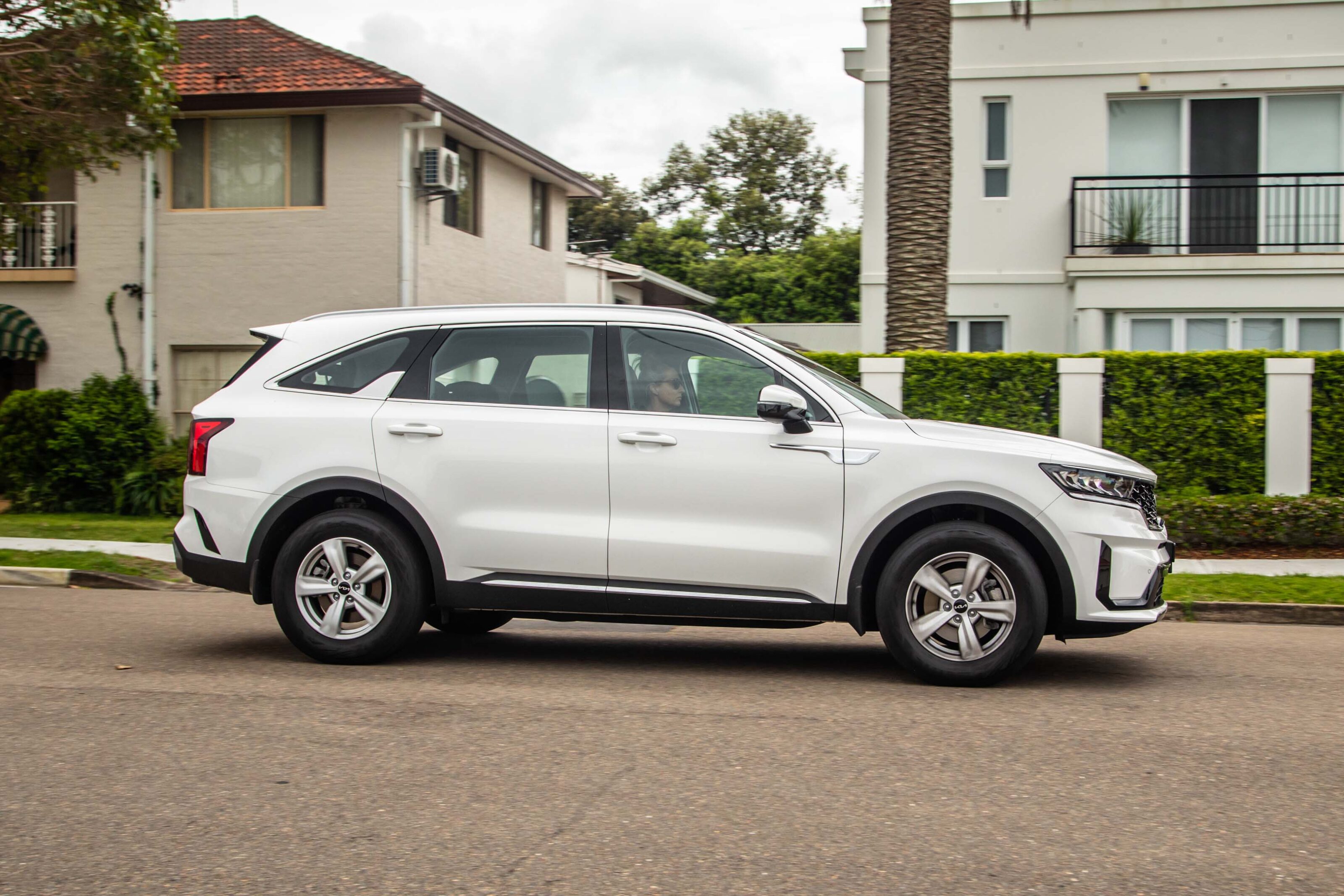
Of course, the taller tyres do put a small dent in the way it steers, which is a little woollier than the other Sorentos. But most people genuinely won’t care about this because it’s not really a big deal, just something I happen to notice.
Every time I drive the Sorento, I am absolutely blown away by what a good cruiser it is. Barely ticking over in eighth gear, it streaks along just as well as expensive Germans and I would cheerfully cross the Nullabor in one of these without a second’s hesitation, even in this entry-level form.
Body control is tight, which sometimes means the occasional bump and thump over particularly rough surfaces. The tyres on this basic car aren’t as grippy, either, so you’ll occasionally hear a bit of squeal around tight roundabouts, a source of endless amusement to me.
How is the Kia Sorento diesel with fuel consumption?
Kia’s official combined-cycle figure came out at 6.1L/100km, which looks a little ambitious for a tall box on wheels weighing two tonnes.
My week with the Sorento delivered 8.2L/100km, which is good going given it spent most of the week in the ‘burbs.
| 2022 Kia Sorento S: Fuel consumption | |
|---|---|
| Fuel use (claimed) | 6.1L/100km |
| Fuel use (on test) | 8.2L/100km |
| Engine | 148kW/440Nm 2.2L 4Cyl turbo-diesel |
| Drive: | all-wheel |
| Transmission | 8-speed dual-clutch auto |
How safe is it?
The Sorento scored a five-star ANCAP safety rating in 2020.
An important note for the Sorento is that the curtain airbags do not reach to the third row. The MY22 cars are fitted with a front centre airbag to avoid head clashes in a side impact.
There’s an enormous amount of safety gear on this car, which is reason enough to recommend it to a family, particularly those with kids or older kids learning to drive. All it’s missing is a 360-degree view camera, the blind-spot cameras you get in digital dashboard-equipped Sorentos and parking collision avoidance (which helps stop you from bumping walls, cars and people at very low speeds).
| 2022 Kia Sorento S: Safety equipment | |
|---|---|
| Eight airbags | Trailer stability assist |
| Anti-lock brakes | Multi-collision braking |
| Stability and traction controls | Reversing camera |
| High-beam assist | Driver attention detection |
| Blind-spot monitoring | Blind-spot collision avoidance assist |
| Forward auto emergency braking (with car, pedestrian and cyclist detection) | |
| Front junction assist | Reverse auto emergency braking |
| Rear cross-traffic alert | Rear occupant alert |
| Lane-keep and follow assist | Road sign recognition |
Warranty and running costs
Kia’s seven-year, unlimited-kilometre warranty is beaten only by Mitsubishi’s 10 years or 200,000km, at least when it comes to duration.
A capped-price servicing program covers the first seven years of maintenance, with intervals every 12 months or 15,000km. You’ll be paying somewhere between $335 and $729 for a service, with the total package costing $3463 or just under $500 per year on average.
VERDICT
With a long warranty and a huge safety equipment list, the value is undisputed
The entry-level Sorento is hardly basic and has all a family needs from a seven-seat SUV (or a really roomy five-seater with a huge boot). It can tow, it rides well, is reasonably priced and reasonably cheap to own and run.
With a long warranty and a huge safety equipment list, though, the value is undisputed. Diesel is not the fuel of the future and a sharply-priced hybrid would go absolutely perfectly at this level, but if you’re willing to live with the frothy oil for a few years to come, the Sorento S is a ripper.
2022 Kia Sorento S diesel AWD specifications
| Body: | 5-door, 7-seat large SUV |
|---|---|
| Drive: | all-wheel |
| Engine | 2.2-litre four-cylinder turbo-diesel |
| Power | 148kW @ 3800rpm |
| Torque | 440Nm @ 1750-2750 |
| Transmission | 8-speed dual-clutch |
| 0-100km/h: | 8.0 seconds (estimated) |
| Fuel consumption: | 6.1L/100km (ADR combined) |
| Weight: | 1908kg (tare) |
| Suspension: | MacPherson strut front / multi-link rear |
| L/W/H: | 4810mm/1900mm/1700mm |
| Wheelbase: | 2815mm |
| Brakes: | 325mm ventilated discs / 325mm ventilated discs |
| Tyres: | 235/65 R17 Continental |
| Wheels: | 17-inch alloy (full-size spare) |
| Price: | $50,650 + on-road costs |
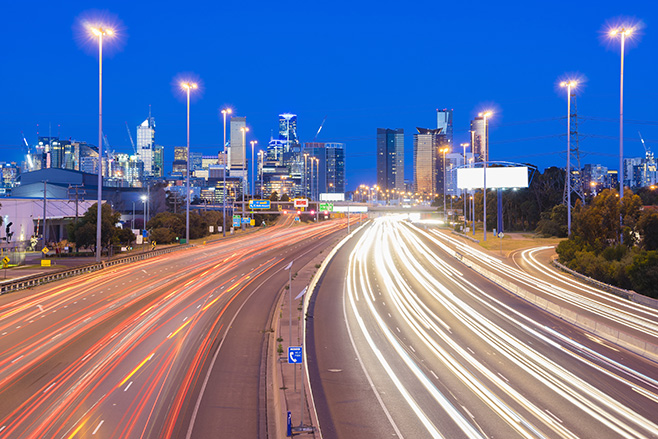
VicRoads will close four of the five outbound lanes on the busy West Gate Bridge from 9pm Monday, December 26 2022 (Boxing Day) to 6am Wednesday, January 4 2023 for essential annual maintenance.
Drivers and travellers are warned to expect “significant delays” that could exceed 90 minutes and should avoid the area by making detours early.
Snapshot
- Motorists warned to avoid West Gate Bridge from Boxing Day night to January 4 morning
- Victorians from Hobsons Bay and travellers to Melbourne Airport urged to plan ahead
- Delays from essential works could exceed 90 minutes with flow-on traffic effects
This year, VicRoads will replace the waterproofing membrane underneath the middle lane going outbound, while conducting structural checks of the steel box bridge, resurfacing and markings.
Only one lane can be open to traffic to ensure workers have space for onsite equipment and are at a safe distance from moving vehicles.
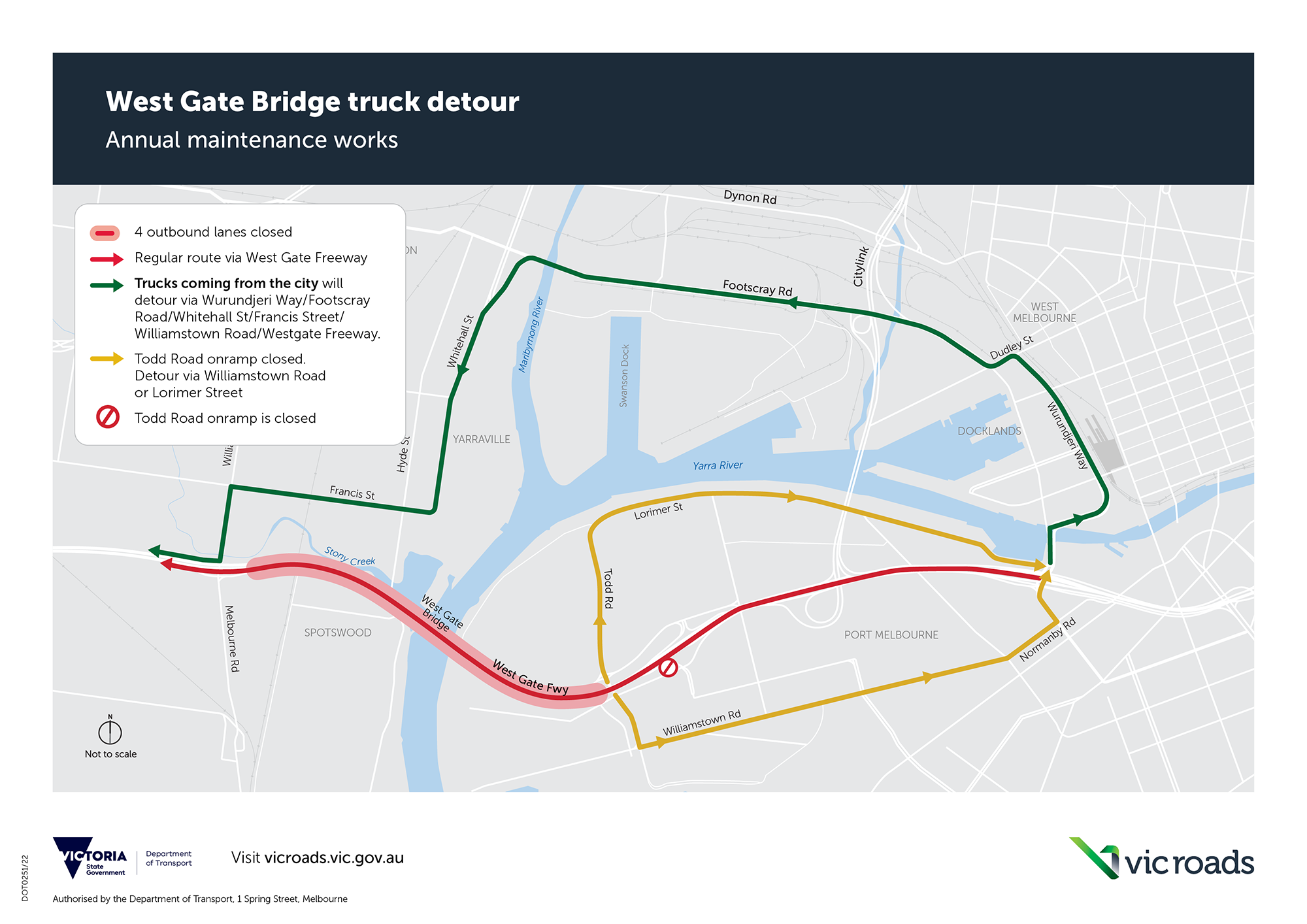
Those who are travelling to Melbourne Airport or any direction via the bridge should check the VicRoads website for recommended detour routes and plan ahead.
“We do it at this time every year because it’s the time of the lowest traffic volume of that year [20 to 25 per cent lower],” Victorian Department of Transport spokesperson Chris Miller told Wheels.
“We are warning that the delays could be really quite bad. So, maybe take the Eastern Freeway, for example. It might add an extra 10 or 15 minutes to the regular journey, but it’s a lot better than sitting in 90-minute delays,” he said.
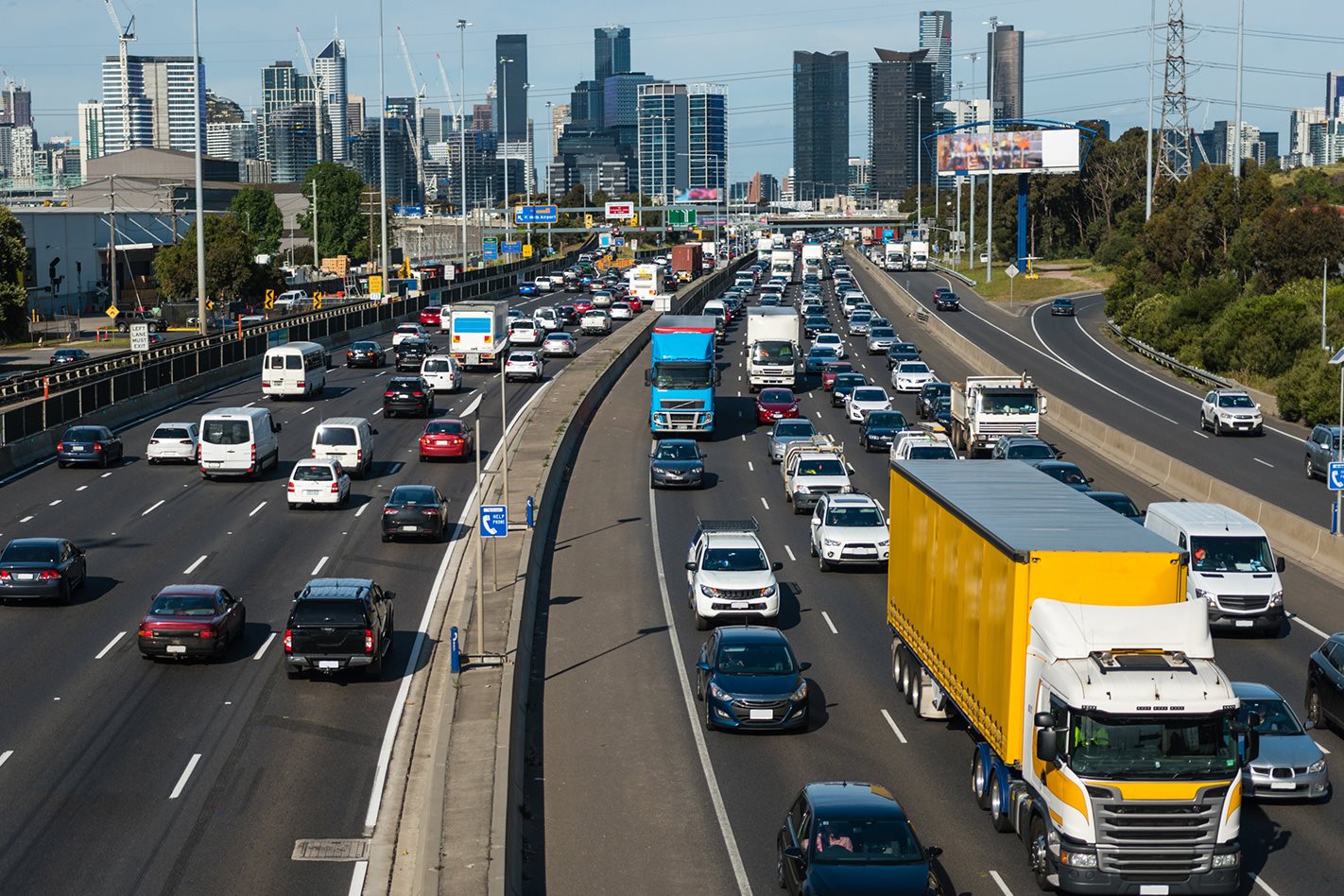
The West Gate Bridge is the busiest bridge in Australia and carries around 200,000 vehicles at its peak, per day, with 10 inbound and outbound lanes in total.
Flow-on traffic delays are expected on the West Gate Freeway, the Domain Tunnel, city-bound lanes of the Monash Freeway, and surrounding roads through the CBD, Docklands and Southbank. Inner suburbs like South Melbourne, South Yarra and Toorak will also be affected.
“Our modelling suggests the majority of people that actually use the bridge at that [holiday] time of year are workers from the Hobsons Bay area – so that’s suburbs like Altona, Point Cook and Werribee,” added Miller.
“We’re saying to them, maybe consider public transport – the Werribee-Williamstown train lines will be unaffected and running as normal. Otherwise, they will need to take a wider detour.”
“We also don’t want people trying to make a flight [at Melbourne Airport] and then discover a big wall of traffic. With the delays that we’re expecting, there’s not going to be an opportunity to make the last-minute detour,” he said.
Built in 1978, the West Gate Bridge is a steel, box-girder 2582-metre longbridge – double the length of the iconic Sydney Harbour Bridge. It’s part of the West Gate Freeway and links the CBD to Melbourne’s western suburbs and cities like Geelong.
Euro 7 emissions standards. This is the big one – ‘the end of combustion-engined cars’ in Europe. What does it mean for the car industry, which must serve a global market? Read on.
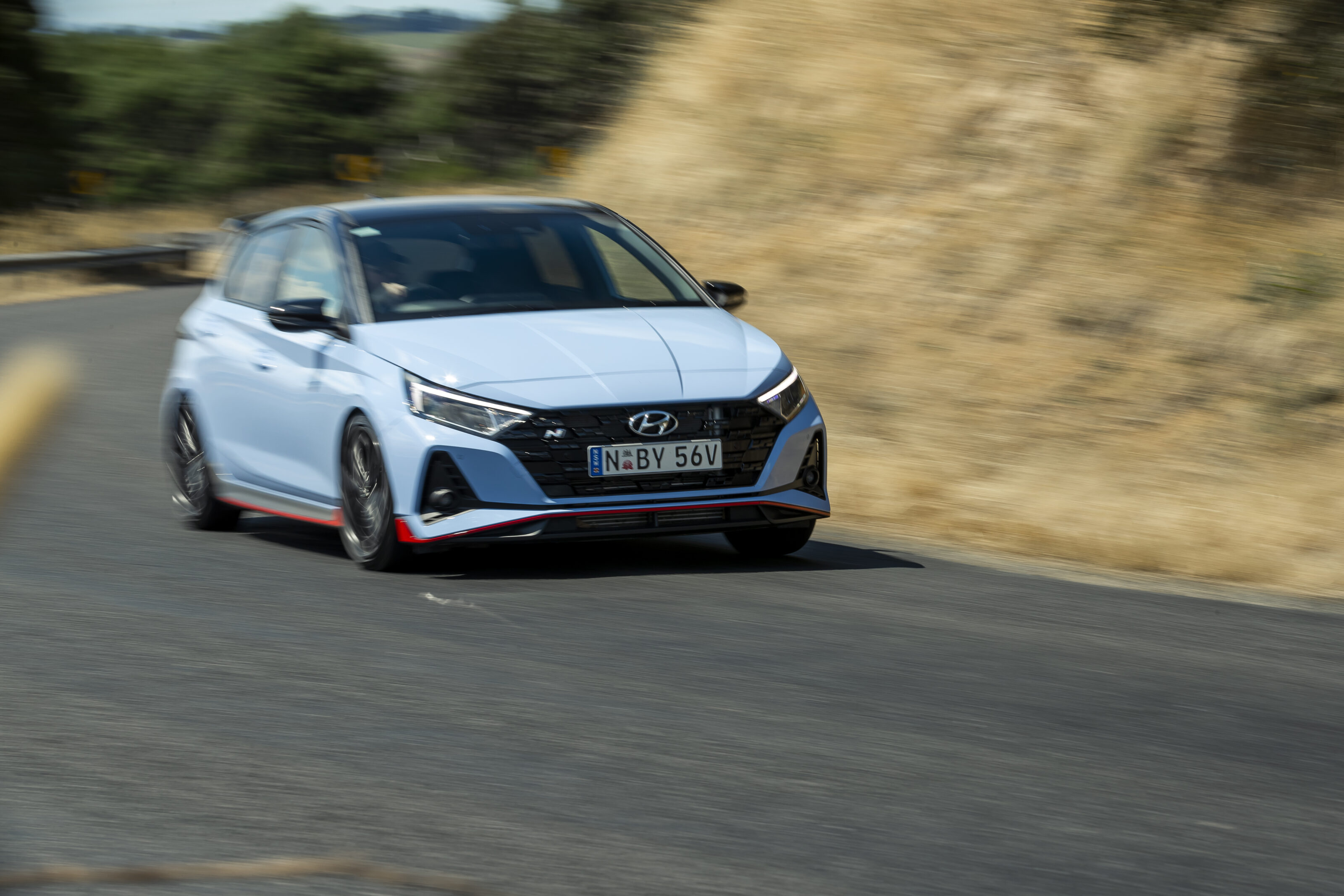
Let’s start here: Hyundai has confirmed a new generation of its petrol-powered i20 N and i30 N hot hatches and Kona N hi-po small SUV is unlikely, due to looming strict Euro 7 emissions regulations in Europe – placing doubt on whether the nameplates will live on at all.
Although the newest i30 Sedan N will live on, Euro 7 has been coined as the death sentence of internal-combustion engine (ICE) petrol and diesel cars – including conventional hybrids – in favour of tailpipe emissions-free battery-electric vehicles (BEVs).
So what is Euro 7 and what does it mean for the car industry?
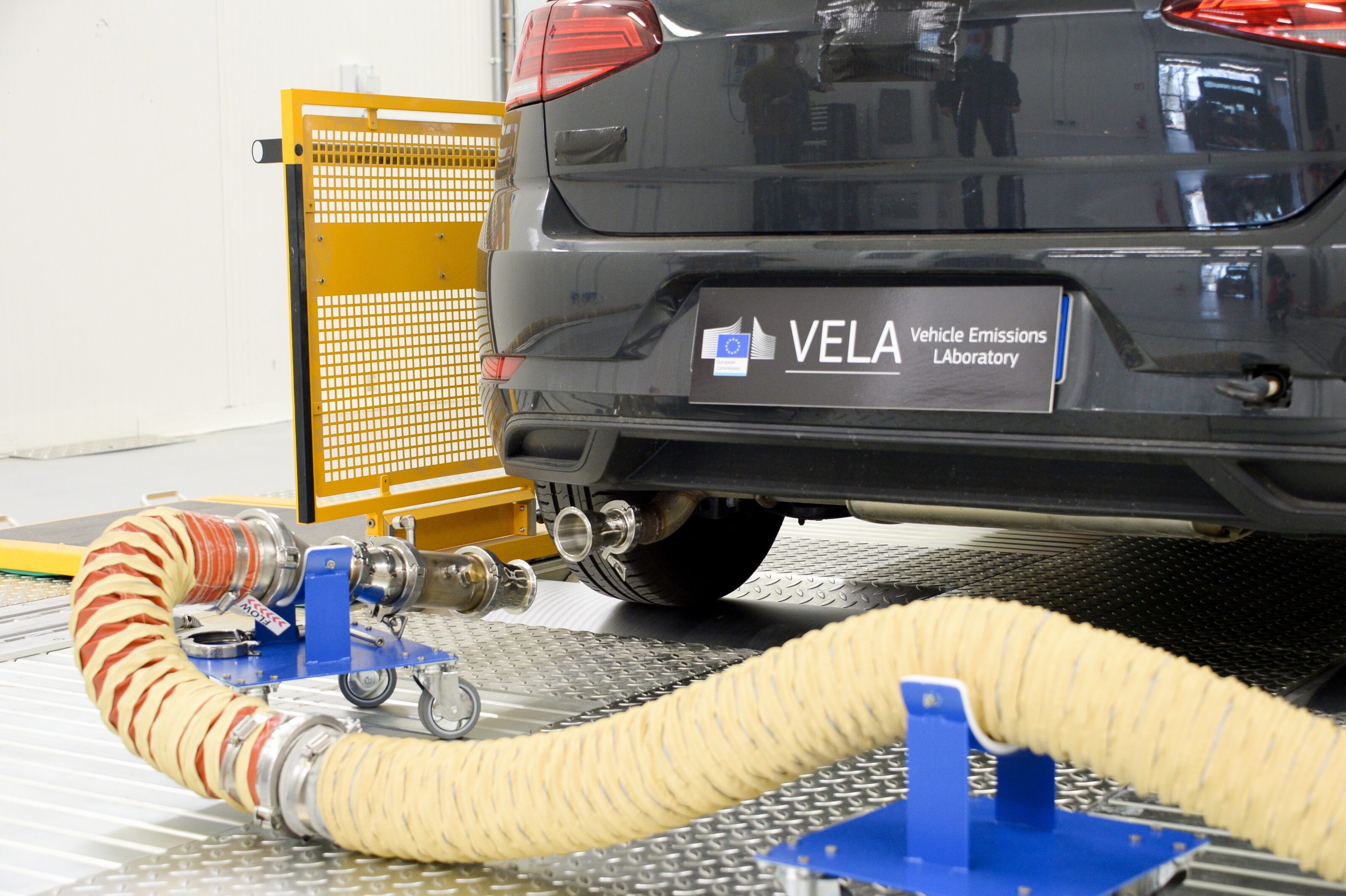
Euro 7 is the latest vehicle exhaust emissions standard being introduced by the European Union (EU) – set to be enforced from July 1, 2025, for all new mass-produced cars or from mid-2027 for heavy vehicles.
All carmakers must comply with the set limits of each pollutant type (i.e. carbon monoxide, total hydrocarbon emissions, non-methane hydrocarbons, nitrogen oxides, and fine particulate matter), fuel type, and vehicle size in order for new vehicles to be approved for sale in the continent.
Context: Euro 1 was introduced in 1992, and the current standard is Euro 6, which debuted in 2014.
Locally, the Australian Government has only mandated a more lax Euro 5 – which was released in 2009 – and it continues to be the main standard in new cars sold here today.
Despite this, emissions and noise regulations in Europe still have a flow-on effect on the global car industry.
Why is Europe constantly increasing pressure on emissions regulations?
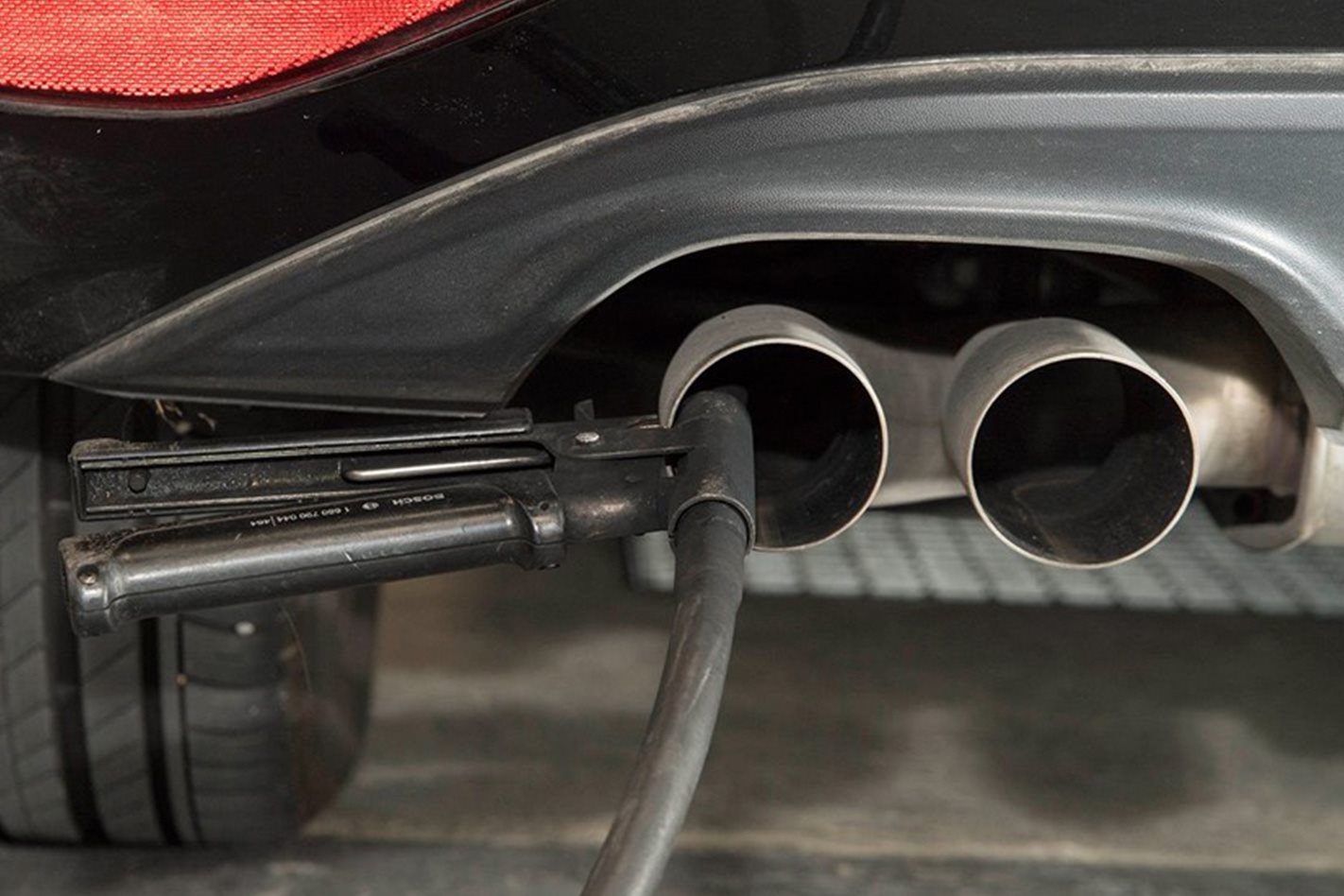
Within the EU’s 27 member nations, chronic exposure to air pollution from motor vehicles was declared responsible for more than 70,000 premature deaths in 2018 alone – one of the most recent confirmed data sets not affected by COVID-19’s impact on motor travel.
According to the Clean Air and Urban Landscapes Hub consortium of four Australian universities, an estimated 1715 deaths in Australia were attributed to vehicle exhaust emissions in 2015, and contributes to exacerbating wider health issues like respiratory infections, lung cancer and asthma.
The impending Euro 7 standard will include:
- Stricter exhaust emissions standards – Euro 7 takes the lowest limits from Euro 6 and applies it to all new cars and vans, regardless of fuel type (e.g. diesel and petrol cars must emit no more than 60 milligrams of nitrogen oxides – a 20mg/km cut for diesel)
- Tougher testing protocols – Pollutant levels will be measured during short trips and in ambient temperatures up to 45-degrees celsius
- New tyre and brake emission limits – Measuring particulate matter and setting limits for how much brake dust and tyre particles can be produced by new cars, including fully-electric vehicles
- Assessing lifetime emissions – As engines become less efficient with less clean-burning of pollutants, Euro 7 doubles the period for assessing compliance to 10 years or 200,000km. Automakers must also fit sensors to allow cars to detect engine faults that cause higher emissions.
- Analysing electric car battery longevity – Full EVs and plug-in hybrids will be assessed for how well they retain their battery state-of-health over time to officially address a key concern of battery pack degradation.

How will Euro 7 impact ICE cars?
Although most car brands have promised to go all-in on electric line-ups between 2025 to 2040, it’s argued Euro 7 will accelerate those plans – and destroy the commercial viability of ICE systems in Europe.
In terms of existing internal-combustion-engine technologies, the strict Euro 7 emissions thresholds force automakers to throw even more money at exhaust particulate filters, and downsize engine displacements – or fit more mild-hybrid, hybrid or plug-in hybrid tech to keep selling ICE cars in Europe.
All of these options are costly and complex to deploy as a stopgap when fully-electric propulsion is inevitable – and very few carmakers’ accountants and shareholders would stand for it.
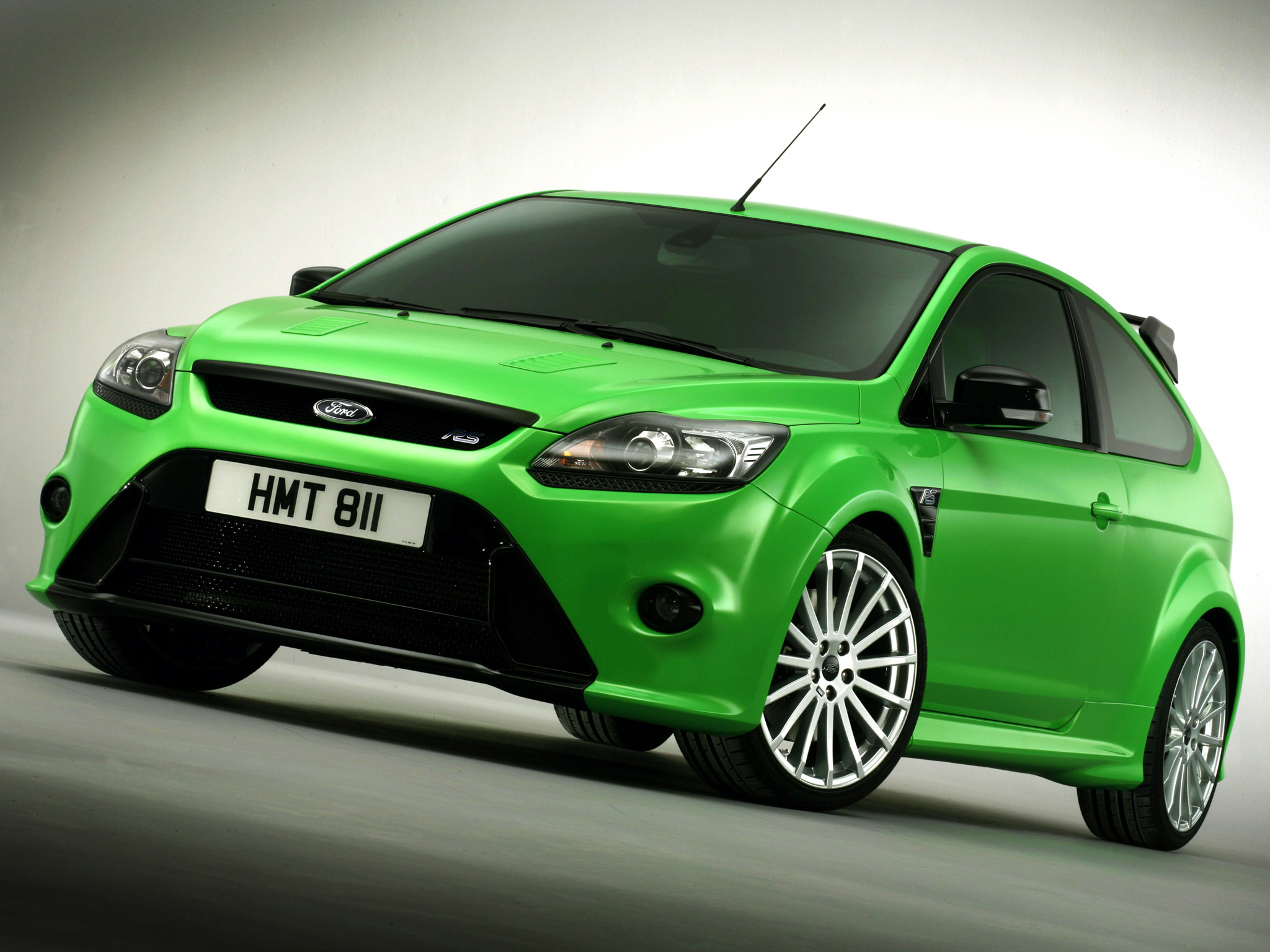
For example, Ford axed the Focus RS badge in 2020 – due to the high cost of electrifying a low-volume model just to meet increasingly stringent emissions standards and avoid being taxed for exceeding fleet average thresholds, it told Carscoops.
It looks to be a similar story with the current Hyundai i20 N, i30 N and Kona N trio unlikely to comply with Euro 7 and may not live on with petrol-only power for the next-generation, Hyundai told CarExpert.
Even before that, Nissan revealed it will soon end the development of combustion engines, while Volkswagen has recently confirmed it is planning plug-in hybrid and pure-electric versions of the new Amarok ute to maintain its availability when Euro 7 kicks in. Likewise, the future of the VW Golf appears to be hanging in the balance.
The list of brand evaluating the viability of their ICE models in the immediate future, goes on.
Make no mistake: As car companies invest heavily in electrification – forcing a long and hard look at the books – low-volume and low-margin models are being ditched or heavily partnerised to maintain profitability and keep the stock markets happy…ish.
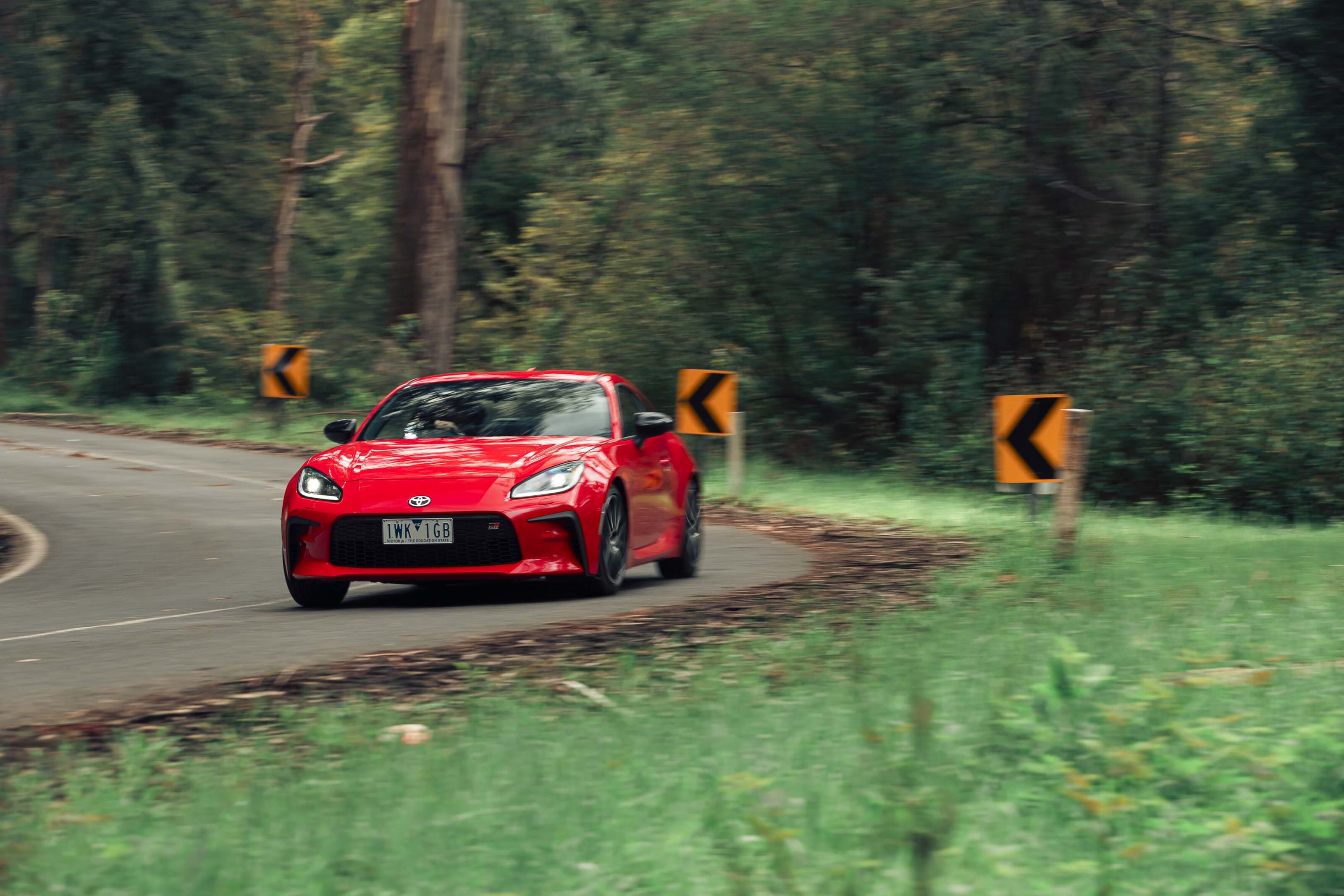
In the meantime, small city hatches like the Mitsubishi Mirage, Ford Fiesta and regular Renault Megane are already gone, niche sports cars like the new Subaru BRZ, Toyota GR86 and Nissan Z still use modified underpinnings and engine designs from their decade-old predecessors, and wagons are on life-support with only a tiny handful of models left from dedicated carmakers.
With Euro 7 forthcoming, the business case to keep selling ICE models becomes even less viable.
Is it time to switch to an EV?
So, the future of A-to-B travel, at least as it applies to motor vehicles, is inevitably all-electric.
While the long-term ownership and running costs are already cheaper than ICE today, EVs are still pricier to buy upfront – and there are concerns around charging infrastructure.
Thankfully, increased demand and competition in Australia is slowly-but-surely driving price tags down, battery makers are developing lower-cost, more sustainable and durable pack chemistries to combat rising material costs, and public charging networks continue to expand – even though charging at home is the preferred, easiest and most cost-effective way.
Then, there’s the question of whether all electric cars are boring to drive…
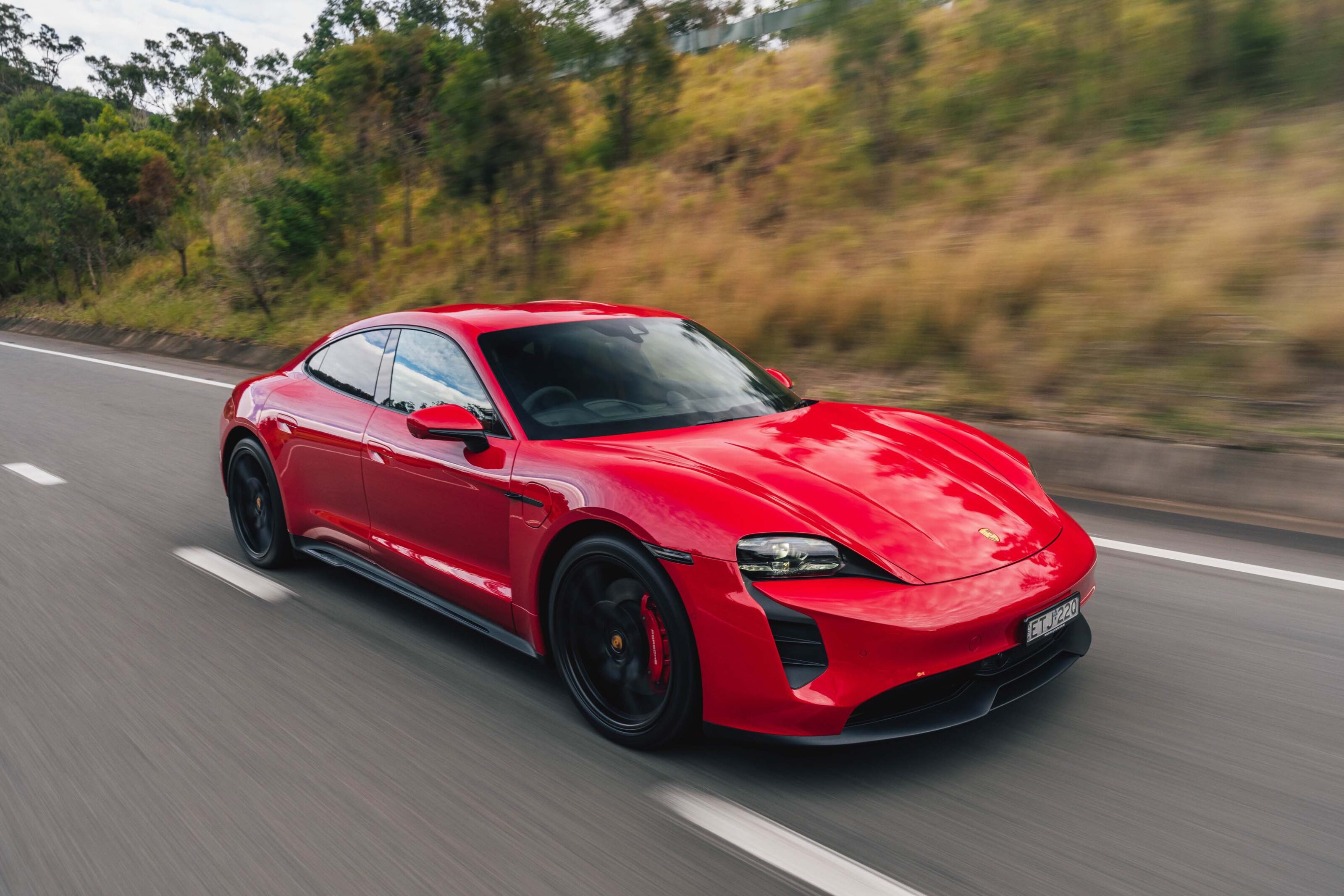
Brands like Kia, BMW and Porsche already employ artificial futuristic driving sounds to mimic that sensation of revving up an engine, and some high performance EVs have two gears to improve acceleration times.
Hyundai is even developing a virtual dual-clutch ‘N e-shift’ system that gives the same jolts and downshift body vibrations as ICE cars, while Lexus is working on a simulated EV manual transmission with a clutch pedal.
As with all new technologies, EVs will not be the same ICE cars we’ve been driving for a century and there are still key hurdles to adoption in this relatively early phase. But, with forthcoming Euro 7 standard and other emissions, noise and fuel economy mandates from other countries, new ICE cars are poised to become a niche offering – just as EVs are today.
If you’re thinking of buying a new EV, boy, do we have something for you in the Yearbook edition of Wheels.
Even if you’re not in the market for something electric but are just a little curious about the state of the art in the mainstream market right now, you need to be all over the EV Buyers Guide. We round up 16 cars all sub-$100k, split them into three price brackets and bring you the verdicts.
In addition we drive the Ford Mustang Mach E, the Genesis GV70 Electric, report on Volvo Australia’s fast-track EV blueprint and tell the story of how the crucible of motorsport is informing the development decisions behind Porsche’s next-gen Boxster and Cayman.
(? Psst, you can also read a chunk of it online by hitting the big photo below)
Best Electric Cars Under $65k: Affordable EVs Rated
Welcome to part one of three price-based EV buying guides, this one focused on the most affordable electric cars available in Australia today
Prefer a bit of suck, squeeze, bang and blow instead?
We’ve got the anti-EV in the voluptuous shape of the unashamedly retro Nissan Z, in manual guise taking on the Ford Mustang California edition.
We get behind the wheel of the vastly-improved BMW X1 and John Carey is the lucky sod charged with testing Maserati’s beautiful MC20 Cielo.

And if you thought a Mitsubishi Outlander was just something that Alex Inwood straps a baby into, then think again. We have the full gen on how Mitsubishi is looking to create a wild Dakar demon from the bones of the unprepossessing SUV.
Enright has taken to emotional lability and wearing a black armband in the office as his beloved Subaru BRZ exits the Wheels garage and we’re also farewelling the Ford Fiesta as the Blue Oval draws the curtains on 46 years and 22 million sales.
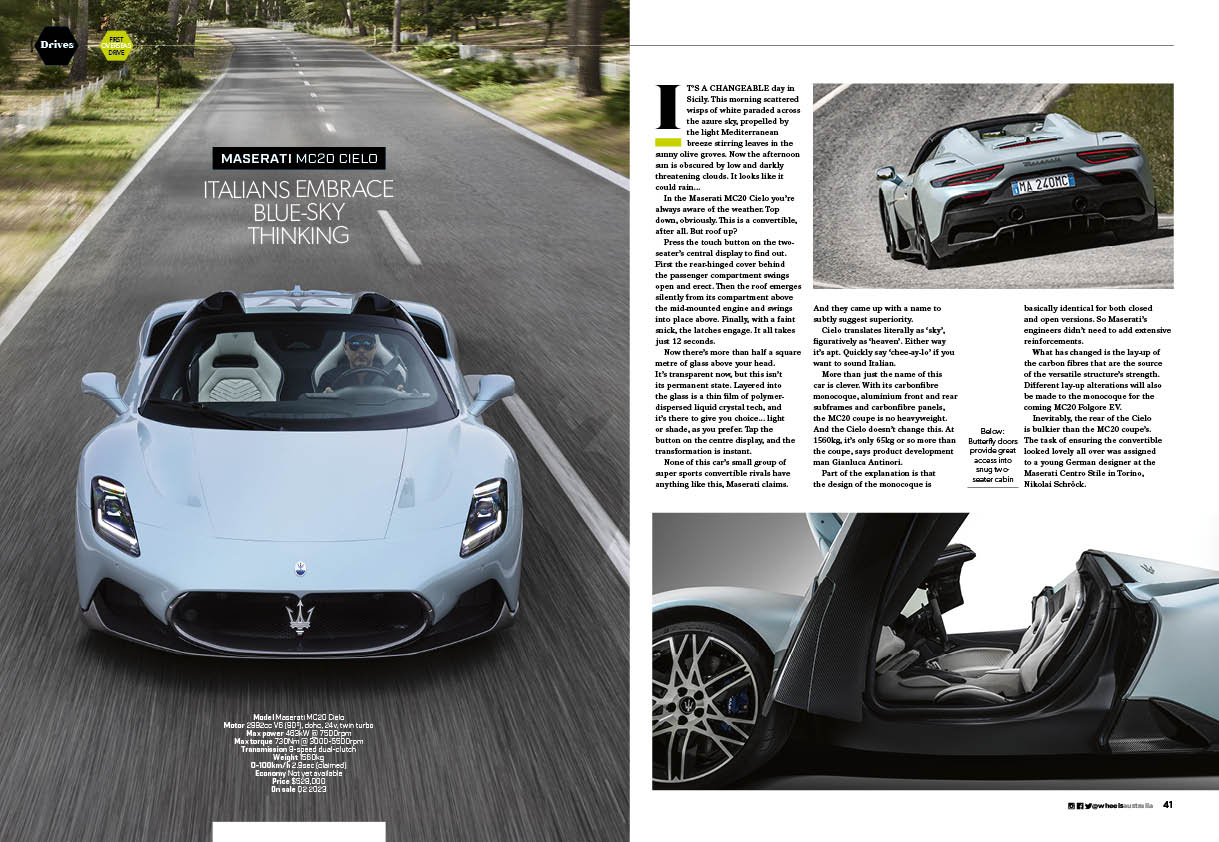
Daniel Gardner has his teeth sandblasted, Alex Inwood ponders EV noise and Andy Enright is still waiting for a convincing electric hot hatch at the right price. There’s a heck of lot more too, including an office chair with a top speed of 17km/h.
But we’re not going to give everything away.
Grab a copy, in all reputable outlets now (and a few barely reputable ones too).
And, if you’re not already subscribed to Wheels magazine, you can do that at the link below!

