
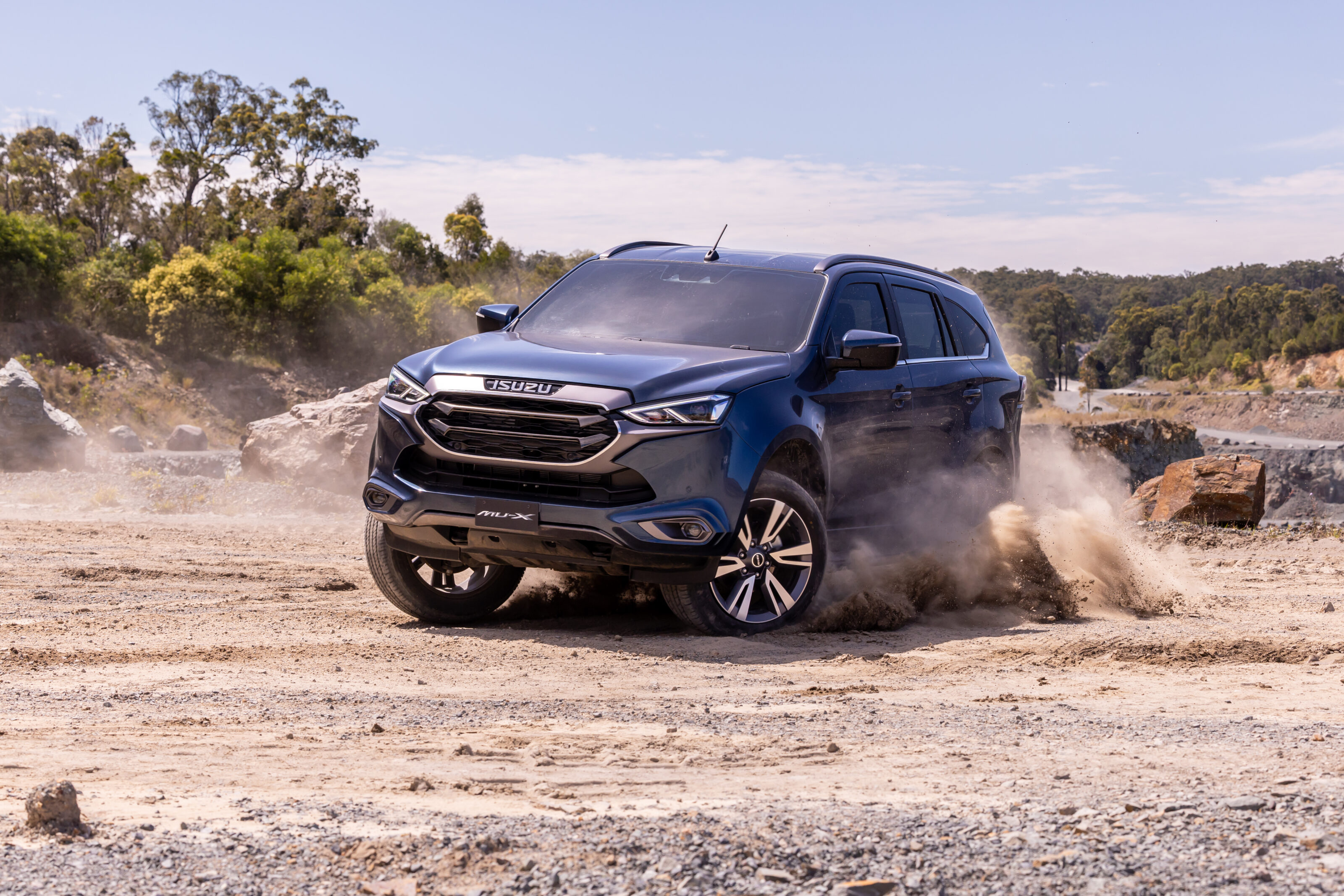
The title of Best Individual Isuzu Light Commercial Vehicle (LCV) Technician in the World has gone to an Albury service technician following the recent Isuzu World Technical Competition.
Peter Carter, from Blacklock’s Isuzu Ute in Albury, participated against 42 other hopefuls from 21 countries in the I-1 Grand Prix (I-1GP) tournament, which is a competition through which Isuzu seeks to grow the skills of its mechanics around the world. The tournament presents participants with time critical challenges that test their knowledge and skills.
“It is surreal; the reality of winning hasn’t set in, and I am yet to realise and understand the impact of this result for our dealership and for Isuzu Ute Australia (IUA),” Mr Carter said.
“In 2018 I was selected as reserve for the IUA team that competed in Thailand, so I was able to witness and appreciate how important the I-1GP is for Isuzu. This started my two-year journey of professional development and learning to prepare for the 2020 competition, which was unfortunately cancelled due to COVID.”
Mr Carter’s skills and ability were reinforced by his contributions to the team that took 4th place in the Light Commercial Vehicle Team category, joining John Jones, Colin Mitchell and Brett Tingwell from IUA’s Training department, Mick Cornell from Townsville Isuzu Ute, and IUA’s in-house technical team member Jake Woods.
“To compete in a competition of this size was definitely an experience that I am grateful to have been a part of and an experience that I will not forget. The competition test questions were based around a basic level of engineering knowledge, really designed to test the technician’s knowledge and understanding,” Mr Woods said.
Service technicians with three years of experience with an Isuzu dealership are eligible to compete in the tournament, with only one team allowed per country.
Students at RMIT have created their own vision of what mobility could look like in the city of Melbourne by the end of this decade as part of a competition partnership with BMW Australia.
YourMelbourne tasks students with creating their idea of the city in 2030 – factoring in the challenges of climate change, a growing population and the need for evolving transport solutions. As part of the project, they also had to weave in the 17 Sustainable Development Goals set by the United Nations General Assembly.
Entrants came up with everything from imagining clever aeration methods to clean up Melbourne’s waterways and revolutionising pavement coverings to enhance personal mobility comfort, to designing the next-generation shared vehicle network to remedy the rising problem of congestion.
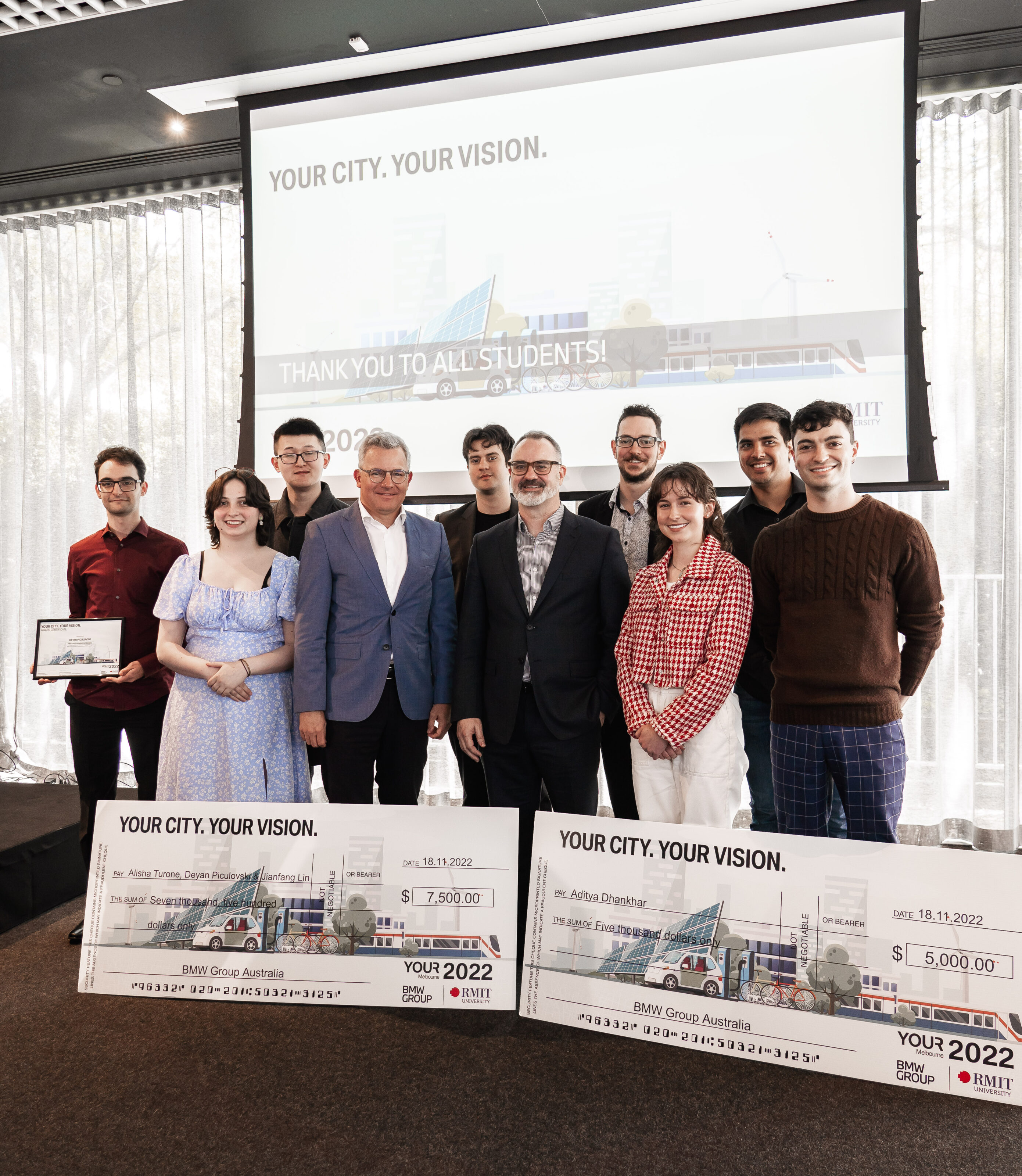
Wolfgang Buechel, CEO of BMW Group Australia, said he was deeply impressed after reviewing the submissions.
“It is incredibly inspiring to see the future of our city through the lens of next-generation visionaries,” Buechel said.
“Their forward-thinking ideas offer a brighter, greener and exciting perspective on how Melbourne could further develop to embrace sustainable mobility solutions.
“From improvements on public and personal mobility, to reimagining suburban life, their ground-breaking solutions not only bring out their ability to think creatively and holistically; they also underscore the importance on paving the way for these brilliant young people to realise their vision.”
First, second and third place were awarded in two categories: Individual and Group. Winners were given $5000 and $2500 (each) in cash respectively.
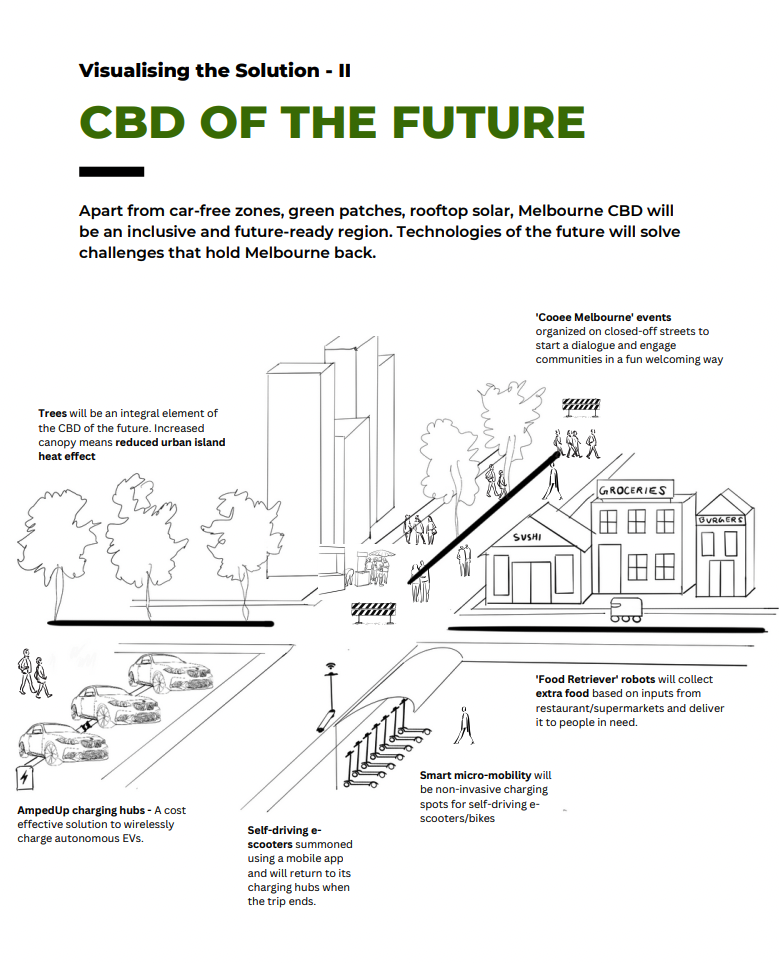
This year’s individual category winner, Aditya Dhankhar, presented an idea of a self-sustaining suburbia featuring ‘rolling farms’ to circulate local fresh farm produce, and transforming the city into a green oasis with infrastructure solutions for electromobility.
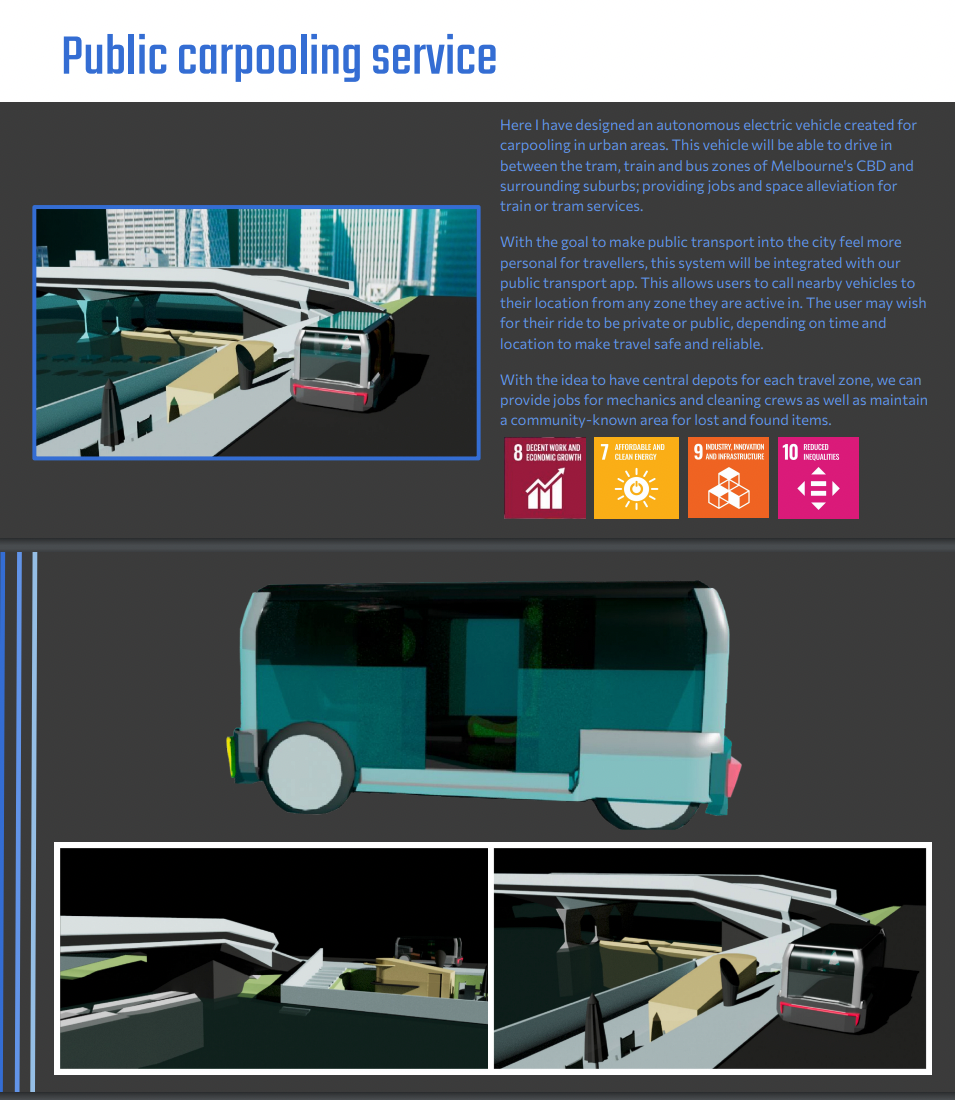
Group category winners, Alisha Turone, Deyan Piculovski and Jianfang Lin provided a holistic eco-structure for Melbourne in the year 2030, with highlights such as raised pathways which double as community hubs, city gardens and filtration systems retrofitted onto train bridges to clean up the Yarra River.
Each submission was judged by a panel, which included members of staff from both BMW Group Australia and RMIT.Professor Heath McDonald, Dean of School of Economics, Finance and Marketing, RMIT College of Business and Law, praised the diversity of ideas put forward in the competition.
“Over the past two years, our partnership with BMW Group Australia for the YourMelbourne competition has successfully encouraged students to carefully consider their future and how the different puzzle pieces of society come together in one cohesive concept,” Professor McDonald said.
“Each and every submission demonstrated creative talent with the winning submissions showcasing unique interpretations of the future of Melbourne that our community should aspire towards, and this competition is one of the ways we provide a voice to the students to inspire others to think sustainably.”

2022 Your Melbourne winners
| Individual winners | Group winners | |
|---|---|---|
| 1st | Aditya Dhankhar | Alisha Turone, Deyan Piculovski, Jianfang Lin |
| 2nd | Lucinda Gibson | Jingyi Luo, Renping Liu, Yang Lu |
| 3rd | Caleb Dalais | Max Tandy, Michael Kalkandis |
Remember the exciting rumour that Mazda was planning an all-new Mazda 6 that would be rear-wheel-drive and powered by a fresh straight-six turbo petrol?
The persistent speculation was that Mazda’s new rear-drive Large Architecture, which will underpin a host of new SUVs like the CX-60, CX-70 and CX-90, would also spawn a sleek new 6 and possibly even a halo sports coupe, long rumoured to be badged as an RX-9.
But now Mazda has said that isn’t going to happen. Both projects seem dead in the water, or in the very least placed on the back burner, and not only because they would be slow sellers given changing buyer tastes.
Mazda has revealed its new Large Architecture is designed for SUVs only.

Speaking to Wheels at the Australian reveal of the CX-60, Mazda’s head of design Akira Tamatani, confirmed the new 6 and halo sportscar are currently low priorities.
“If we can make a success out of those large platform products [CX-60 et al] then after that we might be able to have a passenger model,” he said. “A sportscar, a passenger car, it will be creating a brand-new platform for those type of cars so we will need to take certain steps to make action for that after. Of course we have a passion to do that [a new 6 and sportscar], but we need to take certain steps in order to get there.”
When asked to clarify his comment that a new Mazda 6 would require a new platform, Tamatani said:
“The vehicle height [of a Mazda 6] will be lower than the SUVs, so I don’t think we can apply exactly the same platform for those vehicles. This Large Architecture is designed mainly for SUVs.”
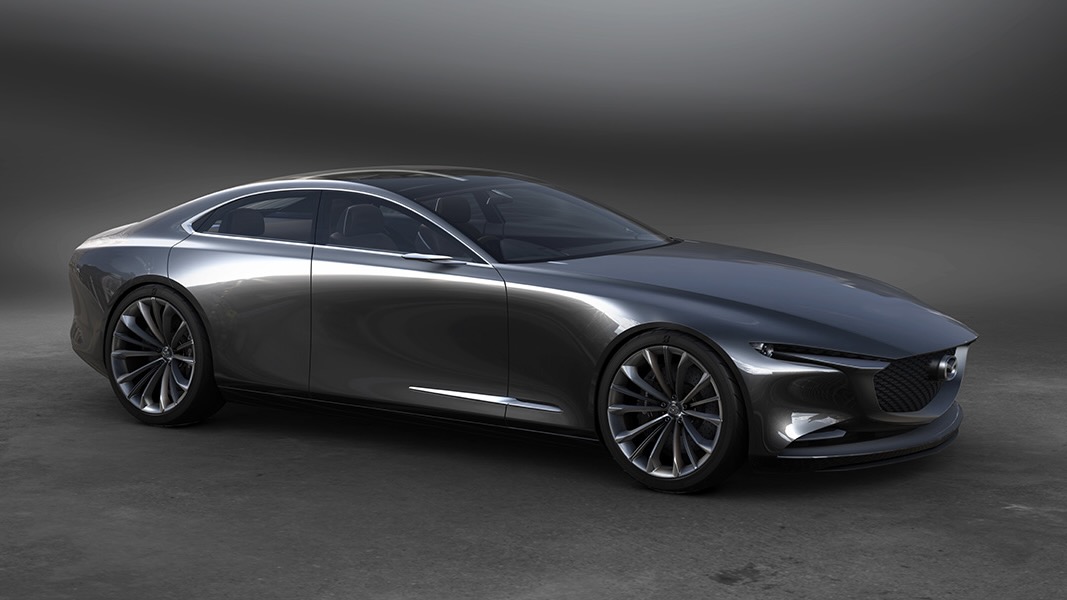
Mazda’s director and senior managing executive officer, Yasuhiro Aoyama, also poured cold water on the prospect of new-gen rear-drive 6.
“We will put our focus on driving the core models for the Large Architecture, so we need to carefully investigate the opportunity into how we can develop that kind of model [a sedan] for different countries so we can meet the customer expectations,” he said.
“But we are still investigating a lot of opportunities around what should be the best product portfolio for us when we gradually shift from ICE to electrification.”
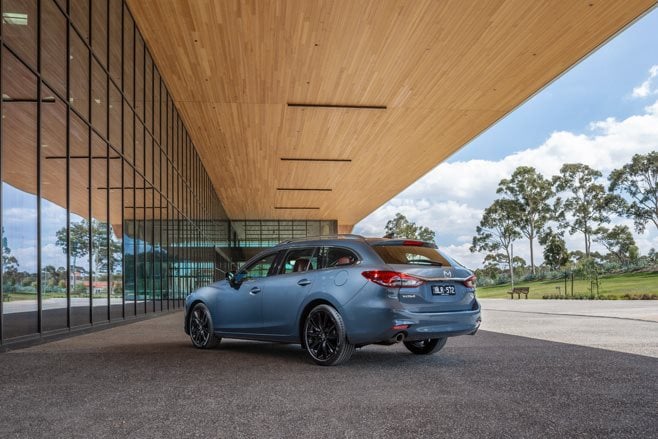
The Mazda 6 nameplate first joined the line-up in 2002 when it replaced the 626, but Aoyama confirmed there’s no guarantee Mazda’s long-running mid-sizer will live on beyond its current generation. When we asked Aoyama is another 6 a sure thing, his reply was noncommittal.
“No, we are still investigating a lot of opportunities to make the appropriate portfolio considering the shift of our technologies into the future,” he said.
Mazda axed the 6 from its line-up in America last year and Aussie sales have nosedived as the market shifts towards SUVs, so news that a new 6 is on shaky ground is no surprise. Happily though, the brand is more positive about the future of the iconic MX-5, which Aoyama confirmed is currently being developed for a circa-2026 reveal.
NSW Police have charged an allegedly drunk driver who led Highway Patrol on a 170-kilometre chase between Yass and Wagga Wagga.
Police were made aware of the man after he allegedly stole a case of beer from a grocery shop in East Murrumbateman.
The 55-year-old man was spotted travelling south on the Hume Highway near Yass in a Mercedes-Benz C180 Coupe, but failed to stop, causing the Police to engage in a pursuit at around 6.30pm on Sunday, November 27.

The man was arrested in Wagga Wagga, around 170km later, after failing to pay for fuel at a nearby petrol station.
NSW Police did not disclose the maximum speed achieved on the chase, but the man who was allegedly driving without a licence has been charged with the eight offences below after returning a positive roadside breath test, and subsequent 0.040 reading on a secondary breath analysis.
| Charges laid by NSW Police | |
|---|---|
| Shoplifting | Police pursuit u2013 not stop u2013 drive recklessly |
| Non stop vehicle when directed to do so | Negligent driving (no death or grievous bodily harm) |
| Class A motor vehicle exceed speed | Driver consume alcohol while driving |
| Dishonestly obtain property by deception | Licence expired less than 2 years before u2013 first offence |
The man was refused bail to appear in Wagga Wagga Local Court on November 28.
A police chase lasting 170km is by no means short, but is far from the longest pursuit in Australia’s recent history.
In 2004, police pursued a couple in a stolen BMW 600km across the Nullarbor, and in 2015 a man was charged following an 800km chase between Seaford in Victoria and South West Sydney in a hijacked rideshare car.
The popular Tesla Model 3 electric sedan is set to receive exterior, interior and powertrain updates in 2023, according to a new report.
News agency Reuters claims the heavily-updated model – which is Australia’s top-selling electric vehicle – will enter production at Tesla’s Shanghai factory in China in the third quarter of 2023, as it approaches its sixth year on sale.
All examples of the Model 3 for Australia are now sourced from China.

The redesign – codenamed ‘Highland’ – will reduce the number of components in the Model 3’s cabin, as Tesla aims to reduce production costs of the vehicle.
While the exact changes are currently unknown, it is expected to follow the updated Model S and Model X, with reference to the “airplane-style yoke in place of a traditional steering wheel,” but it is unknown if the Model 3 will receive this setup.
Those updates also introduced concealed air vents, a landscape-orientated 17-inch infotainment system and fewer buttons with the traditional stalks replaced by steering wheel controls.
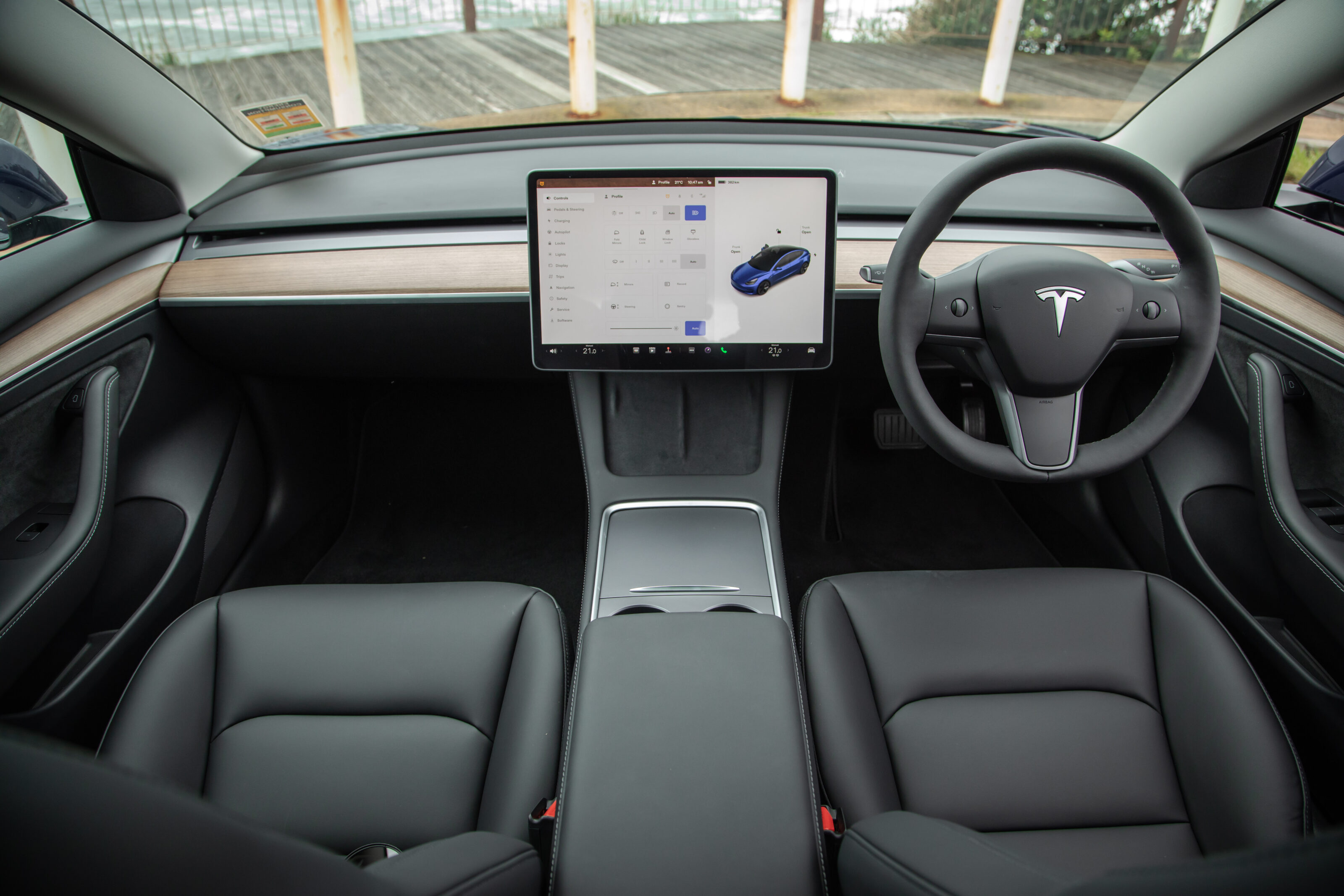
The cabin of the Tesla Model 3 is already minimalist as it has no digital instrument cluster or head-up display, with the speed displayed on the central touchscreen. It also lacks switchgear for most components, with nearly every function – except the hazard lights – controlled via the infotainment system.
In addition, the update “could also include some changes to… exterior and powertrain performance,” but it is unclear what these could be.

It is unknown if the updates will feature on the Model 3’s mid-size SUV sibling, the Model Y; however, it is likely as both vehicles share almost all components and are built on the same assembly line.
“Over and over, we found parts that are not needed. They were put in there just in case or by mistake. We eliminated so many parts from a car that did nothing,” said Tesla CEO Elon Musk at a Baron Funds conference earlier this month.
It is this approach that has allowed Tesla to become the most-profitable electric vehicle manufacturer. In the third quarter of 2022, Tesla made a profit of approximately AU$14,200 per vehicle, while Toyota – the highest-selling vehicle brand – is around AU$1940 per vehicle.
Reuters states Tesla has invested in large casting machines – known as Giga Press – at several factories to reduce manufacturing costs, with the ability to produce single, larger pieces of a vehicle during assembly to reduce cost and speed up production.
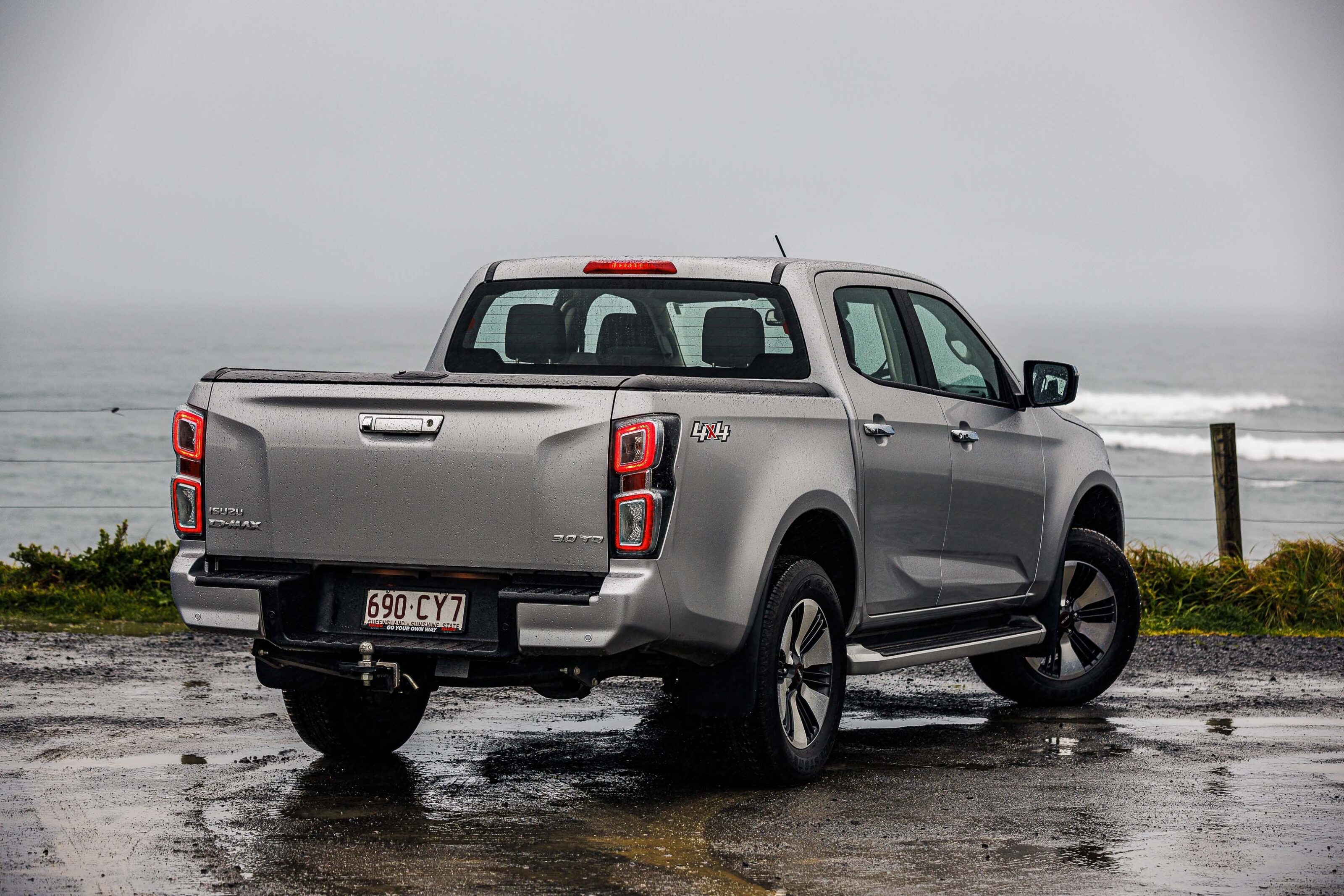
The remarkable thing about the 2022 Isuzu D-Max LS-U is that it feels purposeful, utilitarian, and practical, but without simultaneously sacrificing much in the way of day-to-day useability. It is a dual-cab ute that is designed to be used as dual-cabs are – by loading up the tray, hitching on a trailer, and going where other SUVs and soft-roaders do not dare.
JUMP AHEAD
- How much is it, and what do you get?
- How do rivals compare on value?
- Interior comfort, space and storage
- What’s the payload and is the tray practical?
- What is it like for towing?
- What is it like to drive?
- How is it on fuel?
- What about the new 2023 update?
- VERDICT
- Specifications
How much is it, and what do you get?
The D-Max is one of the freshest utes available thanks to recent updates following its 2020 launch in second-generation form. It has a list price of $59,000 before on-road costs, or $66,119 drive-away.
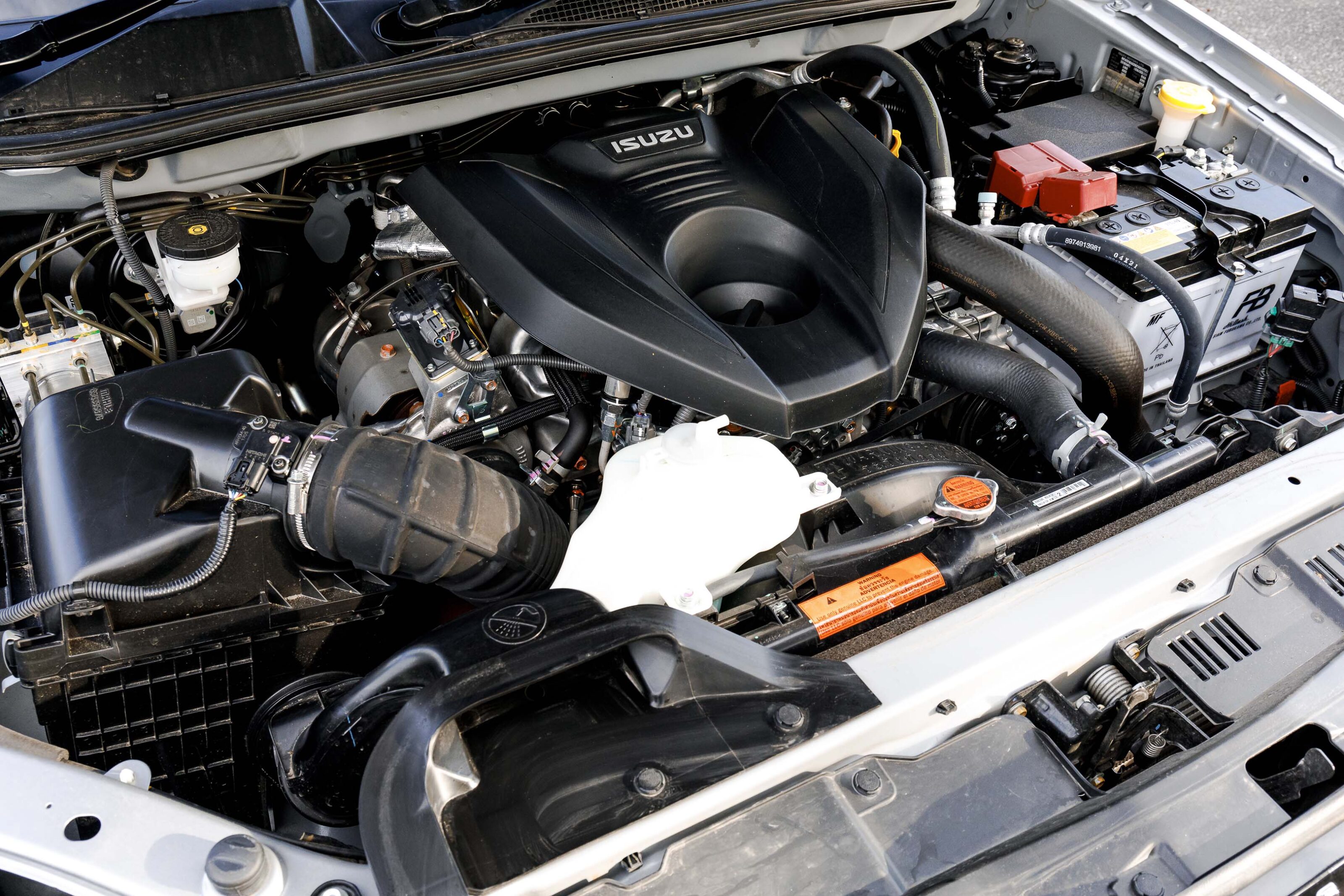
In LS-U trim it’s powered by Isuzu’s venerable 3.0-litre turbo diesel and is strong on safety and drive-assistance technology. A recent update has added a 1.9-litre engine to the D-Max range, but the 3.0-litre is still the best option. You can read more about the most recent model year update for the D-Max later in the review, with new additions including keyless start for extra convenience.
Eight airbags are standard, along with several other active safety tech features, which combine to give the Isuzu D-Max a five-star ANCAP rating from testing in 2020.
How do rivals compare on value?
The Isuzu D-Max offers good value when compared to key rivals like the 2.0-litre Ford Ranger XLT ($61,190 sticker, $67,543 drive-away).
However, its Mazda BT-50 twin under the skin costs $57,290 in comparable GT trim ($66,939 drive-away if you hold an ABN), and the similarly utilitarian-focused Mitsubishi Triton GSR wears a $55,690 sticker (currently $65,190 drive-away for ABN holders including a roll-top tonneau).
The Toyota Hilux SR5 ($58,680/$66,201 drive-away) and Nissan Navara ($58,730/$65,680 drive-away) are close to the Isuzu in price.
Service intervals for the D-Max are 15,000km or 12 months, with seven capped-price services available until seven years or 105,000km have elapsed. The first service costs $409, with subsequent trips to the dealer hovering between $319 and $769.
Interior comfort, space and storage
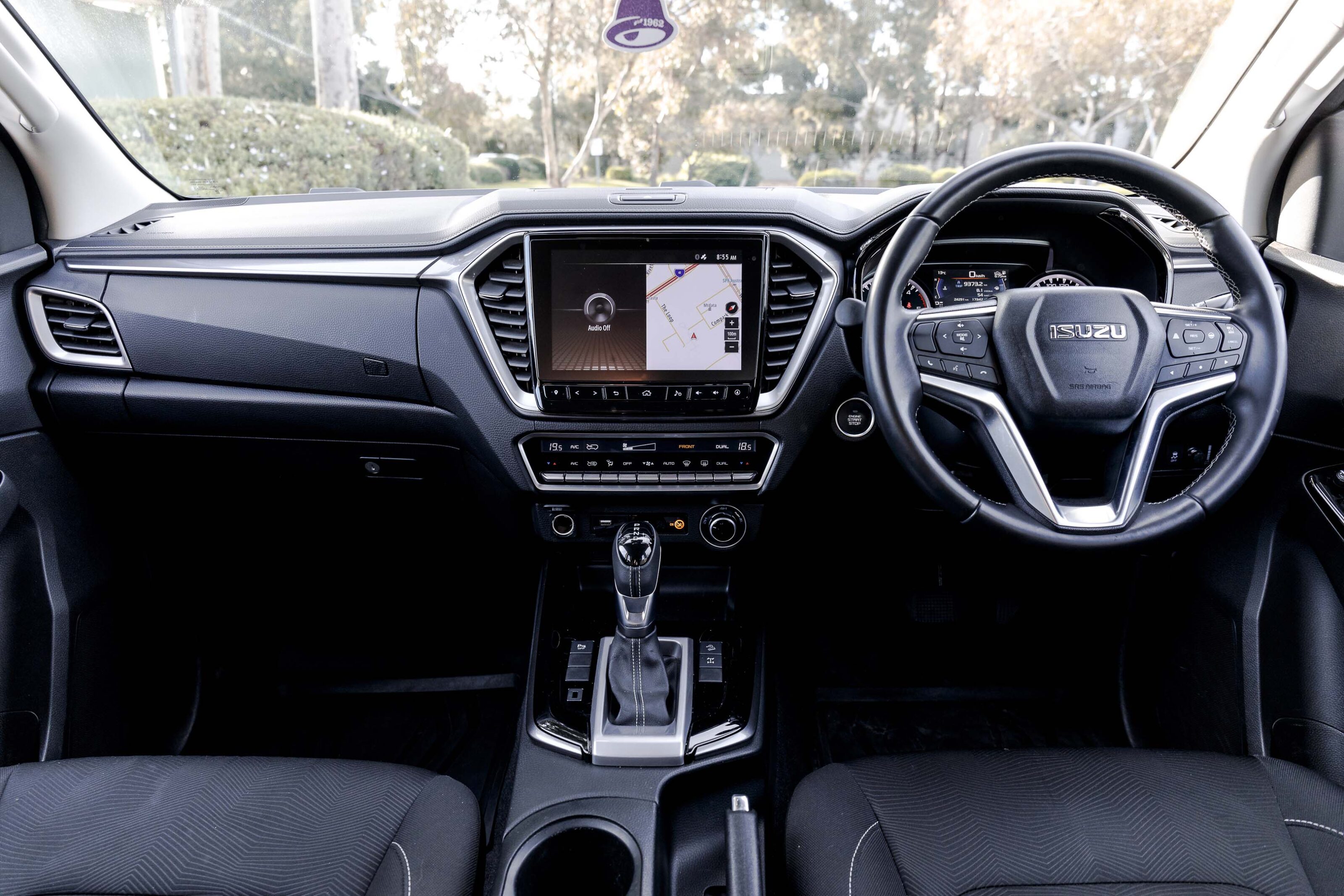
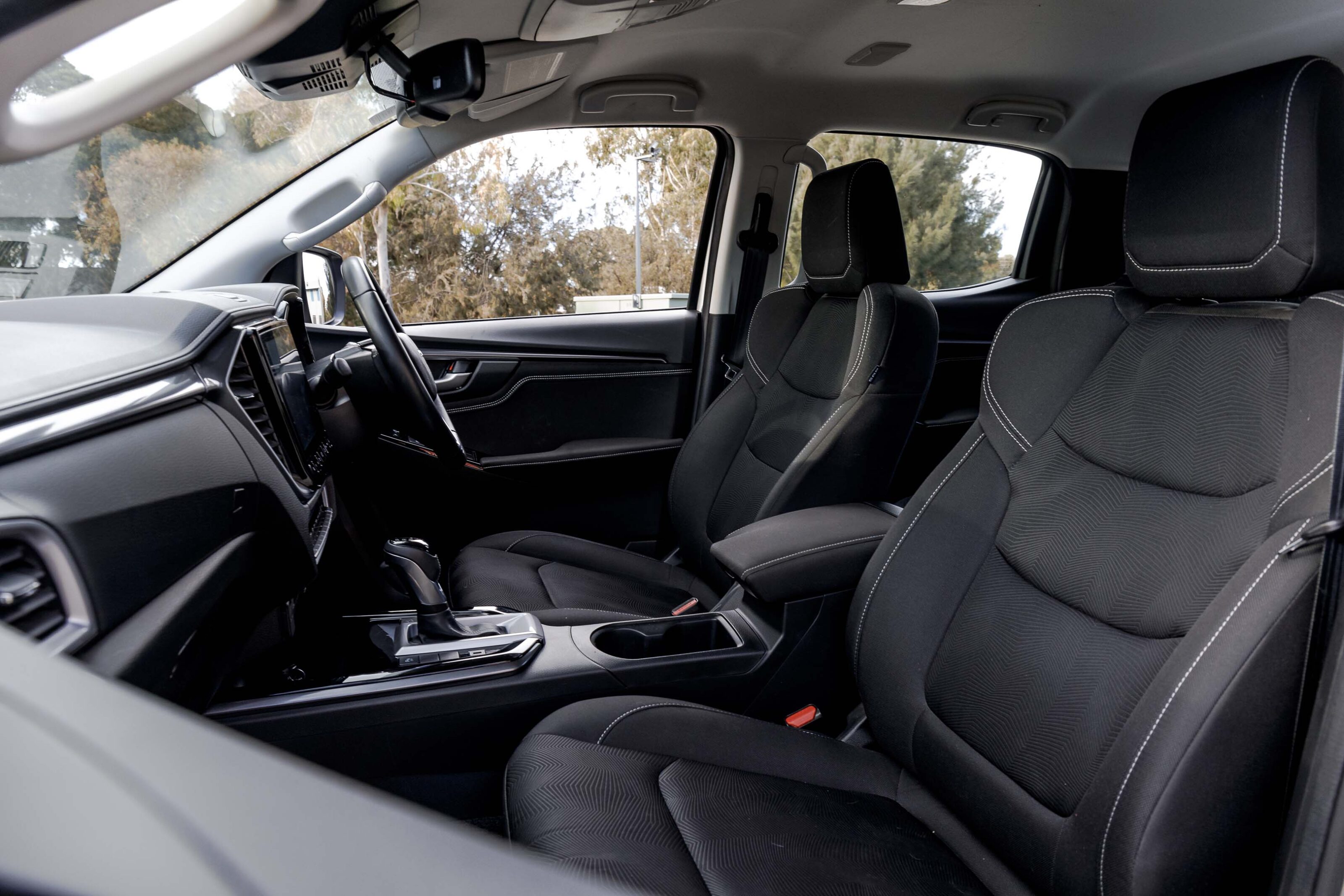
Whereas the Mazda BT-50 has easily the most car-like of ute cabins with its tasteful two-tone upholstery and a logical dashboard layout, the related Isuzu D-Max lacks its platform partner’s more luxurious cabin finish, electric driver’s seat adjustment, classier black roof lining and heated front seats.
At least the Isuzu’s front seats are as comfortable as they look and offer a generous 90mm of headroom for the driver. The impressive 9.0-inch central touchscreen matches that of the BT-50 and while it has sharp graphics and decent features, the system takes more than 20 seconds to boot up after the engine is started – the longest of any ute in our recent giant dual-cab comparison.
Unlike some others, the touchscreen does not incorporate the climate control functions, which are instead housed in a specific panel below with a clear digital display and hard switches.
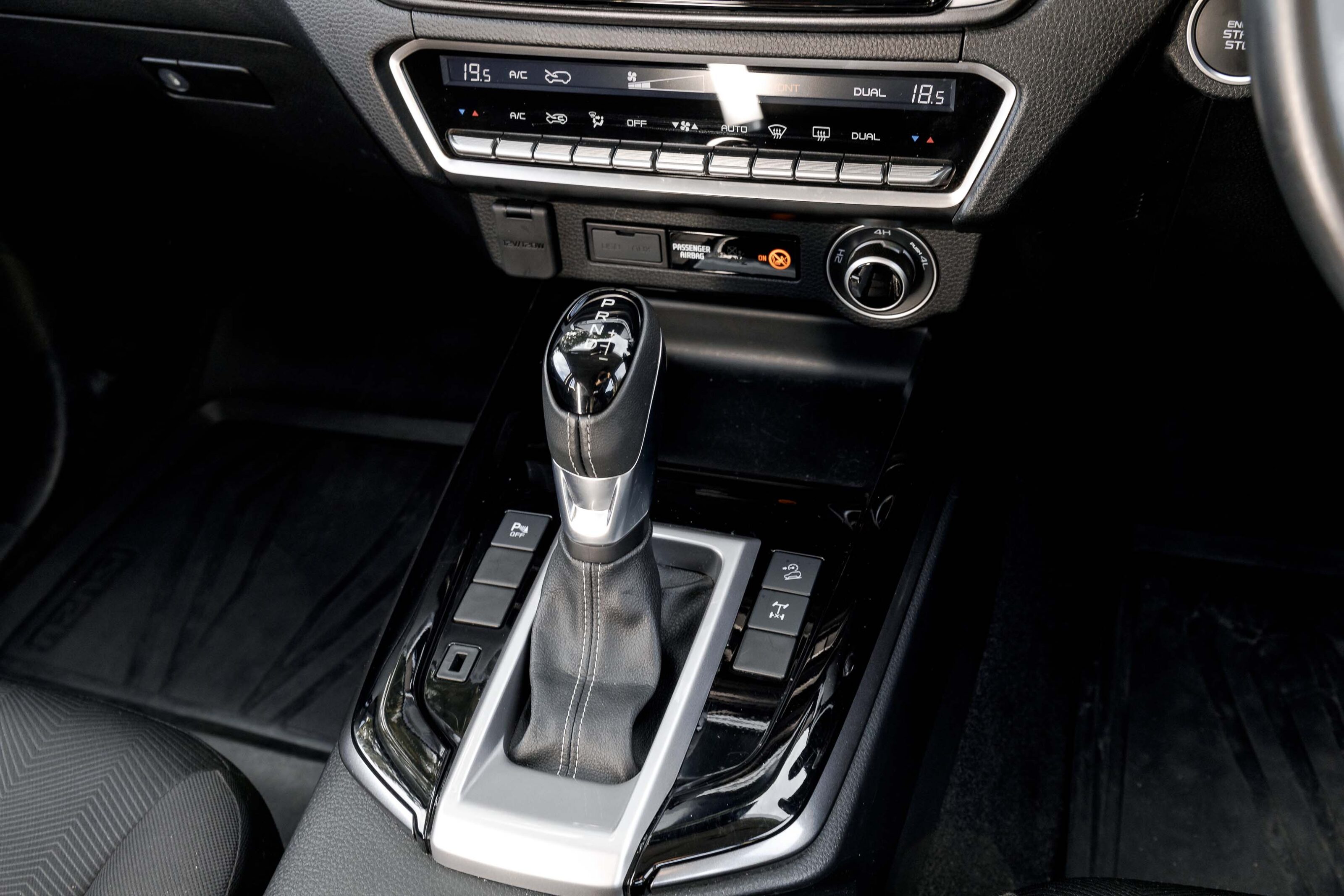
Also common to both Isuzu and Mazda are a small, sporty and ergonomic steering wheel covered in top-quality leather with two-way adjustment, an upholstered dashboard with real stitching, a big phone storage tray and a USB-A port plus 12-volt power outlet for the front row.
There’s also a neat double glove box, which the Isuzu adds to with a further lidded cubby on top of the dash.
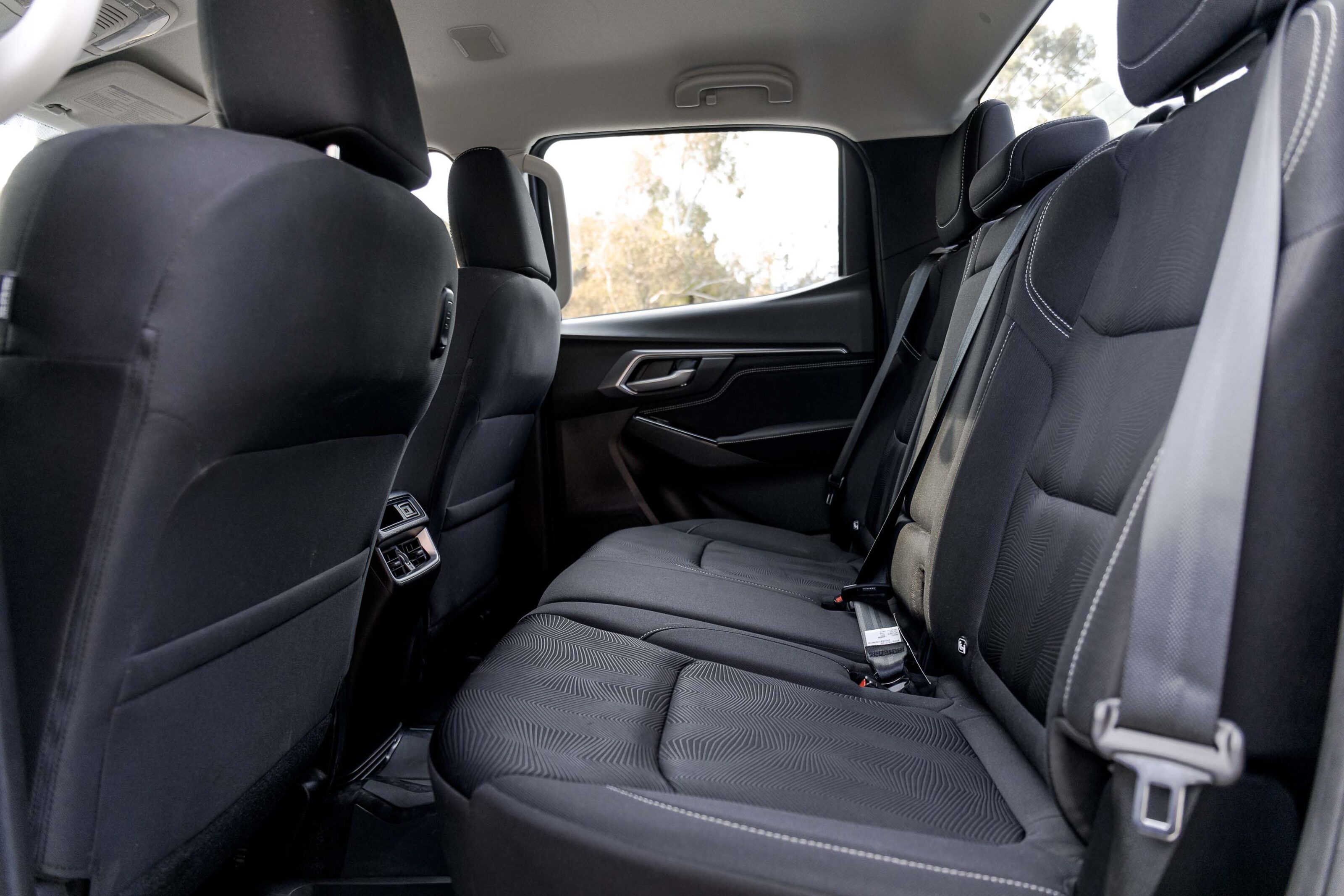
Second-row passengers are also well looked after with a whopping 100mm of knee room, another USB socket, ample toe room, ceiling-mounted speakers and great visibility even for smaller occupants.
Headroom is limited in the second row compared to the front, with just 40mm of space and the rear doors don’t open as wide as some other utes which could make loading people and things a little trickier.
The D-Max gets pleasant cloth upholstery and manual driver’s seat adjustment, although electric lumbar support adjustment is curiously shared with the Mazda.
What’s the payload and is the tray practical?
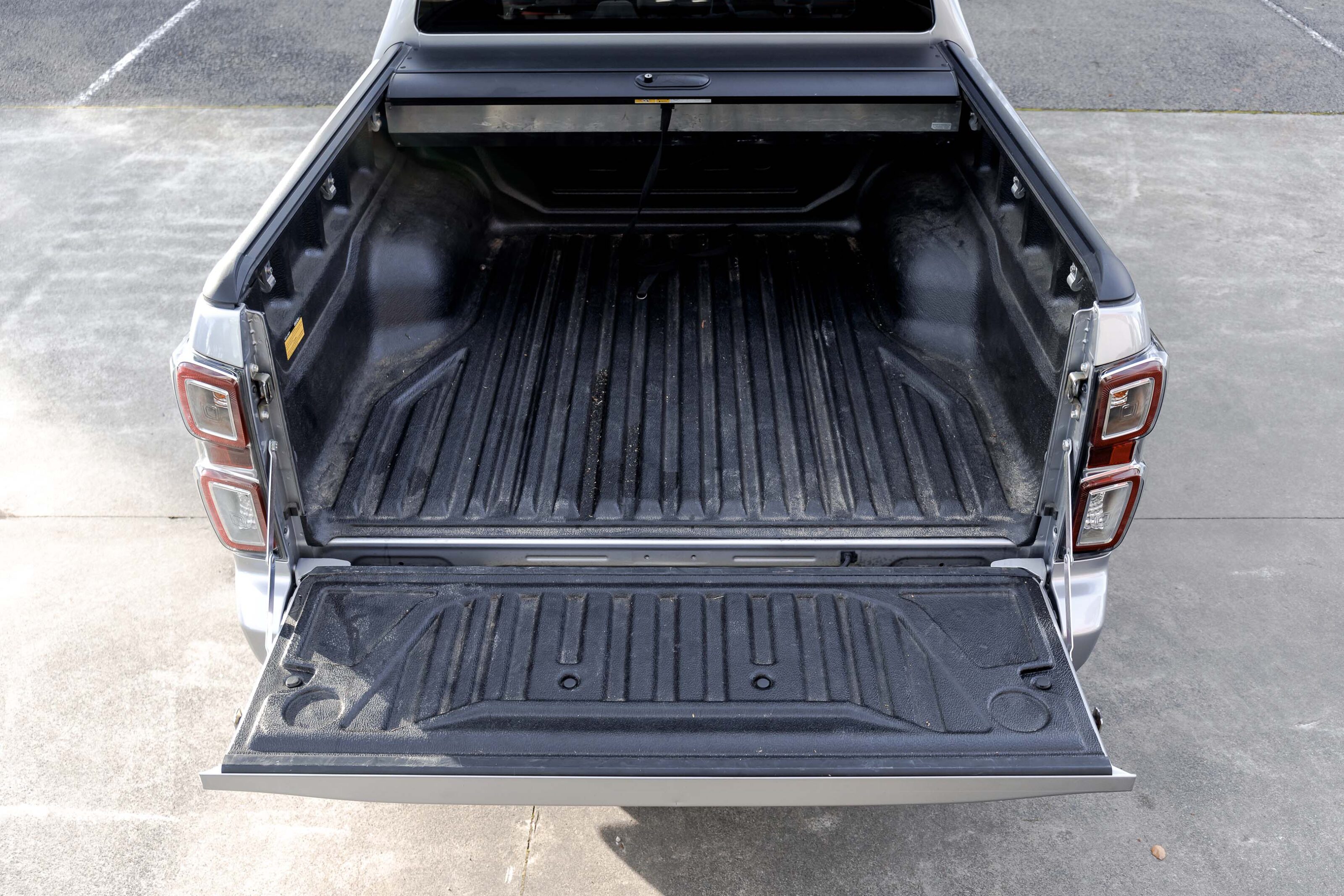
The LS-U grade D-Max comes equipped with a hard roller tonneau cover, which is simple to operate and an effective way to keep gear locked away from prying eyes.
However, it does take up valuable real estate and will be the first thing tossed if you use the tray for adventure or work – which is why you’ll find a bunch on online marketplaces.
Unfortunately, the tray only features two tie-down points towards the rear, which is near the lower end for the current market. The D-Max in LS-U trim as tested here has a 995kg payload.
What is it like for towing?
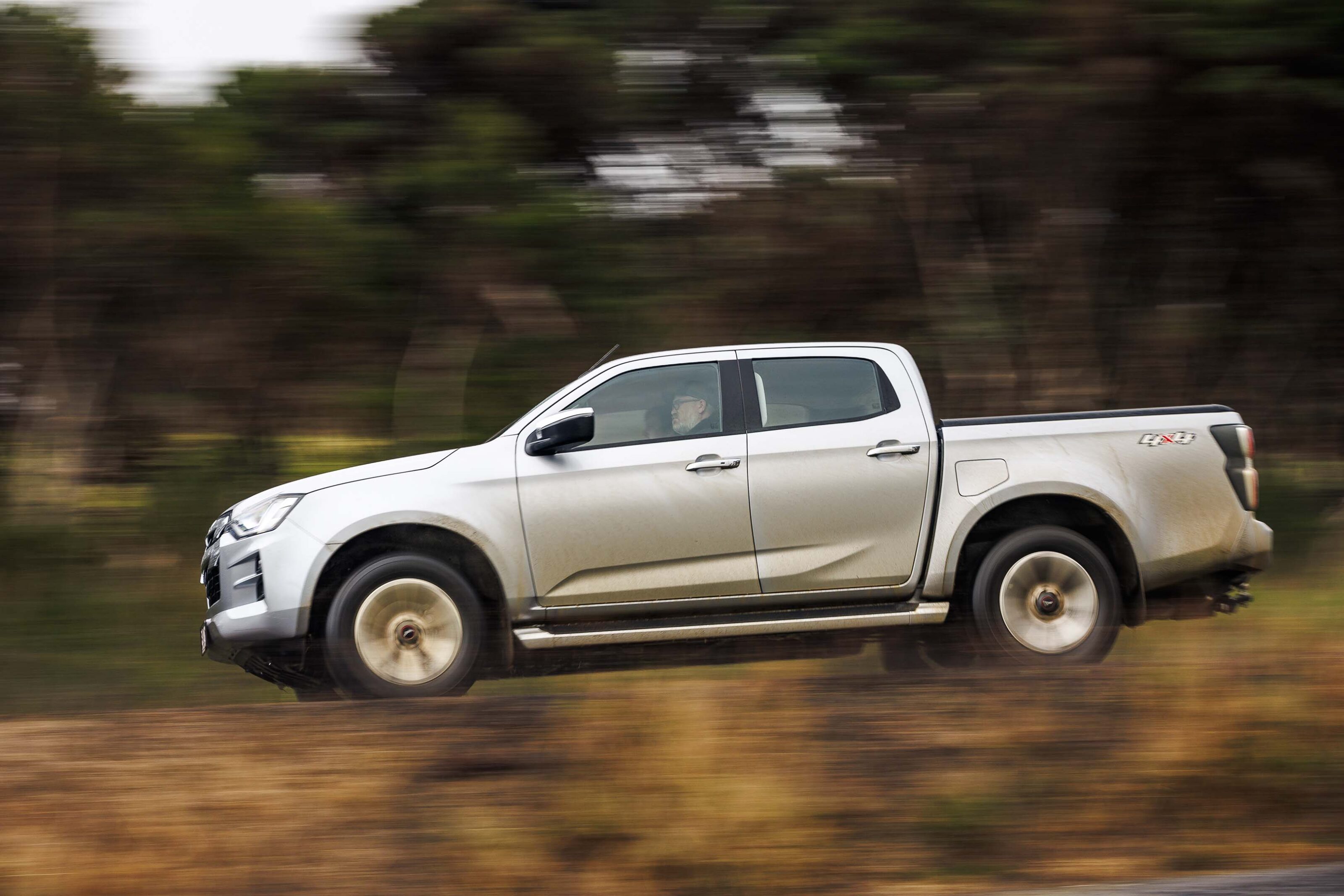
If you, like many Australians, are looking to haul a trailer, caravan, boat, or similarly hitched wagon with your dual-cab, the D-Max LS-U makes a compelling choice. It boasts an official braked towing rating of 3500kg, with a 6000kg gross combination mass.
During our testing, we found the six-speed automatic a touch too keen to shift into higher gears, though it has a simple-to-operate gear selector that allows the driver to choose the appropriate ratio as needed.
While its slightly firm suspension tune can be a small negative while driving unladen, it proved to be a considerable boon during our tow test.
Overall the D-Max proved to have impressive control and composure when towing. It also boasted the best fuel consumption when towing that we have encountered, using just 15.3L/100km.
What is it like to drive?
The Isuzu D-Max isn’t the final word in dual-cab driving refinement but given its real-world capability off the beaten track, this is very easily forgiven.
It should also be noted that even with a more utilitarian bent, the D-Max still outclasses key rivals in the segment when it comes to on-road driving.
We were impressed by the relatively responsive engine, which provides a surge of torque from 2000rpm through a sweet spot at 3500rpm.
Although it has fewer ratios than rivals, the six-speed automatic transmission has an intuitive calibration. Its only major downfall is a tendency to hold onto revs more than we’d like on prolonged downhill sections.
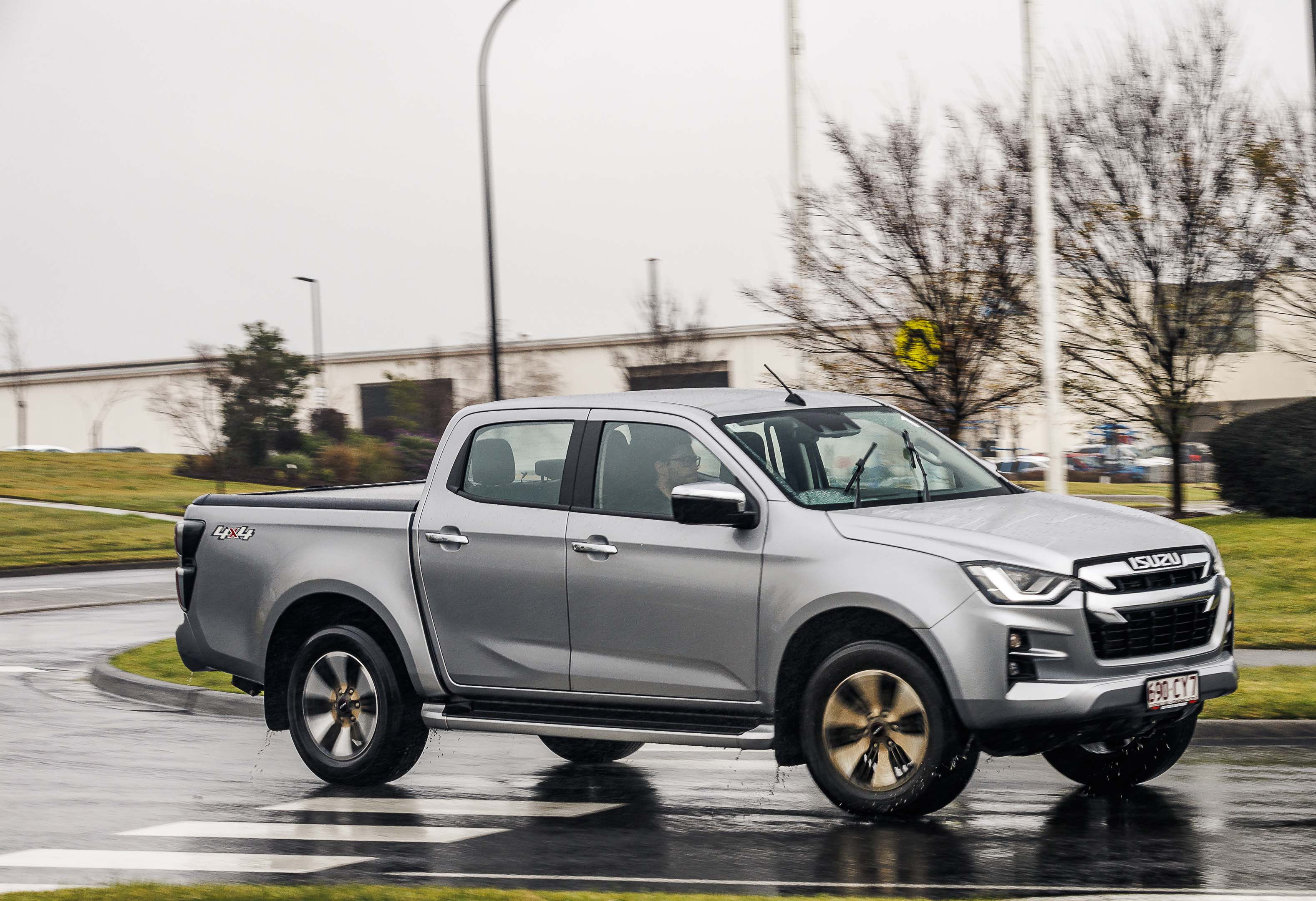
A stiffer suspension calibration means the D-Max has the characteristic dual-cab ‘patter’ in most urban environments, but this is offset by excellent (for the class) cabin refinement. With Bridgestone Dueler H/T tyres, the D-Max impressed us with its ability to keep road and tyre noise in check.
Our biggest highlight though was the steering. This is a massive step up from the old model and will have few drivers complaining – particularly if they have much exposure to other key dual-cab models. The steering wheel itself is nicely proportioned and is weighted in a sweet spot that balanced around-town commuting needs and highway stability with agility at slow speeds.
While there is some stiff-legged compromise, we found the D-Max to be a true ‘Jack of all trades’ when it came to driving needs.
How is it on fuel?
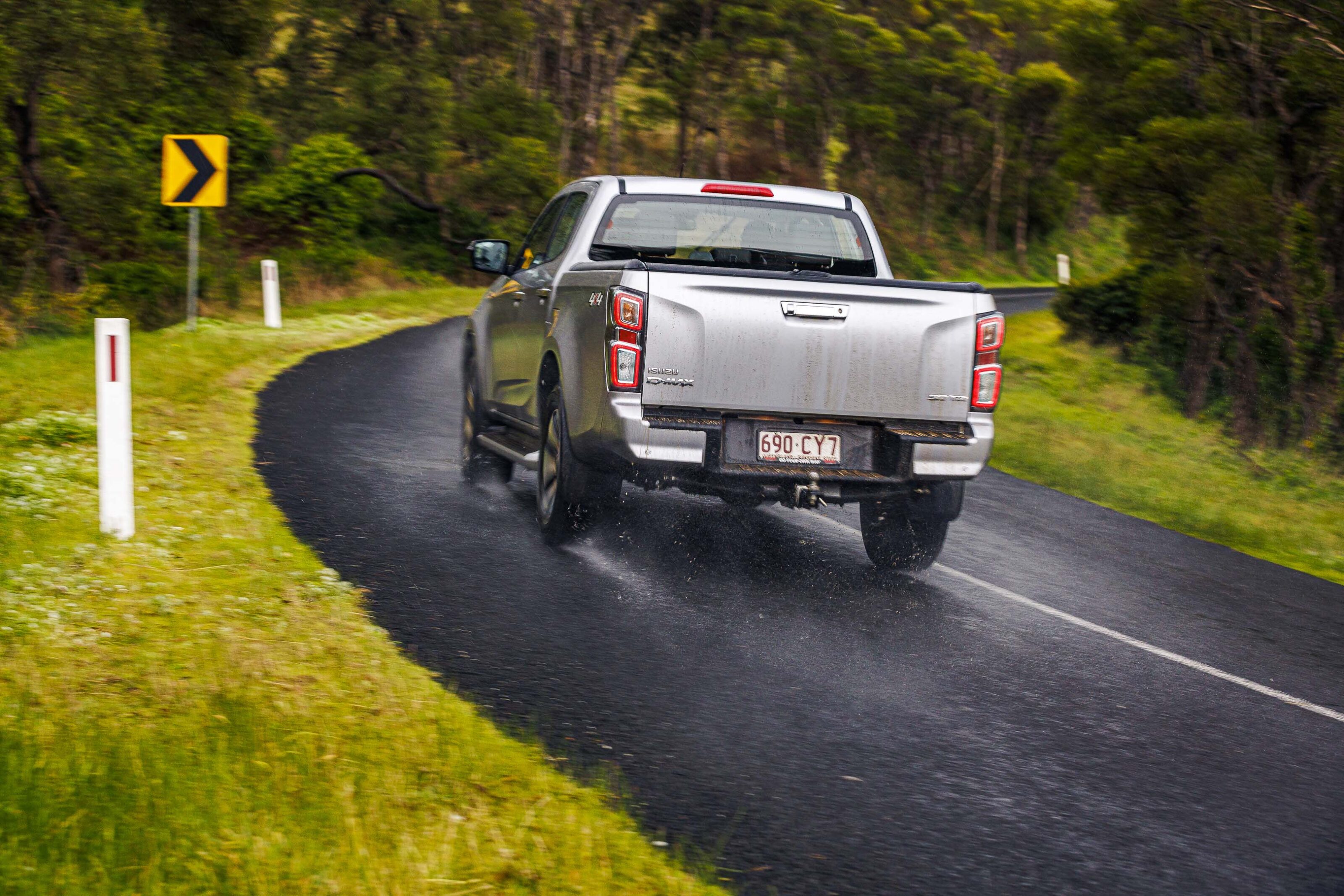
During testing we found the D-Max consumed fuel at a rate of 9.65L/100km, making it the third most efficient from our recent dual-cab group test.
The only models that used less fuel during testing were the Mazda BT-50 (9.3L/100km) and Toyota Hilux SR5 (9.5L/100km).
The next best rivals were the Nissan Navara Pro-4X (9.83L/100km) and Mitsubishi Triton GSR (10.64L/100km). The Ford Ranger has a tested efficiency of 11.28L/100km with the 2.0-litre bi-turbo engine, and 11.75L/100km with the new diesel V6.
What about the new 2023 update?
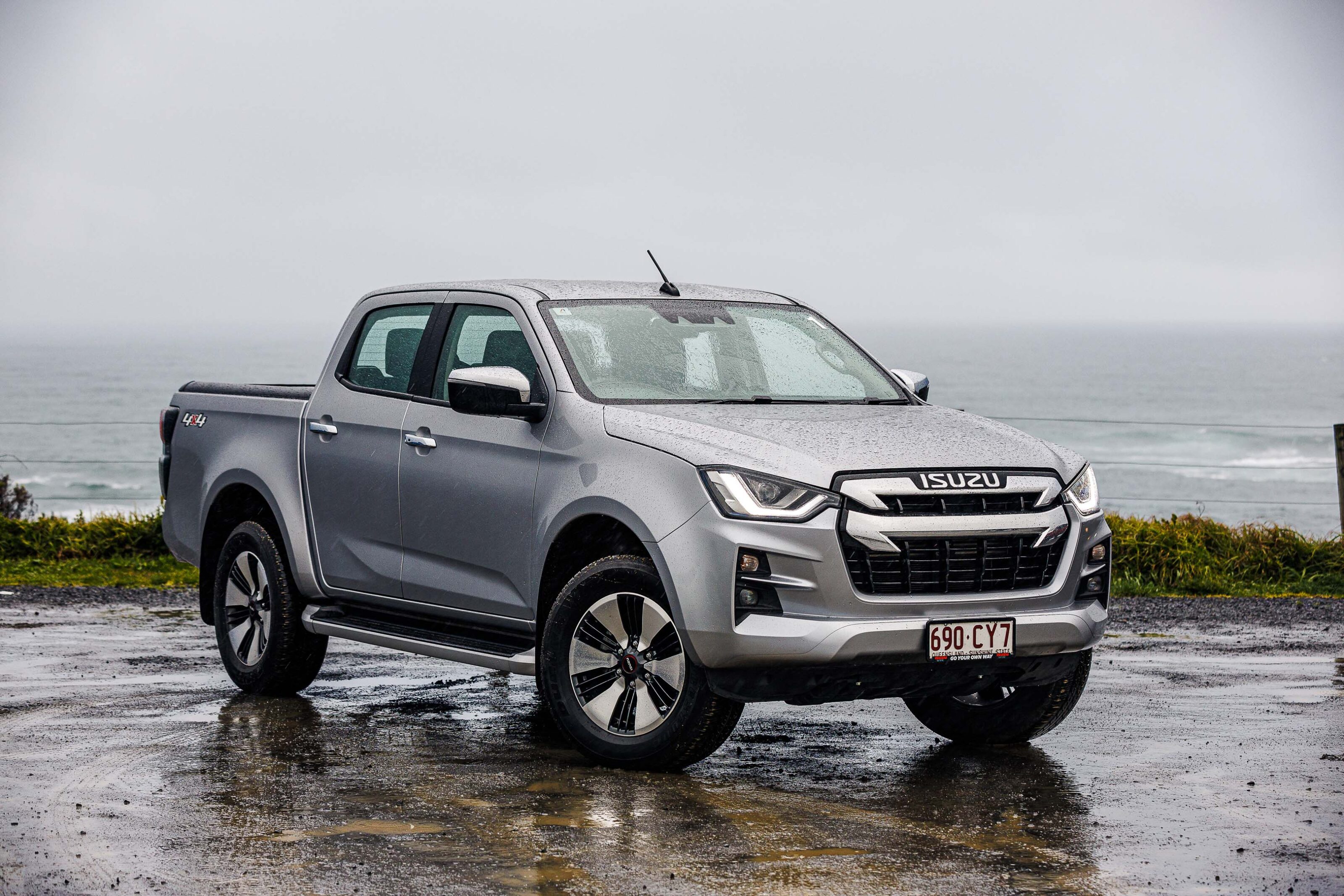
Starting from December 1, a lightly updated D-Max will be available in Australia as an MY23 model. Prices will remain unchanged from the current MY22 models but the dual-cab gains new alloy wheels, a redesigned front grille, new trim and paint finishes, and a tailgate gas strut.
Other feature additions for MY23 include auto-off blind-spot monitoring and rear-cross traffic alert when a towing connector/plug is detected.
Those who own an MY22 D-Max will be able to have their vehicles retrofitted with these features, but will incur a cost for replacement parts and labour.
VERDICT
The D-Max is a highly recommended dual-cab ute for buyers wanting all the freedom and capability associated with a dual-cab.
Others in the market will be better suited to urban driving but if you want to reach the far edges of the map, try a new off-road trail and enjoy adventures in the great outdoors, the D-Max is a choice that should rocket high up your shortlist.
2022 Isuzu D-Max LS-U specs
| Engine | 3.0L turbo-diesel |
|---|---|
| Power | 140kW @ 3600rpm |
| Torque | 450Nm @ 1600-2600rpm |
| Transmission | 6-speed automatic |
| Drive | part-time 4X4 |
| Fuel consumption (ADR combined) | 8.0L/100km |
| Fuel consumption (as tested) | 9.7L/100km |
| Fuel consumption (towing test) | 15.3L/100km |
| Price | $61,000 + on-road costs |
| Drive-away price (base colour, automatic) | $66,119 |
| Brakes | disc (f) / drum (r) |
| Suspension | double wishbone (f) / leaf (rear) |
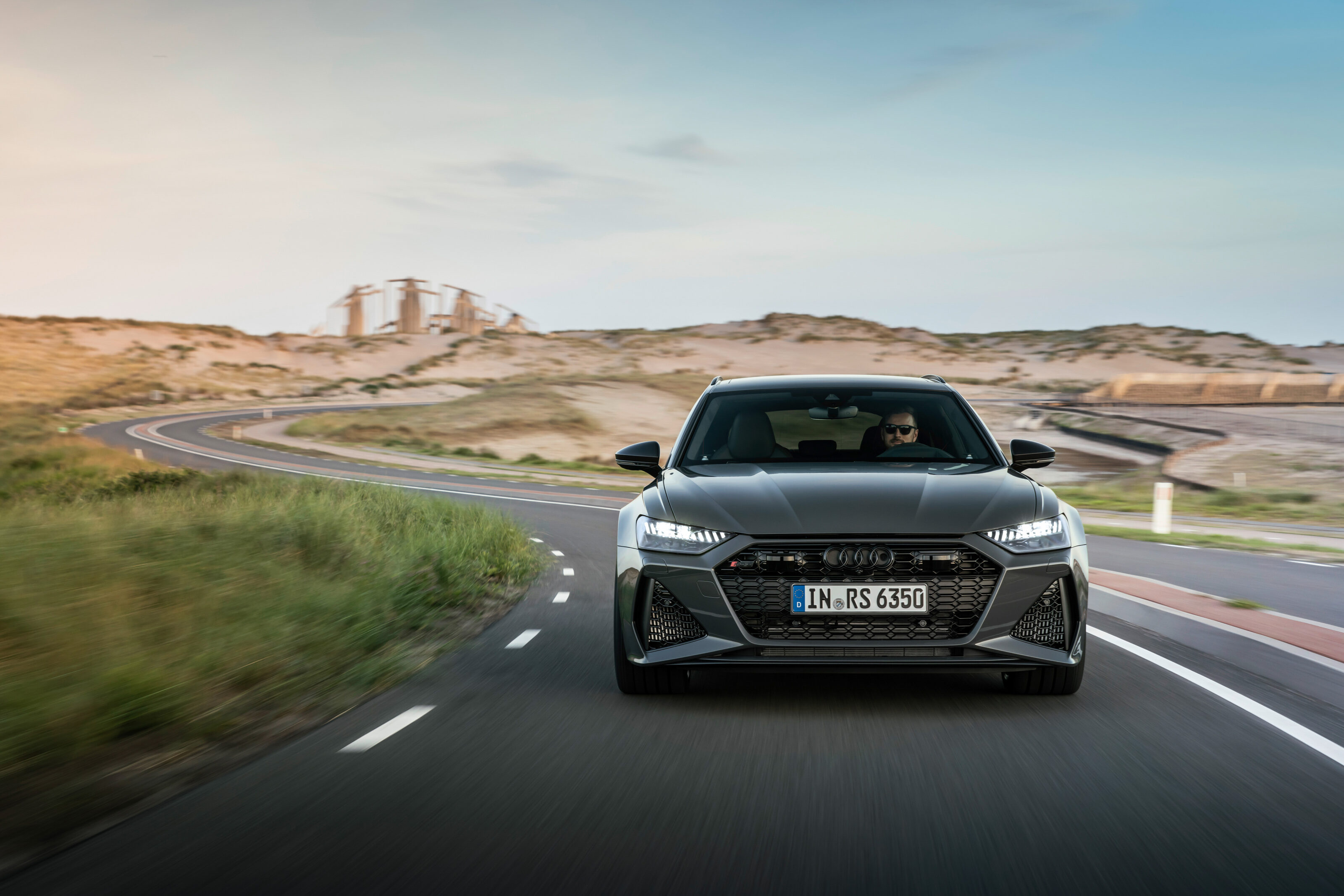
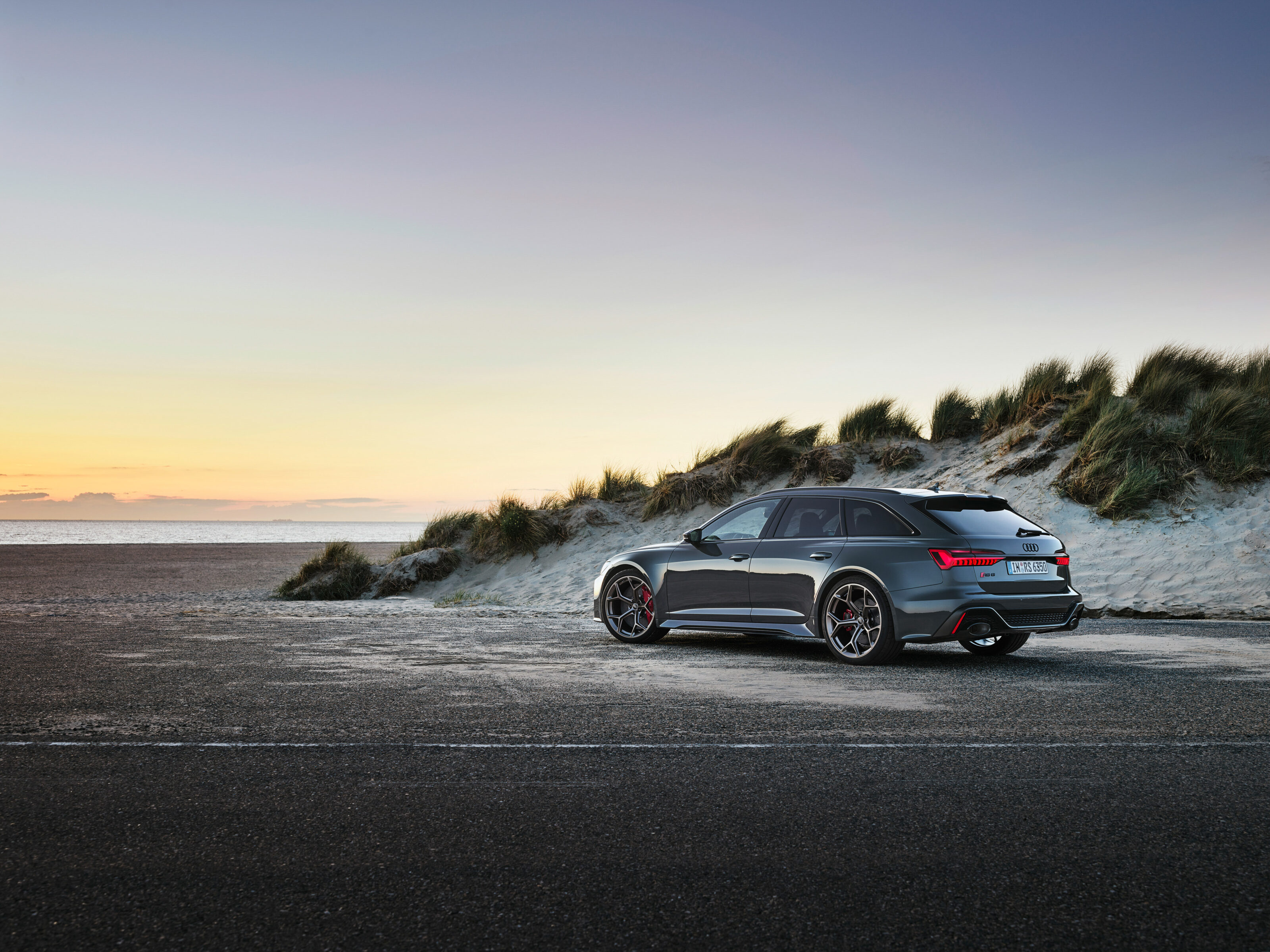
Audi has announced full details of the 2023 RS6 and RS7 Performance variants, with an extra 22kW of power and trimmed unsprung mass.
Snapshot
- ‘Performance’ trim adds 22kW, 50Nm
- Most powerful RS6 and RS7 yet
- Faster transmission, lighter weight
- Australian plans not yet confirmed
There are other changes for the Performance models, including matte grey exterior highlights, lightweight 22-inch alloy wheels, the option of blue interior accents and recalibrated automatic transmission.
This launch marks the return of the RS division’s most focused Performance trim for the RS7, giving Audi a direct rival for Munich’s M5 Competition.
The RS6 and RS7 follow in the footsteps of the RS6 Plus that debuted in 2004, with the trim morphing into ‘Performance’ for the 2016 RS6 and RS7.
Australian pricing and timing is yet to be confirmed. In Europe, each of the RS Performance variants cost €135,000, equivalent to AU$208,800 at the current rate.
Given the RS6 Avant starts at $229,300 before on-road costs in Australia, though, we’d expect the Performance versions to start from around AU$250K.
The RS7, meanwhile, is a little dearer in Oz, commanding $236,600 before on-roads, so expect the RS7 Performance to be around $255K.
? February 2024: RS6 GT revealed as C8 swan song
Hey, it’s Wheels phoning from the future. Audi has revealed a fitting finale for its C8 RS6, dubbed RS6 GT. Read about it at the featured story link below.
Story continues…
Audi RS6 and RS7 Performance powertrain
Under the RS7 and RS6’s bonnets is the same 4.0-litre twin-turbo petrol V8, but with its wick turned up to 463kW of power and 850Nm of torque – increases of 22kW and 50Nm over the regular car.
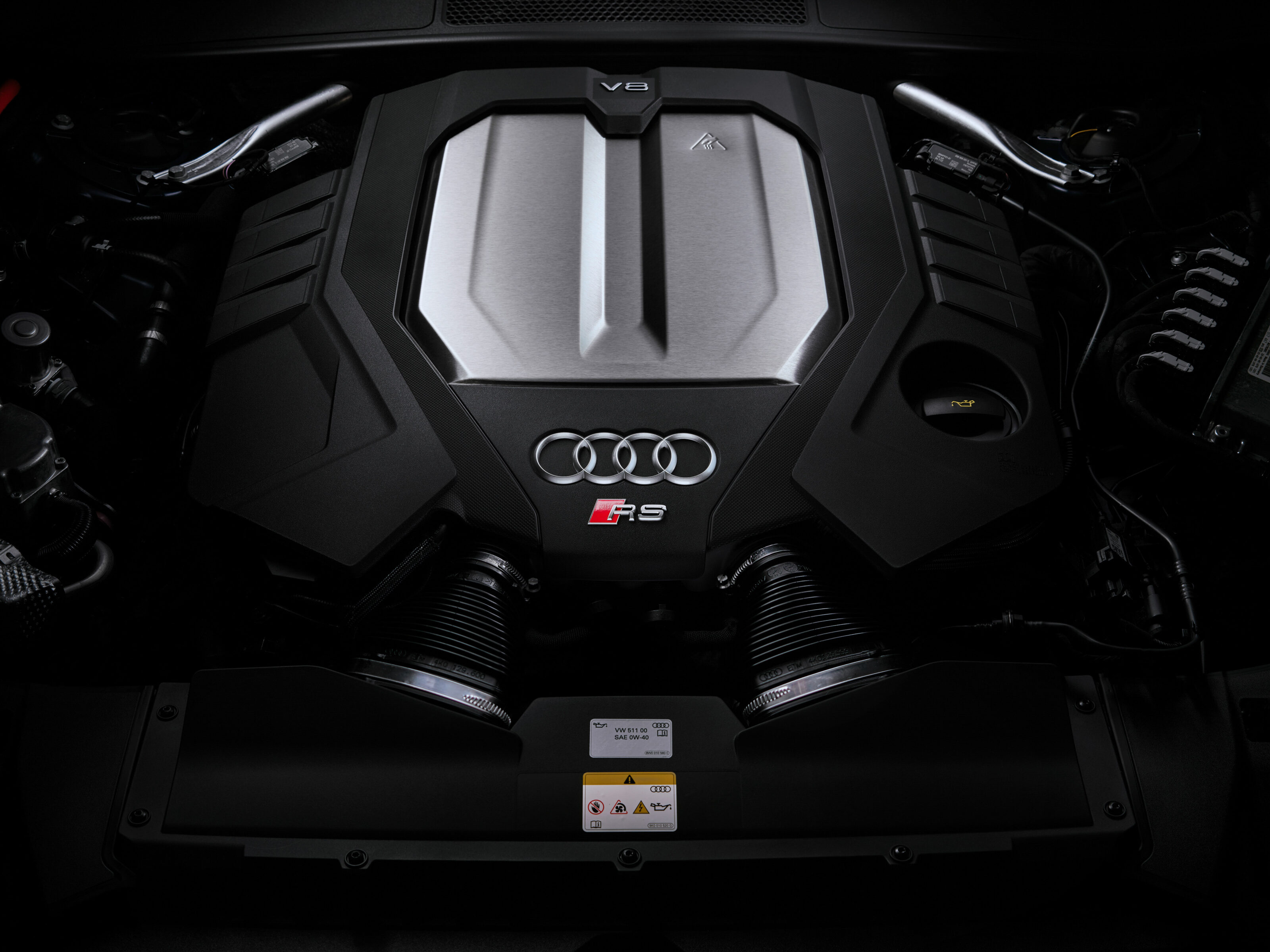
Audi has accomplished this by winding maximum boost pressure up from 2.4 to 2.6 bar. It’s still off this engine’s most powerful series production form in the Lamborghini Urus (478kW), but means the RS6 and RS7 both get from rest to 100km/h two tenths faster, in 3.4 seconds.
Along with bigger outputs, Audi has recalibrated the eight-speed torque converter automatic transmission for faster shifts.
The RS6 and RS7 Performance retain a mechanical centre diff, its default torque split is 40F/60R, but up to 70 per cent of power can be sent to the front axle, and 85 per cent to the rear.
There are four core drive modes: Efficiency, Comfort, Auto, Dynamic, plus two customisable individual RS1 and RS2 modes.
For the Performance RS7 and RS7, only Efficiency mode allows coasting (where the engine switches off and the car runs off the 48-volt electrical system) at speed of up to 160km/h.
Performance means Improved handling and road-holding
In the pursuit of increased emotion Audi’s RS division removed eight kilograms of sound deadening from the RS6 and RS7. This also helped weight loss, with the RS6 hitting the scales at 2090kg and the RS7 2065kg.
The cars are fitted with 21-inch alloy wheels wrapped in 275/35 series tyres as standard (in Europe, though Australian examples get 22s standard), but 22-inch forged wheels are available.
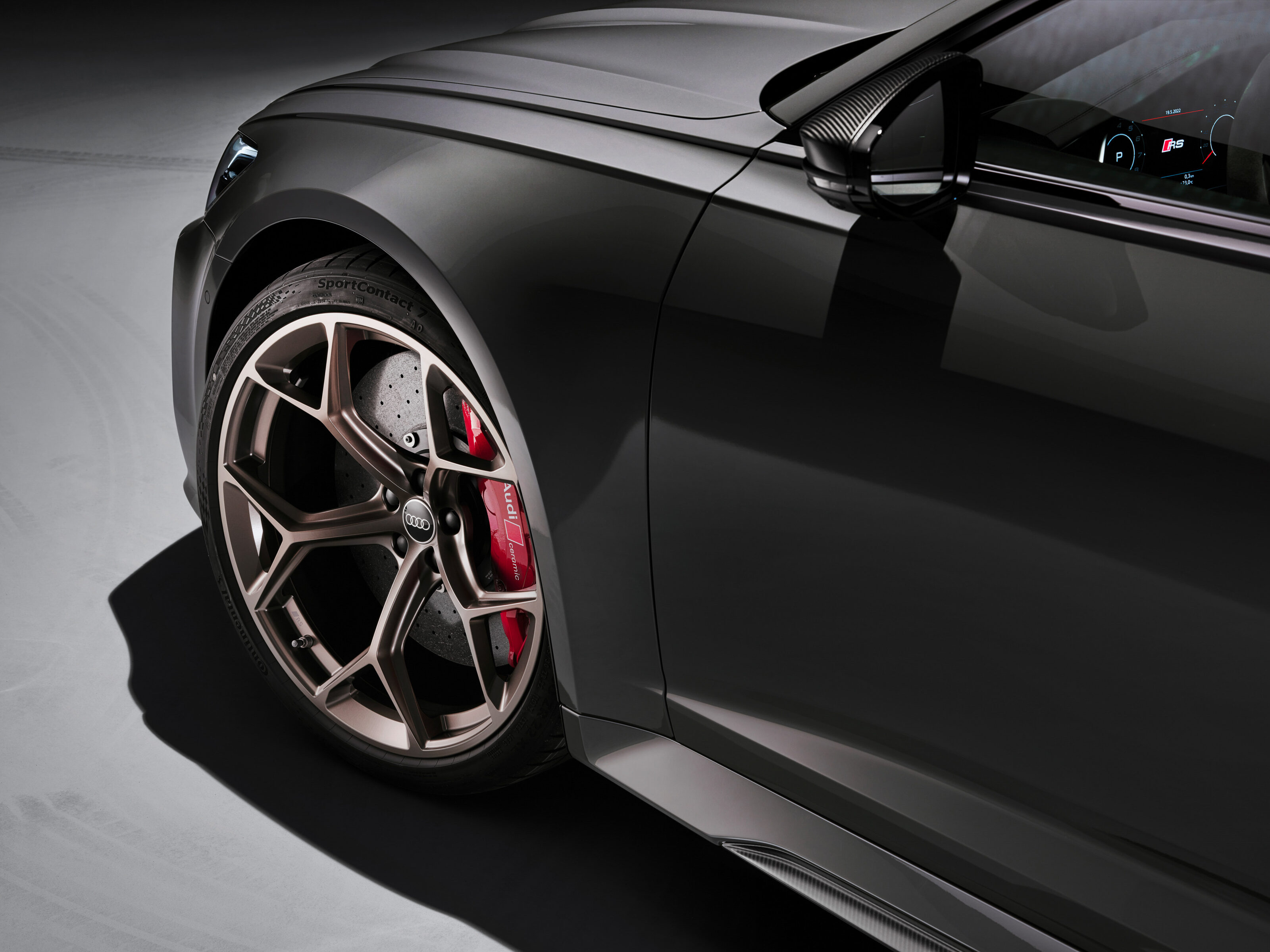
Inching up to the five Y-spoke alloys brings wider 285/30 series Continental Sport Contact 7 tyres developed for Audi. The wheels are available in black, matte grey, matte black or gold and save five kilos at each corner, for a total of 20kg reduction.
Like Australian cars, European RS6 and RS7 Performance variants get the RS Dynamic Pack as standard that raises the speed limiter to 280km/h, adds four-wheel steer and a Quattro Sport locking rear diff.
An RS Dynamic Plus Pack is available that teams ceramic brakes (clamping 440mm front rotors and saving 34kg of unsprung mass) with a raised 305km/h top speed.
More customisation is available
In addition to extra Performance, there are more ways to customise the RS6 and RS7 performance with 16 paint colours – including matte Ascari blue and matte dew silver – available.
The Performance grades are distinguished outside by matte grey detailing on the diffuser, roof rails and mirror caps, though this can be changed to gloss black.
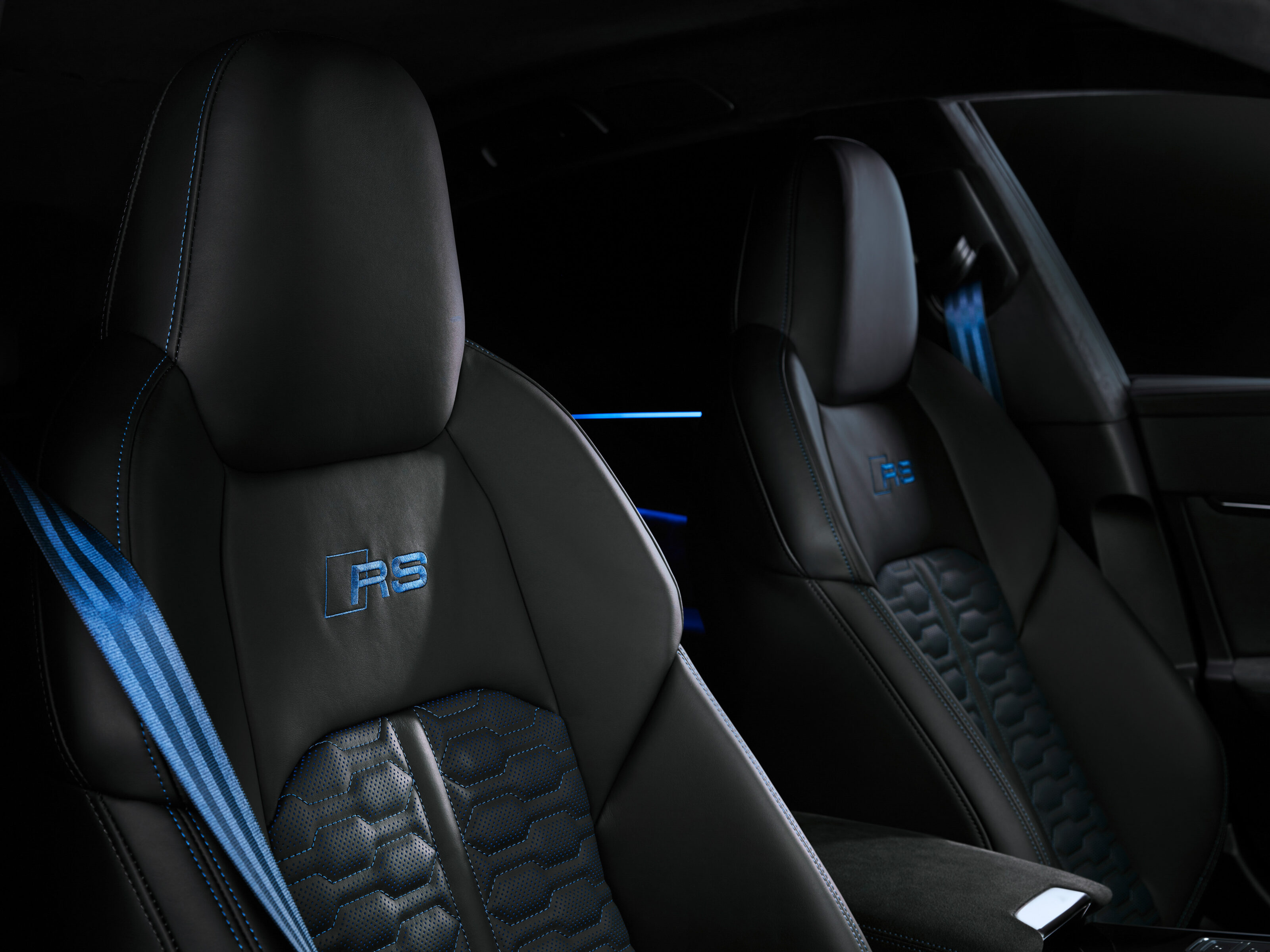
Inside, there is now blue available alongside red and grey for contrasting interior trim. This includes on the seatbelts, beneath the perforations in the Dinamica suedecloth upholstery, and the stitching.
Audi also offers the Exclusive Customiser program, much like BMW’s Individual and Mercedes-Benz’s Manufaktur offerings, giving customers even more choice.
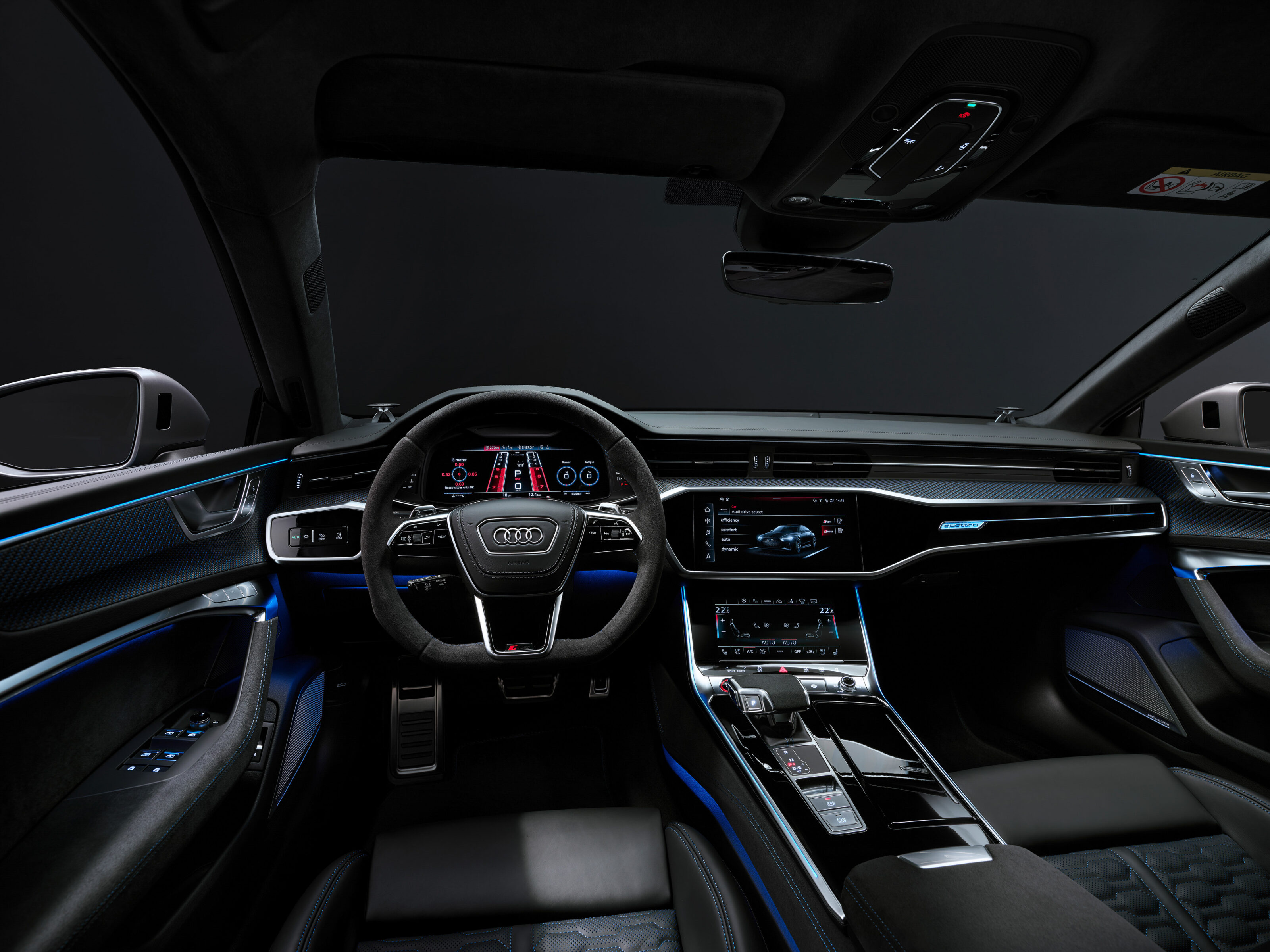
Finally, the 12.3-inch digital driver’s display now has a new screen with shift lights that illuminate green, yellow, red and then flash as you approach the red line when in manual mode.
RS6 and RS7 Performance Australian Availability
Audi Australia is yet to confirm pricing or availability of the RS6 and RS7 Performance for our market.
Unlike the RS3 Performance – which won’t come here – the RS6 and RS7 are not limited runs, so hopefully an Aussie arrival is more likely.
If one happens, expect a local release in the first [quarter/half] of 2023 priced from about $250,000 before on-road costs.
? July 2023: The CX-60 is now on sale in Australia, and we’ve driven it
It’s a Mazda unlike any other, but is the CX-60 worthy of the brand’s ambitious upmarket foray? See our review at the link below.
This instalment concludes are updates to the CX-60 ‘Everything we know’ story. Get all fresh CX-60 news and reviews at the link below!
November 29: Mazda CX-60 Australian pricing
Full Australian details, including pricing and specs for the entire 2023 Mazda CX-60 line-up, has been announced today.
Get all the details in the video below, or at the link above it, and continue reading here for our first international drive. Our first Australian drive will come soon.
October 13: Initial details for Australia, petrol-six outputs revealed
The 2023 Mazda CX-60 will arrive in Australia in the first half of 2023 with hybrid-only powertrains and standard all-wheel drive.
It will slot between the CX-5 and CX-8 in Mazda’s local lineup, with three trim levels: Evolve, GT and Azami.
Three powertrains will be offered in Australia: a 2.5-litre plug-in hybrid, and a petrol or diesel 3.3-litre turbocharged inline-six.
September 20: 2023 Mazda CX-60 in Australia for final evaluation
Following the start of CX-60 production at the Mazda’s Hofu plant in April, a pair of pre-production examples have made their way to Australia for final evaluation.
Australia is a significant market for Mazda, where the brand outpunches its global sales, taking second spot behind giant Toyota. That means it’s crucial the new CX-60 can meet the expectations of Australian buyers.
To evaluate the CX-60, Mazda engineers will be taking the two pre-production cars on 30,000km tours over the next six months and feeding data back to the Hiroshima research and development centre.
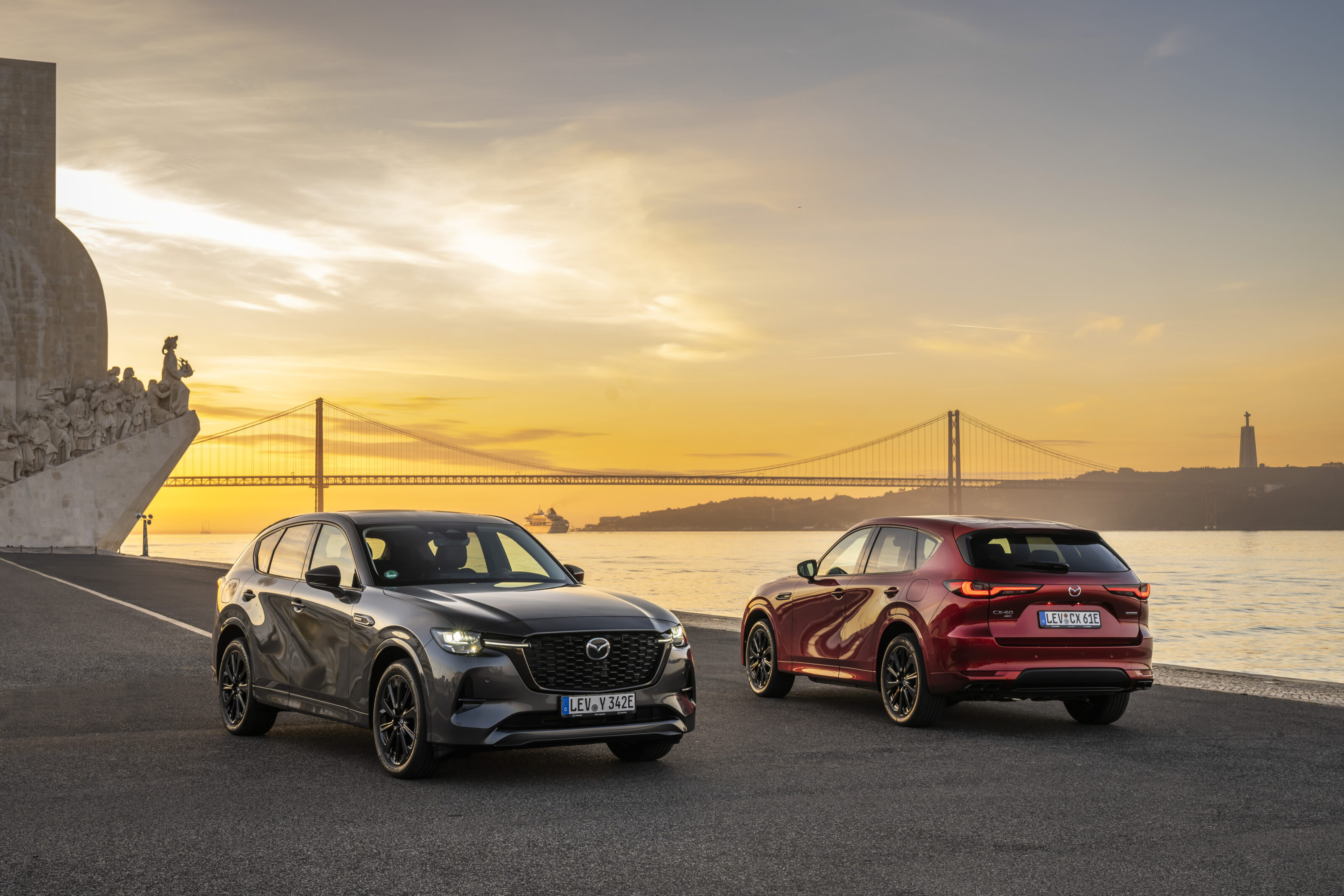
May 6: Mazda CX-60 PHEV international first drive
Check out Andy Enright’s first drive of the 2023 Mazda CX-60.
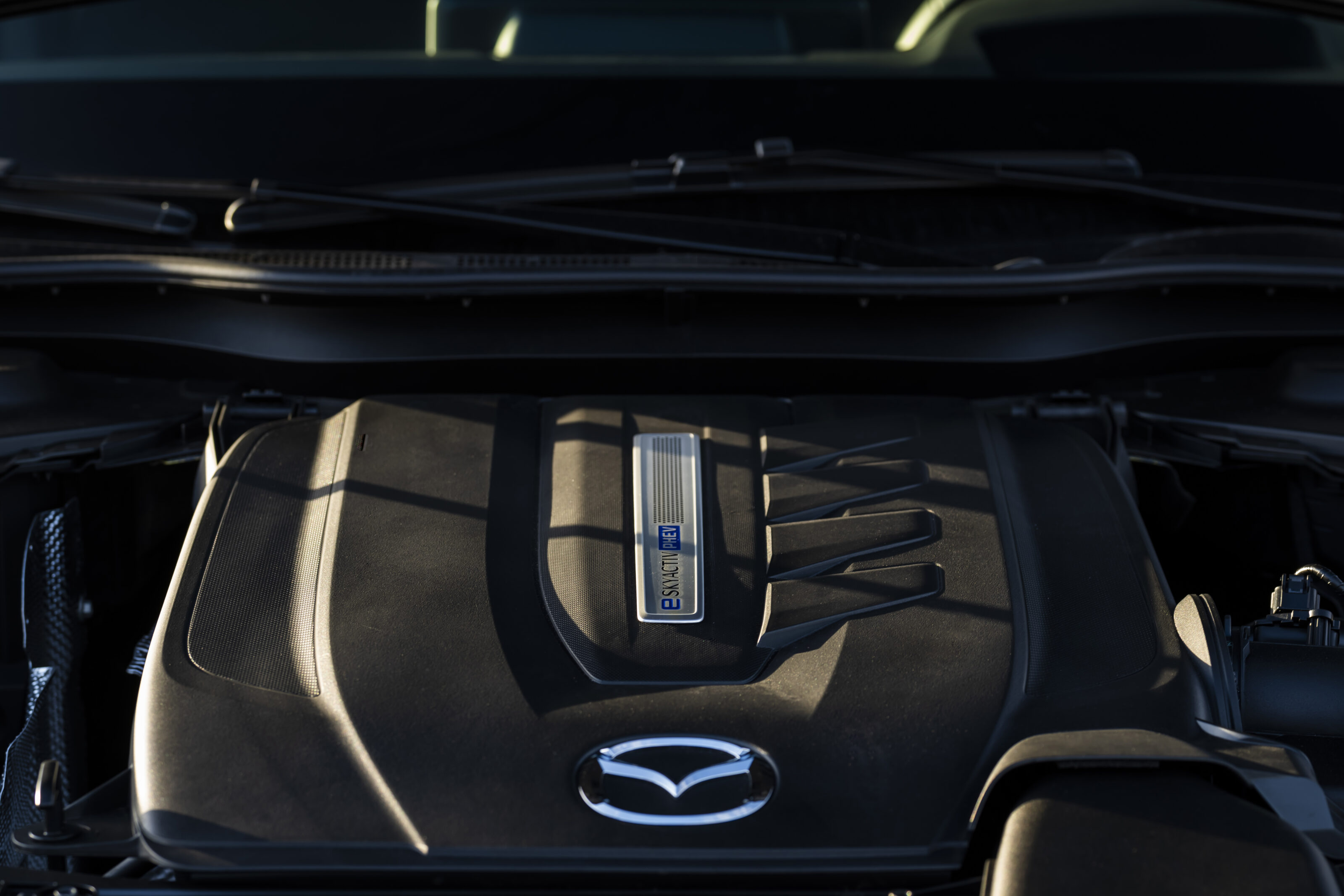
April 14: ‘These are the last internal-combustion engines’ – Mazda exec
The global shift towards electric vehicles is in full swing, with one senior manager at Mazda suggesting we could be witnessing the last petrol and diesel engines to be developed.
“This will be – most likely be – the last generation of internal-combustion engines,” Mazda Europe’s head of technical development, Joachim Kunz, told Automotive News Europe last month.
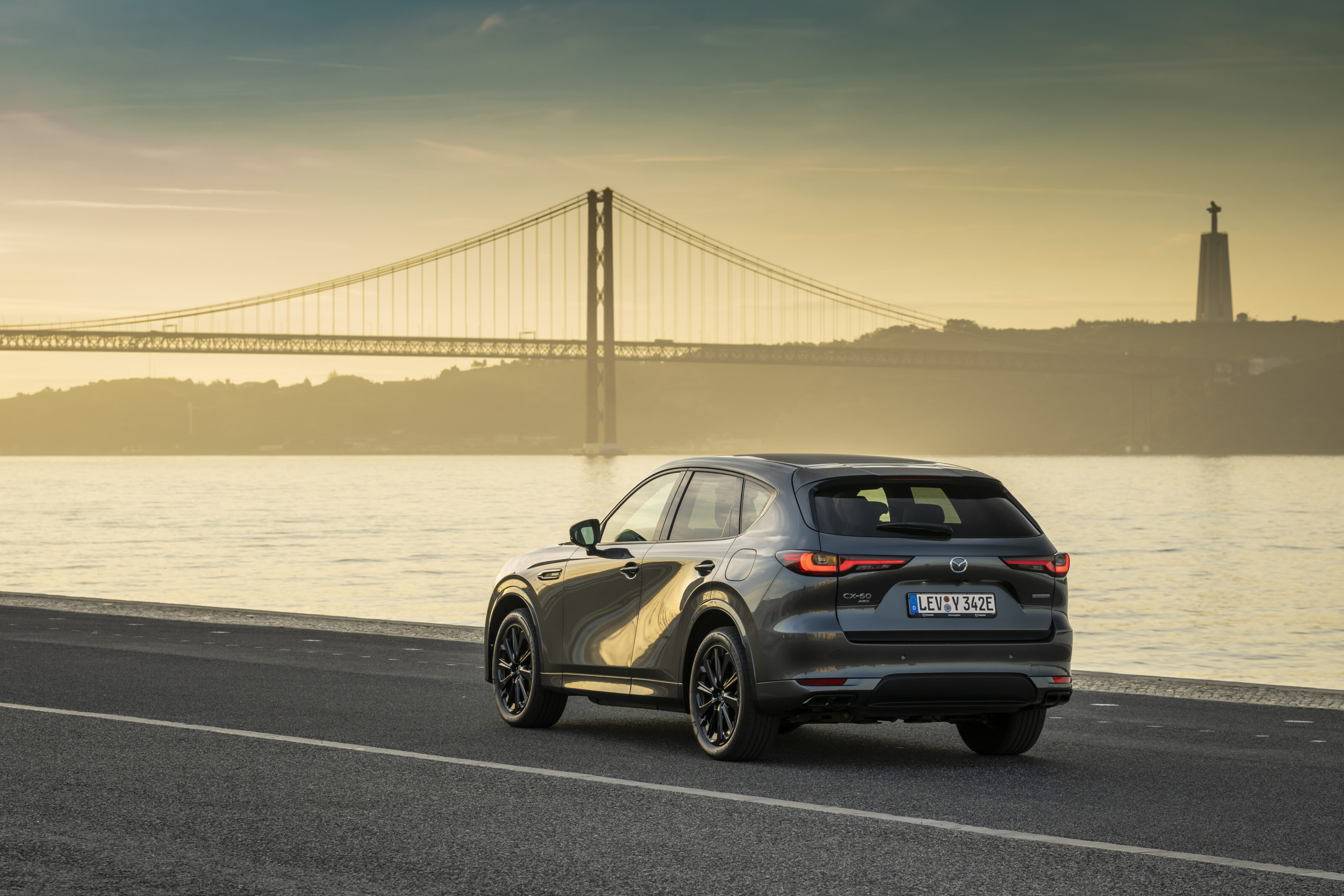
March 25: Pricing expected to be around $55k
The 2023 Mazda CX-60 will start around $55,000 before on road costs – perhaps even slightly lower – when it arrives in Australian showrooms this later this year.
The pricing could tantalise buyers looking for a premium Akera version of the CX-5, which tops out at $53,680 for the diesel model, who will be able to step into the new luxury-focussed CX-60 for similar money.
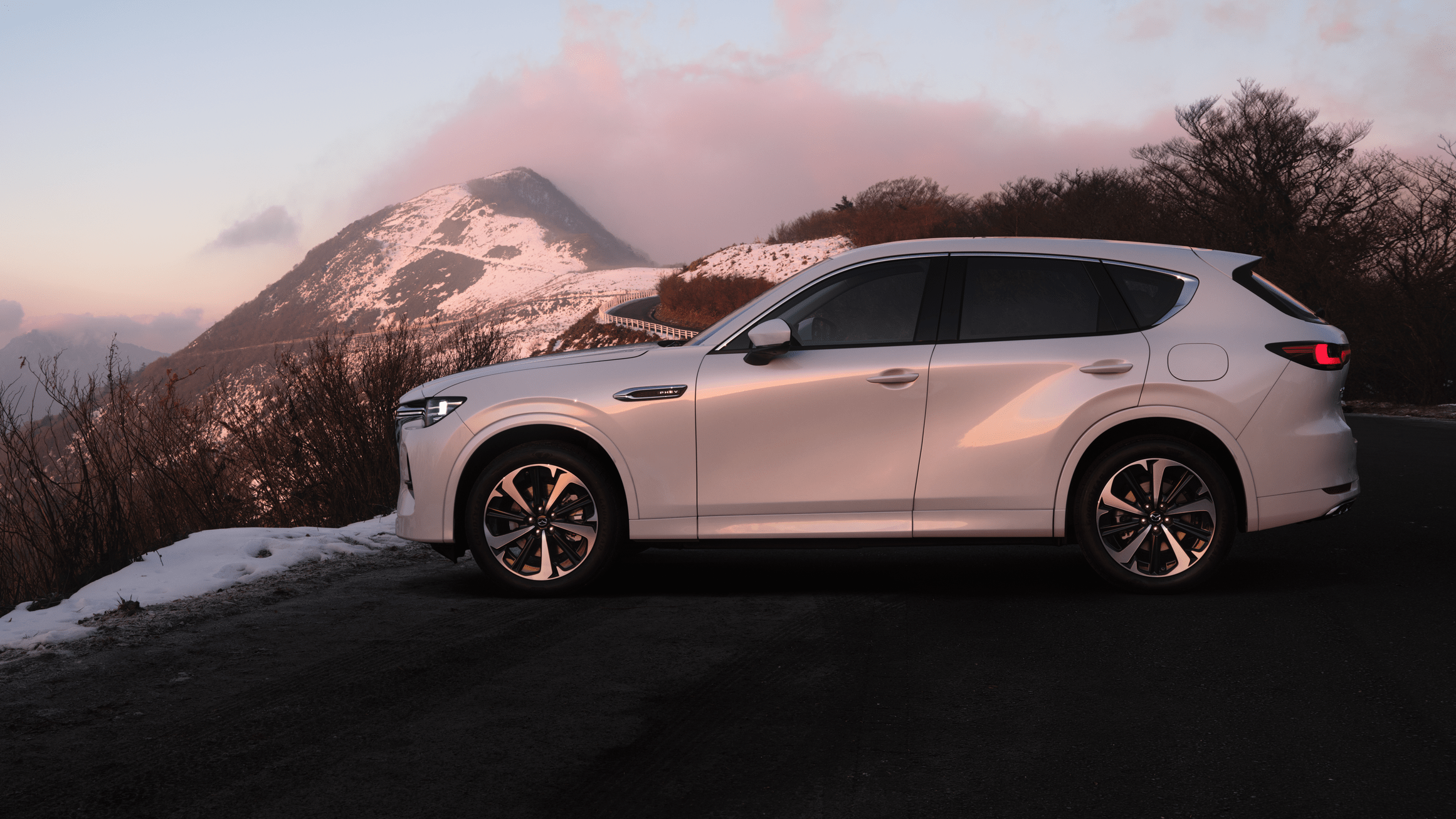
March 9: Global reveal, RWD six-cylinder SUV coming to Australia
Mazda has officially taken the covers of its new CX-60, finally debuting the Japanese brand’s new rear-wheel-drive architecture, along with a pair of hotly anticipated six-cylinder engines.
The CX-60 will launch later this year as a two-row, five-seater standing between the CX-5 and CX-8 in Mazda’s local model range – debuting with evolved styling, and a more luxurious and powerful focus.
As well as including two big new inline-six engines – available in naturally-aspirated 3.0-litre petrol and 3.3-litre turbo-diesel forms – the CX-60 becomes Mazda’s first-ever plug-in hybrid, with the PHEV variant boasting power figures surpassing any other road-going model in the brand’s range.
Check out our full reveal story by clicking the link below.
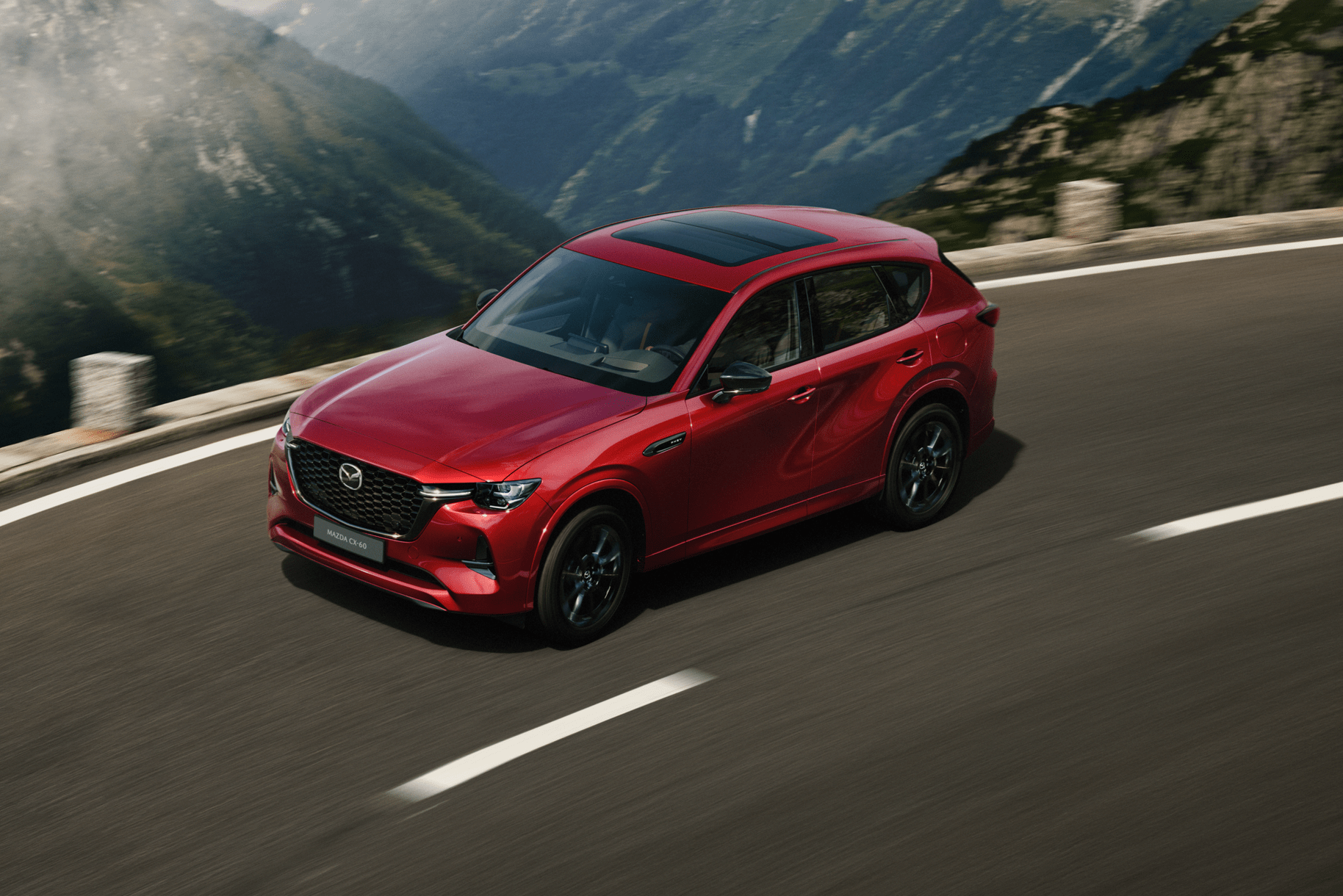
February 23: Reveal date set
The 2022 Mazda CX-60 will be revealed to the world on March 8, the company has said.
Mazda says the all-new Mazda CX-60, which is confirmed for Australia, will be a totally new experience for drivers and passengers.
Read more here.
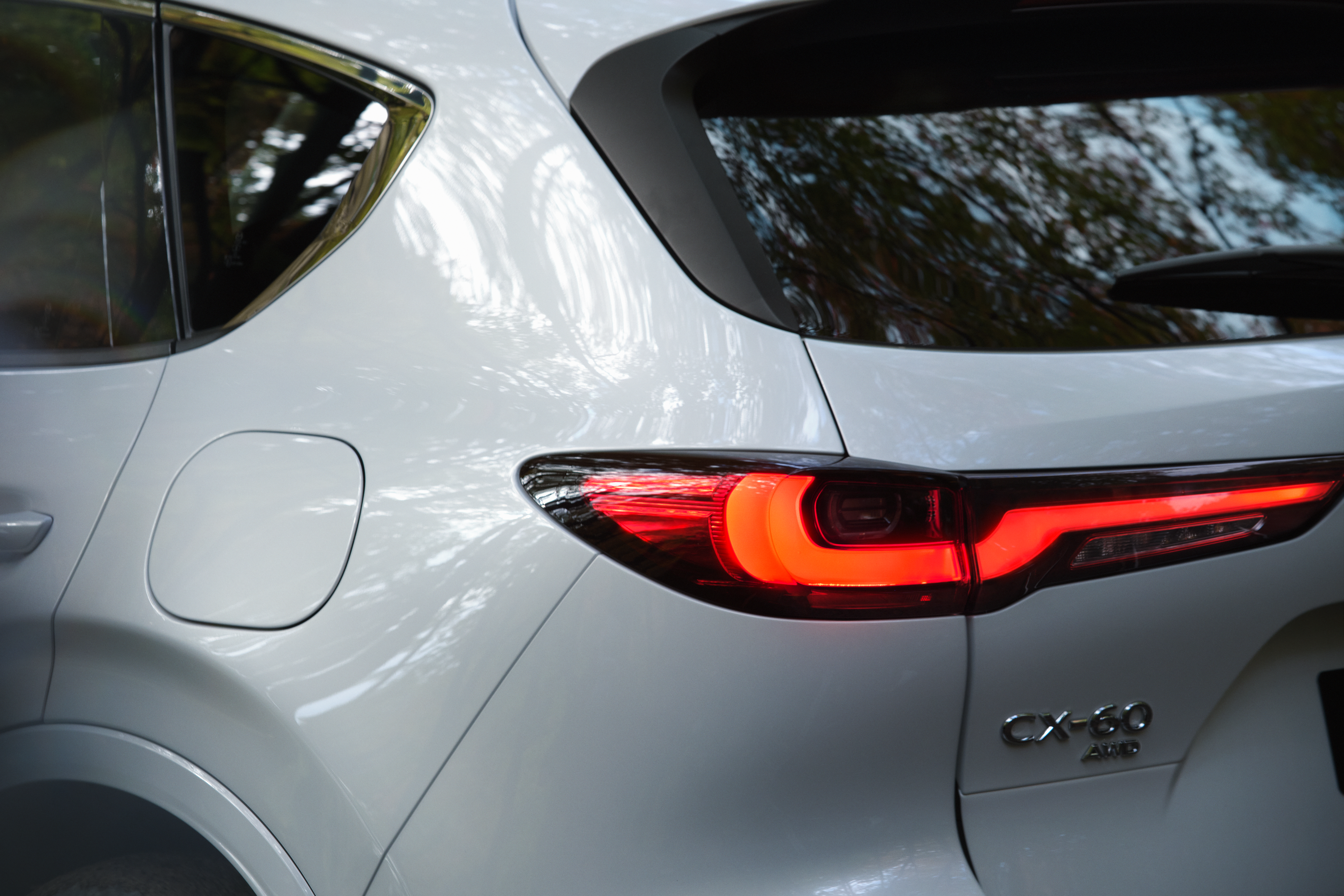
February 8, 2022: PHEV teased with performance details
The 2022 Mazda CX-60 PHEV has been teased ahead of its premiere early next month, with the company confirming the plug-in hybrid will be joining its Australian line-up.
While the CX-60 was spied during filming back in November, Mazda has released an image of the new model’s headlight, as well as revealing more details about its plug-in hybrid powertrain.
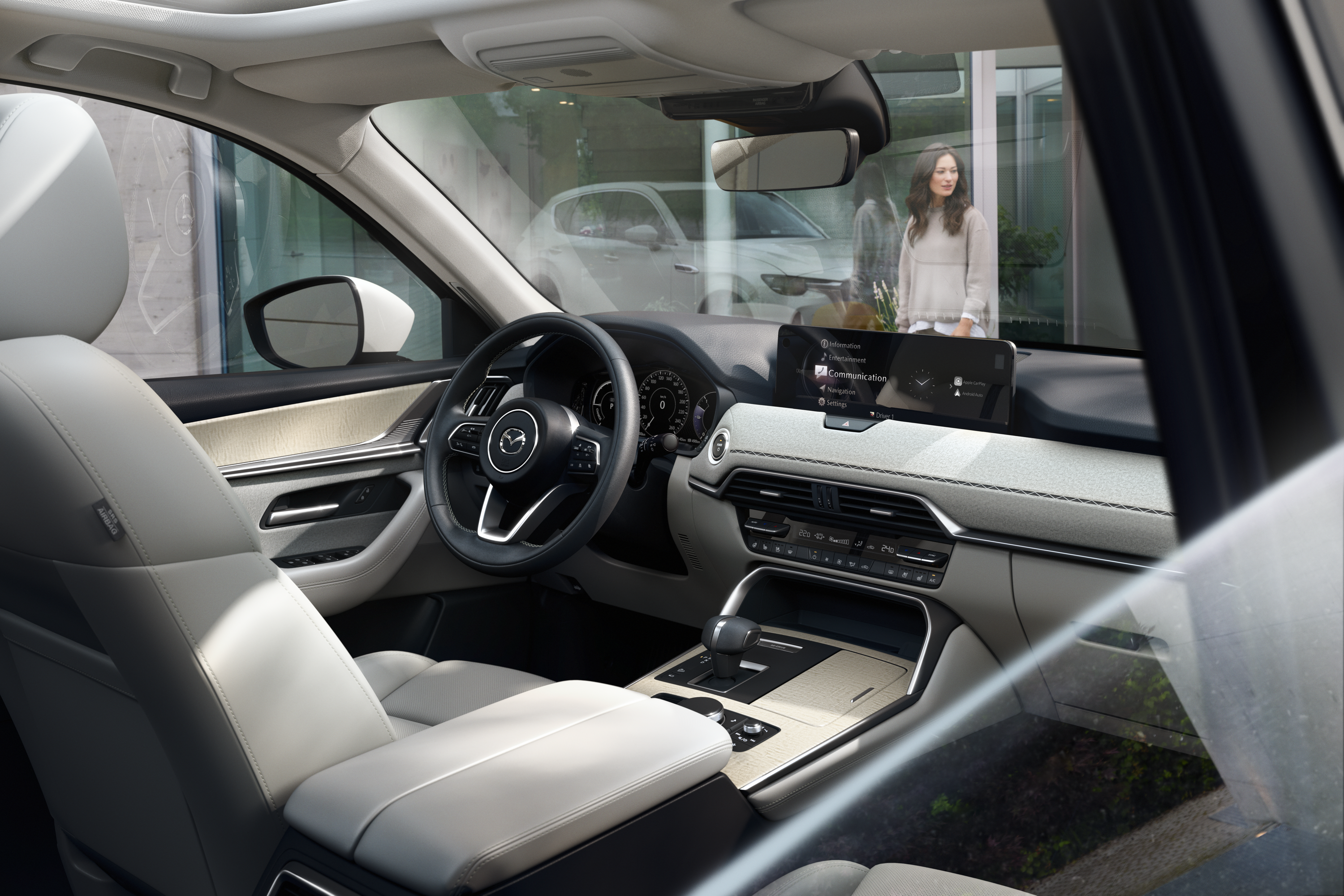
October 10, 2021: Mazda to roll out four six-cylinder SUVs
Mazda has announced its new range of six-cylinder SUVs to be rolled out from 2022, as it moves toward the electrification of all models by 2030.
From next year, Mazda will introduce the CX-60, CX-70, CX-80, and CX-90 SUVs across international markets – all of which will be part of the company’s all-new ‘Large Product’ portfolio.
A spokesperson for the company’s local arm has confirmed to Wheels the 2022 Mazda CX-60 will be offered in Australia, with the remaining three Large Product SUVs still under consideration.
Also announced was the CX-50, which will join the company’s ‘Small Product’ portfolio alongside the CX-30, MX-30, and Mazda 3 hatch – however, with the model being developed for specifically for the US market and built in Alabama, it’s unlikely the model will be offered in Australia.
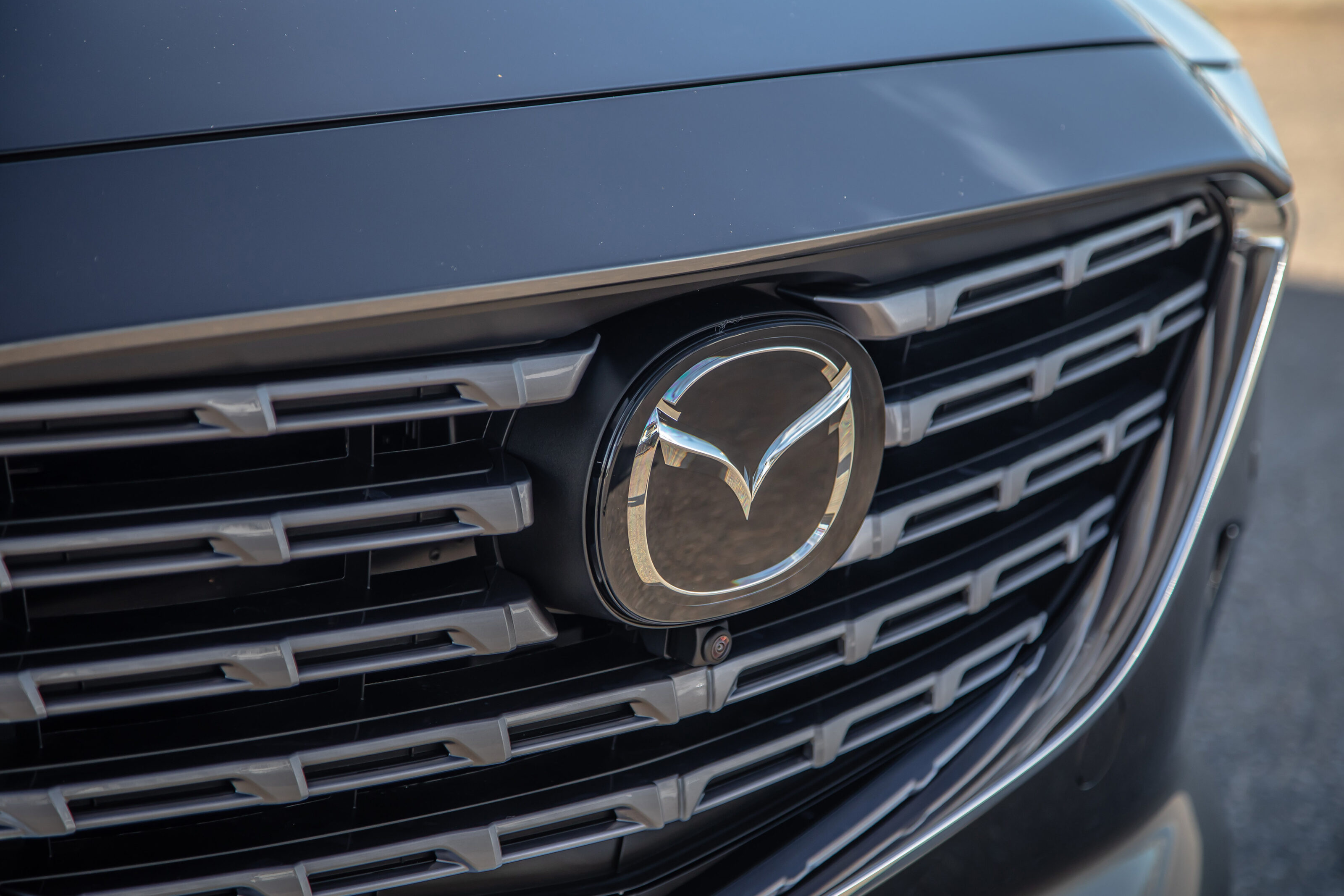
Mazda says while the CX-50, CX-70, and CX-90 are bound for North American markets – the latter two of which are considered ‘wide body’ models – the option still remains for those vehicles to also be offered to Australian buyers, if it finds there is a place for them in the brand’s local line-up.
The CX-60 and CX-70 are both five-seater models, while the CX-80 and CX-80 are set to offer three rows of seating.
“It will be about replacing the existing line-up, making sure they are working, making sure there is a viable return on investment, and also making sure that the new models are firing in the US,” a Mazda insider told Wheels in May.
A range of all-new six-cylinder engines will accompany the Large Product SUVs, powered by both petrol and diesel, and expected to be shared with the 2023 Mazda 6 – due to be unveiled in the first half of next year.
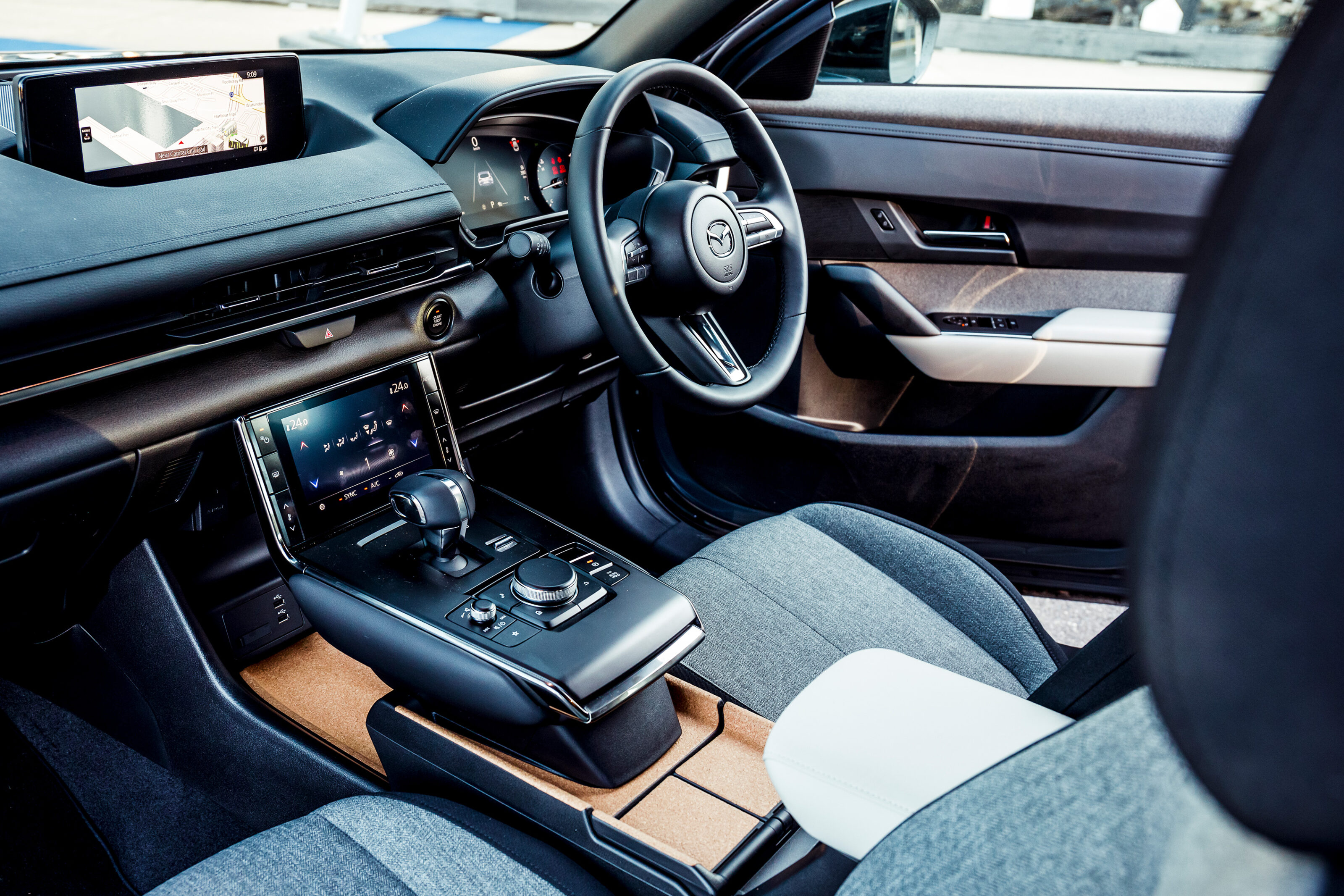
The petrol Skyactiv-X and diesel Skyactiv-D straight-six engines will be accompanied by a 48-volt mild-hybrid system, providing electrical assistance under acceleration as well as reducing fuel consumption and emissions.
While exact models have yet to be confirmed, some SUVs will be offered with plug-in hybrid powertrains, allowing day-to-day driving using just the battery-electric system, coupled with a four-cylinder engine for longer distances.
Mazda Australia has confirmed the CX-5 and CX-8 will continue to be sold alongside the all-new models for the foreseeable future.
How do we even start with this one? We’ve basically rounded up all of the cars that have got us juiced in anticipation and give you the low down on each and every one.
And because we’re a broad church here at Wheels, that list covers everything from the modest MG4 to the phenomenal (and phenomenally controversial) Ferrari Purosangue.
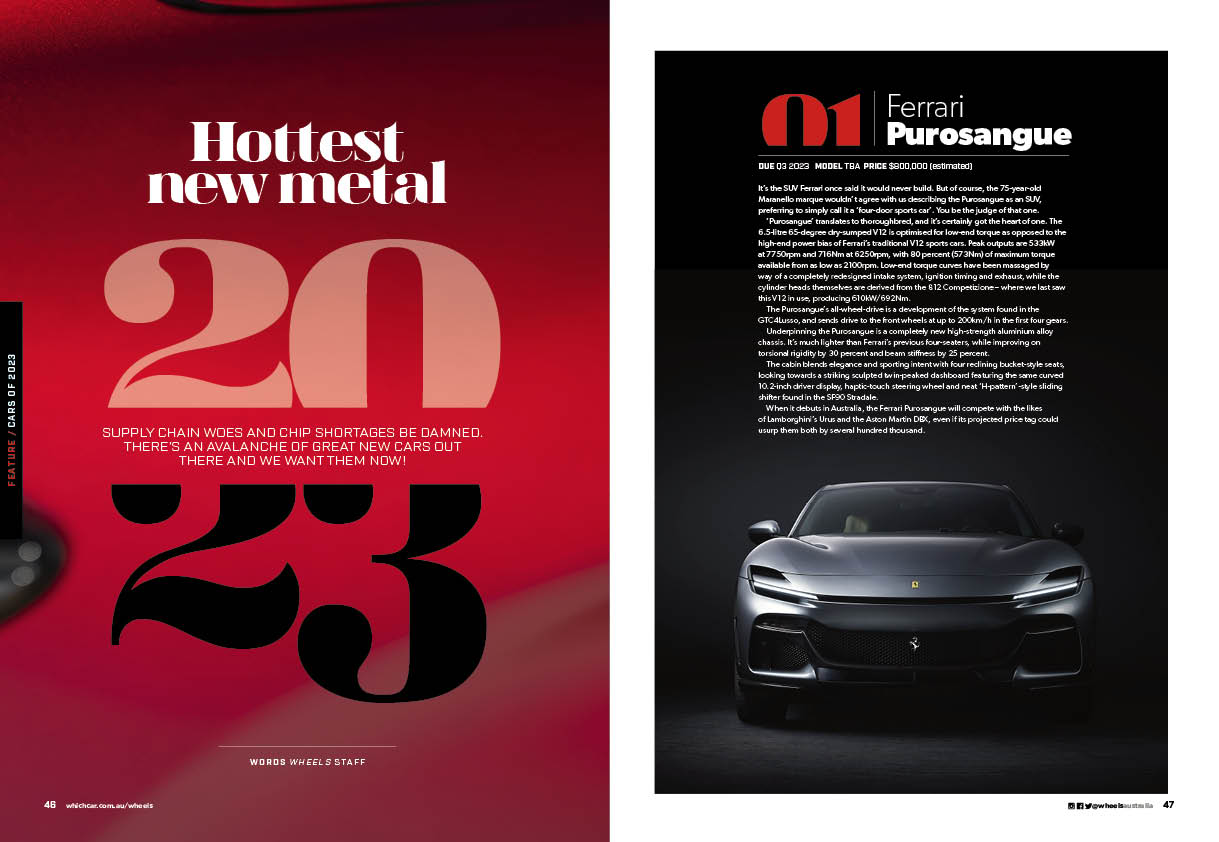
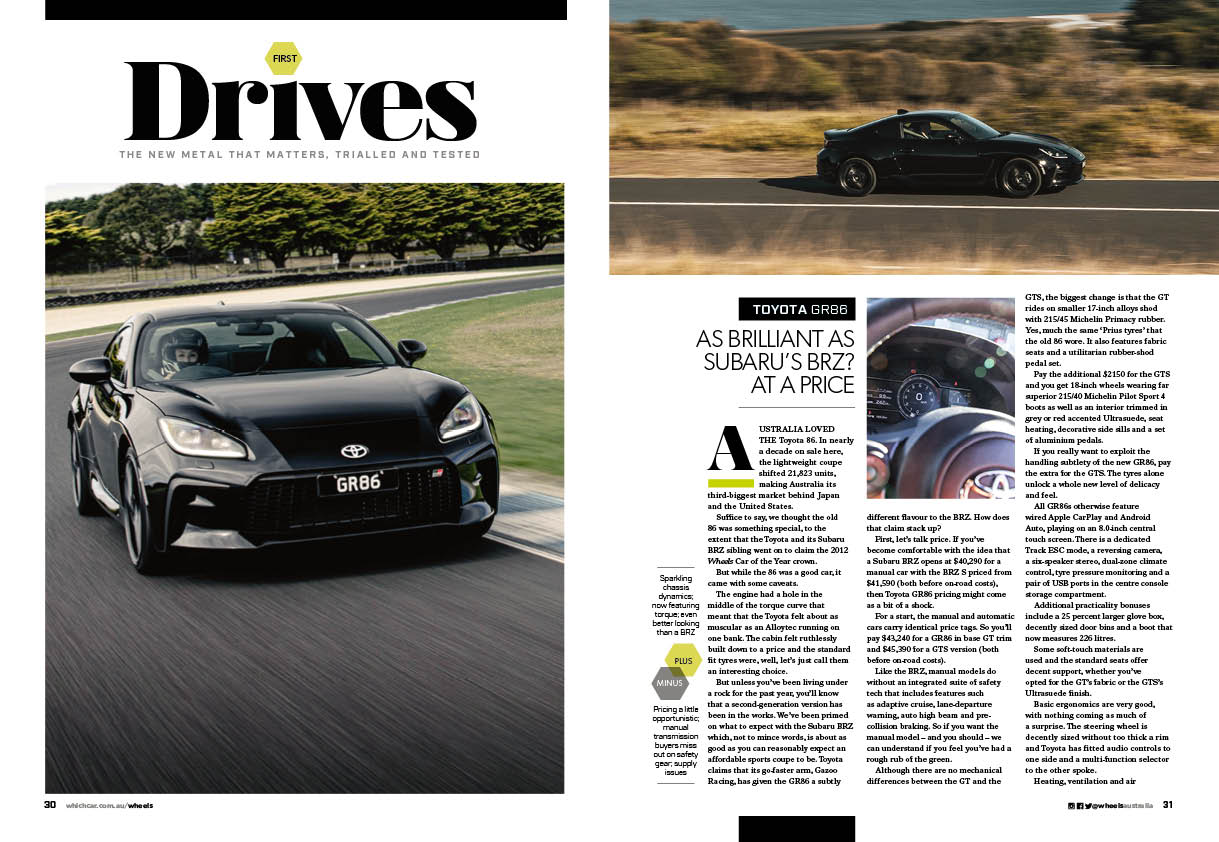
Between those points, there’s the Ford F-150, the Hyundai Ioniq 5 N, the GWM Ora Cat, The Mustang Mach E, the BMW M2, the 911 GT3 RS and the hot version of our current Car of the Year, the Kia EV6 GT. If it’s arriving in 2023 and it’s worth waiting for, we’ve got you covered.
And like a mid-afternoon TV ad selling suspiciously affordable cookware, there’s more!
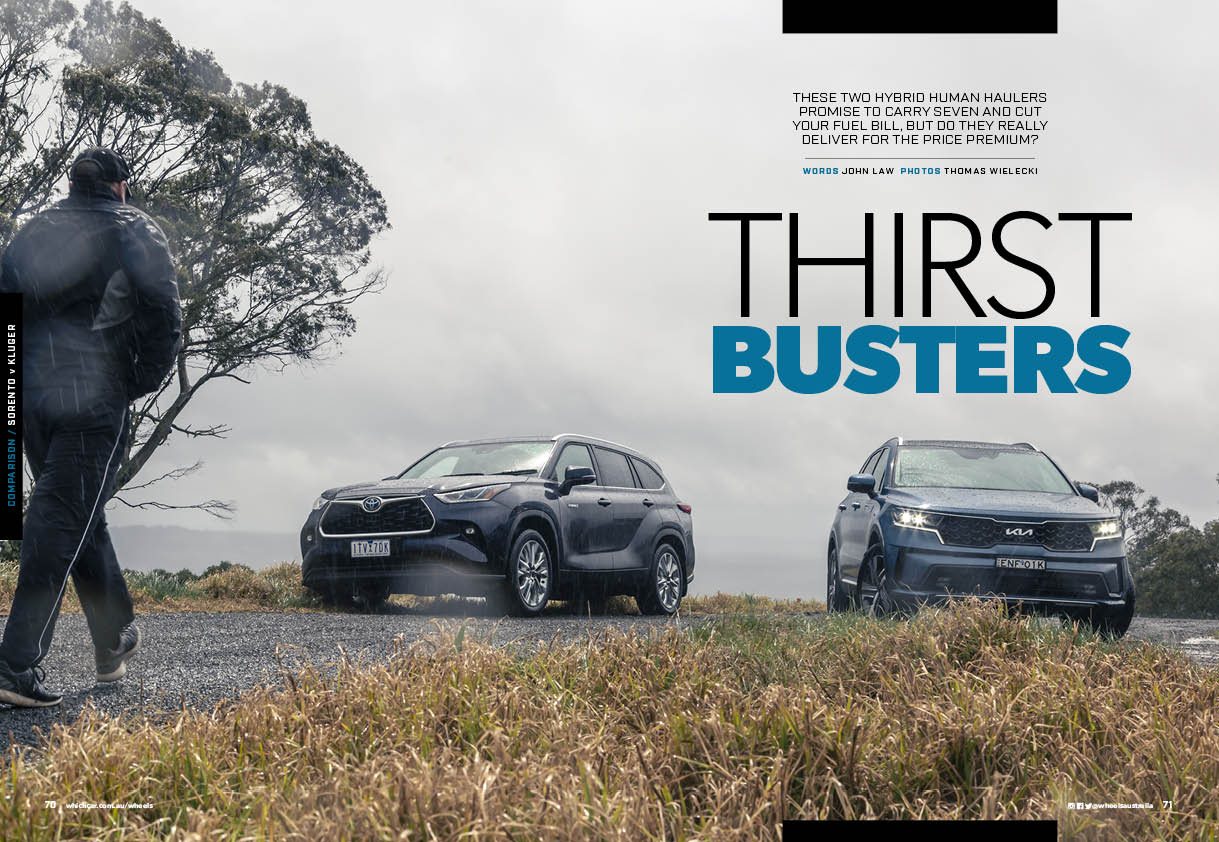
We put Johnny Law behind the wheel of the the Toyota Corolla Cross to find out whether the high ‘Rolla is more diverting than a Mazda CX-30, a VW T-Roc or a Hyundai Kona and get his read on whether you should just stop being a tightwad and keep saving for a RAV4 instead.
Daniel Gardner doesn’t share a lot in common with Joe Biden apart from a penchant for stonewashed denim, but both of ’em have driven the Ford F-150 Lightning. Sleepy Joe couldn’t get his words in for deadline, so we blew him off and you’ll have to settle for Gardner’s opinion on the big electric ute.
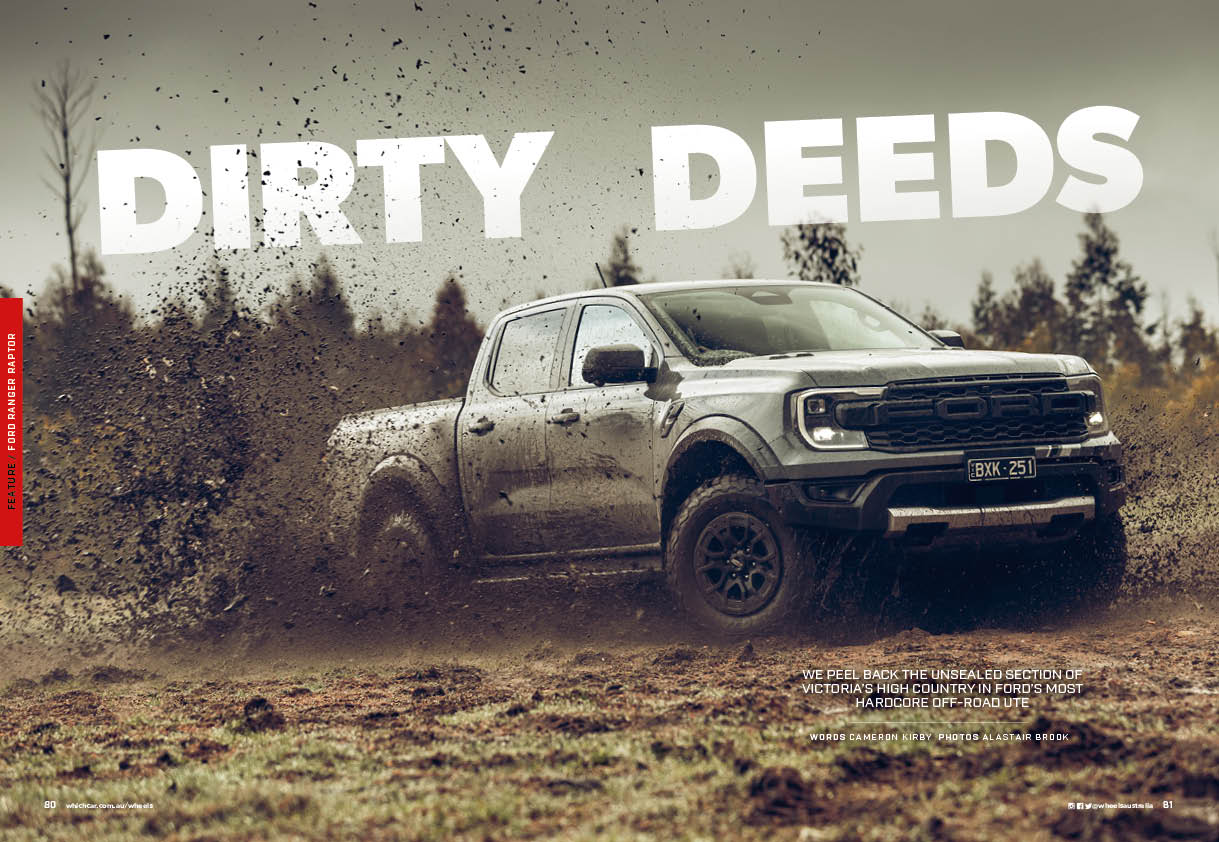
Should you prefer your Ford pick-ups with a bit more suck,squeeze, bang and blow about ’em, Cameron Kirby’s taken the Ranger Raptor to one of Victoria’s remotest and not to mention filthiest spots. We knew the Raptor was good on a manicured red dirt launch venue, but what’s it like in the real world? Find out here.
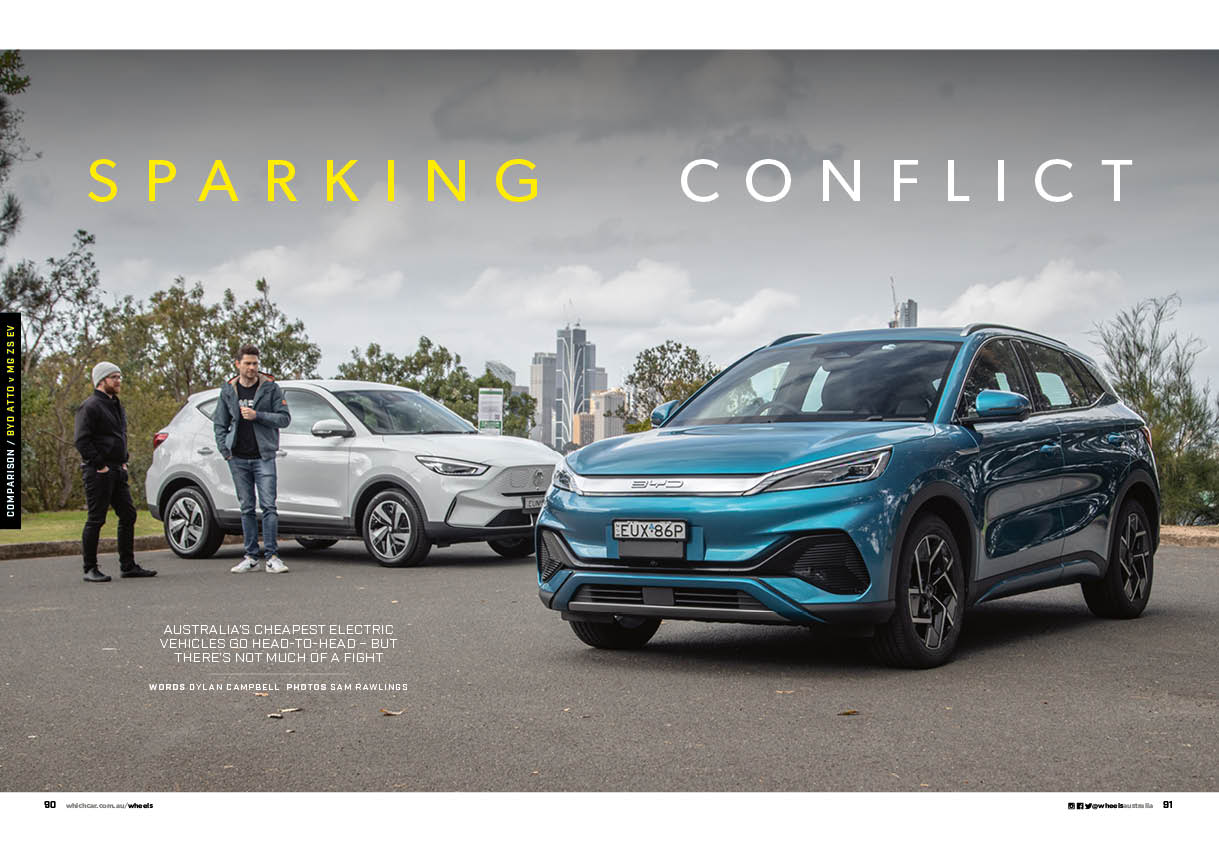
2022’s oddest entrant in the medium SUV sector could well be the BYD Atto 3, and we mean weird in a good way. Dylan Campbell puts it head to head with the MG ZS EV in a budget SUV face off. We’ve also got hybrid versions of the Toyota Kluger and Kia Sorento in an intriguing twin test.
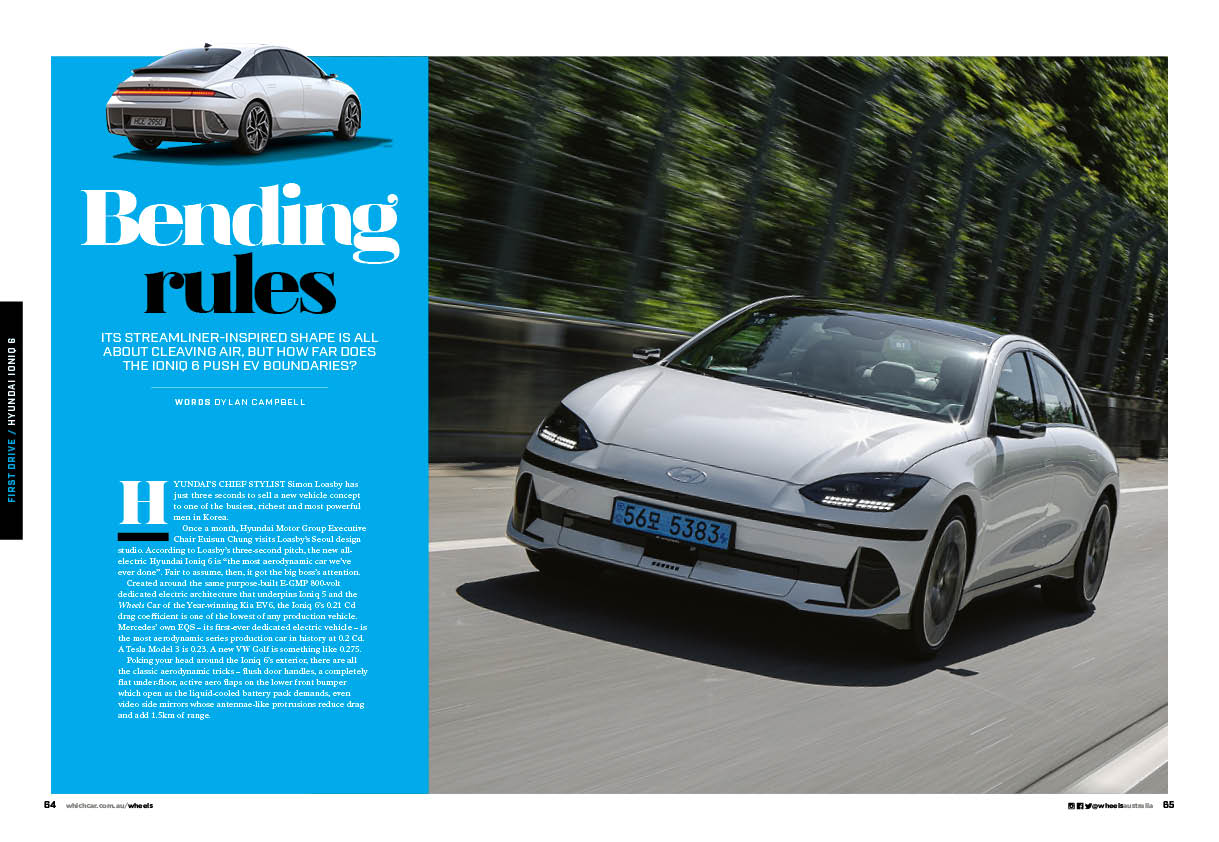
The lowdown on the Toyota GR86, a trip to Korea to drive Hyundai’s 605Nm Ioniq 6 streamliner, BMW’s pert iX1 compact SUV, why Dacias are on their way to Australia badged as Renaults, how Volkswagen overcame Dieselgate down under and our usual round up of long termers, a deep draft at the Databank well, thought-provoking opinion, reader feedback and you even get to learn a bit about MariaTeresa de Filippis. Me neither. Every day’s an education here.
There actually is more, but we’re only charging you $12.95 for the privilege and if we keep going it’ll sound immodest.
So set aside some you time and get into it. It’s on shelves now. Cheers!
Snapshot
- VW CEO says autonomous vehicles will arrive by 2030
- Development now led by commercial vehicles division, after startup shutdown
- Expected to rollout in EU and USA first, focus on robotaxis and delivery vans
Volkswagen CEO Thomas Schäfer has said fully autonomous vehicles will be mainstream by 2030, after a Volkswagen-backed startup shelved its self-driving ambitions.
Schafer doubled-down on the German automaker’s commitment to autonomous cars, with its commercial vehicles division now leading development alongside its Cariad software arm in China and Bosch for global markets.
US-based startup Argo AI ceased operations last month after Volkswagen and Ford stopped investing, with the latter citing profitable Level 4 autonomous vehicles at scale is not possible in the near future.
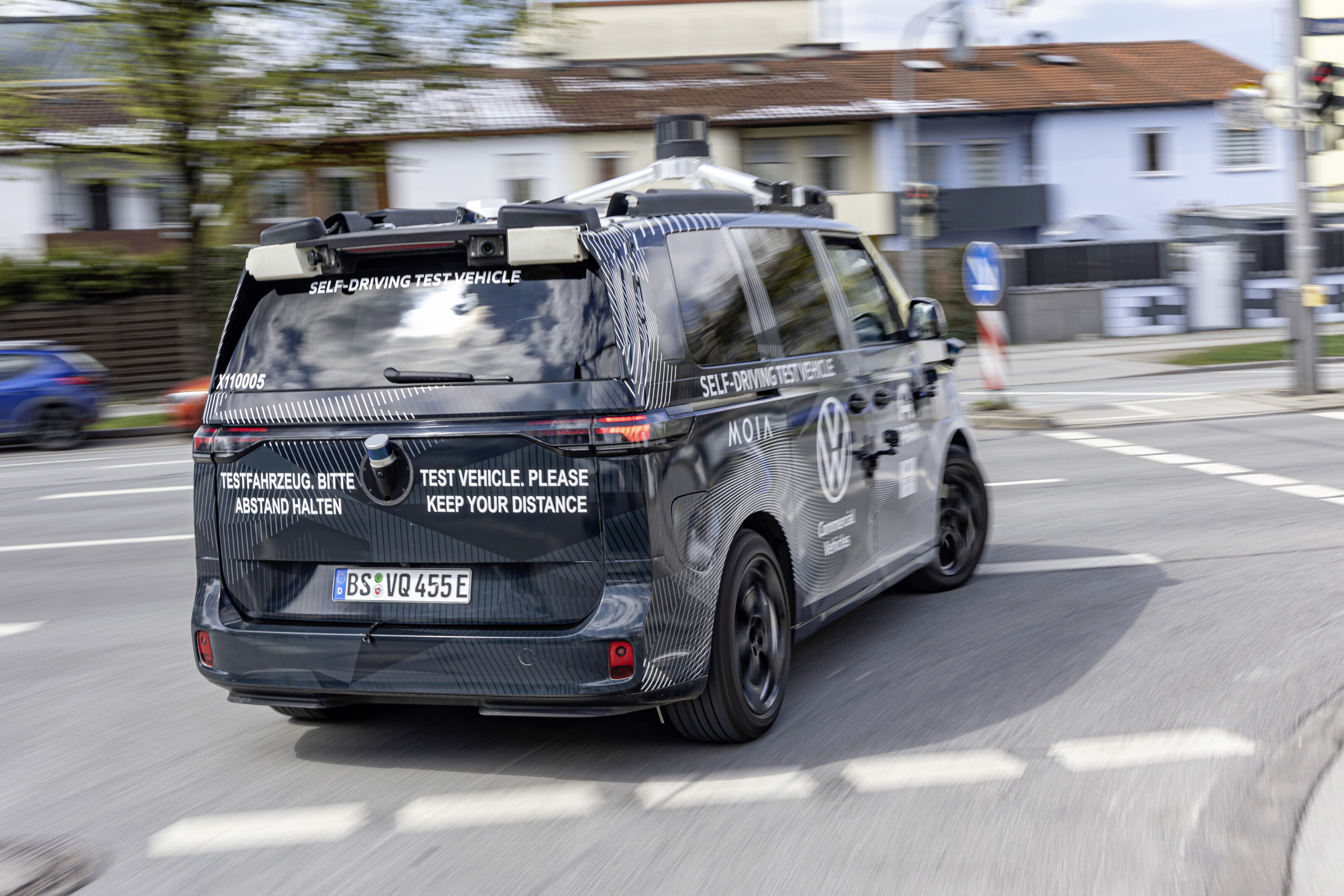
Both carmakers invested more than A$4 billion in 2019 into the company that previously had more than 2000 employees and was using the Volkswagen ID.Buzz electric van and Ford Escape medium SUV as test vehicles.
Argo AI previously aimed to bring the first mass-produced Level 4 autonomous vehicle for the Volkswagen Group by 2025 for Europe and the USA.
“Our goal is to offer our customers the most powerful functions at the earliest possible time and to set up our development as cost-effectively as possible,” Mr Schafer told Autocar.
“The technology is available and we are driving [the ID.Buzz] in Hamburg and Munich autonomously… And there’s always the need to prove that the system drives better than a human.
“The legislation for it is enormous. It’s totally different from country to country.
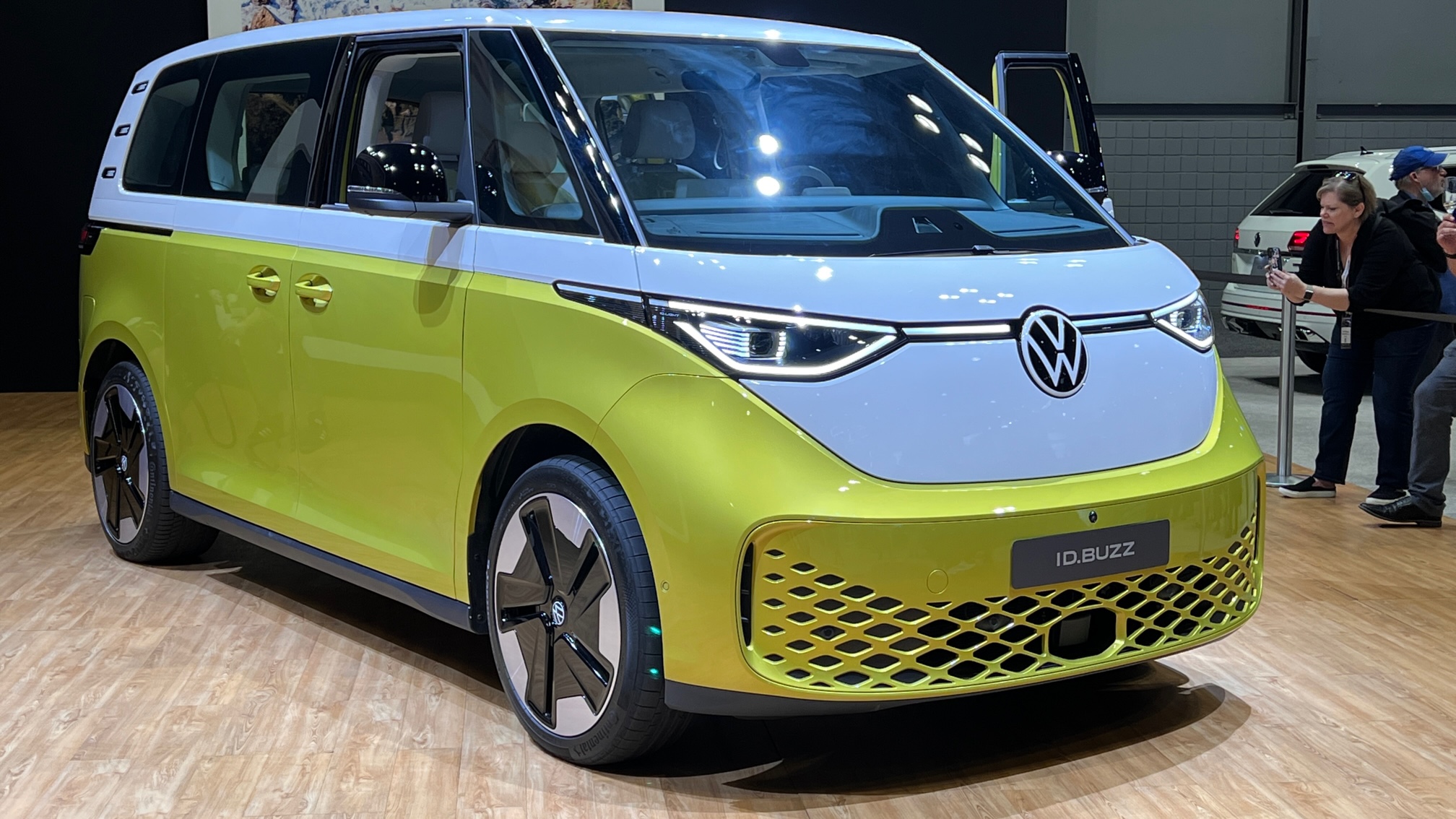
“You have to put focus on [autonomous driving] and that is why we are pushing so hard in the CV [commercial vehicles] division, because once it happens it opens up profit pools and opportunities. I wouldn’t say winner takes it all but it’s a game that you need to be in early. You cannot wait and then fast forward so that’s why we’re totally focusing on it.”
According to Reuters, Volkswagen is now planning to expand its partnership with Intel Mobileye to develop autonomous driving technologies after Argo AI was dropped. The Israel-based company already cooperates with Volkswagen’s Cariad software division.
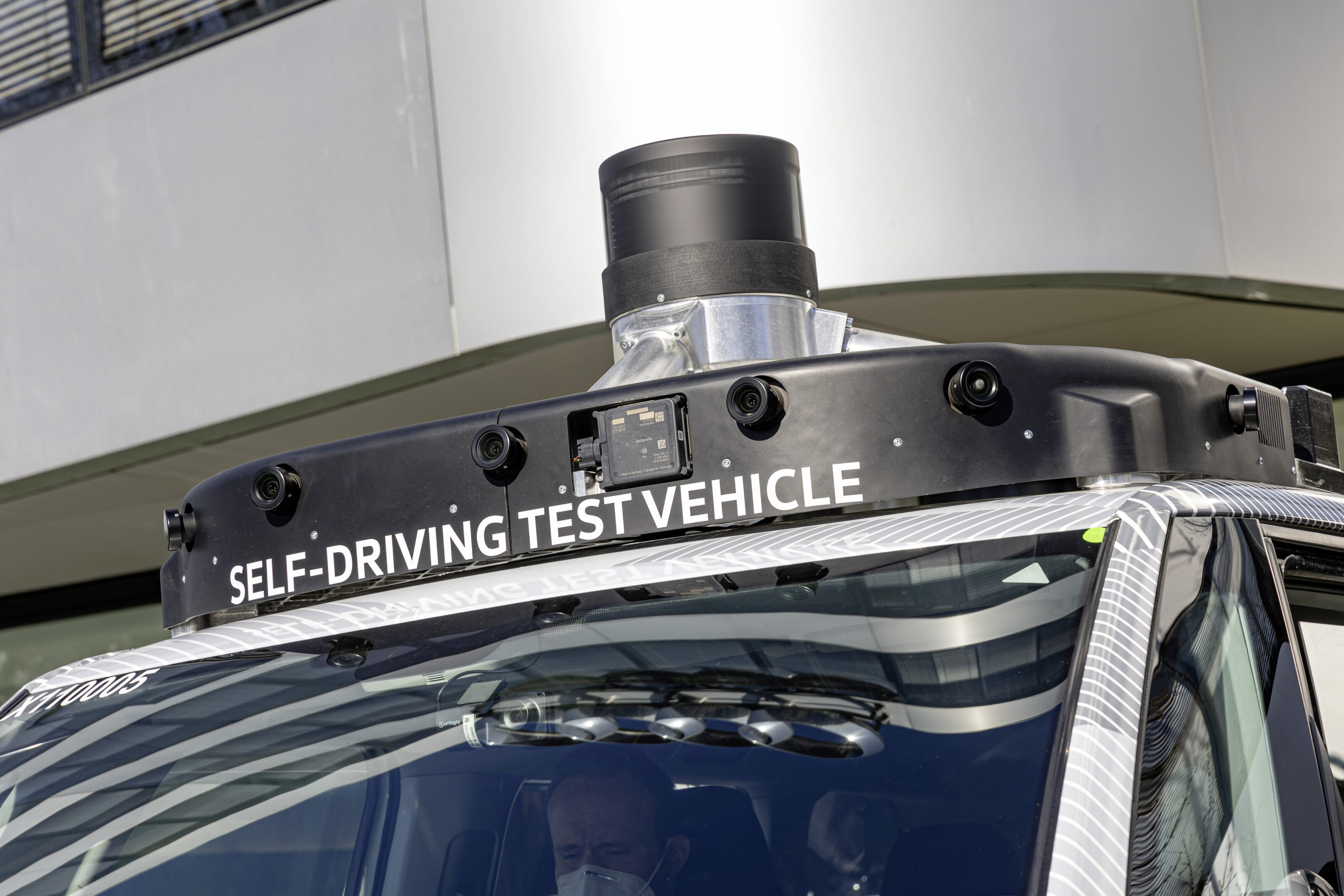
Volkswagen is currently testing a Level 4 autonomous ID.Buzz autonomous driving prototype on German streets using cameras, radars and LiDAR sensors from the defunct Argo AI. Self-driving rideshare ‘robotaxi’ and delivery vans are the focus, but the carmaker also teased an autonomous ID.Buzz ambulance.
Meanwhile, Volkswagen’s remaining autonomous subsidiary, Moia, is a mobility-as-a-service (MaaS) company offering rideshare trips in Hamburg using modified fully-electric versions of the Multivan T6 – but is currently driven by a human.
In 2020, Uber ditched its self-driving efforts amid profitability concerns and a fatal accident with a pedestrian in 2018.
Google’s Waymo spinoff and General Motors’ Cruise are other key players in the self-driving race currently testing on the roads in the USA. Like the rest of the automotive industry, autonomous driving development has been hit by the ongoing semiconductor supply shortages.
