
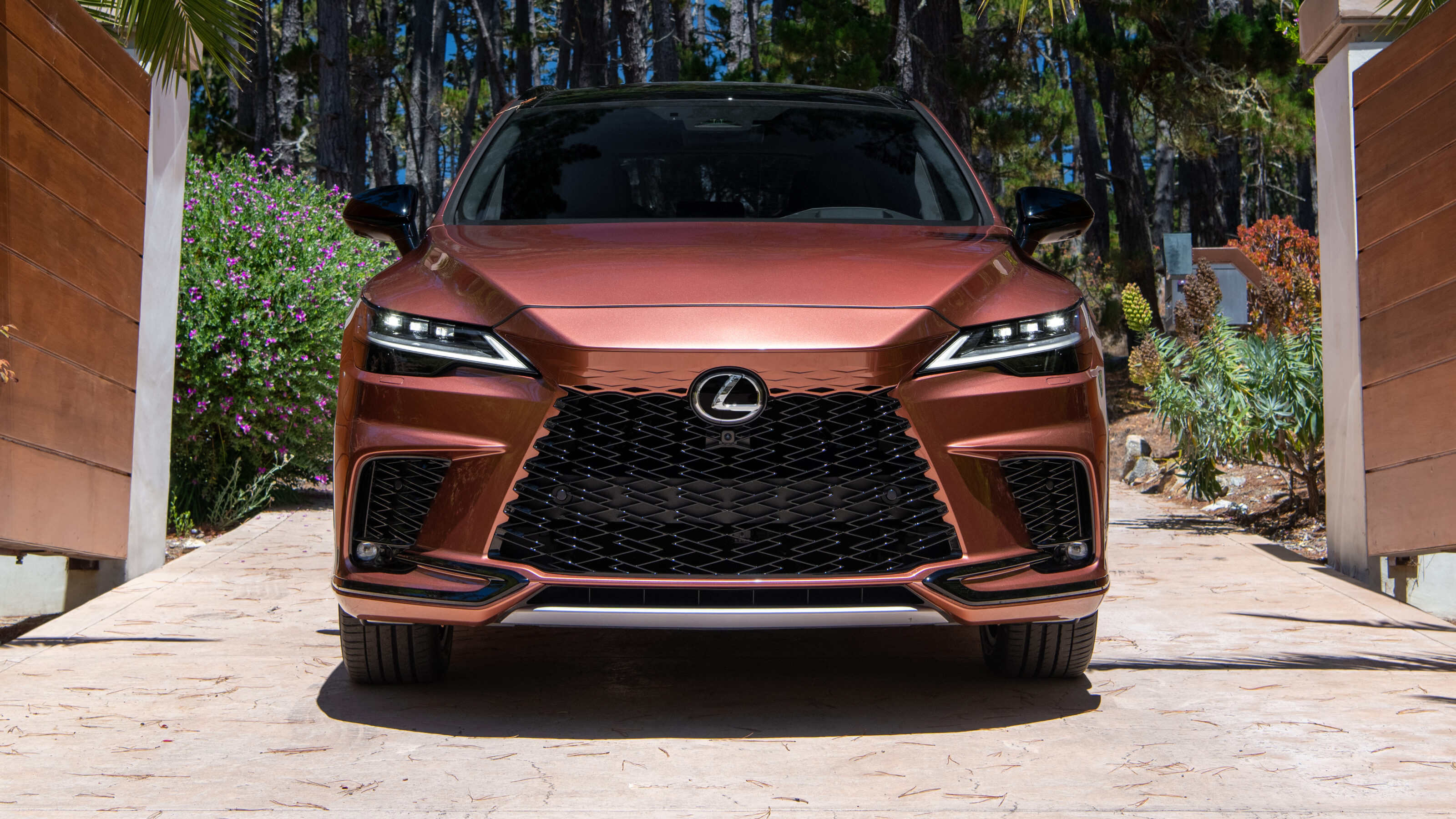
Lexus‘s freshly revealed F Sport Performance nameplate will progressively roll out to more of its SUV and sedan models, taking the fight to rival brand’s mid-tier performance options.
When it arrives in early 2023 on the boot of the fifth-generation RX 500h, the first F Sport Performance will form a new flagship for the mid-sized luxury SUV range, but Lexus has confirmed it’ll slot into other model lines.
Positioned above the existing F Sport versions, but below the full-fat F variants, a new bloodline of Lexus F Sport Performance offerings will be aimed primarily at equivalent mid-range performance rivals from the big three Germans.
UPDATE: New 2023 Lexus RX driven
Following its global unveiling, we’ve now driven the new-generation Lexus RX. Get the full story at the link below.
Story continues

For example, while a not-yet-confirmed RX-F would bump gloves with BMW’s X3 M Competition, the current flagship RX 500h F Sport Performance’s job is to target potential X3 M40i customers.
Lexus is not yet ready to talk about which model will be branded F Sport Performance next, but chief executive John Pappas said more such variants are a part of the company’s growth strategy.
“That is now a new badge that we’ve introduced, and it’s starting with RX. We will see that evolve and we want to grow the F line,” he said.

“It’s a new tier in between F line and F Sport, and we’re going to expand that whole line-up to other models in time.”
Unlike the longstanding F Sport variants which are available in all but one of Lexus’s current model lines, the new F Sport Performance brings more performance-enhancing hardware in addition to the sporty looks.
In the case of the RX 500h, which will be available exclusively as the F Sport Performance, it gets the maximum 273kW and 551Nm from its turbo petrol hybrid powertrain, as well as six-piston brake calipers, 400 millimetre rotors and adaptive dampers to set it apart from lesser versions.

Compared with rival equivalents such as the Mercedes-AMG GLC 43, the new 500h has a comparable punch, but Lexus says the new variant and the F Sport Performance line will have the upper hand in efficiency.
Speaking through a translator at the international launch of the fifth-gen model, Lexus RX chief engineer Takaaki Ohno said the company’s approach to performance had as much of a focus on emissions reduction as it does on going fast.
“The hybrid Performance model does indicate a certain direction,” he said. “But on a larger scale the 500h represents one of our methods of achieving a major goal – which is carbon neutrality and eventually 100 per cent EVs.

“We will have the plug-in, the Performance model as well as offering the more fuel-efficient HEV models. Each of these offer a certain usage and role within our hope of carbon neutrality.”
The introduction of the new variant leaves the door open for the return of Lexus’s mighty F models, including a version of the fresh RX, but Ohno explained that the 500h would remain the hero of the range for now.
“Being able to add this performance factor to the vehicle was something very important to us so right now we are very content with that (500h F Sport Performance), but who knows in the future?”
While high-performance and the transition to electric are top priorities for Lexus, the company says it has not lost sight of the key pillars that built its following and the whole driving and ownership experience continues to be vital, according to Ohno.
“We want to be the very last brand that people settle down into after they’ve tried everything in the world and, at the end, they chose a Lexus,” he said.
“Within the brand we asked what kind of car is that? It wasn’t just performance alone. It was the driving experience and the vehicle had to be your companion. That’s the concept that you’ll hear behind a lot of vehicles coming up”.
When an electric compact SUV arrives into the local market touting itself as Australia’s cheapest EV, it’s reasonable to expect that plenty of buyers are going to be forgiving of a few shortcomings.
And so they were with the MG ZS EV when it lobbed in late 2020 priced at just under $44K. Its modest battery range of around 260km a slightly dinky 8.0-inch multimedia screen and massively underdone chassis tune – actually more like an improvised jam than an actual tune – were not significant dissuaders for early adopters.
Now we have the heavily updated follow-up to that original, with the assurance that all of the above have been improved, along with upgrades to a host of other key areas.
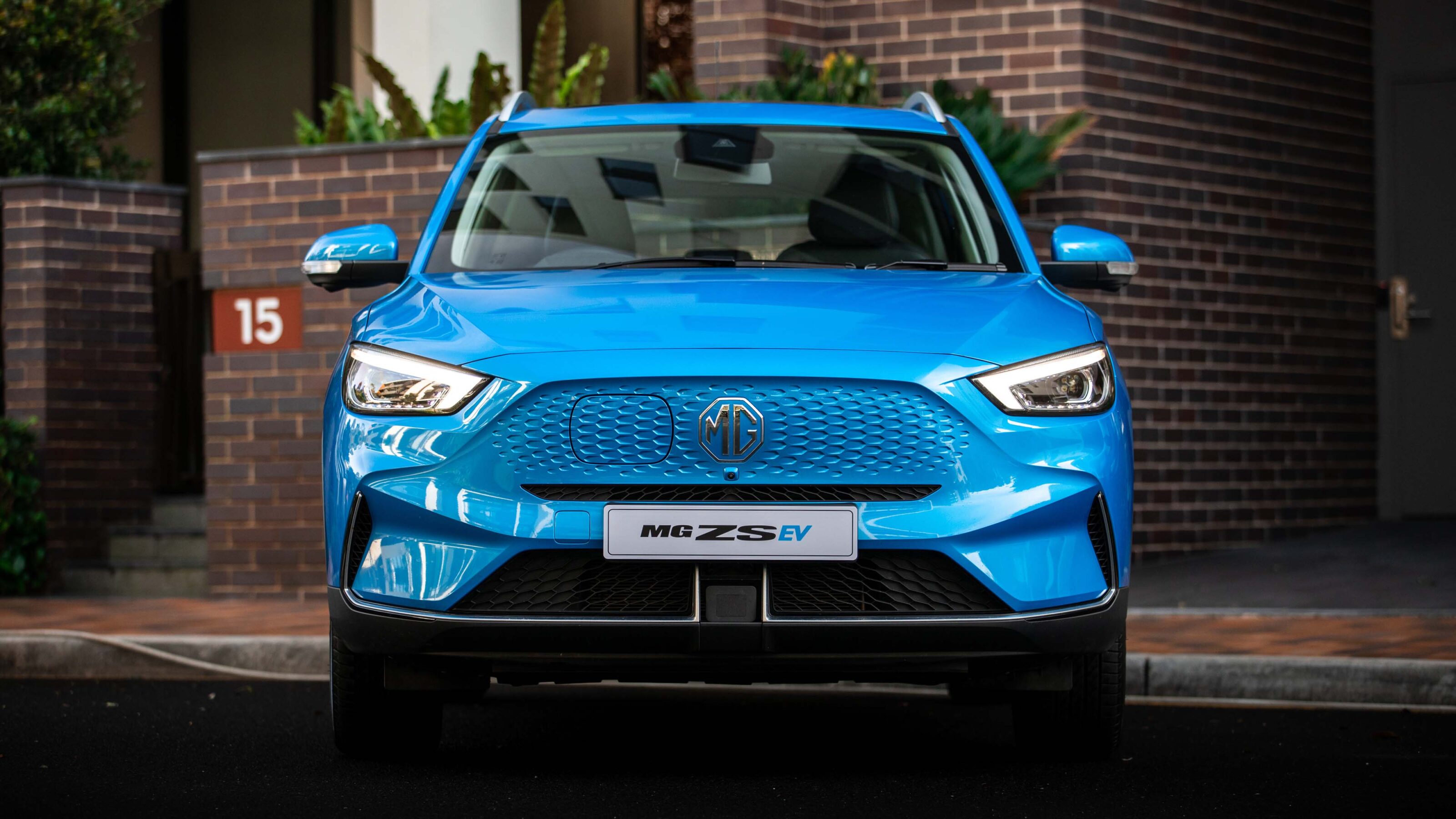
Further, rather than just one top-spec Essence model, the new ZS EV is now offered in two trim levels. The entry-level Excite is $44,990 drive-away, while the Essence is $48,990 drive-away.
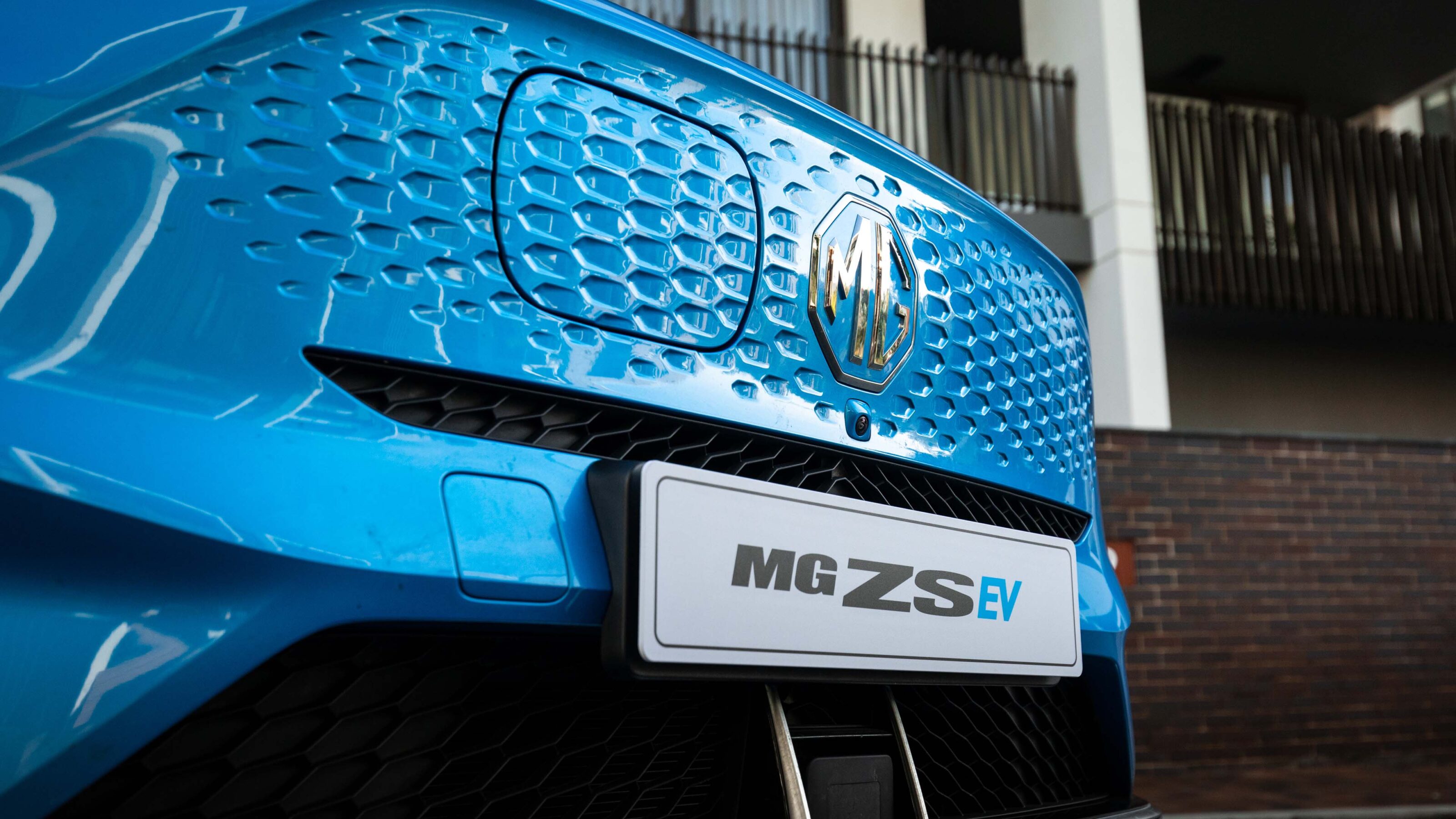
From the front, at least, you won’t have any trouble telling old from new. The new model loses the very Mercedes-inspired starry grille, instead running a much more aero-looking, mostly enclosed snout, giving it a more distinctive front end compared to petrol variants of the ZST.
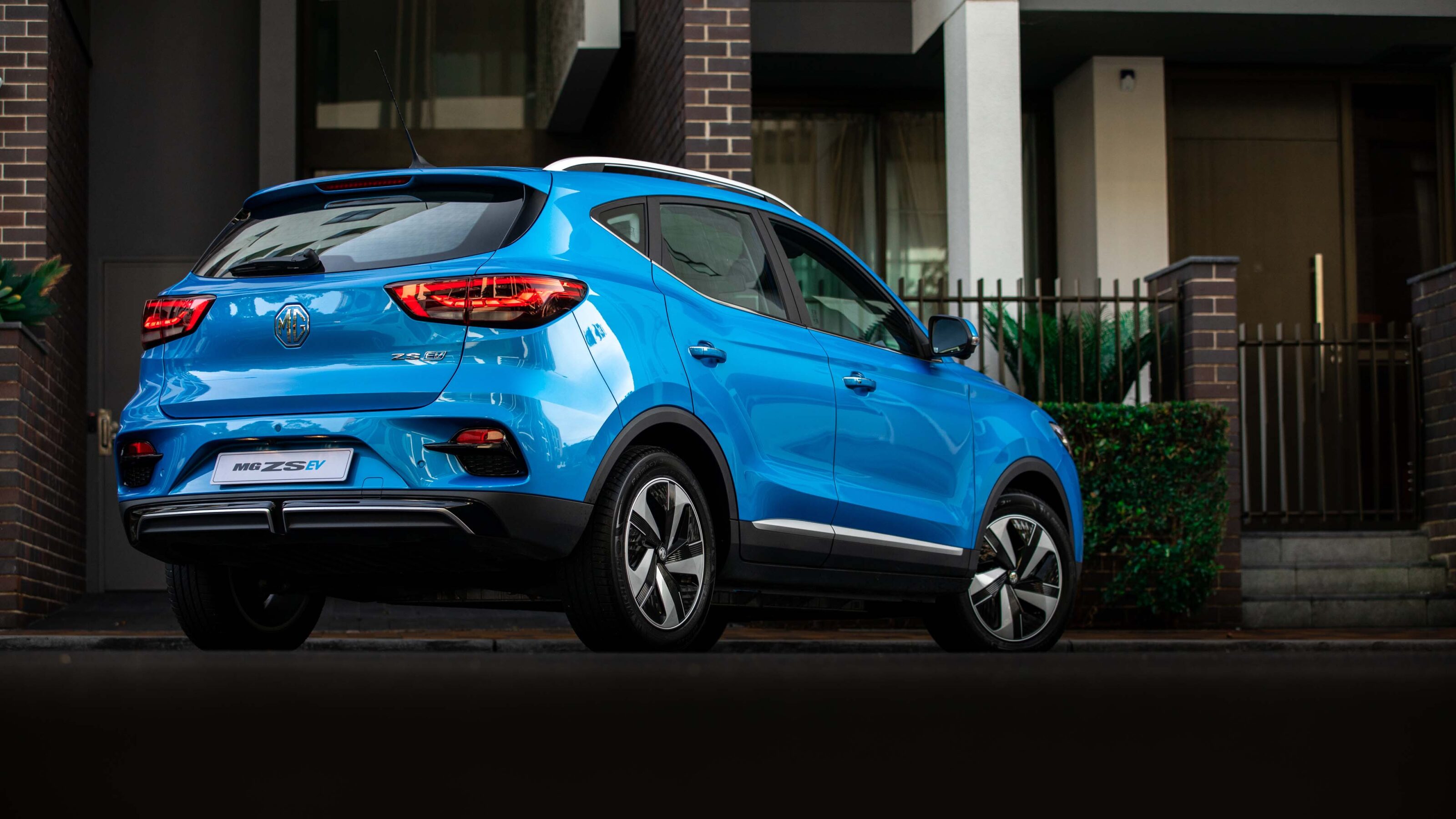
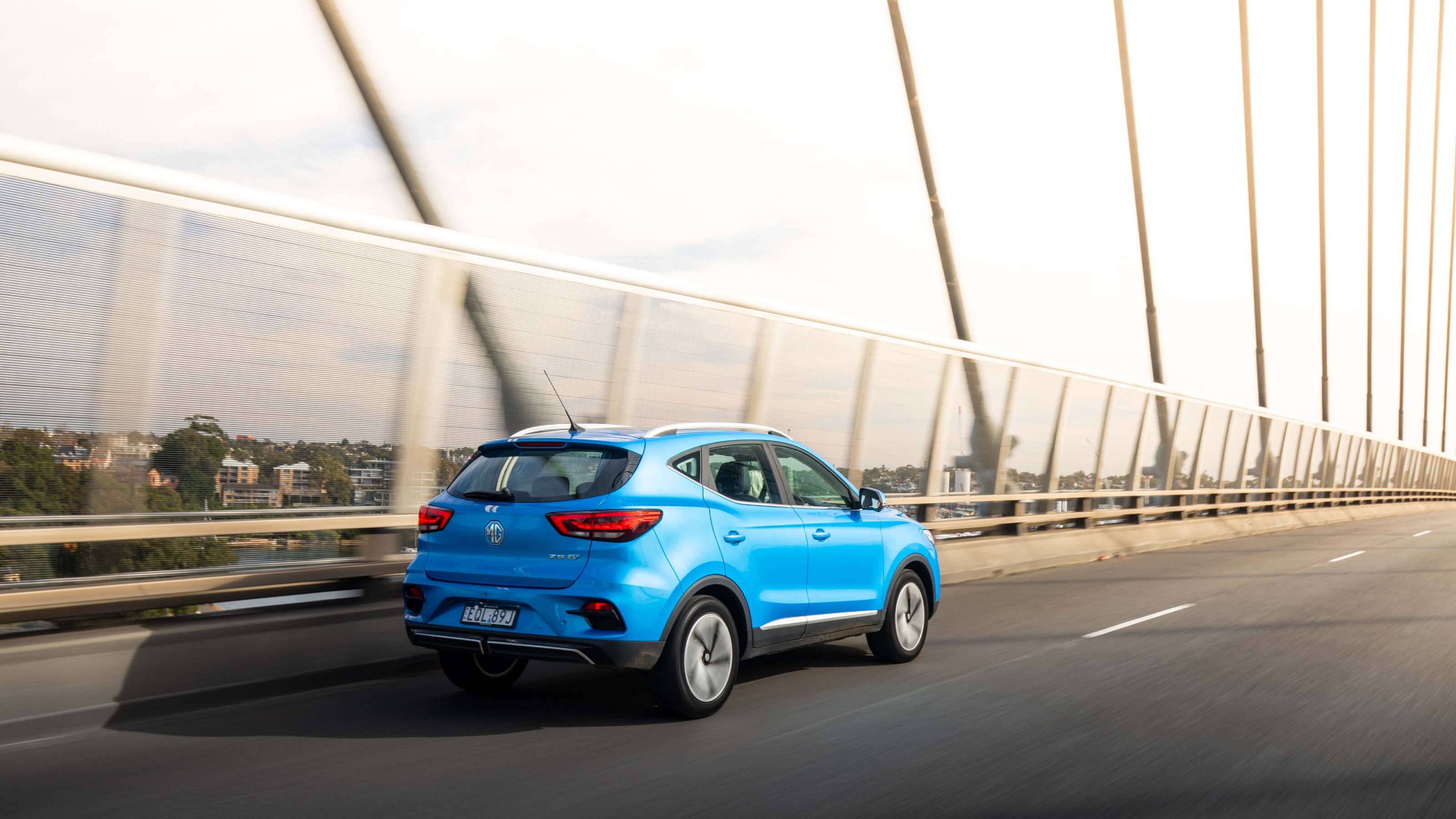
New, brighter LEDs also feature front and rear. It’s a cohesive if conservative exterior design; not what you’d call distinctive, but not likely to cause offence either.
Build quality, too, feels excellent. The doors shut with a thunk and panel gaps are snugly uniform. The paint is a standout; barely a trace of orange peel, with the rich, glossy colour and clear coat extending into all the shut-line areas.
The basics
| Motor | single, front |
|---|---|
| Transmission | single-speed reduction |
| Power | 130kW |
| Torque | 280Nm |
| Battery | 50kWh |
| Range | 320km (WLTP) |
| Recharging | 30-80% in 54min at 50kW |
| 0-100km/h | 8.2 seconds (claimed) |
The likes of Toyota, which skimps even on base colour in the engine bay of some of its cars, could learn a thing or two from MG.
Pricing and features
So while those drive-away prices for the new pair are up on what the original car sold for (it’s actually $5K in the case of the Essence) both are still super keen in the broader context of competitors.
No surprises that the Excite misses out on a bunch of equipment, including some safety features. Blind-spot monitoring and rear-cross traffic alert, for example, are now reserved for the top-spec Essence. That’s despite those features being included as standard on the petrol-only version of the ZS (known as the ZST) that sells from $25,490 drive-away.
Essence spec also adds imitation leather trim, heated front seats with electric adjustment for the driver’s seat, wireless phone charging, folding mirrors, and a vast panoramic glass roof.
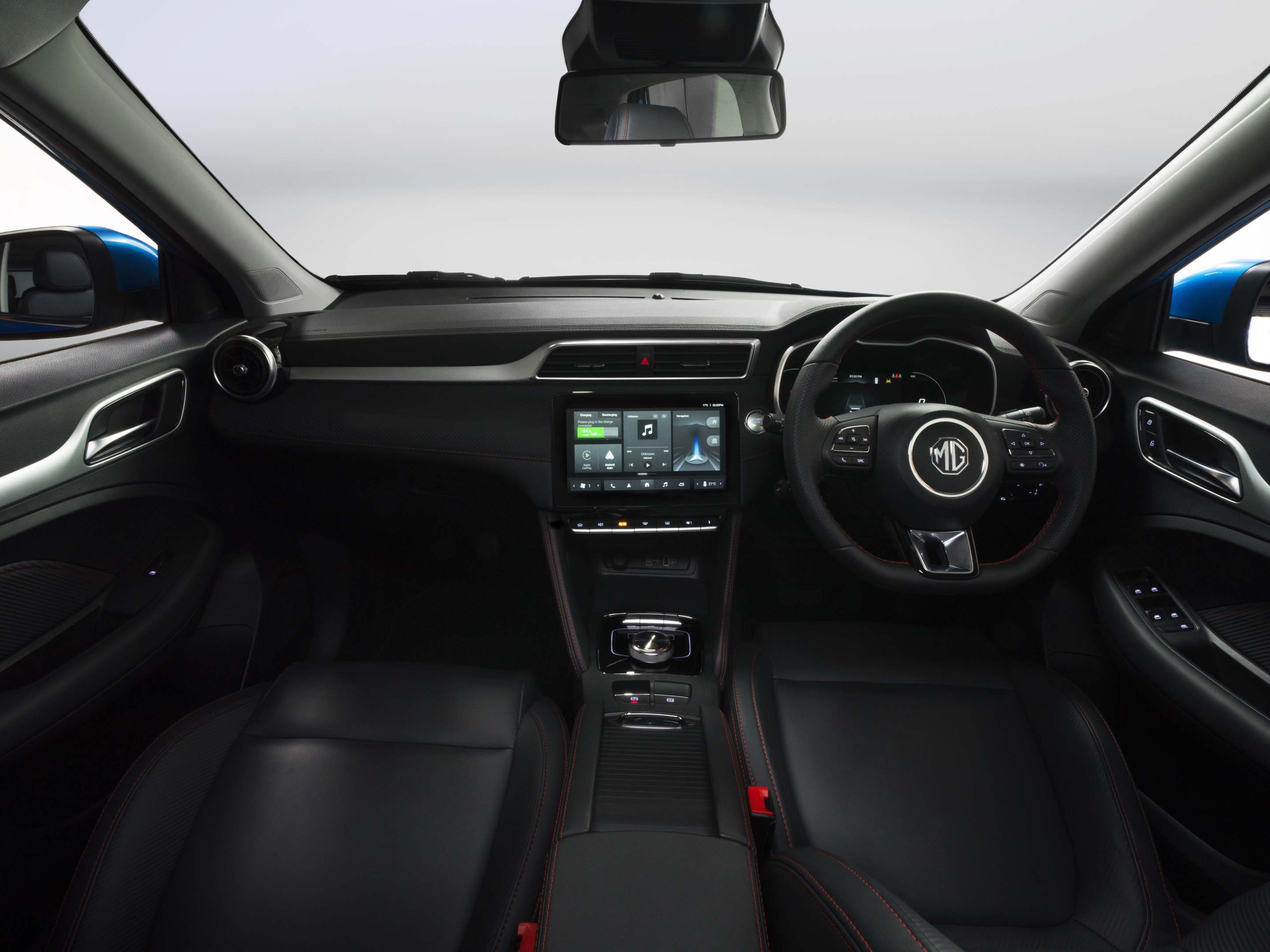
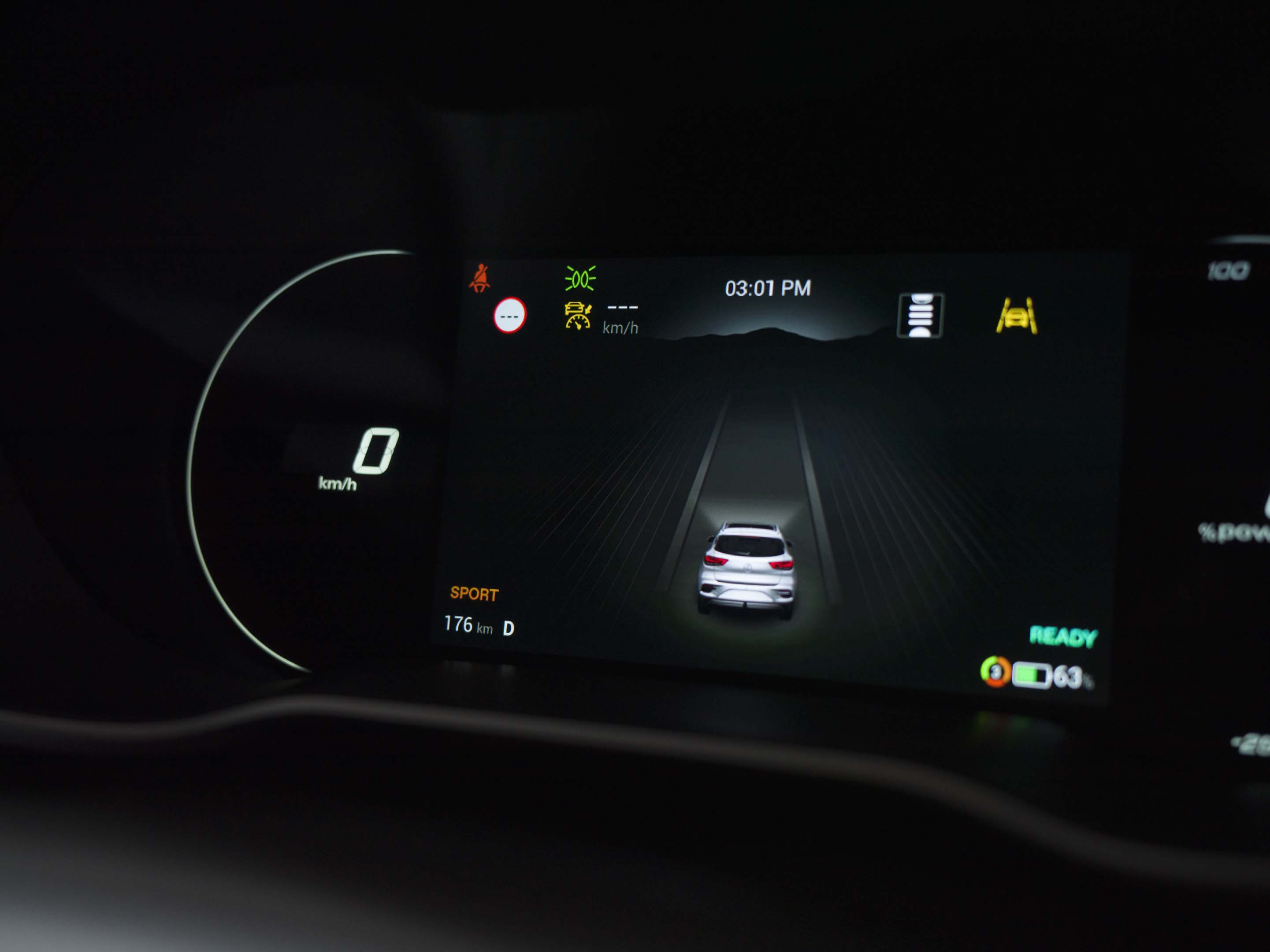
Both models get a 7.0-inch digital instrument cluster to replace the old analogue setup, as well as a 10.1-inch touchscreen that’s usefully larger and more modern than the old 8.0-inch unit.
MG Pilot drive assistance (detailed in Safety) is also common to both grades, as are 17-inch alloy wheels, a 360-degree camera system, and a wired connection for Apple CarPlay and Android Auto.
Significantly, both models get a new 51kWh battery pack, up from the original’s 44.5kWh unit. It’s a lithium-iron phosphate (LFP) unit that ditches the cobalt; independent testing shows that it charges slightly faster than a conventional lithium-ion battery.
How do rivals compare on value?
Closest by some margin is the (also Chinese-made) BYD Atto 3, which is similarly offered in two spec levels, one with a 50kWh battery at $44,990, and a range-topper at $47,990 with 61kWh of energy storage. The Atto 3 drives pretty well and has a way more, er ‘adventurous’ interior design, which may be a bit out there for some tastes.
Hyundai’s Kona EV deserves to figure in any buying consideration, although at $54,500 plus on-road costs for the entry-level Elite with the smaller 39kWh battery (an Extended version with 64kWh battery is available), its price is well above even the top-spec ZS EV Essence. The Kona does, however, offer a similar range of around 320km.
Also in the price ballpark – albeit as a hatch, not an SUV – is the base Nissan Leaf at $50,990 plus on-road costs. This regular Leaf (as opposed to the ‘Plus’) runs a 40kWh battery providing 270km of WLTP range, a single front-drive motor producing 110kW and 320Nm, and hits 100km/h in 7.9 seconds.
Comfort and space
| L/W/H | 4323/1624/1835mm |
|---|---|
| Wheelbase | 2885mm |
| Boot space (min) | 359 litres |
| Boot space (max) | 1187 litres |
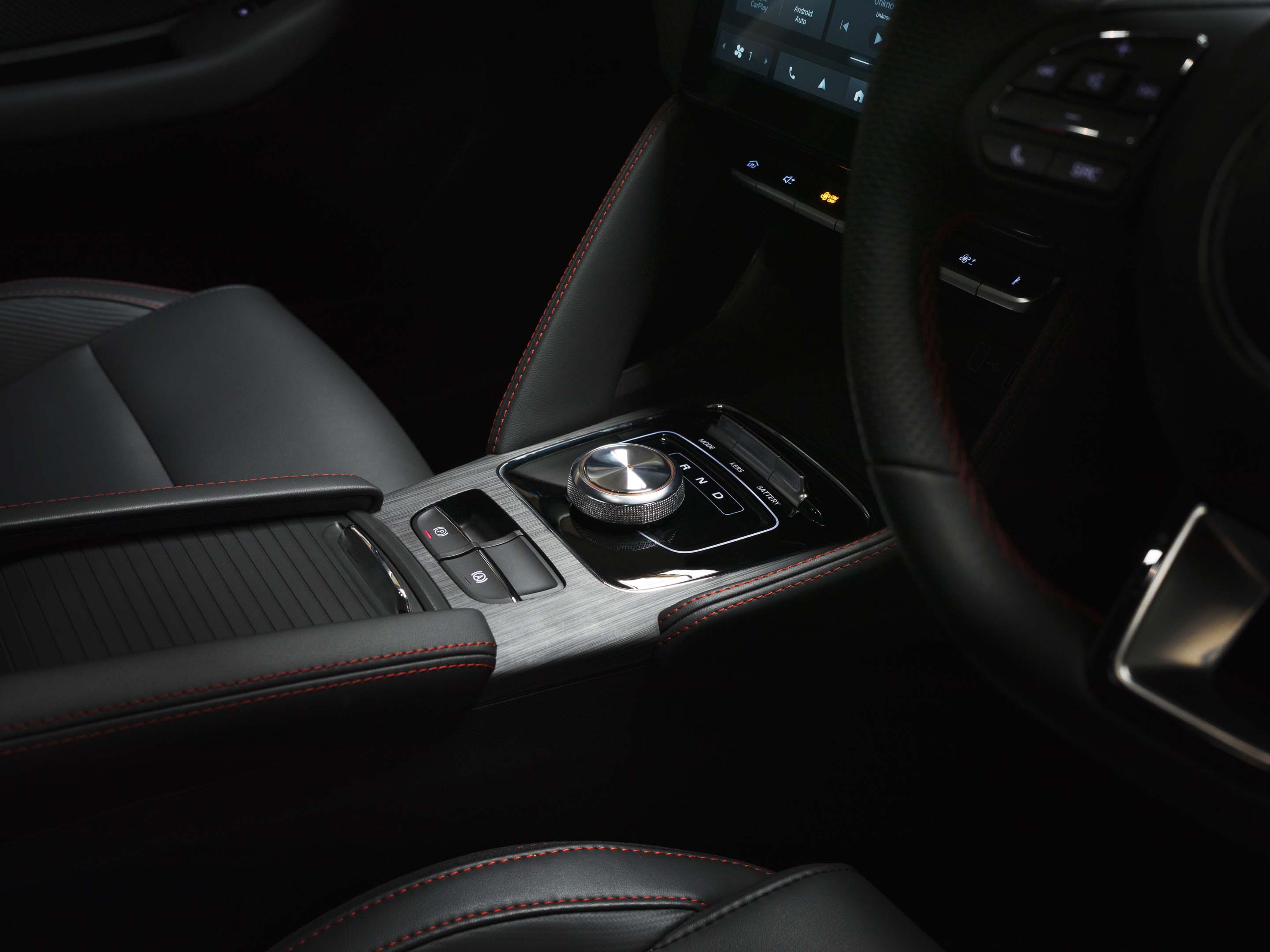
Slide and it’s clear MG’s interior design team has spent plenty of time looking at Audi and other brands from the Volkswagen Group. Hey, if you’re going to go looking for inspiration, why not single out the best?
The wheel, air vents and other bits of hardware and trim are heavily influenced by the Germans, to good effect. The dash top is soft, the stitching uniform and good quality, and the whole thing feels well put together.
Seat bases are a bit squidgy for heavier bodies and not generous for under-thigh support, but my more medium-sized colleague had no complaints.
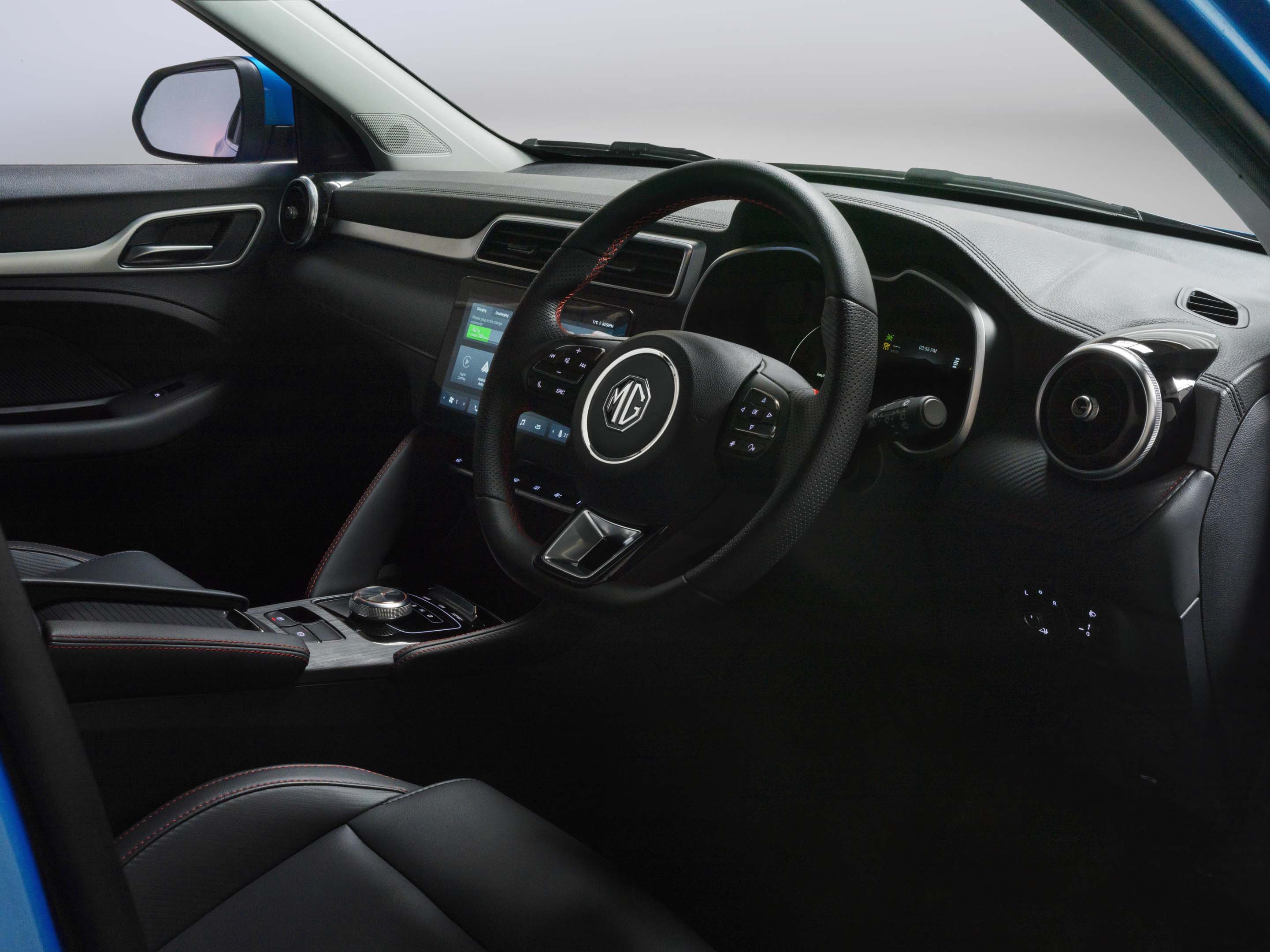
There are no memory positions for the electrically adjusted driver’s seat in the Essence, nor a head-up display, but finding an agreeable driving position is simple despite the fact the wheel doesn’t adjust for reach; only height.
A pair of centre cup holders can be covered by a neat roller lid, while the door bins are generous and easily accept 1.5-litre bottles.
HVAC is controlled by up/down switches, as is the audio volume; not as intuitive as knobs, but all feel good to the touch.
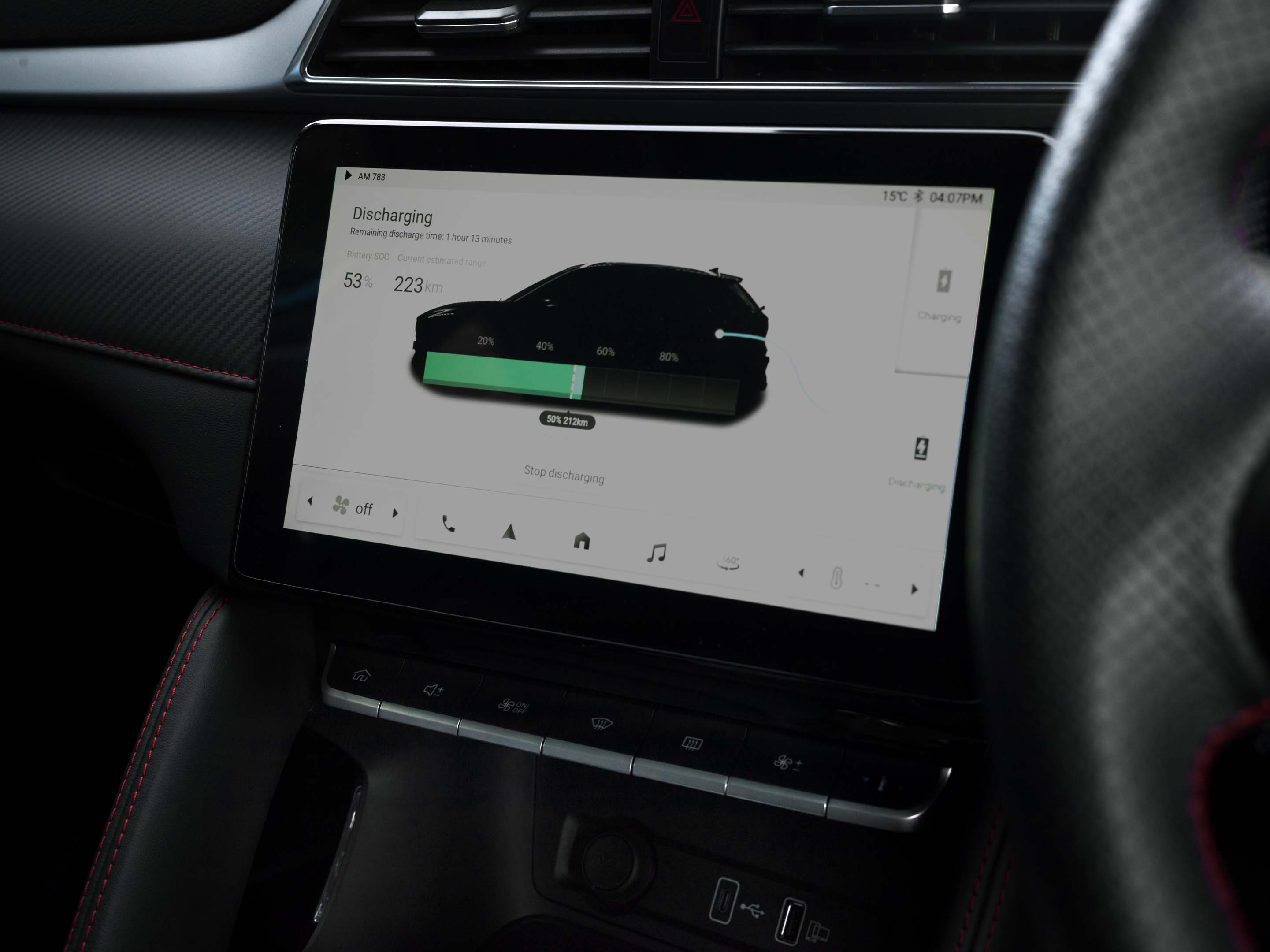
The new 10.0-inch screen is bright, hi-res, and responds quickly, and the graphics showing charging status and all the relevant battery info are clear and logical.
In the back, there’s decent headroom and legroom by class standards, and the flat floor contributes to making life tolerable for anyone occupying the middle seat. And for all the USB enthusiasts out there, the single USB-A fitted to the original model has now been joined by a second USB-C outlet.
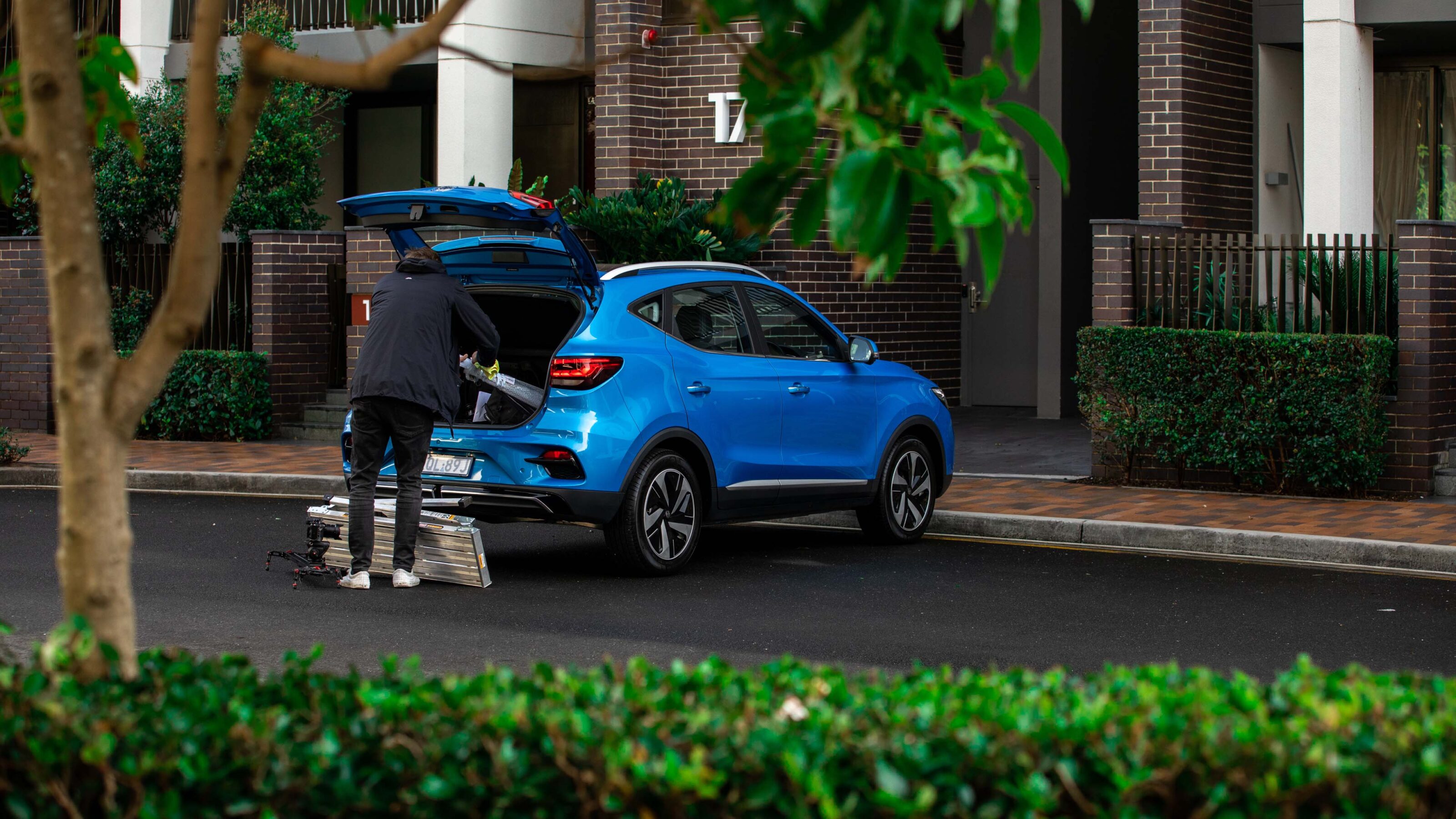
MG ZS EV boot space is class-competitive at 359L and its depth can be set via the adjustable floor, leaving ample space underneath for the charging cables (although there is no spare wheel). Fold the rear seats and you liberate 1187 litres, but the seats don’t fold flat; they lay over like slumped hobos on a doorstep.
All up, it’s an interior that’s well presented, doesn’t attempt to be overly avant-garde for the sake of it and, crucially, doesn’t reek of cost-cutting to get the car to the price point it is.
Safety
Six airbags are standard in both variants, and three child seat anchors are provided plus two sets of ISOFIX points.
Both Excite and Essence feature the active safety and driver assistance tech bundle called MG Pilot, which comprises adaptive cruise control, forward collision warning, automatic emergency braking, lane-keep assist with departure warning, traffic jam assist and intelligent cruise assist.
But as mentioned, you need to step up to the top-spec Essence for blind-spot monitoring and rear cross-traffic alert.
As for the ANCAP rating, MG Australia says it’s “in discussions” with ANCAP to retain the five-star rating achieved by the original car in 2020.
On the road
The first thing that needs to be addressed is the significant drop in torque between the new car and the old. The torque output of the first ZS EV was a hefty 353Nm, which was clearly deemed a little excessive and unnecessary for the target market. Kia has come to a similar conclusion with its second-gen Niro EV.
In the new car, max torque is quoted at 280Nm. That 70Nm sounds like a significant drop, especially as it’s only offset to some degree by a bump in maximum power from 105kW to 130kW in the new model, yet there’s no change to the claimed 0-100km/h figure of 8.2 seconds.
But that sprint figure doesn’t really convey how responsive the ZS EV actually feels in normal driving. Way more relevant in the real world is the rolling response from around 20km/h to say 70km/h. We timed it at 3.6 seconds, much quicker than ICE competitors in this segment that may have similar 0-100km/h times.
Also, it’s quiet. The motor never creates more than a very faint whine, while upgrades to soundproofing have cut road noise so that even on coarse-chip, it’s not loud or intrusive.
The regenerative braking, as with the original car, can be set in three stages, each providing a usefully distinct level of off-throttle behaviour. The strongest isn’t enough for one-pedal driving – we were told it’s been softened off in response to customers complaining it was too abrupt (er, why not just ignore it and use the middle setting, people?) but it still does slow the car appreciably and can harvest useful amounts of otherwise lost energy.
As for the dynamics? Our drive was contained to urban roads, so we’ll reserve judgment until we can have a proper punt on typical Aussie B-roads, but changes to the spring rates and dampers feel as though they’ve gone a long way to fixing the old car’s propensity to wallow over undulations and generally feel like the front and rear ends were often out of sync with each other.
The new ZS actually feels reasonably cohesive, at least in the confines in which we drove it.
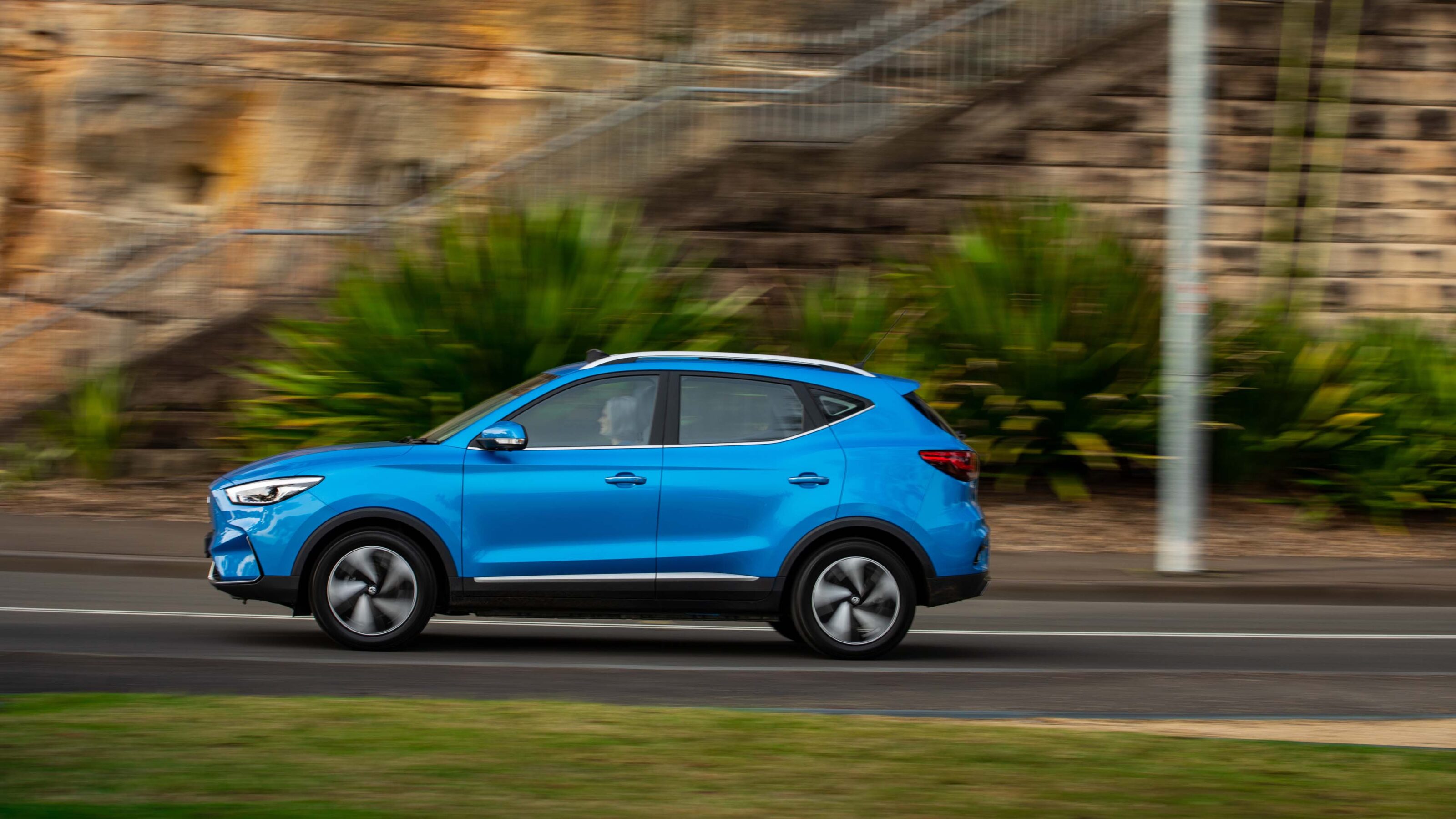
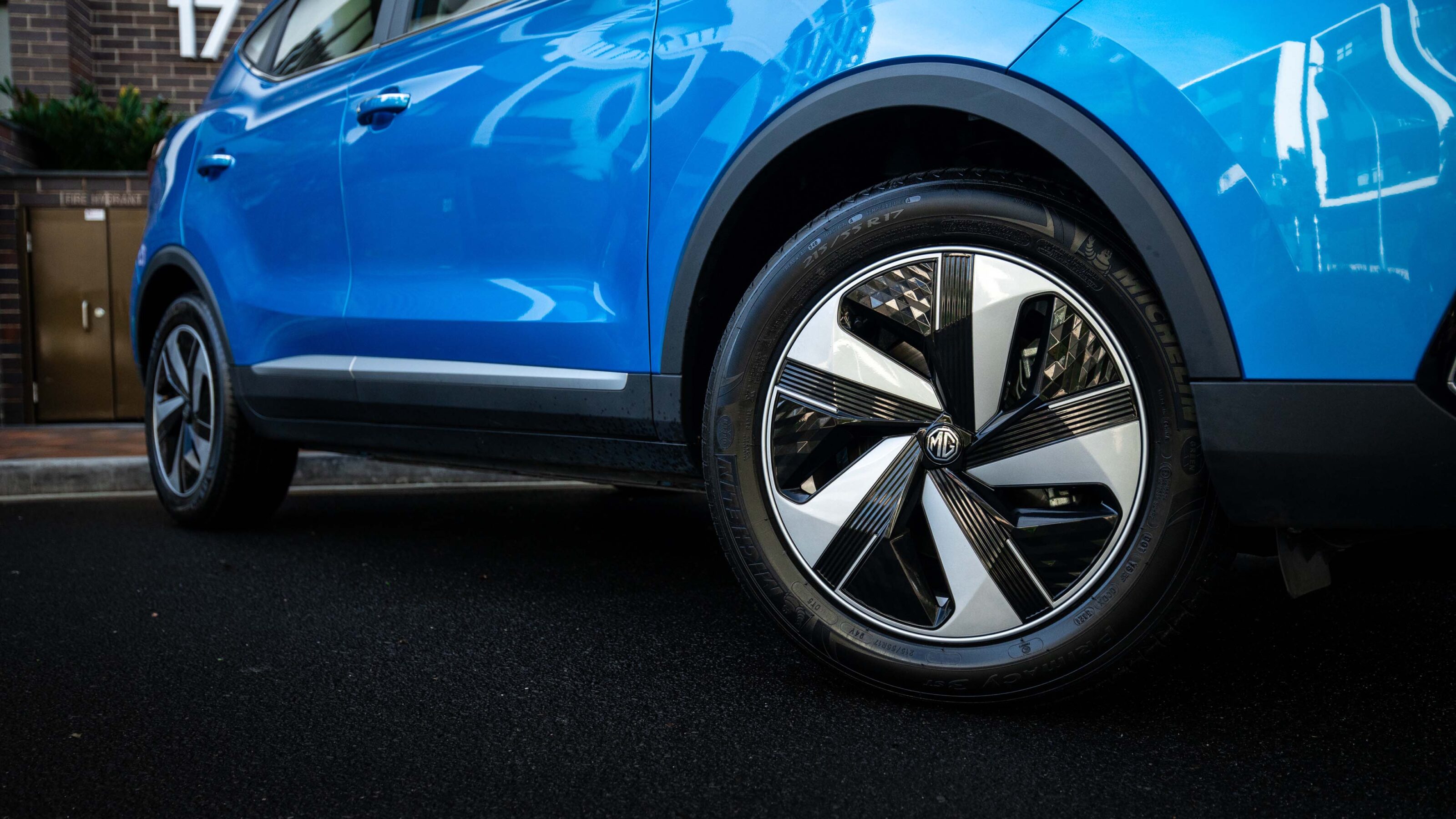
For starters, the steering is quick and nicely alert either side of centre. No real feel, but no real worries there. Selecting Sport mode for shaper powertrain response does add weight to the steering but without introducing the artificial gloopy feel that afflicts some cars when the assistance is dialled back. It points eagerly, and the Michelin Primacy rubber provides all the grip the target market would reasonably expect.
Sensibly sized 17-inch wheels help the ride, too, which feels nicely pliant over sharp edges and potholes.
All up, this is a small SUV that just gets on with the job of moving you to your destination swiftly, seamlessly and quietly and doesn’t actually draw unnecessary attention to itself.
Ownership
Energy usage and recharging
During our limited time with the ZS, it used an average of 19.5kWh/100km, against its official combined number of 17.1kWh/100km (down from the previous gen’s 18.6kWh). Your consumption will vary significantly depending on driving conditions and the level of regen selected.
So let’s talk claimed recharging, given we didn’t have an opportunity to plug in the car.
Oddly, MG quotes an official 30-80 per cent charge time on a 50kW charger of 54 minutes, yet the company says the car is capable of taking a maximum of 80kW. We’d estimate that on a fast charger exceeding 50kW, 10 to 80 per cent should take around 45 minutes.
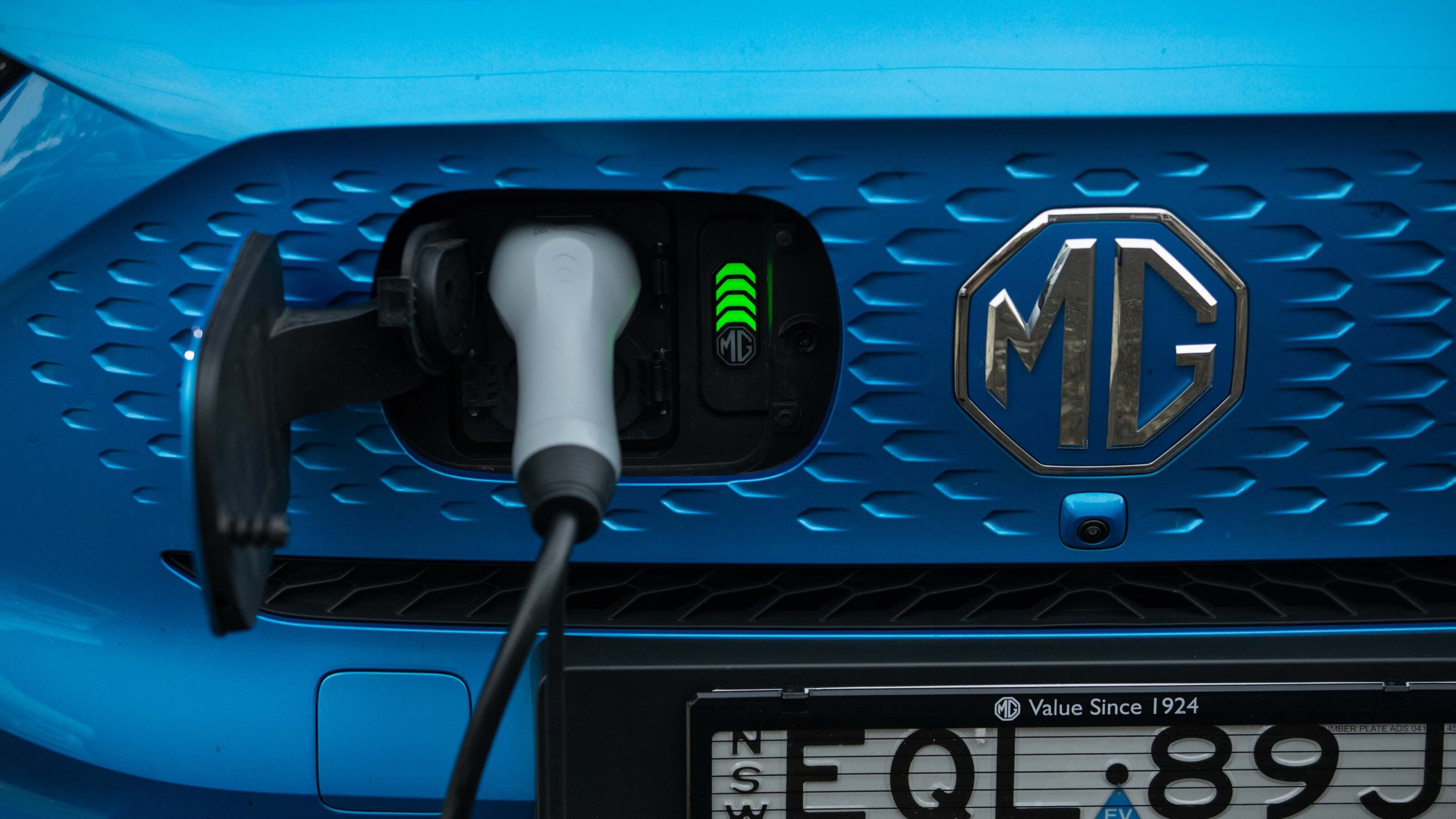
The redesigned charge port is also now easier to access and has four LED indicators to show the battery’s progress. Oh, and like Hyundai’s Ioniq 5 and Kia’s EVs, the ZS EV has a vehicle-to-load function that enables owners to plug in appliances or recharge other bits of equipment.
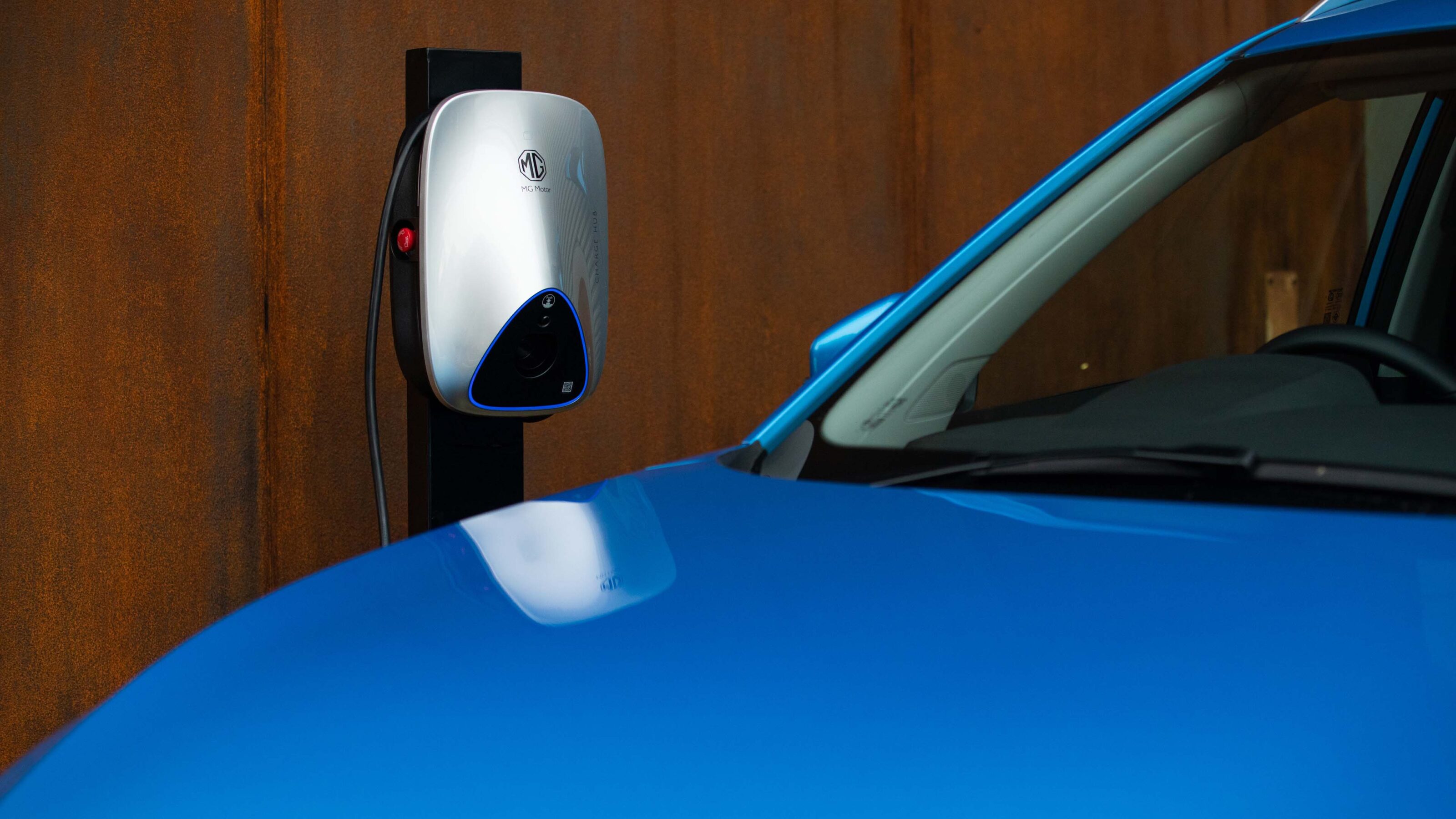
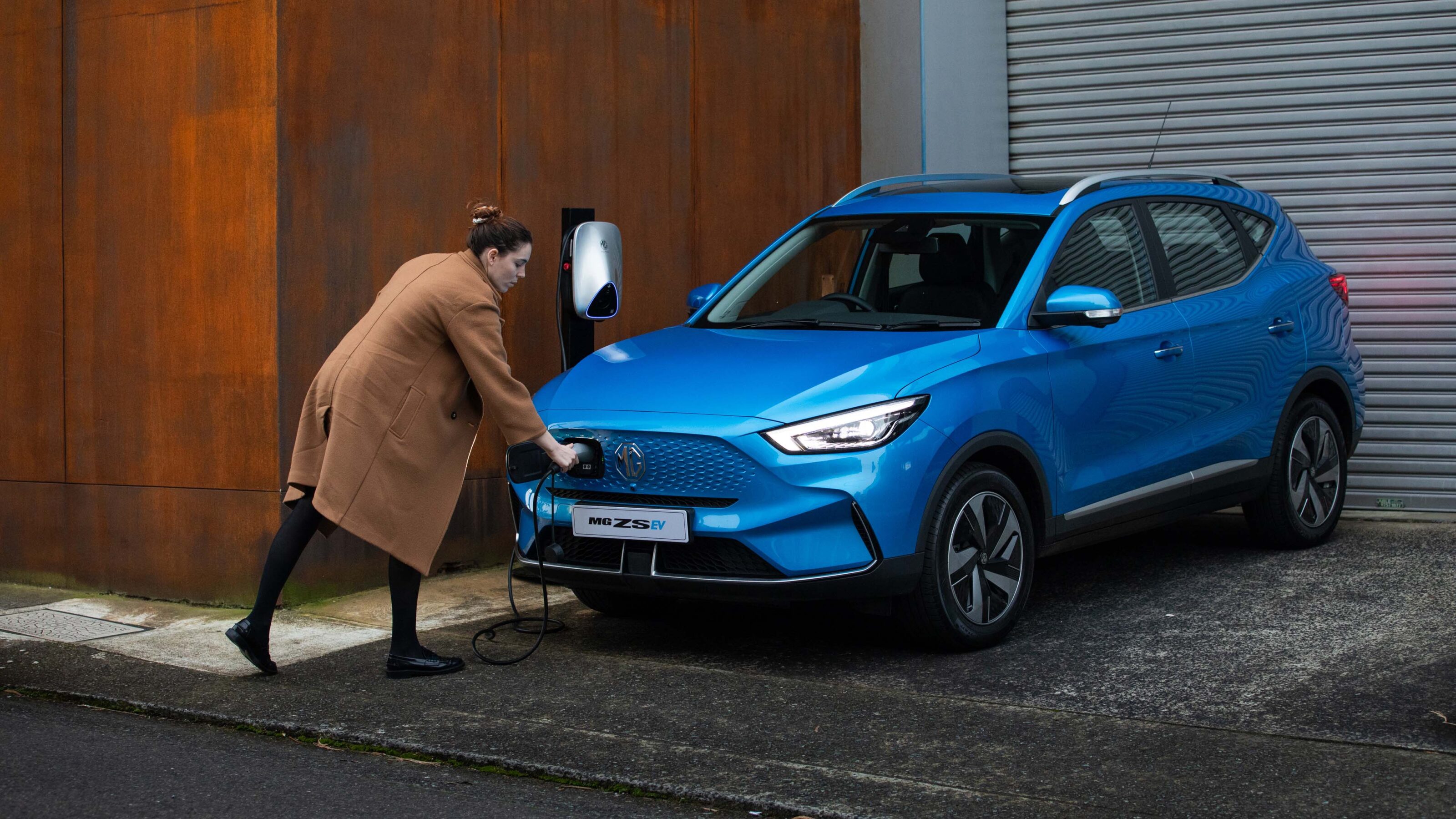
For home recharging, MG says it can offer customers subsided wallbox chargers, with the ChargeHub 7kW unit priced at $1990 (plus fitting cost) and delivering a full charge in around eight hours, while the ChargeHub 11kW ($2090 plus fitting) trims that back to around five hours.
As for colours, five are available. Solid white or black are no extra cost; the three metallics – silver, blue and red – add $700.
A new app, called MG iSmart, allows remote control of various features like unlocking and HVAC operation, as well as monitoring charging status, locating the car etc.
Warranty and servicing
MG Australia’s warranty is right up there with the industry’s best. It offers a seven-year, unlimited-kilometre warranty, and that includes the battery. Only drivers using their cars commercially (such as for Uber) have their warranty capped at 160,000km.
Servicing will also come as a welcome respite for anyone used to annual visits with the dealership. The ZS EV only needs servicing every 24 months or 20,000km, with the first three intervals capped at $268 each.
VERDICT
In this second iteration, the MG ZS feels as though it’s the dominant player in the small electrified SUV category
This is a really solid update of an original that had plenty going for it. By addressing the issues of range and chassis dynamics, MG has elevated the ZS EV into a territory where there’s really not too much with which to find fault, especially given the super-competitive pricing.
If you’re unfazed by the lack of blind-spot monitoring and rear cross-traffic alert in the Excite and can live without the sunroof and fake leather trim – the base model’s houndstooth fabric is actually very smart – then the saving it represents over the top-spec Essence could be worth pocketing.
The lack of adjustability for the driving position in both models may irk some, but there is otherwise minimal weirdness going on in the cabin, a good level of intuitive user-friendliness and excellent equipment.
In this second iteration, the MG ZS feels as though it’s the dominant player in the small electrified SUV category, although it will take a comparison with the BYD Atto 3 to make that a statement of fact.
Meanwhile, it’s proof that China, rather than Japan or Korea, is democratising the affordable EV.
2023 MG ZS EV specifications
| Body | 4-door, 5-seat small SUV |
|---|---|
| Motor | single, front |
| Transmission | single-speed reduction |
| Power | 130kW |
| Torque | 280Nm |
| Battery | 50kWh |
| Range | 320km (WLTP) |
| 0-100km/h | 8.2 seconds (claimed) |
| Weight | 1570kg (Excite) 1610kg Essence (kerb) |
| Suspension | struts, A arms (front); torsion beam, coil springs (rear) |
| L/W/H | 4323/1624/1835mm |
| Wheelbase | 2885mm |
| Brakes | 305mm ventilated discs (front); 285mm solid discs (rear) |
| Tyres | 215/50 R17 Michelin Primacy |
| Wheels | 17-inch alloy |
| Price | $44,990 (Excite) $48,990 (Essence) u2013 both drive-away |
Snapshot
- 2023 Kia Niro receives five-star safety rating
- Strong results in junction AEB and pedestrian leg impact tests
- Applies to hybrid and all-electric variants
The second-generation Kia Niro small SUV has received a five-star ANCAP safety rating, based on testing conducted by Euro NCAP.
This applies to both hybrid and all-electric variants, which launched in Australia in July 2022.
The latest ‘SG2’ Niro scored 88 per cent for adult occupant protection (33.71 out of 38 points), 84 per cent for child occupation protection (41.62 out of 49 points) and 76 per cent for vulnerable road user protection (41. out of 54 points).
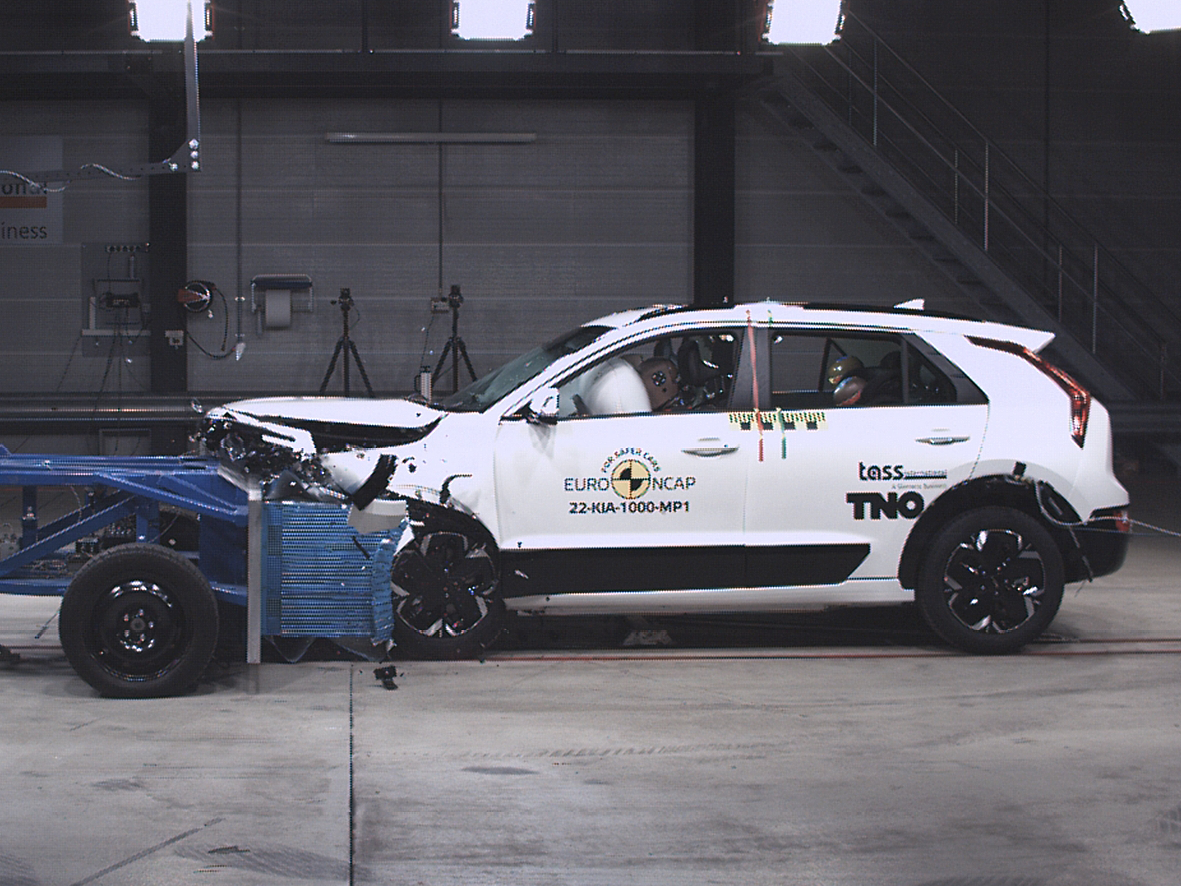
ANCAP also released results for the Tesla Model Y and Genesis GV60 today, with all vehicles scoring a maximum five-star safety rating.
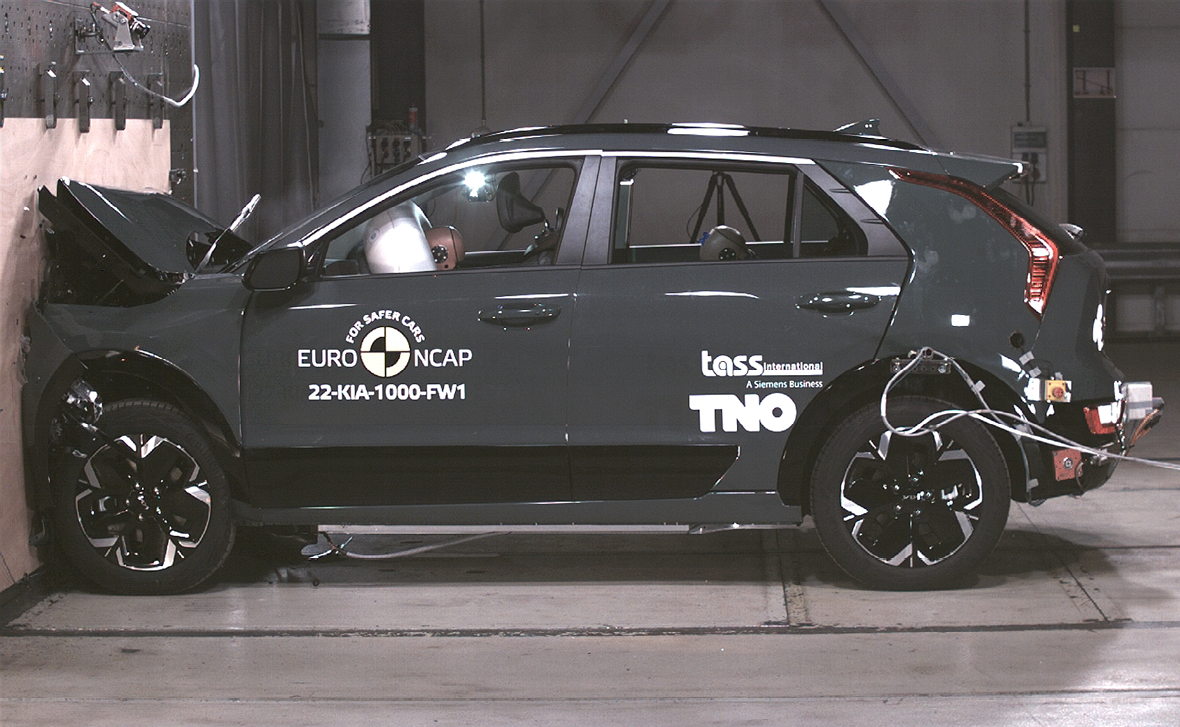
Maximum points were awarded for the upper and lower leg impact tests for pedestrians, while the full-width frontal and far-side impact tests had strong results.
Standard safety equipment includes; autonomous emergency braking with junction assist, lane departure warning, lane-keep assist, blind-spot monitoring, rear-cross traffic alert, and adaptive cruise control with a speed limiter.
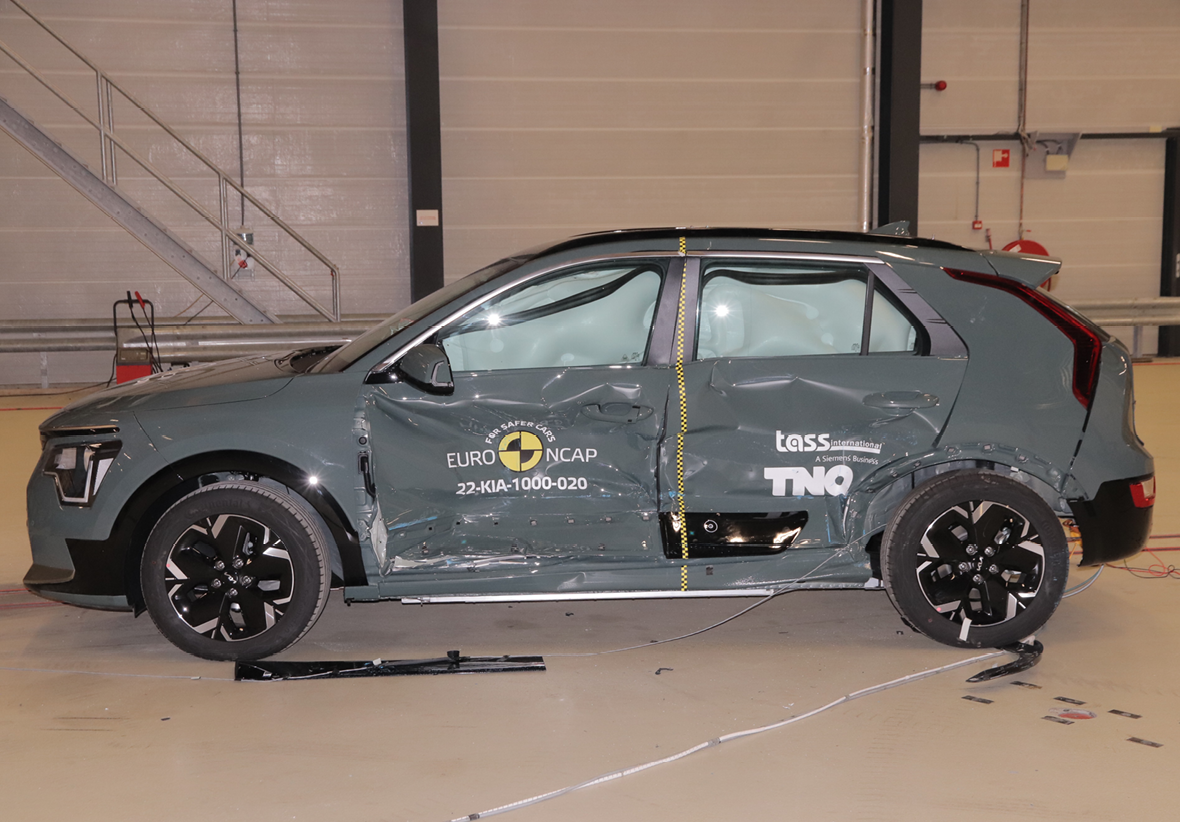
This allowed it to receive a safety assist score of 87 per cent (13.98 out of 16 points), with top marks (2 out of 2 points) for its junction AEB system, which can detect a vehicle entering the road from the side and apply the brakes to prevent a collision.
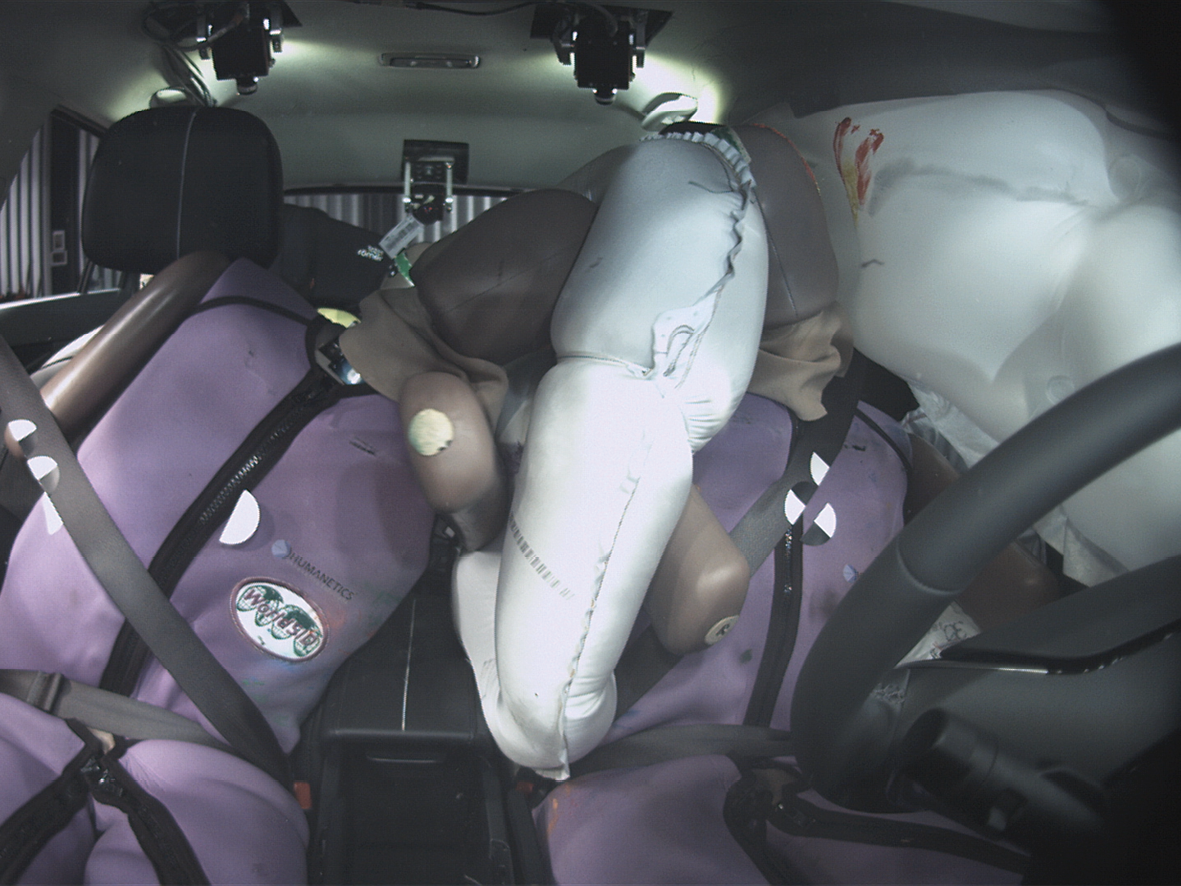
Eight airbags (dual frontal, side head, side chest, driver’s knee and centre) are fitted as standard.
The centre airbag is designed to prevent head clashes between the driver and front passenger in a collision.
The 2023 Kia Niro went on sale in Australia in July, starting from $44,380 before on-roads for the entry-level Hybrid S variant. The flagship GT-Line EV is available from $72,100 plus on-road costs.
ANCAP chief executive officer, Carla Hoorweg, said today’s results will provide confidence to buyers looking to purchase an electric SUV in Australia.
“All three models offer high levels of safety performance across the range of ANCAP assessment areas, demonstrating the clear ability for electric vehicle models to tick both the safe and green checkboxes,” she said.
During last month’s electric vehicle summit, ANCAP called for proposed federal government incentives to only apply to vehicles with the highest safety rating.
“Today’s results demonstrate why ANCAP is encouraging all levels of government to ensure subsidies and incentives for alternative-powered vehicles are only provided to models offering the highest levels of safety,” added Hoorweg.
It is believed several examples of the BYD Atto 3 launched last week have recently undergone testing, with results expected in the coming weeks.
Volkswagen Group has signalled Porsche’s long-expected IPO, as it details plans to offer up to 25 per cent of non-voting preferred shares in Porsche AG, with a possible European IPO date of late September or early October.
According to Reuters, Porsche’s public listing could be valued between EUR€60 billion (AU$87 billion) and €80 billion (AU$127 billion), and could be one of the largest initial offerings of its kind.
Full details have yet to be published, and parent company Volkswagen Group reserves the right to reverse its decision if they decide there is not sufficient interest.
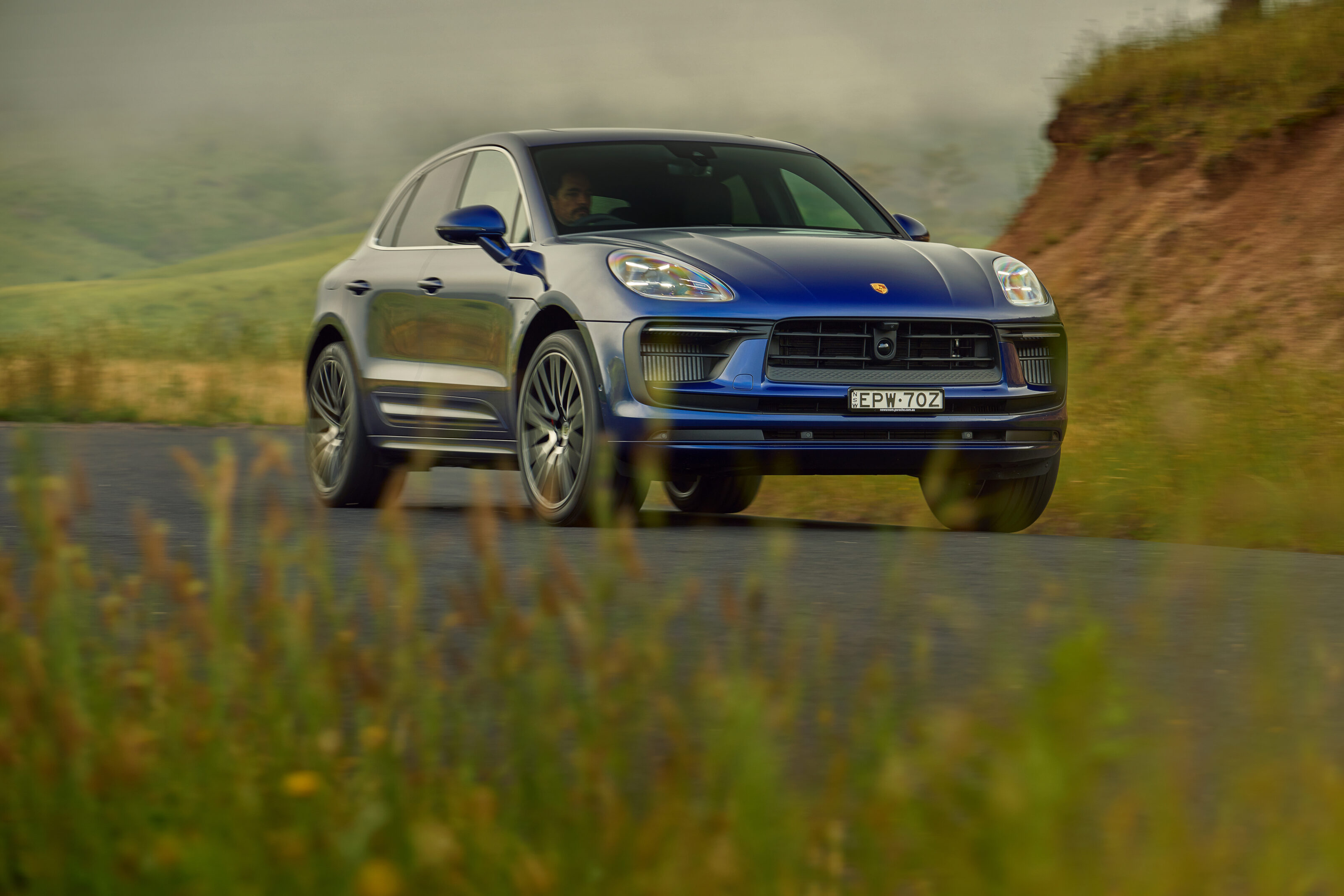
The move follows other manufacturers’ public listings such as Tesla (listed 2010), Ferrari (listed in 2015) and Polestar (listed July 2022).
The Qatar Investment Authority has previously voiced intentions to secure a 4.99 per cent stake, while Porsche and Piech families – descendents of founder Ferdinand Porsche – are expected to receive a large portion of the non-voting preferred shares, plus one of Porsche’s ordinary voting stock.
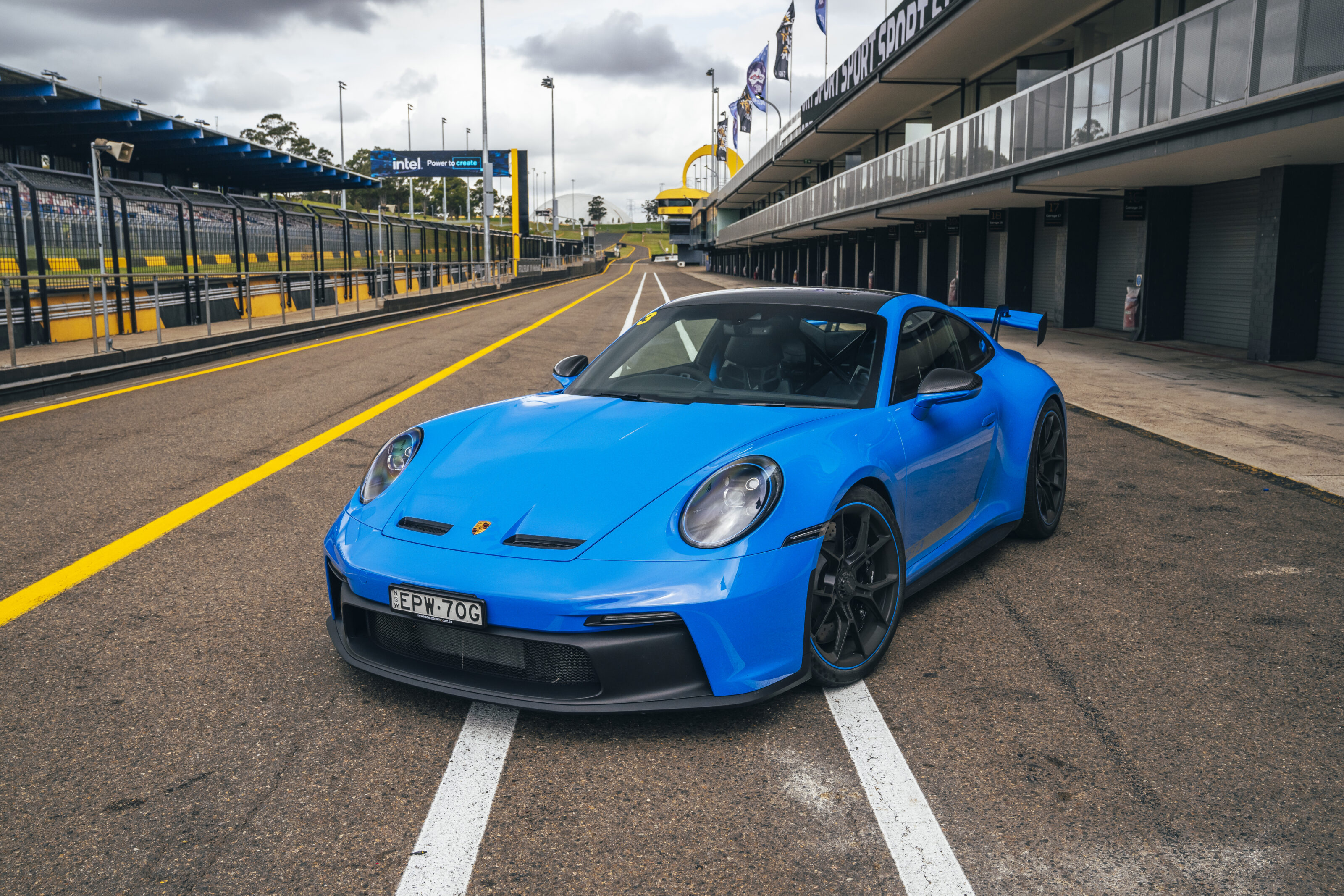
Speaking to Automotive News Europe, Volkswagen Group’s CFO, Arno Antlitz, indicated that Porsche’s IPO would be central to fund the company’s electrification strategy, stating:
“This is a key element for the group, especially because the possible proceeds would give us more flexibility to further accelerate the transformation [towards electrification]”
Volkswagen has previously targeted carbon-neutrality by 2050, along with 70 per cent EV sales in Europe by 2030, and more than 50 per cent in North America and China.
Porsche is aiming for 80 per cent of its vehicle sales to be BEV by 2030.
We will update this story as more is revealed in the coming weeks.
Update: Ferrari Purosangue SUV reveal confirmed for September 13
Ferrari is fast approaching a tipping point, as the storied Maranello marque readies the global debut of its first-ever SUV.
The 2023 Ferrari Purosangue will be revealed globally on September 13, next week. The official reveal bookends the Purosangue’s drawn-out development process, which the automotive world has watched with curiosity – and perhaps a little cynicism.
As previously confirmed, the Ferrari Purosangue will feature the brand’s signature V12 engine under the bonnet, previewed by a short teaser video included below.
Ferrari previewed the Purosangue’s front end in March, illustrating soft edges, thin headlights and a gaping front bumper. We expect the rest of the design language to reflect the soft curves possessed by the rest of the current Ferrari range, with a long raked windshield and a swooping roofline.
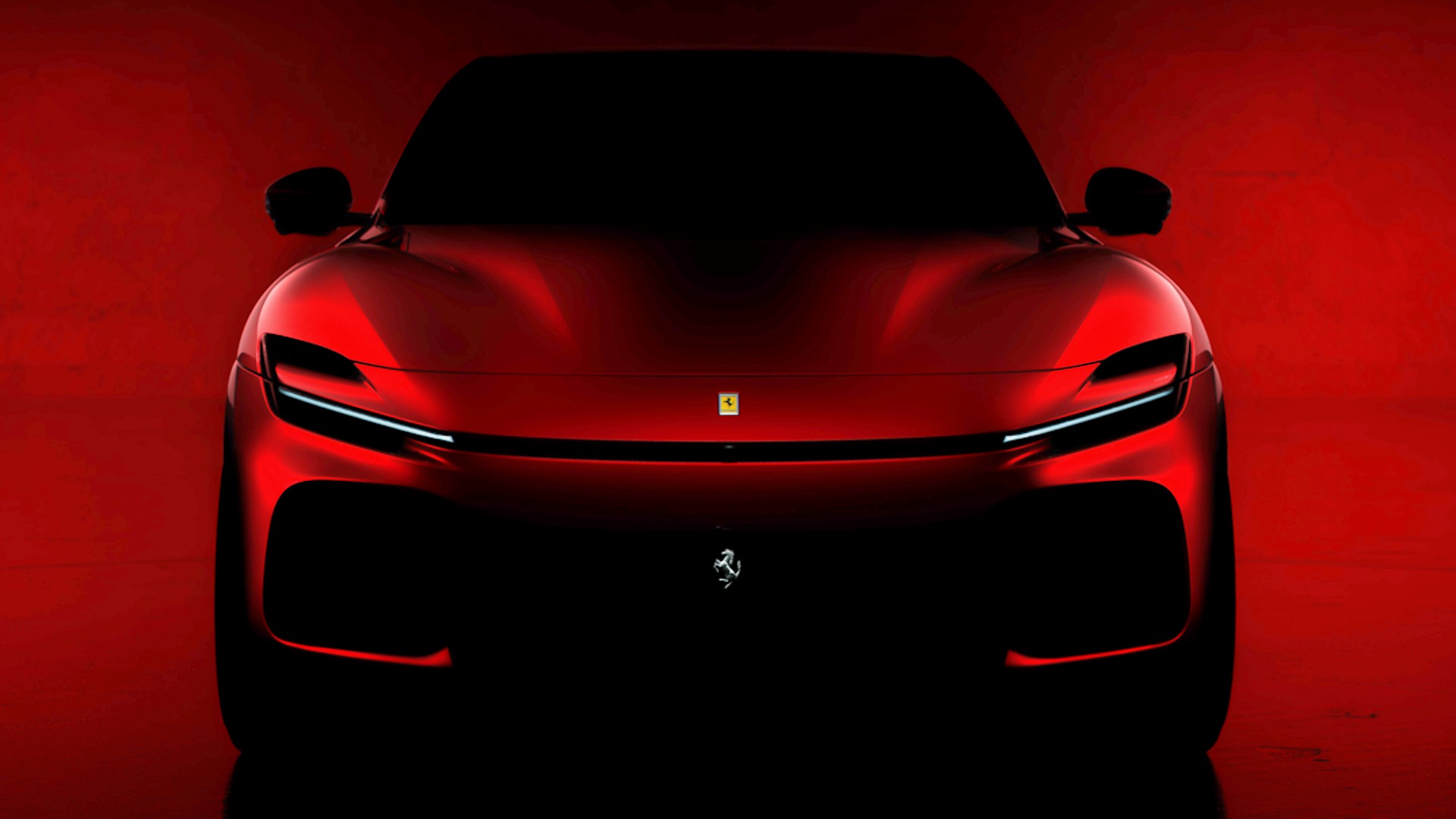
Technical details remain under wraps for the moment, though we know Ferrari’s series production 6.5-litre V12 most recently powered the front-engined 812 Superfast and GTS. There, Ferrari’s hallmark V12 produced 588kW and 718Nm, though we wouldn’t be surprised to see the wick turned down for Maranello’s family hauler.
Stay tuned for more information to come.
The story to here
May 6: The 2023 Ferrari Purosangue may be the first SUV in the company’s eight decades of operation, but the upcoming model will still rely on its original recipe of V12 power.
Ferrari teased a new V12 on social media this week, while CEO Benedetto Vigna confirmed to Reuters the Purosangue would be the recipient of the engine.
“We’ve tested several options, it was clear that the V12 – for the performance and driving experience it could provide – was the right option for the market,” Vigna said.
While Ferrari has been developing more environmentally-friendly powertrains like its new hybrid turbo V6 found in the 296 GTB, as well as pushing ahead with plans to release an all-electric model in 2025, the Prancing Horse is doing all it can to keep its iconic V12 engine alive for as long as possible.
Ferrari’s next hypercar is thought to share a version of the V12 engine.
The Purosangue will likely debut with the 12-cylinder engine initially, with a twin-turbo V8 expected to join the range at a later date to compete directly with the Lamborghini Urus – though the GTB’s V6 is also rumoured to be a possibility as an entry-level variant.
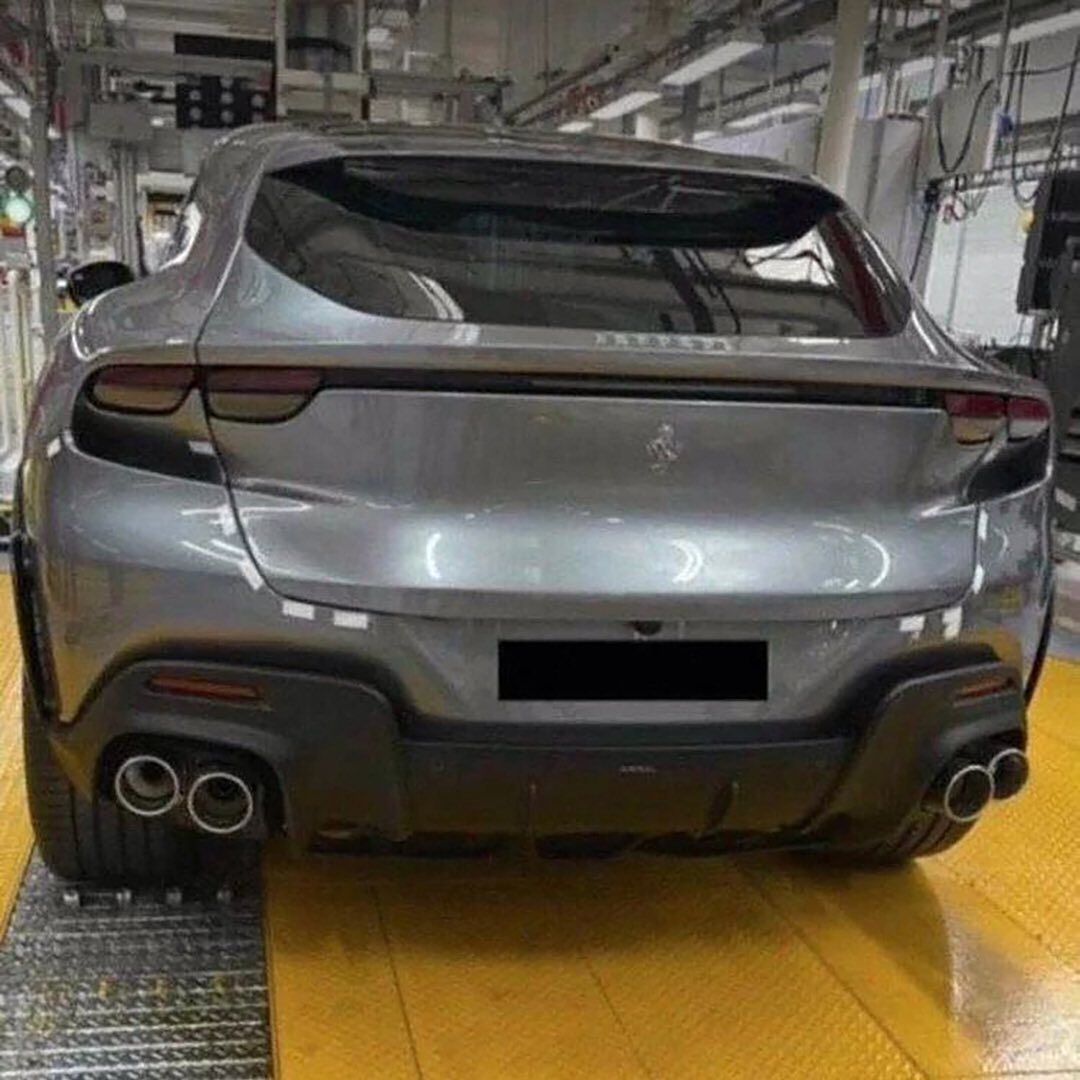
Ferrari recently released a teaser image of the Purosangue, after leaked images of the vehicle emerged online.
The 2023 Ferrari Purosangue is expected to be unveiled in the coming months, with production to begin later this year.
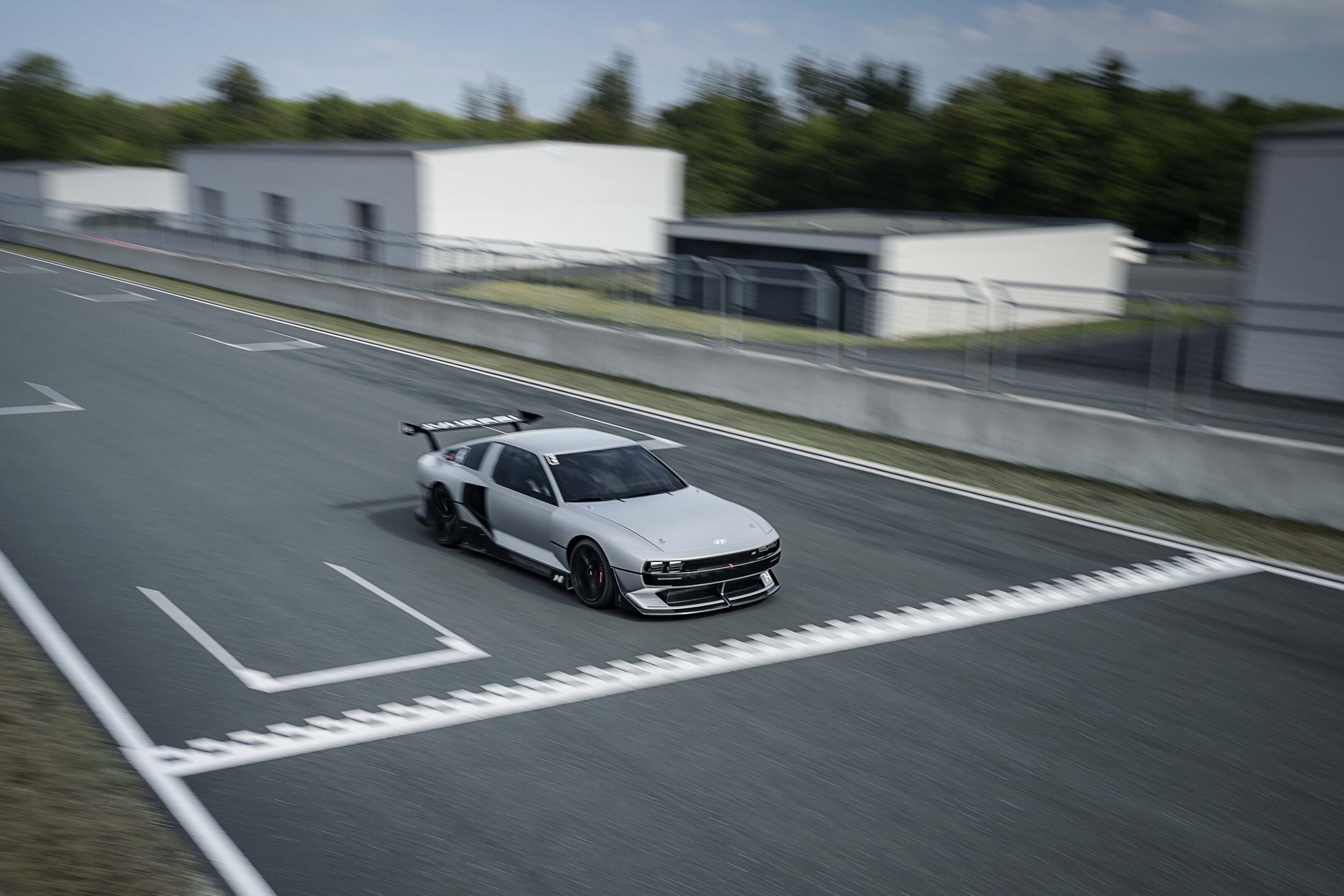
At first glance, the Hyundai N Vision 74 is pure motor show whimsy, a design exercise that celebrates a Hyundai that was never built, the 1974 Hyundai Pony Coupe concept designed by the legendary Giorgetto Giugiaro.
But it’s much more than that. The driveable, fully functional N Vision 74 signposts the company’s thinking on the future of the high-performance car in a post-internal combustion engine world.
What’s more, Hyundai says the N Vision 74 is entirely production feasible.
Visually, the N Vision 74 is a passion project of Hyundai design chief Sang Yup Lee, who has spent most of his professional career working outside Korea for non-Korean car-makers.
“I’ve sketched N Vision 74 ideas for years,” says the man who at one stage worked in Australia on the design of the 2010 Chevy Camaro.
“I was even sketching them on the plane to Korea, on my way to start at Hyundai. I wanted to create a car that celebrated Hyundai’s roots.”
The driveable, fully functional N Vision 74 signposts the company’s thinking on the future of the high-performance car in a post-internal combustion engine world.
Turning those sketches into a three-dimensional reality involved Hyundai’s N brand management and motorsport division, the in-house hot shop set up by former BMW M boss, Albert Biermann.
For N, now run by former Mercedes-Benz executive Till Wartenberg, the N Vision 74 idea became part of its ‘Rolling Lab’ program, where fully functional prototypes are engineered and built to test and evaluate performance-enhancing ideas and technologies.
The e-LSD and eight-speed dual-clutch transmission fitted to N-branded Hyundais such as the Kona N and i30N are products of the Rolling Labs program.
The RN22e electric car is another Rolling Labs project, learnings from which will be applied to the Ioniq 6 EV race car Hyundai plans to run in the 2023 eTouring Car World Cup in Europe, and to the road-going Ioniq 5 N, Hyundai’s first performance EV, scheduled for launch next year.
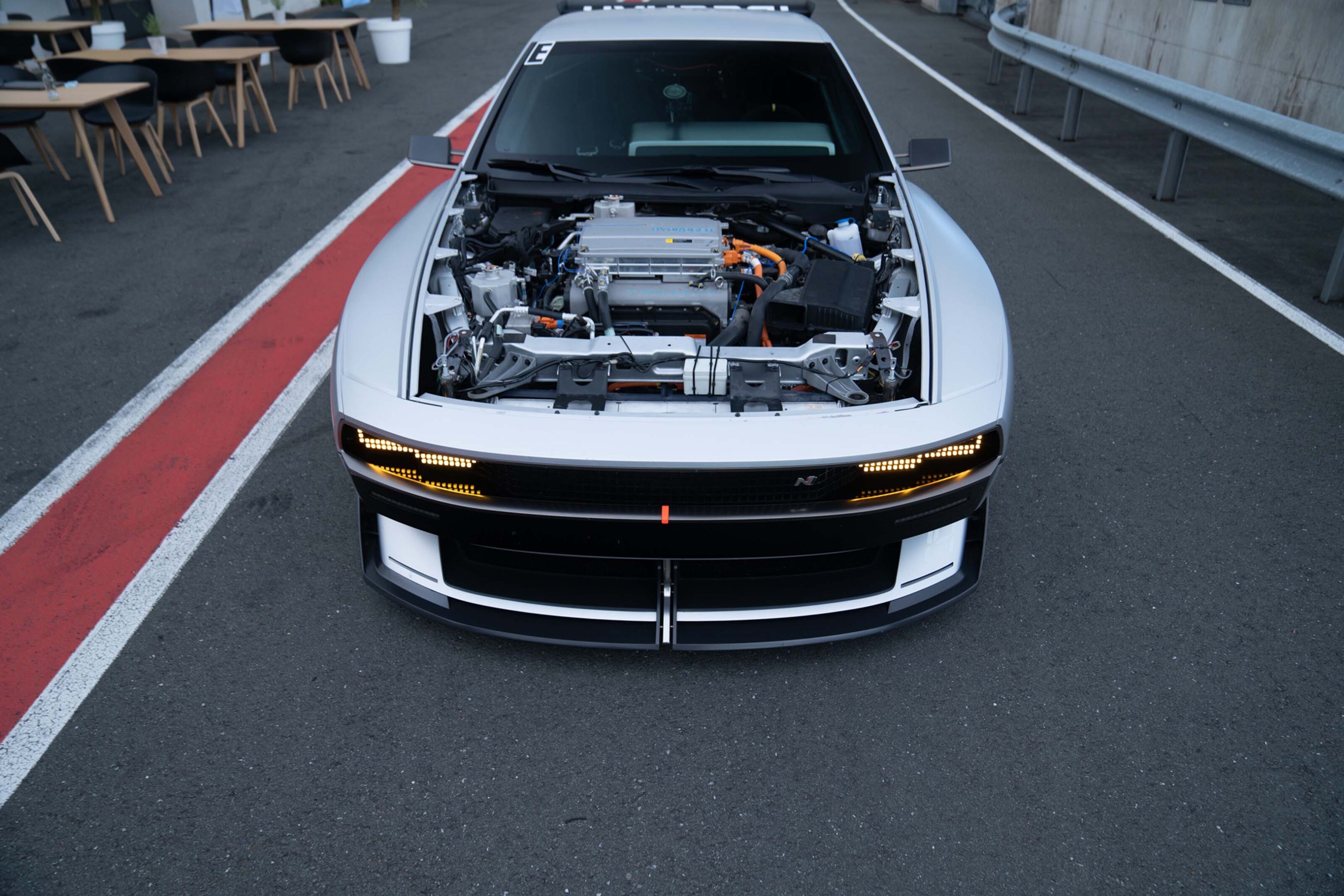
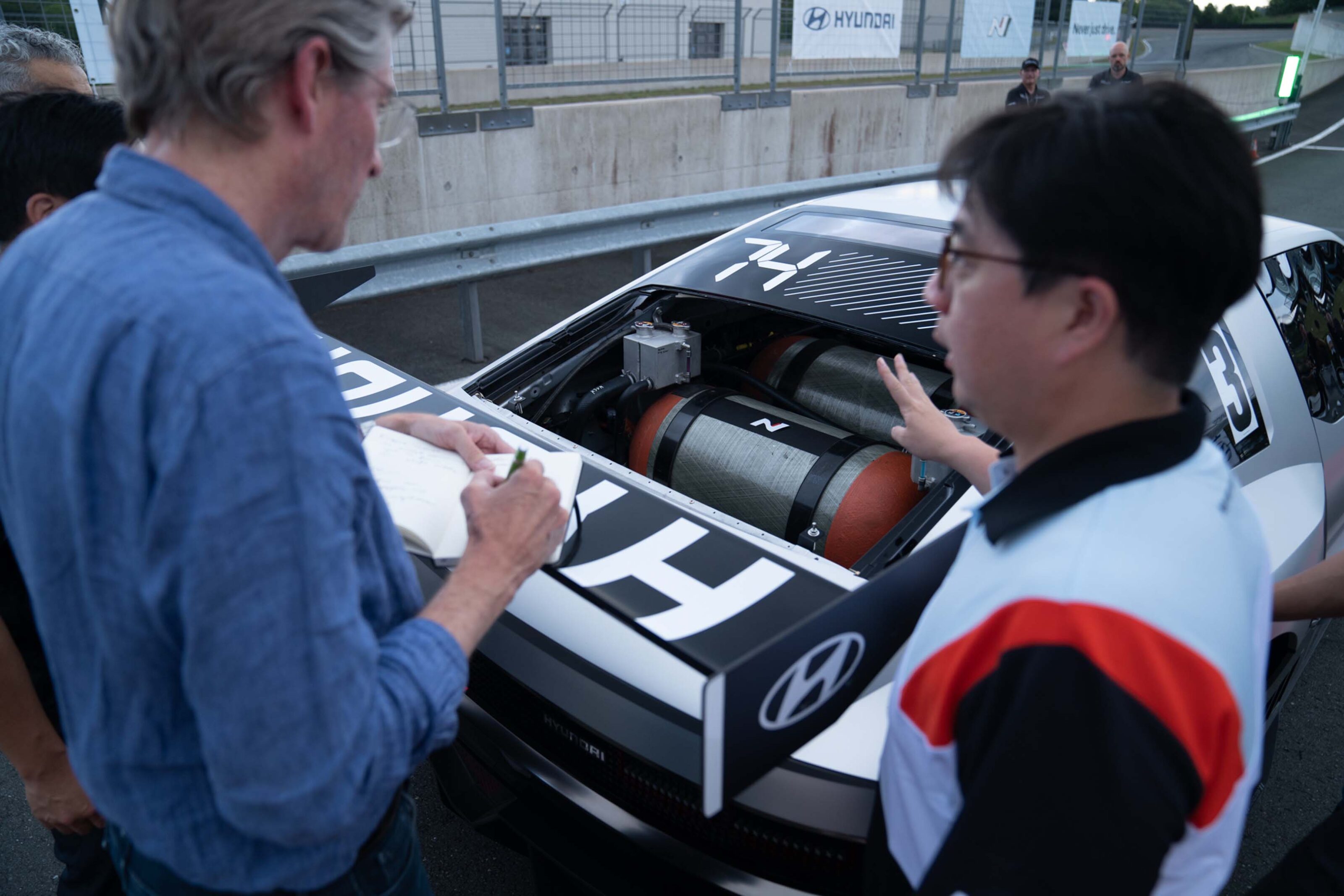
The N Vision 74 combines hydrogen fuel cell technology with battery electric vehicle technology in what Hyundai calls a hydrogen electric hybrid powertrain that produces 500kW and 900Nm.
It sounds almost like Star Wars stuff. But much of what makes up the N Vision 74’s powertrain is derived from technologies found in existing Hyundai production cars.
The 85kW (net) fuel cell stack under the bonnet, for example, is from the Hyundai Nexo SUV, which launched in Korea in 2018 and has been available for special order in Australia since early 2021. The two 2.1kg hydrogen pressure tanks under the N Vision 74’s hatch are also sourced from the Nexo.
Hyundai’s Ioniq 5 donates the battery electric part of the powertrain, including the 800V architecture that enables fast charging of the N Vision 74’s T-shaped 62.4kWh battery pack. The rear-mounted e-motors – one powering each rear wheel – have been developed in-house at Hyundai and are closely related to the motors that will power the high-performance Ioniq 5 N when it hits the streets in 2023.
In city driving or highway cruising, the fuel cell stack provides all the electricity needed to power the two e-motors. On the track, under high load and high demand conditions, the battery pack provides the bulk of the power to drive the wheels.
The trick to making the powertrain work, according to Hyundai engineers, has been to figure out how to balance the output demand between the fuel cell stack and the battery pack, as well as the charge flows.
When it’s not being used to help deliver maximum performance, the fuel cell stack can be used to replenish the battery’s state of charge, for example.
Keeping everything cool was another challenge: Three independent cooling systems look after battery, fuel cell and e-motor temperatures.
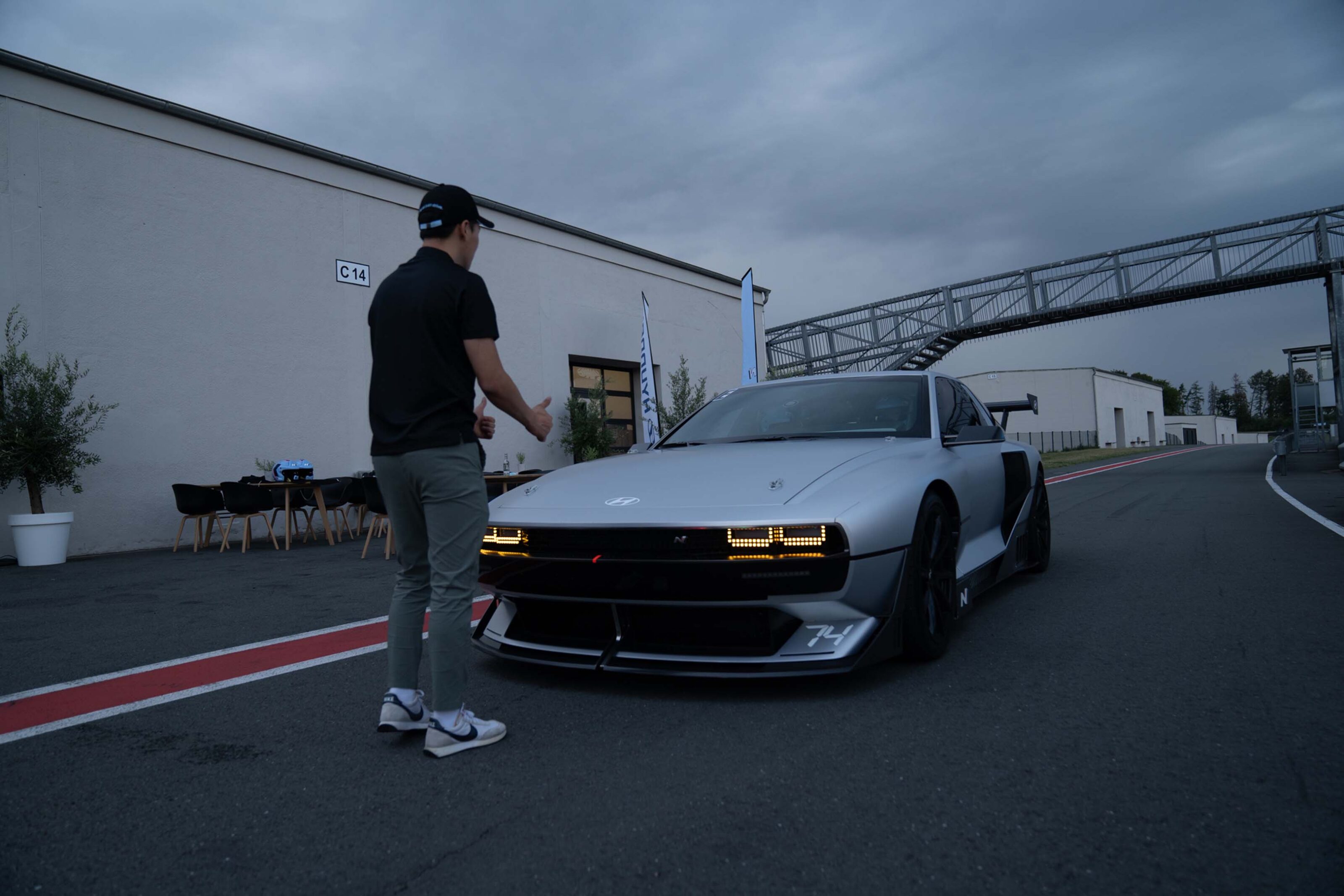
The N Vision 74 blew up the internet when pictures first appeared earlier this year, its Tokyo-Drift-meets-’80s-box-guard-flares vibe a revelation for a generation of young enthusiasts who have grown up with stubby-nosed hot hatches and mid-engine supercars.
It looks even better in real life; retro-inspired but thoroughly modern in terms of its execution, with superb proportions, stance and detailing.
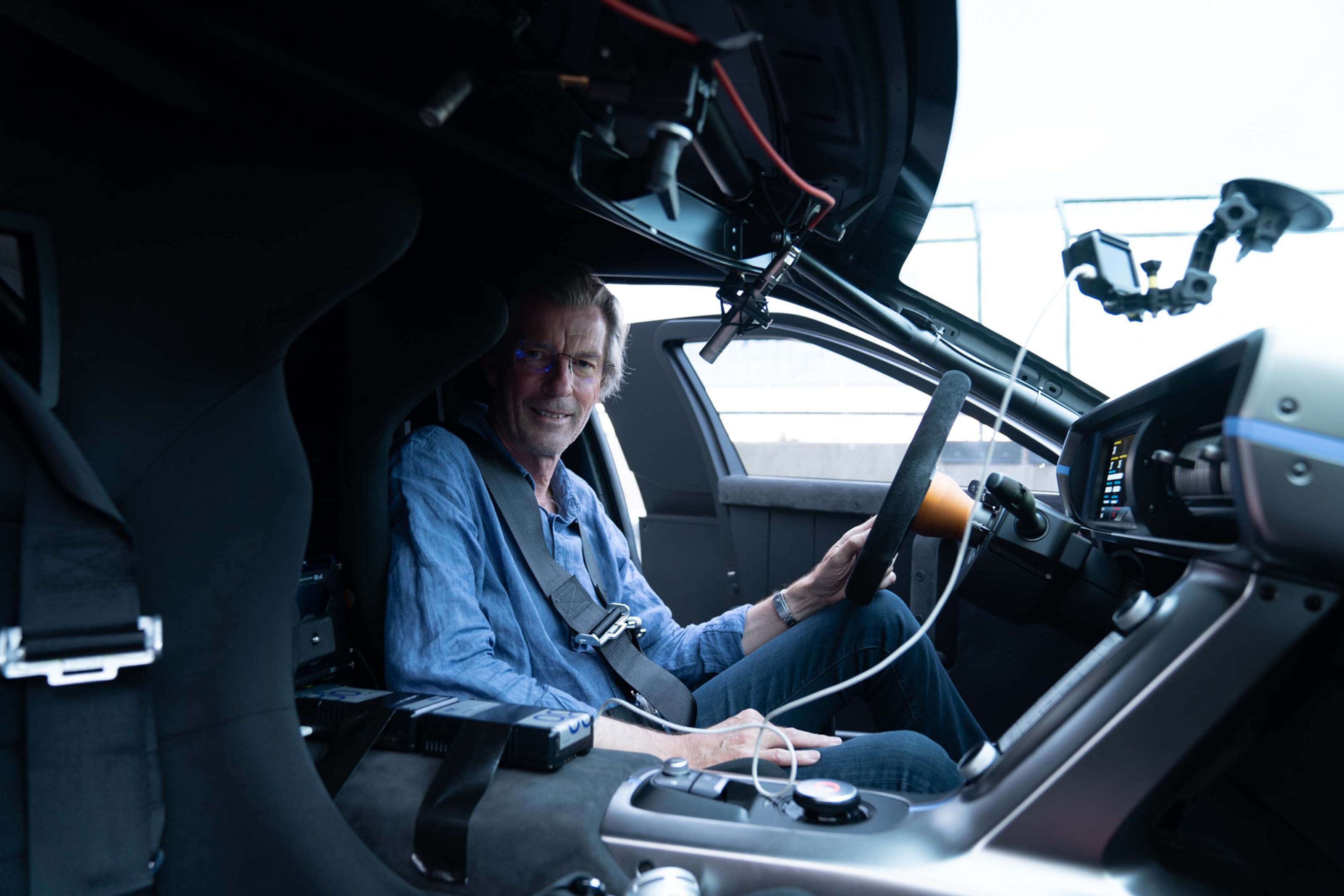
Inside is a full roll cage and wing-backed racing seats, plus pseudo-suede on the dash, centre console and steering wheel. A large silver binnacle houses the digital instrument panel and cooling vents and is anchored to the centre console via a buttress with a full complement of HVAC controls.
The N Vision 74 blew up the internet when when it appeared, its Tokyo-Drift-meets-’80s-box-guard-flares vibe a revelation for a generation of young enthusiasts who have grown up with stubby-nosed hot hatches and mid-engine supercars.
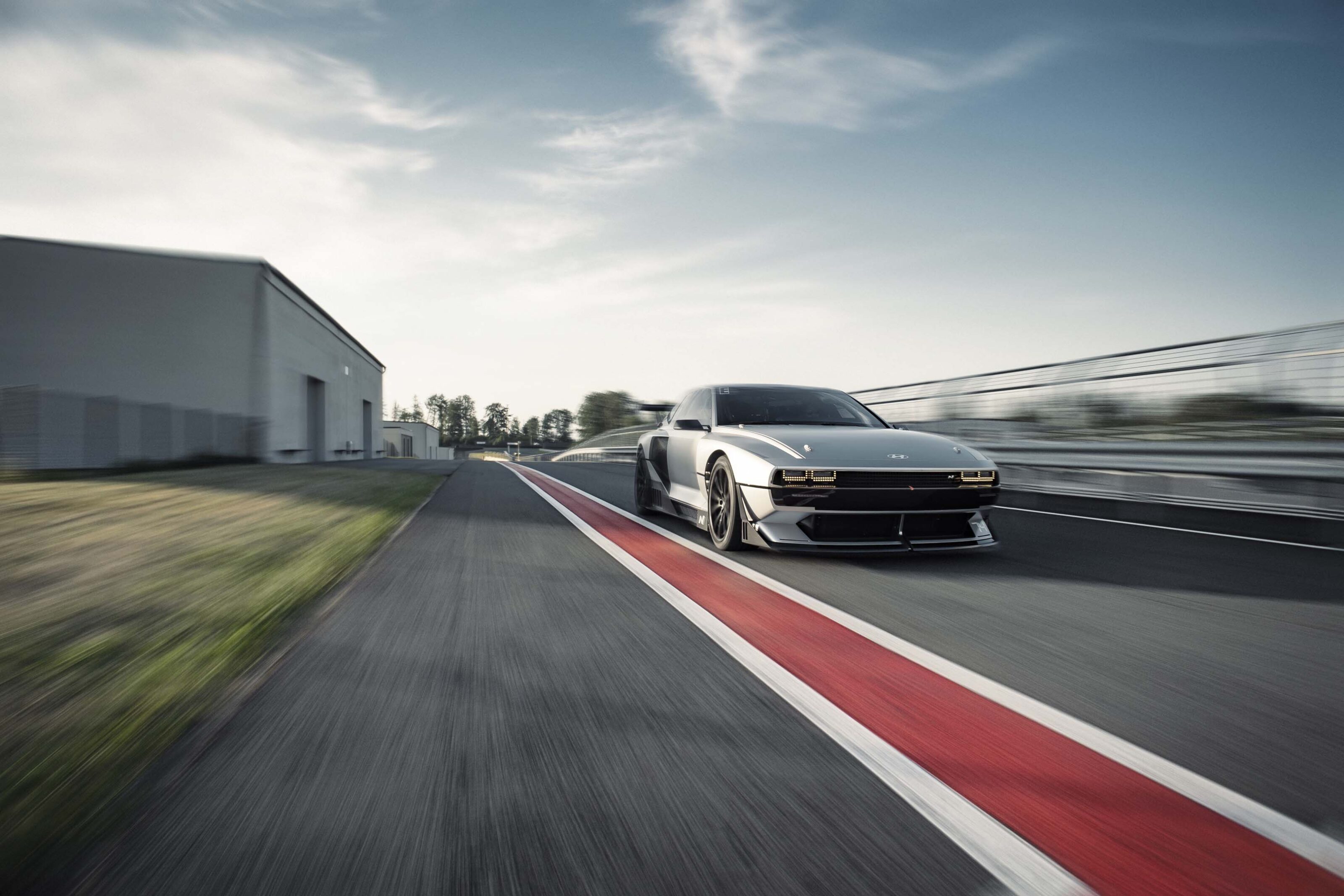
The rotary gear selector and the cluster with the parking button, drive control knob and stability control off/on switch is straight out of the Hyundai Motor Group parts bin, as are the indicator and wiper stalks.
On the instrument panel are graphics showing the total power from the e-motors, as well as the torque deployed individually by each motor. Others show the percentage of power coming from the battery and the fuel cell, battery state of charge and the amount of hydrogen in the pair of pressurised tanks under the rear hatch.
Whether it’s the fuel cell or the battery supplying the electrons, the N Vision 74 is an electric-powered vehicle, and that’s how it drives, with the trademark instant-on torque and linear surge of thrust.
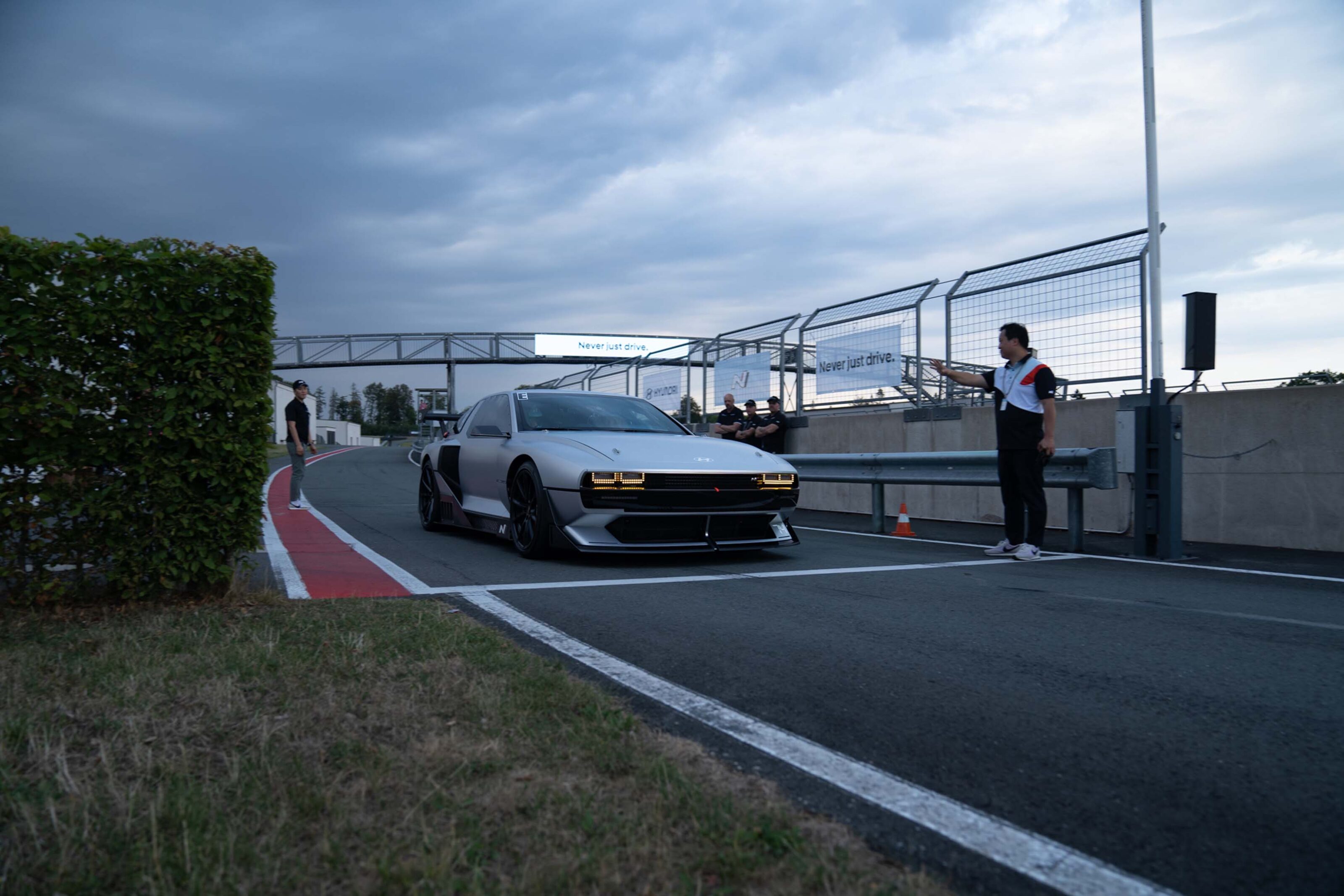
There are two drive modes: Normal and Track. Track mode activates the simulated e-diff functionality, achieved by varying the torque each motor sends to the wheel it is driving.
In track mode, the N Vision 74 punches hard out of corners and feels very much like a car driven from the rear end, its traction enhanced by the 40:60 front to rear weight distribution.
Weighing a claimed 2473kg, the N Vision 74 is no featherweight but disguises its mass well, feeling planted and responsive on the way into corners. The low centre of gravity helps and you can load the front axle under braking to improve turn-in, then go to power early to get the car to rotate.
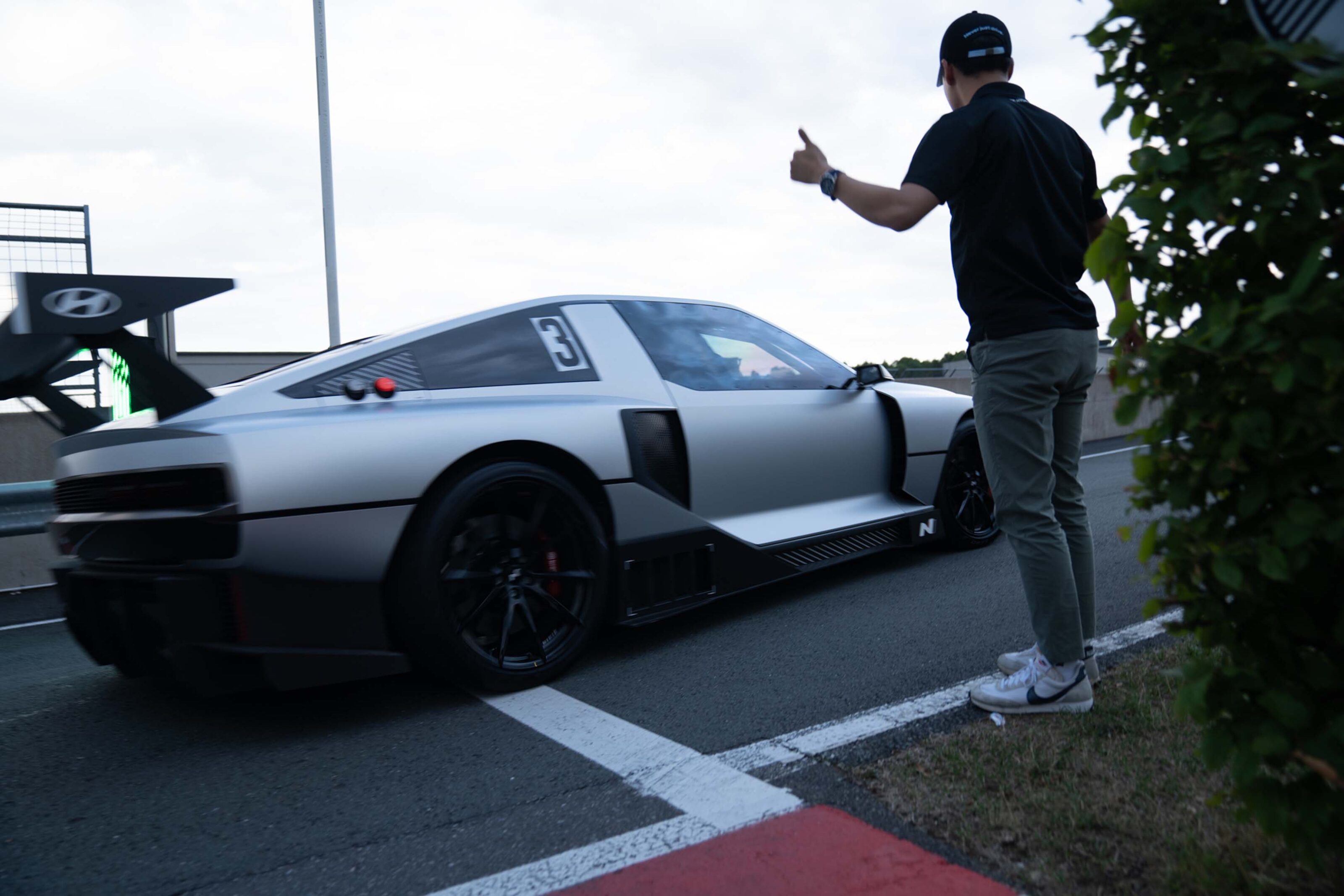
There was, initially, a strange pause then a sudden pop of power when accelerating out of corners, but this turned out to be an artefact of left-foot braking – the power cut-out switch would not allow acceleration while simultaneously coming off the brake pedal. That’s an easy software fix, N engineers said afterwards.
Less easily explained was the occasional odd corkscrewing motion from the rear at speed on the straights.
It felt as if the torque outputs from the rear motors weren’t quite in sync, as if neither e-motor could figure out precisely which wheel could use the most twist action and when.
The Pirelli P Zero tyres – 270/35 ZR20s up front and 315/30 ZR21s at the rear – were brand new and a little green and greasy, perhaps amplifying the sensation. But the engineers took note, and, again, the fix is probably in the software.
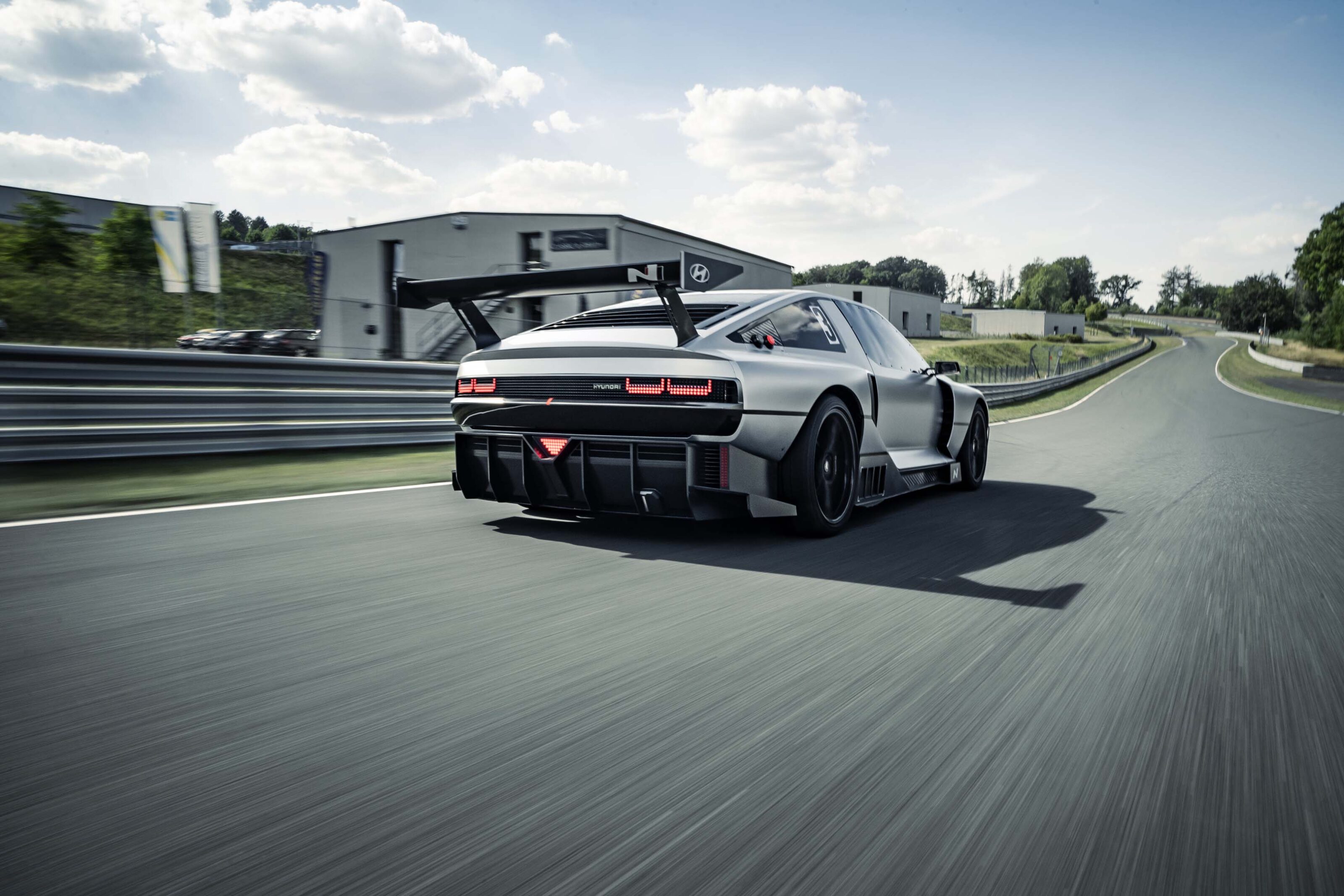
Hyundai claims the N Vision 74 will sprint to 100km/h in under 4.0 seconds, en route to a top speed of more than 250km/h. It feels every bit that fast.
The passionate and enthusiastic group at Hyundai’s N division are adamant that a production version of the N Vision 74 is entirely doable. When asked whether Hyundai would build an N Vision 74 for a 30-something tech billionaire with money to burn, the response from N division boss Till Wartenberg was blunt: “Why not?”.
“But,” Wartenberg added, “I wouldn’t do it for that one person because we have to stay true to our N brand. And that means building an everyday sportscar that’s accessible and affordable. We want to put high performance on the road and make it very close to our enthusiasts.
“He can have the first one. That would be my answer to him.”
N Vision 74 boosters have been carefully laying the foundations of a business case to put the car into production. This not only includes using as much existing Hyundai technology and hardware as possible – parts of the structure underneath the N Vision 74’s sharp skin are from the Genesis G70 sedan – but also the idea that the car would be one of a family of brand halo models.
The N Vision 74 has the same wheelbase as the stunning Genesis X Speedium coupe concept, say N engineers with a smile that leaves you to draw your own conclusions.
So, will Hyundai build a production version of the N Vision 74? That’s up to us, the people at N say. There is some nervousness over how much a production version would cost – it wouldn’t be cheap, even with Hyundai’s impressive ability to keep a lid on costs, and the fact that key components and structural elements could be shared with a production version of, say, the Genesis X Speedium and another halo car.
“We would like to make this car as soon as possible,” says N brand management team department head Joonwoo Park.
And he and his colleagues are doing their damnedest to make it happen. But it will only happen if enough of you want it to happen.
So, if you want a production version of the N Vision 74 on your driveway, start pestering your local Hyundai dealer now.
Snapshot
- Separate notices affect cars in Queensland and Australia more widely
- Issue said to impact cars from 2016 to now
- Fault affects the models’ braking system
Suzuki is recalling almost 22,000 cars across Australia due to a manufacturing defect affecting the vehicles’ braking system.
The Japanese firm operates under two different arms locally, Suzuki Australia and Suzuki Auto Co. Queensland, so there are two notices which essentially describe the same issue.
Suzuki QLD’s notice states that 3466 examples of the MY16-22 Swift, Swift Sport, Baleno, S-Cross and Vitara are impacted by the fault.
The broader Suzuki Australia notice explains the same problem, but does not specify if the same models and age of vehicles are affected. Wheels has contacted the carmaker for clarity.
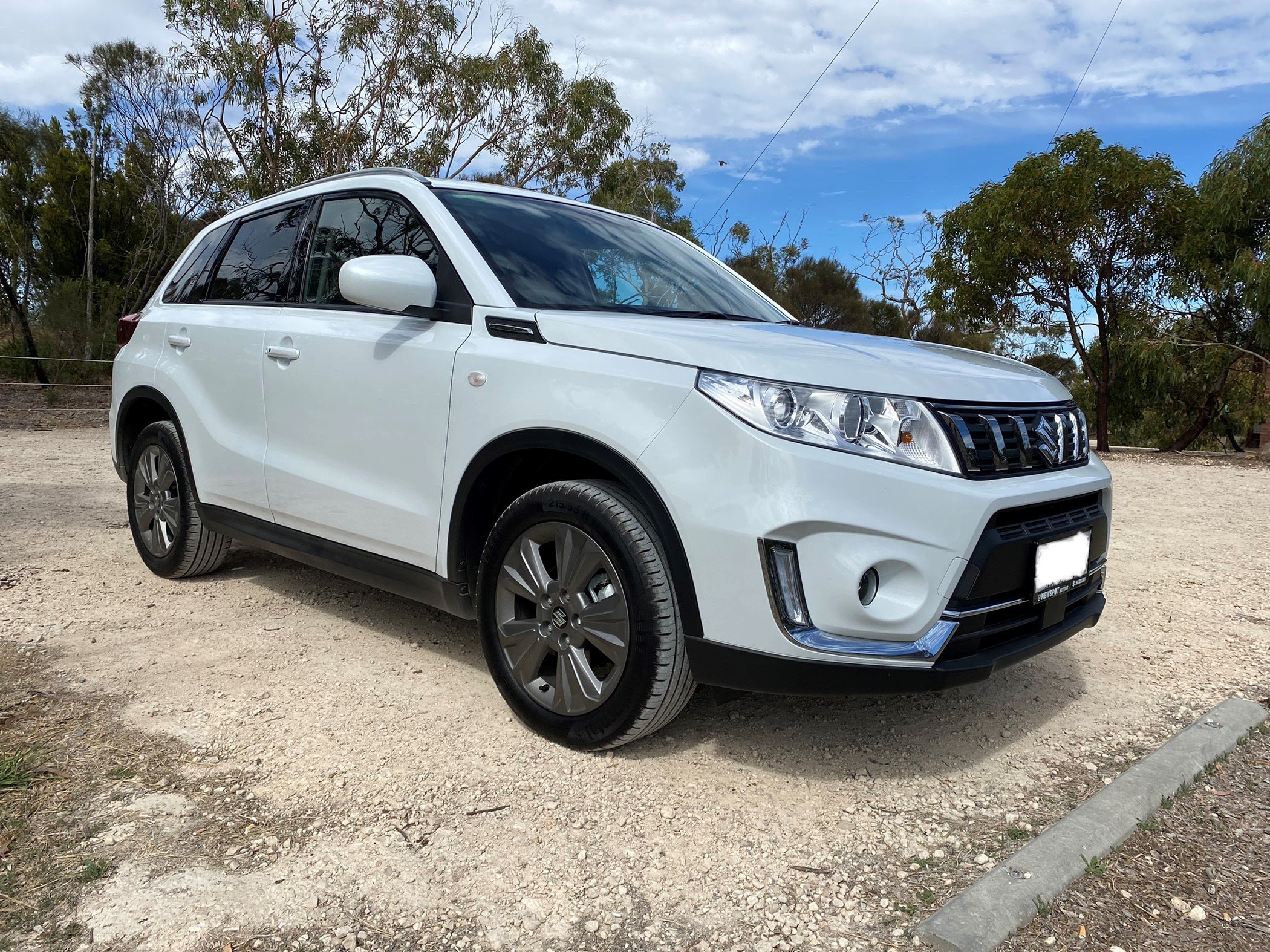
According to the Department for Infrastructure, which issued the notices, due to a manufacturing defect, the valve between the engine and the vacuum assist brake booster may swell under certain conditions.
As a result, the driver may need to making an increased brake pedal effort to stop the car as intended which could increase risk of injury or death in a crash. However, it’s noted the braking system does remain functional.
Suzuki QLD says owners will be contacted when parts become available and asked to make an appointment to have the work carried out, free of charge.
A list of VINs for QLD is available here, and for the rest of Australia here.
The former can be contacted on 07 3623 4900 or [email protected], while the latter can be reached on 1800 777 088 or at [email protected]
Snapshot
- 2023 Nissan X-Trail E-Power to follow petrol line-up early next year
- To be offered in flagship Ti and Ti-L guise, with standard all-wheel drive
- Pre-orders now available in Australia
The 2023 Nissan X-Trail E-Power hybrid will be available to pre-order this month, ahead of its Australian launch early next year.
Nissan Australia has confirmed the electrified X-Trail medium SUV will be offered in range-topping Ti and Ti-L grades, with pricing and full details to be announced in the coming months.
It will compete against the top-selling Toyota RAV4 Hybrid – which faces potential wait times stretching beyond 18 months – and other newcomers, such as the Haval H6 Hybrid.
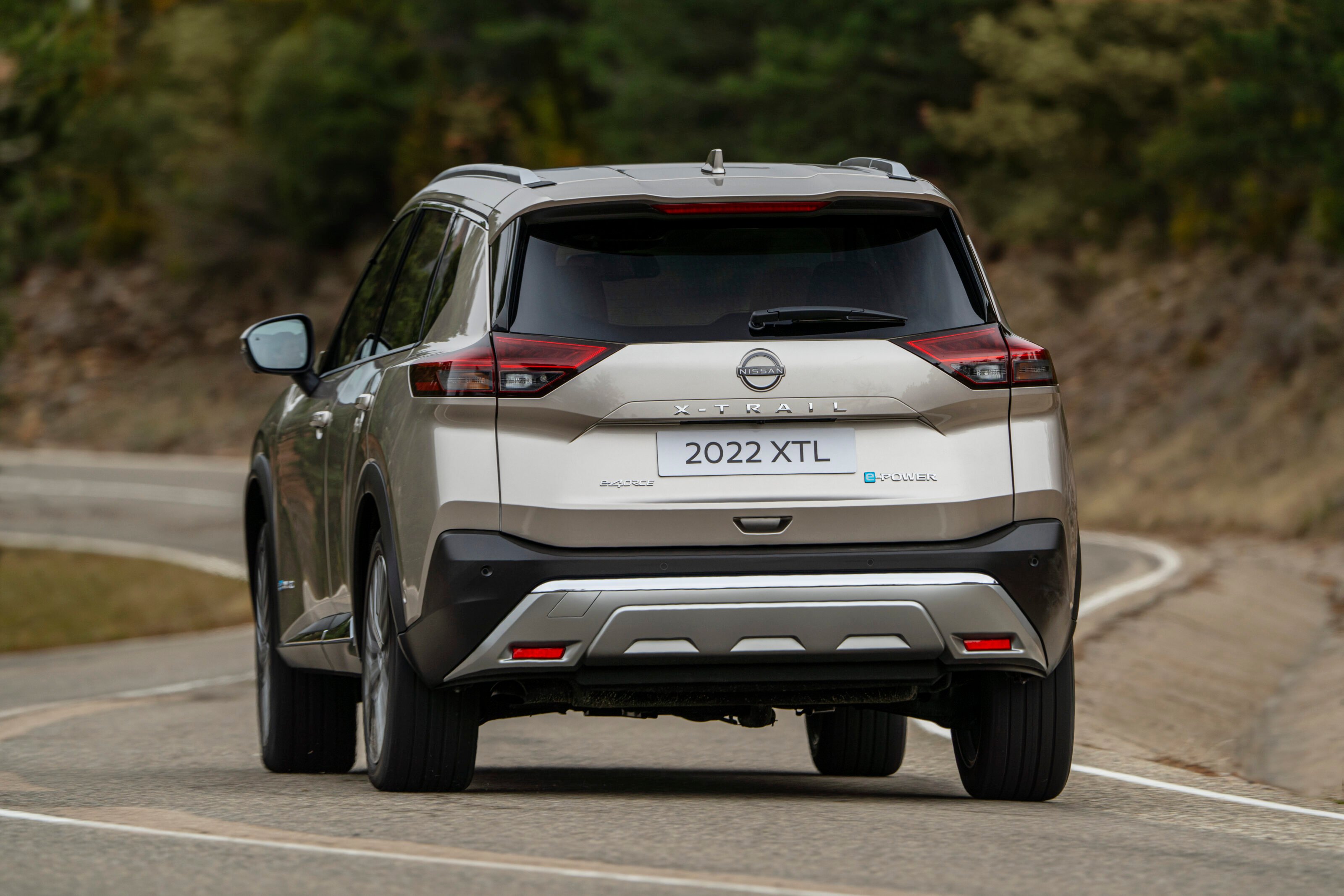
As with the internal-combustion Ti and Ti-L grades, the X-Trail E-Power will be exclusively offered in a five-seat, all-wheel-drive guise.
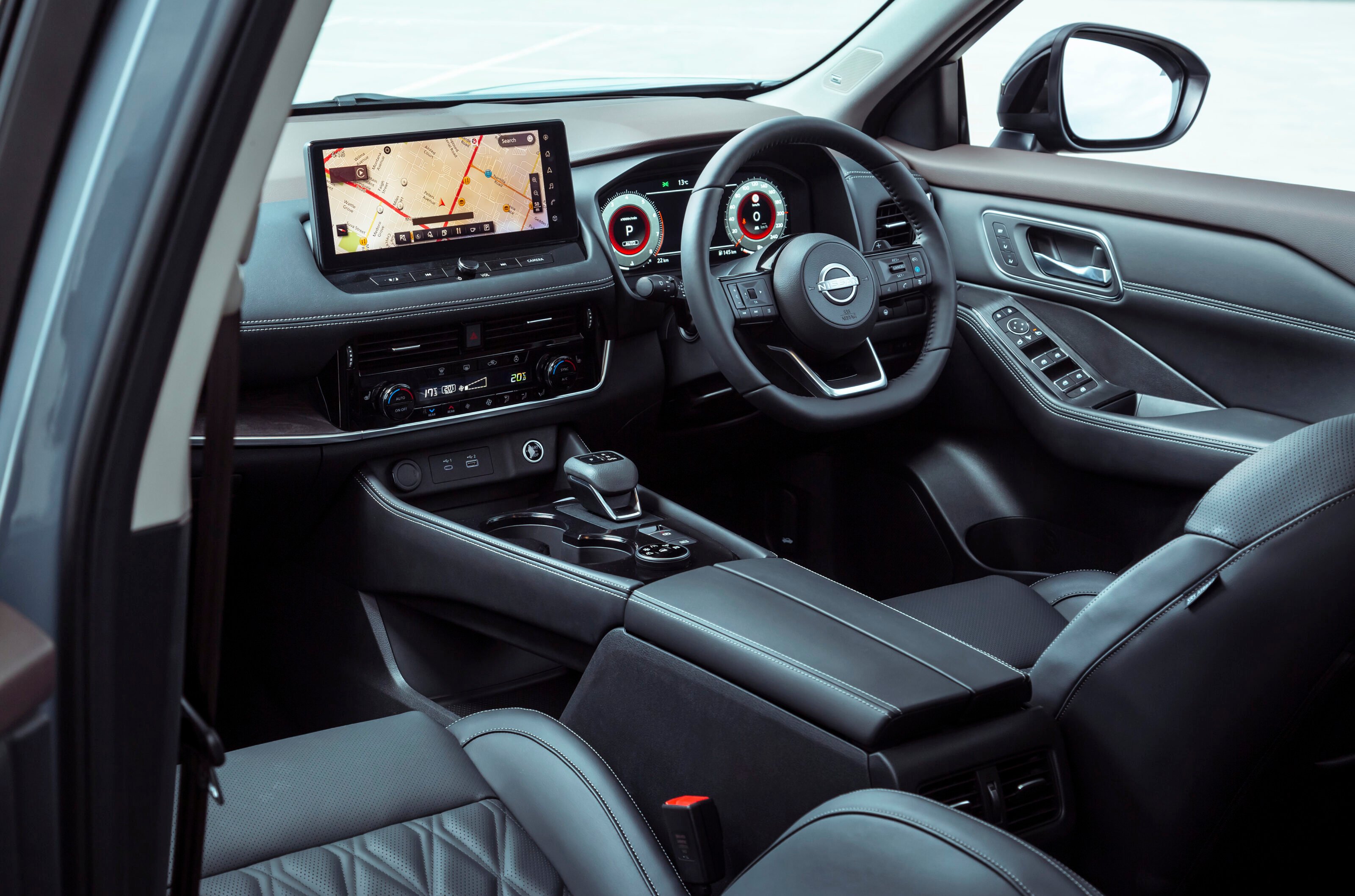
Features remain identical to the petrol Ti and Ti-L, but with a blacked-out grille, unique badging, and the addition of 20-inch alloy wheels for the latter grade (petrol Ti-L scores 19-inch units).
The regular X-Trail Ti is priced from $49,990 before on-road costs in 2.5-litre AWD petrol form – suggesting a price beyond $52,500 for the E-Power, or above $55,000 drive-away.
Seven-seat options are limited to the entry-level ST and mid-spec ST-L, which will not be offered with a hybrid powertrain.
While the third row of seats is available on European examples of the X-Trail E-Power, the larger Pathfinder and premium push of the X-Trail’s hybrid technology means lower-spec or seven-seat options are unlikely in Australia, at least initially.
2023 Nissan X-Trail E-Power features
Ti
Ti-L, in addition to Ti
Full details will be announced closer to the local arrival of the Nissan X-Trail E-Power in early 2023.
Engine, motors and fuel economy
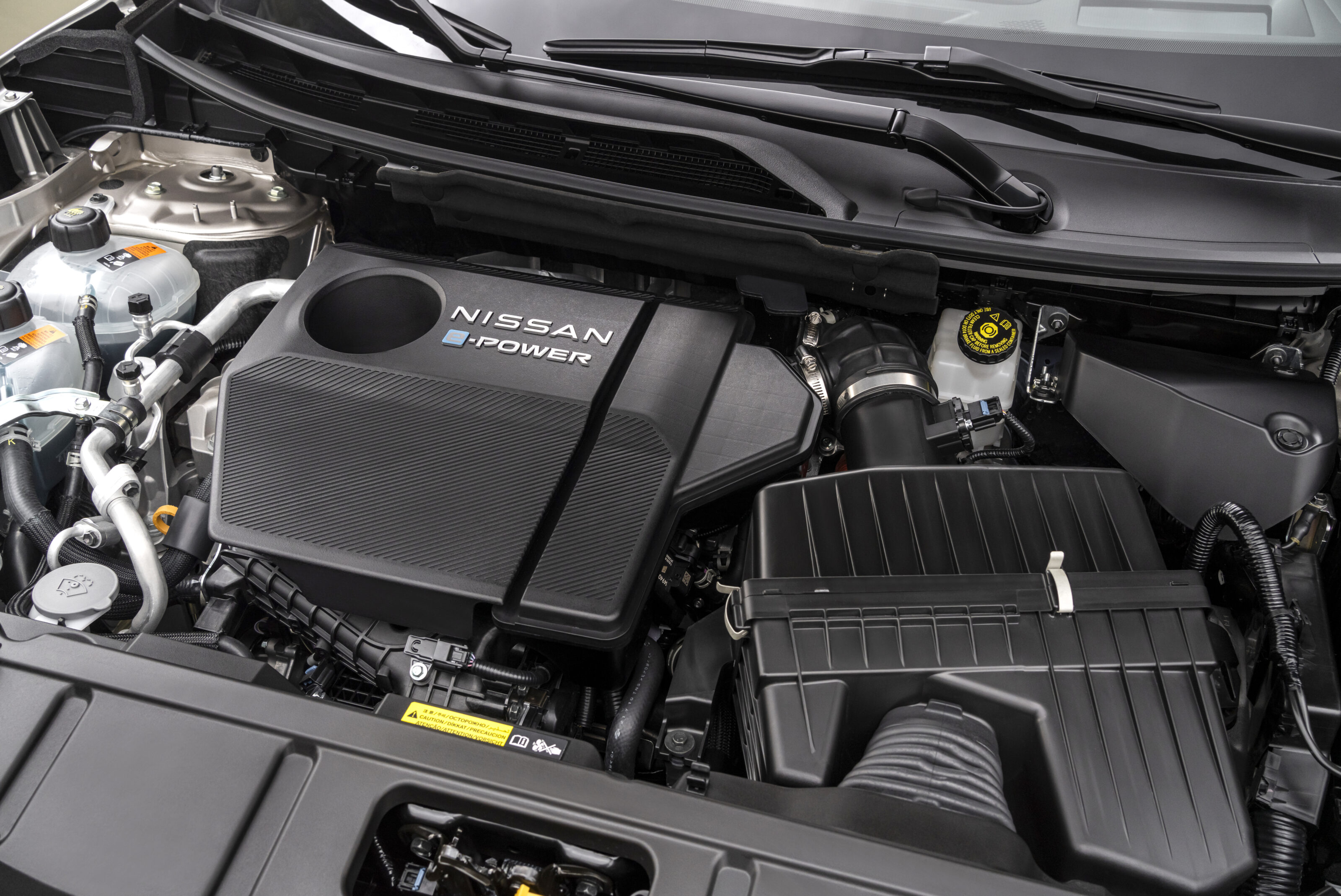
The hybrid X-Trail uses Nissan’s unique E-Power setup, which features a petrol engine acting as a generator for the electric motors – rather than sending power to the wheels, like the Toyota RAV4 Hybrid.
Under the bonnet, the X-Trail E-Power features a 1.5-litre turbocharged three-cylinder petrol engine – running Nissan’s variable-compression technology for reduced fuel use and greater performance – which produces 106kW and 250Nm, used to charge the small battery pack.
The petrol engine is used only to charge the vehicle’s 2.1kWh lithium-ion battery when necessary, allowing for lower emissions.
An electric motor fitted to the front axle develops 150kW and 330Nm, with local examples featuring standard all-wheel-drive, which brings an additional 100kW and 195Nm electric motor fixed to the rear axle.
A maximum combined power output of 157kW is claimed in five-seat, ‘e-4orce’ all-wheel-drive form, with a seven-second 0-100km/h sprint time and a top speed of 180km/h. A combined torque figure is unavailable.
Nissan claims its electronic e-4orce all-wheel-drive system allows for optimised interior space, with a lower centre console and floor area due to the lack of a traditional driveshaft.
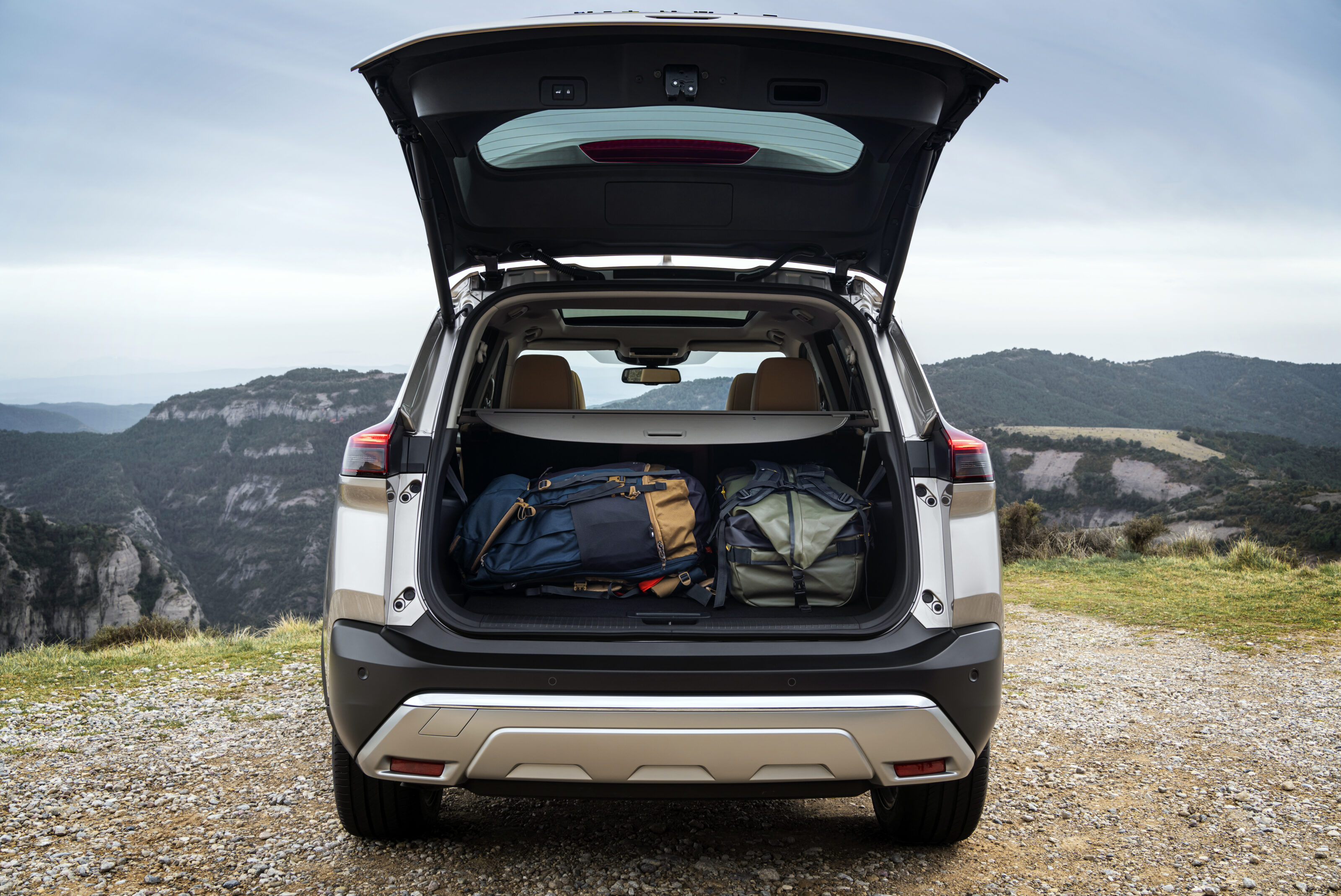
The Japanese marque also says the X-Trail’s CMF-CD platform, shared with the new-generation Mitsubishi Outlander, allows for practicality to remain identical to the petrol model.
For instance, the battery is mounted below the front seat, rather than under the boot or rear seats, to keep luggage space at around 560 litres.
A fuel consumption figure of 6.1L/100km is claimed, while CO2 emissions are listed at 139g/km, subject to final homologation.
For reference, Toyota claims the RAV4 Hybrid AWD will sip 4.8L/100km and produce 109g/km.
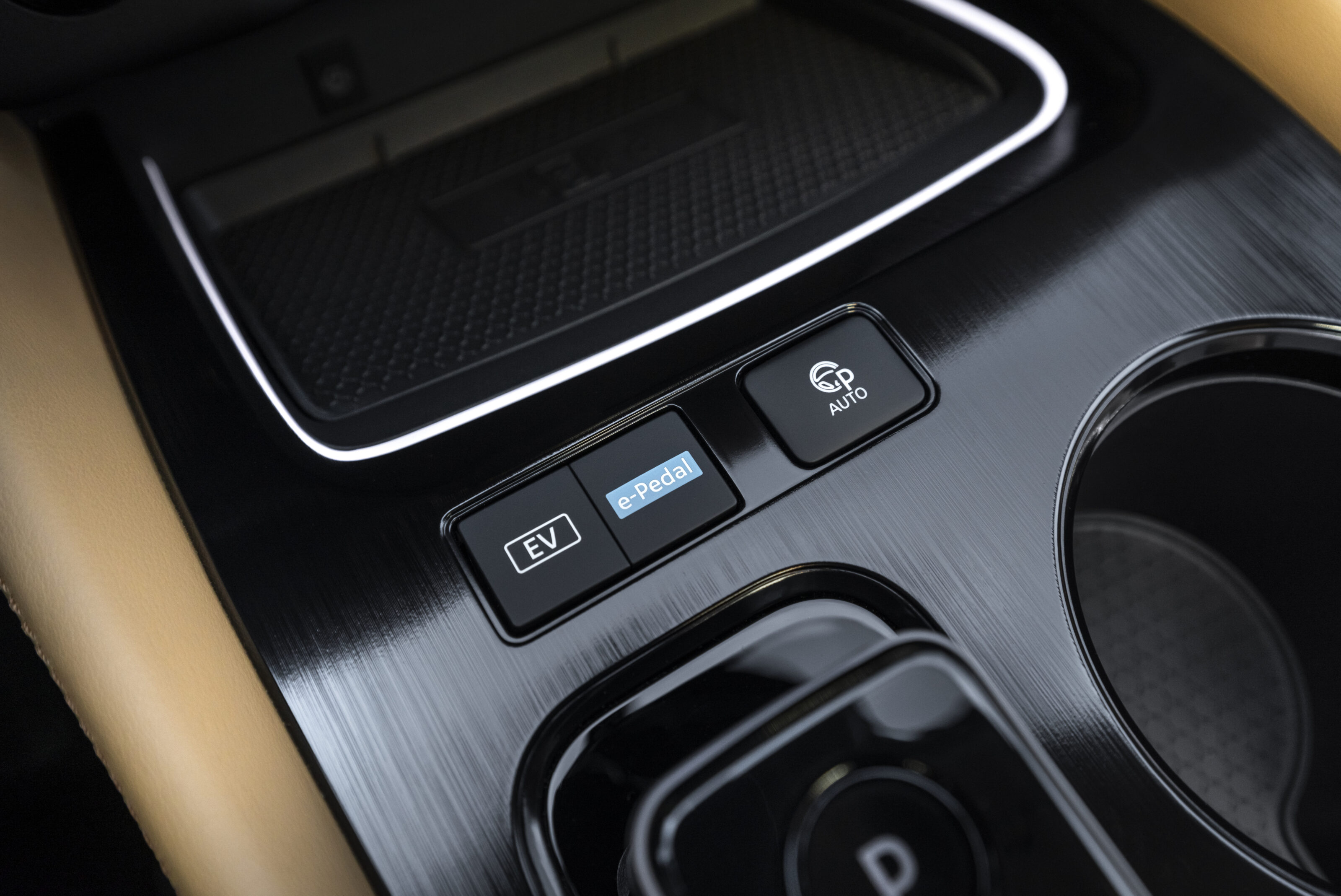
Like the all-electric Leaf hatchback, E-Power hybrid vehicles benefit from Nissan’s E-Pedal Step drive experience, allowing drivers to accelerate and decelerate using the throttle only.
When using the E-Pedal Step, the brand says the vehicle will slow at 0.2g to reduce speed down to a “creeping” level, but not a complete stop.
Availability
The 2023 Nissan X-Trail E-Power hybrid will arrive in local showrooms in early 2023, following the launch of the internal-combustion X-Trail medium SUV in the fourth quarter of this year.
It will be joined by the smaller Qashqai E-Power, which is expected to arrive at the same time as its larger sibling.
Pricing and full details will be announced in the coming months.
Snapshot
- Cars built in 2021 and 2022 affected
- Three different issues at play impacting different variants
- Almost 5000 vehicles involved in total
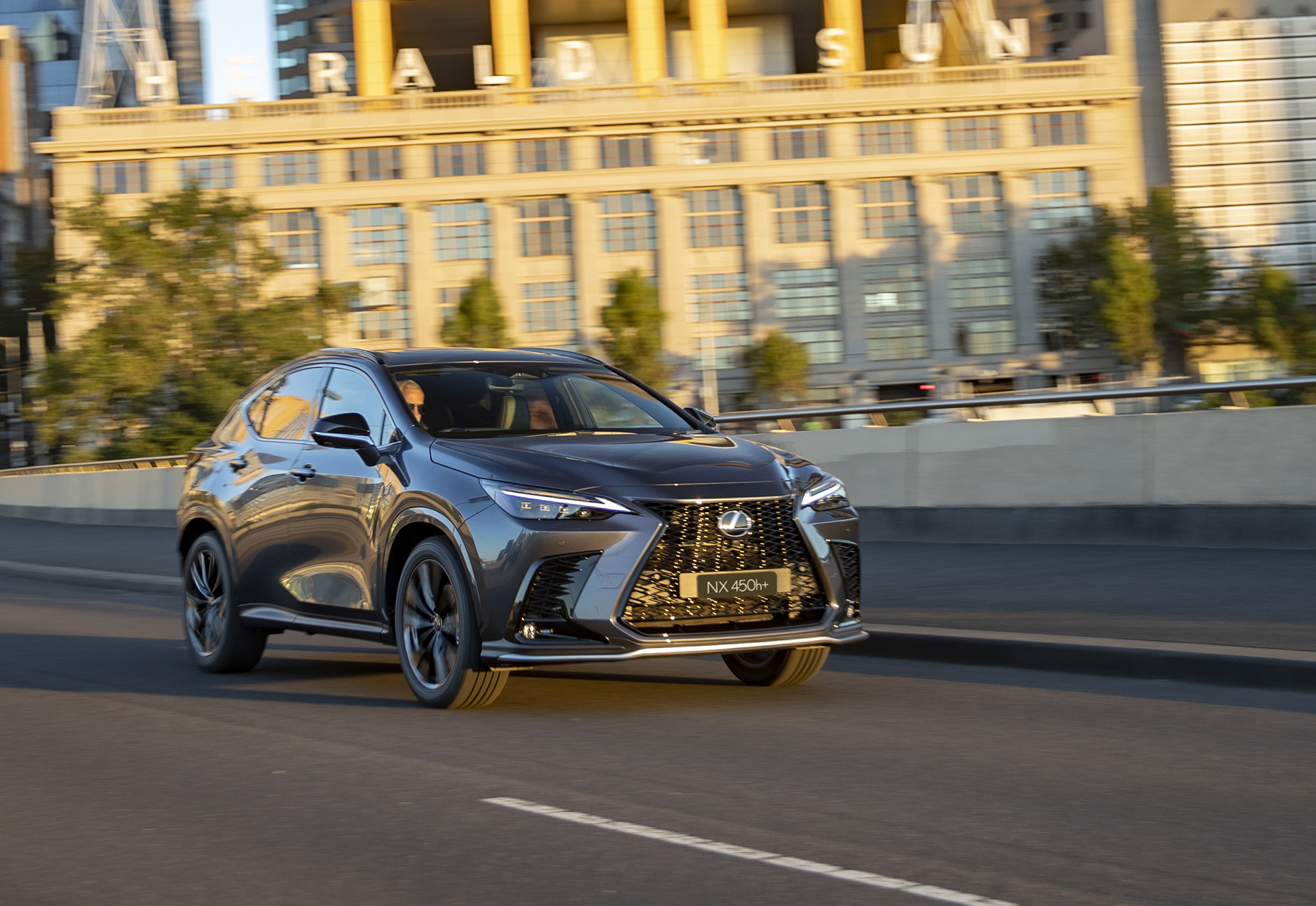
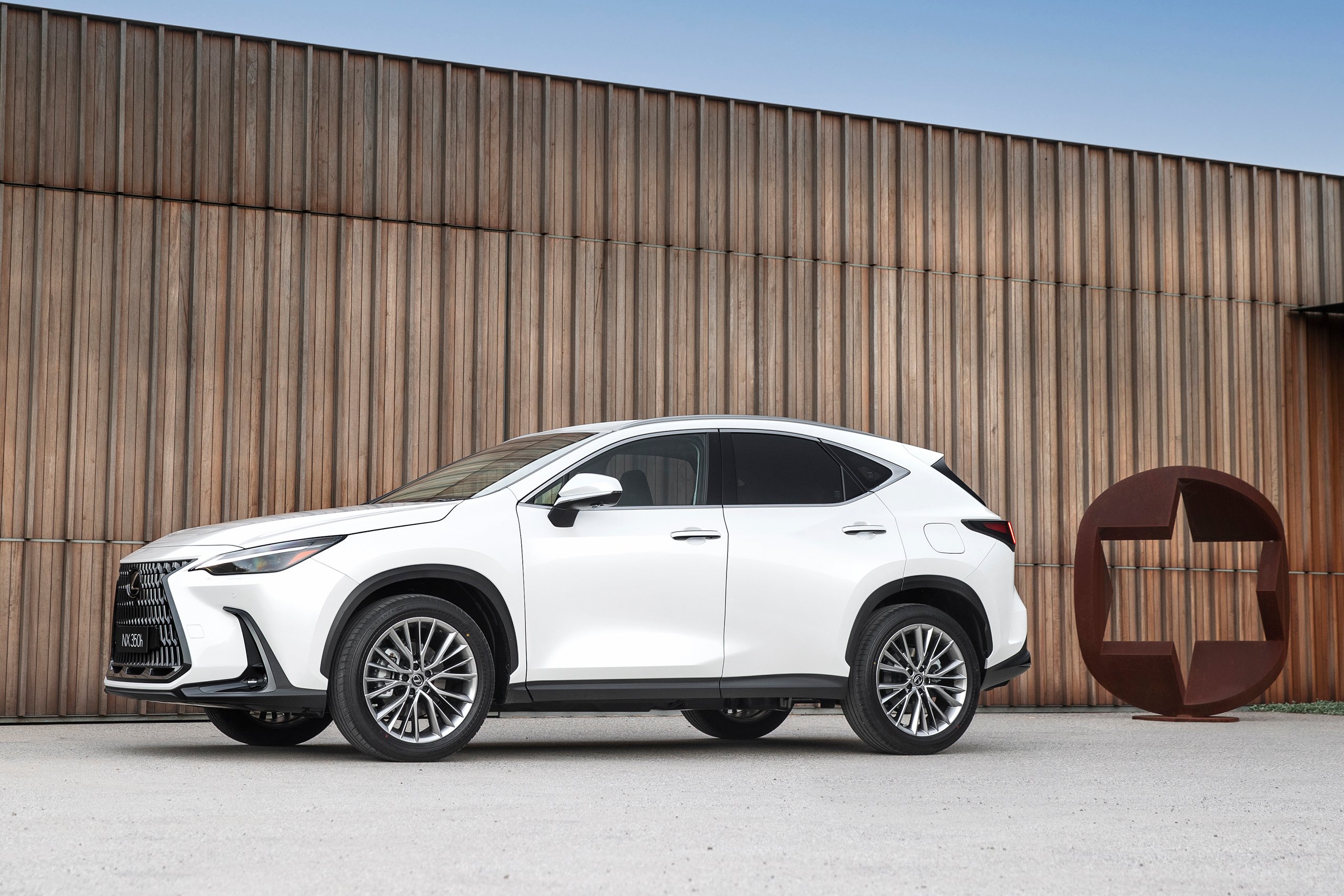
Lexus Australia is recalling 4920 examples of its NX SUV due to three different faults identified across the lineup.
The first issue involves 978 NX 250 and 350 petrol variants produced between November 2021 and July 2022.
The fault involves the possibility that the brake actuator assembly may falsely detect an overcurrent condition of the electronic parking brake (EPB) actuator and enter a failsafe mode. This mode prevents the EPB from being engaged or disengaged which could mean the vehicle could roll away if parked on an incline if ‘park’ wasn’t engaged and cause a crash.
For all involved vehicles, Lexus will update the skid control electronic control unit (ECU) software free of charge. Work is estimated to take roughly an hour, but dealers may need the car to be available for a longer period of time and can provide alternative transport if so.
VINs for this notice range are as outlined in the table below.
| Model | VIN | Produced | ||
| From | To | From | To | |
| NX250 | 2000141 | 2004743 | 15/11/2021 | 13/07/2022 |
| 5000135 | 5000101 | 29/11/2021 | 13/07/2022 | |
| NX350 | 2000290 | 2007812 | 15/11/2021 | 01/07/2022 |
| 5000397 | 5004221 | 29/11/2021 | 07/07/2022 | |
The second issue involves 1955 NX 250, 350, 350h and 450h+ grades produced between November 2021 and June 2022.
A software error in the lane tracing assist (LTA) control computer may cause the upper limit of the LTA steering angle to be reached earlier than expected.
If this occurs, the system may provide a reduced level of lane centring assist than it’s designed to under certain road and vehicle conditions and may not provide the full level of assistance required. Importantly though, the driver remains in full control of all steering manoeuvres and all lane departure warnings (visual and audible) and driver monitoring functions will continue to operate as normal.
Again, the fix is expected to take around an hour and will be carried out by Lexus free of charge.
The VINs involved are as follows.
| Model | VIN | Produced | ||
| From | To | From | To | |
| NX350h | 2000135 | 2003468 | 16/11/2021 | 06/06/2022 |
| 5000110 | 5002784 | 29/11/2021 | 16/06/2022 | |
| NX250 | 2000141 | 2004395 | 15/11/2021 | 20/06/2022 |
| 5000135 | 5003078 | 29/11/2021 | 16/06/2022 | |
| NX350 | 2000290 | 2007421 | 15/11/2021 | 17/06/2022 |
| 5000397 | 5004162 | 29/11/2021 | 17/06/2022 | |
| NX350h | 2000283 | 2007122 | 16/11/2021 | 20/06/2022 |
| 5000231 | 5003245 | 29/11/2021 | 16/06/2022 | |
| NX450h+ | 2000170 | 2008011 | 15/11/2021 | 20/06/2022 |
The final problem also involves the NX 250, 350, 350h and 450h+, but this time affects 1987 cars produced between November 2021 and June 2022.
These vehicles are equipped with a body control module (BCM) that, among other tasks, controls the operation of exterior lighting. Using the Lexus Connected app, the headlamps can be turned on remotely for approximately 60 seconds to help the user locate their parked vehicle.
Under certain conditions, if the headlamps are activated using the Lexus Connected app, the BCM software simultaneously illuminates the headlamps and the daytime running lamps (DRLs) and the headlamps remain illuminated without the tail-lights illuminating depending on the position of the light control switch which means it does not comply with Australian Design Rule 13.
As with the other recalls, the repair takes around an hour and is free.
VINs for this notice are as specified in the table below.
| Model | VIN | Produced | ||
| From | To | From | To | |
| NX350h | 2000135 | 2003468 | 16/11/2021 | 17/06/2022 |
| 5000110 | 5002997 | 29/11/2021 | 23/06/2022 | |
| NX250 | 2000141 | 2004437 | 15/11/2021 | 21/06/2022 |
| 5000135 | 5003449 | 29/11/2021 | 21/06/2022 | |
| NX350 | 2000290 | 2007421 | 15/11/2021 | 17/06/2022 |
| 5000397 | 5004164 | 29/11/2021 | 17/06/2022 | |
| NX350h | 2000283 | 2007156 | 16/11/2021 | 21/06/2022 |
| 5000231 | 5003462 | 29/11/2021 | 24/06/2022 | |
| NX450h+ | 2000170 | 2008026 | 15/11/2021 | 20/06/2022 |
In all instances Lexus Australia will contact owners via SMS, email and/or mail to their last known address. But to speak to Lexus, you can call 1800 023 009 (Monday to Friday 8am to 6pm AEST).
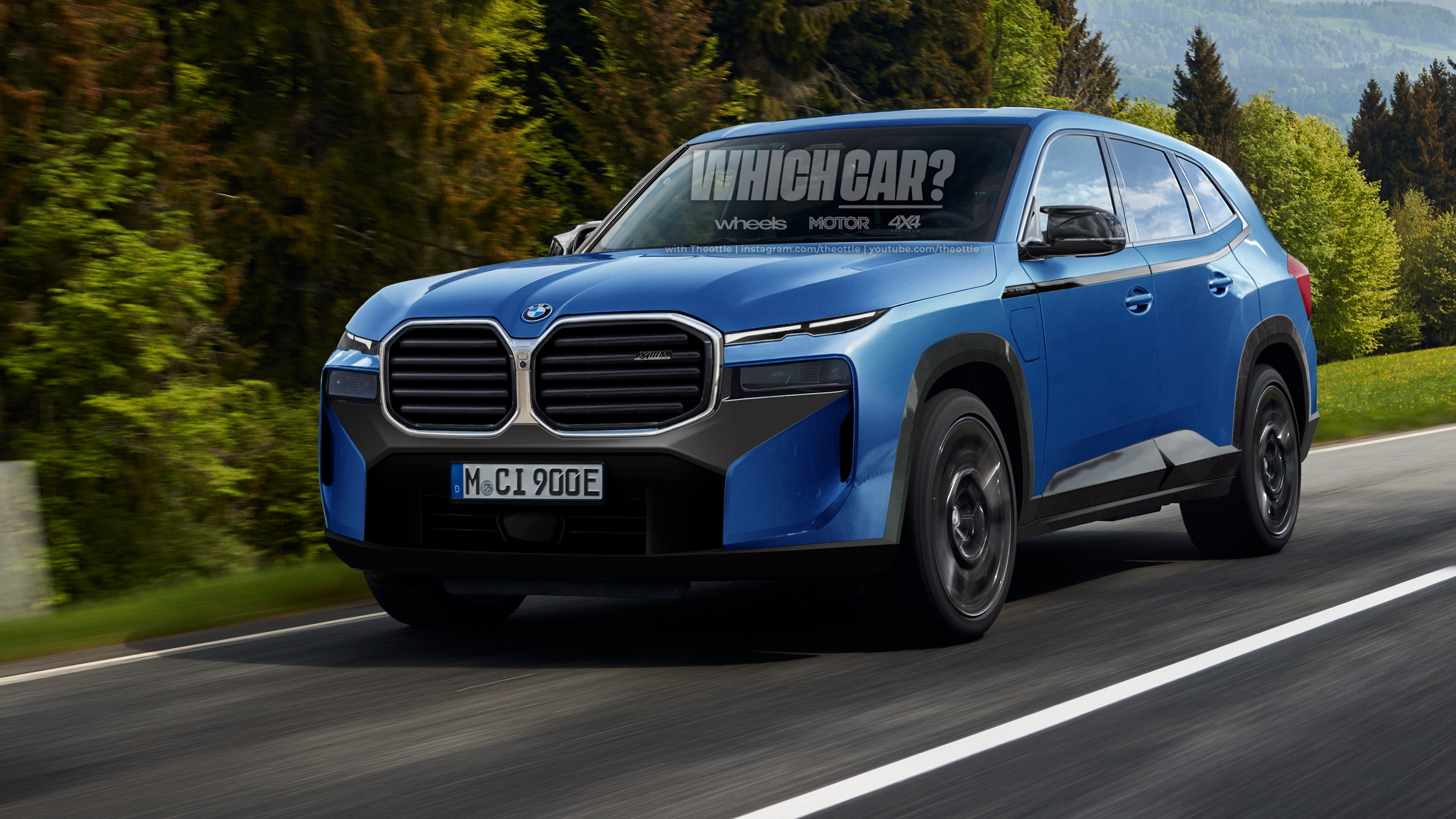
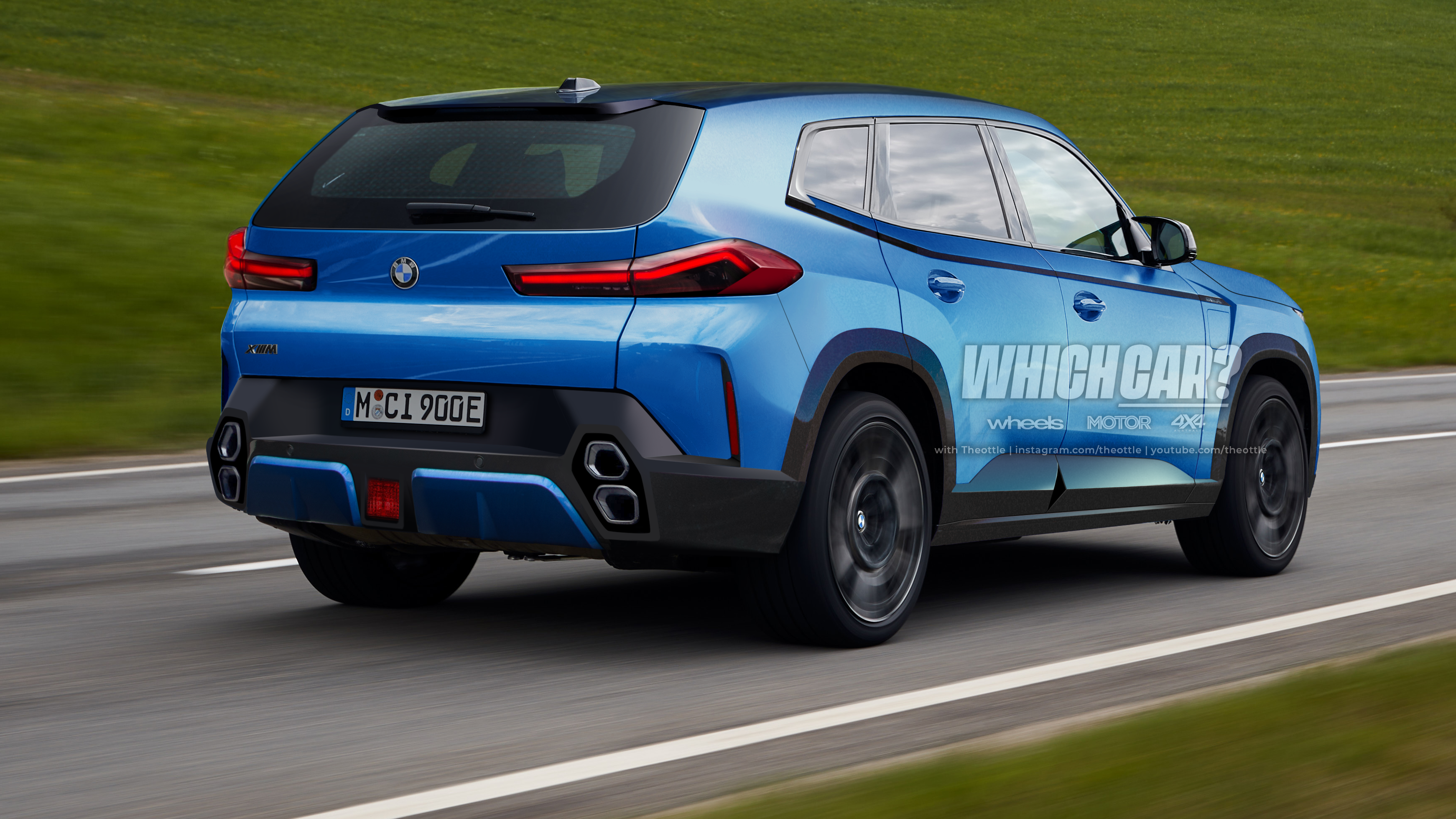
This is it, your best look yet at the upcoming BMW XM performance SUV, the M division’s first-ever model to call their own.
Just as archaeologists and scientists can use computer-aided design to recreate the facial structure of historical figures, so to can our mate Theo Throttle put the pieces together for an accurate look at upcoming models.
Working with a combination of recent design patent images and official photos of the camouflaged XM our man Georg Kacher drove in May this year, we now have what is likely to be near-perfect renderings of the final design.
As the patent images revealed, the plug-in hybrid EV XM’s final design will be far more tame than last year’s concept, although the massive nostrils will still dominate the front end.
Check out our renders below, and scroll down for more on the upcoming XM.
The story to here
September 1: BMW XM design patent images surface online
A set of design patent images have surfaced online, revealing what we can expect from Domagoj Dukec’s styling department for the upcoming 2023 BMW XM.
Although never flattering and rarely a perfect look at a new model’s final ‘vibe’, design patents are a handy way to get a sneaky first look at what’s to come.

In the case of the BMW XM, these images almost suggest buyers can expect a low-set wagon on undersized wheels – but as our drive of a camouflaged example in May shows, the XM will sit high, and its overall proportions will look a little more composed than what we see here.
The real value in these images is the finer details, offering a first clear look at the front and rear styling that has evolved out of the concept revealed in late 2021.
The show car’s massive grille has been downsized just a little, retaining most of its width but losing perhaps a quarter of its original height.

The slender daytime running lights and angular details of the concept appear to carry over mostly unchanged, along with the driving lights that flank the grille.
The rear has been simplified with a significantly toned-down look to the tail lights that previously hooked dramatically into the rear quarters, and the large M1-inspired roof extensions with integrated BMW logos (see further down) have been removed – now symbolised by a tacked-on panel that merely hints at an homage.
The stacked quad exhaust pipes remain in place, however, reminding buyers and onlookers that this is a proper BMW M car – the performance division’s first dedicated model.

As confirmed earlier, the XM will be driven by a new electrified S68 4.4-litre bi-turbo V8, producing 355kW in its base form and 559kW/1000Nm in the hero XM 60. You can read more about that here.
As for its styling, BMW design boss Domagoj Dukec has previously described the XM as having a “raw, massive, monolithic appearance”.
One of Dukec’s predecessors, original X5 designer Frank Stephenson, has been far less generous in his take. For his view, check out this video on his personal YouTube channel. (One can’t help but think that if the two have ever met, they’re no longer on speaking terms.)


