
UPDATE, September 1: BYD reduces service costs, but warranty unchanged
Snapshot
- BYD Atto 3 to be covered by a six-year vehicle warranty
- Lithium-ion battery and drive unit covered by eight-year warranty
- Service pricing announced; up to $447 per service
BYD has cut service pricing by up to 20 per cent for the Atto 3 electric SUV, following significant backlash from Australian buyers, including order cancellation threats.
However, the final warranty details announced by the Chinese brand last week remain unchanged, with several components covered for just 12 months – in contrast to the previously announced seven-year, unlimited-kilometre period.
The announcement caused a number of customers on social media to cancel their orders, while one buyer has created a petition that has received, as of writing, close to 1300 signatures.
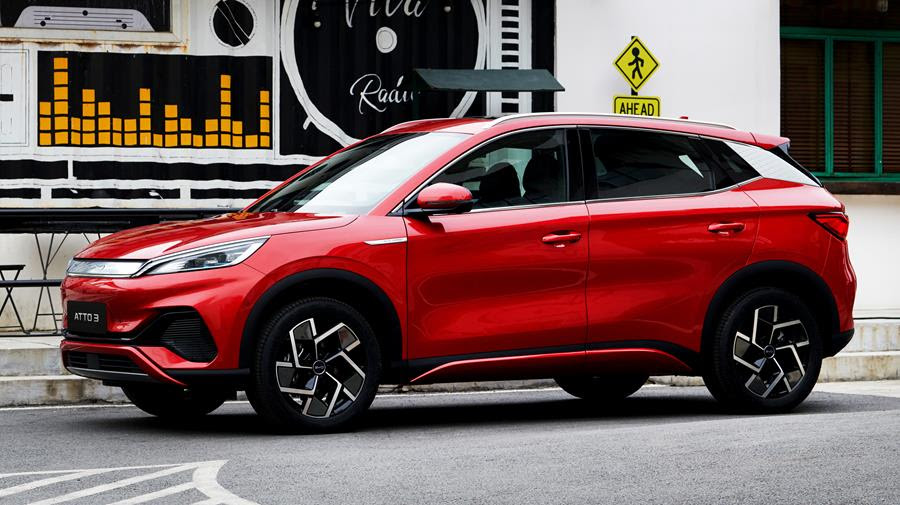
BYD has responded by cutting its capped-price servicing costs, and offering a free 12-month / 20,000km service to existing holders who purchased their vehicle before August 31, 2022.
In addition, the company – represented by third-party distributor EVDirect – will provide a ‘light’ service option, with fixed $189 annual services for the first five years, but only if the vehicle doesn’t exceed 60,000 kilometres during that period.
According to BYD’s website, this pricing applies to servicing “completed prior to [1 September 2023]”, meaning EVDirect could alter these costs in 12 months’ time.
Our previous coverage, below, has been updated to reflect the new service pricing.
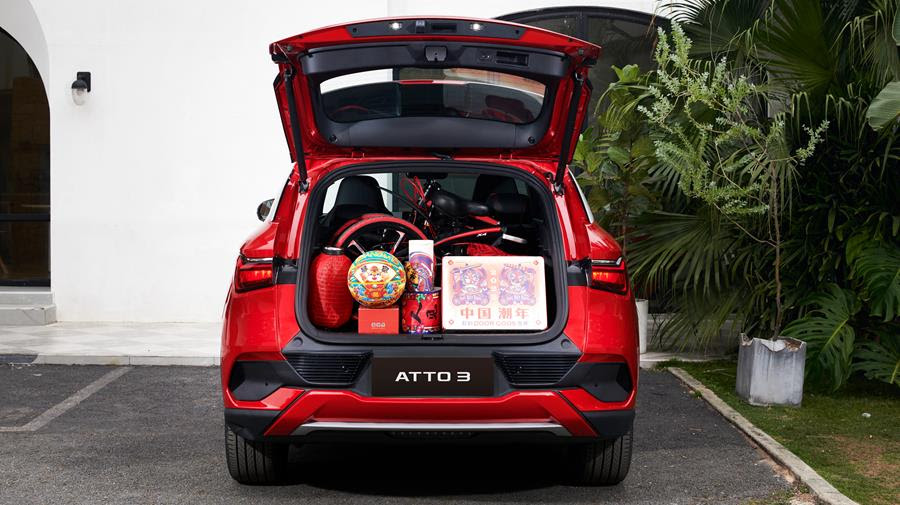
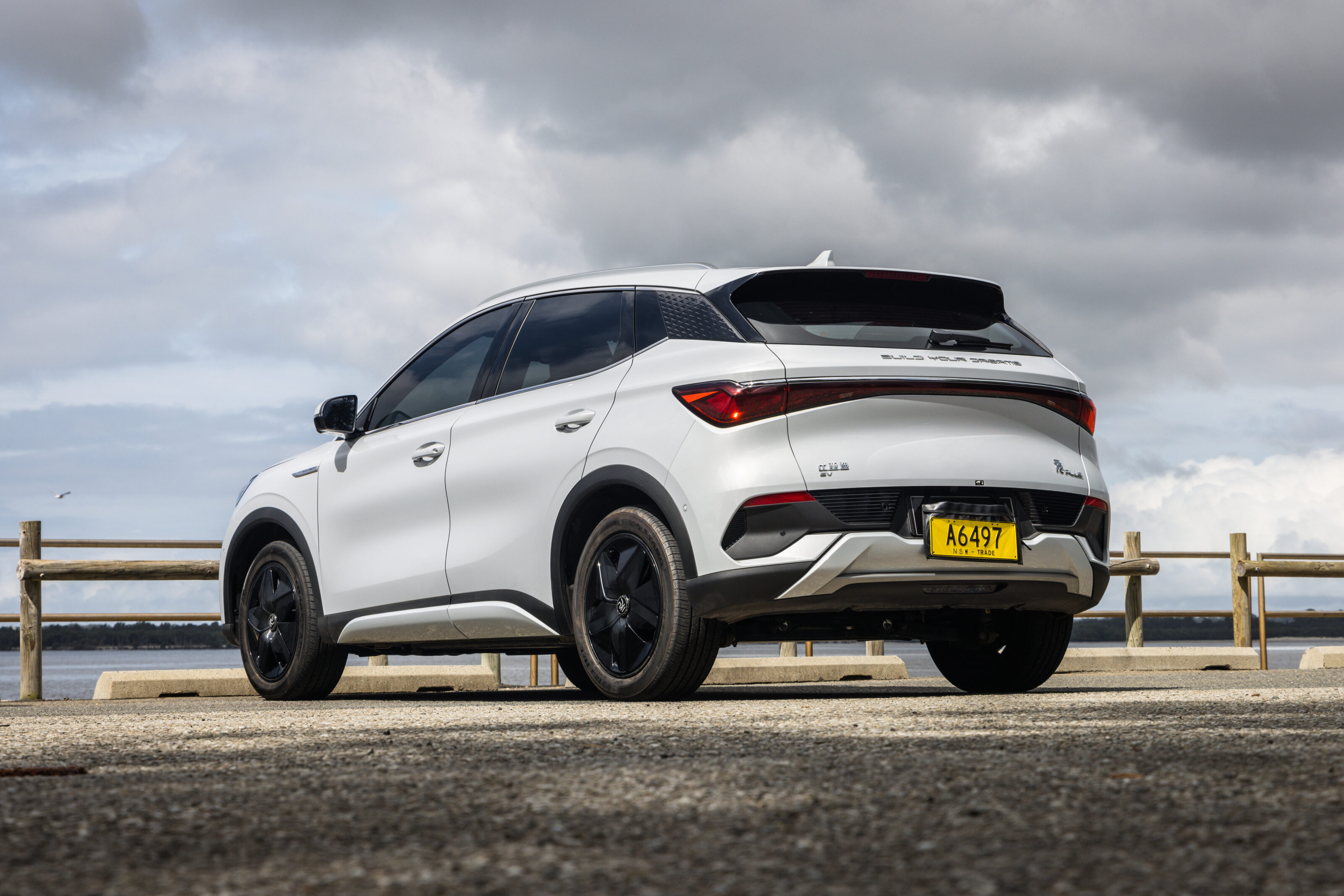
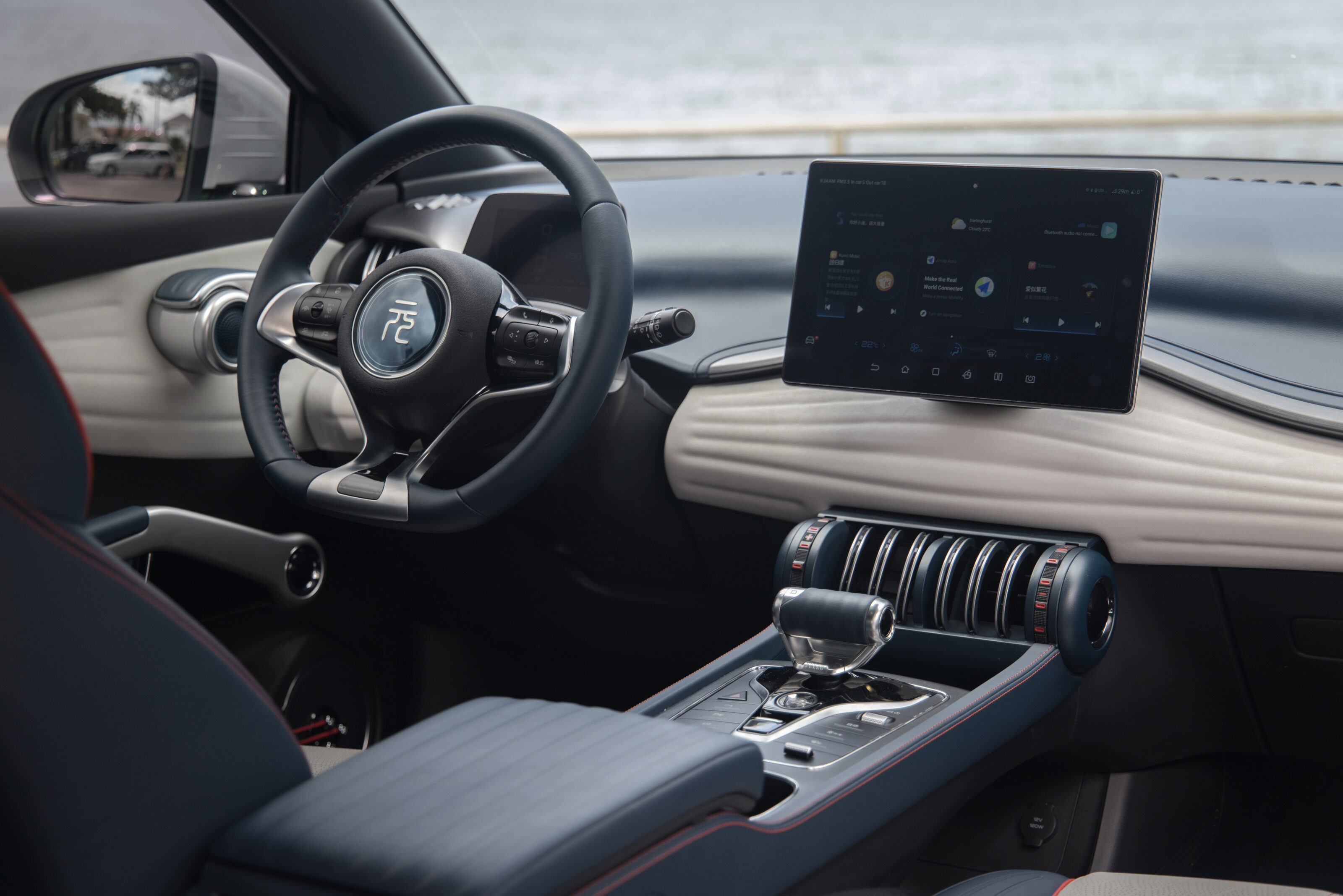
Chinese electric vehicle manufacturer BYD has detailed service and warranty information for Australia, as the first production examples of the Atto 3 small SUV arrive.
The brand will cover its cars with a six-year/150,000km vehicle warranty, an eight-year/160,000km high-voltage battery warranty, and an eight-year/150,000km warranty for the electric drive unit.
BYD, which is handled by third-party distributor EVDirect locally, previously stated the Atto 3 would be covered by a seven-year, unlimited-kilometre vehicle warranty and seven-year/160,000km high-voltage battery warranty.
NOTE: The below video was published before the latest updates announced at the top of this story.
Story continues
However, the terms and conditions provided by BYD reveal a shorter warranty covers the following items in Australia:
| Genuine charging equipment (i.e. cable) | One-year |
| 12-volt auxiliary battery | One-year/20,000 kilometres |
| Infotainment system, AC/DC charging port assembly, air quality monitor, shock absorber, belt, dust cover, bushes, gaskets, release bearing, wheel bearing, and USB charge ports | Three years/60,000 kilometres |
| LED lighting, tyre pressure monitor, suspension and ball joints | Four years/100,000 kilometres |
Servicing for the BYD Atto 3 is required every 12 months or 20,000 kilometres, whichever occurs first.
The capped price service details can be found in the table below:
These prices include labour and required servicing parts, such as cabin air filters and brake fluid.
The company will offer a complimentary ‘safety check’ at three months or 5000 kilometres, whichever occurs first.
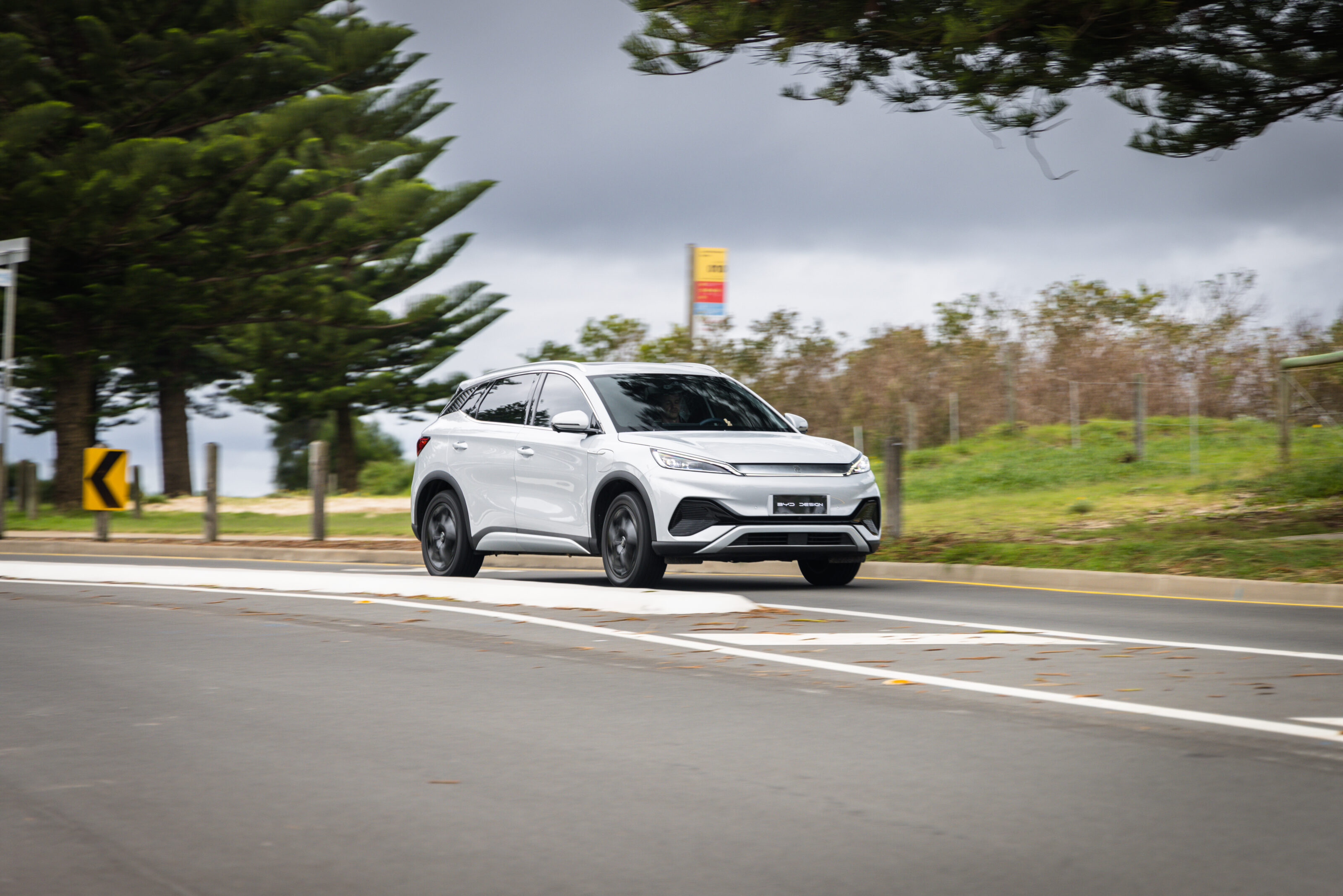
For reference, key competitor MG offers a seven-year, unlimited-kilometre warranty and service pricing capped at $268 per service for the first six years with two-year/24,000-kilometre intervals for the ZS EV.
Buyers can undertake servicing at the BYD dealership network, which Eagers Automotive manages, or at 30 selected Mycar service centres spread across each state and the ACT.
Roadside assistance is offered for the first 12 months, with the option to purchase extended coverage at the time of purchase or the annual service.
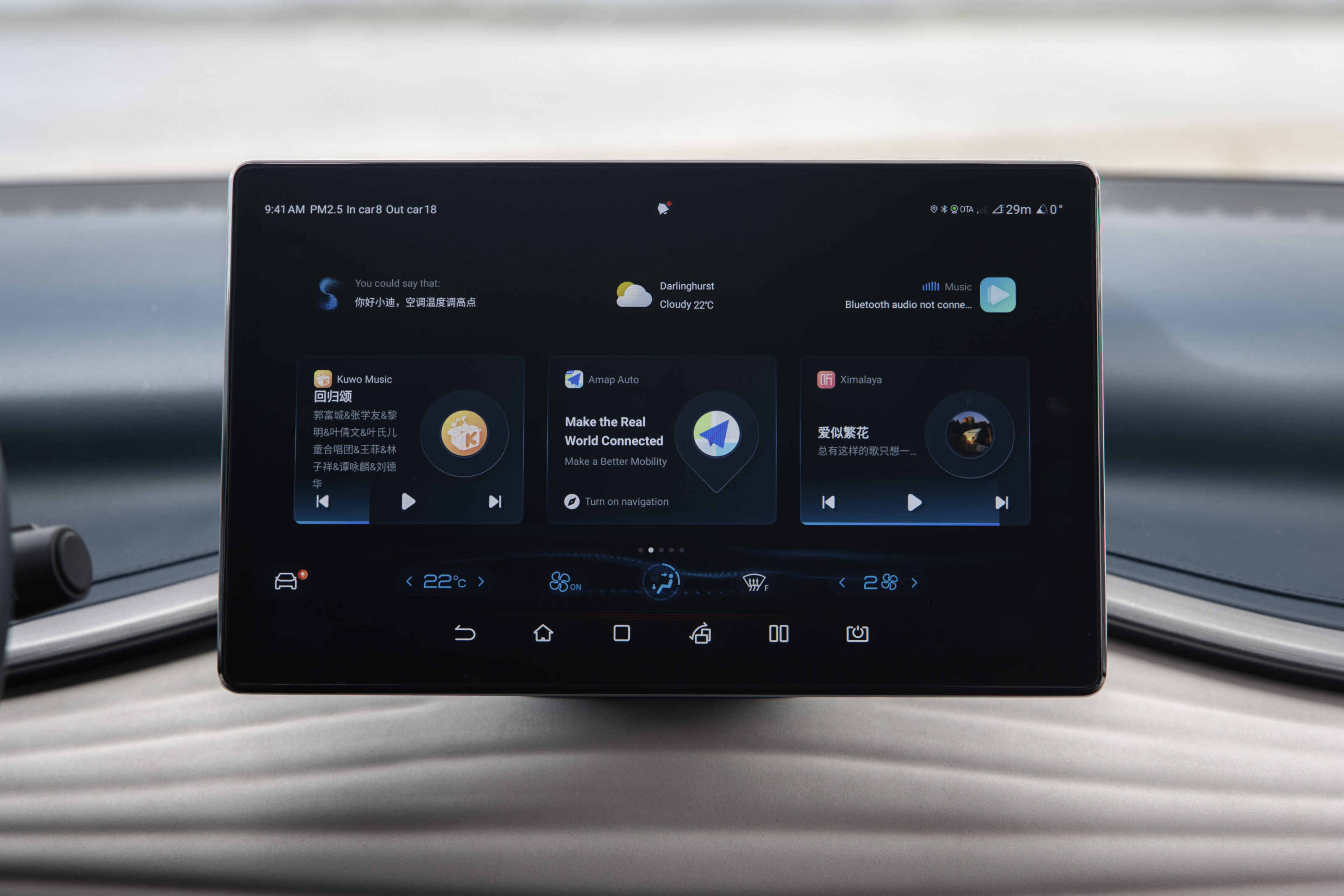
According to BYD, a service application and a range of accessories are under development.
In addition, BYD has confirmed the Atto 3’s towing capacity (750kg braked, 700kg unbraked) and roof load (50kg).
EVDirect claims it has received approximately 4000 orders for the Atto 3, with a production capacity of 3000 per month until the end of the year.
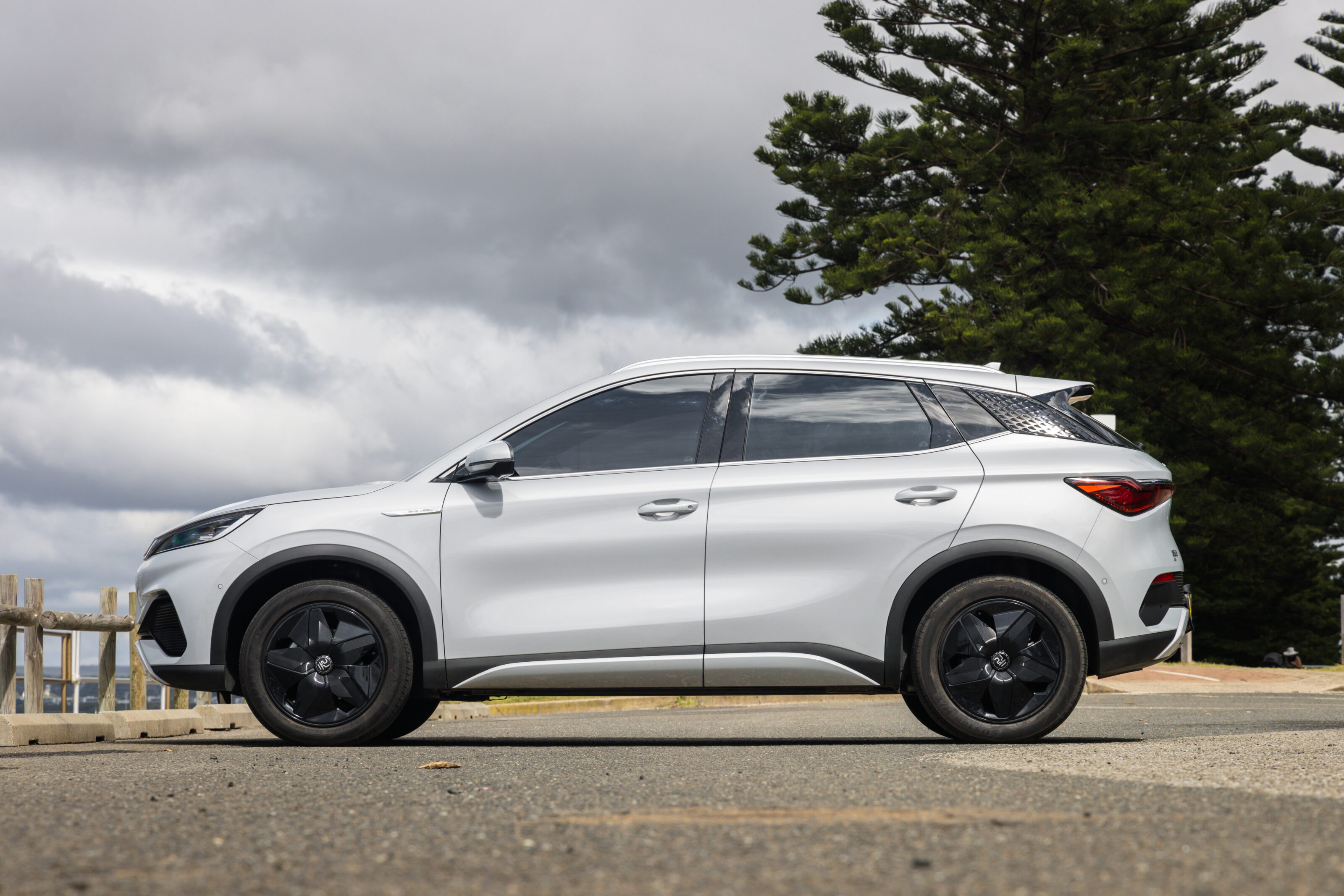
The first units of the Atto 3 arriving in Australia are the flagship Extended Range, with the less-popular Standard Range variant hit by a delay.
As such, the start of production for the Standard Range in China has been pushed back to mid-October, ahead of local arrivals in November or December.
BYD will expand its range next year with the Dolphin small hatchback and Seal mid-size sedan, with order books for both models expected to open later this year.
It’s strange today to look at the complete contrast between post-war motoring in Europe and that in the US.
In beaten-down Britain and across the continent, frumpy small sedans and weird microcars ushered in the 1950s; as the decade progressed, they became smarter and better – not bigger.
In America, though, the 1950s introduced automatic transmissions, power steering, air conditioning, power windows and transistor radios. And increasingly colossal cars.
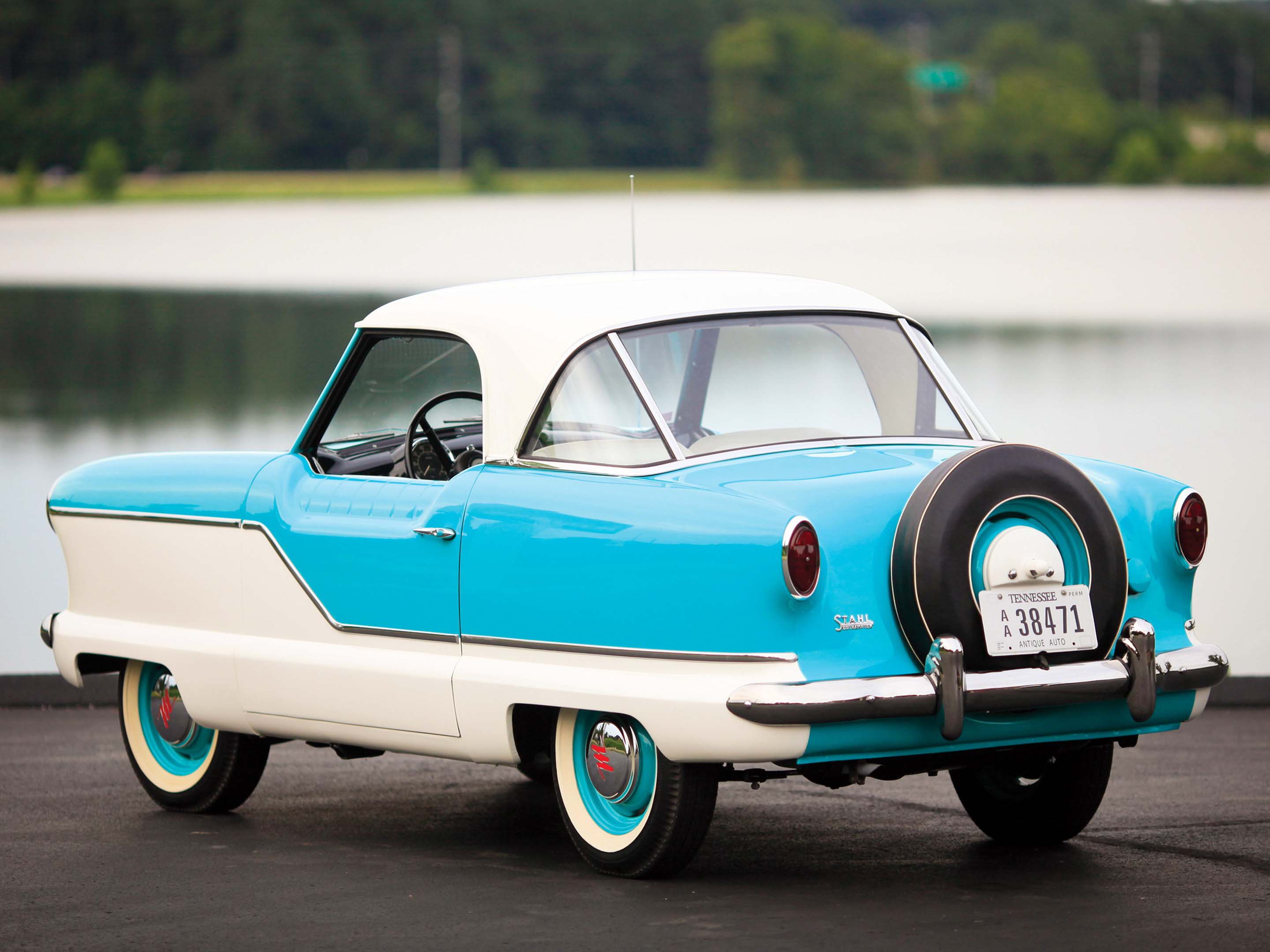
George W. Mason had a different view. But then, as head of the Kelvinator refrigerator company, he would.
In fact, Mason was a car guy to the core, having been right-hand man to Walter Chrysler in the 1920s before turning around the troubled Kelvinator through the Depression.
In 1937, he presided over the mega-merger of Kelvinator with Nash Motors.
A landmark Nash model was the ‘600’ (1941), the US’s first mass-produced unitary body car. Its 1949 successor, the Airflyte, added dramatic aerodynamic styling.
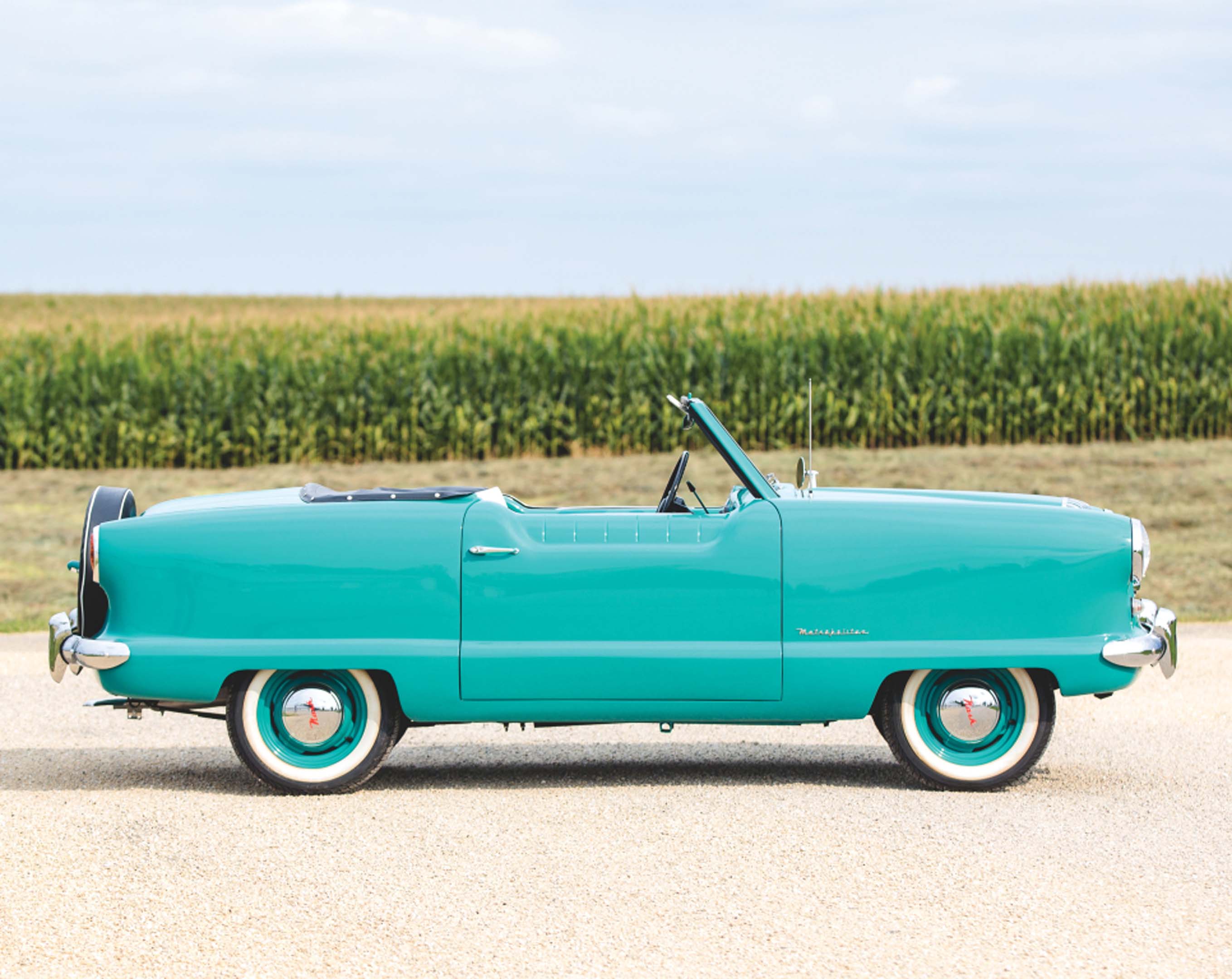
Mason’s take was that America’s suburban spread and embrace of the automobile would create a market for a smaller, second family car and an even smaller, suburban runabout.
He had bought and privately driven a number of European offerings when, in 1949, he had a sketch from independent designer Bill Flajole produced on a Fiat 500 Topolino chassis. The NXI (Nash Experimental International) prototype was sent on a national tour in 1950.
Public feedback was taken directly on board and when the production model (in convertible and hardtop) launched in March 1954, it was slightly longer, slightly less cartoonish and powered by an Austin 1.2-litre drivetrain.
The new ‘Metropolitan’ – soon badged as both a Nash and a Hudson, after a May 1954 merger – was entirely built in Longbridge, England. Right-hook versions were sold in England and Australia.
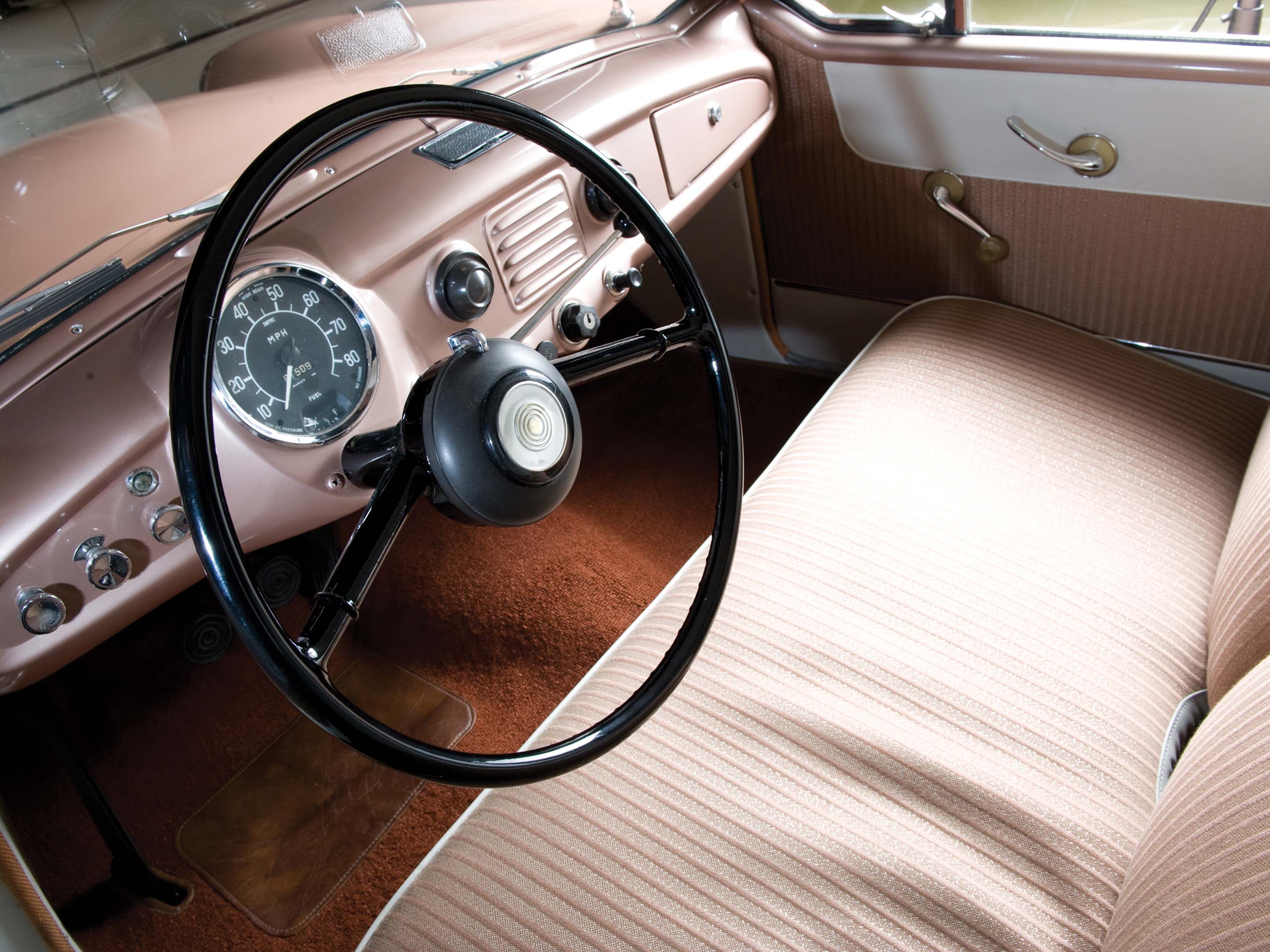
Two surviving features of Flajole’s original sketch were the elbow-welcoming cutaway doors, and a bonnet line that was lower than the front guards, aiding forward vision.
In 1956 came the ‘1500’, upgrading to Austin’s 1498cc B-series engine, with a snazzier two-tone paint. The following year it was badged simply Metropolitan and in 1959, it finally got a boot lid. Previously, the boot had been accessed via the rear seat.
In April 1961, production suddenly stopped. Compact car competition from the new Ford Falcon, Chrysler Valiant and the cult-creating Volkswagen had put the writing on the wall for a car that had always been too cute and quirky to be taken seriously.
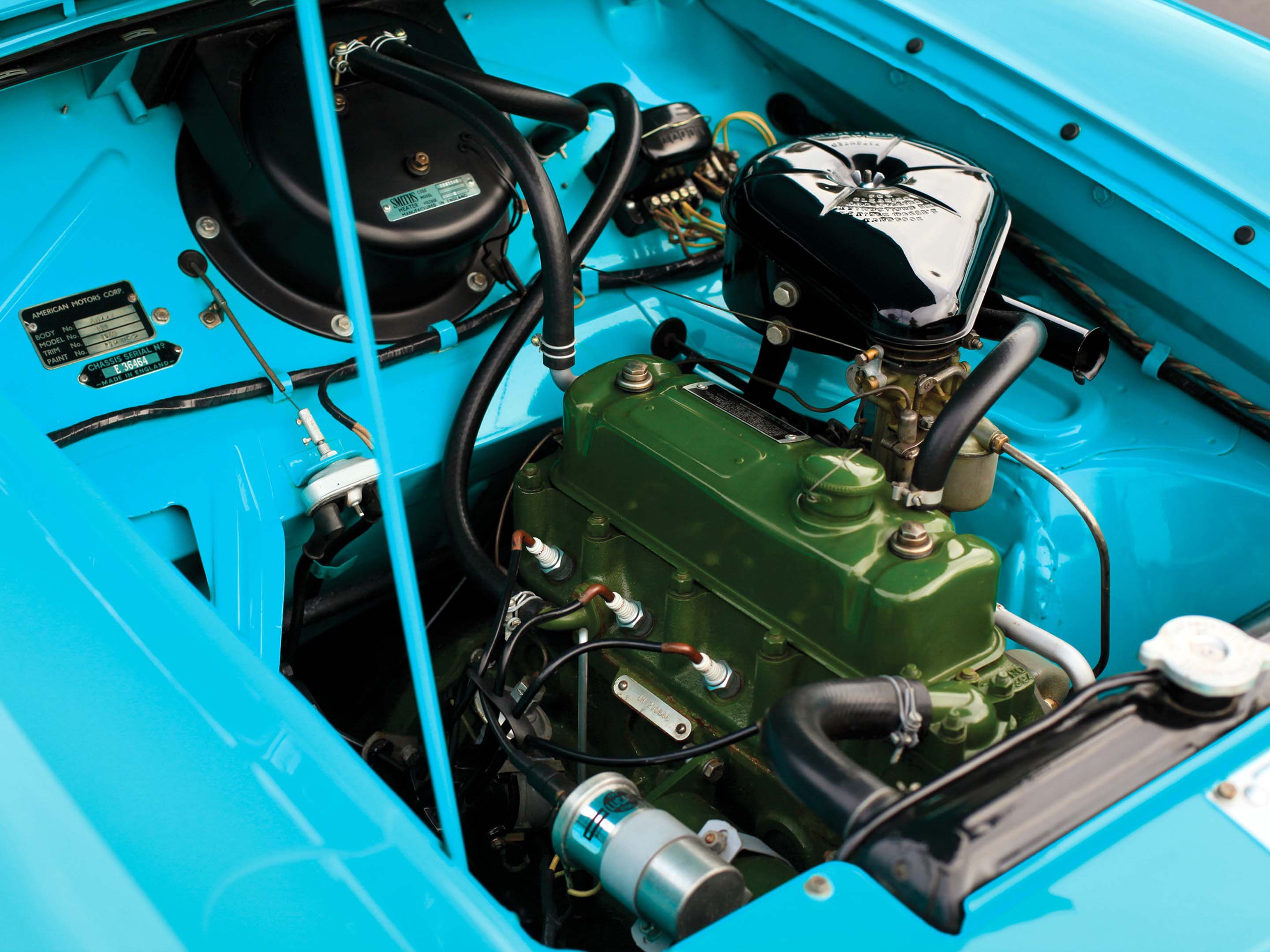
Little Briton
BMC’s B-series four-cylinder engine had a cast iron block and cylinder head, with a simple three-bearing crank and pushrod-operated ohv.
Launched in an 1197cc version, producing 29kW, the 1954 Metropolitan was one of its first applications. A 1489cc version, good for 39kW, followed in 1956. Both drove via a three-speed column-shift manual.
In its smalls
Small car? At 3797mm in overall length, the Met is just 3mm shorter than a Skoda Fabia, albeit on a much (300mm) shorter wheelbase of 2159mm.
Kerb weight is 850kg, though the dual-bench cabin is sparse; a radio, heater were popular options. Only the passenger (right side) door has an external lock, but no internal locking; the driver’s door can only be locked via the interior handle.
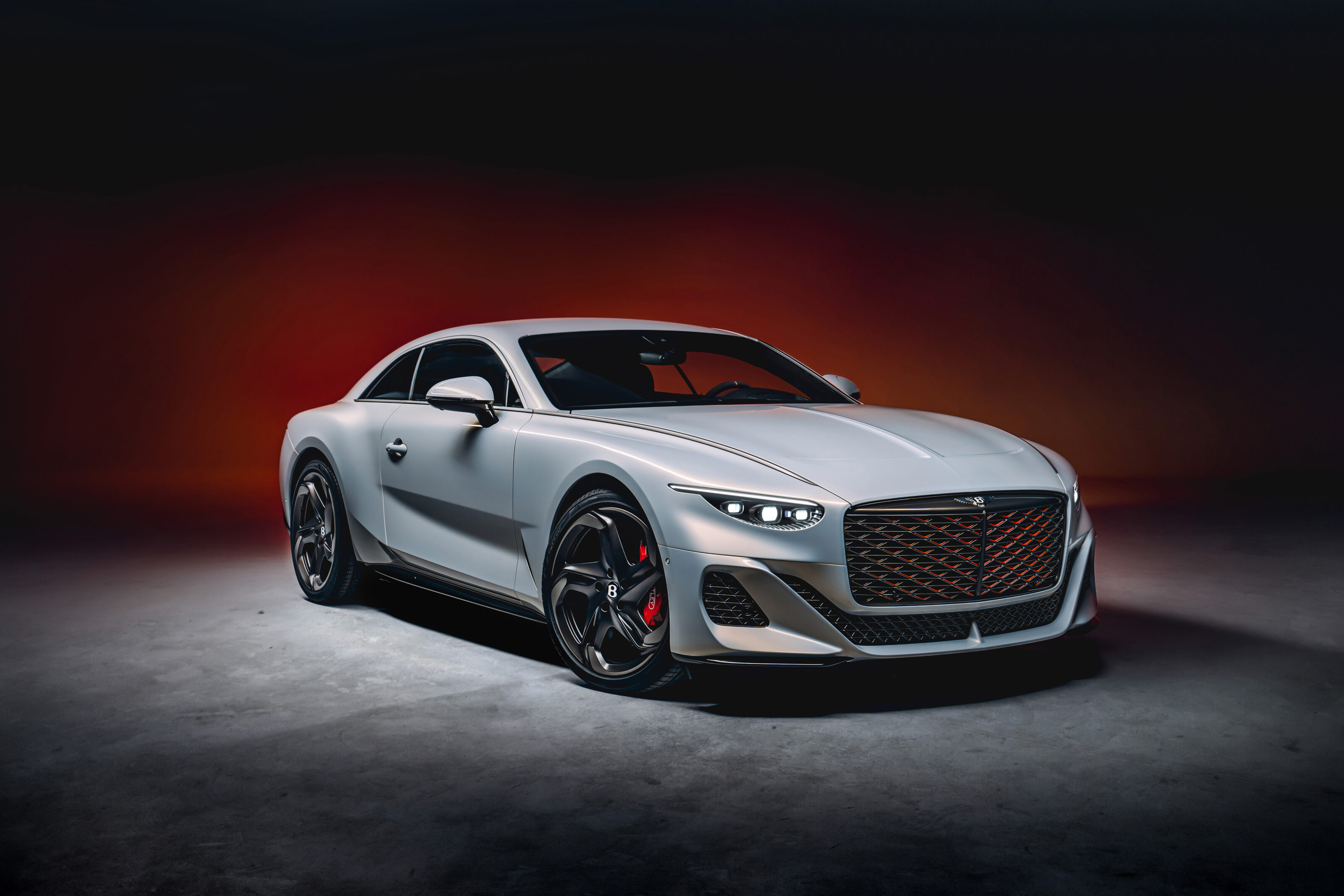
Bentley’s big unveiling of the limited-edition Mulliner Batur coupe at last week’s Monterey Car Week brought one obvious question: Where to from here?
The Batur is powered by Bentley’s iconic 6.0-litre twin-turbo W12 engine and delivers over 545kW and 100Nm – but, perhaps more importantly, the company has also described the sleek coupe as a preview of the styling it will apply to its future electric vehicles.
An obvious starting point for full electrification is the SUV shape, with buyers consistently flocking to the high-riders, thus making it a critical revenue opportunity for any new era of styling and powertrain.
In March, before the Batur had been revealed, our mate Theo Throttle rendered a small Bentayga-inspired model, in line with Bentley’s confirmation that its first EV would be a relatively compact SUV – although Theo’s rendering was a more conventional combustion model.
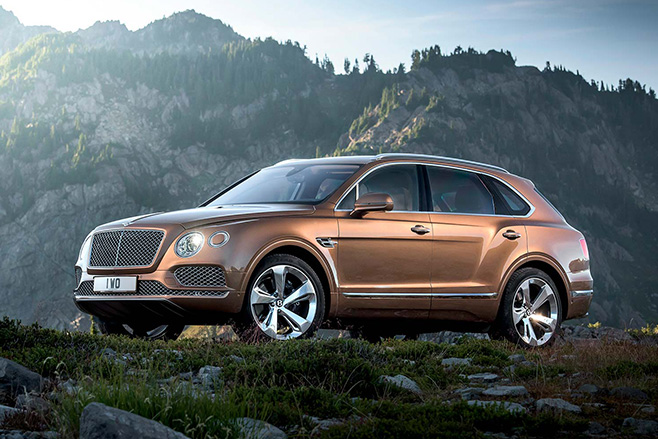
This week, Theo has delivered a look at how a next-generation Bentayga might look with the Batur’s styling themes. And if we ignore the exhaust openings at the rear, this could also be a compelling preview of an electric Bentayga.
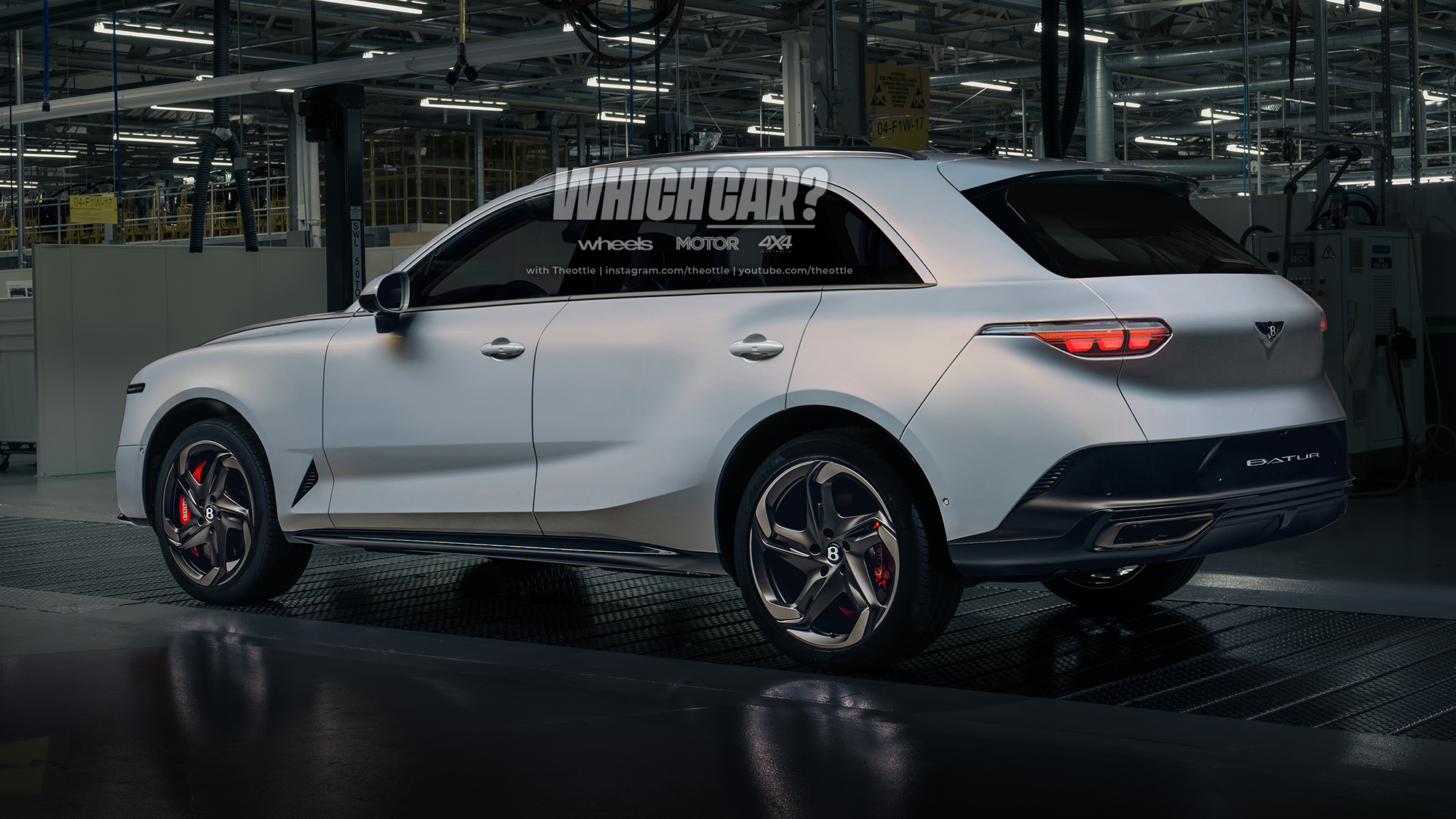
What do you think of the look?
Like the Batur, the renderings represent a major leap away from Bentley’s fairly iconic design language, but it could prove popular with the brand’s target market.
The company’s first electric vehicle – that smaller model mentioned earlier – isn’t due until 2025, but an electric Bentayga would likely follow quickly.
Of course, a plug-in hybrid Bentayga exists already, with around 30 to 50km of electric-only driving range, but a full-electric model will soon become an expectation for buyers.
For more on Bentley’s electrification plans, see our story linked below.
Below: The Mulliner Batur
Below: The current Bentayga
UPDATE: New Haval H6 GT video review published
Following Andy’s shorter driver below, we’ve now had an opportunity to spend more time with the Haval H6 GT. Catch our new video above or below to get Peter’s perspective, and read Andy’s original review further down.
Story continues
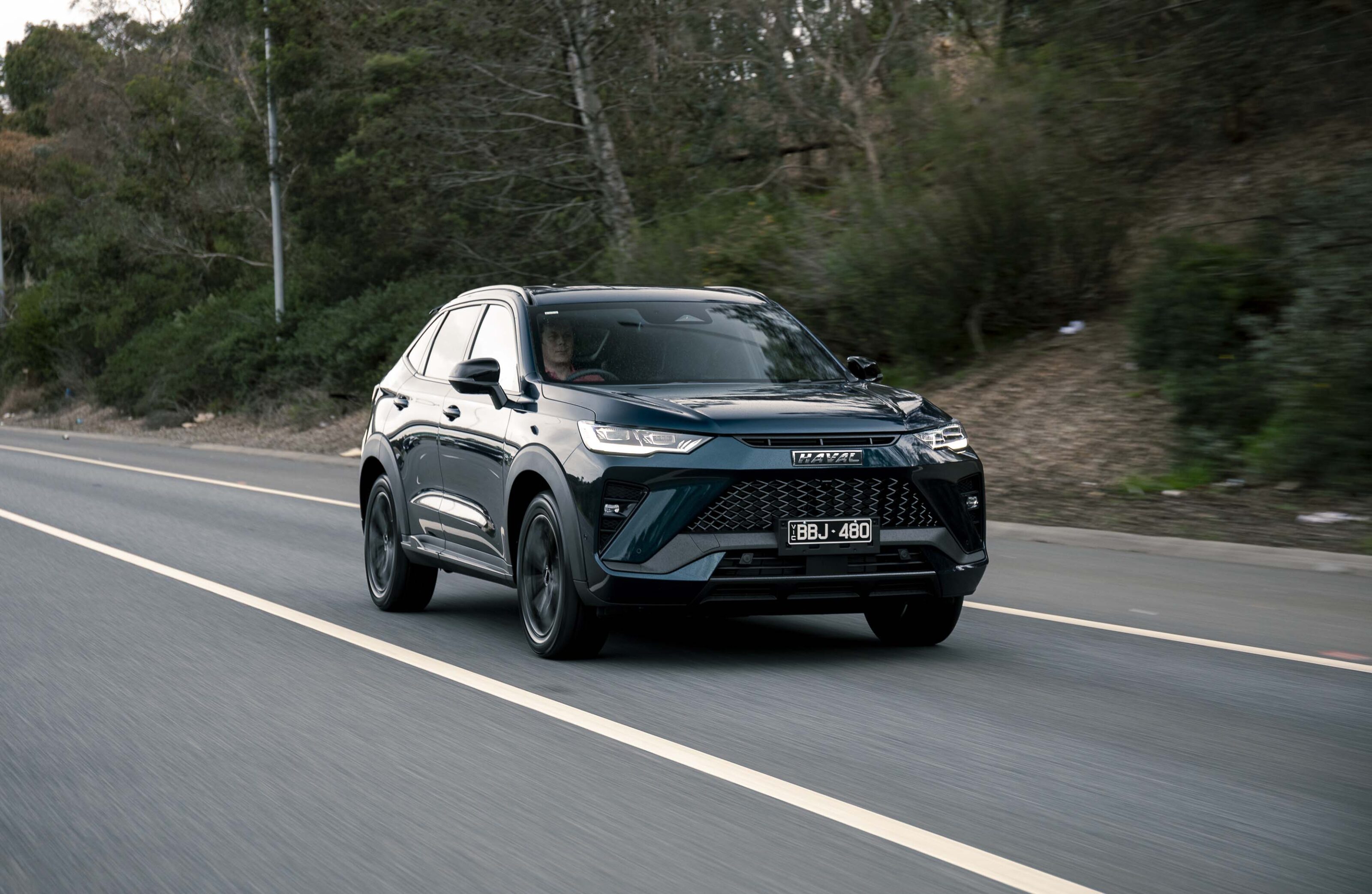
August 11: Yes, the ‘thrift-shop Urus‘ jokes started coming thick and fast as soon as the 2023 Haval H6 GT Ultra rolled into the car park, but almost as soon as they started, the office japers went a bit quiet.
The opportunity for some light-hearted ribbing soon turned to eyebrows raised in admiration for the Chinese coupe-SUV. As soon as they figured out that here was a well-equipped all-wheel drive SUV with 150kW and a seven-speed dual-clutch that came with a seven-year warranty and left plenty of change from fifty grand, everybody wanted a drive.
So, can a vehicle that seems almost unbeatable on paper cut it against some very capable rivals? One thing’s for sure. It’ll need to be very impressive indeed to earn a solid thumbs up.
JUMP AHEAD
In a rush? You can use the below links to jump ahead, but of course, we recommend reading the full story to best help you make the right decision.
- How much is it, and what do you get?
- How do rivals compare on value?
- Interior comfort, space and storage
- What is it like to drive?
- How is it on fuel?
- How safe is it?
- Warranty and running costs
- VERDICT
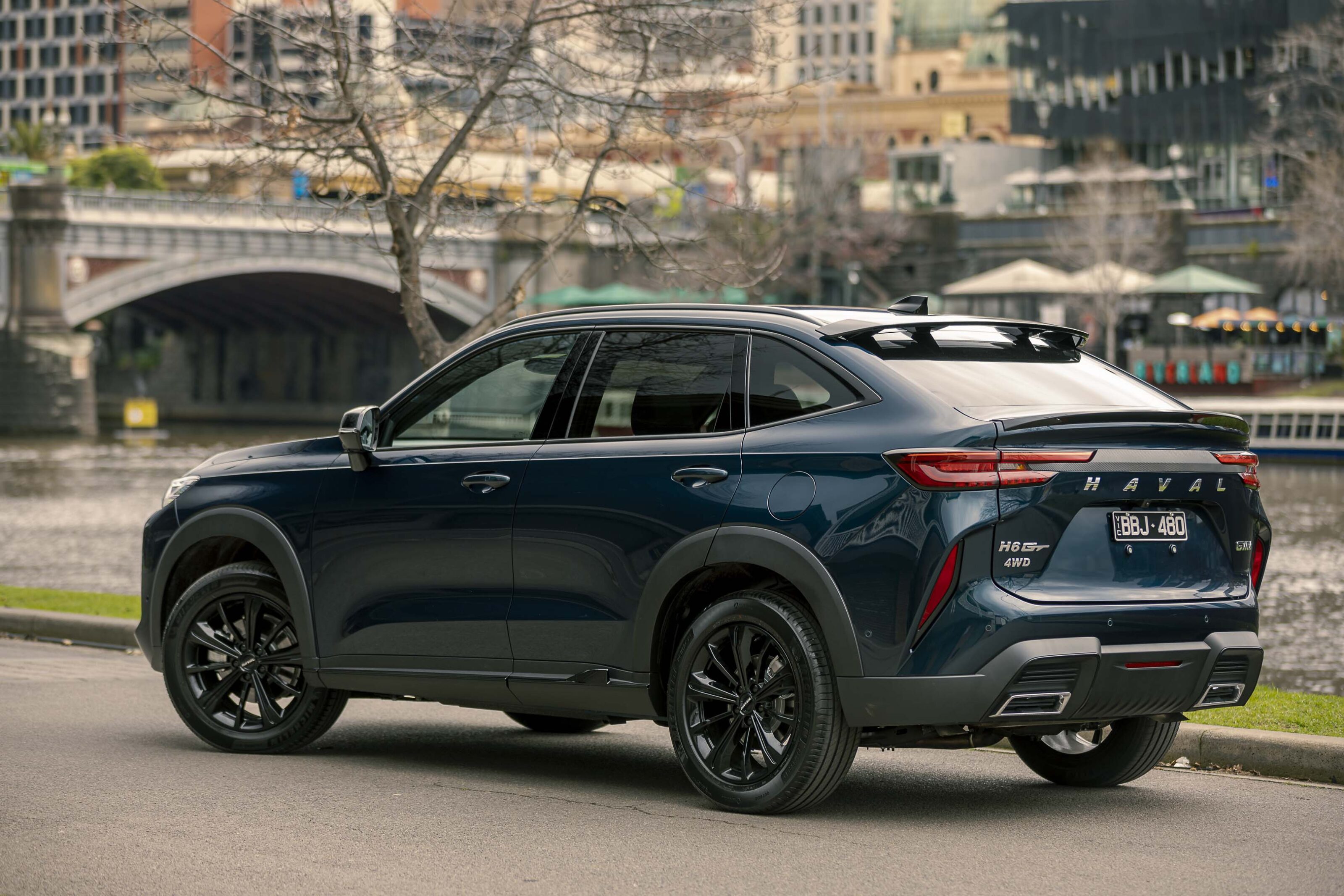
How much is it and what do you get?
In short, $46,490 on the road, and pretty much everything.
The initial figure might be something of a shock if you mentally pigeonhole Havals in the mid-thirties, but bear with us here.
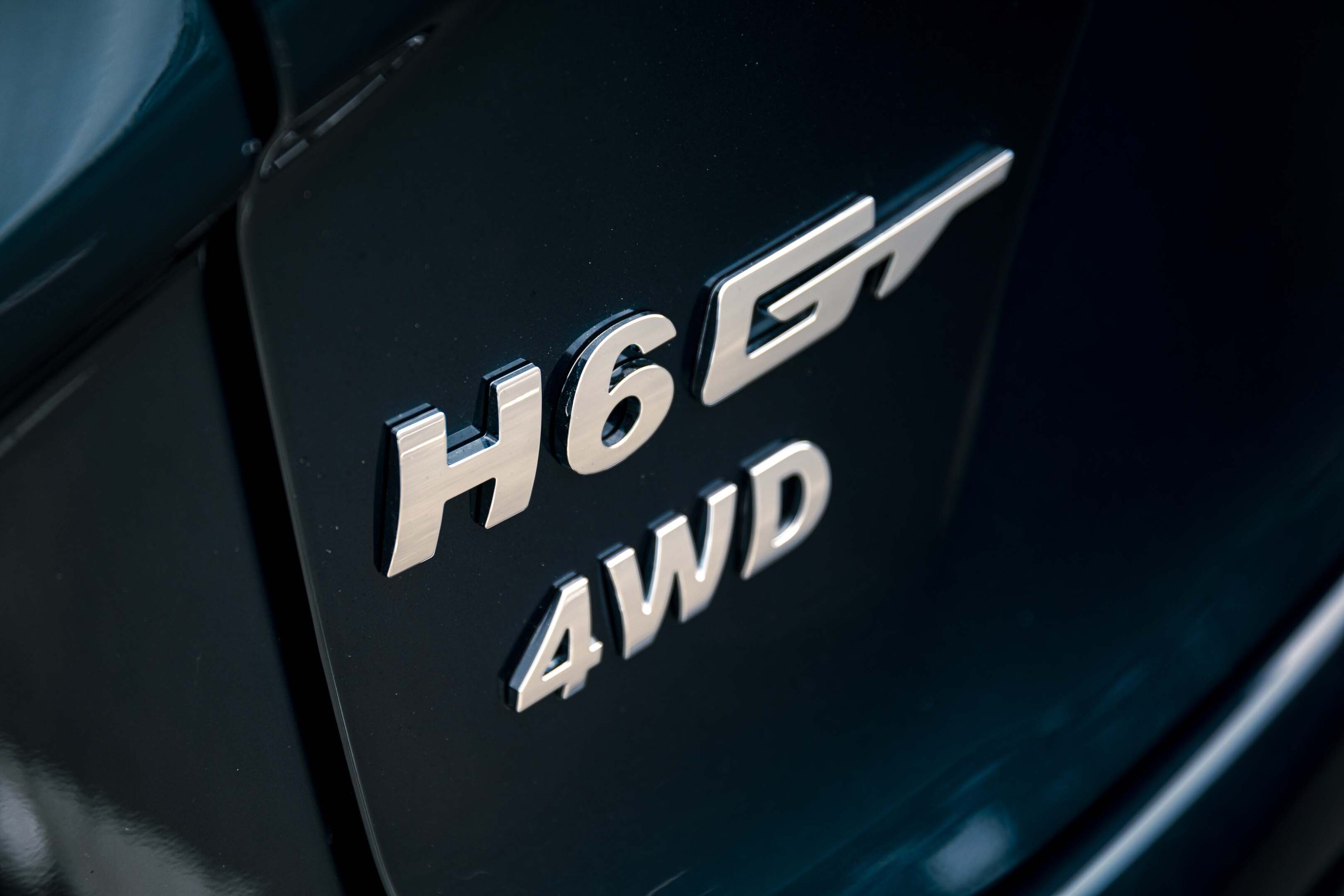
Not only do you get a punchy 150kW and 320Nm 2.0-litre turbo-petrol engine, but it drives all four wheels via a seven-speed dual-clutch transmission.
At 4727mm long and riding on a 2738mm wheelbase, the H6 GT is a good 177mm longer than a Mazda CX-5, with 38mm more between the wheels and 127mm longer than a Toyota RAV4, with a 48mm longer wheelbase.
It’s even longer than a seven-seat Skoda Kodiaq and is therefore right up near the top end of the medium SUV category.
This Ultra specification is the range-topping H6 GT, sitting above a $40,990 (drive-away) front-wheel drive Lux trim. With the glaring exception of wireless Apple CarPlay/Android Auto, it’s hard to fault the equipment list.
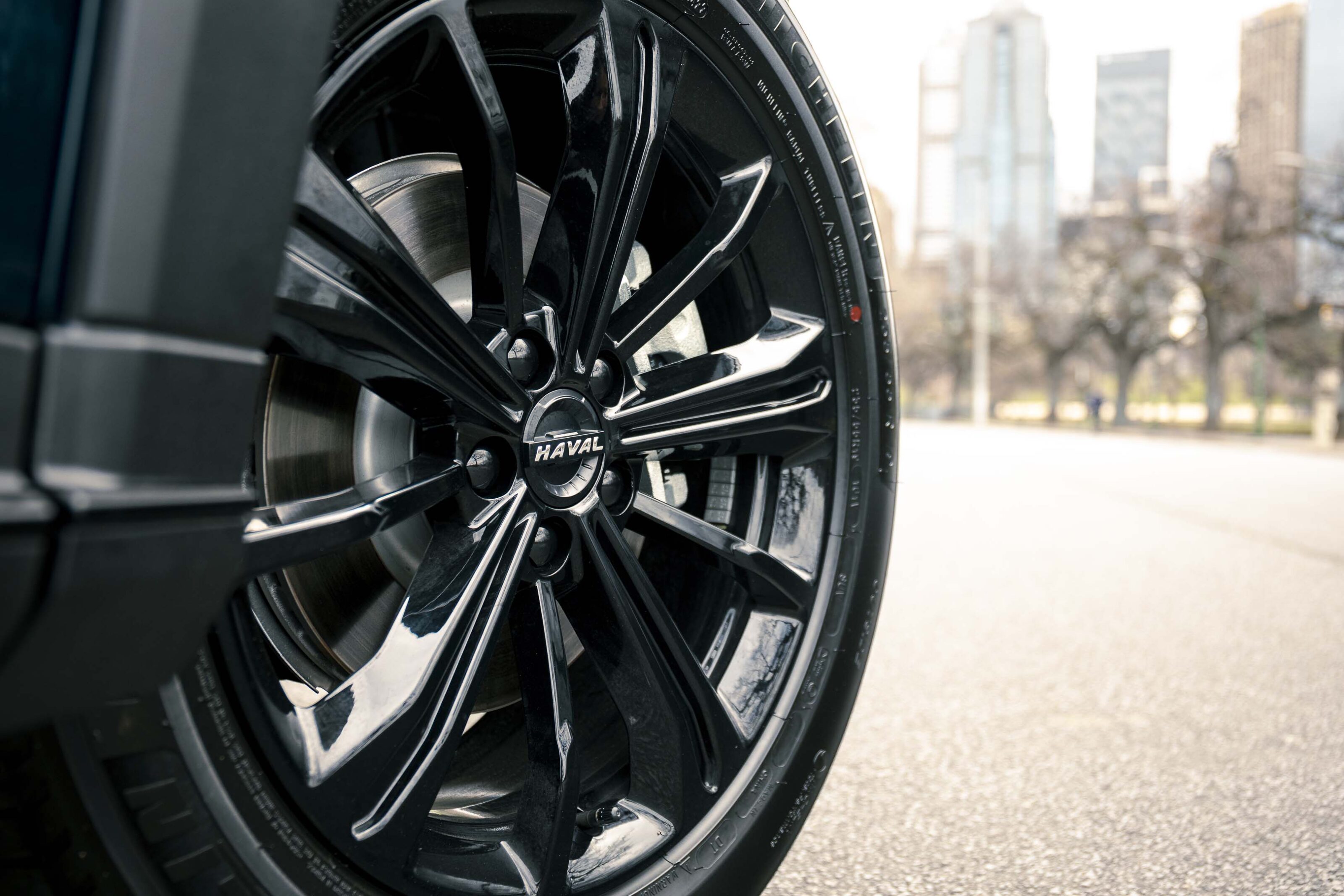
In Ultra guise, it gets heated and ventilated leather and suede front seats, a wireless charging pad, Michelin tyres, heated leather steering wheel, head-up display, electric panoramic sunroof, an electrically-opening kick tailgate and automated parking.
That’s on top of kit common to the Lux including a 12.3-inch central screen, wired Apple CarPlay/Android Auto, 19-inch alloys, a surround-view parking camera, an eight-speaker stereo and a host of safety features that we’ll cover later.
How do rivals compare on value?
What even are its main rivals?
- Ford Escape is probably closest for packaging and driver appeal
- Mazda CX-5 Touring is priced closely, but it’s down on gear, power, torque and warranty
- Want the real deal? You’ll need at least $85K for a BMW X4
Given that a 1.5-litre 131kW Honda Civic until recently retailed at $47,200, it’s not hard to see value in the $46,490 drive-away that Haval asks of the H6 GT Ultra. Its closest rival is probably Ford’s Escape in ritzy Vignale AWD guise, which packs more grunt but which is a hefty $49,590 plus on-roads, comes with a mere five-year warranty and lacks many of the Ultra’s features.
Honda’s latest CR-V VTi-L AWD is an interesting and well-finished alternative, but would be left for dead by the Haval’s gutsy engine and crisp dual-clutch transmission. And therein lies the issue when compiling rivals. The H6 GT is at its best when it’s being properly driven.
Should you want a practical, ambling family hauler, look to a Toyota RAV4 hybrid or a base Kia Sorento. Prefer something that lives up to the promise of the Haval’s sporty styling? There aren’t too many medium-range SUVs in the sub-$50K bracket that get anywhere close to the H6 GT in that regard.
What’s the H6 GT like inside?
Comfort and quality
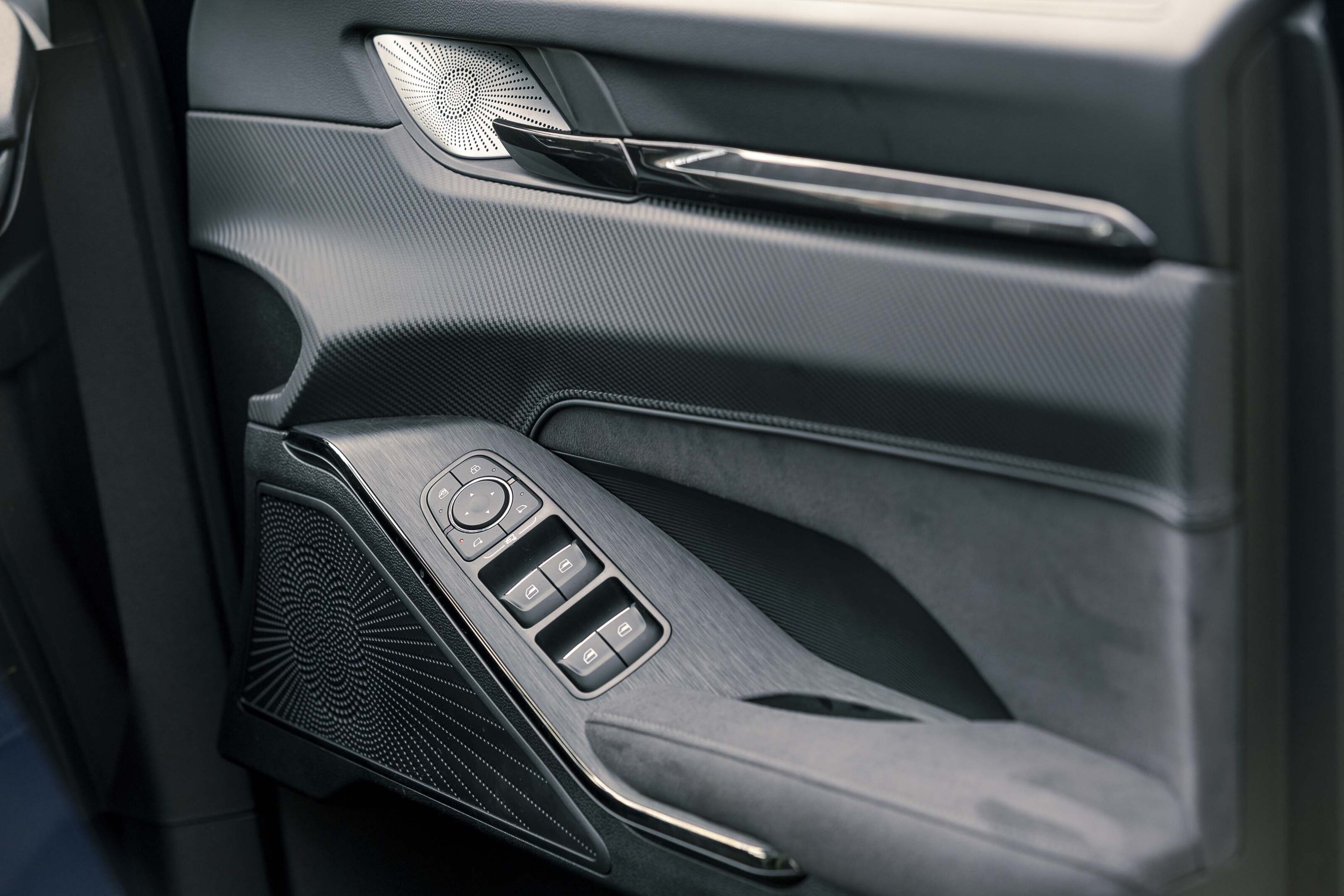
Colour me surprised. I hadn’t driven an H6 before and wasn’t expecting much, but the interior finish on this Ultra is as good or better than many mainstream rivals. The materials feel better finished than a Ford or a Toyota, on-par with Hyundai and Kia but still a little way off Mazda and Volkswagen in terms of perceived quality. That’s quite a mark for Haval to have hit.
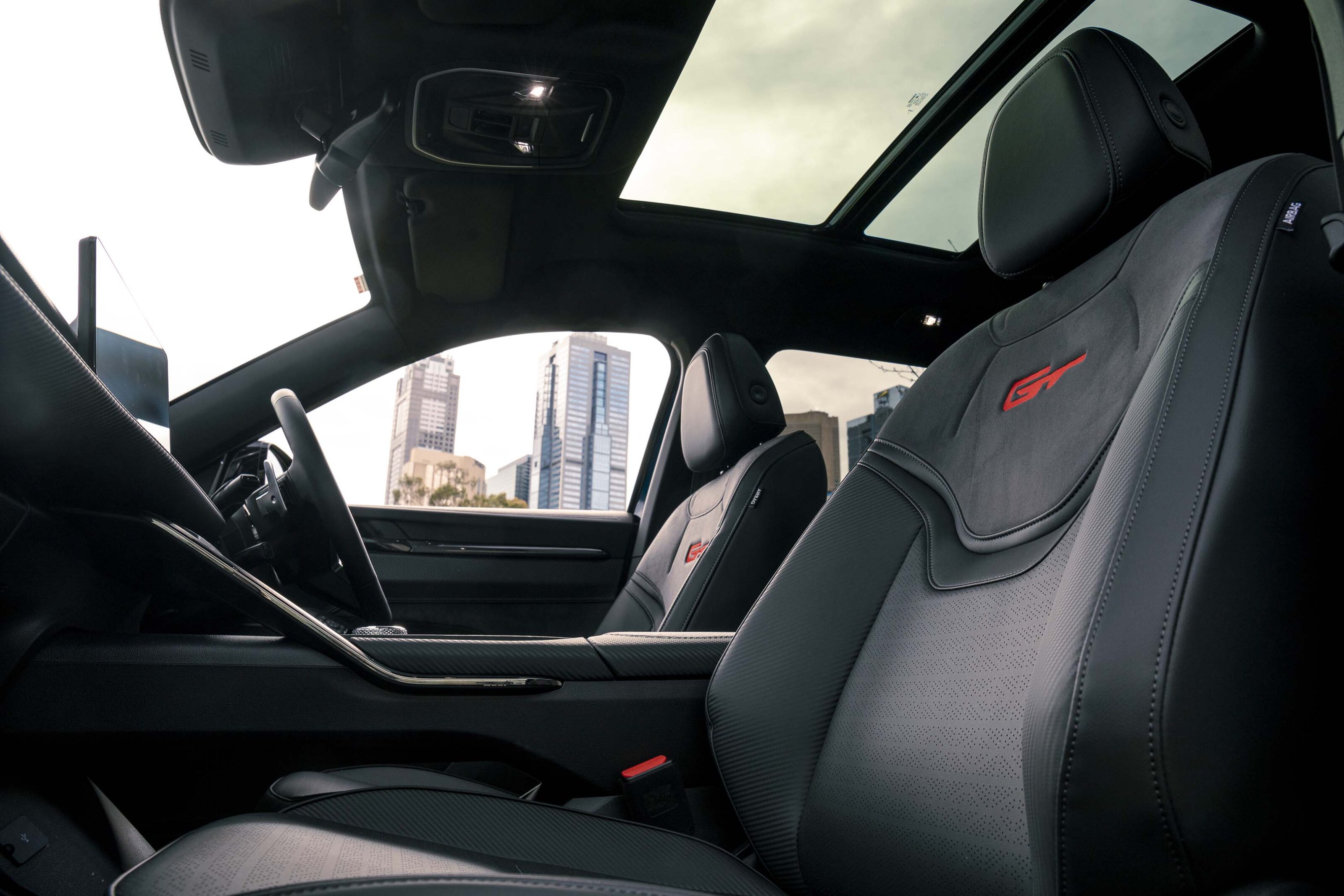
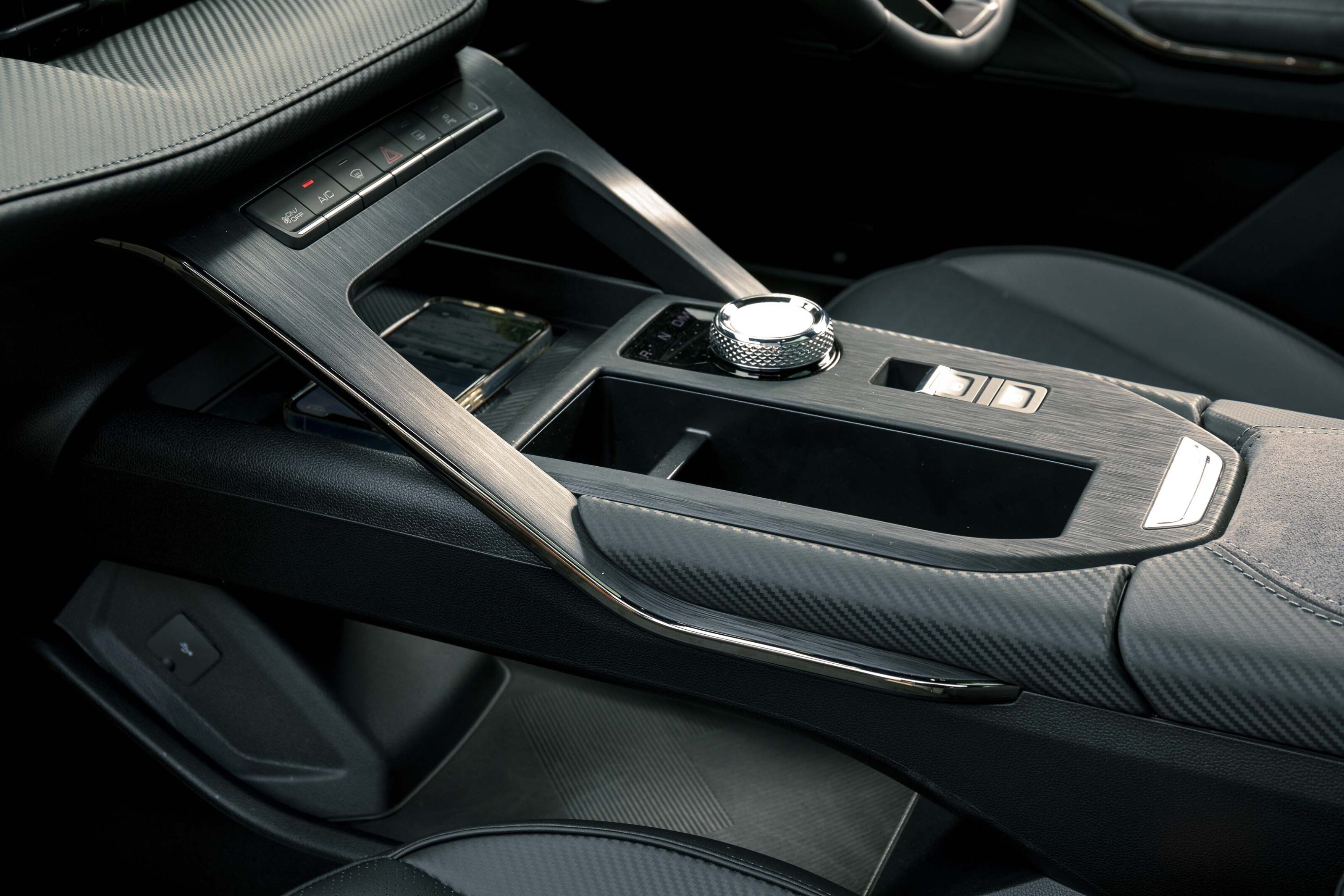
Of course, much will depend on how offended you are by the soft-touch carbon-fibre-look material that lines its dash. Personally, I’m not particularly affronted by it, and the suede detailing on the door cards and centre console mirrors the leather, suede and, again, the faux-carbon applique on the sports seats.
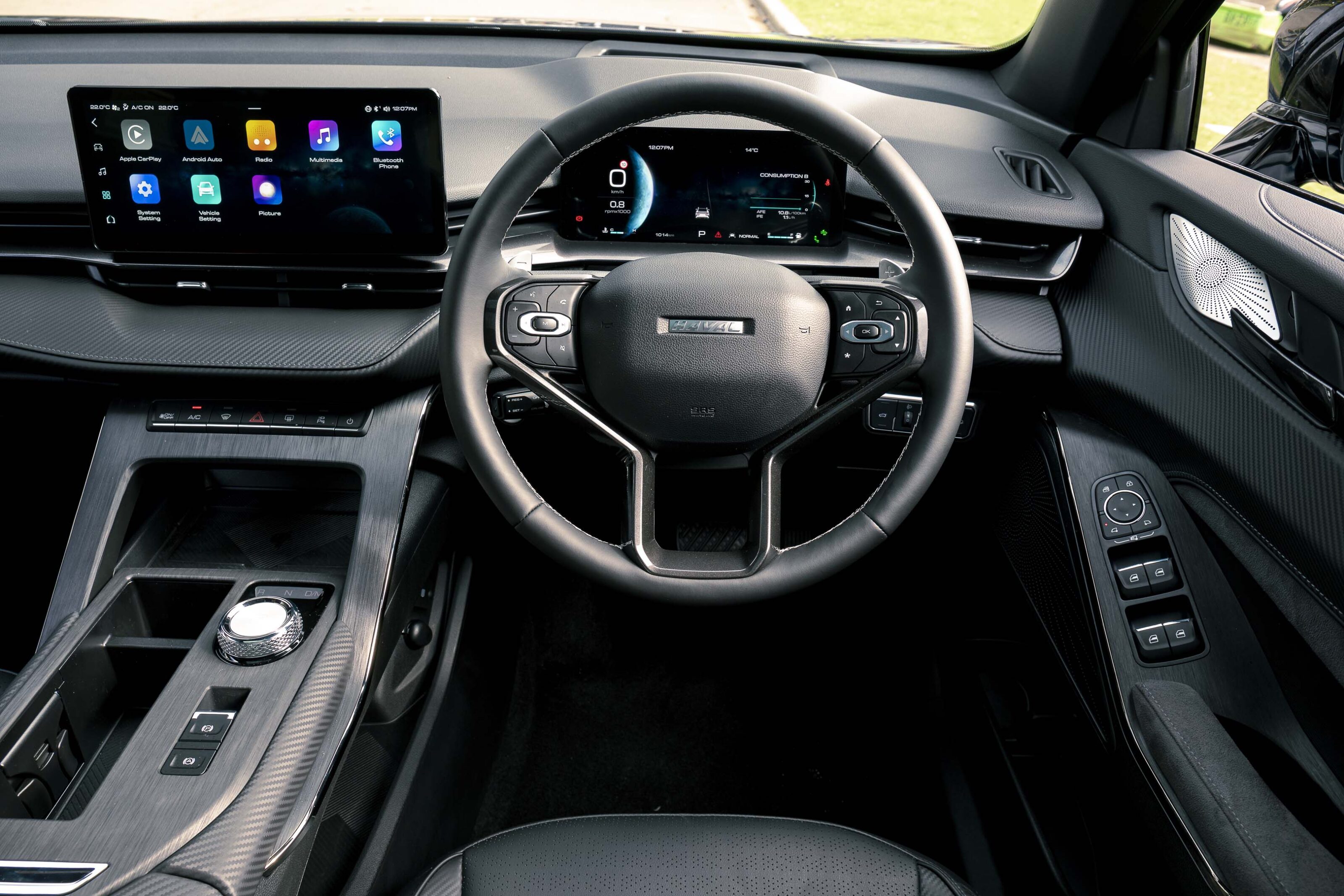
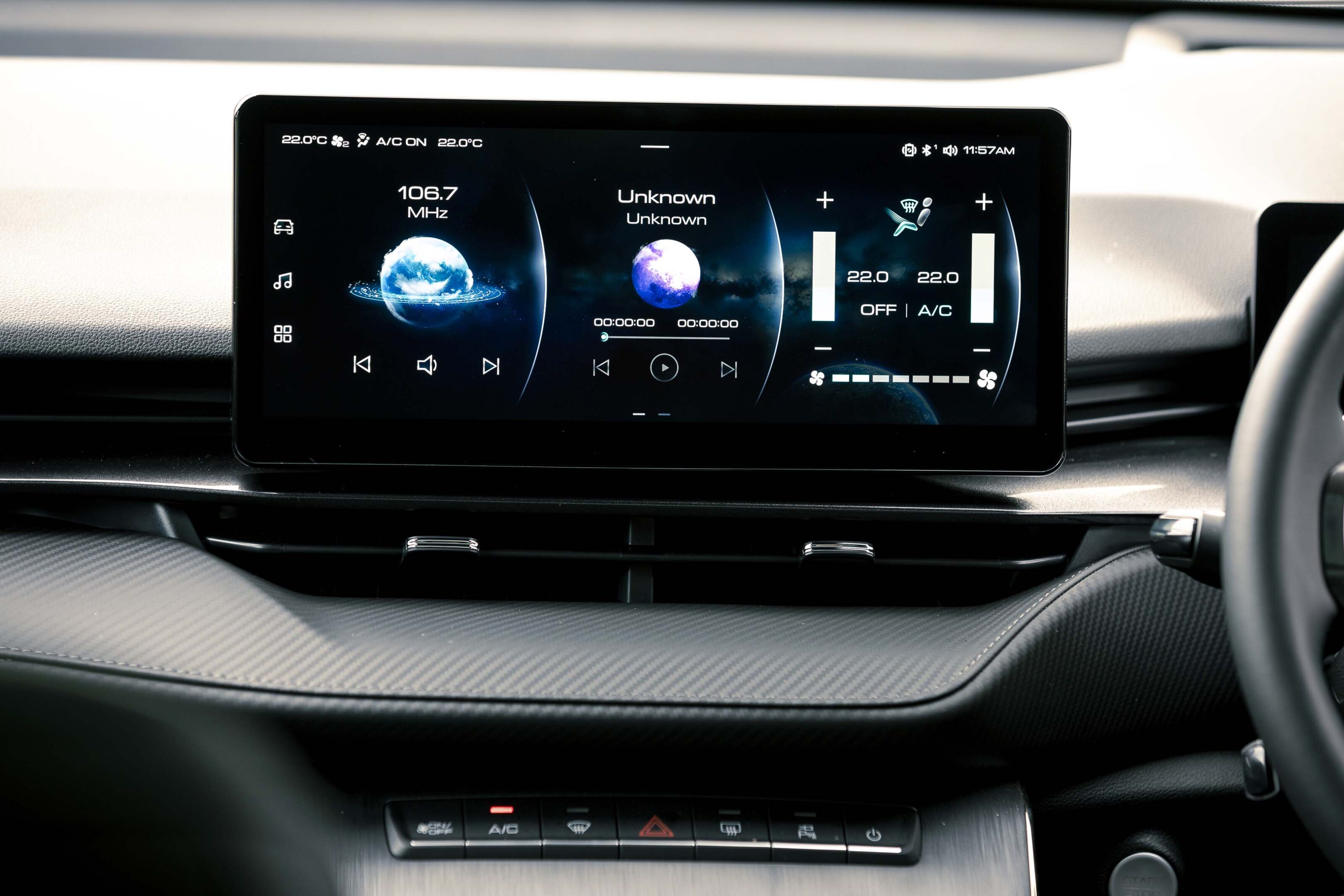
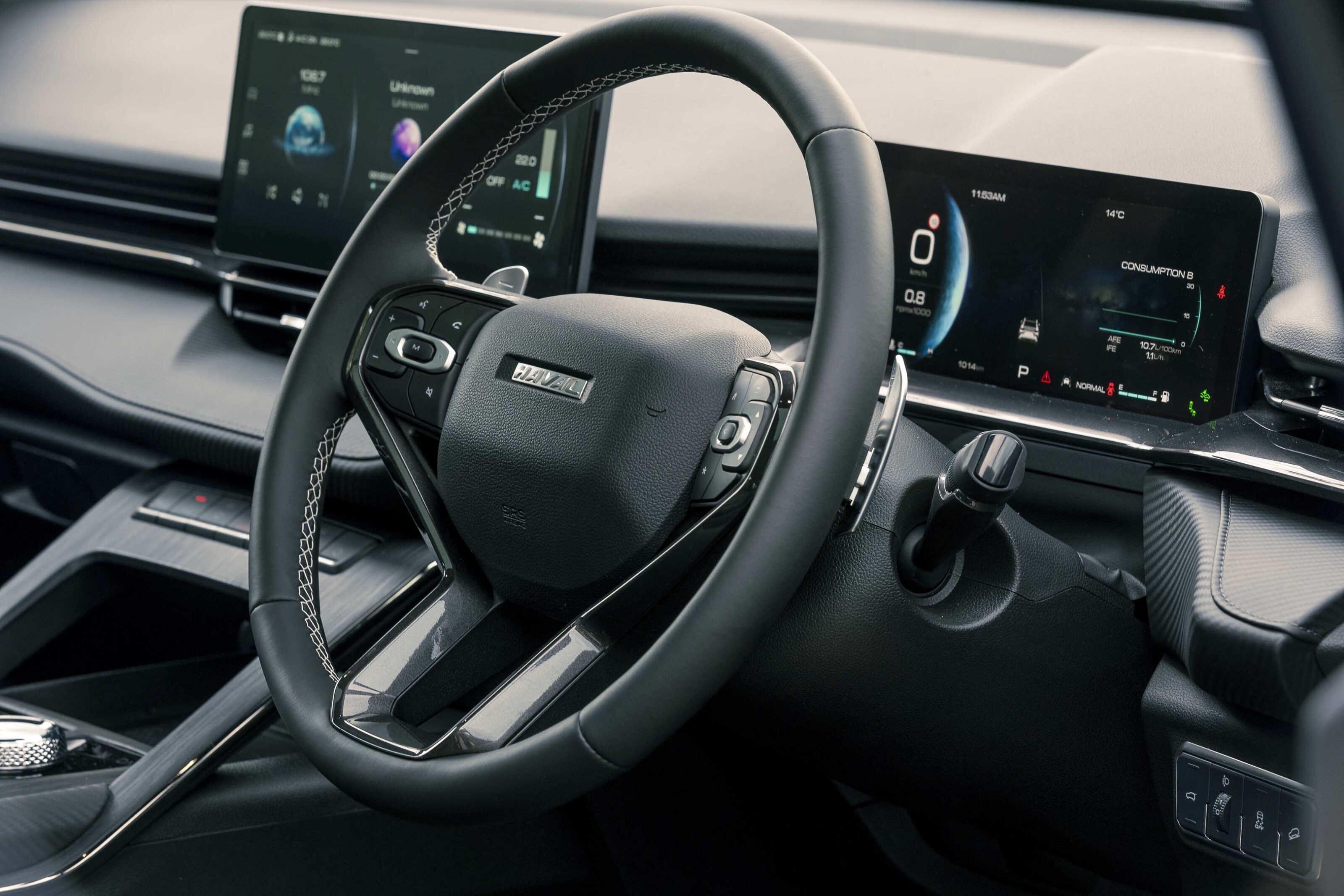
The dash architecture is interesting with a large 12.3-inch central tablet-style display and another smaller 10-5-inch screen ahead of the driver.
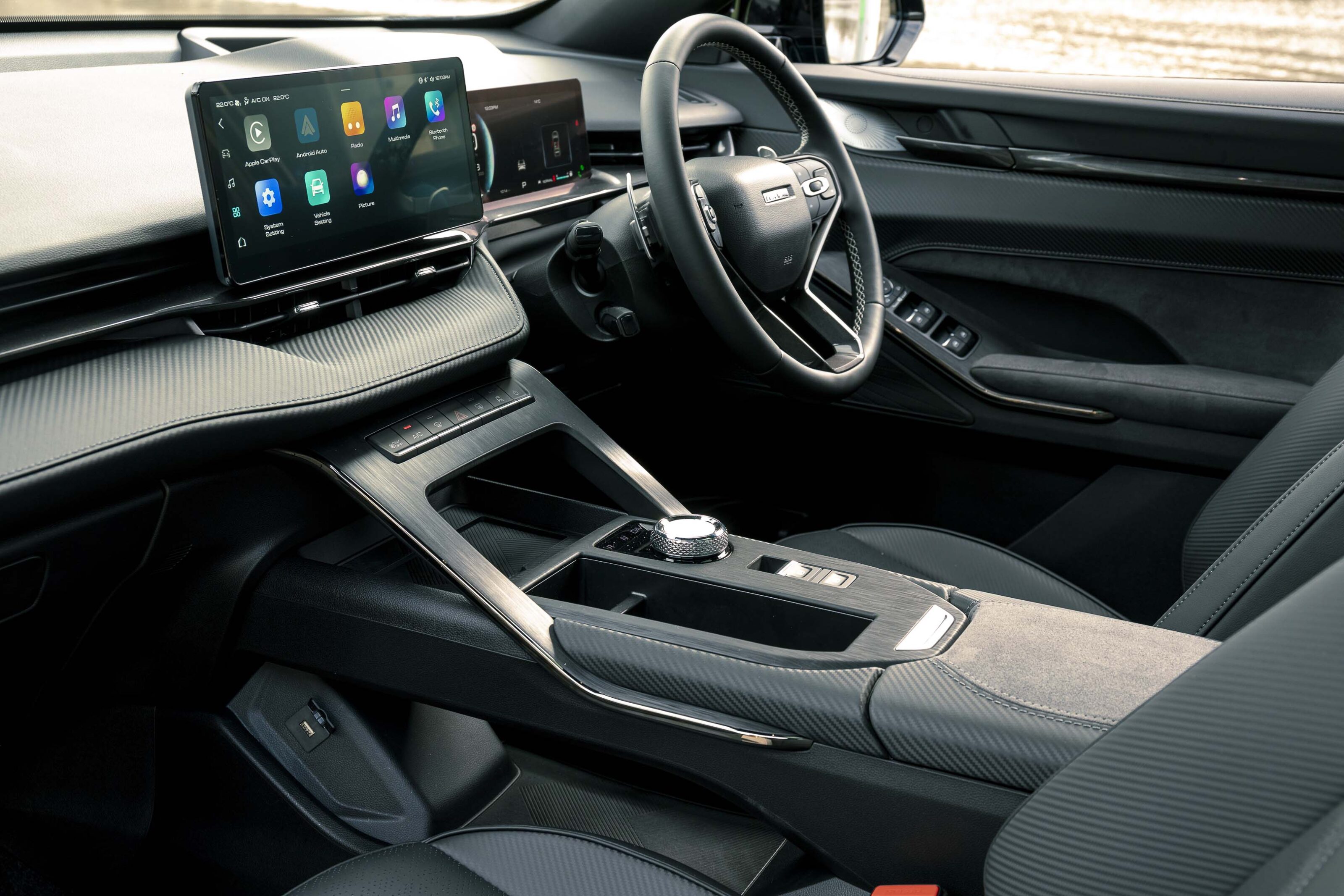
A pair of flying buttresses frames the wireless phone charger on the centre stack, with a rotary gear controller, a pair of cup holders and an electric handbrake adjacent.
The steering wheel isn’t overburdened by controls and is a decent size with a rim that doesn’t feel as if you’re trying to subdue an ornery carpet python. Adaptive cruise control functions are on a stalk buried down below the indicators.
Oddments space is very good, with big front door bins capable of holding a 1.5-litre bottle, twin central cup holders, a phone holder, sunglasses holder overhead and a deep centre bin.
The sports seats aren’t as supportive as perhaps they should be, offering a fairly flat base and a narrow upper section, with a tiny head restraint. There are some other ergonomic shortcomings too, such as the USB data socket being virtually on the floor in the passenger side of the centre stack.
Corner the H6 GT with any gusto and a wired phone will launch out of either the lower tray or the charging pad and end up in the footwell.
The infotainment system features a comprehensive suite of menus and functions, but screen response is poor and you’ll often need to jab at a menu function two or three times before it registers.
When you’re running Android Auto or Apple CarPlay, it occupies the entire screen and performing a task as simple as changing the interior temperature then requires an arcane process of pressing a physical air conditioning control button to first disable the phone screen mirroring, then to change the temperature (which requires jabbing at a small icon to adjust it in half-degree increments) before finally having to switch to the apps screen so you can relaunch the phone screen mirroring.
Accessing the air-conditioning screen first via a physical button seemed to be the only way to switch out of Android Auto and reach the menus for other vehicle functions. If there’s another, quicker way, do let us know in the comments.
Visibility out of the slot-like rear window is compromised, and not helped by the fact that there’s no rear wiper. Likewise, the rear three-quarter visibility isn’t helped by the chunky pillars.
Fortunately, the H6 GT has an excellent surround-view monitor but in this case, it feels as though electronics are making up for a design that has, in terms of visibility, prioritised styling over practicality.
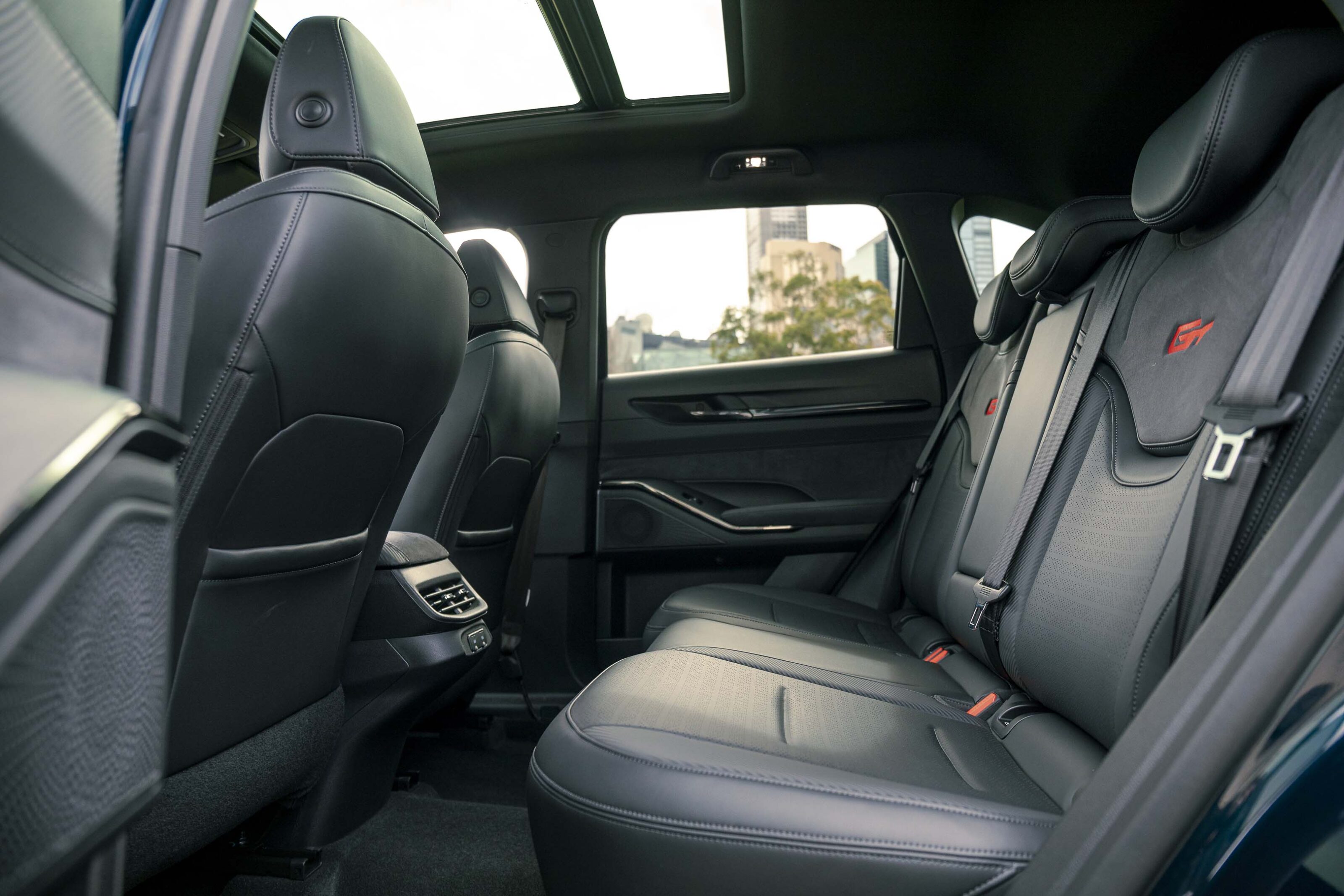
Move to the rear and it’s pretty palatial. The sporty silhouette leads you to think that the rear seats might well be a bit cramped, but I could easily sit behind my driving position with knee room to spare, helped by the fact that it’s easy to get your feet under the front seats. Headroom is acceptable too, with my 193cm frame easily able to sit comfortably.
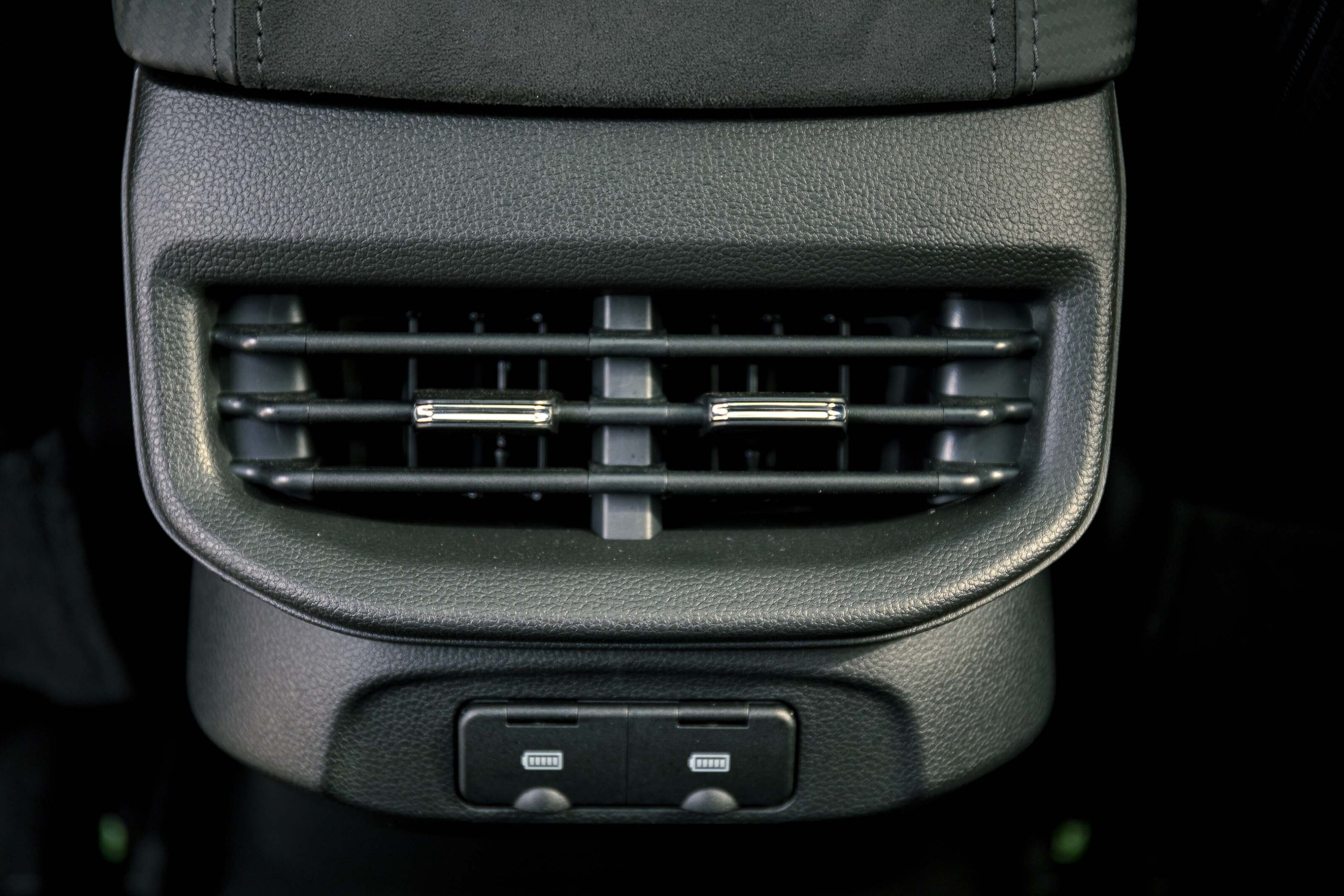
Rear passengers get a pair of air vents (but no separate controls), a pair of USB ports, map pockets and electric rear windows. There’s plenty of space for rear-facing child seats and, for toddlers, the rear window line isn’t so high that they won’t be able to see out.
Boot space
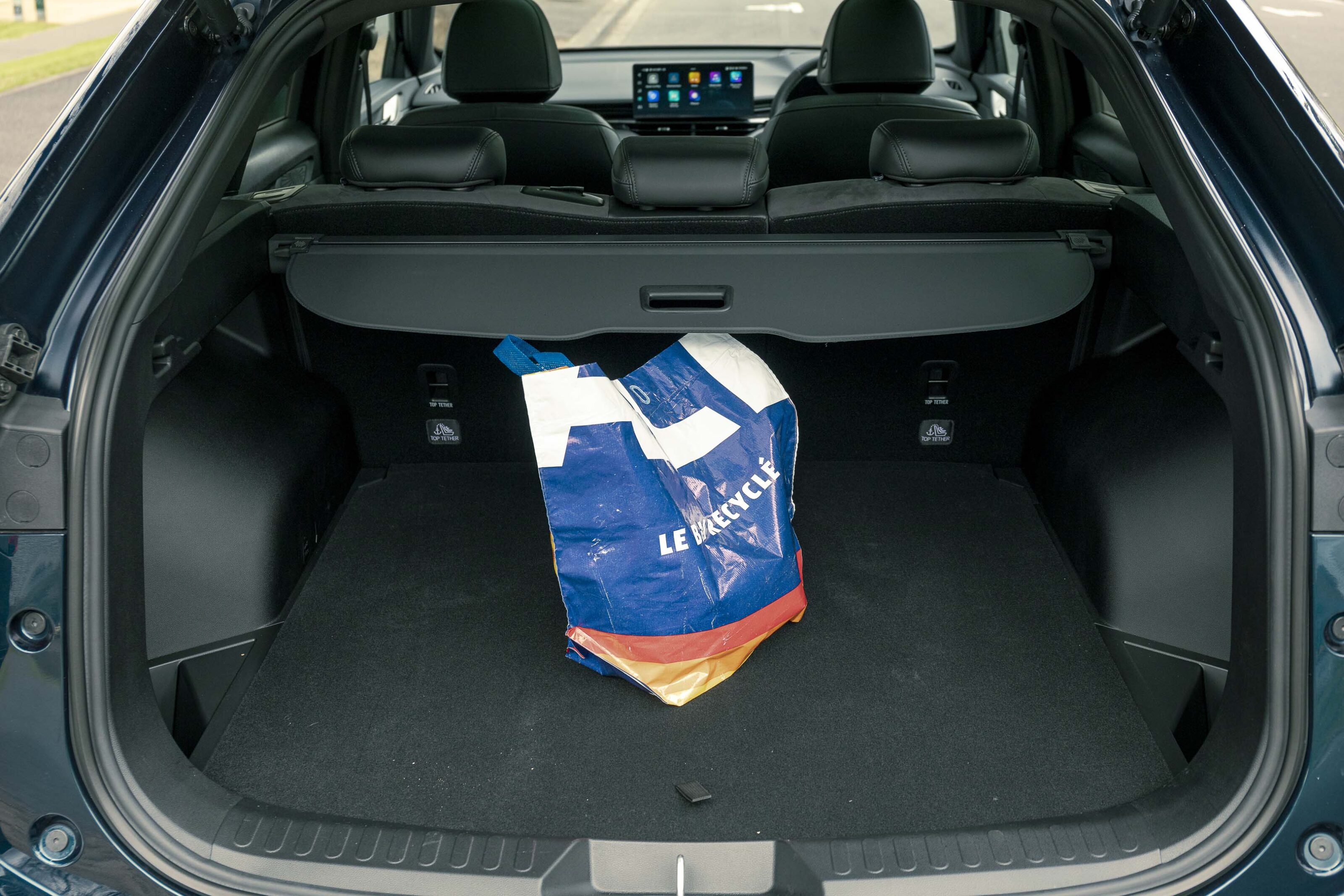
The boot’s pretty compact at 392 litres compared to the 600 litres of the regular H6 SUV. A Ford Escape offers a little more at 412 litres, but a RAV4 measures 580 litres and a Skoda Kodiaq nets you 630 litres.
Flip the rear seats down and you have up to 1392 litres. Go for the Ultra and there’s a 12V power supply in the luggage bay too.
| Mini match-up: boot space | |
|---|---|
| Haval H6 GT Ultra | 392L |
| Ford Escape Vignale AWD | 412L |
| Mazda CX-5 Touring | 438L |
| Renault Koleos Intens 4WD | 458L |
What is it like to drive?
If there’s a sub-$50K medium SUV that’s better fun than the Haval H6 GT Ultra to fling up a challenging road, I haven’t driven it. In order to tap into the main vein of talent, there are a few pre-requisites to tick off. Firstly, you’ll need to disable the maddening emergency lane-keep function.
That is unless you want your drive to be perpetually interrupted with chimes, wheel-grabbing and ‘ELK Activated’ flashing up on the dash as if you’ve stimulated a moose. It activates if you come within a sniff of a line and even intervenes – bizarrely – on dirt roads.
Quashing this distraction requires locating a submenu set four-deep in the structure and it needs disabling on every trip, bringing its purported safety benefit into question. It’s also worth disabling the idle-stop function, which has all the reactions of a darted sloth. Fortunately, the Haval remembers this preference.
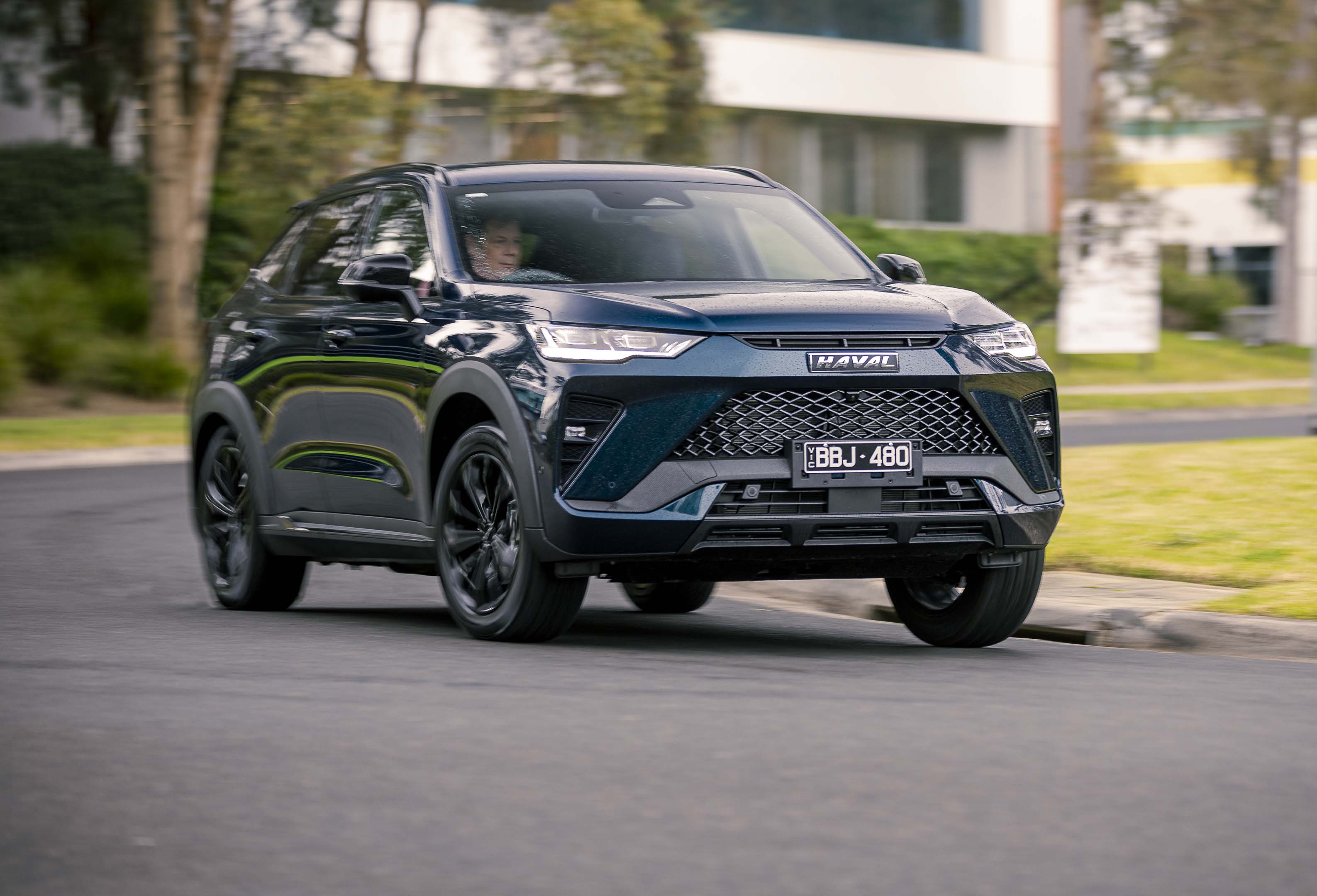
You’ll also need to switch out of the Normal drive mode. This is fine for ambling along but on a decent road it’ll often exit a corner in sixth or seventh gear, so when you throttle on to tap into some power it’ll kick down to third and lurch horribly.
Switch into Sport instead and the H6 GT will flash its hazard lights in acknowledgement, which scotches your chances of a sneaky traffic light getaway. Why? In Normal mode, you’ll also need to give the throttle quite a poke to get the car moving away from the line, which can prove tedious.
Wholly unexpectedly, there’s also a Race mode (alongside Off Road, Snow, Sand and Eco modes) which sharpens things up significantly, the idle rising from 900 to 1200rpm, the active exhaust getting a bit throatier and – most importantly – the gearshift logic becoming a good deal more aggressive.
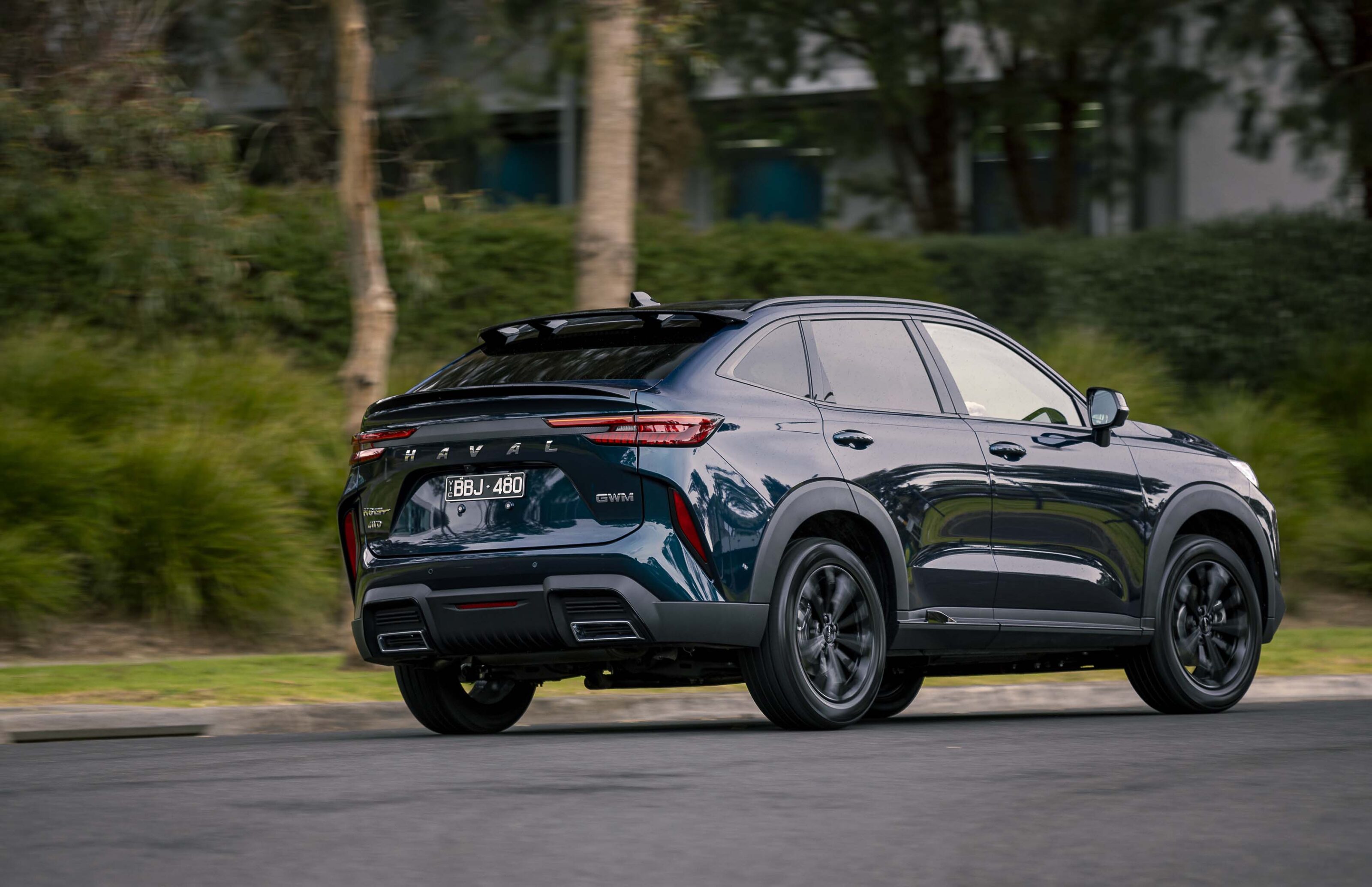
Proceed through all of these steps and the underlying excellence of the chassis dynamics makes itself apparent.
All of these fundamentals are very good indeed, despite the H6 GT being built on a platform called the Lemon. Ride quality is firmish but never brittle or terse.
The steering is communicative and the brakes reassuring, despite an initially over-servoed feel to the pedal. The BorgWarner Haldex all-wheel-drive system means that you’ll be able to apply power cleanly on corner exit without scrabbling or eliciting unseemly traction control interventions.
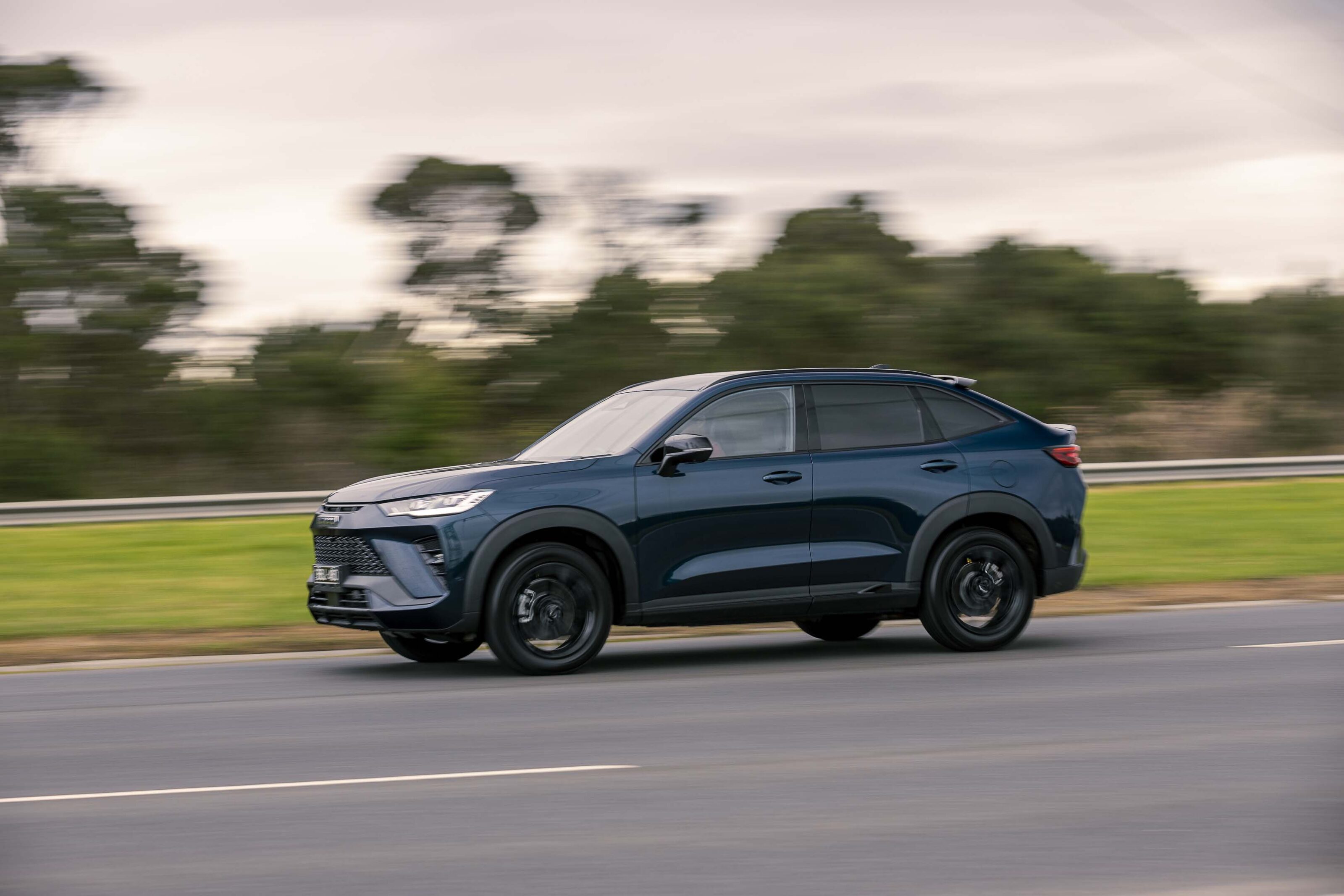
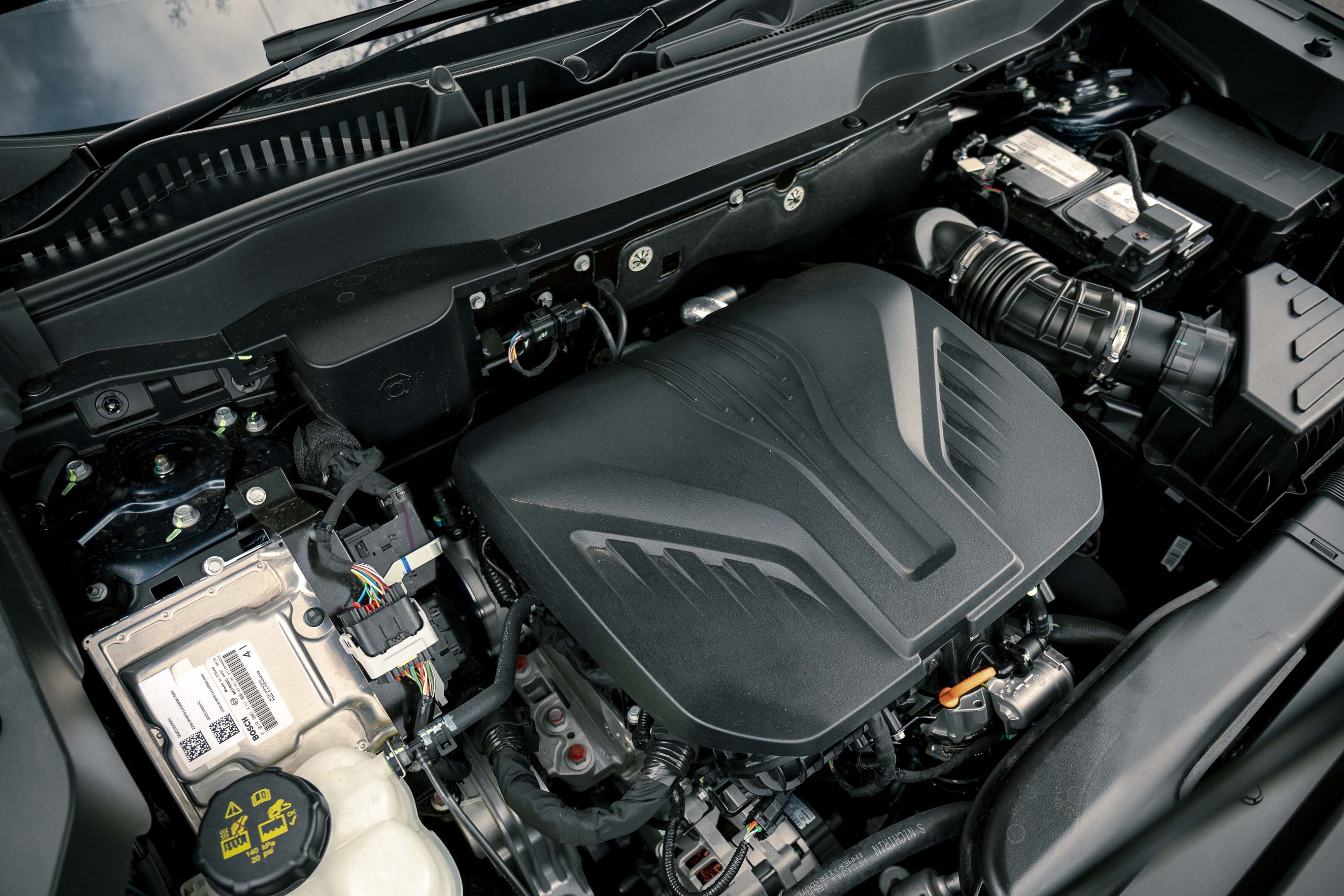
With the transmission in Sport, Race or, better still, manual, it’s really fun to lean on the excellent body control, point the H6 GT at your favourite piece of road and have a good blat. It even sounds exciting, the Miller cycle engine delivering a hollow, breathy timbre from 3800rpm that sounds like a six-pot.
The dual-clutch gearbox slurs gears almost like a torque-converter auto, but it would be nice to have some throttle-blipping drama on downshifts in Race mode. Quite how important these sharply-honed dynamics are to the target market is another consideration entirely.
Wick things back and it’s still a good thing to drive. It has a few quirks such as the hazard lights flashing when you hit a bump or a warning chime sounding when you pull out sharply behind an overtaking vehicle, but that all-of-a-piece feel which distinguishes it when driven hard translates to a feeling of confidence in the chassis when driving at more modest speeds.
How is it on fuel?
Haval claims a combined figure of 8.4L/100km for the H6 GT Ultra, but I’m afraid that I enjoyed the vehicle a little more exuberantly and saw a figure closer to 12L/100km.
The fuel economy is helped by the fact that the Ultra weighs a mere 1675kg, which isn’t bad at all for a vehicle of this size. In fact, there are Porsche 911s that weigh more than this.
It’s also around 100kg less than a base Skoda Kodiaq, which is shorter, lower and narrower.
How safe is it?
The Haval H6 GT Ultra has received a five-star ANCAP rating.
In achieving that award, the H6 GT scored 90 per cent in adult occupant protection, 88 per cent in child occupant protection, 73 per cent in vulnerable road user protection (pedestrians/cyclists), and 81 per cent in safety assist (advanced technology).
Though it is hard to fault the amount of safety equipment provided as standard, some of the safety features are a little intrusive. If the emergency lane-keeping function proves too diverting, try to remember to disable it before you start driving rather than while on the move.
The H6 GT’s adaptive cruise control works very well with the lane-keep while freeway driving, helping the vehicle stay centred in its lane.
One shortcoming is that the cruise control can only be adjusted in increments of 5km/h. Given that a true 100km/h is 103km/h on the Haval’s speedometer, that’s perhaps not ideal.
The instrument panel displays a schematic of the vehicles that the H6 GT’s array of 14 radars and five cameras can detect and it even offers an option of veering slightly to the right in its lane if you’re passing a heavy goods vehicle.
How long is the warranty and what are the running costs like?
Haval’s warranty is one of the best in the business at seven years with unlimited kilometres. Servicing is also very affordable, with $800 netting you a three-year plan or five years costing $1490. The first service arrives at 12 months or 10,000km, then subsequent intervals are every 12 months or 15,000km.
Would you recommend it?
I’d describe the Haval H6 GT as a bit of a mixed bag of qualities. Approaching the vehicle, I had assumed that the electronic interface would be very clever while the nuts and bolts of chassis engineering would leave a fair bit to be desired. The opposite is the case.
The bones of the vehicle are excellent. The whole go, stop and steer thing is very well resolved, while the packaging, equipment provision and pricing are pretty much spot-on for a vehicle of this ilk.
Look closer at the details of how you interact with the H6 GT on a daily basis and it’s apparent that the final finishing of infotainment and driver assist systems leaves much to be desired. It’s frustrating that Haval has, in many regards, delivered 90 per cent of a very good vehicle that’s just been let down by a cornucopia of petty frustrations.
All of these can fairly easily be fixed, so a facelifted version of the H6 GT has the potential to be very good indeed. In the meantime, it’s very nearly there. If you demand very little of it, the H6 GT has the capacity to impress. Likewise, if you want an SUV that can really be belted along a challenging road, it delivers in spades.
It’s that middle ground where the Haval struggles a little, and it’s here where rivals are often so finely polished. I’d recommend trying before you buy because, for some, the H6 GT will be a very pleasant surprise.
For others, it’ll be an illuminating exercise in how far this brand has come and how little it needs to do in order to compete with the best in class. The gap might be small, but it’s a gap nevertheless.
Still, with a drive-away asking price of $46,490, the Haval H6 GT buys itself a great deal of credit.
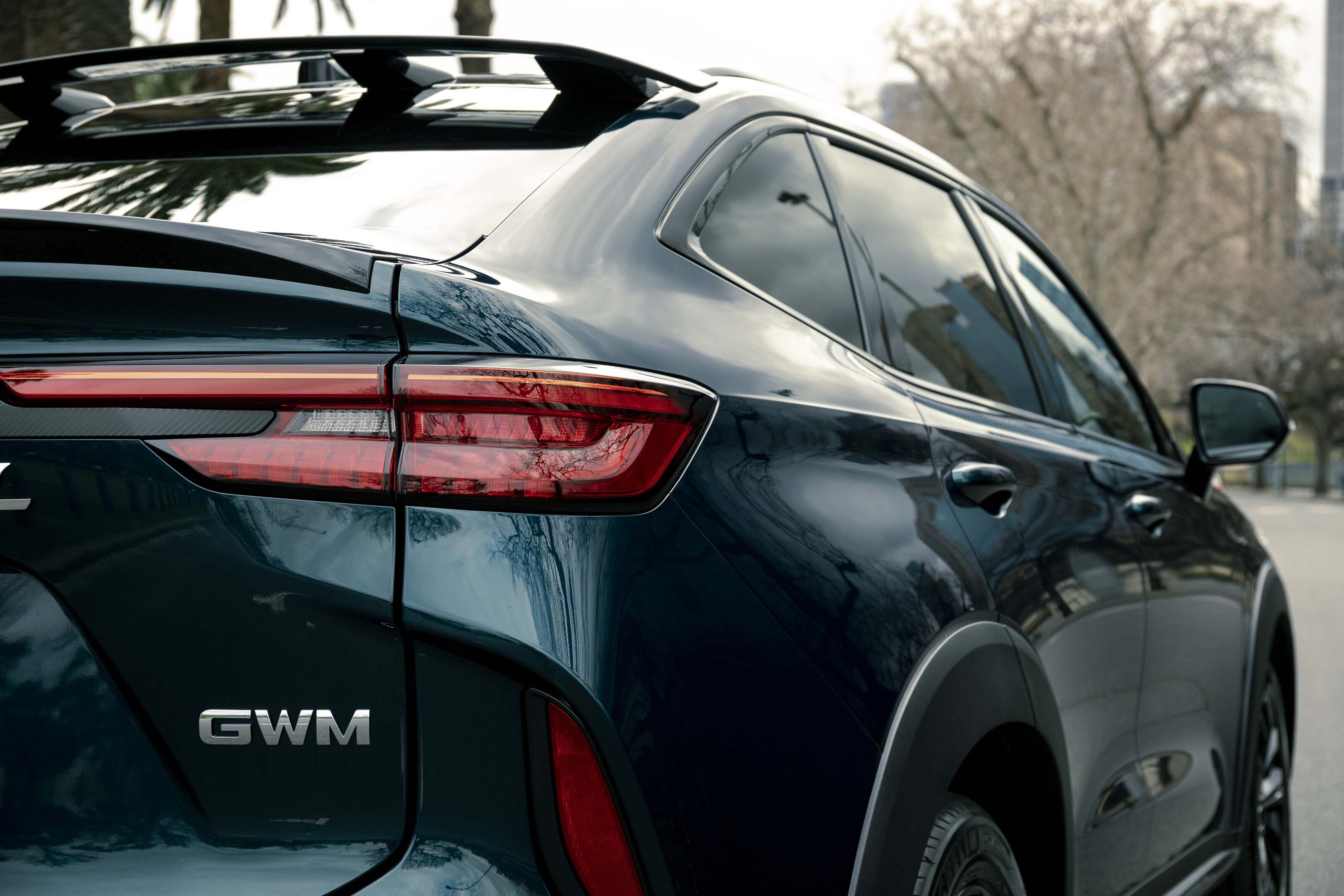
2023 Haval H6 GT: Frequently Asked Questions
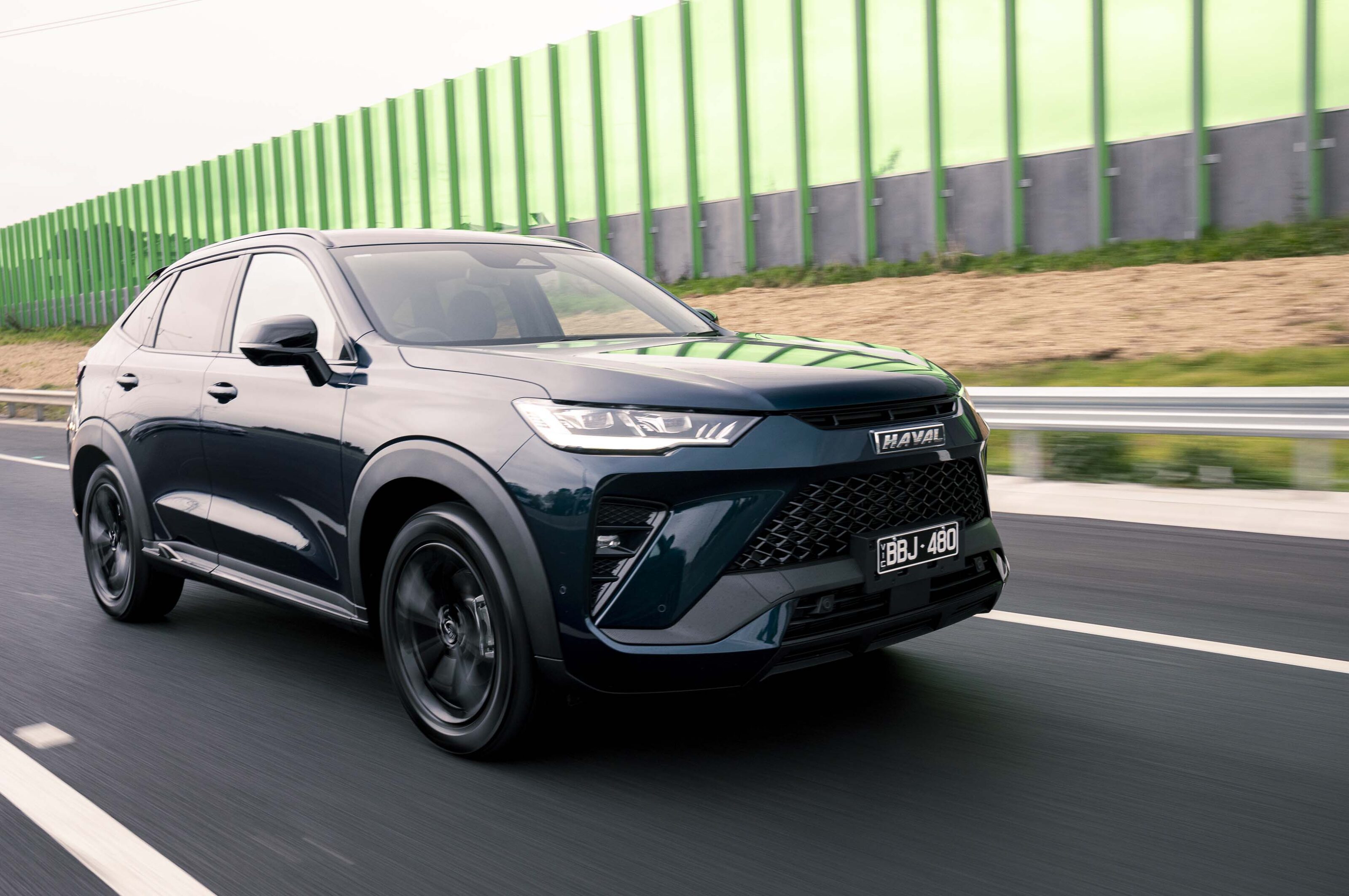
Volkswagen is planning to introduce its sportier ID.4 GTX and ID.5 GTX electric vehicles to Australia as the German brand continues to ramp up its local EV plans.
The GTX badge is the equivalent of VW’s GTI badge used for its petrol Polo and Golf hot-hatches.
The ID.4 GTX and ID.5 GTX both feature the same 77kWh battery with dual motors producing 220kW and 460Nm, making them the fastest variants in the respective SUV and coupe SUV ranges.
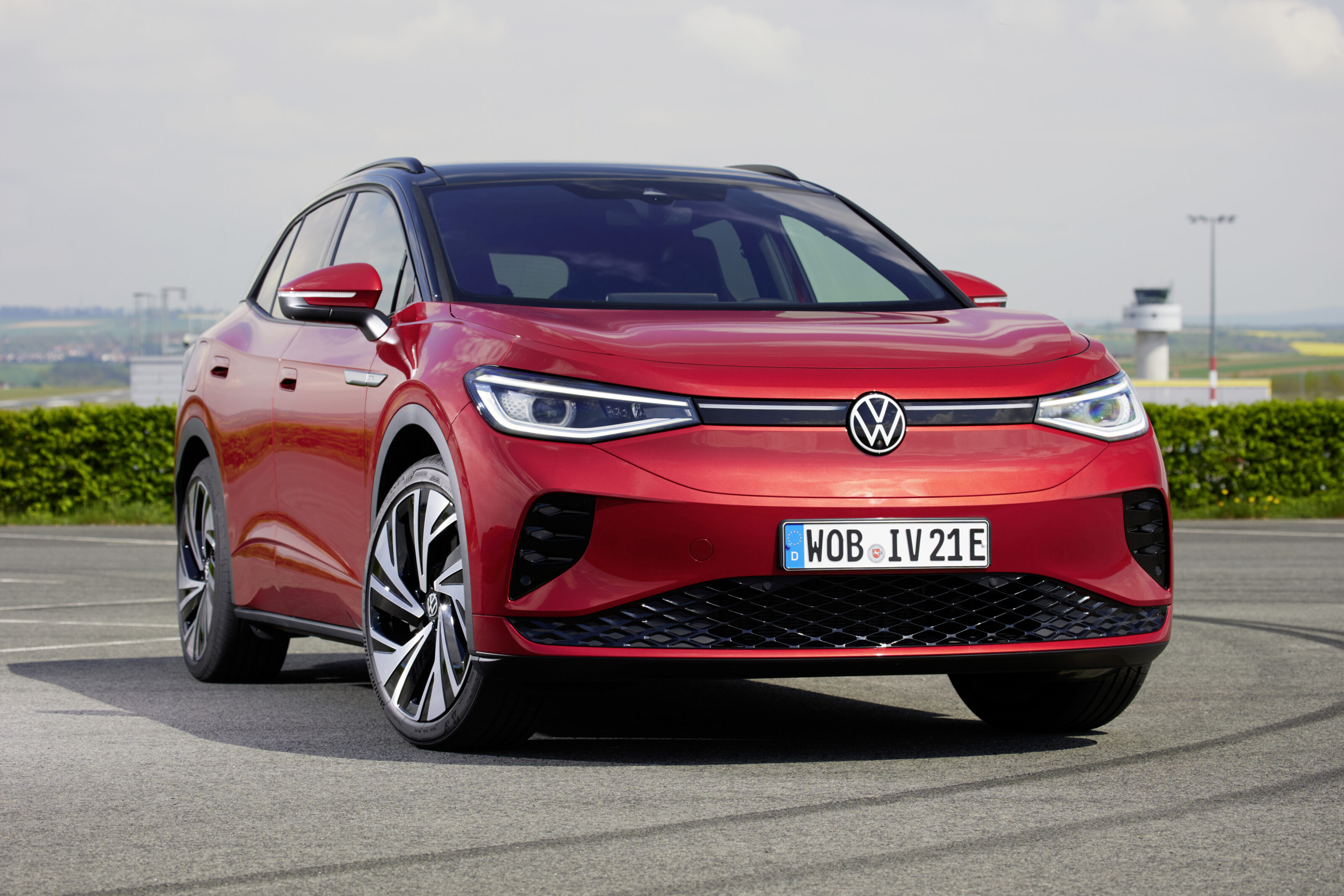
The ID.4 GTX accelerates from 0-100km/h in a claimed 6.2 seconds, with the ID.5 GTX fractionally slower at 6.3 seconds. Top speeds are electronically limited to 180km/h.
This compares with 6.9 seconds for the fastest all-wheel-drive version of the regular ID.4, the Pro 4Motion, while rear-wheel-drive, single motor ID.4s range from 10.9 to 9.0 seconds.
The ID.4 GTX has a WLTP-rated driving range of up to 500 kilometres, nine kilometres extra over the ID.5 GTX.
Each comes with 175kW fast-charging capability.
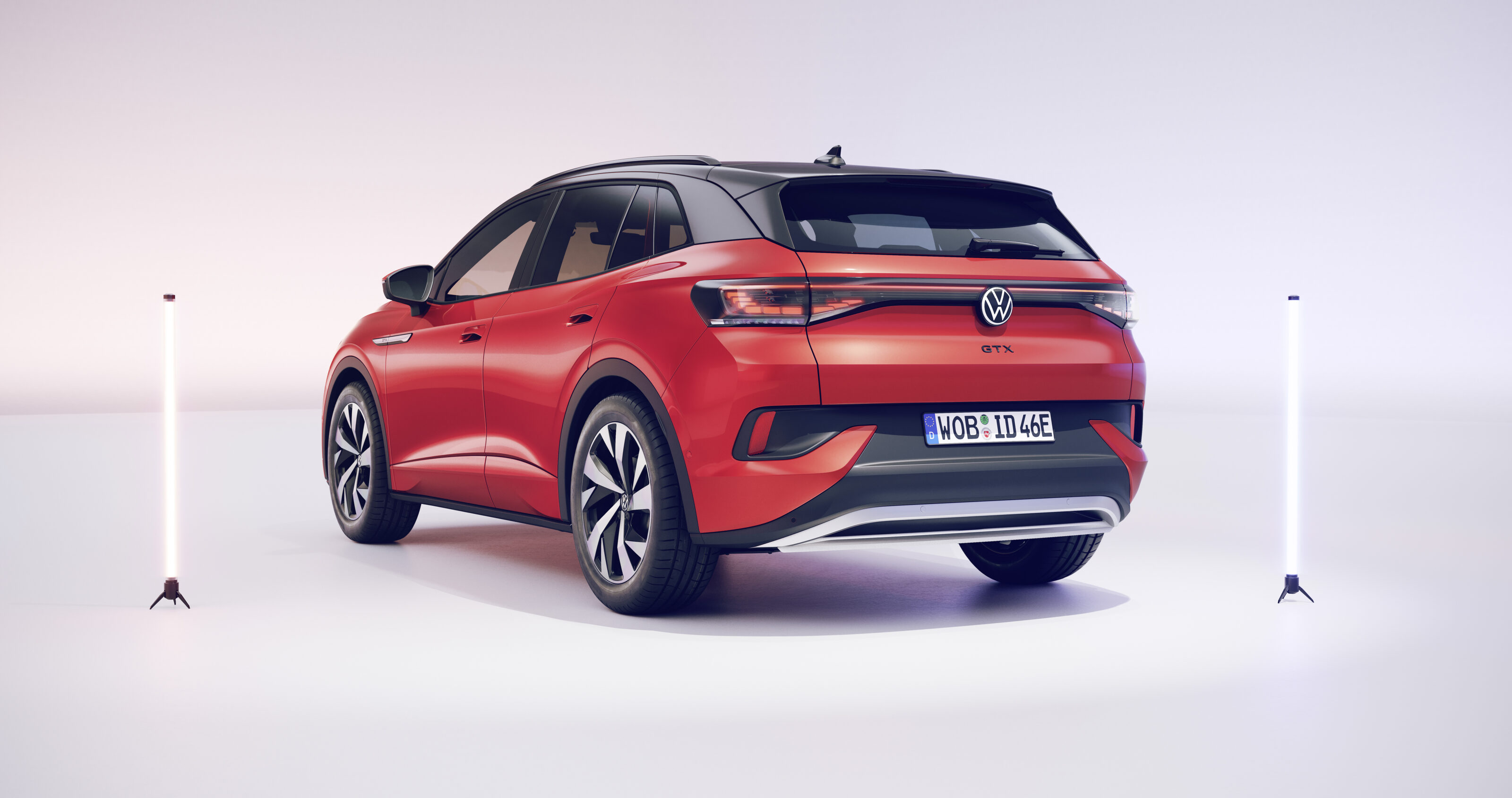
They also come standard with VW’s Vehicle Dynamics Manager system, which helps optimise electromechanical chassis functions – including the brakes, electronic ‘diff’ lock, all-wheel-drive distribution, and the optional adaptive dampers if fitted.
“GTI and R models are among the most popular as a proportion of Golf sales in Australia, so naturally we are very interested in the [ID] GTX models,” said Volkswagen Australia spokesperson Dan DeGasperi.
“We have seen interest surge in EVs and are therefore putting our hand up for as many relevant variants as we can get. We’re confident if they don’t arrive at launch with the regular ID.4 and ID.5, they will follow shortly after.”
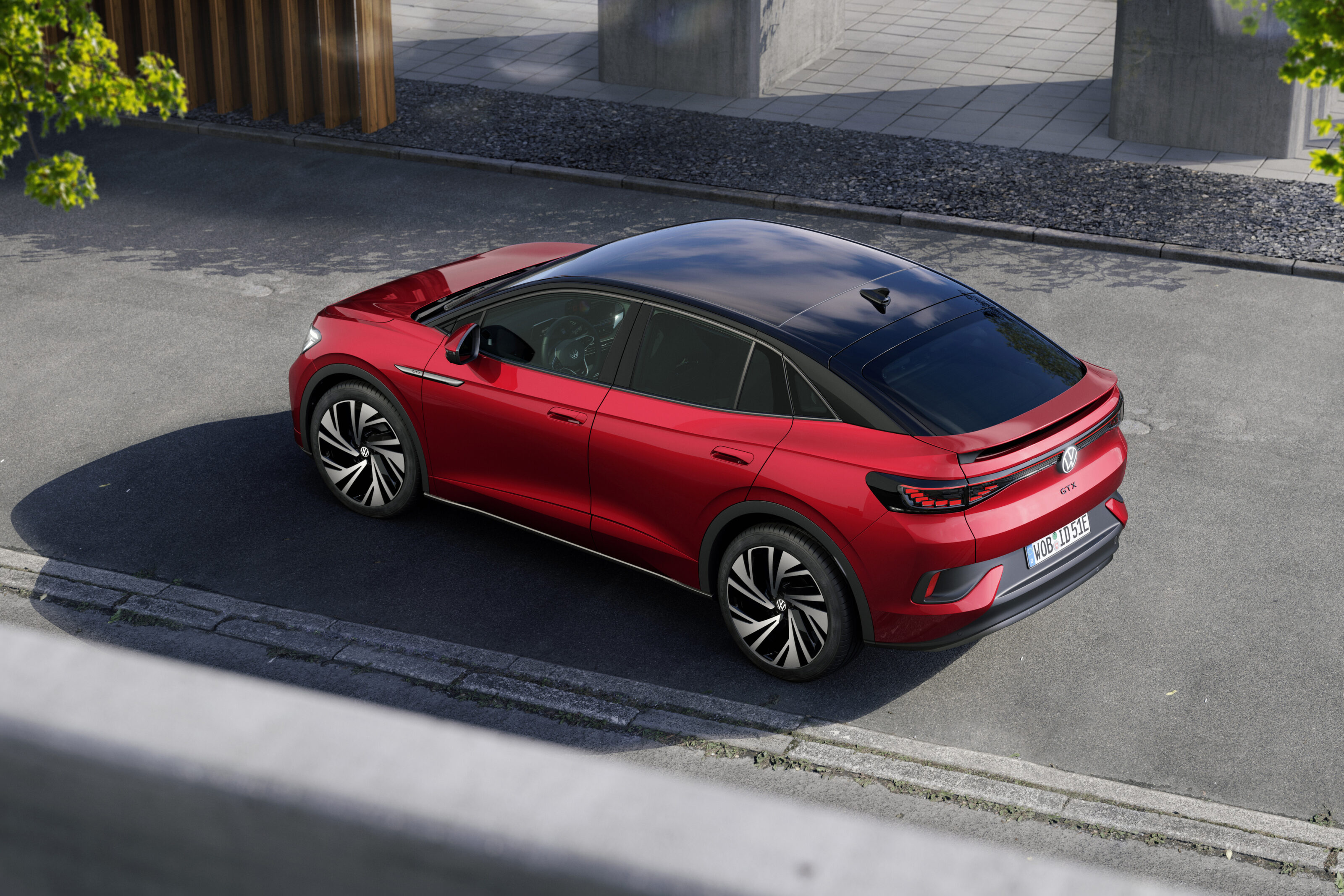
VW Australia is hoping to secure supply of the regular ID.4 and ID.5 for 2023.
Two regular versions of the VW ID.4 electric SUV have arrived in Australia this week for evaluation.
VW Australia has already confirmed it is looking to import the ID.4 and ID.5 from next year. The smaller ID.3 electric hatchback is also planned but the company is waiting for the facelifted model.
August 31: Molly Taylor to take on Dakar again in 2023
Aussie female motorsport legend Molly Taylor has confirmed a busy end to the year announcing she’ll be taking on Dakar again in 2023.
The racing champ said she’ll also be racing in this year’s Rally du Maroc in October too.
“I’m so excited to be heading back into the desert and taking on Dakar again as well as Rally du Maroc as part of my ongoing partnership with the Can-Am Factory South Racing team,” Molly said.
“My first experience in Dakar was one I’ll never forget, but this year is all about achieving the results that I know I can. And having the continued support of the Can-Am Factory South Racing – a five-time Dakar winning team – gives me the confidence that we have everything in place to allow me to perform at my best.”
“Molly’s an integral part of the Can-Am Factory South Racing team, and with one Dakar now under her belt, and the team’s ongoing support, I can’t wait to see what she can do in the desert come January 1,” added the CEO of South Racing, Scott Abraham.
Read all about Molly’s last Dakar experience in our interview below.
The story to here
February 6: Molly speaks to Wheels about first Dakar experience
World champion racer Molly Taylor has vowed to take on the Dakar Rally again, despite calling the 2022 event one of the “most emotional experiences” she’s ever had.
The 33-year-old became the first Australian woman to ever take on the Dakar, which took place in Saudi Arabia last month, placing 14th in the SSV class with co-driver Dale Moscatt and the Can-Am Factory South Racing squad.
Starting in Ha’il, Saudi Arabia, on January 2, 2022’s rally was made up of 13 stages taking place in the Arabian Peninsula over as many days, and involved racers venturing into the ‘empty quarter’ – a desert nearly the size of France.
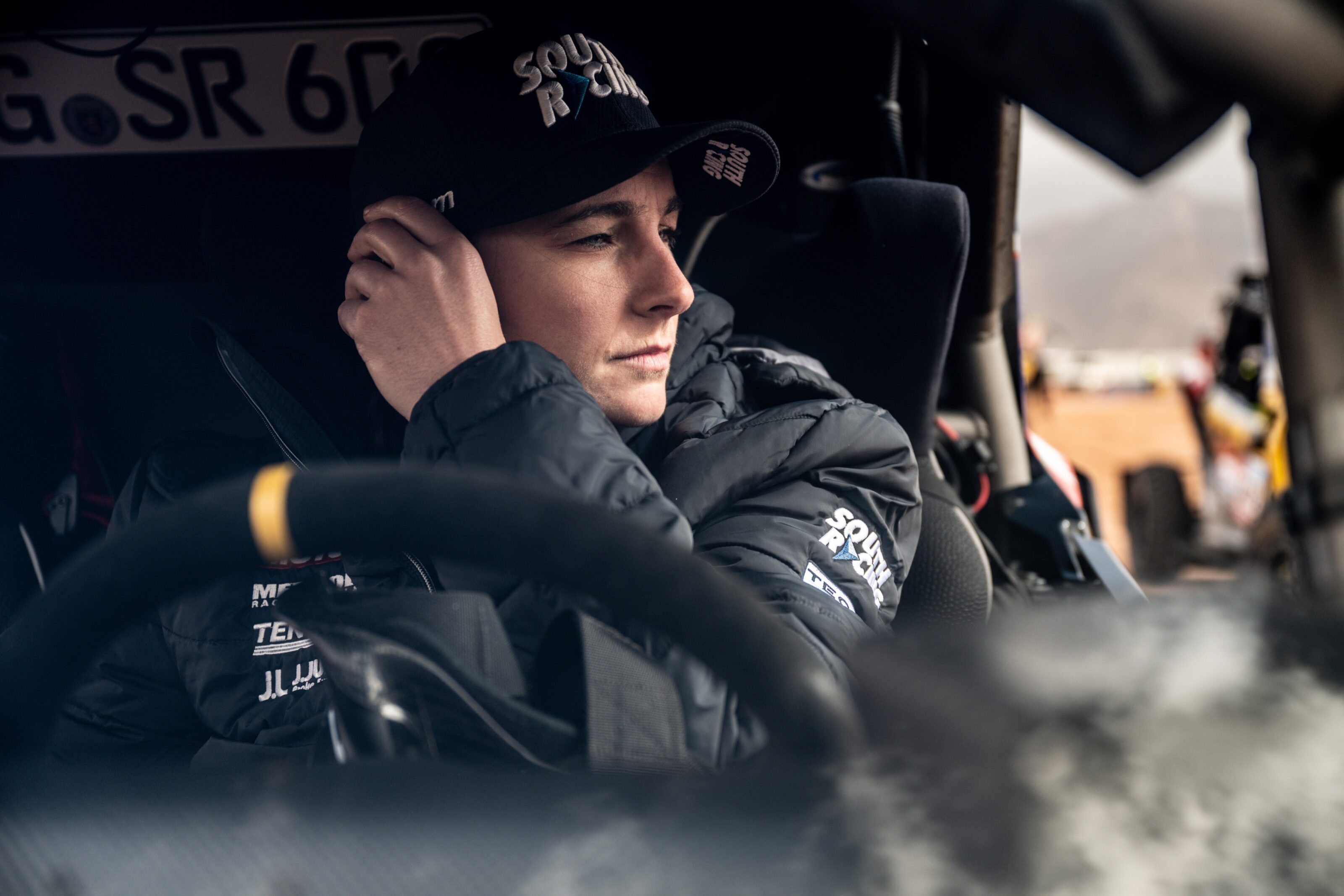
On her return to Australia, Molly caught up with Wheels for a behind the scenes run down on what the endurance race was like.
“It was an amazing adventure, I went through pretty much all the emotions in the space of those two weeks,” she says. “But I would love to do it again – that’s certainly the plan I’m working towards.
“It was tough though, on average we did between 350 kilometres and 475kms per section on the stage, with road sections in between. We were in the car all day every day.
“There were some good stages where everything went well, and others that were full of problems – and it’s up to you to fix it at the side of the road. It’s an endurance event, you do what you have to do to make it through, everything depends on it.
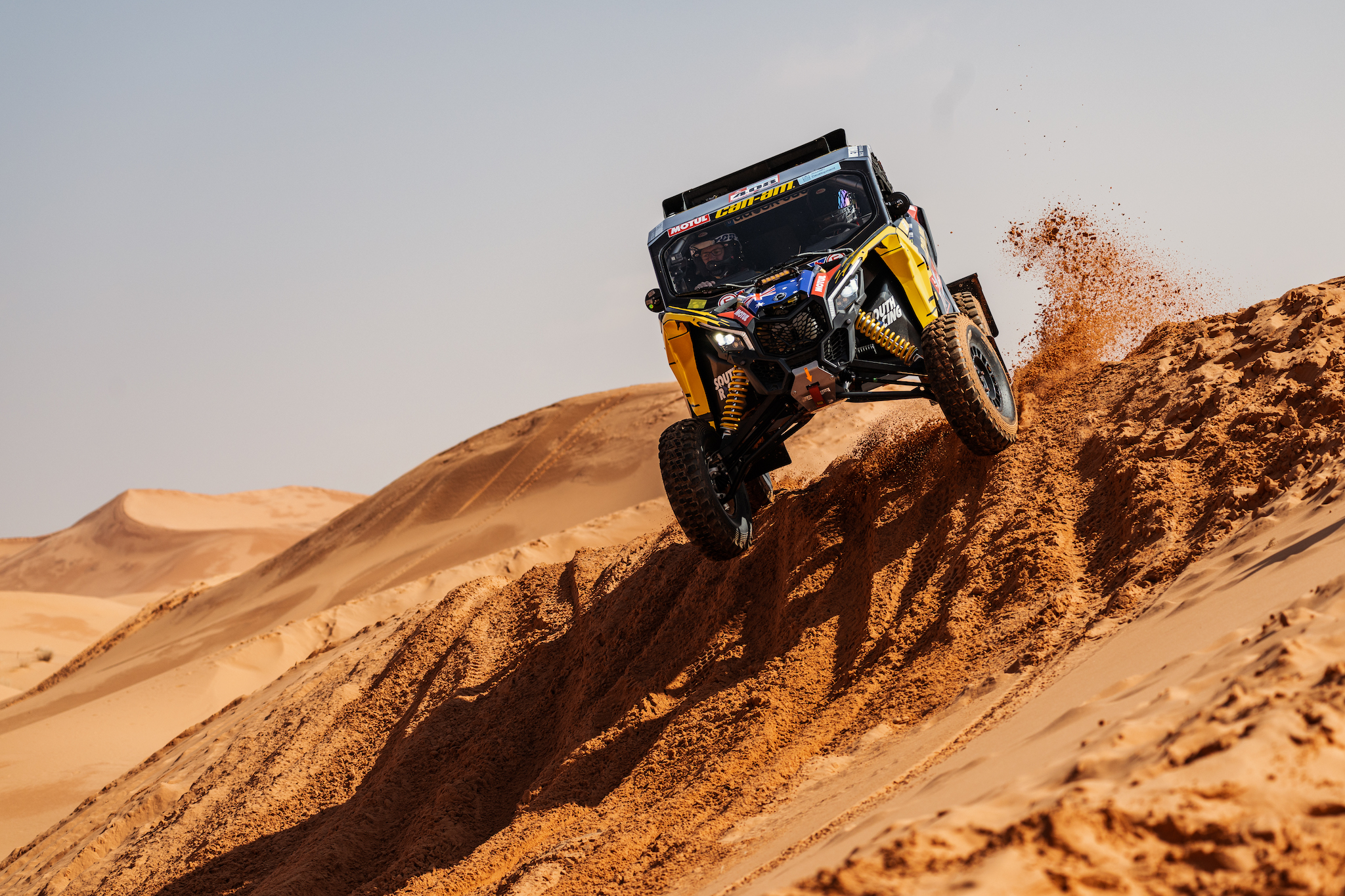
“At times we were running in 3rd to 5th, which felt great – as we wanted to show we were competitive with the other crews. Our first few stages went to plan, which was encouraging. But there were so many elements to work around – the length of the stages, the difference in the terrain, the navigation (which is basically orienteering in the middle of the desert). There are just so many things to think about.”
Unfortunately for Molly and teammate Dale, a brake failure caused a fire, setting the pair back, despite their quick actions to quench the flames with an onboard camelback supply of water – but they did manage to make it to the finish in order to complete the race.
“You need to know when to push and when to look after the car, but I made some rookie errors, which cost us a lot of time, because I am massively lacking experience,” Molly admits.
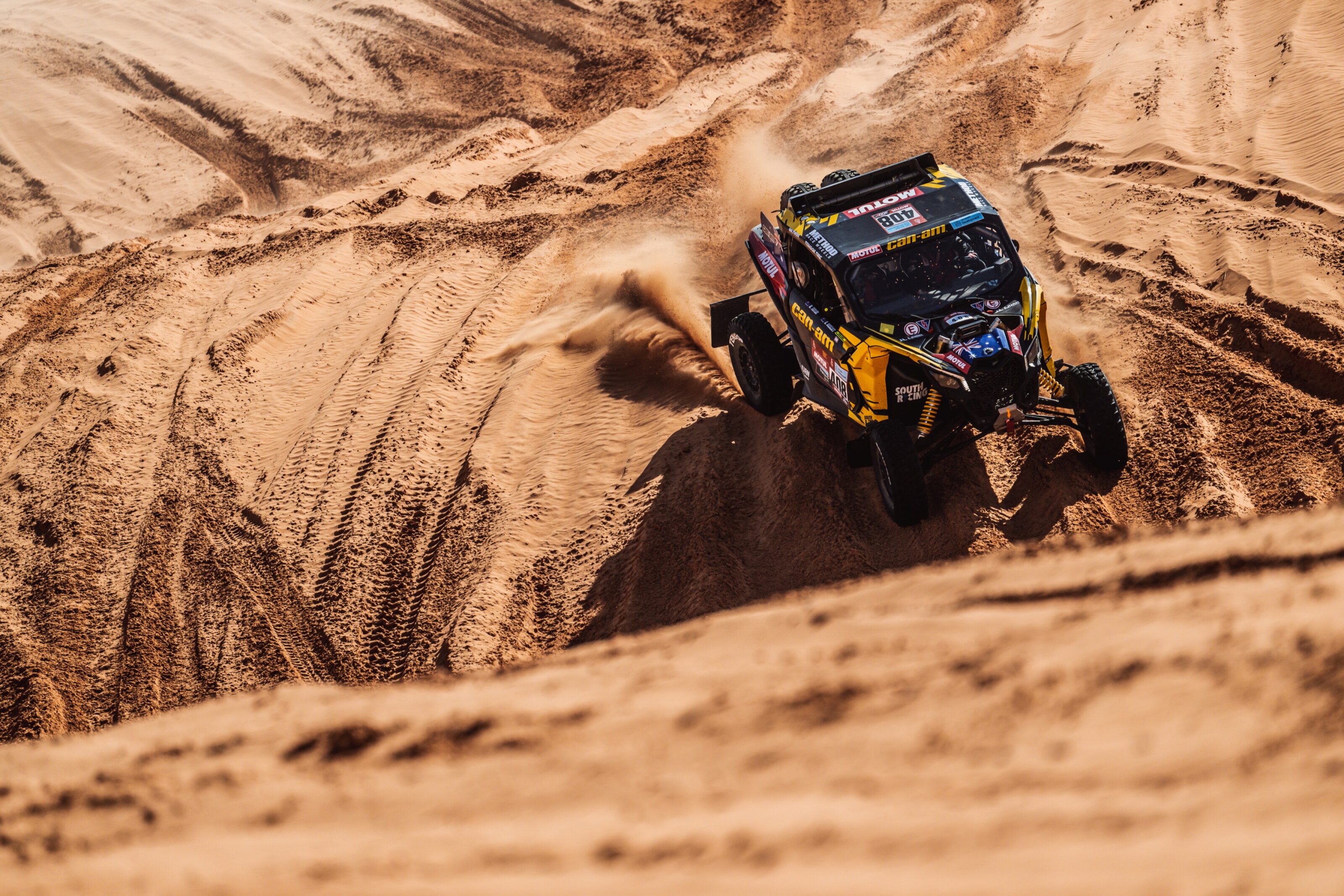
“It’s a fresh style of rallying for me, everything was new about it. The navigation was one of the hardest things, because in the middle of the desert you’re trying to pick your way through different terrains, choose the best lines through the biggest dunes you’ve ever seen.
“It was the toughest challenge of Dakar, as it’s got the most difficult terrain, and you’re trying to balance speed and risk over the whole of the two weeks. So if you do make a mistake and you lose a few hours, you start at the back of the field – meaning it’s really important to manage the impact quickly.”
Keeping a cool head under pressure was essential for Sydney-born Molly, who entered the Dakar fresh off the back of winning another world championship in the inaugural Extreme E in December with fellow driver Johan Kristofferson.
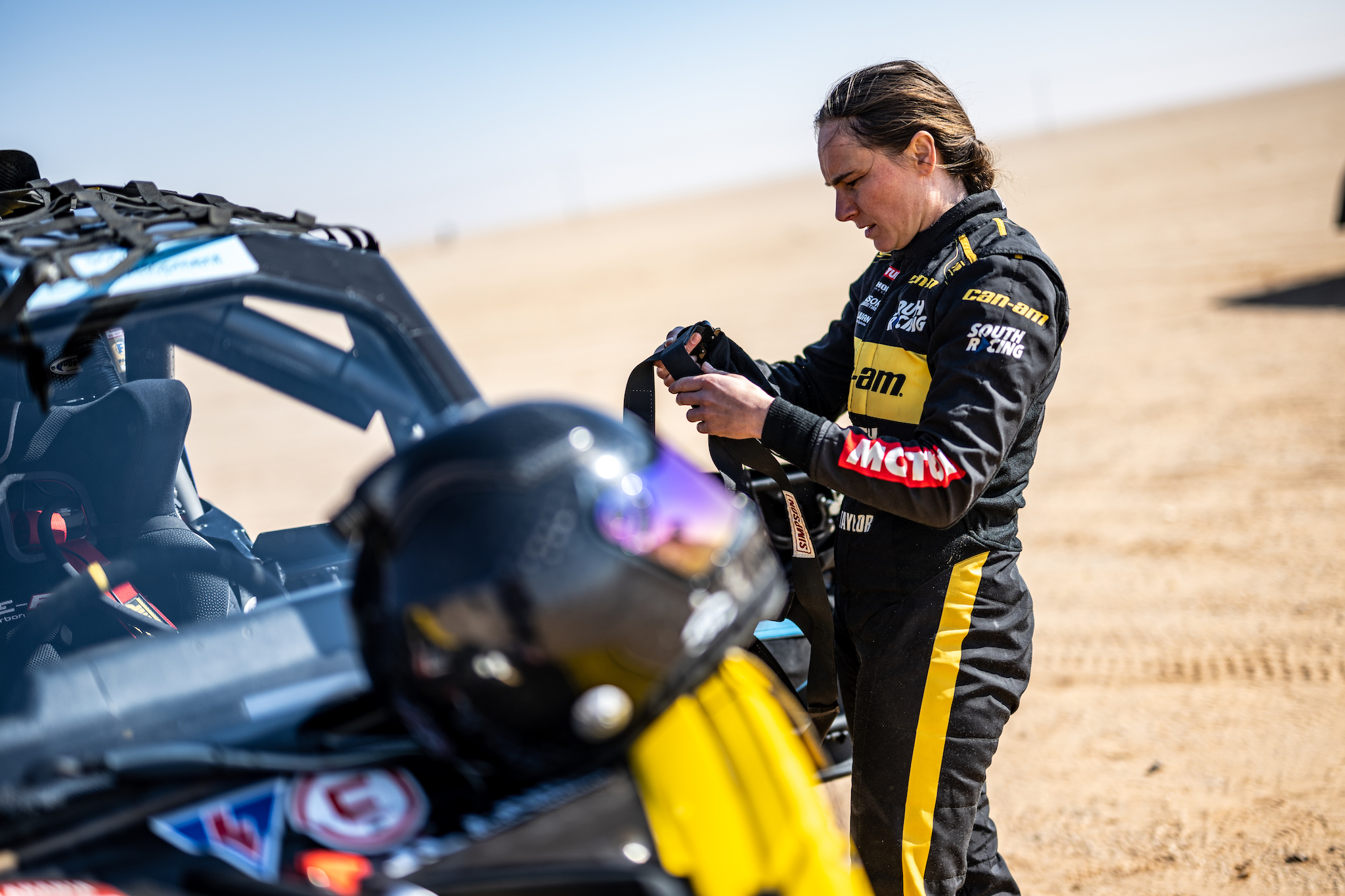
“Maintaining my mental strength when things were not going well was hard, but really important,” she explains. “The variables of a short stage were completely different to a long one, and trying to predict what might, or might not, happen was impossible.
“We just had to go out every day and deal with what was thrown at us, try to keep a level head and stay sharp for 14 days. It’s unlike anything I’m used to – it was a completely different mental challenge because of the length and terrain of the course.”
Although Molly was the first Australian woman to compete in the Dakar, she certainly wasn’t alone this year when it came to having female company. Of the more than 500 people participating, there were 18 women – showing it’s no longer just for the boys.
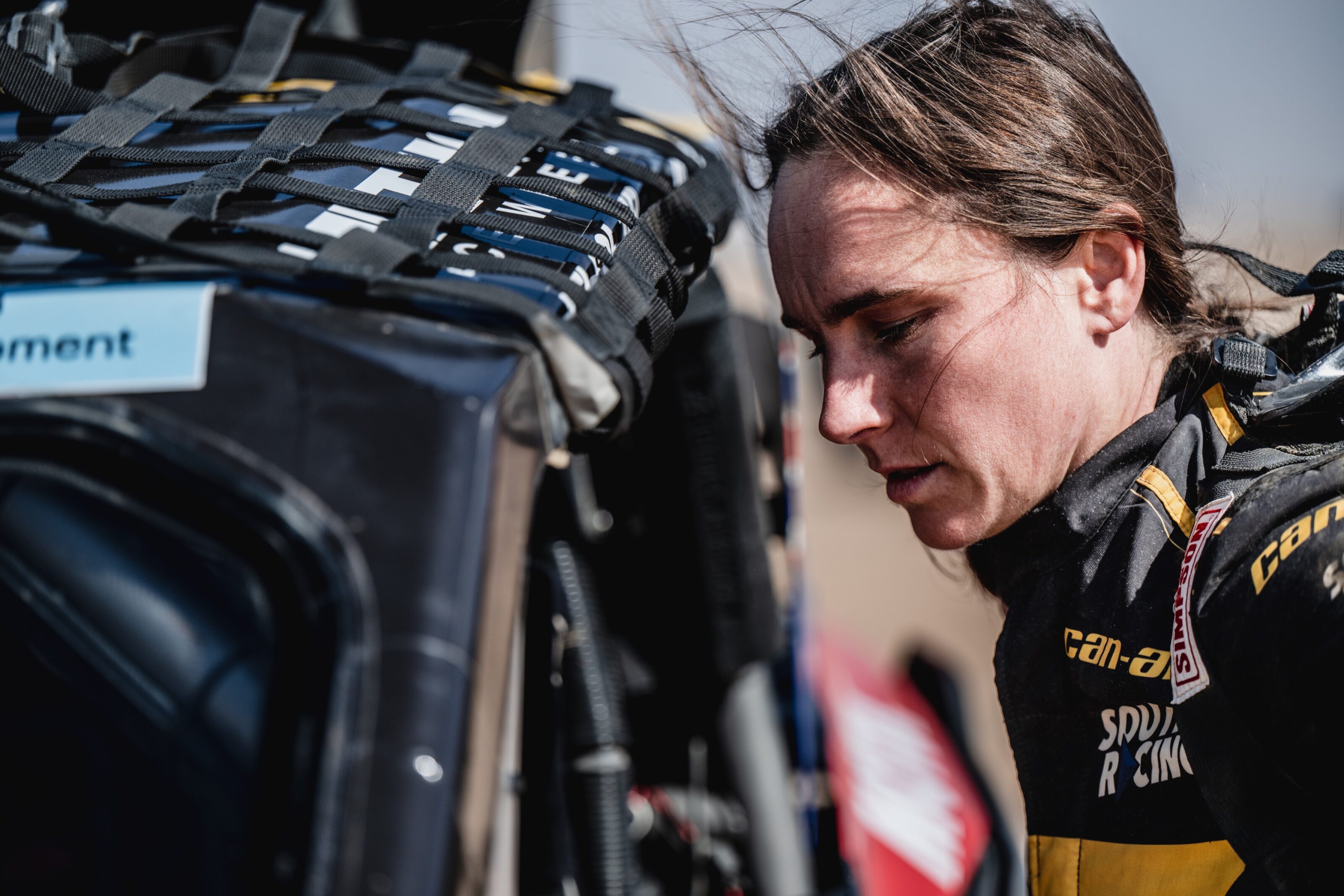
“There were quite a lot of females competing this year, some I know from Extreme E so there were some familiar faces. It was great to see more and more at these events. We had three female drivers in our team,” she says.
“More generally though, it was just a very cool atmosphere. It’s like rallying – everybody is out going as fast as they can, battling the elements, but not each other. Because of how far apart you are, there’s no shouting or tension because someone cut you off or whatever.
“We’d sit around at night sharing stories, good or bad. You’ve got people from everywhere across the world from different backgrounds – there are so many unique perspectives.”
Skoda has unveiled more of its Vision 7S concept car overnight, as well as a bold new design language and logo.
The Czech brand also announced an accelerated electric vehicle strategy, investing a further €5.6 billion (AU$8.1 billion) in e-mobility development and €700 million (AU$1 billion) in digitalisation – using digital technology to provide new revenue – over the next five years.
As a result, Skoda will launch three additional all-electric models by 2026, with more reportedly in the pipeline. It remains unclear whether the Vision 7S will be one of those three models, or a future Skoda Kodiaq successor, expected after 2024.
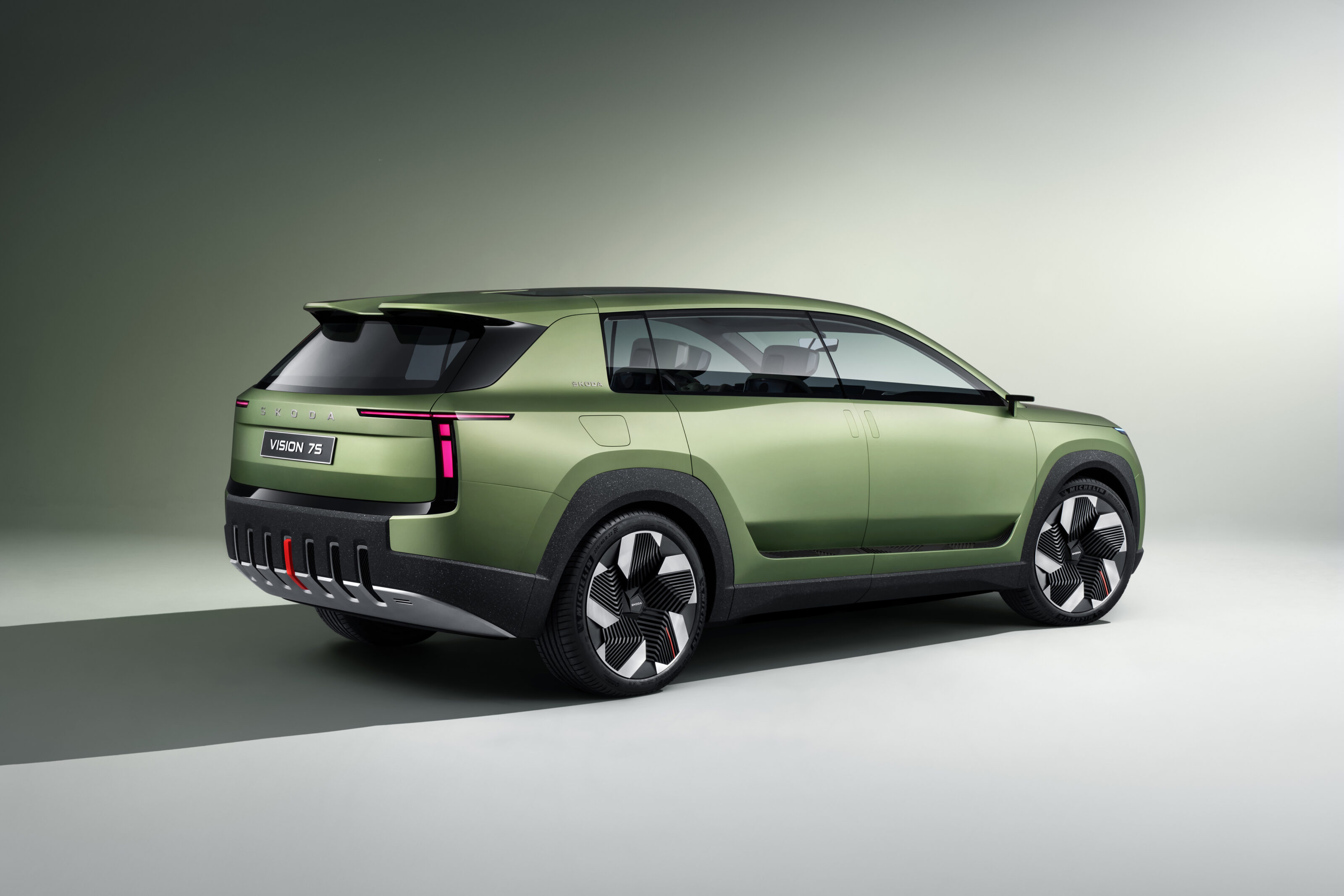
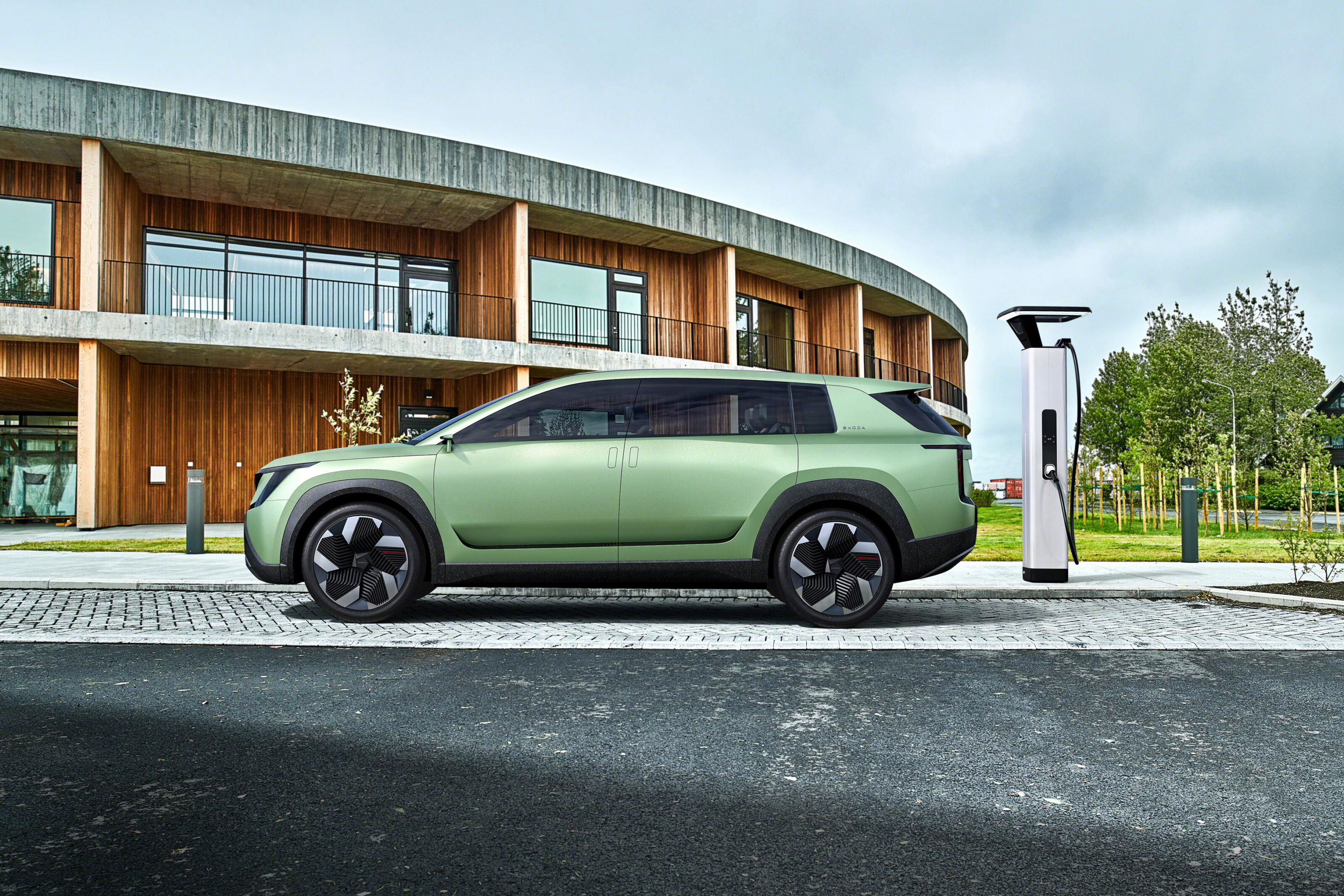
The Skoda Vision 7S is a seven-seat three-row SUV based on the Volkswagen Group’s battery-electric MEB platform, underpinning the Volkswagen ID. family, plus the Skoda Enyaq, Audi Q4 and Q5 E-Tron and Cupra Born.
The concept harnesses an 89kWh battery, delivering a maximum WLTP driving range of more than 600 kilometres and the capability of charging at 200kW.
The new design language rests heavily on reduced lines and large surfacing, creating a bold, rugged look reflecting Skoda’s core values of durability and function.
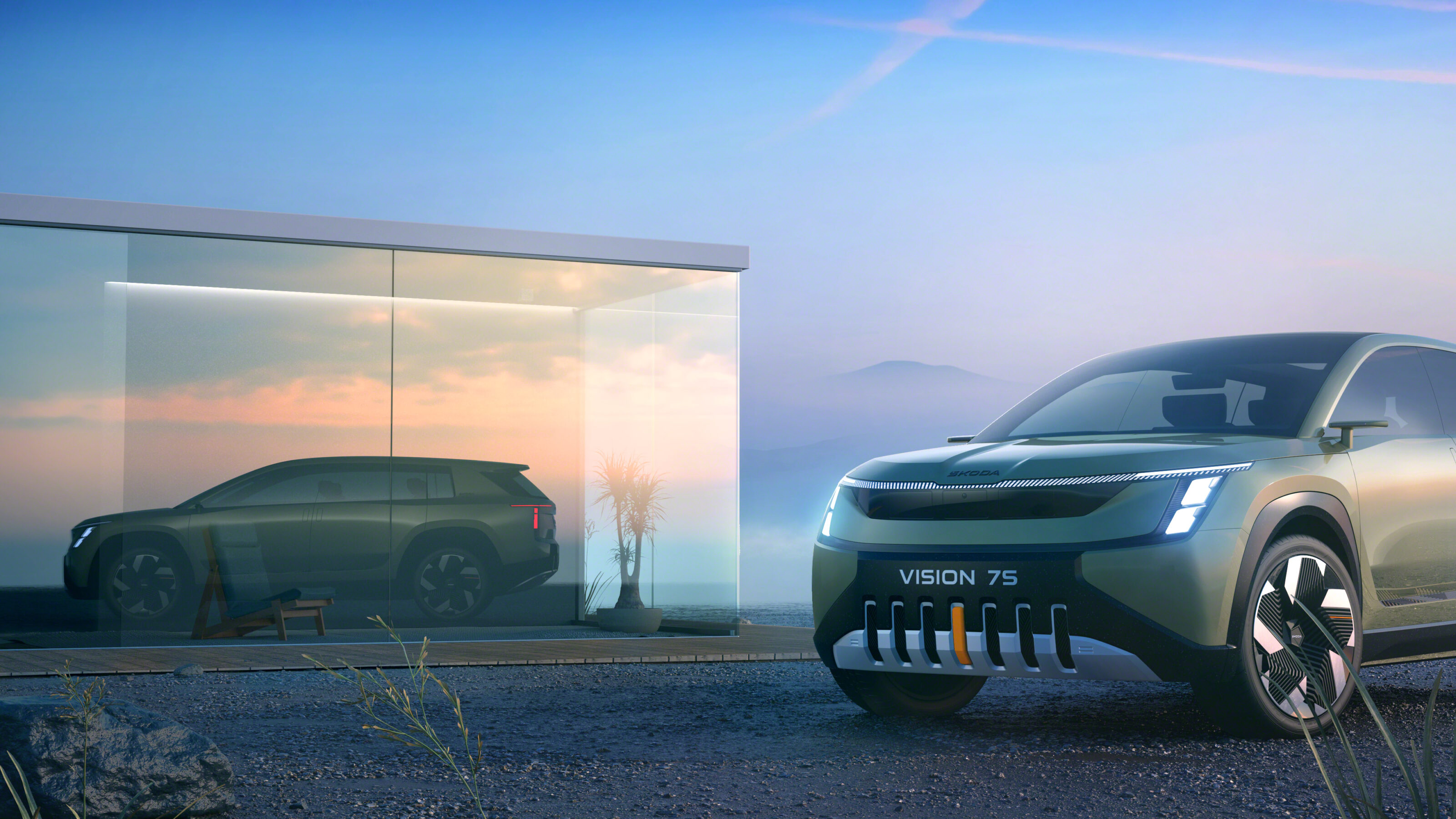
The new’Tech-Deck’ face wears a heavy duty aluminium front valance, with fresh thin ‘T’ headlights pushed far outboard along with distinctive seven-slot air intakes – forming a four-light cluster from the front.
The rear mirrors much of the front end, with the LED lights also arranged in a ‘T’, and featuring nine vertical air outlets slotted into the bumper.
A high tornado line separates the robust and solid lower body from the lighter, more dynamic roofline. The aero wheels are almost entirely covered and measure 22-inches, sitting beneath defined and squared arches.
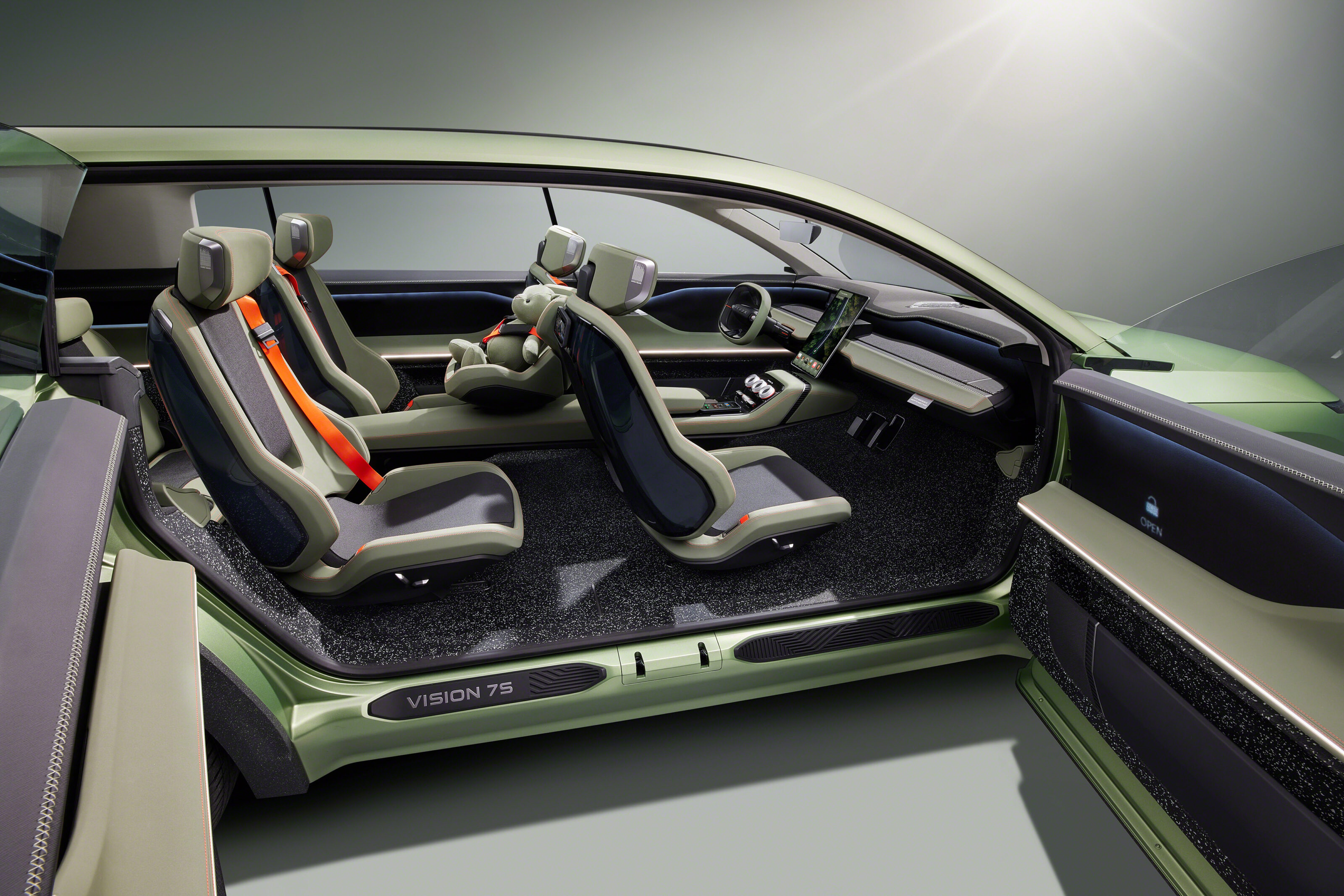
Inside the minimalist and modular cabin, sustainable fabrics and materials swathe the interior, which can be arranged into two configurations: Driving or Relaxing.
There is a welcome mix of both haptic and digital controls, with an innovative child seat reverse-mounted on the centre console in front of the second row.
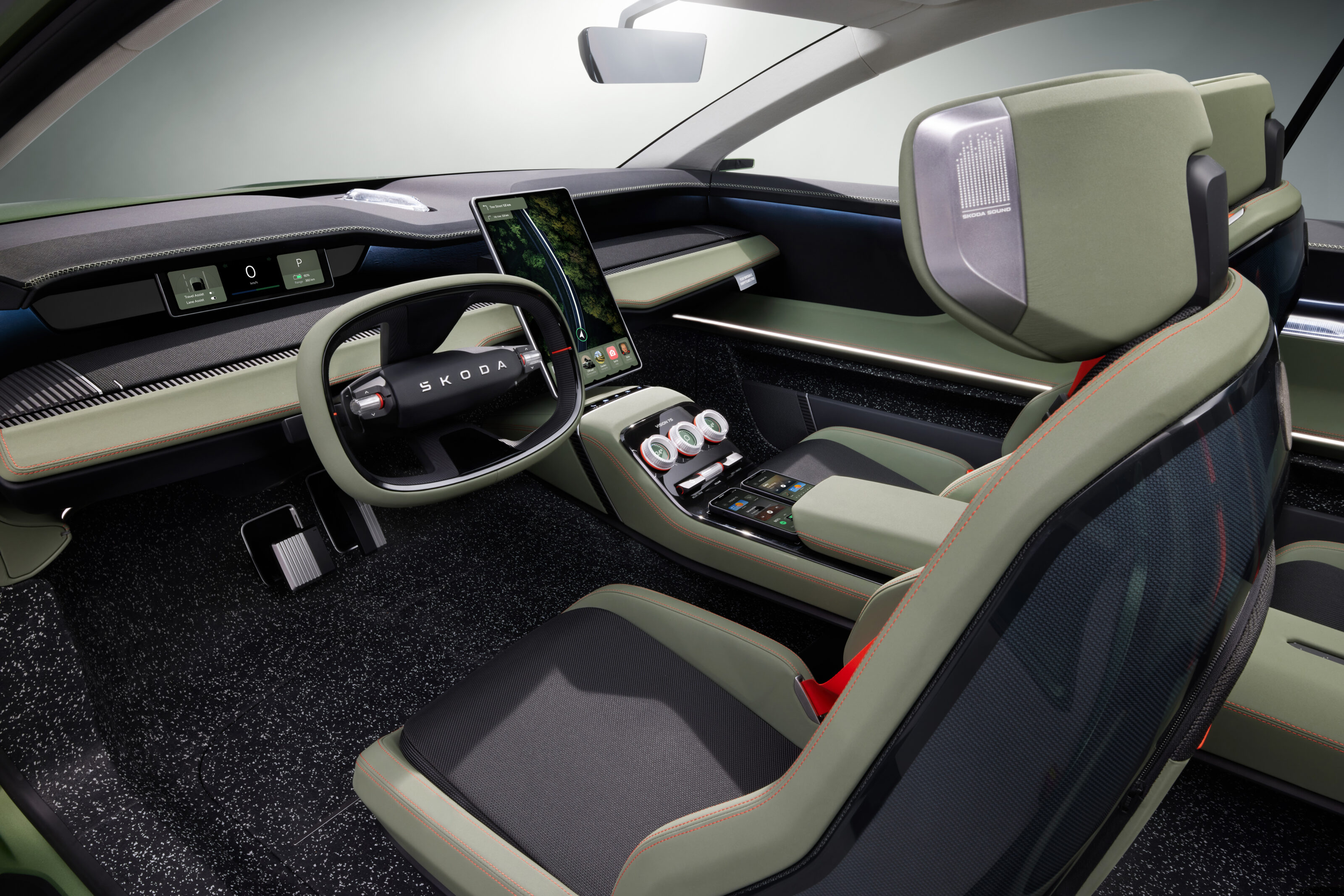
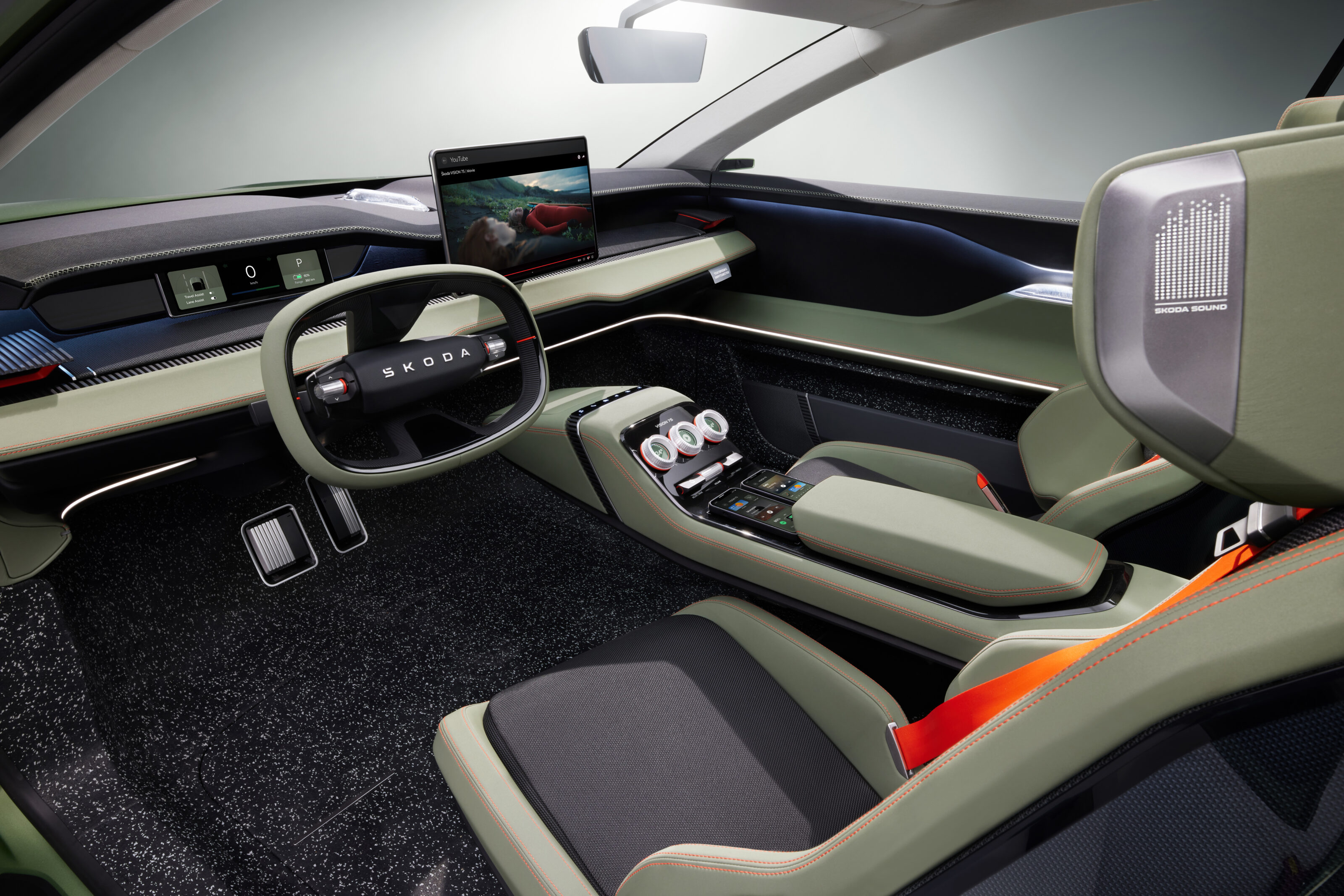
The wraparound dash centres on a 14.6-inch vertical touchscreen. When Relaxing mode is engaged with a button on the centre console during charging or when parked, the steering wheel and instrument cluster slide backwards, while the first row rotates inwards and reclines for comfort as well as to allow those seated behind to view the screen – which, by the way, rotates into a horizontal cinema position.
Adorning the Skoda Vision 7S Concept is the Czech carmaker’s new logo, representing the most radical change in its corporate identity in 30 years.
The badge itself no longer uses sculptural 3D graphics, while Skoda Auto branding will now use two different hues of green – representing ecology, sustainability and electromobility.
Skoda’s new brand identity will first be introduced on communications material, then rolled out in future models.
July: MG 4 XPower revealed as new performance flagship
New flagship for MG 4 electric hatch brings 320kW dual-motor performance with upgraded suspension and chassis technology.
August 2022: MG 4 gets dual-motor AWD performance
A dual-motor, all-wheel-drive performance version of the 2023 MG 4 electric car has debuted – but an Australian launch is unclear.
The model, known as the MG Mulan Triumph Edition in China, offers hot hatch power, with 330kW of power and 600Nm of torque.
This is 20kW and 100Nm higher than a petrol-powered Mercedes-AMG A45 S, while the electric Tesla Model 3 Performance offers 413kW and 660Nm.
A 0-100km/h sprint time of 3.8 seconds is claimed, akin to the AMG A45 S and the Audi RS3, which also utilise all-wheel-drive.
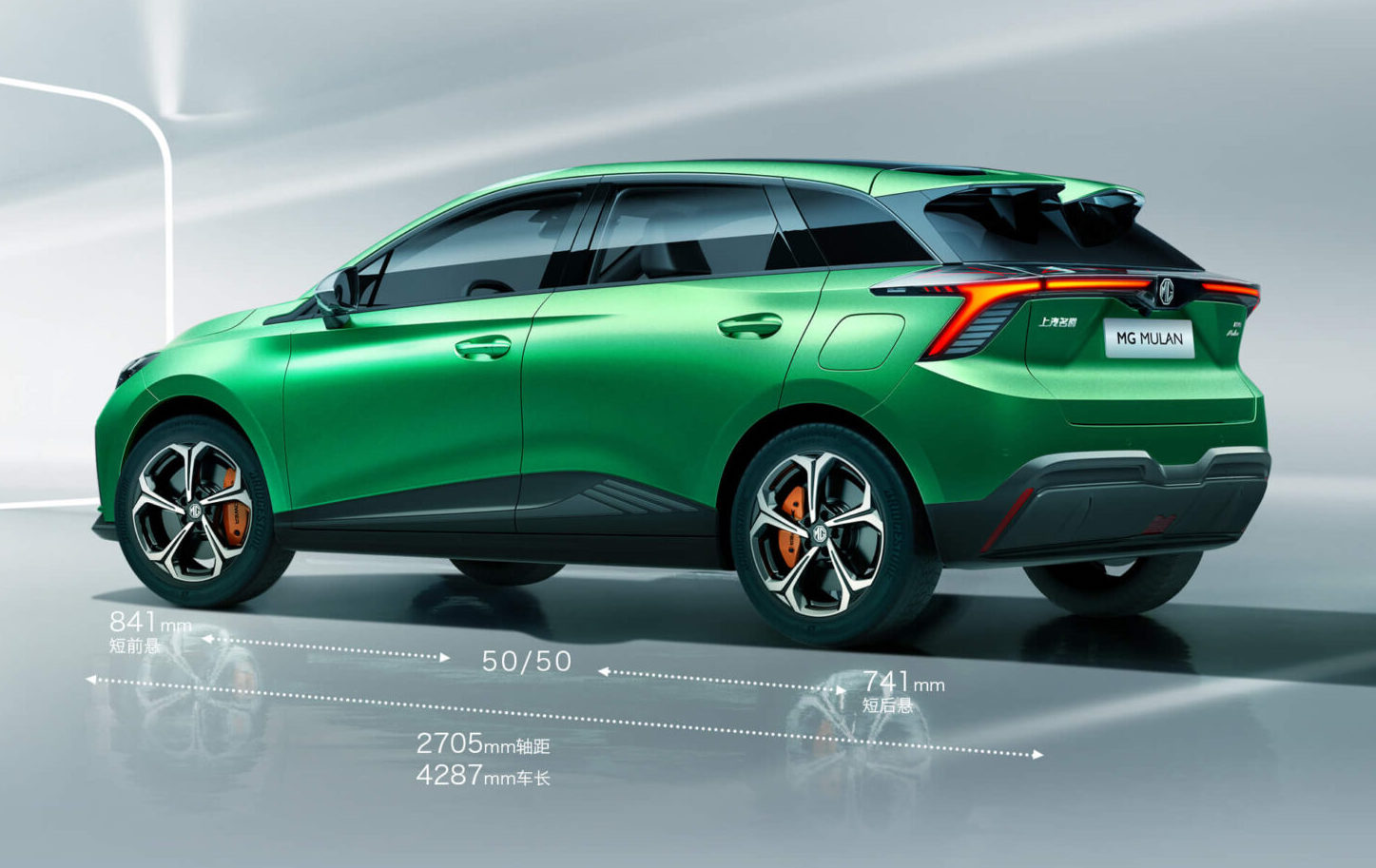
MG claims the dual-motor MG 4 has an electric driving range of 460 kilometres; however, this is based on China’s more-lenient CLTC testing.
For reference, the single-motor MG 4 has a 520km range, with both models featuring a 61.7kWh usable lithium-ion battery pack.
In addition to all-wheel-drive, Chinese models gain “high-performance” orange brake calipers, two-tone 18-inch alloy wheels, Bridgestone tyres, and leather/suede upholstery.
It is unclear if the dual-motor MG 4 will wear the Triumph Edition badge outside of China. It could adopt the X-Power name internationally, which is currently used on a limited-edition MG 6 plug-in hybrid in China.
As exclusively reported by Wheels this week, an example of the single-motor MG 4 has arrived on local shores for testing, but it is currently unconfirmed for an Australian launch.
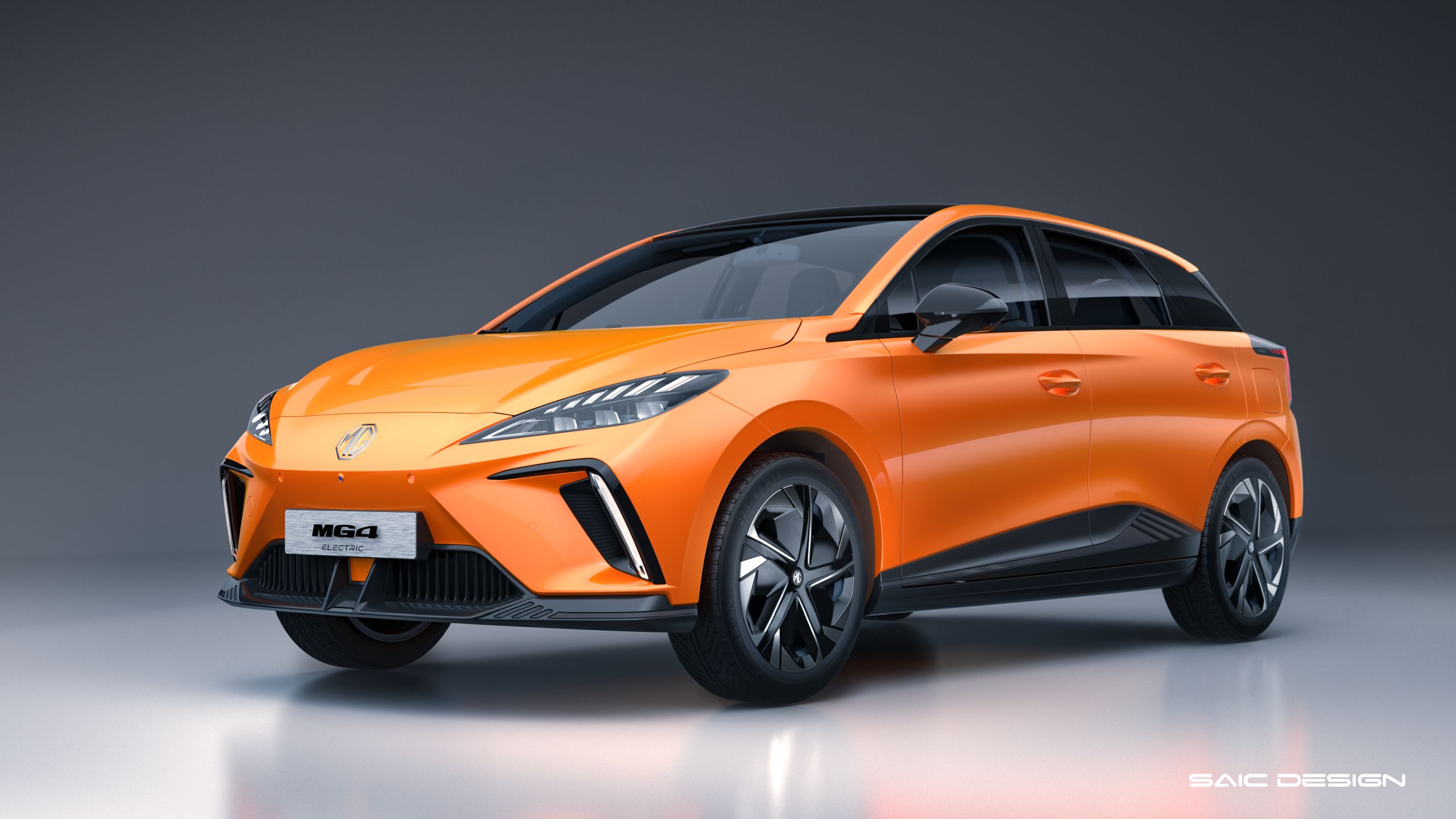
The story to here
August 6: MG 4 EV goes on sale in the UK
The new 2023 MG 4 electric vehicle has gone on sale in the UK, priced from £25,995 – just over $45,000 in Australian dollars.
By comparison, the MG ZS EV currently offered in Australia is priced from $46,990 drive-away for the entry-level Excite and $49,990 drive-away for the top-shelf Essence.
The ZS EV goes for similar money in the UK, launching in facelifted form from about $49,500 in Australian money – although that price included the UK’s now finished $2.4 billion ‘Plug-in Grant’ that gave buyers a £1500 rebate (AU$2600) on any EV whose RRP was less than £32,000.
Similar incentives have been offered and are available in Australia, and you can read about all of them here.
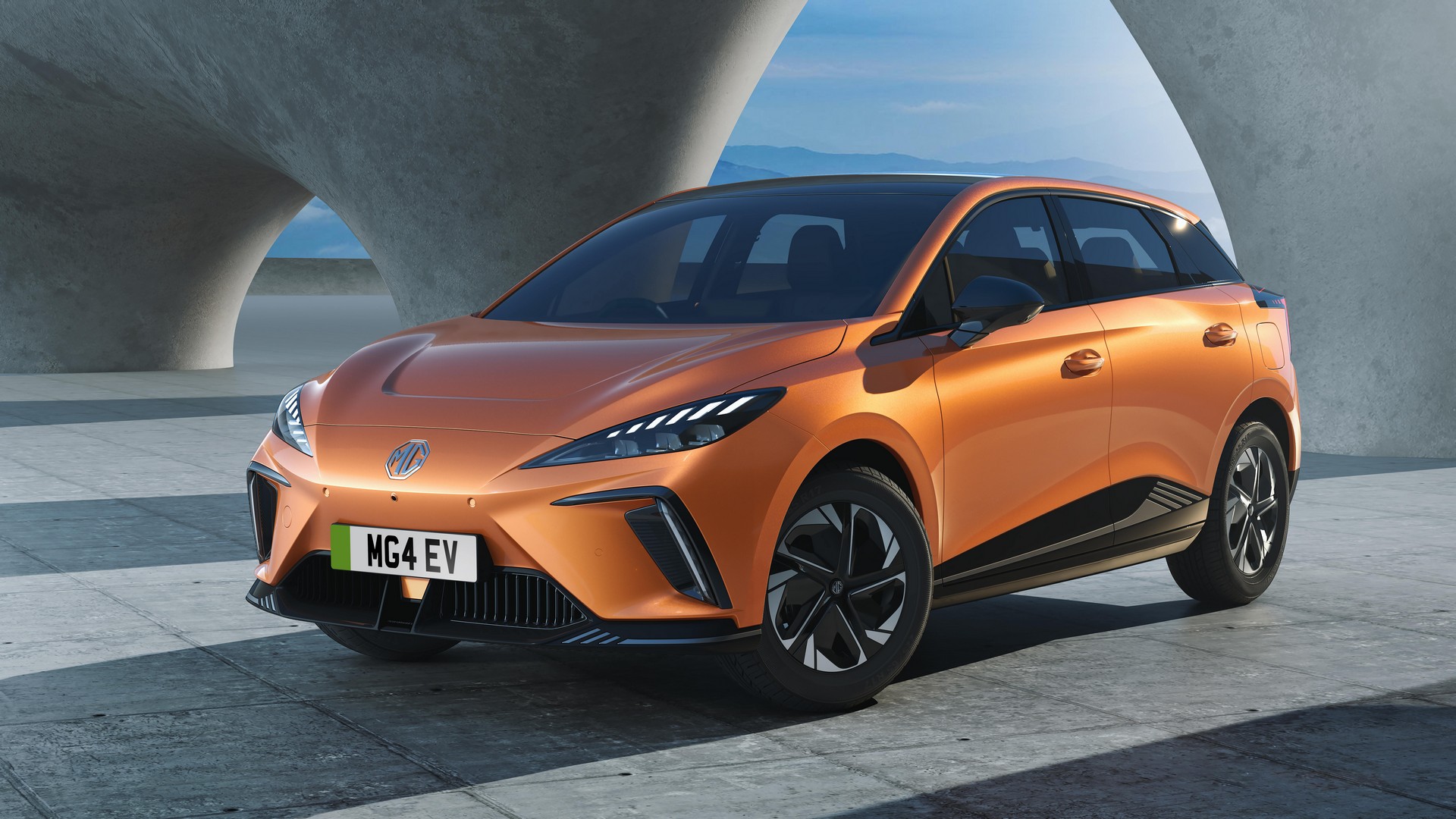
When will the MG 4 come to Australia?
The MG 4 is still to be officially confirmed for an Australian launch, although the company’s local arm has previously revealed it is evaluating the model and hopes to bring it here by early 2023.
Depending on its price – and the above suggests it should come close to the ZS EV’s local price – the MG 4 could prove popular. It rides on a 2705mm wheelbase, which compares favourably to the ZS EV’s 2585mm footprint, although its overall length is shorter at 4287mm versus the ZS EV’s 4314mm.
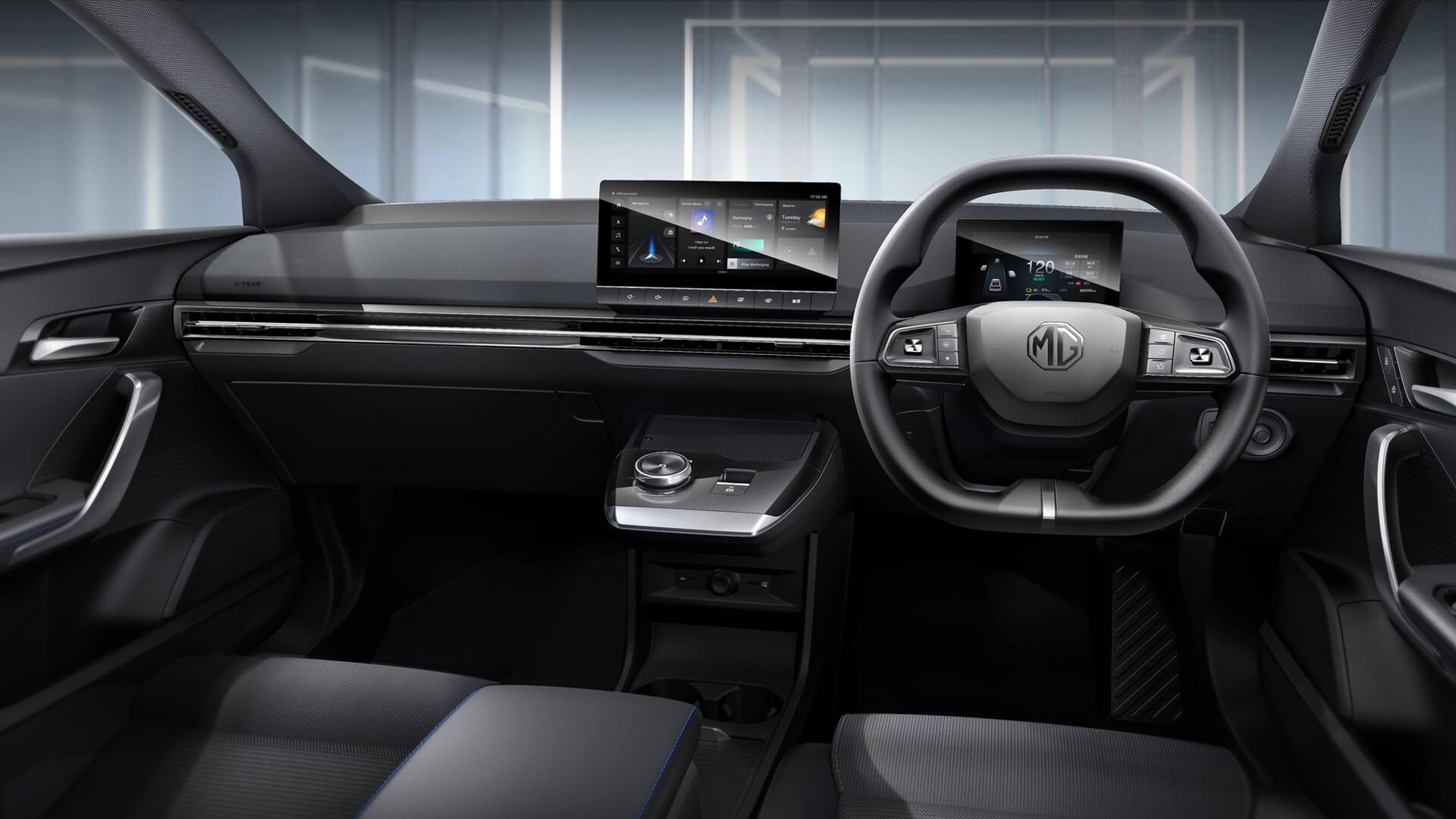
Interior comfort should be better than in the ZS EV, however, thanks not only to the longer wheelbase but also to its slightly wider design – 1836mm versus 1809mm.
Its more upmarket interior design is also likely to prove more compelling than the somewhat dated look of the ZS EV’s cabin.
Read our ongoing story below for more details on the MG 4’s battery options, driving range and equipment.
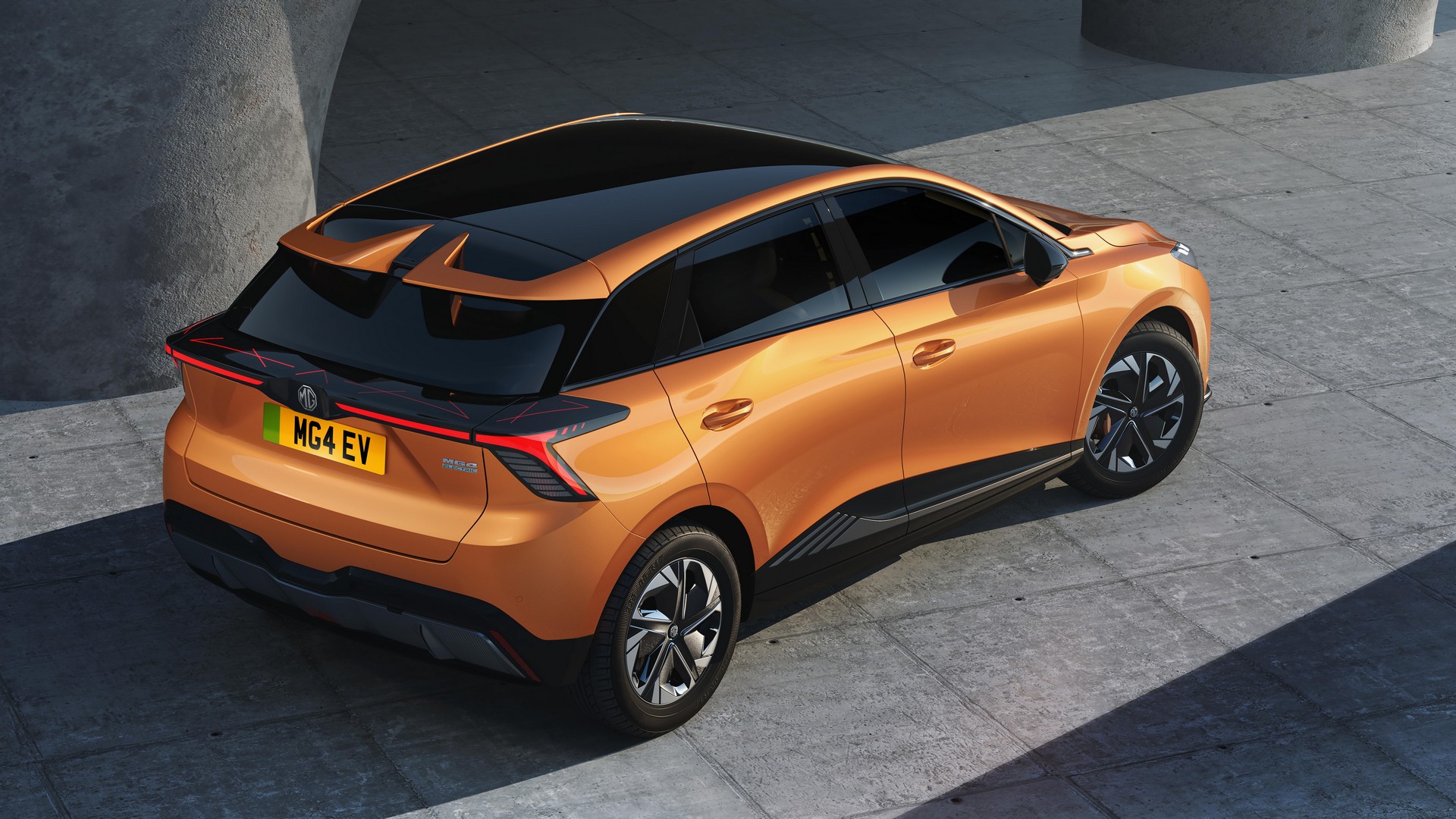
June 30: MG 4 fully-electric hatch revealed for Europe
Snapshot
- MG Mulan unveiled for the Chinese market
- Rebranded as the MG 4 for Europe and likely Australia
- Australian launch pencilled in for 2023
The MG 4 electric hatch has been officially revealed for Europe just over a fortnight after the model was unveiled in China.
Set to bolster MG’s expanding line-up in the European market, the manufacturer has confirmed specification of the MG 4 (known as the Mulan in China) before it launches at the end of the year.
Underpinned by MG’s new Modular Scalable Platform (MSP), the MG 4 will be available for European buyers with a choice of two floor-mounted, 110 millimetre tall battery packs – either a 51kWh and 64kWh unit, capable of delivering up to 350 and 450 kilometres of driving range respectively.
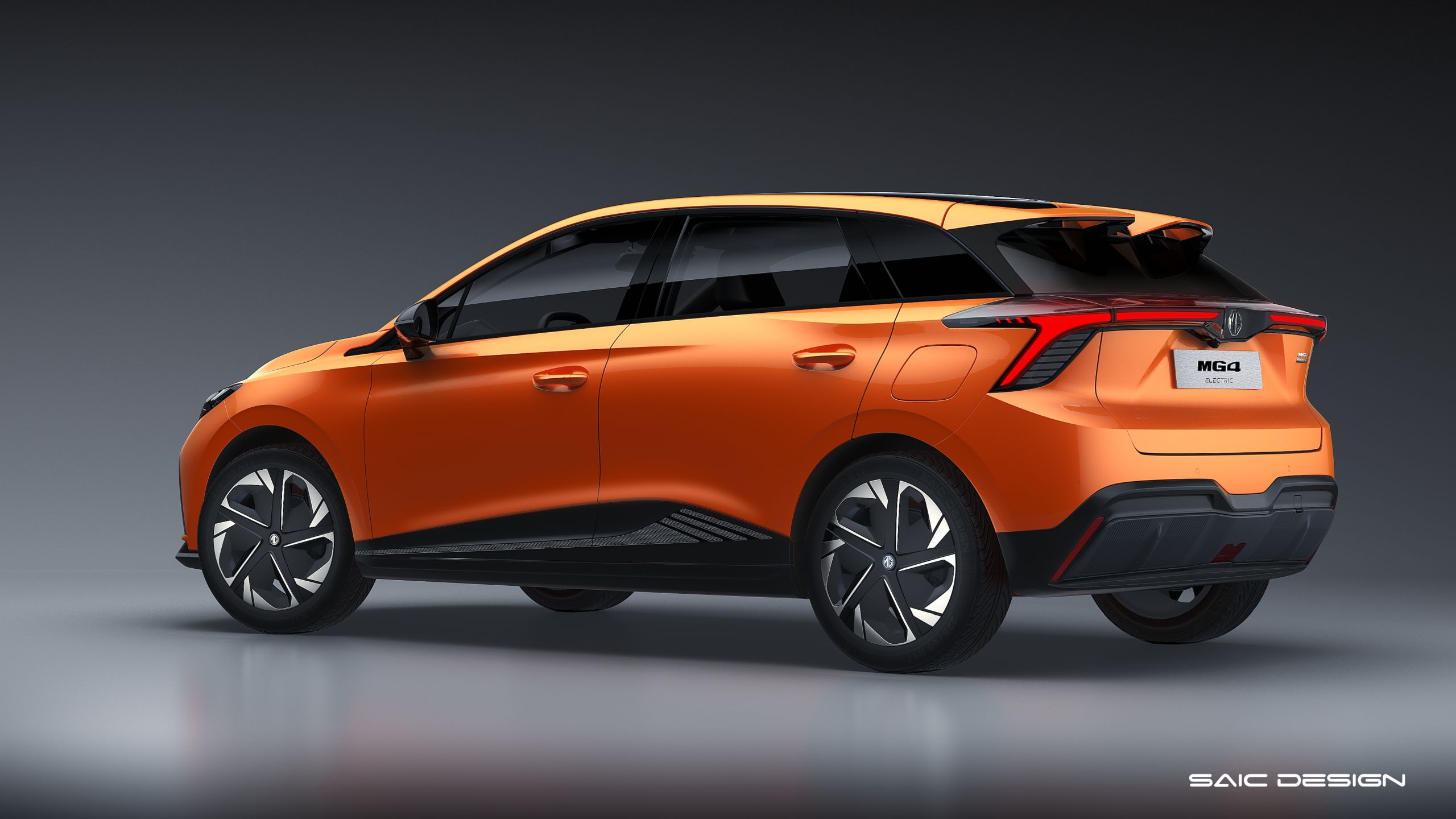
While the 51kWh-equipped MG 4 delivers 125kW to the rear wheels through its electric motor, the larger 64kWh battery allows for up to 150kW, enabling a 0-100km/h time of under eight seconds with a limited top speed of 160km/h.
The “One Pack” battery will allow MG and its parent company SAIC Motor to make further upgrades in the future, with pack sizes between 40kWh to 150kWh and the ability to upgrade it from 400 volts to 800 volts for faster charging capabilities.
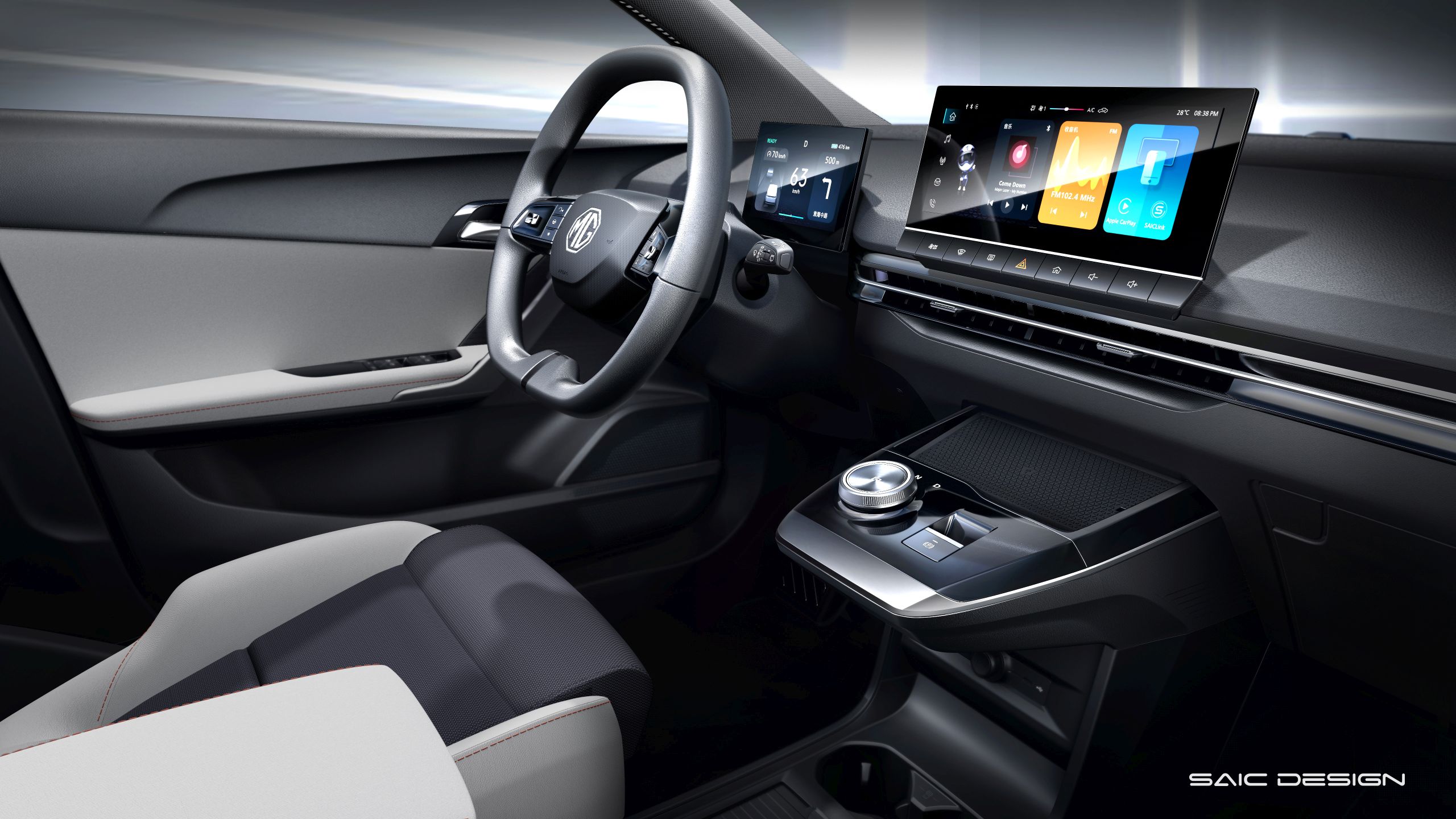
SAIC also says “the powertrain is able to support future BaaS (Battery as a Service) swap systems…equipped for Pixel Point Cloud Comprehensive Environment Mapping (PP CEM)” to allow autonomous driving systems to function.
MG Australia has previously confirmed it is evaluating the model for the local market, with a launch as early as next year on the cards.
June 15: MG Mulan revealed, Australian launch as MG 4 possible
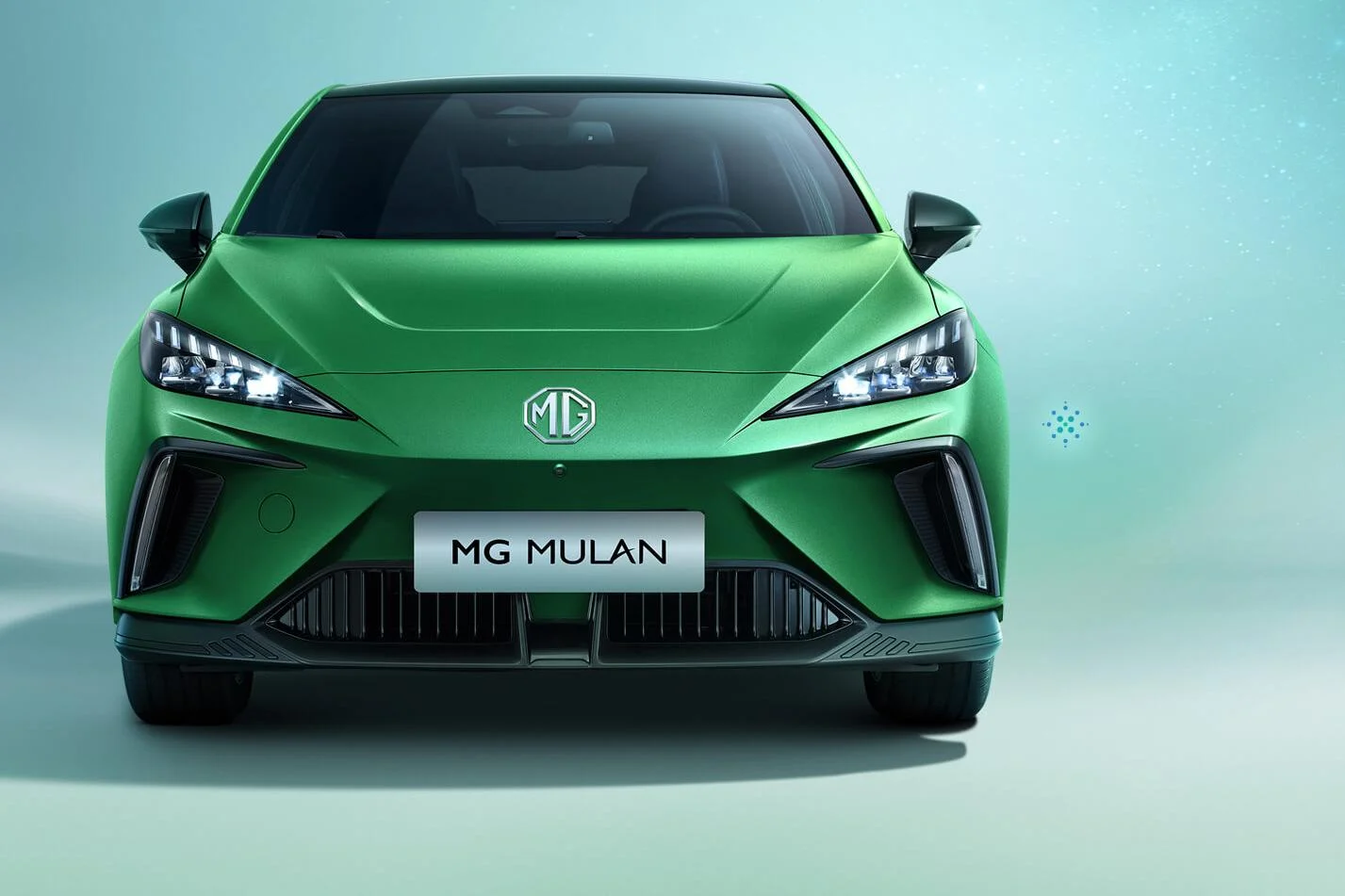
Chinese manufacturer MG has taken the covers off its Mulan electric hatch, potentially coming to Australia next year as the MG 4.
Revealed for the Chinese market, the Mulan features a completely new design language for MG, with its aggressive front end and sharp, angular rear lines completely contrasting its current conservative offerings – such as the HS and ZS crossovers.
A spokesperson for MG Motor Australia told Wheels the Mulan was on its radar, saying: “We are currently reviewing the MG Mulan for the Australian market and exploring different variants. It is unlikely that we will see this model before [the first half of] 2023.”
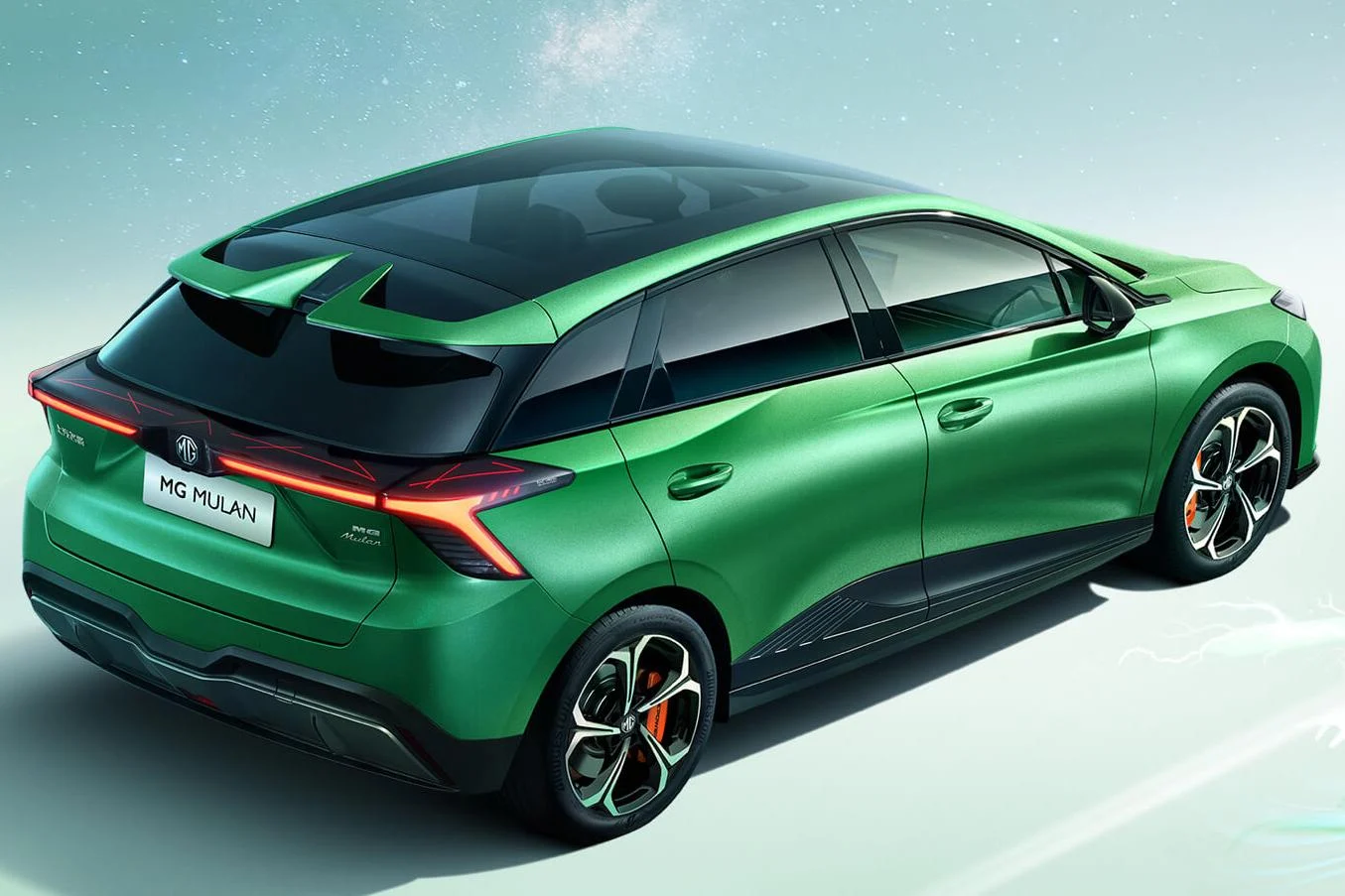
Design elements, such as a full-length panoramic sunroof, LED lights at the front and rear, and a split, two-part rear spoiler are just a handful of exterior features which separate the new model from its counterparts.
Underpinning the new model is MG’s brand new Nebula platform, set up for the Mulan in rear-wheel-drive configuration.
At first, a 125kW motor will be paired to a lithium-ion phosphate battery pack, followed by a 150kW motor and a three-part lithium battery pack, according to Car News China.
Although MG boasts a sub-four-second 0-100km/h sprint time for the model, it’s likely this will come from a dual-motor, all-wheel-drive variant in the future – rather than the rear-wheel-drive offerings at launch.
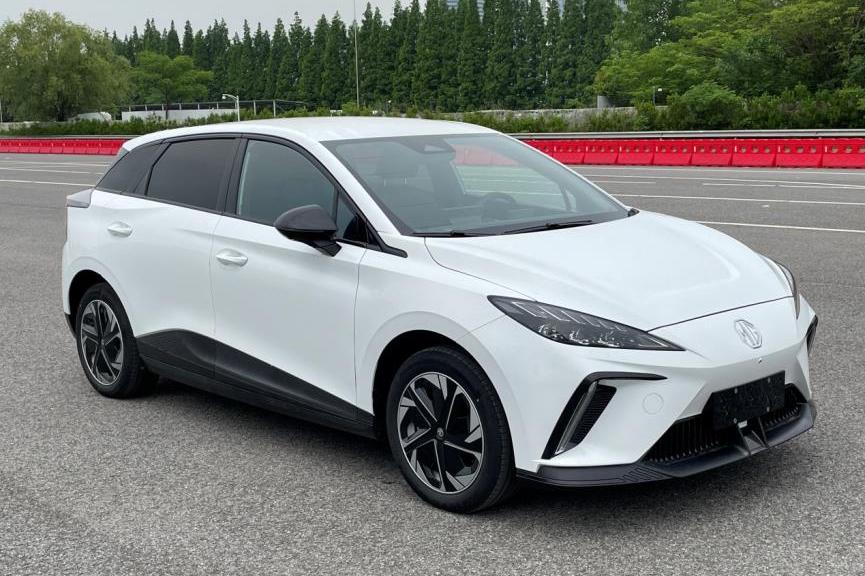
Documents submitted to China’s Ministry of Industry and Information Technology suggest the upcoming model will measure up at 4287 millimetres in length, 1836mm wide and 1516mm tall, with a wheelbase of 2705mm.
Its kerb weight of 1665 kilograms might be on the high side for such a small EV, but the documentation still shows a claimed driving range of between 400 kilometres and 600km, depending on the size of the battery pack.
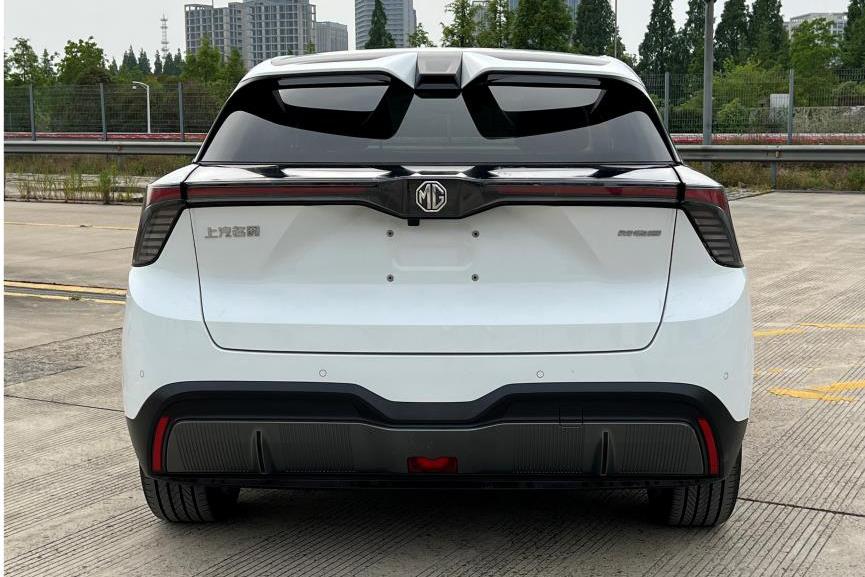
Year-to-date, MG ranks seventh on the Australian new car sales charts, having shifted 20,104 units in what has become its best year yet – recording a 32 per cent year-on-year increase to the end of May.
The manufacturer has recently said it is facing upcoming delays for its models thanks to supply issues, although it expects 7000 new cars to arrive on local shores in July.
UPDATE: 2023 Toyota Yaris Cross GR Sport on sale
The 2023 Toyota Yaris Cross GR Sport has landed in Australia, joining a minor update to one of Australia’s most popular light SUVs.
For the full run-down, including pricing, click on the link below:
The story to here
Toyota is expanding its family of Gazoo Racing-branded vehicles, with the 2023 Yaris Cross GR Sport variant of its compact SUV set to land in local showrooms from December 2022.
The new Yaris Cross GR Sport looks to dial up the dynamism and style with retuned suspension and a bevy of GR Sport-specific features.
The GR Sport variant is exclusively powered by the Yaris Cross’s 2WD hybrid powertrain, combining a 67kW/120Nm 1.5-litre three-cylinder engine with a pair of motor generators on the front axle, producing a combined 85kW.
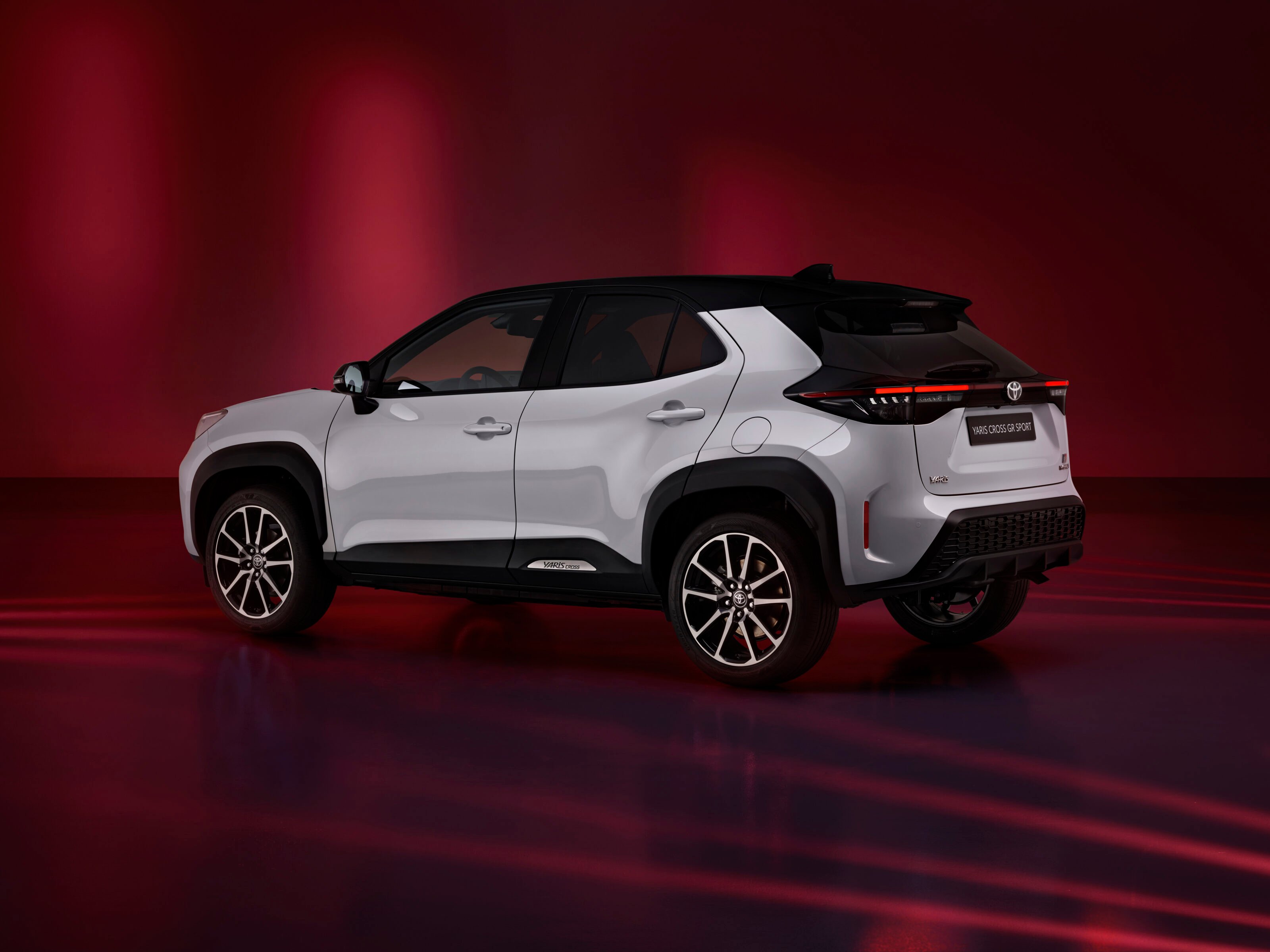
You’ll spot the 2023 Toyota Yaris Cross GR Sport in traffic by way of its 18-inch, five-twin-spoke alloy wheels, unique front grille and sporty rear diffuser.
Inside the cabin, front sports seats feature suede-like covers with synthetic leather upholstery, contrasted by light grey stitching on the seats and steering wheel.
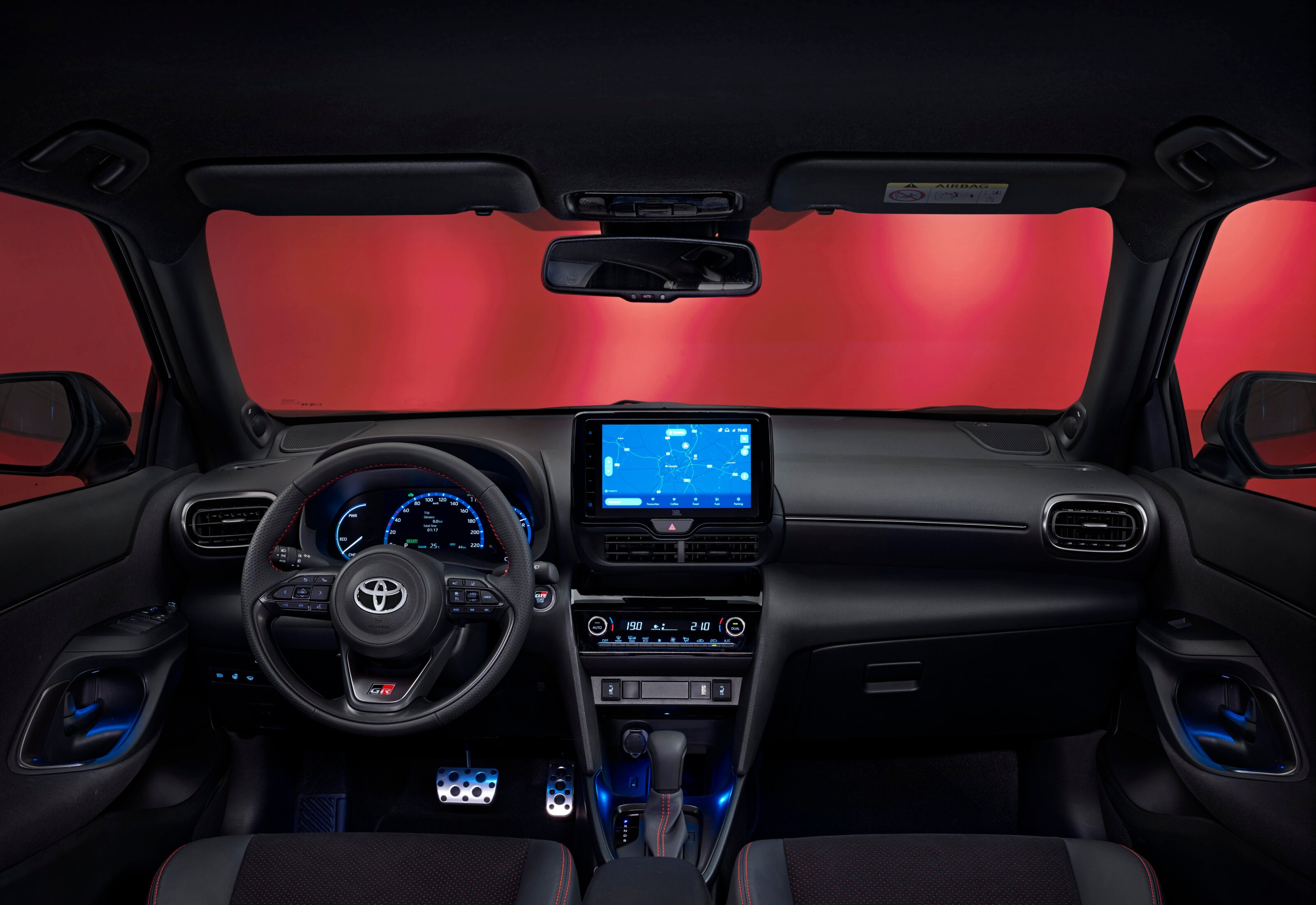
Gunmetal silver trim garnishes appear on the door cards and instrument panel, tying in with the GR Sport’s aluminium pedals.
Of course, there is requisite GR branding on the headrests, smart key and steering wheel, in addition to the Yaris Cross’s existing feature set, that includes; a 7.0-inch infotainment screen with Apple CarPlay and Android Auto, and climate control air-conditioning.
It also features a suite of active safety systems, including; a pre-collision safety system, road sign assist (speed sign recognition), active cruise control, eight airbags and a reversing camera.
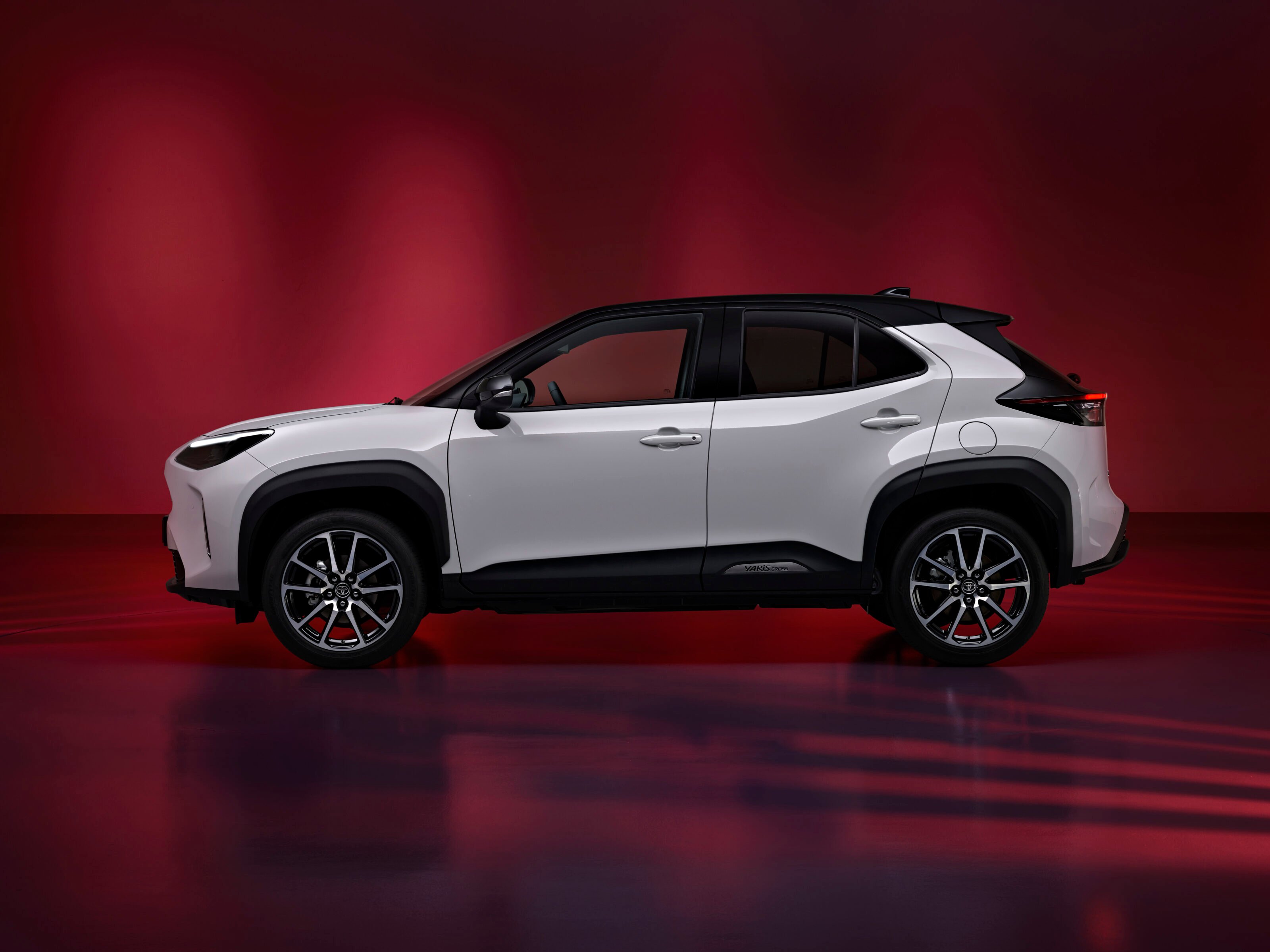
The GR Sport promises more dynamic substance to match the new variant’s style upgrades, with a retuned suspension bestowing the Yaris Cross GR Sport with a distinctive and sharpened feel – with reduced body roll and improved body control.
The new grade lands alongside planned model updates that Toyota previously announced in May.
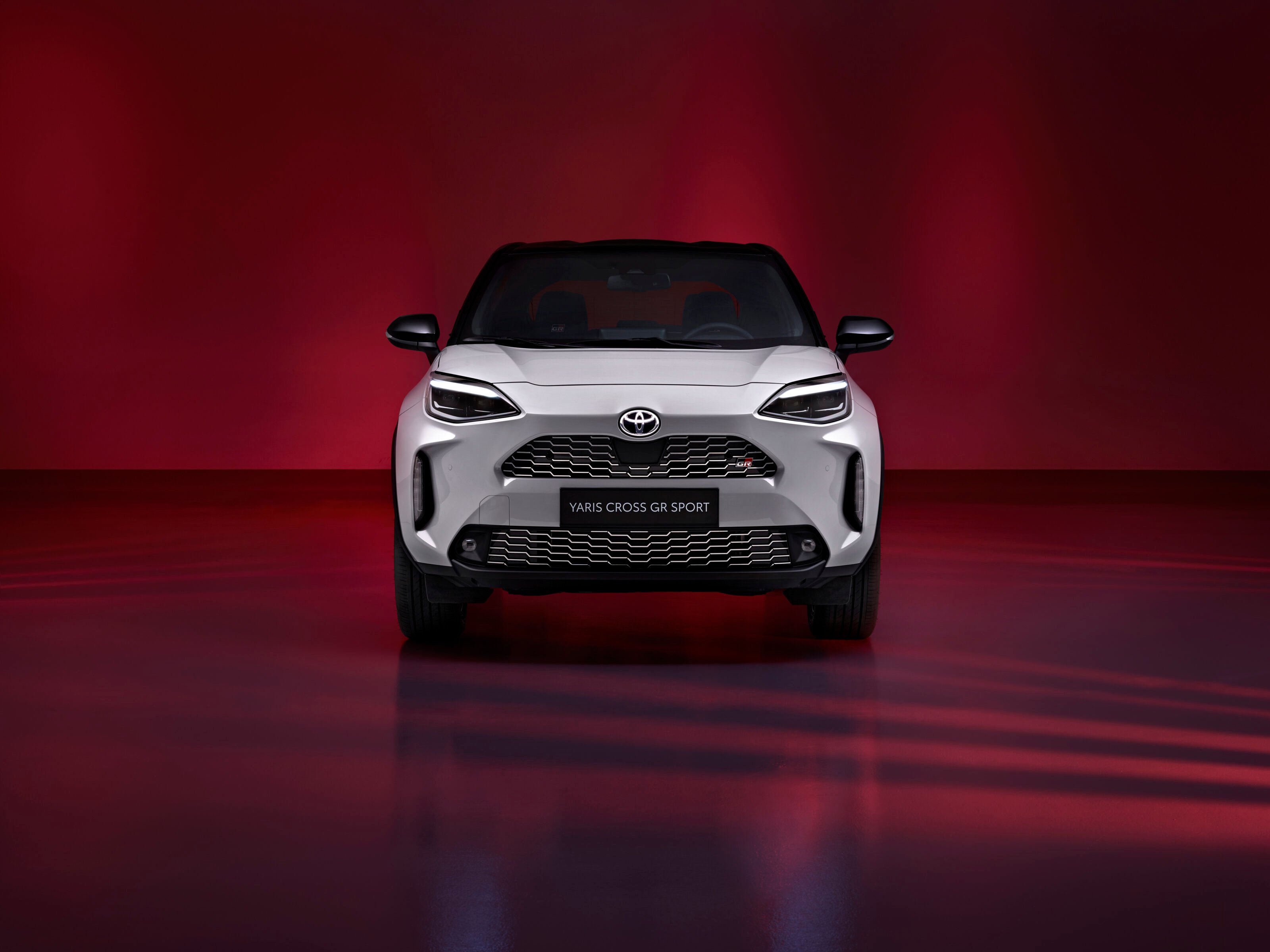
Local pricing for the new 2023 Toyota Yaris Cross GR Sport has yet to be revealed, with Toyota Australia set to release further details closer to the car’s launch in December.
Snapshot
- ARENA announces $871,000 cash injection
- Will be rolled out across NSW
- Funding to go to Intellihub
Fifty new electric car chargers will be installed in power poles in New South Wales, as part of a bid to make the technology more available to those without off-street parking.
On behalf of the Federal Government, the Australian Renewable Energy Agency (ARENA) has today announced it is giving $871,000 in funding to utility services company Intellihub to install the EV chargers on street-side power poles across the state.
The top-up points will be found across nine local government areas – the Waverley, Woollahra, Randwick, Lake Macquarie, Ryde, Singleton, Parramatta, Northern Beaches and Inner West local councils – to cater for those who live in apartments, townhouses or units that do not have access to EV charging on-site.

ARENA CEO Darren Miller said power pole charging provided the perfect solution to increasing public EV chargers.
“Not all electric vehicle owners have the ability to charge their vehicle at home, which is why we’re excited to partner with Intellihub on this trial that utilises street side power poles, providing a great opportunity to pair with EV charging,” Miller said.
“We look forward to seeing the results of the trial from Intellihub and hope to see it rolled out right across Australia.”
“It’s expected that as many as 10 per cent of new car sales in Australia will be electric vehicles by 2025. That equates to an extra 120,000 new EVs on our local streets each year. It’s likely that many of these car owners may be unable to charge their EVs from home,” Intellihub CEO Wes Ballantine added.
“Power poles line most of our public streets and that presents an opportunity for the EV charging market. They’re an accessible, safe, and practical option for EV charging.”
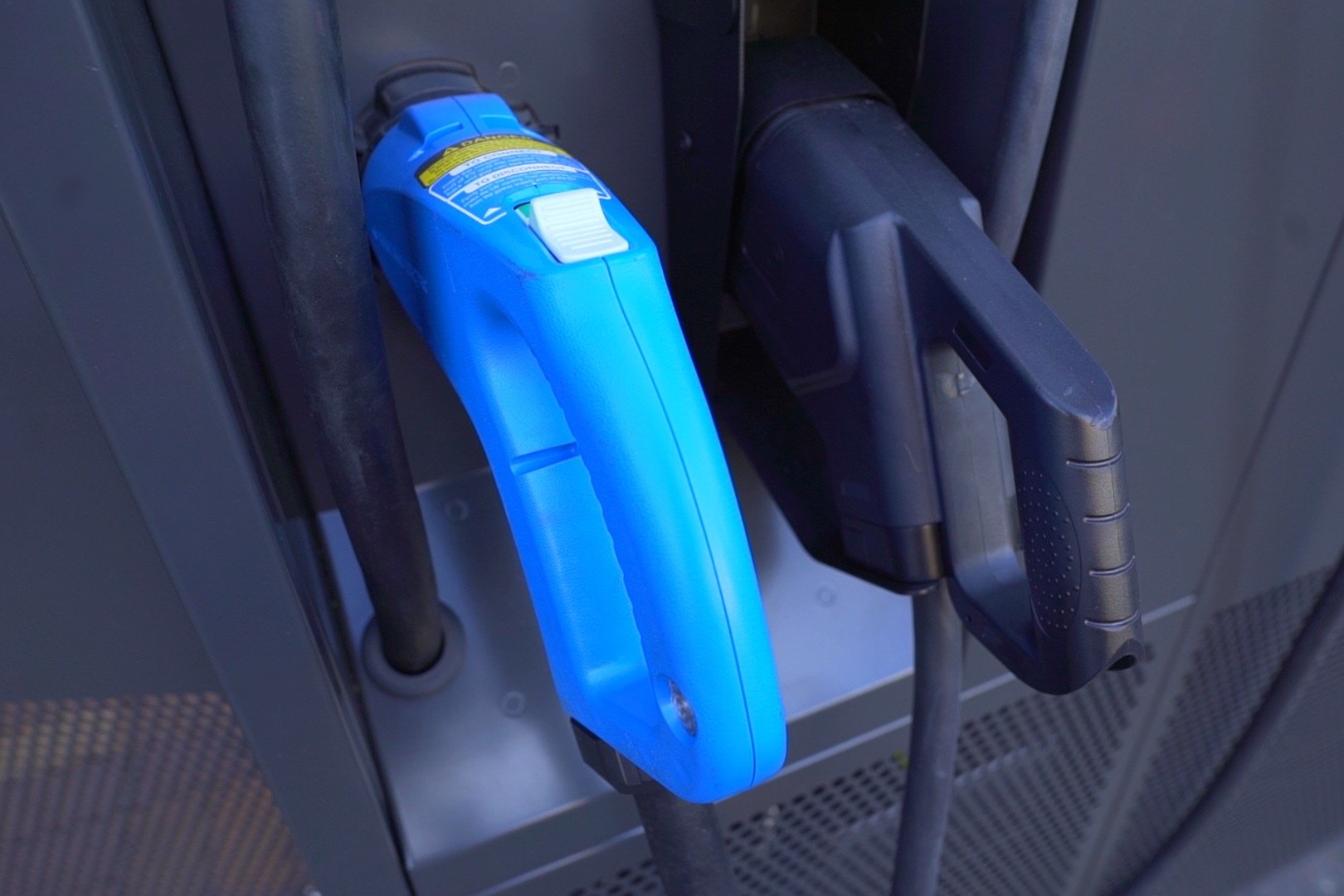
Intellihub’s $2.04 million project is in partnership with Schneider Electric, which will provide the EV charging infrastructure, and EVSE – which will be managing the charging service for both quick stops and overnight stints.
Additionally, Origin Energy will supply 100 per cent Green Power for the project – meaning all of the energy required to charge the vehicles will be matched with the equivalent amount of certified renewable energy added to the grid.
At the moment the project is a trial aimed at showing how existing infrastructure can be used to power EVs, and if successful, it will be rolled out to more areas.
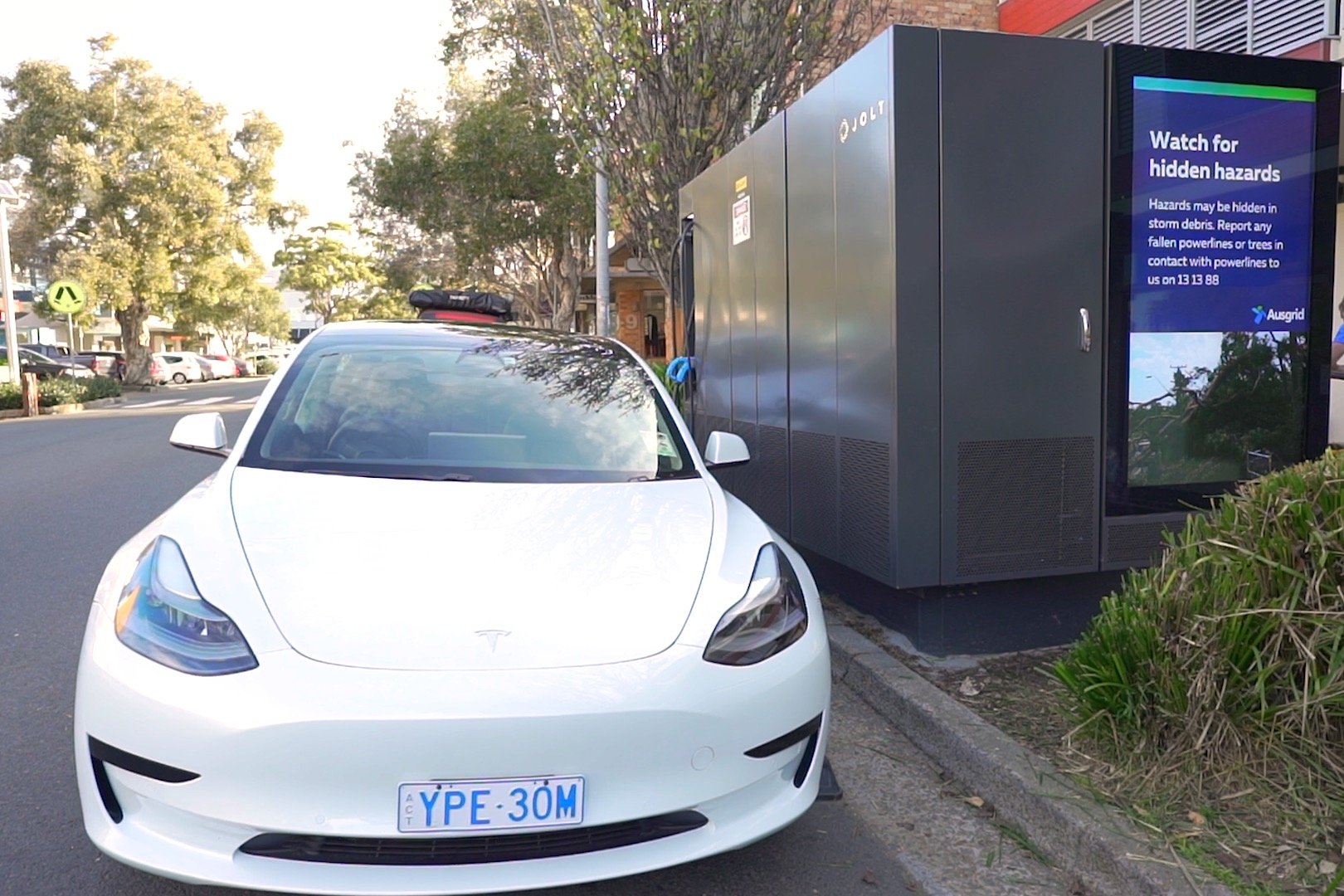
Today’s news follows the announcement in June that more than 230 electric vehicle charging stations will be installed in Sydney by 2025 by EV network provider Jolt and electricity firm Endeavour Energy on existing street-side substations – similarly meaning they will be available for those who do not have access to off-street charging for quick top-ups.
According to Endeavour Energy, the first points are expected to open as early as the end of this year.
Across the Jolt charging network, all electric vehicle drivers will have access to 7kWh of free charging per day, providing around 40 to 50 kilometres of driving range and a 15-minute charging time, depending on the type of vehicle.
Jolt’s chargers, most of which are 25kW DC fast outlets, are powered by 100 per cent green energy.
