Snapshot
- More stock coming in to Australia
- Sorento supply good, Seltos more limited
- Local market has benefitted from supply destined for Russia
Kia is seeing improved supply of stock across its model range – with buyers of its Sorento, Stonic and Carnival among the biggest winners.
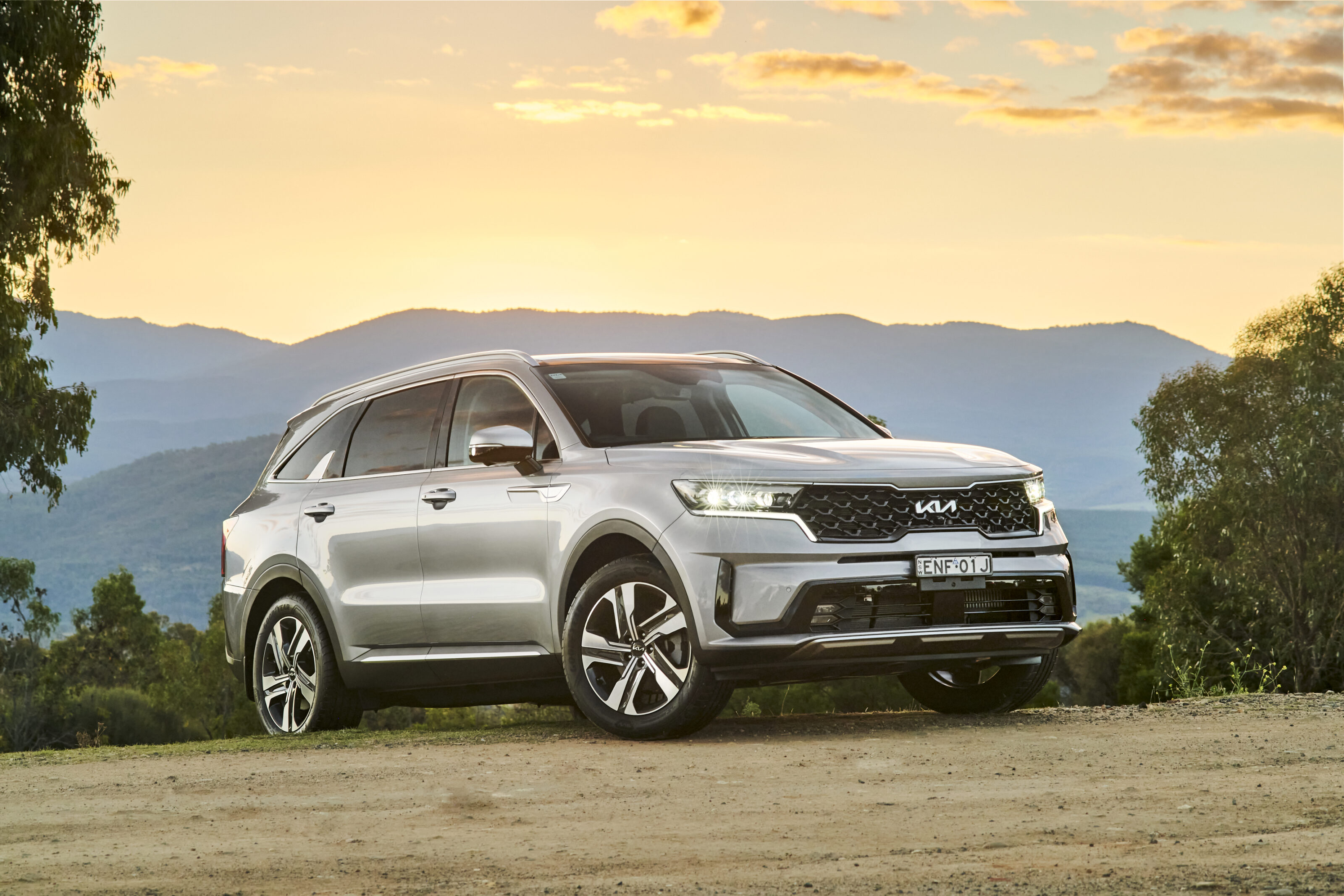
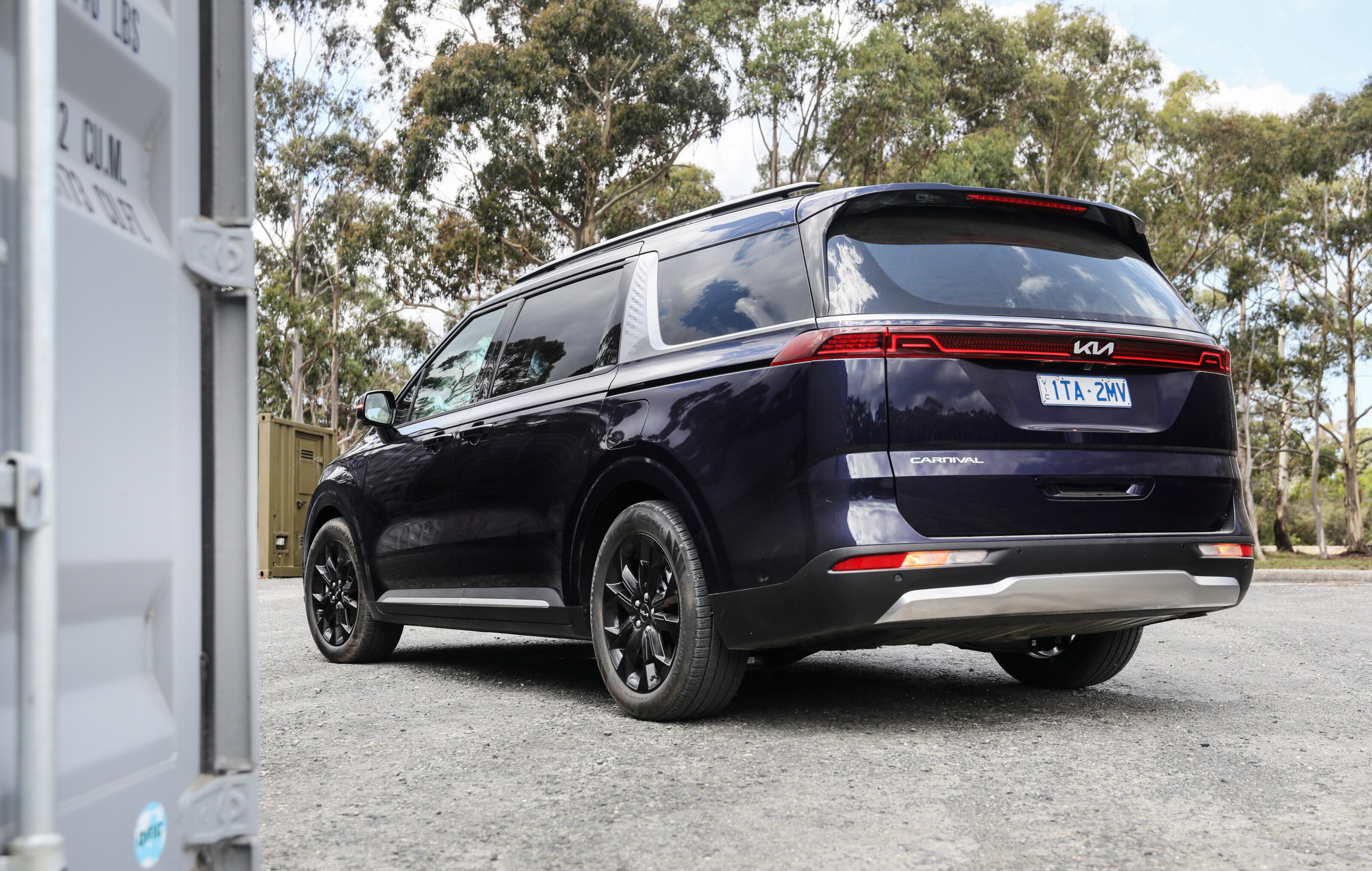
According to the Korean firm, it has been experiencing higher volumes of its Sorento large SUV over the last couple of months allowing it to “put a dent in back orders” for it – as well as for its Stonic light SUV and Carnival people-mover.
The recently-introduced plug-in hybrid variant of the Sorento is also understood to be selling well, though Kia executives told us arrival numbers are still limited.
Around 100 more examples of Kia’s halo electric car – the EV6 – are also expected to land locally later this year, the company has confirmed.

Following an initial allocation of 500 vehicles, Kia Australia execs have said that lobbying their Korean bosses for more stock since the car’s launch at the beginning of 2022 has resulted in more coming our way.
Supply of its small Seltos SUV, however, remains tight.
“Our stock is ok – the problem we’ve got is the demand for the industry as a whole is at an all time high,” said Kia Australia’s Chief Operating Officer, Damien Meredith.
“There’s been extraordinary demand globally, and like many industries, we’re struggling to meet the expectation. Whether you want a coffee table or a new suit – you’ve got to wait.
“But it’s not all doom and gloom. I can assure you the demand, even with uncertainty, is still very high. Historically, at the time the Federal Election came business used to stop – but that hasn’t been the case over the last eight weeks. Our orders on a daily basis have been as buoyant as they’ve ever been.”
Sources have told Wheels one of the reasons behind the improved stock situation is related to the ongoing conflict between Russia and Ukraine – with cars previously destined for Russia now being reallocated elsewhere globally and Australia has been one of those to benefit.
Back in March, Kia’s parent firm, the Hyundai Motor Company, pulled out of the country over “deep concern” surrounding the situation in Ukraine.
Despite being affected by supply issues impacting the whole automotive industry, Kia’s strong product range has allowed it to cement itself as a top five brand locally in recent years – and is even anticipating that this year it will sell more than 72,000 vehicles. It has never sold in excess of 70,000 annually so far.
“We were in front of Hyundai half way through last year, but its supply loosened up far more than ours in the second half,” Meredith said. “Mitsubishi is also doing very well this year, but the race between Hyundai and Kia is supply driven – simple as that. I like to think together the Hyundai Motor Group is number two in Australia since that’s how they measure it in most countries.”
As of April, Kia did not have a top 10 model, either for that month or year-to-date, but overall it placed as the fourth most popular brand in Australia with 6180 sales – up eight per cent on the same time last year. So far in 2022 it has shifted 23,632 units, up three per cent on the same point in 2021. With new car sales figures for May due imminently, expect these figures to rise significantly.
“We don’t get caught up in the monthly rankings so much, and it’s a bad move for any OEM to be solely dependant on one model. Each car in our range has a dedicated role to play – we’re the sum of all our parts,” added Kia’s General Manager of Product Planning, Roland Rivero.
“Hi everyone, my name is Ash and I’m an Alfa-holic.”
I feel comfortable talking about this because I’m sure there are plenty of people here who can relate without judgment. And, to be fair, it’s a very long time since my last relapse. It was way back in the late ’80s when I fell off the ‘sensible car’ wagon and bought a secondhand Sud Ti Cloverleaf.
It was a bit leggy and there was already a rust bubble leaching out from under the windscreen rubber, but I was so buzzed by the chassis poise and the rasping, parping flat-four that willpower was futile. And for a couple of years, I remained intoxicated by it.
Eventually I took a job that required sizeable daily kays, by which time the Sud’s sagging seat, flawed driving position and fraying mechanicals meant it had to go. But while the Nissan Pulsar ET Turbo that replaced it was both quicker and easier to live with, I never developed the depth of affection for it as I did for that little Sud.
The Nissan was like a lukewarm Kirin lager; the Alfa more like a grappa shot.
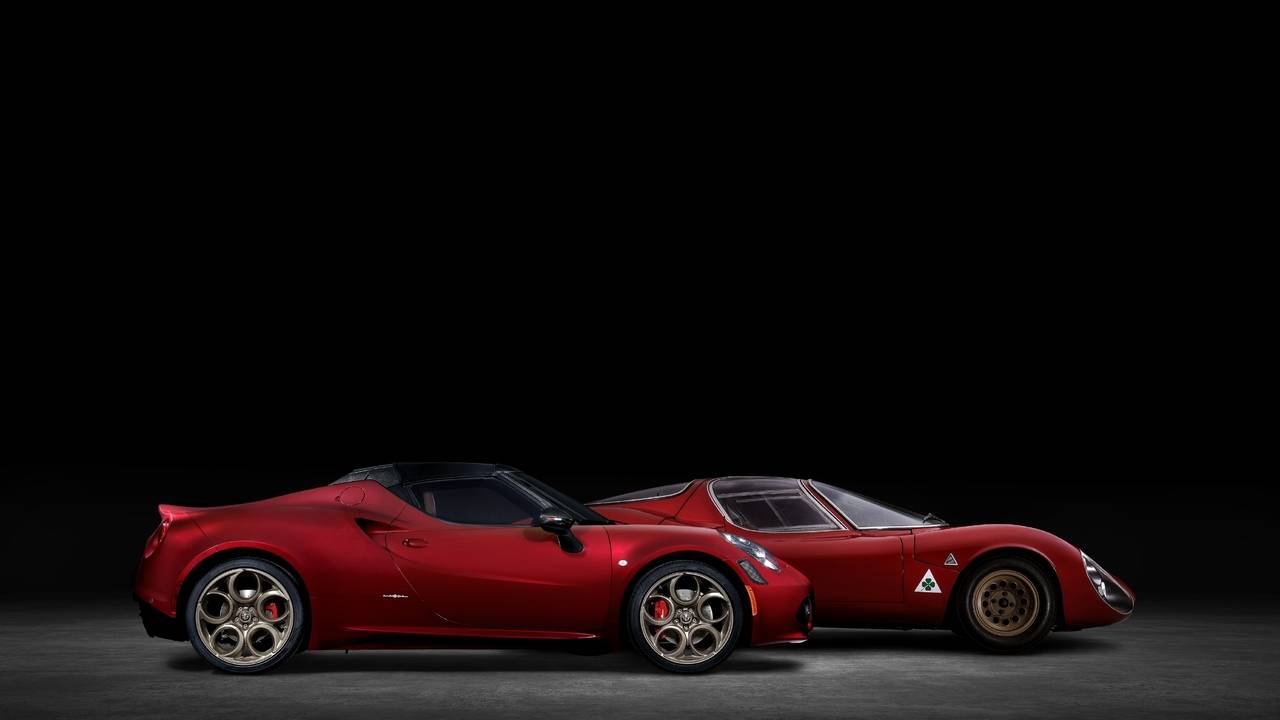
Alfa Romeo really is one of those car companies that has an almost inordinate amount of enthusiast love for it. It would seem that if you’ve built a car as epic as the 33 Stradale, the Alfisti will eventually forgive you for one as execrable as the Arna. But brand love and robust sales can be two very different things.
Part of Alfa’s more recent problems would seem to come from trying to stay too true to the brand’s sporting ethos at the expense of more rounded virtues.
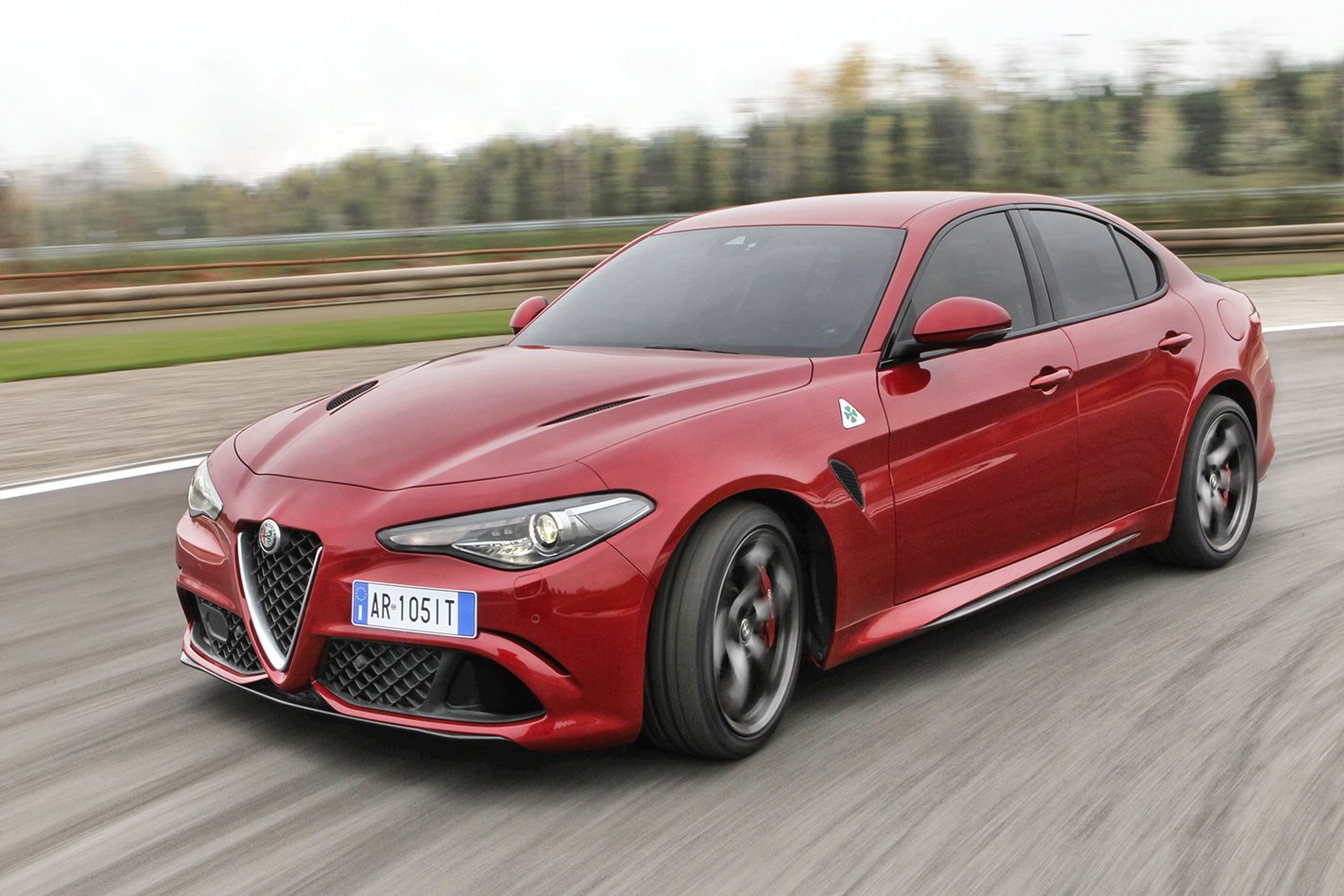
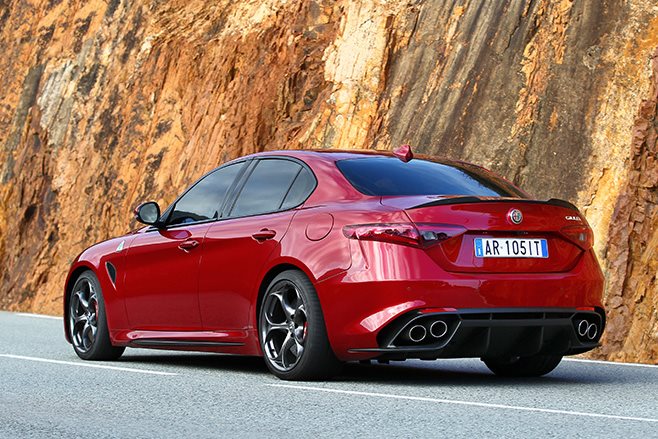
The Giulia sedan and Stelvio SUV are both terrific things to punt hard, but buyers only think that’s what they want from an Alfa, when the reality is they want a cabin that feels like a Milanese designer furniture store, but also bristling with tech and connectivity.
Both models missed that mark when they were first released, and as the expression goes, sometimes you don’t get a second chance at a first impression.
But the even bigger issue for Alfa is its threadbare product portfolio. How do you let a famed Italian brand dwindle down to just two core model line-ups? In Australia, even Bentley offers greater breadth of choice.
Come to think of it, how do you spend a reported billion dollars on developing a platform called Giorgio as recently as 2014, only to have to dump it because it wasn’t future-proofed for electrification?
This current malaise makes the arrival of this month’s cover star, the Tonale compact SUV, even more critical.
You’ve read Georg Kacher’s impressions from the Italian launch in the June issue of Wheels, or here online – but at the risk of a spoiler alert, it sounds as though the most potentially persuasive version of the Tonale may be the plug-in hybrid, and its delay means it’s now a 2023 bet for Australia.
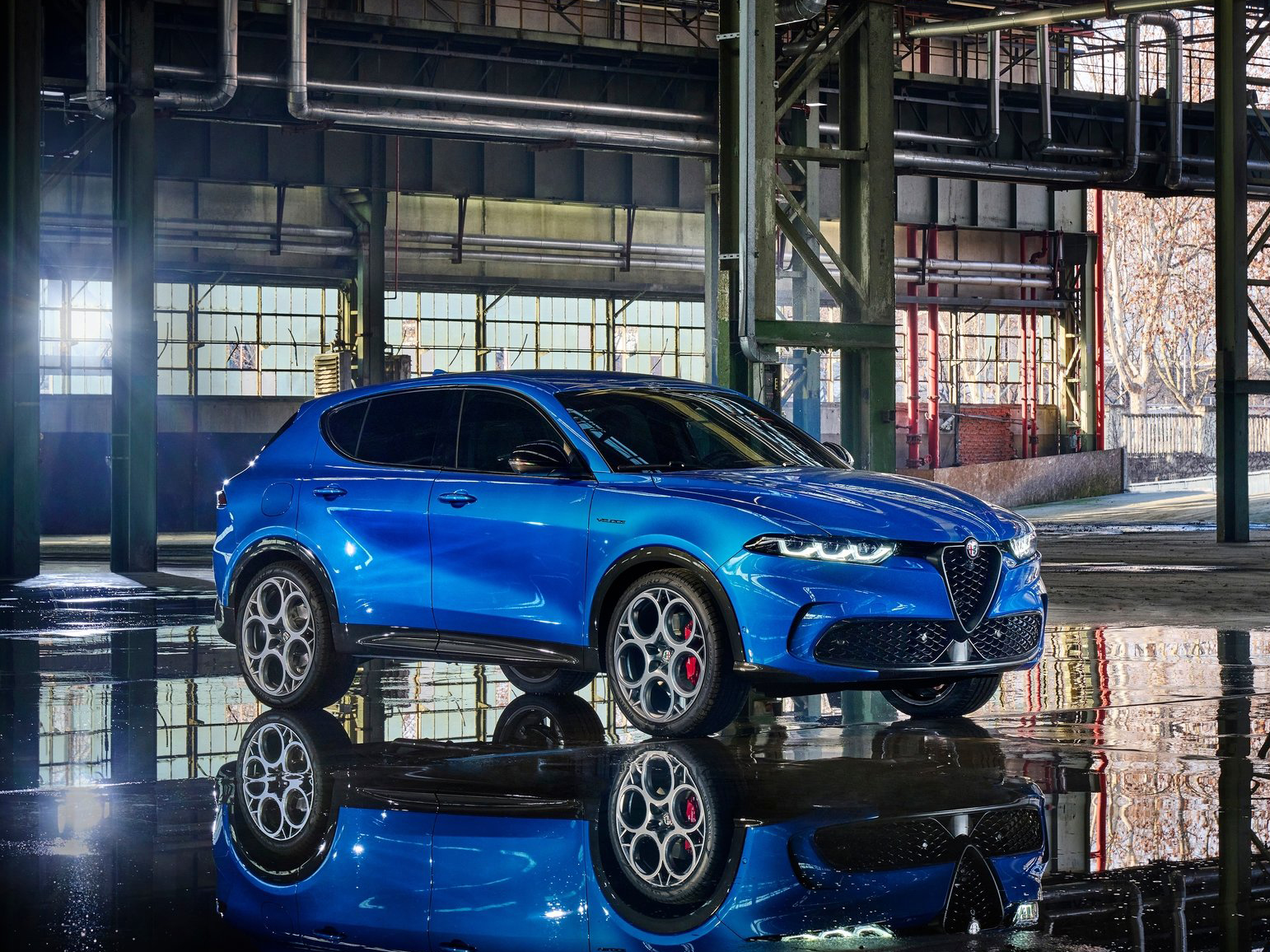
Current boss Jean-Philippe Imparato, who left Peugeot to take over Alfa in January 2021, is reported to have been central to the Tonale PHEV’s delay, allegedly sending it back with a note: ‘must try harder’.
Imperator sounds as though he has a clearer vision for the Alfa brand than his predecessors, and he’s also talking a big game in terms of the product pipeline, promising one new model each year to 2026, with full electrification taking effect by 2027.
Will that be enough to really swing the meter in Alfa’s favour? The company is so far behind in the electrification race it runs a real risk of being stuck in catch-up mode for years.
Its first dedicated EV – reported to be a sub-compact SUV that may or may not be called Brennero – is not due until 2024, by which time the big players and the Chinese will have gained an even stronger
beachhead in this segment, surely making meaningful penetration by Alfa into volume markets like China and the USA even more challenging.
Let’s hope the brand can rise to it, because I’m sure I’m not alone in wanting to one day see a healthy Alfa Romeo, with a comprehensive model line-up of segment-competitive cars that are engaging to drive and desirable to own.
I reckon that’s something to which we could all raise a glass.
Snapshot
- Mercedes-Benz unveils latest GLC
- New model is bigger and more powerful than before
- Australian deliveries to start in the first half of 2023
The money maker at Mercedes-Benz used to be the E-Class sedan.
As comfy as an armchair, quietly competent when you needed to get somewhere in a hurry, and built like a tank, it was for decades the heart and soul of the three-pointed star. Philosophically, it still is.
But when it comes to making money at Mercedes-Benz these days, the GLC SUV is king.
The GLC is the best-selling Mercedes-Benz in the world. Which is why the 2023 GLC is one of the most important new vehicles Mercedes-Benz will launch this year.
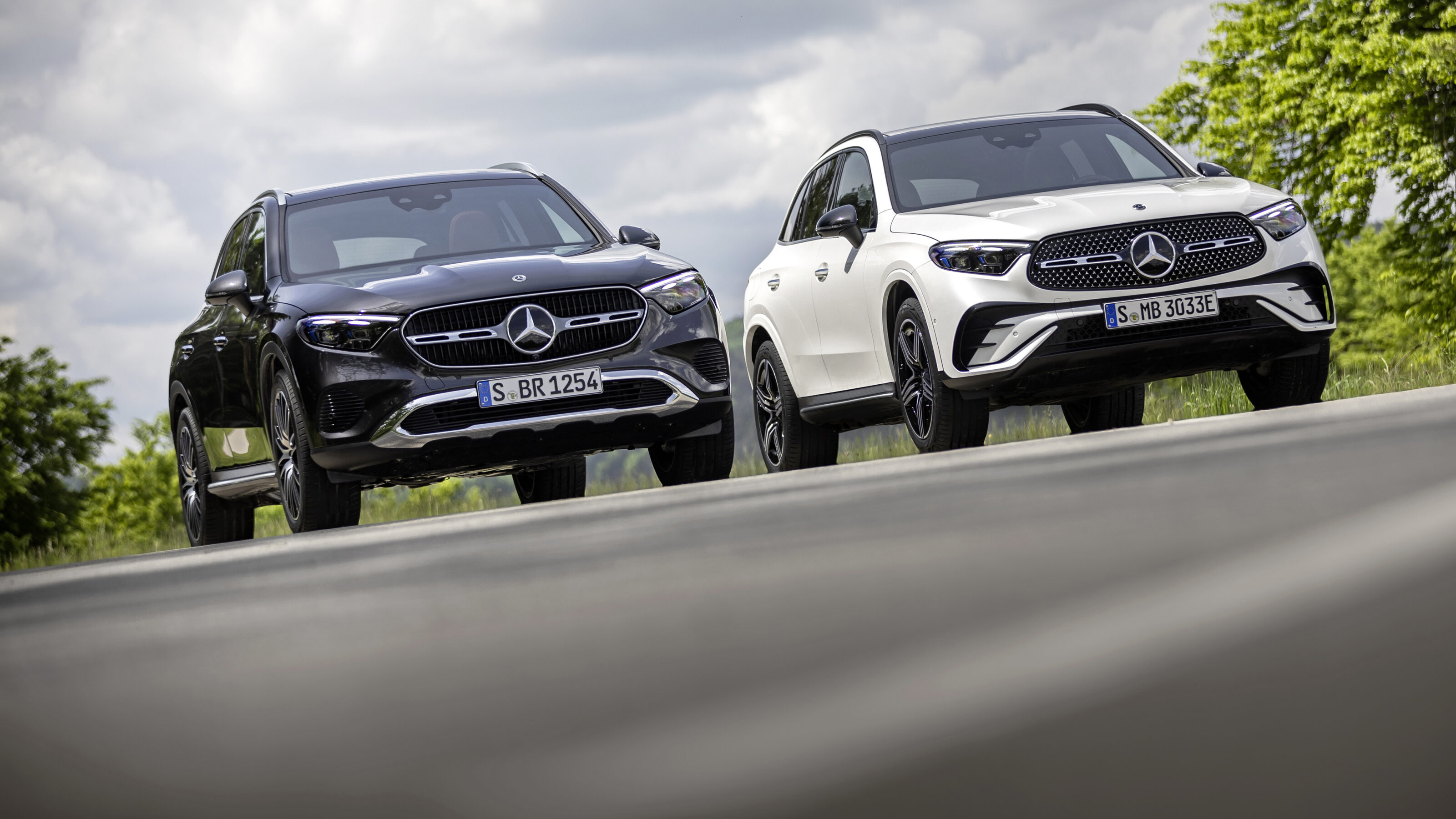
Code-named X254, the 2023 GLC is built on the MRA2 vehicle architecture that underpins the C-Class, E-Class and S-Class sedans. Compared with the current model, overall length has increased by 60 millimetres.
The wheelbase has increased by 15mm to improve rear seat legroom, and the front overhang has gone up by 15mm to meet pedestrian protection crash regulations.
The rest is all behind the rear axle, to address what GLC product manager Axel Benseler says was customer demand for more luggage space. “It was the biggest criticism of the old car,” he says.
At first glance the new GLC looks very safe, a low-risk makeover of the current model. “We had to be very careful with the design,” Benseler admits. Up close and in the metal, however, the new GLC is arguably more of a step-change over the old model than the recently redesigned C Class sedan was of its predecessor.
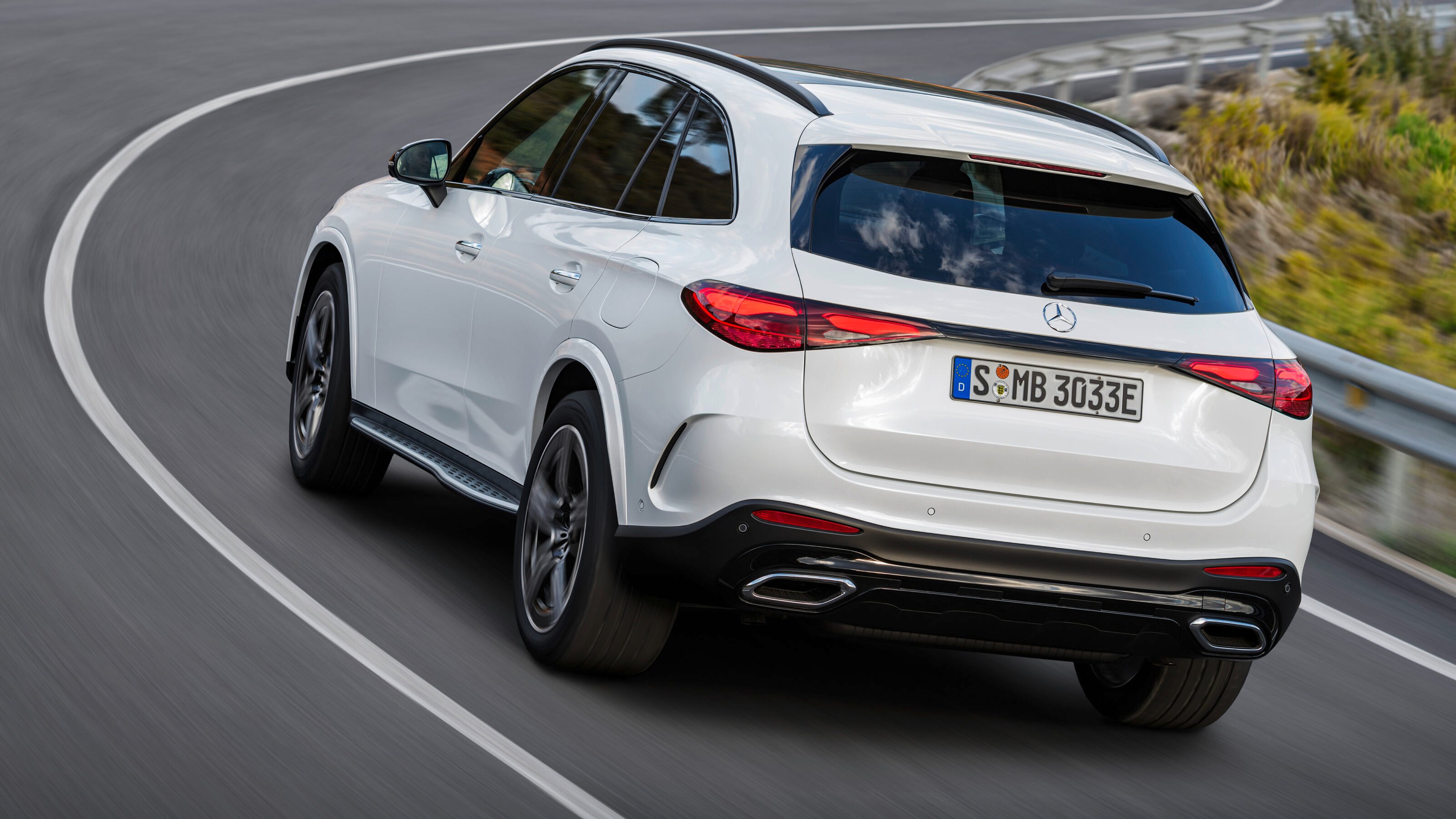
Cleaner bodysides feature subtle creases over the front and rear wheels and are teased out over a slightly wider track – 6mm wider up front and 23mm wider at the rear.
The exterior mirrors are mounted on the doors to improve aerodynamics – Benseler says the drag co-efficient of the new GLC is 0.29, a six per cent improvement. The key visual change, however, is the new daylight opening, with a beltline that kicks up to a more elegantly designed D-pillar.
At the rear is a variation on the lozenge tail-light graphic now used across the Mercedes-Benz range, linked with a black bar that echoes the detailing used on the Mercedes-EQ electric models. Up front is a stronger grille flanked by new LED headlights.
What most people will notice, however, is the new GLC’s classy interior. As in the C-Class sedan, the cabin has been given the baby S-Class treatment, with the configurable 12.3-inch LCD instrument panel and the 11.9-inch portrait format MBUX screen swooping from the centre console up and over the lower part of the dash. And as in the C-Class sedan, the overall effect is that you’ve stepped into a slightly downsized version of Mercedes-Benz’s flagship.

Six different GLC models will be available in Europe with powertrains that mix and match four-cylinder petrol and diesel engines with either 48-volt mild-hybrid (MHEV) or plug-in hybrid (PHEV) electric hardware. Australian customers, however, will be able to choose from just two when the GLC arrives here in the first quarter of 2023.
The MHEV powertrain in the GLC 300 4Matic comprises the 2.0-litre petrol engine, which develops 190kW at 5800rpm and 400Nm from 2000rpm to 3200rpm – with an additional 17kW and 200Nm of assistance available from the e-motor.
The PHEV powertrain in the GLC 300 e 4Matic has a 100kW and 440Nm e-motor sandwiched between the petrol engine and the nine-speed automatic transmission to give a total system output of 250kW and 550Nm.
Thanks to a 31.2kWh battery mounted under the rear load space floor – which eliminates the storage space underneath and raises the floor height by an inch or so, reducing the boot capacity from 600L to 460L – the new GLC 300 e boasts a 100 kilometre pure electric driving range at speeds of up to 140km/h. That’s more than double the range of the outgoing GLC 300 e, with 16 per cent more room in the boot.
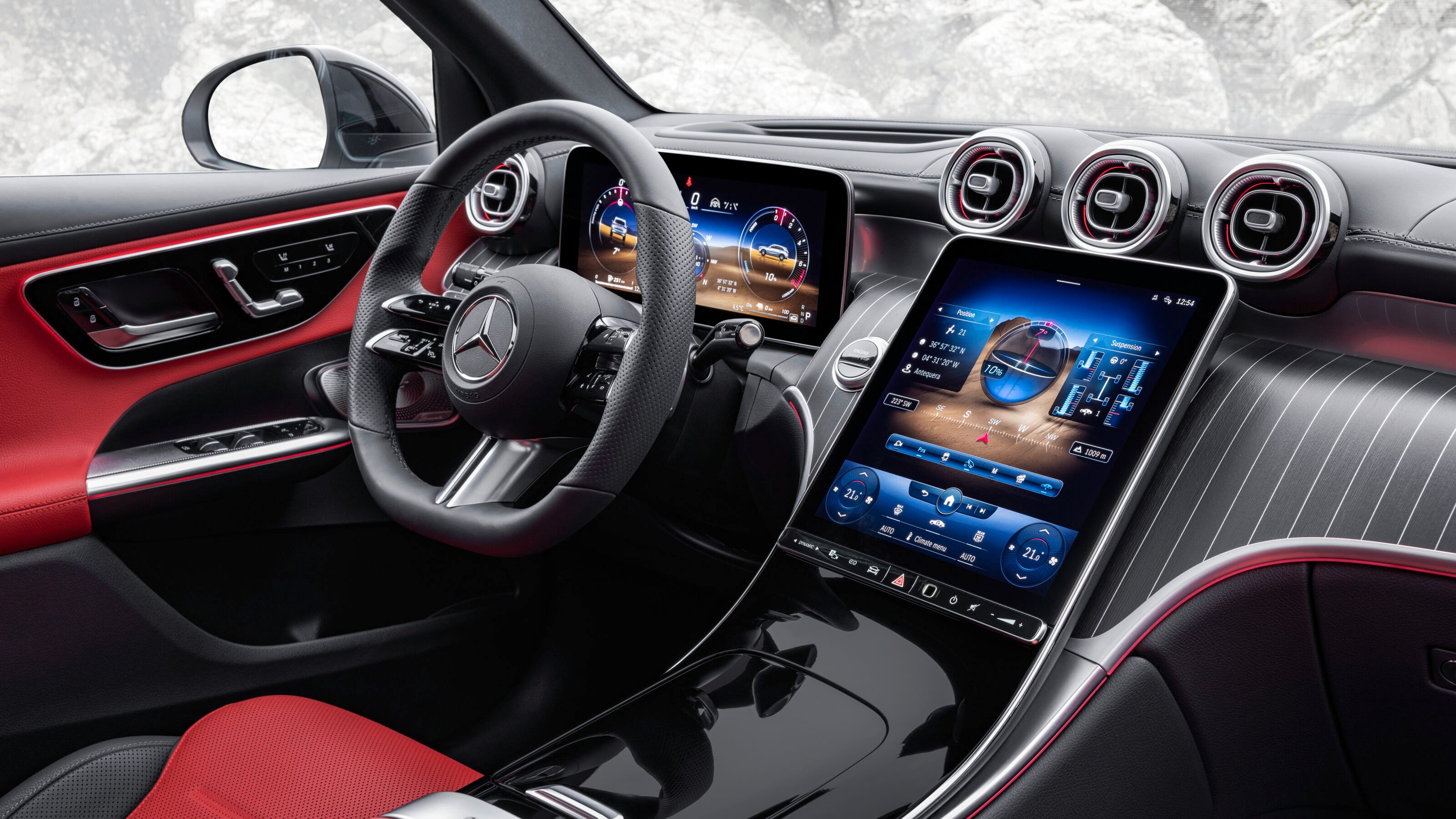
Standard equipment levels will be high, reflecting the fact that – globally – GLC customers have typically spent more on options than those buying C Class sedans. Every new GLC comes equipped with; 4Matic, full-size MBUX display, ambient lighting, wireless mobile phone charging, a power tailgate, privacy glass and heated front seats.
Among the tech upgrades are a ‘transparent bonnet’ feature, which comes as part of the optional 360-degree camera package and shows a virtual view of what’s almost under the front wheels when you select Off-Road mode. The nav system includes a towing planner that calculates routes suitable for driving with trailers of specific weights, widths, and heights. The trailer’s properties are defined via the trailer menu in MBUX, which is activated as soon as the trailer is coupled to the towbar and an electrical connection made.
The GLC launches in Europe in two basic trim levels – Avantgarde and AMG Line. The Avantgarde comes with 18-inch alloy wheels and Comfort Suspension specification steel springs. The AMG Line model gets different front and rear bumpers – with less chrome – a star-spangled grille, and standard 19-inch alloy wheels with staggered tyres.
Options include; 20-inch wheels on both trim levels and – on AMG Line models – the opportunity to have the black plastic around the wheel openings and under the doors painted body colour.
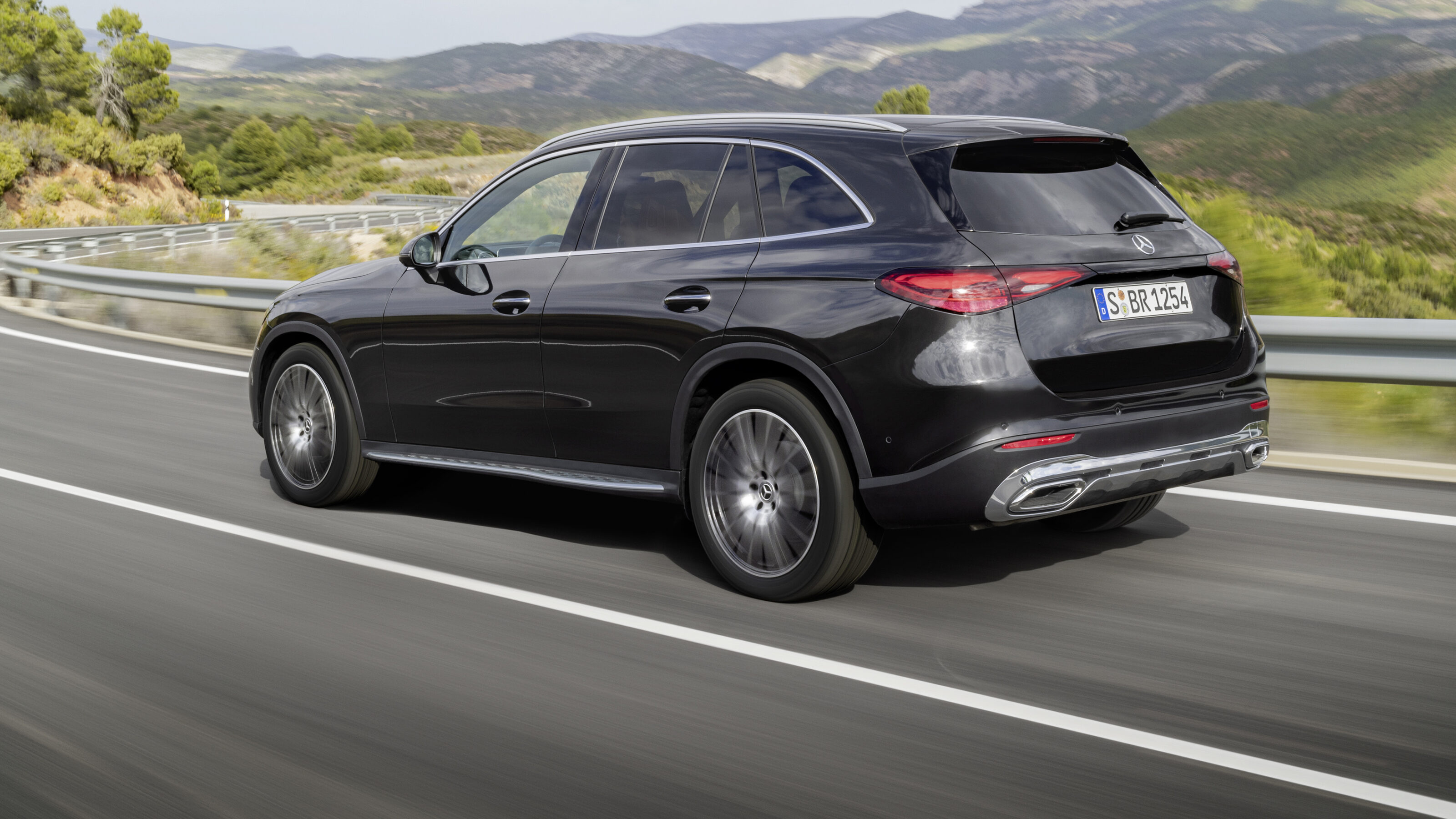
Height adjustable air suspension – it drops the GLC 15mm at speeds over 100km/h to reduce drag and lifts it 50mm in Off-Road mode to provide additional clearance – is available as an option on the GLC 300, and is standard on the GLC 300 e, where the ride levelling system is used to counter the weight of the battery behind the rear axle.
Rear-wheel steering is available on GLCs with air suspension. The system pivots the rear wheels up to 4.5 degrees in the opposite direction to the fronts at speeds up to 60km/h to increase low speed agility and reduce the turning circle by almost eight per cent to 10.8m, and turns them in the same direction as the fronts over 60km/h to improve high-speed stability.
The mid-size SUV is a relatively new vehicle category for Mercedes-Benz – the GLK launched in 2008 was the company’s first foray into the segment. But with more than 2.6 million GLKs and GLCs sold worldwide since then, it’s a segment to which Mercedes-Benz now pays close attention.
The 2023 GLC proves the point. Slightly bigger, with more interior room and luggage space, more premium in look and feel inside and out, and boasting higher standard equipment levels, it has been carefully crafted to reassure existing Mercedes customers, and to attract new buyers out of their BMW X3s, Audi Q5s, and Range Rover Evoques.
VW’s fleet of SUVs all have a name starting with T but it does appear things were getting a bit desperate as the cars got smaller. With majestic names like Tiguan and Touareg for the bigger cars, it seems all the good T names were taken, so marketing came up with T-Roc for the larger of the company’s two compact SUVs.
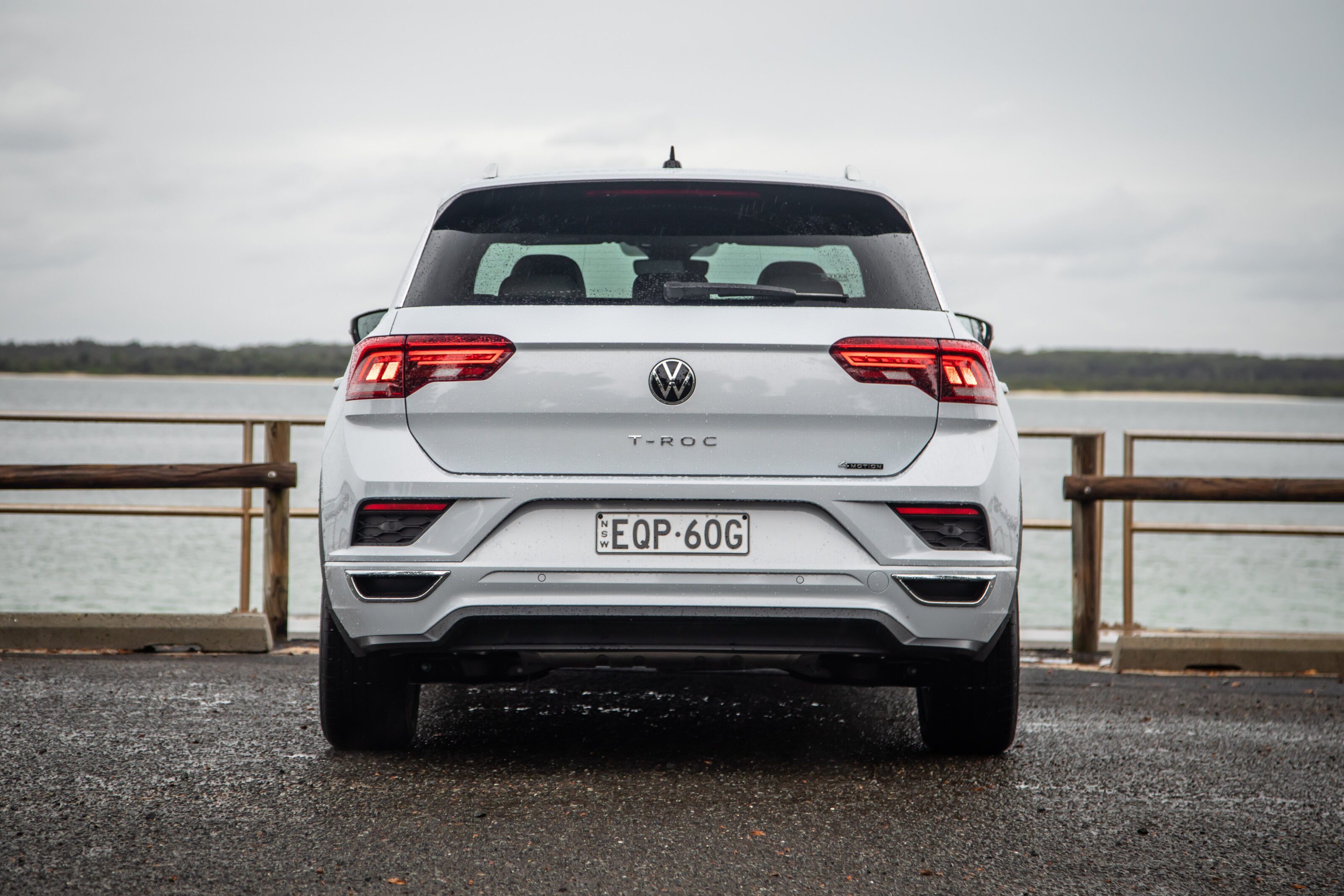
The weirdly-named T-Roc is a Golf-sized and Golf-based machine that is currently very difficult to get a hold of. As with the T-Cross, there are just two variants available (it is the upper-spec 2022 Volkswagen T-Roc 140TSI Sport 4Motion variant we’re testing here) but there are more significant differences between the two and a more significant price to match.
Although this T-Roc cracks the $40K mark, it holds the distinction of being the least expensive all-wheel drive VW you can buy. Equipped with a powerful four-cylinder turbo, a bit of R-Line styling and a fair whack of tech, this T-Roc is chasing the title of segment king.
Pricing and Features
At first glance, this looks like a lot of money for a compact SUV – and it is – but a Kia Seltos GT-Line is also similar money.
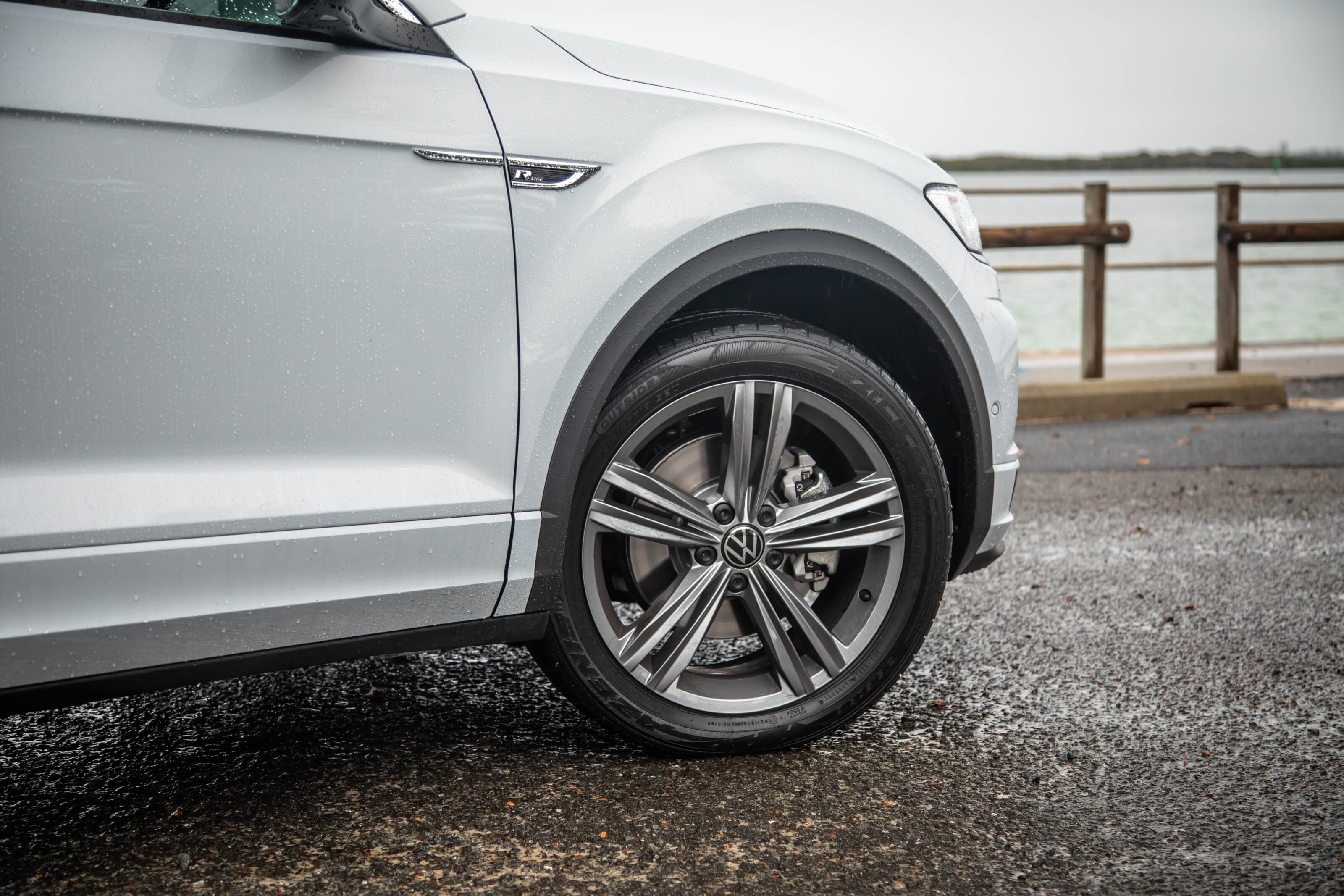
Paying $42,700 before on-road costs for the T-Roc gets you 18-inch alloys, a six-speaker stereo, dual-zone climate control, reversing camera, keyless entry and start, front and rear parking sensors, adaptive cruise control, sat-nav, digital instrumentation, auto LED headlights with auto high beam, auto wipers, leather-trimmed steering wheel and shifter and a space-saver spare.
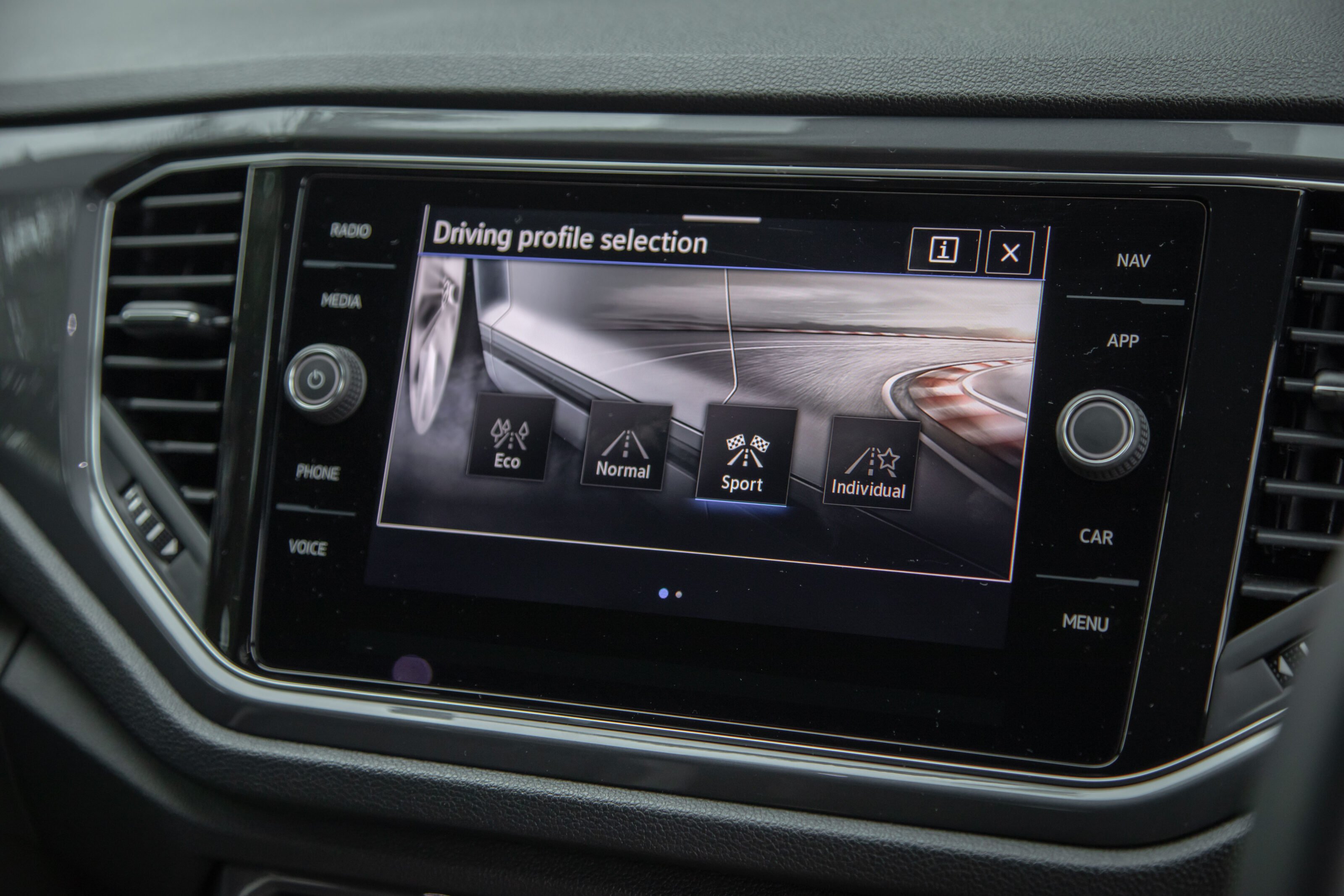
The 140TSI Sport gets the 8.0-inch touchscreen that includes native sat-nav, Apple CarPlay and Android Auto and, as is VW’s wont, includes two USB-C ports for connectivity. The digital dash is a 10.25-inch screen and looks terrific.
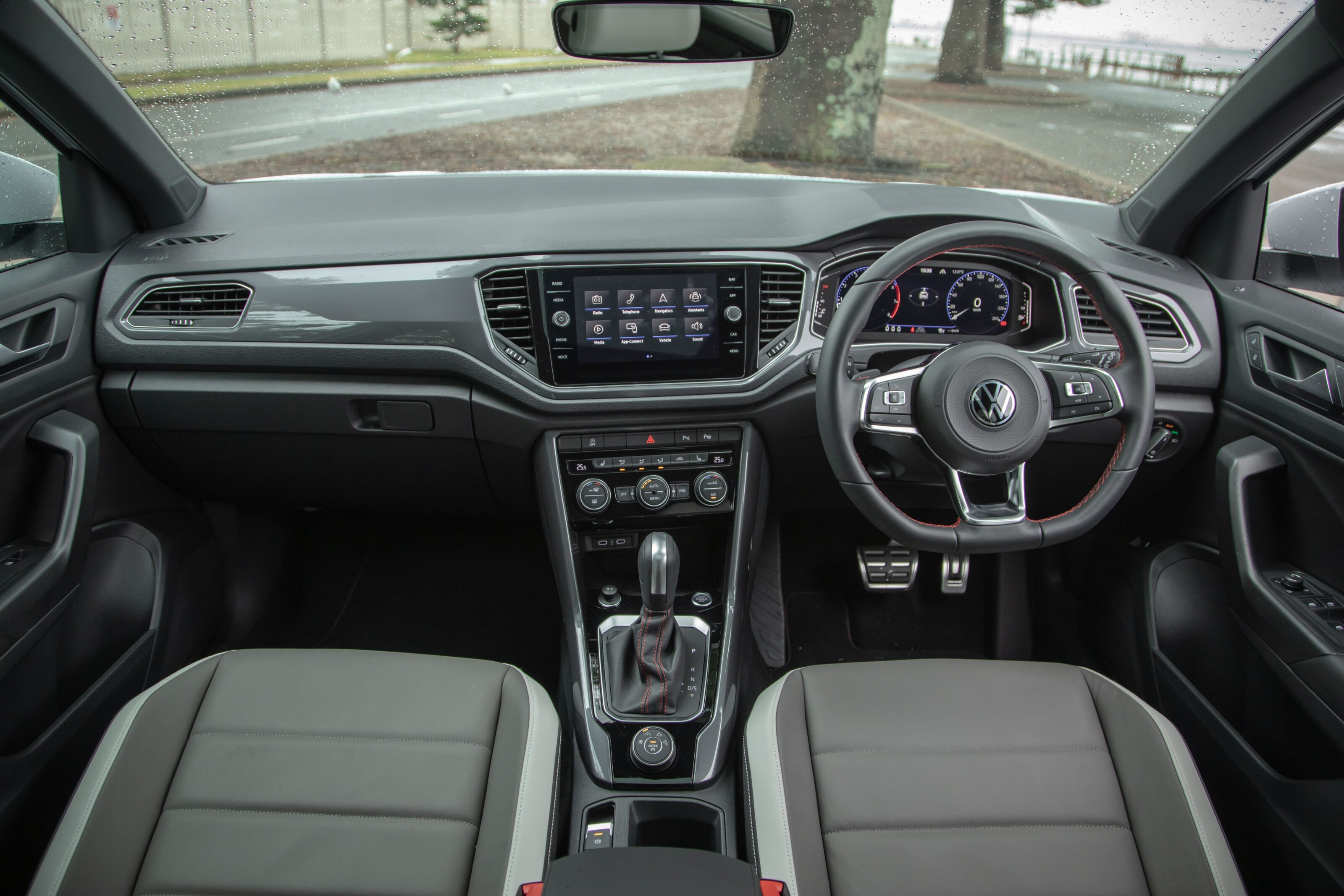
Its five-star ANCAP safety rating is a result of six airbags, ABS, stability and traction controls, forward auto emergency braking (low speed with pedestrian detection), reverse cross traffic alert, reverse AEB, driver attention monitoring, lane departure warning, lane-keep assist, blind-spot monitoring and speed alert. All of this neatly matches what’s on offer in the Kia, its most obvious competition.
The back seat has two lots of ISOFIX points and three top-tether anchors for child seats.
A $3500 Luxury package adds leather upholstery, heating to the front seats, a power tailgate and a big sunroof. The $2000 Sound & Style package chucks in a premium sound system with subwoofer and electronic damper control.
Paint is free if it’s white or red and the other four colours are $650.
Comfort and Space
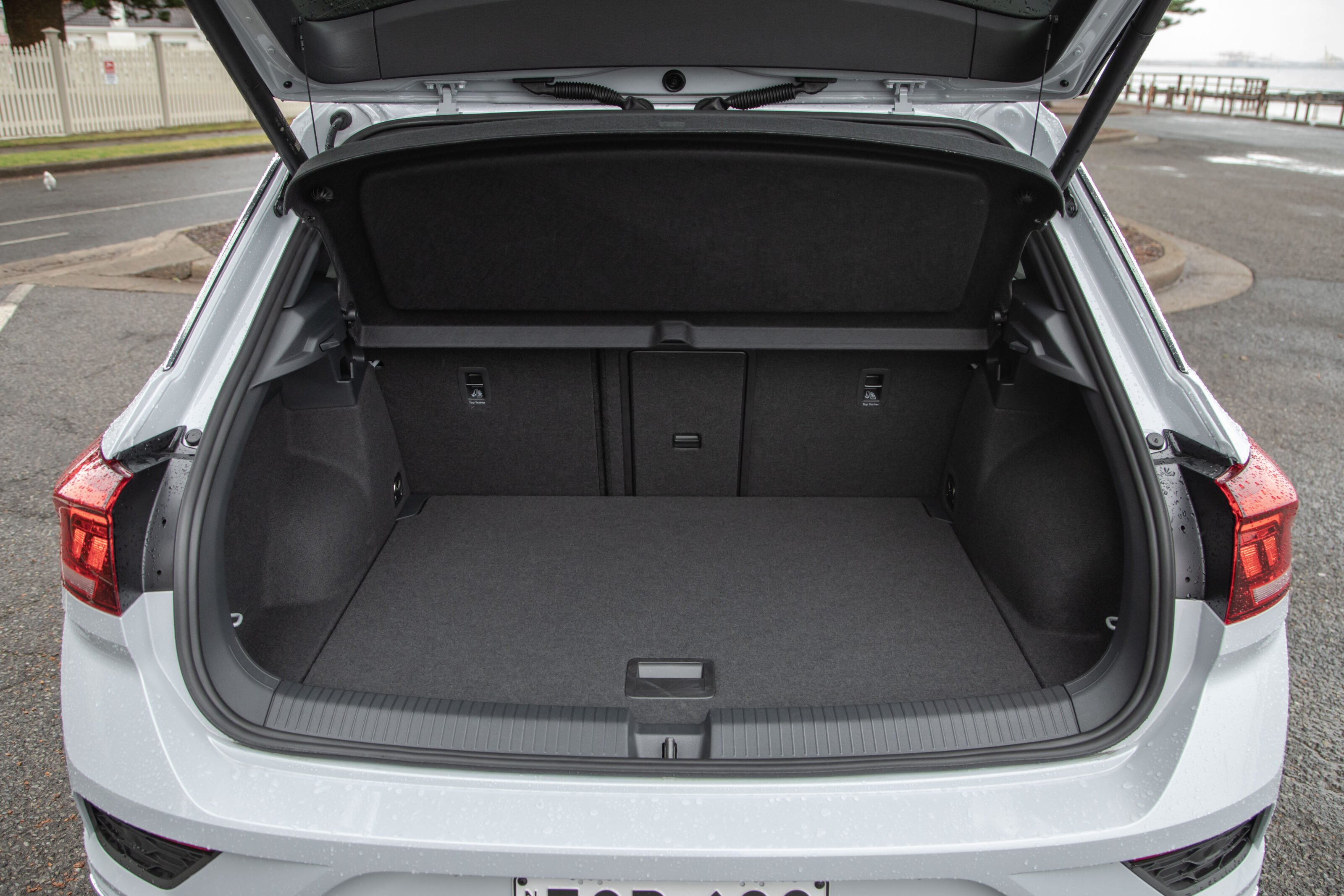
Somewhat surprisingly, boot space in the larger T-Roc is not appreciably bigger than the T-Cross. You start with 392 litres, which is just seven more than the Polo-based light SUV.
With the seats folded, you’ll have 1237 litres, which is somehow less than the smaller car. Neither figure is anything to be ashamed of, but it kind of underlines the clever packaging of the T-Cross.
Moving on to the back seat, you’ll find comfortable accommodation for two, with an armrest featuring a pair of cup holders. You’ll also find more USB-C chargers, map pockets and air vents.
The middle seat isn’t especially comfortable because of the fairly tall transmission tunnel, but it’s here the T-Roc starts feeling markedly roomier than the T-Cross. It’s also pretty good compared to the rest of the segment, with the exception of the Seltos and the Honda HR-V, which are both freakishly roomy in the rear.
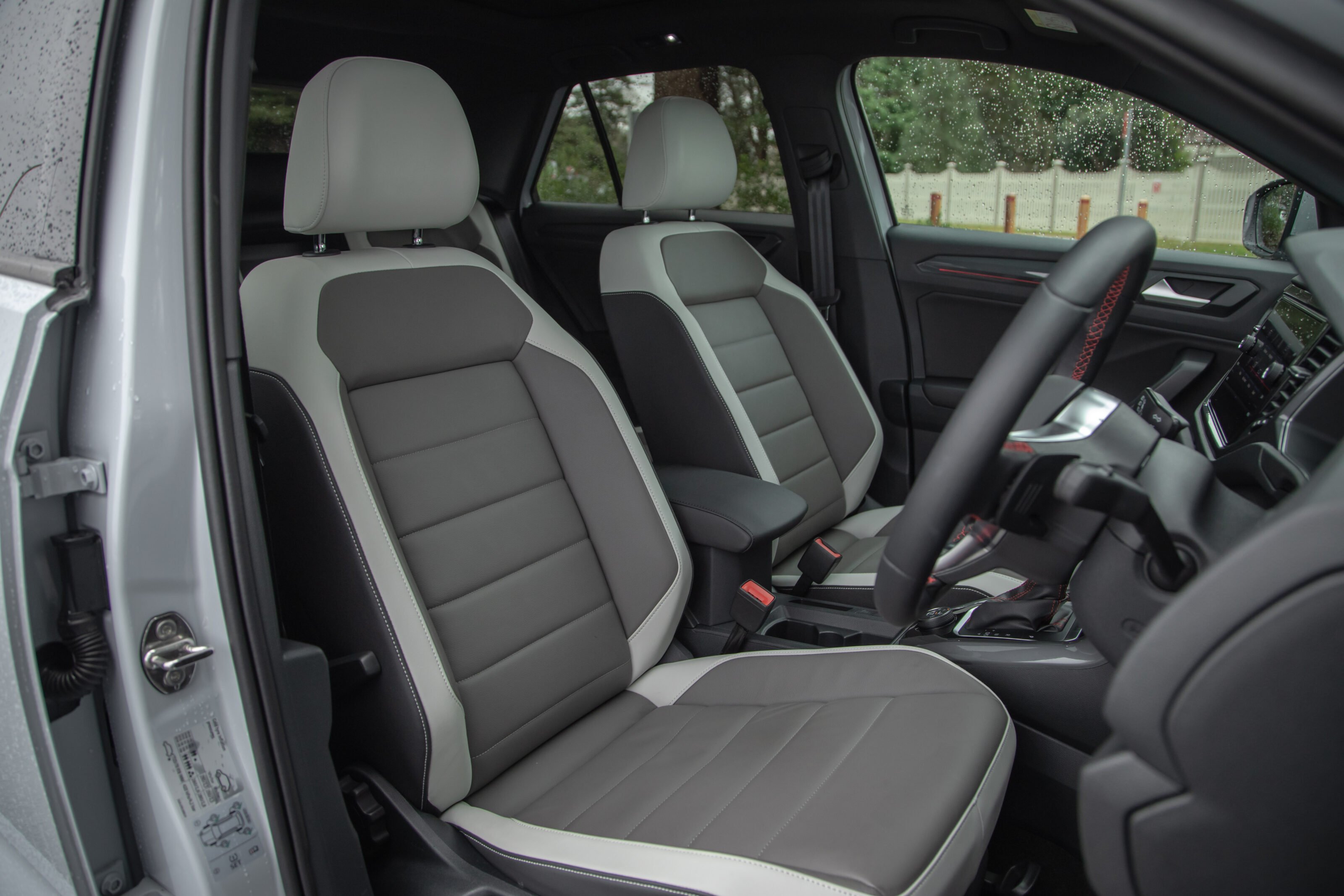
Up front, the sports seats are very comfortable and I put it to you that the cloth trim is superior to the leather, but then again, I almost always say that. I quite like the design of the dash and the whole thing is very understated and elegant.
Between the seats are two cup holders and a space for your phone. Bottle holders are provided in the doors and there’s handy under-seat storage. Two USB-C ports provide charging and connectivity. I imagine that the update coming later in the year will include wireless charging, but for now it’s MIA.
On the Road
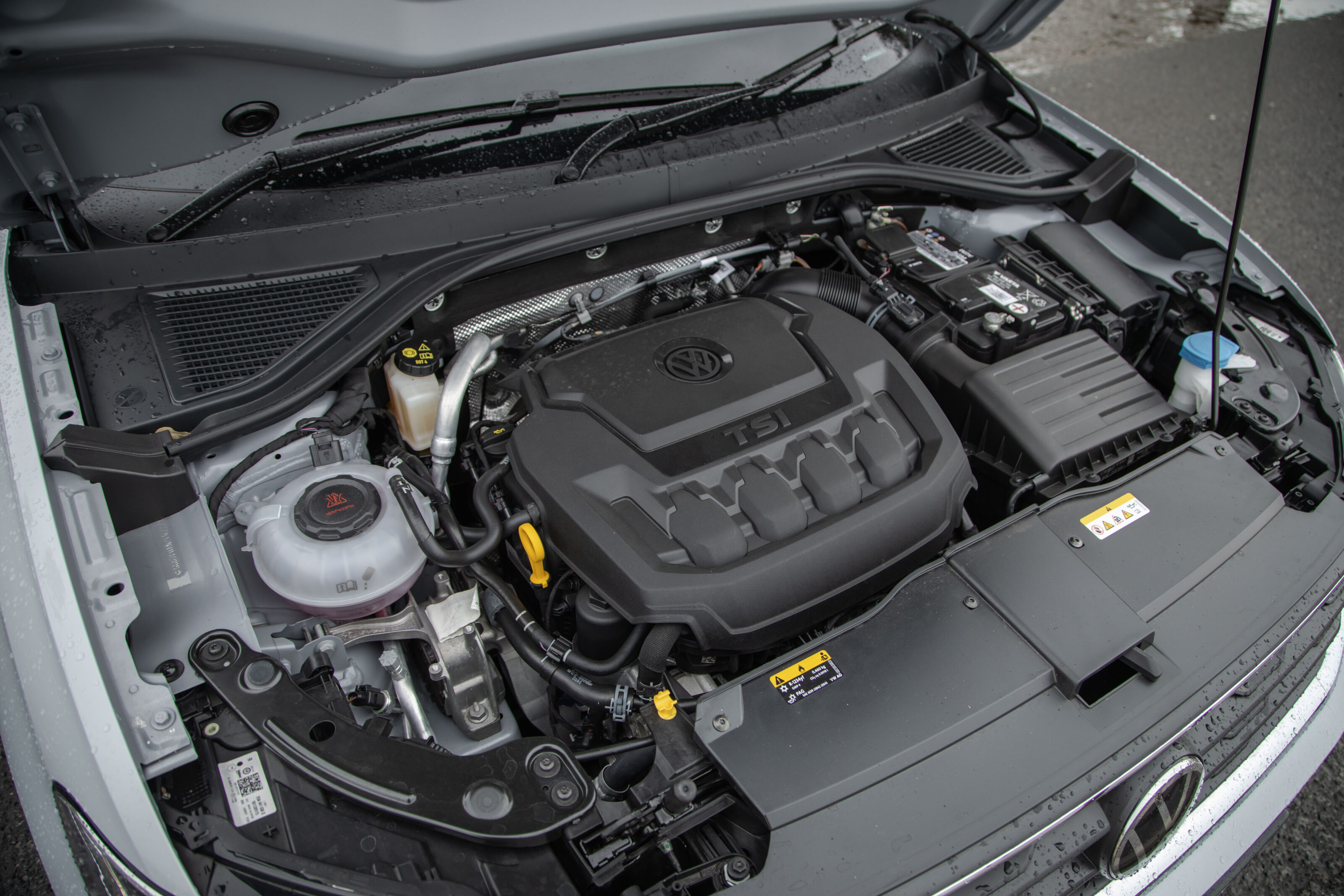
The step up from the 110TSI Style entry variant brings not only more gear but more power and all-wheel drive. The 1.4-litre turbo makes way for a 2.0-litre four-cylinder turbo producing – no big surprise here – 140kW and 320Nm. With all that torque driving all four wheels through a seven-speed DSG dual-clutch transmission you’ll crack the 0-100km/h in just 7.2 seconds.
At the moment, it’s the most powerful T-Roc you can get before the T-Roc R arrives later in 2022.
Given that power and 0-100km/h time, the T-Roc gets along quite smartly as long as you’re assertive with the throttle pedal. The turbo takes a moment to spool up and when it does, you’re away, with the tacho needle swinging with much enthusiasm towards the redline.
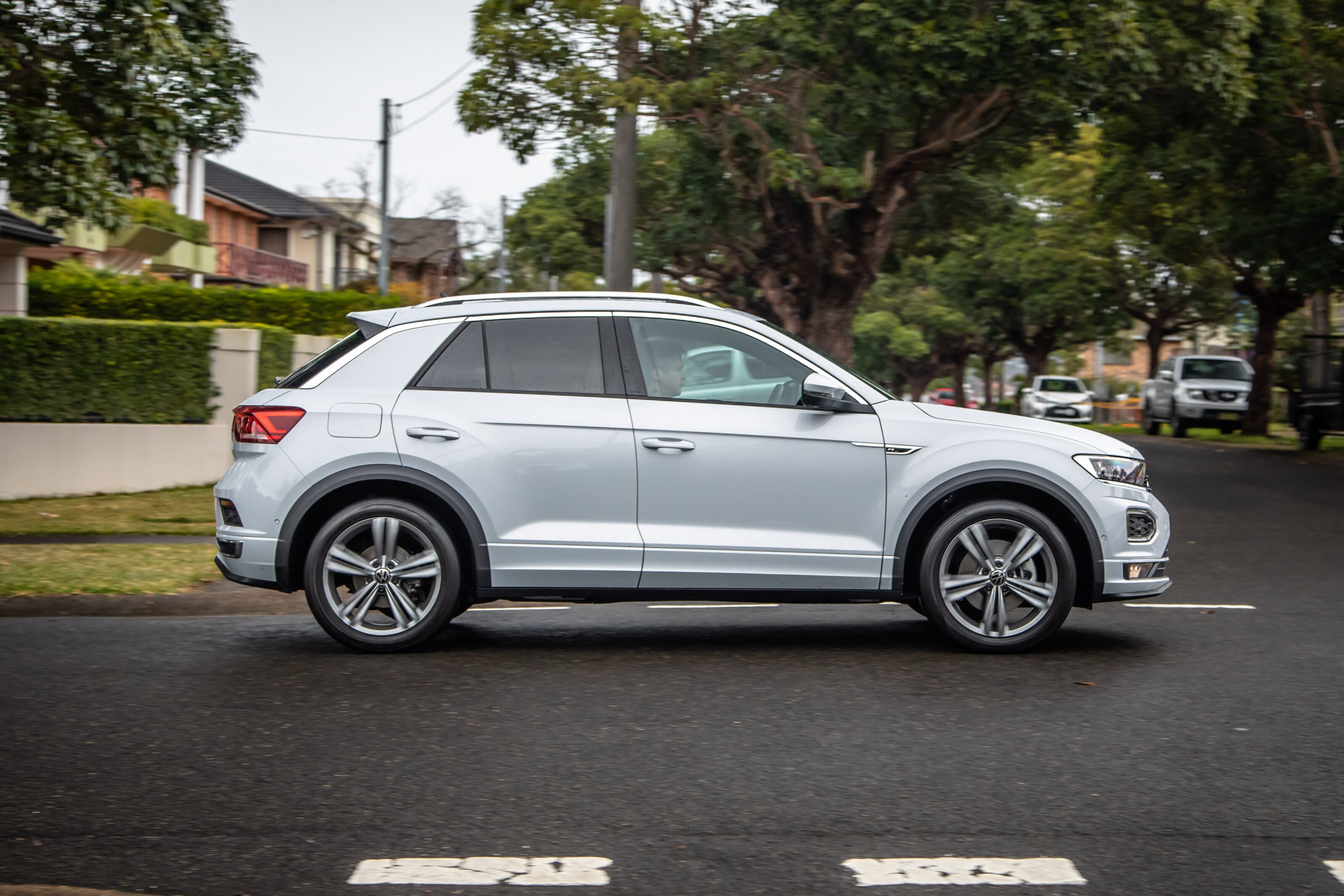
Along with that flattened throttle, you’ll feel the slightest of torque-induced tremors through the steering before the rear wheels come into play. Being a Haldex system, the all-wheel-drive set-up is very keen to leave the rear wheels to their own devices unless the fronts can’t be trusted.
It saves fuel and, one imagines, wear and there is just the briefest of slippy moments before the power shuffle is complete.
The engine is really quite remarkable. It’s incredibly smooth and quiet, as it is in a number of other cars in the broader VW Group. While some might yearn for a bit of crackle and pop – an increasingly rare thing these days – most buyers I’m sure will be perfectly satisfied with its lack of volume and histrionics.
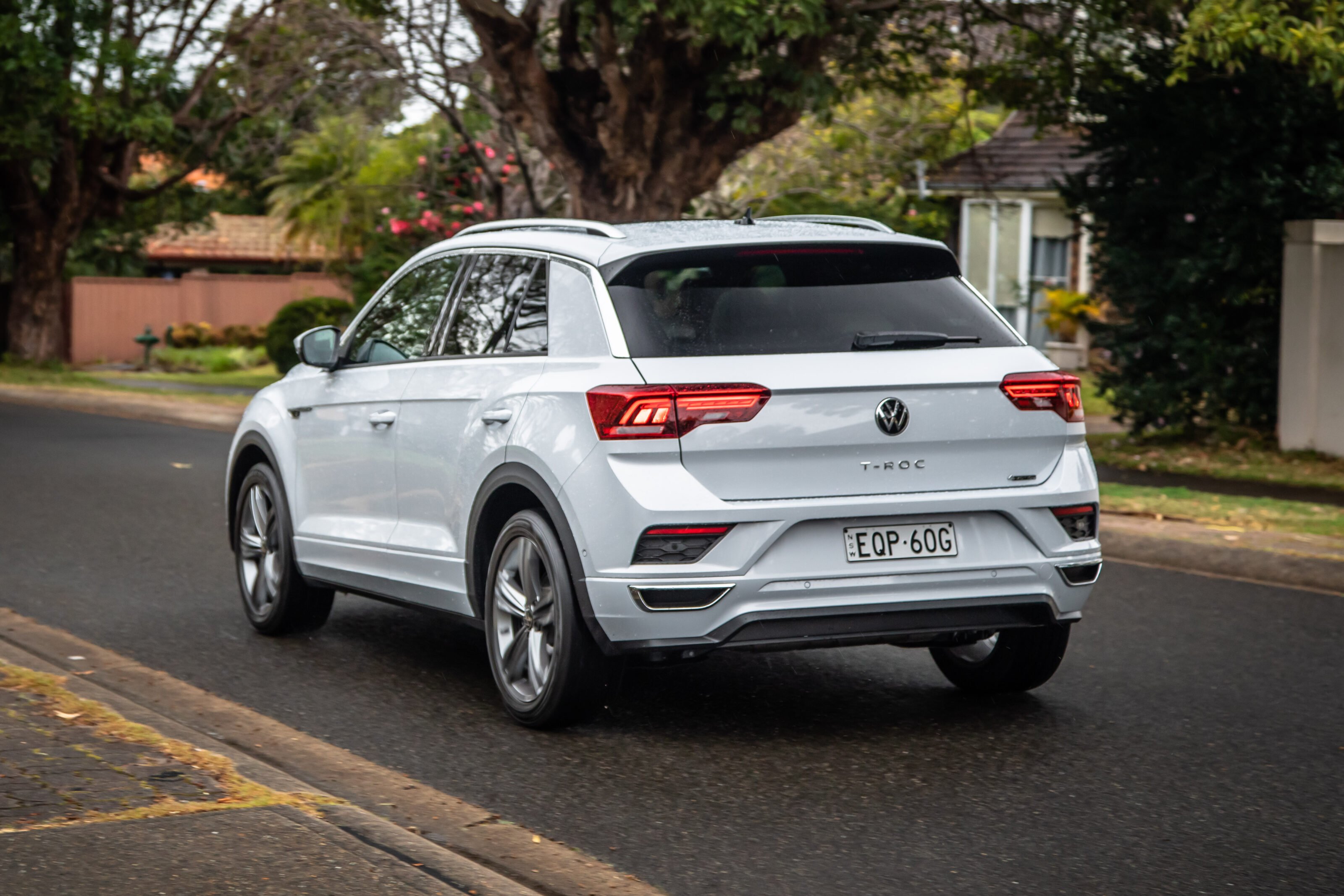
It’s a damn sight better driveline than the similarly-priced (before options, anyway) Seltos GT-Line that has a charisma-free 1.6-litre turbo and clunky dual-clutch gearbox.
The VW’s seven-speed box is quite well-behaved here, with just the occasional rollback on a slope or a prompt from the paddleshifters to make sure it’s in the right gear.
Switching up to Sport mode on the gearbox and the Drive Select system banishes any hesitation and also brings the rear wheels into play a little more enthusiastically.
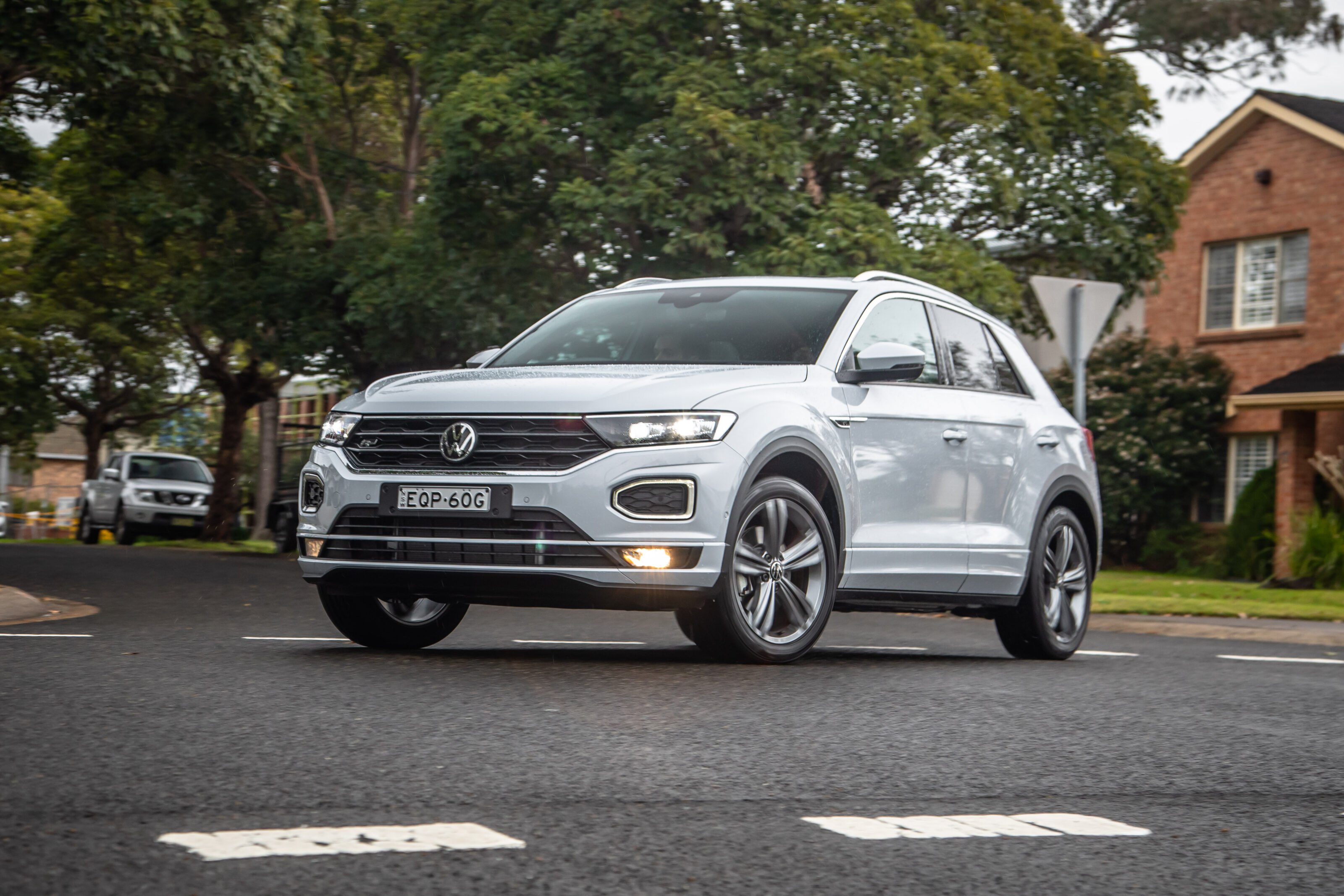
Despite rolling on fairly big wheels, the T-Roc’s ride is fairly unflappable. When you go to all-wheel drive, the torsion beams of the front-wheel drive version are swapped out for a multi-link set-up that improves ride and roadholding.
While the ride is definitely on the taut side, it manages bumps, potholes and those dreaded rubber speed humps with ease and it’s only a big bump or hole that will unsettle the chassis.
VW’s ADR fuel consumption testing yielded a combined cycle result of 7.2L/100km. As ever, I didn’t quite get that, with my week in the T-Roc returning 9.4L/100km, mostly spent in Comfort driving mode and the standard gearbox setting.
Ownership
Volkswagen sends its cars out into the world with a five-year, unlimited-kilometre warranty and roadside assist.
The company also offers you a choice of pay-as-you-go servicing or a Care Plan of three or five years. The three-year plan costs $1550 (saving $202 over PAYG) and a sturdy $2600 for the fiver (saving a healthy $829).
Look, it’s not cheap but really only Toyotas are cheap to service these days with their $200-odd per service pricing.
VW expects to see you back at the dealer for a service every 12 months/15,000km.
VERDICT
There aren’t too many warm compact SUVs on the market but the T-Roc certainly manages to be the best of them. It feels much more like a slightly raised hatchback to drive than most of the competition and its turbo 2.0-litre almost justifies the hefty price difference back to the 110TSI.
It is the better of the two on offer, with superior performance, nicer fit-out and a fair bit more equipment even if the pricing might be a bit of a stretch.
With the imminent expansion of the range to include an R version and its impending update, there aren’t going to be too many cars in this spec around, so you’ll have to go hunting.
It’ll be worth the effort.
2022 Volkswagen T-Roc 140TSI Sport specifications
French manufacturer Peugeot is set to launch its next electrified model, with the 408 slated for reveal later this month.
Teased online with just one solitary image of its front end, the marque all but confirmed the new model will be a crossover, saying it “combines the characteristic codes of SUVs with a dynamic fastback silhouette”.
Set to be a worldwide model, the new 408 will be totally different to Peugeot’s south-east Asian offering, which currently wears the nameplate, saying it will instead be a global car.
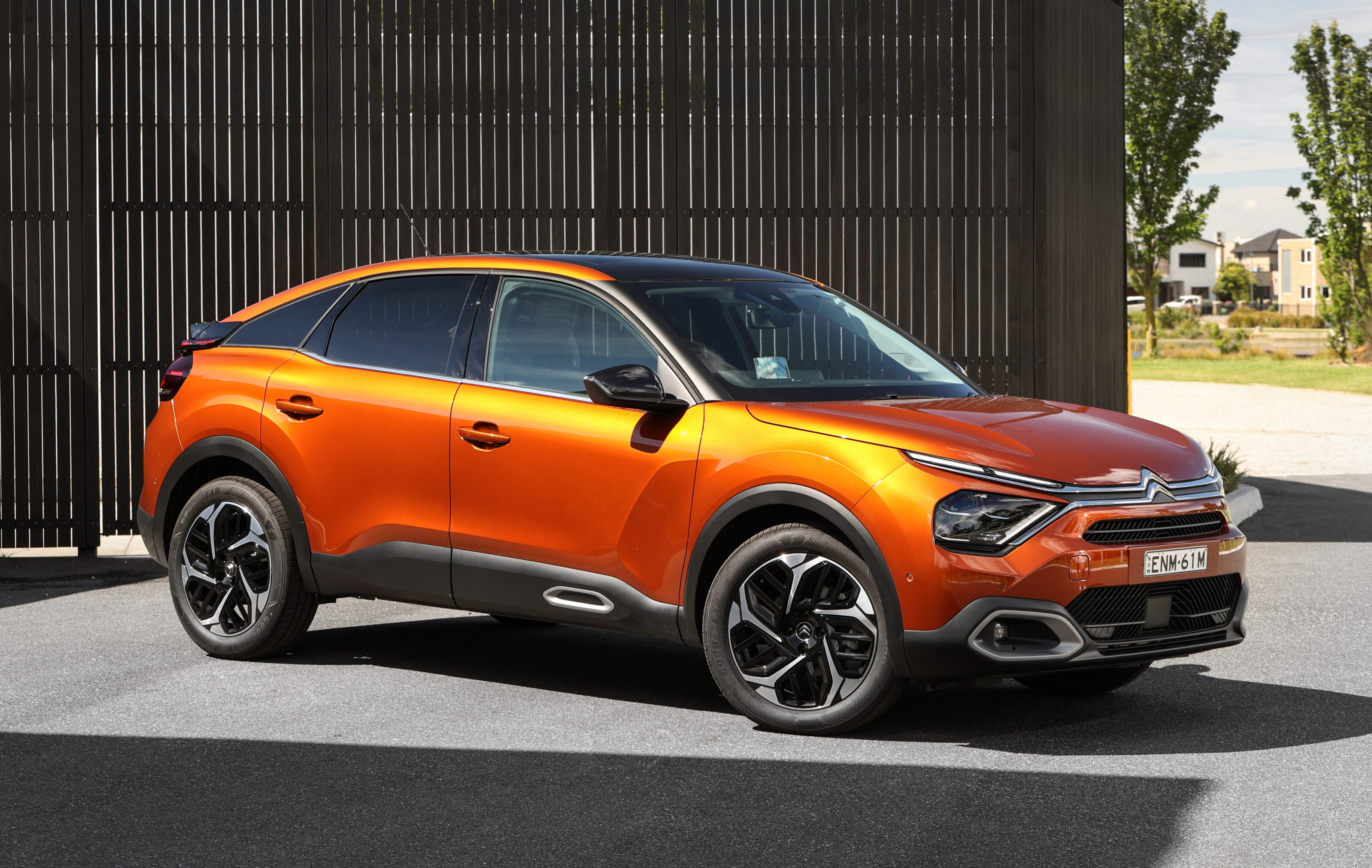
From what we can see, the 408 will adopt styling cues from the rest of Peugeot’s Stellantis-era models in its grille design, as well as placing its own name front-and-centre on the upper bumper.
It has been rumoured the 408 will be based on the Stellantis EMP2 platform, a common architecture within Peugeot’s current range which has spawned similar crossover-coupe concepts such as the new Citroën C4.
No specific date has been locked in yet, but Peugeot says it will unveil the 408 in full “towards the end of June”.
Snapshot
- New Kangoo E-Tech replaces outgoing Kangoo ZE
- New light commercial van has more power, larger battery than predecessor
- Large Master E-Tech to join the local line-up
Renault has announced a pair of updates to its fully-electric Kangoo and Master commerical vans, with both set to come to Australia.
Having launched in 2017, the Kangoo ZE Zero Emissions) will now be replaced by the Kangoo E-Tech, falling in line with Renault’s electric vehicle naming convention and boasting a significantly improved powertrain.
While its predecessor had to make do with an electric motor, which produced just 44kW and 225Nm, the new model now develops 90kW and 245Nm –with its 45kWh battery pack representing a 12kWh increase over the outgoing model, bumping its driving range up to 300 kilometres from 200km.
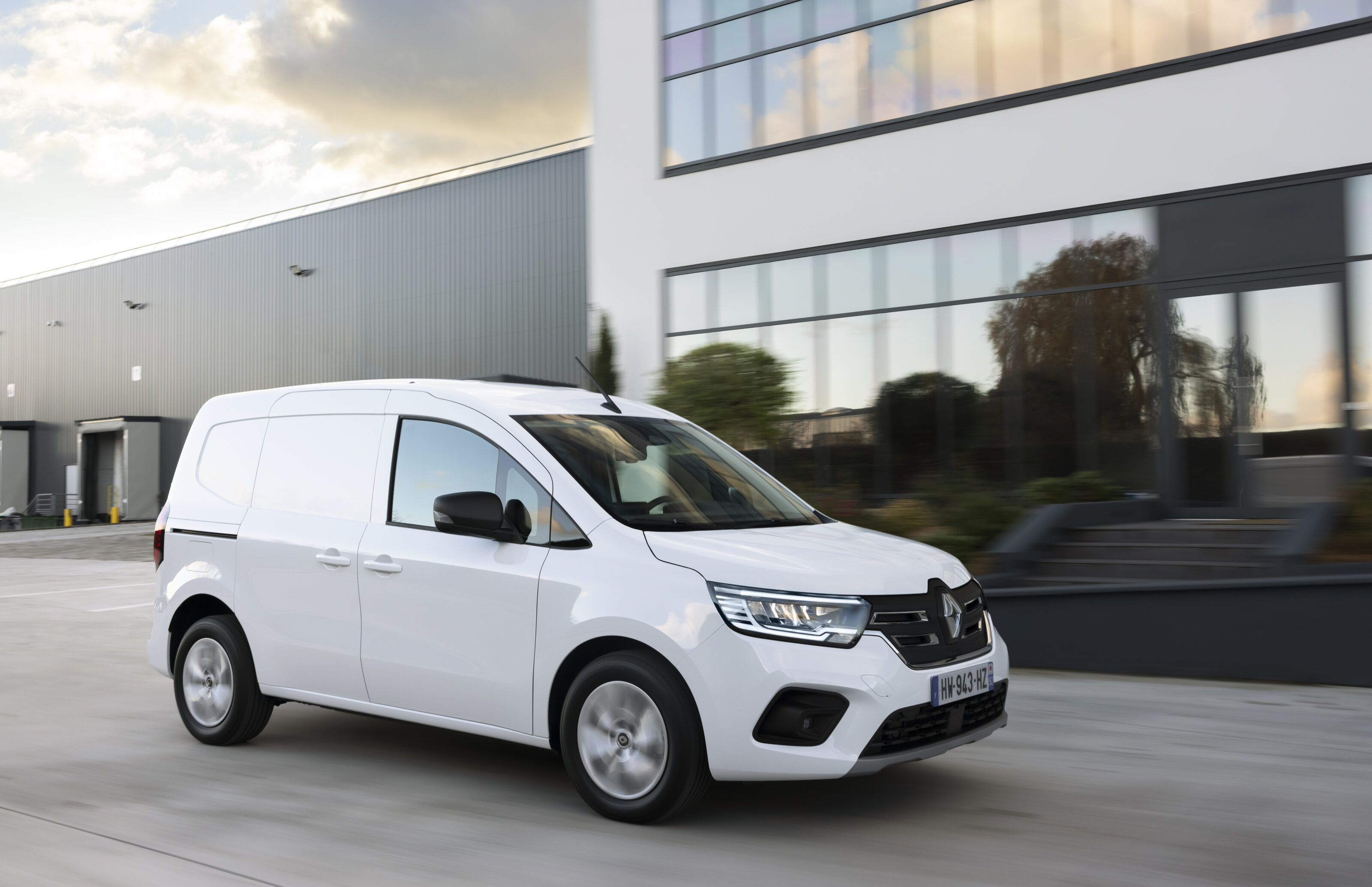
DC charging capabilities at 80kW allow the Kangoo E-Tech to be be given an additional 170km driving range hit in just 30 minutes, while an 22kW three-phase charger allows for it to be charged at public charging facilities.
Included in the standard equipment lis is a heat pump – not only acting as a more efficient way of heating and cooling the cabin, but also adding roughly 85km of driving range, a major factor in the new model’s advnatage over its predecessor.
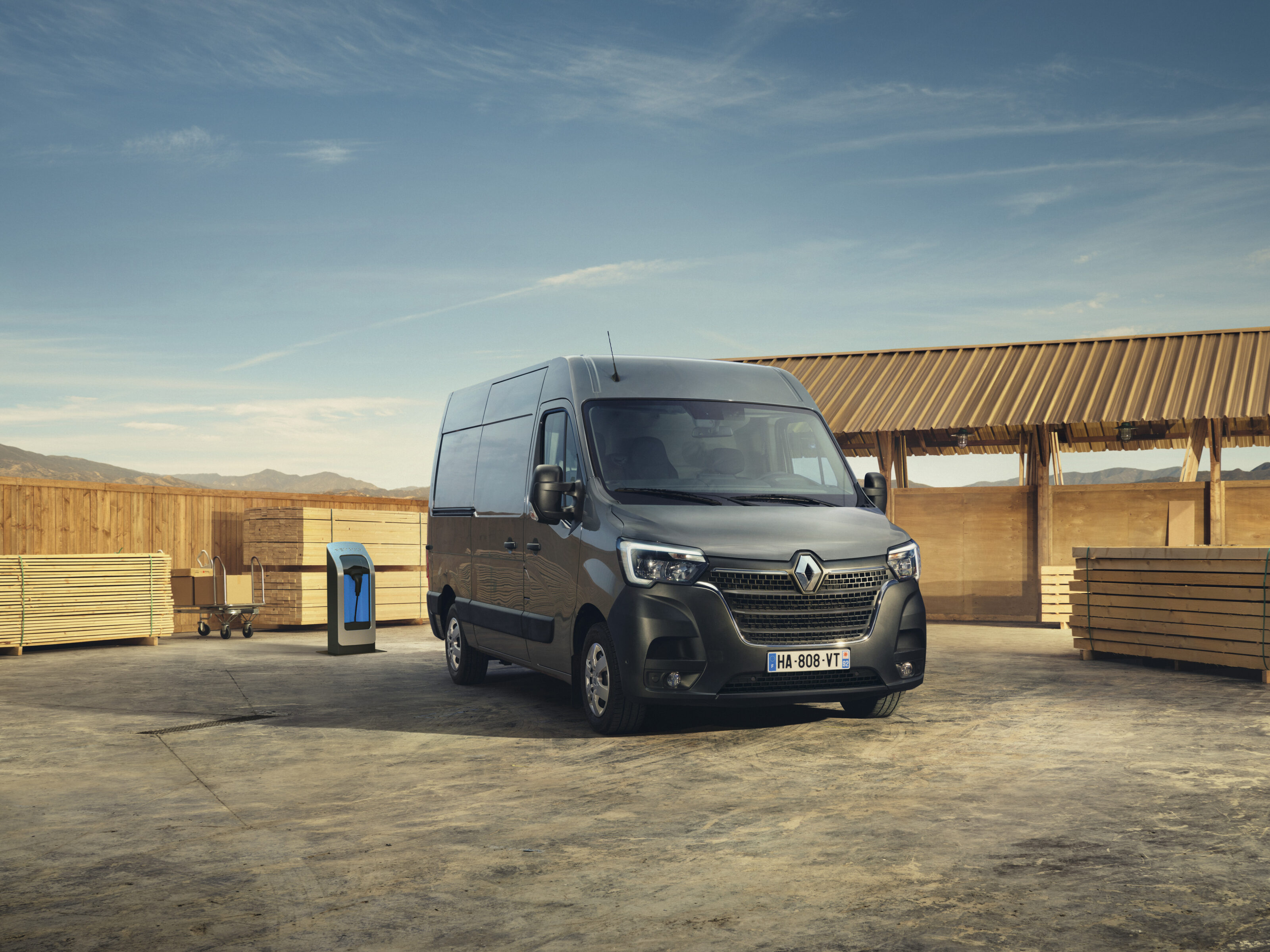
On top of this, its larger Master sibling will also get the E-Tech treatment, with its 52kWh battery pack enabling a driving range of up to 200km, although its electric motor develops just 57kW.
Charging is limited to a single-phase 7.4kW AC charger (taking five hours to reach 80 per cent charge when plugged into a 7.4kW wallbox) and a 22kW DC charger – providing 50km of range in 45 minutes.
A total of 15 Master E-tech combinations will be available thanks to three different lengths, heights and weight capacities, with standard safety equipment across the range including; front and rear park assist, a rear camera, rear view assist, side wind assist, automatic lights/wipers, active emergency braking system (AEB) and lane departure warning.
Australian features and pricing will be announced closer to the launch of each model, slated for next year for the Kangoo and 2024 for the Master.
Snapshot
- Mercedes-AMG One launched after five-year wait
- Hypercar is powered by a V6 engine inspired by the AMG F1 machines
- Eight Australians have purchased the hypercar at u20ac2.8m (A$4.2m) each
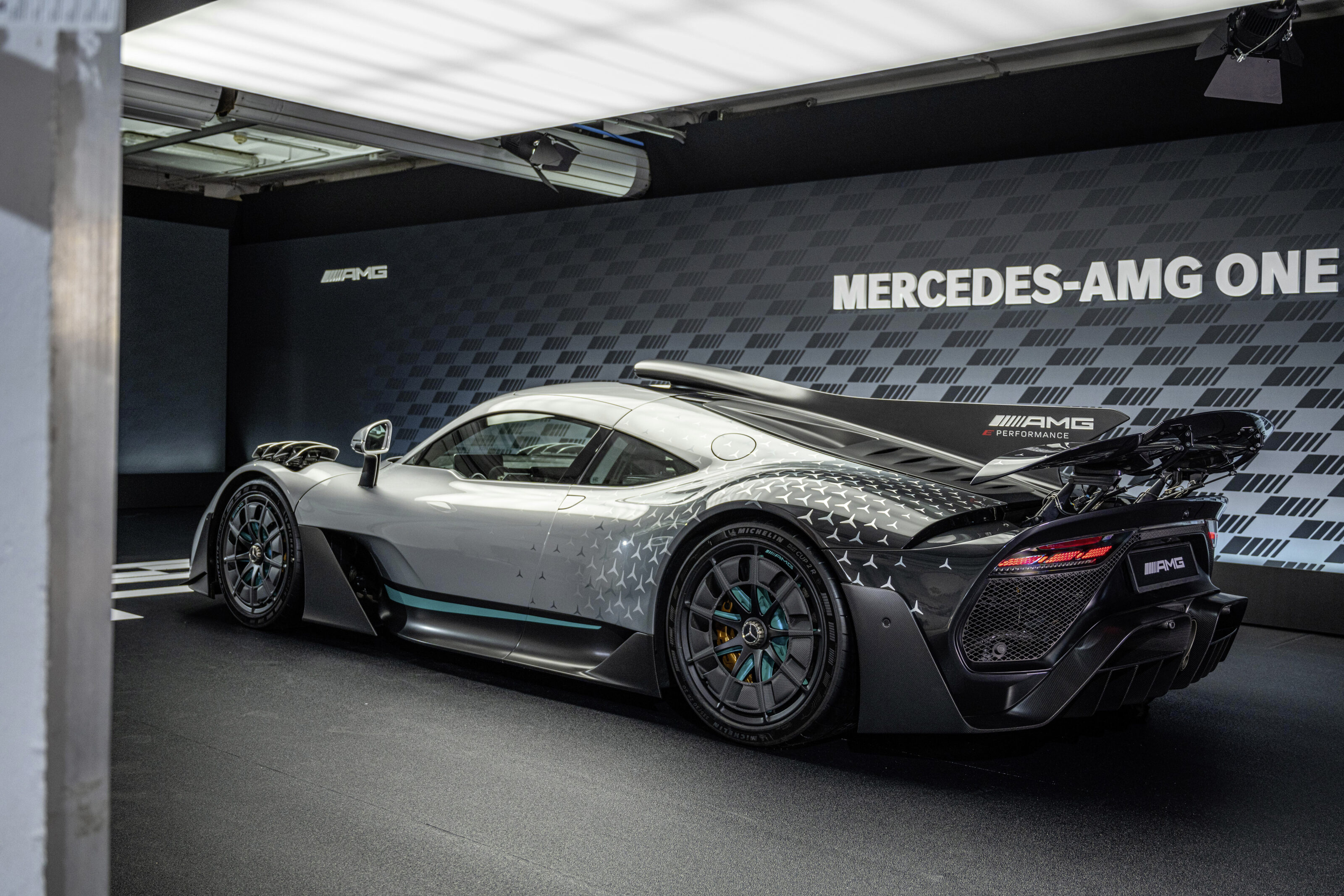
Mercedes-AMG has confirmed eight Australian-based customers will be taking delivery of the ultra-exclusive and massively anticipated plug-in hybrid One hypercar which was finally revealed in production form today.
After a protracted and almost unprecedented five-year gestation, the German car maker has finally detailed Lewis Hamilton’s company car, along with the revelation that Australia has been allocated 3.0 percent of the total 275-car production run.
The news highlights the significance of the Australian AMG market which was, until recently, the largest in the world per capita, but don’t expect to see all eight turning up to cars and coffee any time soon.
Regardless of the nationality of the buyer, all 275 cars will be delivered at the AMG headquarters in Affalterbach Germany and where customers decide to send their vehicles after that is entirely their choice.
Mercedes expects a majority of the eight to arrive Down Under at some point, but the exact number is unknown at this stage.
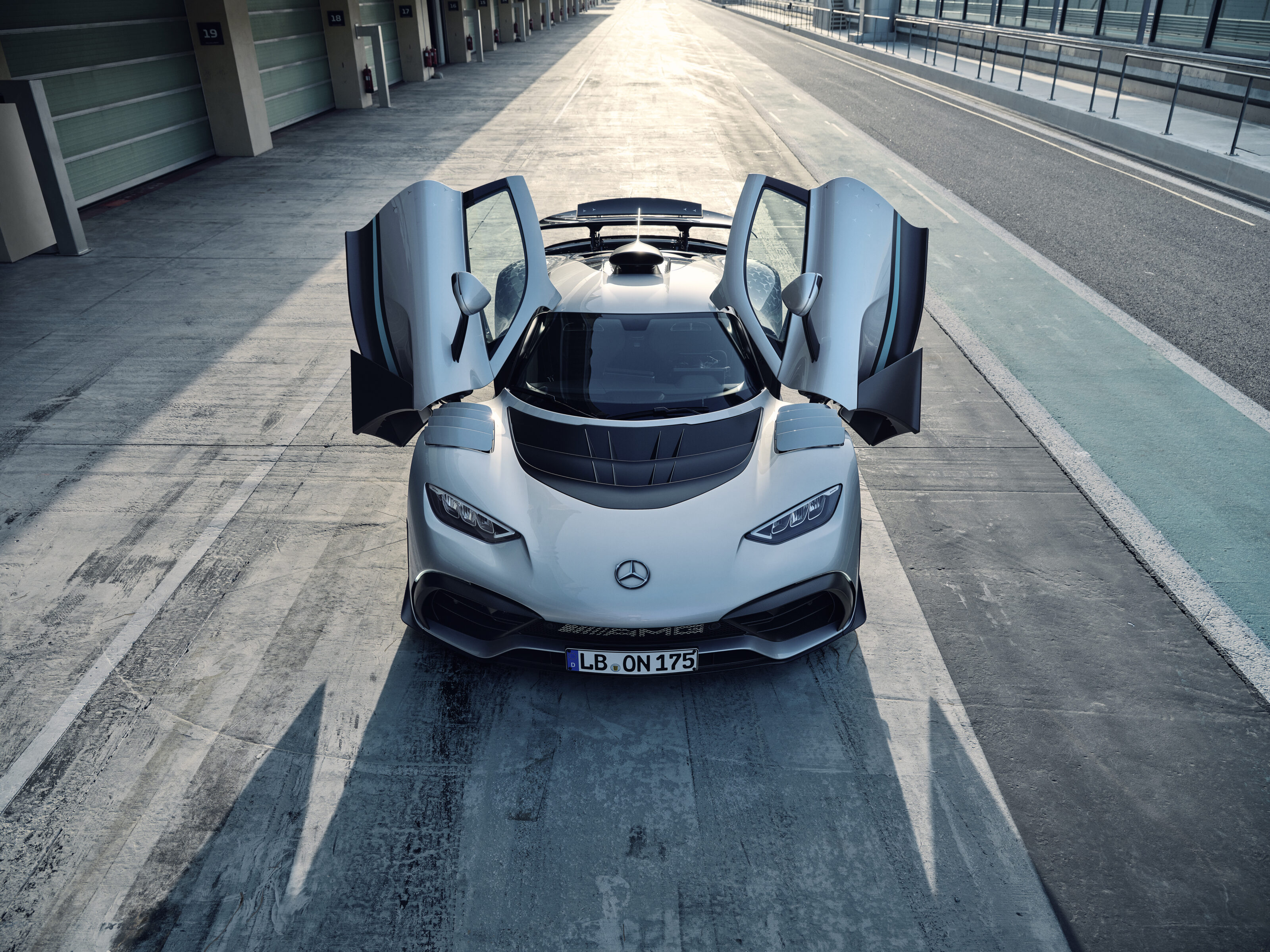
With the official unveiling of the first production car today, Mercedes-AMG has confirmed the hard figures from the F1-derived 1.6-litre turbo hybrid drivetrain including an eye-watering maximum system power output of 782kW and a top speed that’s limited to 352km/h.
Its maker claims a zero-100km/h acceleration time of 2.9 seconds and a 0-200km/h dash in 7.0s – about the same as a Mini Cooper S needs to get to 100km/h.
Despite the significant delays, the €2.8m (A$4.2m) price has remained the same since it was announced, although Australian customers will be paying a fair chunk more on top of that figure if the car’s home is to be Down Under.
Throughout the various delays and global crises, the AMG One trail appeared to go cold on more than one occasion prompting speculation that the entire project may be shelved or cancelled altogether, but Mercedes has been keeping its most valued customers very well informed.
In a series of candid update videos, AMG has been frequently contacting is One customers to assure them that their cars will be delivered along with exclusive information regarding development and manufacturing.
In much the same way Toyota has been sending coffee machines to delayed RAV4 customers, AMG One owners have been receiving personal video messages from Mercedes-AMG board of management chairman Philipp Schiemer.
Contrary to popular rumour, the AMG One’s engine is not lifted directly from Hamilton’s car. While the V6 turbo-hybrid unit was developed by High Performance Powertrains in Brixworth, UK, there are a number of key differences to adapt the engine and transmission for road use.
Mechanical valve springs replace the pneumatic F1 components with a corresponding reduction in maximum RPM of 4000 rpm limiting the road version to a maximum of 11,000 rpm.
A 270-bar direct injection system provides fuel for maximum performance and is the same as the F1 system, but a second port-injection system has been added for reduced emissions and fuel consumption at part throttle.
Like the F1 car, the engine is equipped with two electric motors – one to drive the turbocharger during low exhaust-gas-pressure conditions, as well as recouping energy during high-boost. This feature also removes the necessity of a waste-gate or variable vane technology.
In addition to drive sent to the rear wheels however, the AMG One has a 120kW electric motor on each front wheel for extra dynamic power control and all-wheel drive.
Despite its incredible power output, the AMG One engine is EU6 compliant thanks largely to four metal core catalytic converters, a pair of ceramic core units and another pair of particulate filters. Fuel consumption is said to be as little as 8.7 litres per 100km on a combined cycle.
Electrical power generation and recuperation is almost identical to the F1 car but the AMG One is equipped with a bigger lithium ion battery. With a capacity of 8.4kWh, the road car has a pure-electric range of 18km or alternatively, the battery can be used in unison with petrol power for maximum performance.
A sophisticated cooling system maintains an optimum operational temperature of 45 degrees for the battery, regardless of the frequency of charging and discharging and its 800-volt system is only equaled by Porsche’s Taycan and the Lucid Air.
A seven-speed transmission is completely new and although Mercedes-AMG refers to it as a ‘manual’, shift-rods and its four-plate carbon fibre clutch are hydraulically operated and ‘automated’.
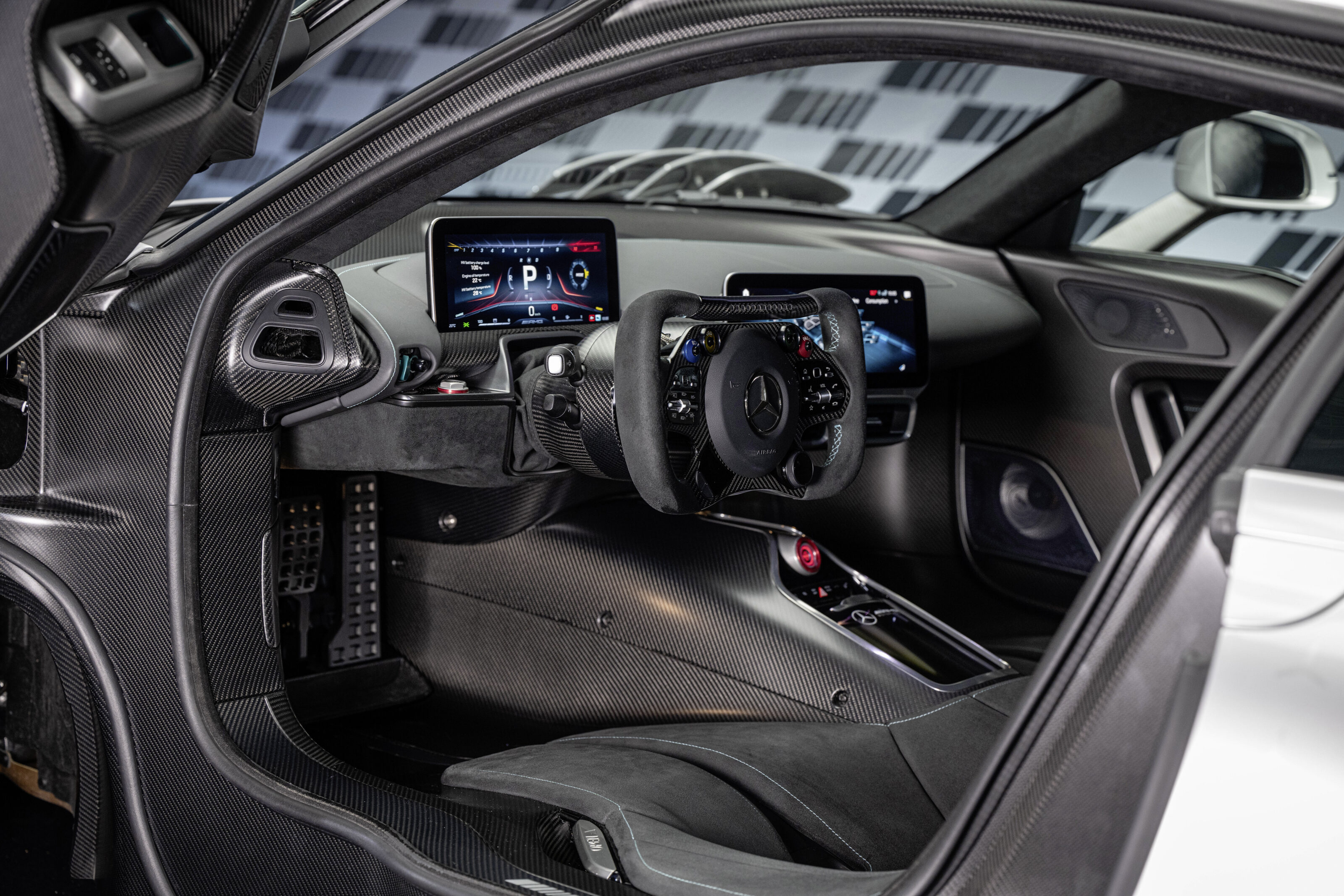
Gears can be selected manually using the steering wheel-mounted paddles and the flat-bottomed carbon fibre wheel also allows access to the nine-stage traction control settings as well as six driving modes.
Race Safe prioritises electric power until more power is required at which point the engine fires. Race mode also prioritises electric but keeps the engine running for charging duties only. EV is for electric-only driving, Race Plus is for track only and brings in active aero, lowered adaptive suspension and full power from all motors, while the Strat 2 is an even more focused version of Race Plus.
While the chassis and suspension differ significantly from the F1 car, the AMG One is very much more related to racing cars than traditional high-performance road cars. Curiously, Mercedes has not detailed the steering system.
An aluminium and carbon monocoque incorporates a race-derived load-bearing engine and gearbox for ultimate stiffness while minimising weight – 1695kg DIN kerb – while suspension is courtesy of racing pushrods and coil springs in all corners. Adaptive dampers enable three modes as well as the option of lowering the ride height by as much as 37mm.
Wheels are forged alloy with a carbon fibre cover to increase aerodynamic efficiency and measure 19-inches at the front and 20-inch at the rear. Rubber is supplied by Michelin and a special Cup 2R M01 version of its esteemed Pilot Sport tyre.
Brakes discs are unsurprisingly carbon ceramic and measure 398mm at the front with six-piston calipers and 380mm at the tail end with four-pot calipers.
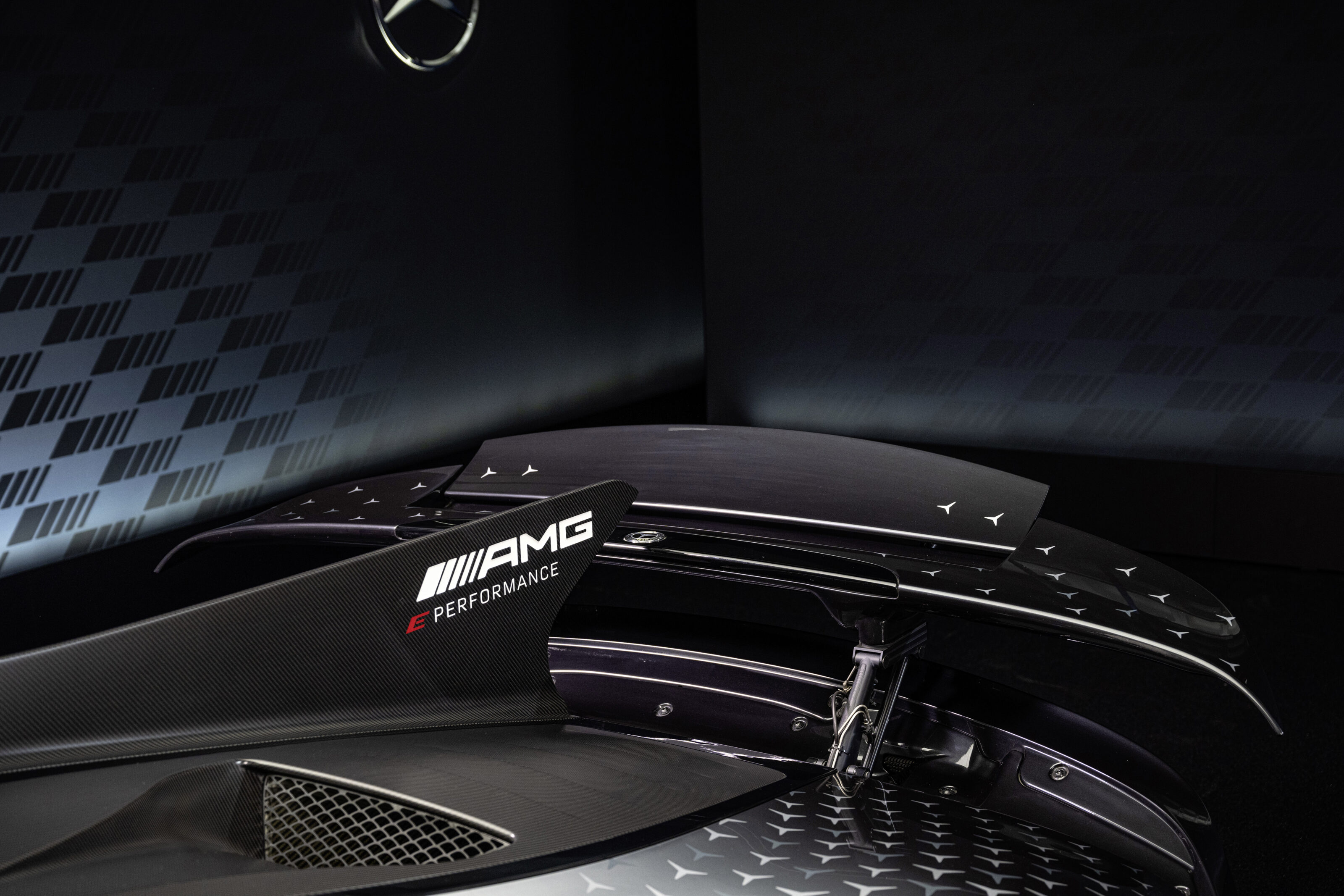
Visually, the One differs little from the pre-production version that was driven out to an eager audience at the 2017 Frankfurt motor show and employs F1-style aerodynamics. Perceptible downforce can be generated at speeds as low as 50km/h says Mercedes thanks to a combination of traditional fluid dynamics and active aero.
A Highway mode maintains the lowest drag for maximum fuel efficiency and reduced noise, but in Track mode the front active diffuser, rear wing and rear flap deploy for maximum effect, while the front louvres open lowering pressure inside the wheel arches. A third DRS mode adds to the Track mode with the option to retract the rear wing with a push button, reducing downforce by 20 percent.
Despite its close connection to hardcore racing machines, Mercedes-AMG has managed to weave in a little comfort for the One’s occupants. Fixed racing seats have a backrest angle option of either 25-degrees or 30-degrees, the driver’s pedal-box is adjustable for leg length as is the passenger’s foot-rest.
A small storage compartment is incorporated into the centre tunnel along with start-switch and a pair of USB charging sockets. Two 10-inch digital displays provide the central information screen and driver’s instrument cluster with graphics unique to the One. A third screen replaces a conventional rear-view mirror.
Snapshot
- New Lexus RX launched
- Choice of four powertrains available
- Local arrivals expected next year
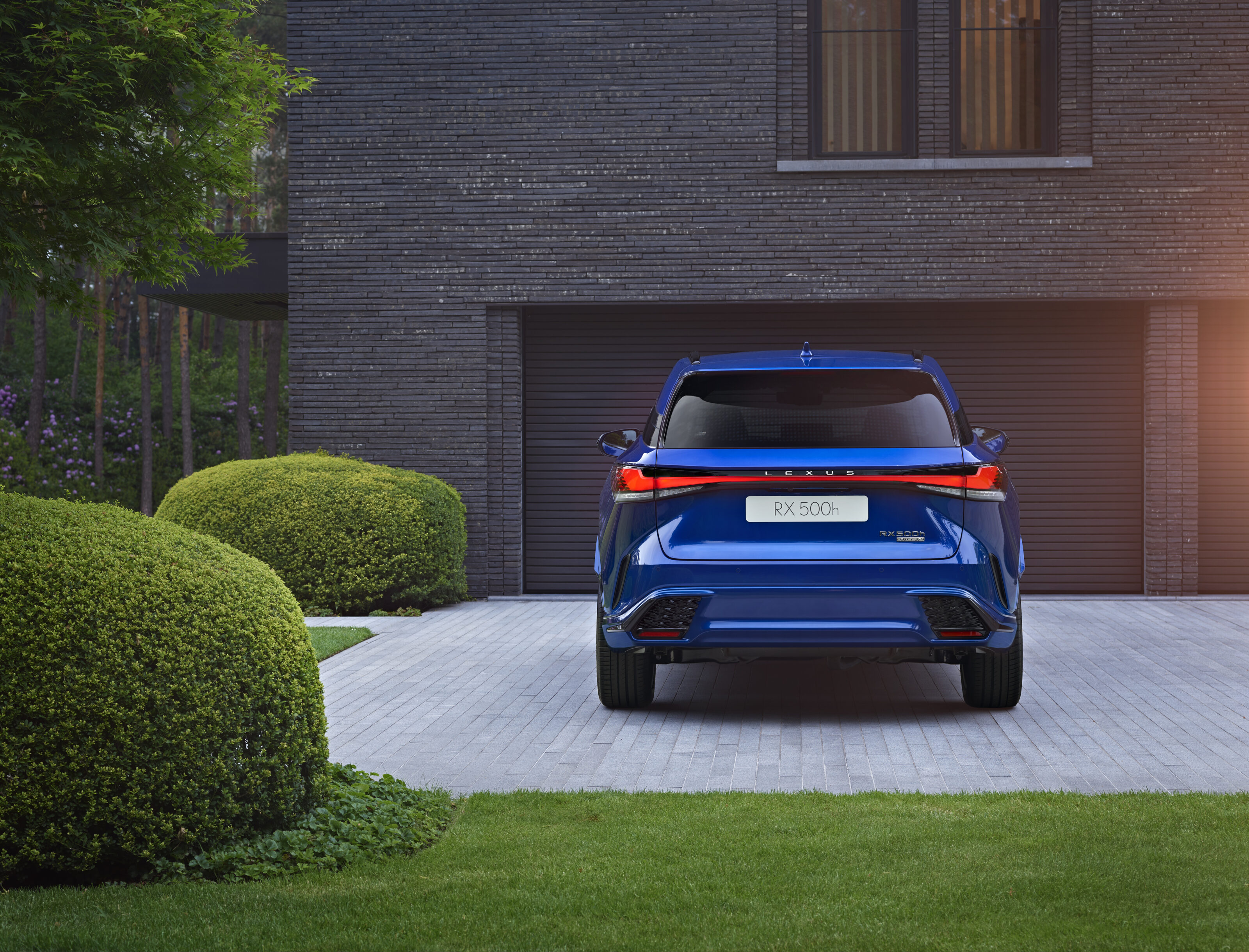
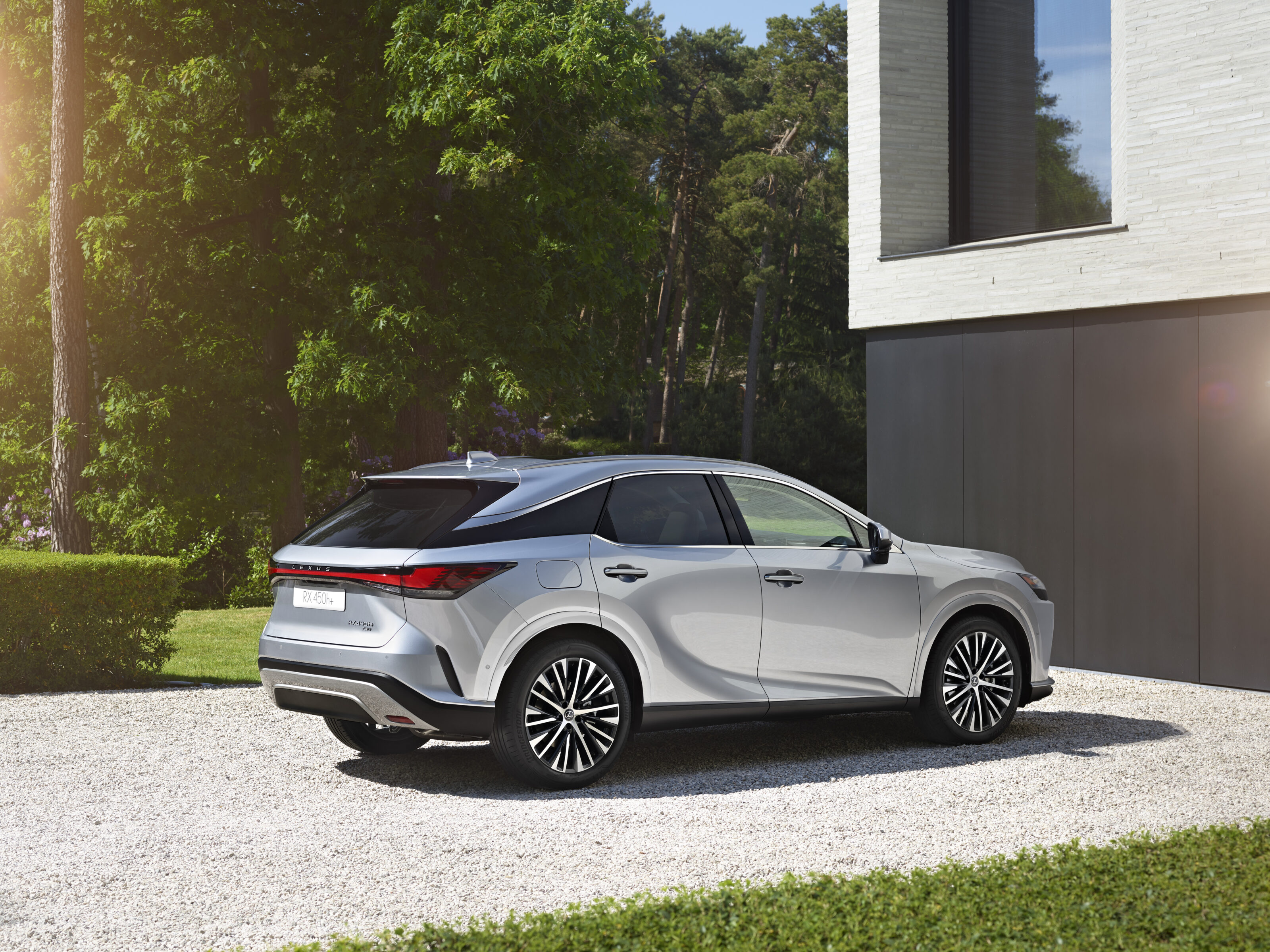
The 2023 Lexus RX has been revealed, with the fifth-generation SUV set to debut globally in four grades.
Replacing the fourth-gen model, which has been in service since 2015, the new RX will retain the RX350 and RX450h nameplates of its predecessor in addition to the new RX350h and range-topping RX500h – although Lexus Australia hasn’t locked in specific grades for the local market.
Its new design mirrors the concepts introduced by the luxury manufacturer across a number of its recent model releases, such as; the LX, NX and UX as well as the upcoming, all-electric RZ.
UPDATE: New 2023 Lexus RX driven
Following its global unveiling, we’ve now driven the new-generation Lexus RX. Get the full story at the link below.
Story continues
Features
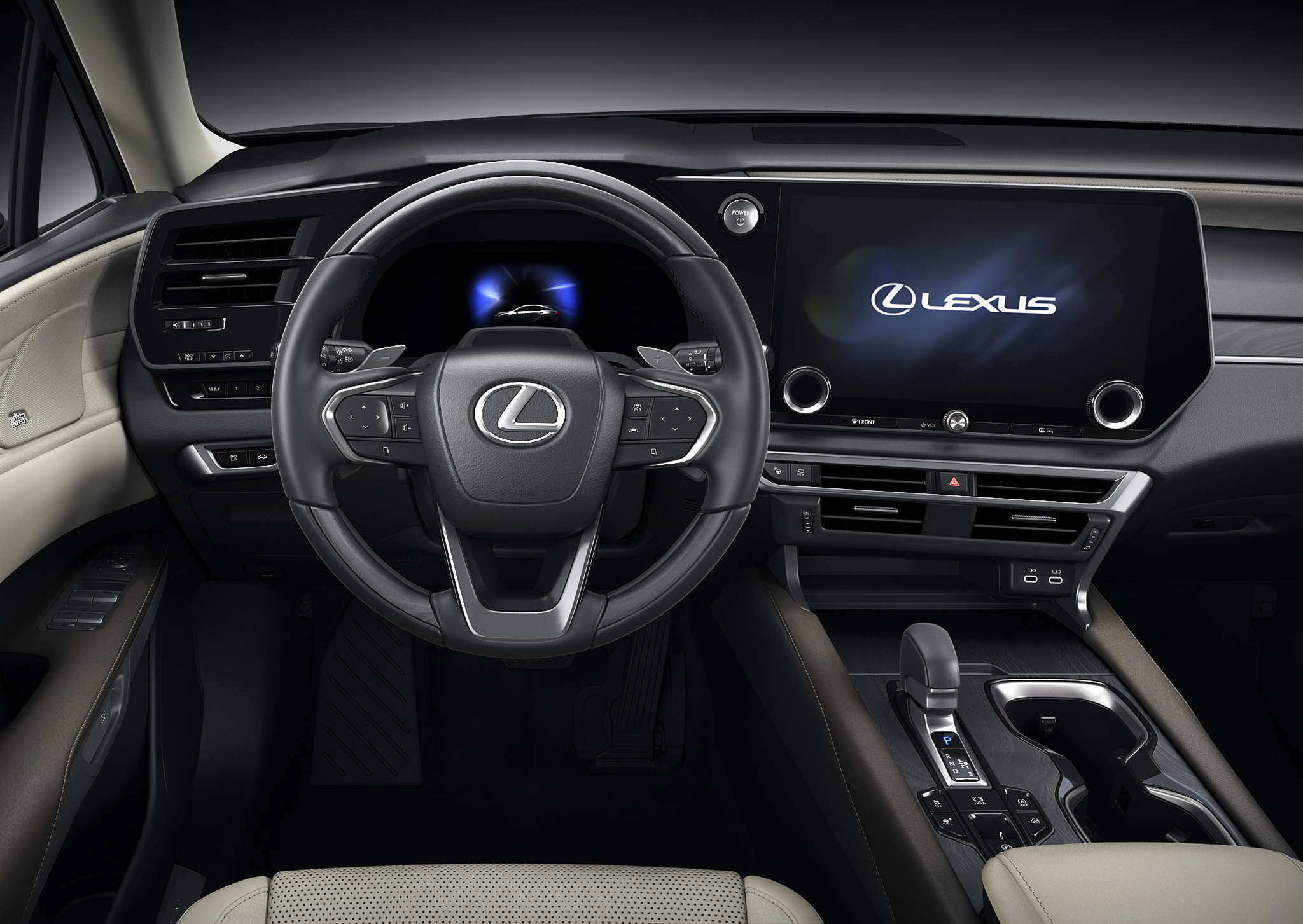
The entire new RX range’s interior draws inspiration from the Tazuna cockpit concept, as has already been seen on the new NX and LX – marketed as a driver-oriented cabin space.
Specifics regarding equipment are scarce, but the RX will be offered with a choice of 9.8- or 14-inch touchscreens, an integrated head-up display and multi-coloured instrument panel illumination.
On the flagship RX500h F Sport grade, 21-inch aluminium wheels are matched with six-piston front brake calipers to give the ‘Sport’ part of its name some weight, while adaptive variable suspension (AVS) and dynamic rear steering are also added to the range-topper.
Engine and drivetrain
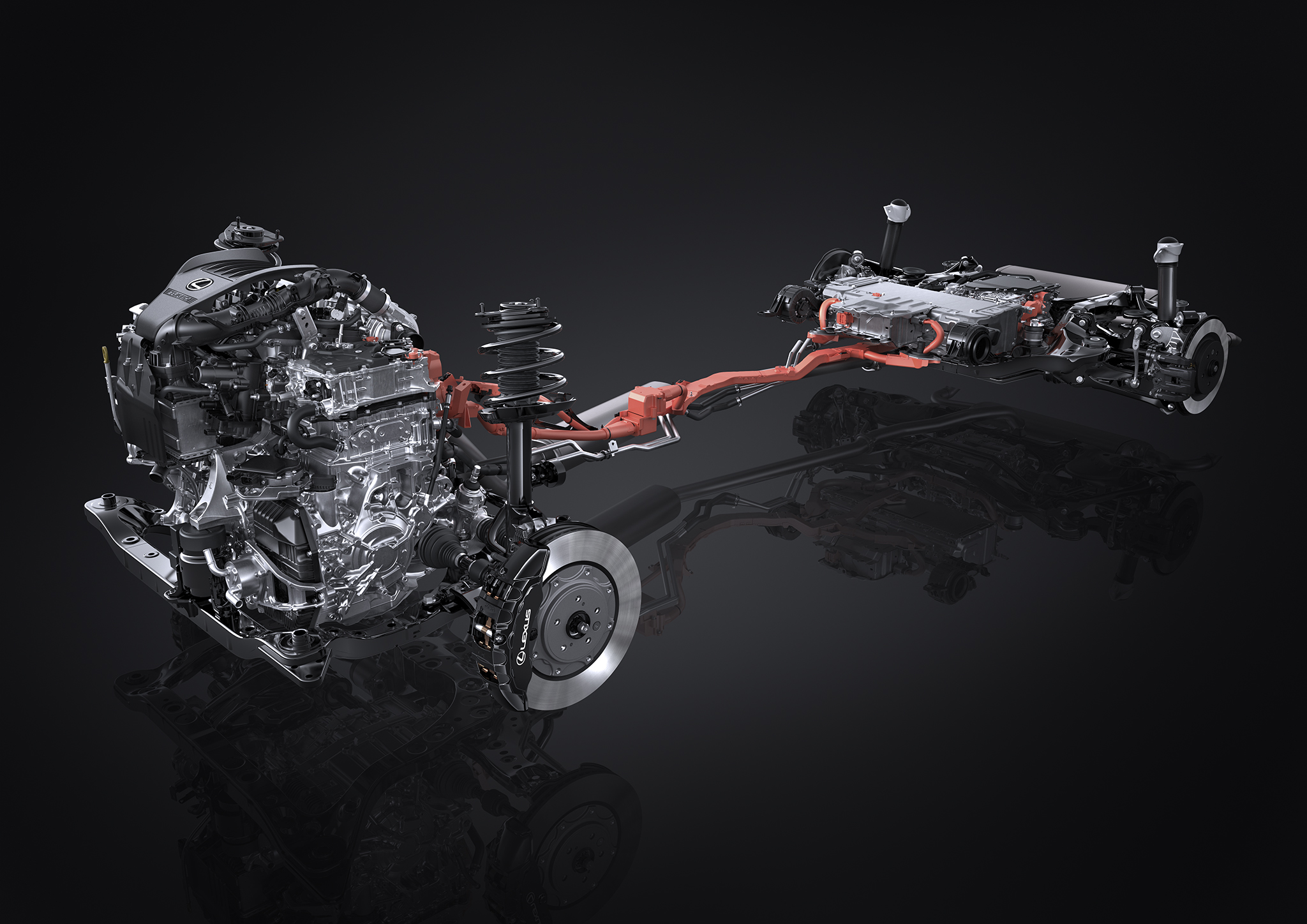
Despite sharing some of the same names as the outgoing model, the engine and drivetrain choices are all-new for the upcoming RX, starting with the entry-level RX350 – which is powered by a 2.4-litre, four-cylinder turbocharged petrol engine, sending drive to all four wheels.
Stepping up from this, the RX350h will sport a 2.5-litre, naturally-aspirated four-cylinder hybrid engine with both front- and all-wheel drive drivetrains available globally.
Serving as the only plug-in hybrid of the range, the RX450h is also powered by a 2.5-litre, naturally-aspirated four-cylinder hybrid engine, although its all-wheel drive system can be used in EV-only mode for maximum fuel saving.
Rounding out the range is the RX500h, with its 2.4-litre, turbocharged four-cylinder hybrid system set to provide more power and torque than the other variants, making use of an electric motor on its rear axle.
Dimensions
The all-new RX is wider, lower and lighter than before, with wider tracks at the front and rear (up by 15 millimetres and 45mm respectively) matched with a 10mm height reduction over the outgoing model, resulting in a 15mm drop in the SUV’s centre of gravity while 90 kilograms have also been shed.
Riding on a longer wheelbase of 2850mm (up by 60mm), the overall length of the RX is unchanged at 4890mm, while its width has grown by 25mm – now standing at 1920mm wide.
With the distance between the front and rear hip point increased by 12mm, more interior space is also met with a 50mm bump to the boot space, likely resulting in the 453 litre capacity of its predecessor to go up yet again.
Safety
Details are thin on the exact safety equipment Lexus plans to implement into the RX, although it has confirmed its Lexus Safety System+ will be standard, featuring:
| Proactive driving assist |
| Pre-collision safety |
| Dynamic radar cruise control |
| Lane departure alert |
| Lane tracing assistu00a0 |
| Advanced drive traffic jam support |
| Advanced park with remote function |
Availability
Expect the 2023 Lexus RX to arrive in Australia around the start of next year, with local pricing and features to be confirmed closer to its launch.
The 1990s brought a resurgence for ‘British’ sports cars, especially if you were a Japanese manufacturer. But back in the homeland, Lotus had made a return to its tiny sports car roots with a roadster so driver-focused it made the likes of the MX-5 look like it was for filthy casuals.
The Lotus Elise was a car for serious drivers. Its mid-mounted engine drove the rear wheels, unlike the front-engine Elan it spiritually replaced.
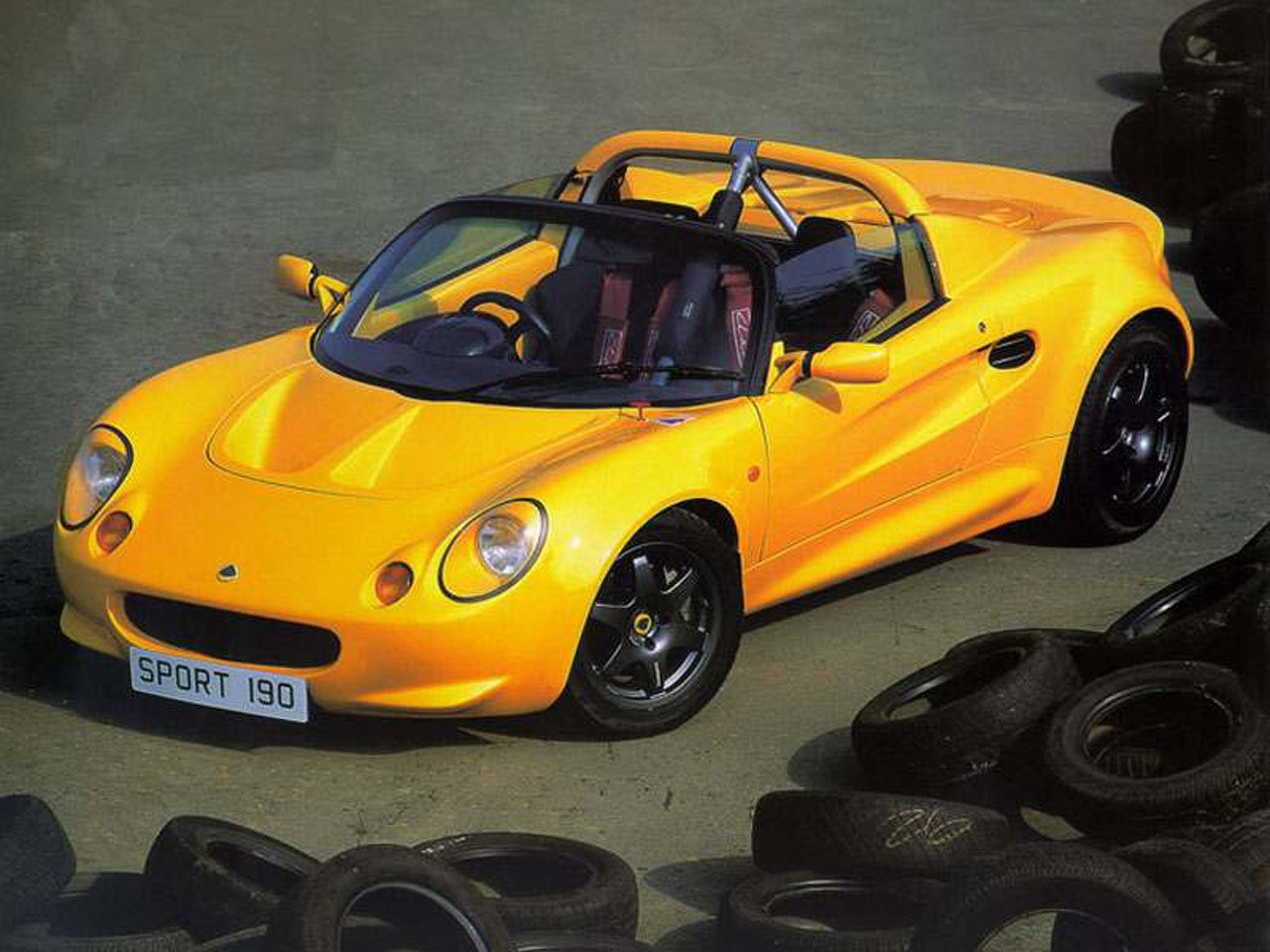
In its infancy, the Elise gained its name from, well, an infant. The granddaughter of Lotus’s then-owner Romano Artioli, Elisa, was a baby when the ‘Type 111’ made its debut at the Frankfurt Motor Show in September 1995.
Artioli suggested the name of his granddaughter for the car, and then-head of public relations for Lotus, Patrick Peal, rushed to change the promotional material.
“I had even purchased the number plate M111 LCL to be used on one of the disguised prototypes,” he said years later. But the world was greeted with ‘Elise’, and the name has become more iconic than a few numbers.
The Elise boasted an innovative platform – its extruded and bonded aluminium chassis was strong, light, and cloaked by a pert, tightly drawn fibreglass body.
The Lotus Elise S1 was powered by a Rover K-Series 1.8-litre inline-4 borrowed from the MG F roadster, good for 88kW and able to reach 100km/h in less than six seconds thanks to its low kerb weight of just 725kg.
In Australia, you could have one from about $70,000. Lotus was so proud of its lightness, Peal carried an extruded bonded aluminium accelerator pedal in his jacket as a talking point during the launch. Colin Chapman would have approved.

By 2000, Lotus had to alter the chassis to meet new crash regulations, so in exchange for a Vauxhall-badged sports car (the Vauxhall VX220/Opel Speedster) on the same chassis, GM funded the Elise S2, released in 2001 and featuring a more aggressive body with an even more insectoid face.
The year 2004 marked the beginning of Lotus’s engine supply deal with Toyota. The Elise 111R’s 1.8-litre 2ZZ-GE inline-4 made a rousing 140kW, and meant the only slightly heavier, 860kg second-gen Elise could hit 100km/h in 5.1sec.
At the same time, the Elise spawned the Exige coupe, initially a roofed Elise twin; later a separate model which used only Toyota V6 engines.
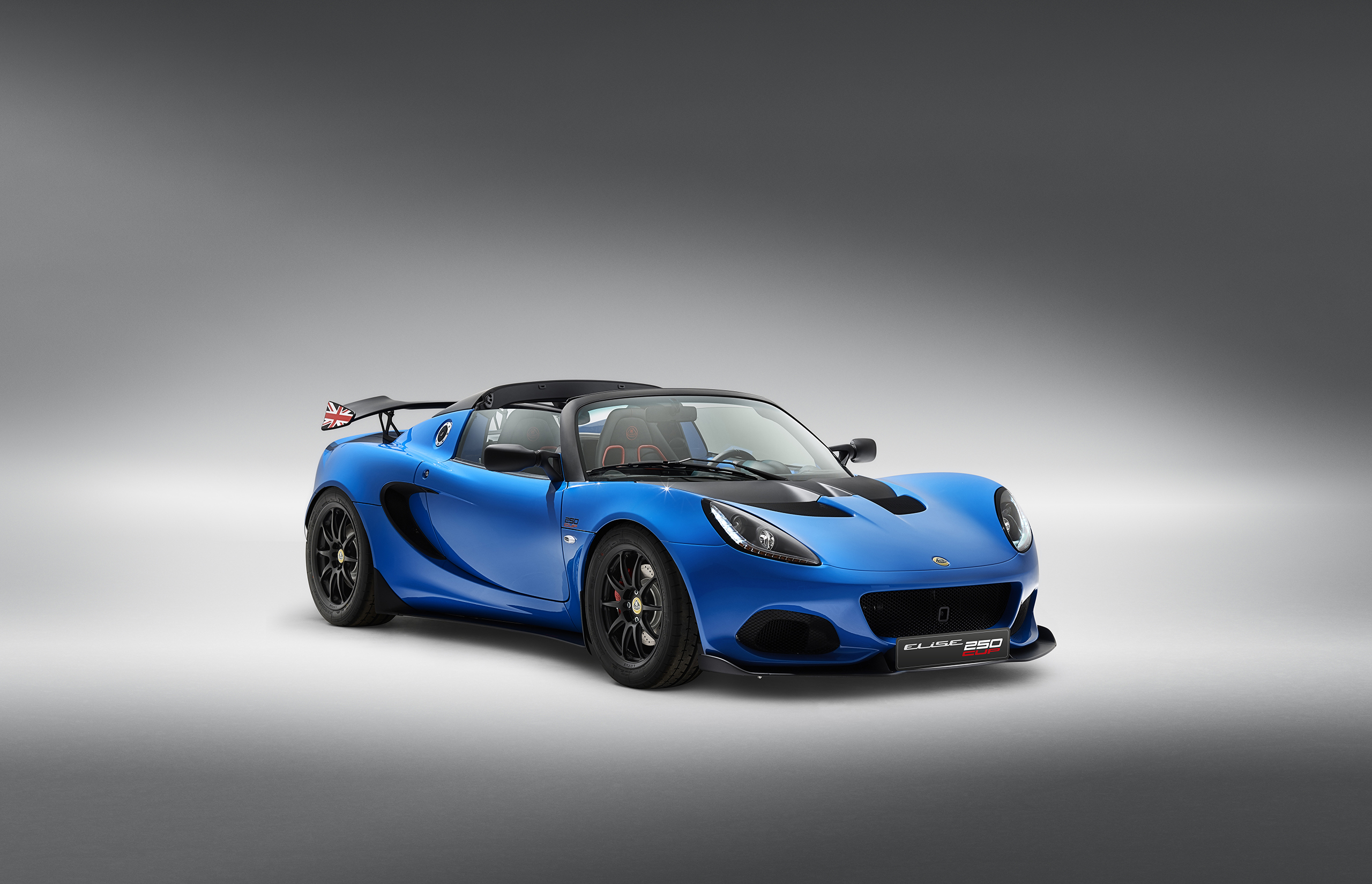
The third-generation Elise arrived in 2010, with few structural changes to the chassis, still extruded bonded aluminium. Reviewers would say the same thing they had of the Elise since its birth: a challenging car to drive properly fast, but deeply rewarding to get right.
The S3 later added a supercharger to the Toyota four, culminating in cars like the Cup 250 Final Edition that claims a 0-100km/h time of 4.3 seconds and a price tag of $110,000.
It marks the end of a badge that must give way to the electrified future for Lotus if it’s to survive, but will hold a special place for many.
As for the last Elise ever built, it’s now owned by one Elisa Artioli.
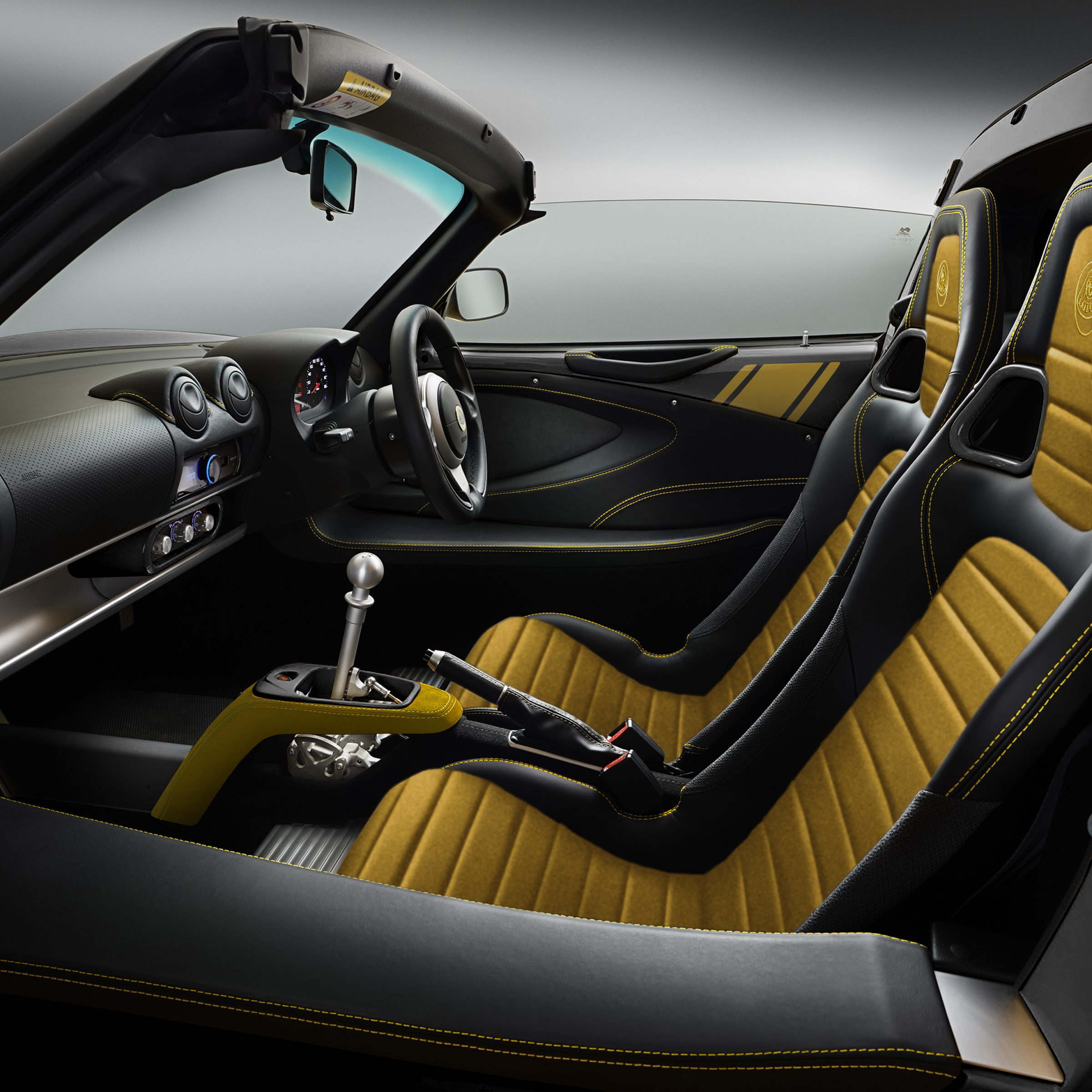
Batteries now included
Much like they did back in 1995, Lotus engineers will continue to use bonded aluminium for the chassis of electrified models, going some way to explaining how the incoming Lotus Evija supercar weighs just 1680kg.
With a mind-boggling 1470kW, Lotus claims a 0-100km/h time in less than three seconds with a top speed of 322km/h. More than $3m will net you one, a little pricier than an Elise.
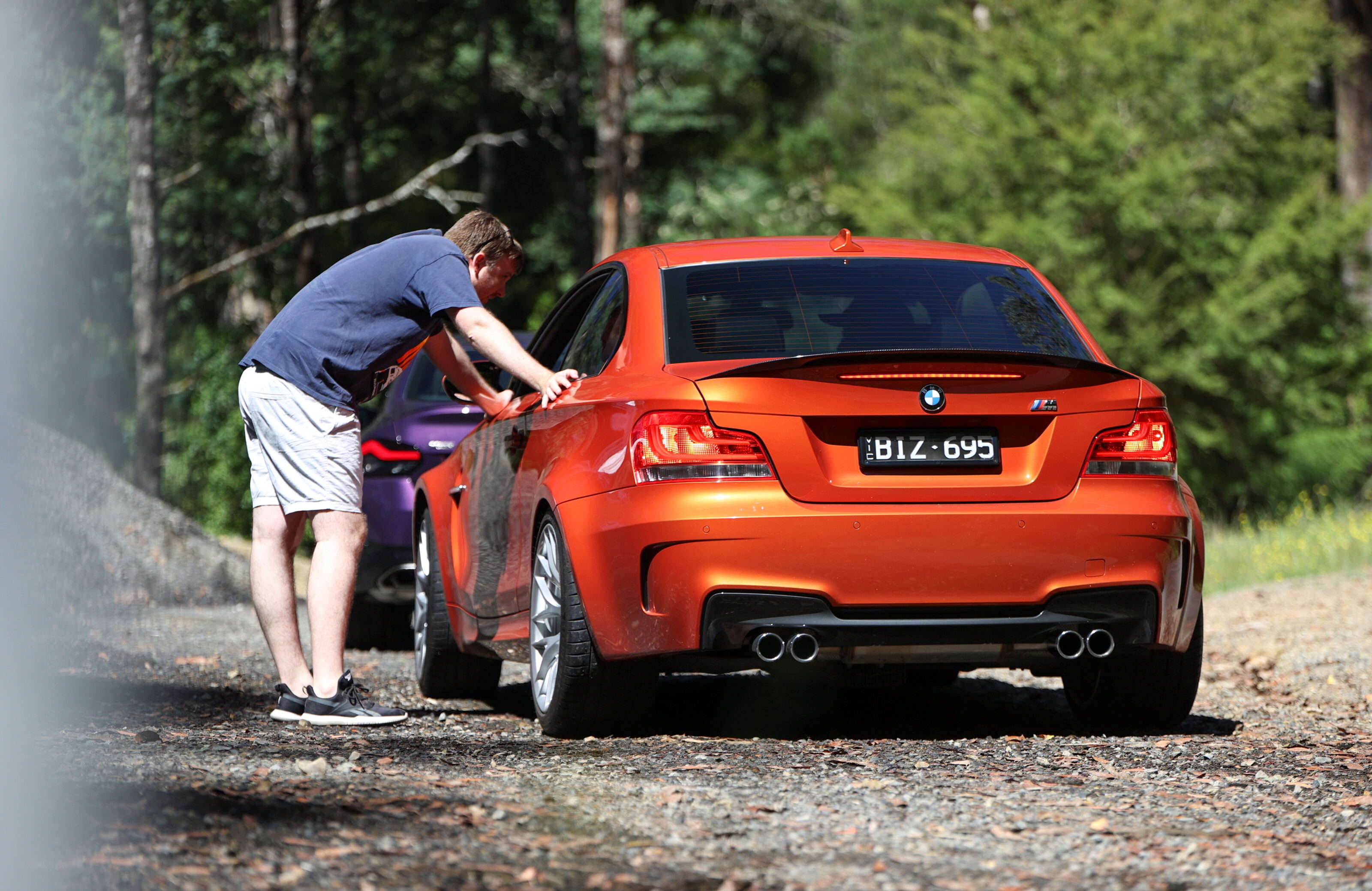
Compared: The 2022 BMW M240i xDrive boasts half the turbochargers and double the driven wheels, but can it match the magic delivered by M Division’s skunkworks 1M Coupe? We grab one of each to find out.
Mary Queen of Scots had, to put it politely, a tricky relationship with her family relative Queen Elizabeth I of England. The pair shared a murky claim to the throne, but instead of yelling at each other over a quickly cooling shepherd’s pie like any reasonable family, they instead opted to kidnap, imprison and attempt to assassinate each other for several decades. As far as family feuds go, it’s hard to top.
I’m hoping to avoid any bloodshed today, as I bring together unlikely fraternal rivals that come from a similarly split royal bloodline – the BMW 1M and M240i xDrive.
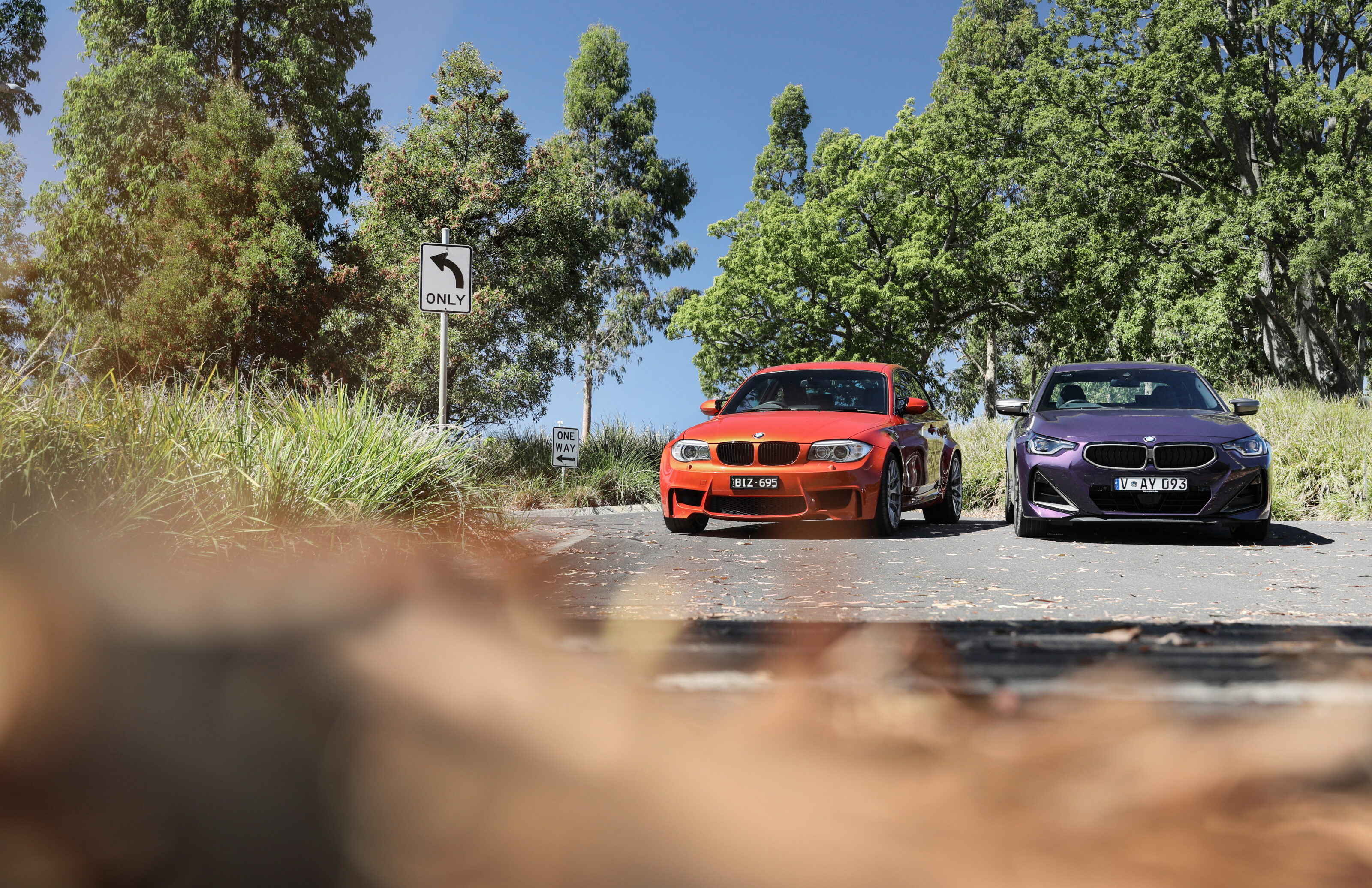
The former’s credentials don’t need much in the way of introduction. Brought to the world via the automotive equivalent of an immaculate conception, it’s lauded as one of the finest cars to wear BMW’s fabled M badge.
The latter, well, it’s the first proper performance-orientated model of BMW’s new generation 2 Series (don’t get us started on the middling M235i Gran Coupe which is just a booted 1 Series).
Its claim to the throne in this sibling battle is a contentious one. Like Mary, Queen of Scots, the M240i isn’t a full-blooded heir with unconditional M Division heraldry, instead descending as the M-lite forebearer to a new generation M2 that is yet to shed its pre-production camouflage.
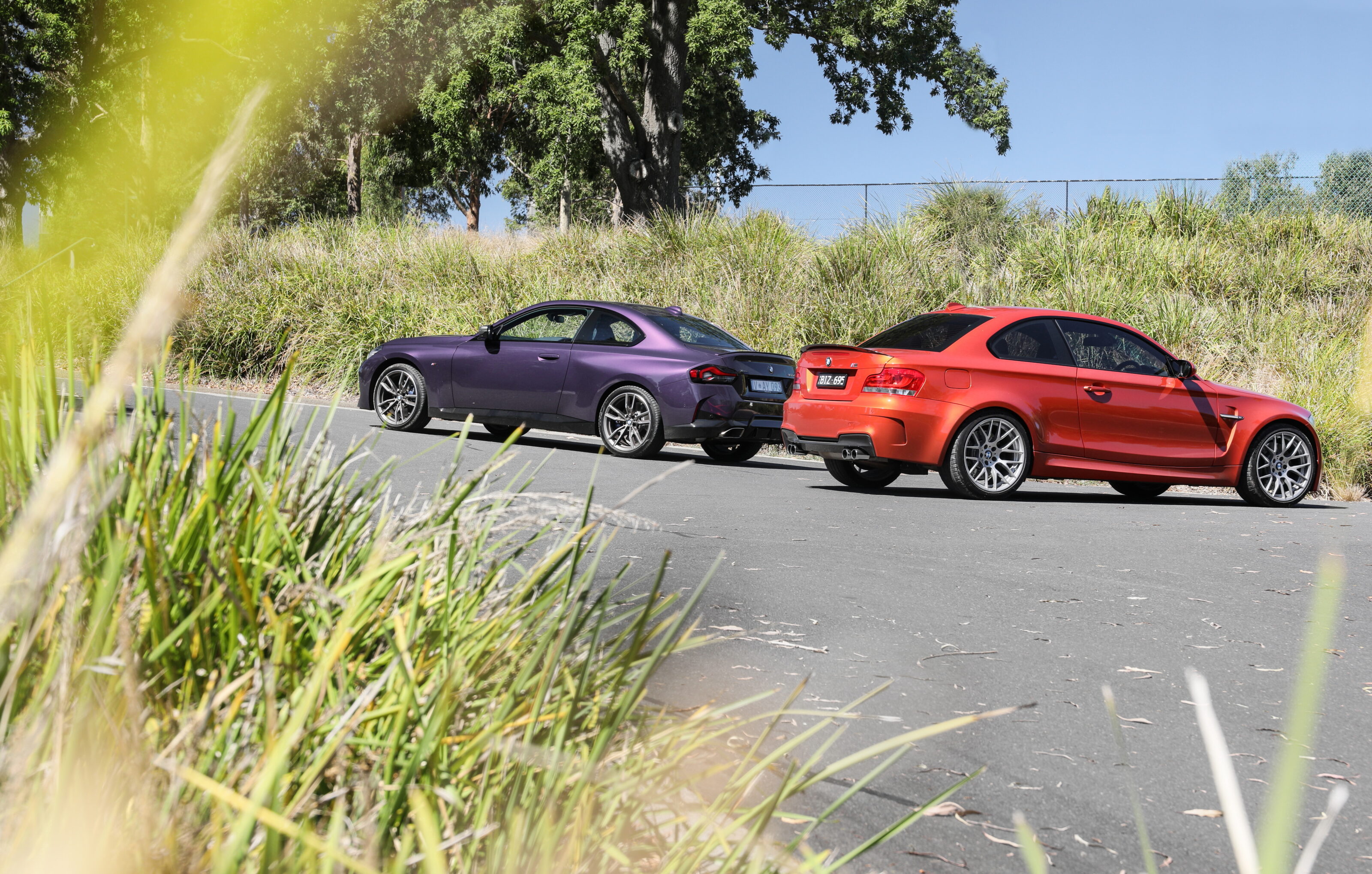
That said, it can trace a clear path up its family tree to the 1M, being the current spiritual successor. And now we have brought them together for a royal performance duel and anoint the true BMW M Crown Prince.
Pitting a legendary M car against its half-baked sibling? Surely this is a hiding to nothing I hear you quibble. Oh, quite the contrary. Like dear Mary and Elizabeth, this family stoush isn’t quite so simple. Yes, the 1M’s outputs of 250kW and 450Nm (with up to 500Nm on overboost) are impressive even by today’s standards. More so when you consider its 1495kg gives it a power-to-weight ratio of 167kW-per-tonne.
Enter the M240i, similarly powered by a turbocharged 3.0-litre straight-six to the tune of 285kW and 500Nm. Dampening that advantage for the newer car is the fact it tips the scales at 1765kg, dropping the PWR to 161kW-per-tonne. Advantage 1M, surely? No.
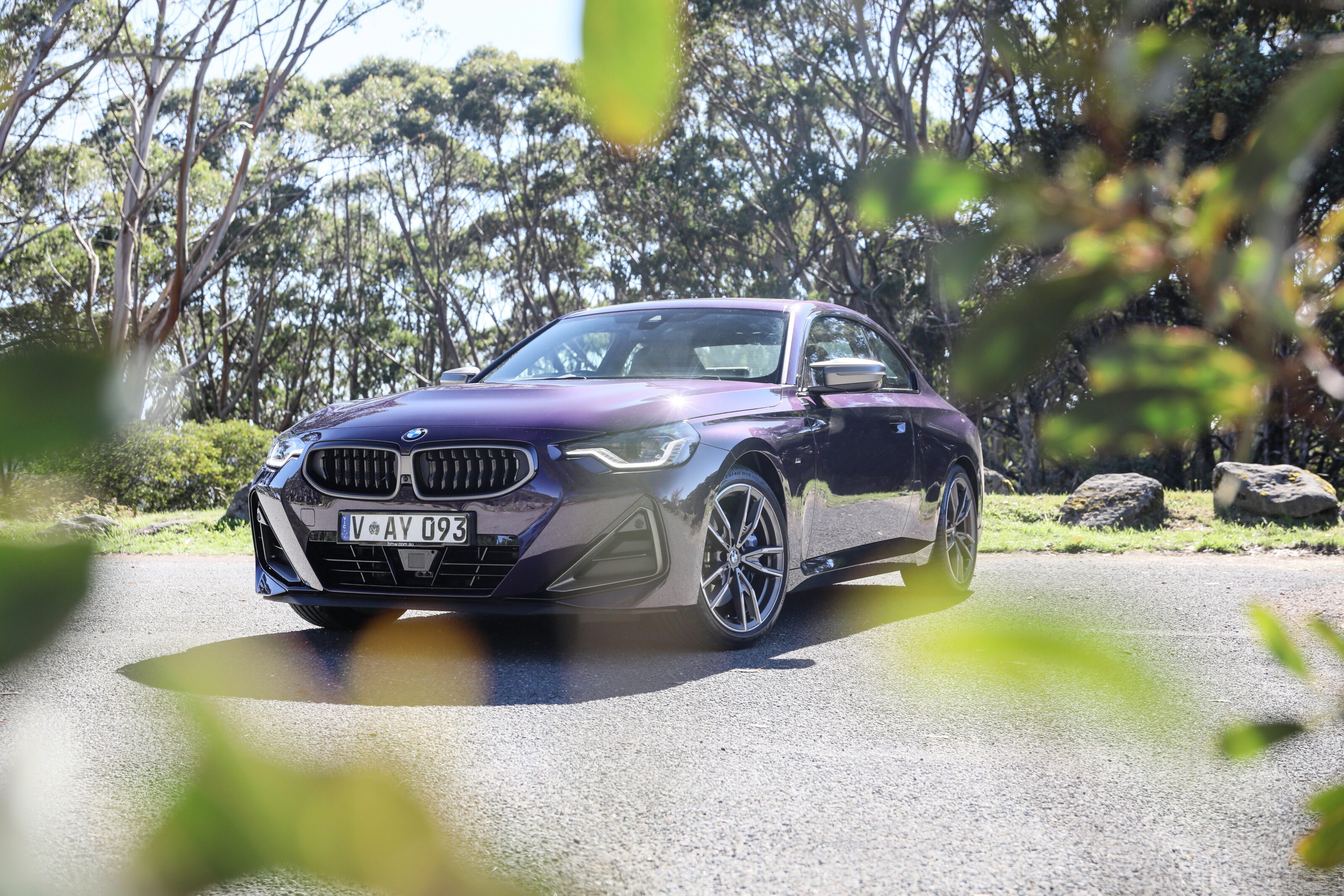
The tale of the tape doesn’t stop there. Headline figures don’t quite reveal the full picture. First, the M240i arrives with the front axle joining the party. Then there is how each make their power. The M240i’s peak power is spread from 5800-6500rpm, while the tabletop looking torque curve hits its maximum figure at 1900rpm all the way to 5000rpm. With just 800 revolutions separating the handover of peak power and torque, the Thundernight Purple coupe hauls like a warhorse through every gear.
Conversely, the 1M’s lower peak power only arrives at 5900rpm, while the similarly reduced torque figure starts earlier at 1500rpm, but is done and dusted at 4500rpm. This fight is far from being one-sided.
It’s important to consider the M240i’s status as an M-lite concoction. Yes, there’s a fire-breathing new generation M2 currently in development but that moves the game well beyond the 1M’s aegis.
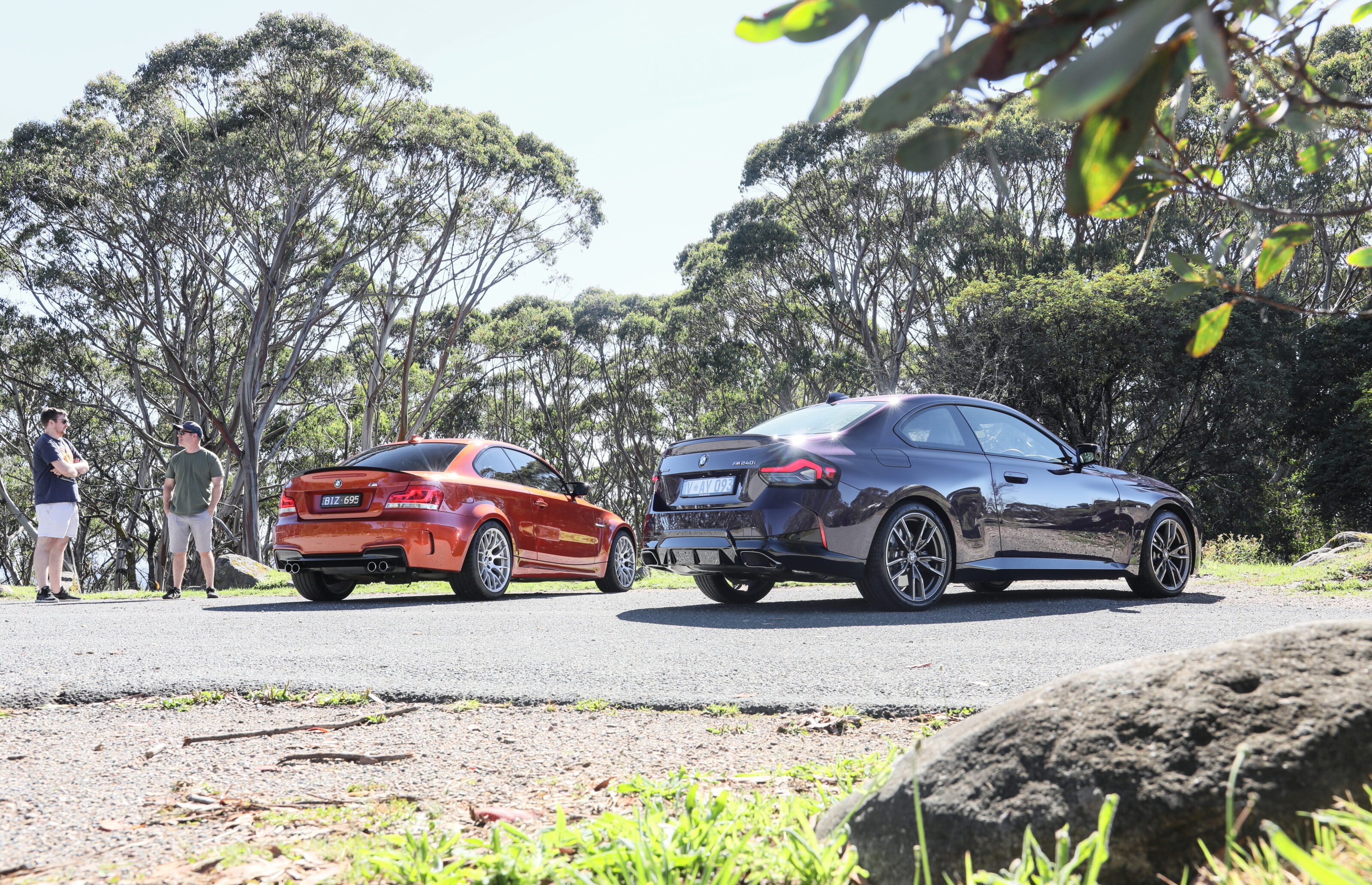
There’s another good reason why we have this pair together: the cost of entry. The M240i launches with a price tag of $89,990, and with that you get all the modern amenities you’d expect from a premium product in 2022. Buying a decently clean 1M (even with the current freakish used market prices) will set you back a similar figure.
Australia, as is so often the case, simply couldn’t get enough of the 1M. Our initial allocation was a paltry 100 vehicles. Pressure from BMW Australia bumped that up to 130 cars, and eventually a more reasonable 300 1Ms landed locally.
Globally production was meant to be just 2700 units. That was never going to cut it. By June 2012 a total of 6309 cars had been built. Originally priced at $99,990, prices immediately headed north tipping over $120,000 for relatively fresh used models by late-2012, before eventually settling to their current stable bracket.
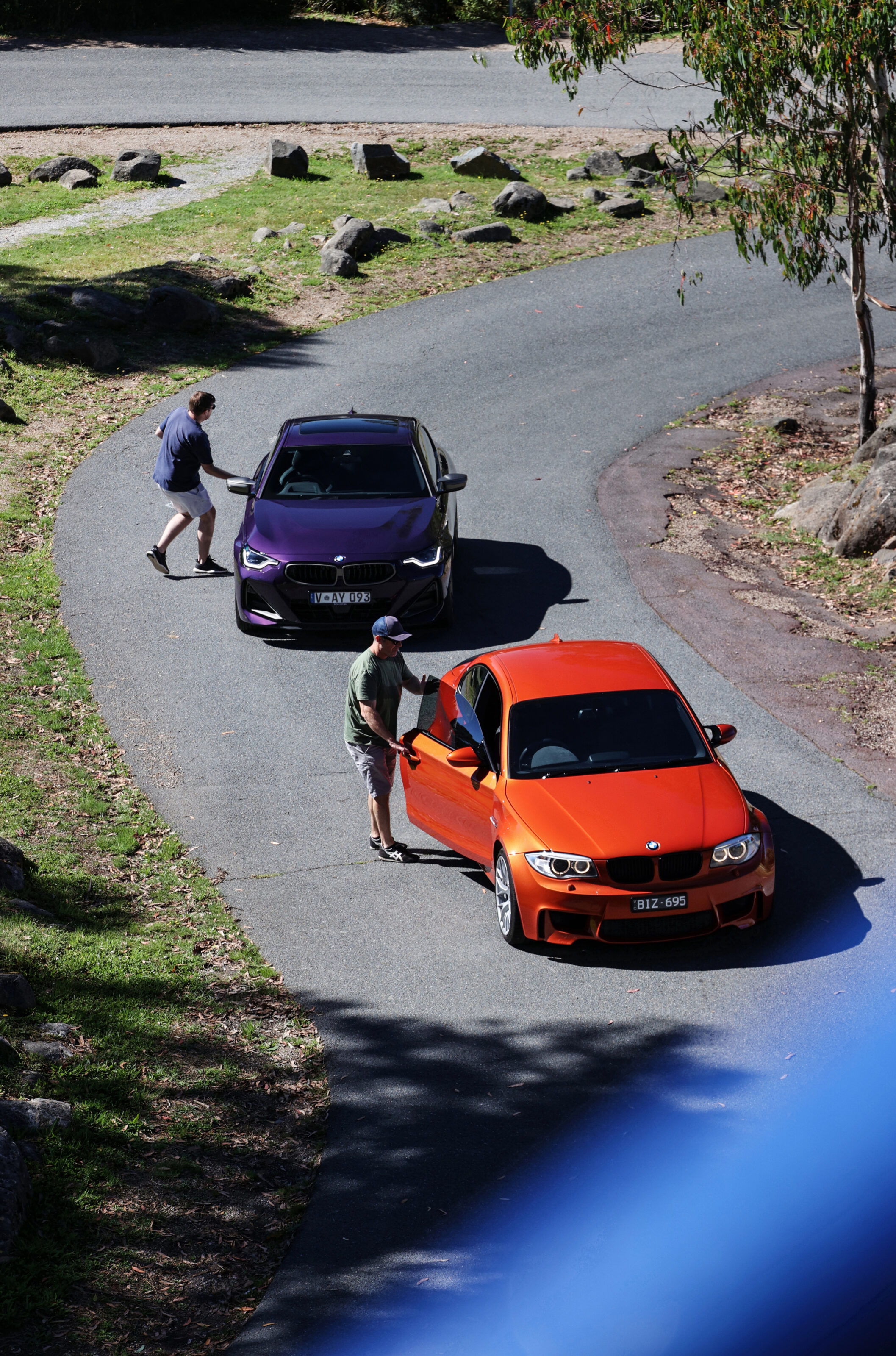
The 1M you see before you is owned by MOTOR Art Director Damien Pelletier, and after wrangling insurance forms and promising him a new pencil sharpener we’ve managed to pry the keys from his hands.
A decade since its debut, parsing the BMW 1M’s character from the larger-than-life mythology and legend that surrounds it is enlightening. Common lore would have you believe this vehicle bared jagged teeth with which it would bite the hand that steers. Early reviews warned of a snappy dynamic character capable of putting the best of us on the back foot. Or, subsequently, the back of a flat-bed.
Even before its production began, the 1M had a white-knuckle grasp on life. At every point of its inception one wrong step would have seen it killed off and the future path of BMW’s performance division changed irredeemably from what we now know it as. But a dedicated team of engineers, and an entire division in the process of enacting radical changes to ensure its own survival meant the 1M endured. And we, the driving enthusiasts, are all the better for it.
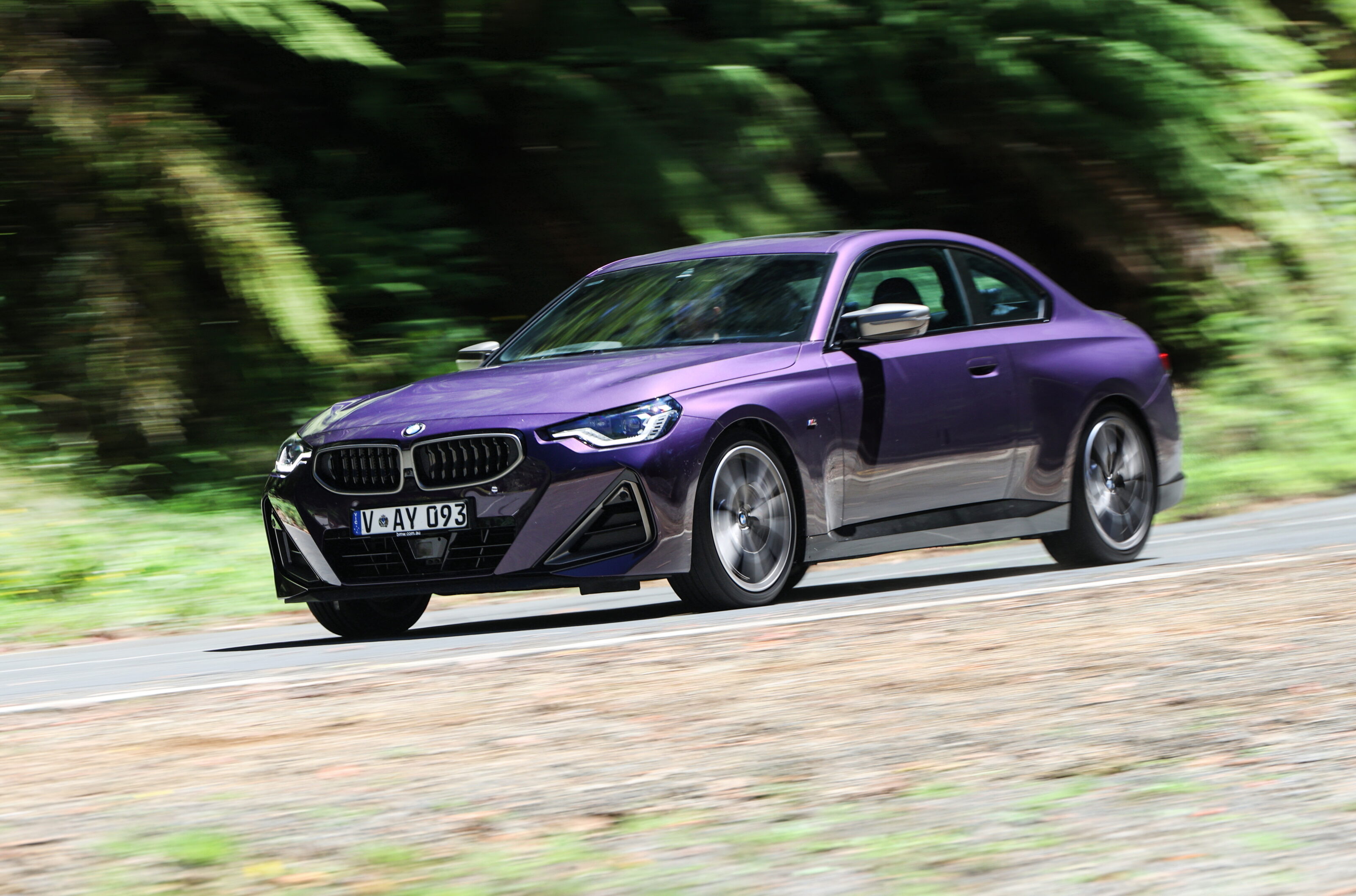
The M-lite M240i has a tougher stance than any of its ‘done over lightly’ predecessors of the same badge. If not for a lack of ridiculously flared arches, it wouldn’t be unreasonable to have assumed this was a full-fat M with the visual presence alone. Yet it still seems tame stood side-by-side with what came before.
Such is the 1M’s stance that it appears to be stretching its own skin to breaking point, muscles literally bulging from its flanks. There is an interesting lesson in the evolution of design language when admiring the shapes of the M240i and 1M. For many, the M240i will hold greater visual appeal than its M3 and M4 siblings, opting for flaps in its kidney grills over a permanent flare of nostrils.
The most important change for the G42 generation from the F22 is completely hidden to the naked eye. For the first time the baby BMW coupe uses the same chassis platform as the 3 and 4 Series. Finally, those budget M4 clichés can be couched in a semblance of reality, and the move of platform bodes well for the potential capabilities of a new M2.
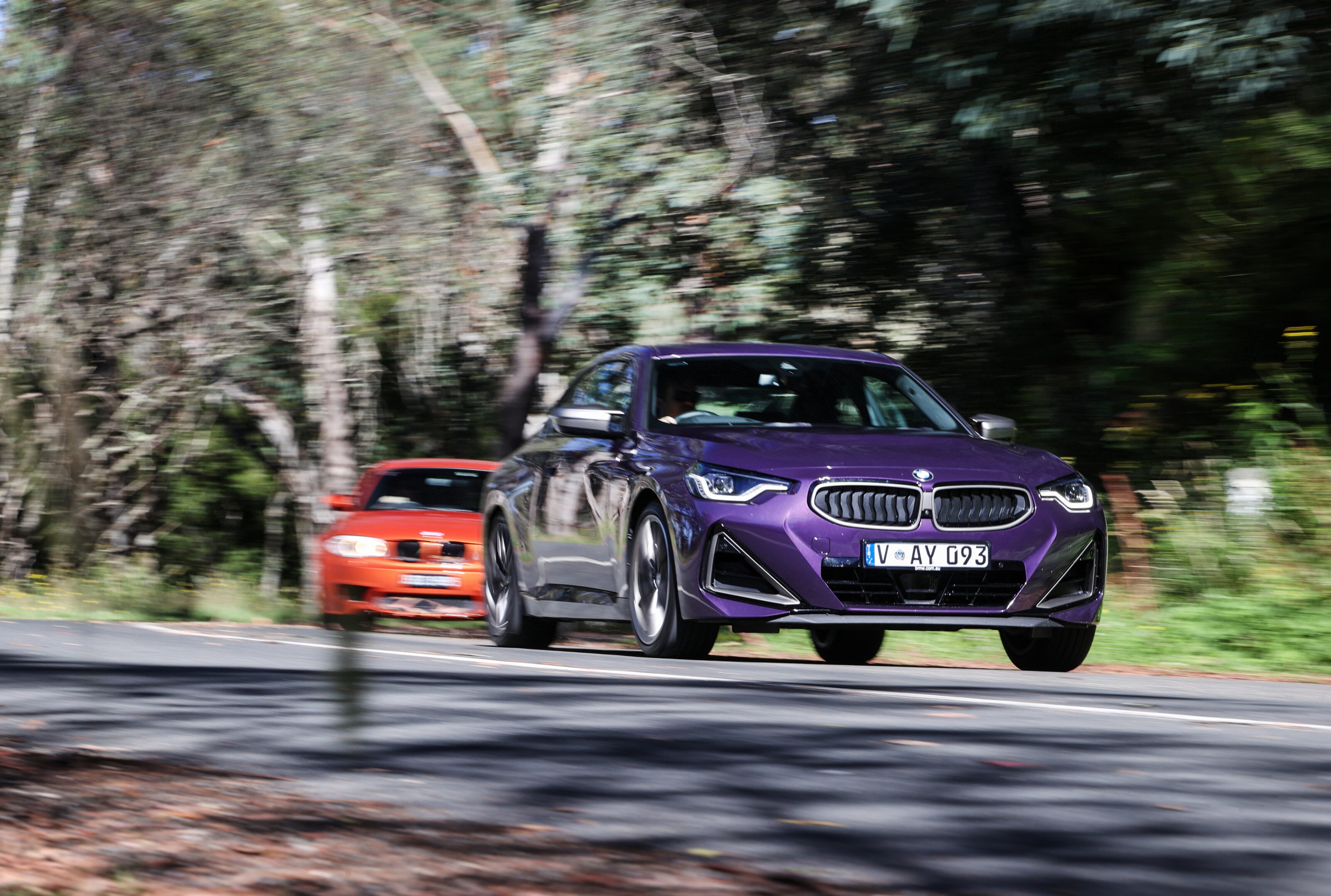
A new platform means inevitable dimension creep – the G42 is 105mm longer and 64mm wider overall compared to the F22 it replaces, with an extra 51mm in the wheelbase. The front track has spread by 63mm, while the rear increases by 25mm, and the overall height drops 28mm. Yet despite the physical growth, the M240i remains goldilocks right in its proportions and easy to place even on narrow mountain lanes.
While the 1M didn’t share a chassis with its larger siblings, there was plenty of common componentry. The E92 M3 donated its aluminium five-link rear suspension, locking limited-slip differential, cross-drilled brakes, and 19-inch alloys to the 1M.
While it can’t match the 1M’s legendary stature, the M240i’s proposition to the buyer is a tantalising one. More power than the M2 when it first launched, but with the sensibilities of something genuinely useable day-to-day.
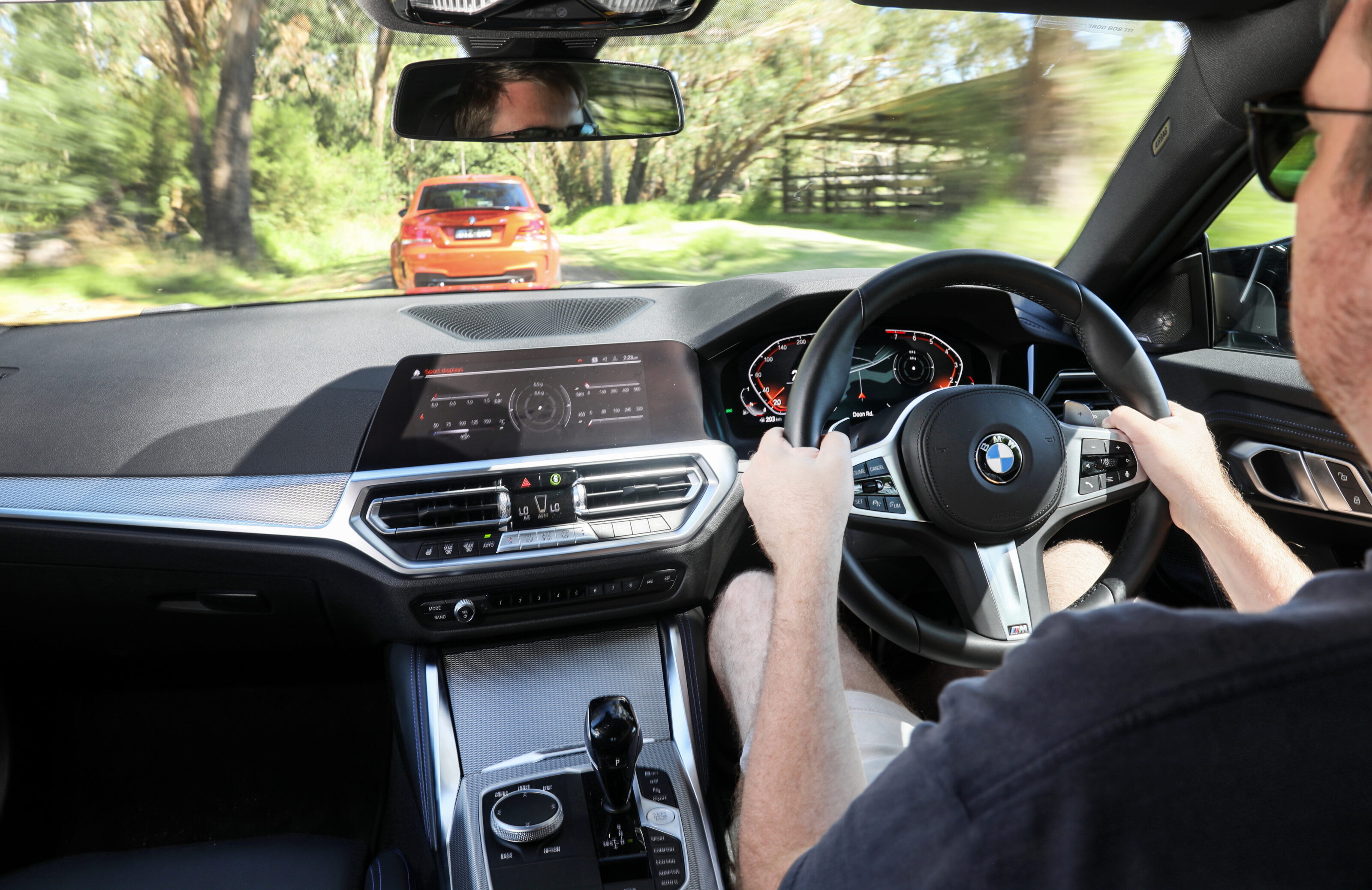
That’s not a cliché either, with the eight-speed torque-converter automatic transmission doing much of the heavy lifting of making the M240i a delight to drive day-to-day.
Smooth and subtle when schlepping, but able to whip between its well-judged ratios in more aggressive modes (which you can de-couple from the engine mapping in the customisable Individual setting).
It’s a row-your-own adventure in the 1M, with a six-speed manual transmission the only choice. While there’s a sinewy, muscular feel to the shift, it’s here where the 1M’s age is perhaps best exemplified. By virtue of the three-pedal design, you are required to be more considered with your inputs in the 1M, balancing throttle and clutch in a balletic dance as you ride a more pronounced wave of torque compared to the M240i.
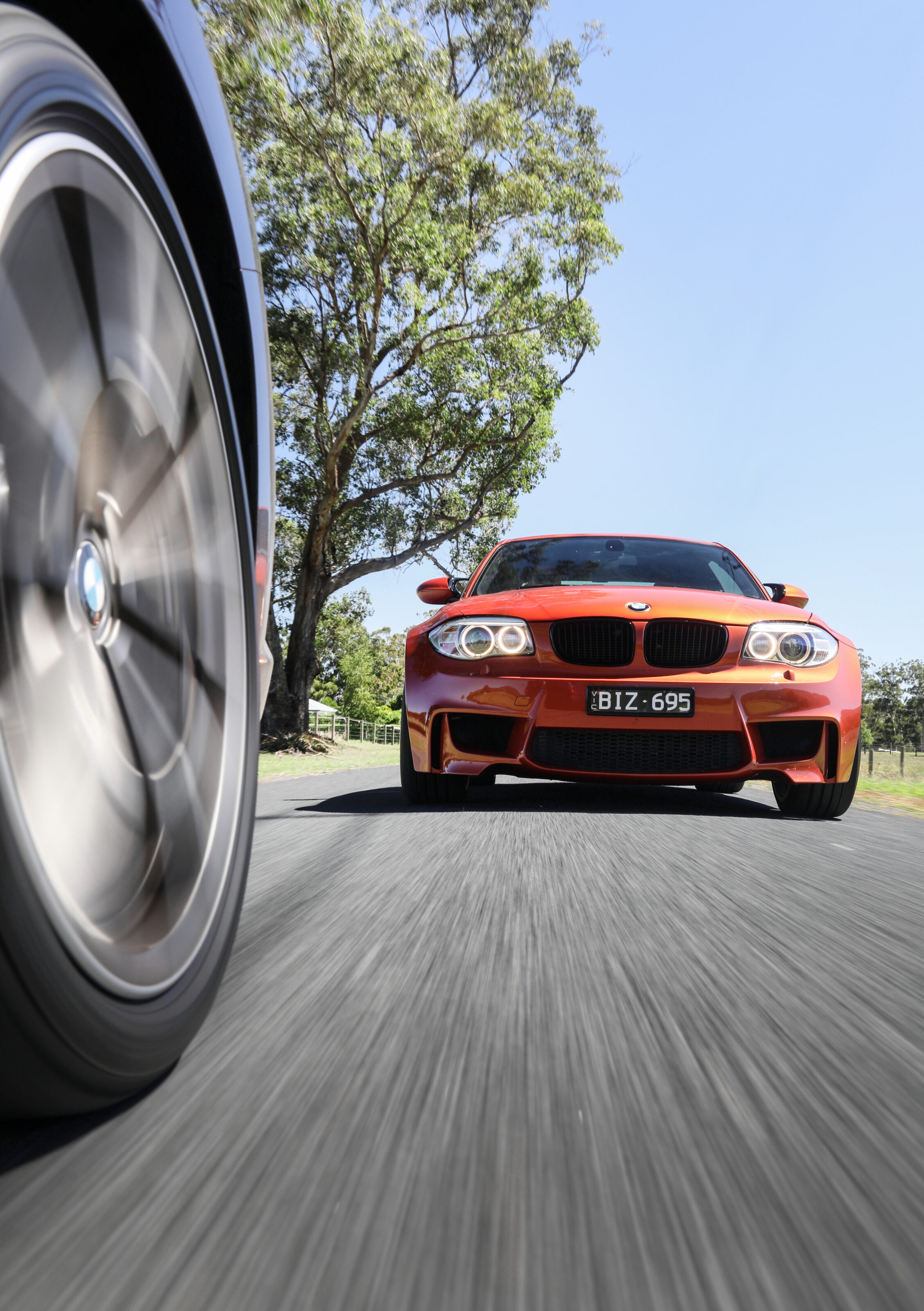
There’s no denying that in a straight line the newer car is untouchable, with comparatively relentless in-gear acceleration. You’d hardly describe the 1M’s N54 engine as laggy, but the way it ebbs and flows on and off boost prompts you to more keenly attune to the way it builds revs.
Sound is something both of these cars nail in classical fashion. There’s more turbocharger whistle and flutter in the 1M, but you don’t get as much auditory delight within its black leather cabin confines.
Conversely, the M240i amps up the interior volume, complimented with muffled exhaust pops off throttle.
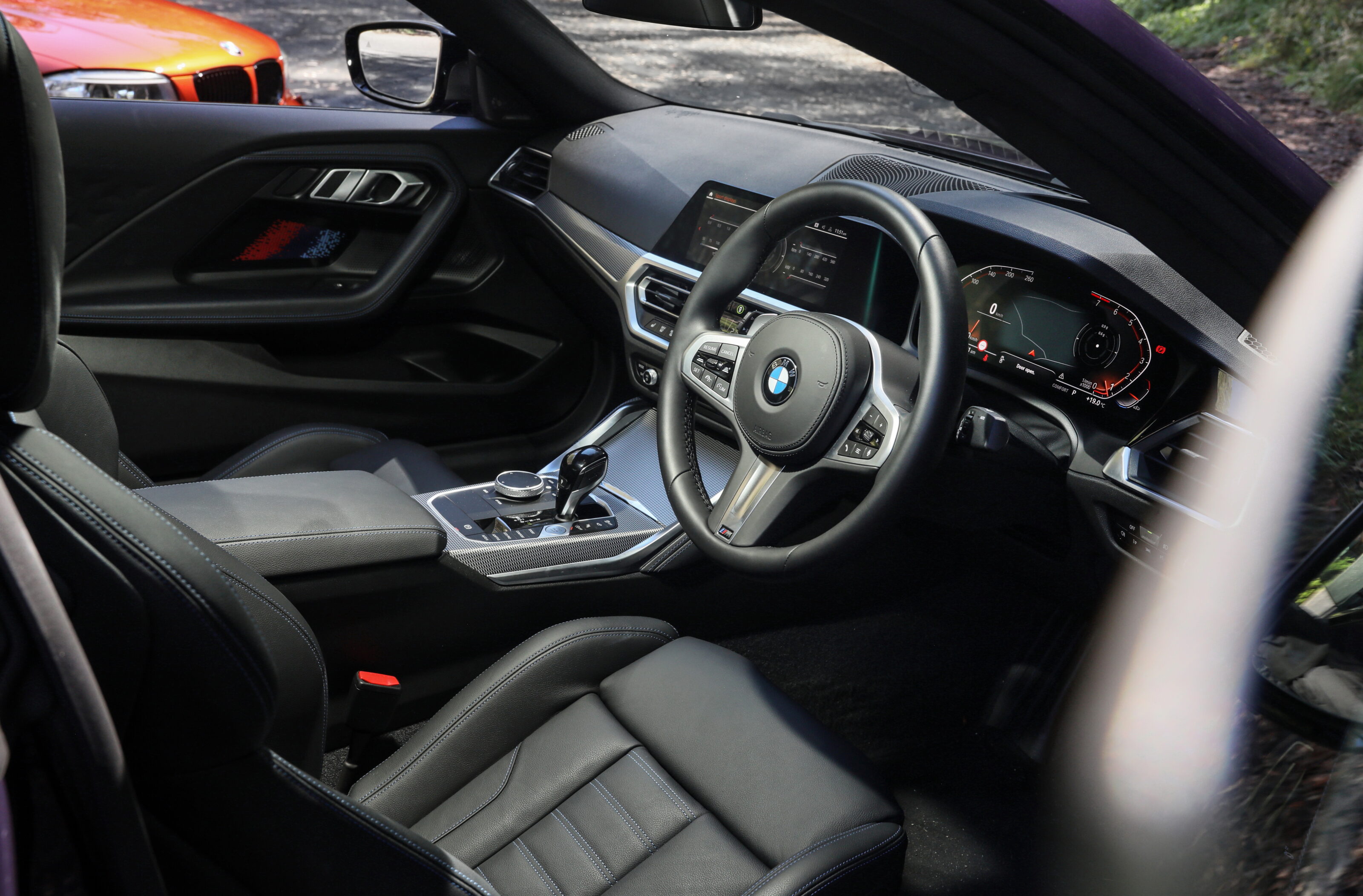
Speaking of cabins, inside the G42 you get a pair of digital screens – a 10.25-inch touchscreen infotainment unit running Apple CarPlay and Android Auto, as well as a 12.3-inch digital dash – along with a high-quality Harman Kardon sound system. By most modern standards the newer BMW interior is relatively restrained and cohesive. There’s no full-length portrait screen, and a tasteful selection of genuine buttons. Not haptic or touch, but genuine tactile buttons.
Compare this all to the 1M though and it seems drastically maximalist. This continues to each car’s driving systems. You get Comfort, Sport, and Sport Plus in the M240i before you even think of customisations of Individual mode.
In the 1M it’s standard and M – that’s it. Damo confesses he has his Valencia Orange pride and joy locked into the more aggressive mode with MDM activated when driving in all but the worst conditions.
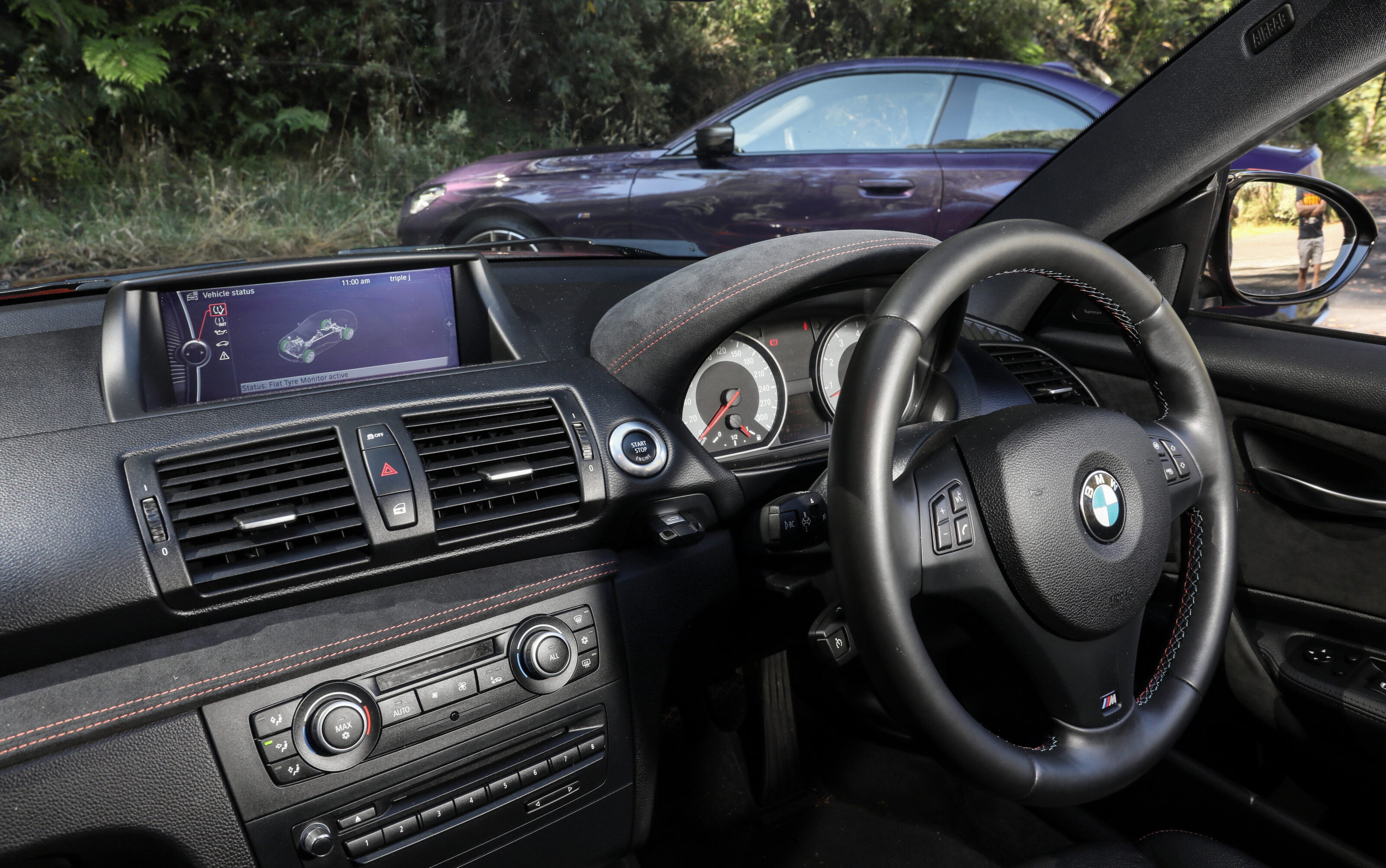
The M Dynamic Mode in the 1M lacks the sophistication of current ESC systems, but its rudimentary operations are easy to tap into. Corner exit rotation is controlled more deftly with the throttle than your hands. You find yourself winding lock off much earlier in the cornering phase than is traditionally required, with the rear axle leading the charge with well-signalled yaw.
While the drivetrain calibration can get power down impressively in a straight line, the M240i’s not-insignificant heft plays against it dynamically. You spend more of your time managing its balance as it teeters near the edge of grip.
But unlike the 1M which will fall into a relief of oversteer, the M240i lets the front axle release its hold on the road more willingly. This will be mostly down to a smaller tyre footprint on less focused rubber being required to perform a greater task.
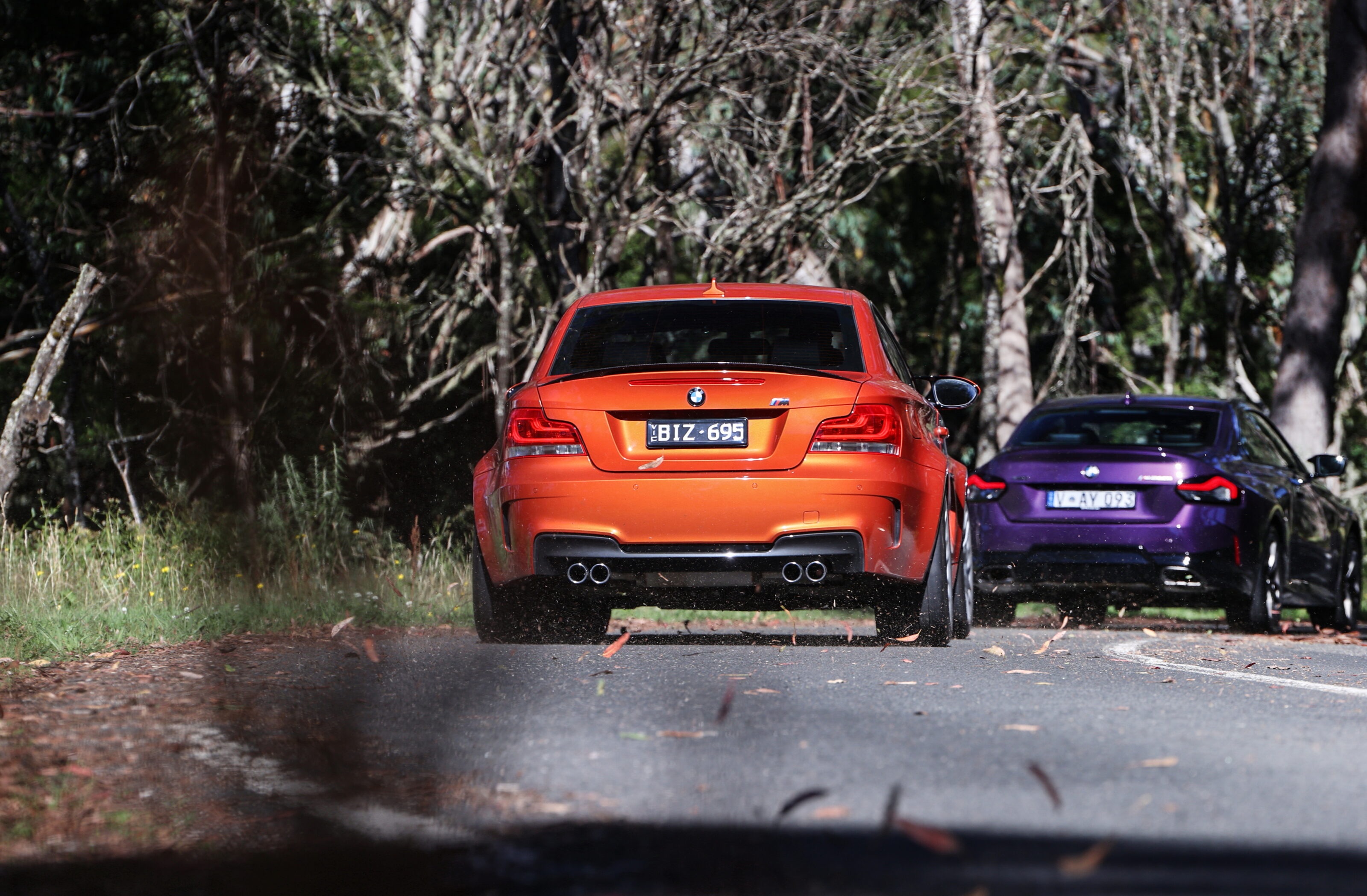
While both utilise 19-inch wheels, this 1M is fitted with Michelin Pilot Sport 4S tyres measuring 245/35 up front and 265/35 at the rear. Meanwhile the M240i has to make do with Pirelli P Zero compound 225/40 front tyres and 255/35 rear, the fronts offering an 8 per cent smaller contact patch than the 1M in a car that’s 15 per cent heavier. It’s likely this hampering of roadholding ability is a deliberate move by BMW engineers to leave appropriate room in the family for the incoming M2.
Don’t misconstrue that by thinking the new-gen contender is all buckets of wailing understeer and undone dynamism. A daffodil in a hurricane would be better tied down than the 1M, but the M240i still has a tinge of that willingness to shimmy its hips laterally given an adept hand. It’s just a more complex process, requiring you to utilise the kind of aggression that’ll see you on the wrong side of a ditch in the 1M.
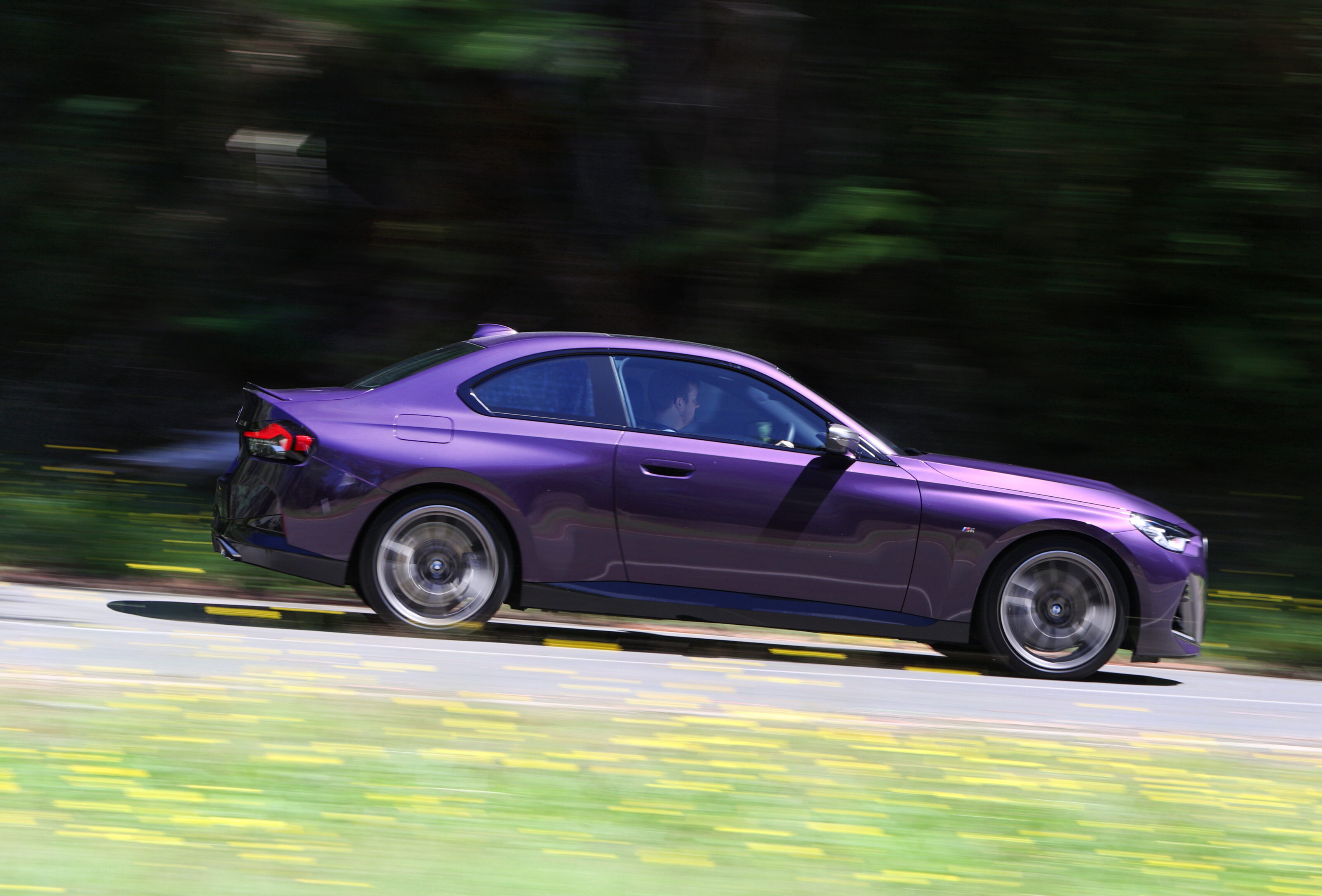
There’s no way to lock the drivetrain into sending its power directly to the rear wheels exclusively, but in the right circumstances BMW claims the system can do so of its own volition. From our experience on road the front axle retained some percentage of pull in all but the briefest moments.
Another area where modern convenience plays against the M240i is its feedback and tactility. The steering doesn’t have the meat and weight of the 1M but has thankfully stepped away from the soupy malaise that has been cursing BMW of late. While the M240i feels heavily assisted, it retains a level of poise which means you can pick your lines cleanly. Yet once again, it’s the older of the two that feels alive in your hands, communicating its grip levels and varying road textures with greater clarity.
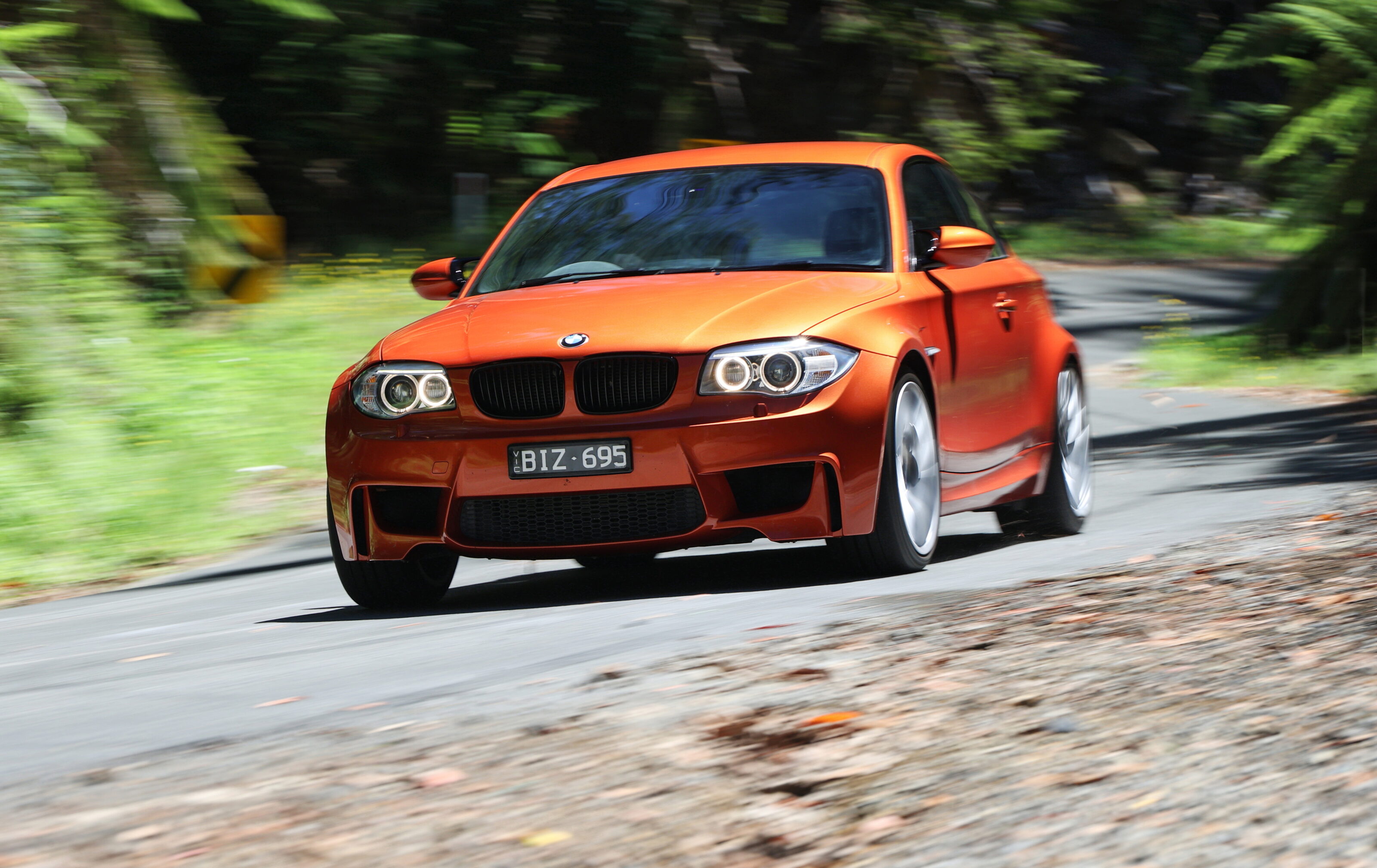
While advancements in both steering and engine development have subdued some of the character of the M240i, where modern technology has blessed the newer of the pair is in ride. The 1M is decidedly more jittery, unwilling to settle over bumps that the M240i’s damping takes into its stride with ease. The more senior coupe is locked into a single setting, where the M240i can slacken or tense as the adaptive dampers are instructed. The best bit? You don’t sacrifice any body control for the greater refinement, with the M240i’s pitch and roll remarkably tied down for its everyday useability.
If we step back from our sibling showdown for a moment, it needs to be emphasised that the BMW M240i excels as a sub-$100K performance car. It’s loaded with equipment, finished with strong levels of perceived quality and possesses the requisite dynamic character that lives up to the M badging. A Pure Driving Machine? Depends on your definition.
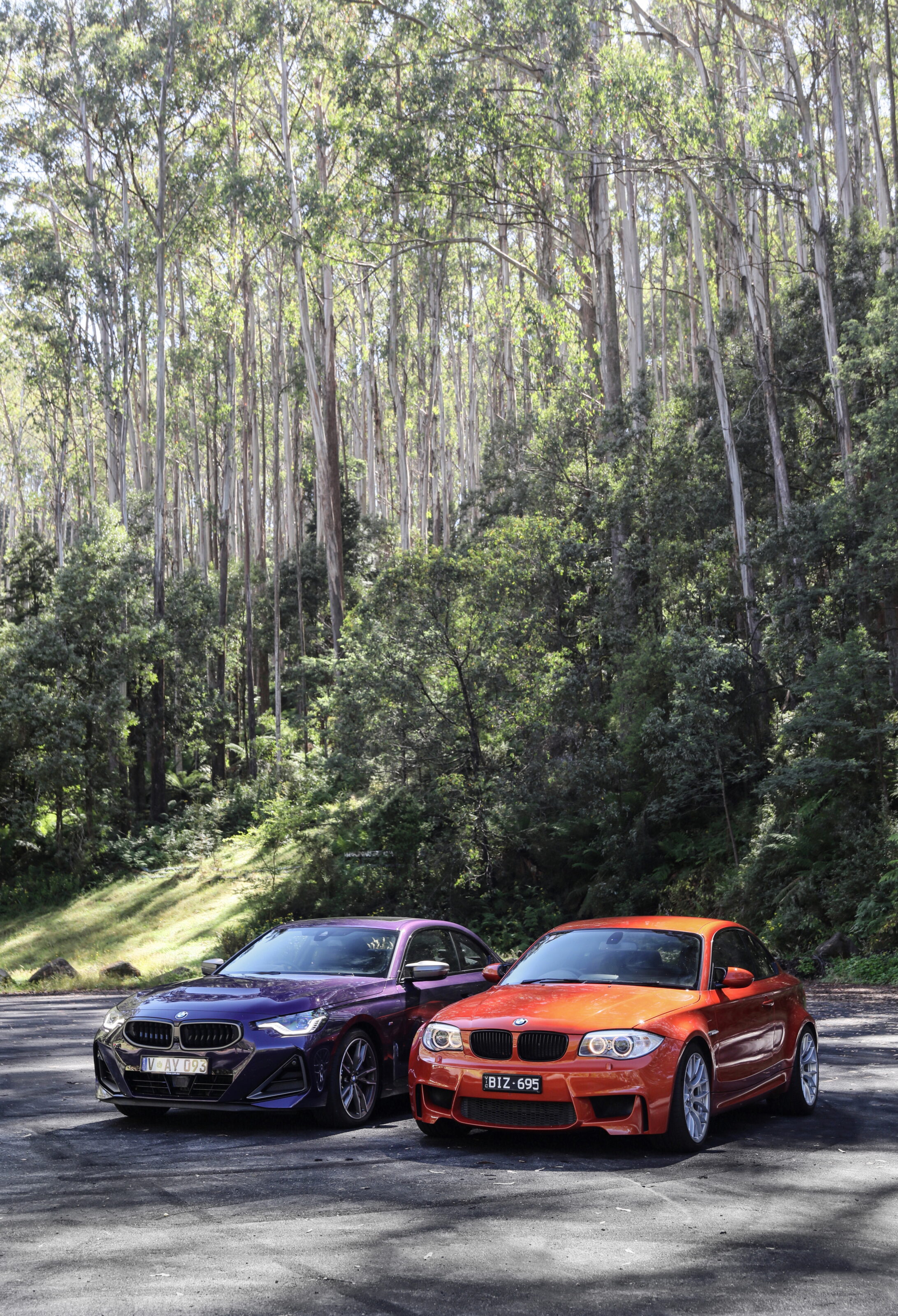
By most modern standards it’s an endearing sports car rich with energy able to thrill on a mountain drive without sacrificing everyday utility.
A comparison with what some consider the greatest baby M car of our generation was always going to be tough. And yet far from falling into its shadows, the M240i stands tall in its own right. It’s not a full M car, and it’s not trying to be.
What might be most impressive is that even with this more modest aspiration, it can still put a mile-wide grin on your face when driven properly. There’s no lack of spirit in its engineering, and it matters not a jot that it fails to share the 1M’s fearsome reputation.
THE M240i’S PROPOSITION IS A TANTALISING ONE. MORE POWER THAN THE M2 WHEN IT FIRST LAUNCHED, BUT GENUINELY USEABLE DAY-TO-DAY
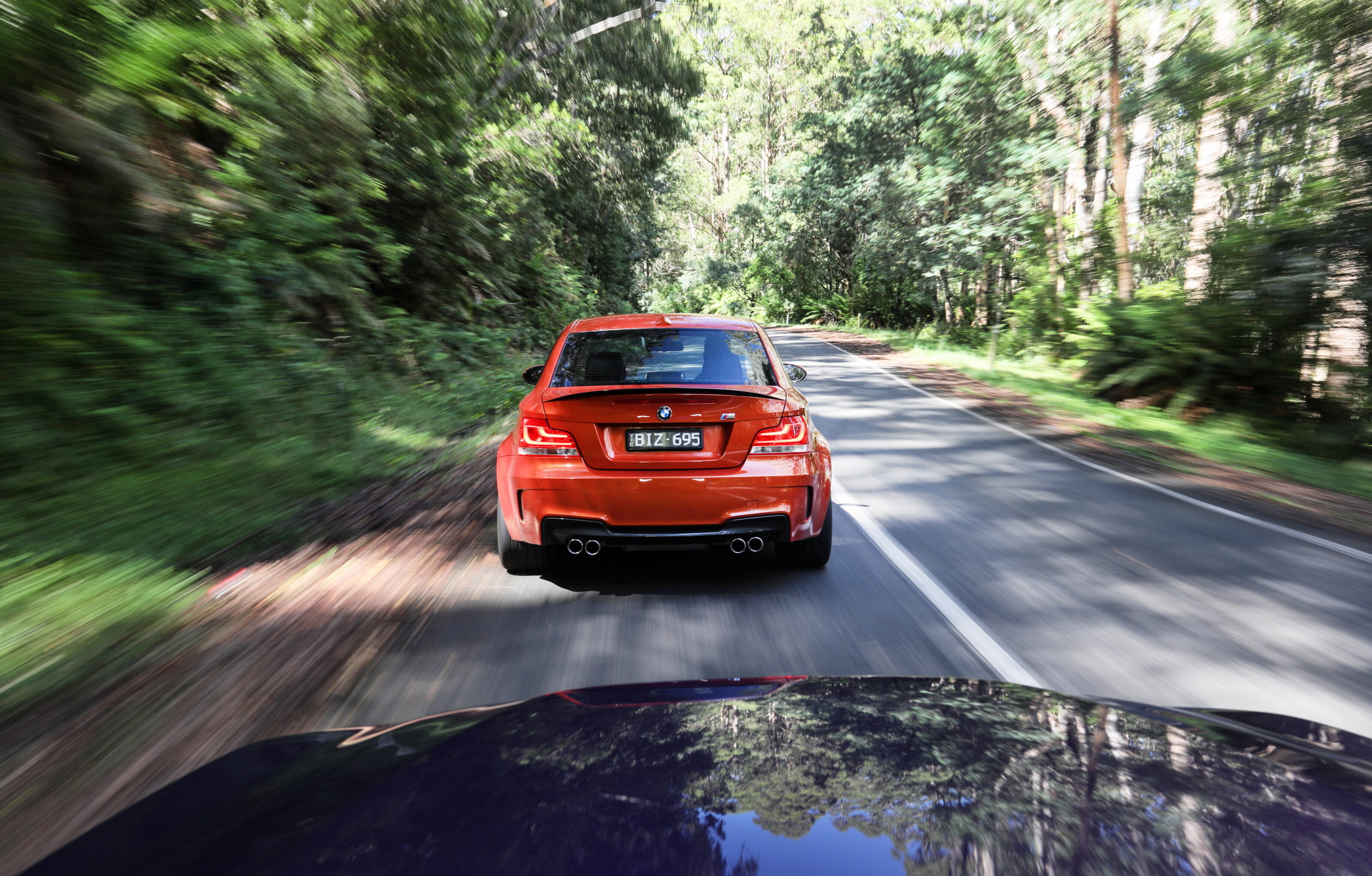
Yes, you need to keep your wits about you with the 1M, but it isn’t the bar brawler that initial reviews would have you believe. Drive with confidence and a healthy dose of sensibility and you can key into the eager rotation and its willingness to be hustled.
The performance game has moved on an incredible amount since the 1M first launched, but such is its staying power that it remains a compelling drive against box fresh competition.
The DNA of the 1M is unkillable – a hackled wolf that BMW has attempted to domesticate over subsequent generations. The M240i can walk the same walk, but its feet touch the ground with greater grace, the muscles no longer permanently tensed.
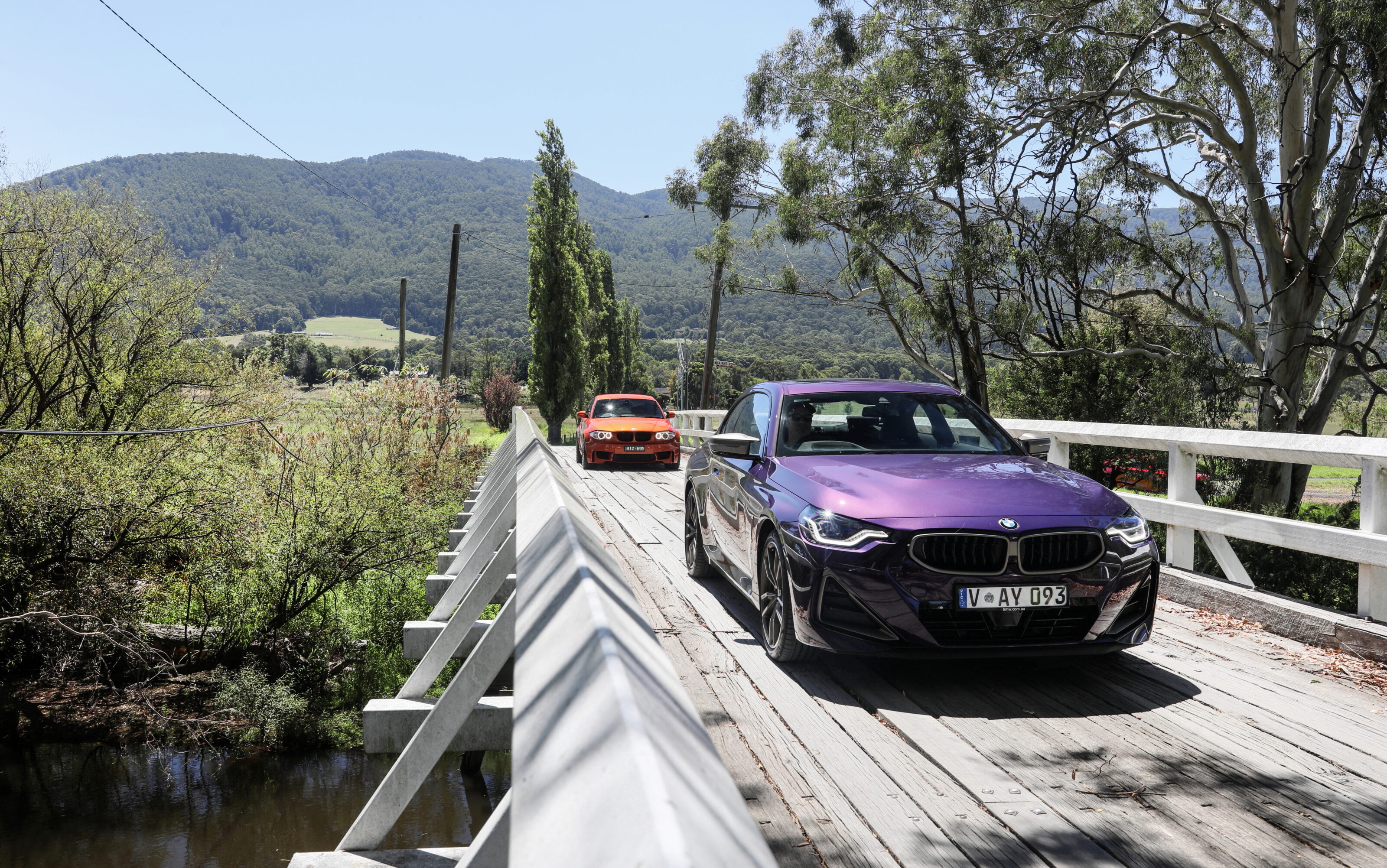
“Do you want your compact coupe permanently set to kill sir, or would you like our new phase setting?” Answers on a postcard.
But what of Mary and Elizabeth, the warring Queen cousins? Well, they ended their feud in February of 1567, when Elizabeth ordered Mary’s beheading.
It was the first legal execution of an anointed European monarch, sending ripples through the continent’s ruling class. Nobody was safe anymore.
The M240i can’t quite take down its more pure-blooded sibling, but it’s not for a lack of trying and sheer armament. But the modern coupe offers more accessibility to more people, which was always the goal.
And it won’t be long until its progeny is capable of eclipsing the 1M. When that happens, none of the performance car world’s royals will be safe.
SCORING
2011 BMW 1M: 9.0/10
Things we like
- Impossibly cool
- Tons of character
- Raw experience
…not so much
- Brittle ride
- Hard to find
- Rising costs
2022 BMW M240i xDrive: 8.0/10
Things we like
- Unrelenting power delivery
- Useable everyday
- Latest safety and convenience tech
…not so much
- Benign character
- Tyres could be fiercer
- Well, it’s not the M2, is it…
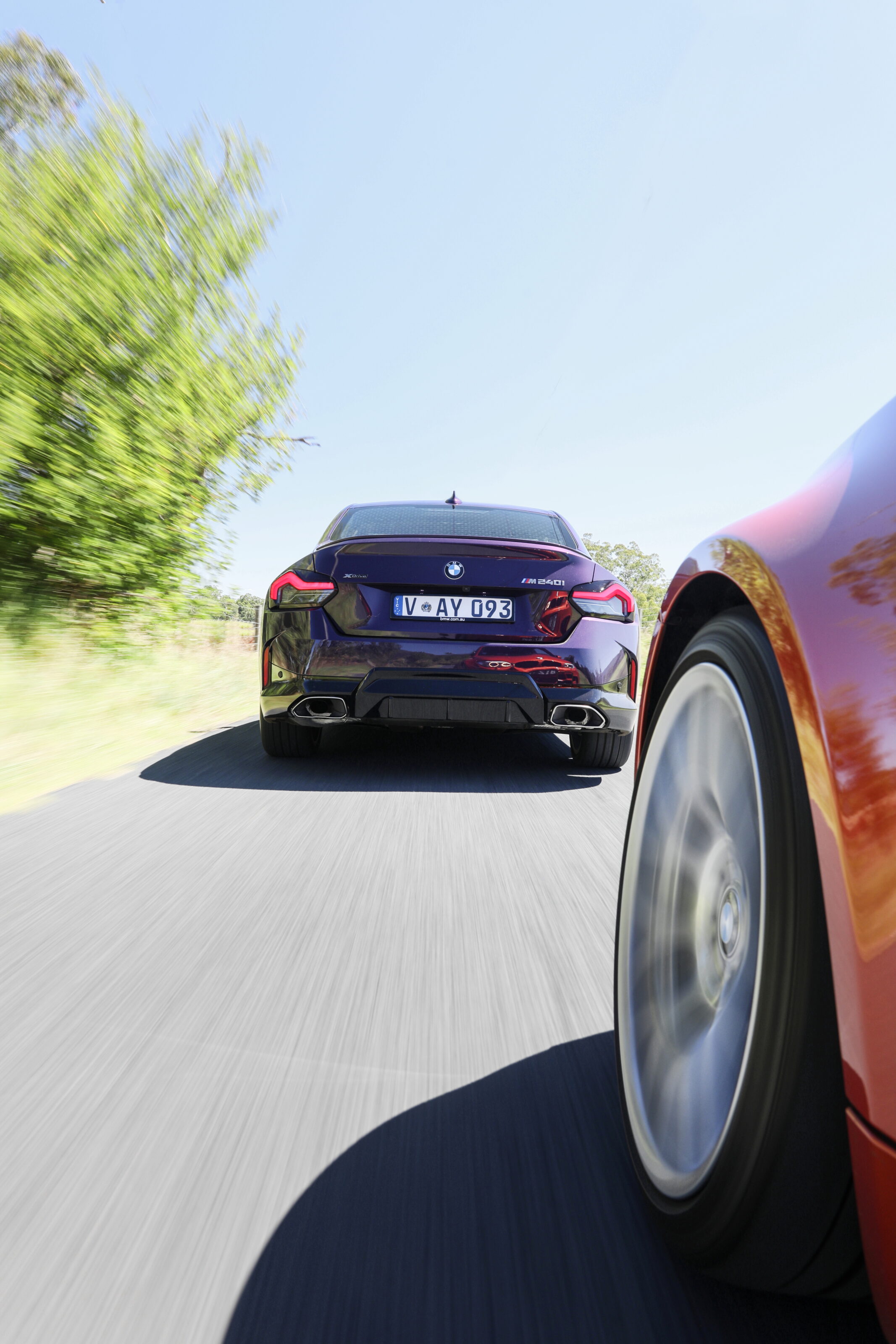
Second Opinion
From the clearly biased Art Director
I love my little 1M, but the extra decade of progress represented by the M240i is clearly evident. The purple pretender is a more refined package, with a lovely seating position, slick infotainment, and suspension that remains supple across a wider operating window.
The 1M can’t match the M240i’s road manners or straight-line prowess, but fights back in less easily quantifiable measures like presence, feel and attitude. Driven with some vigour up an entertaining bit of road, the 1M infects you with its pugnacious spirit, daring its driver to hustle deeper into corners and finish apexes off with a flourish.
The M240i keeps pace, with a rousing straight-six chorus as you paddle your way up the gearbox, but the 1M’s old school manual provides a level of engagement the auto just can’t match.
As an everyday proposition the M240i is superior, but I’m not sure BMW has recaptured the same magic that’s infused into the 1M’s steroidal guards. At least until the arrival of the new M2. – Damien Pelletier