Snapshot
- Seventh Tiguan Allspace grade joins the line-up
- Tiguan Allspace Adventure becomes model’s first five-seater
- Entry-level Life starts at $44,590, Adventure on sale from $51,990 before on-road costs
UPDATE, May 27, 2022: Volkswagen launches Tiguan Allspace Adventure variant
Volkswagen’s Tiguan Allspace has gained another variant, with the Adventure grade set to enter the line-up.
As the first five-seater in the Tiguan Allspace range, the Adventure now boasts the biggest boot of any Volkswagen Tiguan-badged model at 760 litres (up by 60 litres), targeted at buyers who want to load up and explore.
The price and features article below has been amended to include the Tiguan Allspace Adventure.
The story to here
March 11, 2022: Volkswagen Tiguan Allspace price and features
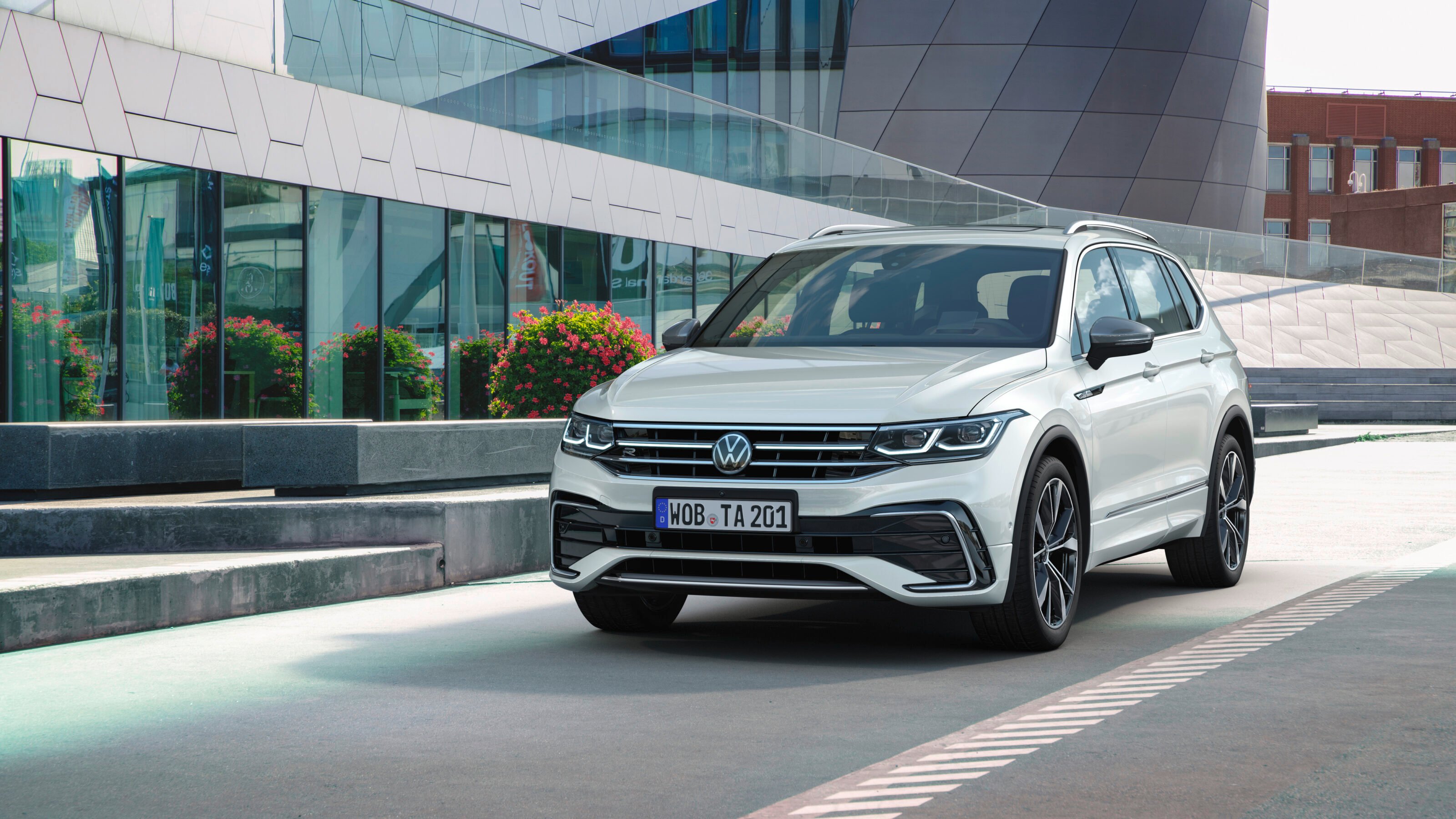
The 2022 Volkswagen Tiguan Allspace has been given a refreshed, more powerful line-up for the new model year – aligning it more closely with its compact sibling.
The new Allspace range now includes the Life, Elegance and R-Line grades found in the normal wheelbase Tiguan, losing the Comfortline, Highline and Wolfsburg Edition found in MY21 vehicles. But with the switch up also comes a price rise across the board. A new five-seat Adventure variant has also been introduced for 2022.
According to Brand Director of Volkswagen Passenger Vehicles Michal Szaniecki, the German marque expects the R-Line variant to prove the most popular with Aussie buyers.
“It’s vital to have a strong entry variant, and for many people the 110TSI is all the SUV they would want,” Mr Szaniecki said.
“As ever though, our customers gravitate toward the top of our ranges and that’s why Elegance and R-Line comprise four of the seven Allspace versions available. You can have the diesel or the quickest petrol engine in either form.”
Pricing
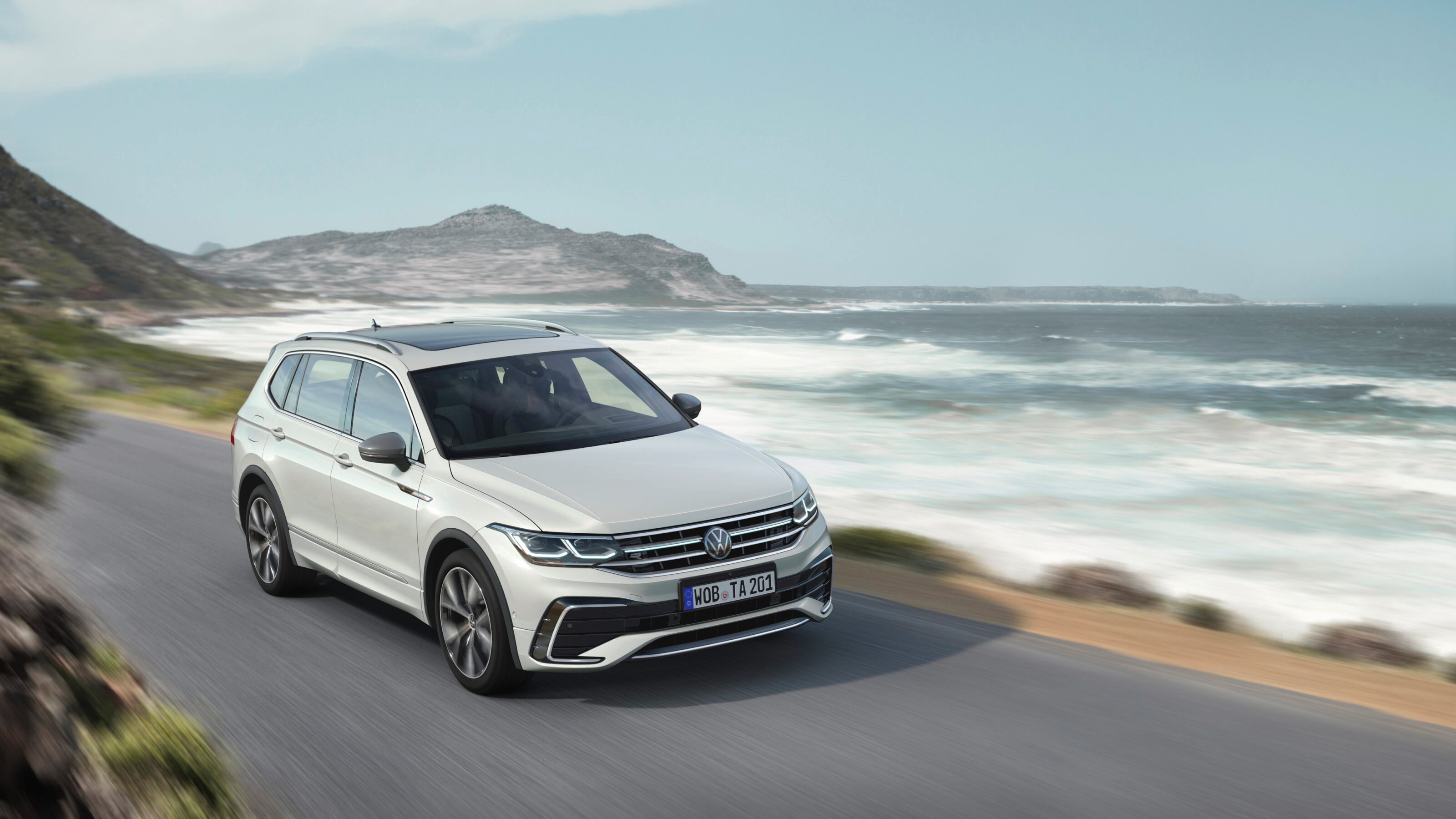
The 2022 Volkswagen Tiguan Allspace can now be had in four variants across seven grades: Life, Adventure, Elegance and top-spec R-Line.
Gone for MY22 are the Comfortline and Highline trims, as well as the range-topping Wolfsburg Edition, which was only itself introduced in 2021.
Pricing is all before on-road costs.
| Model | Price | Change |
|---|---|---|
| 2022 Tiguan Allspace Life 110TSI | $44,590 (up $3600) | Replaces 110TSI Comfortline |
| 2022 Tiguan Allspace Life 132TSI | $48,590 (up $3100) | Replaces 132TSI Comfortline |
| 2022 Tiguan Allspace Adventure 162TSI | $51,990 | New |
| 2022 Tiguan Allspace Elegance 162TSI | $56,990 (up $3800) | Replaces 162TSI Highline |
| 2022 Tiguan Allspace Elegance 147TDI | $58,490 (up $3800) | Replaces 140TDI Highline |
| 2022 Tiguan Allspace R-Line 162TSI | $60,190 | Replaces Wolfsburg Edition |
| 2022 Tiguan Allspace R-Line 147TDI | $61,690 | New |
Features
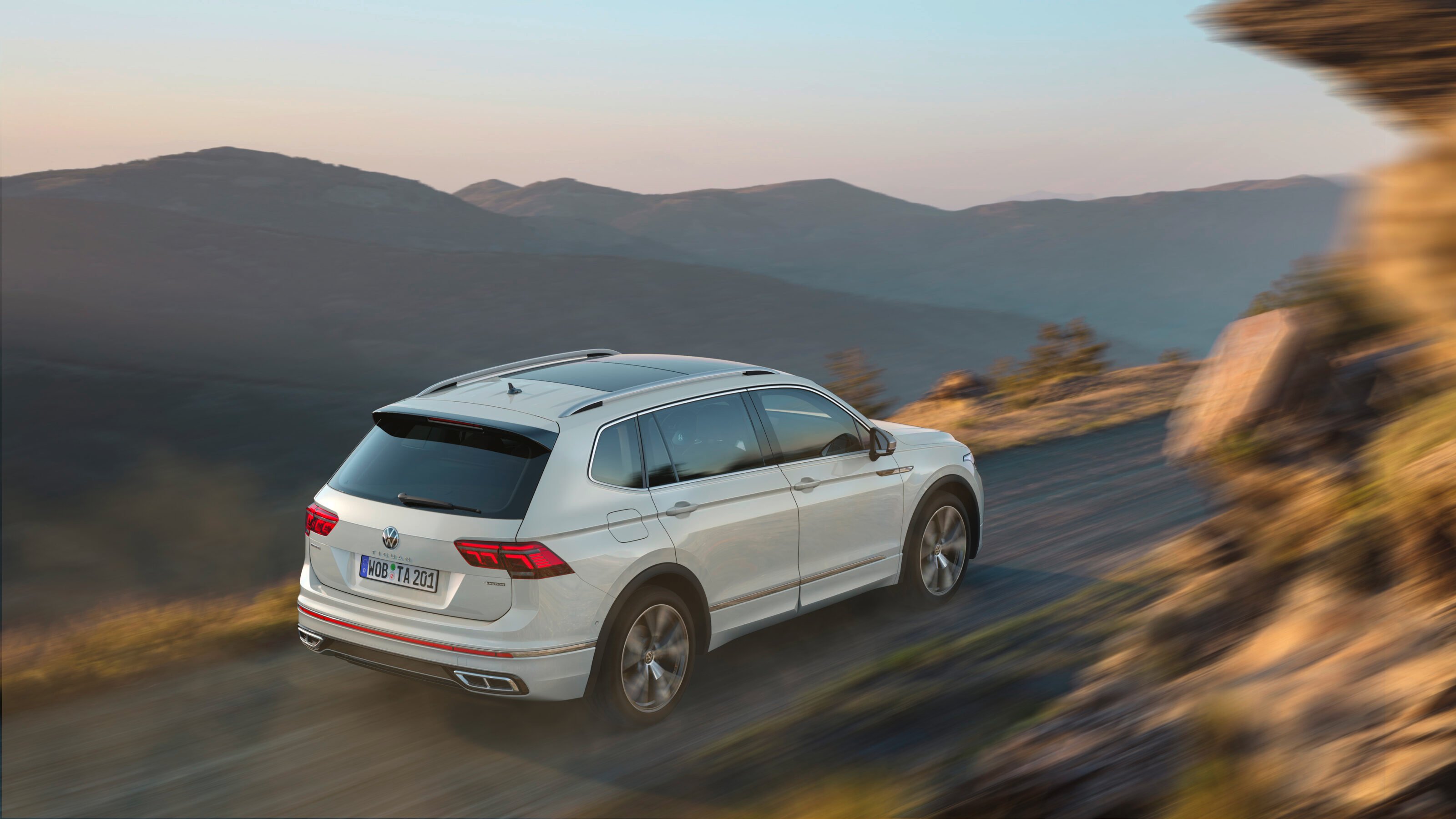
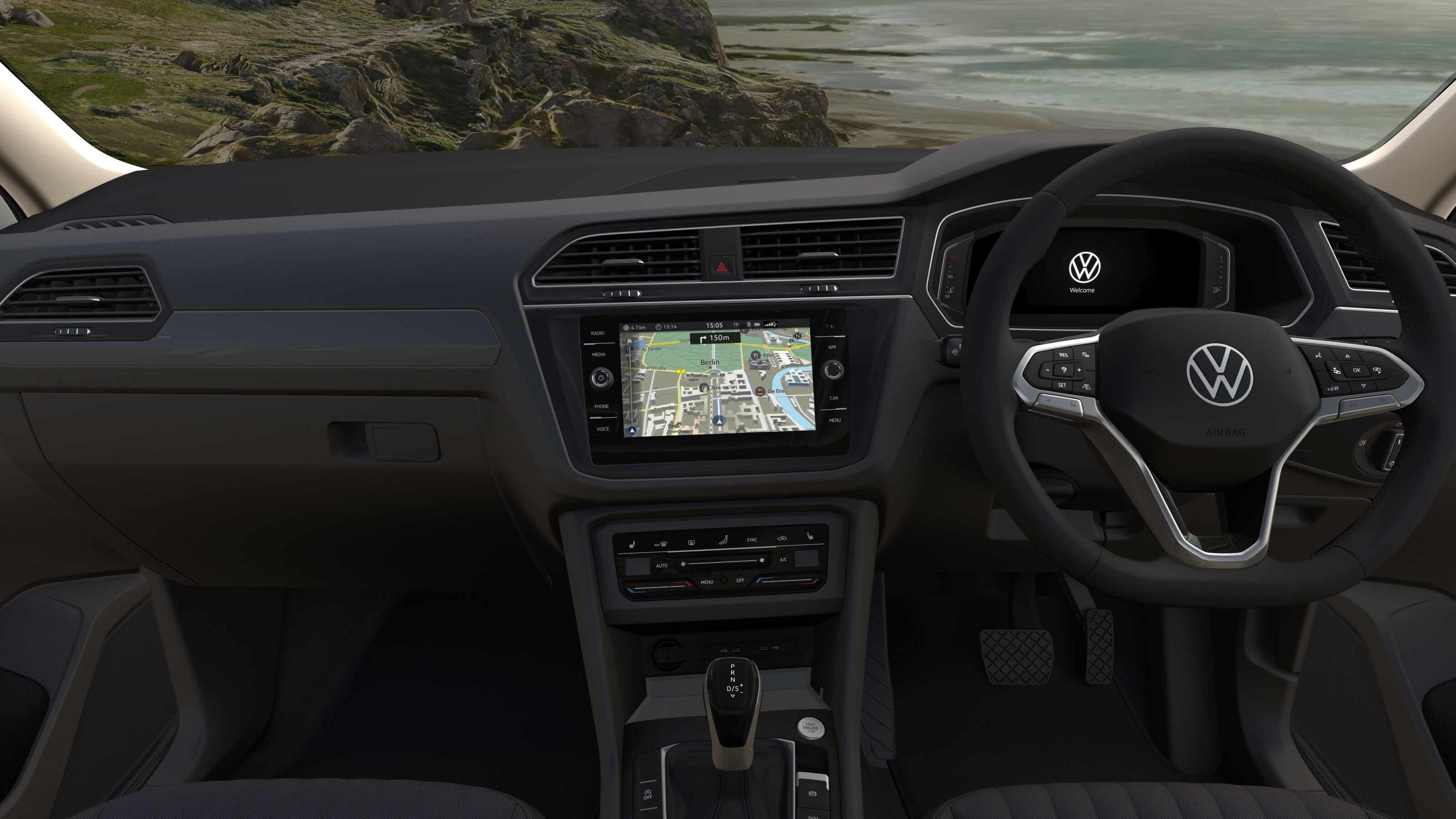
The 2022 Tiguan Allspace now includes the design and infotainment upgrades recently given to its twin, gaining standard features such as; VW’s Digital Cockpit Pro, LED headlights, two-part LED tail-lights, new front and rear bumper design, digital radio, wireless charging and app-connect.
The Allspace Elegance and Allspace R-Line grades also feature ventilated front seats, heated outboard seats in the second row and a handy torch over the regular Tiguan.
Life
As standard, the entry grade Tiguan Allspace Life includes equipment such as:
| 18-inch Kingston alloys and space saver spare |
| 8-inch Discover Media navigation system with voice and gesture control |
| Digital Cockpit Pro |
| App-connect, including wired and wireless Apple CarPlay and Android Auto and wireless phone charging |
| 3-zone climate control with front and rear touch controls |
| Auto lights and wipers |
| Electric folding and heated mirrors |
| Easy open and close electric tailgate |
| Rear view camera |
| LED headlights with high beam assist |
| LED taillights |
Optional extras
| Options (for Life) | Price |
|---|---|
| Metallic paint | $900 |
| King’s red premium paint | $1100 |
| Luxury Package, includes: | $5500 |
| Vienna leather appointed upholstery | |
| Electrically adjustable driveru2019s seat with memory function | |
| Heated and ventilated front seats | |
| Panoramic electric glass sunroof |
Adventure
In addition to the standard features on Life, the new Adventure grade gains:
| Five-seat layout |
| 17-inch Dublin alloys |
| Sports suspension |
| Progressive steering |
| 760 litre boot |
| Increased battery capacity and 180AMP alternator |
| Tinted windows |
| Adventure badging |
| Heated front seats |
Optional extras
| Options (for Adventure) | Price |
|---|---|
| Metallic paint | $900 |
| One of the following packages free-of-charge; | |
| Snow chains and all-weather floor mats (front and rear) | |
| Sunblind set for rear side and rear window, all-weather floor mats (front and rear) | |
| Luggage compartment tray (boot liner), loading protection plate and all-weather floor mats (front and rear) |
Elegance
On top of the base-level Allspace Life, the Elegance variant adds:
| 19-inch Auckland alloys and space saver spare |
| Ventilated front seats |
| Heated front row and outer second row seats |
| Adaptive chassis control |
| IQ Light Matrix LED headlights with dynamic indicators |
| 9.2-inch Discover Pro navigation with voice and gesture control |
| Tinted rear windows |
| 30 colour ambient interior lighting |
| Additional chrome and silver styling elements |
Optional extras
| Options (for Elegance and R-Line) | Price |
|---|---|
| Metallic paint | $900 |
| King’s red premium paint | $1100 |
| Sound & Vision Package, includes: | $2600 |
| Head-up display | |
| Area view | |
| Harman Kardon premium sound system | |
| Panoramic electric glass sunroof | $2100 |
R-Line
Beyond this, the range-topping R-Line gains:
| 20-inch Misano alloys |
| Progressive steering |
| Premium LED tail-lights with dynamic indicators |
| R-Line Vienna leather appointed trim |
| R-Line steering wheel with touch haptic feedback buttons |
| R-Line front and rear bumpers |
| R-Line side sills |
| R-Line rear spoiler |
| R-Line badges on front grille and side spears |
| Stainless steel pedals |
| Black headliner |
Engine, transmission and fuel economy
The entry-level Tiguan Allspace Life variant is powered by a 1.4-litre four-cylinder turbo-petrol engine mated to a six-speed dual-clutch (DSG) automatic transmission, sending 110kW/250Nm to the front wheels in 110TSI guise.
Meanwhile, in 132TSI form, a 2.0-litre four-cylinder turbo-petrol engine, paired with a seven-speed dual-clutch, auto sends 132kW/320Nm through VW’s 4MOTION drivetrain to all four wheels.
The mid-range Elegance and R-Line grades, however, can either be had with a choice of a 2.0-litre four-cylinder turbo-petrol making 162kW/350Nm in 162TSI guise, or a 2.0-litre four-cylinder turbo-diesel producing 147kW/400Nm in 147TDI form. Both are coupled with a seven-speed DSG and also utilise the brand’s 4MOTION AWD drivetrain.
Tiguan Allspace’s newest Adventure grade is only available with the aforementioned 162TSI powertrain, coupling the 162kW four-cylinder engine with its seven-speed dual-clutch gearbox and 4MOTION all-wheel drive system.
Volkswagen has not yet released any fuel economy figures for the updated Allspace lineup.
Dimensions and space
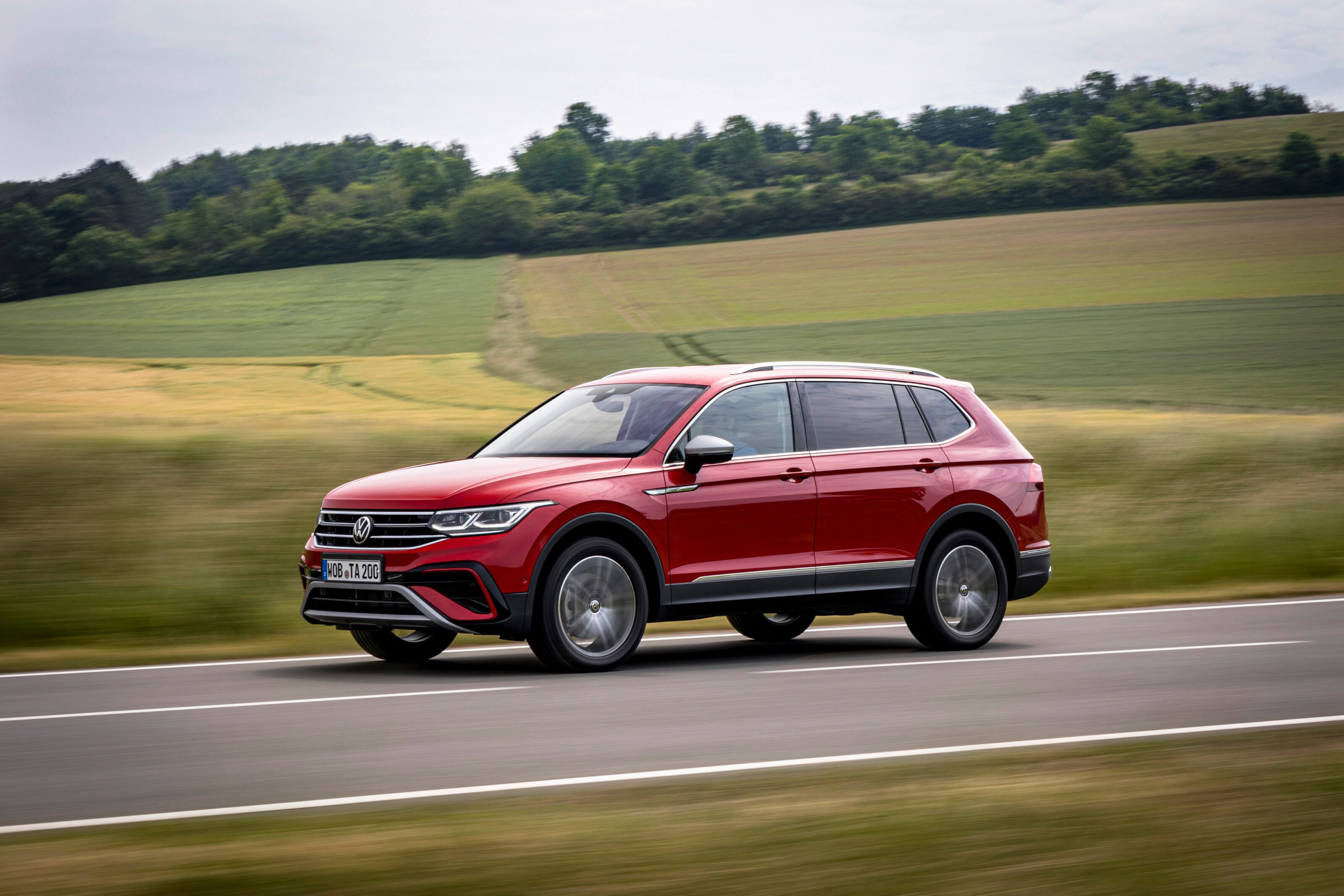
At 4701 millimetres long, the Tiguan Allspace is almost 220mm longer than the normal Tiguan – its extra 106mm rear overhang allowing for the addition of two seats in the third row.
With all seats up, the Allspace seven-seat variants have a 230L capacity, with the third row down this increases to 700L, and with both rear rows collapsed jumps to 1775L.
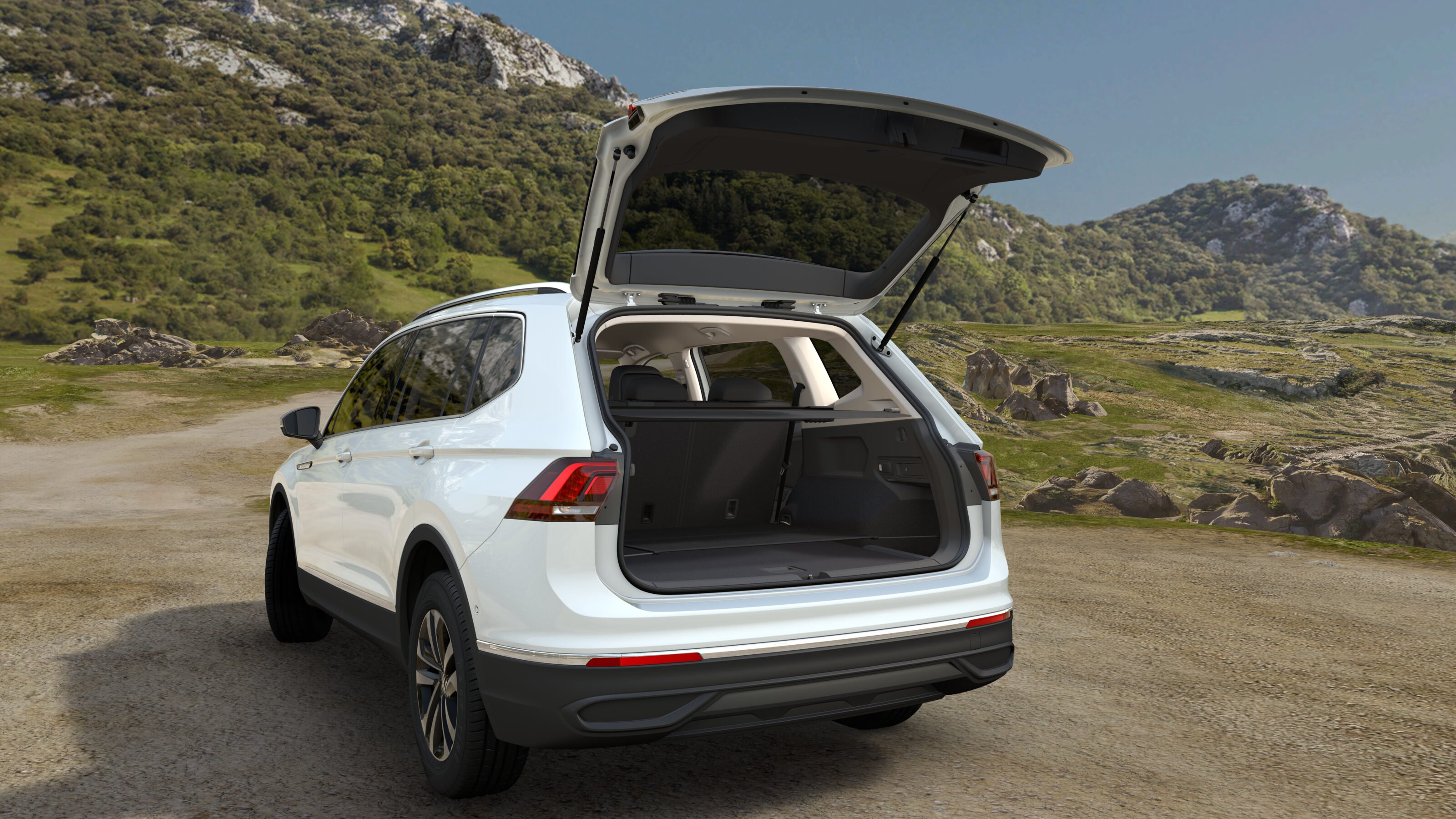
The new Adventure variant boasts a boot capacity of 760L thanks to its lack of third-row seats – a 60L increase compared to the seven-seater when its first two rows are up.
Safety
All 2022 Tiguan Allspace variants feature, as standard, Volkswagen’s IQ.Drive system.
The current generation Volkswagen Tiguan earned a five-star ANCAP safety rating when assessed in 2016, scoring a 96 per cent adult occupant protection rating.
IQ.Drive includes:
| Travel assist with adaptive lane guidance |
| Front assist with pedestrian monitoring |
| Lane assist |
| Emergency assist |
| Adaptive cruise control |
| Side assist |
| Rear cross traffic alert |
| Park assist |
| Front and rear parking sensors |
| Driver fatigue detection and 360 degree occupant protection |
Warranty and servicing
As with the rest of Volkswagen’s passenger vehicle range, the Tiguan Allspace is covered by a five-year/unlimited-kilometre warranty, which also includes a one-year membership to its roadside assist program.
Volkswagen is yet to announce service pricing for the Tiguan Allspace, saying it will lock in the capped prices closer to launch in June.
Availability
The 2022 Volkswagen Tiguan Allspace range will be available from June this year across Australia, with the Adventure grade joining the line-up slightly later in August.
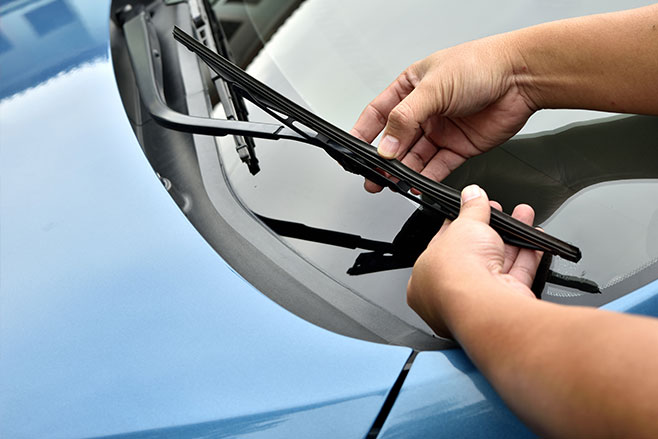
A cold and wet winter is forecasted across Australia this year, prompting figures in the motoring industry to reiterate calls for road users to be alert at all times.
With Australia currently in the thick of a La Niña weather event, the Bureau of Meteorology predicts more wild weather is set to come over the next few months, coinciding with the time of year when colder temperatures start to cause issues on the road.
The Royal Automobile Club of Victoria (RACV) has issued a reminder for motorists to take extra care on the roads with unpredictable weather expected over the next few months.

“If driving conditions are dangerous, increase the gap between you and the car in front to give you more time to react and, if necessary, safely pull over,” said RACV’s safety policy lead, Elvira Lazar.
“If a road is flooded, find an alternative route. Flood waters can be deeper than you think and sometimes powerful enough to wash a car right off the road – it’s simply not worth the risk.”
Earlier this year, over 20,000 vehicles were written off in South East Queensland and northern New South Wales thanks to devatating floods, further compounding the delays buyers are facing to buy new cars.
A recent Government report detailed Australia’s poor quality of roads in rural areas was a major contributing factor to the country’s road toll, with the National Rural Health Alliance (NRHA) saying the conditions of rural roads providing little room for error.
Australia’s 2021 road toll was 1126, an increase of 16 over the year before, although this year’s toll is anticipated to be higher due to nationwide and state lockdowns over the past two years limiting the amount of road travel.
BMW has confirmed that its halo range of high-performance M-models will not go electric until it has proven the technology on the race track, securing the future of petrol and hybrid powertrains for about a decade.
The German carmaker is poised to reveal its first electrified car to wear the coveted M badge, marking a milestone in the company’s electrification transition, but the XM and next-gen M5 will rely on a turbo V8 in unison with electric to honour the M-power mantra.
This, says BMW, will be the shape of its hero cars for the foreseeable future, and petrol will prevail until it can develop pure-electric propulsion that delivers the performance, dynamics and driving range that its customers expect.
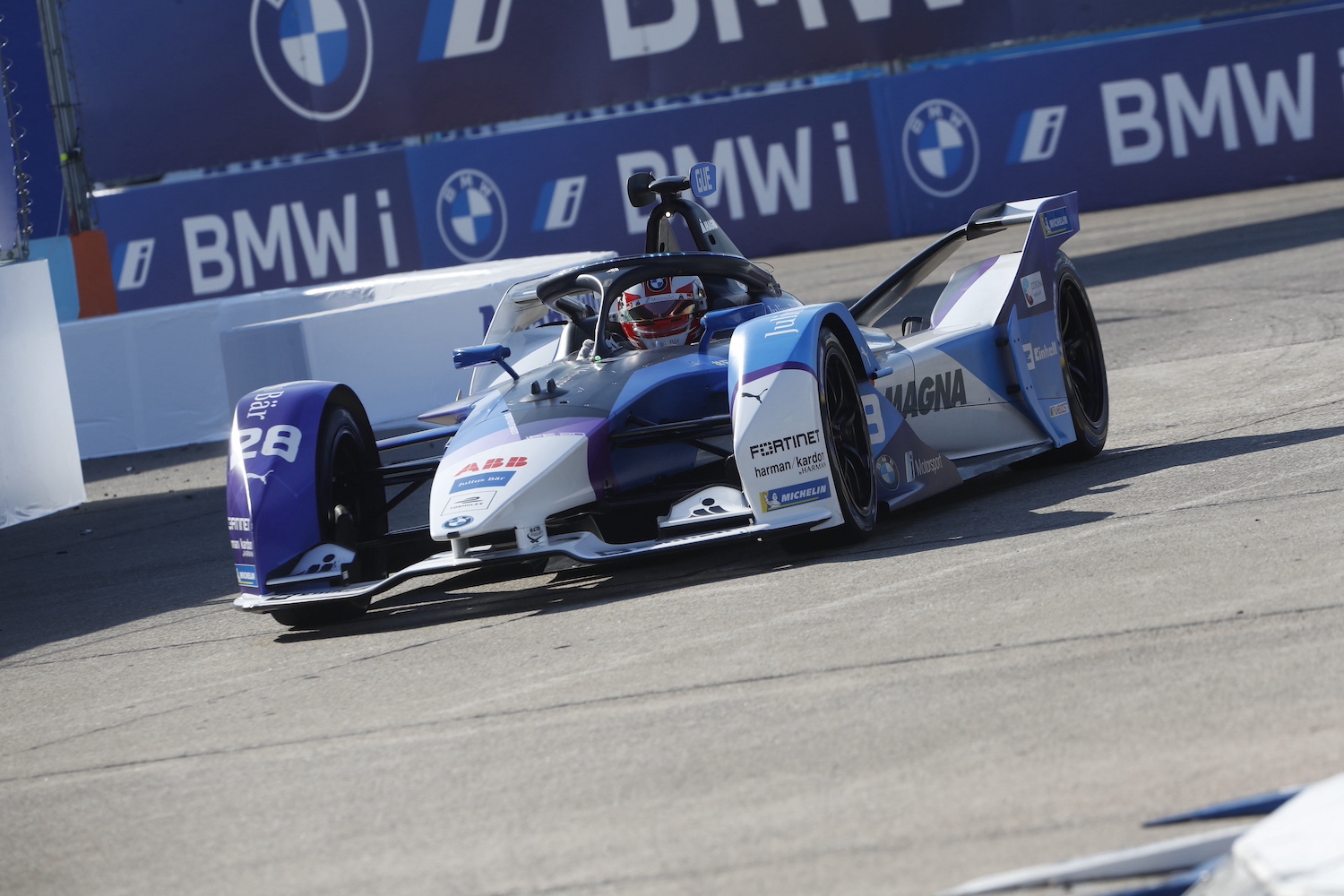
Speaking to media in Italy, BMW M CEO Frank van Meel said pure EVs, such as the iX and i4, would be limited to the M-Performance subsector until the technology has progressed significantly to allow its application in full-fat M cars.
“Right now it’s not possible yet to do high performance vehicles purely electric, that’s why we have them in the M-Performance models,” he said.
“We say this is not a car built on the track for the track, but it’s developed on the track to give you a little bit more M in your series production car.
“The i4 M50 has got more power changes in the chassis set up, but it’s not a track car like the high performance M3 or M4.”
Instead of outlandish concepts, van Meel said the racetrack would be the best place to see early indications of the first electric M3 and M4, with endurance competition serving as the ultimate development lab.
“Of course you can already see that everything is going towards electric, so at the end we have to find solutions for high-performance and racing. Next year we start with the LMDh race car with BMW M Motorsport, which is a Le Mans Daytona hybrid prototype.
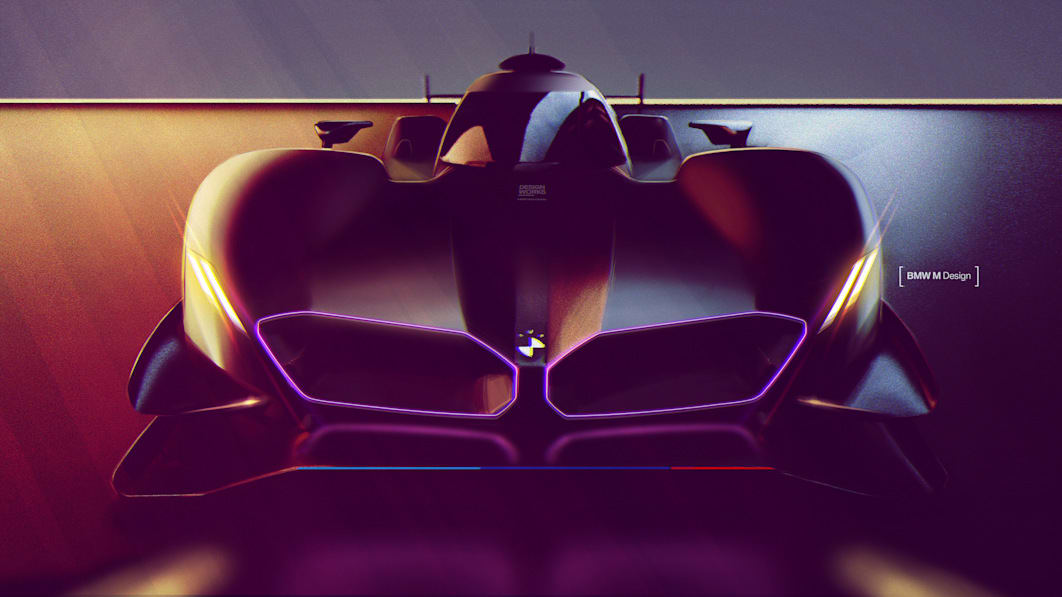
“So there you can see that we are already moving in racing to electrification, but this will not end with plug-in hybrid technology. Of course we need to look into pure electric GT racing because once all of the cars are pure electric then what are you going to make a GT3 or GT4 race car from?
“There has to be a solution for GT racing that is pure electric by the end of this decade, and that’s why we are looking at that in racing and at the same time in our high-performance cars.”
The statement aligns with Porsche’s electrification trajectory, with the fellow premium German brand also predicting it will offer at least one petrol version of all its traditional models for about 10 years.
However, unlike Porsche’s first full-electric model – the Taycan sedan and wagon – BMW says its electrification focus will be firmly in the SUV segment, with more sporty body shapes to come later.
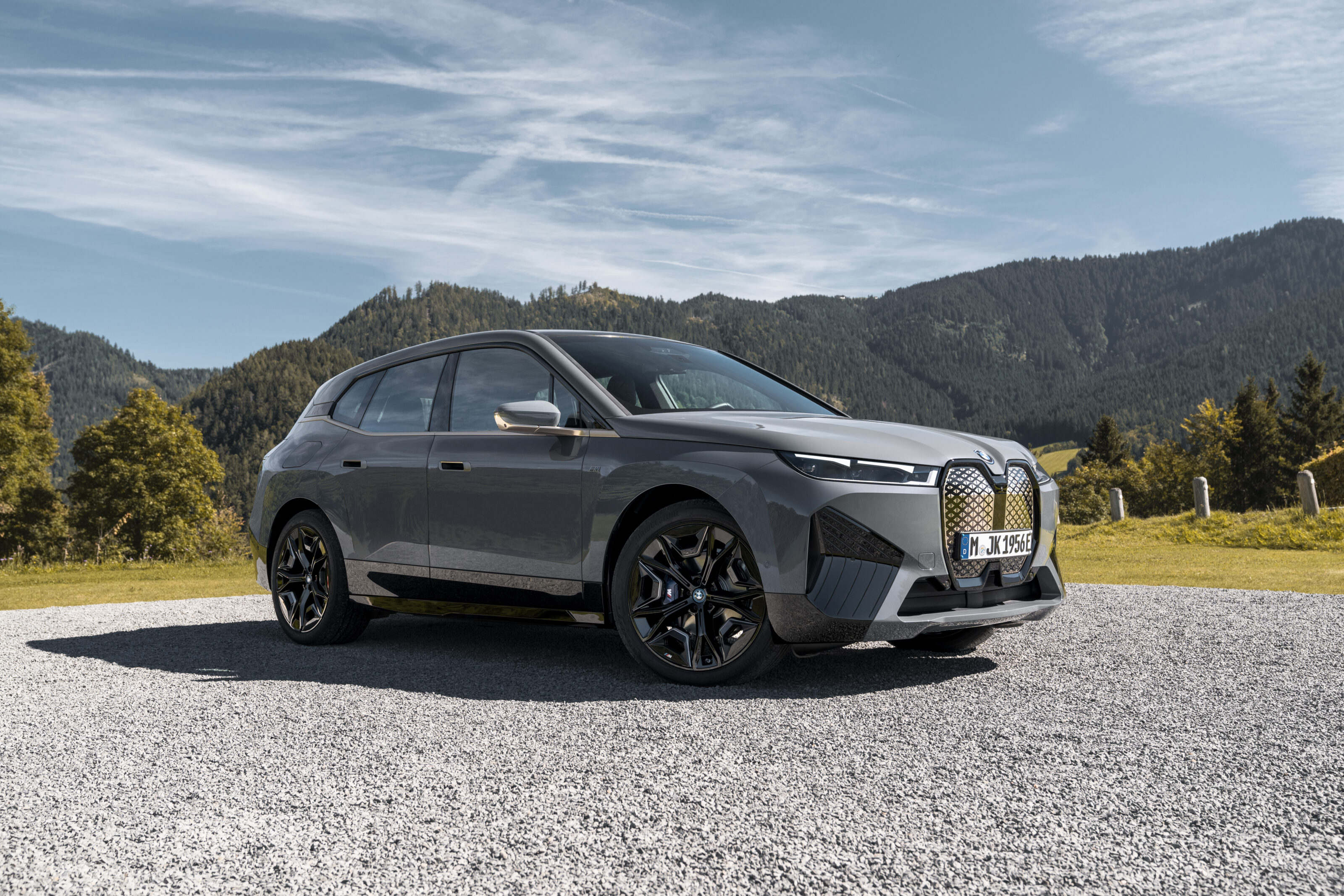
BMW’s latest EV – the iX M60 – will do the zero to 100km/h dash in just 3.8 seconds, and while the company will continue to launch potent battery powered models, don’t expect a track-dominating EV until it has nailed the GT racing recipe.
“For us, as long as we have no solution for long-distance and GT racing, it’s also a problem and difficult to find a solution for a high-performance car, because you’re always driving on the track and it makes no sense if it doesn’t work there.
“If you go to high-performance you’re automatically talking about racing. For us, high-performance is racing. It started 50 years ago with the M1 Procar and series production cars and from that point on we always had this close connection between racing and the technology in high-performance cars.”
According to the M boss, both efficiency and weight are the limiting factors for now, but the company is making steady progress in reducing battery mass and size – while boosting power and economy ratios.
While details are only cursory at this stage, van Meel did hint at some potentially startling performance for any vehicle that did eventuate.
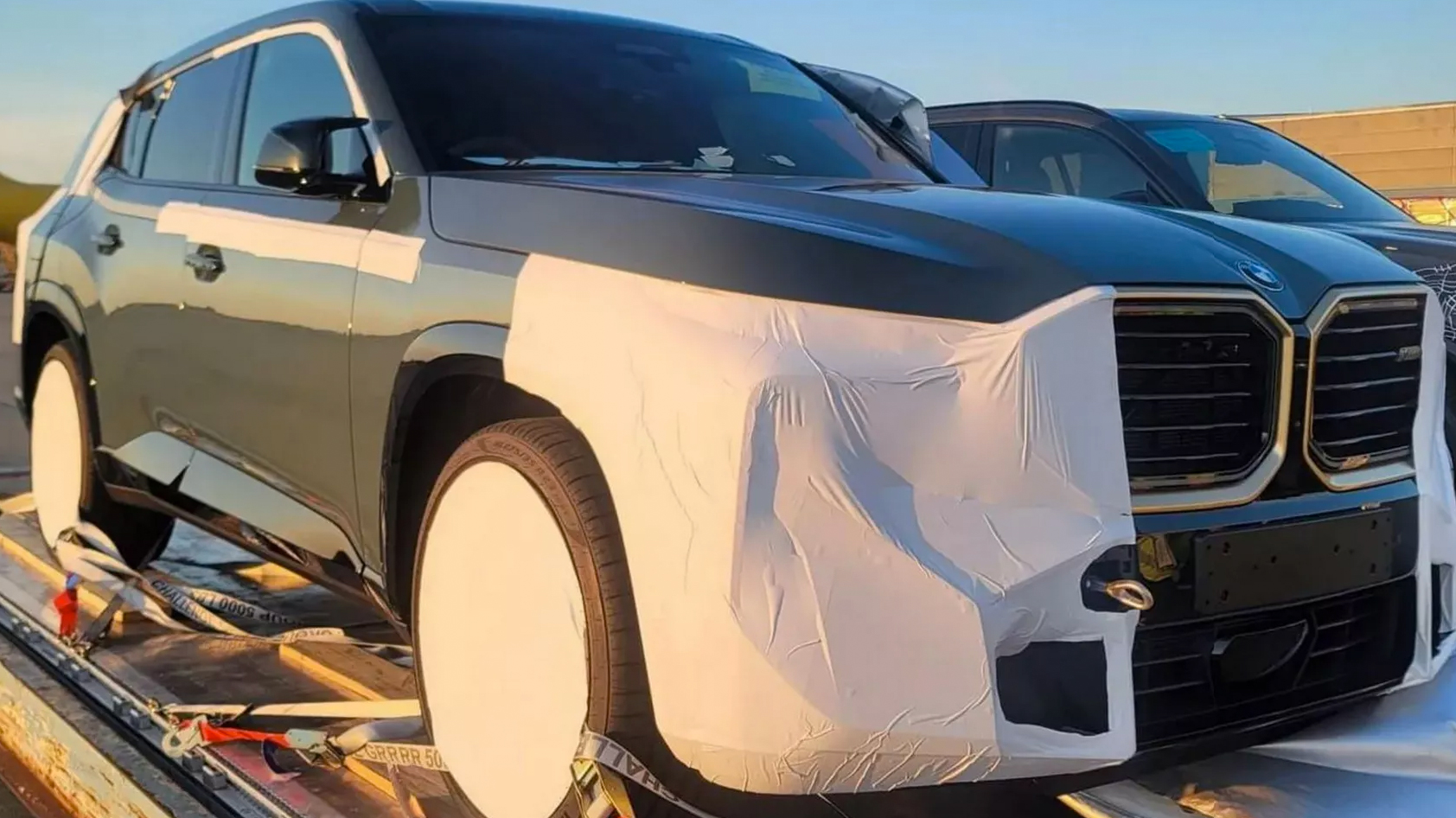
“Efficiency is always an issue because we need to be very efficient. In racing, if you can go one lap longer than the others then you’re the winner. Also if you are more efficient you don’t need to have very big battery and you can save weight.
“Batteries are one thing regarding weight, but then we are talking about cooling and chemistry and about the integration in the overall vehicle. It’s also about power output and input because we’re probably talking about more than one megawatt that you use for racing.”
Either way, it appears the M2, M3 and M4 high-performance heroes will remain petrol powered for at least the next generation.
“The M3 and M4 are still quite young and they will run for a long time. The successor to the M2 will come at the end of this year and also might be a combustion engine so that will also run for a long time.
“You have to get this M feeling and the M smile when you get out of the car, and that is the most important thing. If you do not manage that then it’s not an M car”.
President Joe Biden has ‘The Beast’; Pope Francis has the ‘Popemobile’, and the Australian Prime Minister has this: a 3.6-tonne blast-resistant BMW 7 Series High Security – also known as ‘Commonwealth 1’.
In actual fact, there are nine of these battle-ready 7 Series on our shores – all specially made for Australia in varying degrees of protection capability. We have armoured BMW X5 SUVs, too.
Specifics about the BMW Security Vehicles used by COMCAR for the Prime Minister and other high-ranking elected officials are kept under wraps for obvious reasons – but here’s what we do know.
There are three levels of the 7 Series High Security (VR4, VR6 and VR7/9). What our PM has is classified, though it’s fair to assume Anthony Albanese’s ‘Commonwealth 1’ (named for the C1 numberplates it bears) Beemer ain’t the base model.
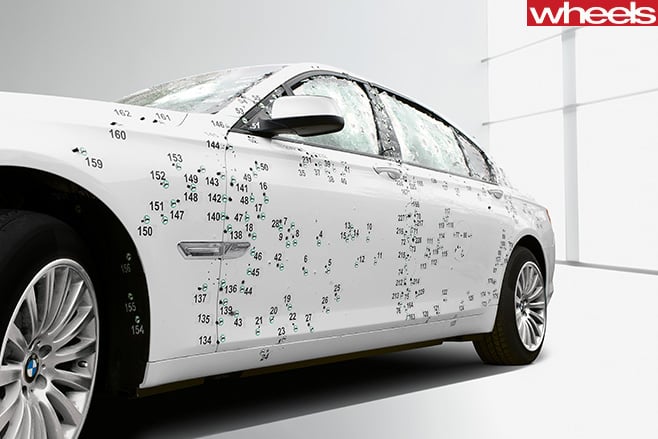
The VR4 can withstand shots from even the biggest handguns. Upgrade to VR6 and bulletproof protection-level increases to assault rifles. But it’s the range-topping, grenade-stopping VR7/9 that is likely to be ferrying our PM around.
Buying one costs in excess of $500,000, and anyone with extreme levels of paranoia can do so, though in Australia you have to let the Government know you have one.
BMW infuses overlapping armoured plates into the bodywork, up to a thickness of 10 centimetres. Polycarbonate windows are 6cm thick and form part of the car’s ‘safety cell’. BMW can’t seal the entire passenger compartment as then you wouldn’t be able to lift the tailgate.
Special driver training courses are run by BMW in Germany to teach defensive and evasive driving techniques to owners and chauffeurs.
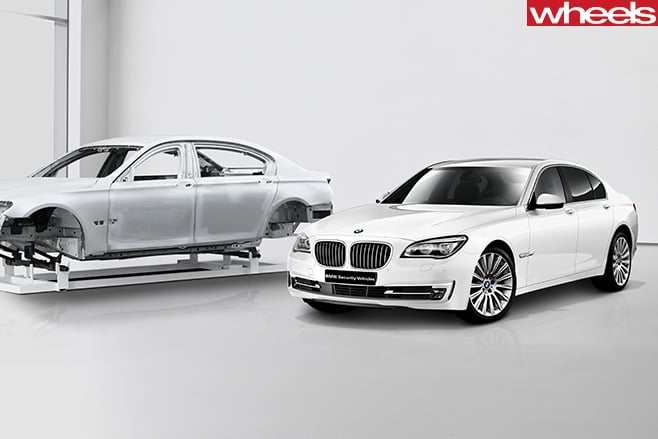
When BMW handed over the vehicles our Very Important Politicians are using, it held training sessions with drivers to ensure they were fully acquainted and understood all aspects of the vehicle.
Those sessions would have been useful, since the car has more unusual features than you’d think.
First of all, it has sensors that can ‘smell’ toxic gases, seal the cabin off and supply up to two hours’ worth of oxygen. It can also douse fires, hide concealed weapons and travel 50-80 kilometres at up to 80km/h with its engine and bespoke Michelin tyres riddled with bullets.
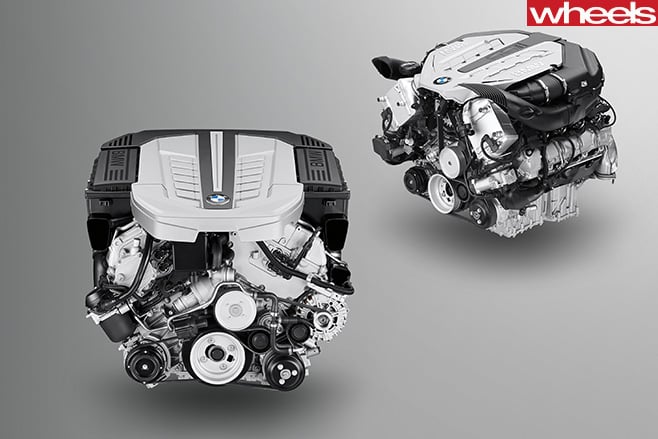
The engine is a 6.0-litre twin-turbo V12 making 400kW and 750Nm. It’s a goliath of a powerplant for a goliath of a car. BMW says 0-100km/h acceleration blows out from 4.6sec for the standard car to 6.2sec – still impressive for 3675 kilograms. Fuel consumption is 11.2 per cent higher, at an optimistic-sounding 14.9L/100km.
Naturally, BMW alters the suspension and gear ratios to lug the lard, but claims “you won’t tell the difference between a VR7/9 and a normal car”.
The weight of a fully-featured 7 Series High Security is truly colossal. In fact, its obesity problem is so severe it needs strengthened chassis rails to handle the titanic mass.
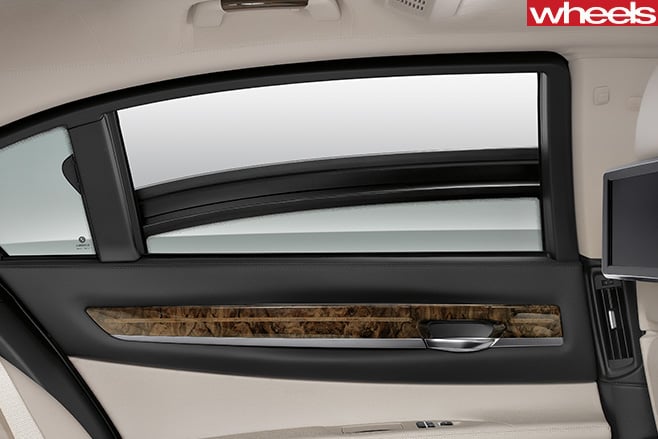
A BMW exec in Germany previously told Wheels: “Each door weighs 250kg, so they’ll break bones. In some countries, these cars are considered weapons.”
A single window weighs 150kg. Winding them up and down down requires an optional heavy-duty motor.
The inside is all normal 7 Series, with a huge range of options to pick from. Buyers can even request explosives fitted in the windscreen. These are activated from inside the cabin and force the glass out for a speedy getaway should the car be overturned, catch fire or be penned in.
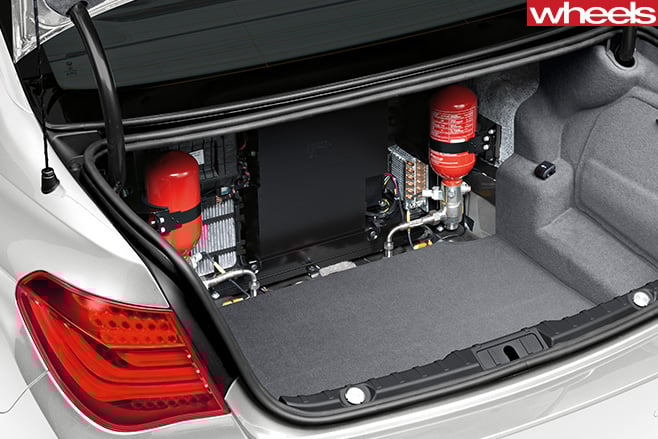
Fuel tanks are a weak point, which is why BMW fits its armoured cars with a self-sealing compound should the fuel-cell be struck by a bullet.
The 7 Series High Security vehicles are hand-built exclusively in Germany by 50 specially trained technicians to an extreme level of personalisation. The X5s are pieced together in Mexico and can take up to two weeks to build.
Unlike some other retrofitted armoured cars, every such BMW is independently tested, comes with a full factory warranty and – if BMW is to be believed – retains the same razor-sharp, driver-focused dynamics for which the brand is famous.
If half a million bucks sounds like a lot, it should seem far more reasonable when you consider the $1.6 million Latvian-made ‘Iron Diamond’ armoured SUV which Kanye West and Kim Kardashian owned two of. It does have a better nickname, though.
The first electric vehicle-only plant for BMW could be in Mexico, as reports suggest the San Luis Potosi facility will transition away from internal combustion engine vehicles before its other sites.
According to Automotive News, insider information from the German manufacturer has hinted at the Mexican plant going all-electric from 2027, with production of BMW’s EV 3 Series and iX3 to take over its current operations.
At present, the San Luis Potosi (SLP) factory manufactures the new 2 Series and 3 Series, as well as the upcoming, second-generation M2. BMW Group CEO Oliver Zipse previously told Automotive News the X-range of BMW SUVs would be the next models to roll down the SLP production line.
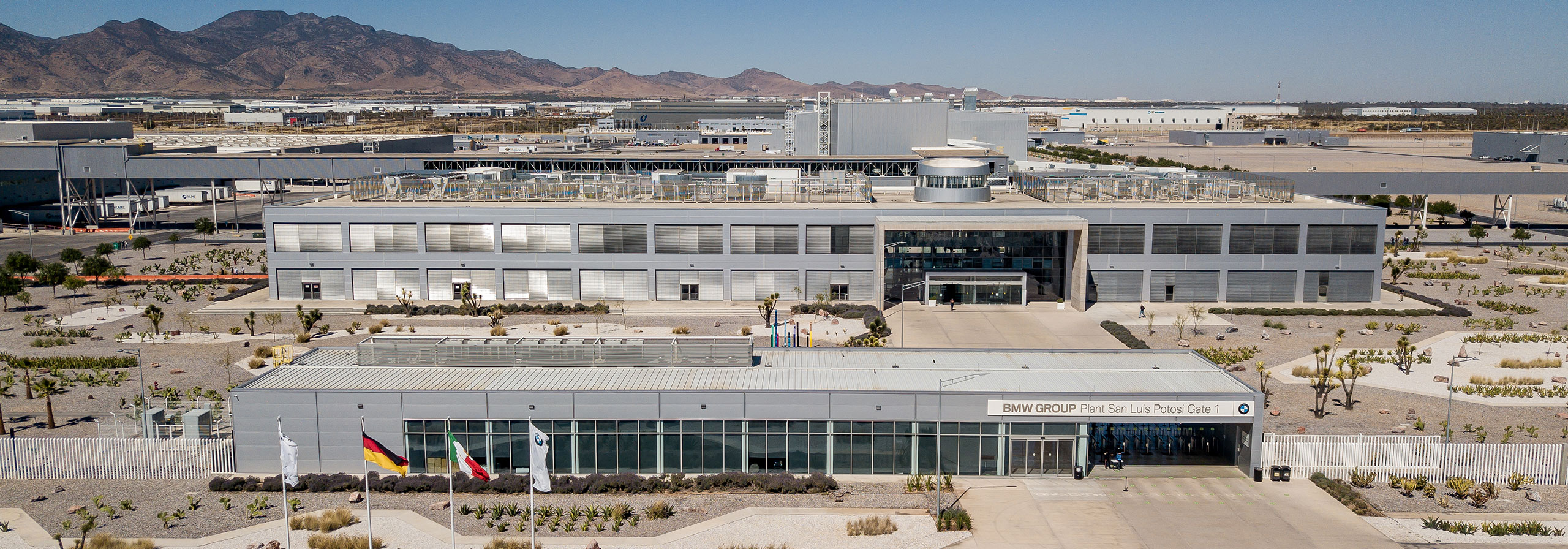
“Mexico will play an important role in our complete setup,” Zipse told the publication last month.
“At some point in time, you will see X models because the market demand is so high. That’s all I can say right now.”
Wheels has previously reported on BMW intending to convert its main plant in Munich to go electric first, having started production of the i4 electric sedan there late last year.
At the time, BMW had aimed for ICE-powered vehicles to be phased out of the Munich facility by 2024, just a handful of years before its 2030 target of 50 per cent electrified vehicle sales comes into effect.
Earlier this month, the German marque announced its new ‘Neue Klasse‘ (New Class) EV architecture would debut in 2025, underpinning a mid-size model such as the 3 Series – giving weight to the idea of the SLP going electric soon.
Genesis has announced it is officially partnering with the legendary Gran Turismo franchise, becoming the official manufacturer partner of the Gran Turismo World Series.
The GT World Series is an online global motorsport championship, which comprises of both a Nations Cup and a Manufacturer Series.
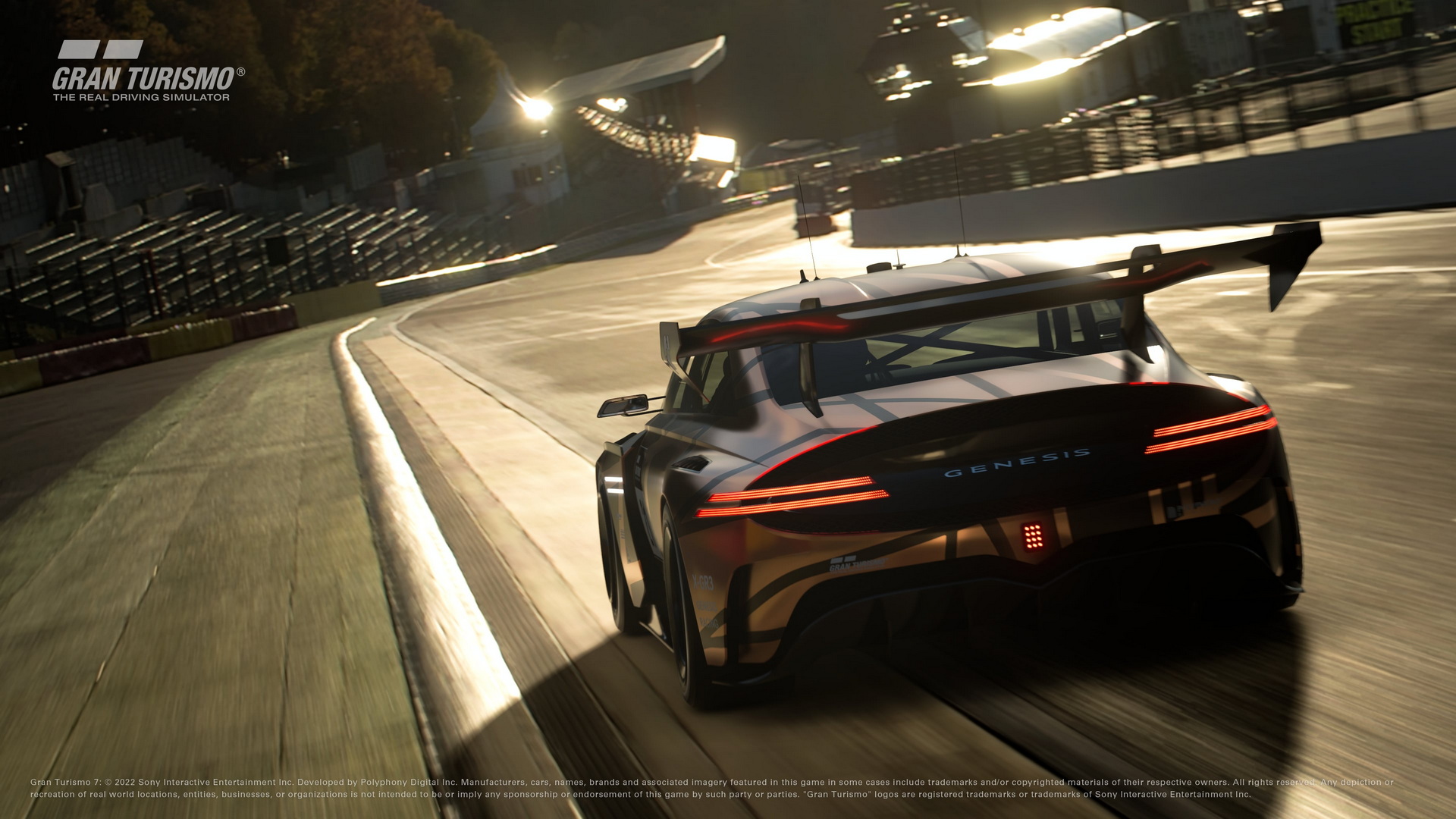
With the new partnership, participants in the Manufacturer Series will now be able to race Genesis vehicles in competition. Two new vehicles have been designed by Genesis specifically for online play – the Genesis X GR3 and Genesis G70 GR4.
The more realistic Genesis G70 sedan is the third car which is now included in the game, and unlike the previous two, it’s more closely rooted to a real world example.
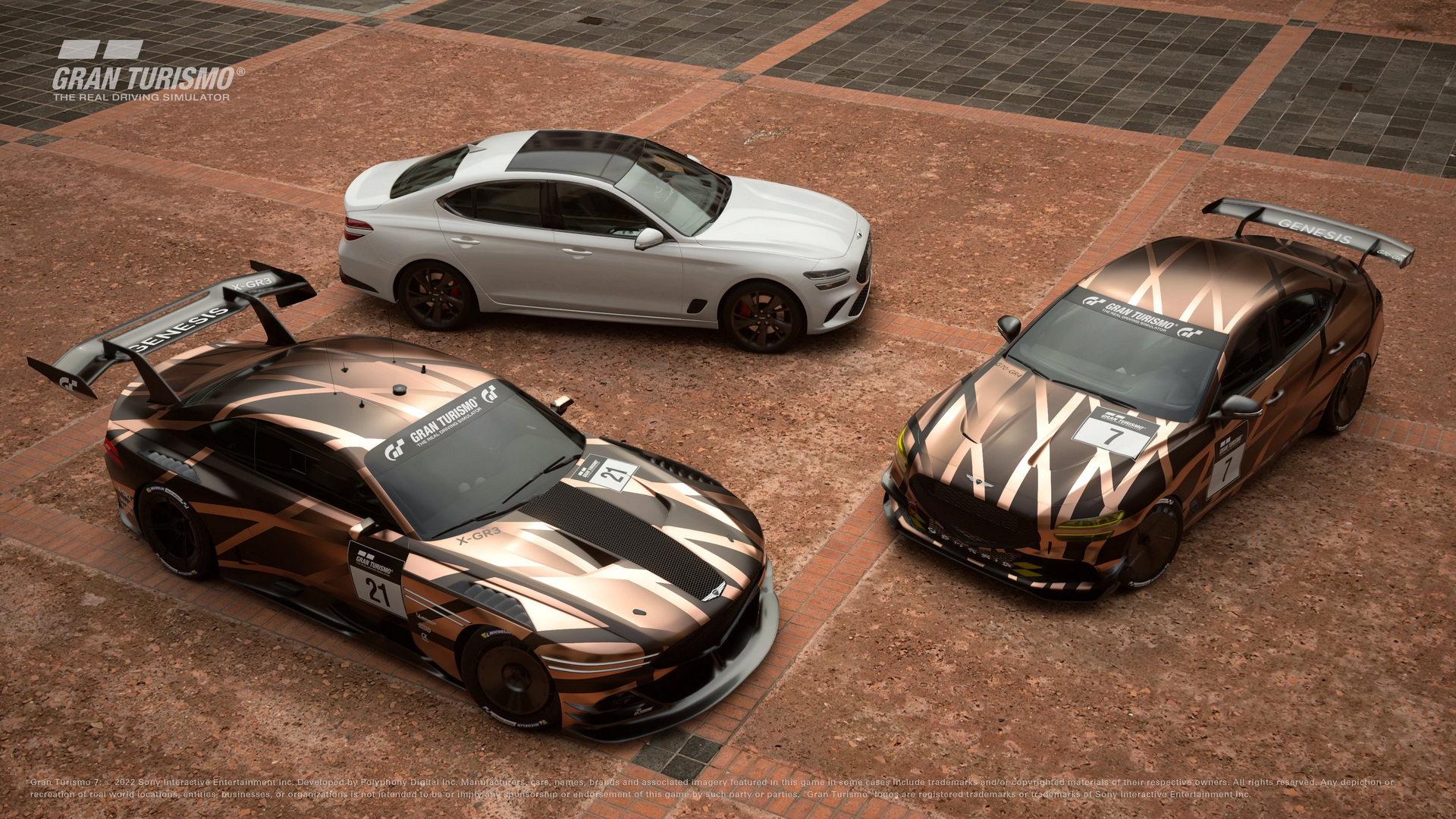
“This platform allows fans of racing to get behind the wheel and discover the bold designs and performance ambitions of Genesis as we continue to explore the brand’s entry into motorsport,” said SangYup Lee, Executive Vice President and Head of Genesis Global Design Center.
“Genesis is pleased to be presenting the dynamic G70 sport sedan and our ambitious GR3 and GR4 concepts in Gran Turismo 7.”
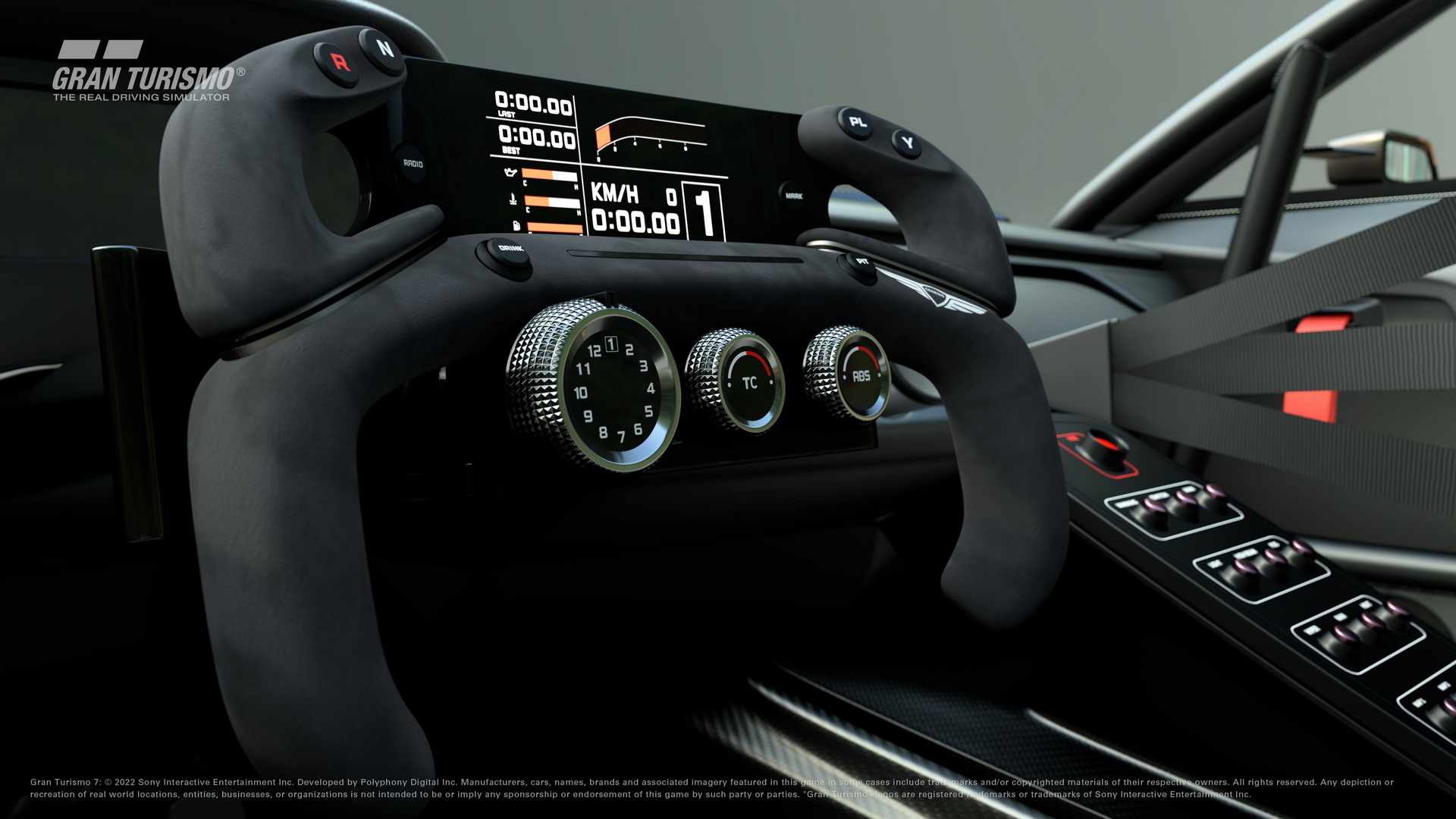
The cars were originally unveiled at Monterey Car Week in August 2021, as part of an installation it called The Performance of Design.
Gran Turismo 7 finally launched in March of year, and can be played on both PS4 and PS5 consoles.
Suzuki has unveiled its latest concept car, a hybrid motorcycle-powered roadster available to race in Gran Turismo 7’s latest update.
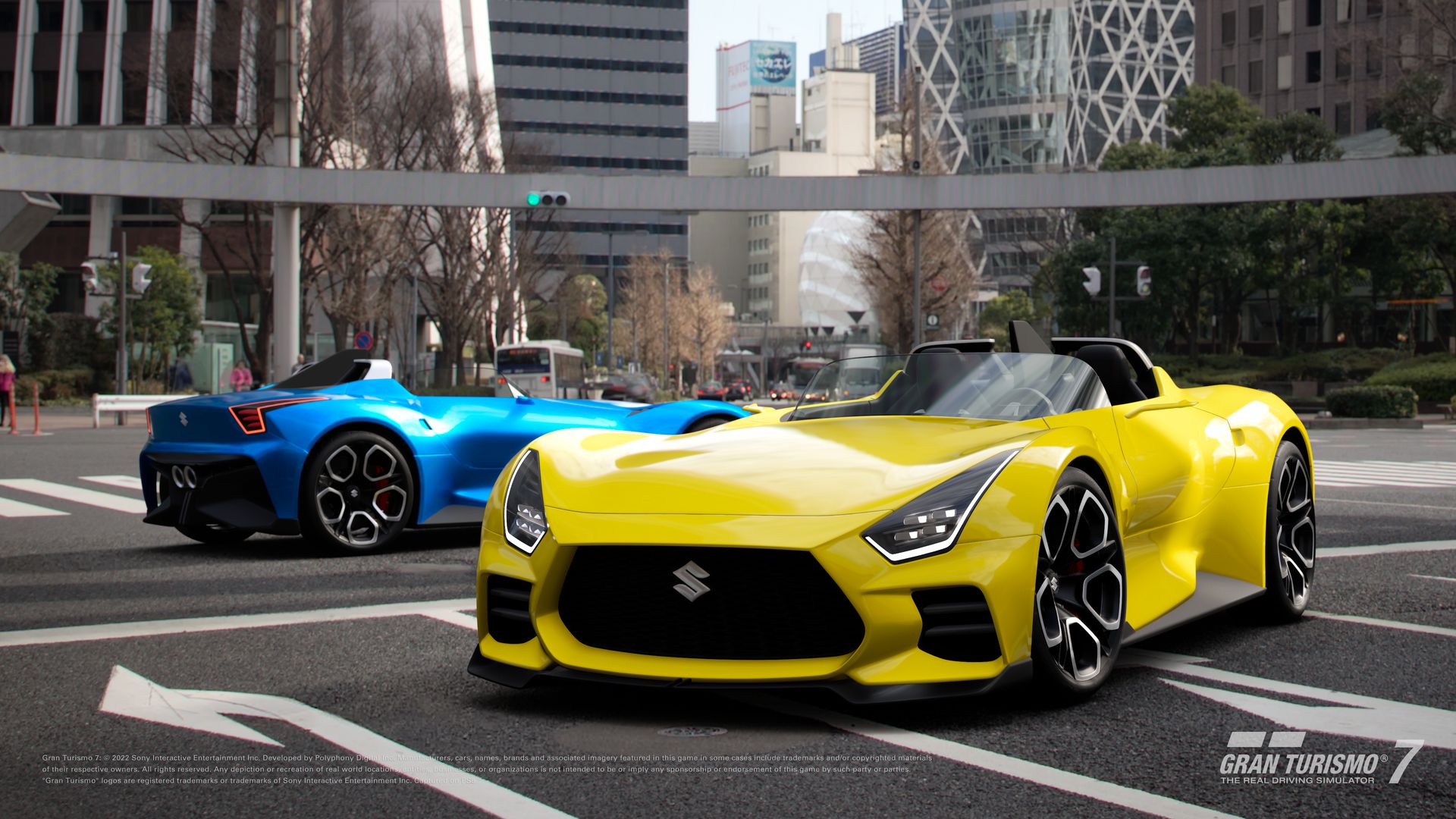
While there’s currently no real-deal version of the sportscar in existence, Suzuki’s Vision Gran Turismo (VGT) is powered by a GSX1300R-sourced Hayabusa 1.3-litre inline four, paired to three electric motors: two on the front axle, and one powering the rear for an all wheel drive layout.
With a screaming redline of 9900rpm, the 970kg virtual package is capable of a combined 318kW and 610Nm of torque, which peaks at 3000rpm.
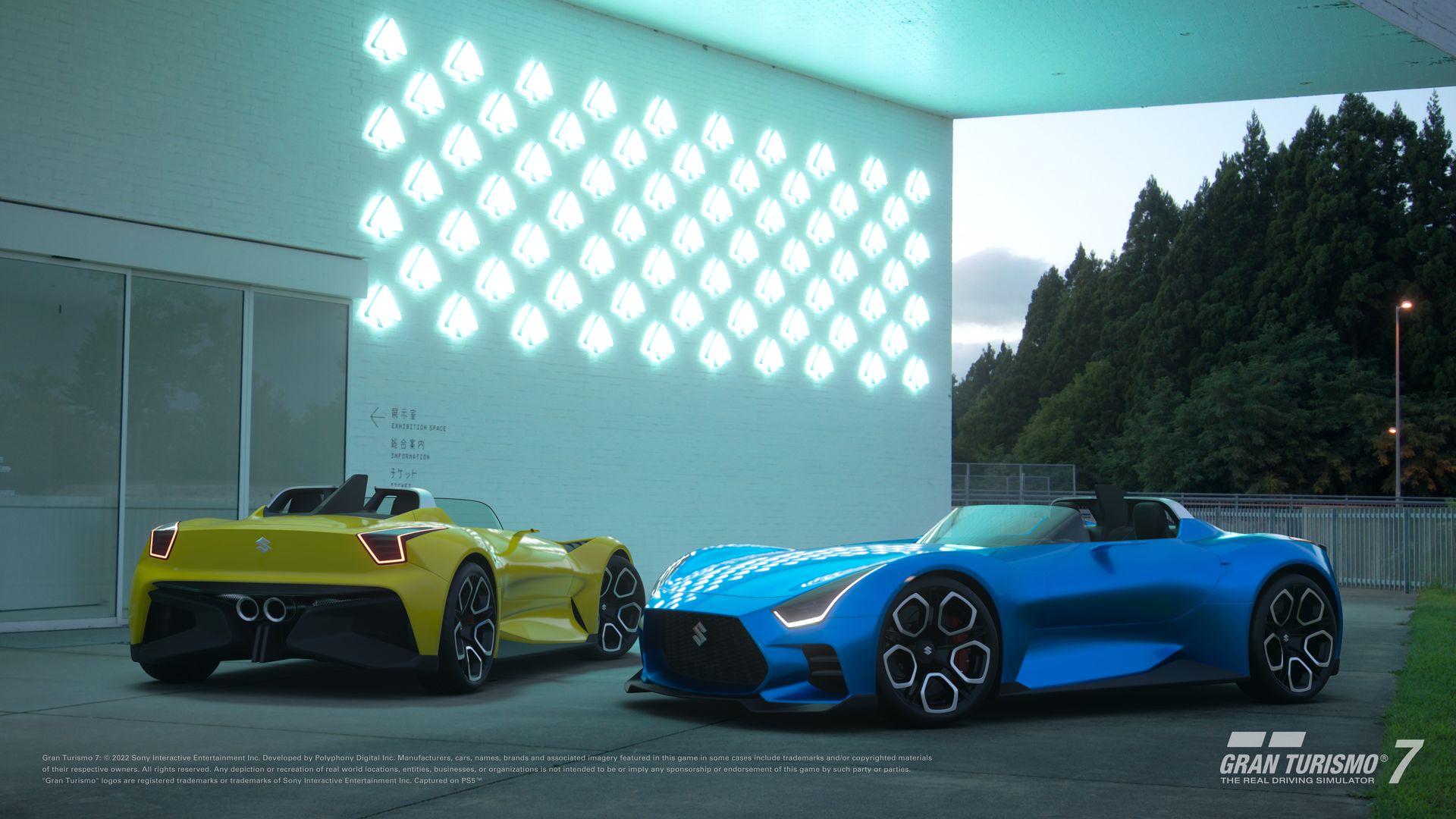
Visually, the design pulls much of its inspiration from the Swift Sport, aping the hot hatch’s hero Champion Yellow, wheel package, and front end treatment.
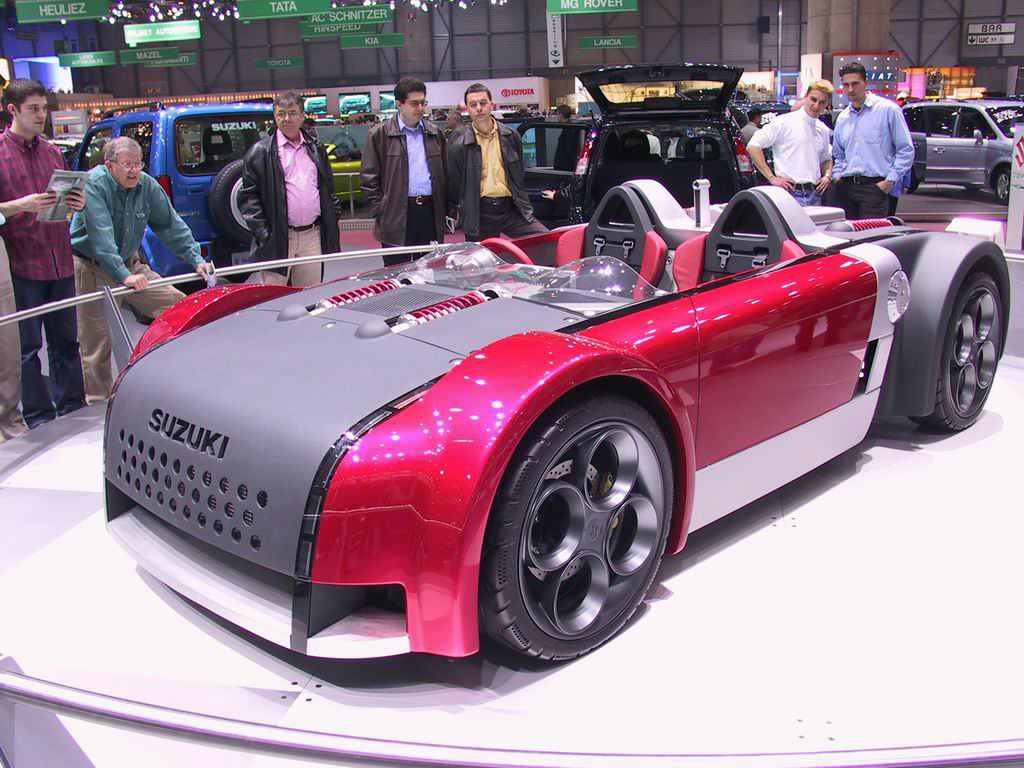
It’s not the first time Suzuki has dreamed up a Hayabusa-powered roadster. The genesis of the VGT can be traced back to 2001’s GSX-R/4 concept, which debuted at that year’s Frankfurt Motor Show and subsequently appeared in Gran Turismo 4.
The ICE-only car was rated at 129kW, tipping the scales at just 640kg with more fantastical bodywork.
Gran Turismo developer Polyphony Digital says a Gr.3 racing version of the VGT will soon appear in the game, though Suzuki has so far remained tight-lipped as to a physical version of the concept.
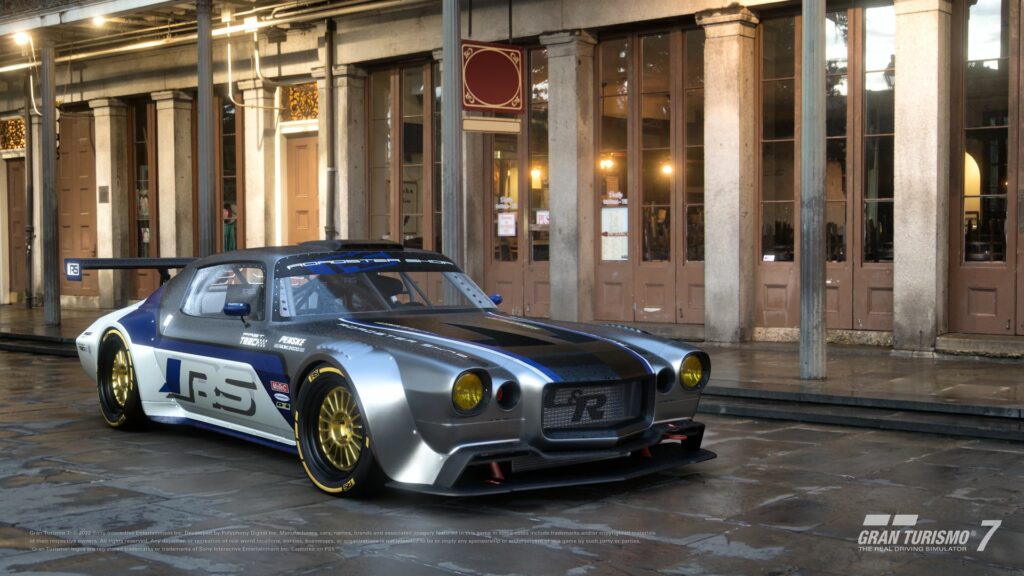
The free update for Gran Turismo 7 also brings the pro-touring Roadster Shop Rampage Camaro and Toyota’s GR010 Hybrid racer to the game’s roster.
We’re into round two of the battle between the BMW and Lexus mid-size SUVs. A few weeks ago I pitted the BMW X3 30e and Lexus NX 450h plug-in hybrid pairs against one another and the Lexus came out the winner owing to its lower price, better ownership proposition and impressive driveline. The BMW was more fun to drive but, as you may have seen (and I will recap through this review), BMW has rather shot itself in the foot with the pricing.
And I wrestled with the idea of whether a plug-in hybrid is even worth it (spoiler: probably not).

Round two is between the middle of the two ranges and in the BMW’s case, the tweak in the range, the SUV-coupe (or SAV in BMW-speke) BMW X4 xDrive 30i and the non-hybrid Lexus NX350. Both are all-wheel drive, both are turbo fours and both bring a lot of tech and driving appeal to the table. One imagines this battle should be closer.
Pricing and Features

As with my review of the NX450h against the X3 30e, the BMW costs quite a bit more than the Lexus. The 30e also had a considerable, self-inflicted problem in that the pure-electric iX3 was only ten per cent more expensive while being a lot cheaper to run. No, not everyone who looks at the 30e would want a BEV, but a lot would.
Still, the X4 30i M Sport is a not-inconsiderable $97,900 before on-road costs, a good eight grand more than the X3. Hang on a moment, you’re saying (okay, a few of you), the X4 isn’t really the same as an NX, shouldn’t this comparison be apples with apples?
Yes and no. The NX falls between a trad SUV with a more upright stance and the BMW’s coupe vibe, perhaps to further distance it from the related Toyota RAV4. It’s also chasing that more stylish look with the faster rear glass and big bluff front end. The X4 is an out-and-out SUV coupe (cue my teeth grinding) and so you pay more for that. Either way, the X3 and X4 are both considerably more expensive than the NX350.

In the X4 you get 20-inch wheels, a 12-speaker stereo, multi-zone climate control, keyless entry and start, adaptive damping, front and rear parking sensors, adaptive cruise control, cameras in all directions (including a reversing camera) powered front seats, sat-nav, auto LED headlights with auto high beam, digital dashboard, leather trim, auto parking, powered tailgate, powered windows and mirrors, auto wipers, head-up display and run-flat tyres instead of a spare.
BMW has just one free colour, Alpine White, while the rest cost a near-disgraceful $2000. The actually disgraceful $4000 for Tanzanite Blue does buy you a gorgeous colour, but seriously.
The X4 is an out-and-out SUV coupe and so you pay more for that. Either way, the X3 and X4 are both considerably more expensive than the NX350

The Executive Package (16 Harman Kardon speakers, heated front and rear seats) costs $5000, the M high gloss Shadow Line $500 (fitted), the also-fitted Visibility Package (Laser Headlights, metallic paint and, bizarrely, a sunroof) is an almost reasonable $4810 when you see what you get. You can also drop down to 19-inch wheels for nothing, add a $3100 panoramic glass roof on its own or get more leather for $2400.
Lexus clobbers the BMW on pricing, starting at $77,900 before on-road costs. The spec is similar, so the main differences are dual-zone climate control, two fewer speakers, active noise cancelling, blacked-out grille and heated front seats. The BMW has a little more on balance, but hot damn, it should for all that extra cash. The NX is pretty skinny on things like the awesome (optional) laser lights, though.
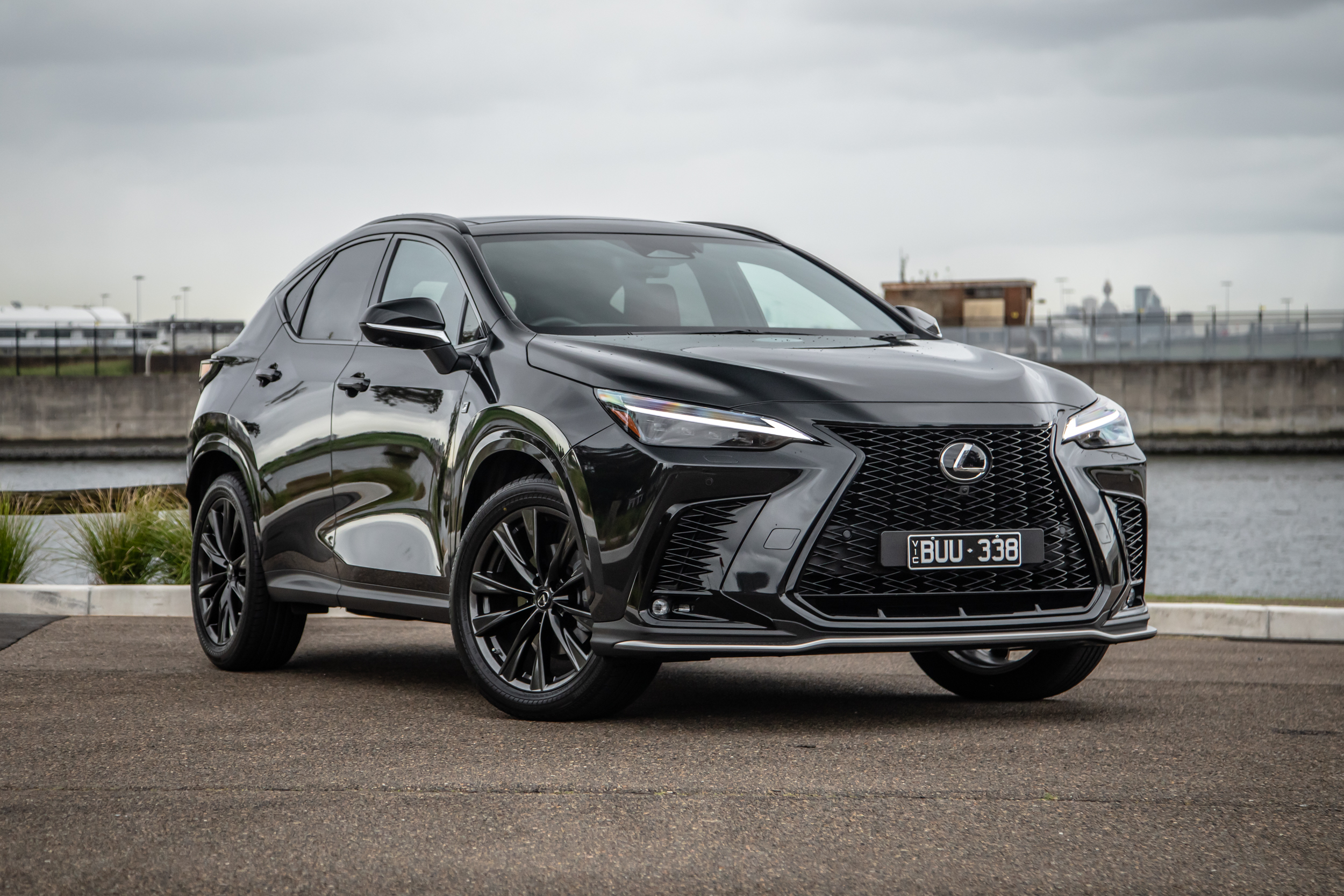
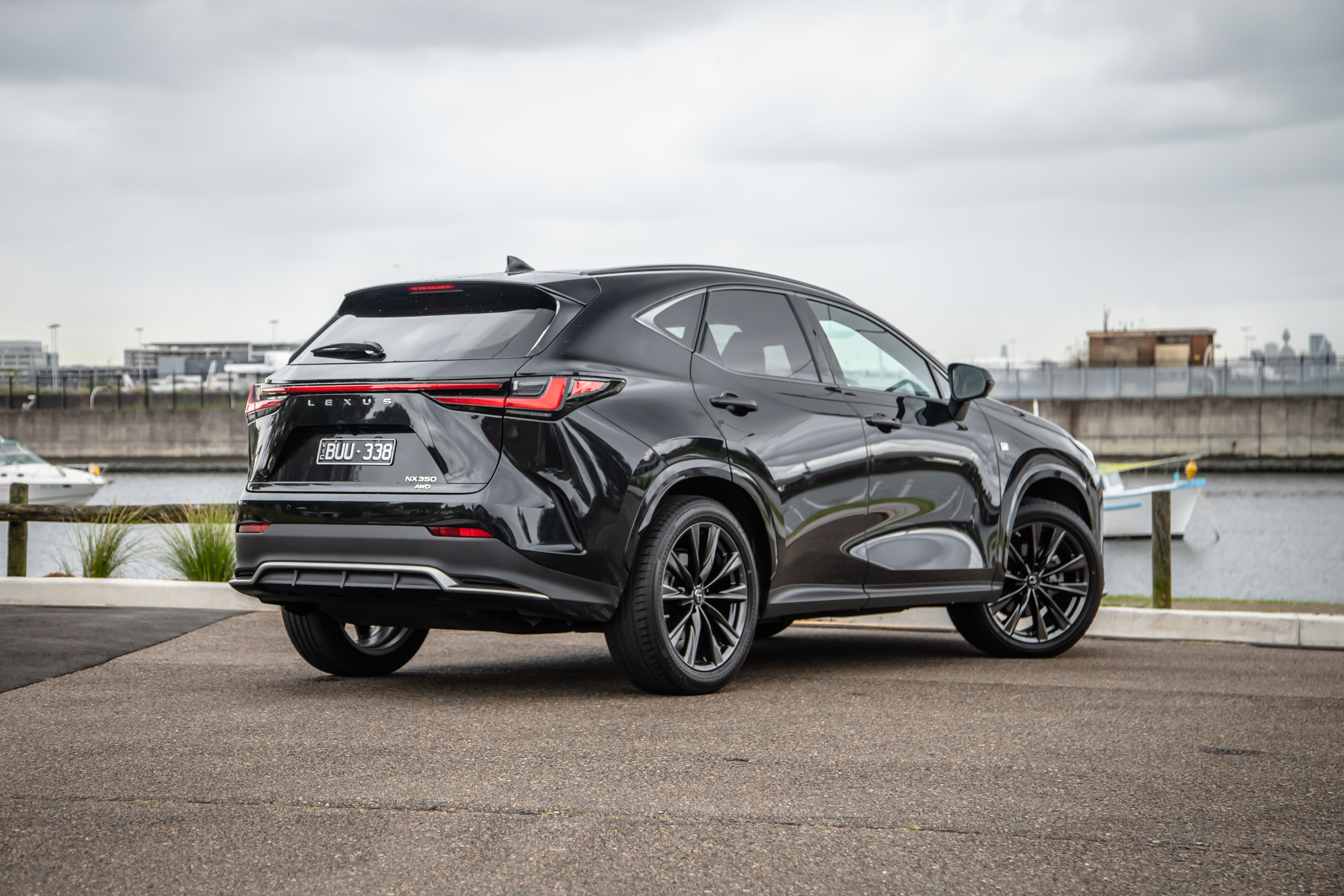
Options for the Lexus include a panoramic sunroof, the sole option in the falsely-named Enhancement Pack 1 while Enhancement Pack 2 is indeed a pack with the sunroof, digital rear vision mirror (like a Range Rover), 17-speaker Mark Levinson stereo and heated steering wheel, adding $6000 to take the Lexus a little closer to the X4. Our test car was fitted with the second pack but was still twenty grand less than the specced-up BMW.
Two out of eight available colours are free on the Lexus, the rest also costing far too much at $1750.
The Lexus clobbers the BMW on pricing … The spec is similar. The BMW has a little more on balance, but hot damn, it should for all that extra cash
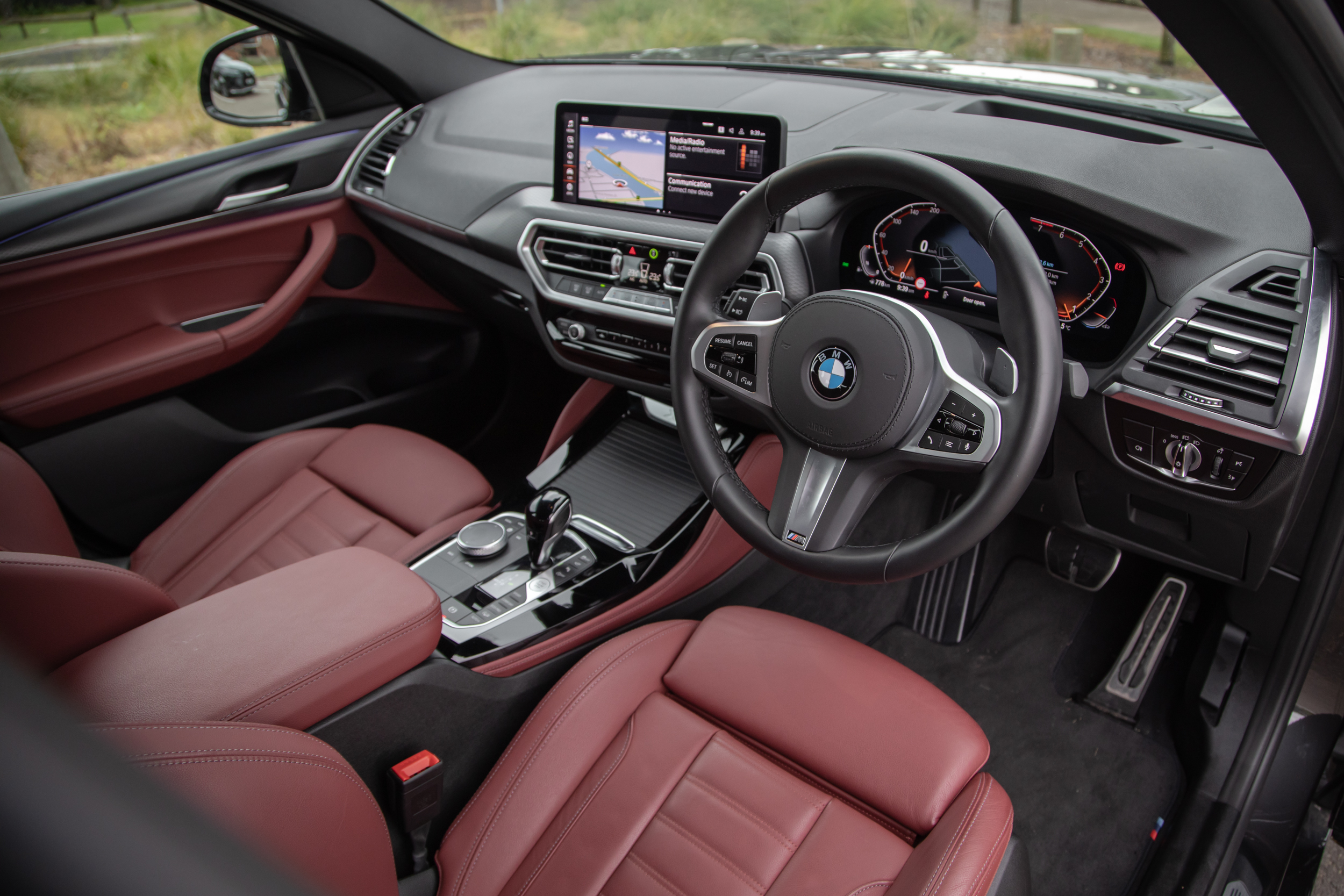
BMW’s 12.3-inch touchscreen is powered by the OS 7 version of iDrive which, in isolation, is pretty good but OS 8 is better. The system features a bunch of Connected Drive services, digital radio and wireless Apple CarPlay and Android Auto, something the Lexus doesn’t have as it sticks with USB connectivity. Having said that, the CarPlay connectivity can be flaky on OS 7, but behaved itself on this particular car.
Lexus’ massive 14.0-inch screen looks a lot bigger because it’s housed in an elephant’s ear sticking out of the dashboard. It’s clear, though, and reasonably easy to use once you work out there’s no home screen. The menu targets need to stand out a little more but apart from that, it’s nice. Gives you a little insight into what the largest car-maker in the world can do when you line it up next to the garbage head units in Toyotas.
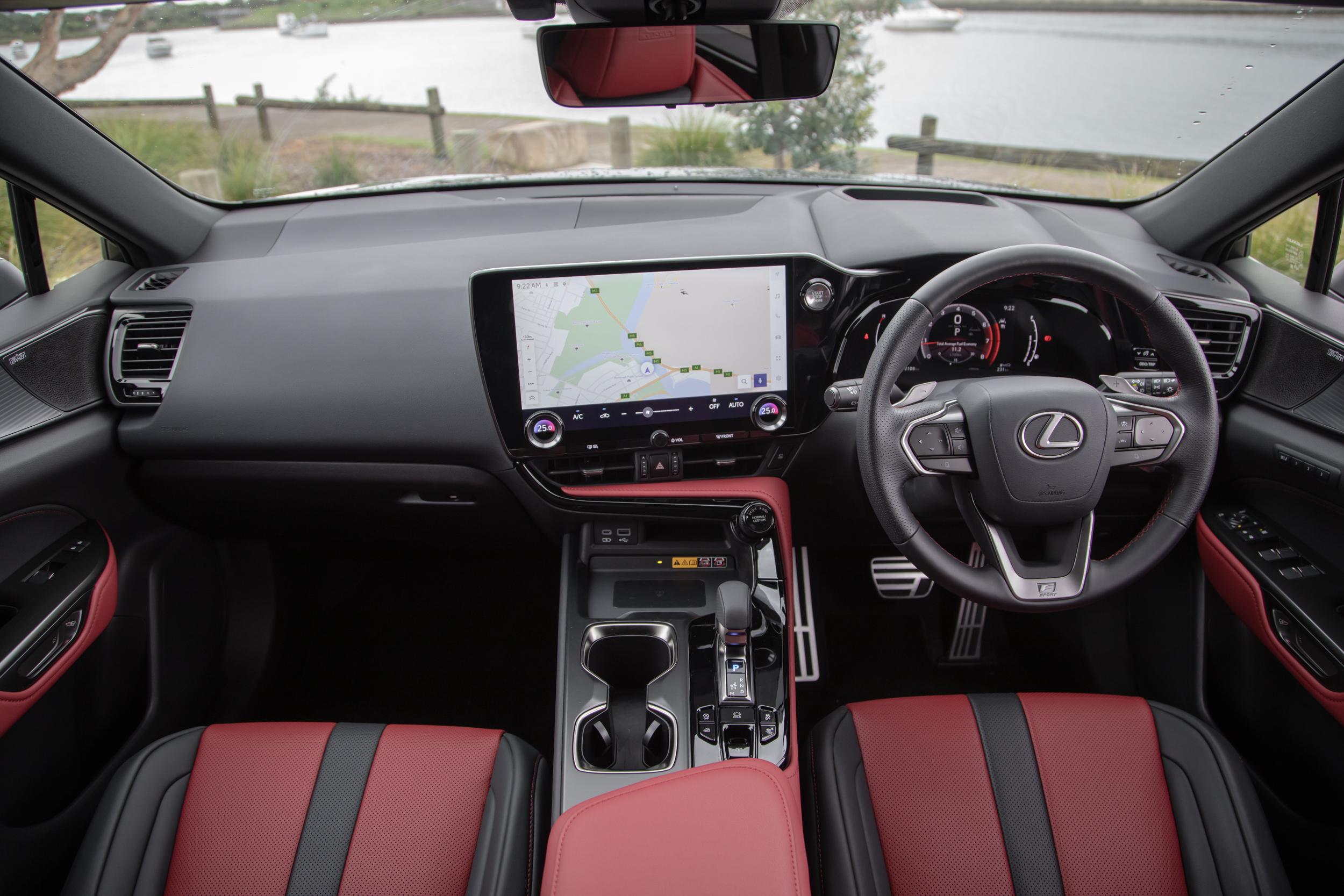
It does have a really annoying habit of expecting you to wait until the system has completely started up before it will see the iPhone. I kept having to unplug the phone and the cable before the head unit would see the phone, which is a small thing but spectacularly annoying when you just want to get going.
Also annoying are both the internal and external door handles or, perhaps more appropriately, door operation switches. To get into the car, you grab the handle like you would the BMW’s and pull it. And then feel like a complete idiot. You have to make contact with a soft switch on the inside of the panel, there’s a delay and then it opens. When you want to get back out, there’s a type of rocker switch that you can either push with your thumb or contort yourself around to pull it out and, again, it’s an electric switch with a delay that messes with your head. Helps with the safe exit thing, but even having had an NX, then not, then gone back to this second one, it’s still annoying.
I guess you’ll get used to it, but the external door handles feel unnecessary. Why have such a big thing to grab when you could just do what BMW has done on the 4 Series? Also, and this is as subjective as it gets, you don’t get that comforting ka-clonk when the car locks or unlocks. Which is unsettling.
The NX has eight airbags (including driver’s knee and centre bag to lessen head clashes in side impacts), the usual ABS and stability controls, forward auto emergency braking (AEB), lane-keep assist, intersection assist, forward collision warning (low and high speed), post-collision braking, blind-spot monitoring, road sign recognition and safe exit assist. The Lexus doesn’t yet have an ANCAP rating but I’ll be extremely surprised if this spec doesn’t earn it all five available stars.
BMW counters with seven airbags (including driver’s knee), blind-spot monitoring, forward collision warning, reverse cross-traffic alert, forward cross-traffic alert, lane departure warning, lane-keep assist and speed sign recognition. The five-star ANCAP rating dates back to 2018. Given the changes in ANCAP rules since 2018, it’s unlikely the X4 with this list of features would make five stars, which I maintain is confusing for buyers and not necessarily an accurate reflection of actual crash performance.
Both feature AEB systems with pedestrian detection while the Lexus adds daytime cyclist detection. And they both have two ISOFIX points and three top-tethers for child seats.
Comfort and Space

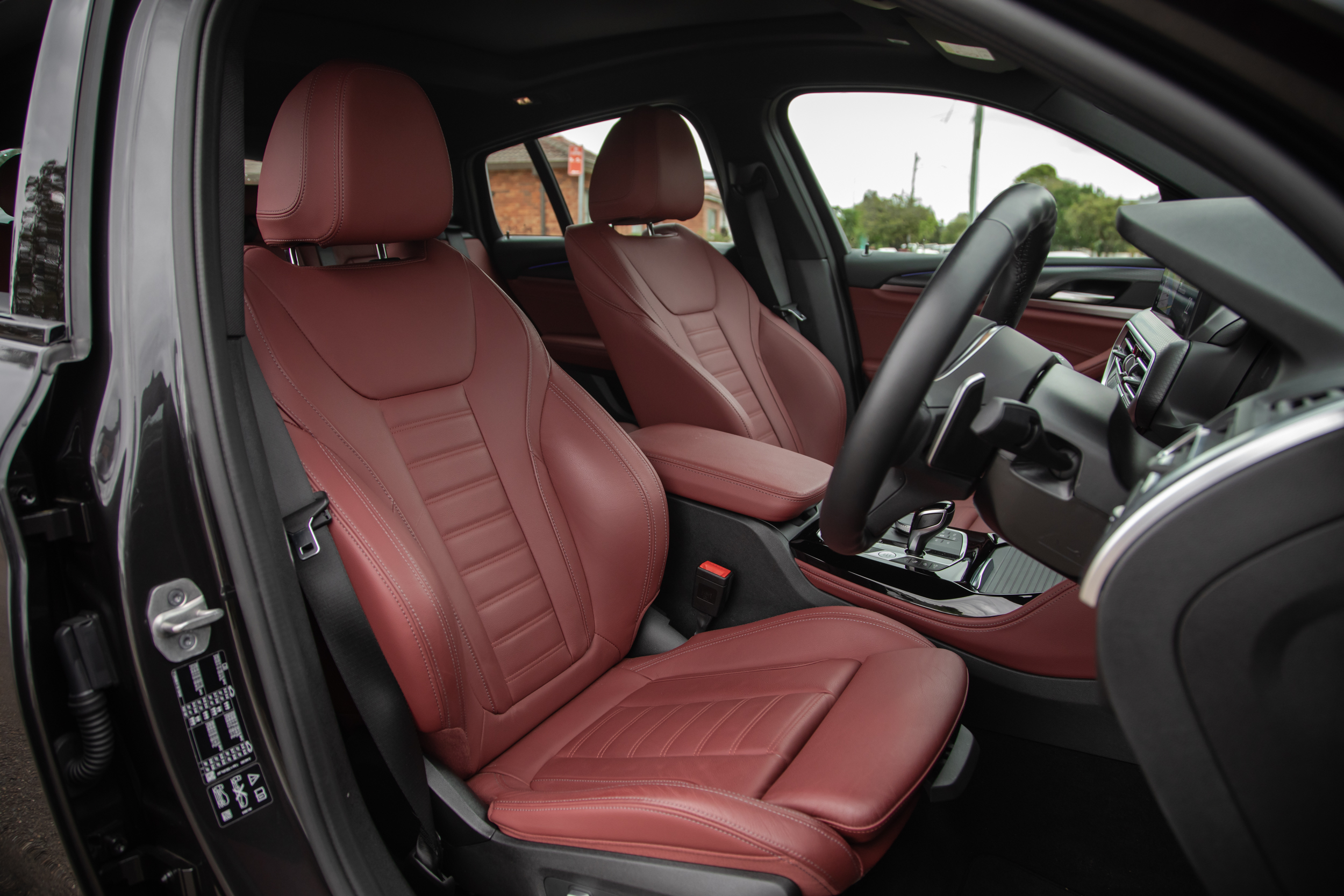
The BMW claws back a little in the cabin. Both have nicely shaped rear seats and both have diving rooflines limiting headroom. The X4’s longer wheelbase provides usefully more leg and knee room than does the Lexus, which is tight compared to the BMW’s more spacious rear.
Both cars are comfortable four-seaters because the middle seat is deeply unattractive for anyone with two buttocks. The BMW is slightly better because the centre console doesn’t intrude as much but both have hefty transmission tunnels and perch-like middle seats. Putting someone there would also knock out the centre armrest with its two cup holders, too, which is obviously terrible behaviour. Headroom for me was almost identical between the two and I’m a scooch under 180cm.
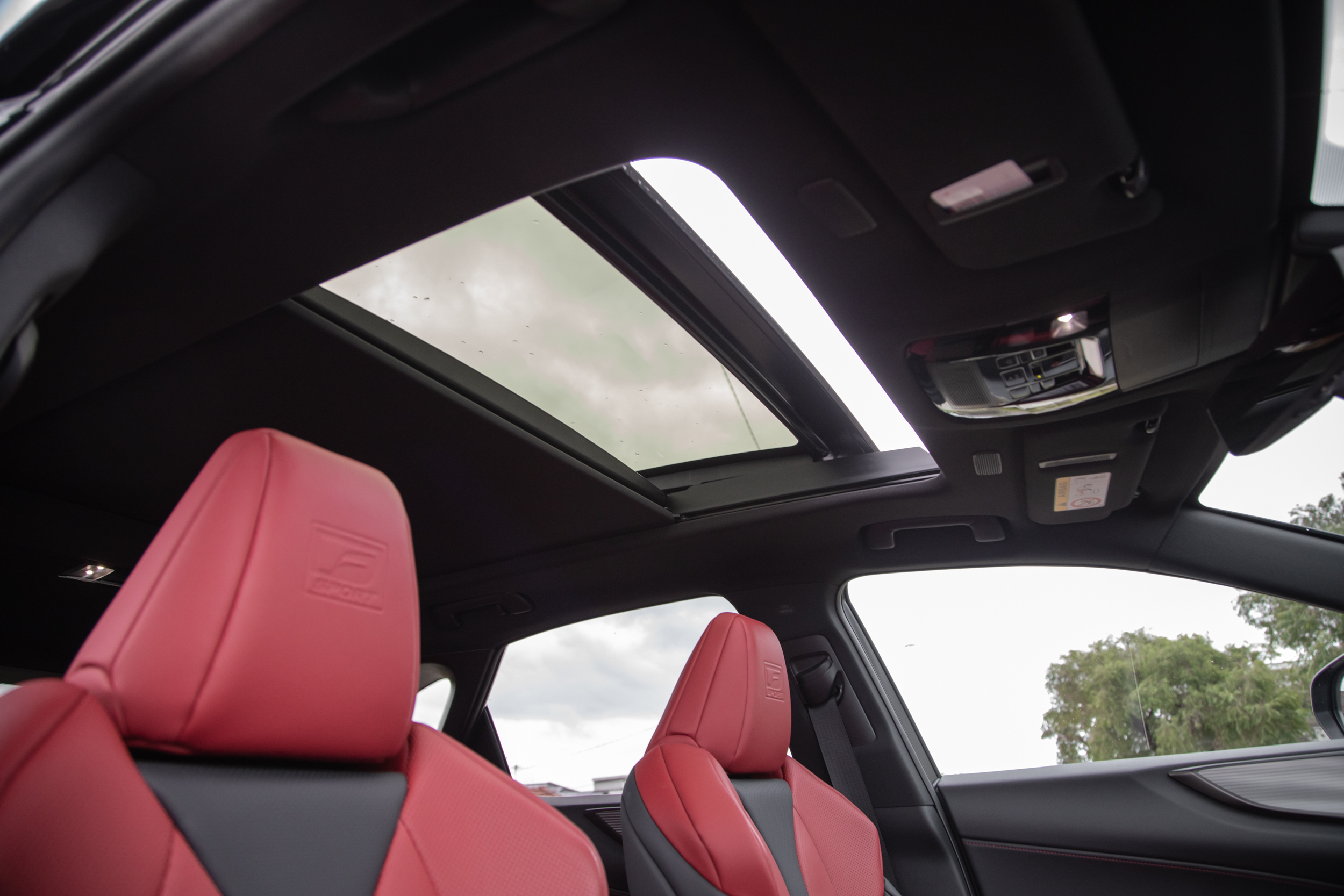
Both had a sunroof fitted but I don’t think that made a remarkable difference to the cranial space.
For devices, you’ll find two USB-C ports in the rear of the BMW, a USB-C port in the centre console bin and a USB-A port with 12V plug under the centre stack. The Lexus has a 12V socket in the rear with two USB-C chargers and the USB-C and USB-A ports are handily twinned right on top of the wireless charging pad.
All four doors feature big bottle holders in the BMW while the Lexus’s are smaller. Both have two cup holders up front nestled in the tidy centre consoles. Both have very comfortable seating for front occupants, but the Lexus seats look a bit sportier, especially in red. Which this BMW also had, but the seats were less exciting to look at while having the slightest of edges in comfort and adjustment.
The BMW is slightly better in the back because the console doesn’t intrude as much but both have hefty transmission tunnels and perch-like middle seats
The NX’s boot takes 520 litres with the seats up and 1411 with them down. The loading aperture is wide and easily accessed via the powered tailgate. The BMW’s storage space is down on its X3 twin, but not by much. A near undetectable 525 litres in the X4 just beats the NX’s boot and there’s a 29-litre difference with the seats down, in the BMW’s favour.
On the Road

Here in the cheapish seats, you have two four-cylinder turbos with the barest minimum of electrification on the BMW in the form of energy recovery from braking. The Lexus doesn’t suggest it has any of that, but it’s not much on the BMW, if you know what I’m saying.
Behind the NX’s giant grille is a 2.4-litre turbo four with 205kW and a very healthy 430Nm, way more than the BMW. A rarity in the NX range, the 350 F Sport is not a hybrid and I’ll be very interested to see how many people actually buy non-hybrids given the carnage in the (related) RAV4’s petrol-only sales. Lexus says you’ll burn 7.0L/100km but I don’t think so. The best I could manage (without driving like a loon, I might add) was 11.2L/100km.
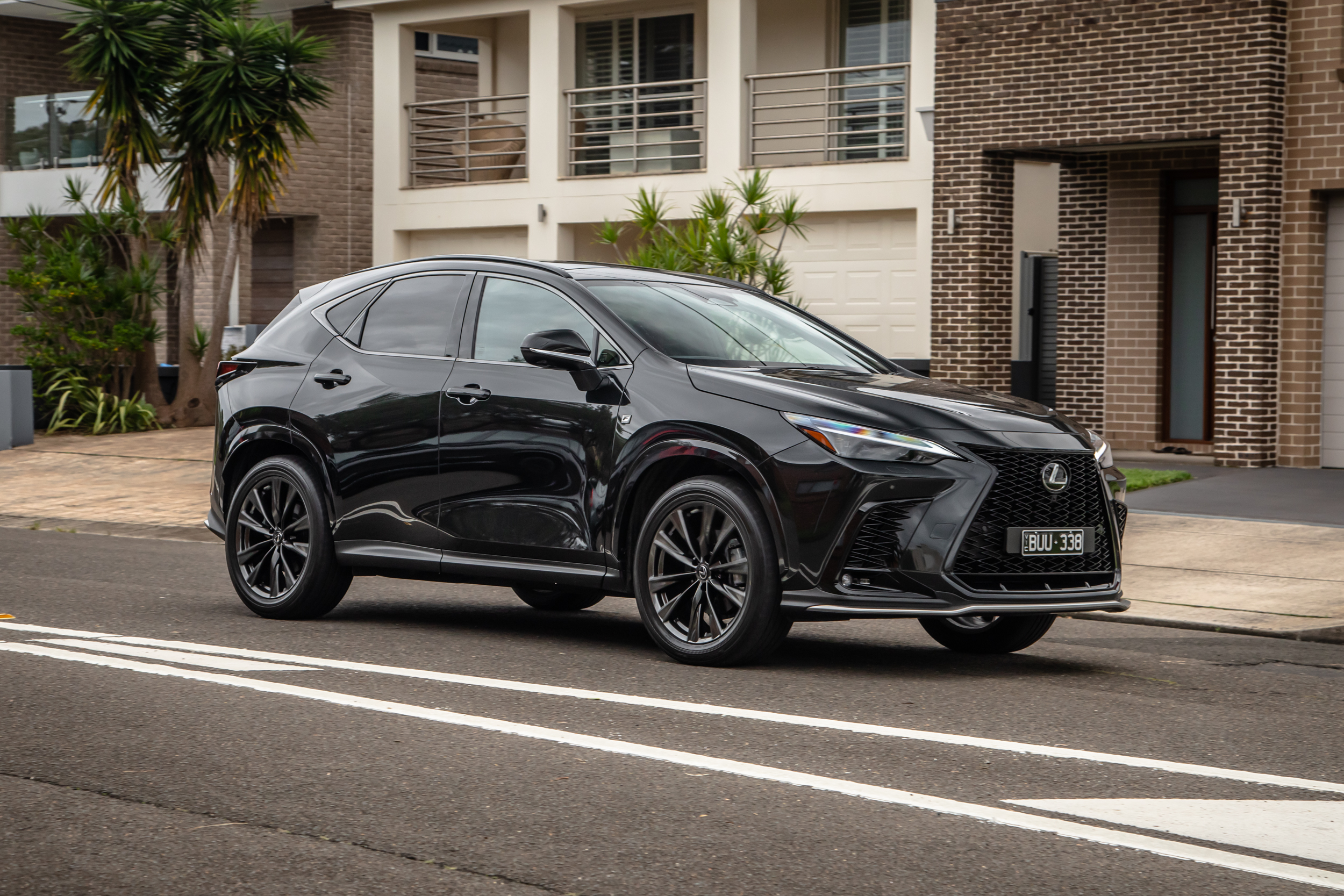
I can’t really explain the gap. The Lexus feels a lot slower than the 100km/h sprint figures suggest, is noisier (we’re talking small increments here, it’s still very quiet) and the transmission feels really gloopy. I had to double-check it wasn’t a CVT, something Lexus is fond of and which you will find on the hybrids.
The German starts with a smaller engine, the 2.0-litre B48 also found in the 20i and 30e (and pretty much any four-cylinder BMW), but tuned up to 185kW and 350Nm. It matches the Lexus with all-wheel drive and also has a proper eight-speed automatic transmission from ZF and it’s excellent. BMW claims 7.9L/100km and I got 8.2L/100km. So that’s a solid win for the BMW on fuel.
On the freeway the BMW is very quiet, with just a bit of rustling around the mirrors and all but the worst surfaces remaining well-damped

What’s more, despite the lower power and torque figures, the BMW is quicker to the benchmark 0-100km/h by well over half a second, suggesting a more sprightly overall performance despite a smaller than expected gap between the kerb weights of just 45kg.
Which leads me to my first observation about the pair’s more subjective qualities. The Lexus immediately feels heavier on the road, with less transparent steering feel and a lazier change of direction. While running very similar tyres, the NX has higher-profile, narrower rubber compared to the X4 but the ride isn’t markedly – if at all – better.
It feels a bit like its biggest target market, the US, had the final sign-off on the suspension tune whereas the German car – despite being produced in South Carolina – has a much more European tune that better suits Australian tastes and conditions.
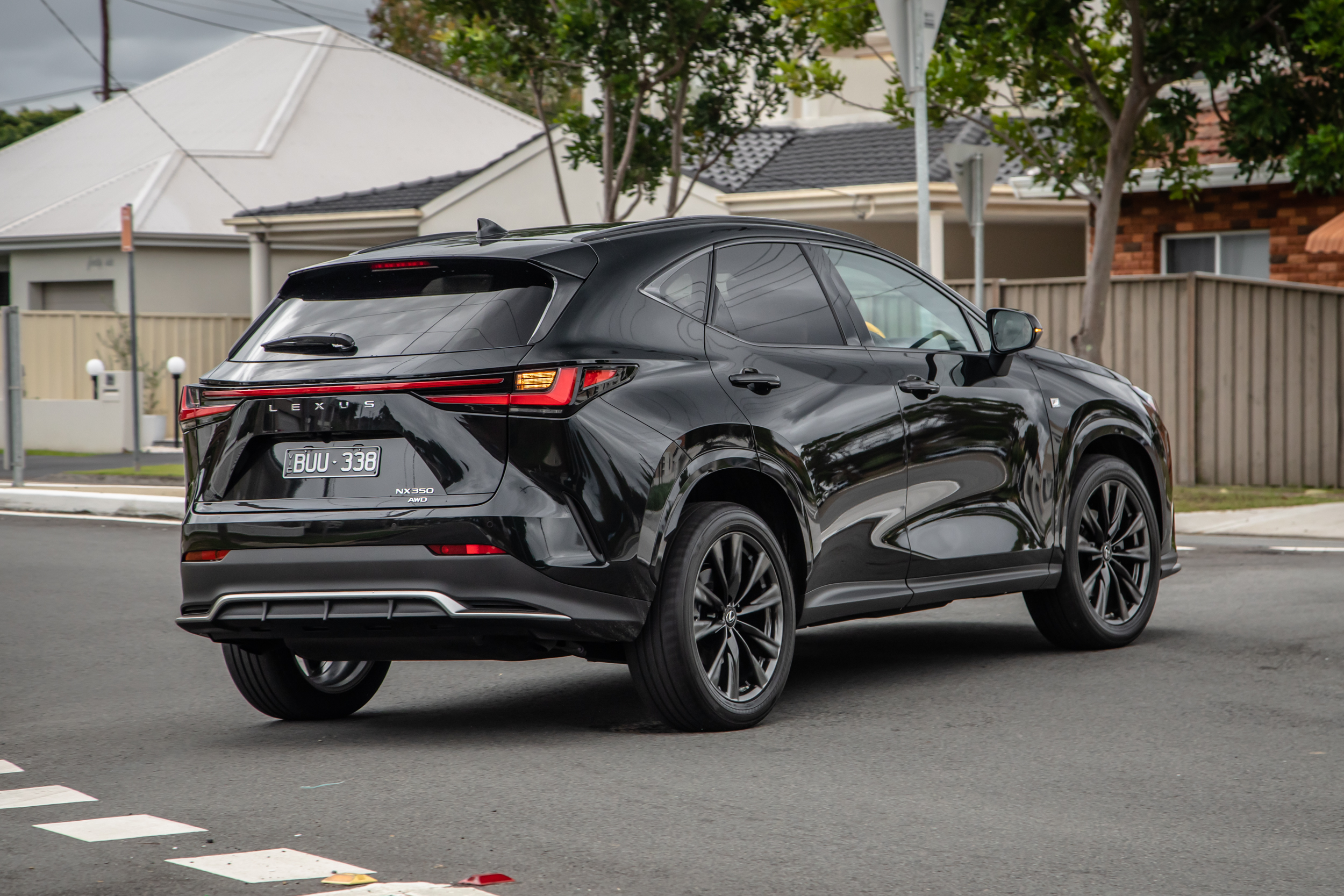
On the freeway the BMW is very quiet, with just a bit of rustling around the mirrors and all but the worst surfaces remaining well-damped. The Lexus might have active noise cancellation but it’s not as successful as one might hope on the freeway, with wind and road noise coming out a little higher, at least to my dodgy ears.
The Lexus rolls and pitches more than X4, which feels much tauter where it counts but somehow manages to remain as composed as the softer Japanese machine on rough and nasty surfaces. I will express my admiration for the way both of them ride on those huge 20-inch rims. Given both feature adaptive damping, it shouldn’t be difficult for Lexus to consider Sport or Sport + tunes with a bit more tension in them.
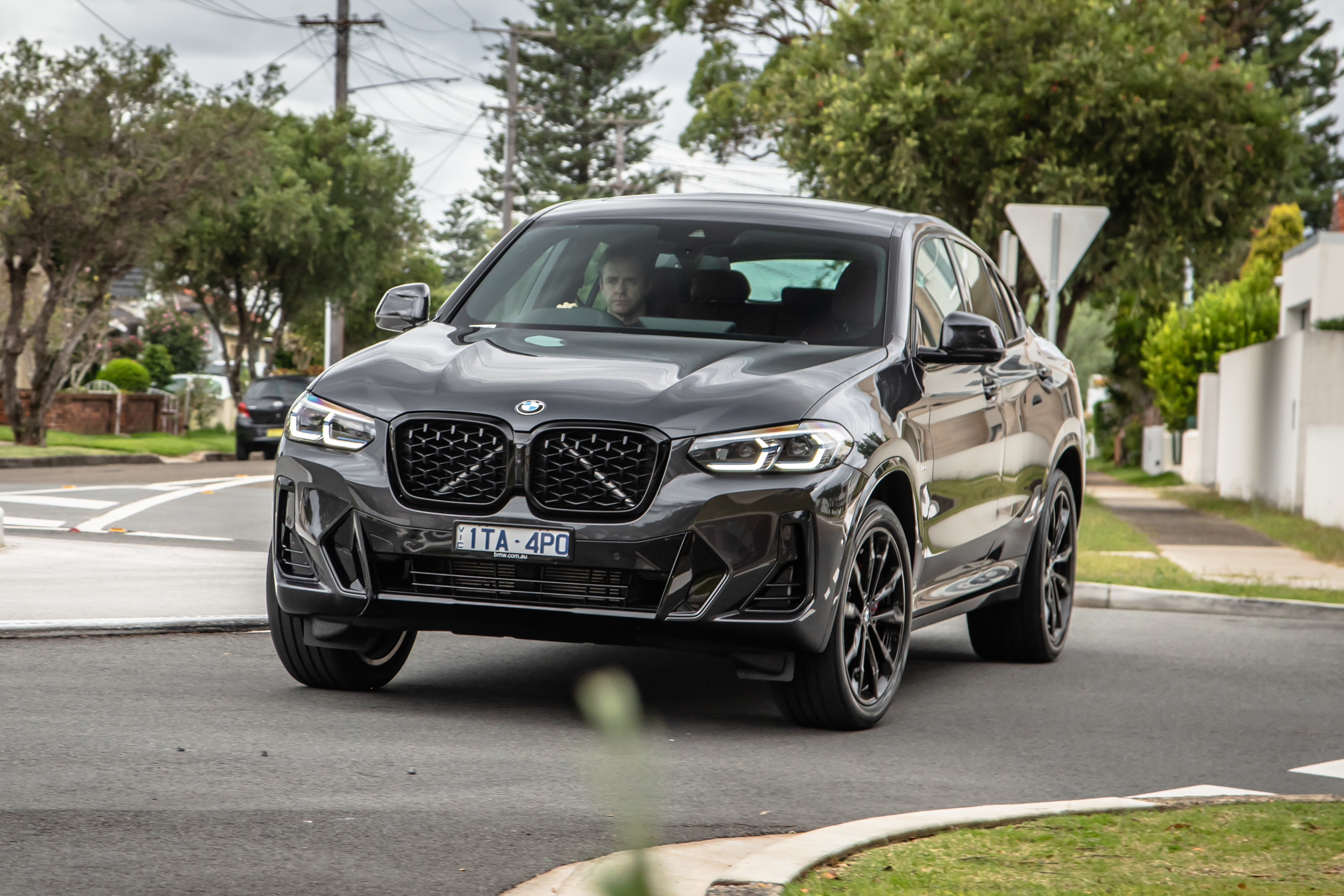
When you switch to Sport in the BMW, it really does wake up. It feels a lot quicker and lighter on its feet, compared to both its own Comfort mode and the Lexus in any mode. The NX seems to struggle to get all the power to the wheels whereas the BMW’s drivetrain and chassis feel far more direct. The X4 is way more fun and enjoyable to drive but when you remember that Lexus always errs towards comfort, that makes a lot of sense. So for me, the BMW wins here – and handsomely – but the Lexus presents a clear choice of a more relaxed car.
Ownership

Lexus belts BMW out of the park with a five year, unlimited-kilometre warranty, which really should be the bare minimum on a premium car let alone one that costs so much more than the other. Lexus also offers three years or 45,000km of capped-price servicing for $495 per service, or $1485 over three years. Lexus will come and pick up the car from you or give you a loan car for the day whereas BMW will not, at least not for private buyers.
BMW’s three-year warranty is too short and it’s pathetic that the company is holding out from joining everyone else on the five-year bandwagon.
Three years or 40,000km of servicing on a pre-paid BSI plan will cost $1450 while a five year/80,000km plan, something Lexus hasn’t committed to, will cost $2010, ironing out at $402.50 per service – which isn’t as outrageous as you might have been expecting. Actually, compared to some rather less expensive brands, it’s not bad and neither is the Lexus number.
You get more with the Lexus aftersales party via its Encore package than you do from BMW

You can also upgrade to BSI Plus that covers more consumables but is, in my experience, a lot more expensive for a lot of what-ifs.
You get more with the Lexus aftersales party via its Encore package than you do from BMW, including Ampol fuel discounts, access to no-doubt tedious horse racing type events and a vague rewards benefit. The service loan car does it for me, though, with the longer warranty cementing the NX’s win for ownership.
VERDICT

I really like the BMW – I think it has the better driveline and is a better car to drive and, in news that will shock most people, has the smaller grille. I don’t really like the coupe rear-end, though, but that’s by the by and more about me than you.
When one contender turns up twenty grand cheaper for a similar specification, it’s not the fairest of fights but these cars are direct competitors.
Although the Lexus is not the car I would personally buy (I once went out to buy a Renault Megane and came out with a BMW 5 Series, and another time I planned buy a classic Alfa Romeo and somehow ended up with an MX-5 so cannot be trusted with real money), it’s a compelling proposition.
The NX is vastly better than the car it replaces, is comfortable, quiet and easy to live with once you get over the dumb door handles. The longer warranty further pounds the BMW into submission. There are plenty of specification points where the Lexus wins, too, but the on-the-road reality is that they’re closely matched.
But the winner – again – is the Lexus unless you’re wedded to the BMW badge or are after the one with the sharper, more engaging driving experience.
Specifications
The Volkswagen Tiguan, the German company’s most popular model, has copped a mid-life update, to try and keep it at the pointy end of the mainstream mid-size SUV market. The timing of the Mk8 Golf’s arrival means new bits for other Volkswagen models, which includes the Tiguan.
Having been around since 2016, the current Tiguan’s interior is brought up to date with a new steering wheel and an updated dash display for the driver, while the HVAC controls become touch-sensitive panels rather than buttons.
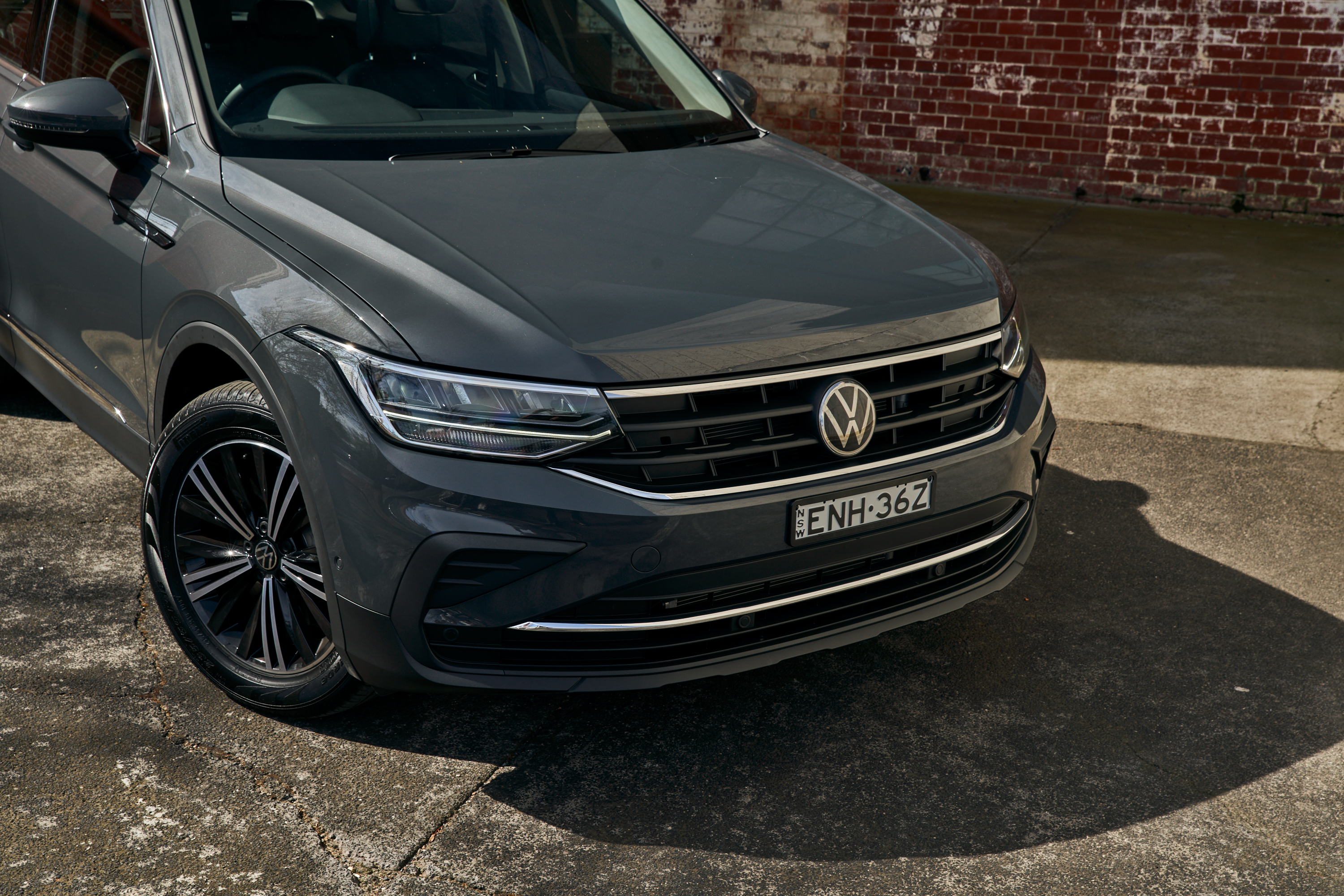
Outside, small changes to the headlights, bumpers, and grille have made the Tiguan more muscular and modern, most easily seen from the front.
Pricing and Features
The specific variant we’ve got here is the Life 132TSI, the most affordable Tiguan before dipping down into the less powerful front-wheel-drive Tiggy. Think of it as the 4Motion AWD base model. Coming in at $45,490 before on-road costs, it takes aim at the more popular Toyota RAV4 (most closely the near-top-spec Cruiser), Mazda CX-5 Touring and Kia Sportage SX+ or GT-Line depending on what engine you go for.
As you’d hope from a Tiguan, even the ‘base’ Life variant has some premium touches. Keyless entry, automatic LED headlights and a fresh version of the old steering wheel, though at this level in the range the old 8.0-inch infotainment screen remains, as does the lack of digital radio.
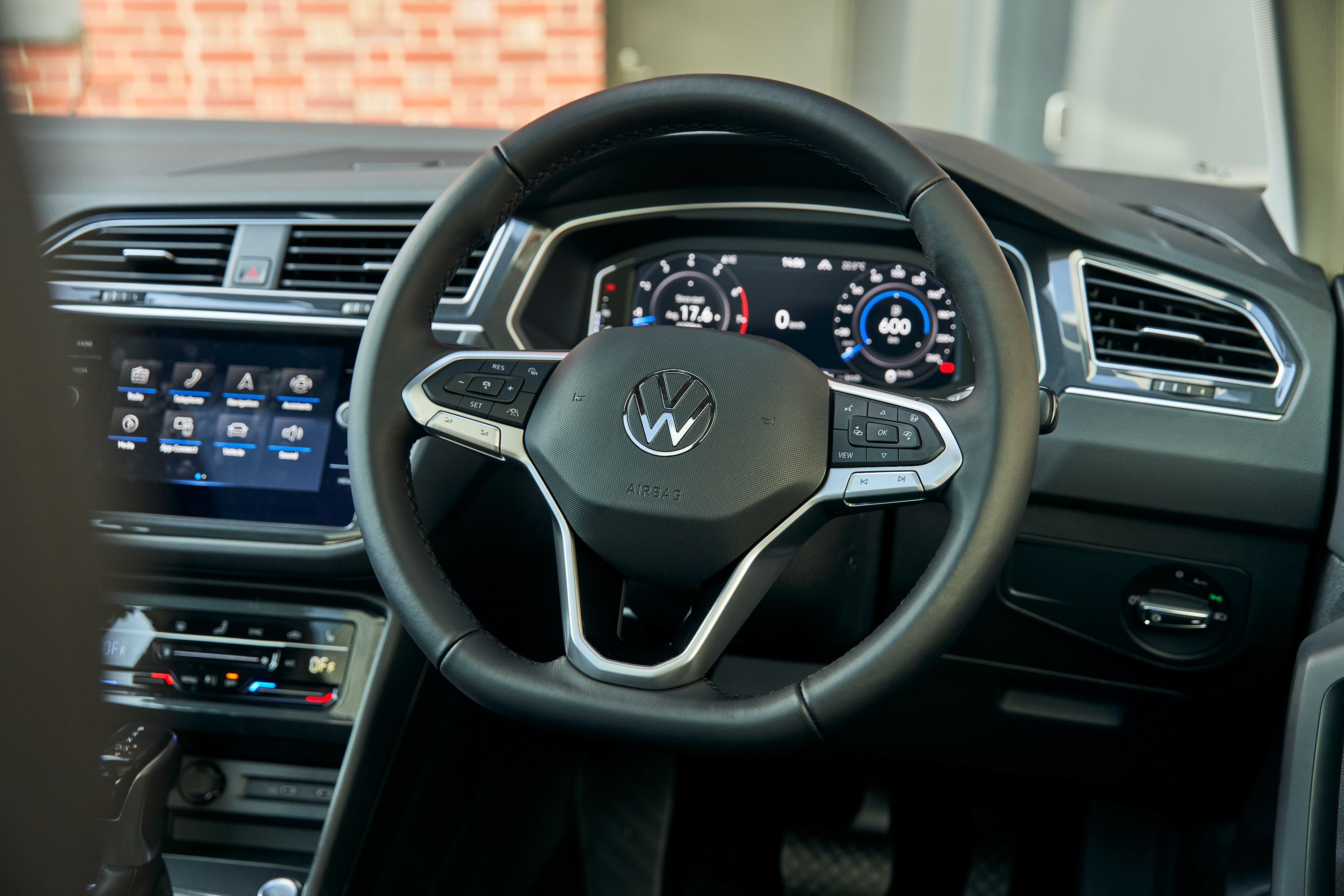
On our test model, Volkswagen has added the optional Luxury Pack, which upgrades the upholstery to leather, the front seats to electrically adjustable with heating, adds heating capability to the steering wheel, and includes a panoramic sunroof. The catch is that it adds $5100 to the asking price, and with the $600 Dolphin Grey paint option seen here, that’s an extra $6K.
When we used the online VW configurator to spec a car exactly like this, we were given a $58,388 drive-away price in Victoria and an estimated seven-month wait for delivery. Worth considering, even if rivals are experiencing similarly frustrating wait times.
With the Luxury Pack, this Tiguan’s rivals bump up to top-spec models like the Toyota RAV4 Edge or Mazda CX-5 Akera. At that point, it might be worth considering the Tiguan Elegance or even top-spec R-Line for the extra power and standard equipment.
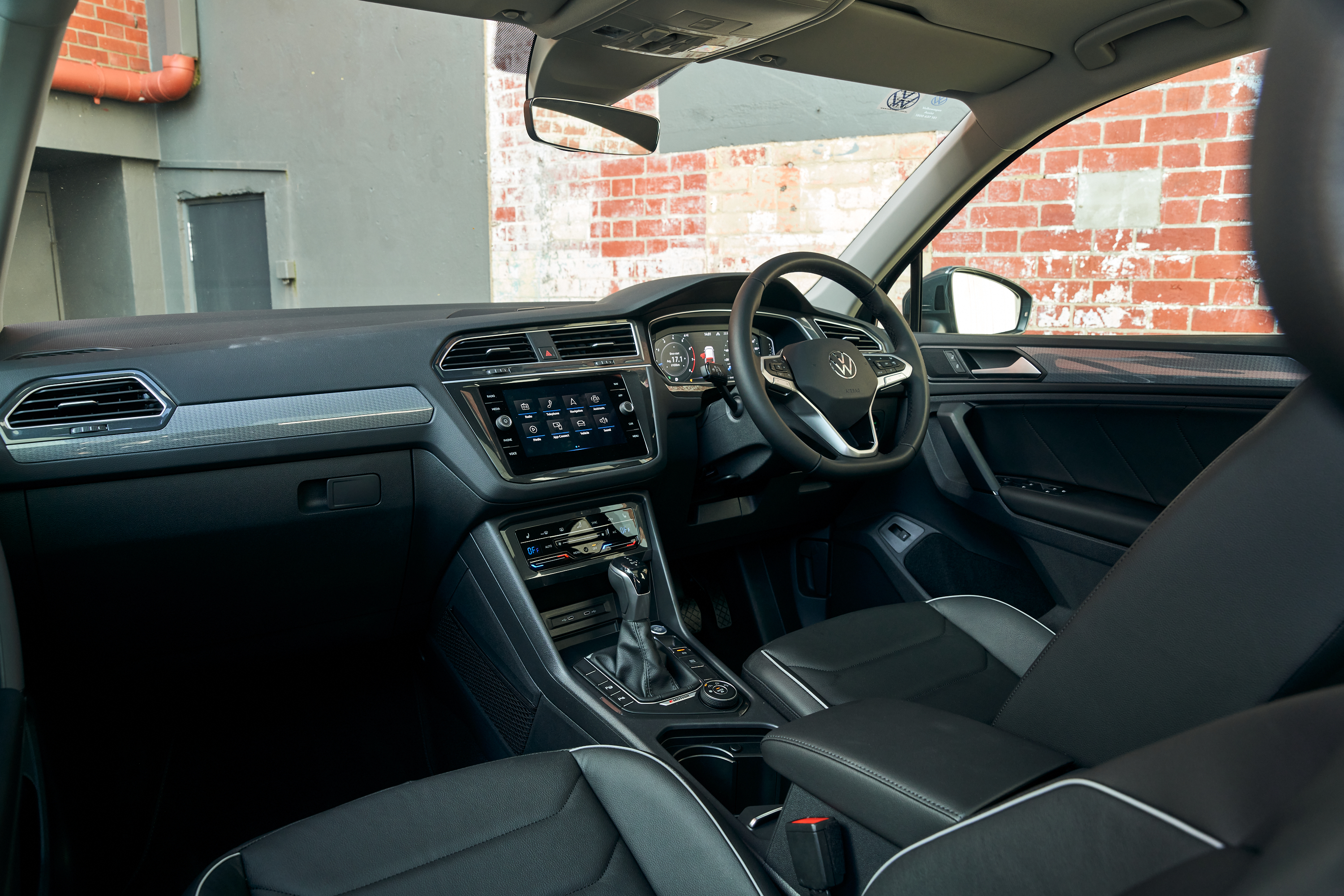
Stepping up to the Elegance gives you a bigger and newer 9.2-inch touch screen, adaptive dampers, swish animated LEDs and matrix headlights, plus the choice of a more powerful 162kW/350Nm petrol or torquey 147kW/400Nm diesel engine.
If five seats aren’t necessarily sufficient for your family needs, the Tiguan Allspace provides a third row with two extra seats for a premium starting from $3100.
Comfort and Space
Even without Luxury Pack, the Tiguan Life’s cabin would be a pleasant, and still visually interesting place. It still feels relatively current despite its age, and its packaging is clever in terms of elements like the centre console, where the storage compartment features pop-out cup holders.
Comfortable as well as convenient, the front seats added by the Luxury Pack are easy to adjust for an optimal seating position. The controls for almost everything remain buttons, and even the touch-sensitive climate controls are preferable over the more recent method of being part of a touchscreen menu.
The 8.0-inch centre screen found in the Life can now wirelessly operate Android Auto or Apple CarPlay, though it can lag (not unique to the Tiguan, or even to VW) so using the USB-C for a cabled connection yields a better result.
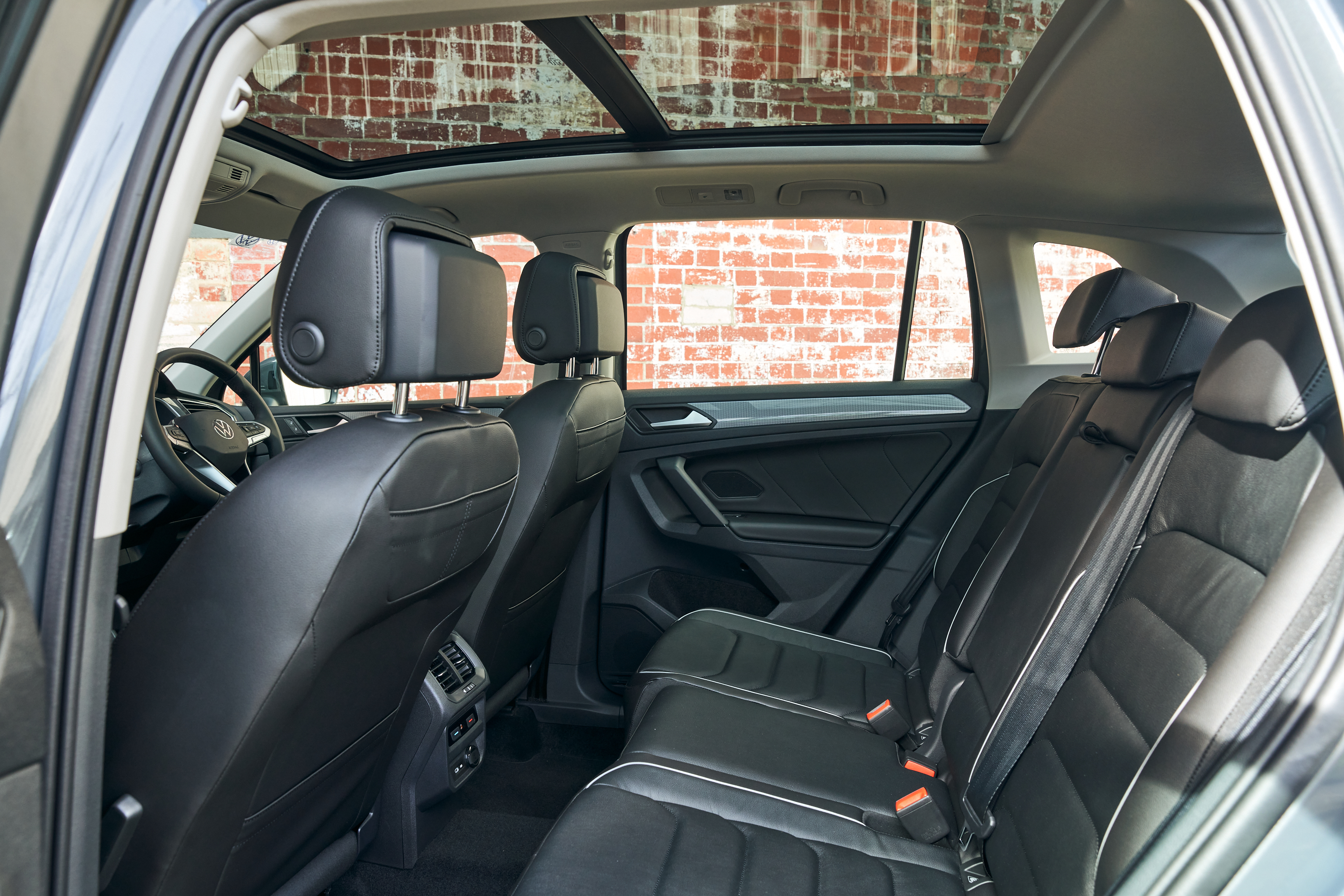
Plenty of space and clear vision make the Tiguan feel almost a size up from a medium SUV, even adult rear passengers being treated to ample legroom and headroom thanks to seats that can slide on rails and backrests that can recline. HVAC controls, a USB-C port, and a 12-volt plug are accessible for the second row too.
Behind that, 615 litres of boot space is huge for its class, even the RAV4’s 580 litres ranking a distant second as far as popular models go.
On the Road
Starting a drive in the Tiguan often means two things are quickly clear; Volkswagen’s EA888 engine has stuck around for a reason and there’s a reason people are still divided on the topic of dual-clutch gearboxes.
While the 2.0-litre turbo four is smooth and subtle even in a relatively low power tune, the slight lag where the turbocharger and the DSG both take a moment to kick in can make the acceleration feel a tiny bit binary. Once up and moving, its 132kW figure almost doesn’t seem to matter.
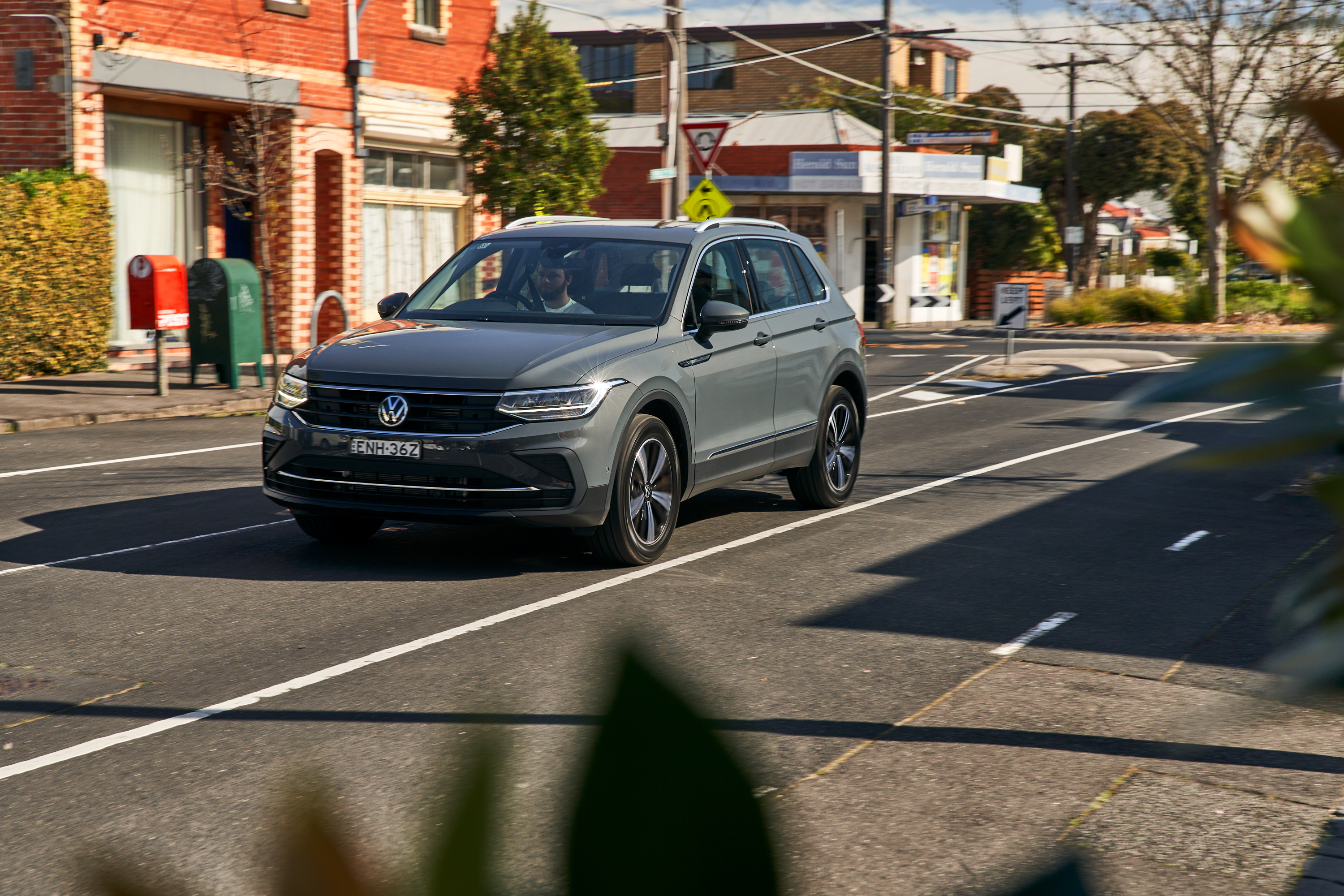
Steering feel is weighted well for a balance of calm commuting or lively cornering and helps provide a feeling of confidence in the Tiguan’s handling.
Much like the smaller Golf with which it shares a platform, the Tiguan (especially with its AWD) feels planted and secure in cornering, even at high speeds. It behaves predictably, meaning no surprises or spooky situations.
Similarly confidence-inspiring is the way it handles bumps in the road, even though its suspension is on the stiffer side. It never lets harsh bumps rattle through the cabin and settles again quickly.
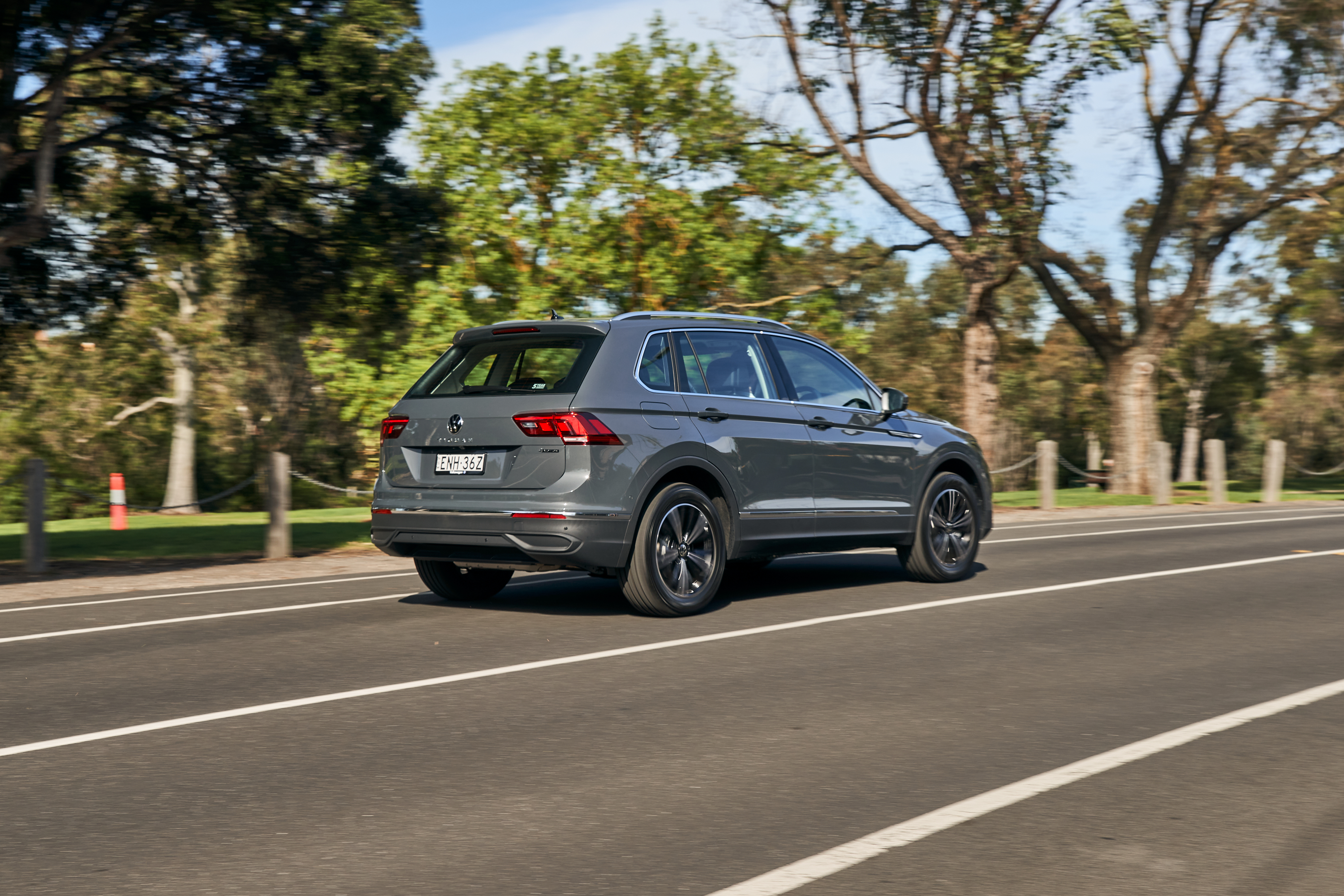
While our test week resulted in an 11.1L/100km of fuel use, it was primarily urban and test driving, both detracting from any moments of efficient highway driving and moving our figure north of the 8.8L/100km claim posited by Volkswagen.
Safety
While the Tiguan carries a five-star safety rating as tested by ANCAP, the score was awarded in 2016 when this generation was new. Although the model hasn’t fundamentally changed, ANCAP’s testing has. But at least the Tiguan’s actual crash protection scores highly.
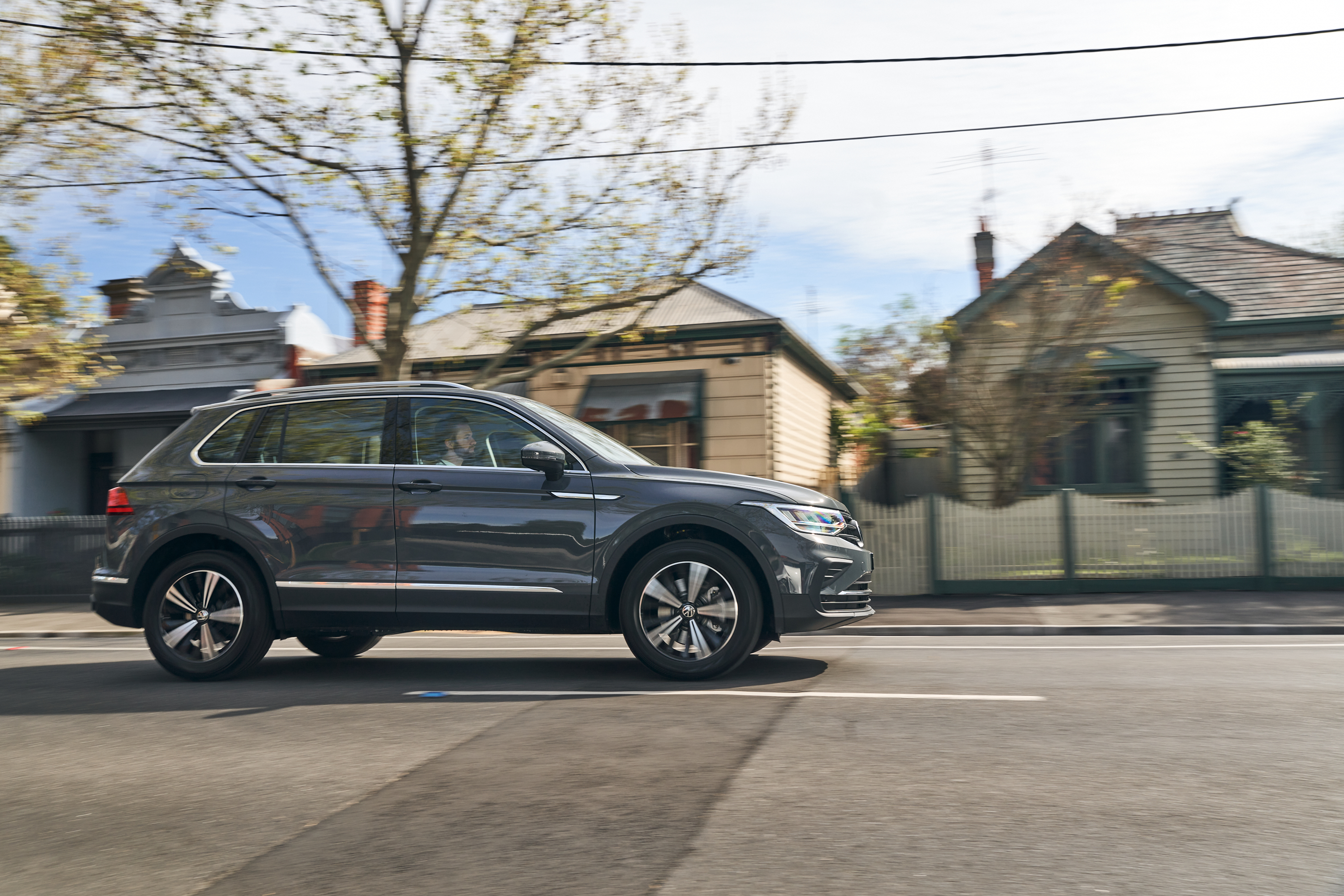
It also has seven airbags, two rear-seat ISOFIX points, auto emergency braking, lane-keep assist, adaptive cruise control, rear cross-traffic alert, a reversing camera (but no 360-degree view), and pedestrian monitoring.
Ownership
Volkswagen’s five-year/unlimited-kilometre warranty covers the Tiguan, with servicing intervals taking place at every 15,000km or 12 months, whichever comes first. At the time of writing, VW quotes $472 for the 12-, 36-, and 60-month services, $922 for the 24-month service and a hefty $1,625 for the 48-month visit.
Alternatively, Volkswagen offers ‘Care Plans’ with a five-year service plan costing a total of $2950 with the first service free.
Verdict
While the Tiguan makes sense as an upmarket mainstream SUV, the added cost of the Luxury Pack brings the lower-spec Life’s price into top-spec territory for rivals from Japan such as the enduringly popular and much newer Toyota RAV4 or even the recently updated Mazda CX-5.
The Tiguan 132TSI Life is an excellent mid-sized SUV, and at its base price is good value. For anyone wanting something a bit more plush and powerful, it could be worth stepping up to the 162TSI Elegance that, at $52,790 before on-road costs, is only a little more than the as-tested price of our Life with its Luxury pack and optional paint.
We can see why the Tiguan is such a popular model for VW, but if it’s the 132TSI Life on your list, keep the price low and enjoy the value.
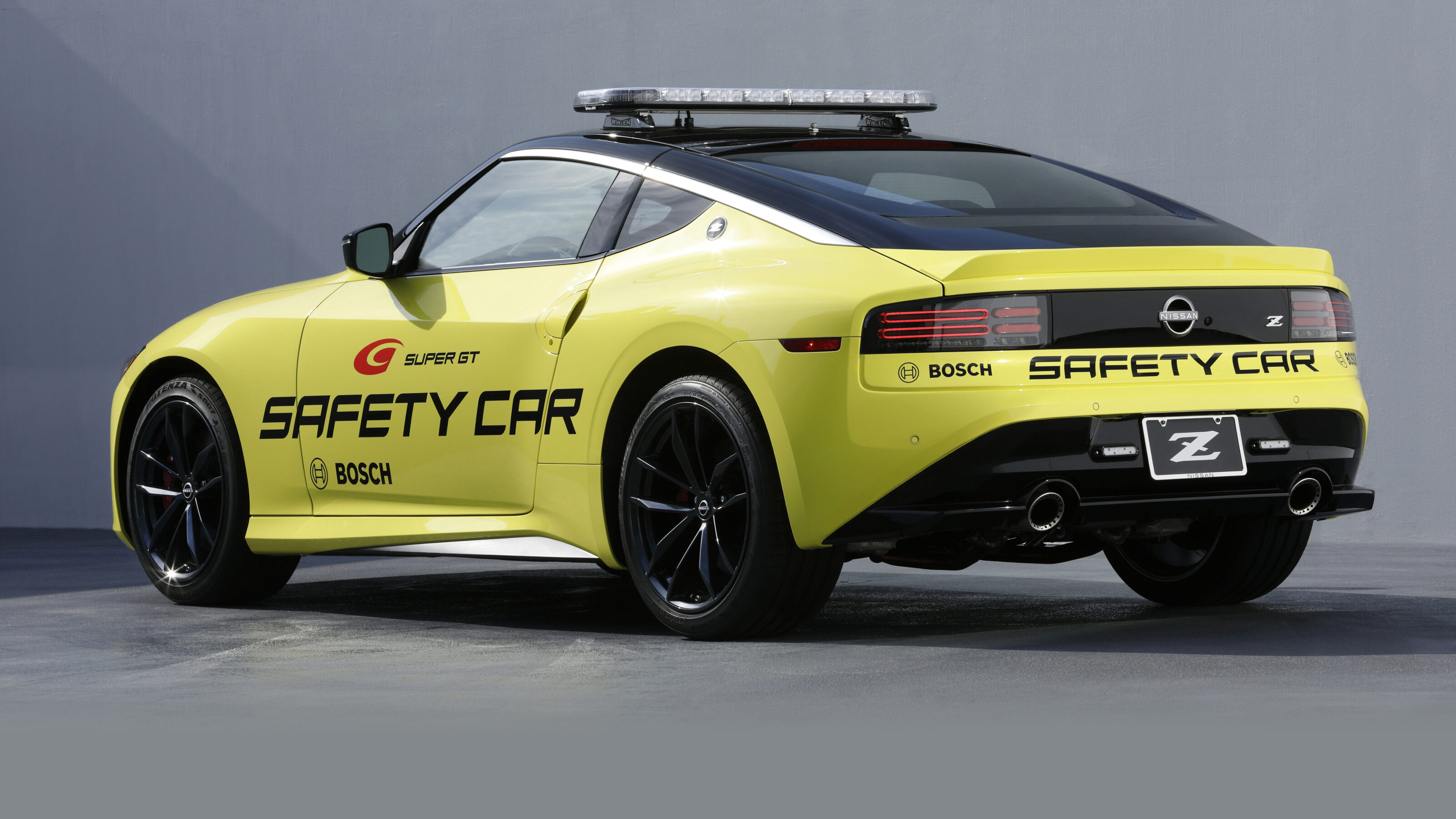
The upcoming new 2023 Nissan Z has been announced as the safety car for Japan’s popular SuperGT racing series – where it also competes as the motorsport replacement for Nissan’s heroic but ageing GT-R.
This latest news follows confirmation in early May that the new Z will come to Australia with a price tag starting from $73,300 before on-road costs – a figure that has so far been received favourably among our Facebook followers.
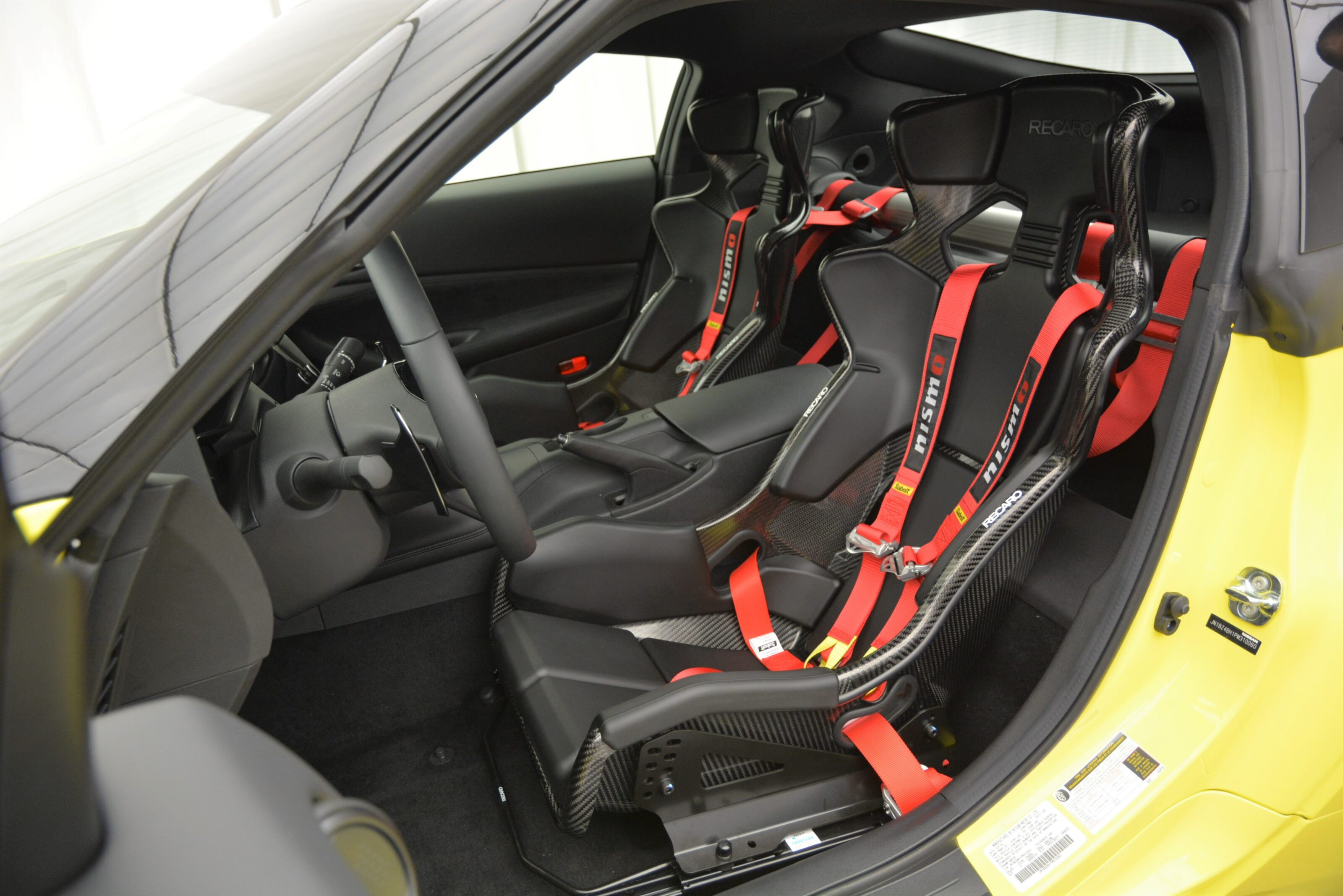
Time will tell if that sentiment will be reflected in the market, but Nissan says it’s had strong interest ahead of launch.
As for its role as safety car for the SuperGT racing series (a role also fulfilled by Toyota’s new Supra), the new Z will be used in pre-race inspections of the track and for leading the field when accidents occur on track.
For those who’ve been nestled under a rock for the past year or so, the new Z is powered a 298kW/500Nm 3.0-litre turbo petrol six, with six-speed manual and Mercedes-derived nine-speed automatic transmissions available to send power to the rear wheels.
For more on the 2023 Nissan Z’s features and its Australian configuration, see our pricing story and more coverage at the links below.