
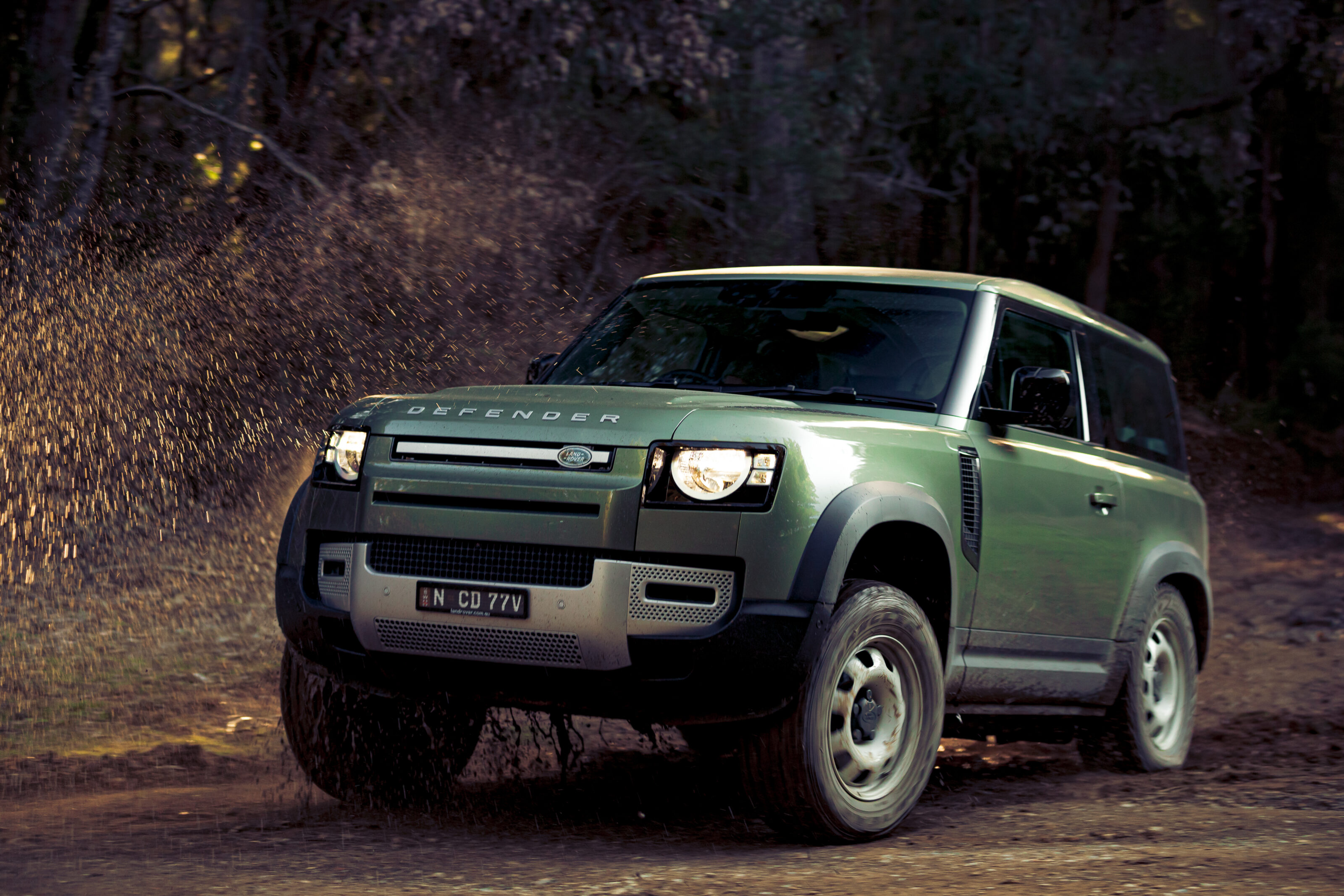
The bright pink truck with black flames heaves to a halt, the sun illuminating a trailing cloud of dust for a truly ethereal sight. Having heard “truck coming” crackle through the two-way radio from photographer Alastair Brook – hiding in the bushes somewhere – I’ve reversed our 2022 Land Rover Defender 90 test car on to a grassy verge in this remote pine plantation many miles east of Melbourne.
It’s not the first logging truck to come past, but it’s the first one that’s ominously stopped. A stocky, middle-age man with forearms the size of bowling pins climbs from the cab. He’s wearing a mask (surgical, not hockey) so I can’t tell his expression, but it seems he’s not carrying a length of wood full of nails, nor an idling chainsaw. So far, so good.
See, it’s sadly an Australian thing that on a photoshoot, even though you might be breaking no law whatsoever – you might be on public property and not even bothering anybody – often someone must come and tell you to go away. (Irate farmers have even shot at us from a distance with rifles.)
It’s either that, or you’ve got some interesting car and the person approaching is coming over for a friendly chat. But until they open their mouth – are they irrationally, psychotically angry? Or kind and just curious? – you can never really guess which way it’s going to go. The whole mask business has not helped.
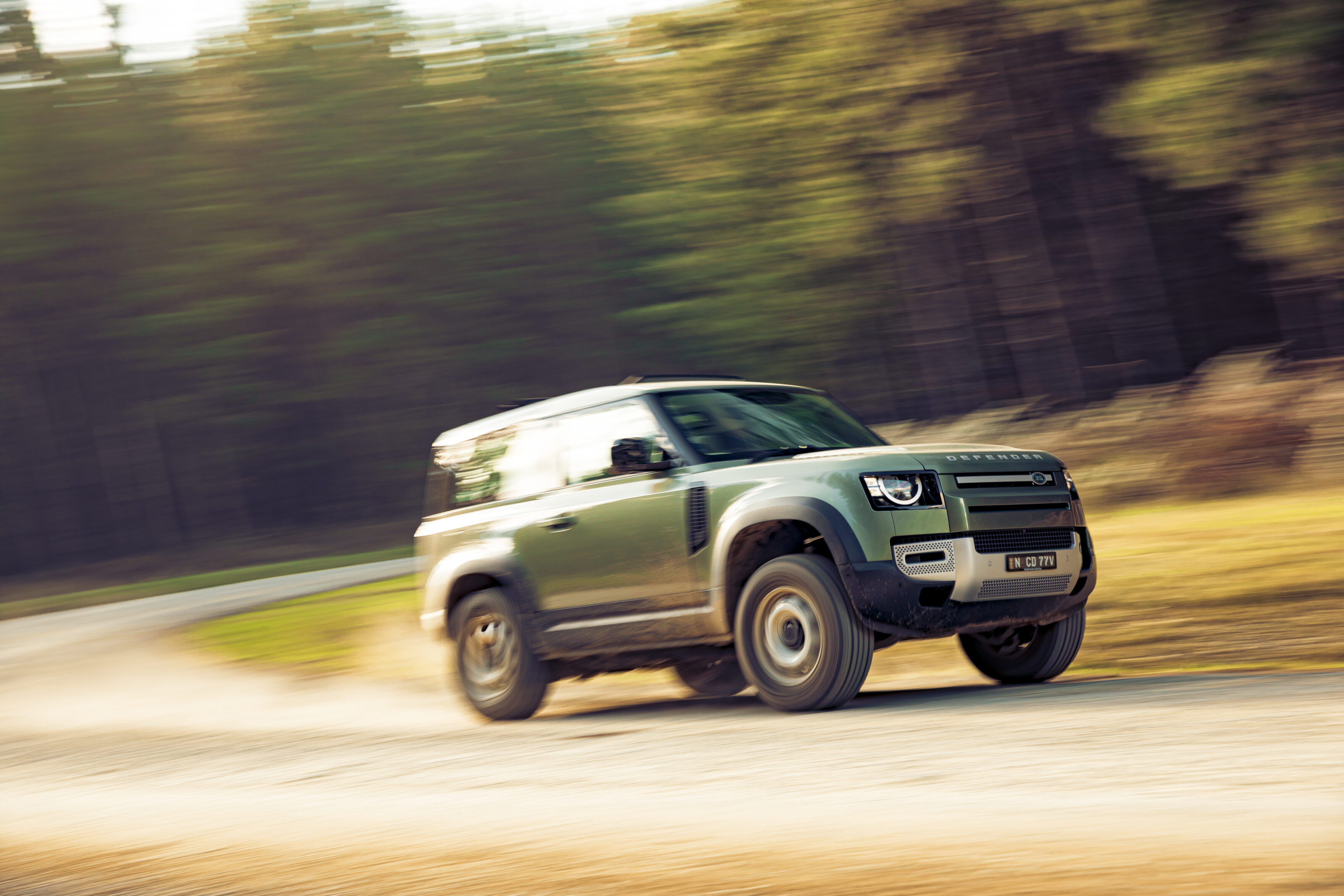
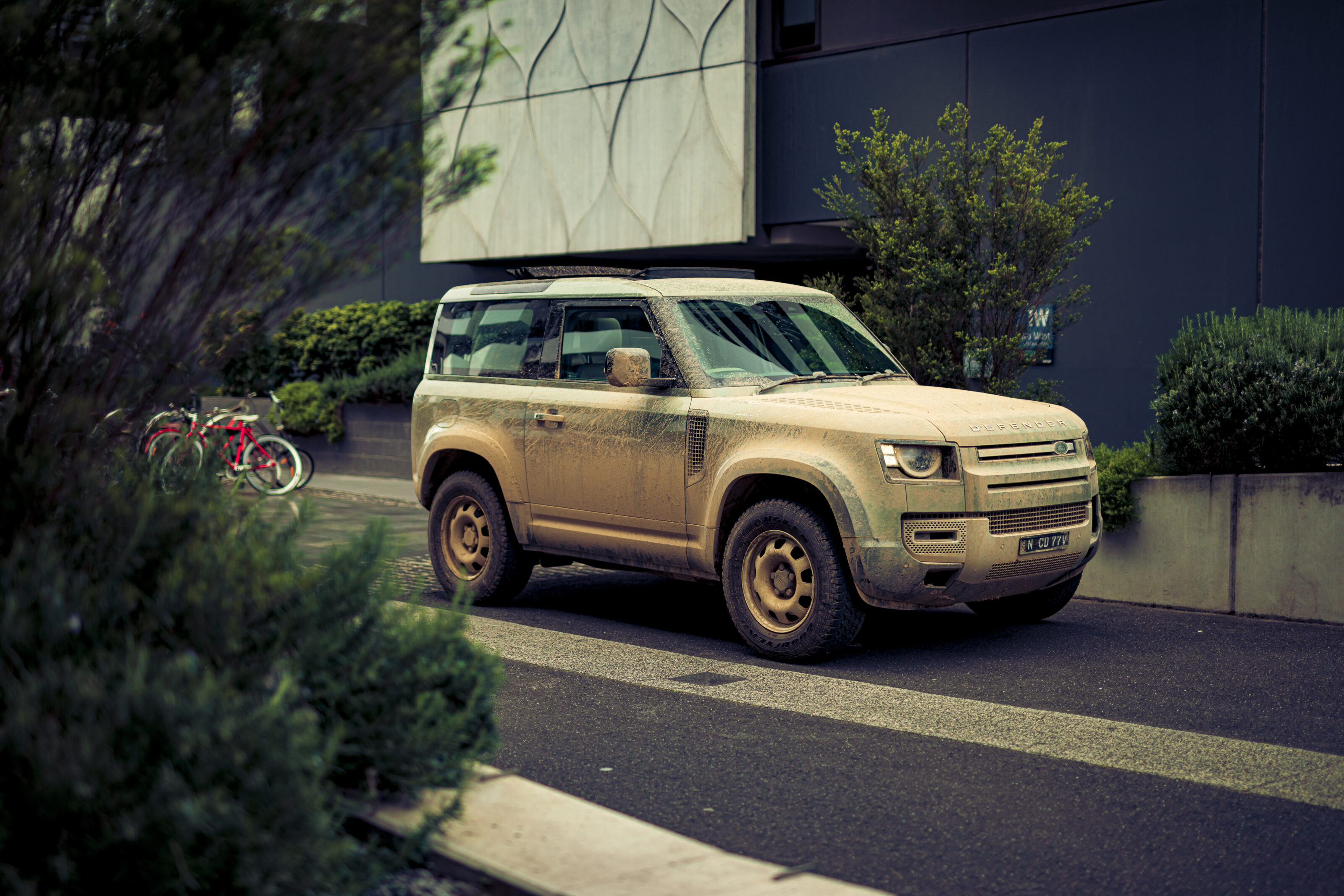
As the man gets closer, I notice he’s wearing a T-shirt emblazoned with – you’re kidding – “70 years of Land Rover”. “Is this the new Defender 90?” he asks somewhat disingenuously, a smile clearly under the mask. I am relieved. He introduces himself as Andrew and says he has a shed-ful of Land Rovers back home – and couldn’t be more curious of our Pangea Green test car.
This encounter could have gone very differently. Spend a bit of time on that most lovely of inventions, the internet, and you’ll find seething nests of Land Rover tragics who, probably in the light of their computer screen late into the evening, in some festering crevasse of Facebook, spew hatred for the new Defender.
The new Defender is crammed with technology to make its forebear look foot-powered and from the Flintstones
The original Land Rover, they argue, was a completely different proposition. In 1948, Rover needed a vehicle to help it through the lean postwar years. The first Land Rover was ostensibly a British Willys Jeep, and quickly became adored by the public for its hose-out utility, reliability and how it shuttled people and goods to places no car had taken them before. Indeed, in making a new Defender, Land Rover may as well have announced it was reinventing the shovel.
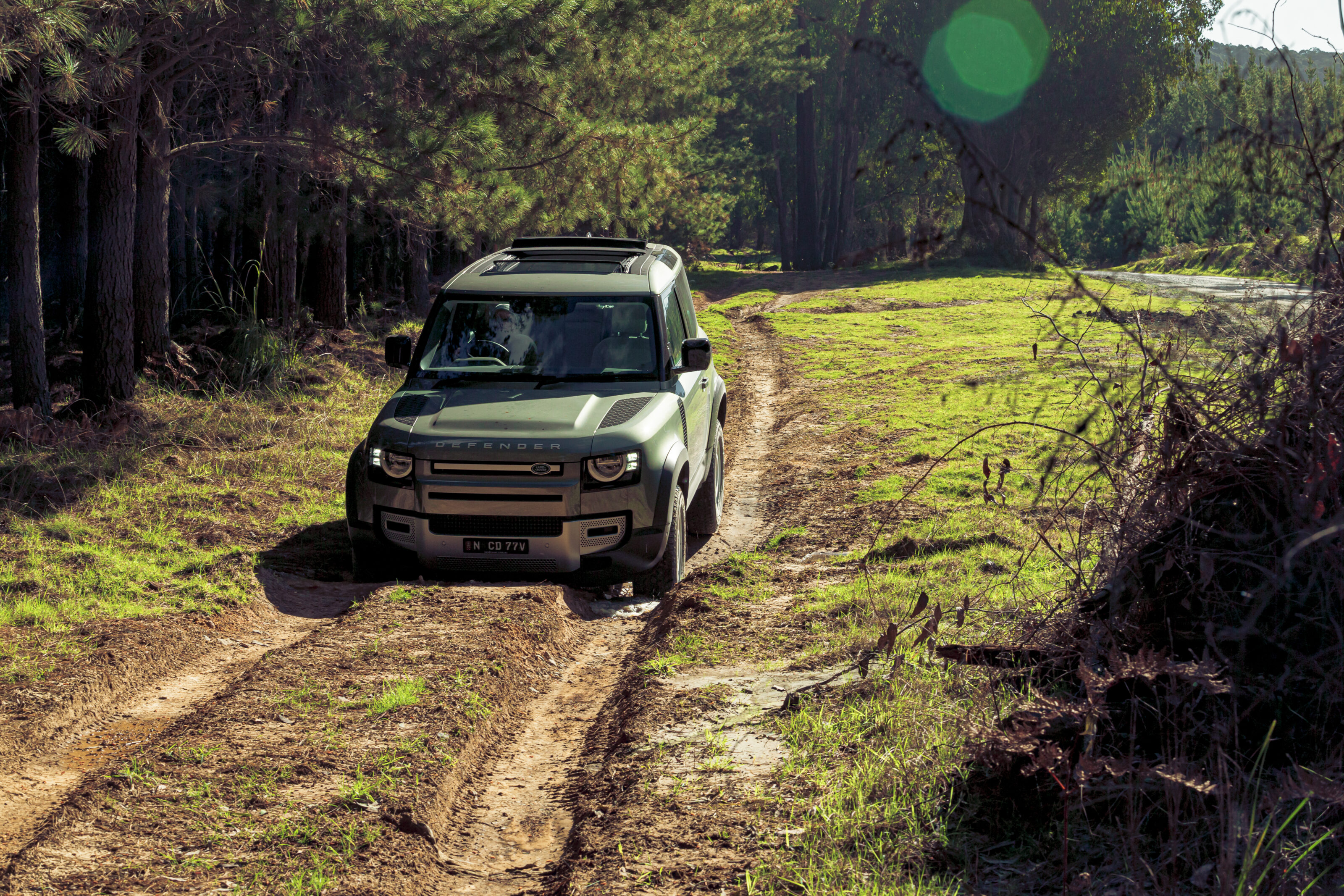
Land Rover made more than two million original Defenders before things like safety and emissions regulations put paid to production in January 2016. In its body-on-frame, dual-solid-axle place came this: the new Defender, on a modern car/SUV platform shared, basically, with Discovery. And crammed with technology to make its forebear look foot-powered and from the Flintstones. Certainly, the wiring loom (looms?) alone would scare the beards off those whose battle-scarred Defenders had taken them to hell and back – back being the operative word.
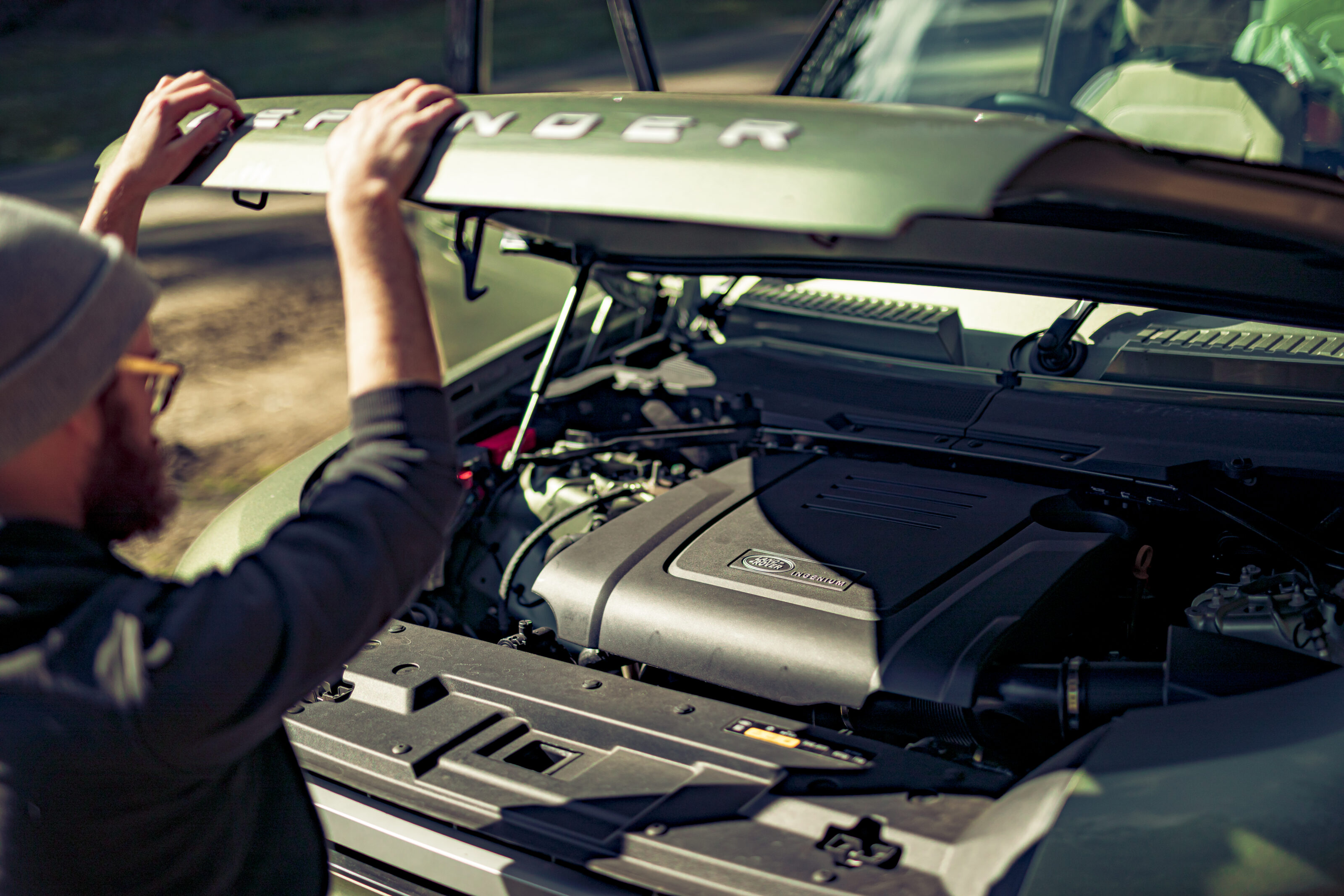
Today, we hope to do the same (despite mixed reliability reports from owners continuing to curse Jaguar Land Rover). Our vehicle is a Defender 90 S P300 – 90 denoting the shorter wheelbase and two doors; the 300 a nice, round horsepower. Only a decade or two ago, 221kW/400Nm was hold-on-to-your-head-gasket territory for a turbo 2.0-litre four-cylinder. The original 1948 Land Rover also had a petrol inline-4, except its one made about 41kW.
The new engine is a modular unit called the Ingenium AJ200, used widely across the JLR range. In the Defender, it’s stuffed north-south within a modified version of Land Rover’s ubiquitous, aluminium-rich D7 platform underpinning other vehicles like the already mentioned Discovery, but also Velar, F-Pace, Range Rover and Range Rover Sport. For Defender, Land Rover calls it D7x.
Even before you’re in the presence of the car itself, there’s no getting around the fact the new Defender seems a reimagining for the ever-burgeoning new-age crowd who want people to think they’re planning a trip to the Great Sandy, but would be nervous to find themselves on a dirt road. Certainly, current trends would dictate a solid business case for a retro-styled, short-wheelbase, two-door SUV, from a brand with an increasingly luxury positioning.
While its turbo four-pot works hard for it, 0-100km/h in 7.1sec makes this two-tonne SUV feel as eager as some hot hatches
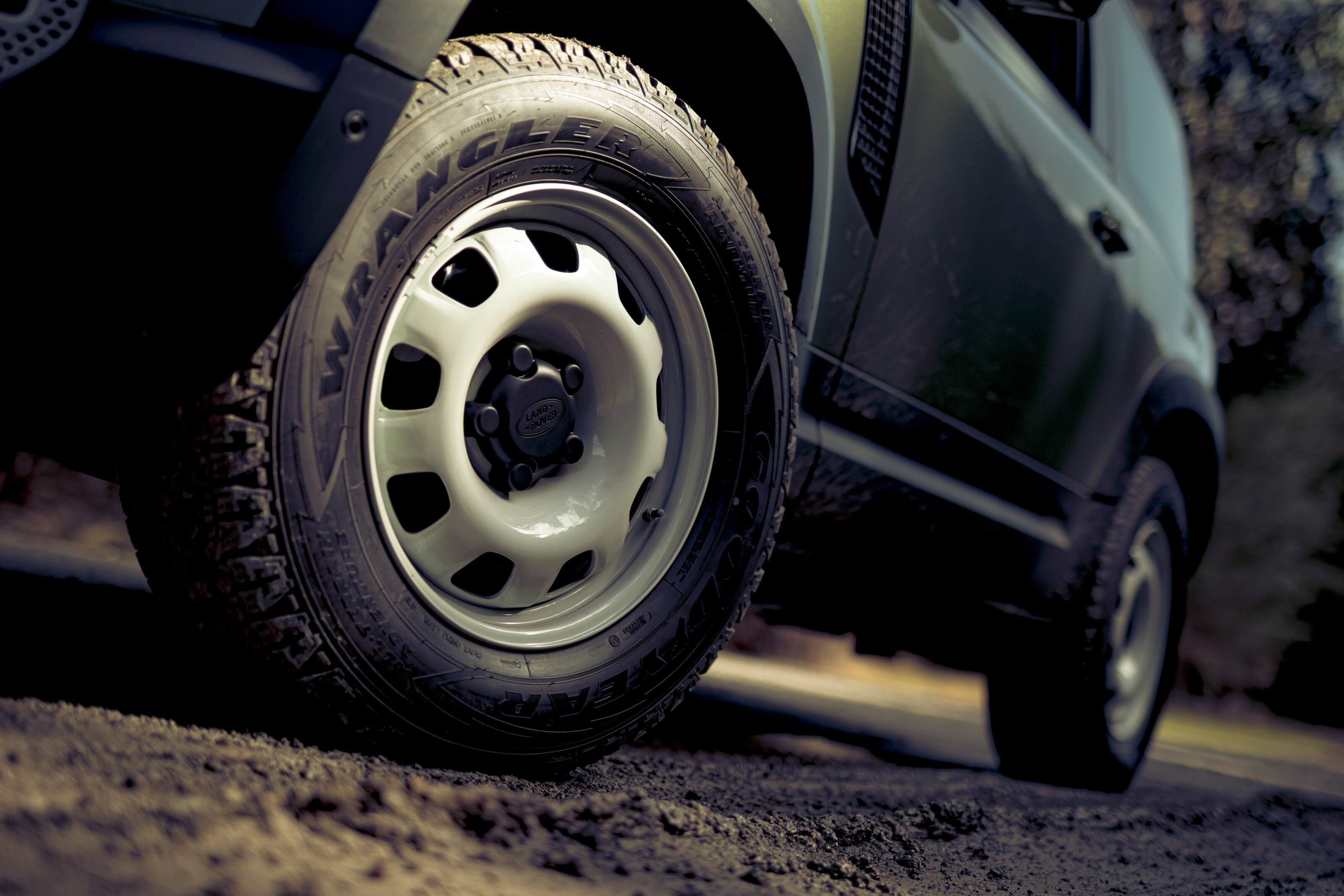
As such, the criticism – which could all have been avoided if they just gave the car a different name – has come thick and fast. The 18-inch wheels permit larger brakes – and in turn a 3.5-tonne braked towing capacity, as good as any dual-cab ute – but try finding 18-inch tyres in rural Mongolia.
But the new Defender, argues Land Rover, isn’t a Discovery in drag. Its rear payload of 670kg is almost what you’d be proud to fit into the back of a sagging, leaf-sprung old ute; as is its rooftop carrying capacity of 118kg.
This effectively increases the range – important when venturing into the far yonder – as you can pack in more jerry cans. True, too, that the new Defender has some of the best approach and departure angles of any off-roader. And starting at ‘just’ $75K, the new Defender isn’t a total pricing gouge, keeping, admittedly loosely, to the original 1940s principle of affordability.
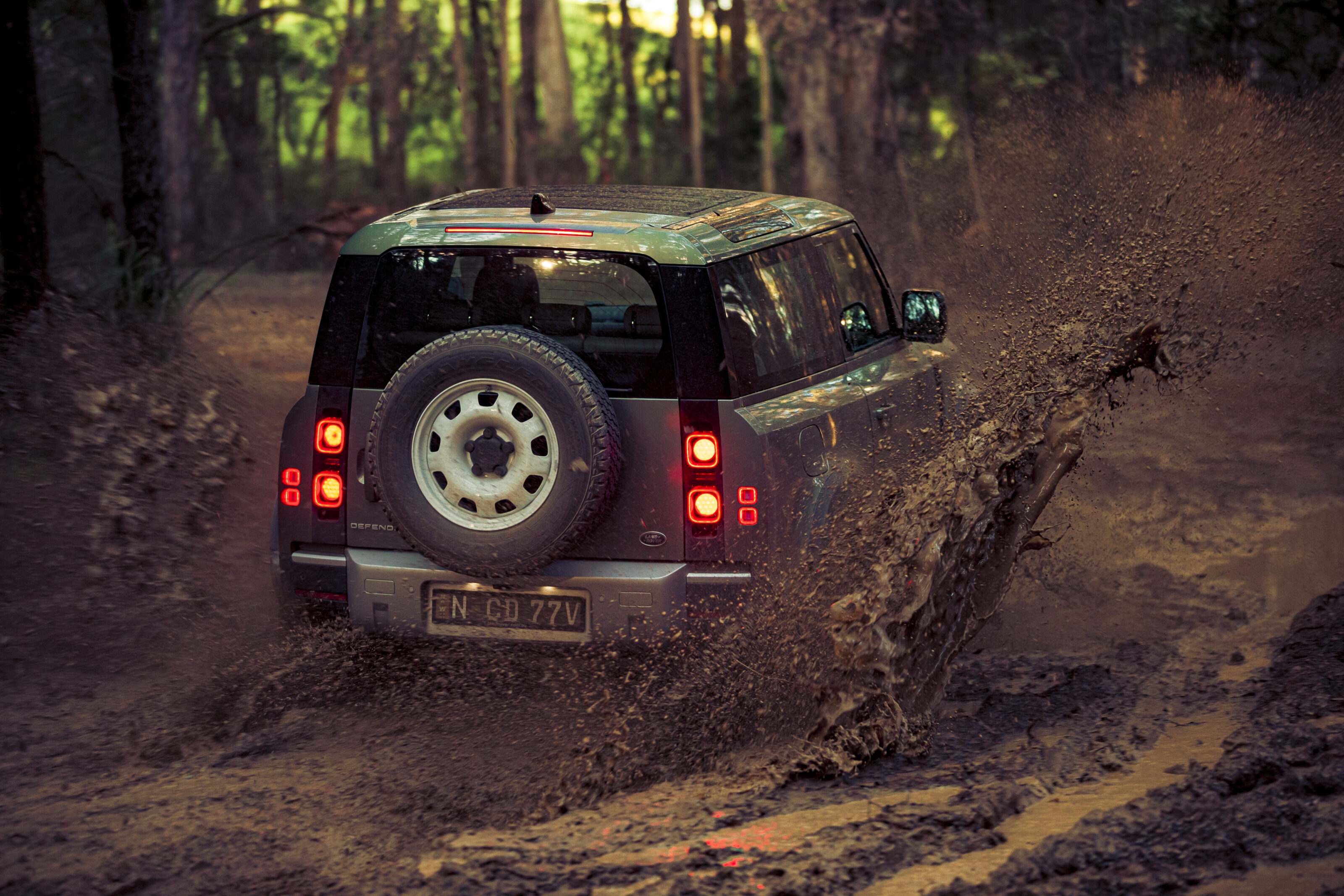
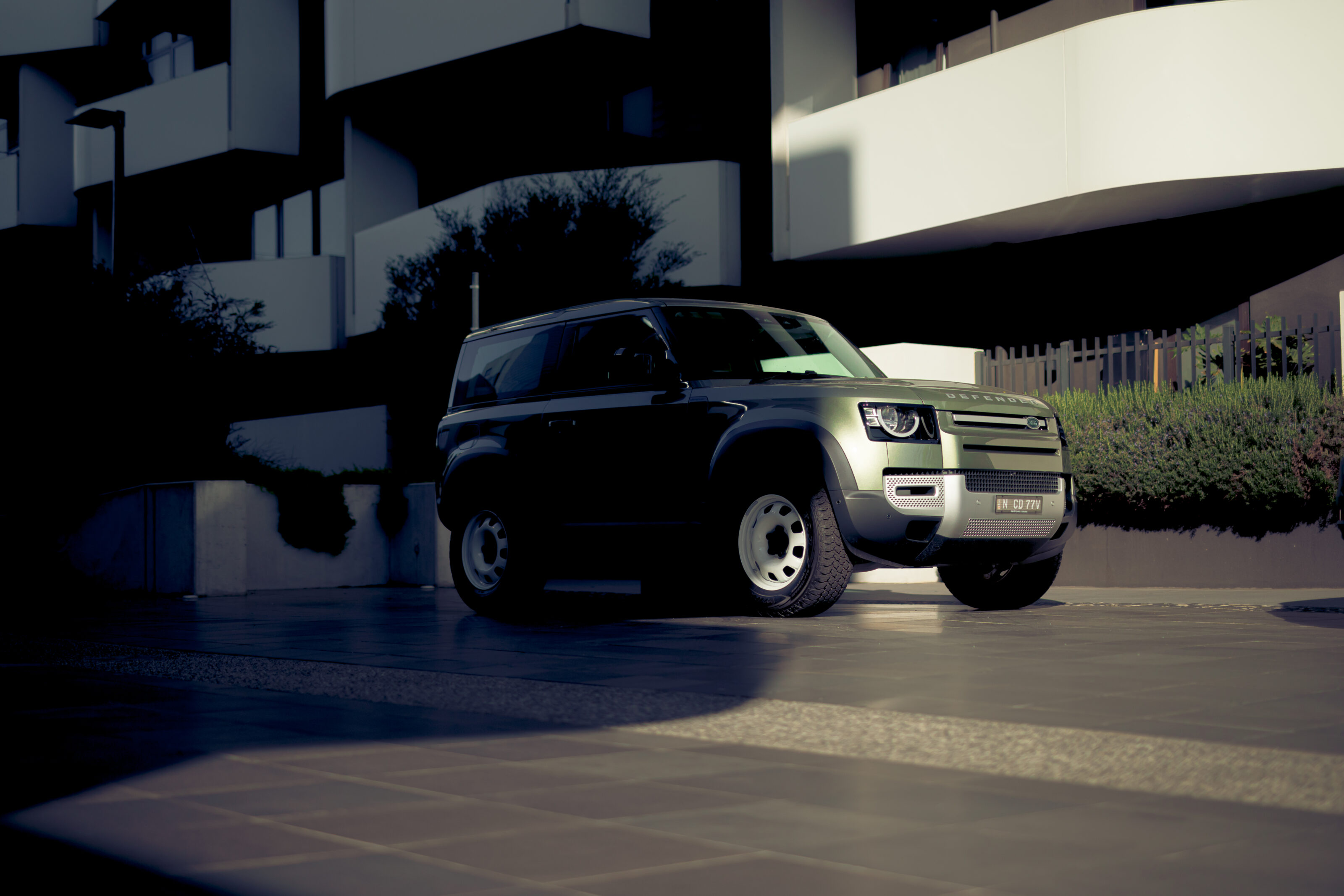
From the outside, our tester looks the goods to my eyes at least, particularly on those throwback, white 18-inch steel wheels (there are plenty of 18-inch tyres in inner-city Melbourne). The raised ride height, slab-styled front and rear ends, tiny overhangs and square wheelarches give it an almost toy-like appearance.
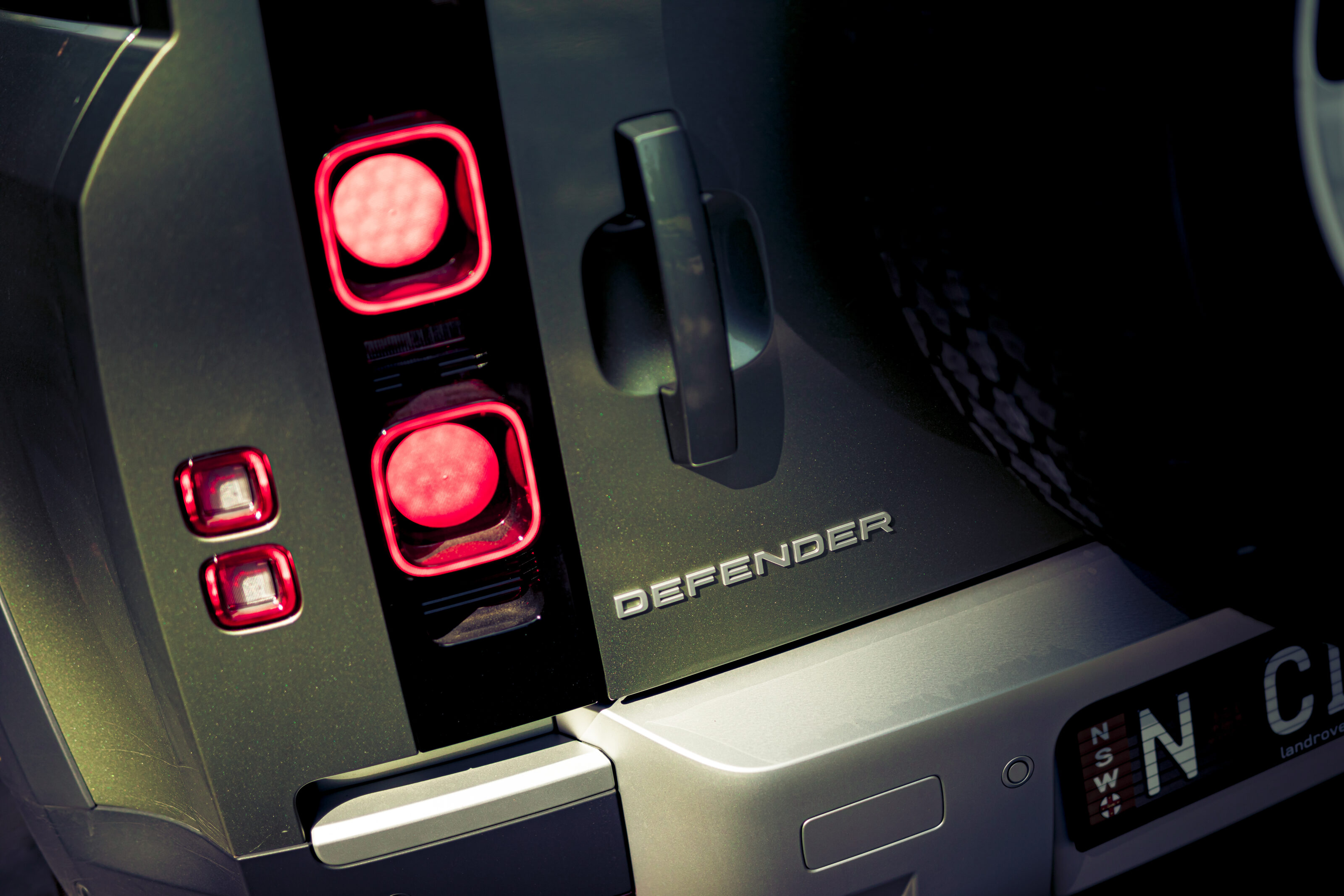
And there are numerous exterior details to drink in – from the 3D-styled tail-lights to the power bulge on the bonnet, the (plastic) chequer-plate trims, the roof that almost looks chopped and the funky, short-armed wipers. Not since the original Evoke has there been a JLR product so concept-car-for-the-road.
The thoughtful design continues inside. While we didn’t hose it out – although the rubber floors invited as much – Land Rover has achieved a delightful utilitarian feel familiar from the ‘old’ Defender but with a high-tech, luxury touch.
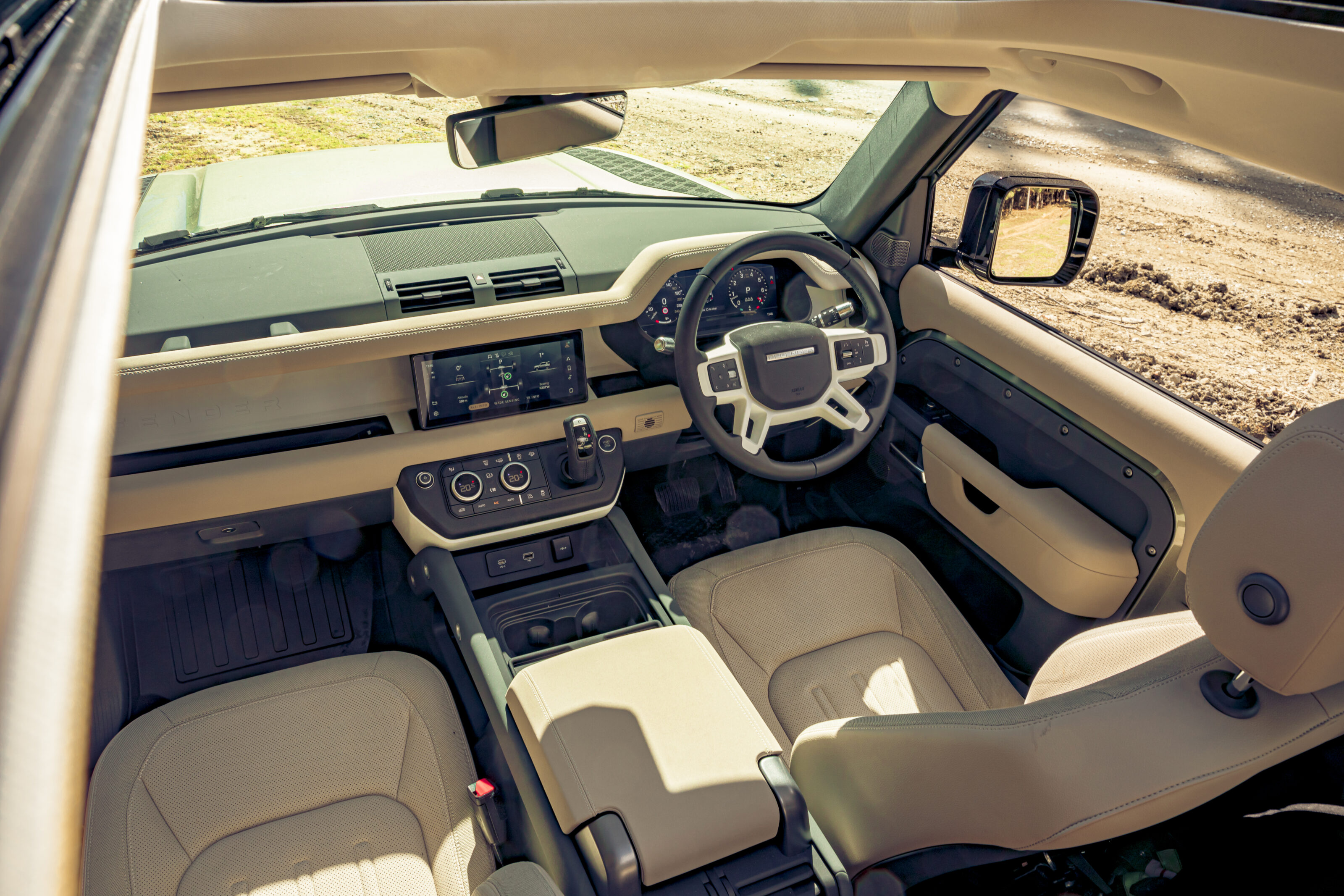
From the driver’s seat, which is quite an effort to get into, the Defender is like sitting on a bar stool in a large cube. It drives with a quirky square footprint, its short wheelbase lending it a surprising sportiness. The coil set-up of our tester feels ‘expensive’ with traceable Range Rover DNA, plenty comfortable around town.
You could be fooled, too, that this petrol 2.0-litre is a diesel. The starter motor sounds like that from a diesel; there’s a subdued clatter at idle, like a diesel. There’s diesel-like torque. If nobody told you, you’d be trying to jam the diesel nozzle into the filler… only if you failed to spot from the driver’s seat the 6750rpm redline.
You might find yourself chasing it often as the Defender is surprisingly fun on a twisty bitumen road. Whereas Toyota, Mercedes and Jeep have not dared mess with the ladder chassis architectures of their 70 Series, Gelandewagen and Wrangler, the Defender’s switch to a monocoque and independent suspension has, predictably, had a transformative effect on its handling.
Squat, roll and dive are pronounced, but never loose or uncontrolled, and nursing the heavy, under-tyred Defender through its long suspension arcs as you fang up a twisty road, is a surprising joy. There’s more than a bit of good Jaguar handling nous here, and it certainly feels like a car, not a truck or SUV.
It’s also surprisingly fast. On the famed, serpentine Black Spur Road we must take to reach our pine plantation for photography, the Defender wasn’t a total obstruction to snapper Brook trailing behind in a new, Audi RS6 support vehicle (that’s how we roll at Wheels).
In fact, while its turbo four-pot does work hard for it, the Defender 90’s 0-100km/h claim of 7.1sec makes this two-tonne SUV feel as eager as some hot hatches. For all its supposed off-road chops, the Defender almost fits the textbook definition of a sports car, too: head-turning styling, two doors, a big sunroof and a tiny boot. There’s a bit of fake engine noise you’d want to switch off, but then you wouldn’t hear much at all.
The renowned eight-speed ZF torque-converter auto is also a mastery of response and refinement. While there’s only Eco, Comfort and four off-road modes, at all times it’s silky smooth. There aren’t any shift paddles but the transmission lever can be bumped into manual mode and, pleasingly, it’s push for down gears, pull for up. The Sport transmission mode acts as something of a proto-Sport mode overall.
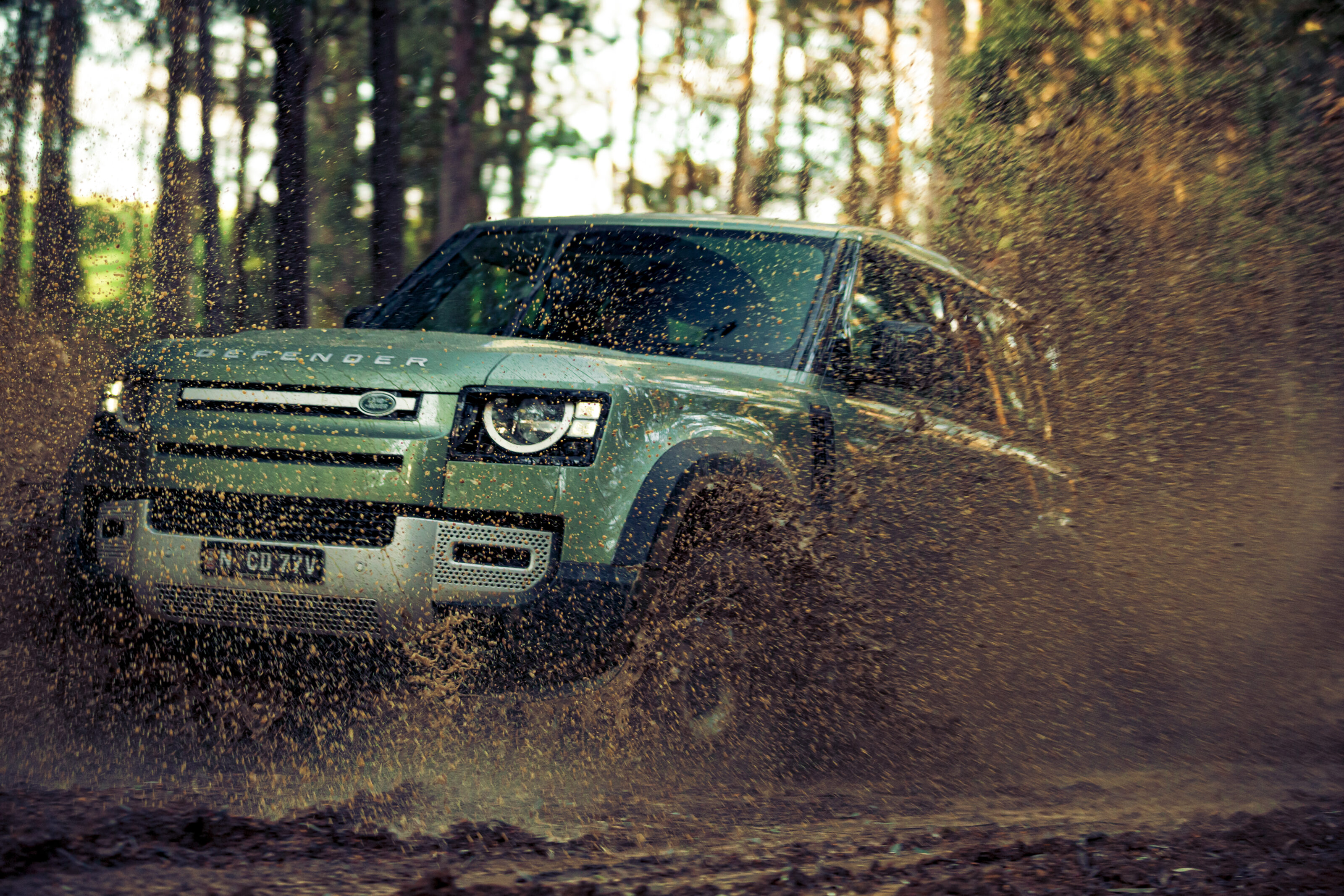
While the extent of our off-piste proselytising was ploughing through deep puddles that smelt as if numerous animals had disappeared into them, we will have to leave the hardcore stuff and verdict to our mates at 4×4 Australia. Reports from off the beaten track have been largely positive, praising the Terrain Response 2 system that automatically selects drive modes as grip and conditions demand.
There’s obviously low-range and diff locks; and poke your head under the rear guard and the suspension arms are as thick as human arms themselves. The air suspension, which can be raised at the push of a button, is also commended for off-roading – even if with a hint of suspicion given you probably couldn’t fix it without a laptop and a degree in computer science, or at the very least a man in a helicopter.
As we near the end of our time with the Defender 90, it’s hard to figure out what to think of it. Even though there’s a ‘new Defender’, in a way the Defender hasn’t been replaced, it’s been discontinued, and there is a sense of loss.
The old one, too, was unusually classless in a way few cars ever have been. Over in Old Blighty, a Yorkshire shepherd could load a Defender full of hay and feasibly motor past the estate of the local vicar, himself out in his own Defender. If they ever found themselves on either side of a wire fence, despite being from different worlds, they’d have something to talk about.
As is widely known, the Queen has a Defender at Balmoral; Calvin Klein owned one and even Paul McCartney has one in the garage. His 1973 single ‘Helen Wheels’, in fact, was a doting ballad to his vaunted Land Rover (even if it was a play on “hell on wheels”). Yet for so many others, a Defender is simply something of a wheelbarrow with seatbelts.
The new Defender, inevitably, feels more for the high end of town. We can’t imagine many old Defender owners replacing it with the new one. If anything, they’re more likely to cling on to the Defender they’ve already got; or buy something like a LandCruiser 70 Series.
If you had to pick between either of those and a new Defender to schlep about town, however, it’s a total no brainer, as the new model excels as a luxury SUV.
One with head-turning styling and a funky rustic safari vibe. And perhaps Land Rover is craftier than we think, as many owners now have the cash to own all three. Perhaps all in a shade of bright pink, with black flames – not to give anybody any ideas.
1. In its Defence
Until 1990, the Defender was simply known as ‘the’ Land Rover, 90 or 110 (for short or long wheelbase). A name wasn’t necessary until Land Rover introduced its second model, the Discovery.
2. Resisting change
The oil change intervals for the Ingenium engine are a staggering 34,000km. JLR says that’s thanks to innovations that lower oil consumption and reduce carbon pollutants reaching the oil, keeping it cleaner for longer.
3. Taking ownership
Land Rover was originally owned by Rover before it was absorbed into British Leyland Motor Corporation in 1967. It was then bought by BMW in 1994; then Ford in 2001; then by its current owners Tata Motors in 2008.
Dirty Deeds: Ineos Grenadier takes it old school

In replacing the Defender with a modern SUV, Land Rover left the market open for a body-on-frame, dual-solid-axle vehicle. That’s a market that could be filled by the Grenadier, a new Defender tribute produced, unexpectedly, by British chemical manufacturer Ineos.
The Grenadier is coming to Australia in 2022 with BMW-sourced petrol and diesel engines, both 3.0-litre turbo inline sixes, and costing from $84,500. Engineered in conjunction with independent Austrian car manufacturer Magna Steyr, and built in France, Ineos says the Grenadier was conceived by British billionaire owner Sir Jim Ratcliffe over a beer in a London pub. Ineos Australia says it will use Bosch’s network of service centres for local maintenance and warranty work.
Flick the big V: Alternative engine choice brought to the four
In Australia there is the Defender 90 and 110 denoting short and long wheelbases. In either wheelbase you can have a regular one with a back seat, or get the delightful Hard Top which turns your Defender, somewhat randomly, into a two-seat commercial ‘van’.
Land Rover says it harks back to the original Defender Hard Top from the 1950s. As for engines, within the range there is the turbo petrol 2.0-litre of our test car, 3.0-litre petrol and diesel inline sixes and, temptingly, JLR’s sublime supercharged 5.0-litre petrol V8. Sign us up for a V8 Defender 90 we reckon – remember the Bowler Wildcat?
BMW Australia is recalling its X3, X4 and 5 Series models due to a risk of the engines failing.
In total, 107 examples of vehicles made between 2016 and 2020 are said to be affected.
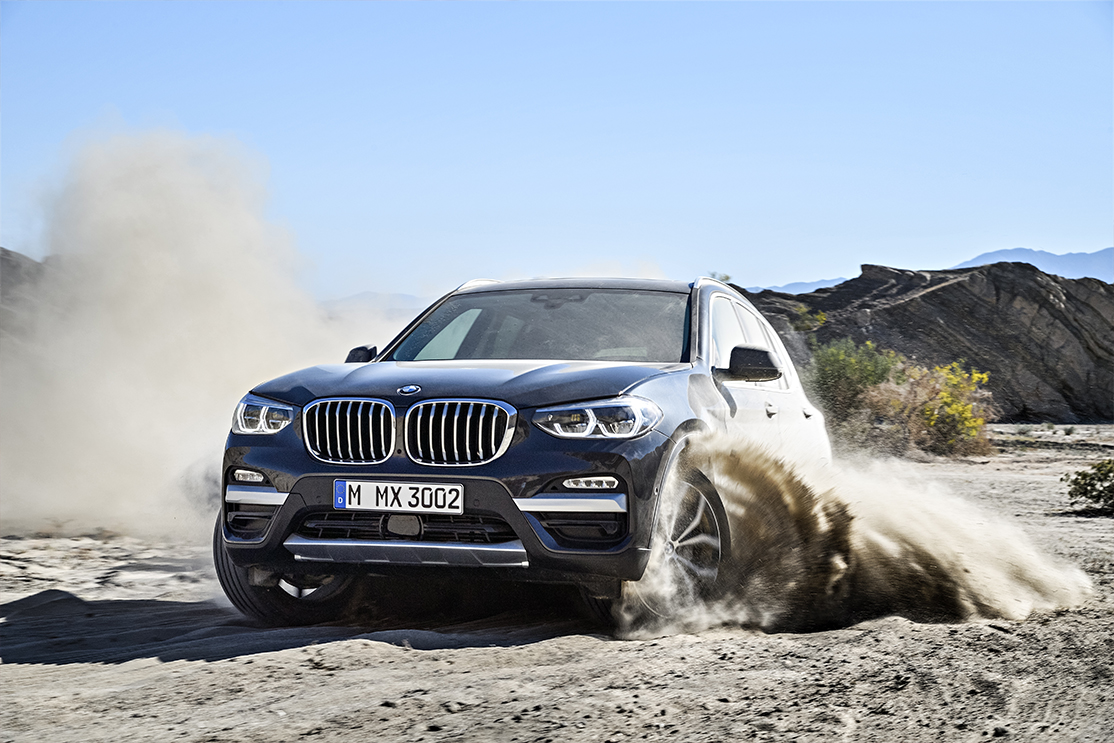
According to the Department for Infrastructure which issued the notice, a software update problem may lead to an engine failure whilst driving, increasing the risk of a crash, and a red ‘check control’ or ‘drive faulty’ message may also appear.
A list of VINs is available here.
Owners of affected vehicles are advised to contact their local BMW dealer to schedule an appointment to have the work carried out, free of charge.
BMW can be contacted about the issue on 1800 243 675 or via email [email protected]
Snapshot
- Caterham has broken its all-time sales record for 2021
- 670 vehicles ordered in 12-month period, surpassing previous record of 667 vehicles
- Fully-electric Seven to debut in 2023
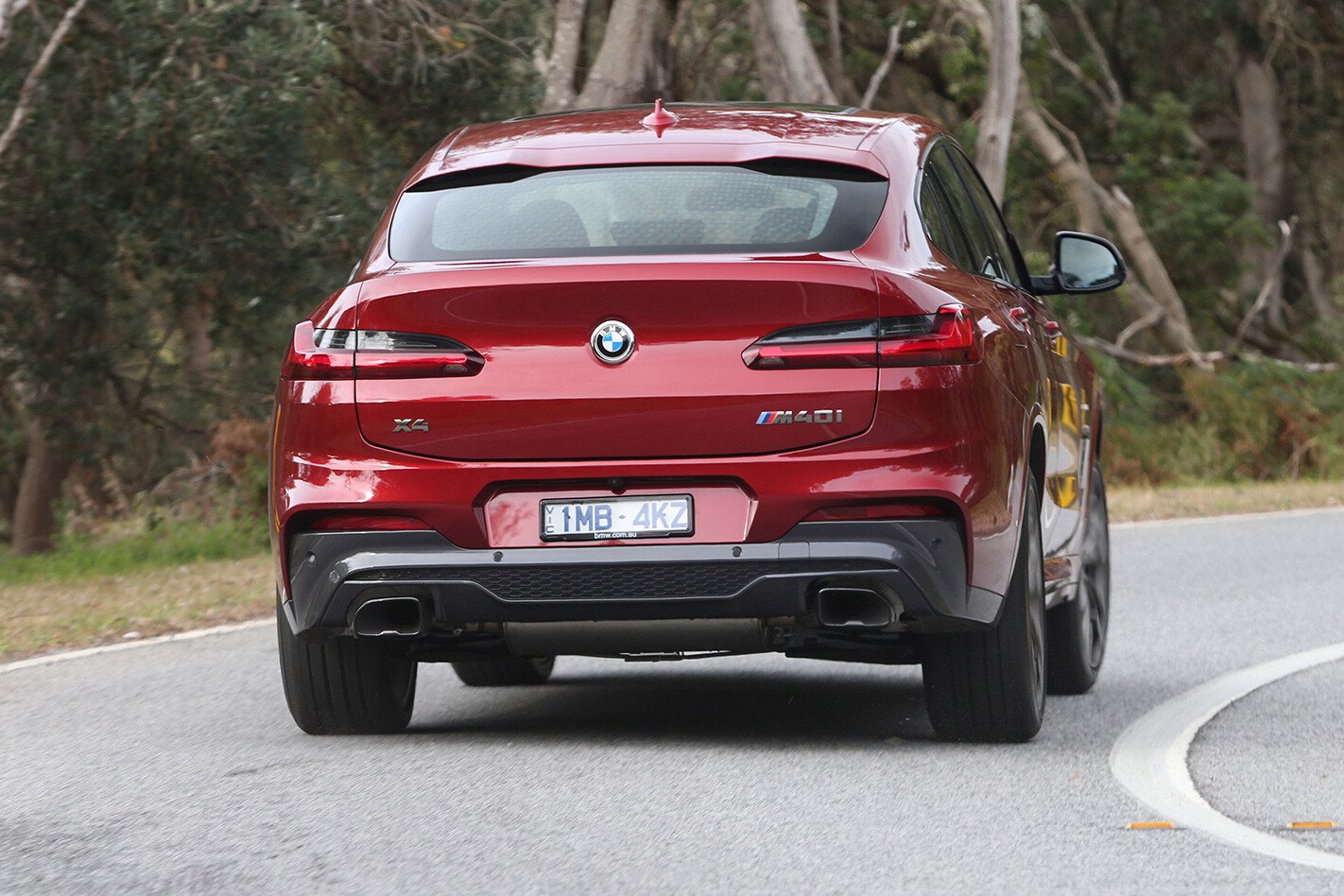
Caterham is in celebration mode following the announcement it sold the largest number of vehicles over a 12-month period during 2021 in its near-50-year history.
The British company, which was acquired by Japanese importer VT Holdings on March 31, 2021, was founded in 1973 to keep the iconic Lotus Seven alive.
Compared to pre-COVID-19 levels, sales grew by 41 per cent with a total order tally of 670 vehicles. This not only beats the 442 orders received in 2019, but also narrowly surpasses its all-time record of 667. This was in spite of pandemic-related supply issues, a lack of limited-edition models, and new ownership.
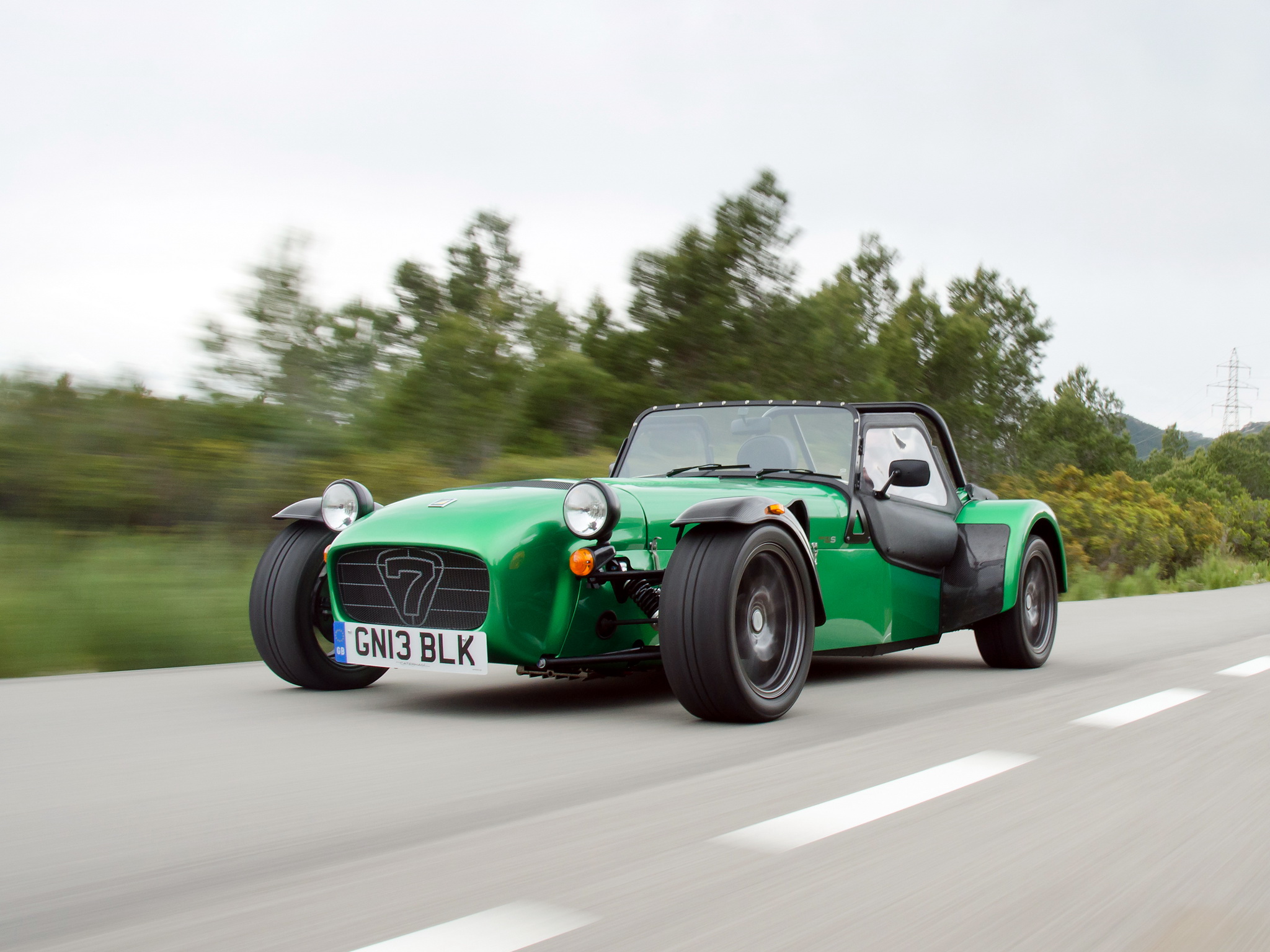
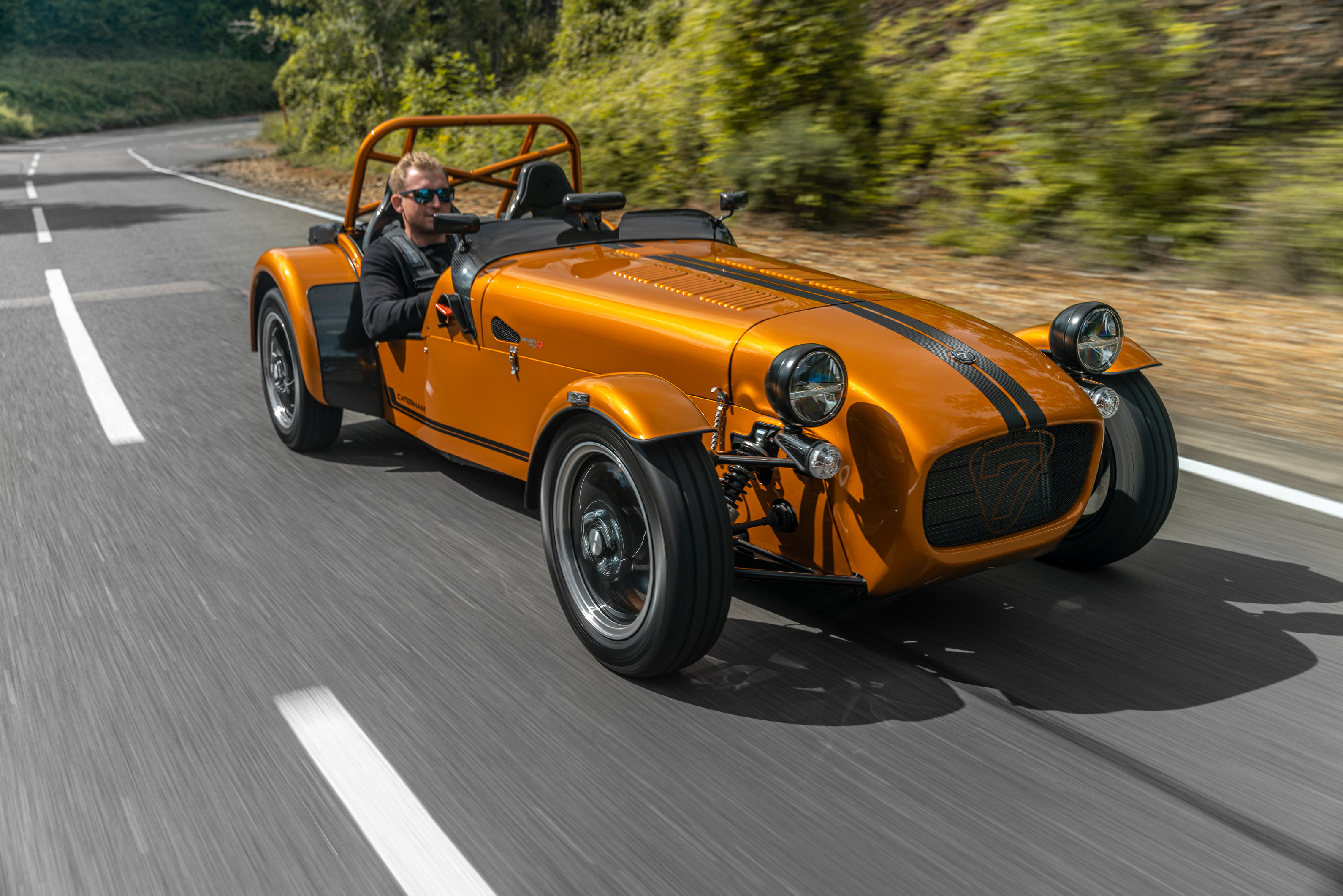
The new Seven 170 – Caterham’s lightest and smallest vehicle yet – helped to contribute towards the strong sales, while the Seven 420 was also the brand’s best-selling vehicle in the United Kingdom and the United States.
Caterham says more than 50 per cent of its vehicles were sold during the second half of the year, with fewer ordered in the first six months of 2021.
An expansion of its international dealer network has also contributed towards the greater demand. For instance, the opening of a new dealership in Portugal brought in 22 sales between January and December 2021 – more than the total amount of Caterham vehicles sold in the country over the previous decade combined.
While the company has not officially announced figures for the Australian market, VFACTS data shows just one Caterham was registered in 2021 – the same number as 2020, with zero in 2019 and three in 2018.
Caterham relaunched in Australia in late 2019, following a two-year hiatus due to compliance issues relating to Europe’s then-new WLTP emissions standard.
In addition, sales in Italy doubled (20 in 2021 versus 10 in 2020), while a total of 49 vehicles were ordered in the United Sales – more than double the amount it sold in 2019.
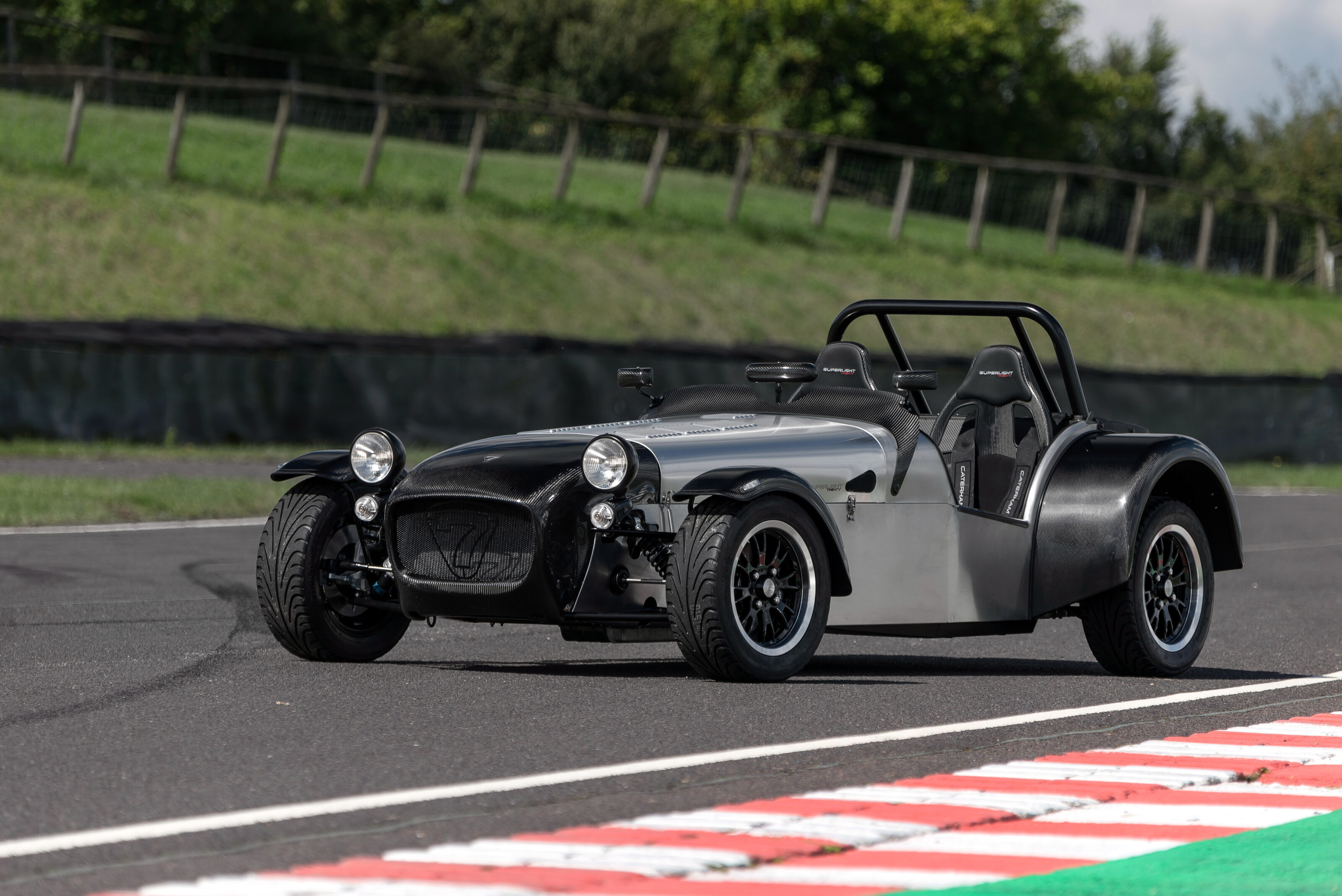
“The experiences of the last two years have led many people to re-evaluate what they want out of life, meaning Caterham’s philosophy of driver-focused fun and thrillingly-pure performance resonates even more clearly than before,” said Graham Macdonald, chief executive officer at Caterham Cars.
“This is a trend that looks set to continue into 2022 and beyond and, along with the planned expansion of our production capacity, gives Caterham an excellent opportunity to continuing [sic] building a strong foundation for the future.”
In Australia, the Caterham range is limited to the Seven 275, Seven 355 and Seven 485. The smaller and lighter Seven 170 – weighing in at just 470 kilograms – is off-the-table for the local market due to ADR-related size requirements. The marque is exclusively sold within a Lotus dealership in the inner-Melbourne suburb of Cremorne.
Snapshot
- Next-gen M2 to be powered by S58 engine
- Detuned motor will push out slightly less power than M3/4
- Underpinnings of current G82 to carry across to G87
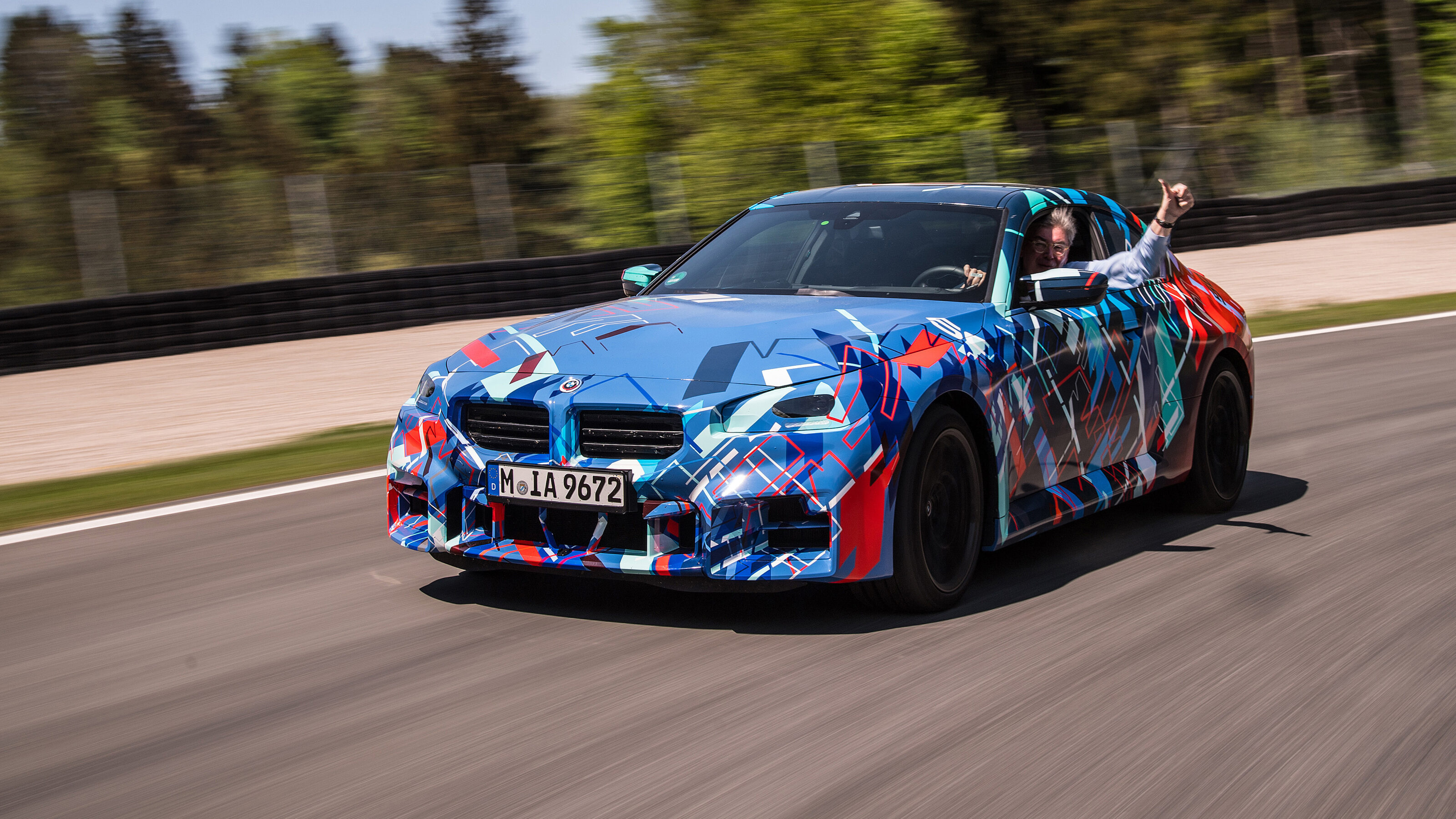
A prototype of the 2022 BMW M2 has been spied at the iconic Nürburgring track in Germany.
YouTube channel CarSpyMedia filmed the new-generation M2 leaving BMW M’s testing facility before being sent out onto the circuit.
Some of the car’s camouflage has been stripped away from the M2’s wide body – a good sign the model is edging closer to its unveiling in the coming months.
UPDATE, June 2022: BMW M2 prototype review
We’ve now driven the new M2 on track! It’s still camouflaged, and technically a prototype, but this is your best insight yet on what’s to come.
“Specify this new M2 with the no-extra-cost manual, and you have a fairly-priced instant classic with no waiting list. A no-brainer, really.”
Get the full story at the link below.
The story to here
October 27, 2021: The second-generation BMW M2 will be sold as a six-speed manual, heading into production from December 2022 with deliveries to start in 2023.
Set to be based on the 2 Series’s recently revealed G82 chassis, the highly-anticipated G87 M2 will be the second iteration of BMW’s cheapest M Division vehicle, replacing the F87 generation – which entered production in 2015.
Revealed by a BMW insider on the Bimmerpost forum, the G87 M2 is set to start rolling down the San Luis Potosi production line in Mexico towards the end of next year, with the familiar S58 engine under the bonnet.
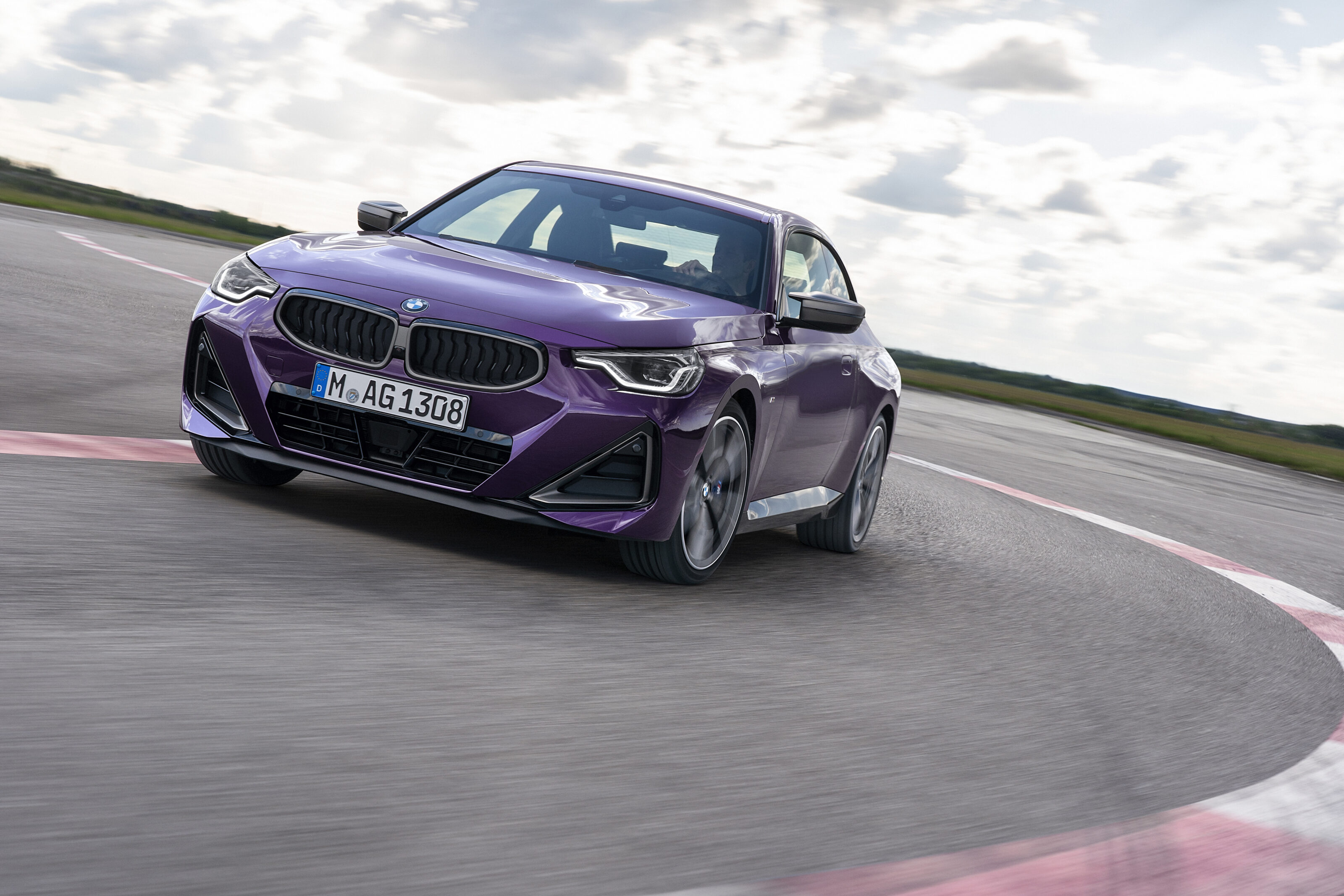
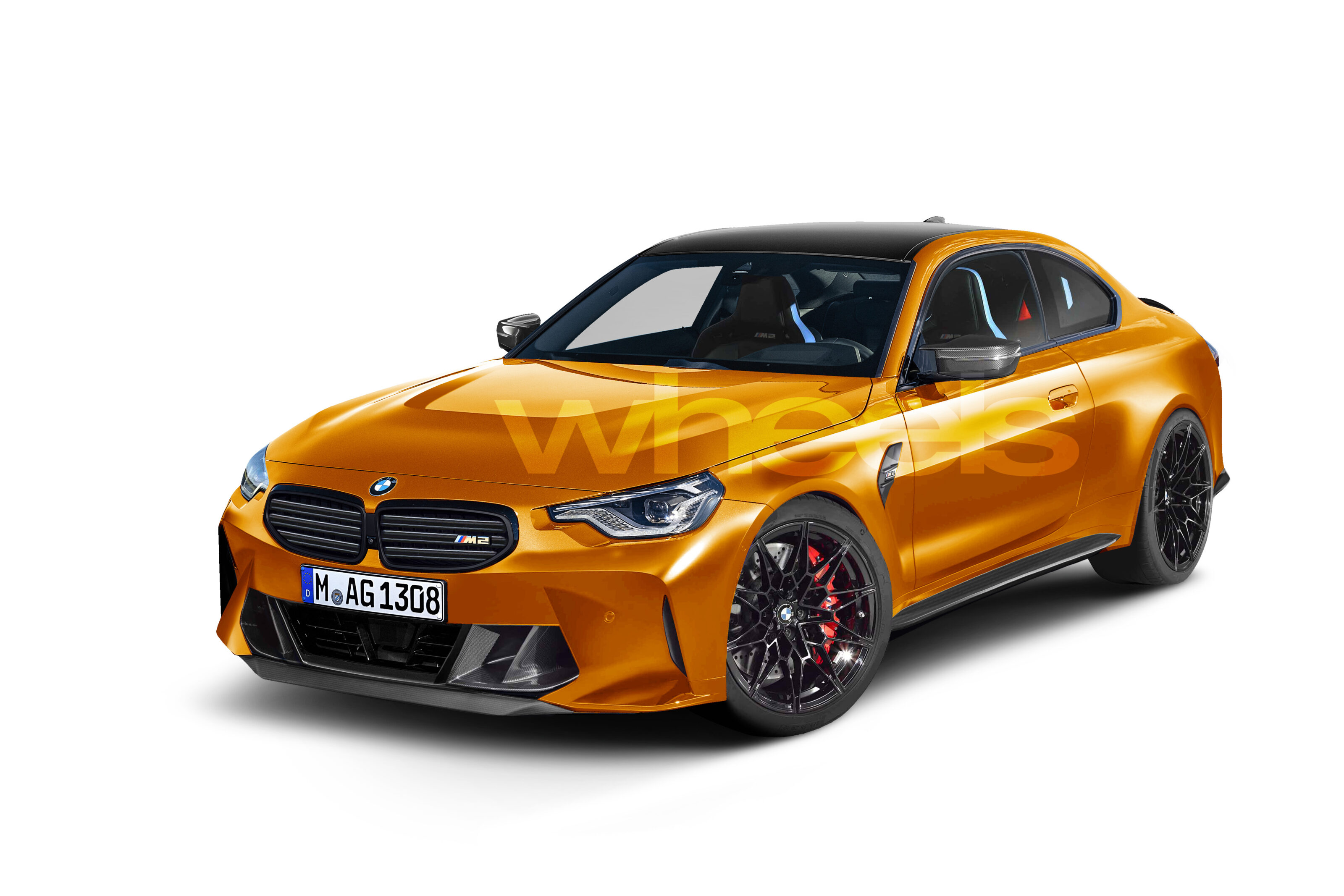
Carried across from the current M3 and M4, the 3.0-litre, twin-turbocharged inline-six will be detuned from its current 353 kW to 339kW, with BMW not wanting to undercut its more established nameplates.
Despite the power reduction, this would still give the G87 M2 a significant boost over the current model, producing just 272kW from its N55 twin-scroll, single turbo inline-six.
As previously reported, no all-wheel-drive xDrive system is expected to feature in the M2 line-up, instead power will be delivered exclusively to the rear axle via an automatic gearbox or a six-speed manual, retaining the three-pedal purity of BMW’s performance models.
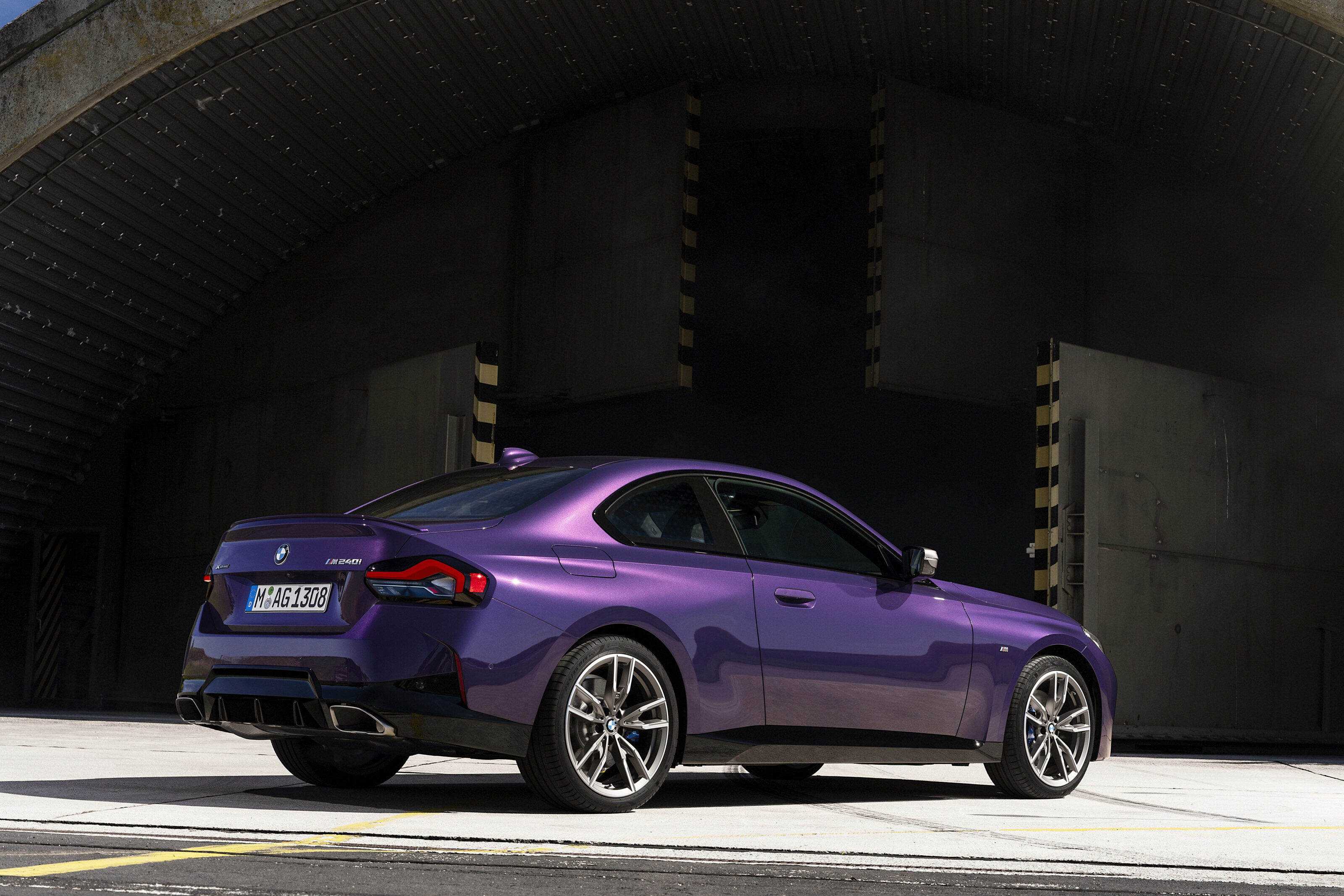
It’s not clear as to whether the six-speed from the current M2 will carry across or whether the ‘box from the M3/M4 will be sourced, while BMW also has the option of using its new ZF-built, eight-speed conventional automatic or the existing seven-speed dual clutch for the two-pedal variants.
Despite being a new generation vehicle, the 2022 M2 will use parts derived from its predecessor, including an electronic limited-slip differential and re-tuned suspension, with an option for adaptive dampers and an optional carbon fibre roof.
As BMW moves towards introducing more electrified models, we get closer to the final manual vehicles to come from the German marque, with only the M2, M3 and M4 still sold with a change-it-yourself transmission.
We all know smiling Daniel Ricciardo. Most Formula One enthusiasts are aware of Michael Masi, FIA Race Director, and aerodynamicist Willem Toet, who’s worked for Ferrari and Sauber. Now a new generation of drivers – Oscar Piastri and Jack Doohan – are on the verge of cracking F1.
Away from these high-profile Australians, many other (mostly young) Aussies aspire to F1 across a variety of roles. And why not, when F1 represents the pinnacle of motorsport?
The way into F1 demands enthusiasm, talent, determination and, perhaps crucially, a creative ability to solve problems. Combine these strengths and it’s entirely feasible.
In 2016, Jaden Partridge, a 22-year-old Queensland University student, won a place at the Infiniti Engineering Academy. Selected from over 4000 global applicants, Partridge was chosen for one of seven positions, to become the first Australian winner. As a result, Partridge worked in both automotive and motorsport via two six-month placements, the first in Renault’s F1 Team, and then at the Nissan Technical Centre in Europe.
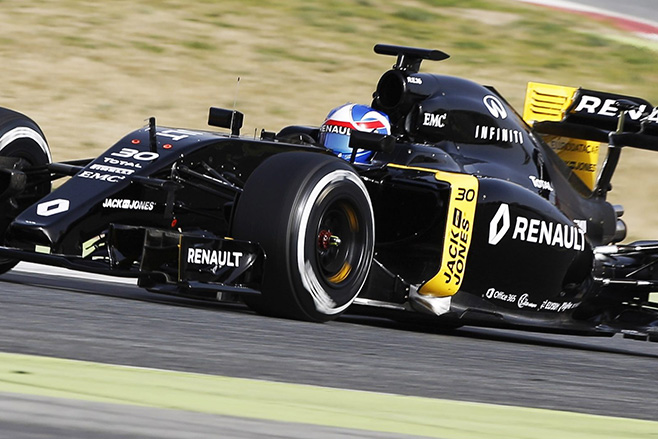
“I worked in Performance Optimisation section (of Renault’s Vehicle Performance Group), which prepare pre-event analysis using lap simulation,” Partridge explained at the time. “This enables the team to test new parts or setups in the virtual environment before the car even hits the track.
“I became interested in exploring tyre dynamics and that enabled me to take on some projects with the Senior Tyre Engineer. One week I would be analysing data from the last Grand Prix and checking correlation, the next I would be working with R&D on experiments to analyse a new tyre heating strategy.”
“F1 in Schools was a global phenomenon. The students design, build and race miniature F1 cars capable of 0-80km/h in under one second”
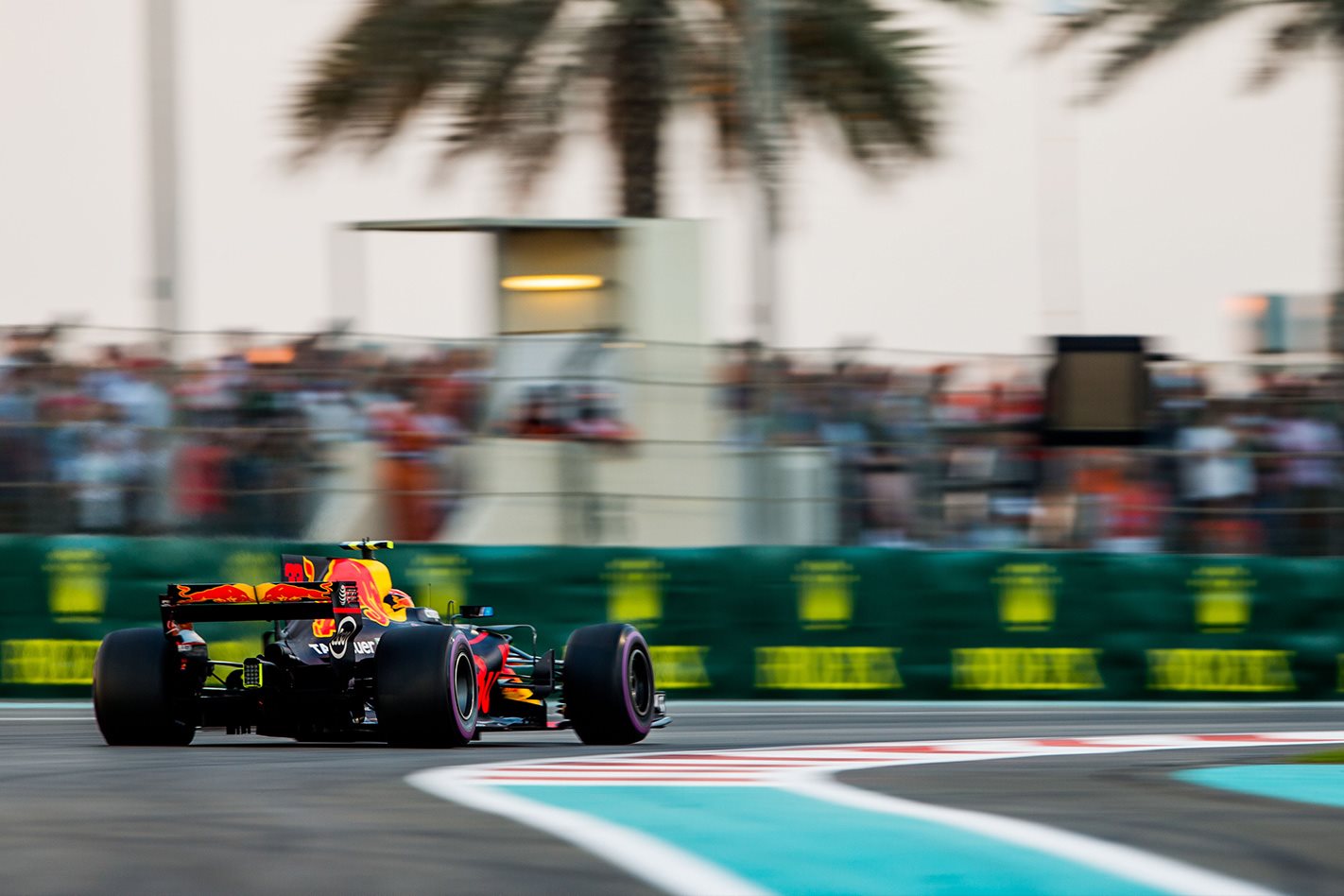
After returning to Australia to finish his degree, Partridge then spent almost three years with Red Bull Racing before a move to Mercedes-AMG as an F1 simulation and modelling engineer.
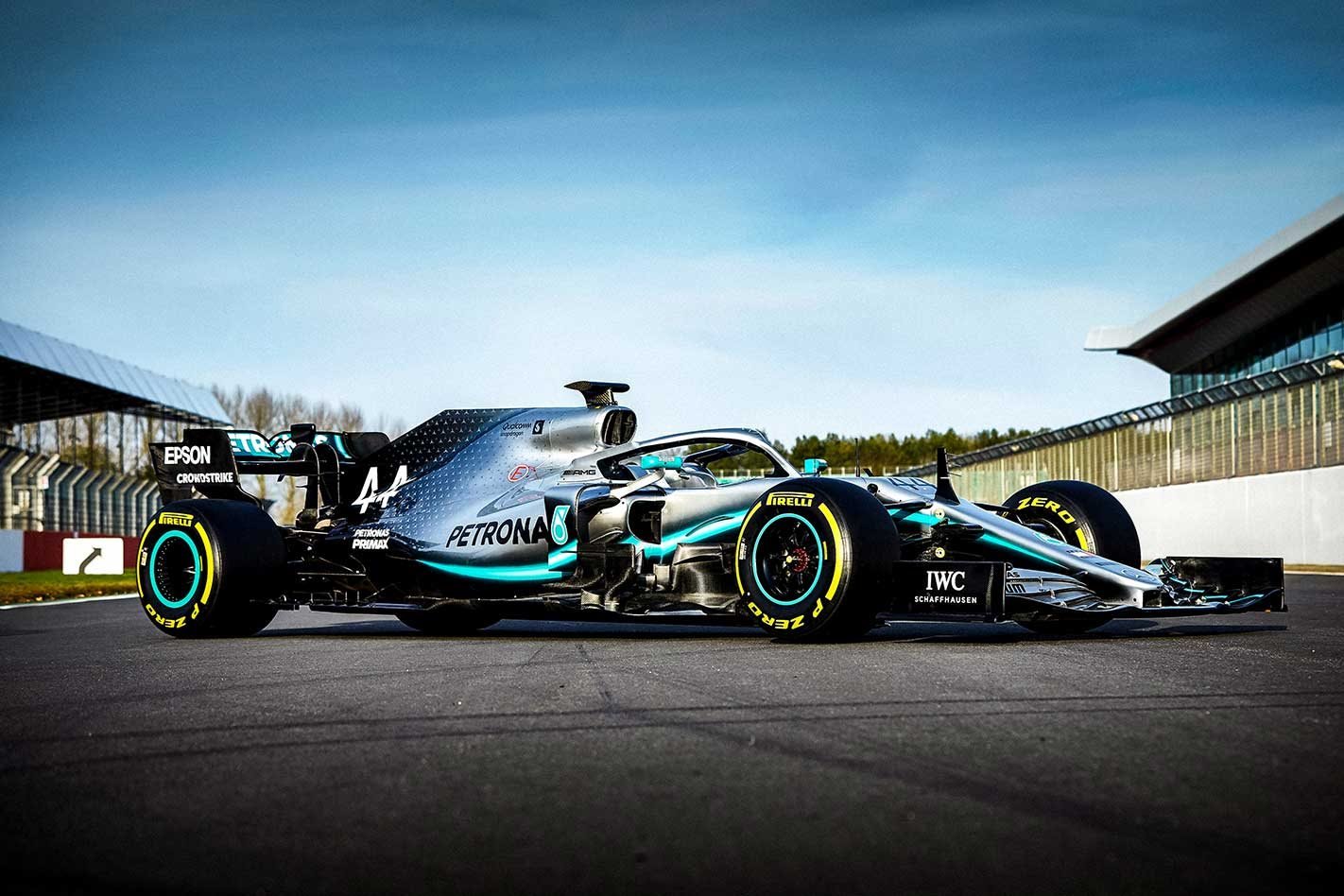
Regrettably, when Infiniti’s decade-long partnership with Renault expired at the end of 2020, its Engineering Academy was cancelled. It’s a testament to the demand for access to F1 that the academy, which ran for five years, attracted nearly 30,000 applications from engineering students in 44 countries. Half of the 33 winners went on to secure full-time positions with Infiniti or in motorsport after completing their placements.
Simone Briggs, currently completing a double degree in mechanical engineering and law at Monash University, spent 2019 as an intern with Renault F1 after managing the Monash Motorsport Formula SAE team. The global Formula SAE is a competition where university students design, build and compete in their own Formula-style, open-wheeled racing car. The Monash team won competitions in Australia, the UK and Europe, and directly led to Briggs’ internship with Renault.
Twenty years ago, Michael Myers, who runs the Re-Engineering Australia Foundation, saw a need to interest school children in engineering. He wanted to change the way children are educated so that they become adept at learning how to solve challenges. By 2003, F1 in Schools was a global phenomenon, involving 17,000 schools in 51 countries.
The students design, build and race miniature F1 cars capable of 0-80km/h in under one second. Around 22,000 Australian students are involved each year, while 10 times that number are exposed to the program. Over one million young Australians have taken part. So successful have the Australian teams been that they have won seven World Finals and placed second on six occasions.
The program mimics the world of an F1 team with groups of students following a series of engineering and manufacturing disciplines: design, analyse, test, build and race. They are provided with access to real-world technology such as 3D CAD/CAM/CAE engineering design software and soon become proficient in areas such as coding, computational fluid dynamics, and finite element analysis.
I promise the best place to start your path to F1 is at rea.org.au.
Hyundai Australia is recalling its Santa Fe SUV due to an issue which may cause its LCD cluster to malfunction at low temperatures.
Nineteen examples of the MY21 vehicles are said to be affected.
According to the Department for Infrastructure which issued the notice, the vehicle’s LCD instrument cluster screen may show an inverted image as a result of voltage fluctuations when operating at extremely low temperatures, due to a discrepancy with internal resistors.
A list of VINs is available here.
Hyundai can be contacted about the issue on 1800 186 306.
Mercedes-AMG and British skateboard and streetwear brand Palace have teamed up to design a series of unique, one-off designs.
Based on the A 45 S, GT 63, SL 63 and G 63, the four exclusive designs are inspired by London, Los Angeles, New York, and Tokyo, with each city housing Palace’s flagship stores.
Each car sports a seven-layer paint finish with a colour-changing effect, in addition to AMG and Palace logos. The interior design includes; exclusive seat upholstery, individually designed floor mats, an embossed logo on the headrests, and unique LED door projectors.
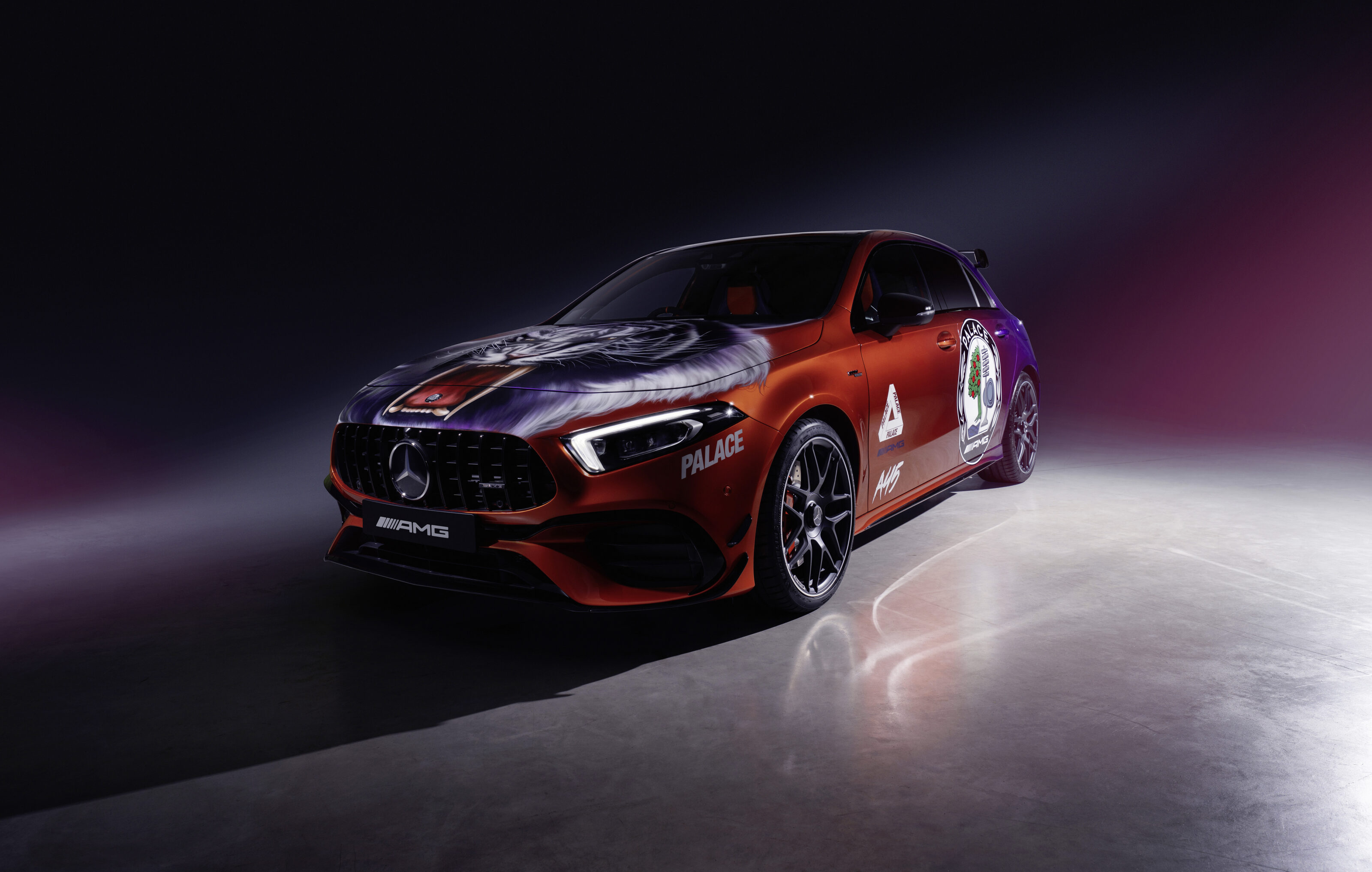
The vehicles were painted and customised at the Mercedes-AMG Performance Studio in Affalterbach, Germany, before returning to the production line for final assembly through the just-in-time sequence.
Based on the A 45 S, the first artwork is the ‘Tiger London’, with a white tiger on the bonnet, vibrant paintwork, and a large AMG decal on each side. Meanwhile, the SL 63-based ‘Sunset LA’ features multicolour yellow and deep red paint to symbolise the Californian summer.
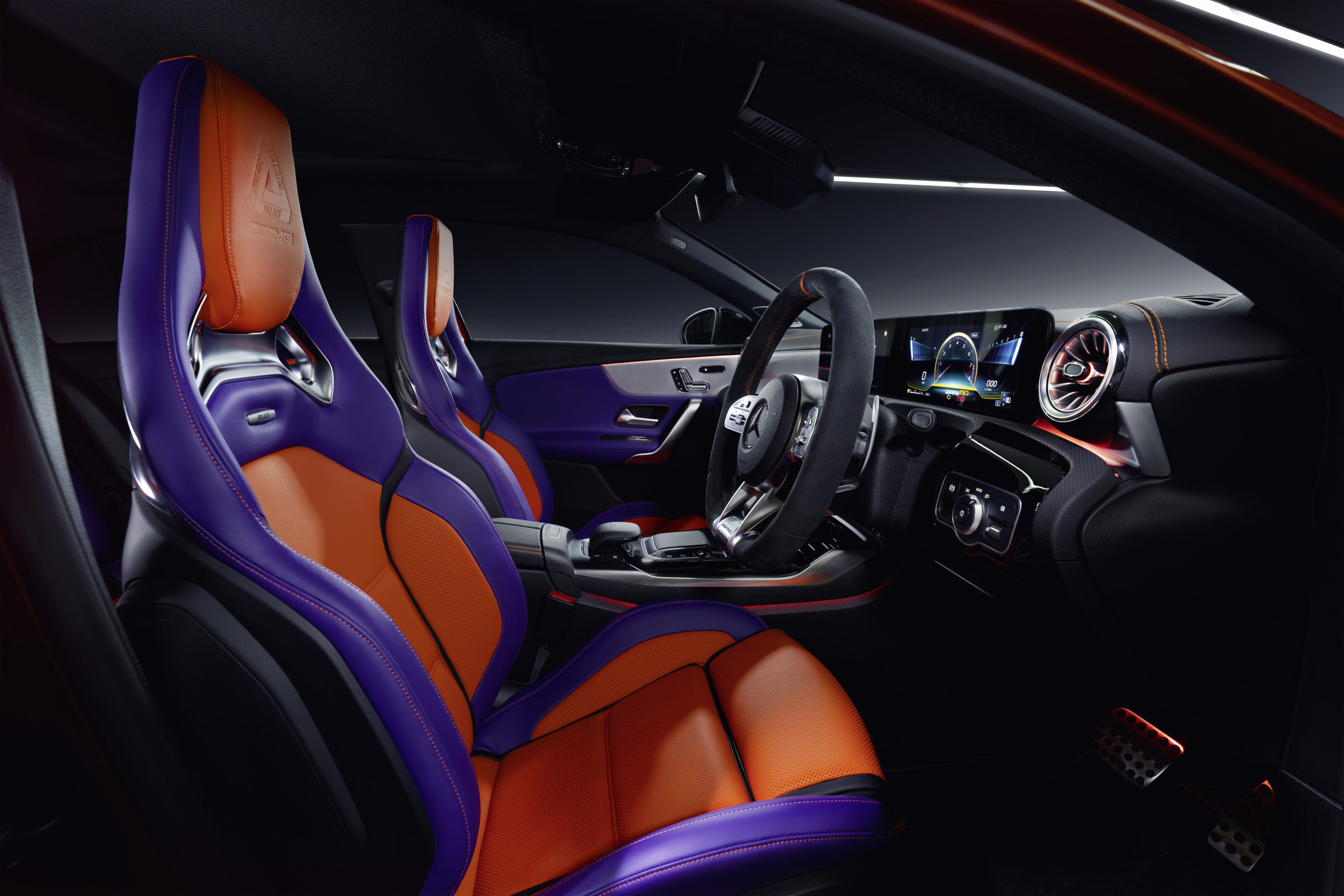
‘Neon Fade New York’ is based on the GT 63, with the four-door receiving black to neon yellow paint to reflect the “two sides of the megacity on the Hudson River”. Finally, the ‘Space Horse Tokyo’ design adds a galloping horse to the G 63 to represent the popularity of Japan’s fantasy culture.
The collaboration between the two companies follows last year’s ‘Capsule Collection’, which was demonstrated as part of the Nürburgring 24 Hour race. The famous event featured an AMG GT3 racer with livery designed by Palace, along with co-branded apparel and accessories.
A second round of clothing – including trousers, hoodies, jackets, t-shirts, gilets, beanies and caps – launched yesterday alongside the unique vehicle designs, available online or at Palace’s four flagship stores.
A revitalised performance division has been effectively ruled out once again by Mazda Australia despite the brand’s rich sporting heritage and passionate enthusiast base.
While it offers one of the purest drivers’ cars on sale in the MX-5, recent patents for a rotary-powered sports car and confirmation of new rear-drive architecture have rekindled rumours of more performance-focussed products – yet Mazda Australia says that there’s no case for the return of its MPS (Mazda Performance Series) arm.
“I think our performance equation will jump with CX-60; the plug-in hybrid’s got 234kW and is a rapid machine,” said Alastair Doak, Mazda Australia’s marketing manager.
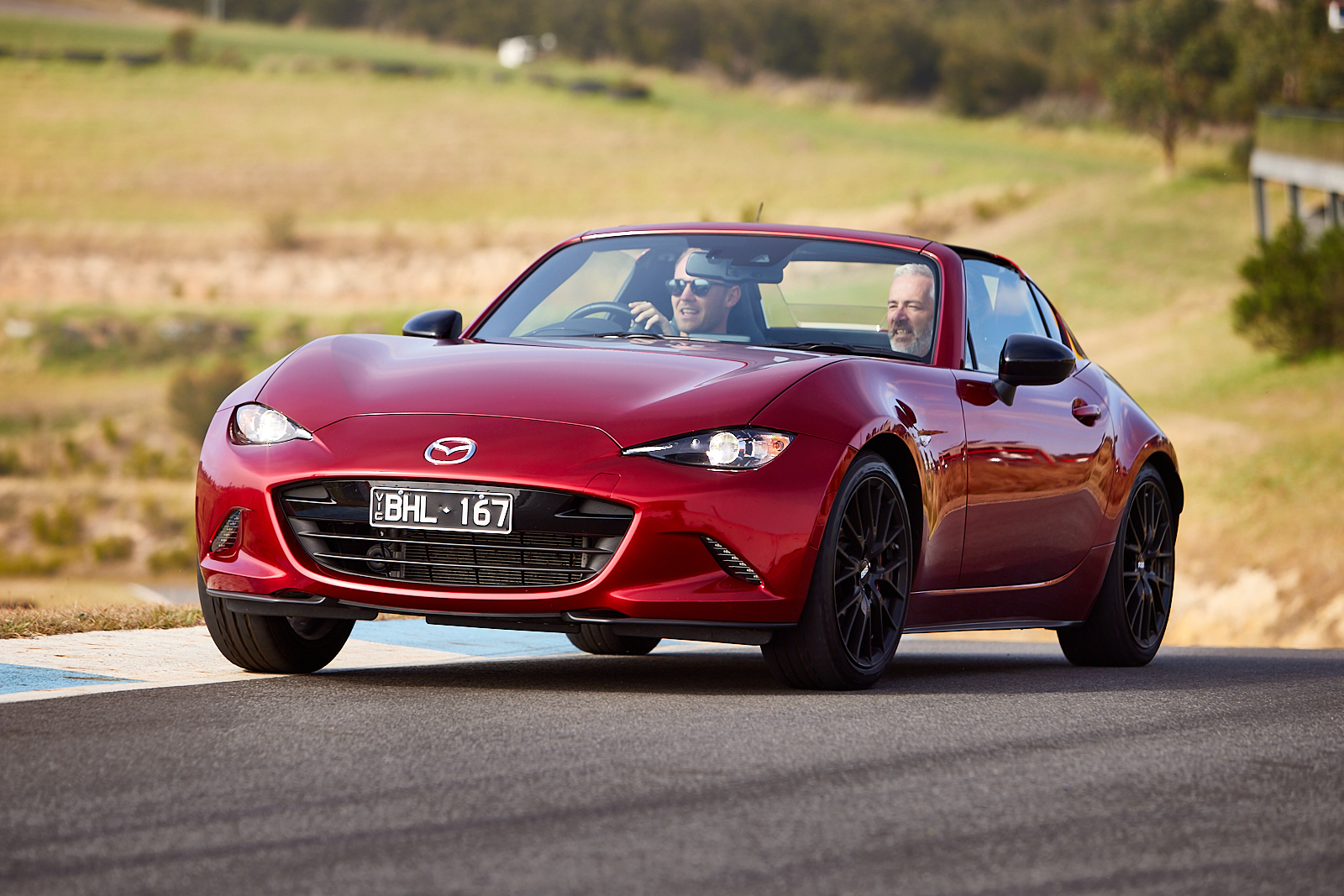
Rapid the CX-60 may prove to be, but the passionate enthusiast base seeking engagement isn’t being catered for in the same way that Toyota’s Gazoo Racing or Hyundai’s N division are able to. There’s even a N model Hyundai Kona SUV, too, and (admittedly largely cosmetic) Toyota GR LandCruiser.
Given the freefalling passenger car market and Australia’s appetite for performance models and SUVs, a performance-oriented version of the CX-5 seems a pragmatic jumping-off point – in theory.
“It’d be nice, but the volume realistically would be pretty small for it,” said Doak. “We have a GT spec and SP GTs – we think our cars ride and handle pretty well anyway, and I think we back ourselves in with the look of those kind of vehicles.

“If we do step up with even more performance than we’re offering currently, then I think we’ll be doing okay, and we’ll have RWD architecture again as well, which will set us apart.”
The first Mazda MPS model – branded ‘Mazdaspeed’ in other markets – was the 2006 MPS 3, which was powered by a turbocharged 2.3-litre four-cylinder that struggled to send 190kW through its front wheels. It was followed by the all-wheel-drive only Mazda 6 MPS, the last vehicle to wear the MPS badging going off sale in 2007.

MPS traded on a heritage that includes Mazda as the first Japanese brand to win the Le Mans 24 Hours, its rotary-powered 787B taking out the 1991 race almost two decades before Toyota’s first win.
Mazda Australia’s own performance heritage is significant, with its zenith the 1995 Mazda RX-7 SP homologation special, built specifically to defeat factory-backed Porsche and BMW specials – which it did so handsomely. It even spawned an RX-7 Bathurst R edition sold in Japan.
Where is that passion that delivered the decades of racing success, rotary goodness and accompanying MPS road-going models?
“I think the spirit is still there,” Doak said. “I think we’ll be alright.”
Four hundred futuristic cop cars will soon be roaming the streets of the UAE.
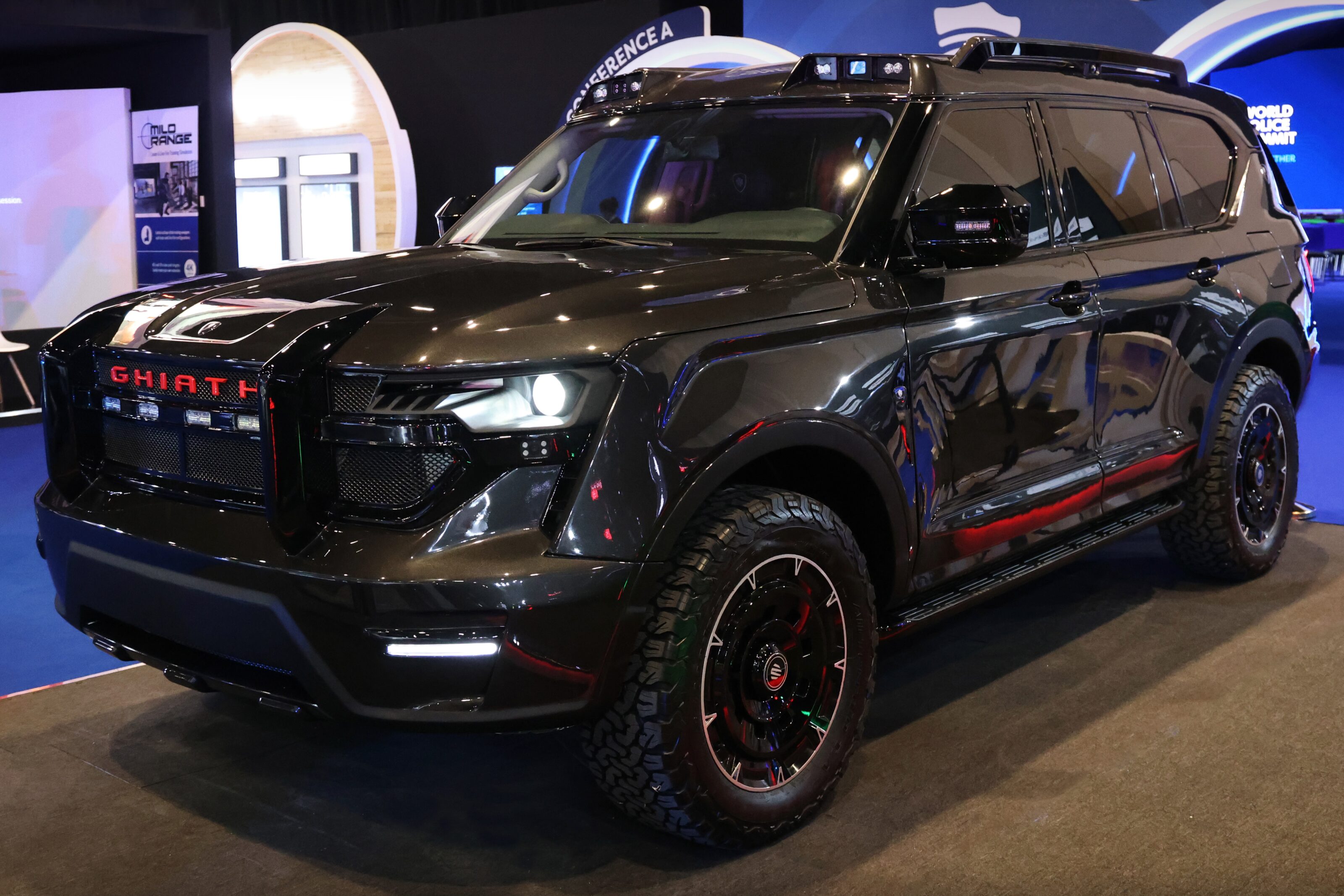
Dubai Police has announced it has ordered a fleet of Ghiath Smart Patrol vehicles from W Motors – the same company whose Lykan hypercar made a cameo in the 2015 film Furious 7.
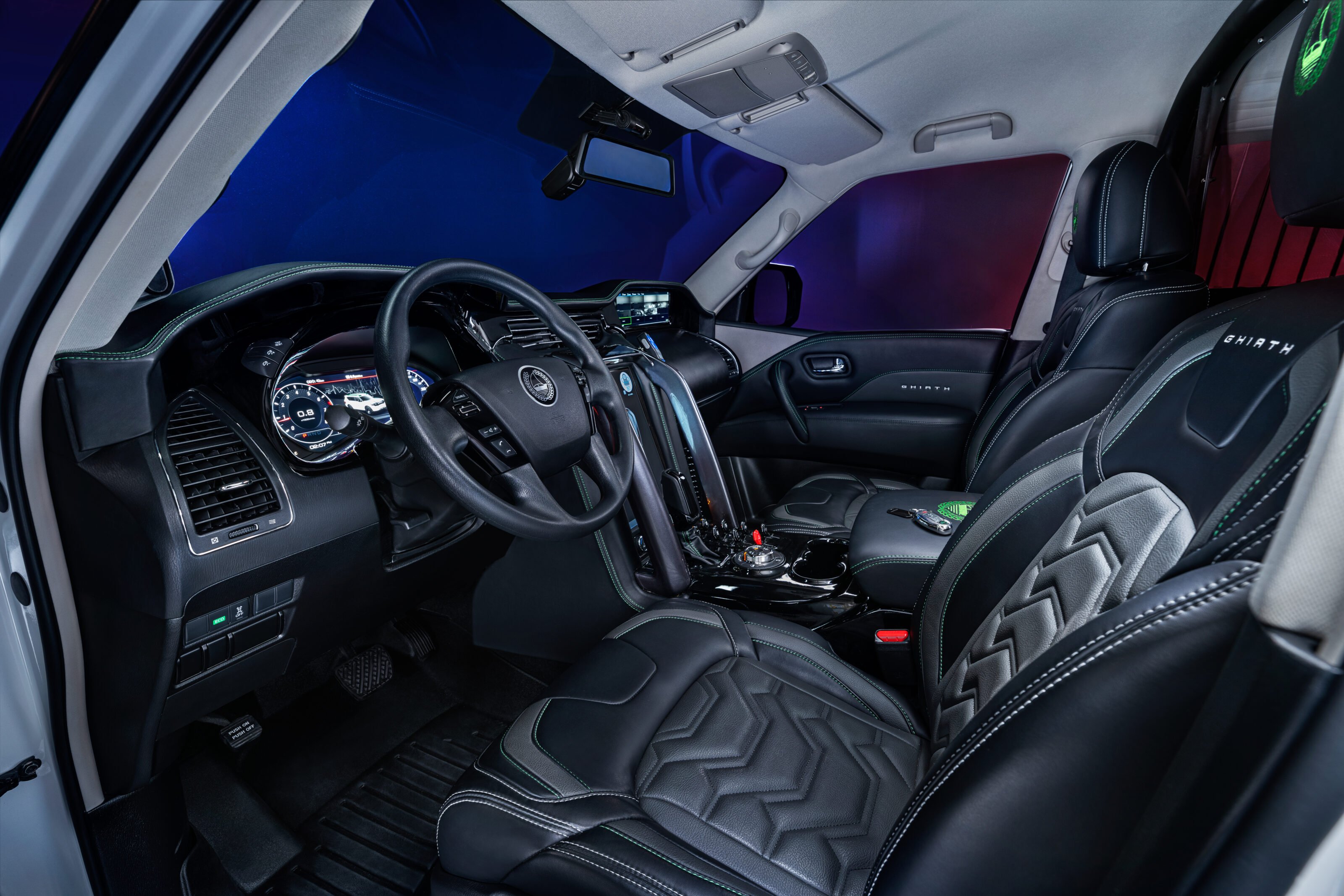
Despite no reference to the Japanese SUV, the Ghiath appears to be a heavily-modified Nissan Patrol, and is the first vehicle developed under W Motors’ Special Projects Division.
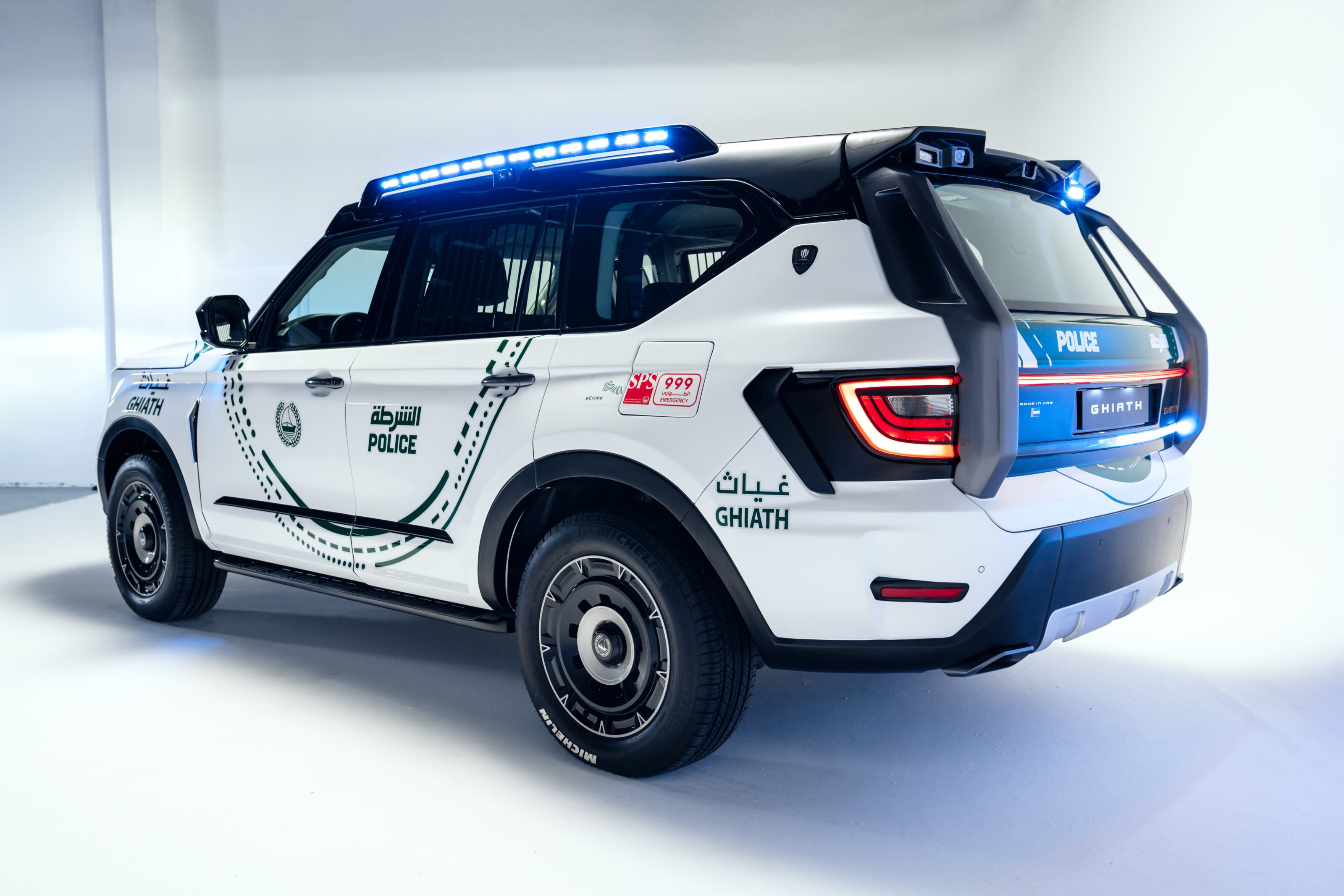
W Motors claims the Smart Patrol is the most advanced police vehicle in the world, and features eight exterior surveillance cameras, a facial recognition system, automatic number-plate recognition, a deployable 360-degree periscope camera, and a drone.
The driver can use a 16.0-inch screen linked to the department’s control centre, while the passenger has their own screen displaying information from a police dispatcher.
“The features and capabilities of the Ghiath are exactly in line with our requirements and allow us to stay at the forefront of international security vehicle standards,” His Excellency Lieutenant General Abdullah Khalifa Al Marri, commander-in-chief of Dubai Police, said at the car’s unveiling.
“Both Dubai Police and W Motors have a shared vision for continuous advancement in the mobility sphere, and our officers look forward to using Ghiath to ensure public safety in Dubai.”
Ten vehicles have already been delivered, with a total order of 400 cars worth 196 million Emirati Dirhams (AU$71 million) to be completed over the next five years. W Motors has also previewed a future civilian version for personal security.
Dubai Police is well known for having arguably the most exotic fleet in the world, featuring vehicles from Ferrari, Lamborghini, McLaren, Rolls-Royce, and Bugatti.
“We are proud to have delivered the first Ghiath Smart Patrols to Dubai Police. This is a milestone not only for W Motors, but for the UAE’s automotive industry as we pave the way for manufacturing high-tech and pioneering vehicles locally,” said Ralph R Debbas, founder and CEO of W Motors.
“From design and engineering to innovative software development, with Ghiath we have created a state-of-the-art security vehicle that is now ready for duty. This is only the start of our partnership with Dubai Police, with many more exciting collaborative projects yet to come.”
Mazda Australia has no fear of appearing old-fashioned or behind its competition as electrification becomes prolific across the global automotive industry.
While Mazda has proclaimed a target of offering an ‘electrified’ version of each of its models by 2030, which would entail hybrids as well as EVs, its goal seems tepid at best compared to the grand promises of its rivals. The even includes former electrification outlier Toyota, which has pledged 30 new EVs by the same year.
Industry-wide, European brands have been legislated into offering EVs – Volkswagen pushing the electric agenda significantly, as is the Renault–Nissan–Mitsubishi Alliance and Honda. Even the US’s Big Three have all embraced plans for electrification.
In Australia, Honda was the first brand to sell a hybrid here with the Insight introduced in 1997 – a quarter of a century ago now – pipping Toyota’s Prius for bragging rights. The market has changed rapidly in that time, with the Toyota RAV4 Hybrid the first electrified vehicle to be the nation’s best-selling car outright in August 2020.
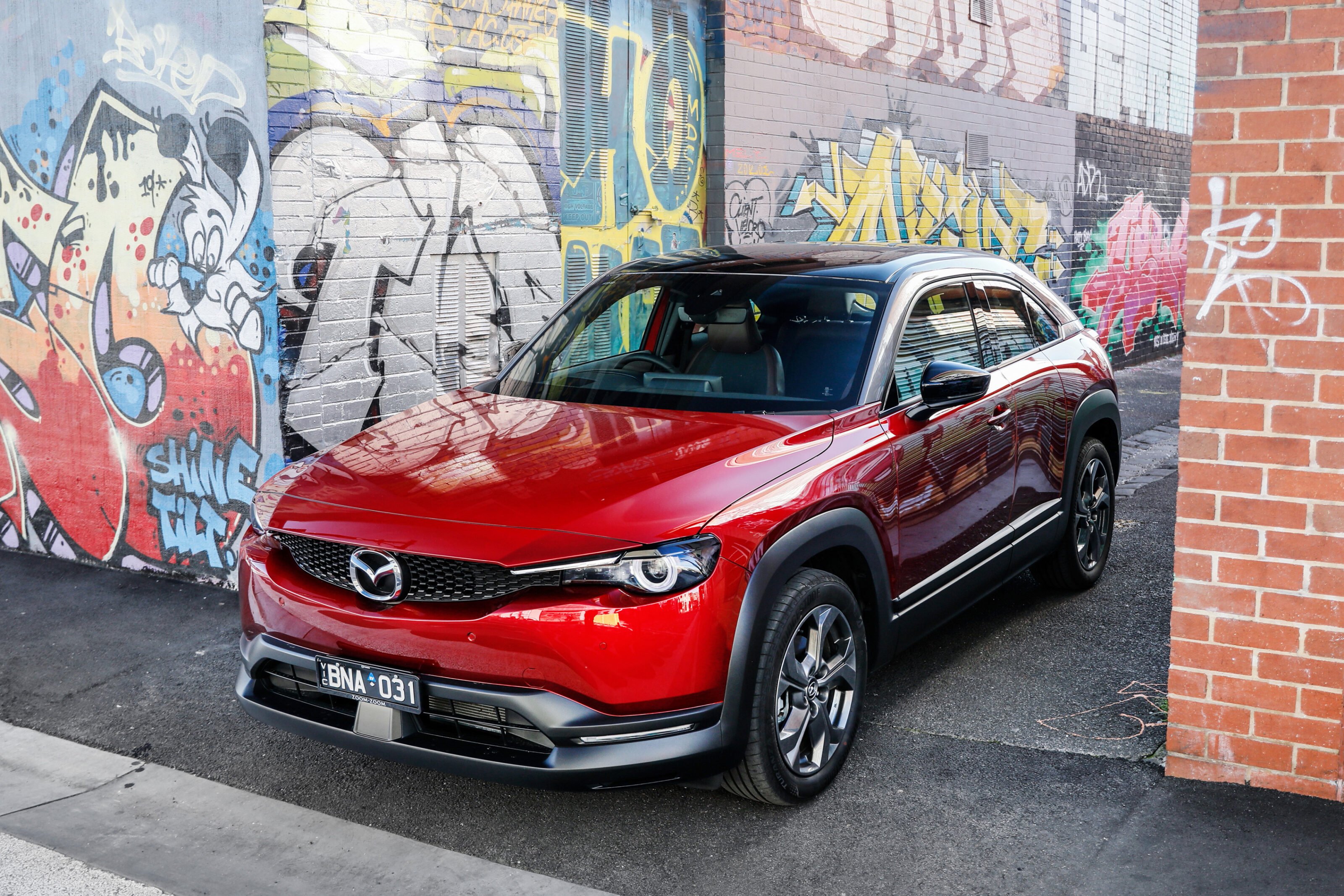
Mazda’s first production EV went on sale here in mid-2021 with the MX-30 E35, criticised for its limited range, with a range-extender rotary version confirmed for 2023. The recently announced CX-60 will include a 48V mild-hybrid option, but will be only the second nameplate from the brand to offer electrification.
While it has also recently patented a supercharged two-stroke rotary engine and has been experimenting with hydrogen for decades, Mazda is not interested in merely keeping up appearances.
“We know we need to remain relevant and competitive,” said Mazda Australia’s marketing manager, Alastair Doak.
“We have mild hybrids in the range already [MX-30], we’ve got some very efficient diesels and other things, so, we’ve always said the strategy with SkyActiv was to improve the internal combustion engine, and we’ll continue to do that.
“We’ll add electrification as we go along, and we’ve been very true to that. We’ve bought MX-30 EV out as well; that’s a city-based EV, it was done very specifically for Europe, we decided to bring it out here to teach our dealers as much as anything [to] get used to the electrification technology,” said Doak.
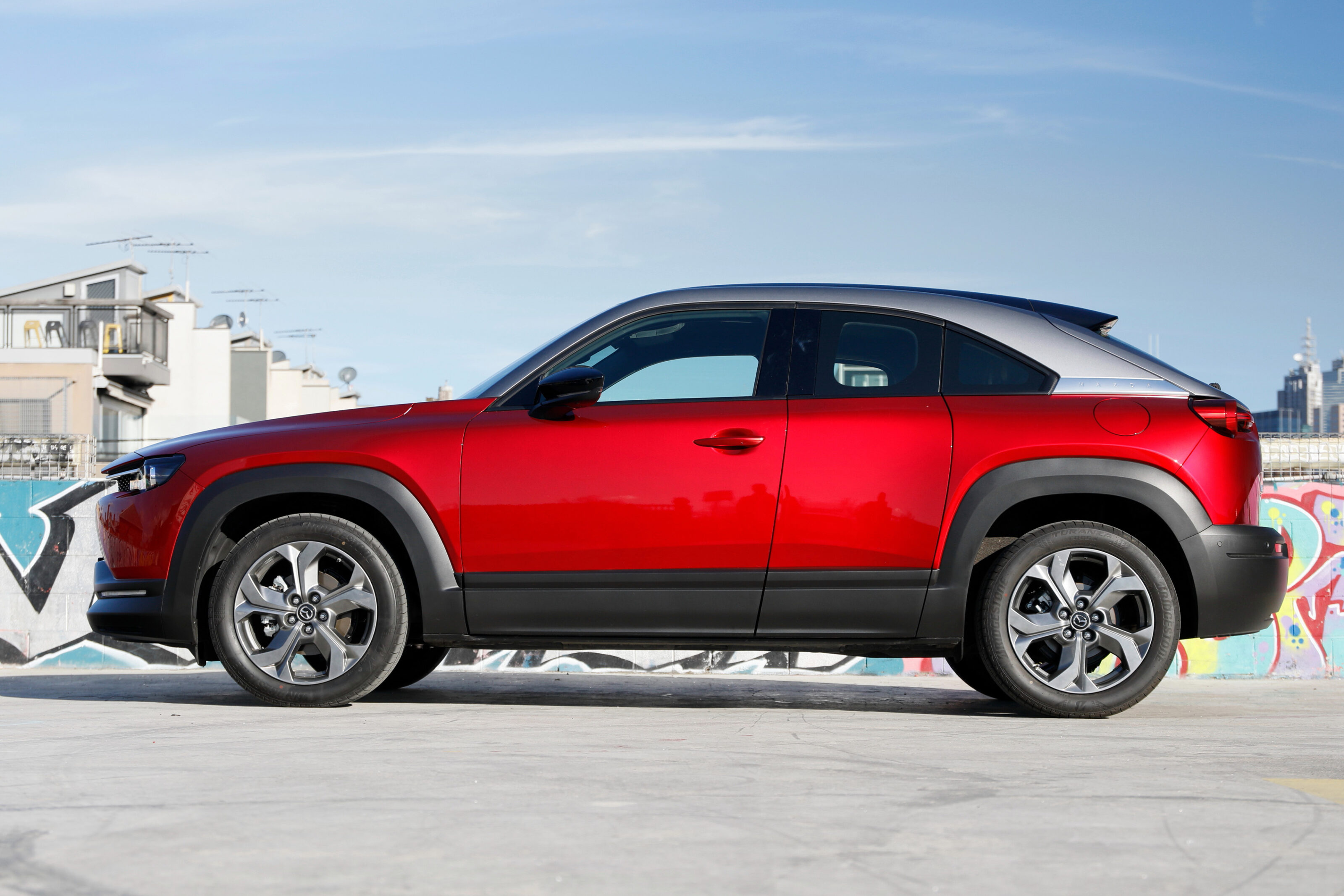
“If you drive that car, we’re definitely thinking about the throttle response, the noise it makes – there’s a real depth there in our engineering, and that was really [to] set a baseline for the other electrification and EV stuff we’ll learn from there and keep going.
“We think we’ll be competitive, and the reality is – 70,000 EVs sold here last year out of a million cars. We understand we need to remain competitive in terms of what customers are demanding, so I think over the years we’ve done a reasonable job at doing that, and our plan is to continue to do that.”
