
Snapshot
- Subaru to ditch WRX STI worldwide
- STI division to work on future technologies, WRX STI could return with electrification
- First time since 1994 WRX will be without an STI variant
Subaru has announced the new fifth-generation WRX will not be available in STI guise, marking the first time since 1994 for the flagship grade to be absent from the model’s line-up.
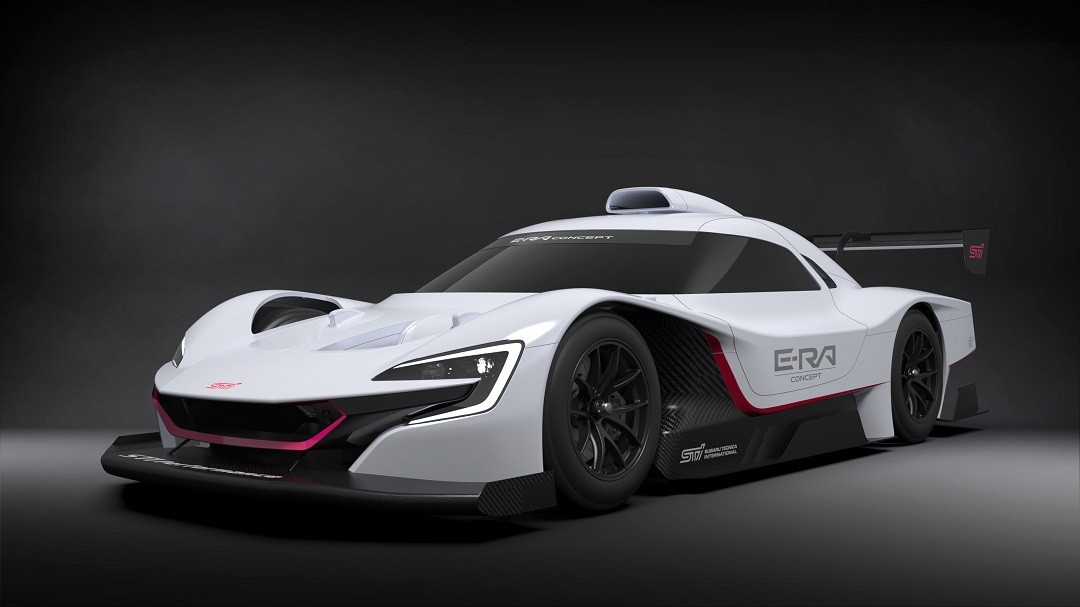
In the shock announcement, the manufacturer said the Subaru Tecnica International (STI) division will instead focus on future performance technologies, working on projects such as its E-RA concept which was unveiled at Tokyo Auto Salon with the intention of lapping the Nürburgring Nordschleife in under six minutes and 40 seconds.
Having made its debut in 1994 on the GC8 WRX, the STI name has become synonymous with Subaru’s high-performance road cars, extending to its racing efforts across rallying and circuit racing which has aided the manufacturer to multiple championships across a variety of disciplines worldwide.
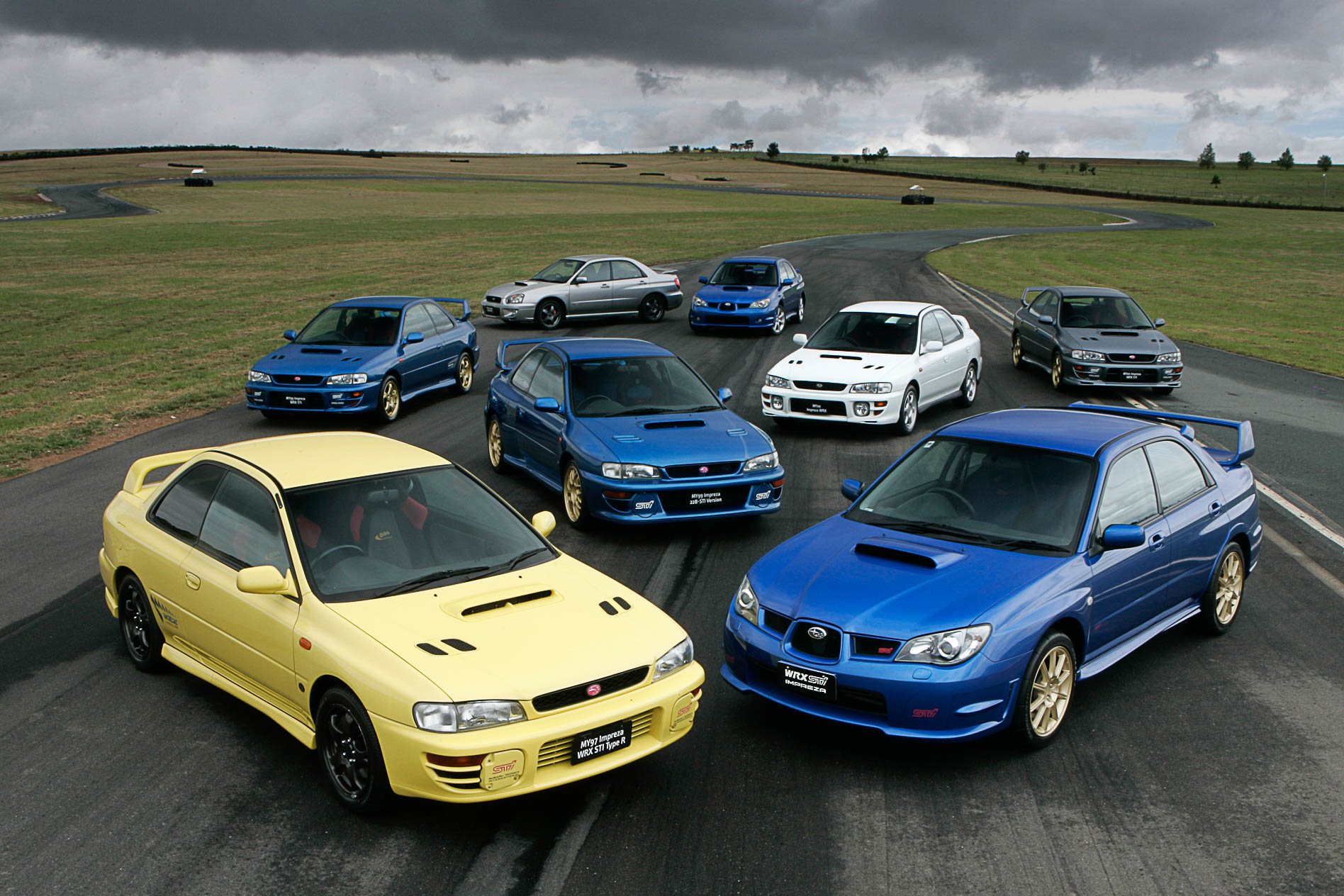
Subaru Australia confirmed the fifth-gen WRX – set to launch in the second quarter of the year – will only be able to adopt the STI name with off-the-shelf performance parts from the brand, with managing director Blair Read saying STI will dedicate its efforts to performance electric vehicles.
“This is a clear statement of the future performance direction of Subaru Corporation and Subaru Tecnica International,” said Read.
“The prospect of what the Subaru Tecnica International engineering team can do with an electrified platform ensures an exhilarating future for Subaru fans, and we look forward to sharing with you what STI reveal next.”
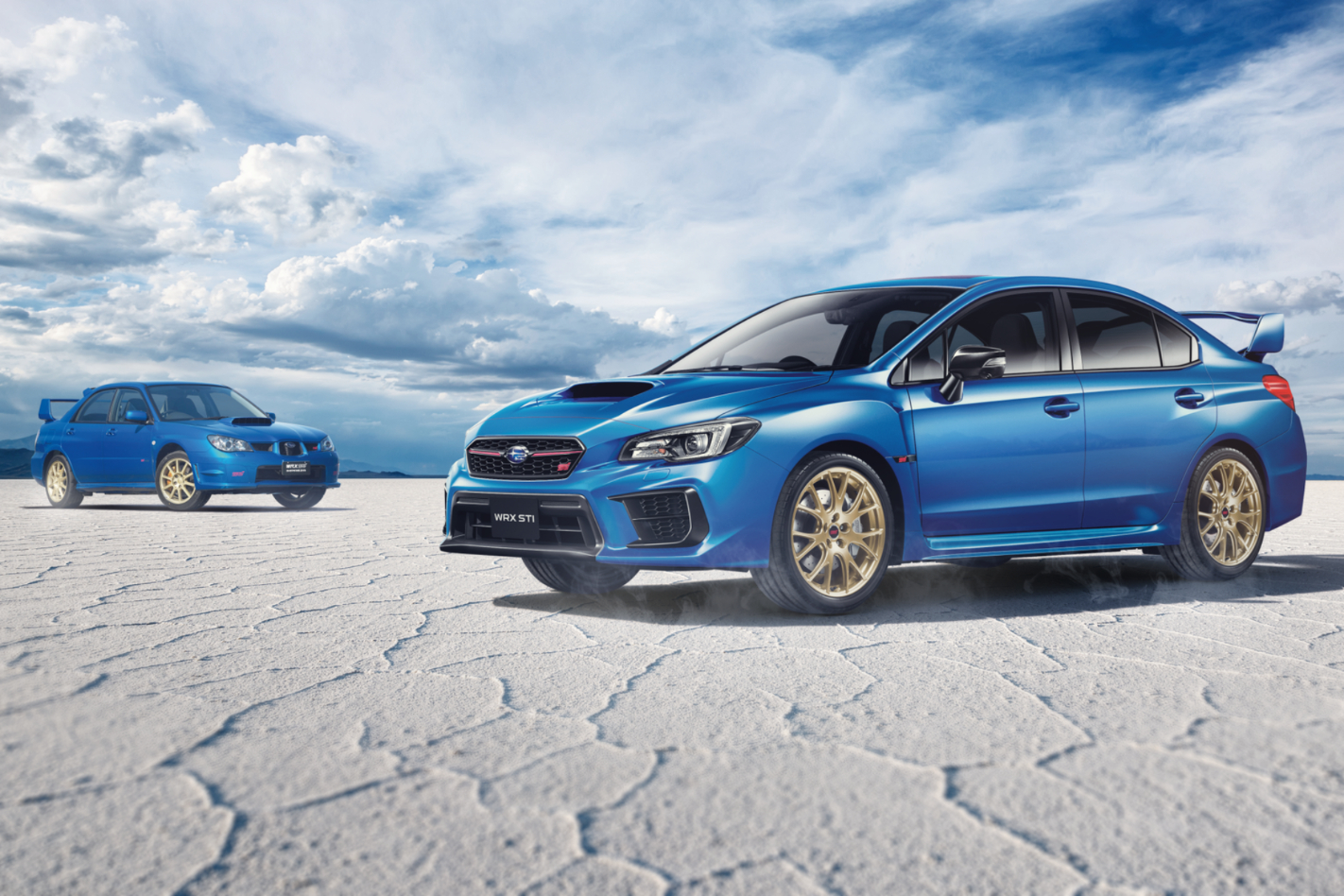
A global statement from the manufacturer hinted at the WRX STI being revived in the future, although taking a departure from its traditional roots with electrification on the cards.
“As the automotive marketplace continues to move towards electrification, Subaru is focused on how our future sports and performance cars should evolve to meet the needs of the changing marketplace and the regulations and requirements for greenhouse gasses (GHG), zero emissions vehicles (ZEV), and Corporate Average Fuel Economy (CAFÉ),” Subaru said.“As part of that effort, Subaru Corporation is exploring opportunities for the next generation Subaru WRX STI, including electrification. In the meantime, a next generation internal combustion engine WRX STI will not be produced based upon the new WRX platform.”
In December 2020, Subaru Australia surpassed 10,000 local sales of its WRX STI variants – a notable achievement considering mass official imports of STIs only began in 2001 with the ‘Bugeye’ GD Impreza, as its WRX nameplate reached 50,000 sales just a few months later in 2021.
The WRX STI EJ25 Final Edition was launched last year as a send-off for the three-decade-old EJ boxer engine, with 75 cars offered to Australian customers at a price of $62,440 – a $3000 premium over the existing top-grade STI.
Do you have any WRX STI memories? Let us know in the comments below.
The Mazda CX-30 was the right plug for the gap in the Japanese company’s range. That gap was between the ageing (but still quite good) CX-3 and all-conquering CX-5. I know the gap was there from personal experience because I begged my father to wait for the CX-30’s arrival rather than go for the larger CX-5 that he patently doesn’t need. He just thought – for so-far unarticulated reasons – that the CX-3 was too small. For he and my mother.
Point being, of course, that the gap existed and needed plugging. If you’re going to do it, you may as well take the excellent Mazda 3 chassis, slap on a bigger body but keep the interior largely identical, whack on a few more dollars to the price because it doesn’t seem to bother buyers and you have yourself a COTY-winning plug.

It’s better than just a plug, though. When some carmakers are considering what to do in the same situation, the first attempt is often half-baked. On the cheap, if you will. Since its triumph in the pages of Wheels magazine, the range has received an annual tweak and, like the 3, picked up the SP black pack, which as it turns out is slightly less black than on its sedan and hatch counterpart.
Pricing and Features

As is Mazda’s habit, there are approximately one billion versions of the CX-30. A mild exaggeration, yes, but few manufacturers are as game to offer so many variants within a range as Mazda. It didn’t work for Jaguar because it was a colossally expensive exercise but it clearly is working here.
The CX-30 Touring SP can be had in either front-wheel drive or all-wheel drive versions, both of them packing the now middle-of-the-drivetrain-list 2.5-litre four-cylinder petrol.
Another two other engines can be found across the range, the basic 2.0-litre (front-drive only) and a fancy-pants 2.0-litre combining compression and spark ignition with a rather cheeky “hybrid” badge on it. Having driven a car so-equipped can’t really work out why you’d want it. Although that’s irrelevant here because you can only get the larger engine with this spec.

The FWD car is priced at $39,190 before on-road costs while the all-wheel-drive machine I had comes in at $41,190 plus on-road costs, adding not just dollars but around 100kg in weight.
You get 18-inch alloys, an eight-speaker stereo, dual-zone climate control, cameras in all directions, reversing camera, front and rear parking sensors, powered front seats, sat-nav, auto LED headlights, auto wipers, keyless entry and start and a space-saver spare.
In the SP specification, you get glossy black 18-inch alloys with Toyo tyres, blacked-out mirror caps and burgundy-coloured leather seats and trim bits to replace the brown (ahem) of the Touring.
Take the excellent Mazda 3 chassis, slap on a bigger body but keep the interior largely identical, and you have yourself a COTY-winning plug

The media system is powered by the latest version of Mazda Connect on the very fetching 8.8-inch screen mounted on the dash away from your grubby digits. The reason it’s so far away is that it’s not a touchscreen; you control the whole shebang from the console-mounted rotary dial.
Its basic software looks terrific and is easy to use although, with USB-connected Android Auto and Apple CarPlay, the dial control can test your patience. You also get sat-nav and DAB+ digital radio.
The SP also has the Vision Technology Pack and that means a properly comprehensive safety package. You get seven airbags, ABS, stability and traction controls (including mild offroading support), blind-spot monitoring, forward and reverse auto emergency braking, front and rear cross-traffic alert, forward collision warning driver attention detection, lane-keep assist, lane departure warning, traffic sign recognition and intelligent speed assist.
Obviously, it scored five ANCAP stars when tested in 2019.
Comfort and Space

The CX-30 has a beautifully designed interior. There’s nothing whacky or “goodness, that’s clever” but it’s a model of clarity and deeply sensible ergonomics. Everything falls easily to hand, the materials are top-notch and with the SP’s burgundy leather, it’s not as dark as lower-spec CX-30s in the cabin.
Smaller Mazdas tend not to be market leaders in cabin space and the CX-30 is no different. The boot starts at a small-for-its-class 317 litres, rising to 422 or 430 litres with the underfloor storage, depending on spec. Mazda doesn’t supply a figure for when the 60:40 split-fold seats are, but bet on around the 1000-litre mark.
The CX-30 has a beautifully designed interior. There’s nothing “goodness, that’s clever” but it’s a model of clarity and deeply sensible ergonomics

Front and rear-seat passengers each score a pair of cup holders and a bottle holder in each door. The centre console bin is a small but useful space and the glove box is tiny, presumably in the interest of offering more knee room.
Rear-seat passengers get roughly the same deal as those in the 3 except for the middle passenger.
There is a reasonably chunky transmission tunnel that robs the middle occupant of precious foot space. It will do the job for most city trips. Headroom isn’t super generous, either, but I’m okay at almost 180cm and fit comfortably behind my own driving position.
On the Road

The Touring SP features the always-preferred (for me, anyway) 2.5-litre four-cylinder SkyActiv petrol engine, paired with a six-speed automatic and, as I’ve already mentioned, the car had was equipped with all-wheel drive.
Outputs of 139kW at 6000rpm and 252Nm at 4000rpm are far from startling, especially when kerb weight tips over 1500kg. It means a hard-fought 0-100km/h time of just over nine seconds. Not bad, but you’ll notice the effect of more people and things in this naturally-aspirated, torque-light configuration, but Mazda has so far resisted throwing in the excellent turbo 2.5.
The real deal here is the chassis. Mazdas are terrifically balanced machines and what’s more important about that is that each car has its own unique character. The engineering teams don’t try and chase MX-5 feel in a CX-30 and that’s a good thing because it would make the latter not very nice.

Even on 18-inch wheels, the ride is plush and forgiving. The CX-30 rolls more noticeably in fast cornering than the 3, but that’s got a lot to do with the extra height and weight. It’s all very well controlled and passengers don’t even really notice. The front end is eager to change direction and the traction of the all-wheel-drive set-up makes it feel very secure in the wet and dry.
It’s an eminently comfortable cruiser, cheerfully knocking over the miles. The 2.5-litre has the distinct advantage of being able to shut down cylinders when in a level cruise to reduce fuel consumption. It’s quiet and composed and you only get a mild racket from the tyres if the surface is terrible. Which in Sydney is an unfortunately common proposition.
The real deal here is the chassis. Mazdas are terrifically balanced and each car has its own character. The engineering teams don’t chase MX-5 feel in a CX-30 because it would make the latter not very nice

It’s very happy around town, too, and the lovely thin-rimmed steering wheel is just right for all the maneuvering and turning in and out of the cut and thrust of suburban and urban driving. The transmission calibration also does its best to make it feel sprightly, although do expect to get rinsed by plenty of other cars on the road.
The penalty for that does come through in the extra 100kg of weight and the inevitable whack at the petrol station. Mazda claims 6.8L/100km on the combined cycle but the best I could do was 9.3L/100km.
Ownership

Mazda offers a five-year/unlimited-kilometre warranty and five years of roadside assist.
Despite having a naturally-aspirated engine, Mazda wants to see you every 12 months or 10,000km for a service, an impost usually reserved for turbo-engined cars in most rivals.
Mazda’s Service Select program lists the price of each service up to the fifth. Total cost over five services is $1700 at an average of $340 per service. You’ll pay either $322 or $367 on each visit, plus extra items listed on the website for things like filters and brake fluid.
VERDICT

As with the 3, SP spec is a good one on the CX-30 but unlike the 3, it’s not the pick of the range. I would stick with the Touring if I really wanted the 2.5L engine or drop down to an Evolve, although neither has the Vision Package as standard, so do your sums.
The CX-30 is still a terrific car, though, and after more than two years on sale, still punches on quite happily with the vast amount of competition available. The SP makes no real mechanical difference but it’s just a nice little addition to the range, with a brighter cabin and a slightly tougher appearance.
Its overall excellence, regardless of specification, more than vindicates its COTY win.
2022 Mazda CX-30 G25 Touring specifications
| Body: | 5-door small SUV |
|---|---|
| Drive: | all-wheel |
| Engine: | 2.5-litre four-cylinder |
| Transmission: | 6-speed automatic all-wheel drive |
| Power: | 139kW @ 6000rpm |
| Torque: | 252Nm @ 4000rpm |
| Bore stroke (mm): | 89.0 x 100.0mm |
| Compression ratio: | 13.0 : 1.0 |
| 0-100km/h: | 9.1 sec (claimed) |
| Fuel consumption: | 6.8L/100km (combined) |
| Weight: | 1529kg |
| Suspension: | MacPherson strut front/torsion beam rear |
| L/W/H: | 4395mm/1795mm/mm |
| Wheelbase: | 2655mm |
| Brakes: | 295mm ventilated discs, single-piston calipers; 264mm solid discs, single-piston calipers |
| Tyres: | 215/45 R18 Toyo Proxes |
| Wheels: | 18-inch alloy wheels (space-saver spare) |
| Price: | $41,190 plus on-road costs |
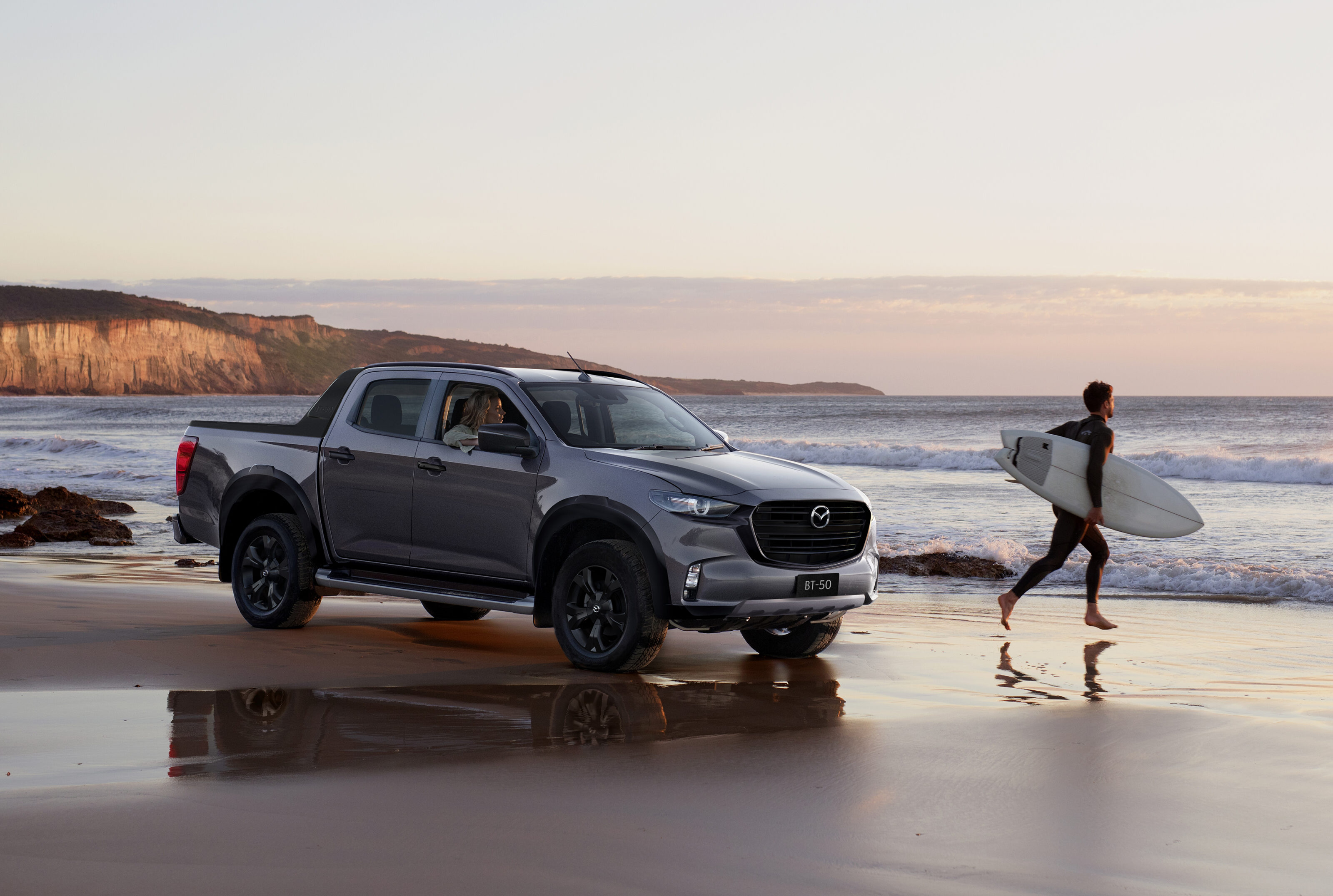
Mazda Australia has recalled its BT-50 ute due to a fault which could result in oil leaking from the transmission.
There are 14 vehicles affected by the notice, which applies to BT-50s built in 2021.
According to the Department for Infrastructure, the transfer case blanking plug may not have been installed correctly during production and could lead to an oil leak from the transmission.
In turn, this could increase the risk of an accident causing injury or death to vehicle occupants and other road users.
A list of VINs is available here.
Owners are urged to contact their preferred Mazda Dealer for an inspection and replacement if necessary, free of charge. Alternatively call 1800 034 411 for further information.
In the battle of BMW’s most iconic cars, it’s hard to argue against the E9 in CSL guide, with the sleek coupe becoming the genesis of the company’s performance road vehicles.
We’re partial to a CSL here at MOTOR, so when one turns up with a touch over 10,000 kilometres driven in its history, it’s hard not to talk about.
Listed on Trading Garage, this Karmann Karosserie-built 1973 BMW E9 3.0 CSL has resided with its sole Australian owner since 1986 when it was imported from the United Kingdom – one of just 500 examples to be delivered outside Europe.
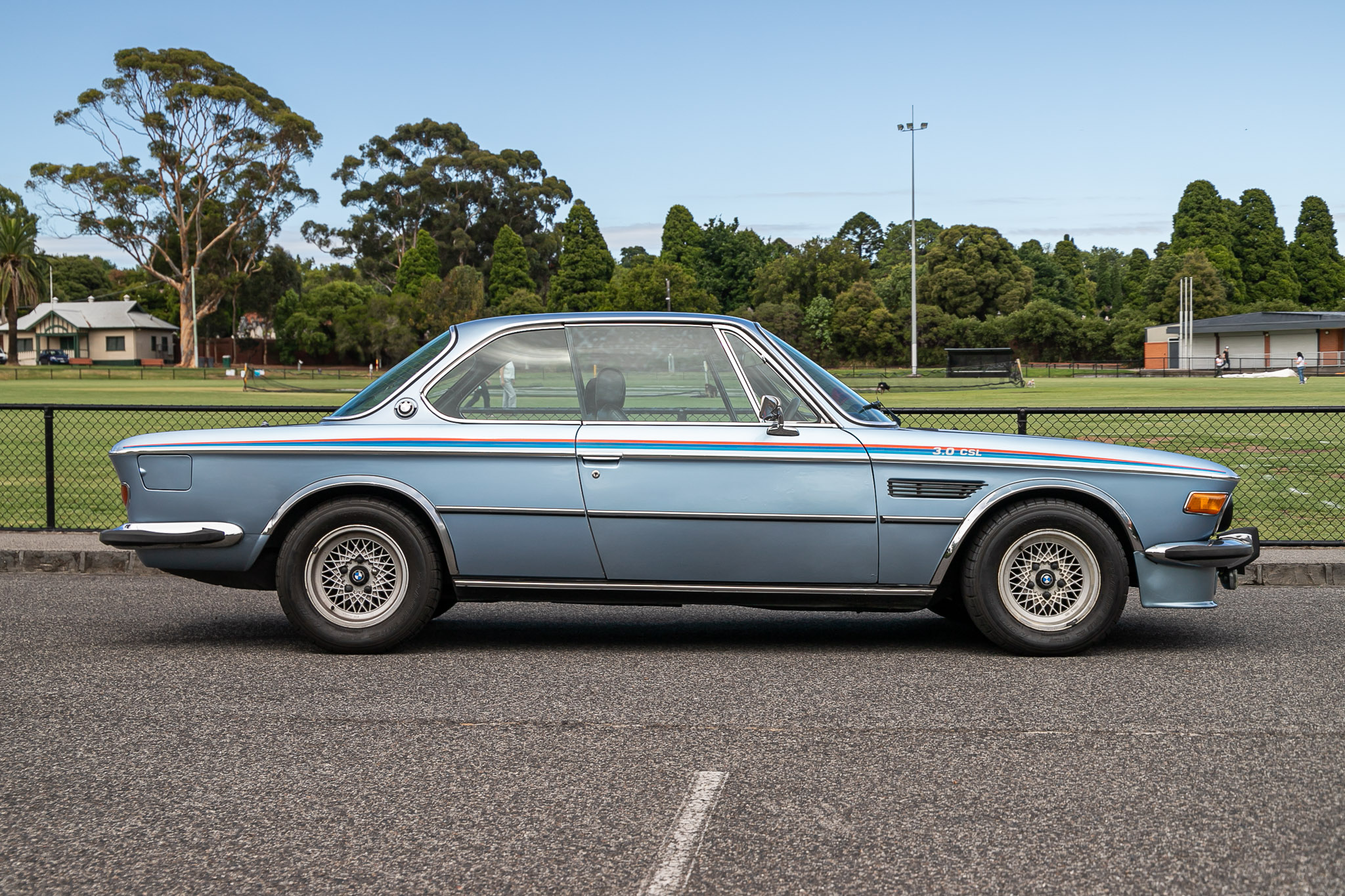
Painted in ‘fjord blue’ with the iconic BMW M striping, this CSL was treated to a bare metal restoration in 1991 due to some period-correct rust issues – thanks British roads – where the owner also took the liberty of fitting a 3.3-litre, straight-six engine from an E23 in place of the original 3.0-litre.
Despite having the larger donk, it’s still fitted with the CSL’s Bosch D-Jetronic electronic fuel injection system, with power still being delivered to the rear axle through a four-speed manual transmission.
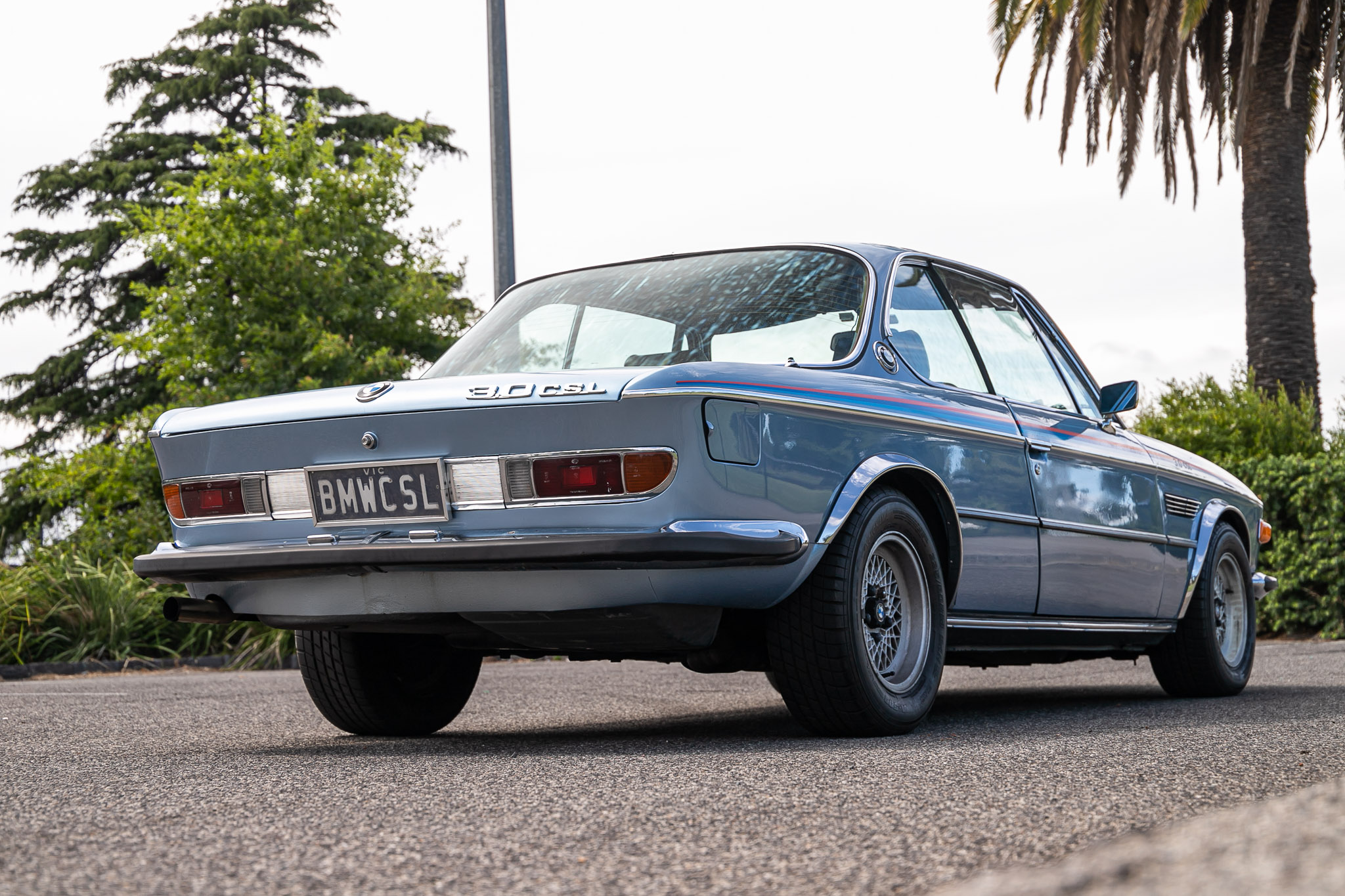
While it’s not the perfect example of a CSL, nothing can take away from those 14-inch BBS Mahle wheels as well as the first-gen “Batmobile” spec wing and rear window cowl – both of which are included with the sale.
According to the listing, the bucket seats up front are in good condition although there are some scratches on the back of the seats and headlining.
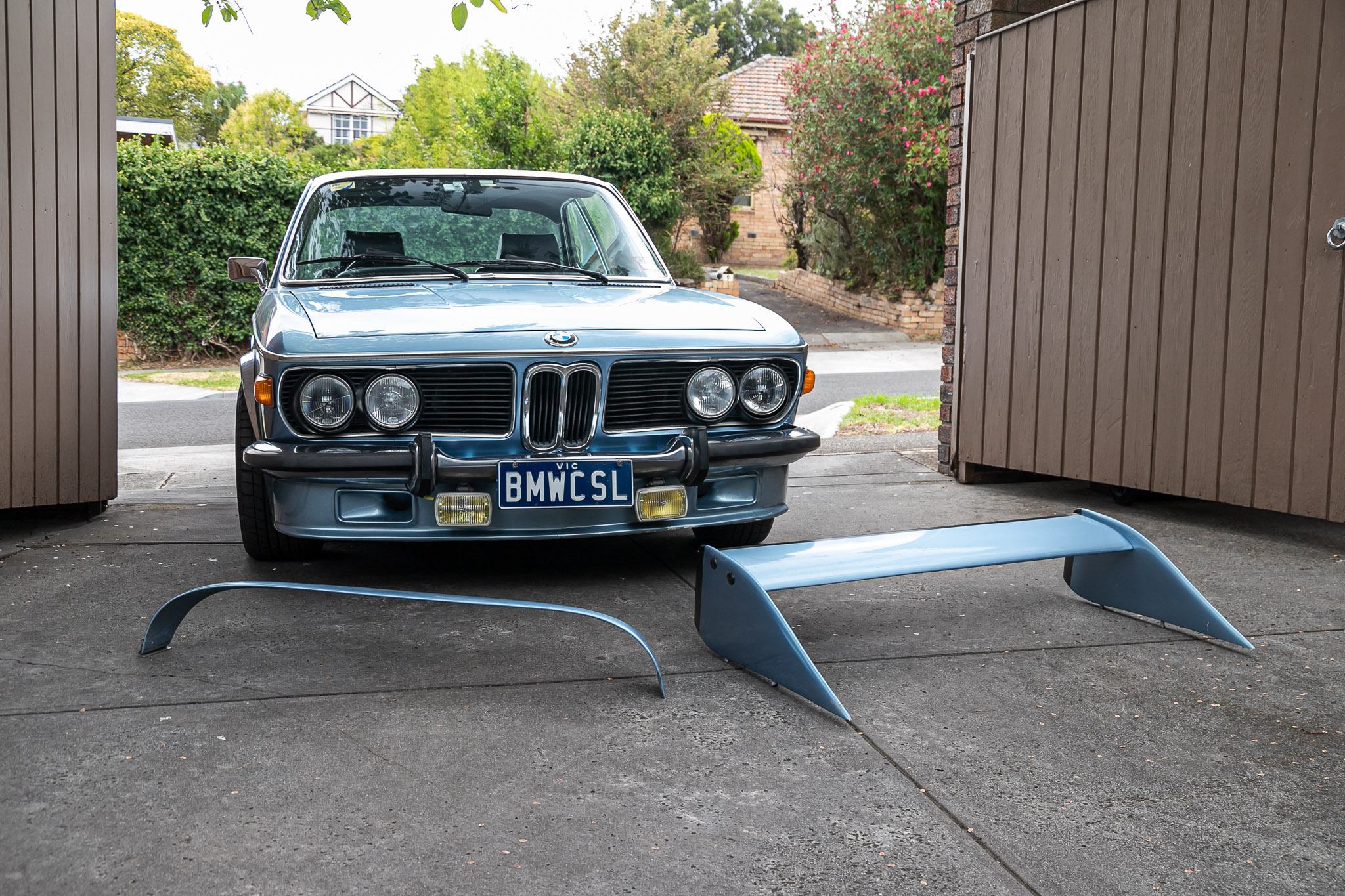
With just 6477 miles (10,424 kilometres) on the clock, it’s likely to be one of the lowest-mileage examples in Australia, reflected in the current state of bidding.
At the time of writing (March 11), the listing has a top bid of $60,000 after starting at $25,000 on March 4 – although with bidding set to end on March 20, the current figure is likely to be surpassed by a healthy margin.
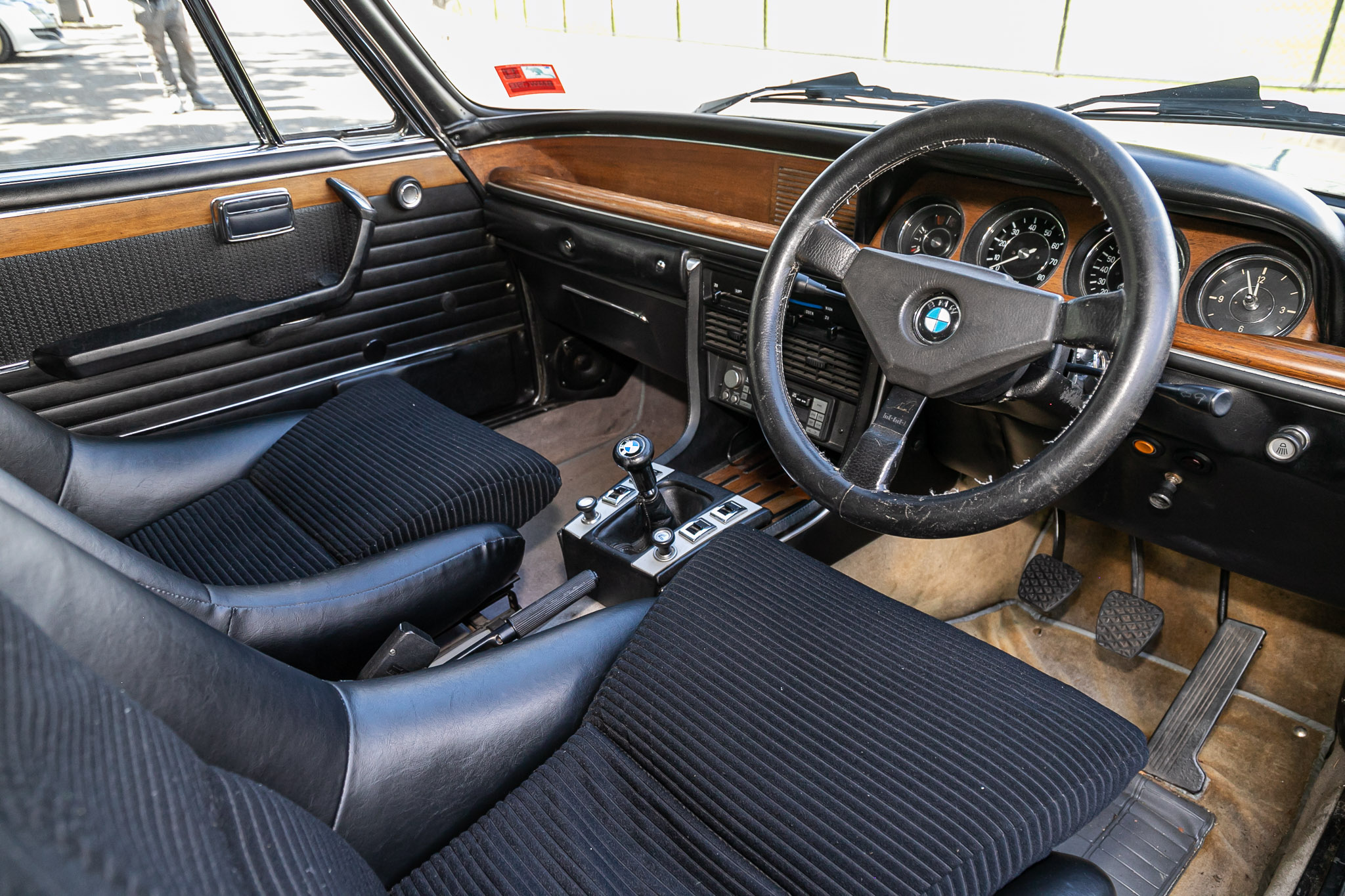
The personalised “BMWCSL” Victorian registration plate isn’t included with the sale, however the ad states its owner is open to offers.
Recent spy photos have shown BMW shaking down an M4-based CSL at the Nürburgring, marking only the third time the Coupé Sport Lightweight nameplate has been used, along with the original CSL and the E46 M3 CSL.
McLaren’s 720S is arguably the definitive modern supercar of our time. One of the characteristics that elevates it above the competition is its engine – a 4.0-litre twin-turbo flat-plane crank V8 producing 530kW and 770Nm.
Dubbed the M840T, the unit is an absolute monster, with seemingly endless reserves of power that it deploys without prejudice.
Despite its all-encompassing charisma, the M840T remains a cohesive part of the 720S’ whole – something we’re discovering with each drive as MOTOR has Woking’s Super Series monster in our long-term test fleet.
But there’s another story to be told with the M840T, one that forgoes the intricacies of throttle calibration and torque curves for the pages of history books and gives a unique insight into how engines can have a lineage as complex as a royal bloodline.
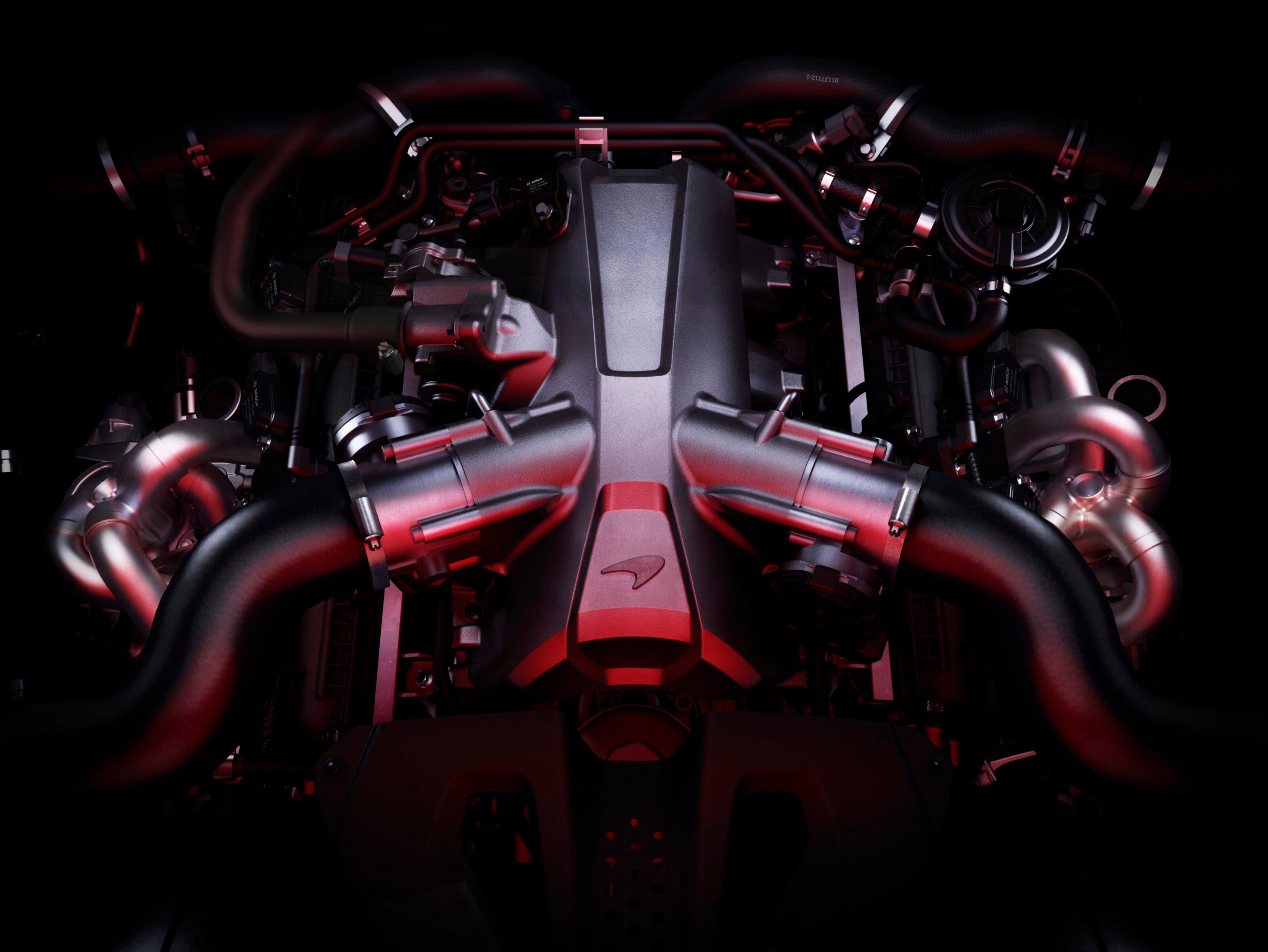
This is the story of how Le Mans race cars and a Japanese automotive giant gave birth to McLaren’s modern supercar family.
The first thing to be acknowledged is that McLaren doesn’t actually build the M840T itself (much like the iconic naturally aspirated V12 that sits mid-ship in the original F1). Instead British company Ricardo is responsible for building the M840T, shipping the completed units to McLaren’s Woking headquarters to be placed into cars. That said, the Woking team has as much ownership over the finished product as if they’d bolted it together themselves.
This is the start of the rabbit hole. Take the Red Pill and you’ll discover that the bones of the M840T are older than the McLaren F1 road car.
To explain how, we need to wind the clock back to 1987, when Nissan was beginning to work on an all-new engine designed exclusively for motorsport use – namely, the mega-powerful Group C regulations used in global sports car competition.
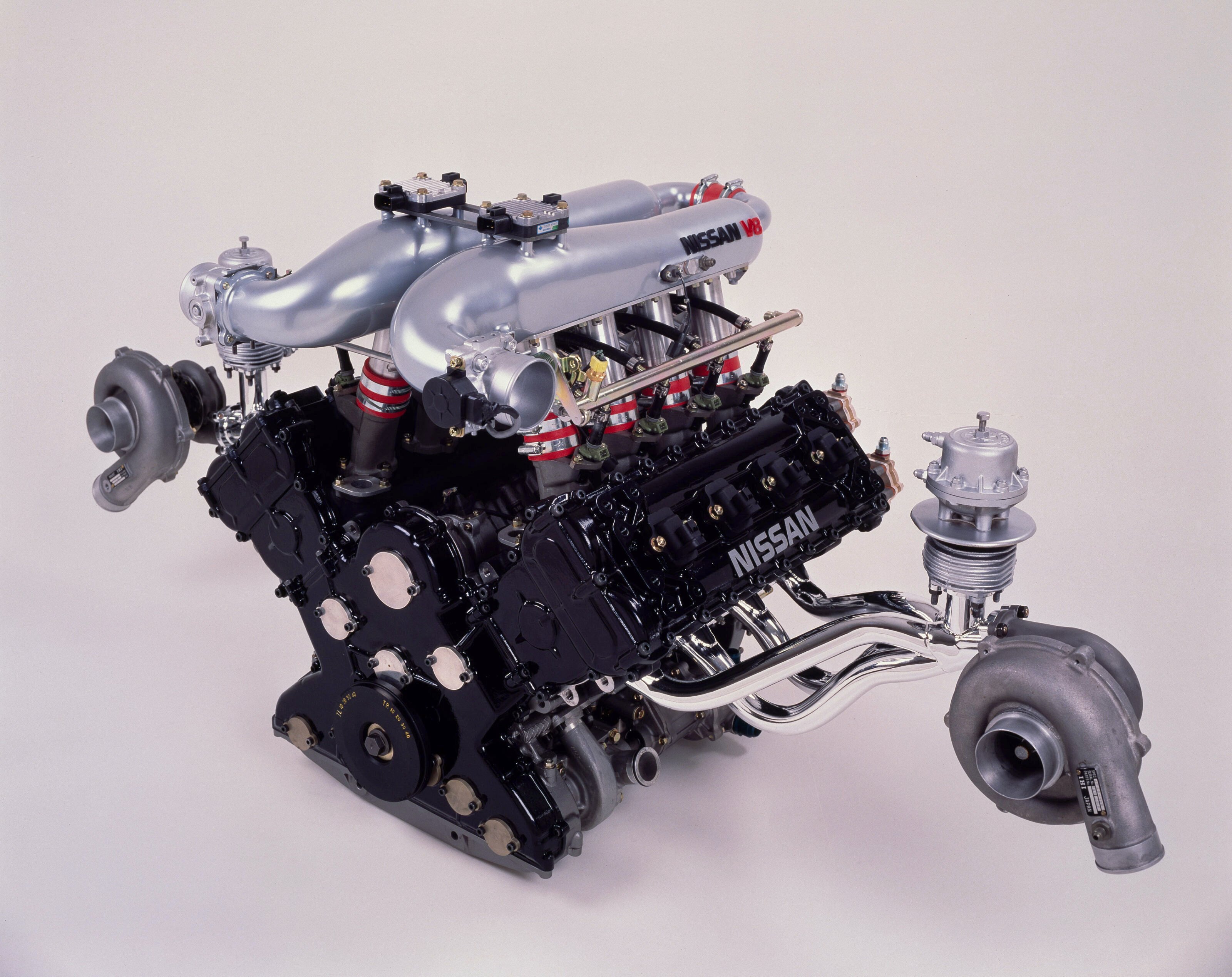
Nissan wanted a bespoke unit to power its Group C racer to glory at the 24 Hours of Le Mans (which unfortunately would never become a reality).
Yoshikazu Ishikawa designed a 2996cc twin-turbocharged 90-degree V8 with a bore of 85mm and stroke of 66mm. The resulting engine was dubbed VEJ30, and fitted to the R87E race car. Still with us?
Unfortunately for Nissan and Ishikawa-san, the VEJ30 failed to net the desired results.
Enter Yoshimasa Hayashi – a longtime NISMO employee who just so happens to share his name with Japan’s current foreign minister. Hayashi-san took the VEJ30 and made a number of changes including increasing the displacement to 3.4-litres.
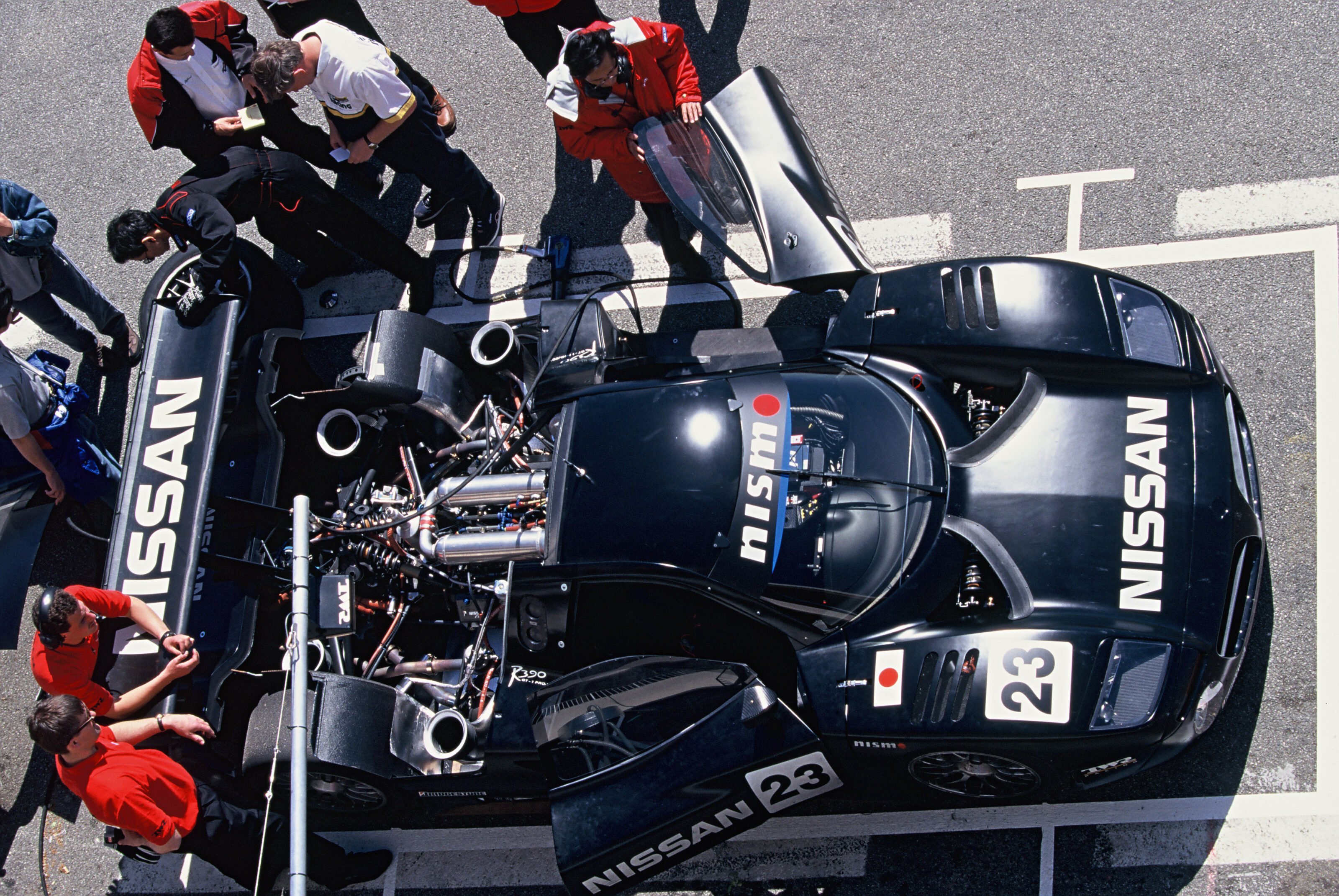
The reworked engine was then dubbed VRH30 and used for Nissan’s 1988 campaign. Again, results were found wanting.
For 1989 another all-new engine project was initiated, with development examples being fitted to the R89C Group C racer. The fundamental ingredients remained, but with Nissan’s engineers finally building something that lived up to their expectations – the VRH35.
This is what would eventually, after two decades and an entirely different Le Mans prototype program from Nissan, be used by McLaren as the heart of its sophomore creation, the MP4-12C.
The leap from Group C to road car is a substantial one, even for vehicles as fast as a McLaren.
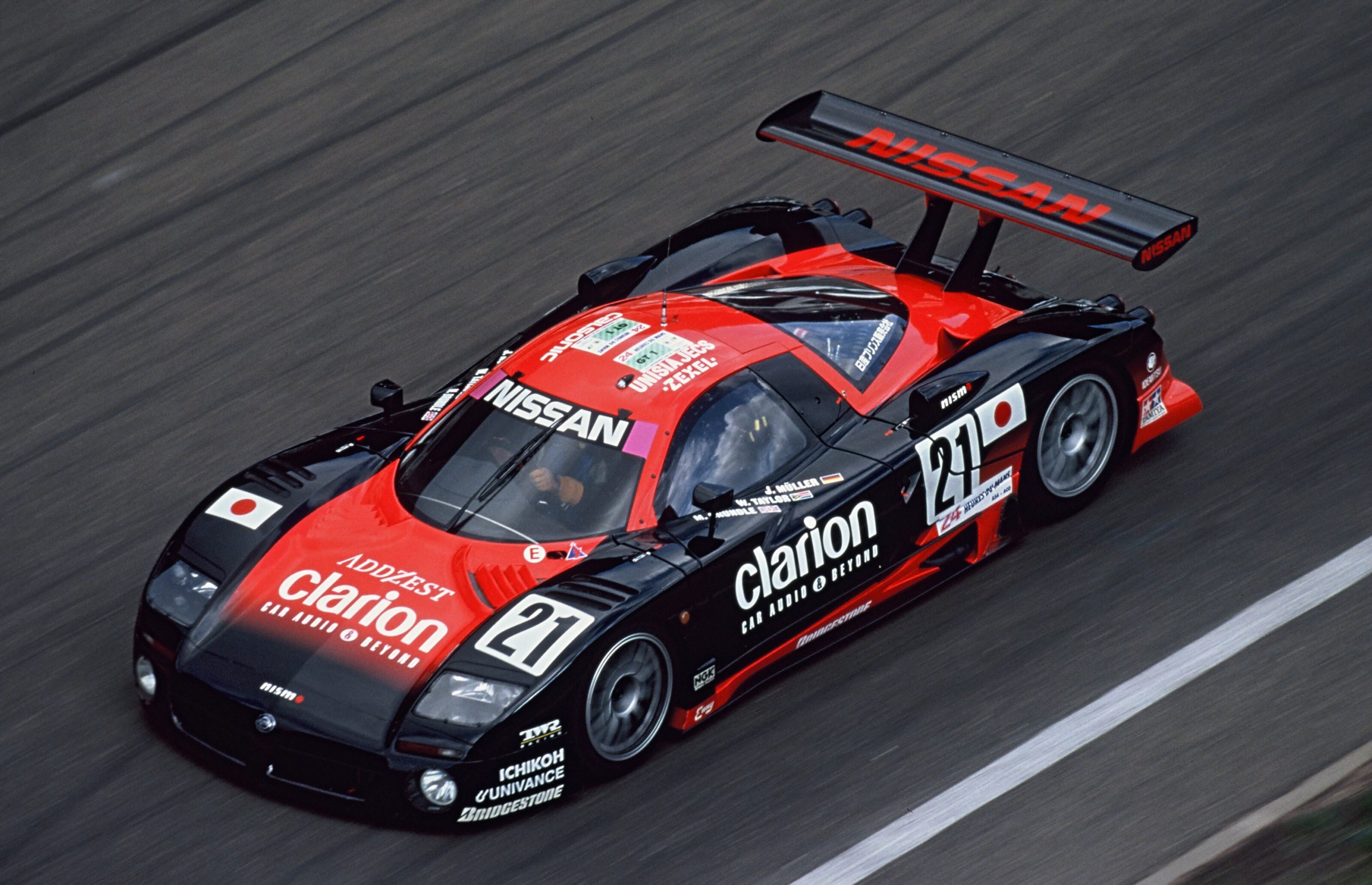
Bridging the gap is the R390, a GT1 machine built by Nissan to compete at the 24 Hours of Le Mans under the aforementioned GT1 rulebook.
We won’t get too deep into it, but the R390 itself was somewhat of a reskinned XJR-15, with the two sharing the same designer in Tony Southgate, and were run by Tom Walkinshaw Racing.
GT1 regulations at the end of the 20th century demanded that road-going homologated versions of the race cars be built and sold to the public. It was an open secret that manufacturers competing in GT1 were driving double-decker busses through various loopholes that regulated this part of the rules, but appearances had to be kept up.
To appease the powers that be, Nissan did build a red prototype version of what it planned to sell to the public. This was then repainted and given an entirely new VIN to become the blue ‘long-tail’ road version that many will be familiar with from its time in the Gran Turismo racing games.
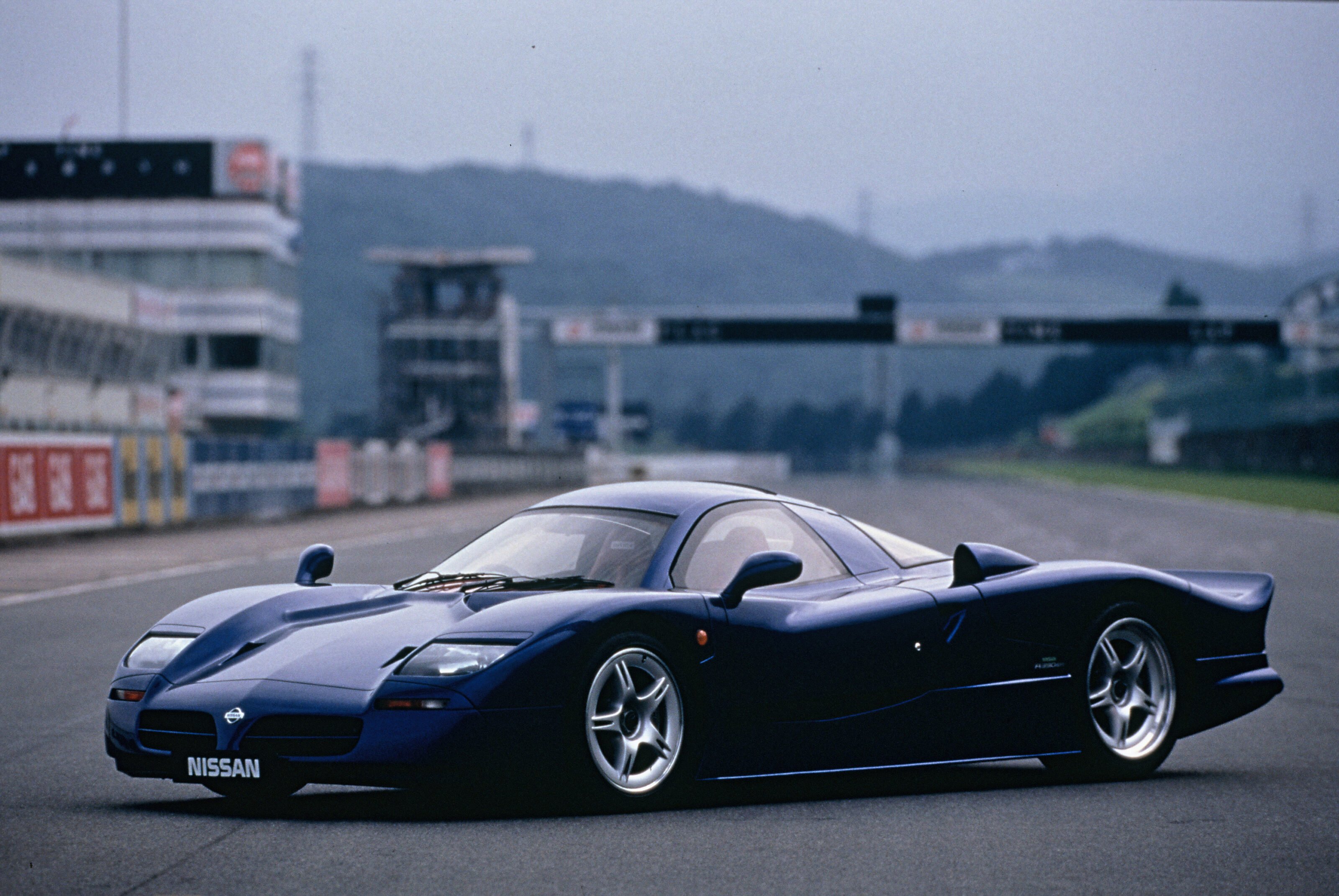
Nissan never actually sold a single R390 road car. To this day there remains conjecture if it ever actually intended to. We won’t delve into that convoluted maelstrom of speculation, but what’s important is that the VRH35L was never released on-road.
Once the R390 project was finished with, the VRH35L was put on a shelf to collect dust. Yes, other VRH engines were built by Nissan, but the twin-turbo king was taking an indefinite nap.
That was until the late-2000s when McLaren started looking for suitable engines to place into its first road car the MP4-12C. McLaren has built its reputation as an engineering company, but didn’t quite have the capacity to take on an entirely bespoke engine alongside its chassis development duties.
A modified VRH35L was developed and placed into a very early development mule built from a Ferrari 360. By this stage, the Nissan engine had increased in capacity to 3.8-litres, with legendary companies Ricardo and Ilmor both having their fingerprints on the project.
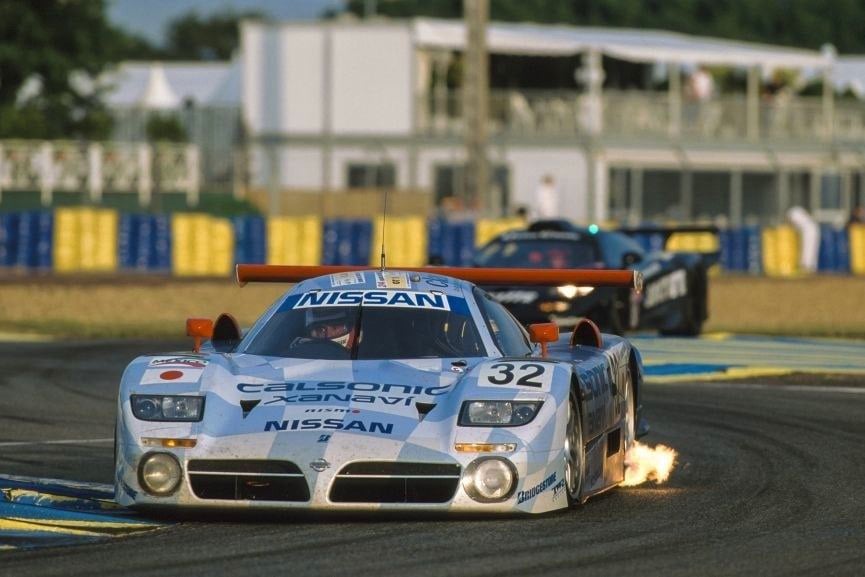
When McLaren finalised that it would opt for the twin-turbo V8 design, it bought the rights to the VRH35L engine wholesale from Tom Walkinshaw Racing. Having done significant work to the engine alongside its engineering partners, McLaren then renamed it M838T.
This engine was used in the MP4-12C, 650S, 675LT, P1, 540C, 570S and 600LT, before a series of additional changes increased the displacement to 4.0-litres, bringing to bear a new name (but the same fundamental design) in the M840T. McLaren claims 41 per cent of the M840T’s components are new compared to the M838T.
Other than the core bones of the block and the 85mm bore diameter, next to nothing remains of Nissan’s VRH35L in the M840T. However, it is muddy at best to describe either of the Woking units as ‘all-new’ given their lineage. Both Nissan and McLaren’s engine’s have developed worthy legacies in their own right.
This twisted mechanical history creates an intriguing historical paradox, where McLaren’s most powerful modern road car engine competed against the F1 GTR and its 6.0-litre S70 BMW-sourced V12 at Le Mans in 1997 and 1998. Sometimes history can be stranger than fiction.
Key Points
- Five-door liftback will be the only body on offer
- Turbocharged 1.5-litre engine from new Civic tweaked to produce 149kW/260Nm
- Six-speed manual gearbox available alongside CVT
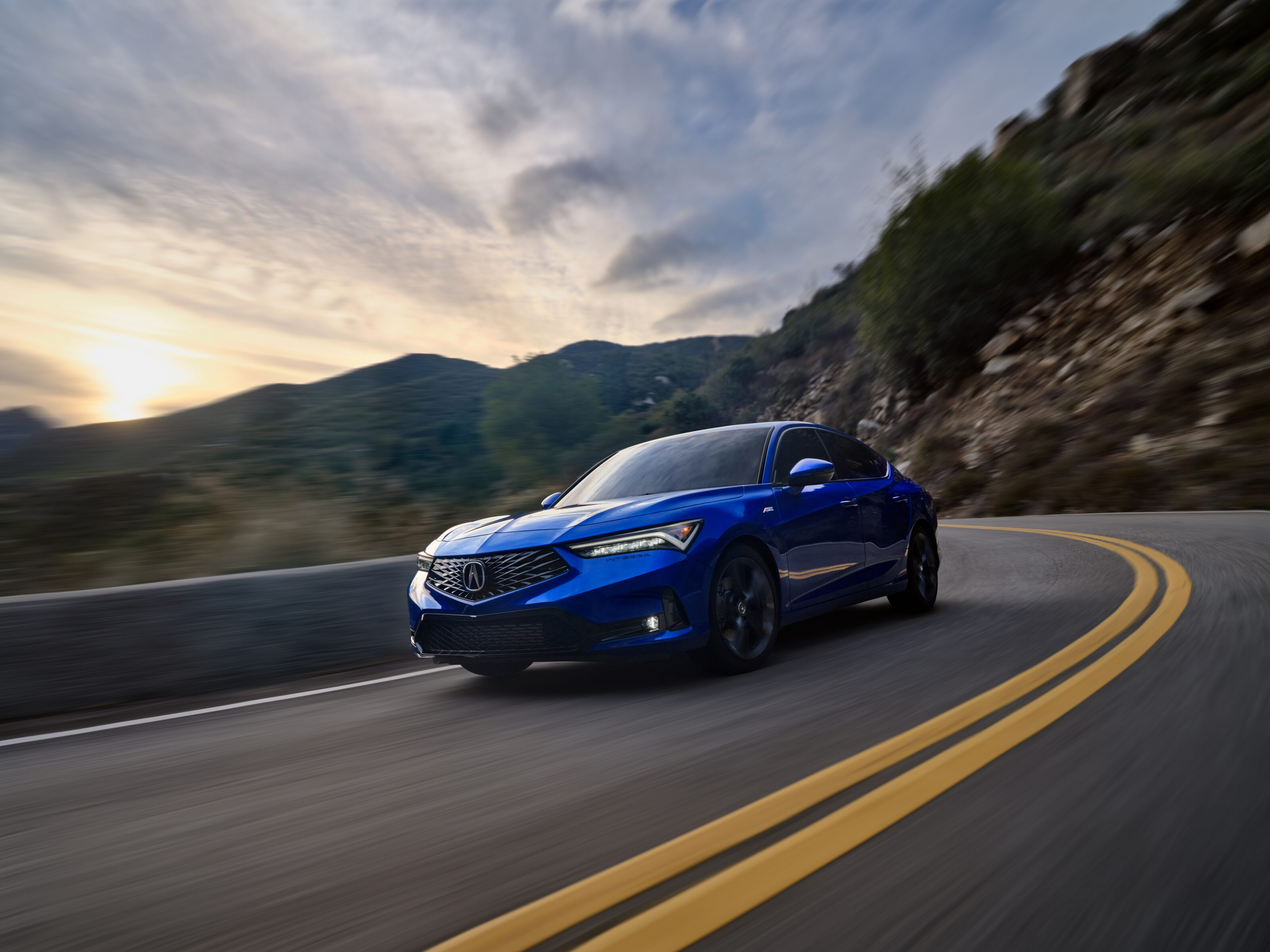
UPDATE, March 11, 2022: Honda’s American offshoot Acura has officially launched the new Integra in the United States, bringing life to the nameplate which hasn’t been used in 15 years.
First teased last year and revealed in November, the Integra is now on sale to North American buyers, but despite its underpinnings from the new Honda Civic, don’t expect it to come to Australia any time soon as the manufacturer only has plans to produce the liftback for left-hand-drive markets.
Although it uses the same 1.5-litre, turbocharged four-cylinder petrol engine as the Civic, Acura has fettled the motor slightly, now producing 149kW and 260Nm (up 15kW and 20Nm) with power sent to the front wheels.
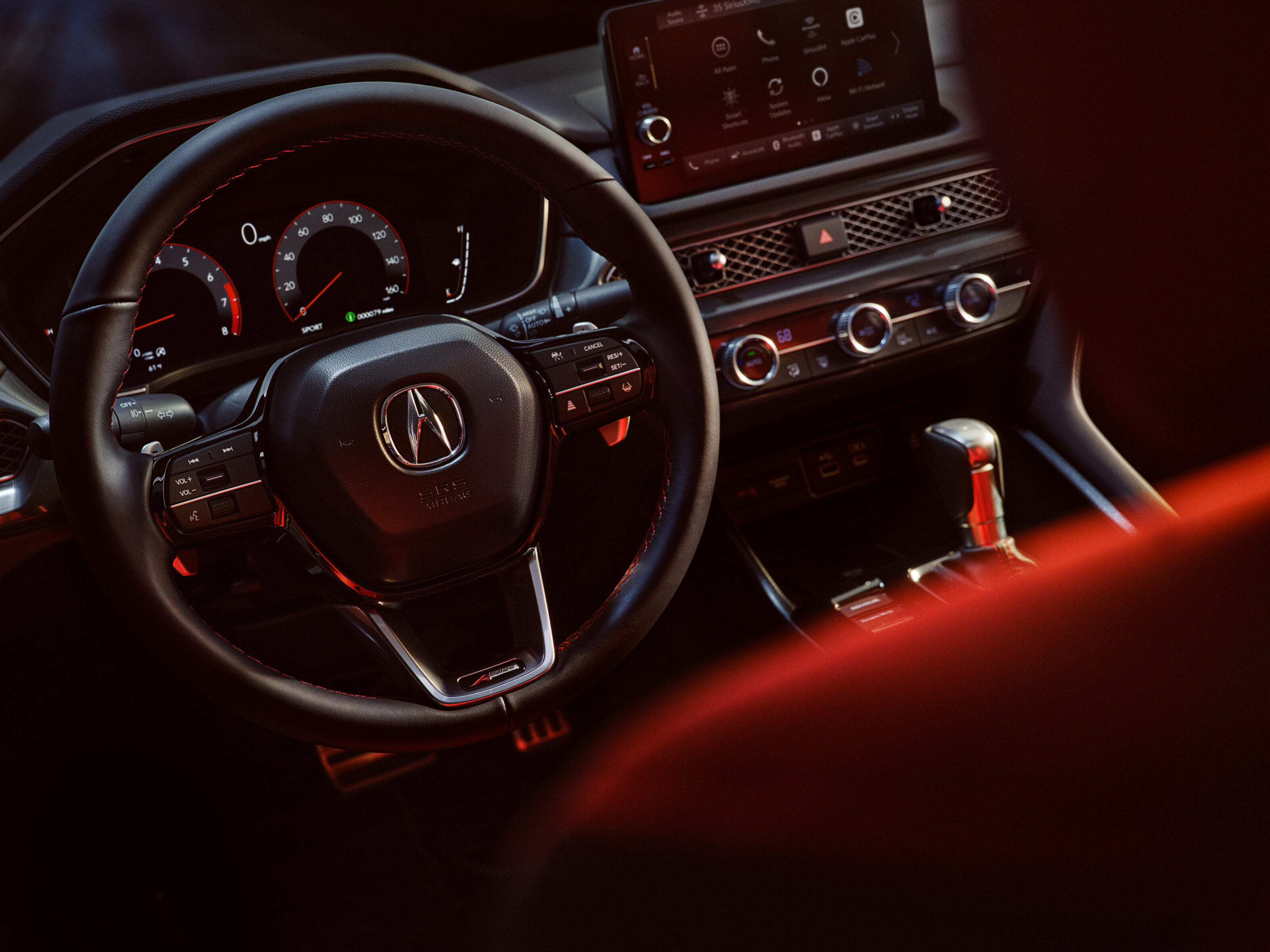
While Australian buyers of the Civic have to make do with the sole offering of a continuously variable automatic transmission, US buyers are treated to the option of a six-speed manual in the Integra’s A-Spec variant, also fitted with a limited-slip differential and rev matching tech.
The A-Spec grade gains other sporty upgrades too, such as; black exterior highlights, stainless steel pedals, red gauge needles and 18-inch wheels – up from the 17-inch alloys on the base spec.
Standard equipment fitted across the line-up includes; a 10.2-inch digital dash, eight-speaker sound system and a seven-inch touchscreen, while the optional Technology Package adds; a head-up display, Amazon Alexa built-in and a 16-speaker ELS STUDIO 3D audio system.
Despite the full features being laid out, Acura still hasn’t put an exact price tag on the Integra, saying only it will start at “about US$30,000 (AU$40,900)”, with no details yet given on how much the extras will set buyers back.
Acura has said the first 500 customers to reserve an Integra with a deposit will also score an Integra NFT.
The story to here
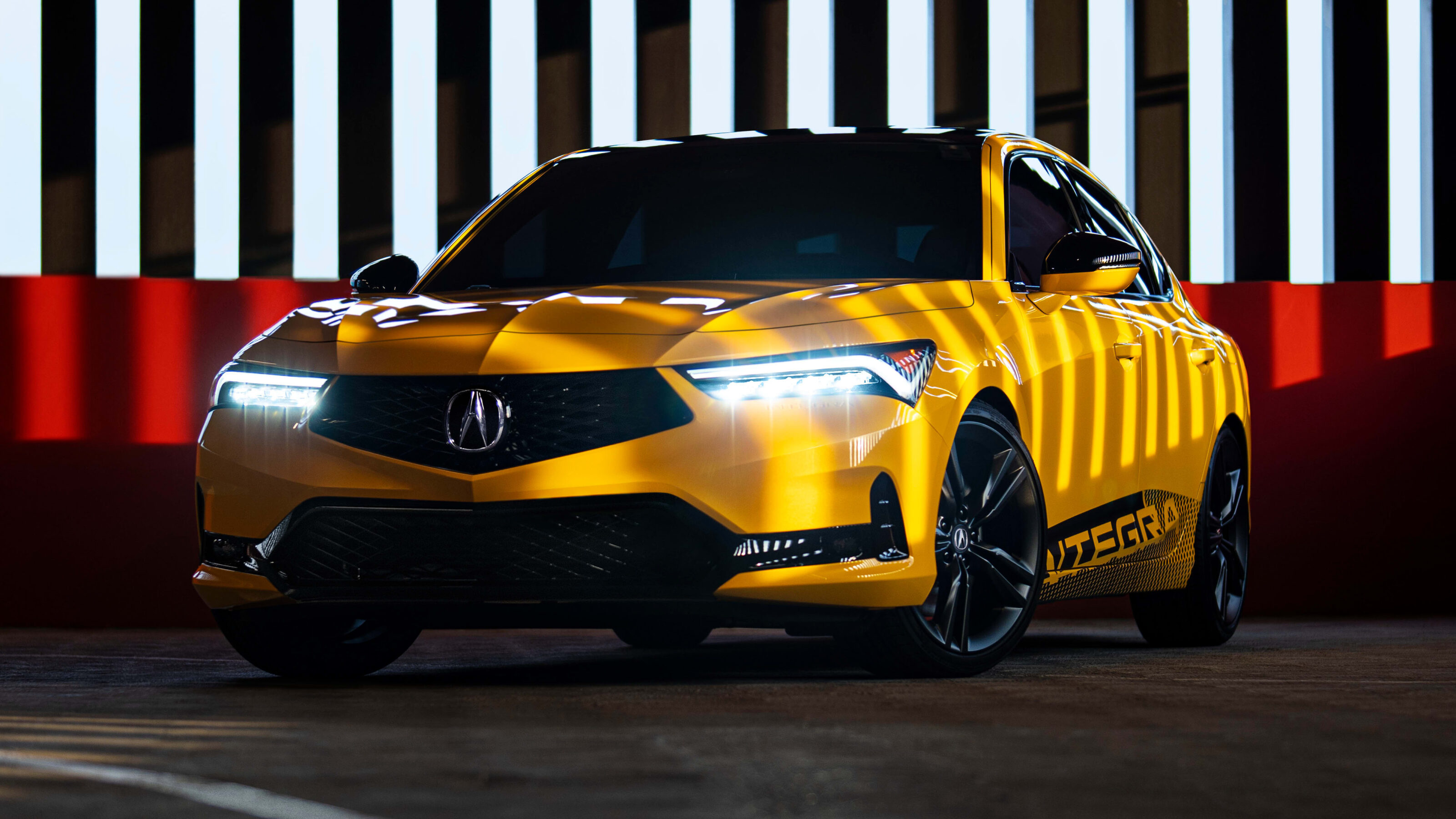
November 12, 2021: Acura has finally pulled the covers off the 2023 Integra, showing off its prototype which will largely influence the production model.
First teased in August, the return of the Integra nameplate for Western markets marks the end of a 15-year absence, with the previous generation DC5 coupe going off sale at the end of 2006 – all but killing the badge which was used by parent company, Honda.
It’s important to note this is not the first time the Integra name has returned since 2006, as only last week Honda’s Chinese operations announced it would be producing a tweaked version of the Civic which would adopt the Integra badge.
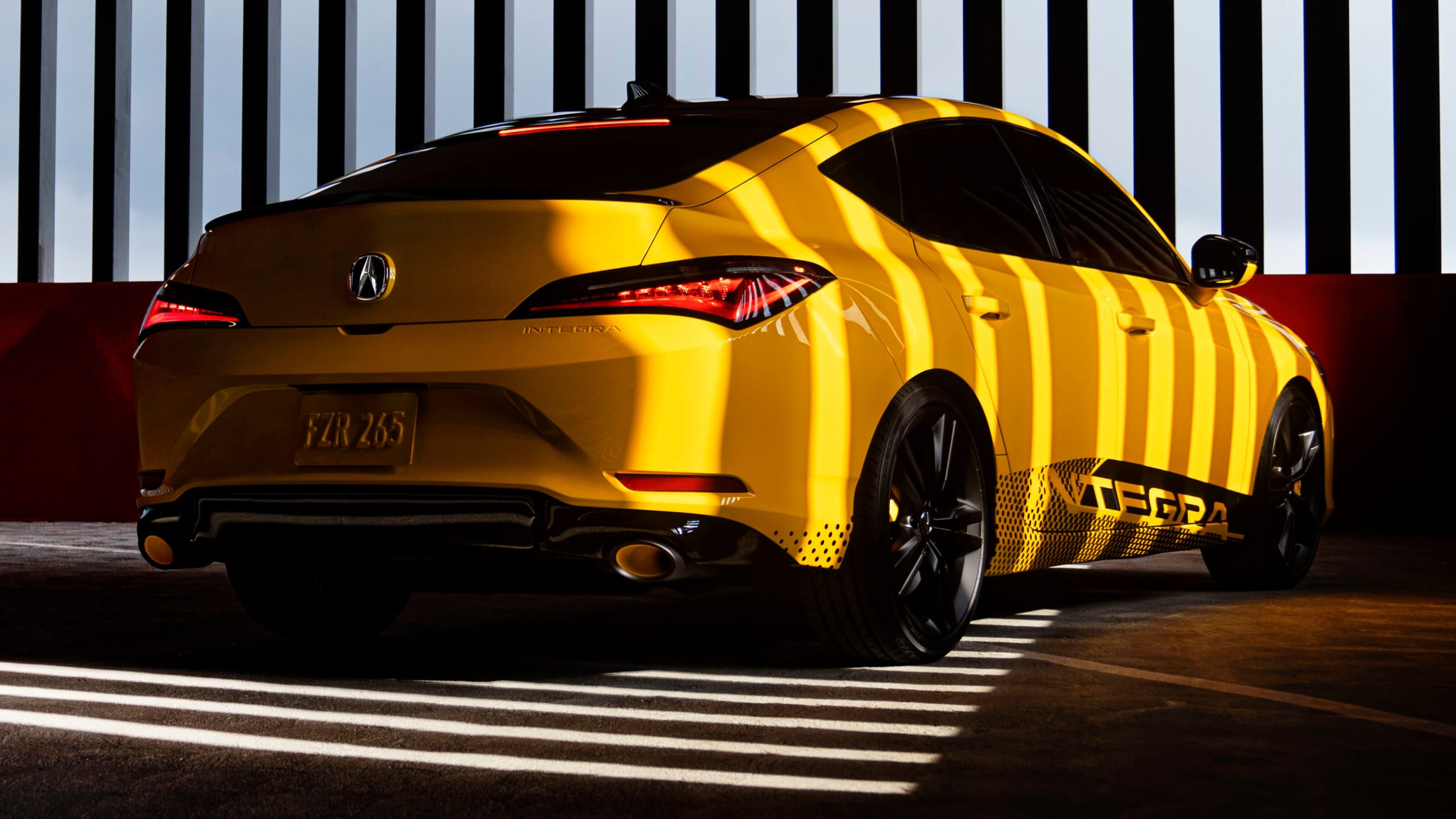
Leading into today’s reveal, we already knew the 2023 ‘Teg would be a five-door liftback and could be ordered as a three-pedal, six-speed manual, basing itself on the 11th-generation Honda Civic’s platform.
Set to be powered by the 1.5-litre, turbocharged four-cylinder engine powering the Civic, it’s expected Acura will tweak the existing 134kW and 240Nm unit to push out slightly more impressive figures.
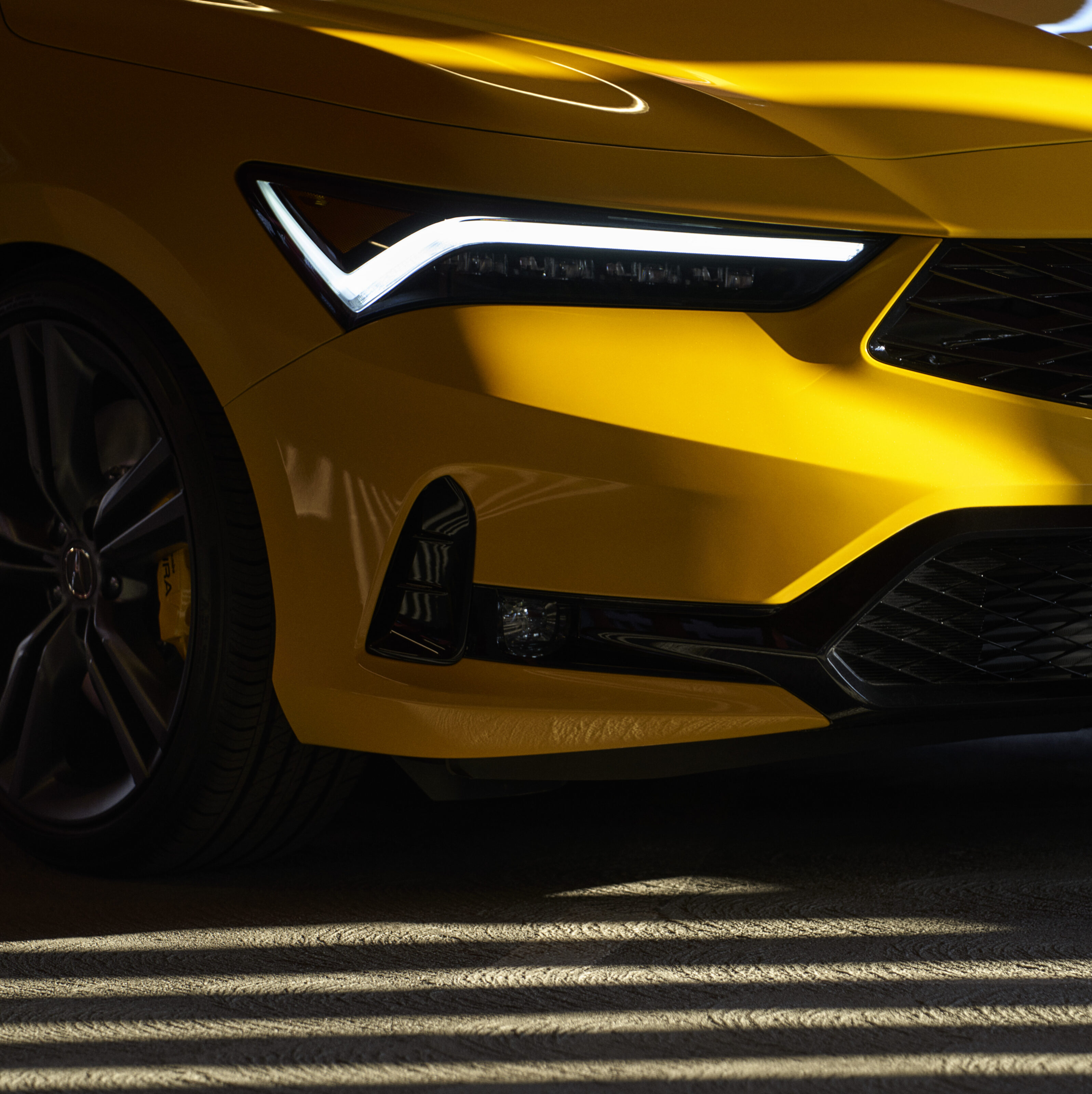
Paying homage to the iconic Phoenix Yellow DC2 Integra Type R, the 2023 prototype was presented in Indy yellow, allowing Acura to show off some of its Berlina black highlights, such as the lower and upper grilles, rear lip spoiler and diffuser.
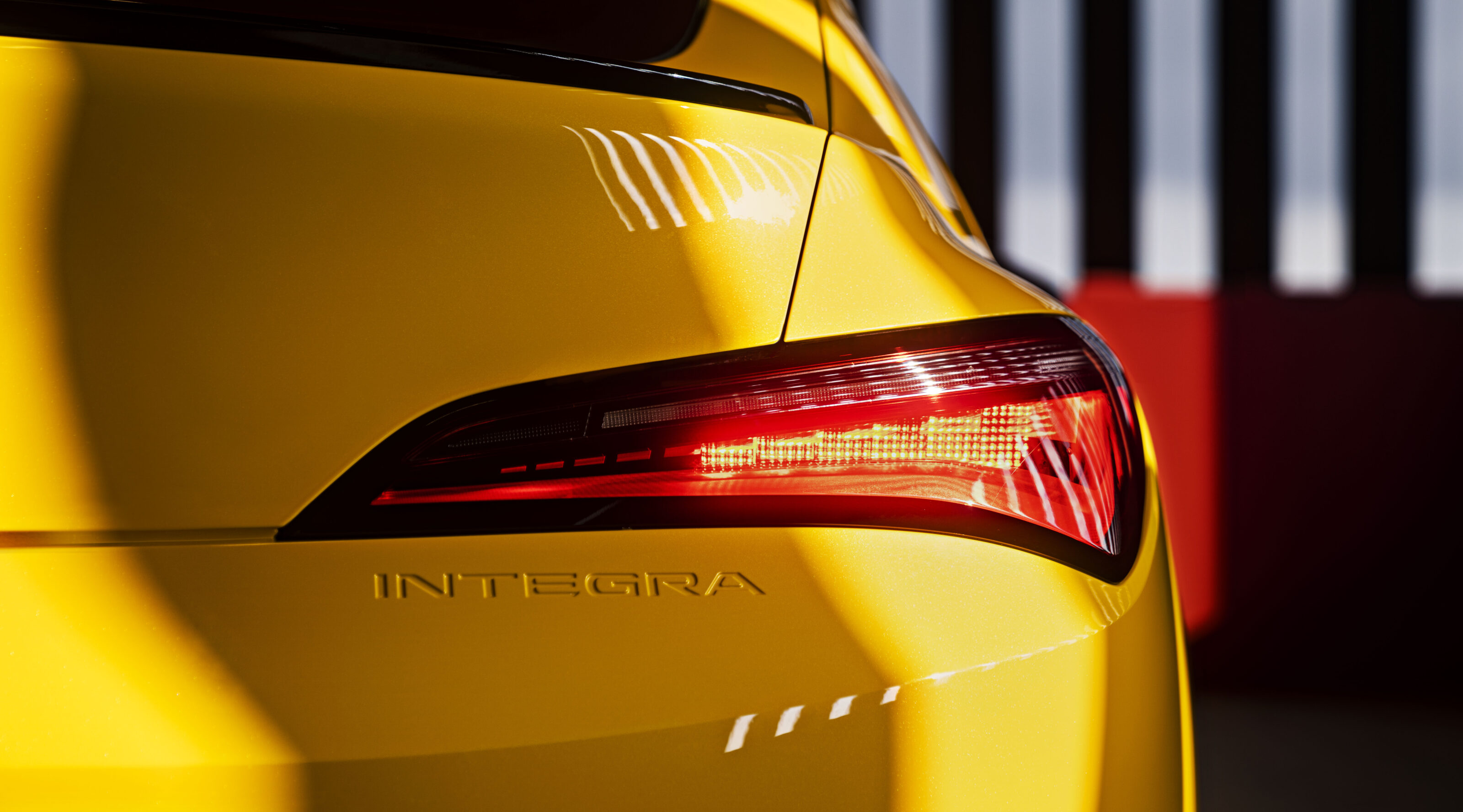
While its front and rear portions reflect Acura’s design language, the side view is quintessentially Honda Civic – with the middle section of the body showing little change over its cross-engineered cousin.
Performance parts include; a limited-slip differential to control the power, which is sent exclusively to the front wheels, a set of 19-inch five-spoke wheels and Brembo brake calipers – colour matched to the Indy yellow body.
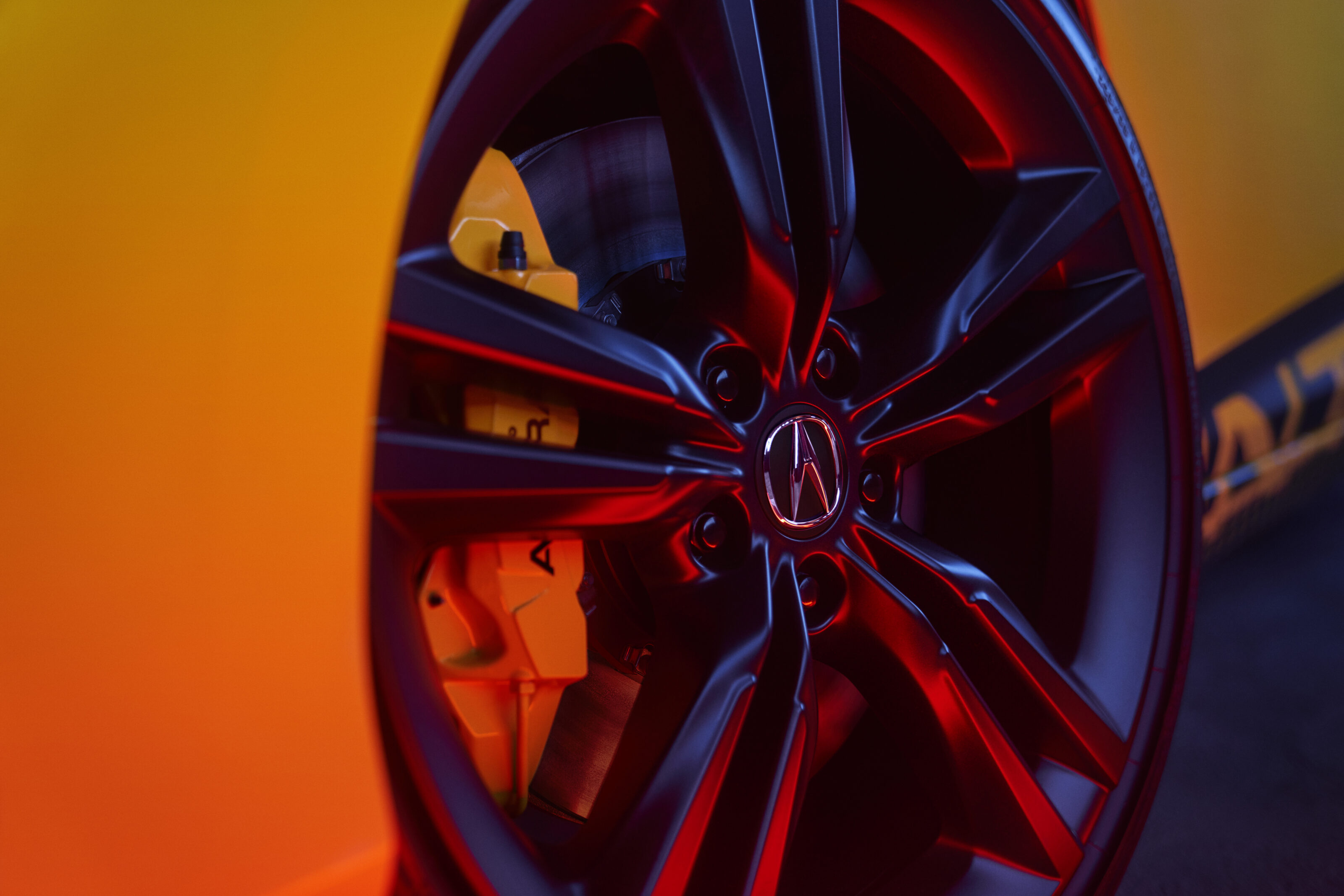
Planning to launch the car to the American market in the first half of next year, Acura said the model could start around US$30,000 (AU$41,200) when it lands in showrooms, although it has not been confirmed as to how many levels or options will be available.
Snapshot
- Grecale spotted on the streets minus much of its camo
- Set to be powered by a choice of four and six-cylinder engines
- Reveal slated for March 22
UPDATE, March 23, 2022: The 2023 Maserati Grecale has been fully revealed. You can read more about Maserati’s new mid-size SUV by clicking here.
The story to here
March 11: Just under a fortnight away from its official reveal, the Maserati Grecale has been spied in public sans camouflage, giving us our first proper look at the SUV.
Spotted and posted to Instagram by user Wilco Blok, only a minimal amount of Maserati’s cryptic camo from its last round of teasers remains on the Grecale, although none of it obstructs the view of the car.
https://www.instagram.com/p/Ca7oiy_MkAf/
Perhaps unsurprisingly, the medium-sized SUV, which is up against premium competitors such as the Porsche Macan, looks quite similar to its rivals – with its long bonnet, tight C-pillar and short rear overhang mimicking other established models in the segment.
While its front end adopts Maserati’s distinct design language with its wide intake and vertical bars, the rear design is not too dissimilar to the Jaguar F-Pace, with its overall shape and chrome trim reminiscent of the British marque’s offering.
https://www.instagram.com/p/Ca7ajVjsnWd/
Given its quad exhaust tips as well as the large brake rotor and caliper package, we can safely assume this is the range-topping Grecale, potentially with the 3.0-litre, twin-turbo V6 from the MC20 under the bonnet.
Covers will officially come off the Grecale on March 22, with Wheels providing updates after Maserati’s latest SUV is revealed.
BMW Group is expanding, with the announcement it has acquired the Alpina brand.
Alpina is essentially an aftermarket tuner with manufacturer status, creating premium performance cars based on BMW models, with the two companies enjoying a close relationship for many decades.
While the deal is still waiting for approval by antitrust authorities, the statement outlines how BMW Group has taken over the rights to the Alpina brand, and “no shares in the company will be acquired”.
Like BMW, Alpina is actually a family-owned business. The deal ensures the Bovensiepen family will continue to own the company itself, but with BMW Group leading and controlling its trademark rights.
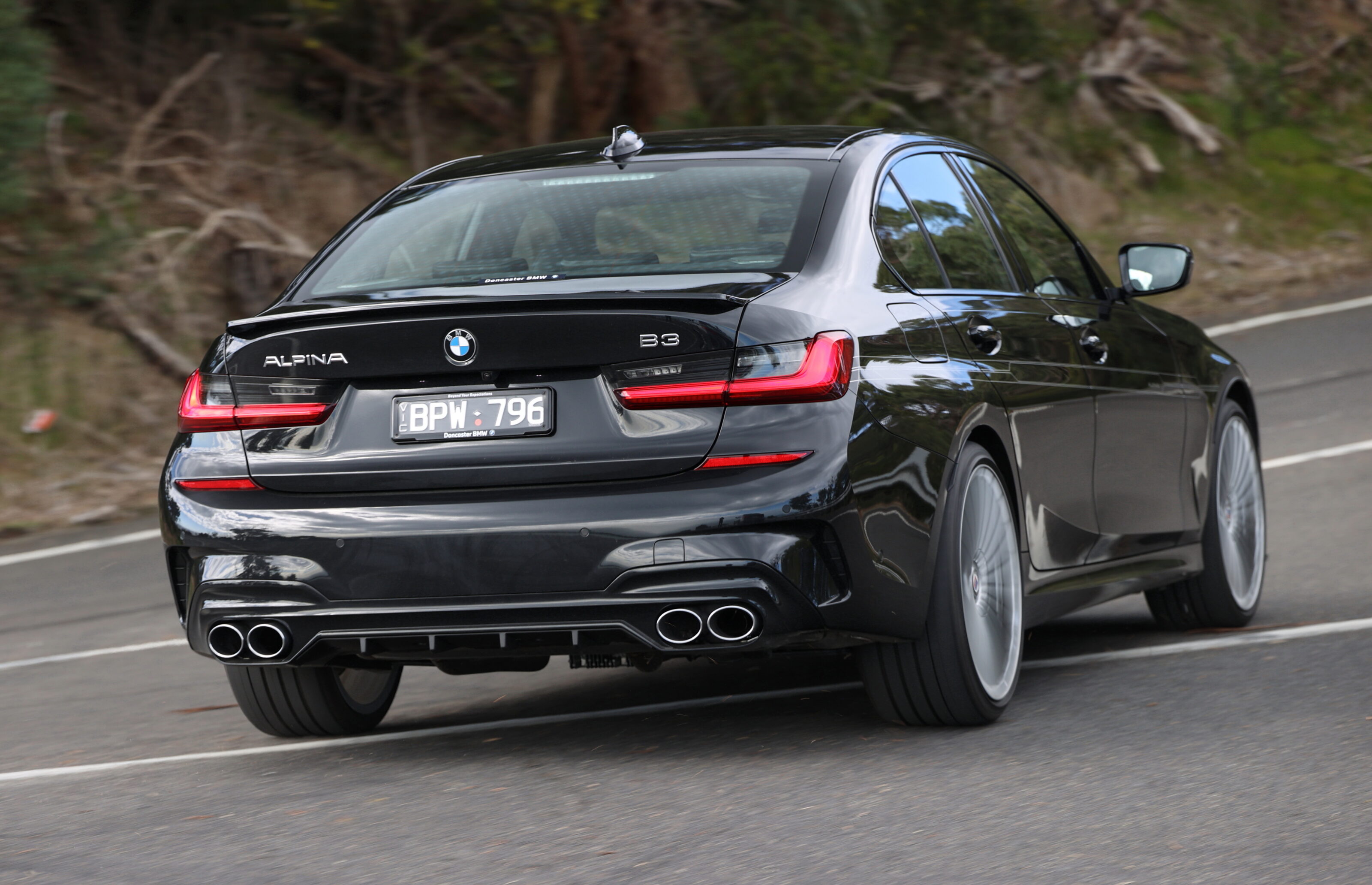
It’s expected Alpina vehicles will continue to be developed and manufactured as normal up until 2025, before moving in-house to BMW.
Alpina models are often referred to as ‘the thinking-person’s BMW M car’, offering high performance with a more comfort-oriented ride and luxury interior, making them ideal for buyers who are happy to sacrifice some on-track capability for on-road enjoyment – as well as being rarer and more exclusive than BMW M models.
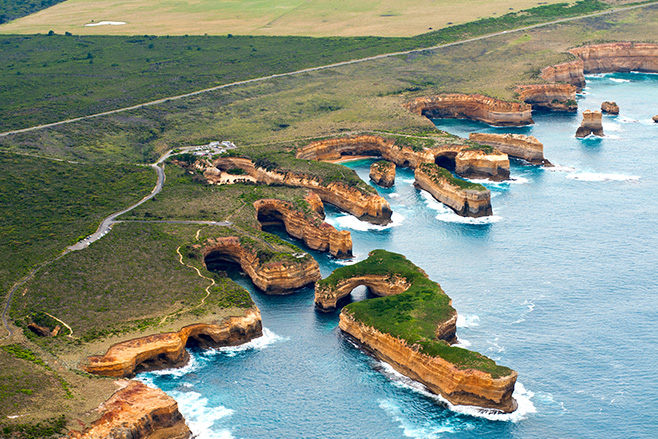
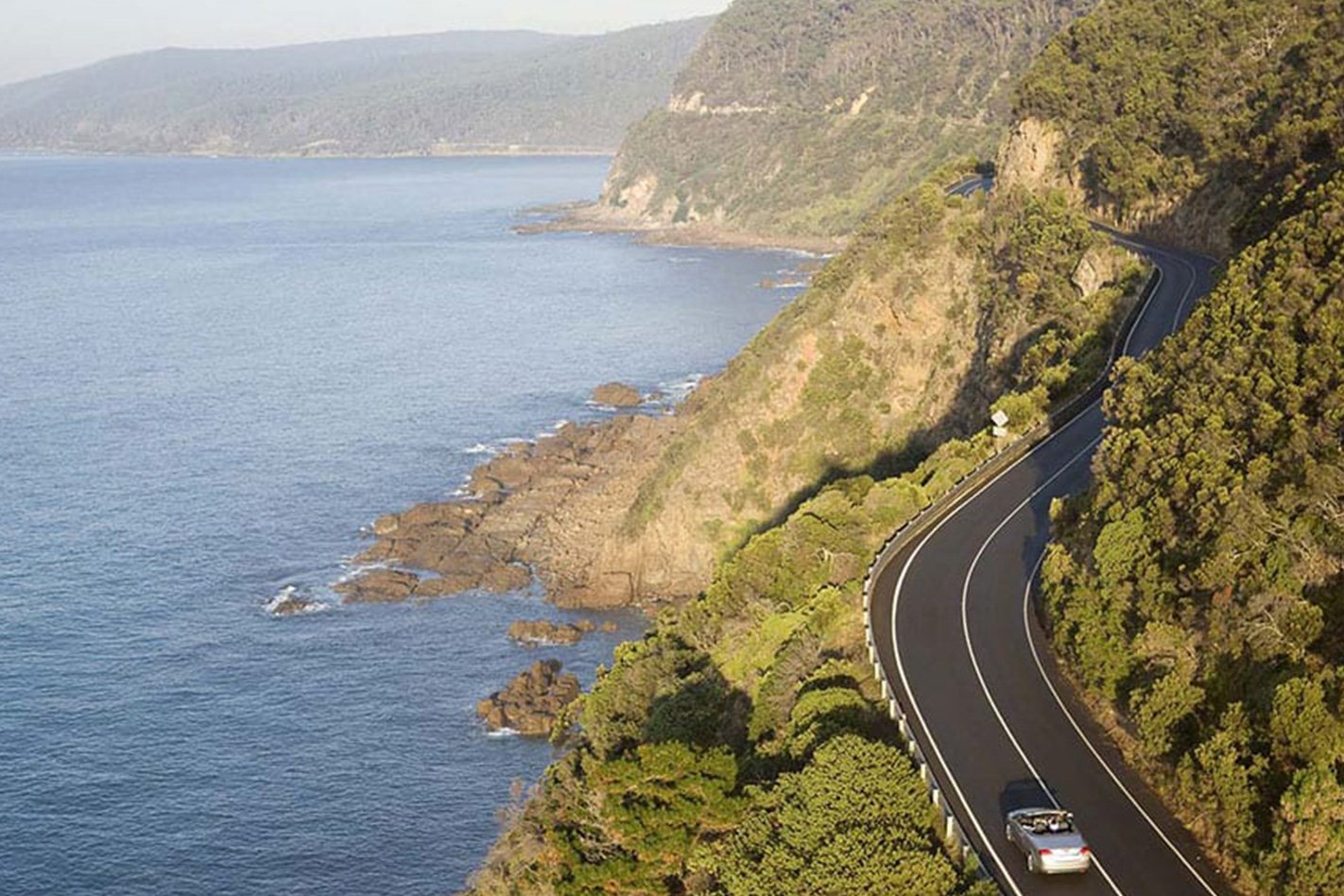
The iconic Great Ocean Road has been voted as Australia’s favourite road trip.
The scenic seaside tourist drive along the southern edge of Victoria was crowned the winner, beating the Broome to Kununurra road trip via the Kimberleys in Western Australia.
A total of 1635 people had their say, with more than a quarter voting for the Great Ocean Road as the most popular journey to do by car.
Top Ten
| 1 | Great Ocean Road | Victoria |
|---|---|---|
| 2 | Broome to Kununurra via the Kimberleys | WA |
| 3 | Tasmanian Ring Road | Tasmania |
| 4 | Cairns to Normanton (on your way to NT) | Queensland |
| 5 | Darwin to Kakadu | NT |
| 6 | South Coast including Eurobodalla Shire Region and Narooma | NSW |
| 7 | Alice Springs to Uluru | NT |
| 8 | Longreach to Rockhampton loop including Emerald and Carnarvon | Queensland |
| 9 | Birdsville Track | Queensland/SA |
| 10 | Bright-Falls Creek-Omeo loop | Victoria |
Source: Nextbase
“The Great Ocean Road is an amazing drive that all Australians should make sure they experience. The road is beautiful with breathtaking views, it’s no surprise it won the accolade this year,” said David Reynolds, Supercars Championship driver and ambassador for Nextbase dash cams, which conducted the poll.
“There are many great road trips to experience around Australia and amazing sights to be seen, you’ve just got to hit the road and find them.”
In celebration of the winner, Nextbase has set up a treasure hunt via its Instagram page, with 10 dash cams hidden along The Great Ocean Road up for grabs.
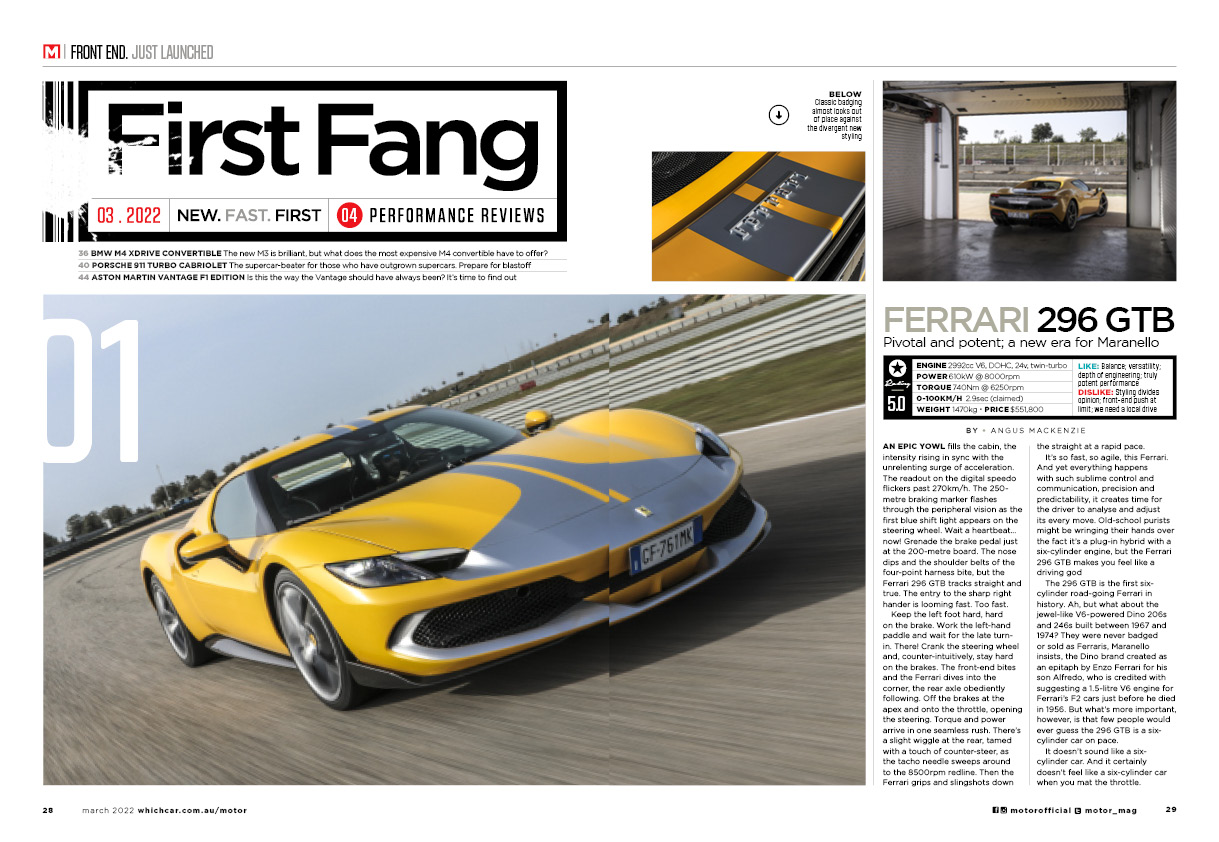
Ferrari’s new mid-engined halo, the 296 GTB, is unlike any that have come before. It’s a plug-in hybrid, with a twin-turbo six-cylinder engine; a virtual antithesis to Maranello’s long line of esteemed naturally-aspirated V8s. A sign of the times, indeed.
And yet, so fast and focused is it that you’d be hard-pressed to call the radical new 296 GTB anything other than a triumph. To sample how good it is for ourselves, we head to Circuito Monteblanco to put it through its paces. Without giving too much away, the radical all-new car ushers in a whole new era of performance at Maranello.
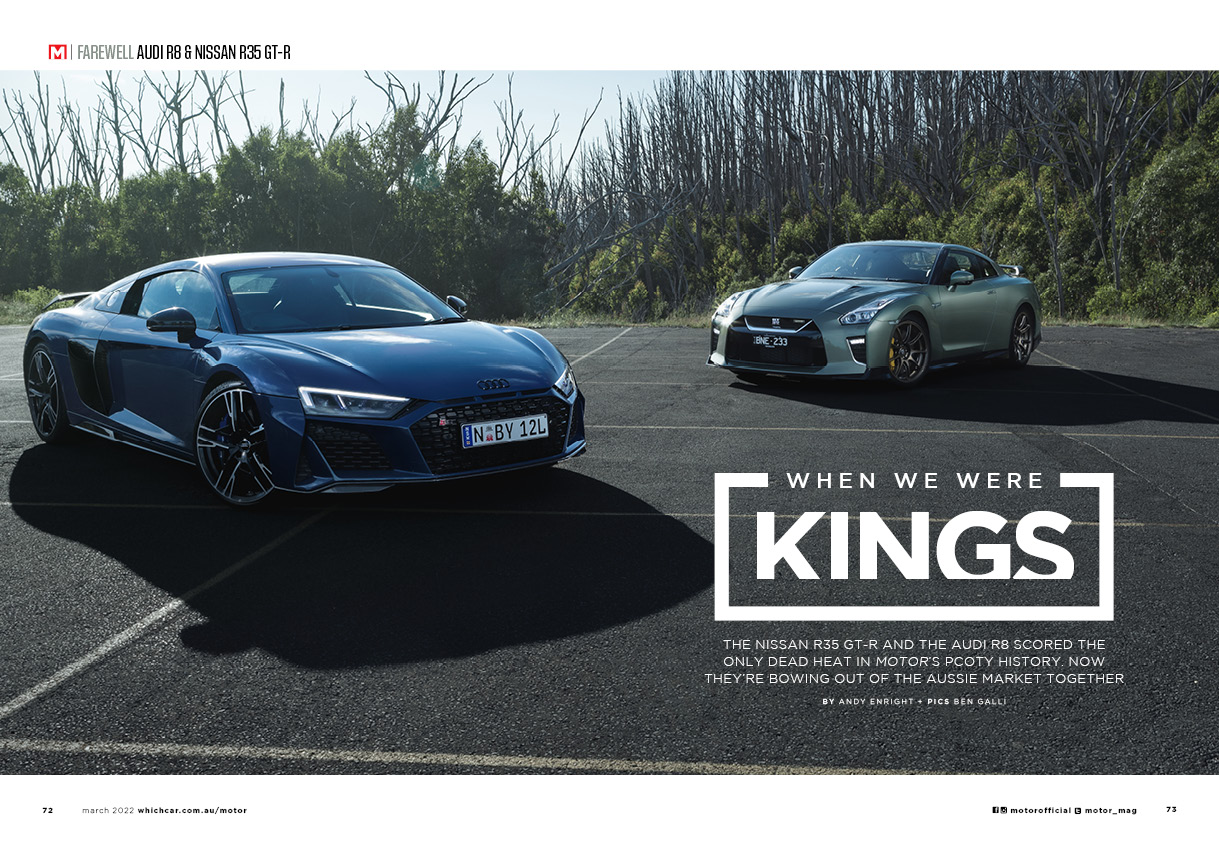
As we welcome in a new champion of performance, we bid a solemn farewell to two supercar stalwarts. We grab the keys to Nissan’s long-lived R35 GT-R and the enduring Audi R8 V10 for one last hurrah deep into the Victorian High Country.
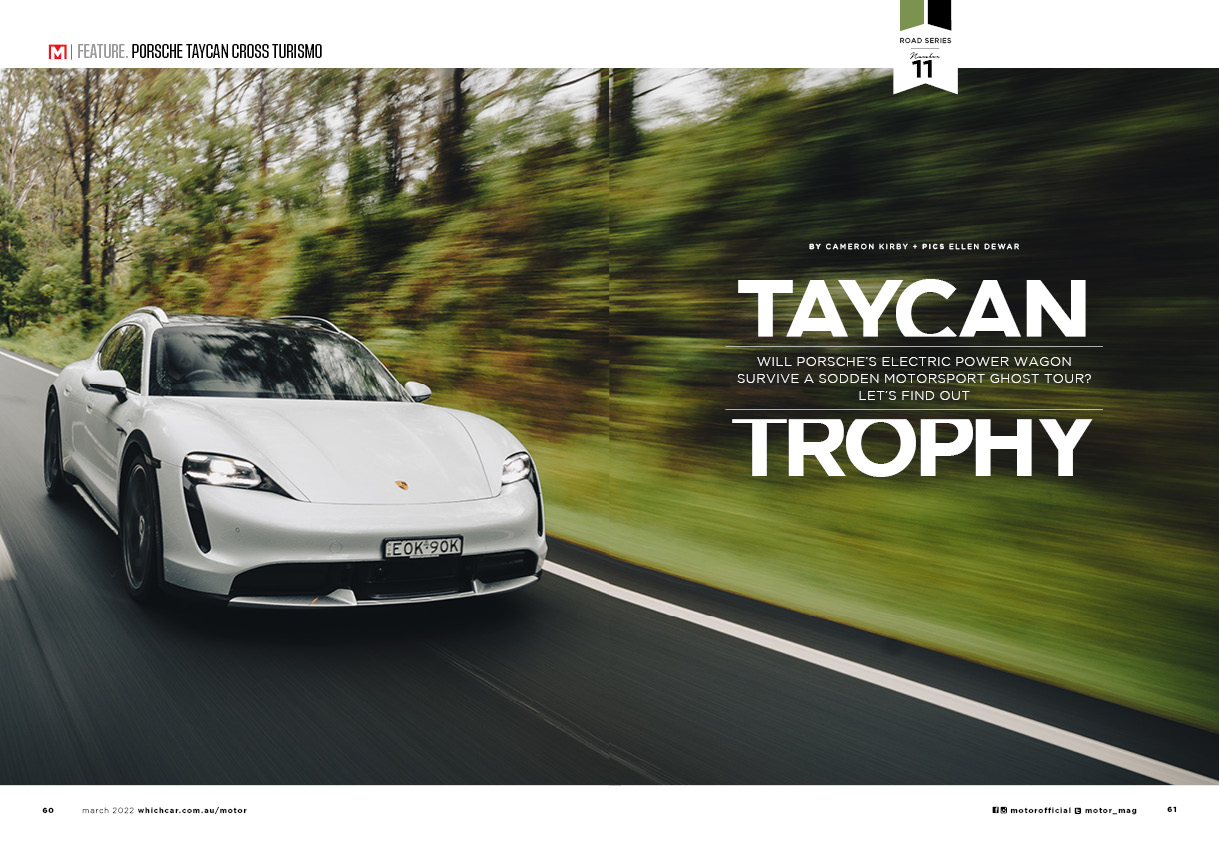
From there, we head north and take Porsche’s fast and forward-thinking Taycan Turbo Cross Turismo on a ghost tour of Queensland’s proposed Sunshine Coast International TT. Inspired by the Isle of Man Tourist Trophy, the stillborn road race would have seen the bravest of souls navigate 47km of treacherous tarmac around the rural town of Maleny. How does the 460kW/850Nm EV handle Queensland’s toughest roads? Bundaberg native Cameron Kirby finds out.
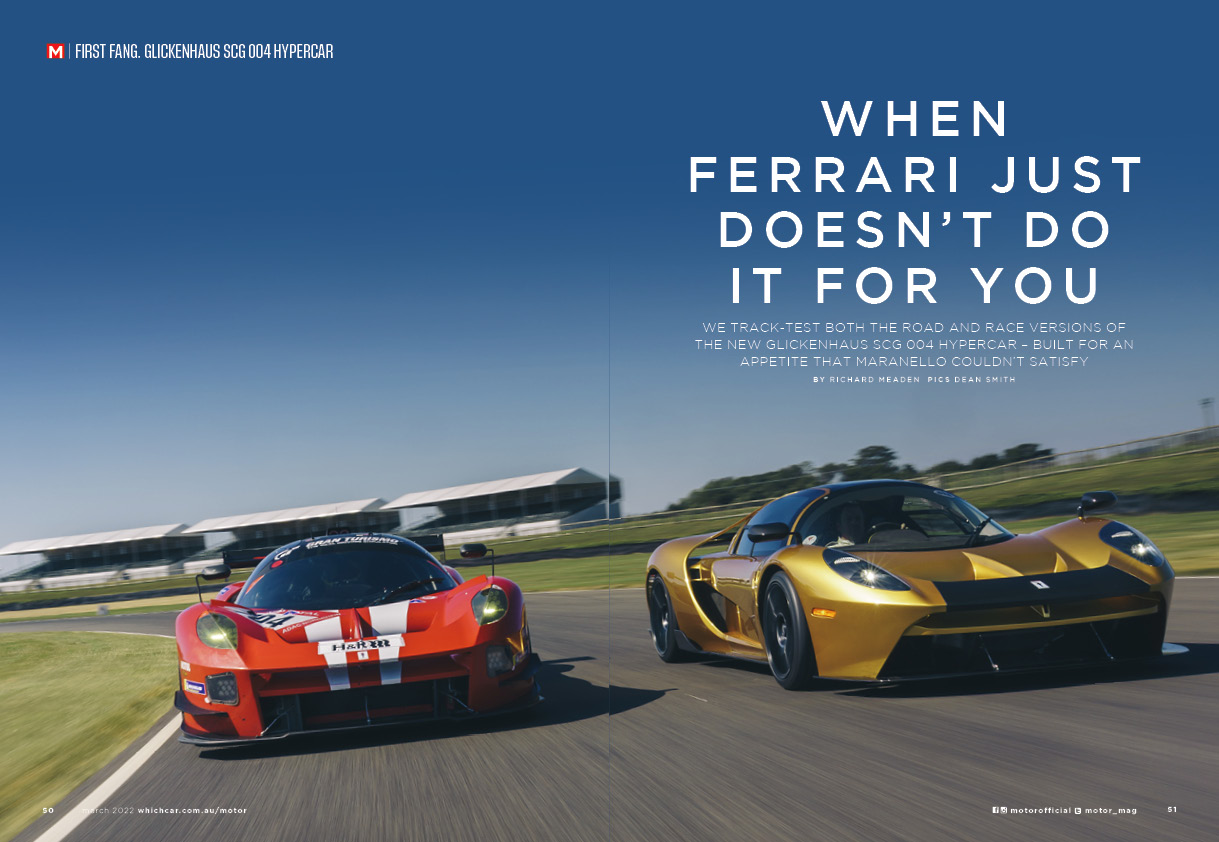
But what to do when established brands like Porsche and Ferrari just don’t cut it? In the case of film-turned-carmaker, James Glickenhaus, you simply build your own and take the fight to the giants at the world’s most famous 24-hour endurance races. A bespoke new hypercar backed by extensive racing development is big news, especially when it comes with a central-seat, a H-Pattern manual gearbox and a 6.2-litre supercharged 480kW V8. We track test both road and race versions of Scuderia Cameron Glickenhaus’ new SCG004 to see if this ambitious American startup can truly take the fight to Ferrari.
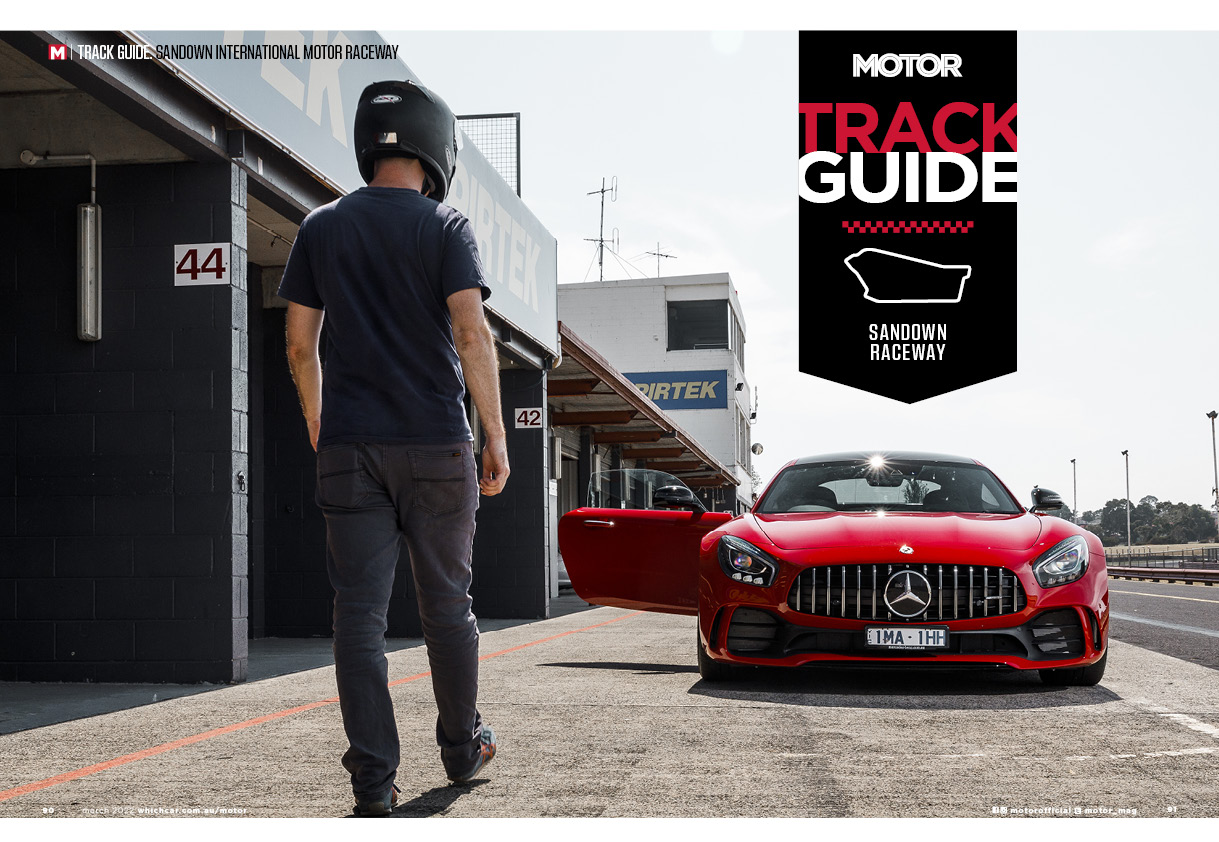
Further back, Andy Enright explores the Top Ten greatest innovations that shaped the modern performance landscape while Trent Giunco and Warren Luff give you the inside line on Melbourne’s historic Sandown Raceway in this month’s Track Guide.
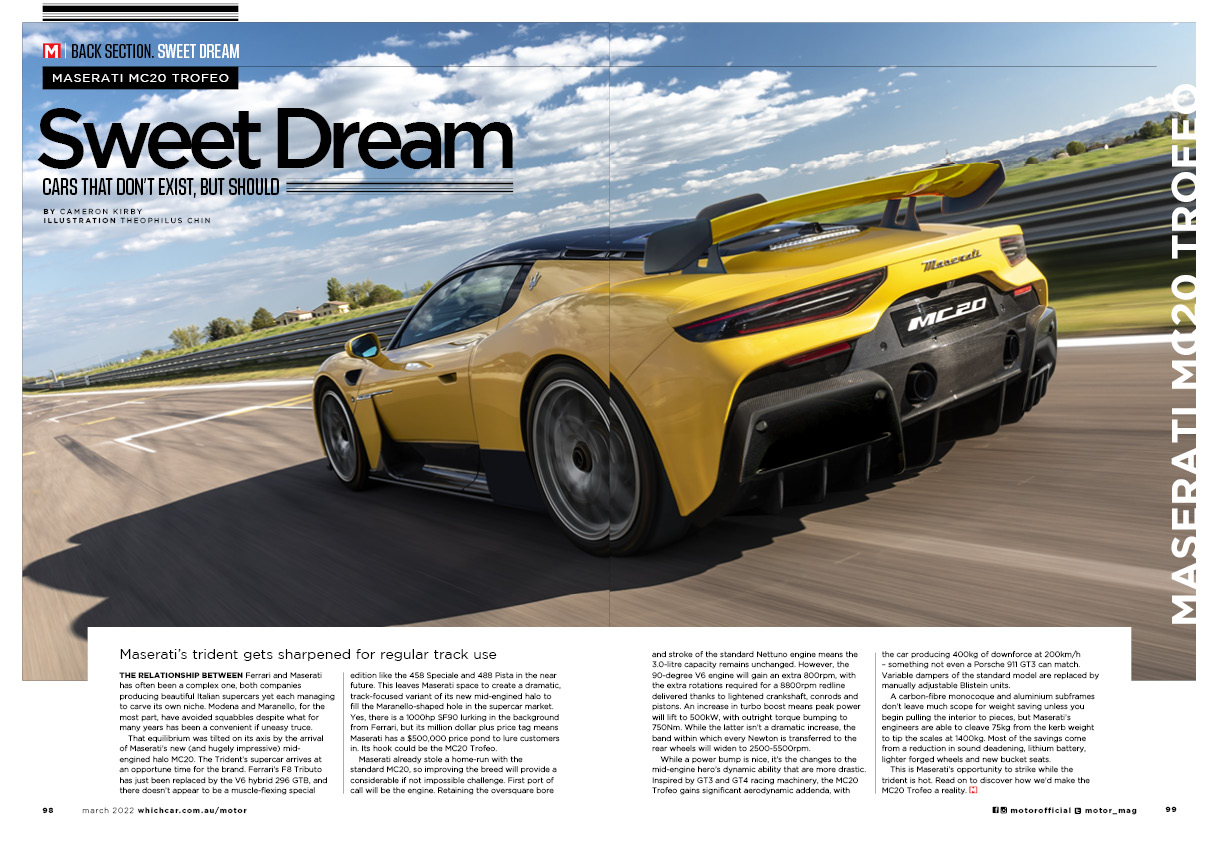
This month’s edition of Sweet Dream sees us dream up a Maserati-badged track day special, while our humble long-term garage welcomes something mid-engined, with 530kW, and the doors of a billionaire. Any guesses?
There’s more gold to unearth in the March edition of MOTOR Magazine, including our first drives of BMW’s M4 Competition xDrive Convertible and Porsche’s ballistic 911 Turbo S Cabriolet.
You can find the March edition of MOTOR in stores and on sale now or, better yet, subscribe here for a sweet deal and get all the good stuff delivered straight to your door!
