
A new film based on Steve McQueen’s iconic character Frank Bullitt is said to be in the works, with Steven Spielberg attached to direct.
Hollywood news outlet Deadline reports Spielberg is developing the all-new Bullitt film, which is understood to reprise the character originally played by McQueen, rather than being a remake of the original 1968 film.
Bullitt is widely considered to have one of the best car-chase scenes in cinema, taking up almost 10 minutes of screen time, and helping to solidify its Academy Award win for Best Film Editing.
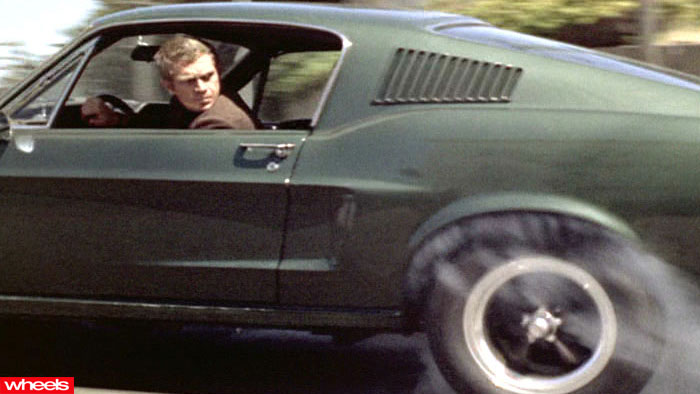
Alongside McQueen’s steely portrayal of a San Francisco detective, it’s the Highland Green Ford Mustang GT fastback most people remember about Bullitt.
One of the two Mustangs used in the movie – and the actual vehicle driven by McQueen – sold at auction in 2020 for US$3.4 million (AU$4.64 million at today’s rates), making it the most valuable Ford Mustang in history.
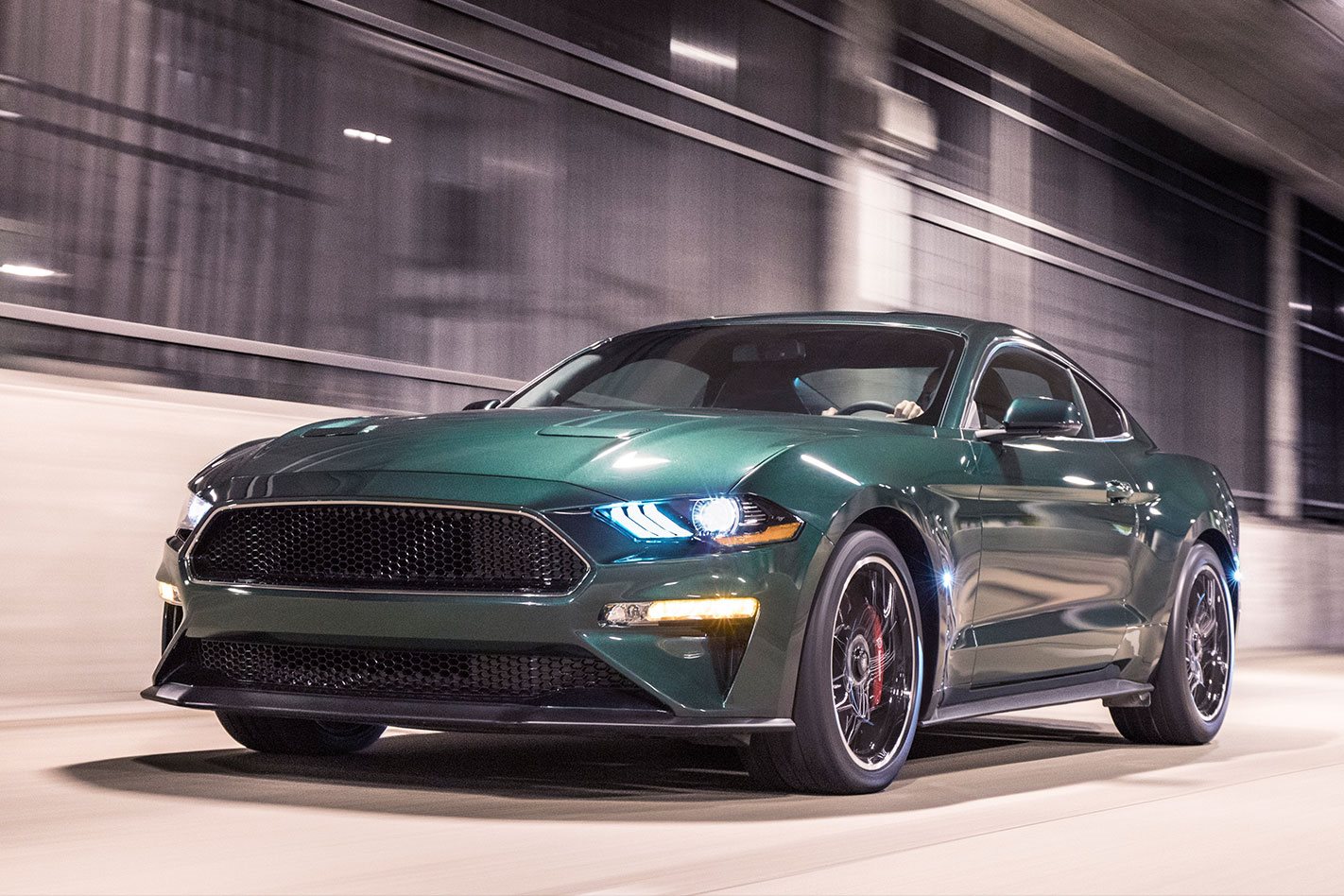
Ford has released a number of Mustang Bullitt editions over the past two decades, with the most recent version launching in 2019.
Steve McQueen’s son Chad and granddaughter Molly are said to be signed onto the new film as Executive Producers, while Oscar-winner Josh Singer is reportedly on board as screenwriter.
There’s no word yet on which actor will reprise the role of Frank Bullitt, but there’s a good bet we’ll see a Ford Mustang taking jumps on the streets of San Francisco – and with any luck, a cameo from a Volkswagen Beetle.
- Introduction: Diamond in the Dirt
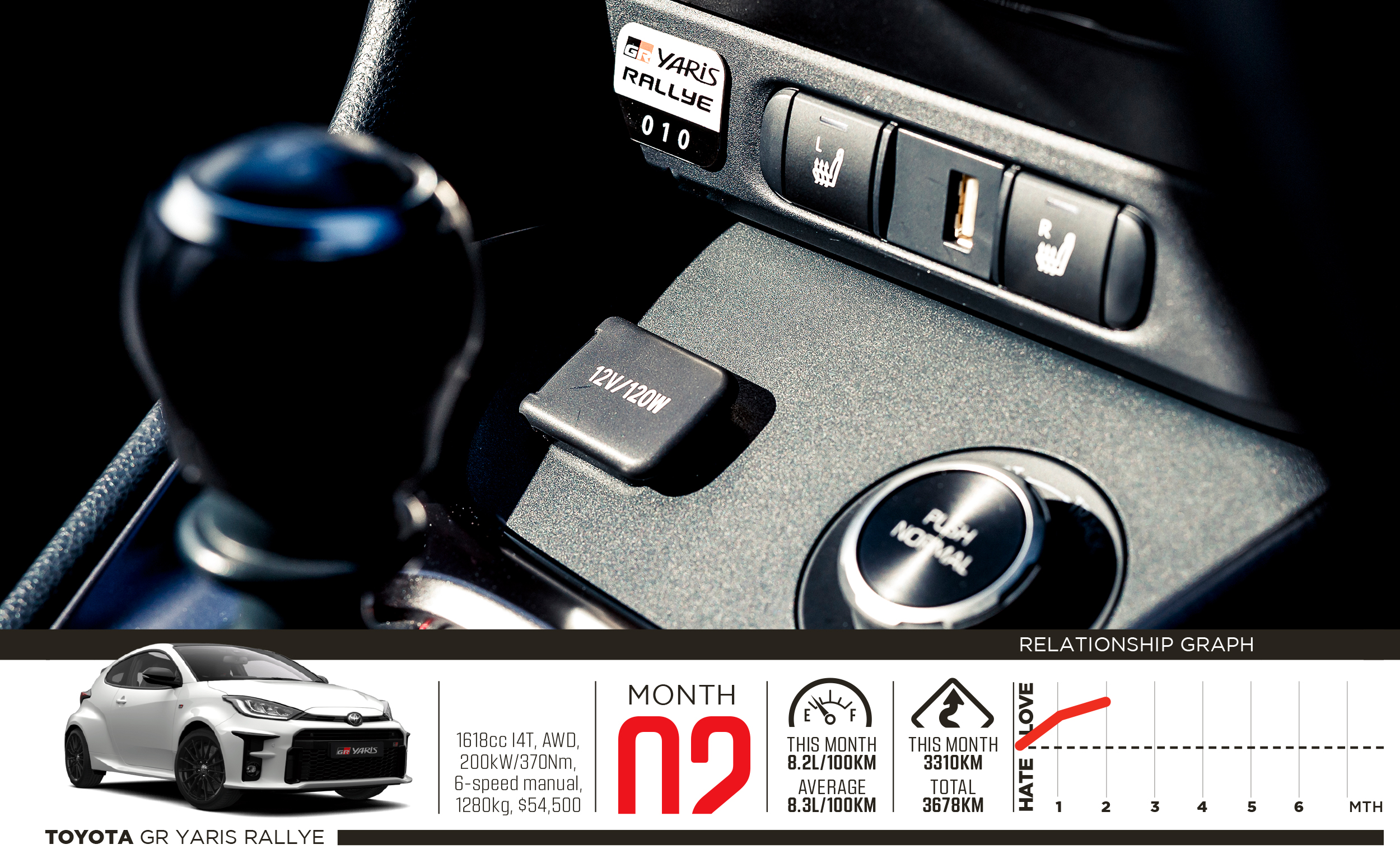
- Month Two: Lick the Stamp
- Month Three: No Quarter Given?
Introduction: Diamond in the Dirt
Rally-bred Yaris is proving joyously allergic to bitumen
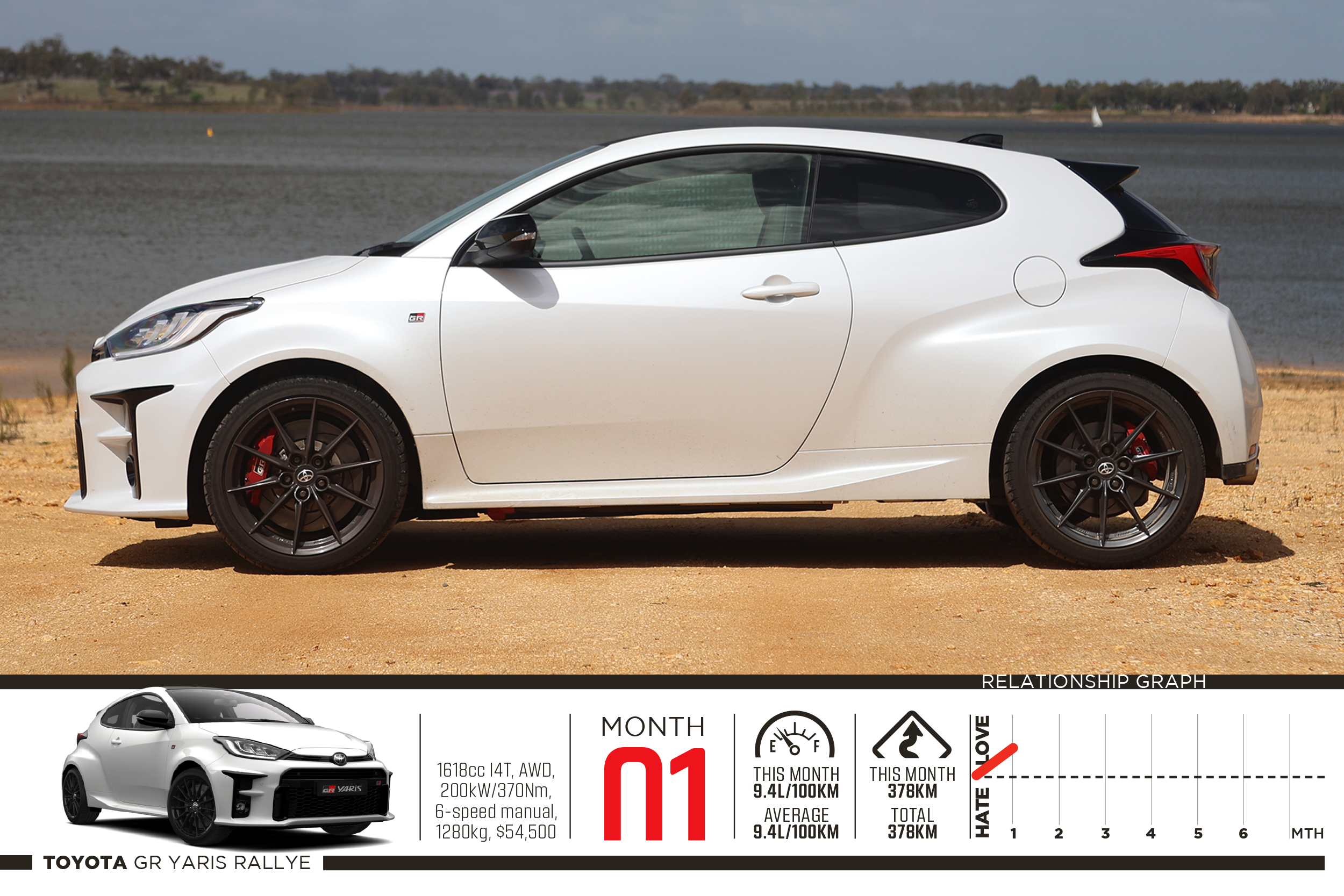
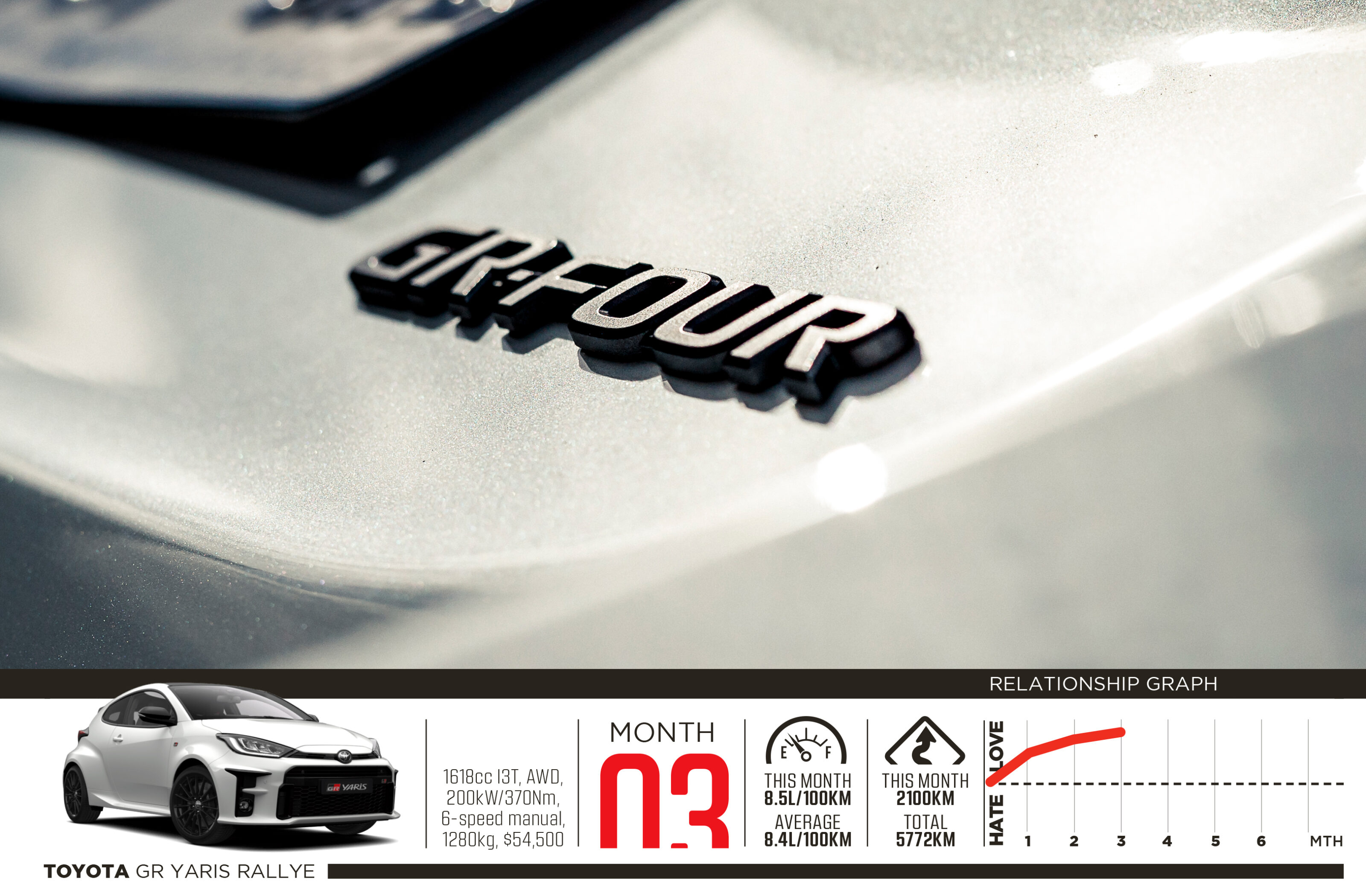
Can we call this an exercise in redemption? The Toyota GR Yaris had won so many accolades around the world that it was a hot tip for outright victory at this year’s PCOTY. In the end, it got a bit of a working over, largely due to the fact that it was the base GR and not the Rallye. Virtually all of the things we disliked about the dynamics of the standard GR are rectified by the Rallye version which was launched too late to feature at Winton.
The Aussie-market Rallye is the same car that scooped all the plaudits worldwide, so we were more than curious to see how it would stack up as a long term proposition, giving us the chance to really see how it worked in Australian conditions. The difference between the two models is largely down to three key factors.
First and most importantly, the Rallye gets a Torsen diff located centrally on each axle, distributing torque front to rear and left to right. The suspension is also different with this version getting meatier springs, anti-roll bars and bushings up front, with stiffer bearings, bushings and pillow joints at the back. Then there’s the rubber, which sees the GR’s unexceptional Dunlop hoops ditched in favour of some far preferable Michelin Pilot Sport 4S tyres.
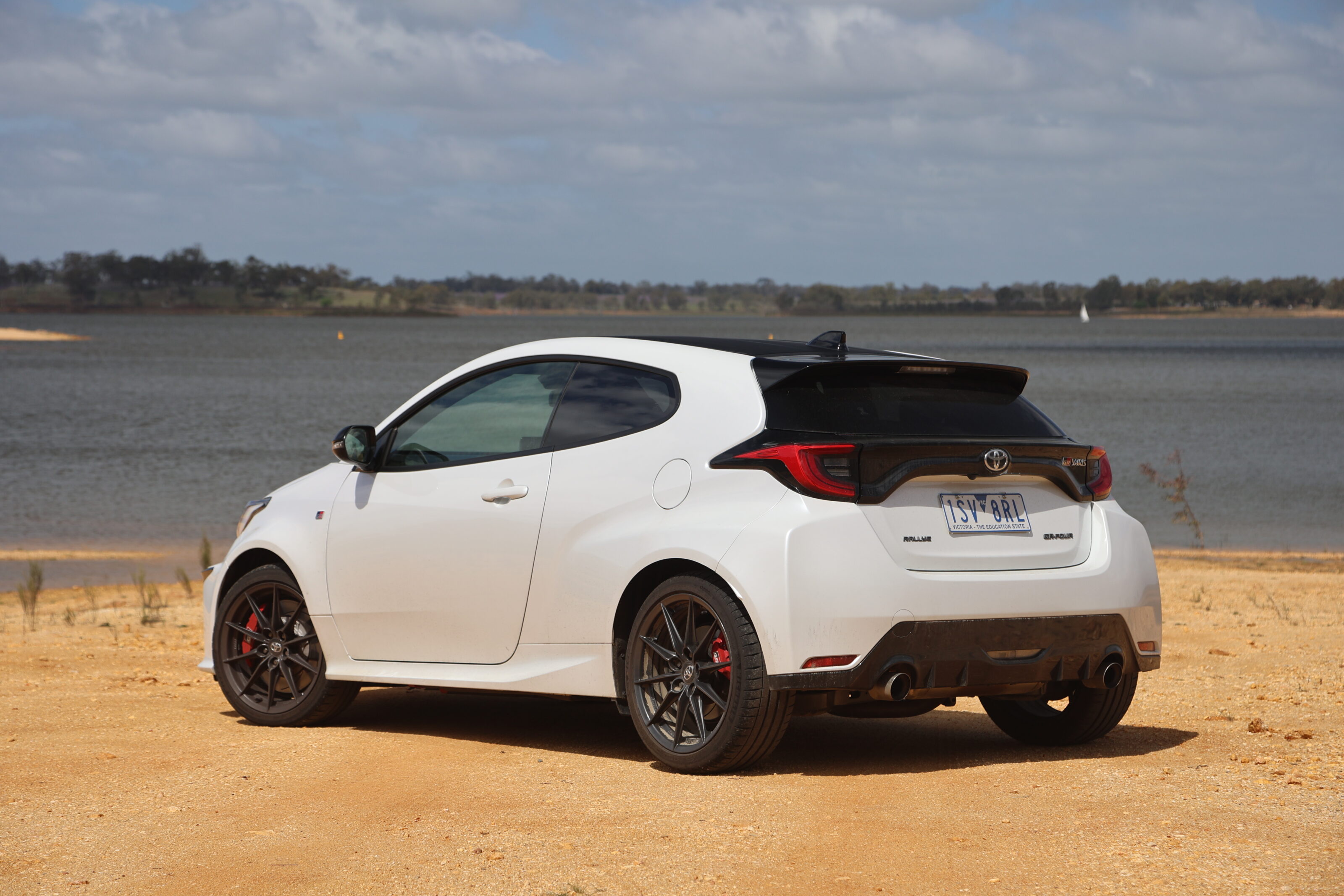
When we tested the two versions back to back in our May edition, the Rallye was a massive 5.5 per cent (or 3.4 seconds) quicker around Haunted Hills, recording a 1:01.80 lap time versus the GR’s 1:05.20. And remember, that’s with no more power under the bonnet.
Right now 200kW feels more than ample in the Yaris. I’m still enjoying using the auto blip feature for the manual gearbox sometimes, and then seeing if I can be just as slick with my own footwork on downchanges.
What I haven’t yet accustomed myself to is how long the doors are. Really. They measure 1330mm from leading to trailing edge, so it’s fairly easy to nudge into a parking spot and then find it’s almost impossible to get out. The door constitutes 33.3% of the GR’s 3995mm length, making me wonder whether there’s another car on sale where the doors make up a greater proportion of its overall length.
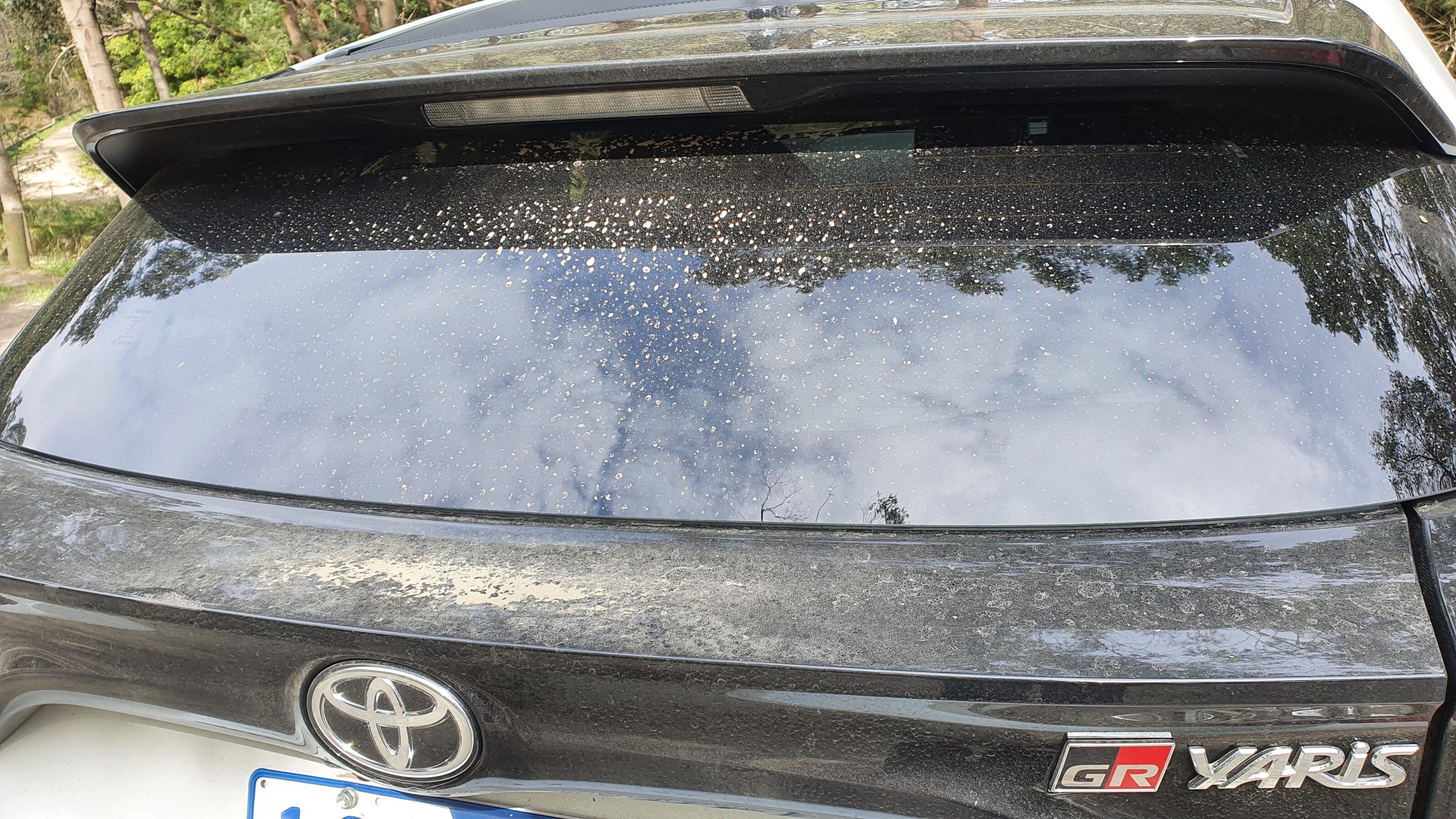
Other revelations? I’ve discovered that the steering wheel heating goes from zero to approximately the temperature of a nuke’s hypocentre in next to no time, that the GR really could do with a rear wiper and that wired Android Auto and a manual shift lever can make unhappy bedfellows.
Above all, I’ve discovered more dirt roads within my lockdown perimeter than I ever expected and these in turn open up a whole new realm of fun driving opportunities.
Suddenly you have challenging 30km/h corners, different hazards to factor into your risk evaluations and, with the car moving more easily beneath you, the chance to more readily assess what each of the different drive modes is doing to the Yaris’ dynamics. That’s the rational justification. It’s also about as much fun as you can have in a road car and that’s why we’re all here, isn’t it? I’ll report back with the findings next month. Oh, and we’re taking it to the strip and the track too. – AE
Things we love:
- Sheer fun
- Ridiculous engine
- Feels tough
- Tight squeeze cabin
- No colour choices
- Dirty rear screen
Lick The Stamp
Rallye, meet race track
I’ve never been pulled over by the police on a race track before, but I guess there’s a first time for everything.
There I was, at the side of the empty Bryant Park circuit, idly fiddling with a setting on a lap timing app, when I look to my right and there’s a police Kia Sorento that has crept up beside with a pair of coppers peering in.
“We won’t nick you,” they laugh, catching a glimpse of my momentarily horror-stricken mug.
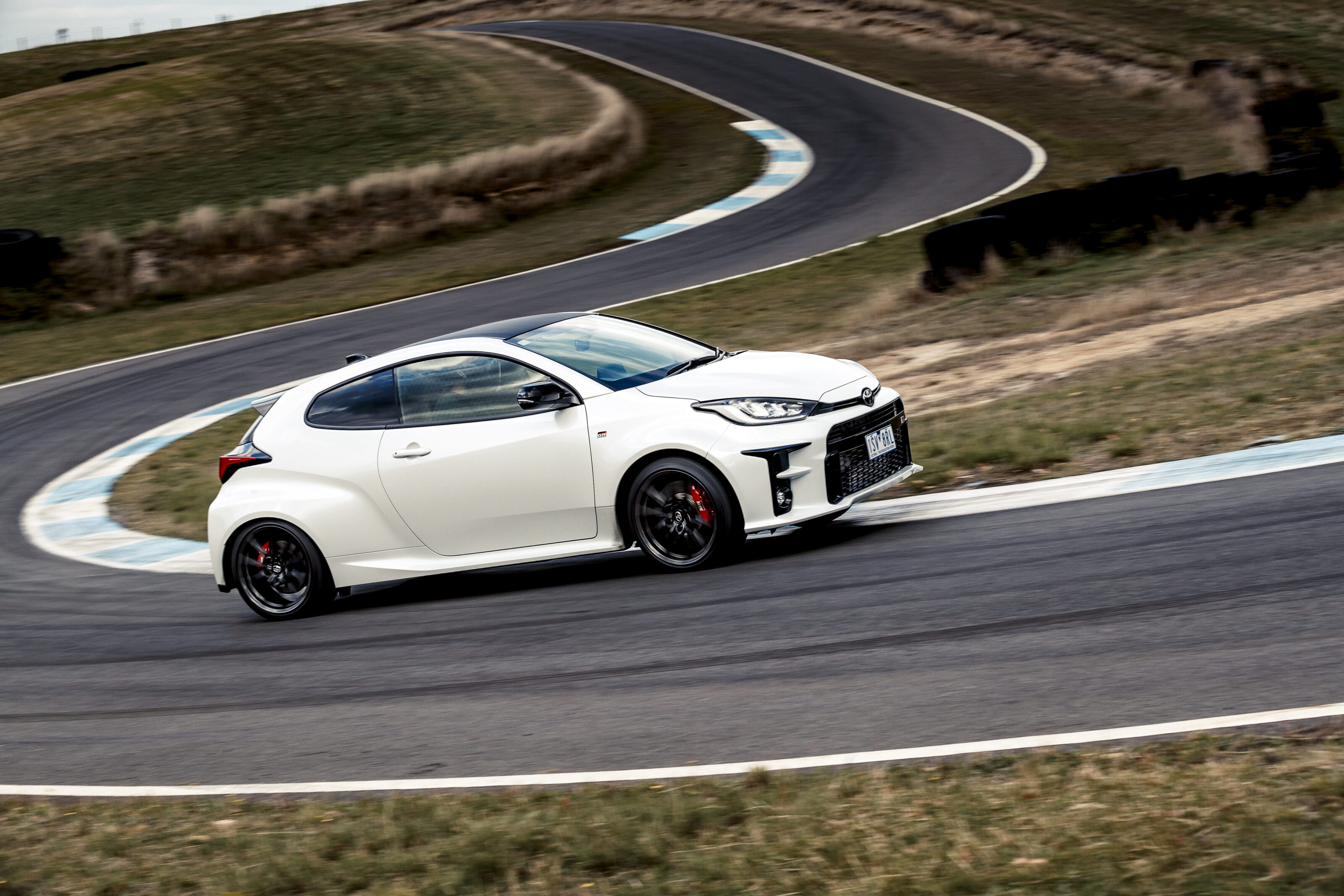
We had a window of about twenty minutes free on track while the video crew rigged a pair of Mustangs and it seemed a great opportunity to give the Yaris GR Rallye a brief workout to see for myself quite how the Rallye’s superior tyres and diffs improved it over the understeering disappointment that was the standard GR. Of course, we’ve covered that ground before with our GR Yaris v GR Yaris Rallye track test in the May issue, but having driven the Rallye extensively on road – and dirt – I was curious to see how it worked as a circuit weapon.
Twenty minutes later I had an answer, but there was a measure of equivocation there. The short story is that it is truly excellent if what you want is a car that’s quick, safe, rewards good driving and which feels as if it could take a battering all day long. Which, for most track day enthusiasts, would seem to tick virtually every box. So why was I left a little ambivalent? Because I then got into Trent Giunco’s Mazda MX-5 GT RS.
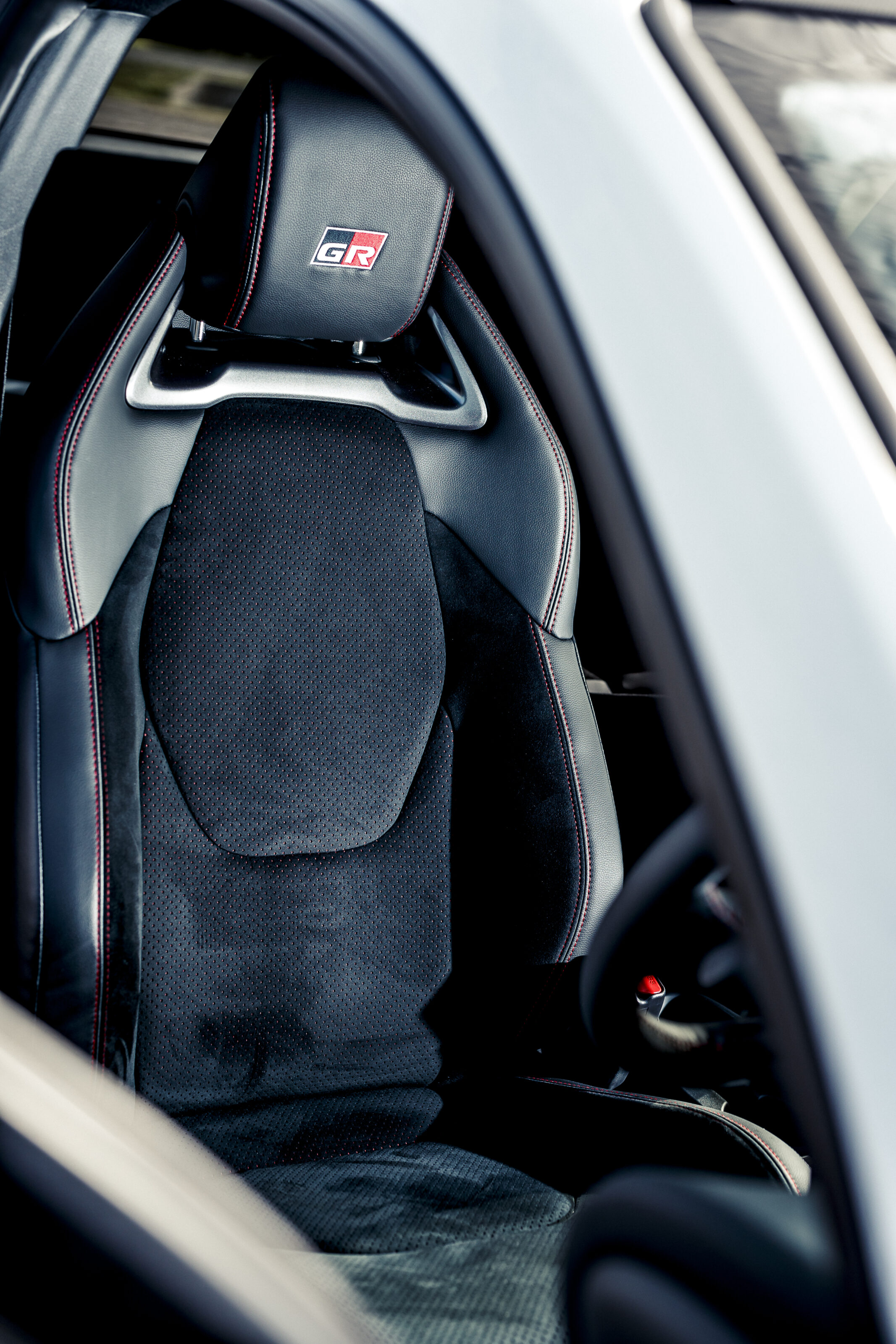
The Mazda instantly highlighted the Toyota’s shortcomings. The high seating position, the relative clumsiness of the control weights and the comparatively inert chassis balance suddenly made the Yaris feel a little wooden as a true enthusiast’s car. The Rallye was certainly rapid, with lap times verfiying Scott Newman’s figures earlier this year despite wearing tyres that now had an extra few thousand kilometres on them. Heck, it was a couple of seconds quicker than race driver Renato Loberto pedalled a Civic Type R round back in 2018 when we ran the Wheels hot hatch megatest here. Ren’s a far, far better driver than I am, which is testament to just how punchy and composed the all-wheel drive Yaris truly is.
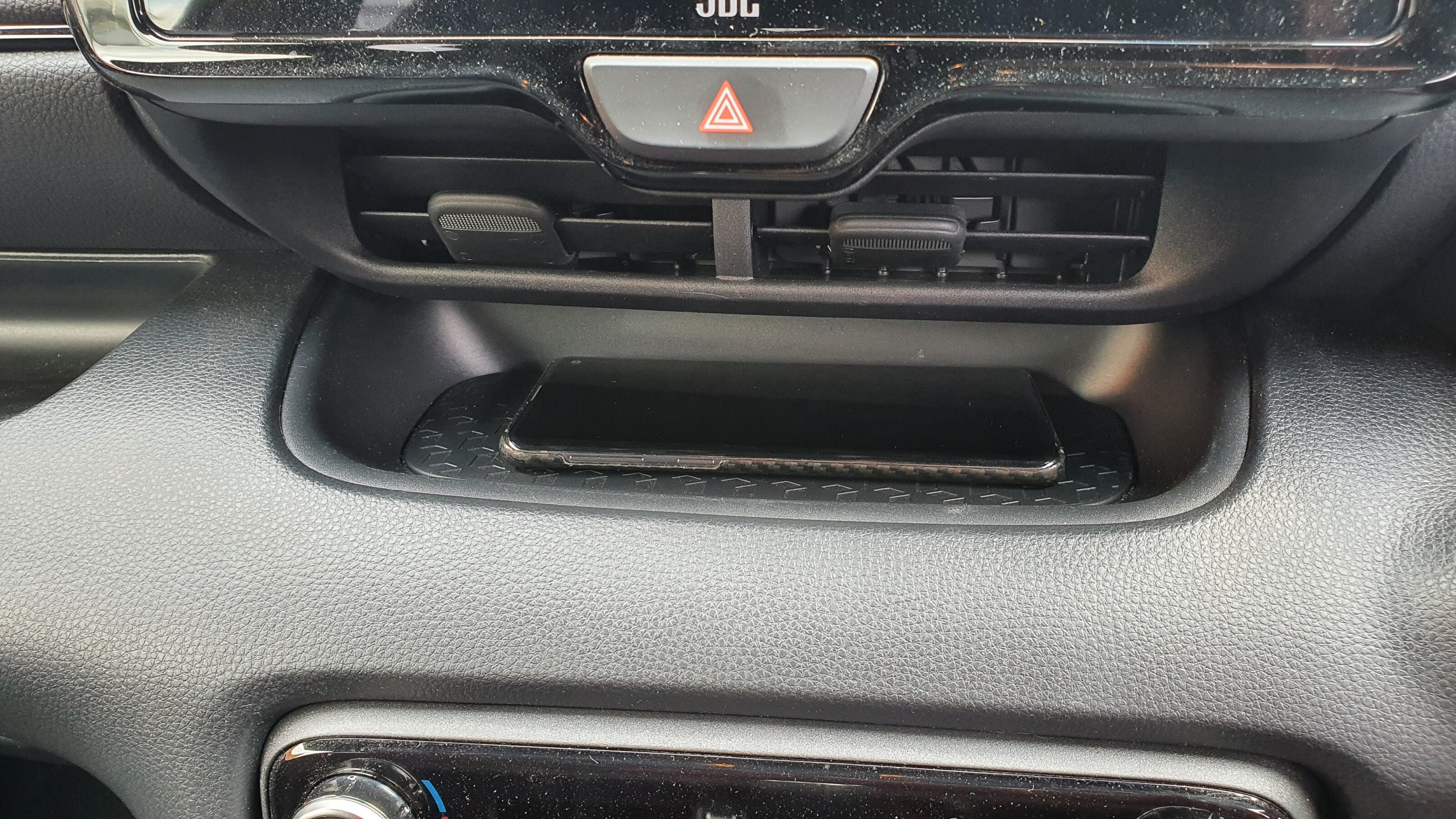
There are still a few quirks that I haven’t ever quite come to terms with. Sit your mobile phone in the tray on the dash and a spirited right jink will launch it out of the ramped holder like a ski jumper and, if you’re sufficiently skilled/lucky, straight into the passenger door pocket. The rev-matching system is a bit dim witted, but heel/toeing yourself isn’t too difficult as long as you remember to properly clog the pedals. There are a few harmonic vibrations in the cabin plastics that manifest at highway speeds in sixth but otherwise I love the Rallye’s sheer feeling of indestructibility.
It’s exactly that measure of reassuring overengineering that makes you really want to exploit the Yaris on a daily basis. Despite the fact that low mileage examples are selling for a chunky $65k at the moment, it’s a car that begs you to pick it up by the scruff of the neck. While it may not be the last word in delicacy and feel, it’s huge fun and any car that just makes you want to get in and drive is a winner in my book. Even if you ignore its fascinating backstory, the GR Rallye just works as a product. Tie the two together and it’s something very special indeed. It seems even the police approve. -AE
Things we love:
- Rorty engine
- Ruggedness
- GRIP!!!
- Phone launcher
- High seating
- Jerky 1-2 change
No Quarter Given?
GR Yaris Rallye dips out of the garage with a trip to the strip
Performance testing a manual, all-wheel drive car is not an exercise for those with any semblance of mechanical sympathy. It is, not to put too fine a point on it, utterly brutal.
Watching ‘my’ GR Yaris Rallye being figured at Heathcote was especially nerve-shredding as if something fundamental goes bang while you’re driving the car, then that awkward call to the press office is somehow that little bit easier.
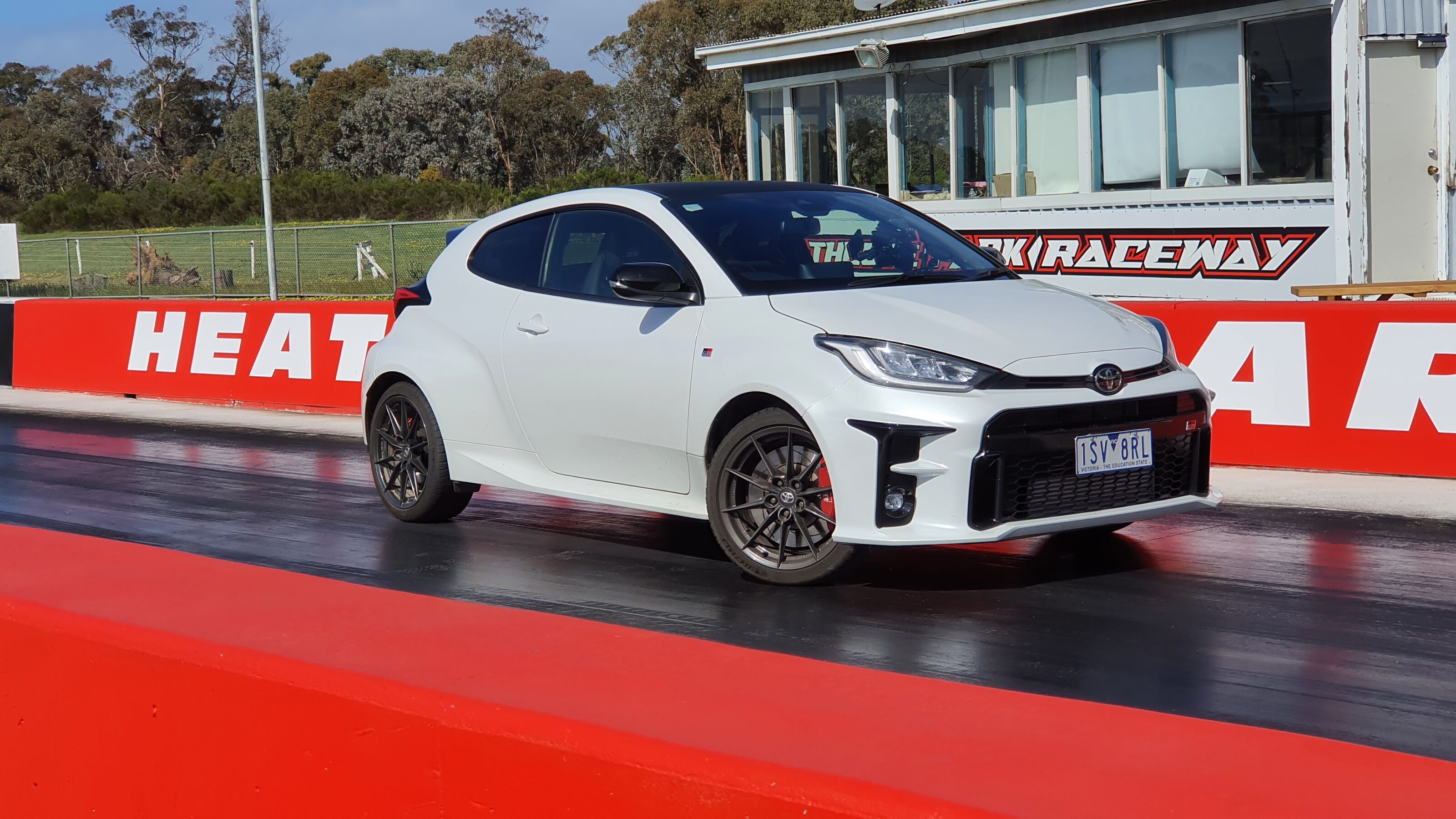
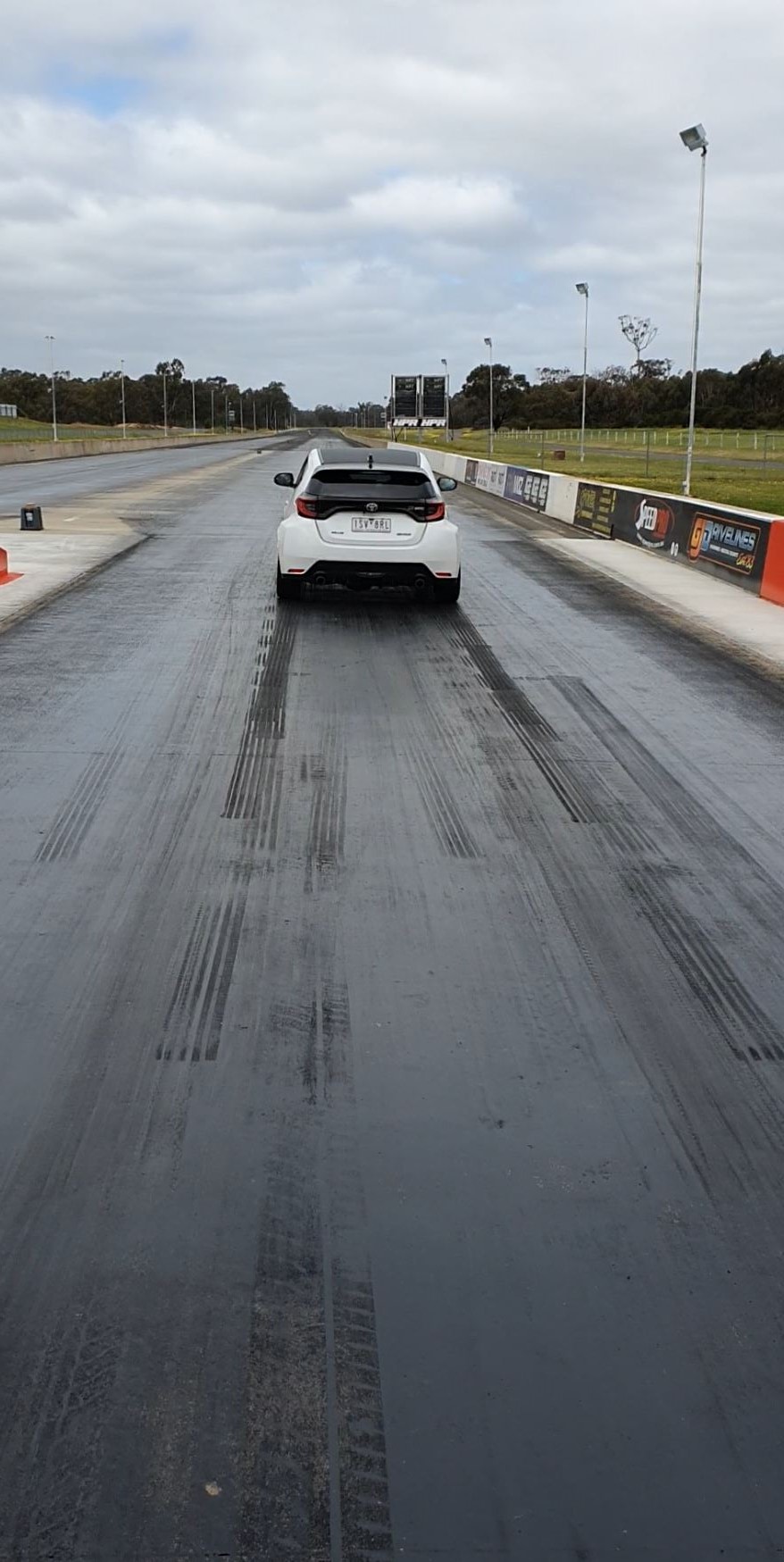
Revs rise, the car squirts off the line with a skerrick of wheelspin and is then flat-shifted into second, all four Michelin Pilot Sport 4S tyres again briefly chirping in protest. As the Yaris disappears into the heat haze, there’s another blatted upshift and, unbelievably, it momentarily breaks traction shifting into third at 98km/h. That’s a bit of an issue for a really quick 0-100km/h time, and means that the Yaris is a car that, in real terms, is a good deal quicker than its published 5.2sec sprint to 100km/h might suggest.
After some experimentation, it seems that Sport mode, with its 30:70 front-to-rear torque distribution nets the best results, with ESC switched all the way off. Interestingly, for the best 0-100 time, it’s advantageous to just run the Yaris to the top of second and not dip the clutch to snick third, letting its momentum and the limiter carry you through 100km/h.
The best run of the day sees the Yaris snag a 5.14sec 0-100km/h time, a vanishing 0.06sec better than the factory claim, with 400m taking 13.19sec at 169.76km/h. Just out of interest, that translates to a 4.89sec 0-60mph time, with no rollout. With a US-spec one foot rollout, that time would be 4.69sec. That’s about BMW E46 M3 pace. Not bad for a car with half the swept capacity and half the cylinder count.
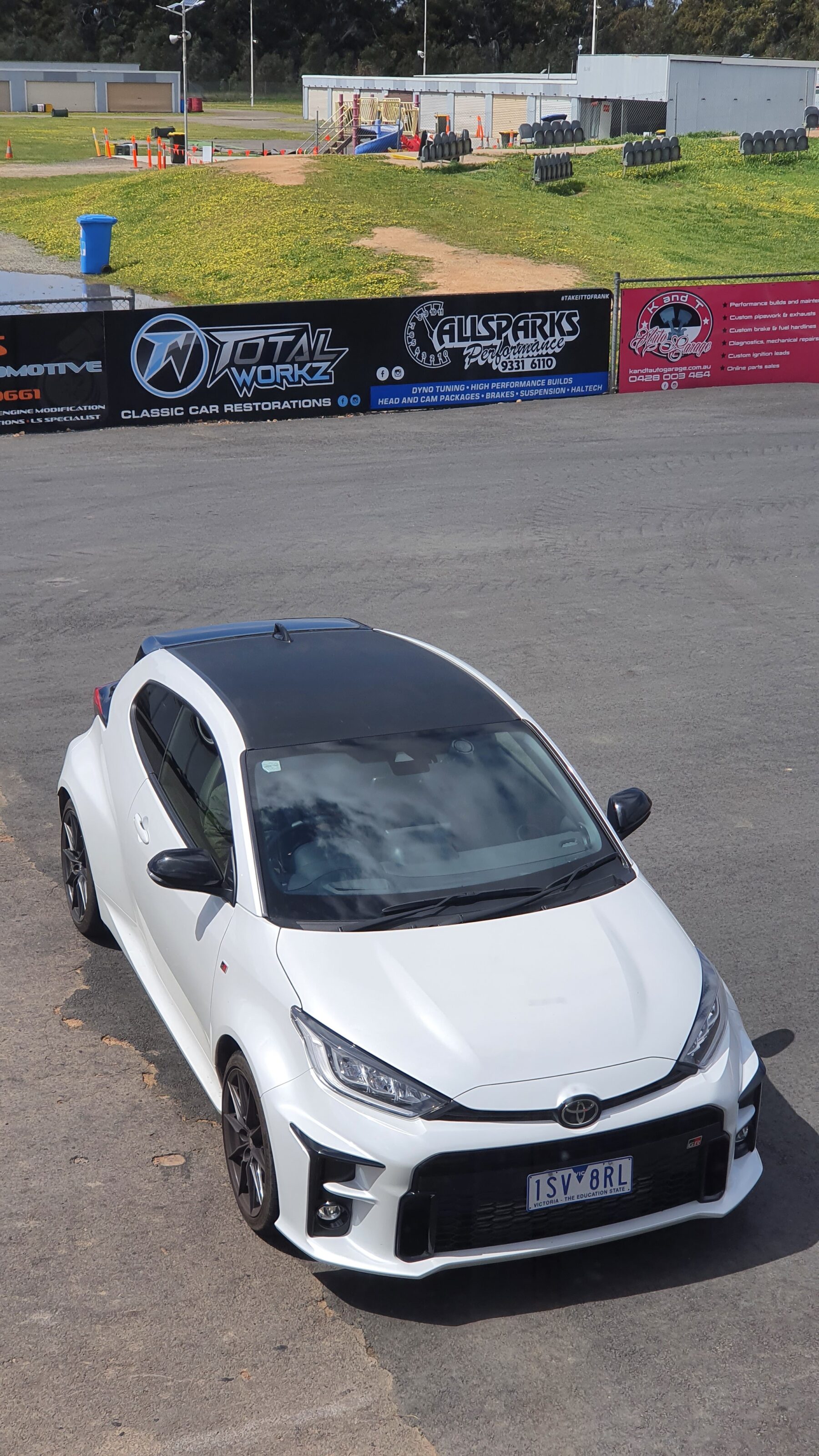
I’ve been very pleasantly surprised by the fuel economy figure of 8.4L/100km too. Yes, the Yaris does do a fair bit of low-demand schlepping to and from work, but that’s been interspersed with a number of track-based features, not to mention early-morning dirt-road blats that have the local farmers thinking that Didier Auriol might have taken a liking to Cardinia Shire and moved in down the road.
I’d still like the seating position to be lower though. It’s pretty hard to rectify this issue, as much of the assembly beneath the seat is welded and there are bulky hardpoints on the floor of the body-in-white, so the most obvious option is to ditch the slider assemblies.
A seat lowering kit from Suspension Secrets allows the standard seat to be dropped by 35mm, which means the centre of gravity is lowered, you’ll feel more connected to the road and, importantly, taller drivers won’t have so much of their view up the road obscured by the rear view mirror.
It does mean that the seat is bolted in place fore/aft but, with a bit of spannering, adjustment is possible and all of the seat’s other electrical functions are unaffected. It’d be one of the first things I’d do if I were buying a Rallye.
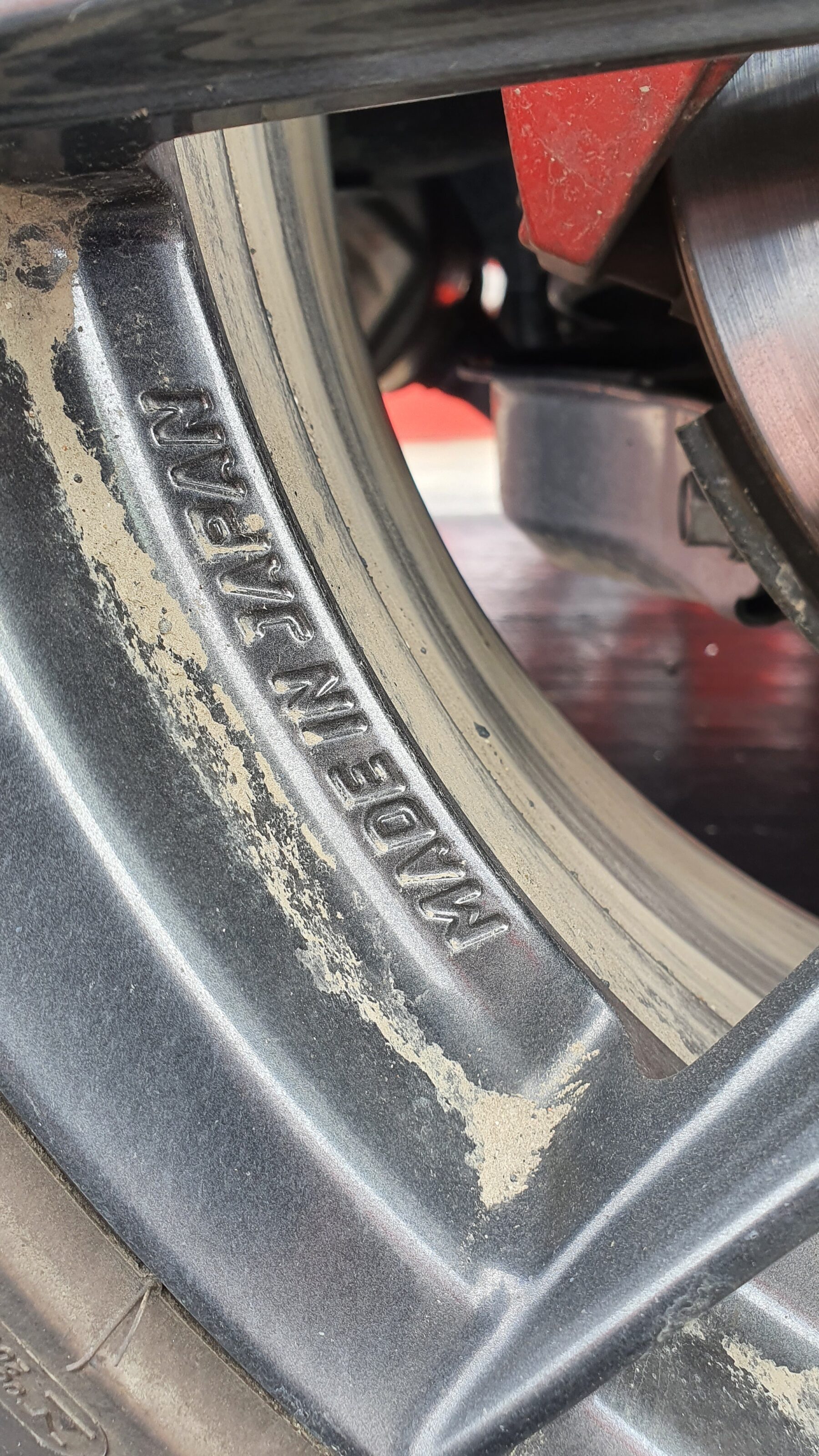
During its sojourn at the testing strip, the Yaris picked up a seemingly inexplicable bit of damage to one its forged BBS alloys, a shiny thunk into the rim of the nearside front. These wheels are exotic and light, made by compressing a billet of aluminium alloy into shape under 8000 tonnes of pressure at a temperature of 400 degrees, but keep an eye out for any potholes as it seems that even innocuous impacts can put a ding in a rim. Sorry, Toyota.
We’re certainly going to miss the GR Yaris Rallye. It’s one of those hatches that punches way above its weight. This long term test also realises a big measure of redemption for the Yaris. After the ‘standard’ GR’s 8th place showing at last year’s Performance Car of the Year event, we expected more from the Rallye version and it’s fair to say we got exactly what we wanted.
Yes, it is expensive for such a small car, but there’s something exotic and unique about the Rallye that justifies the outlay in a way that escapes many more expensive rivals.
If ever a car had modern classic status pre-ordained, it’s this. In a digital world, it’s a refreshingly analogue experience that delivers on many levels.
It’s not perfect, but it’s tough, it’s quick, it’s full of character and it’s relentlessly endearing. For once, the hype is entirely justified. –AE
Things we love:
- Great brakes
- Clever driver aids
- Resale value
- Tyre noise
- Waiting list
- 6m/10k servicing
Snapshot
- 70 cars recalled a second time after 92-strong first recall
- Previous fix might have misaligned rear axle assembly
- Cars sold between September 16 and October 31, 2022 affected
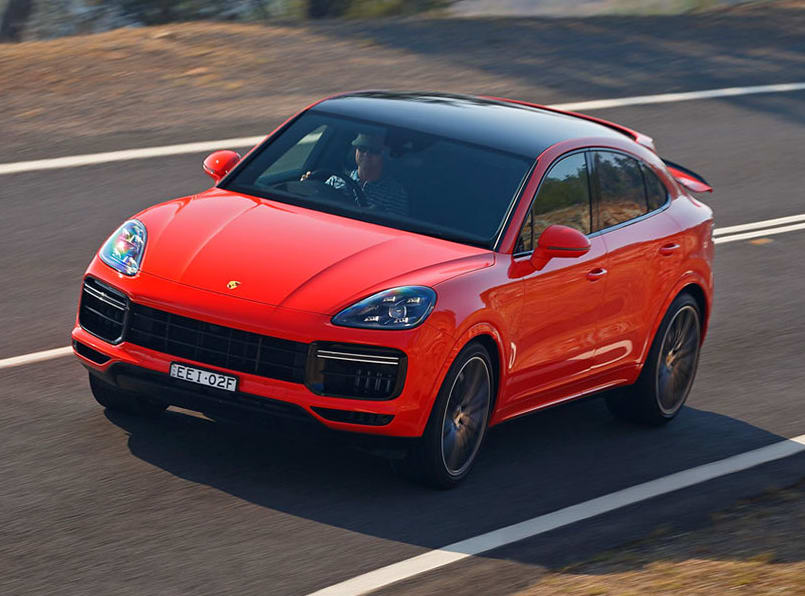
UPDATE, March 2, 2022: A second recall notice has been put out for Porsche’s 2020-built Cayenne, owing to a potential fault with work carried out under its first recall.
According to the manufacturer, a previous problem with the car’s rear trailing arm clamping nuts was meant to be resolved, but the fix may have caused a further misalignment with the car’s rear axle assembly.
The tweaks could result in excessive tyre wear across the rear axle, potentially leading to an unexpected flat tyre or premature delamination.
A total of 70 vehicles from the 92 originally affected are covered by the recall, with VINs for those impacted found here.
The story to here
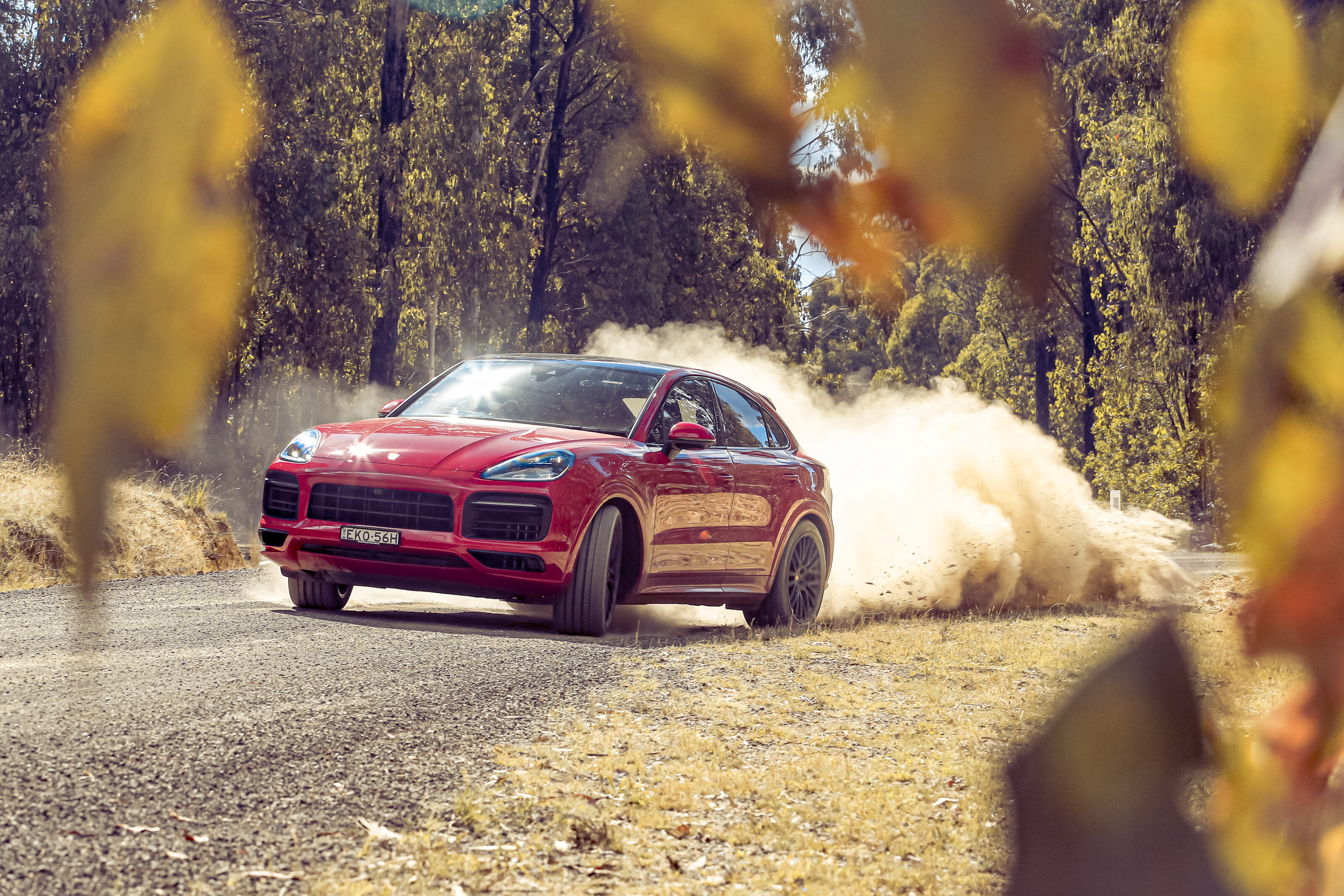
June 10, 2021: Porsche has issued a recall notice for its 2020 Cayenne due to a potential trailing arm failure, affecting 92 of 1385 models sold throughout last year.
Owners who purchased a Cayenne between September 16 and October 31, 2020 are being contacted by Porsche after the German brand discovered the clamping nuts on the rear trailing arm were not made to specification, causing potential failure over the life of the vehicle.
Excessive wear between the trailing arm and wheel carrier can cause failure of the parts and adversely affect handling, leading to a risk of injury for occupants.
Though parts are unavailable until the middle of June, Porsche is contacting owners and will arrange for repairs to be undertaken at their preferred dealership, free of charge.
Porsche has stated if owners notice any noises coming from the rear axle or a change in the handling of their Cayenne, they should park the car immediately and contact their nearest Porsche Centre or Porsche Roadside Assistance on 1800 659 911.
A list of affected VINs can be found here.
It’s 9:30am and I’m stuck at my desk when I should already be west of the Blue Mountains. The key to a Guards Red 911 Carrera S sits just in front of the keyboard, shouting at me to hurry up. Marcus has called long ago, telling me he’s collected the Maserati GranSport and shooter Wielecki, and they’re on their way to the rendezvous point.
This feature was first published in MOTOR Magazine’s February 2005 issue.
Finally, after some last minute paper pushing, I’m ready to fire the 911 out of MOTOR’s underground CBD lair.
After last month’s first drive of the GranSport, we figured it deserved a shot at the 997 Carrera S – the benchmark, sub-supercar coupe. To really test the Gran Touring abilities of these two exceptional cars, we wanted to cover some serious distance and to do that, agreed to stab westward, into the big-sky country that lies beyond Dubbo in central western NSW.
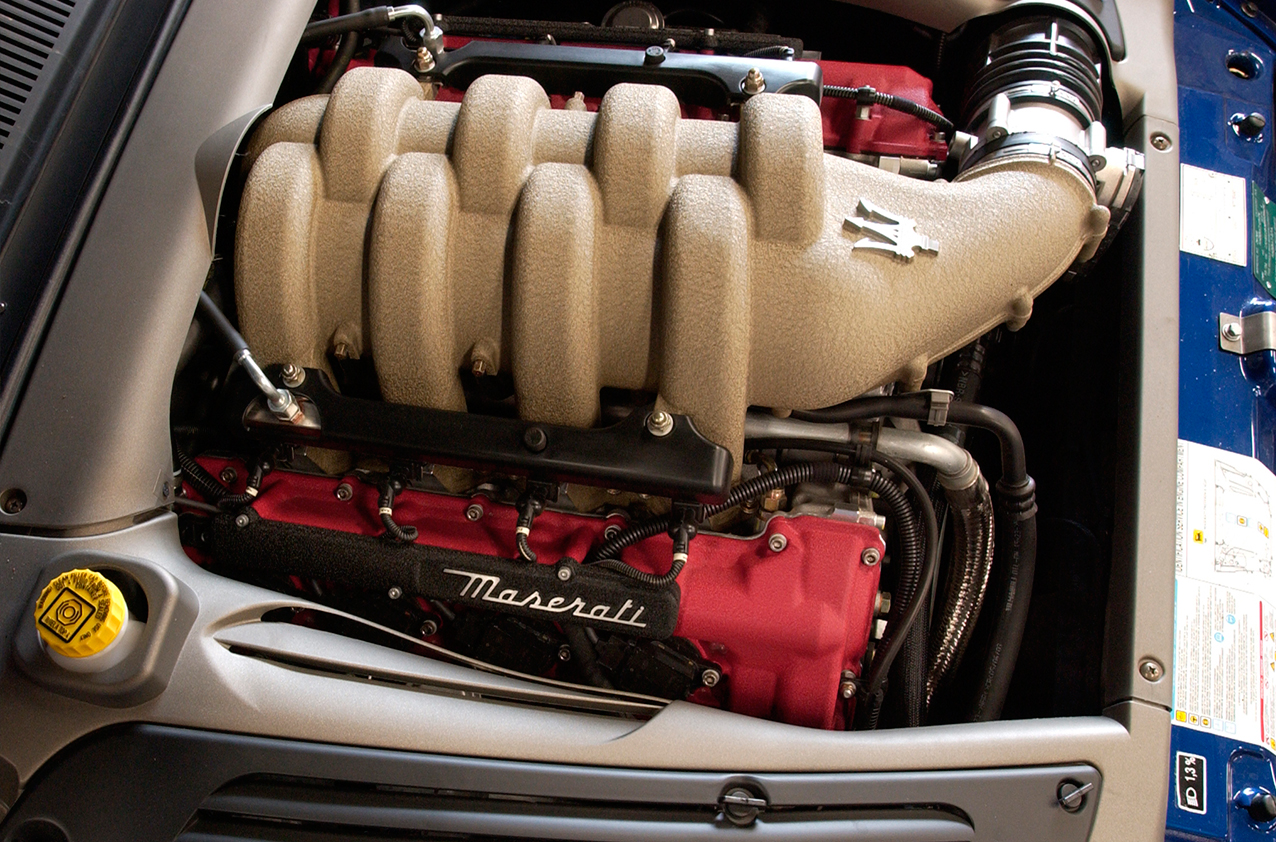
The GranSport really impressed us last month. It’s got an evocative name, a sense of occasion and a level of exclusivity that the Porsche cannot hope to match, but more importantly, it may finally have the substance to back up all the boasting.
Whereas previous Maseratis we’ve driven have been a collection of outstanding parts (the engine) and disappointments (shift quality and dynamic ability), the GranSport finally puts more of the pieces together.
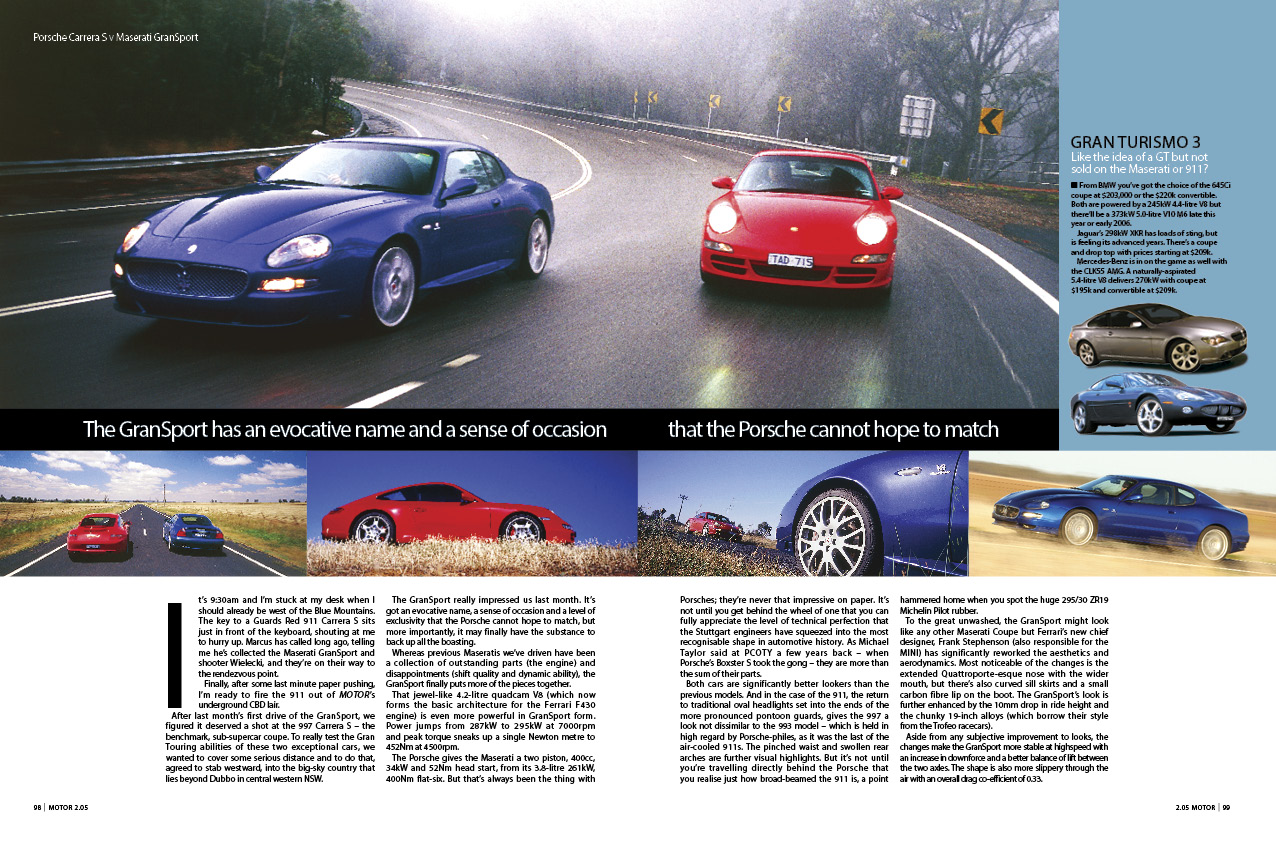
That jewel-like 4.2-litre quadcam V8 (which now forms the basic architecture for the Ferrari F430 engine) is even more powerful in GranSport form. Power jumps from 287kW to 295kW at 7000rpm and peak torque sneaks up a single Newton metre to 452Nm at 4500rpm.
The Porsche gives the Maserati a two piston, 400cc, 34kW and 52Nm head start, from its 3.8-litre 261kW, 400Nm flat-six. But that’s always been the thing with Porsches; they’re never that impressive on paper. It’s not until you get behind the wheel of one that you can fully appreciate the level of technical perfection that the Stuttgart engineers have squeezed into the most recognisable shape in automotive history. As Michael Taylor said at PCOTY a few years back – when Porsche’s Boxster S took the gong – they are more than the sum of their parts.
Both cars are significantly better lookers than the previous models. And in the case of the 911, the return to traditional oval headlights set into the ends of the more pronounced pontoon guards, gives the 997 a look not dissimilar to the 993 model – which is held in high regard by Porsche-philes, as it was the last of the air-cooled 911s. The pinched waist and swollen rear arches are further visual highlights. But it’s not until you’re travelling directly behind the Porsche that you realise just how broad-beamed the 911 is, a point hammered home when you spot the huge 295/30 ZR19 Michelin Pilot rubber.
To the great unwashed, the GranSport might look like any other Maserati Coupe but Ferrari’s new chief designer, Frank Stephenson (also responsible for the MINI) has significantly reworked the aesthetics and aerodynamics. Most noticeable of the changes is the extended Quattroporte-esque nose with the wider mouth, but there’s also curved sill skirts and a small carbon fibre lip on the boot. The GranSport’s look is further enhanced by the 10mm drop in ride height and the chunky 19-inch alloys (which borrow their style from the Trofeo racecars).
Aside from any subjective improvement to looks, the changes make the GranSport more stable at highspeed with an increase in downforce and a better balance of lift between the two axles. The shape is also more slippery through the air with an overall drag co-efficient of 0.33.
We reach the meeting point and I jump from the 911 to the Maser. You start the naturally-aspirated V8 with a twist of the key and a jab of the blue starter button. It cracks to life with a potent burst of noise. Poke the Sport button and the note hardens as the exhaust by-pass valve opens and back pressure is reduced. The Sport button also heightens the stability control programming, firms up the Skyhooks adaptive suspension and brings quicker shift times from the six-speed sequential manual Cambiocorsa ’box.
This is the only gearbox available for the GranSport but as we’ve never driven a conventional six-speed manual (available as a delete option in the Coupe and Spyder) we don’t know if we’re missing anything. We’ve previously reported that this gearbox, while fast shifting, can thump brutally as each gear is slammed home.
So, when we learnt the GranSport’s Cambiocorsa was programmed to change even faster, there was a collective wince. No need to worry though, because the quicker shifts (35 percent faster in Sport mode) actually smooths the process. Sure, full-blooded redline shifts will still thud into the rear-mounted transaxle, but they no longer rattle the superstructure of the car. And the automatic heel-and-toe throttle blip on downshifts is nape-prickling.
Below 2000rpm, the Maserati engine is surprisingly soft for a bent-eight displacing 4.2 litres. But as the revs rise, the power builds and the deep V8 rumble gives way to a creamy mechanical concert.
The Porsche plays a different tune and is so tractable at low engine and road speeds. Although the six-speed ’box is one of the best to ever shift cogs and has a firm but fast shift action and a heavy but positive clutch take-up, the boxer’s torquey nature forgives lazy driving and allows the 911 to carry a higher gear without a stumble or judder of complaint.
But for all its low-end flexibility, it’s the top-end of the 911 that’s truly astounding. From 5000rpm the big boxer takes another deep lung full of oxygen and hammers the tacho and speedo needles toward their end stops. Above 200km/h the acceleration is no less vigorous than the seat-pinning punch at 100km/h. Find a road or runway long enough and the 911’s electronic speed display (found inside the analogue dial) will flash 303km/h at the top of sixth gear.
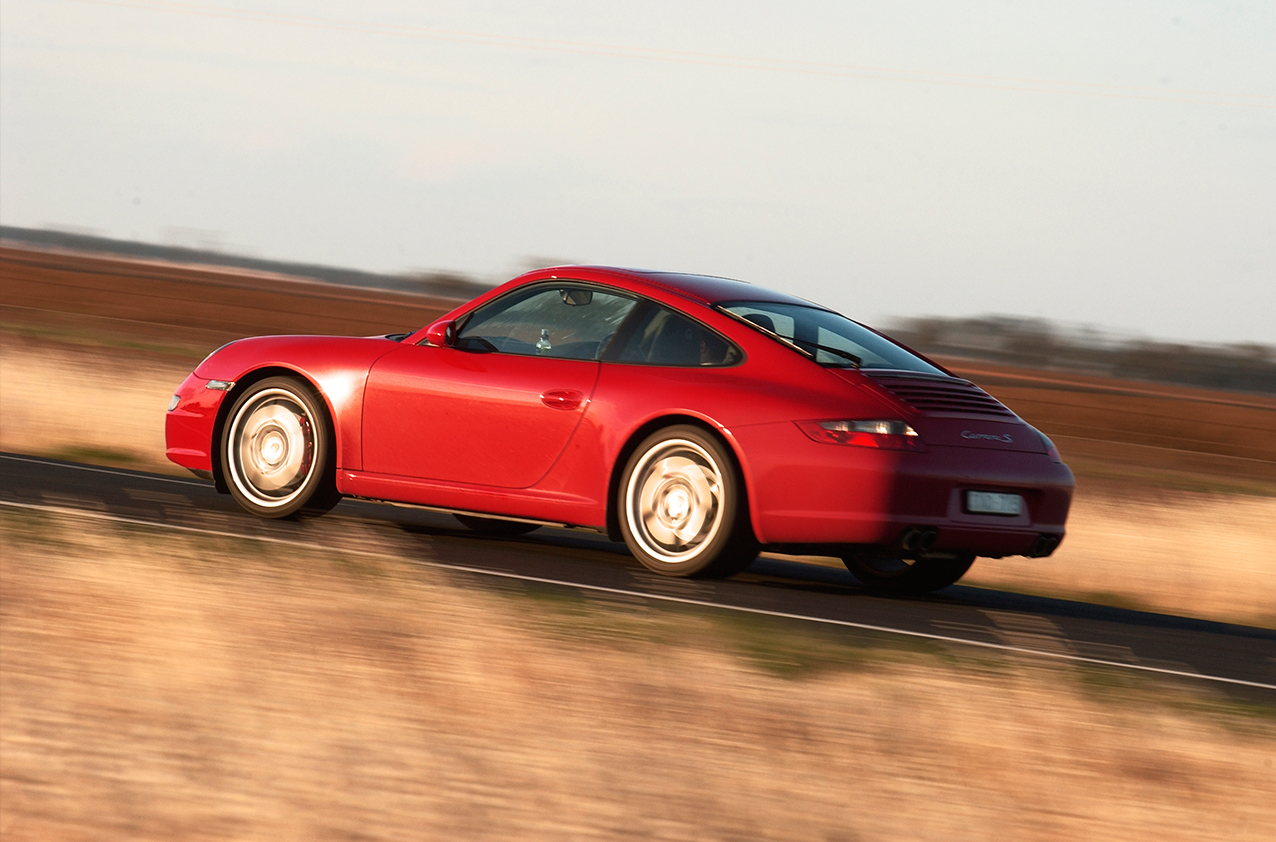
Before stretching into the far reaches of the speedo, the 911 will storm to 100km/h in 4.87 seconds and cross the quarter in 13.08 seconds at 175.8km/h – both figures are right on the Porsche claim.
Maserati claims a 290km/h V-max, but it’ll take longer to get there. This is due, partly, to the GranSport’s four percent taller sixth gear, but also because the V8 lacks the ultimate top-end punch of the the 911’s flat-six .
Where the 911 really hooks up off the line (thanks to the weight over the rear axle) the Maserati is much harder to modulate off the start. Despite a Porsche-matching claim of 4.85 seconds, the best we could manage to 100km/h (on a low kay example) was 5.37. Most of that difference is lost as the PZeros struggle for grip. From 100km/h the Maserati starts to make up a bit of ground with a 13.46 0-400m time, and a 173.7km/h terminal speed.
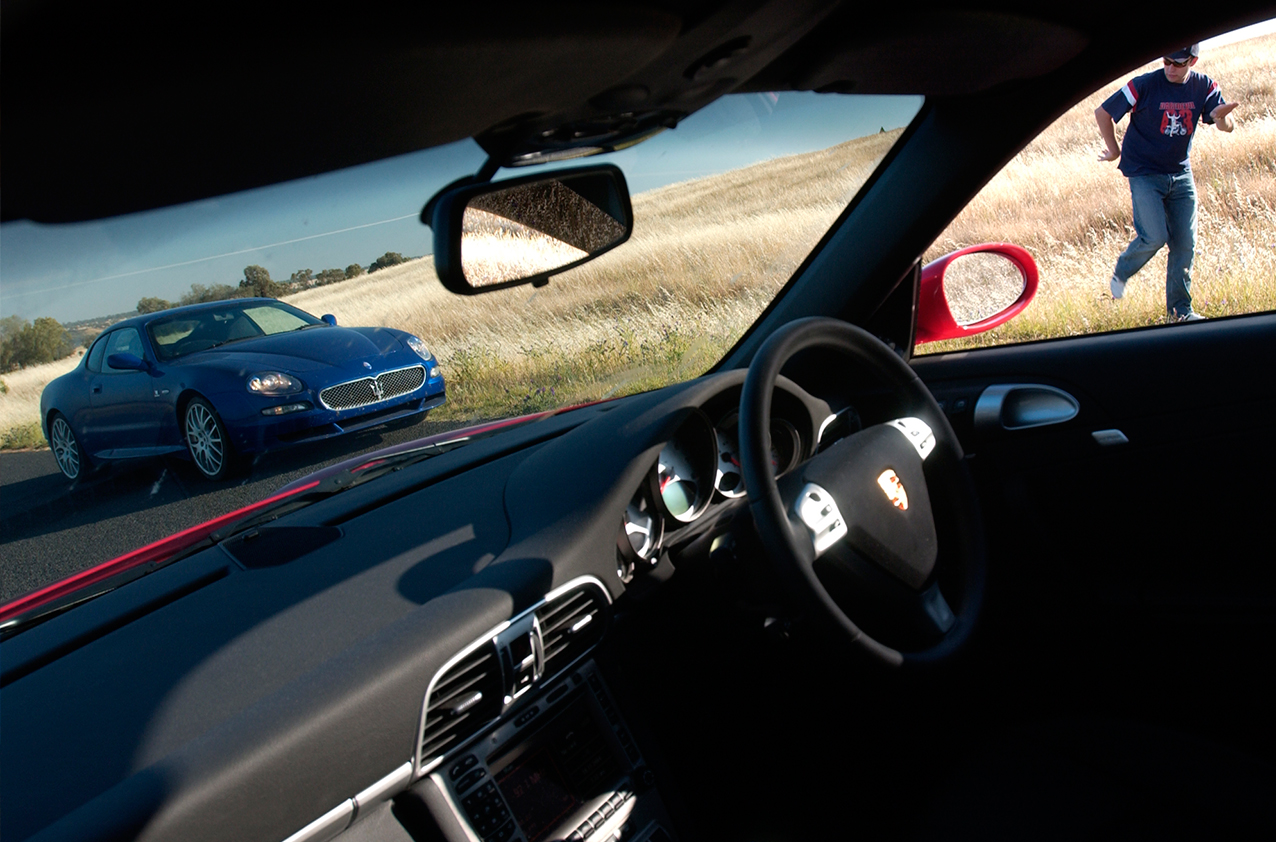
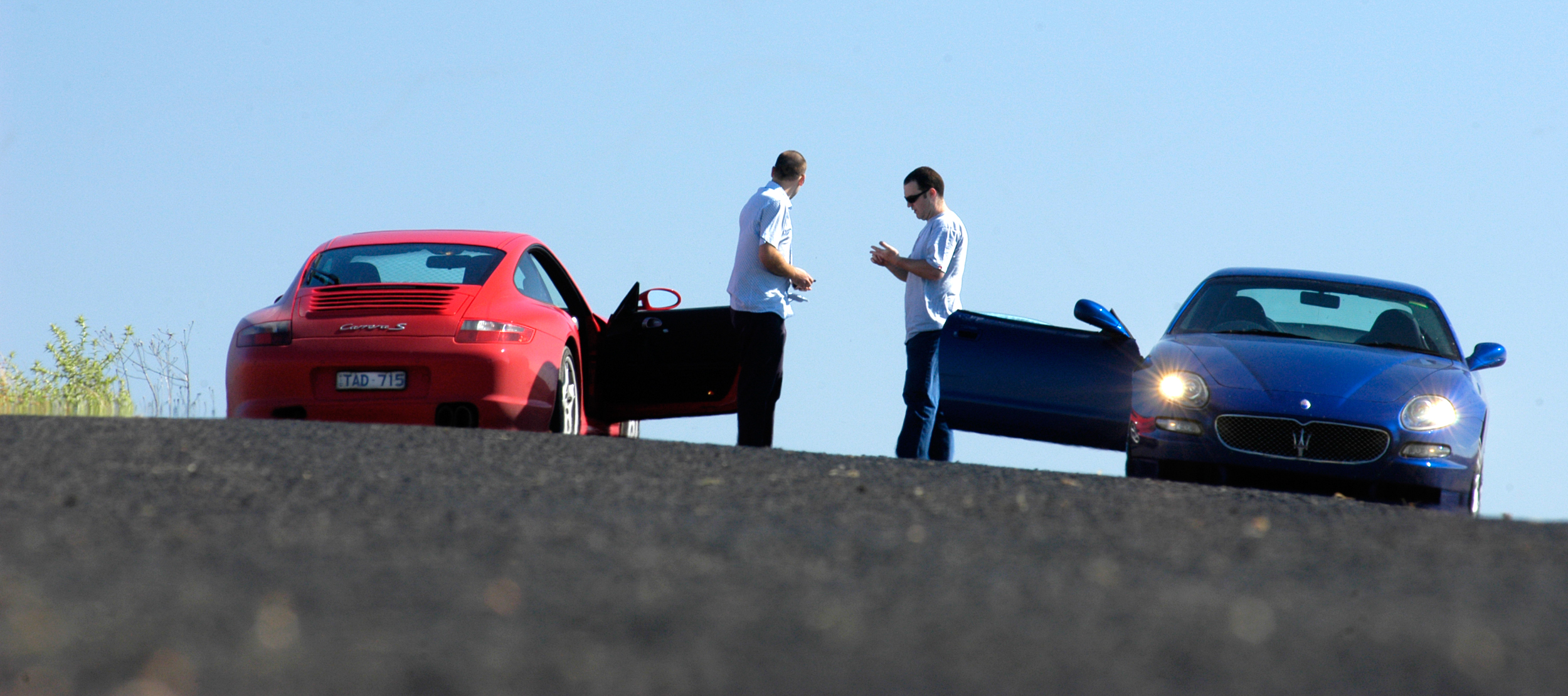
Somewhere between nowhere and the horizon, we pass the law. We’d not seen a car for a while, but as we pop over a slight rise, with the nose of the Maser (sans numberplate) buried up behind the rump of the 911 for a tracking shot, a marked-up Nissan Patrol flashes by. Heart rates rise and sure enough there’s a splurge of brake lights on the back of the Patrol. A few minutes later he’s on us, lights ablaze, so I ease the Maserati onto the dirt shoulder, only for the cop to drive by in pursuit of his German prey.
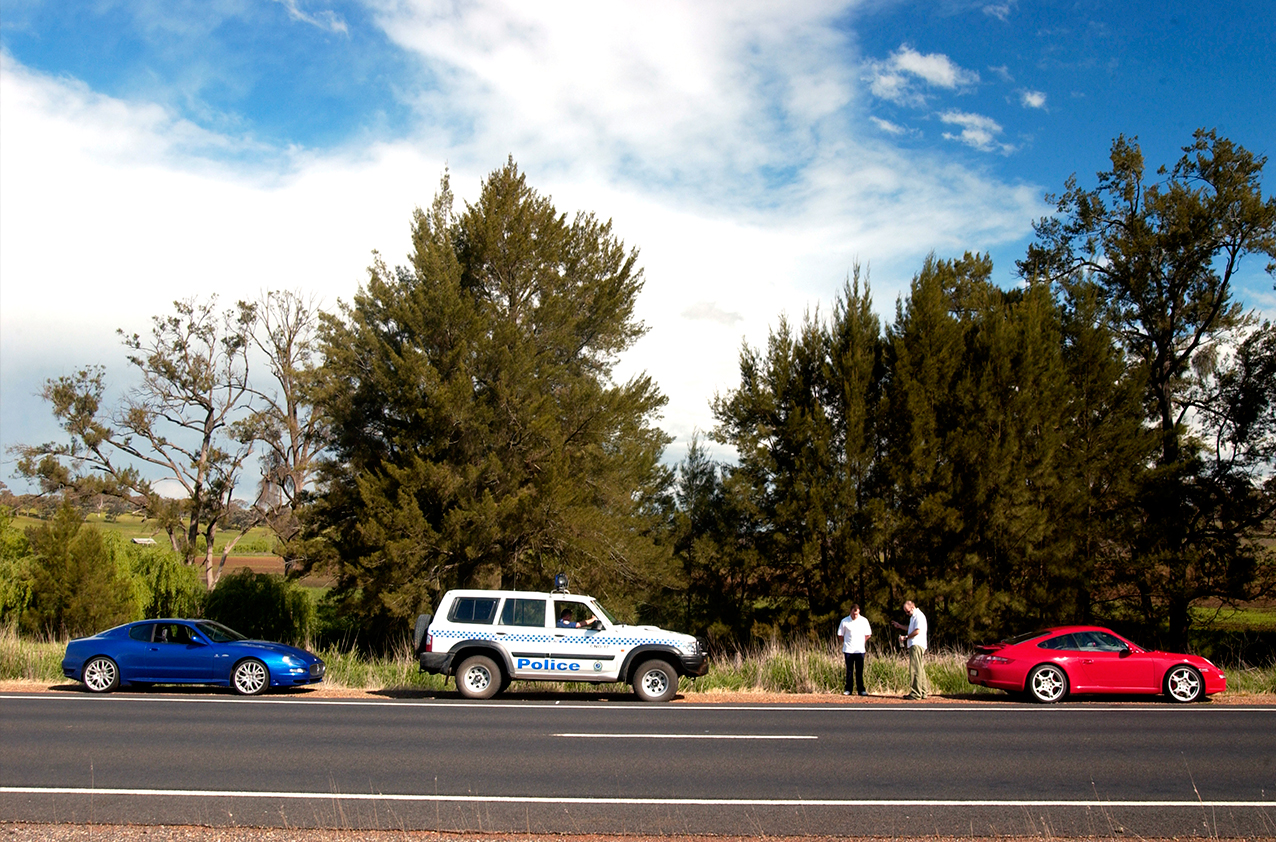
Wanting to help with explanations and share any blame, I slot in behind the captor and quarry.
Questions are asked. What was that hanging from the side of the Porsche? Why was that blue car so close? But most pointedly, why do we have the best part of half-a-million bucks in cars?
All easy to answer and the officer realised we weren’t doing anything dangerous, so let us off with a warning. He also told us if we wanted to do such photography, perhaps we could use one of the side roads.
So with photography suspended, we push on, looking for one of these suitable side roads. Jumping from Maserati to 911 and back again, I’m struck by how far the Italians have come on interior quality. The construction and material (carbon fibre, soft leather and a fabric sourced from Giorgio Armani) of the GranSport’s cabin is just about spot on, but without the smug mass-produced perfection you find in Audis.
The Maserati still has that indefinable character of a low-volume, exclusive car, but without the shoddiness you used to find in such cars not that long ago. Still, it’s impossible to give the Maserati full marks when the ergonomics are so far off the pace. About the only thing further away than the top of the steering wheel (which also obscures some of the gauges), is the power window buttons.
The Porsche cabin, though ergonomically perfect, is uncharacteristically alive with rattles and squeaks. Technically the 997 cabin is better than the old model, with improved materials, construction (save the rattles of this example) and level of equipment.
All major controls are perfectly placed and their actions carry the correct weighting. Perhaps the only caveat is the steering. With the Carrera S fitted with adjustable dampers and variable ratio steering, there’s a sneaking suspicion that the wheel is not as talkative as it could be. In isolation, or even in comparison with the Maserati, you’d never know. But those familiar with any 996 model or even the base model 997 Carrera, will feel the difference. It’s nothing major, just an initial fuzzyness as the steering wipes sleep from its eyes.
But that’s the only dynamic gripe you can level at the 911. Otherwise, it gets close to perfection with extraordinary grip from both ends, immediate turn-in and faithful feedback. The ride is firm (it does wear 19s) but there’s genuine suppleness at medium and high speeds, which is just what you want when you’re pushing on. And the brakes will never quit on you. Dirty great 330mm discs straddled by four-piston monobloc calipers stop time and time again without the merest suggestion of fade.
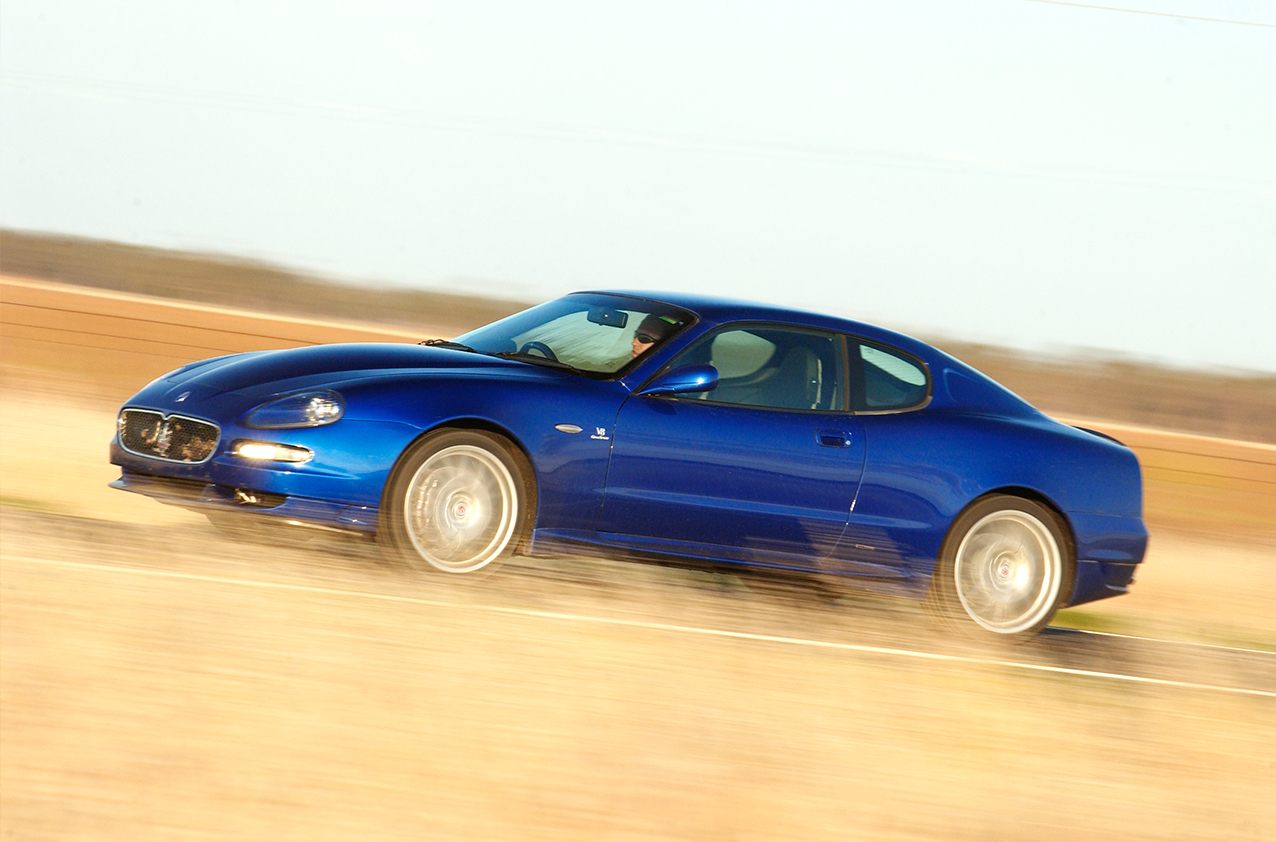
The Maserati’s lower and firmer suspension is so far ahead of previous Coupes that comparison is pointless. The older models felt like you were driving a bar of soap, never knowing when it would slip from your grasp, but the GranSport is a Maser you can trust. At low speed the ride quality is remarkable (far superior to the Porsche) but as the stakes and speed are raised, there’s not the body control of the 911. Grip is tenacious, and messages from the treadblocks actually do make it to your hands, whereas the older car would play Chinese whispers with feedback.
In just a day-and-a-half of hard driving we’ve added over 1200km to the odometers of each car and both crushed the distance with ease, but the win goes to the 911.
With the exception of seating capacity, the Porsche plays the GT role just as well as the GranSport, but can slip into superman mode and tug at the capes of genuine supercars. And that’s probably the point, not only is it $20k cheaper than the Maserati, but to find better, you’re looking at the $400,000 Lamborghini Gallardo.
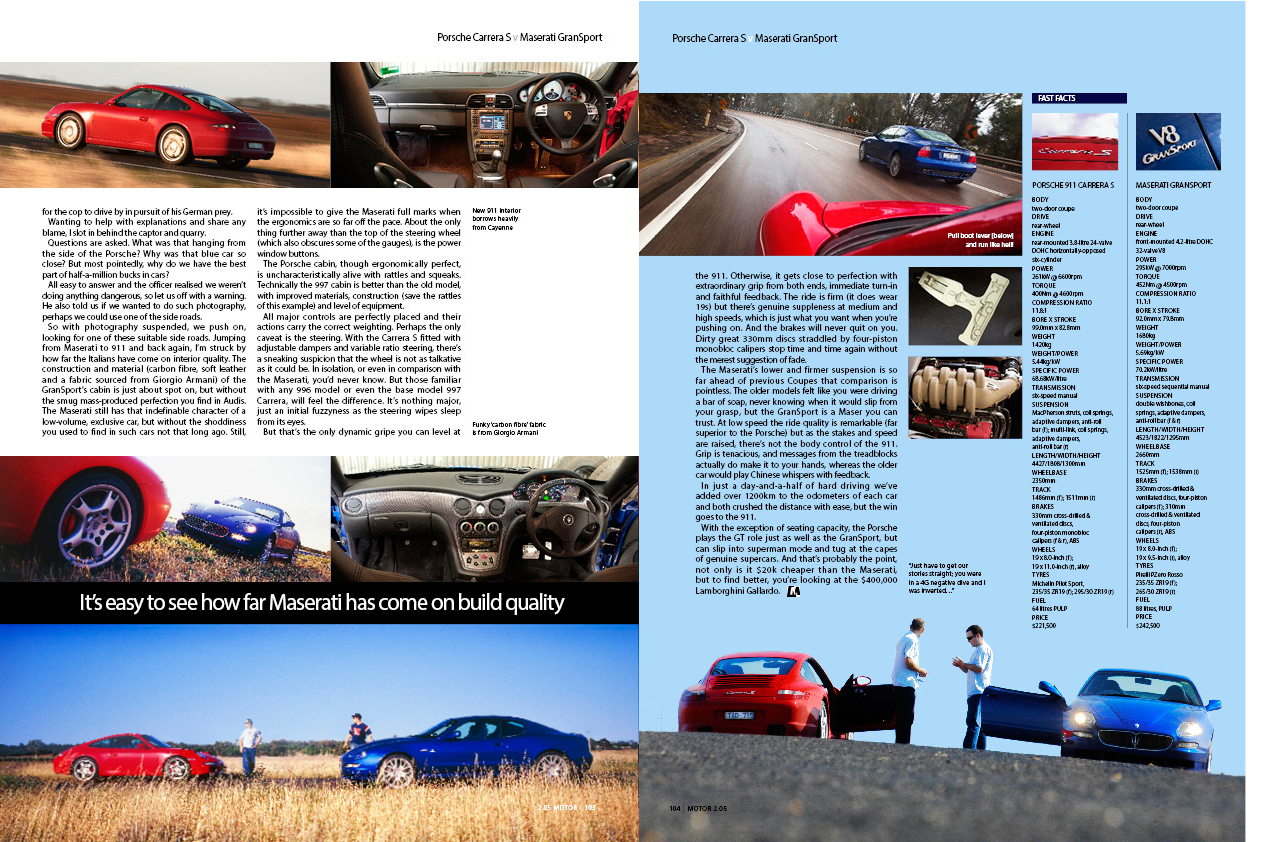
What the hell just happened? “It’s called a motor race, Toto.” This was race control’s Michael Masi’s radio return to Mercedes team boss, Toto Wolff, as the 2021 season ended – on track at least. As Red Bull’s Max Verstappen and reigning seven-time champion Lewis Hamilton wrestled for the title at the Yas Marina circuit, their team bosses did their best to influence the Safety Car procedure with a handful of crucial laps remaining. The pleas from both were played out, broadcast live to millions. Was one favoured over the other? It proved a perfect storm of controversy…
That wasn’t the end. Mercedes threatened legal action, before dropping the case. Sir Lewis Hamilton – who congratulated the new world champion Verstappen – was knighted after the season end, but has remained publicly silent, uncharacteristically skipping the FIA awards, Wolff then suggesting he may not return to the sport.
That’s the level of intensity and intrigue that presents a salivating 2022 F1 season, with off-track politicking adding a richness to the dogged win-at-all-costs track action. The genuine drama would be almost unbelievable if played out in Netflix’s Drive to Survive, part of the stronger promotion and fan engagement achieved by Liberty Media that has attracted a raft of new, young and passionately vocal F1 fans.

Add a fresh set of technical regulations to the mix for 2022 which will bring vastly different cars, some significant personnel and driver changes, and we could see the pecking order change amidst the angst. Could we see a fresh team up front? Will Mercedes still be at the head of the pack, and will it be Hamilton or his new young team-mate leading? Can Ferrari win races, and will the new McLaren car suit Daniel Ricciardo any better?
These unknowns add to the intrigue from the fallout of last season’s finale. Abu Dhabi wasn’t the climax of the war expected, but instead a major battle in the ongoing conflict between Hamilton and Verstappen, Mercedes and Red Bull, with rivals looking to ambush both with the new regs, new driver line-ups and points to prove on track. The unfinished business from that final round will spill over into this season’s title chase, into the team garages, the boardrooms to the driver’s seat.
From the very first session at the 2022 opener in Bahrain in March, Hamilton will want to show he was robbed and take an unprecedented eighth title, with Verstappen determined to underline his status as the new champion. The stakes have never been higher.

01 – FIA’s credibility on the line
New FIA director Mohammed Ben Sulayem faces a host of battles, the least of which is whether to punish Hamilton for skipping the 2021 awards gala.
More significantly, choosing March 18 for the Abu Dhabi ‘investigation’ announcement – the day of the first session at season-opening Bahrain – is seen by many as goading Hamilton, given rumours he’d quit the sport.
The 23-race calendar, the most in a season, includes the inaugural Miami GP, meaning two US Grands Prix for the first time since 1984. Critics suggest the packed schedule stretches teams’ resilience, needlessly criss-crossing the globe, contradicting the FIA’s 2030 zero-carbon footprint pledge.
Add fan frustrations about pre-season testing, hastily renamed a ‘shakedown’ with no public access, selective flyover bans, the ill-handled response to last year’s three-lap Belgium GP, and just which procedure the first Safety Car of 2022 will follow…
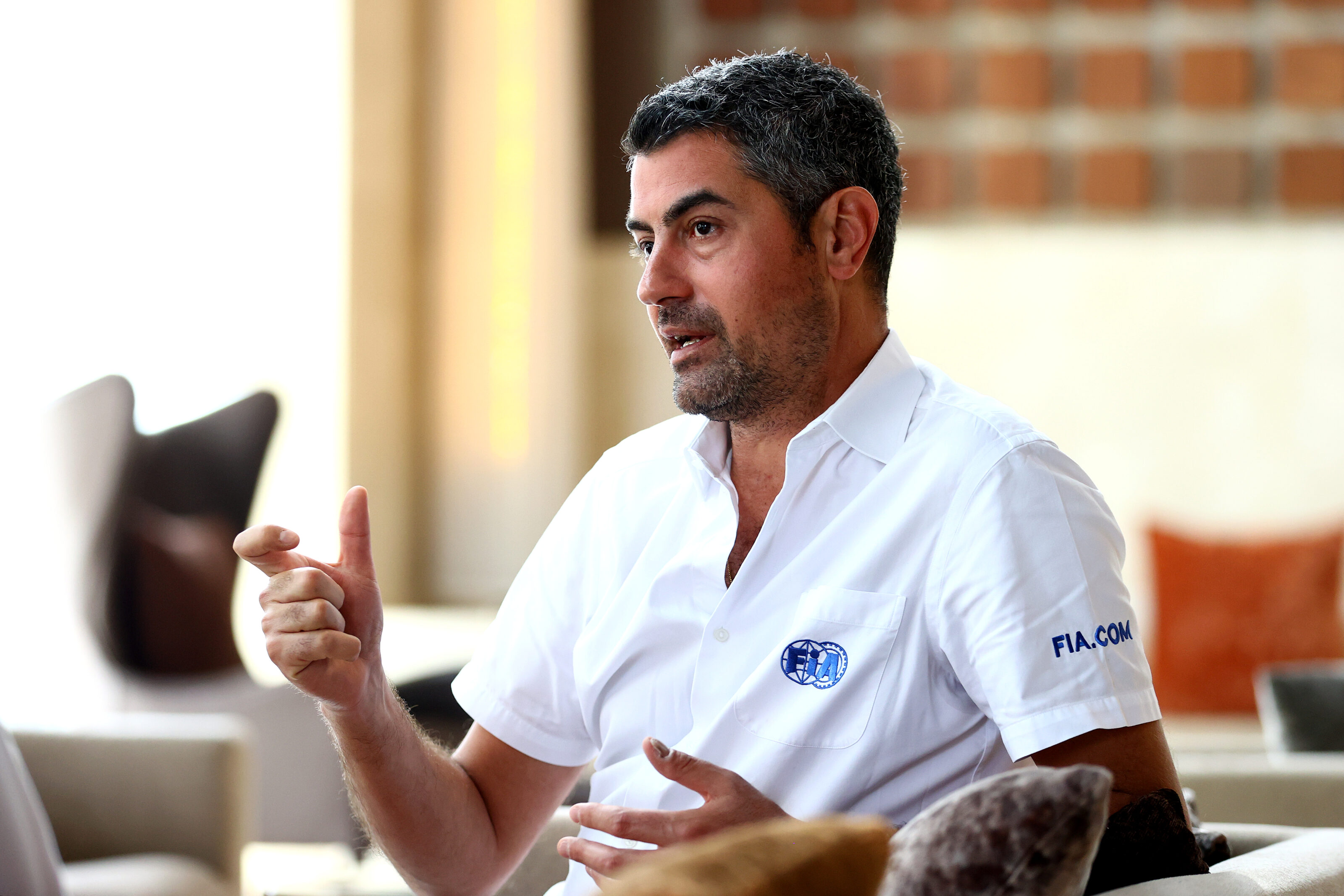
02 – Max v Lewis: Regime Change?
It’s not over. The chequered flag at the 2021 championship decider wasn’t the end – it lit the powder keg loaded after collisions between the pair at Silverstone and Monza, a €50,000 fine for Verstappen touching Hamilton’s rear wing in Brazil amidst subtle hints of cheating, and multiple debates on driving standards. And that was before Abu Dhabi…
The phoney war between Mercedes boss Toto Wolff and Red Bull’s Christian Horner allowed the drivers to leave it in the cockpit, mainly.
Impressively, Hamilton showed no tantrum-like display on the podium, and is showing newfound determination after taking a well-deserved break. Did Verstappen win a plastic title? Some fans think so. It’s set for Max to underline that he is a bona-fide world champion, and for Lewis, it’s all about showing that he’s the true champion.

03 – New rules, new drivers, new hierarchy?
Could we see another shock like Brawn in 2009? A new set of regulations for the cars themselves finally has the chance to shake Mercedes – who won the Constructors for an eighth consecutive time in 2021 – from the top of the tree. But who will it be?
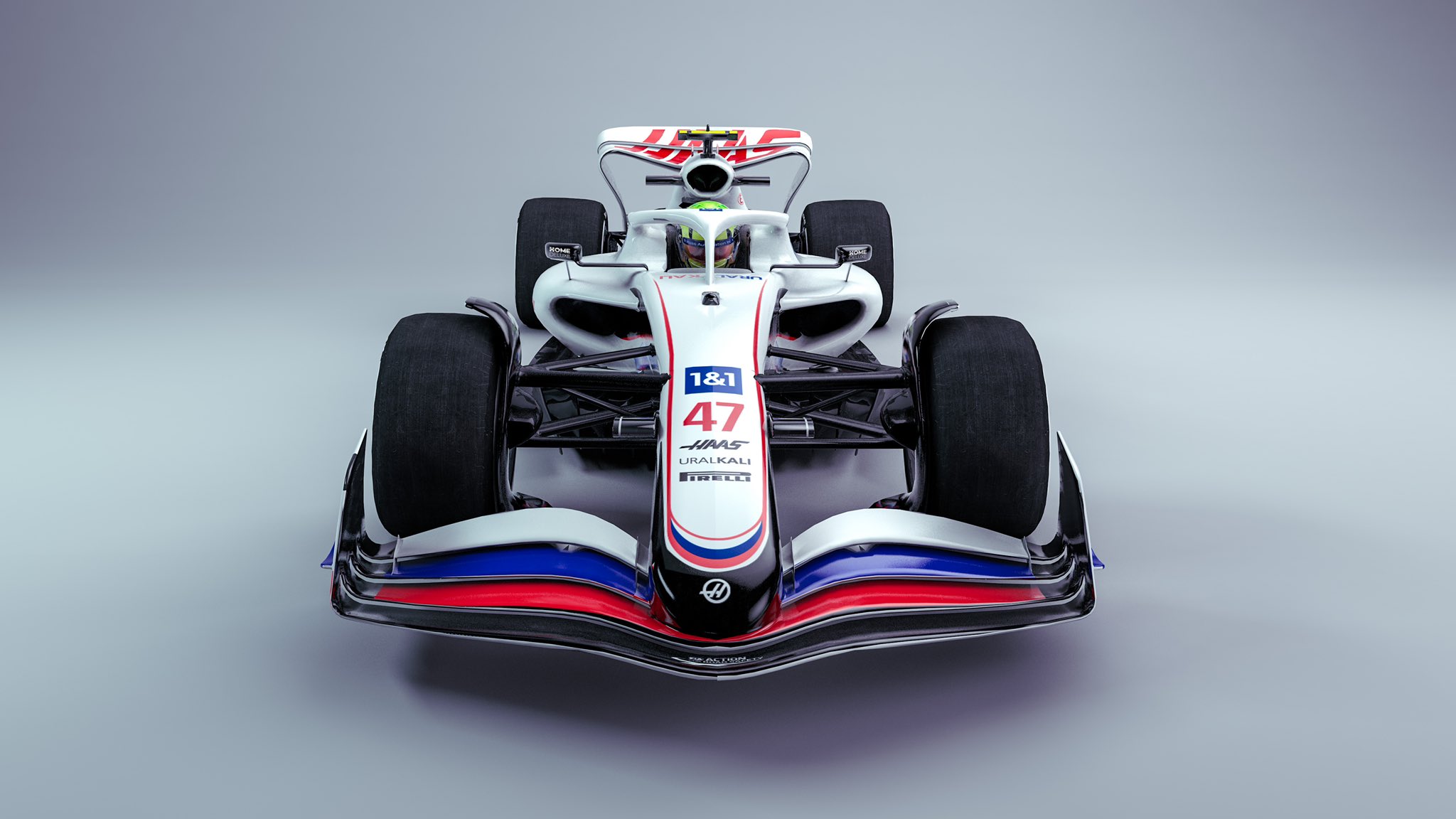
The new rules prioritise cost reduction and race-ability. The switch to 18-inch BBS wheels with low profile Pirellis should enable drivers to push more often, but more significant are the aerodynamic changes designed to reduce the wake of air trailing a car.
For years, the large wake has made passing in such aero-sensitive cars near impossible. At some tracks, a performance advantage of a second a lap still wasn’t enough to pass a rival, even with DRS. That’s set to change if – and it’s a big if – the new regs achieve this goal.
04 – Toss the boss
Significant talent swaps include four-time world champion Alain Prost’s public spat with Alpine. The Frenchman split with the team, accusing CEO Laurent Rossi of ‘no respect’ after he was gazumped by Rossi in making the news public – vindicating Prost’s decision to leave.
Prost’s exit followed that of Alpine Executive Director Marcin Budkowski, who had been linked to Aston Martin, where long-serving team principal, Otmar Szafnauer, departed in January. The much-loved Szafnauer’s replacement is ex-BMW Motorsport boss, Mike Krack.
Aston will also have a new technical director, Dan Fallows, who’ll start in April. Fallows comes from Red Bull, where he was chief aerodynamicist.
Over at Red Bull, Honda’s departure at the end of 2021 saw the Milton Keynes team boldly establish its own powertrain unit. Honda’s former F1 Managing Director, Masashi Yamamoto, heads up the new organisation and while Honda has prepared Red Bull’s 2022 powertrain, continued success will be an immense challenge.
05 – Russell in a Mercedes
“Put anyone in that car and they’d win,” say Hamilton critics, despite clear evidence from departing team-mate, Alfa Romeo-bound Valtteri Bottas, and Nico Rosberg – who took the title over Lewis as teammate in 2016 – that it’s not so simple. Yet if there’s anyone in the field to be tested against, it’s the seven-time champion in the same car.
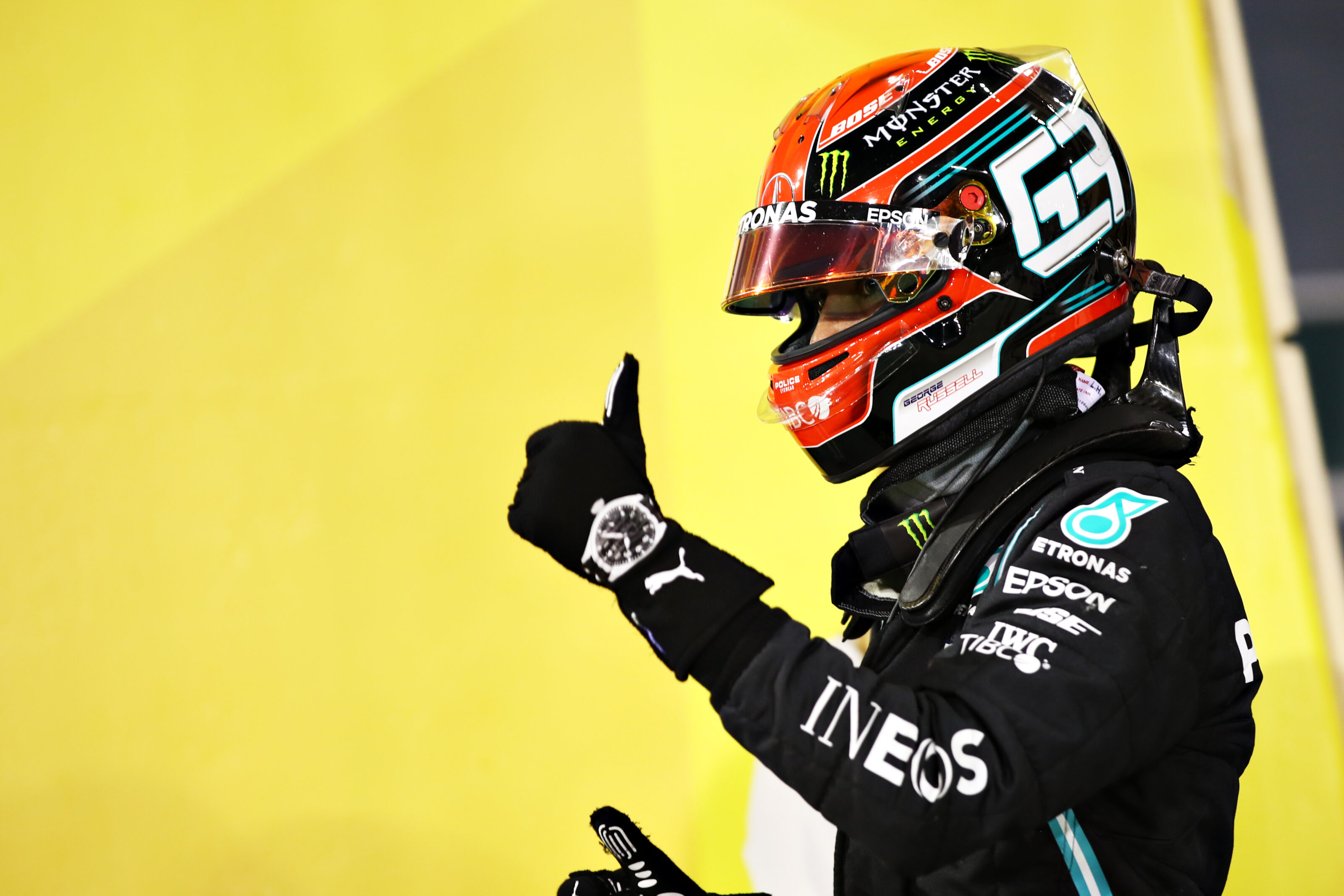
Brit George Russell, age 24, joins Hamilton at Mercedes after three seasons at Williams. He’ll be determined to show he’s better than his decorated team-mate, while Lewis will be out to stamp his authority over his new in-house rival. Unlike Bottas, Russell won’t settle as Lewis’ number two, both seeking to exploit any weakness in each other’s skillset in a fascinating contest.
Other young guns to watch include ex-Red Buller, Alex Albon, replacing Russell at Williams and seeking redemption; and China’s first F1 driver, Guanyu Zhou, who joins Bottas at Alfa Romeo.

06 – Ricciardo v Norris: The Rematch
It’s now or never for 32-year-old Daniel Ricciardo. He was one of the hottest properties in F1, but it’s now going on four years since he stormed Monaco, crushing his rivals in a dominant victory as then team-mate Verstappen clumsily faltered.
The Western Australian’s 2021 switch to a freshly Mercedes-powered McLaren followed two impressive seasons at Renault, where he showed continuous progress. McLaren would potentially see the Ricciardo of old re-emerge in machinery potentially good enough to get back towards the front.
Instead, 21-year-old team-mate Lando Norris comprehensively dismantled Daniel, consistently faster in both qualifying and race trim. A historic win at Monza was still not enough to lift Riccardo’s falling stocks, such was the reputational damage.
Despite a McLaren contract for 2022 and ’23, many have written Our Dan off. With a new car and Honey Badger mentality, we know he won’t give up – but can he turn the tables?
07 – Ferrari: fast at last?
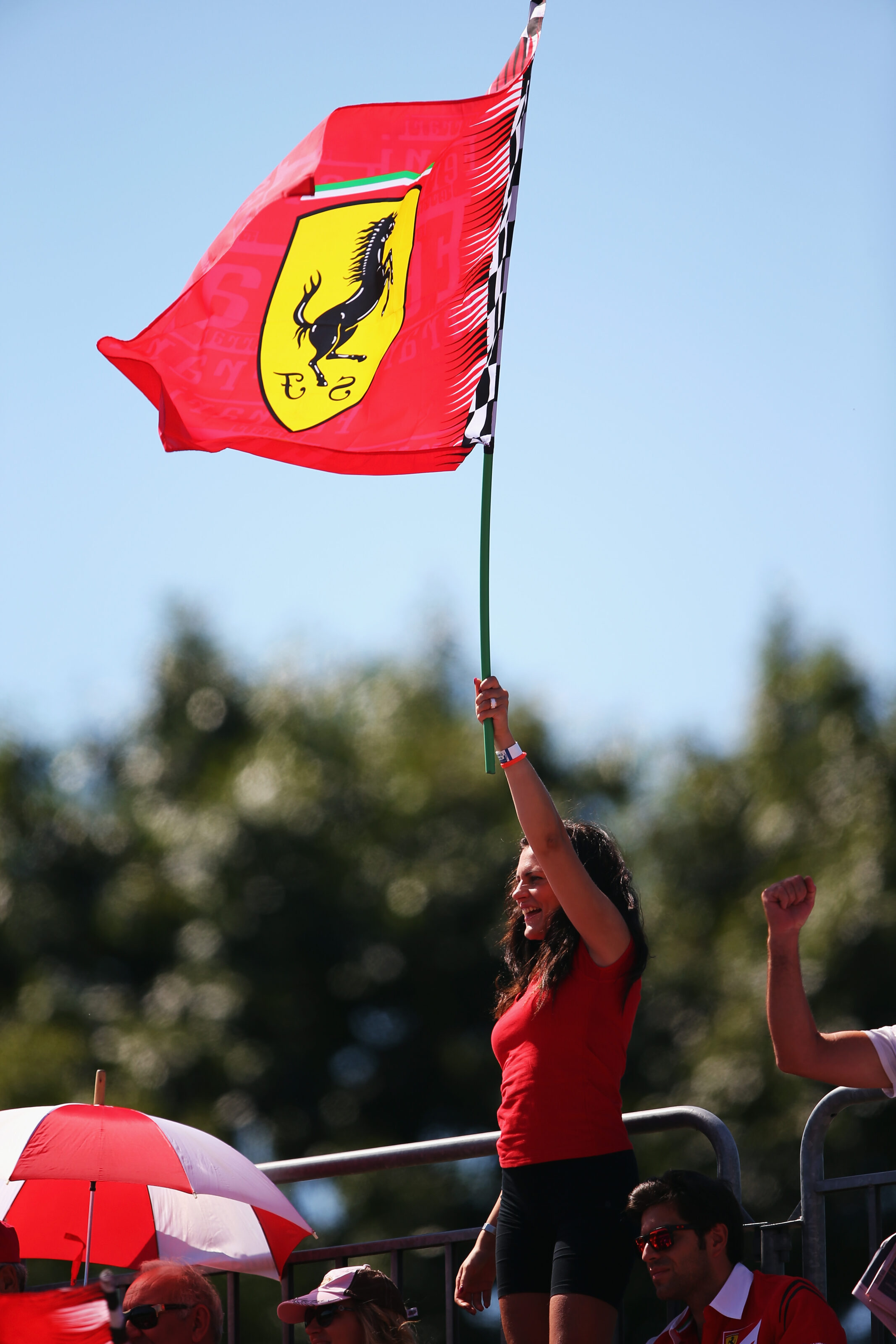
Could Maranello finally have a contender worthy of its highly talented young drivers? Having not won a race since 2019, team boss Mattia Binotto missed several Grand Prix in 2021 to focus on this year’s car, as both Charles Leclerc and Carlos Sainz pushed their red rockets to podiums that they simply shouldn’t have, knocking off McLaren for third in the Constructor’s title.
Spanish bank Santander (political advantage Sainz?) has become a partner sponsor, while there’s a newly developed, more compact V6 optimised for the new E10 fuel.
Also promising is the Scuderia’s refreshing approach in its quest for success. This includes keeping Binotto through tough times, even amidst allegations of illegal engines in 2019 that ended in a closed-door deal with the FIA – as well as having its youngest driver line-up since 1968, when Jacky Ickx, Andrea de Adamich and Chris Amon drove the 312-F1 68.
The 2022 F1 season begins at the Abu Dhabi Grand Prix on March 18.
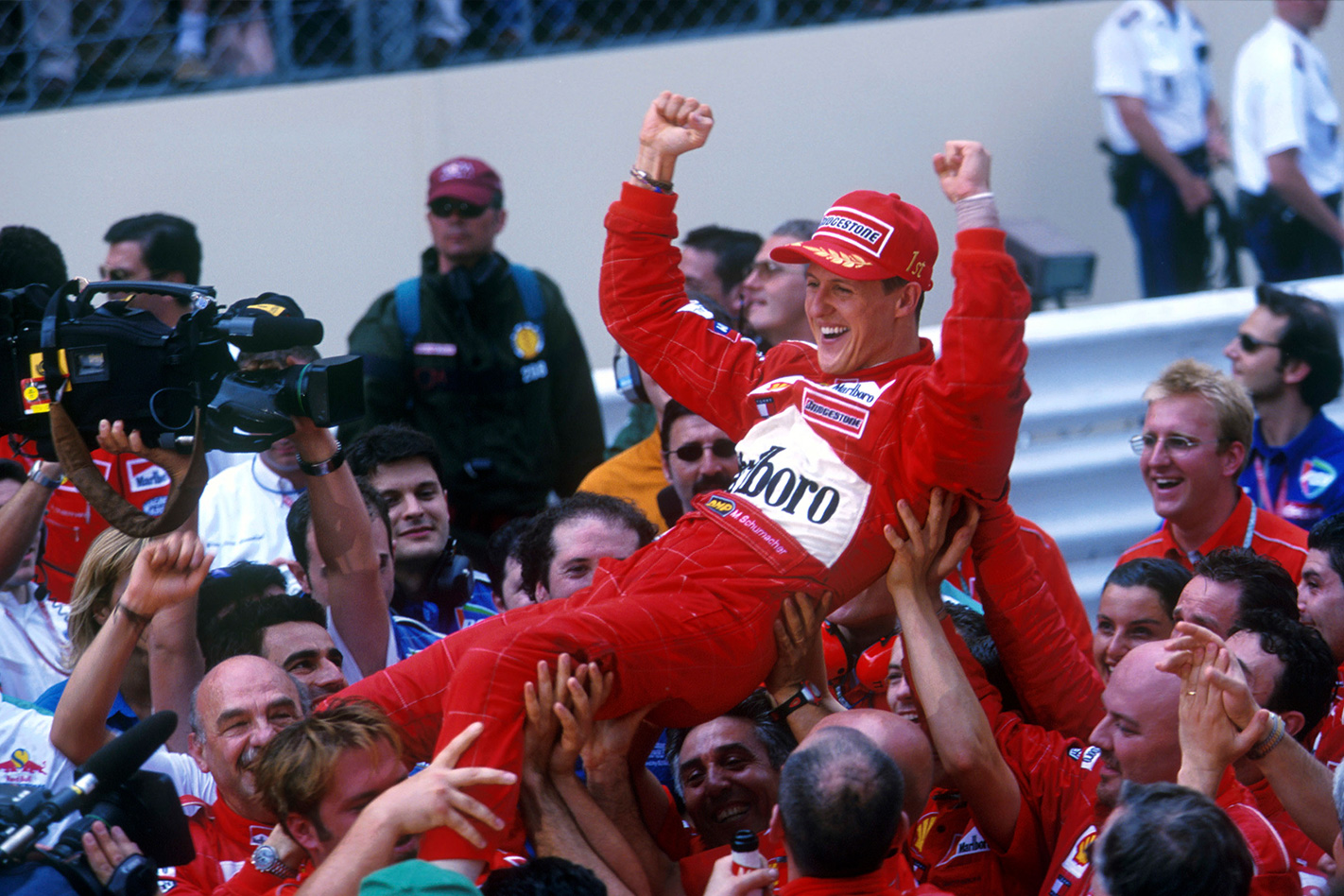
The Ferrari F300 Formula 1 car driven by Michael Schumacher in the 1998 season has come up for private sale in the US for US$4.9 million (AU$6.7 million).
Listed by duPont Registry, the V10-powered Ferrari F1 car is said to be the vehicle driven to pole by Schumacher in the 1998 Luxemburg Grand Prix held at the Nürburgring as well as at the 1998 Japanese GP at Suzuka.
Schumacher was tied with Mika Häkkinen for points going into the second-last round, battling with Häkkinen’s McLaren-Mercedes until a tyre failure took the Ferrari out of contention in the last race, handing the 1998 Formula 1 World Championship to Häkkinen.
Häkkinen won the championship the following year, but Schumacher ended up winning five F1 titles back-to-back from 2000 to 2004, solidifying his place as one of the greatest drivers of all time.
Arguably one of the most iconic Ferrari F1 cars of all time, this particular vehicle is one of just nine ever built, and uses a 3.0-litre V10 engine producing 600kW on the way to an 18,000rpm redline.
While the listing doesn’t advertise which of the nine it is, sibling chassis 183 sold at auction in 2014 for US$1.7 million (AU$2.3 million) – just two years after it sold at a London auction for £400,000 (AU$726,500).
The 1998 Ferrari F300 Formula 1 race car is for sale by duPont Registry, and can be viewed by clicking here.
A plug-in hybrid (PHEV) version of GWM’s Tank 500 has been spotted undergoing testing in China.
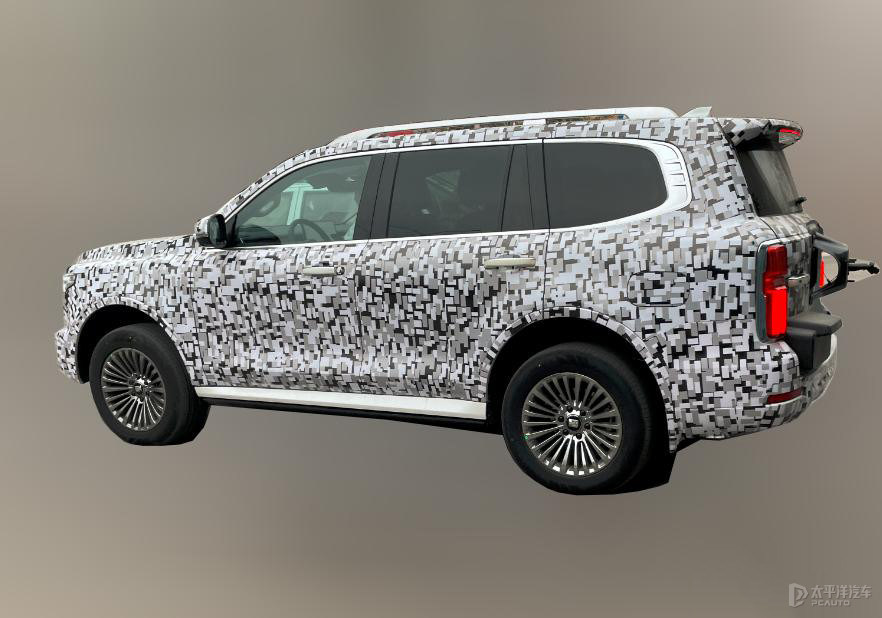
Images of the camouflage-wrapped vehicle surfaced on Chinese media this week, showing a design almost identical to the recently-shown hybrid (HEV) Tank 500.
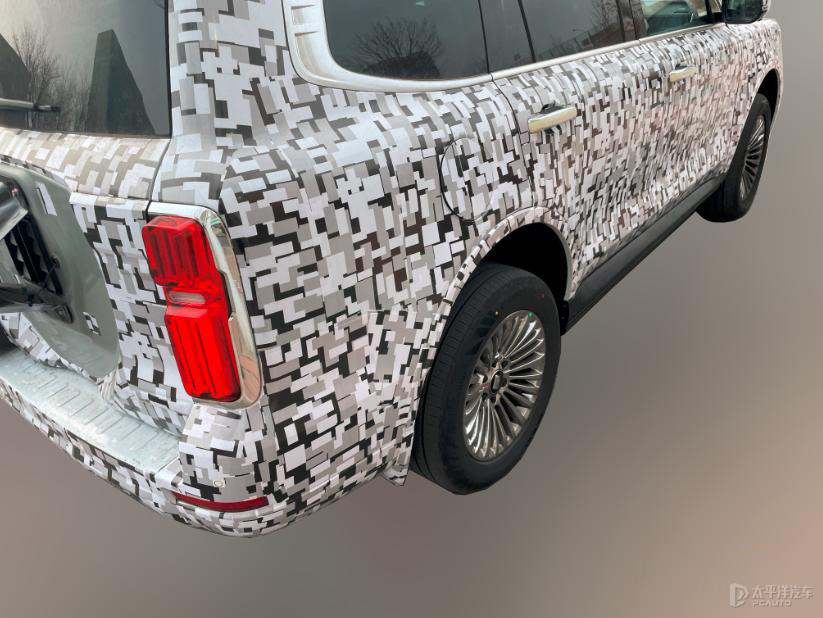
It features the same wheels as the Thailand-shown HEV, with the addition of a plug-in charge port. The HEV makes 180kW of power and 380Nm of torque between a turbo 2.0 four-cylinder and an electric motor, paired to a nine-speed automatic. While no performance figures have been revealed for the PHEV version, power is likely to be similar with an extended driving range.
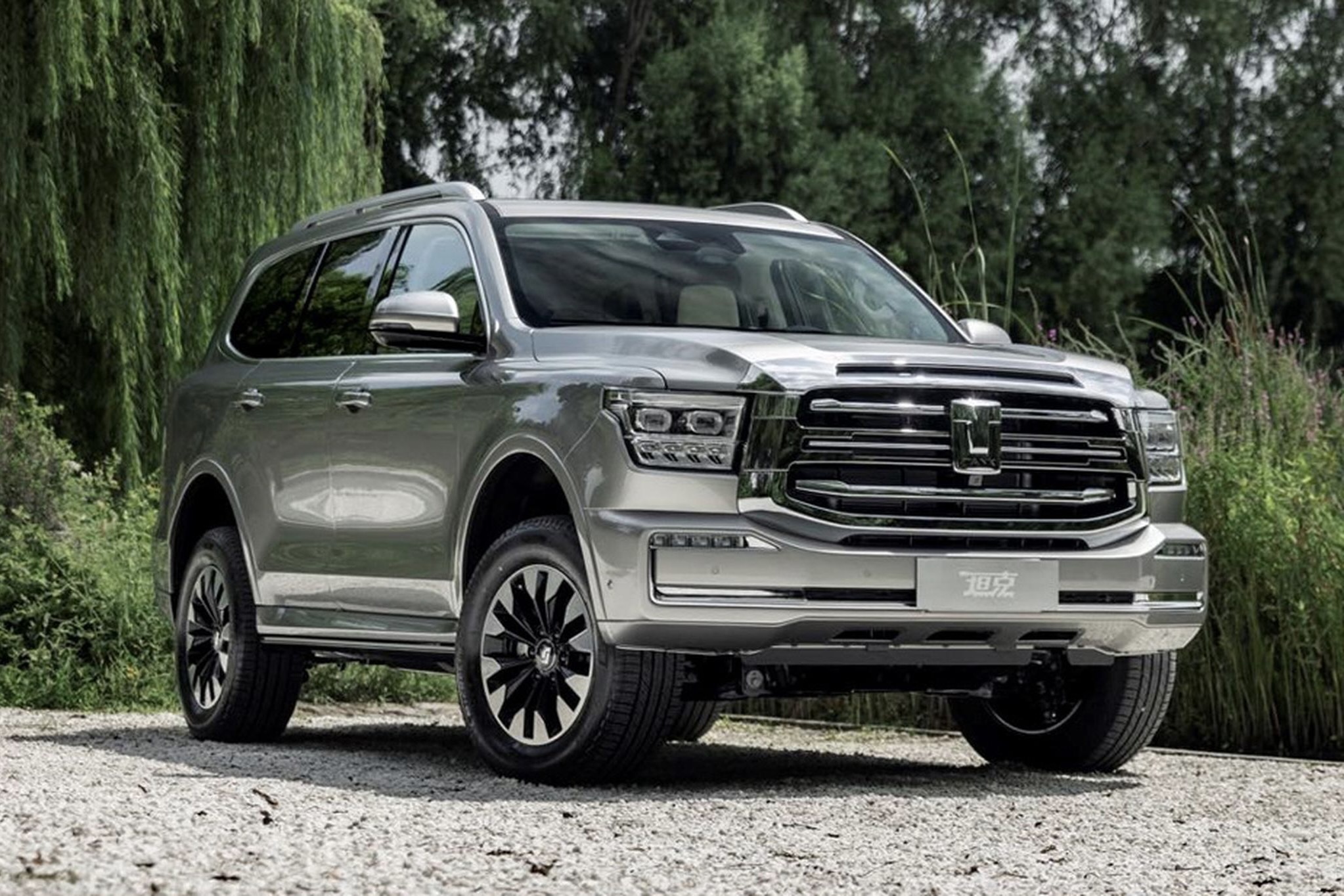
The turbo-four will arrive in Australian-delivered Tank 500s later this year, alongside a mild-hybrid 3.0-litre V6 pumping out a total of 260kW and 500Nm. No exact sale date has been announced, though GWM says both models will be launched concurrently. There’s no indication so far on the odds of the PHEV reaching our shores.
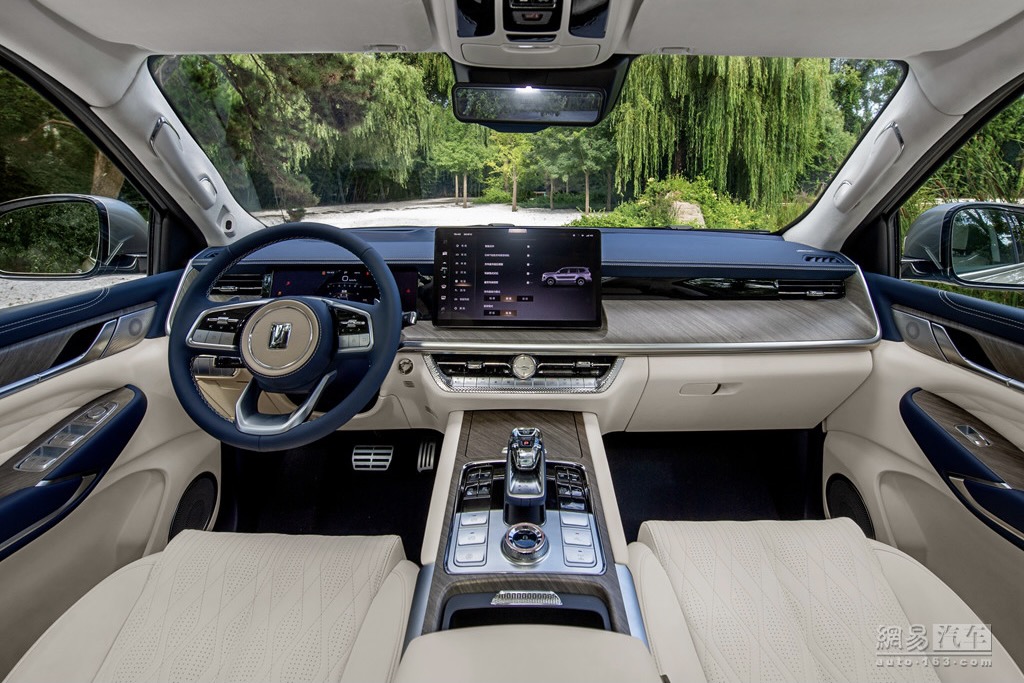
Local pricing also remains unknown, though at ¥335,000 (AU$72,600) to ¥395,000 (AU$85,000) in China, its sights will be set firmly on the Toyota Prado.
With petrol hitting the two-dollar mark across the country, people are looking for ways to save their hard-earned bucks at the bowser. Sadly, we can’t all afford an EV, and while we can drive more efficiently, that’s easier said than done on a stinking hot and humid day.
This is why many people are turning to phone apps that provide intel on the cheapest fuel prices in their area.
Drivers in New South Wales, Queensland, Western Australia and Northern Territory benefit from rules that compel service operators to log changes to their fuel prices to real-time databases on apps such as NSW Fuel Check and Fair Fuel (RACQ).
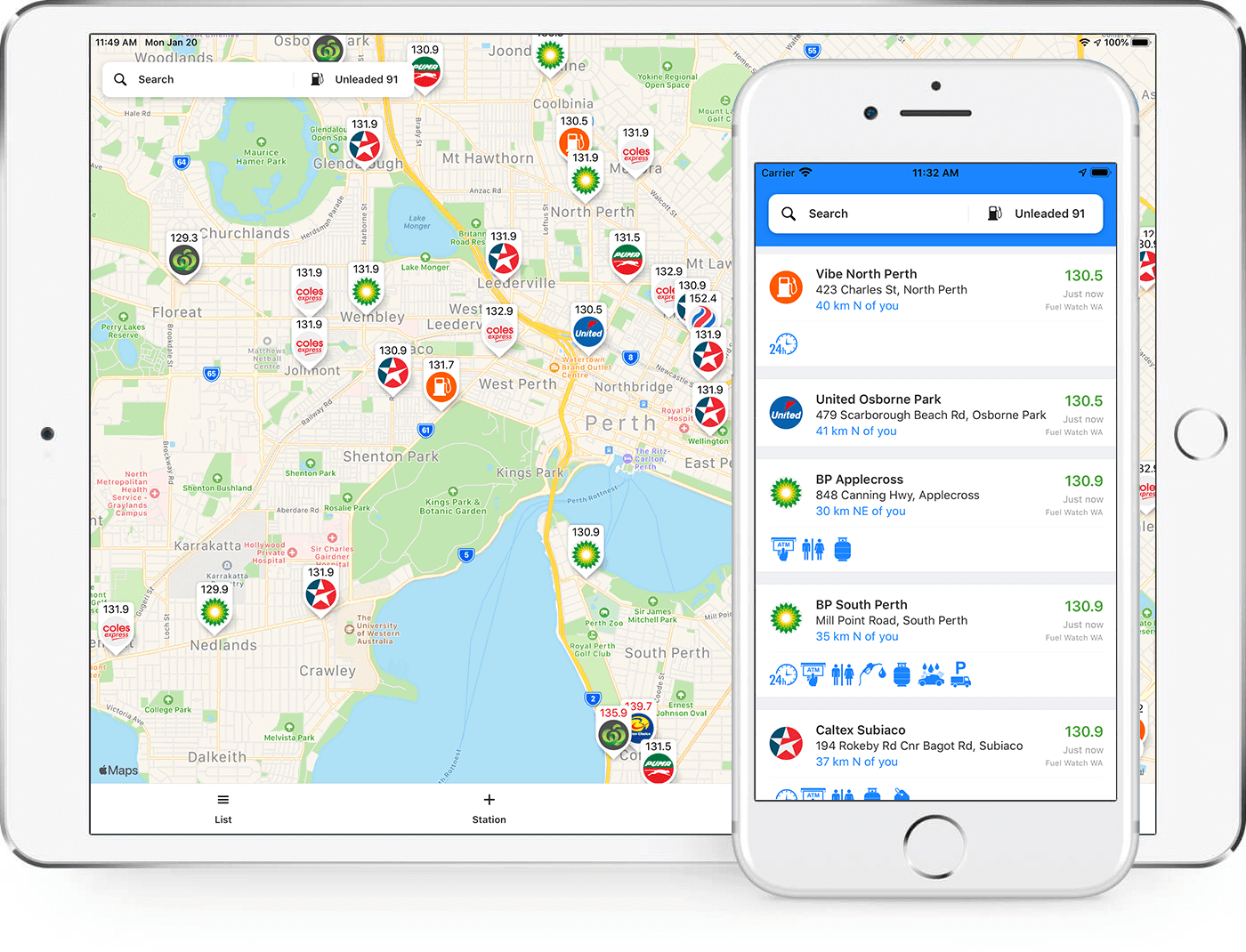
Another way for fuel prices to be recorded is through crowdsourcing, where people share any prices they’ve seen.
The state-run databases tend to be more accurate as they show data from across their respective states, while the crowdsourcing apps tend to work best in bigger population centres, where there are more people to report prices.
But crowdsourcing apps are useful in that they provide pricing across the country, including Victoria, South Australia, Tasmania or the ACT.
Here are four of the best free Australia-wide fuel-price monitoring apps available on both iOS and Android devices.
Petrol Spy Australia
Petrol Spy is a free service that uses crowdsourcing to let you know petrol, diesel and AdBlue prices around Australia.
It also shows historical prices of RON 91 Unleaded and E10 petrol from each station, and can direct you to a most petrol stations.
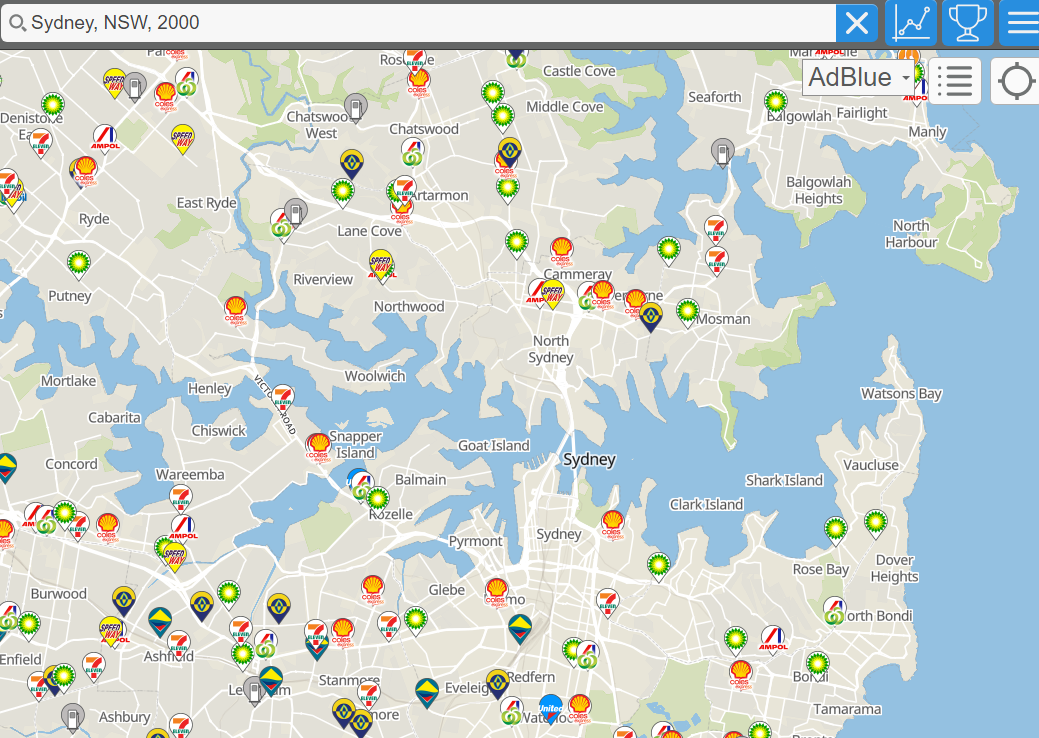
Users are encouraged to submit fuel data by the chance to win a $25 fuel voucher.
A Choice comparison of fuel price apps in 2019 found this to generally be the most accurate app when used in the ACT, NSW, Queensland and Victoria.
If you don’t want to download the app it’s easily viewed on a web browser.
Fuel Map
The Fuel Map is a crowd-sourced database of service stations and fuel prices from all across Australia. Most station information and petrol and diesel prices are crowdsourced, though in Western Australia prices are updated automatically using the state’s FuelWatch system.
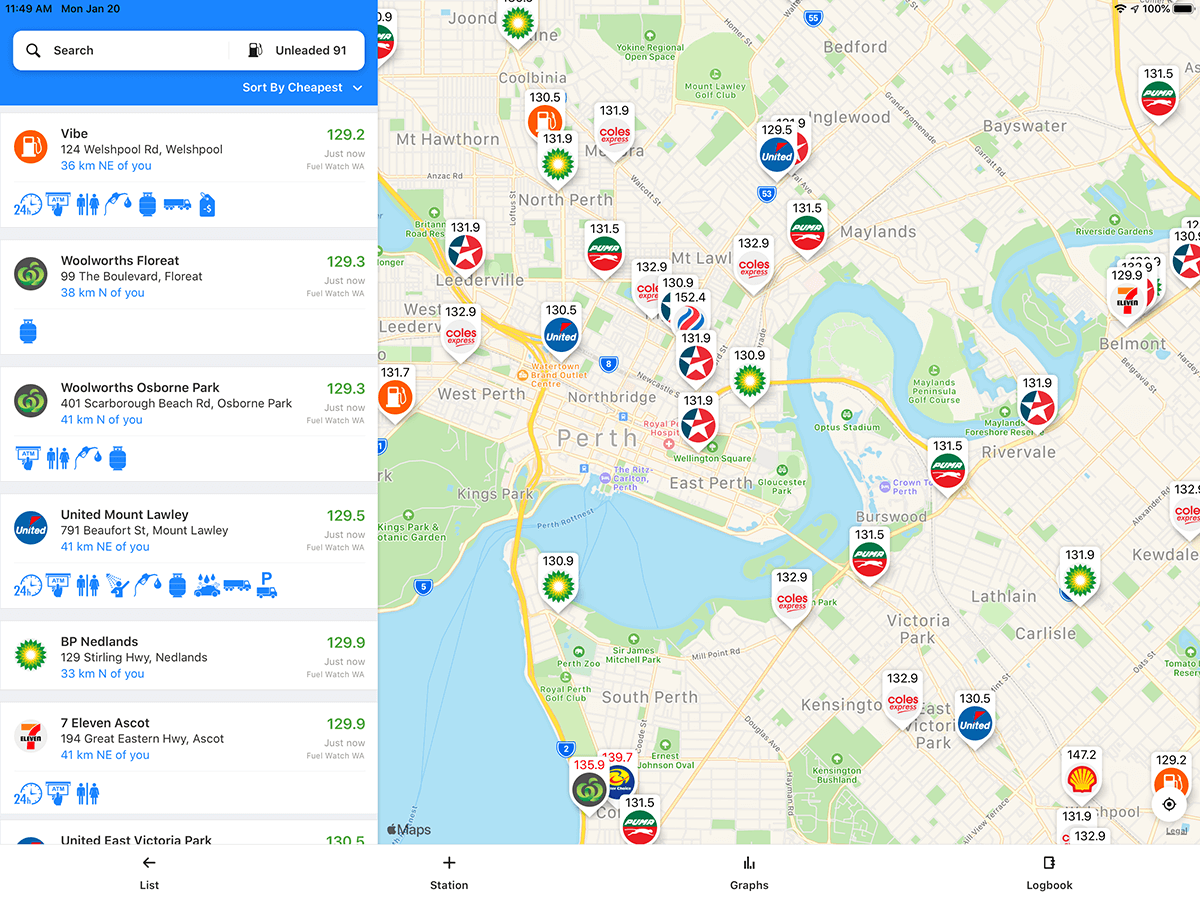
The app also comes with a handy fuel log so you can keep track of your fuel purchases, as well as your vehicle’s fuel economy.
Motor Mouth
MotorMouth uses colour-coded dots on its maps to let you quickly see where cheaper fuel is at from more than 4500 service stations around Australia.
Tapping on any dot reveals the site details and price.
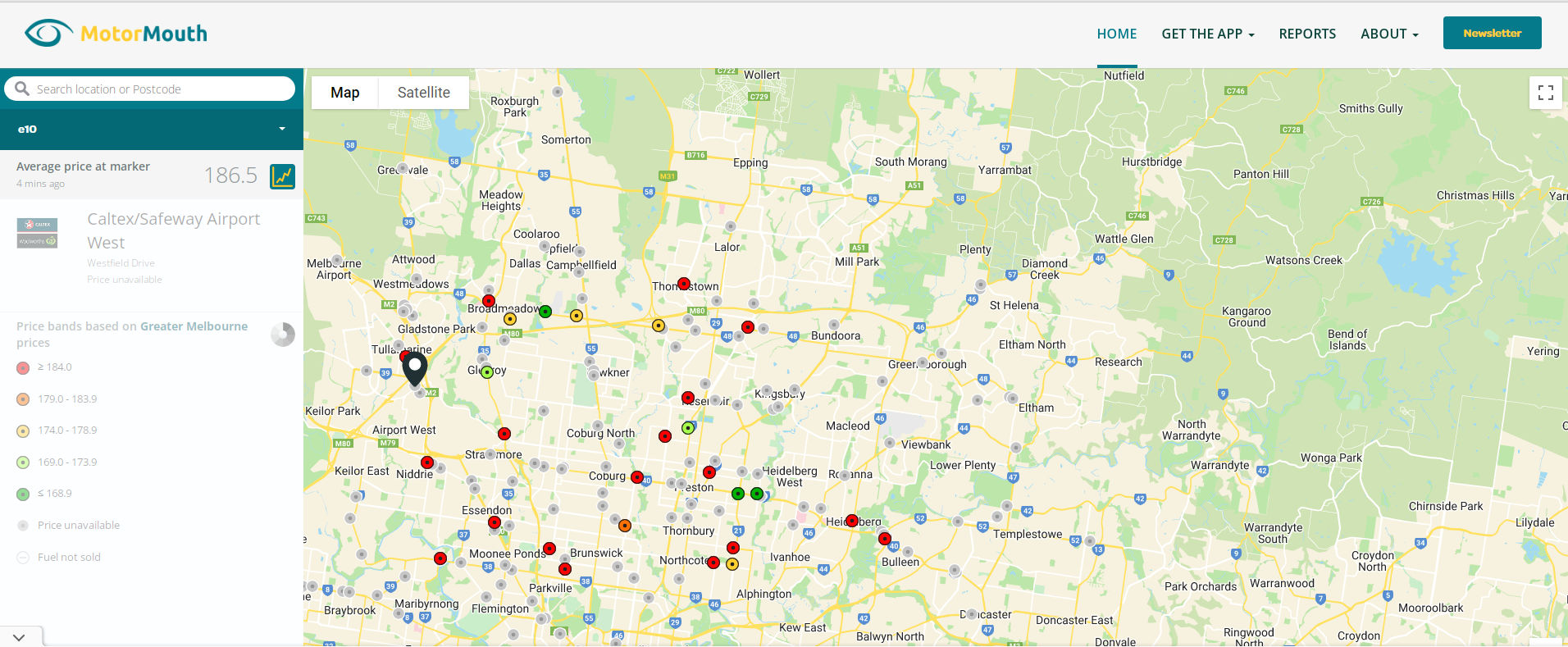
You can also set up a dashboard with your favourite locations to quickly find cheaper prices, which you can easily pass on to others using the heads up for your mates’ function.
Like Petrol Spy, you can view Motor Mouth on the website.
Simples
Run by Compare the Market, Simples displays participating service stations in your area, along with the types of fuel available and price.

You can customise search results to filter everything from fuel type and brand to make finding cheaper petrol – for example you may want to find petrol stations that take supermarket discount dockets or have RON95.
And if you’re in an unfamiliar area, the fuel app can also help with directions.
Snapshot
- All Carnival, Cerato and Soul grades manufactured between 2016 and 2018 affected
- Airbag control unit malfunction could cause the bag not to deploy
- Inspection and repair to be undertaken free of charge
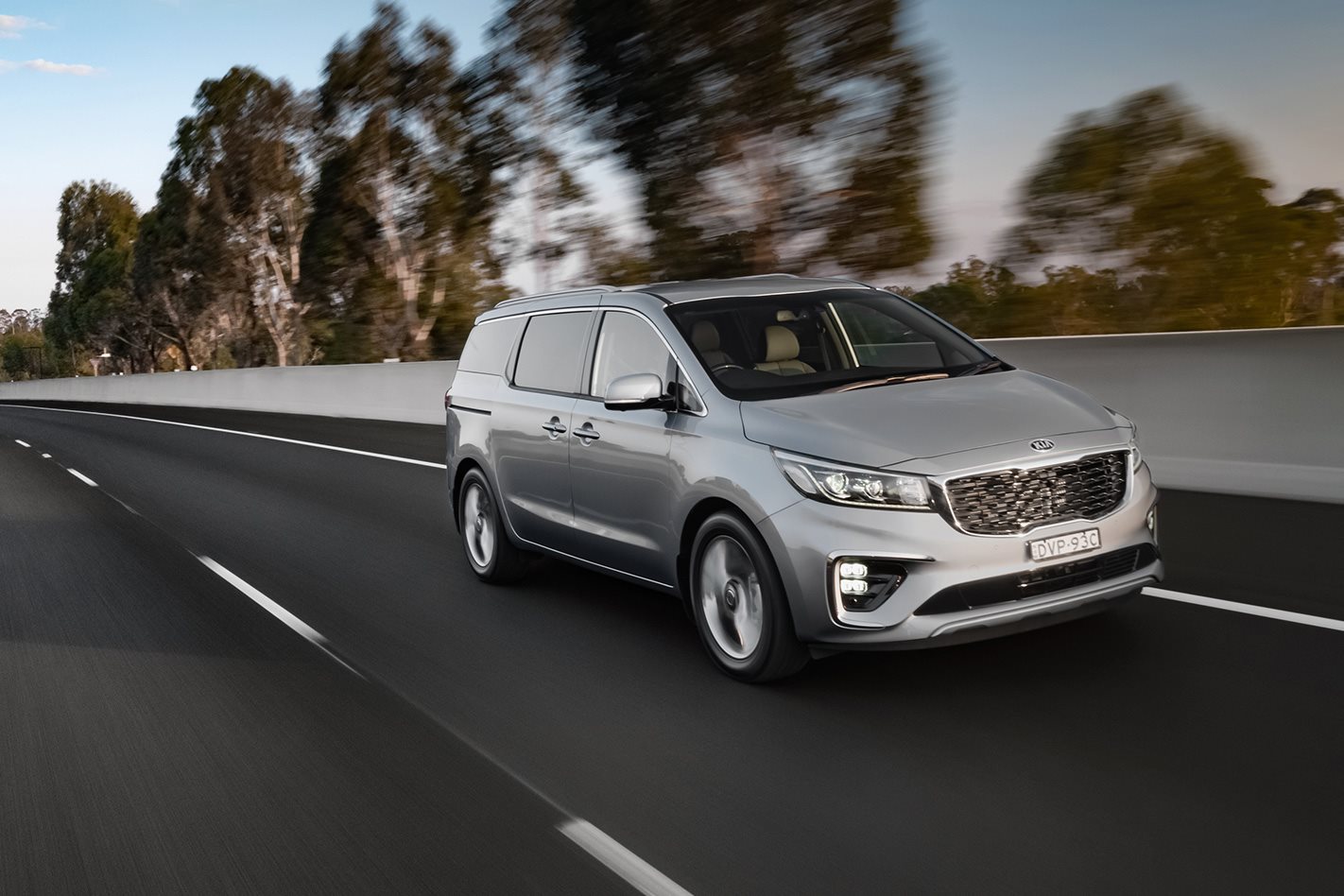
Kia has issued a wide-ranging recall notice for three of its models manufactured between 2016 and 2018.
Affecting a total of 40,817 Carnivals, Ceratos and Souls, each model is under recall due to a manufacturing issue with the airbag control unit (ACU).
According to the recall, the ACU’s cover and the Electronically Erasable Programming Read-Only Memory (EEPROM) chip might not have sufficient clearance, causing the airbag warning lights to turn on, but also preventing the airbag from deploying – leading to a higher risk of injury in an accident.
“If the airbag warning light is illuminated, and Fault Code B162000 is stored, the dealer will replace the ACU with an improved unit,” the recall states.
“If the airbag warning light is not illuminated, a software update will be performed to the ACU ensuring deployment of the airbag(s) in the event of an accident.”
Kia has told owners to contact their most convenient dealer for an inspection and repair, free of charge. Those unsure as to whether their vehicle is affected can contact Kia Australia on 131 542 or at [email protected]
A list of VINs for affected vehicles can be found here.
Snapshot
- Honda and Sony to form electric vehicle company by the end of 2022
- First jointly-developed EV to go on sale in 2025
- Likely previewed by the Vision-S concepts
Japanese icons Honda and Sony have announced plans to sell and develop ‘high value-added’ electric vehicles under a newly-formed joint venture.
In a news conference earlier today, the two companies said – pending final approval – an as-yet-unnamed vehicle marque would be created by the end of 2022, before the first EV goes on sale in 2025.
Honda will be responsible for manufacturing the new model, while Sony will supply a ‘mobility service platform’, likely for areas such as autonomous driving sensors, infotainment, telecommunications, and other aspects the technology company is known for.
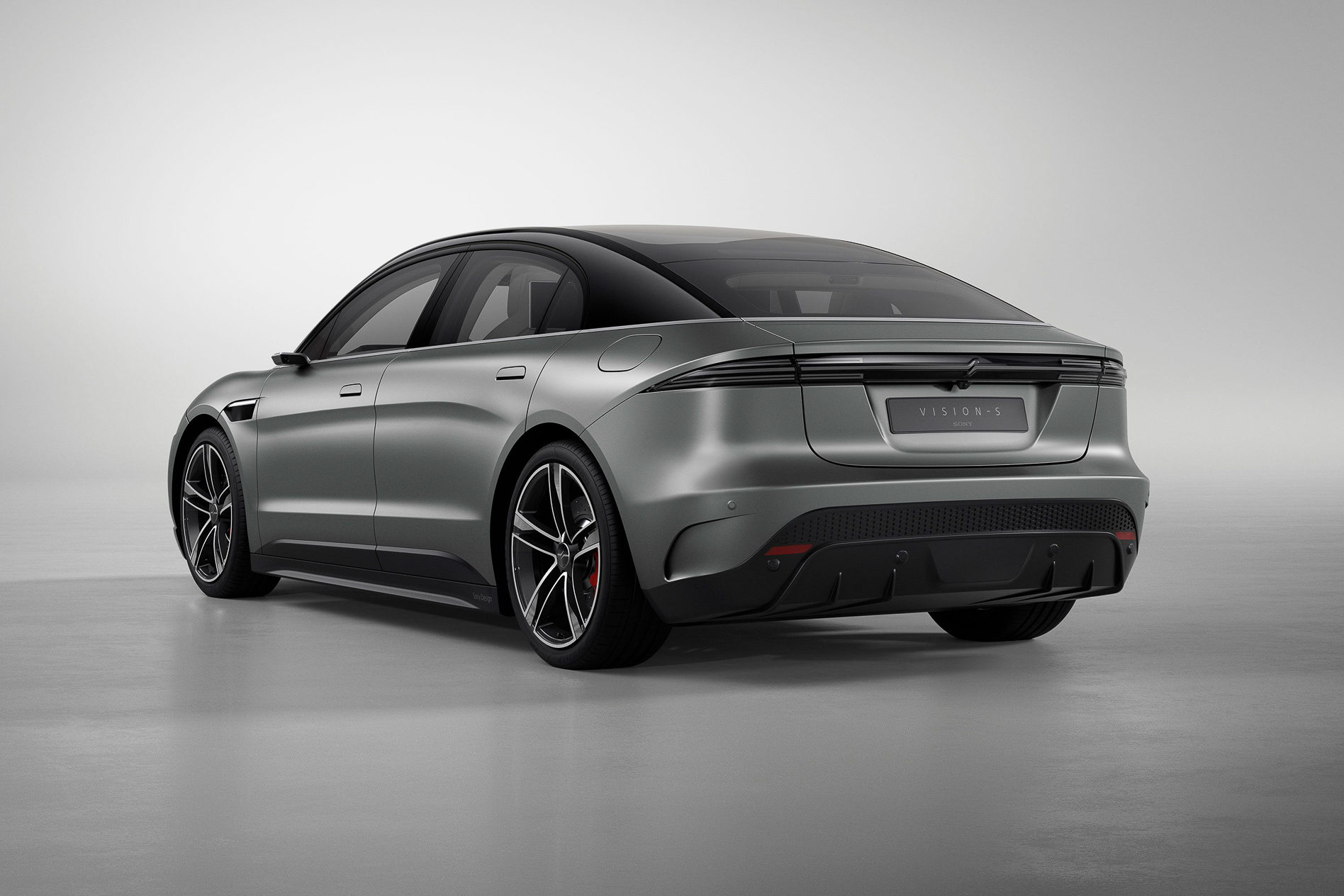
The new company will lead the design, development and sales of the upcoming electric vehicles.
Honda Motor Corporation CEO Toshihiro Mibe said the new company “will aim to stand at the forefront of innovation, evolution, and expansion of mobility around the world, by taking a broad and ambitious approach to creating value that exceeds the expectations and imagination of customers.”
“We will do so by leveraging Honda’s cutting-edge technology and know-how in relation to the environment and safety, while aligning the technological assets of both companies,” he added.
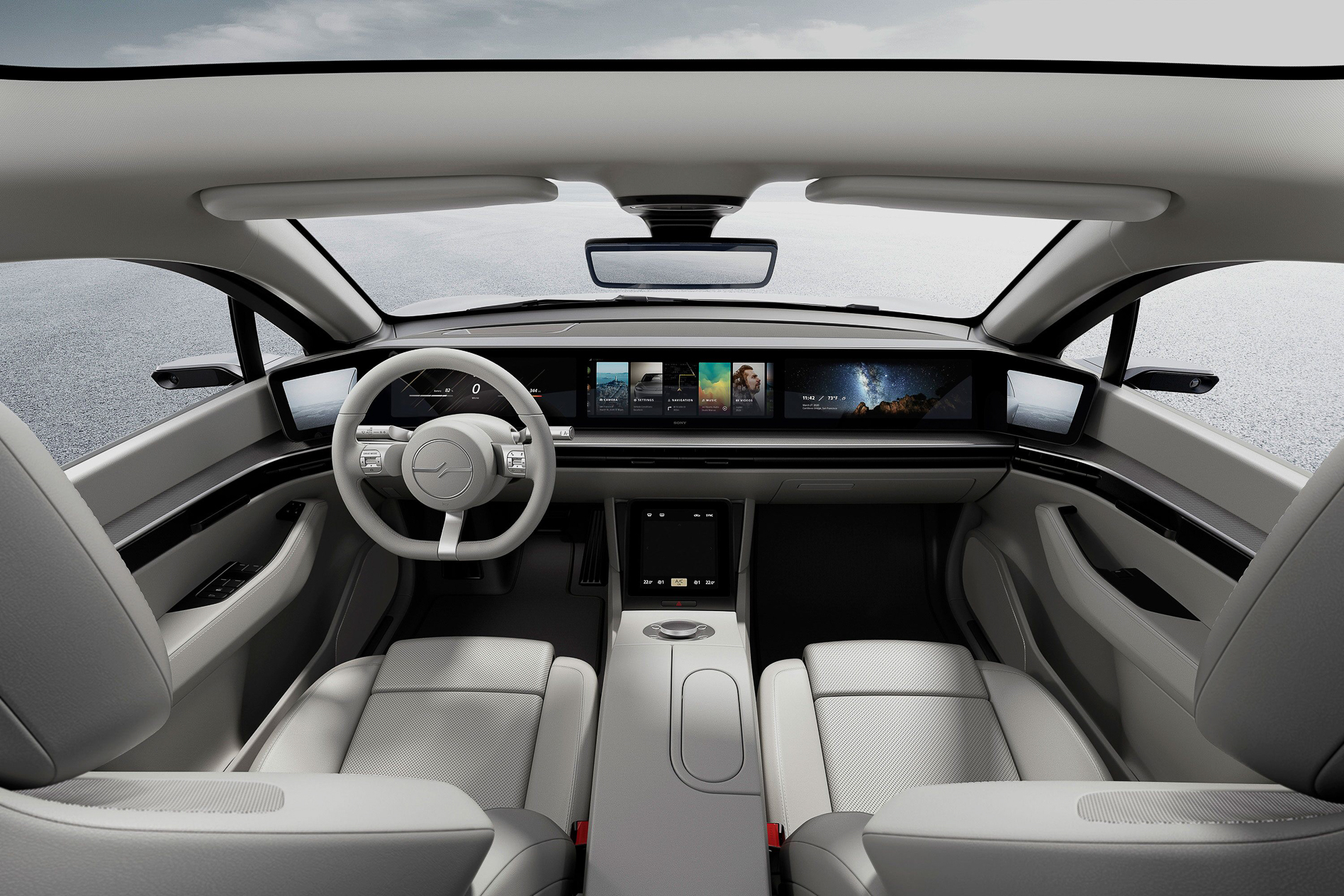
Sony’s ambitions to enter the automotive field were first showcased at CES 2020 when it shocked the world with the electric Vision-S 01 concept sedan. At CES 2022, the company followed up with the Vision-S 02 concept SUV and a new sub-brand: Sony Mobility.
The official mission of the mobility company is to ‘help realise a world where everyone can live in harmony with robots on a daily basis, fill people with emotion, and contribute to society’, with passenger vehicles largely off the table just two months ago.
“Through this alliance with Honda, which has accumulated extensive global experience and achievements in the automobile industry over many years and continues to make revolutionary advancements in this field… [Sony will] contribute to the evolution of mobility centered around safety, entertainment and adaptability,” said Kenichiro Yoshida, president and CEO of Sony Corporation.
