
Snapshot
- MC Edition range built to celebrate Maserati’s racing heritage
- Ghibli, Levante and Quattroporte powered by twin-turbo V8 engine
- Features two exclusive colours and a distinctive interior
Maserati has unveiled a new special MC Edition variant for the Ghibli and Quattroporte sedans and the Levante SUV to honour its “uncompromising performance and racing spirit”.
MC is short for Maserati Corse (Maserati Racing), celebrating the track heritage of the Trident marque – which harks back almost 96 years to the Tipo 26.
Two exclusive colours – said to be inspired by Maserati’s home city Modena – will be offered across the special-edition range: giallo corse and blu vittoria.
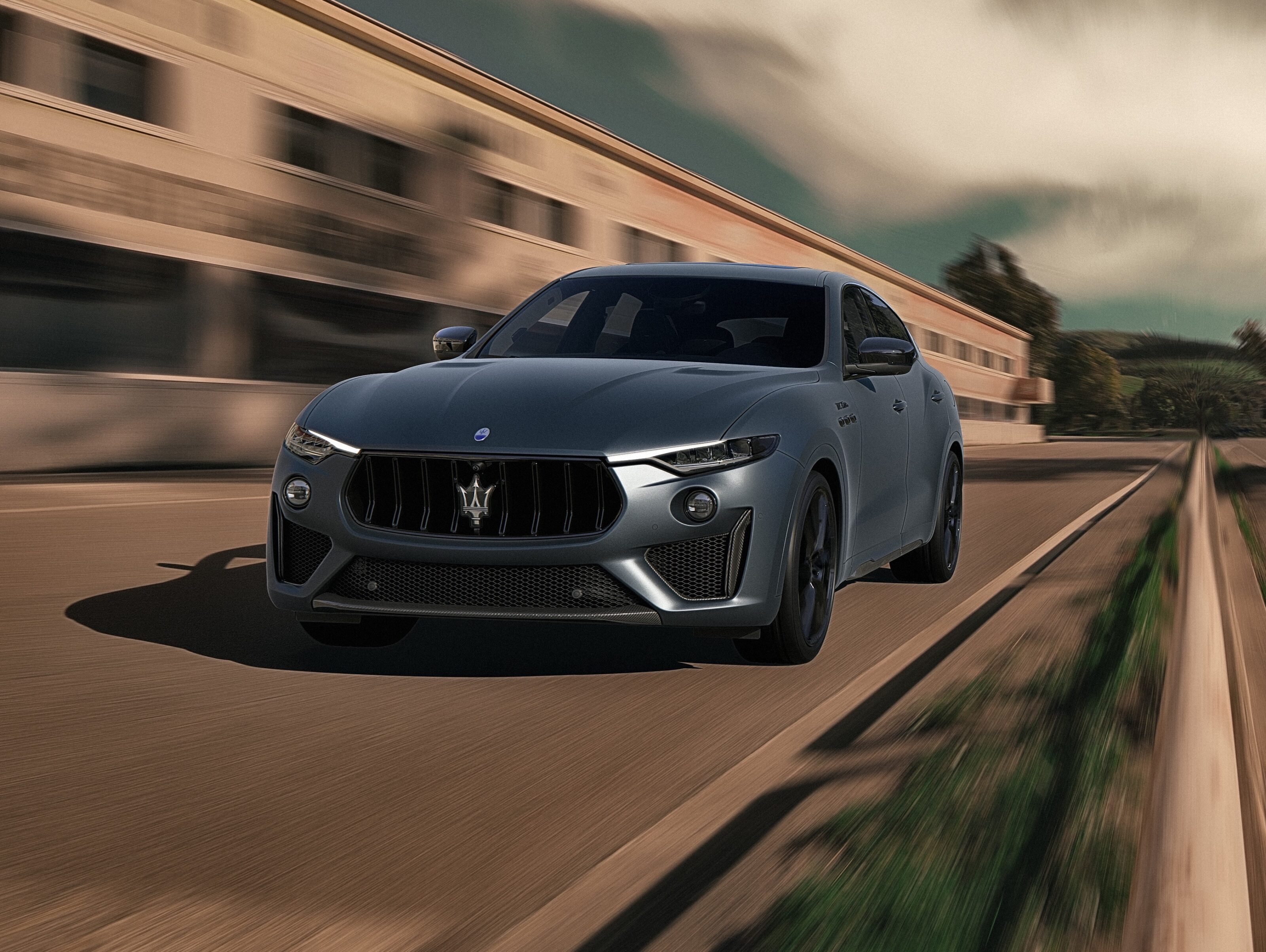
Giallo corse is a three-layer yellow with a blue mica, while blu vittoria is a matte three-layer blue.
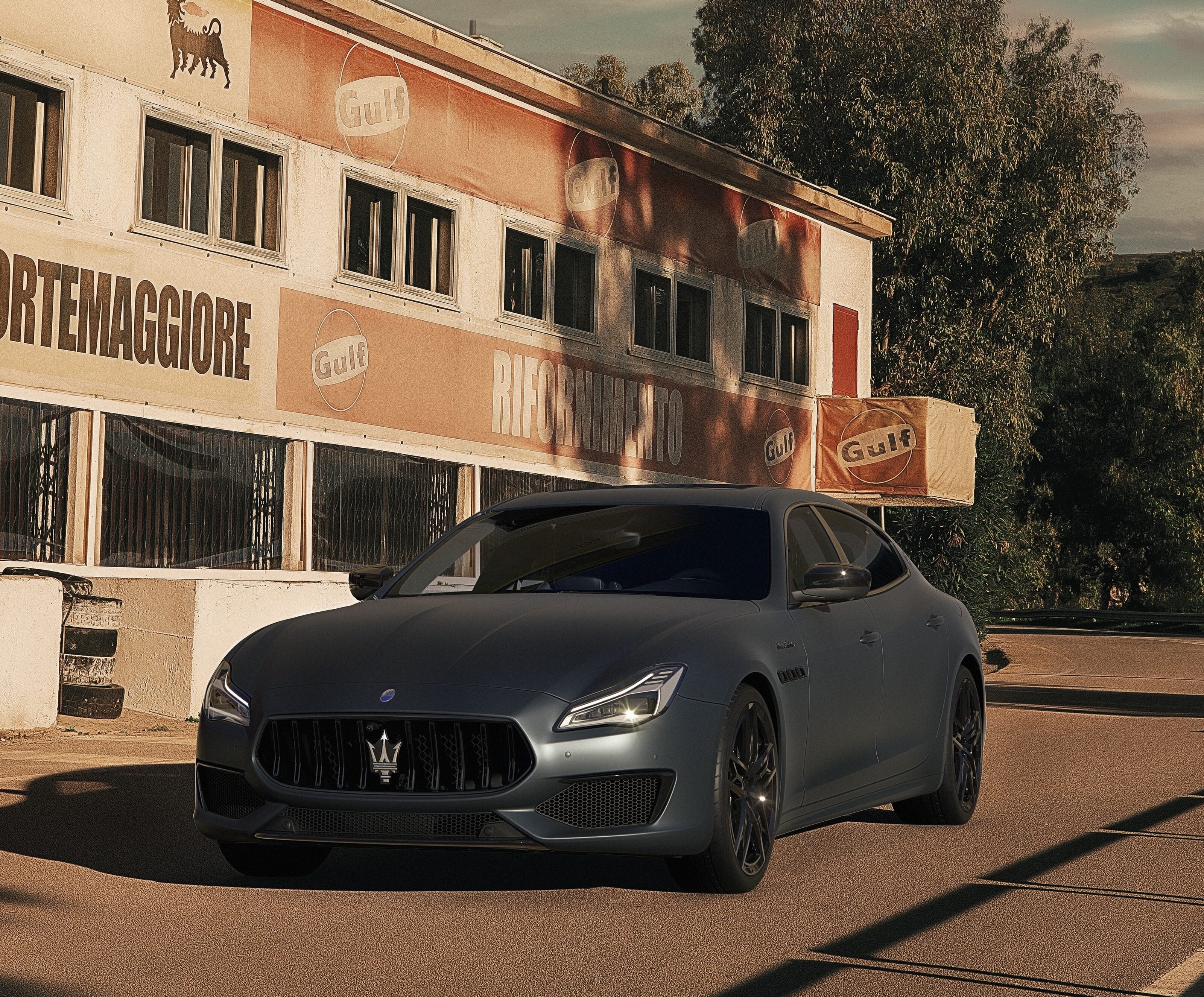
The unique colours offered on the MC Edition range are joined by piano black exterior trim, special badging on the rear and B-pillar, and gloss black 22-inch (Levante) or 21-inch (Ghibli, Quattroporte) alloy wheels with blue brake calipers.
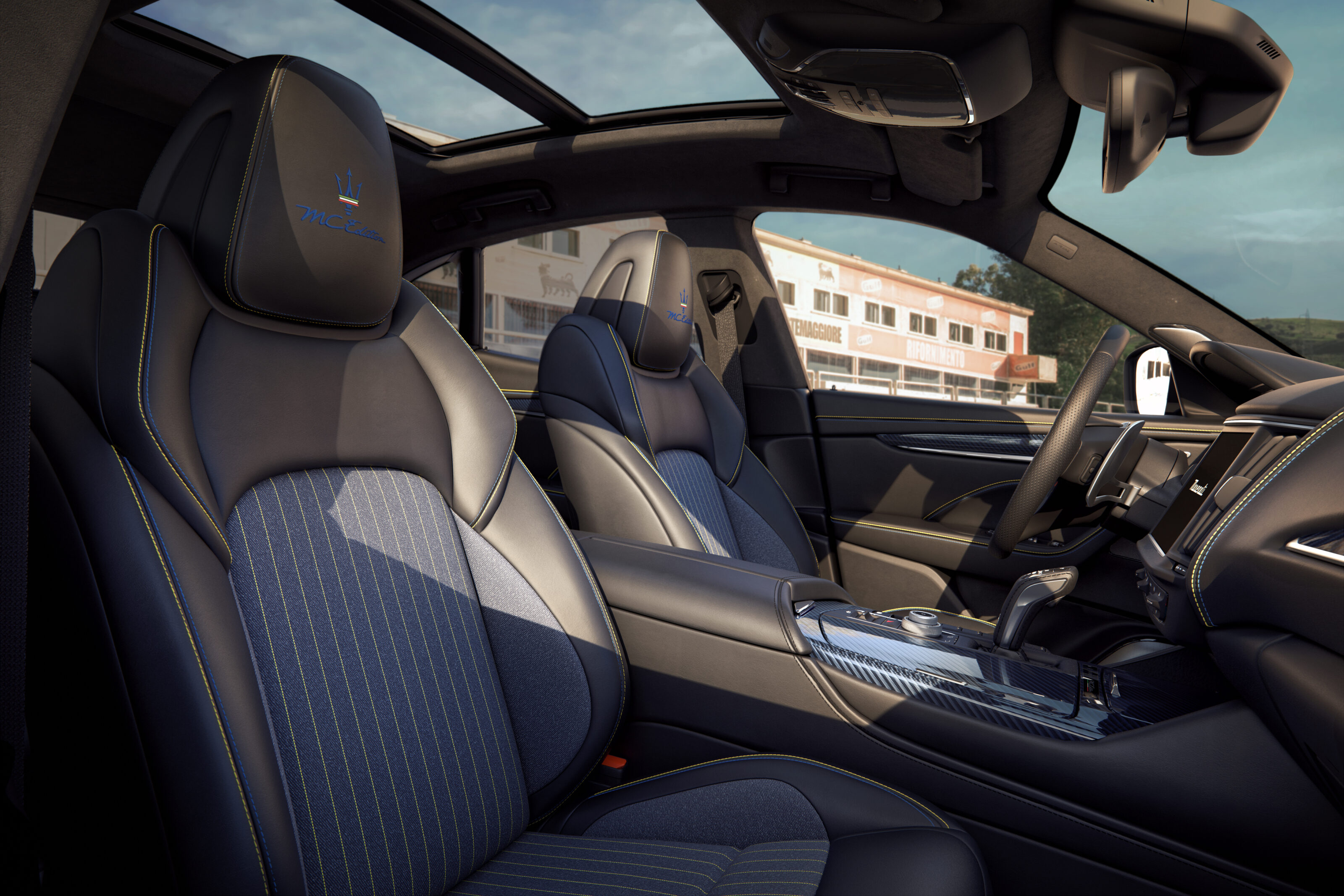
Inside, the MC Edition gains black leather with yellow and blue stitching – in addition to denim accents and an MC Edition logo and Italian flag colours embroidered into the headrest. Blue carbon fibre trims and a badge on the centre console are also featured.
An electric sunroof, Bowers & Wilkins surround sound system and driver assistance package are standard fit.
Under the bonnet, all three models are powered by the Ferrari-sourced 3.8-litre twin-turbo V8 engine producing 433kW of power and 730Nm of torque, which will end production later this year.
Chinese buyers will not receive the V8, with that market picking up the smaller 257kW/500Nm twin-turbo V6 instead.
With identical performance to the existing Ghibli, Levante and Quattroporte, each model will complete the 0-100km/h sprint in 4.3 seconds, 4.1s and 4.5s, respectively.
The forced-induction V8 is widely rumoured to be replaced by Maserati’s brand-new engine – the wild 463kW 3.0-litre ‘Neptune’ twin-turbocharged V6 from the MC20.
Exact details for Australia are yet to be released, however, the Italian brand has confirmed the special-edition range will be offered in the Asia-Pacific region.
UPDATE, November 25, 2022: Updated 2023 Kia Seltos now in Australia
Kia’s updated 2023 Kia Seltos range is now in Australia, and we’ve driven it. Get the full story, and video, at the link below.
Story continues: 2021 Seltos GT-Line review
If the Kia Seltos isn’t all things to all people, it’s not for want of trying.
The compact SUV market is booming and doesn’t look like stopping but the Korean giant’s late entry has been extremely well-received. It’s roomy, looks fantastic, drives well no matter which one you buy and comes with plenty of stuff.
It certainly has plenty of stuff here at the top end, which is now well over forty grand. If there are frustrations about the specification of other Seltoses, the GT-Line sorts them out, with a comprehensive safety and specification list that would make the owners of more expensive cars jealous.
Standing at the summit of six distinct versions, the GT-Line seems to have everything, but does it have enough to justify the extra expense?
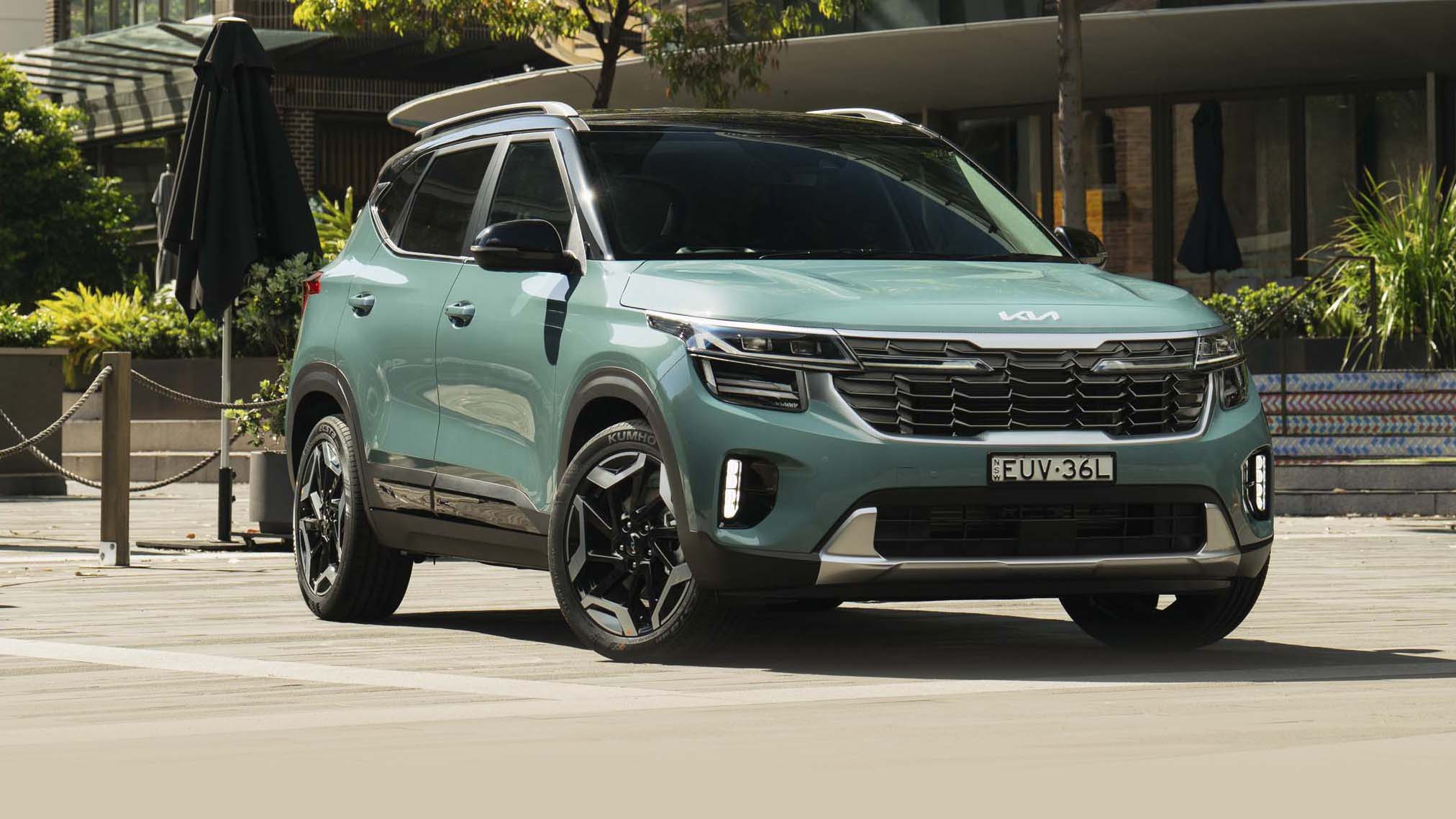
NOTE: the vehicle pictured was photographed before the Seltos range was updated to Kia’s new branding, but is otherwise identical to the model currently available.
Pricing and Features
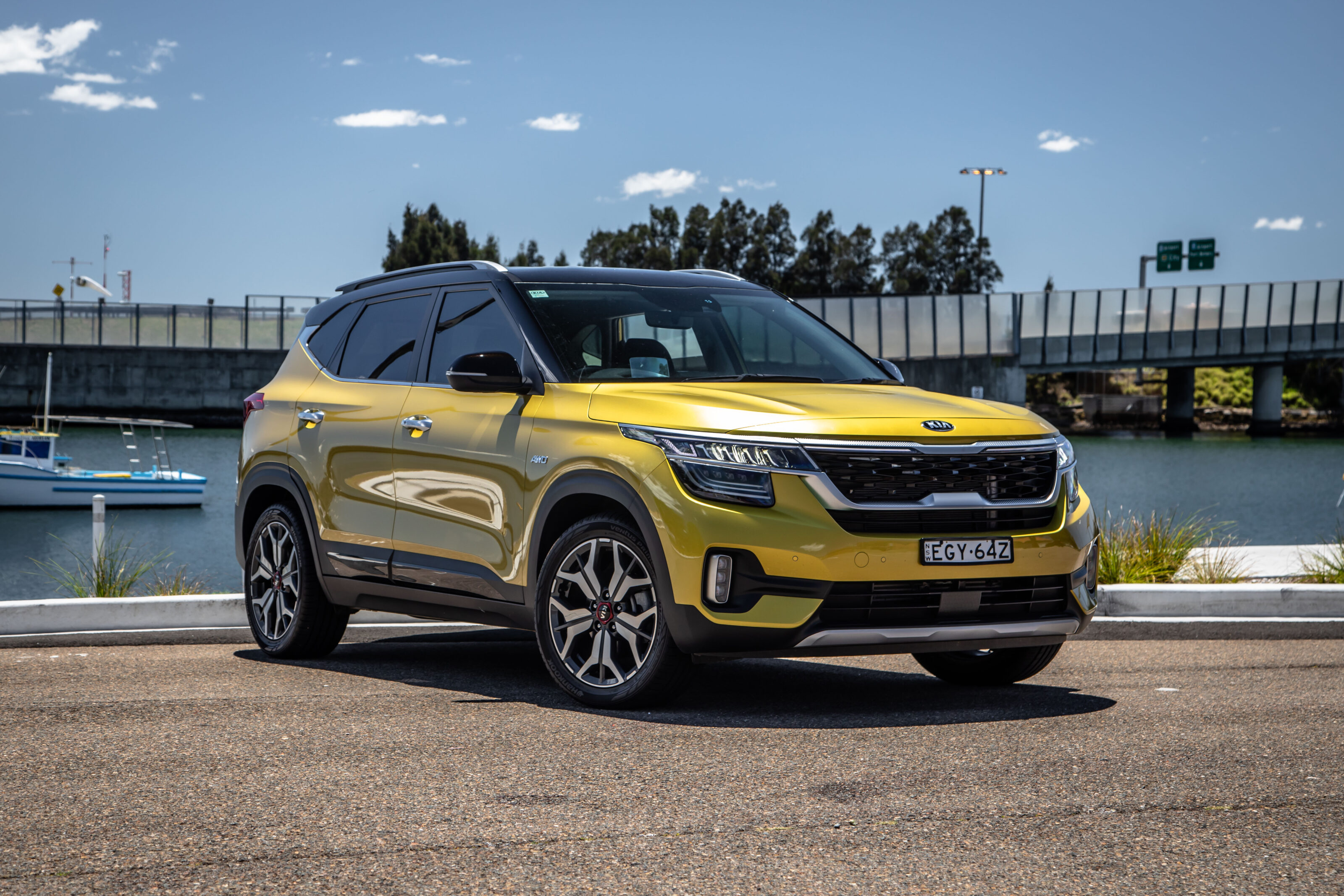
The base price of the GT-Line kicks off at $42,200, just over fifteen grand more than the entry-level S that nobody should buy without spending another thousand on the Safety Pack. At the time of writing, a GT-Line had a drive-away price of $44,290.
For that, you get 18-inch alloys with a little red thing in the centre cap, premium front seats (heated, cooled, power-adjustable), fake leather interior, LED headlights (the only Seltos to have LED lighting), adaptive cruise control, keyless entry and start, head-up display, front and rear parking sensors, reversing camera, eight-speaker Bose-branded sound system, wireless phone charging, climate control, power windows and mirrors and a full-size spare wheel.
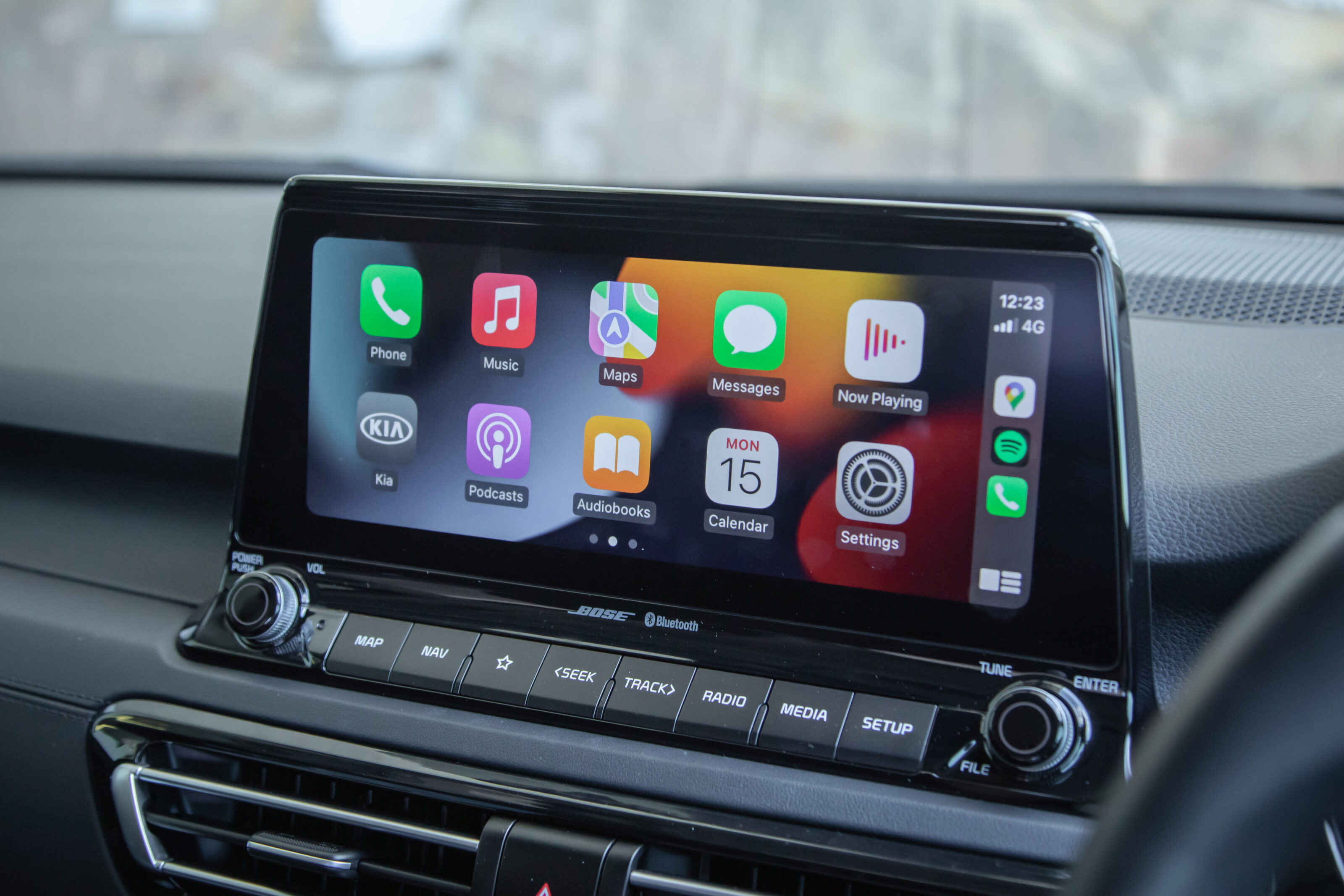
The GT-Line has the bigger 10.25-inch touchscreen and it’s a belter, with all manner of lovely graphics, interesting audio features, sat-nav, DAB+ digital radio and USB-powered Apple CarPlay and Android Auto. Even though the base model S has wireless CarPlay, given it would play up about one in ten trips – more annoying than it sounds – the wired version is fine, if a mite confusing given this is the top of the range. I’ll take it, though, because Kia’s wireless CarPlay is ordinary at best.
On the safety front, this is one with the lot. You get six airbags, ABS, stability and traction controls, blind-spot collision avoidance, lane change assist, lane departure warning, lane-keep assist, rear cross-traffic alert, forward auto emergency braking (AEB), reverse AEB, driver attention alert (with leading vehicle departure alert) and junction assist.
The forward AEB has pedestrian and cyclist detection with day and night functionality and works up to 180km/h.
The rear seats accommodate two ISOFIX points and three top-tether points. The Seltos scored a five-star ANCAP safety rating in 2019.
Note: This article was changed on 25/8/2022 to correct an error. The original version listed dual-zone climate control when the GT-Line has single-zone climate control.
Comfort and Space
As I’ve already mentioned, the Seltos is pretty big for its class, bested only in overall dimensions by the voluminous Nissan Qashqai. It has one of the bigger boots in the segment, although, with its full-size spare, the GT-Line’s cargo capacity is slightly reduced compared to the base model S. It’s still a whopper; 433 litres with the seats in place and 1393L with them folded out of the way. The S has a space-saver spare that means you can put the floor in a lower position to yield more volume whereas the full-size alloy means you can’t do that.
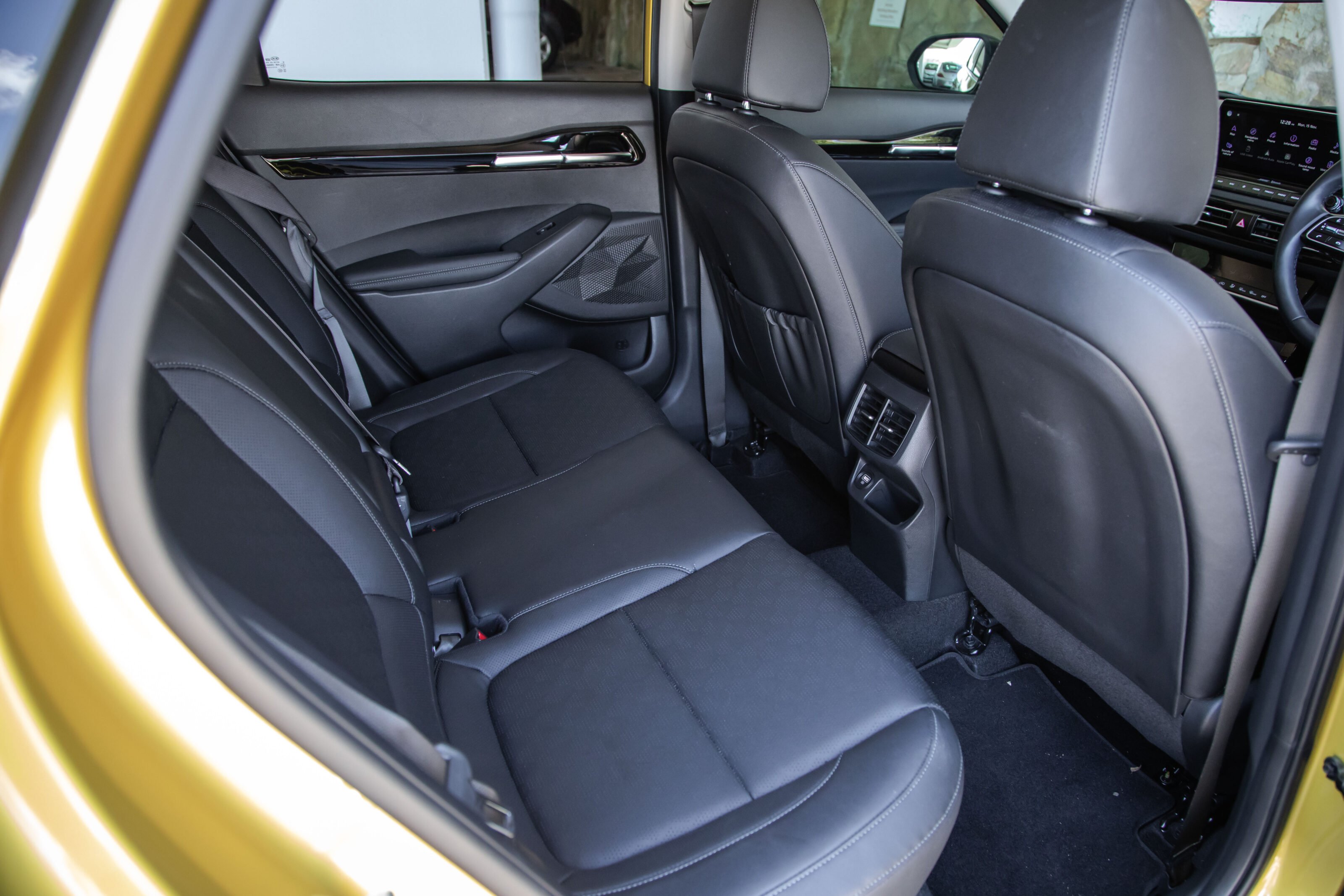
Rear seat space is huge for the class and in the GT-Line (and Sport+) you get a rear armrest with cup holders and exclusive to the GT-Line you get rear air vents. Like the front doors, you get bottle holders for a total of four throughout the car, matching the cupholder count.
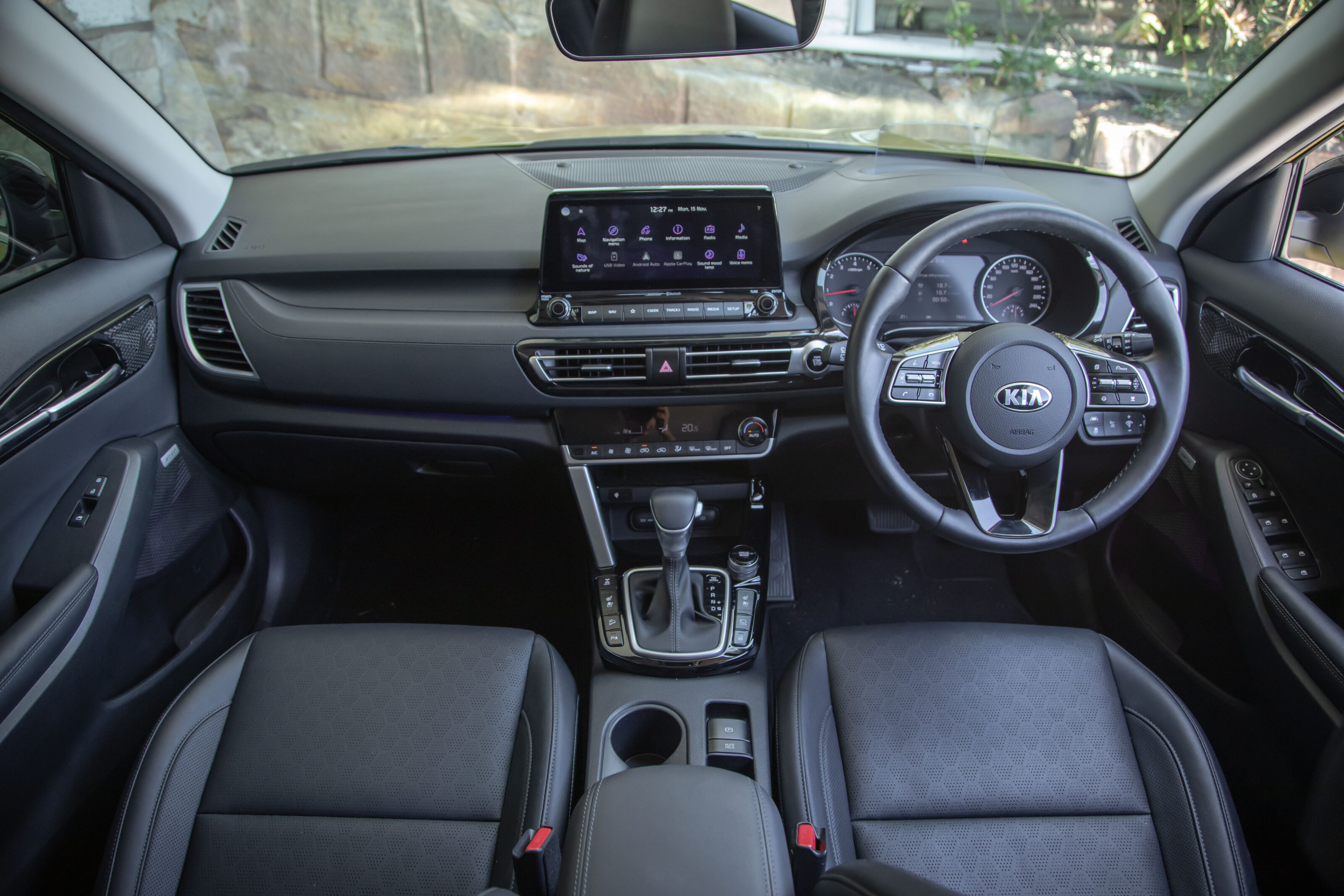
Unlike the exterior, the interior design isn’t as bold, but it’s clean and functional and presents well with some nice matte aluminium touches.
The front seats in the GT-Line are splendid. Comfortable, nicely bolstered and both heated and cooled, you’ll have to work hard to fail to get comfortable. The leather wheel is nice to hold and there are the usual sporty touches like stitching and GT-Line logos about the cabin.
Unlike the exterior, the interior design isn’t as bold, but it’s clean and functional and presents well with some nice matte aluminium touches. The fake leather is perfectly fine and doesn’t get too hot or come off as posh vinyl. I also like the larger digital screen between the analogue dials, although I’m less enamoured with the head-up display. It’s projected onto a blade of glass that unfolds from the dashtop and, er, it’s not much higher than the speedo, really. Still, it’s there and it’s reasonably useful at night.
On the Road
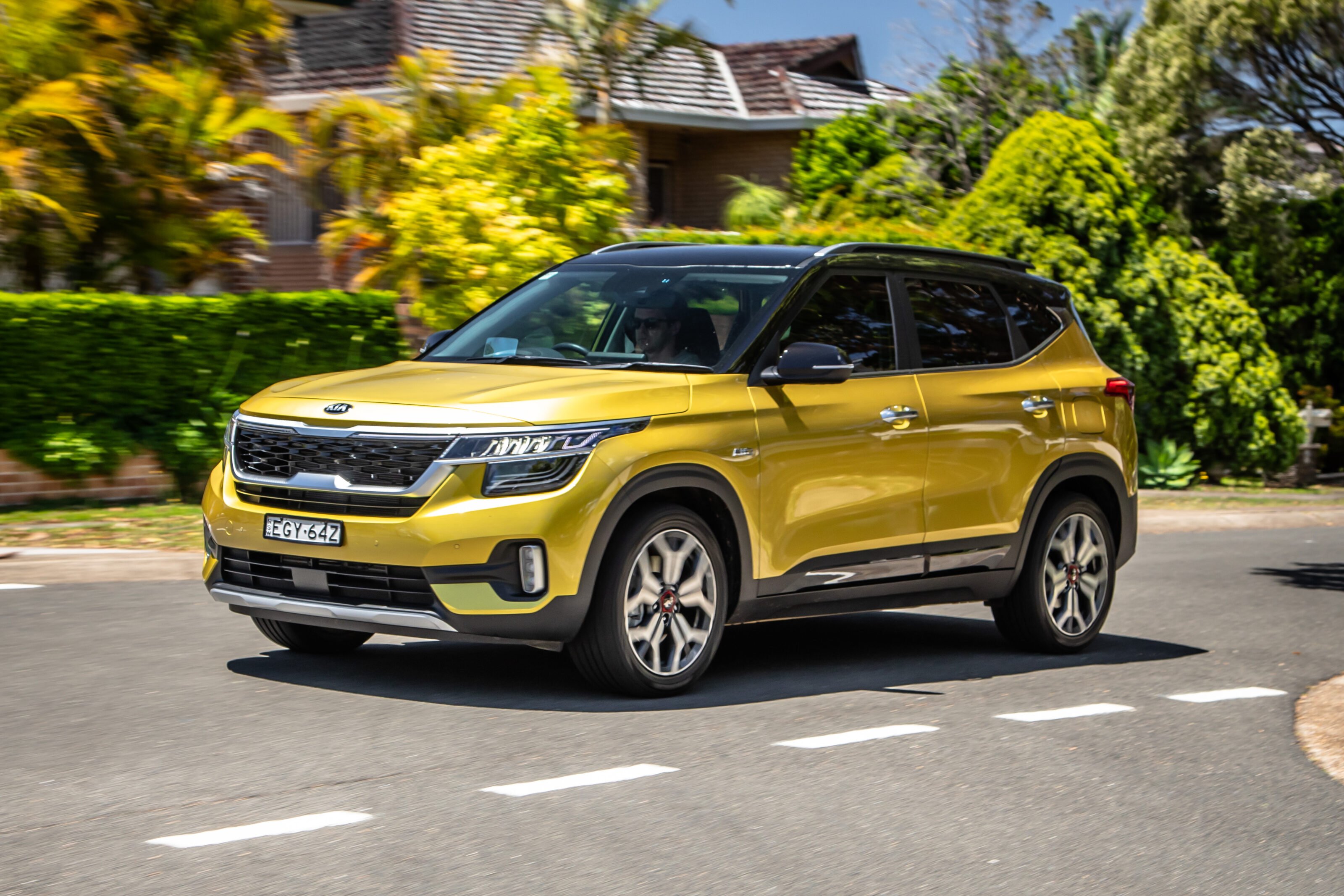
There’s an appreciable difference between the differently configured Seltoses (Selti?). The base model’s balloon tyres and torsion beam suspension work well around town and the well-tuned automatic continuously variable transmission (CVT) gets the most out of the 2.0-litre naturally-aspirated engine’s meagre outputs.
Once you switch to turbo power, you also get all-wheel drive and a multi-link rear end as well as the biggest wheels in the range, the 19s, wearing slightly stickier and stiffer Kumhos.
The 1.6-litre turbo petrol four-cylinder engine is familiar from Kia and Hyundais, in the Seltos delivering 130kW and 265Nm. Neither of those figures is earth-shattering but are in keeping with the car’s obvious intent. There’ll be no scaring the kids or grandparents in this car.
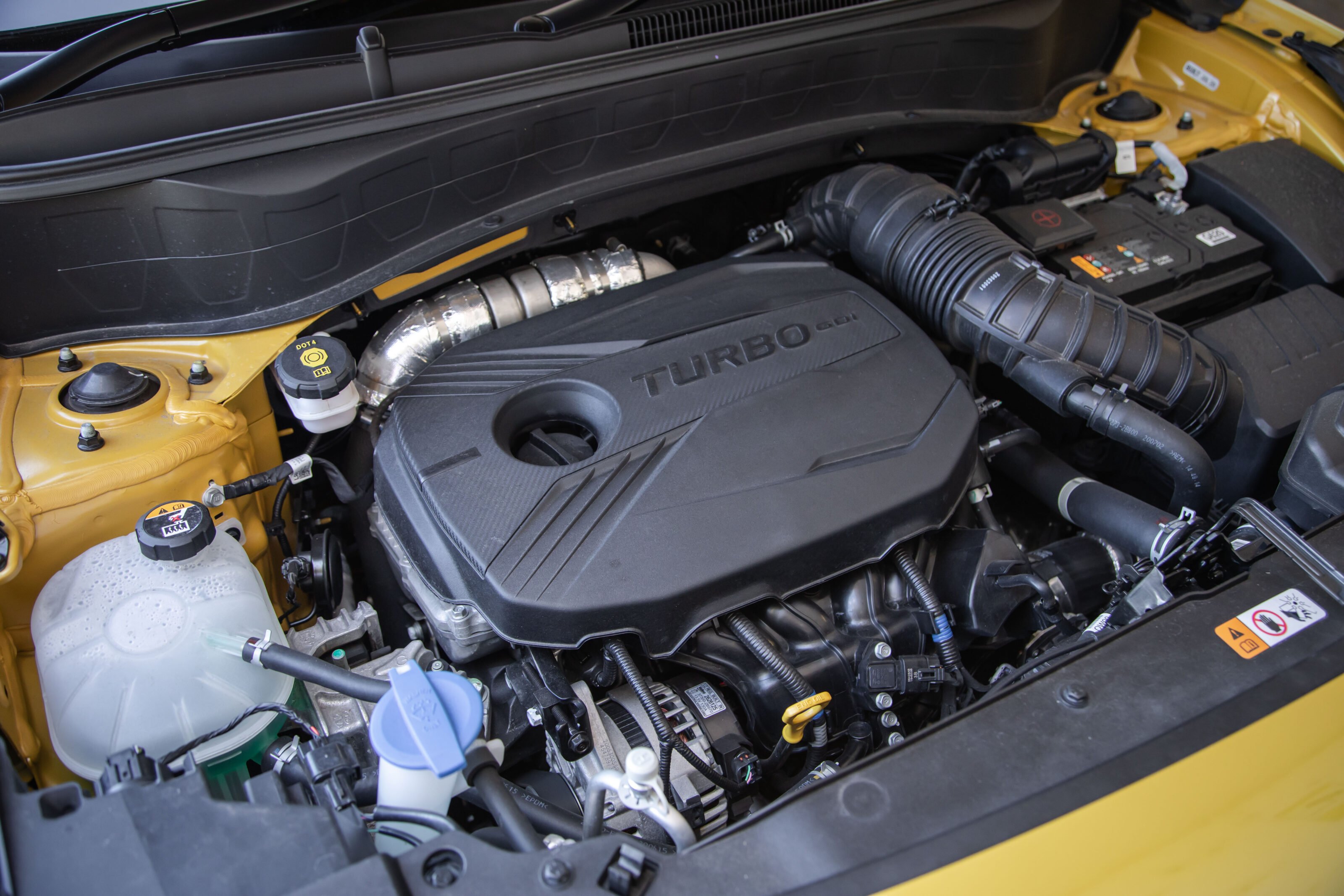
Counter-intuitively, the seven-speed dual-clutch auto is the lesser transmission in the range. Dull and ponderous, it needs a firm hand in charge of it and the lack of paddles hampers your ability to take charge when you’re in a hurry. More than once it wasn’t keen to answer my right foot’s call, with an embarrassing almost kangaroo-hopping demeanour off the lights.
Once you’re on the move though, the chassis feels pleasantly firm yet remains quite supple despite the necessarily stiffer sidewalls of the tyres. As ever, there’s a great danger that a set of 19s can look great – and they’re the only wheels that fill the big, squared-off wheelarches – but at the cost of the ride quality. While it’s not as unflappably smooth as 16-inch-wheeled S, you do get a more eager front end. The tyres bring more grip and again, you might be trading noise for agility, but it’s well worth it.
Most of the time the Seltos sends all its power out through the front wheels. Like the transmission, the torque shifting can take a bit more time than you might hope.
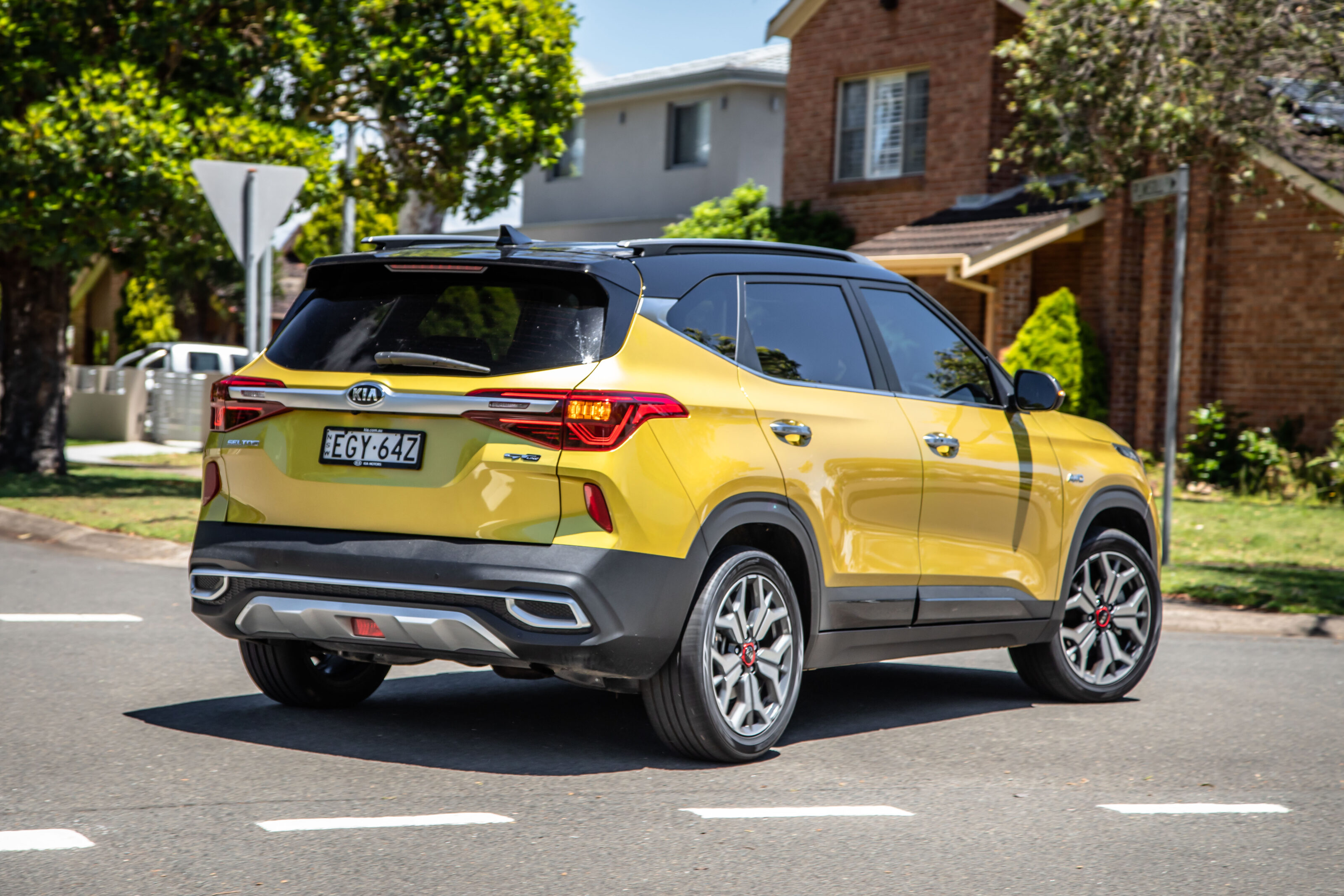
The GT-Line is as excellent a cruiser as the S, but with more technology and comforts at your disposal along with the extra thump of the turbo engine, all of which makes it that bit easier. The bigger brakes also have a little more bite if you’re exploiting the extra power and torque.
I haven’t said much about the all-wheel-drive system because there’s little to remark upon. Most of the time the Seltos sends all its power out through the front wheels because a) it doesn’t need to use the rears most of the time and b) it saves fuel. Like the transmission, the torque shifting can take a bit more time than you might hope – a floored throttle off the lights gets you an amusing chirp – but it’s a great comfort when things are slippy. It’s not an off-roader, of course, and on these wheels, you’d be pushing your luck tackling anything too challenging.
When measured against Kia’s claimed 7.6L/100km fuel consumption, the 8.4L/100km I got stacks up quite well given the wildly varying weather during my week with it and the fact it’s within cooee of the ADR figure is impressive.
Ownership
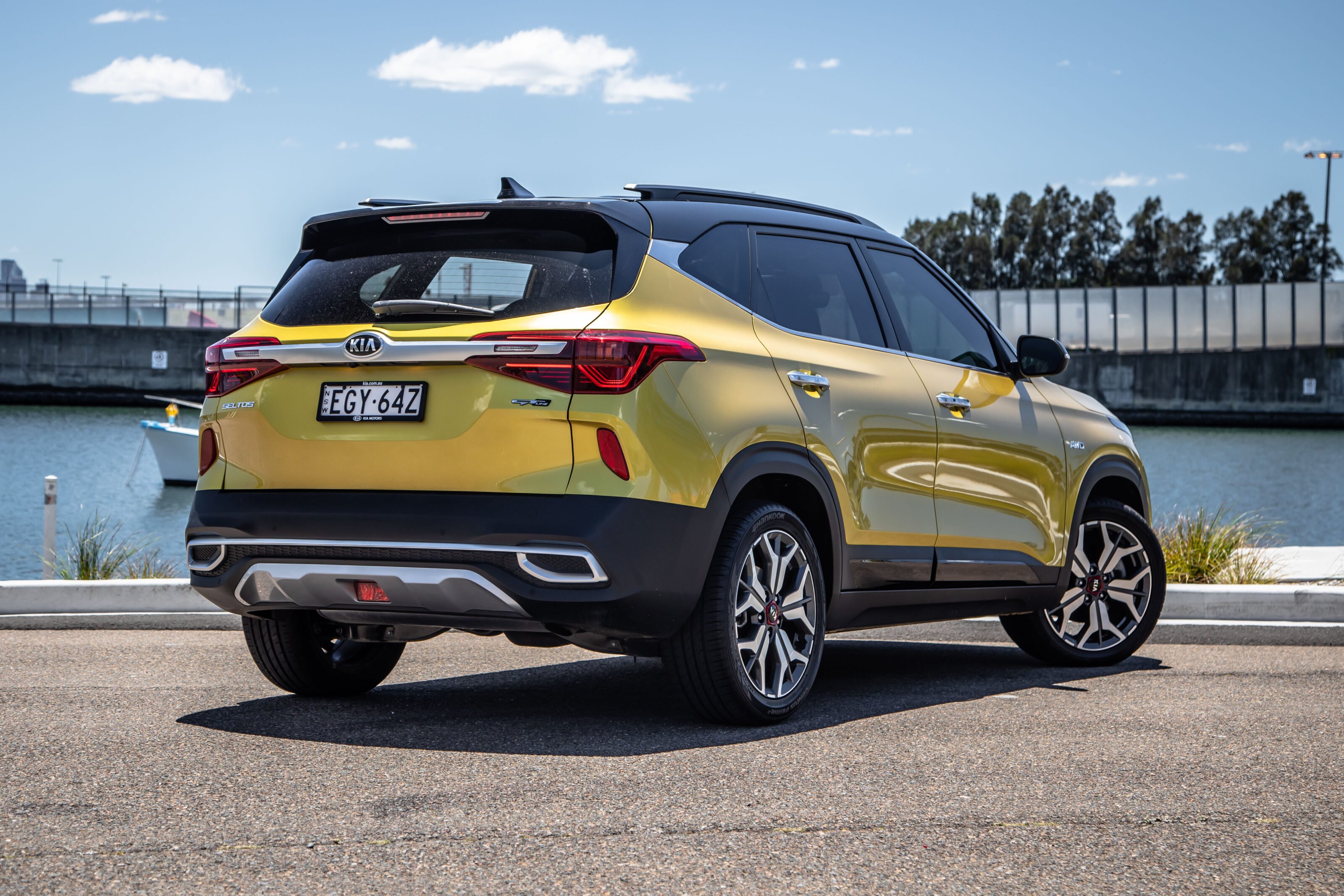
As with all Kias, you get a seven-year warranty with unlimited kilometres and roadside assist. The roadside package is for an initial 12 months and is extended by 12 months with every service at a Kia service centre.
Capped-price servicing also applies, covering the first seven services up to seven years or 70,000km, translating to a 12 month/10,000km service interval. The turbo has a shorter service interval than the 2.0-litre, which is annoying and costs more per service. Over the seven services, you’ll pay $3214 or an average of $459. That’s a fair amount, I think you’ll agree.
Verdict
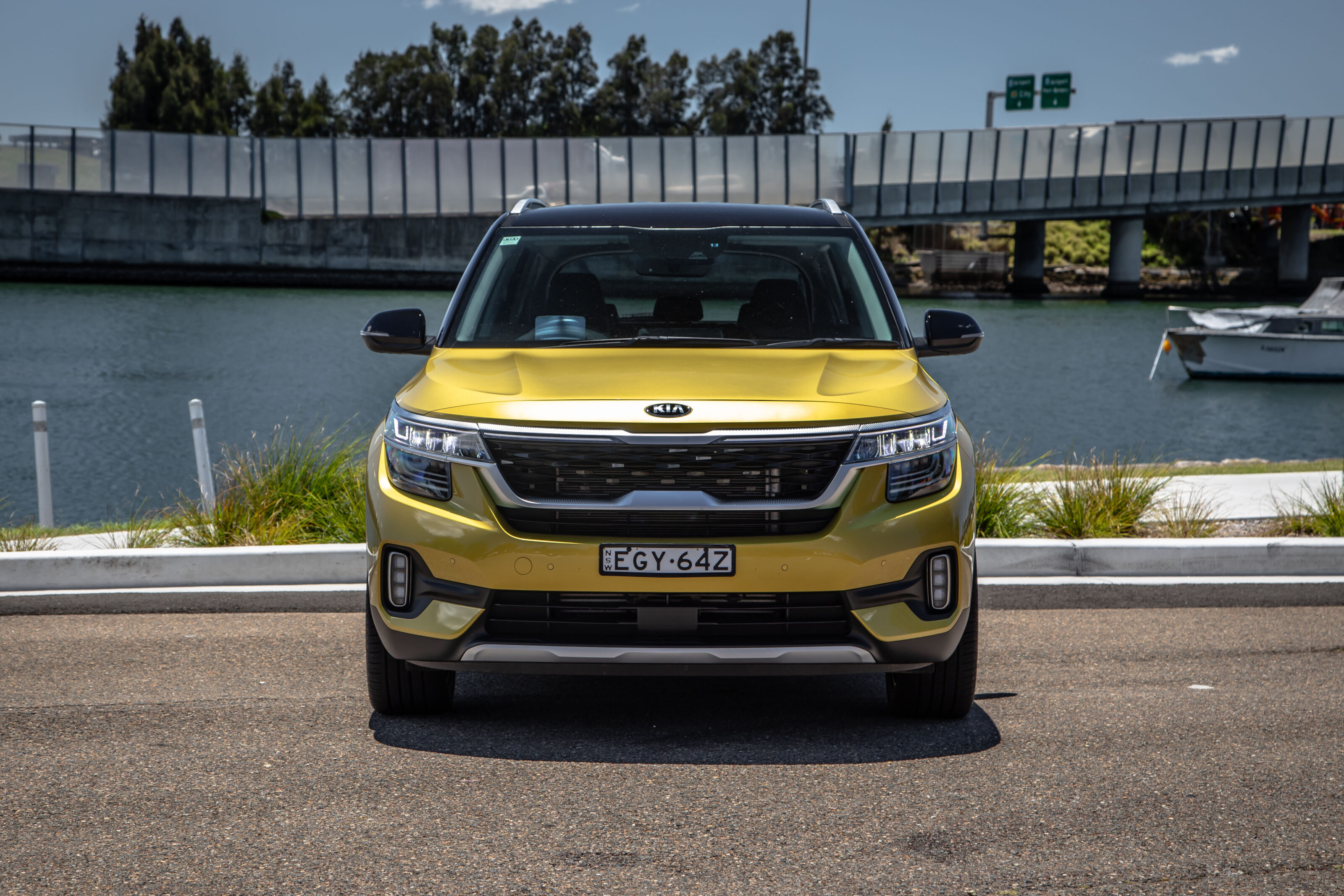
The Seltos GT-Line is the most expensive of the range and along with the turbo-powered Sport+, the most powerful. It is not, however, the best value. The annoying thing about the GT-Line is that it’s the only one in the range with the full set of safety features and LED headlights. Those things are valuable additions to a lot of people and their unavailability down the range is frustrating. The fact that it takes $44,000-plus to get it all is a shame but at least when you’ve paid the money you are getting a lot of car.
2021 Kia Seltos GT-Line specifications
| Body: | 5-door compact SUV |
|---|---|
| Drive: | AWD |
| Engine: | 1.6-litre turbocharged four-cylinder |
| Transmission: | seven-speed dual-clutch |
| Power: | 130kW @ 6000rpm |
| Torque: | 265Nm @ 1500-4500rpm |
| Bore stroke (mm): | 77.0 x 85.4 |
| Compression ratio: | 10.0 : 1.0 |
| 0-100km/h: | 7.7 sec (estimate) |
| Fuel consumption: | 7.6L/100km (combined) |
| Weight: | 1470kg |
| Suspension: | MacPherson strut front/multi-link rear |
| L/W/H: | 4370mm/1800mm/1620mm |
| Wheelbase: | 2630mm |
| Brakes: | 305mm ventilated disc front / 284mm solid disc rear |
| Tyres: | 235/45 R18 Hankook Ventus |
| Wheels: | 18-inch wheels wheels (full-size alloy spare) |
| Price: | $42,200 + ORC |
Key Points
- Chinese brands defied global supply issues
- Only four luxury brands were in positive territory compared to January 2021
- Subaru Forester and MG MG3 broke into the top 10
Chinese brands MG, GWM Haval and LDV thrived in January’s new-car market as the world’s global microchip shortage continued to hinder sales of luxury vehicles and popular mainstream models.
The Australian new-car market posted its third-lowest January of the past 13 years, with 75,863 units registered according to official industry figures released today.
It leaves the market down by five per cent, or 3803 vehicles, compared with January 2021
Alfa Romeo, Ferrari, Genesis, and Maserati were just four of the 18 luxury brands competing in the market to enjoy growth last month. Sales of Aston Martin, Audi, Bentley, Jaguar, Lamborghini, Land Rover, Lexus, Mini, Porsche and Rolls-Royce all declined by at least 29 per cent.
Honda (down 49 per cent), Nissan (down 38 per cent), Skoda (down 63 per cent) and Volkswagen (down 44 per cent) were the biggest strugglers among mainstream brands.
Toyota sales also dropped despite remaining the best-selling brand, losing nearly 1500 units (nine per cent) compared with January 2021.
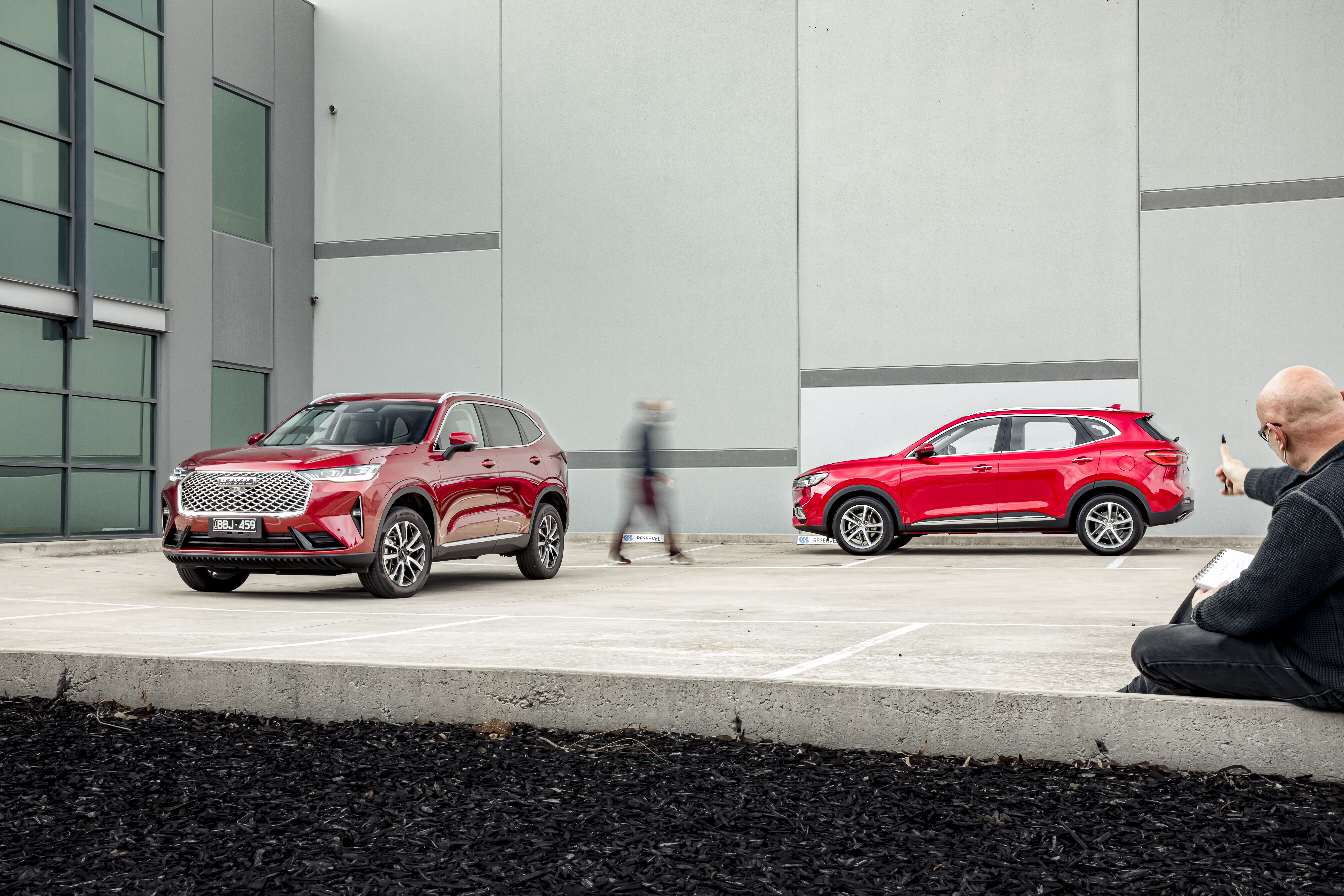
In contrast, MG had two models in the top 10 best-sellers chart for the first time, with sales up by 47 per cent to make it the seventh most popular car brand in Australia last month.
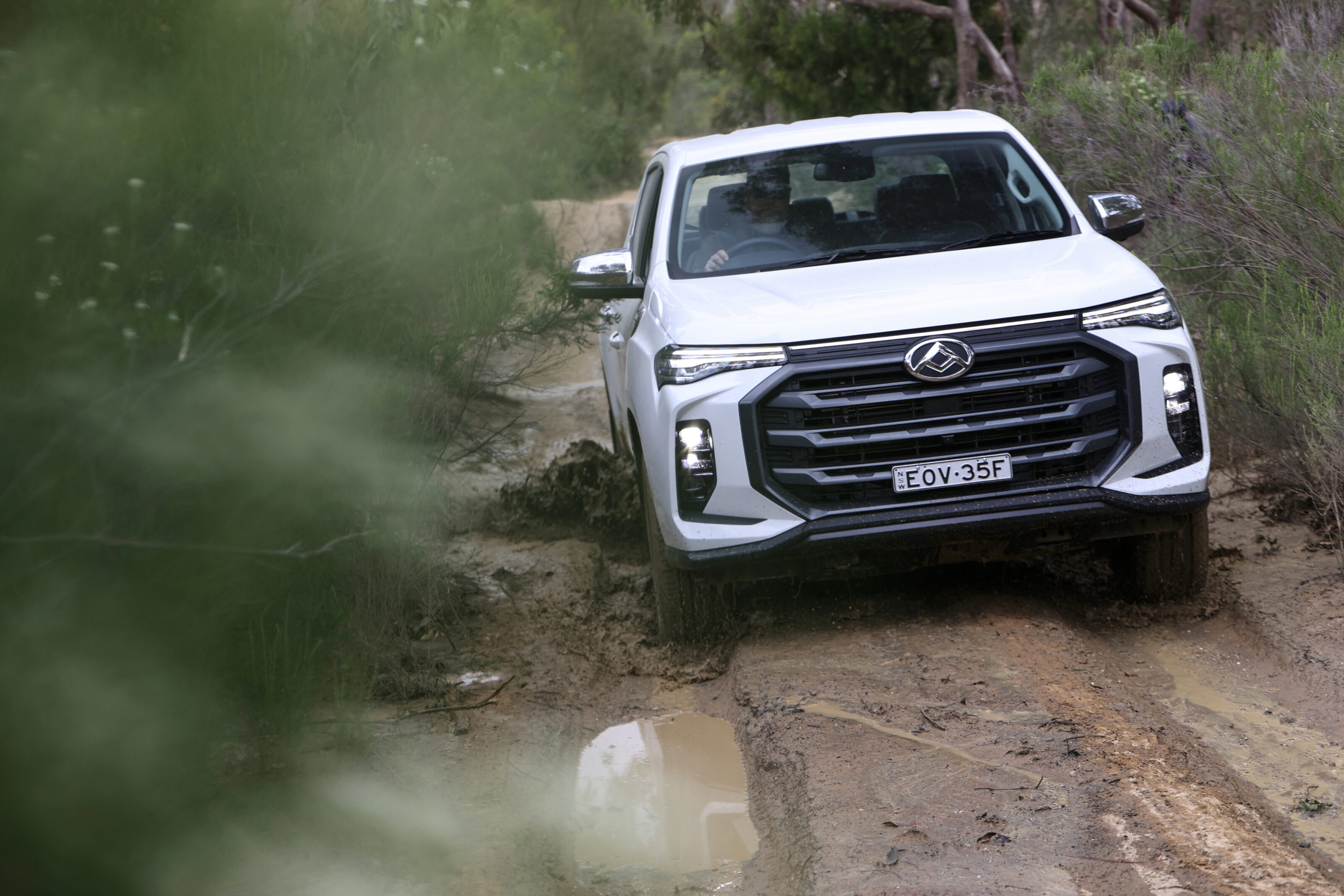
GWM Haval increased sales by more than 50 per cent to 1163 registrations and light-commercial specialist LDV is up 37 per cent with 1052 sales last month.
Mitsubishi and Mazda were the only two regular members of Australia’s top 10 brands to increase sales year on year – up 26 and 15 per cent, respectively. Kia sales were static, which was a relatively positive result compared with sister brand Hyundai, which fell 14 per cent.
The Federal Chamber of Automotive Industries (FCAI) admitted conditions remained challenging for manufacturers to meet strong customer demand.
“The microprocessor shortage and the pandemic’s impact on supply chains continue into 2022,” said FCAI chief executive Tony Weber. “This is an issue impacting markets all over the globe. Despite this, consumer interest, inquiry, and the fundamental demand for new cars in Australia remains strong.
“Manufacturers are continuing to work hard to address supply chain and production issues. We are also experiencing bottlenecks in having vehicles processed from some Australian ports. We will continue to work with all parties involved to resolve the issue.”
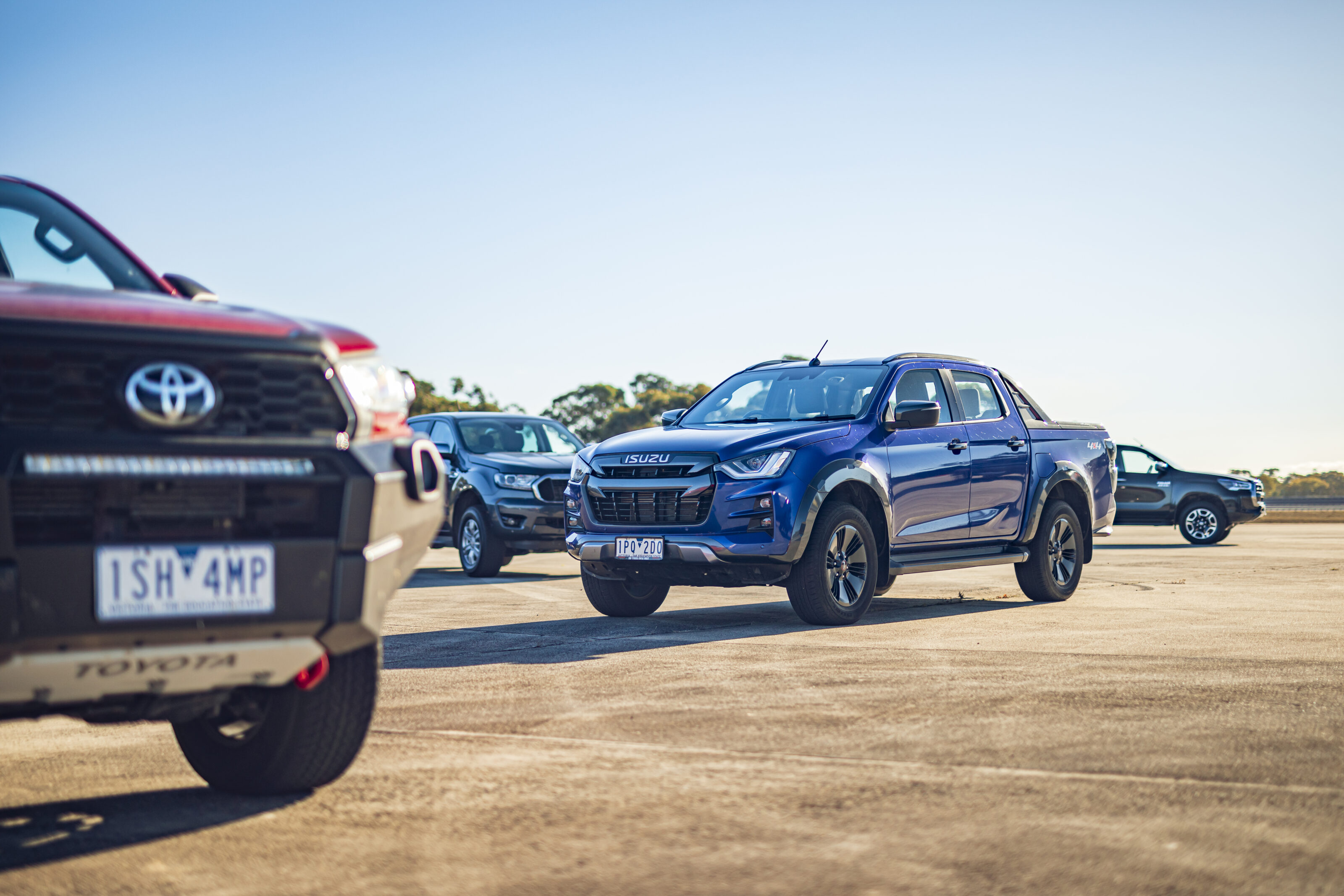
Utes were the country’s most popular vehicle type last month when combining 4×4 and 4×2 variants, with the former accounting for 13,653 units of a 16,017 total.
Nearly 15,000 medium SUVs (14,876 units) left showrooms for a similar result to January 2021. Light SUVs was the only SUV segment to grow (up six per cent) as the SUV share of the market barely changed.
Light-commercial vehicles grew their share from 22 to 24 per cent, at the expense of passenger cars that are down from 23 to 21 per cent of the market.
Small cars and sports cars suffered the most last month, both down nearly 30 per cent.
Top 10 models
Fresh from being crowned Australia’s favourite vehicle for a sixth consecutive year, the Toyota HiLux ute kept the status quo for January despite a small decrease in sales and a small rise for its regular rival, the Ford Ranger.
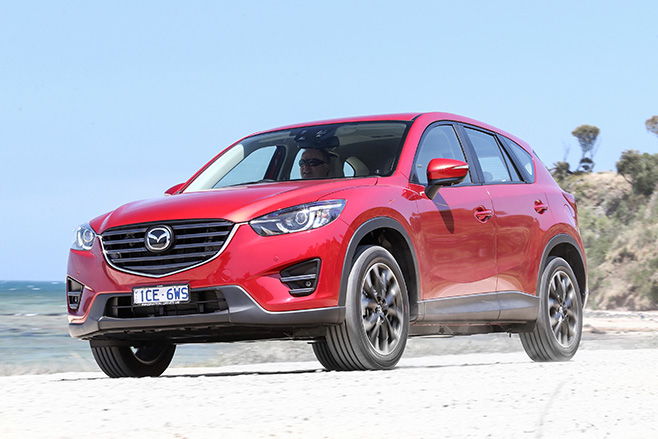
In a sensational month for the Mazda CX-5, the Japanese mid-sized SUV almost upset the Ranger with one of its strongest monthly performances.
There was a shock for the Toyota RAV4, which was the most popular SUV in 2021. The RAV4 failed to make it into the top 10, with sales more than halving to 1425 units compared to the same month last year.
After falling out of the top 10 for the first time in December, Toyota’s Corolla (down 30 per cent) missed out again in January – with 1442 sales. It left the Hyundai i30 as the sole flag-waver for small cars.
It also left the rare sight of just two Toyotas in the top 10, where it typically has a minimum of three entrants. The Japanese brand’s second model was the Prado 4WD (up 89 per cent), which made several appearances in the chart in 2021.
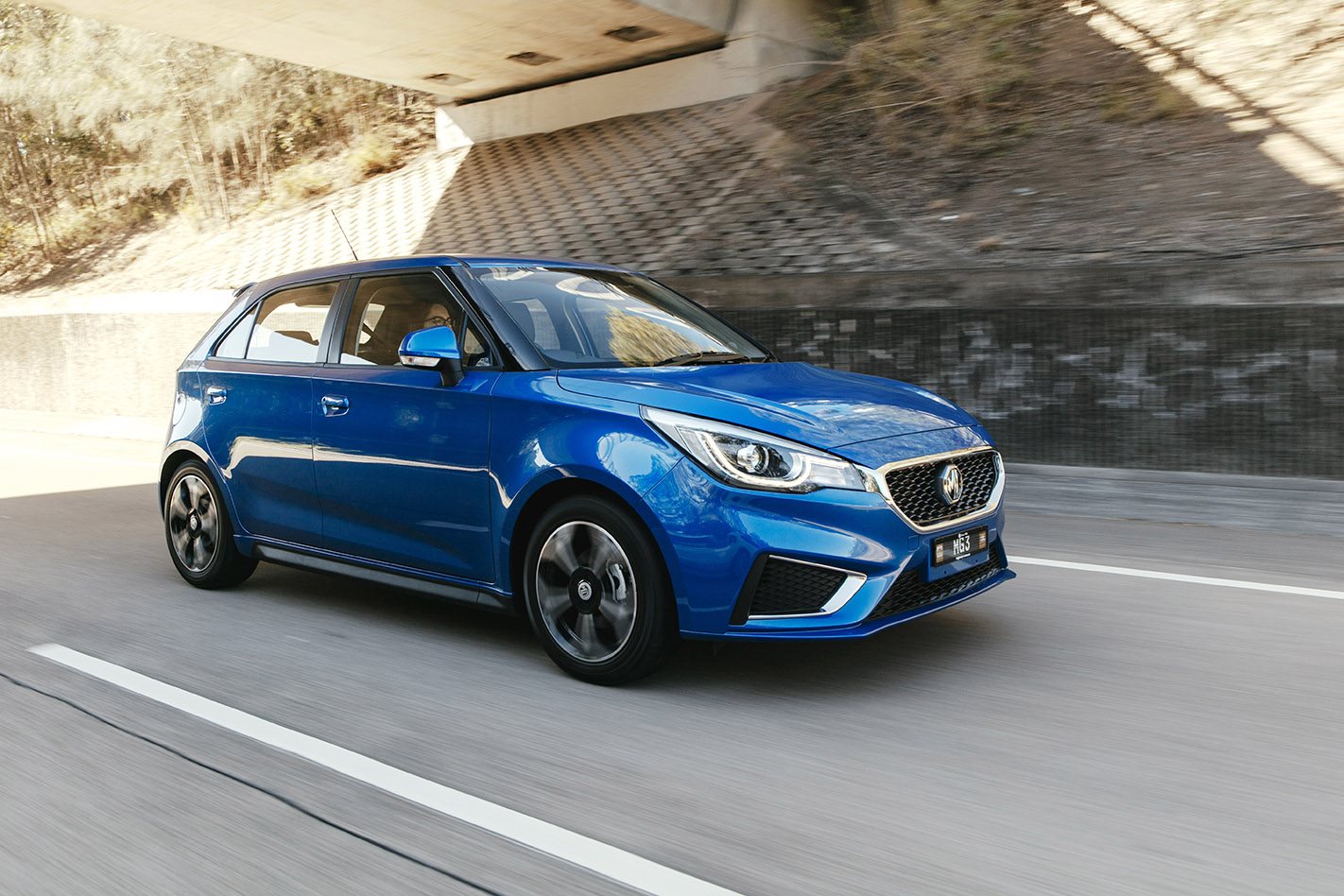
Notable results don’t stop there for January. The ZS compact SUV made a few appearances in the best-sellers list last year but last month was joined by the MG3 city car.
And the Subaru Forester achieved something it never did in the whole of 2021 by making it into the top 10.
Top 10 models: January 2022

Top 10 brands
Volkswagen and Nissan were the two biggest absentees from January’s list of most popular manufacturers.
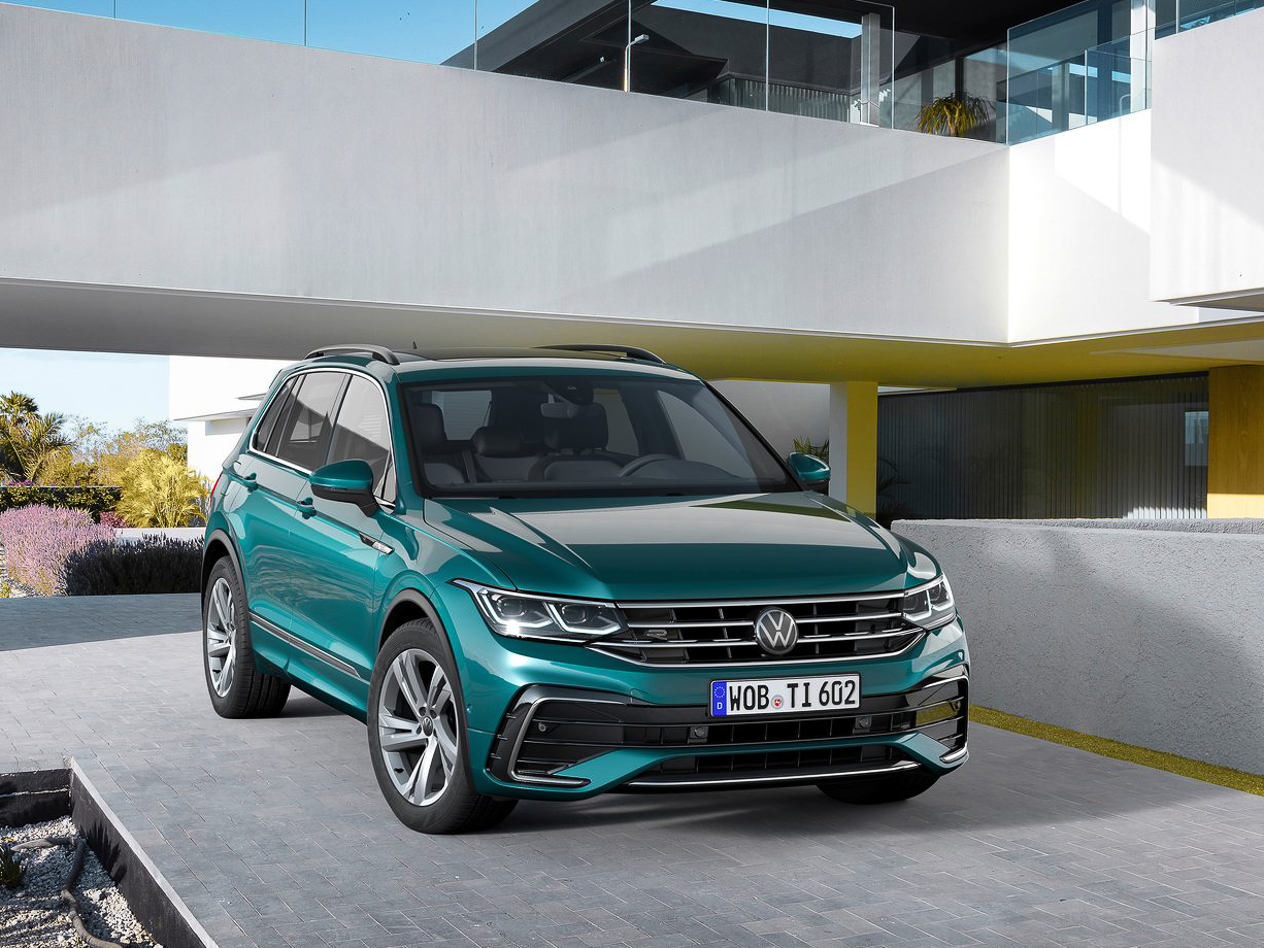
VW’s supply of the Golf, Tiguan and Touareg is almost non-existent, while the Amarok ute was down 55 per cent in its run-out year ahead of a new-generation model being revealed later in 2022. It left the Polo city car as the German brand’s unlikely top-selling vehicle, with just 422 units.
It’s a similar story for VW’s Czech brand Skoda, where sales have plummeted 63 per cent year on year.
Nissan sales were down 38 per cent, with the Japanese marque no doubt looking forward to new-generation versions of the X-Trail and Qashqai going on sale later this year.
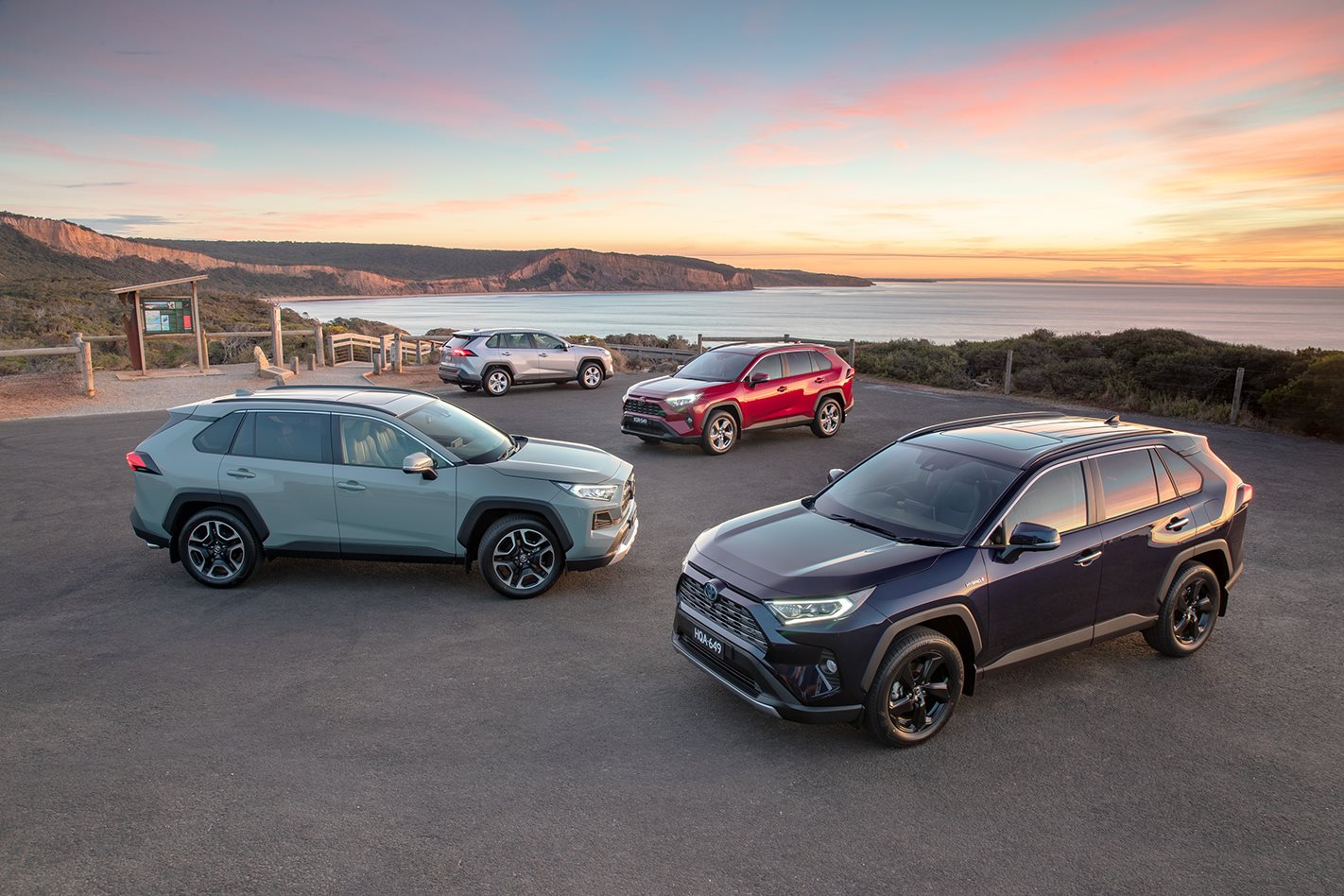
January was a relative struggle for the market’s dominant brand Toyota, with significant drops for the RAV4, Corolla and Yaris primarily accounting for a nine per cent year-on-year decline.
MG equalled its best position with seventh, helped by two of the three vehicles it sells landing in the Top 10 Vehicles list and contributing to 47 per cent growth.
Mitsubishi secured third spot with a healthy 26 per cent jump, while Mazda and Isuzu both registered 15 per cent increases over January 2021.
Kia last year threatened to overtake its affiliate company Hyundai before its challenge faded away. But as it did in January 2021, it came out on top last month.

Ford Australia and Subaru remain solid despite sales declines. Mercedes-Benz occupied 10th place as it did in January 2021.
Top 10 brands: January 2022
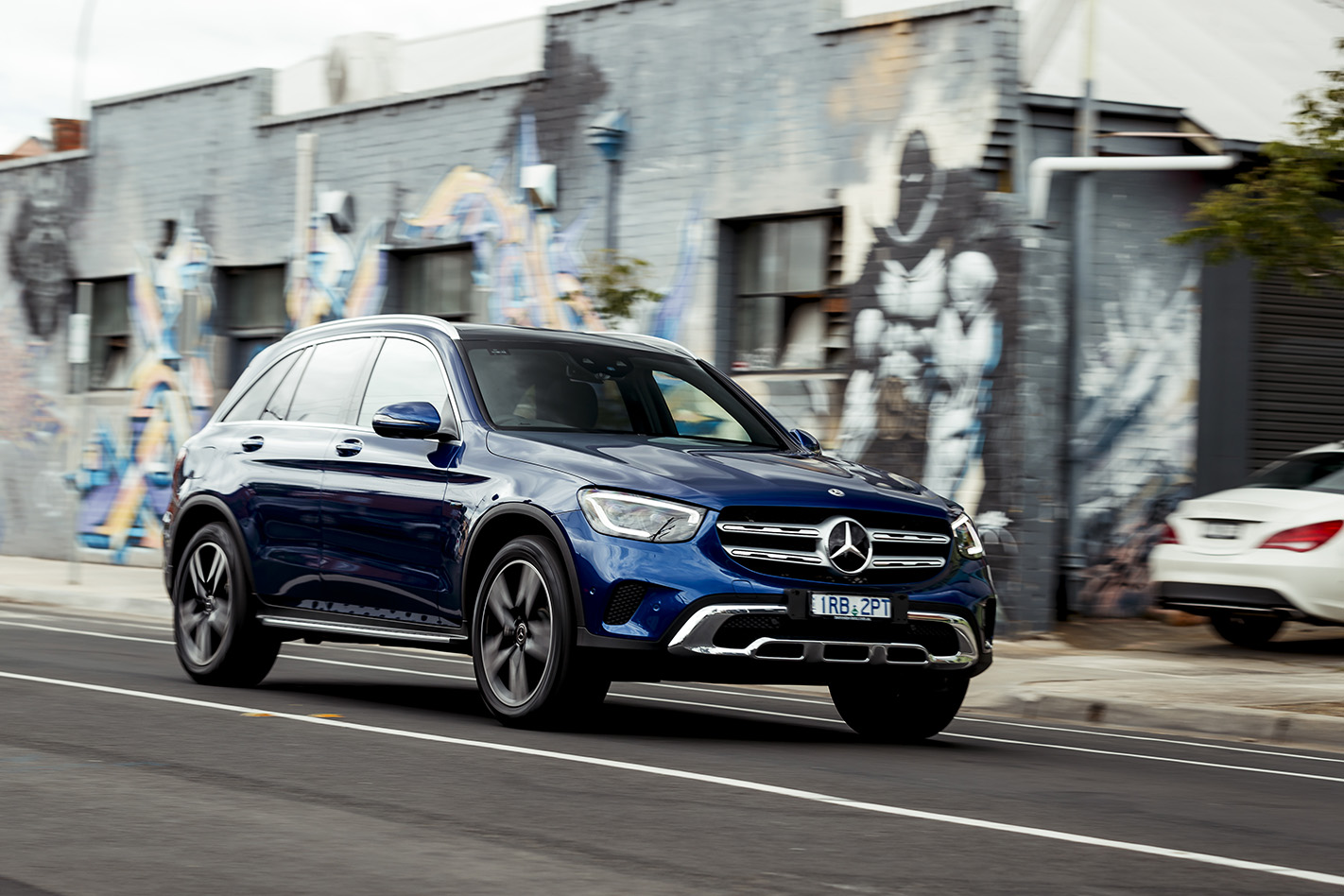
In charts
January 2022 – Top 10 models
January 2022 – Top 10 brands
January 2022 – Overall segment sales
January 2022-2021 category sales
If you’re buying a new car in Australia and don’t want a dual-cab ute, chances are you’re after a mid-size SUV. It’s the second-biggest-selling segment locally with 17 percent of the market as of November 2021 and as a consequence, it’s raining new models.
Two of the highest profile appearances have been the Mitsubishi Outlander and the Kia Sportage but we not only need to compare them to each other, but also an established benchmark.
That benchmark is the Toyota RAV4, both because it’s a very polished performer in its latest incarnation and also the dominant sales force. However, that popularity is both a blessing and a curse, with COVID-related supply and production issues stretching wait lists out to six months. If you’re after an all-wheel drive hybrid, as we would be here, that wait could stretch out to 10 months.
Given the RAV4’s supply situation and the fact it’s largely a known quantity, instead we turn to another Aussie favourite, the Subaru Forester, which itself has recently had a mid-life refresh for the 2022 model year. It’s not just a nip and a tuck, either.
Yes, there are revisions to the headlights, fog lights, front bumper and grille. But further to that, Lane Departure Prevention, Lane Centring and Autonomous Emergency Steering have been added to the Subaru’s EyeSight active safety suite, while the suspension features retuned springs and dampers.

Our test car is the $44,190 2.5i-S, which pairs the 139kW/239Nm 2.5-litre naturally-aspirated boxer-four engine with the highest specification level. Therefore it’s packed to the gills with equipment, including all manner of collision avoidance and mitigation systems, a driver monitoring system to ensure you remain focused on the task at hand, auto lights and wipers, dual-zone climate control, a panoramic sunroof, electric tailgate, heated eight-way adjustable electric seats, leather trim, an eight-speaker Harman Kardon stereo, DAB radio, smartphone mirroring, native sat-nav and more.
It also comes with a five-year/unlimited-kilometre warranty, though servicing is required every 12 months/12,500km, Subaru’s capped price servicing setting you back a total of $2422.38 over those five years.
That’s expensive when you consider that servicing our second contender, the Mitsubishi Outlander Aspire, over the same duration costs just $995 and the total for 10 years is $3190, with the final service accounting for $799 of that.
Mitsubishi also offers 10 years of warranty coverage, which is dependent on you servicing at an official dealer, with the intervals being every 12 months or 15,000km.

The $43,990 Aspire is a newcomer to the Outlander range and is the entry-level ‘fancy’ variant. To clear up that confusing statement, while there are lower variants in the range, the Aspire is the cheapest to score the likes of 20-inch wheels, a 12.3-inch digital driver display, 10.8-inch head-up display and powered and heated front seats.
These little luxuries enhance what is a fairly substantial standard spec list. It largely mirrors the Forester, though wireless phone charging and Apple CarPlay are worthwhile additions and it does without a sunroof.
The Sportage, on the other hand, trumps both, but then so it should because we have the wrong variant here. Kia Australia is still waiting for its mid-spec Sportages so we grabbed a GT-Line instead which costs $49,370RRP or $51,990 driveaway.
Kia’s warranty is an impressive seven years/unlimited kilometres and servicing will cost you a hefty $2465 over the first five years and $3988 over the first seven, though these figures are yet to be finalised at the time of writing.
The reason we feel comfortable using the range-topper is that aside from a few trinkets it’s identical to the SX+ which, when fitted with the 1.6-litre turbocharged engine required to add all-wheel drive, costs $43,500 – absolutely bang on compared to our assembled rivals. As is the equipment list, which again is very similar: heated and powered seats, full active safety suite, power tailgate, eight-speaker Harman Kardon audio, smartphone mirroring, etc.

However, this spec disparity does require that we don’t get distracted by this range-topping Sportage’s toys – no easy feat when your first impression on entering Kia’s new mid-sizer is the panoramic curved screen that incorporates a pair of high-resolution 12.3-inch displays.
We also need to ignore the sunroof, leather seats with suede upper, memory driver’s seat, LED interior lighting, wireless phone charging, ventilated front seats, shift-by-wire rotary gear selector nicked from the Genesis GV70 and the blind-spot view monitor from the same, which displays the side of the car in the digital instruments when the indicator is engaged.
‘We’, in this case, are myself and Wheels News Editor Kat Fisk, who not only has a keen eye, but as the mum of a toddler, brings both a different and very relevant perspective on how the interiors of these three SUVs stack up. Her thoughts are incorporated here.
There is still plenty to like aboard the Sportage. Its infotainment is easily navigated, though it shares the Kia quirk of having wireless charging but no wireless CarPlay. What’s particularly flash is the switchable panel that alternates between menu and climate control at the touch of a button. Clever.
Device inputs include a USB-C and A port in the front and a pair of USB-C ports in the rear incorporated into the front seats. The front headrests are also cleverly designed, sculpted to accept either a coat hanger or, more commonly, to hang an iPad for the entertainment of the little ’uns in the back.
There’s plenty of room in the reclinable 60:40 split back row and the 543L boot, though material quality isn’t class leading, with hard plastics on some obvious surfaces, and the door bottle holders are too small.

No such problems in the Outlander, with all doors able to accommodate one-litre bottles, but the rest of the interior is a frustrating mix of highs and lows. Material quality is fantastic, with most surfaces covered with plush leather padding, the seats are comfortable, there’s slick wireless smartphone charging and mirroring – though also a USB-A and C front and rear.
Meanwhile the Aspire’s piano black centre console doesn’t reflect sunlight like the Exceed’s silver finish, and the second row is both reclinable and adjustable fore and aft.
Trouble is, what should be the Outlander’s trump card – its third row of seats – only creates compromise. That third row eats into boot space, is basically useless for carrying occupants as there’s no room for a child seat and anyone old enough to not need one won’t fit.
Further, the Outlander’s second row room also suffers compared to the others, though Kat finds its seat material does keep a child seat more stable. There is still a decent amount of space in the rear and boot, though just not as much as its rivals, and the Mitsubishi is the only car here with a space-saver spare rather than a full-size wheel.
The older Forester can’t match the Sportage and Outlander for showroom pizzazz, but it counters with intelligent design features such as rear doors that open almost to 90 degrees and masses of room. Kat finds that even with a child seat installed she can walk through the rear which makes accessing ISOFIX or adjusting straps and the like so much easier.
The combination of the sunroof and massive windows lets in plenty of light yet there’s still almost a comical amount of space, particularly headroom, and the boot can swallow 498L of gear.

It does lack the premium feel of its newer competitors, though. All the equipment is present but the infotainment screen is much smaller and Subaru’s split-screen arrangement is slightly strange. It’s also a busy interior with plenty of dials and buttons, but both Kat and I agree that it’s not such a bad thing, with most functions a mere press away rather than swiping through multiple screens.
The Forester does love to beep at you, though; occasionally with good reason if your eyes wander from the road, sometimes by being overzealous with its lane-keep assist, an affliction the Sportage shares.
On the road the Forester continues to impress. Its ride quality is pleasingly pliant, almost plush, yet without excessive body motion. The CVT still has a little of that dreaded ‘rubber band’ feeling but in regular driving feels just natural enough to avoid irritation.
Selecting ‘S’ on the drive mode selector definitely perks up the throttle response, the regular ‘I’ mode standing not so much for intelligent as insipid. Subaru claims 7.4L/100km for combined use but don’t be surprised if it nudges up towards 10L in a city environment, though all three of our contestants are happy with regular 91RON.
At more enthusiastic speeds the Forester hangs on gamely, providing a level of entertainment beyond what it really needs to possess. Turn-in is a little slow but grip levels and balance are impressive, revealing a chassis of genuine talent. Flicked into manual mode the CVT auto finds eight ‘virtual’ ratios in its continuously variable spread and quickly changes between them should the driver use the steering wheel paddles.
Unfortunately, the boxer engine’s reserves of grunt aren’t deep. Its throttle is clearly mapped to provide most of the power in the first half of its range so while it feels adequate in most day-to-day scenarios, flooring the accelerator results in little extra urge.

The performance star of this trio is the Kia Sportage. Its 132kW/265Nm are similar to the Subaru and Mitsubishi and its 1.6-litre engine is by far the smallest, but the addition of a turbocharger lends it a handy torque advantage.
Peak twist is delivered from just 1500rpm compared to 3600rpm for the Outlander and 4400rpm for the Forester which makes for far more relaxed progress. A proper seven-speed dual-clutch gearbox also helps, though it can be slow to downshift in response to extra throttle.
While the extra torque is useful, it’s still not the most pleasant engine, sounding coarse when revved and upshifting automatically at just 5500rpm. Unlike its rivals here, though, the Sportage offers a range of engine options, including a front-drive 2.0-litre petrol ($2000 cheaper) for those who aren’t in a hurry and a 137kW/416Nm diesel that asks for an extra $3000.
Not only does it offer more power, but it’ll stretch the Sportage’s relatively meagre 54-litre fuel tank a bit further, too, Kia claiming combined consumption of 6.3L/100km versus 7.2L for the 1.6T.
The Sportage’s chassis shines brighter than its powertrain. Like the Subaru the ride is excellent, though occasionally slightly nibbly over smaller bumps, but Kia’s local chassis gurus have done fine work in balancing comfort and dynamics.
The Sportage turns in more keenly than the Forester, retains excellent body control and impressively resists falling into the understeer that plagues less adepts SUVs. Like the Subaru there’s a surprising level of enjoyment to be found driving the Kia with verve, even if few buyers are ever likely to feel the need to.

But when it comes to having a punt, it’s the Outlander that’s possibly the pick, which goes to show just what a massive improvement this latest-generation model is over its predecessor. Accurate, well-weighted steering, a balanced – and even mildly adjustable – chassis and relatively strong grip make it not just capable but even fun on the right road.
Select Tarmac on the drive mode selector and, like the Forester, the Outlander’s CVT does an impressive impersonation of a slick eight-speed automatic, even when left to its own devices.
However, like the Forester, the 2.5-litre naturally-aspirated four-cylinder engine in the nose of the Mitsubishi struggles to provide meaningful performance beyond urban trundling. Part of the reason for this is that at 1725kg, the Outlander is 82kg heavier than the Sportage and a substantial 149kg more than the Forester.
Evidence of this is the comparatively thirsty 8.1L/100km combined claim, though in Mitsubishi’s defence it’s a figure that seems readily achievable in the real world and thus more or less on par with its competitors.
Unfortunately, where the Outlander trips up is an area where the Sportage and Forester shine – ride quality. Its damping is nice enough, but on poor surfaces the ride becomes brittle and fidgety, constantly feeding road imperfections back to the occupants, which can quickly get tiresome in a family cruiser.
Perhaps going down a rung to the LS and its 18-inch wheels would help, but we haven’t yet driven this variant to confirm. It’s a shame, because in so many other ways the Outlander is a likeable and capable SUV.

All three are, in fact, and you can’t really go wrong with any of them, but it’s the Outlander that falls out of consideration first. It’s still definitely worth a test drive, especially if you’re a fan of the bold looks, but its two biggest shortcomings are in arguably the most important areas for a mid-size SUV: comfort and practicality.
The ride hampers the former and the borderline unusable third row does the latter no favours. It does claw back plenty of margin, though, with its cheap servicing and fantastic warranty offering.
Nudged into second position is the Forester, but it remains a fine choice in the segment. It’s safe, comfortable, has heaps of room, plenty of equipment, handles well and while its interior won’t have any jaws dropping, it’s functional and practical.
Its biggest problem is under the bonnet, the atmo boxer excelling in neither performance nor economy. Not a deal-breaker, but enough for it to be bumped from the top spot on the podium.
The Sportage’s powertrain is also its weakest link, but that’s as much a reflection on the excellence of the rest of the package as it is the lack of character and occasional gearbox stumble. Kia’s latest offering is sharply styled, has a finely tuned chassis, lots of space, a fresh, modern interior, lengthy warranty and the price is about right, too.
Quibbles are relatively minor: a bit less hard plastic on the inside, the fuel tank is a little small and the brakes feel a bit grainy underfoot. The biggest issue facing the Sportage buyer is waiting for the SX+ to land on Australian shores and not being tempted by the show-stopping GT-Line…

Live with front-wheel drive, pocket the savings
We’d argue that the Sportage SX+ and Outlander Aspire variants are the sweet spots in their respective ranges in terms of balancing price and specification, but if you’re happy to forgo all-wheel drive you’ll save a handy $2500 on the Outlander and improve fuel economy, while the front-drive Sportage costs $2000 less but also reverts to an underwhelming 2.0-litre naturally-aspirated four-cylinder engine.
Subaru’s all-wheel drive ethos means there’s no front-drive Forester, but lose a couple of toys and the 2.5i Premium is good value at $41,140, a $3050 saving.
SCORING
Kia Sportage: 8.0/10
Subaru Forester: 8.0/10
Mitsubishi Outlander: 7.5/10
| u00a0 u00a0 u00a0 | KIA SPORTAGE GT-LINE | SUBARU FORESTER 2.5i-S | MITSUBISHI OUTLANDER ASPIRE |
|---|---|---|---|
| u00a0 | $49,370/as tstd $51,990 d/a u00a0 | $44,190/as tested $44,190 | $43,990/as tested $43,990 |
| u00a0 | DRIVETRAIN | u00a0 | u00a0 |
| Engine | in-line 4cyl, dohc, 16v, turbo | flat 4cyl, dohc, 16v | in-line 4cyl, dohc, 16v |
| Layout | front-engine (east-west), AWD | front-engine (east-west), AWD | front-engine (east-west), AWD |
| Capacity | 1598cc | 2498cc | 2488cc |
| u00a0Power | 132kW @ 5500rpm | 136kW @ 5800rpm | 135kW @ 6000rpm |
| Torque | 265Nm @ 1500-4500rpm | 239Nm @ 4400rpm | 245Nm @ 3600rpm |
| Gearbox | 7-speed dual-clutch | CVT | CVT |
| u00a0 | CHASSIS | u00a0 | u00a0 |
| Body u00a0 | steel, 5 doors, 5 seats | steel, 5 doors, 5 seats | steel, 5 doors, 7 seats |
| L/W/H/Wu2013B | 4660/1865/1680/2755mm | 4640/1815/1730/2670mm | 4710/1862/1745/2706mm |
| Track (F/R) | 1620/1610mm | 1565/1570mm | 1595/1580mm |
| Weight | 1643kg | 1576kg | 1725kg |
| Boot | 543 litres | 498 litresu00a0 | 477 litres |
| Fuel | petrol/54 litres | petrol/45 litres | petrol/60 litres |
| Economy | 7.2/100km (ADR combined) | 7.4L/100km (ADR combined) | 8.1/100km (ADR combined) |
| Suspension u00a0 u00a0 u00a0 | Front: struts, A-arms, anti-roll baru00a0 Rear: multi-links, coil springs, anti-roll bar | Front: struts, A-arms, anti-roll baru00a0 Rear: multi-links, coil springs, anti-roll bar | Front: struts, A-arms, anti-roll baru00a0 Rear: multi-links, coil springs, anti-roll bar |
| Steering u00a0 | electric rack-and-pinion | electric rack-and-pinion | electric rack-and-pinion |
| Front brakes u00a0 | ventilated discs (305mm) | ventilated discs (330mm) | ventilated discs (350mm) |
| Rear brakes | solid discs (300mm) | ventilated discs (300mm) | solid discs (330mm) |
| Tyres | 235/55 R19 (f/r) | 225/55 R18 98V (f/r) u00a0 | 255/45 ZR20 101W (f/r) |
| u00a0 | SAFETY | u00a0 | u00a0 |
| ANCAP rating | 5-star (2016) | 5-star (2019) | 5-star (2022) |
| u00a0 | PERFORMANCE | u00a0 | u00a0 |
| 0-100km/h | 8.7sec (estimated) | 9.2sec (tested) | 10.0sec (estimated) |
| u00a0 | Warranty: 7yr/unlimited km. Service interval: 12 months/15,000km. | Warranty: 5yr/unlimited km. Service interval: 12 months/12,500km. u00a0 | Warranty: 10yr/unlimited km. Service interval: 12 months/15,000km. u00a0 |
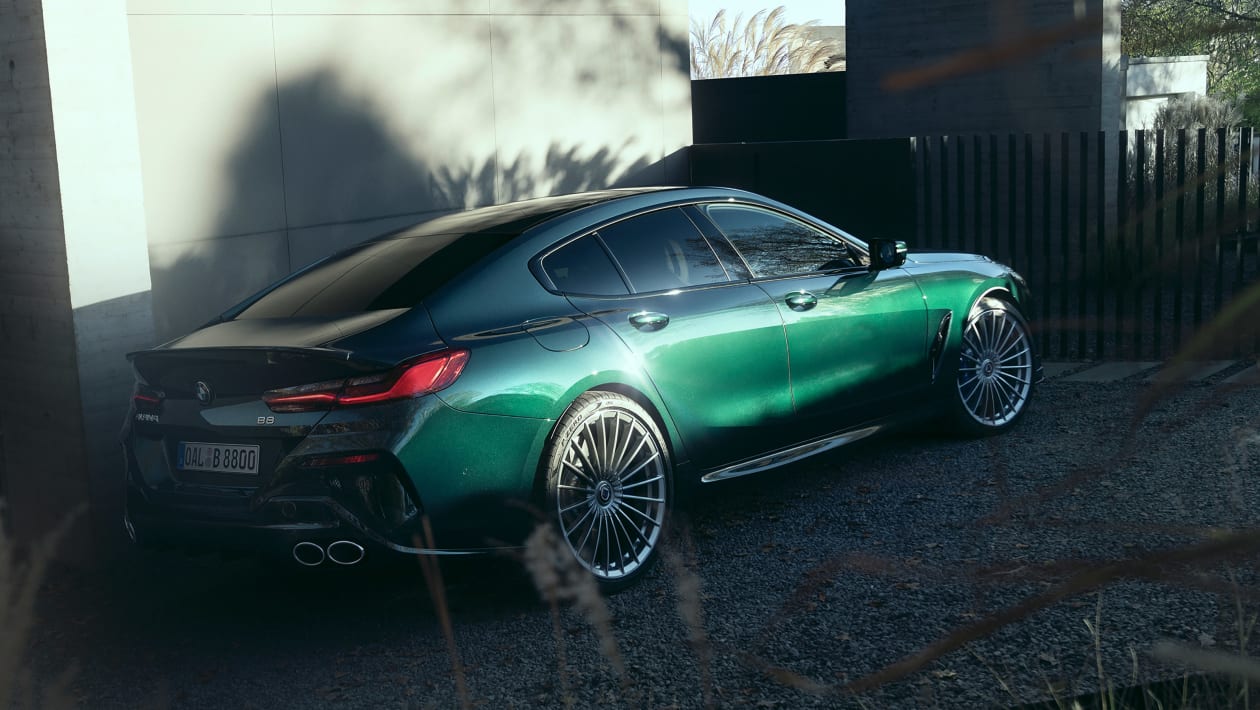
BMW tuning powerhouse Alpina has revealed changes to its flagship B8 Gran Coupe, which follows upgrades by BMW to its 8 Series mid-life facelift revealed last month.
While overall it looks fairly similar to the previous iteration, riding on the same 21-inch alloy wheels and with a brutish stance, there are some tweaks to styling – such as larger air intakes in the front bumper and the hard-to-miss illuminated ‘Iconic Glow’ kidney grille – that were recently added to the 8 Series. At the rear is a subtle change to the bumper which has a new black diffuser, although altogether the changes bring a more aggressive appearance.
As before, there are two screens inside, although a larger 12.3-inch Live Cockpit Display is an upgrade over the 10.25-inch screen, and the cabin is finished in many of the Buchloe tuner’s finest materials, including quilted leather and an Alpina steering wheel.
Alpina’s unique comfort-tuned suspension remains untouched, offering precision in firmer settings, yet a pillowy ride in comfort when cruising. The engine also continues in the same configuration, the 4.4-litre twin-turbo V8 engine producing 450kW and 800Nm of torque through an eight-speed automatic for a blistering 0-100km/h sprint in 3.4 seconds.
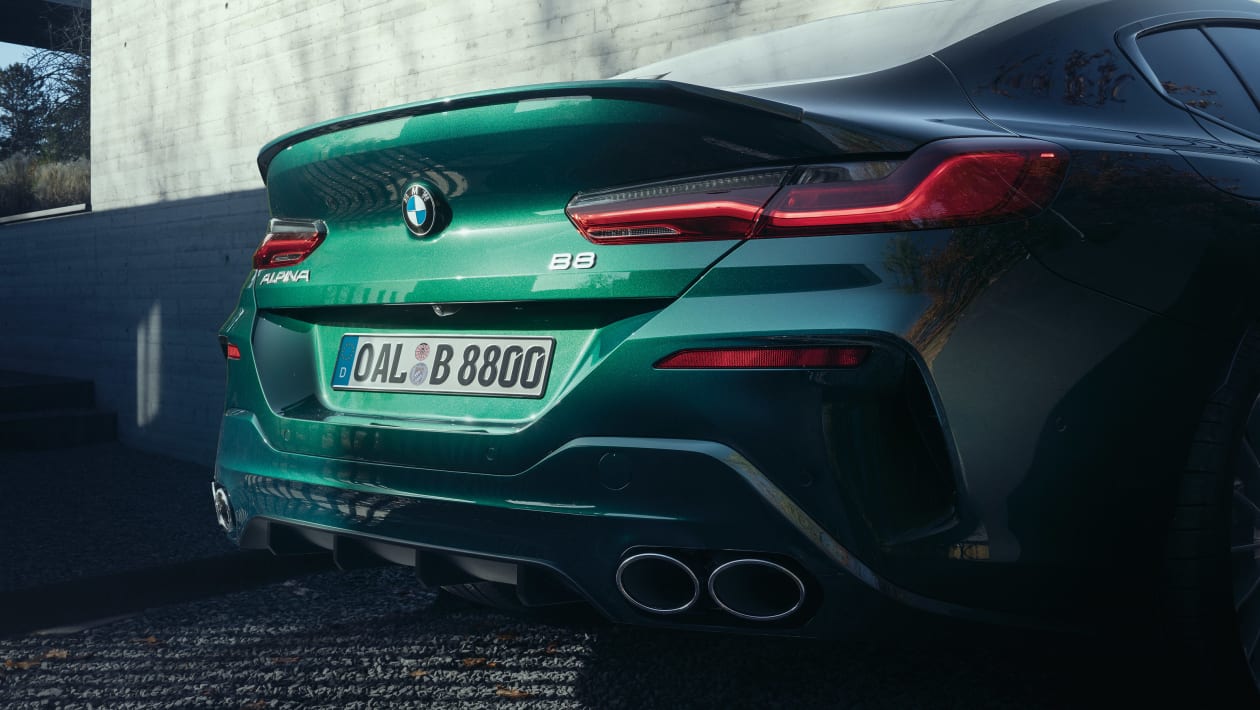
Joining the new model is an upgraded BMW Driving Assistant Professional with parking assistant and some new semi-autonomous driving features.
When it goes on sale (local timing and pricing are yet to be announced), the updated Alpina B8 will be offered with some new paint colours BMW revealed on its 8 Series, including Sanremo green, skyscraper grey, Portimao blue, frozen pure grey and frozen tanzanite blue.
Lexus has shown more of its upcoming RZ 450e, its first fully-electric vehicle to join the Japanese maker’s line-up.
We will get to see the model’s full unveil soon, with the SUV EV readying to compete against the likes of the Tesla Model 3 – Australia’s best-selling electric car.
Lexus’s own electric car is based on the same e-TNGA platform underneath Toyota’s new bZ4X (and also the Subaru Solterra), penned with a differing design outside and presumably inside, although no official images have been released of the cabin, yet.
The e-TNGA platform underneath uses the same 71.4kWh lithium-ion battery connected to two electric motors for all-wheel drive.
No specific output has been detailed, but the Toyota bZ4X produces 150kW and 336Nm, with the Lexus expected to produce more power in certain variants.
The driving range for the Toyota is 450 kilometres, which could be slightly less in the Lexus if it is equipped with sumptuous creature comforts and more electrics inside.
Lexus calls the RZ’s all-wheel-drive system DIRECT4, which is described as having the ability to go “from front-wheel drive to rear-wheel drive and everything in between, in the blink of an eye.” There will also be fly-by-wire steering which disconnects the steering wheel from the steering rack completely and offers the ability for variable ratios.
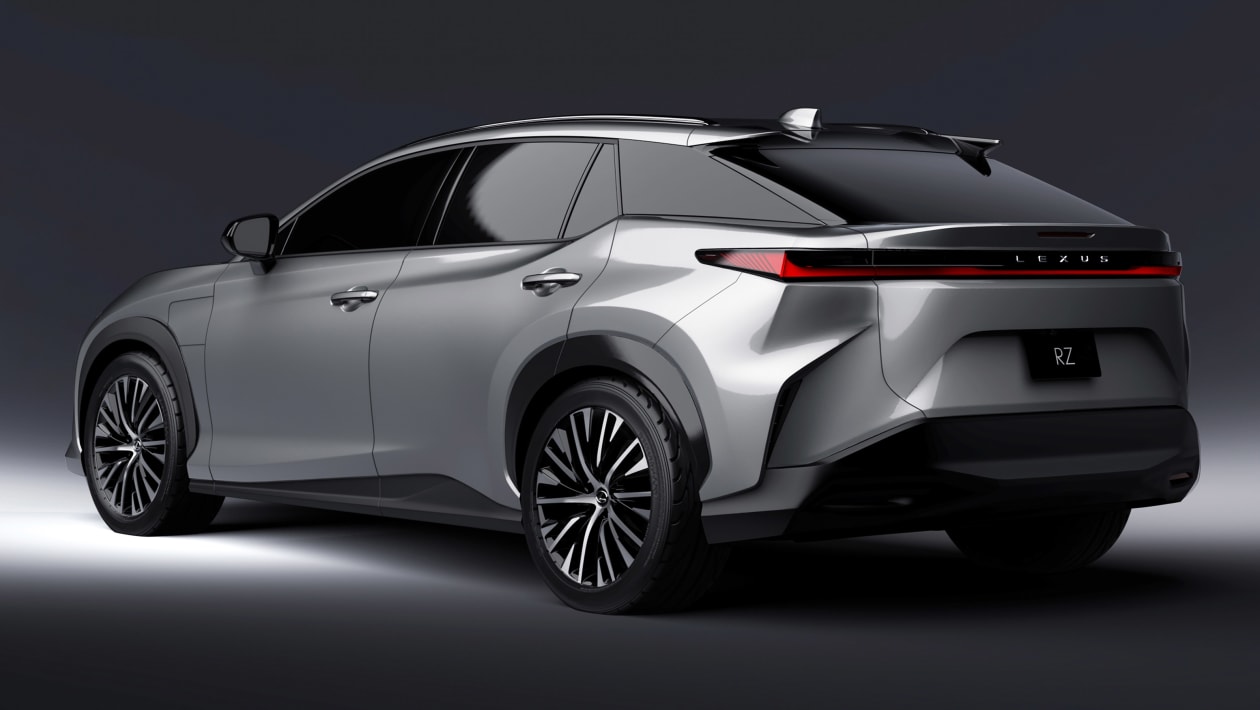
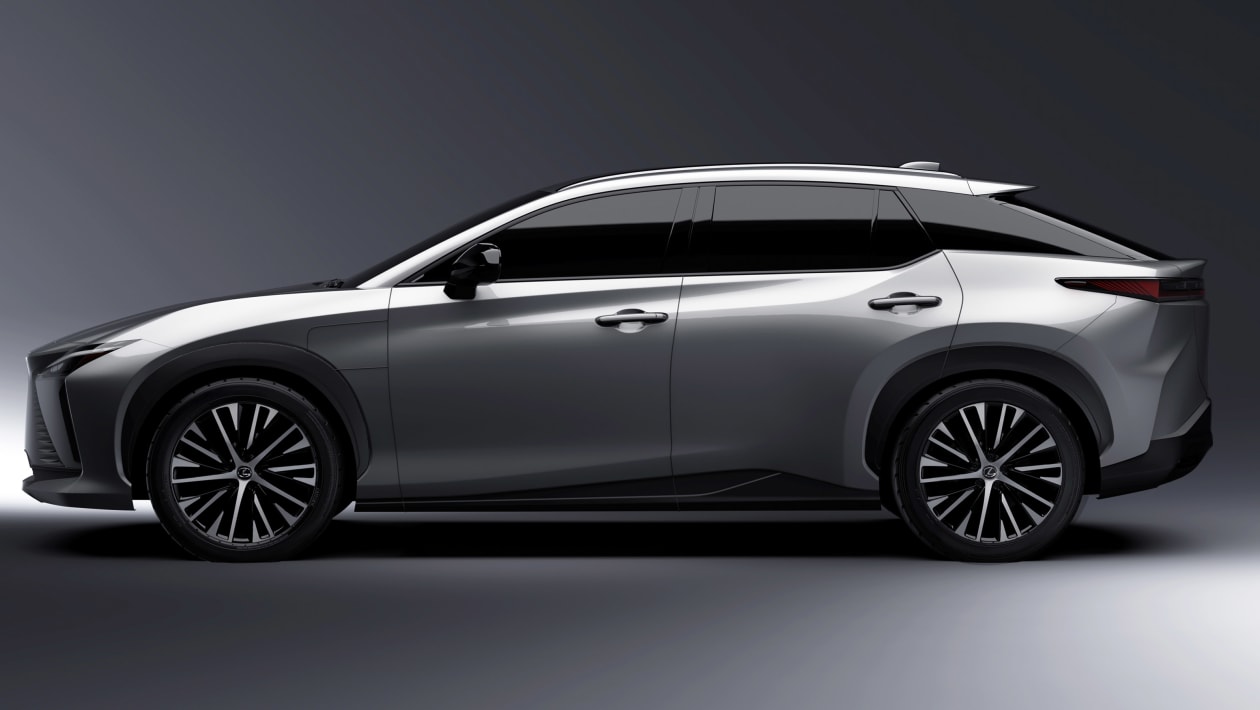
For now, we can see on the outside that the styling is similar in shape to the bZ4X, but details change, such as the more angular front end with horizontal slated grille, and a neat spoiler over the rear hatch. Much of the Toyota’s cheaper plastic cladding has also been removed or minimised for a sleek look.
While the interior has not been shown in full, no doubt more teaser images will come soon. For now, there are some glimpses from a testing video that show a similar layout to the BZ4x, but with Lexus details.
No further details have been given, but the new Lexus RZ is expected to launch in Australia during 2023 with a price above the Toyota bZ4X, which has also been confirmed locally.
Snapshot
- Jaguar I-Pace to feature Amazon Alexa as standard
- Voice assistant available over-the-air across the JLR range
- A number of previously standard features are now optional
Jaguar has released local pricing and specification details for the slightly updated 2023 I-Pace, headlined by standard Amazon Alexa functionality – along with price rises between $4118 and $4748.
The voice assistant will also become available to all Jaguar Land Rover (JLR) vehicles fitted with the Pivi Pro infotainment system via an over-the-air software update, including the MY21 and MY22 I-Pace.
JLR says more than 6400 local owners with compatible cars will be able to access Alexa when the update is released.
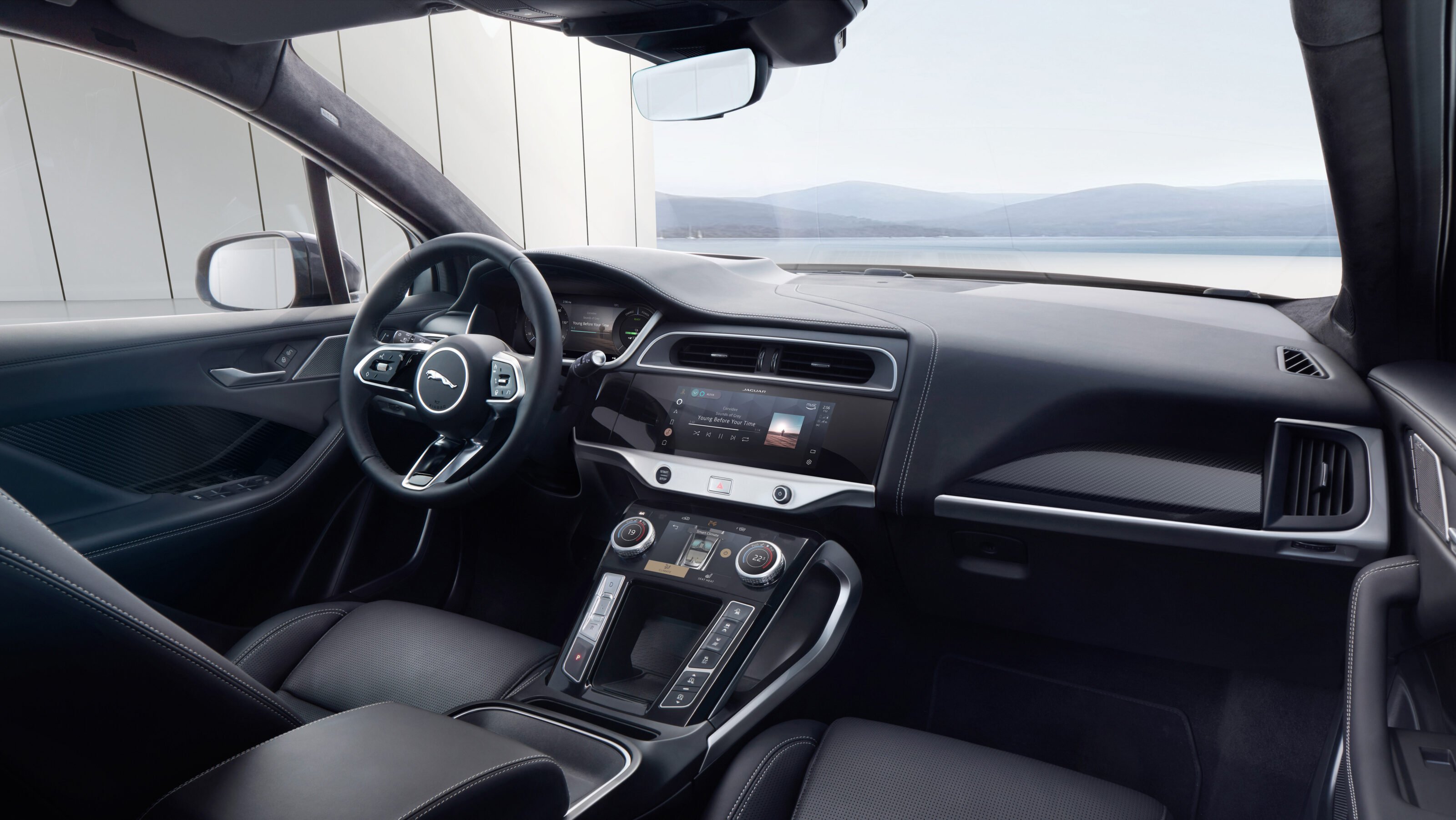
The electric SUV also gains the newly-optional Premium Black Pack, priced at $5008, adding a gloss black finish to the front grille, window surrounds, side mirrors and rear badges, along with 22-inch black alloy wheels and electronic air suspension.
Missing pieces
Despite price increases, the I-Pace has had a number of items relegated from its standard features set, to the optional extras lists. These include the driver’s head-up display ($1040), headlight power washers, boot lid spoiler, passenger seat memory settings, and the sunglasses holder. The Antenna pod is now also black, instead of colour-matched with the body.
To Jaguar’s credit, it has at least made wireless charging a standard feature.
Apart from the addition of ostuni white to the colour palette, the I-Pace – which competes with the Audi E-Tron, BMW iX and Mercedes-Benz EQC – remains otherwise unchanged for model-year 2023.
2023 Jaguar I-Pace pricing
Prices exclude on-road costs.
2023 Jaguar I-Pace features
SE
HSE
Performance, drivetrain and driving range
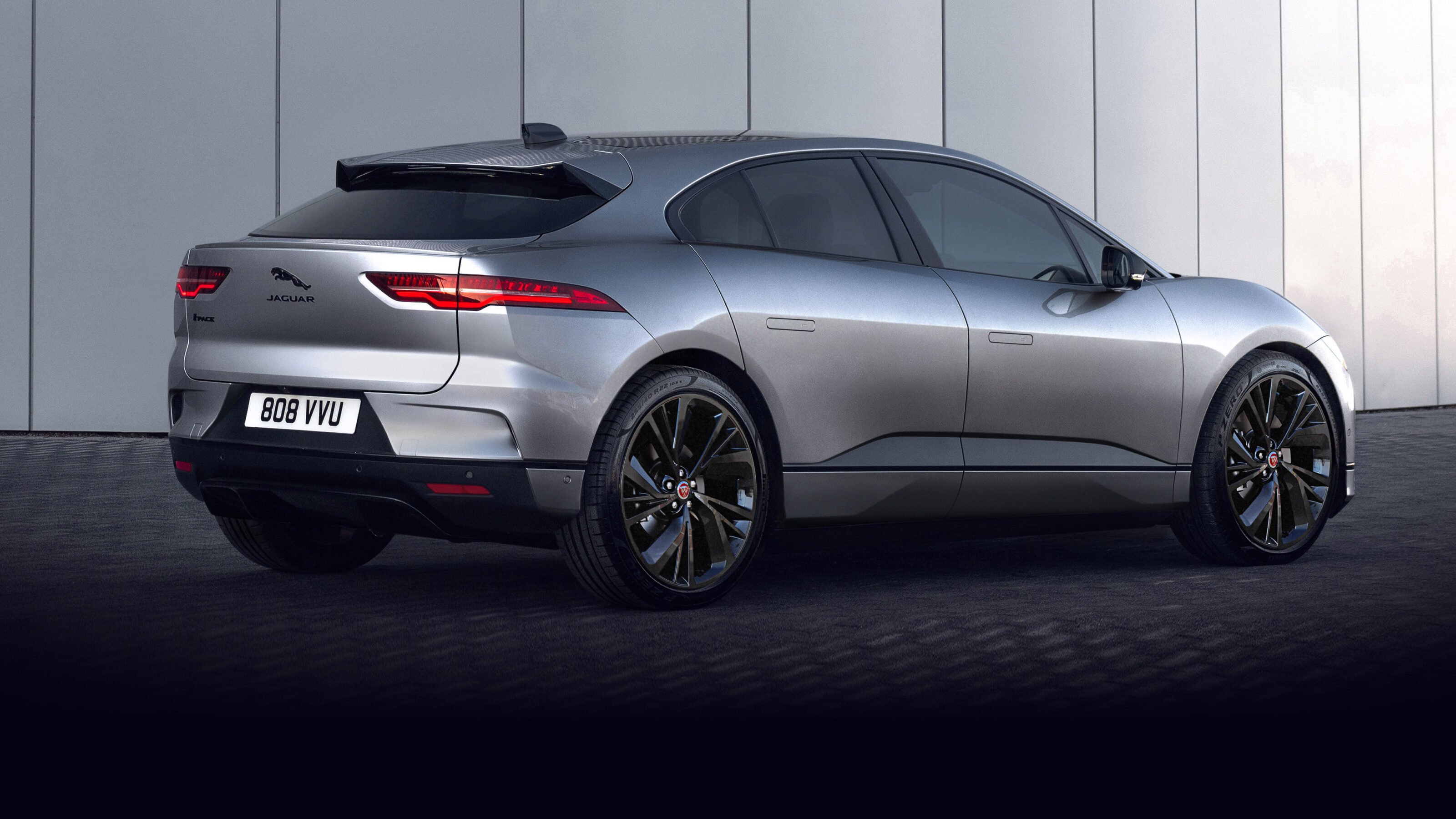
Each 2023 I-Pace variant is powered by dual electric motors with a total system output of 294kW of power and 696Nm of torque, sending power to all four wheels.
According to Jaguar, the I-Pace will complete the 0-100km/h sprint in 4.8 seconds, on the way to a top speed of 200km/h.
It utilises a 90kWh battery, with an estimated 446km driving range.
Safety
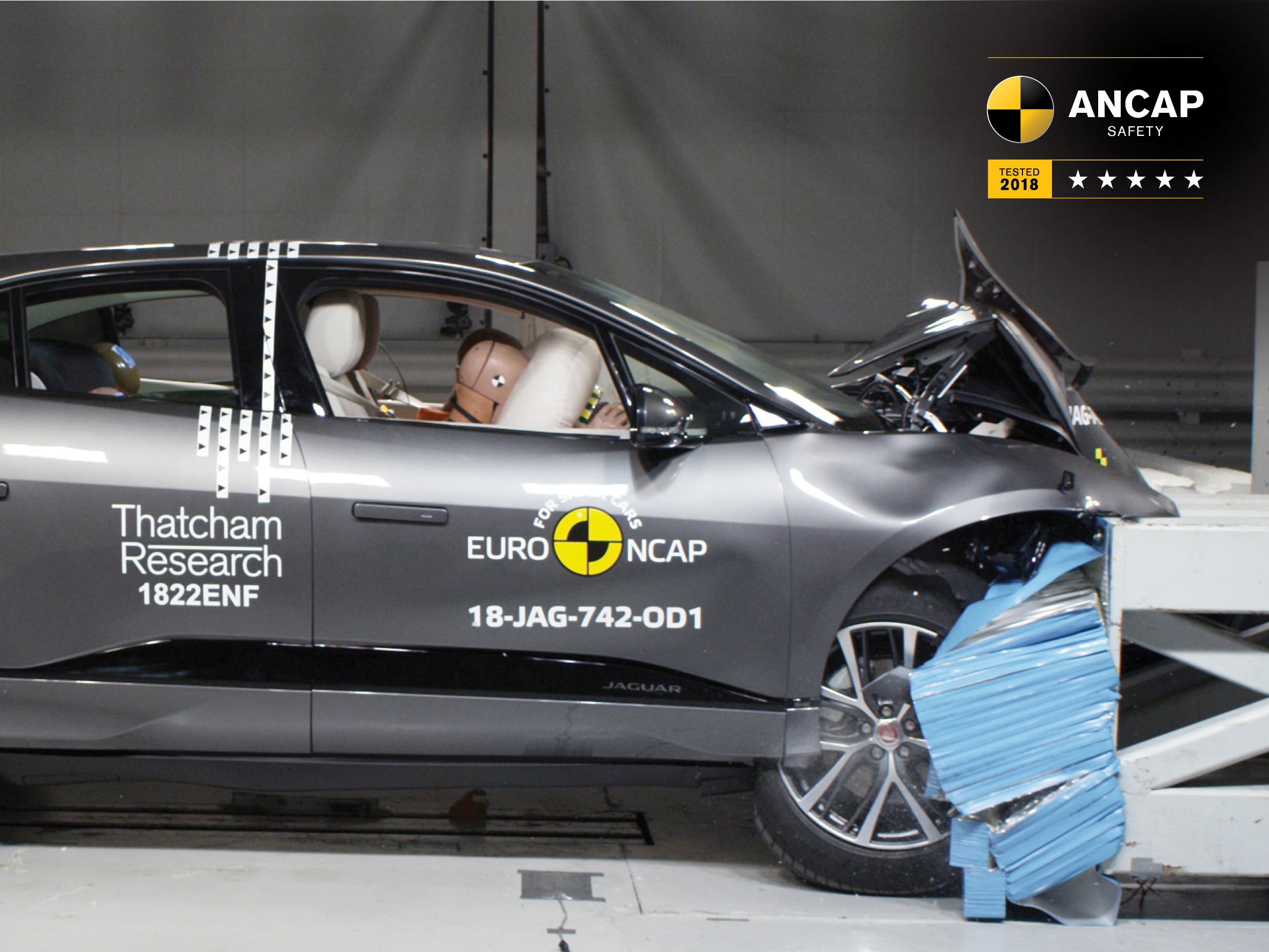
As part of testing conducted in 2018, the Jaguar I-Pace received a five-star ANCAP safety rating.
This rating applies to all variants.
Six airbags (dual frontal, side and curtain) are standard.
The 2023 I-Pace includes the following active safety features as standard:
Warranty and servicing
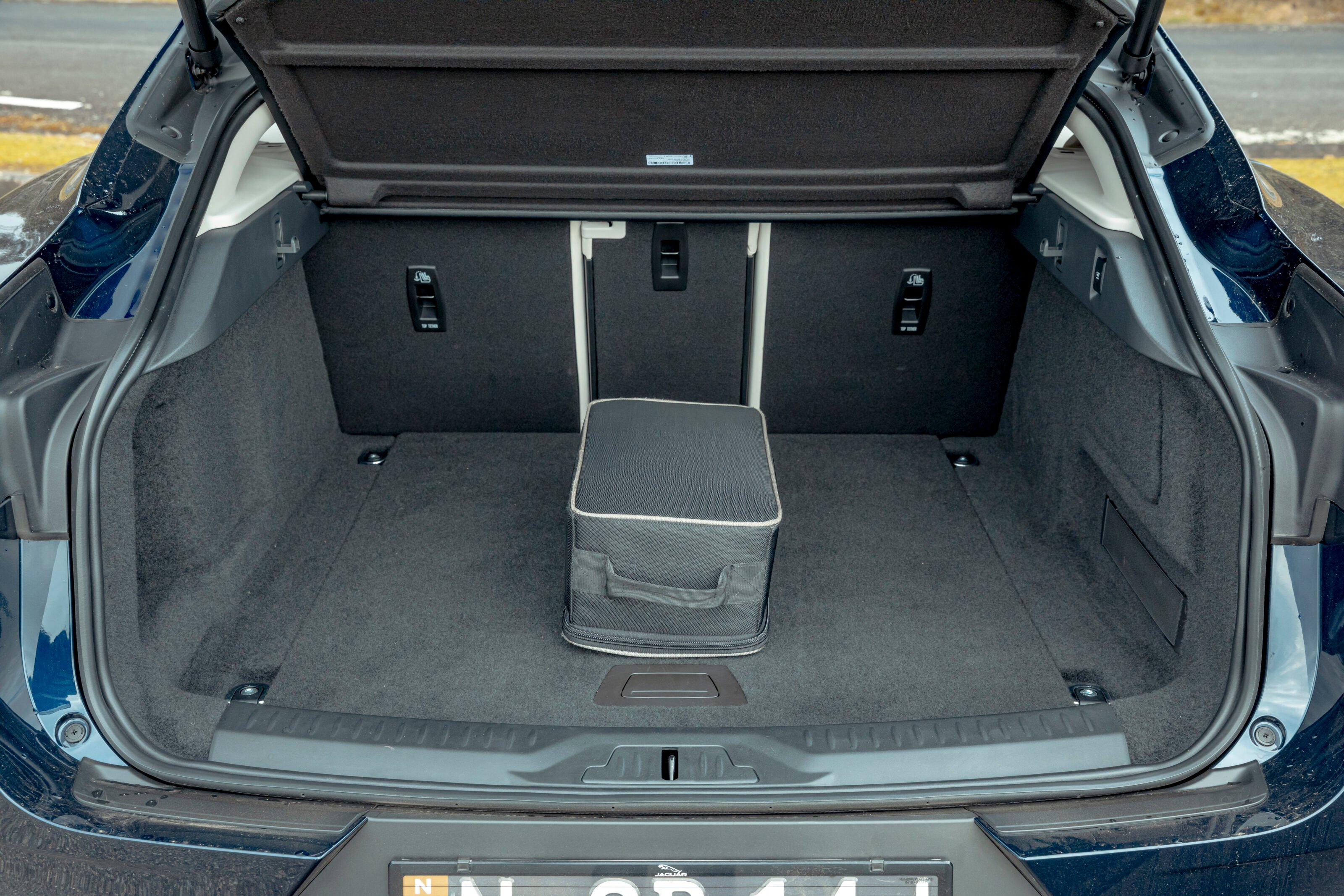
The Jaguar I-Pace is covered by the marque’s five-year/unlimited-kilometre warranty, along with an eight-year/160,000km battery warranty.
A complimentary 12-month roadside assistance program is included, which can be extended every year with annual servicing at a Jaguar dealership for up to eight years.
I-Pace buyers receive free servicing for their vehicle up to five years or 200,000 kilometres, whichever occurs first.
Availability
The 2023 Jaguar I-Pace is available to order now.
Snapshot
- First ever production C8 Z06 sold for record amount
- All proceeds to go to Operation Homefront charity
- Winning buyer also purchased the first ever C8 Stingray
The first production model of the highly anticipated 2023 C8 Corvette Z06 has fetched a whopping US$3.6 million (AU$5m) at Barrett-Jackson’s Scottsdale auction.
The winning bidder was Rick Hendrick, owner of the NASCAR Hendrick Motorsports team and also winner of the first ever production C8 Corvette – which sold at the 2020 auction for US$3 million (AU$4.2m).
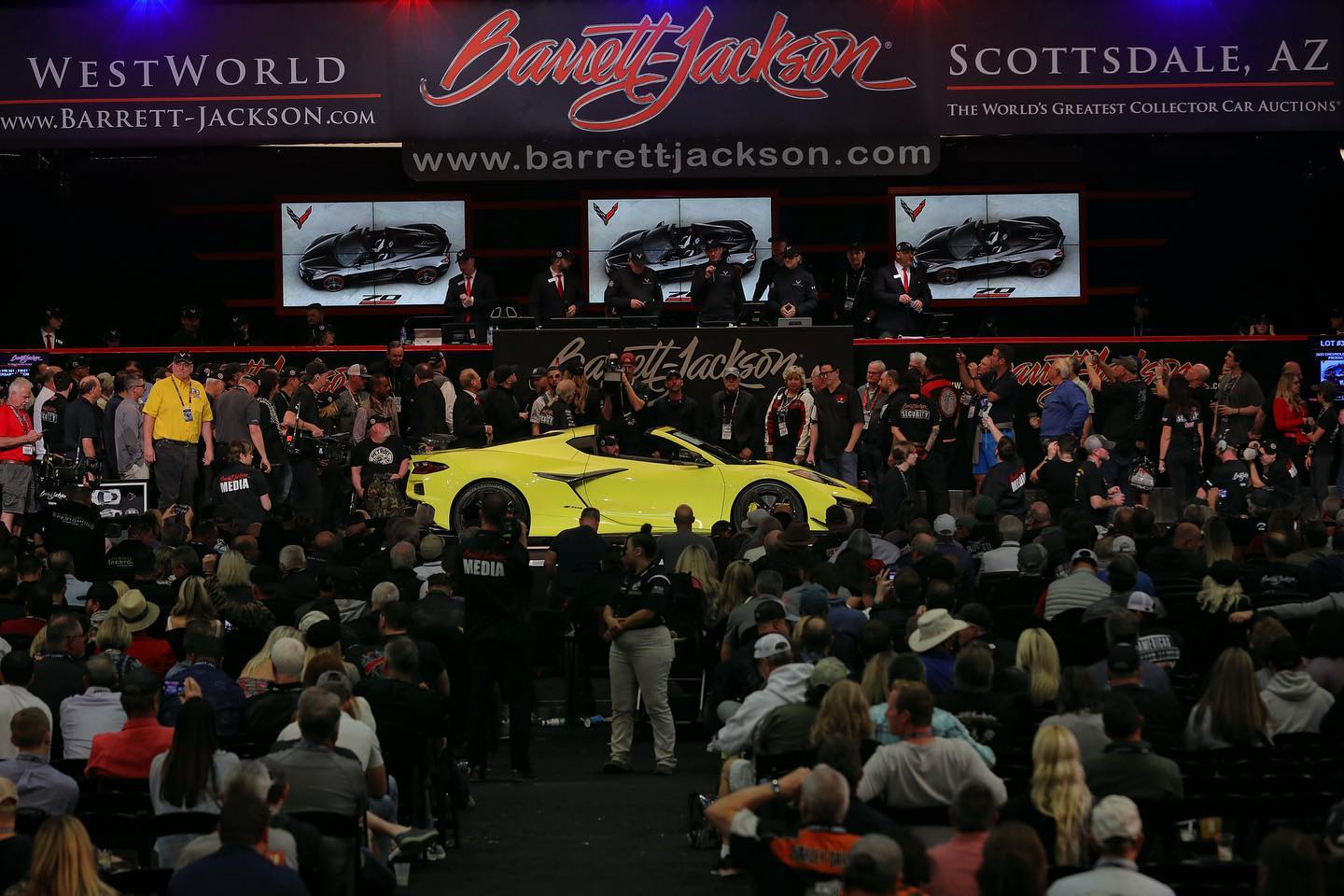
Just like the first production C8 (a Stingray), the first C8 Z06 was donated to the auction by GM, with all the proceeds from the sale going towards the Operation Homefront charity which specialises in aiding military families.
The C8 Z06 has been a hot topic for Chevrolet since the launch of the C8 Stingray, thanks largely in part to the Z06’s 499kW, 5.5-litre flat plane crank LT6 V8 – which takes heavy influence from the engine used in the C8.R race car.
The LT6 is the most powerful naturally-aspirated V8 ever fitted to a production car, and is also GM’s first production DOHC V8.
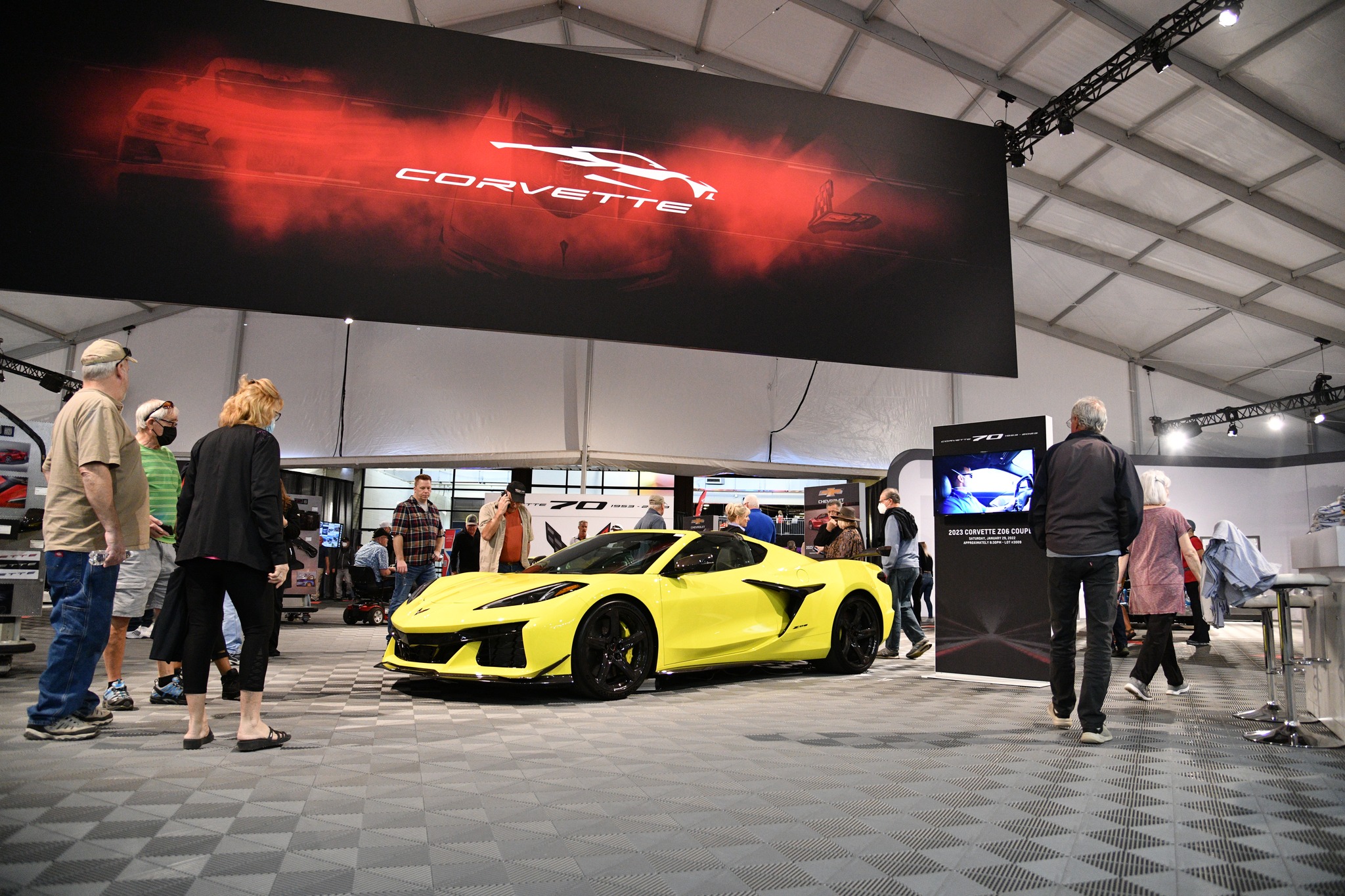
The C8 Z06 was officially launched in October 2021, with production said to start in winter this year. Pricing in the US is expected to begin at around US$90,000 (AU$127,265).
GMSV has already confirmed to MOTOR a RHD version of the Z06 will be coming to Australia, with more details expected to be announced mid-2022.
Snapshot
- 2017-2019 Hyundai IONIQ recalled
- Issue can lead to unintended acceleration
- A total of 246 cars are included
Hyundai has recalled a total of 246 examples of the IONIQ built between 2017 and 2019 due to a potential issue with the vehicle’s fail safe mode.
According to a recall notice published by the Department of Infrastructure, if the system is activated the “EV ready lamp will flash accompanied with reduced acceleration and a loss of motive power.”
The notice also states the issue may also cause unintended acceleration.
Hyundai will contact affected owners, but the company can be reached directly by calling 1800 186 306 or visiting a dealership, found here.
You can check a list of all 246 VINs related to the recall by clicking here.
Volkswagen Australia is recalling more than 2000 examples of its T6 van as the front doors may not shut properly.
The issue affects 2295 T6.1 vehicles, including the Multivan, Transporter and Caravelle, made between 2020 and 2021.
Due to a manufacturing problem, the locking mechanism on the front doors may not latch and could remain stuck in the open position.
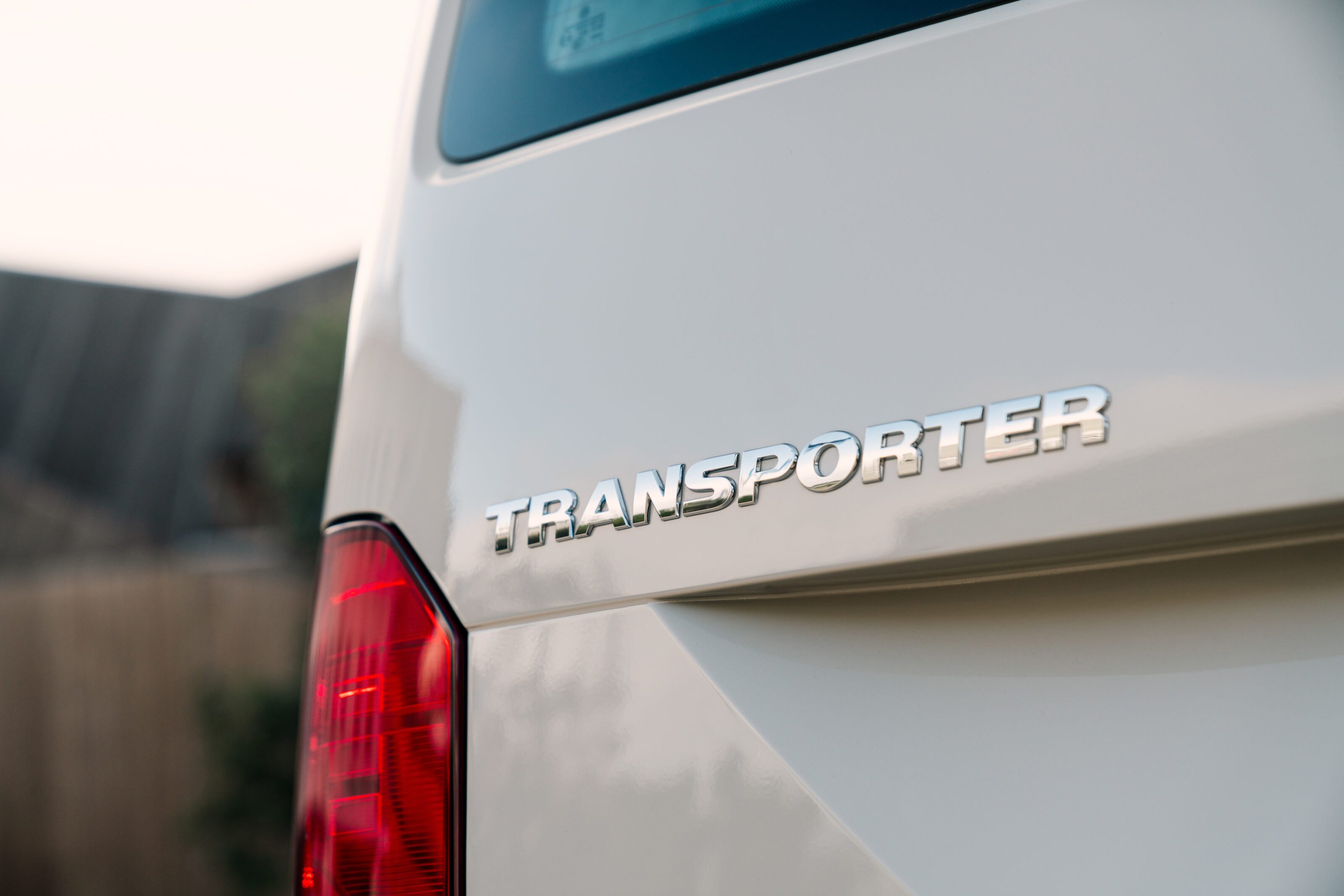
If this happens, the door can open while driving – increasing the risk of serious injury or death to vehicle occupants or other road users.
Owners of affected vehicles can contact their authorised Volkswagen Dealer to schedule an appointment to have the work carried out free of charge.
For further information, VW can also be contacted on 1800 504 076.
A list of VINs for the vehicles involved is available here.
