
Key Points
- 70.27kWh battery pack expected to be used
- 250kW/410Nm electric motor powers the rear axle
- Tipped to go on sale in China next year
UPDATE, January 5, 2022: The new China-only BMW i3 electric sedan’s specs have been leaked shortly after news of the car first broke, giving a better idea of what will underpin the four-door.
A 70.27kWh battery pack will be used to provide energy which powers the i3’s 250kW electric motor, producing 410Nm of torque and achieving a driving range in excess of 520km on the NEDC cycle.
External dimensions aren’t dissimilar from its internal combustion engine-powered 3 Series counterpart – length is now 4872mm (+43mm), width is bumped up to 1846mm (+19mm) and height now stands at 1481mm (+18mm).
According to BMW Blog, the interior will feature BMW’s iDrive 8 infotainment system with two LCD screens – likely borrowed from the i4 and iX – while 5G mobile network functions are also expected to be included as standard equipment.
The story to here
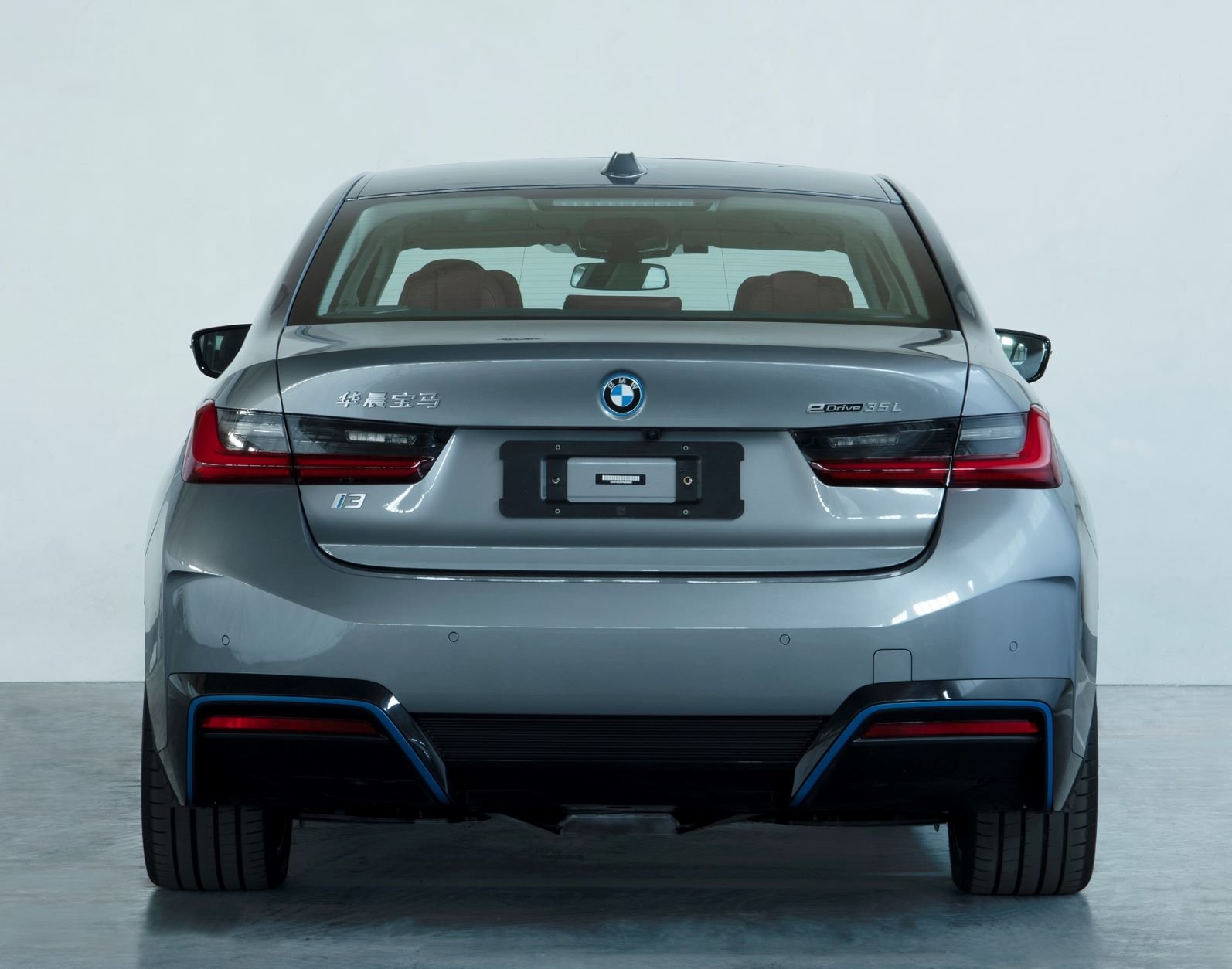
December 9, 2021: BMW’s latest electric vehicle has been revealed as a Chinese market-only 3 Series, adopting the i3 name previously used by its revolutionary EV.
Leaked documents from China’s Ministry of Industry and Information Technology show an application for the BMW i3 to be sold in the world’s largest new car market, detailing the tech specs of BMW’s latest EV.
Powered by a 250kW electric motor on the rear axle, the i3 features eDrive 35L badging on the boot, likely referencing the rear-wheel electric drivetrain (as opposed to xDrive AWD) and its 335 horsepower output.
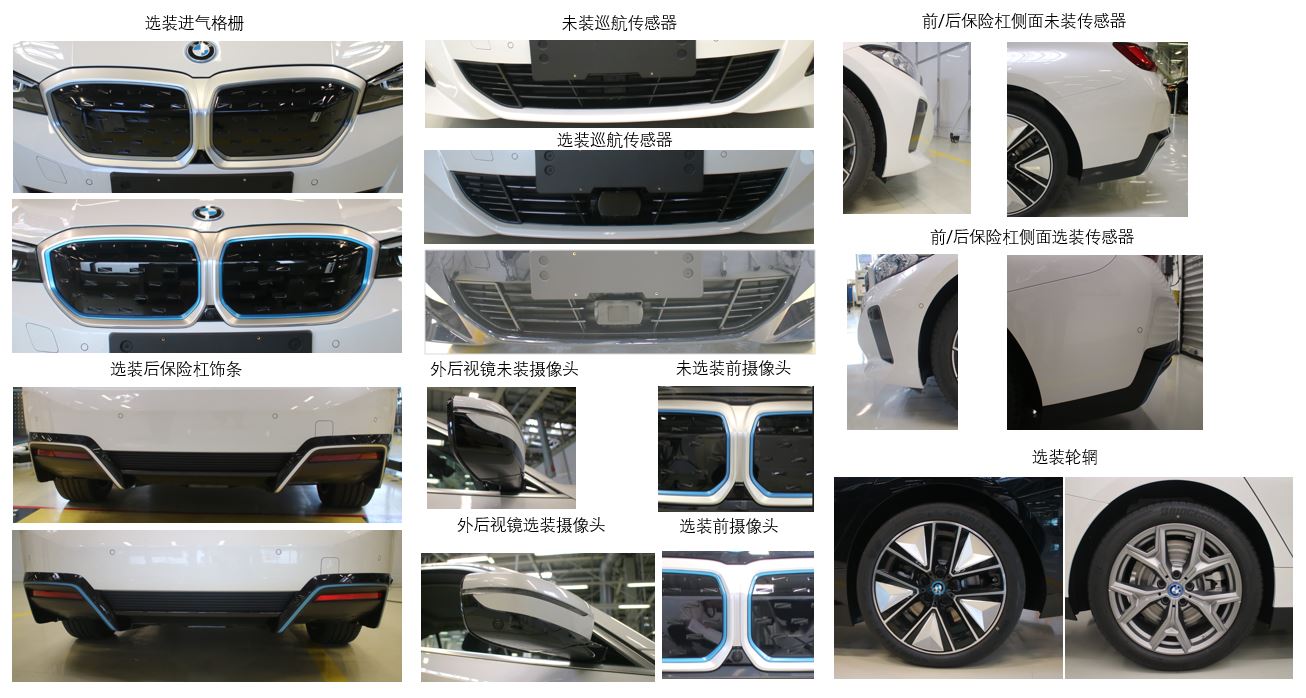
The documents claim a top speed of 180km/h, which is reasonable given the i3’s 2029 kilogram kerb weight, while the car is fitted as standard with 18-inch wheels all round, upgrading to 19-inch alloys for those who want them.
Also shown off are the optional extras available for the i3, with BMW’s distinctive grille given blue highlights (as per the rest of its electric range) in addition to different lower valances.
It’s not yet known whether we’ll see an all-electric 3 Series on the road outside of China in the near future, but with BMW pushing for a wider range of EVs starting with the i4, iX3 and iX, it’s likely the i3 will serve as an experiment in popularity amidst the world’s most competitive new car market.
Snapshot
- Artura production pushed back to July
- First examples were expected to be launched in October 2020
- Increased chip demand has led to surge in prices
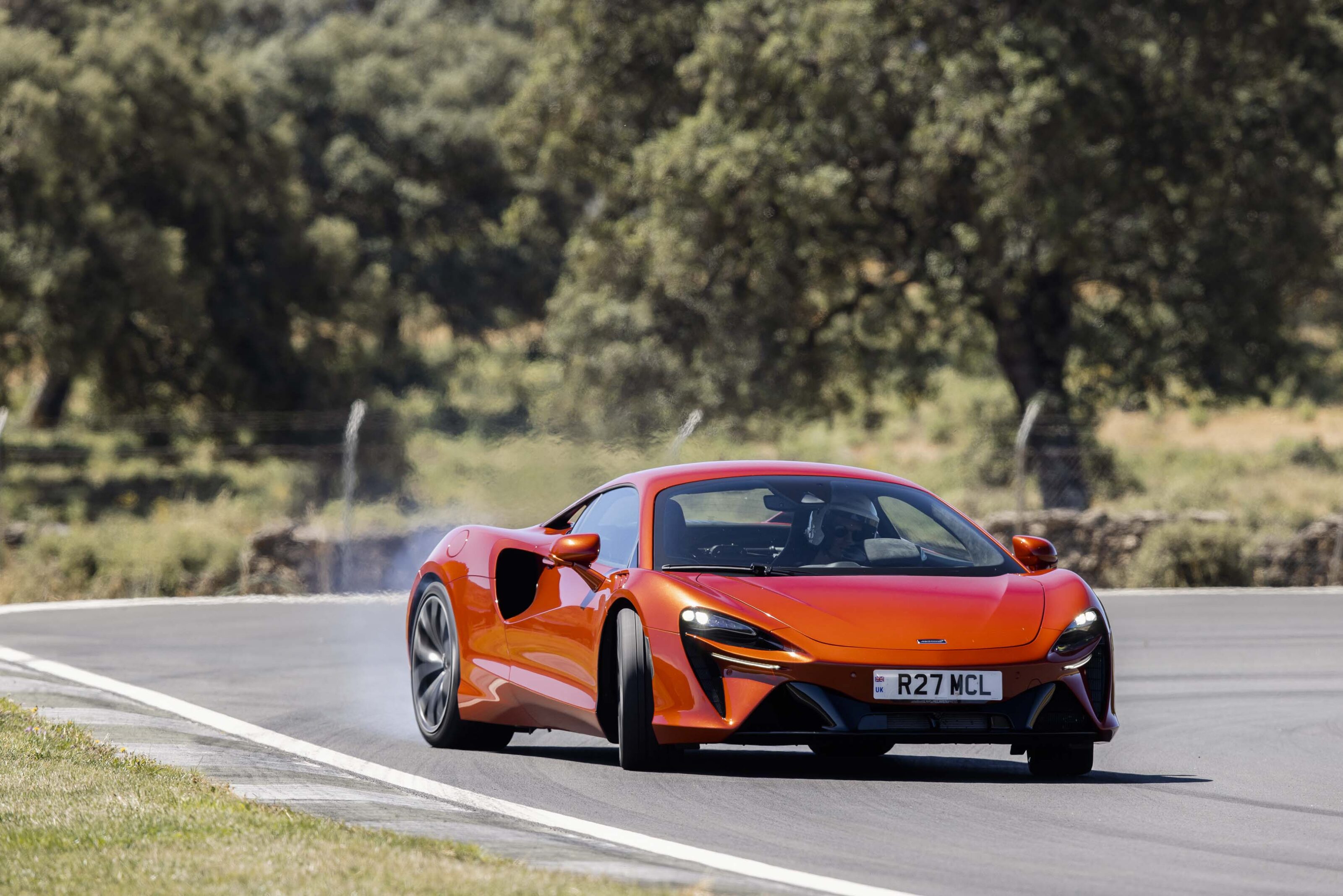
McLaren has confirmed production of its first plug-in hybrid (PHEV) supercar has been delayed with the ongoing semiconductor shortage hampering the Artura’s launch.
As reported by Automotive News, the twin-turbo, V6 PHEV has been pushed back yet again thanks to the ongoing chip crisis, with the first customer deliveries now expected to begin in July.
Initially slated to go on sale from October 2020, this then became June 2021 after the first wave of semiconductor supply issues pushed back production, followed by a second delay which saw the British manufacturer announce the Artura would be available in the fourth-quarter of last year from $449,500 locally.
UPDATE, June 2022: Artura driven!
We’ve finally driven the new McLaren Artura, and it’s quite a thing. Catch our review at the link below.
The Artura I’ve just driven is still a work in progress. A car that’s not yet finished. Let me explain.
The story to here
A McLaren spokesperson told Automotive News it had pushed through the supply constraints until now, having finally run out of chips as prices of the valuable commodity have risen ten-fold over the past year.
“We held on longer than everybody else in terms of stopping production, but unfortunately, our semiconductor supply dried up,” said the spokesperson.
“That made us have to reduce production across the board.”
The Artura will be McLaren’s first series-production hybrid vehicle, riding on its new Carbon Lightweight Architecture which is set to underpin its future range of hybrid vehicles, coupling its 3.0-litre V6 engine with an electric motor and 7.4kWh battery pack.
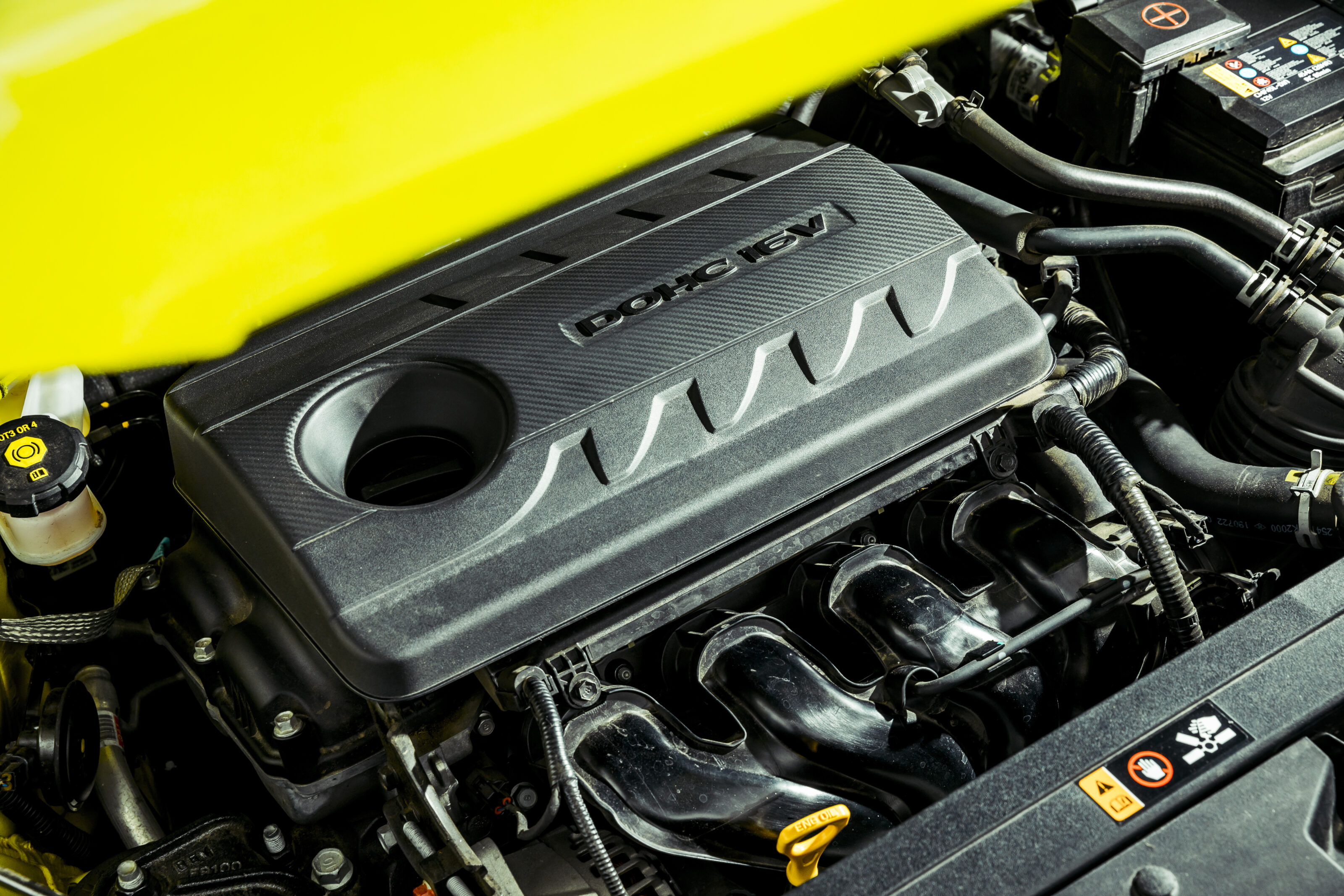
UPDATE, January 5, 2022: Hyundai has issued a statement confirming it has not entirely abandoned the development of internal-combustion engines.
Representatives for the company told Motor1: “Hyundai Motor Group can confirm that it is not halting the development of its engines following recent media speculation.”
However, while the Korean car giant may not have entirely turned its back on diesel and petrol engine development, it’s possible there’s an element of truth from earlier reports.
Hyundai has been one of the more aggressive manufacturers when it comes to pursuing electric and hydrogen powertrains. But despite this, internal-combustion will remain a key form of propulsion in many markets for the remainder of this decade.
The story to here
December 30: Following reports last week of Hyundai stopping development of diesel and petrol engines to focus solely on zero-emission powertrains, new information out of Korea suggests the carmaker has also turned its back on hydrogen.
Local newspaper The Chosun Ilbo (via The Korean Car Blog) is claiming Hyundai has halted the Genesis hydrogen car project, due to its third-generation hydrogen fuel-cell system falling short of expectations.
The company is said to have significantly reduced the role of the department responsible for developing hydrogen propulsion within the organisation.
However, South Korean publication Maeil Business has since published a denial from Hyundai Motor Group, stating its fuel-cell development of the Genesis fleet “remains intact”.
The car giant has been a staunch advocate of hydrogen technology in recent years, with significant support provided by the Korean government to help roll out hydrogen infrastructure in the country.
Given the hydrogen-powered Genesis isn’t expected until 2025 at the earliest, it’s possible the project has encountered setbacks, but the extent to which may not be known for a number of years.
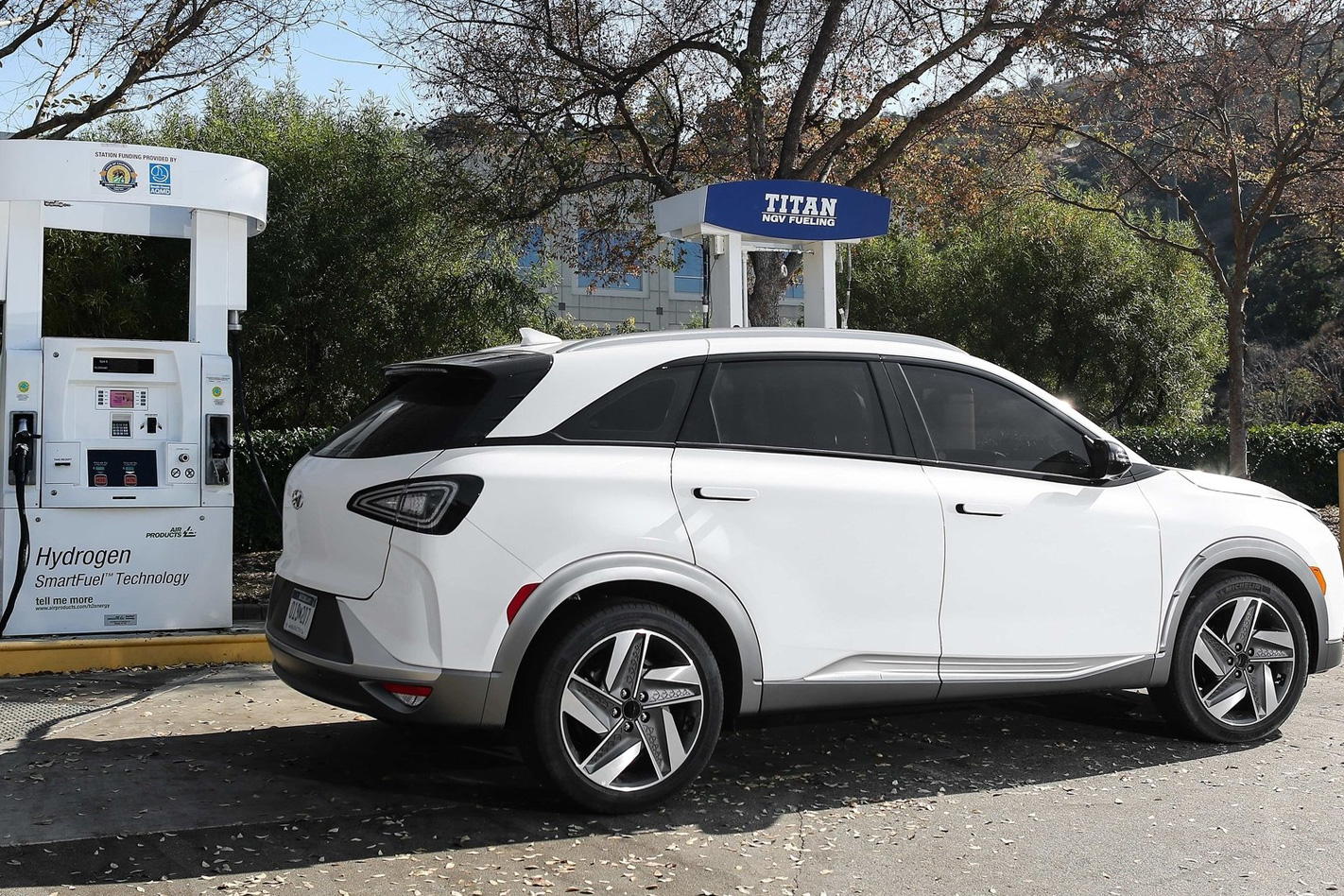
December 24: Hyundai Motor Group’s research and development centre will shift its focus away from internal-combustion engines (ICE) and towards electric and hydrogen propulsion.
According to Korean publication Daum, Hyundai’s R&D department has abandoned petrol and diesel engines, with its personnel of 12,000 directed to accelerate development of zero-emission powertrains.
An email sent to Hyundai executives and employees from newly-appointed R&D boss Park Jung-guk said: “The transition to electrification is now inevitable,” with industry insiders suggesting the transition began on December 17.

A report from June suggested the Korean car giant was looking to slash the number of ICE vehicles it produces by as much as half, with senior executives approving a plan to aggressively pursue electric development as early as March.
It’s understood Hyundai’s first petrol engine was created in 1991, marking three decades of rapid growth in the area of powertrain development.
Hyundai Motor Group has been forthcoming about its intentions to move towards an 80 per cent zero-emissions model range by 2040, with its Ioniq line-up set to expand this decade.
Where would we be without YouTube? Less distracted, most likely.
YouTube is a hub of short snippets from ’80s TV shows you vaguely remember, American adolescents teaching the world how to play Minecraft and, of course, cat videos. But it is also a treasure trove for automotive content, and with the world closed off, we all felt even more desperate to get our vehicular fix this year.
Below is a small selection of some of the best videos to appear on the service this year, including some by our friends at Wheels and MOTOR.
Smith and Sniff – Bond Car Bingo
Given a lot of people at WhichCar are united by the same passion – cars, mainly – quite a few of us have outed each other as fans of the Smith and Sniff podcast, hosted by former Fifth Gear presenter, Jonny Smith, and former Top Gear/The Grand Tour script editor and Sniff Petrol founder, Richard Porter.
While the duo’s pod has seen it become one of the most popular lifestyle programs in the UK, it started years ago as a weekly video series before it turned into an audio-only experience.
Lovers of arcane car facts and film, the pair made use of the relaxed restrictions earlier this year and made a video en route to the premiere of the latest James Bond film, No Time To Die.
If you’ve got a spare 47 minutes and a love for Bond movies, this is the niche video for you – just make sure you watch NTTD first if you want to avoid spoilers, on that side of things.
MOTOR – 2021 RTR Ford Mustang review
There’s a reason why Scott Newman goes by the Instagram handle, @addictedtosliding.
As if MOTOR‘s associate editor needed any encouragement, someone at Mustang Motorsport decided to throw him the keys to their RTR Ford Mustang and told him to have fun at the testing facility at Bryant Park.
With 559kW and 908Nm on tap from its supercharged Coyote V8 engine, it didn’t take long for Scotty to send up smoke signals from the rear tyres in a car which was designed by Formula Drift champion Vaughn Gittin Jr “for fun-havers”.
Despite its propensity to get sideways enough for the side windows to be covered in more bugs than the windscreen, the RTR posted a highly respectable time – although you’ll have to watch to see exactly what it was.
TALLADEGA: NASCAR’s Most Feared Track
Call me a racing tragic – you’ll be correct – but there’s something to be said for people who dedicate their own time and money into making niche content which big brands wouldn’t dare touch.
NASCAR might be the most popular motorsport in the United States, but its international appeal pales in comparison to that of Formula One… right?
Will Ferrall might have made the super-speedway famous in the 2006 comedy film Talladega Nights: The Ballad of Ricky Bobby, but the 1.1 million views on this home-made video by EmpLemon shows there’s a lot of love for historic NASCAR content.
Detailing the history of the fastest circuit in America, it’s an hour-long labour of love which shows off the drama, tragedy and coincidental history of Talladega.
If you’re into racing history or just history in general – especially that of Indigenous Americans – this is a great way to spend an hour, and I promise you’ll be entertained as well as informed along the way.
Wheels – Massive 4×4 Dual Cab Test
Who’d have thought a country so obsessed with dual-cab utes would love to see them directly compared against each other?
Back in May, the Wheels team did just that, taking 11 of the top-selling dual-cab 4x4s on the market to put them through their paces.
From entry-level models to the upper echelons of the market, no stone was left unturned to investigate just which vehicle is best when all factors are considered.
You know the drill by now – go watch to see the results and how our expert team came to its conclusions.
Travis Pastrana – Mt. Washington Hillclimb Record
There aren’t too many mind-bending things for cars to do anymore, with over 120 years of evolution leading to a peak of what vehicles can achieve.
However, as with most things in life, the squishy nut behind the wheel is the limiting factor – which is exactly where Travis Pastrana comes in.
If you don’t know who Travis is, he can best be summed up as a combination of Evel Knievel and Colin McRae – one part action sports athlete, one part extreme competitor.
Utilising the heavily modified Subaru WRX STI which featured in Gymkhana 2020, Travis returned to Mt. Washington in an attempt to beat his own hillclimb record set two years prior – and boy, did he beat it.
Think of Mt. Washington as a tighter, narrower and shorter version of Pikes Peak, leaving the driver no time to rest, nor margin for error. The on-board shots in particular are enough to turn anyone’s eyes into dinner plates.
Snapshot
- 2021 Mercedes-Benz C-Class and S-Class recalled
- The issue can mean the MBUX infotainment system will stay on
- A total of five vehicles are included in the recall
Mercedes-Benz Australia has recalled a total of five examples across the 2021 C-Class and S-Class range due to a potential issue with the cars’ MBUX infotainment system.
According to a recall notice published by the Department of Infrastructure, a software issue means aspects of the system will not deactivate when the vehicle begins moving, potentially creating a distraction for the driver.
Mercedes-Benz will contact affected owners, but the company can be contacted directly by calling 1300 300 896 or visiting a dealership, found here.
You can check a list of all five VINs related to the recall by clicking here.
There are two things you should know about MOTOR editor, Andy Enright. The first is that anyone he’s met almost everyone worth meeting in the automotive industry. And the second is that he’s humble. Consequently, it shouldn’t have been a surprise to hear him regale the story of getting into the back of a unicorn BMW 530 MLE at South Africa’s iconic Kyalami race track.
What’s more, former BMW M boss Markus Flasch is up front with the man responsible for not only building, but also restoring the car he’s in riding shotgun. It’s not only yet another cool ‘Andy story’, it’s also a significant car. In terms of BMW’s renowned Motorsport moniker, this is genesis.
Yet, no one knew it at the time – the M1 of 1978 is often touted as the beginning, but its premiere was two years after the E12 530 MLE.
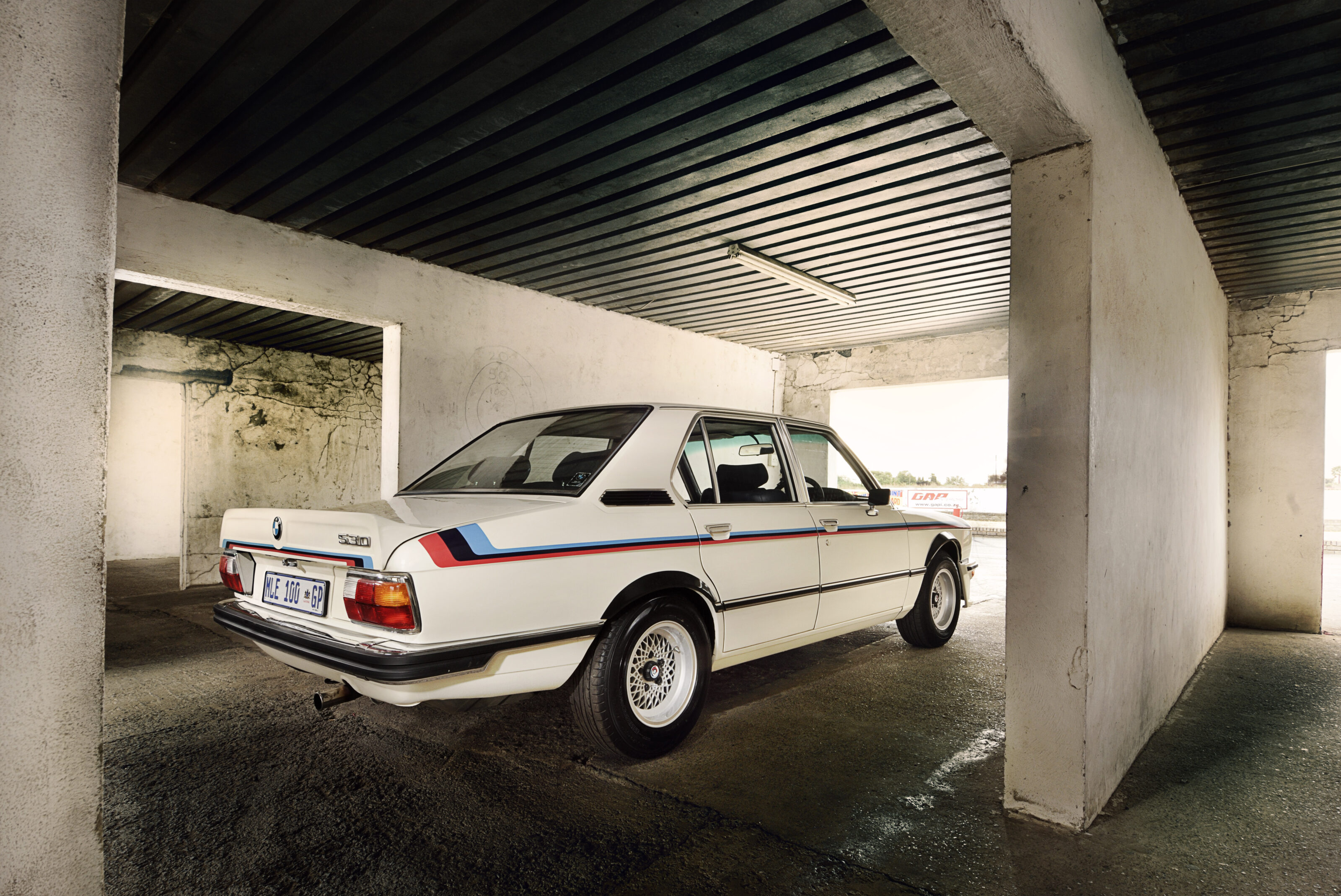
Due to apartheid, South Africa missed out on a lot of performance cars. So, it made its own. And with BMW SA’s desire to go racing in the Modified Production series, 100 road-ready homologation specials needed to be built. Between 105 and 110 were made, with donor E12 525 chassis’ being plucked off the production line at the Rosslyn plant in Pretoria.
From there they were hand-built into the 530 MLE, with holes cut into things like the parcel shelf, C-pillars and under the seats to bring the kerb weight down to 1233kg. The nature of the modifications also means than no two cars are identical.
For 1976, the MLE was special mechanically, too. The M30 engine received a hotted-up camshaft, higher-compression Mahle pistons and twin Zenith carbs. Raw figures sat at 147kW and 250Nm (which is believed to be underquoted), while 100km/h ticked over in 9.3 seconds.
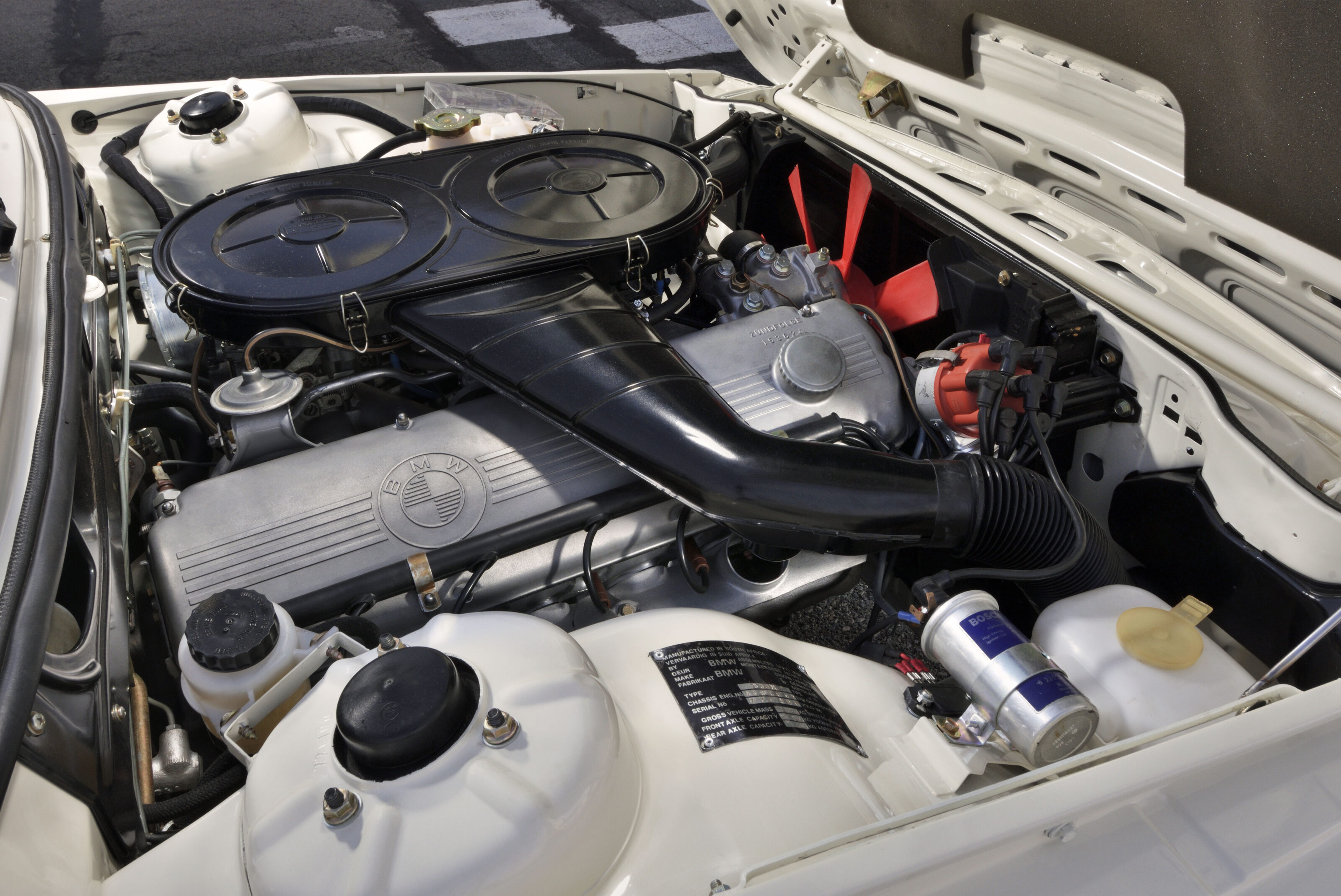
A BorgWarner dogleg five-speeder took care of the gears, while a BorgWarner LSD put the power down through skinny 195/70 R14 tyres (wrapping BBS wheels). Bilstein shocks with firmer springs and discs all-round made it a competent steerer.
All the initial Paul Bracq-designed cars were white, while the tricolour stripes that are now synonymous with BMW M happened by chance. On the inside, Scheel sports seats trimmed in blue velour features along with a wooden gear knob and a Italvolanti steering wheel. Ultimately, it’s the VIN plate that gives away the four-door’s important status, reading ‘530 M’. Oh, and if you’re wondering what Enright thought of the 530 MLE. Apparently, it “smelt great”.
Winning ways
To say that the MLE was a racing success is an understatement. It won 15 out of 15 races in its first season. An extra 100 units were built on top of the initial batch, but they were watered-down versions.
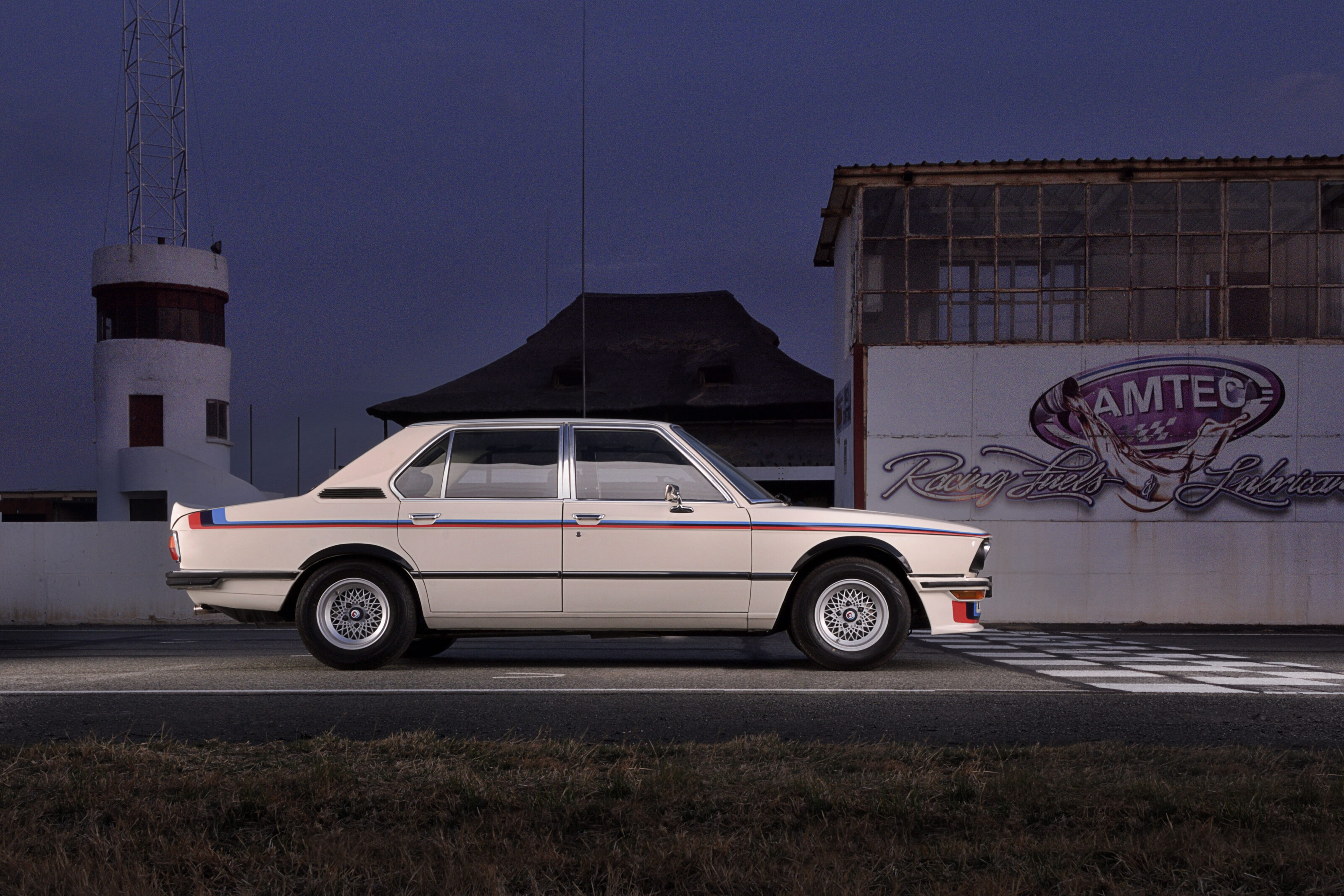
BMW 530 MLE specifications
Full pricing for the 2022 Ford F-150 Lightning has been leaked online, with buyers in the US able to get their hands on the electric pick-up from US$39,974 (AU$55,600), with the flagship Platinum variant costing US$90,874 (AU$126,400).
Ford has just undercut the Tesla Model 3 by US$16 with the F-150 Lightning Pro – a model designed for tradies and commercial fleet customers – with the family-friendly XLT variant starting from US$52,974 (AU$73,700).
Sitting between the XLT and the Platinum is the mid-range Lariat, priced from US$67,474 (AU$93,800), according to information posted on the F150gen14 forum.

F-150 models fitted with the 98kWh standard-range battery get up to 386 kilometres of driving range with 318kW and 1051Nm on tap, while the long-range option ups the battery to 131kWh and 483km of range, with power increased to 420kW.
Leaked internal documents show Ford is forecasting the long-range F-150 Lightning Lariat will be the most popular model for retail customers.
Ford Australia is understood to be evaluating the F-150 for our market, but it’s unlikely the pure-electric Lightning will even be considered for the foreseeable future.
“The Vision EQXX is how we imagine the future of electric cars,” says Mercedes-Benz chairman Ola Källenius. “It underlines where our entire company is headed: We will build the world’s most desirable electric cars.”
That’s quite some mission statement, especially for a carmaker that effectively established the template for the modern internal combustion engine motor vehicle more than 120 years ago.
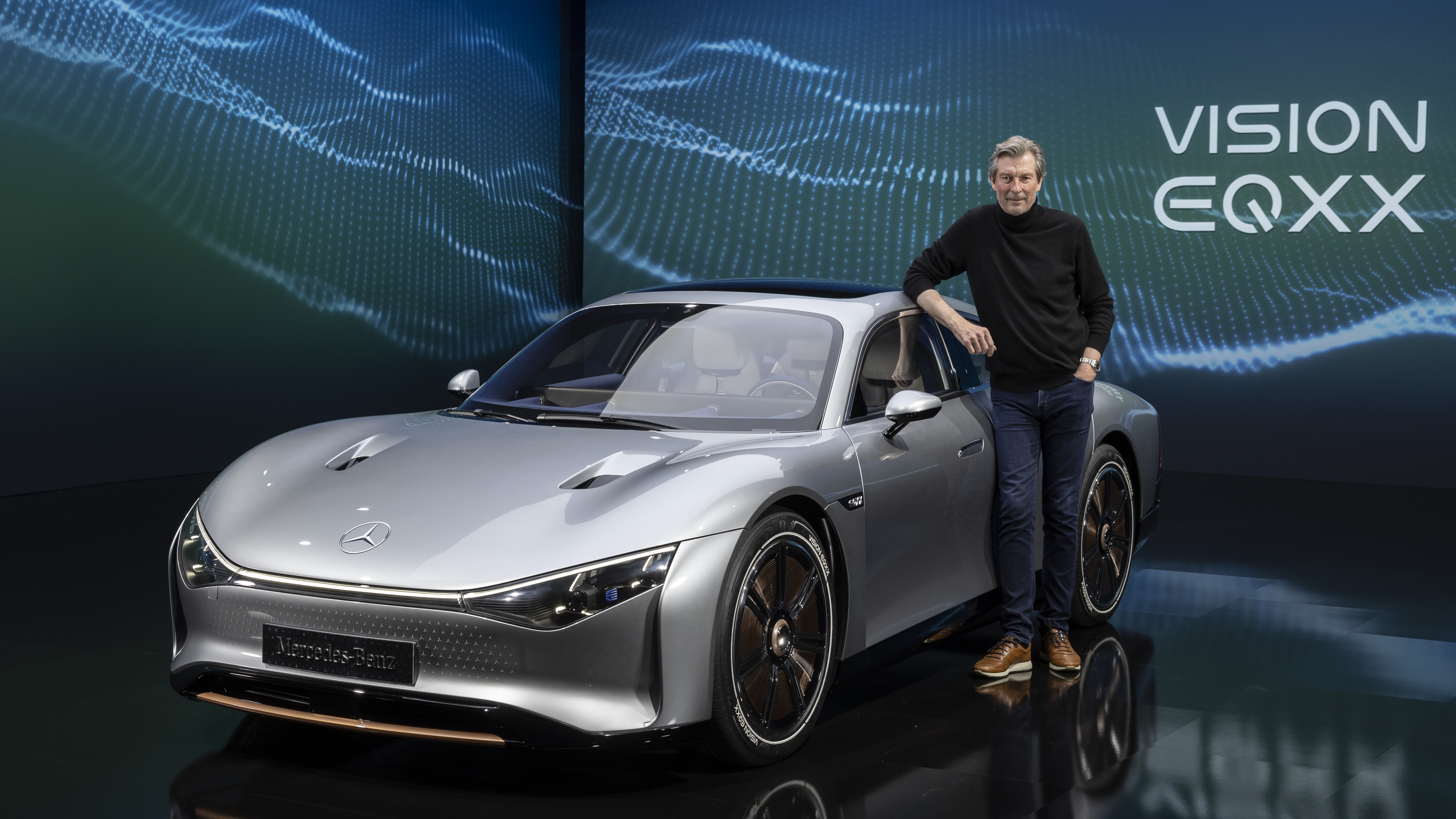
Put simply, the Vision EQXX represents a profound intellectual and technological inflection point for Mercedes-Benz. A fully functional prototype that explores the outer limits of electric vehicle efficiency, connectivity, and production feasibility, the EQXX shows what’s possible when a pillar of the automotive establishment turns its massive research and development resource entirely to thinking about designing and engineering a better electric vehicle.
This Mercedes puts over-hyped, over-valued electric vehicle startups such as Tesla, Lucid, Faraday Future, Nikola, and the rest on notice.
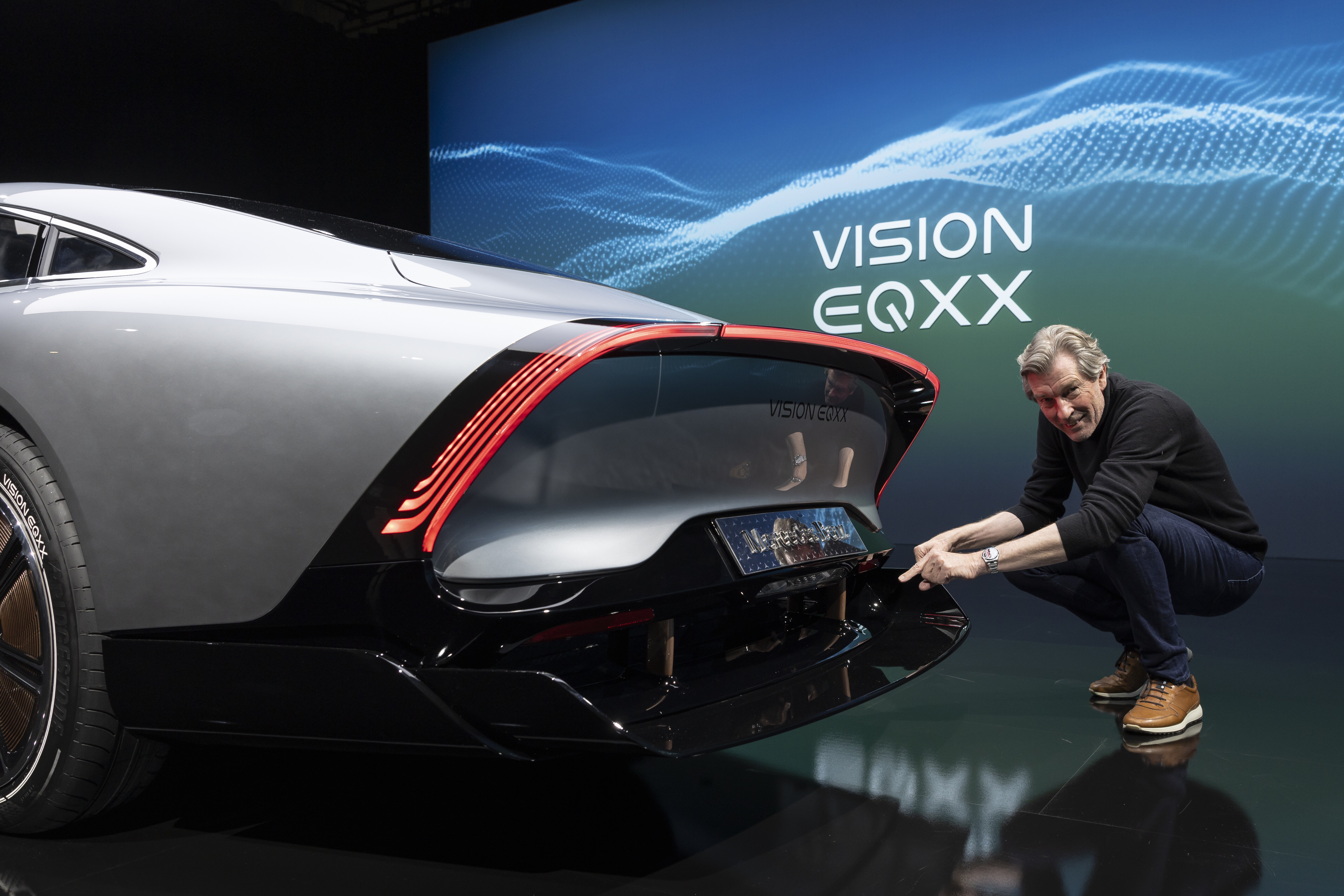
Here’s why: The Vision EQXX has been designed and engineered to travel more 1000 kilometres on a single charge of a battery with just under 100kWh capacity, slightly less than that of the battery which powers the three-pointed star’s electric flagship, the Mercedes-EQ EQS.
In simple terms the Vision EQXX is 39 per cent more efficient than the EQS 450+ (780km driving range, 108kWh battery) and 21 per cent more efficient than even the most frugal Tesla, the base Model 3 (491km range, 60kWh battery).
This Mercedes changes the conversation around EVs away from today’s almost total focus on driving range as a function of battery capacity, to being a function of a holistic approach to vehicle efficiency. And there are good, practical reasons for this approach, says Adam Allsopp, advanced technology director at Mercedes-AMG High Performance Powertrains (HPP): “In effect, we fitted the energy of the EQS into the vehicle dimensions of a compact car.”
That long tail flatters to deceive: The Vision EQXX is indeed a compact car. Its 2800 millimetre wheelbase is 76mm shorter than that of a Tesla Model 3, and right between those of the current A-Class and C-Class sedans. By way of comparison, the EQS rolls on a 3210mm wheelbase.
HPP, which designs and builds the fiendishly complex and highly efficient Mercedes Formula 1 hybrid powertrains at its facility in Brixworth, England, worked on every element of the EQXX drivetrain to reduce energy consumption and losses. HPP also designed the EQXX’s power inverter, and the electronics unit is the same one HPP helped develop for the Mercedes-AMG Project ONE hypercar.
To reduce its size and weight, the EQXX’s battery dispenses with the conventional method of packing cells into separate enclosed modules, and has a lightweight top cover made from sugar cane waste reinforced with carbon fibre – a materials technology used in Formula 1. Tipping the scales at 495kg, the battery has an energy density of more than 200Wh/kg.
Mercedes says this high energy density comes, in part, from the chemistry of the anodes, which have a higher silicon content and an advanced composition that means they can hold considerably more energy than commonly used anodes. The battery also has active cell balancing, which means power is drawn evenly from all cells. The EQXX system is very high voltage – more than 900V, well above the industry standard of 400V and even the 800V used in the Porsche Taycan.
The battery is only passively cooled, by the airflow under the car. How practical is that? “We want to find out,” says EQXX powertrain engineer Tim Wölfel, disarmingly reinforcing the idea the EQXX is a proper working concept, not motor show eye candy.
“What we are thinking is that each battery cell heats itself, and if we know the cell well, we can control the temperature of the cell. A lot of resource is being put into this. We have to find out what is the best state of charge.”
The Vision EQXX is powered by a single 150kW e-motor mounted at the rear of the car and driving the rear wheels. The e-motor is based on the eATS unit that currently powers the compact EQA hatch and the newly launched EQB SUV, but it has been extensively reworked with the help of HPP engineers. “The motorsport guys count every joule of energy,” says Wölfel, who points out the EQXX’s drivetrain is 95 per cent efficient.
Mercedes aerodynamics specialists say 62 per cent of the energy stored in the battery of an electric vehicle will be consumed simply by pushing it through the air on an average long-distance drive. That simple stat is the reason the EQXX has a drag co-efficient of just 0.18.
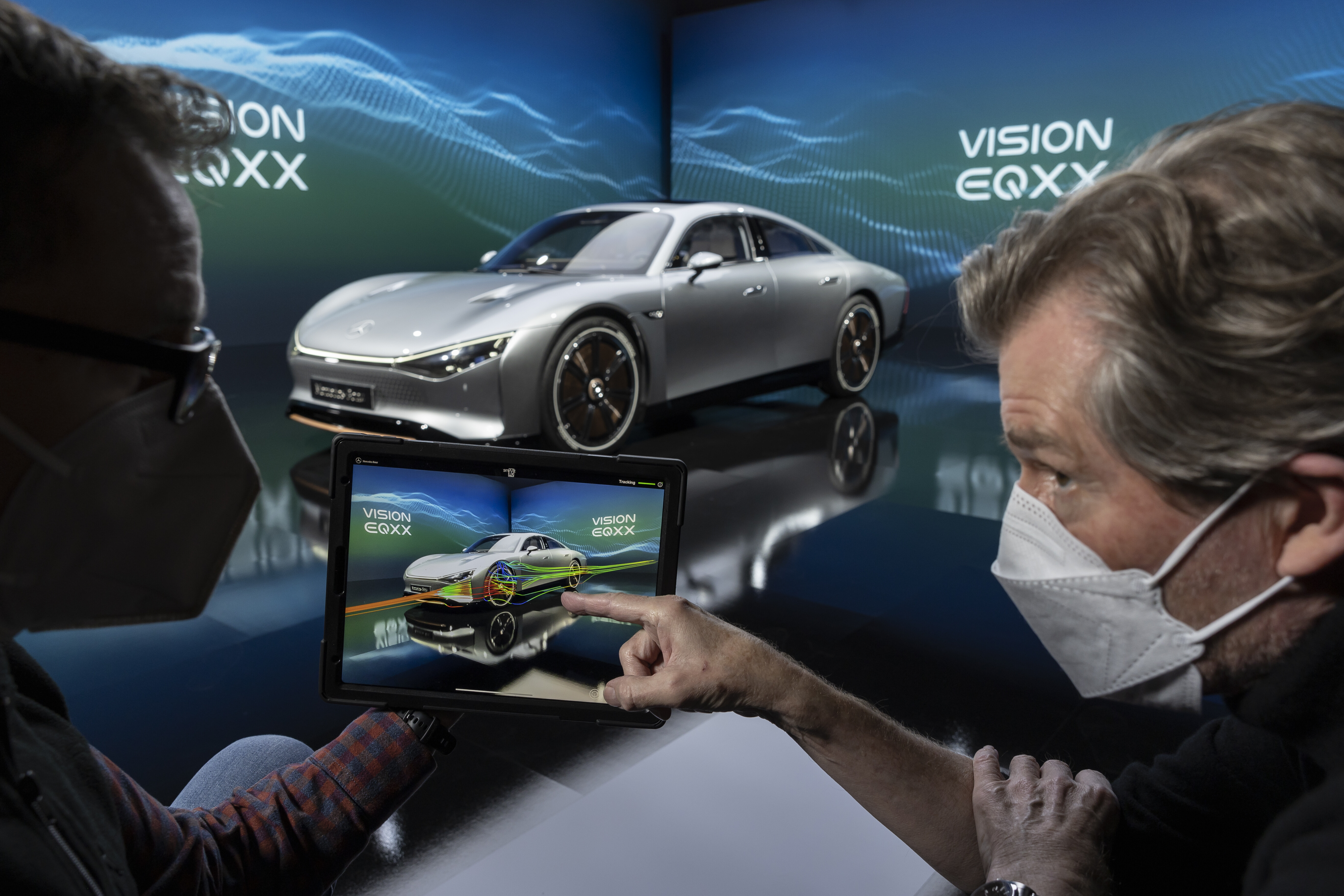

In profile and plan view the EQXX has the classic teardrop shape of extreme wind cheaters such as GM’s ground-breaking EV1 and the Volkswagen XL1 hypermiler. Both cars were referenced by EQXX engineers, along with Mercedes’ own 1938 540K Streamliner, the Concept CIII of the 1970s and the Concept IAA unveiled at the 2015 Frankfurt Show, all of which boasted drag co-efficients of 0.19 or 0.18. To get that shape the rear track is 50mm narrower than the front, and the cabin tapers dramatically above the car’s voluptuous hips.
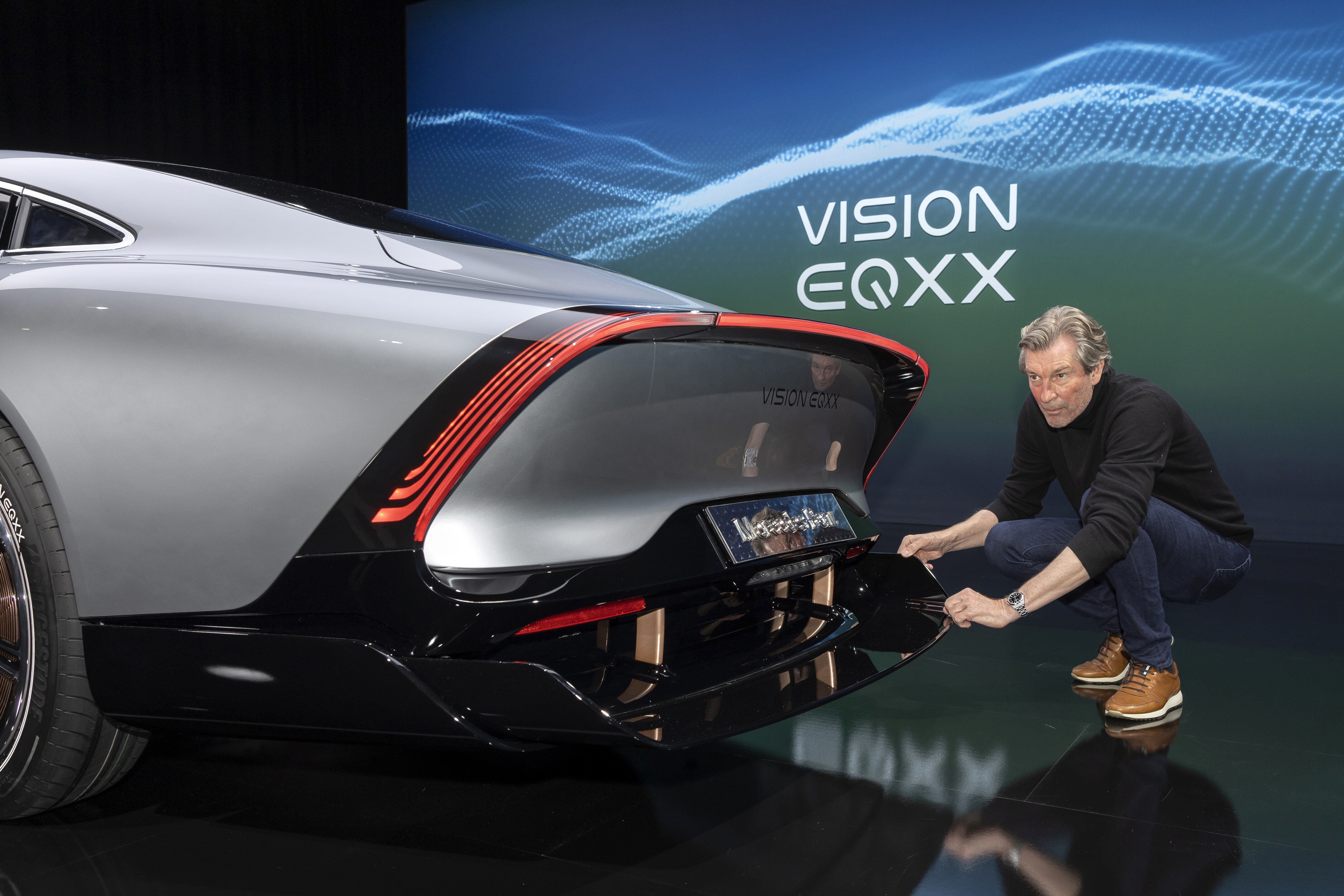
Up front, a shutter system will open to allow air to pass over a cooling plate for the e-motor if needed. Air is also directed around the front wheels to form an air curtain and help keep the flow attached to the side of the car to reduce drag. The long tail helps reduce wasteful turbulence in the car’s wake, with an active rear diffuser that automatically lowers and extends at 60 to 70km/h to help keep the speed of the air coming from under the car equal to that streaming off the sides and top.
The EQXX’s body is made from ultra-high strength steel to improve occupant protection in the event of a crash. The doors are made from a hybrid of carbon and fibreglass reinforced plastics with aluminium reinforcements. A new polyamide foam reinforces the lower edge of the door and optimises energy absorption in a side-on collision. The roof is covered with solar panels.
Some of the most innovative bits of the EQXX’s structure is stuff you can’t see, such as the large cast aluminium component that extends from the rear floor and provides mounting points for the rear suspension and the e-motor and forms the inner rear wheel wells.
This casting is made using a patented process called Bionicast that creates a structure that mimics the load and strength paths of natural organisms, reducing excess material to a minimum. As a result, there isn’t a single straight line or flat surface on the part.
The Bionicast process, which has been used to create the front shock top mounts on the EQS, eliminates material from anywhere it’s not needed to preserve structural integrity, which means the EQXX’s wheel-well inner elements are full of large holes.
To fill them, Mercedes uses a plastic sustainable plastic substitute developed by an Israeli startup called UBQ Materials that’s made from typical landfill rubbish, such as; food and garden waste, as well as mixed plastics, cardboard and even disposable nappies. The combination of the Bionicast process and UBQ patches can reduce the weight of large structural castings by 15 to 20 per cent, according to Mercedes
EVs, even high-performance ones like Porsche’s Taycan Turbo S, aren’t usually hard on their brakes because a lot of braking is done using regen. The EQXX is thus fitted with coated aluminium brake rotors rather than steel or carbon composite units. The aluminium rotors save 13 kilograms over conventional steel units and are considerably less expensive to make than carbon composite ones.
Other innovative weight saving tricks include the use of fibreglass-reinforced plastic (FRP) rear springs. Unlike the simple FRP leaf used on Chevrolet Corvettes from 1984 to 2019, however, the EQXX springs look like 100mm wide, 13mm thick strips of plastic folded into a serpentine shape. Developed in partnership with German supplier Rheinmetall Automotive these strange looking pieces are said to be much lighter than conventional coil springs.
Behind the EQXX’s beautifully styled flush wheel covers are ultra-light, 20-inch forged magnesium alloy wheels. They are shod with specially developed Bridgestone Turanza tyres that are also lightweight and have ultra-low rolling resistance.
All this attention to detail has kept the overall mass of the EQXX to around 1750kg, says Mercedes-Benz. By way of comparison, that’s just 138kg more than the base single motor Tesla Model 3, which has about 60 per cent the battery capacity and can travel less than half as far between charges, and 730kg lighter than the single motor Mercedes-EQ EQS 450+.
Once you get past the easy wins in terms of aerodynamics, powertrain optimisation, and weight reduction, the efficiency devil is in the details. And the EQXX brims with clever technologies and features that are designed to help the car extract the most performance from every joule of energy it consumes.
The 117 solar panels on the roof of the EQXX feed into a 12V system that powers many of the car’s ancillaries. On a good day, says Mercedes, the system will lower the draw on the 900V system enough to deliver a 25km bump in the range.
Sensors around the car monitor the airflow so the EQXX can calculate the positive or negative impact of changes in wind direction on energy consumption. Combining all that data with detailed terrain and traffic information, the EQXX will constantly calculate and display a speed that delivers maximum efficiency.
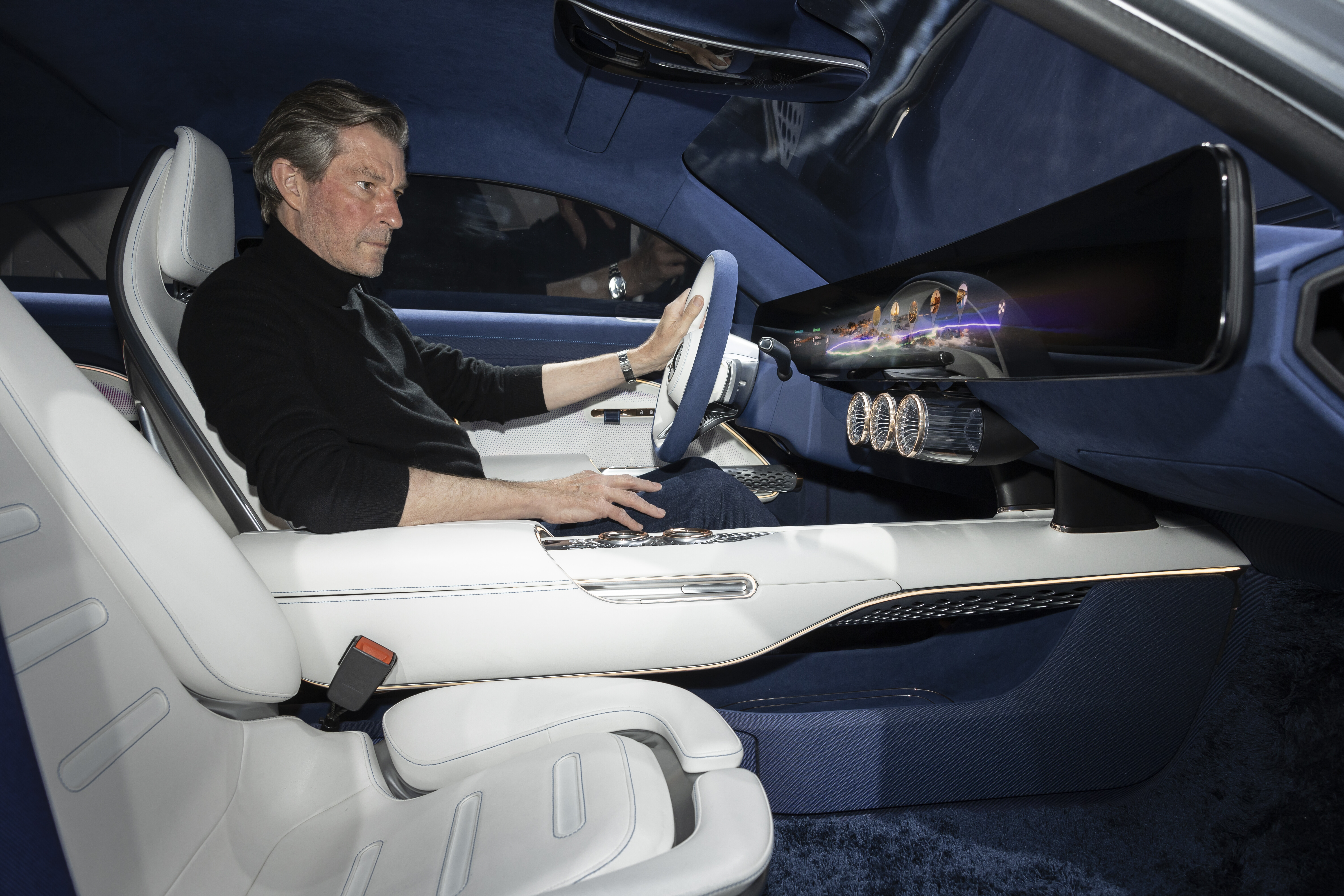
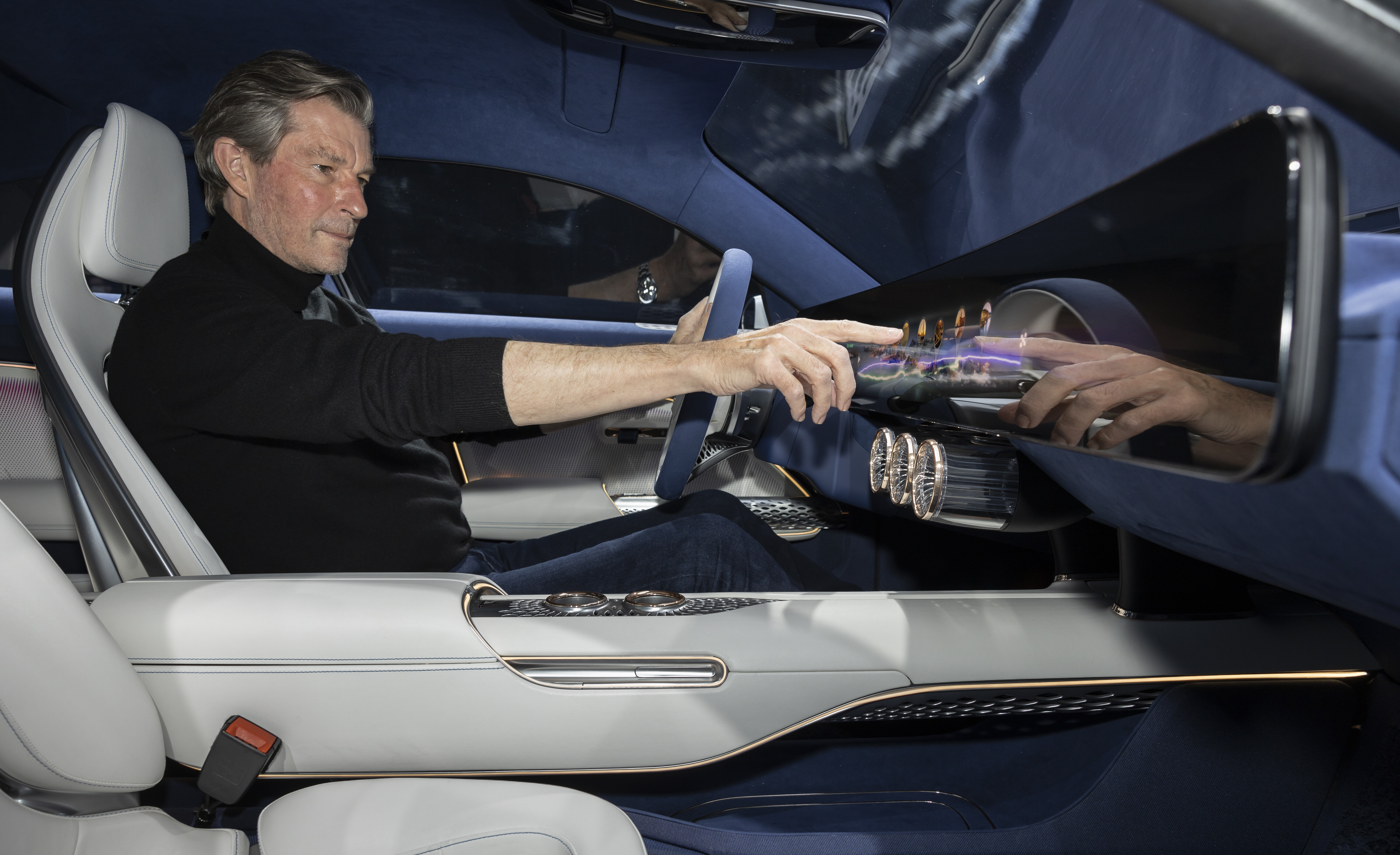
The curved 8k screen that stretches between the A-pillars makes the most of the EQXX’s crisp and sparkling game-engine-powered graphics, including a real time 3D navigation display. The mini-LED backlit screen features more than 3000 local dimming zones, which means it only consumes power as and when specific parts of the screen are in use. The EQXX has conventional external rear view mirrors because engineers concluded a camera system like that used on Audi’s E-Tron would consume too much energy.
Some parts of the beautifully finished EQXX interior, such as the steering wheel and gear selection, wiper and indicator stalks, are from existing Mercedes production cars. Everything else is bespoke, and almost all is wrapped in cutting-edge, environmentally friendly materials. The fabrics and leathers and carpeting, for example, are made of either plant-based organic materials or recycled plastics.
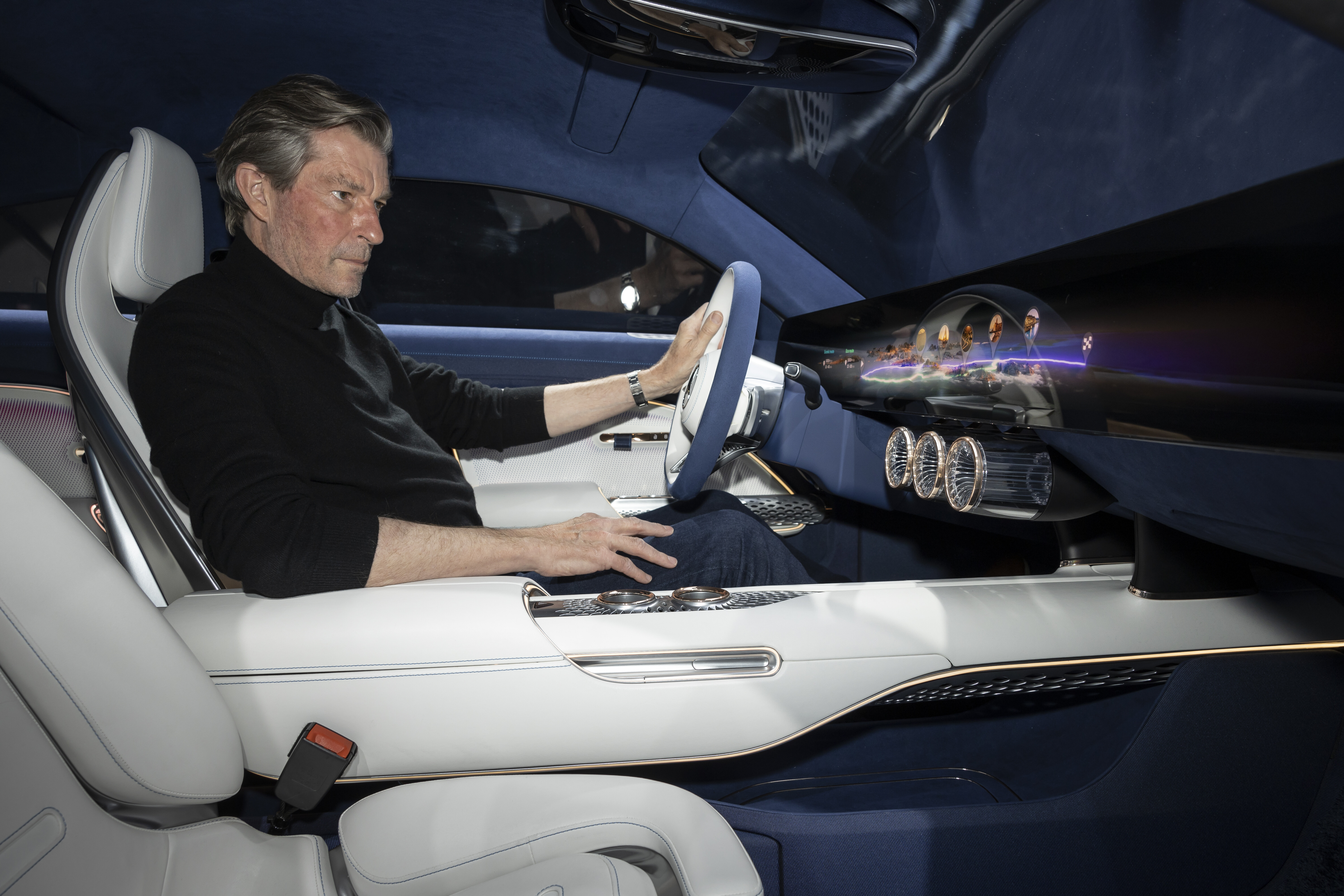
The door pulls are made from a vegan-certified biofabricated silk. The seats are trimmed in an animal-free leather made from pulverised cactus fibres combined with a bio-based polyurethane. Seat cushion details are covered in a vegan leather alternative made from mycelium, which is the underground rootlike structure of mushrooms.
The floor carpets are made from 100 per cent bamboo fibre. Recycled PET bottles used in a shimmering textile to enhance the floor area and door trim, while an artificial suede made from 38 per cent recycled PET has been used to create a wrap-around effect linking the upper edge of the one-piece screen with the doors and headliner.
The relentless pursuit of energy efficiency extends right down to the way the car’s electronic brains process information. The EQXX features a neuromorphic computer network developed in conjunction with California-based artificial intelligence developer BrainChip.
Neuromorphic computing is a form of information processing in which hardware runs what are known as spiking neural networks. These artificial neural networks mimic natural neural networks, firing only when certain thresholds are reached. Mercedes says the system measurably reduces energy consumption. One small example: The “Hey Mercedes” voice control system in the EQXX is five to ten times more efficient than in current Mercedes production cars.
Mercedes acknowledges that while neuromorphic computing is still in its infancy, it says similar systems will be available in a variety of consumer products within a few years. And when applied at scale throughout an electric vehicle the technology has the potential to significantly reduce the energy needed to run the artificial intelligence technologies that will help control the EVs of the future.
The Mercedes-Benz Vision EQXX might be a concept, but the ideas and processes that shaped it are grounded in production reality. “The technology programme behind the Vision EQXX will define and enable future Mercedes-Benz models and features,” insists Mercedes-Benz board member and chief technology officer Markus Schäfer. “And the way we developed it is as revolutionary as the vehicle itself.”
Indeed. A new digitally-led design and engineering process saw the EQXX go from idea to road ready in just 18 months, bringing together expertise from the company’s Formula 1 and Formula E race engineering groups, its research department and prototyping specialists, and the production development team.
Mercedes-Benz invented the car. Now it aims to reinvent the electric car. As such, the Vision EQXX may well prove one of the most consequential concept cars of the early 21st century.
A man was tilling the infield when we arrived at the Honda R&D Proving Ground in Tochigi in late 1990 to drive the then new NSX. Nearby, another was mowing a large grassy patch. They weren’t doing the gardening. They were testing Hondas.
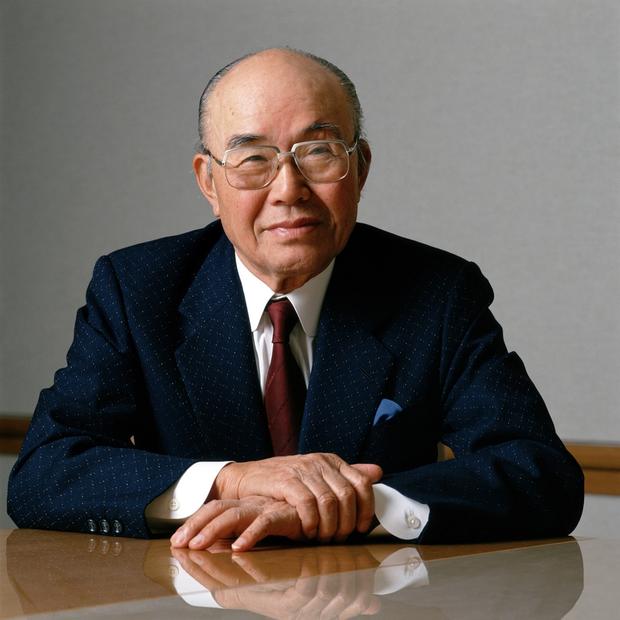
It’s called Honda Motor Company for a reason. Soichiro Honda started out fitting two-stroke motors to bicycle frames. The company he founded in 1948 today makes more internal combustion engines each year – more than 20 million by last count – than any other, engines that not only power cars and motorcycles, but also boats, generators, lawnmowers, tillers, snowblowers, and water pumps, among other things.
Soichiro Honda, the son of a blacksmith, born in a village just outside Hamamatsu in 1906 and who died in 1991, was described by author David Halberstam in his 1986 book on the rise and fall of the Japanese and American car industries, The Reckoning as “…an authentic genius, a man who loved to create and experiment, the closest thing that modern Japan had produced to the first Henry Ford”.
The Henry Ford comparisons are tempting. Like Henry, Soichiro was essentially a self-taught engineer with grease under his fingernails, disdainful of the automotive establishment and and contemptuous of stuffy government bureaucrats, famously defying a 1961 edict from Japan’s powerful Ministry of International Trade and Industry (MITI) that Honda should stick to producing motorcycles.
Soichiro’s Model T had two wheels, not four. The Honda Super Cub, launched in August 1958, was a deceptively simple looking machine, ingenious in its design, and implacably durable. Ford built 16.5 million Model Ts between 1908 and 1927. Honda’s Super Cub is still in production, more than 60 years after its debut, and more than 100 million have been made.
But while Henry was obsessed with finding a better way to build a car, Soichiro was obsessed with finding a way to build a better car. In July 1960, Honda’s R&D division was spun off as an entirely separate and independent subsidiary, so engineers could concentrate on developing technologies that could be adapted to new products.
The establishment of Honda R&D Ltd paid off handsomely when the Compound Vortex Controlled Combustion system (CVCC) its engineers developed enabled the 1974 Honda Civic to meet tough new emissions standards enacted in the USA without the need for a catalytic converter or the power-sapping engine management strategies hastily cobbled together by American carmakers who’d bitterly opposed the regulations.
“When Congress passes new emissions standards, we hired 50 more engineers and GM hires 50 more lawyers,” Soichiro quipped in an interview in Playboy magazine, shortly after he’d shipped a 1973 Chevrolet Impala V8 to Japan, had it fitted with specially made CVCC cylinder heads, and then sent it back to US, where it had easily passed the stringent 1975 emissions test.
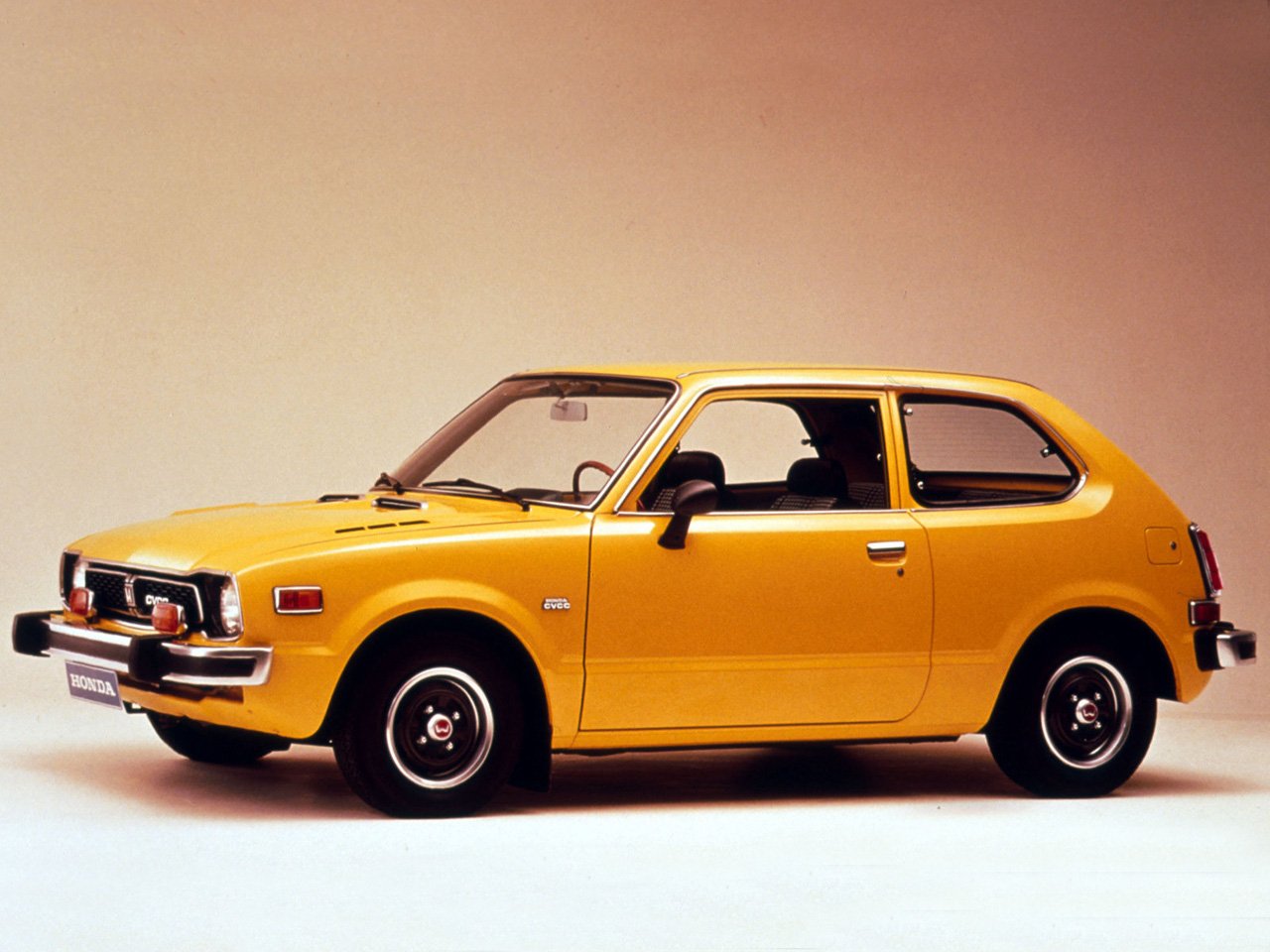
The CVCC Civic made Honda’s fortune in America and positioned it as an innovator with a brilliant feel for mass-market products. But almost 50 years later, Honda has announced it will release two cars in 2023 built on an electric vehicle architecture designed, engineered and manufactured by… General Motors.
The world’s most prolific internal combustion engine manufacturer has been slow to flick the switch on producing battery electric vehicles in volume, and now is furiously scrambling to develop its own BEV platforms and solid-state battery packs. The company says it wants 40 percent of its vehicles sold in America to be BEVs or fuel-cell vehicles by 2030. But ironically, Honda can’t do it without GM.
That low rumbling sound you hear is Soichiro Honda spinning in his grave.
For the last ten years, it has been my solemn duty to inform people that the Mitsubishi Outlander was not a good car. It had its moments, like with the introduction of the PHEV, a sub-$30K starting price and er, well, that’s it. I have variously described the driving experience as tedious, melancholy and awful.
Perhaps compounding my displeasure with Mitsubishi was the fact that it used to be much better than the Outlander (and Mirage and ASX and Eclipse Cross). It used to be a company that made interesting, fascinating and just plain brilliant cars. Yes, the original Magna was good and way better than some of the dross falling out of Elizabeth and Broadmeadows at the time during the 1990s.
The brand used to be synonymous with the World Rally Championship. For nearly ten years it has been more synonymous with dreary, cheap transport. That’s a big, fast fall. It made me cross, even though the reasons for that fall weren’t all deliberate. Mitsubishi knows better, I tell people.
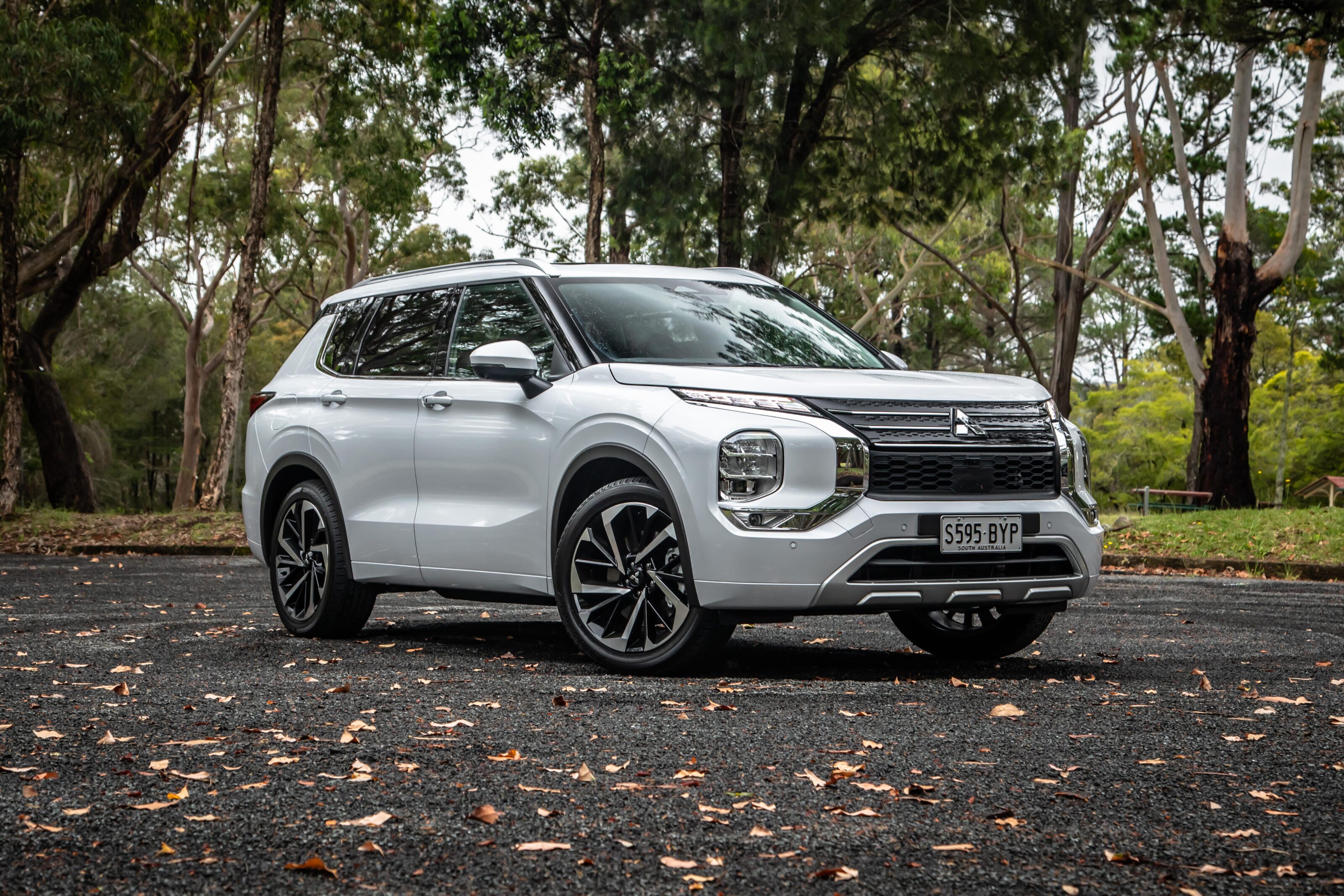
It turns out that all the company needed was to be introduced to a lovely couple known as Renault and Nissan. Being able to rummage through the Alliance’s technology portfolio meant the Outlander’s geriatric platform could be sent off to the back paddock, or at least restricted to its smaller SUVs.
Access to a whole bunch of new technology without all that pesky payment of billions of dollars to get it (or at least, a 66 per cent discount) meant the company could get on with building a fresh new car to take on the mid-sized SUV segment. And with one that’s nearly a segment bigger.
UPDATE: Outlander Range Review
Looking for more detail on the wider Outlander line-up? See our full Outlander range review at the link below!
Pricing and Features
While the Outlander range kicks of at $34,490 before on-road costs, we find ourselves $13,500 away in the Exceed, priced at $47,990 + ORC ($51,490 drive-away).
That’s $4000 more than the previous Exceed petrol, which is a lot, but I think it might be worth it.
Before we go through the features, it’s worth noting that the new Outlander is a significantly larger machine. Longer, taller and most importantly, wider, it’s not the slim-hipped, knock-kneed car it used to be. It’s also much heavier, but we’ll worry about that later.
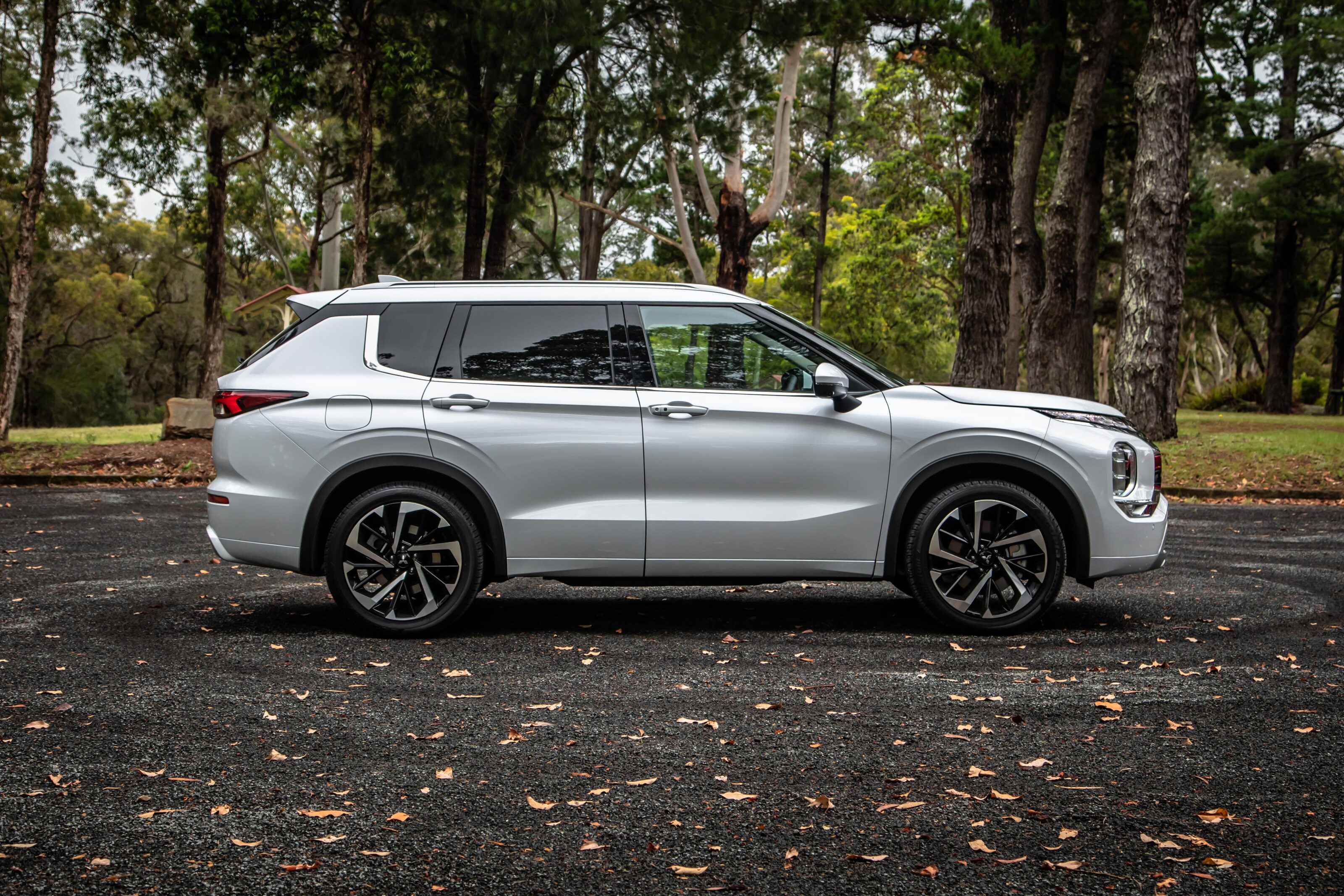
Amusingly, Mitsubishi included a reference to weight-saving measures in the launch press release, which means it could have been even chunkier. It seems like Alliance partner Renault got into Mitsubishi‘s ear and sang the praises of plastic guards.
As you near fifty grand, you get handsome 20-inch alloys, 10 Bose-branded speakers, three-zone climate control, reversing camera, around-view cameras, keyless entry and start, front and rear parking sensors, adaptive cruise control, glass roof (above the front and middle rows), sat-nav, auto LED headlights, heated front seats, head-up display, partial leather interior, powered tailgate, auto wipers, wireless charging and a space-saver spare.
The media system and sat nav run courtesy of a 9.0-inch touchscreen with graphics by Mr Blobby. It’s an okay system, but wireless Apple CarPlay and USB Android Auto make it all worthwhile. The screen is bright and very useable, with good contrast and, fundamentally, it’s way better than the old one, barring the chintzy physical controls on the bezel.
It’s loaded with safety gear, too. Eight airbags, including a driver’s knee bag and a front centre airbag (to prevent head clashes in a side impact), the usual braking and stability controls, forward auto emergency braking (AEB), forward collision warning, reverse AEB, reverse cross-traffic alert, lane departure warning, lane keep assist and speed sign recognition.
The forward AEB works at high and low speeds and features pedestrian avoidance.
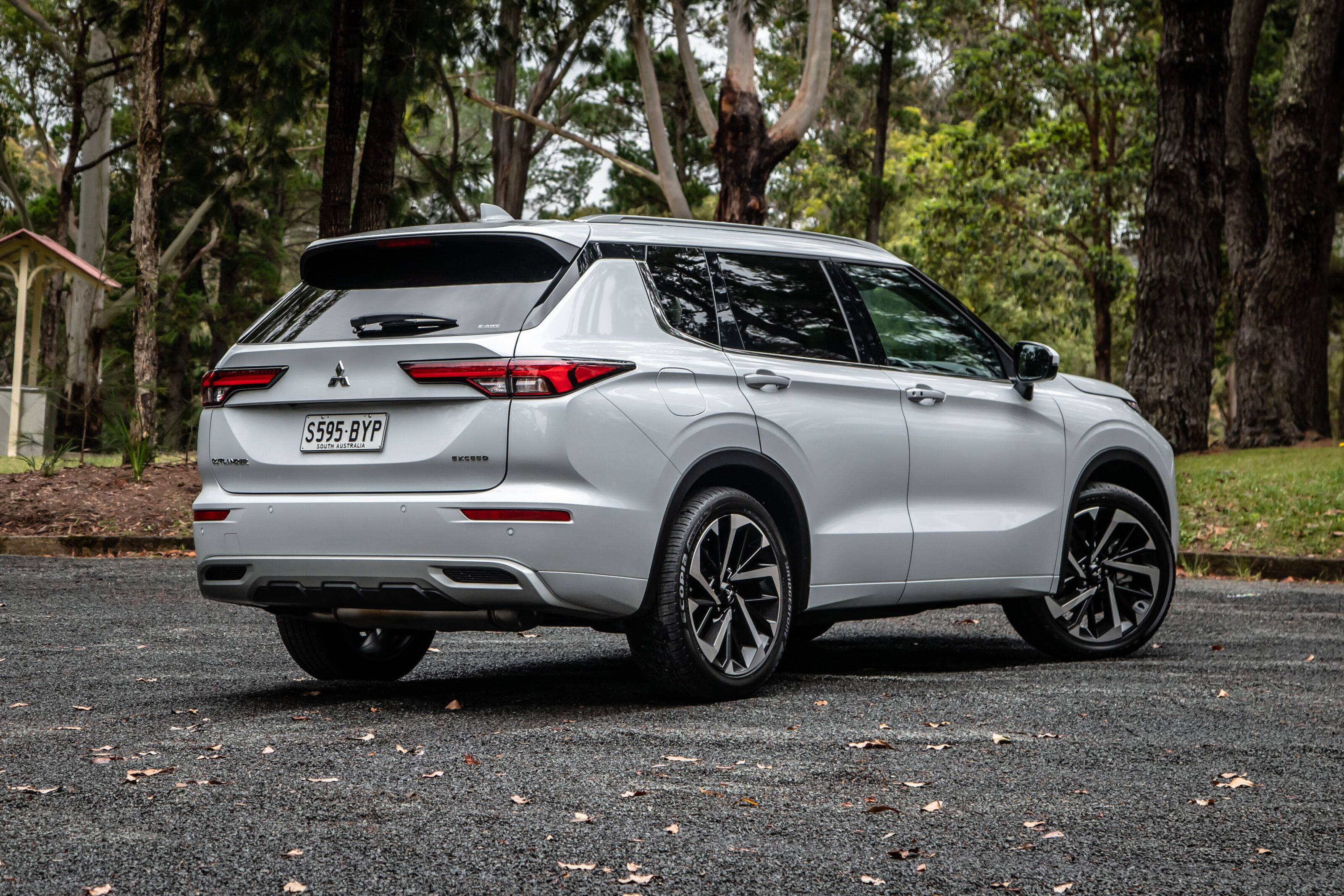
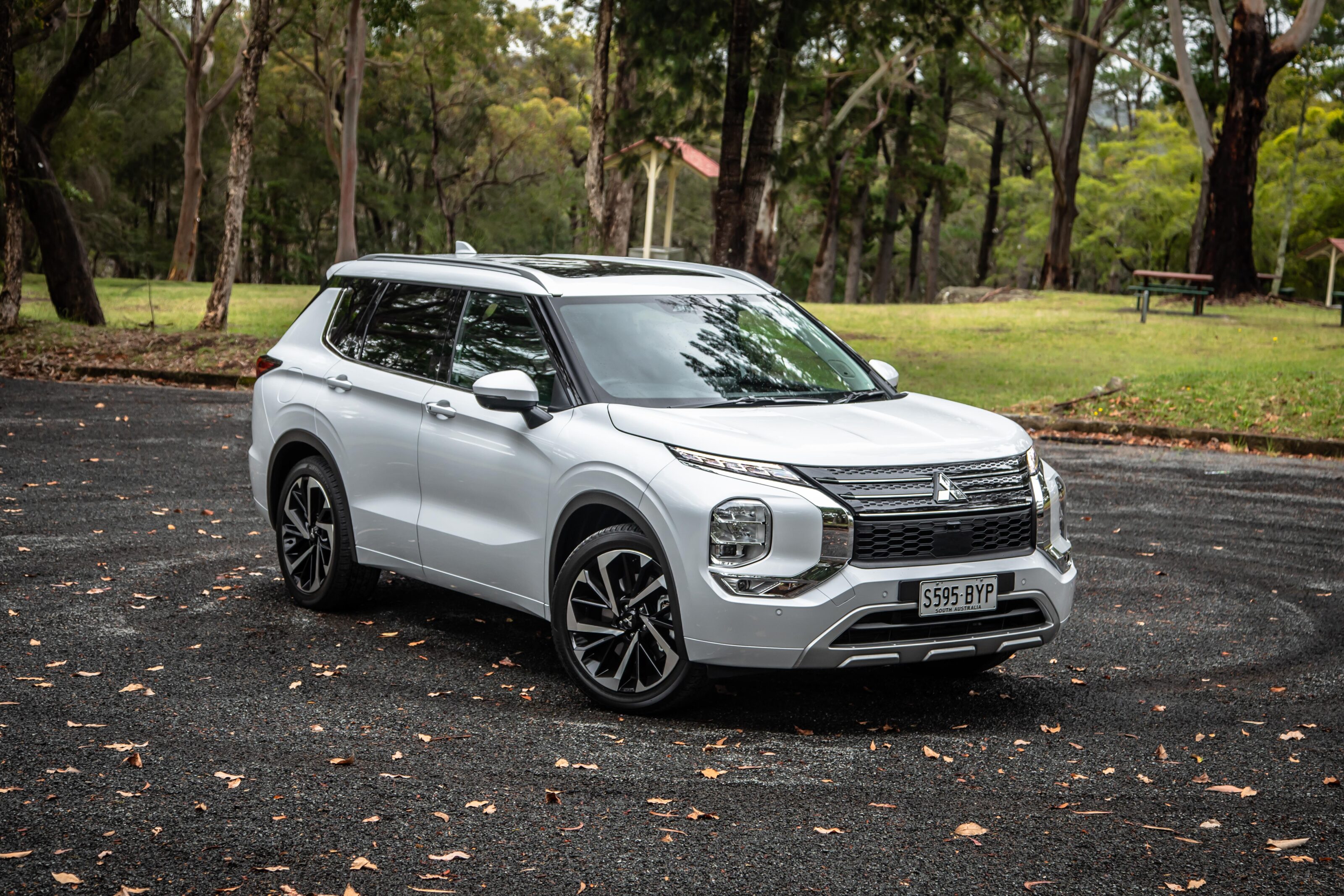
From the rear and side, I think it’s a handsome car … It looks thoroughly modern and, like the interior, is going to get people talking.

Frustratingly for a seven-seater (okay, 5+2), the curtain airbags do not reach the third row (as they don’t in the Kia Sorento and Hyundai Santa Fe) and nor does the third row have any child seat anchors, which I guess is fair enough without airbags.
At the time of writing, ANCAP was yet to provide its assessment.
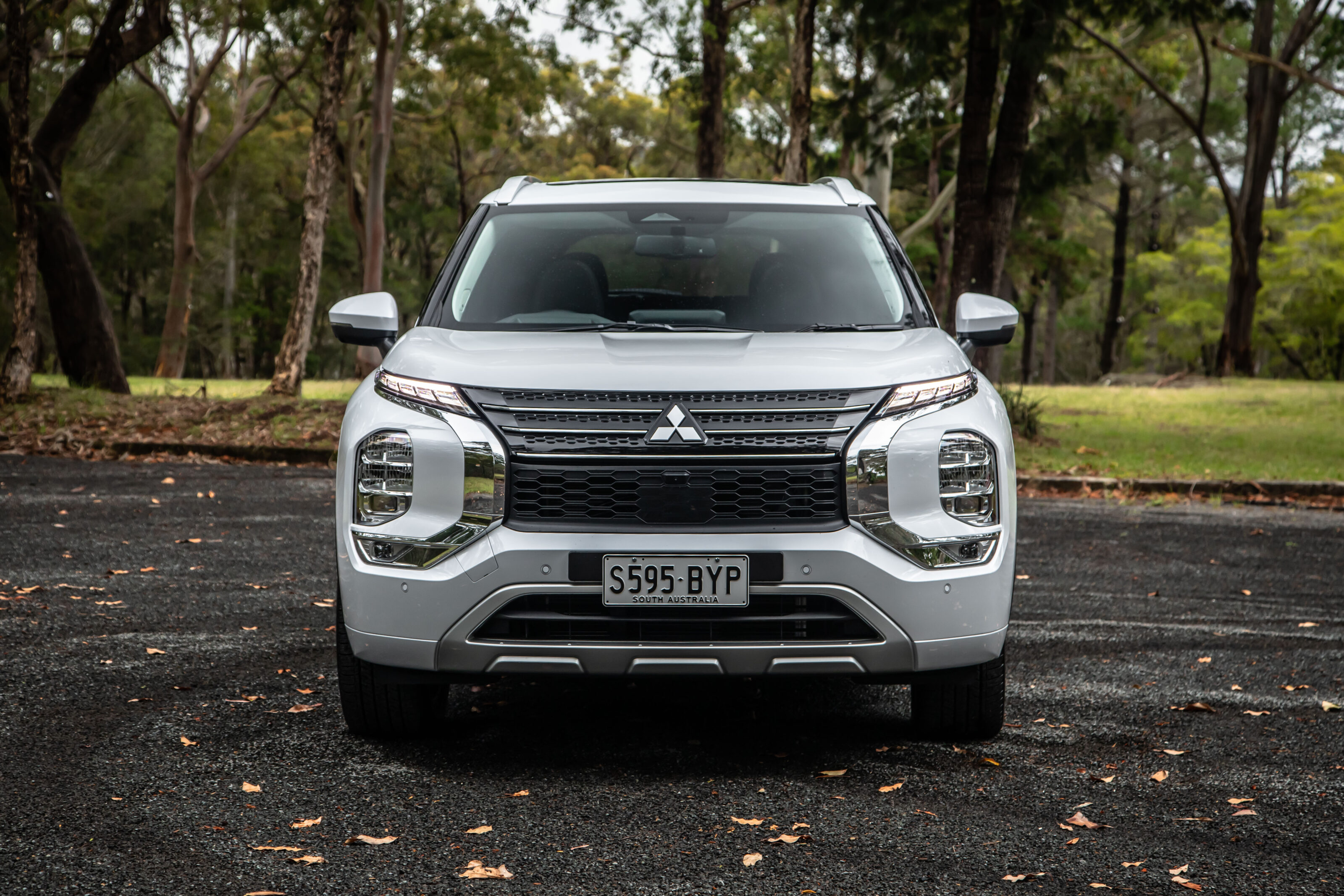
We probably need to consider the looks. From the rear and side, I think it’s a handsome car. Probably a little big looking for my liking but that’s subjective. It looks thoroughly modern and, like the interior, is going to get people talking. They’ll mostly be talking about that big bluff chromed snout, though. Cards on the table, it’s A Lot.
Depending on the direction of the breeze, I either like Dynamic Shield or think it’s too self-consciously masculine and overdone. I think some de-chroming would work wonders on the Outlander but I think it’s less about the chrome itself and more the shapes.
Hyundai and Kia are having a lot of fun with their front ends, why can’t Mitsubishi? I think it will, in time, settle in and we won’t talk about it, much as we won’t be worrying too much about the BMW penchant for big grilles.
Comfort and Space

Mitsubishi calls the new car a 5+2, meaning that there are five seats humans can fit in and two jump seats in the back for, well, I don’t know. Whatever Yoda is, I guess, because he has really short legs. He’d be reasonably (if fictionally) happy in the third row but it’s hard to see how you could fit anyone with legs. You can slide the middle row fore and
aft by quite a distance, but it just means you’d have to move the old Jedi master to the middle row and irritate whoever you put in the third row. You can’t even put child seats back there because there aren’t any top tether anchors and nor are there ISOFIX points back there. That’s to add to the curtain airbags failing to reach.
So, basically, the seats are there to rob some boot space. On the upside, the tiny windows reminded me of an Apollo space capsule’s porthole.
The rear seats don’t come with retractable headrests, they stow under the floor with the tools. You’ll also find that to access the space-saver, you remove the tool tray and lift the jump seats out of the way. Not great if you’re on holiday with a full boot, but at least the wheel will be clean when you get to it.
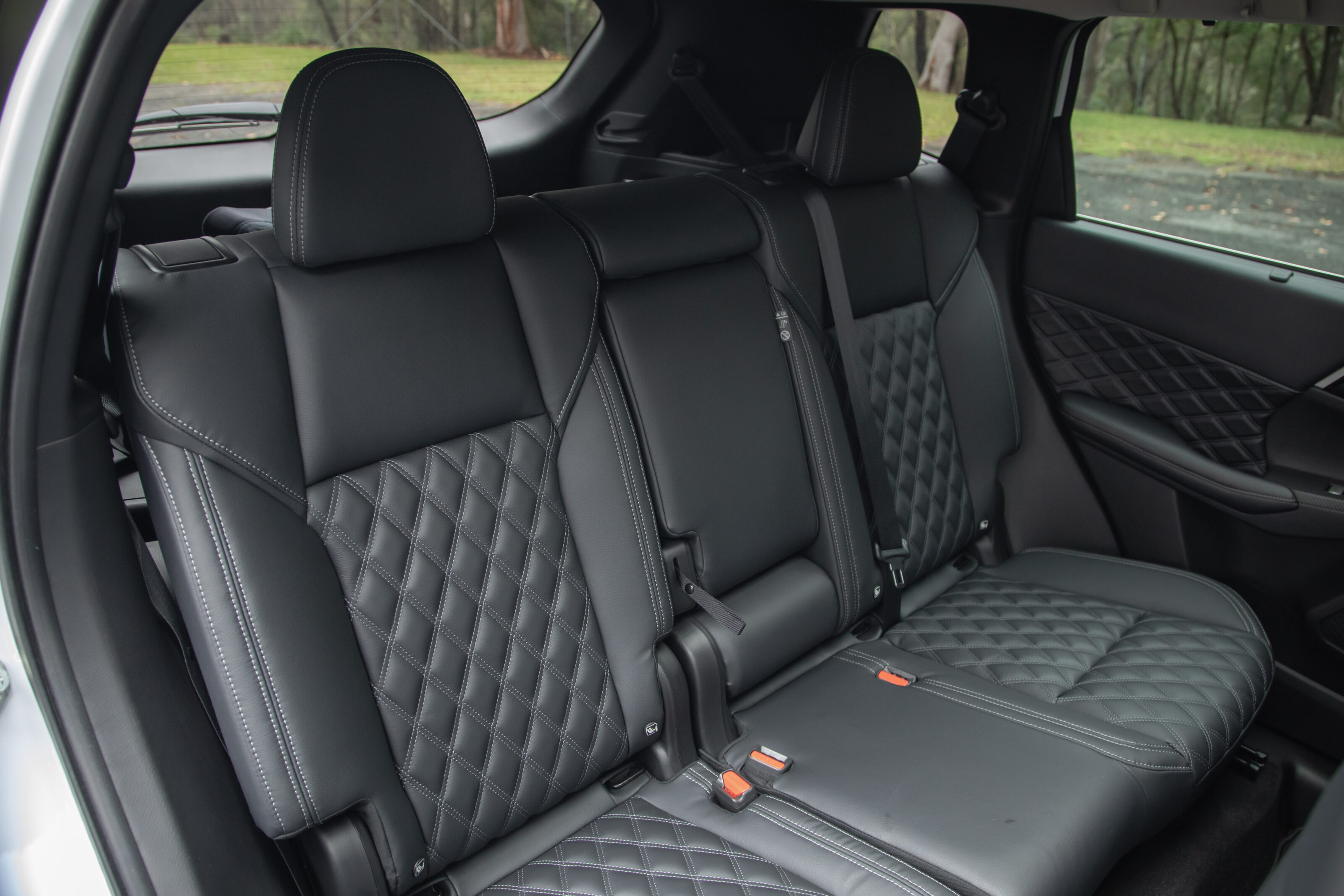
There are, however, five other seats that are very comfortable and very good in the Outlander. The middle row is broader than the old one, so three across is a more distinct possibility. Here in the Exceed, the sunroof takes a massive bite out of headroom, meaning that a six-footer’s head clearance is rendered marginal. The seats themselves are exceedingly comfortable, however, and a big leap on the old car. There is also a third climate control zone for the rear seats.
Second-row room is significantly better than before because the wheelbase is much longer at 2706mm (an increase of 36mm) and a hefty 51mm wider. It’s now bigger than the ASX’s rear seat and the reason it used to be the same size is that the Outlander was just an ASX with longer overhangs.
Materials throughout are quite pleasant. The leather is either mostly or all fake, but perfectly nice. The fake carbonfibre isn’t overbearing and there are few missteps.
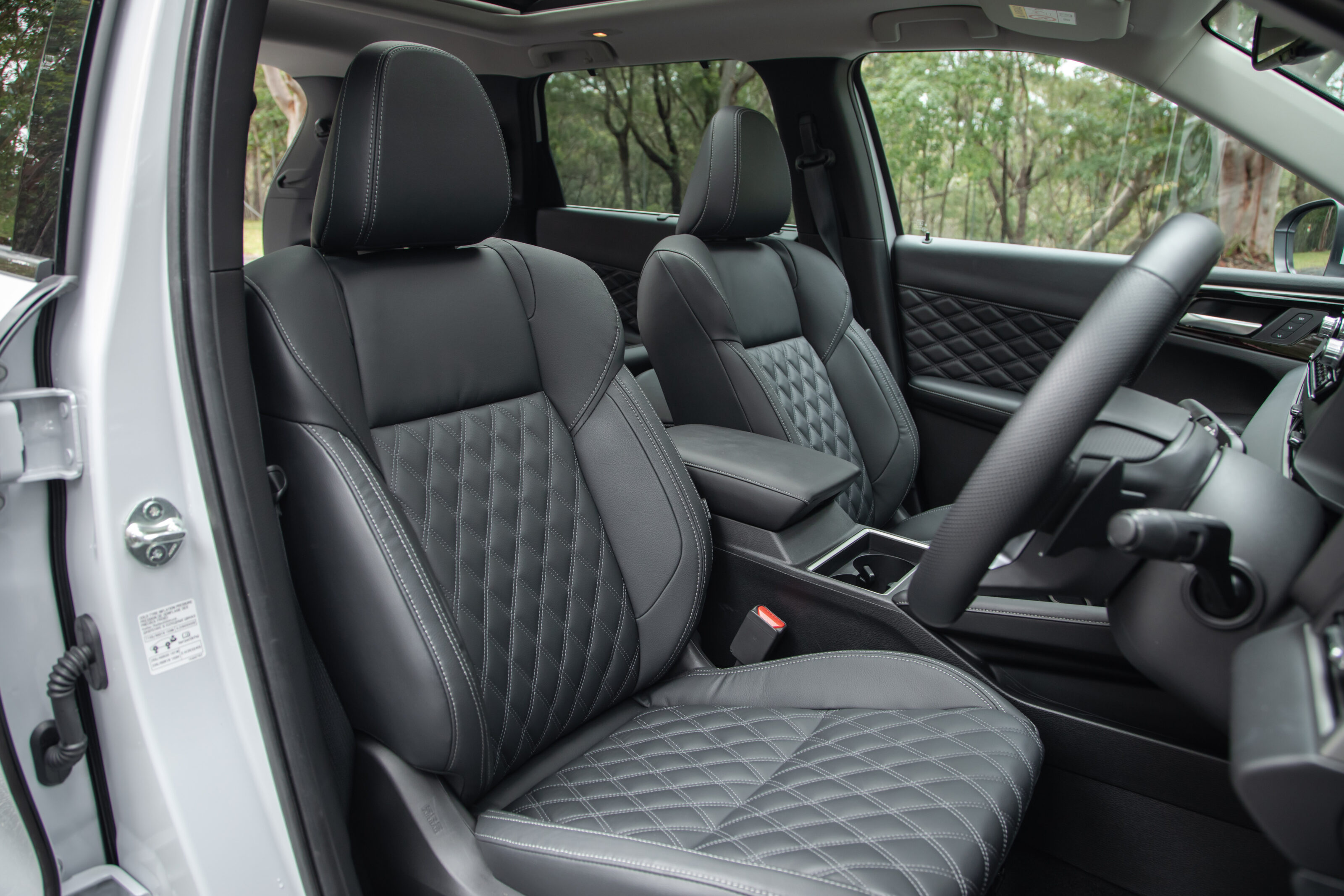
The front seats are even better. Broad without being slippy or unsupportive, the front is a good place to be. You sit very high over the traffic, which some people like, and the long, broad bonnet has a bit of a Range Rover feel about it.
Front and middle rows each have two cup holders and a bottle holder in each door. The cup holders in the rear are a bit silly, though – the 40:20:40 split-fold bench is a welcome bit of practicality but you have to fold down the 20 section to get to the cupholders.
The boot is a competitive if not outstanding 478 litres (just seven fewer than the base model five-seat-only ES, thoroughly rinsed by the VW Tiguan), or a maximum of 1461 litres with the seats down.
Materials throughout are quite pleasant. The leather is either mostly or all fake, but perfectly nice. The fake carbonfibre isn’t overbearing and there are few missteps. Scott Newman reported the chrome surround for the slightly novel auto shifter dazzled him in sunlight but given the lengthy cloudy period we endured while (mostly) enjoying the Outlander, I can’t confirm. It is a great looking interior and a long-awaited return to form for the once-innovative Japanese company.
On the Road
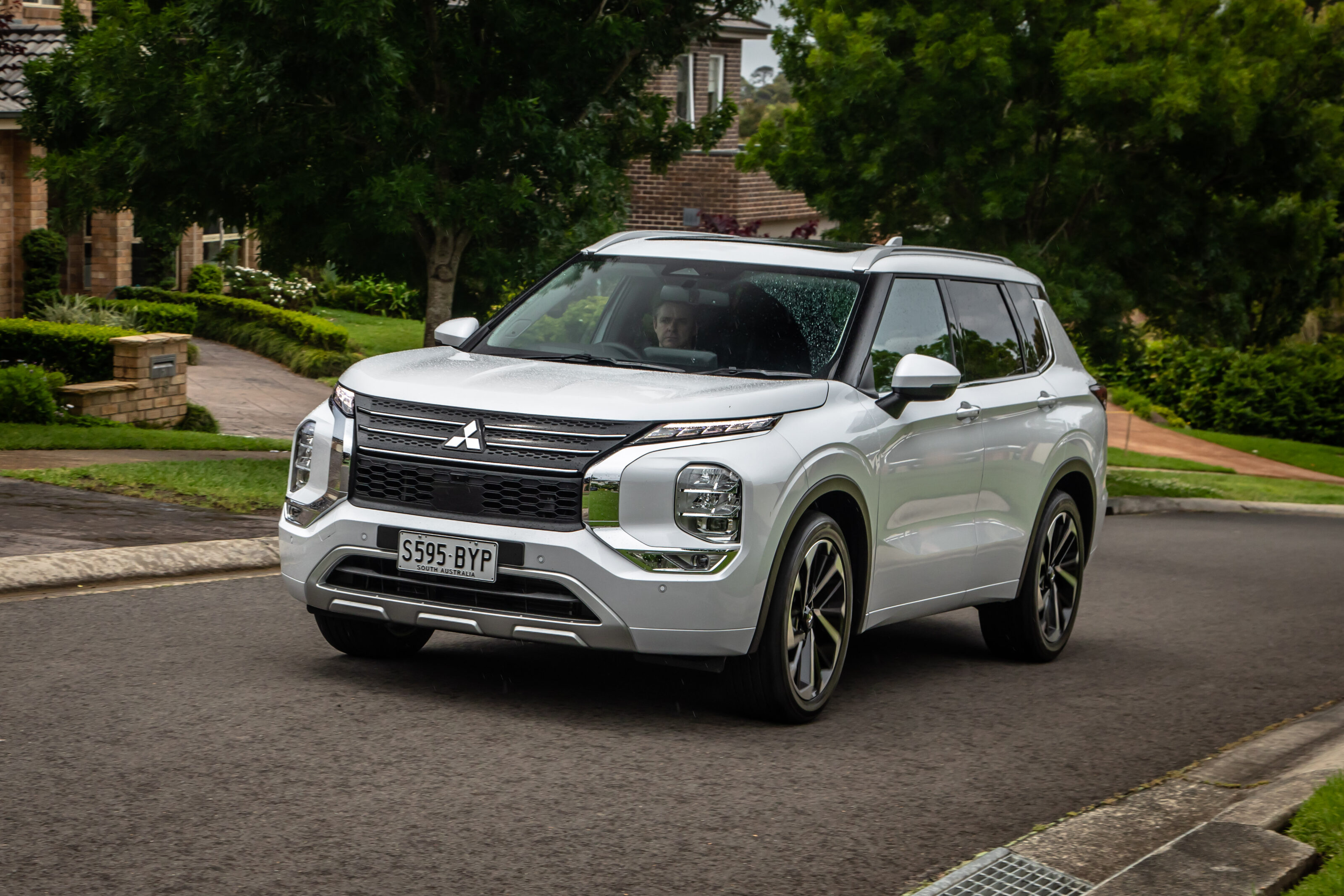
A lot is really good about this new Outlander. One thing that isn’t good and doesn’t fit with the massive improvement is the fact that you still get a 2.5-litre naturally aspirated four-cylinder engine, which Mitsubishi assures us is newly developed.
In itself, that’s not a big drama, but to shift a chunky 1760kg (up more than 200kg from the previous heaviest Outlander) you probably want more than 135kW and fairly weedy 245Nm. While both of those numbers are better than the outgoing 2.4, they’re not really pushing the envelope.
That kind of torque figure might be fine for a car a class down, but if you load this thing up with kids and stuff and a trailer, you’re going to need a sundial for the 0-100km/h figure. Ah, you say, what about the diesel? Well, it’s dead Jim (if you’re name’s not Jim, don’t worry, it’s still dead) and the PHEV is still a few months away if you want more torque and/or better fuel economy.
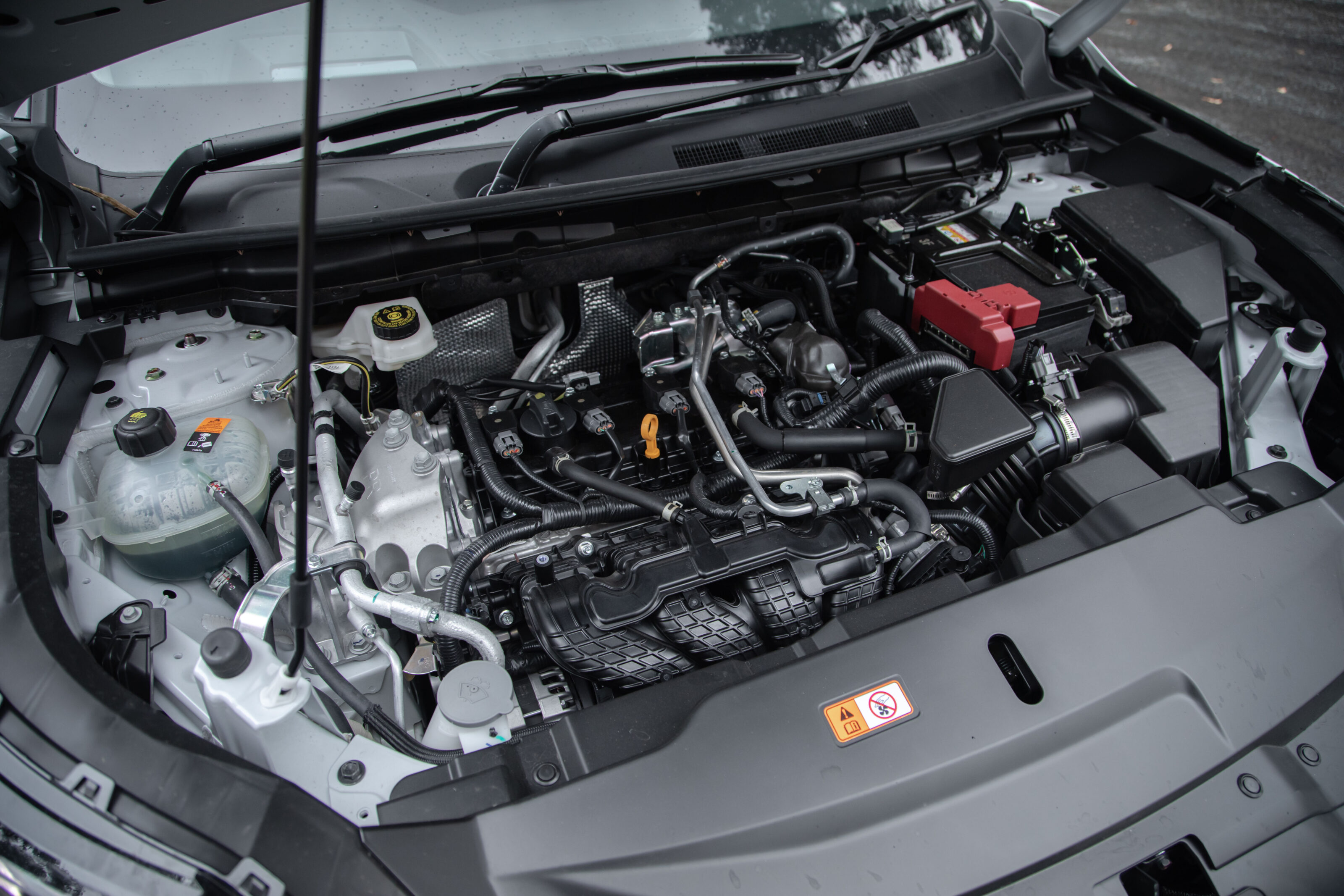
Speaking of which, the official 8.1L/100km figure looks exceedingly optimistic. I have a personal rule about ADR figures, which states that if you can get within 30 per cent of the claim, you’re doing okay.
Mitsubishi’s own ASX can’t get anywhere close to its claimed consumption number, sinking 12.5L/100km every time I drive one. That car has shared a driveway with twin-turbo V8 sportscars that don’t use that much under similar conditions.
The Outlander impressed with a very reasonable 8.4L/100km in a very solid mix of town and freeway driving, so that’s a good win, especially as it’s happy on 91 RON petrol.
Still with us is the automatic continuously variable transmission (CVT) that I despised in the old car. It is much improved in the MY22 Outlander, with less flaring when you roll off a full-throttle application and it’s more eager to please than in the past.
It has a more positive feel off the lights, too, and while it can’t match the Hyundai/Kia CVT in the Kona/Seltos pair, it’s a big improvement. With shift-by-wire, you can “change gears” with the paddles that are sadly no longer the beautiful if incongruous aluminium items of the previous car.
Engineers programmed eight fixed ratios into the CVT but given how much better the transmission is, I didn’t use them for any other reason than novelty.
That kind of torque figure might be fine for a car a class down, but if you load this thing up with kids and stuff and a trailer, you’re going to need a sundial for the 0-100km/h figure.

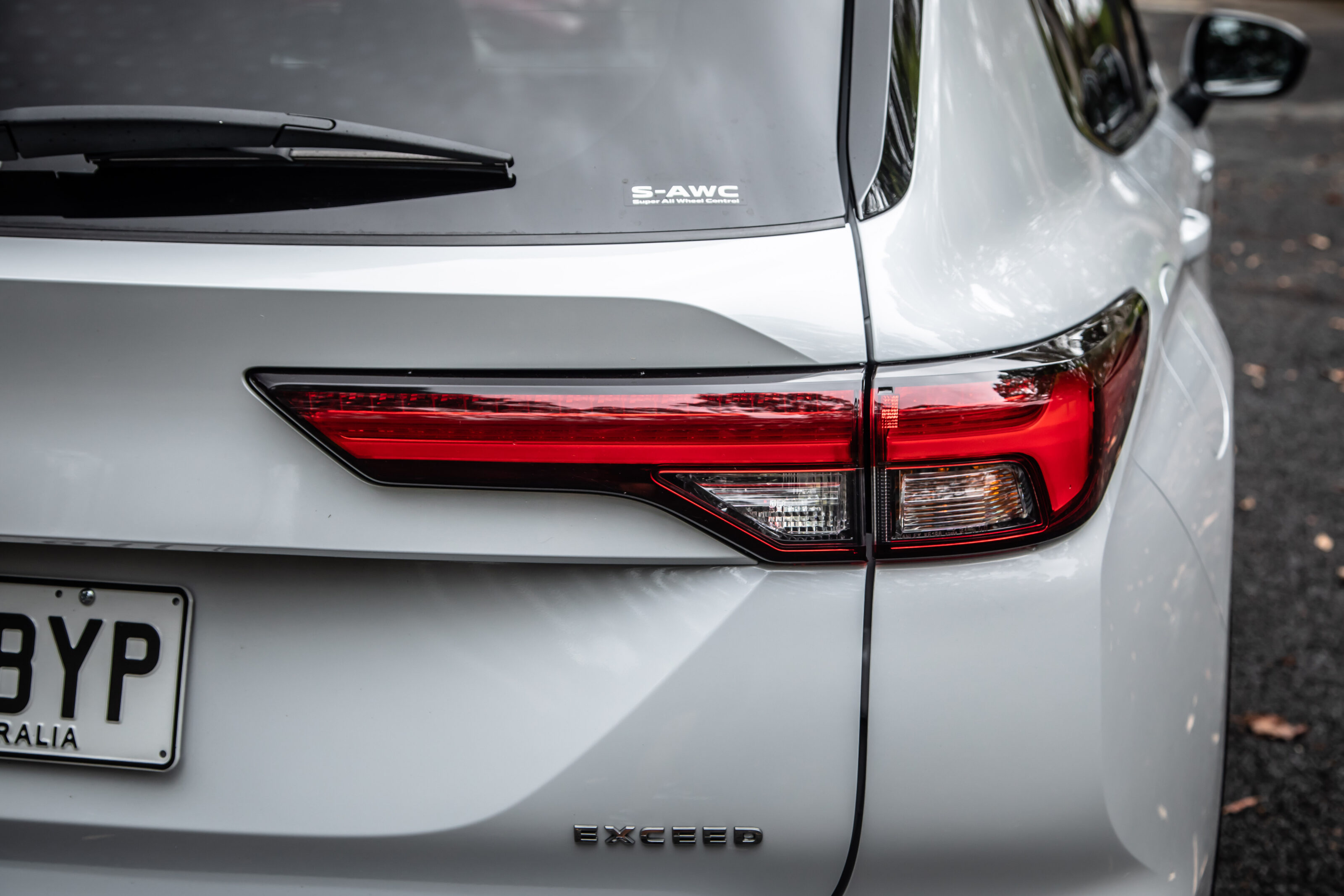
The six drive modes are unlikely to trouble too many owners but each has a slightly different effect on the updated Super All Wheel Control (S-AWC), a system made famous by the late, great Lancer Evolution series.
Whether or not they’re related is the subject of my deep suspicion of heavy SUVs claiming motorsport connections.
With updated Active Yaw Control and a revised hydraulically activated coupling, the new system behaved itself in grinding traffic, rain that would have had Noah racing for his old blueprints and during a spot of vigorous cornering.
Steering, one of my many complaints about the old car, is also much better. Light and direct, it’s dropped the slop and even sends the car into corners with a bit of keenness. It’s vastly better than the old car, which would heave itself onto its doorhandles at the first sign of a change in direction.
I don’t recall the all-wheel-drive system being particularly recalcitrant, so the improvements here are transparent, at least on the road. The rear suspension is also much more invested in its job, rather than just reluctantly holding the rear end off the ground. We’ll have to wait for a more thorough off-road rumble to test the majority of the drive programs’ worth.
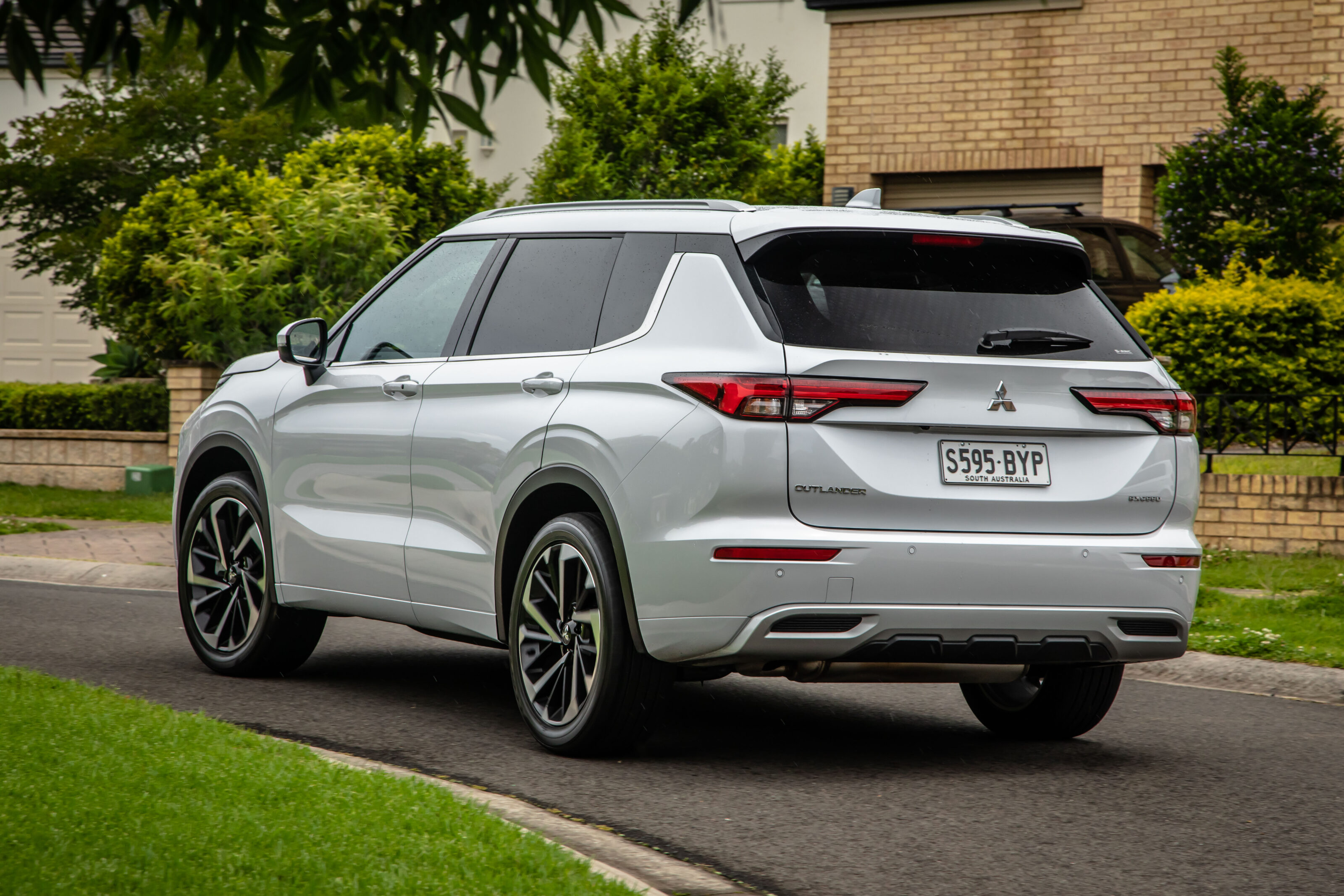
You will notice some body roll and the squishy brake pedal in the car I drove wasn’t exactly confidence-inspiring, but it’s truly a breath of fresh air after a dreary decade of the last car. Less of a breath of fresh air is the sometimes chippy ride in urban areas.
It could be the huge wheel and tyre combination or a swing-and-a-miss on the damping but either way, it’s at odds with the otherwise plush vibe of the car. All of that fidgeting disappears on the highway, but it’s something to note rather than worry about.
Ownership
Mitsubishi’s headline act is – or was until this new Outlander came along – was a 10-year warranty. While you can’t pack in terms and conditions voiceover to an ad without sounding like an American pharmaceutical commercial, there are a few reasonable caveats.
Ten years is a good amount of time, but there is a troll at the bridge here. First is that it might be a 10-year warranty but it only covers 20,000km per year. If that’s your kind of usage pattern, you’re in great shape and I imagine that’s a good chunk of readers here. But there’s more than one question from the troll.
The second is that every service during that period must be with a Mitsubishi dealer. If you take it somewhere else during the first five years, your warranty reverts to a less generous but still reasonable five-year/unlimited-kilometre warranty. If you do so after five years, the rest of the 10-year warranty is nuked.
Mitsubishi’s headline act is – or was until this new Outlander came along – was a 10-year warranty … Ten years is a good amount of time, but there is a troll at the bridge here.
Luckily, there’s a pretty sensible 10-year capped-price servicing regime to keep you coming back for more, with service intervals every 12 months or 15,000km.
Seven of the 10 services are ridiculously Toyota-cheap at $199 but then there’s a bit of a shock at the sixth service that jumps to $499, as does the eighth, and then the last one is a not-inconsiderable $799. All 10 services still total at a fairly impressive $3190, or an average of $319 per service.
That’s excellent going if you’re not a high-miler. Actually, even if you are a high miler, 10 services for that price – even if it means the warranty finishing earlier – is good value. Knowing roughly what you’re going to pay for the long-term is good for those who hold on to their cars.
VERDICT
The new Outlander is a whole new way of doing things for Mitsubishi. The old car was a cut-price hack-job, hopelessly outclassed by everything apart from the truly dire Holden Captiva. Vague steering, gasping 2.0 and 2.4-litre engines, its only saving grace was the price of the petrol versions and the PHEV’s efficiency and cleverness.
While it’s late to the party owing to Mitsubishi joining the Renault-Nissan Alliance, it has been worth the wait. It has transformed the Outlander from an “as if you would” to a “why not?”.
There are still a few bugs to iron out like the chippy urban ride on the 20-inch wheels and the unnervingly soft brake pedal, but it’s not a car I’d have to be held at gunpoint to own. And I don’t say that to damn it with faint praise, because it’s a whole lot better than that.
And given its size advantage over the rest of the medium SUV pack and the long warranty, there are plenty of good reasons to own one.
I have never, ever said that about an Outlander.
2022 Mitsubishi Outlander Exceed specification
| Body | 5-door, seven-seat medium SUV |
|---|---|
| Drive | AWD |
| Engine | 2488cc naturally aspirated four-cylinder |
| Gearbox | Continuously variable transmission |
| Power | 135kW @ 6000rpm |
| Torque | 245Nm @ 3600rpm |
| 0-100km/h | 10.5 secs (claimed) |
| Bore/stroke (mm) | 89 x 100.0 |
| Compression ratio | 12.0:1 |
| Fuel consumption | 8.1L/100km (claimed) |
| Front suspension | struts, coil springs, anti-roll bar |
| Rear suspension | multi-link, coil springs, anti-roll bar |
| L/W/H | 4710mm/1862mm/1745mm |
| Wheelbase | 2706mm |
| Towing | 1600kg (braked) |
| Front brakes | 350mm ventilated discs, single-piston calipers |
| Rear brakes | 330mm solid discs, single-piston calipers |
| Tyres | 255/45 R20 101W Bridgestone Ecopia |
| Wheels | 20 x 8.0-inch alloys |
| Price | $47,990 + ORC |
