
Key Points
- Mercedes management confirms early-2022 unveiling date
- Vision EQXX has been designed to crack 1000km on a charge
- Formula One tech and knowledge applied to the concept vehicle
Mercedes-Benz is set to officially unveil its Vision EQXX concept only a few days in to the new year, joining its ever-growing line-up of electric vehicles.
Confirmed by Mercedes-Benz Chief Operating Officer Markus Schäfer on LinkedIn, the covers will come off on January 3, 2022, with the German manufacturer already boasting the EQXX will feature a real-world, all-electric driving range of over 1000 kilometres.
Schäfer said the vehicle must also be able to achieve a “single-digit consumption value for kilowatt hours per 100 kilometres at normal highway speeds”, suggesting the EQXX will be at home on the Autobahn as well as on city roads.
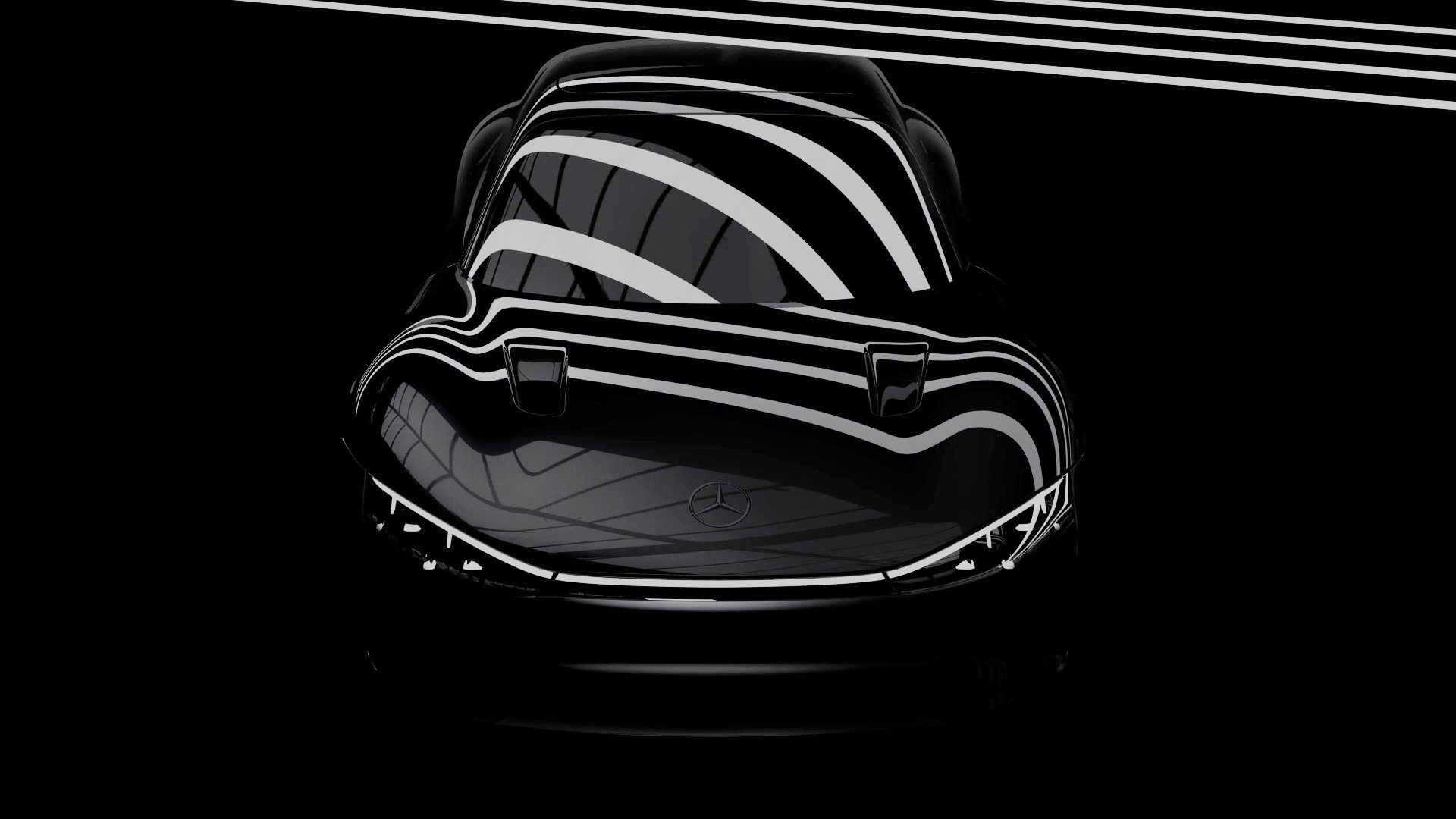
There’s a handful of factors which contribute to Mercedes’s optimism. Firstly, its electric powertrain is being developed in part by members of its Formula One and AMG powertrain divisions, promising maximum efficiency and output without compromising either.
Secondly, the EQXX is claimed to be slick, with Schäfer saying it will be even more aerodynamic than the EQS – a vehicle which boasts the lowest drag coefficient of any production vehicle.
The EQS has been a yardstick for the EQXX’s development, as the manufacturer also aims to increase battery-cell energy density by roughly 20 per cent – a significant jump over what is already in its flagship electric vehicle.
Speaking at the last preview for the EQXX, Schäfer said: “We’re talking about the future of Mercedes-Benz. And naturally, it’s pretty much all about numbers, facts and data. But we all know the real magic happens when impressive technological achievements become reality in a car. That’s why I’m very proud to give you a preview of our Vision EQXX.
“Back in 2020, we initiated an exciting next step in electric vehicle development and put together a cross-functional, multi-disciplinary team of experts supported by specialists from the Mercedes-AMG F1 team.
“We instructed them to aim beyond 1000km on one charge. But not by making the battery bigger. Anybody could do that. No, they’re working with a normal sized battery, destined for series production in a forthcoming Mercedes compact car. Efficiency is the new currency!
“Our eDrive experts are making rapid gains in efficiency and pushing the boundaries of what‘s possible in terms of eMotor, inverter, battery design, packaging and thermal management. They’re chasing marginal gains that compound to substantial increases in range. Our goal is to integrate these new technologies in future Mercedes road cars.”
Mercedes-Benz aims to go fully-electric by 2030 in a majority of its current markets, with only EVs set to be rolled out from 2025, based on three separate architectures which will undoubtedly be influence by the EQXX.
“I’ll have mine in a diesel” is the kind of barbecue-stopping statement today that “I own an EV” was ten years ago. Diesel sales have nose-dived in all but a few segments and it’s now the preserve of larger European machinery and the off-road crowd for whom diesel engines are genuinely useful with their high torque and long-range capabilities.
For a while, we sang the praises of modern diesel engines for their low consumption and vastly improved driveability but then, well, you know. They were good and then they weren’t. Mazda found out the hard way as sales of its once reasonably popular diesel-powered 6 sedan and wagon fell away so hard that the company halted local sales. There was even a diesel-powered 3 warm hatch once and I imagine that is now something of a cult car.
Apart from the BT-50 ute, which isn’t actually a Mazda in a fundamental sense, two models retain the 2.2-litre turbodiesel, which, like everything else Mazda with enough room on it has a SkyActiv badge slapped on it – the CX-5 and its three-row mutation, the CX-8.
Pricing and Features
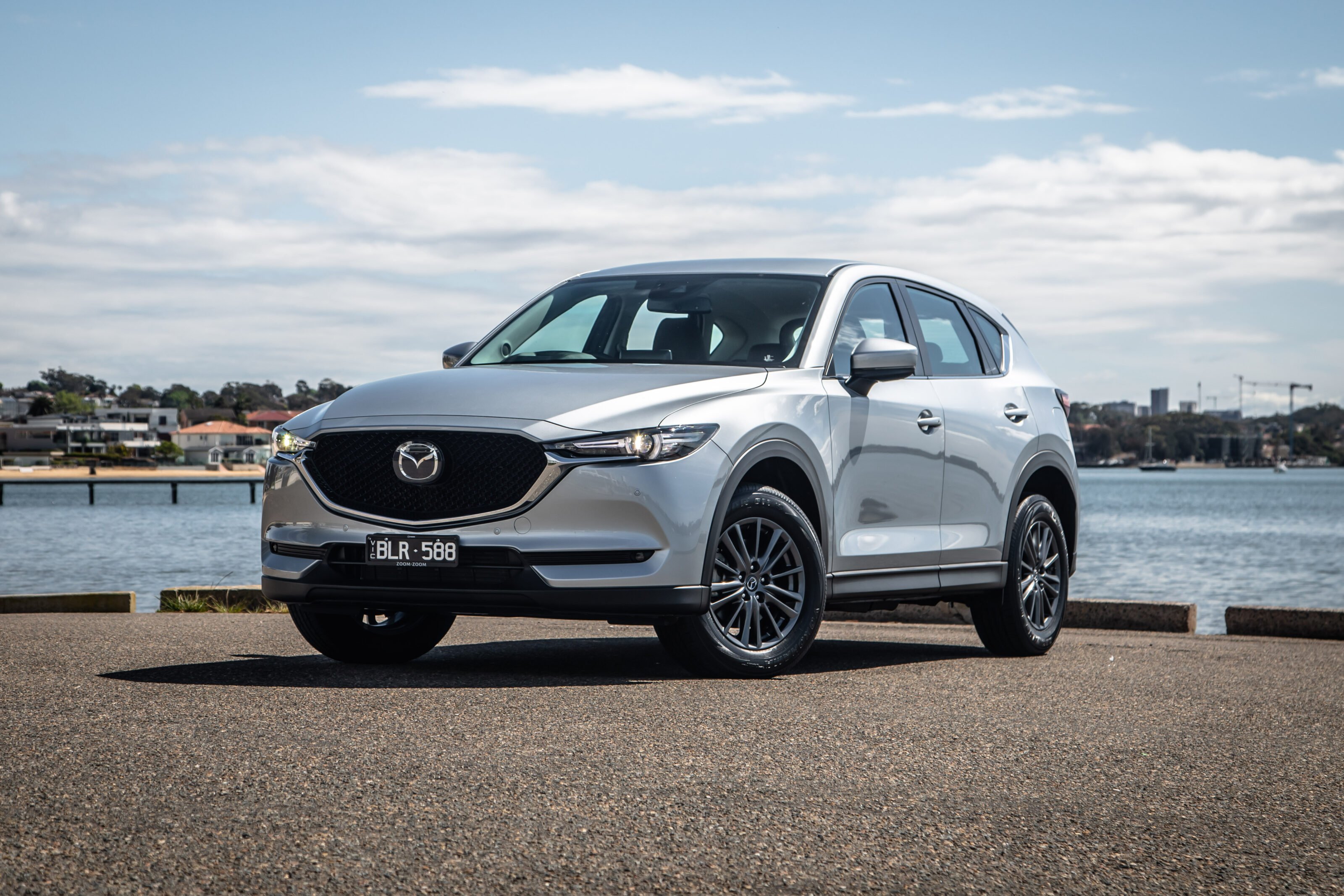
You can get the diesel engine in four all-wheel drive variants, which includes the Maxx Sport ($42,490), the GT ($49,990) and the Akera ($52,380). Between the Maxx Sport and the GT lies the Touring tested here, for $44,280 or $3000 more than the equivalent 2.5-litre naturally-aspirated petrol. All prices before on-road costs.
You get 17-inch alloys, a six-speaker stereo, dual-zone climate control, reversing camera, keyless entry and start, adaptive cruise control, auto LED headlights, leather shifter and steering wheel, combination fake leather and microsuede seats, powered mirrors and windows, front and rear parking sensors, auto wipers and a space-saver spare.
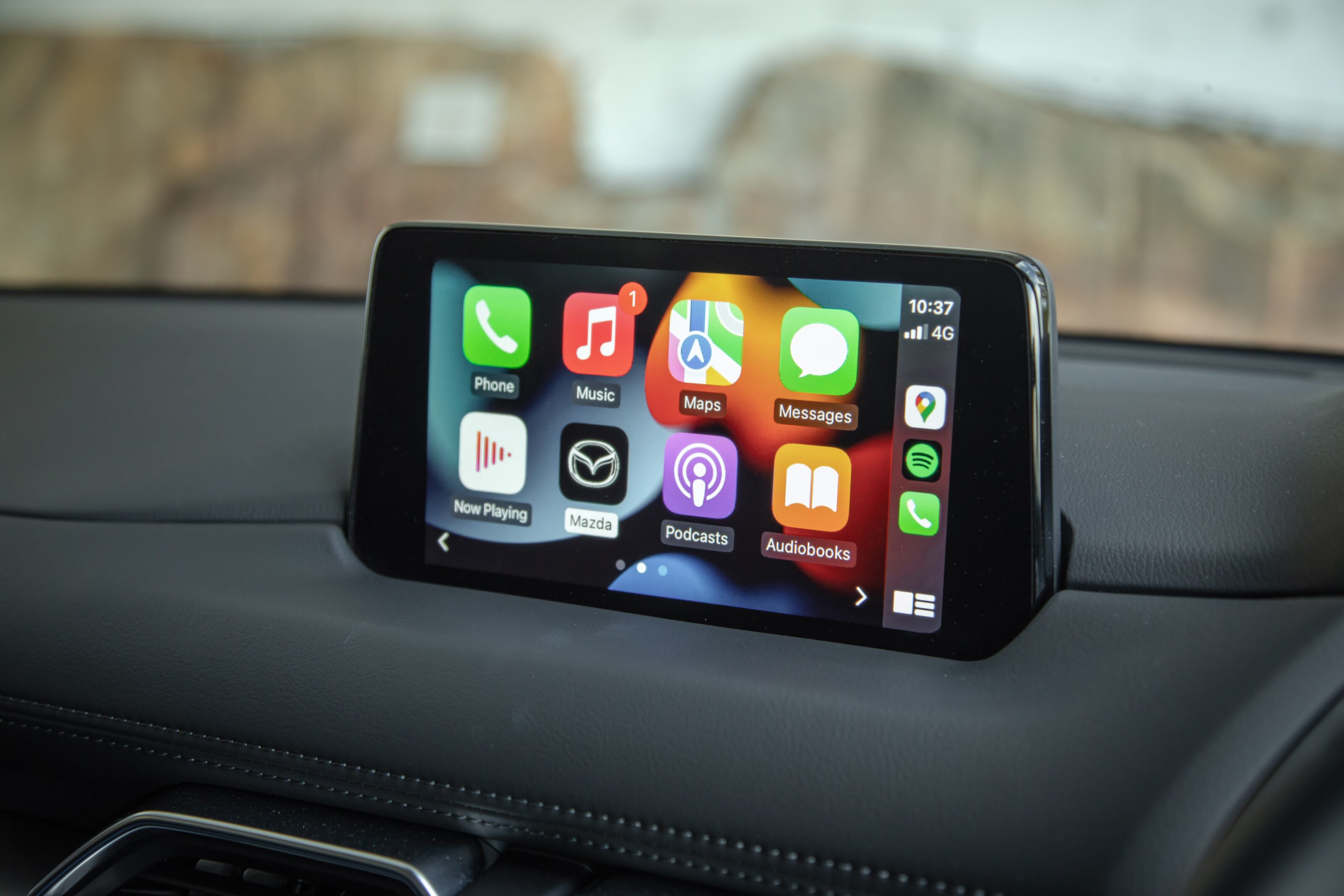
The 8.0-inch media screen is only a touchscreen at rest, reverting to the rotary controller on the centre console once underway. Despite a recent facelift, the CX-5 still has the older version of the MZD Connect software compared to the CX-30 and MX-30’s shiny new version. It has sat-nav along with digital radio and USB-powered Apple CarPlay and Android Auto. Despite being old, it works perfectly well if a little bit lo-res.
Five-star ANCAP safety has become a bit of a Mazda trademark, with six airbags, ABS, stability and traction controls, blind-spot monitoring, forward auto emergency braking, forward collision warning, lane departure warning, lane-keep assist, speed limiter, speed limit reminder with road sign recognition, reverse AEB and rear cross-traffic alert.
The forward AEB has pedestrian and cyclist detection and works at high and low speeds for other vehicles.
ANCAP last tested the CX-5 in 2017 and that was when the criteria weren’t as strict as they are now but Mazda has kept adding more safety features to try and keep up.
The only option is a choice of three premium colours – Polymetal Grey, Machine Grey and the always delectable Soul Red – for $495. Frankly, I reckon you’re mad not to.
ANCAP last tested the CX-5 in 2017 and that was when the criteria weren’t as strict as they are now but Mazda has kept adding more safety features to try and keep up.
Comfort and Space
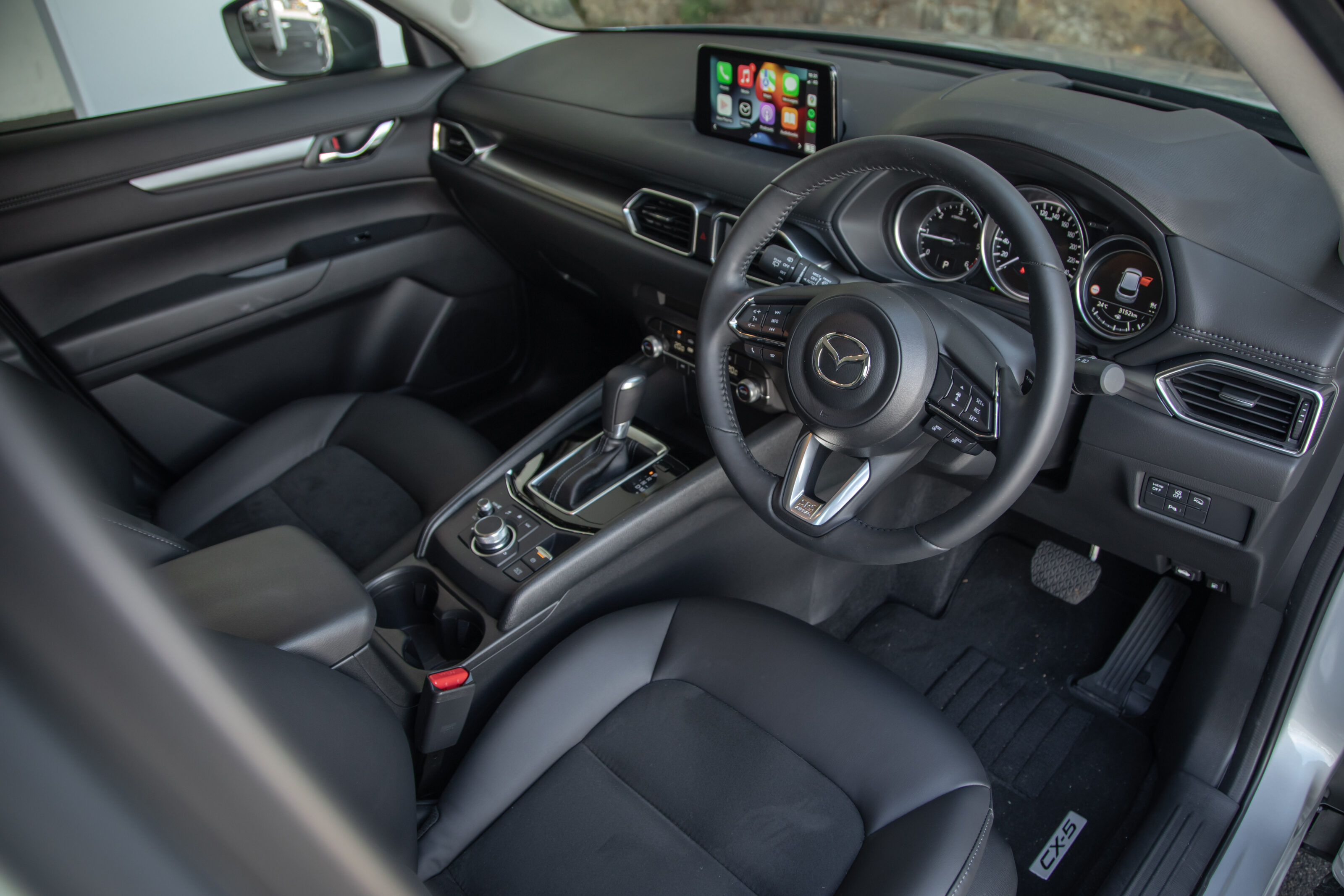
Mazda has done a lot of work throughout the range in the last few years to de-clutter. Marie Kondo would be proud of my outdated cultural reference and Mazda’s work to ditch things that singularly failed to bring joy, the scourge of too many buttons and lights.
The cleaner space in front of the driver and passenger is a bit calmer than in previous years and makes sense. It’s nice.
The front seats aren’t all that attractive but are very comfortable, with plenty of adjustment in front of the very attractive leather wheel – Mazda is doing very nice steering wheels, bigger than expected but with a classical thin rim.
You also get two cup holders, somewhere to stash your phone, a reasonabe-sized lidded console bin and bottle holders in the doors.
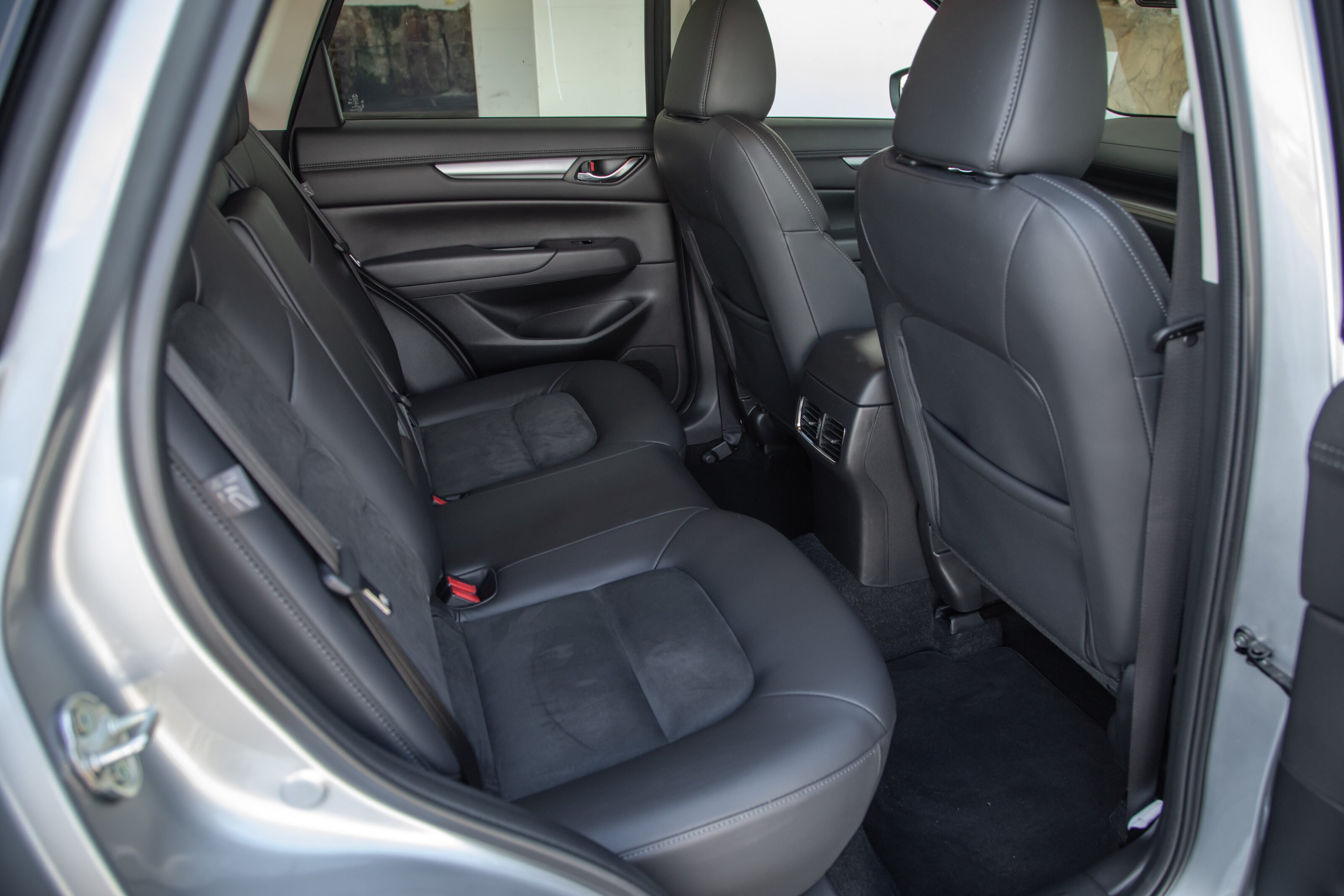
Moving to the back, Mazda’s habit of tight rear accommodation continues. I’m about 180cm tall and fit snugly behind my driving position after posting myself through the awkwardly narrow door aperture.
Once I’m in, though, the seat is really comfortable and headroom is good. Back here are two more cup holders and bottle holders in the doors.
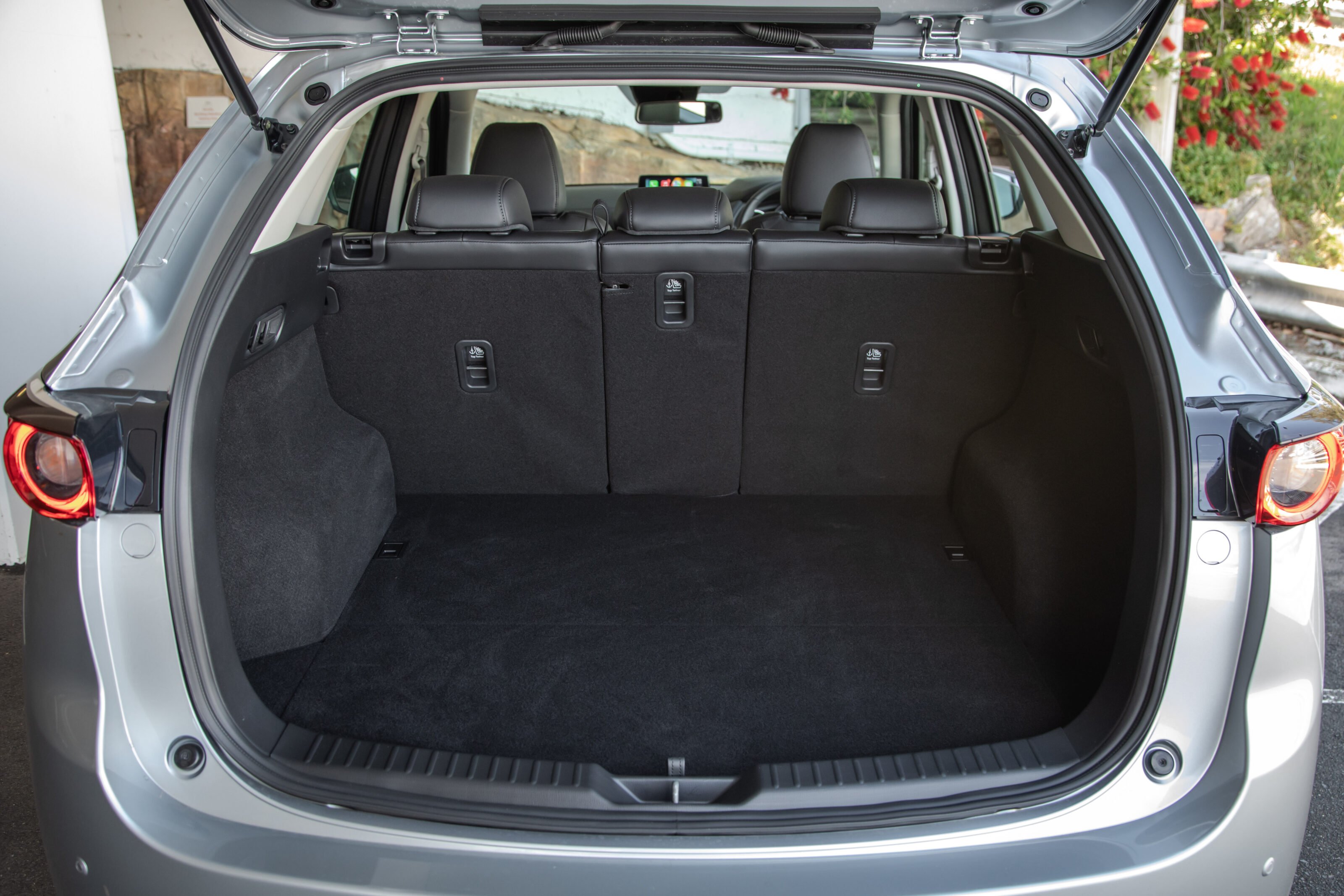
Boot space starts at 442 litres, which is a lot less than all of its obvious competitors – the non-hybrid RAV4 has 580 litres and the Tiguan a whopping 615 litres. Drop the 40:20:40 split-fold rear seat and 1342 litres is yours to fill.
On the Road
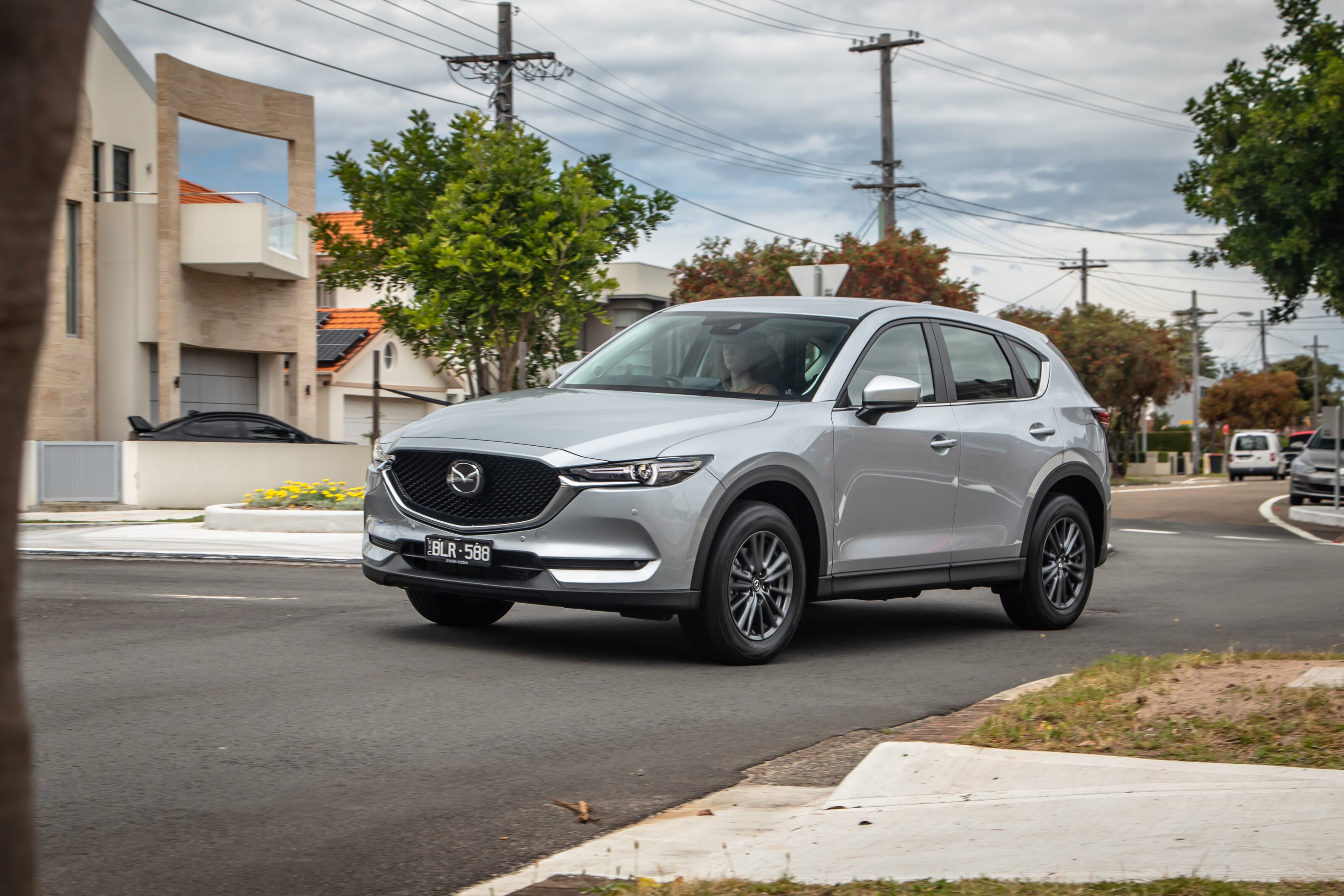
Mazda’s 2.2-litre twin-turbo diesel serves up a healthy 140kW at a high-for-a-diesel 4500rpm and a walloping 450Nm at just 2000rpm. Power goes to all four wheels when needed and gets there via a six-speed automatic transmission. Over the years this engine has become quieter and smoother and you absolutely cannot argue with 450Nm of torque at a lazy two grand.
The 0-100km/h time of just under nine seconds isn’t exactly a headline-grabbing figure but none of the CX-5s are particularly quick, even the 170kW turbo-petrol that is just on a second quicker at 7.7 seconds. In the gears for an overtake, though, the twin-turbo hauls you through the gears with impressive vigour. You know it’s a diesel – and the torque comes on hard and fast when you give it some throttle – but there’s not much character.
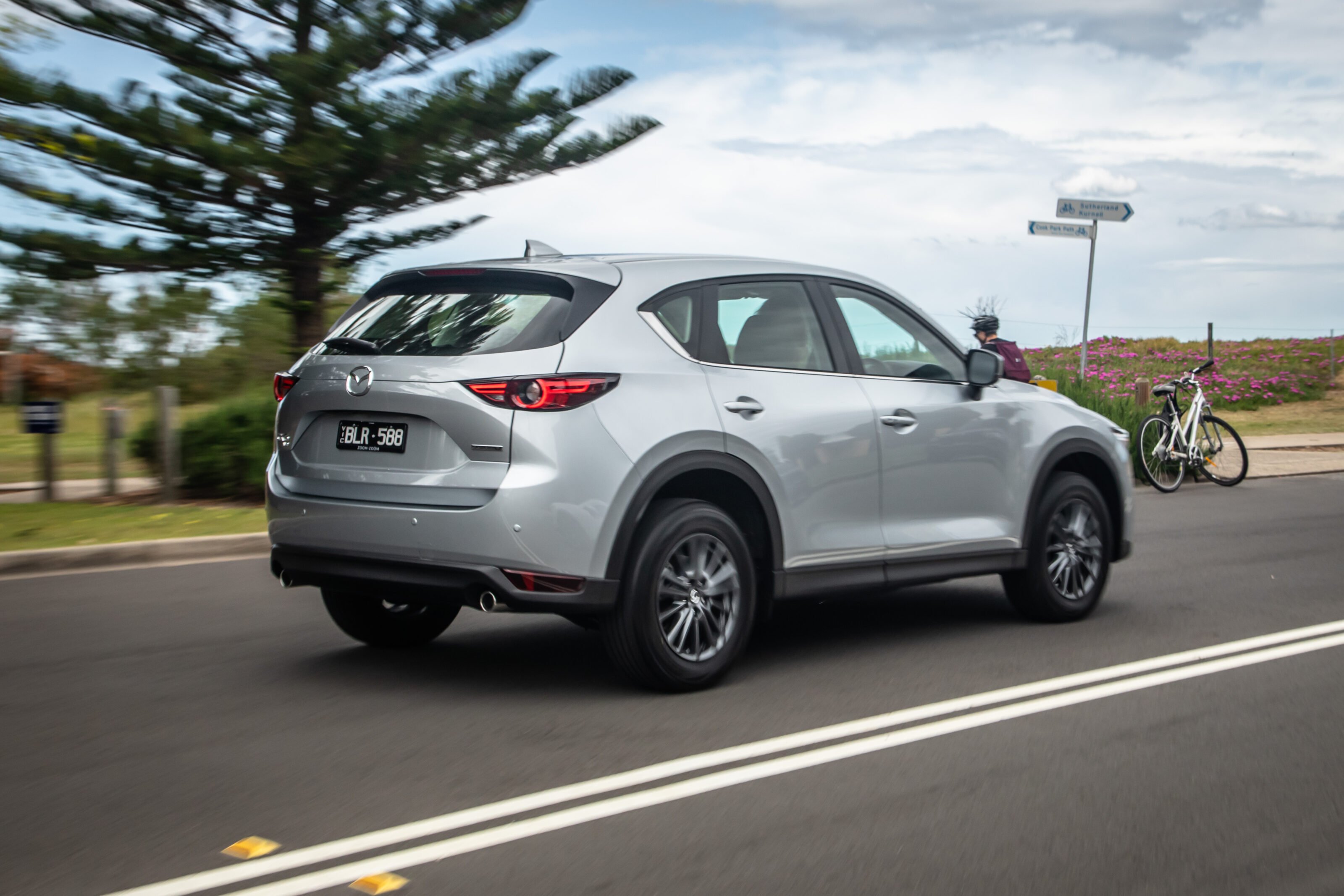
The extra weight of the diesel isn’t apparent until you’re really pressing on. Which you might, because the CX-5 has always been dynamically impressive. Body control is excellent for a mid-size SUV and it’s still the car that set the benchmark almost a decade ago. Steering, brakes and throttle, even in the diesel, are all well-matched and the ride firm but compliant.
A set of 17-inch wheels with 65-section tyres certainly help the ride, which handles lumps and bumps along with the very well-sorted multi-link rear. Only really nasty bumps unsettle it and even with some speed on, it tracks beautifully through bumpy corners. It’s quite impressive, really, and not much else in this price bracket is as good, apart maybe from Hyundai’s new Tucson.
The extra weight of the diesel isn’t apparent until you’re really pressing on. Which you might, because the CX-5 has always been dynamically impressive.
Ownership

Mazda offers a five-year warranty with unlimited kilometres and throws roadside assist into the bargain.
Capped-price servicing applies for the first five services and unfortunately, they come every 12 months or just 10,000km, which is getting on to the short side. Pricing is reasonable for a diesel, coming in at either $363 or $393 per service, costing $1875 over the five services.
A RAV4 is substantially cheaper to service but everyone else is roughly the same, especially when you take into account that short service intervals mean you might be servicing the Mazda more than once per year now that we’re allowed out of our suburbs again.
Mazda lists additional items not covered by the service regime, which on this car is the cabin air filter (40,000km, $82) and the brake fluid (two years/40,000km, $71) which again, is reasonable.
VERDICT
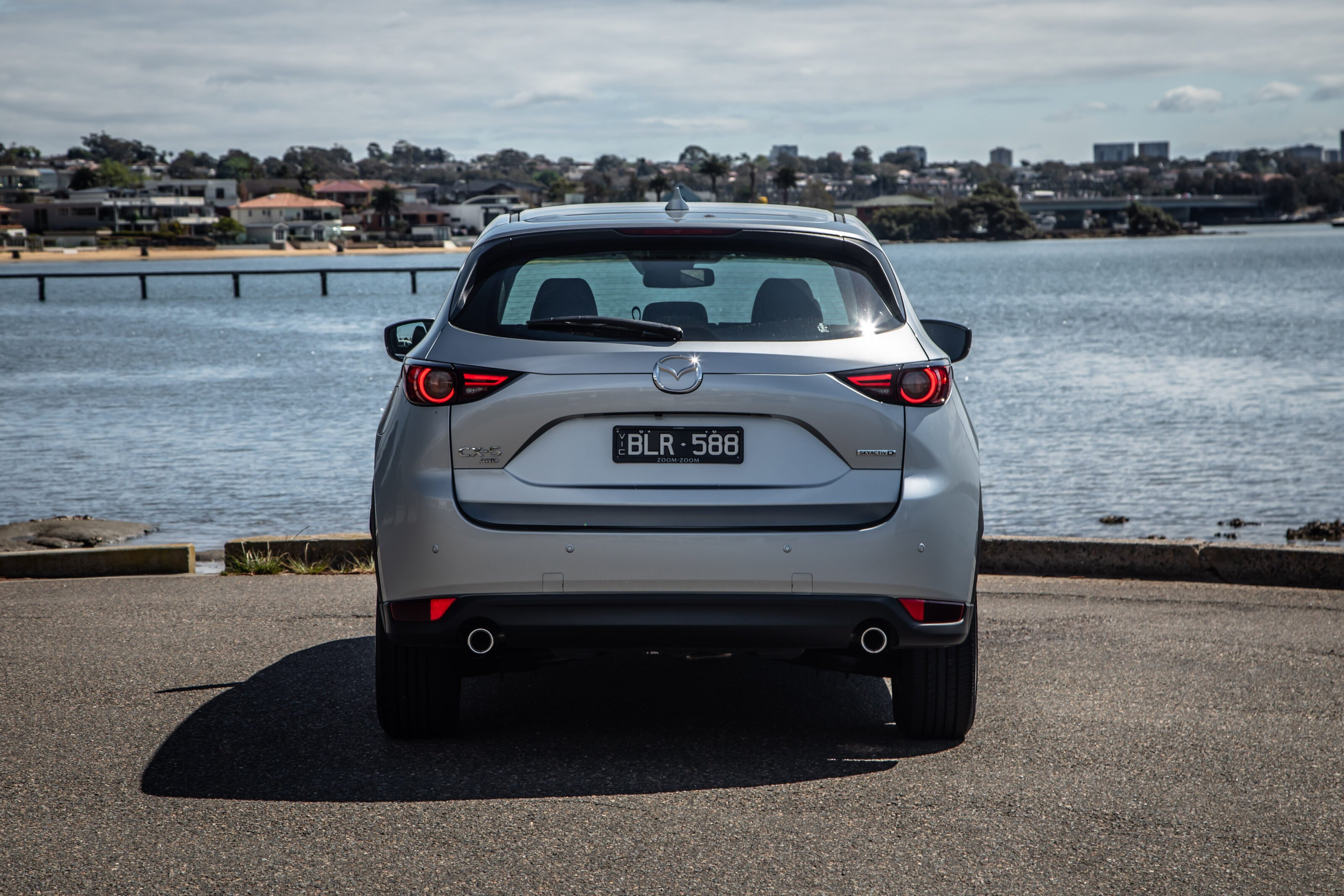
The CX-5 isn’t at the cutting edge of SUVs, despite being responsible for bringing cool to the segment. You’d hardly call a diesel engine cool and one wonders if time and tide are raging against it. And that’s before you take into account the excellent turbo-petrol, which admittedly you can’t get in Touring spec.
Which brings me to that point – the Touring is easily the pick of the CX-5 range for value. It’s got everything you need and nothing you don’t, so it’s kind of annoying you can’t have the turbo-petrol. If you have to have a diesel, for that extra bit of range and chunky torque curve, then that makes it the perfect one in the range.
The Touring is easily the pick of the CX-5 range for value. It’s got everything you need and nothing you don’t, so it’s kind of annoying you can’t have the turbo-petrol.
2021 Mazda CX-5 Touring Diesel specifications
| Body:u00a0 | Five-door medium SUV |
| Drive: | AWD |
| Engine: | 2.2-litre twin-turbo diesel four-cylinder |
| Transmission: | Six-speed automatic |
| Power: | 140kW @ 4500rpm |
| Torque:u00a0 | 450Nm @ 2000rpm |
| Bore stroke (mm): | x |
| Compression ratio:u00a0 | 14.4 : 1.0u00a0 |
| 0-100km/h:u00a0 | 8.8 sec (/claimed) |
| Fuel consumption:u00a0 | 5.7L/100km (combined) |
| Weight: | 1714kg |
| Suspension: | MacPherson strut front/ |
| L/W/H:u00a0 | 4550mm/1840mm/1675mm |
| Wheelbase: | 2700mm |
| Brakes:u00a0 | mm ventilated disc front / mm solid disc rear |
| Tyres:u00a0 | 225/65 R17 |
| Wheels:u00a0 | 17-inch alloy wheels (space-saver spare) |
| Price:u00a0 | $44,280+ ORC |
Welcome to the MOTOR Awards 2021, where our team offer a tip of the hat to those that displayed automotive excellence in the last 12 months.
Biggest Innovation Winner: Alternate Fuels
This year has been filled with new and exciting technological advancements. But few have got car companies and enthusiasts alike as excited as synthetic fuel.
Renewable energy and carbon capture advancements has made synthetic fuel a viable (though still very expensive) technology, and it is viewed by certain powerful figures within the industry as a wonder juice – a petrol alternative which can be created in a carbon-neutral process, that burns clean, can utilise existing infrastructure, and could be used in any combustion-powered vehicle without modifications.
Every car, truck, plane, or boat that currently runs on petrol or diesel could transition to a synthetic alternative almost overnight. Considering the global passenger car fleet currently tallies around the 1 billion mark, that’s potentially a huge reduction in CO2 emissions.
But change doesn’t happen that quickly. Like most new technologies, synthetic fuels will begin their foray into the mainstream on the world’s race tracks. Formula 1 will adopt a yet-to-be-decided carbon neutral fuel in 2025, while Porsche’s new 992-gen 911 Cup car can – and in the Netherlands, does – run on synthetic fuel.
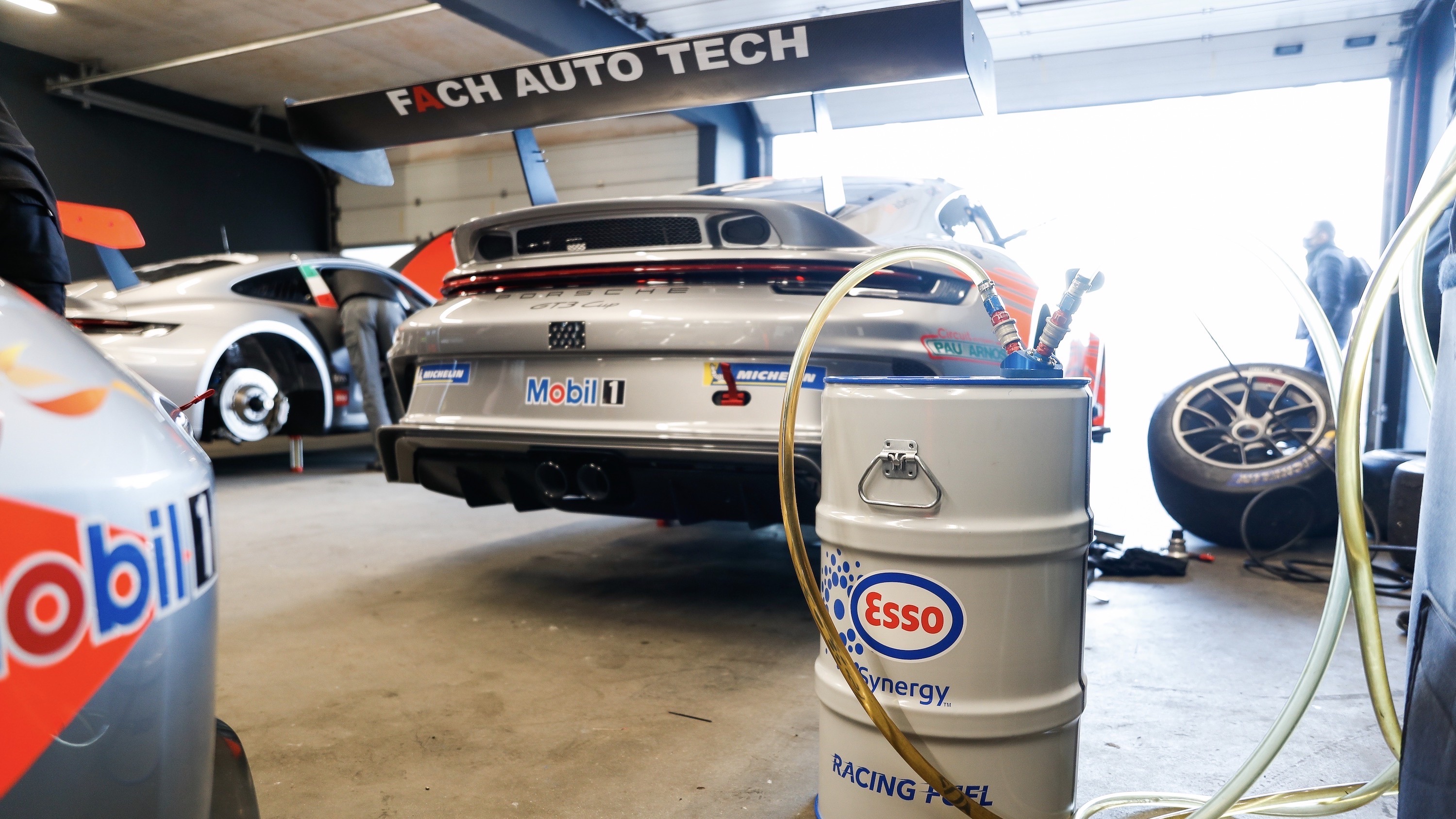
The major hurdle facing synthetic fuel is pricing. Currently Porsche estimates the synthetic fuel it produces as part of a prototype program costs $13.24 a litre to produce. Fill a 992-gen Turbo S fuel tank, and you are looking at a bowser cost of near enough $900.
The company’s CEO believes the petrol alternative needs to cost in the region of $5.30 to be viable. We aren’t there yet, but much like how battery tech has become drastically cheaper in recent years, so will synthetic fuel.
Electric and hydrogen will make up a large part of our motoring future, but with synthetic fuel, combustion engines may have been given a permanent stay of execution. It isn’t a wholesale fix for the demons that haunt internal combustion but makes up a very important part of ensuring the performance cars we know and love today can still be enjoyed decades into the future. – CK
Honourable mention: McLaren / Ferrari 120-degree V6
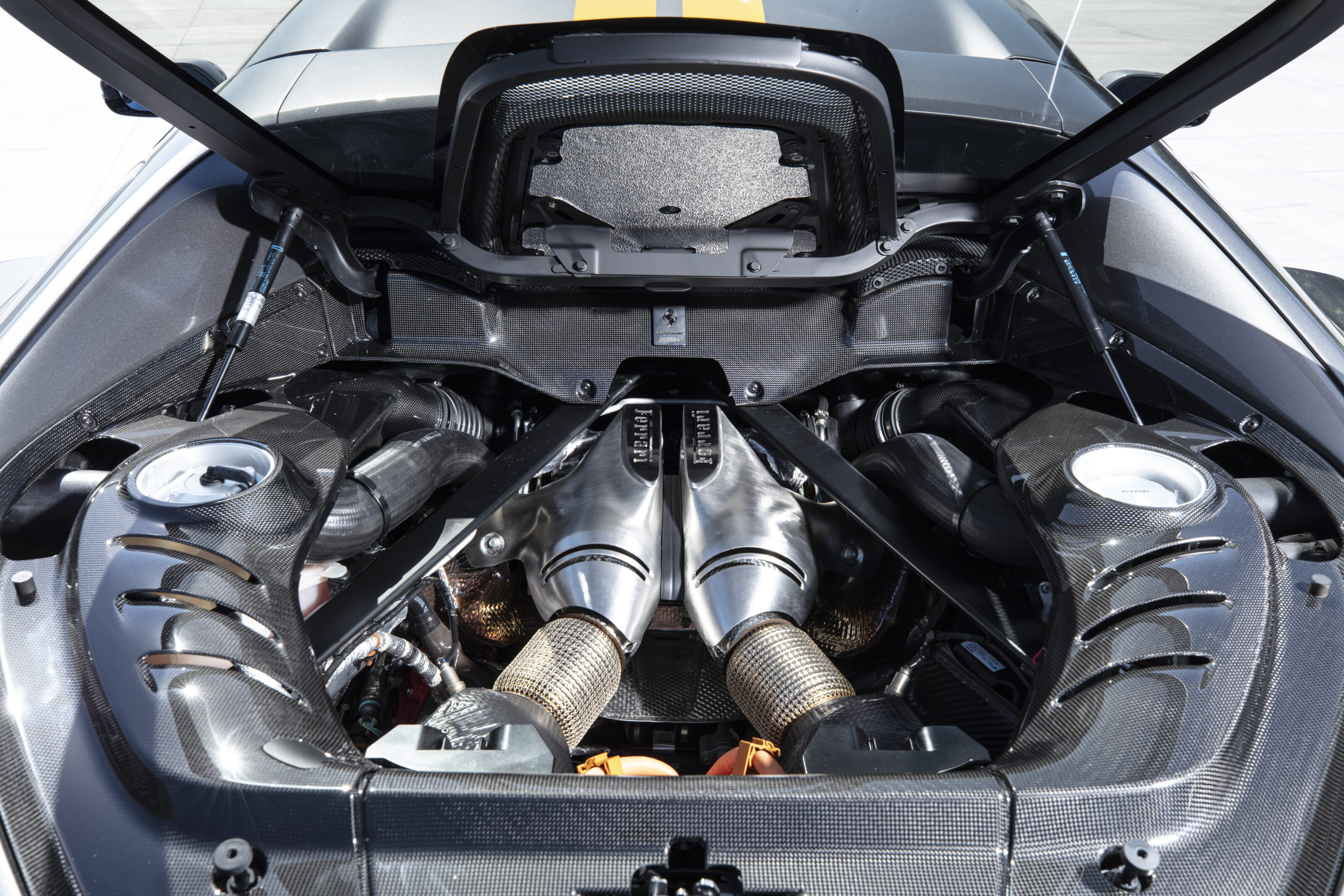
No, it’s not Spygate 2.0 – McLaren and Ferrari have both, independently, built 120-degree twin-turbo V6 engines for their next-gen hybrid supercars. Both almost flat designs allow the ICE units to be placed ultra-low in the car, while shorter crankshafts reduce overall length. The era of V12 and V8 supercars is nearing an end, but these V6s prove there’s no point crying over lost cylinders.
Honourable mention: Amplitex
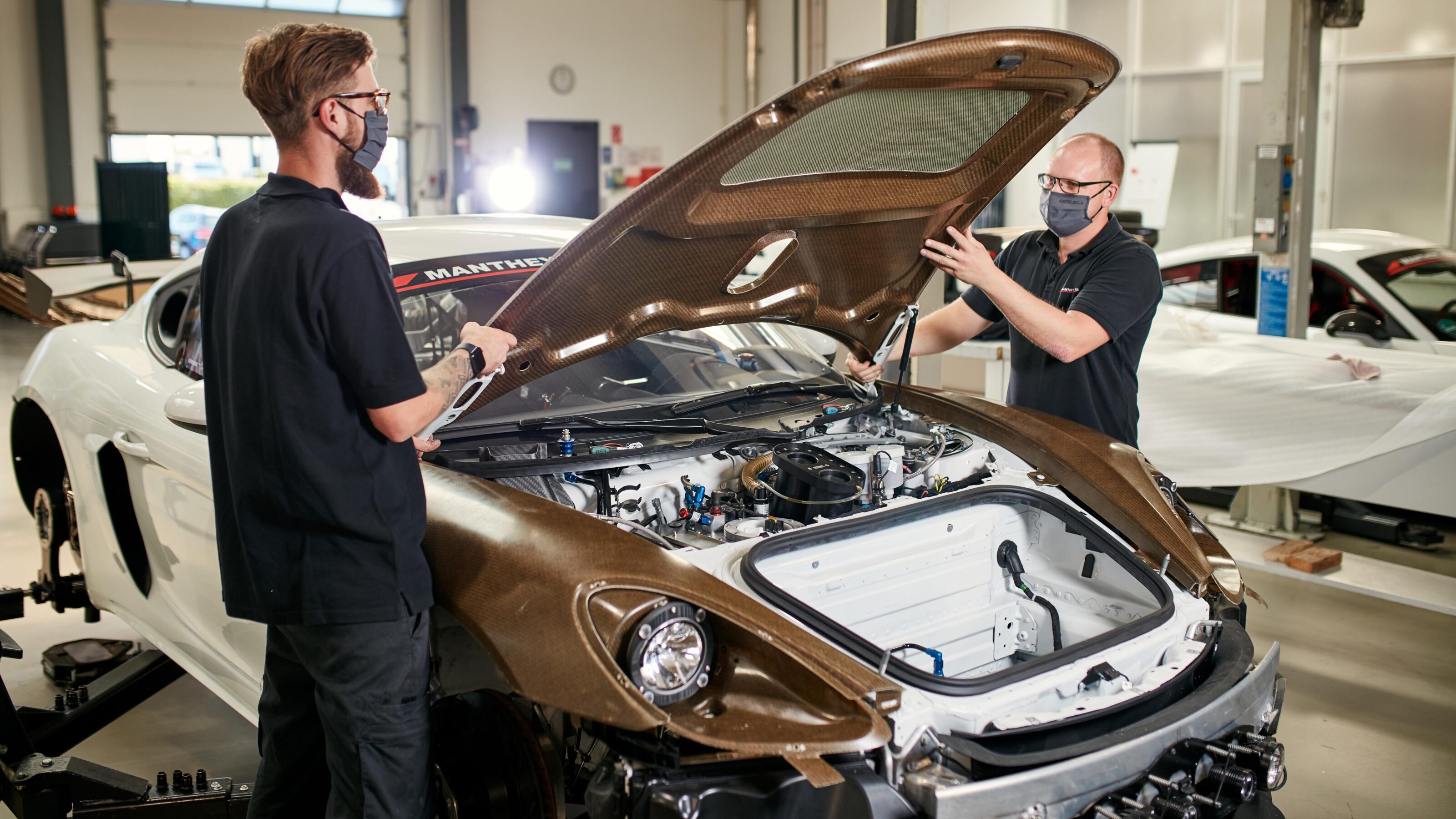
There’s more to reducing the environmental impact of the automotive world than new propulsion technologies. Swiss company Amplitex has developed a flax-based sustainable alternative to carbon fibre that can be used to build FIA-approved crash structures. Expect it in road cars sooner rather than later.
Snapshot
- Stefanie Wurst to lead Mini from February 2022
- Comes from within the BMW Group
- Outgoing boss Bernd Koerber staying at BMW
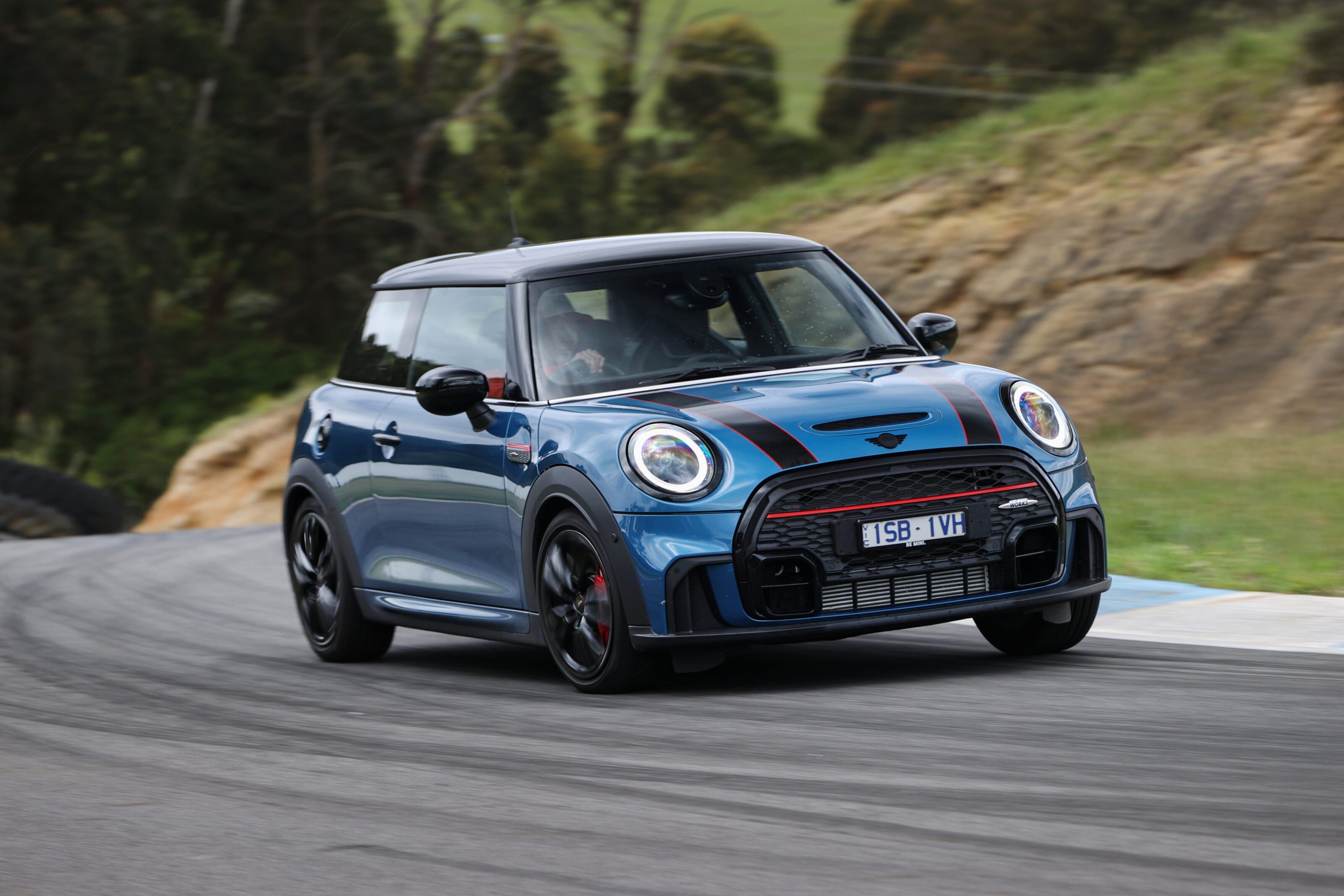
Stefanie Wurst, current project lead for customer, sales and brand within the BMW Group, has been appointed to lead Mini.
In a statement, the automaker confirmed Wurst will become responsible for the marque from February 2022.
The 53-year-old commenced her role in the BMW Group in 2014, starting as head of marketing for BMW Germany.
She was promoted to the managing director of BMW Group Netherlands in 2018, before moving to lead the customer, sales and brand in November 2021.
Wurst will succeed current Mini boss Bernd Koerber, who is set to become head of BMW product management and the connected company.
The news comes as part of a reshuffle of the BMW Group board, as the company prepares to merge its German and European sales regions into one from April 2022.

Bernhard Kuhnt, senior vice president of BMW Germany and previous BMW of North America head, will lead the unified sales and marketing division.
Meanwhile, the current leader of the European market, Jean-Philippe Parain, will take over responsibility for the Asia-Pacific, Eastern European, Middle Eastern and African regions.
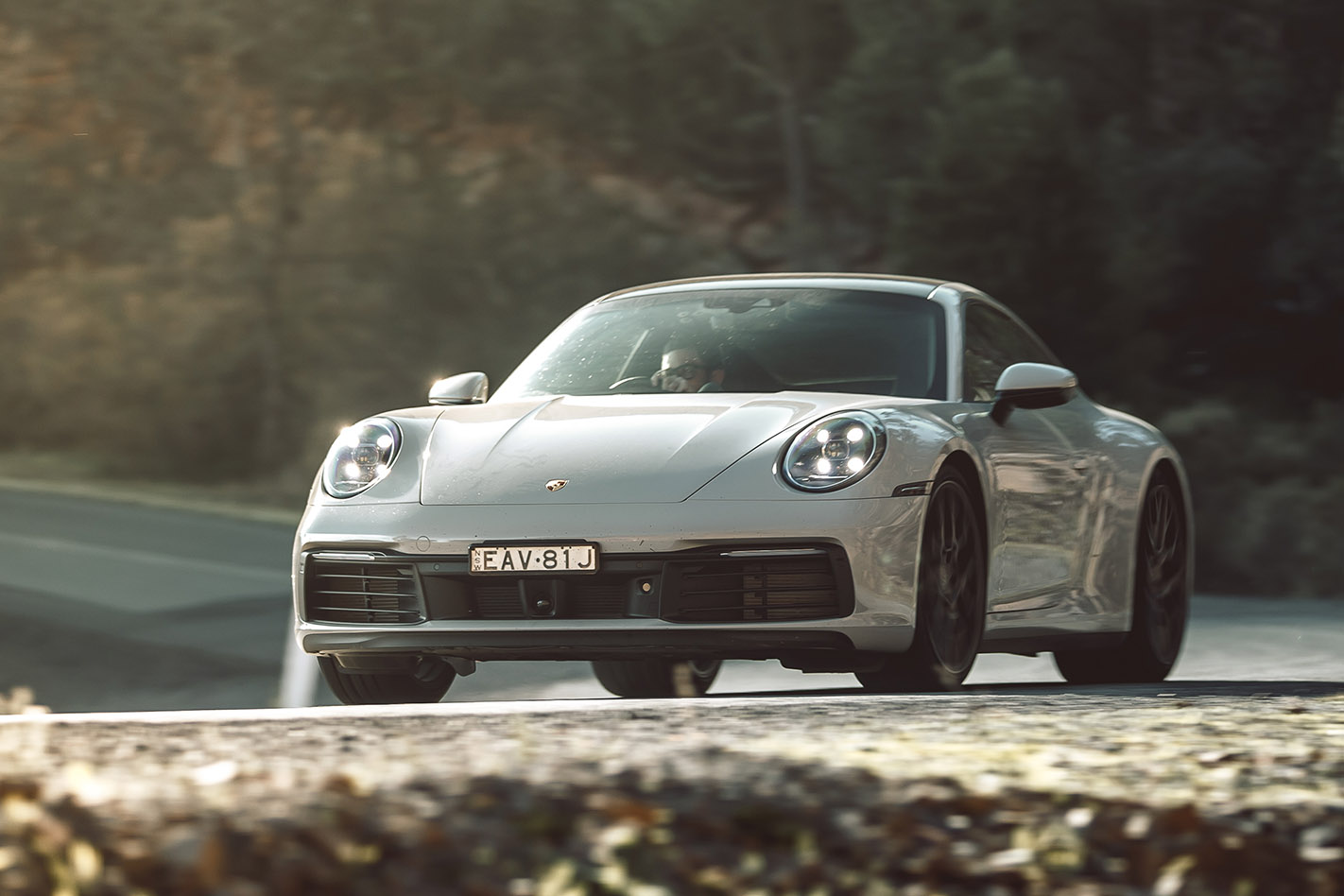
A hybrid 911 (code 994) will be the first step to electrification for Porsche’s iconic sports car, followed by the full-electric 998-gen car before the end of the decade. Porsche’s plan for the 911’s electrification is a bold transformation strategy – with plenty of imponderables.
Like which type of battery to use, how to package it, and what shape to choose for minimum drag with maximum 911-ness. This story is a work in progress – progress that began in the last decade.
While we tapped a variety of sources to shed light on the means and the end, a lot can change between now and 2028. But the wheels are in motion. As Michael Steiner, Porsche’s R&D boss puts it: “Deciding too early can be wrong. But deciding too late is always a mistake.”
2018: The first clues
A decade prior to its tentative due date, a mysterious red dot marked 998 made its first appearance on the top-secret product-cycle plan at Porsche’s Stuttgart HQ. This at a time when the company was making final preparations for the launch of the eighth-generation 911 (codenamed 992 and complete with mount points on the new gearbox for an e-motor) and the second Macan facelift.
Even though the combustion engine was under pressure from increasingly strict emissions controls and growing social acceptance issues, European EV sales were still in single-digit percentages; the Taycan still more than a year away.
2021: If Porsche can make an electric racer…
Three years on from its first appearance on the product plan, the 998 is still there. This far out from the start of production, the cycle plan normally shows white and green clouds to underline the provisional character of the project. The 998, however, appears to be a solid program with no asterisks or comment attached.
But there’s also no official confirmation; in fact, when I steer the conversation toward that still-classified three-digit code at the IAA auto show in Munich, Dr Steiner is not amused.
But lift your eyes from secret documents to gaze at the Mission R show car, and you grasp Porsche’s confidence in its electrification capabilities.
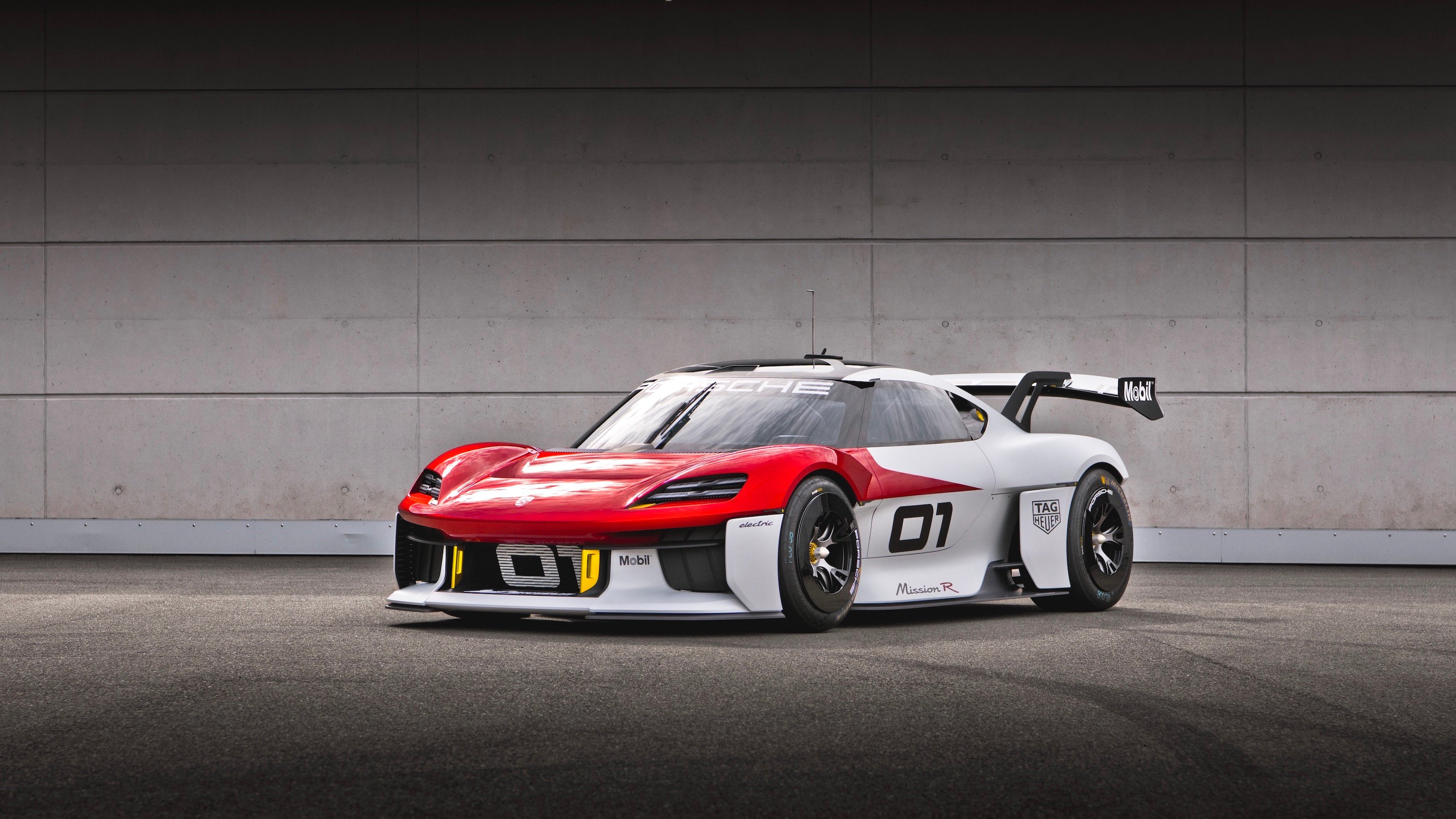
2022-27: The transformation
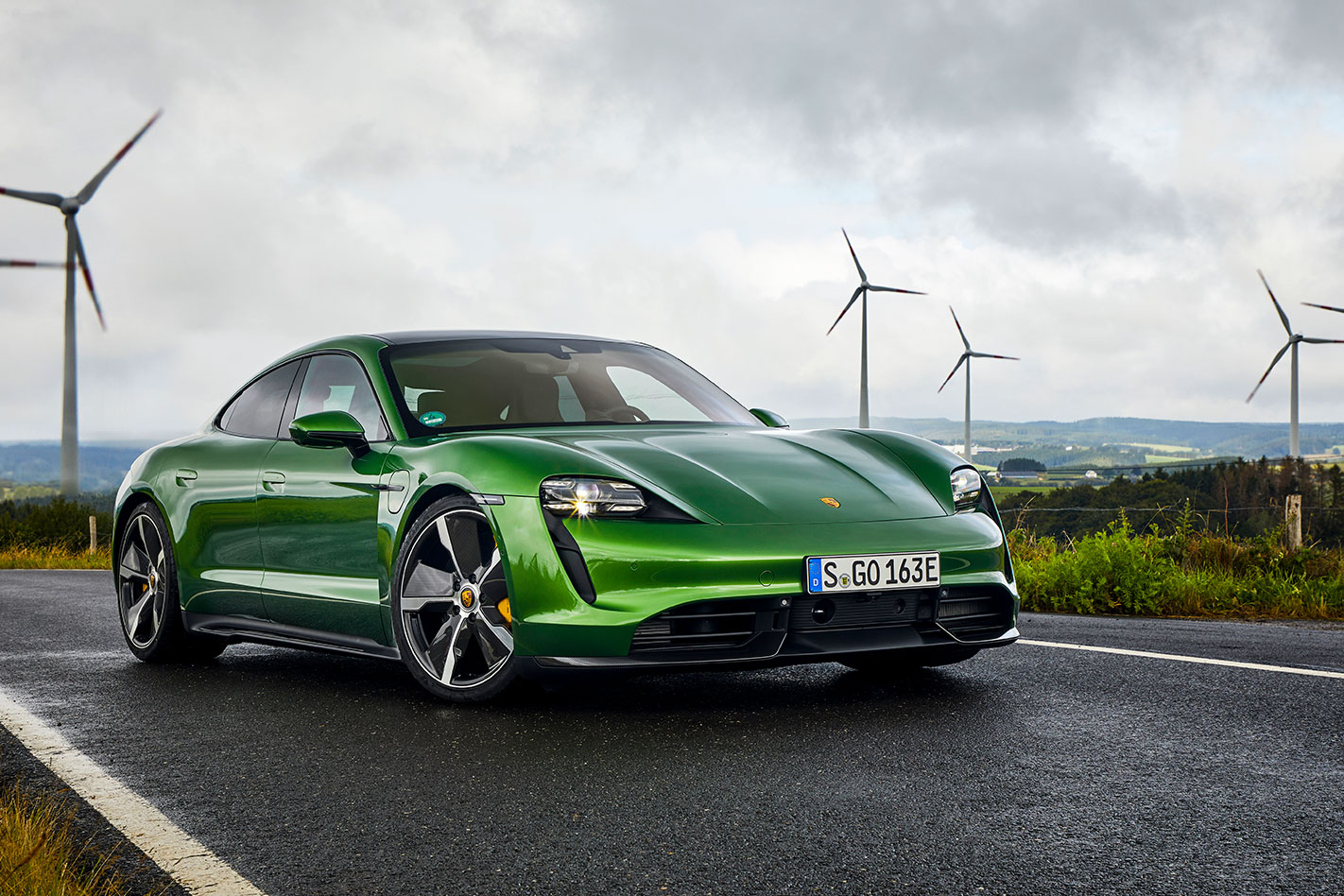
The Taycan is a huge success, its 19,822 sales in the first half of 2021 neck-and neck with the 911’s. Next we’ll see Porsche start to transform its familiar nameplates from combustion engines to fully electric.
First up is the Macan, Porsche’s biggest-selling car. The new electric-only version will be a 2023 model, Porsche has confirmed. There’ll be a transition period while the new EV is sold alongside the current combustion model. We’re expecting the electric Cayman and Cayenne to follow in 2024, and the Panamera in 2027 at the latest.
The Taycan could be ready for a switch from the MK1’s J1 architecture to the group’s SSP platform in 2026. Expect a large super-Cayenne crossover around the same time, which shares its DNA with the Audi Grandsphere and a Bentley.
These EVs will help Porsche towards its aim of CO2 neutrality by 2030 while also providing valuable data for the 998 project.
2025: Next-gen batteries
The batteries are critical to the whole project. Even the Mission R’s sophisticated high-performance cells may not be progressive enough for the second half of the decade.
That’s when American firm Quantum-Scape hopes to deliver the Holy Grail: the very first high-performance solid-state energy cells. Exactly when QuantumScape can deliver its dedicated power banks is another matter.
In an ideal world, hands-on work with the supercells would begin in 2025 at the latest.
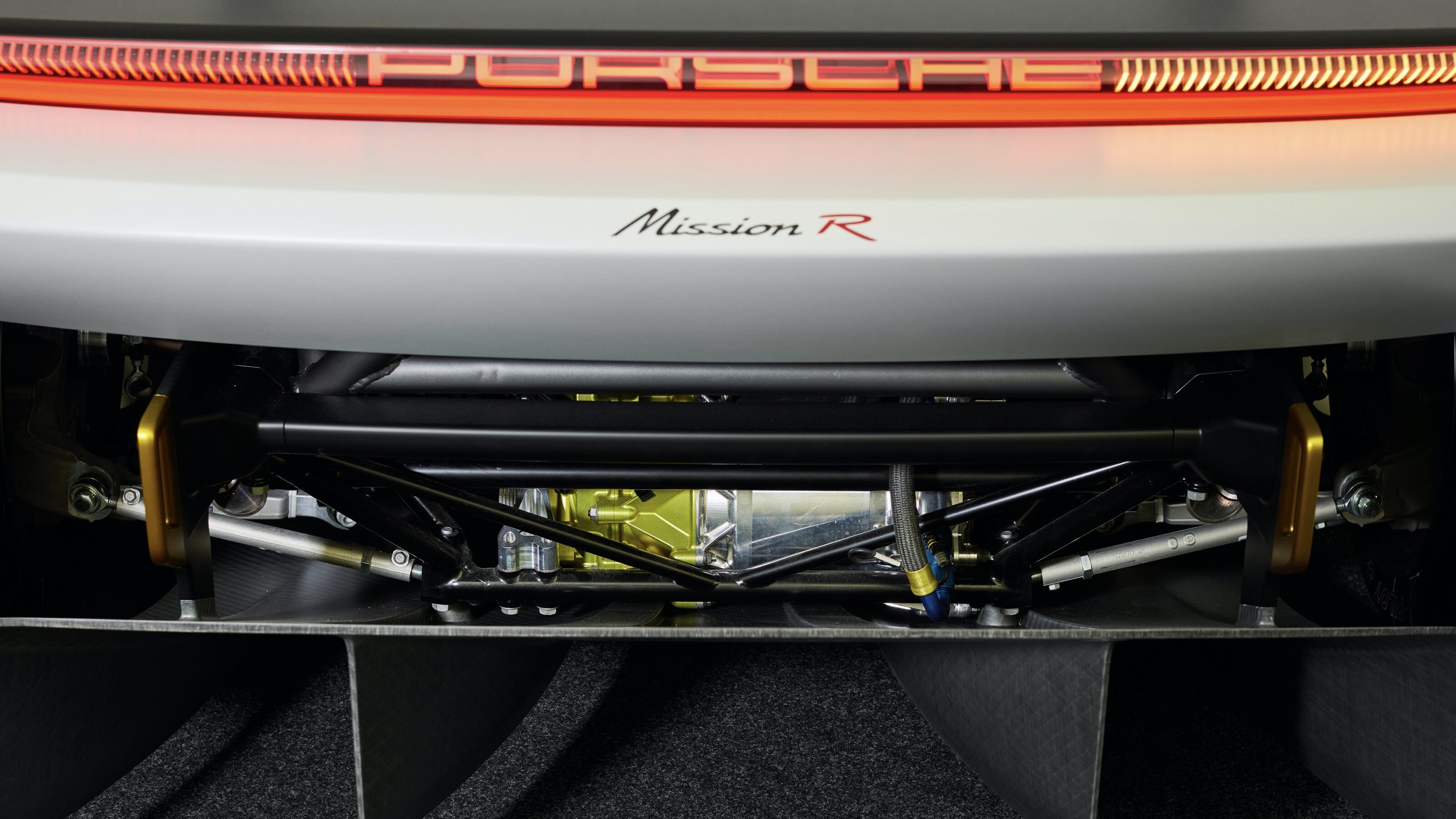
Key assets of the multi-dozen-layer cells are claimed to include an 80 percent range extension over lithium-ion, greater stability and a dramatically faster six-minute charge time from five to 80 percent. The supplier community tells us that the Porsche specification emphasises flexible packaging for optimised weight distribution and space utilisation, as well as efficiency and recharging robustness.
And where exactly would these batteries go? Has Porsche built a prototype 911 with its rear-mounted flat-six substituted for a battery?
R&D man Steiner: “In CAD, yes; but there was never a prototype like that – too many problems [with safety; batteries need to be within the wheelbase]. We would not like to see this on the road with today’s technology. But we could split the battery, with a T-shaped layout; big battery pack behind the seats and the rest in a corridor between them.”
2026: The hybrid
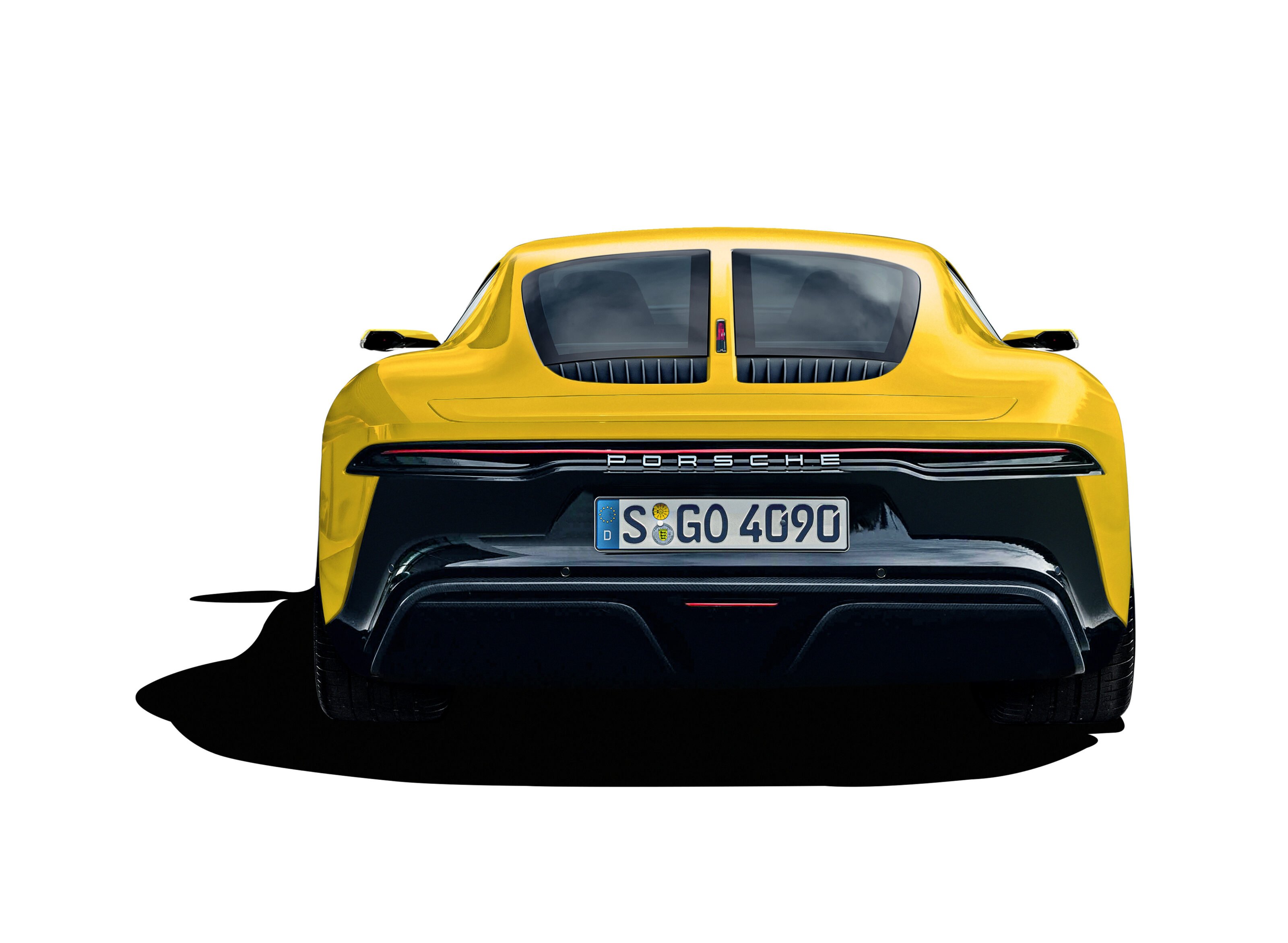
The only combustion-engined Porsche that’s not part of the mid-decade switch is the 911. Expect the next-gen 994’s design to be frozen in Q3 2025, and production to begin at the end of 2026.
Powered by a hybrid (but not plug-in) plus petrol engine, the flat-six is likely to rise from 3.0 to 3.4 litres – not in pursuit of higher performance, but to compensate for the muffling effects of EU7 emissions regs.
A plug-in hybrid would mean more weight, less space, increased complexity and dynamic compromises. Porsche’s solution adds slugs of additional grunt to beef up the low- to mid-rev performance. We hear the compact e-boost system will throw in an extra 200kW for a total output of around 600kW.

Once the 994’s design is set, the same team will switch to finalising the 998, a car that will pose some big challenges for the engineers and designers who must define it.
Or will it? Perhaps an electric 911 designs itself… Head of design Michael Mauer told Wheels: “The silhouette of today’s 911 is so iconic. That has to stay, as we have proved over the years – the new 911 is always a 911; just a new one. Listening to the engineers now, when we talk about combustion engines, there are many packaging complications and limitations. Electric technology brings more freedom but yes, the Cayman and Boxster are mid-engined and the 911 is rear-engined, and we have to make sure these cars are differentiated. We can make it work.”
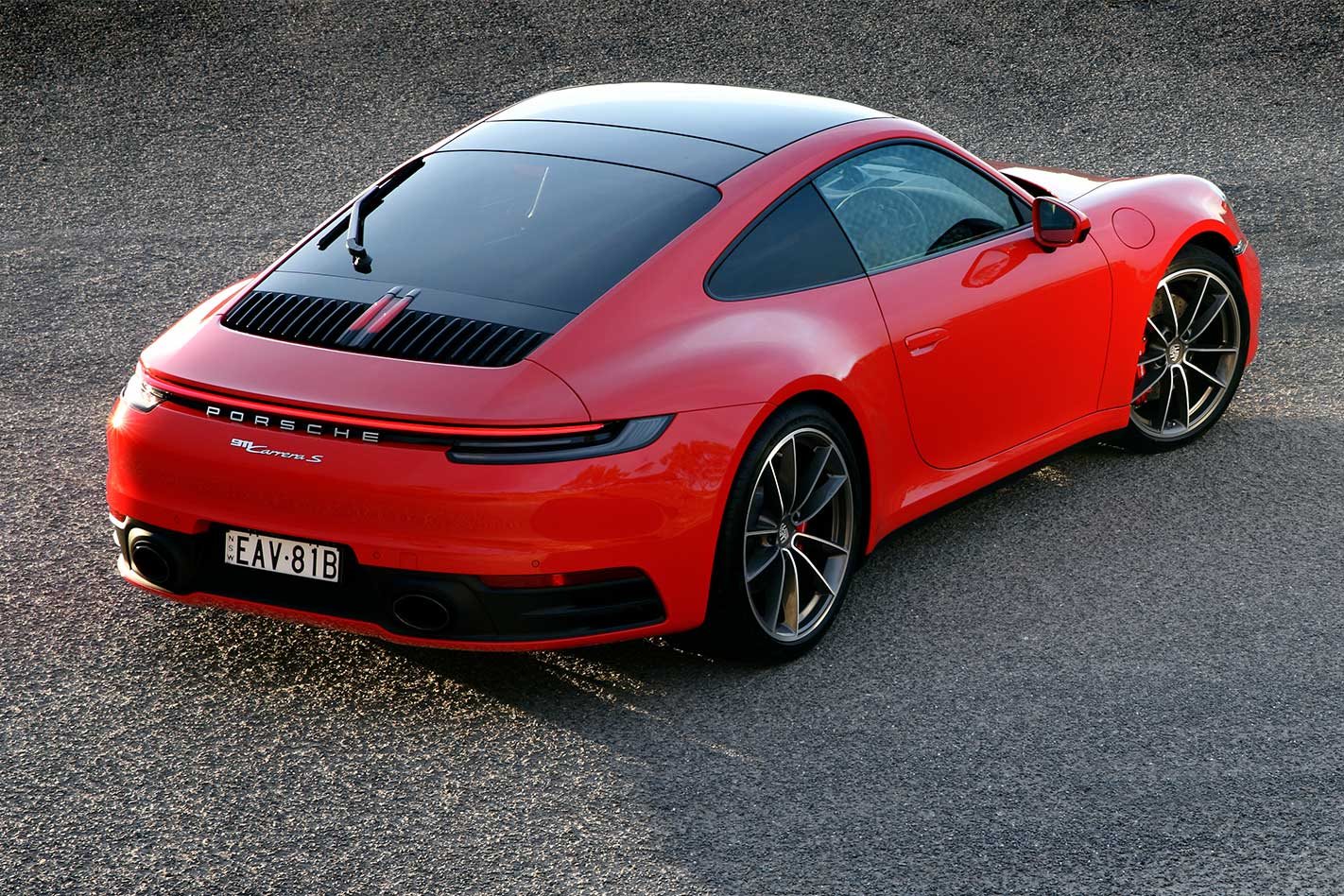
2028: They said it couldn’t be done…
The date may shift a little. Something might change in the wider world of emissions regulations, battery supply, charging networks and indeed global pandemics. But if all goes to plan, as we understand it, then in 2028 the 998 – the 100 percent electric 911 – will arrive.
Developed from scratch, designed with the past, present and future in mind and pace-setting in terms of drivetrain and batteries, it promises to be a revolutionary concept wrapped in an evolutionary skin. Can we expect a car a little like a larger and more potent Cayman EV derivative? Or something on a new architecture conceived around SSP, the VW Group’s performance EV platform?
All these ideas are in the mix. The Weissach grapevine reports that the scalable platform principle will be complemented by bespoke modules. There could be two different underbodies, shaped for more and less ground effect, and interchangeable uppers defining the character and style of the individual models. Think Spyder, Speedster, Sahara, Sportster…
The challenges are vast, not least because the e-drivetrain will occupy more space than a combustion engine and its fuel tank. Then there’s the battery-induced weight disadvantage… But Porsche has shown a formidable ability to rise to challenges.
“A real sports car has to perform on the racetrack, and there the car’s lateral capabilities [its ability to hustle corners] are at least as important as longitudinal [its acceleration]. Maybe even more important,” muses Dr Steiner. “When electric cars become superior to combustion-engined cars – and this will happen by the end of the decade – then there will be more and more customers willing to switch concepts”.
When that time comes, the 911 will be ready.
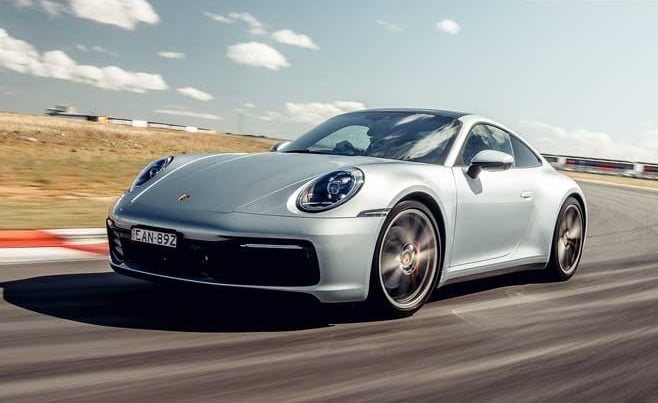
Porsche’s big synthetic fuel bet
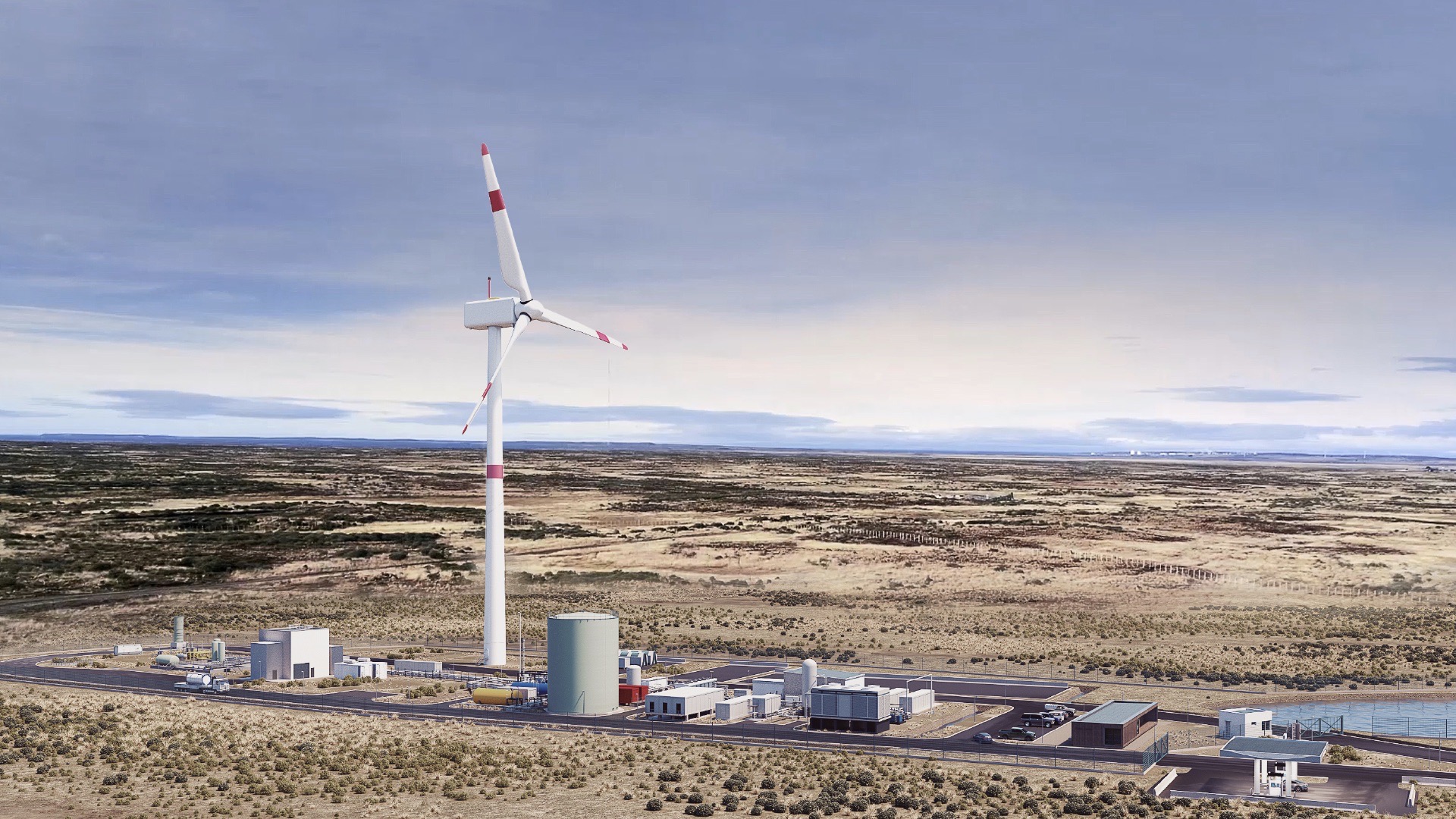
Porsche’s engines will keep running for a good few years yet, helped by a Porsche/Siemens project to produce synthetic fuel – which they call eFuel – that isn’t based on fossils and produces negligible CO2. Work has begun on a plant in Chile that, by 2030, will produce 550 million litres of eFuel a year.
Initially it will be used in the Porsche Supercup race series, and at Porsche Experience Centres. It might be made available to other manufacturers, and even F1 depending on the details of a distribution system yet to be mapped out. Chile is particularly well-suited to the creation of eFuel thanks to its strong, consistent winds, which provide a CO2-neutral way of powering the process in which usable hydrogen is extracted from water for conversion into fuel.
But don’t think this means a long-term reprieve for combustion engines. Michael Steiner, Porsche’s R&D chief, says: “Our main strategy is e-mobility, but to be CO2-neutral by 2030 we need additional measures. We see this as an important additional measure and as a role model that could be feasible for on-road, off-road transportation, but also shipping, maybe aviation. This is no competition to e-mobility. Wherever you have renewable electricity in the grid, it’s always more efficient to just drive with this electricity.”
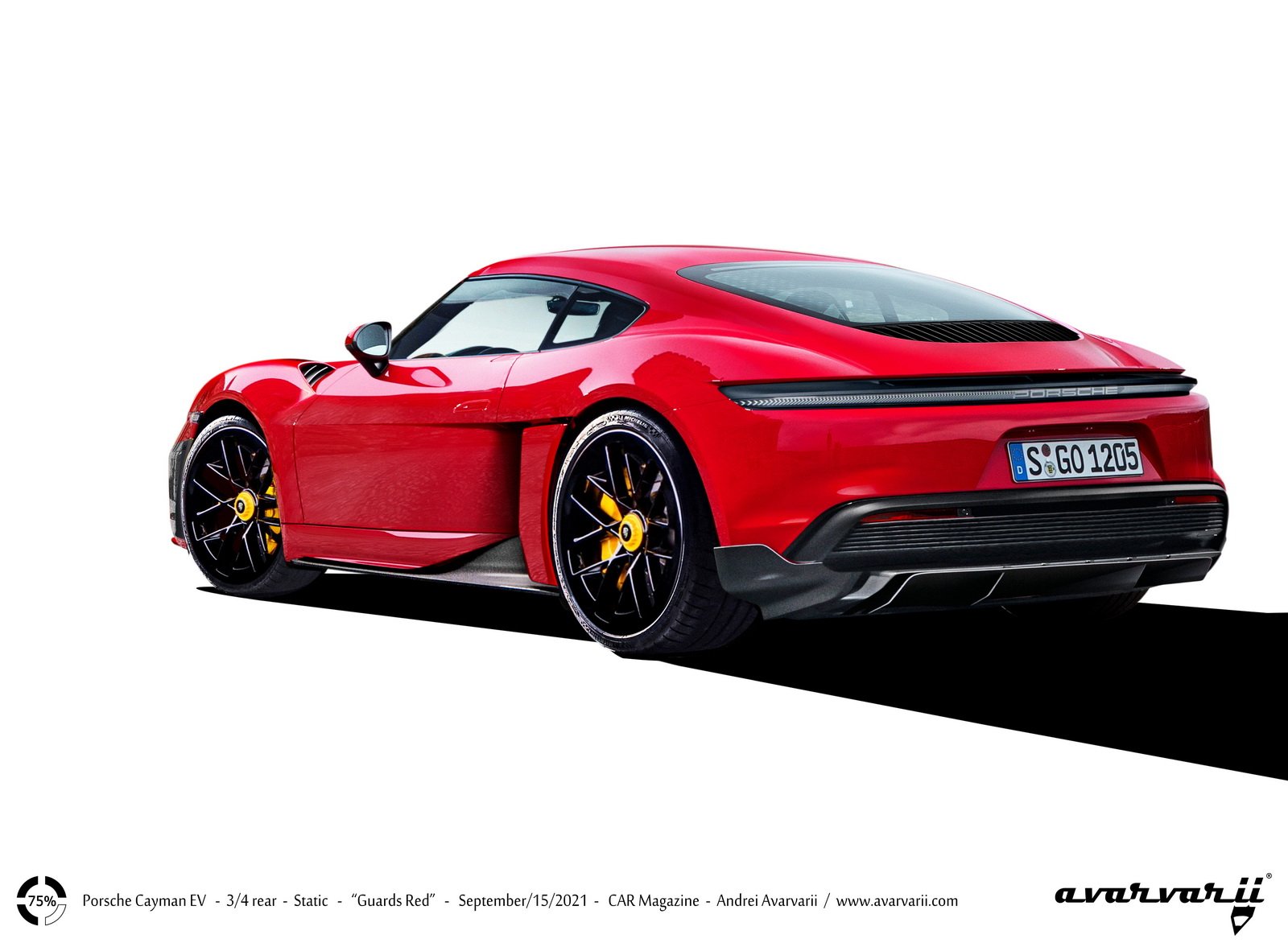
E-Cayman: the curtain-raiser
As detailed previously, it’s the Cayman that will be Porsche’s first electrified two-door, and key parts of its powertrain technology will flow through to the 911 application. While exact details are yet to be confirmed, the Cayman EV is expected to arrive in 2023, and its powertrain will be heavily influenced by that fitted to the Mission R concept revealed earlier this year at the Munich motorshow. Mission R can deliver a consistent 500kW via a 320kW motor on the front axle, and a 480kW unit at the rear. Ultra-fast 900v charging also features.
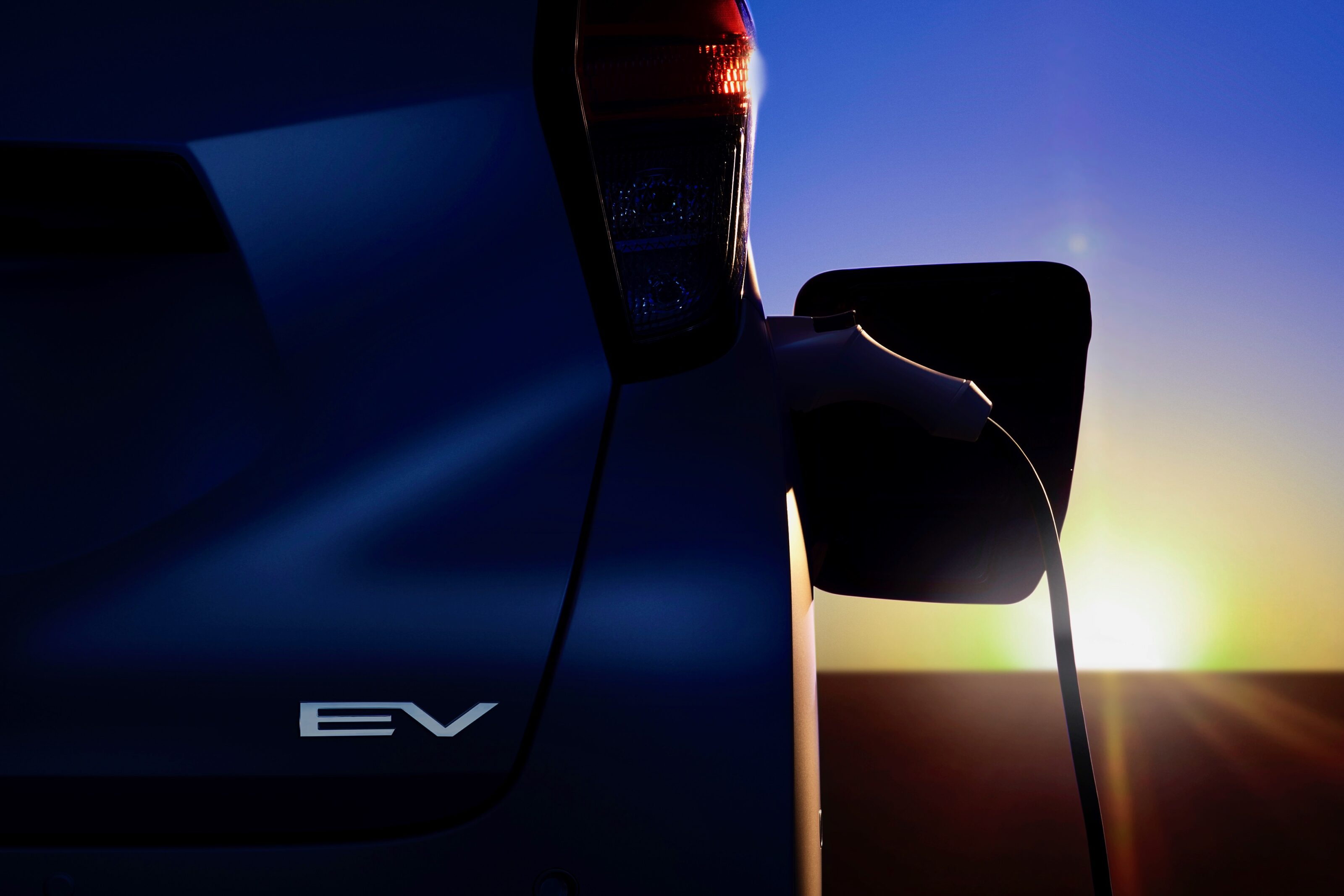
Mitsubishi will show off a Ralliart concept car in January, with an image of the vehicle being teased ahead of its reveal.
“The Ralliart concept car brings together Mitsubishi Motors’ engineering and passion for Monozukuri challenges (craftsmanship),” the company said at the announcement.
“With a premium-feel and a strong sense of presence, the styling expresses the company’s vision for the new Ralliart.”
It’s one of two concept vehicles set to be unveiled by Mitsubishi, with the second called the Kei EV – likely to be a small city hatchback with an electric powertrain destined for the Japanese market.
Mitsubishi announced it would be reviving the Ralliart brand back in May, with expectations the division would bring a return to performance-oriented models.
“The Ralliart brand has strong heritage here in Australia, with the nameplate being associated with high performance and motorsports,” a spokesperson for Mitsubishi Australia told MOTOR last month.
“Mitsubishi Motors is considering some exciting initiatives around the Ralliart, and we at [Mitsubishi Australia] can’t wait to see what the future holds.”
The carmaker’s Thai arm recently unveiled Ralliart packages for the Triton and Pajero Sport, which offered styling changes to the models.
The Mitsubishi Ralliart and Kei EV concept cars will be unveiled at the Tokyo Auto Salon 2022 on January 14.
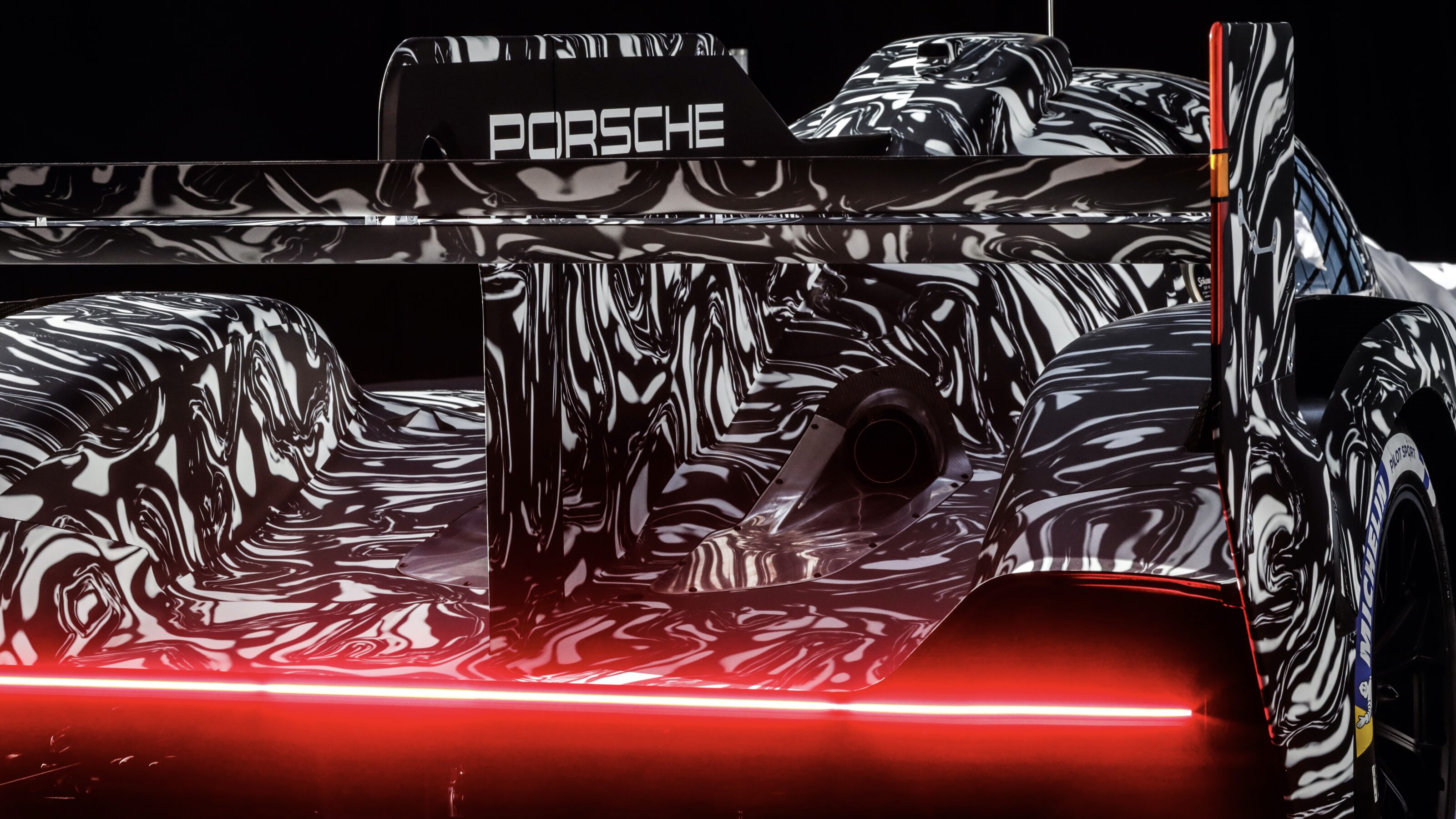
Porsche has taken its first steps towards unprecedented glory in endurance racing, teasing its new LMDh prototype for the first time.
Set to run under the new World Endurance Championship (WEC) and IMSA Sportscar Championship regulations for 2023, the Le Mans Daytona hybrid (LMDh) rules will allow Porsche to race its challenger in the European and North American championships.
Built by Multimac, the racing operations will be entrusted to US powerhouse Team Penske under the Porsche Penske Motorsport banner, assisting Porsche in its aim of achieving record wins at the 24 Hours of Le Mans and 24 Hours of Daytona – events which the German manufacturer has won 19 and 22 times respectively.
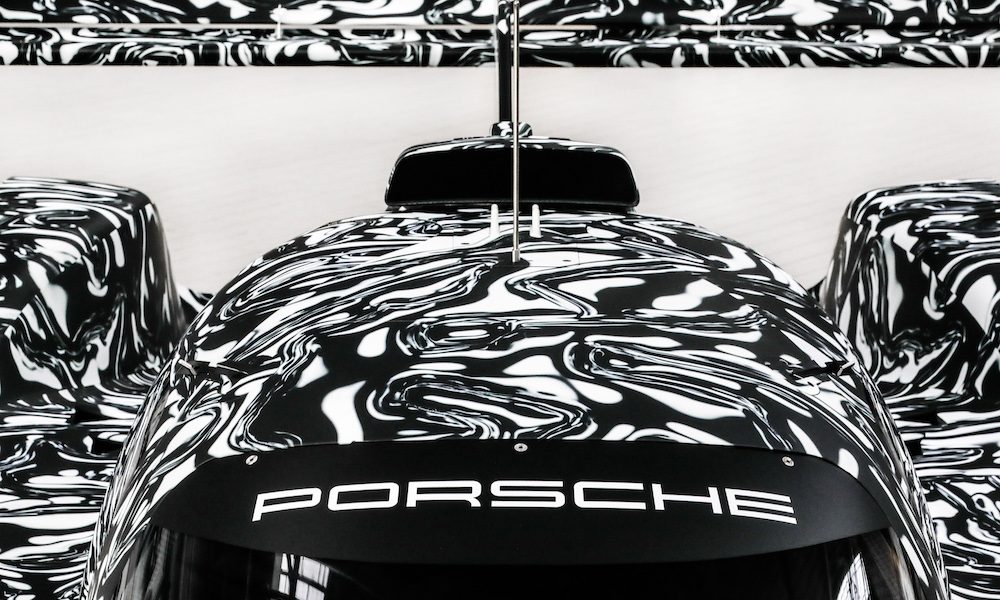
Porsche CEO Oliver Blume said motorsport is integral to the brand’s DNA, with its withdrawal from WEC at the end of 2018 fuelling the hunger to return to the track.
“Motorsports have always had a special role to play in Porsche’s corporate strategy, and for more than 70 years now we have used the racing stage as the testing ground for our latest technologies,” said Blume.
“We face great challenges today – in both sporting and organisational terms. We are determined to play an active role in shaping the future, while ensuring we retain our motorsports DNA.
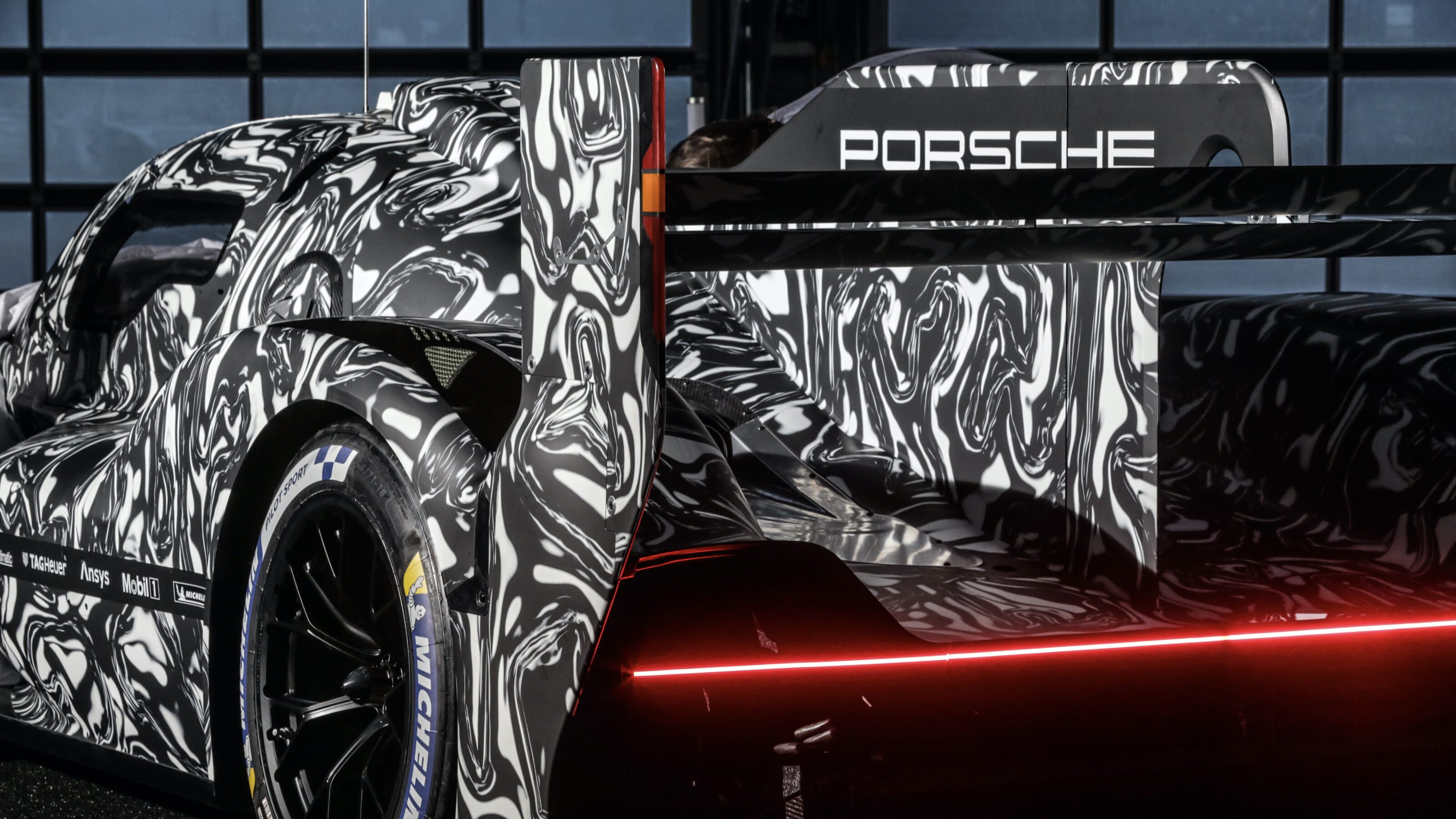
In accordance with LMDh rules, combined power from its internal combustion engine and spec electric motors will be capped at 500kW, with all cars in the category racing on a spec chassis, rather than the Le Mans Hypercar (LMH) vehicles which it will be competing for outright wins against.
Alongside the semi-reveal of the car, Porsche announced its first two factory drivers to join the programme, with Dane Cameron and Felipe Nasr set to pilot the as-yet-unnamed prototype in 2023.
Cameron is a two-time winner of the IMSA championship – most recently in 2019 for Team Penske – while Nasr raced full-time in Formula One for Sauber in 2015 and 2016, having achieved a best finish of fifth place on debut at the Australian Grand Prix before moving to IMSA where he won the 2018 and 2021 titles.
Snapshot
- Two battery pack sizes from launch u2013u00a0Standard Range and Extended Range
- Both vehicles will have over 1000Nm of torque
- Prices start from US$39,974 (AU$51,550)
UPDATE, December 20, 2021: Ford has officially announced the battery pack specifications for its F-150 Lightning, seven months after the electric truck was first revealed.
Confirming the electric pick-up truck would feature two battery options, the Standard Range pack will have a usable capacity of 98kWh while the larger, Extended Range pack is bolstered out to 131kWh.
In its most basic form, the F-150 Lightning with the Standard Range battery has a claimed 240 mile (386 kilometre) driving range, extended out to 300 miles (483 kilometres) in Extended Range guise – although this can be reduced depending on wheel specs and other accessories.
Despite Ford having to double its production capabilities due to high demand for the F-150 Lightning, it faces strong competition from traditional rivals General Motors, with the all-electric Chevrolet Silverado expected to feature a similar driving range when it launches.
The story to here
May 20, 2021: The 2022 Ford F-150 Lightning has been revealed as the first fully electric Blue Oval pick-up truck ever made.
Borrowing the iconic moniker of the supercharged V8 Ford F-150 Lightnings of the 1990s, this new EV truck will take it to the likes of Chevrolet’s Silverado EV and Tesla’s crazy Cybertruck (if it’s ever actually built).
Aussie fans of the Blue Oval or massive pick-up trucks shouldn’t be celebrating however, as the Lightning hasn’t been homologated for right-hand drive and probably never will be.
For American customers, Ford offers two lithium-ion battery pack sizes from launch – Standard-Range and Extended-Range.
Both models will feature a dual electric motor set-up as well as four-wheel drive.
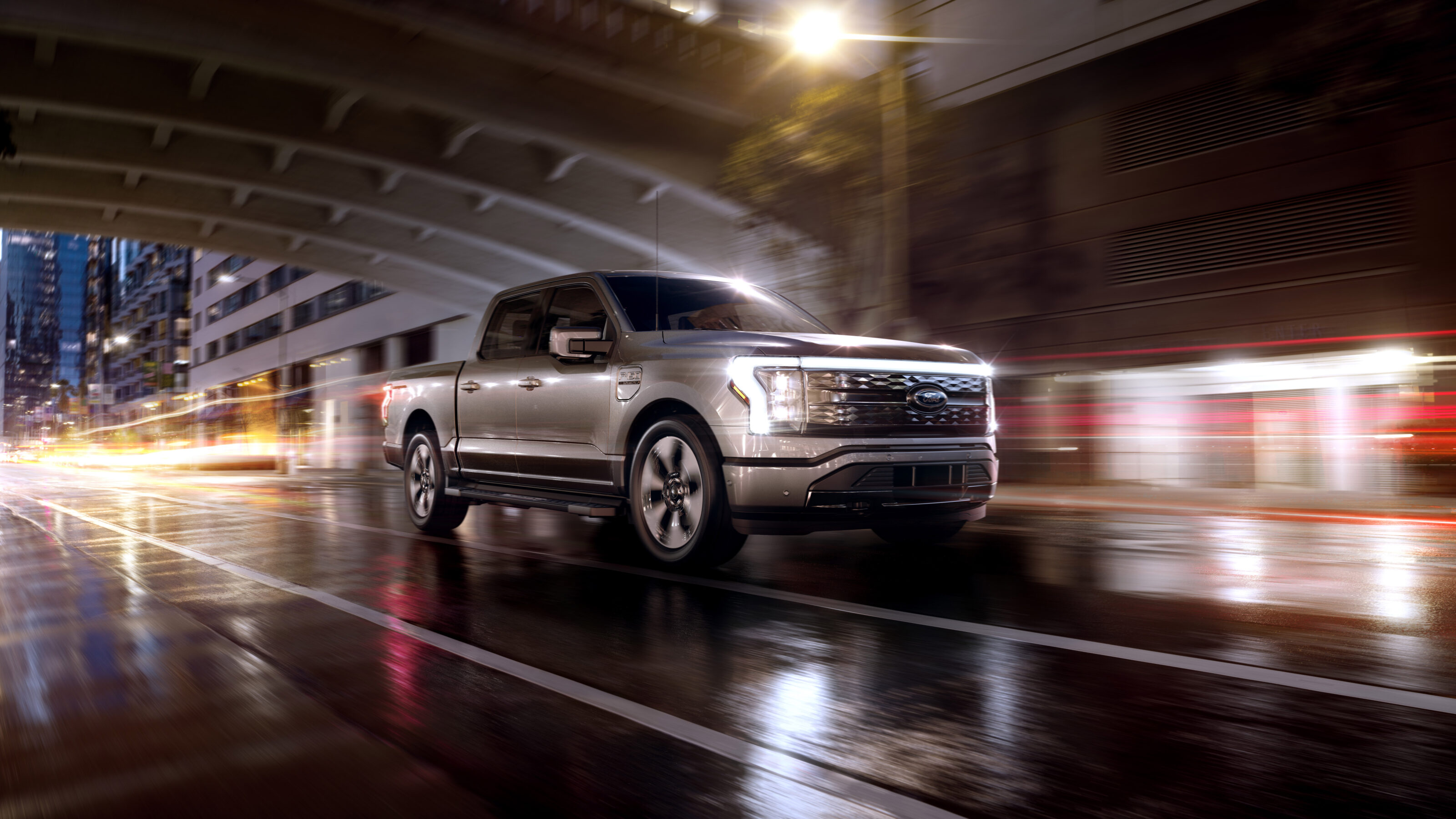
The Standard battery pack is claimed to be good for 318kW and a scarcely believable 1051Nm, while the driving range is rated at 370km.
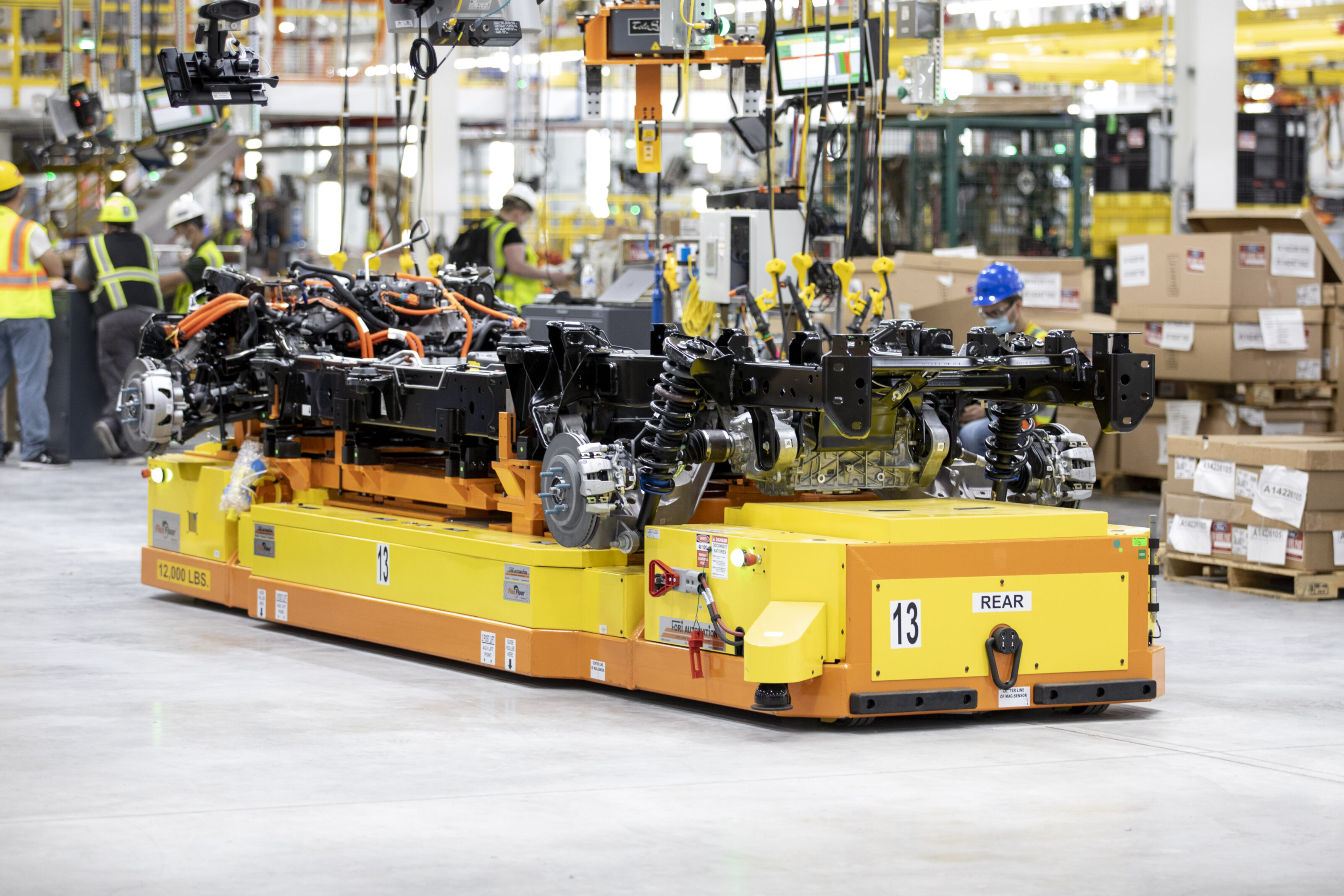
0-100km/h is claimed to take five seconds, which is very impressive, considering the F-150 has a kerb weight of 2950 kilograms, and the battery pack alone weighs 817 kilograms (about the same as a Series 2 Lotus Elise).
The Standard’s onboard charger power (input/output) is 11.3 kW/10.5 kW, and charging times vary depending on what method is chosen.
Using a 150kW DC fast charger will enable the battery levels to be raised from 15-80 per cent in just 44 minutes. Using a 50kW DC fast charger will take 91 minutes to reach the same level of charge.
The Standard comes with a 32A/240W mobile charger, and to go from 15-100 per cent charge, the 32A/240W will take 14 hours.
Purchasing the optional 48A Ford Connected Charge Station or 80A Ford Charge Station Pro with Ford Intelligent Backup Power capability will drop the 15-100 per cent charge time to 10 hours.
The Extended-Range F-150 gets even more power than the Standard, with 420kW on tap and the same amount of torque.
The 0-100km/h sprint takes even less time, at just 4.5 seconds, while the driving range is bumped up to 483 kilometres.
Onboard charger power (input/output) is 19.2kW/17.6 kW, and when a 150kW DC fast charger is utilised, the Extended F-150 can go from 15-80 per cent in 41 minutes. The 50kW DC fast charger will perform the same level of charge in 122 minutes.
The more expensive F-150 gets both the 32A/240W mobile charger and 80A Ford Charge Station Pro with Ford Intelligent Backup Power capability as standard.
Using the former will charge the batteries from 15-100 per cent charge in 19 hours, while the latter will take eight hours.
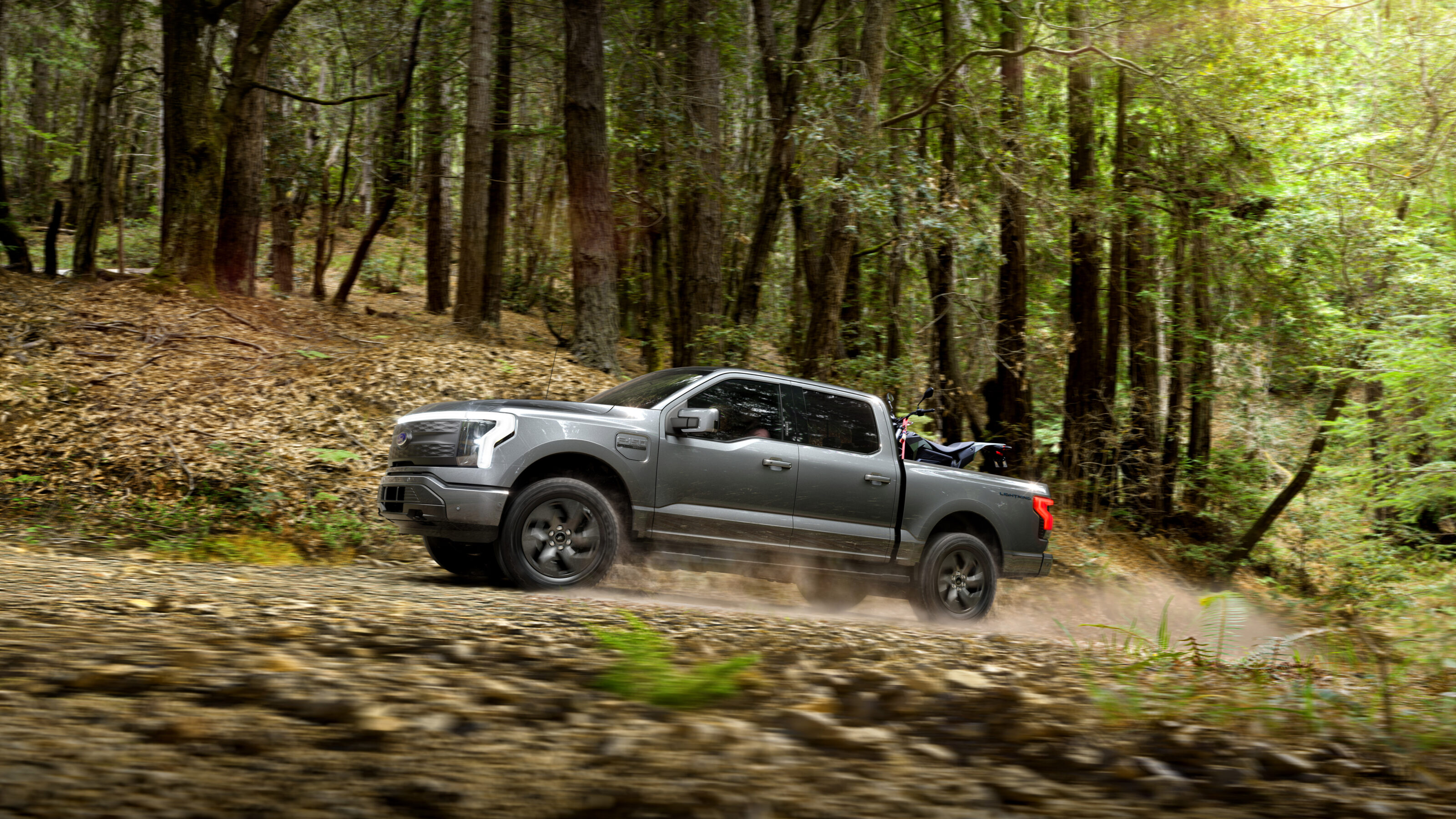
Both vehicles can also be optioned with a 9.6kW Pro Power Onboard vehicle-to-load charging system which essentially turns the F-150 into a three-tonne generator for when you go camping.
Despite the switch to electricity, the 14-generation pick-up truck hasn’t lost any of its towing capabilities, with the Dearborn firm claiming the Lightning will be capable of pulling a braked weight of 4540 kilograms.
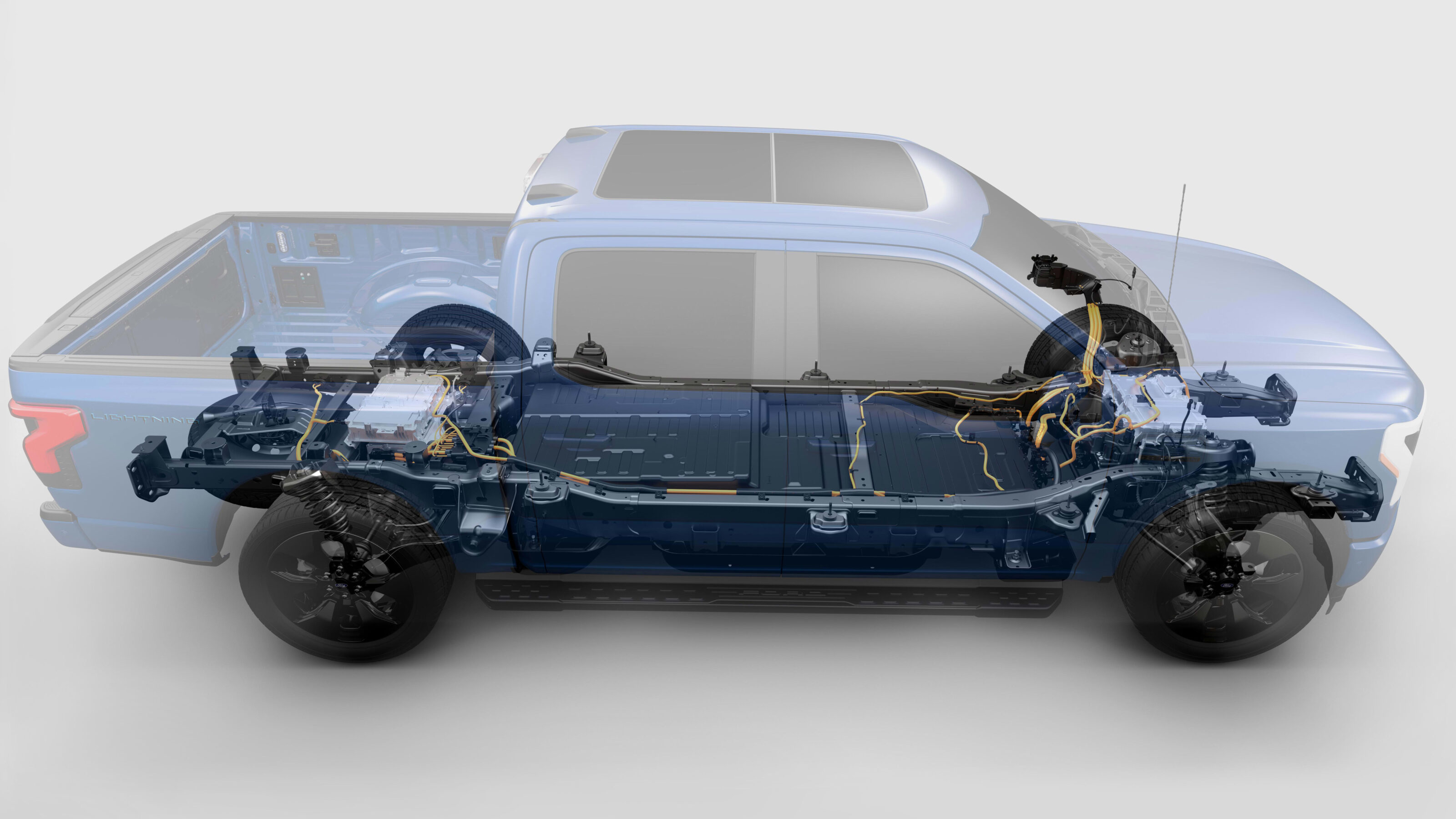
The EV F-150 will also be the first F-Series truck to feature independent rear suspension in its 73 year history.
Ford says the vehicle’s frame has been bolstered to cope with the extra 817 kilos worth of batteries it has to lug around.
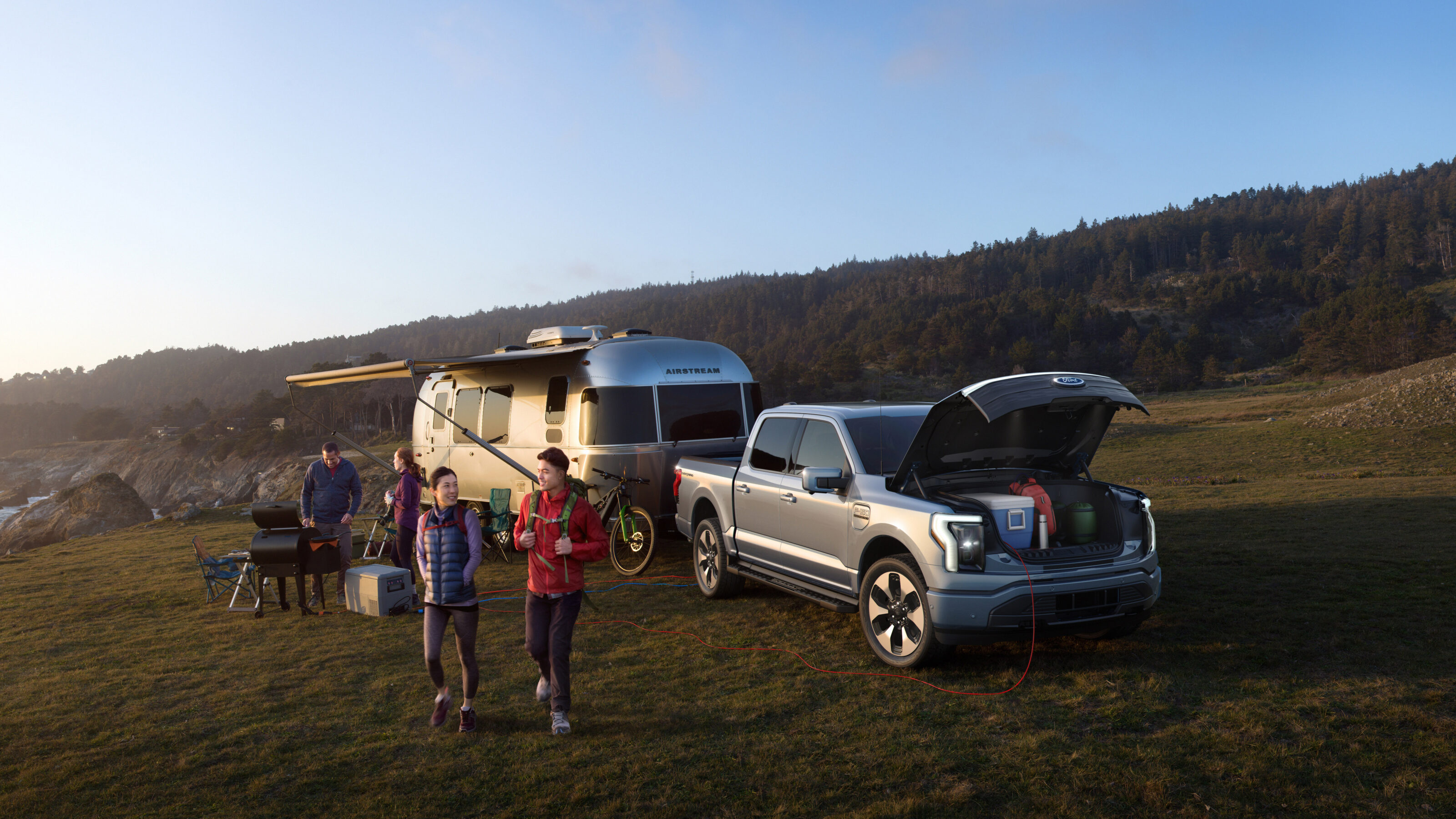
To differentiate the Lightning from its regular ICE-powered siblings, Ford has bestowed its EV with aesthetic and functional upgrades like a wrap-around LED daytime running light strip encompassing both the headlight surrounds and bonnet lip.
Bespoke 18-inch alloy wheels have also been fitted, and the gaping grille found on normal F-150s has been blanked out to ensure the EV is just that little bit slipperier through the air.
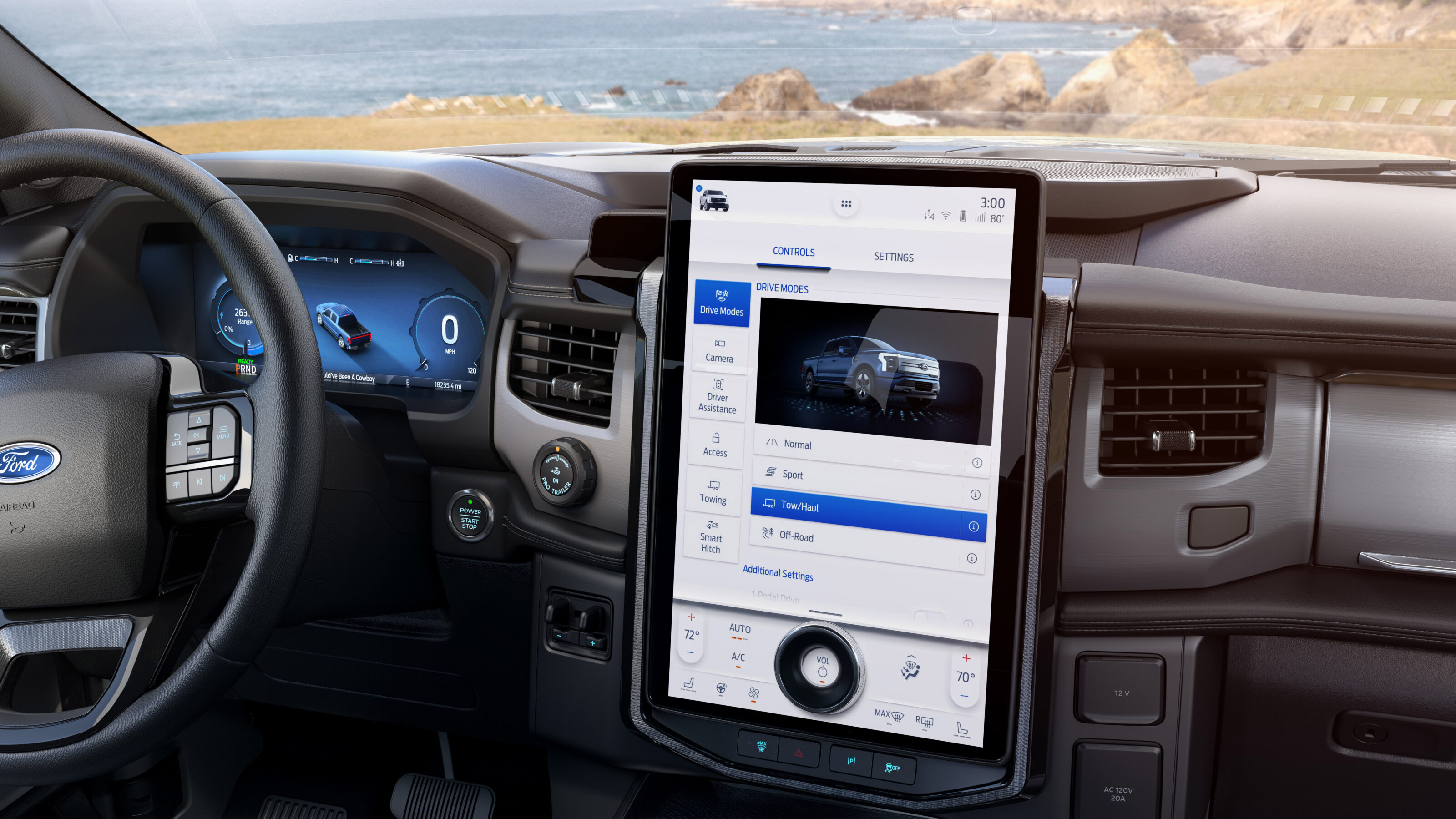
Inside, the Lightning scores the same 15.5-inch vertical touchscreen display found in the electric Mustang Mach-E, as well as Apple CarPlay and Android Auto, wireless over-the-air OS updates, 12-inch digital dash, and Max Recline Seats.
Prices are expected to start from US$39,974 (AU$51,550) for the base commercial offering, while the mid-spec XLT will cost US$52,974 (AU$68,300), and the range-topping Platinum is reported by Car and Driver to set buyers back up to US$90,000 (AU$116,000).
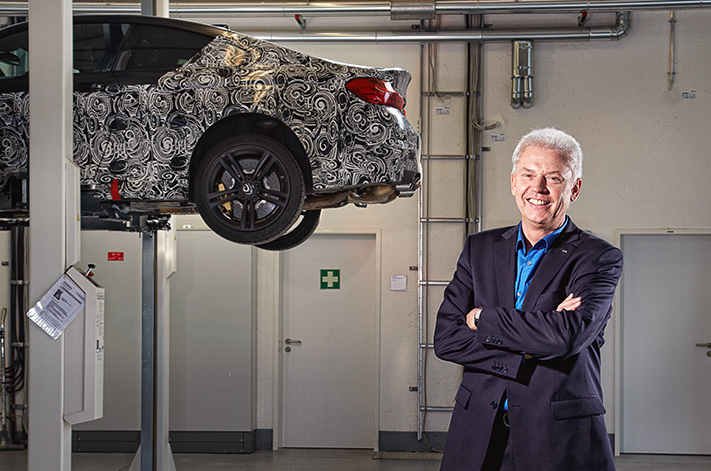
Hyundai Motor Group President and Head of Research and Development, Albert Biermann, has announced his retirement, but will continue as an advisor to the Korean car giant from Europe.
Biermann left a three decades-long tenure at BMW to join Hyundai Motor Group in 2015, overseeing the development of some of its most prolific models and the launch of the high-performance Hyundai N brand in 2016.
The 65-year-old is credited with helping to develop the critically-acclaimed Kia Stinger, Veloster N, and i30 N, and more recent models such as the i20 N and Kona N.
“It has been a tremendous pleasure and honour for me to work for Hyundai Motor Group and lead our engineering division to become a ‘second-to-none’ R&D centre in the entire automotive industry,” Biermann said at the announcement.
“Now, our vehicles standout apart from the competition in many aspects and embody our strong engineering expertise and commitment.”
Hyundai Motor Group’s design boss Peter Schreyer will also depart the company after 15 years. Schreyer is perhaps best-known for designing the Mk4 Golf, Audi TT, New Beetle, Kia Stinger, Hyundai i30, and a number of formative Genesis models.
However, a recent article from local newspaper The Korea Times suggests the two were forced out by Hyundai chairman Chung Euisun, who took the position in October 2020, as he looks to transform the organisation into a mobility company – a direction which will see Hyundai Motor Group manufacture flying cars and scooters.
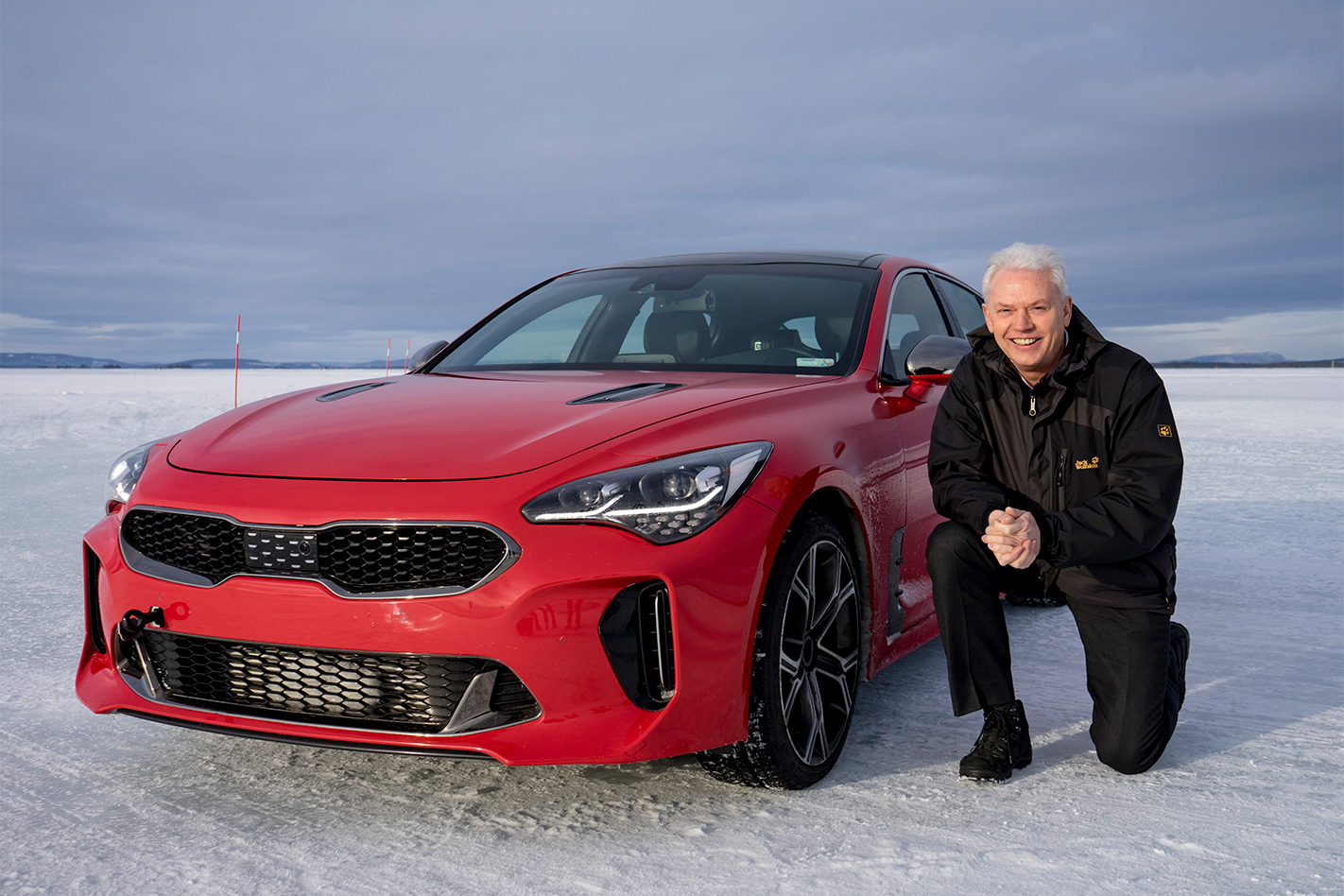
Despite the report, Biermann will move to the role of Executive Technical Advisor for Hyundai upon his return to Europe.
“Korea will remain as my second home, and all of my colleagues at Hyundai Motor Group will always be considered part of my family,” Biermann said.
“I would like to recognise that our success has always been based on the strong collective spirit of the many talented people at Hyundai and I will value our unique achievements wherever I live.”
Electric vehicle newcomer BYD has partnered with Mycar service centres to manage new-car deliveries and maintenance for the Chinese carmaker across Australia.
The deal gives BYD instant access to a nation-wide network for Mycar workshops – previously branded as Kmart Tyre & Auto – with its first deliveries of the E6 people-mover beginning this month.
UPDATE, April 5, 2022: We’ve now driven the new electric BYD Atto 3 SUV. Read and watch our review at the link below.
Australian importer Nexport offers direct-to-consumer sales through its website EVDirect.com.au, meaning buyers can purchase a vehicle online and collect the car from their nearest Mycar workshop.
Eight Mycar locations will participate in the program initially, with 30 locations to be added after March 2022. Mycar technicians are being trained in the maintenance requirements of BYD models, and a number of workshops will have dedicated bays for the servicing and delivery of its electric vehicles (EVs).
“The partnership makes sense for us and enables EVs to be rolled out in large volumes nationally,” EVDirect’s Managing Director Luke Todd said at the announcement.
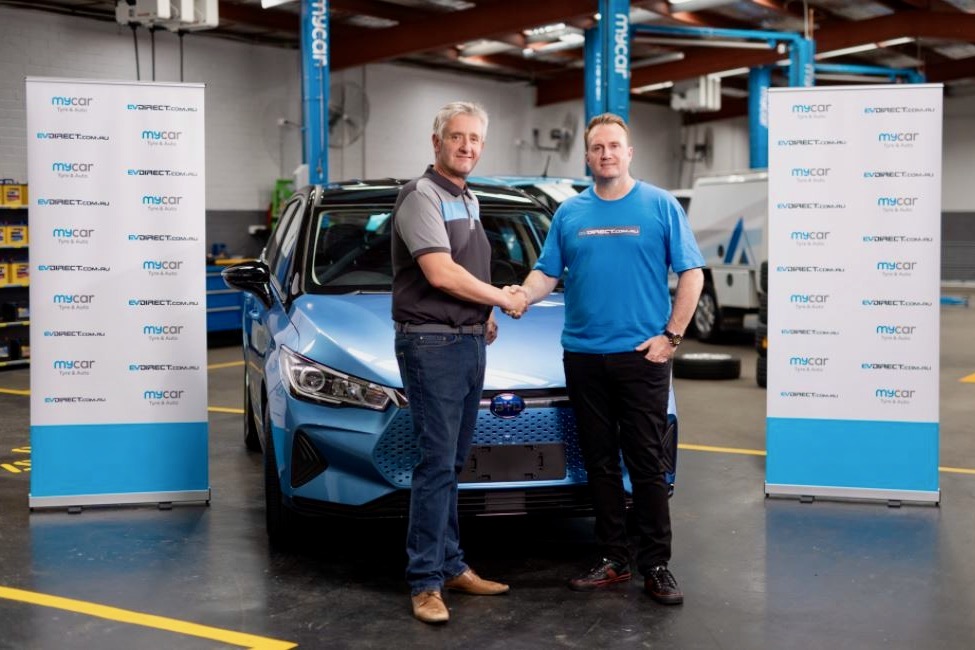
“With Mycar’s scale as a national car-care brand being synonymous with exceptional customer service, our long-term agreement ensures our EV owners will have peace of mind that all their car-care needs will be well met.”
BYD currently offers the E6 people-mover with up to 520km of driving range (WLTP) for $49,990 before on-road costs, while its T3 commercial has a claimed driving range of 300km (WLTP) and is priced from $39,950 before on-road costs.
The company has confirmed its EA1 small hatch will be offered locally, with industry rumours suggesting it could arrive as the cheapest electric passenger car on the market. The BYD Han sedan is also expected to offer an alternative to the Tesla Model 3, while the Tang SUV model is due to land in 2022.
