
Snapshot
- All variants of the 2014, 2015 and 2016 Kia Carnival recalled
- Relates to a software issue with the indicator system
- 7637 vehicles affected
All variants of the 2014, 2015 and 2016 Kia Carnival are being recalled over a risk of a fault with the indicator system.
The recall states that a software issue with the Smart Junction Box used in model YP Carnivals may result in the indicator being triggered in the opposite direction to where the driver specifies.
While not a major mechanical fault, a misleading indicator can still lead to serious road trauma when misinterpreted by other motorists.
According to the recall, 7637 vehicles are involved.
Owners are urged to contact their local Kia dealership, which will diagnose vehicles and fix the issue free of charge.
You can view the recall notice and the full list of affected VINs here.
A court in Norway has found Tesla guilty of throttling charging speeds on older cars.
According to Electrek, the court initially found Tesla guilty of reducing charging speeds for early Model S vehicles back in May, but the case went to retrial as the US carmaker didn’t participate initially – claiming it wasn’t aware of the proceedings.
Despite Tesla mounting a defence in the new trial, the court came to the same conclusion, but lowered the ordered compensation for each of the 31 Model S owners from 136,000 Norwegian Kroner (AU$21,000) to kr130,000 (AU$20,000).
Local newspaper Dagens Næringsliv says Tesla admitted to the changes in vehicle software, but claimed it was done so to increase the longevity of vehicle batteries.
“My clients are satisfied that the conciliation council assumed that Tesla had reduced the charging speed, and that they did not have access to make this change,” a lawyer for the plaintiffs said.
“Our assessment is that the verdict is correct. However, since Tesla has signaled that they will take the case to the district court, it is not natural to comment on the case further.”
Tesla will reportedly appeal the verdict.
Snapshot
- BMW expands Digital Key to Android devices and updates My BMW app with additional functionality
- Some features to be exclusive to iX, and other models ‘in the future’
- BMW iX set to launch in Australia before Christmas, priced from $135,900 before on-road costs
UPDATE, December 2: BMW has expanded its Digital Key service to the Android smartphone operating system, with support currently limited to Google’s flagship range in Australia and 12 other countries.
Initially an Apple-only feature, users of the Google Pixel 6 and Pixel 6 Pro can now use their smartphone to unlock, start and lock their BMW vehicle, provided the service is available in their car.
Samsung Galaxy S21, S21+ and S21 Ultra users in France, Germany, Italy, Korea, Spain, United Kingdom, and the United States can also add the digital key to their devices.
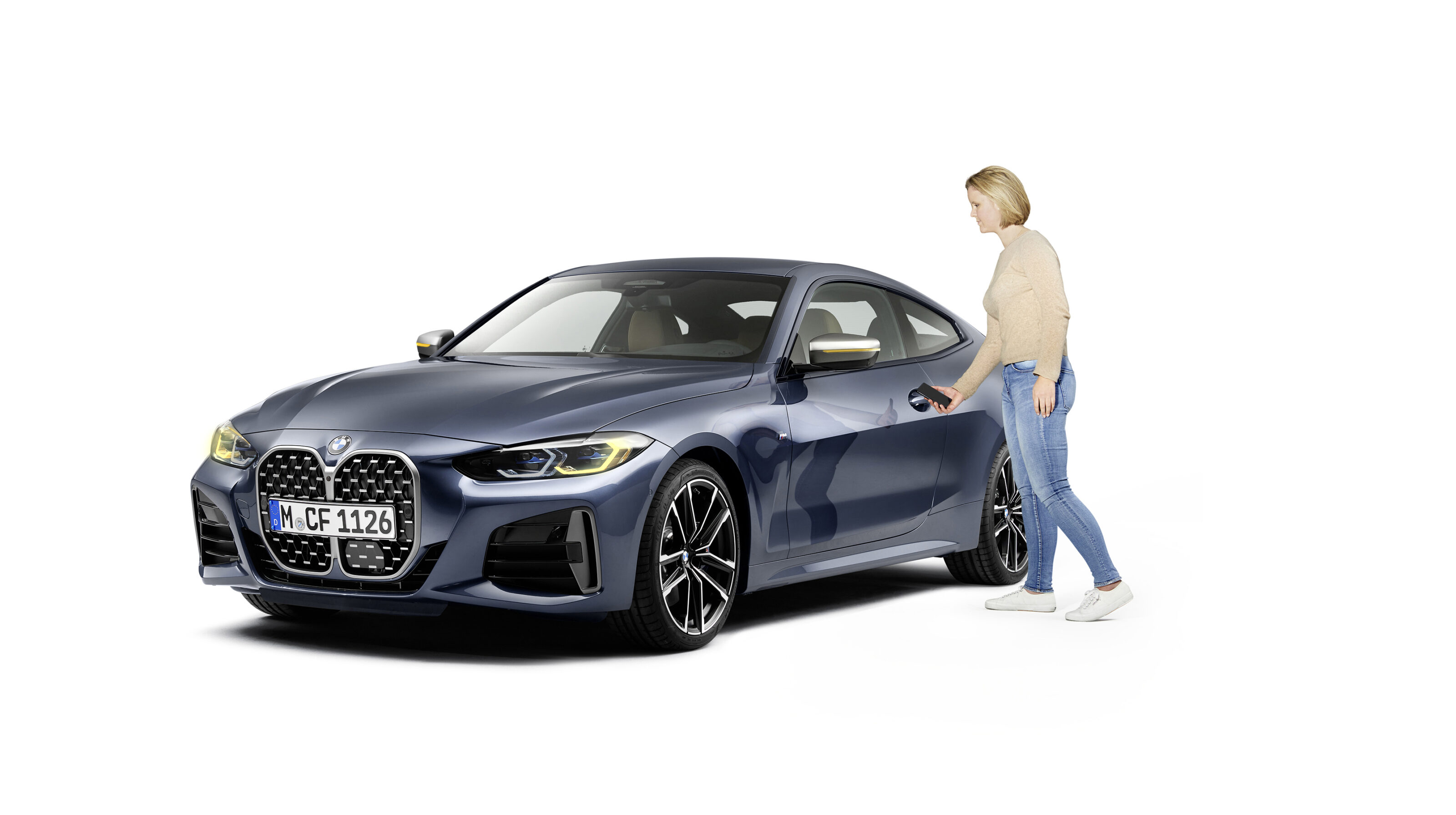
Most BMW models manufactured after July 1, 2020 feature the Digital Key service.
BMW says a future update will upgrade selected Android devices to its Digital Key Plus service, which supports ultra-wideband technology and allows drivers to share a key with up to five users.
This functionality was recently added to Apple iPhone 11 and later devices, with the vehicle able to be unlocked without removing the smartphone from a pocket.
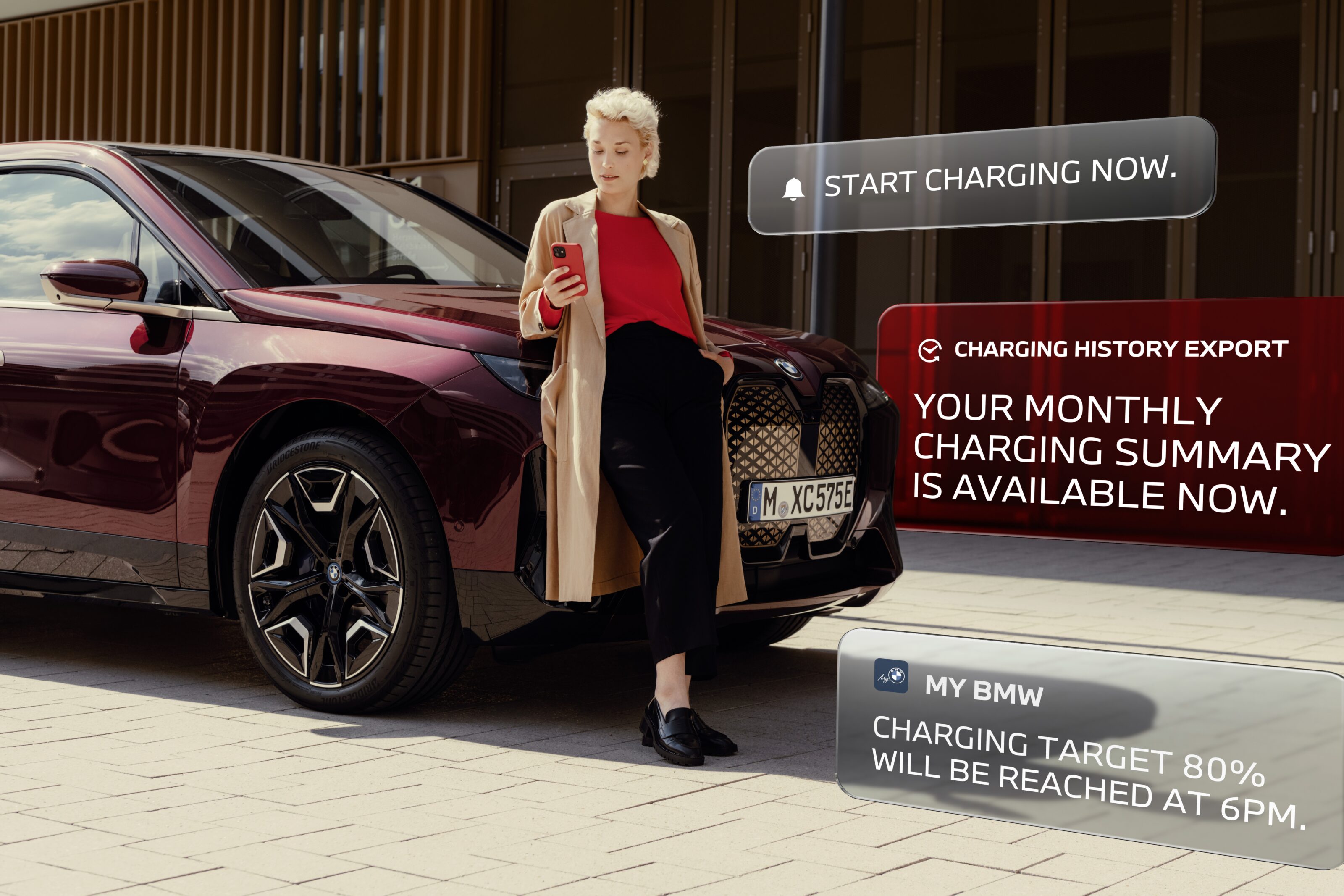
The Digital Key can be configured using the My BMW app, which was recently updated to feature extra capabilities – especially for owners of the new iX electric SUV (see below).
The story to here
November 23: BMW Australia has introduced a number of new features to its My BMW app, although some of the new additions will be exclusive to the new iX electric SUV set to launch before Christmas.
The company says the features initially exclusive to the iX will filter down into other models when they receive updates in the future.
The first change is Demo Mode, which allows for the app to be used without the need to actively own a connected BMW. The mode will walk users through the various features available in their desired BMW vehicle, as well as an overview of the functionality situated within the application.

Existing users of the My BMW app will also be able to synchronise their calendars – including a list of planned journeys – with events displayed directly within it. In addition, any events with a location entry can also be transferred to the vehicle’s built-in navigation system.
BMW vehicles fitted with specific optional extras will allow owners to view their tyre inflation pressures via the app, which is determined through the car’s tyre pressure monitoring system. The service will also showcase the recommended amount for each wheel.
Another addition is similar to Sentry Mode available on Tesla vehicles, and is currently exclusive to iX variants fitted with alarm and interior camera systems.
Known as Remote Theft Recorder, the service will allow owners to be informed that the alarm system in the iX has been activated via a push notification.
If the alarm is triggered, the vehicle will record images both inside and outside the car, which can then be downloaded using the My BMW app. This means owners will be able to digitally access still images and/or video evidence to provide to authorities if their vehicle is damaged or stolen.
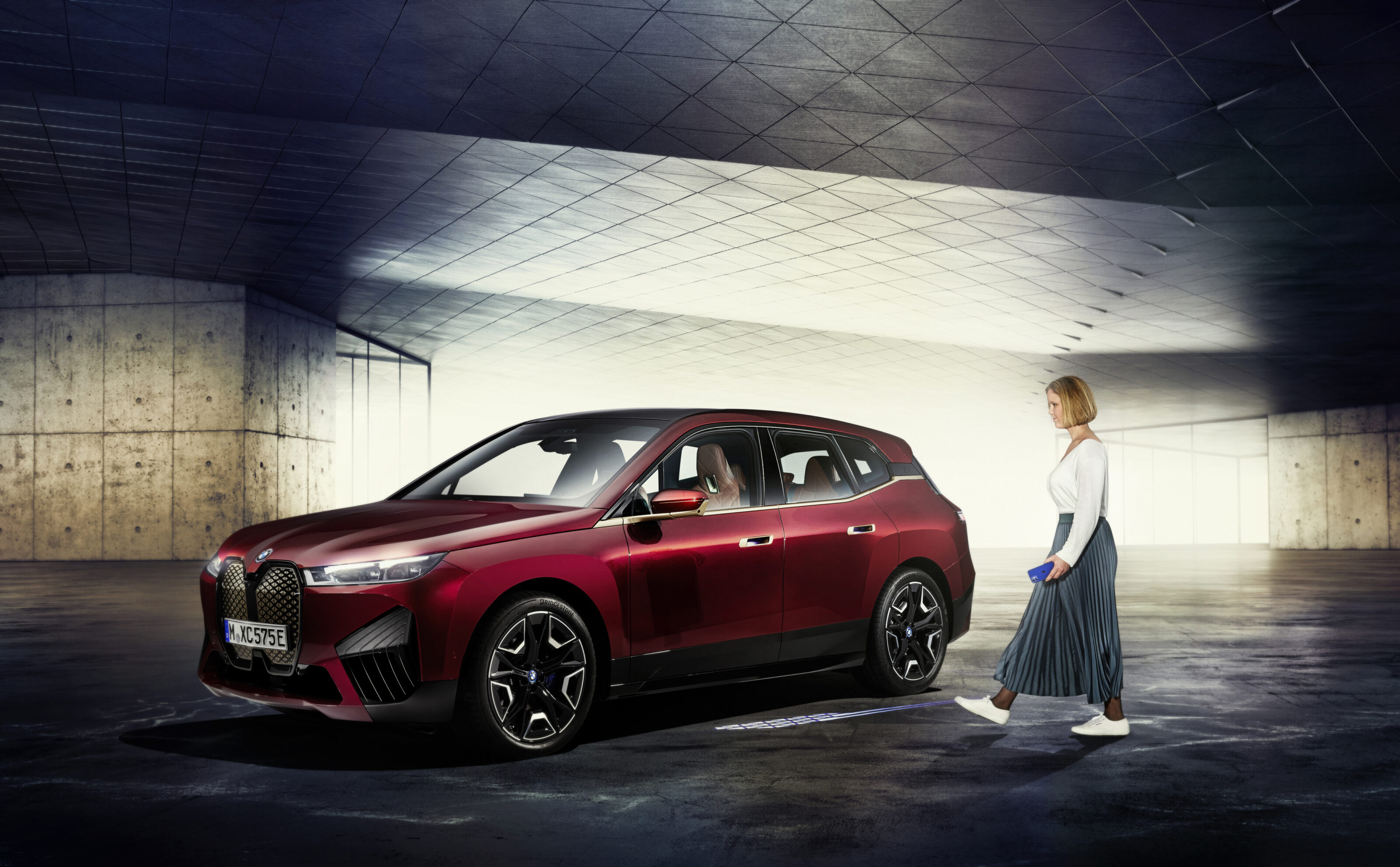
The final addition is an expansion of BMW’s digital lock/unlock and engine start functionality, BMW Digital Key.
Adding to the Near Field Communication (NFC)-based Digital Key service first unveiled at Apple’s WWDC keynote in June 2020, Digital Key Plus allows for iX drivers to unlock, start and lock the car without the need to remove their smartphone from a pocket.
Utilising ultra-wideband (UWB) technology, the feature is exclusive to the Apple iPhone 11 or later – which are fitted with an ultra-wideband chip that can communicate with the vehicle. It can also be shared with up to five other users.
Additionally, owners of fully-electric and plug-in hybrid BMW vehicles have been able to access a charging history timeline since the application launched earlier this year, replacing the previous BMW Connected app.
The service also allows drivers to lock/unlock the vehicle, sound the horn, ventilate the cabin and flash the headlights, with selected BMW models also including a remote engine start function.
The My BMW app is available to download on the Apple App Store and Google Play Store, with additional updates expected as BMW continues to launch updated vehicles with greater connectivity – such as the iX.
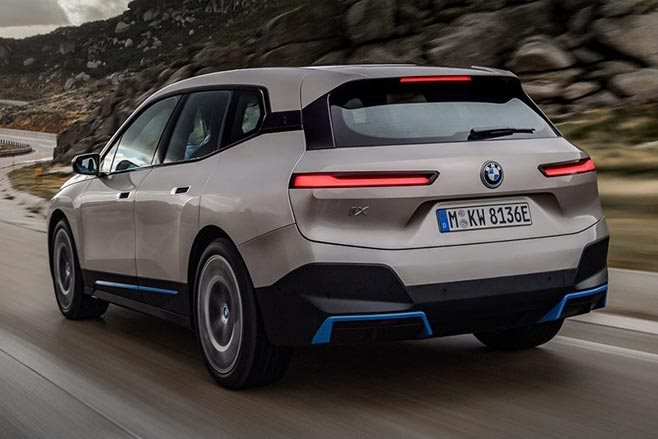
The electric SUV is set to launch in Australia ‘within weeks’, priced from $135,900 before on-road costs for the xDrive40 with a 77kWh battery and 240kW/630Nm electric motor.
The range is topped by the flagship xDrive50 Sport, priced from $169,900 with 385kW/765Nm and an 112kWh battery pack.
In Australia, a free five-year subscription to the Chargefox electric charging network will be included as standard on the iX, with that service accessible via a separate Chargefox app.
Snapshot
- Mercedes-Benz unveils Project Maybach in collaboration with late fashion designer Virgil Abloh
- Gold and black concept features dramatic proportions designed for off-road driving
- Currently on display in the United States
Mercedes-Benz has taken the wraps off the Project Maybach concept, a bespoke creation co-designed by American fashion designer Virgil Abloh, who died earlier this week aged 41.
The full-electric Project Maybach off-road concept is Mercedes’ second collaboration with the late fashion designer, following the unveiling of the wild race-inspired G-Class-based Project Geländewagen last year.
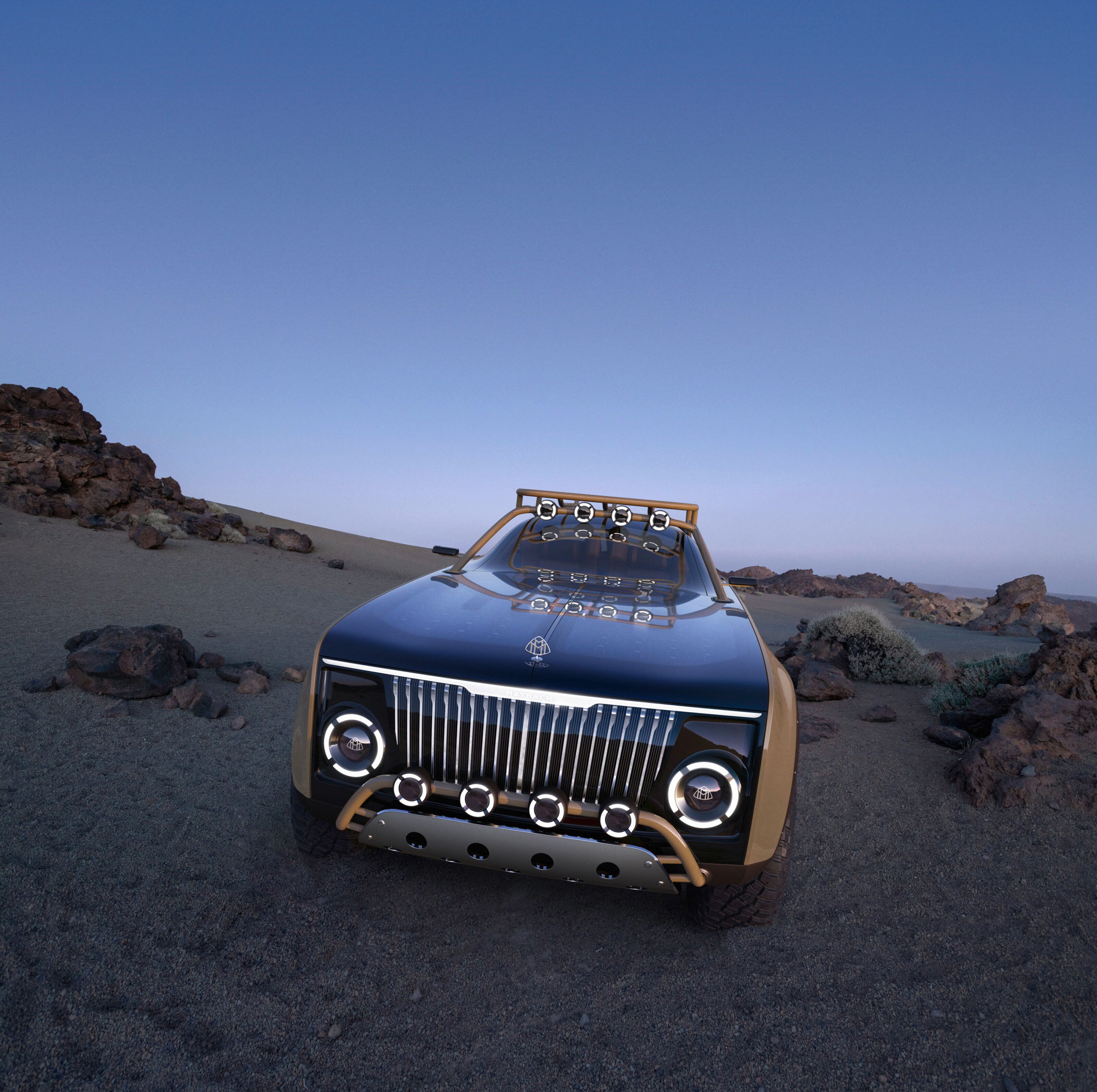
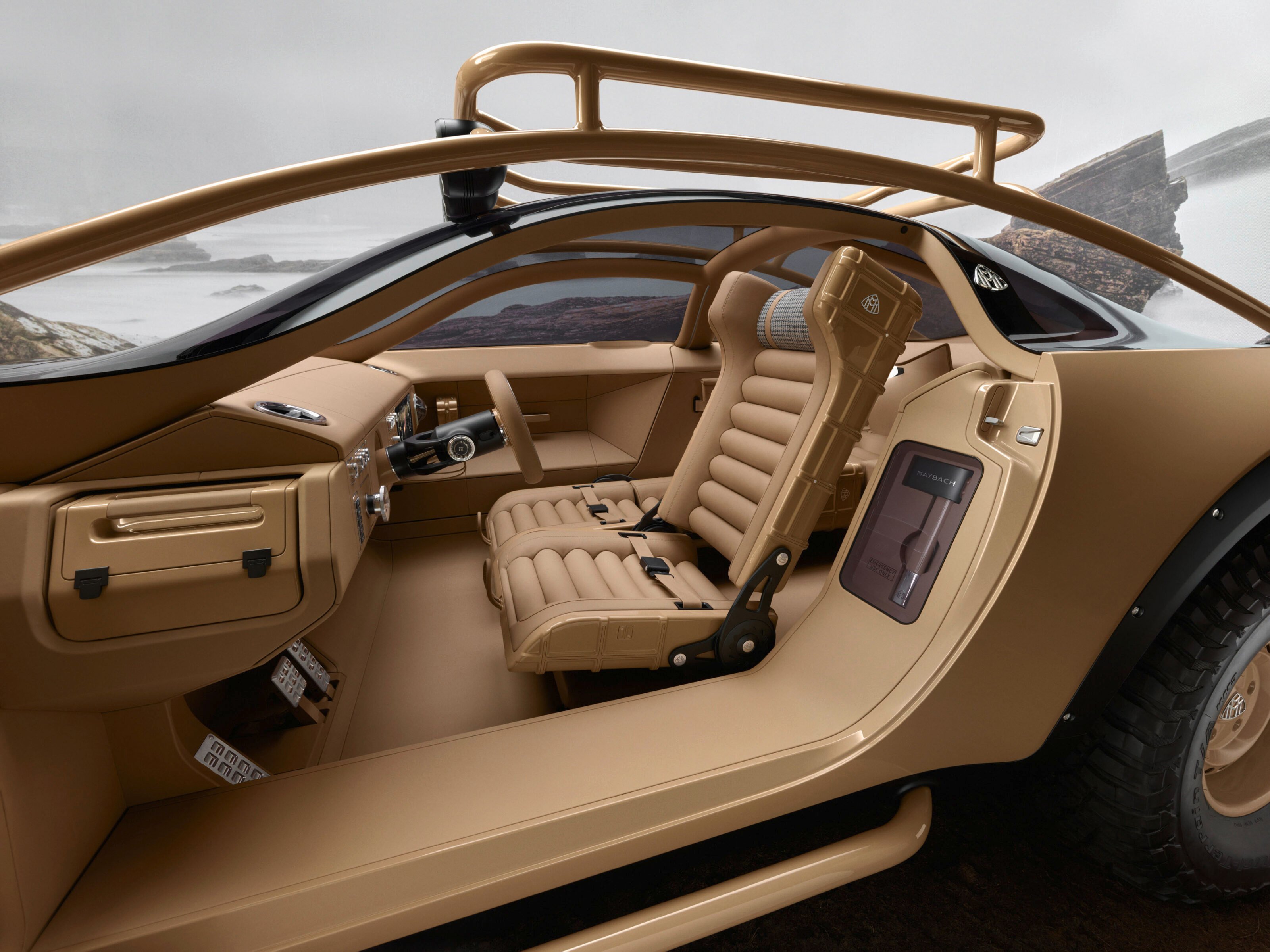
Every piece of the six-metre long concept was built from scratch, designed under the guidance of Abloh – founder of fashion label Off-White and artistic director of Louis Vuitton’s menswear division – and Mercedes-Benz’s chief design officer, Gorden Wagener.
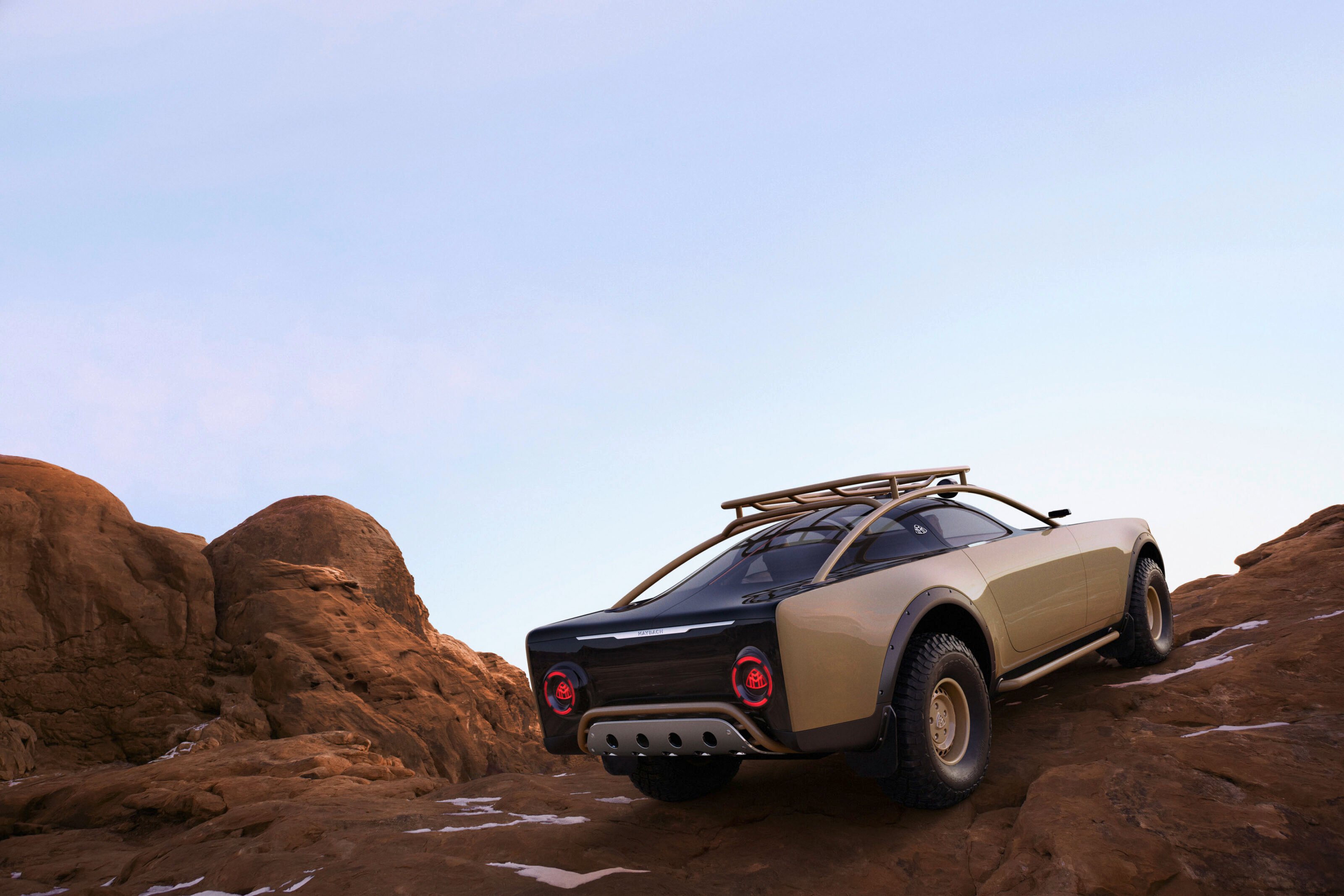
Inspired by the great outdoors, the two-seater gold and black Project Maybach coupe is unbound by production constraints and is poised for off-road action, sporting a set of chunky all-terrain tyres, an exterior roll-cage, thick body cladding with exposed rivets, and stocky proportions.
Up front, a set of large circular headlights feature alongside a full-width LED light bar, Maybach’s iconic chrome vertical grille, a nudge bar with four auxiliary lights, and a metal skid plate. The off-road design theme also extends to the rear of the concept, with a set of round tail-lights designed to mimic the headlights and an additional skid plate.
There is also a solar panel integrated into the front bonnet to help boost driving range, disguised under a transparent black panel.
“Mercedes-Benz is devastated to hear of the passing of Virgil Abloh. Our sincere thoughts are with Virgil’s family and teams,” the company said.
“Now opening the world of our collaboration, and Virgil’s unique vision, to the public we want to respectfully celebrate the work of a truly unique design talent, who created endless possibilities for collaboration through his unbridled imagination and inspired all that knew his work.”
The Project Maybach concept will be on display to the public today and tomorrow at the Rubell Museum in Miami, Florida.
Mercedes-Benz has announced it will launch electric commercial vans and people-movers from next year.
Mercedes-Benz will begin with the eVito, eVito Tourer, and EQV from late 2022, with the eSprinter expected to arrive in around 2024 when the next-generation model comes to market.
While relevant specifications for the commercial eVito panel van are yet to be revealed, the company has offered initial details of what we can expect from the two people-movers.
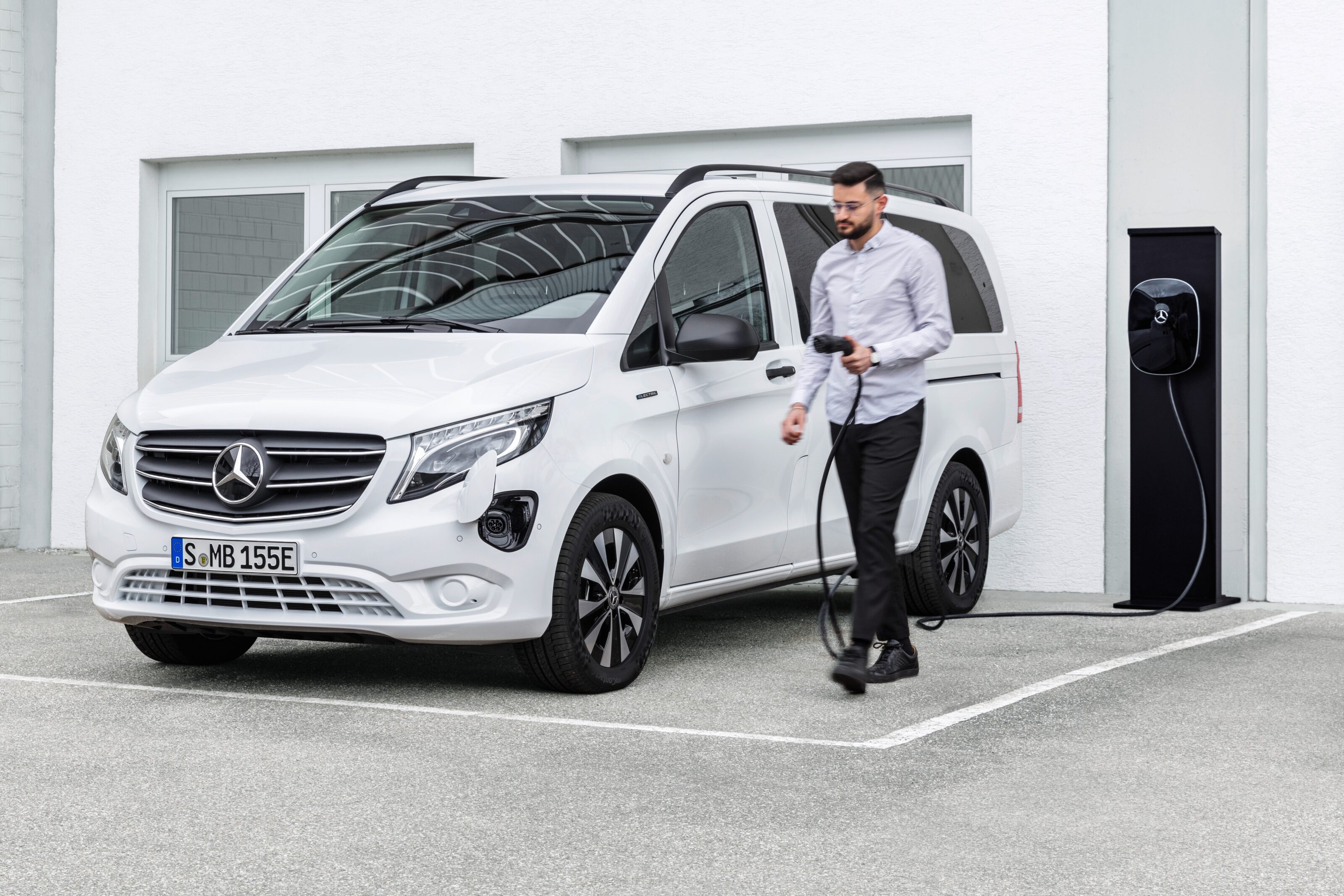
The eVito Tourer, which is designed for use as a taxi or hotel shuttle bus, offers a pure-electric driving range of around 360 kilometres from a single charge (WLTP cycle), thanks to a 90kWh lithium-ion battery pack, with a 150kW/362Nm electric motor powering the front wheels.
As the electric version of the V-Class people-mover, the more luxurious EQV uses the same powertrain as the eVito Tourer but driving range drops to around 355km (WLTP), likely due to an increase in weight thanks to carpets, leather upholstery, and additional features.
For either model, charging from zero to 100 per cent using an 11kW Wallbox takes around 10 hours, while a top-up from 10 to 80 per cent using a 110kW fast-charger can be achieved in approximately 45 minutes.
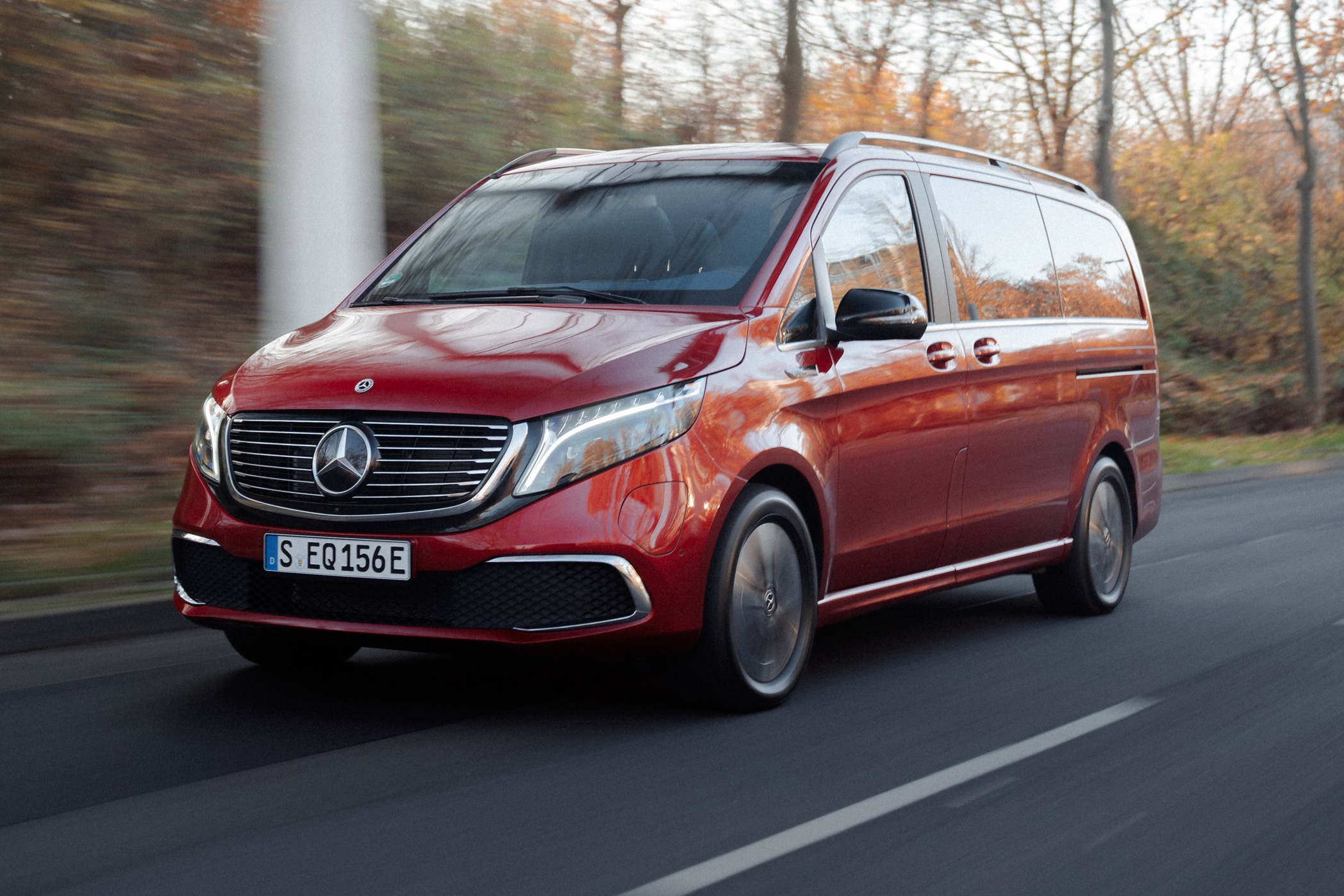
Mercedes says it will continue to offer its internal-combustion models alongside the new battery-powered versions, as the company transitions to an all-electric range by 2030.
Full pricing and specifications for all three electric Mercedes-Benz vans will be released closer to launch in the second half of 2022.
Every second motoring journo blags on about the Lambo, Ferrari or Porsche poster that adorned their bedroom wall growing up.
Oh please spare me. My childhood was a little different. There wasn’t much in the way of Ferrari or Lamborghini advertising that a six-year-old kid like me could access or be exposed to back in the late 1970s.
Born in what was a working-class suburb – Albert Park – where your best friend’s older brother stole your seventh birthday present BMX for a quick housing commission buck, times were tough.

Thankfully my Grandpa did have a stack of old Wheels magazines on his sunroom bookshelf but, for some strange reason, I only flicked through them for the Bathurst race car pictures. Who would know I’d be here right now scribing for the same masthead? What’s the old 7-Up adage, ‘show me a boy at seven and I’ll show you the man’?
So with the Mazda RX-7 being the only ‘performance car’ advertised on TV that I was allowed to watch in 1980, I pestered my Dad to drive me down to the dealer in nearby Port Melbourne to find an RX-7 poster that could adorn my bedroom wall.
Mazda sucked me in. But only for a moment…

Not long after the above-marked moment in time, my affection for Porsche began like those of us who now love fine auto engineering; as an impressionable kid. The badge – yellow, black and red with some gold trimming – made its indelible impression on me.
I can pinpoint it to a school holiday treat chaperoned by my Nana, bless her soul, for one of my first trips to the cinema – the ‘flicks’ as she used to call the big screen – to see “Condorman”.
The year was 1981.
For those of you a vintage younger or older than me (the window of appreciation is narrow) that have never been gifted with the joys of viewing Condorman, it delivered one of the greatest (ok, or maybe cheesiest) car chases ever produced. Bear with me.

Although seemingly a kid-focused Walt Disney production that conjured a comical plot, the stunts and car chase sequences in this memorable epic were serious and orchestrated by none other than the guru of modern car carnage, Rémy Julienne, the man behind the spectacular car chases and ludicrous stunt scenes in more than 270 movies.
Think every memorable James Bond car chase you’ve ever seen, then add The Italian Job, Taxi 2 … the man made it happen.
Now while the whimsically dopey Condorman (Michael Crawford) drove a modified Sterling-like racer that was tres-cool with all its fantastical Bond-inspired gadgets, the head villain’s car was a slantnose Porsche 911 (for those really interested; chassis #930 000 00027, which was in fact modified for road use by its owner Angelo Pallavicini in Switzerland) leading a gang of KGB (yeah it was peak Cold War 1981) in black Porsche 930 Turbo Carreras.
Sadly, from memory, only the evil boss’s car survived the four or so minutes of cartoonesque road rage.

The impression this car chase scene left on me as a kid still lives on today. Obviously, strong enough for me to freshly recall it for this piece. Beautiful cars, driven skillfully on a spiralling mountain pass. But most indelible was the fact these gorgeous black machines were Porsches. Context for today’s musings – but you didn’t come here to read about my childhood memories.
So for the next 36 years, my fantasy of driving a Porsche incubated and surprisingly it wasn’t until 2017 that I finally found myself behind the wheel of Germany’s finest. And to completely blow my mind away, it was a 991 GT3 RS – no less – on track!
Talk about a baptism of fire. This car pumped the power, torque and pure fear-induced adrenaline through me without even asking it to. Eight minutes in the carbon-fibre moulded track seat that I didn’t even have time to adjust was enough for me to lock some memories in my ‘life-highlight’ bank. Wow…

Fast-forward another few years and I was lucky enough to have a second outing in Zuffenhausen’s greatest export, but this time a more ‘sedate’ 911 Turbo S – again on track. This exact same car was runner up in this year’s PCOTY … and for good reason.
Having been fortunate enough to drive a multitude of performance and race cars at speed and on a track during the past 20 years, there was no more sublime experience than that Turbo S. The insane power and torque matched to the PDK was – and still is – the most intuitive performance car I have ever experienced.
No vehicle – in my simple opinion – reads your mind and desire while keeping your ability in check at the limit of performance driving. By the admission of one of Porsche’s own proven local test drivers, “There isn’t a driver on Earth or a track so perfect to extract 100 per cent of what this car is capable of”. So in the hands of a mere mortal like me, it was well beyond a phenomenal experience.
But sadly with both being more than $500K on the road, these two dream initiators quickly crushed my childhood fantasy of actually owning one. Until the subject of this ‘review’ – the 718 Cayman GT4 – rolled into my Brisbane diary.

Thanks to COVID-related restrictions making the car unavailable to our professional team of primo motoring scribes predominantly based in Melbourne and Sydney, I was the winner – and finally a Porsche driver – albeit for a week.
First up, that colour. “Python Green” is a $6K option and honestly not my first choice but, nudging 50 years old and balding faster than the tyres on the aforementioned GT3, it’s better suited to me than the classic mid-life crisis ‘Guards Red’.
My eight-year-old son instantly dubbed it the “Creeper Car”, a Minecraft reference known to any of us with kids hooked on the sandbox video game.
But it’s no “Creeper”. I’m sure in any colour this car would turn heads, so if you don’t like being looked at – especially at the cliche traffic lights stare – stop reading here. It’s a real thing.
And unless you’re comfortable being in the spotlight (or a narcissist), it could be uncomfortable for some not acclimated to attention. Black rear badging and ‘GT4’ embossed on the side air intakes let everyone around you know you’re in something special if they can’t put a name to it.

And while on aesthetics and looking the part, I’ve never really found the base-spec Cayman’s curves a turn-on but the addition of the aggressive front splitter with Turboesque air dams, deep rear diffuser and strut-mounted fixed rear wing make the profile and overall design package some very sweet eye candy.
Better still, it’s all functional. At max speed (claimed 304km/h), which was obviously nowhere in my realm, you can expect around 122kg of downforce over the rear axle thanks to the rear diffuser and wing alone. That’s 40 per cent up on the previous version.
Some of the world’s best auto brains also combined the sports exhaust system with the whole rear-aero package to generate even more negative pressure and dutifully pull the vehicle to the road. In layman’s terms, this thing – like any race-bred car – sucks the road more the faster you go.
Confidence backed by science. The fact I couldn’t track this beauty to test these claims pains me. But we live in uncertain times that don’t always deliver our dreams … but they will return.
The addition of the aggressive front splitter and fixed rear wing make the design package some very sweet eye candy. Better still, it’s all functional.

So what enables this clever aero to do its job? A stunning and visceral flat-six naturally aspirated 4.0-litre powerplant – essentially a bored and stroked turbo-less version of the current 911’s engine.
It makes 309kW and 420Nm, propelling a slender 1420kgs, definitely ‘come get some’ numbers that deliver a quoted 3.9 seconds to 100km/h. ‘Come at me’ value proposition? Hell yeah.
Of course, it’s quick. And that oh-so-sweet torquey kick in the back is always present when you give it a squirt, magnified by the mid-mounted engine that sings in your ear all the way to 8000rpm.
Mid-range torque is just as magical and again, functional. In fifth, you can expect to pull from 80 to 120km/h in around six seconds. Halve that or less if you’re in second or third. It moves when you need it to as it should – it’s a Porsche that deservedly wears its GT badge.

The seven-speed PDK transmission is intuitive and intelligent around town in its basic mode and sucks minimal fuel (if you are financially vexed as to worry about fuel costs driving a car like this, again, stop reading now).
More depressing to me is that I can only assume the box is as sublime and smart in its performance mode at speed on a closed road or circuit – but my colleague Alex Inwood gave it a whirl during Targa Tasmania earlier this year and absolutely loved it.
You really don’t want this with a manual unless you’re only going to do long country drives or track it. Day-to-day living with the DIY option’s long ratios would be a nightmare in the city if you had to drop the foot on the clutch every two seconds to stop yourself propelling into the car in front or staying below the posted speed limit. In manual guise, it’s a two-gear car. First will get you out of your car park, second will get you to your destination. What a waste. So back to the better PDK…
In its manual mode, you have the now ‘standard in every shitbox’ paddles (yeah even the worst car I have driven this year – the Toyota Fortuner – has them) to flip up and down with. Sadly, they are well underdone in size for my liking and therefore confident accessibility for a GT-spec Porsche wanes. “Please improve”, as the Japanese would say.

If you want to know what good paddleshifters look like, check out the Alfa Romeo Giulia. Regardless, for the more engaged ‘driver’ experience you can always use the gear selector that lives up to proper motorsport fundamentals – pull back to shift up, forwards to shift down.
Why other (mainly Asian) marques can’t live up to this mandate is beyond me. Every old-school manual H-pattern dictates you push up for a lower gear and pull back for a higher ratio. Someone in Japan was big into the sake that night and sadly it filtered over to Korea and stuck. Seriously, it’s a switch. As above, “Please improve” Nissan, Toyota, Mitsubishi, Isuzu, Honda, Kia and Hyundai.
Outside of the tyres, which I’ll address shortly, getting this immense power to the ground takes some serious suspension. And as in all Porsche GT models, it is deliberately track-focused with the GT4. While it shares front and rear components with the very track-focused 911 GT3, Porsche’s Active Suspension Management damping system actually gives this car surprising day-to-day liveability around town.
You really don’t want this in a manual unless you’re only going to do long country drives or track it.

In its ‘standard’ setting (as opposed to the ‘sports chassis’ setting) the GT4 soaks up most of the bumps like raised or sunken manhole covers, smaller potholes and shoddy council roadwork patches without shooting a boot in your arse and a shudder up your spine in the way less premium ‘sports’ cars will do. It’s a magical engineering feat considering the lightweight, low-riding, stiff-AF chassis at play and the sports seats that give beautiful tight support but little in terms of plush cushioning comfort.
As mentioned, I didn’t get “The Creeper” on track, but I did have the chance to take it to some secluded, twisty bits, with long straights that by law let me push all the way to an amazing 110km/h.
Being facetious against our government road rules aside, locking the cruise control onto the speed limit and keeping a ready foot on the brake pedal at the dictated speed, the cornering experience at ‘low speed’ was actually amazing. Suggested corner speeds of a recommended 60 were cruised in total control at 100 without any feeling of cautious anxiety.

Pushing my right foot down on a long straight when able to be opened up, the full-on power and insane acceleration of this gorgeous 4.0L was harnessed equally as quickly at a fast-approaching corner by dutiful six-piston calipers acting on 380mm rotors at the front and the same diameter rears being grabbed by four-pots. They’re internally vented and perforated for better cooling so that if you do track this unit you’ll have little issue with fading, well at least for your first 100km of track torture.
But like in any hi-po car, the GT4’s superb brakes are only as good as the rubber belted to the platinum finish 20-inch wheels (I love them). With Michelin Pilot Sport Cup 2 tread – being 245s on the front and some fat 295s on the back – there was no way I was ever going to push this thing off the road under my guidance, nor would a race-bred driver. Unless of course, you turned off the two-stage traction control. No chance.

On our photography day, ambient temps were pushing 34 degrees Celsius, so the road was 60 degrees or more. I was picking shale stones shed by the substandard road surface out of the Porsche’s tyres before even heating them up, so my confidence was boosted for the drive ahead.
We were literally driving a car with bitumen spikes, the Aussie summer version of a European snow tyre. As expected, the Michelins’ grip delivered calculated and predictable claw on every corner. Not many performance cars can make you feel like a star right off the showroom floor without significant driver training – but the GT4 did.
In its ‘standard’ setting the GT4 soaks up most of the bumps without shooting a boot in your arse and a shudder up your spine in the way less premium ‘sports’ cars will do.

Adding to the theatre of this press spec GT4 were the lashings of Race-Tex (Alcantara to most) and carbonfibre inserts throughout the interior, woven nylon door openers and a yellow rally-inspired angle band on the steering wheel.
Porsche should be applauded for leaving the normally distracting myriad of buttons and switches off the wheel. A deliberately clever design to allow the driver to focus on their hands to do the business without even thinking about changing the radio station or other useless information.
Speaking of which, Apple CarPlay and Android Auto are standard but again the fitment of a $2230 optional Bose surround sound system is never going to be appreciated if you buy this car for its naturally exciting audio.
The Sports Chrono package (a dash-mounted clock and timing system) is a neat addition but again all adds up to the exorbitant added extras (see below pricing).
The up-specced 18-way adaptive sports seats were one of the few welcome additions. Amazingly comfortable once you’re in, although even thinking I’m quite fit, entry – and extraction – from the cockpit is a minor feat of yoga and may be the cause of my recent back pain (if only because I’m not as supple and flexible as I believe myself to be)!

Now outside of my self-identified poor fitness, the GT4 is surprisingly liveable as a daily – if you’re not carrying more than yourself and one of your most loved. The mid-engine placement enables plenty of useable front and rear ‘boot’ storage. It provides 150 litres up front and 270 in the back; more than enough for your luggage to the airport or a weekend away. Or in my case, the weekly grocery shop.
Lower driveway kerbs and speed humps should always be approached with caution but the front splitter is thankfully fitted with hard nylon-block skid plates so you don’t directly ruin the composite front bar.
The adaptable exhaust system also makes it friendly to your neighbours – they don’t have to put up with the extremely beautiful but raucous engine note unless you want them to. But again, the joy of starting with the colour-coded key (another lazy $780 and obviously designed for multi-Porsche owning families so you can easily grab the right car key) and then pushing the ‘loud button’ is part of the ownership experience.
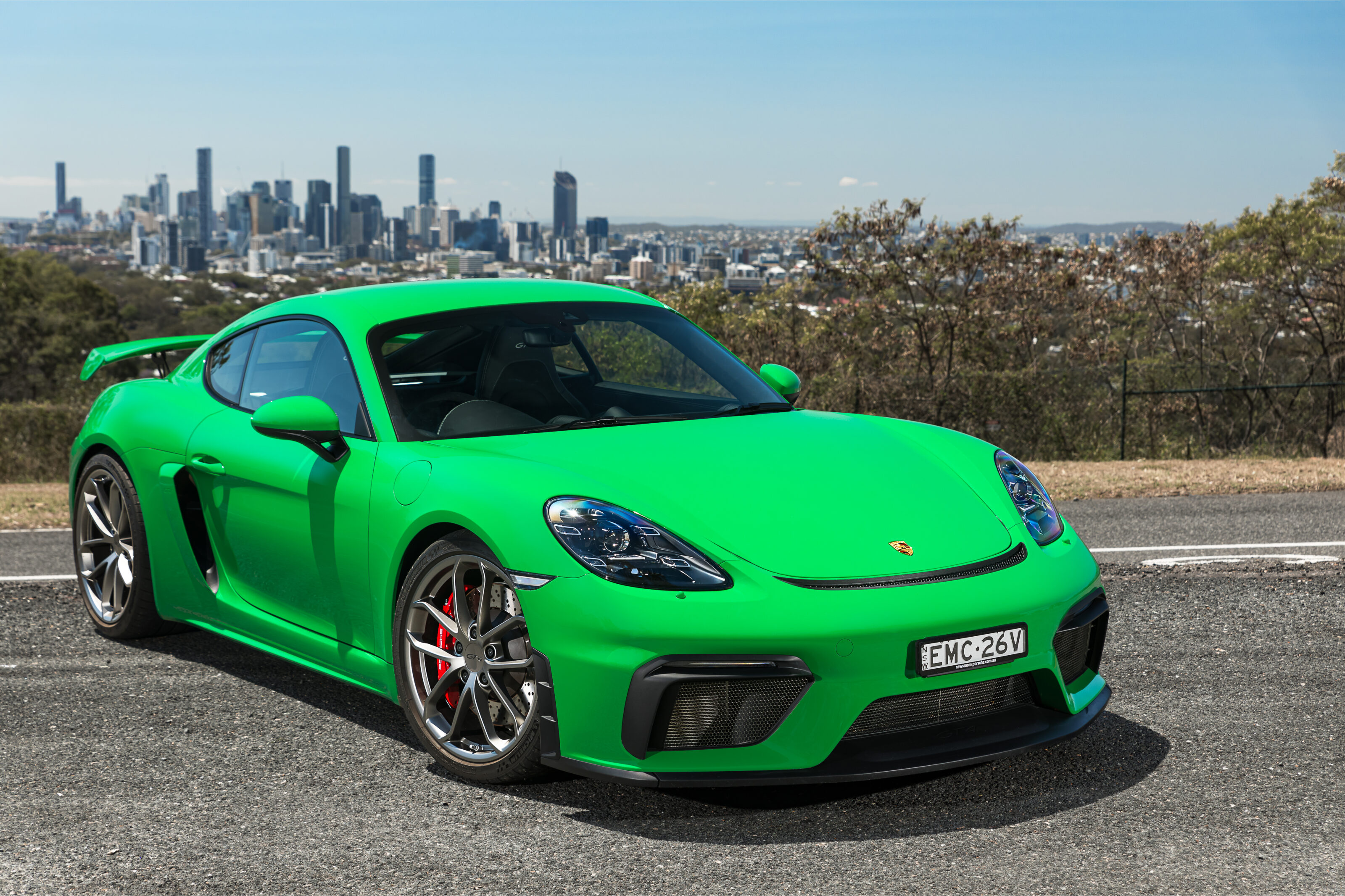
In Porsche’s now incredibly diverse line-up, this GT4 is in my mind their most achievable true sportscar experience when it comes to value for money.
It delivers performance in droves when you have the opportunity to explore your limits, but just as importantly can be managed without complaint as a daily drive – if your back’s up to it.
Now Condorman ain’t no Ronin but then again, Ronin didn’t make me want to go out and buy an Audi or BMW. Had the evil villain been behind the wheel of the GT4 back in 1981, he could have probably caught the hero and the movie would have ended a lot earlier.
And to just really piss me off, as I file my thoughts, here comes the GT4 RS! Oh spare me the pain of wanting. Just order this base-spec GT4 now – it will become a future performance classic.
2021 Porsche 718 Cayman GT4 specifications
| Body | 2-door, 2-seat coupe |
|---|---|
| Drive | rear-wheel |
| Engine | 3995cc flat-six, DOHC, 24v |
| Gearbox | seven-speed dual-clutch |
| Power | 309kW @ 7600rpm |
| Torque | 420Nm @ 5000-6800rpm |
| Bore/stroke | 102.0 x 81.5mm |
| Compression ratio | 13.0:1 |
| 0-100km/h | 3.9sec (claimed) |
| Fuel consumption | 10.4L/100km (claimed) |
| Weight | 1450kg |
| Front suspension | struts, adaptive dampers, coil springs, anti-roll bar |
| Rear suspension | multi-links, adaptive dampers, coil springs, anti-roll bar |
| L/W/h | 4456/1801/1269mm |
| Wheelbase | 2484mm |
| Brakes | 380mm ventilated discs, 6-piston calipers (f/r) |
| Tyres | 245/35 ZR20 (f); 295/30 ZR20 (r); Michelin Pilot Sport Cup 2 |
| Wheels | 20.0 x 8.5-inch (f); 20.0 x 11.0-inch (r) |
| Price (w/o ORC) | $210,100 (base); $239,650 (as tested) |
I have fond memories of motor shows as a young man, wandering the halls packed with glossy hardware wide-eyed and overwhelmed by the sensory slap to the face. And while a big show still invokes a sense of nostalgia and excitement, attending one as a journalist brings a whole cocktail of emotions.
An average media day at a major international show looks a bit like this: Arrive as the doors are opening and, with more violence than a moshpit, fight your way to the first scheduled press conference to find a spot as close to the stage as possible. ‘
At its conclusion another scrum will erupt, this time to approach the executive who has just finished their presentation. If you can get two half-sensible questions answered you are doing well but commit too much time and you’ll risk missing the next brand’s presentation, which has already started… in another area code.
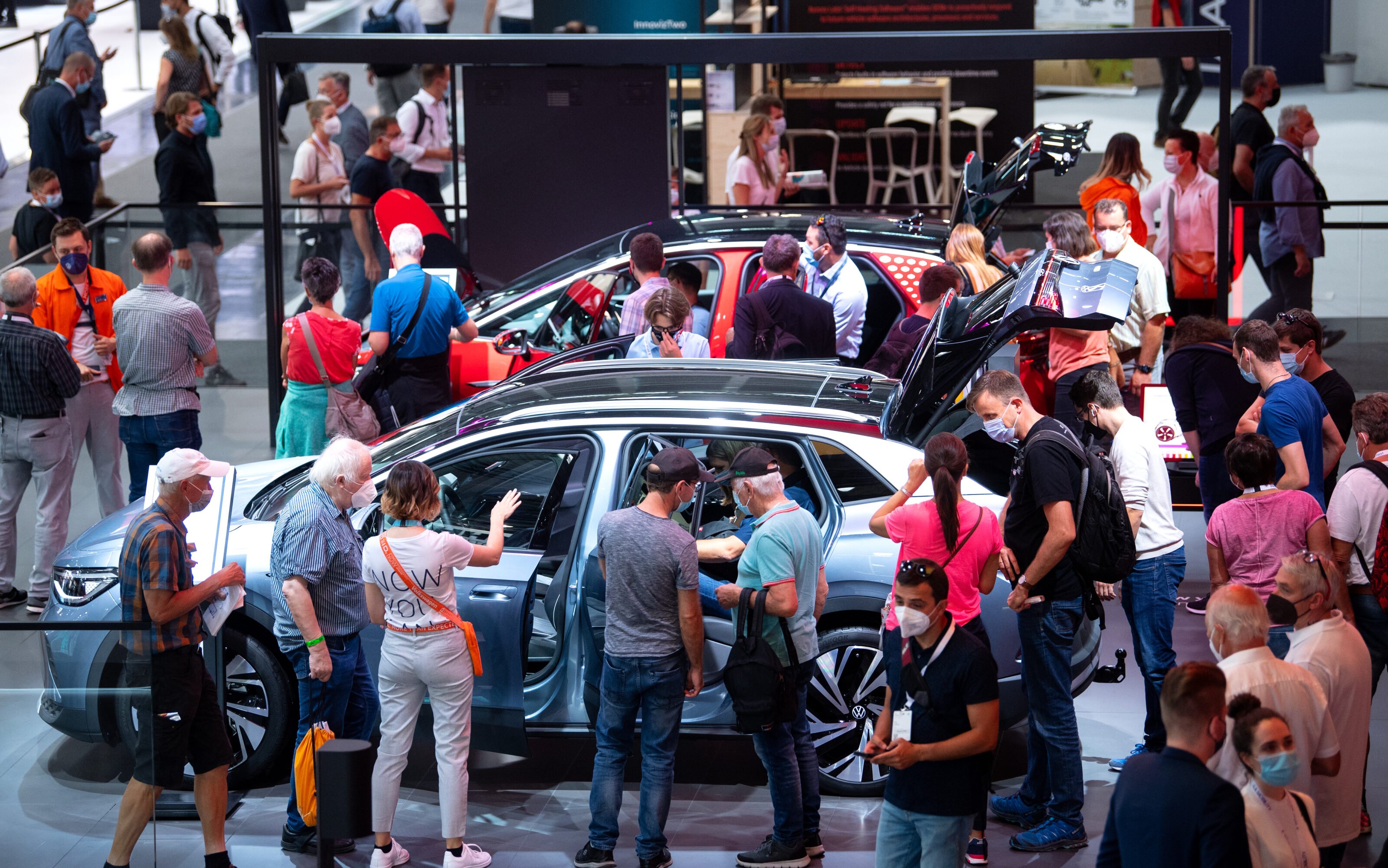
If one-on-one executive meetings have been arranged, at some point in the day you’ll need to peel out of the chaotic procession to have a sit down and a chat before re-joining later and trying to catch up. And, if you’re lucky enough to uncover a scoop or two, you’ll need to decide whether it’s worth missing a presentation to write it up and file or continue on the manic merry-go-round.
‘When it’s all over and time for a well-earned beer and reflection, you’ll instead go back to a hotel room and stay awake until the early hours transcribing and writing, fuelled by minibar snacks and the fear that rival may publish a similar story before you.
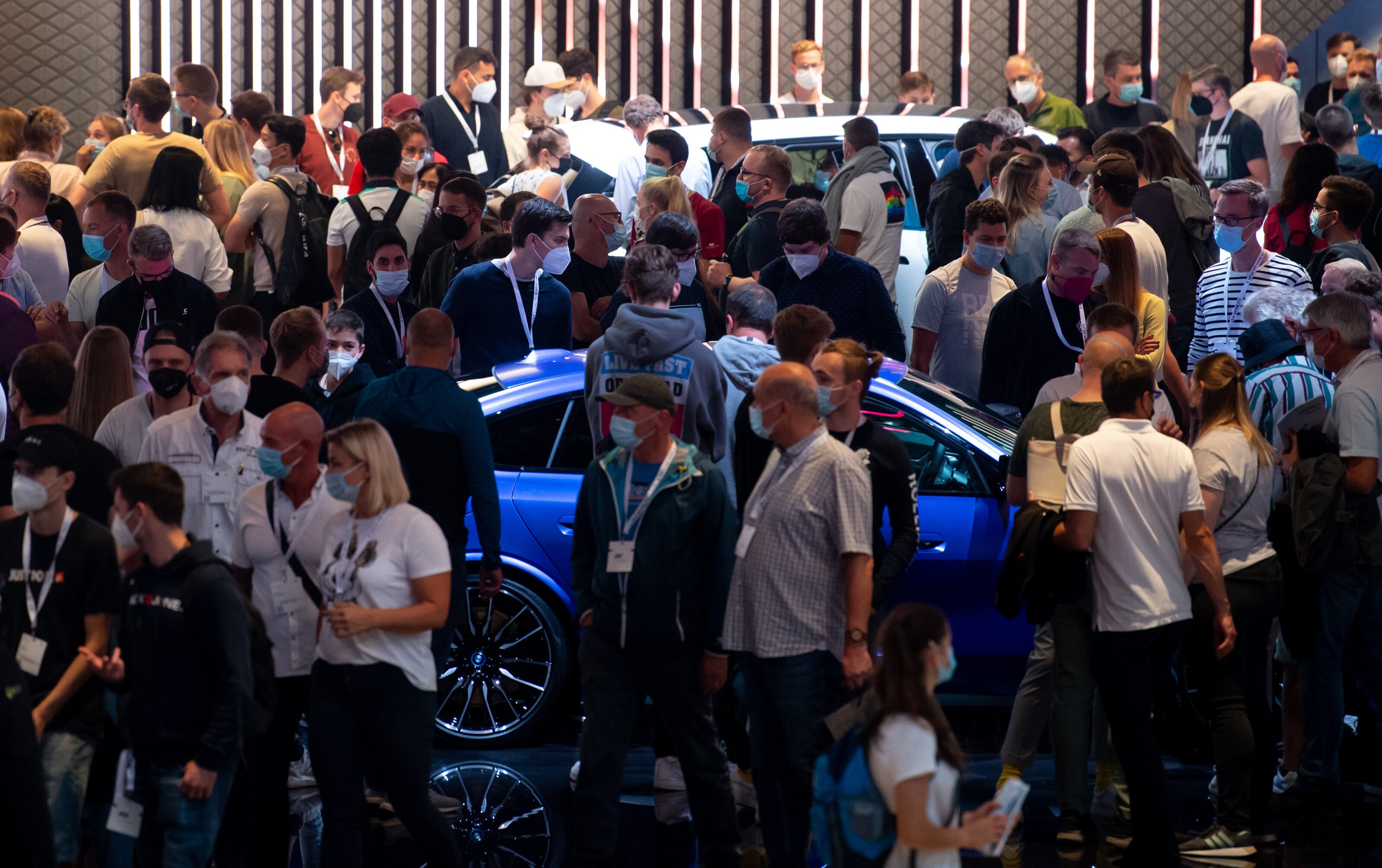
It’s been that way since I started visiting shows professionally, but this year, something was very different. IAA is the biggest auto show in the world, usually based in Frankfurt, but decamping this year to Bavaria for its biannual show. Manufacturers have been downsizing their involvement since 2017 and it was clear in Munich this year that so have the numbers of visitors.
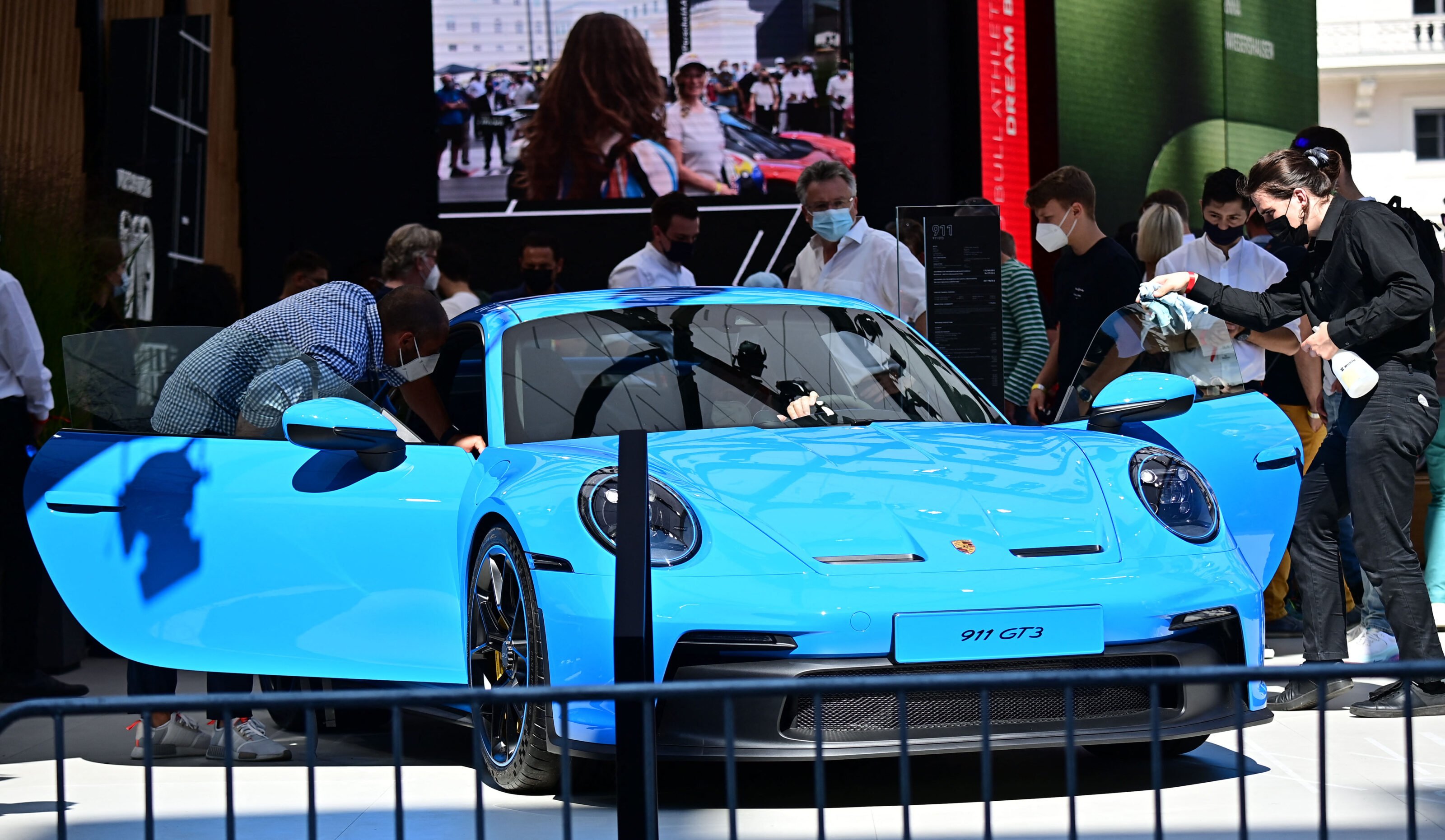
Instead of continuing to shrink their onsite activities and presence, all but a handful of brands had arranged its own show space elsewhere in the city and had no visibility at the main location at all. And those brands that made an appearance were doing anything they could to keep journalists at a distance.
BMW had arranged a dense line of po-faced security grunts tethered together with a rope to prevent access to the stage, Volkswagen whisked its people away so fast I thought they were on elastic, while Hyundai’s efforts were even less subtle.
Between its people and the public it had actually constructed an elaborate cage and a moat. Ask any of the marques why, and the official line will be ‘Covid’ but, as the expression goes – why waste a perfectly good crisis? I suspect something more calculated is going on.
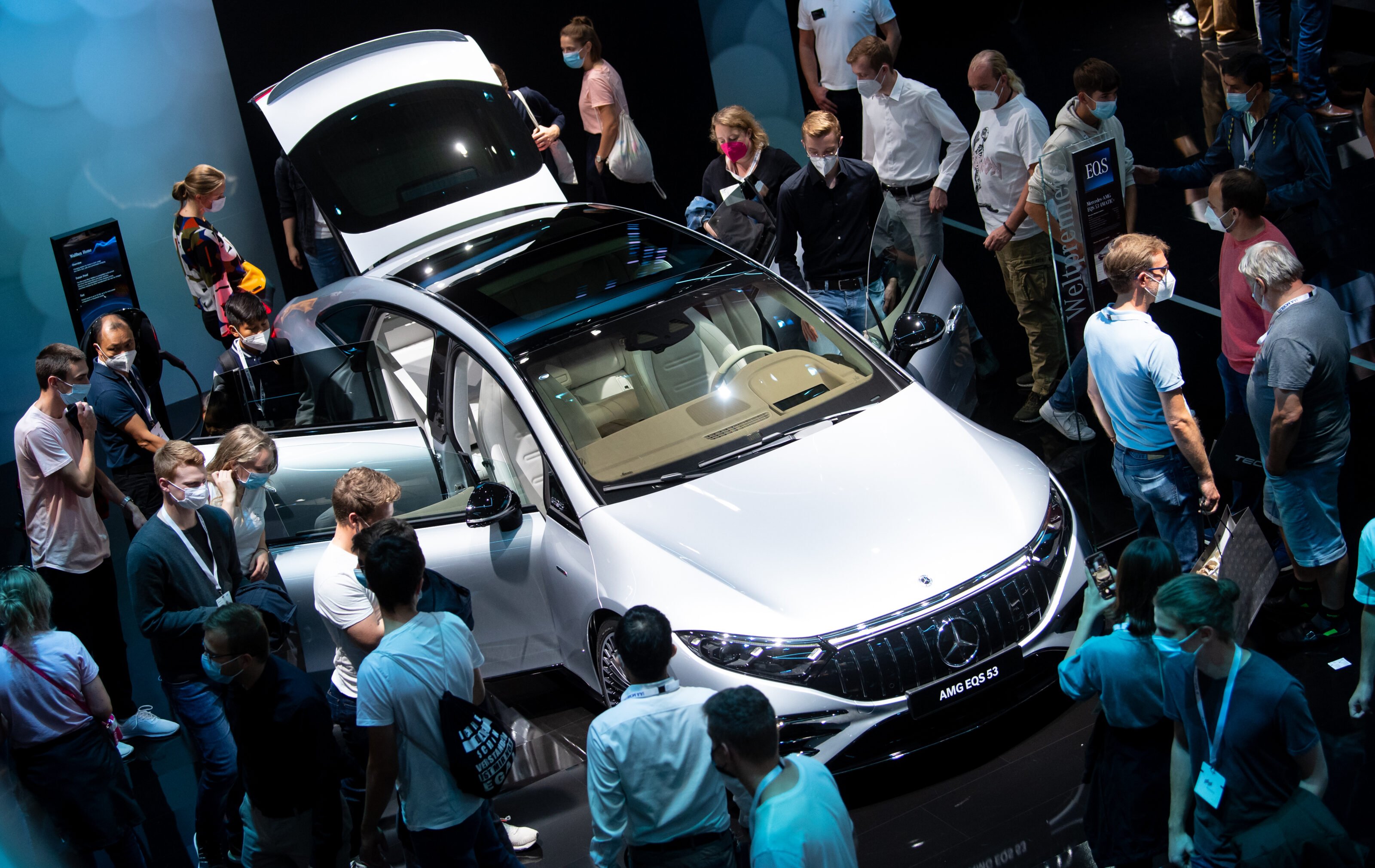
That morning, while I was perilously piloting a hired e-scooter from my hotel to a remote venue for a global reveal somewhere in Munich’s suburbs, there’s no way I could be hunting around the various other displays for secrets and stories from rival companies.
‘And while there were still round-table interviews on offer at the respective off-sites, nothing beats ramming a ‘tape’ recorder in someone’s face to tackle the really difficult questions.
This new strategy has been insidiously evolving over many years. Audi, for example, chose to reveal its fourth-generation A8 not at a major international show where it would have to compete for attention, but at its own vast Audi Summit in 2017. BMW did the same for its Vision M concept as part of its huge NextGen event in 2019, with coronavirus continuing to upending many traditional launches you can expect more of it to come.
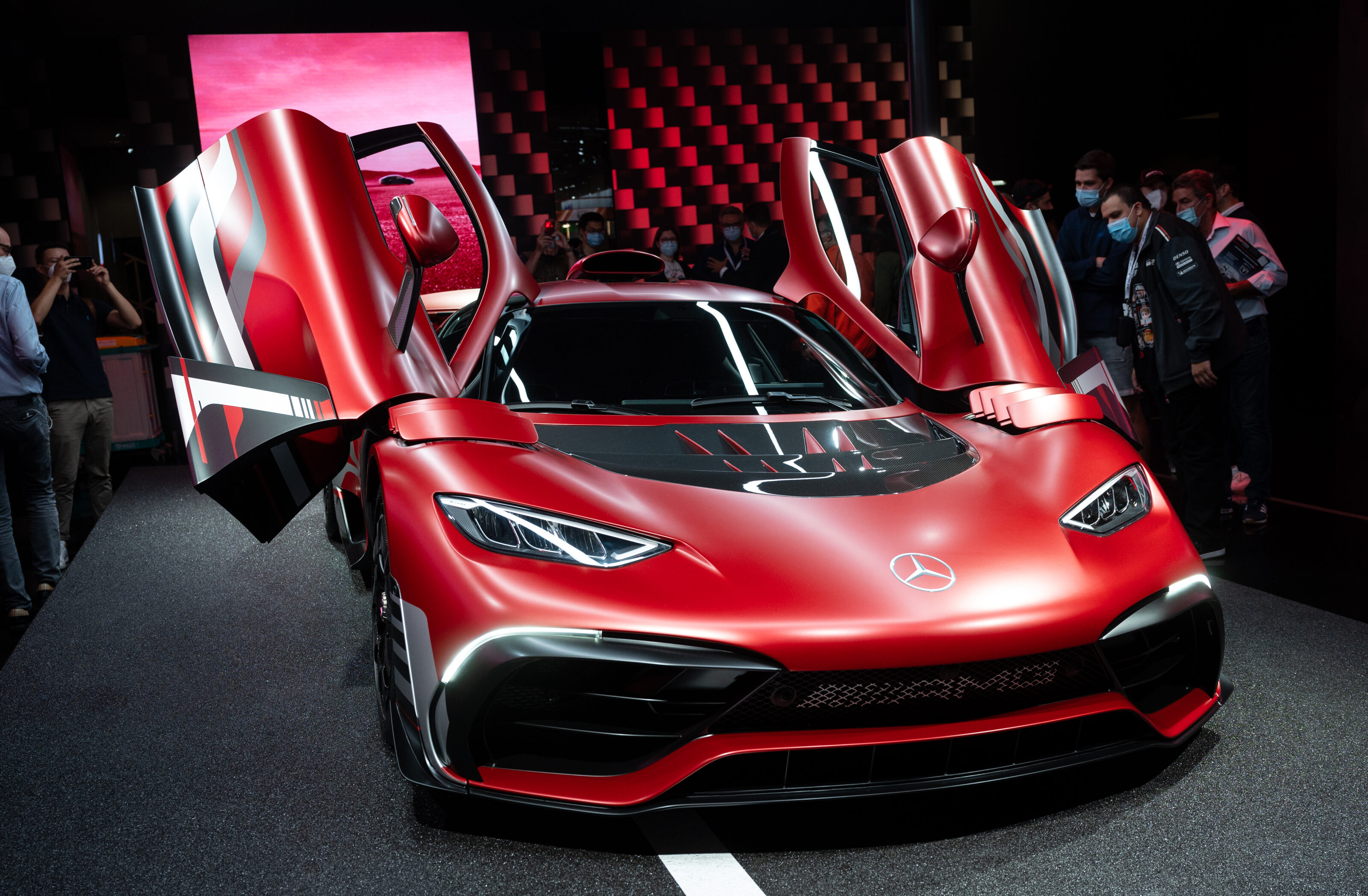
And why not? The manufacturer has a captive audience to receive exactly the message it wants to give with an aggressive efficiency. I’m troubled by this dark evolution of the motor show, but with social media and web-streaming allowing instant access to new global car reveals from the comfort of your own lockdown, do we really need the traditional format? I believe so.
Face-to-face communication with the major manufacturers is absolutely paramount and one of the best ways to keep big brands honest and accountable. And sidestepping Australian CEOs and managers to get to the board of directors at their home ground is as vital as it is fun. ‘
I never thought I’d say it, but I’d trade this new type of show for the traditional half marathon of walking, chips for dinner and three hours sleep any day.
Kia’s design boss still has hopes for a ute, despite recent reports the project was dead.
Speaking to the UK’s Autocar, the Korean carmaker’s head of design, Karim Habib, said he would welcome a Kia ute “with open arms”.
“It would fit with our portfolio and the brand. In the pick-up market in the US, there is a huge amount of loyalty to existing brands. But there are also new things opening up. So maybe there is room for another brand,” Habib said when pressed about the possibility of a Kia ute.
Kia Australia has been lobbying its head office for such a model for years, with Wheels reporting on the possibility of a Kia ute since 2018 – and expectations it would arrive in 2021.
While Kia and its owner Hyundai often share platforms, rumours pointed to Kia developing its own body-on-frame ute rather than developing its a version of the Hyundai Santa Cruz pick-up offered in the US.
These speculative renderings by artist Theottle back in August provide an idea of what a Santa Cruz-based Kia would look like.
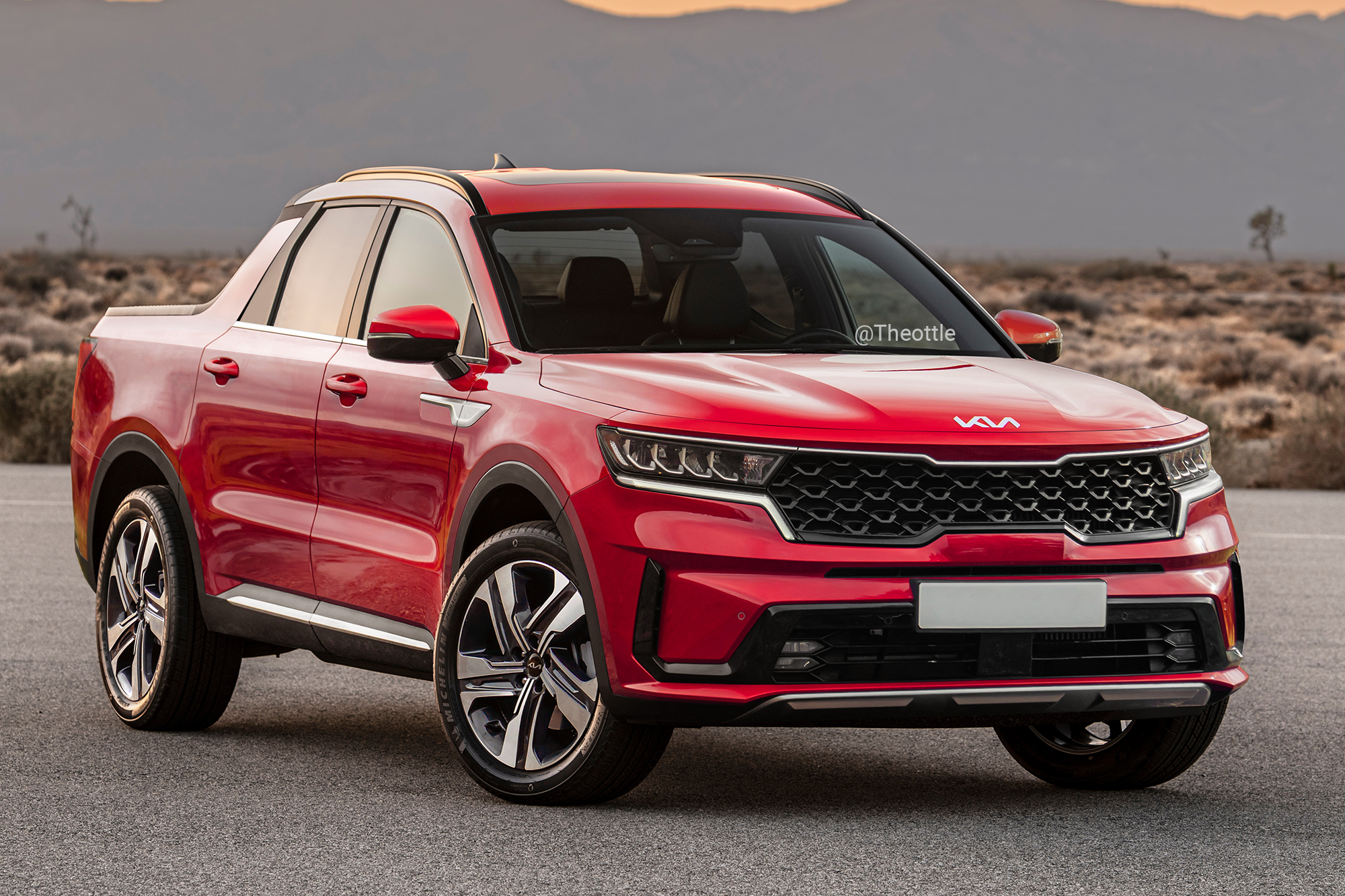
Many speculated on Kia potentially basing its ute on the Mohave – an SUV with a ladder-frame chassis offered in overseas markets.
But given the carmaker’s move towards electrification, the chance of a model getting the green light – without having been future-proofed with a hybrid or full-electric powertrain – diminishes by the day.
Key Points
- The second of three Bugatti EB 112 prototypes is up for sale
- Rare super sedan features a 6.0-litre V12 with 335kW
- Price is as yet undisclosed
Although the Bugatti brand is now commonly associated with high-performance supercars, the French carmaker was also once renowned for its luxurious vehicles.
Before being resurrected for a second time by the Volkswagen Group in 1998, the Bugatti name was revived by Italian entrepreneur Romano Artioli during the late-1980s, with the famous EB 110 mid-engined sportscar acting as the first model for the re-established marque.
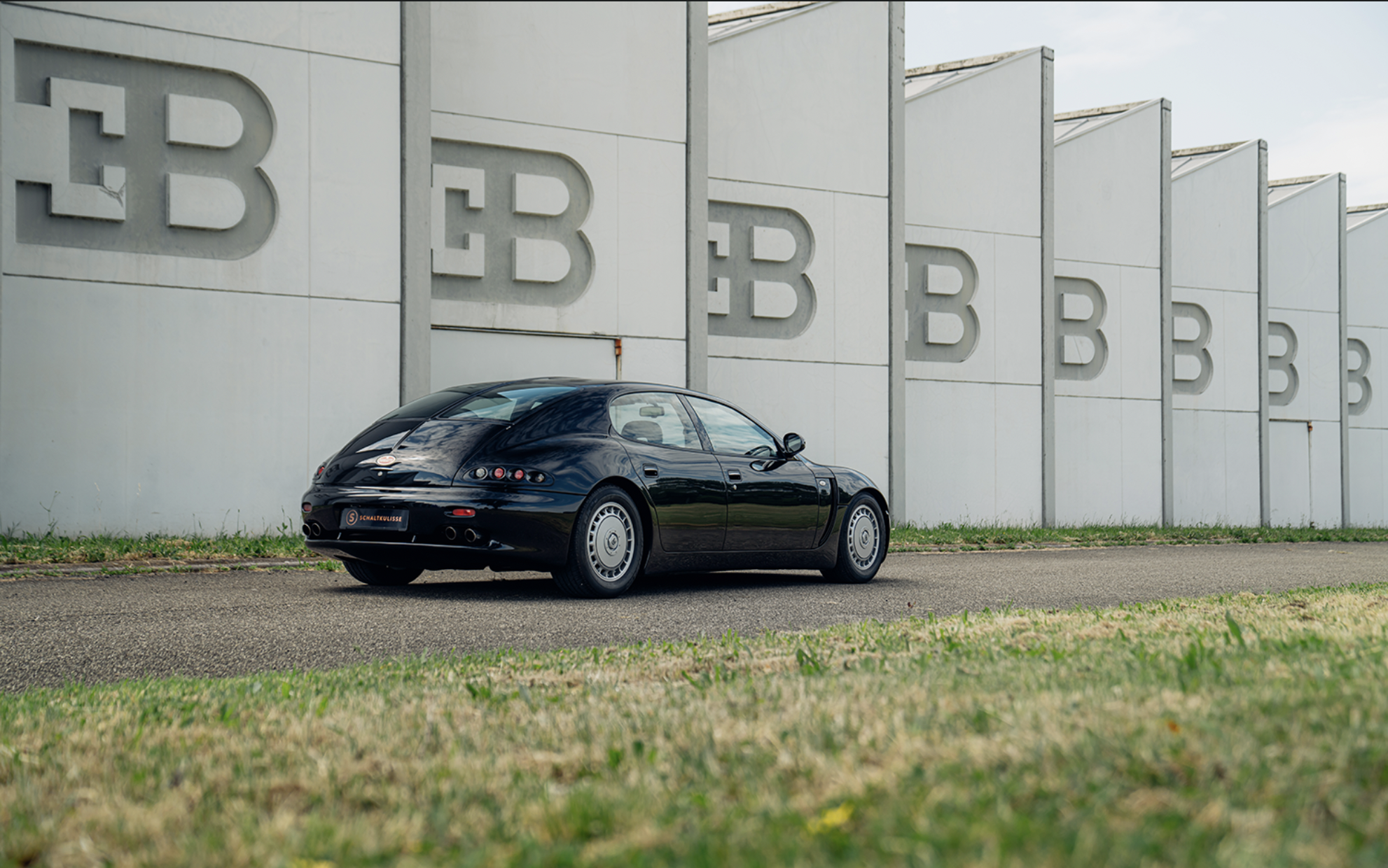
Another lesser-known model produced during this era is the EB 112 – a four-door V12 super sedan penned by Italdesign, first shown at the 1993 Geneva Motor Show.
Just one example (chassis #39001) managed to roll off the production line of the design firm before Bugatti went bankrupt, with another two examples (chassis #39002 and #39003) still needing completion at its Campogalliano, Italy, facility when the business was shuttered.
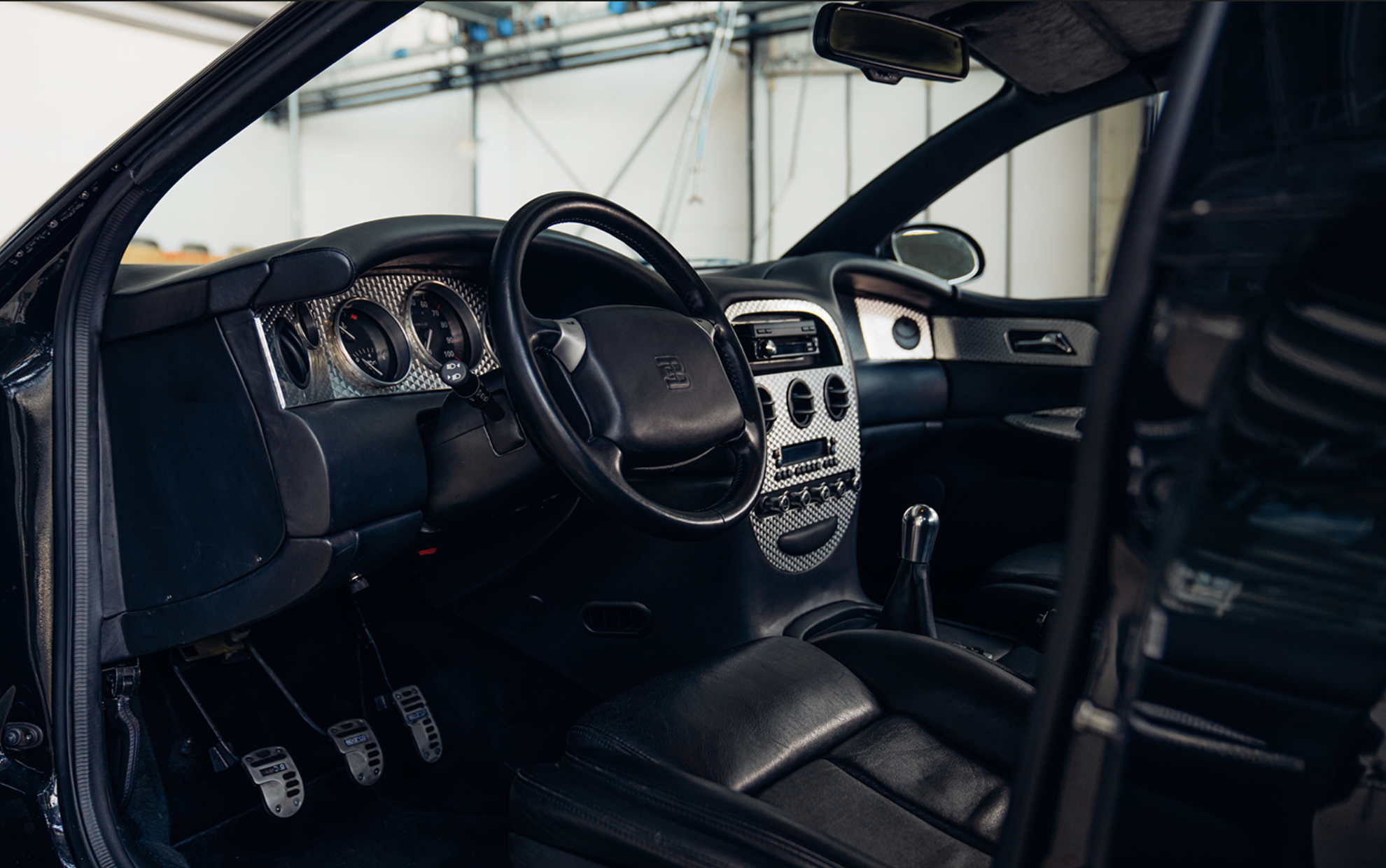
With spare parts and incomplete chassis components available following the bankruptcy, the two unfinished examples were acquired by businessman Gildo Pallanca Pastor and assembled by the Monaco Racing Team. The third EB 112 (chassis #39003) remains in his personal collection.
The second example, featured here, was ordered by a Swiss Bugatti importer in 1993, completed by the racing team in 2000, exhibited at the 2006 Geneva Classic Motor Show, and is now up for sale by Schaltkulisse in Germany.
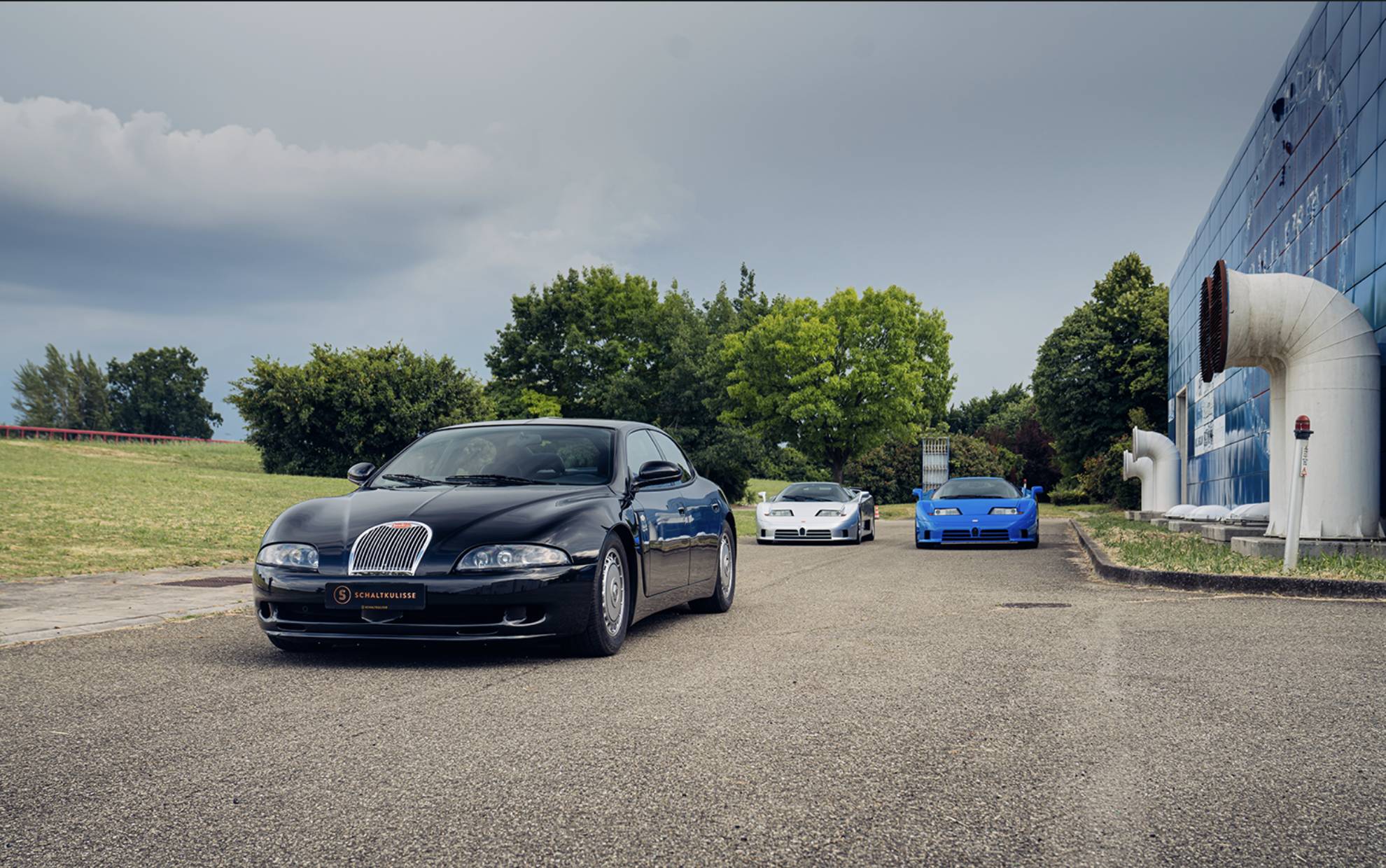
Powering the EB 112 is a Volkswagen-designed, naturally-aspirated 6.0-litre V12 engine, producing 335kW for a 0-100km/h sprint in 4.3 seconds with a claimed top speed of 300km/h.
Just 3900 kilometres are on the odometer of the EB 112, with the example in full working condition. No price has been listed by Schaltkulisse, however it is expected to fetch a hefty sale price considering the rare nature of the vehicle – a rare Bugatti, no less.
American tuning house and hypercar manufacturer Hennessey has announced details and early sketches of its next vehicle – a high-performance, four-seater EV dubbed ‘Project Deep Space’.
The six-wheeler will be Hennessey’s first electric vehicle, built on an all carbon-fibre body and chassis. It will feature two extended gullwing doors and seating in a staggered 1+2+1 layout, with a “driver-focused” central seat and fully-reclining ‘captain’s chair’ in the rear.
Speaking to Autocar, company founder and president John Hennessey described Project Deep Space as “the modern equivalent of something like the Bugatti Royale”. At 6.4 metres, the ultra-luxury Royale remains one of the largest cars in the world, of which seven were built between 1927 and 1933.
In comparison, Hennessey plans to build 105 of its six-metre-long behemoths.
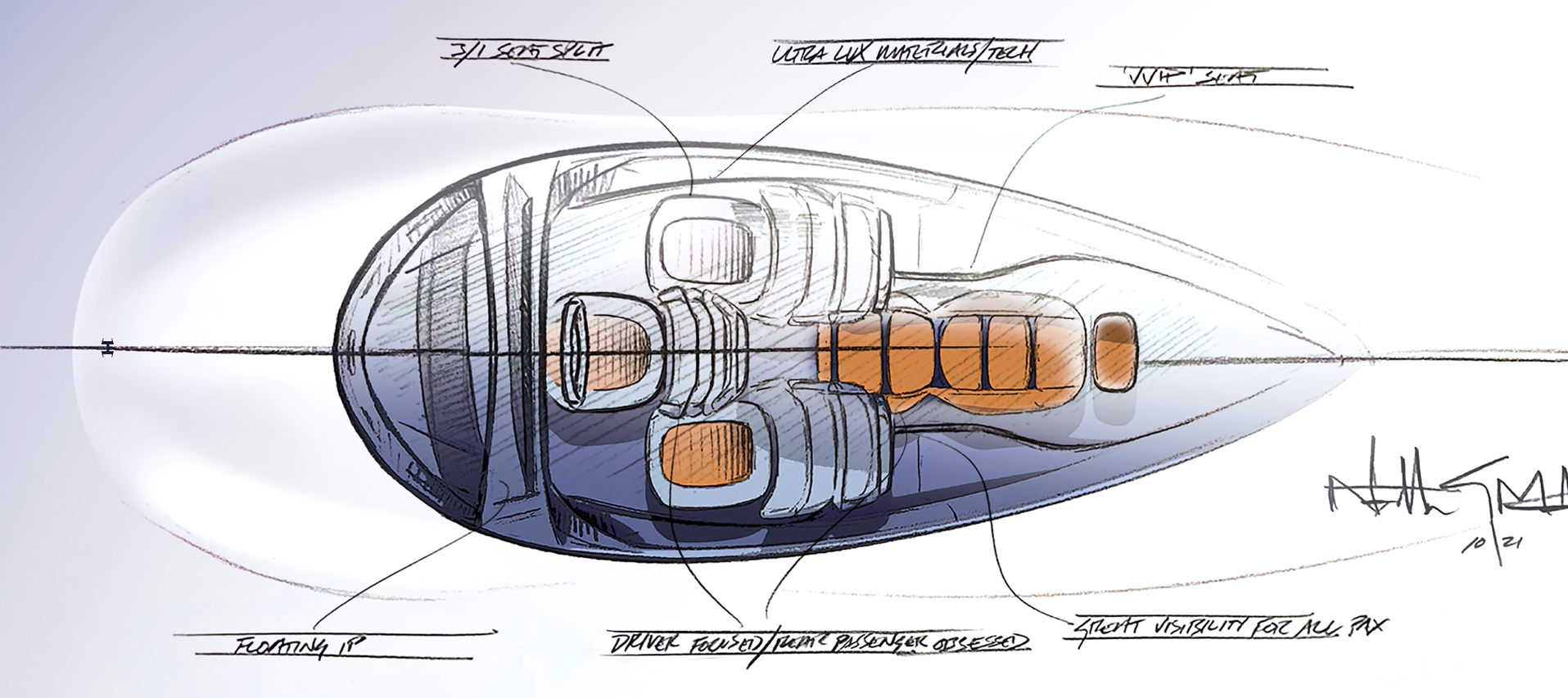
As shown in the sketches by Hennessey design director Nathan Malinick, the boot will have space to fit four sets of golf clubs, and the frunk room for matching carry-on luggage.
Six electric motors will power the car, with one turning each wheel. “It’s pretty common to be able to generate 400bhp per electric motor,” Hennessey told Autocar. “So doing the math suggests a serious amount of power if we decided to do that.”
While he didn’t specify a final output, Hennessey did say the car would likely be the fastest-accelerating four-seater from 0-200mph (321km/h).
Speaking in a YouTube video, Hennessey also confirmed the brand would not be abandoning internal-combustion engines any time soon.
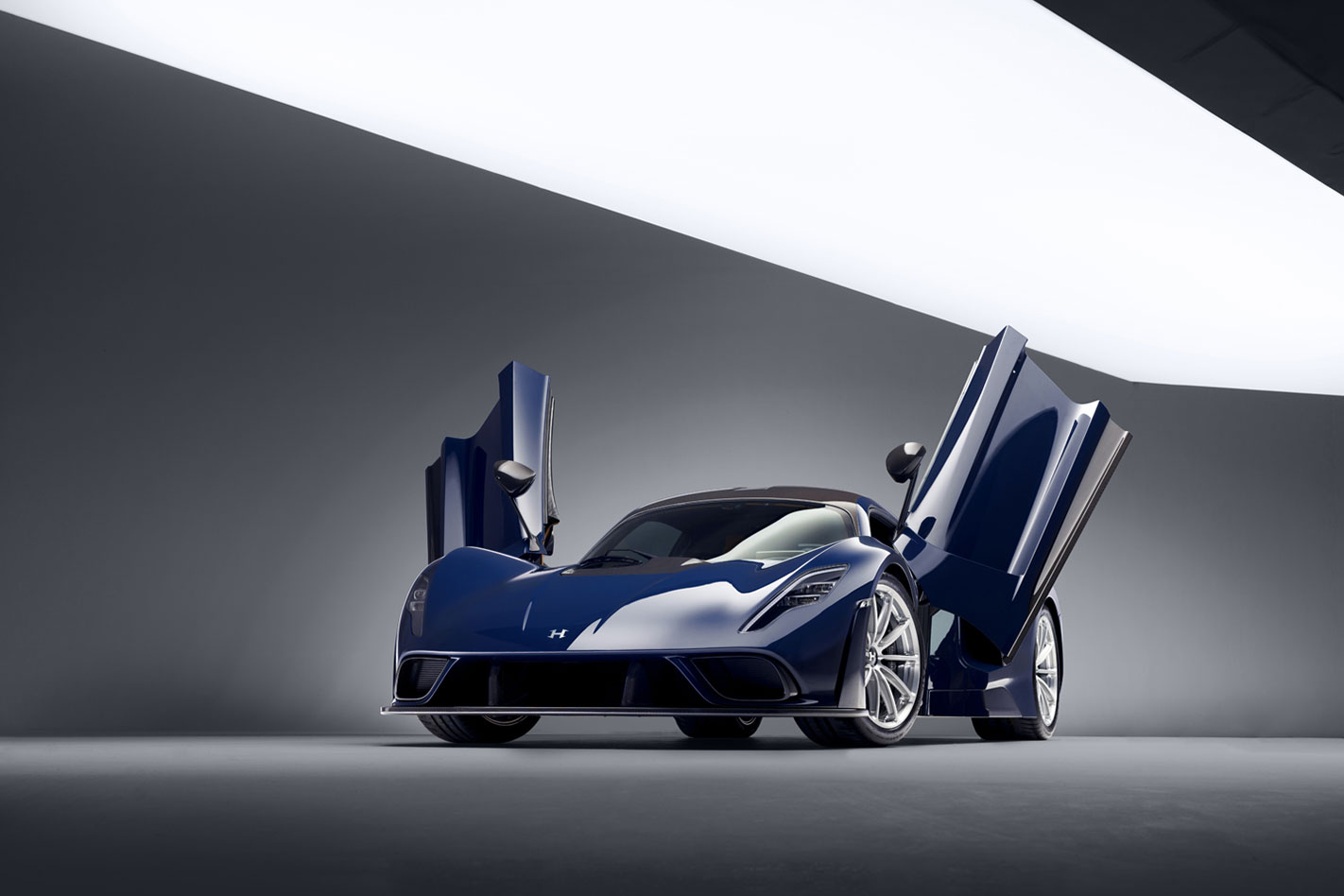
Production on Project Deep Space is slated to begin in 2026, after the last Venom F5s roll off the line. Hennessey says the car is “deep into development” and one is already accounted for – having been sold to a current F5 owner.
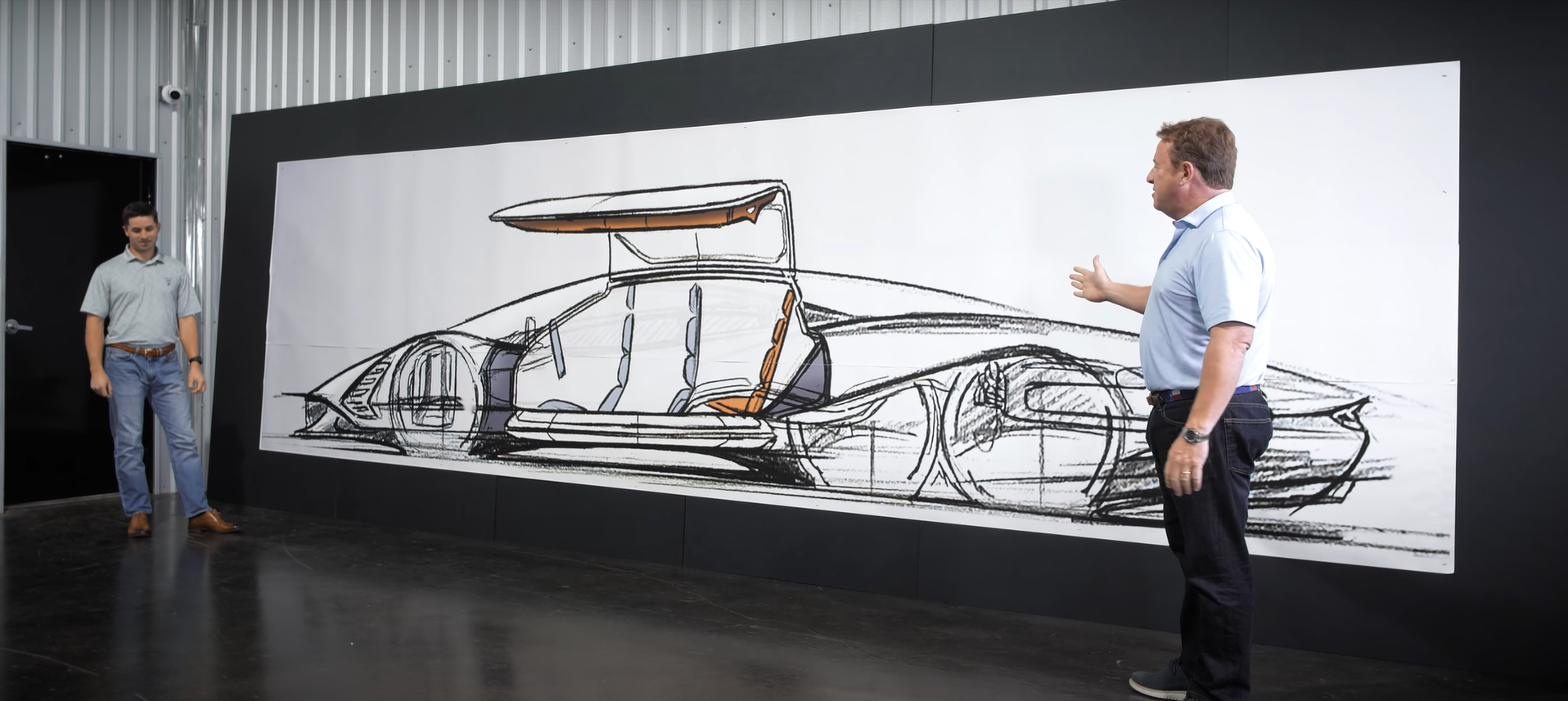
Each machine is expected to carry a price tag of around US$3 million (AU$4.18m), which would make it the world’s most expensive EV — eclipsing the US$2m (AU$2.79m) commanded by the Lotus Evija, Pininfarina Battista and Rimac Nevera.
