Tesla CEO Elon Musk has apologised on Twitter following a temporary server outage which prevented owners from connecting with their cars through their smartphone.
Initially reported by Elektrek, Tesla owners around the world reported issues with the app late last week, which was showing up as a ‘500 server error’.
Speaking to Wheels, one Tesla driver in Melbourne said the phone still allowed access to their vehicle on approach, but prevented the owner from allowing remote access to a third party.
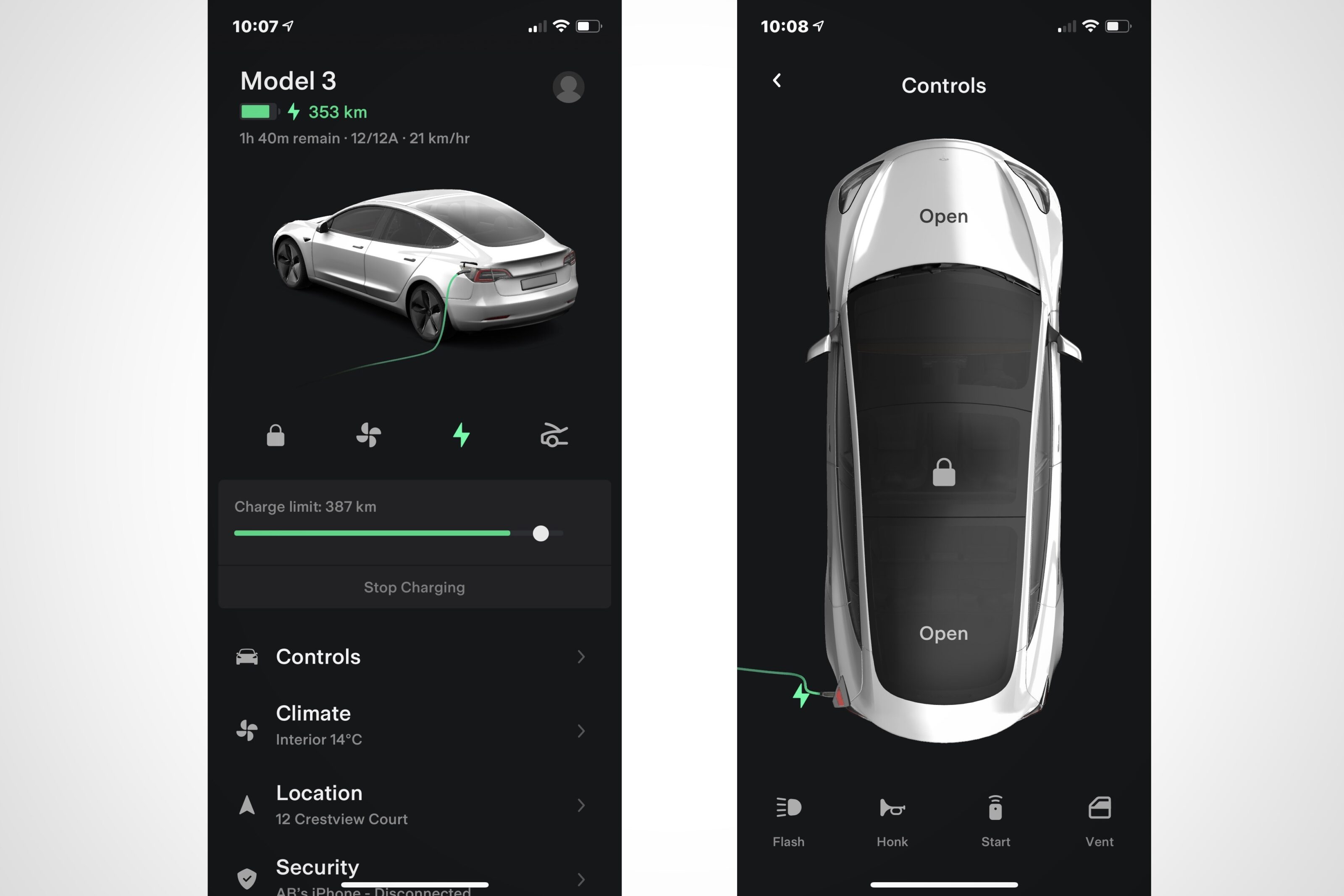
It’s believed the outage meant the app was unable to connect with the car via the internet, but the vehicle still recognised the authority of the app if the phone was in close proximity to the Tesla.
“Should be coming back online now. Looks like we may have accidentally increased verbosity of network traffic,” Musk tweeted in response to a journalist’s complaint.
“Apologies, we will take measures to ensure this doesn’t happen again.”
Key Points
- Jimny Long could launch by the end of 2022
- Swift Sport in line to score mild-hybrid power
- Manual gearboxes expected to be retained for both models
Suzuki’s model line-up is set for a minor shake-up throughout 2022, with both the Jimny and Swift expected to gain new variants.
According to Japanese publication Best Car, the two Suzuki models will gain an extra variant each, with the five-door Jimny Long expected to finally break cover while the Swift’s range-topping Sport will gain hybrid power.
The idea of the Jimny Long isn’t new, as it has been rumoured for just over half a year, but it seems the possibility of one hitting the showrooms is gaining traction as more details emerge about the popular model’s larger sibling.
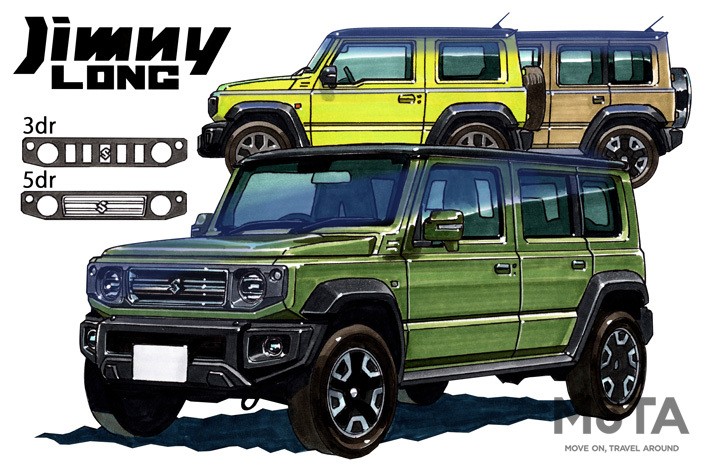
The report states the Jimny Long could be up to 3850 millimetres in length, a 370mm increase over the existing three-door body, while the wheelbase could grow from 2250mm to 2550mm, providing a bit more space for those in the cramped back seats.
It’s unclear as to whether the Jimny’s 1.5-litre, naturally-aspirated four-cylinder engine would be retained to power the longer and heavier body – although earlier reports suggested a turbo or even hybrid powertrain could find its way into the Jimny Long, mated to a choice of the existing four-speed automatic or five-speed manual transmissions.
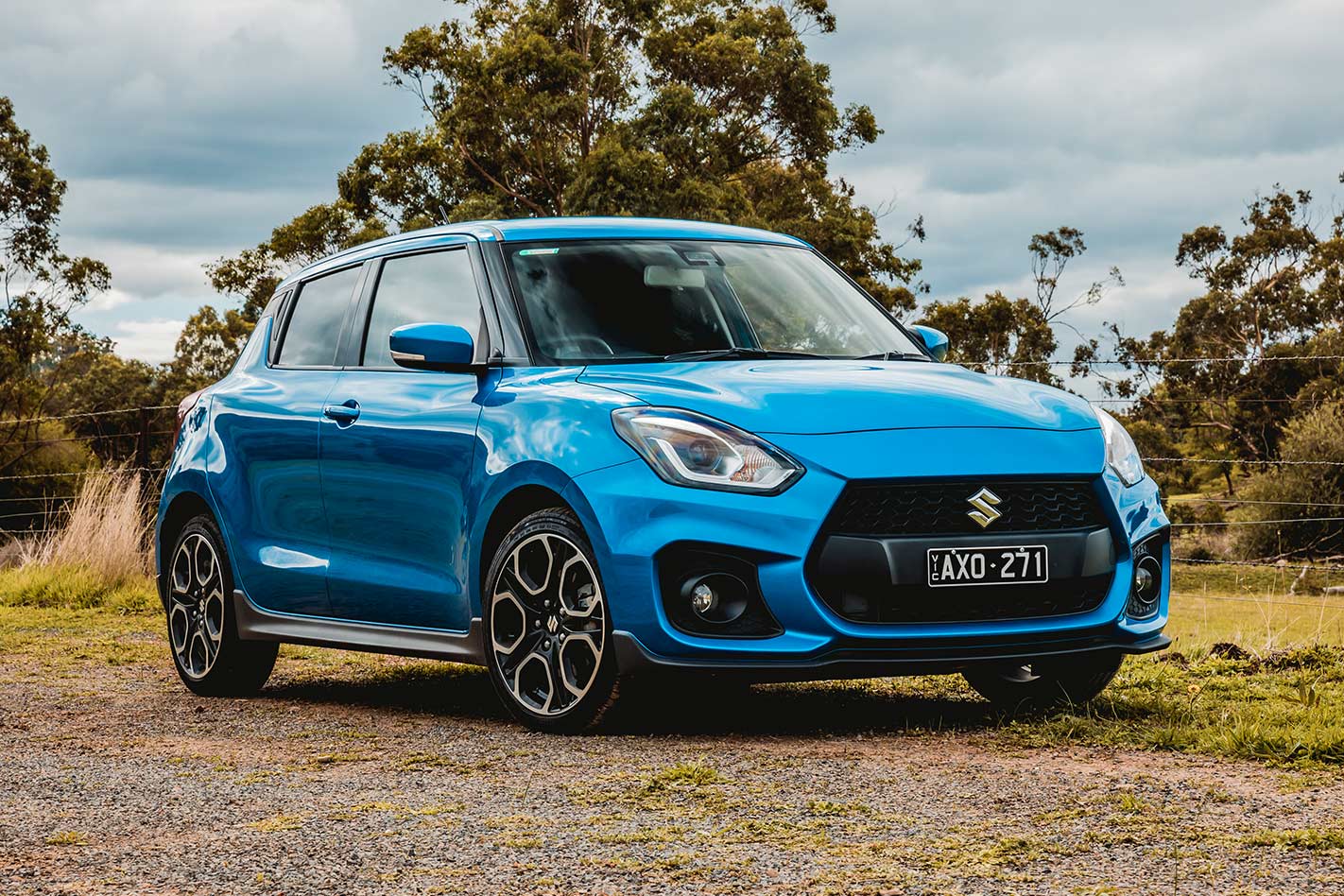
For the Swift, Suzuki’s popular city car could be up for a power increase in its flagship Sport variant, as the nippy five-door hatchback is set to gain a mild-hybrid motor in conjunction with its 1.4-litre, turbocharged four-cylinder engine.
The 48-volt mild-hybrid system could increase the Swift Sport’s fuel efficiency – which is currently rated at 6.1L/100km on a combined cycle – as well as boosting its power and torque outputs, standing at 103kW and 230Nm respectively in its current guise.
It’s understood the six-speed automatic and manual gearboxes will remain, but it’s not out of the question for Suzuki to potentially introduce a continuously variable transmission for the Sport – as currently found in the 1.2-litre, naturally-aspirated variants.
Australia may have missed out on the 2022 Ford Maverick, but this rendering of a muscle ute by legendary tuner Shelby American has us wondering what could have been.
The 2023 Ford Maverick Shelby GT300 you see in front of you was created by Brazilian artist Kleber Silva, who also turned it into an SUV recently – which we named the Ford Raider.
Taking some inspiration from the Ford Mustang Shelby GT350R, the Maverick is adorned in black GT stripes with a white border, seven-spoke alloy wheels from the Mustang, dual centre exhaust tips, clear tail-lights, and a body kit with wheel arches and a rear wing.
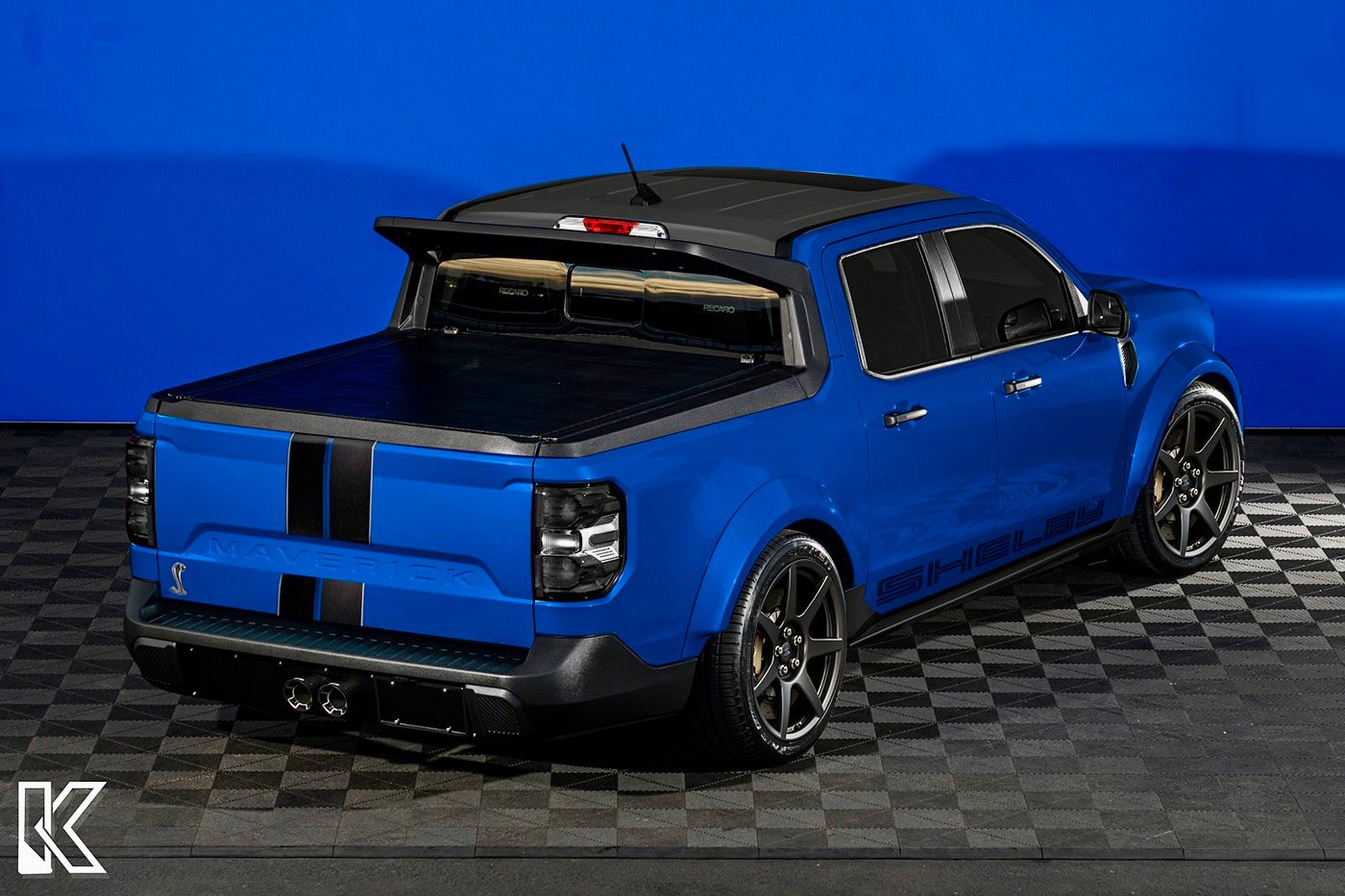
Following Carroll Shelby’s penchant for stuffing big engines into little cars, this example borrows the 3.0-litre twin-turbo V6 from the Ford Explorer ST – widely rumoured to be destined for the next-generation Ford Ranger Raptor – delivering a healthy 300kW and 560Nm to all four wheels through a 10-speed automatic transmission.
It’s unlikely Shelby American does offer a Ford Maverick-based model, but we do know the company is planning to unveil something special on December 15 – with the accompanying photo to the announcement showing a Ford Mustang draped in a sheet.
Let us know what you think about the Ford Maverick Shelby rendering in the comments section below.
The 2022 Kia Niro has been teased ahead of its unveiling this Thursday.
Kia released four shadowy images of the new-generation Niro, confirming the vehicle’s bold new front-end first spied in October.
As predicted in our exclusive renderings, the Niro will borrow much of its inspiration from the HabaNiro concept from 2019, with shrugging-arm LED daytime-running lights and boomerang-shaped tail-lamps.
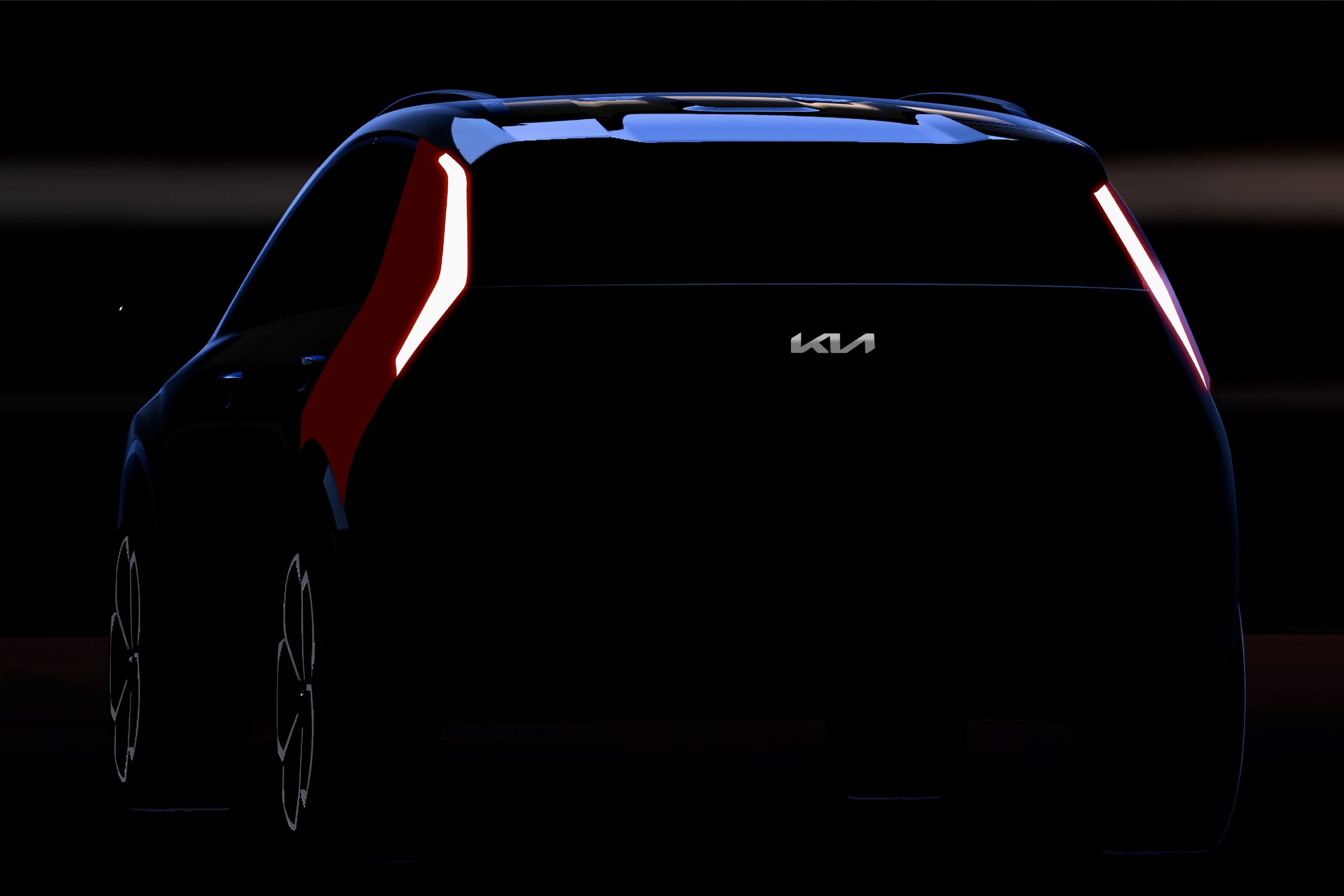
The teasers also confirm the Niro will feature a contrast colour at the D-pillar – a design element of the concept car, but also seen on a pre-production car snapped undisguised last month.
Also previewed was the Niro’s new interior, with renderings showing a single panel combining both the digital instrument cluster and the infotainment screen. The interior design appears to adopt the same design language as the Kia EV6, taking a number of key components from its all-electric sibling.
The 2022 Kia Niro will be unveiled at the Seoul Mobility Show on Thursday November 25 at 12:30pm.
Key Points
- The first Lincoln produced exclusively for China, the Zephyr, has been revealed
- Showcases evolution of Lincolnu2019s latest design language
- Expected to go on sale in China in early 2022
Ford’s luxury brand Lincoln has abandoned passenger vehicles in the United States, however that hasn’t stopped it from launching its new Zephyr sedan in China.
Unveiled at the 2021 Guangzhou Auto Show, the Zephyr readopts a famous badge that has been placed on a plethora of Ford Motor Company vehicles since the 1930s – namely the previous Lincoln Zephyr, one of many predecessors to the MKZ and Continental sedans discontinued in 2020.
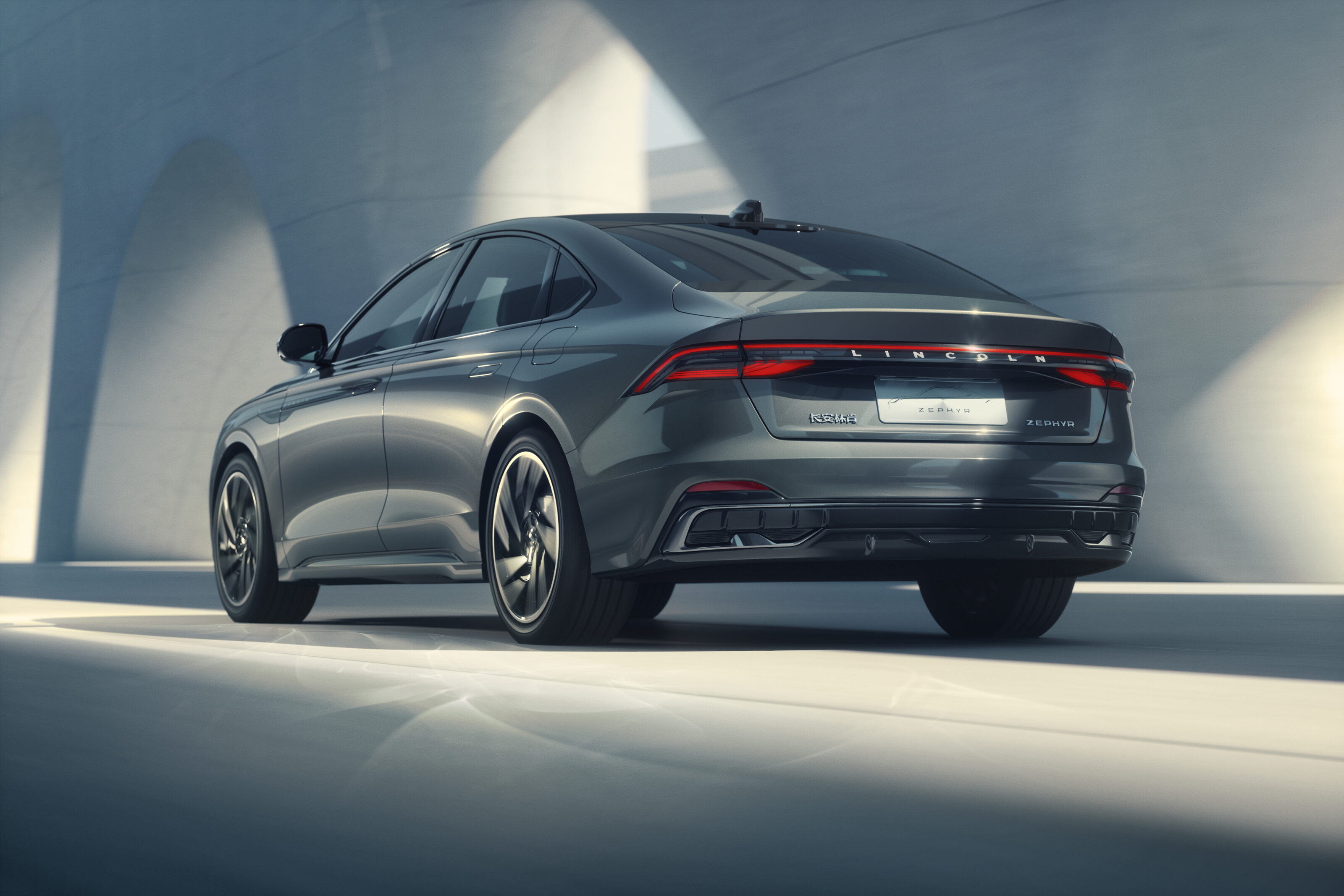
Set to remain exclusive to the Chinese market, where passenger cars remain popular with buyers, the Zephyr is expected to go on sale in the People’s Republic during the first quarter of 2022.
Reportedly based on the same transverse front-wheel drive Ford C2 platform as the Focus and Escape – as well as the Chinese market Evos – the Lincoln Zephyr is powered by a 2.0-litre four-cylinder engine mated to an eight-speed automatic transmission. Specific powertrain details are not yet known, however, the four-cylinder mill is likely related to the turbocharged version found in the Ford Escape and Maverick.
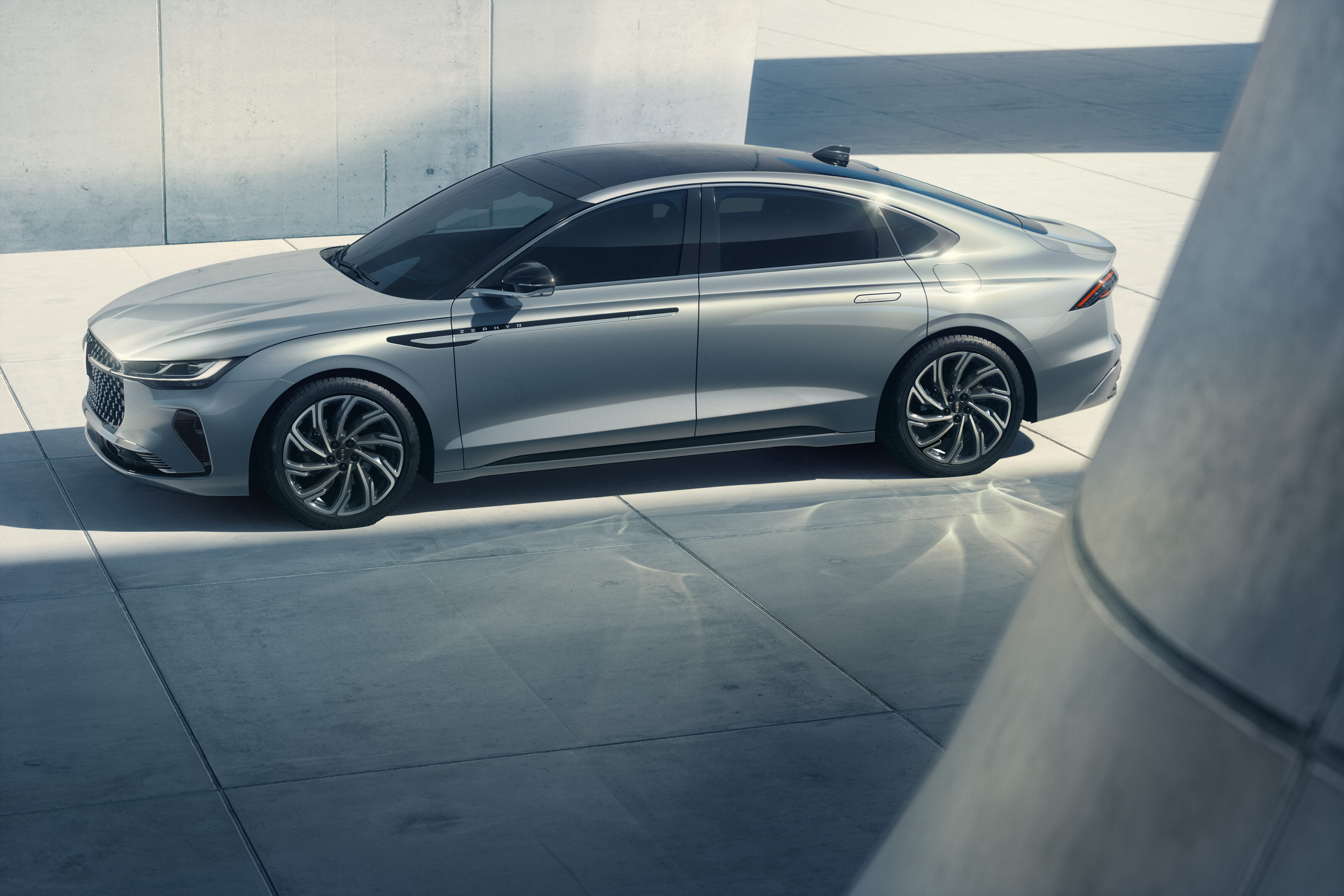
With a wheelbase stretching more than 2900 millimetres, the Zephyr places an emphasis on rear seating space and legroom – an important focus for Chinese consumers. Local media reports the luxury sedan is 4982mm long, 1865mm wide and 1485mm long, placing it between the outgoing MKZ and Continental dimensionally.
At the front, a full-width light bar is divided by Lincoln badging, placed on a large front grille surrounded by a pair of sleek headlights and C-shaped air intakes.
A strong character line along the side, flush door handles, angular rear tail-lights reminiscent of the Audi A7 and worded Lincoln badging round out the styling of the Zephyr, which sports a sedan boot lid despite its liftback-like swooping roof line.
The Zephyr will be available with two styling appearances: a chrome-laden luxury version, and a sporty blacked-out trim likely badged ‘Black Label’.
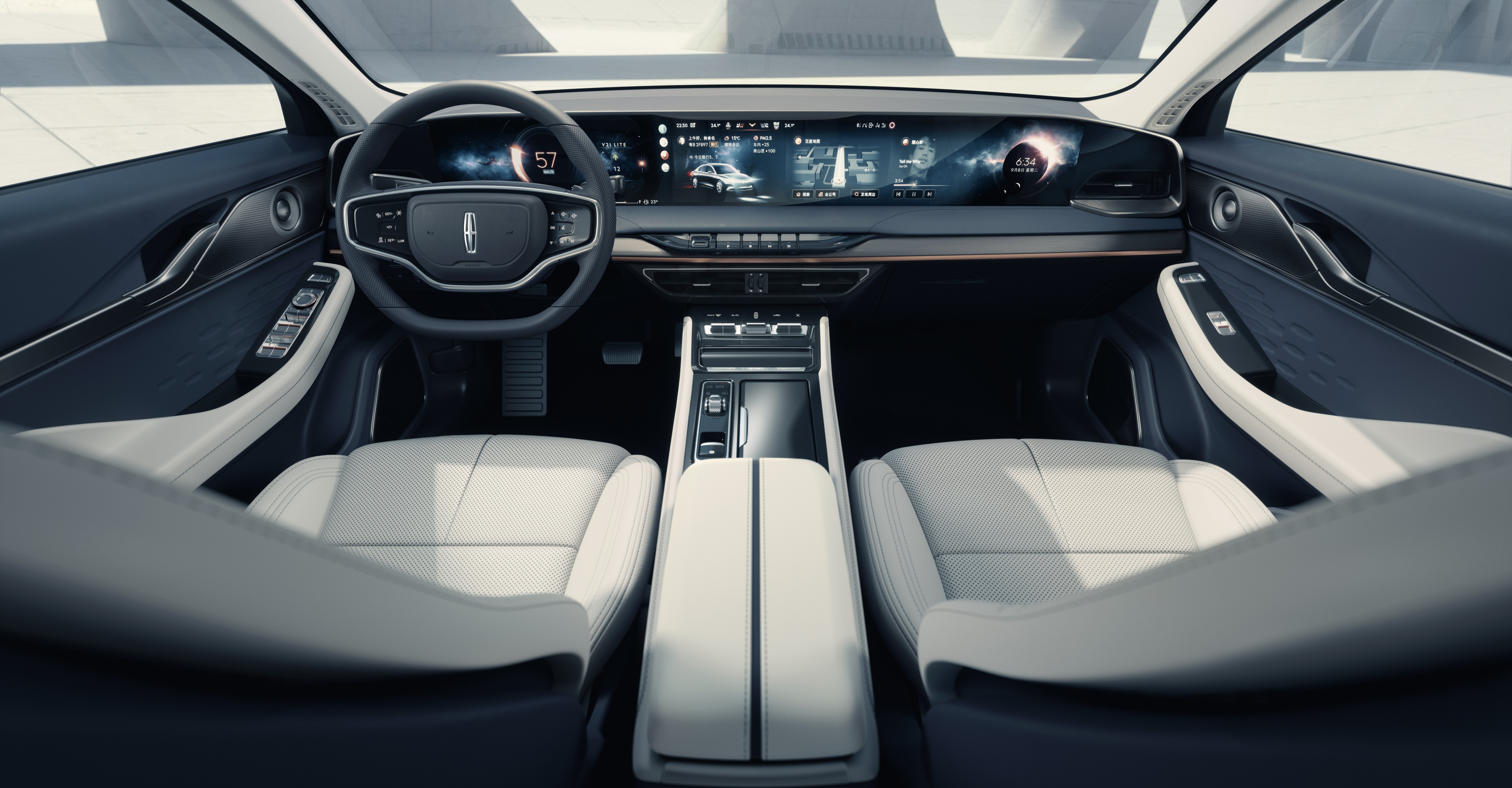
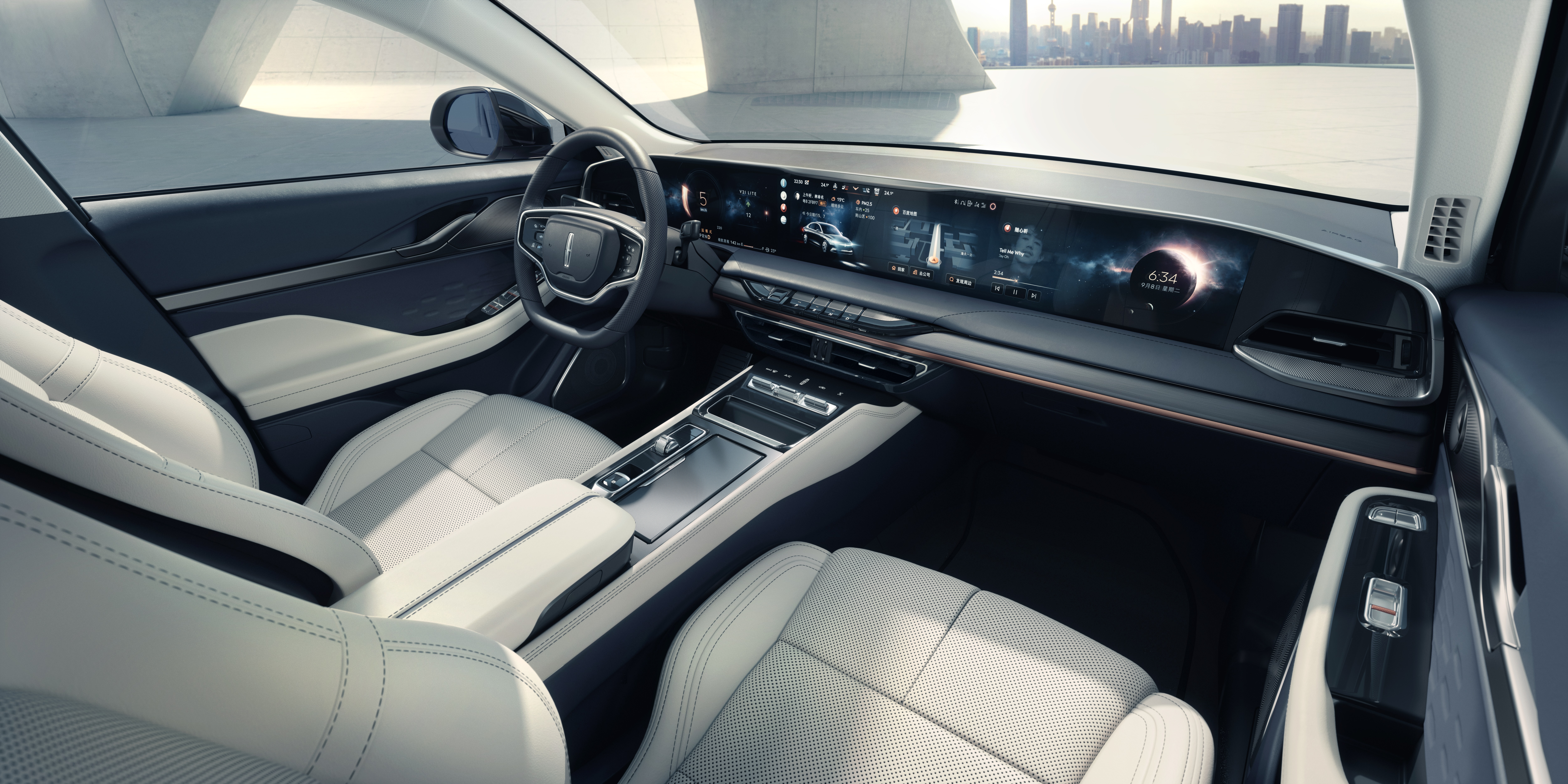
Inside, wall-to-wall screens house a large 12.3-inch digital instrument cluster and massive 27-inch SYNC+ infotainment system that stretches across the entire dashboard. Passengers are treated to plush leather seating with blue accents, with a 128-colour ambient lighting system and air fragrances also available.
Safety-wise, the Zephyr features Lincoln’s ‘Co-Pilot 360 Assist 2.0’ suite of driver assistance technology, alongside the brand’s new ‘ActiveGlide’ system which debuted on the facelifted Navigator. This allows for Level 2+ autonomous driving capability – a position coined by Mobileye as a “crossover from driver assist to some level of autonomy” above Level 2, but not quite at the set Level 3 autonomous standard.
American manufacturers Ford and Rivian have announced they will not be jointly developing an electric vehicle, despite the Blue Oval investing heavily in the upstart.
Despite holding a 14.4 per cent stake in Rivian and investing US$7.5 billion (AU$10.1bn) in the company, Ford has decided to go its own way with its EV development.
As reported by Automotive News, Ford CEO Jim Farley said the company’s EV position now is far stronger than when it first invested in Rivian, having recently announced huge investments in research and development facilities.
“Right now, we have growing confidence in our ability to win in the electric space,” Farley told Automotive News.
“When you compare today with when we originally made that investment, so much has changed: about our ability, about the brand’s direction in both cases, and now it’s more certain to us what we have to do.
“We want to invest in Rivian — we love the future as a company — but at this point we’re going to develop our own vehicles.”
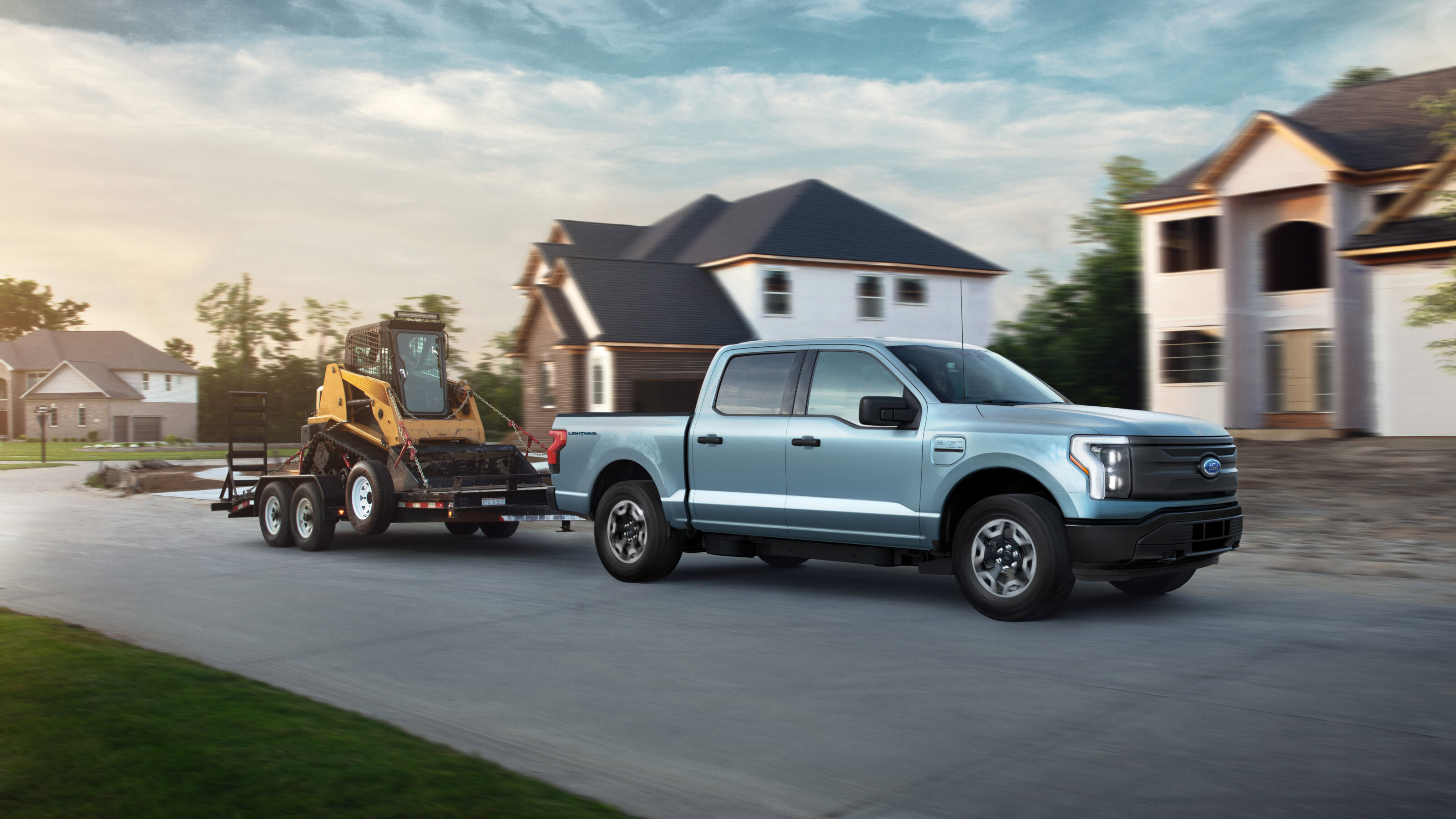
Farley has been a supporter of Ford’s move towards electrification, but has also become aware of the pressure the Blue Oval faces from EV startups, having recently told Ford employees it should look to the Tesla Model 3 as an example of how strong the electric market is.
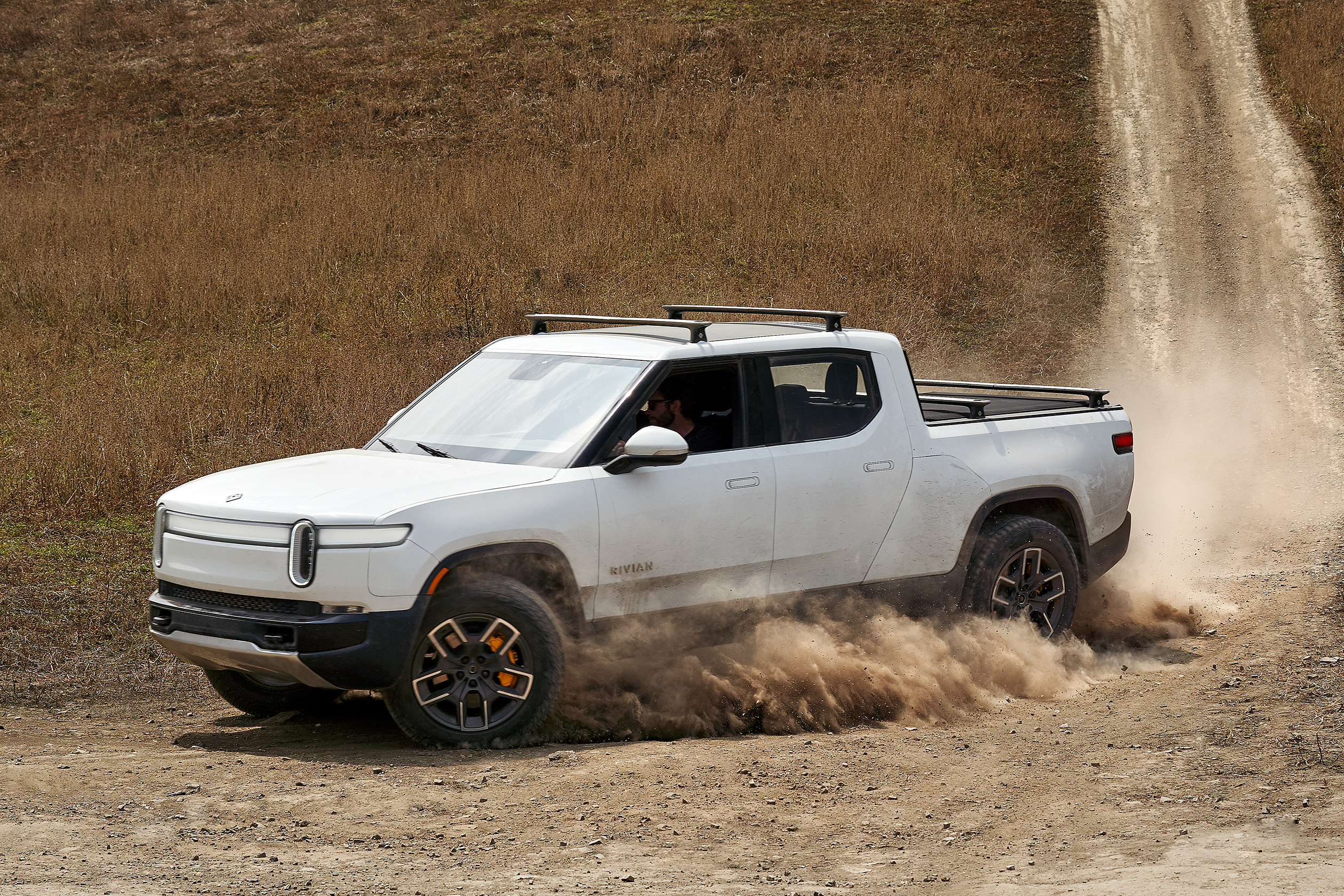
With the first Rivian R1T pickup truck rolling off the production line in September, the upstart beat Ford to produce the first electric truck in the United States – debuting well before the Blue Oval’s planned F-150 Lightning which is set to launch next year.
Earlier this month, Rivian debuted on the Nasdaq stock exchange, putting itself into the top-five of the world’s most valuable vehicle manufacturers, while also posting one of the biggest initial public offerings on record – peaking at a value of US$120.5 billion (AU$165.2bn).
Key Points
- Q5 E-Tron exclusive to China
- Second Audi produced in partnership with SAIC-Volkswagen
- Closely-related sibling to the VW ID.6 X and Q4 E-Tron
Audi has unveiled the 2022 Q5 E-Tron at the 2021 Guangzhou Auto Show this week.
The reveal comes just months after we first saw the Audi Concept Shanghai – a near-production prototype that previewed the Chinese three-row electric SUV.
Not to be confused with the ‘MLB evo’-based international Q5 or the upcoming Q6 E-Tron underpinned by the Volkswagen Group’s new ‘PPE’ electric vehicle architecture, the Q5 E-Tron is based on the ‘MEB’ platform, and has close ties to the seven-seat Volkswagen ID.6 X and its smaller Q4 E-Tron sibling.
The Q5 E-Tron is the second Audi model developed exclusively for China from the SAIC-Volkswagen joint-venture, following the unveiling of the Audi A7 L sedan earlier this year – with most other Audi models in China produced under the separate FAW-Volkswagen Automobile Co. partnership.
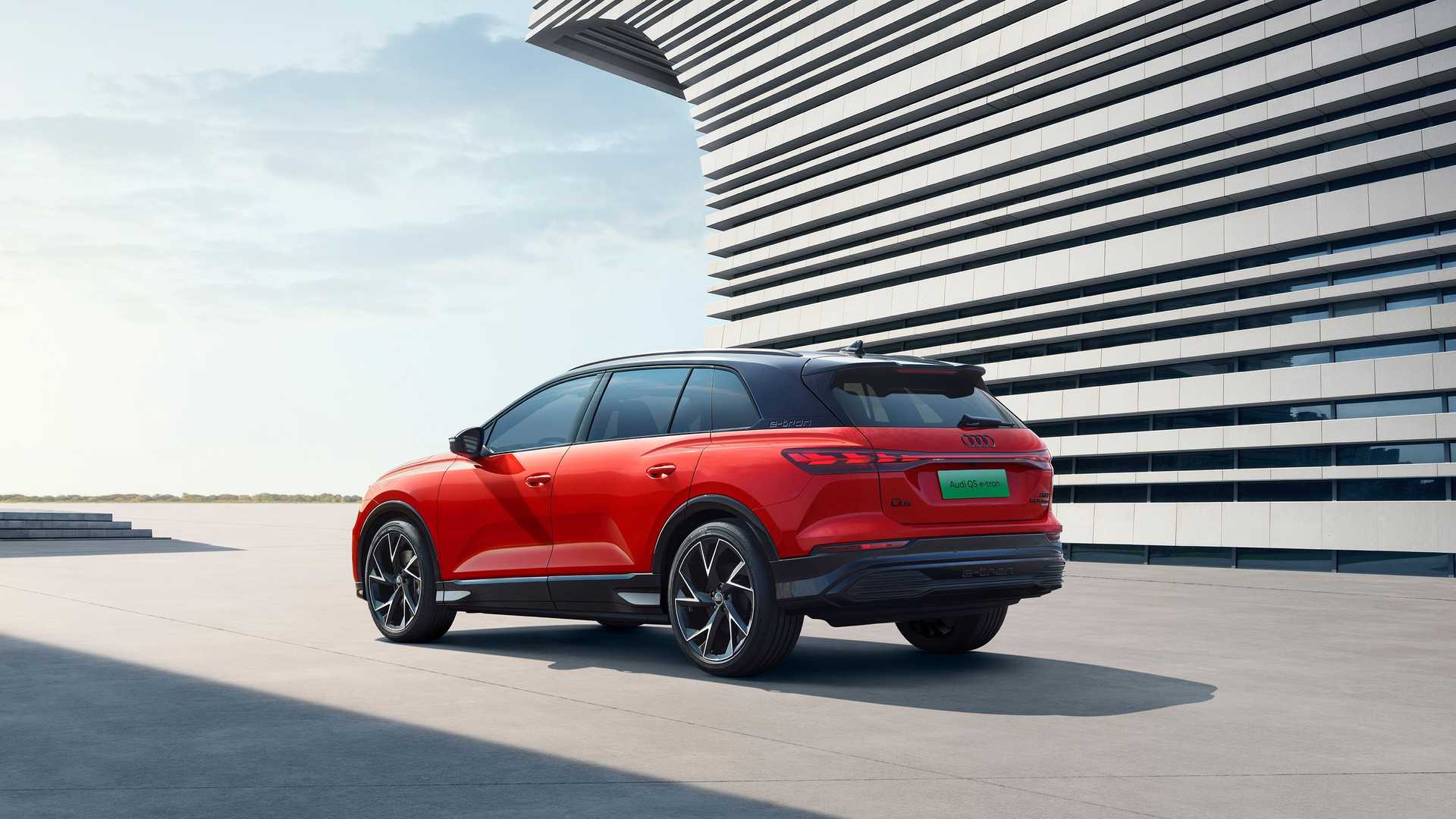
As the name suggests, the Q5 E-Tron sits just above the Q4 E-Tron in the People’s Republic Audi line-up, while sharing its 2965mm wheelbase and 4876mm length with the ID.6 X – meaning the Q5 E-Tron is essentially a premium version of the Volkswagen, but with styling elements closely reminiscent of the Q4 E-Tron.
Up front, the Q5 E-Tron features Audi’s single-frame grille design, along with dual LED headlights. Optional two-tone paint, gloss black cladding and bicoloured alloy wheels round out the side profile, with the rear end sporting slim full-width LED tail-lights and a bulky rear diffuser.
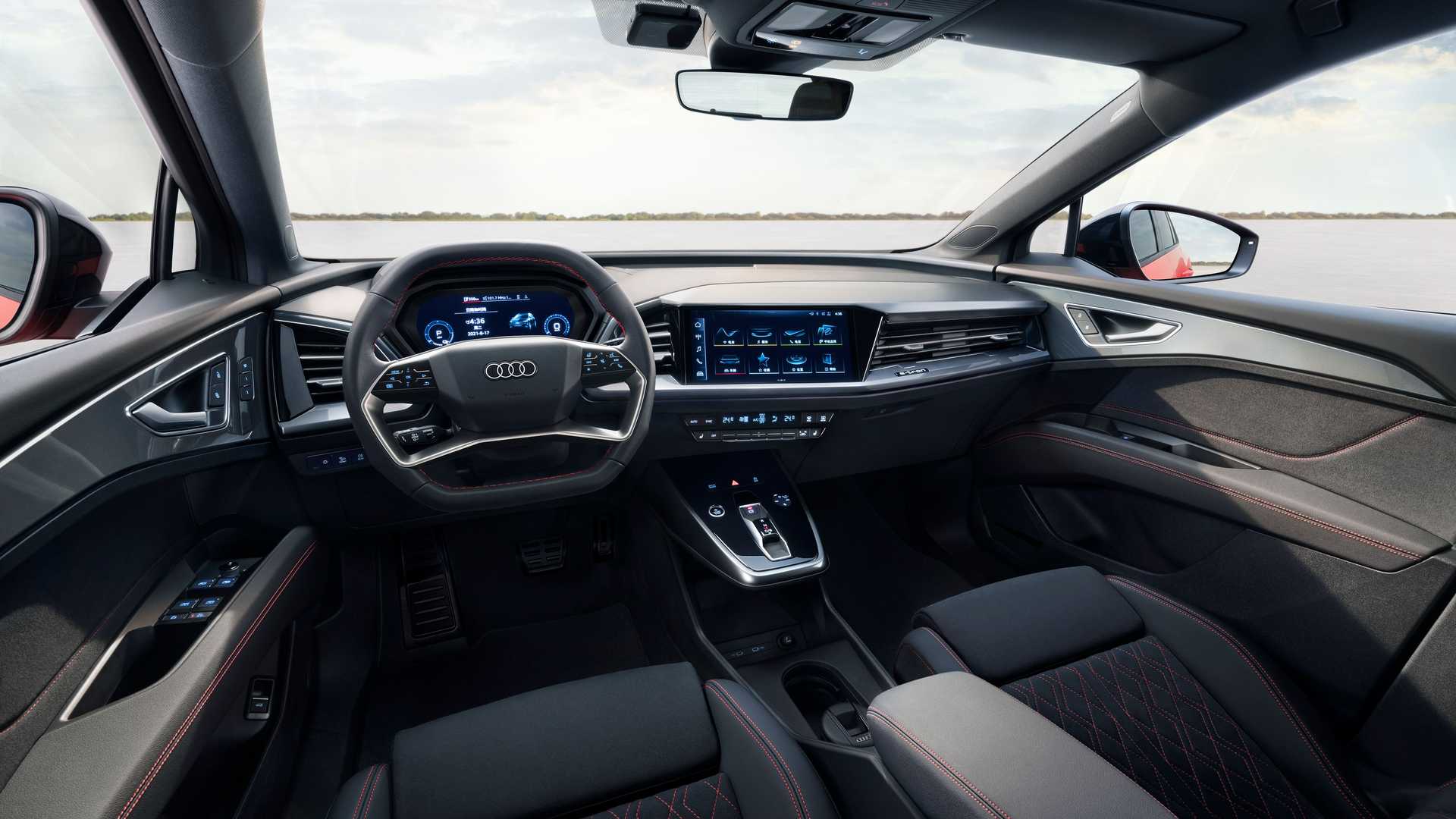
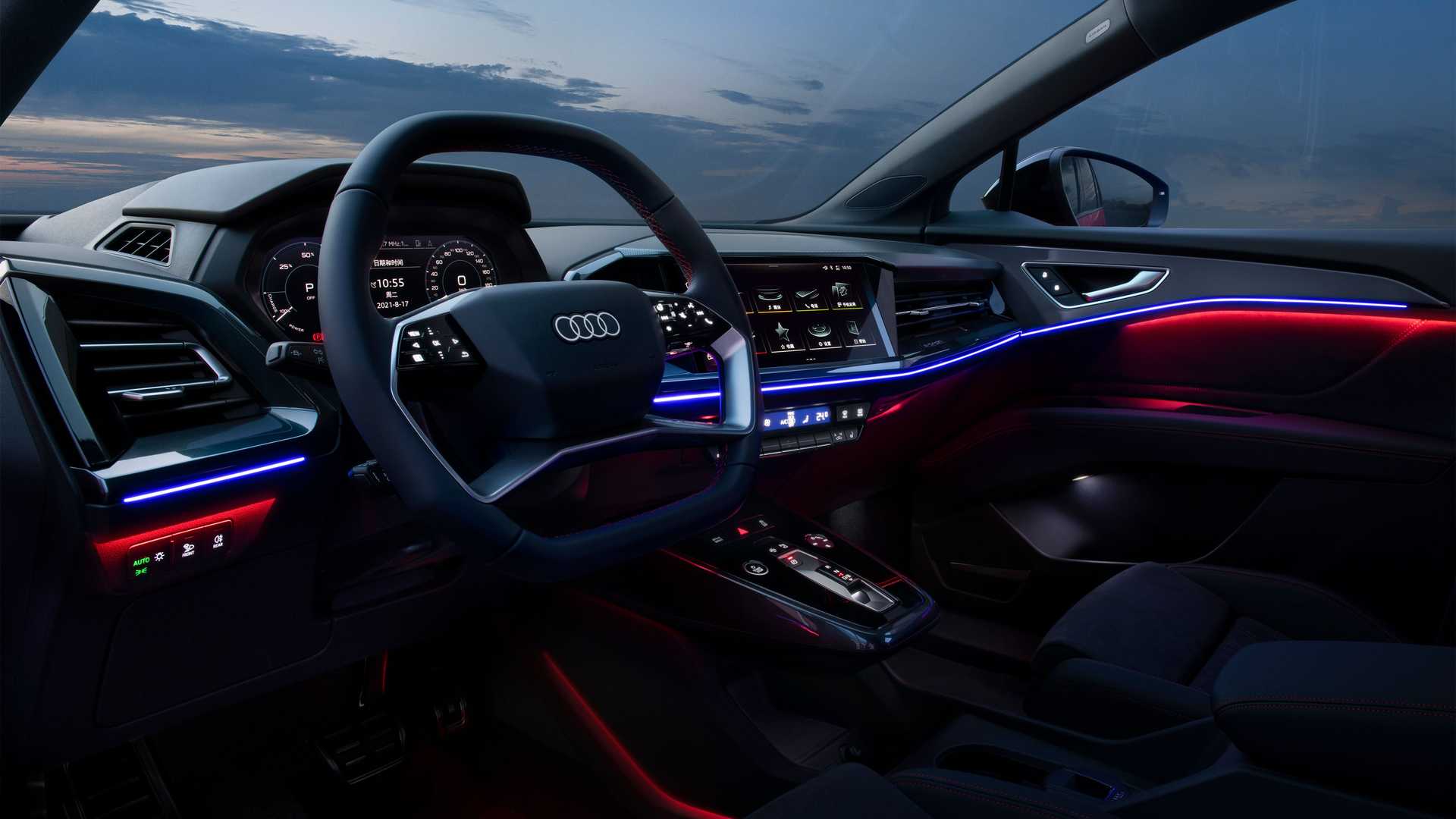
With the dashboard taken from the Q4 E-Tron, a 10.25-inch digital instrument cluster and 11.6-inch infotainment screen is available, along with LED ambient lighting and a floating centre stack. A seven-seat interior will be standard, with Audi also offering a six-seat option featuring captain’s chairs in the second-row.
Despite no announcement surrounding powertrain details, official pictures suggest the Q5 E-Tron will be available with two different electric powertrain guises, the single-motor 150kW Q5 40 E-Tron with rear-wheel drive and dual-motor 225kW Q5 50 E-Tron with all-wheel drive.
Exact details surrounding the battery size and claimed driving range are yet to be announced, although Motor1 reports the Q5 E-Tron gets an 83.4kWh battery pack. An entry-level Q5 35 E-Tron variant will also be available, with 131kW of power and a smaller 55kWh battery.
With the Q5 E-Tron likely to remain exclusive to China, attention turns to the Q6 E-Tron expected to be unveiled next year as Audi’s first electric vehicle underpinned by the Volkswagen Group’s new ‘PPE’ platform, shared with the next-generation Porsche Macan.
This model is expected to replace the current eponymous E-Tron electric SUV – which is based on an adapted version of the internal-combustion ‘MLB’ platform found on the Q5 and Q7 – in the global Audi line-up.
Key Points
- First GT-R T-Spec to arrive gets final Nissan compliance plate
- Compliance plates have been standard in the industry for over 30 years
- Current batch of GT-Rs the last to be delivered locally
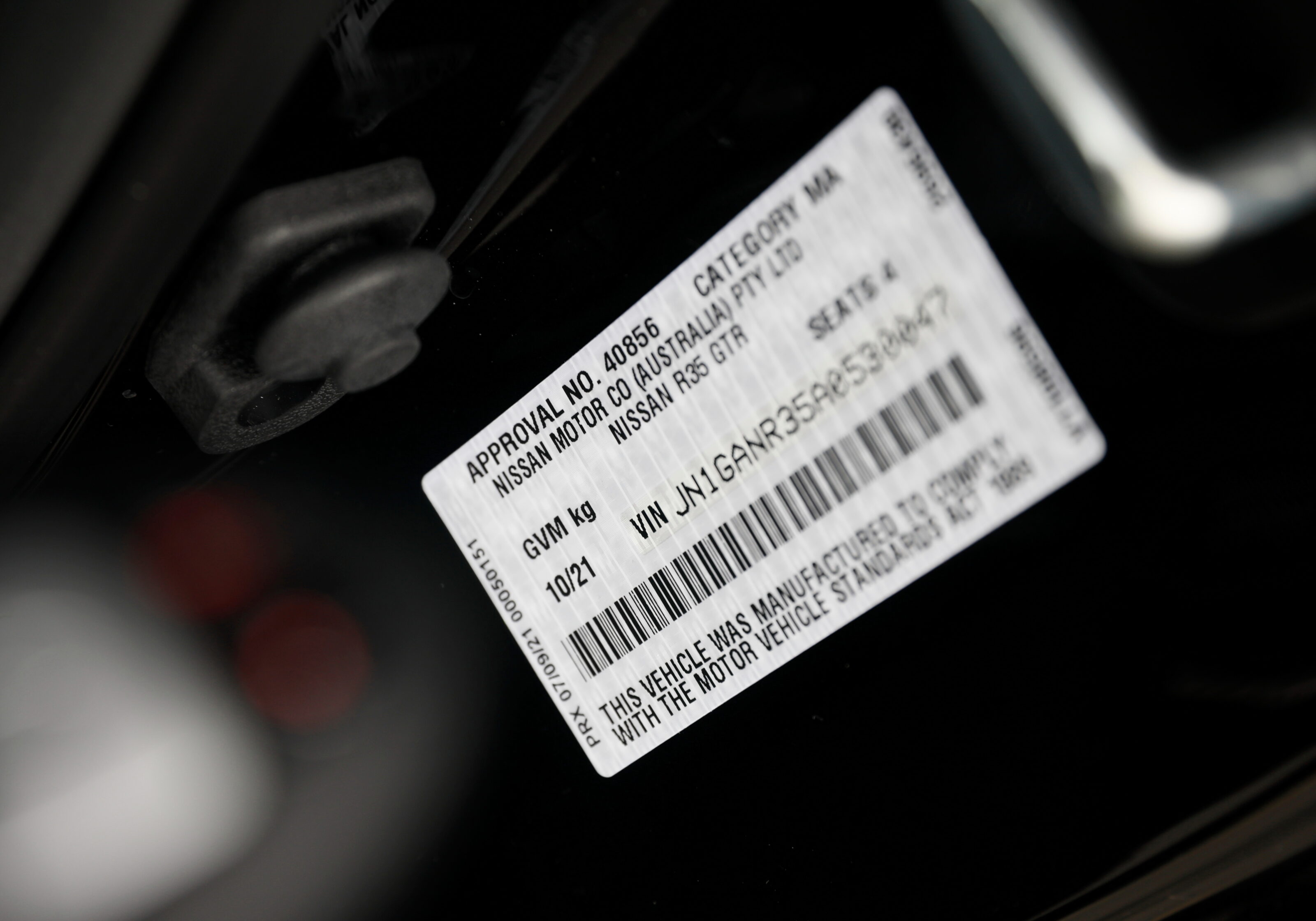
The first of Nissan’s final Australian-delivered GT-Rs has taken a unique piece of local automotive history – being fitted with the carmaker’s last ever physical compliance plate.
After arriving in Australia last month, the first car from the last batch of GT-Rs to land locally is the final Nissan vehicle to be fitted with a compliance plate – signalling the end of a practice which has lasted for over 30 years in the local industry.
First introduced in 1989, compliance plates have been fitted to all imported vehicles by the manufacturer, showing they comply with Australian Design Rules (ADRs) – a process which is becoming digitised before the end of 2021.
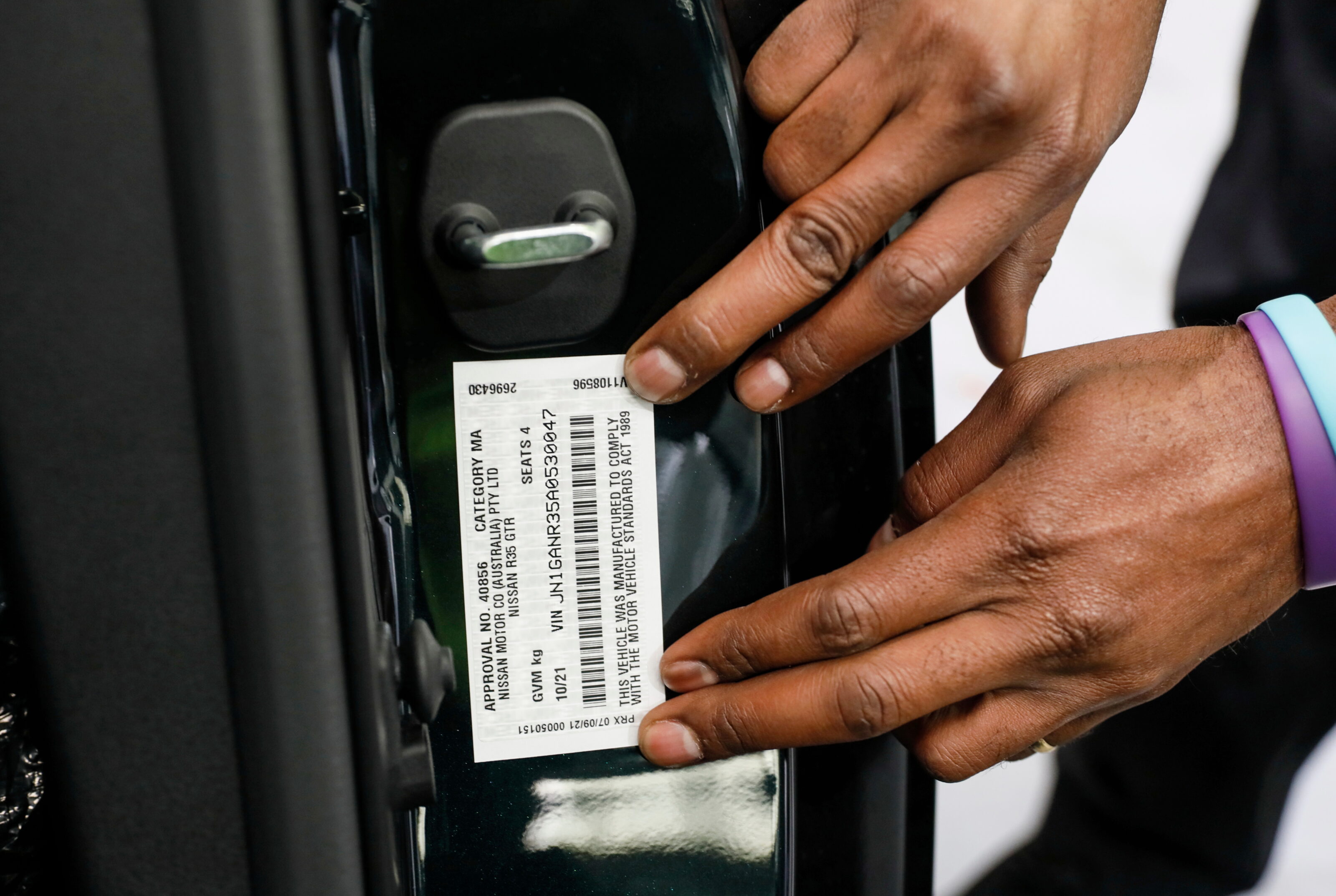
Nissan has recently imported its final Australian-bound examples of the GT-R after it was announced the flagship model would no longer comply with new ADR regulations, winding up the R35’s local lifecycle which has lasted for over a decade.
Sending the GT-R off in style with the recently-released T-Spec and Nismo SV, Nissan Australia Managing Director Adam Paterson said there’s synchronicity in the final compliance plate being fitted to the last version of the R35.
“It’s often said that it’s best to save your best until last, and that’s certainly the case here,” said Paterson.
“The GT-R is Nissan’s most celebrated vehicle, and while this isn’t goodbye forever, the T-Spec and Nismo SV models do act as the closing of this chapter of the GT-R story in Australia.
“The fact that the last version of this generation of Nissan’s performance icon will also be the last to wear a label that’s been part of the fabric of Australian automotive history for more than 30 years is entirely fitting.”
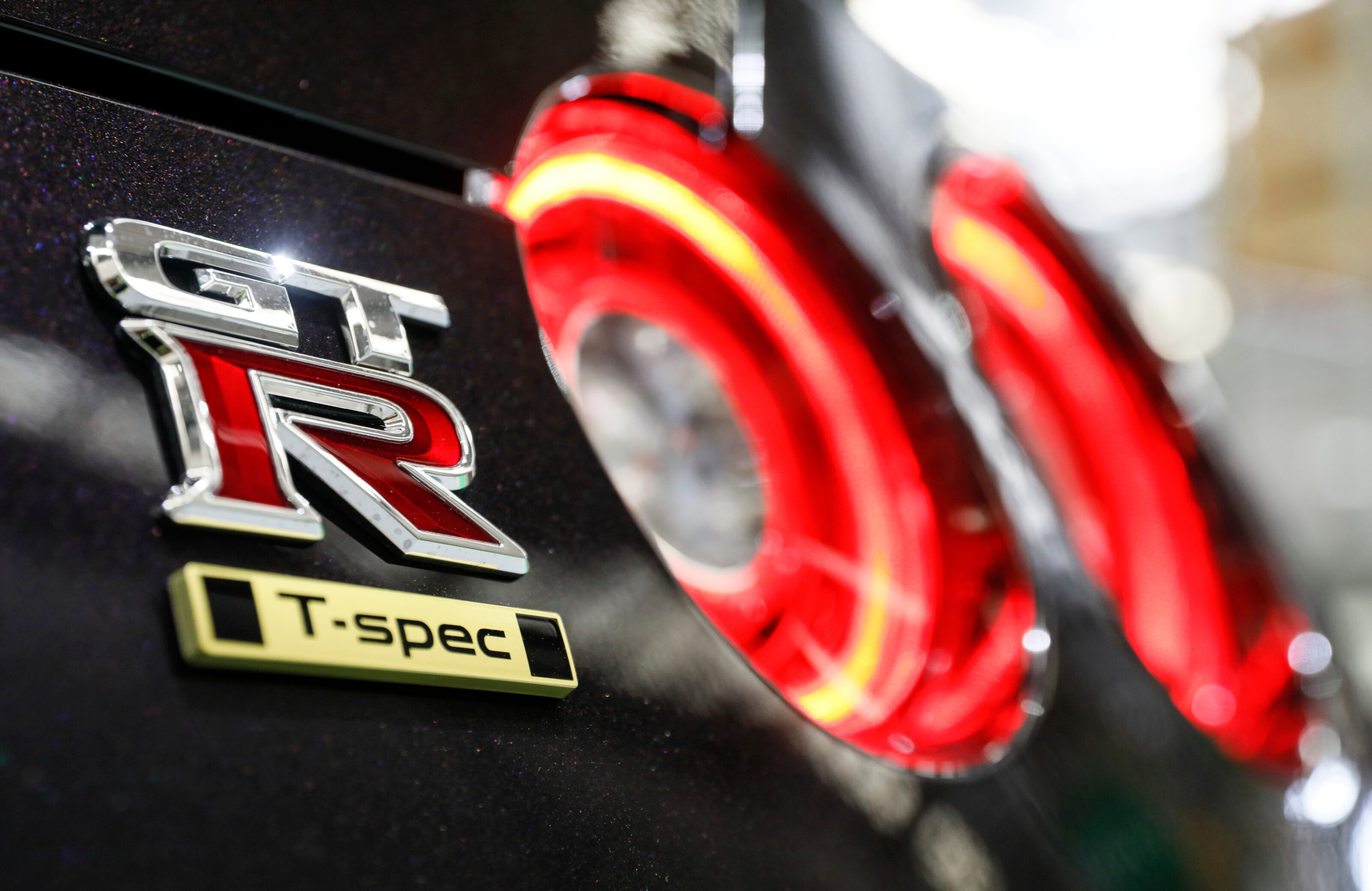
This particular T-Spec had its compliance plate applied at PrixCar in Altona, Victoria, and is set to head to its first owner shortly.
The final batch of GT-Rs which were shipped to Australia included a handful of examples finished in Nissan’s iconic millennium jade and midnight purple colours, both of which are exclusive to the final-run T-Spec and Nismo SV.
Key Points
- Electric SUV exclusive to the Chinese market
- Capable of a 520km driving range from a 70kWh battery pack
- Set to go on sale in China in early 2022
The covers have come off the new Mitsubishi Airtrek at the 2021 Guangzhou Auto Show this week, more than six months after the Japanese manufacturer previewed its electric SUV with a pair of shadowy teaser images.
Reviving a name once found on the first-generation Outlander in the Japanese market, the Airtrek is making a return – but as an electric crossover for China, developed under the GAC-Mitsubishi Motors joint-venture.
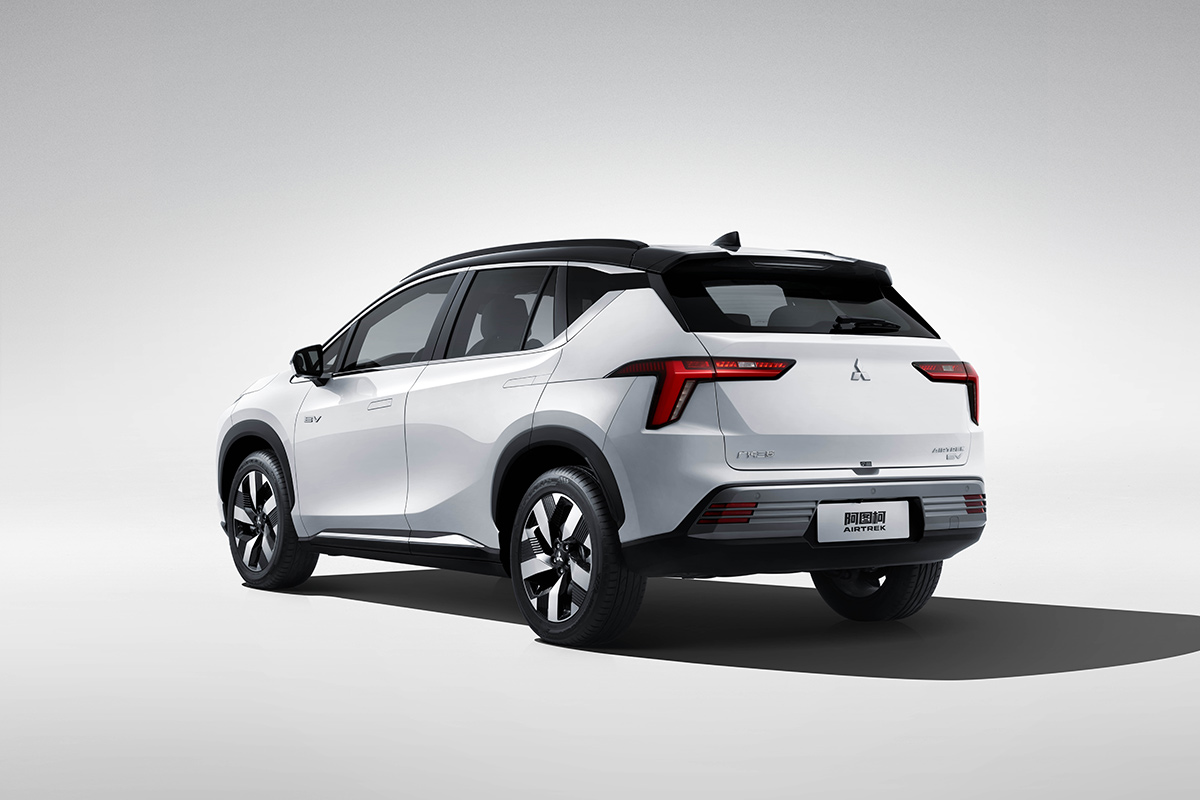
Despite sharing the Airtrek nameplate with its Outlander-based ancestor, the new electric version has nothing in common with the latest-generation version recently launched in Australia.
Instead, the SUV is heavily related to the GAC Aion V, an electric crossover revealed in 2020. However, although the two models share an identical side profile, the front and rear of the Airtrek has been completely redesigned over its joint-venture sibling.
As with other Mitsubishi vehicles, the Airtrek adopts the brand’s ‘Dynamic Shield’ front-end design, with LED daytime running lights positioned above the main headlight cluster – surrounded by a curved chrome ‘shield’ design and a large grille.
At the rear, the L-shaped tail-lights and prominent ‘EV’ badging – both similar to the Outlander PHEV – also work to help the Airtrek stand out as a Mitsubishi product.
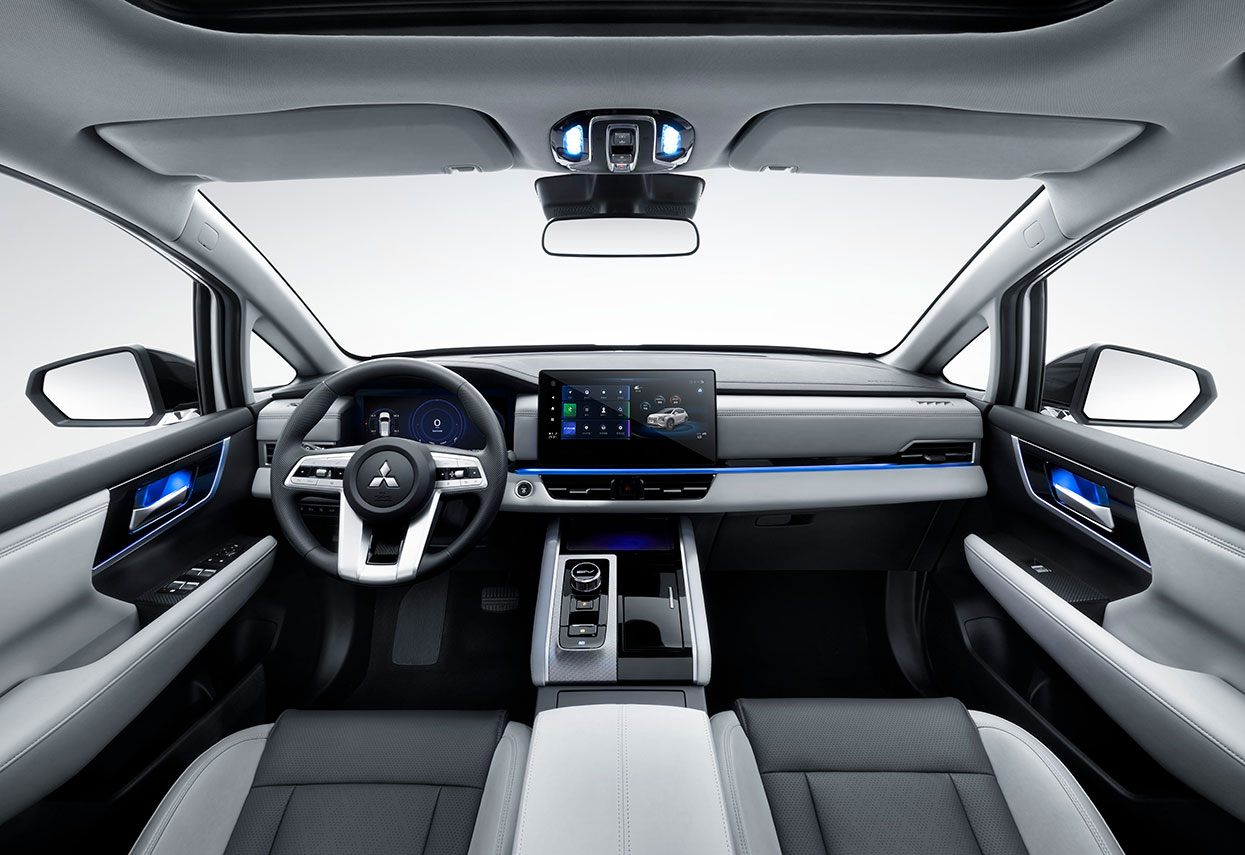
The interior of the Airtrek features a free-standing infotainment display, with the available digital instrument cluster capable of providing augmented reality for the built-in navigation system, while the floating centre console showcases a rotary gear shifter and a number of large storage compartments.
Thanks to its generous 2830mm wheelbase, the Airtrek places a focus on rear space – with its dedicated electric vehicle platform and completely flat floor also helping in this department.
According to Mitsubishi’s local website, the Airtrek measures in at 4600mm in length, 1910mm in width and 1690mm in height – placing it in a similar position to the 110mm longer but 48mm narrower Outlander.
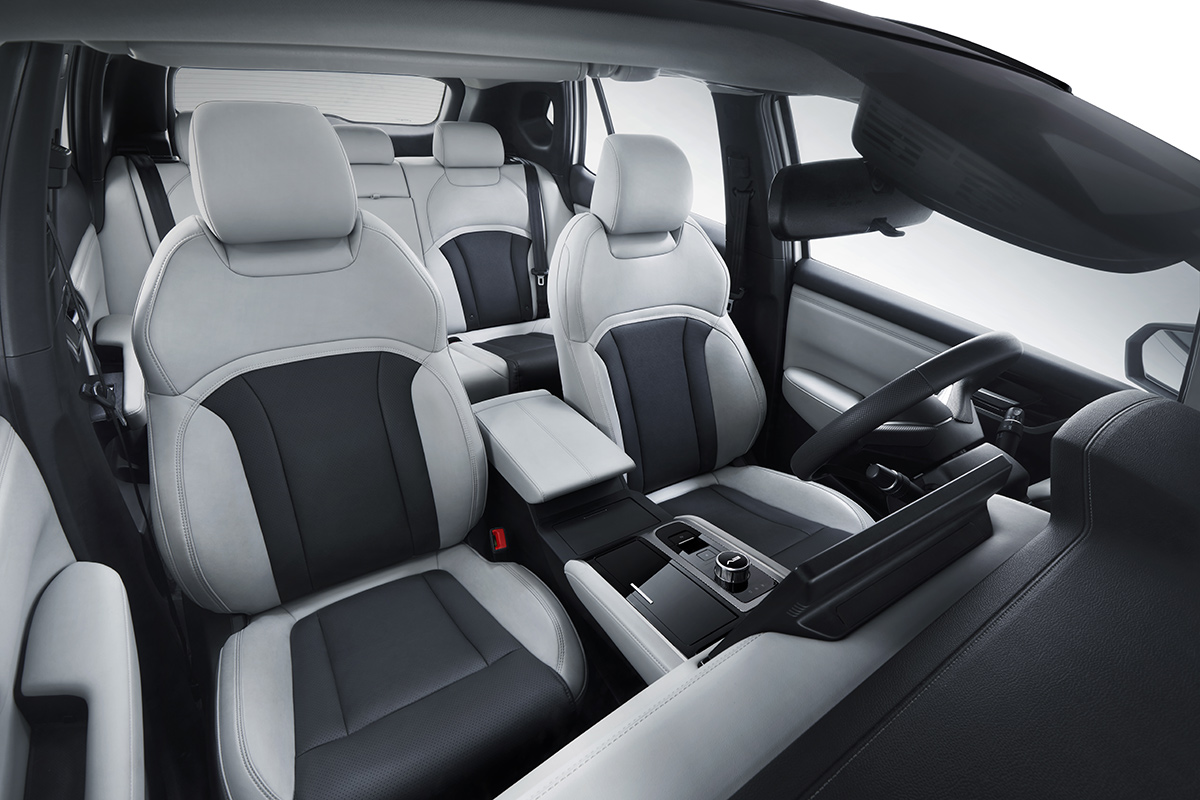
Equipped with a 70kWh battery pack, the Airtrek is capable of a 520km driving range under the China Light-Duty Vehicle Test Cycle (CLTC) testing standard, with dedicated electric underpinnings allowing the batteries to be mounted on the floor for “ideal front-rear weight distribution” and a lower centre of gravity.
Although Mitsubishi is yet to confirm official power figures for the Airtrek, local media reports the electric motor produces around 135kW – an identical figure to its GAC Aion V stablemate.
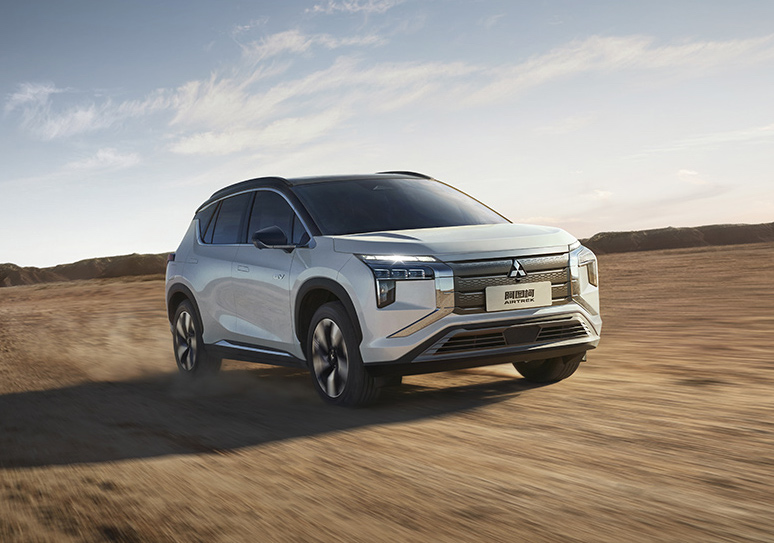
The 2022 Mitsubishi Airtrek will go on sale exclusively for the Chinese market in early 2022, with international markets likely to see the continued prioritisation of plug-in hybrid SUVs – such as the Eclipse Cross PHEV and Outlander PHEV – before a global electric SUV is introduced, most likely in the form of a Nissan Ariya-based model.
It used to be difficult to pick a classic car ahead of the pack, once calling for a deep understanding of a model’s history, lore and timely significance. Increasingly, however, you can get a sense of what’s beginning to bubble simply by what’s being posted by the many classic car accounts on Instagram and various social media.
There are countless accounts of their kind, and the most popular content will appear on more than one. So, when you begin to notice a pattern, or the spotlight being shone on a particular car that you haven’t seen much of recently, it can act as a good barometer of what’s grabbing the attention of the masses.
What’s interesting is the influence at play, as the hobby and aspiration of car collecting has seemingly undergone an explosion in popularity amongst a whole new generation. ‘A rising tide lifts all boats’ was a line often used to describe rising classic car values, but these days it feels more like watching a big wave surfer tackle the swells of Nazare, Portugal from the beach.
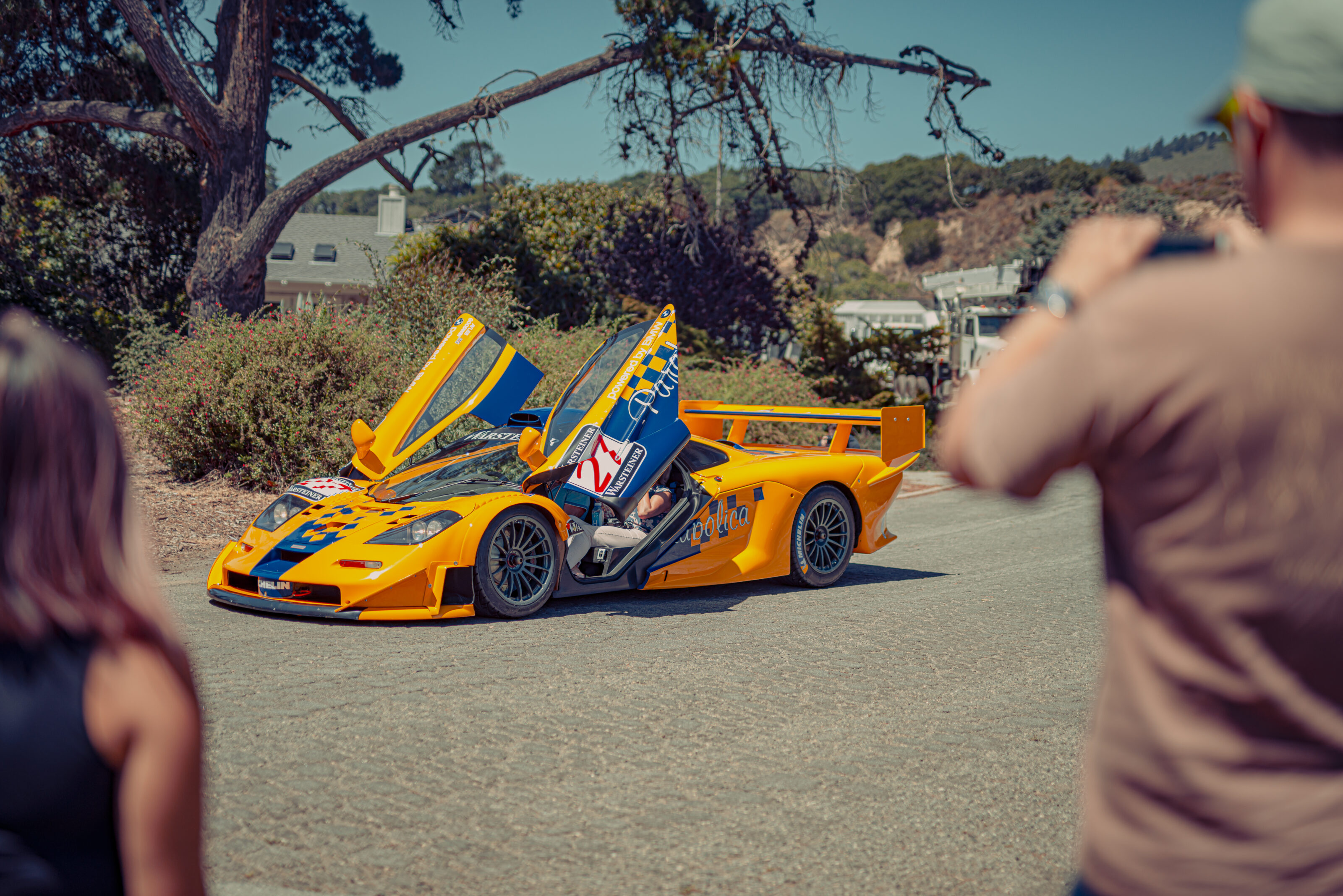
Of course, all corners of the market are red hot right now, but it’s the record-setting headline auction sales that feel more frequent and higher than ever before. Social media is a fantastic exploration and exposure tool when embarking on new hobbies or curiosities but, with so many new players in the game, are we letting the algorithms decide the next generation of classic cars?
The relatively recent global explosion of the late-model JDM sector is incredibly social-media fuelled amongst younger generations, and speaks to a wider and hugely prevalent collector culture that’s engulfing everything, from baseball cards to NFTs (non-fungible tokens), in its wake.
The air-cooled Porsche boom proliferated across the globe last decade in a similar fashion, fuelled by nostalgic and narrative-driven social media communities, attracting waves of new entrants to the classic car hobby.
Of course, it only made sense that the first car through the wall would be one of the most iconic sports cars of all time.
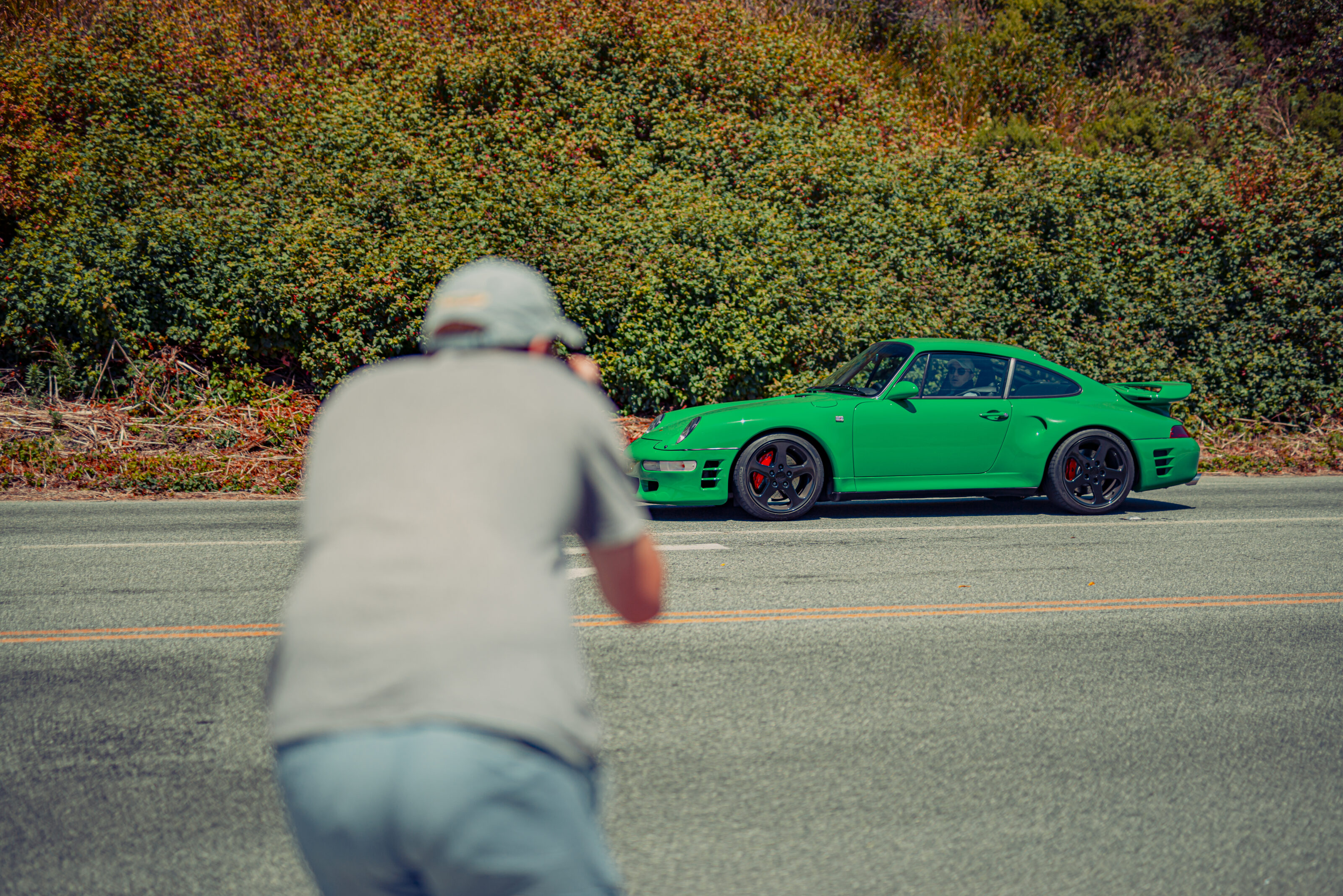
Perhaps that explains why certain models stand head and shoulders above their peers, for none of the reasons that would have distinguished a good classic from a great one in times past. I can accept that a Nissan Skyline R34 GT-R is ostensibly a $200k car today, but I would like to ask why?
Nissan nuts will tell me that the R34 boasted the lowest production numbers of all R-chassis GT-Rs, at 11,578 units produced between January ’99 and August ’02. Consider the B2 Audi Ur-quattro, however.
A more significant pioneer of AWD and turbo technology, with infinitely more motorsport provenance, of which Audi built (partly by hand) 11,452 over an 11-year production run. The local going rate for an Ur-Quattro is about $60k. Apples and oranges, I know, but a little perspective never goes awry when talking classic cars, and I can guess which car you’ve seen more of on Instagram lately.
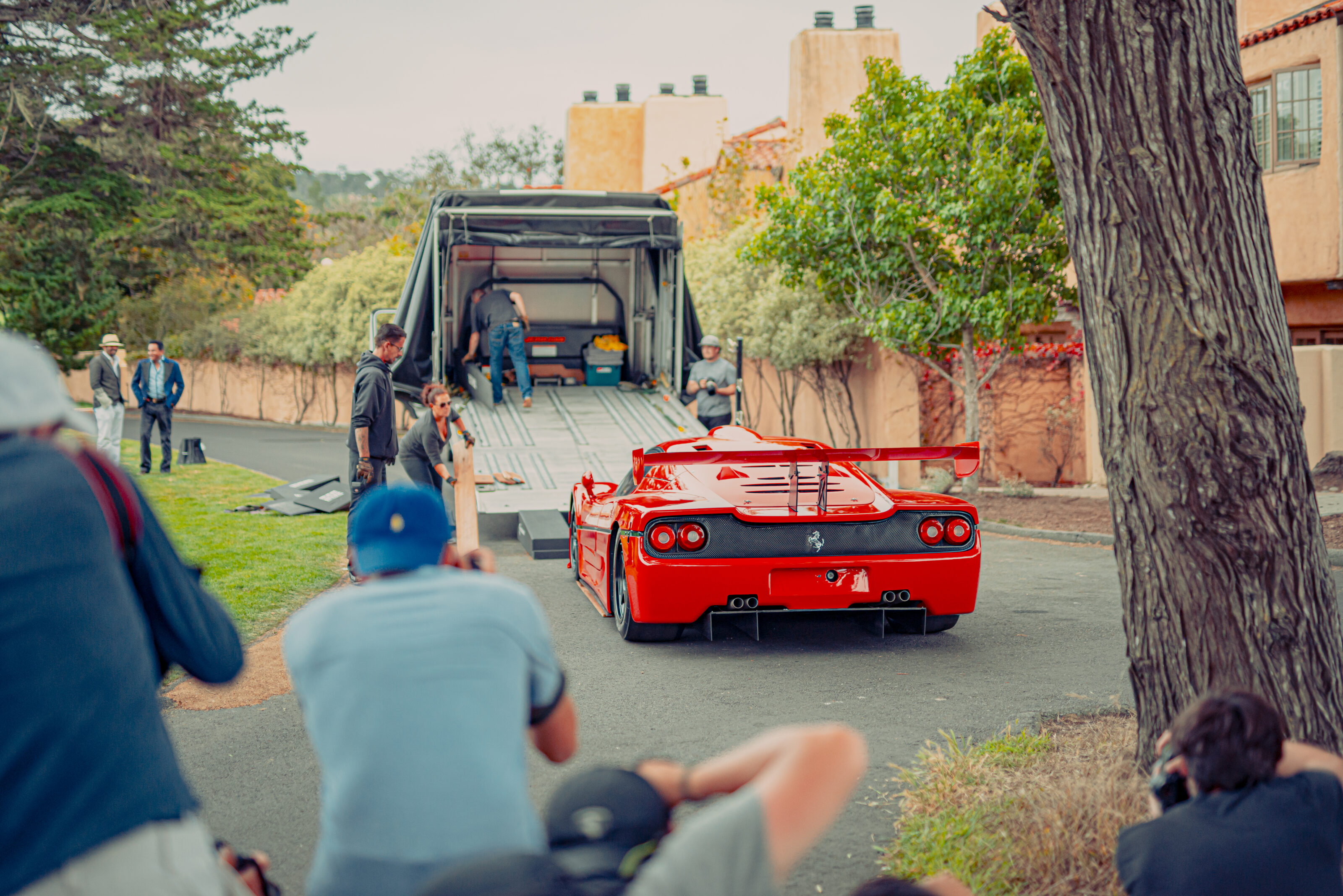
Blue-chip international auction houses have clued in to the power of social media too, with high-profile lots subject to drip-feed press releases and stunning imagery rollouts.
What the infinite scroll doesn’t show are occasions where the same vehicle is brought to market multiple times with different auction houses. Often the results can differ based simply on who gives the vehicle a bigger media run. This can backfire, as it did with RM Sotheby’s hopeful auction of the Porsche Type 64 in Monterey 2019. It was meant to be the highlight of Car Week, one of the most publicised auctions at the time with estimates in excess of $20 million.
An auction floor blunder (was that 30 million or thirteen million?) killed bidding in its tracks. The lot was ended there and then, and ‘the very first Porsche’ hasn’t been heard of since.
Just like we tell the kids: don’t believe everything you see on social media. And if you happen to care, here’s my classic car buying advice. It’s simple: buy what you like.