
September 2023: Neue Klasse sedan concept previews next i3 & 3 Series
BMW has unveiled its new Neue Klasse sedan concept, revealing our clearest look yet at how the next i3 and 3 Series models will look.
Details at the link below.
Story continues…
Future electric vehicles from BMW are set to look drastically different to their contemporary counterparts, as the German manufacturer moves to its Neue Klasse design language.
While Neue Klasse (NK) is technically an electrified platform, the scalable architecture’s construction will allow BMW to design its cars in a different way to the current generation of electric models – all of which resemble their internal combustion engine-powered counterparts.
The first NK vehicle, codenamed NK1, is currently in development and is set to feature bespoke styling, which isn’t centred around any of the current BMW model range – most likely similar to the recently revealed i Vision Circular concept.
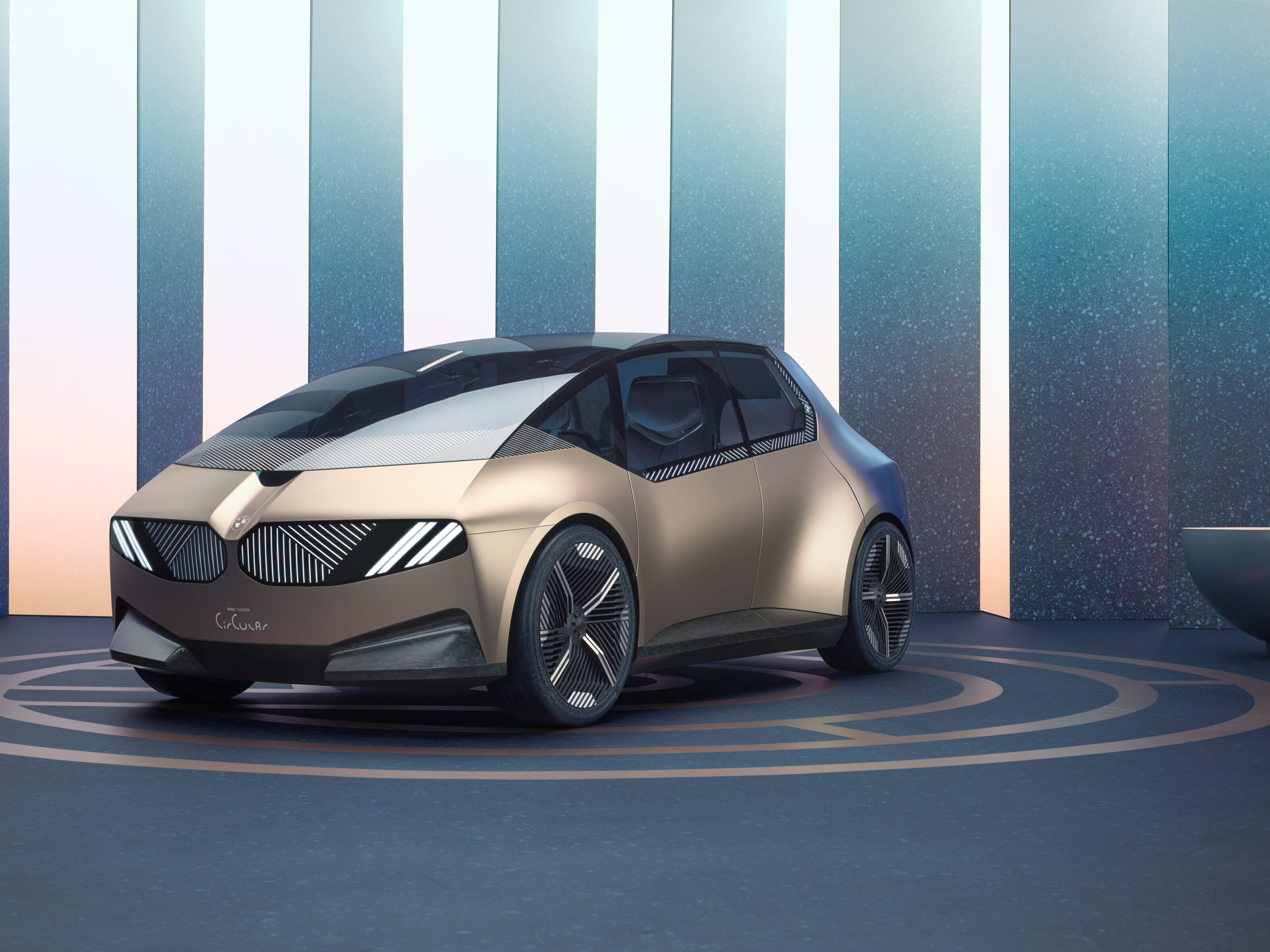
In an interview with British publication Autocar, BMW research and development chief Frank Weber said the new generation of electric platforms will reduce costs, but also allow it to experiment with new designs across its models.
“The Neue Klasse represents the beginning of a new phase of operations for BMW,” said Weber. “It’s scaled to allow us to build electric cars from a 2 Series-sized saloon up to an X7-sized SUV.
“We won’t be building separate structures. The Neue Klasse will see a big ramp-up in volume potential. We’ve learned a lot in scaling over the past two generations of platform development.
“People are expecting different aesthetics. That’s why we’ve developed a new styling direction for our electric models.”
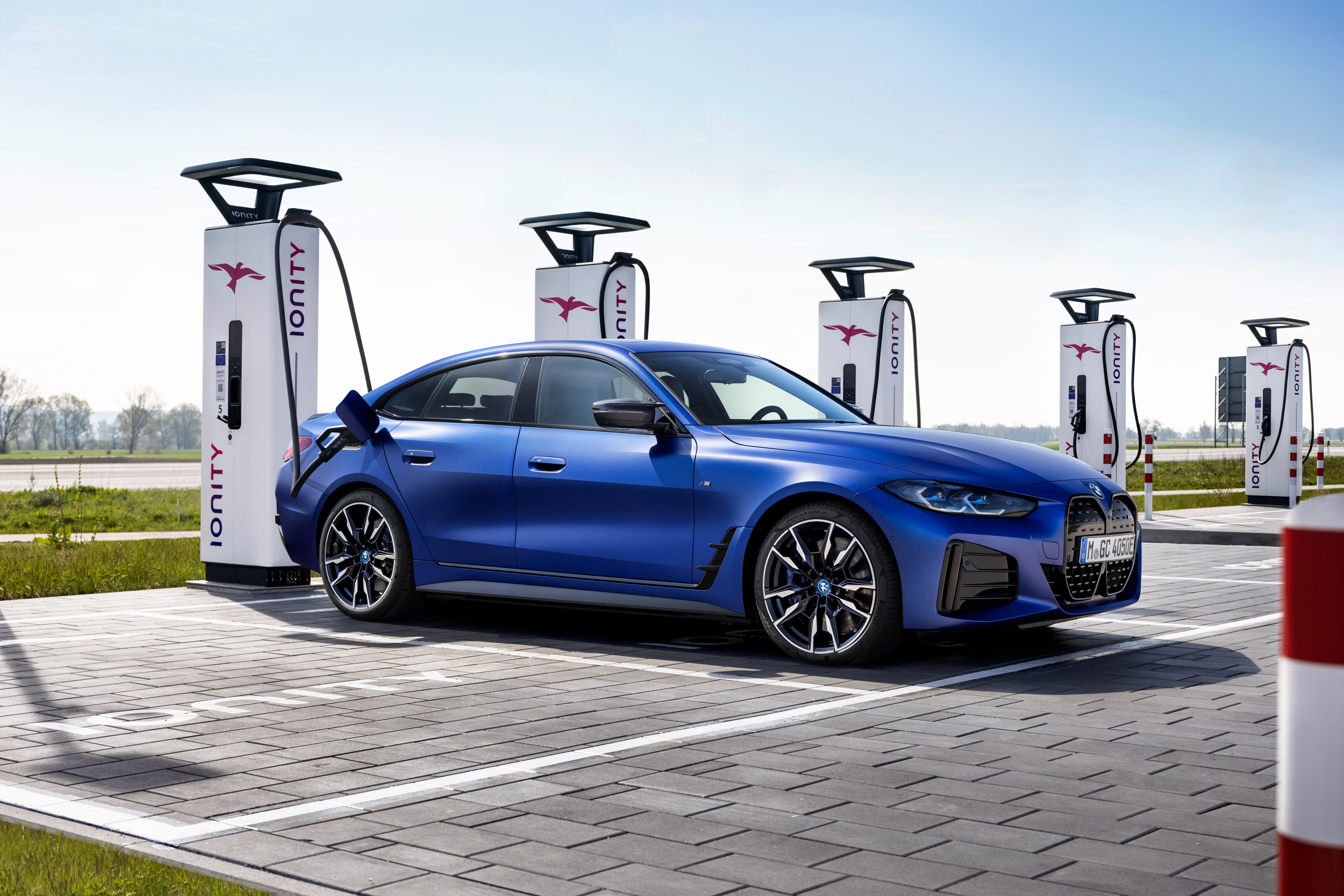
BMW’s current electric models are based on either the front-wheel drive focused FAAR architecture or the rear-wheel drive oriented CLAR platform, both of which can be adapted for all-wheel drive applications.
The German marque has previously announced a target for 50 per cent of its sales to come from electrified vehicles, either full-EV or hybrid ICEs, by 2030, with an aim of producing over 10 million EVs over the next decade.
A pair of potent front-drive hot hatches square off in today’s MOTOR drag race. With the same amount of power, and similar torque and kerb weight figures, it should be close runnings.
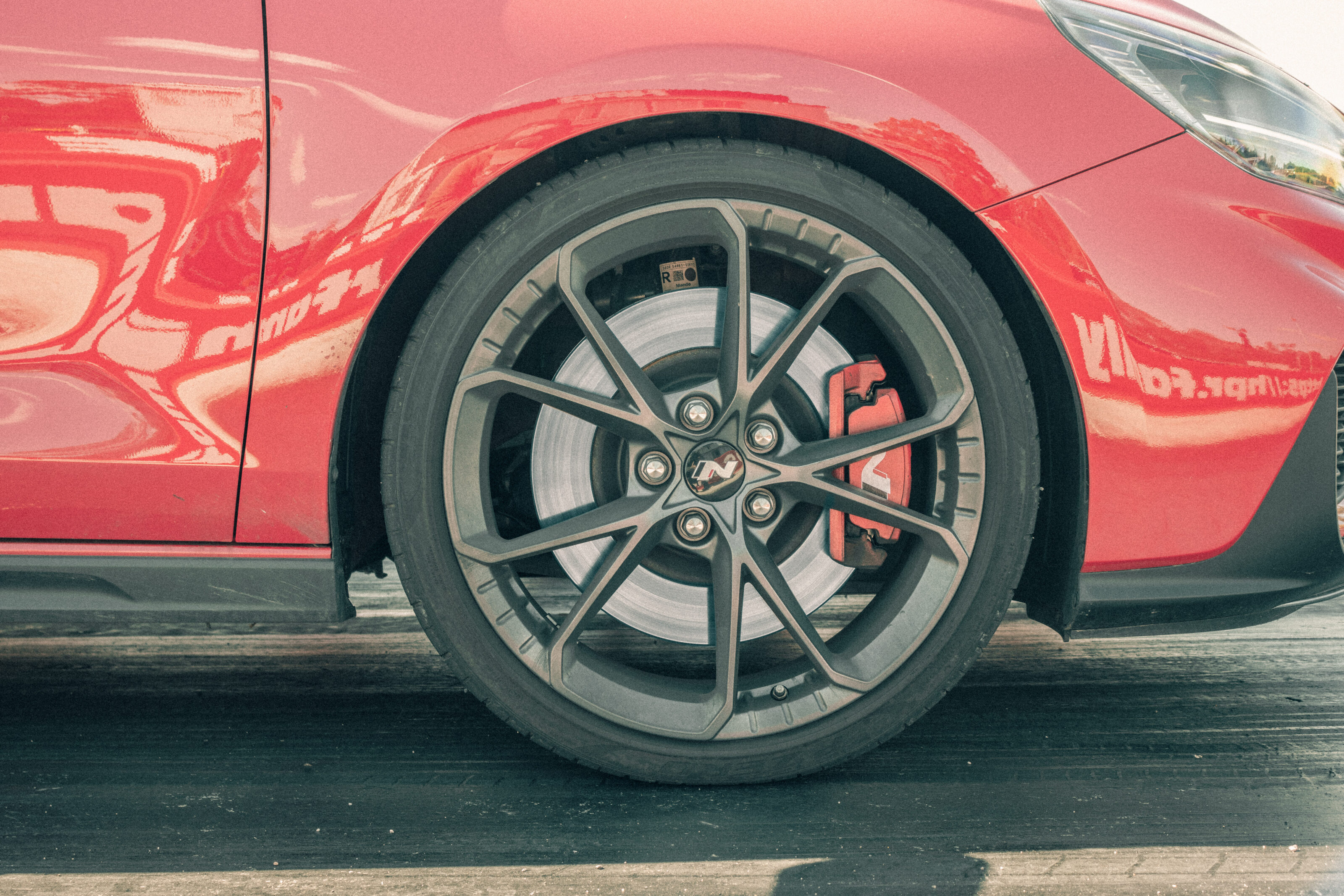
Hyundai’s recently-updated i30 N, and it’s new dual-clutch eight-speed, is the new kid on the block, producing 206kW/392Nm from its 2.0-litre turbo-four.
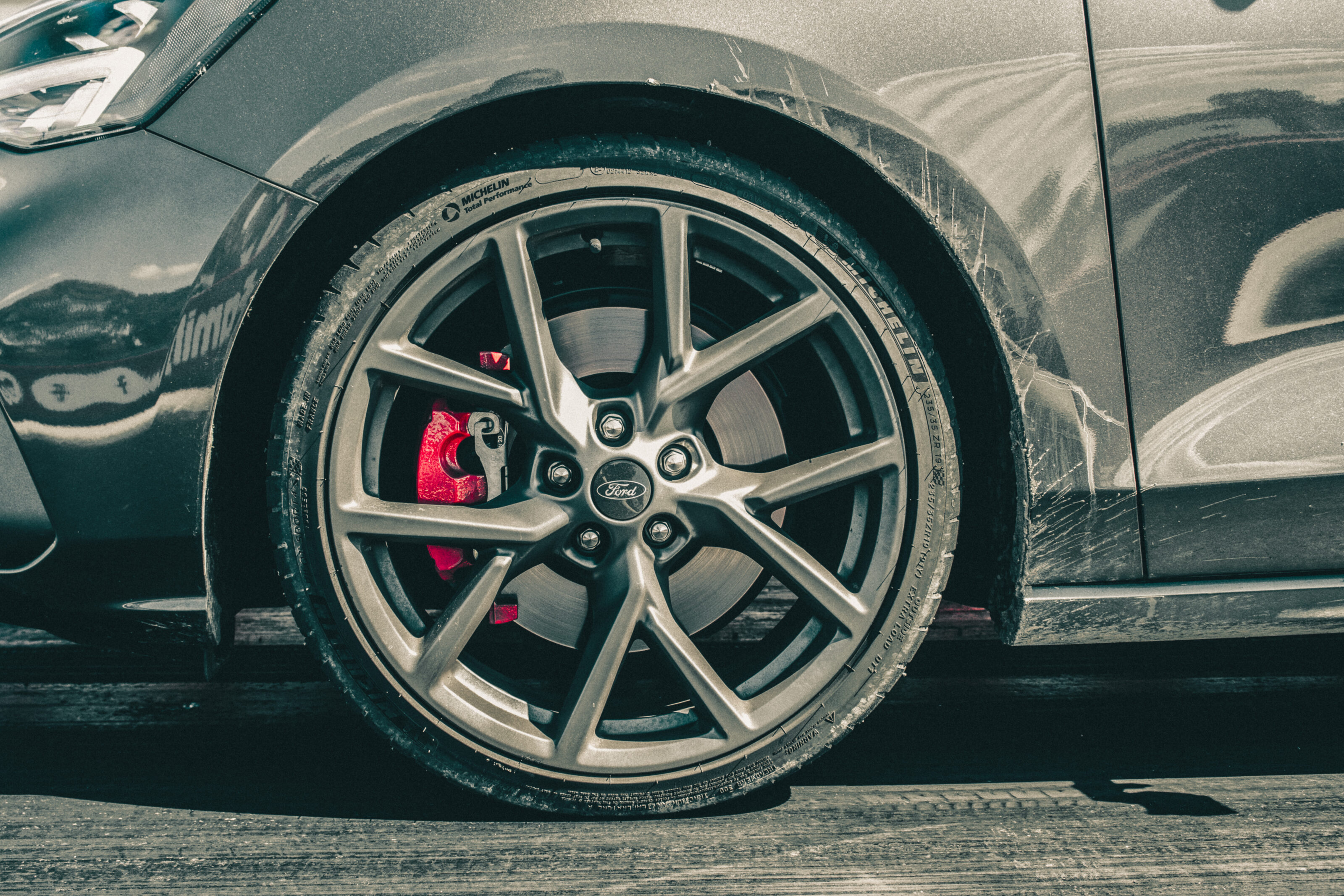
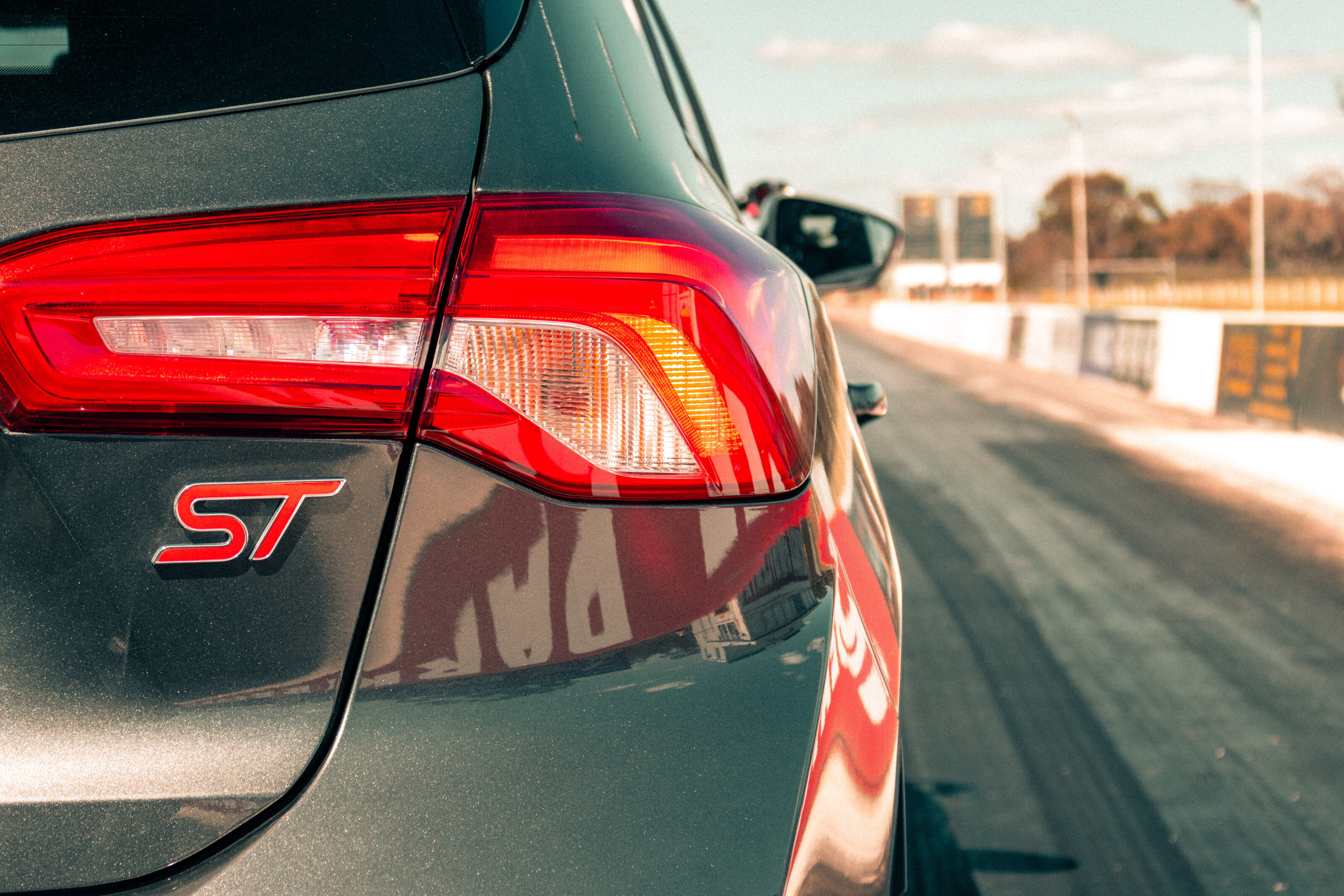
The Focus ST takes a more old-school approach, packing a conventional torque-converter seven-speed auto matched to a ‘big-block’ 2.3-litre turbocharged inline-four – lifted and detuned from the Mustang 2.3, and producing 206kW/420Nm.
Both hatches tip the scales just over 1500kgs, so it’s anyone’s game on paper.
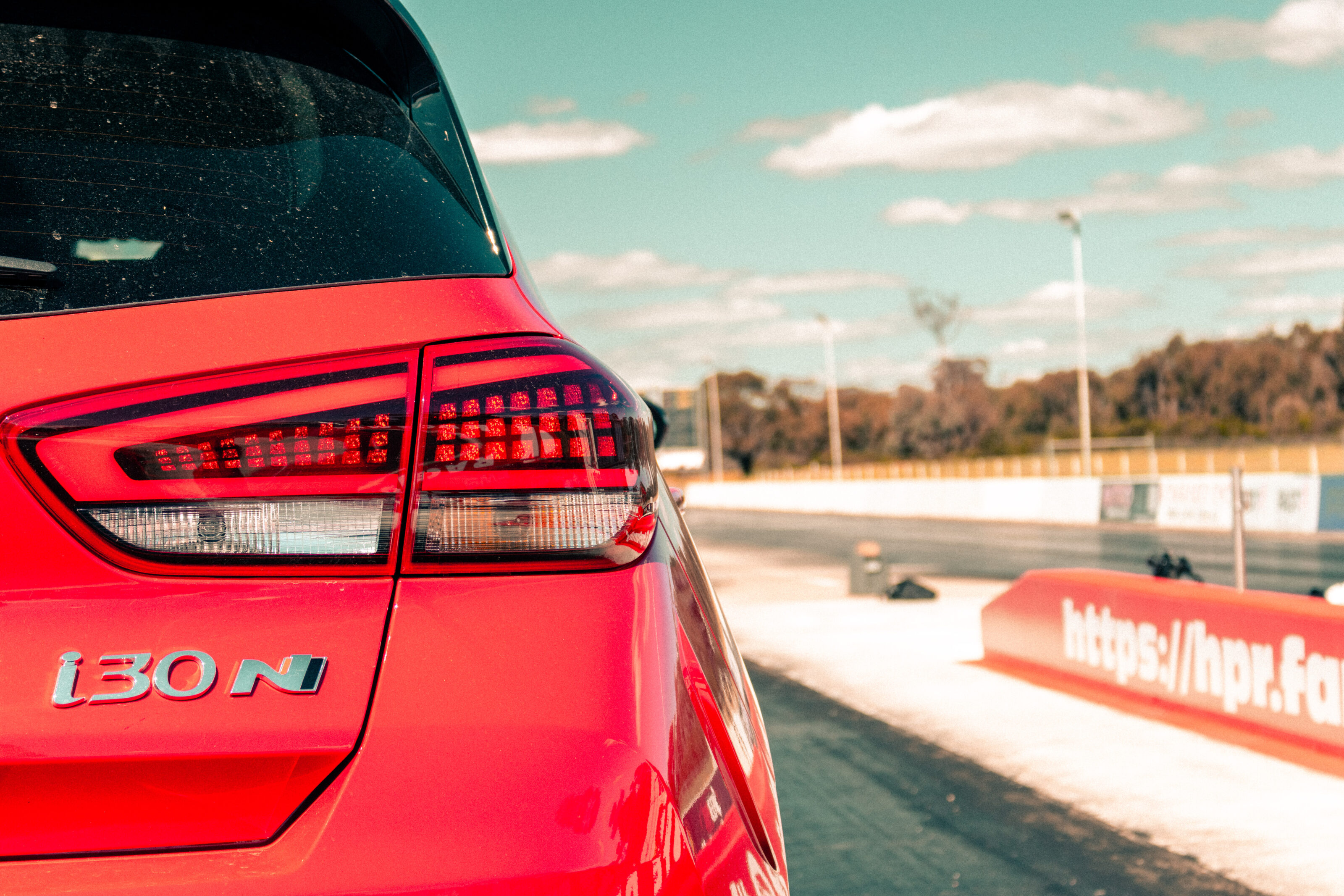
Technology is a great replacement for displacement however, and with no launch control function to lean on in the Focus, will the i30 N’s powertrain calibrations do enough to level the field?
To find out, we lined up the pair of rapid hatches for a range of scenarios. A max attack launch control race is first up, followed by a conventional street start, closing out with a 50km/h roll race.
Watch the full video above, or read on to see what happens.
Launch Control – Race Start
Although Ford’s Focus enters the ring with a 28Nm advantage in torque, a lack of launch control puts pilot Scott Newman at an immediate disadvantage.
Managing wheelspin while easing the Focus out of the gate, before he can really open the taps, is Newman’s best bet. In the face of the red-hot Hyundai’s launch control system, and its ability to configure its holding rev speed, he’ll have his work cut out for him.
A finely finessed take-off from the Focus sees an even jump from both cars within the initial launch phase but, once second gear is clicked, the Hyundai lunges forward and cruises to victory, as the Focus is simply unable to claw back lost ground.
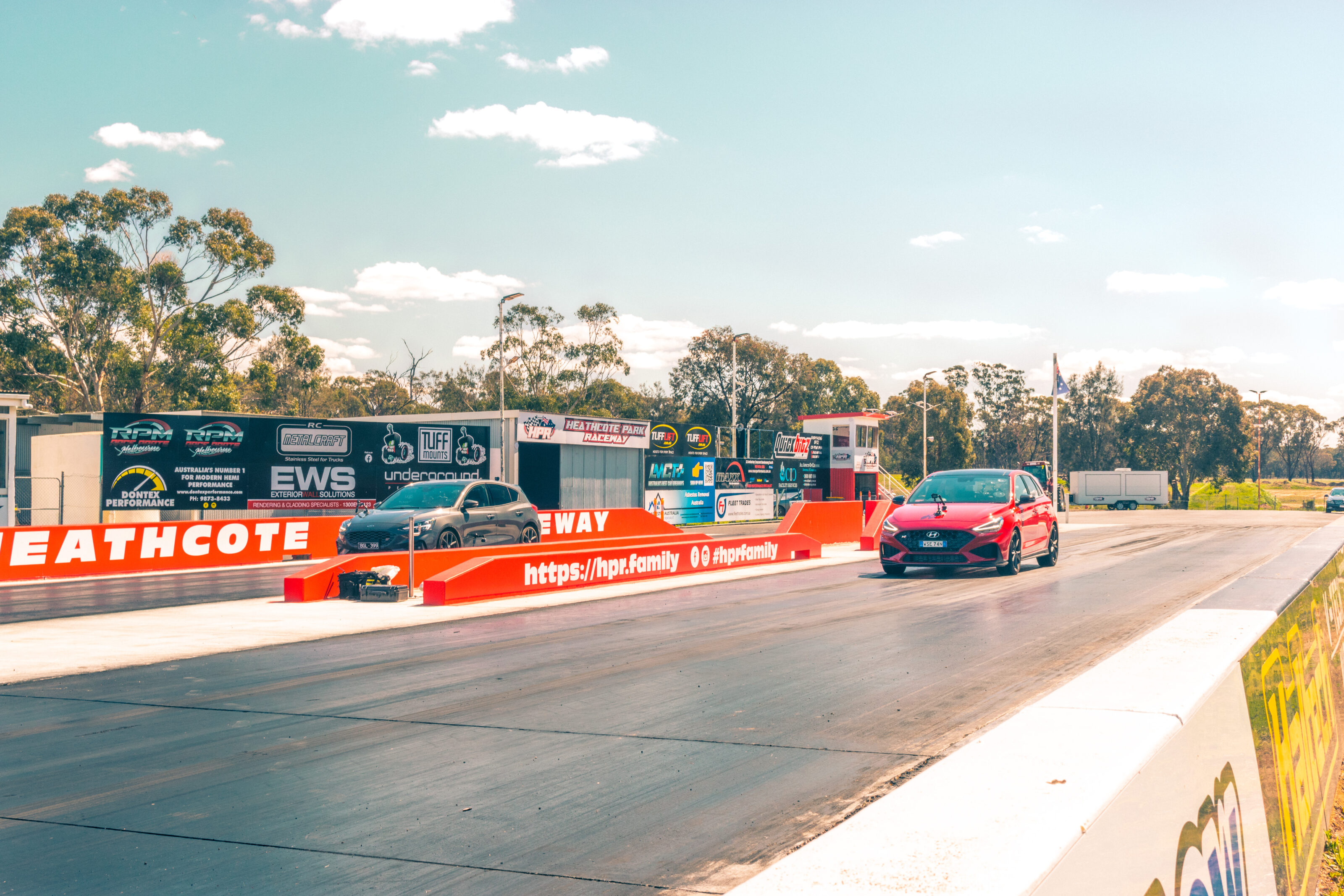
Namyang’s newest star athlete posted a 5.2 second 0-100km/h time, besting it’s 5.4 second factory claim, and clocked the 400m flag in a brisk 13.6 seconds. Ford’s Focus ST followed closely behind at 13.9 seconds 0-400m.
A second race is lined up to see if the Focus ST can improve on its launch. Newman carefully analyses his previous inputs, deducing that he was too ginger on throttle into second gear. Alex Inwood in the i30 N, conversely, decides that there was too much wheelspin on launch, and lowers his launching revs by 100rpm on the central 10.25 touchscreen.
Despite Newman’s best efforts, the race is a repeat result. The i30 N, again, clocks a 5.2 second sprint from 0-100km/h, against the Focus’ 5.7 second best.
Street Start
Returning to the start line, both cars are flicked back into comfort mode while the Hyundai’s launch control is disengaged.
Intended to mimic the impromptu traffic light lunge, the street start provides an equal comparison of the cars’ ESP systems and powertrain calibrations. No launch control, or sport modes, just mash the pedal and go.
The conventional street start plays well into the hands of the Focus and its conventional torque converter auto, with the Focus flagship leaping ahead, dragged along by a mountain of torque.
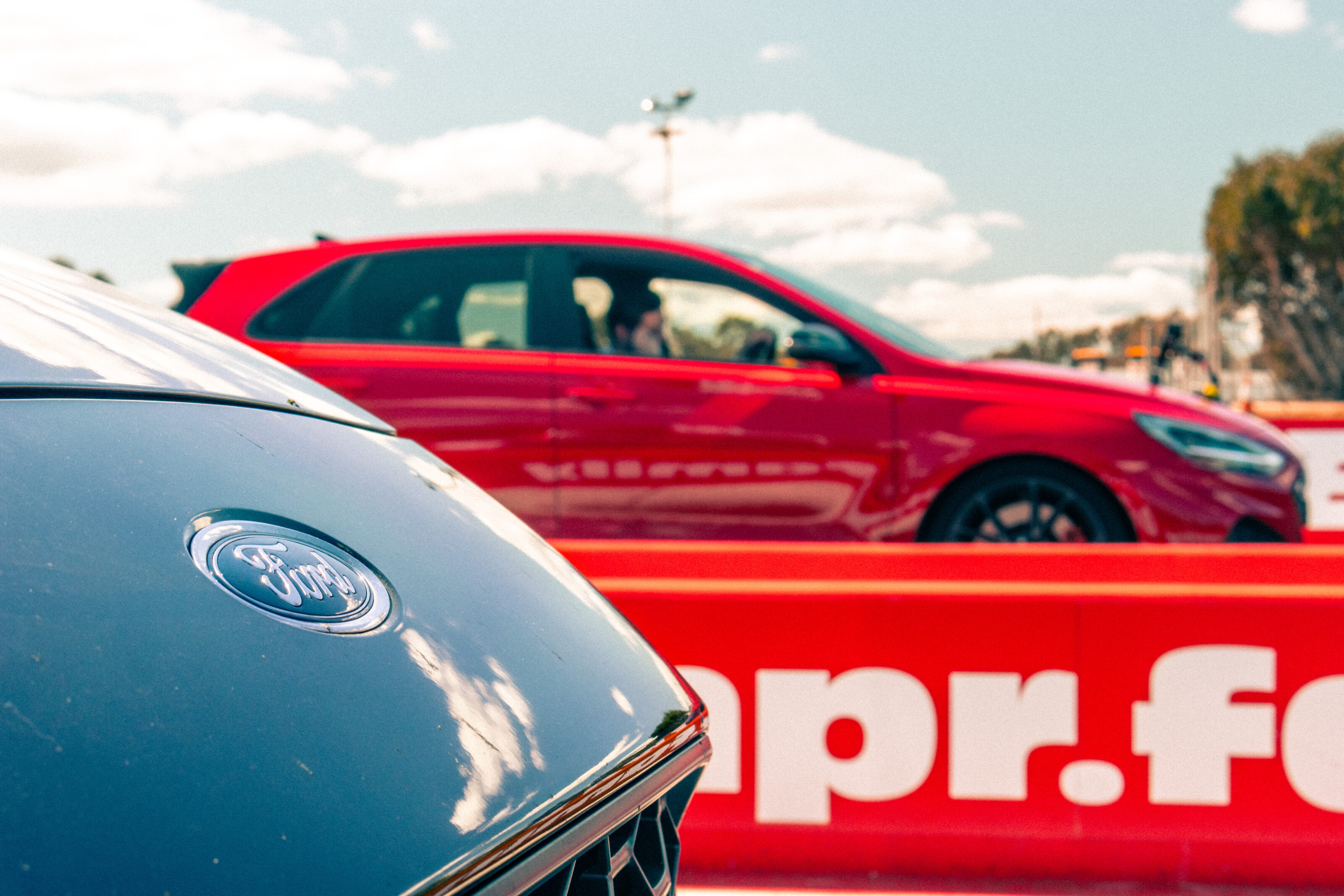
It’s a significant lead, but a scarcely believable chase down sees the i30 N snatch back victory within the closing moments.
A repeat run was performed and, again, the Focus surges off the line while the Hyundai seems slow to react. A lazier throttle calibration, and perhaps a slightly delayed reaction, see the Hyundai unable to recoup the lead as the Focus claims its first win of the day.
Rolling Start
The final challenge is a 50km/h roll race to see which car reacts quicker when the spur is dug in.
Drive modes and ESP in both cars are set to Sport, while manual mode locks both cars in a second gear start.
As they cross the starting marker and the pedals are flattened, the Hyundai’s front end immediately slips into wheelspin as its claws its nose ahead. The Ford Focus puts up a valiant effort, but the younger Korean athlete simply has longer legs, incrementally stretching the gap as they both cross the line at almost 190km/h.
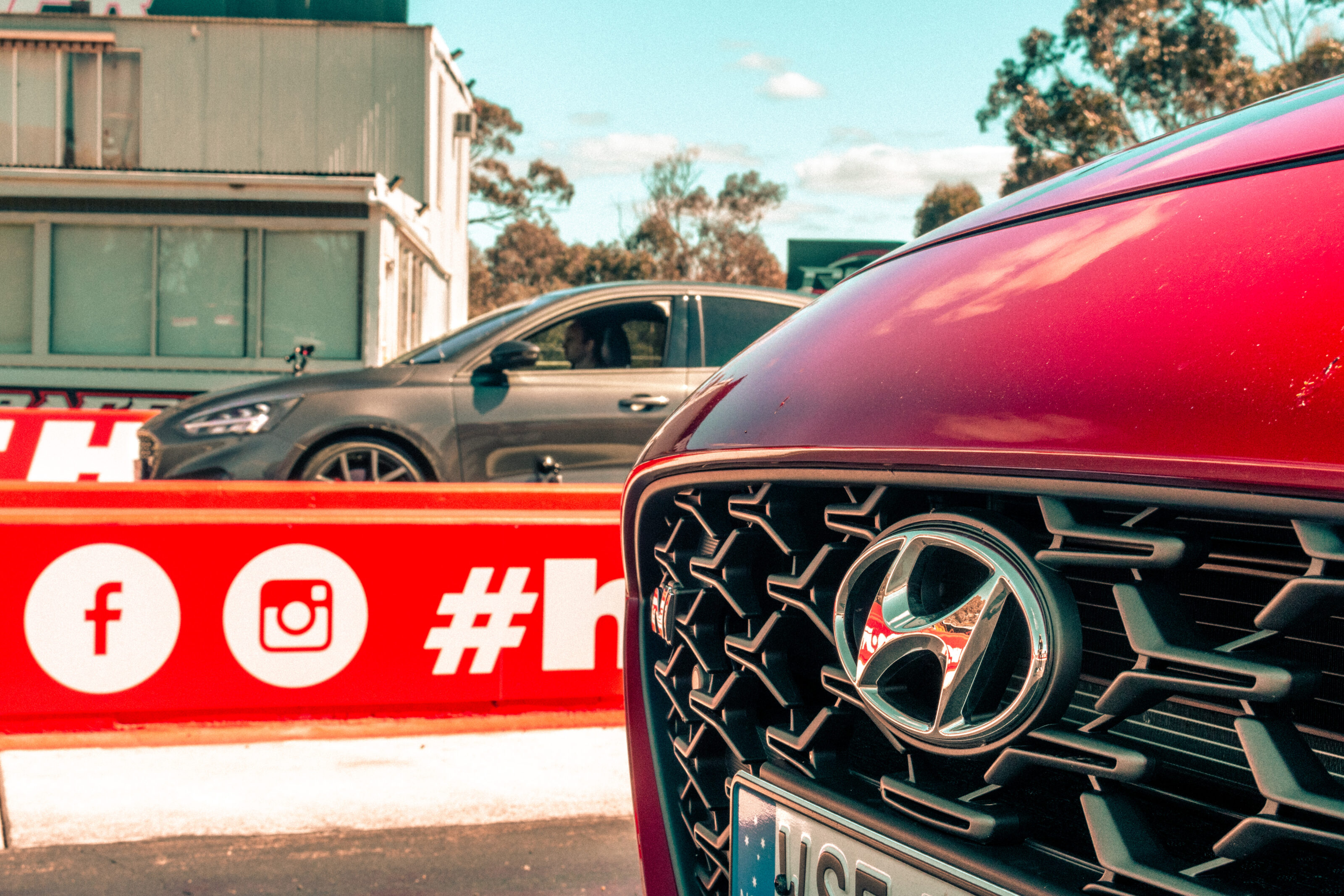
Unfortunately, the day ends there, as the i30 N suffers a tyre blowout under brakes.
Despite the Pirelli P Zero’s Baku-like end to the day, it was a comprehensive win for the updated i30 N. The Focus ST is a fast car, but a new gearbox and a raft of changes have made Hyundai’s latest i30 N a really fast car. How fast exactly? Upon further testing, it claimed the crown as the fastest front-drive car we’ve ever tested.
Stellantis and technology company LG are teaming up to build a new battery plant in the United States.
The factory will have an annual capacity of 40 gigawatt hours and produce batteries for a range of Stellantis-built vehicles, from plug-in hybrids to fully-electric vehicles, as it looks to service the existing manufacturing plants throughout the United States, Canada and Mexico.
An integral part of Stellantis’s €30 billion (AU$47bn) investment towards electrification across its brands, the battery manufacturing facility is slated for a 2024 opening – the tenth anniversary of LG’s partnership with Stellantis (then Fiat Chrysler Automobiles).

CEO Carlos Tavares said the announcement is an extension of the conglomerate’s electric plans which were revealed earlier this year.
“Today’s announcement is further proof that we are deploying our aggressive electrification road map and are following through on the commitments we made during our EV Day event in July,” said Tavares.
“With this, we have now determined the next ‘gigafactory’ coming to the Stellantis portfolio to help us achieve a total minimum of 260 gigawatt hours of capacity by 2030. I want to warmly thank each person involved in this strategic project. Together, we will lead the industry with benchmark efficiencies and deliver electrified vehicles that ignite passion.”
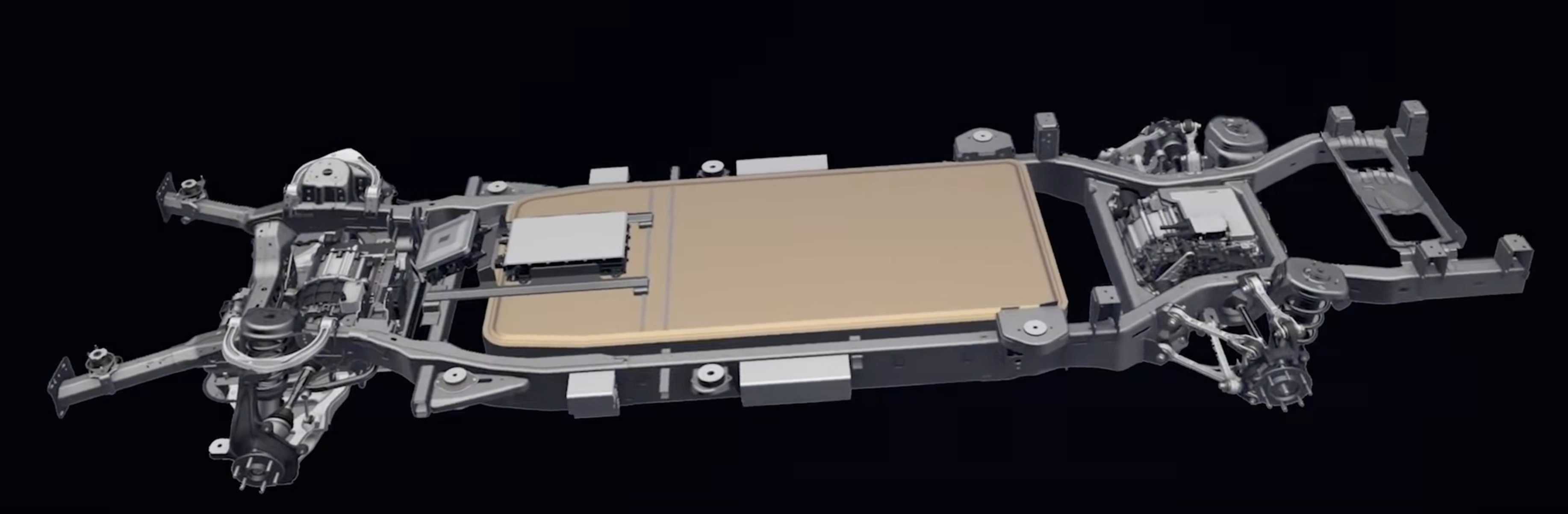
LG is also in a North American partnership with General Motors, helping the major manufacturer to produce its new Ultium battery packs – which are set to underpin vehicles such as the all-electric Chevrolet Silverado.
The North American manufacturing industry is currently going through a period of change as the recently-appointed President of the United States, Joe Biden, has asked local car companies for 40 per cent of their production volume to come from EVs by 2030, a major swing for the internal combustion engine-driven market.
December 2023: Cybertruck pricing and specs
You might be glad, or you might’ve hoped it wouldn’t happen – but Elon’s teenage wet dream, the Cybertruck, is actually real and finally in customer hands.
Story continues…
The controversial Tesla Cybertruck’s future is uncertain as the American manufacturer de-listed the vehicle’s specs from its online configurator.
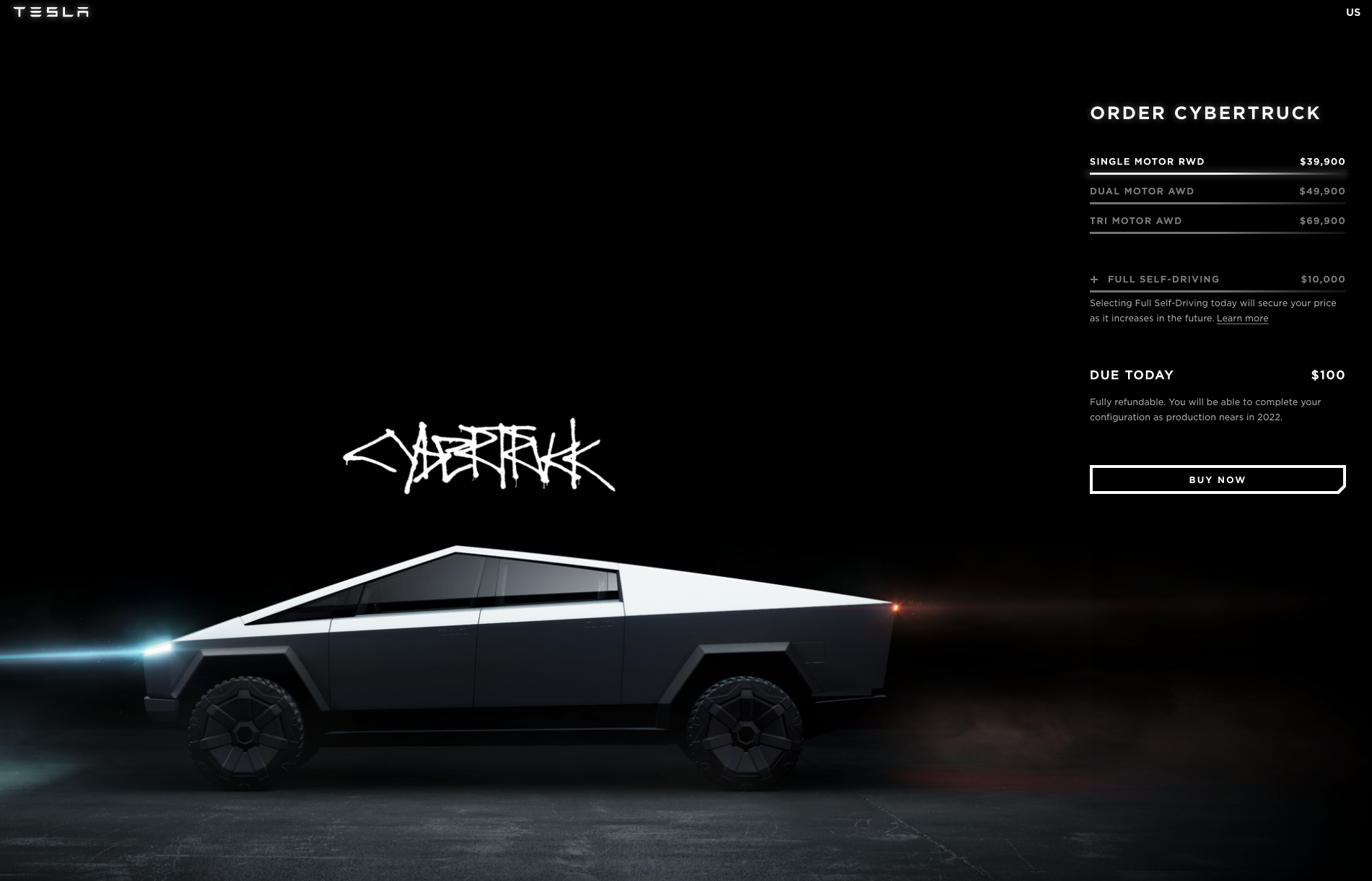
While Tesla has previously been transparent around the expected final cost of the Cybertruck in its three variants, the ability for prospective buyers to see the price of the truck have vanished from its website.
A portal still exists which allows buyers to place a $100 deposit, although it’s unclear as to which motor will power the truck they order – if it ever makes it into production.
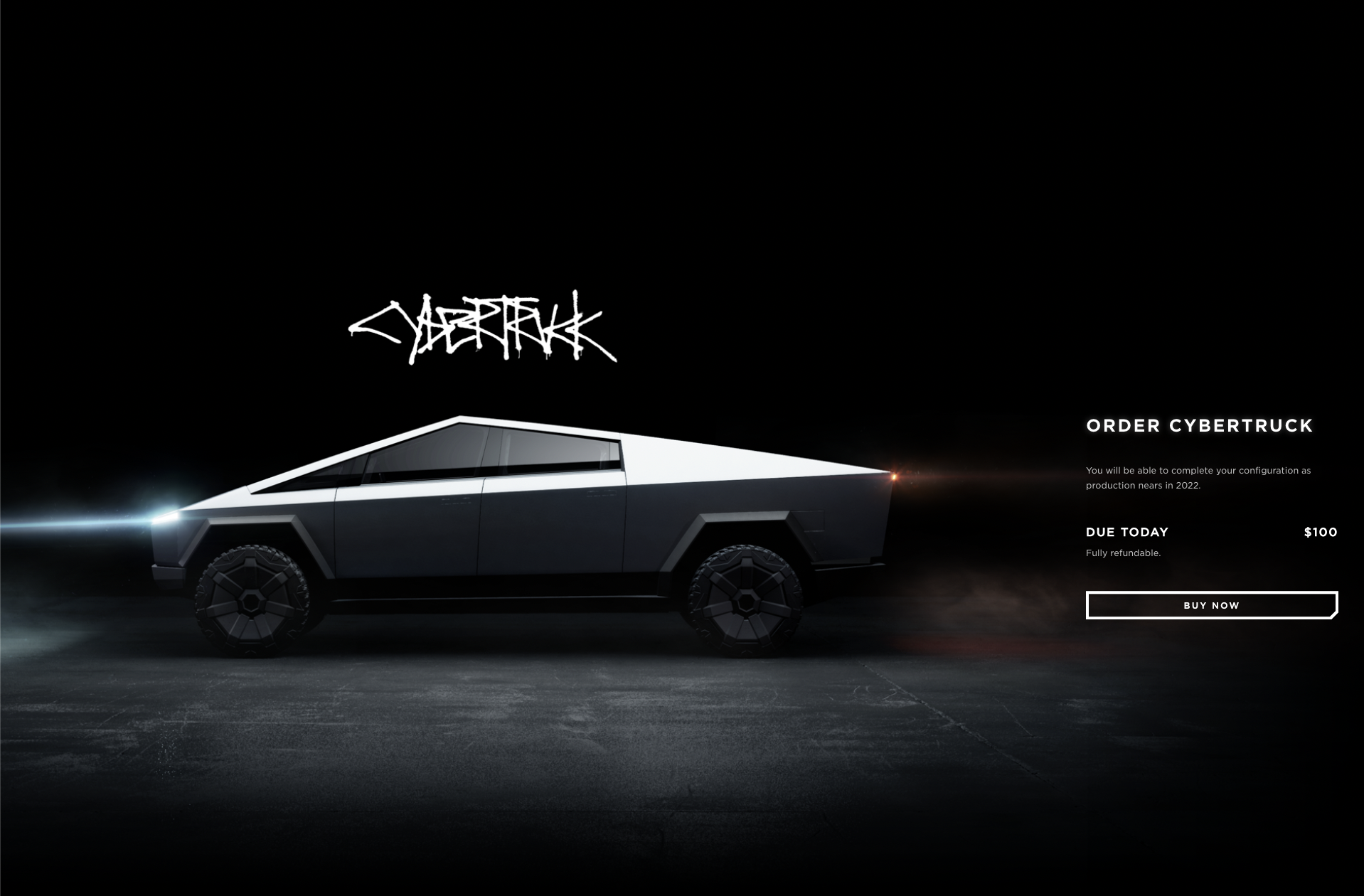
First revealed in November 2019, the Cybertruck has received criticism due to its radical design – which many believe would be unable to pass any relevant regulations worldwide.
With a potential redesign expected, Tesla may be removing the details of its line-up to focus on creating a production-spec Cybertruck, something it now has time to do as an expected start date has been pushed back to next year.
Tesla initially said it would focus on production of the US$39,900 (AU$54,360) single-motor, rear-wheel-drive Cybertruck, with the US$49,900 (AU$68,000) dual-motor and US$69,900 (AU$95,250) tri-motor variants to follow a year later.
EV rival Rivian was able to become the first manufacturer to produce an all-electric pickup truck last month, with its R1T rolling off the Random, Illinois, production line, beating the likes of Ford and Chevrolet as well as Tesla.
Snapshot
- GLC63 undertaking testing at the Nu00fcrburgring
- First generation of AMG 63 models to use a four-cylinder engine
- Hybrid powertrain expected to be more powerful than outgoing V8
AMG’s new GLC63 has been spotted en route to track testing at the Nürburgring in Germany, providing a first look at the next-generation hybrid.
The biggest headline of the second-generation GLC63 is the introduction of a 2.0-litre, turbocharged four-cylinder plug-in hybrid powertrain, rather than the 4.0-litre twin-turbo V8 found in the current model, set to become standard across the AMG 63 model range.
Despite losing the iconic V8 rumble, the 2023 GLC is expected to deliver a hefty bump up in power outputs. While the outgoing unit developed 375kW and 700Nm in GLC63 S guise, the electrified four-pot is expected to push out a peak of over 480kW – likely with similar torque figures from the electric motor.
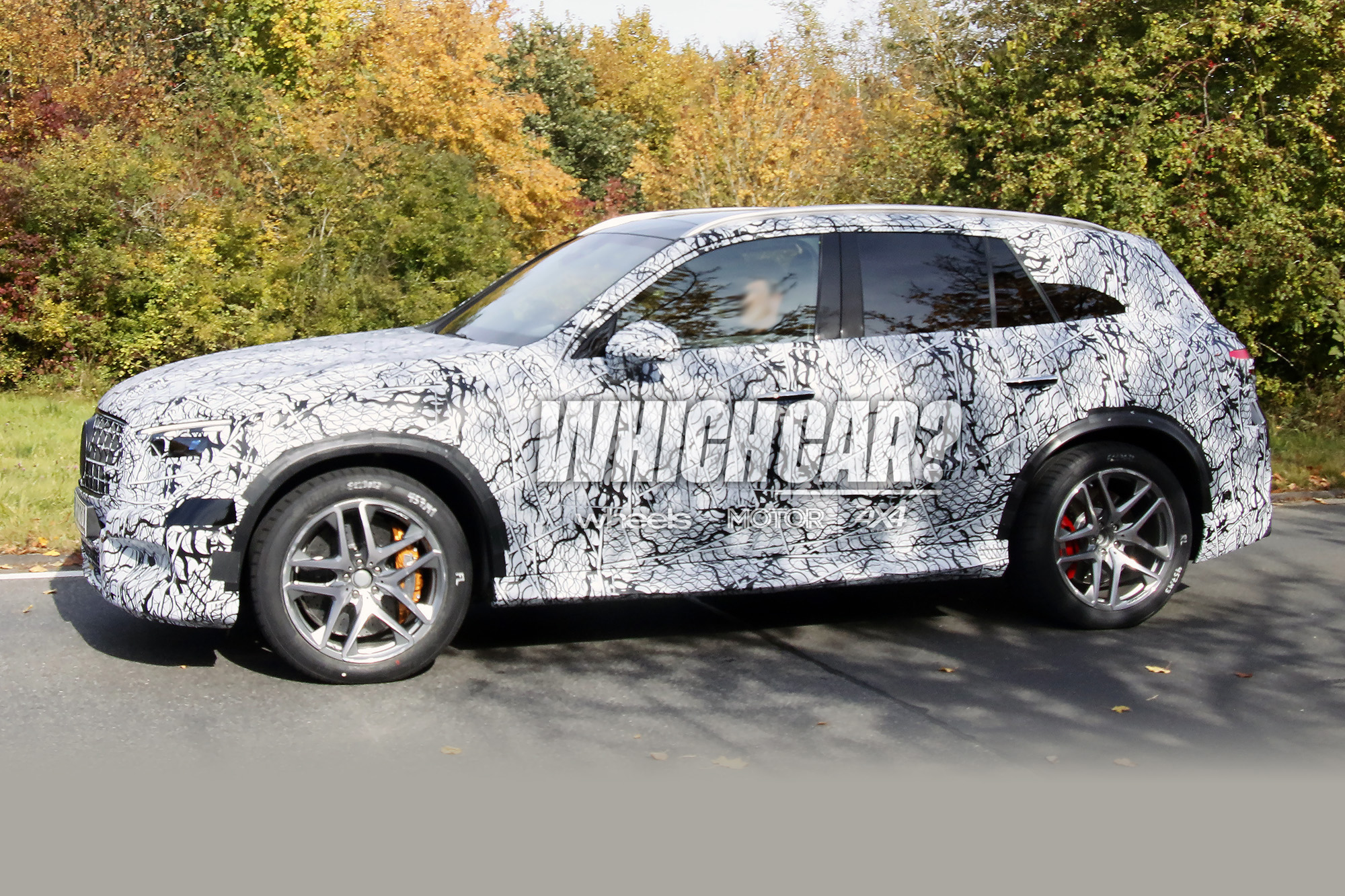
While the prototype is covered in heavy camouflage, its Panamericana grille and bulked-out bodykit show this is the AMG model, with the huge brake rotors and gold calipers cementing its performance status.
Spotted entering the Nürburgring twice, the GLC63 prototype has been seen riding on two sets of wheels, each similar in design but with different sizes, meaning option packs could allow buyers to up-spec the visual package of their cars when it’s finally released.
It’s expected Mercedes-AMG will launch the new GLC63 later next year ahead of a 2023 arrival if it comes to Australia, replacing the current model which has been in service since 2016.
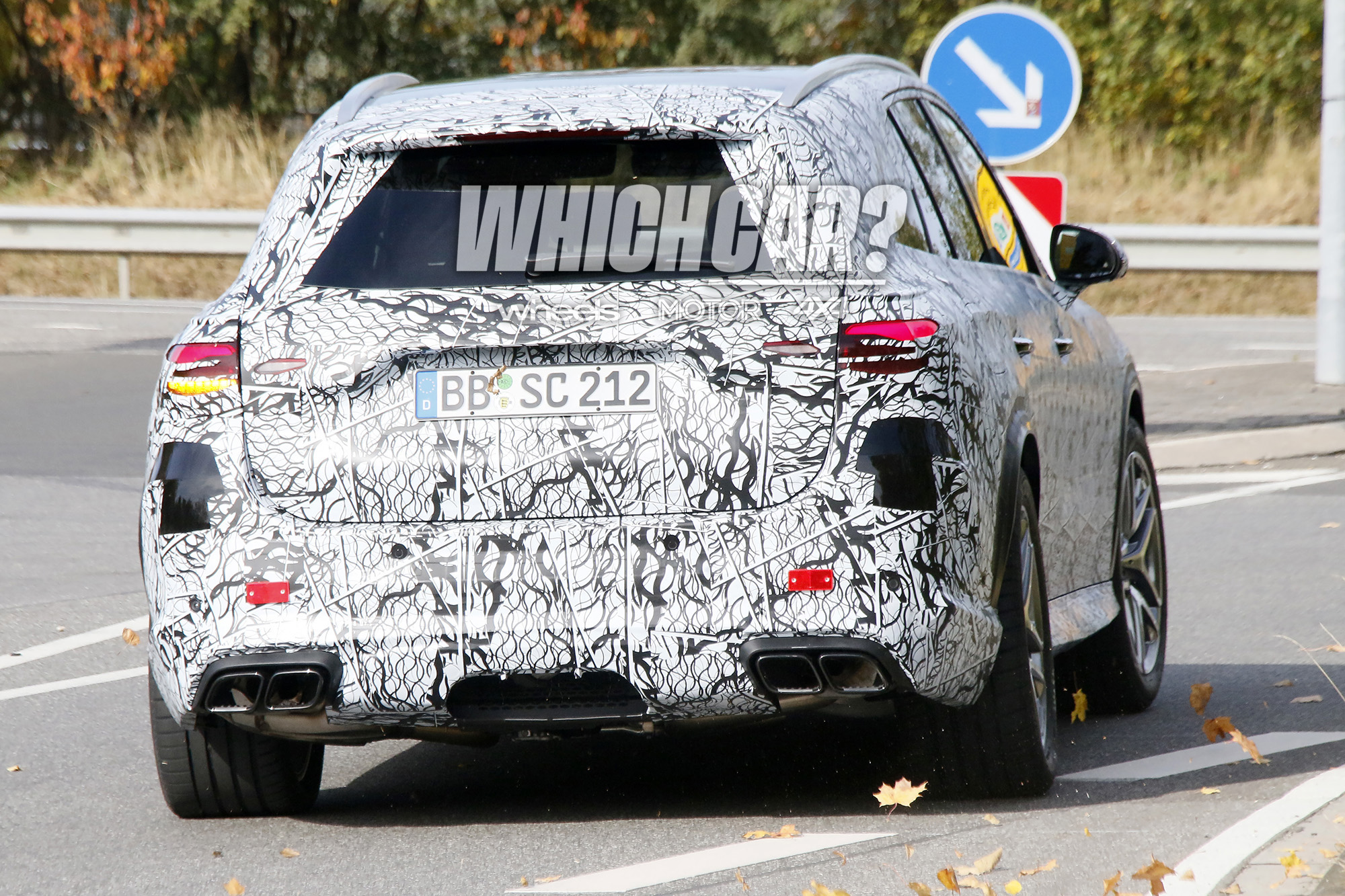
“Winton? It’s like running a marathon around your clothesline”. It’s a slapstick one-liner from the infamously unfiltered Dick Johnson to Channel Seven’s Mike Raymond in 1990. But back in those days, when Dick was piloting a fire-breathing Ford Sierra around the 2.03km layout, it was apt.
Yet, the track nestled in bushranger territory between the Victorian towns of Glenrowan and Benalla isn’t a backyard job. From the founding of the Benalla Auto Club in 1957 to the public approval of a circuit to be built on the Winton Recreation Reserve three years later, there’s lots of history. Racing has been constant since the first meeting in November 1961.
That means it’s time to celebrate its 60th anniversary. It’s a venue that has seen the likes of James Hunt compete as well as providing Peter Brock, Alan Jones and Allan Moffat their first races. The track and facilities have received various updates, too, the most significant being the $1.1m addition in 1997 to create the 3.0km National Circuit we have today.
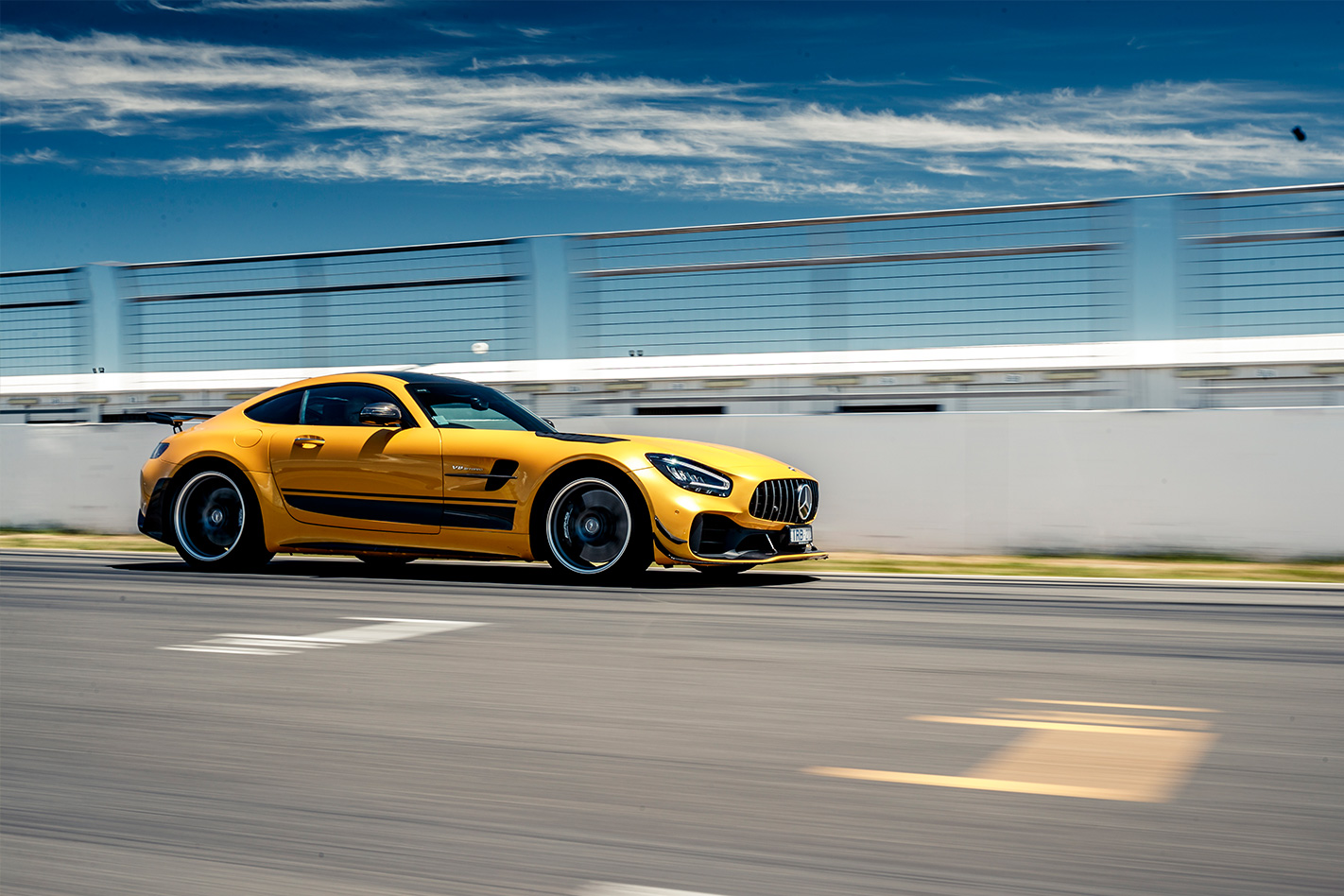
Winton presents a great example of how a track can remain modern and profitable. The Benalla Auto Club doesn’t solely rely on big events with Winton Raceway often booked out with a huge variety of grassroots categories.
According to MOTOR’s resident gun driver, Warren Luff, it’s an often misunderstood and underestimated technical challenge. So, we dipped into his wealth of experience and asked him to uncover what it takes to make the most out of Winton Raceway.
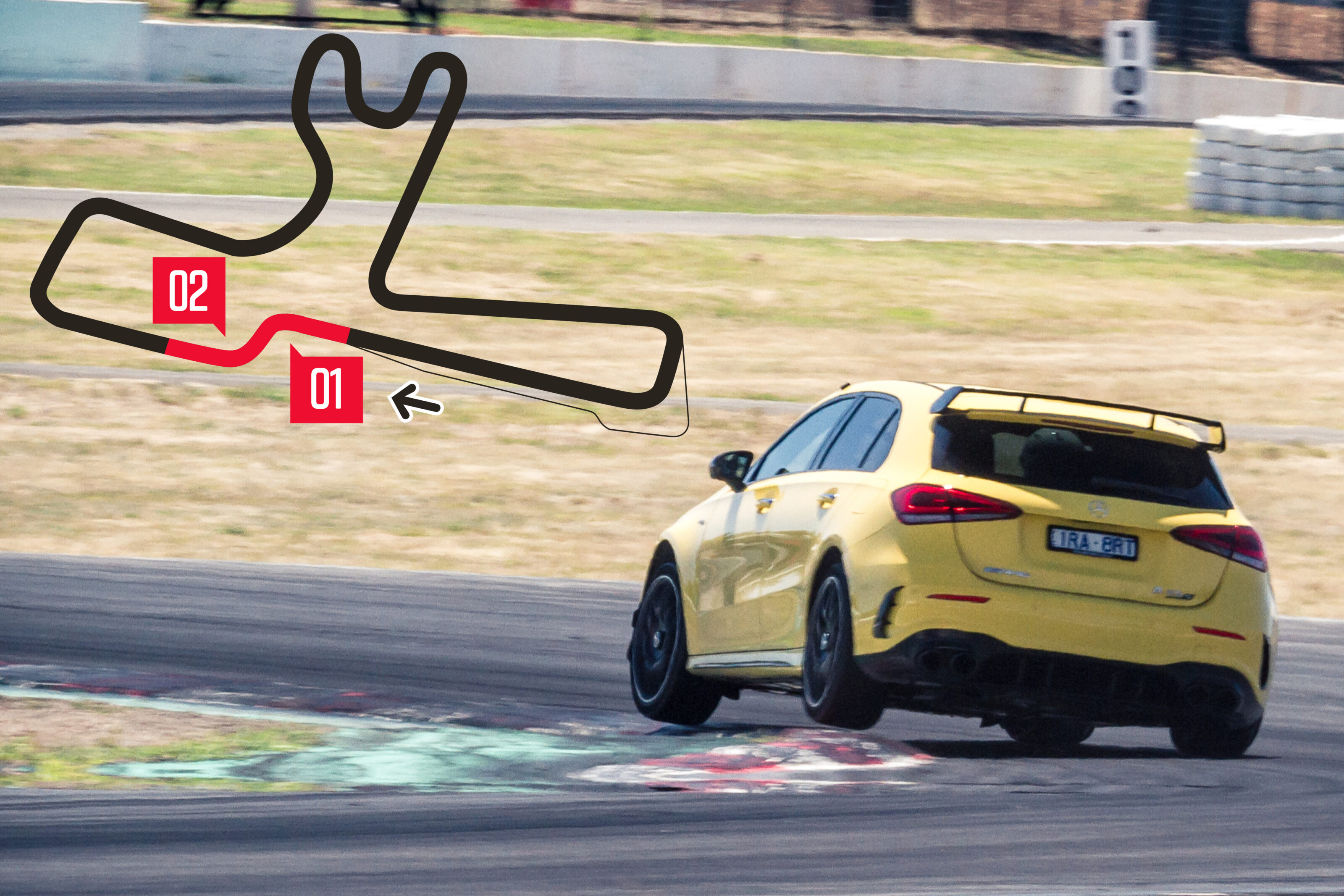
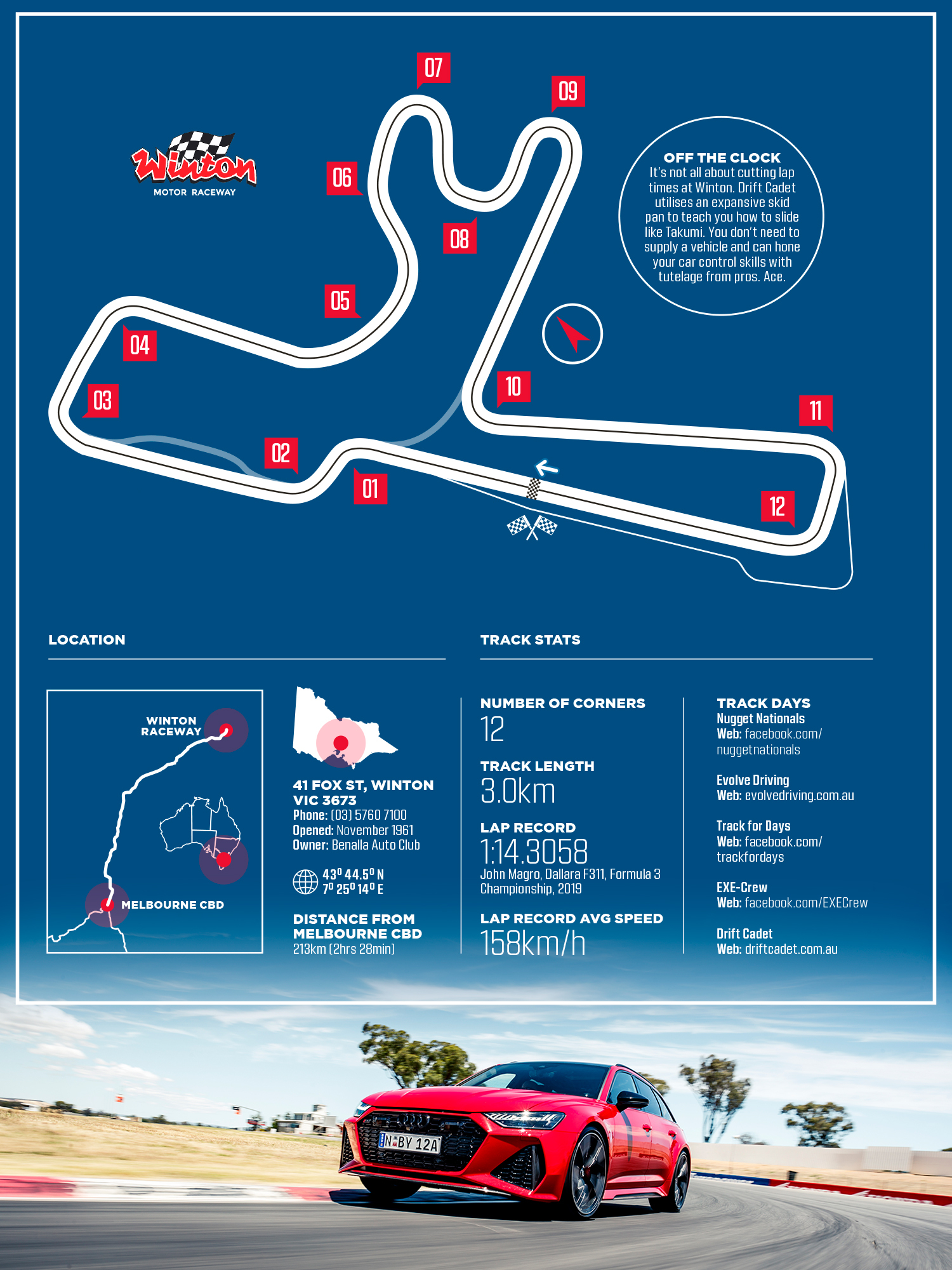
Section one: The Esses
Turn One
Where the old circuit comes in on the right tends to be near the start of the braking area for most cars. The car does get a little light here under brakes so it’s easy to out-brake yourself. While you might not always run off the track, it does tend to run you into Turn One a little bit hot, which can then impact you through Turn Two and the run up to Turn Three. The important thing through The Esses is to not overcommit on the entry into the section and to be able to keep the car in tight to the first apex so that it helps open up Turn Two.
Turn Two
Get Turn One right and you can carry more speed through Turn Two with most time to be gained at the mid-to-exit part of the complex so you can carry speed up to Turn Three. You can gain or lose a lot in the short run up to Three purely by how you tackle the exit. There is a lot of road on the outside of Turn Two to be able to run wide. There are obviously the big kerbs on the outside there so depending on what sort of car you’re in, that will determine whether you can chase it all the way out wide and use the exit kerb or not.
MOTOR tip
Pit exit flows you out onto the inside of Turn One. Keep your head on a swivel and make sure not to park on the apex as others come in hot and fast. The wall at the exit of Turn Two is the closest you’ll get all lap to concrete. The barrier gets closer to the track at exit, so remember the basics and don’t fixate … or else.
Section two: The Back End
Turn Three
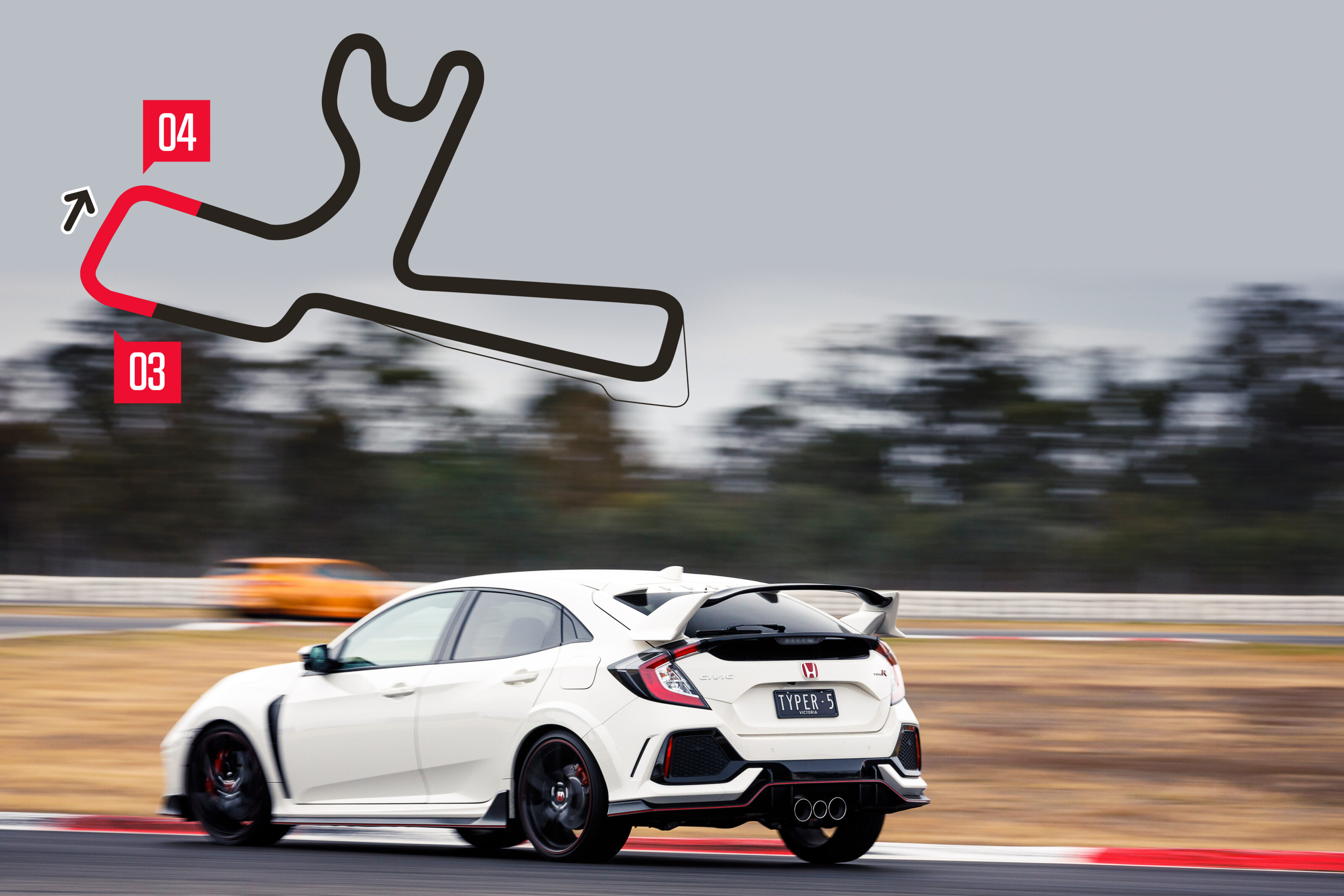
Turn Three and Four have recently been reprofiled with wider, more forgiving exits. You’ll nail this if you are able to flow the car smoothly without scrubbing off speed. Turn Three can be a little bit tricky because from the point where you start to clear the brake to the apex, the track actually drops away by about a metre to a metre and a half. It’s easy to end up with a lot of understeer if you don’t carry the brake in enough. You’ve got to try and trail the brake in a bit to keep the weight on the nose to avoid mid-corner push and then get back on the power as soon as you can.
Turn Four
With the reprofiling it’s all about trying to carry as much speed through Turn Four toward Turn Five as you can. When you get it right, Turn Four is literally just a very small touch of the brake. You’ve got a lot of inside kerb to use because it’s very flat – even though it’s got the saw-tooth characteristic to it you can still use all of it. Basically, you’re aiming for the dirt on the inside and then use every bit of that kerb before chasing the car out wide to help maximise mid-corner speed. Other kerbs will hurt you, not this one.
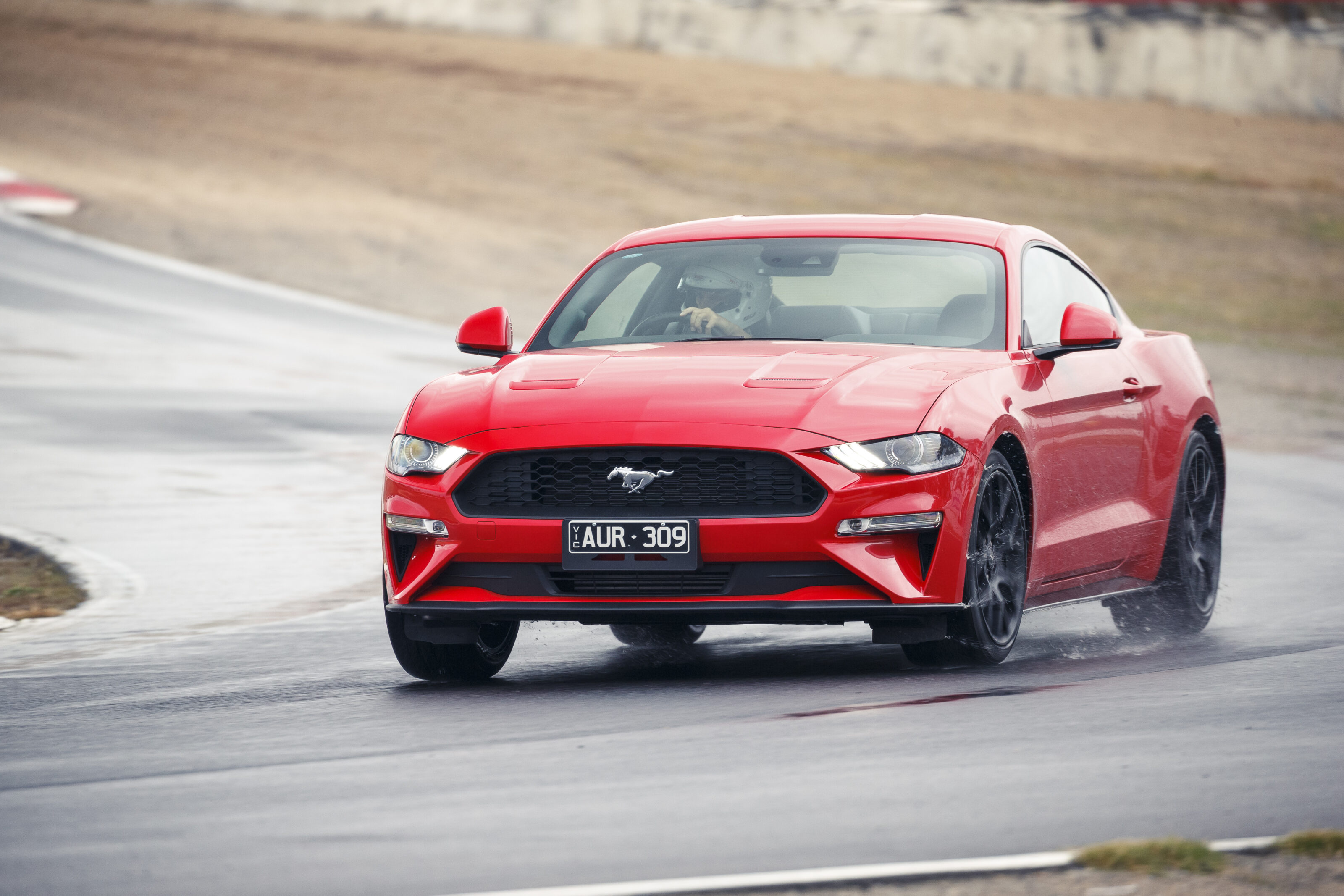
MOTOR tip
Whether you are in a sub-200kW hatch, or a 400kW track weapon, Winton is all about maintaining momentum. The straights are short, but you’ll gain more time by being careful with Turn Three than you will by going too hot into the entry. Get your exits right and the time will come to you.
Section three: The Sweeper
Turns Five and Six
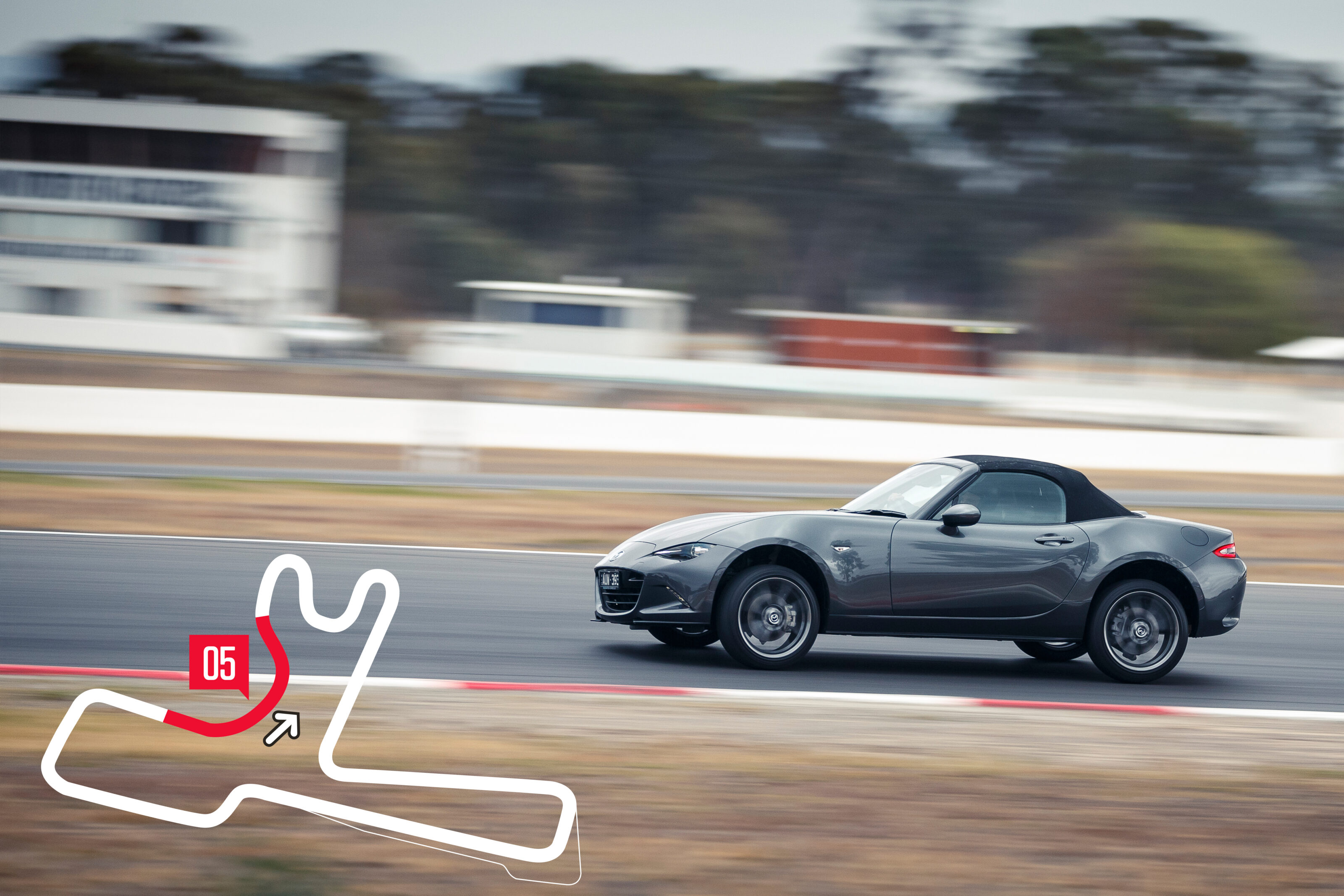
Turn Five is a tricky one because it is quite a fast approach. It’s a double apex whereby you can brake on the way into the apex. It’s all about trying to carry corner speed. Because you’re braking on the way in, especially in a front-wheel-drive car, it can be quite easy to lose the rear axle on entry. Try to manage the balance of the car on the way in so that you’re carrying the brake enough to keep the nose in and get front-end grip without losing the tail-end. It really is quite easy to lose the rear of the car here and go off in the mid-section of the corner.
But don’t let that put you off. When you do get it all right it’s a great corner. After the fast entry, carry the brake and let the car wash out a little, so you end up nice and high at the mid-point of the corner and then you can start to come back in for the second apex which is all about giving you the run up to Turn Seven. You really want to stay off the kerbs on the inside of the second apex because they are quite aggressive. If you start bouncing off them here it massively unsettles the balance of the car which causes you to lose road speed.
MOTOR TIP
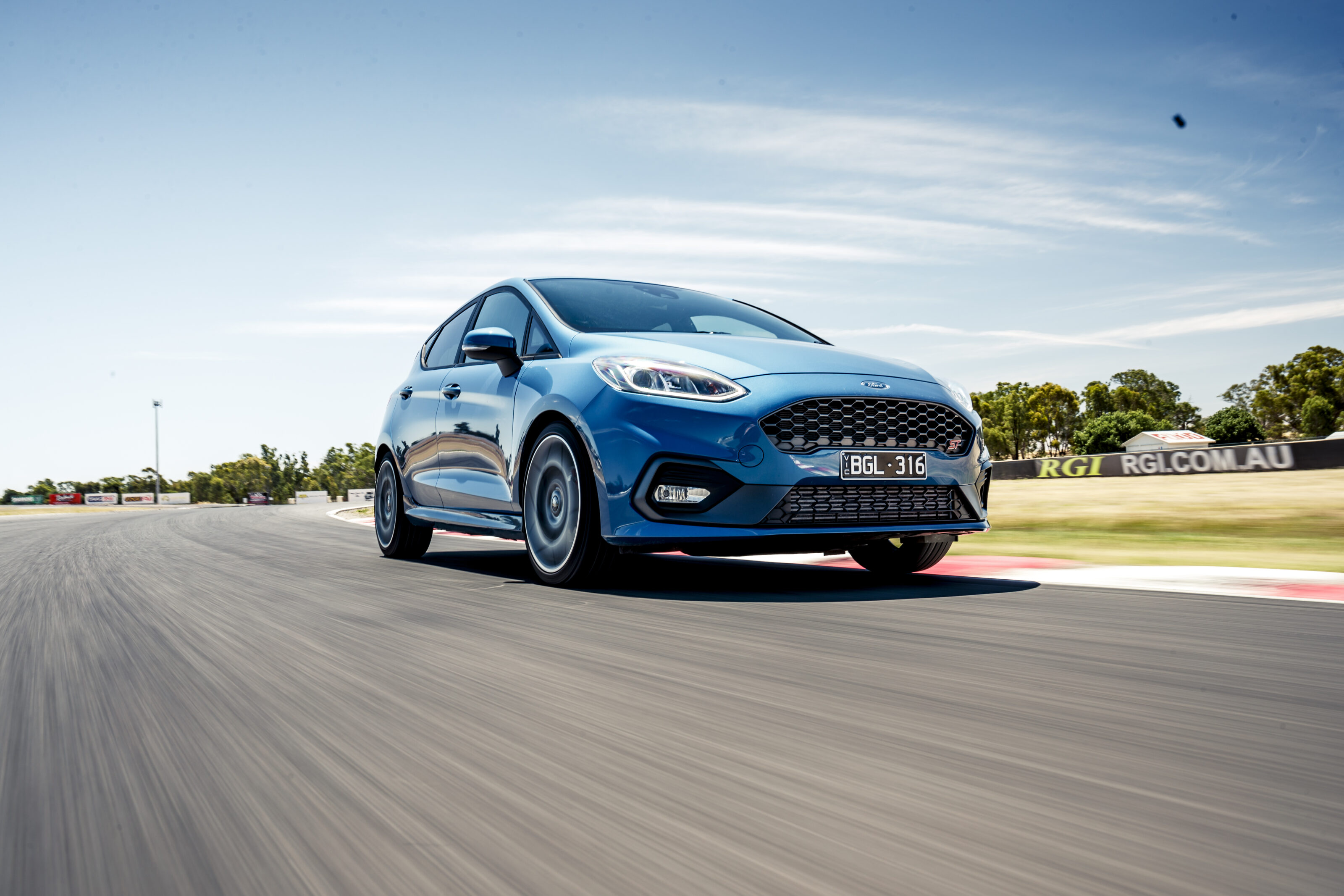
Pay particular attention to tyre temperatures and track conditions at Turn Five, The Sweeper. This is the greatest commitment corner on the circuit. There’s plenty of run-off, but go full attack on your first flyer and you’ll easily find yourself in the weeds. More than any other, this is the corner you need to build up to at Winton.
Section four: The Boobs
Turns Six and Seven
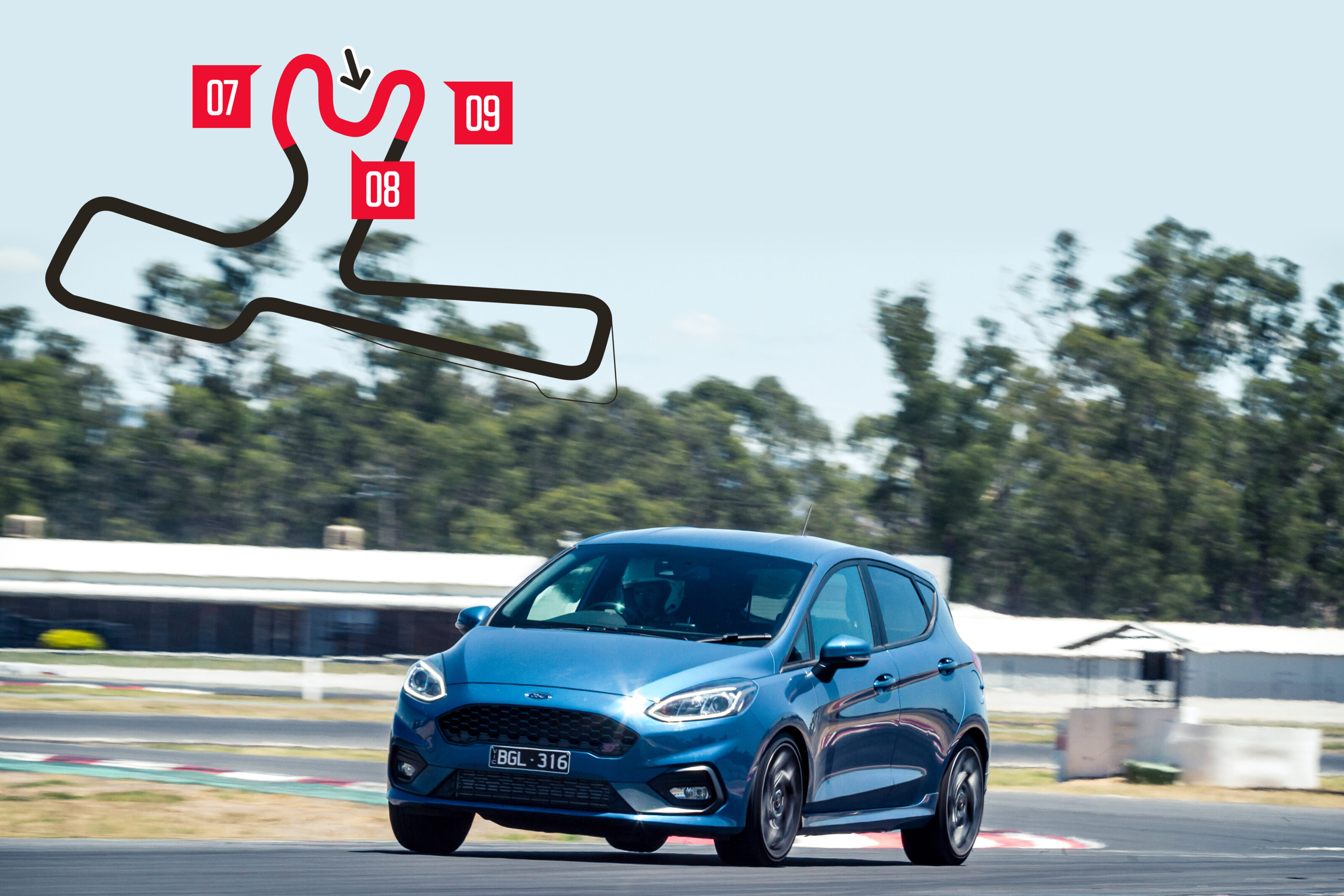
Come out of The Sweeper and change direction through Turn Six. It really isn’t much of a corner, but positioning on the track is very important as it’s all about trying to square the car up and get it to brake in a straight line for the entry into Turn Seven. That’s because the car is going to do its best braking with the weight distributed evenly on the front axle, so you gain great retardation. Throughout the entire Turn Seven, Eight and Nine complex trailing the brake is vital to help with vehicle rotation. They’re all relatively slow-speed corners with Seven and Nine being the slowest of this particular section.
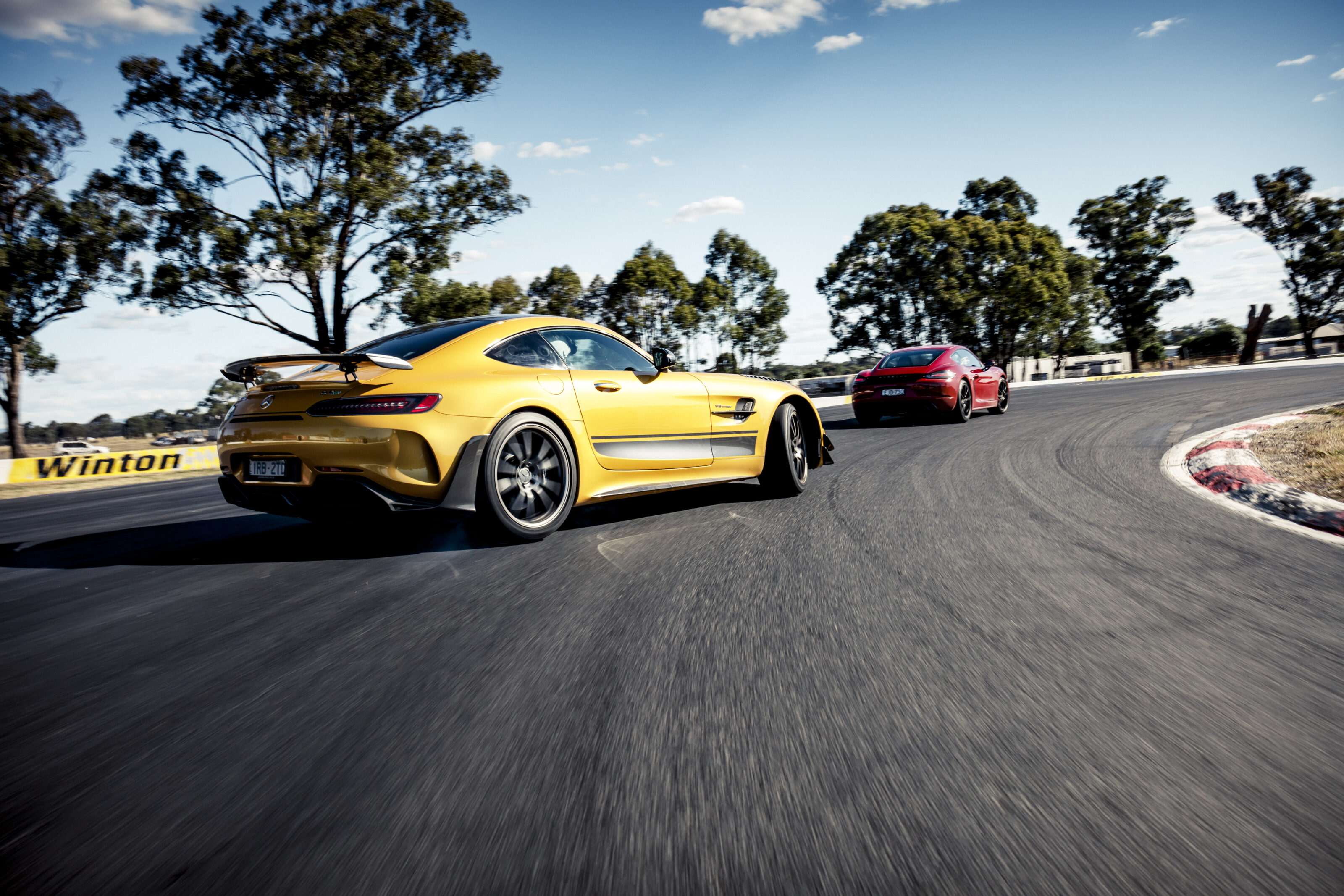
Turns Eight and Nine
You’ll need to carry more speed through Turn Eight as you come down and around the tree. When you are trail braking it is a balancing act of not washing too much speed off to keep the nose of the car loaded for turn so you can get back to the throttle as soon as possible. Turn Nine is one of the slowest corners on the track but it has a straight after it. Clearing the brake, rotating, and accelerating out positively is critical to ensure you get a run down what is called ‘The Old Back Straight’ and into Turn 10.
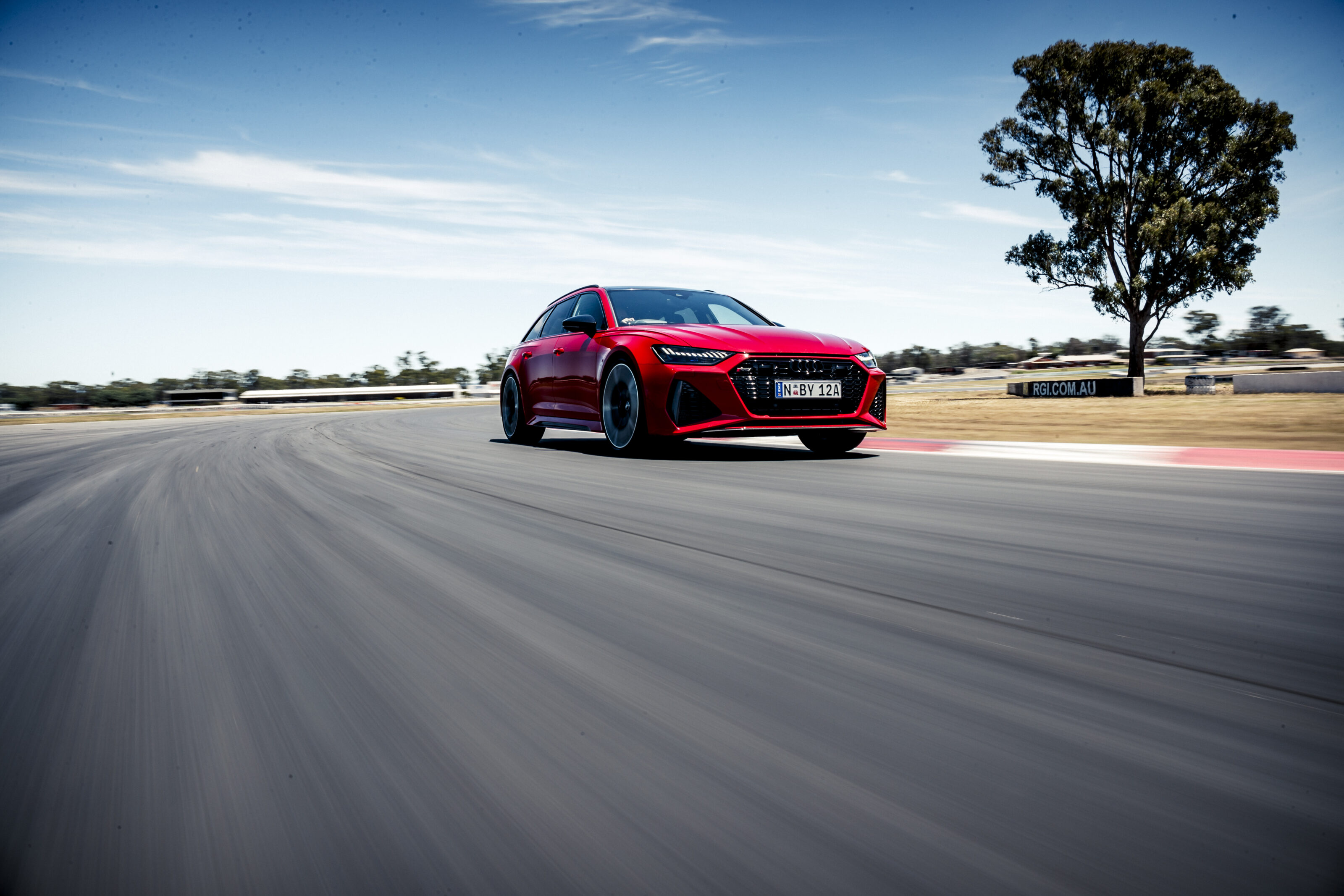
MOTOR tip
You’ll still want to carefully manage weight transfer through the right-left-right complex. Get aggressive with either the steering or the accelerator and brake and it’ll get your car off balance. Practice being consistent with your lines, opening the radius of each corner to increase the amount of speed you can carry.
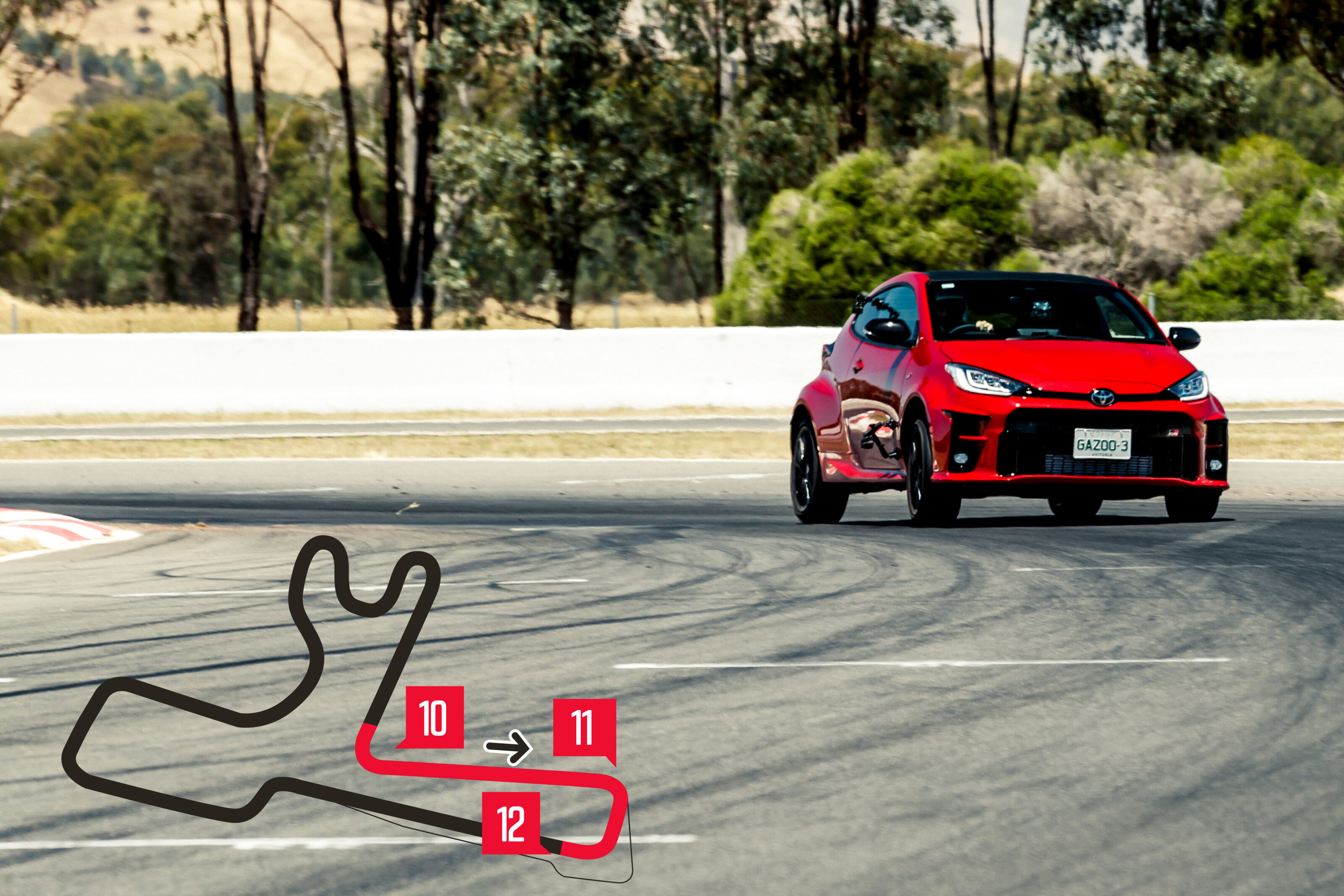
Section five: The Run Home
Turn 10
Turn 10 is a relatively simple corner in that it is basically a 90-degree bend. That doesn’t mean it should be underestimated. There’s a lot of time to be made up under braking on the way in, and with the run from Nine it’s key to pick your braking marker and get on the anchors hard. But you really need to be careful it doesn’t sacrifice the exit, so you don’t need to run too deep with the middle pedal.
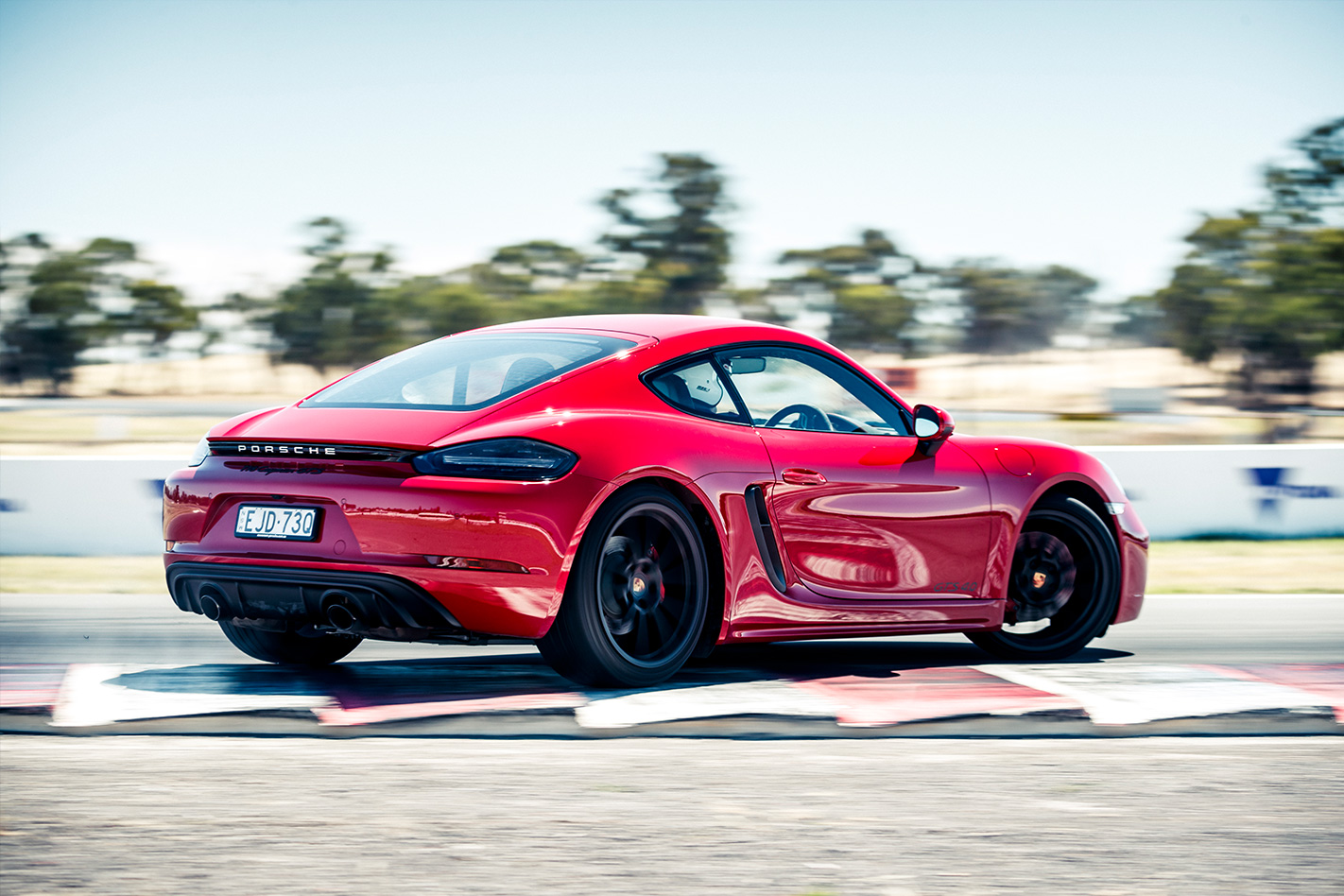
Turns 11 and 12
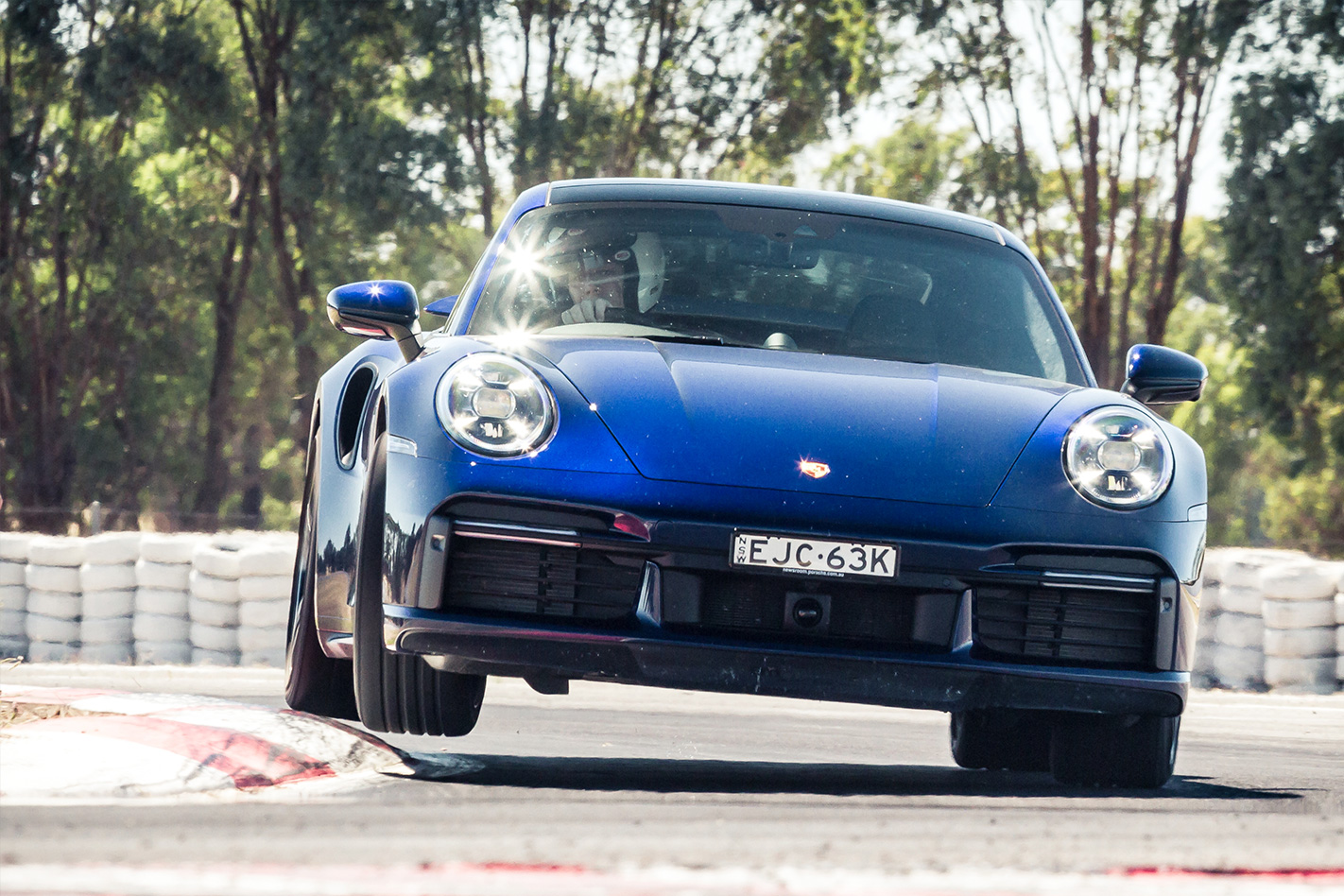
The entry to 11 is critical. It appears to be another simple 90-degree turn, but the thing that makes it difficult is making sure you slow things down enough on the entry as it’s actually quite bumpy under brakes – providing quite the challenge. It’s really easy to come in too hot and push wide at the exit and run over the pit entry lane. This has the flow-on effect of compromising your line into and out of Turn 12, which will hurt lap times significantly. Stay off the inside kerb at both 11 and 12. Braking, rotation, and power down while running to the outside of the track at 12 is imperative for your run down the front straight. The earlier you can get to full throttle the quicker you are down the front straight to generate good times.
MOTOR tip
The kerbs at Turn 10 are a hidden secret to nailing the last portion of the lap. You can be aggressive with the exit, taking as much as you dare. However, the inside kerb should be avoided, as all it tends to do is bounce the car and extends the time it takes for it to settle before you can get back on the accelerator.
Head in the clouds, tyres on the tarmac
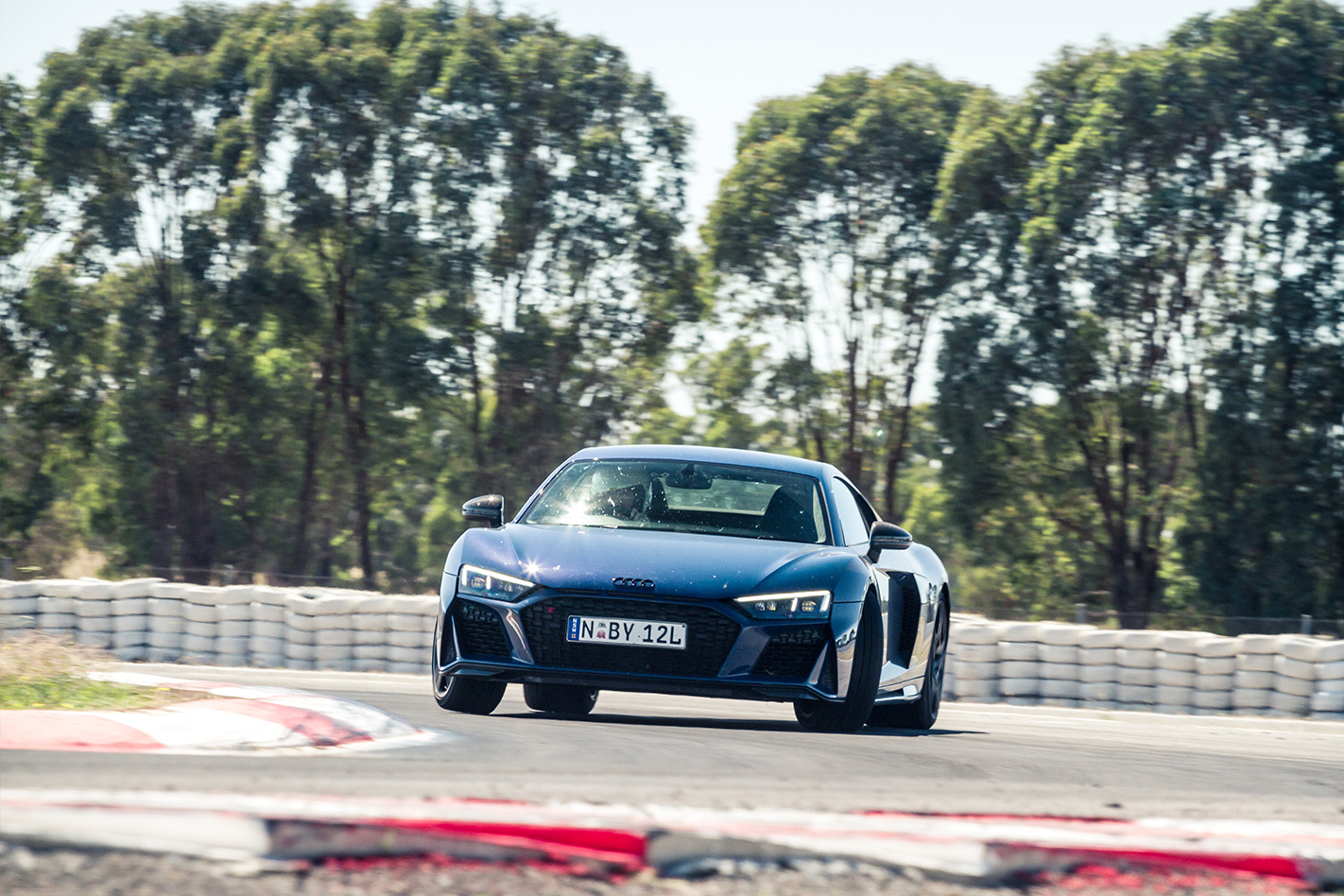
Before you go bragging to your mates, it’s good to know if you’ve done well
Due to its compact and relatively flat design, there isn’t really a bad spot to watch on-track action at Winton. The turn one-two chicane, and the inside of turn 10 are likely to see the most action. You can camp at major events like Supercars for the most authentic race experience.
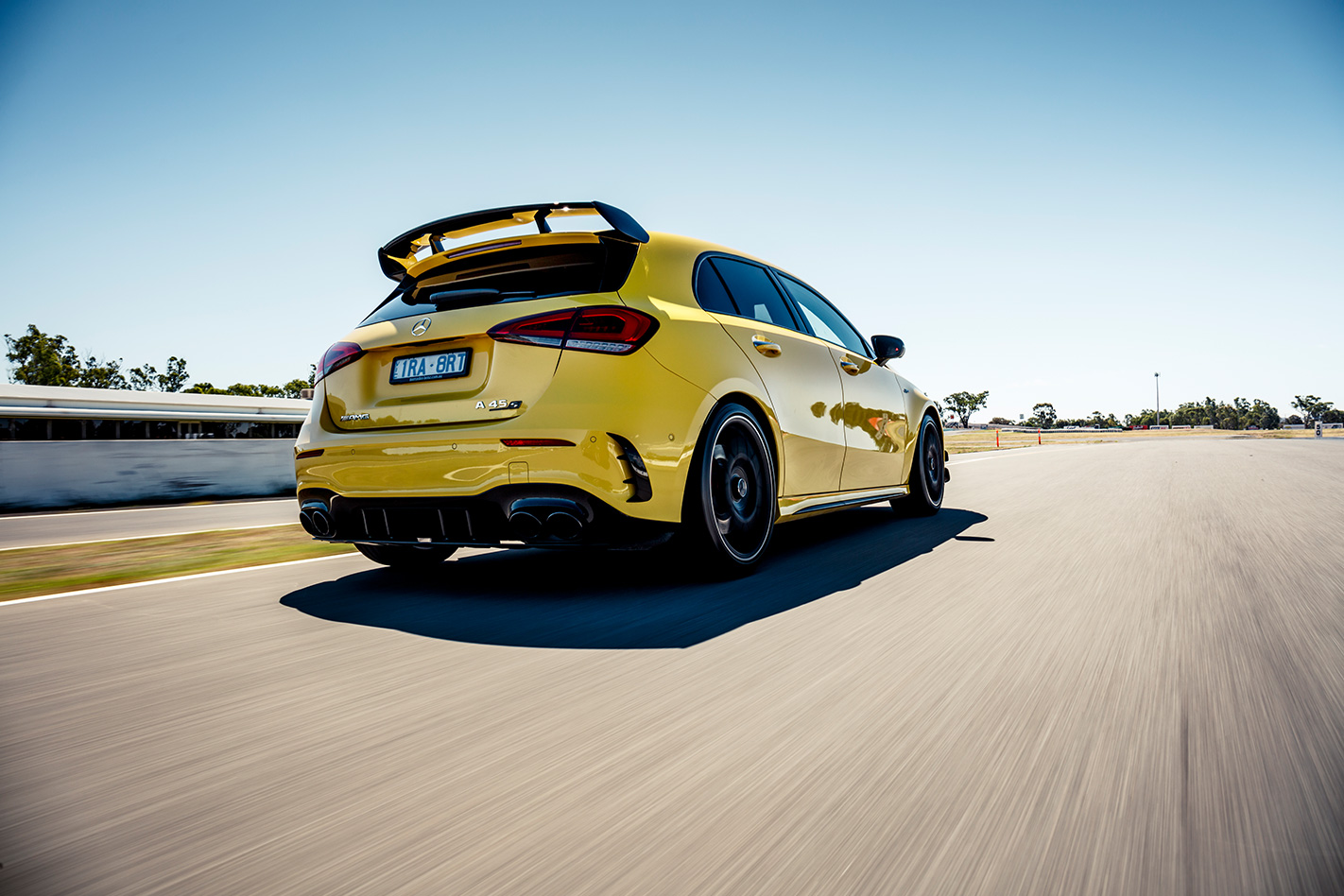
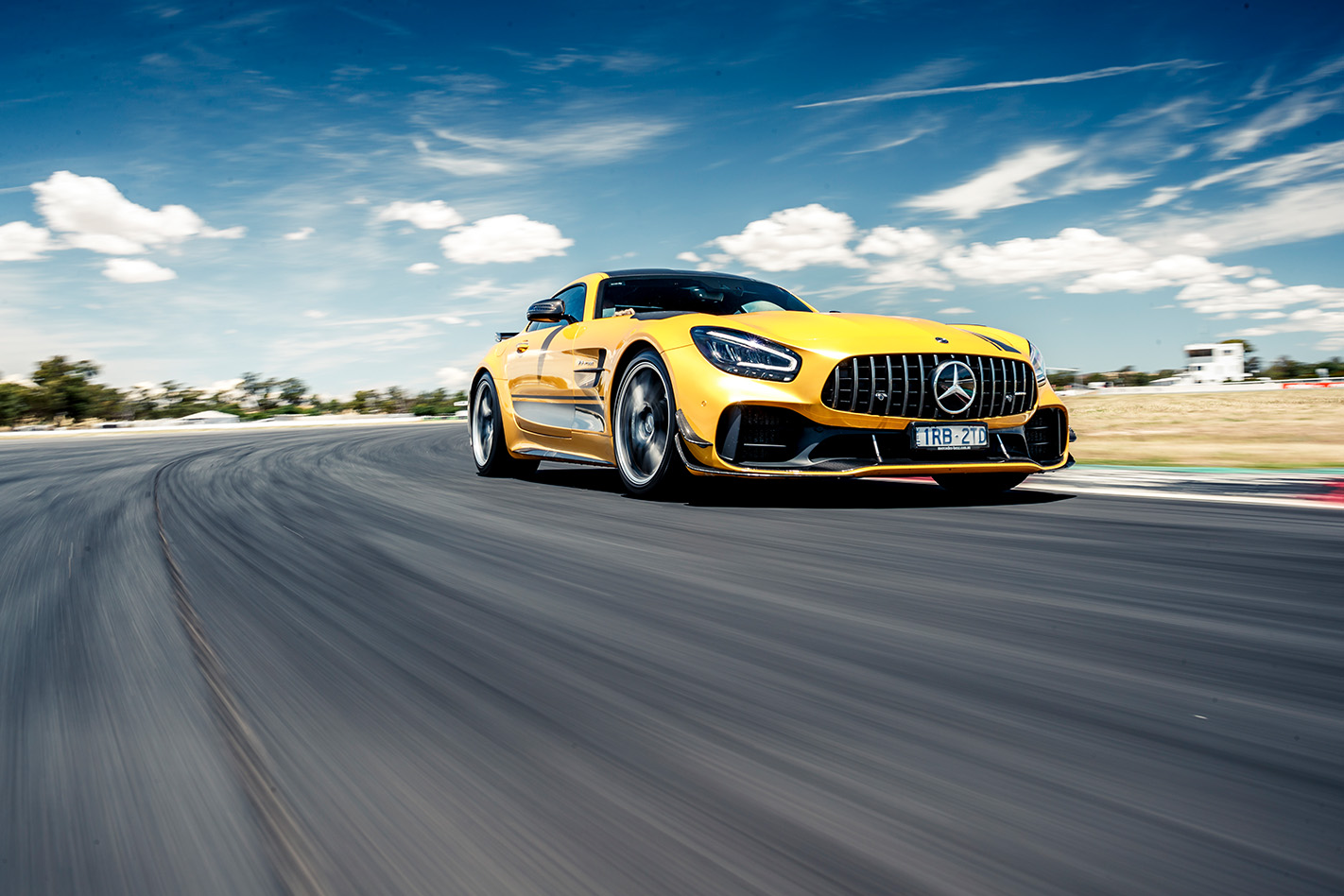
When taking your own car to the track, it’s important to build your pace progressively toward a sensible goal. The fastest supercars will be doing well to lap below the 1:30 bracket, while most sportscars should be dipping well under 1:40 at their fastest. Front-drive hot hatches can be proud of a lap less than 1:50, with all-wheel drive monsters like the A45 S harassing sports cars. The short straights mean you’ll most likely need a three-digit kilowatt figure starting with four to crack 200km/h before turn one. For the curious, the Supercars lap record is a brisk 1:19.7.
If you can’t get to the track in person, or want to get some virtual practice in, Winton has been laser scanned and will be added to sim-racing service iRacing in 2022.
Off the clock
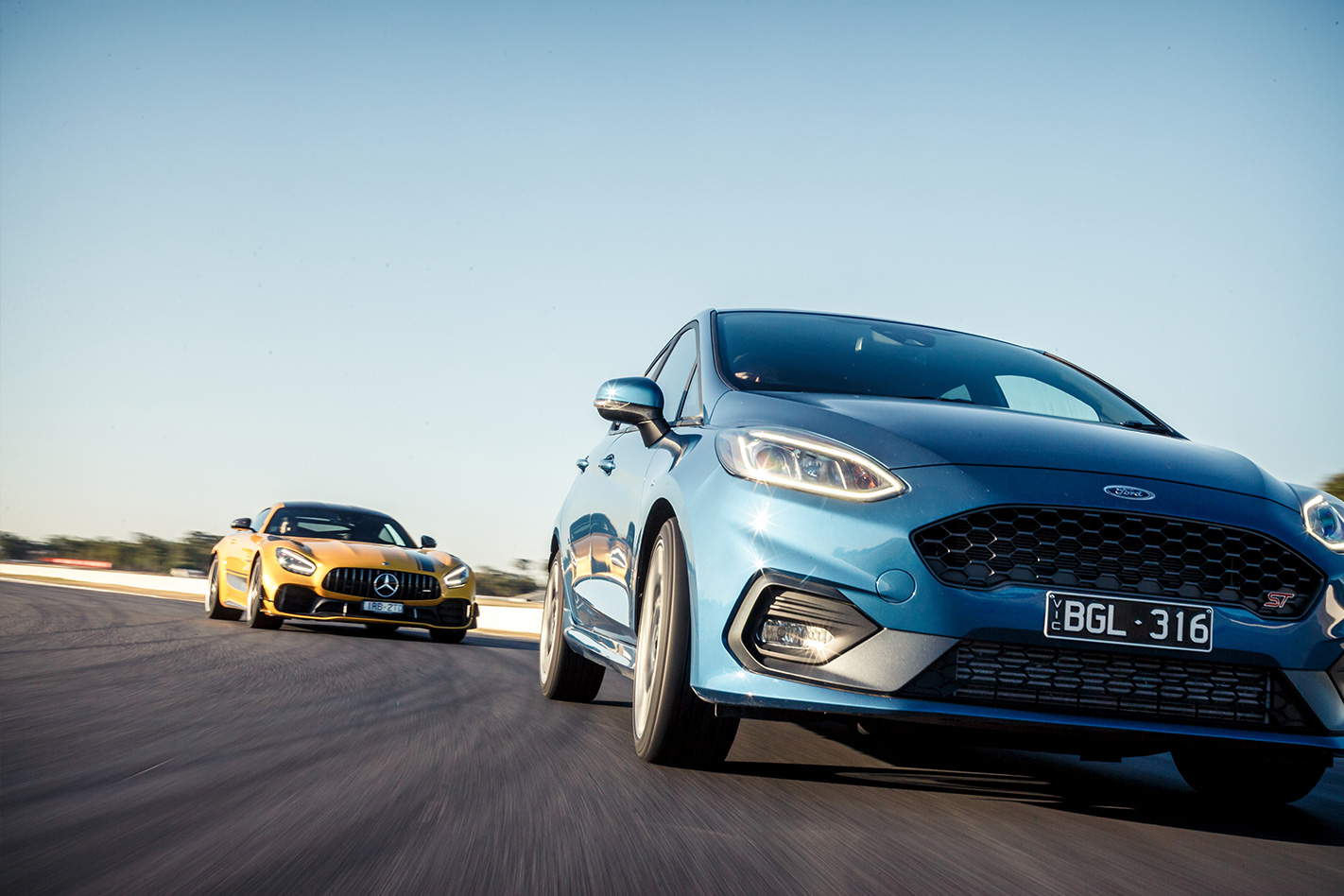
It’s not all about cutting lap times at Winton. Drift Cadet utilises an expansive skid pan to teach you how to slide like Takumi. You don’t need to supply a vehicle and can hone your car control skills with tutelage from pros. Ace.
Who runs track days at Winton Raceway?
Winton Raceway key info
| Number of corners: | 12 |
|---|---|
| Track length: | 3.0km |
| Lap record: | 1:14.3058 u2013 John Magro, Dallara F311, Formula 3 Championship, 2019 |
| Lap record average speed: | 158km/h |
| Address: | 41 Fox St, Winton VIC 3673 |
| Phone: | (03) 5760 7100 |
| Opened: | November 1961 |
| Owner: | Benalla Auto Club |
| Distance from Melbourne CBD: | 213km (2hrs 28min) |
Luxury brand Lexus has taken a minor deviation from its usual product line by launching an off-road buggy, powered by a hydrogen engine.
Dubbed the Recreational Off-Highway Vehicle (ROV), it’s essentially a Utility Terrain Vehicle with a bit of Lexus styling, although it’s unclear if Toyota’s luxury brand will make the concept a reality.
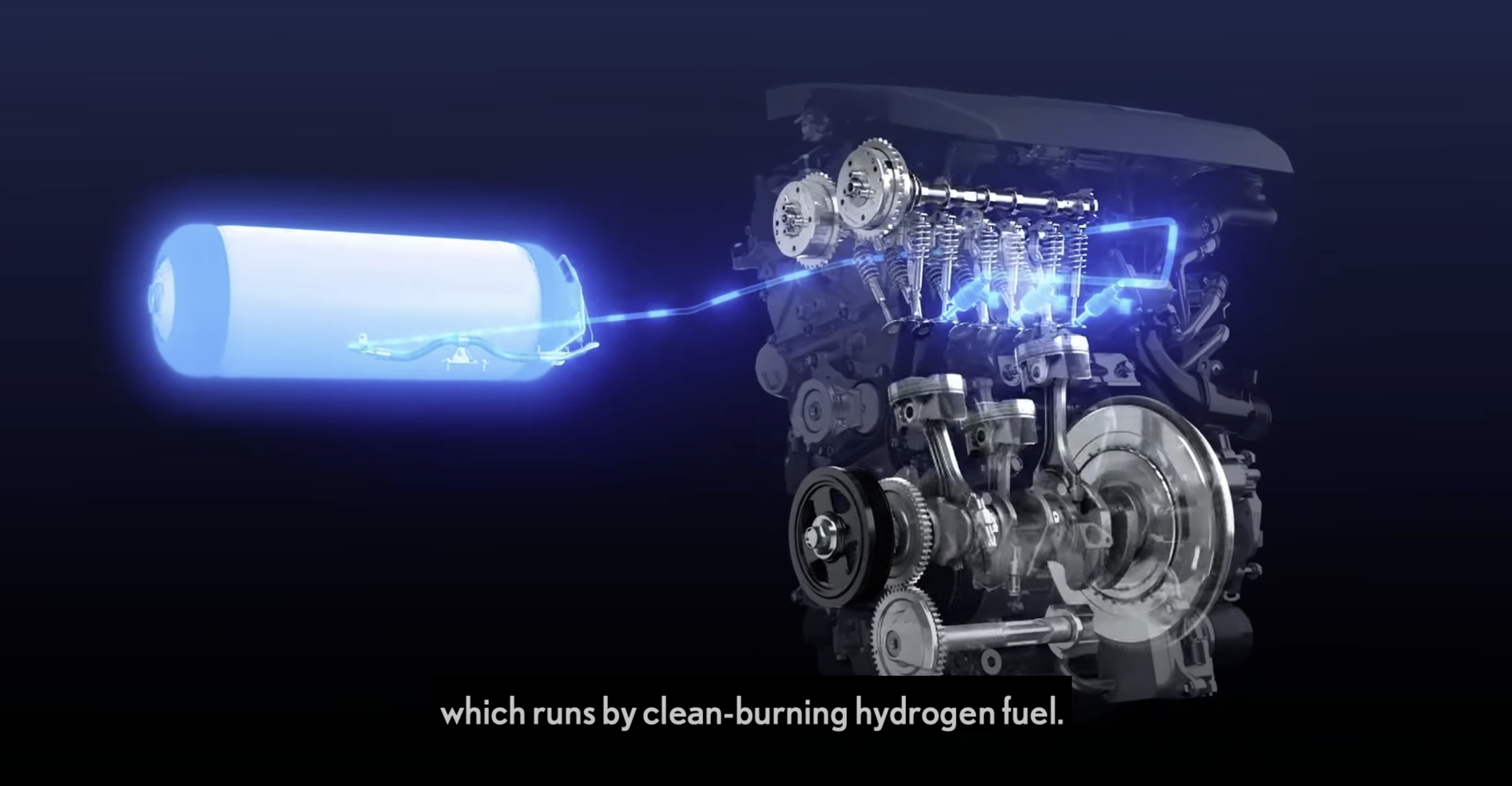
Unlike other hydrogen vehicles such as the Toyota Mirai, the ROV doesn’t use a fuel-cell and electric motor to deliver its power, rather an internal combustion engine which has been modified to run on hydrogen instead of fossil fuels.

Toyota has used this technology before, modifying the GR Yaris’s three-cylinder turbo engine and fitting it to a Corolla, raced in a 24-hour event at the Toyota-owned Fuji Speedway.
While it’s unlikely the full-fat GR Yaris engine and all-wheel drive underpinnings would be utilised in the ROV, we can only imagine the kind of off-road madness which could be achieved in a buggy with the 225kW three-pot.
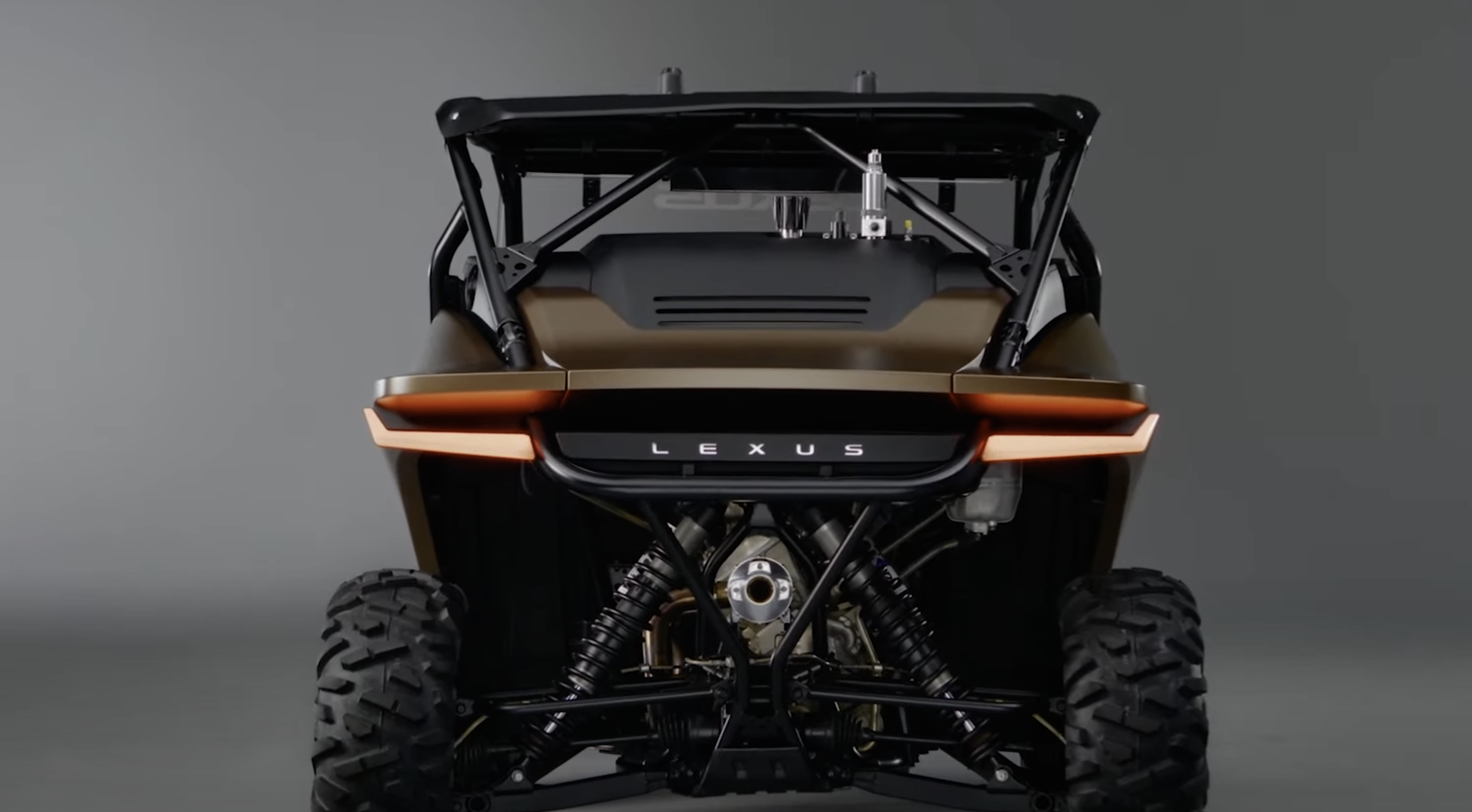
Featuring LED headlights at the front and a similar design at the rear, the ROV has all the hallmarks of an off-road vehicle with its exposed suspension and lack of a windscreen, completed with knobbly tyres to dig into the dirt.
Finished in a dark matte bronze, it would be cool to see this make it into production – although whether Lexus owners would be interested in such a vehicle remains to be seen.
Snapshot
- Last Aus-delivered GT-R shipment spotted in Brisbane
- Handful of T-Spec and NISMO SV variants in millennium jade and midnight purple
- Around 50 cars landed in total
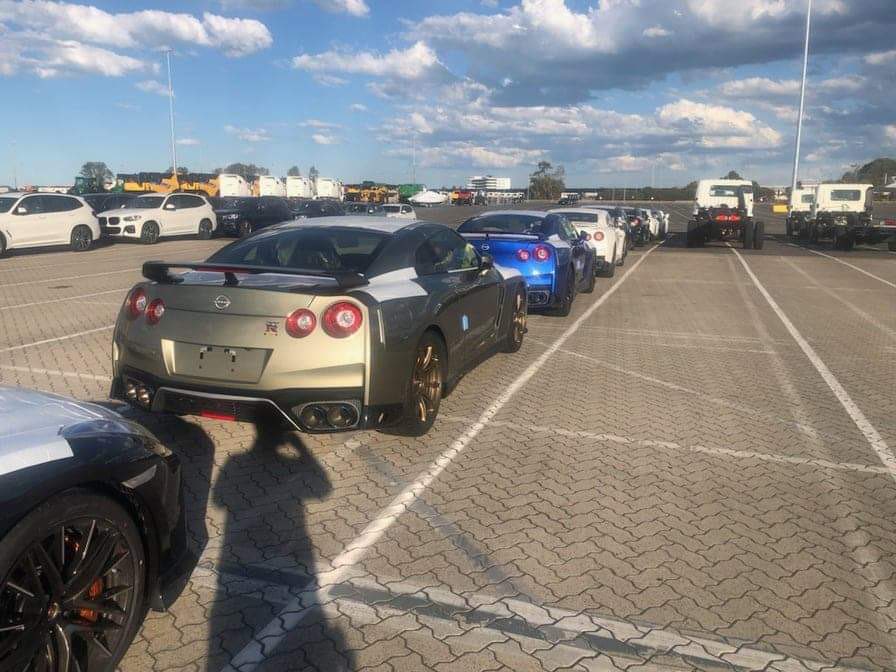
The end of the road for the Nissan GT-R in Australia is coming up fast – with 48 units just spotted at the Port of Brisbane, set for distribution across the country.
After the GT-R was confirmed to be killed off by the end of this month due to the introduction of the new Australian Design Rules 85 regulation (ADR 85), the local arm of the Japanese manufacturer said it would import the new T-Spec and NISMO SV limited editions to end Godzilla’s lifecycle.
Thanks to enthusiast page GTR-Registry, photos have been submitted of what is expected to be the GT-R’s final shipment into Australia, with just under 50 cars arriving in Brisbane.
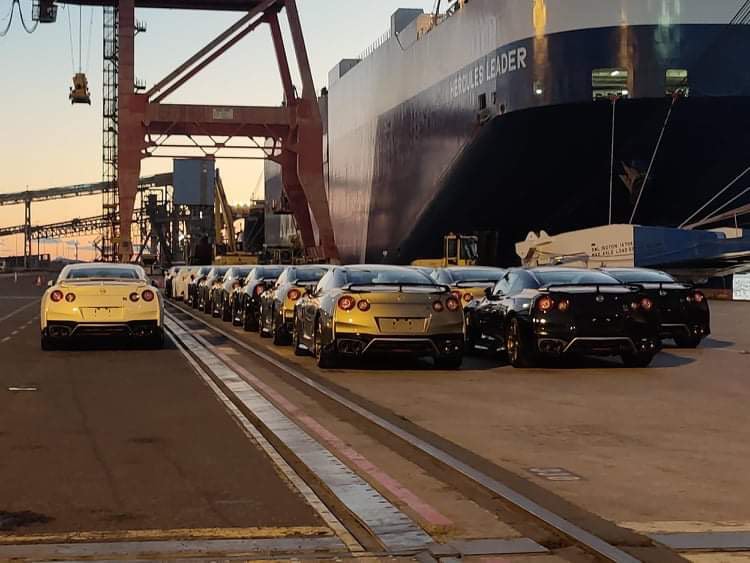
According to the Facebook post, 10 vehicles will be sent to Sydney, 30 to Melbourne and eight will remain in the Sunshine State – although a breakdown on which specs and colour would end up where was not provided.
Nissan Australia had previously told MOTOR it expected roughly 50 T-Spec vehicles would be arriving this month ahead of the October 31 cut-off date to comply with ADR 85, with Australian buyers luckily not having to sacrifice any features available on Japanese-spec models.
With the launch of the T-Spec and NISMO SV, the limited edition variants were released at a hefty premium over the existing GT-R range, retailing for $256,700 and $393,800 respectively before on-road costs.
“Akio might be finally getting what he wants,” writes Angus Mackenzie in our newest cover story, referencing the GR Corolla as another tally for Toyota on the ‘no more boring cars’ board.
Really, it’s what we all want. A company with the resources at hand to create effectively whatever it wants should build cars for all sorts, and that’s why it’s on the cover of the November issue of Wheels.
We’ve had confirmation from sources it’s coming in late 2022 or early 2023, and all the details are accompanied by our artist’s impression of what we’re expecting the Corolla to look like.
But that’s not all you’ll see in the new issue.
The details surrounding the electrification of Porsche’s 718 Cayman leads our news section, with Ranger EV, Audi’s plush sedan future, and a thinning entry-point to Australia’s new car market also in focus.
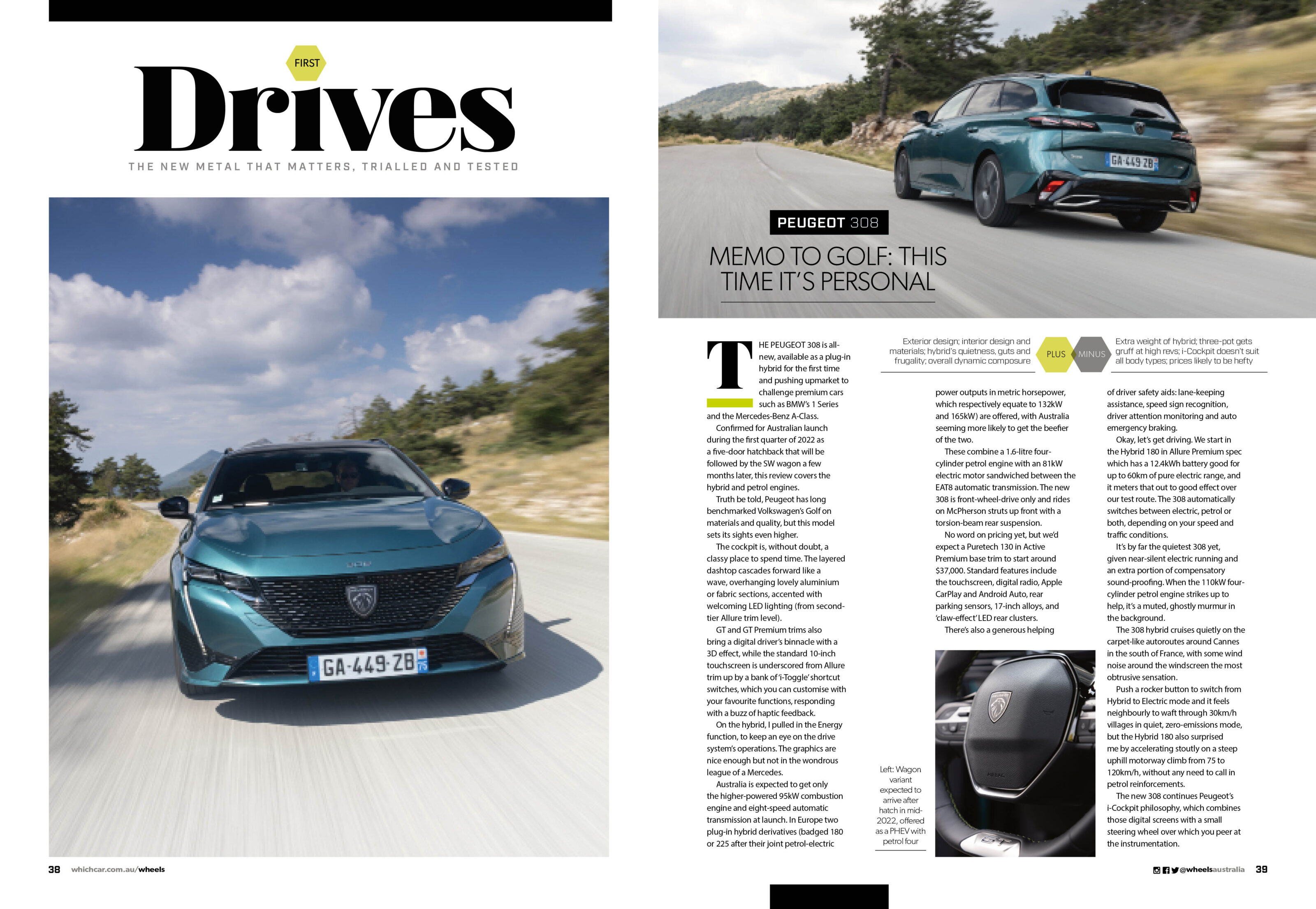
The Peugeot 308 Hybrid finds itself at the front of our Drives section, followed by the likes of the Mercedes G400d, Porsche 911 GTS, and Renault’s new-to-Aus Arkana. An international cruise in the yet-to-be revealed Skoda Enyaq Coupe also features.
One of Mazda’s most important models, the NA MX-5, stars as our Modern Classic for this month. The beginning of a model run that would go on to claim three COTY gongs (NA, NC, and ND) remains a benchmark sports car, and its story is told in magnificent detail here.
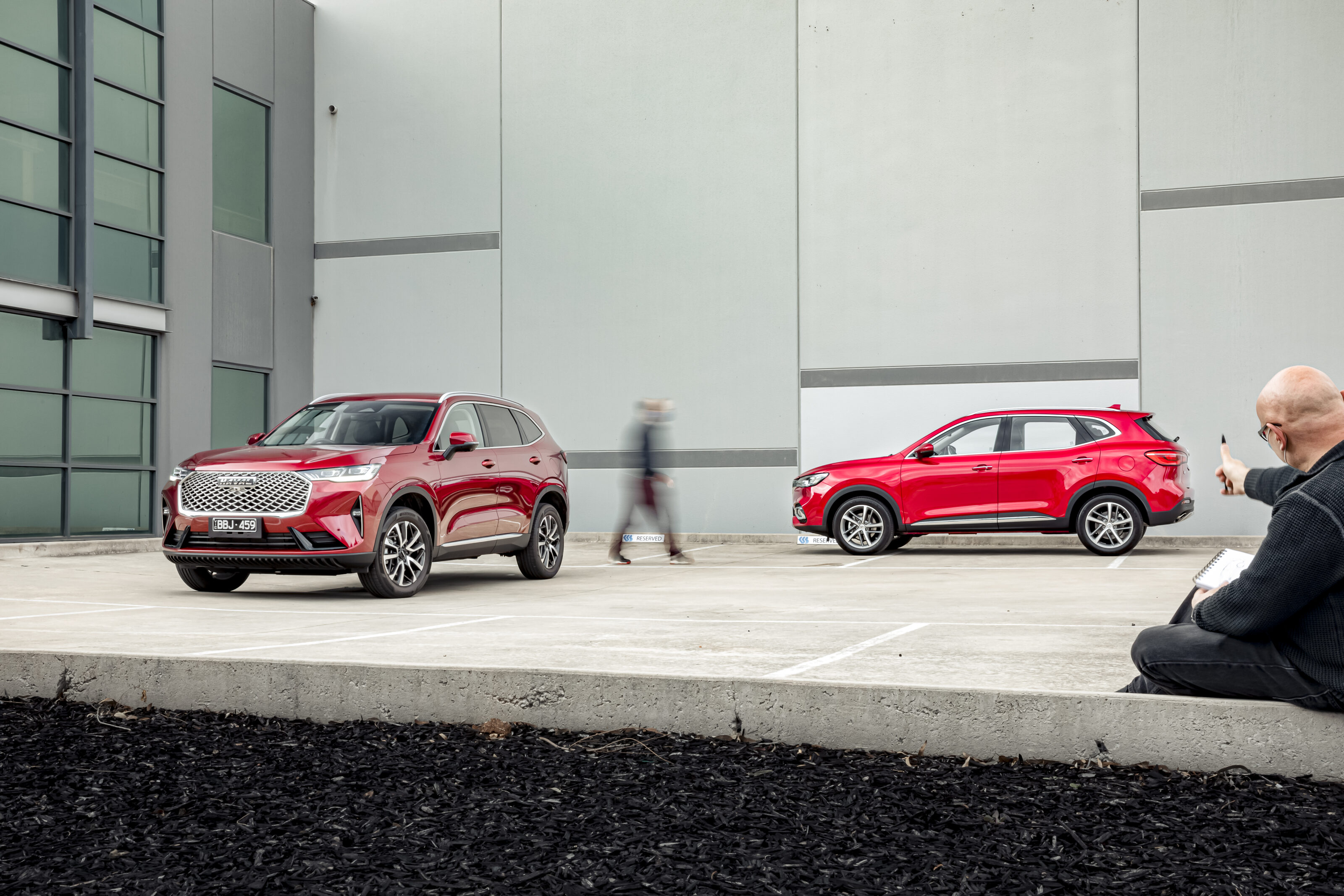
One of our COTY 2021 judges also makes his return to the features section of Wheels, as former Holden design director Richard Ferlazzo assists us in determining the design and build quality of two increasingly popular Chinese imports: the MG HS and Haval H6.
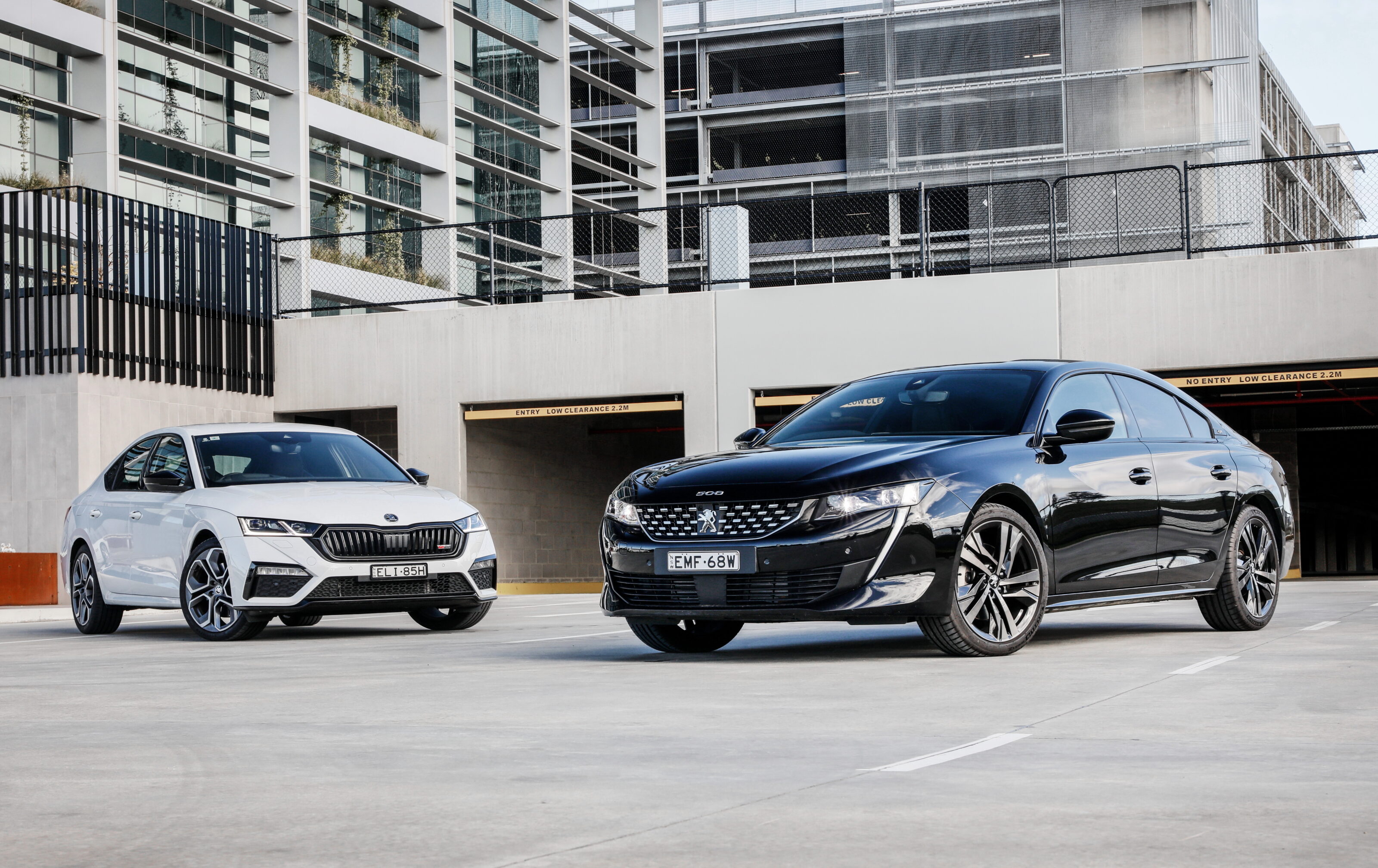
In our other comparisons for this month, Skoda’s Octavia RS and the Peugeot 508 GT go head to head as left-of-centre sedans with sporting intentions. Closer to Earth are the Citroen C3 and Toyota Yaris, both battling to be the sub-$30k compacts that win your wallet.
Two people from Mercedes are featured in this month’s issue: George Russell, the F1 young gun set to keep Hamilton on his toes, and Jochen Hermann, the former aerospace engineer tasked with bringing EV excitement to the AMG family.
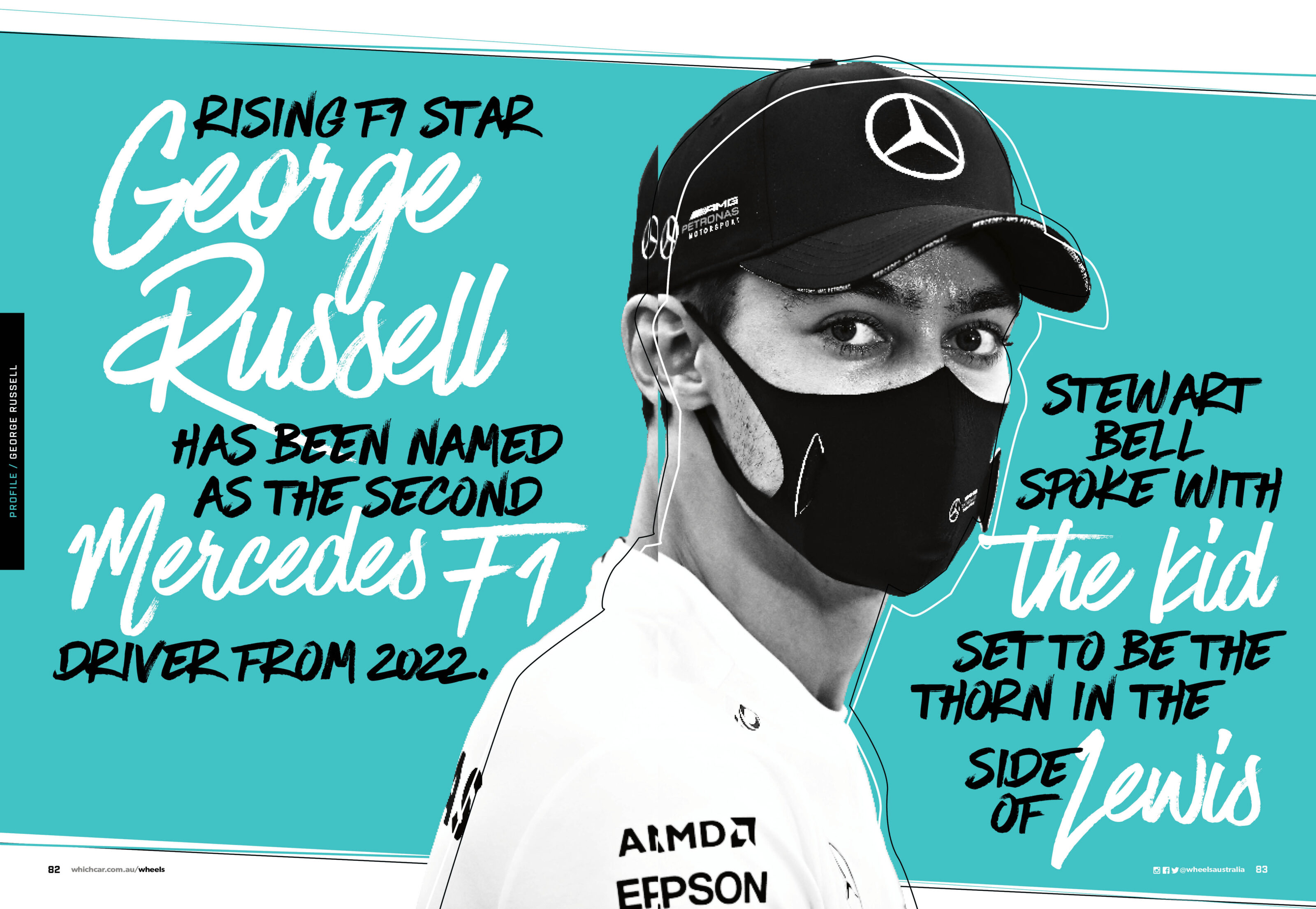
You can grab a subscription to Wheels to get future magazines delivered to your door before they’re on shelves, or find a copy at the shops, servos, or newsagents!
Oh, and while you’re here, pop us a follow on:
- Facebook to keep up to date,
- Instagram to get a behind-the-scenes peek,
- Twitter to follow the conversation,
- and YouTube to cop two new review videos each week!
Snapshot
- Porsche Australia has sold 445 Taycans so far this year
- Combined Boxster and Cayman sales sit at 213
- SUV models still make up a majority of brand’s sales
The Porsche Taycan has proven itself as a popular addition to the brand’s model range, having surpassed the sales figures of the manufacturer’s sports cars in its first year alone.
Introduced to the Australian market at the beginning of 2021, the Taycan came as Porsche’s first fully-electric offering, built on the J1 platform also underpinning the Audi E-Tron GT.
To the end of the year’s third quarter, the Taycan has amassed 445 sales in Australia, sitting ahead of the new 992-generation 911, as well as the 718-generation Boxster and Cayman.
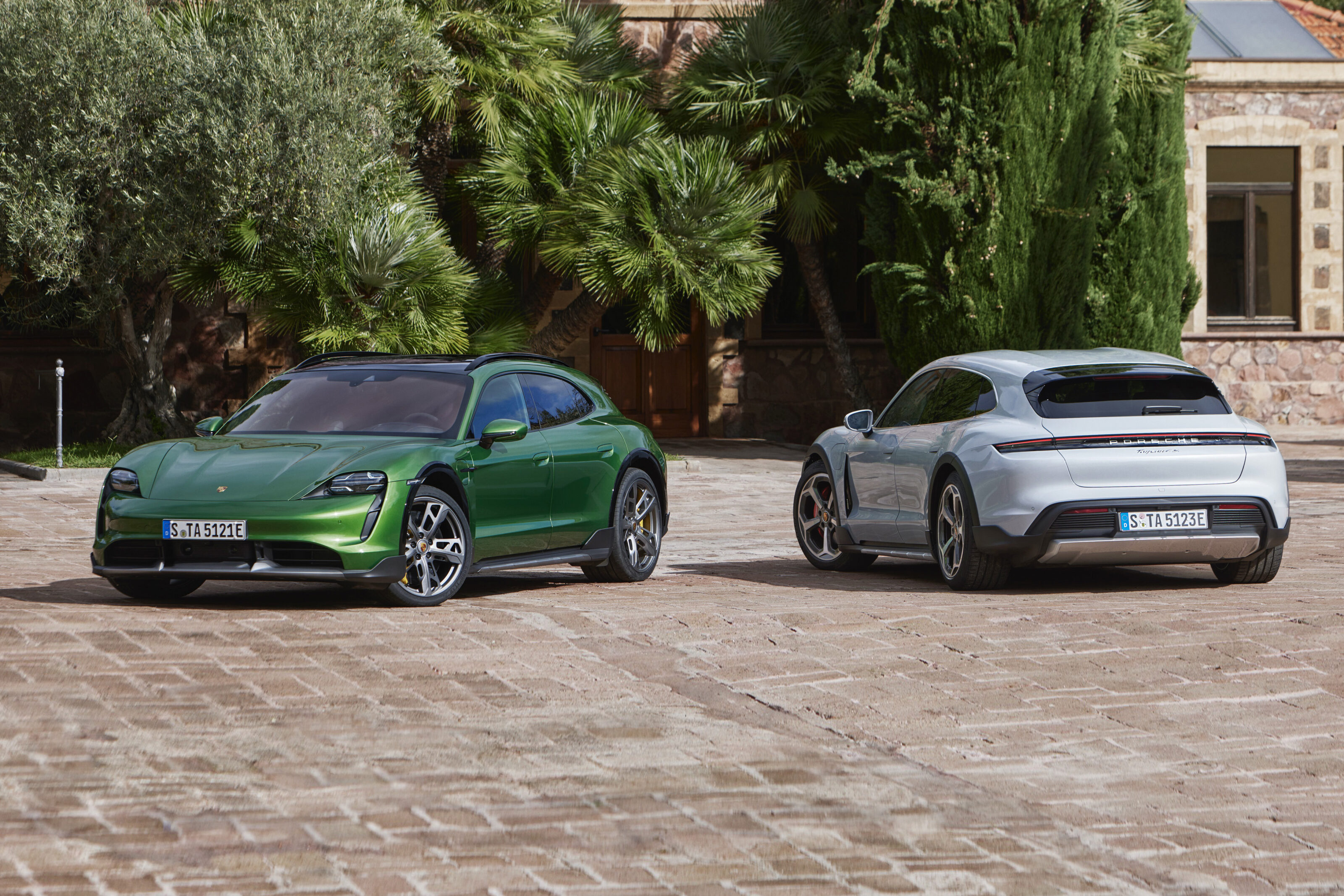
Sales of the 911 are currently down slightly on the same point last year, with 316 units sold so far in 2021 compared to 330 12 months ago – although 2020 was a tough year for the industry as a whole as just 431 911s were registered, a drop of 73 from the year prior.
Combined sales of the 718 Boxster and Cayman have increased this year, up from 184 at the end of September 2020 to 213 as of the end of last month – led by the two-door coupe Cayman (130 units vs 83 units).
As expected, the SUV offerings from Porsche still lead the manufacturer’s sales charge, headed up by the Macan on 1724 units with the Cayenne Coupe and Wagon combining for 706 shifted – however individually they have recorded a lower volume of sales than the Taycan.
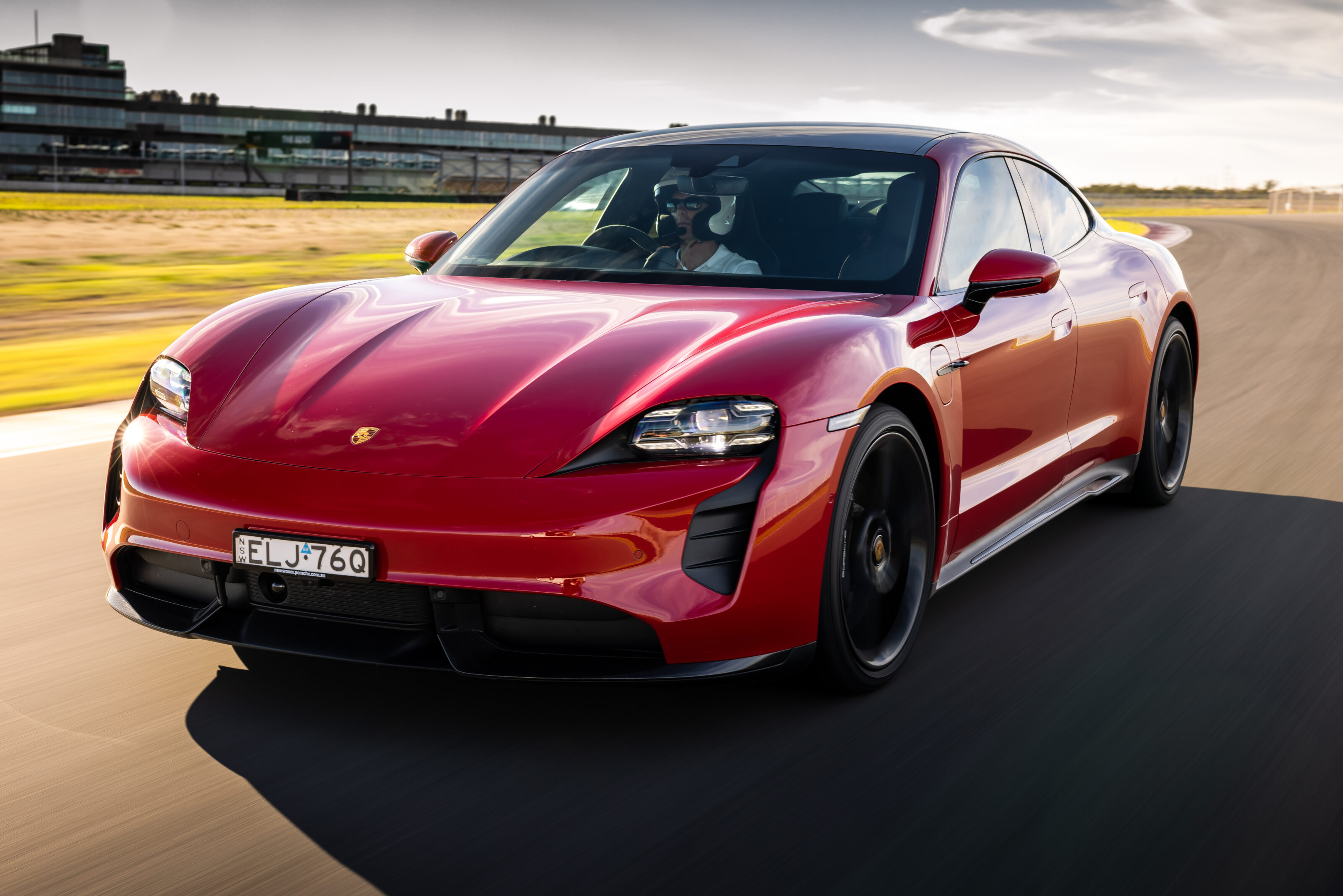
A spokesperson for Porsche Australia told MOTOR the mid-range 4S is the most popular variant of the Taycan range so far, as the local arm contributes to the 28,640 total sales of the EV recorded in 2021.
“We are pleased that Taycan has generated passion and excitement among Porsche enthusiasts, and indeed many new to Porsche, in since its arrival in Australia from early 2021,” said the spokesperson.
“We look forward to delivering more Taycan models to owners, with the Taycan Cross Turismo now available in Porsche Centres around Australia, and the rear-wheel-drive variant in Australia from early 2022.”
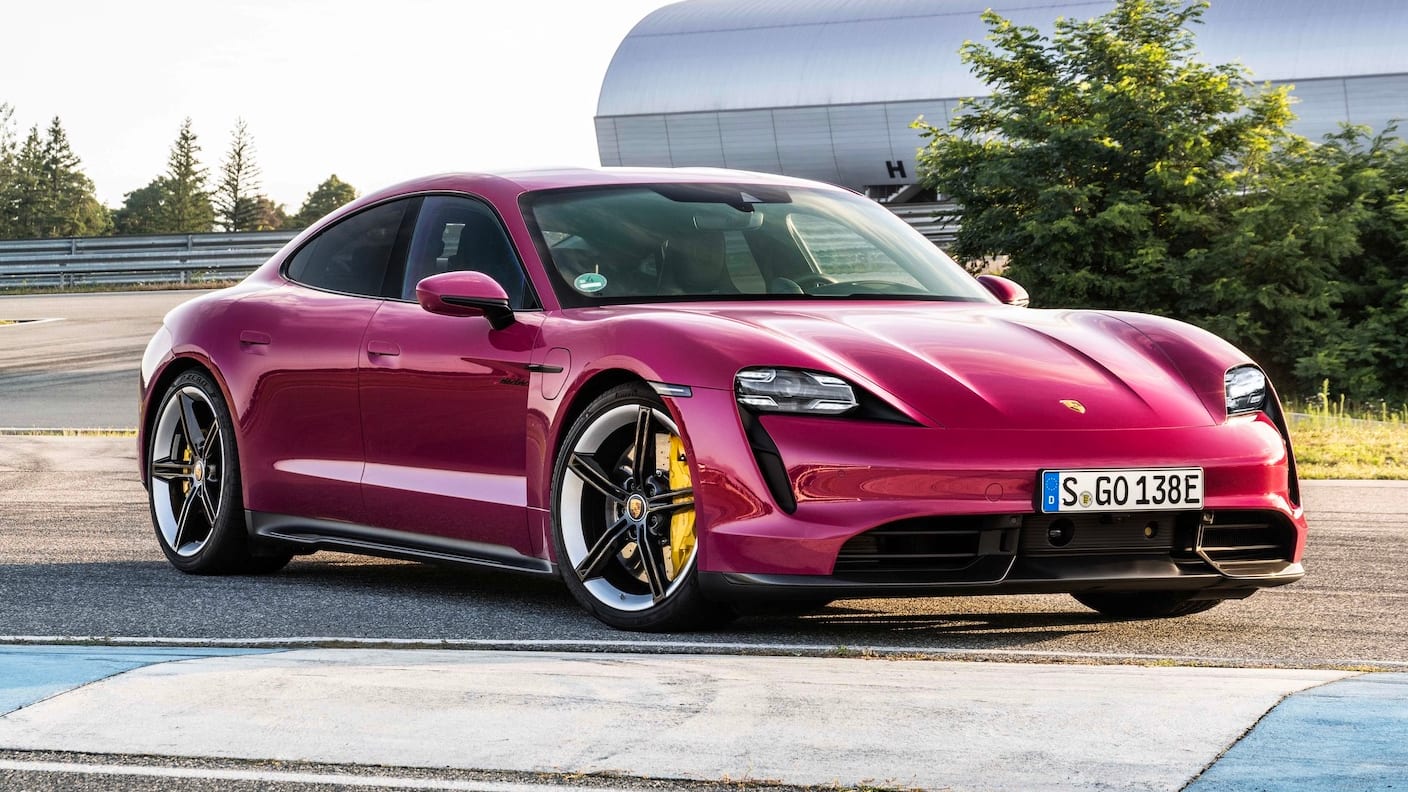
With the Taycan line-up starting at $156,300 before on-road costs for the rear-wheel-drive four-door, it is more expensive than the cheapest Cayman and Boxster ($113,000 and $115,800 respectively) but significantly cheaper than the “entry-level” 911, as the Carrera automatic starts at $236,000.
Porsche recently released its updated 2022 Taycan, which now features the latest generation of the manufacturer’s infotainment system, a range of new colours and increased driving range thanks to a software update for its electric motors.
