
Beyond a basic first aid course I attended in 2003 and a talent for extracting particularly stubborn blackheads, I have no official medical qualifications. But despite this, I feel quite confident that I could perform a respectable angioplasty and it’s all thanks to a Ford Escort. The car in question was an early Mk2 belonging to a college friend who was looking for maximum power on a typical minimal student budget. A deal was struck in which I would agree to flow the cylinder head in return for a dangerous amount of home-brew. Little did my mate know that if he simply cut out the middle man and pumped the 550 per cent proof moonshine into the Escort tank he would unleash more power than he could imagine. Nonetheless I got to work.
If you peer into the inlet or exhaust tracts of an unmodified Ford Crossflow cylinder head you’ll see more meat than the Australian Butcher’s Guild nude calendar. It’s like Ford was deliberately trying to make its 1.6-litre four-cylinder asthmatic but the somewhat crude design makes it very easy for some fast gains. After a few hours hacking out the ports like the ventral plaque of a cheeseburger enthusiast and the addition of a basic air filter and exhaust upgrade, the Escort had about 10hp more to its name – a very respectable 12 per cent power increase.
Whether you’re looking for extra power or improved fuel economy, developing better engines mostly comes down to the maximisation of volumetric and thermal efficiency. Improved volumetric efficiency gets more air (and therefore fuel) in, while more thermally efficient engines make better use of the energy liberated in each drop of fuel.
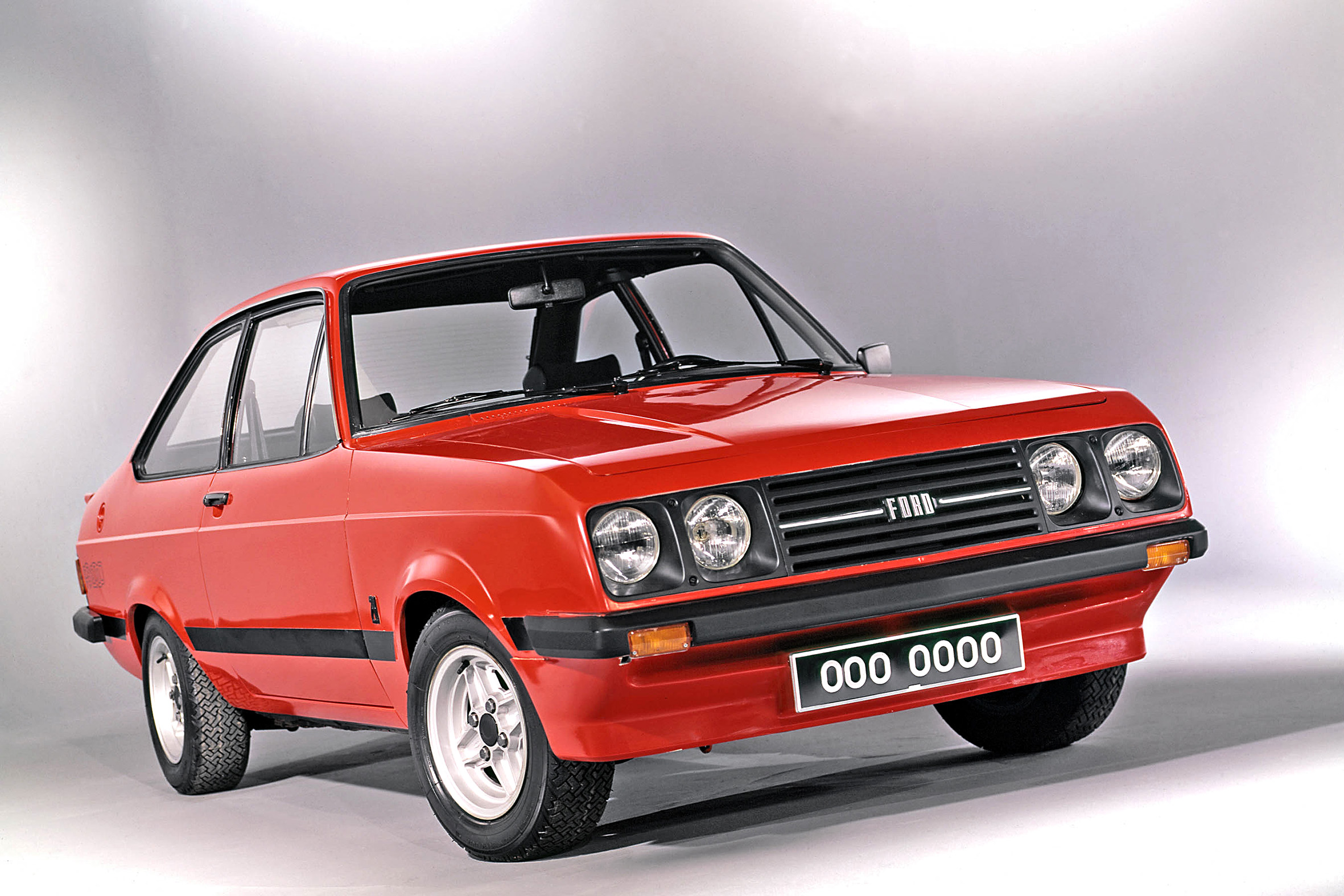
Take, for example that Ford Kent Crossflow of the 1970s. It used 1.6 litres of displacement to produce 63kW (pre Gardner Racing mods) but, through a series of evolutionary improvements, engine efficiency has advanced remarkably. The 1.6-litre you’ll find under the bonnet of the Toyota GR Yaris makes 200kW. An F1 car with the same capacity will blow the dynamometer with 745kW.
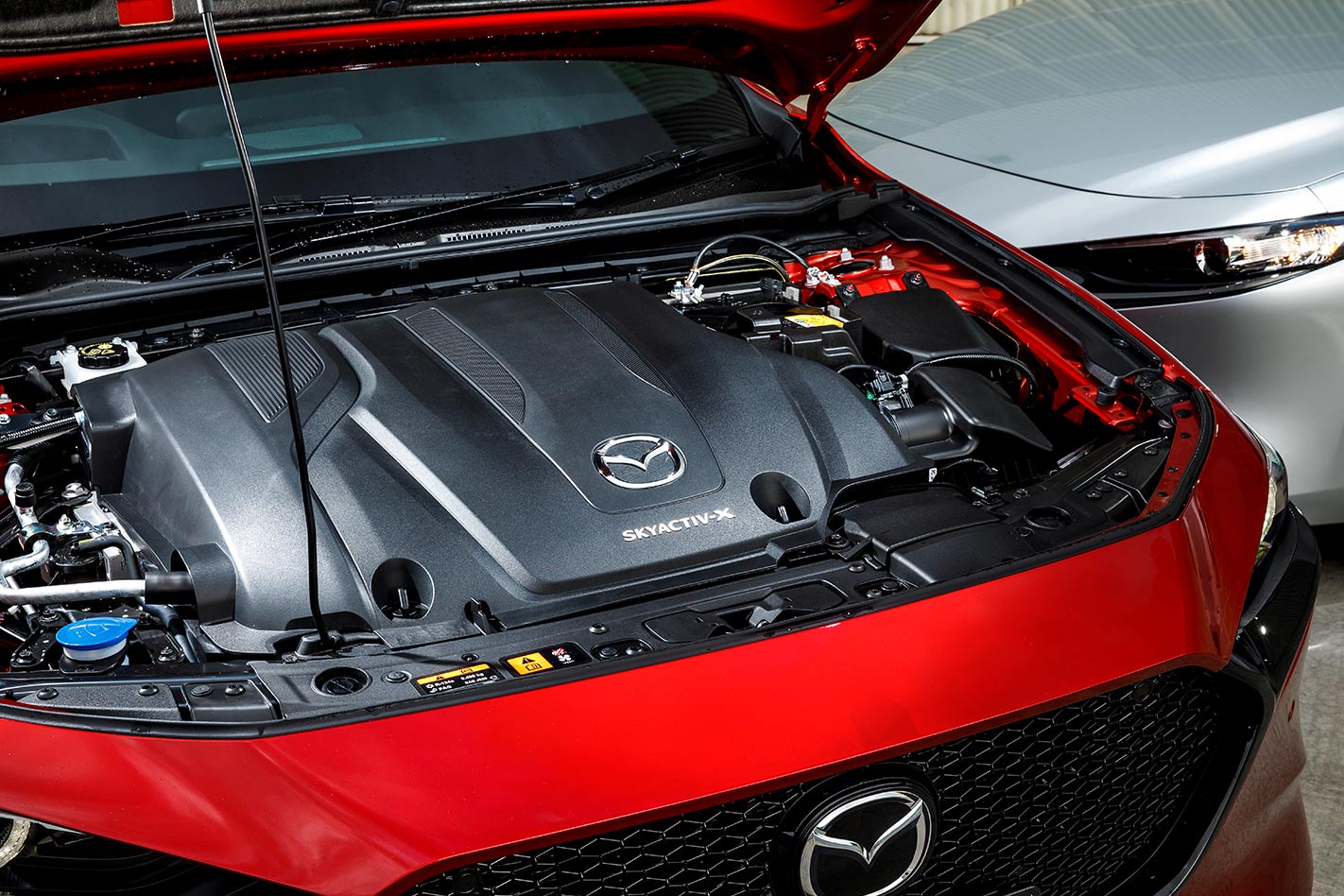
But we’re now levelling off that particular curve. Today’s performance and efficiency improvements are incrementally smaller. Recently, Mazda introduced its Skyactiv-X engine. The heavily developed and refined engine uses a brilliant idea to enable the petrol engine to run as a spark-ignition engine under some circumstances but, when the conditions allow, it switches to a compression ignition cycle more like a diesel powerplant.
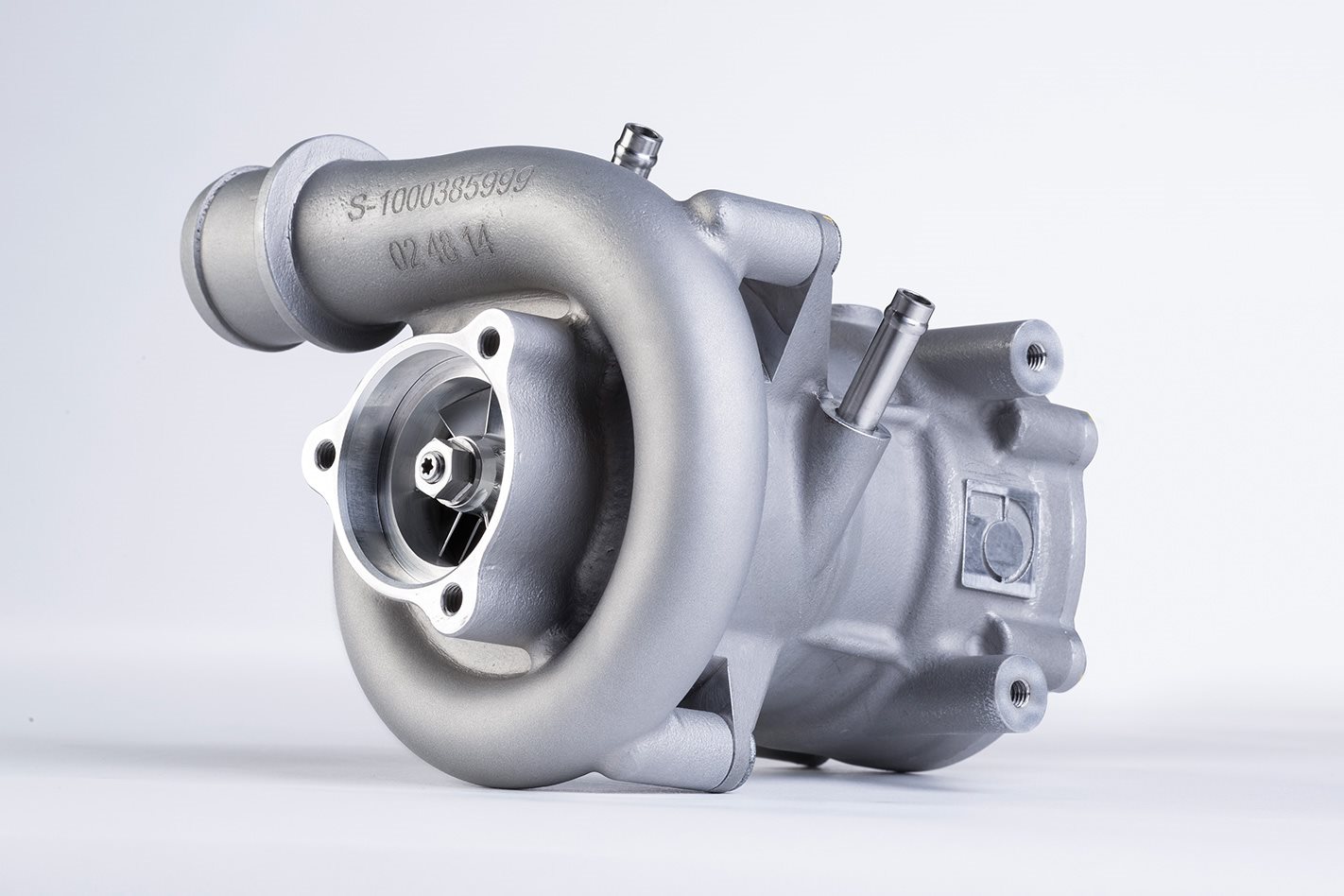
Other manufacturers like Jaguar/Land Rover, Audi and Mercedes are turning to complex compound supercharging that enlists a conventional turbocharger along with an electric supercharger to wring the most out of a combustion unit, with hybrid electric technology to iron out any wrinkles in the torque curve.
But while these cutting-edge innovations boost power and efficiency of a fundamental combustion engine principle, the proportional gains are minute compared with the performance and efficiency improvement I managed for the Escort engine with an air die-grinder in one hand and a homebrew in the other.
Continuously developing the efficiency and power of petrol and diesel engines is hard but, engineering challenges aside, presenting the business case for internal combustion as the best solution for vehicle propulsion is harder due to a simpler problem.
Petrol and diesel has a finite energy value and there are only so much that can be blasted out of each drop of fuel. For petrol it’s 33.7 megajoules per litre, diesel does better with 36.9MJ/L. But even the most advanced and efficient engines are surprisingly wasteful. Even with hybrid technology and the world’s most advanced hybrid turbos, the current F1 engines are only 50 per cent thermally efficient. A very efficient road car engine manages around 40 per cent, so more than half of the energy in every litre of fuel burnt is wasted, with little chance of radical change before the inevitable end of cars that are moved by pistons and cylinders. By way of comparison, EVs are around 60 per cent efficient at converting even coal-fired power to the wheels.
That’s why, much as it pains me to write it, the internal combustion engine is doomed. Aside from increasingly strict emissions legislation, a simple chemical and technological truth is consigning our cars to an inevitably electric future.
Snapshot
- 2021 Mercedes-Benz S450 recalled
- The issue can cause the SOS call system to malfunction
- A total of 257 vehicles are included in the recall
Mercedes-Benz Australia has recalled a total of 257 examples of the 2021 S450 due to a potential issue with the car’s SOS call system.
According to a recall notice published by the Department of Infrastructure, a software issue means the system – which is designed to allow occupants to contact emergency services either automatically or manually – may not allow a connection.
In certain circumstances it could mean police, fire, or ambulance services may be delayed in the event of an accident – without the car’s occupants being aware.
Mercedes-Benz will contact affected owners, but the company can be contacted directly by calling 1300 300 896 or visiting a dealership, found here.
You can check a list of all 257 VINs related to the recall by clicking here.
One of the most successful teams in Formula One’s history has committed to becoming ‘climate positive’ by 2030 – the first such target from any mainstream motorsport competitor.
Williams Racing has launched its Sustainability Strategy in the hopes of taking steps to become the sport’s first climate positive team. As part of this it will focus on climate action, biodiversity stewardship, sustainable innovation, industry access for all and purpose driven leadership.
As opposed to a climate or carbon neutral target, where the aim is to offset a company’s emissions, the climate positive/carbon negative ambition means Williams will be actively removing carbon dioxide from the atmosphere – above the levels required to totally offset its CO2 usage, resulting in a overall net reduction in CO2.
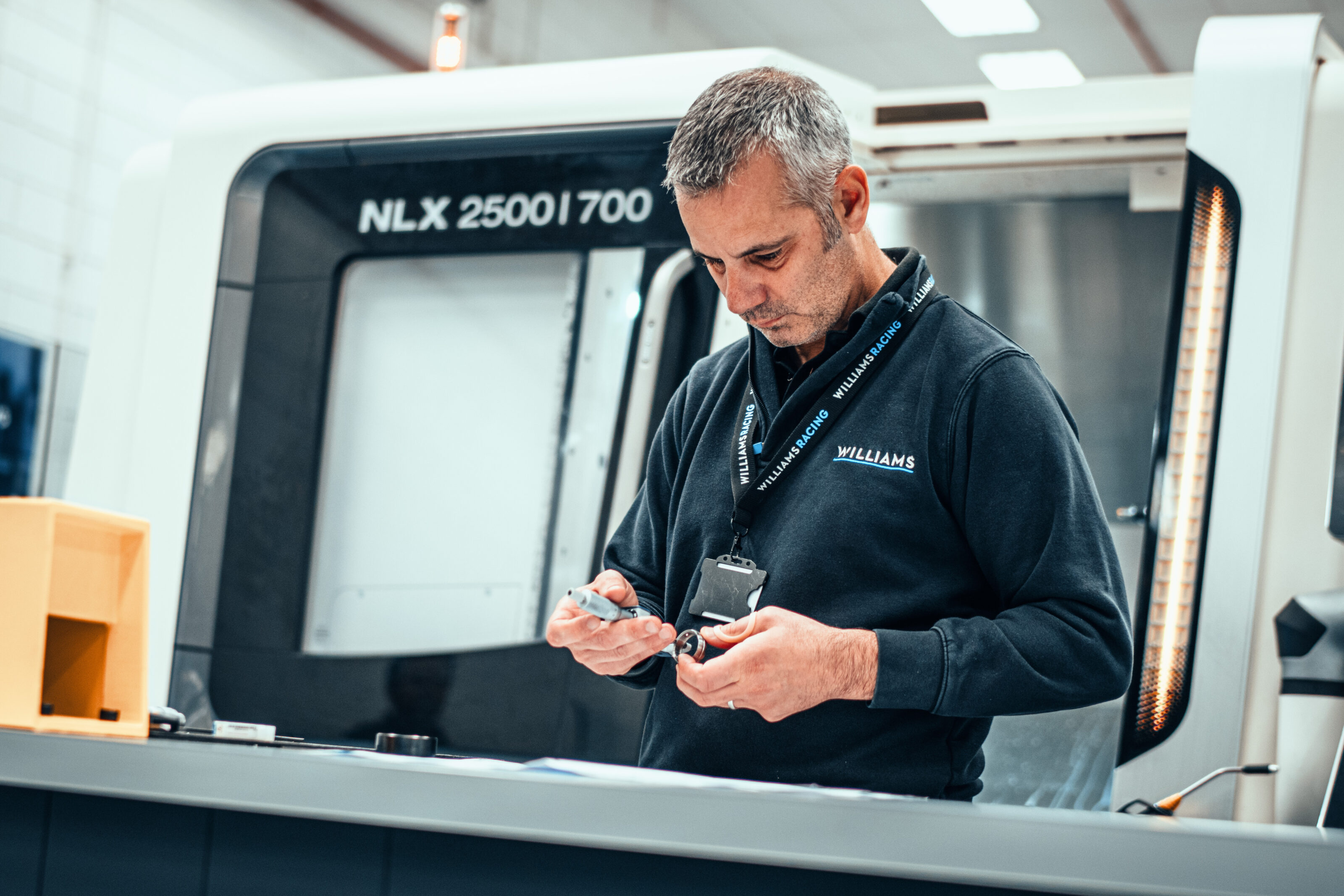
Falling in line with the United Nations Framework Convention on Climate Change, Williams is looking to make changes within its business and in the wider community to reach the Paris Climate Agreement’s target of limiting global warming to below two degrees.
Already aligning itself with industry-specific targets in Formula One and gaining three-star environmental accreditation from the FIA, Williams CEO Jost Capito said his team will continue to lead the charge towards climate action within the sport.
“Williams Racing is a pioneer in Formula One and the racing world and has a strong heritage developing technology and transferring it to the EV, sustainable transport and energy sectors,” said Capito.
“We are living in a time when our planet and society is changing faster than ever. Building on the progress the global motorsport industry has made on sustainability in recent years, we have taken time to thoroughly analyse our entire operation and develop a comprehensive, purpose driven Sustainability Strategy to accelerate our transformation.
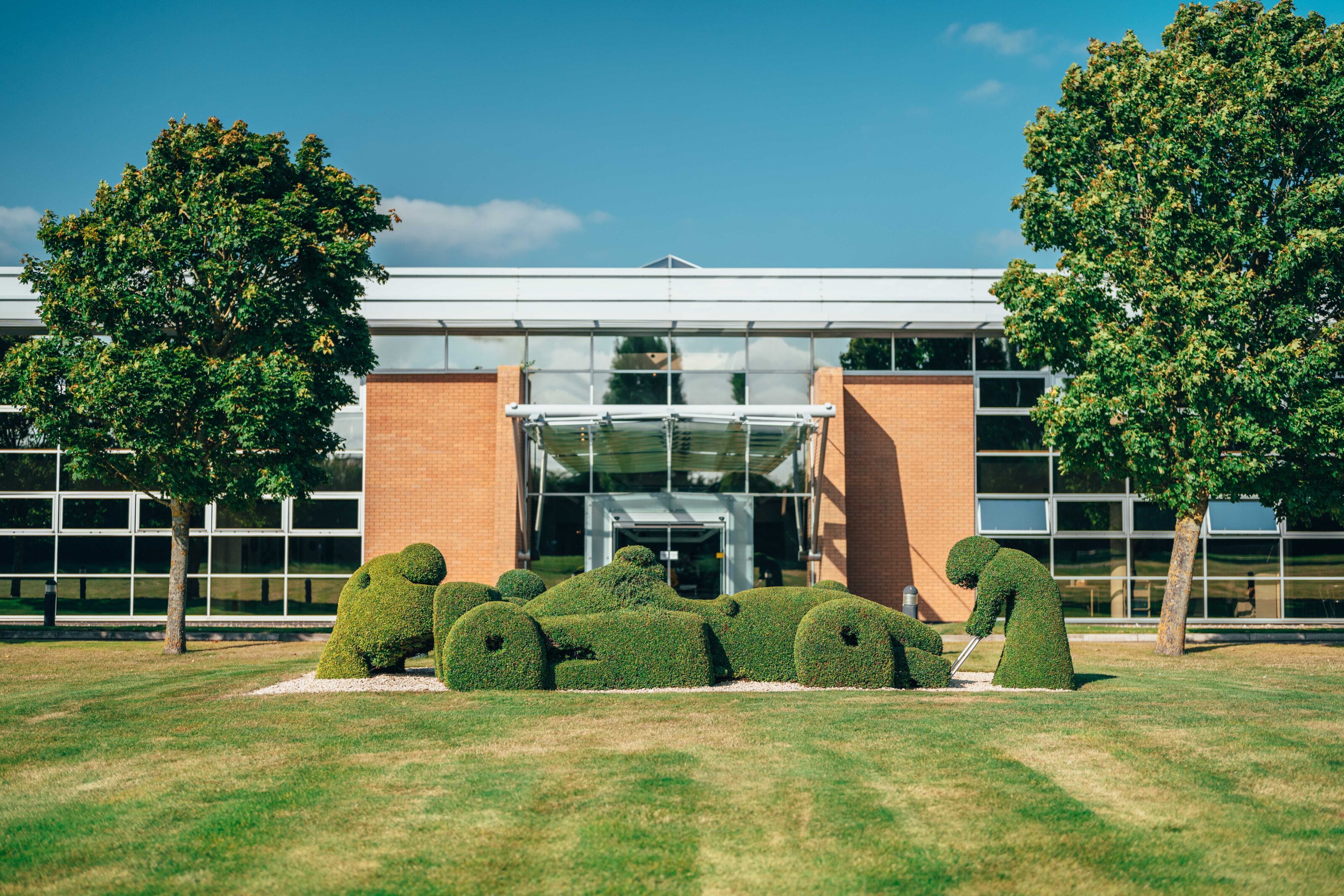
“As a team, we wanted to push the envelope and be the pace-setter for sustainability in global motorsport and in the wider automotive industry. So today we are making the commitment to be climate positive by 2030 and we will be using our knowledge to nurture and develop advanced technology to meet this goal.”
The announcement from Williams goes beyond Formula One’s commitment to become carbon neutral by 2030, a target which has been boosted by its plans to introduce 100 per cent sustainable fuel from 2025.
Next year, Formula One will move to E10 fuel (90 per cent fossil-based, 10 per cent ethanol) before eventually going to the sustainable sources, alongside its new generation power units in 2025, retaining the internal combustion engine while reducing greenhouse gas emissions by at least 65 per cent.
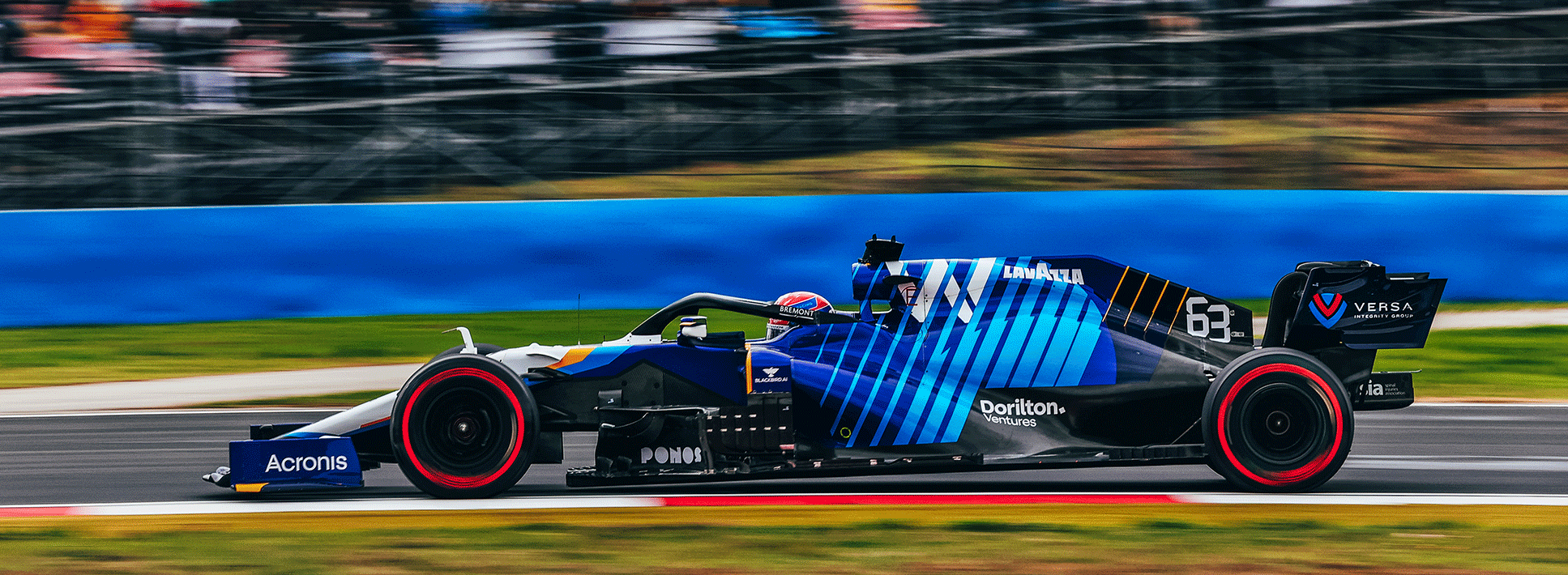
“Get a Load of that!” Words, one imagines, possibly uttered by onlookers aimed at Staria-Load (geddit?), Hyundai’s fancily reimagined replacement for its now archaic, 14-year-old iLoad.
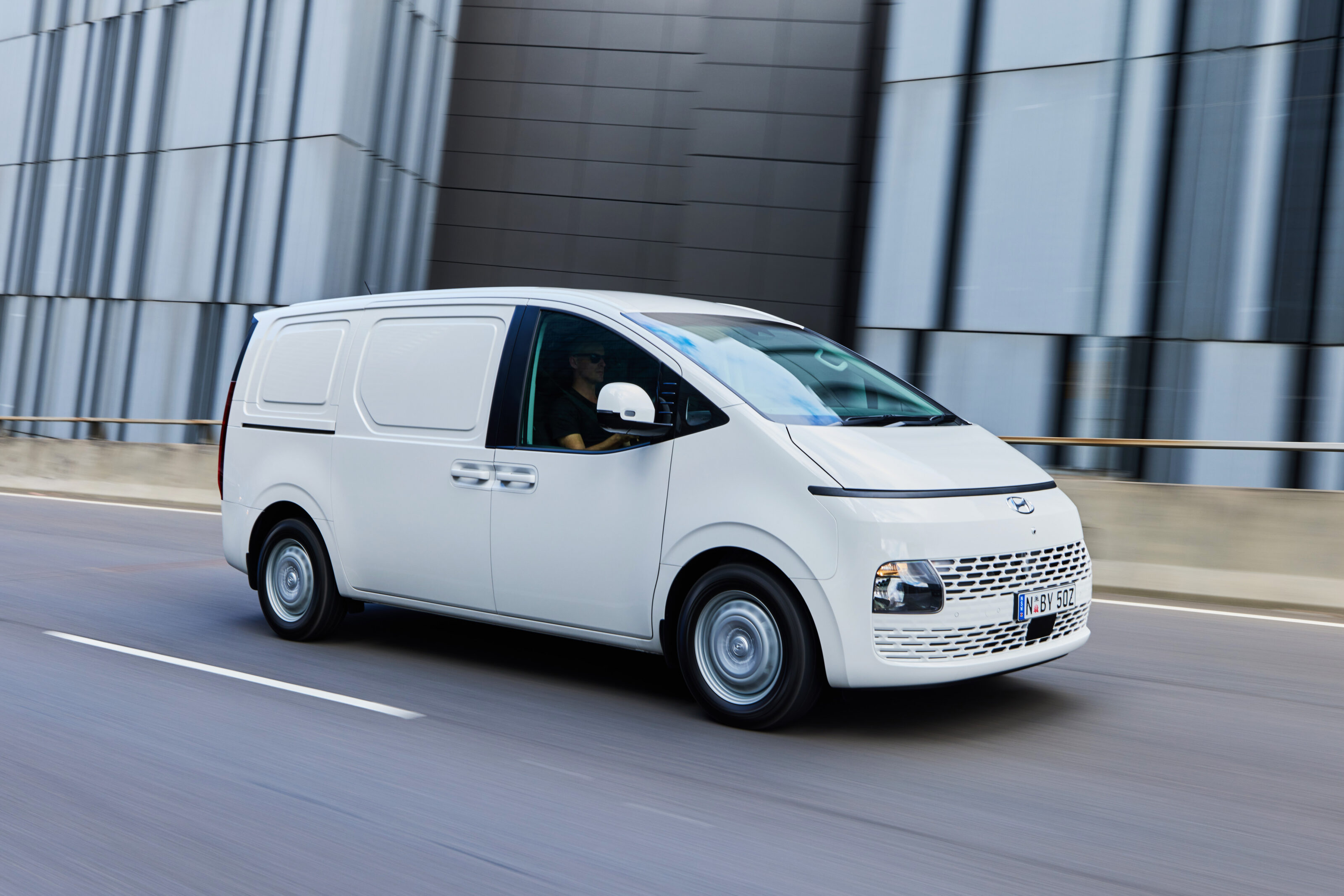
Minting a humble, fridge white, steel-wheeled commercial van with serious look-at-me factor is no mean feat. And undoubtedly the Korean marque will sell a few examples on futurist schtick alone.
Like it or loathe it – I’ve met a few who do both – this van, draped in forward-thinking style, also promises forward-thinking safety, smarts and convenience as it aims to win back a larger slice of the tradie van market pie. During its purplest patch years back, the iLoad owned 40 per cent market share; in being put to pasture, the outgoing model carved out just 16 per cent, less than half that of the Toyota HiAce (38 per cent).
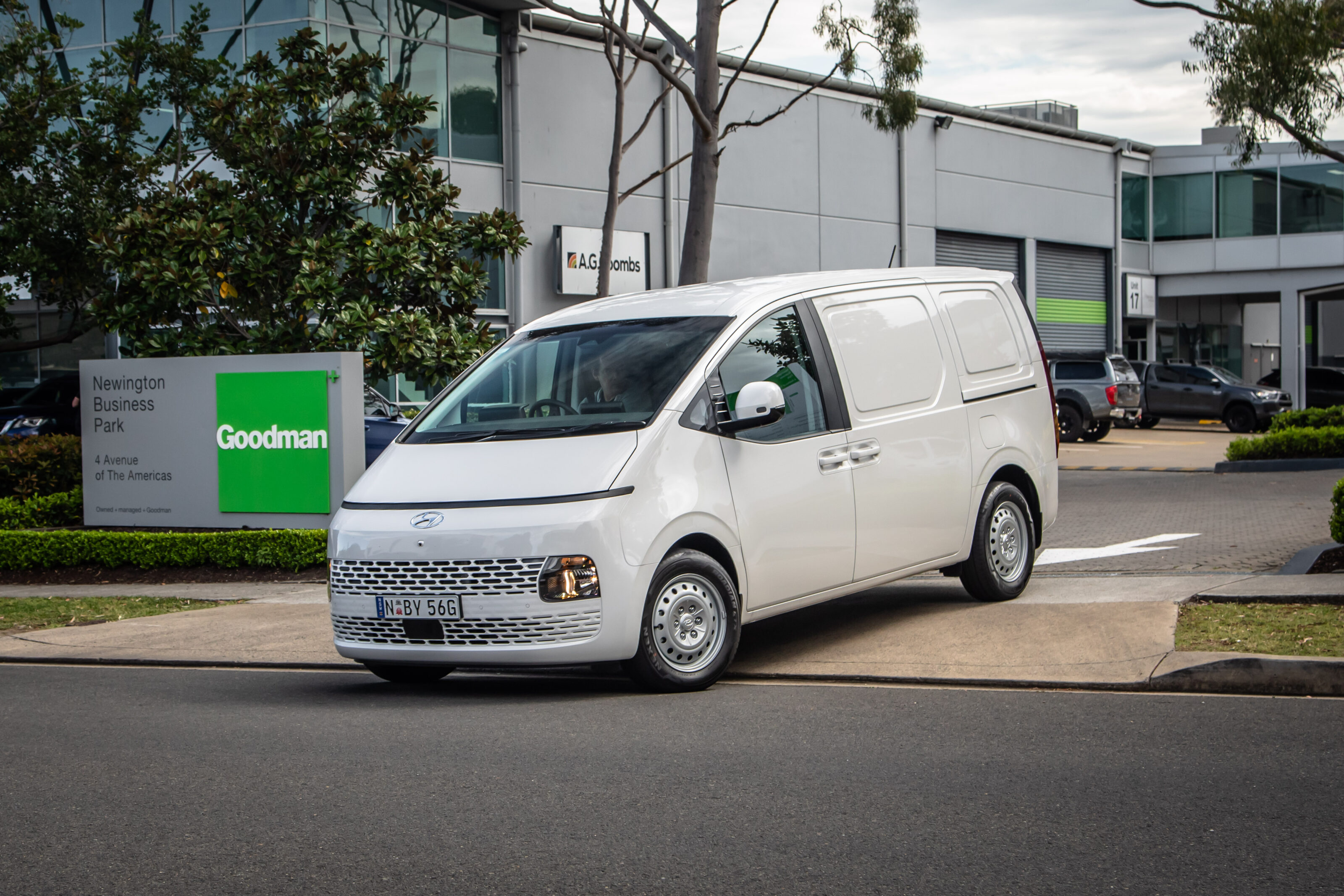
The newcomer ditches the old iLoad/iMax rear-drive underpinnings for the front-driven F3 family platform shared with Kia Carnival and, of course, the Staria-Load’s people-moving twin. In commercial guise, though, the Staria formula brings a trim choice of two-seat Van or five-seat Crew Van formats, propelled by a sole bum-dragging powertrain based around the 2.2-litre diesel pinched from its Santa Fe SUV cousin.
The Load’s distinctive single-arc silhouette roughly matches a HiAce in dimensions, ostensibly splitting the size difference between Ford Transit Custom SWB and LWB versions, in comparison to its two key nemeses. And its cargo area, larger than iLoad in every measure, covers its rivals’ three-Euro-pallet credentials. But it’s really in safety, comfort and goodies where Staria-Load wants to mark its own territory.
Pricing and Features
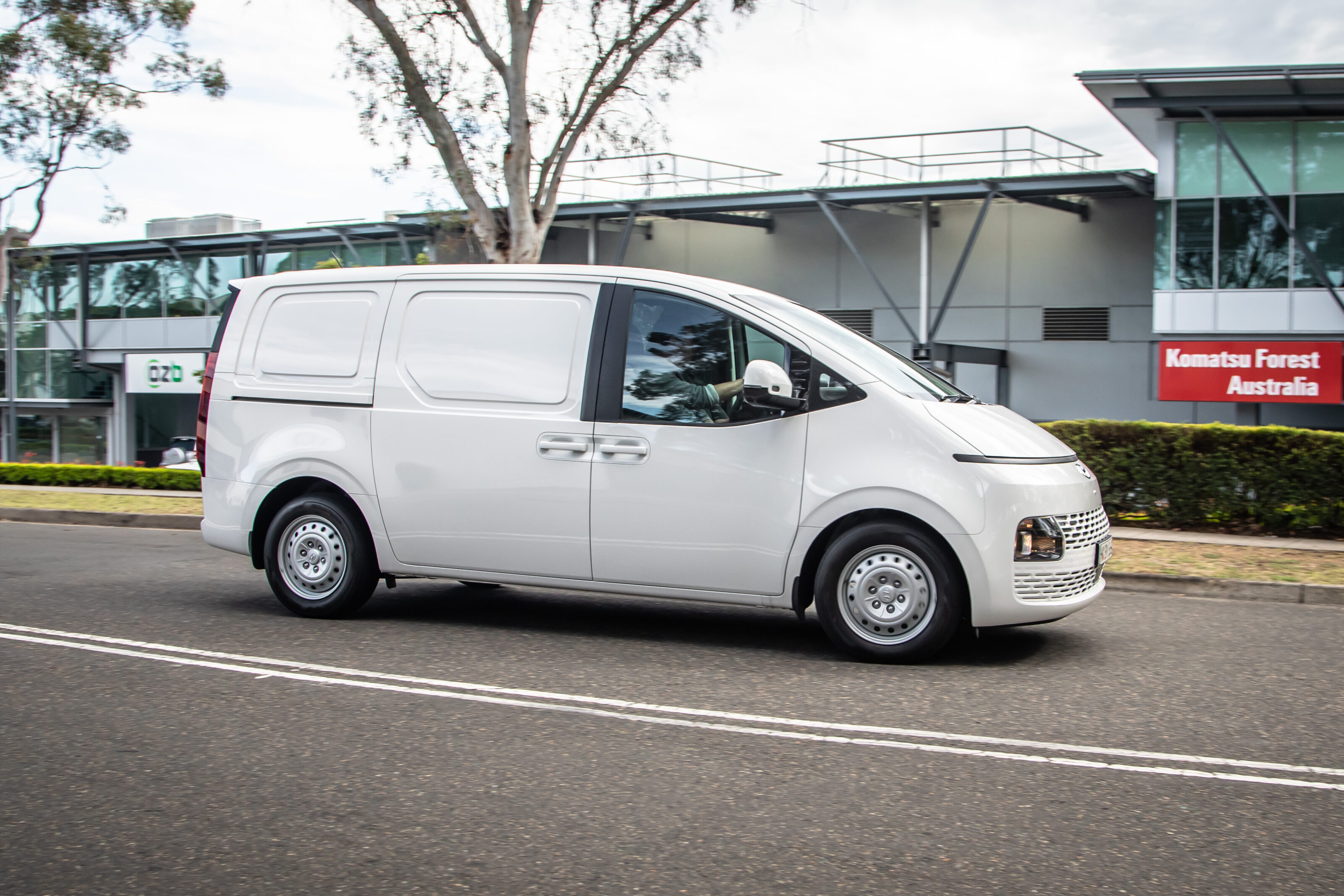
The Staria-Load launches as the 2 Seat Van Liftback at $45,740 before on-roads, $2530 up on the outgoing iLoad diesel auto. It’ll be followed by the 5 Seat Crew Cab Liftback (at $48,240 list) in the fourth quarter of this year, when a Twin Swing tailgate option will become available for either body style. Silver paintwork can be optioned for $695.
Hyundai ratifies the bullish pricing with a single trim level bringing some tasty standard equipment inclusions in the areas of tech, assistance and safety.
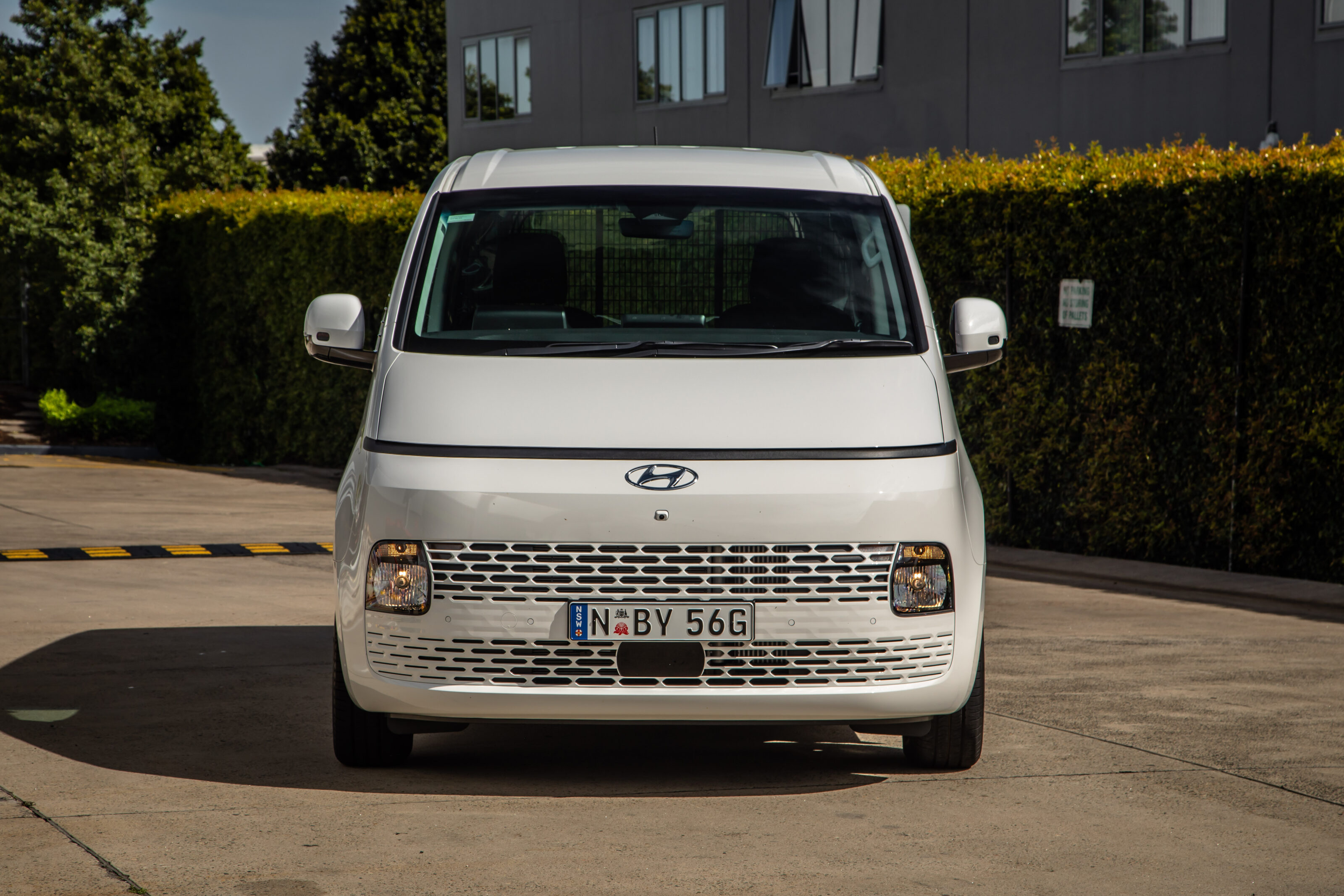
Outside, the Staria-Load Liftback fits auto dusk-sensing headlights, heated and power-folding mirrors, surround-view camera monitoring with forward viewing, front and rear parking sensors and 17-inch steel wheels with a full-sized spare. Interestingly, the DLR strip featured on the Staria people mover is replaced by a plain black strip on the tradie spec.
But it’s the cabin where the Staria-Load aims to push the usual utilitarian commercial van strip-out more upmarket, centring around the conspicuous inclusion of an LCD instrument cluster and 8.0-inch touchscreen infotainment system featuring wireless Apple CarPlay and Android Auto. The multifunction steering wheel and transmission selector are leather trimmed, while segment firsts include an electric park brake with auto hold and inductive phone charging. While the Hyundai sticks to ol’ faithful key barrel start, the remote entry key fob allows remote power window opening and closing (ala Volkswagen).
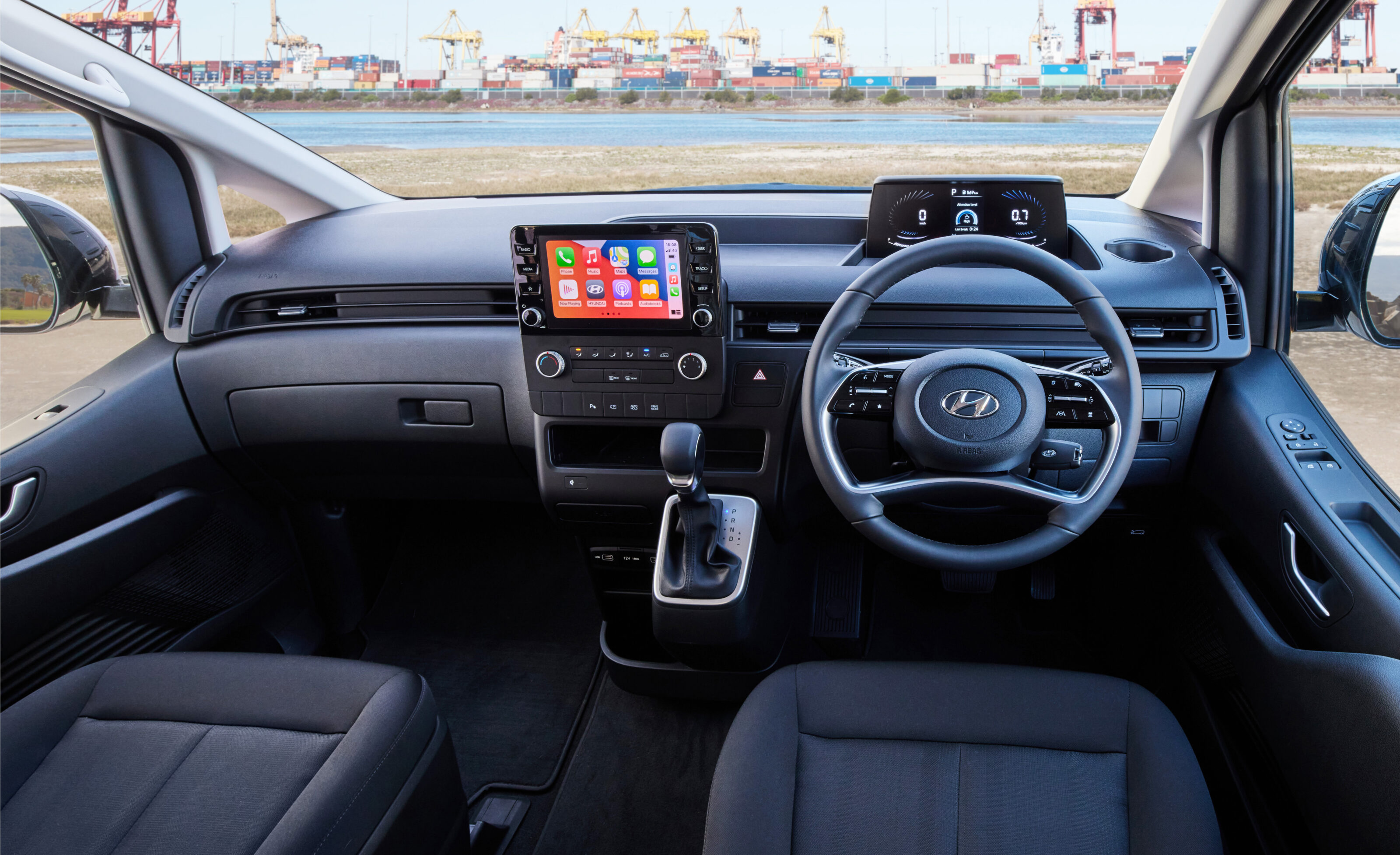
Where Hyundai is particularly keen to steal the march over its Ford and Toyota competition is the breadth of safety fit-out.
Its autonomous emergency braking with pedestrian detection includes junction collision avoidance, tech paired with adaptive cruise control that has stop and go functionality. Both the blind-spot and rear cross-traffic monitoring systems feature avoidance/assistance protocols rather than basic alert functionality, and lane-keeping/following smarts, multi-collision braking, intelligent speed limit assist, driver attention warning and safe exit warning are all standard issue. Its seven-airbag fit-out includes a segment-first front centre airbag.
Both the Staria and Staria-Load are currently unrated by ANCAP.
Where Hyundai is particularly keen to steal the march over its Ford and Toyota competition is the breadth of safety fit-out.
Comfort and Space
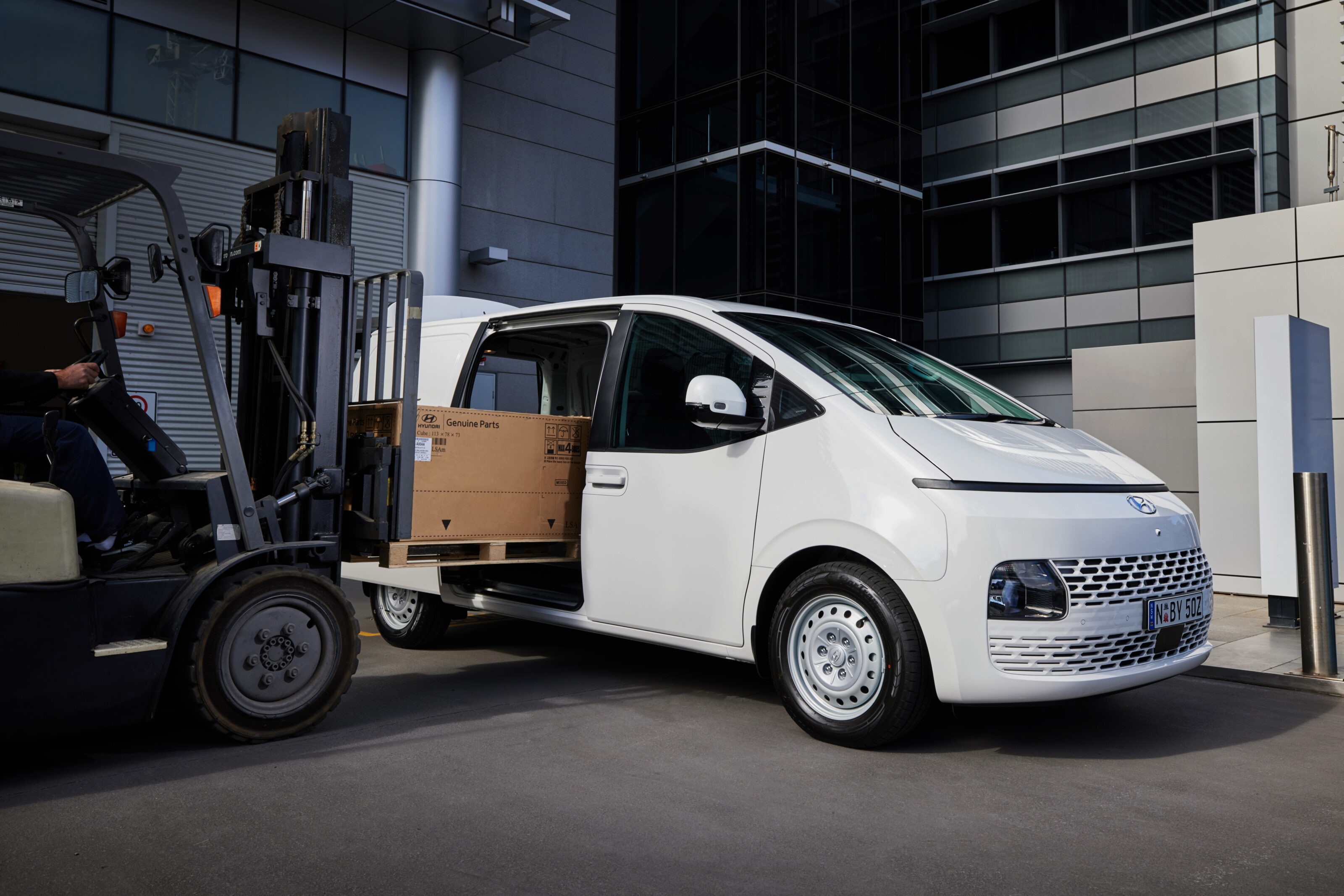
There’s much to unpack in this Creamy White curvaceous box so let’s start at the all-important business end: cargo.
At 5253mm, Staria-Load is generous in length without causing too many parking headaches. It brings a growth in cargo volume to 4935 litres, up on the old iLoad’s 4426L, with extra measures in its 2607mm (+232mm) of length, 1436mm (+96mm) of height and 1640mm (+20mm) of width. Its load space is a little longer and slightly narrower than its key Ford and Toyota competitors.
The loading height is, at 573mm, 41mm lower than the van it replaces, while the effective side door aperture has grown to 870mm (+225mm) to allow clearance for Euro pallet side-loading.
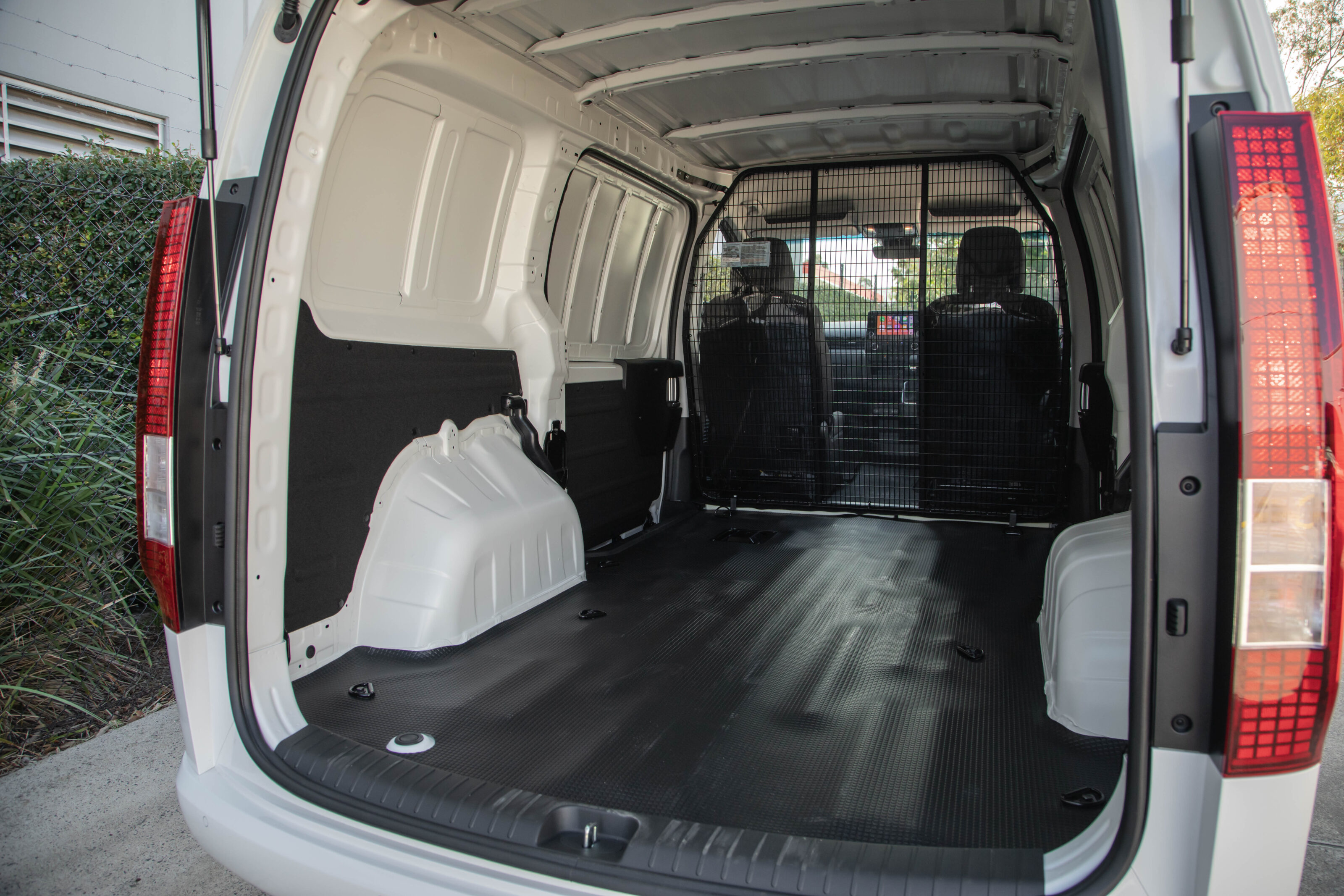
The standard issue dual side doors are solid and hefty, the somewhat lumpy rubber matted load surface featuring eight floor-mounted anchor points. There are no tie-down locations on the walls but ample screw points to allow fitment. Durable wood particle flooring would make a nice, work-friendly addition.
A mesh-type bulkhead fitted to our test van is certainly sturdy, though the clear plastic zip-tied screen looks a little ad-hoc. The slope of the bulkhead to accommodate seat adjustment up front does eat into the maximum load depth by around 160mm and it’s easy to foul on it loading through the side doors. In short, that improved cargo length is ostensibly only at floor level.
The tailgate is very tall and, when opened, demands a lot of rear clearance. Its two-metre-neat height allows Staria-Load to slip neatly into common (2.1-metre-high) multi-storey car parks, though its stylised roof spoiler could risk clouting the odd low-hanging sprinkler nozzle when opening the tailgate.
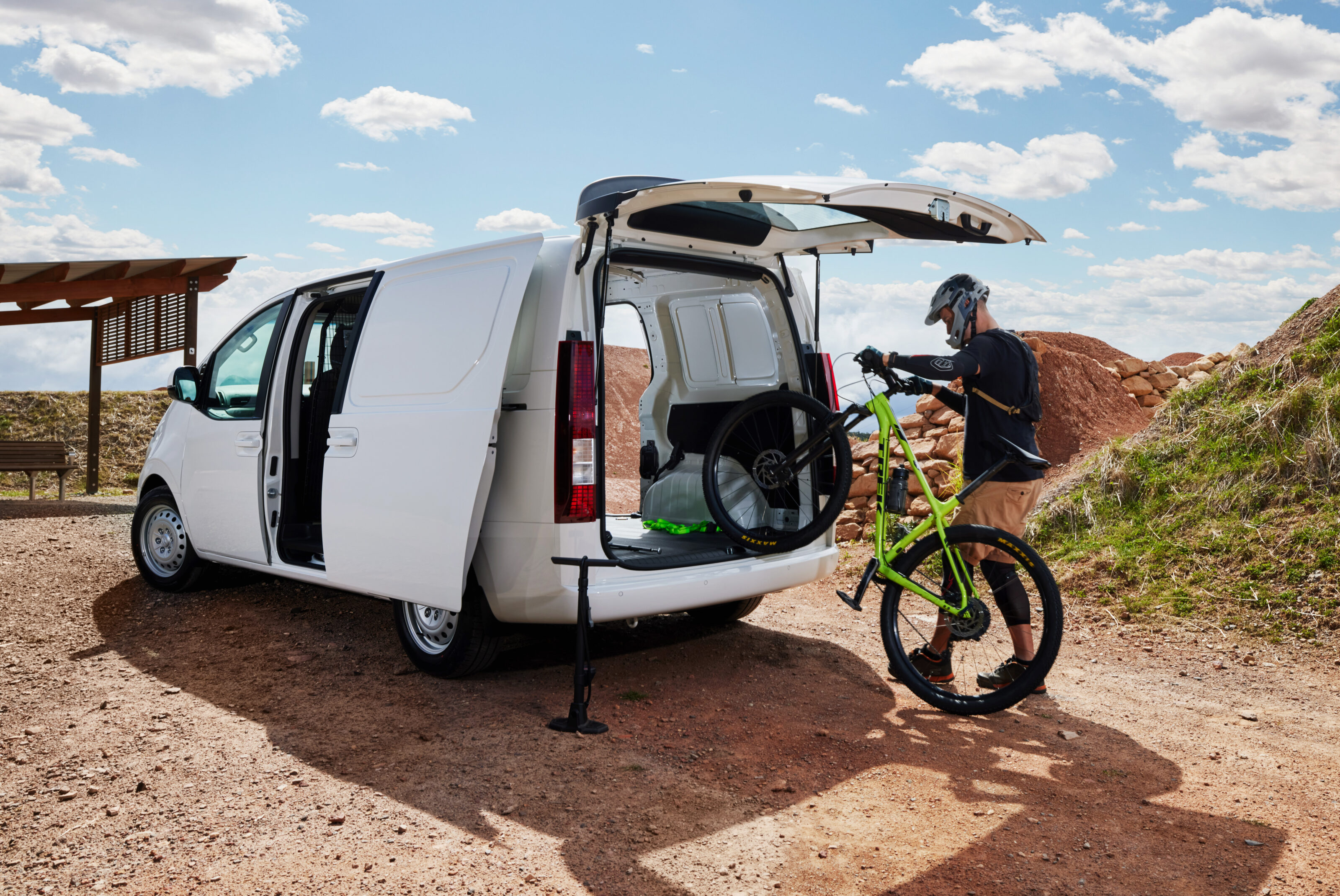
Payload capacity is 1072kg, with a GVM of 3020kg due to its portly near-two-tonne (1948kg tare) weighbridge ticket. Braked towing is fairly healthy at 2500kg but offset by a mere 100kg ball load rating, while braked GCM is 5520kg.
Ahead of the bulkhead, it’s a classy rig by load-lugging standards.
Huge, hefty doors with solid handles make for fine first impressions and entry and egress is a breeze. Despite its swooping, thick A-pillars and huge raked windscreen, the cabin is very roomy, with lots of leg and headroom and an exaggerated airiness to the ambience afforded by the massive glass area and low side window sills that form handy outer armrests.
Huge, hefty doors with solid handles make for fine first impressions. Despite its swooping, thick A-pillars and huge raked windscreen, the cabin is very roomy.
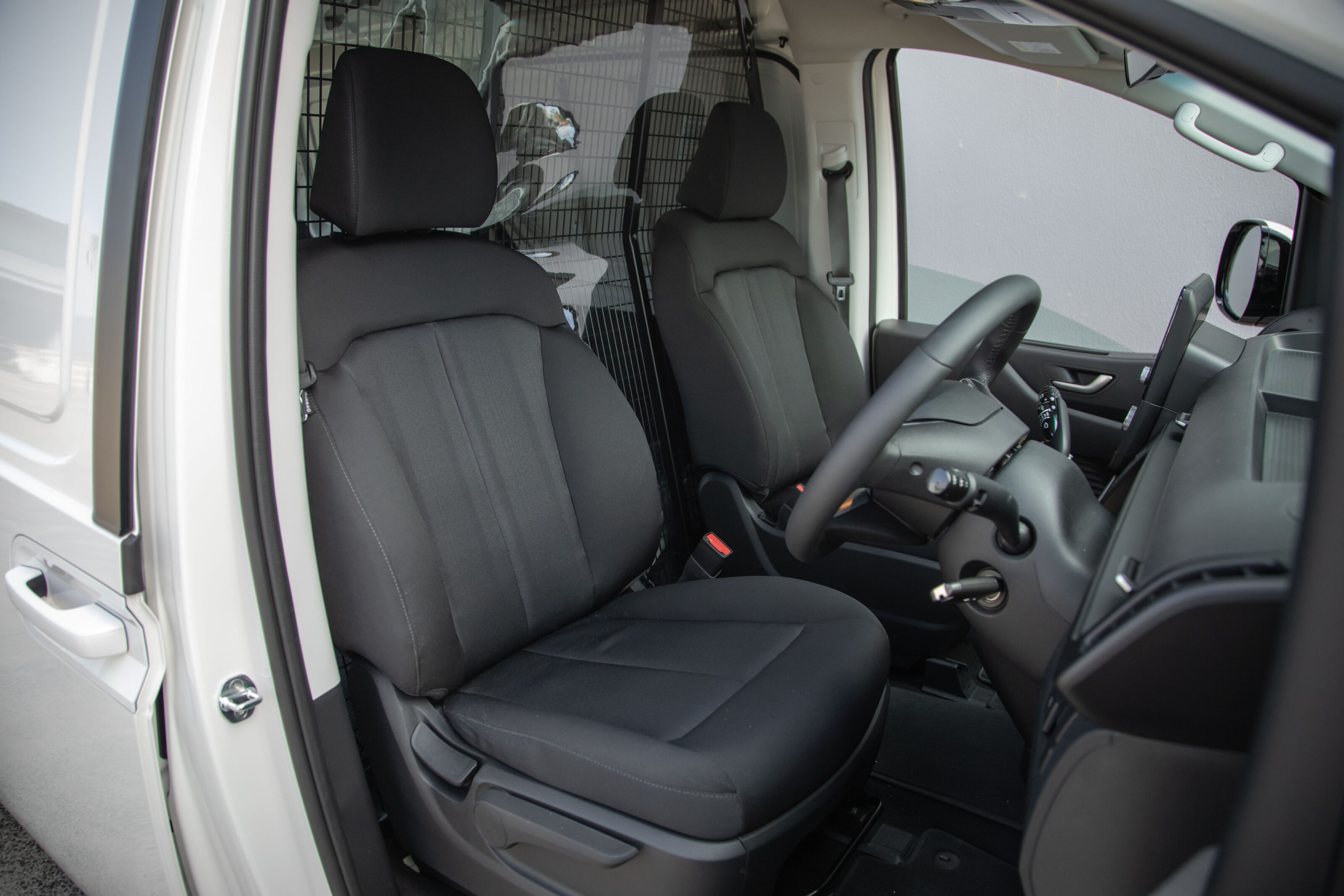
It’s not all roses. The lack of fold-down inner armrests on seats is a missed trick that might become annoying during long workdays in the saddle. And the side glass doesn’t fully sink below the sill line, which may annoy some elbow-hanging drivers.
The seating is great, supportive and comfy, with plenty of driver’s height adjustment and lots of under-thigh support, while the handy left-foot dead pedal is positioned perfectly. It has a nice flat floor, too, and the two-seat configuration omits a central storage box so delivery drivers can get easy through-access to the cargo area (when the bulkhead is omitted). Fully carpeted matting, too, is a nice touch.
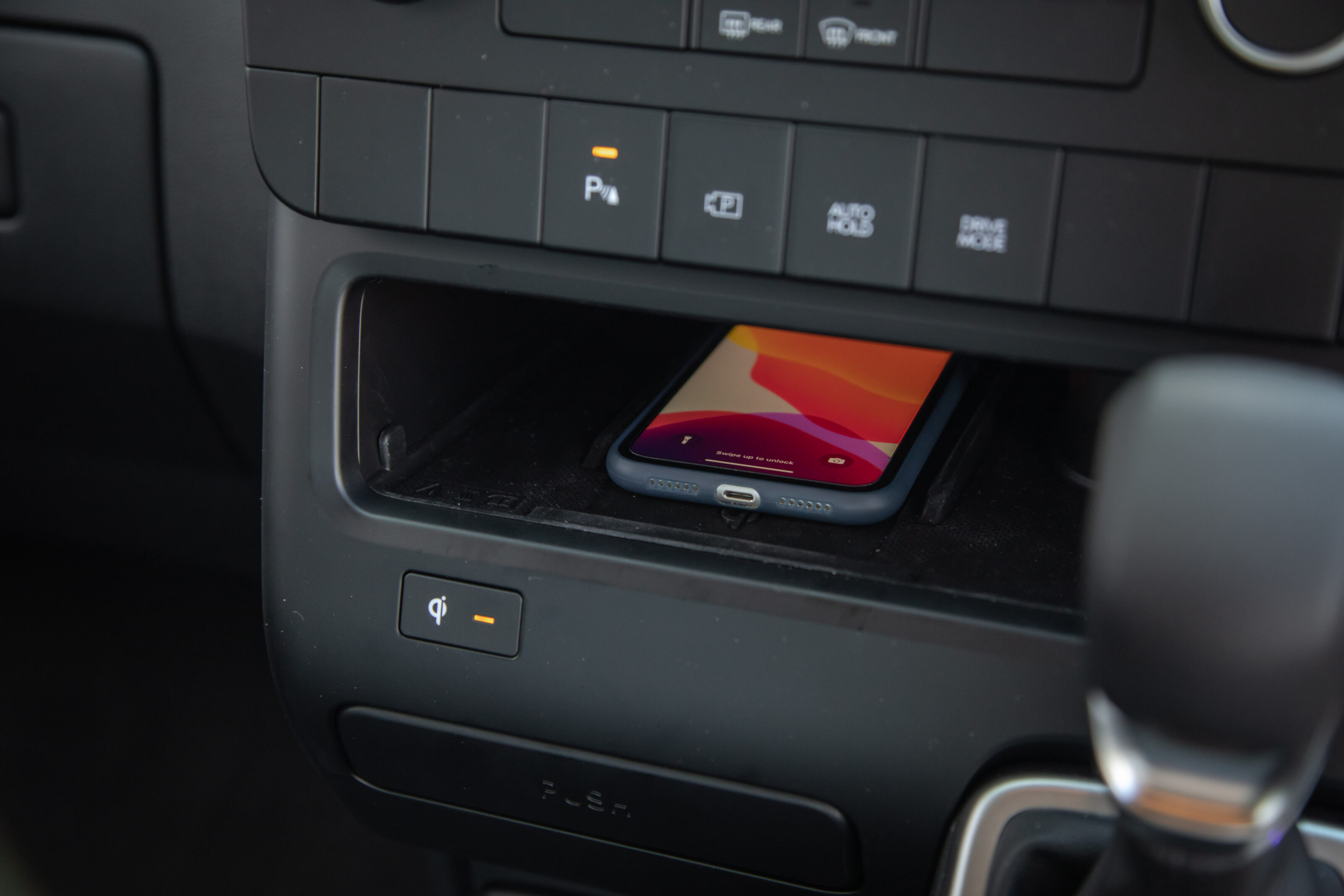
There’s stowage aplenty. The overhead slots feature a neat elasticized retaining lip, there’s a folder tray on the dash-top (though no lockable cubby), a convenient dash-top driver’s cup holder and retractable passenger-side cradle plus a rubberised key slot/inductive Qi phone charging pad. The door bins are deep and plentiful though the single glovebox, for its part, is tiny.
The dual screen arrangement brings contemporary flash to the otherwise minimalist cabin design, the driver’s display particularly funky with skins that change colour in tandem with the four available drive modes and a tachometer that’s more odd than useful.
More of a mixed bag is the floating touchscreen infotainment unit. Wireless CarPlay is beaut and the rubberised inductive charge tray is a neat pairing, though our test system was plagued with chronic drop-out issues. Not exactly the thing you need on a delivery job on the clock when your phone-sourced sat-nav fails and there’s no proprietary navigation as backup. Similarly, why no DAB+ digital radio?
But the camera system is excellent, particularly the forward view. Meanwhile, the split rear and overhead viewing can be switched to individual viewing angles, including kerb-side and overhead ‘bumper cam’. Rounding out conveniences are dual USB ports and a 12-volt outlet.
On the Road
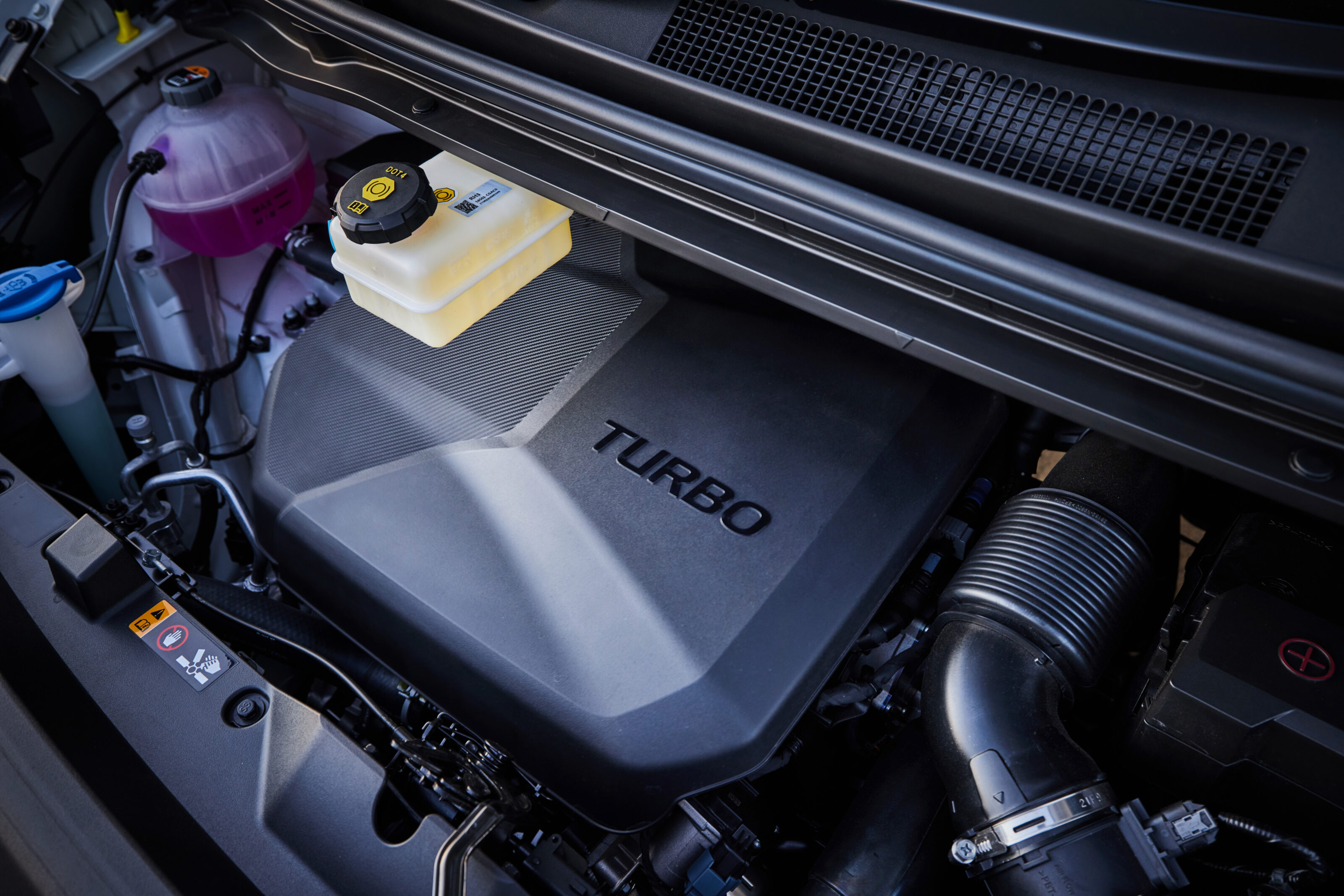
The one-spec-fits-all engine is, in Hyundai’s words, the tried and true “Sante Fe” unit, a 2.2-litre turbodiesel producing 130kW at 3800rpm and a surly 430Nm between 1500-2500rpm that outpunches the torque credentials of the Staria people-mover’s standard petrol V6. No on-demand all-wheel drive here, though, as the Staria-Load is only available in front-drive paired with a conventional eight-speed automatic transmission.
It’s quite a refined powertrain, with subdued diesel chatter and impressive slickness to the transmission. Unladen, there’s ample enthusiasm in the Staria-Load’s step, with plenty of on-tap torque without much sense of strain under load. Nor is there much in the way of lag in response or overt laziness in the default Comfort drive mode, though the transmission does like to hunt about a little if faced with a decent incline in the road.
There’s muscle enough in that, generally, the diesel ticks over without fuss and at a leisurely clip, our test van returned neat eight-litre consumption (unladen) off the back of a 7.0L/100km combined claim.
As the joke goes, the fastest vehicle on the road is always a delivery van and Sport mode does inject just the right amount of enthusiasm for busy couriers in a rush. There’s also Eco and Smart, if for unnecessary completeness rather than any pressing effect.
The switch to front-drive doesn’t seem to affect driveability, at least during the dry running we experienced on test. No torque steer, no traction issues, no worries. The steering is, at 3.4 turns, a little slow and demands a lot of arm movement with low-speed maneuvering, but it’s clear, direct and pleasingly light in assistance. The Staria-Load also presents an impressively concise turning circle when required.
It is, wholly, an easy and pleasant thing to drive, cooperative in manner and fairly easy to judge in tight spaces given its expansive outward visibility and suite of assistance systems. On that, the lane keeping/tracing smarts do get overbearing at urban speeds, forcing you to dive for off button at every start-up.
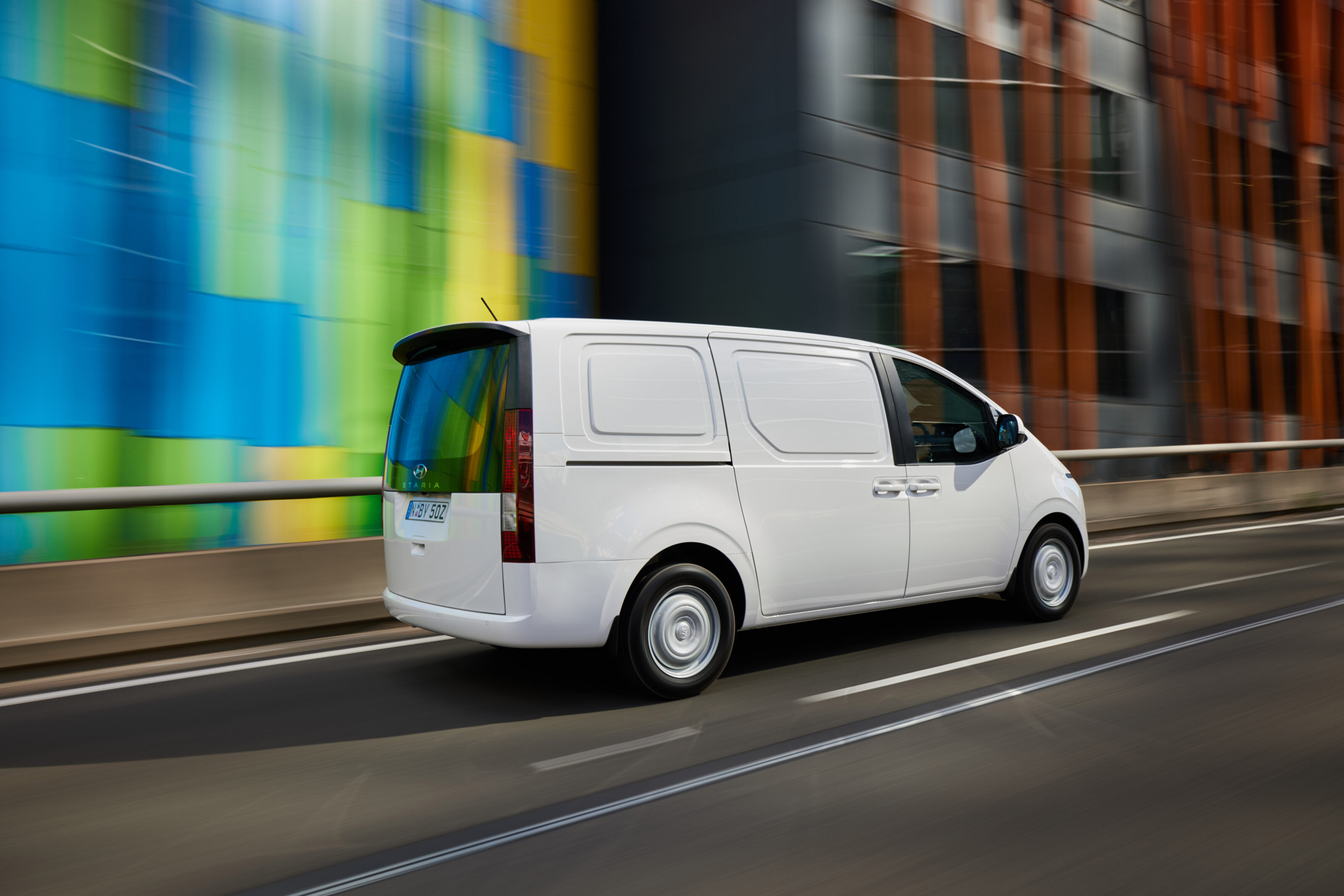
The core comfort afforded by its cabin design and ergonomics makes the Staria-Load a nice place to spend the work-a-day hours. That said, the ride is tuned more for load-lugging than sheer pleasure and its slightly fiddly nature, particularly unladen, can become a little tiresome.
On balance, it’s a fairly quiet operator, the powertrain acceptably muted and causing little in way of sonic reverberation throughout its boxy metallic structure despite our tester only having the flimsy plastic bulkhead sheet as sound deadening between the cabin and cargo spaces. The sheer solidity of the thing, too, means there are few of the squeaks and rattles that commonly afflict the tradie van set.
The core comfort afforded by its cabin design and ergonomics makes the Staria-Load a nice place to spend the work-a-day hours.
Ownership
The Staria-Load is covered by a five-year/160,000km warranty, be it for commercial or private use. Hyundai’s capped-price servicing is $360 per 12-month/15,000km visit for the first five years.
Verdict
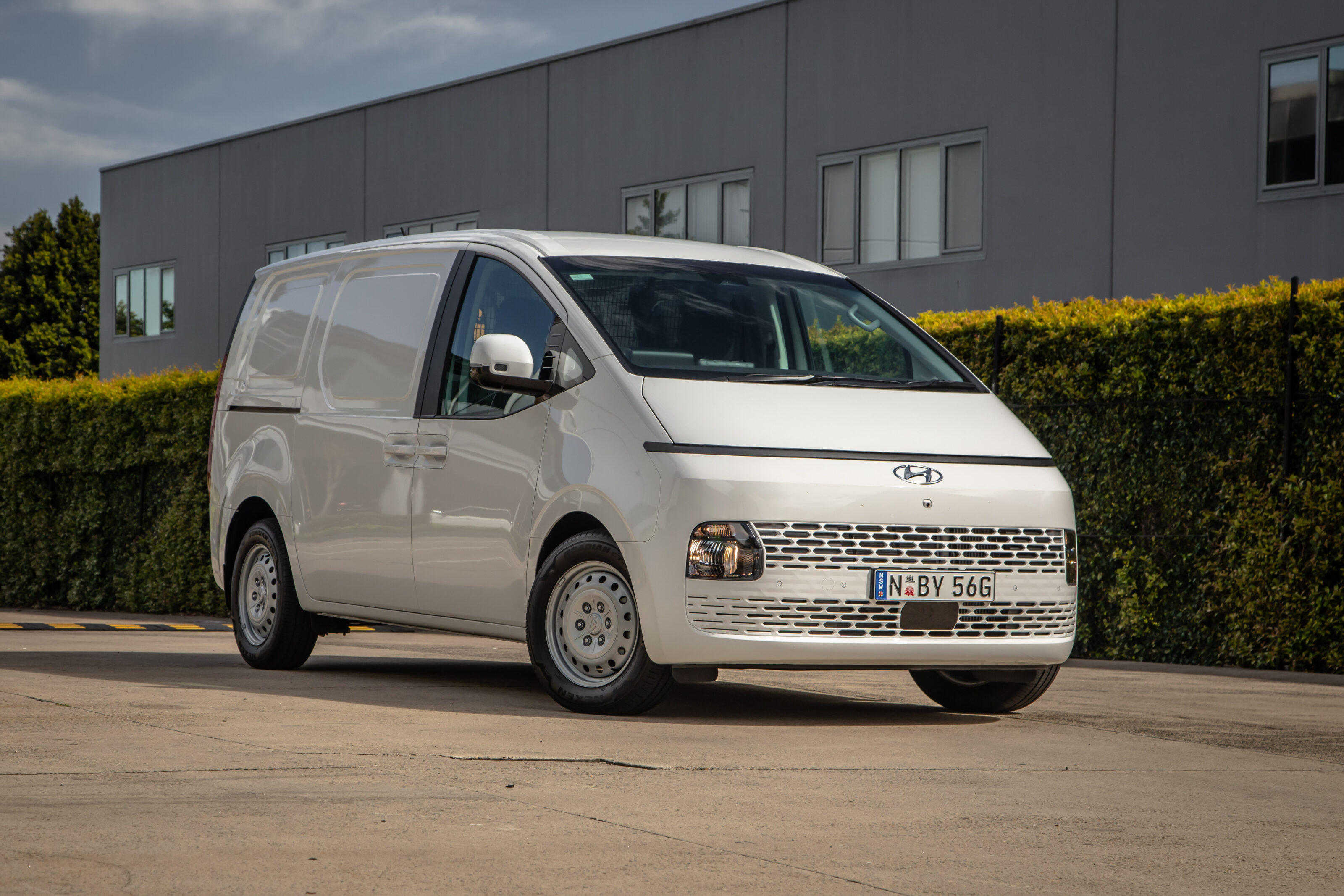
Appearances apart, the Staria-Load feels like a smarter, nicer, more evolved commercial appliance. That said, beyond moving the goalposts in expectations of standard-fitment safety equipment, it’s not the vanning revolution its stylised form might otherwise suggest. And there are certainly areas that could be better or somewhat improved.
As a load-lugger, it doesn’t really move the game forward a whole lot. But the added feel-good factor, inherent comfort and user-friendliness do pay dividends in the day-to-day experience.
2021 Hyundai Staria-Load specifications
| Body | Five-door van |
|---|---|
| Drive | FWD |
| Engine | 2.2-litre turbo-diesel |
| Transmission | eight-speed automatic |
| Power | 130kW @ 3800rpm |
| Torque | 430Nm @ 1500-2500rpm |
| Bore/Stroke | 85.4mm x 96.0mm |
| Compression ratio | 16.0:1 |
| Fuel consumption | 7.0L/100km (claimed) |
| Weight | 1948kg (tare) |
| Suspension | Strut (front)torsion beam/leaf spring (rear) |
| L/W/h | 5253/1997/2000mm |
| Wheelbase | 3273mm |
| Brakes | 345mm single-piston (front)325mm single-piston (rear) |
| Tyres | 215/65 R17 Nexen Roadian CTX |
| Wheels | 17-inch wheels (full-size spare) |
| Price | $45,740 +ORC |
Snapshot
- More than 60 Mercedes-Benz models are more expensive
- Average price increase of $8700, or more than seven per cent
- GLE53 goes up by more than $20,000
Mercedes-Benz has raised prices across dozens of new models in recent weeks.
A total of 62 Mercedes vehicles have gone up by an average of 7.34 per cent, from the A180 hatchback to the Maybach GLS600.
The smallest increase by cost belongs to the GLA200, which went up by $3500 to $61,000 before on-road costs.
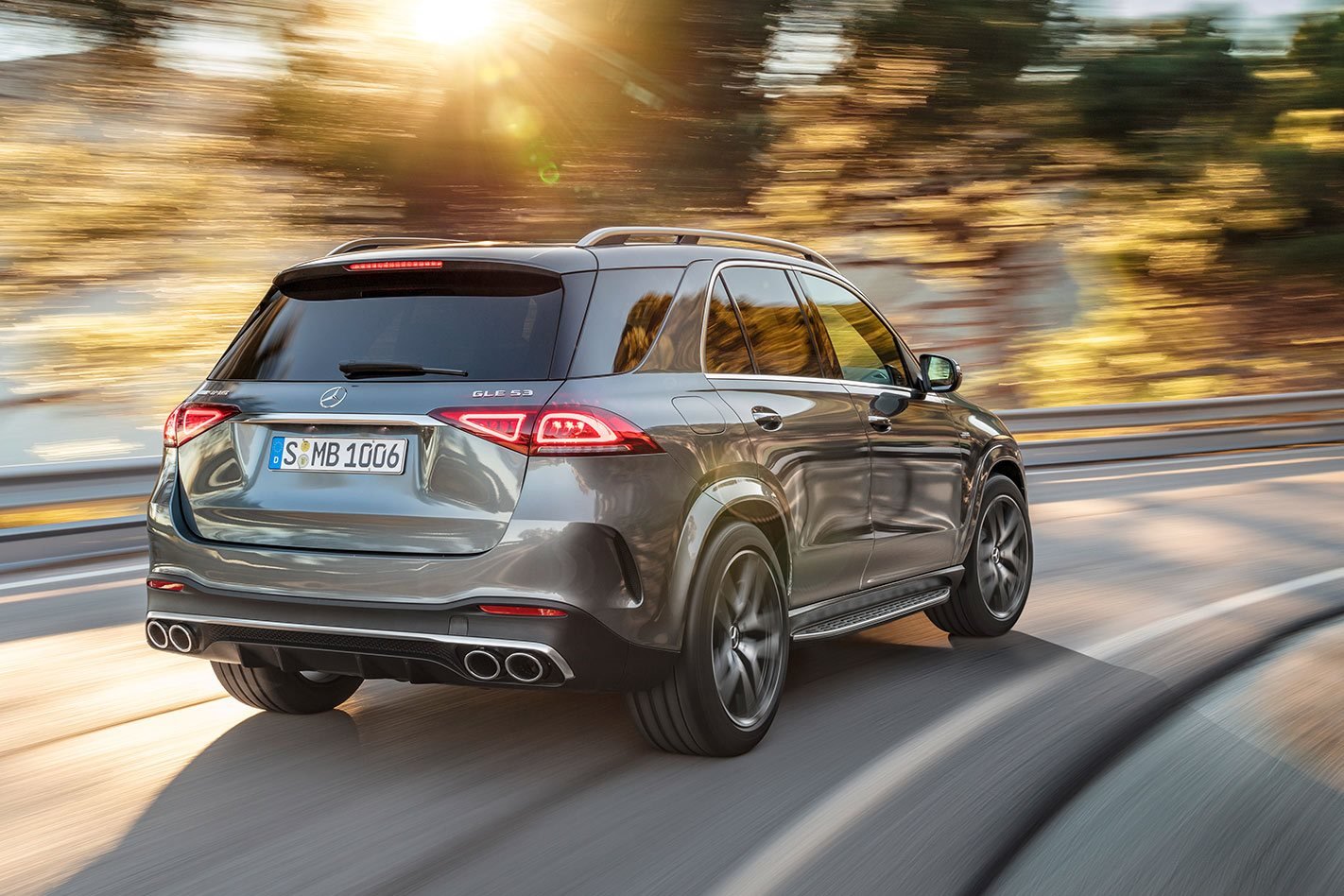
The greatest change was applied to the AMG GLE53 wagon, which will now set buyers back $184,300 before on-road costs – a total hike of $20,692, or 12.65 per cent.
Despite the ultra-luxury Maybach GLS600 rising by $19,524, the car’s price tag of $380,200 plus on-roads meant it had the smallest change in percentage terms, increasing by 5.41 per cent.
On average, Mercedes-Benz has upped its prices by $8703.74.
While Mercedes-Benz Australia wouldn’t comment on specific reasons for the mass increase, a spokesperson told WhichCar: “Pricing is a dynamic topic influenced by a wide range of factors, and each of our vehicle variants is assessed and adjusted individually from time to time.”
Australia’s Consumer Price Inflation rose by 3.8 per cent in July, according to the Reserve Bank of Australia, while the exchange rate between the Australian Dollar and the Euro has fluctuated between €0.60 and €0.66 over the past 12 months.
Mercedes’ price increase comes a month after Audi introduced its own price changes – with 61 Audi models going up by an average of 1.95 per cent, compared with an average of 7.34 per cent across 62 Mercedes-Benz vehicles.
Note: All figures in this story are quoted before on-road costs and are subject to change at any time. Only models with rises have been listed.
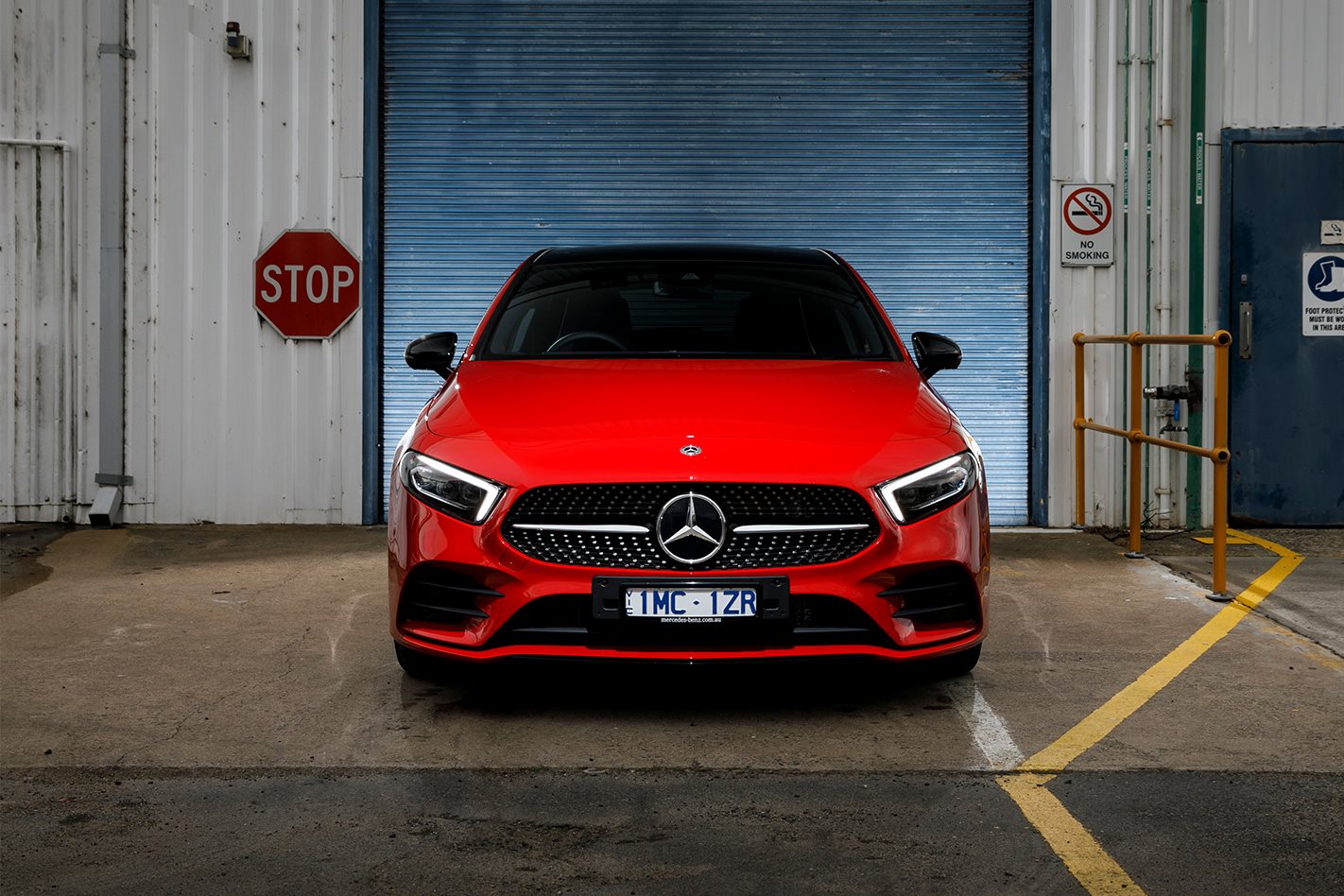
Mercedes A-Class Australian pricing – October 2021
Mercedes B-Class Australian pricing – October 2021
Mercedes CLA Australian pricing – October 2021
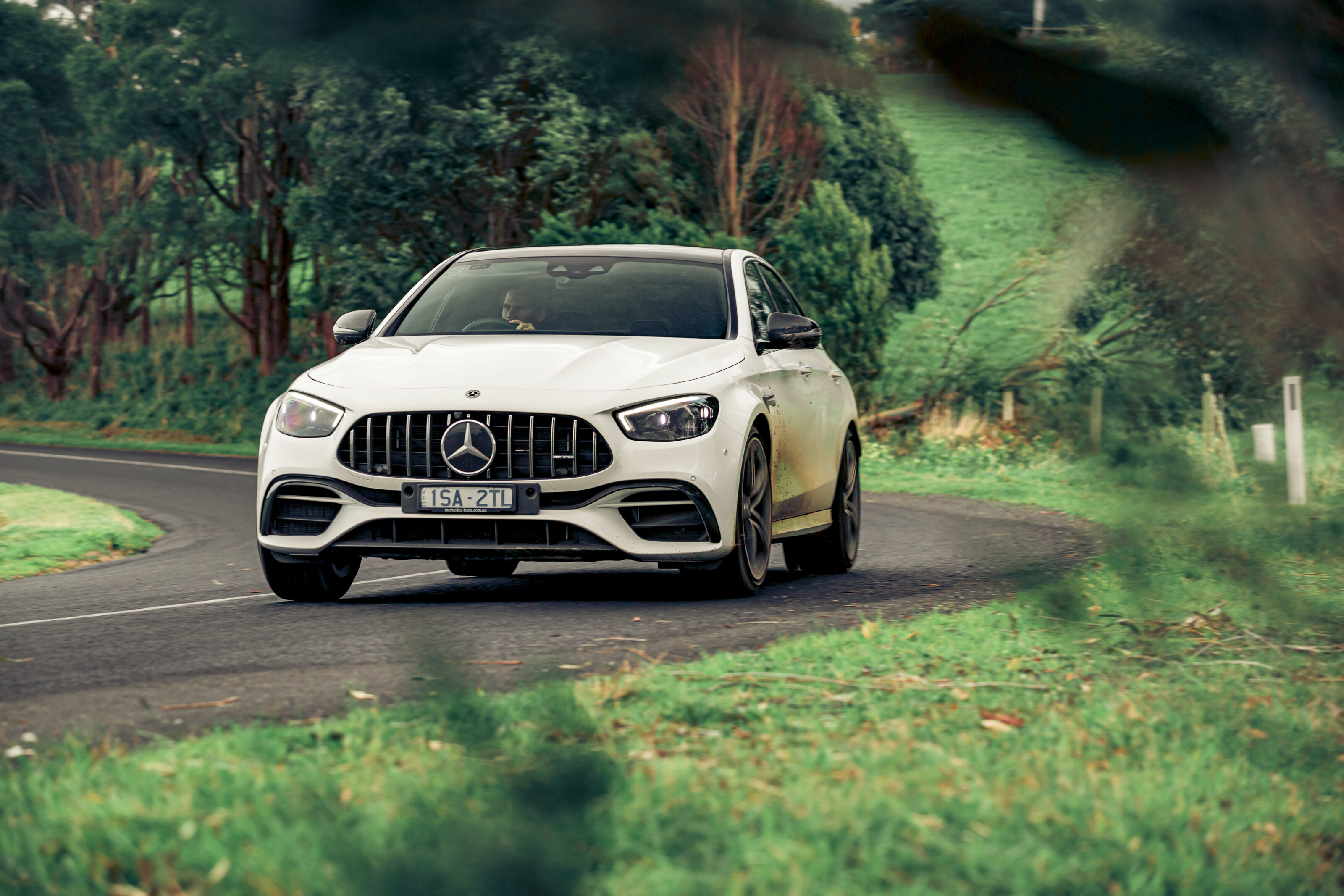
Mercedes C-Class Australian pricing – October 2021
Mercedes E-Class Australian pricing – October 2021
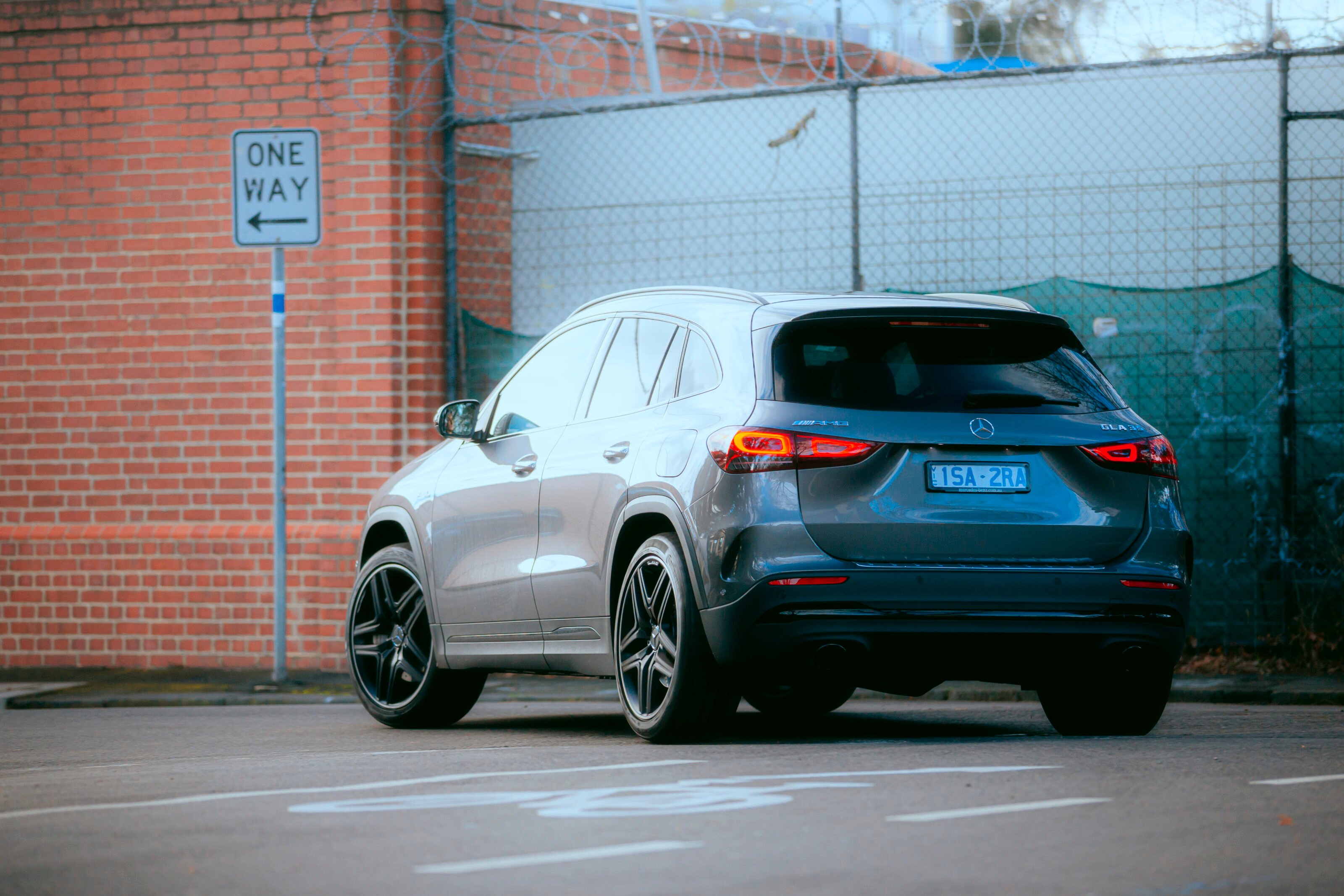
Mercedes S-Class Australian pricing – October 2021
Mercedes GLA Australian pricing – October 2021
Mercedes GLB Australian pricing – October 2021
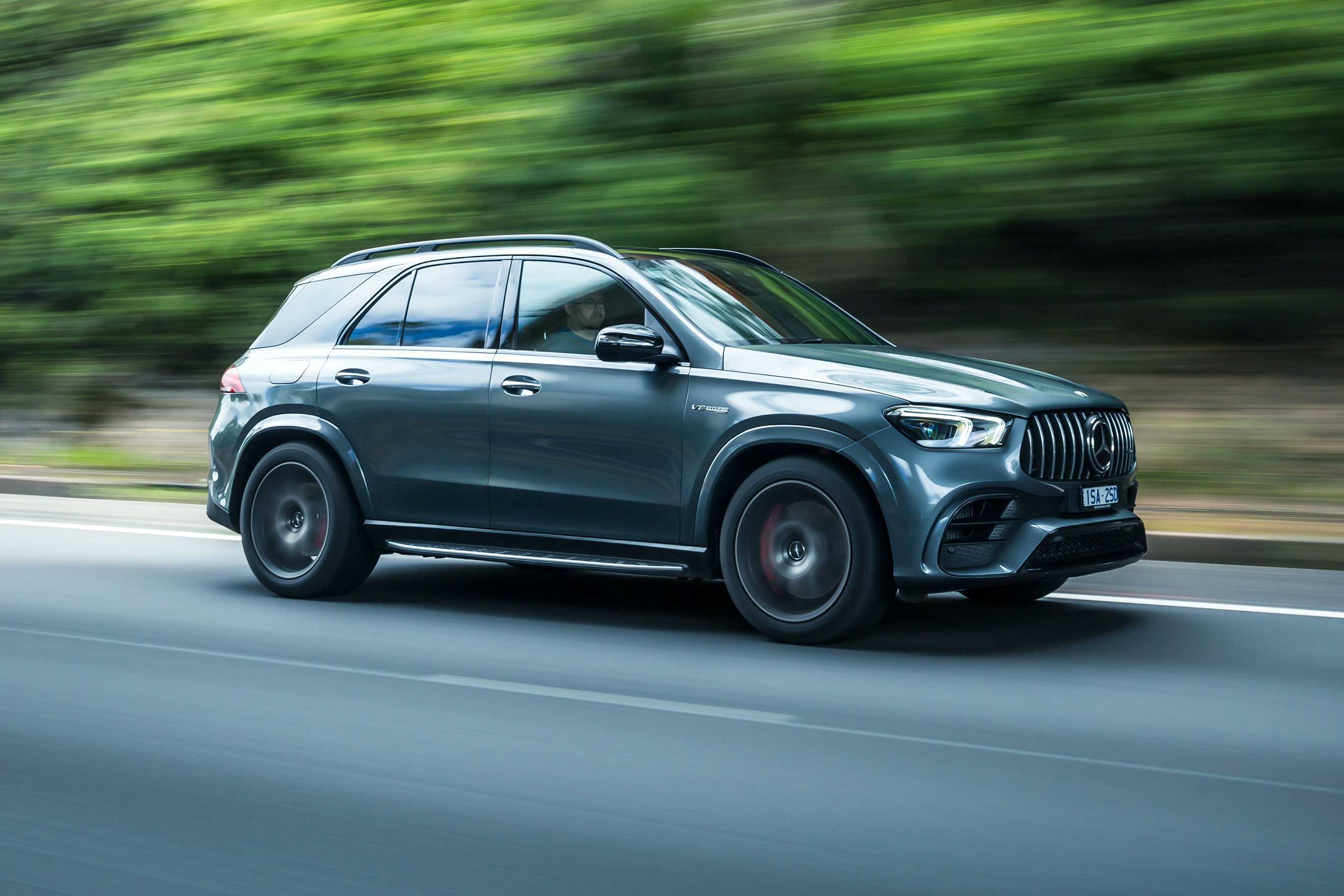
Mercedes GLC Australian pricing – October 2021
Mercedes GLE Australian pricing – October 2021
Mercedes GLS Australian pricing – October 2021
Snapshot
- WRX Sportswagon to arrive in second quarter of 2022
- First WRX wagon since the ‘hawkeye’ GD in 2007
- Automatic CVT gearbox only
Subaru Australia has announced the release of the 2022 WRX Sportswagon – the first time there has been a long-roof version under the nameplate since 2007.
After a nearly 15-year hiatus, Subaru’s newest quick wagon will be included in the WRX range, having been killed off from the third-gen Impreza and rebadged as the Levorg locally from 2014 to 2020.
Featuring the same equipment as the recently-released fifth-generation WRX, the Sportswagon is powered by the 2.4-litre, turbocharged four-cylinder boxer engine under the bonnet of the sedan, punching out 202kW at 5600rpm and 350Nm between 2000-5200rpm.

However, unlike the sedan, the only transmission available is the “eight-speed” continuously variable transmission, with no three-pedal option offered – although it does retain Subaru’s renowned all-wheel-drive system.
General Manager of Subaru Australia, Blair Read, said the Sportswagon combines the WRX’s performance with the practicality a long-roof vehicle provides.
“The WRX is a true rally-bred vehicle that has earned an iconic status over the decades, and the all-new WRX promises to deliver a thrilling experience to drivers,” said Read.
“The WRX Sportswagon offers Australians an additional version of this performance machine with enhanced practicality for everyday use.
“The WRX Sportswagon will be a model in its own right, with both the sedan and Sportswagon featuring unique specification tailored to their respective audiences.
“We’re confident the all-new WRX and WRX Sportswagon will continue to build upon the performance model’s rich heritage as it ushers in a new era of style, technology, razor sharp handling and exhilaration.”
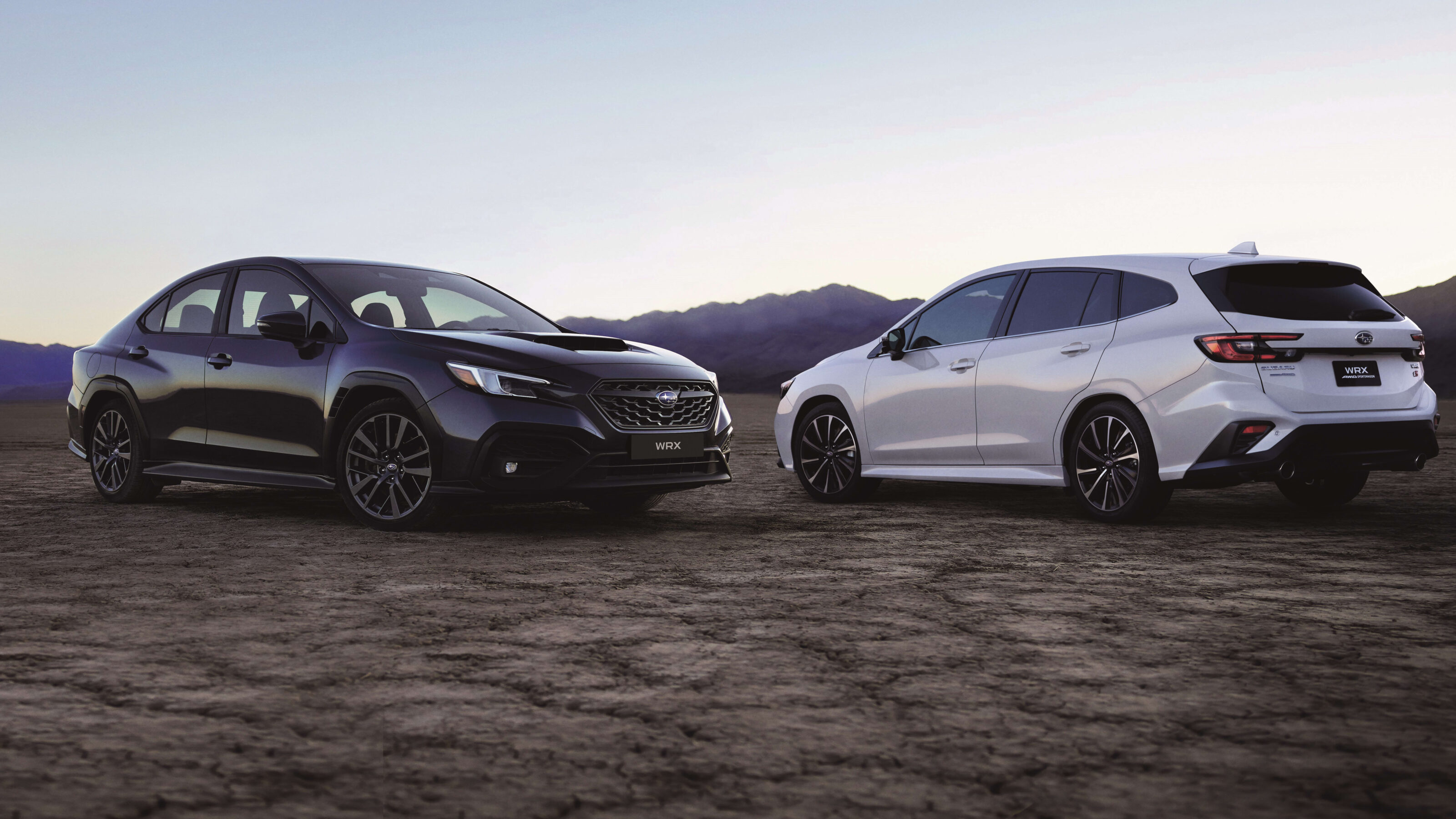
Subaru has not yet provided any details about the wagon’s dimensions and increased internal capacity, although it is expected to stand as wide as the sedan body at 1826mm.
The interior features from the sedan are also set to carry over to the Sportswagon – including equipment such as an 11.6-inch infotainment screen with bluetooth, Apple CarPlay/Android Auto, Recaro front seats and Subaru’s EyeSight driver assist.
Subaru sold 306 Levorgs locally throughout 2020, one of the few vehicles to increase in sales during the global pandemic, compared to 1399 WRXs in the same period – recently notching up 50,000 sales for the nameplate in Australia since its introduction in 1994.
How quick is the Hyundai i30 N DCT? Well, if Hyundai’s claim of 0-100km/h in 5.4sec is correct, then it’ll be the quickest front-wheel drive car we’ve ever tested.
A handful of cars have dipped into the 5.6sec-bracket over the years, including the now-defunct Honda Civic Type R, last-generation Renault Megane RS275 Trophy-R and, more recently, the Ford Focus ST automatic, but none have them have had the potential to go as quick as the i30 N.
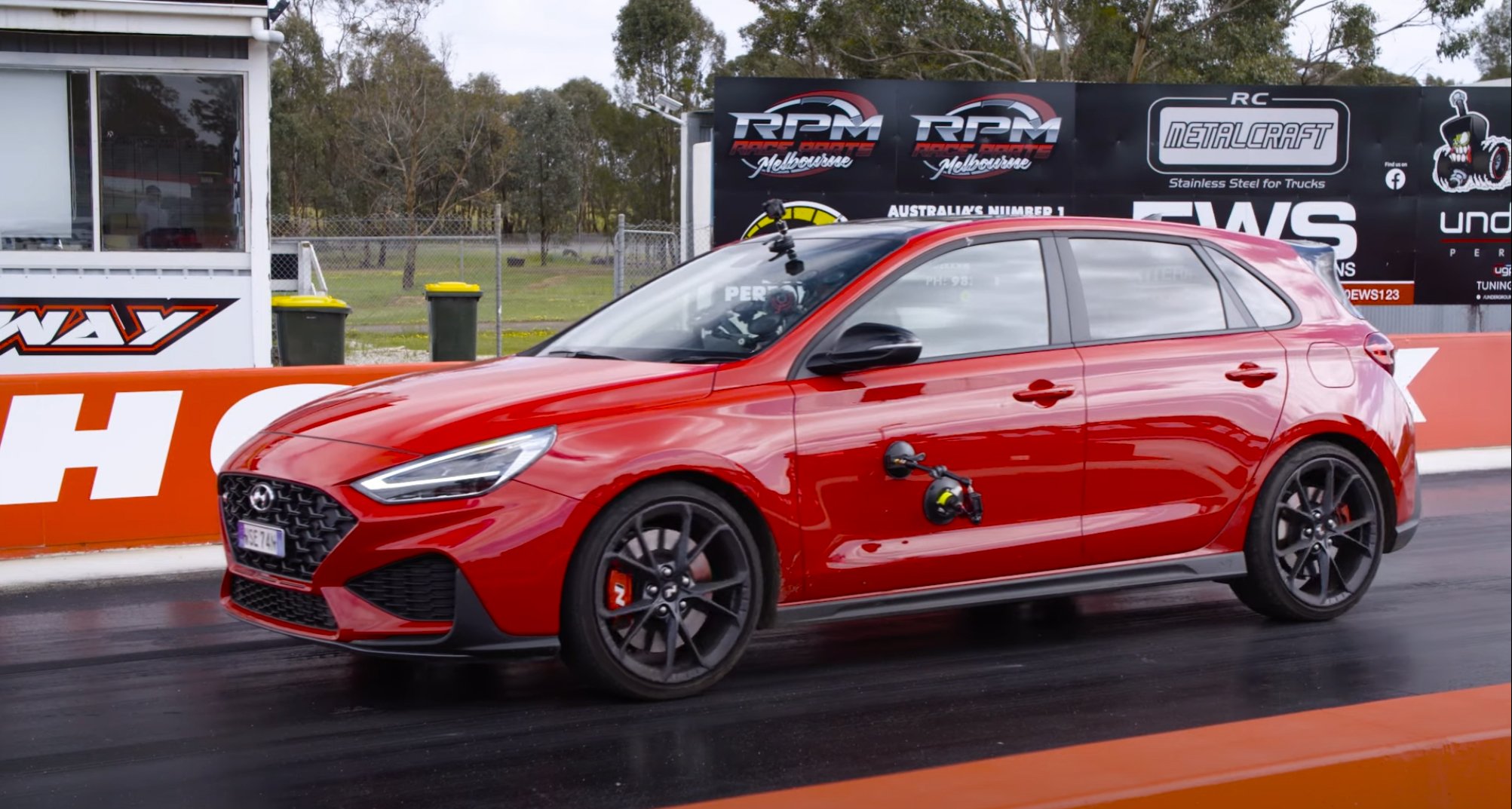
There are a few key components to this benchmark acceleration. The first is the upgraded 2.0-litre turbocharged four-cylinder engine in the new i30 N, which includes a new turbocharger and intercooler system to extract a further 4kW and 3Nm for totals of 206kW and 392Nm.
What’s more important, though, is the fact that there is more grunt all the way through the rev range, and making good use of this is the close ratios of the new in-house developed eight-speed dual-clutch gearbox.
None of this will be any good, though, if the i30 N can’t put this power to the ground, which is where the new launch control system comes in. It’s accessed through the N Mode screen in the infotainment system, where you’ll find Performance Options and launch control.
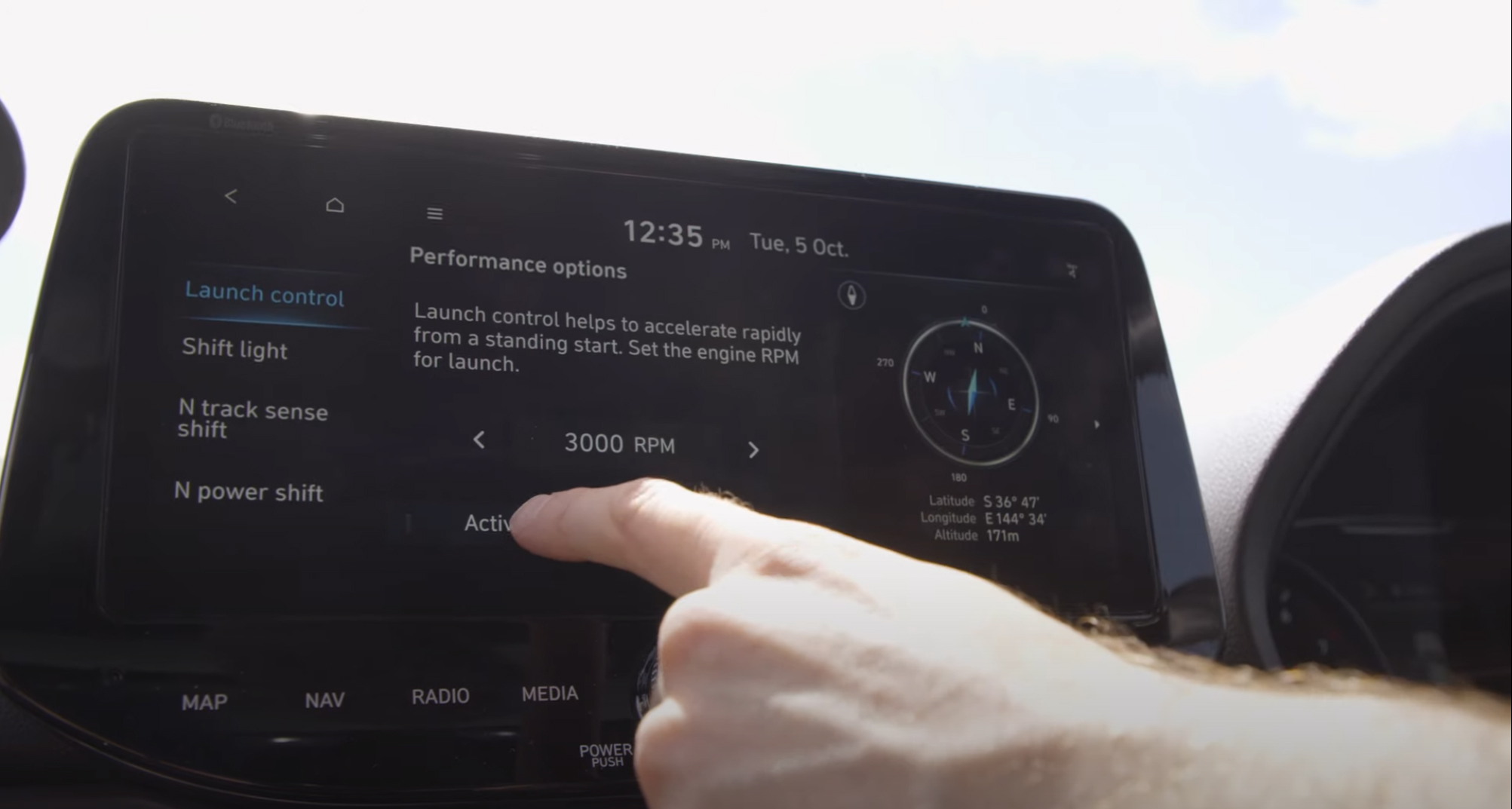
Like BMW’s recent M cars, it allows the driver to choose the launch rpm depending on available surface grip; simply choose the launch rpm, press activate, hold the brakes with your left foot and then floor the throttle with your right.
That’s the idea, but on the first run I fail to hold the brakes down far enough and launch control fails to engage. This does provide a set of non-launch control benchmark figures, however, of 0-97km/h (60mph) in 5.9sec, 0-100km/h in 6.2sec and a 14.2sec at 169.8km/h.
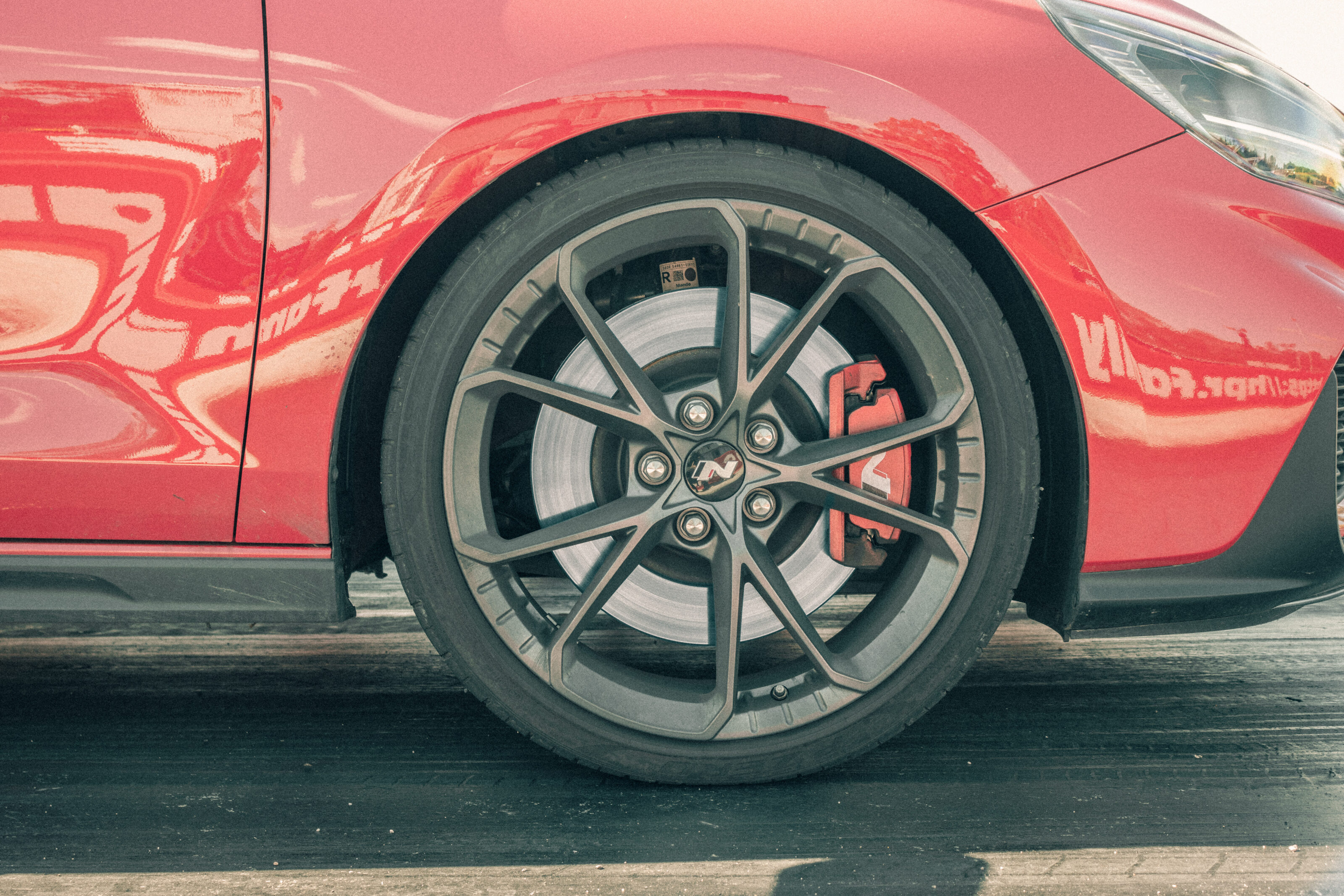
Having realised the error, another attempt with the launch control actually activated this time yields immediate results. The default rpm setting is 3000rpm which generates plenty of wheelspin but also plenty of forward motion, the times falling to 0-97km/h in 5.3sec, 0-100km/h in 5.5sec and a 13.7sec quarter mile at 171.3km/h.
Just like that, the Hyundai i30 N DCT becomes the quickest front-wheel drive car we’ve ever tested here at MOTOR, but there’s a sneaking suspicion it still has a bit more to give with a cleaner launch.
For the next attempt I line the car up on the rubber marks it left last time in an attempt to improve traction and drop the launch rpm to 2700rpm. The plan works, with the times improving once again to 0-97km/h in 5.2sec, 0-100km/h in 5.4sec, matching its claim, and a 13.6sec quarter at 171.5km/h.
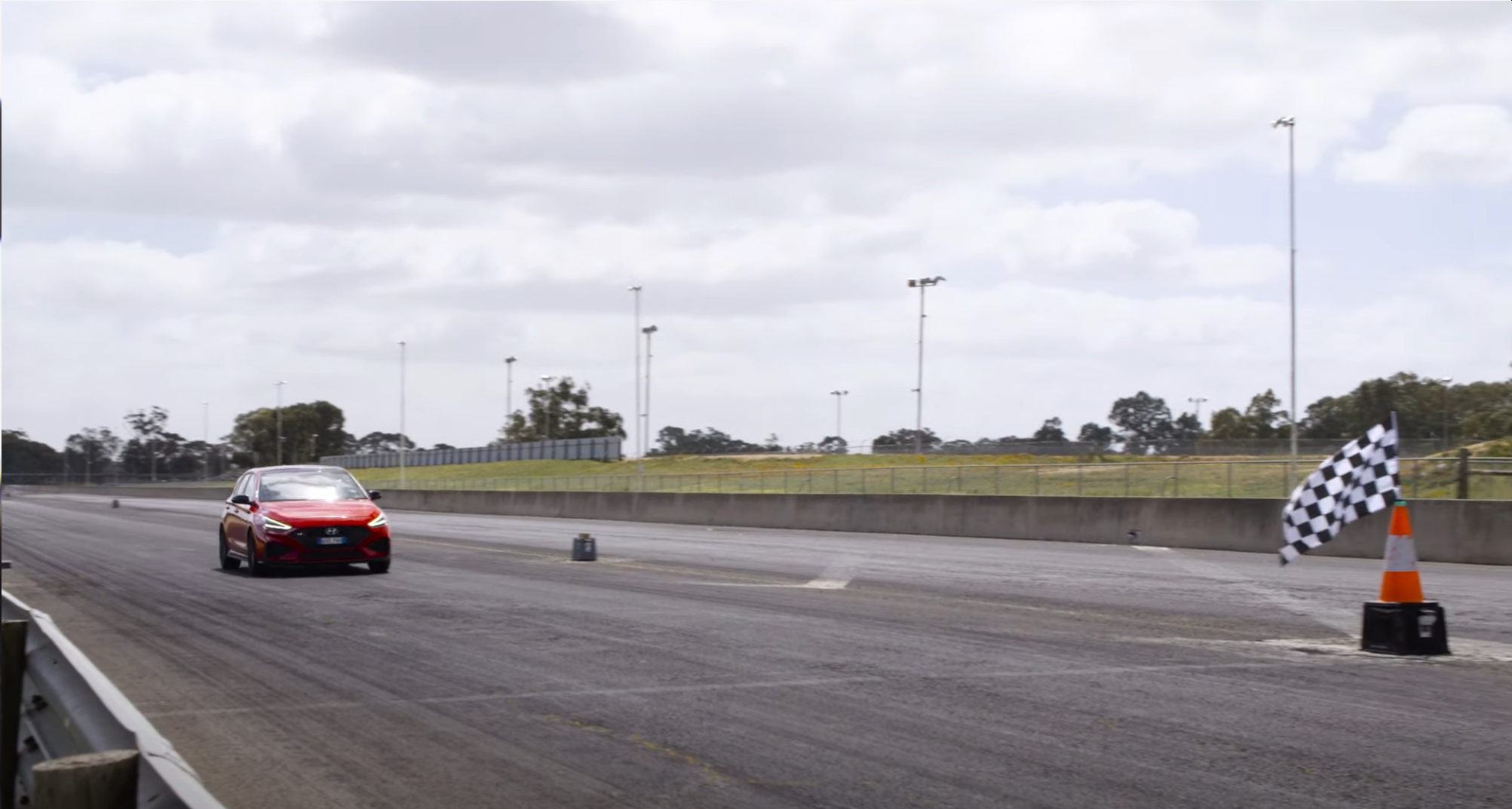
What’s clear is that this new i30 N has WAY more grunt than the last one, its trap speeds being a good 7-8km/h higher than those recorded in its (admittedly manual only) predecessor. It now has the power to really pin you back in the seat under full acceleration.
One last attempt with the launch rpm set to 2500rpm nets an identical set of figures on the DriftBox (which only displays to one decimal point), but a later look at the data gives final figures of 5.12sec to 97km/h, 5.35sec to 100km/h and a 13.55sec 0-400m at 171.81km/h, while 80-120km/h takes 3.1sec and braking from 0-100km/h 37.4m.
It’s quite amazing that a front-wheel drive hot hatch would be capable of figures like these, that were the preserve of all-wheel drives like the WRX STI and Golf R not that long ago. How quick will the manual be? We’ll find out in due course.
Snapshot
- Honda set to expand electric range with five new models in China
- Two vehicles will be made in joint ventures over the coming months
- All models in China to be electrified by 2030
Honda’s push towards a zero-emissions future has been shown off in China, as the Japanese manufacturer looks to target the world’s most populous country with its electric vehicles.
Unveiling five new EVs, Honda said it would be solely focusing on introducing electrified models such as hybrids and fully-electric vehicles from 2030, before moving to an electric-only model range by 2040.
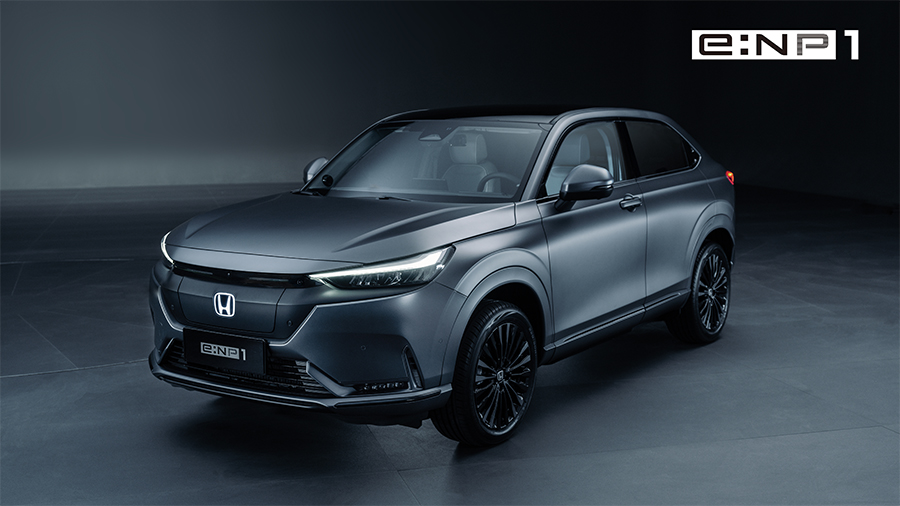
Kicking off with the new e:N Series, two of the five models shown off will be entering production next year – the e:NS1 and e:NP1, set to be manufactured in joint ventures with GAC and Dongfeng respectively and based off the looks of Honda’s new HR-V.
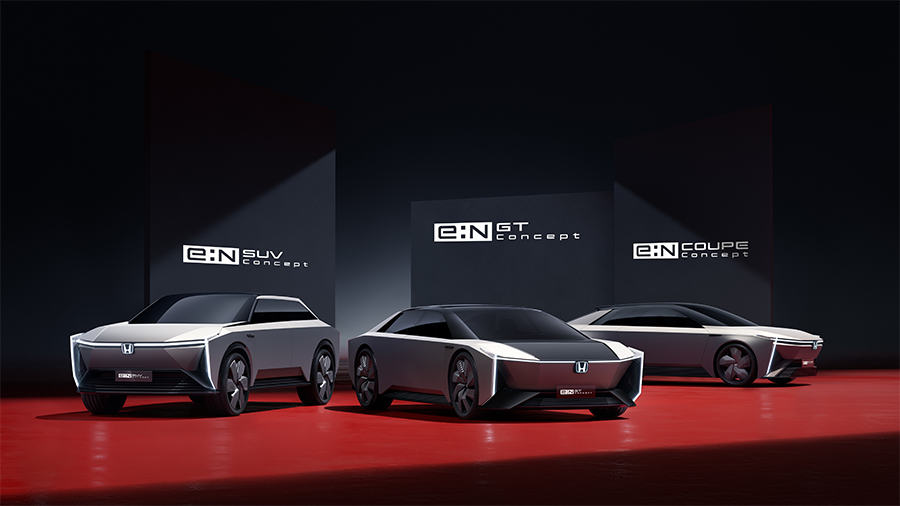
Bolstering its EV line-up will be three concepts, each representing a different segment of the market – the e:N SUV for families, the e:N Coupe as a crossover-style two-door and the e:N GT, a four-door which doesn’t quite resemble any of Honda’s current model range.
The manufacturer believes it will introduce the three concepts in production form within the next five years, a part of its plan to bring a further five electrified models to the Chinese market in the same period.
While no details have been provided regarding the e:N range’s powertrains, it’s believed the models will be based on a shared platform, potentially being sold at dedicated e:N dealerships in certain regions.
There is currently no indication whether any of these vehicles will be brought to Australia, as Honda’s recent move to an agency-based model has seen its yearly sales drop by 38.5 per cent compared to the end of September 2020, the largest percentage decrease of any active manufacturer.
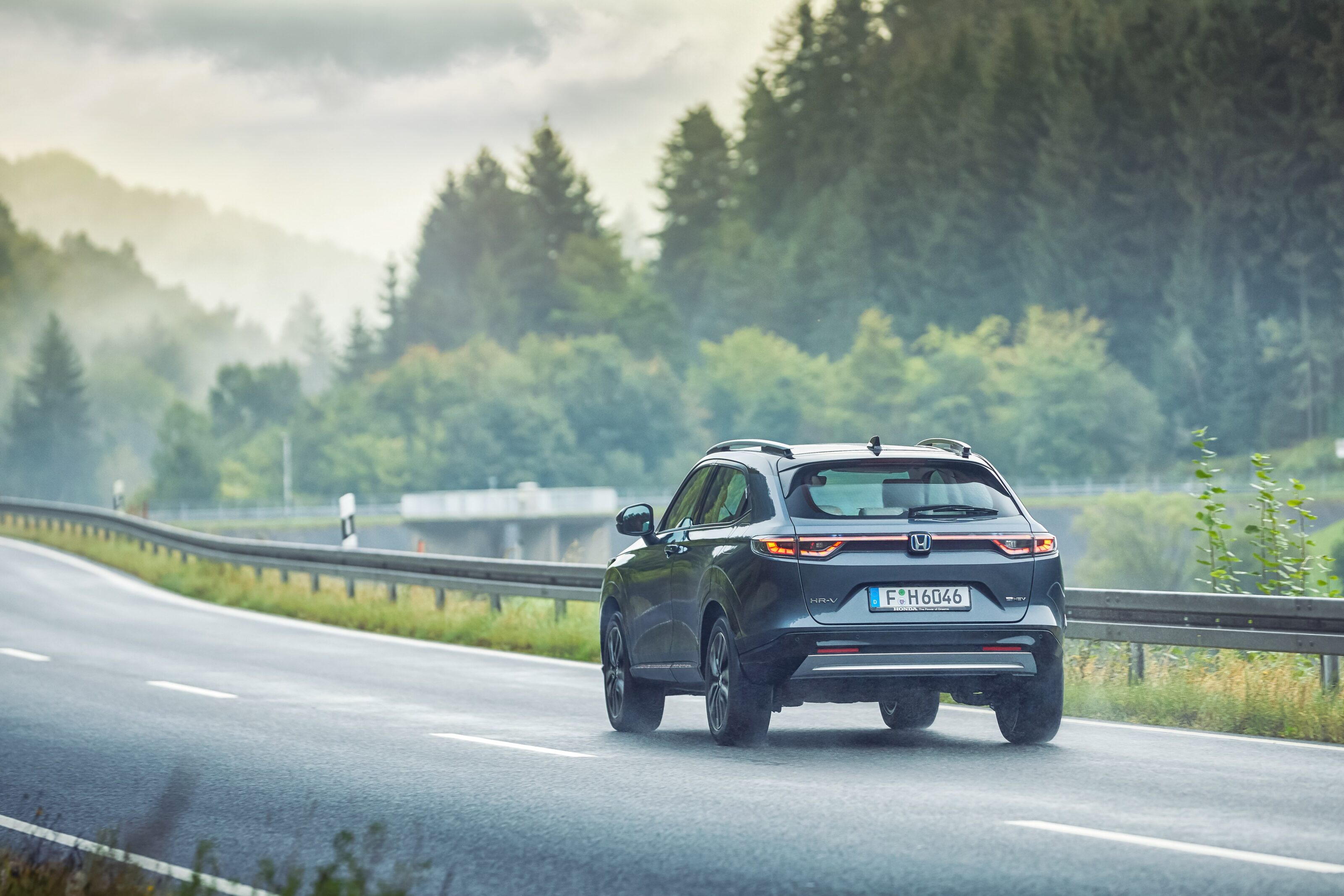
Meanwhile in Europe, Honda has launched its new HR-V hybrid, powered by a 1.5-litre petrol engine which is coupled to an electric motor, producing 96kW of power and 253Nm of torque with a combined fuel economy of 5.4L/100km.
The hybrid powertrain will underpin the 11th generation Honda Civic, set to launch locally in the final quarter of 2021 before the HR-V arrives in the first half of next year.
Snapshot
- 2022 A3 to be available with 110kW and 140kW engines
- Sedan and Sportback body styles on offer, Convertible dropped
- Prices start at $46,300 before on-road costs
The fourth-generation Audi A3 will make its local debut in early 2022, as the German manufacturer confirms its Australian pricing and features.
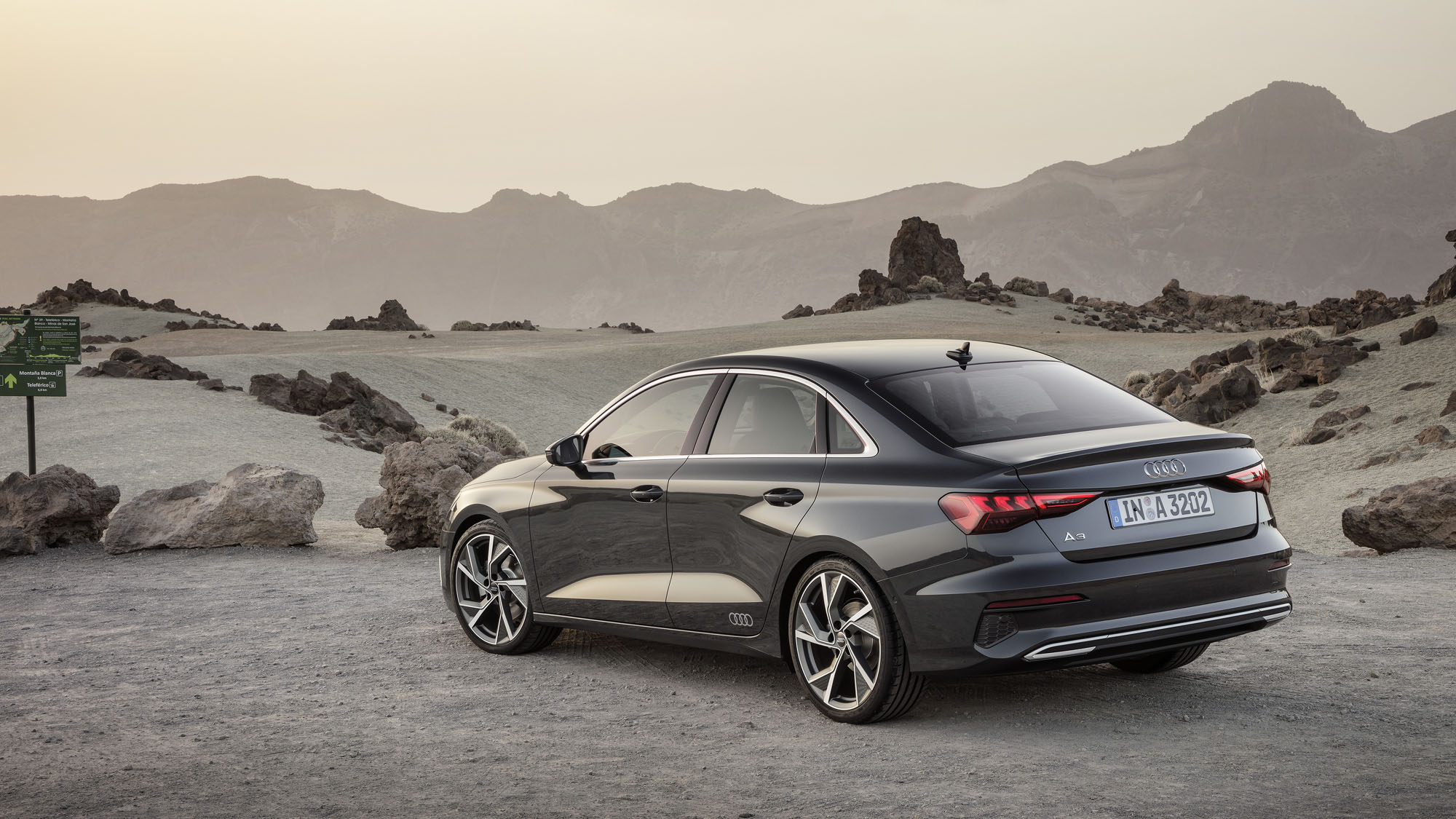
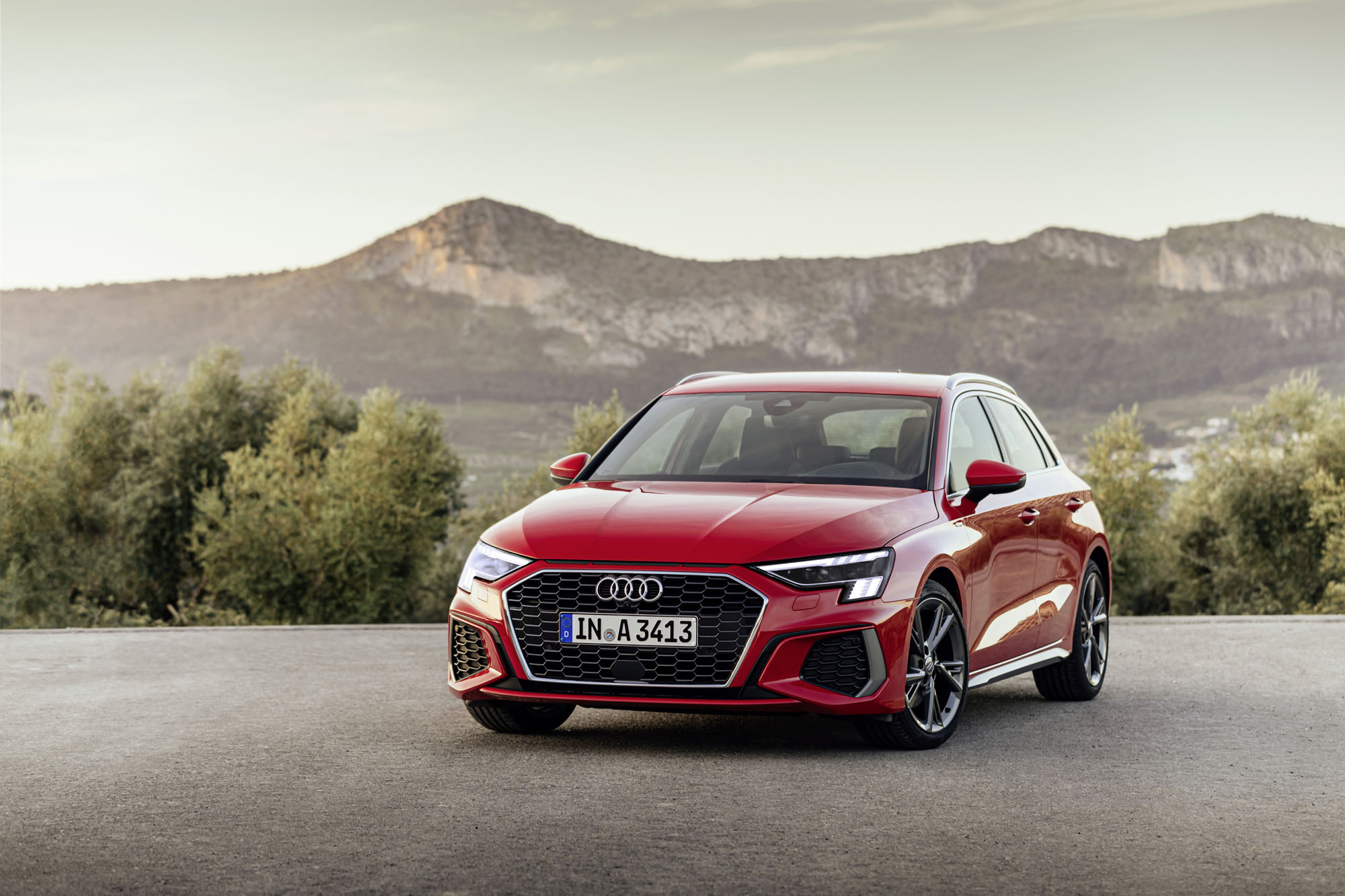
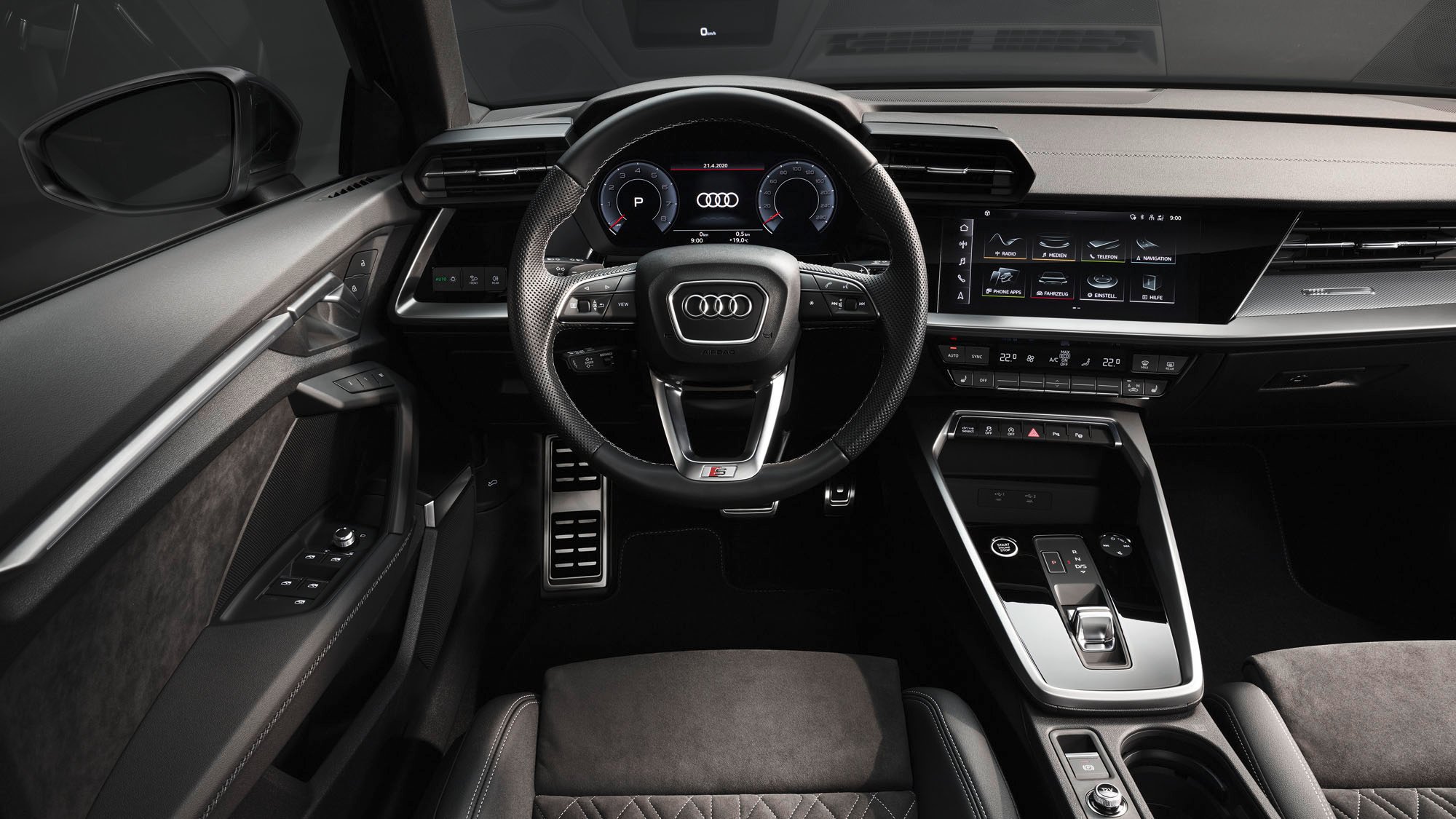
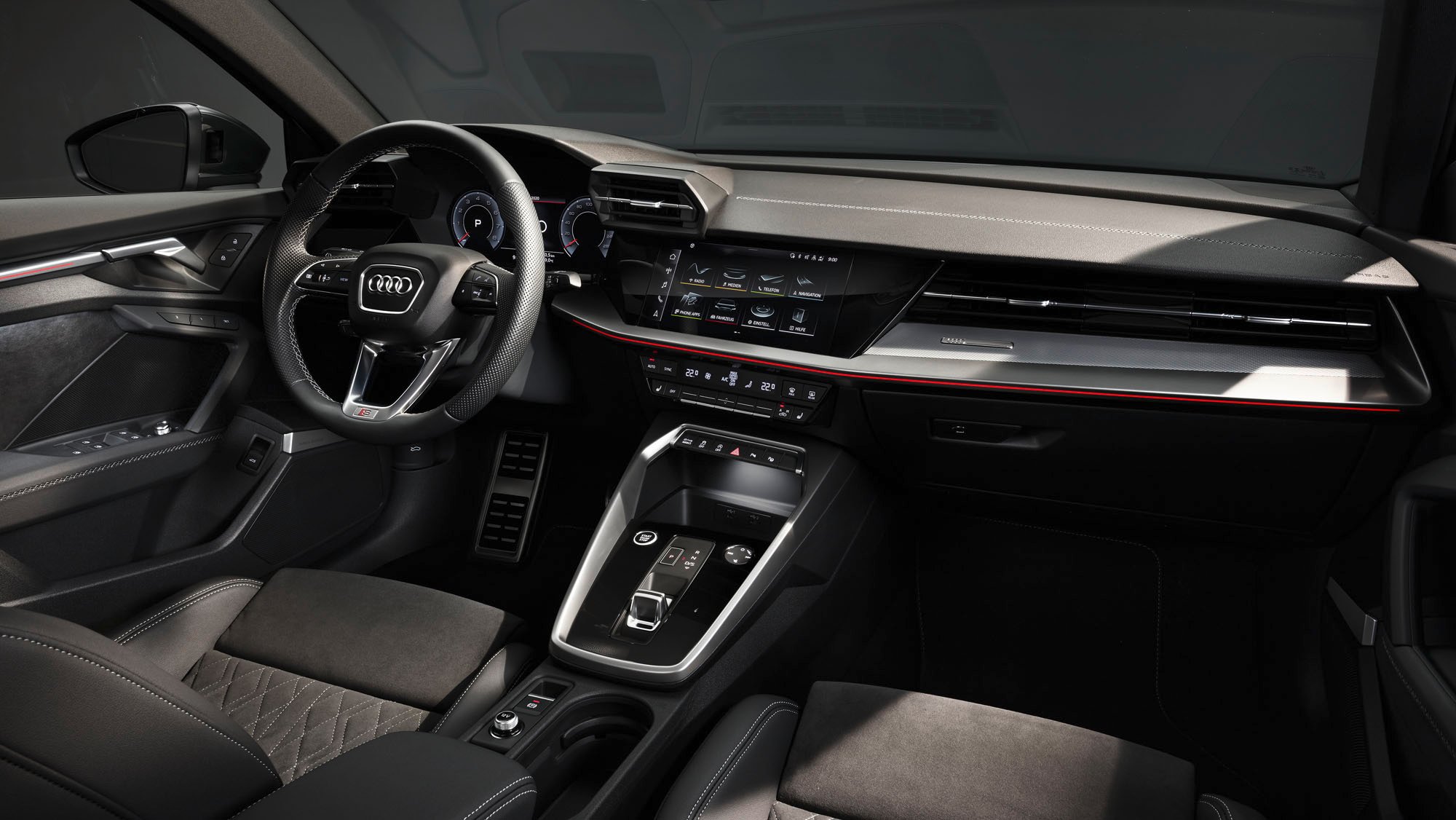
Replacing the popular third-gen A3, the 2022 model has undergone a facelift to be brought in line with Audi’s new design language, featuring a wider single-frame grill, sharper headlights and a more aggressive rear end.
Launching with two engines, both the front-wheel-drive, mild-hybrid A3 35 TFSI and all-wheel-drive A3 40 TFSI will be sold as either a five-door Sportback or four-door Sedan, in line with the recently released range-topping S3.
Pricing
While both the 30 TFSI and 35 TFSI S-line have been dropped from the line-up – as well as the Convertible body style – the remaining variants of the A3 range have undergone an increase in price, save for the Sportback 40 TFSI.
Prices exclude on-road costs.
Only the base Ibis White and Brilliant Black paint finishes are no-cost options, with Turbo Blue setting A3 40 TFSI buyers back an extra $650 while the remaining metallic colours are sold at a $1250 premium.
Features
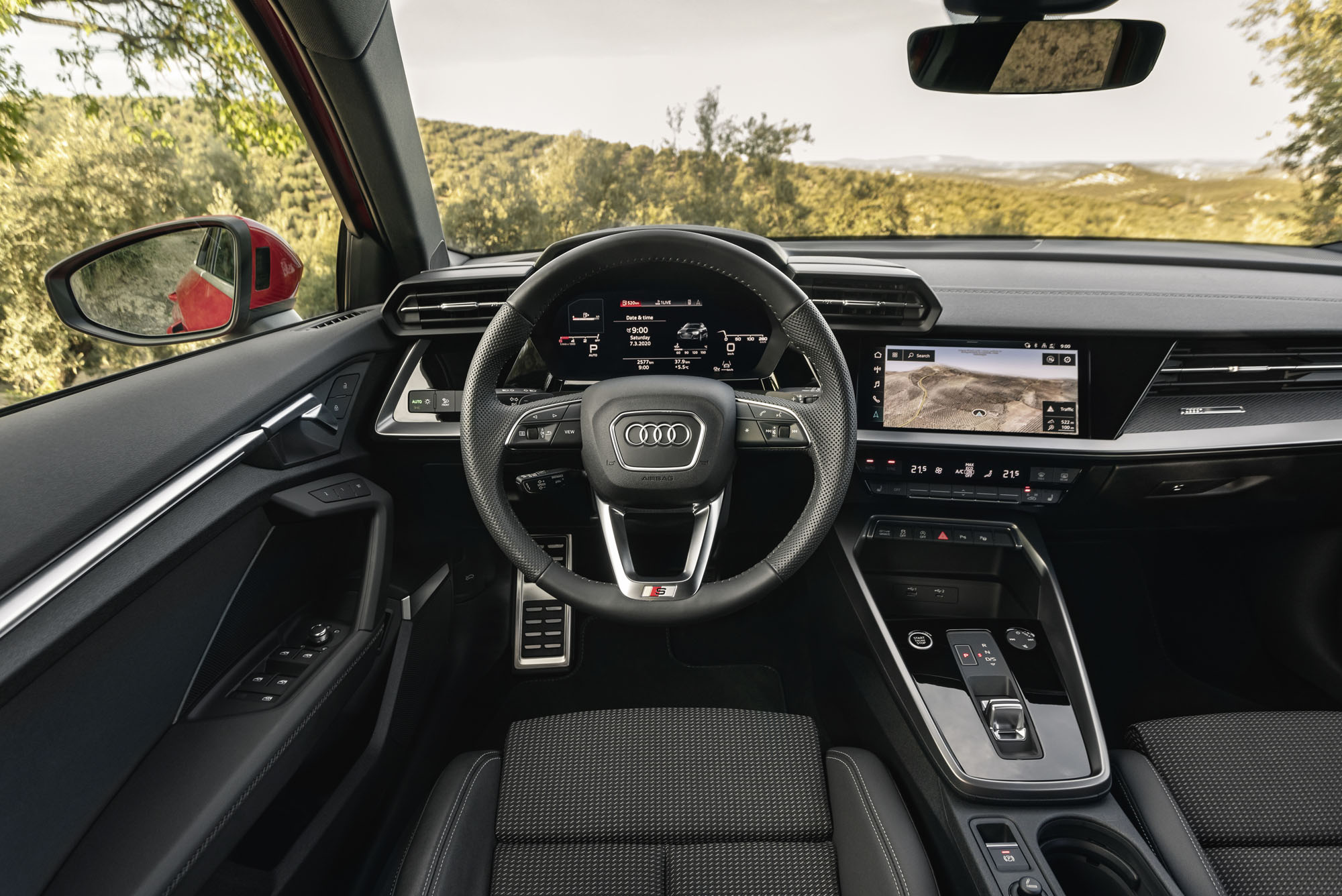
As the entry-level trim to the A3 range, the 35 TFSI acts as the base variant, scoring standard equipment such as:
A3 35 TFSI (Sedan and Sportback)
| 18-inch five-arm wheels with 225/40 tyres |
| LED headlights with daytime-running lights, dipped beam, high beam, position light, all-weather light, cornering light and rear dynamic indicators |
| Electric boot lid electric opening with gesture control (Sedan only) |
| Keyless entry and start |
| Power-adjustable and heated side mirrors |
| Heat-insulated windscreen |
| Leather appointed front seats |
| Inlays in platinum grey, silk effect paint finish |
| Dual-zone automatic air conditioning |
| Leather steering wheel in three-spoke design with multifunction plus and shift paddles |
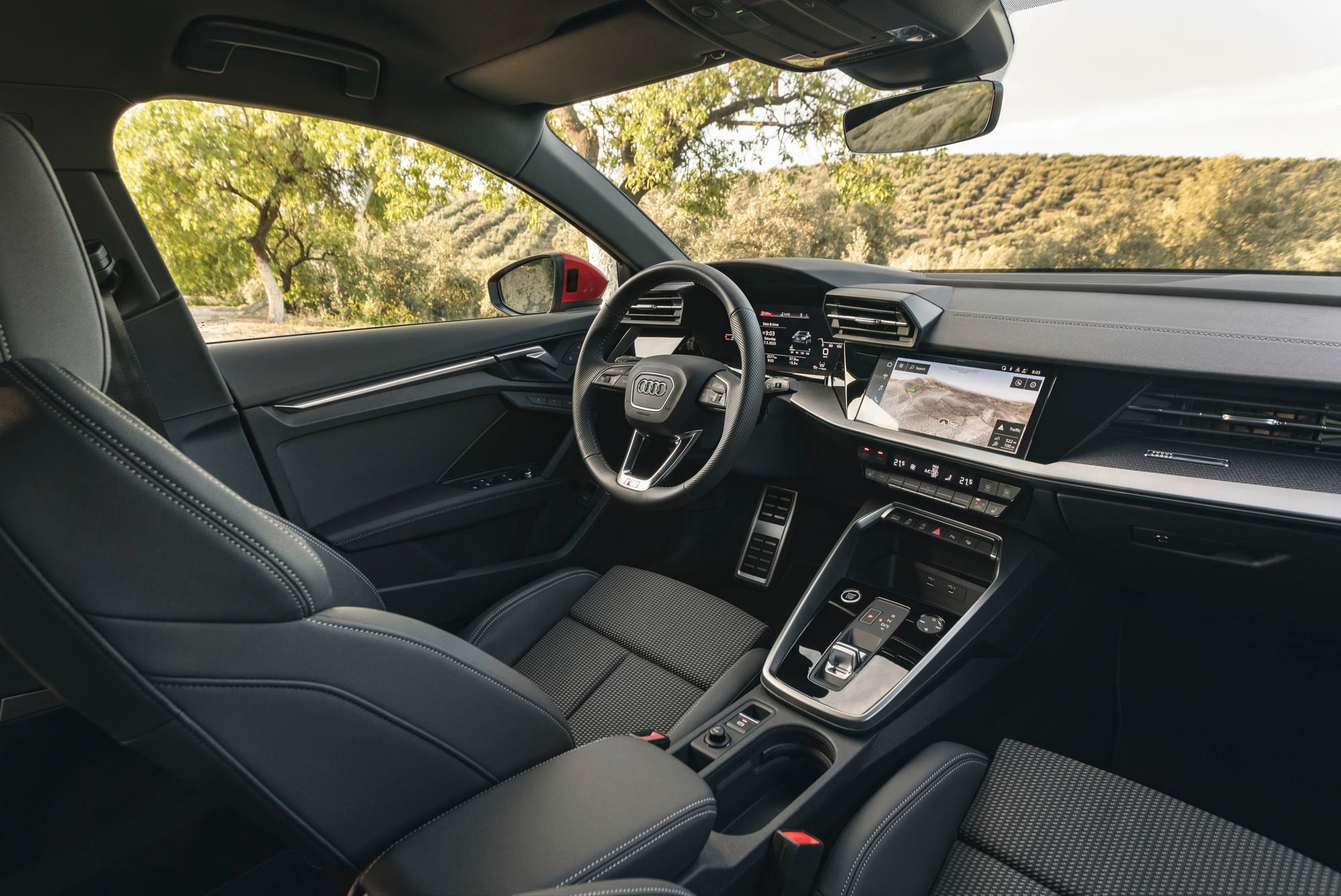
| Audi Connect Plus Navigation & Infotainment services including online traffic information with hazard alert, destination entry via myAudi or Google Maps, parking information, weather, fuel prices and Google Services |
| 12.3-inch configurable digital instrument cluster |
| Wireless Qi smartphone charging |
| Two USB interfaces with charging and data transfer functionality |
| Android Auto and wireless Apple CarPlay |
| Six-speaker audio system |
| DAB+ digital radio |
| 10.1-inch infotainment screen with satellite navigation, voice control |
On top of the 35 TFSI’s features, the A3 40 S-line gains:
A3 40 TFSI Quattro S-line (Sedan and Sportback)
| 18-inch five-Y spoke wheels with 225/40 tyres |
| S-line design front and rear bumper, side sill trims, S-line badging (with S-line specific roof spoiler for Sportback only) |
| Power-adjustable, folding, auto-dimming and heated side mirrors |
| Anodised aluminium window surround trims |
| Sport front seats with integrated headrest in leather appointed seat upholstery |
| Frameless auto-dimming interior mirror |
| Ambient lighting package interior door handles, entrance lighting under front doors, ambient lighting for the doors and side of the centre console, footwell lighting for front and rear, and illuminated vanity mirrors and cup holders at front |
| Storage and luggage compartment package including storage nets on the backs of the front seat backrest, 12V sockets in the rear centre console and luggage compartment; luggage compartment nets |
| Audi Drive Select |
Options
Comfort Package
Available on the A3 35 TFSI, the Comfort Package adds another $2600 to the A3’s price, gaining features such as:
| Four-way electric lumbar support |
| Adaptive cruise control with stop and go |
| Adaptive drive assist including emergency assist |
| Electric front seats |
| Heated front seats |
| Auto-dimming interior mirror |
| Exterior mirrors, electrically adjustable, heated and folding, automatically dimming on both sides |
Premium Package
On top of the A3 40 TFSI Quattro S-line, the Premium Pack will set buyers back $4500, bringing with it:
| Four-way electric lumbar support |
| Adaptive cruise control with stop and go |
| Adaptive drive assist including emergency assist |
| Aluminium look interior elements |
| Audi sound system |
| Head-up display |
| Heated front seats |
| Colour ambient lighting package |
| Electric front seats with memory for driver and exterior mirrors |
A number of individual options are also available, which can be purchased in conjunction with the aforementioned packages:
Engine, drivetrain and fuel economy
As previously mentioned, the 2022 A3 is sold with two engine variants, available in the 35 TFSI and 40 TFSI Quattro S-line respectively.
The entry-level models are powered by a 1.5-litre, turbocharged four-cylinder engine with 48-volt mild-hybrid assistance, making its debut in the Australian market. Despite gaining 100cc over the old model, power and torque outputs remain the same at 110kW and 250Nm.
Drive is sent to the front wheels via a seven-speed dual-clutch automatic transmission, with combined fuel consumption now down to 5.0L/100km for the Sportback and 4.9L/100km in Sedan guise – a drop of 0.4L/100km thanks to the mild-hybrid system.
Stepping up to the A3 40 TFSI provides a bump in performance thanks to its 2.0-litre, turbo four-cylinder engine, pushing out 140kW and 320Nm – identical figures to the outgoing A3.
With power being delivered to all wheels through Audi’s Quattro system and a seven-speed dual-clutch gearbox, while fuel consumption is up by 0.6L/100km over the model it replaces, now at 6.7L/100km for the Sportback and 6.6L/100km for Sedan variants.
Safety
Featuring a five-star ANCAP safety, the Audi A3 range is packed with loads of standard equipment to protect its occupants, including:
| Six airbags |
| Audi pre-sense front with Autonomous emergency braking (AEB) and pedestrian and cyclist detection |
| Electromechanical parking brake |
| Electronic Stabilisation Control (ESC) with ABS, ASR, EDL |
| Seatbelt reminders for all passengers |
| Tyre pressure loss indicator |
| Cruise control with speed limiter |
| Adaptive cruise assist with stop and go, traffic jam assist and emergency assist |
| Lane change warning with cross traffic assist rear and exit warning |
| Lane departure warning |
| Cross-traffic assist rear |
| Park assist |
| Parking system plus |
| Light and rain sensor |
| Rear-view camera system |
| 360-degree cameras |
Warranty and servicing
As with the rest of Audi’s range, the A3 is covered by a three-year/unlimited-kilometre warranty, with Audi offering a two-year extended warranty for an additional cost.
Also available is a five-year service plan for the A3, priced at $2250 for service intervals of 12-months/15,000km.
Availability
The 2022 Audi A3 is set to arrive in Australian showrooms during the first quarter of next year.
Snapshot
- Maps will offer most environmentally-friendly route among choices
- Low emission zone alerts also to come
- US market first to have it, followed by Europe
Google Maps now lets users in the United States choose the route to their destination which has the lowest carbon footprint, as part of a bid to make itself more environmentally friendly.
The American internet giant announced the new model, which works out which route is best to take based on factors such as; fuel consumption, road inclines, and traffic congestion, is now available in its home nation – with a European rollout expected next year.
As of Wednesday, Google Maps in the US will automatically default to the route with the lowest carbon footprint when it has approximately the same estimated arrival time as the fastest option when using Apple and Android devices.
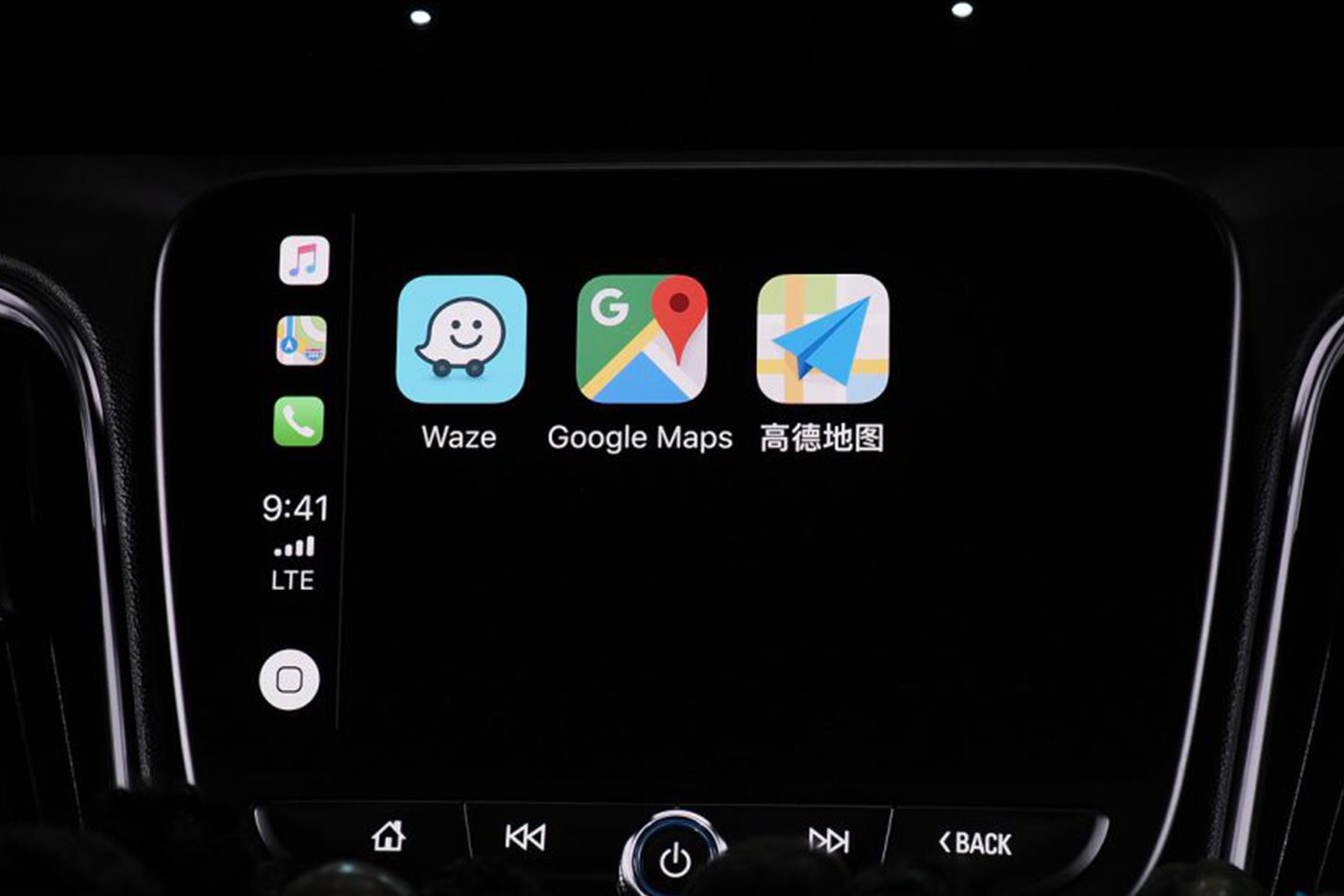
If the eco-friendly path would significantly increase overall travelling time for the user, the app will let them compare the CO2 impact and choose which way they’d prefer to go – if someone only ever wants the fastest route, they can adjust their preferences in the settings.
Google’s chief executive, Sundar Pichai, said the new method could save one million tonnes of carbon dioxide a year – the equivalent of taking 200,000 cars off the road.
“Travelling by car is one of the more carbon-intensive choices people make on a daily basis. Starting in the US, and in Europe in 2022, Google Maps will let you choose the route with the lowest carbon emissions if it isn’t already the fastest one,” said Pichai in a statement.
The move is part of Google’s commitment made last year to help its customers reduce their carbon footprint. Other such developments made in its Maps include alerts to tell drivers when they are about to enter a London-esque low emission zone and whether their vehicle is even allowed in such an area – aiding them with finding another route if not.
The feature already launched in June this year in Germany, the Netherlands, France, Spain, and the UK, with other countries set to benefit in the near future.
In addition Google has updated the app to offer travellers a broader view of all routes and modes of transportation at once – allowing them to compare how long a journey will take by car, public transport or bike, for example, without having to switch between tabs to find out. Using advanced settings, it will also automatically prioritise preferred ways of travel.
As yet there is no official confirmation of when Australians can expect to get any of these features – all we know so far is that “global expansion on the way”.
Wheels has contacted Google for comment.
