
In the premium large vehicle segment there are plenty of wagon offerings – yet Lexus doesn’t have the option of a family hauler.
The ability to haul more while retaining performance and good looks are undoubtedly the selling points of a long-roof car. Which is perhaps why artists on social media have taken to imagining what one would look like to rival the Audi A4, BMW 3 Series, Mercedes-Benz C-Class and Volvo S60 to name a few.
The luxury arm of Toyota has been known to think outside the box in the past (think LFA) – but it remains without a wagon option in its line-up, a let down for those who want a liftback version of its IS sedan.
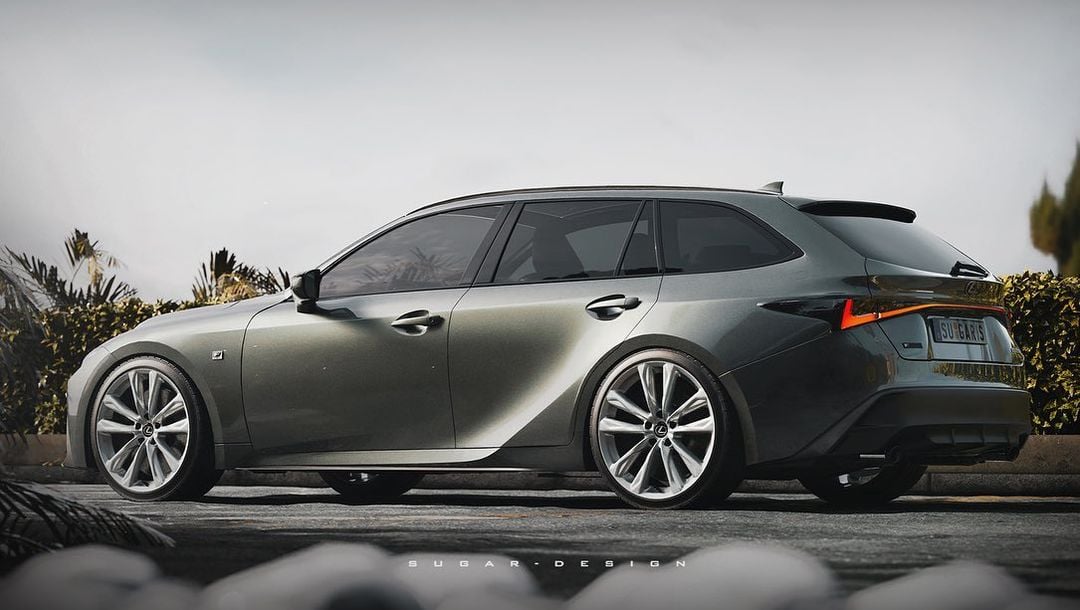
Fortunately, Instagram user Sugarchow has rendered their own IS Sportwagon.
Retaining the base IS’s rear light cluster, the revised roofline ties in well to its rear design – arguably making it look sharper than its European counterparts, while keeping the luxury touch associated with Lexus.
Perhaps aiding its aggressive look is a set of up-scaled wheels and lowered suspension – although we’re not too sure about the strong contrast between its red body and light wheels.
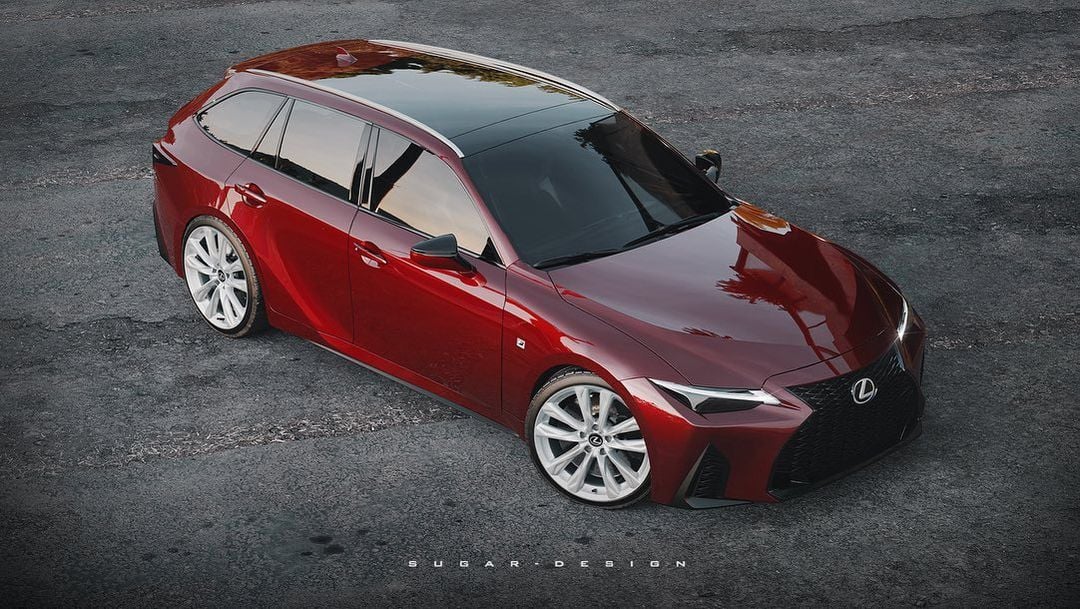
The IS range last underwent an update in the back end of 2020, featuring the turbocharged four-cylinder IS300, mild-hybrid IS300h and naturally-aspirated IS350 V6 – with the IS F Sport package adding larger wheels and a more aggressive body kit.
In the segment of $60,000-plus medium cars, the IS punches above its weight – currently sitting third on the list for 2021 with an 11 per cent market share, up from 4.8 per cent at the same time last year, only sitting behind the 3 Series (30.3 per cent) and the C-Class (28.1 per cent).
A creative partnership between Ferrari and new design firm LoveFrom will see the manufacturer expand its luxury business horizons beyond the automotive sphere.
LoveFrom, a firm set up by Apple iPhone veteran Jony Ive and industrial designer Marc Newson, has entered a partnership with Exor – which in turn is the holding company of the Agnelli family with a controlling stake in Ferrari.
It’s hoped the partnership will merge Ferrari’s history of performance with the experience in design of LoveFrom, the latter saying it will “explore a range of creative projects with Exor in the business of luxury”.

Ferrari Chairman John Elkann didn’t provide specifics, but said the partnership will also see Ive join Exor’s Partners Council.
“In building great companies, we also believe in building great partnerships,” said Elkann.
“Soon after LoveFrom was founded we began to talk with Jony and Marc about opportunities to combine their world-renowned creativity with ours, in complementary and incremental ways. Ferrari represents a first [and] exciting chance to do great things together as we build our future.
“I’m also delighted that Jony is joining our Partners Council, where we look forward to benefitting from his uniquely valuable perspectives.”

Newson and Ive added they were excited to not only join Ferrari, but also Exor – as the holding company currently owns a 14.4 per cent stake in automotive conglomerate Stellantis.
“We have been friends with John for many years and are great admirers of his insight and vision,” the pair said.
“We are thrilled to be embarking on such an important, long term collaboration with Ferrari and more broadly Exor. As Ferrari owners and collectors, we could not be more excited about collaborating with this extraordinary company and in particular with the design team expertly led by Flavio Manzoni.
“We see some uniquely exciting opportunities working together, which we believe will yield important and valuable work.”
It is understood LoveFrom’s staff includes a number of former Apple employees from its user interface side of the business, meaning the collaboration with Ferrari could lead to more bespoke infotainment systems in the future.
The current Australian motoring landscape is radically different to the one you and I grew up with. This statement is verging on painfully obvious, but it might surprise you just how quickly and how radically change has occurred.
Twenty years ago, buyers made very simple choices. Small families bought small cars and large families bought large cars, the two categories accounting for 21 per cent and 24.6 per cent of the Australian market respectively in 2001.
SUVs were in their infancy – so much so that they didn’t even have their own section in the VFACTS sales data, instead being lumped in with ‘Light Trucks’. ‘All Terrain Wagons’, as they were then known, incorporated everything from a Honda HR-V to a Range Rover and accounted for just 15 per cent of sales – and to be honest a lot of those were the Toyota Landcruiser and Nissan Patrol.
Dual-cab utes were of limited appeal, finding favour with just 4.5 per cent of buyers, mostly primary producers or off-road enthusiasts.
Today’s figures illustrate just how far the market has shifted. SUVs of various shapes and sizes accounted for 49.6 per cent of sales in 2020 – or basically one in every two vehicles – while dual-cab demand has almost quadrupled to 16.7 per cent.
Small-car sales have dried up to just 13.2 per cent of the market, but what of large cars, the dominant player of 20 years ago? In 2020 they accounted for just 0.6 per cent of sales.
Actually, the news is worse than that, as today’s large-car figures include prestige offerings like the BMW 5 Series and Mercedes-Benz E-Class. Limit it to the traditional $70K cut-off and the figure is just 0.3 per cent.
If all those figures are making your head spin, look at it like this: in 2001 for every 1000 cars sold, 246 were large sedans; in 2020, that number is three.
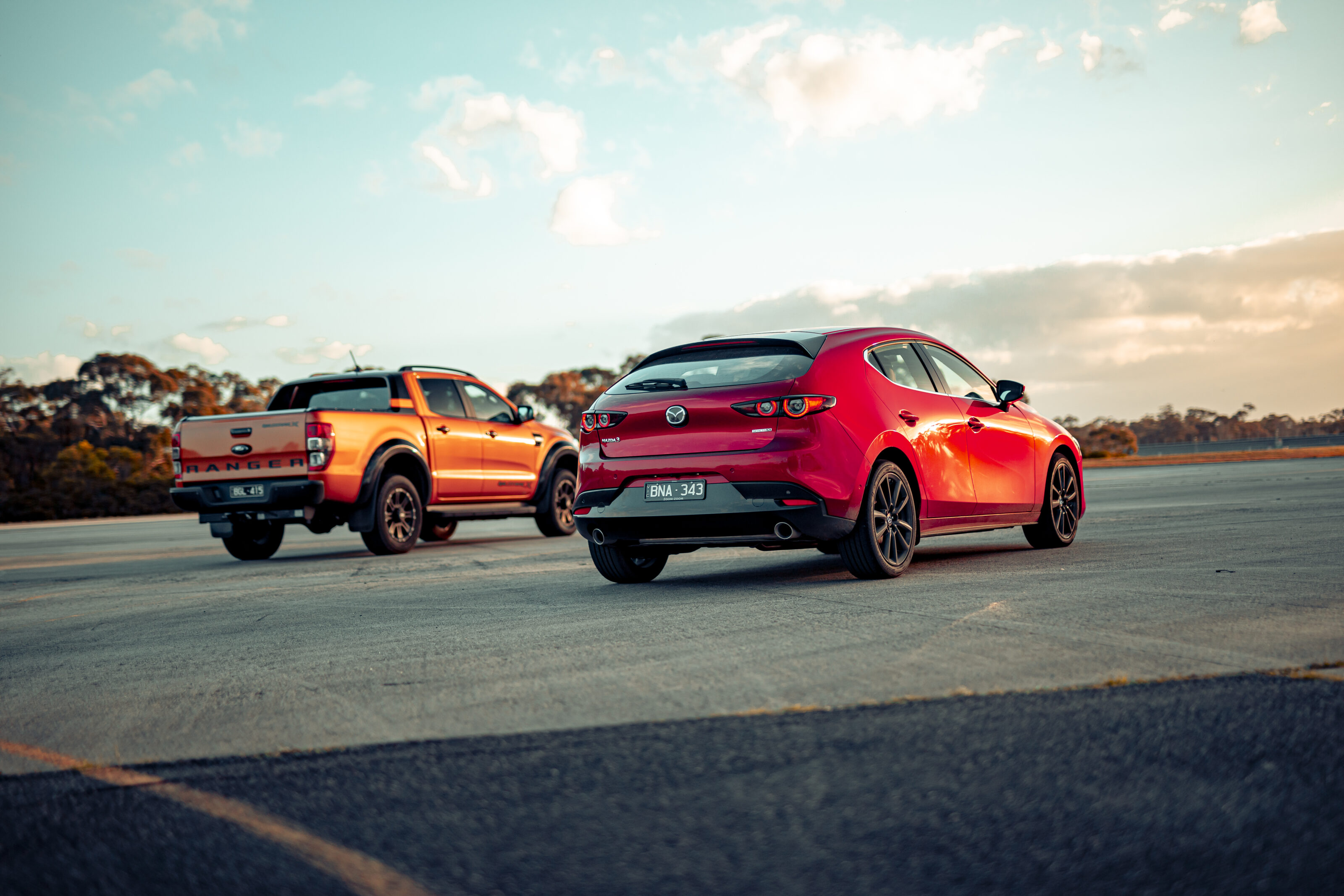
With Australian families now overwhelmingly favouring SUVs and dual-cab utes, the question we seek to answer is whether driving habits need to change to suit. With both these vehicle segments typified by substantial kerb weights and higher centres of gravity, do buyers need to be aware of dynamic compromises? Or does the latest chassis, tyre and electronic technology render that argument redundant?
To find out we gathered six cars from a variety of vehicle categories and employed the services of the Vinfast vehicle engineering team to put each through a series of tests to examine their dynamic capabilities. The Vinfast team’s knowledge, experience and equipment ensured the data was scientifically accurate and carried out to the correct standards, allowing Wheels to simply report the results.
Representing small cars and acting as a dynamic benchmark are the Mazda 3 X20 Astina hatch and Ford Focus Active. For SUVs we have the mid-size Ford Escape ST-Line and seven-seat Mazda CX-8 – actually, six-seat in the case of this range-topping Asaki LE. Last but not least is a pair of dual-cabs, the Mazda BT-50 GT and Ford Ranger Wildtrak.
Regardless of the results, in no way is this article intended to influence purchasing decisions – consumers should buy the vehicle that best suits their needs. However, it’s important to recognise that choosing a certain sort of vehicle may require some adjustment or compromise in terms of driving dynamics.
Braking
Surprising results when our field really threw out the anchors
Two braking tests were performed, both from 100km/h to zero, one in the dry and one in the wet. While all stops were conducted in the same locations, to account for any surface inconsistencies a number of runs were completed (either four or five, depending on the consistency of the results) with the best and worst results deleted and the remainder averaged. Between each stop, the brakes were cooled to eliminate fade as a variable.
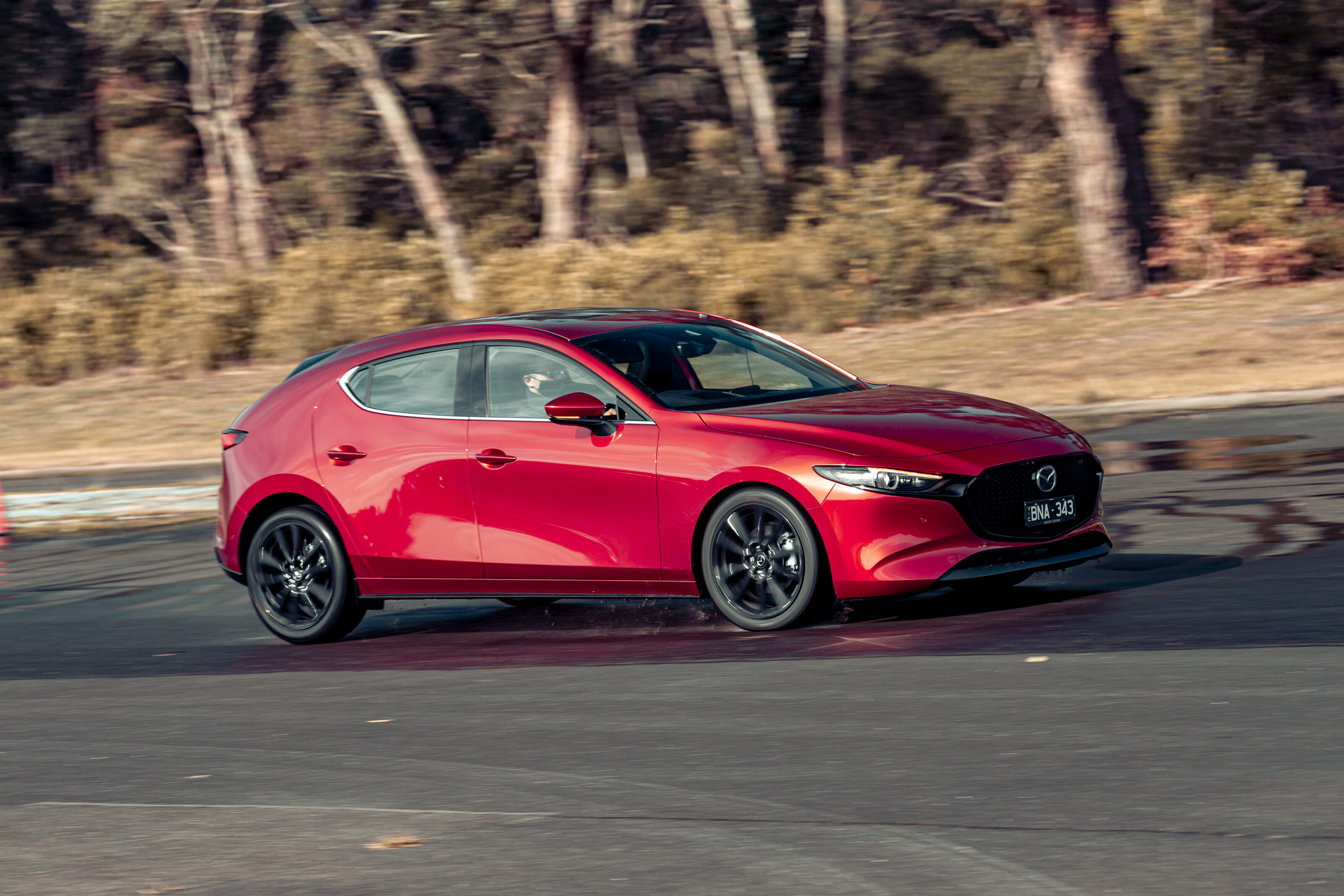
The Mazda 3 stopped in 39.8m in the dry, the testing notes stating that it was “definitely getting the most out of its tyres as it was moving around ever so slightly resulting in some yaw deviation”. Translation? It was getting a bit squirmy. This figure increased to 50.8m in the wet, providing us with our first important data point. Even a modern vehicle on new tyres takes 11m longer – or two-and-a-half car lengths – to stop in the wet than the dry.
Ford’s higher-riding hatchback, the Focus Active, was slightly worse in the dry at 40.3m but impressive in the wet, its 47.4m result the class of the field. Despite carrying an extra 562kg, the Mazda CX-8 recorded similar figures at 41.5m dry and 48.2m wet, suggesting tyre type/condition and ABS calibration are more important than vehicle size and weight.
Backing up this hypothesis was the excellent performance of the Ford Escape. Its 38.5m dry stop was not only the best recorded but its consistency impressed, too, the best and worst results separated by just 30cm. The testing notes backed up the data: “Rock solid performance, excellent stability and stopping power. The ABS felt really well controlled.” The Escape was equally capable in the wet, recording 47.8m, the notes again complimentary: “Really solid and consistent stopping distance and stability under braking”.
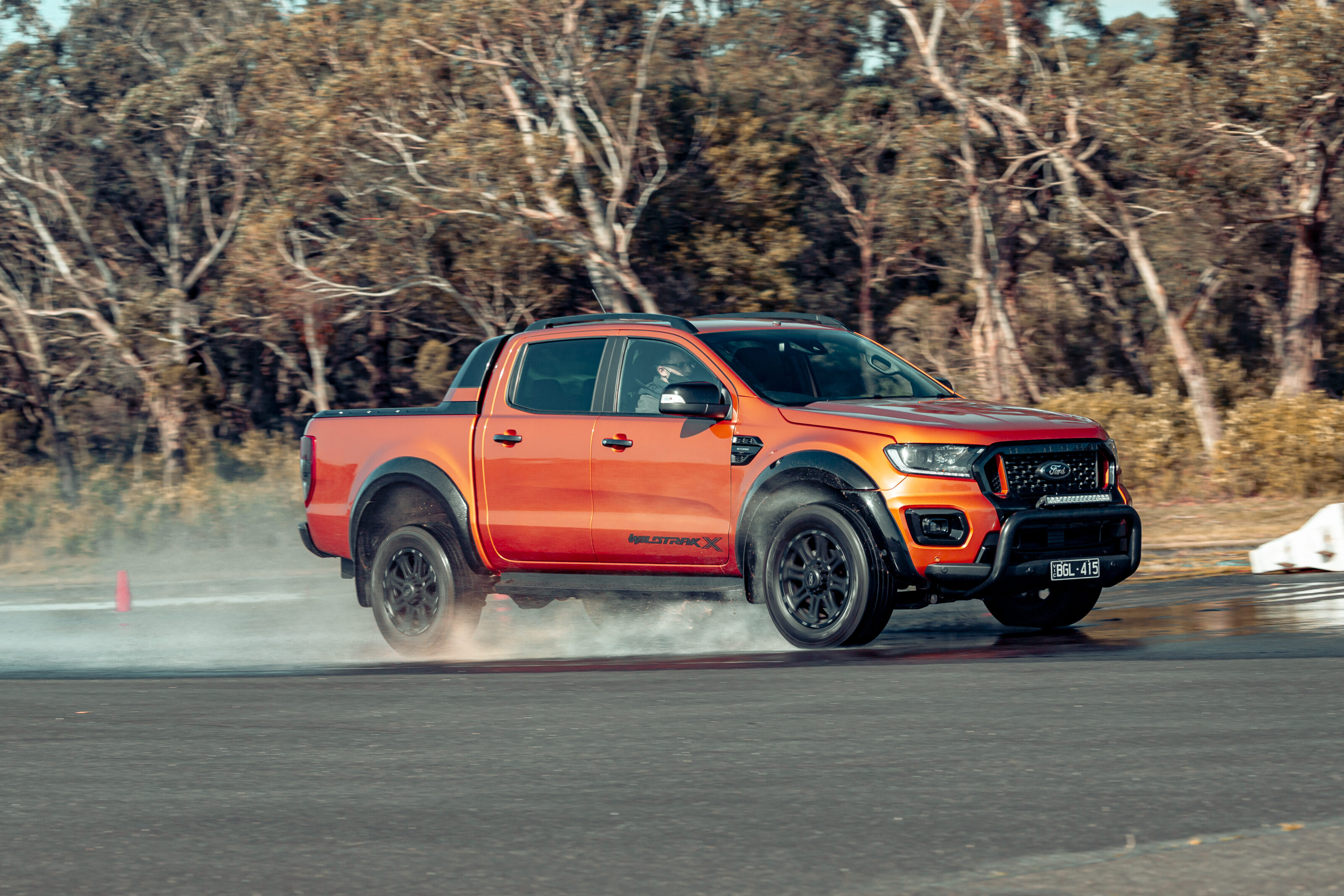
First of the dual-cabs was the Mazda BT-50 GT, taking 43.3m to stop in the dry and 52.9m in the wet. While these were the longest distances thus far, the testing notes were positive: “Very good stopping distance/consistent performance for a pick-up. Does not have the ‘sail on’ feeling as it controls corner pressure under ABS”.
Of all the vehicles the Ford Ranger struggled the most with the braking tests. While its 44.2m dry stop was in the ballpark, its wet result blew out to 57.8m, the testing notes explaining: “The Ranger found it difficult to cope with the patchy wet asphalt with the ABS releasing the corner pressures, resulting in a ‘sail on’ feeling which showed in the long wet stopping distance. The inconsistent performance also showed in the variation of the results”. The Ranger’s best wet braking result of 54.1m was similar to that of the BT-50, but it also recorded two distances of 60.1 and 60.2m, a dramatic difference.
What does this data mean? If we examine the difference in stopping power between the best-performing (Ford Escape) and worst-performing (Ford Ranger) vehicle, then at the point the Escape has come to a halt, the Ranger is still travelling at 35.9km/h in the dry and 41.6km/h in the wet. That’s fast enough to have serious consequences in the real world.
| When advice is outdated |
|---|
| Our braking data shows just how out of date Australiau2019s transport advice is. The commonly accepted figures available on state government websites is that u201ca modern vehicle with good brakes and tyresu201d will take 56m to stop in the dry and 80m in the wet.These figures do not take into account reaction time. While itu2019s undoubtedly important to factor in a comfortable safety margin, the governmentu2019s current figures are not in any way representative of the abilities of modern vehicles. |
Acceleration
Sometimes, the safest course of action is to get out of the way
While acceleration figures are not a safety factor per se, we took the opportunity to record 0-100km/h figures on all the vehicles. All vehicles were tested for the fastest possible time, whether that be a stationary transition from brake to wide-open throttle or stalling the car against the brakes to increase launch rpm.
Once again the star of the show was the Ford Escape, its 183kW/387Nm 2.0-litre turbo engine rocketing it to 60km/h in 3.49sec and 100km/h in just 7.15sec, despite the traction limitations of its front-wheel-drive layout.
The Focus Active’s gutsy 134kW/240Nm 1.5-litre turbo triple also punched above its weight, hitting 60km/h in a leisurely 4.57sec but improving to a second-best 9.01sec to 100km/h. Mazda’s 134kW/224Nm Skyactiv-X 3 was very sluggish, taking 5.08sec to reach 60km/h and 11.07sec to reach 100km/h, miles slower than its 8.7sec claim.
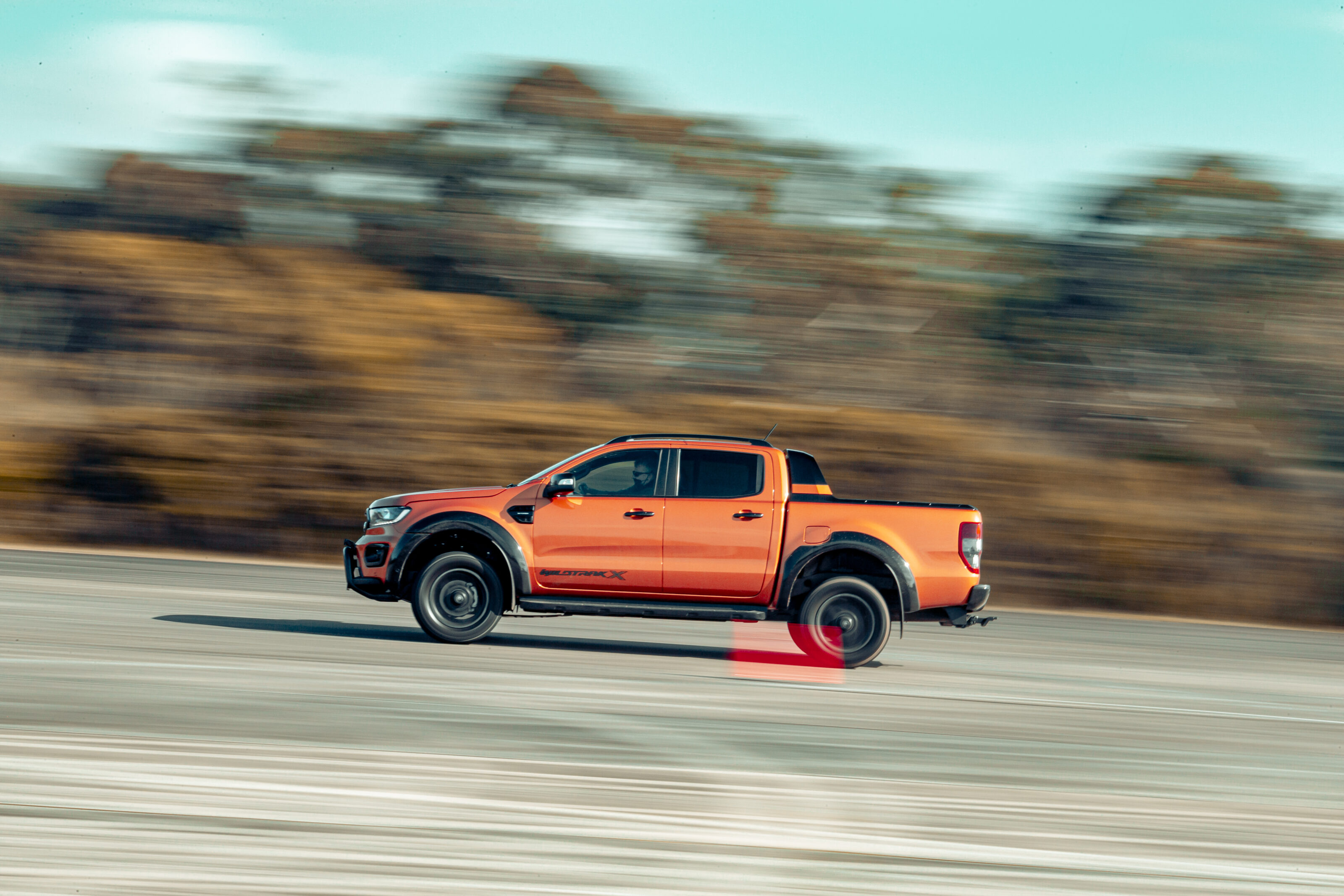
With identical power outputs (140kW/450Nm) and similar weight, it perhaps isn’t surprising that the other Mazdas recorded exactly the same time to 60km/h at 4.13sec, before the CX-8 opened up a six-tenths advantage to 100km/h, taking 9.4sec to the BT-50’s 10sec dead.
The Ford Ranger might have just a 2.0-litre diesel pushing 2330kg of ute but the 157kW/500Nm Ecoboost engine and 10-speed automatic combination is a potent one, taking 4.21sec to reach 60km/h but overtaking its BT-50 rival by 100km/h at 9.81sec.
No longer does choosing a dual-cab mean paying a performance penalty, though it must be said recent testing has revealed that the Ranger and BT-50 (along with its D-Max twin) are the straight-line stars of the segment. It’s also important to note that the Escape’s rabbit-like acceleration is atypical among mid-size SUVs.
Max Grip
Exploring the outer limits of adhesion … and beyond
To assess each vehicle’s maximum lateral grip, an Oxford RT3200 inertial and GPS measurement system was rigidly installed at the approximate centre of gravity location to measure forward and lateral velocity, and lateral acceleration, corrected for roll angle. The test course was a ring of cones 60 metres in diameter laid out on Lang Lang’s concrete skid pad.
Speed was gradually increased until stability control (ESC) intervention occurred or the vehicle was unable to maintain the circular course. All runs were completed with ESC activated, though the dual-cabs were also tested with ESC disengaged due to the systems’ early intervention. Each vehicle was tested two-up and completed two runs in a clockwise and anti-clockwise direction for a total of four runs.
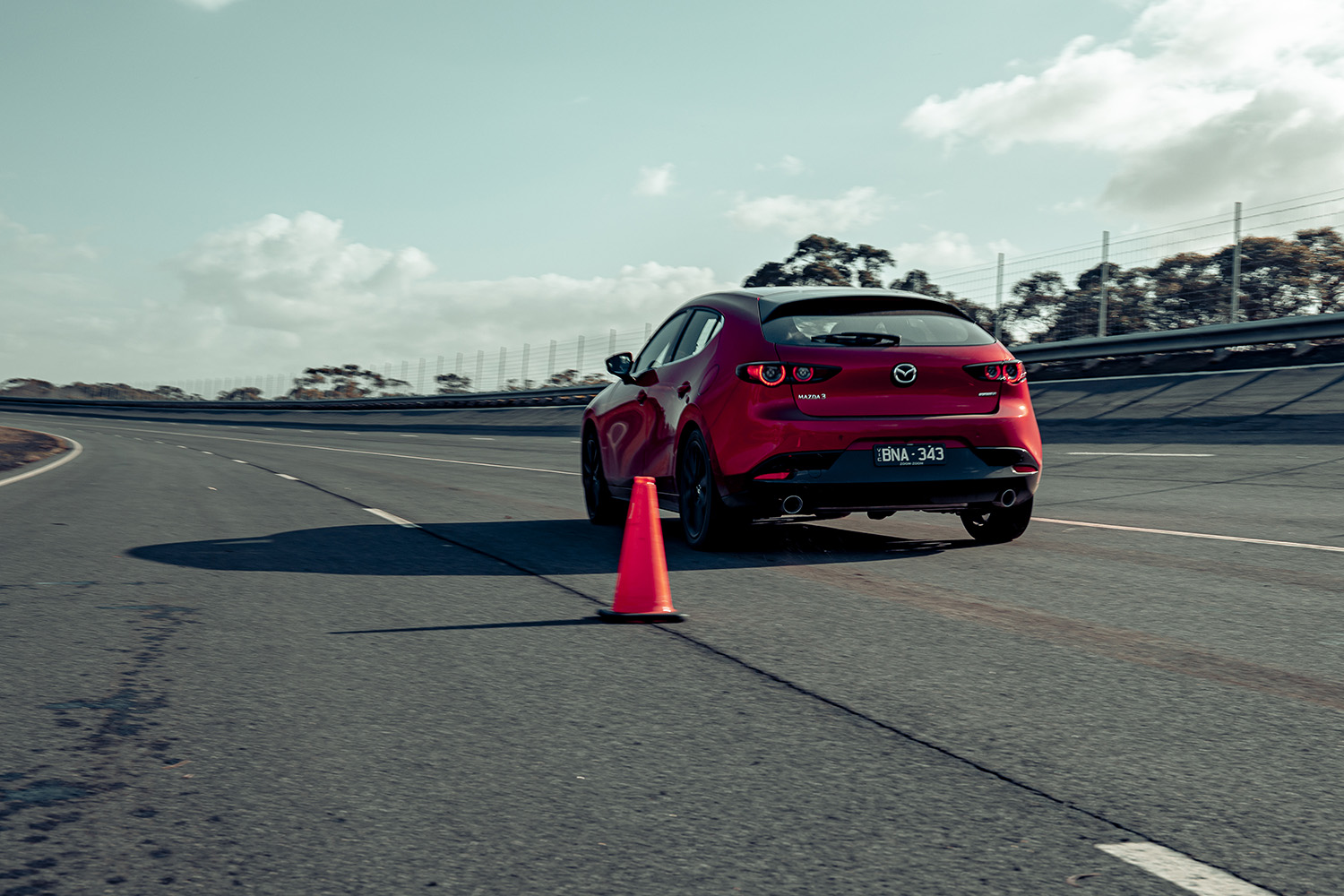
As one might expect of one of the best-handling small cars available, the Mazda 3 performed well with a maximum reading of 0.83g, the testing notes reading: “Subjectively felt the best of all vehicles due to low centre of gravity and the supportive seat giving more sporty feel. Ultimately limited by ESC intervention”.
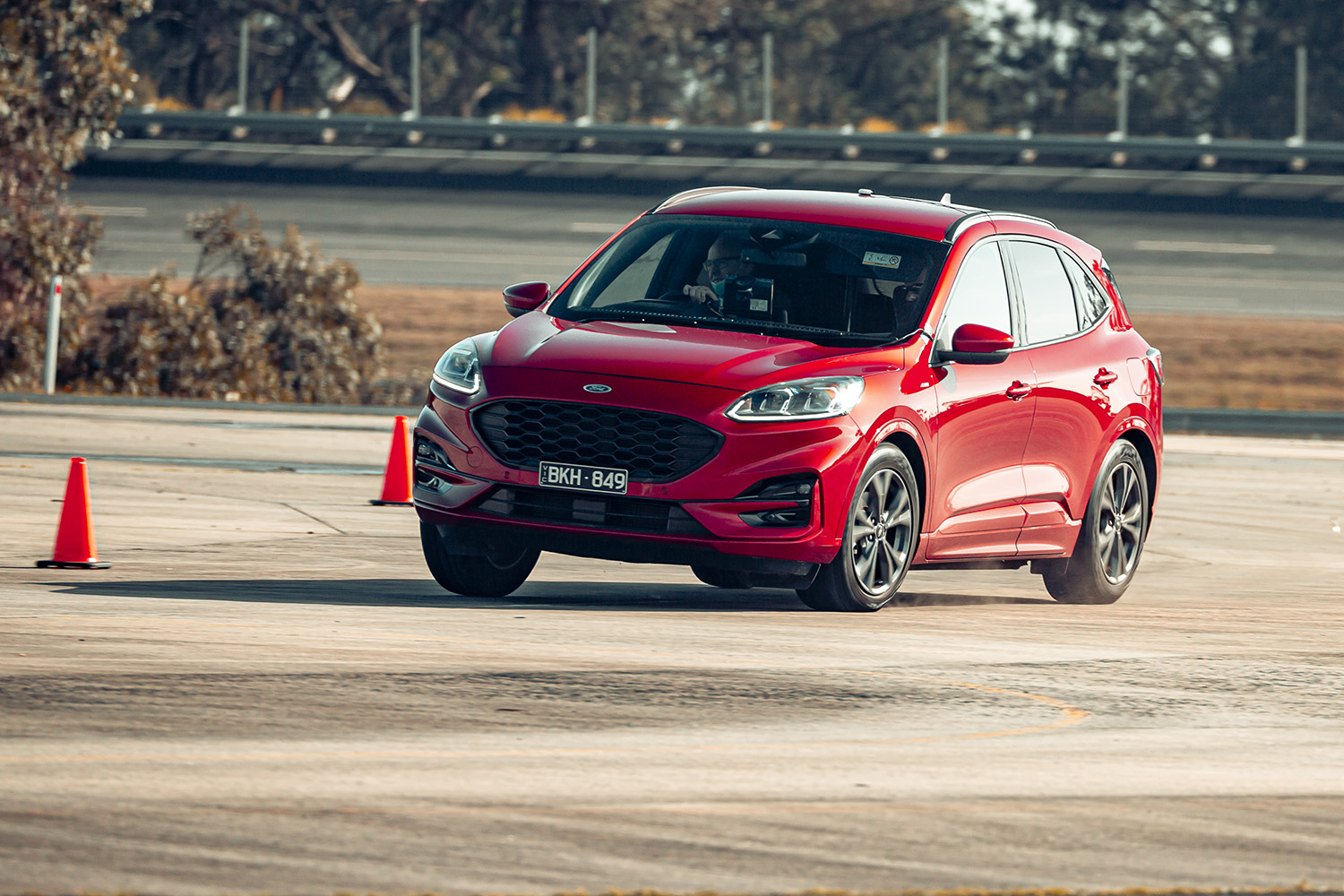
Belying its raised ride height, the Ford Focus Active scored even higher at 0.87g, the test notes explaining the Goodyear tyres felt the grippiest but its ultimate potential was again limited by ESC. Once again the Ford Escape defies the SUV reputation by splitting the two hatches with an impressive 0.85g reading, its steering “sharp and precise”.
The CX-8 was the only vehicle not limited by ESC intervention, its front tyres eventually washing wide into understeer at 0.78g. A look at the spec sheet reveals its Toyo Proxes are the same width as the Continentals on the Escape at 225mm, yet they are tasked with controlling almost 400 extra kilograms.
Both dual-cabs recorded very similar results, the Ford Ranger having a slight edge with ESC activated at 0.70g to the Mazda BT-50’s 0.68g. The testing notes for both utes describe greater roll, reduced steering response and very conservative ESC calibrations.
Repeating the test with ESC deactivated in the Ranger made very little difference due to roll-over mitigation remaining active and keeping the electronics alive, while relying purely on mechanical grip in the BT-50 increased its reading to 0.74g.
| What it means |
|---|
| Translating these lateral acceleration figures into speed reveals that while the Ford Focus could complete our circular u2018corneru2019 at 61km/h (0.87g), the best the BT-50 could manage (with its ESC activated) was 54km/h. That 7km/h deficit represents an 11 per cent drop on the speed achieved by the Focus. |
AEB
Distracted? here’s what to expect from autonomous intervention
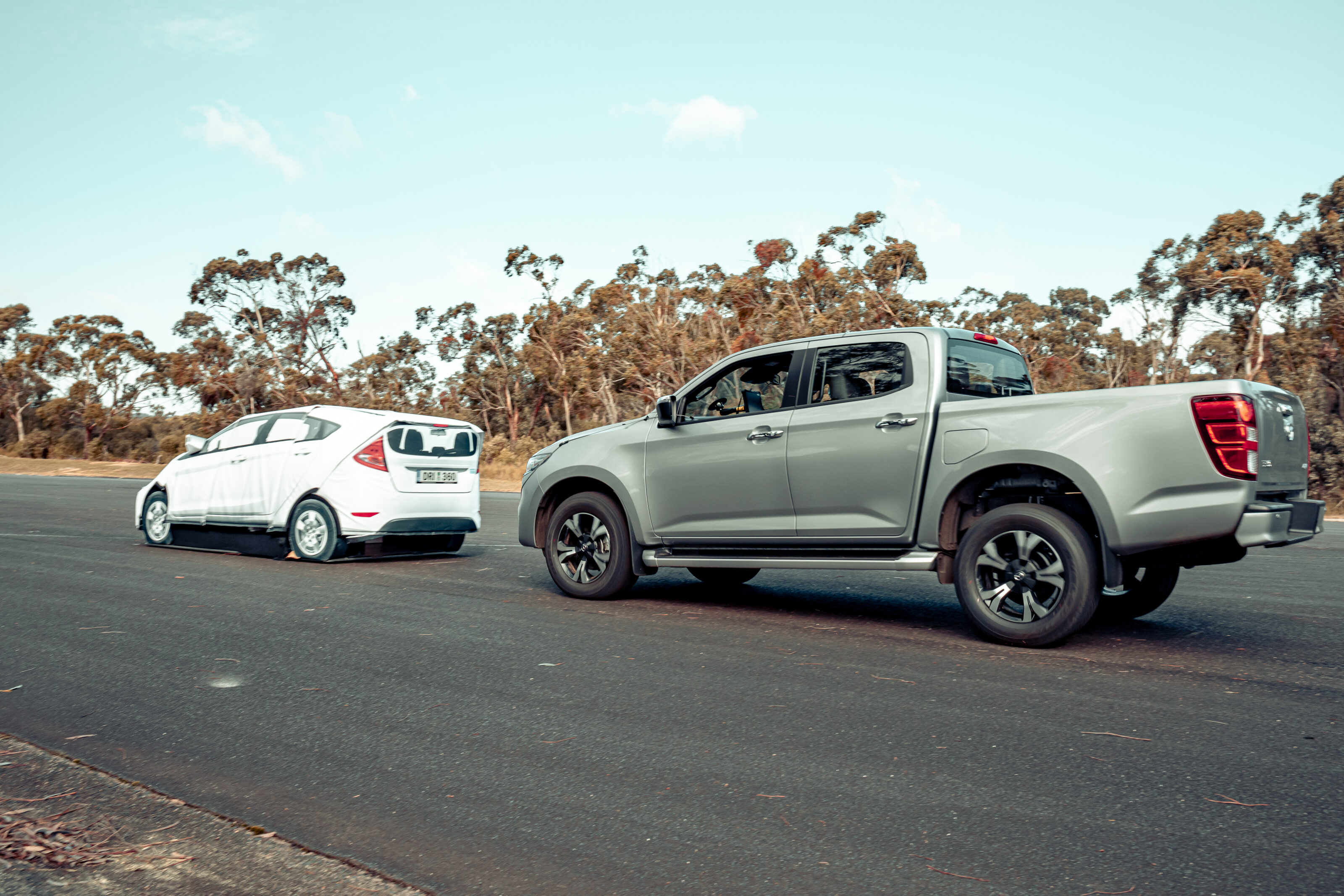
Assessing autonomous emergency braking systems required a bit more science. Each vehicle was fitted with a GPS speed sensor and an impact trigger on the front bumper, then driven at a ‘Guided Soft Target’ (GST) on a constant throttle. The GST is a Ford Fiesta lookalike made from a number of foam blocks; the speed starts at 10km/h and builds in 5km/h increments to a maximum of 50km/h, which is the speed used by NCAP to evaluate AEB.
The good news is that all vehicles avoided the GST at all speeds up to and including 50km/h, however, the execution of the AEB systems varied quite dramatically between manufacturers, as did the distance-to-impact once each vehicle had come to a complete halt. All tests were conducted with the AEB sensitivity set to its middle setting as per NCAP protocols.
Class of the field was the Mazda 3. The closest it ever came to hitting the GST was 1.37m at 10km/h and it typically stopped more than two metres short of the target. In fact, the efficacy of the 3’s AEB is such that it easily avoided the GST even when the speed was increased to 55, 60 and 65km/h. The testing notes stated the following: “Very early forward collision warning with minor braking until a last-minute ABS stop – hard, consistent. Stopped furthest away for the target vehicle”.
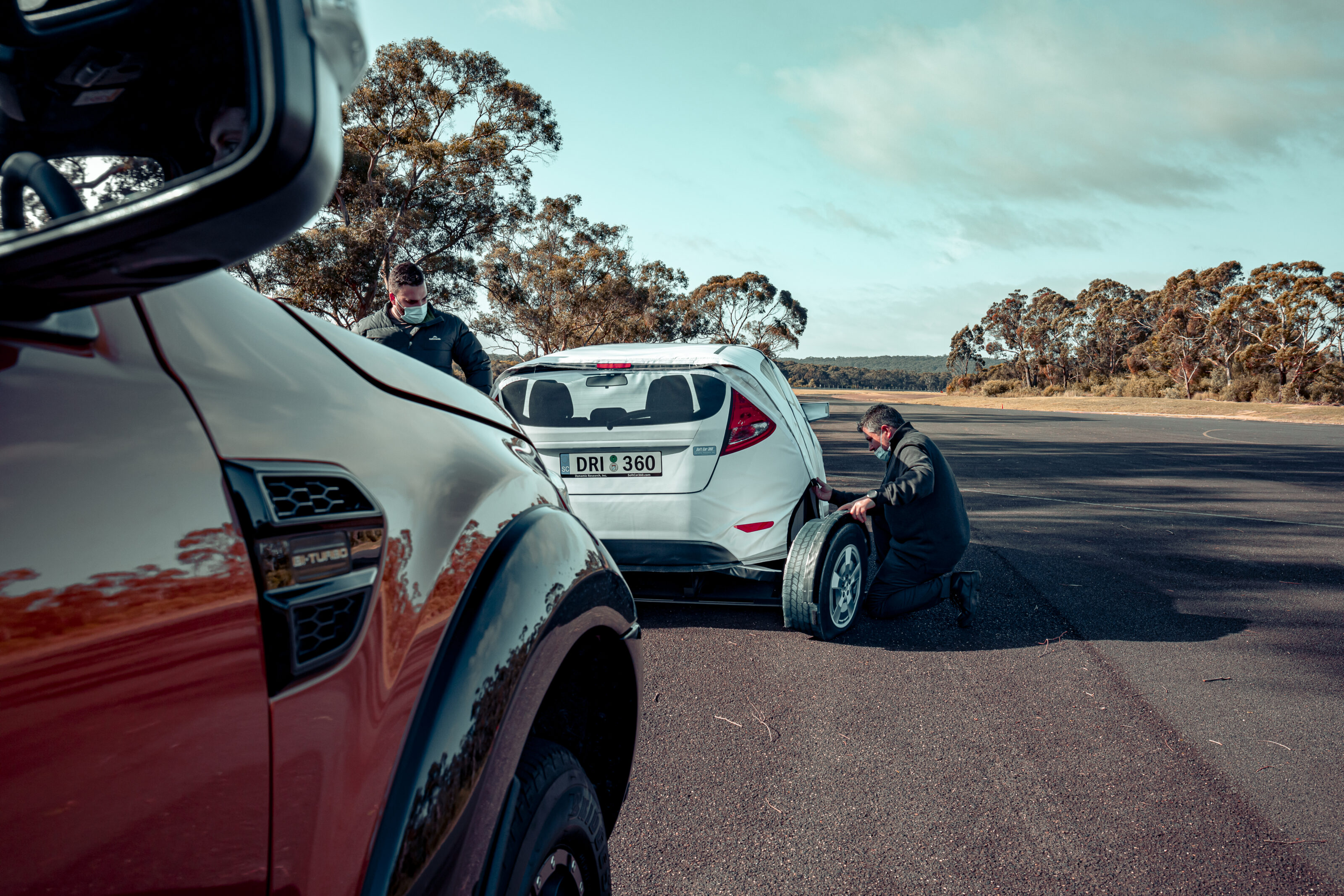
It was a similar story with the Mazda CX-8. While it cut things closer compared to the 3, getting within 0.58m of an impact at 35km/h, it also stopped short of the target at speeds up to 65km/h. The testing notes read: “Late braking and full ABS stop, stopped with large safety margin each time. Tested an additional point at 65km/h and stopped comfortably”.
The BT-50 performed well, stopping easily at all speeds up to 60km/h, though in the 65km/h test it impacted at 22km/h. Testing notes: “Late warning, firm braking into hard ABS stop, probably the harshest of the lot. Constantly had a ‘Front Camera Unavailable’ warning after every third test, requiring a key cycle to reset. With this fault AEB and lane support systems were unavailable”.
Switching to the Fords, the Escape ST-Line easily avoided the GST at all speeds up to 45km/h, though typically with only around half a metre to spare, a result of Ford’s AEB strategy, which we’ll get to shortly. From 50km/h it stopped just 6.5cm (0.065m) short of the target, from 55km/h it impacted at 2.5km/h and from 60km/h it collided at 19km/h. Nevertheless, the testing notes were complimentary: “Very smooth braking. The stop felt as if the brake was applied firmly by the driver, not an emergency intervention, [with] no suspension recoil during the stop”.
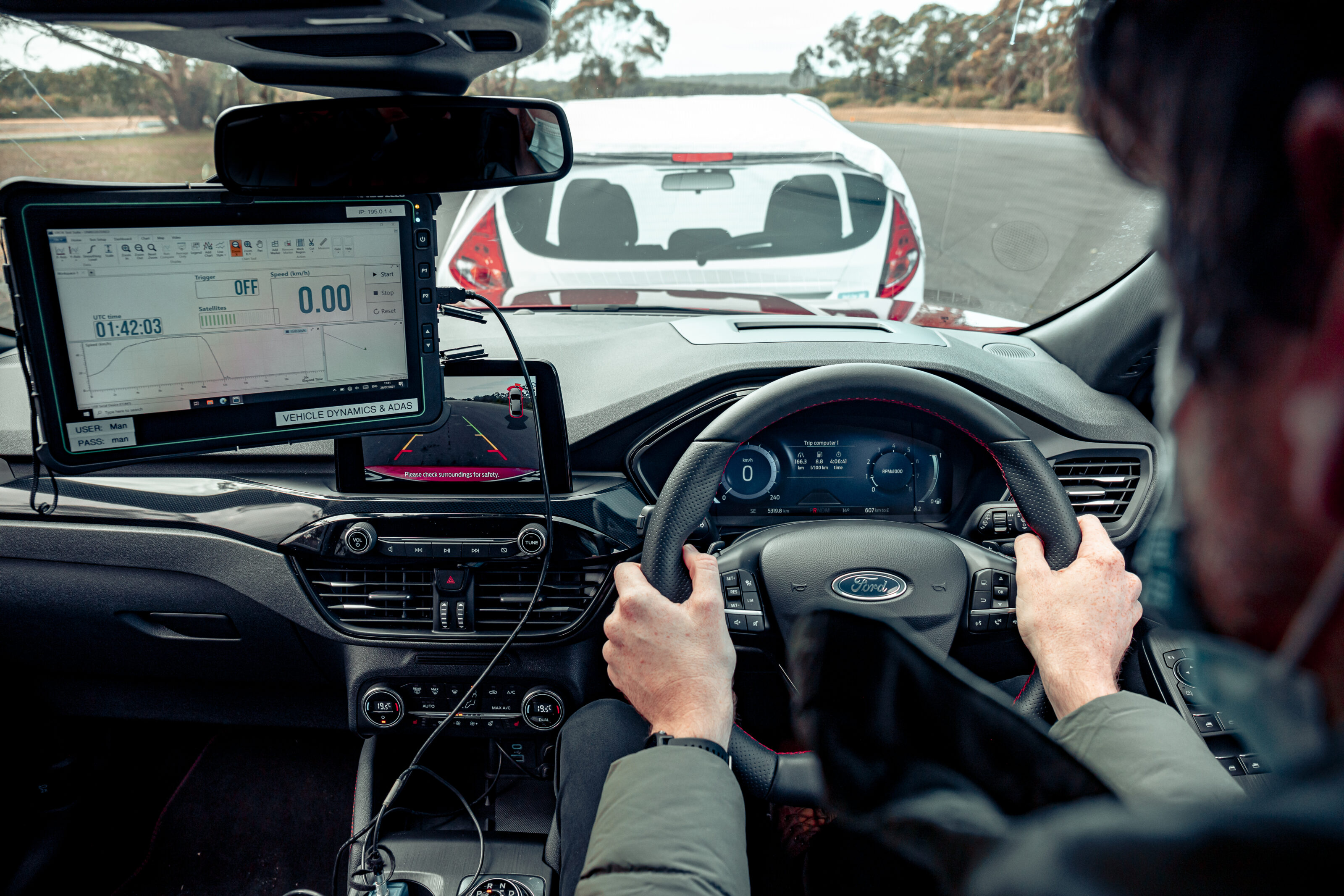
The Focus Active performed similarly, in general stopping around half a metre shy of the target at all speeds up to 50km/h, though from 55km/h it impacted at 8.2km/h and from 60km/h closing speed was 18.7km/h. Testing notes: “Smooth braking. Not quite as smooth as the Escape but still very good. Hard braking at start before lifting and a solid stop – a standard Ford strategy it seems”.
At speeds of up to 50km/h the Ranger likewise stopped well short of the GST, but beyond the NCAP threshold it impacted at 14.1km/h from 55km/h and a hefty 28km/h from 60km/h, scattering the various pieces of the foam Fiesta in all directions.
It’s pleasing that all vehicles stopped safely at all speeds up to and including the 50km/h dictated by NCAP, though credit to Mazda for having an AEB system that works effectively at speeds well beyond that. There is more to the story, however, which can be explained by the testing notes.
“All Ford vehicles applied a noticeable brake pulse together with the Forward Collision Warning to warn the driver of an impending condition. The brakes would then release and re-apply for full AEB braking to avoid the target. In a real-world situation, we’d expect the driver to react to the initial warning, apply the brakes and hopefully avoid the target without the need for AEB intervention, especially at higher speeds”.
In contrast, “The Mazda vehicles were able to identify the target vehicle and apply AEB braking as late as possible to avoid the target (single brake application)”.
| Two AEB philosophies |
|---|
| What was evident from our AEB testing, more than just stopping distances of the different vehicle types, is that there are different approaches at work.To summarise, Fordu2019s system warns the driver earlier and gives them a chance to avoid a collision, which led to smaller distances-to-impact when relying on the system alone.Mazda treats AEB intervention as an emergency response and, though it reacts later, conducts an emergency stop to ensure an accident is avoided. |
Moose Test
Swerve! Recover! Avoid! Which has the advantage when a collision is no option?
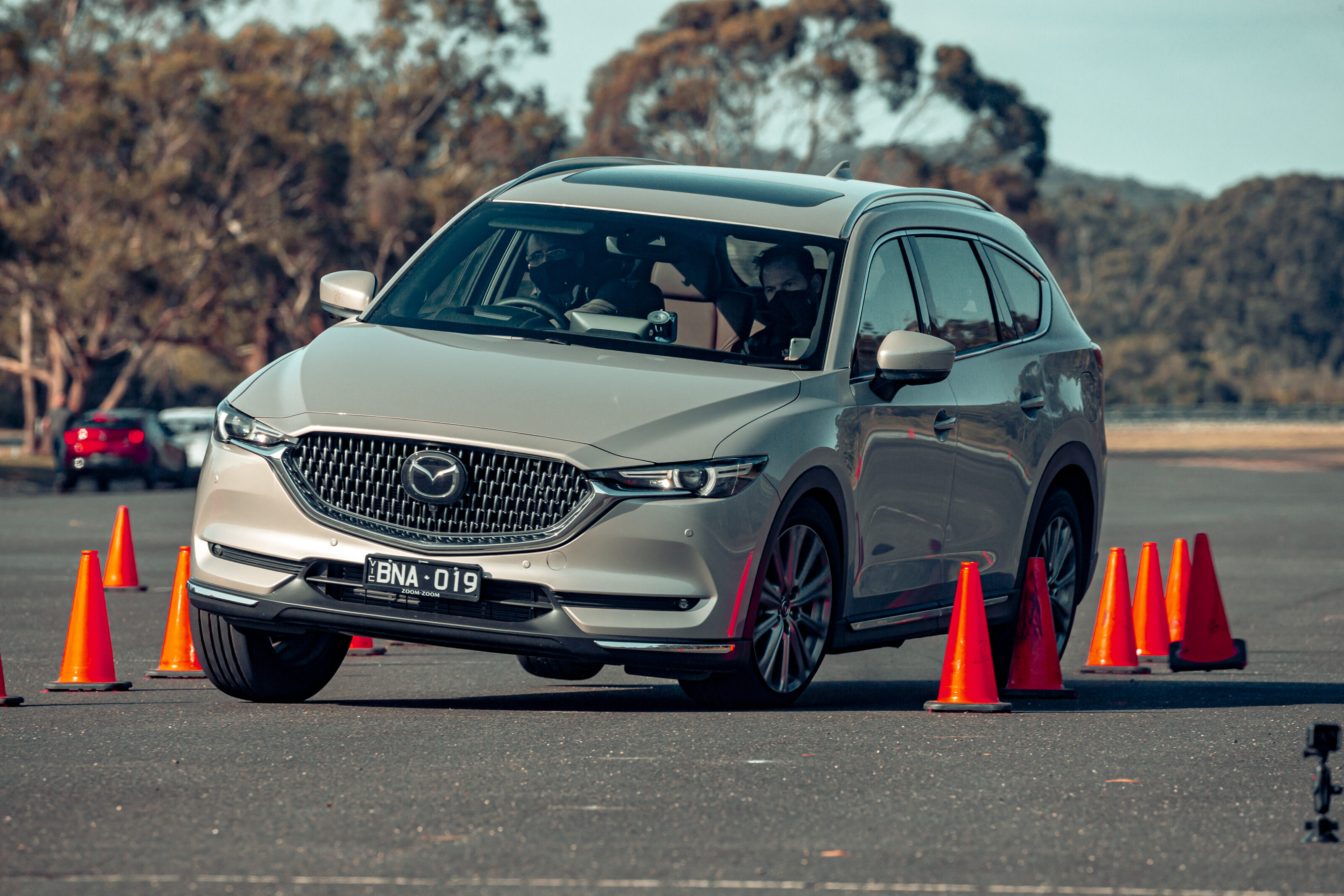
Our final test is the most difficult for virtually any vehicle, the double-lane change manoeuvre colloquially known as the ‘Moose test’ due to it simulating an antlered animal avoidance scenario. Its official international designation is ISO 3888, which outlines the precise dimensions of the course.
Each vehicle must enter the course through a coned ‘gate’, turn hard left to negotiate a second gate, then turn hard right to negotiate a third gate. The driver lifts the throttle two metres after entering the first gate, the entry speed increasing until the course can no longer be successfully negotiated.
As with the lateral g test, the hatches were the standouts, the Mazda 3 recording a maximum entry speed of 78km/h and the Ford Focus 79km/h. While the figures were extremely similar, the subjective experience differed markedly, as the testing notes explain:
“The Mazda 3 performed very well, responsive and very easy to control with refined ESC performance that complemented the dynamics of the vehicle and not too intrusive. The vehicle response is direct, linear and the vehicle feels connected to the road. The Mazda 3 felt the most confident through the course even though it did not achieve the highest entry speed.
“The Focus is very responsive to driver inputs and needs to be nursed through the course to achieve a high entry speed when compared to the Mazda 3. Vehicle stability during an evasive manoeuvre is less forgiving than the Mazda 3 due to its related ESC control, however, its responsiveness and agility meant that it achieved the highest entry speed, but it did require more controlled inputs”.
Even the high-performing Escape can’t, err, escape physics in such a demanding test, though its 75km/h maximum was still impressive for a higher-riding vehicle. According to the testing notes: “Escape is responsive to driver inputs, however, the strong roll-over mitigation limits the steerability of the vehicle, although it benefits this type of evasive manoeuvre as it slows the vehicle right down and makes it easier to negotiate the course due to the resultant speed reduction”.
The CX-8 was visually the most dramatic, the combination of its size, response and ESC calibration making tester Tony Metaxas work hard at the wheel at its 73km/h maximum. Testing notes: “The CX-8 is a very agile vehicle and borderline too responsive to a step steer input with a tendency to rush away. It needs to be nursed through the course compared to the Mazda 3 with noticeable oversteer on turn-in. ESC interventions are late; would benefit from earlier control to aid stability”.
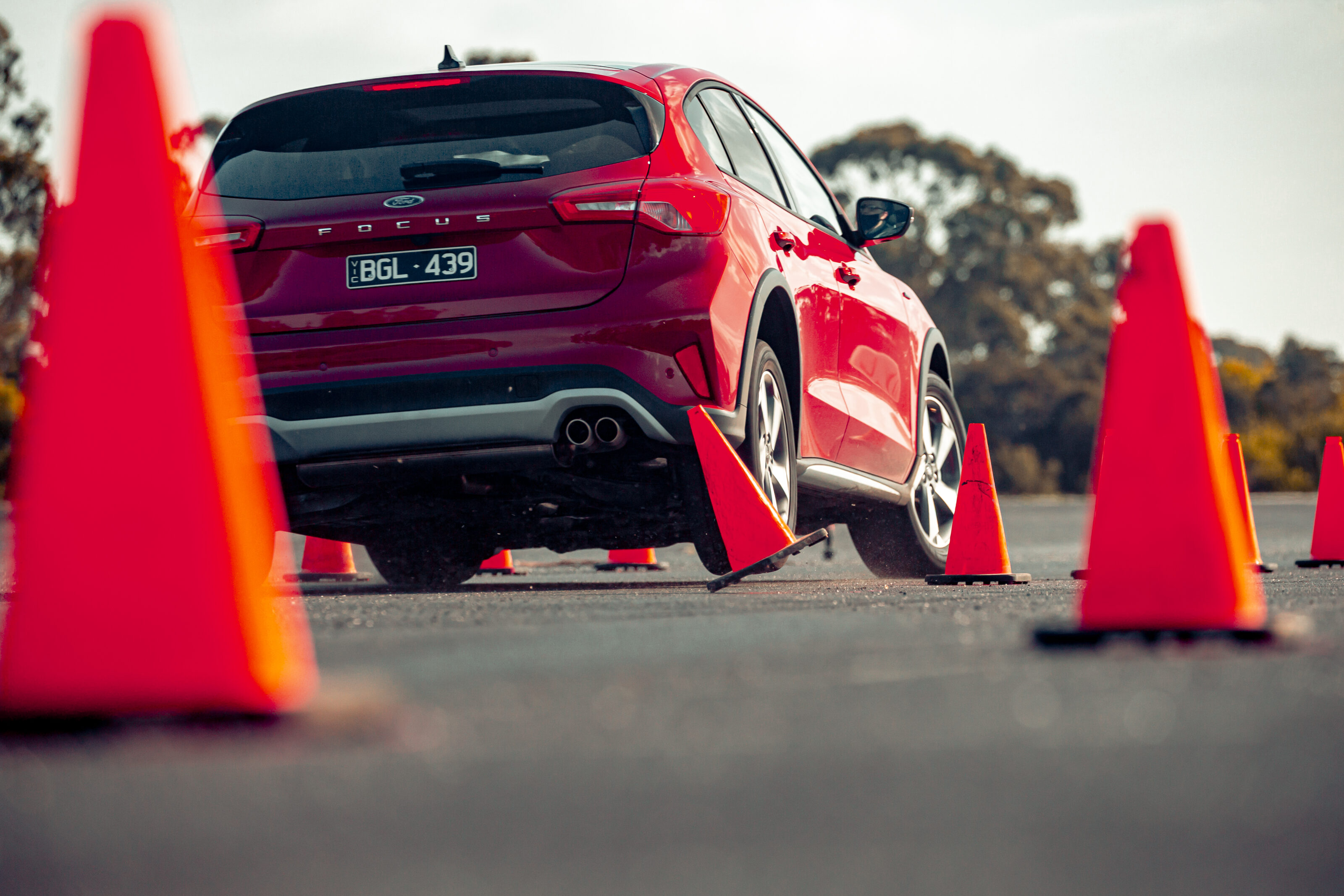
Unsurprisingly, the moose test proved a stern challenge for the heavy, high-riding dual-cabs, the Ranger managing a maximum of 69km/h, a single km/h more than the BT-50. The testing notes explain the difficulties: “The BT-50 is somewhat cumbersome, requiring a lot of effort to negotiate the course.
“It’s more difficult to control than the smaller vehicles with the high-profile H/T tyres introducing a delayed response. You need to turn prior to the marker so that the vehicle has enough time to set and respond to the steering input. Steering effort is high and it could do with more ESC support to negotiate the course”.
The Ranger was a “similar result to the BT-50 when negotiating the test, more challenging to negotiate the course than the smaller vehicles (as expected). You need to judge your turn-in point early to allow the vehicle to set and respond to your input. ESC and roll-over mitigation are more noticeable and intrusive than the BT-50, however, it is not excessive for this type of manoeuvre and helps the Ranger feel more in control”.
| Wide receiver |
|---|
| The only modification made to the course was that ISO 3888 technically dictates that the width of gate 1 should be u20181.1 x vehicle width + 0.25mu2019 and gate 2 should be u2018vehicle width + 1mu2019, however, given the dimensional similarities of the assembled vehicles the gate width was set using the widest vehicle and remained static for all tests.While this made the task of the smaller vehicles slightly easier, the difference in gate width would have been less than 10cm between the narrowest and widest vehicle; a negligible margin. |
THE WRAP-UP
Drive to the conditions, yes … but also to your vehicle’s limitations
In many respects, the data gathered by the Vinfast team held few surprises. In terms of a general trend, the standard hatchbacks performed best, followed by the SUVs and then the dual-cabs. However, rather than simply identifying whether there was a difference, these tests were designed to clarify the size of those differences. To that end, we need to look at the grey rather than the simple black and white.
A key takeaway is that the Ford Escape ST-Line’s impressive showing is evidence that modern SUVs aren’t necessarily dynamically inferior to regular hatchbacks. Aside from its genre-busting power and acceleration, the Escape’s braking – wet and dry – and outright grip were every bit the equal of the Mazda 3 and Ford Focus, while also trailing by only the smallest of margins in the difficult moose test.
Even with the CX-8’s unusual dimensions – as a stretched CX-5 it’s tall and narrow-tracked with skinny tyres in comparison to Mazda’s full-size CX-9 seven-seater – it still brakes well, though its compromises became apparent in emergency situations. Its ESC calibration, in particular, responded slowly to oversteer in the moose test and not at all to understeer in the lateral g test.
It’s also clear that while dual-cab utes have come a long way in terms of performance, dynamics and passive and active safety, they are still heavily compromised as on-road vehicles. As mentioned, that in itself isn’t particularly surprising, but the key message here is one of awareness. If you, like many Australians, have chosen a dual-cab as your primary family transport, then this data graphically shows that driving habits need to adjust accordingly.
For example, compared to a Focus Active, a Ranger Wildtrak takes an 11 per cent greater distance to stop in the dry, 22 per cent greater distance to stop in the wet, has 20 per cent less lateral grip and its maximum evasive manoeuvre speed is 14.5 per cent lower. In an emergency situation, these figures could be the difference between a serious accident and avoiding one completely.
As stated at the outset, this isn’t about encouraging or discouraging consumers to buy certain types of vehicles, but just as the Australian motoring landscape has changed dramatically in the last two decades, it’s important that public awareness and driving habits follow suit.
Snapshot
- Driving range anxiety now spreading to ICE vehicles
- Shortage is due to drivers rather than fuel supply
- Auto Trader reports an increase in EV enquiries
Interest in electric vehicles has soared over the past week in the UK as the country grapples with the biggest fuel crisis it has seen in decades.
British automotive publication Auto Trader has reported a significant jump in searches and enquiries for EVs in its classifieds after the fuel shortage took hold of the UK last week – causing massive queues at petrol pumps across the country.
Commercial director for Auto Trader, Ian Plummer, said the sharp rise in enquiries suggests consumers are genuinely interested in switching to electric, rather than just browsing alternatives.
“We are all familiar with the idea of [driving] range anxiety, but the events of the past few days mean we are entering the age of fuel anxiety,” said Plummer.
“We have seen a massive surge in consumer engagement for electric cars on our marketplace over the weekend. Not only did the number of advert views for new and used electric models increase a record 28 per cent and 61 per cent respectively versus the previous weekend, but we also saw a huge uplift in the number of people sending enquiries to retailers, with one sent every two minutes.
“This suggests that people aren’t simply flirting with the idea of electric, but have been encouraged to actively pursue a purchase. Accordingly, we expect retailers with electric stock to do particularly well this week.
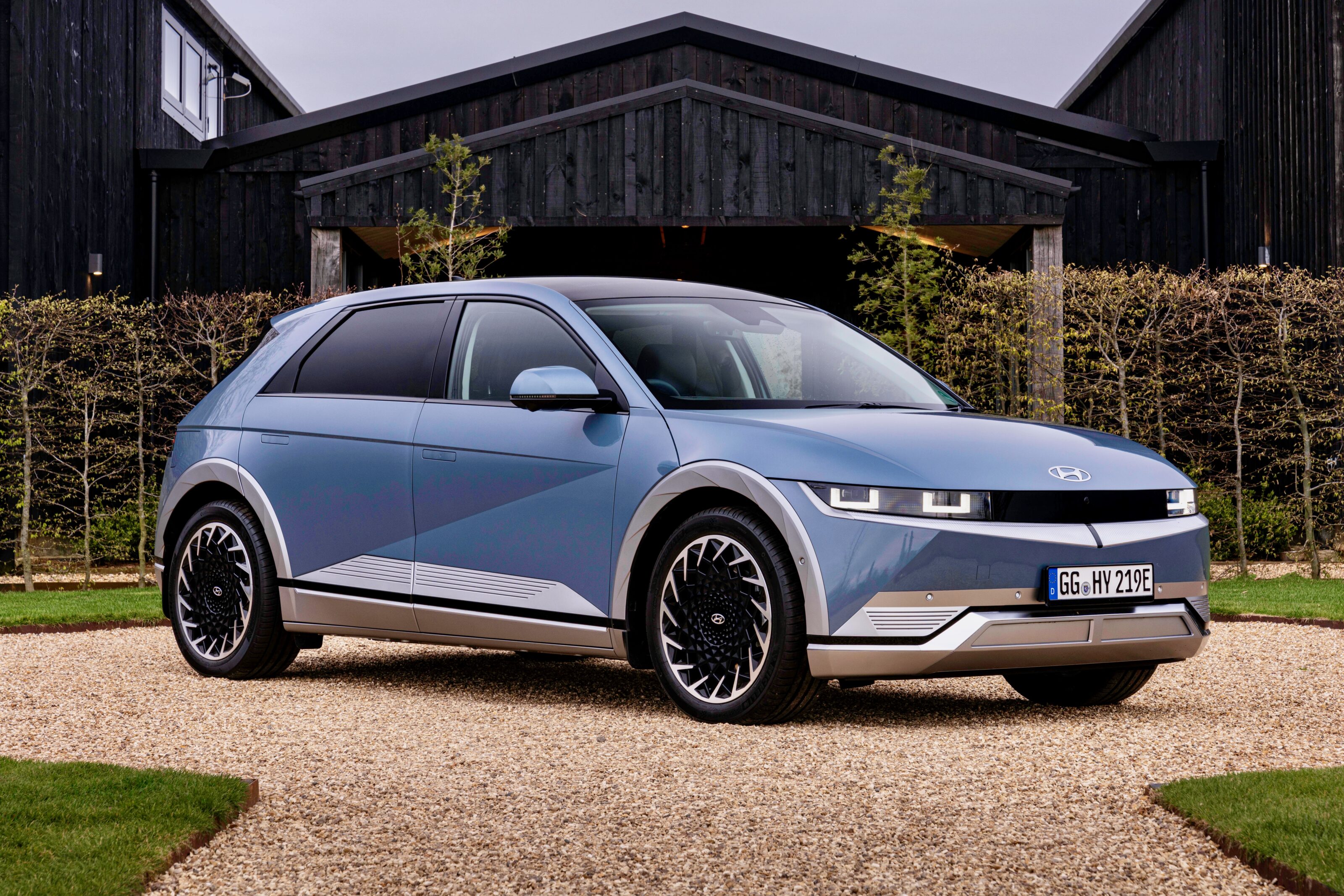
“This weekend four out of five of the top performing new cars on Auto Trader were electric, with the Hyundai Ioniq 5 coming out top, followed by the Ford Mustang Mach-E. The launch of these ‘cool’ and aspirational models has been key to shifting the consumer perception of electric.
“This has been accelerated further by the significant increase in advertising among manufacturers, which is helping to drive awareness and dispel lingering myths.”
As opposed to the global semiconductor crisis – which stems from a lack of supply due to factories being shut down thanks to COVID-19 – the fuel shortage is due to a lack of qualified lorry drivers in the UK, meaning the fuel is unable to be delivered from the refinery to the stations.
The loss of drivers has been attributed to Brexit, with Logistics UK saying around 72,000 drivers had been lost from the UK in a two-year period between 2019 and 2021, prompting the British Government to now table an offer for up to 5000 temporary visas to be given to foreign fuel tanker drivers between now and the end of the year.
According to the BBC, the Petrol Retailers Association has said up to two-thirds of the 5500 independent fuel stations in the UK are out of fuel, representing almost half of the nation’s 8000 stations.
The current situation is the worst the UK has faced since the famed ‘Winter of Discontent’ during the European winter of 1978-79 in which fuel supplies, for both homes and at the petrol pump, were severely limited due to strikes by drivers.
While the fuel shortage is currently limited to the UK, Australian fuel prices may continue on an upwards trajectory if the cost of oil remains on an upward trend – with Reuters reporting crude oil increasing for a fifth straight day.
Brent crude oil is currently trading at US$79.53 (AU$109.24) a barrel – a 1.8 per cent increase on yesterday’s price – while Goldman Sachs predicts it could go up to US$90 (AU$123.65) a barrel by the end of the year.
“While we have long held a bullish oil view, the current global supply-demand deficit is larger than we expected, with the recovery in global demand from the Delta impact even faster than our above-consensus forecast and with global supply remaining short of our below consensus forecasts,” the institution said.
Snapshot
- Image of the C8 Corvette Z06 released by GM
- Official reveal will be on October 26
- Trademark has been filed for Z06 name in Australia
After months of teasing and prodding, Chevrolet has finally given us the first official glimpse of what the new 2023 C8 Corvette Z06 will look like with this new un-camouflaged photo.
The hype around the incoming Z06 is largely due to the 5.5-litre, 600hp (447kW) flat plane crank V8 that is expected to power the new Z06. It has been rumoured for some time now that the new Z06 would use a more powerful version of the engine found in the C8.R race car – which is limited to 500hp (373kW) due to racing regulations.
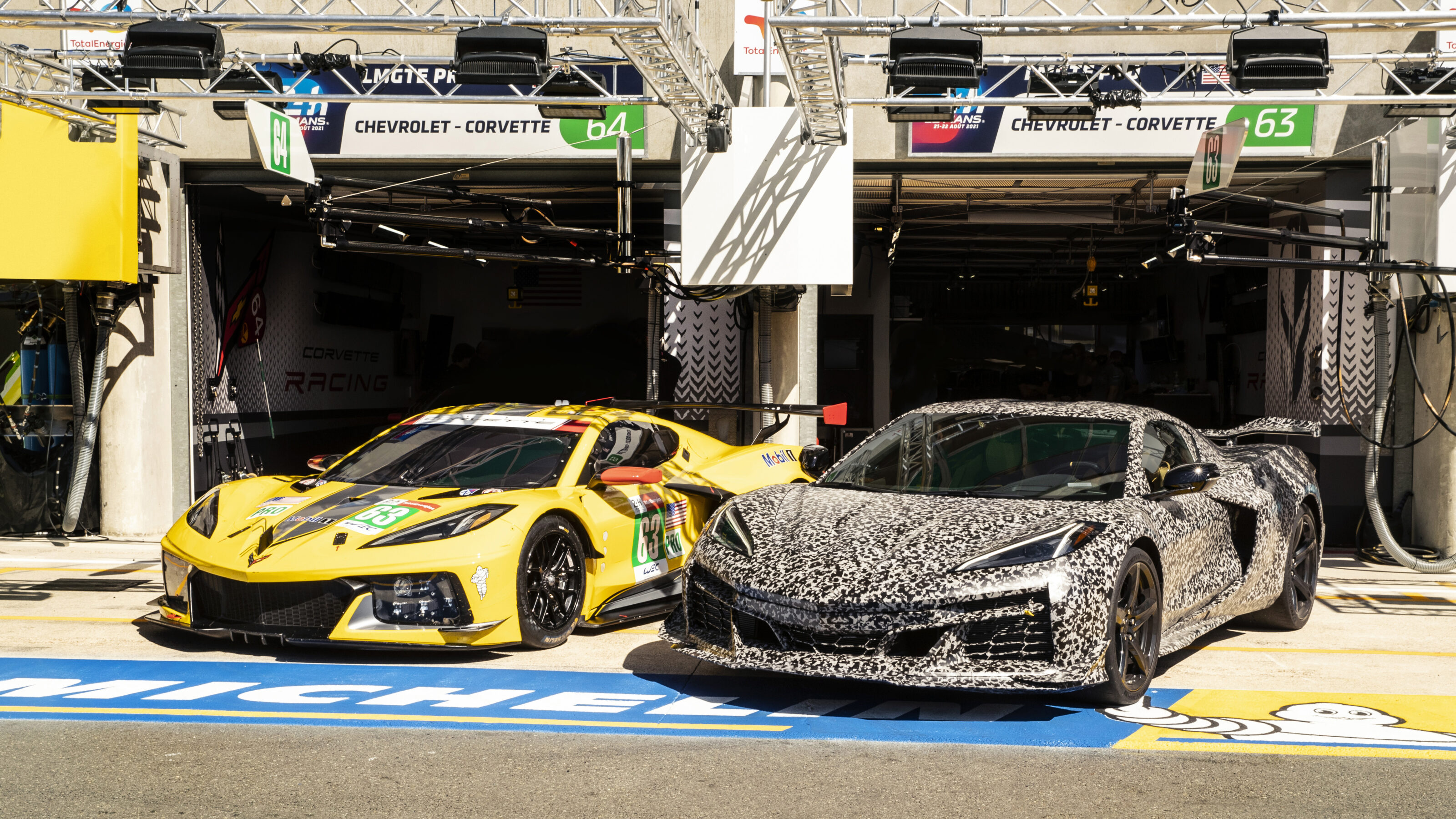
Chevrolet teased the soundtrack of the new high-pitched V8 mill in an official video in July, and camouflaged Z06s were filmed testing at the Nürburgring only a few weeks ago – further proving the theory a flat-plane crank V8 will be paired with what is largely reported to be an eight-speed automatic ‘box.
The flat-plane crank mill is a consolation prize for fans of GM V8s, after it was revealed last week GM has stopped producing its most powerful V8 ever made – the supercharged 6.2-litre LT5 – as the firm moves towards EV powertrains.
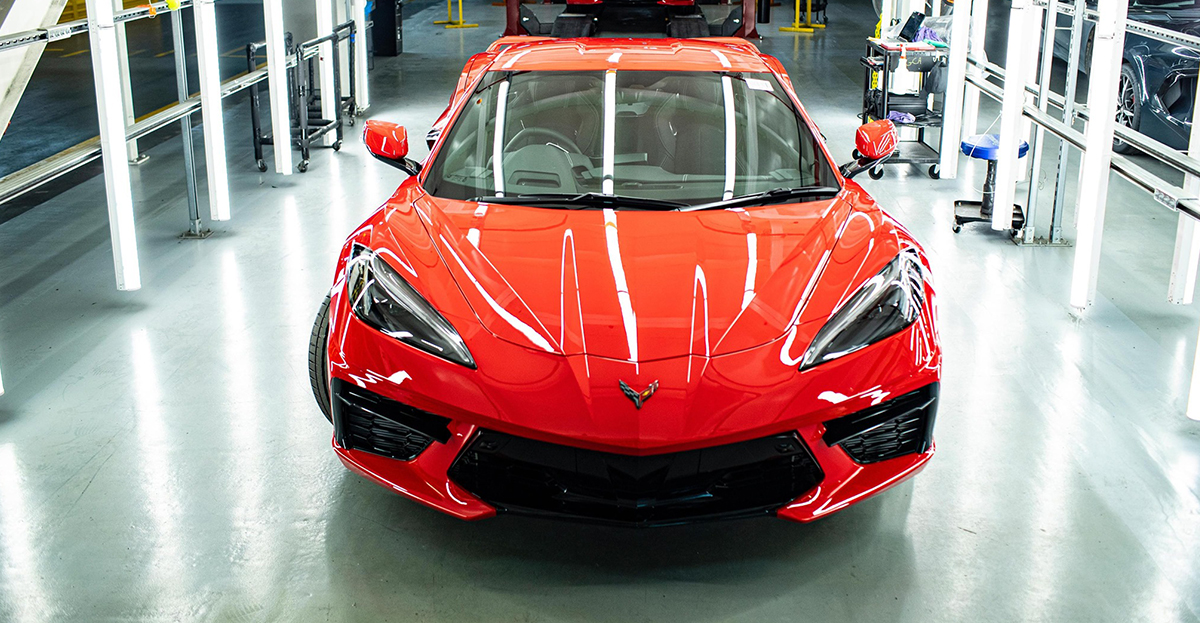
Chevrolet has also confirmed with the release of the photo that it will officially unveil the new Z06 in just over a month’s time on October 26 in the US.
With the base-model C8 Stingray still yet to make it into Aussie buyers’ hands, it’s unclear how long we’ll have to wait to see a C8 Z06 on Australian roads. It was, however, revealed in July that General Motors has filed a trademark application for the Z06 name here.
Supercar manufacturer Lamborghini could offer a new GT car in the coming years, powered by a battery-electric platform shared across Volkswagen Group brands.
In May 2021, CEO Stephan Winkelmann presented plans for the future of Lamborghini, including the introduction of its first fully-electric model in the second half of this decade.
Though there were almost no details given at the time, a new report from Automotive News suggests Lamborghini will introduce the new model as a 2+2 between 2025 and 2027, based on Volkswagen Group’s upcoming Scalable Systems Platform (SSP).
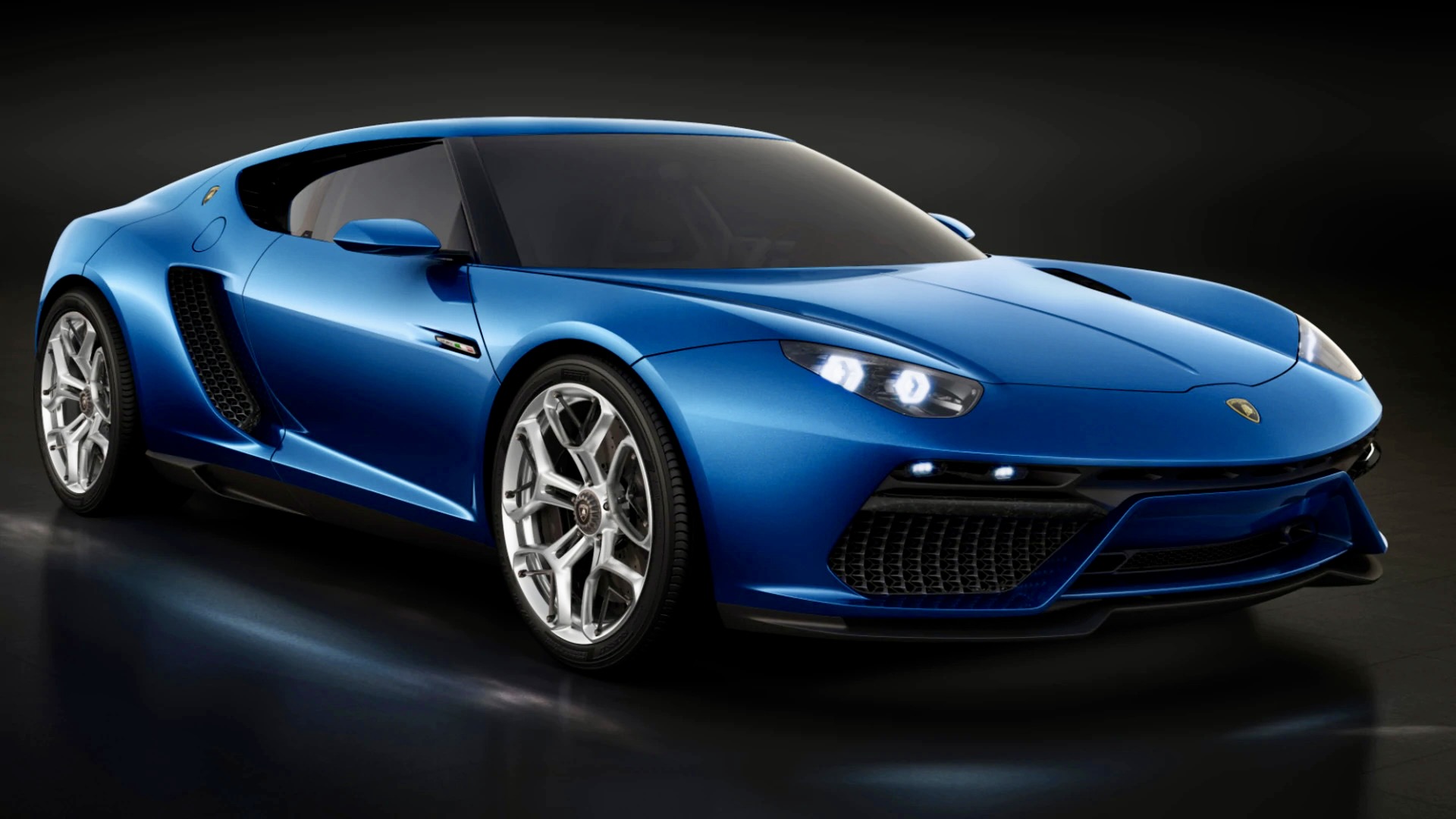
While it’s not clear where the new information came from, an interview CarScoops conducted with Winklemann’s predecessor, Stefano Domenicali, in late 2019 provided a number of clues.
“I believe there is a chance for a fourth model, a 2+2 GT car – that’s a segment where we are not present, but some other competitors are. That’s the only extension I can see making sense,” Domenicali said at the time.
“I think a four-door is for the SUV, being a super sports car, the fourth model should be two doors,” he added.
It’s expected the new Lambo will share its SSP vehicle architecture with models from Volkswagen, Audi, Bentley, and Porsche, as part of Volkswagen Group’s ‘Landjet’ project, devised specifically to take down the Tesla Model S.
The first annual Distinguished Gentleman’s Drive has been run across 55 countries this past weekend, raising more than $275,000 – despite lockdowns in some cities.
Born from the famous Distinguished Gentleman’s Ride – a charity event in which participants dress in fine clothes and ride classically-styled motorcycles – the Drive takes the idea further by including car enthusiasts from across the world, with the aim of raising money and awareness for men’s health issues.
But despite months of planning, events in Victoria and New South Wales were forced to postpone due to government restrictions.
“This event is about uniting for a great cause,” Sydneysider and founder Mark Hawwa said prior to the weekend.
“I can not think of a better way to unite all facets of the classic car community,” Hawwa said, “from the drivers of concourse vehicles to those who enjoy longer drives and don’t mind a stone chip.”
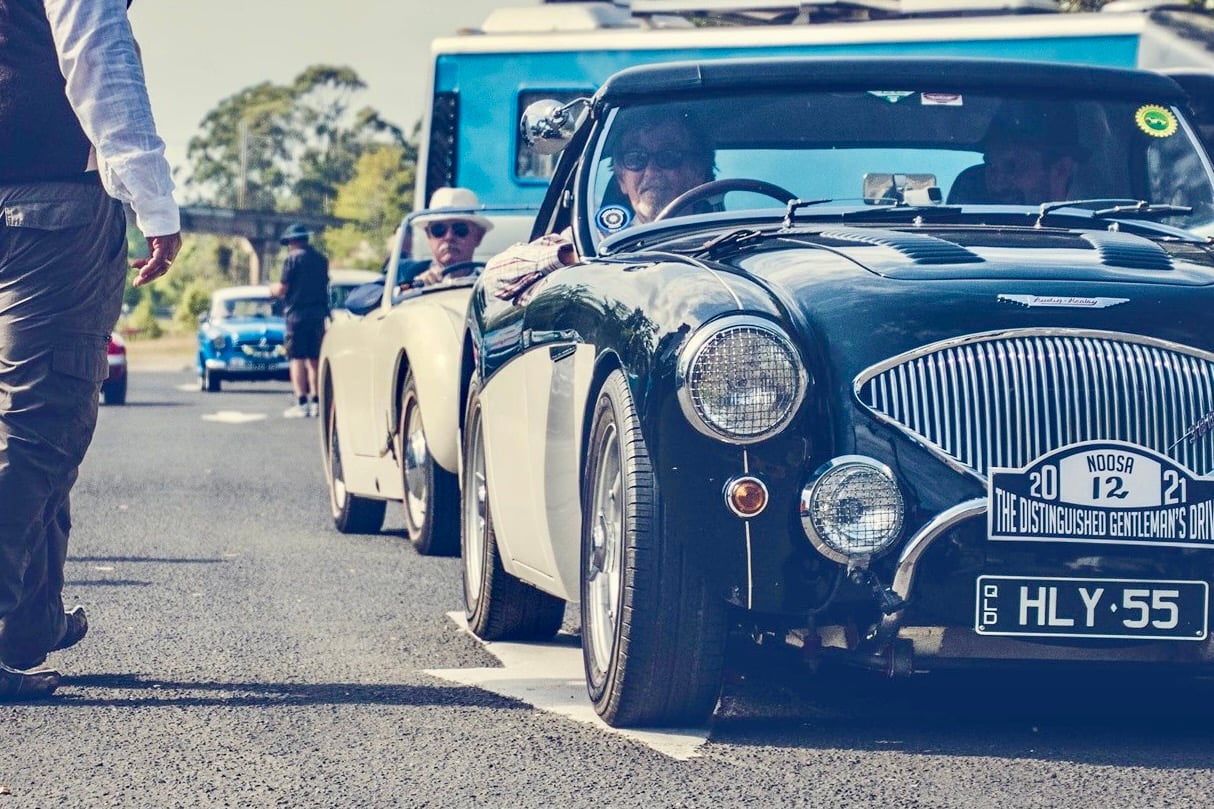
Over the past decade, the Distinguished Gentleman’s Ride has raised more than $43 million for charity Movember, with Hawwa expecting the Drive to grow to be even bigger.
“We have all lost friends and loved ones close to us, we have all experienced mental health struggles in one form or another. This is our way of using our passion to help the men and their families around us.”
Those wishing to donate or register their interest for future events can visit The Distinguished Gentleman’s Drive website by clicking here.
Ex-Nissan chief Carlos Ghosn has hit out at his former employer calling it “boring and mediocre” in an interview promoting his new book.
Speaking to Fox News, the prior Renault-Nissan-Mitsubishi Alliance CEO said he was disappointed in the direction Nissan has gone in since his forced departure in 2018, something which he believes was due to friction between the Japanese and French governments.
The 67-year-old fugitive is currently residing in his native Lebanon after escaping from Japan in 2019. Prior to that date he was held under house arrest and charged for significant acts of misconduct due to allegedly understating his income to Japanese financial authorities to the tune of $110 million over a five-year period, as well as using Nissan’s company assets for personal use.
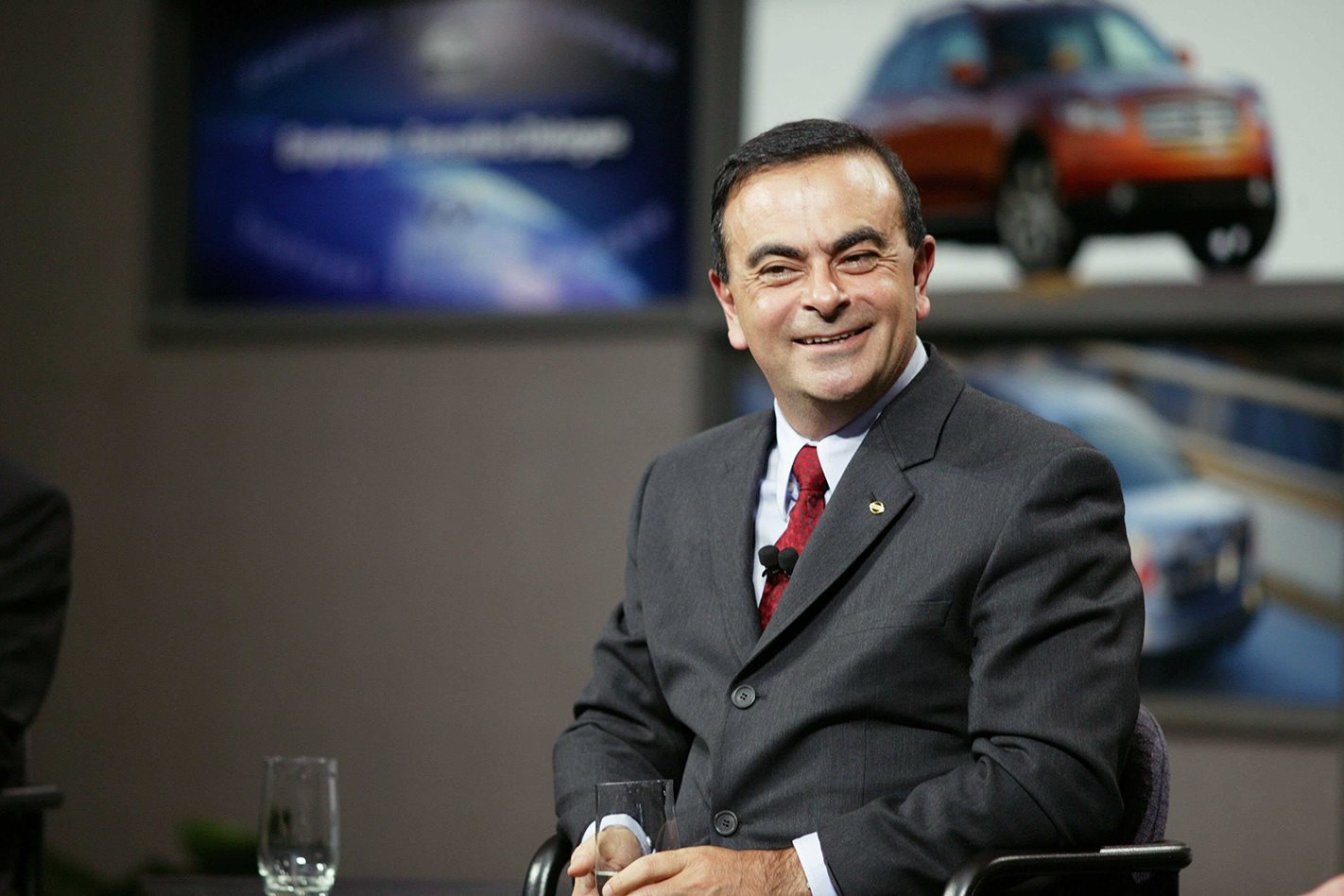
“Nissan came back to what it was in 1999, unfortunately, after 19 years of work, as a boring and mediocre car company – which is going to be struggling to try to find its place in the car industry,” said Ghosn.
“We were building a system where this company would be a part of something completely new with a lot of technical innovation.
“The Japanese Government, and some Japanese executives, thought that this balance existing between the French and the Japanese in this alliance would not be respected. The French Government was acting in a way to have a much bigger share in [its] say of this alliance.
“This is the kind of plot organised by people where at the end of the day you discover there is no winner. Japan lost its reputation. The French lost. Nissan lost, Renault lost, Mitsubishi lost, the shareholders lost.”
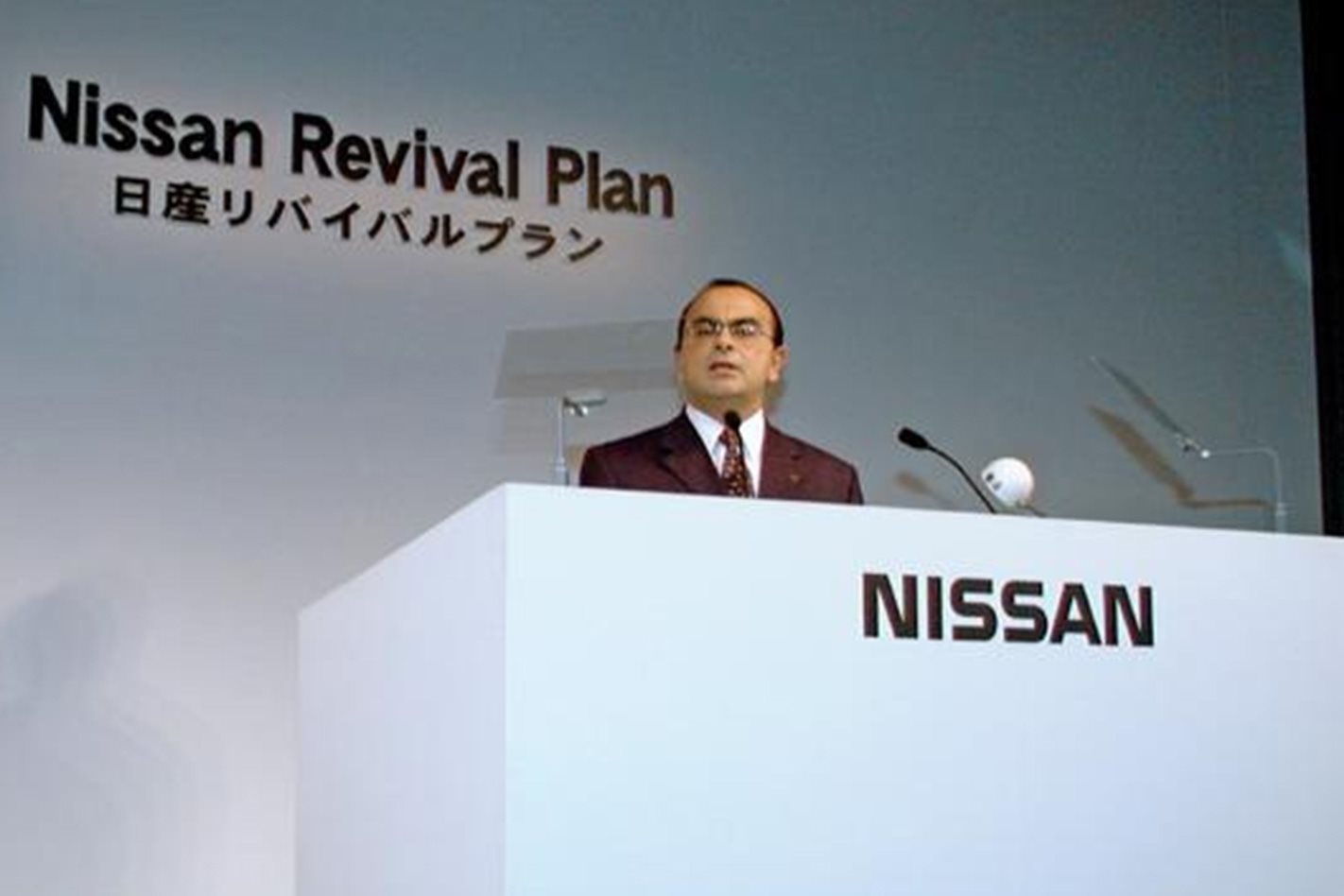
Ghosn’s escape from Japan in 2019 was aided by Michael and Peter Taylor, an American father/son duo who transported Ghosn to Lebanon in a flight case. Both men were jailed earlier this year for 24 and 20 months respectively.
Greg Kelly, another former Nissan executive arrested at the same time as Ghosn, is currently on trial in Japan for allegedly falsifying security reports on Ghosn’s compensation.
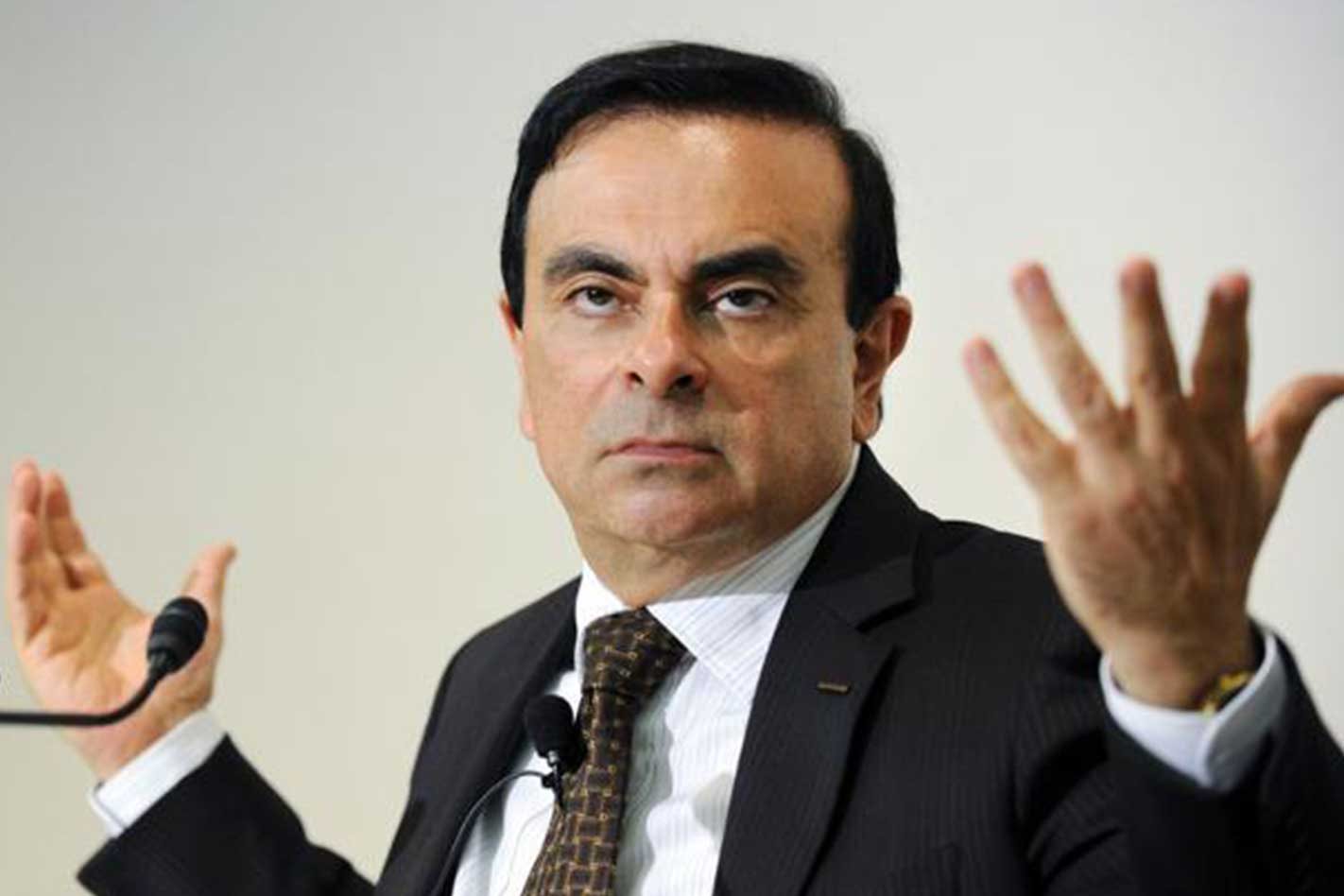
First published in French and now translated to English, Ghosn is promoting his book ‘Broken Alliances: Inside the Rise and Fall of a Global Automotive Empire’, detailing the Brazilian-born businessman’s rise through the industry to become the head of the world’s largest automotive alliance.
Forever touted as a nation with an unquenchable thirst for performance, Australia’s need for speed is being hampered by a dearth of available options.
What’s more, a few venerable badges are about to disappear for good. Some already have. Avid readers of MOTOR magazine would have noticed that Hot Source is seeing a decline in traditional marque stalwarts, either entirely or key models.
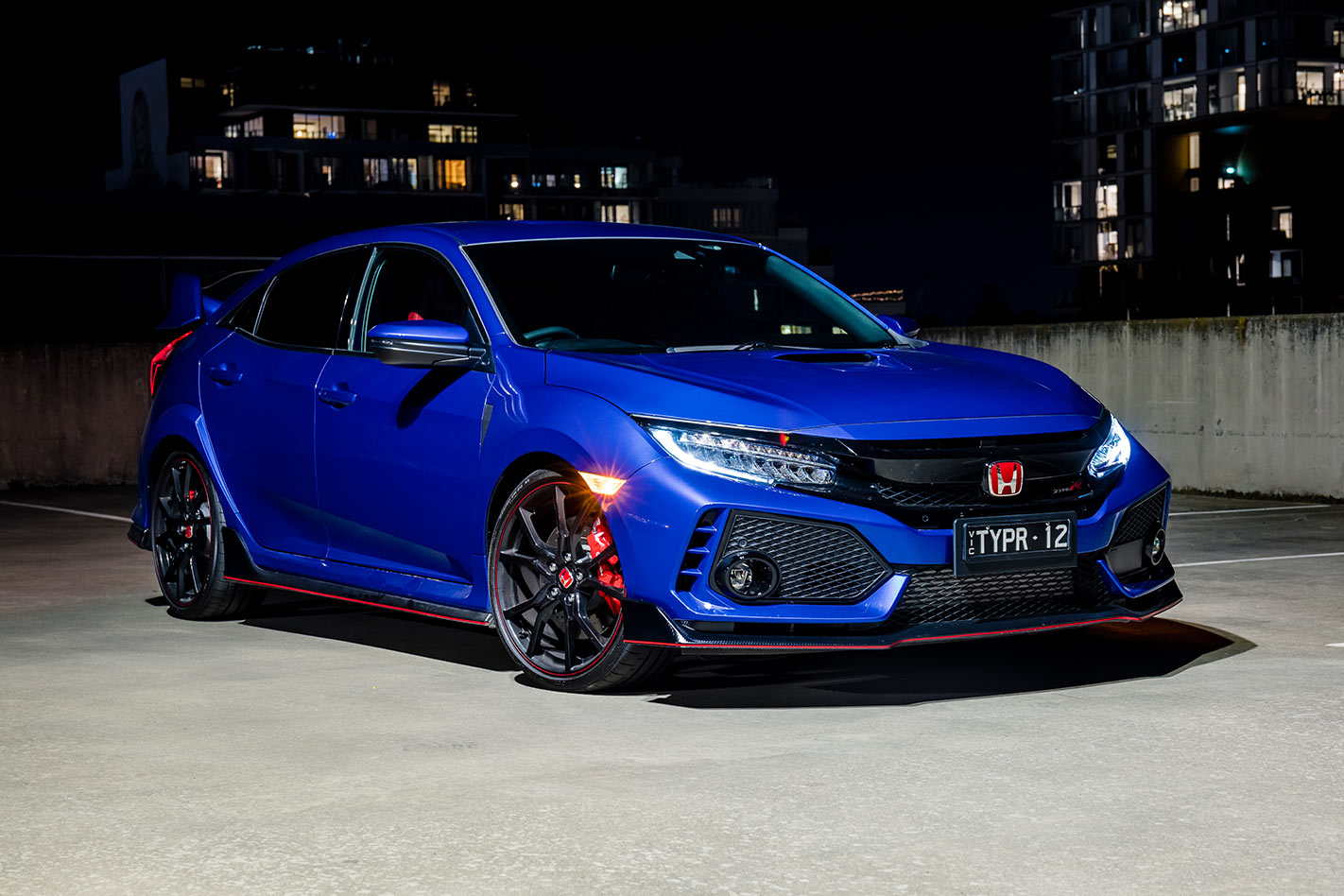
With Honda already axing the technically impressive but slow-selling NSX, the Japanese brand now has no performance variants with the 2018 PCOTY-winning FK8 Honda Civic Type R slipping off the radar. However, it went out with a bang via 20 Michelin Pilot Sport Cup 2-shod Limited Editions.
Another to gain an exit form is the Alfa Romeo 4C. Ten 33 Stradale Tributo coupes and five spiders made it Down Under with significant price tags of $123k and $133k respectively.
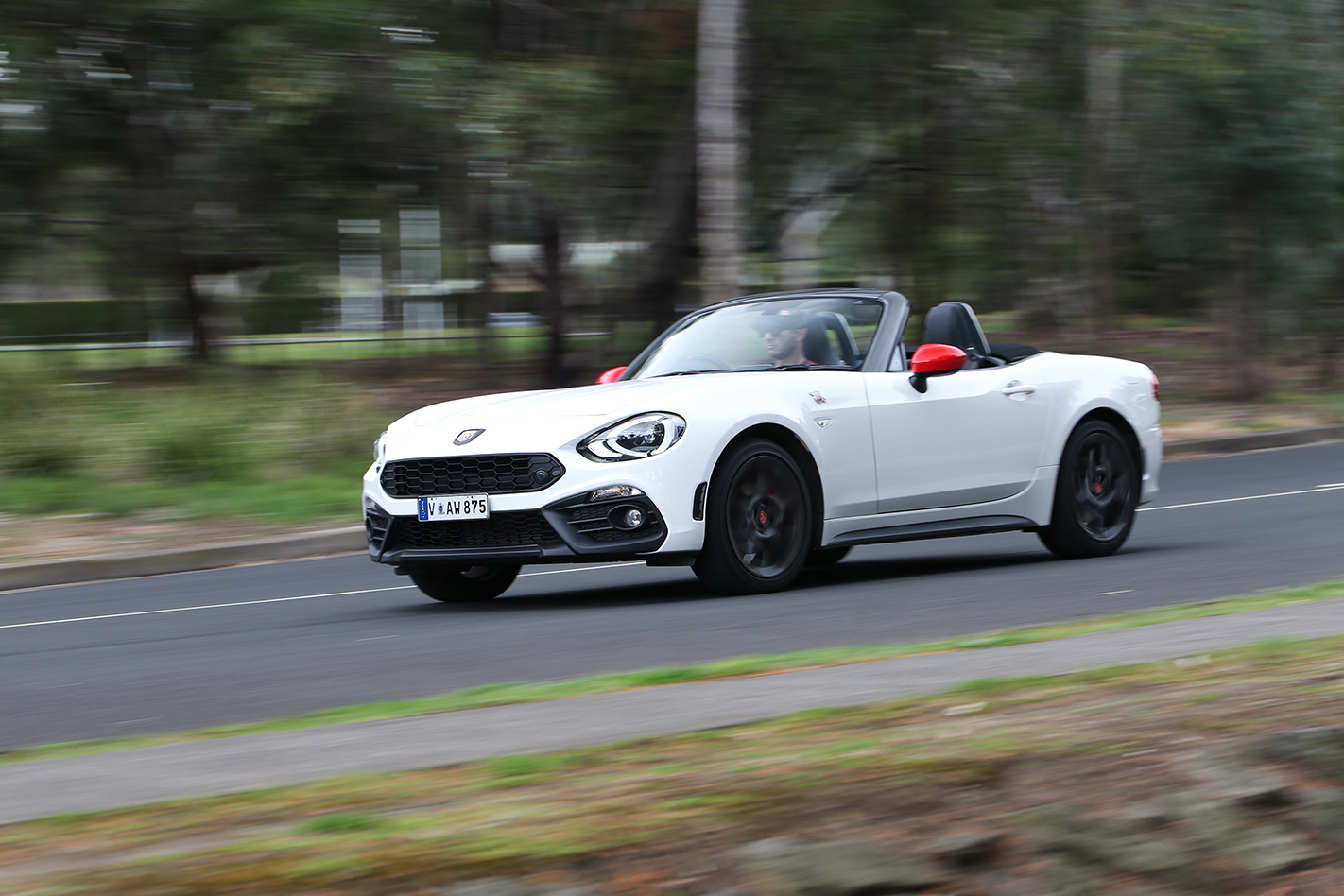
Keeping the Italian flavour, but with a heavy swig of sake, is the Abarth 124 Spider. After being chopped globally in 2019, the MX-5-turned-124 lasted a little longer in Oz.
Peugeot has quietly exited stage left, too, with its underrated 208 and 308 GTi. While a hot, plug-in hybrid version of the 308 has been mooted for some time, it seems cold water is being poured on the idea of a hot all-wheel drive PHEV. And with no word on the 208, it seems GTi or Sport Engineered badges won’t be found on a Pug hatchback anytime soon.
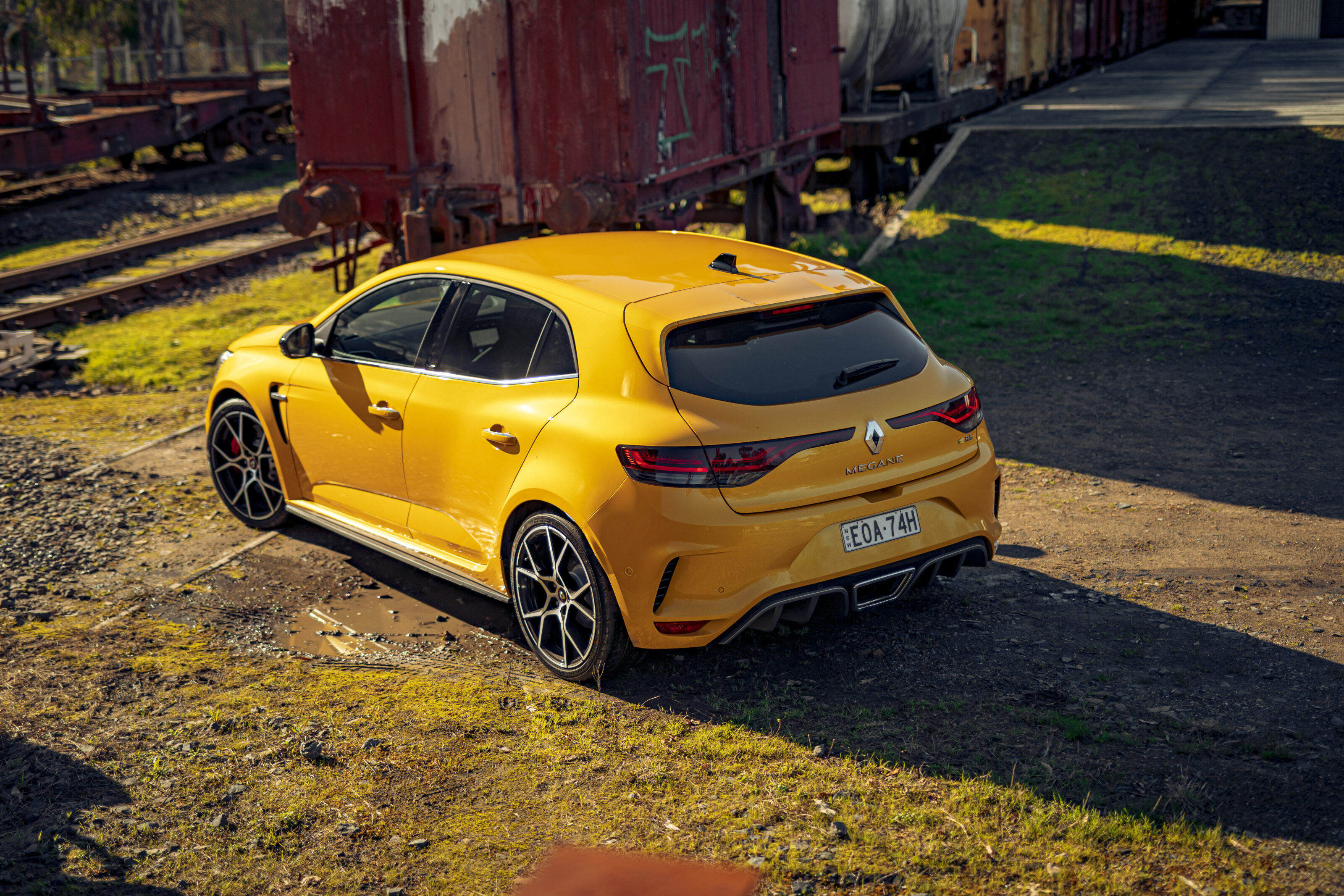
Sticking with a Gallic flavour, Renault has rationalised its Megane RS range in Australia to just the RS 300 Trophy in manual and dual-clutch guises. The baby Clio hasn’t been offered for some time now.
The next-gen Megane will leave its traditional, well-loved roots, with the recent Megane E-Tech concept showcasing its future.
While Aussie V8 muscle has been absent for some time now, it seems the bent eight Chrysler 300’s stay of execution is about to run out.
The value-packed 300 SRT Core has already been dropped, while the SRT8 is clinging on thanks to NSW Highway Patrol.
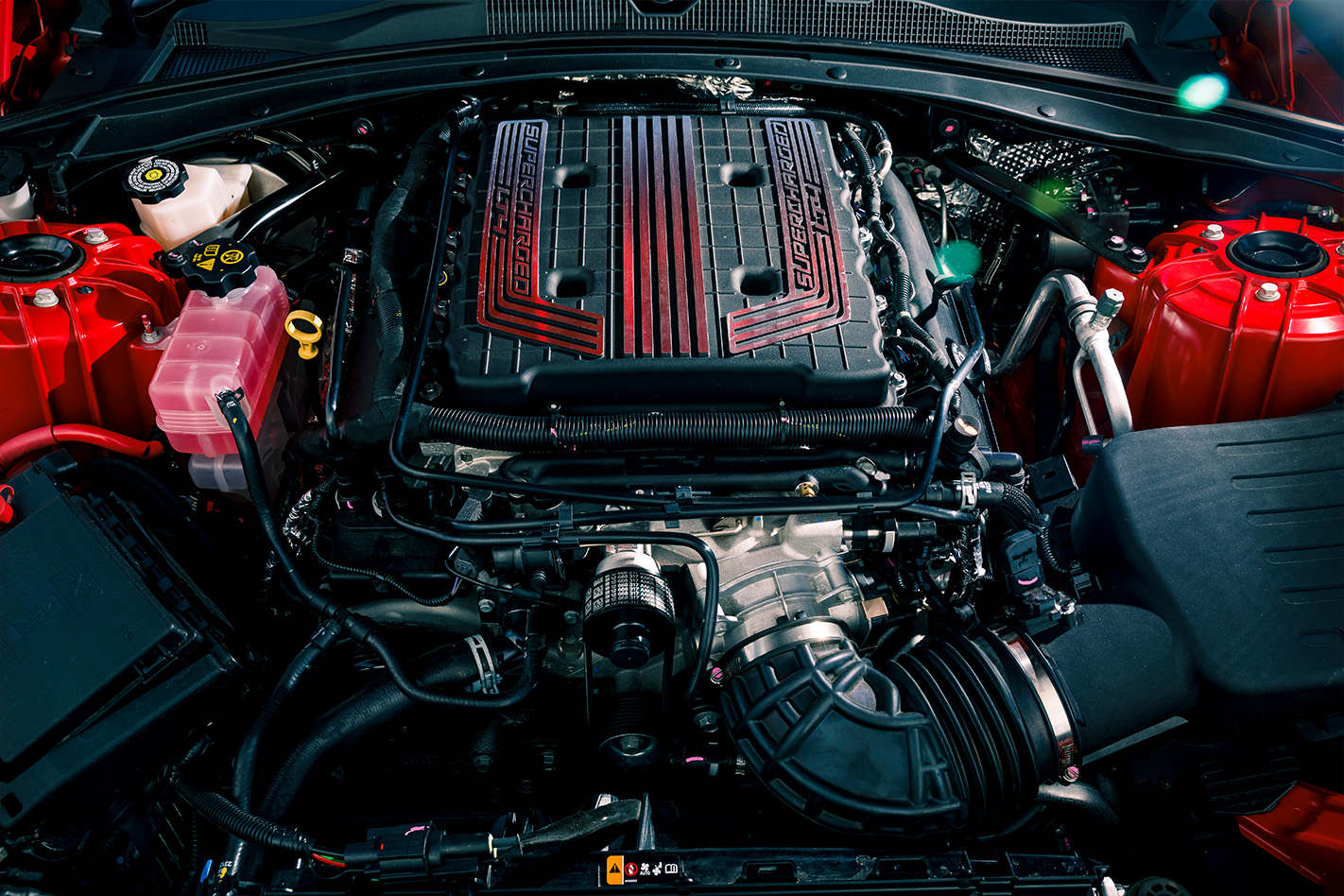
Sticking with Stars and Stripes, conversions of the Chevrolet Camaro (2SS and ZL1) came to a halt some time ago with only dealer stock remaining.
Rounding out the evicted tribe members is the Hyundai Veloster Turbo and the Volvo S60/V60 Polestar. It’s a shame we don’t get the Veloster N here, either.
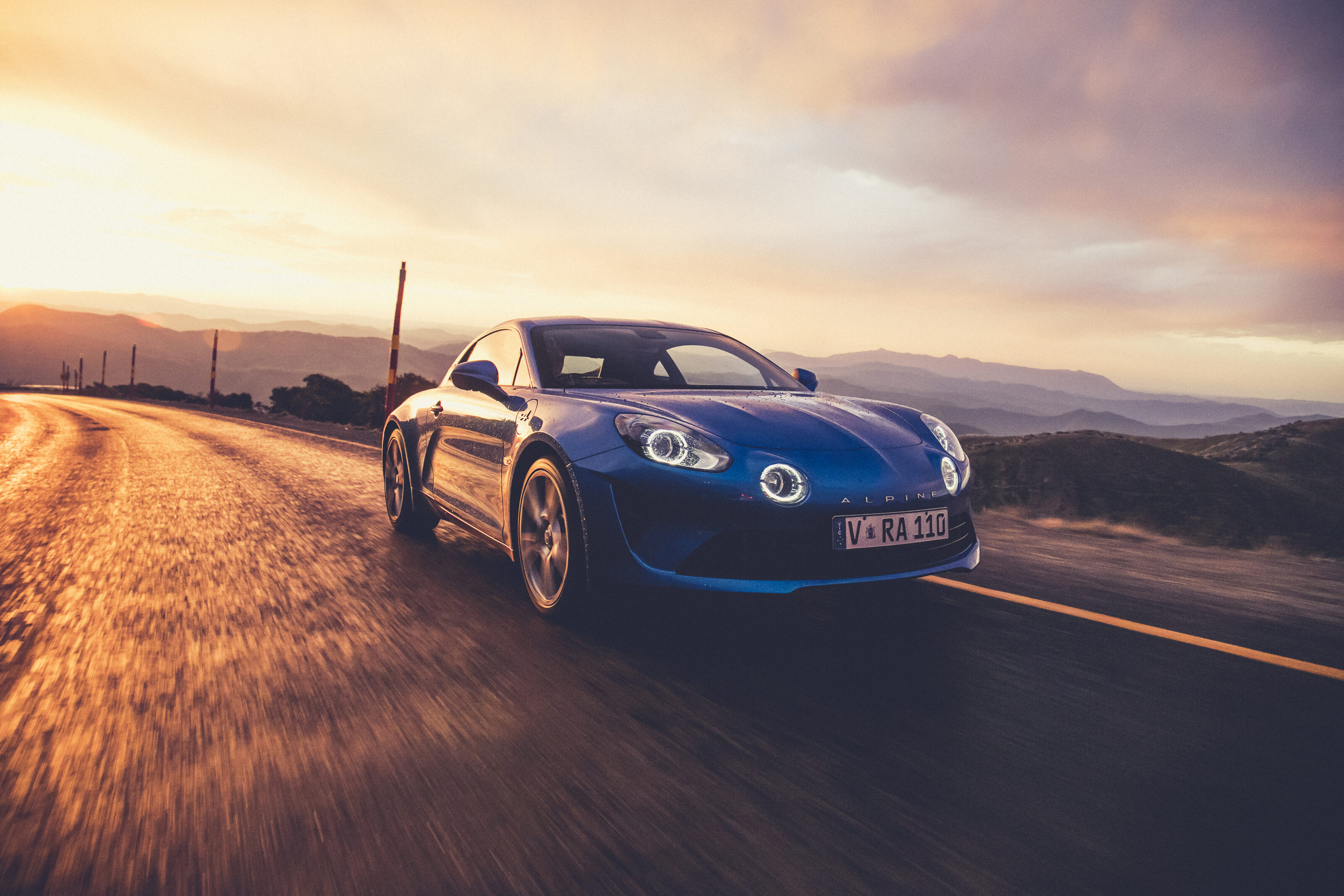
Additionally, Australian Design Regulations (ADR), in relation to pole side impact performance, has led to the culling of the Alpine A110, Lexus IS and RC as well as the mighty Nissan GT-R.
However, it’s not all doom and gloom as some of those iconic models will return. But not all with be in the same form, with electrification playing a huge part in transforming certain models.
The Honda Civic Type R will be back, with a global release penned for 2022 ahead of its Australian arrival. What is yet to be known is the powertrain and driveline, as both a hybrid and all-wheel-drive layout have been suggested. However, a development on the existing 2.0-litre four-cylinder turbo front-wheel-drive setup is most likely.
Alpine is forging ahead with volts as parent company Renault ditches the famed Renault Sport moniker for Alpine. Hence, all future go-fast models will fall under the Alpine banner. Three new offerings have been promised initially, with the Clio and A110 returning to live with electric motors and battery packs.
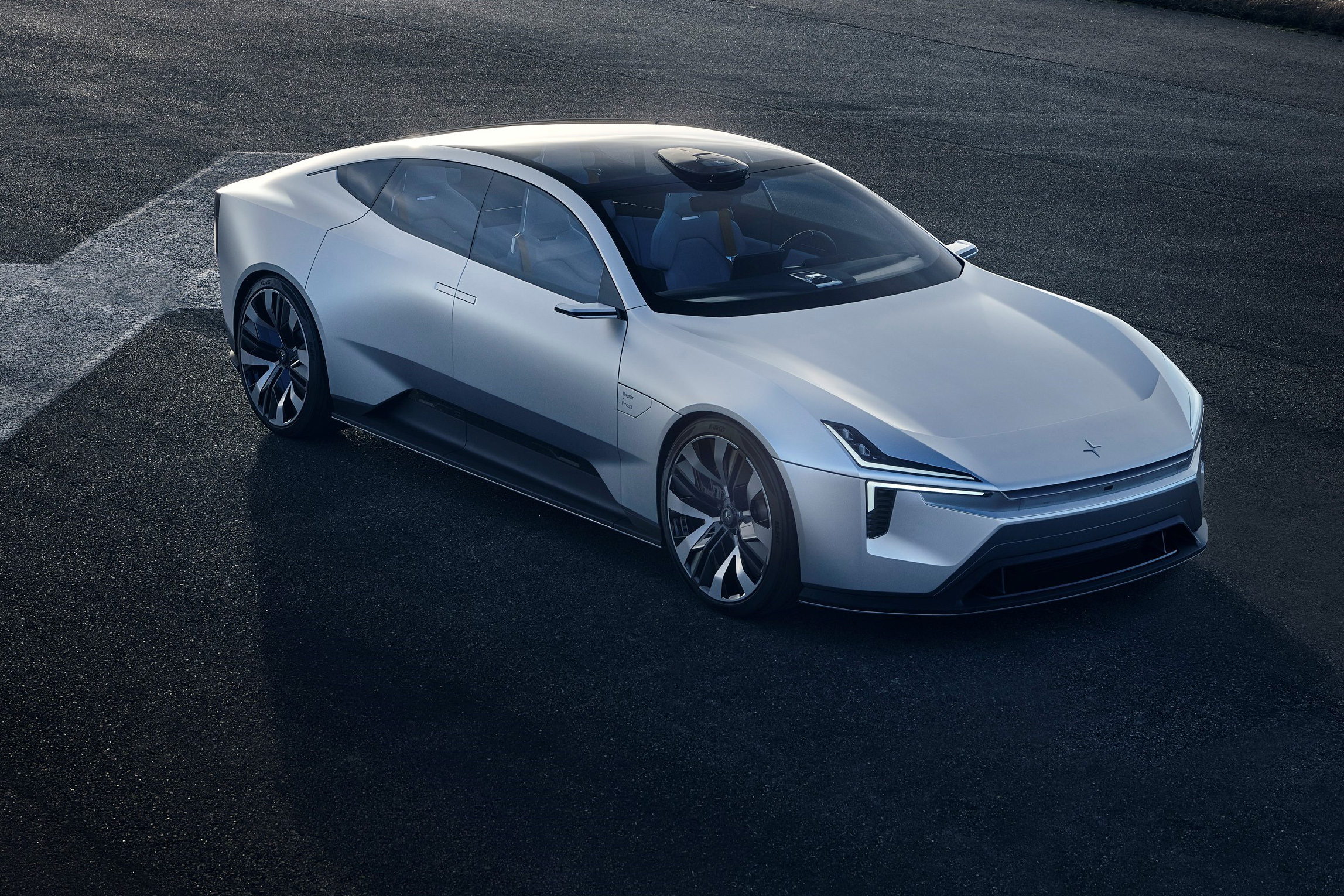
Also expect more EV/hybrid Polestars (just don’t call them a Volvo) to make their way to our shores.
The Camaro is destined to replace the defunct Holden ZB Commodore on the race track with GMSV as part of Supercars’ Gen 3 rollout, but it’s unlikely it’ll return to local roads. It’s believed GM will also retire the nameplate globally in 2024.
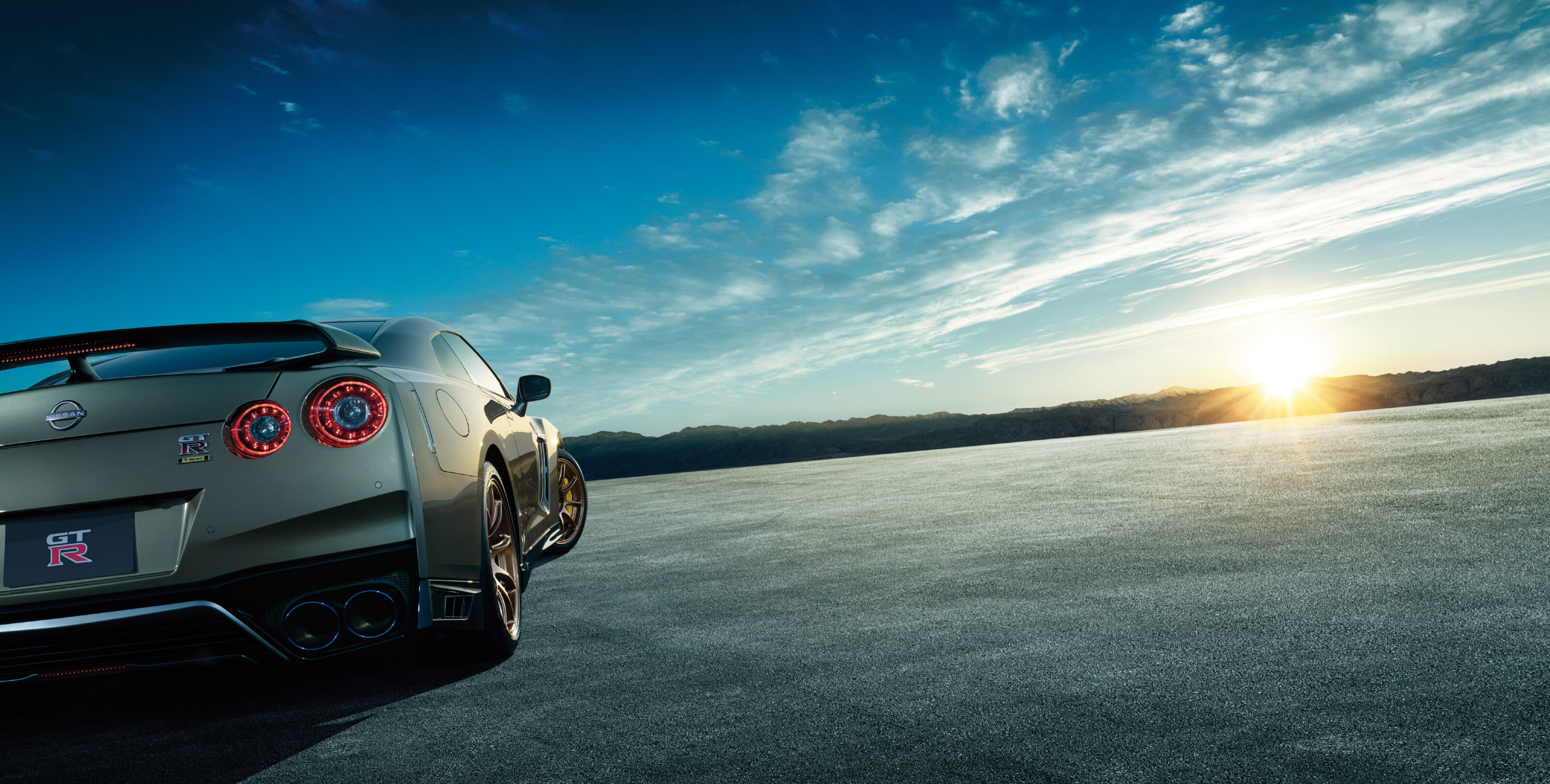
The wait for the Nissan GT-R is undefined, too, as we’ll have to wait until the all-new generation breaks cover.
So, while some models have been shown the door, there is a lot to look forward to on the other side. It’s just that the view and landscape has changed.
An advisor to Europe’s highest court in Austria has said that technology currently used in Volkswagen Group vehicles to alter emissions could still be illegal.
The Advocate General Athanasios Rantos told the European Court of Justice that software used to alter emissions based on temperature and altitude is illegal only unless it is used to prevent sudden and dangerous engine damage from occurring, reports Reuters.
The court heard that the emissions system fitted to Volkswagen vehicles is only designed to work between 15 and 33 degrees Celsius – outside of the average annual temperatures of Austria and Germany.
It’s also understood the technology only works below an altitude of 1000 metres, while the average altitude of Austria sits at 910 metres.
The case is the latest step in a series of proceedings involving the German carmaker’s 2015 Dieselgate scandal.
In software in question is the exhaust gas recirculation (EGR) system, which is specifically designed to reduce harmful nitrogen oxide (NOx) gasses. As the name suggests, it works by sending exhaust fumes back through to the intake manifold – using water vapour to decrease combustion temperatures and reduce NOx output.
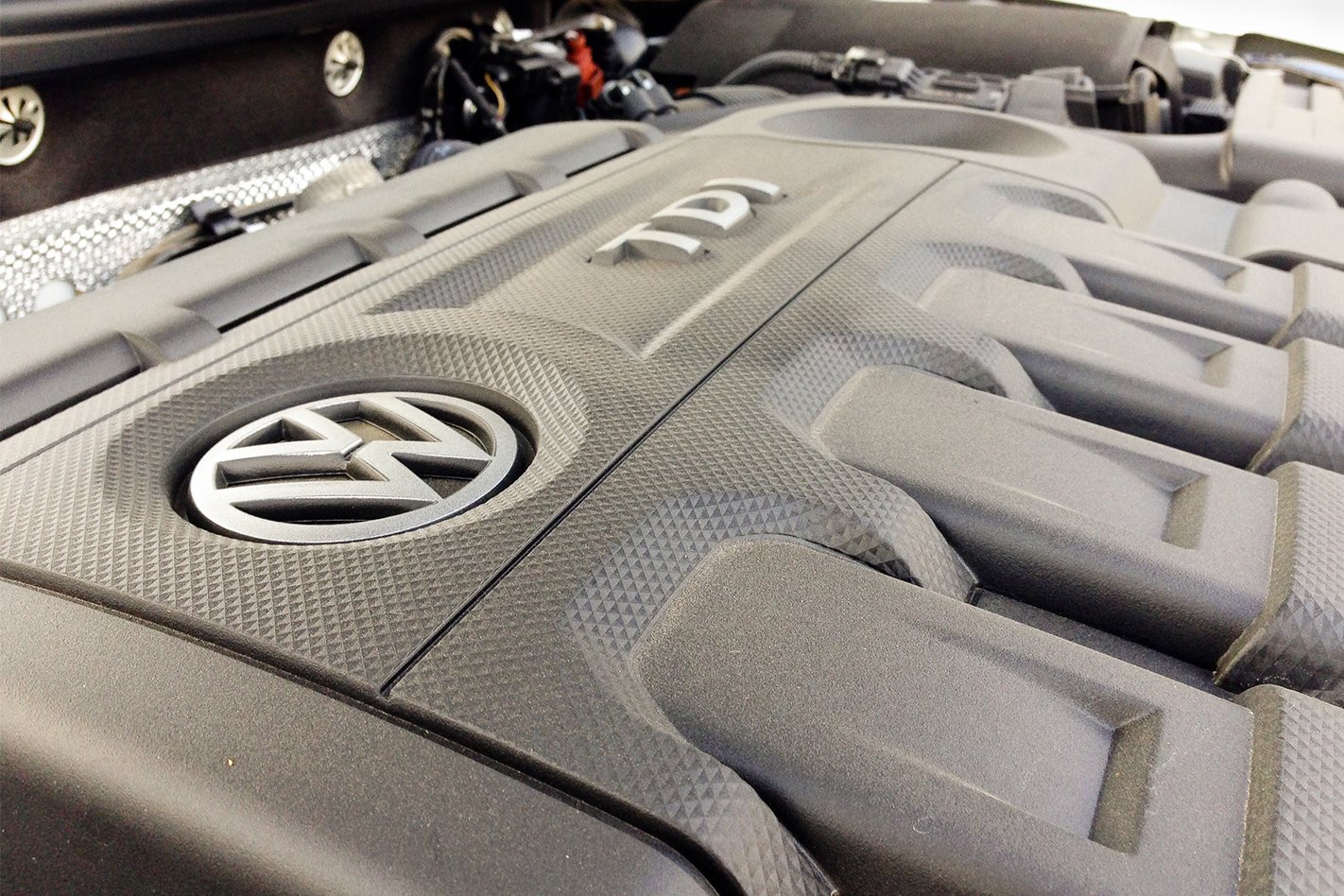
The first EGR valves appeared on vehicles in the 1970s, but the European Union has mandated the system as the main NOx reduction strategy on most types of diesel engines since Euro 1 legislation was introduced in 2005. Though working parameters are set by each manufacturer, EGRs are common in the automotive industry.
While the Advocate General said the technology might not be appropriate for the average conditions in Austria, Volkswagen argued the EGR system was permissible under the law as its purpose was to prevent sudden and immediate risk of engine damage.
The advisor, however, also noted the same court had ruled last December that any emissions-rigging software was illegal, even if it contributed to preventing ageing or clogging up of the engine.
The Advocate General’s independent legal opinion is non-binding, but judges traditionally follow the advice given by the advisor, with a ruling taking up to six months or more.
