
Snapshot
- Next-gen Porsche infotainment system now includes Android Auto
- Remote park assist is available for the first time
- Over 63 colours can be selected from Porsche Paint to Sample
The Porsche Taycan has scored a range of equipment updates as well as more options for exterior colours as a part of its 2022 refresh.
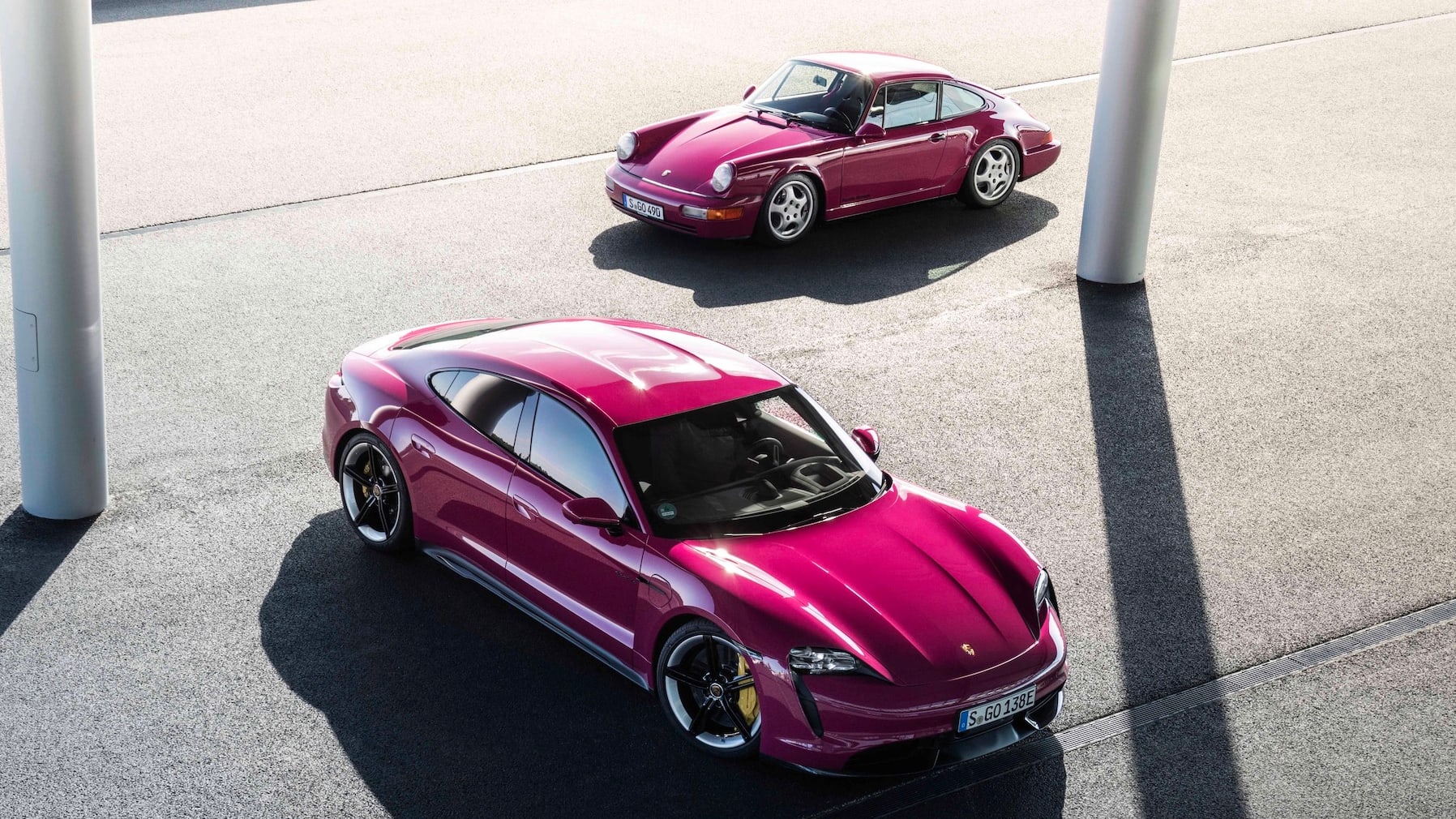
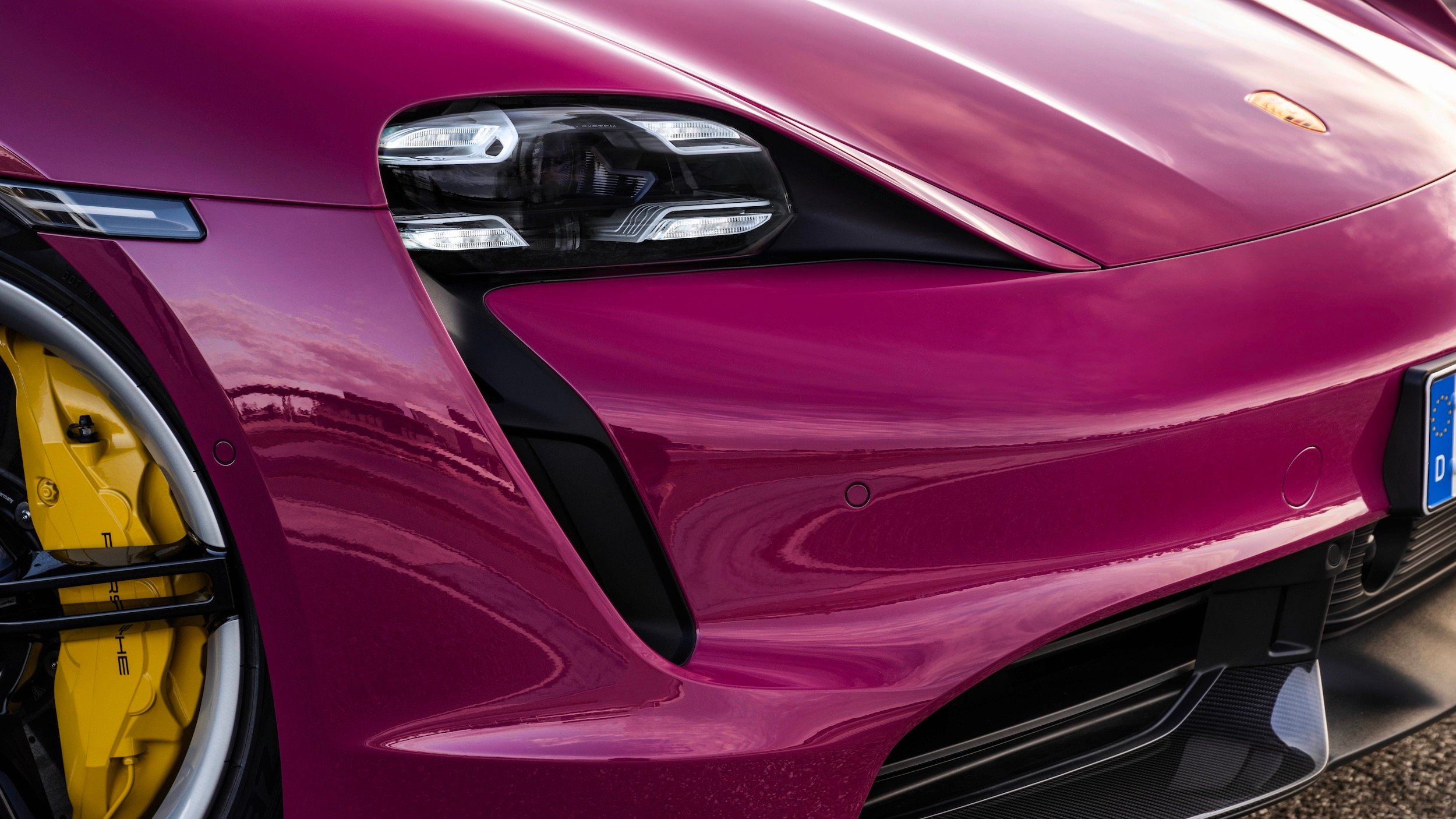
Harking back to the bright finishes of Porsche’s 964-generation 911 sportscar, the Taycan can now be painted in any one of 63 ‘Paint to Sample’ colours, adding to the range of 17 standard finishes already available.
Out of the 80 colours possible, some of these include moonlight blue metallic, acid green, Riviera blue, viola metallic and rubystone red (pictured) – while the Paint to Sample Plus option allows buyers to pick any colour they like as a custom order.
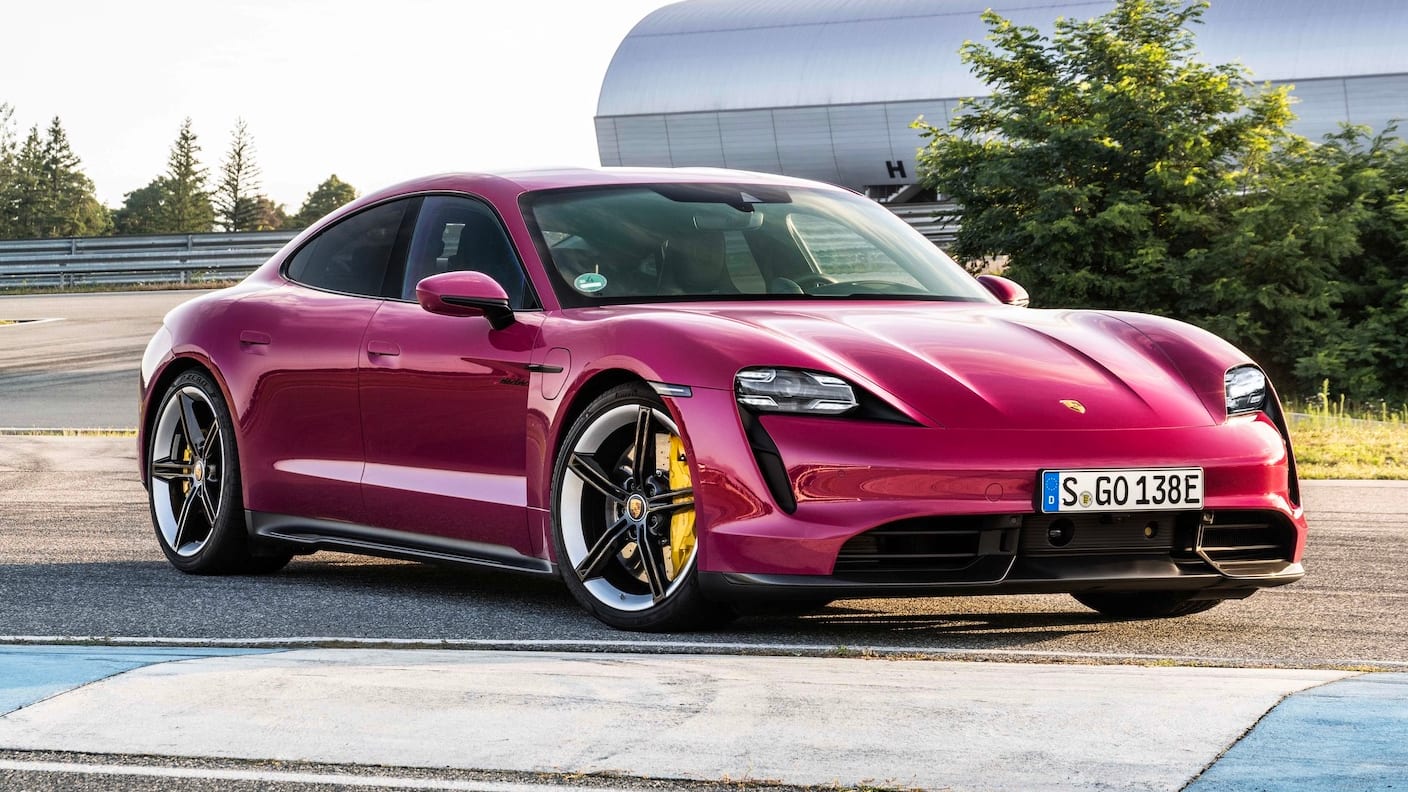
In terms of tech upgrades, the most significant is the option of remote park assist being made available across the range, allowing the Taycan to park itself without the owner behind the wheel via the Porsche Connect app – providing automatic control for both parallel and perpendicular parking.
Its Porsche Communication Management system has also been upgraded in line with updates earlier this year to the Cayenne, Panamera and 911 – featuring Android Auto for the first time as well as wireless Apple CarPlay, Apple Music, Apple Podcasts and Voice Pilot.
While the Taycan’s powertrain hardware remains unchanged, a software tweak has allowed Porsche to potentially unlock greater driving range by almost completely uncoupling and de-energising the front electric motor while under partial load in all-wheel drive models, drawing less power which in theory provides additional kilometres.
Since its introduction in Australia this year, Porsche has sold 414 units of the Taycan to the end of July.
UPDATE, August 25: Subaru USA has confirmed a reveal date for the new WRX – locking in September 10 to unveil its fifth-generation hero car.
After its initial debut date was delayed, Subaru will take the covers off the new-look sedan at 11pm AEST on the 10th, launching the first new WRX since the nameplate broke away from the Impreza model line-up in 2014.
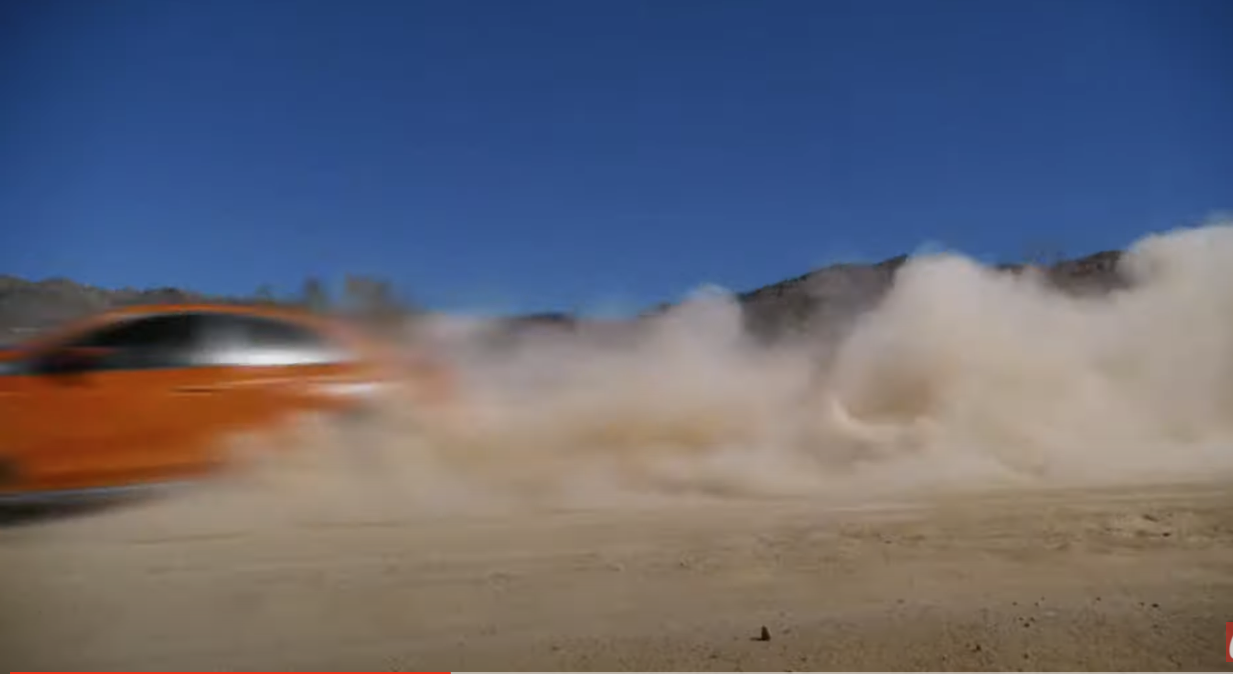
Although Subaru held the design of the WRX close to its chest in the lead-up to the now-cancelled New York International Auto Show, a series of teaser videos on the brand’s US website have all but revealed the look of the vehicle – featuring guard liners, a lip spoiler and the iconic bonnet scoop.

The story to here
AUGUST 17: The cancellation of the New York International Auto Show (NYIAS) has thrown a spanner into the works for Subaru, forcing the Japanese manufacturer to delay the reveal of its new WRX.
Set to be unveiled at this coming weekend’s NYIAS before the event’s cancellation due to the pandemic, Carscoops reports the brand doesn’t have any current plans to reschedule the WRX launch, delaying the public debut of the fifth-gen sedan.
“We have not confirmed when information about WRX or the next [Forester] Wilderness model will be released due to the cancellation of [the New York International Auto Show]”, a Subaru USA spokesperson told Carscoops.

Subaru’s Australian arm echoed the sentiments of the American division, with a spokesperson telling Motor it does not have any knowledge of a rescheduled date or a new location for the WRX’s reveal.
“As of today, [Subaru] can confirm the unveiling will definitely not take place this week.
“We’re still awaiting confirmation of revised timing from the factory in Japan but early 2022 is still the target for local launch.”
The new WRX will be the fifth-generation to be put into production and the second since it became a standalone nameplate, having acted as the performance variant for the Impreza from its debut in 1994 until 2014.
Subaru Australia recently celebrated 50,000 WRX sales locally with the high-performance STi variant surpassing 10,000 sales last year.
Neither the fastest V8 Supercar or F1 driver in history have ever started a race in their respective categories. It’s a bewildering fact that sounds like a straight-up lie.
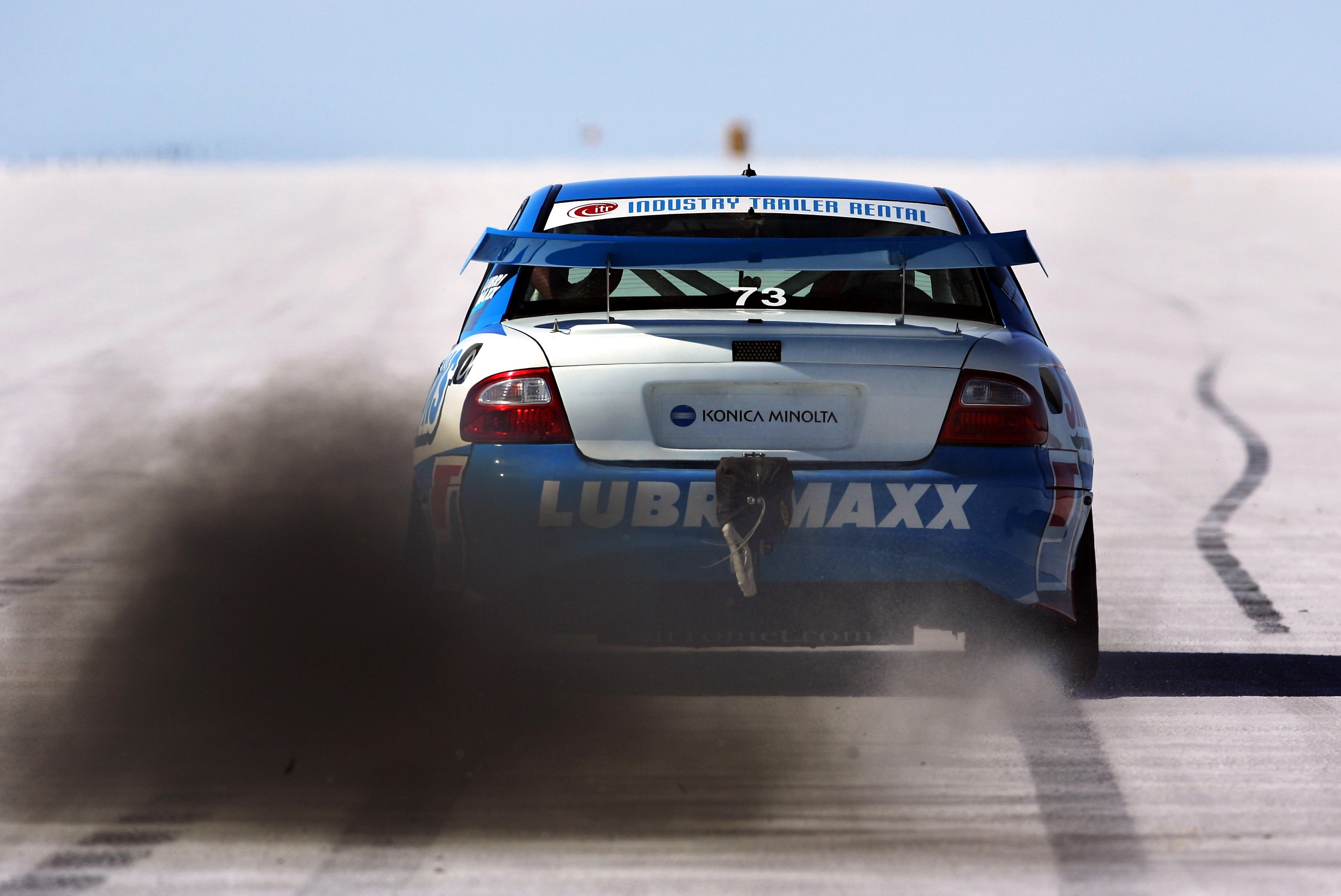
Ever heard of the name Jamie Sargeant? No? Well, no one is faster in a V8 Supercar. In 2005 privateer V8 Supercar team owner Robert Smith was so annoyed with the people in charge of the category that he fobbed off the first round of the championship to go racing at Lake Gairdner. With Sargeant in the hot seat, and a parachute strapped to the back, the standard V8 Supercar clocked 313km/h: a high-water mark for home-grown touring cars that remains unbeaten, making a rally driver Australia’s fastest V8 Supercar driver – technically, at least.
While Sargeant is a largely unknown name outside specialist circles, there are a decent portion of F1 fans who would recognise Alan van der Merwe as the driver of the medical car at each grand prix. However, the South African is also the undisputed top speed king of the Formula 1 paddock. This is the story of how one team used an illegal car to break a record no one else had attempted, making a man with zero grand prix starts the fastest in F1 history.
It all starts with the controversial British America Racing (BAR) F1 squad. BAR joined F1 in 1999, and by 2004 it was the second-best constructor on the grid behind the unstoppable force that was Ferrari that year. But its 2005 season was a fall from grace that smashed several branches on the way back to earth. The car for ’05 was BAR 007, a simple evolution of the 006 that was competitive the year prior – don’t fix what’s not broken, right?
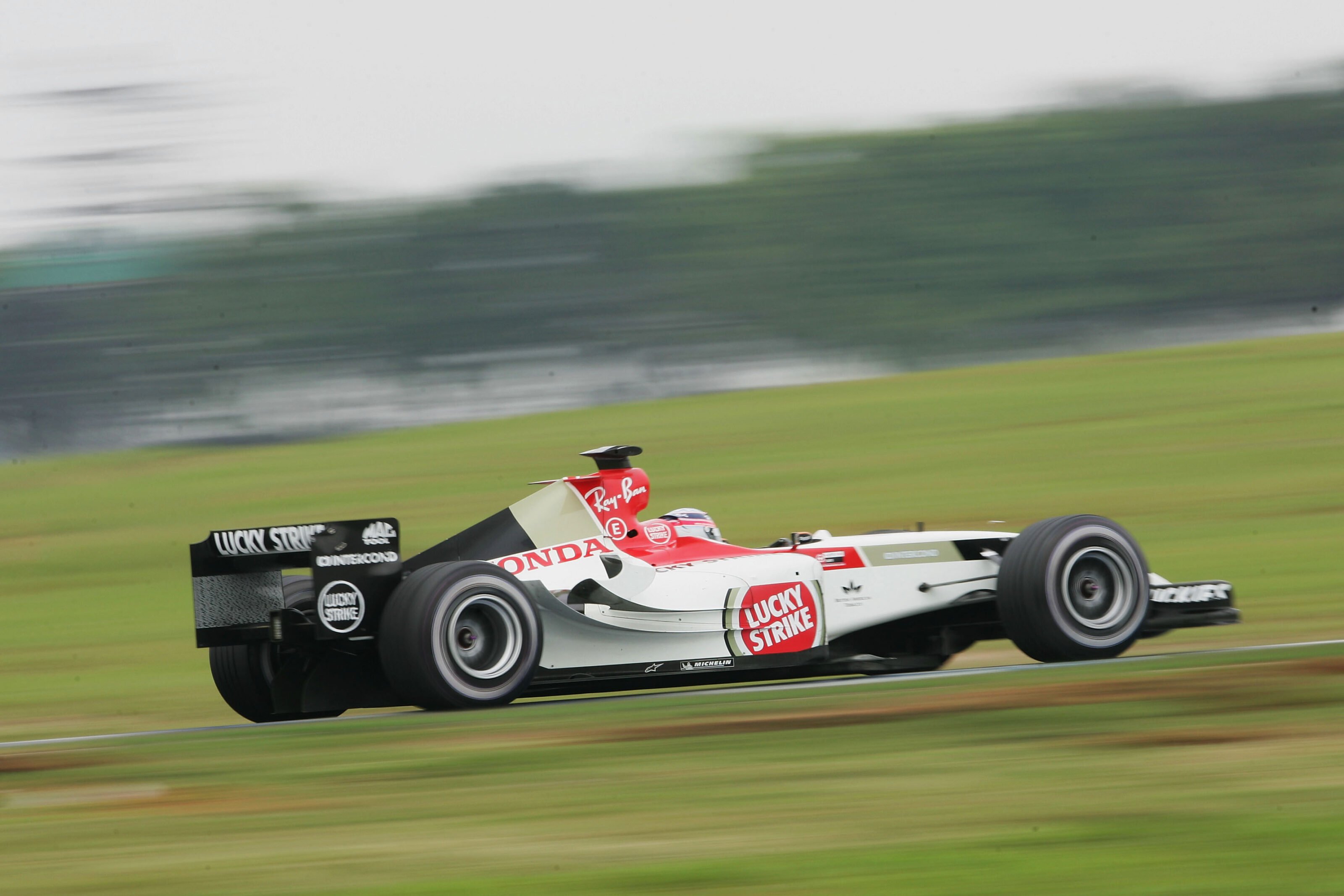
Thing is, BAR’s car wasn’t just a ‘simple evolution’ as first thought. For the new design the engineers installed a second, secret, fuel tank capable of holding an extra 11kg of fuel. This was discovered following the San Marino race, and despite the team’s protests that the additional tank was necessary because the V10 wouldn’t run without the extra fuel, both cars were disqualified and the team banned from two races.
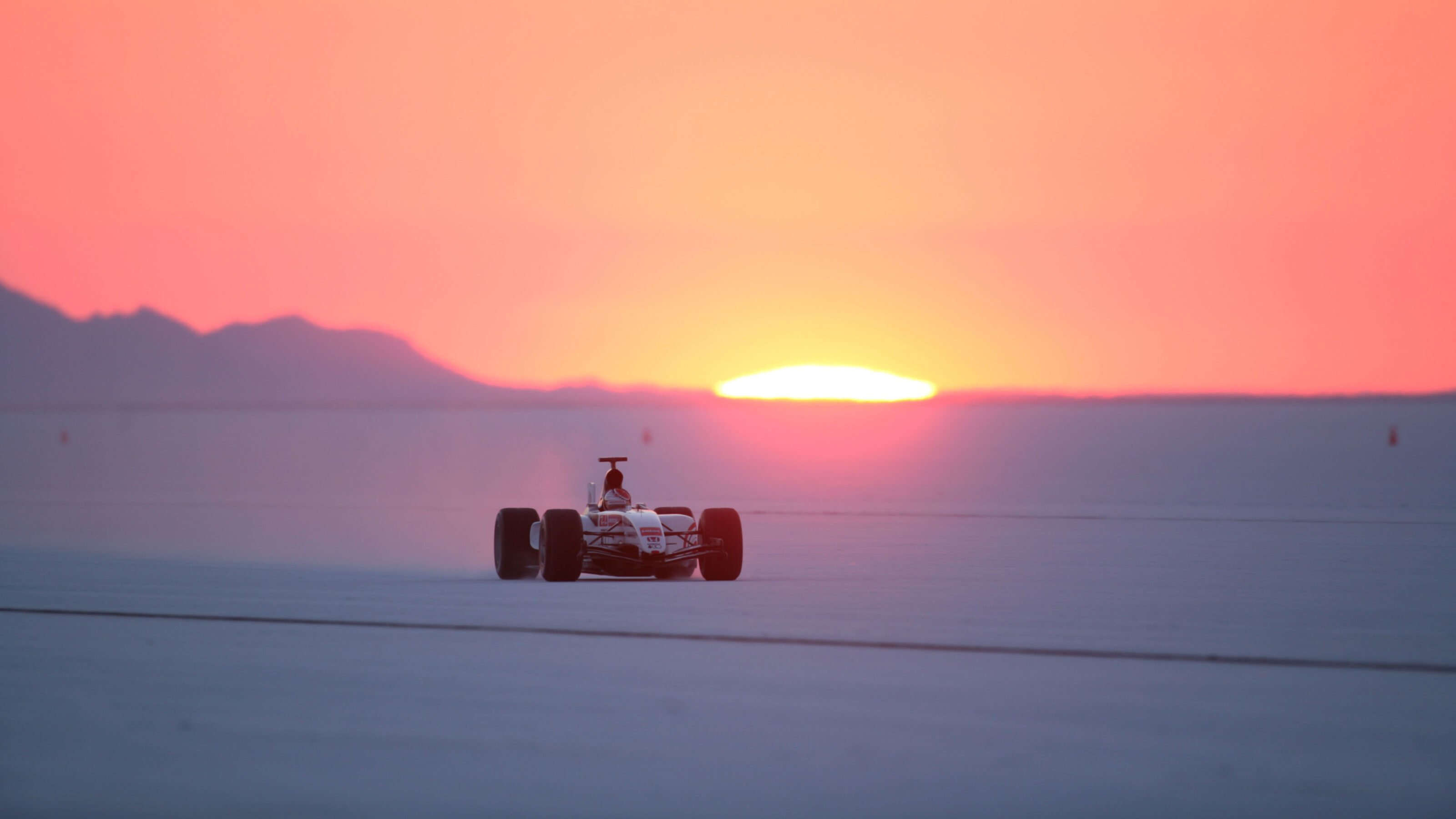
BAR would quit the sport at the end of the year, with engine supplier Honda taking over the team, renaming the 007 chassis’ to a RA106 designation. In a show of goodwill with Formula 1, Honda used the car for Project 400 – a campaign to be the first FIA-sanctioned F1 car to crack 400km/h.
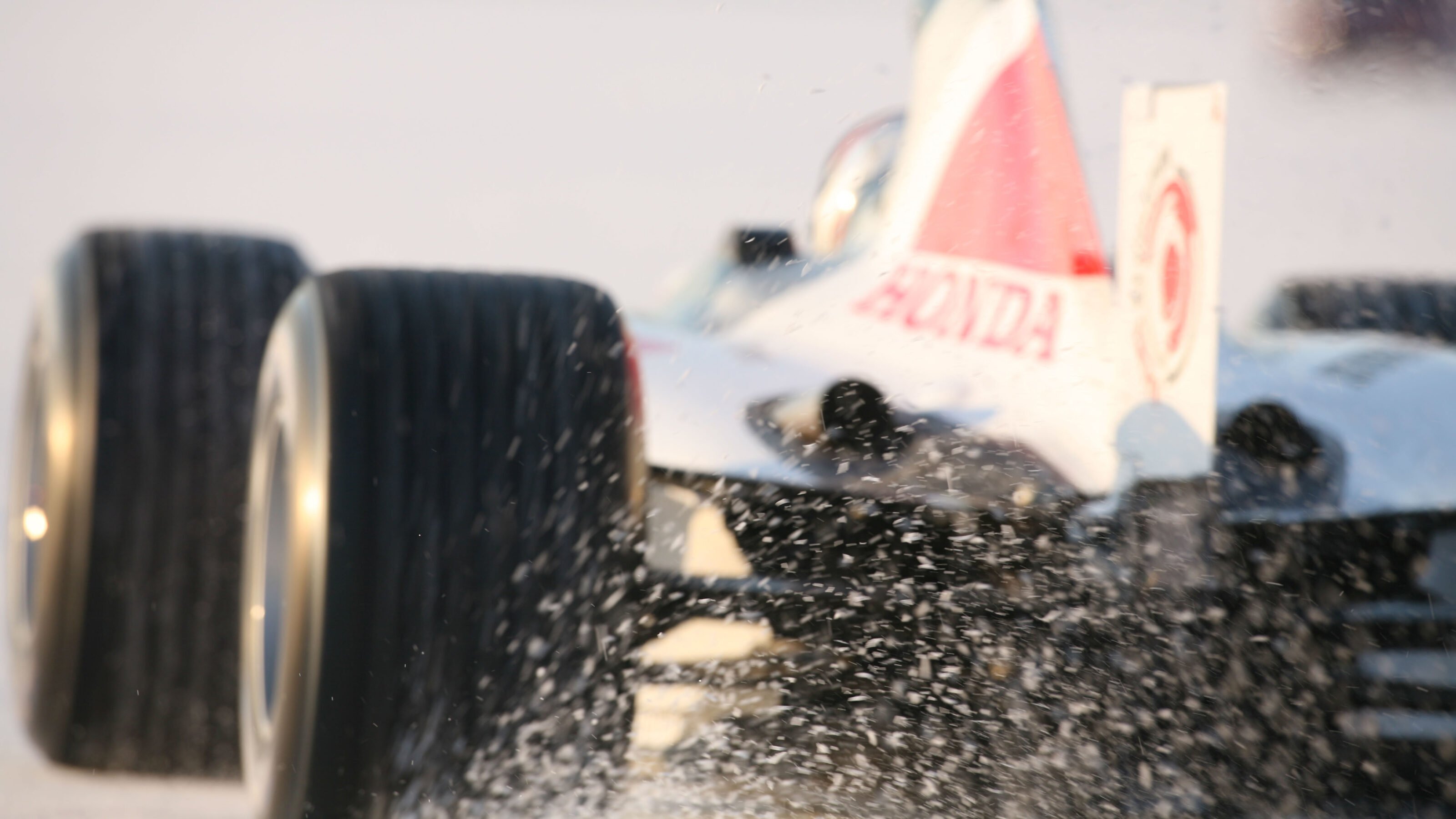
Initially, Honda thought it would need to completely rebuild the chassis and almost double the 662kW output of the atmo 3.0-litre V10 engine to reach 400km/h. But with the rear wing removed, much of the aerodynamics stripped back, front-wing trimmed out, and test driver van der Merwe in the hot seat, things started to get faster. You might think driving an F1 car in a straight line would be simple enough, but not so. “At first we couldn’t get the thing out of first gear. The ECU couldn’t handle that much wheel-spin,” van der Merwe recalled in an interview with F1.com.
With eight kilometres of run-up, van der Merwe set a two-way average of 397km/h at Bonneville, while Project 400’s fastest speed came during testing on the Mojave Desert at 413km/h. While impressive in its own right, the F1 and V8 Supercar’s salt lake speeds pale in comparison to a specialist.
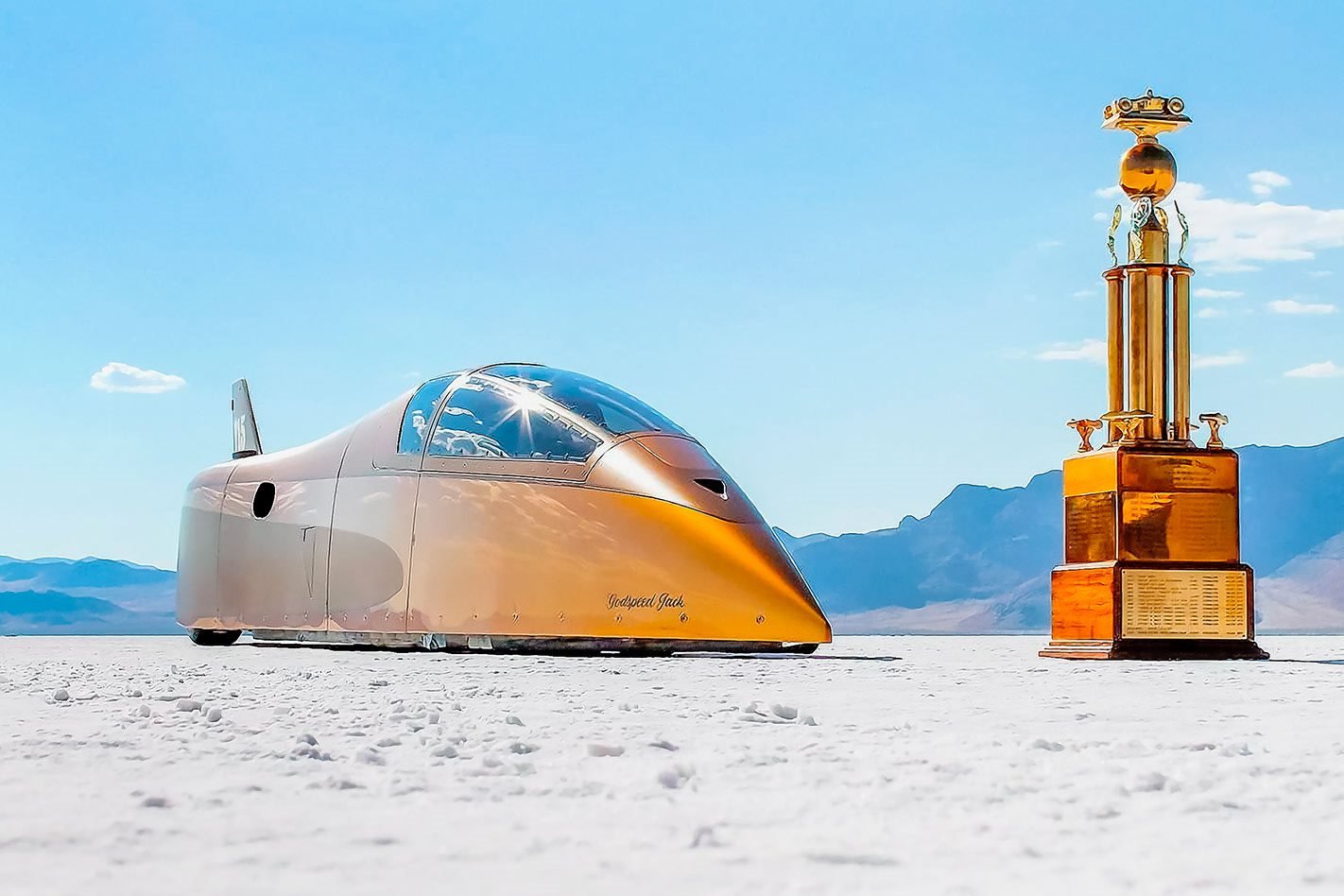
To give you a frame of reference, the world’s fastest piston-powered car (well, streamliner) is known as Speed Demon, and it uses a 9.0-litre V8 with a pair of turbos the size of your head to achieve a two-way average speed of 756km/h. Streamliners are the F1 cars of the salt lake racer world, and have their own microcosm of fascinating engineering. Pushing a car to nearly 500mph without the aid of jet engines or rockets is a witchcraft of its own. Before every pass Speed Demon’s hybrid air/water intercooler is packed with 75 litres of water and ice, of which 36kg is melted after just 8km of running. That’s because the engine produces a peak power figure in the region of 2353kW, with a max torque output of 2734Nm. Such is the power and potential of the engine that its builder had to artificially soften the low-end torque lest the car never get traction on the salt.
That said, if Speed Demon were to retrace the F1 and V8 Supercar’s steps, and attempt to set a hot time at a circuit, my best estimate on a completed lap would be ‘eventually’.
Let this be a lesson in staying in your lane, kids.
Snapshot
- Only six cars have been placed under recall
- Airbags may not trigger in the event of an accident
- Mercedes-Benz is contacted owners
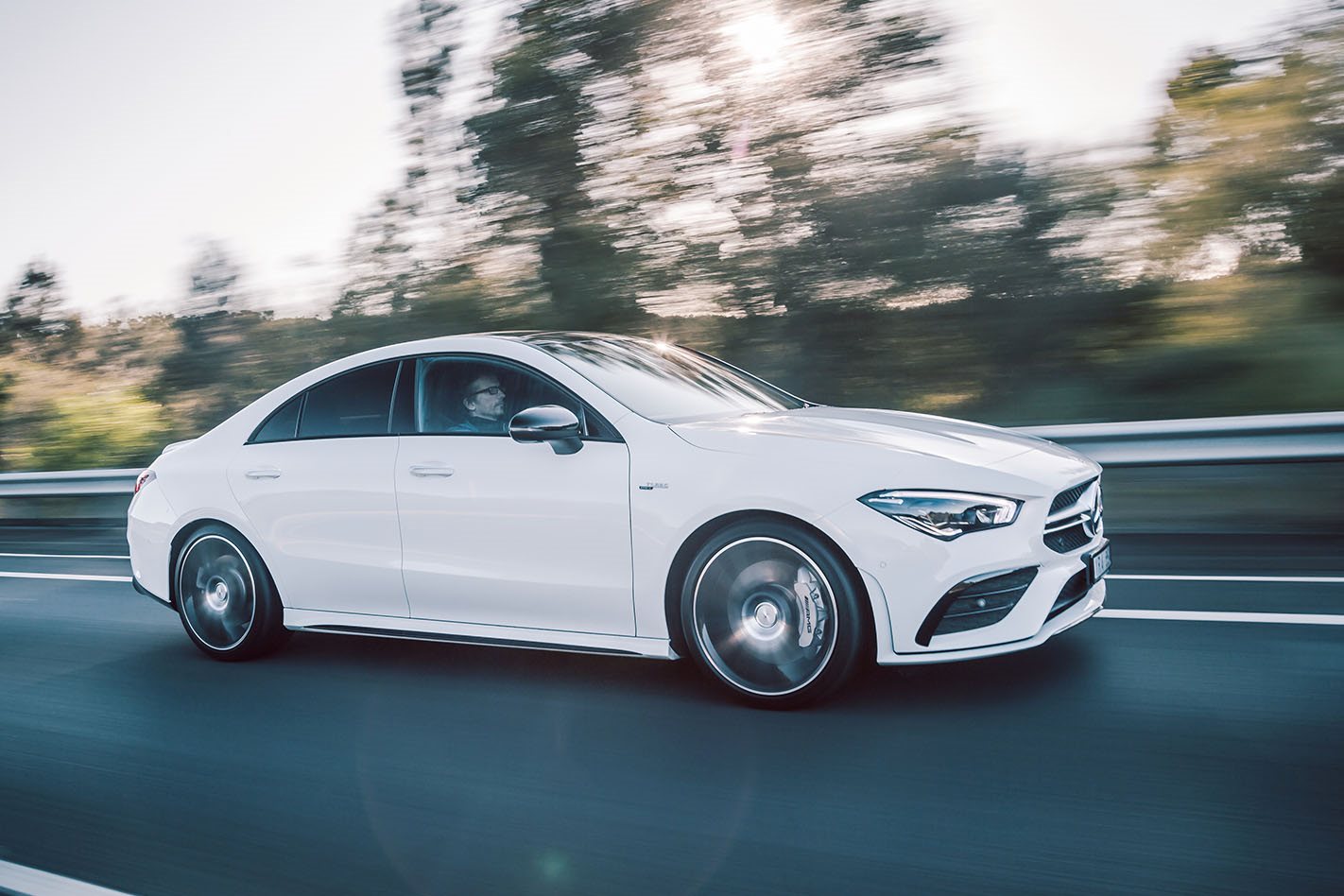
A recall notice has been issued by Mercedes-Benz for its 2019 A-Class and CLA-Class, with just six units on the list of affected vehicles.
The reported defect relates to a potentially incorrectly side-mounted crash sensor, used to determine when to deploy airbags in the event of an accident.
If the sensors aren’t correctly mounted, they may not trigger the airbags in time, potentially leading to a higher risk of injury for occupants.
Mercedes-Benz has said it is in the process of contacting affected customers, but also encourages anyone who is unsure about whether their vehicle is under recall to contact its customer assistance centre on 1300 300 896 or [email protected]
A list of affected vehicle VINs can be found here.
Snapshot
- A total of 379 units have been recalled
- Issue affects the driver’s seat adjustment
- Bentley is contacting owners
A recall notice has been issued for all Bentley Continental GT models produced from 2018 until 2021, covering 379 vehicles sold in Australia.
Affecting both the coupe and convertible variants of the GT, the recall has been issued due to a software issue with the driver’s seat motor.
If the seat is lowered, it may also move backwards – potentially trapping the legs of a rear occupant and leading to injury.
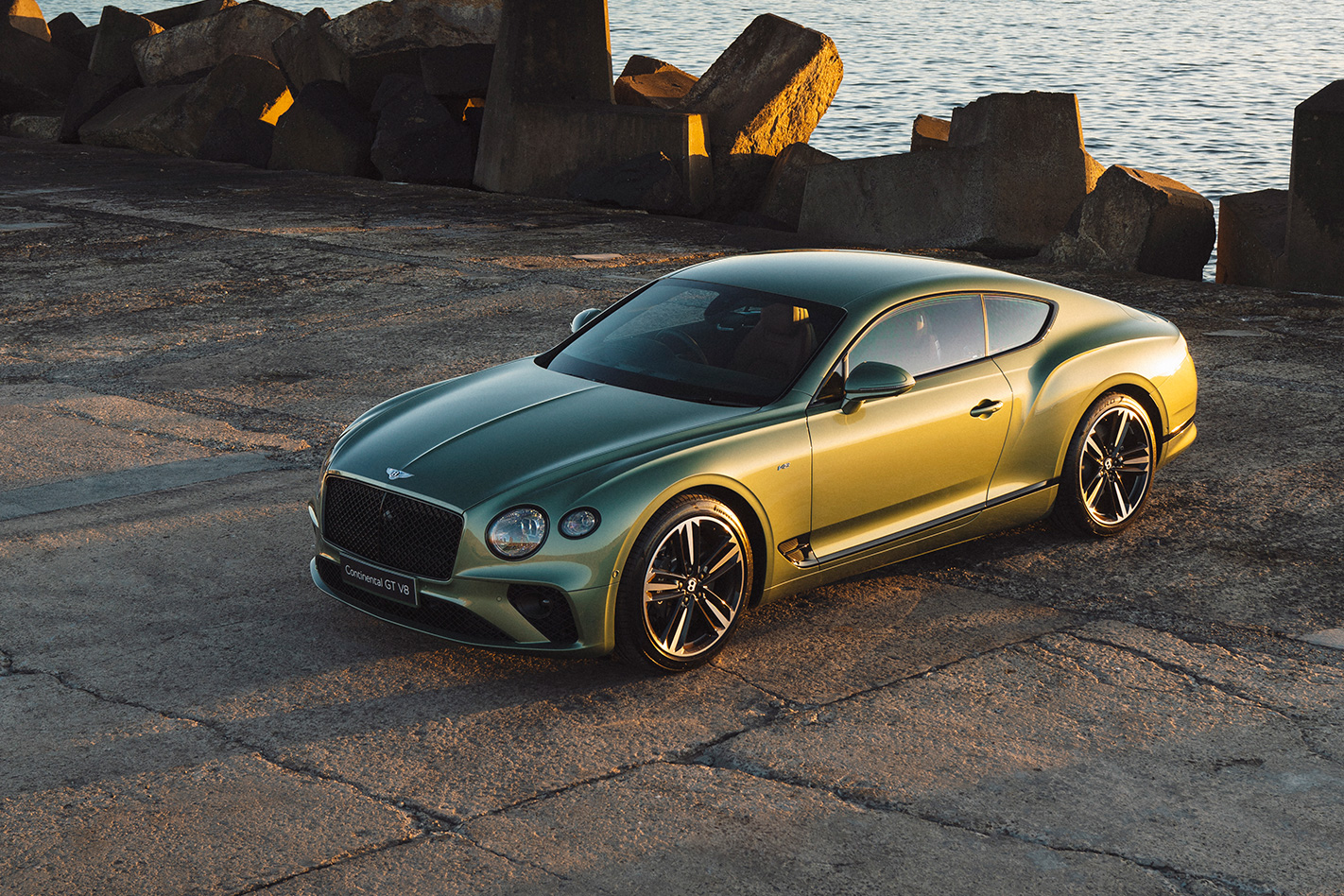
With every Continental produced from 2018 affected, Bentley has said it is in the process of contacting owners to fix the issue, free of charge.
A list of VINs of affected vehicles can be found here.
Let’s get straight to the point: The i20 N is the best driver’s car Hyundai makes. In fact, it’s the best driver’s car Hyundai has ever made. And we’re not damning with faint praise, either.
A more focused car than even the impressive i30 N, this little Hyundai has what it takes to run with the best hot hatches in the business. Ford Fiesta ST, you’re on notice.
Hyundai’s mainstream i20 is the Korean carmaker’s rival to Ford’s regular Fiesta (Australia only gets the ST), Volkswagen’s Polo and Toyota’s Yaris.
That the hot i20 N has launched within 18 months of the debut of the third-generation mainstream i20 hatch in March last year highlights a significant change to Hyundai’s vehicle development under Hyundai-Kia R&D chief, Albert Biermann.
Key requirements for N models are now baked in at the beginning of the process.
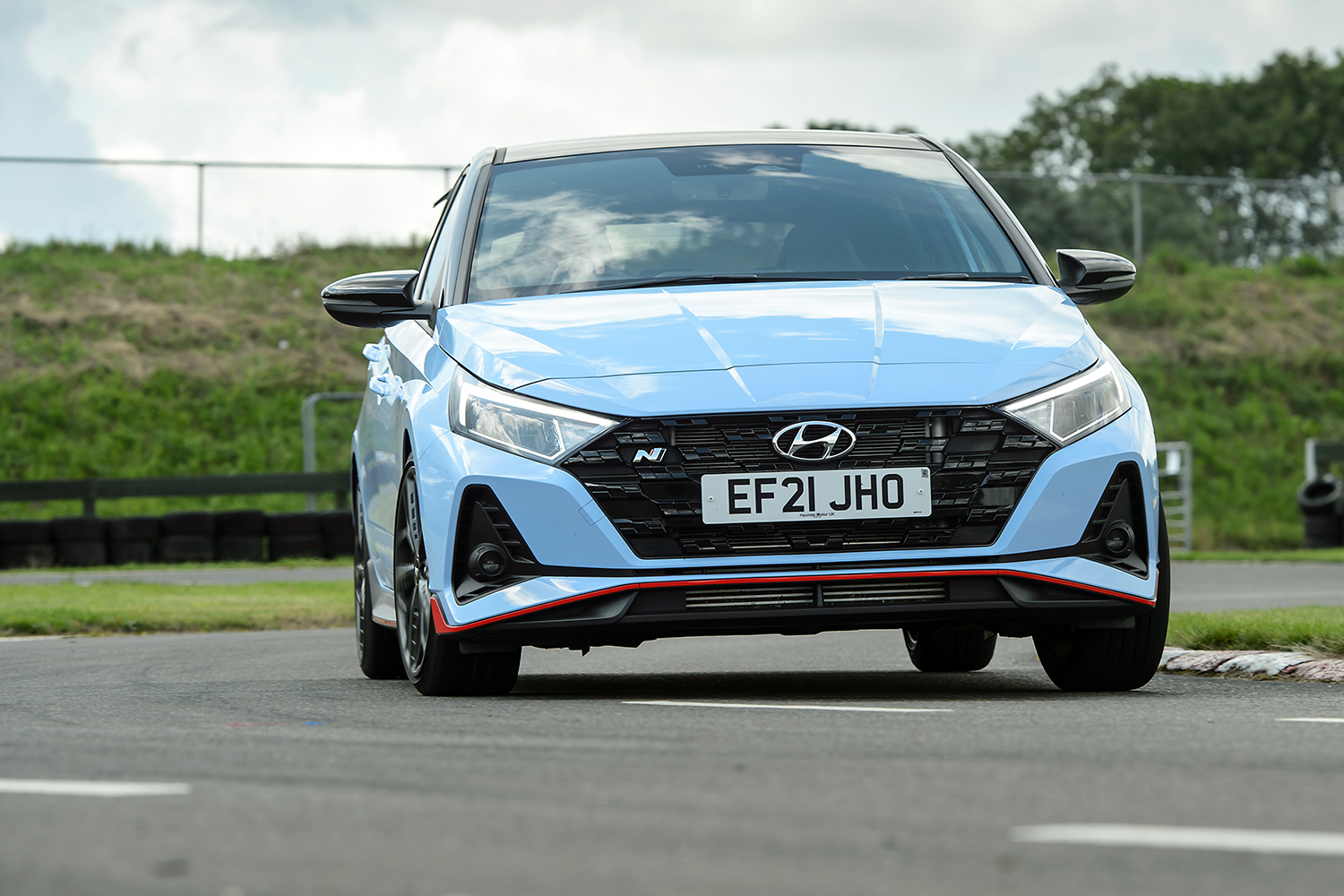
The i20 N is therefore more than just some extra grunt under the bonnet combined with bigger wheels and stiffer suspension, all wrapped in bright paint and a few spoilers. It is a properly thought-out hot hatch.
The bodyshell has been reinforced in 12 different places, particularly around the front subframe that supports new front suspension with reinforced top mounts and knuckles. An additional brace in the rear load space helps keep the torsion beam rear axle more precisely located.
New hubs mean the i20 N’s spidery 18-inch forged alloys, shod with Pirelli P Zero tyres especially developed for the car, are located by five bolts rather than the four that fasten the wheels on the regular i20. New front disc brakes have rotors 40mm larger in diameter than those of the regular i20.
And while the i20 N, unlike the i30 N and Kona N, retains the column-mounted motor for the electronic power steering system, the steering rack ratio has been sharpened from 12.4:1 to 12.0:1 and the motor retuned to improve response and counter torque steer.
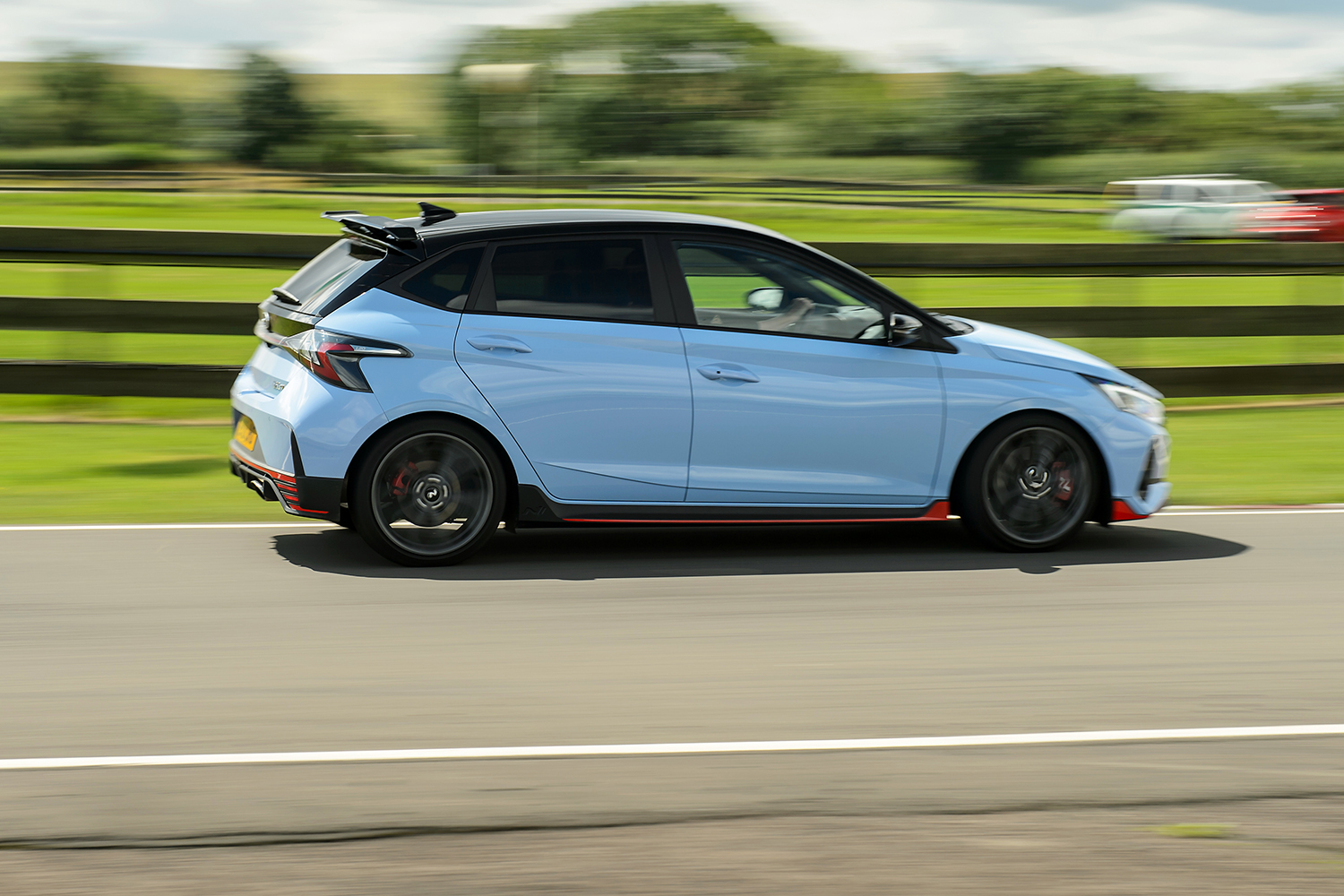
The i20 N is more than just some extra grunt under the bonnet combined with bigger wheels and stiffer suspension, all wrapped in bright paint and a few spoilers.It is a properly thought-out hot hatch.
Regular i20s are powered by 1.0-litre three-cylinder or 1.2-litre four-cylinder petrol engines (and a 1.5-litre four-cylinder diesel is available in some markets), none boasting more than 88kW and 172Nm. The i20 N gets a tweaked version of the 1.6-litre turbocharged four-banger found in the N-Line versions of the regular i30 hatch and sedan.
In those cars the engine makes 150kW at 6000rpm and 265Nm from 1500rpm to 4500rpm. In i20 N-spec a new intercooled turbocharger setup has boosted torque to 275Nm from 1750rpm to 4500rpm.
The engine drives the front wheels through a six-speed manual gearbox that’s been upgraded to handle the extra torque, and the shock of full-throttle Launch Control starts.
Like the i30 N and Kona N, the i20 N has a limited-slip differential. Unlike the e-diff fitted to its two bigger siblings, though, the i20 N’s front axle uses a mechanically controlled Torsen gear to optimise torque flow.
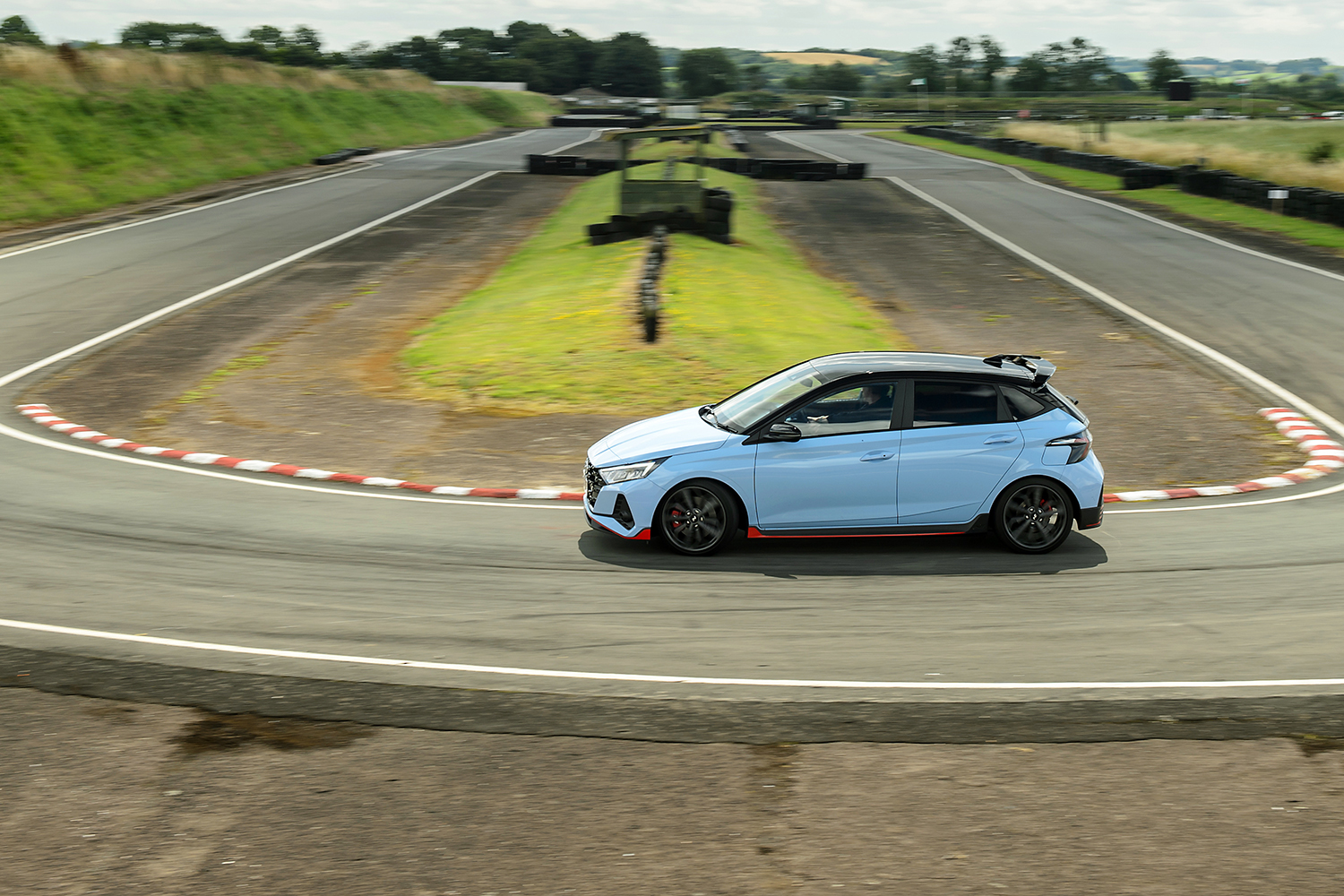
In line with the other N models, the i20 N offers six different drive modes: Eco, Normal, Sport, N, and two different configurable N Custom settings which allow you to mix ‘n’ match the settings for engine, steering, stability control and exhaust sound. You can’t change the suspension settings – unlike the i30 N and Kona N, the i20 N’s dampers are passive.
In addition to the standard Launch Control system, the on-board computers will also automatically match revs on downshifts and allow you to left foot brake while keeping your right foot on the throttle. It’s proper performance car stuff, and the i20 N feels sorted the moment you slide behind the wheel and snuggle into the supportive seat facing a configurable digital instrument panel and contoured leather-bound steering wheel.
Fire it up, head down the road, and the first impressions get even better. There’s a solidity to the body structure that makes the no-nonsense tautness of the suspension feel engineered into the car, not merely bolted on.
And the control weights – the lovely, mechanical throw of the gearshift, the consistent arc of the clutch, the firm, easily modulated brake pedal, and the crisp steering response – all have the smooth, measured heft you’d normally associate with something engineered in Germany, not Korea.
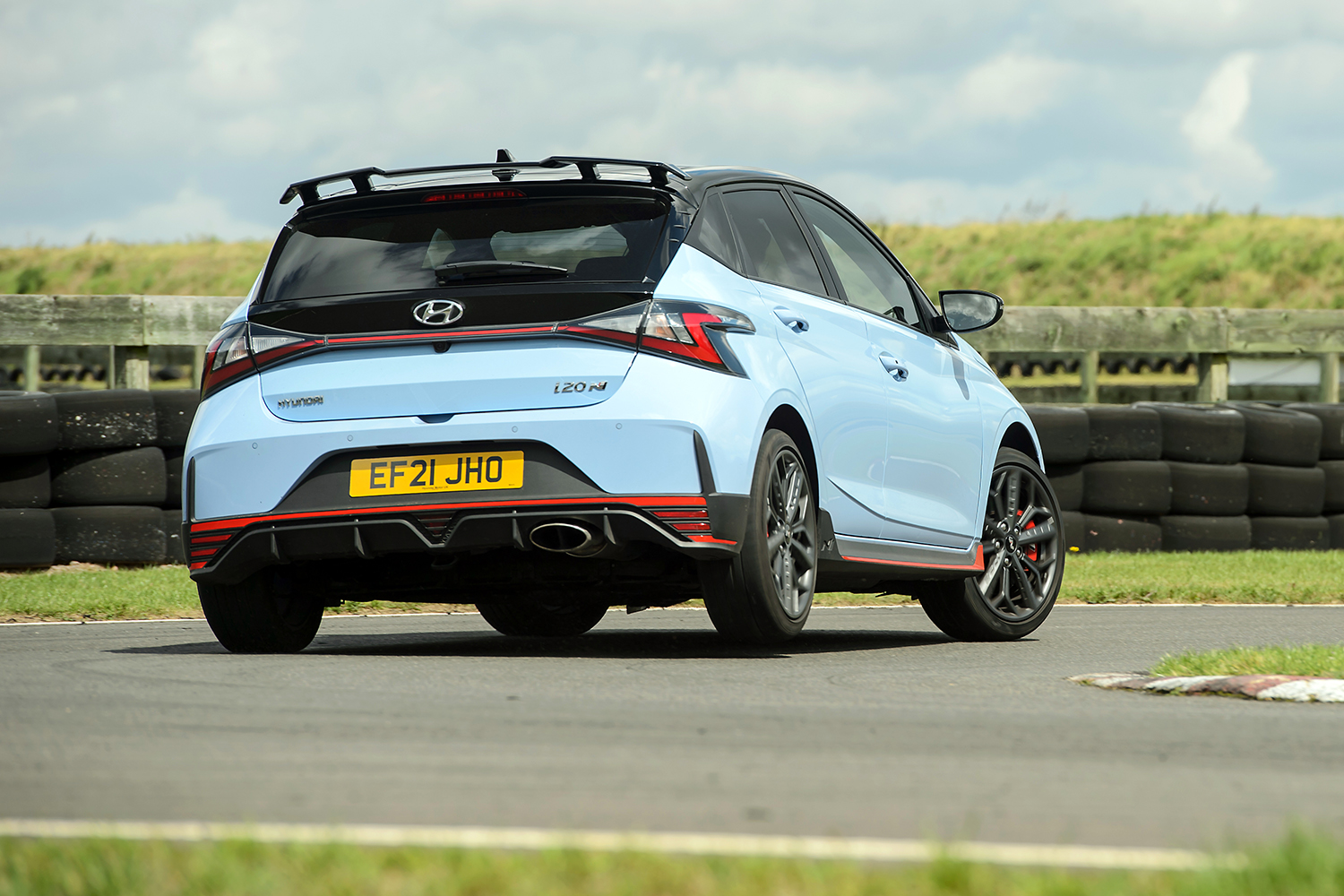
That, perhaps, should come as no surprise: Before he joined the company, Hyundai R&D chief Albert Biermann had spent 30 years at BMW, finishing his career there as head of the company’s M division. It’s Biermann you can feel in the i20 N.
Find a quiet country road, tap the N button, and the little Hyundai will quickly have you grinning from ear-to-ear. “The i20 N is more of a rascal than the i30 N,” says Hyundai-Kia dynamics engineer Alex Eichler, who’s based at the company’s technical centre in Russelsheim, Germany. He’s absolutely right. It’s a lively, energetic little thing with a giant-killing personality.
Like Hyundai’s other turbocharged motors, the i20 N’s engine is workmanlike rather than charismatic, and all about the mid-range. Keep the revs between 3000rpm and 5500rpm, and the 1190kg hatch scoots from apex to apex with effortless alacrity. Hyundai claims a 0-100km/h time of 6.7 seconds and a top speed of 230km/h, and the i20 N feels every bit that quick.
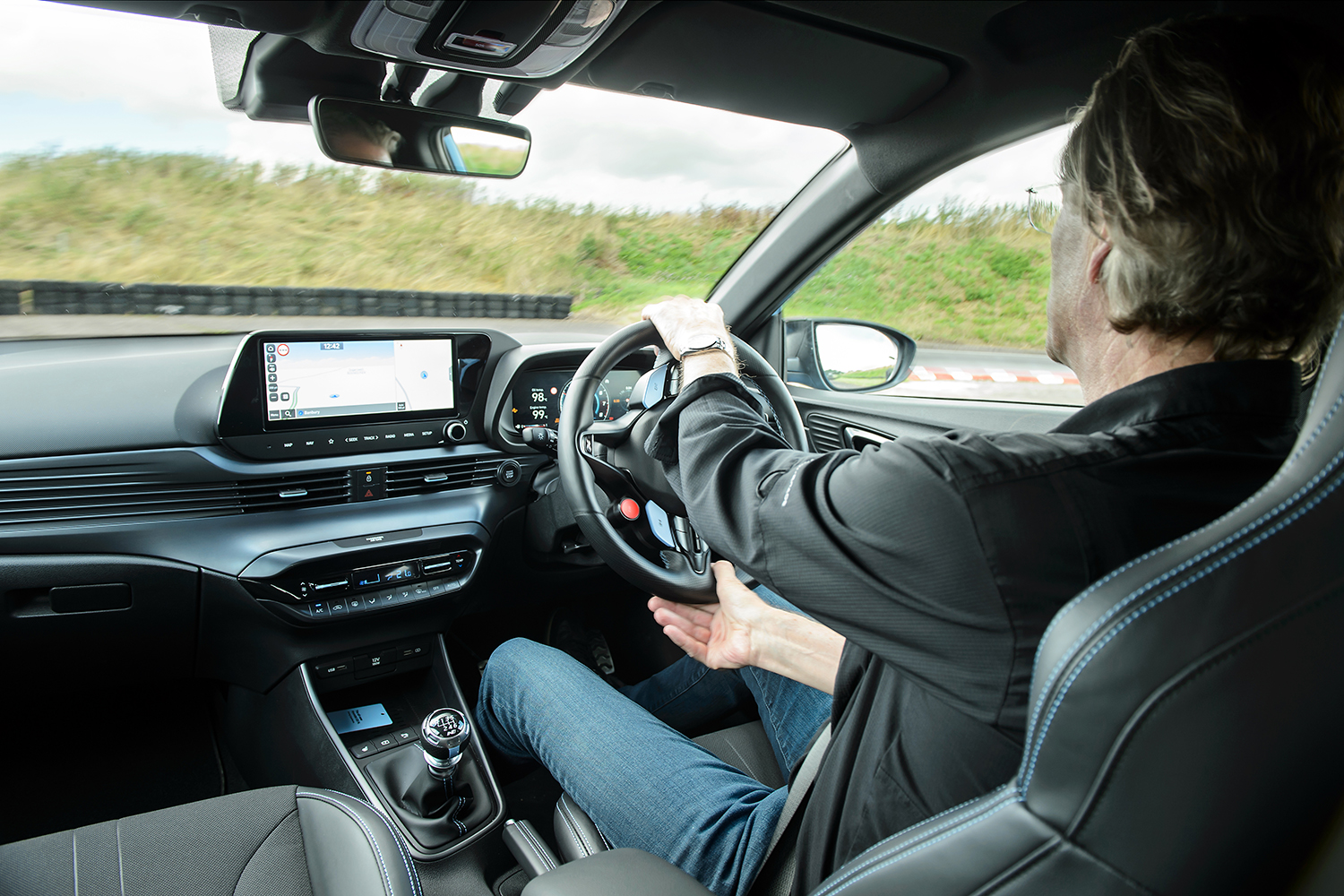
It won’t be long before you’re thumbing the red button under the right spoke of the steering wheel to switch off the rev matching: The beautifully weighted pedals are perfectly placed for neat and quick heel-and-toe downshifts, the exhaust snap-crackle-popping playfully on the over-run.
As with the i30 N and Kona N, the i20 N’s front end is outstanding, delivering instant response the moment you pull the steering wheel off center, and a ton of grip. After a few kays you’re braking deeper and deeper into the corners, the little Hyundai, inside rear wheel hanging in the air, promptly rotating towards the apex as you turn in. It feels agile, but not nervous.
You learn to go to power earlier than you thought possible because – counter-intuitively for a front-wheel drive car – the extraordinary traction generated by the mechanical limited-slip diff helps tuck the nose in even tighter. There are few, if any, small hot hatches that can match the i20 N’s raw mid-corner speed.
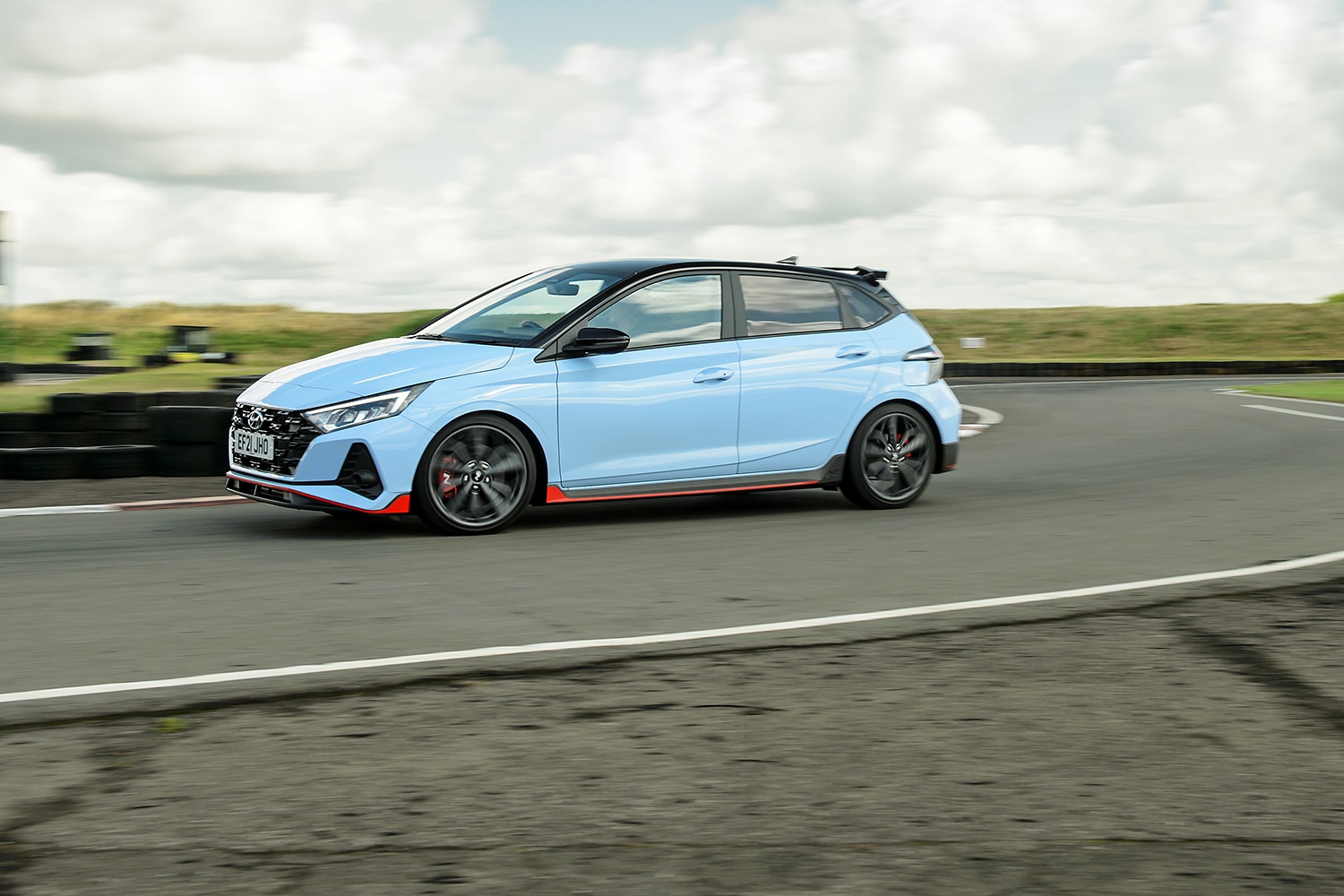
Back in town, with everything switched back to Normal, the i20 N is a fun little commuter car. Yes, the ride is busy – hardly unexpected in a stiffly suspended car that doesn’t weigh much and has a short wheelbase – but not uncomfortably so.
And, being a Hyundai, you get a lot of comfort and convenience for your $32,490 (plus on-road costs), including 10.25-inch touchscreen infotainment system, cruise control, climate control air conditioning, and a rear parking camera.
We’ll make the definitive call once we can get them wheel to wheel on the same roads, but our first experience with the Hyundai i20 N suggests Ford’s Fiesta ST has a real fight on its hands. Both cars are priced right on top of each other, but the Hyundai is lighter and more powerful. And it has the chassis to make the most of it.
At just 33 years-old, Mate Rimac now owns two of the world’s most extreme automotive manufacturers – Rimac and Bugatti.
Last month, the Croatian became the CEO of Bugatti as his own company took a 55 per cent stake in the hypercar manufacturer, with Porsche holding the remaining 45 per cent share while also acquiring a 24 per cent stake in Rimac.
The new ownership agreement means Bugatti will be renamed to Bugatti-Rimac and will solely focus on electric vehicles in the future – although current production of the Bugatti Chiron is set to continue until the end of its lifecycle.
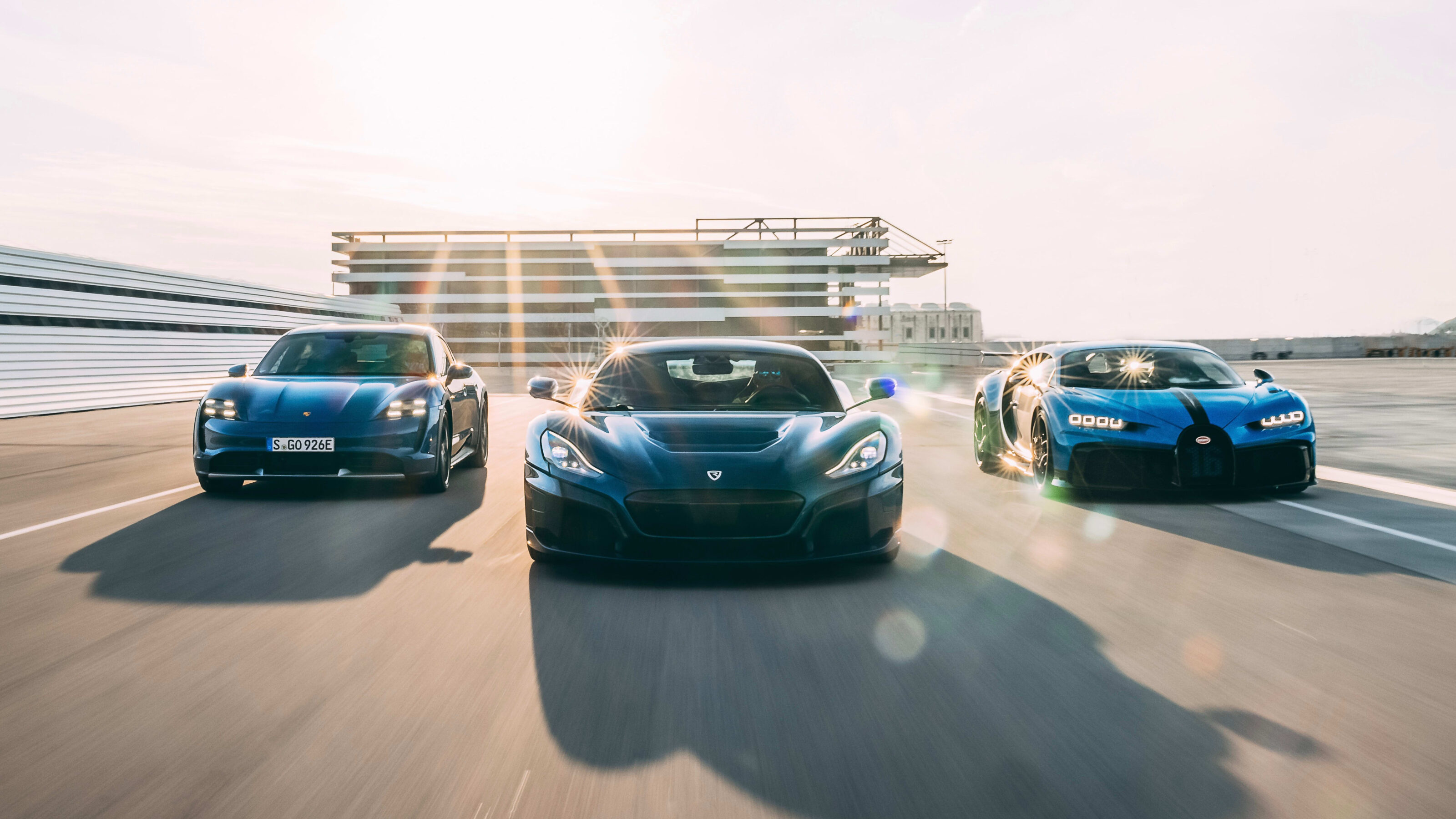
In an interview with Bloomberg, Rimac said he wasn’t planning to take a cautious approach with the future direction of Bugatti, and technology from his company could soon be found in Porsche’s model line-up.
“The stakes are getting bigger, but I am not somebody to play it safe,” said Rimac.
“Never. Not even close. So if there is going to be some friction with our shareholders and more experienced people that come into the company, it’s going to be that.
“We are already developing stuff that will be soon in high-volume – not special projects, but the mainstream.”
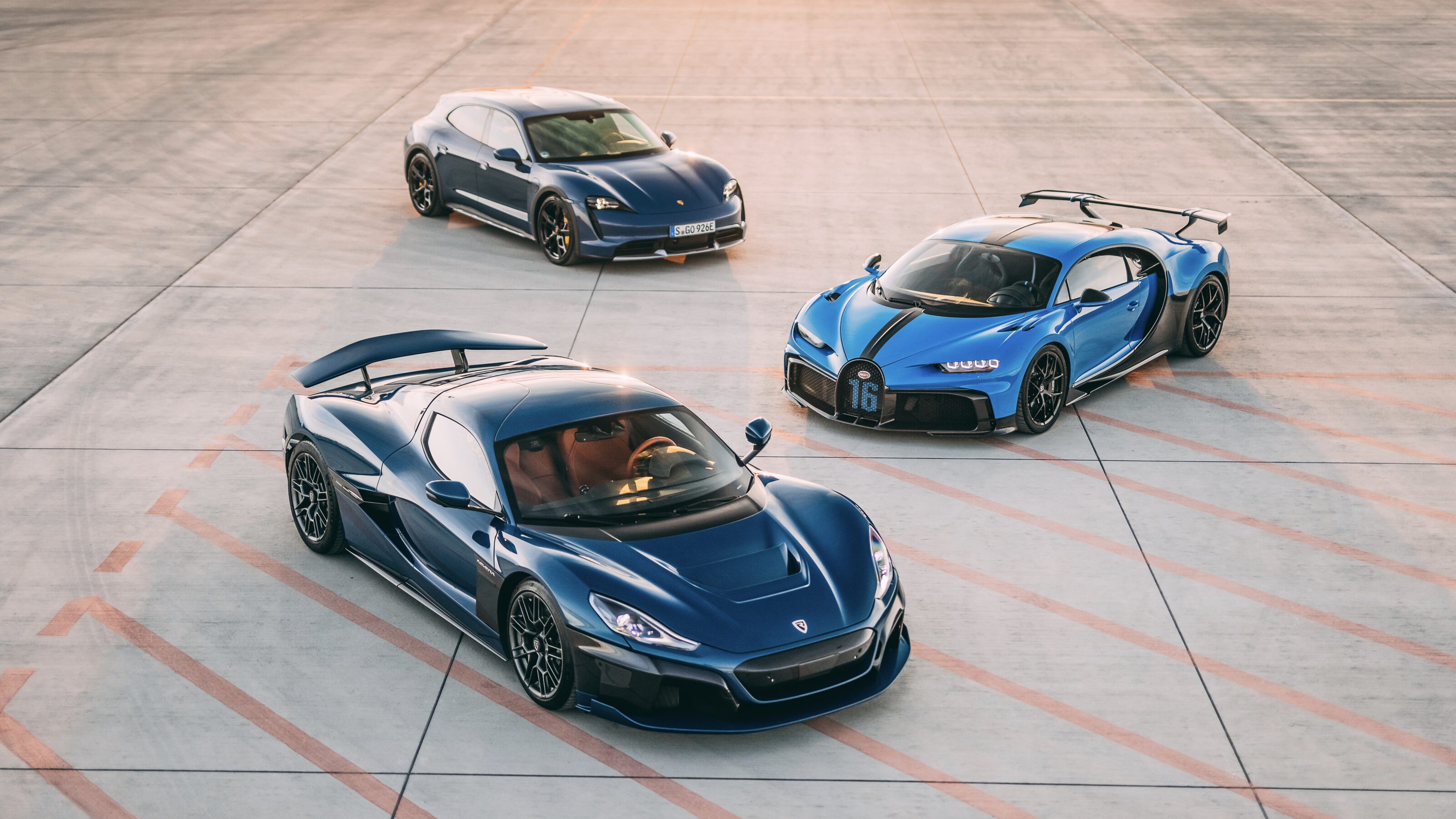
It’s worth remembering less than a decade ago, Mate Rimac was converting his old BMW E30 to run on electric power and now he runs the only Croatian car company – a career progression which isn’t lost on the young entrepreneur.
“It feels really interesting when you think where we came from — this country has never had an automotive industry,” he said.
“We had absolutely no idea what we were doing. And now our tech is in so many cars, and with Bugatti this whole thing is a huge responsibility.
“I was told by our big OEM customers, if you screw up, the next day we send 30 trucks, they pick up everything, you are dead.
“If you screw up and you don’t deliver, everything stands still, and then you are dead.”
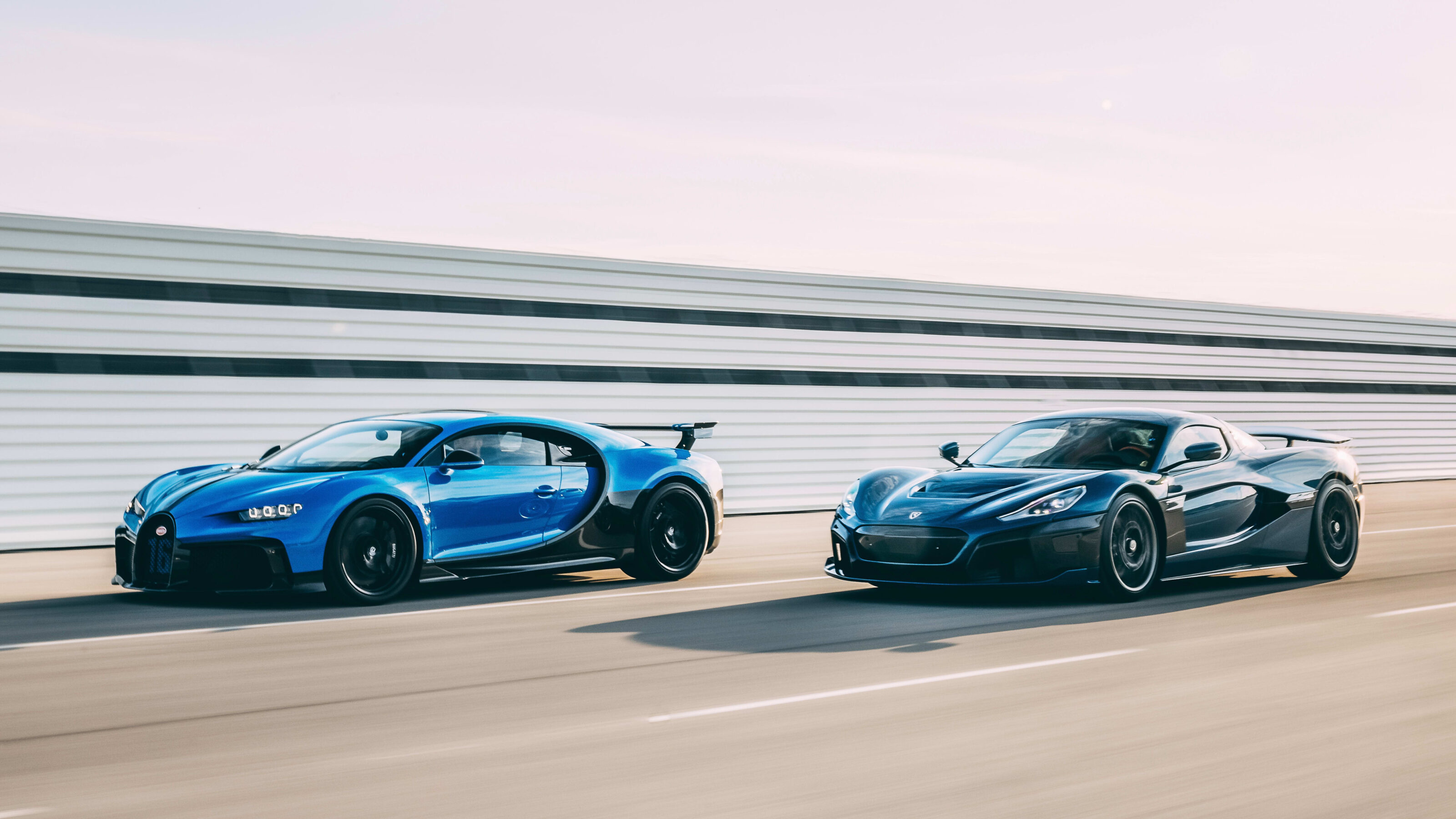
Under its portfolio, Bugatti-Rimac will have both the fastest accelerating car in the world – the Rimac Nevara, sub-two seconds 0-100km/h – and the unofficial holder of the production speed record title, the Bugatti Chiron.
Rimac will officially assume control of Bugatti from the fourth quarter of 2021, employing around 430 staff who will work across the Rimac headquarters in Zagreb and Bugatti’s manufacturing plant in Molsheim.
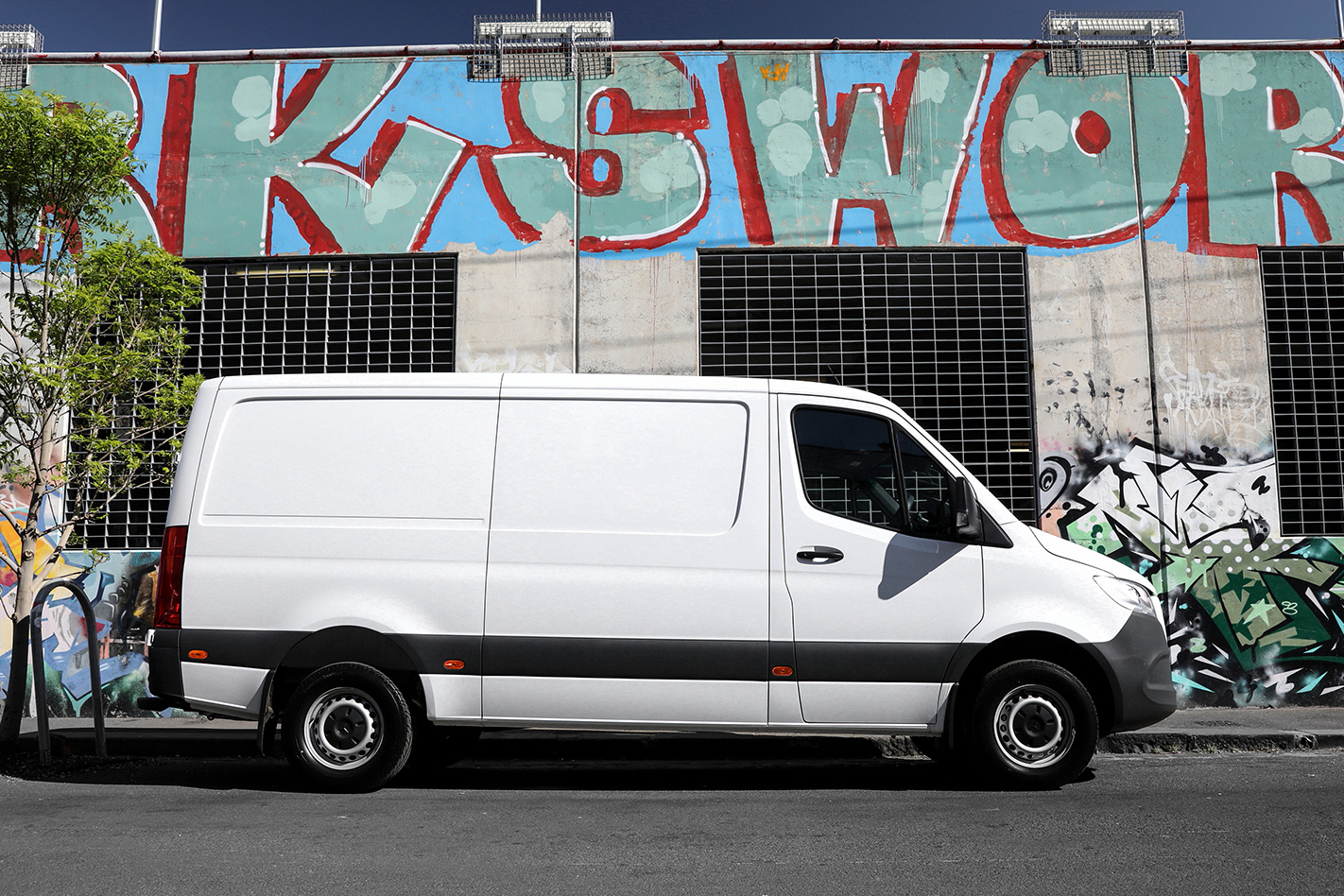
Mercedes-Benz Australia is once again recalling its Sprinter van – this time over a power steering fault.
The latest issue affects 2286 models built between 2017 and 2021.
According to the Department of Infrastructure, the hoses within the hydraulic power steering system may detach.
Should this happen, it could lead to the power steering fluid leaking and a loss of the steering assist, which in turn could cause an accident.
Owners of affected vehicles will be contacted by Mercedes-Benz to make arrangements with their local authorised dealership to have the work carried out as soon as possible.
A list of VINs can be found here.
For further information, contact Mercedes-Benz on 1300 300 896 or visit https://www.mercedes-benz.com.au/servicebooking
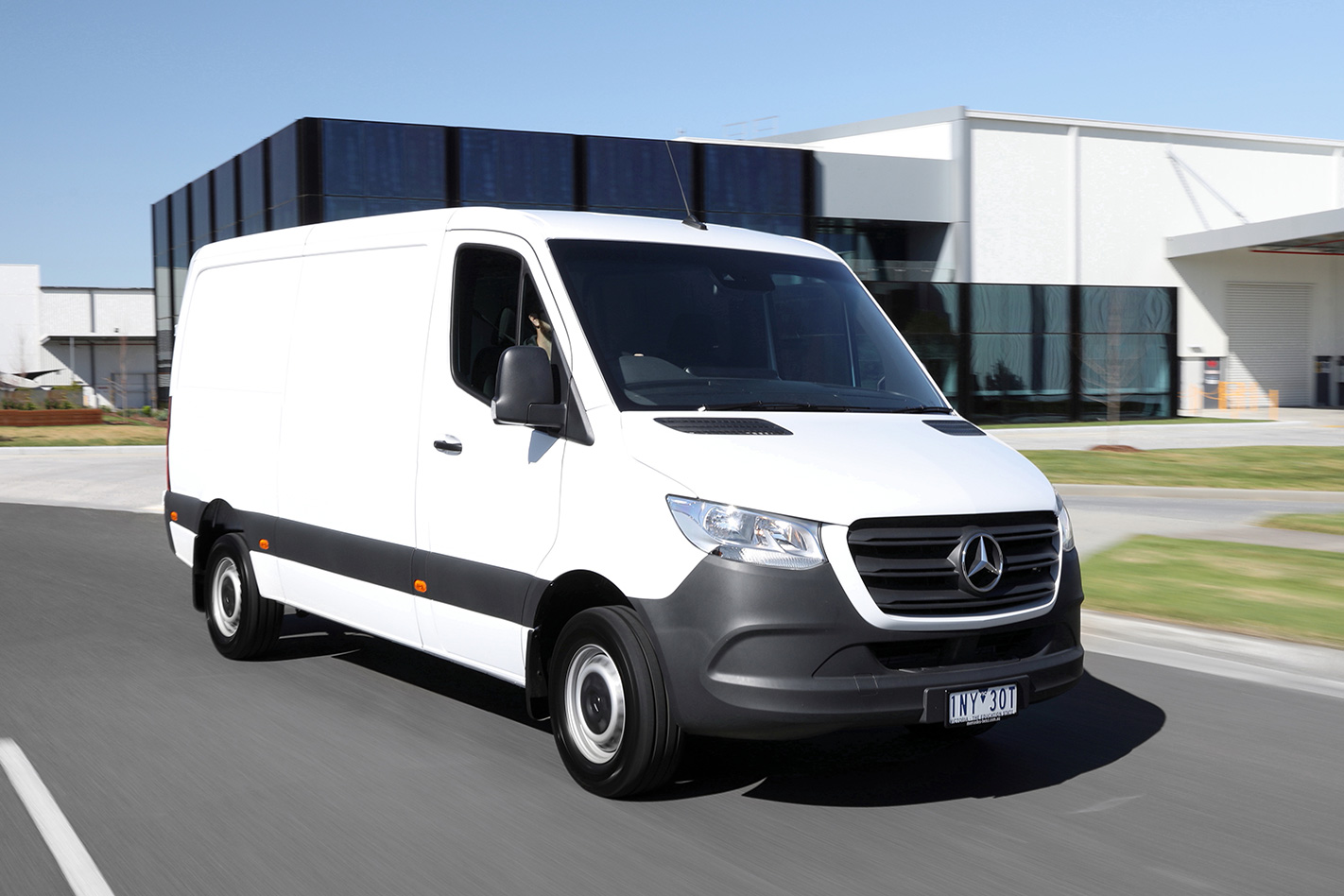
It is the second time in less than a month the German marque has had to recall the van Down Under.
Earlier in August Mercedes issued a recall for 322 of its 2018 – 2019 VS30 Sprinter due to potential for the front brakes to fail.
The recall specified the front brake hoses could be prone to making contact with either the inner guard liner or the front axle itself, causing wear to the rubber hose and possibly brake fluid to leak – leading to a loss of ability to stop.
The recently revealed Genesis GV60 will be one of the first vehicles in the world to adopt wireless charging according to reports, with South Korean examples set to score the tech from launch.
According to Green Car Reports, the EV crossover will be offered in its home country with wireless charging capabilities as a part of a test program between the manufacturer and select owners, allowing it to gather data before implementing the tech in other markets.
Based on the same E-GMP architecture as the Hyundai Ioniq 5 and the Kia EV6, implementing wireless charging in the GV60 will let the Hyundai Motor Group roll out the tech in a small sample group. That way it can be perfected ahead of being made available to its mass-market vehicles.
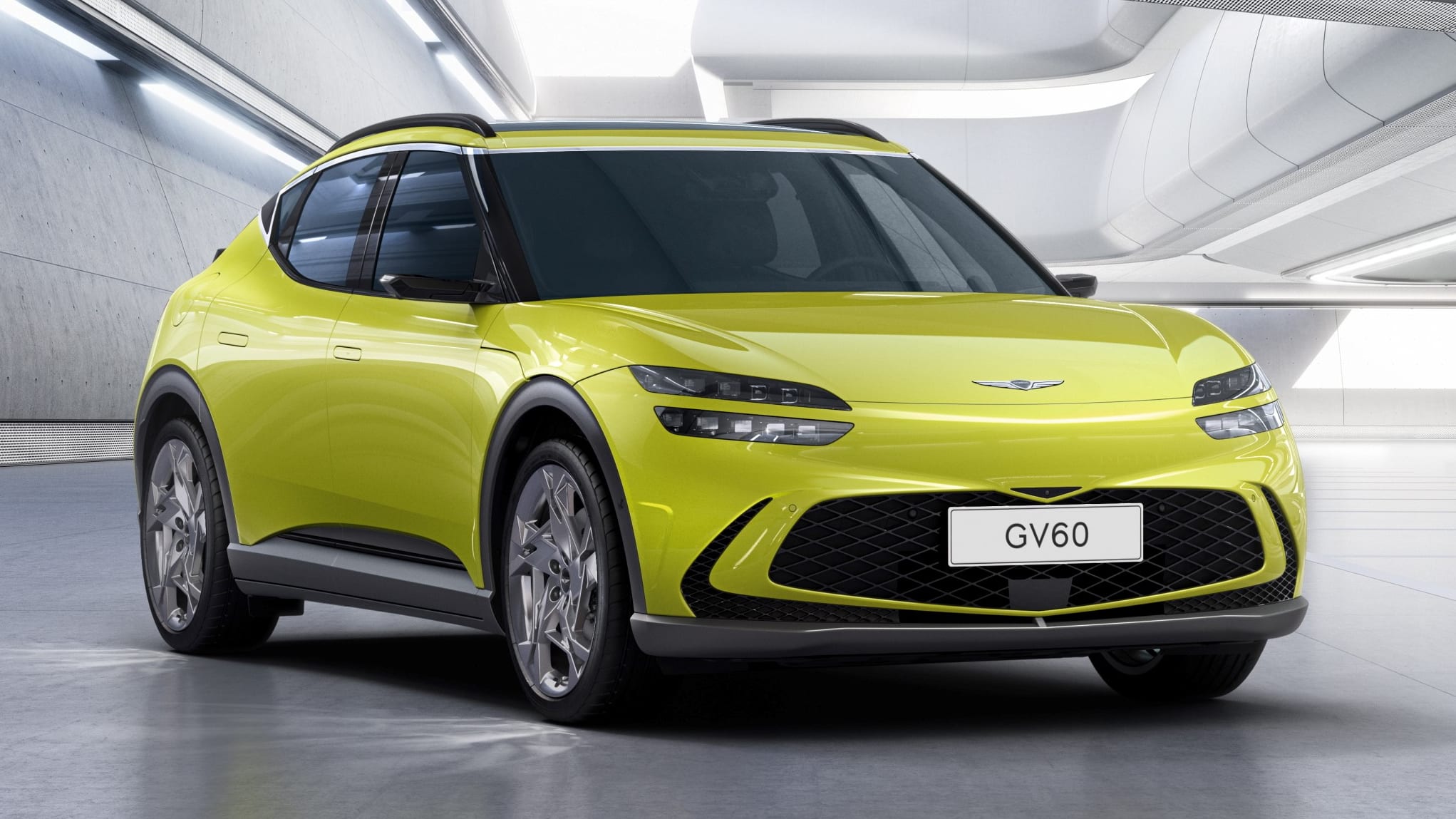
Genesis hasn’t announced the tech specs of the GV60 yet, but it’s expected to adopt the 77.4kWh battery pack from its South Korean relatives – as well as a host of other options including a 350kW DC fast charger.
A spokesperson for Genesis Australia told Wheels it did not have any knowledge of wireless charging being implemented in the GV60, and the official information supplied listed no details about the equipment included with the GV60.
The concept of wireless EV charging isn’t new – BMW developed inductive charging pads for its plug-in hybrids in 2019, essentially a bigger version of wireless smartphone chargers – although this tech hasn’t yet arrived in Australia.
Proving ground’s future in question after Vinfast announce shutdown
- VinFast will shut down operations at Lang Lang less than 12 months after taking ownership
- VinFast have informed staff it will shut down the site at the end of September
- Around 50 people set to lose their job
Vietnamese car company VinFast will end local operations at the former Holden Proving Ground, leaving the outer Melbourne test site without an operating owner from October.
Sources close to the company confirmed the news to Wheels, revealing VinFast will be paring back staff employed at Lang Lang down to a core maintenance team that will run the site – presumably until a new buyer is found.
Around 50 people will be made redundant as part of the news, which was officially communicated with staff yesterday.
VinFast originally bought the Lang Lang proving ground in 2020 after General Motors closed down the Holden brand in February, paying GM a reported AU$33.6m.
VinFast planned to consolidate its global engineering activities in Australia, complementing an initial investment in a Port Melbourne-based technical centre back in 2019 that was spearheaded by former Holden executive Kevin Yardley.
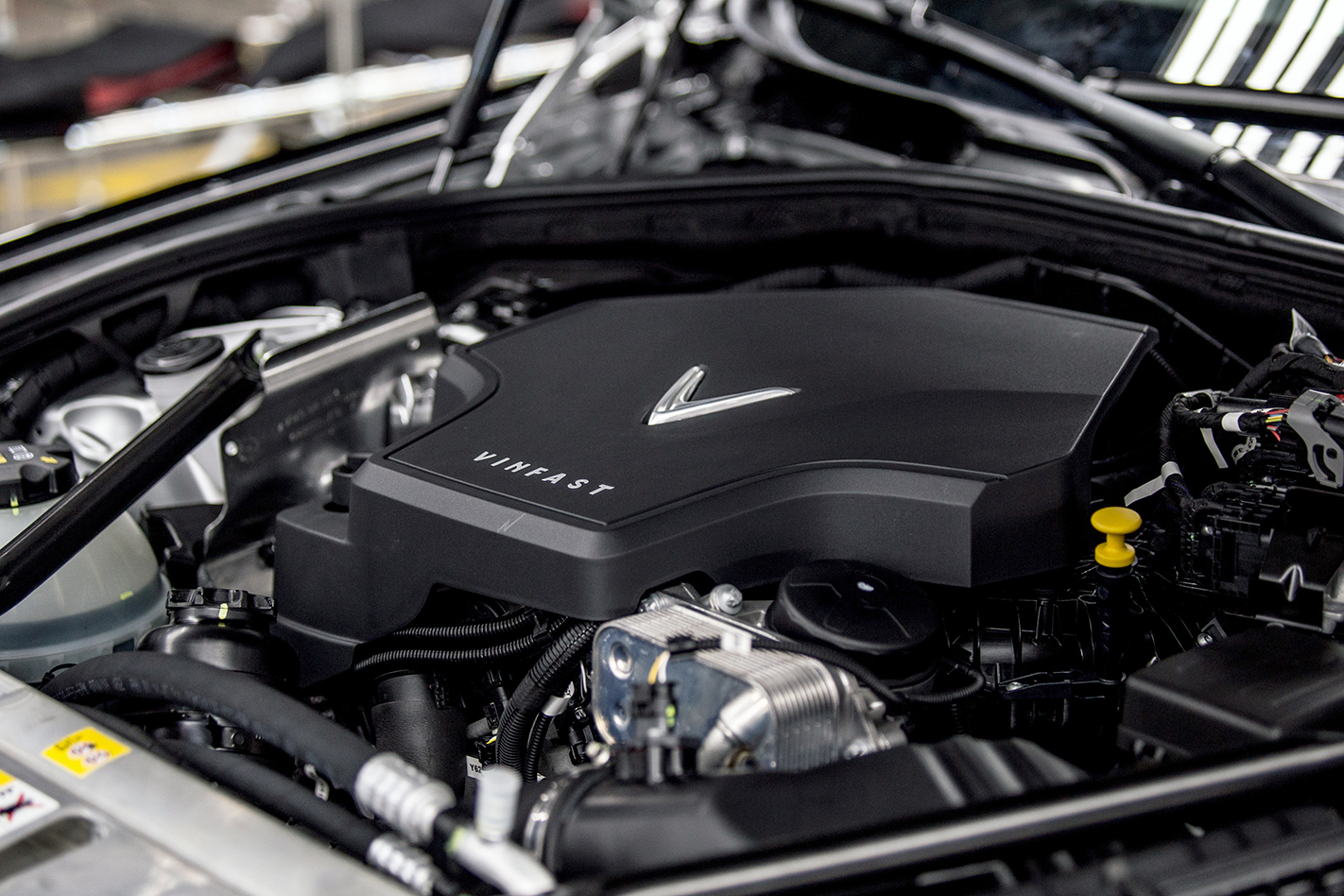
Yardley parted ways from VinFast in May when it announced it would close the Port Melbourne technical centre. Between 50 and 90 people were offered a job in Vietnam or a redundancy.
The company has previously explained to Wheels it was focused on relocating its vehicle development closer to production in Hai Phong in Vietnam, citing COVID-19 had compromised its global network.
It’s unclear what the future holds for the Lang Lang site. No mention has been made about what plans need to be made for a potential sale.
When it was last offered for sale, trucking magnate Lindsey Fox – who owns the Phillip Island circuit and Anglesea proving ground – was reported as one potentially interested party.
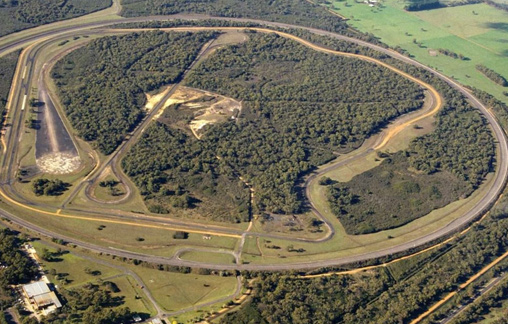
The site, which spans 877 hectares, is home to a 44km road network. It has benefited from continued development since it was built in 1957, including an upgrade to roads and the emissions lab in 2018, which cost GM AU$15.9m.
During its local vehicle development program VinFast has offered access to the proving ground for testing, development and events, hinting at the significant cost required to run the site.
VinFast was founded in 2017 by Vietnamese billionaire Pham Nhat Vuong as a new business pillar under Vuong’s umbrella corporation, VinGroup. Around AU$3.5bn was committed to VinFast.
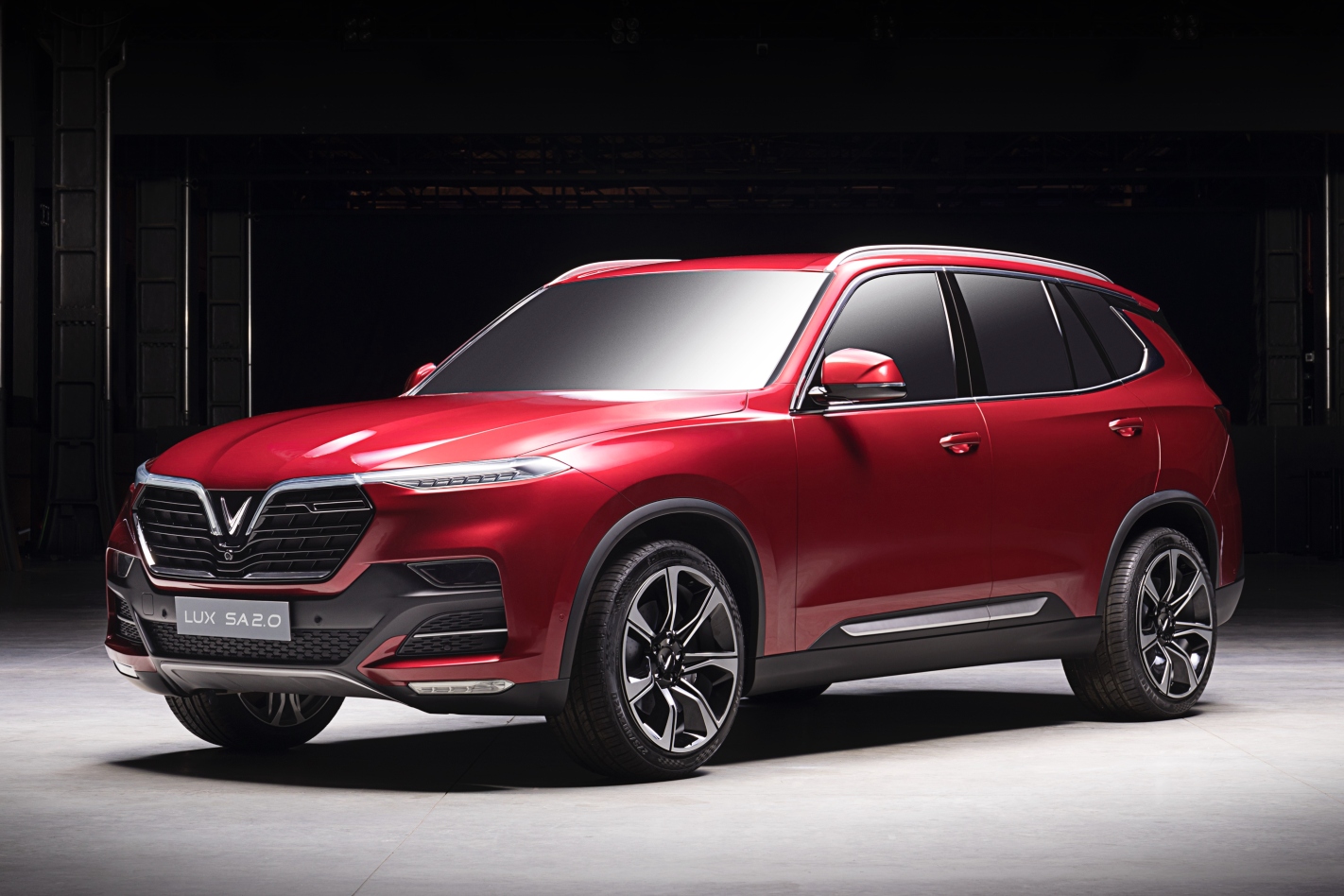
As for its history in Lang Lang, it has developed the electric VFe34 crossover which publicly launched earlier this year alongside the VFe35 and VFe36.
Deliveries of the VFe34 are set to begin later in 2021 when they join the crossover Fadil, sedan Lux A2.0 and SUV Lux SA.20 in VinFast’s range.
