
Snapshot
- Patents were filed filed by SAIC
- SUV appears to be based on Equinox SUV
- GM plans to offer 30 EVs by 2025
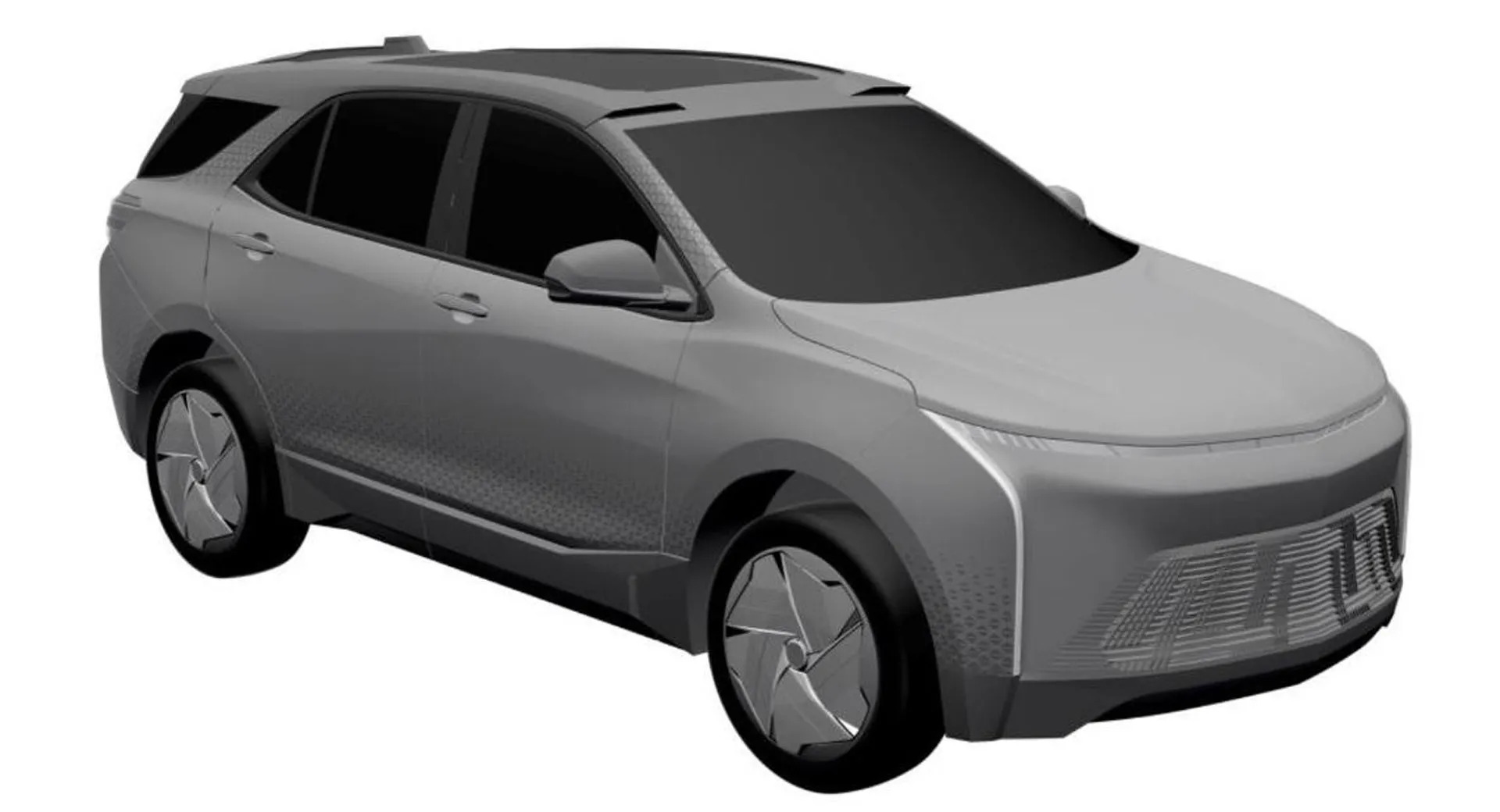
New patent images filed by Chinese automaker SAIC may show plans for an upcoming electrified Chevrolet SUV.
The images reveal a vehicle bearing strong resemblance to Chevrolet’s current Equinox – sharing the car’s distinctive door treatment and forward-sweeping C-pillar.
Motor Trend points out the front end is similar to the 2022 Bolt EUV – further indicating the new car will use a partly or fully-electric drivetrain. As of yet, there’s no indication of power, range, or even a name for the new SUV.
While SAIC manufactures its own vehicles under several brands, including MG, the state-owned group also builds cars for GM and Volkswagen at several plants.
The joint venture with GM began in 1997, with the first Chinese-made Buick Regal rolling off the production line two years later.
A number of Buick models are currently produced by SAIC, including the US-market Envision S crossover. Others are built exclusively for the Chinese market.
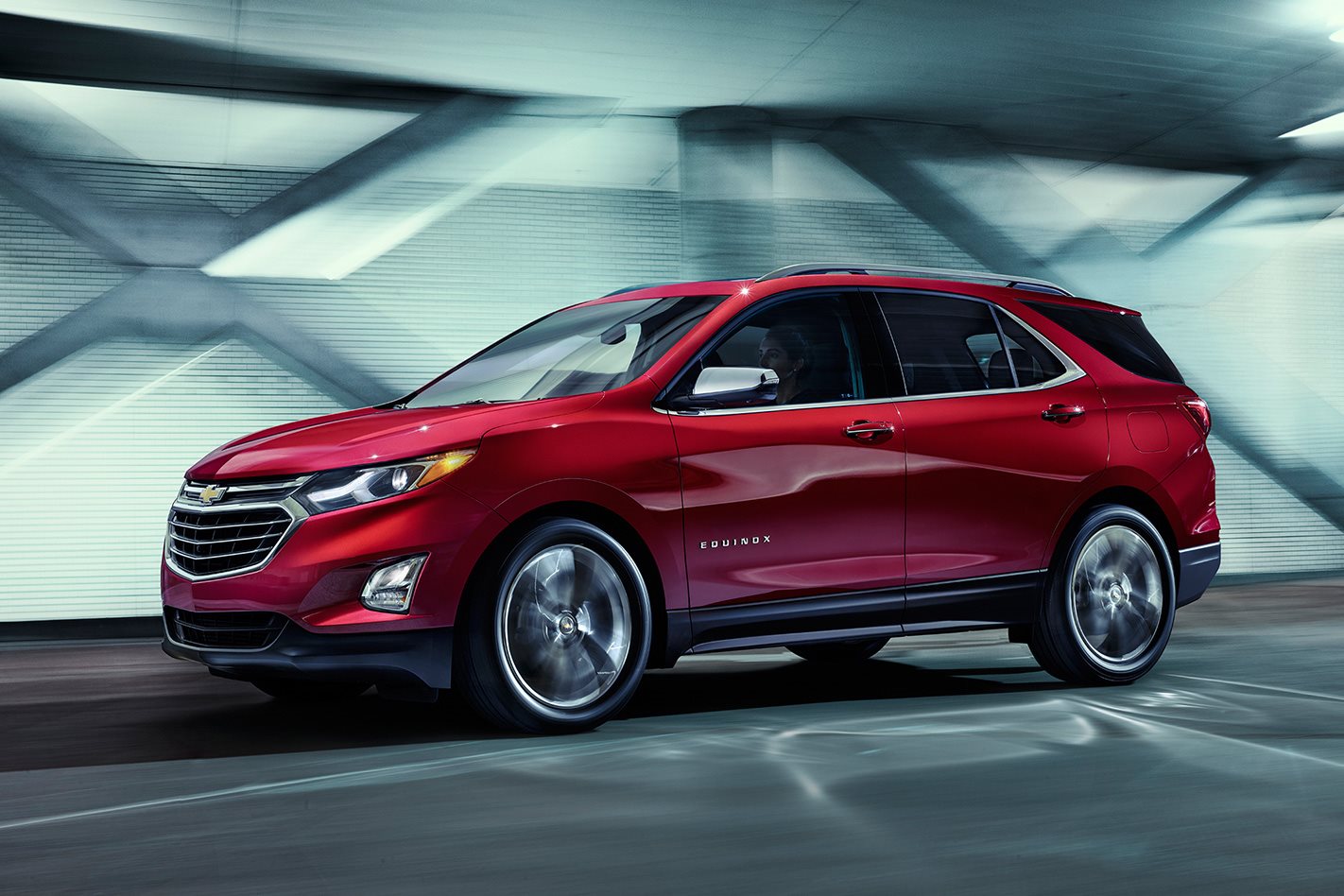
The third-generation Chevrolet Equinox was released in 2017, reaching Australia via Holden dealerships. Low sales numbers saw orders halted in 2018, before the entire brand was retired in 2020.
For the 2022 model year, just one engine will be available to American buyers – a 1.5-litre petrol turbo four.
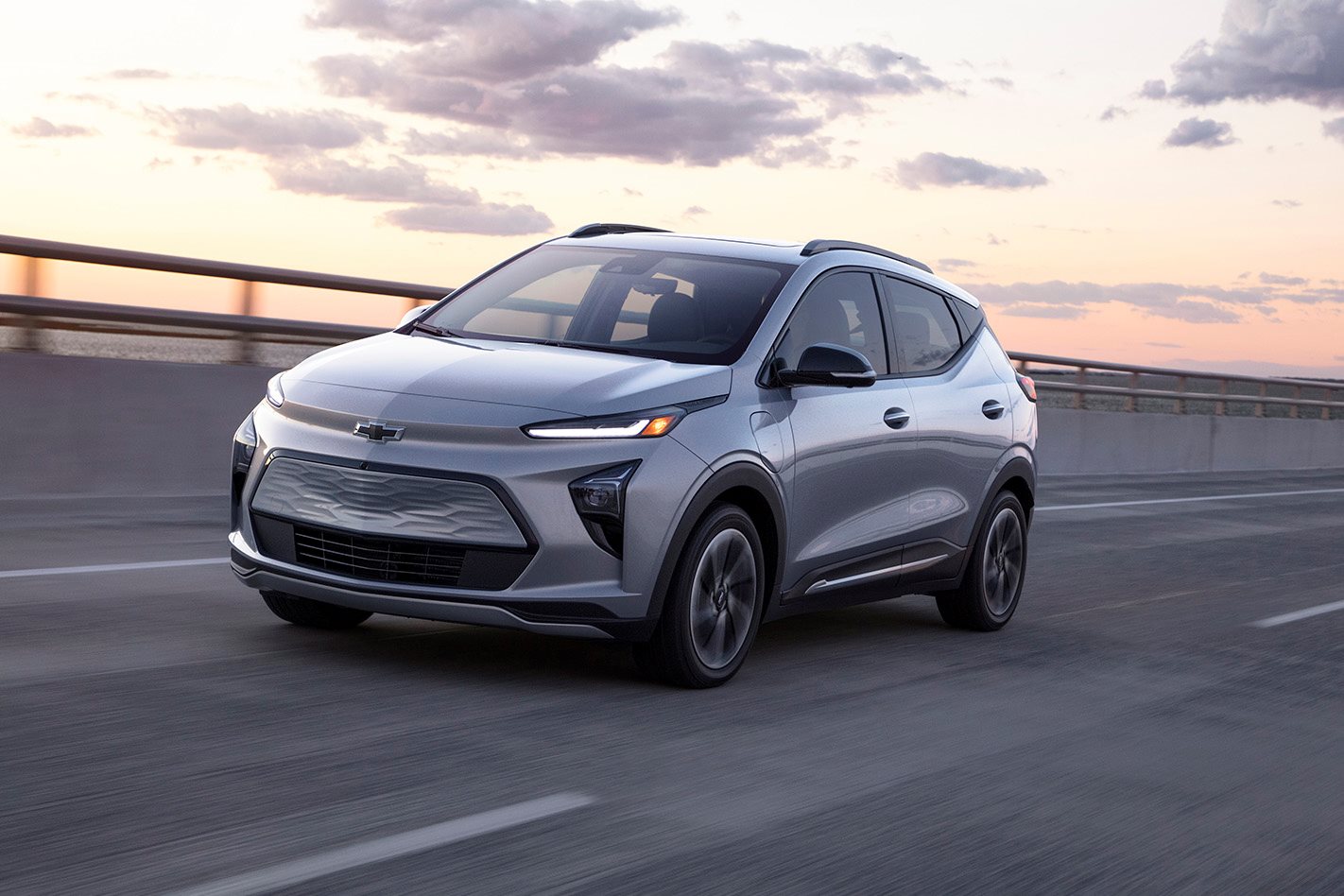
Right now, GM’s electric line-up is fronted by the compact Bolt hatch, which launched in 2017. It was joined this year by the Bolt EUV, which features a larger crossover body on the same base architecture.
Both cars use a 150kW single-motor drive unit, with a driving range of around 400km. Though the Bolt will not appear on our roads, it’s based on a concept designed by GM’s Australian design centre in 2015.
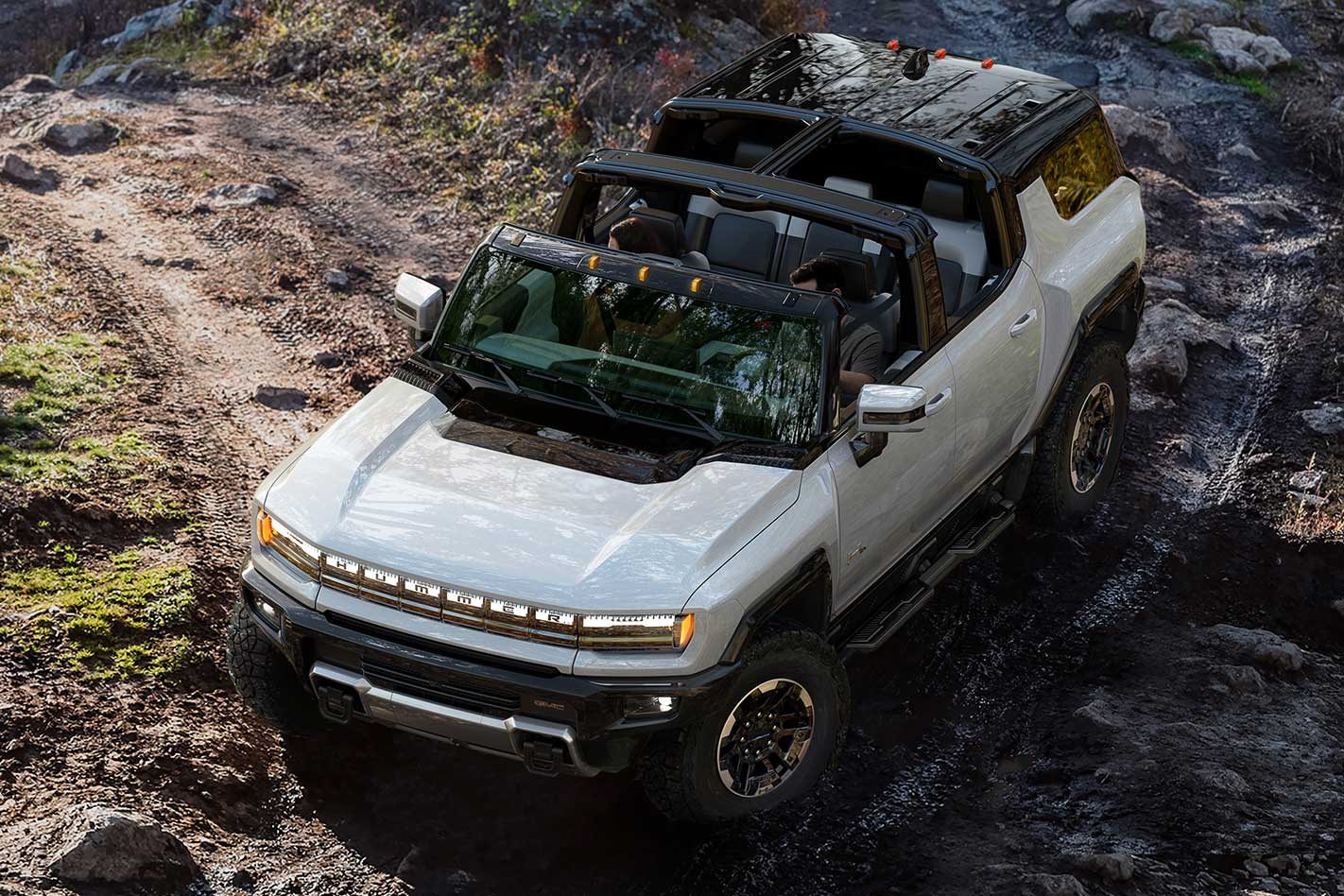
Looking forward, GM aims to have 30 new electrified vehicles on offer by 2025, and make the majority of its range electric by 2035.
Snapshot
- Run down of what’s happening across the country
- Six states/territories offer incentives
- Three have implemented or have plans to tax road users
It’s 2021 – the year of the EV announcement. The Feds have sat back too long and now the states are taking over, but will it last and for how long?
Leading the charge are, unsurprisingly – the eastern states. New South Wales and Victoria have both, for better or worse, recently revealed strategies aimed at incentivising the purchasing of electric vehicles and investments in their own infrastructure.
Meanwhile, the ACT and Queensland also outlined new plans in June, followed by the Northern Territory and Tasmania in July and South Australia in August – all offering a range of perks for those considering the swap.

While all states are investing in a charging station boom of some kind, only Western Australia is left not offering a draw for Aussies to make the move from ICE to electric.
But, and it’s a big but, three of them – NSW, VIC and SA – also want to charge EV owners for driving on the roads.
Victoria has come under considerable heat for implementing its tariff from July this year, whereas NSW and SA won’t begin charging EV owners until 2027, or when 30 per cent of the state’s vehicles are electrified – whichever comes first.
“We’re taking big steps to achieve net zero emissions in Victoria by 2050,” a spokesman for the Victorian Government said in its defence. “We know transport is one of the state’s biggest emitters – and through our Zero Emissions Vehicle Roadmap, we’re accelerating the uptake of these vehicles by making them accessible to more Victorians.”
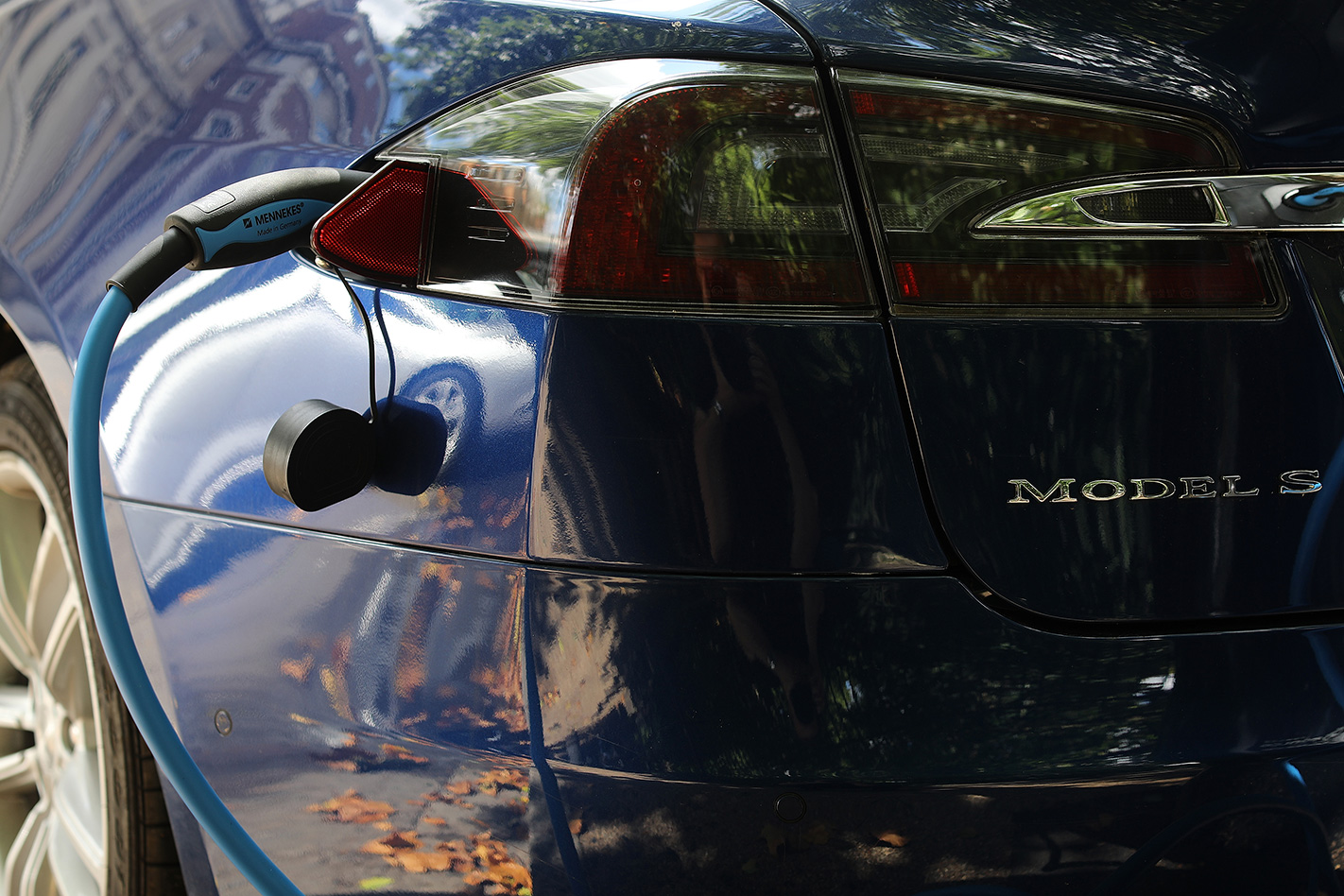
But earlier this year NSW Treasurer Dominic Perrottet announced his Government’s plans to invest $490 million in removing barriers to EV uptake and to encourage people to buy over the next four years – an approach which has been widely praised by the industry despite also choosing to go down the path of introducing a road-user charge.
“Our comprehensive strategy is about making sure we have the right mix in place to incentivise the take-up of electric vehicles while ensuring everyone who drives on our roads contributes to funding and maintaining them,” Mr Perrottet said.
Interestingly, when asked about plans to tax EV owners, the ACT said its own strategy relates to the idea of levying a charge against all vehicle types, something the Federal Chamber of Automotive Industries is keen to see become a reality.
“We shouldn’t be talking just about EVs – we should be talking about major automotive tax reform,” said FCAI’s Chief Executive Tony Weber.
“At the moment we have a whole host of taxes on our cars – there’s GST, stamp duty, rego, the licence fee, the fuel excise and in some cases the LCT. We could eliminate all of those and just have one single, nationally consistent, charge based on how many kilometres you drive in a year, regardless of what technology cars have.
“The problem we have here is the fuel excise is collected by the Federal Government but now the road user charges are being/will be paid to the individual states.
“In an ideal world the Government would be [centralising vehicle taxation] now, but it’s still something we could plan for in the future. There’s a very real danger if the six states and two territories go it alone, the red tape to undo all that would be too substantial. The longer the Federal Government is inactive in this space the more difficult it is going to be to deal with.”

The FCAI exec also slammed the Government’s lack of CO2 emissions regulation, with the body having had to introduce its own industry-led scheme last year, whereby car manufacturers report their vehicles’ performance of their own volition.
“Government’s shouldn’t be in charge of picking technologies, they should be providing the emissions targets and letting the carmakers figure out what mix of products to bring in.
“Saying ‘we want 30 per cent EVs by X date’ is absolute rubbish, the 30 per cent could be very fuel efficient but the 70 per cent could be the most polluting cars going,” Mr Weber added.
While the Government did not respond on its lack of CO2 targets, it has said it is working “collaboratively with state and territory governments to consider the revenue and other implications of increased uptake of low and zero emissions vehicles” – essentially what it is going to do about the loss of fuel excise as EVs gain popularity.
It also claims to be focused on “practical actions” which will enable the private sector to commercially deploy low emissions road transport technologies at scale.
In September last year it revealed its ‘Future Fuels Package’, at the centre of which is a $74 million fund for businesses to start integrating new vehicle technologies into their fleets, and to address blackspots in public charging and refuelling infrastructure.
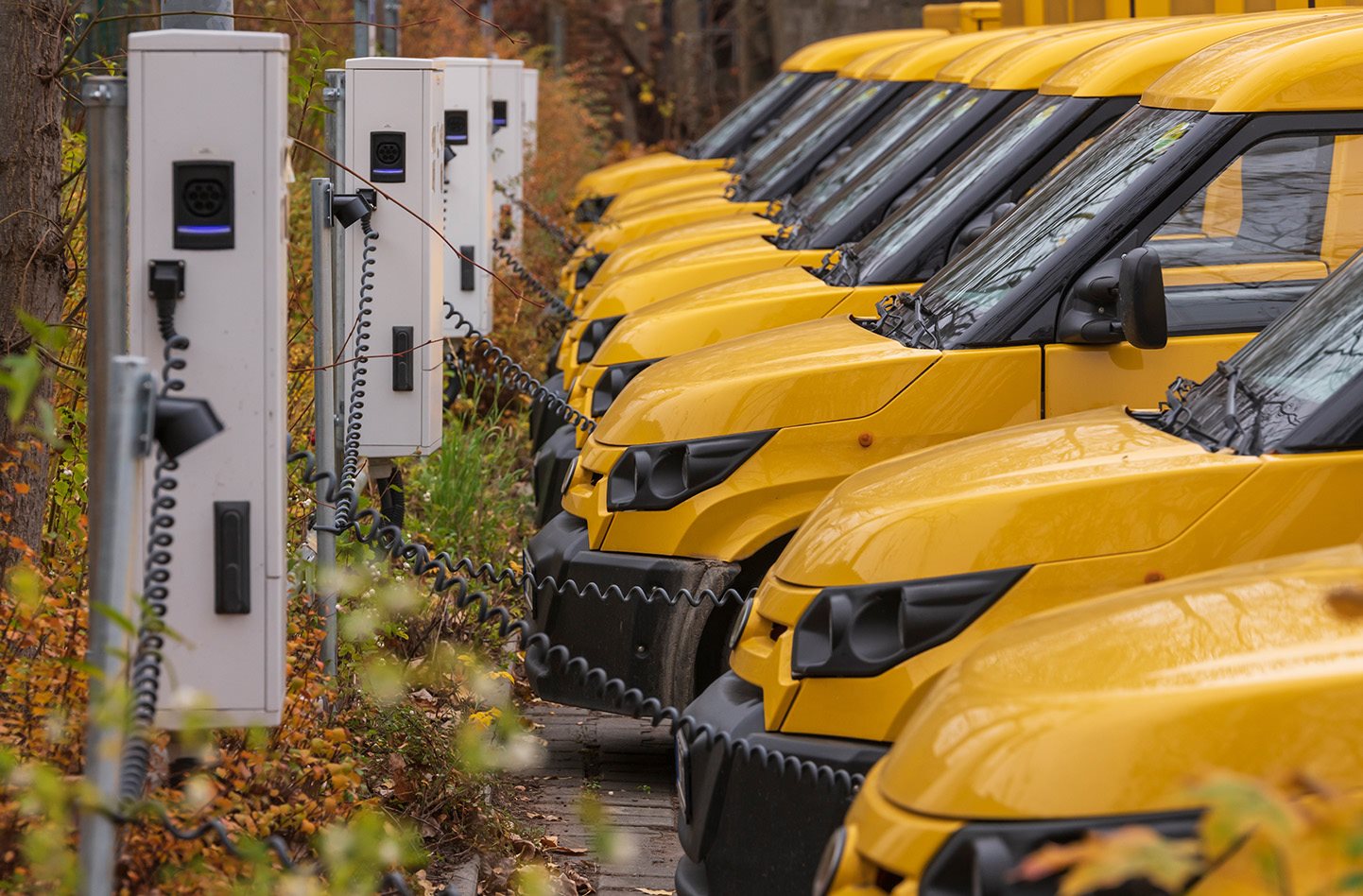
Then in July 2021, the first stage of the Package was announced – with $24.55m being awarded to five energy companies to roll out 403 electric vehicle fast charging points across the country. Each would have a 50kW capacity and be able to charge two cars at once.
More on its strategy will be revealed later this year.
“The Government will continue to co-invest in building Australia’s public charging network through the Future Fuels Fund,” a spokesperson added.
New South Wales
Incentives
- $3000 rebate for the first 25,000 EVs or FCEVs sold which are priced under $68,750
- Stamp duty waived on both types of vehicle under $78,000 – all from September 1, 2021.
Tax
- 2.5c/km BEV, 2c/km PHEV – but only as of July 1, 2027
Charging network
- $171 million investment in infrastructure, including; $131m on ultra-fast chargers
- $20m in grants for destination points and $20m for topping up at public transport hubs
- Working to deliver 20 fast chargers along the state’s major highways in partnership with NRMA.
Uptake goal
- 50 per cent of all new cars sold to be EVs by 2030.
Victoria
Incentives
- $3000 subsidy given for the first 20,000 EVs or FCEVs sold which are priced under $68,740
- Reduced stamp duty rates
- $100 discount on registration annually.
Tax
- 2.5c/km BEV, 2c/km PHEV from July 1, 2021
Charging network
- $19 million will fund plans to quadruple the number of new charging stations state-wide – focusing on regional Victoria and popular tourist sites.
Uptake goal
- 50 per cent of all new cars sold to be EVs by 2030
- $10 million to add 400 EVs to the Government’s fleet in the next two years.
Queensland
Incentives
- Lowest car registration for BEVs – $263 a year (corr. July 2020)
- Lower stamp duty rates than ICE cars.
Tax
- No plans at this time.
Charging network
- Queensland has invested in an ‘Electric Super Highway’, currently the longest electric fast charging highway in the world (in a single state) with 31 EV plug-in sites running from the Gold Coast to Cairns and west from Brisbane to Toowoomba
- Eighteen new charging sites will be added to the Super Highway in phase 3 of the Government’s strategy, spreading into regional Queensland.
Uptake goal
- As of June 1, 2021, there were 4743 BEVs registered in Queensland, 76 per cent up on the year before
- 288 EVs in Government’s fleet by next year.
Australian Capital Territory
Incentives
- Two years’ free registration for BEVs and FCEVs as of May 24, 2021
- Older EVs eligible for 20 per cent off rego fees
- Stamp duty may also be waived on vehicles purchased for the first time
- ACT drivers are also able to access up to $15,000 in interest free loans to help cover the upfront purchase cost of an electric vehicle.
Tax
- None yet – Distance and/or congestion based charging for all vehicle types “may be considered in the medium term”.
Charging network
- Currently there are 42 public charging locations in the ACT – with 50 more coming next year.
Uptake goal
- As of May 2021 ACT “fast approaching 1,000 registered electric vehicles
- Net-zero emissions (not just from cars) by 2045.
Northern Territory
Incentive
- BEVs and PHEVs to get cheaper rego and stamp duty from July 2022
- No number put on rego but stamp duty to be slashed by $1500
- Discounts to last five years
- Grants for home, workplace and public EV chargers, and opportunities offered to develop local skills to service technology and install infrastructure.
Tax
- None – No current proposal, could possibly be in the long term.
Charging network
- Currently has 32 charging stations – 30 public and two high-powered. The Territory Government plans to install a minimum of 400 charging points at its buildings.
Uptake goal
- In February 2019 (the latest data the NT Government could provide) there were 35 EVs registered in the Northern Territory, including 33 light and two heavy vehicles, representing 0.02 per cent of the total Northern Territory vehicle fleet
- No date yet set for what percentage of vehicle should be EVs
- Government fleet to increase to 200 vehicles by 2030.
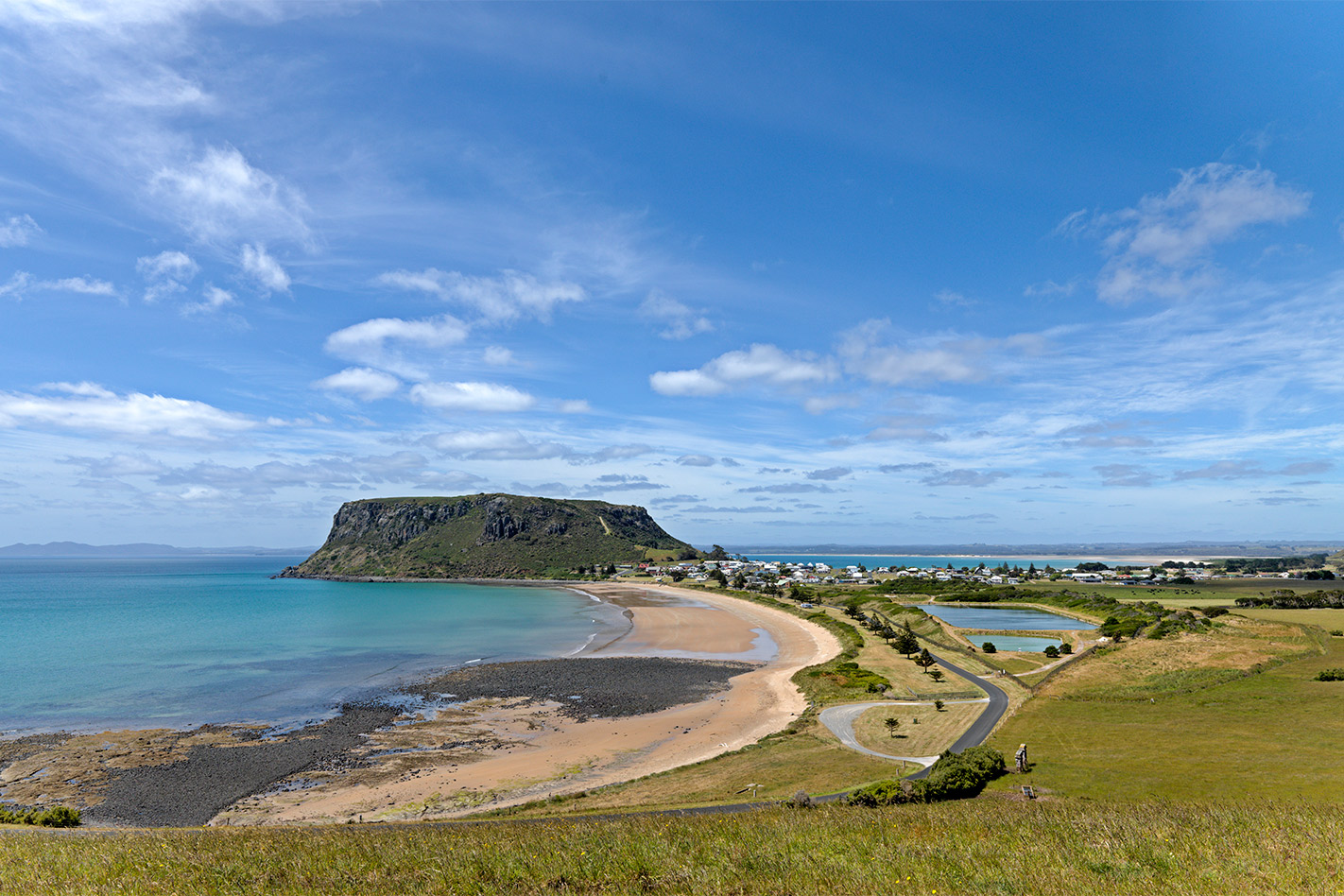
Tasmania
Incentives
- Two years’ free stamp duty for new and second-hand EVs
- Two years’ free rego on EVs purchased by car rental companies and coach operators.
Tax
- Not plans at this time but will monitor based on what’s happening in other states.
Charging network
- 12 fast chargers plus $600,000 in grants committed to growing the network in regional areas and tourist hotspots.
Uptake goal
- 100 per cent of Government’s fleet to be electric by 2030.
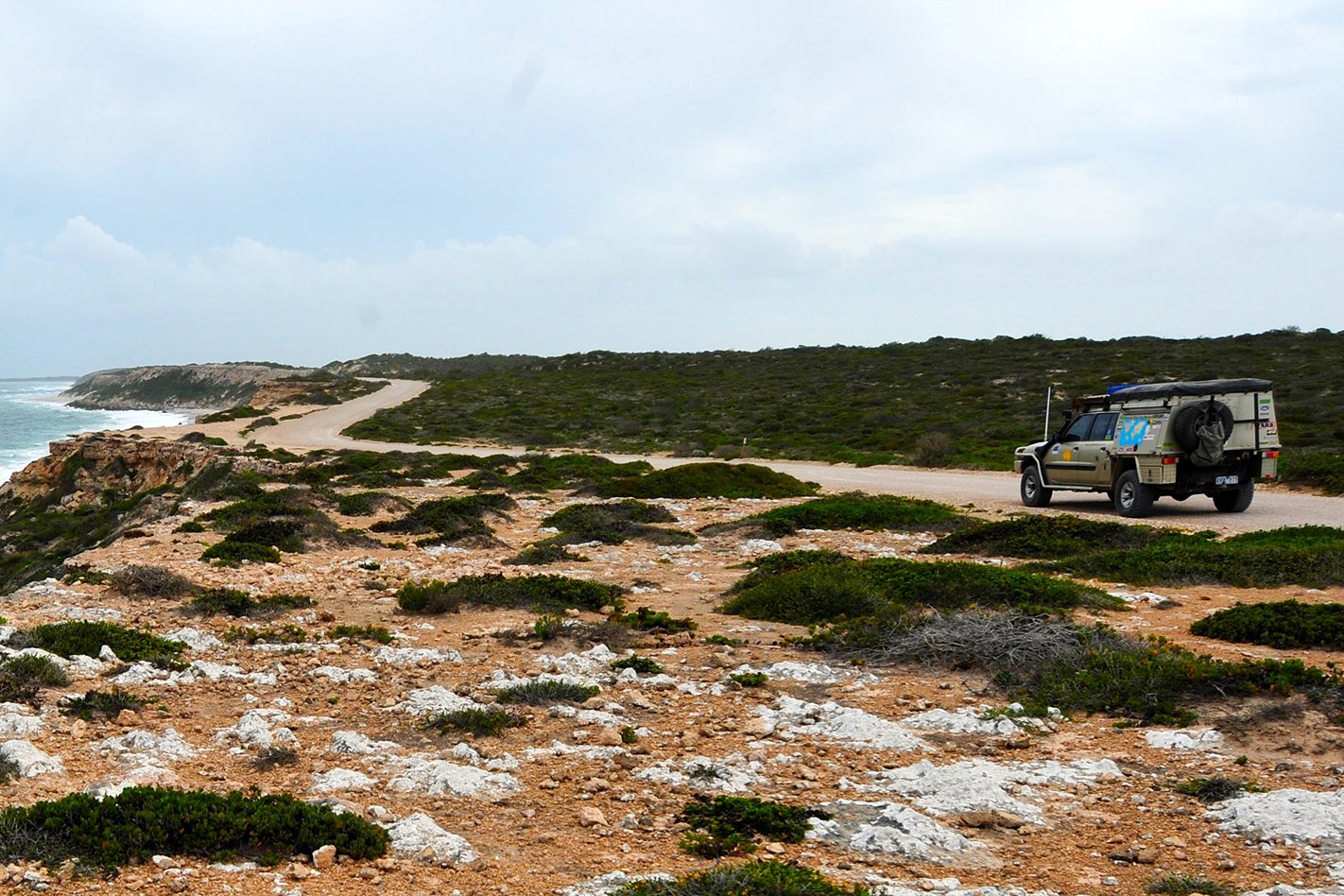
South Australia
Incentives
- 6000 subsidies worth $3000 taken off purchase price at point of sale, for a limited (unspecified) time only.
Tax
- EV tax pushed back from July 1, 2022 to July 1, 2027 or 30 per cent uptake (whichever comes first) – same as NSW
- 2c/km km for plug-in hybrid vehicles, and 2.5c/km for any other electric vehicles
- Calculated and billed in arrears as part of the vehicle registration process and based on the distance travelled since the last renewal.
Charging network
- Investing $13.4million in its charging network – increasing points to 530 state-wide, most of which will have a 7kW capacity.
Uptake goal
- SA Government aims for EVs to be “common choice” by 2030 and the “default” by 2035
- Incorporating PHEVs into its own fleet as costs become more competitive, with a goal of its vehicles being fully electric by 2030.

Western Australia
Incentives
- EVs exempt from 10 per cent on-demand transport levy.
Tax
- None – not being considered at this time.
Charging network
- 235 charging stations of varying capacity ranging from <22kW to 350kW
- $21million plan to create Australia’s longest EV fast charging network adding 45 new points, expected to be up and running by 2024.
Uptake goal
- Twenty-five per cent of Government’s fleet electric by 2025/26.
Snapshot
- GV70 rounds out key models for Genesis
- Two petrol engines and one diesel
- Eight-speed auto, rear- and all-wheel drive options
UPDATE, August 9: Genesis has confirmed the final specs of the GV70 SUV ahead of its Australian launch, providing power, torque and fuel consumption figures for the three engines available.
As expected, the 2.2-litre turbo diesel engine provides the best fuel economy of the range, achieving figures of 7.8L/100km in testing.
Next is the 2.5-litre turbo petrol, recording 9.8L/100km in rear-wheel drive guise, and 10.3L/100km when mated to the all-wheel drive system available.
Finally, the 3.5-litre turbo V6 petrol, undoubtedly the most powerful engine on offer, is the thirstiest of the three options – with fuel consumption at 11.3L/100km combined, a full 1L/100km more than the four-cylinder turbo petrol.
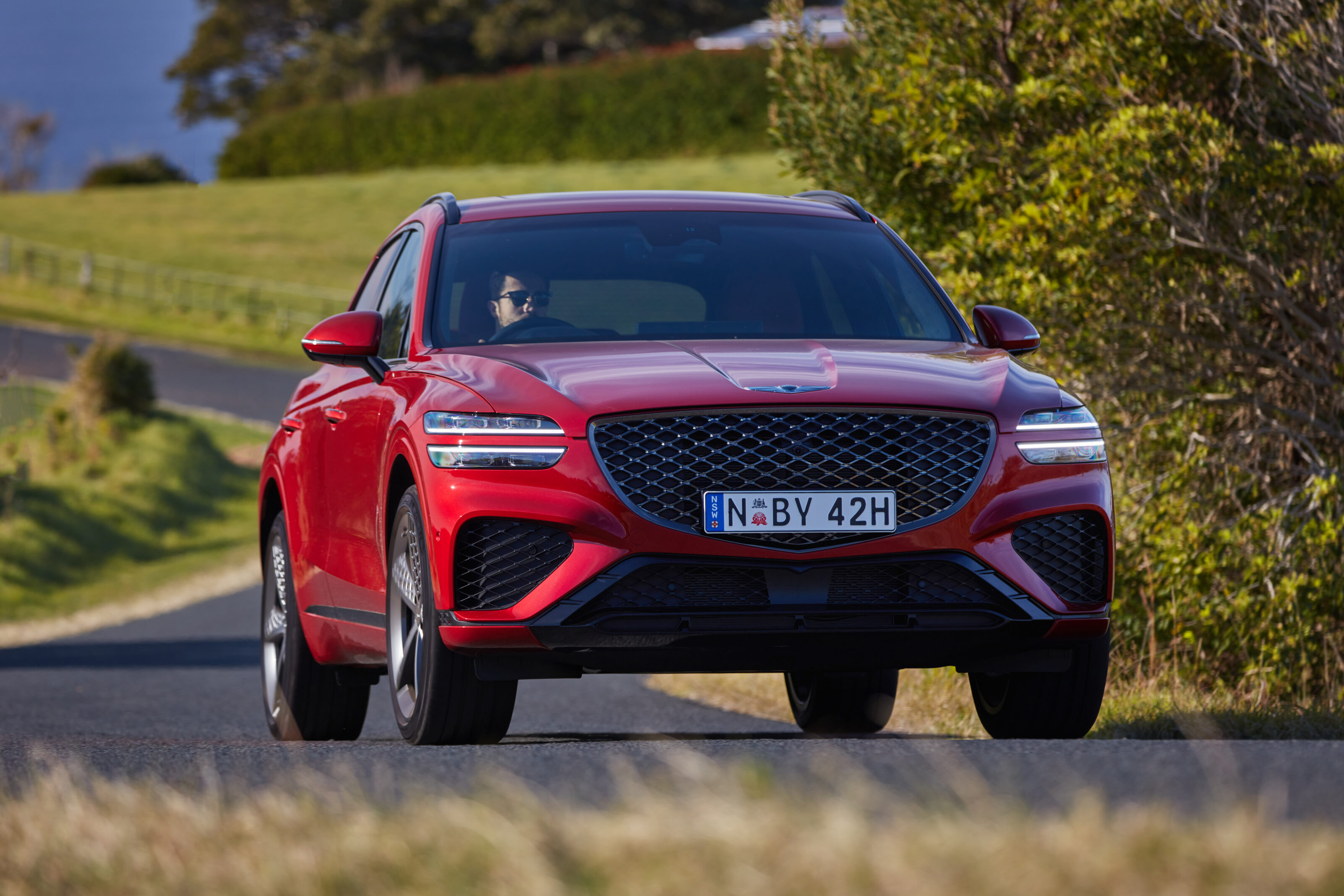
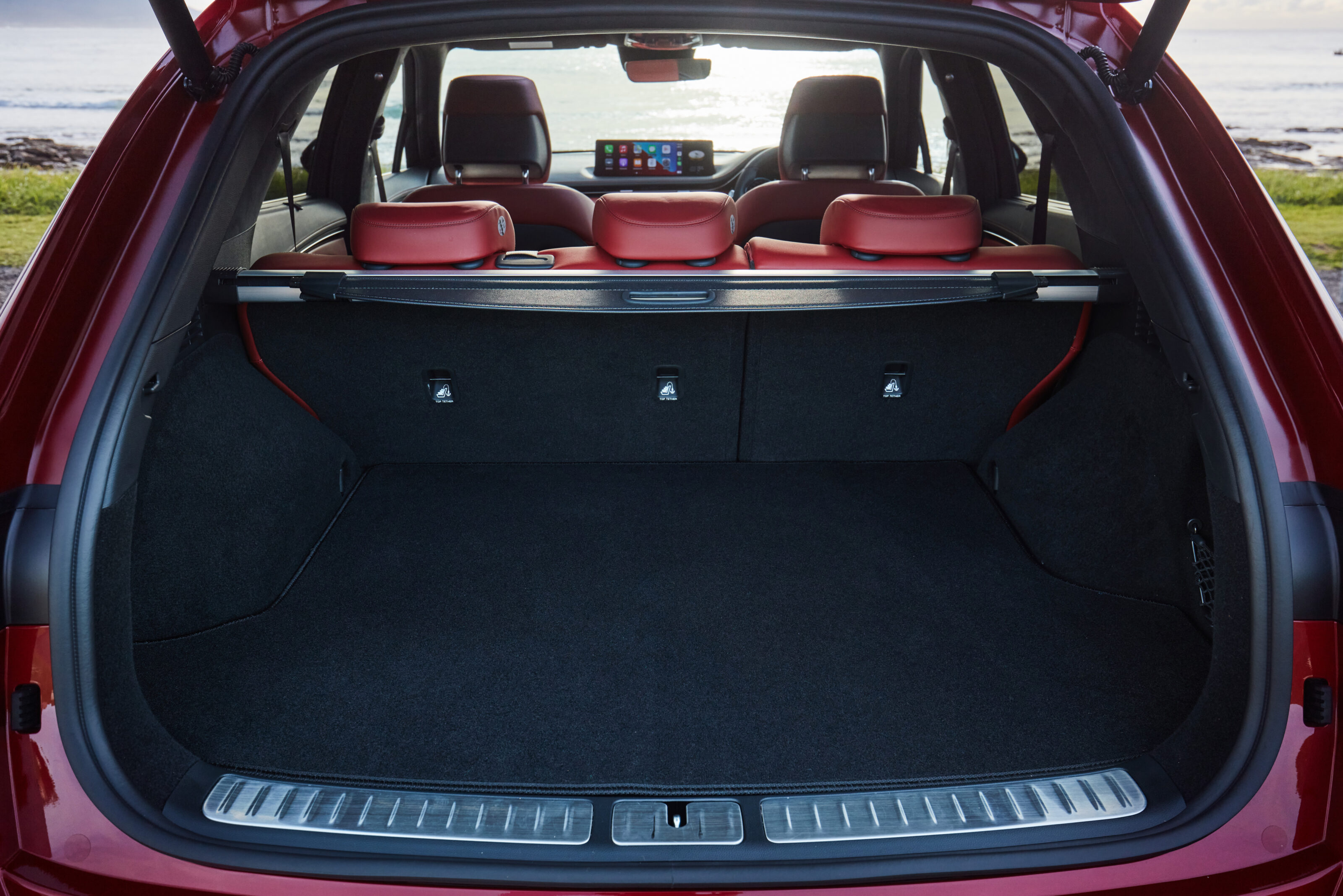
Exterior dimensions have also been finalised, with the GV70 standing at 4715mm in length, 1910mm wide, 1630mm wide and with a wheelbase of 2875mm, allowing it to hold 542L in the boot with the rear seats up and 1678L when folded flat.
The story to here
May 20: Australian pricing for the 2021 Genesis GV70 has been announced today, after the new midsize SUV was first revealed in December last year.
In Australia, the GV70 enters the Genesis line-up as a rival to models like the Mercedes-Benz GLC, BMW X3, Audi Q5 and Lexus NX.
On sale from July 2021, the four-variant range will kick off from $66,400 for the GV70 2.5T, topping out at $83,400 for the 3.5T AWD Sport. (Both prices exclude on-road costs).
In between is the $68,800 2.5T AWD and the $71,000 2.2D AWD – the latter representing the only diesel option in the range, and only the second diesel offering in the Genesis line-up (the bigger GV80 being the other).
Across those four variants is a choice of three turbo engines and either rear- or all-wheel drive, matched to an eight-speed automatic transmission.
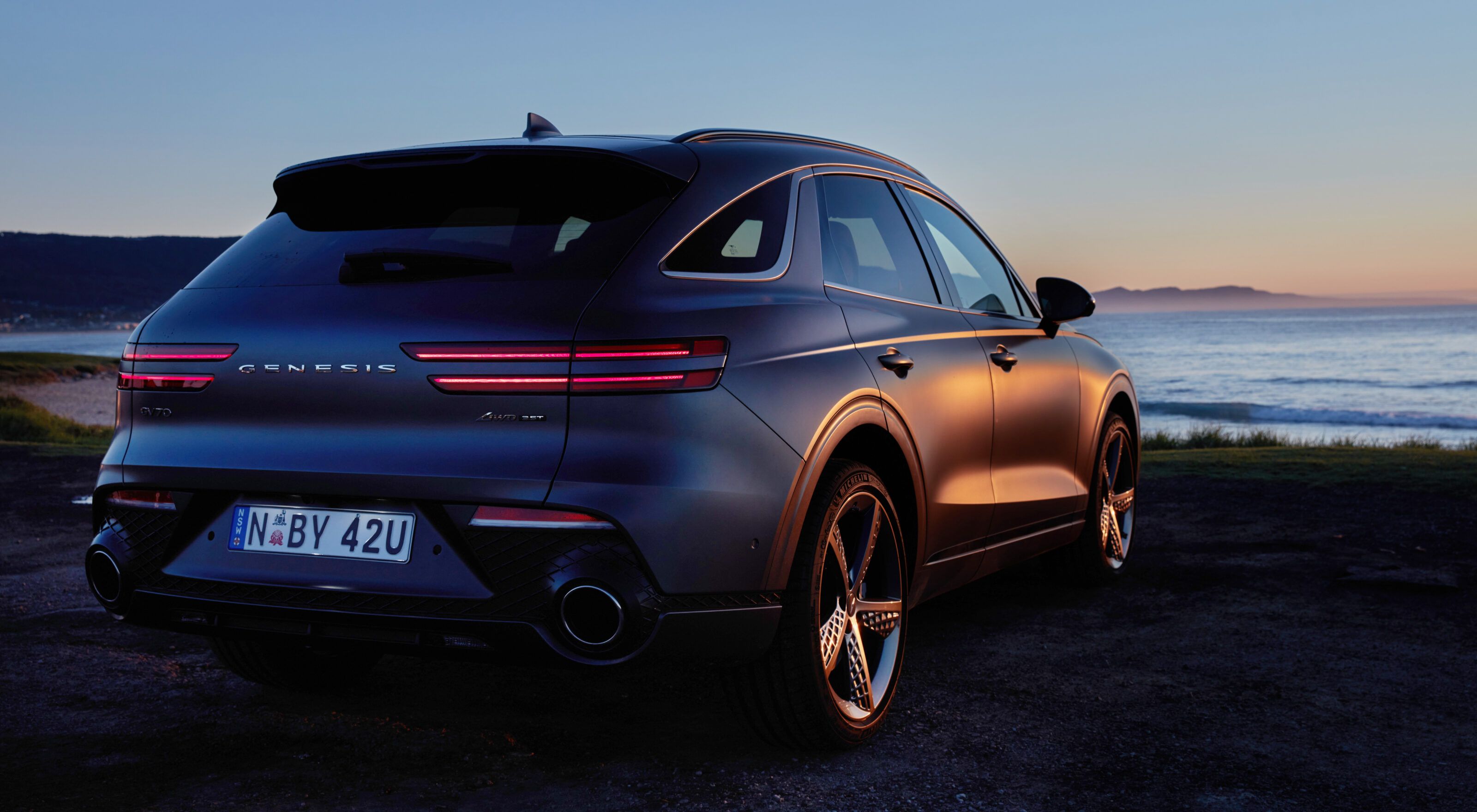
Powertrains and driving
At the entry level, the GV70 2.5T is powered by a 2.5-litre turbo petrol four-cylinder engine producing 224kW of power and 422Nm of torque.
Power is sent to the rear wheels through the same eight-speed automatic as featured in each GV70 variant.
Stepping up to the GV70 2.5T AWD offers the same package but with the addition of electronically controlled all-wheel drive.
In the GV70 2.2D AWD, motivation is supplied by an all-aluminium 2.2-litre turbo diesel four-cylinder engine producing 154kW and 440Nm, again matched to that eight-speed auto and all-wheel drive system.
At the top of the range is the GV70 3.5T AWD Sport, its 3.5-litre twin-turbo petrol V6 pushing 279kW and 530Nm to the all-wheel drive system – and with the benefit of an electro-mechanical limited-slip differential at the rear.
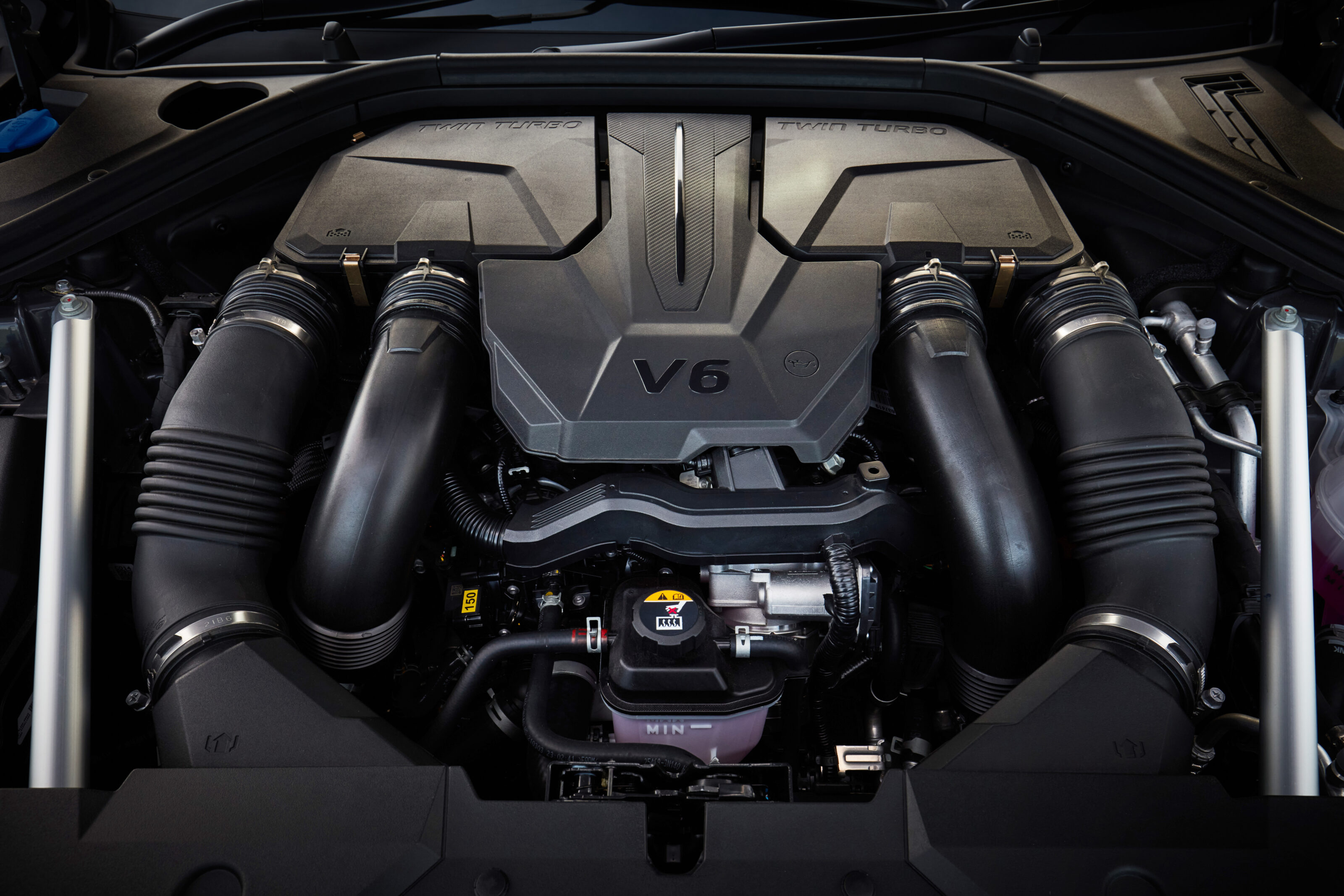
The 2.5- and 2.2-litre models ride on 19-inch alloy wheels wrapped in 235/55R19 Michelin tyres, while the 3.5T gets 21-inch alloys. Every model except the 2.2D gets a space-saver spare, with that variant instead getting a Tyre Mobility Kit (an air compressor with an integrated bottle of sticky sealant).
Towing capacity is rated at 2200kg, braked, across the range. Although not confirmed, unbraked capacity is likely 750kg.
Storage space in the rear is listed at 542 litres with the rear seats up, growing to 1678 litres when folded.
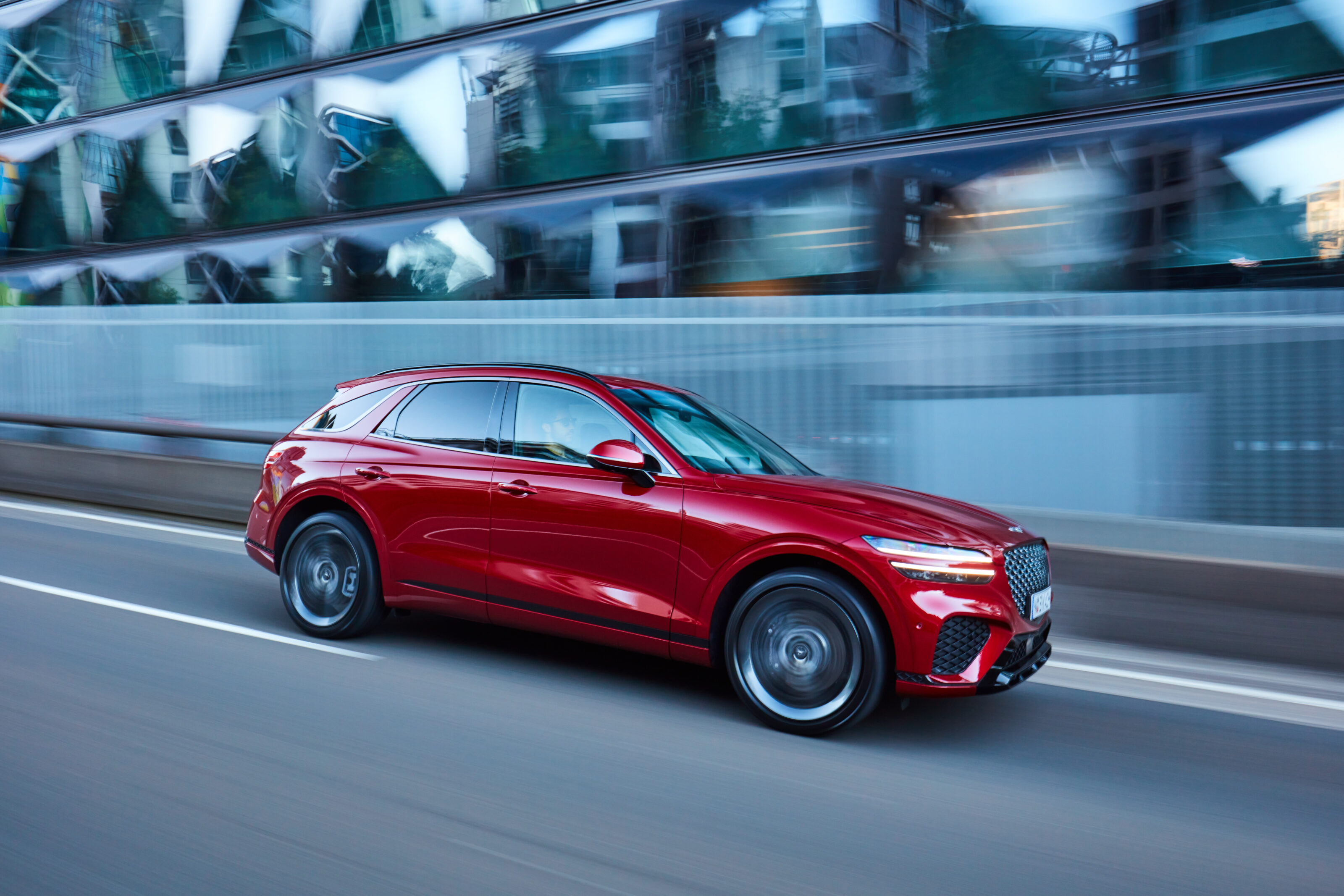
Safety
The GV70 is equipped with eight airbags as standard, including a centre-side airbag between the front seats.
An ANCAP crash safety test rating has not yet been announced.The full list of safety features includes:
- 8 Airbags – including front centre side airbag
- Active Bonnet
- Blind-Spot Collision Avoidance-Assist – Rear/Side (BCA-R/S)
- Blind-Spot View Monitor (BVM)
- Driver Attention Warning (DAW), including:
- Leading Vehicle Departure Alert
- Forward Collision-Avoidance Assist (FCA), including:
- Car/Pedestrian/Cyclist detection
- Junction Turning/Junction Crossing function
- Lane-Change Oncoming/Side function
- Evasive Steering Assist function
- High Beam Assist (HBA)
- Intelligent Speed Limit Assist (ISLA)
- Lane Following Assist (LFA)
- Lane Keeping Assist – Line/Road-Edge (LKA-L/R)
- Multi Collision Brake (MCB)
- Rear Cross-Traffic Collision Avoidance-Assist (RCCA)
- Rear Occupant Warning (ROW)
- Safe Exit Assist (SEA)
- Smart Cruise Control (SCC), including:
- Stop & Go function
- Surround View Monitor (SVM) w/ 3D surround view
- Trailer Stability Assist (TSA)
Features
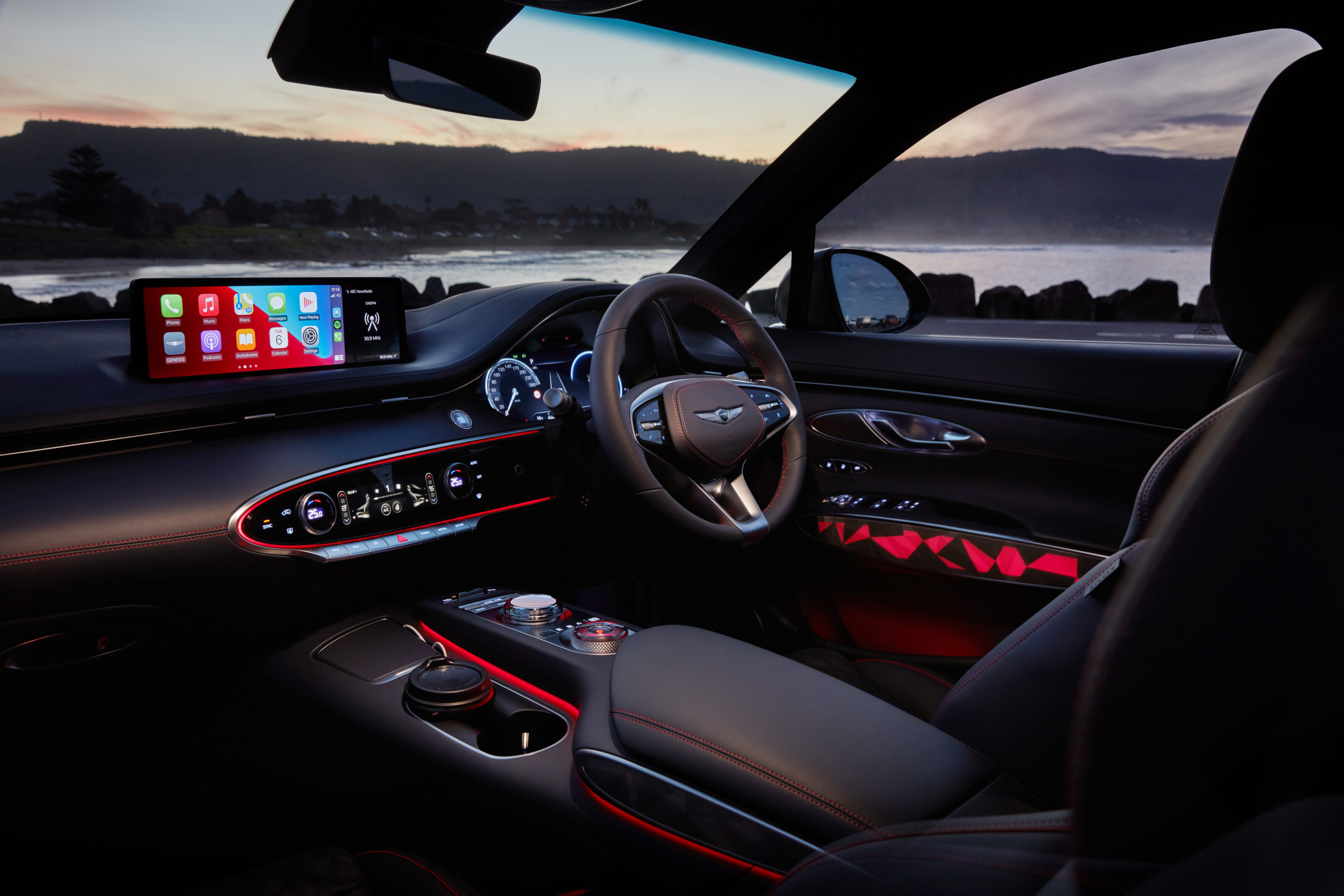
As standard, each GV70 is equipped with a panoramic sunroof, an acoustic laminated windshield and front door glass, leather-appointed seats and stitched leather-appointed dashboard and door trims. Adjustable ambient lighting is also standard.
Comfort and convenience equipment includes 12-way power-adjusted front seats with heating and ventilation, manually-reclining rear seats, remote start via Smart Key, a power-operated tailgate with hands-free opening, and manual sunshades for the rear doors.
Infotainment is covered through a 14.5-inch touch-screen display, navigation with Augmented Reality (AR) view function and live traffic updates, integrated controller with handwriting recognition, digital radio (DAB+), and Apple CarPlay and Google Android Auto compatibility.
In a win for smart product planning, a handful of items were previously announced as optional extras, but are now standard equipment. Those include two-driver memory positions for the driver’s seat, along with a power-adjusted tilting and telescopic steering column, fingerprint authentication, and puddle lamps with the Genesis logo.
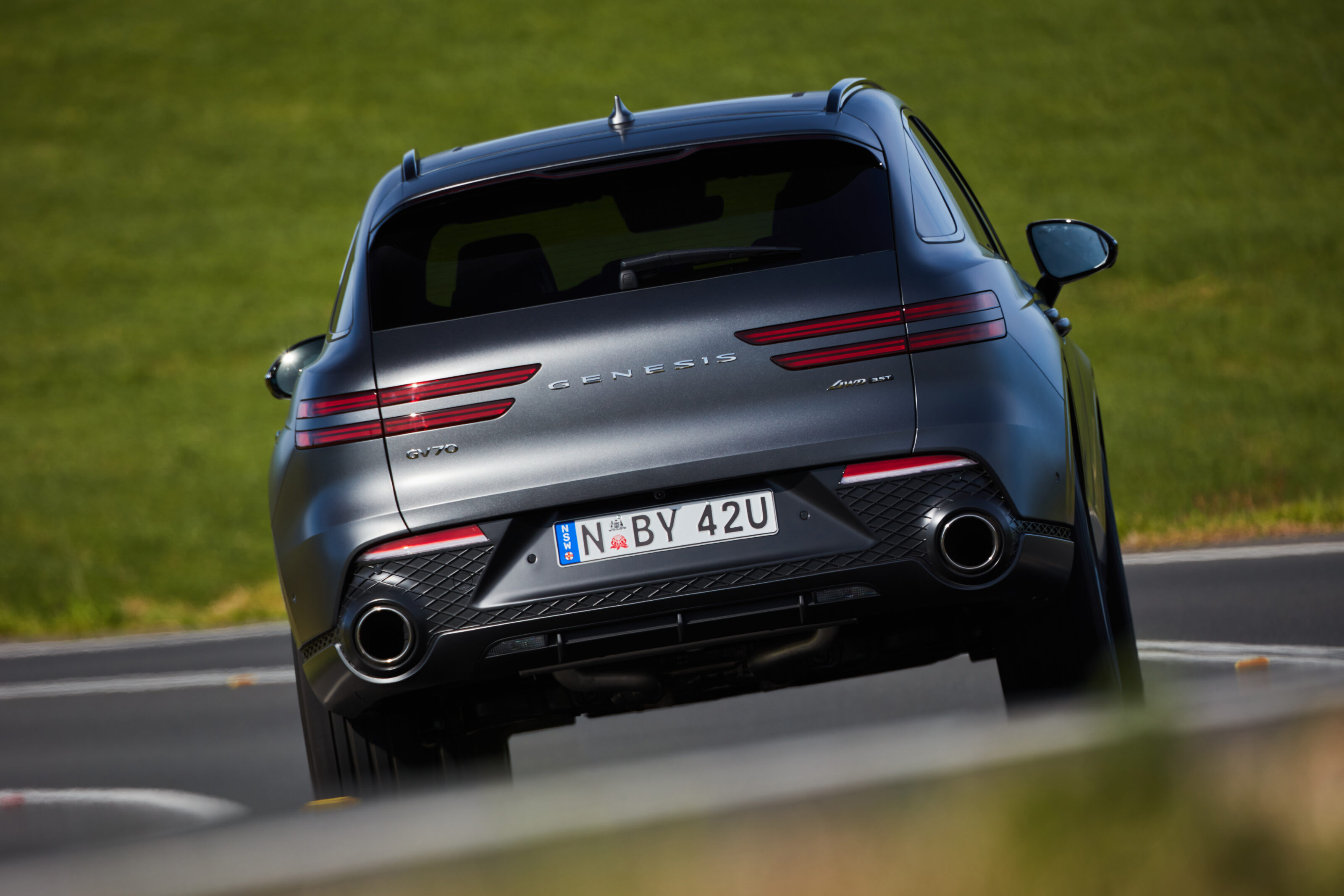
Optional extras still exist, of course, in the form of the $4500 Sport Line (2.5T and 2.2D models) and $11,000 Luxury packages (2.5T and 2.2D models, $6600 on the 3.5T).
For the Sport Line, that means an upgrade to 19-inch Sport Line alloy wheels, sports brakes, larger dual exhaust finishers and a Sport+ driving mode (for 2.5T and 3.5T models only).
The Sport Line pack also gets a styling kit that includes front and rear bumpers, gloss-black sport radiator grille, front skid plate and roof rails, and a dark chrome treatment to the radiator grille surround and window frame trims.
In the cabin, the Sport Line pack adds Nappa Leather- and suede-appointed sport seats, and a suede trim to the headlining and pillars. There’s also a sports steering wheel, sports alloy pedals, sports aluminium trim, and sports gauges for oil temperature, torque and turbo boost.
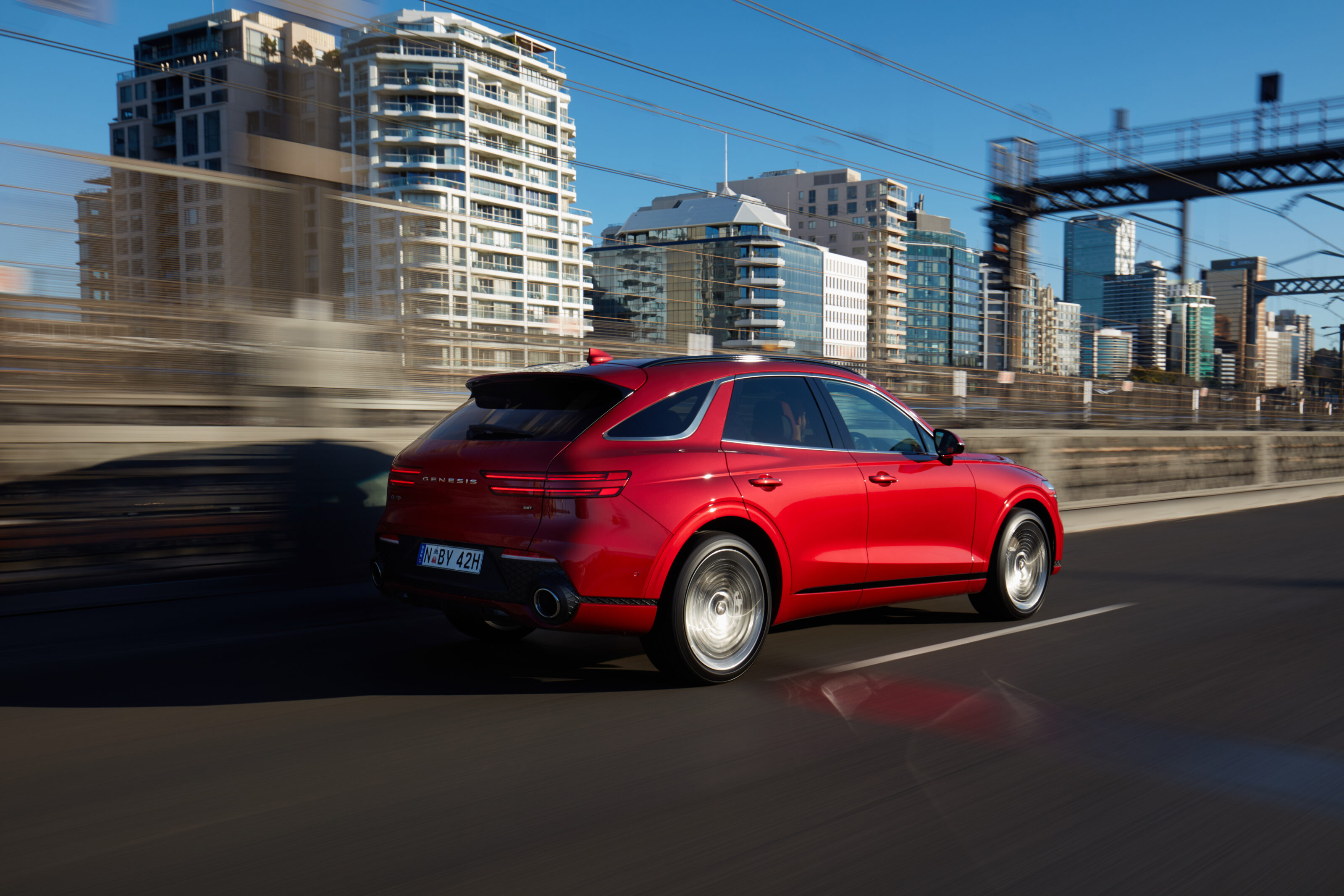
Opt for the Luxury pack and there’s even more Nappa Leather in the cabin, along with a quilted seat pattern and 3D-effect backlit trim.
The Luxury also gets a 12.3-inch full screen Instrument Cluster with 3D function, a head-up display, and a 1050W 16-speaker Lexicon sound system from Harman Audio.
The list of Luxury elements continues with the Remote Smart Parking Assist (RSPA) system, an 18-way adjustable driver’s seat, an ergo-motion massage function for driver’s seat, a passenger seat walk-in switch, a heated steering wheel and second-row seats, and three-zone climate control.
Finally, the Luxury pack offers additional safety features in the form of Forward Attention Warning (FAW) and Parking Collision-Avoidance Assist – Rear (PCA-R) systems.
Ownership
Included ownership features
- Warranty – 5 Year / Unlimited km
- Complimentary Scheduled Servicing – 5 Year / 75,000 km
- Genesis To You – 5 Year / Unlimited km (Concierge Service and Courtesy Vehicle Service)
- Valet Service – 5 Year / Unlimited km (Free collection and return of vehicle for schedule maintenance and warranty services)
- 24/7 Roadside Assistance – 5 Year / Unlimited km
2021 Genesis GV70 pricing and features
- GV70 2.5T petrol RWD – $66,400
- GV70 2.5T petrol AWD – $68,800
- GV70 2.2D diesel AWD – $71,800
- GV70 3.5T petrol AWD – $83,400
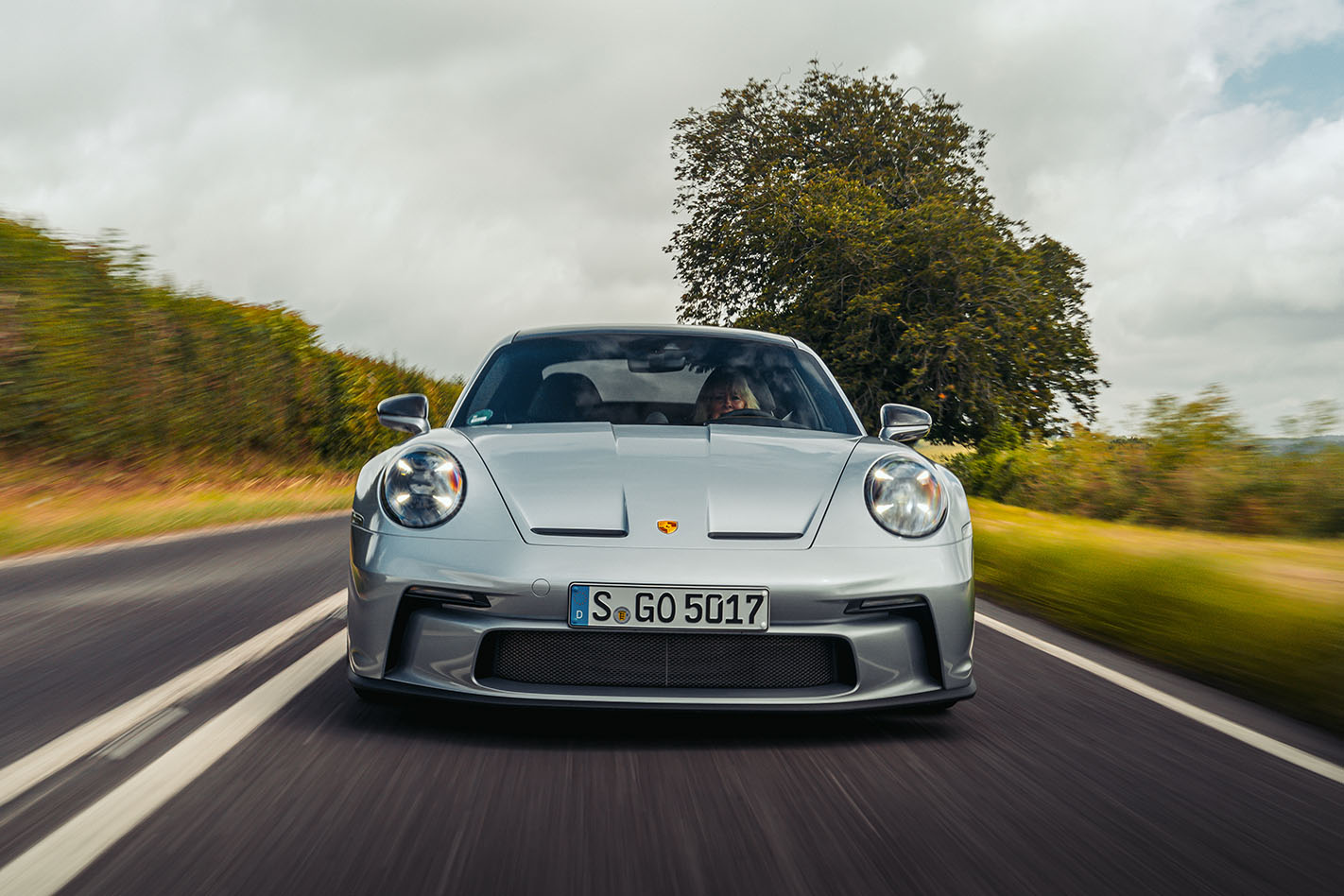
The 992 GT3’s availability with the Touring package was never in question after the success of its predecessor. What is new with it, and what GT boss, Andreas Preuninger admitted to back on our prototype ride-along last year, is that the GT3 Touring is now offered with the manual as previously, as well as the PDK. That gives those wanting the less overt style of a de-winged GT3, with the ease and additional ratio that the PDK paddle-shift brings, as well as the more sophisticated electronically controlled, rather than mechanically of the manual, locking differential.
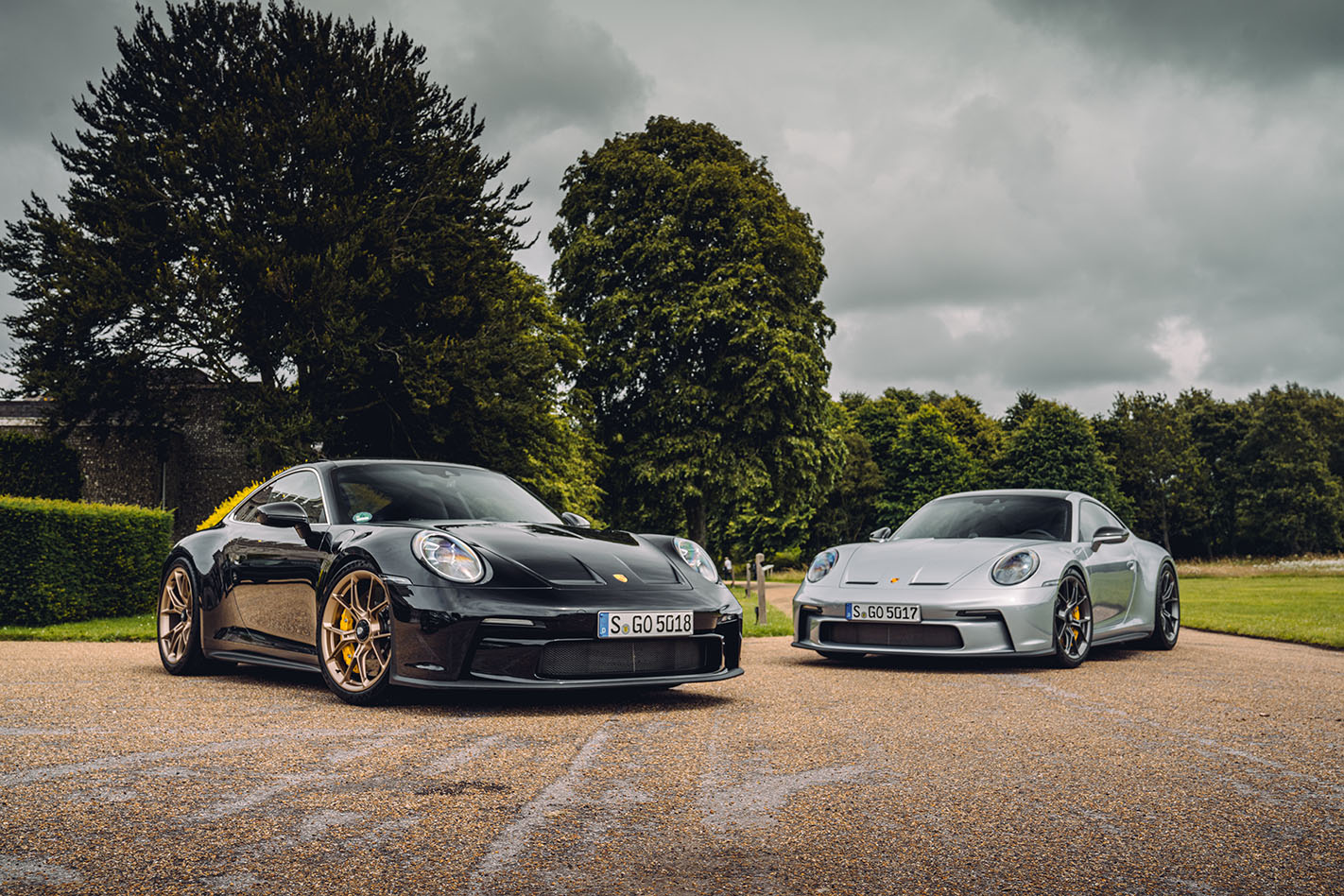
The Dolomite Silver PDK Touring, and the Jet Black Metallic manual are a paragon of dignified moderation. Both feature optional, worthwhile, fixed-back full bucket seats and PCCB (Porsche Ceramic Composite Brakes), with the key difference between them being how you select the gears.
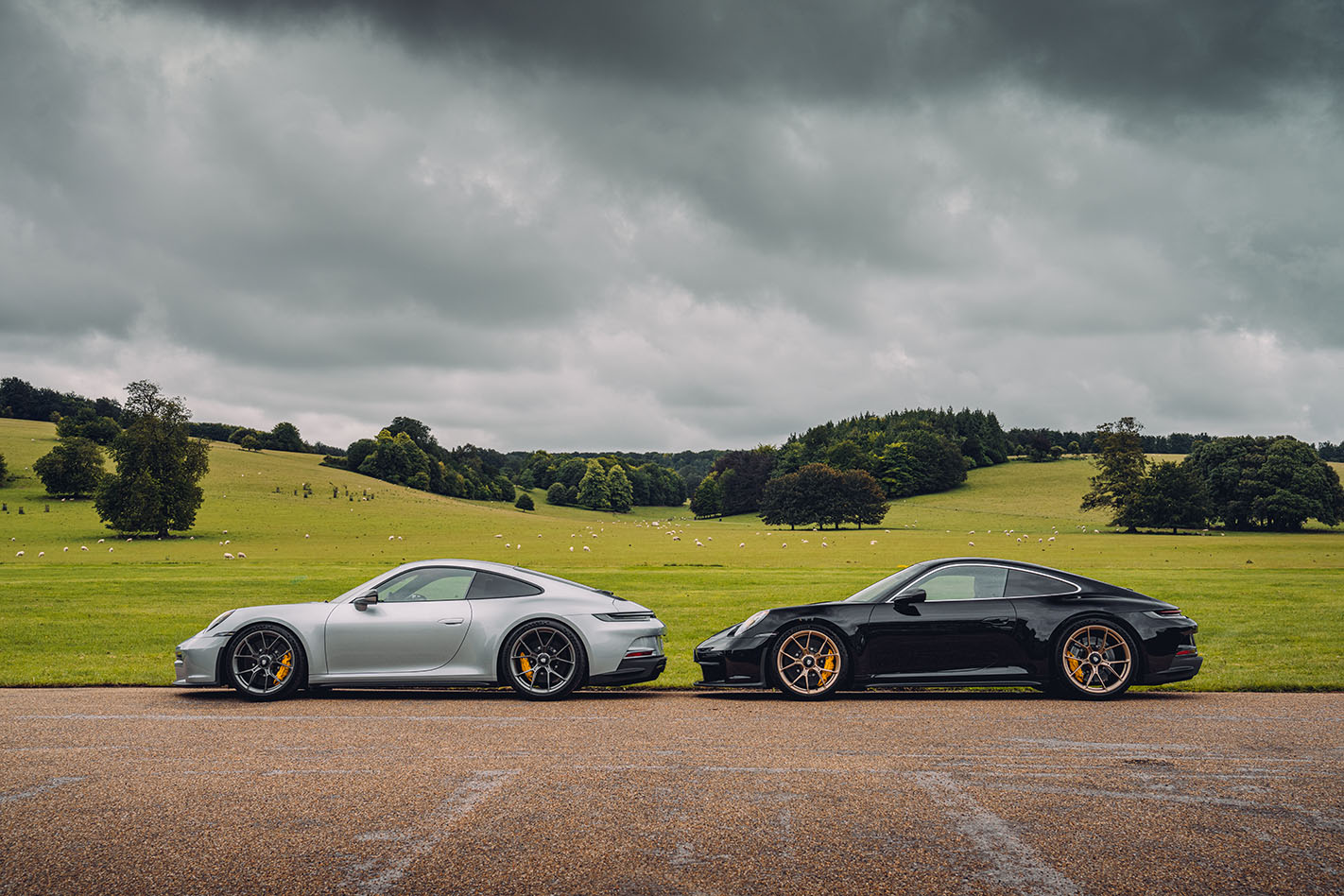
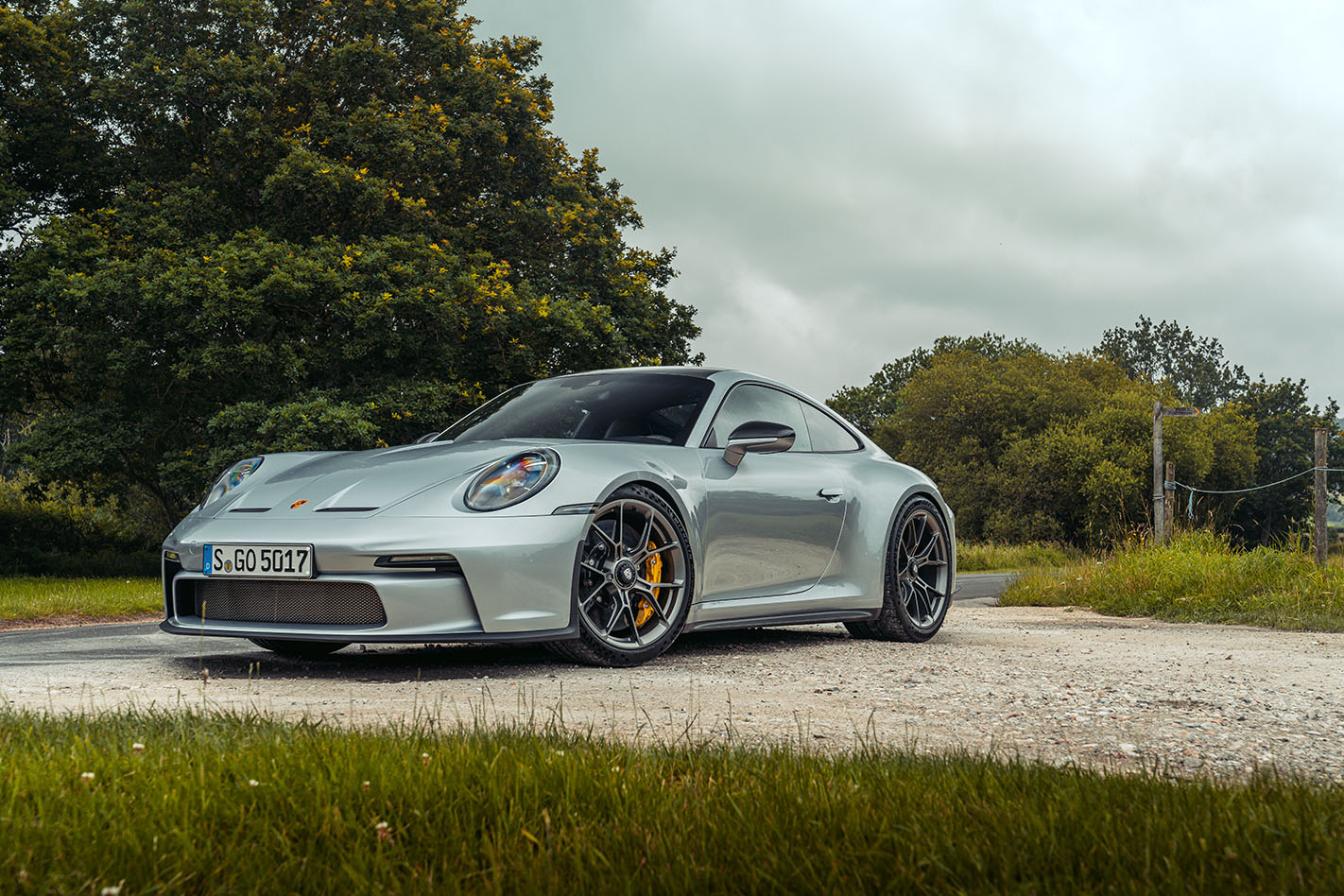
What’s undeniably appealing is that to the uninitiated these two GT3 Tourings could pass cursory glances as mere Carreras. That’s a sizeable part of their appeal, and arguably a greater performance enhancer on the road than a ‘look at me’ big wing sitting out back, restricting your view backwards.
The simplicity of the optional seats removes adjustment ambiguity and they are cosseting, clutching and connecting in a manner that finds the other seat choices wanting.
There’s no Clubsport option with the Touring, so if you’re after a bolt-in steel cage to hang some six-point racing harnesses off, then you’ll need a regular GT3. The Touring retains everything else its winged relation has, though. It really is a case of wing on, or off.
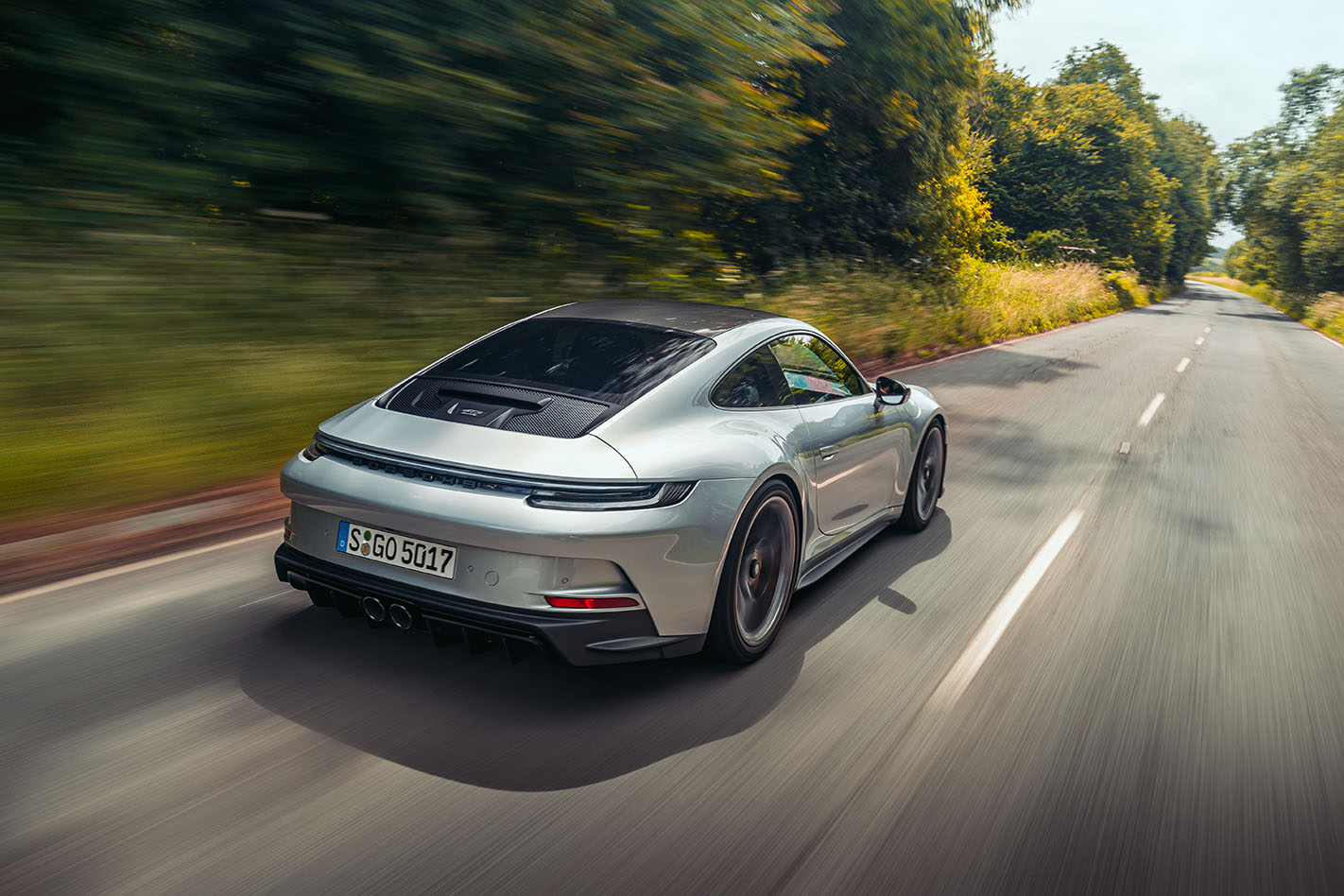
It’s a multi-faceted experience, requiring skill, planning and patience to allow it to exhibit its very best
It’s academic that the manual GT3 Touring raises the 0-100km/h time by 0.5 of a second because 3.9 seconds is plenty quick enough, while getting to double that, in its German homeland (or on a track, naturally), in just 11.9 seconds isn’t exactly lacking, either. It’s a question of useability; the GT3’s trick has always been the visceral engagement it brings, everywhere, and the manual transmission, then, should add to that.
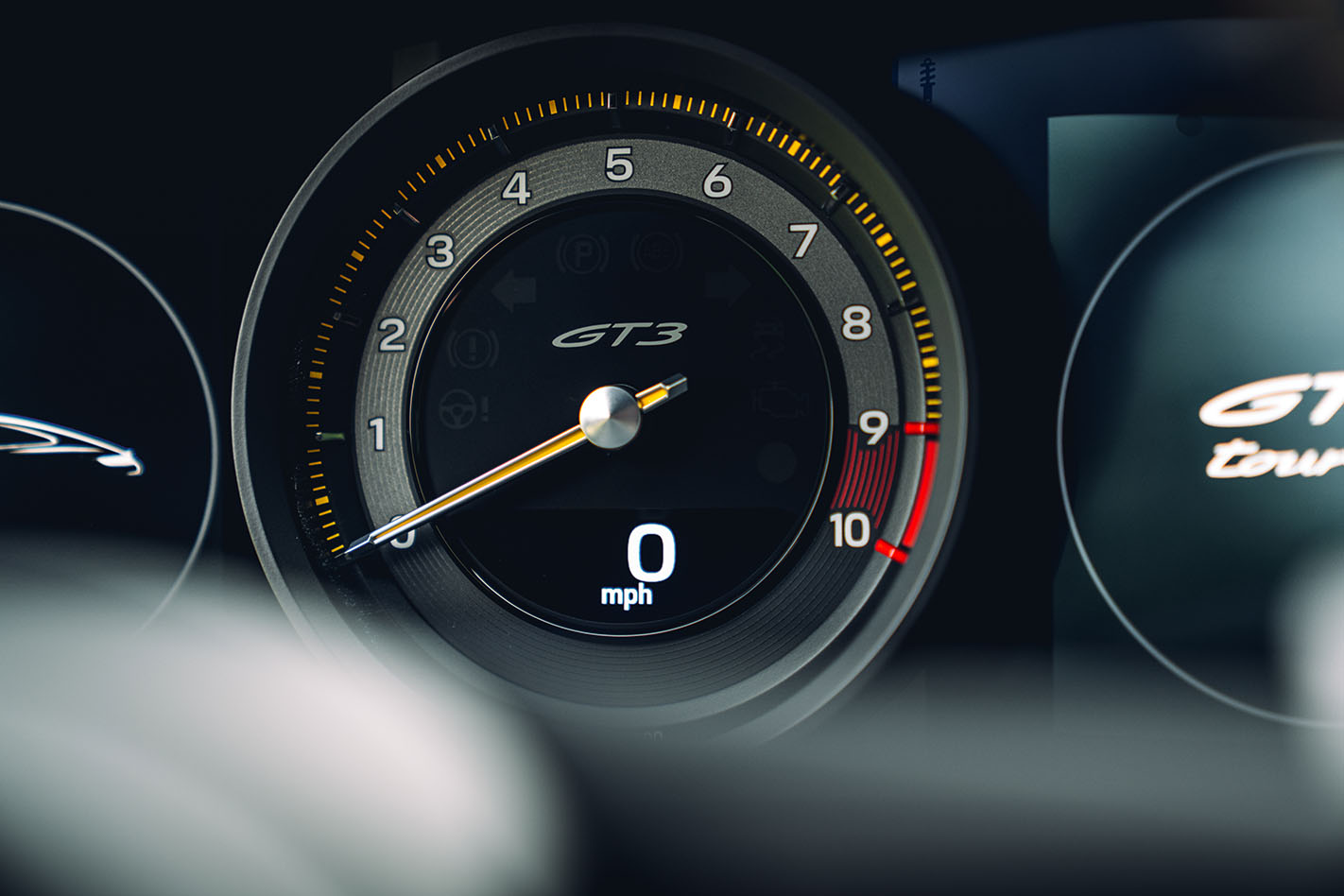
Spotting a gap in traffic, the manual GT3 Touring tears around its rev-counter ferociously. A prudent quick shift to second at around 6000rpm is the order of the moment because the instruments aren’t reading that the engine’s fully up to temperature and to wring it out to its 9000rpm maximum would be detrimental to the motorsport engine hung out back, however great the temptation to do so might be.
Even short-shifting here, the GT3 Touring is wickedly quick, the 375kW engine exhibiting a low and mid-range muscularity that’s hugely impressive given its natural aspiration and its massive enthusiasm for revs. The peak 470Nm torque figure is equally remarkable here, but modest among turbocharged alternatives. A standard, entry-level Carrera’s 3.0-litre turbocharged flat-six manages 450Nm between 1950-5000rpm. The GT3’s 470Nm peak has an element of delayed gratification, coming at a headier 6100rpm and it’s nowhere near as abundant in its spread.
At no point does it feel like it’s short of go, though. It’s a very quick car when you’re merely touring, and outrageously fast when you’re exploring the rev counter’s sweep between 6000-9000rpm. The fact the engine needs to be driven is a huge part of its appeal, it’s a multi-faceted experience, requiring skill, planning and patience to allow it to exhibit its very best.
The richness in the experience is that singularity, its undeniable focus and the rewards that exploiting it brings. The GT3 is no less visceral and engaging in its latest 992 form, and even more so when sampled with a third pedal and a tactile gearshift that’s a joy to guide through the six ratios.
The suspension, a cause of consternation among some at the GT3’s launch is unchanged over the winged car, the Touring receiving no concessions to comfort, the set-up identical, and feeling so on the road. That’s genuinely not a complaint, here, as I never took issue with the taut suspension of the winged car. If you do find it too busy, perhaps one of the other nineteen 911s Porsche offers might suit you better? The brake pedal provides a perfect platform from which to roll your foot off to blip the throttle for downshifts, the Touring happy to do this for you with its autoblip, but, likewise, allowing you to switch it off via the configurable drive modes. Do so.
That it’s so easy is demonstrative of its development by drivers, for drivers, the 911 always a car that exhibits excellent weighting and precise feedback and response across every facet of its controls, but the GT3 adds more. The key GT3 differentiator being the double-wishbone suspension on the front axle, it adding an immediacy and accuracy to the nose that only increases its appeal behind the wheel and its precision on the road.
The PDK’s got a tough job to do then, but within yards of driving it, it’s making a very strong case for itself. There’s ease, though, so too is there an even greater sense of urgency with it, be it throttle response, or the speediness of gear selection, the PDK is just quicker. On the very same roads it immediately carries greater pace, is demonstrably faster, everywhere, because driving it is less busy.

Such is the alertness of the front axle that shifting in the manual can see slight movements at the wheel result in corresponding shifts at the nose. The PDK is more resolute in its line because there’s no need to move your hands from the steering.
With the PDK, opportunities are greater and, as a result, the overall speed tends higher. It feels more eager, it goads you to drive it harder, quicker, revealing more of its character earlier and allowing the GT3 Touring’s other facets more space to breathe, for, arguably, a more rounded experience. Certainly, 9000rpm is more readily achieved, with the incredible pace it brings, backed by that soundtrack.
That both are even possible is something to be celebrated, and, really, there are no wrong answers when buying a GT3, absolutely none. I’d err towards the Touring simply because it appeals to my ideals of restraint. I’d be unlikely to ever track it anyway, and I’d take the manual… because manual.
2021 Porsche 911 GT3 with Touring Package specifications
| Body: | 2+2 2-door coupe |
|---|---|
| Drive: | RWD |
| Engine: | 3996cc flat-6cyl, DOHC, 24v |
| Transmission: | six-speed manual / seven-speed dual-clutch automatic |
| Power: | 375kW @ 8400rpm |
| Torque: | 470Nm @ 6100rpm |
| Bore stroke: | 102 x 81.5mm |
| Compression ratio: | 13.3:1 |
| 0-100km/h: | 3.9sec (manual) / 3.4sec (PDK) |
| Fuel consumption: | 13.7/100km (manual) / 12.6L/100km (PDK) |
| Weight: | 1418kg |
| Suspension: | Double wishbone front / multi-link rear |
| L/W/H: | 4573/2027/1279mm |
| Wheelbase: | 2457mm |
| Brakes: | 408mm (front) / 380mm (rear) |
| Tyres: | 255/35ZR20 (front) / 315/30ZR21 (rear) |
| Wheels: | 20-inch (front) / 21-inch (rear) |
| Price: | $369,700 |
An immaculate example of one of the most sought-after Mitsubishi Lancer Evolutions in the model’s history has sold in the United Kingdom for almost AU$300,000 – setting a new Evo sale record.
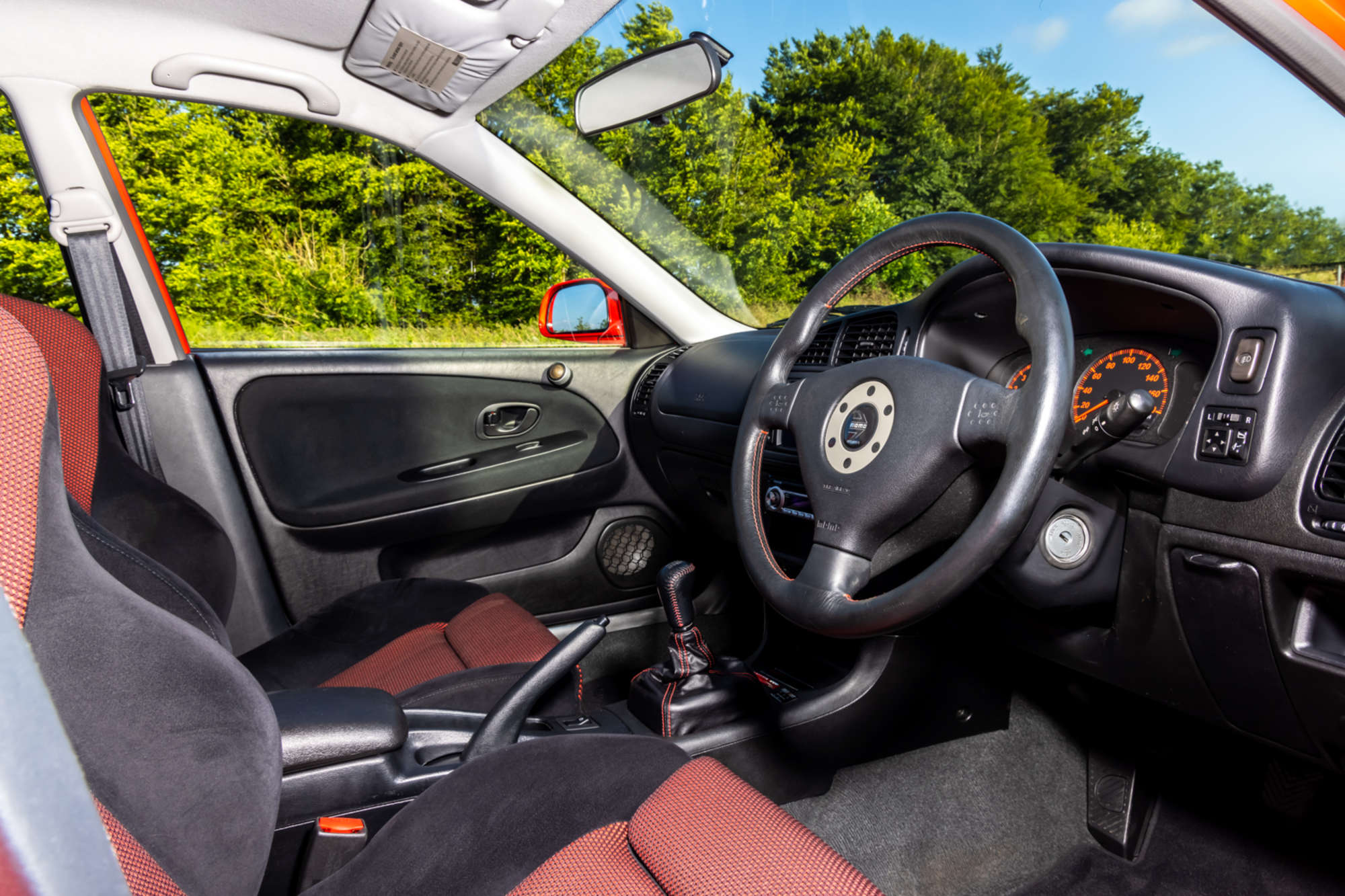
The car in question is an Evo VI Tommi Makinen Edition, launched in 2000 to celebrate the Finnish driver’s four consecutive World Rally Championships with Mitsubishi. Based on the regular Evo VI, it comes with extra features, including; a less-restrictive exhaust, revised baffled fuel tank, lowered ride height, quicker steering rack, new turbo and Enkei wheels.
Widely regarded as the hero model for the Lancer Evo series, this example features a numbered plaque with #001 inside the cabin – reflecting its rarity as the first of just 50 passion red cars officially sold by Mitsubishi UK, and one of only 212 TMEs in red with the Special Colour Package decals.
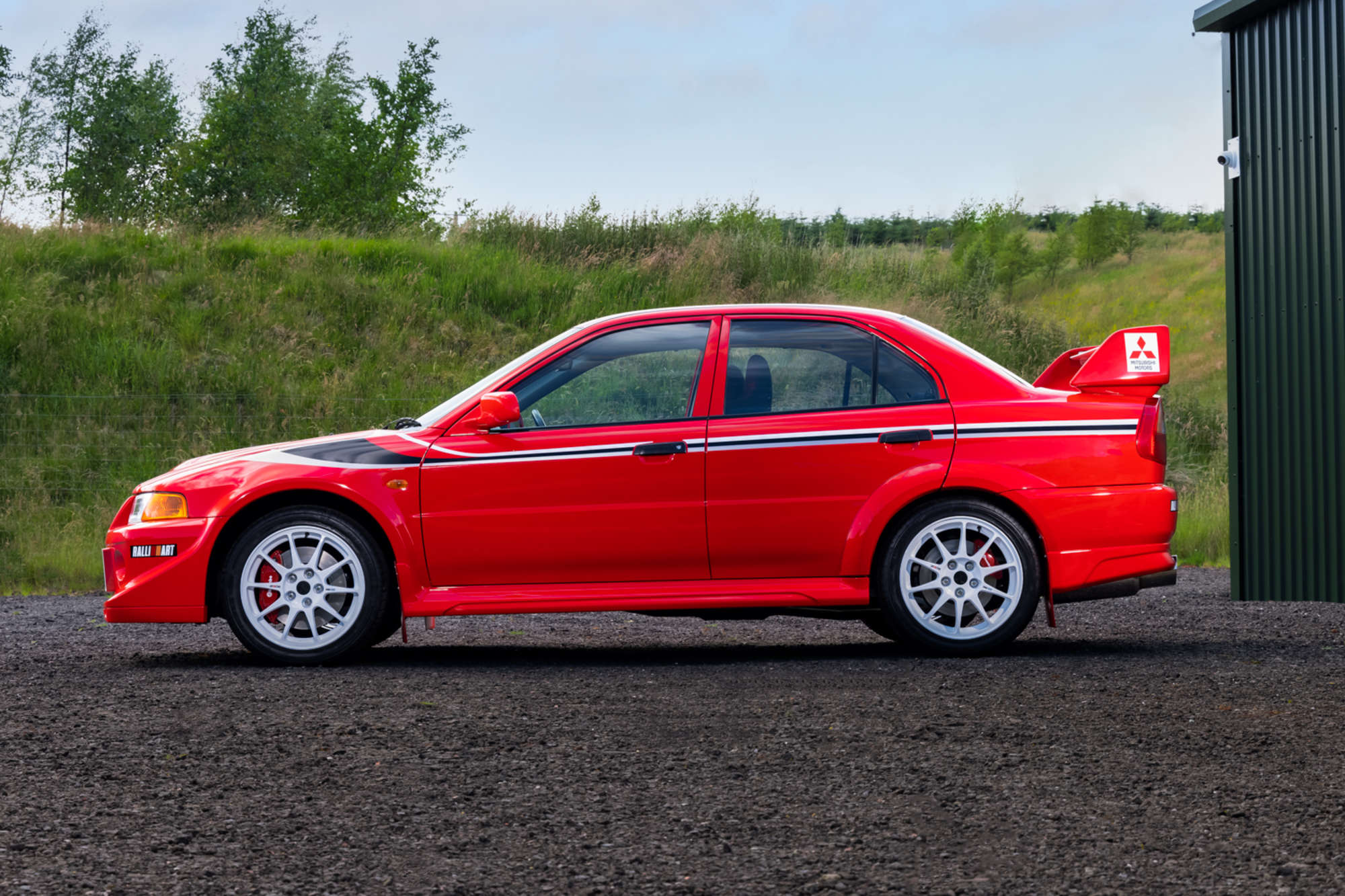
While an ex–Mitsubishi UK Evo VI TME press car (#006) sold for £100,100 (AU$189,200) earlier this year, the #001 car ended up going for £146,250 (AU$276,450) through Silverstone Auctions. This was thanks, in part, to its totally standard spec – aside from an aftermarket stainless steel exhaust – and having just 11,000 miles (17,700km) on the odometer.
Reflecting a life of care and love by its owners, the TME in question also comes with a full service history – plus the original under-seal which was applied by Mitsubishi UK to its locally delivered cars, protecting it from rust over the past 21 years.
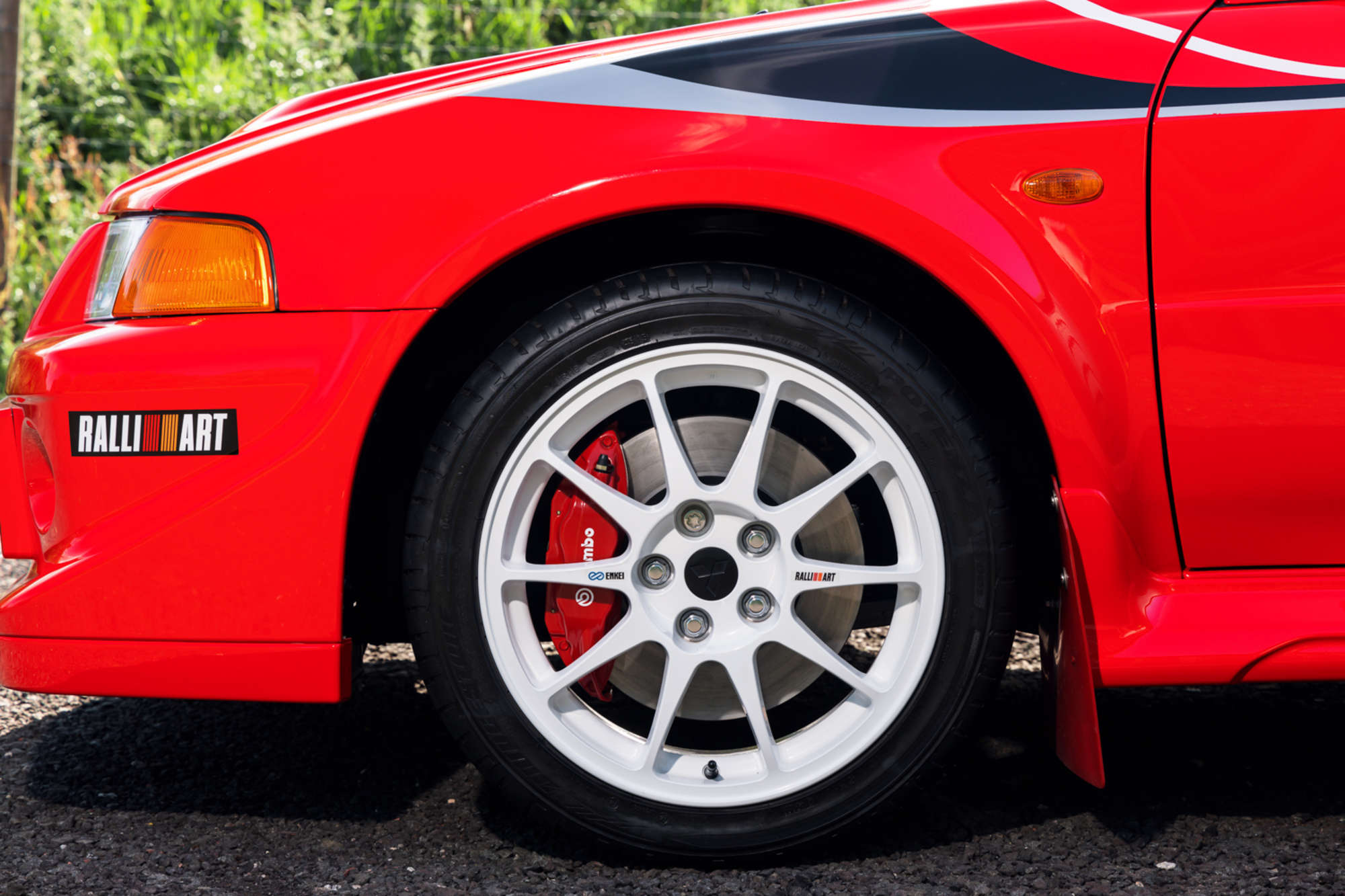
Originally selling for AU$79,990, the first examples of the 98 TMEs sold in Australia arrived midway through 2001, each adhering to the Japanese automotive industry’s ‘gentleman’s agreement’ that no performance car leaving a factory should be capable of more than 276hp – although some cars were reported to have closer to 300hp.
Mitsubishi officially farewelled the Evolution nameplate in 2016 with the Evo X Final Edition, sending off its high performance Lancer variant after almost 25 years since the first Evolution launched in 1992.
Snapshot
- Subsidy on Russian-built EVs could start next year
- EV production goal of 220,000 units by 2030
- Coincides with Russian Government’s meeting regarding Paris Agreement
Russia’s Ministry of Economic Development plans to increase demand for locally produced electric vehicles (EVs) by making them more affordable to its citizens.
With a subsidy of 25 per cent off the price of a Russian-made EV up to ₽625,000 (AU$11,570), the Ministry hopes to increase their production in the nation, according to Reuters.
It said the country is aiming to hit an annual EV production target of 220,000 units by 2030, with officials claiming international brands are considering manufacturing in Russia too.
The Russian Minister of Economic Development, Maxim Reshetnikov, said the subsidy plan could be carried out as soon as next year.

This development comes only days after the Ministry convened to prepare for the upcoming Glasgow meeting of the United Nations Framework Convention on Climate Change participants – with a focus on Article 6 of the Paris Agreement.
Article 6 is essentially a promotion of a carbon tax, encouraging countries to lower emissions or bear the economic brunt of climate change.
The clear connection between the two for Reshetnikov is that an uptake in EVs would benefit both the Russian economy, and its commitment to the Paris Agreement.
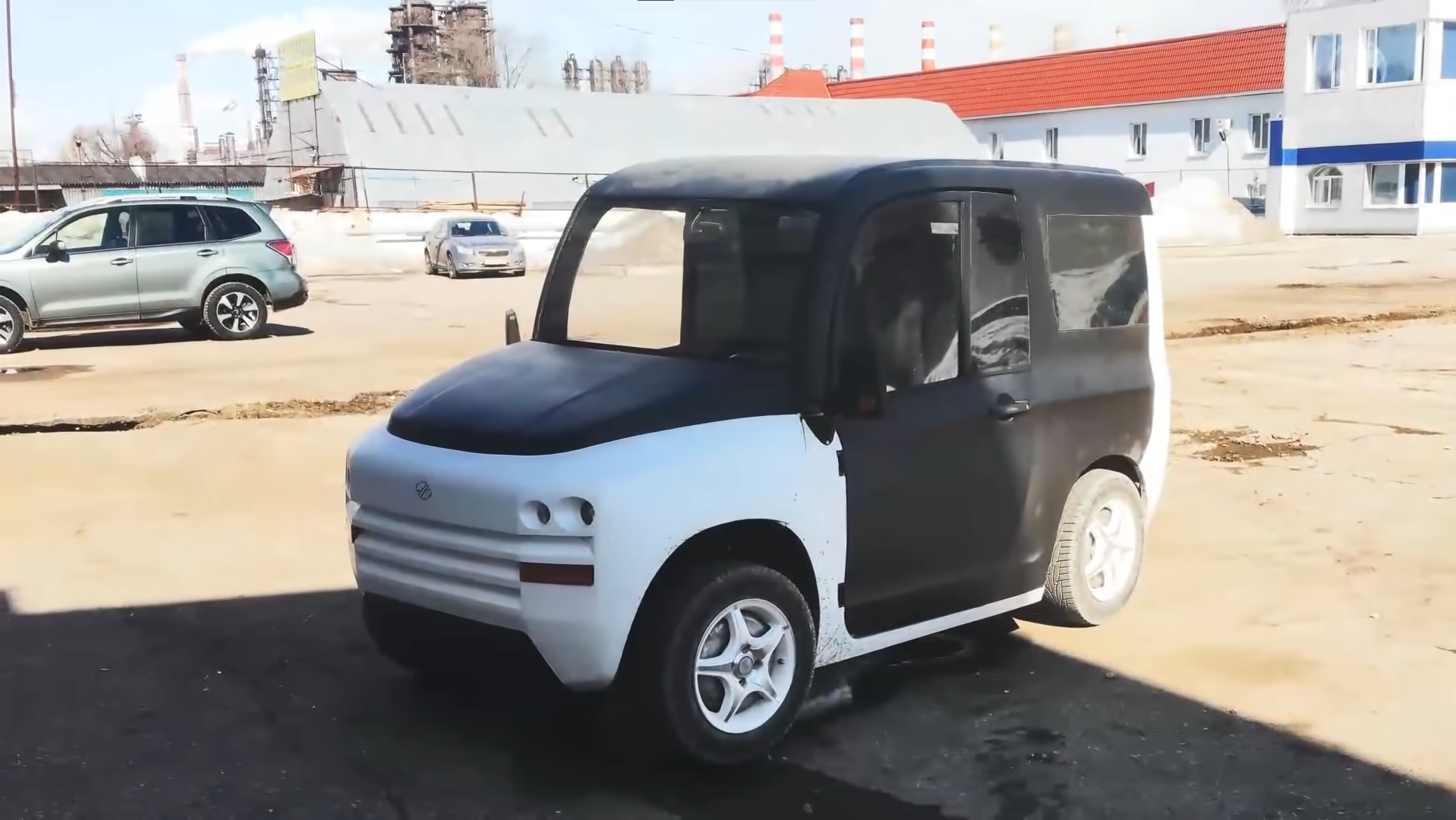
The Moscow Times reports the ministry’s claims that, by 2030, there could be 1.5 million EVs on Russian roads.
Presently, EV manufacturing in Russia is almost non-existent, with only a mostly exported compact EV called the Zetta (Zero Emission Terra Transport Asset) being built locally.
Early reports say the company only planned to build 15,000 a year, with 10,000 destined for export. Each unit is said to cost from ₽450,000 (AU$8300).
According to Reuters, Russian EV infrastructure and uptake has been slim, with Moscow estimated to be home to 2000 EVs, with 200 charging stations planned to be built annually starting this year.
News surfaced last week that a rise in COVID-19 cases had seen the New York motor show cancelled for a second year, leading to questions around the planned debut of the new 2022 Nissan Z at the event.
This weekend, however, the Japanese company has confirmed it will not delay the big reveal, meaning fans of the iconic Z badge can expect to see the new model revealed on August 17 (18 in Australian time) as scheduled.
“The global reveal of the all-new, next-generation Nissan Z sports car will still be held on Tuesday, August 17, despite the cancellation of the New York International Auto Show,” a Nissan spokesperson told American website CarScoops.
The date is in line with confirmation back in June that the company would unveil the new Z at an event that would run ahead of the New York motor show before then going on display at the show.
For more on the new Z, see our developing story below and visit our Z landing page here.
UPDATE, August 18 2021: The new Nissan Z has now been officially revealed. READ IT HERE.
The story to here
July 3, 2021: In what could only be a “let’s leave the cover off and see who spots it” bit of social media manipulation – not that we’re complaining – the new Nissan Z has been spied once again.
Caught by Youtuber ‘MrFixIt’, the new Z – rumoured to be called either 400Z or, more recently, simply the Nissan Z – is wrapped nose-to-tail in confounding camouflage. The images further down in this story reveal more of what we can expect, but it’s no secret the production car will be nearly identical to the ‘concept’ that preceded it.
Check out the video below, and continue scrolling for earlier coverage.
The story to here
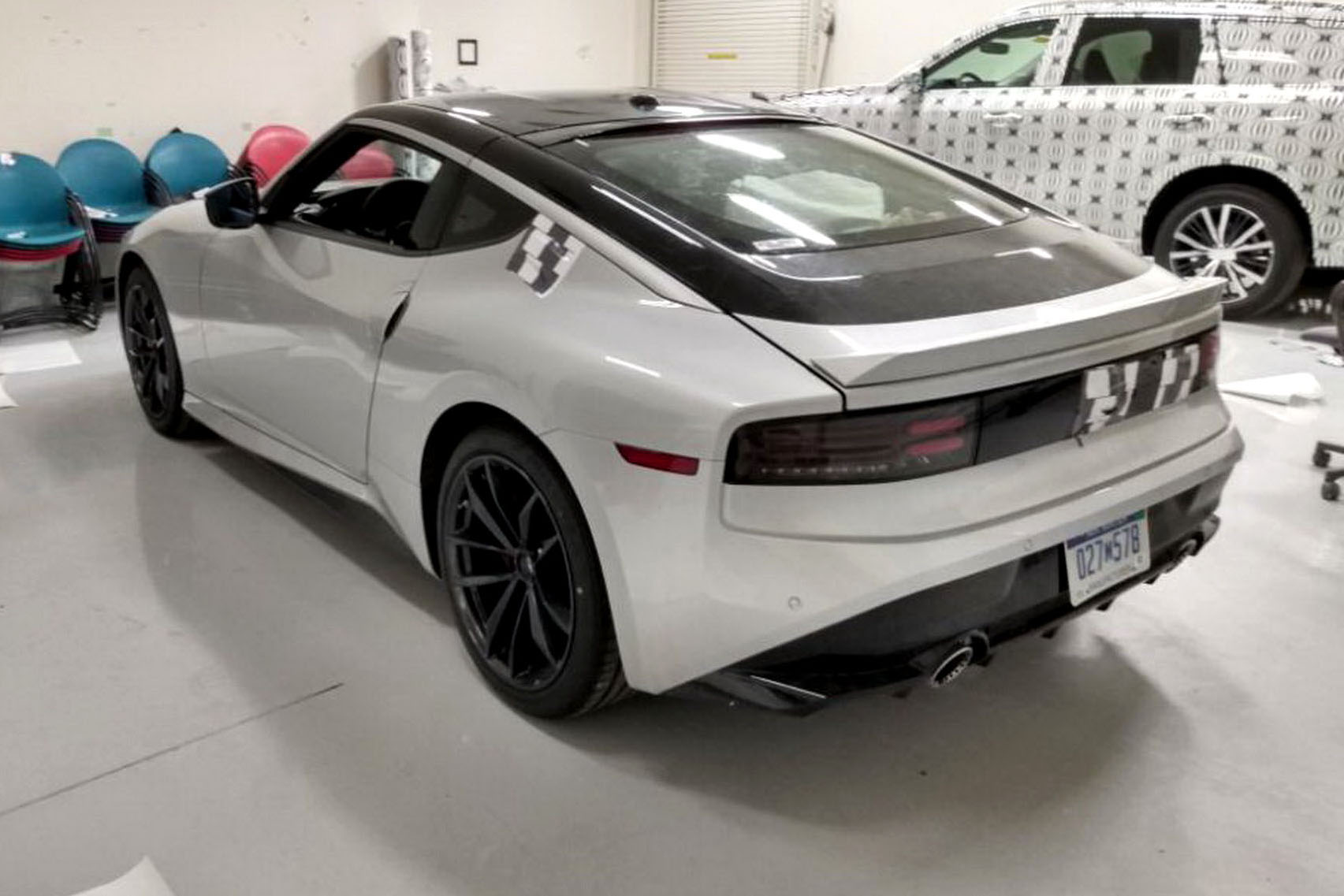
April 7, 2021: Nissan’s upcoming new Z car – now expected to be called simply Z rather than the long-rumoured 400Z name – has been spied once again in a trio of leaked images from a warehouse or factory location.
These new photos, posted to the NissanZClub.com community, show the new coupe again in a silver colour, with its Z badges taped over.
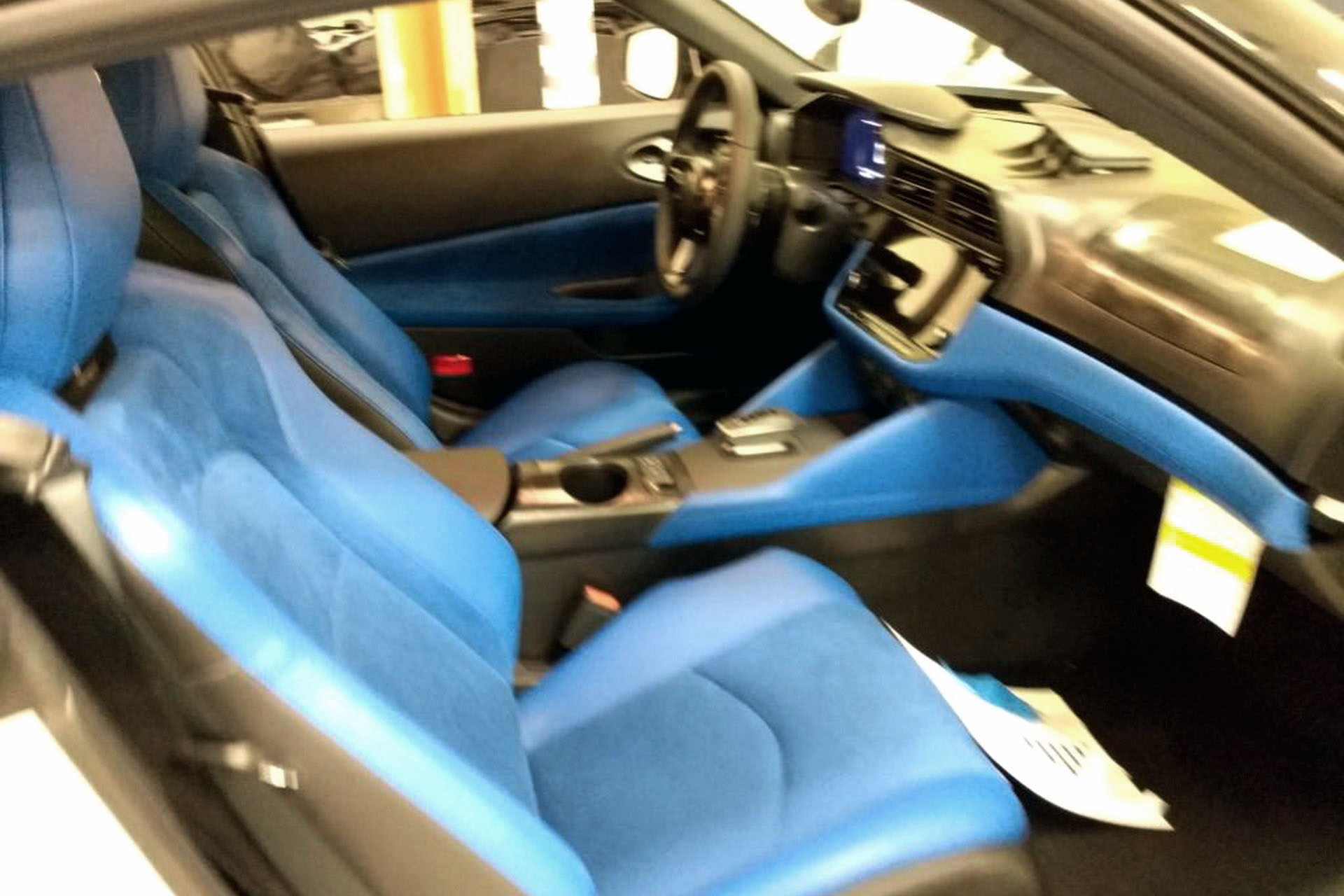
We can also see a blurry new look at the upcoming Z car’s cabin, shown in a new black-and-blue trim.
Inside and out, it’s clear the new Z car will land largely identical to the Z Proto concept that precedes it, but an official unveiling date is still to be confirmed.
Catch up on the rest of the story below.
March 27: More details of Nissan’s 370Z successor have been leaked online, and there are some big surprises.
According to the forum, 400ZClub.com and its member “Houston.Z35”, the long-rumoured “400Z” moniker has reportedly been scrapped.
Instead, Nissan will globally name its new sportscar simply as the “Z”, apart from the Japanese domestic market, where the fabled “Fairlady Z” namesake is expected to be revived.
The new Z will have a dry weight of 1475 kilograms, and although based on the same chassis as the outgoing 370Z, Nissan has apparently heavily massaged the car’s architecture with more aluminium, carbon fibre and bracing used in its construction.
The leaker confirmed the VR30DDTT twin-turbocharged 3.0-litre six-cylinder engine currently found in the Infiniti Q60 Red Sport would be slotted into the Z’s engine bay, with power rated at around 300kW.
Power will be sent to the rear wheels via a six-speed manual transmission as standard, however, the leaker claims Nissan will not use a rumoured seven-speed dual-clutch transmission or its old Jatco seven-speed automatic transmission found in the Q60 Red Sport, but rather Mercedes-Benz’s 9G-Tronic nine-speed torque-converter automatic gearbox.
The leaker added that the Germanic nine-speed auto, which can already be found in Nissan’s Titan and Frontier models in North America, will be the gearbox of choice for all future rear-wheel drive Nissan and Infiniti products.
There will be a number of models with different options and trim specs available from launch, although Nissan Australia will most likely cherry-pick certain performance parts and other features to create just one locally available specification.
North American pricing was also leaked, with the base Nissan Z with no options said to cost $34,995 (roughly $45,000 AUD).
We wouldn’t be jumping for joy just yet with America’s price unveil though – by the time a better-optioned, Aussie-spec Nissan Z arrives on our shores, the price will have most likely swelled past the $60,000 mark.
A Nismo variant of the new Z is also reportedly under development at the performance arm’s Omori factory, but the leaker admitted that all he had heard about the performance-focused Z so far is “Brembos” and “Baby GT-R”.
March 23: Pictures have emerged online of what looks to be a production-spec example of Nissan’s hotly-anticipated 370Z replacement.
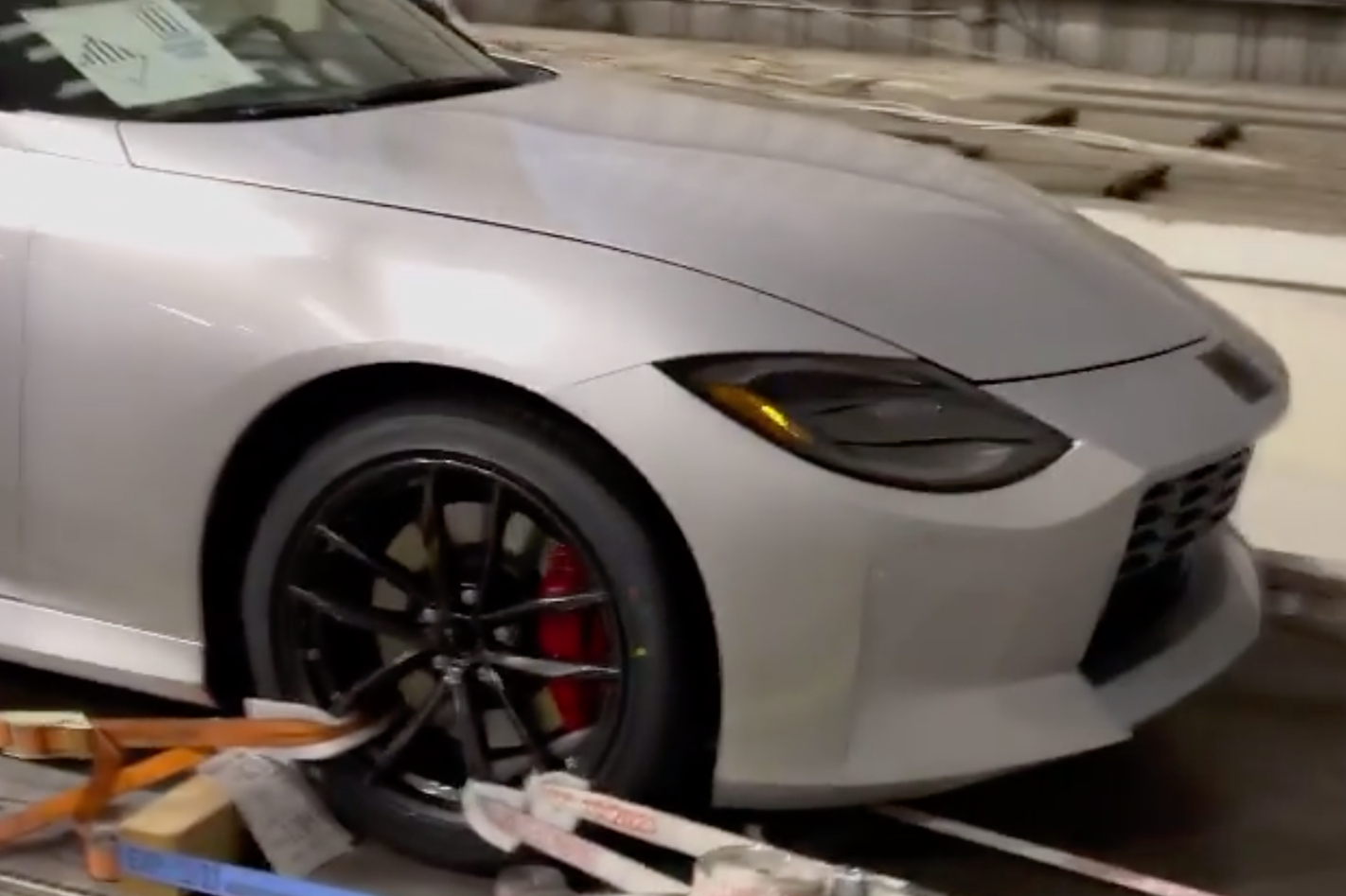
Rumoured to be called the 400Z, these crystal-clear images and videos, published by @laidoutdc4 on Instagram, show a charcoal grey metallic example of the next Z car.
It also appears to be faithful in design to the already previewed Nissan Z Proto that WhichCar got to spend some time with last year.
The front of the car and its long, muscular bonnet seems to be unchanged, as does the headlight configuration with daytime running lights covering the outer edge of the headlight unit.
What is different for the front of the car is a chrome trim to the top row of the slotted grille, accentuating the design more clearly than before.
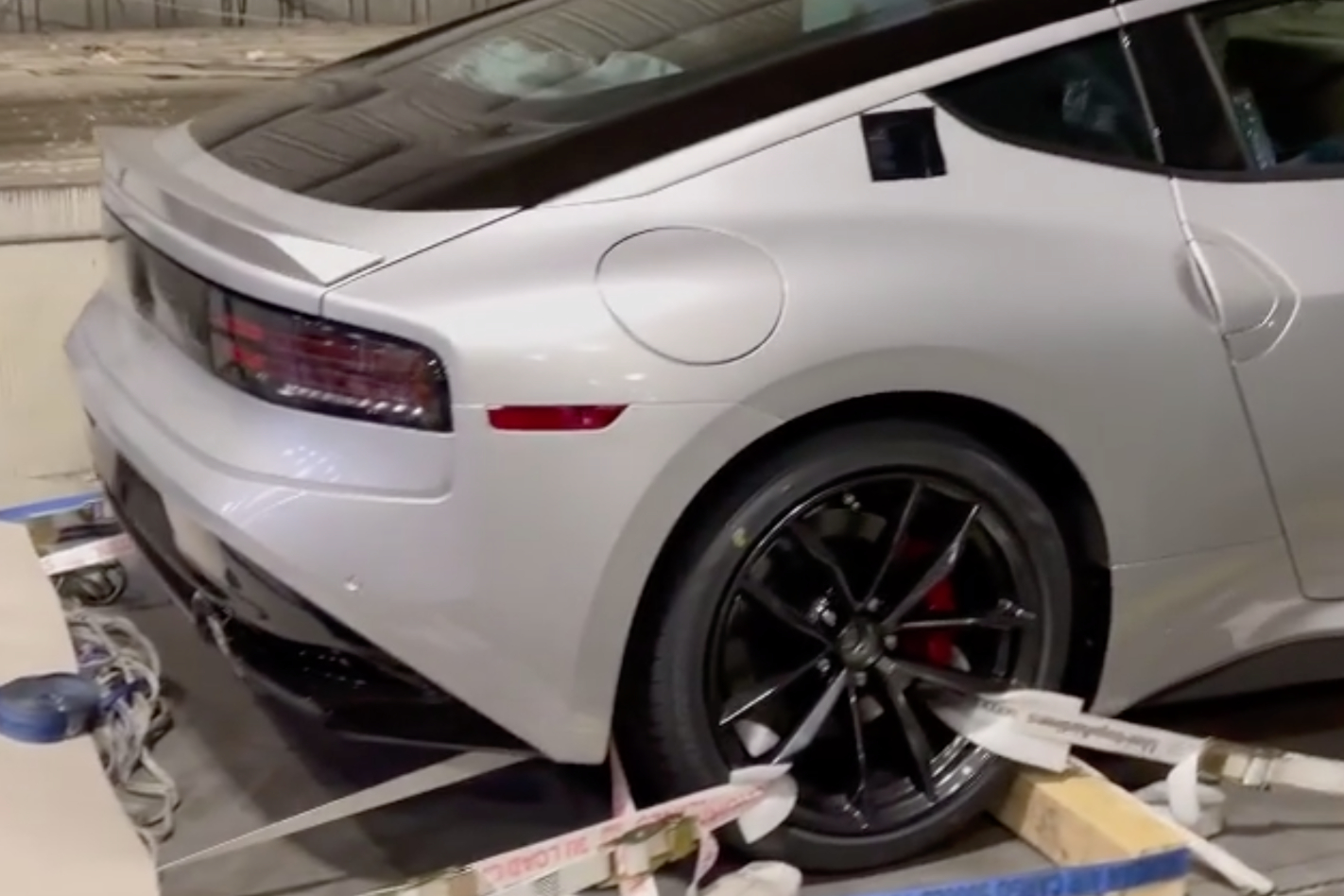
The Z car’s sleek flanks look largely unchanged as well, aside from larger, redesigned door handles and the addition of a thin red reflector strip on the side of the rear bumper.
It’s the 400Z’s rear end where the most change appears to have occurred. There’s now a small lip spoiler – in tribute, no doubt, to the 240ZG’s black item – and Nissan has also ditched the “Fairlady Z” badge. (A shame! – Ed.)
Among the leaked photos there’s even a clear picture of a shiny new interior, and perhaps the most interesting thing about this image is the noticeable lack of a manual gearbox.
In its place, we see fairly prominent blackened paddle shifters nestled behind a satisfyingly round and not squared-off steering wheel. The paddles also look to be mounted directly to the steering wheel, as opposed to being mounted on the column.
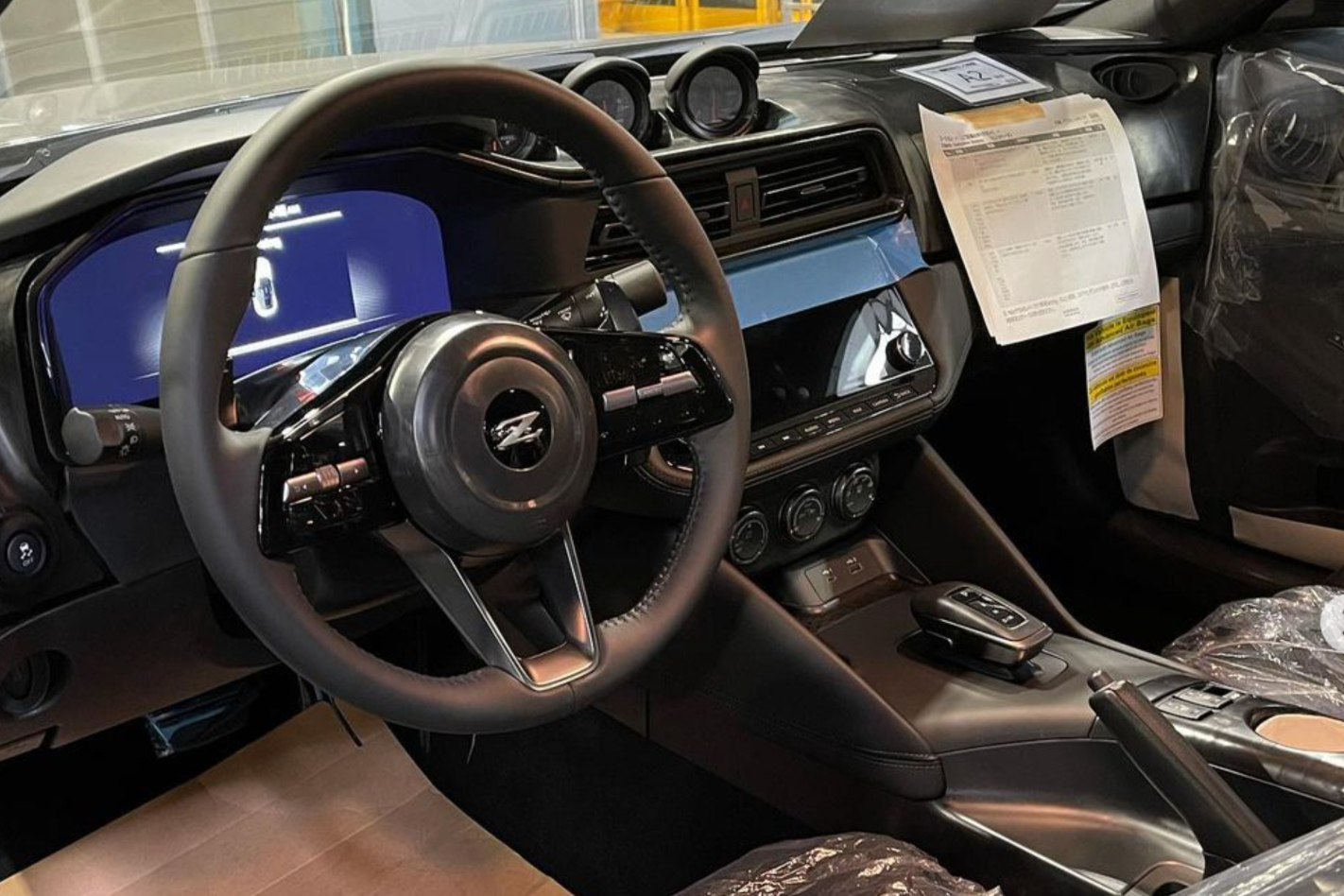
Nissan hasn’t confirmed which automatic gearbox will come equipped in the new 400Z, however, Nissan’s seven-speed dual-clutch unit is expected.
Other noteworthy items in the cabin are the two large digital displays, a USB-C port and a traditional USB port located in front of the gear selector, and weirdly, what appears to be the car’s traction control button located by itself, on the other side of the steering wheel.
WhichCar has reached out to Nissan Australia for comment on these leaked images and any more details about the 400Z, and we’ll update this story when there’s more information.
What started as an innocent enough question at MOTOR HQ about the best track on the F1 calendar has evolved into this – our ranking of every circuit to host a grand prix in 2021.
Using the current calendar as a basis means some circuits are unlisted such as the Marina Bay Street Circuit in Singapore. While the Australian Grand Prix has been cancelled for the second year running, we’ve included Albert Park as we feel it merits ranking regardless of it sees any racing this year.
The basis for our ranking is the quality of races that each circuit has produced in the modern era.
We fully expect you to have a personal version of this list, so make sure to drop your rankings in the comments down below.
Now, let’s get into it.
1. Interlagos Circuit
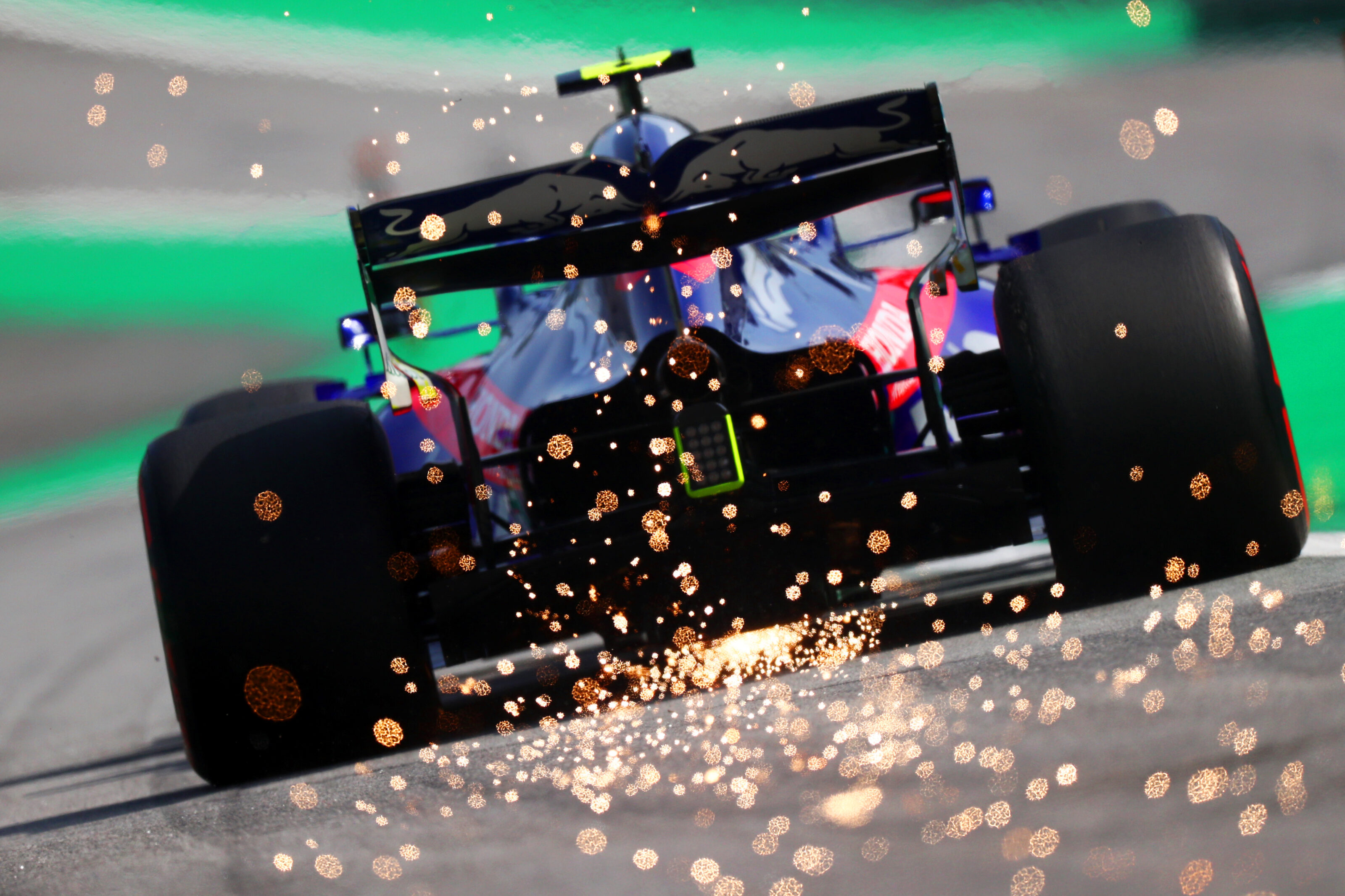
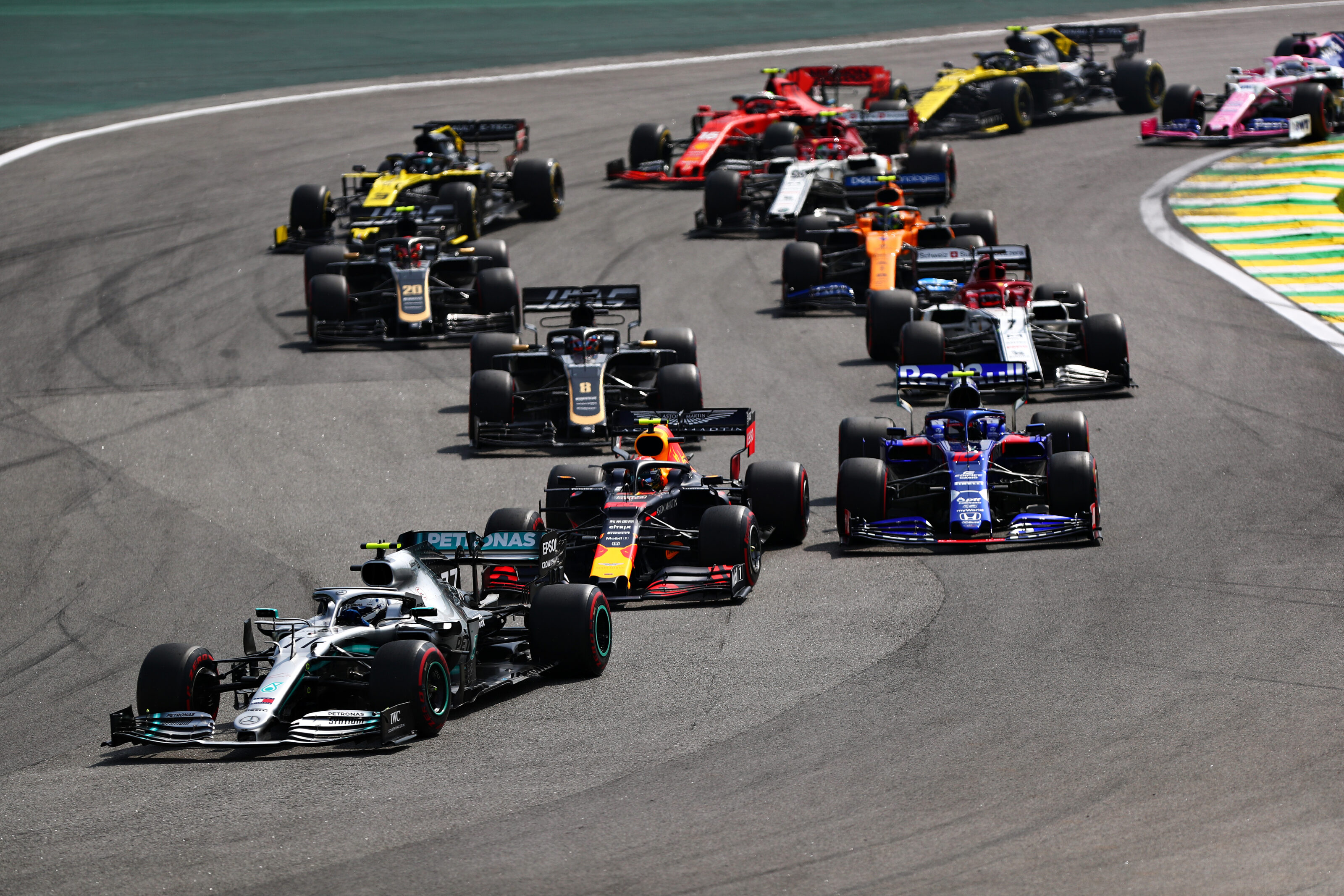
Every part of this circuit is brilliant, from its use of elevation, changing camber, and natural flow. It provides a challenge for both engineers and drivers, but most importantly creates brilliant wheel-to-wheel racing. Not too short and not too long, it falls right into the sweet spot in terms of length. Any new addition to the Formula 1 calendar should endeavour to be as brilliant as Interlagos.
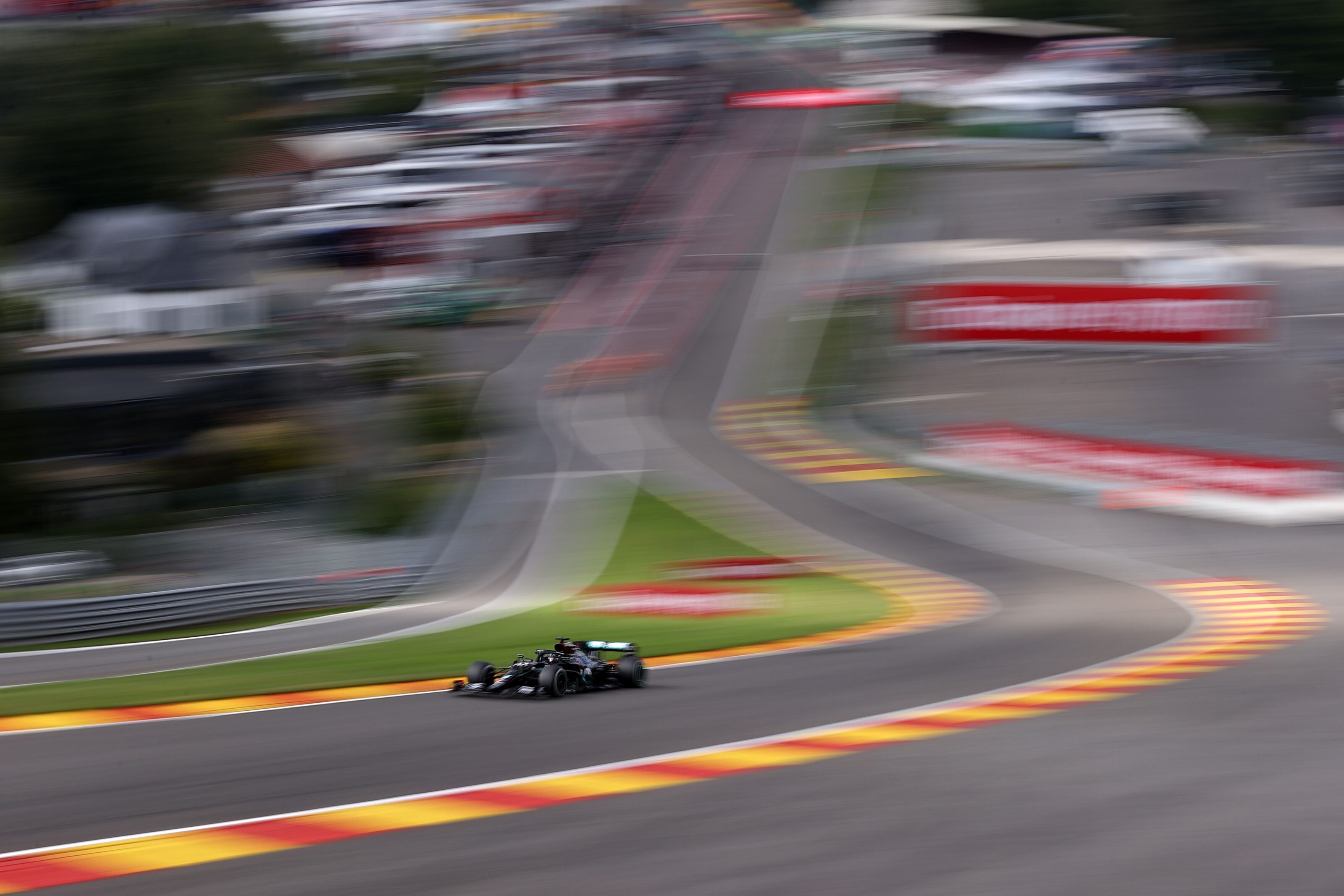
2. Circuit de Spa-Francorchamps
The global racing fraternity is so enamoured with the charms of Spa-Francorchamps that some may view our ranking of it as being second-best in the current F1 calendar as controversial. While it is just beaten out by Interlagos for the top spot, Spa-Francorchamps is undoubtedly one of the greatest permanent racing circuits in the world. Despite having evolved and changed multiple times over the decades, it has lost none of its charms. Don’t listen to anyone that dismisses the Eau Rouge/Raidillon complex being a simple easy flat complex. Drivers still need to give it the respect it deserves, and it’ll bite hard should they get it wrong. But while the start of the lap claims most of the glory, the rest of the Spa-Francorchamps is a masterclass in using the local topography and smart design. Modern F1 machinery can sometimes struggle to battle closely around the circuit, dropping it to second on our list.
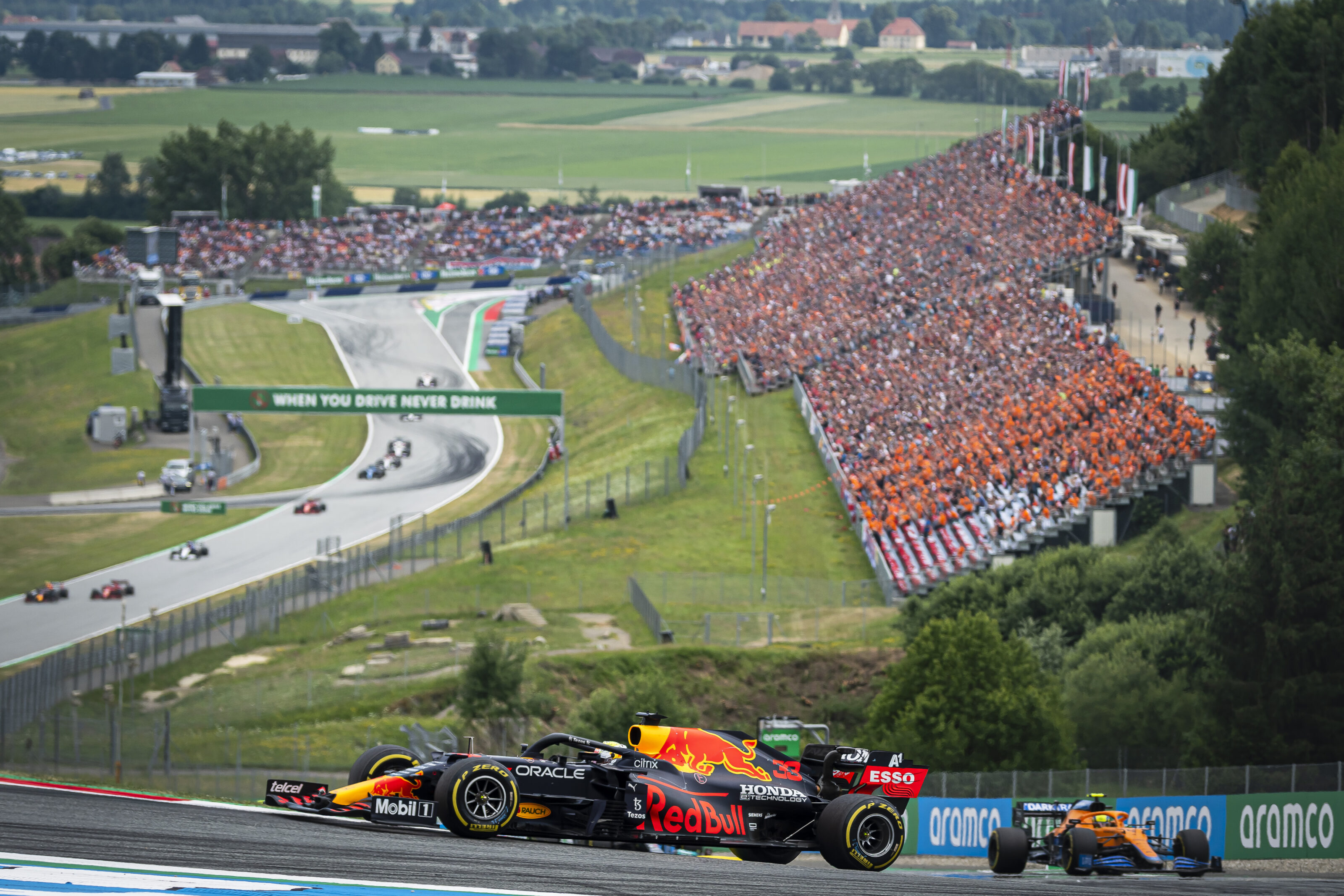
3. Red Bull Ring
While simple on paper, there is no denying the Red Bull Ring can throw up some brilliant racing. The long straights and heavy braking zones make it well suited to modern machinery, and its placement in the Austrian hills means it features some great elevation changes to boot. The lap is short and punchy with few thrills. All thriller, no filler.
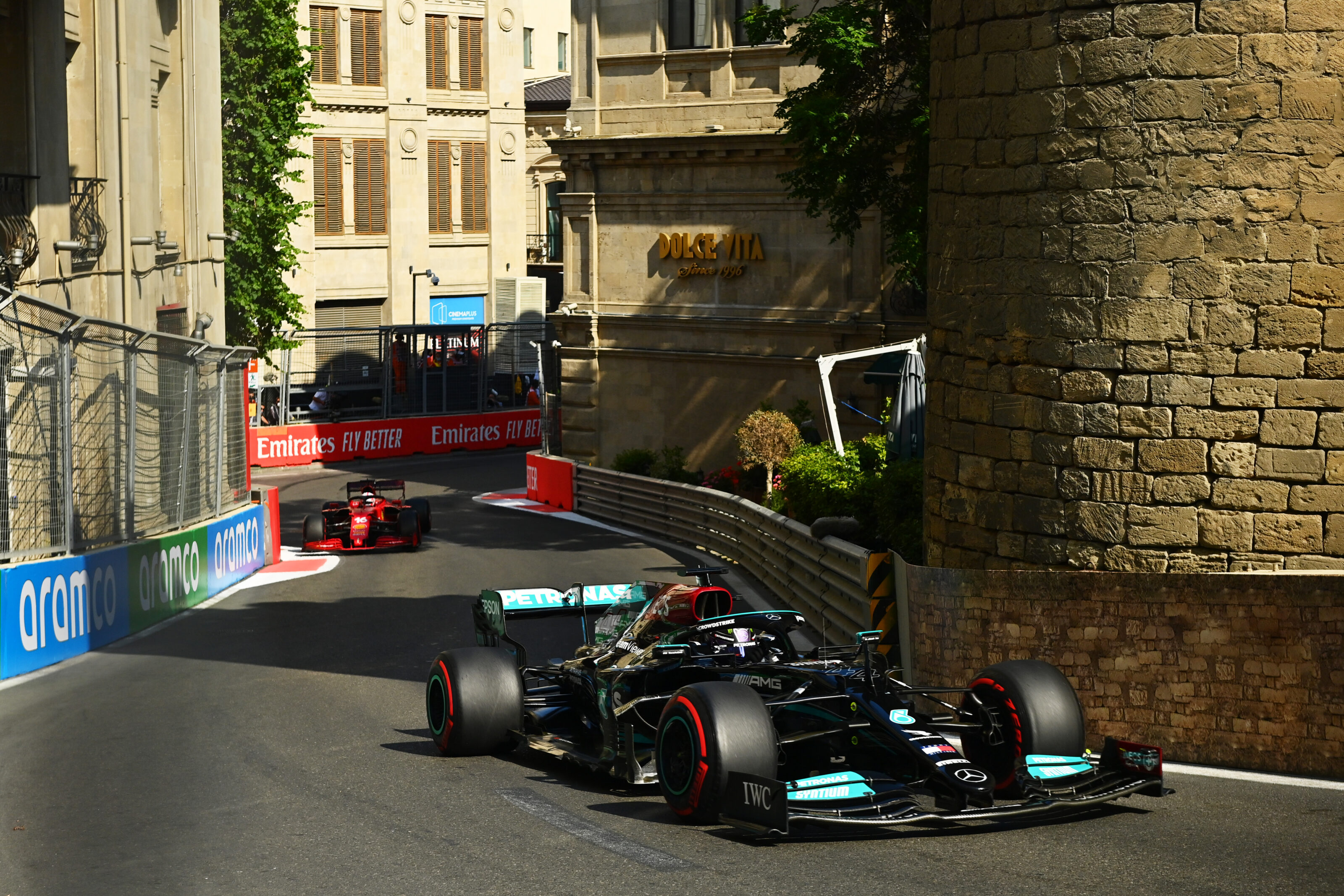
4. Baku City Circuit
The best street circuit on F1’s calendar bar none. While the castle complex is a bit contrived, the rest of the circuit is unfiltered insanity. By doing away with most preconceived notions of what makes a good track, the Baku layout has stumbled upon genius. Turns out ridiculously long straights into 90-degree bends can create some great racing.
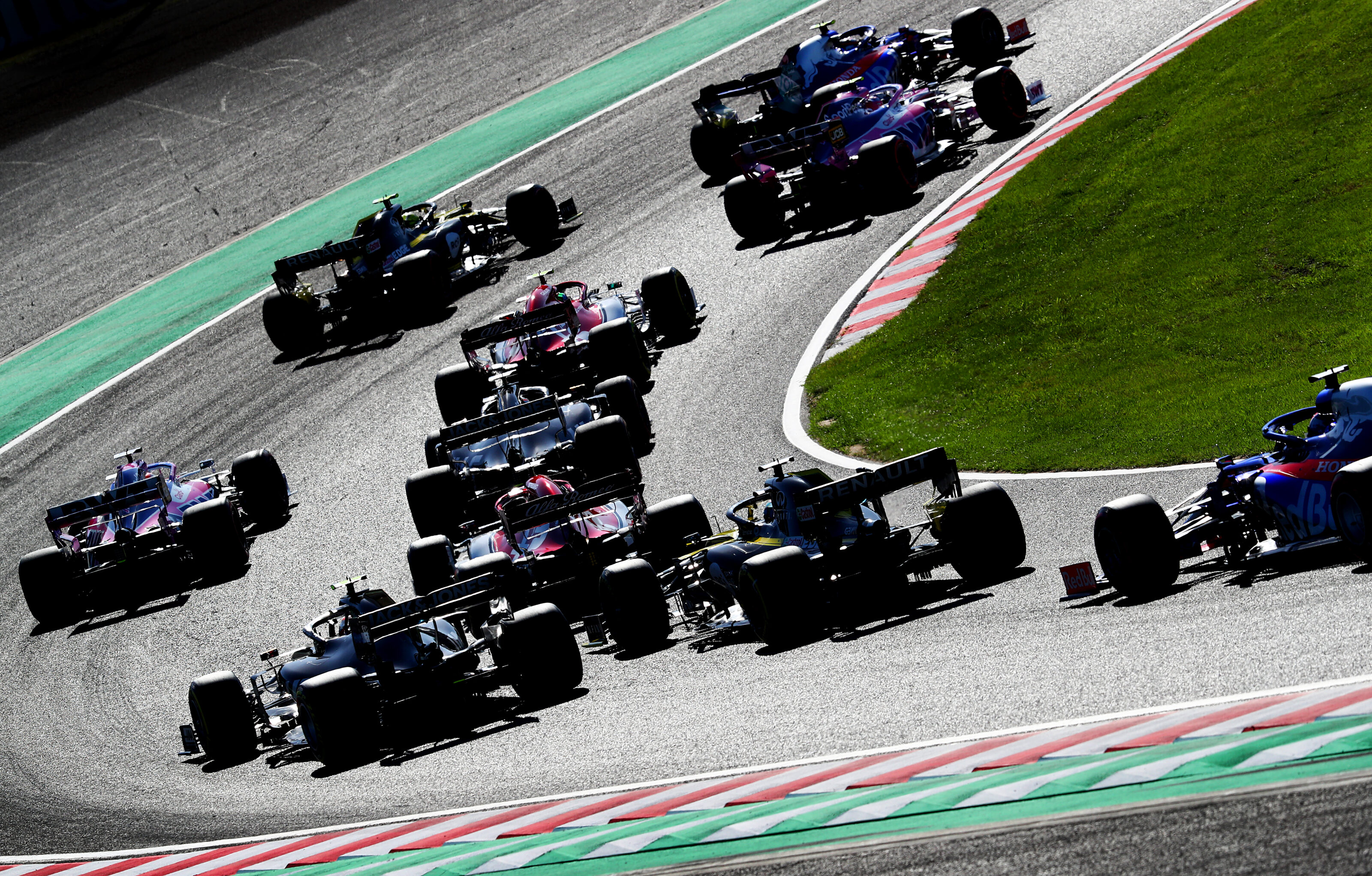
5. Suzuka International Racing Course
Where Baku is one big middle finger to traditional circuit design, Suzuka is an ode to beautiful and flowing race tracks. In modern F1 cars it is seriously fast, and 130R ranks among one of the best individual corners of the whole year.
6. Istanbul Park
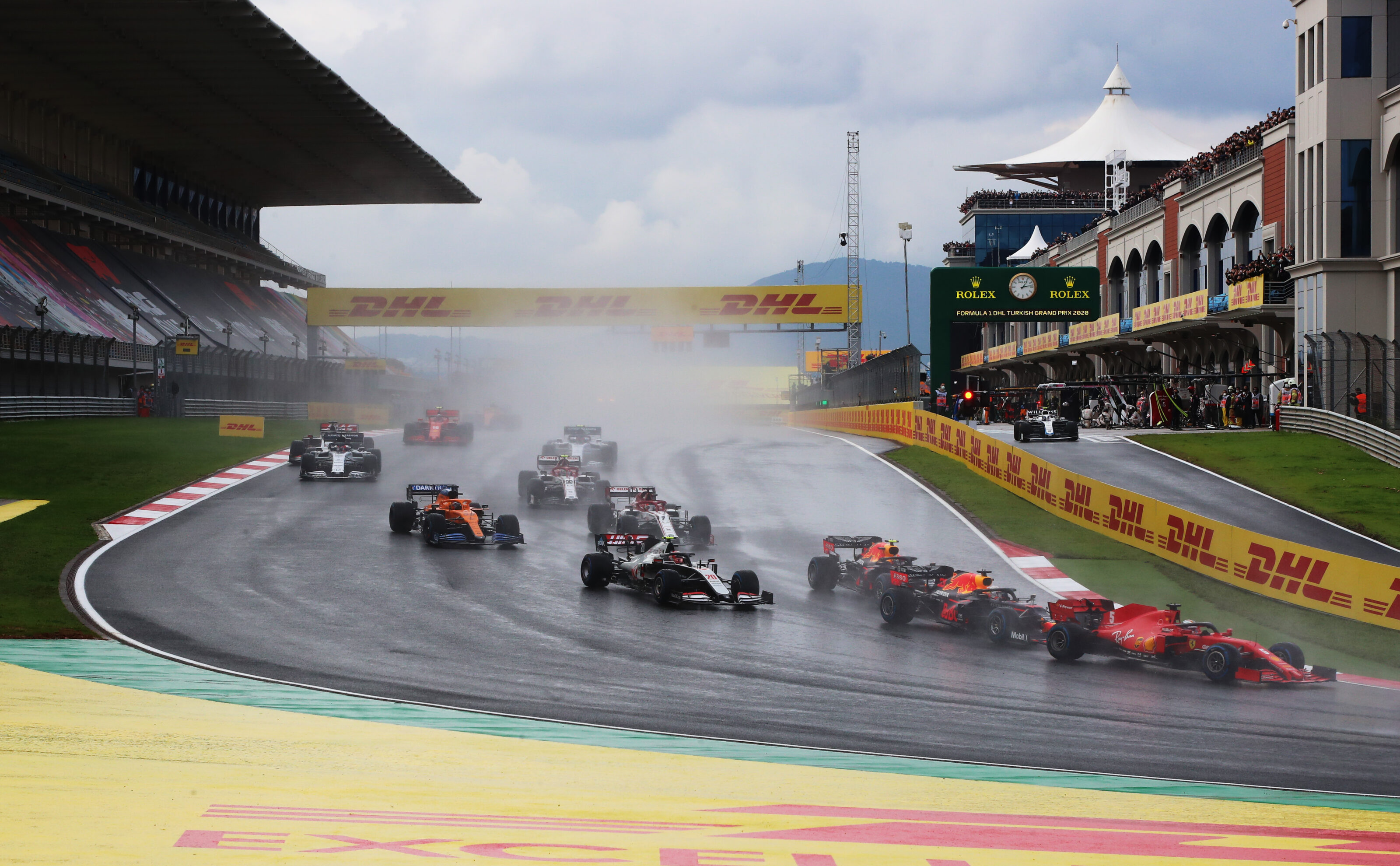
Hermann Tilke gets a pretty rough treatment by the public. He is public enemy number one for anyone who is disillusioned by modern circuit design. While those criticisms aren’t always entirely without merit, few will find fault with Istanbul Park. It is Tilke’s high water mark, and its re-addition to the F1 calendar is a boon for drivers and fans alike. Flowing, challenging, unique, and has plenty of opportunity for good racing. Long may it remain a fixture.
7. Algarve International Circuit
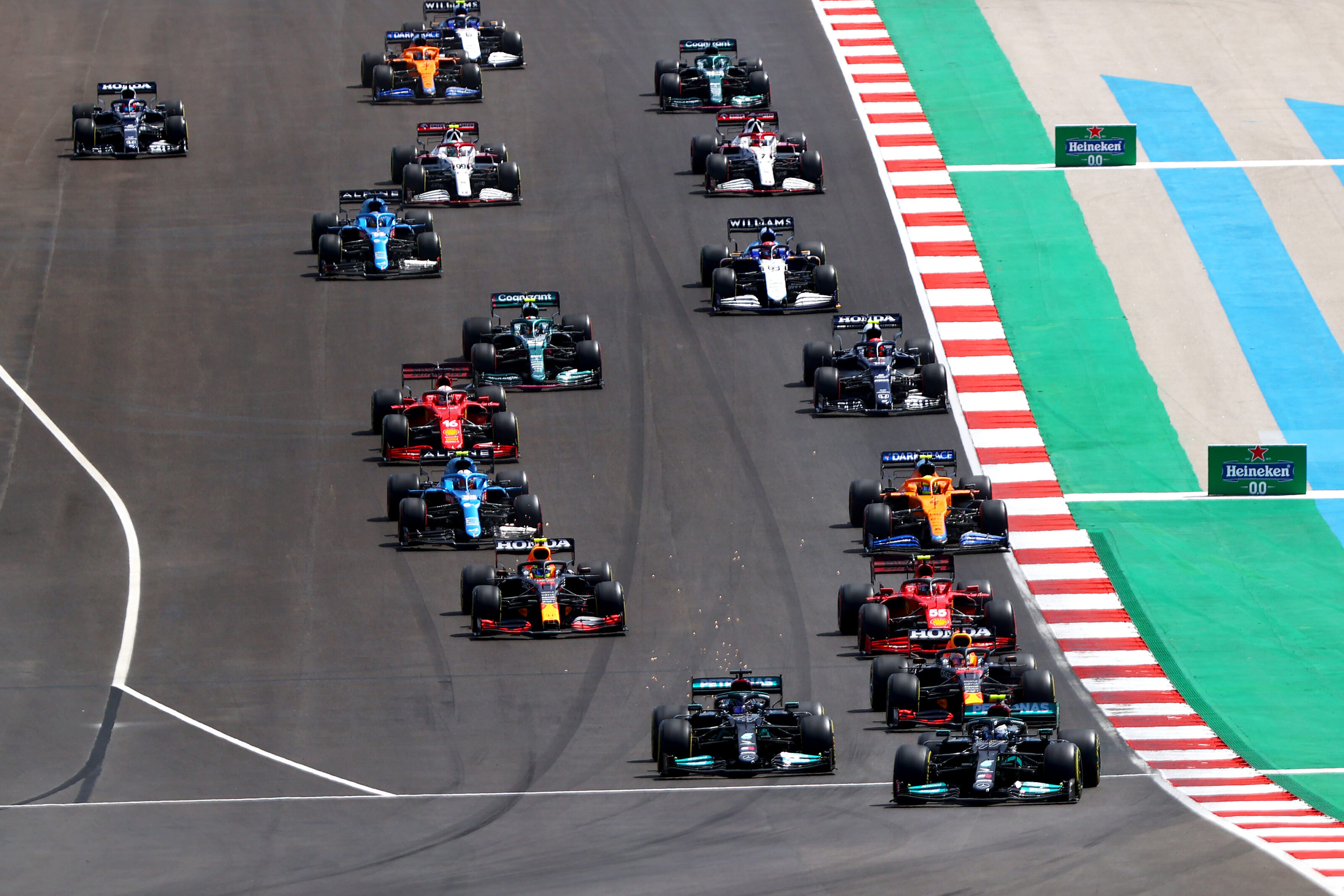
It is a crying shame that it took so long for F1 to race at this flowing Portuguese circuit. F1 tested at the circuit in the late ‘00s, but it didn’t host a proper grand prix at the facility until 2020 threw a pandemic-shaped bomb onto the original calendar. Elevation change is its selling point, with some wild climbs and drops littered through its 4.6km route. The current crop of cars are a touch too aero dependent for the racing to be truly exceptional, but the sheer insanity of the layout earns it a top 10 berth on our list.
8. Monza Circuit
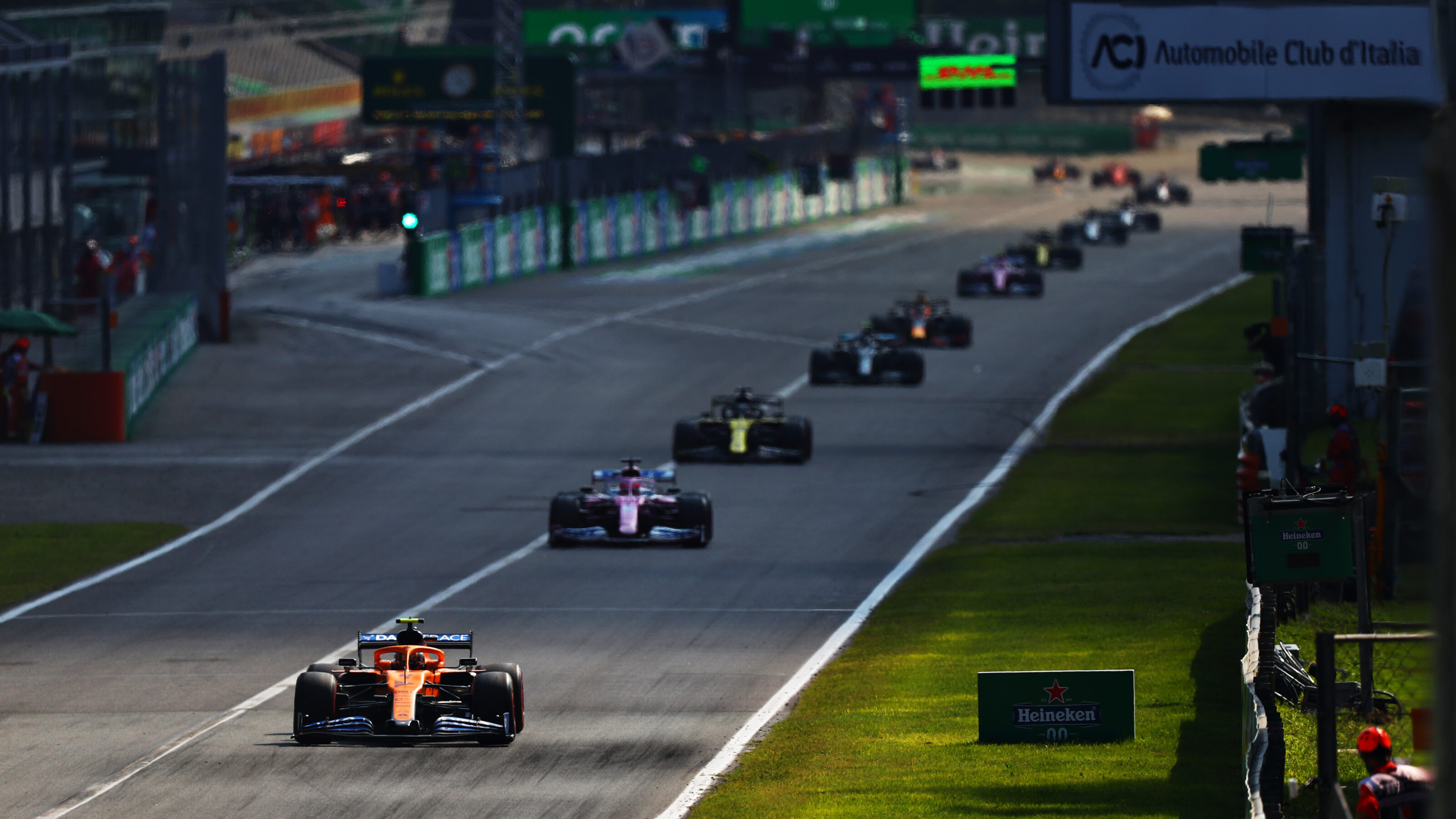
The Temple of Speed is one of the better ‘old school’ circuits that remains on the calendar. Another example of how keeping it simple can often be the best tactic. The chicanes keep speed sane without bringing things to a complete halt, and do add some good overtaking opportunities. Meanwhile there’s big, fast bends like Parabolica that require real commitment, and the front straight is a great slipstream opportunity.
9. Hungaroring
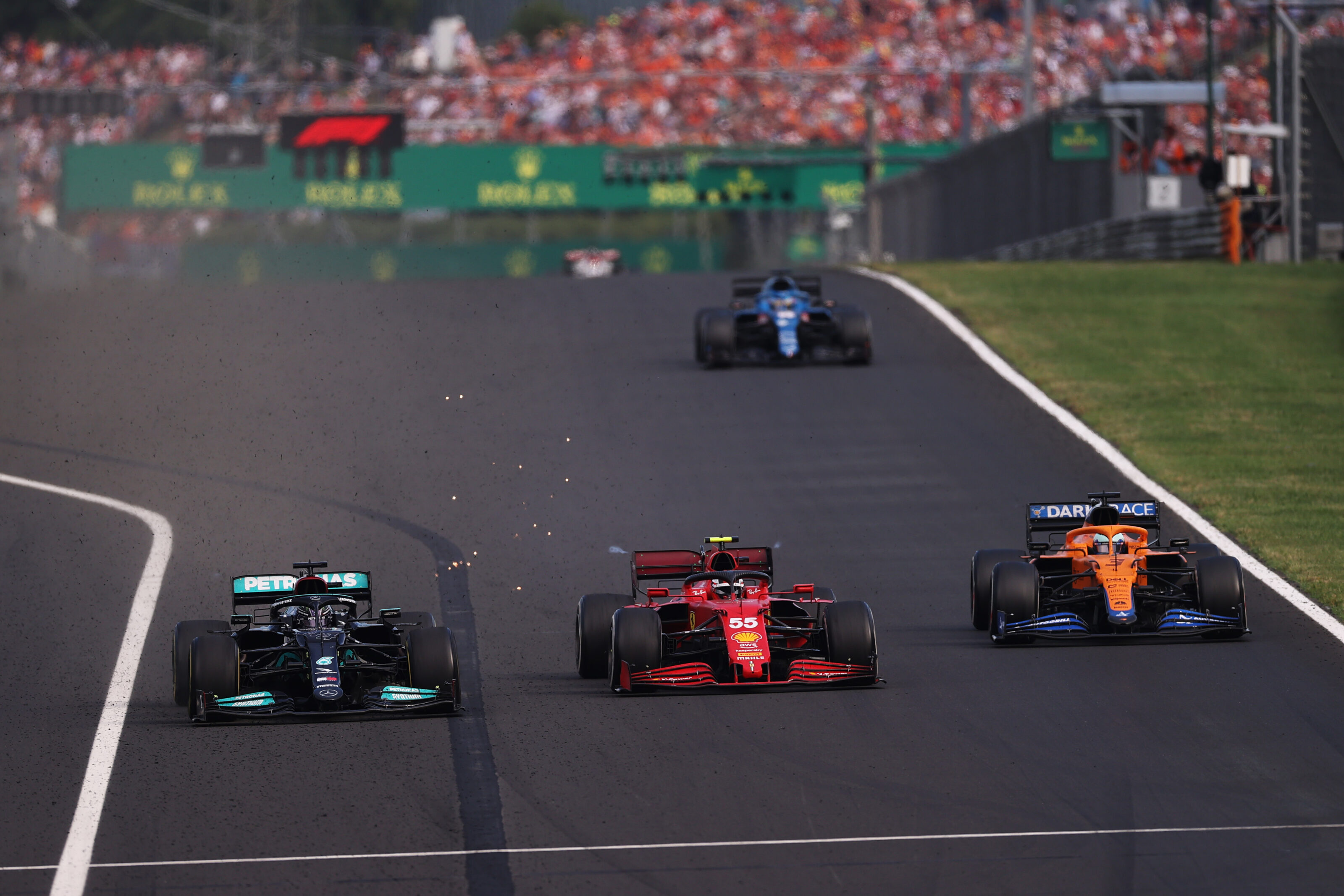
The ‘Monaco without the walls’ nickname is a touch unfair on the Hungaroring. The first series of corners can generate some tense and engaging battles, while the rest of the lap is both short enough and contains suitable elevation change to sustain interest. Track surface also has the right balance of grip and tyre degradation to throw strategy curveballs into the mix.
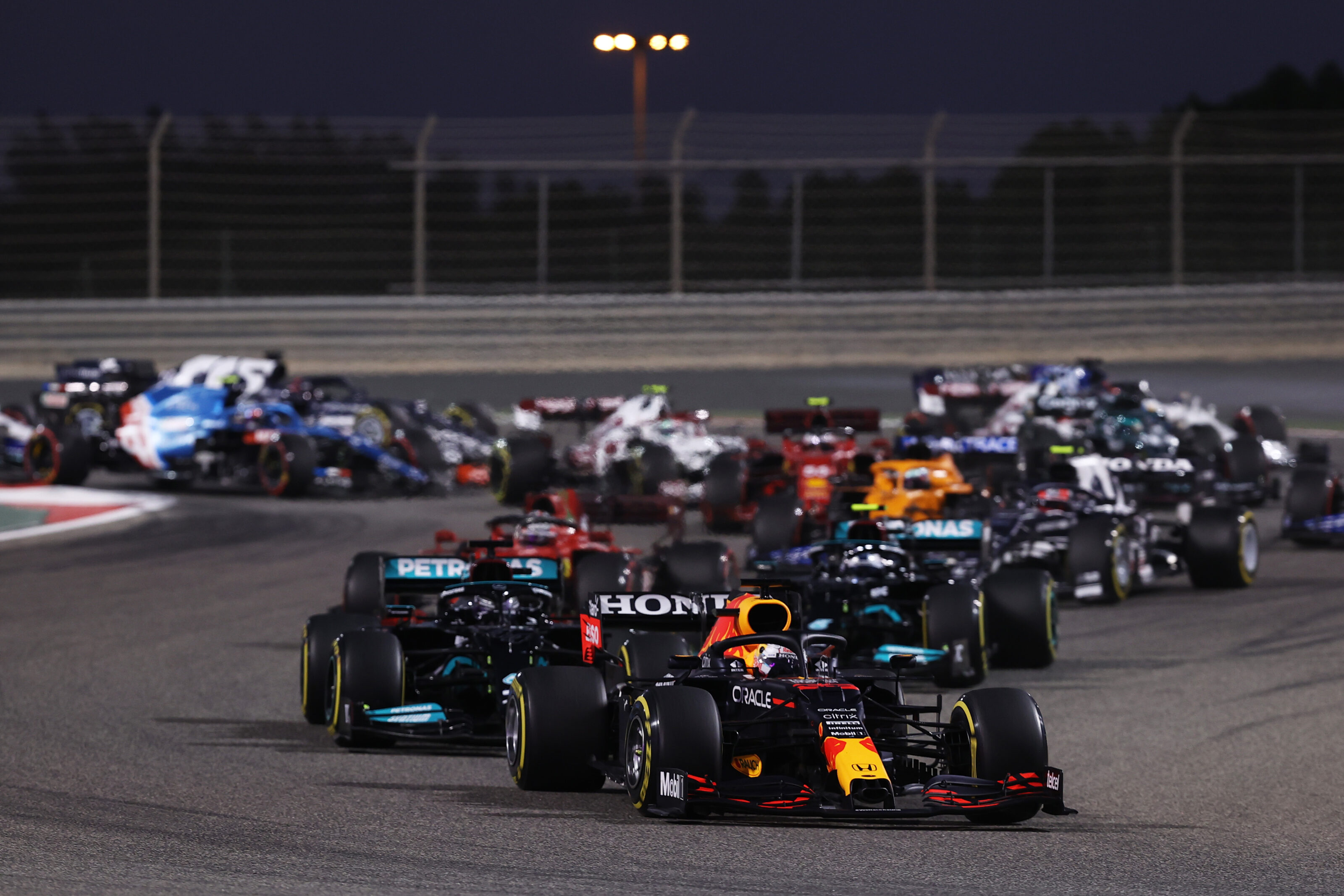
10. Bahrain International Circuit
Could have rated higher if F1 decided to keep running the ‘Outer Loop’ layout that featured in 2020. Starts and finishes strong, but the entire middle of the lap leaves viewers in a fugue state of confusion. Solution: cut it out entirely and just keep the good stuff.
11. Autodromo Hermanos Rodriguez
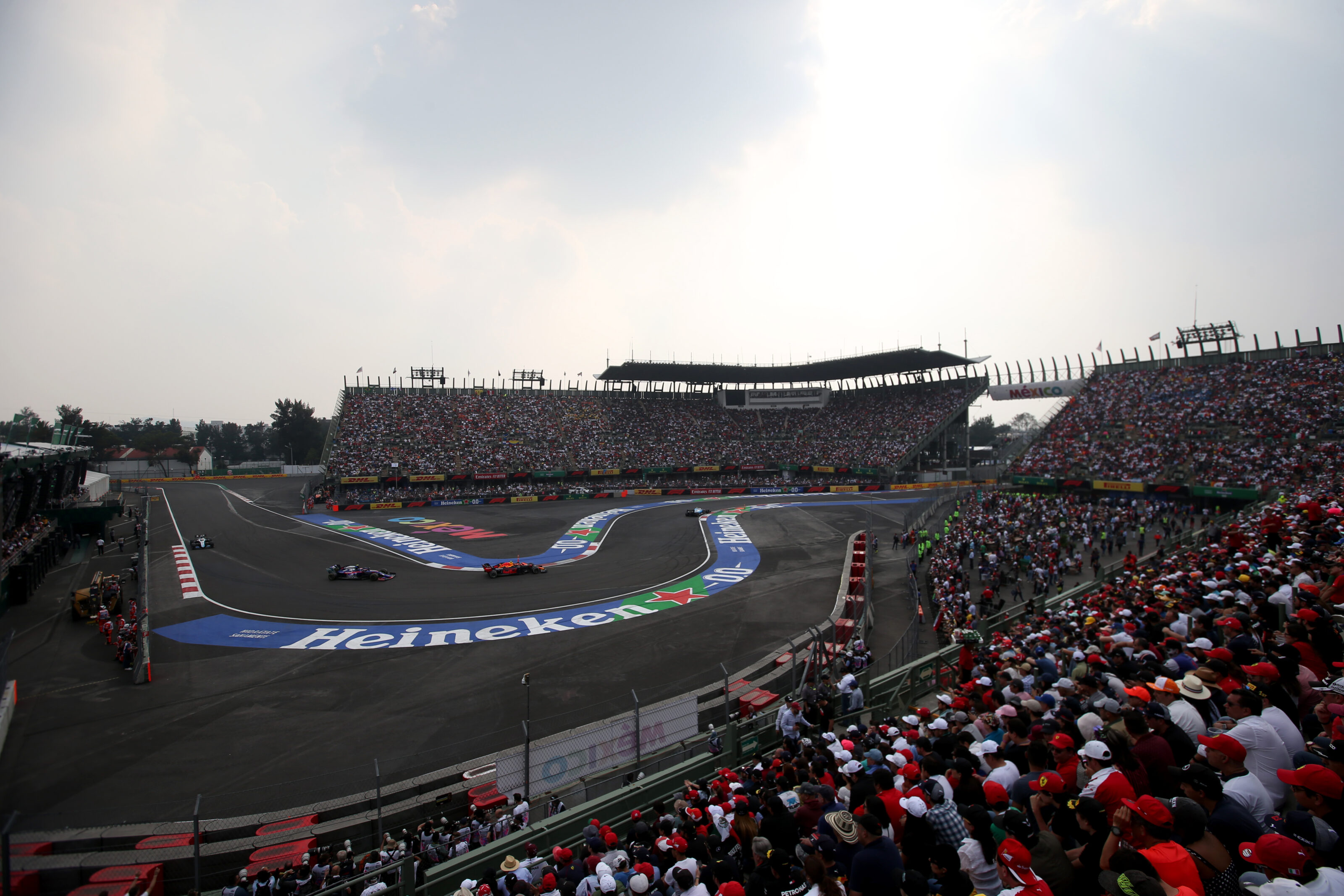
Part street track, part permanent facility, part baseball stadium, Mexico City’s grand prix circuit is a strange hybrid with multiple characteristics. Not all of these gel into a cohesive whole, but there is no denying the ultra-cool stadium complex that features near the end of the lap.
12. Imola Circuit
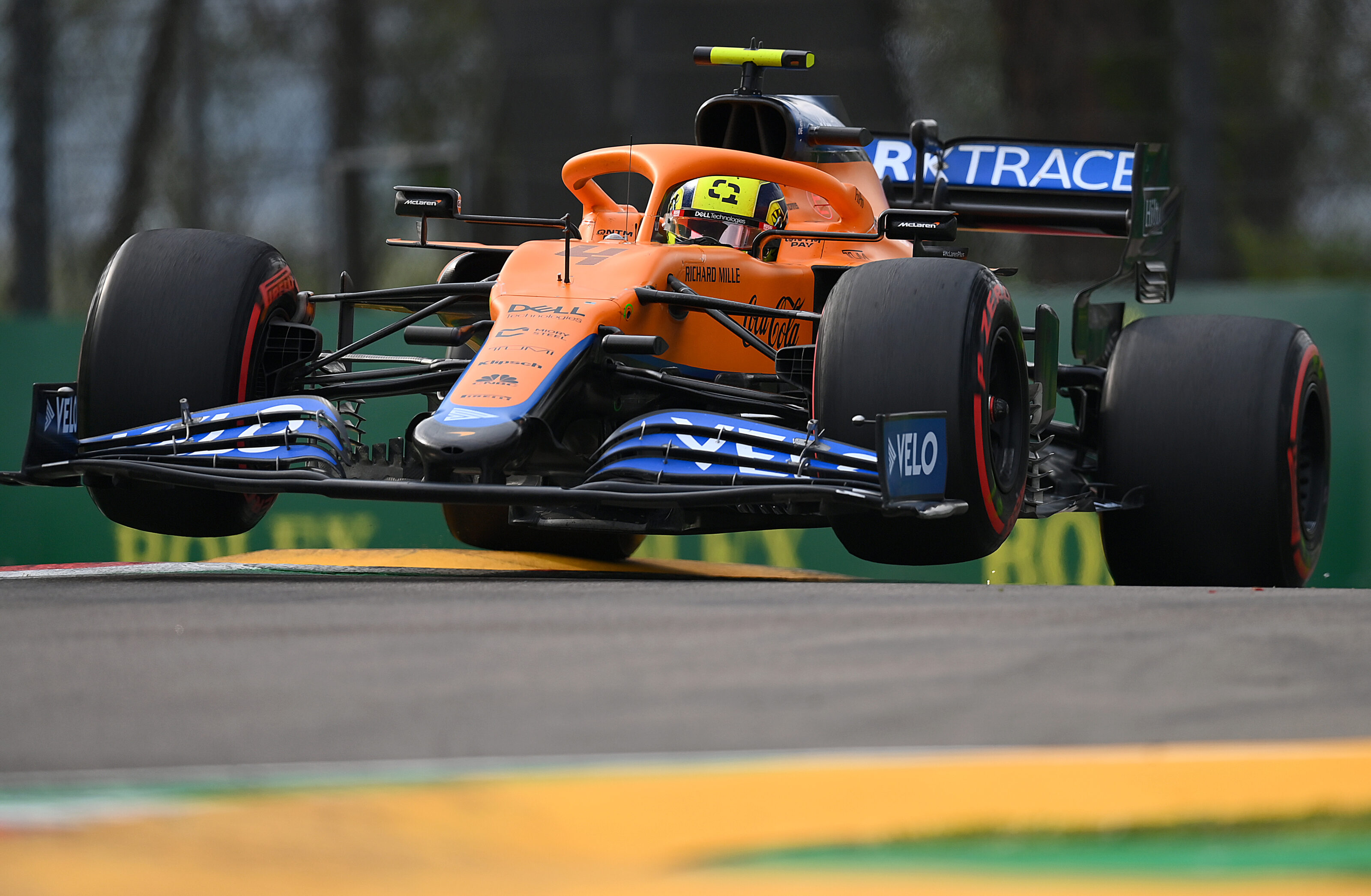
In this day and age Imola feels ever so slightly too small for modern F1 machinery. We hold out hope that the 2022 regulations will result in the kind of racing at Imola that does justice to its old school design.
13. Circuit of the Americas
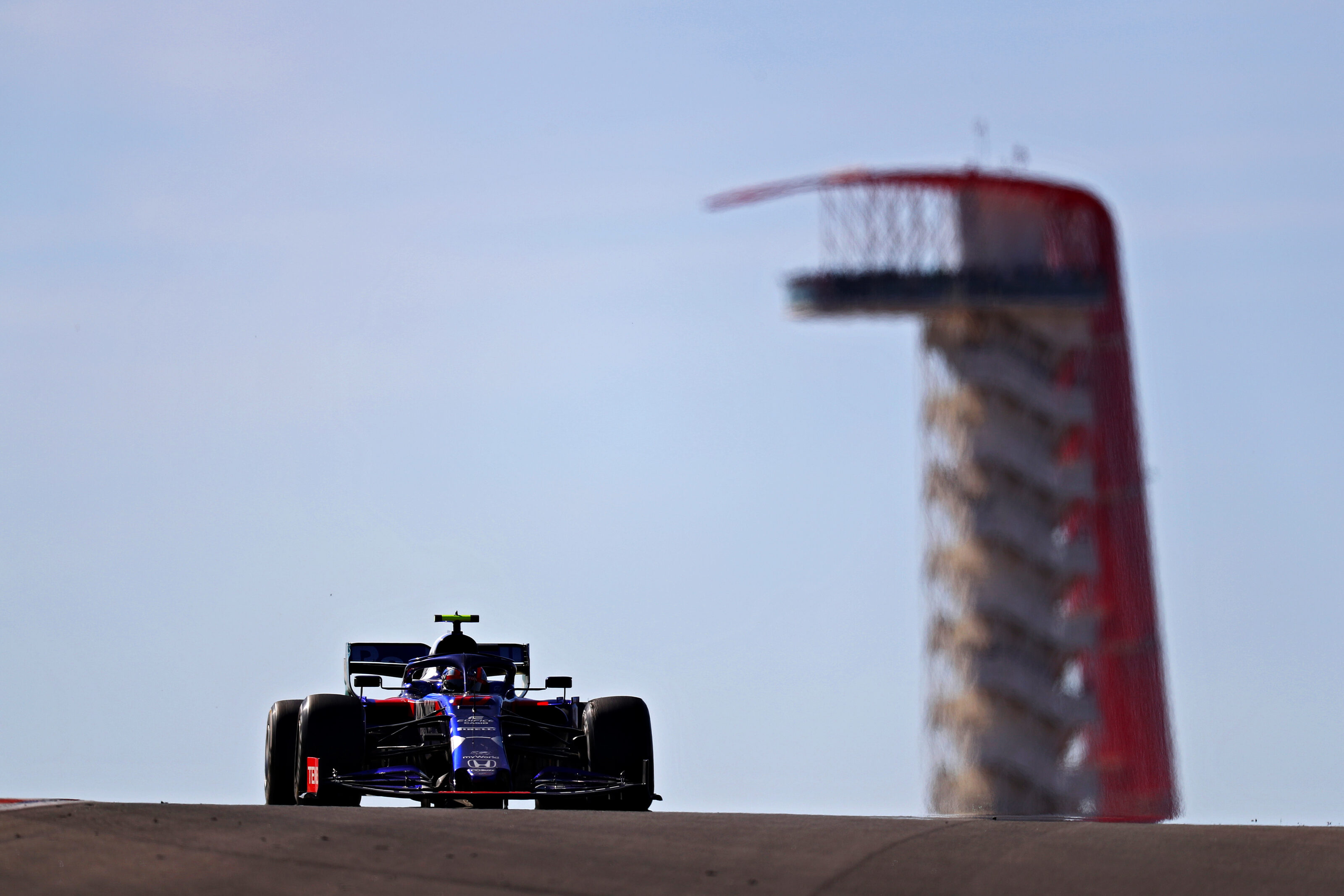
There is a lot to like about Circuit of the Americas, from the big climb toward the first turn, to its challenging series of bends that follow shortly afterward. However, by letting the track surface deteriorate COTA has fallen down this list. Could be higher if they could fix the straights that have warped into looking like motocross tracks.
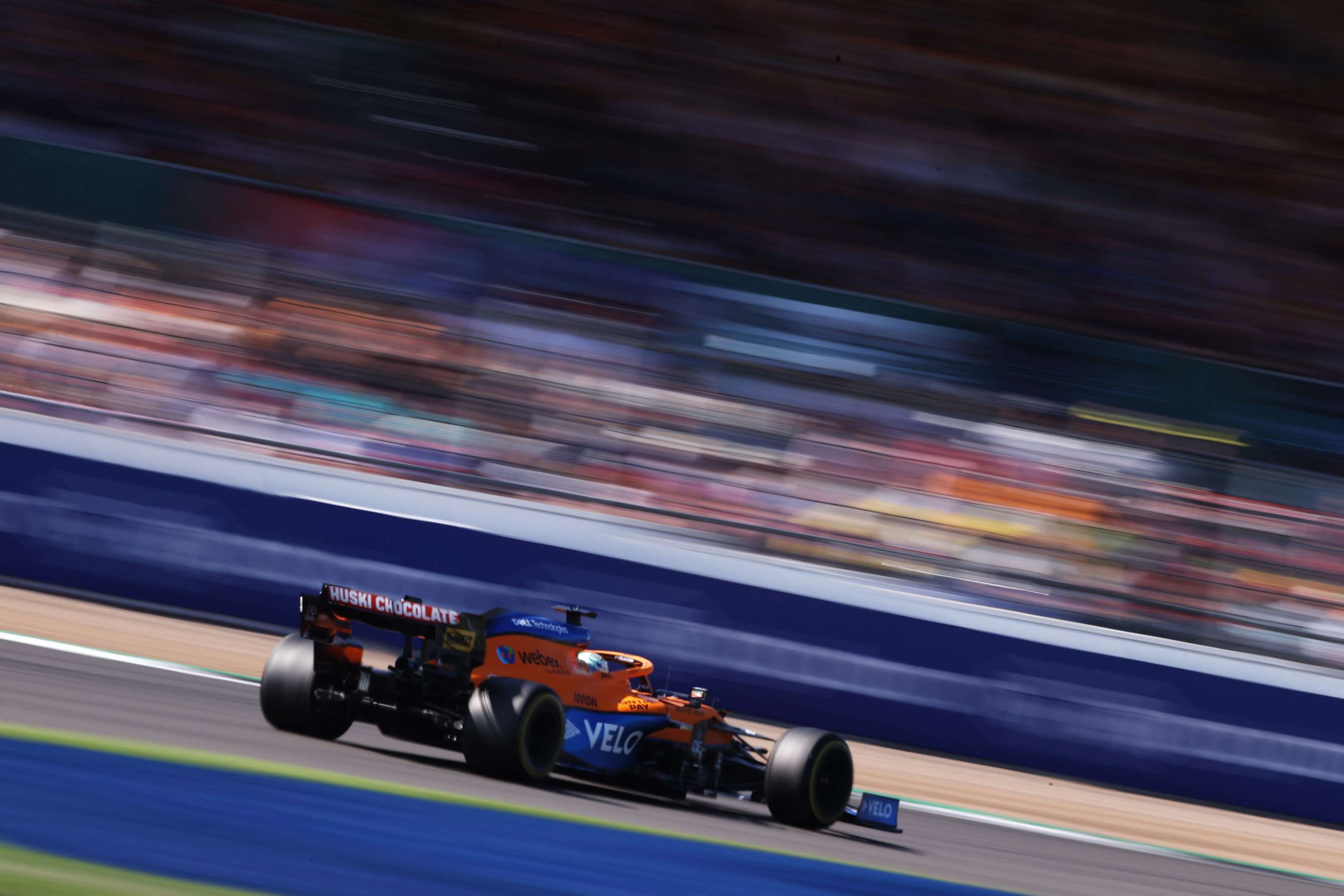
14. Silverstone Circuit
Now just a husk of its former glory. A few relics of its original high-speed nature remain, but it’s roughly 30 per cent too long and feels stale. Saved from falling lower on this list by the handful of bends that do require gulp-inducing commitment.
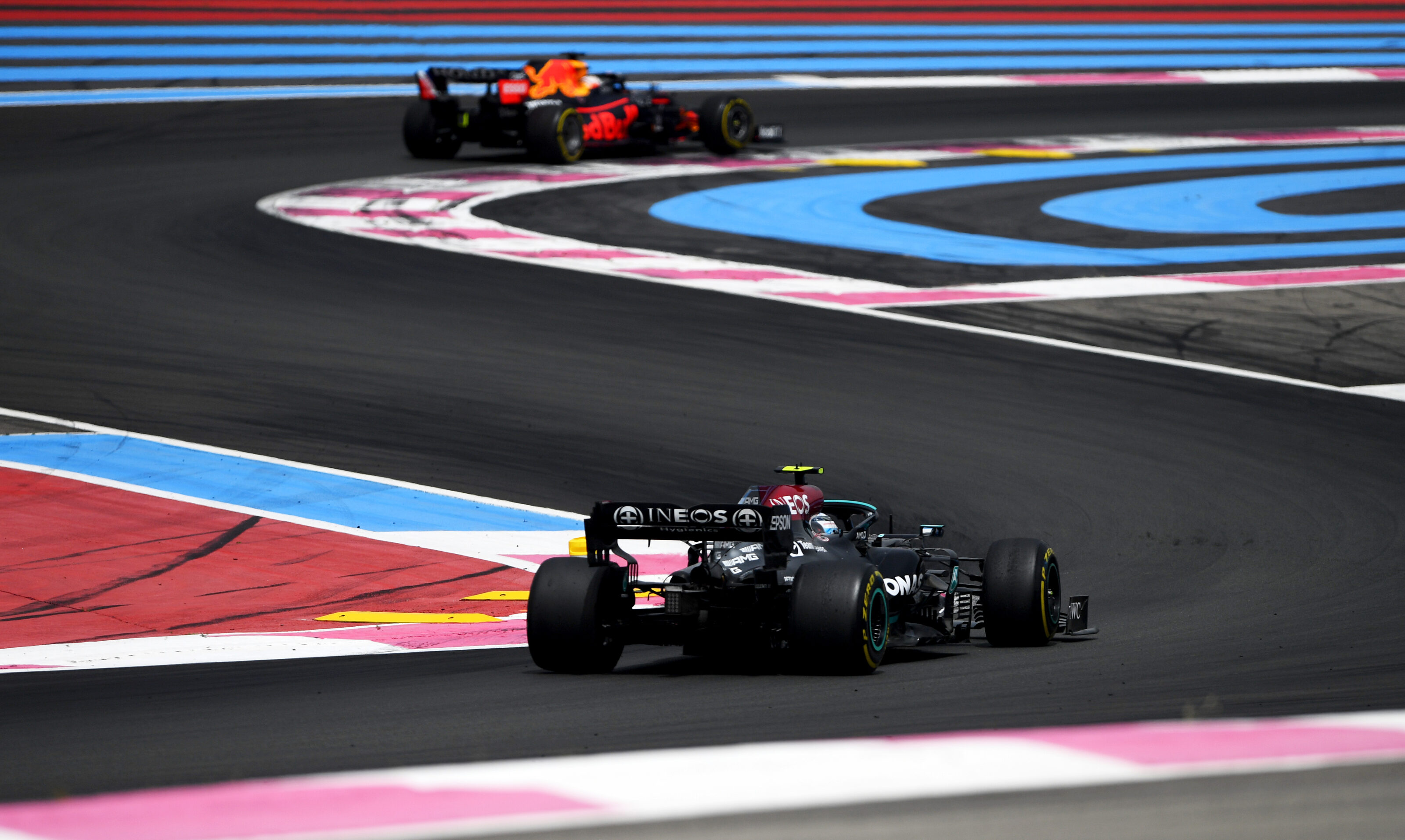
15. Circuit Paul Ricard
Looks more like a zebra crossing that went to a rave than a grand prix circuit. With all those possible layouts surely they could have concocted something more challenging. Makes for some interesting photos at least.
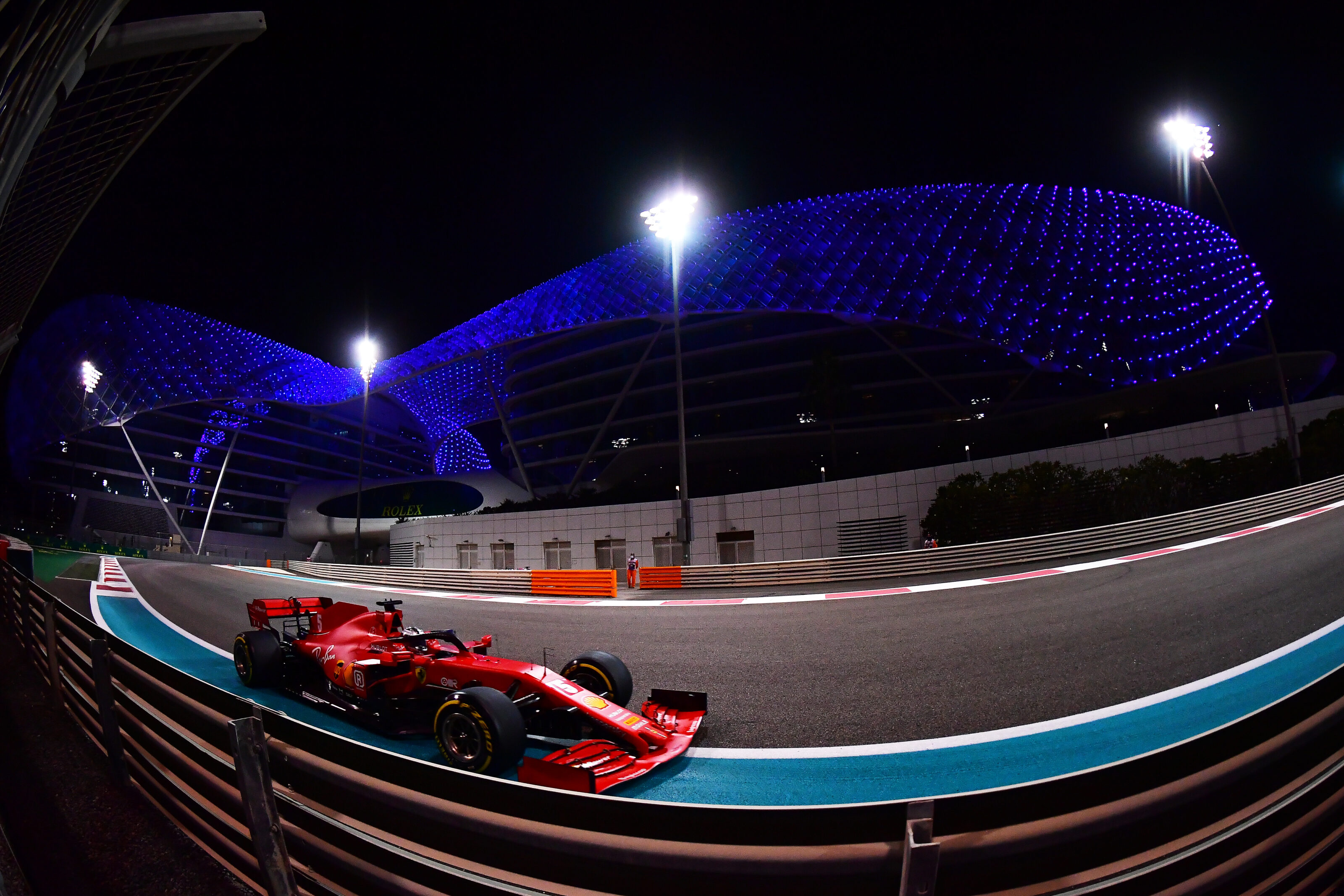
16. Yas Marina Circuit
Don’t the cars look great under the lights? As for the actual circuit design, lets just say that no one was unhappy to hear of the new changes for 2021. Plenty of corners for corners’ sake.
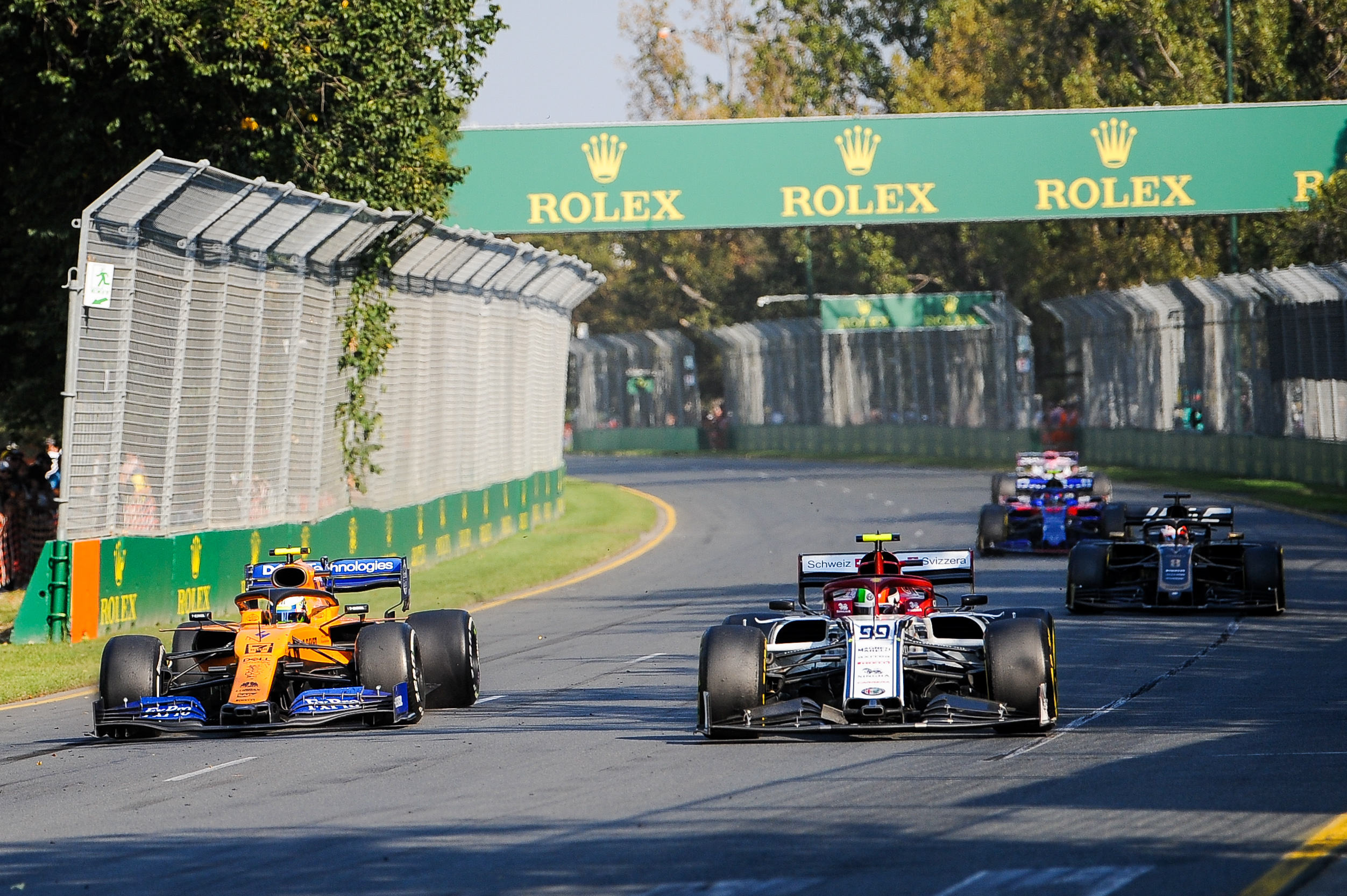
17. Albert Park Grand Prix Circuit
Australia, we deserve better than this. No races in 2021/’21 is disappointing for local race fans, but the series as a whole is at no great loss for dodging the Melbourne street track. We are interested in how the recent changes to Albert Park change the track dynamic but don’t hold great hopes. A significant redesign or new venue altogether will likely be more effective at improving racing.
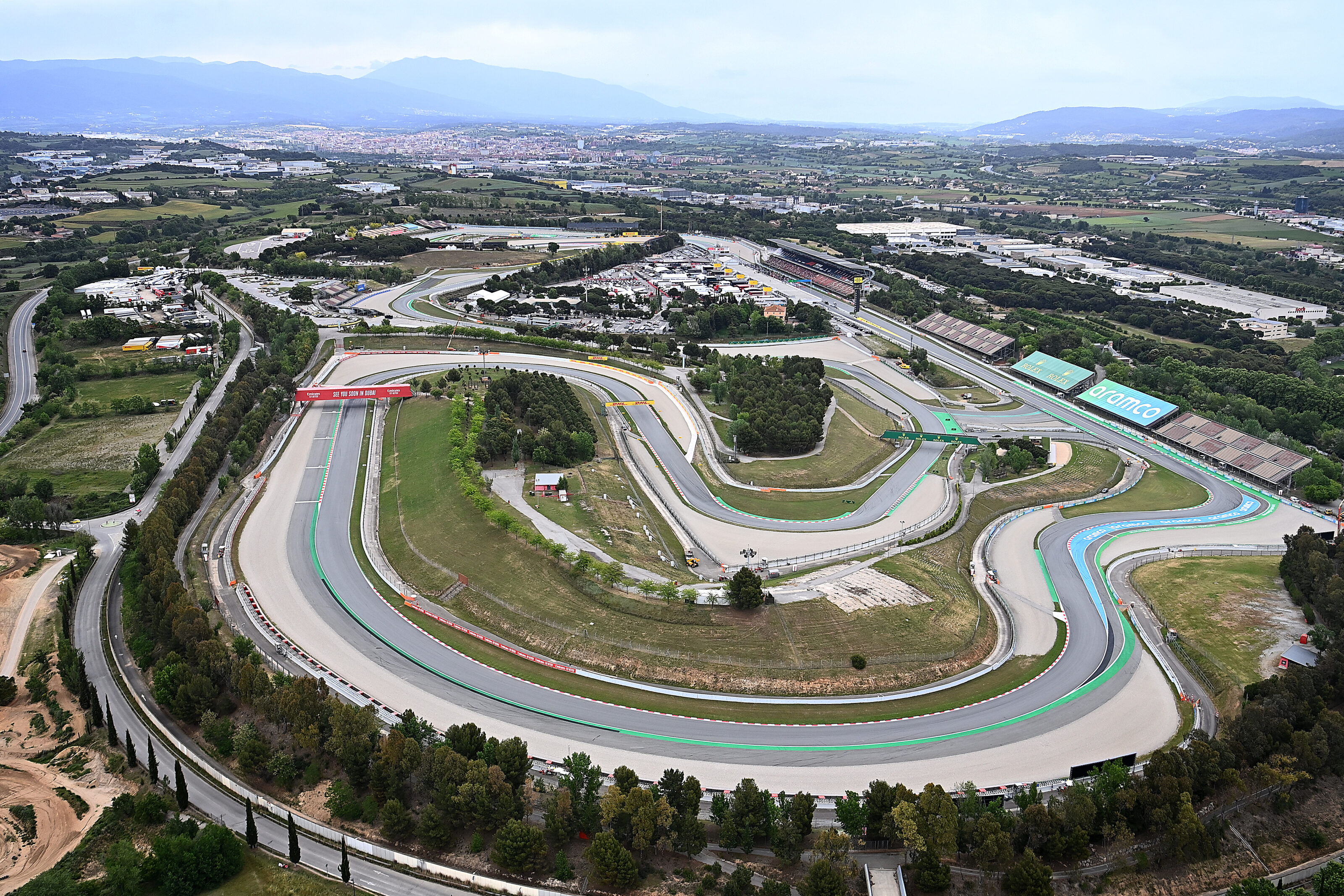
18. Circuit de Barcelona-Catalunya
Commits the double sin of being bad for racing while also lacking any interesting features. A good facility for pre-season testing, but a dreadful grand prix that rarely produces engaging on-track racing. Only avoids being lower as there is an outside chance that it could be modified into being half decent. At least it makes for fantastic motorbike racing.
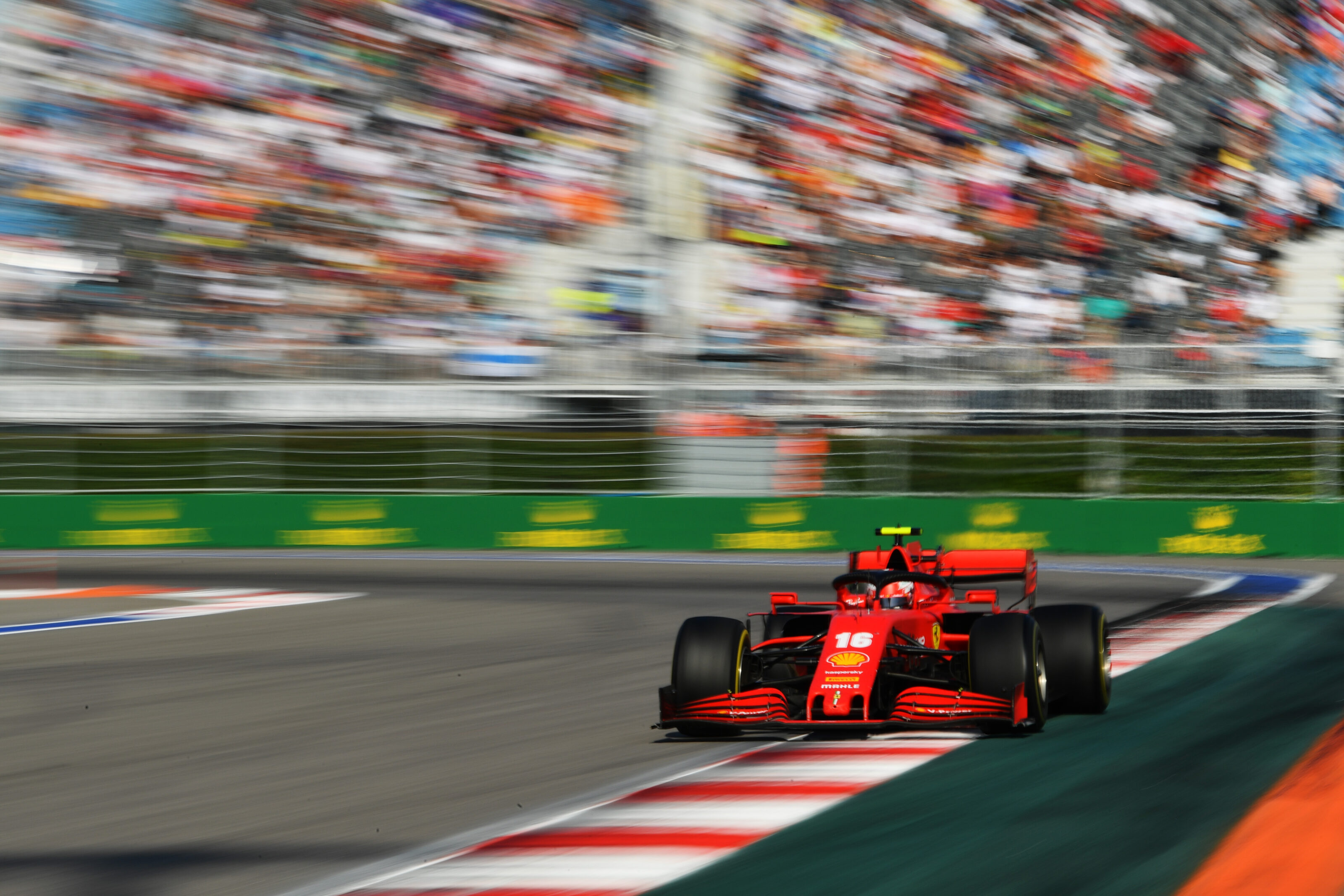
19. Sochi Autodrom
You are forgiven for forgetting this track is still on the calendar, as everyone usually falls asleep 10 laps into the grand prix. The long main straight and first complex are interesting, kinda, but there’s nothing redeemable about the remaining 14 corners.
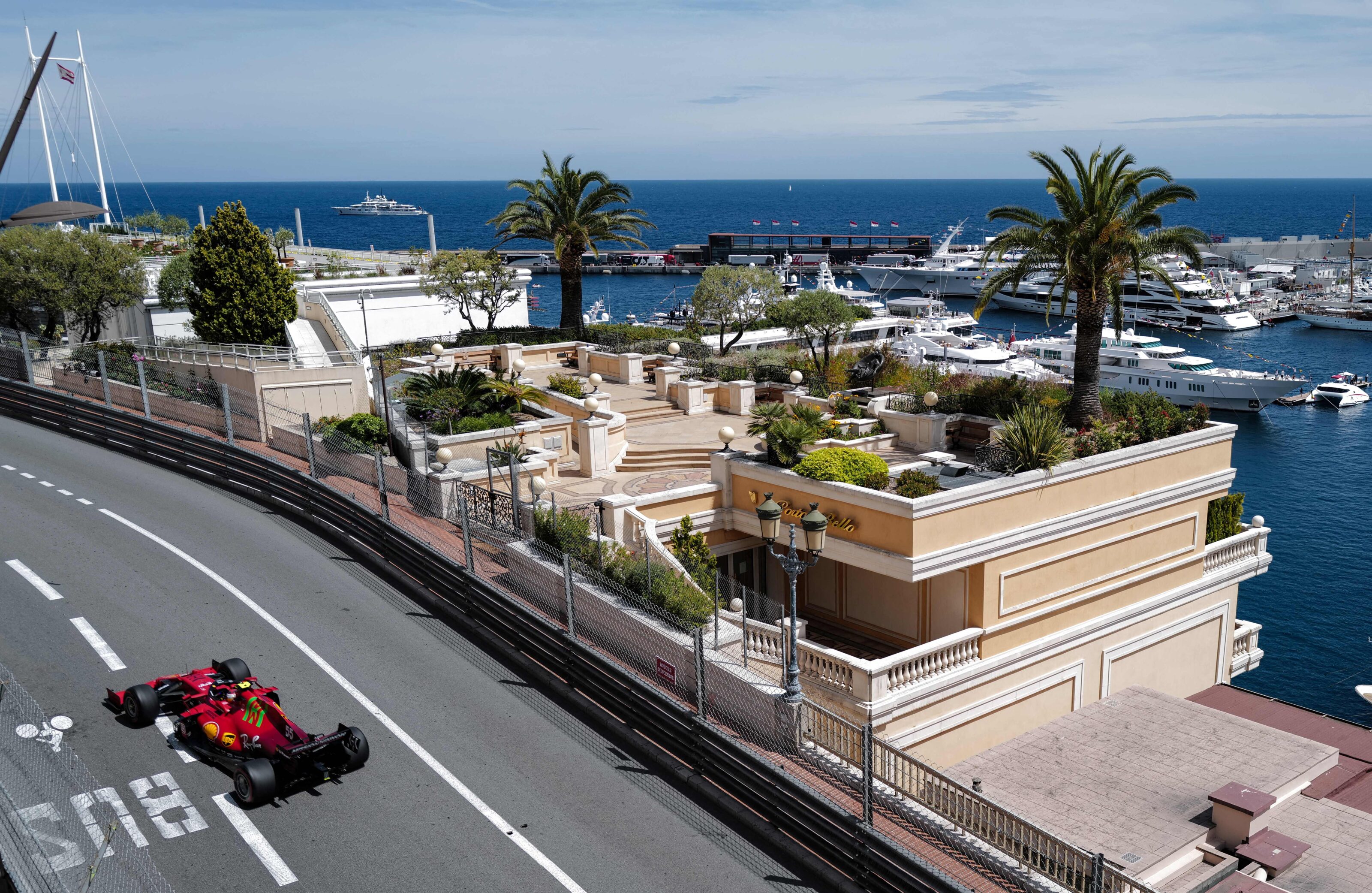
20. Circuit de Monaco
Time for this Crown Jewel to be put into a museum. F1 either needs to adjust its cars to suit the track, radically redesign the circuit (which is near impossible), or finally confine it to the history books.
Not every circuit on this year’s calendar has had the privilege of hosting modern F1 machinery for a proper grand prix. This includes a brand new street circuit, and reborn icon. While we won’t pass final judgement just yet, that won’t stop us from making some bold predictions.
Unranked: Jeddah Street Circuit
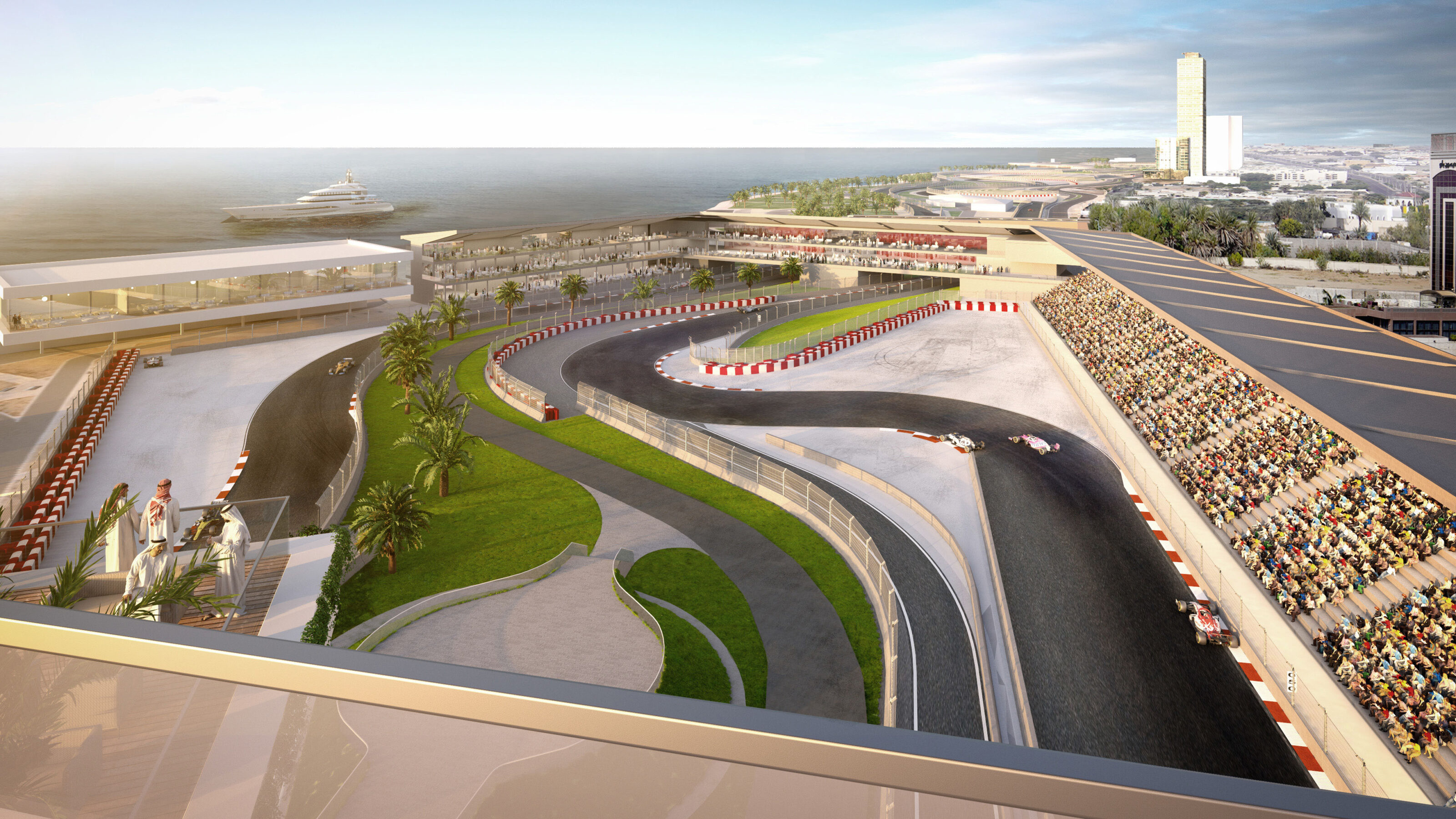
So far all we have to go off for the Jeddah Street Circuit is the track map and some early renderings in video games. While not a substitute for the real deal, the early impressions are not great. It crams 27 corners into 6.1km layout, with what appears to be just three genuine passing opportunities. Any way you cut the cake, that’s not a great ratio. Promoters are expecting an average speed of 250m/h+ for a flying lap, which while impressively fast, means little beyond cliched marketing taglines.
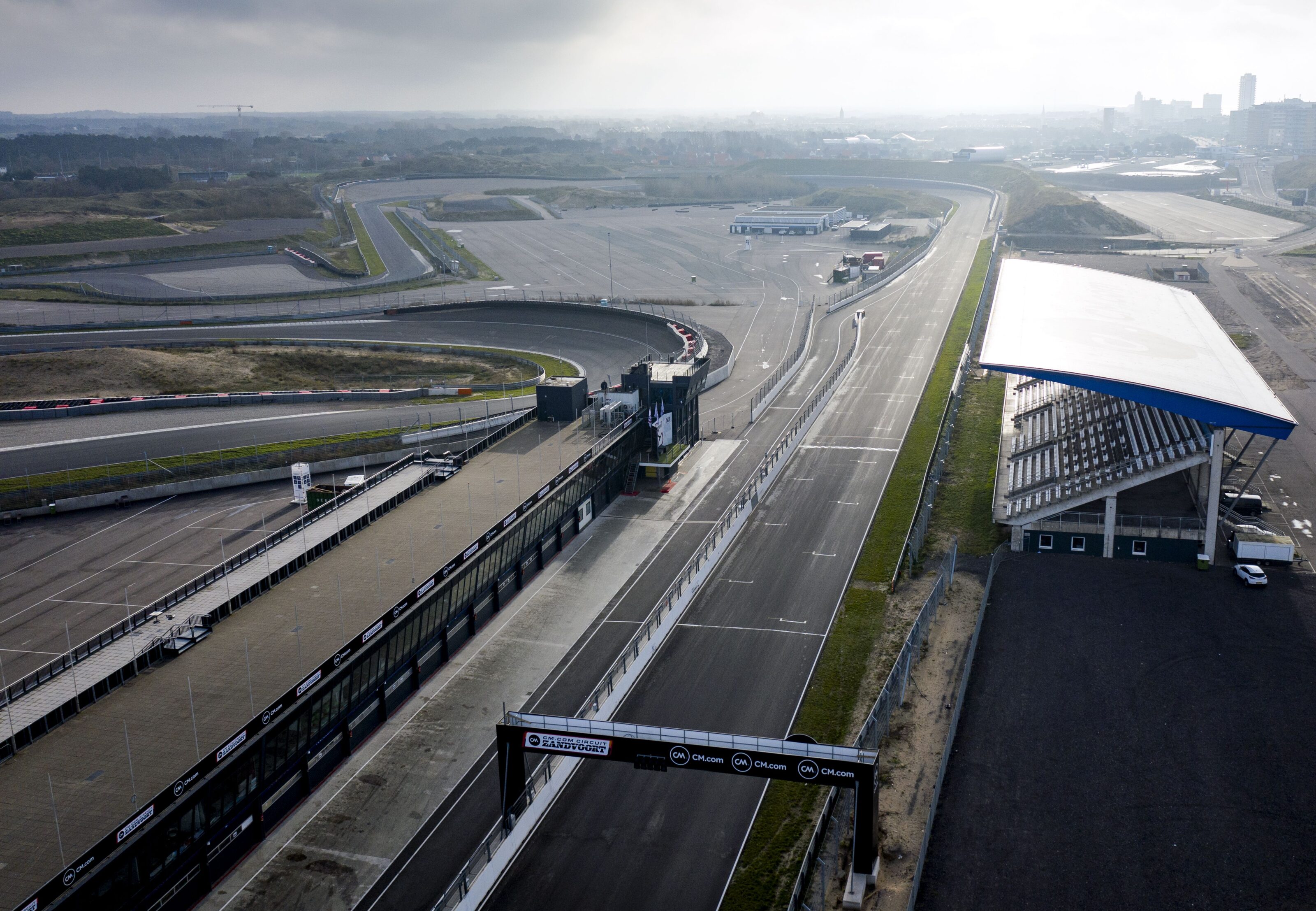
Unranked: Circuit Zandvoort
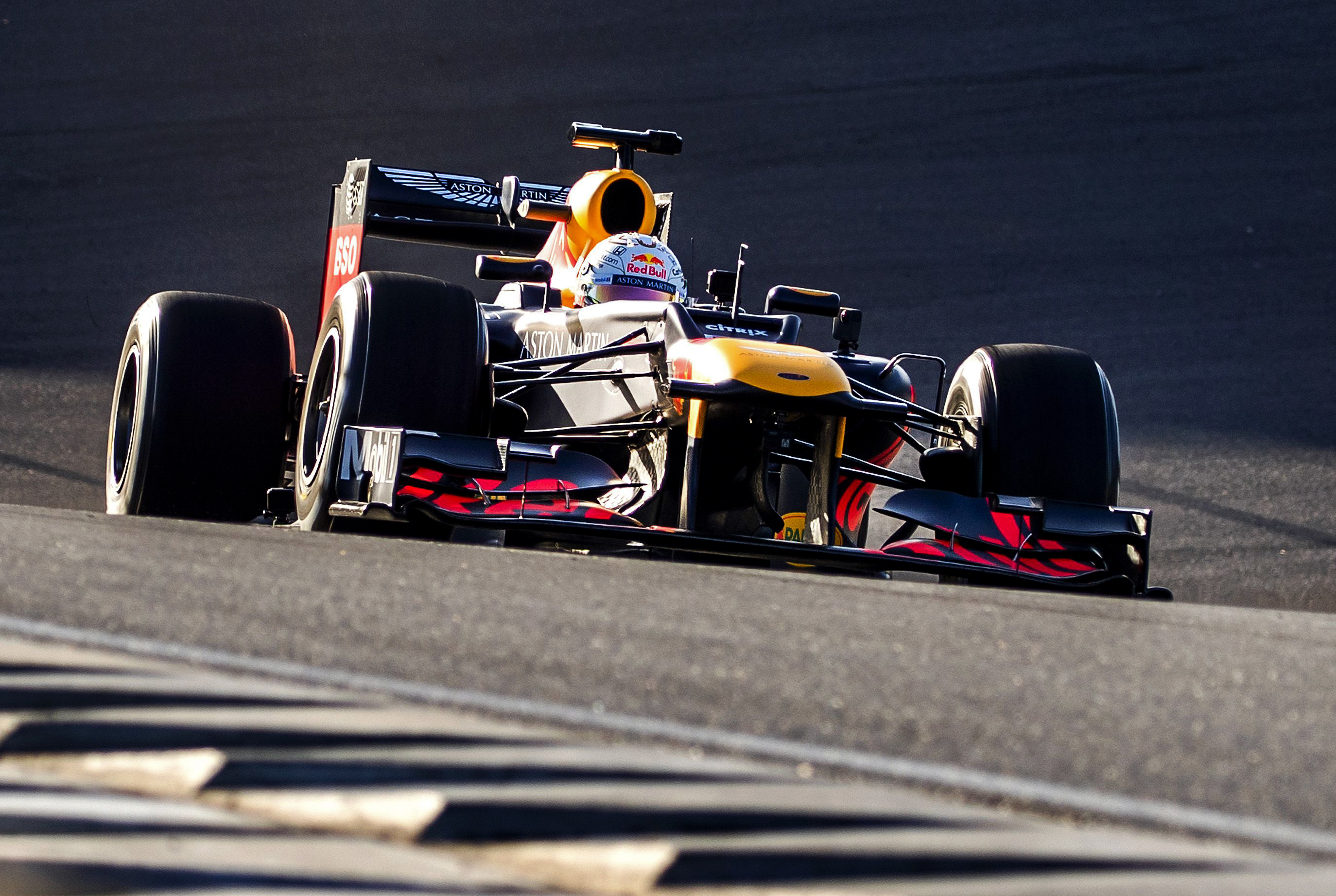
The home of the Dutch Grand Prix for 34 years – 30 of which were as an F1 championship round – returns to the calendar later this year. However, Formula 1 machinery has become much faster (and bigger) since it last hosted a round in 1985. The overall layout remains largely unchanged since them, but there have been some key upgrades to bring it up to FIA Grade 1 status – namely a reprofiled final corner with an ultra-aggressive camber. That last turn should be a belter, but we don’t hold out too much hope the bones of the track will be appropriate for modern F1 cars. If we are wrong, it’ll be a good result for motorsport.
Snapshot
- Modellista styling pack revealed at Japan launch
- Off-limits for Australia
It’s almost tradition for a new Toyota launch in Japan to be followed by a set of ‘Modellista’ body kits and accessories, and this is no different for the LandCruiser 300 Series.
Toyota has pulled the covers off a Modellista-modified LC300 during its domestic market launch, giving the large off-roader more visual attitude but no extra performance boost, reports Carscoops.
However, Australian buyers will miss out on the opportunity to glitz up their LandCruiser 300, with the aftermarket package currently off-limits Down Under – at least officially.
Instead, Toyota Australia will direct buyers towards the new GR Sport and Sahara ZX flagship grades, with the latter featuring 20-inch alloy wheels for the first time locally.
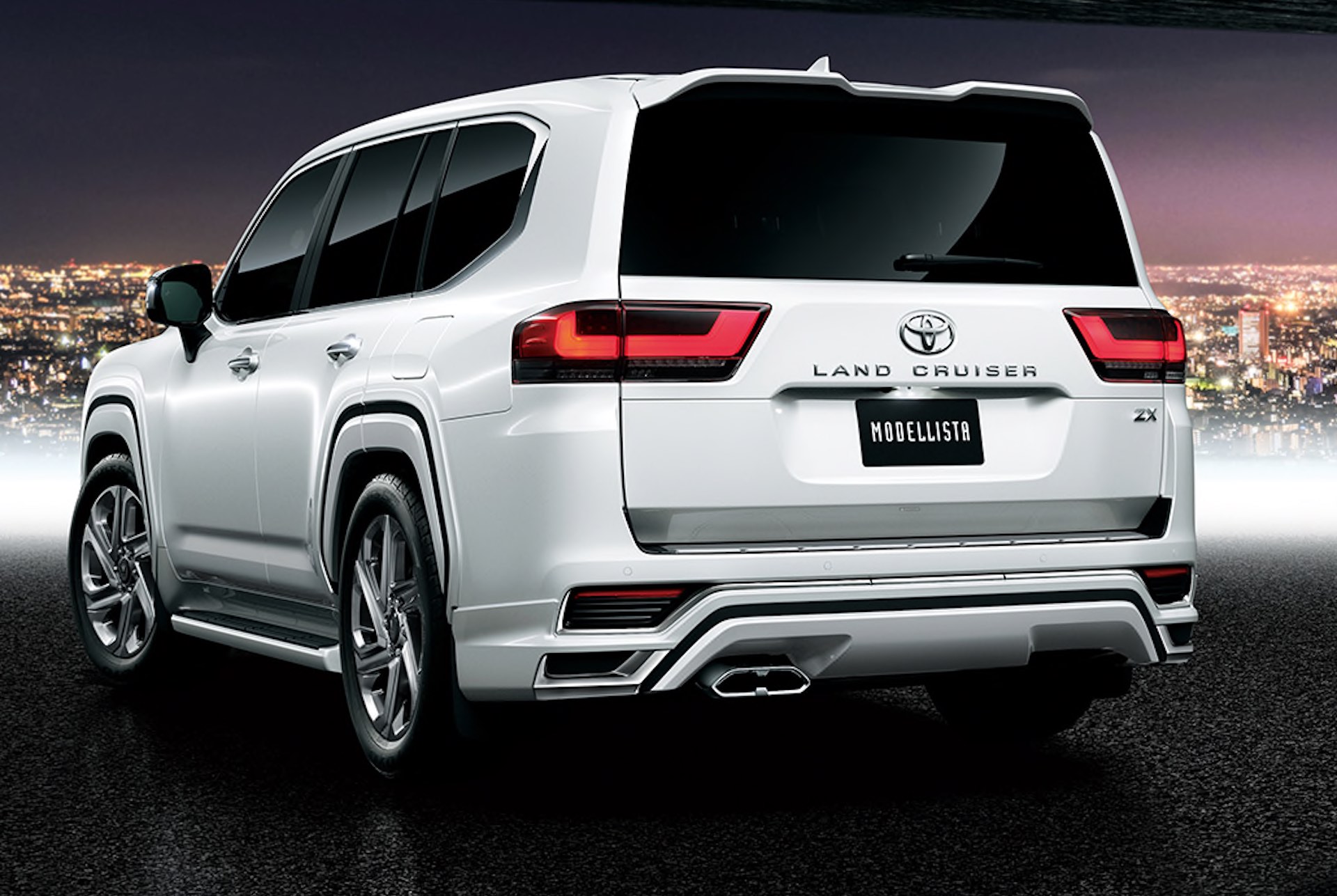
Emphasising a sportier design for the large SUV over the regular model, the Modellista kit includes new a front bumper, bulkier six-spoke 21-inch alloy wheels, wheel arch mouldings and a double-humped rear spoiler.
Other changes include an extended rear bumper with a diffuser-like design, a twin-outlet exhaust tailpipe and stainless-steel step-plate for the tailgate.
Moving inside, things are more subtle, with revised door panels, extra LED lighting and the ability to add infrared film to the windows being the only options available for the Japanese market.
Pricing for the kit stretches from ¥51,700 (AU$637) for an unpainted roof spoiler to ¥401,500 (AU$4945) for the Aero Parts Set A – with painted arches and front and rear bumpers included.
Full details of a return to the Wankel rotary engine might still be hush-hush at Mazda – with confirmation so far extending only to a range-extender MX-30 Electric – but that hasn’t stopped a slew of trademark and patent images appearing on the Internet.
Last week, a new Mazda ‘R’ logo was discovered online, providing a hint of a production-ready emblem for a range of rotary engine models. This week, a set of patent images detailing a frame for a sports coupe have appeared.
Discovered by Japanese website Hatena Blog, all 14 patent applications filed by Mazda relate to the structure of “a two-door sports car with an aluminum space frame.”
It is worth noting these images, first submitted to the Japan Patent Office in January 2020 (and published this week), demonstrate the rear design of a coupe that looks very similar to the RX-Vision concept, first revealed at the 2015 Tokyo Motor Show.
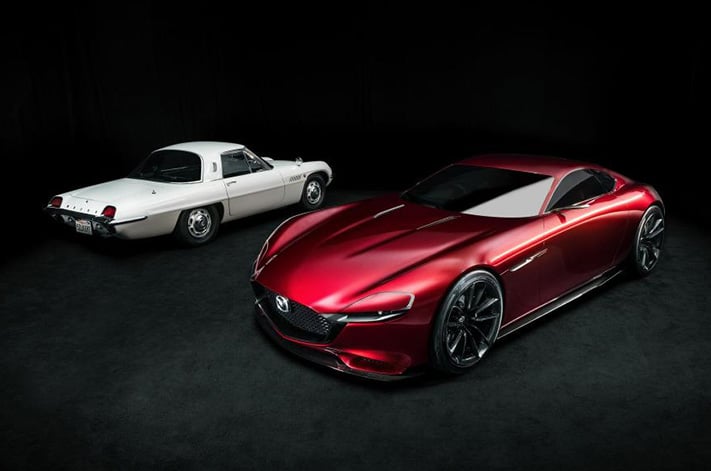
Tradition will show that many production Mazda models have followed the precedent set by their conceptual forebears, with the 2019 3 hatch looking akin to the Kai Concept.
Alongside structure designs related to the rear suspension and rear body structure of a front-engined two-door vehicle, the images also feature close-up drawings of beams and frames and explanations on front-rear and side load handling.
Showing a longitudinal centre tunnel where a driveshaft and transmission would typically sit, the images fuel speculation of an internal-combustion powertrain being used – rotary or otherwise.
Another possibility is an electric powertrain with a rotary range-extender, much like the upcoming MX-30 variant.
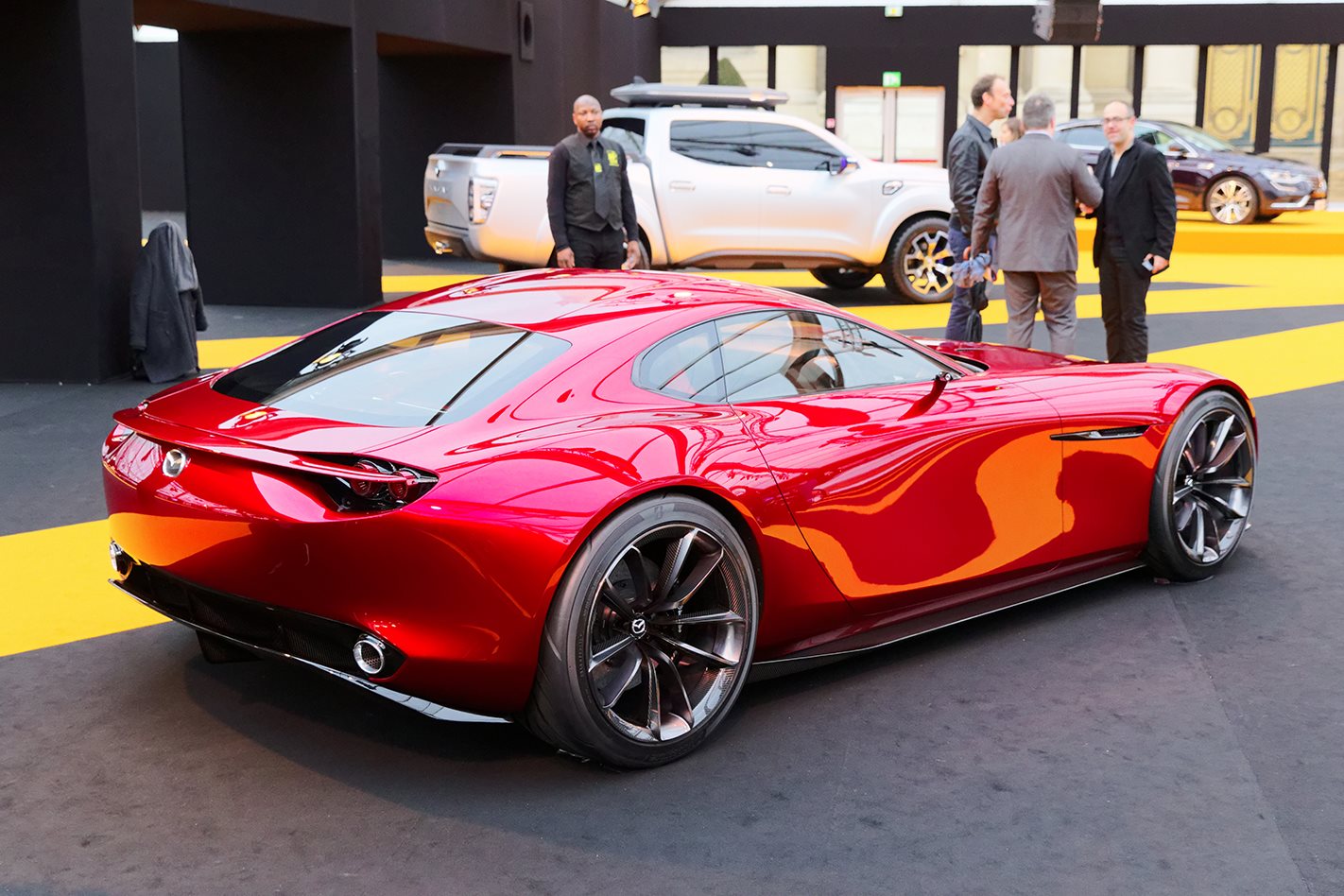
Could this be a preview of an upcoming RX-9, then? It is more likely that Mazda is simply using drawings similar to the RX-Vision to protect its technical thinking, rather than showing images of a sports car that may be in development.
However, with Mazda injecting funds into research and development of a new rotary engine, as well as intellectual property protection, there seems to be inspiration in Hiroshima for such a product to make a return in the future.
