
The 2021 Kia Cerato facelifted model has gone on sale for the Australian market from $25,490 – and it’s wearing the Korean marque’s new badge for the first time.
The launch line-up includes all 2.0-litre variants, with the flagship 1.6-litre turbo GT model due in June.
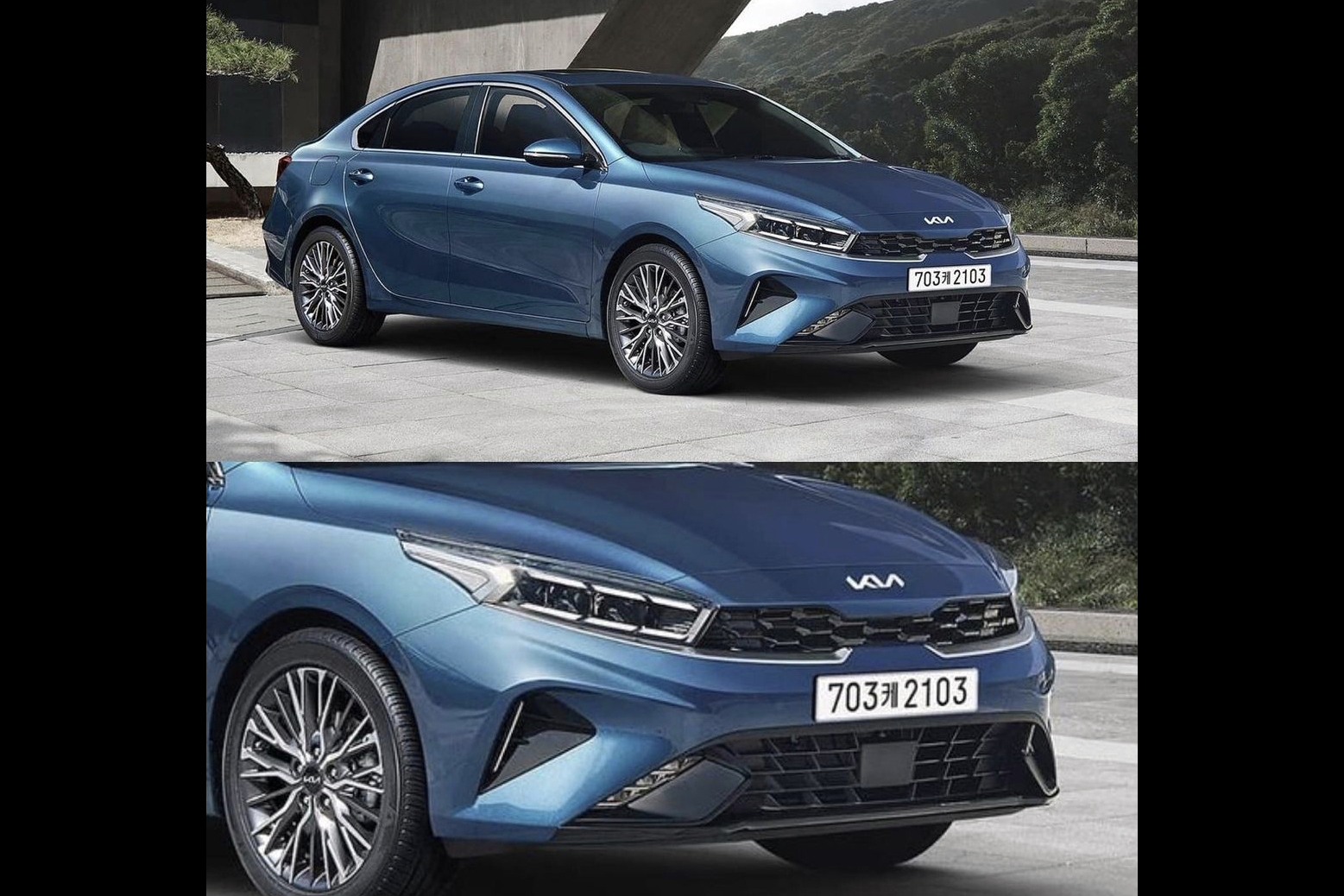
As well as donning Kia’s new logo, the upgraded Cerato also features a new-look face with styling changes to its headlights, radiator grille, front bumper and fog lights.
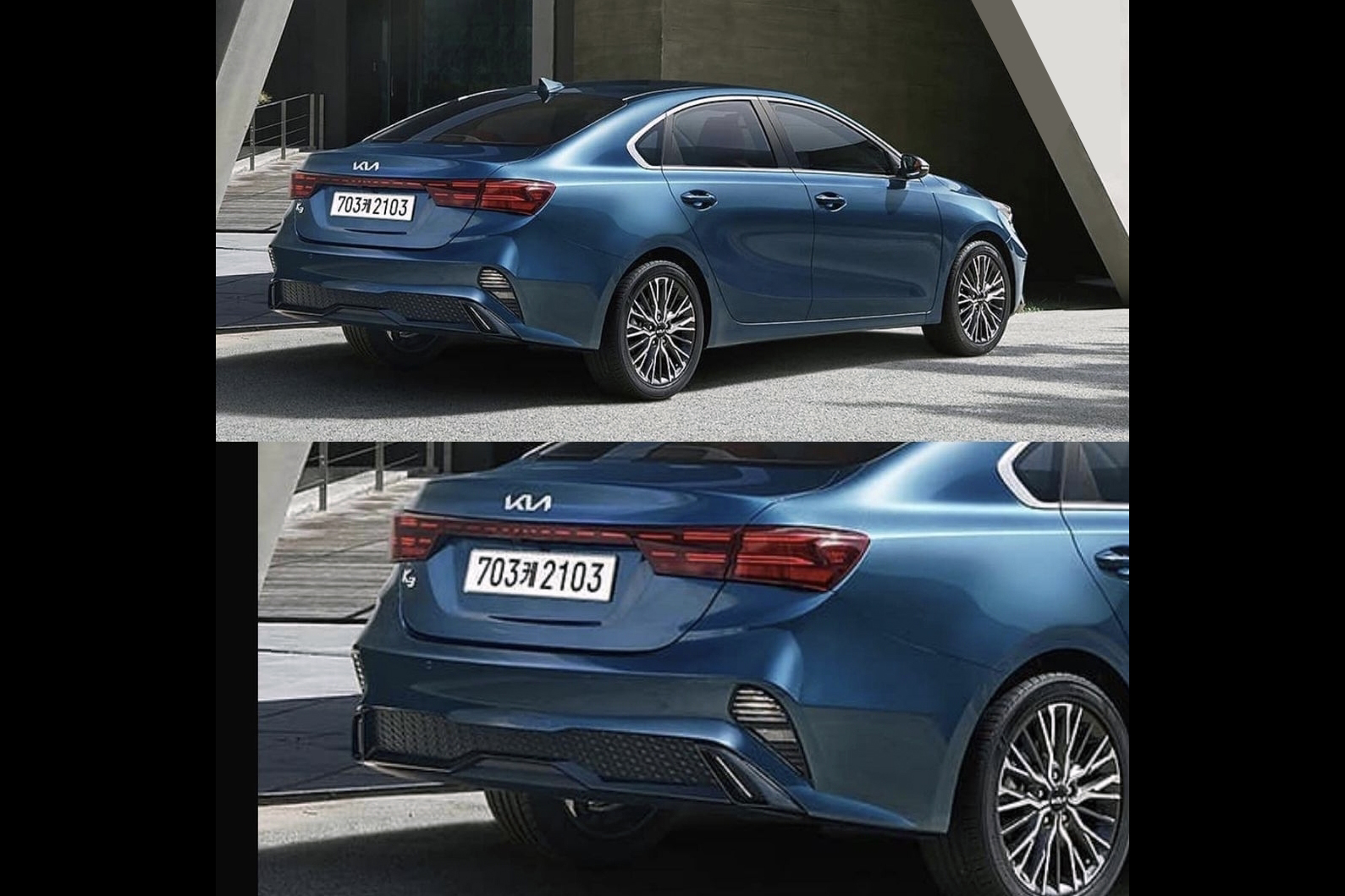
The changes extend to the rear of the sedan with updated taillights, boot lid and bumper lines. The hatch version remains largely unchanged, according to the manufacturer. (Images of the hatch model are still to be released, and indeed there is still no full local gallery available of the updated Cerato.)
Features
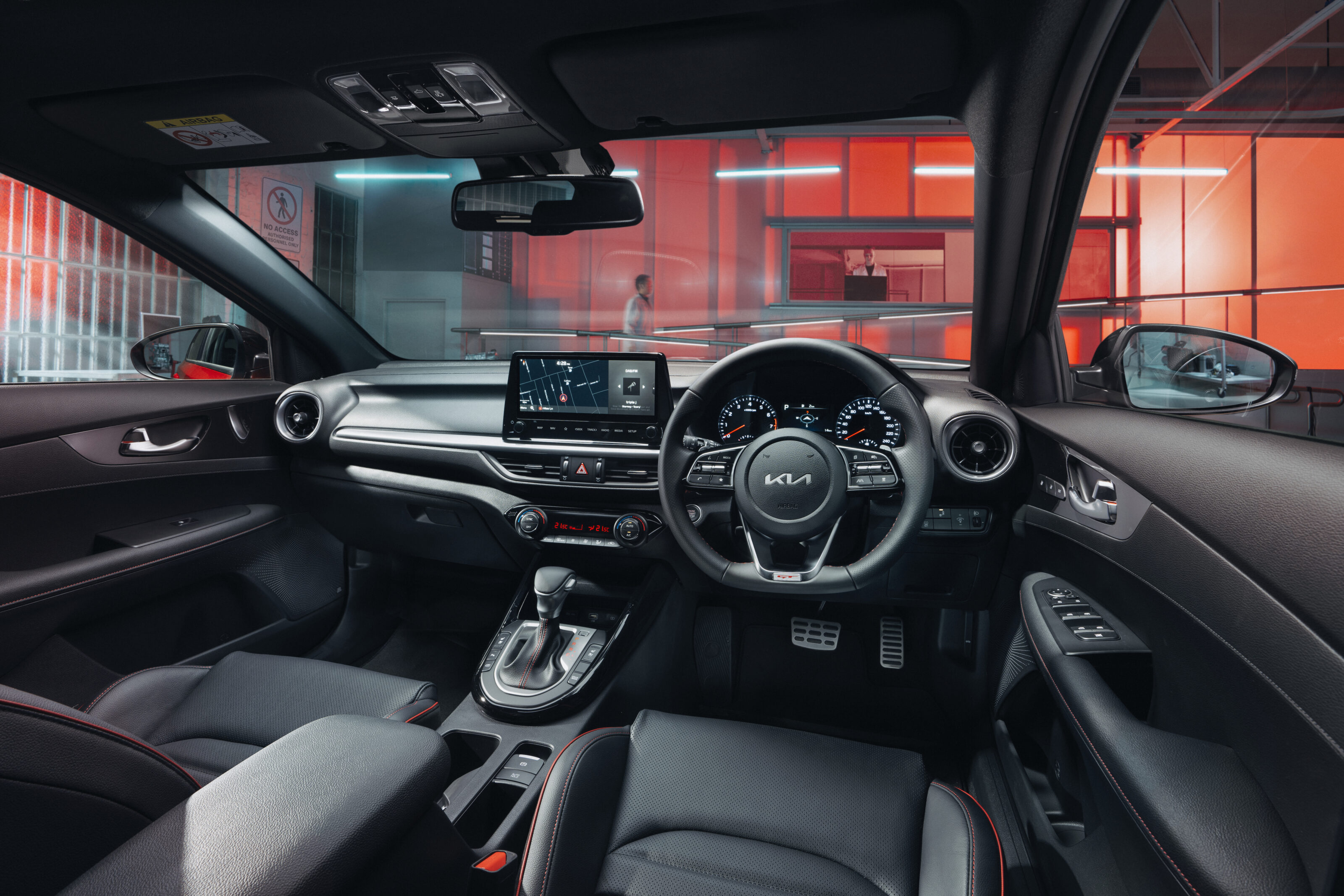
The base-model S now receives wireless Apple CarPlay and wired or wireless Android Auto integration via the 8-inch touchscreen, which is matched to a 4.2-inch colour TFT LCD driver information cluster.
The next-in-line Sport specification now gets 17-inch alloy wheel and a larger 10.25-inch touchscreen unit with 10 years of free map updates.
Sport+ continues to offer heated seats upholstered in leather, dual-zone climate control with an auto defog function, a smart key with push-button start and Smart Cruise Control, along with an electrochromic rear-view mirror, aeroblade front wipers and larger rear brakes.
Rear air vents now come as standard in every Cerato, but only the range-topping GT scores the sliding sunroof.
Powertrains
The familiar 2.0 litre four-cylinder MPI and six-speed automatic transmission already installed in the current Cerato, S, Sport and Sport+ carries over to the updated range, producing the same 112kW of power and 192Nm of torque.
The halo GT model continues with the four-cylinder 1.6 litre turbo engine found in its predecessor, producing 150kW at 6,000rpm and 265Nm of torque.
For a view on how these powertrains perform, see our reviews of the existing line-up at the link below.
Safety
New safety technology includes Rear Seat Alert, LED Daytime Running Lights and Lane Following Assist fitted as standard for all variants.
The Sport+ and GT trim grades also gain Blind Collision Avoidance Assist and an electronic parking brake.
Opting for the extra Safety Pack adds some of the features already fitted to the aforementioned Sport+ variants to the lower spec S and Sport for an additional $1000, such as Autonomous Emergency Braking (or AEB for short; detecting cars, pedestrians and cyclists), Smart Cruise Control, larger rear brakes and an electric parking brake.
Electric folding mirrors, blind-spot detection and Rear Cross Traffic Alert are also included.
The Cerato has officially now overtaken its hugely popular Rio sibling as the brand’s number-one selling car in Australia, shifting almost 153,918 units versus the Rio’s 153,411 – despite being three years younger (the Rio originally launched here in 2000).
The new Cerato in S, Sport and Sport+ trims will start arriving in Kia dealerships this week, with the GT joining the range in mid-June.
Safety pack includes
- Electronic Parking Brake
- Autonomous Emergency Braking ‘Fusion II’ (Car/Ped/Cyc)
- 15-inch Rear Disc Brake
- Smart Cruise Control
- Blind Spot Detection
- Rear Cross Traffic Alert
- Electric Folding Mirror
- Leather Steering Knob and Steering Wheel (standard on Sport model)
2021 Kia Cerato pricing for Australia
- Cerato S – $25,990 drive-away ($25,490 RRP)
- Cerato S with Safety Pack – $27,490 drive-away ($26,490 RRP)
- Cerato Sport – $27,990 drive-away ($27,590 RRP)
- Cerato Sport with Safety Pack – $29,490 drive-away ($28,590 RRP)
- Cerato Sport+ – $31,690 drive-away ($30,640 RRP)
- Cerato GT – due in June, $TBC (outgoing model is $34,190 RRP)
Snapshot
- Priced from u00a361,665 in the UK (roughly AU$112,000)
- More performance and luxury on offer
- Bespoke matt-finish Mercury Silver paint scheme available
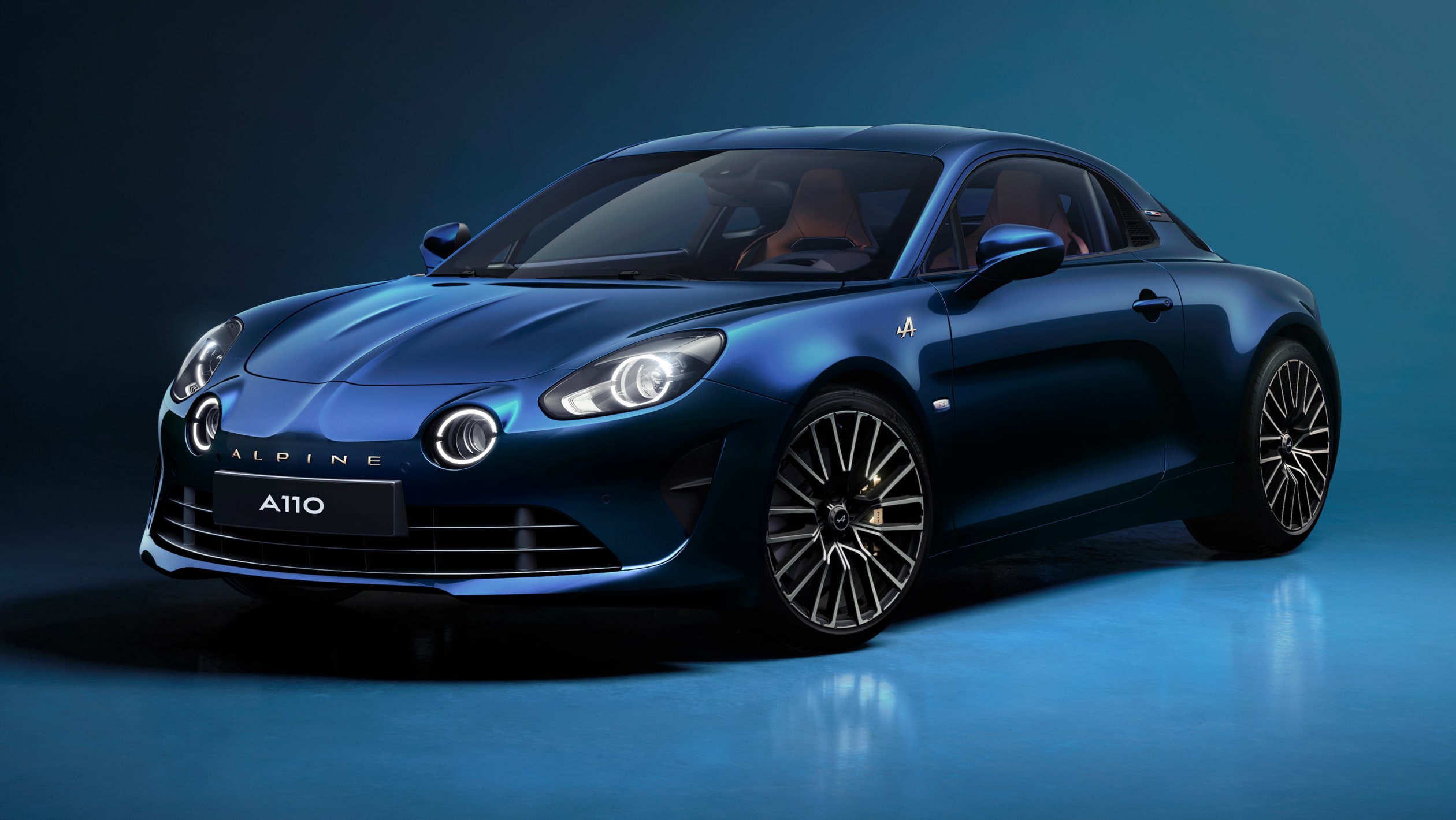
The 2021 Alpine A110 Legende GT has been unveiled as the French performance brand’s latest limited edition variant of its aluminium-bodied two-door sportscar.
Just 300 examples of the Legende GT will be built, with the special edition combining the added opulence of the past Legende variant with the extra grunt of the A110S.
As a result, the TCe M5P mid-mounted, turbocharged 1.8 litre four-cylinder petrol engine produces 215kW and 320Nm, which is 30kW more than the standard A110.
The Legende GT also scores other performance upgrades like bigger brakes from the A110S, as well as a sports exhaust.
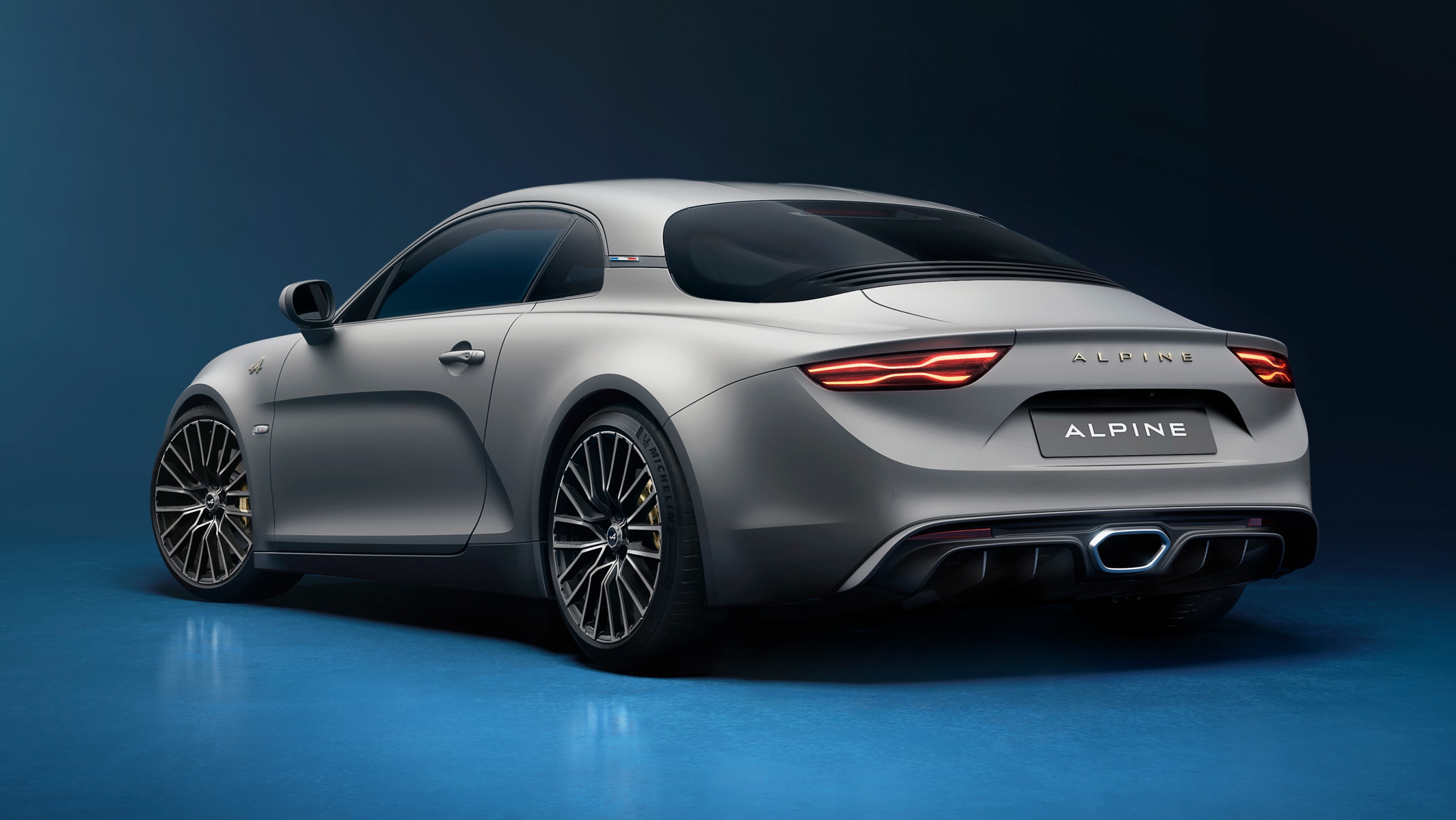
Aesthetically, the exterior look has been bolstered with clear headlights and taillights, matt gold badging and brake calipers, and a bespoke set of diamond-cut 18-inch wheels that look like a facsimile of the wheels you’ll find attached to the M2 Competition (Y-spoke Style 788M, to be precise).
Inside, much has been done to beef up the luxury appointments in what can feel like a fairly spartan interior in the base A110.
A set of comfort-spec Sabelt bucket seats come as standard, as do carbon-trim pieces, a soft-touch suede roof lining and a premium sound system.
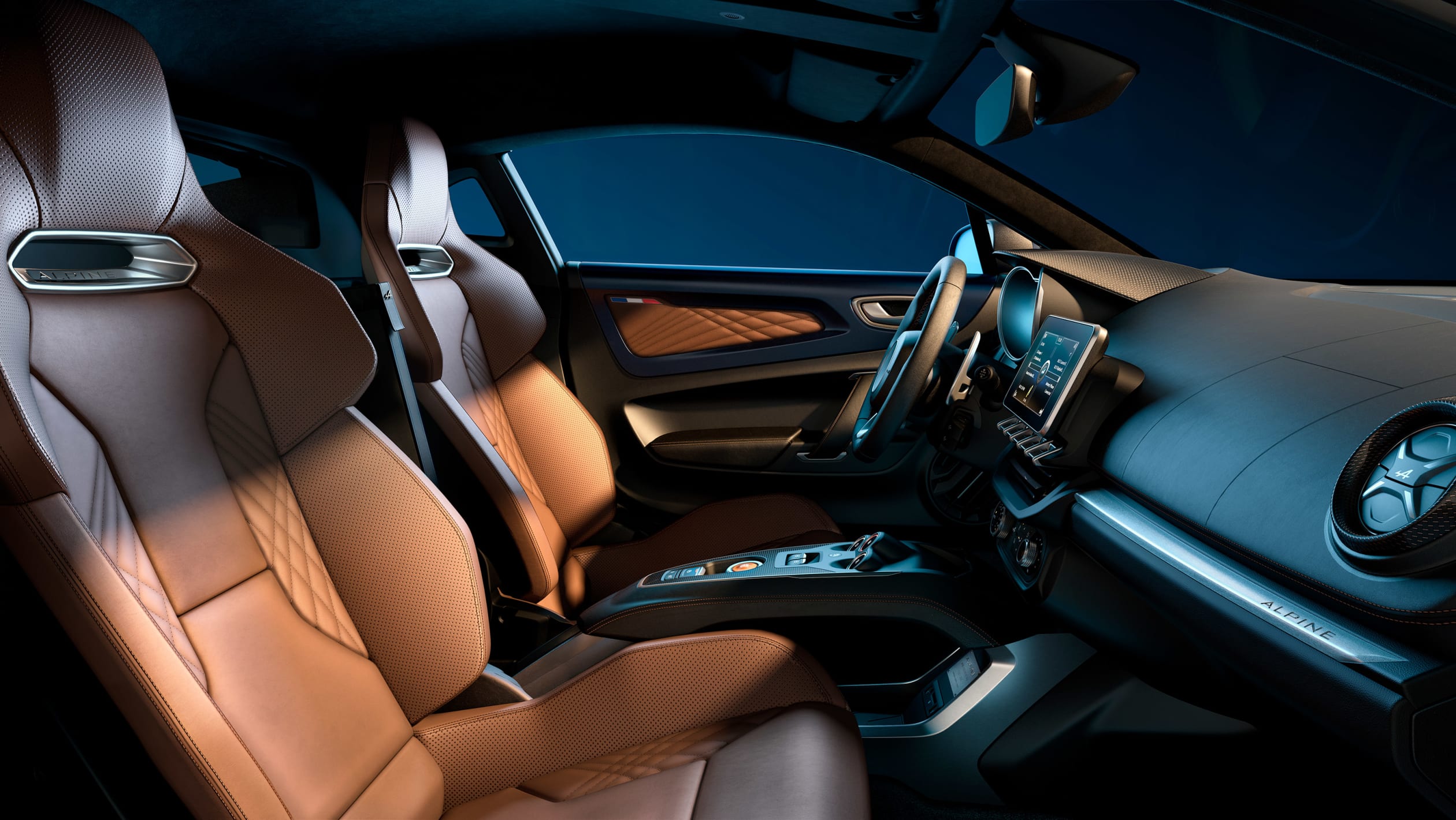
The Legende GT can be had in two exterior paint and interior colourways – Abbys Blue and saddle brown (found on the previous Legende edition) and a new matt Mercury silver and black interior.
Priced from £61,665 in the UK (roughly AU$112,000), it’s not known if or when Australia will be receiving any of the 300 limited editions.
However, WhichCar has contacted the French brand’s local arm regarding the Alpine A110 Legende GT, and a representative said they would definitely be interested in the special sportscar if it was available.
Got a tip-off for a story? Get in touch: [email protected]
Snapshot
- Starting from $25,490 driveaway
- All variants powered by a turbocharged 1.5-litre four-cylinder petrol engine
- Competitive level of features and safety equipment
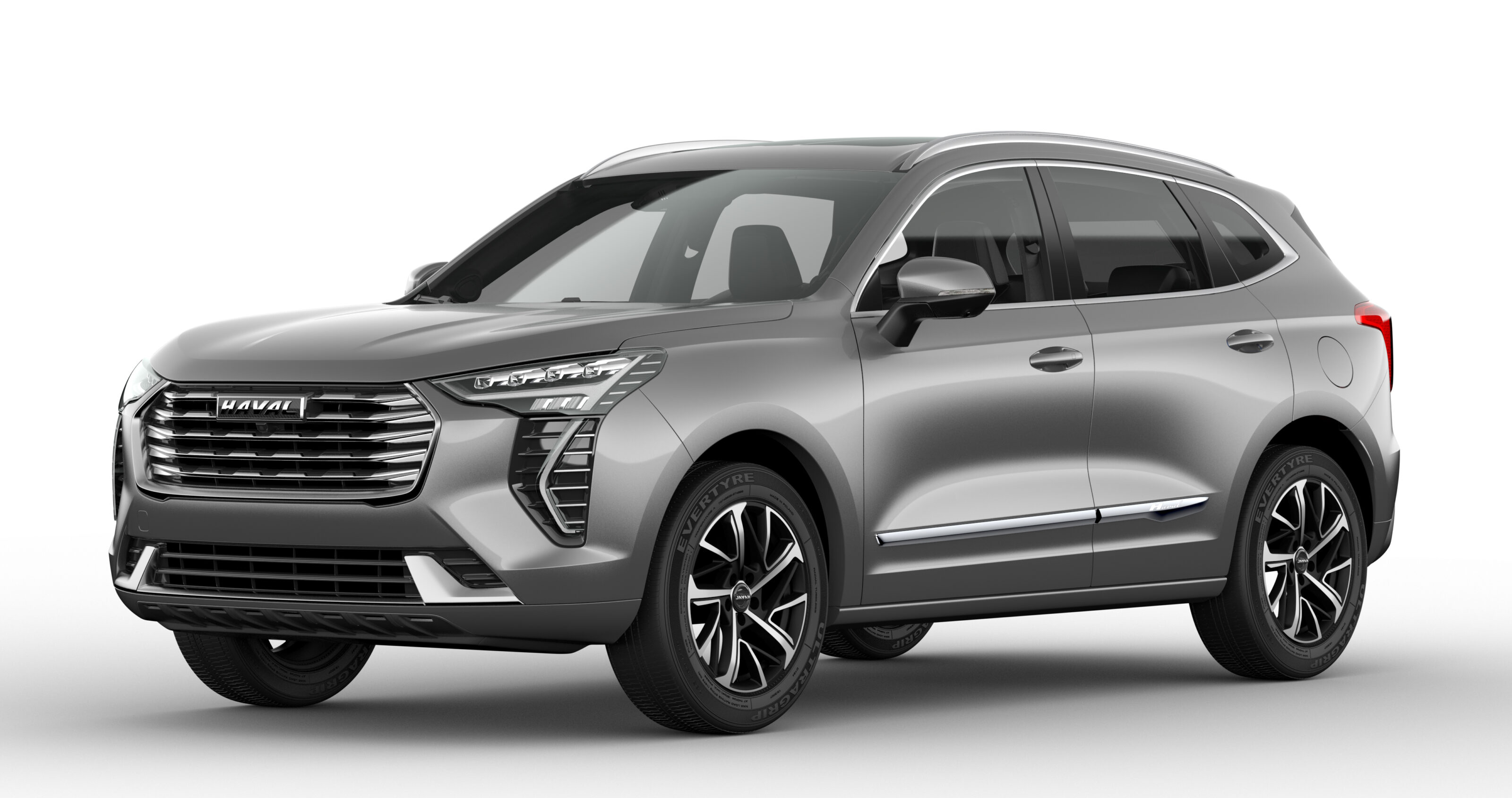
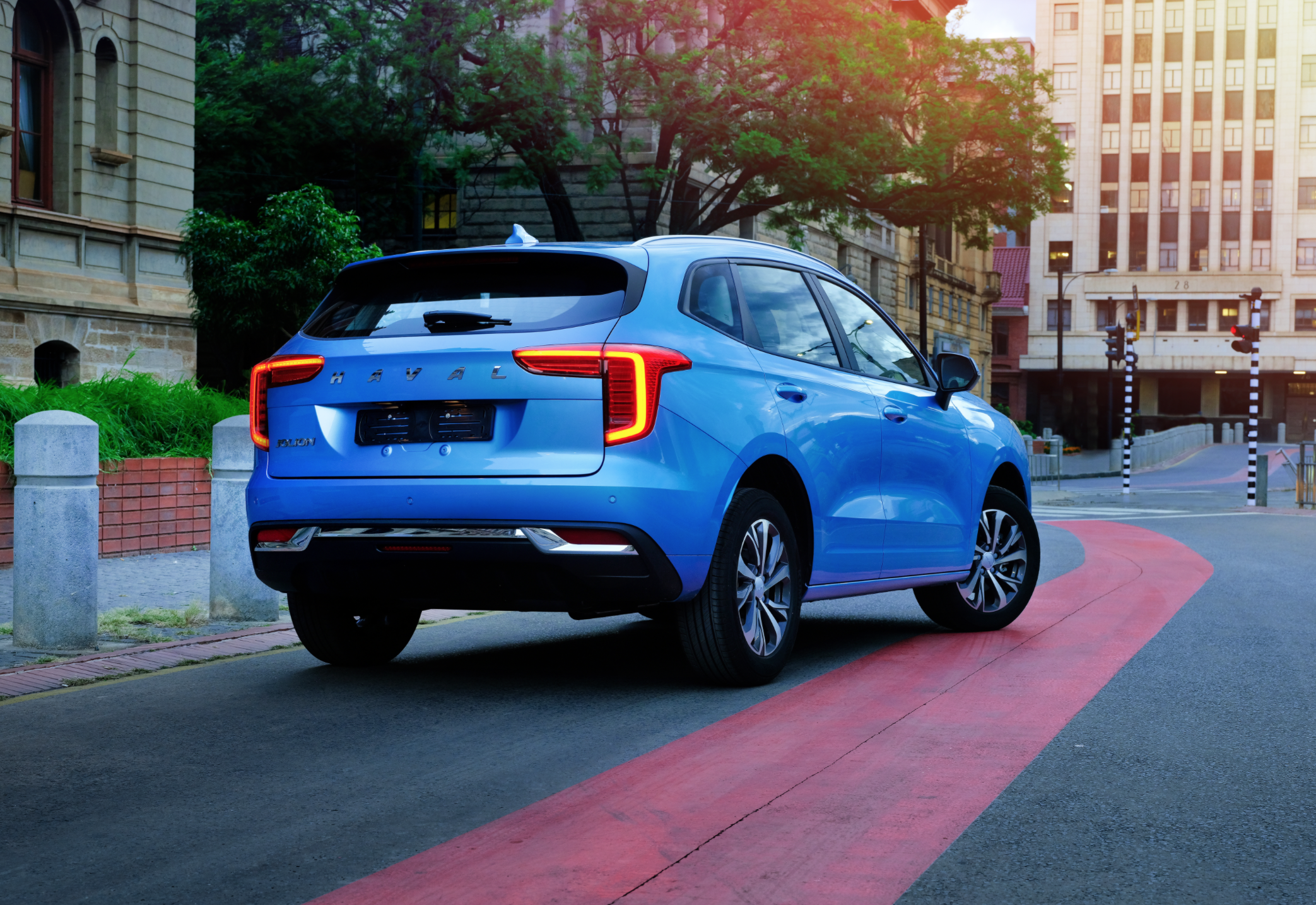
The 2021 Haval Jolion’s Australian prices and features have been revealed by the Chinese automaker.
The mid-size SUV has been priced very competitively, with driveaway prices starting from $25,490.
That means the new SUV undercuts similarly sized rivals like Mazda’s CX-5 and Toyota’s RAV4 by roughly $10,000.
Based on Haval’s ominous-sounding ‘Lemon B30’ modular platform, the Jolion shares its underpinnings with other Haval models like the Big Dog SUV crossover (yep, that’s its real name).
The Jolion will be made available in Australia in three different trim levels – the entry-level Jolion Premium, mid-spec Jolion Lux, and range-topping Jolion Ultra.
UPDATE, July 2: We now have a review of the Jolion, click here to check it out.
Engines and economy
All three variants of the Jolion are powered by the same turbocharged 1.5 litre four-cylinder petrol engine.
Power is rated at 110kW and 210Nm, and drive is sent exclusively to the front wheels via a seven-speed dual-clutch transmission.
On the ADR combined-cycle, the mid-size SUV achieves a fuel economy rating of 8.1L/100km on 91-RON. The petrol tank is on the smaller side at just 55 litres.
2021 Haval Jolion pricing for Australia
The base Jolion Premium costs from $25,490 drive-away and comes equipped with a decent amount of kit as standard, including:
- 17-inch alloy wheels
- Roof racks
- Steering-wheel mounted paddle shifters
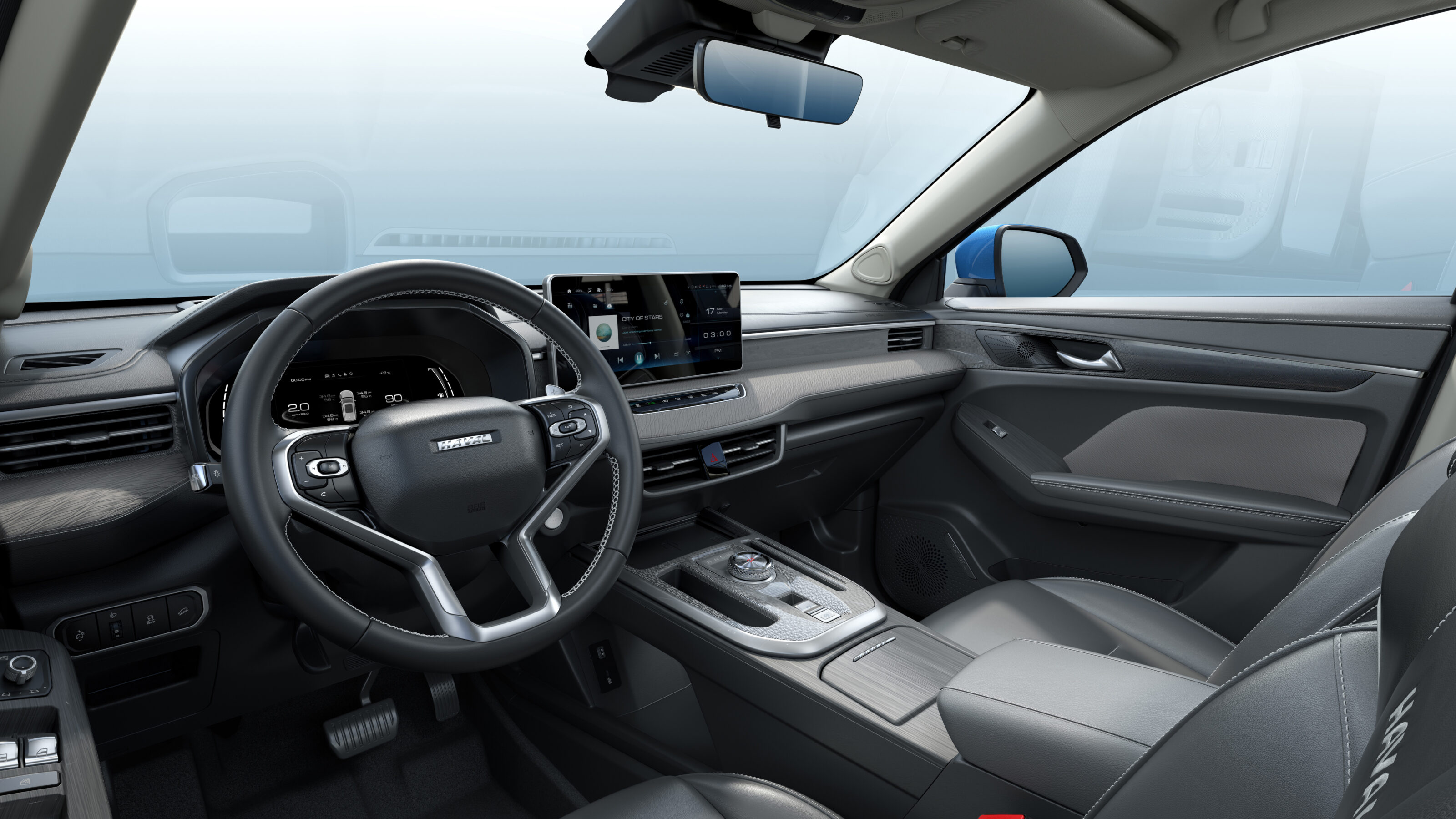
- 10.25-inch touchscreen infotainment display
- Apple CarPlay and Android Auto
- Reversing camera
- Rear parking sensors
- Manually-adjustable front seats
- Fabric interior
- Air-conditioning
- LED headlights, DRLs and fog lamps
- Leather-wrapped steering wheel
- Powered and heated front seats
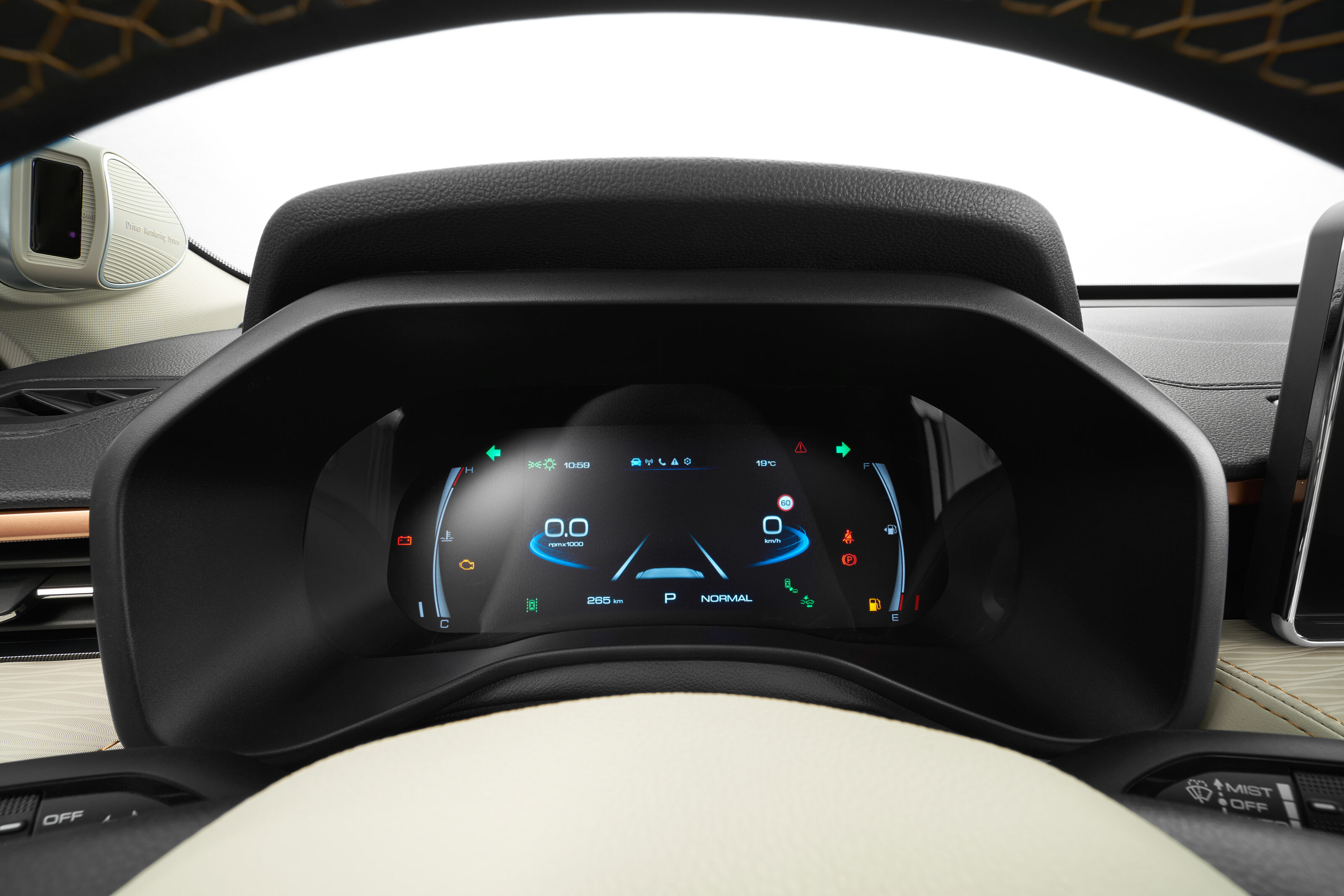
- 7-inch LCD digital dash
- Six-speaker sound system
- Dual-zone climate control
- Anti-glare rearview mirror
- 360-degree reversing camera
- 18-inch alloy wheels
- Panoramic sunroof
- 12.3-inch touchscreen infotainment display
- Wireless charging
- Head-up display (HUD)
Safety
Due to it being brand-new, the Haval Jolion is yet to be crash-tested by ANCAP or Euro NCAP at this point. WhichCar will update this story when the Jolion has an official ANCAP rating.
Regardless of spec, all three Jolion variants come equipped with the following safety features:
- Autonomous emergency braking (AEB) with pedestrian and bicycle detection
- Lane departure warning
- Adaptive cruise control
- Traffic sign recognition
- Lane-change assist
- Blind-spot monitoring
- Rear-cross traffic alert
- Driver fatigue monitoring system
Dimensions
The Haval Jolion is 4472mm long, 1841mm wide, 1574mm tall, and has a wheelbase measuring 2700mm.
That means the Jolion has the same size wheelbase as the aforementioned CX-5, and it’s bigger than the RAV4 (1690mm).
Warranty and servicing
As is the case with all new Haval products in Australia, the Jolion comes with a competitive seven-year, unlimited-kilometre warranty and five years of complimentary roadside assist.
Capped price servicing is available for a period of five years or 70,000 kilometres, whichever comes first.
When is the 2021 Haval Jolion on sale in Australia?
WhichCar has confirmed the Haval Jolion Lux and Ultra variants are on sale now across Australia, while the Premium is expected to land Down Under in June.
UPDATE, July 2: We now have a review of the Jolion, click here to check it out.
Snapshot
- EV Seven will have emphasis placed on lightweighting, ride quality, and chassis dynamics
- Performance thought to be similar to the Caterham 620R, including a sub-3 second 0-100km/h time
- Launch likely to coincide with the automaker’s 50 anniversary celebrations
Caterham has announced it will introduce its first EV by 2023, as pressures regarding emissions in the UK and Europe necessitate the change to electric vehicles.
Speaking with Autocar, Graham Macdonald, Caterham’s CEO, said that a fully electric version of the marque’s iconic Seven sportscar has been in development for quite some time, and he’s already driven a prototype of the zero-emissions open-wheeler.
“It’s very much like a go-kart – it’s two-pedal, you’ve got rapid acceleration and it’s a different product to drive. No less exciting, but exciting in a different way,” Macdonald said.
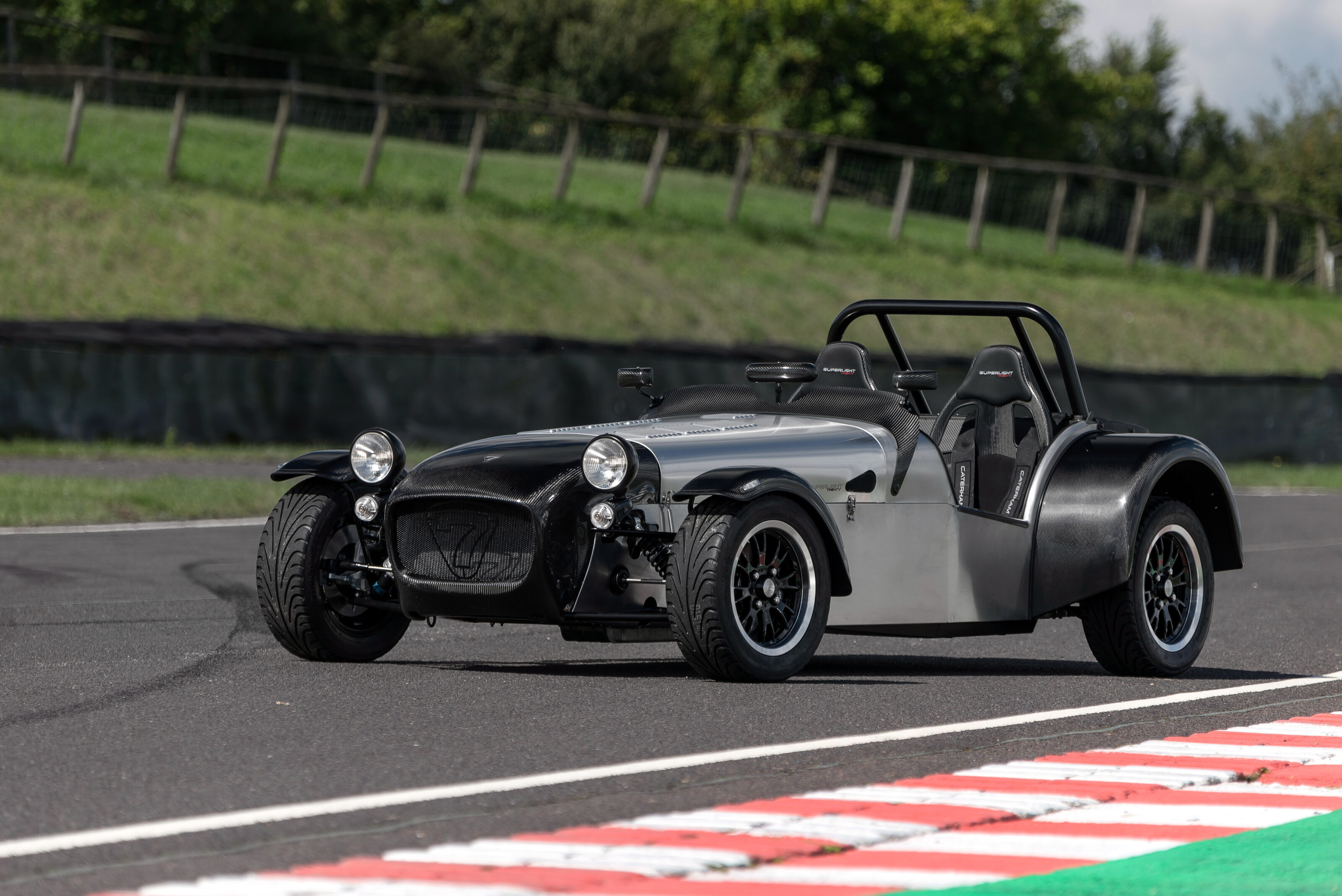
The CEO also said that the priority for the EV Seven has been to retain the qualities and traits of the original moniker, with an emphasis placed on maintaining a light kerb weight and ensuring that any added kilograms don’t affect the car’s ride or handling.
Caterham has reportedly ditched regular electric vehicle features such as regenerative braking to ensure the kilograms are kept down.
But while we’ve got no indication yet as to what the EV Seven will weigh, it’s hard to imagine it will be able to get anywhere near the kerb weight of regular models fitted with an internal combustion engine, which tip the scales at roughly 700 kilograms, depending on the model.
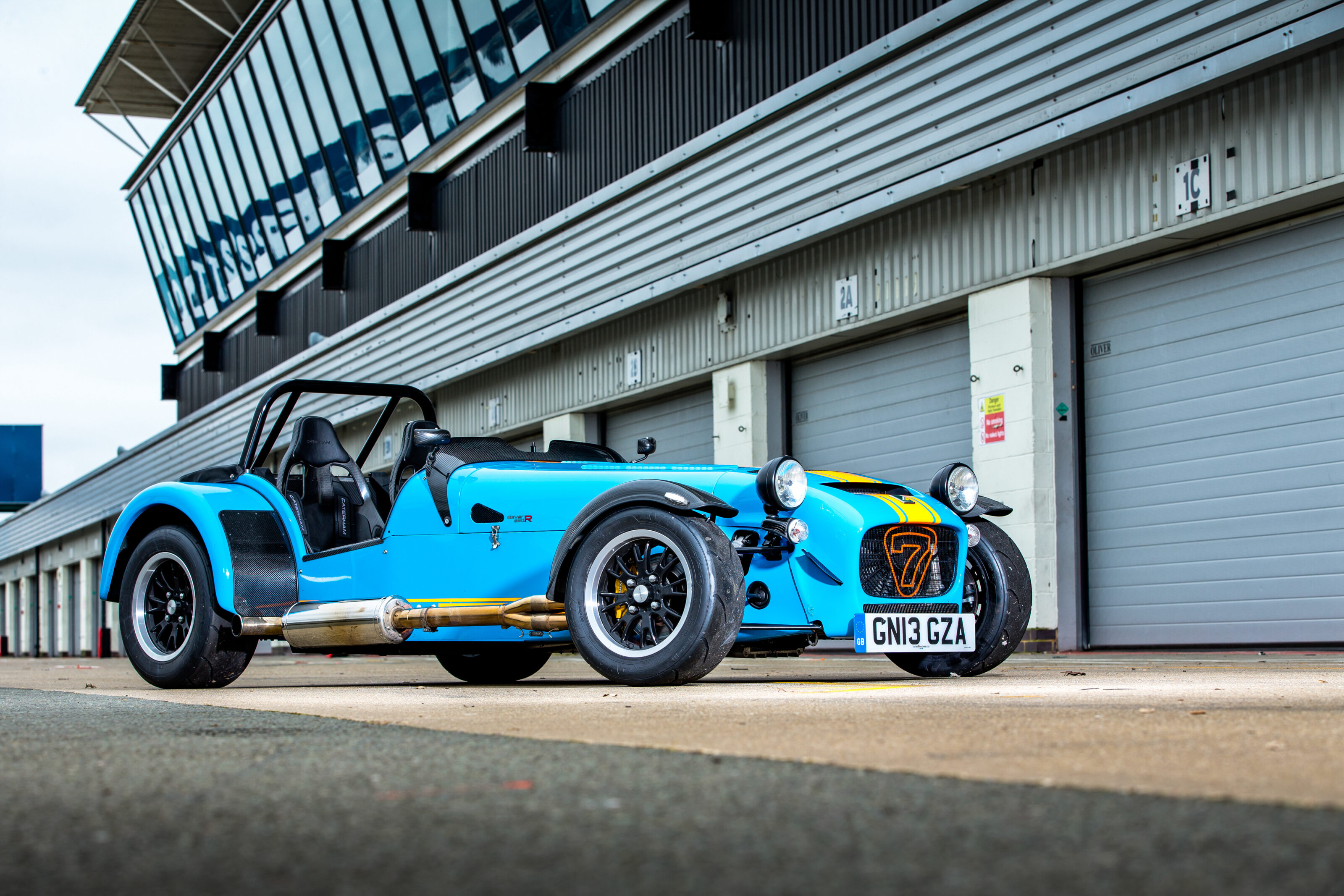
Despite the expected extra heft, performance is thought to be similar to the Crawley firm’s fastest ICE-powered road car, the 620R, which is capable of sprinting from 0-100km/h in under three seconds and running the quarter-mile in under 11 seconds.
Macdonald also admitted that the automaker was looking to third-party manufacturers to supply the batteries and electric motor when the EV Seven goes into production.
The CEO said the preference was for a battery and motor set-up that could be integrated into the Seven’s existing chassis architecture, rather than buying a ready-made EV platform.
“I think we would enter into some sort of partnership whereby we can purchase batteries and get them made to fit our dimensions, rather than buy a square skateboard that has a body-in-white on top,” he said.
It’s thought the new electric Seven will be globally unveiled at Caterham’s 50th anniversary celebrations in 2023.
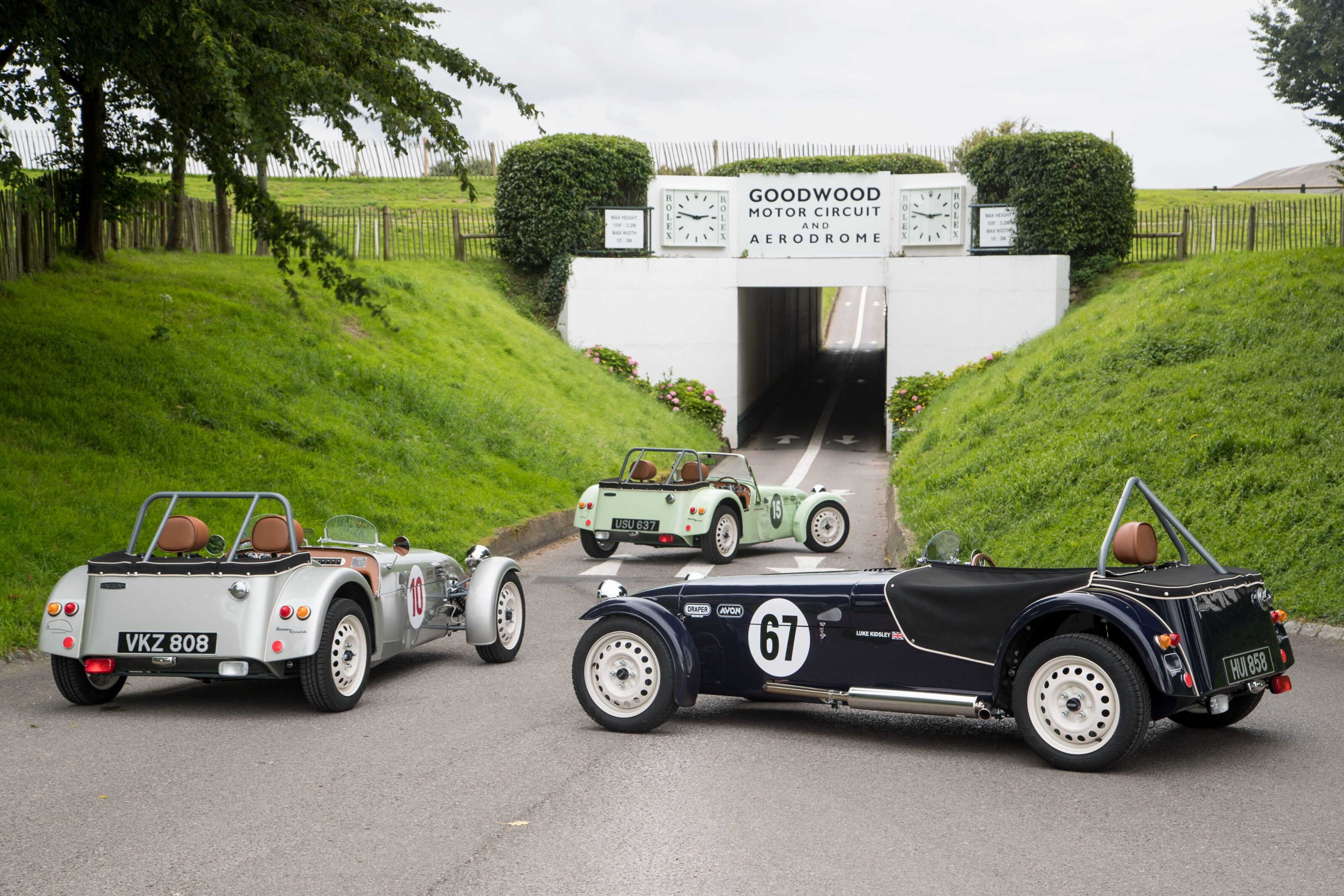
In 2020 Caterham was purchased by Japanese firm VT Holdings, which has been importing the small British sportscars into Japan for several years.
According to Macdonald, the CEO of VT Holdings, Kazuho Takahashi, is a diehard petrolhead with 25 years of experience in motorsport, and the Japanese parent company is the best fit to steer Caterham in the right direction moving forwards.
“He loves the brand and he knows that we haven’t got endless money,” said Macdonald.
“However, he’s determined to see this brand continue for another 50 years.”
Got a tip-off for a story? Get in touch: [email protected]
Snapshot
- Recorded annual operating loss of u00a5150.65 billion (AU$1.78 billion).
- 2021/22 fiscal year looking more positive
Nissan has got a long road ahead of it after the Japanese firm posted its worst financial results on record.
The automaker’s 2020/21 fiscal year report this week revealed a recorded annual operating loss of ¥150.65 billion (AU$1.78 billion).
The news doesn’t sound great – it’s a yearly result three times greater than 2019 – but Nissan believes that it could have been a lot worse.
In a statement issued by the automaker, the operating loss of ¥150.65 billion was said to be nowhere near as bad as the full-year forecast made at the beginning of the last fiscal year in April 2020, which predicted a net loss of ¥448.7 billion (AU$5.3 billion).
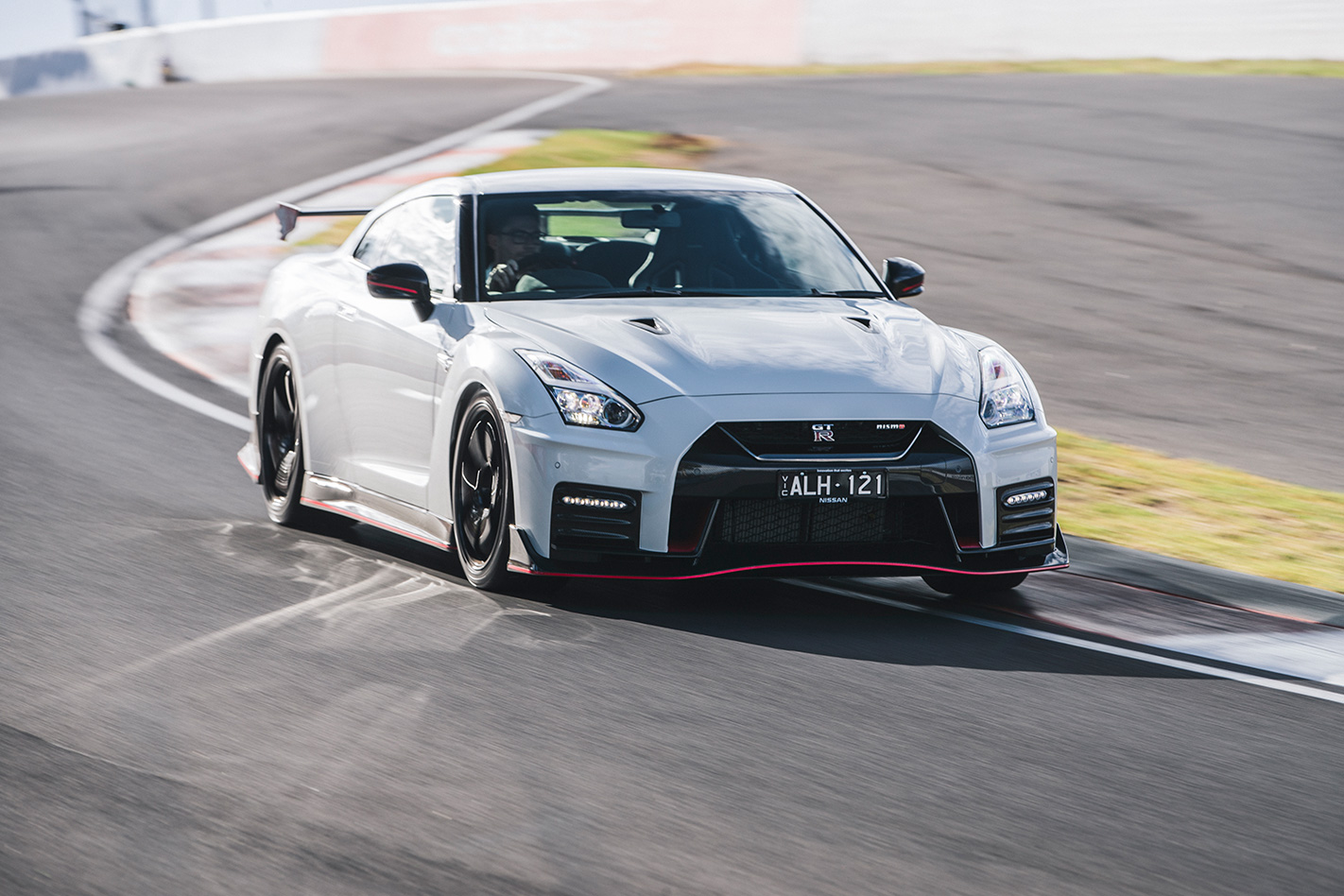
Like most carmakers, Nissan cited the COVID-19 pandemic and the subsequent global semiconductor shortage as the main two reasons for the poor financial results.
However, the Yokohama outfit said it was buoyed by recent sales figures, with its global retail volume for the 2021/22 fiscal year expected to grow by 8.6 per cent.
The automaker also predicts a much better financial result for the next fiscal year, with operating profit said to stabilise.
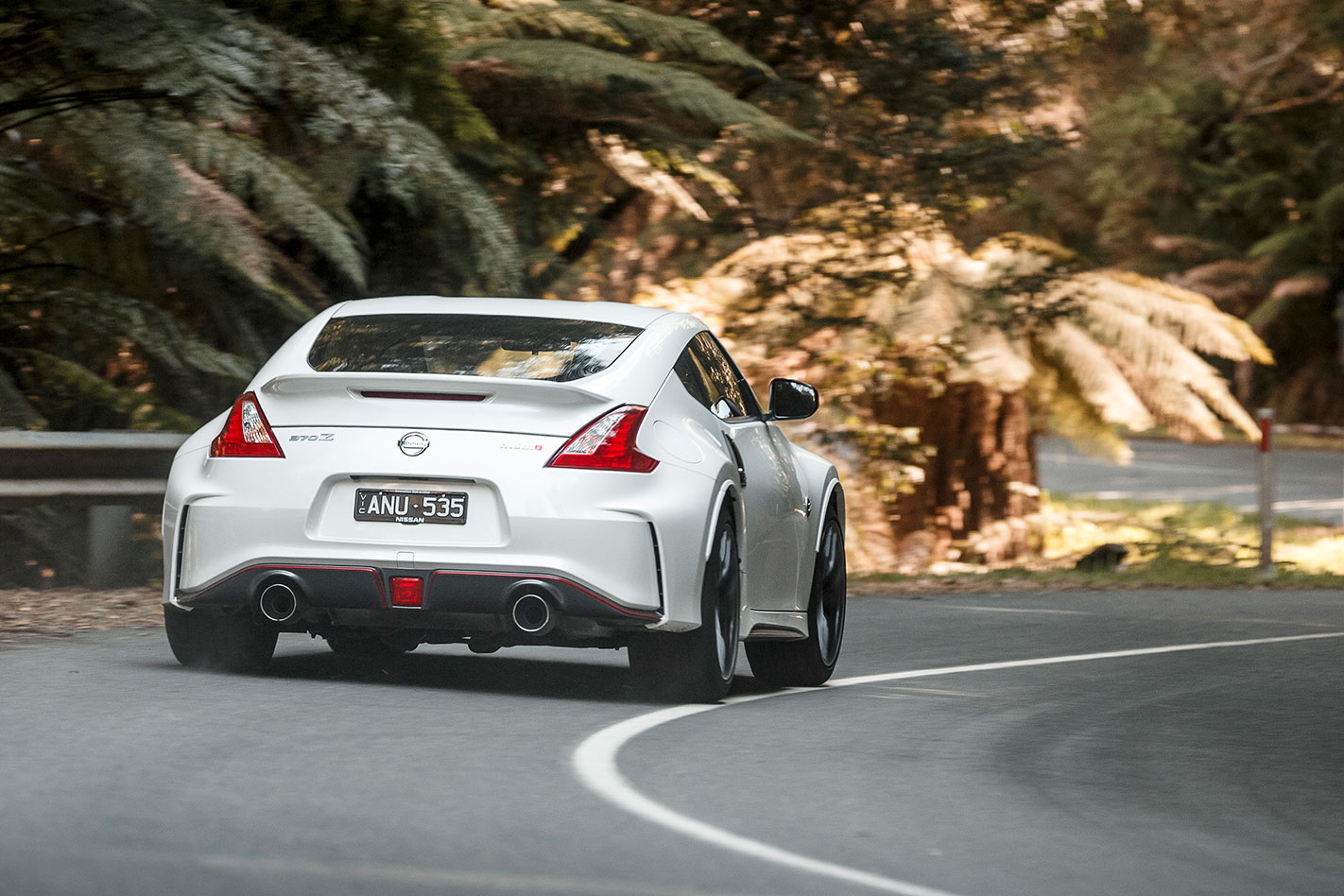
Nissan’s NEXT strategy, which was unveiled in 2020, is said to be on the right track too, with the firm believing a five per cent operating margin by the end of FY2023 is still achievable.
The Next strategy has already included the consolidation of its global product line-up from 69 models down to roughly 55, and has also resulted in the closure of two of its manufacturing facilities in Spain and Indonesia.
The product culling hasn’t affected the automaker’s local offerings though, with a spokesperson for Nissan Australia telling WhichCar that its product line-up remains unchanged.
Mercedes-Benz Australia is recalling five of its VS30 Sprinter vans over a welding issue.
The join where the B-pillar meets the floor may not be welded properly in the affected vehicles, which were made in 2020.
According to Product Safety Australia, if the van were involved in a side-on crash, the weld joint could fail – putting the fuel tank at risk and increasing the likelihood of injury for the driver and any passengers.
A list of affected VINs can be found here.
Owners of the vehicles, sold between October 13, 2020 and November 30, 2020, are advised to contact their preferred Mercedes-Benz dealer for a free of charge repair.
To find your local Mercedes-Benz dealer, visit https://www.mercedes-benz.com.au/passengercars/mercedes-benz-cars/dealer…
Got a tip-off for a story? Get in touch: [email protected]
I HAVEN’T NAILED Turn One at Phillip Island. Not by any stretch of the imagination. That would normally be cause for some concern and it certainly would have been in the previous generation BMW M4. There, it would have been a case of nervously groping for the limit of grip, prickly heat creeping up your spine as you steeled yourself to react to a poorly telegraphed stab of oversteer at the merest sniff of a lift. Type two fun, in other words.
Fortunately I’m in the all-new BMW M4 Competition and things are a considerably less unnerving. With around 190km/h showing at turn in, the front end engages and never feels as if it’s going to let go. Ease it hard to the smooth inside kerbing and gently feed the throttle. Then, out of sheer curiosity, lift off sharply and completely.
The car settles into neutrality, caster action winnowing away steering effort. After a beat or two, the electronic safety net of M Dynamic Mode awakens and the outside front brake pad skims the disc, a gentle anti-yaw moment to keep things on course. It’s so delicate that its intervention is hard to detect and its job is to make your wholly fallible car control seem heroic. It works.
Some time later you begin to process what just happened. You deliberately unsettled a 375kW coupe that weighs nearly two tonnes with fluids and driver in a corner at nearly twice the national speed limit. That’s just not something you’d do if you didn’t have confidence that the car was fully beneath you and, for keen drivers, that’s as much as they need to know about the generational step forward realised by the new M4 Competition.
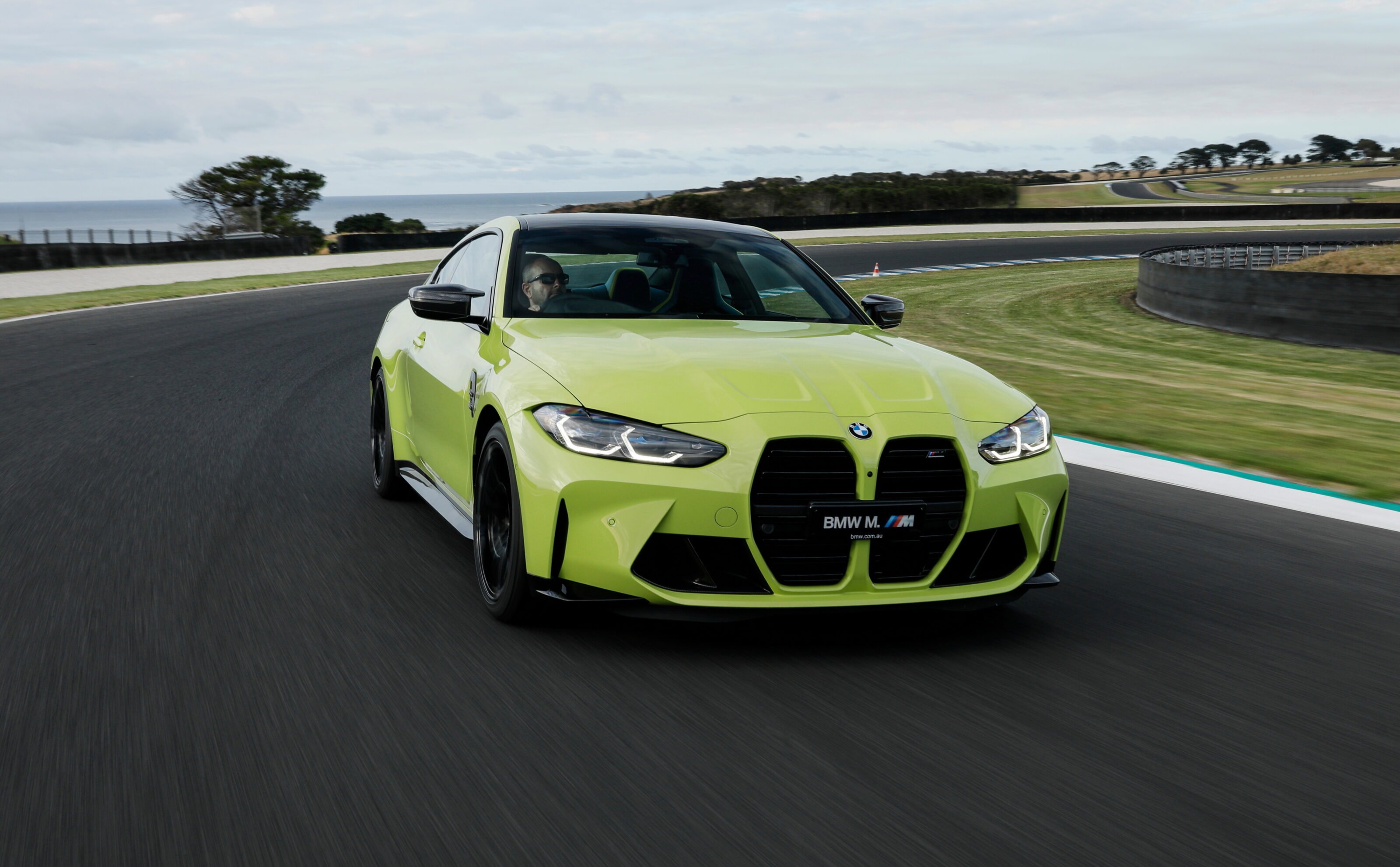
Reassurances are necessary. The G82 generation M4 Competition’s DIN weight of 1725kg is a massive 228kg (or 15.2 per cent) heavier than the first of the previous F82 M4s. Yes, power has increased by 16.8 per cent to compensate, but this has become a very large car to be flinging round a circuit. Its footprint is bigger and it tips the scales heavier than a V10-powered BMW M6 (2005-2010), a car that made 373kW without recourse to turbocharging. You may rightly wonder where the progress has been made.
The obvious answer is largely prosaic stuff like safety, convenience and efficiency. Safety has moved on a great deal in a decade and a 2001 Renault Laguna, the first car to score an EuroNCAP five-star rating, would net zero stars today. And where the old M6 emitted 342g/km, the current M4 Competition breathes a mere 227g/km. But there’s so much more to it than that.
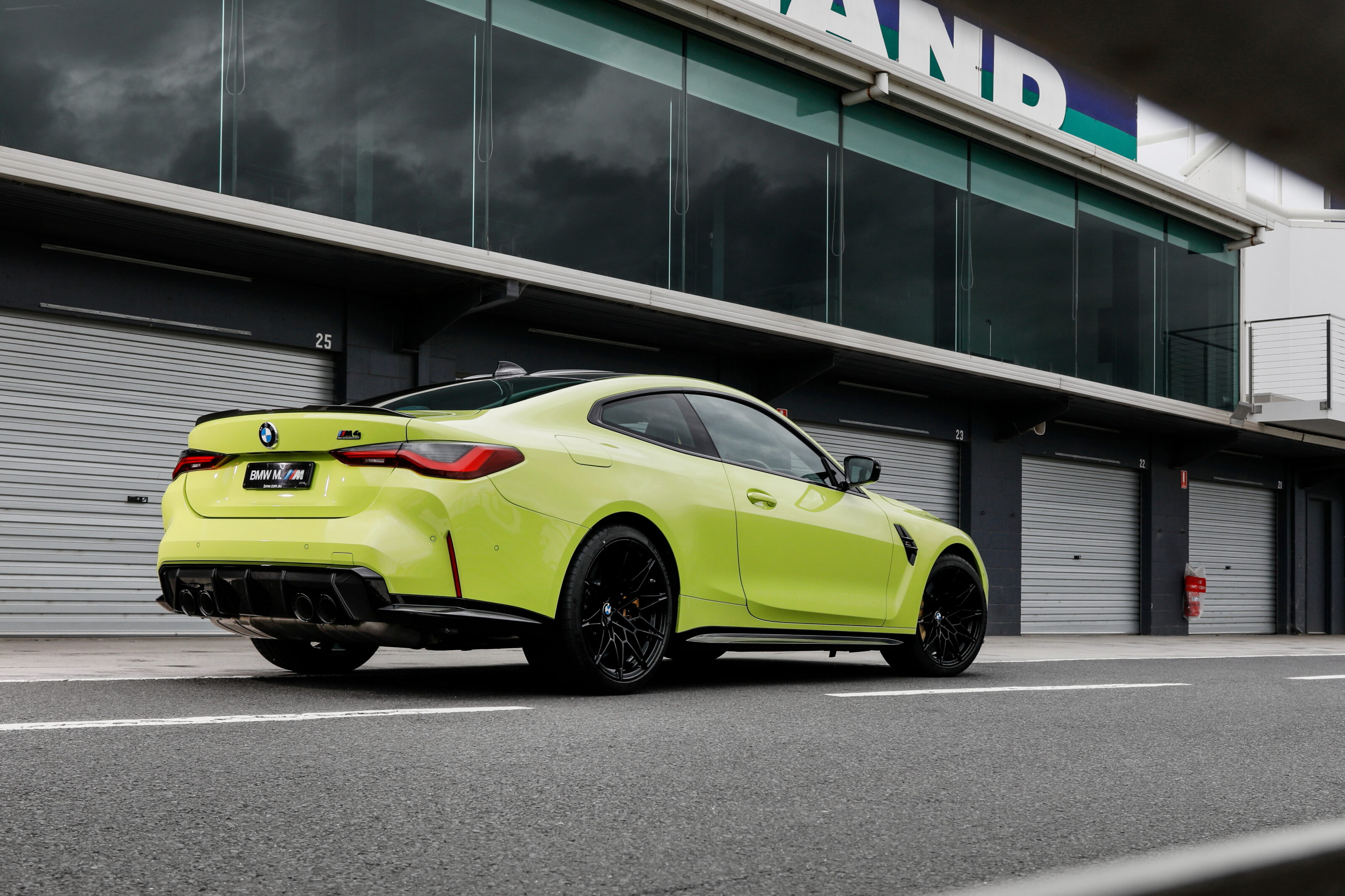
“With around 190km/h showing at turn in, the front end engages and never feels as if it’s going to let go”
Roll out of pit lane in the M4 Competition and even before you’ve hit the point where you start to eye the door mirrors for huge-grilled projectiles winging along the straight, it’s clear that BMW has created a far more urgent, evocative car than what went before.
The steering initially feels Ferrari-level darty and it takes a little time to key into. The throttle mapping in Sport Plus is similarly overcaffeinated and the initial impression is that Garching has engineered attention-deficit traits into the M4 Comp’s genetics.
That liveliness would be borderline unmanageable without the M4’s bulletproof front end. Even when upsetting the car across kerbs, there’s a genuine sense of lateral rigidity that feeds into the steering and through the chassis, giving the G82 an all-of-a-piece feel. You gain confidence in the M4’s responses way quicker than you think you will because of it and it also helps the car shuck off the impression of weight.
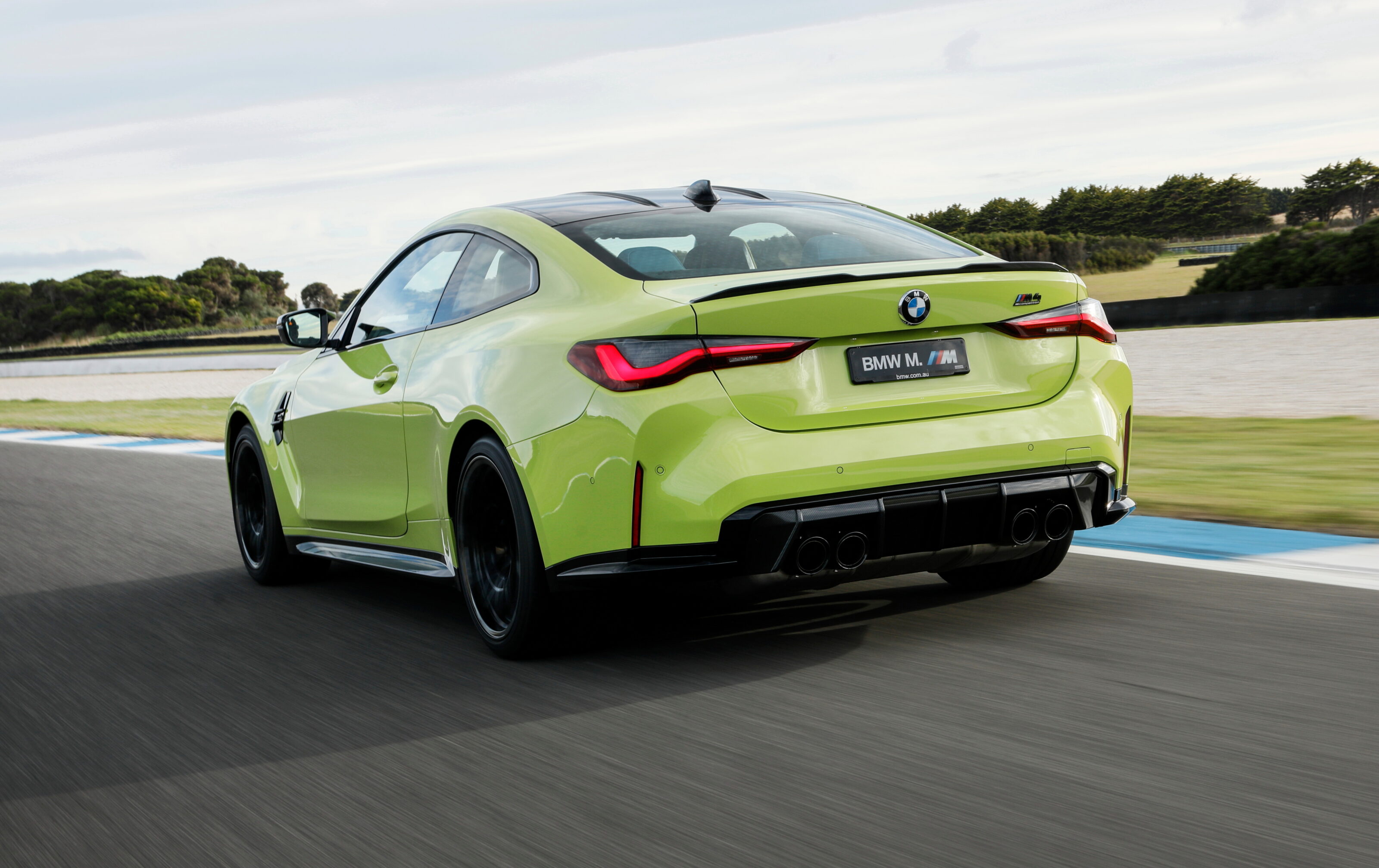
Body and wheel control is excellent, the new M4 getting aluminium wishbones with ball joints at the front. BMW has increased both caster and kingpin angles and lowered the roll centre. Although the steering doesn’t in fact offer a great deal of communication about what’s going on at the tyre contact patches.
So immediate are its reactions that the M4 has set about feeding forces through the sidewalls of its Pilot Sport 4S tyres and settled into a corner within a split second, allowing you to concentrate on feeding throttle. More than anything, it’s this willingness to rotate on turn-in that belies the considerable kerb weight.
The 3.0-litre twin-turbocharged closed-deck S58 engine needs a few revs on the board to give its best. Try to drive it on torque alone and it’ll feel a bit laggy, but anywhere above 3000rpm and it’s refreshingly linear in its response, right through to around 7000rpm. There’s not that manic rush at the top end of a good atmo unit, but BMW has done a great job of filling the cabin with piped-in sound from around 3500rpm which enables you to make progress satisfyingly without having to endanger your licence by chasing the redline.

The eight-speed auto ’box shifts as quickly and as smoothly as you could reasonably expect. No it doesn’t bang home shifts with the urgency of a dual-clutch, but it’s certainly no impediment to enjoying the car on track, and the rubber dimple-backed wheel-mounted shift paddles are a tactile delight.
The Dynamic Stability Control goes all the way to zero if required, whereupon you can then select from 10 settings for the M Traction Control. As mentioned previously, the halfway stability setting of M Dynamic Mode is about the best in the business. If it thinks you’re in control of a slide, it lets you have quite some leeway, stepping in sympathetically to correct the vehicle’s trajectory otherwise. There’s also the Drift Analyser which rates your slides out of five stars.
This generation of M3/M4 is shaping up to be the most engaging since the E46 M3 which, given its weight and return to an automatic gearbox for the Competition is a genuine surprise and delight. Three-pedal purists may prefer to wait for the detuned 353kW non-Competition version, due later in the year. That seems a decision with no real wrong answer whichever you choose.

2021 BMW M4 Competition specs
Engine: 2993cc 6cyl, dohc, twin-turbo Power: 375kW@ 5510-7500rpm Torque: 650Nm @ 2750-5500rpm 0-100km/h: 3.9s Weight: 1725kg Price: $159,900
Whether you’re preparing for a track day, shopping for a gift – or just yourself – here are the coolest bits and bobs we’ve been ogling this month.
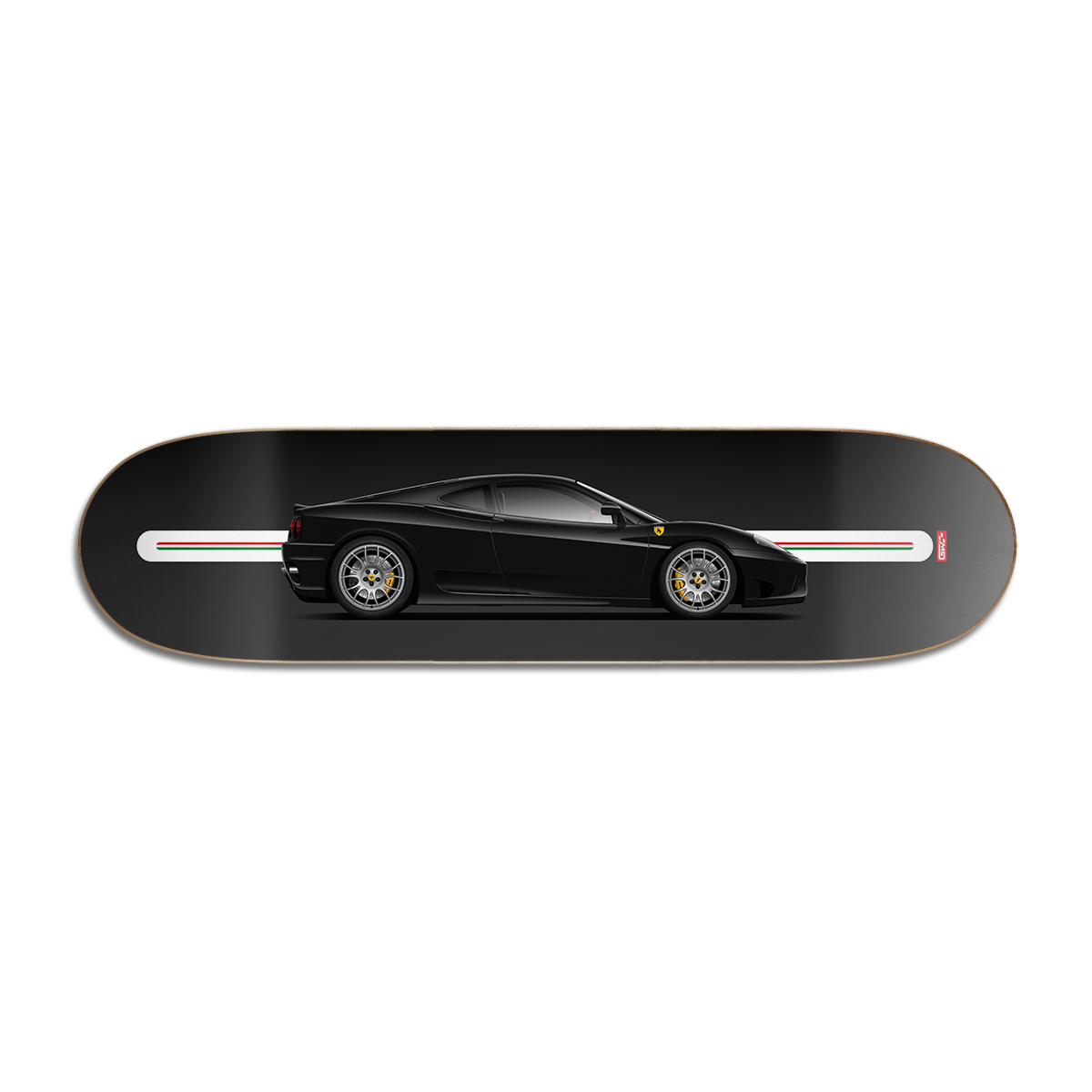
Nero 360CS Skateboard Deck – $80 – garagewelt.com
Here’s something a little different – this decorative skateboard deck features a Ferrari 360 Challenge Stradale illustration and is made in the USA out of seven-ply maple.
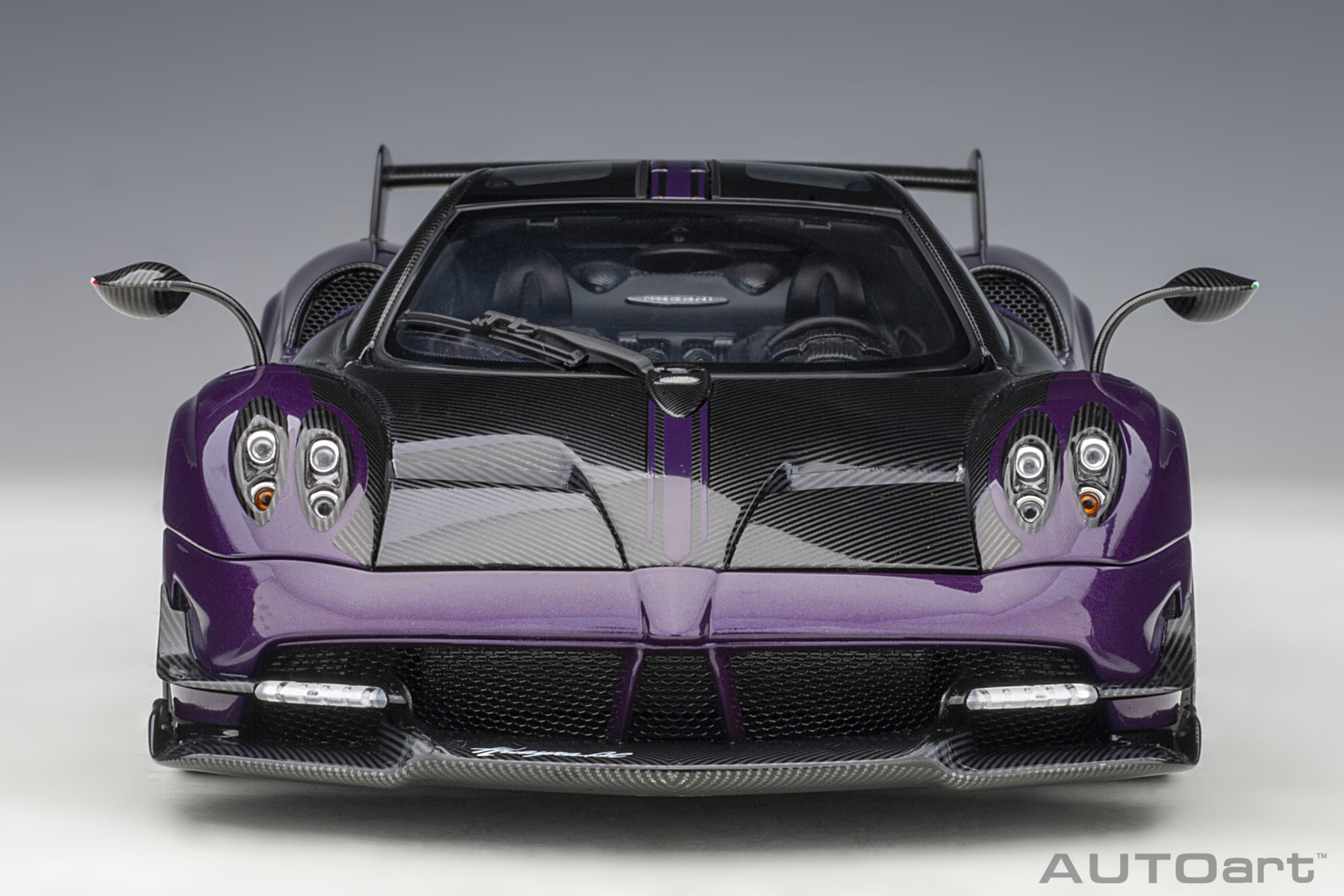
1:18 Pagani Huayra Violo PSO – $530 – gamesworld.com.au
This Viola Pagani Huayra PSO would be a beautiful addition to any desk, made from composite materials and highly detailed. Truly, one for the model collectors.
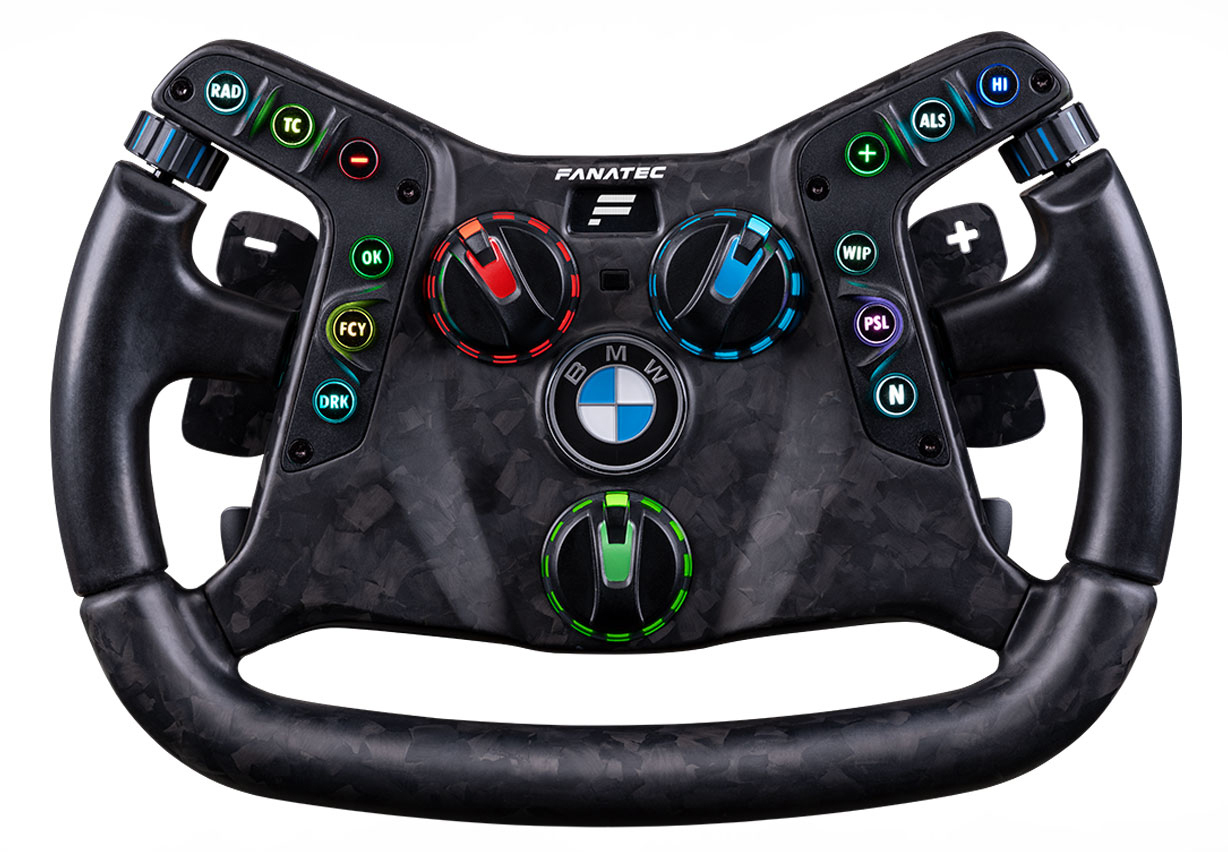
Fanatec Podium Series x BMW Motorsport – $TBA – fanatec.com
New Fanatec Podium Series wheel works is compatible with Fanatec’s popular high-end direct-drive Podium hubs. It’s no replica either, and is genuinely homologated for GT3 use, co-developed by BMW Motorsport for use in their G82 M4 GT3 racecar!
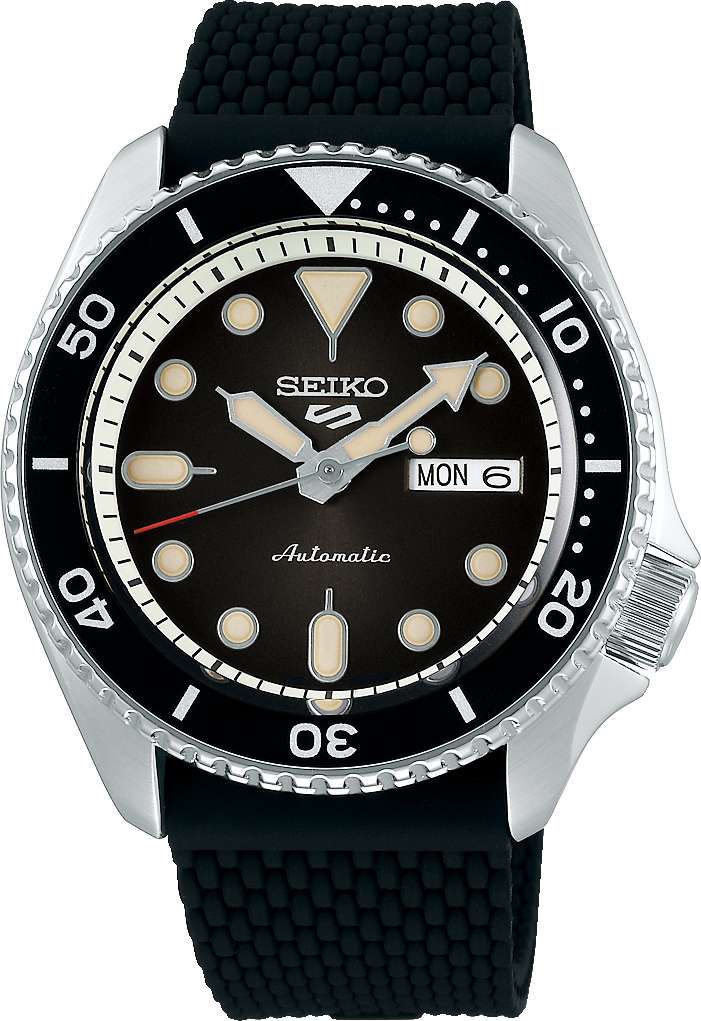
Seiko 5 SRPD73K-2 – $499 – seikoboutique.com.au
For 57 years, the Seiko 5 line has brought automatic complexity to the masses. This slick diver boasts a vintage-looking gilt dial and versatile rubber strap for all of the elements.
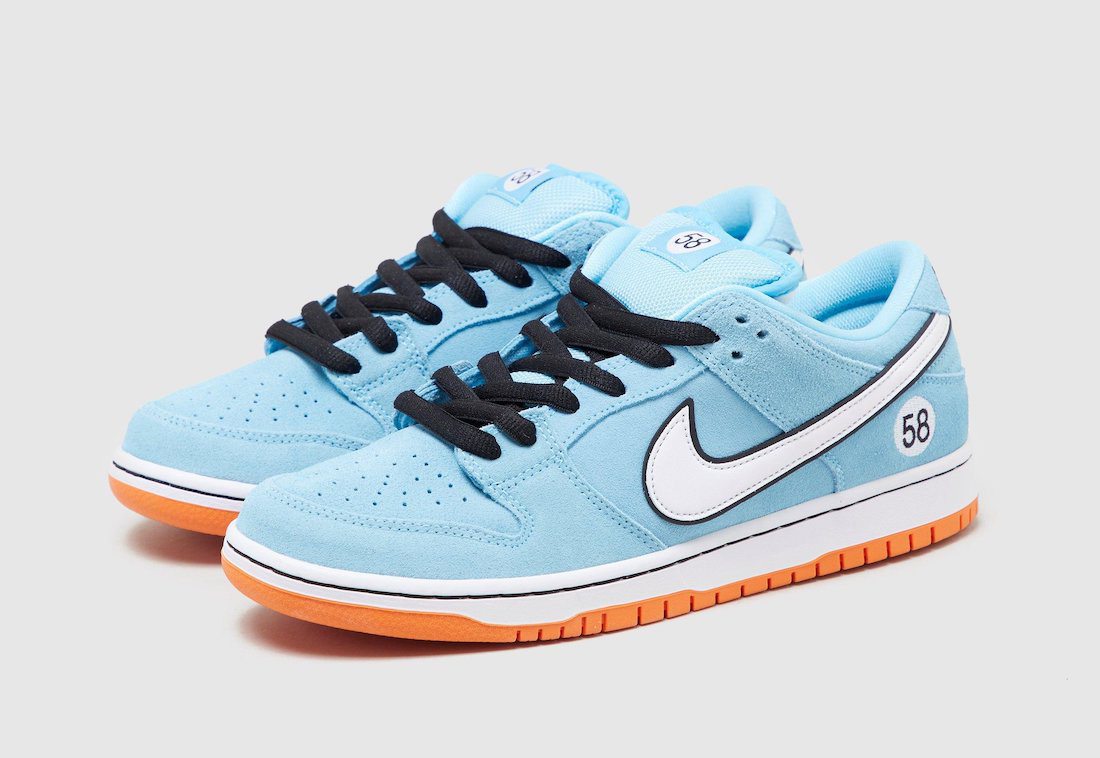
Nike SB Dunk Low “Club 58” – $130 – nike.com
For the sneakerheads out there, a recently-released Nike SB Dunk taps the colours of the iconic Gulf Racing livery. They sold out in short order, however, so you’re unfortunately at the mercy of the secondary market if you’re hellbent on owning a pair.
Track Pack
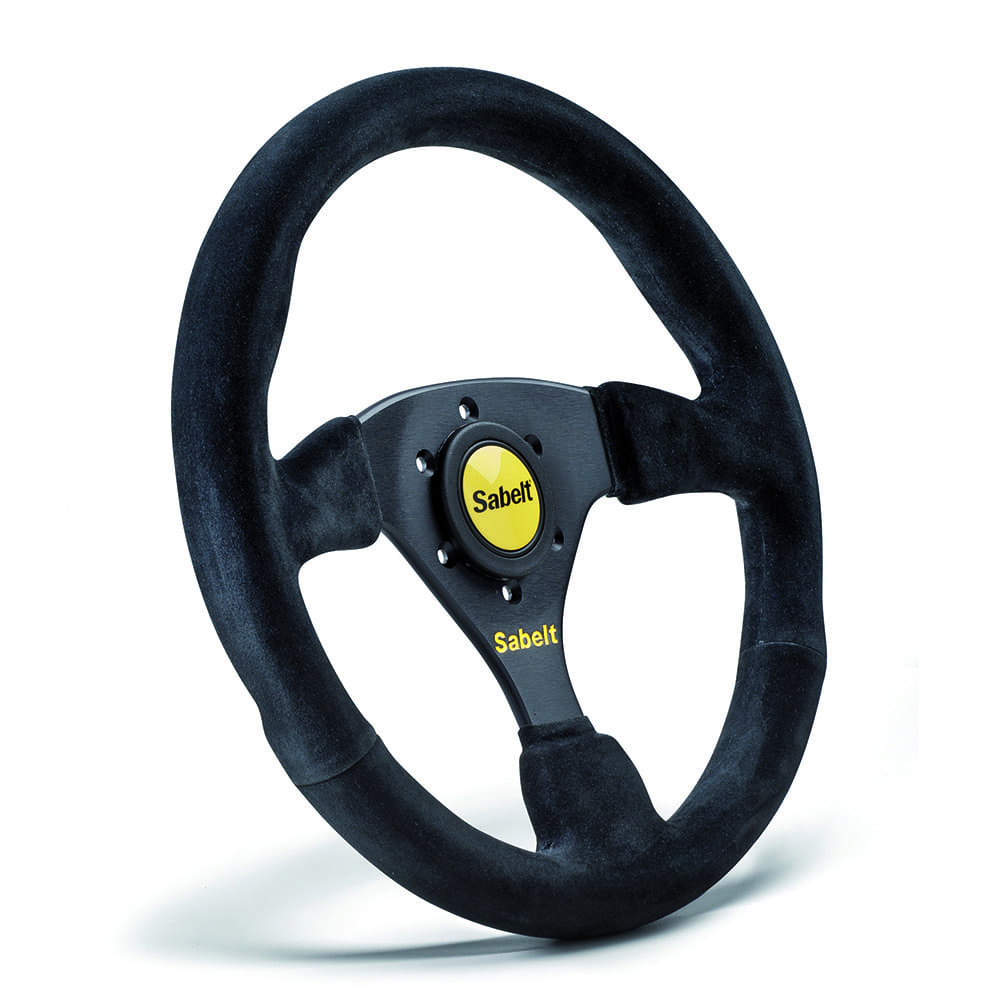
Sabelt Flat 330mm Steering Wheel – $308 – vsport.com.au
There are many benefits to an aftermarket wheel. This flat-type suede unit looks the business and should be compatible with a range of six-slot hubs.
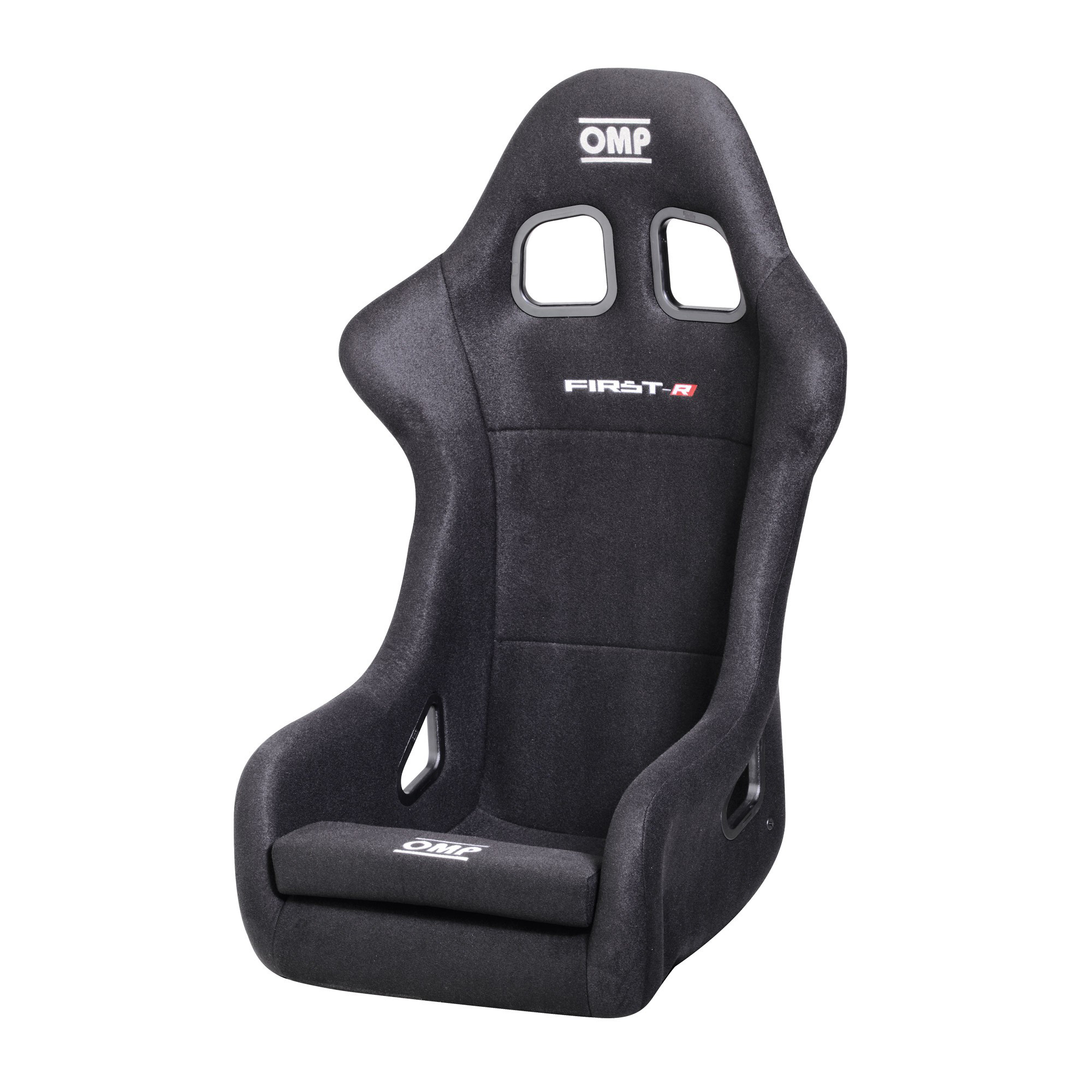
OMP First R – $649 – autosport.com.au
Entry-level fibreglass seat finished in a versatile black velour over black gel coated shell. Includes five harness slots, side mount fixings, HANS compatibility and FIA approval.
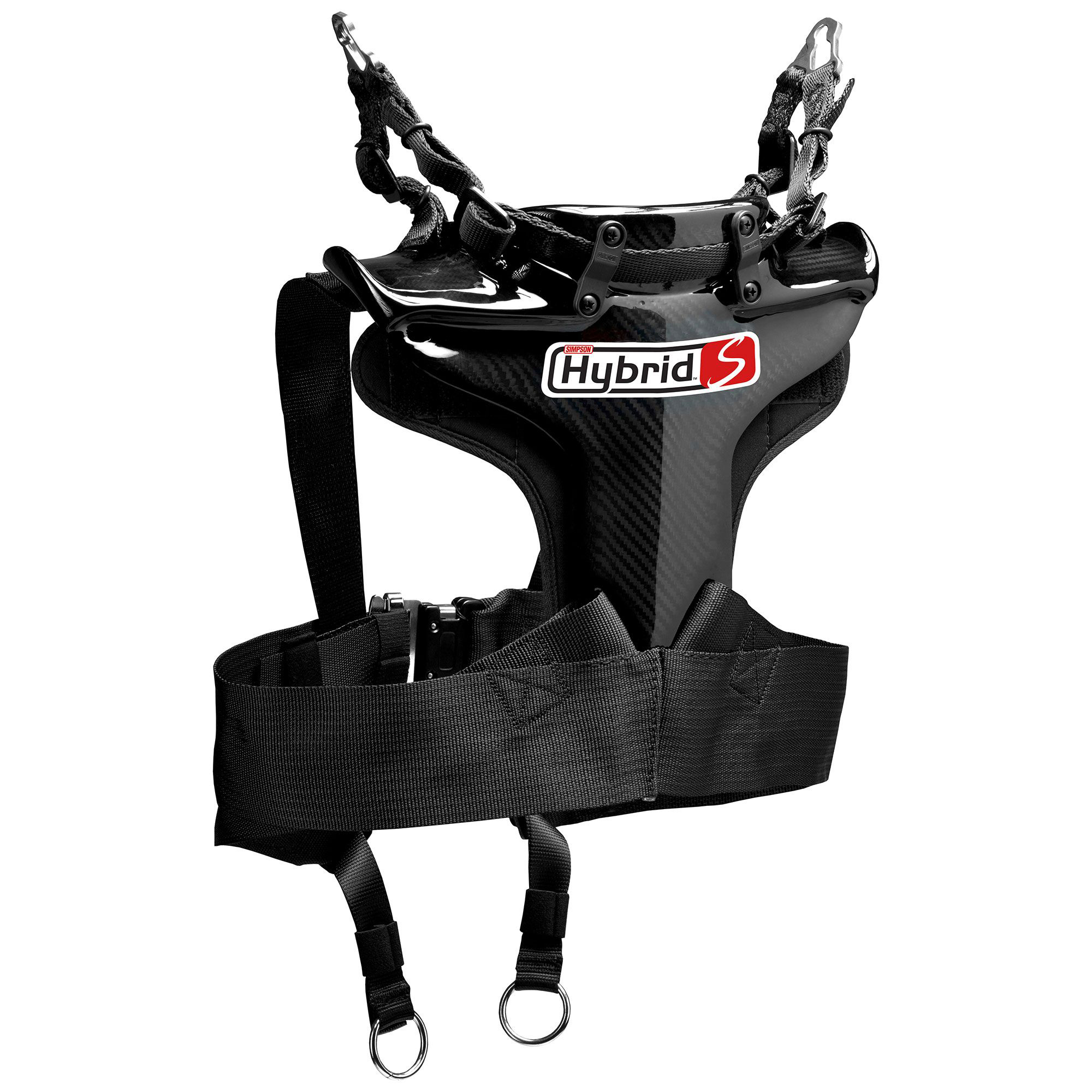
Simpson Hybrid S – $1999 – revolutionracegear.com.au
HANS devices are one of the most lifesaving developments in motorsport safety history. Traditional systems are best used with full harnesses, cages and bucket seats, but Simpson’s clever hybrid systems make head-load dissipation available to simple three-point restraints. Highly recommended for the serial track day enthusiast.
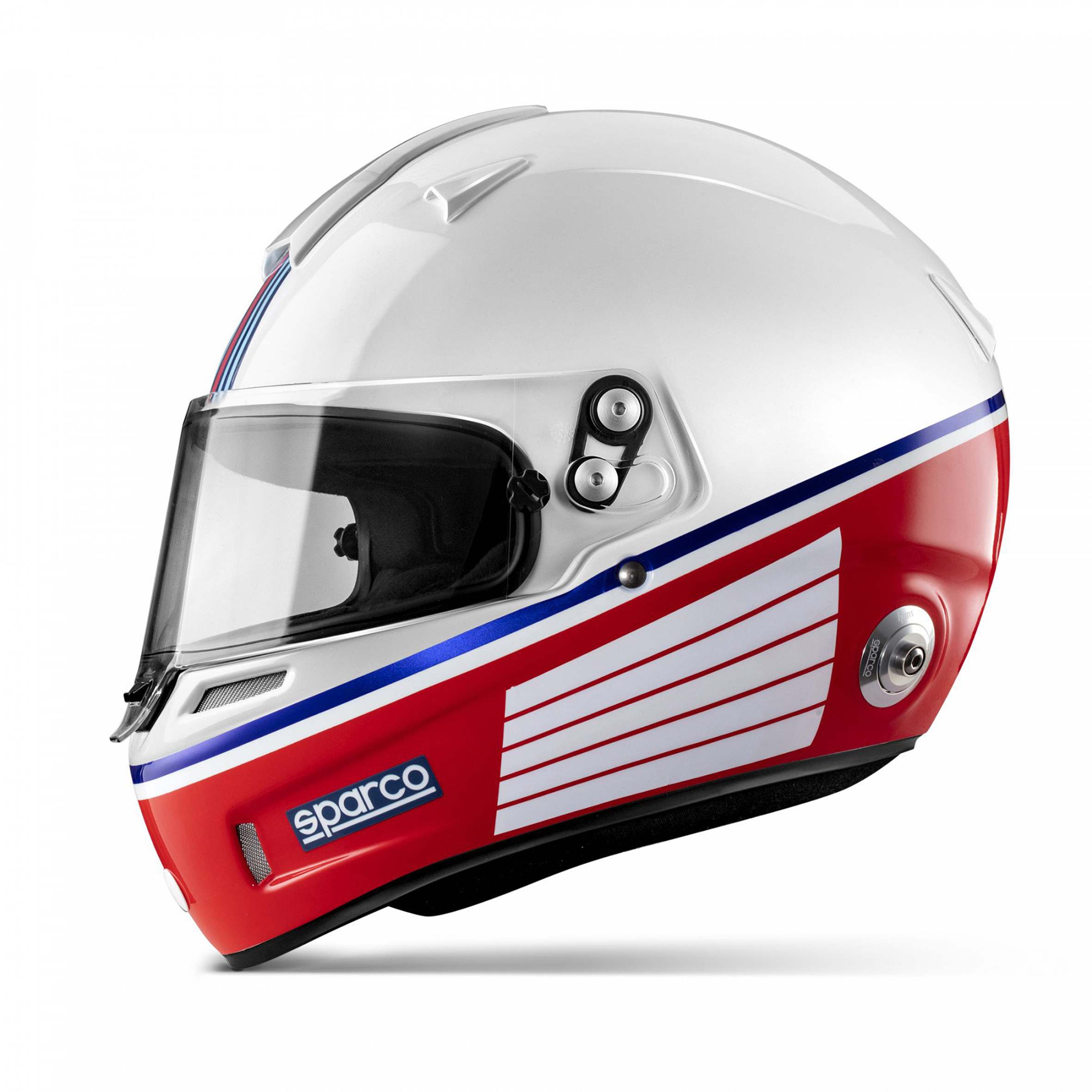
Sparco Air Pro RF-5W Martini Racing Helmet – $1130 – demon-tweeks.com
Limited edition Sparco helmet with a carbon Kevlar shell; removable/washable padding plus included FHR/HANS clips
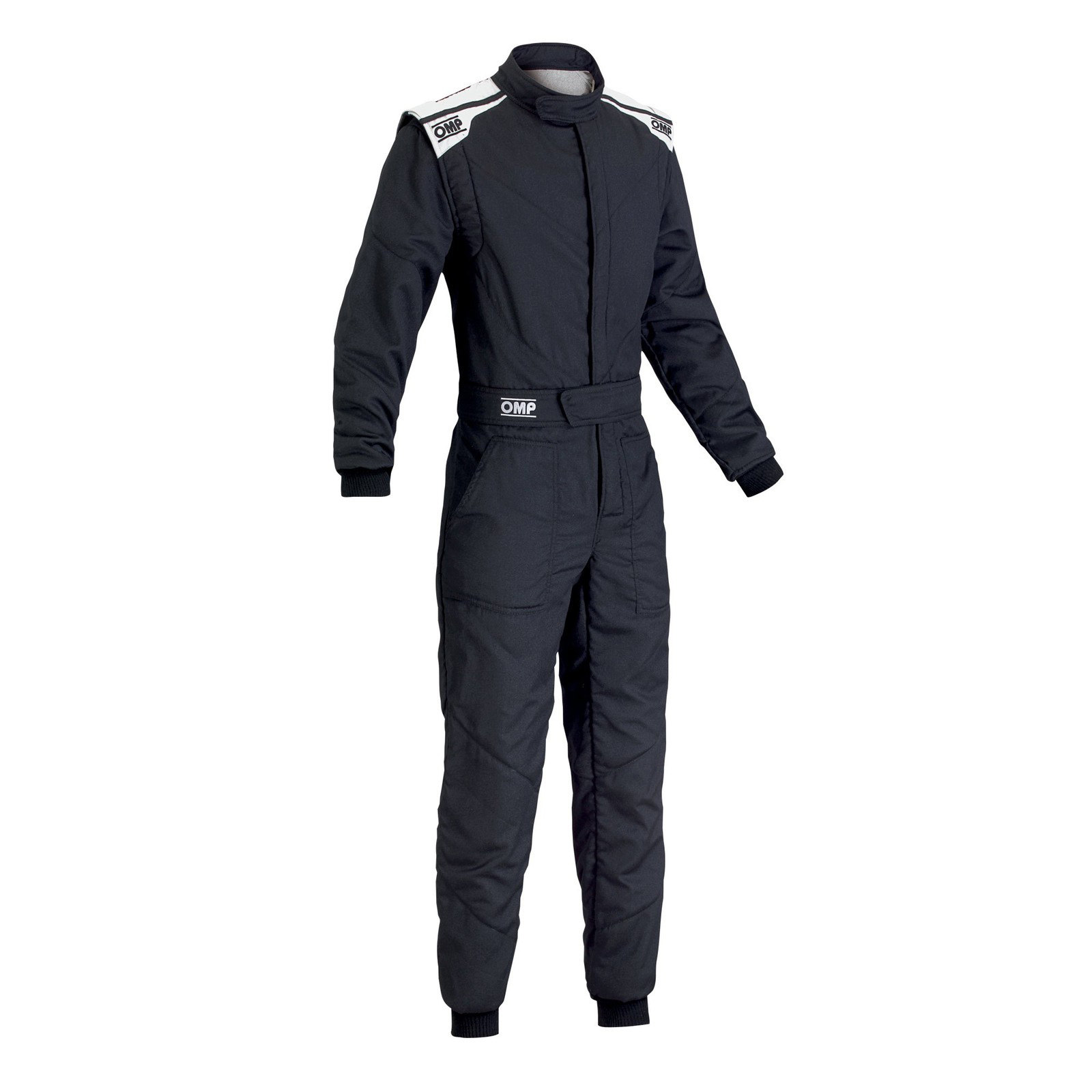
OMP First S Race Suit – $699 – racedeal.com
While not mandated for all track-day activities, fire retardant racewear is a smart move for serious weekend racers. If something goes wrong, you want to be as protected as you can be.
Snapshot
- Stellantis CEO says brands need time to prove themselves
- Decisions on financial viability won’t be made for another 10 years
Multinational car manufacturer Stellantis has said that it will wait at least a decade to give the 14 individual marques it owns a chance to prove their worth before axeing decisions are made.
Speaking at the Financial Times‘s ‘Future of the Car’ event, the Dutch firm’s CEO, Carlos Tavares, said the individual brands would be given time to get the right strategy in place, and then implement it.
“We’re giving each [marque] a chance, giving each a time window of 10 years and giving funding for 10 years to do a core model strategy – the CEOs need to be clear in brand promise, customers, targets and brand communications,” he said. “If they succeed, great.”
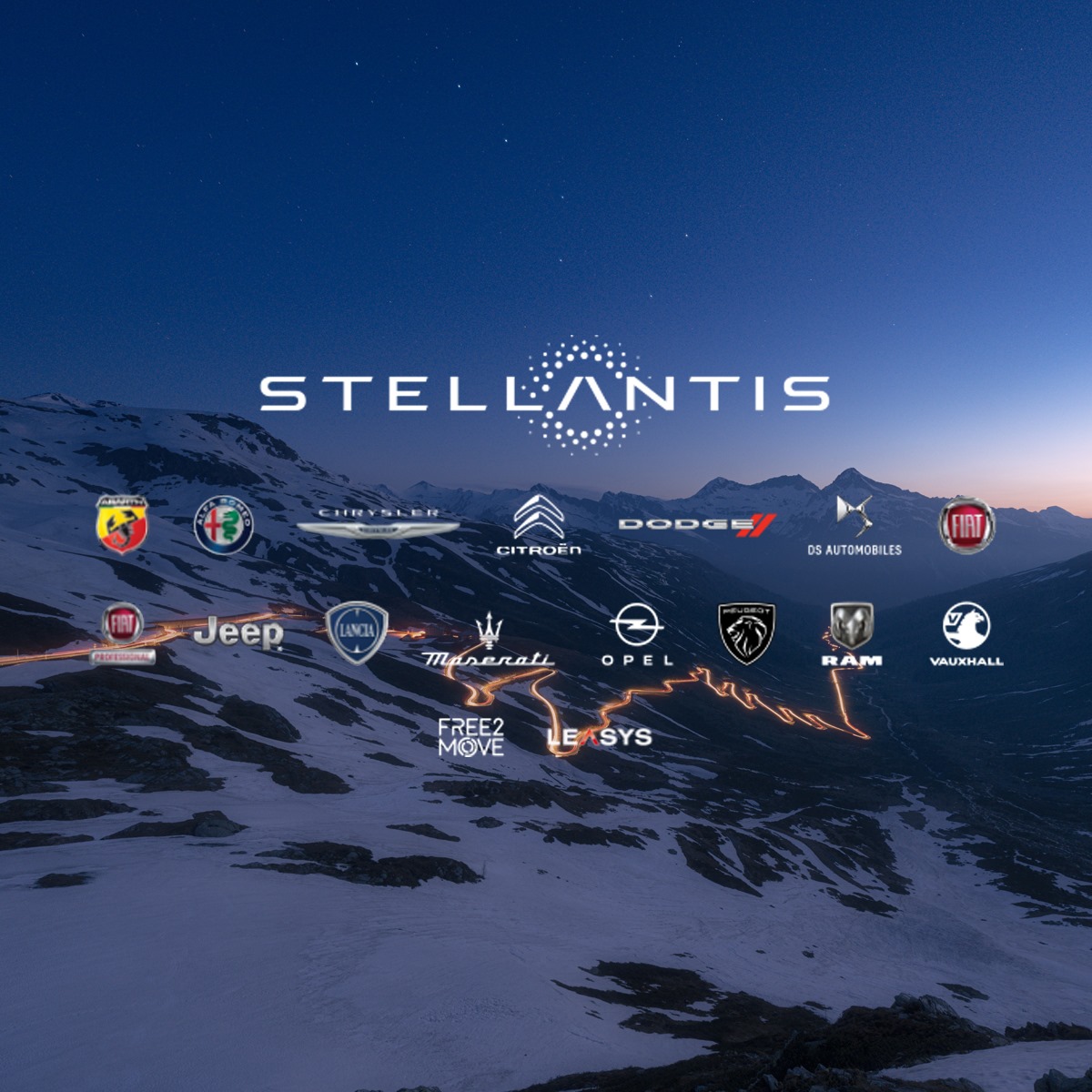
The newly formed company is the owner of 14 brands formerly controlled by Fiat Chrysler Automobiles (FCA) and Peugeot Société Anonyme (PSA).
They include: Abarth, Alfa Romeo, Chrysler, Citroen, Dodge, DS, Fiat, Jeep, Lancia, Maserati, Opel, Peugeot, Ram, and Vauxhall.
Some of the aforementioned automakers are sure to be fine, with Fiat, Jeep, Citroen, and Peugeot all doing well at the moment.
Other marques, however, like Alfa Romeo, Chrysler, Vauxhall, and Lancia, are really going to have to step up their games – unless they want to be consigned to the history books.
Talking points
- Hybrid powertrain will utilise Toyotau2019s GD-series of four-cylinder turbo-diesel engines
- Development and manufacturing occurring in South East Asia
- Expected unveiling in quarter two of 2022
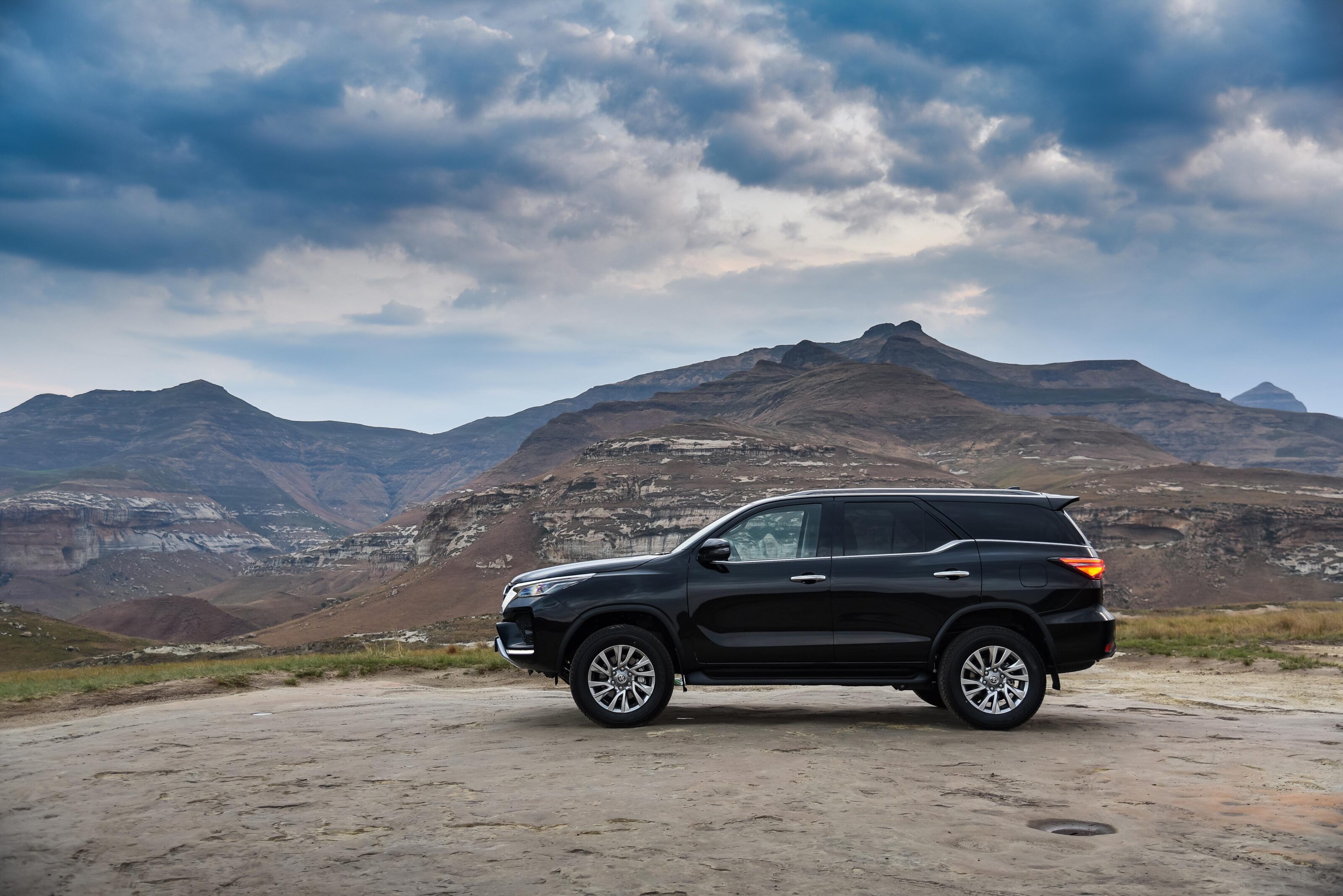
The 2022 Toyota Fortuner could be released with a new run of diesel/hybrid powertrains by the second quarter of 2022.
According to a report from the Filipino publication Autoindustriya.com, Toyota has been working on building a series of semi-electric powertrains in South East Asia for some time.
The internal combustion component that will feature as part of the new powertrain is said to be Toyota’s GD-series of four-cylinder turbo-diesel engines, including the 1GD-FTV 2.8 litre and 2GD-FTV 2.4 litre.
Both these engines are presently found in Aussie-delivered Toyotas such as the 2021 Fortuner and 2021 Toyota HiLux.
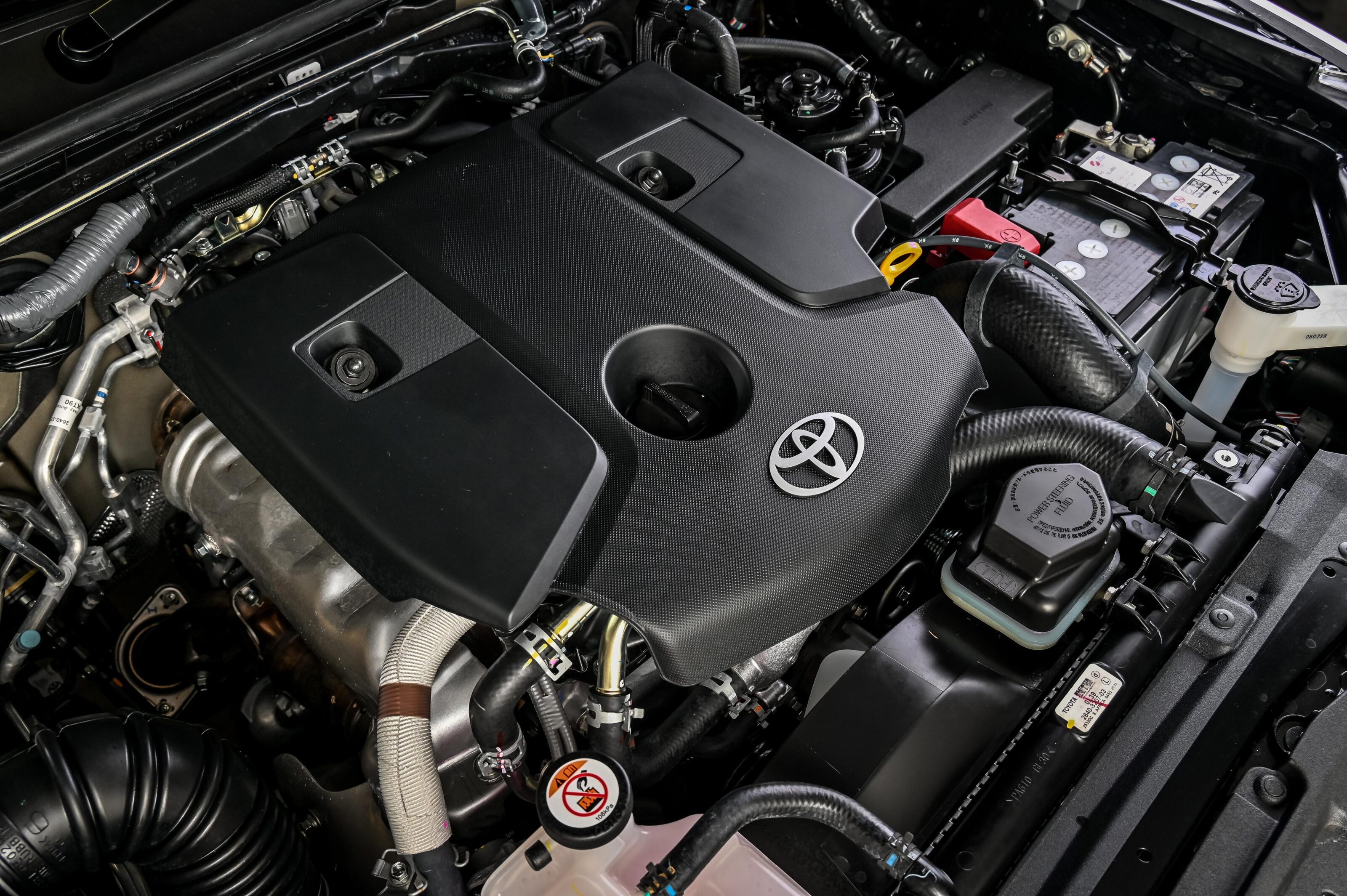
Power figures and fuel economy stats for the new hybrid powertrains aren’t known at this stage, but the report suggests the move to hybrid powertrains is a decision based on emissions reductions and not performance gains.
The current 1GD-FTV 2.8 litre produces 150kW and 500Nm and returns a combined fuel rating of 8.4L/100km in the ‘21 HiLux, while the 2GD-FTV 2.4 litre makes 110kW and 400Nm and 7.1L/100km.
The rumoured addition to the Fortuner’s powertrain options is not a surprising one, given Toyota’s commitment that all of its models will have a hybrid option by 2030.
It’s also likely that Aussie-delivered HiLuxs, as well as other models, will adopt the hybrid powertrains in the not too distant future.
However, a representative from the automaker’s local arm told WhichCar that currently it has no information about the new diesel/hybrid powertrains.
They said if such a powertrain were to exist in the future, then Toyota Australia would definitely be interested in it.
Got a tip-off for a story? Get in touch: [email protected]
